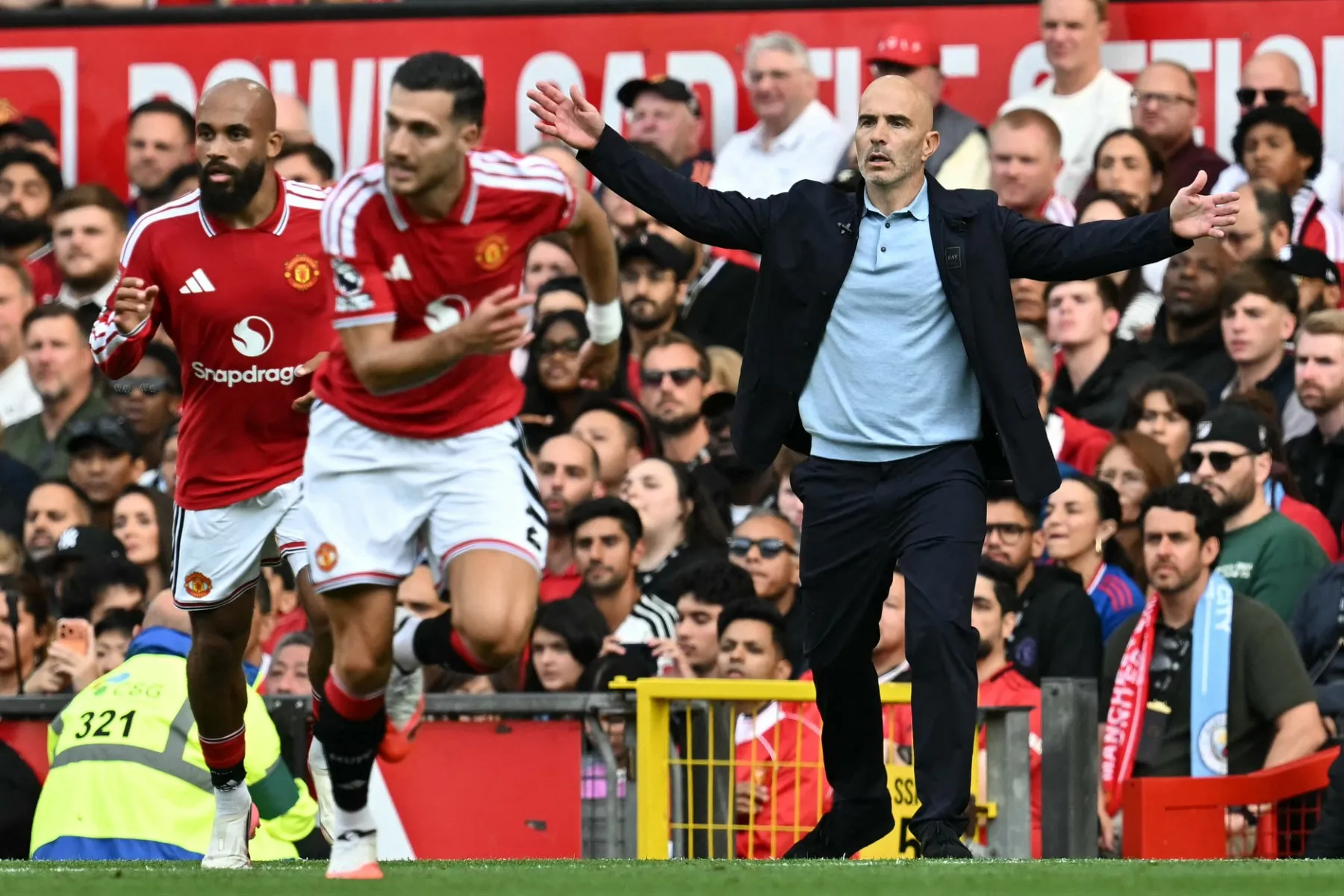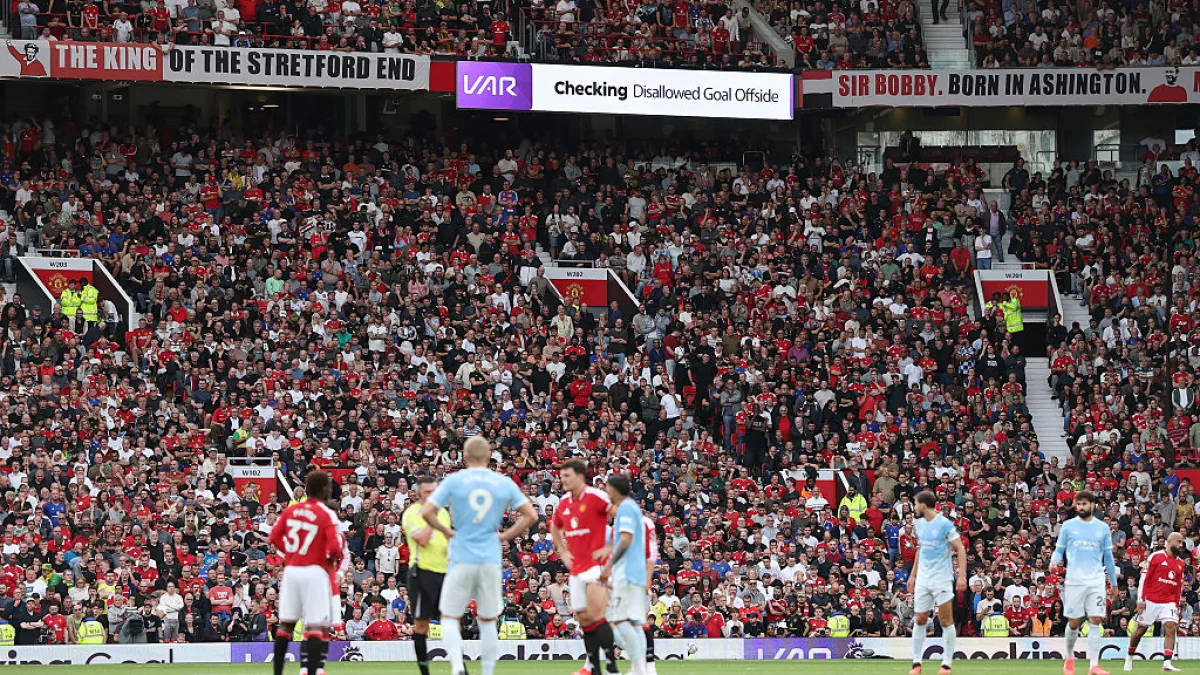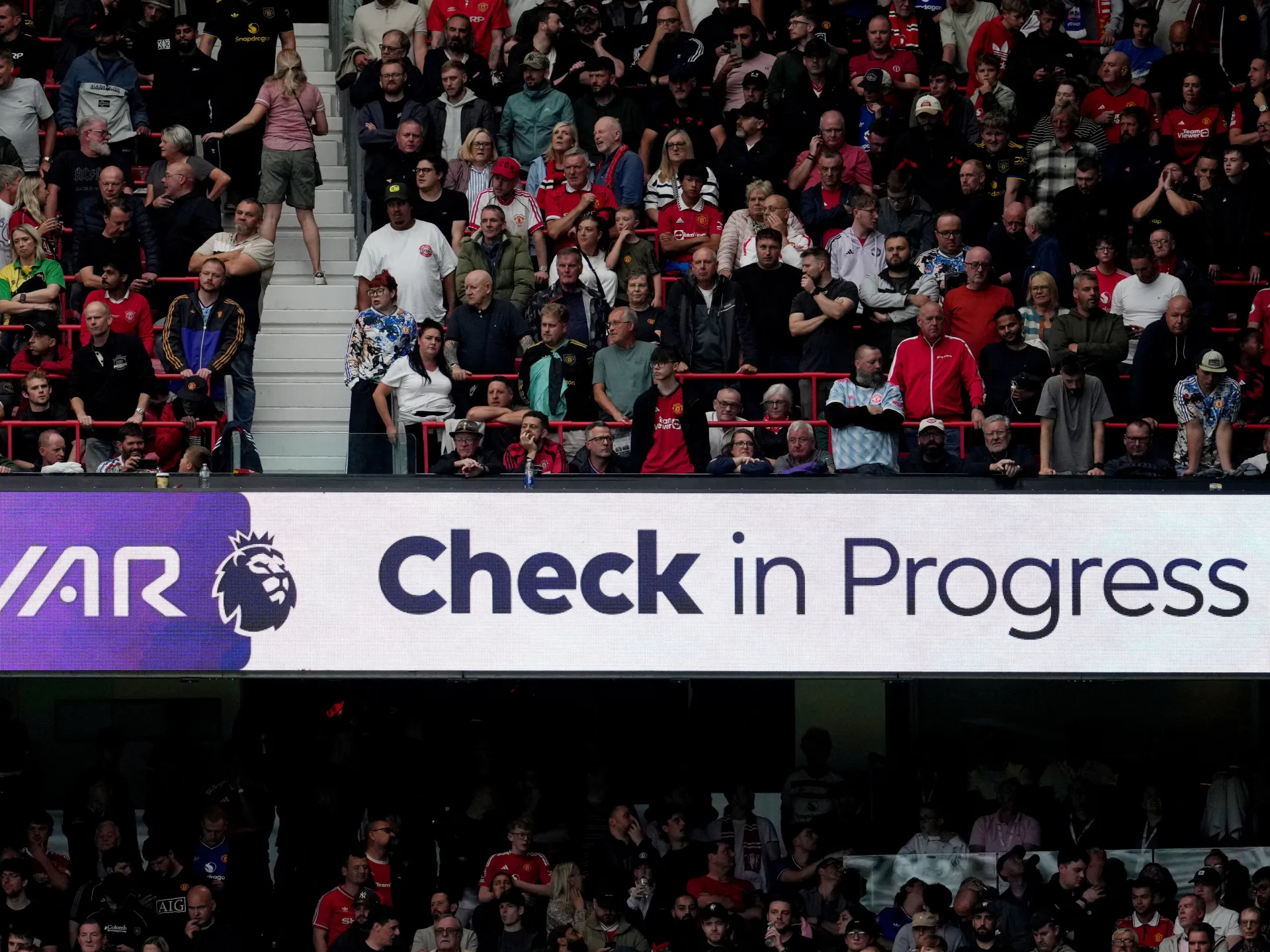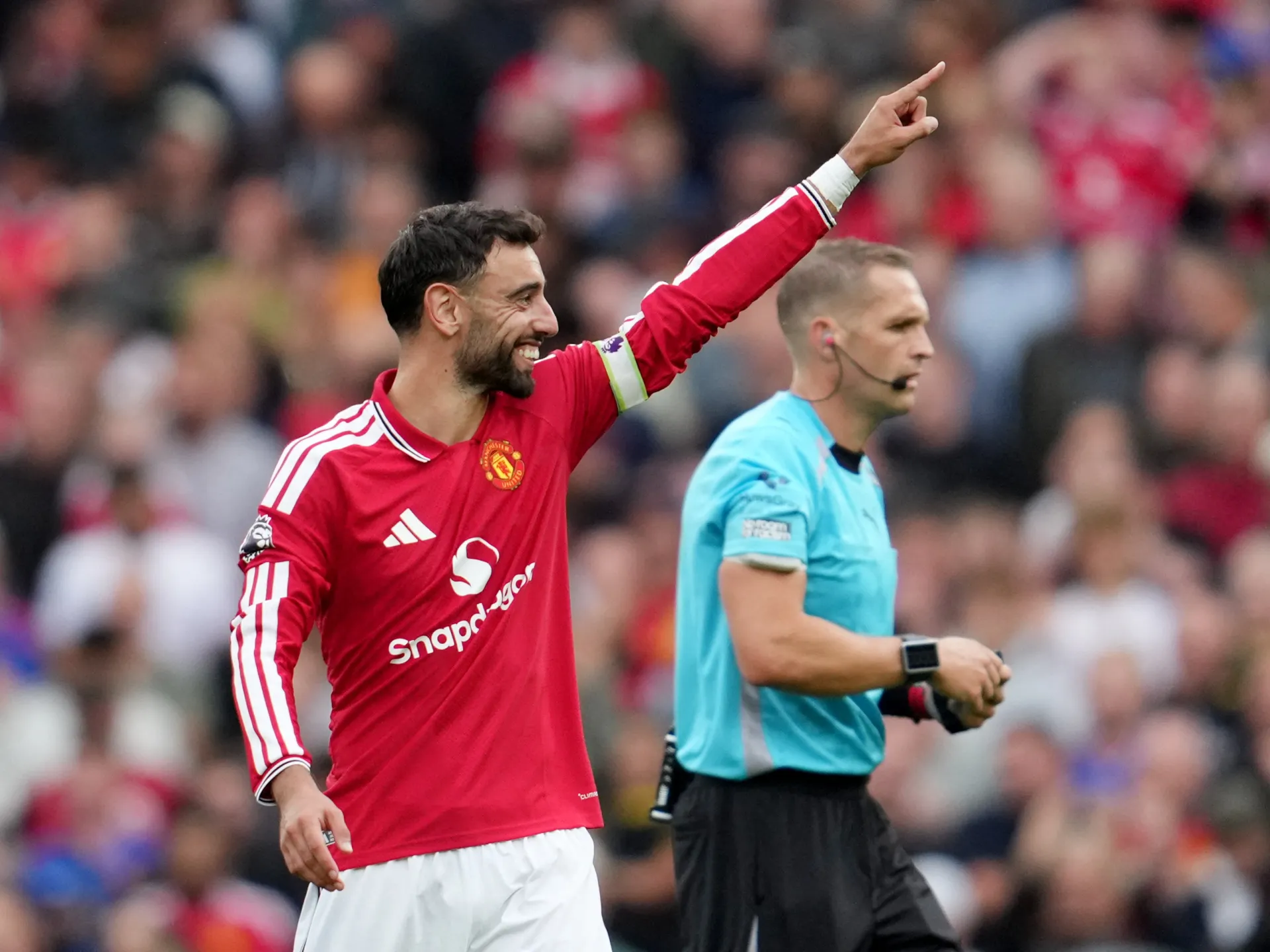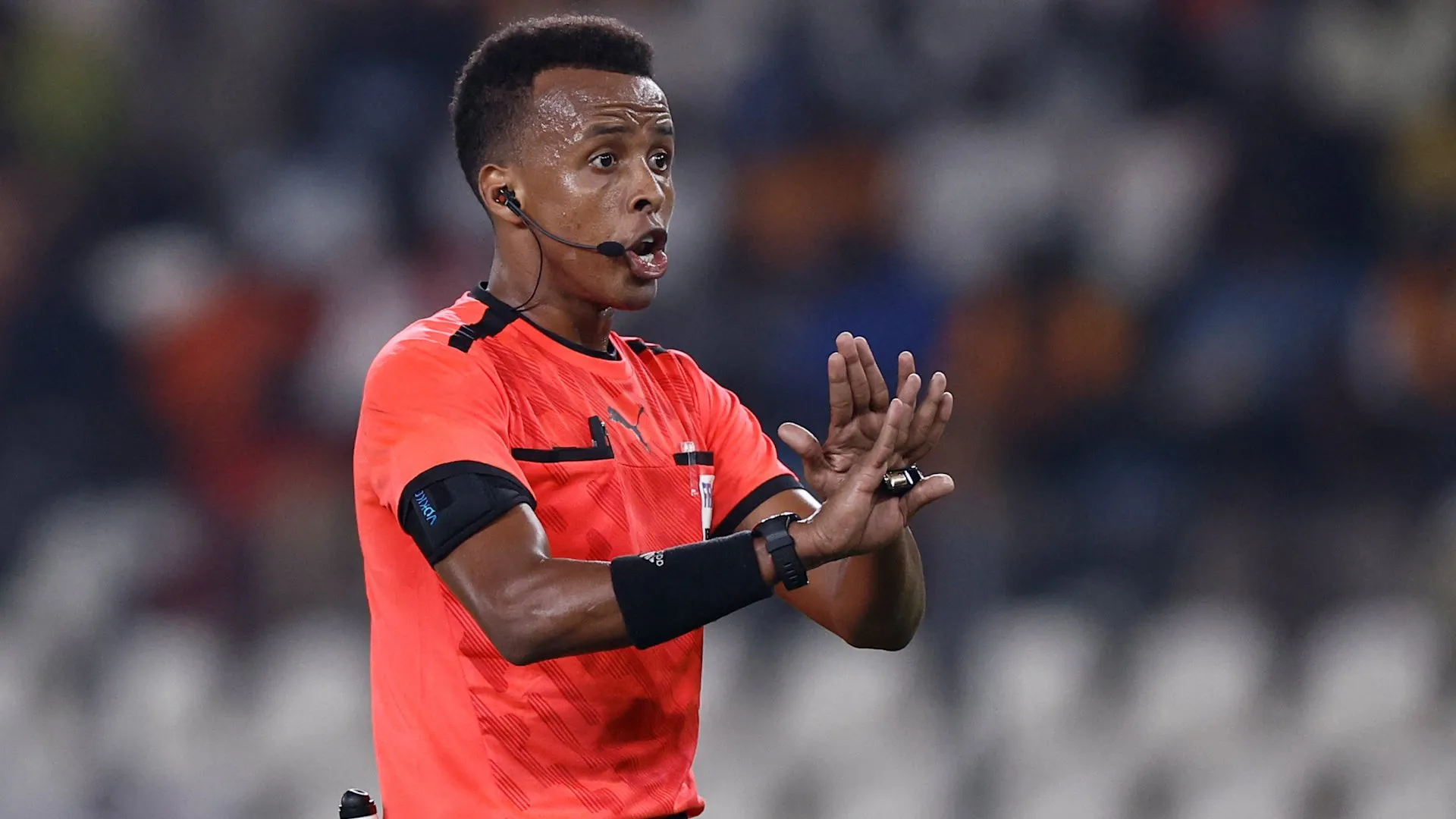
Pro Ref chief Howard Webb has identified "tunnel vision" as the primary cause for the VAR error that allowed a controversial goal in the Manchester derby.
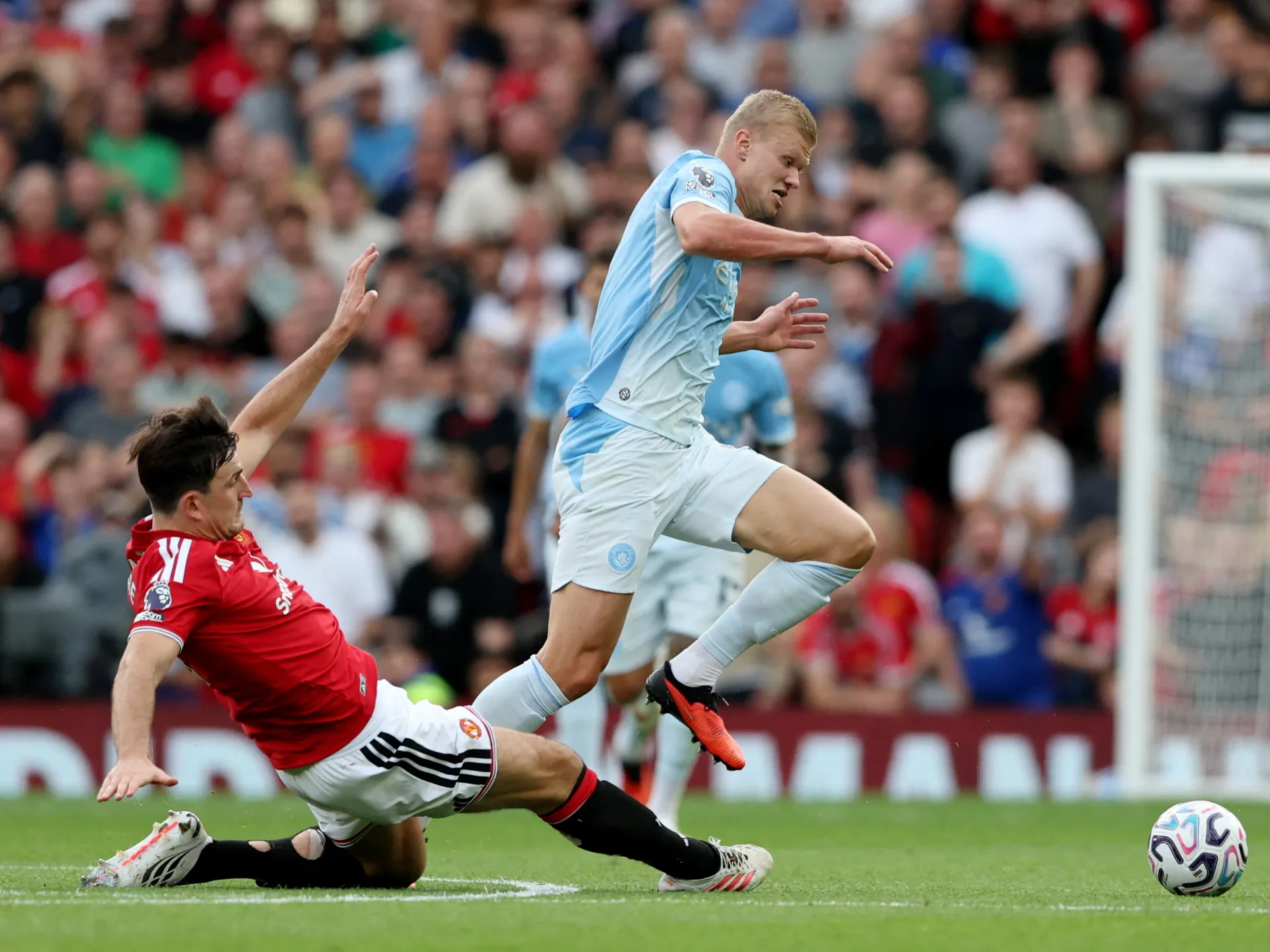
The recent Manchester derby at Old Trafford ended in controversy following a high-profile mistake goal that was initially flagged as offside ing the Manchester City striker’s goal to stand. However, subsequent analysis revealed that the officiating team failed to account for the involvement of teammate Enzo Fernandez, who was in an offside position.
Howard Webb, the chief refereeing officer for Pro Ref, the body overseeing professional football officiating in England, explained that the error stemmed from what he described as "tunnel vision." While the semi-automated offside technology accurately determined that Haaland himself was not in an offside position at the moment of the pass, the VAR officials neglected to conduct a holistic assessment of the entire attacking phase of play. Specifically, they failed to properly analyze the physical impact and positioning of Fernandez, who had moved toward the ball.
The failure to scrutinize Fernandez’s influence on the play resulted in a goal that, according to the official protocols, should have been disallowed. The situation highlights the ongoing tension between the reliance on automated systems and the necessity for human judgment in interpreting complex, multi-player offside scenarios on the pitch.
Following the match, the fallout was immediate and significant. Howard Webb publicly acknowledged the mistake, expressing profound disappointment on behalf of the officiating team. He noted that the officials involved are deeply invested in their professional performance and felt the weight of the error acutely. As a direct consequence of the lapse in judgment, Webb confirmed that the VAR official, Matt Donohue, and assistant VAR, Blake Antrobus, have been stood down from officiating duties until the conclusion of the upcoming international break.
Pro Ref has formally reached out to Manchester United to acknowledge the oversight, adhering to the organization’s standard transparency procedures for when high-level errors occur. Despite these efforts to maintain accountability, the incident has reignited broader discussions regarding the effectiveness of VAR. Critics, including former players and pundits, have characterized the current application of the technology as "horrendous" and overly intrusive, suggesting that it may be detracting from the natural flow and integrity of the game.
The Manchester derby incident serves as a stark reminder that technology, while intended to reduce "clear and obvious errors," remains susceptible to human cognitive biases. The primary goal of VAR was to harmonize human expertise with technological precision; however, as seen in this instance, human operators can become fixated on specific data points—such as Haaland’s position—to the detriment of broader contextual factors like the movement of other teammates.
Football experts have increasingly argued that the sport is facing a crisis of over-reliance on digital decision-making. The "tunnel vision" phenomenon described e to synthesize multiple streams of information under high-pressure conditions. This has led to mounting pressure on governing bodies to refine the protocols surrounding VAR to ensure that "clear and obvious" errors are rectified without creating new, equally problematic technical mistakes.
For Manchester United, the decision proved costly, resulting in a 1-0 defeat that adds to a challenging start to their Premier League campaign. Manager Michael Carrick voiced his frustration regarding the officiating process, as the club looks toward upcoming fixtures in the League Cup and Premier League. The incident will undoubtedly remain a focal point for future discussions on how to better balance the integration of technology with the subjective elements of football officiating.