Veteran reporter Ric Bucher is calling for greater diversity in WNBA broadcast panels, citing a lack of critical debate and a tendency toward consensus-driven commentary.
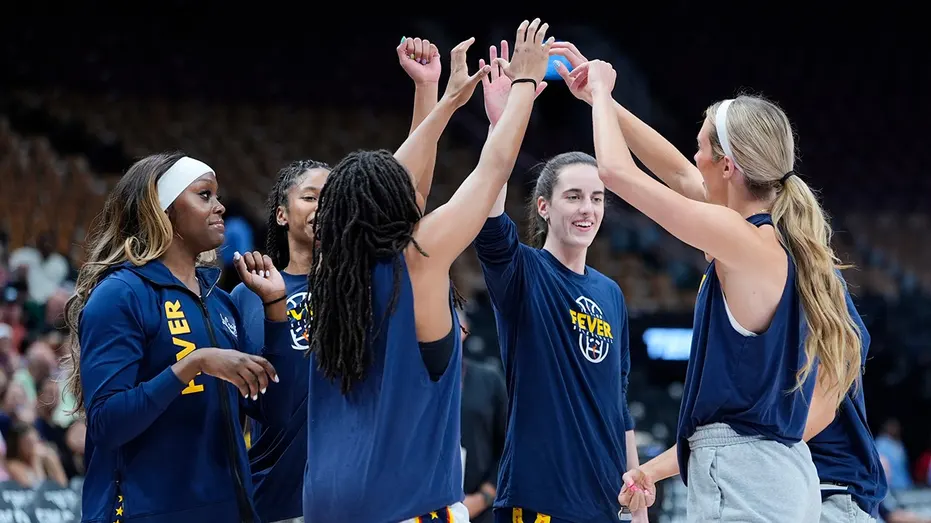
The landscape of WNBA broadcasting has recently become the subject of intense scrutiny following comments from veteran NBA reporter Ric Bucher. During a recent episode of his podcast, Bucher raised questions regarding the composition of broadcast panels for women’s professional basketball, specifically pointing to the prevalence of all-female studio hosts and color analysts on major networks like ESPN and NBC. His primary argument centers on the concept of diversity in perspective, suggesting that the current broadcast model lacks the robust debate and varying viewpoints that are staples of other professional sports coverage.
Bucher’s critique is rooted in the belief that broadcasting teams should reflect a wider range of backgrounds to foster authentic analysis. He questioned why, given that women have successfully served in various roles on NBA broadcasts for years, the reverse parity is not mirrored in WNBA coverage. dvertently creating an insular environment that prioritizes a singular viewpoint over challenging, critical discourse.
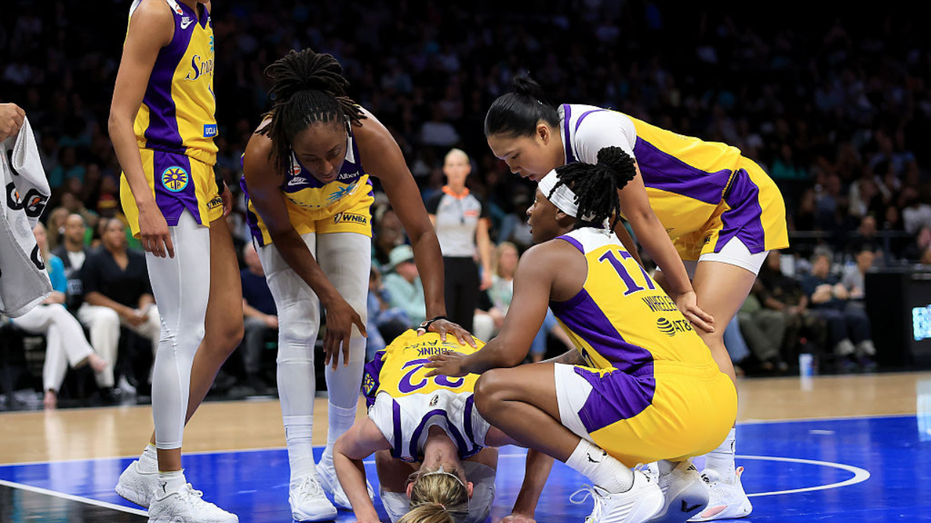
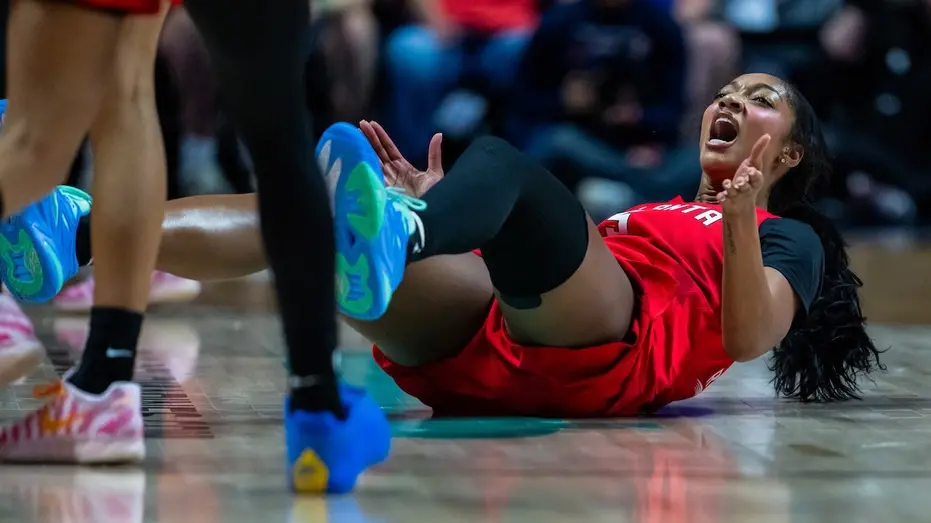
Beyond the gender composition of the panels, Bucher highlighted a perceived lack of disagreement among current WNBA commentators. He argued that the commentary often feels "safe" and "cookie-cutter," failing to address controversial on-court incidents with the necessary rigor. Using the example of specific hard fouls, he suggested that broadcasters appear hesitant to offer strong critiques, potentially fearing backlash or appearing to be overly protective of the league and its players.
This sentiment touches on a broader concern regarding how sports media handles sensitive topics such as player conduct, league policies, and cultural issues. Bucher contends that the lack of internal dissent leads to a monotone presentation that fails to serve the audience effectively. He characterized the current broadcast atmosphere as a “girls’ club,” implying that the media may be shielding the league from the type of raw, unfiltered scrutiny that is routinely directed toward other professional athletes and organizations.
While the call for more men on WNBA broadcasts has gained traction in some circles, the underlying issue may not be solely about gender, but rather the quality and diversity of thought. Critics of the current media landscape argue that adding male voices might not solve the problem if those individuals are similarly predisposed to avoid controversial stances or are more concerned with maintaining social media approval than providing honest sports analysis.
The demand for balance is arguably the core of the debate. Whether the topic is the performance of standout rookies, discussions regarding racial dynamics in the sport, or league-wide policies on inclusion, there is a perceived need for commentators who are willing to diverge from the consensus. The goal, according to those advocating for change, is to move toward a model where analysts prioritize objective observation and evidence-based critique, regardless of the potential for public pushback.
As the WNBA continues to see record-breaking interest and viewership, the pressure on networks to refine their broadcast approach is likely to intensify. The challenge for entities like ESPN and NBC is to curate panels that can navigate the complexities of the modern sports landscape while maintaining a standard of journalism that respects the intelligence of the viewer. Finding the right mix of experience, courage, and intellectual diversity remains the ultimate goal.
Ultimately, the discussion sparked rom echo chambers and toward a more dialectic form of sports commentary, networks could potentially enrich the viewing experience. Whether through the inclusion of more varied voices or simply s, balanced, and open-minded analysis remains a central theme for the future of professional basketball coverage.