

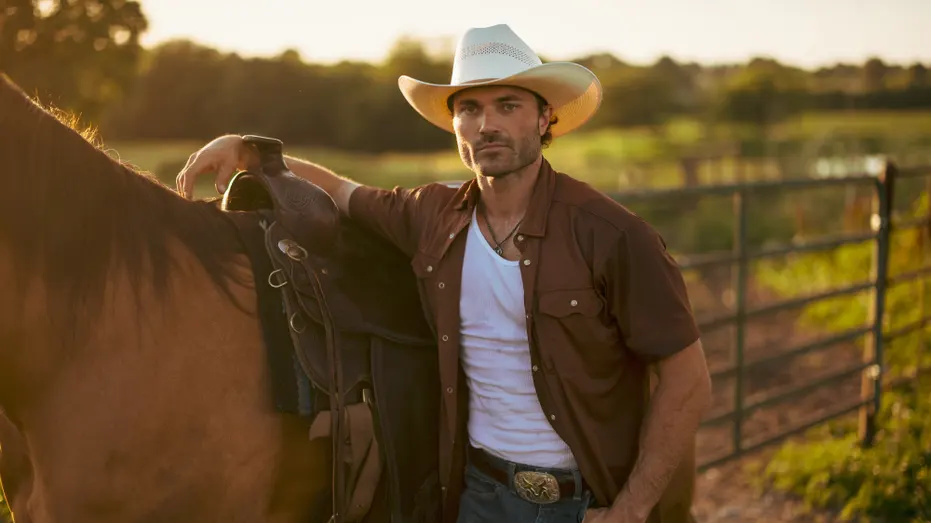
Reality star Steven McBee Jr. has publicly supported WNBA player Sophie Cunningham following her controversial comments on gender and sports eligibility.
The national conversation regarding the inclusion of biological males in women's sports has recently spilled over into the world of reality television, creating a public divide among stars of the Bravo network. The controversy began when Indiana Fever guard Sophie Cunningham expressed her belief that keeping biological men out of women's athletic competitions is a matter of common sense. Her comments, which were intended to highlight the importance of fairness in women's sports, quickly drew significant attention and criticism from various corners of the media landscape.
Among those who publicly challenged Cunningham’s stance was West Wilson, a cast member of the popular series "Summer House" and Cunningham's own podcast co-host. Wilson’s vocal opposition to Cunningham’s perspective sparked a broader discussion about how public figures should handle sensitive ideological issues. As the disagreement unfolded, it served as a microcosm for the larger societal debate that continues to challenge sports leagues, governing bodies, and cultural influencers across the United States.
The discourse took a new turn when Steven McBee Jr., known for his role in the reality series "McBee Dynasty: Real American Cowboys," entered the fray to defend Cunningham. During an appearance on the program "Tomi Lahren Is Fearless," McBee made his position clear, suggesting that men should refrain from dictating the rules of women's sports. He noted that from his perspective as a man, the issue does not directly impact him, and he expressed a sense of indifference toward the prospect of women competing in men's leagues, jokingly wishing them luck.
McBee’s defense of the Indiana Fever star was rooted in his admiration for her willingness to speak her mind on a contentious topic. He praised Cunningham for standing ts in the current climate. Furthermore, McBee expressed little surprise regarding Wilson's reaction, characterizing it as a reflection of Wilson’s known political leanings and the types of agendas he frequently promotes within his own public platform.
Beyond the personal dynamics between the two reality stars, McBee argued that the debate over eligibility in women's sports should be handled primarily ng power regarding who is allowed to compete in female categories should rest firmly with female athletes themselves. According to McBee, women are the ones who face the immediate consequences of these organizational decisions, and therefore, they are the only ones whose voices should carry the most weight in the conversation.
McBee cautioned against framing the issue strictly through the lens of partisan politics. He argued that the integrity of women's sports is a topic that should transcend traditional right-wing or left-wing labels. e attempted to shift the focus toward the rights and protections of female competitors, suggesting that external political pressure often complicates a situation that should be decided
The public split between Bravo personalities highlights a growing trend where reality stars are increasingly willing to engage in high-stakes cultural debates. As the network continues to host a diverse array of perspectives, it is becoming clear that the internal friction seen between McBee and Wilson may be indicative of a larger trend within the entertainment industry. The clash has drawn a line in the sand, leaving viewers to wonder if other network stars will feel compelled to voice their opinions on the matter.
As the debate surrounding the WNBA’s policies and the broader implications for women's sports continues to evolve, the cultural conversation shows no signs of slowing down. With public figures from various backgrounds continuing to weigh in, the issue remains a significant point of contention. Whether this leads to further professional friction or a more robust dialogue remains to be seen, but the incident has certainly underscored how quickly sports policy can become a flashpoint for national cultural discourse.