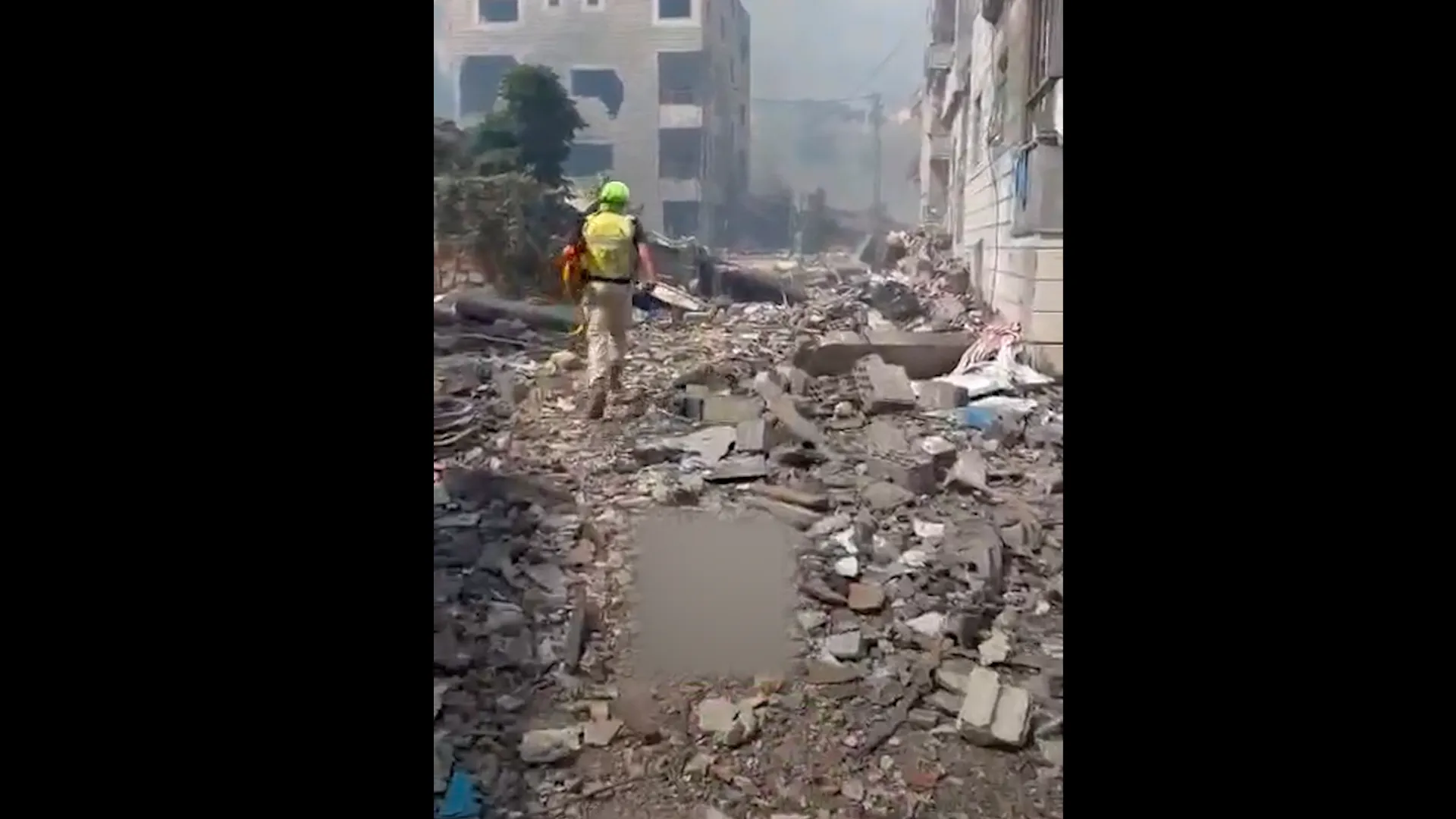
A series of deadly airstrikes in Nabatieh has resulted in conflicting death tolls, with emergency responders among the victims as tensions spike.
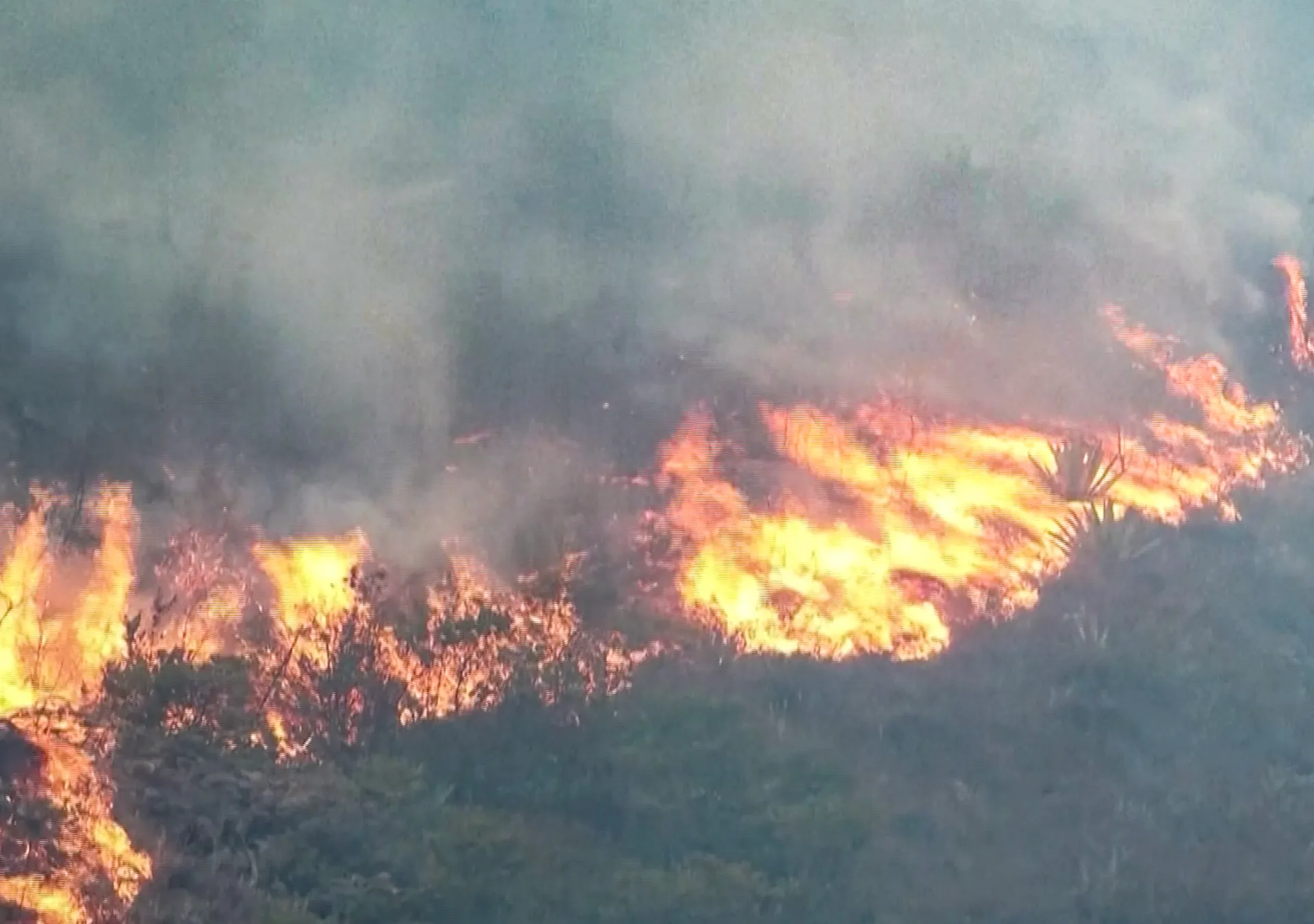
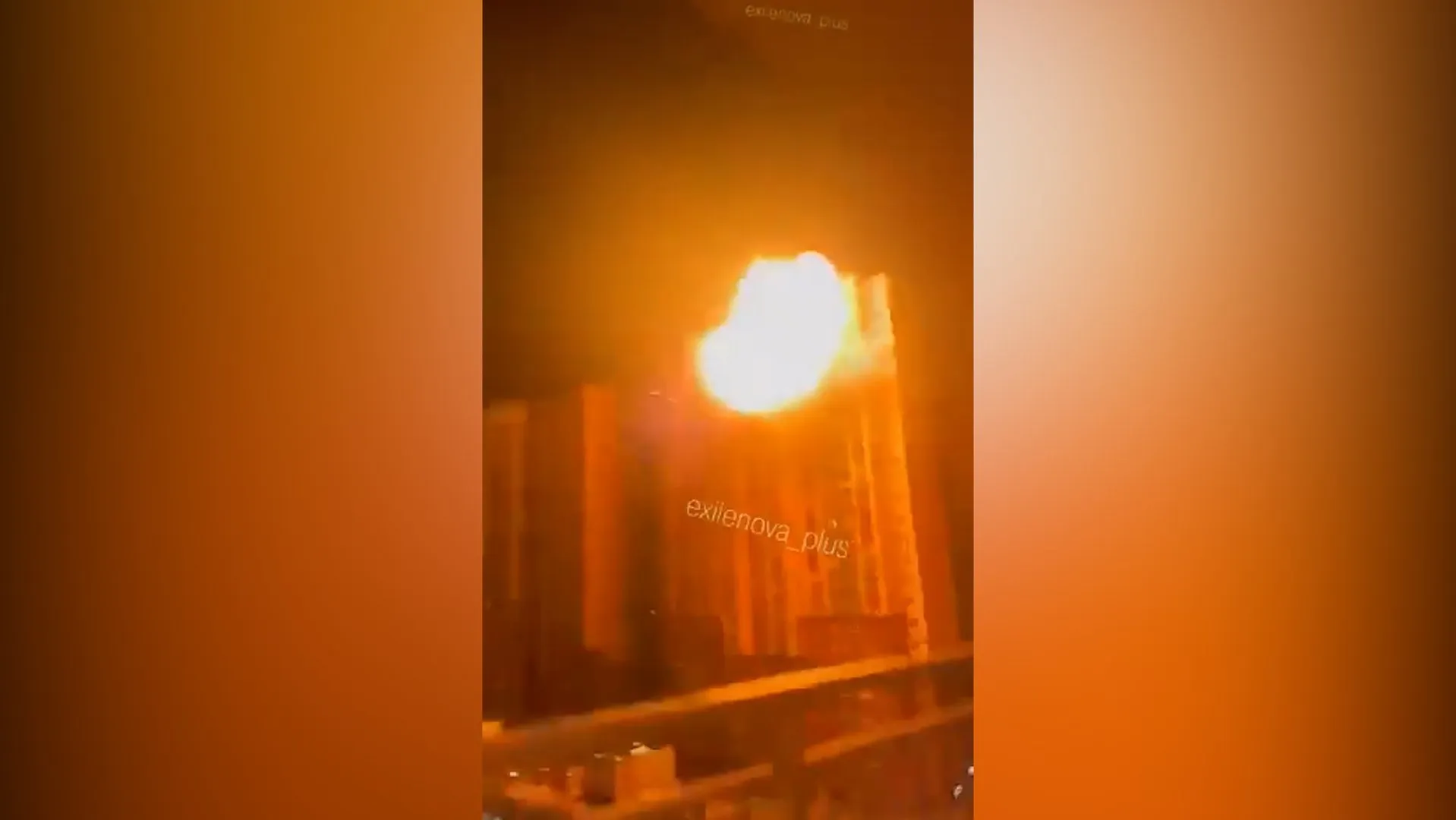
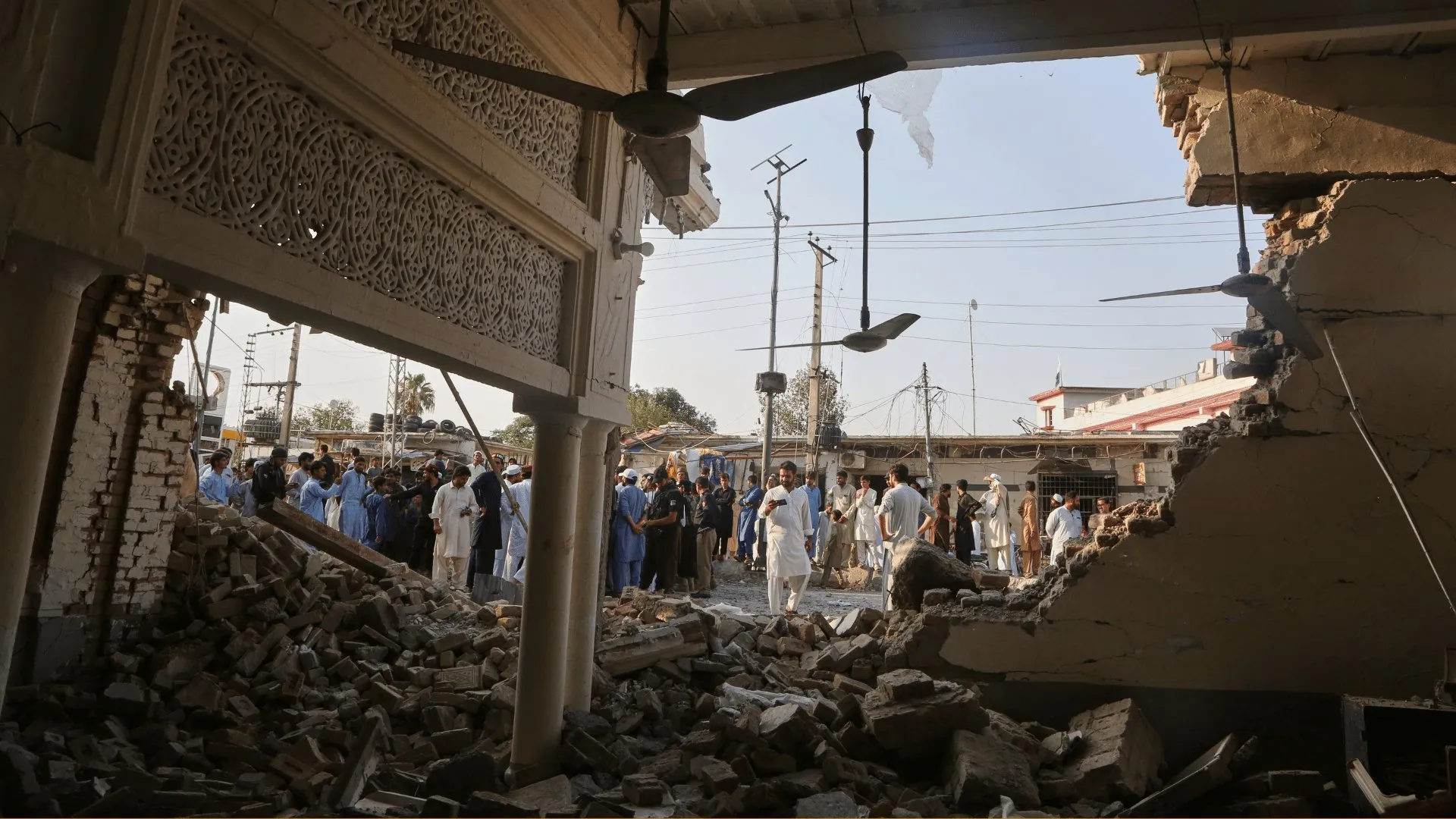
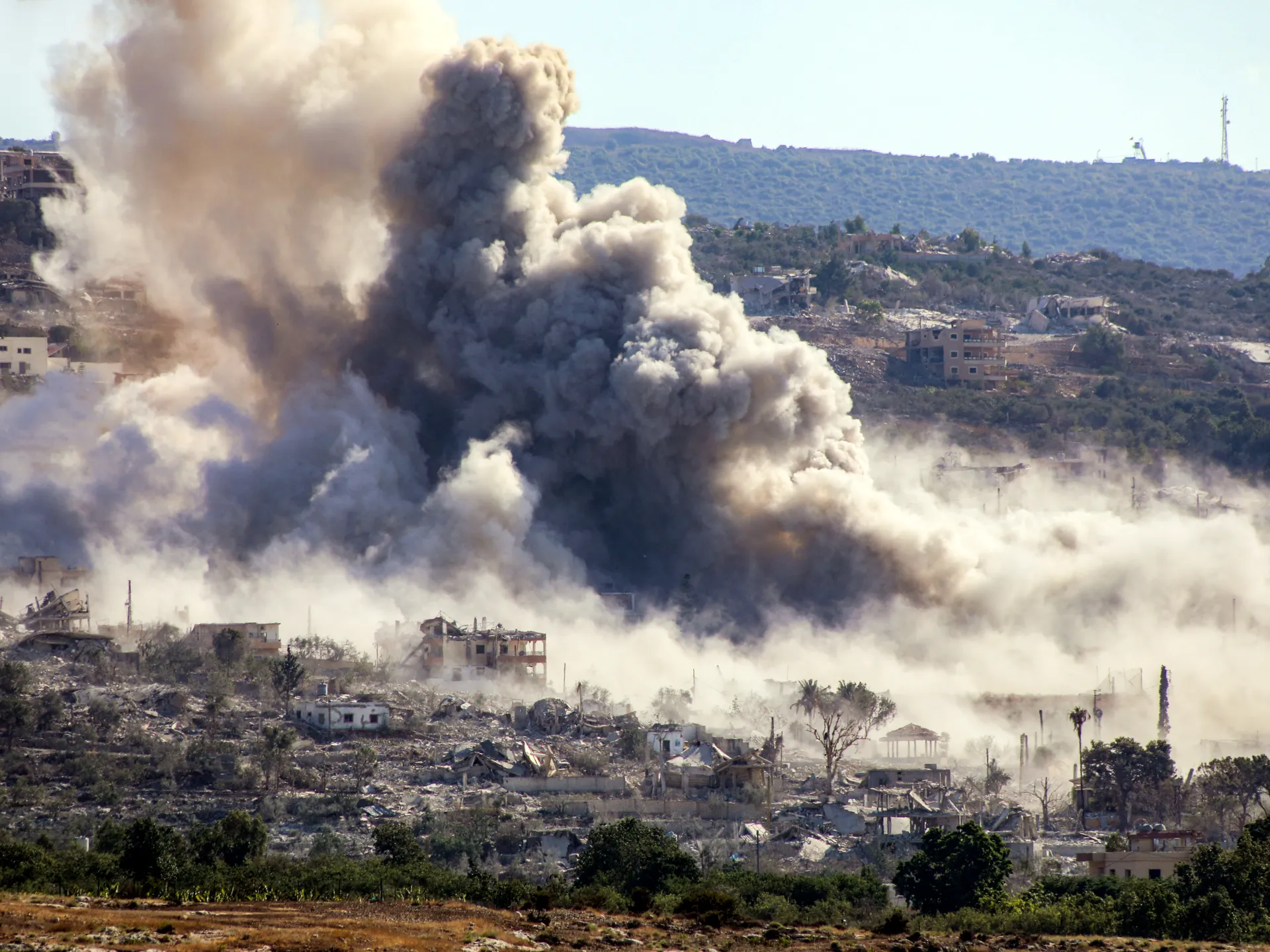
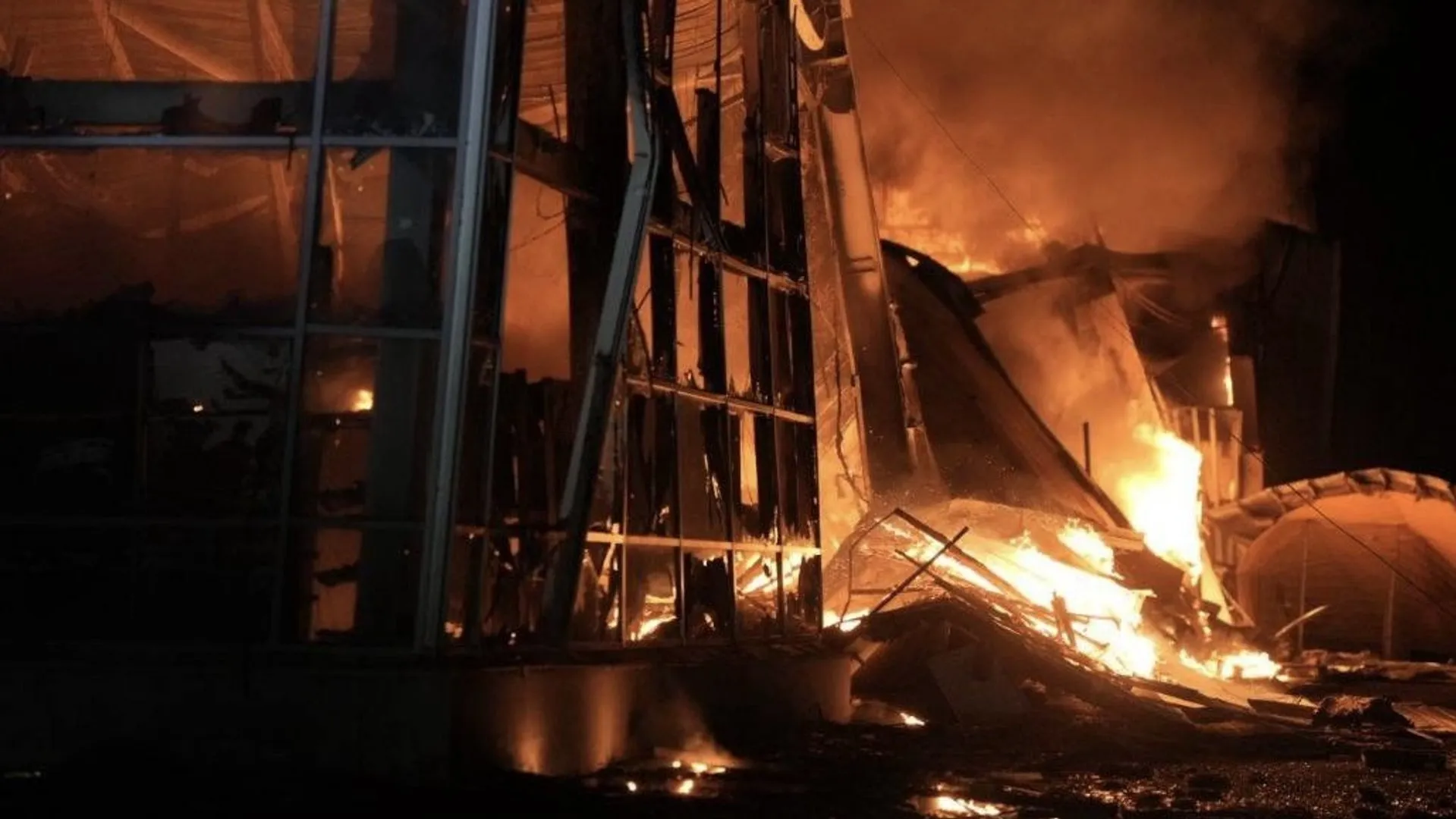
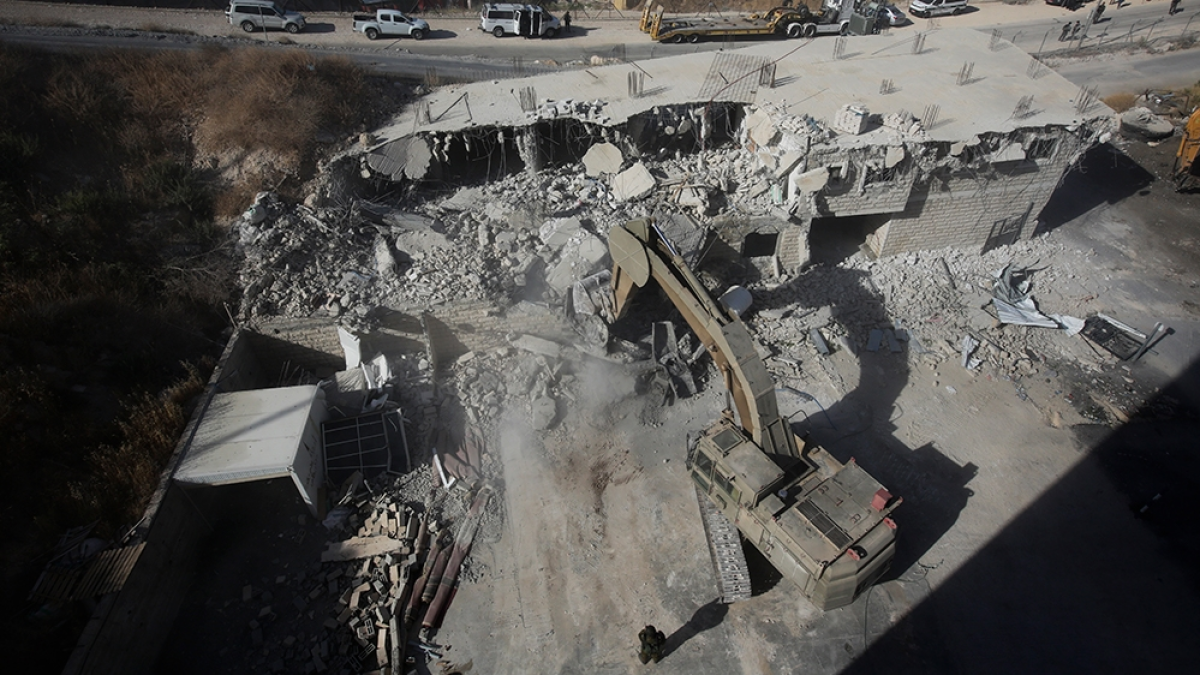
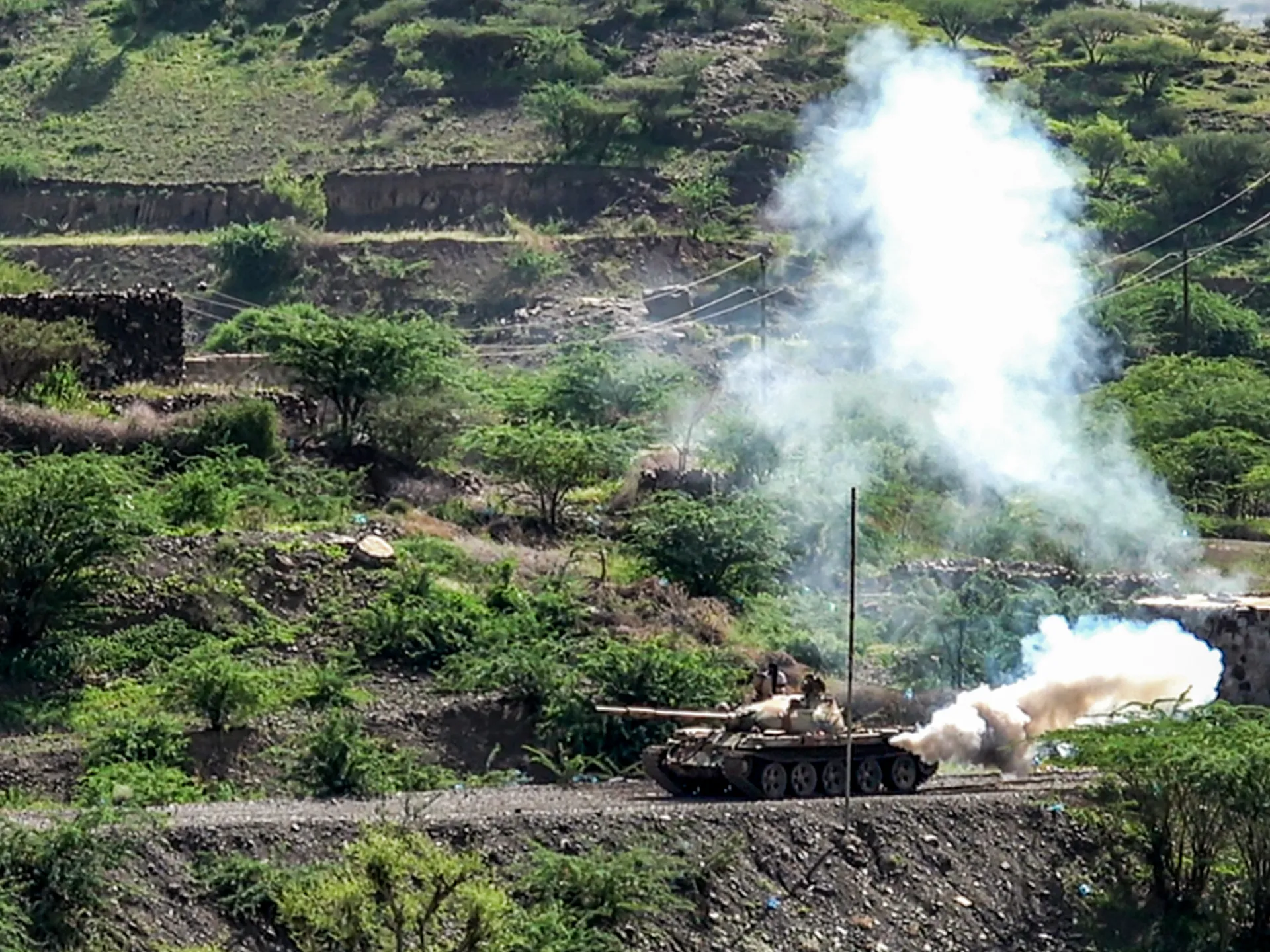
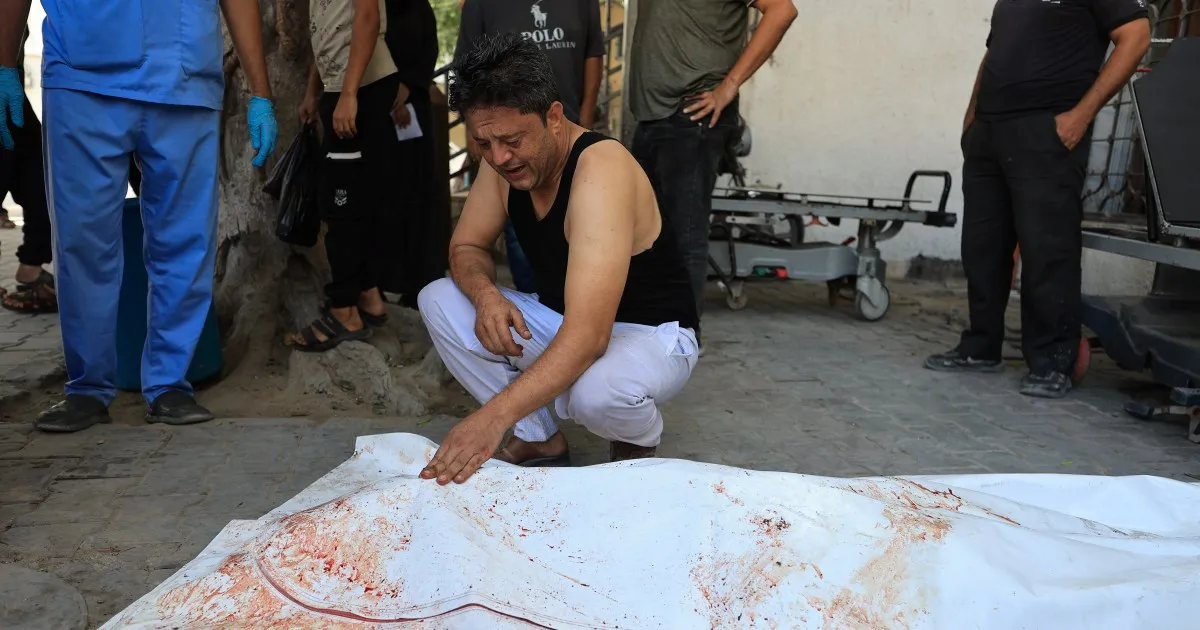
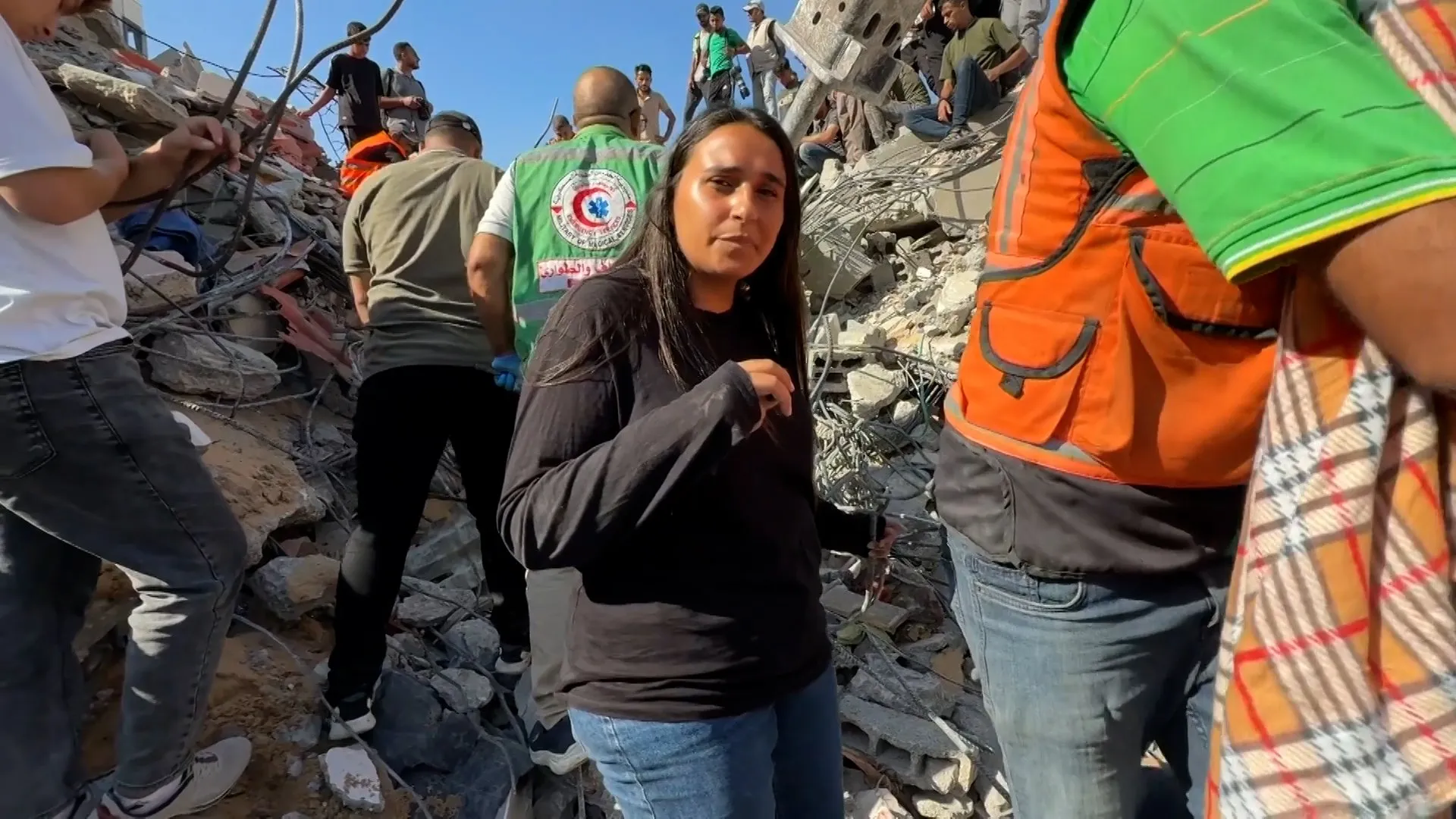
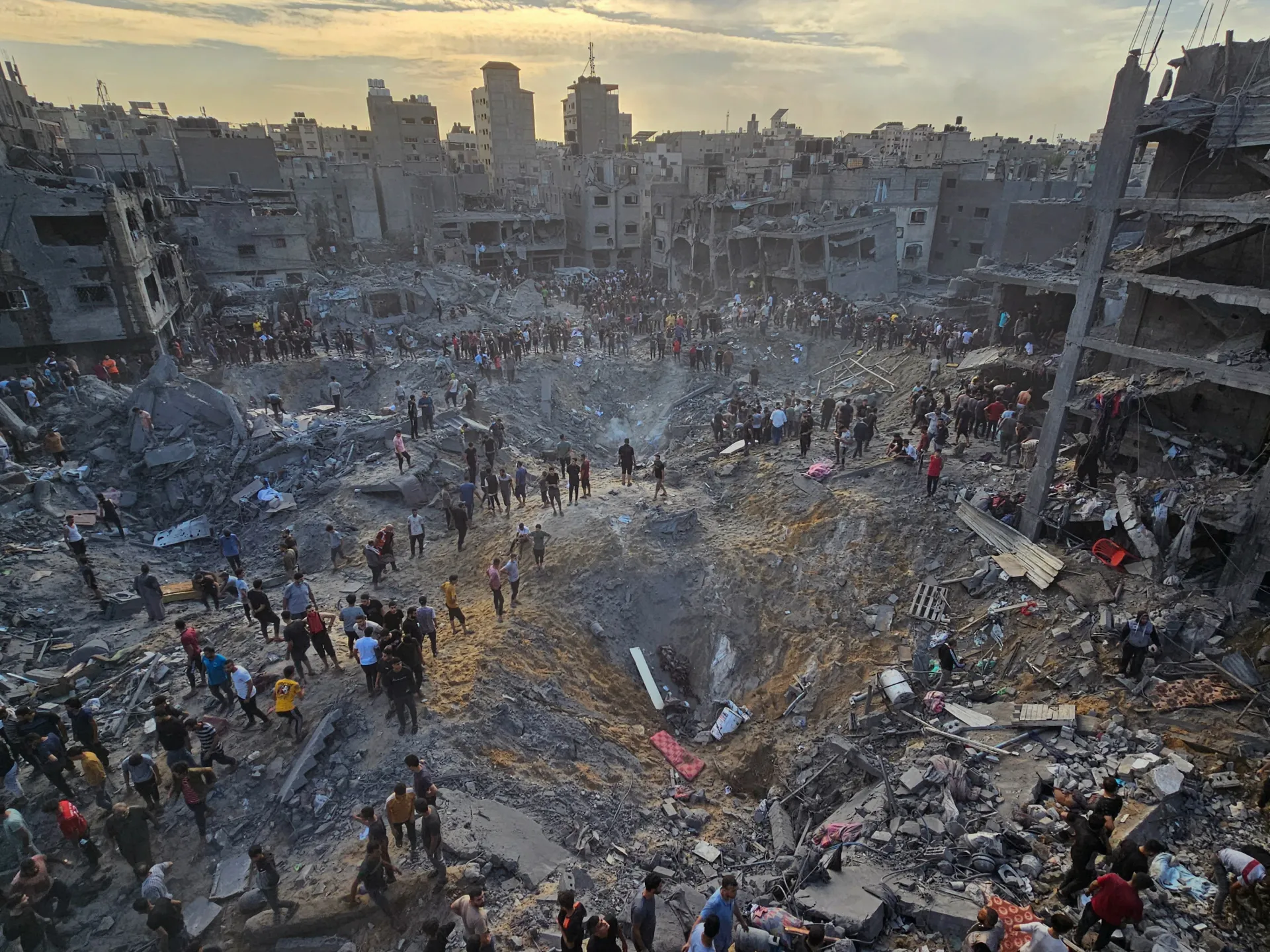
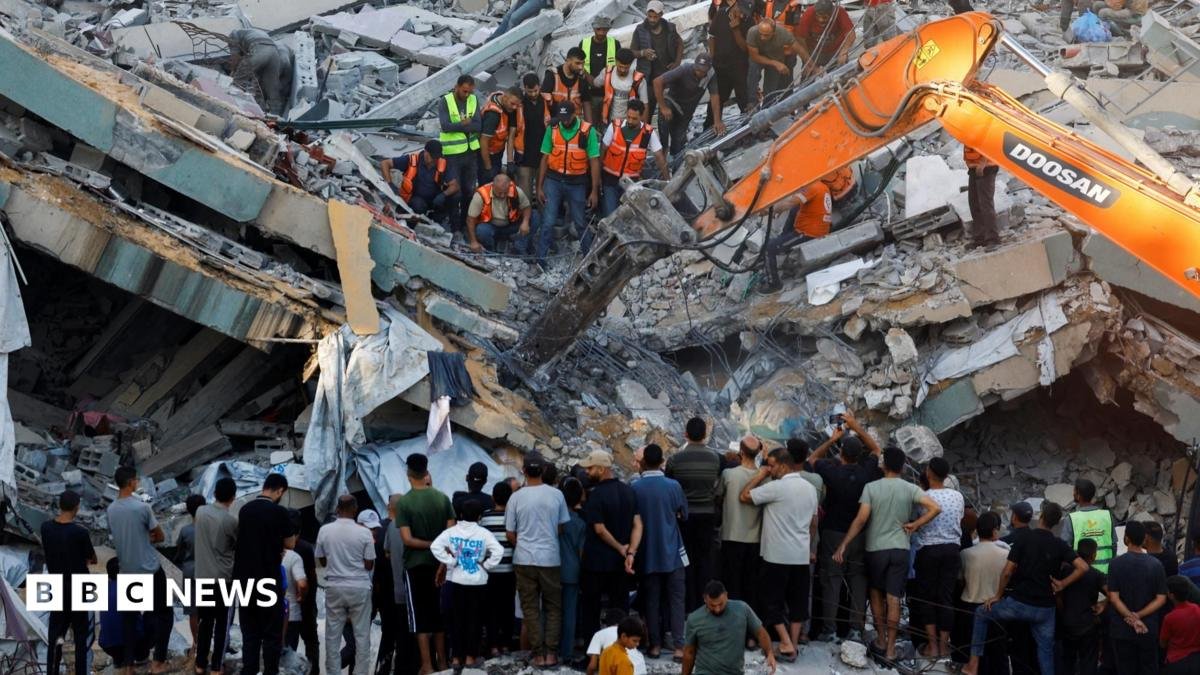
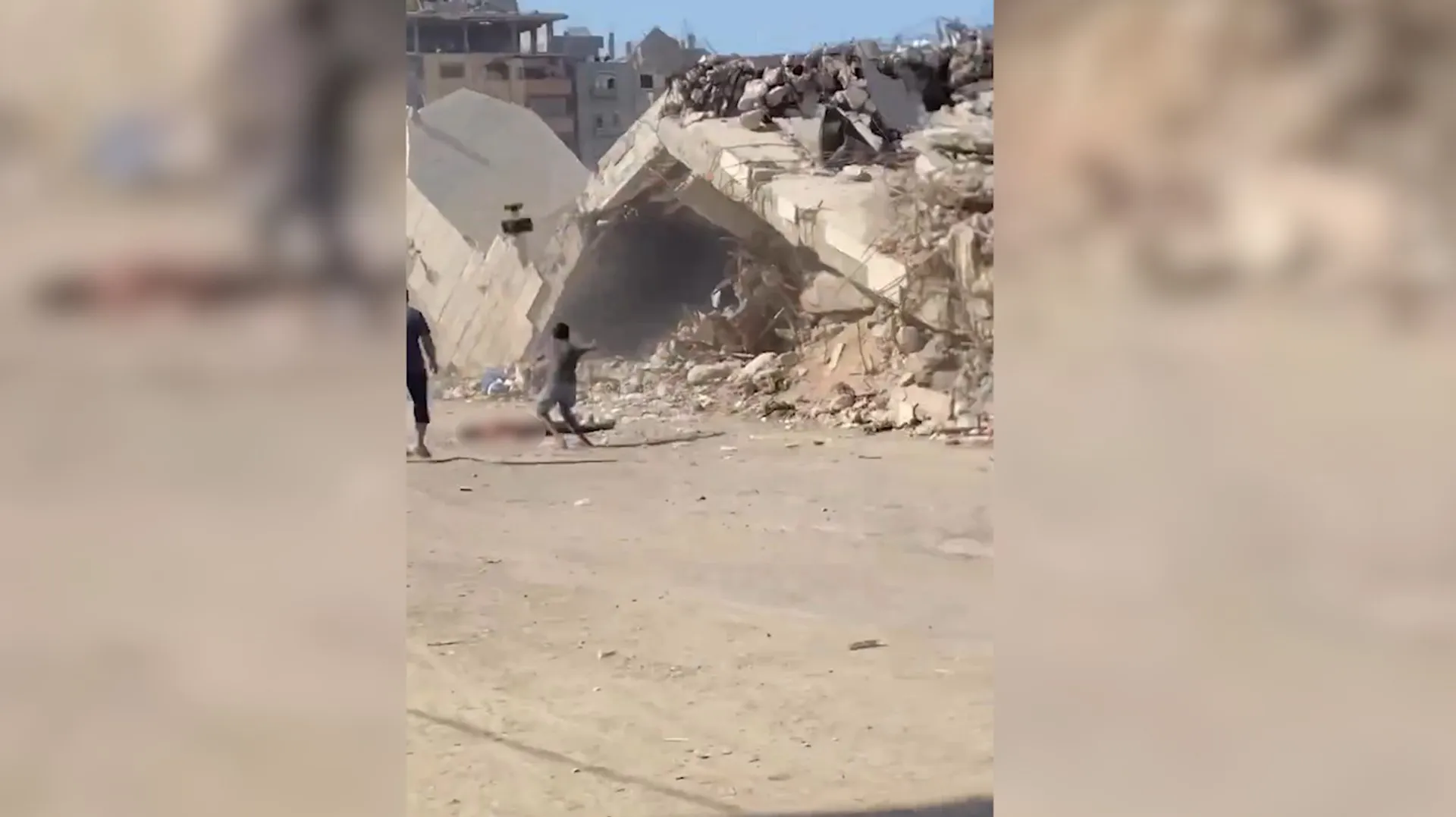
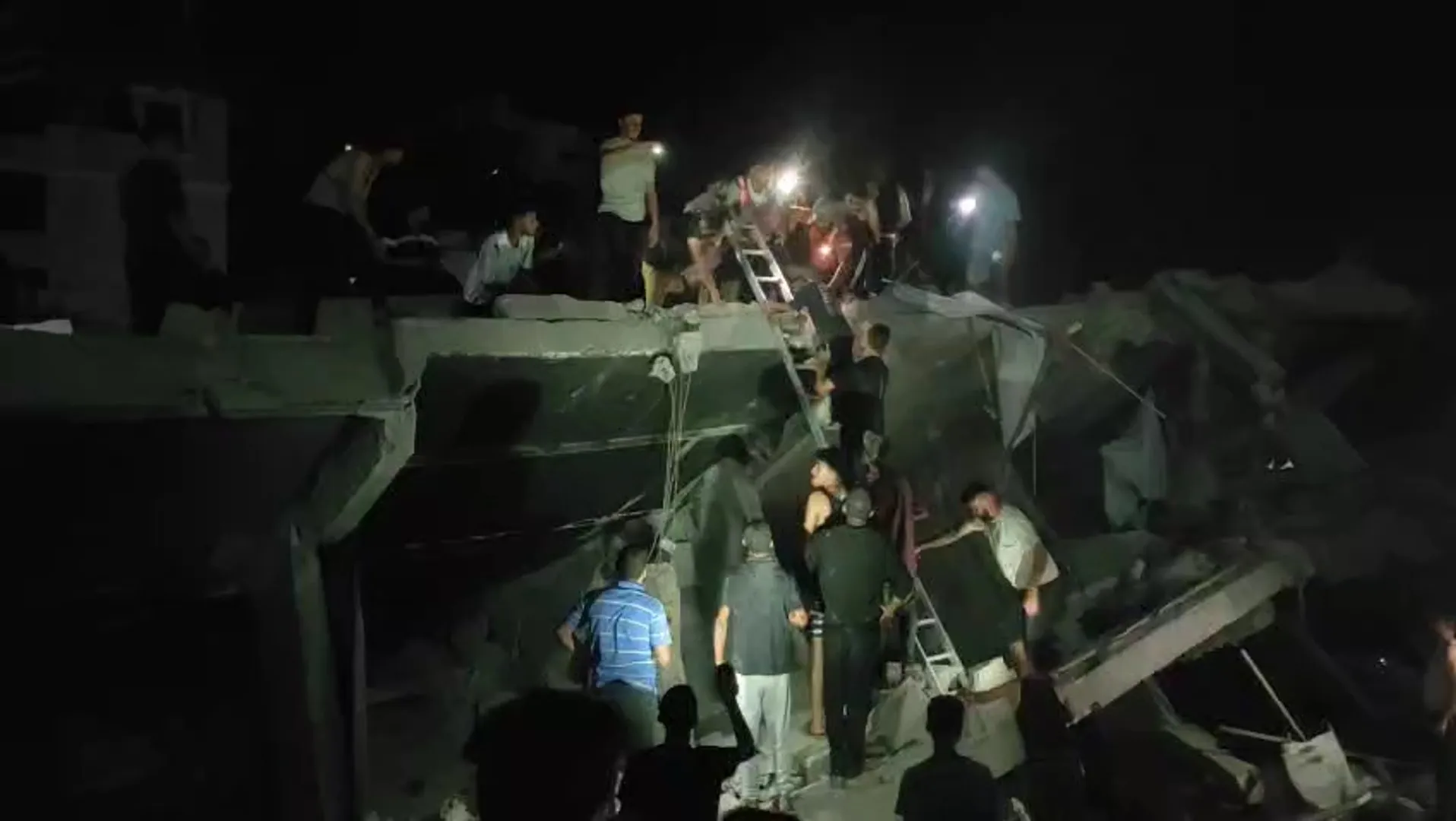
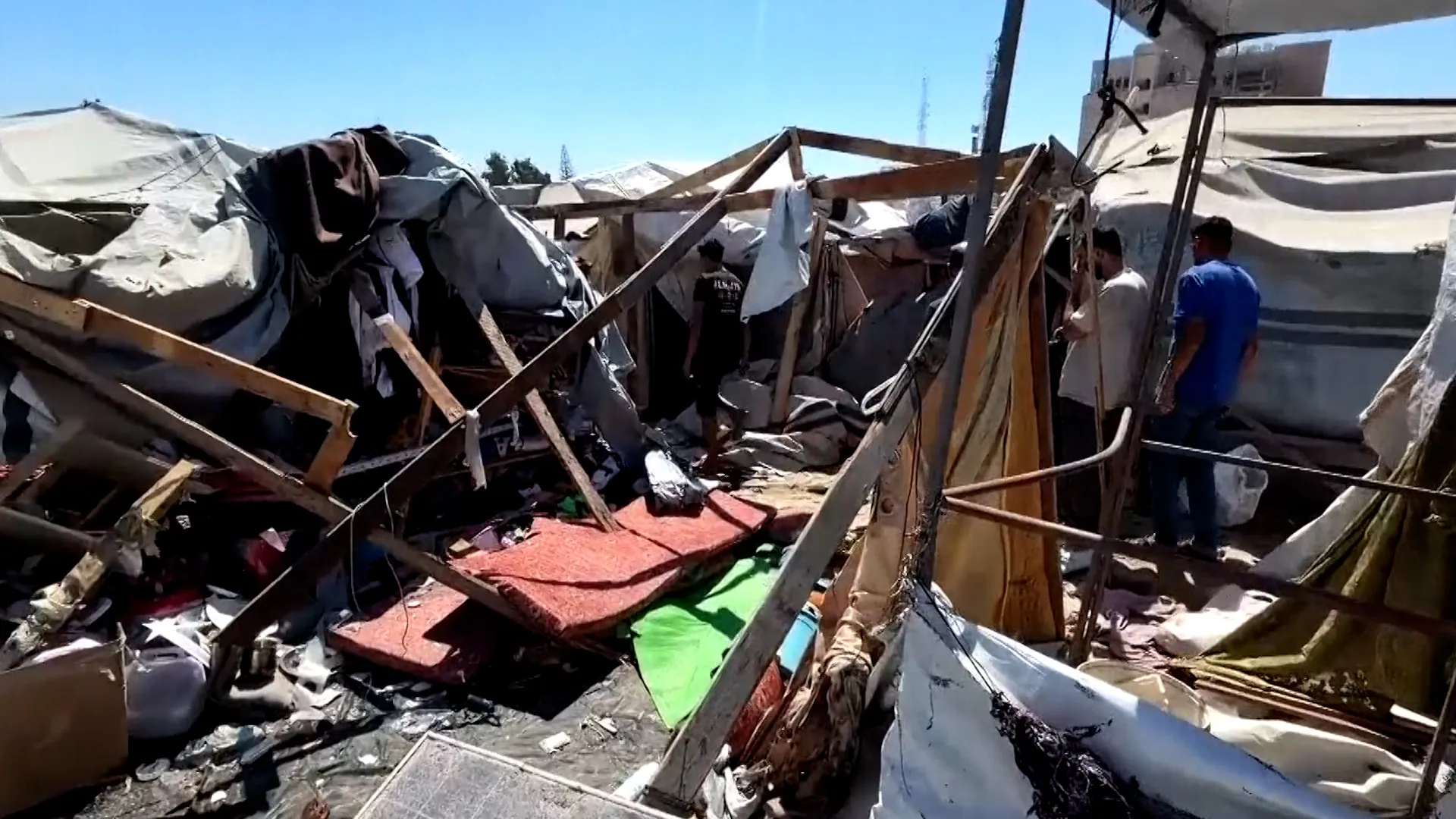
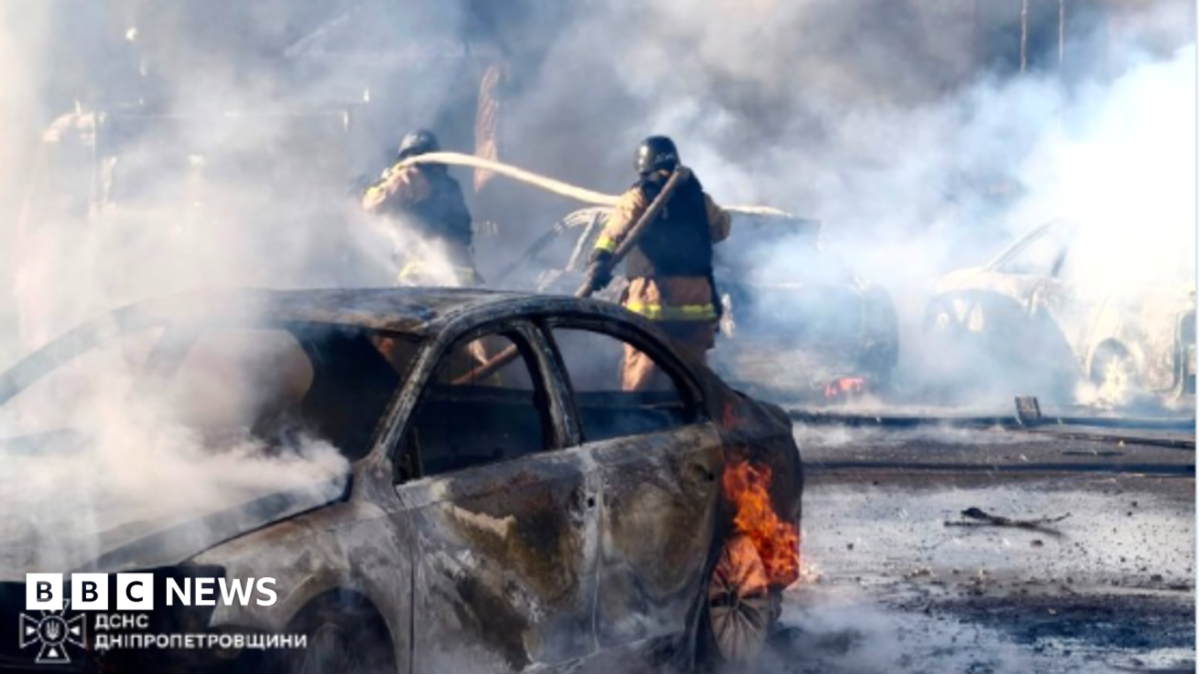
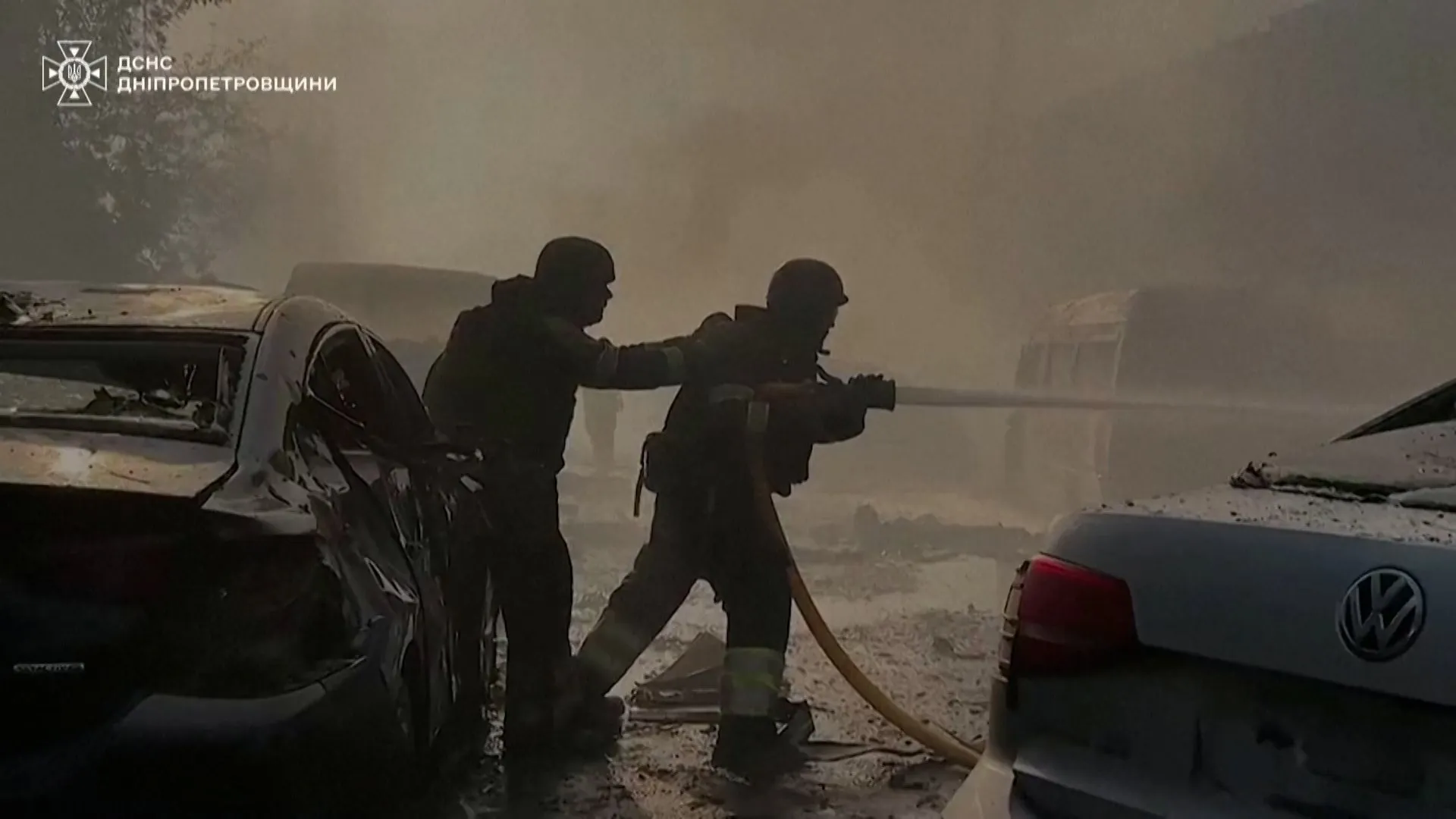
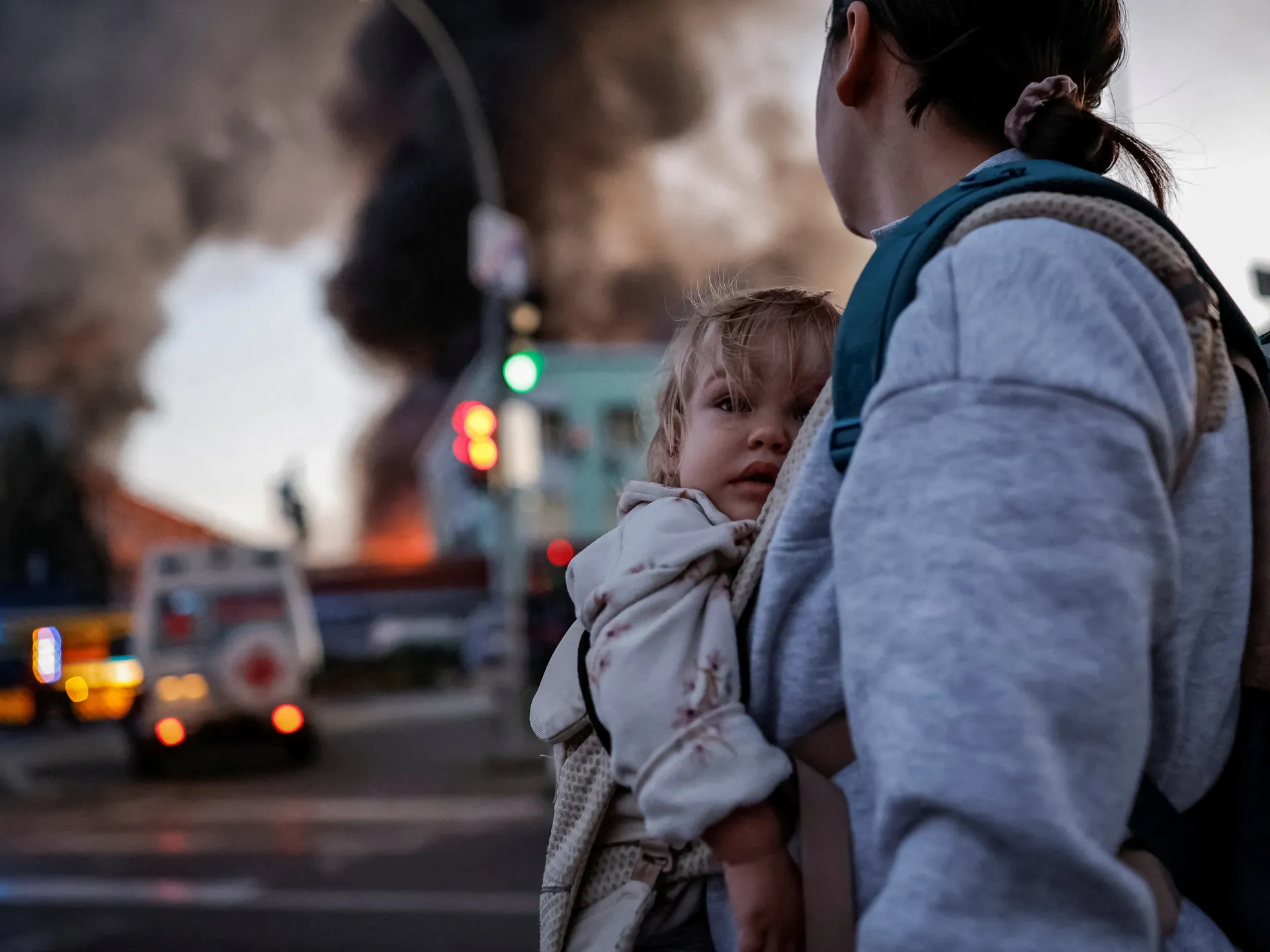
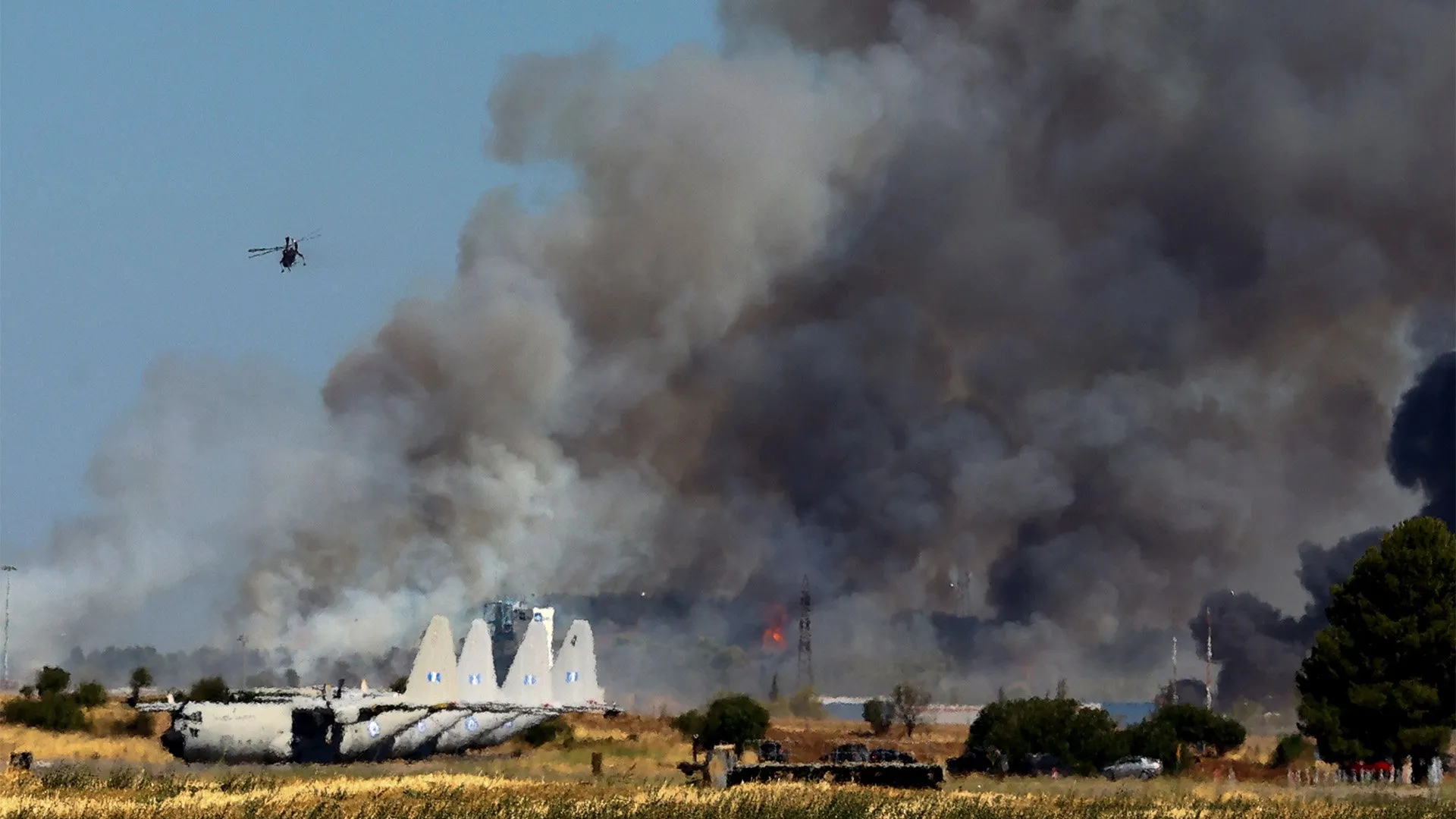
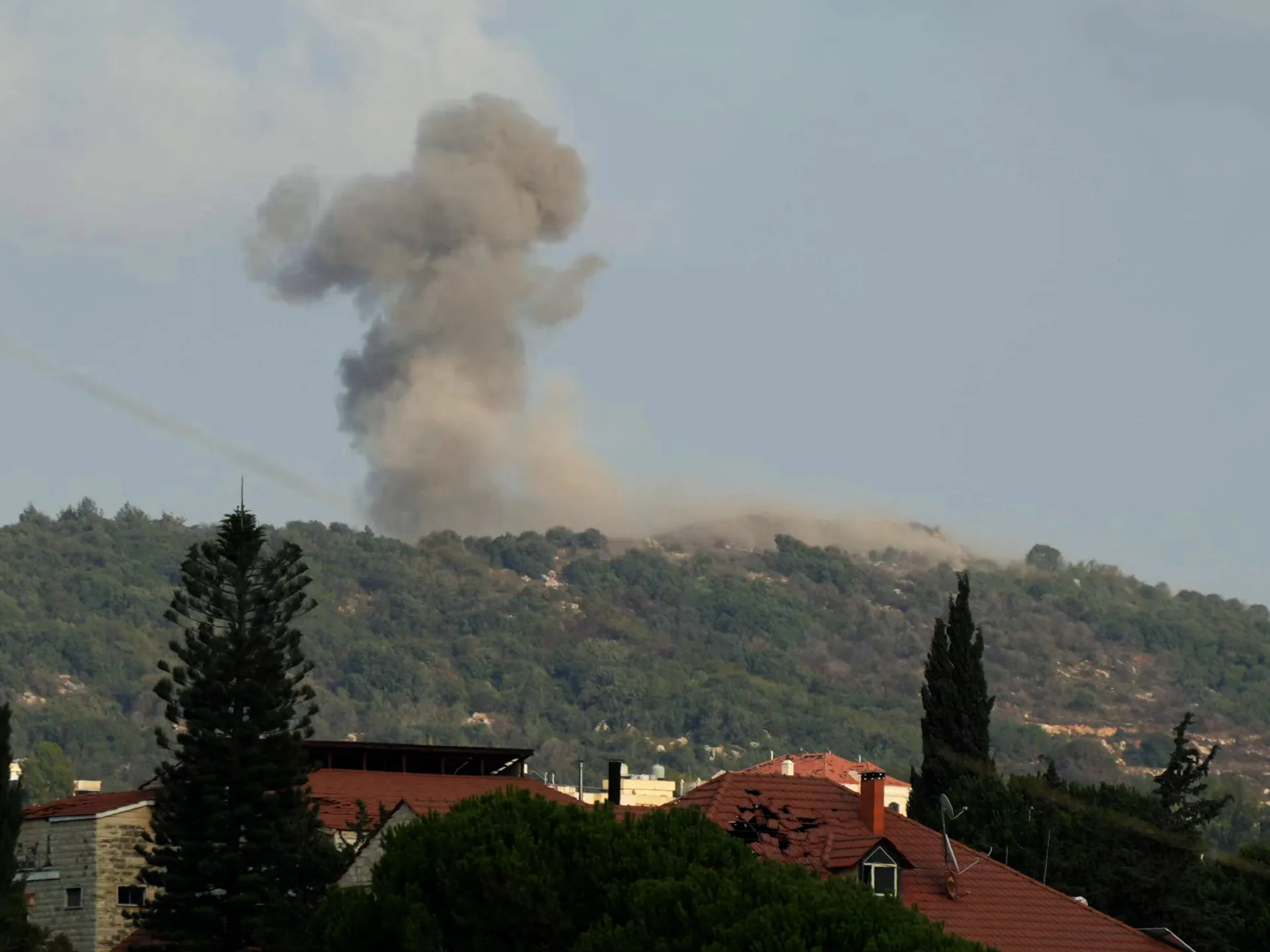
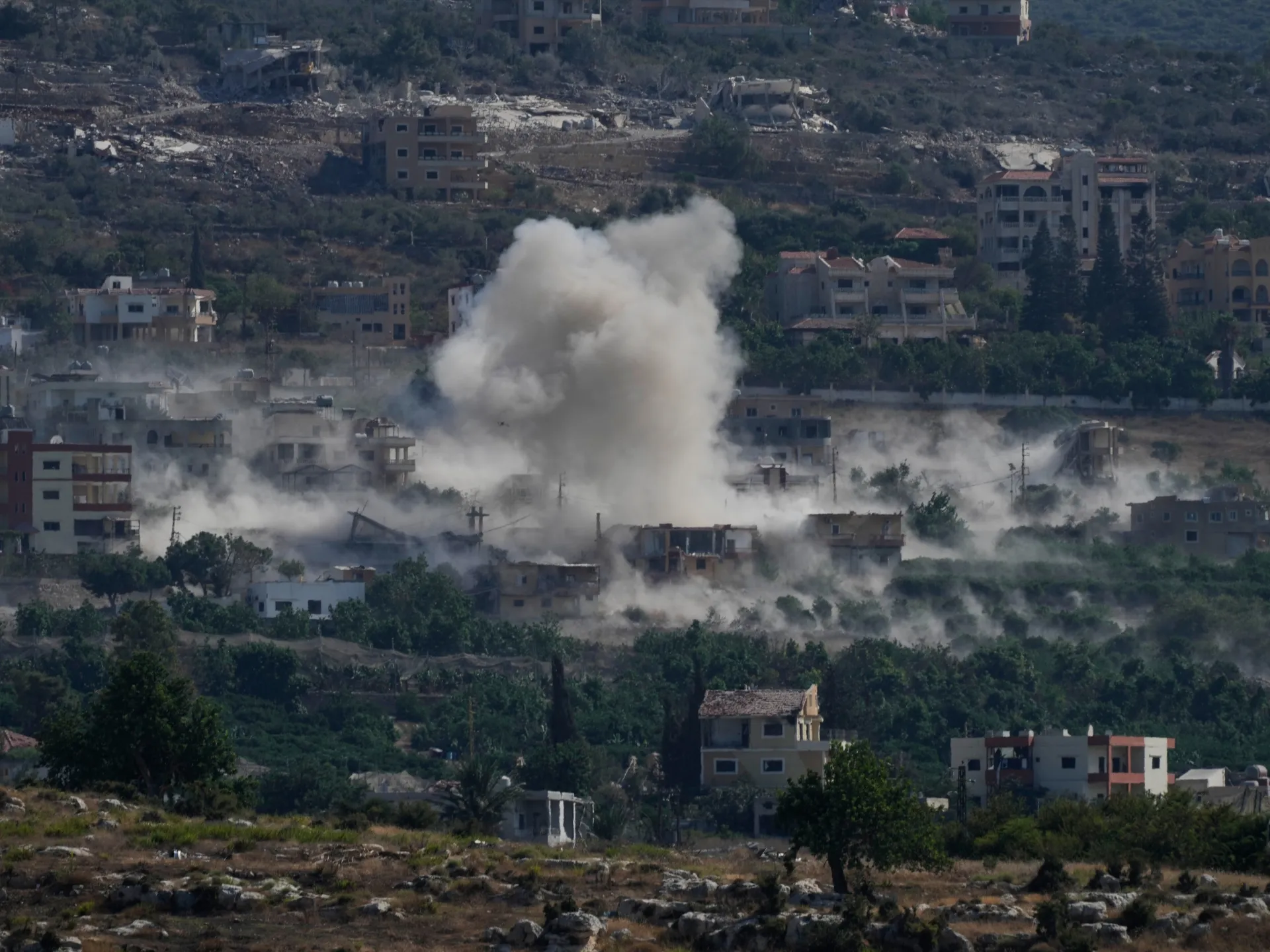
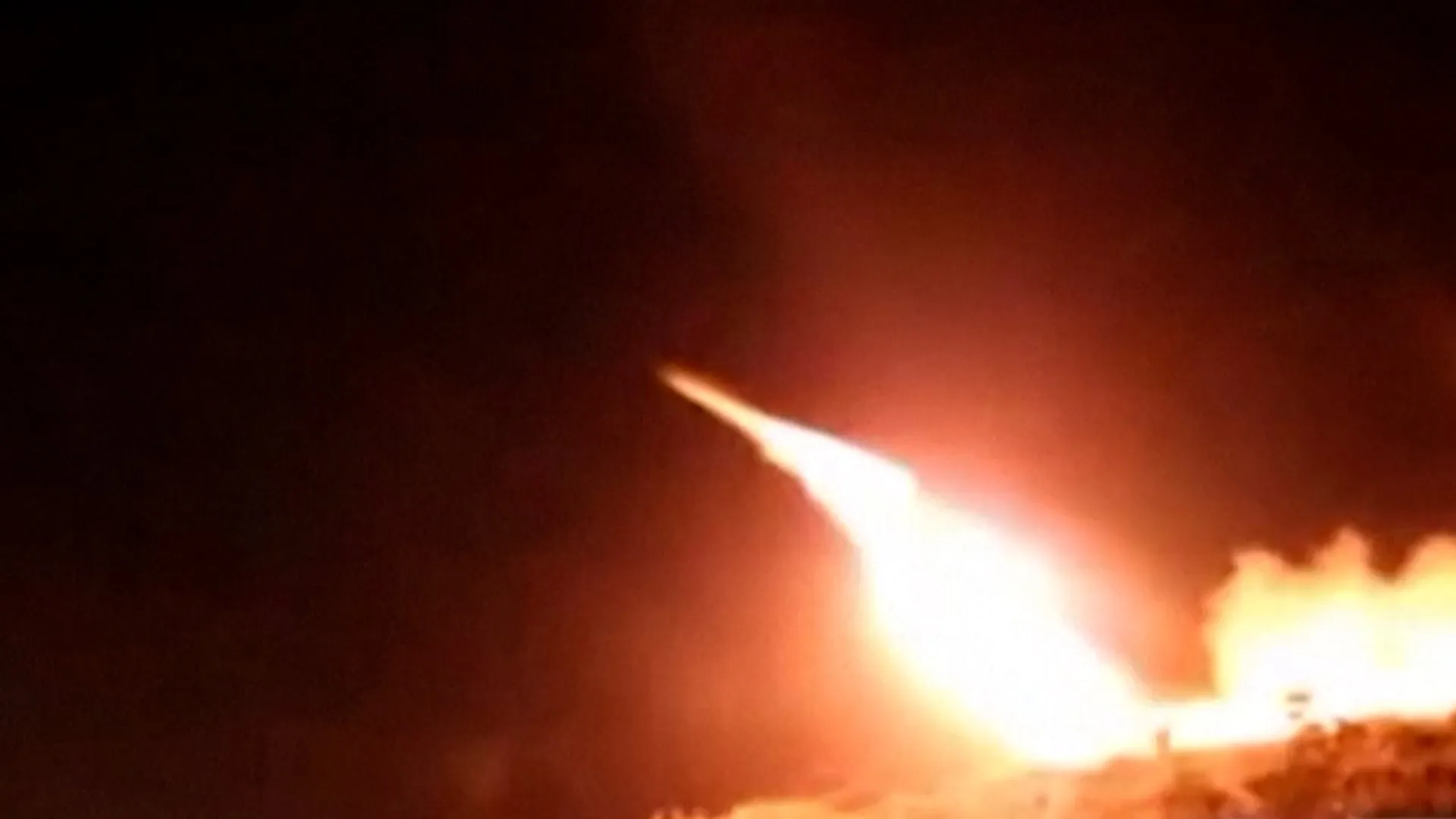
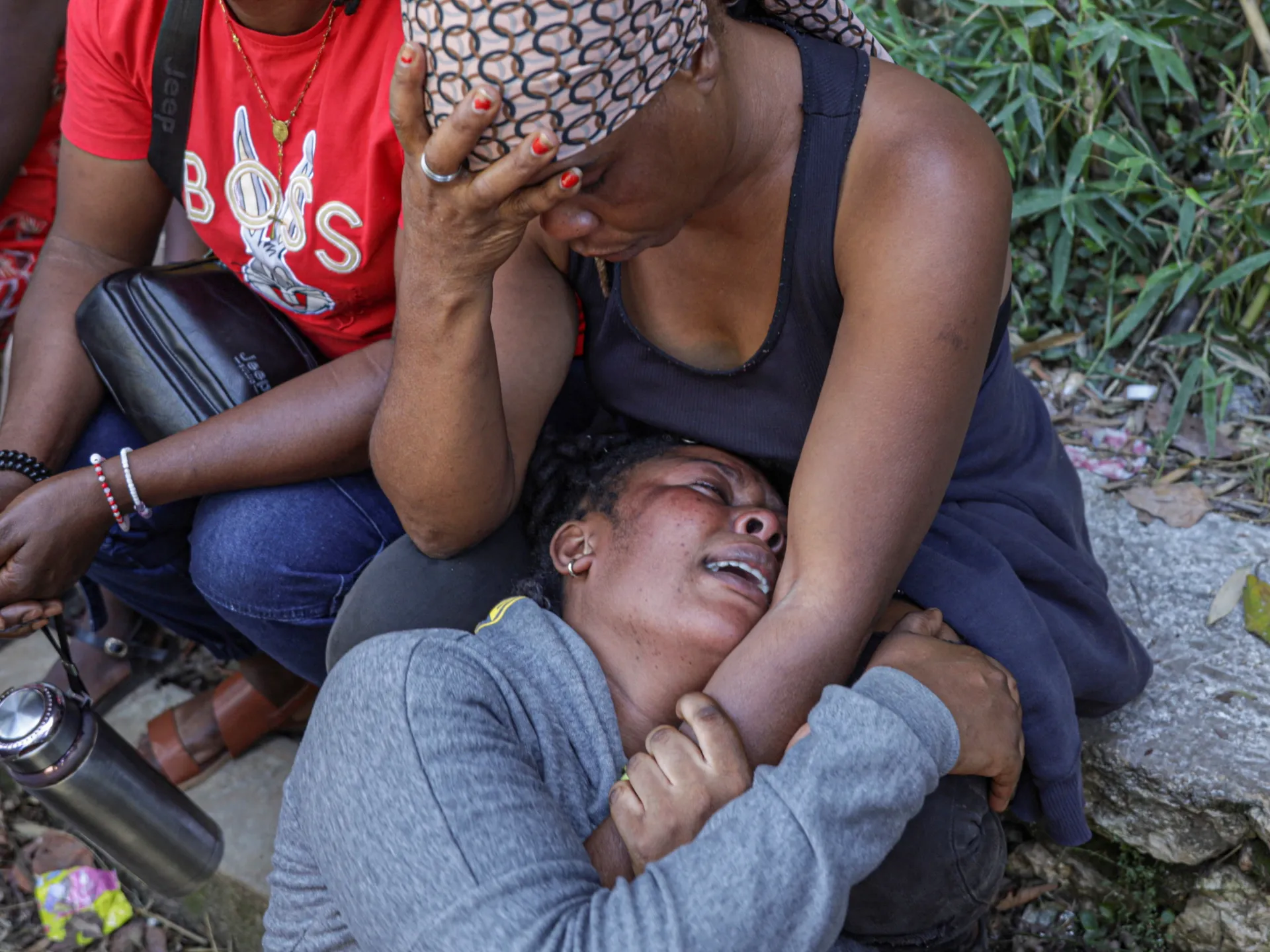
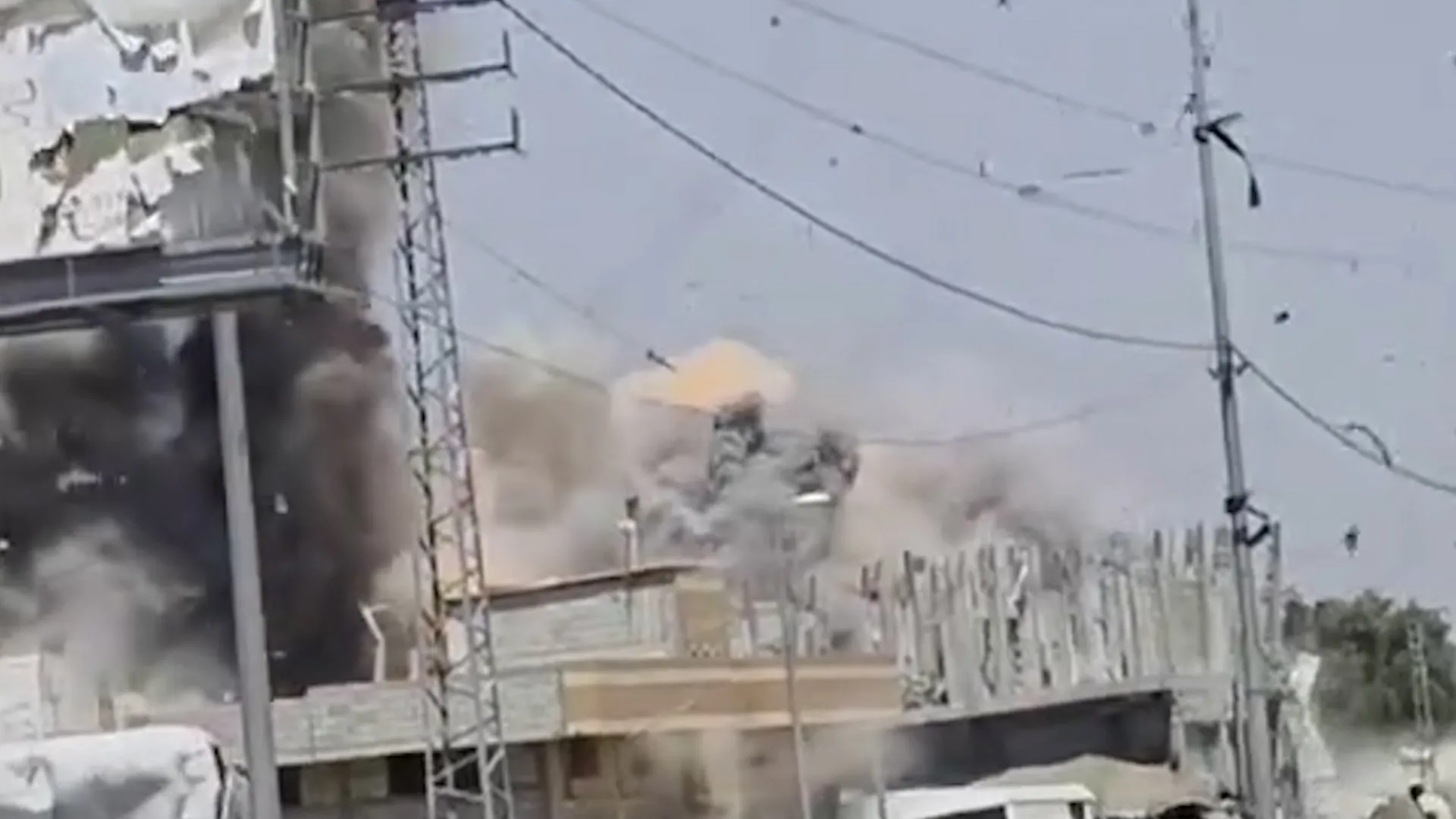
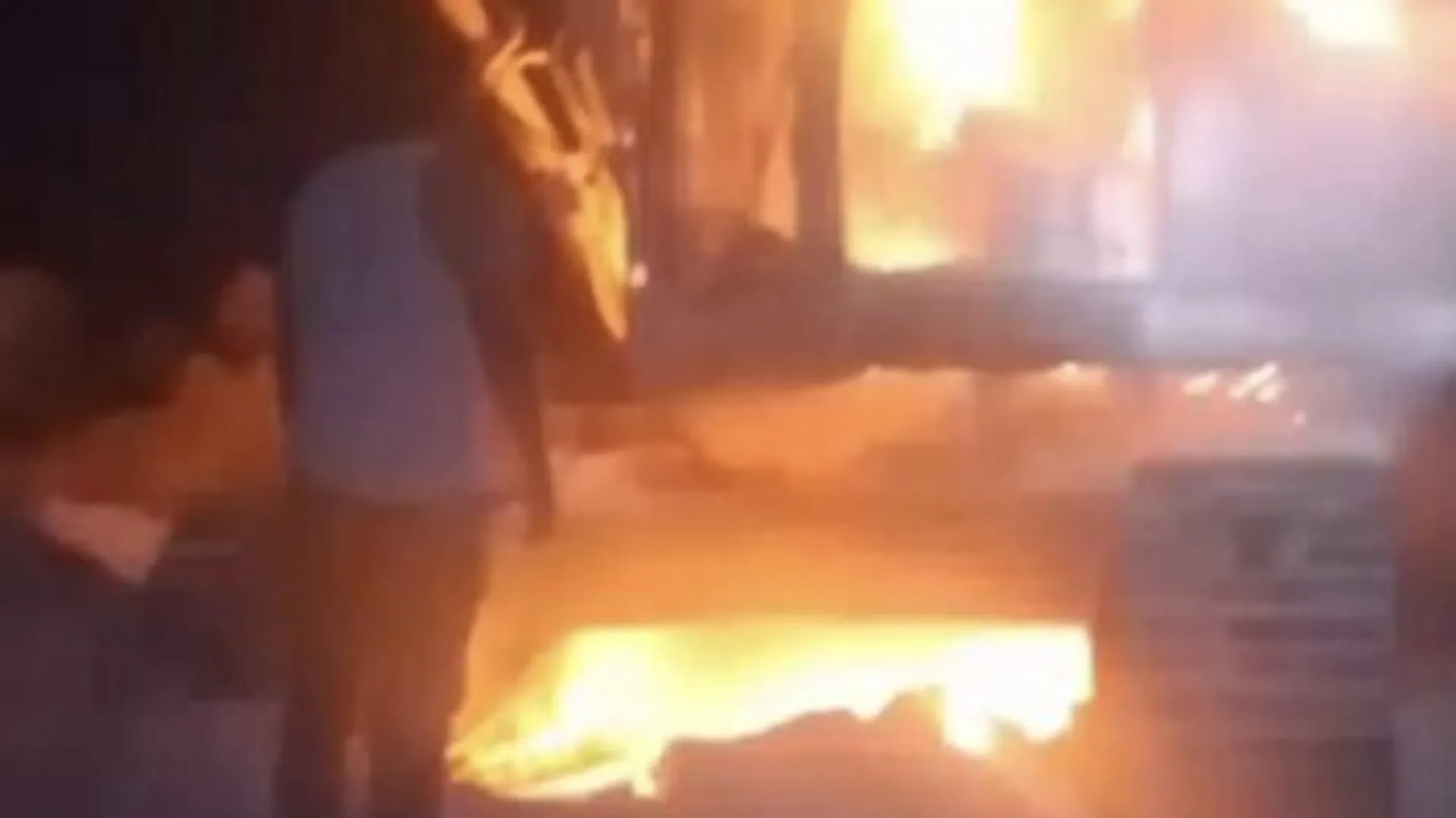
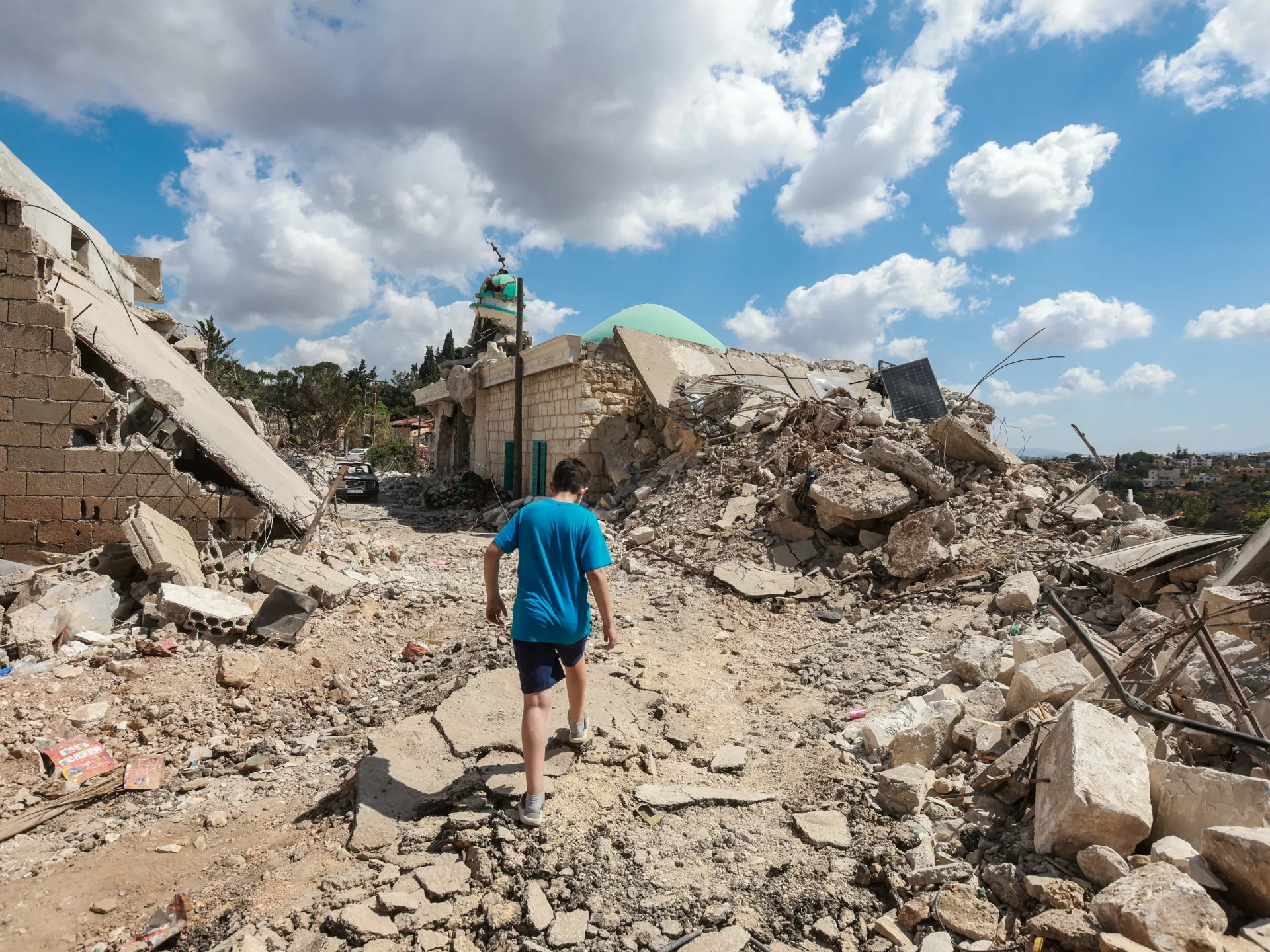
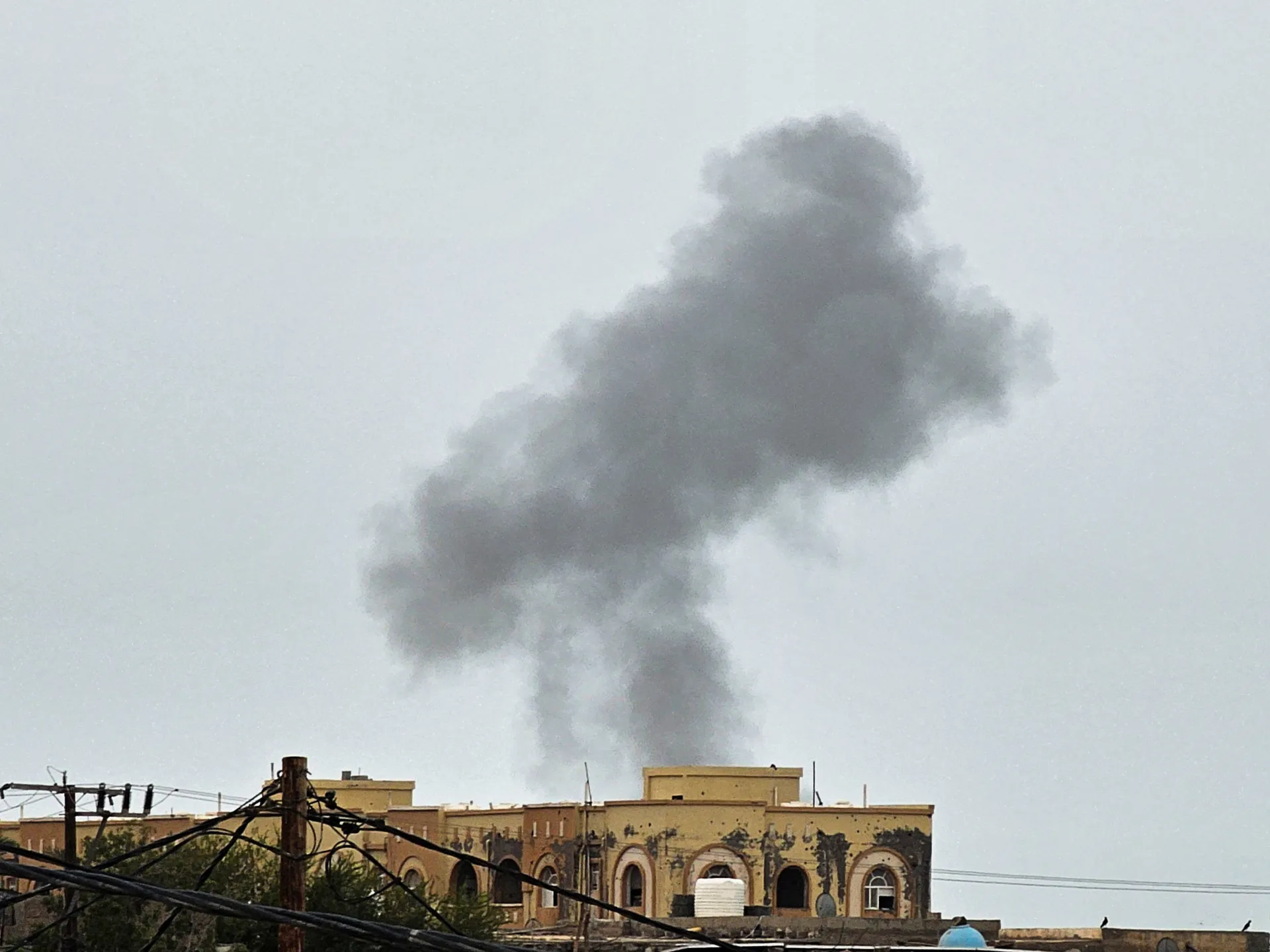
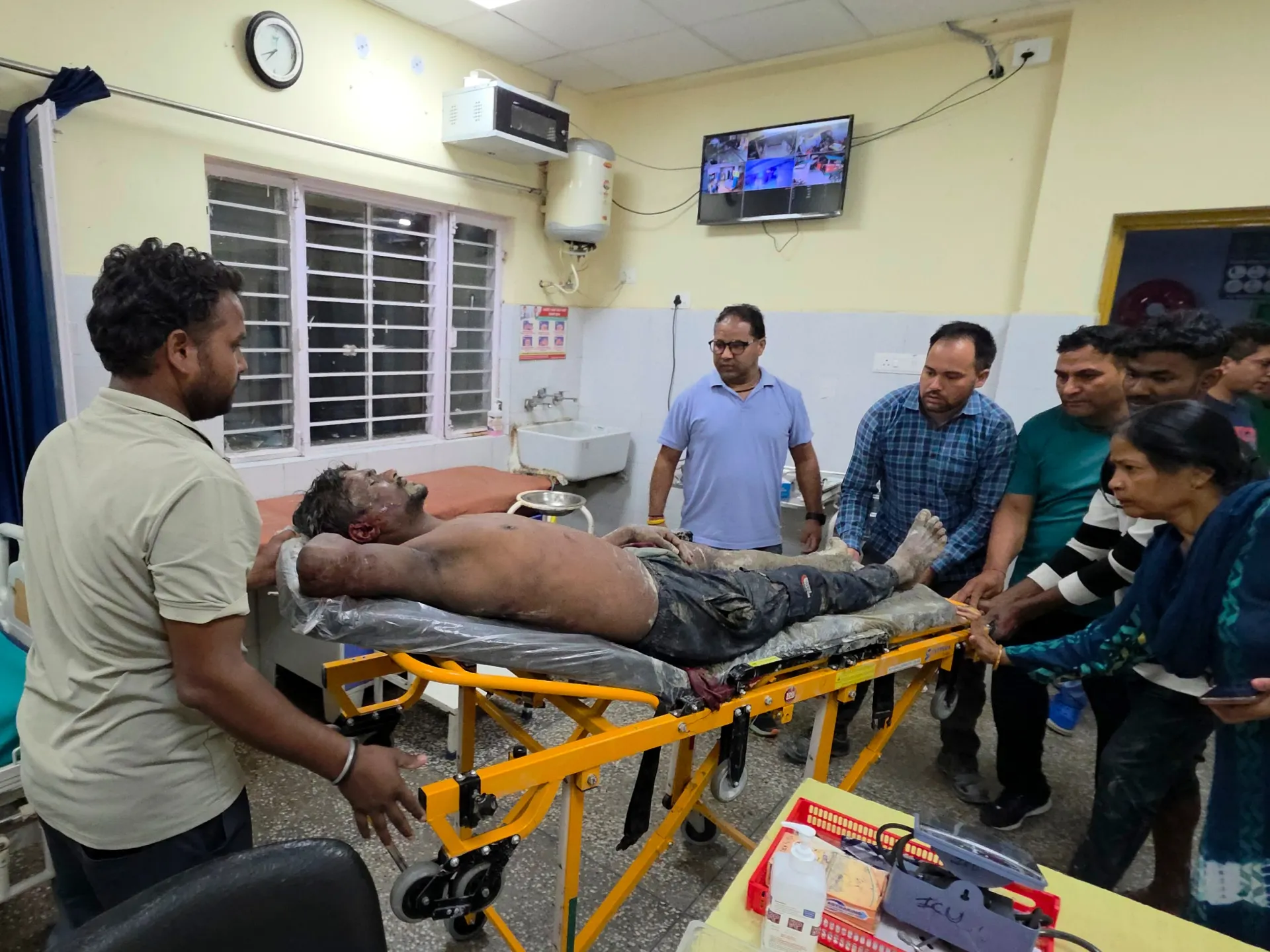
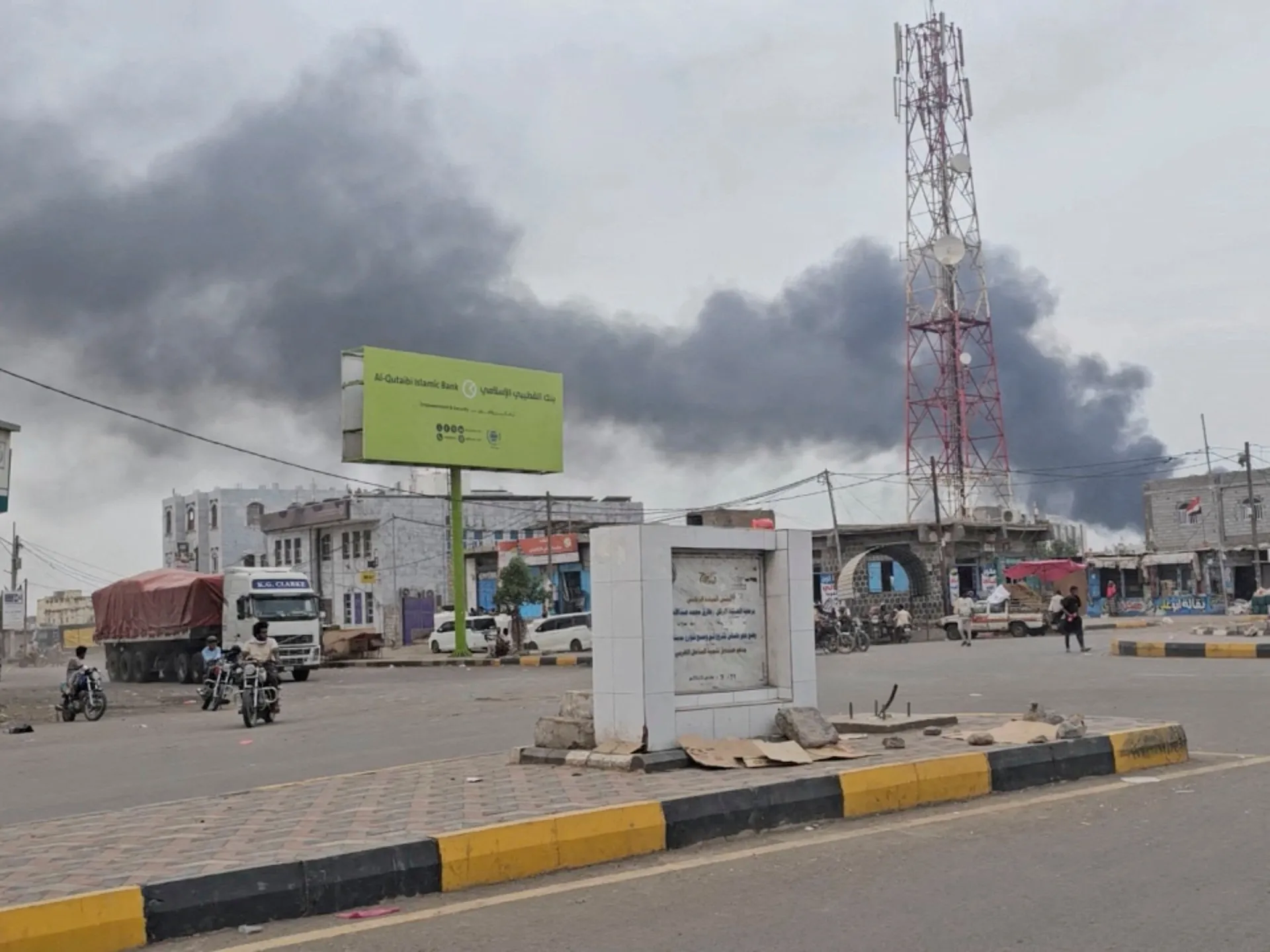
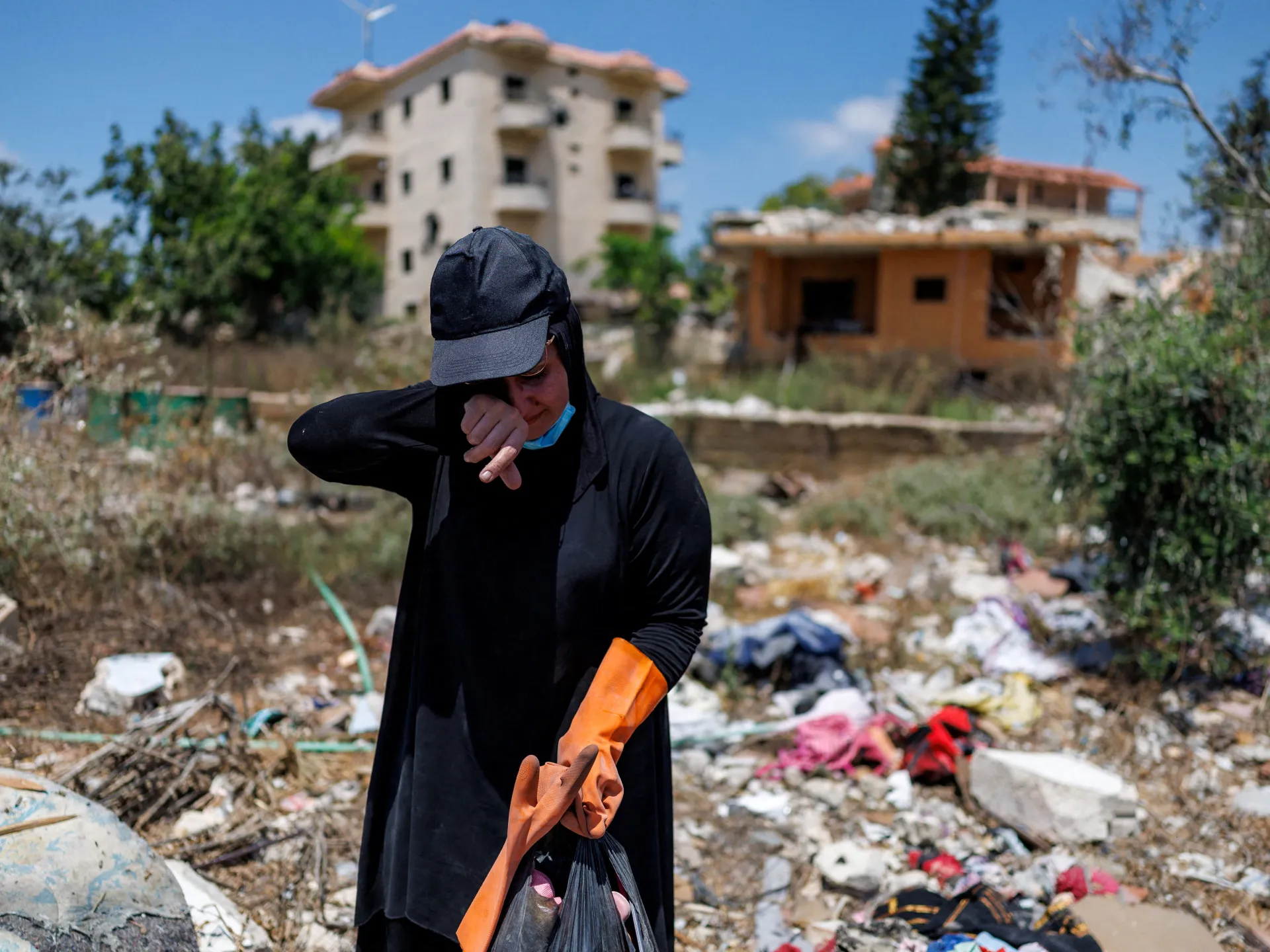
A series of high-intensity airstrikes in southern Lebanon have shattered a fragile period of relative calm, resulting in multiple casualties including emergency medical responders. The strikes, which reportedly occurred in the city of Nabatieh, have sparked immediate international concern over the safety of healthcare personnel operating within active combat zones.
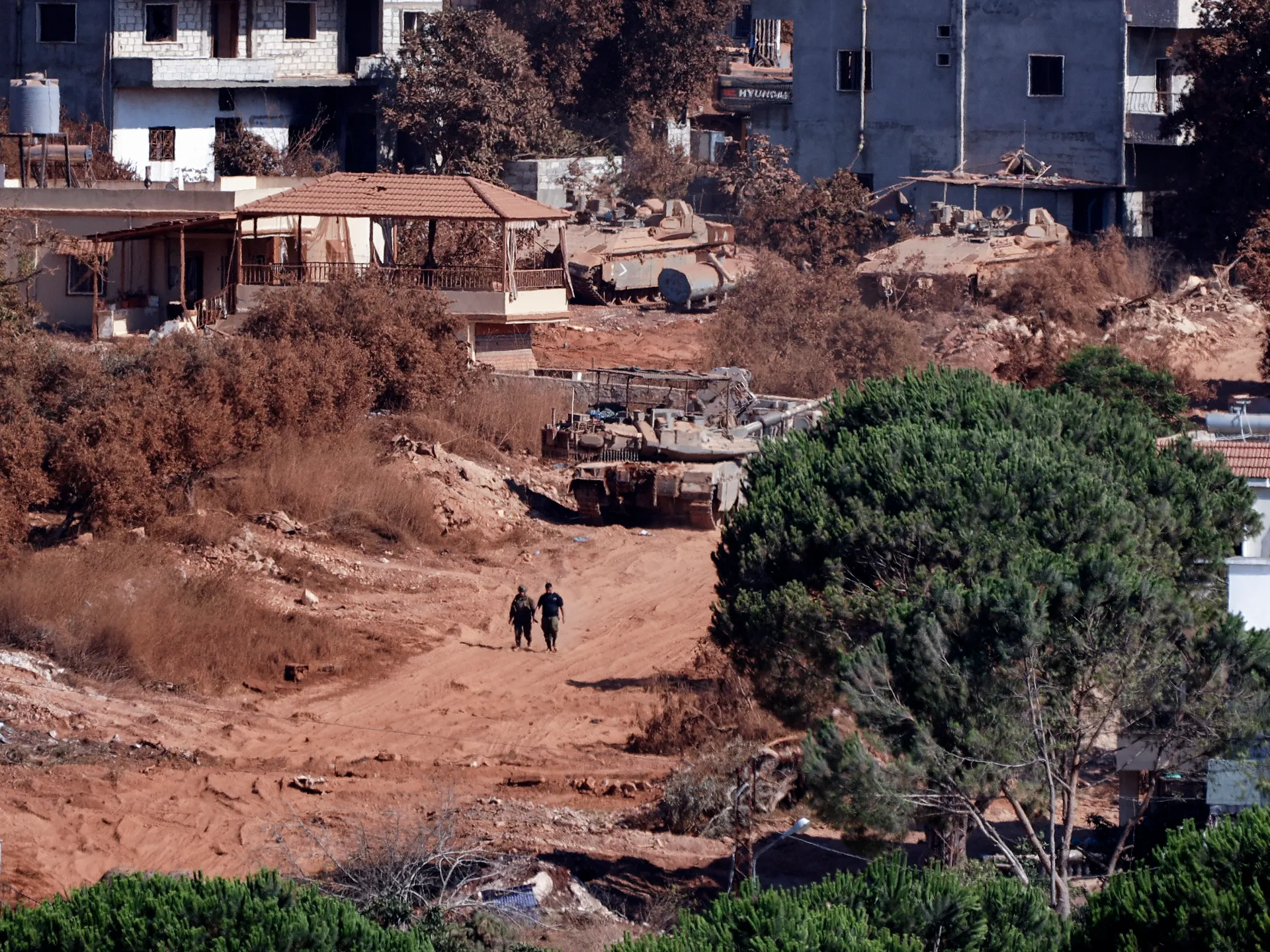
As the conflict between Israel and Hezbollah enters its seventh month, the latest escalation underscores the extreme volatility of the border region. While local officials and international observers scramble to assess the full impact of the bombardment, the incident has reignited debates regarding the protection of humanitarian workers and the viability of existing ceasefire agreements.
The targeting of medical teams carries profound implications for the rules of engagement in modern warfare. Under international humanitarian law, ambulances and paramedics are granted protected status, meant to ensure that those who lives are not themselves subject to tactical strikes. When these protections are disregarded, the operational capacity of civil defense organizations effectively collapses, leaving civilian populations in combat-stricken areas without access to trauma care or evacuation services. Beyond the immediate human toll, the erosion of these norms sets a dangerous precedent, potentially signaling to other actors that medical infrastructure is a legitimate military objective, thereby increasing the long-term risk of catastrophic mortality rates in the region.
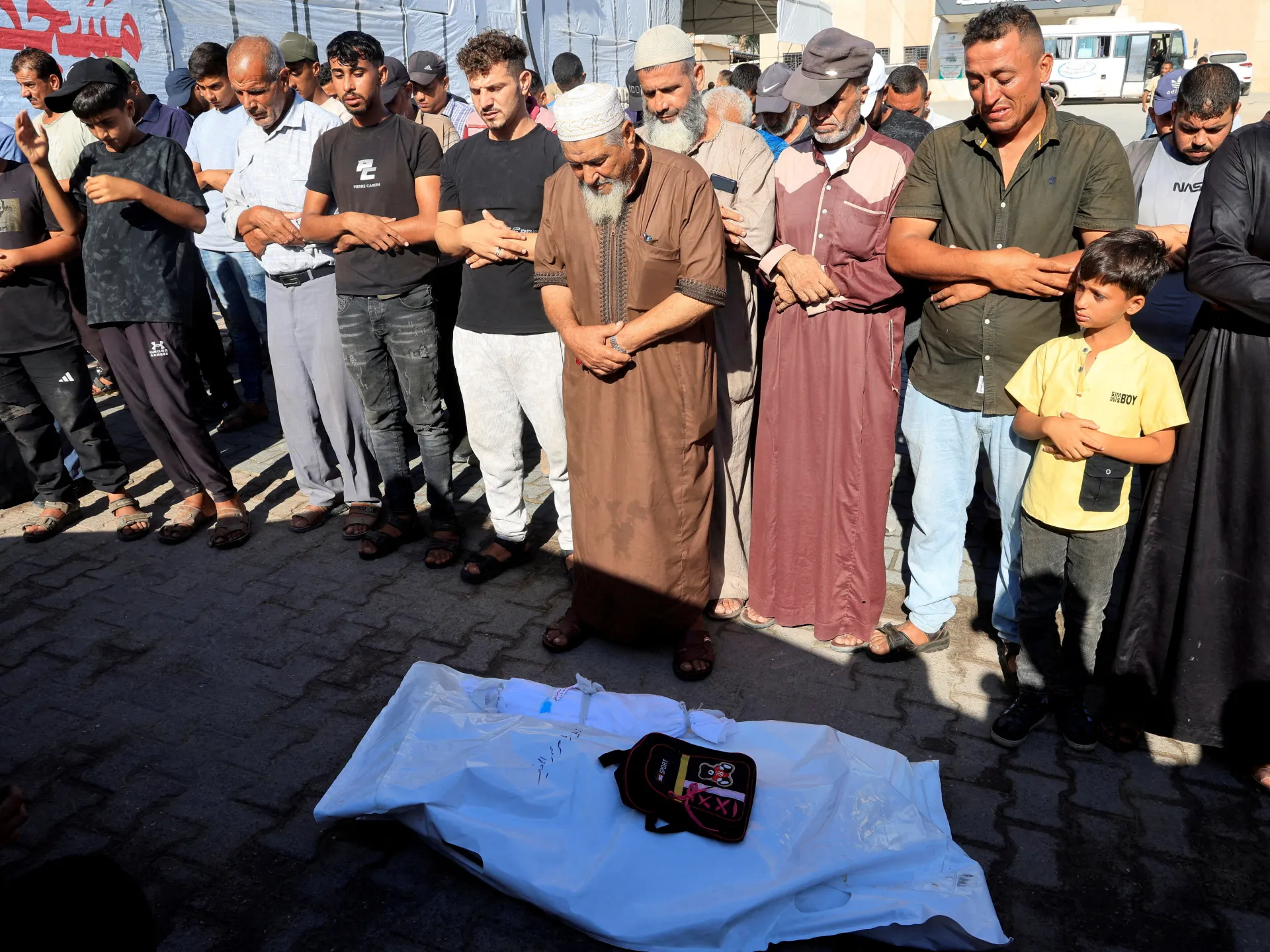
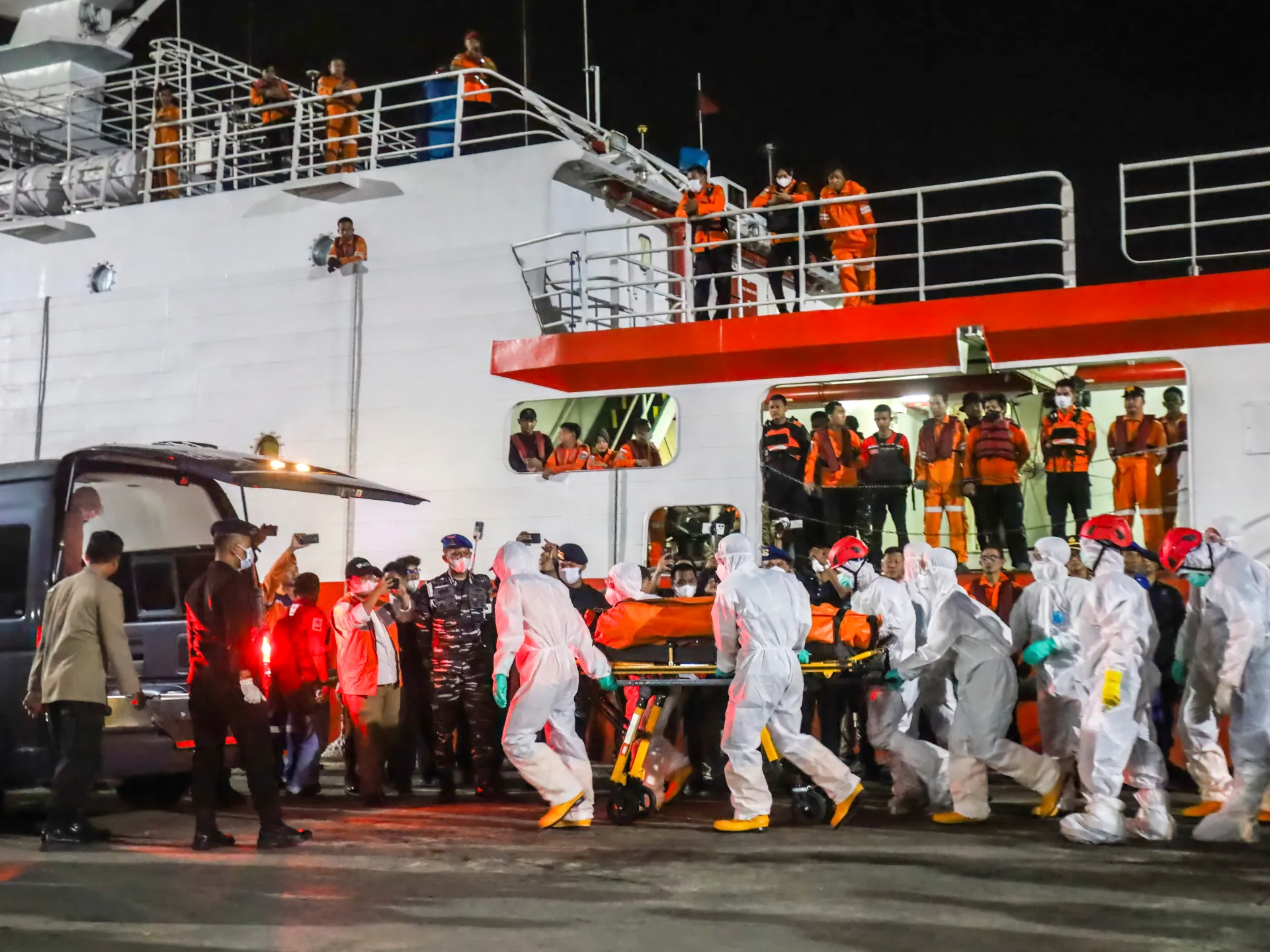
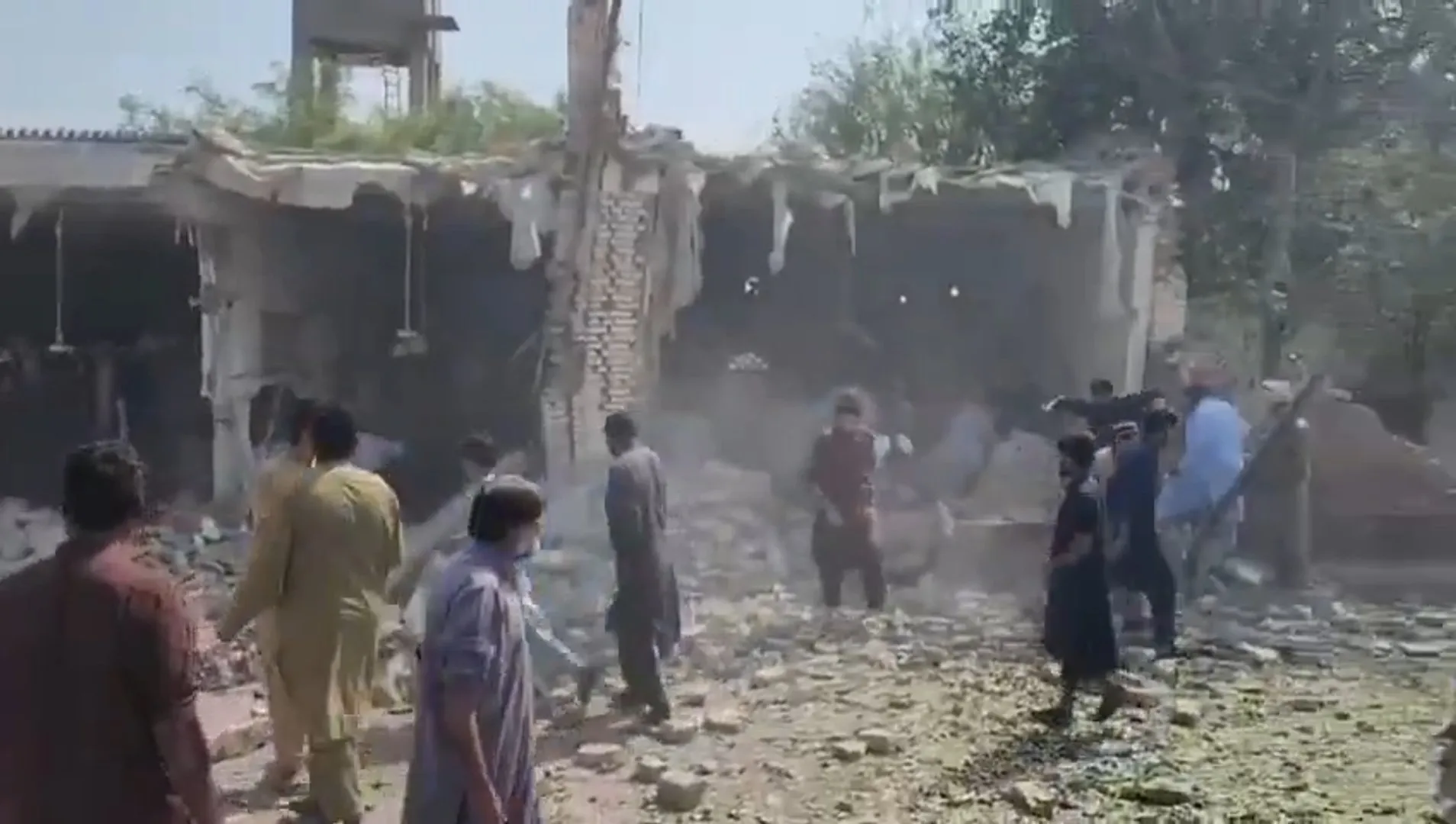
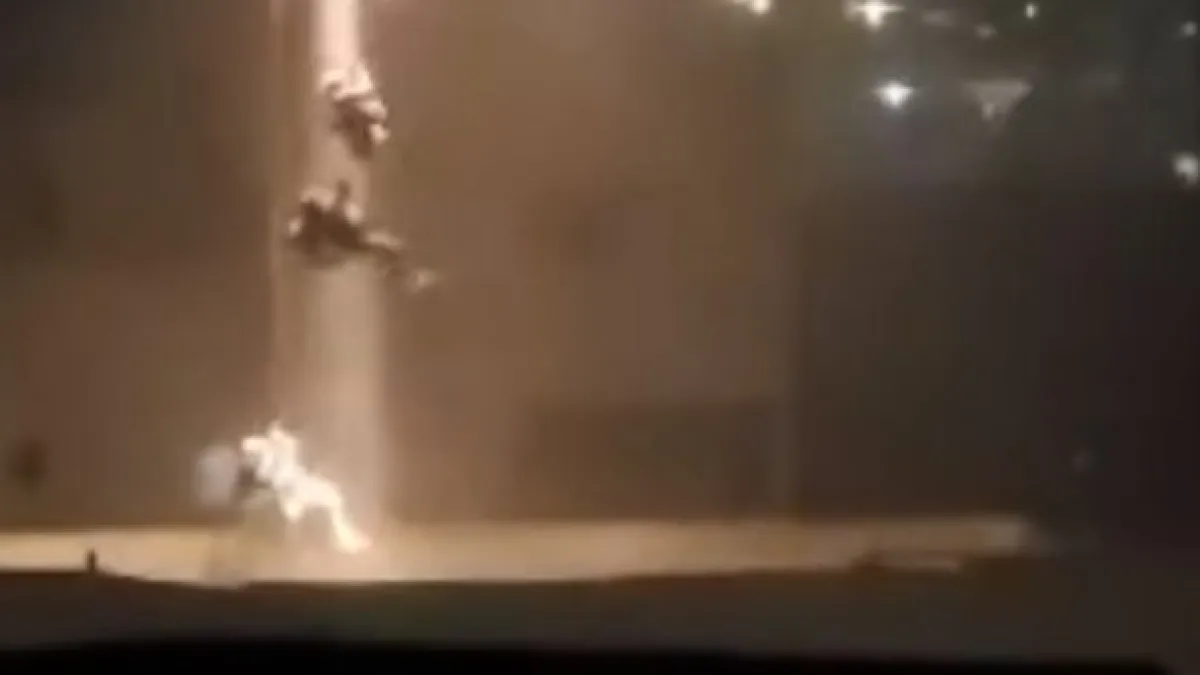
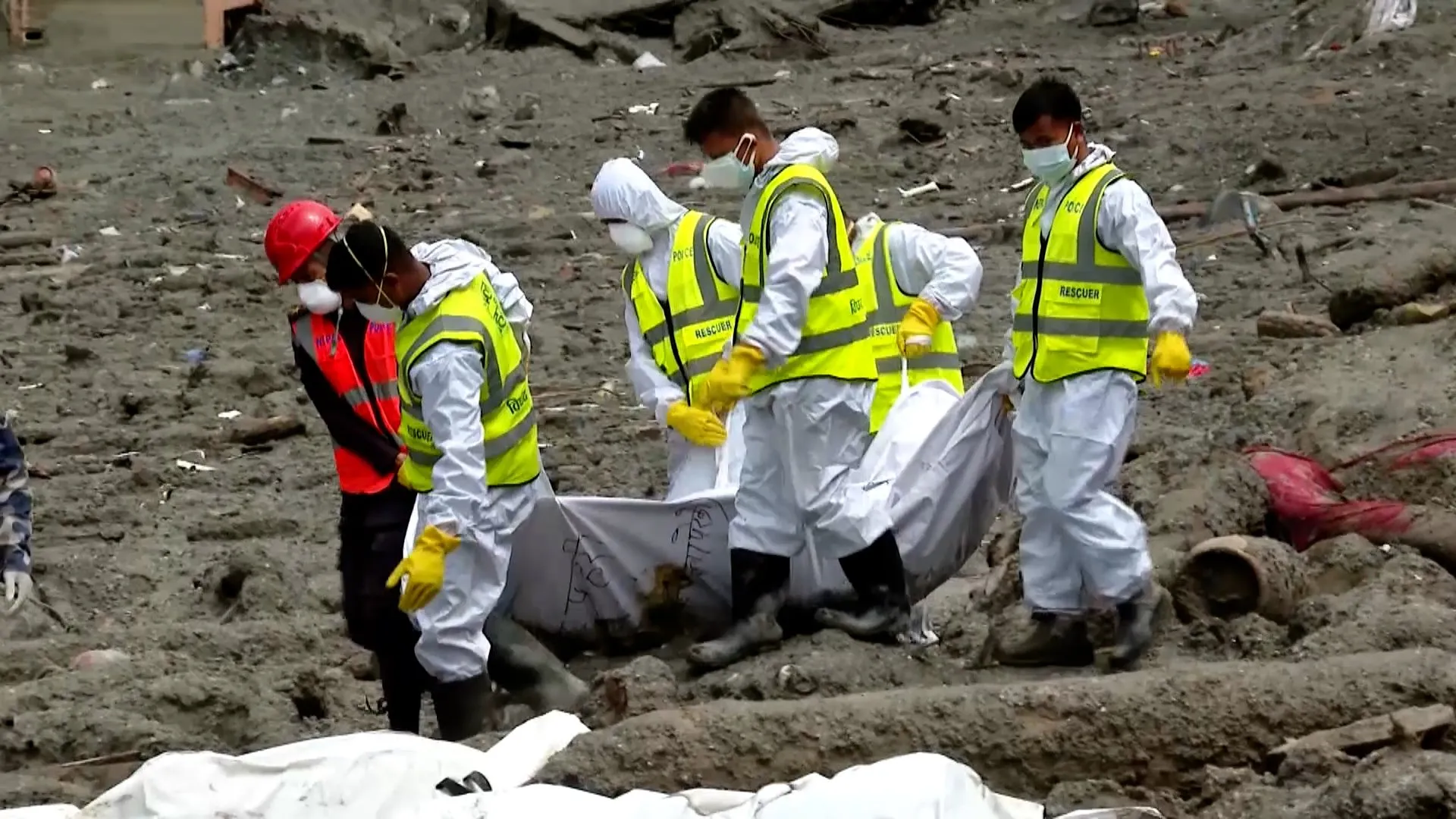
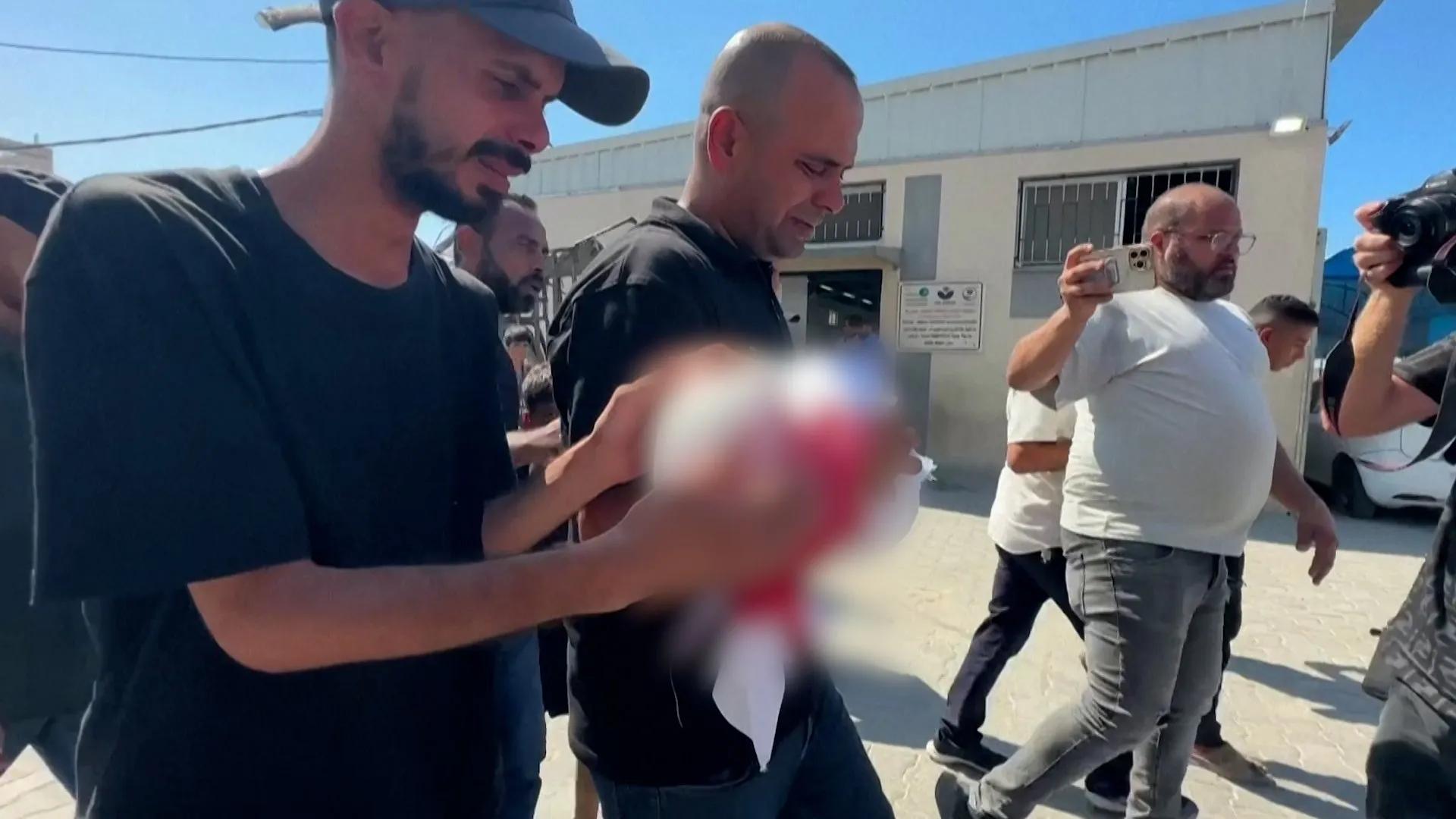
The specifics regarding the scale of the casualties remain subject to conflicting accounts from various reporting agencies. Al Jazeera has characterized the event as a sequence of three strikes, noting that the final blast directly hit an ambulance team that had arrived to assist victims of the initial two impacts. Conversely, other reports suggest a higher toll, with AP News indicating at least 10 individuals were killed, including a child and several paramedics.
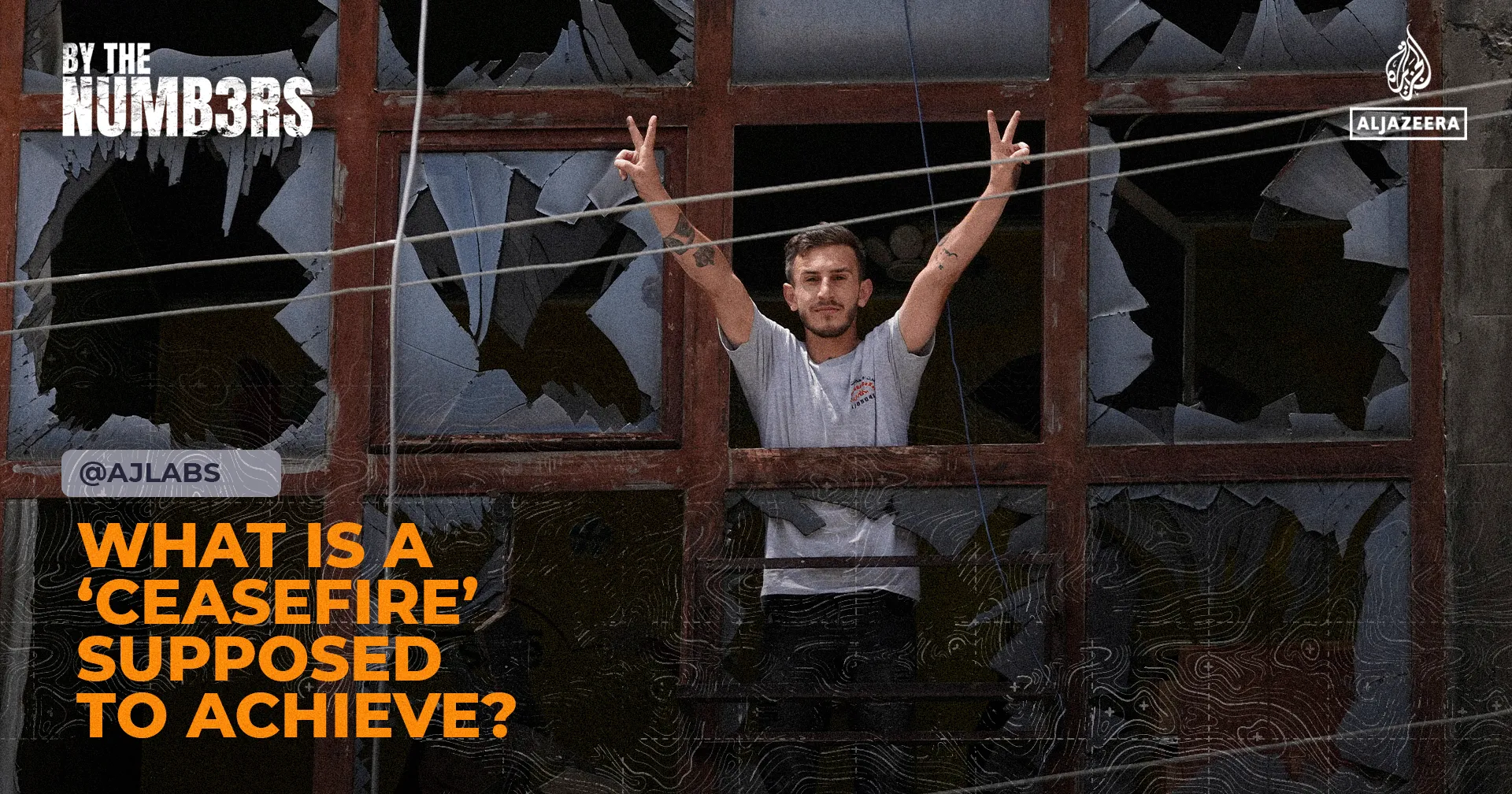
NBC News has reported a casualty figure of seven deaths, explicitly framing the event as a violation of an ongoing ceasefire agreement. This discrepancy in reported fatalities highlights the immense difficulty in verifying information on the ground as communication infrastructure in southern Lebanon continues to suffer under the strain of prolonged bombardment. Regardless of the exact count, the loss of life among those tasked with medical relief has been confirmed zations.
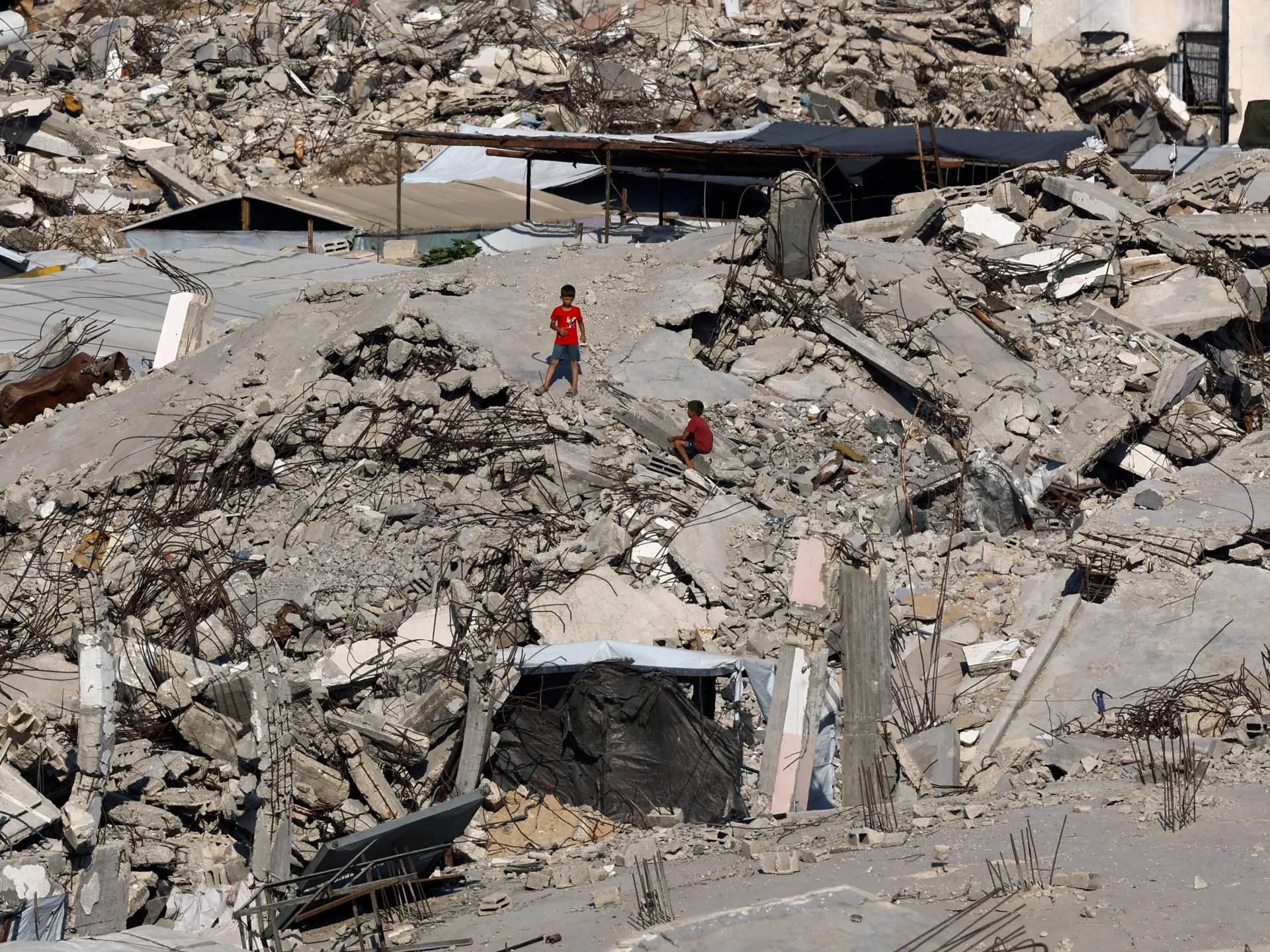
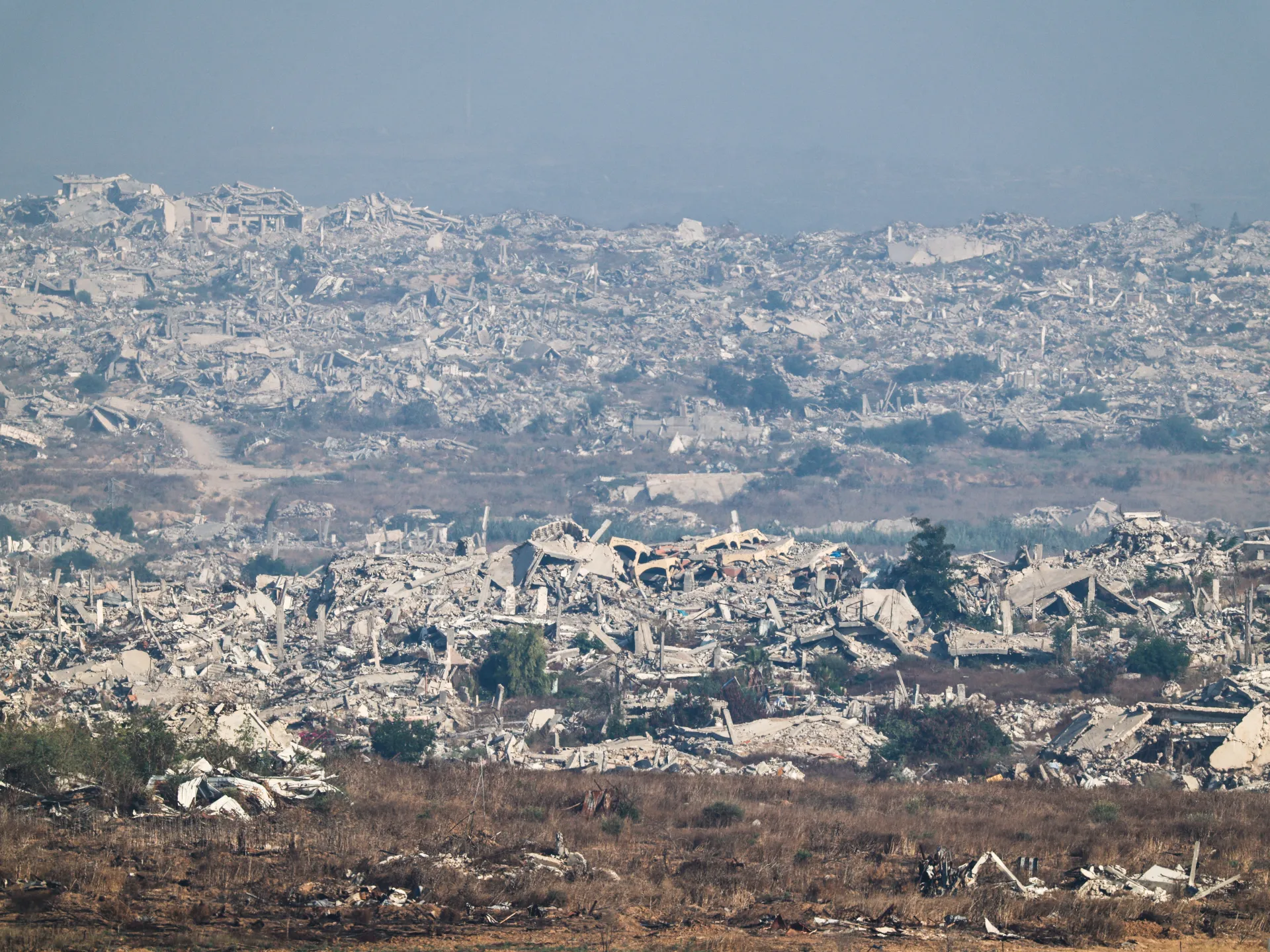
Since the onset of the current Israel-Hezbollah war on March 2, the scale of destruction has been staggering. Data indicates that over 4,300 people have lost their lives in the intervening months, with the number of injured estimated to exceed 12,000. These figures illustrate a humanitarian crisis that continues to broaden as diplomatic efforts to maintain a lasting truce struggle to take hold.
The immediate aftermath of the Nabatieh strikes is likely to involve intensified pressure from international diplomatic channels to clarify the status of the ceasefire. Because reports vary on the exact number of victims and the nature of the target, an independent investigation—or at least a clarification from military leadership—will be essential to determining if this was an intelligence failure or a deliberate tactical shift. If the trend of targeting medical workers continues, we can expect a further degradation of humanitarian access, forcing international aid groups to either withdraw from the region or operate under even more restricted and dangerous conditions. The political fallout may also challenge the stability of the current governing frameworks in Lebanon, as domestic pressure mounts to protect civilian infrastructure at all costs.