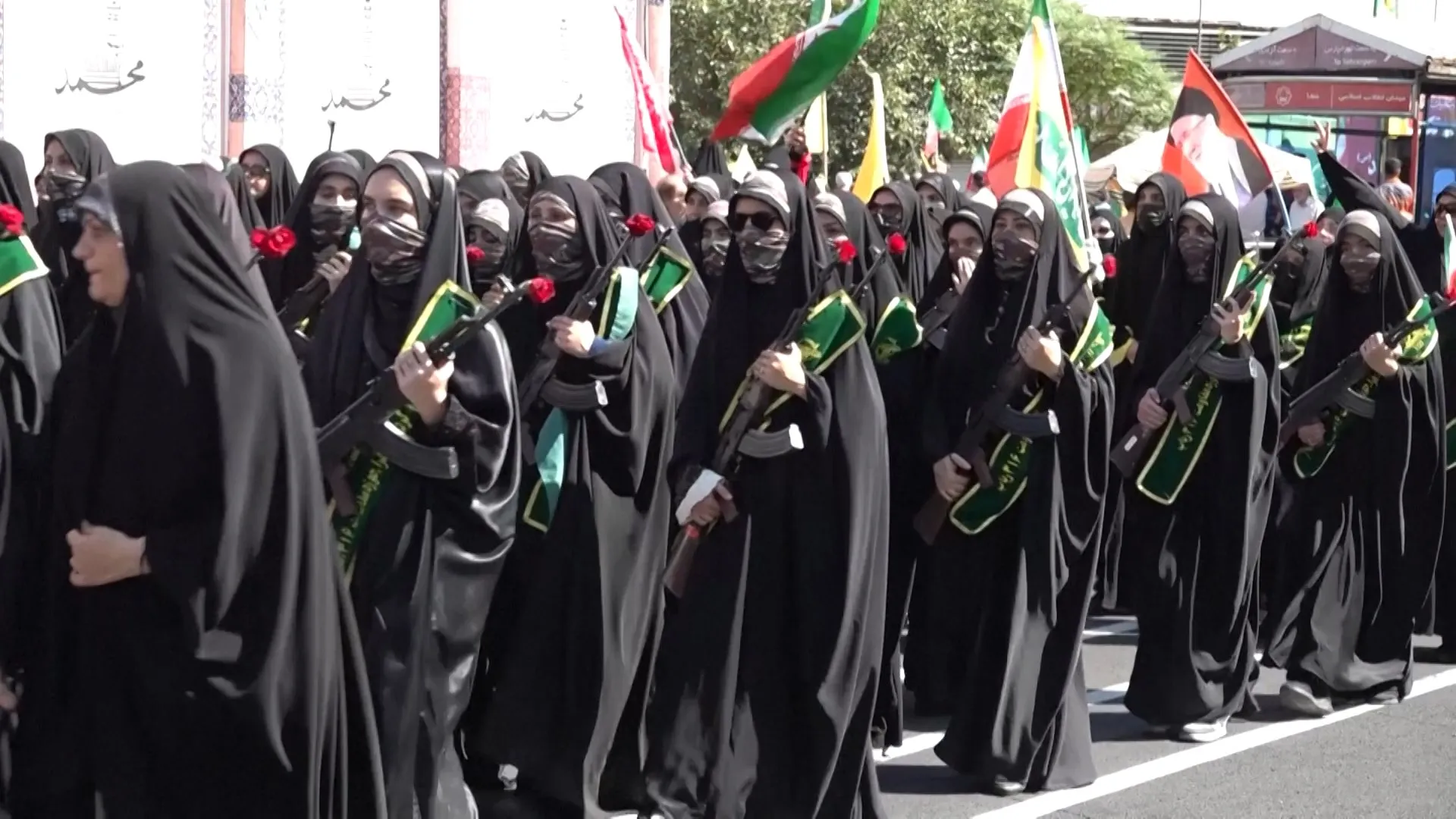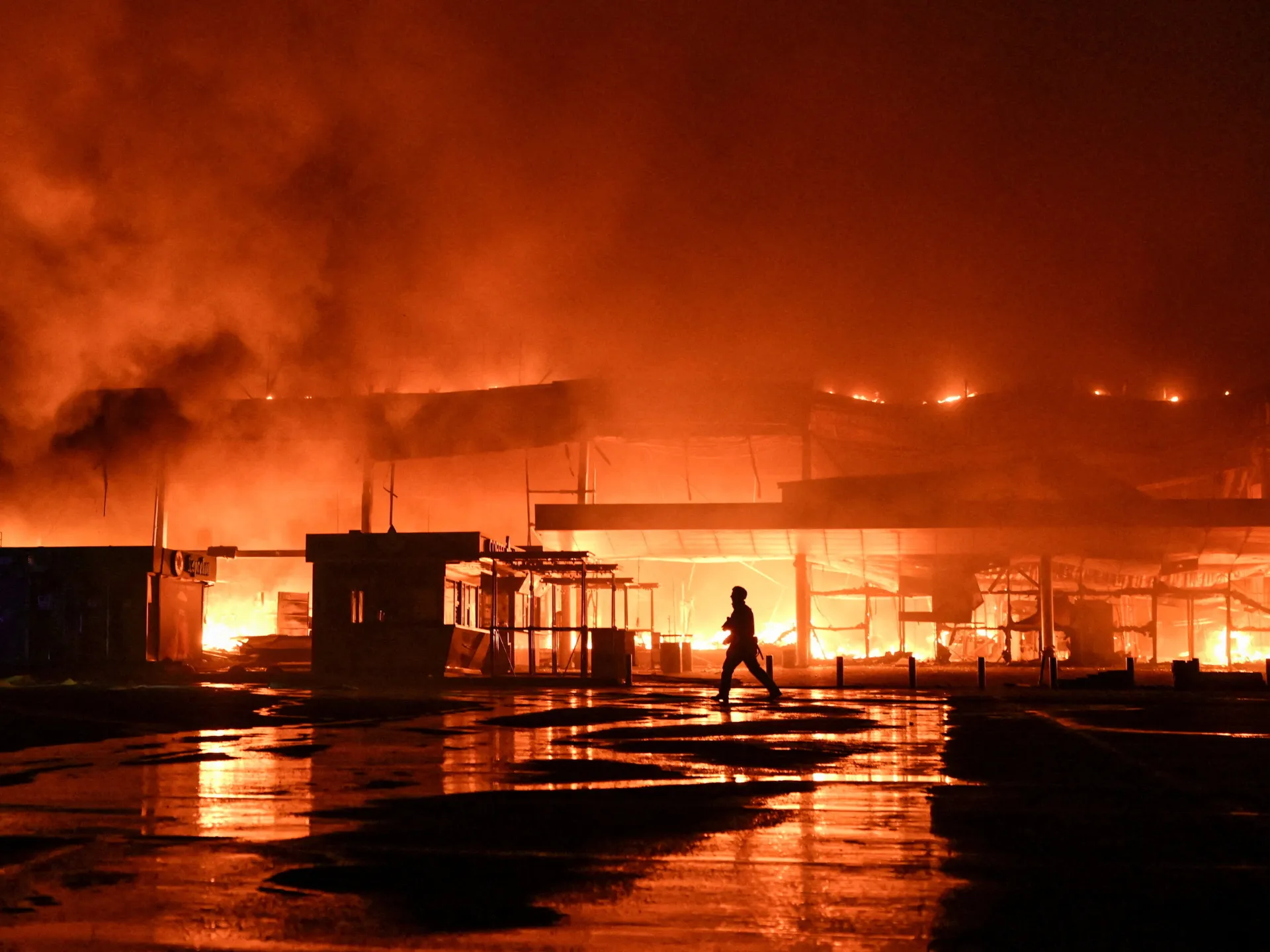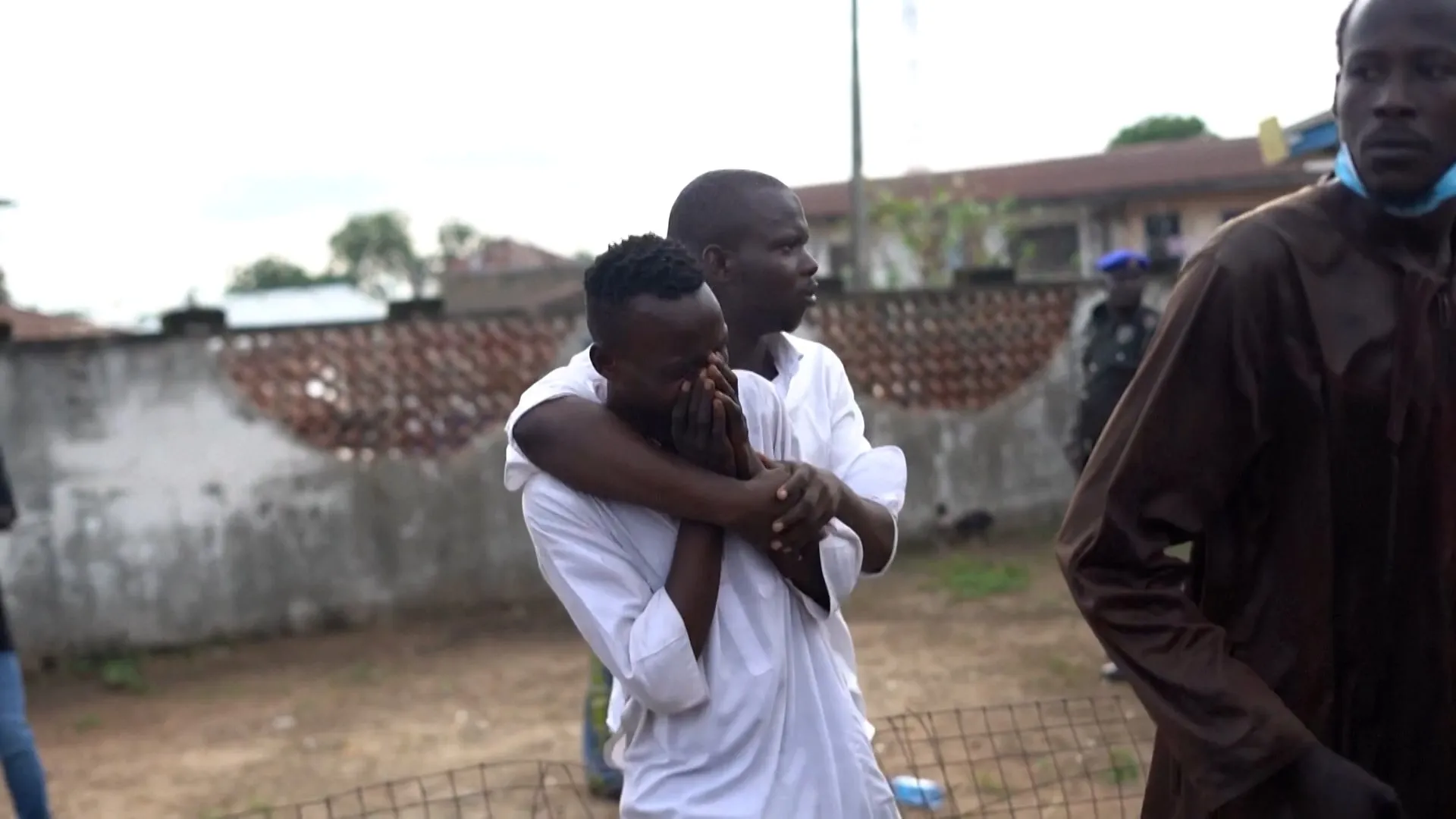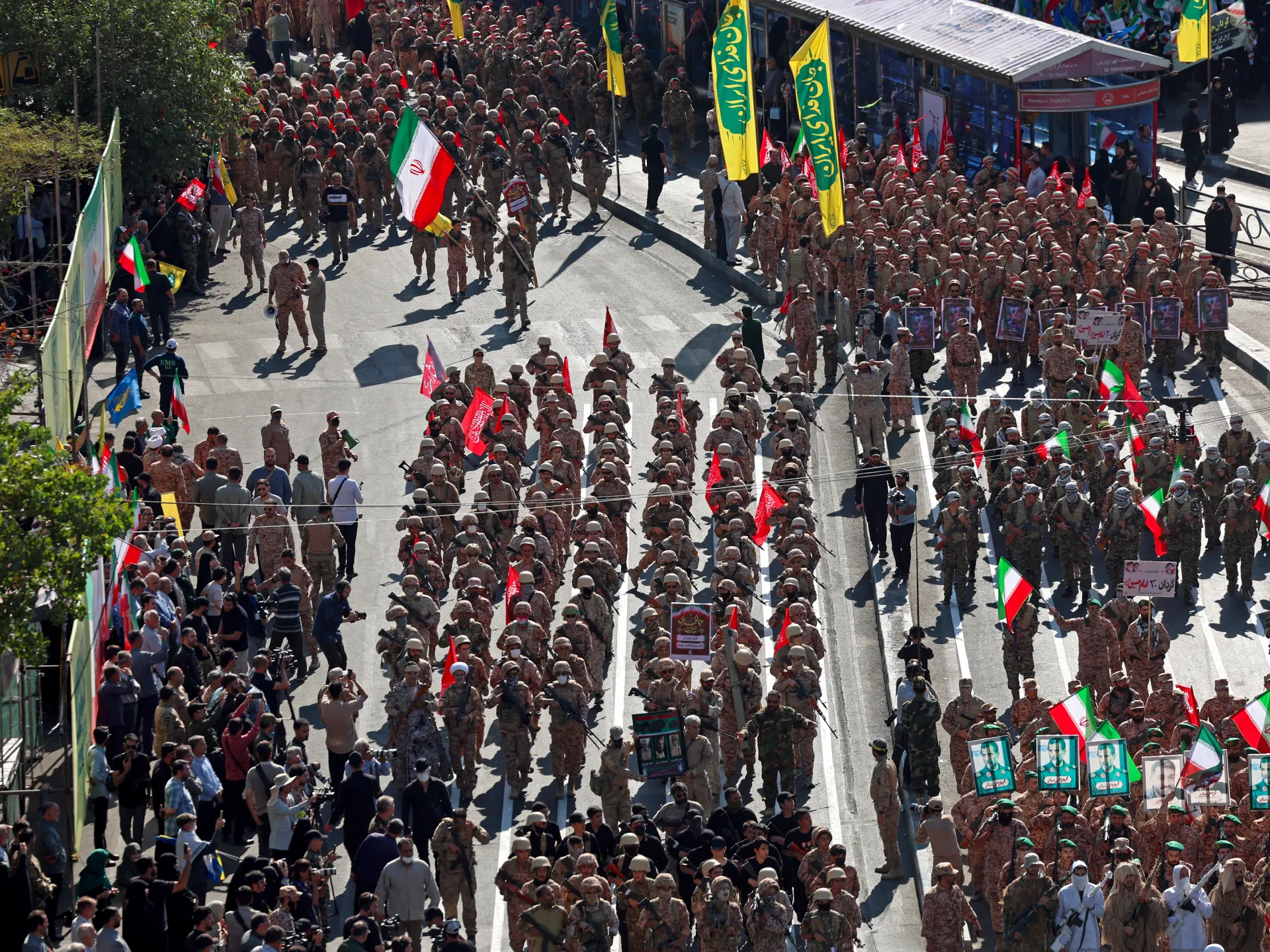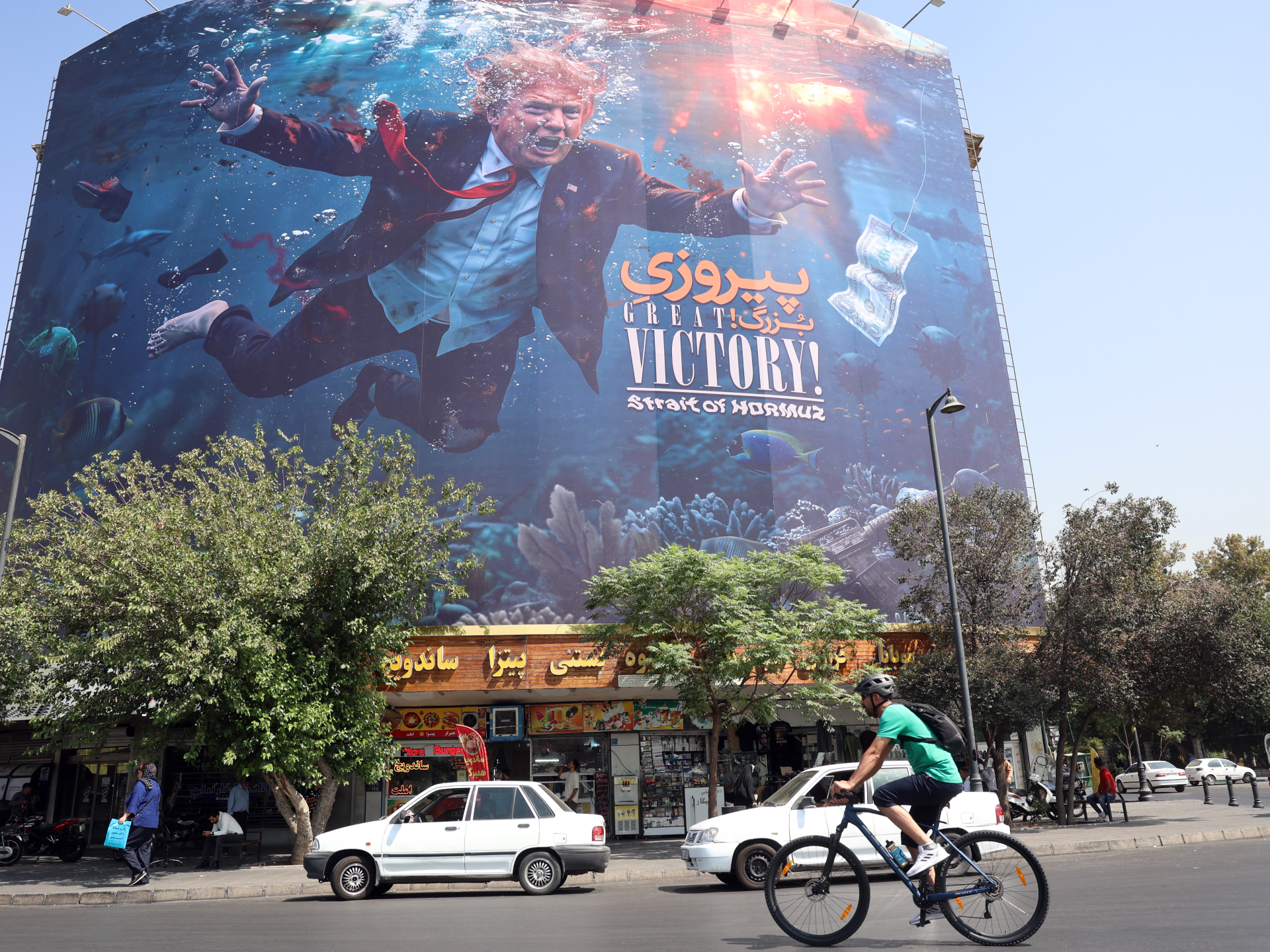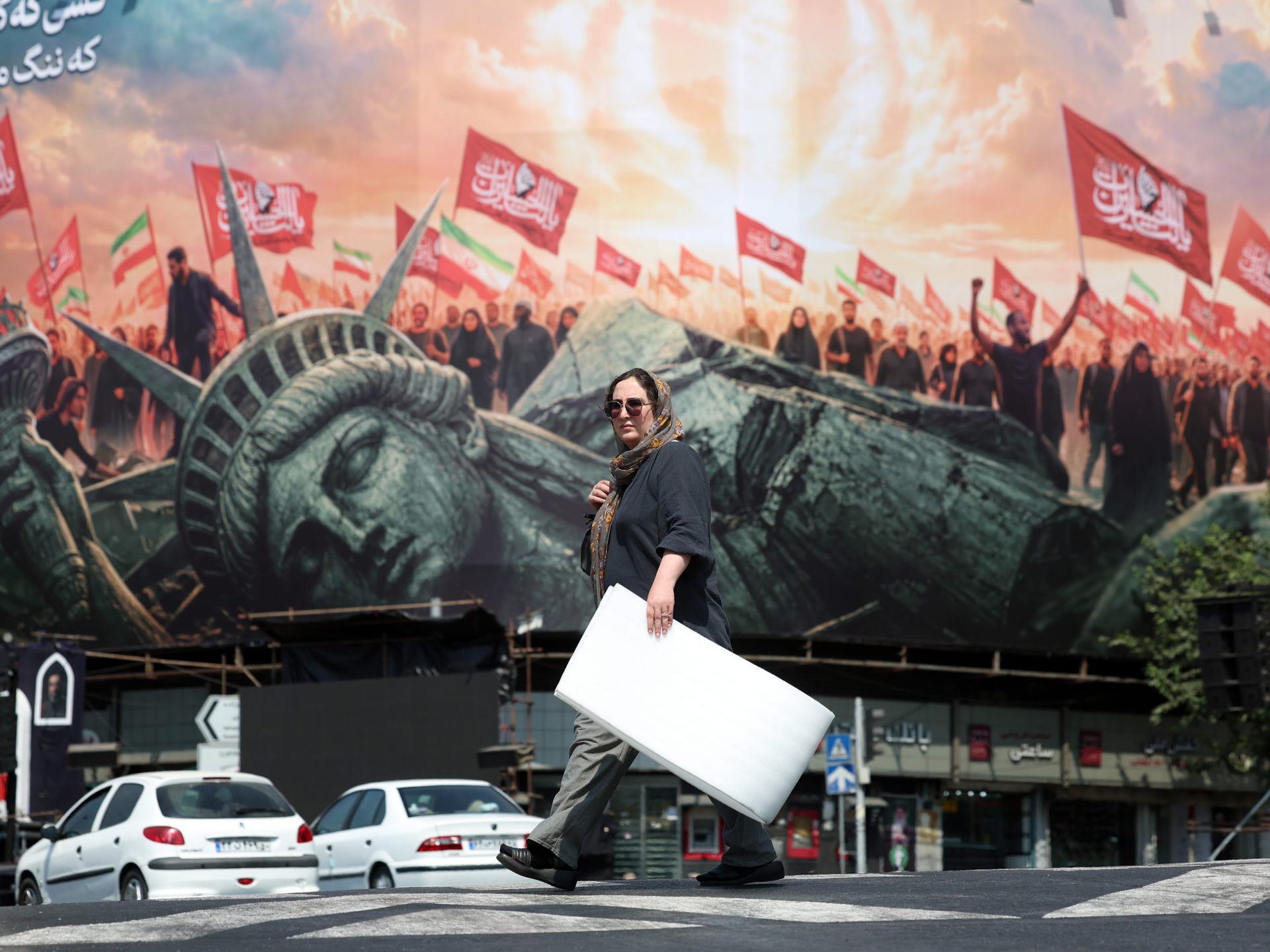
As tensions with the US persist, Iran has issued a new set of conditions for peace, even as its delegation arrives in New York for the UN General Assembly under strict restrictions.
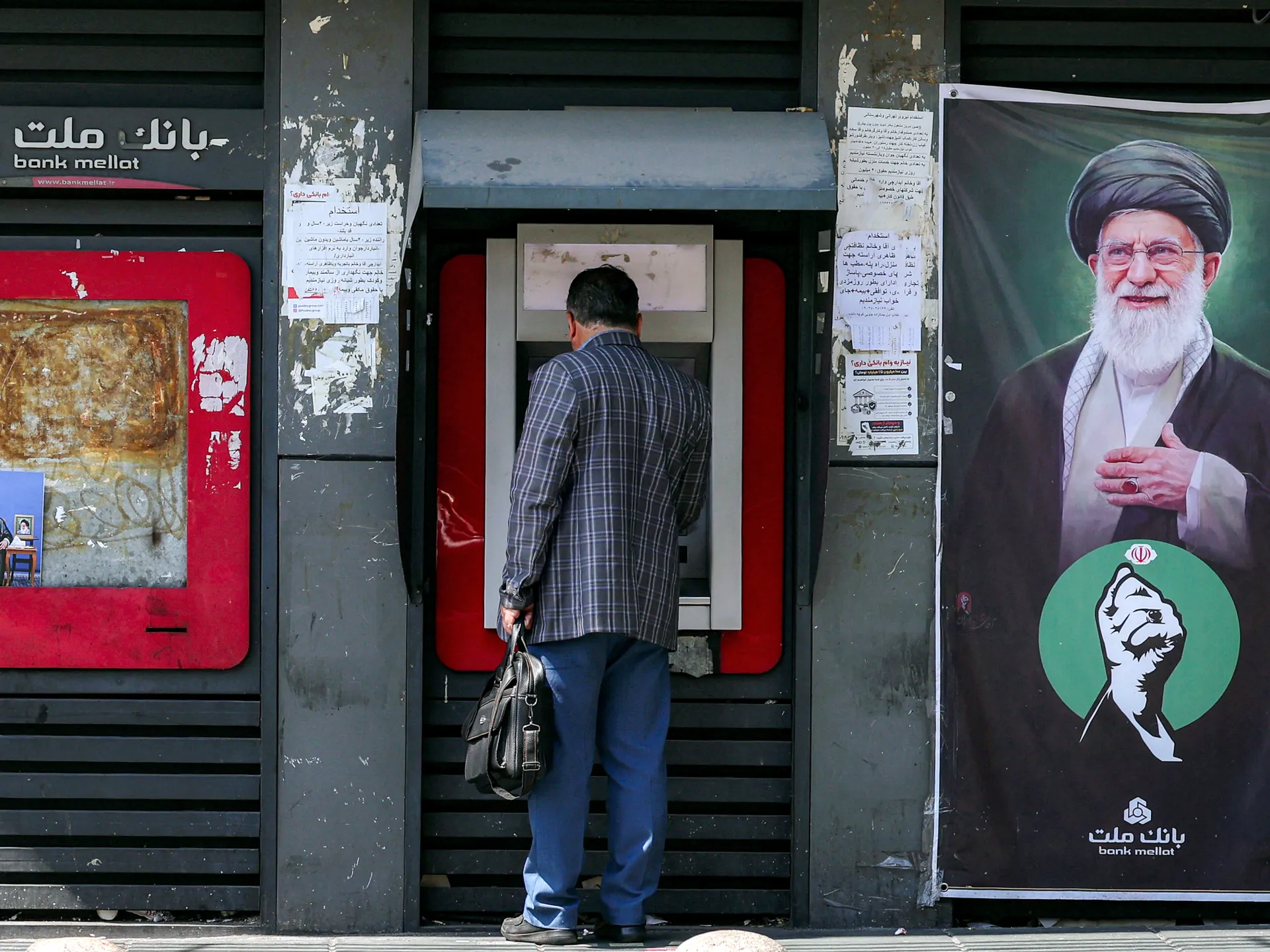
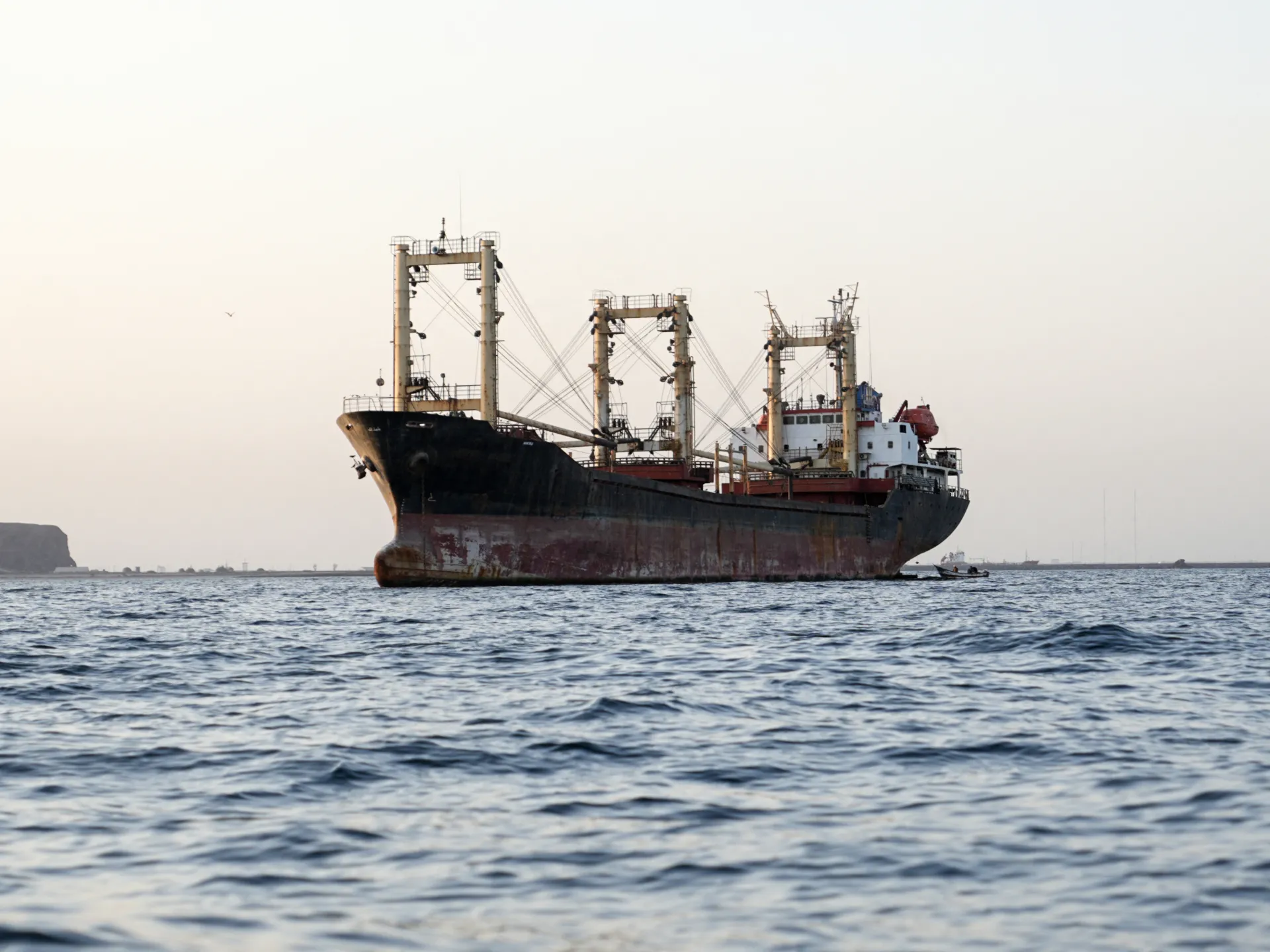
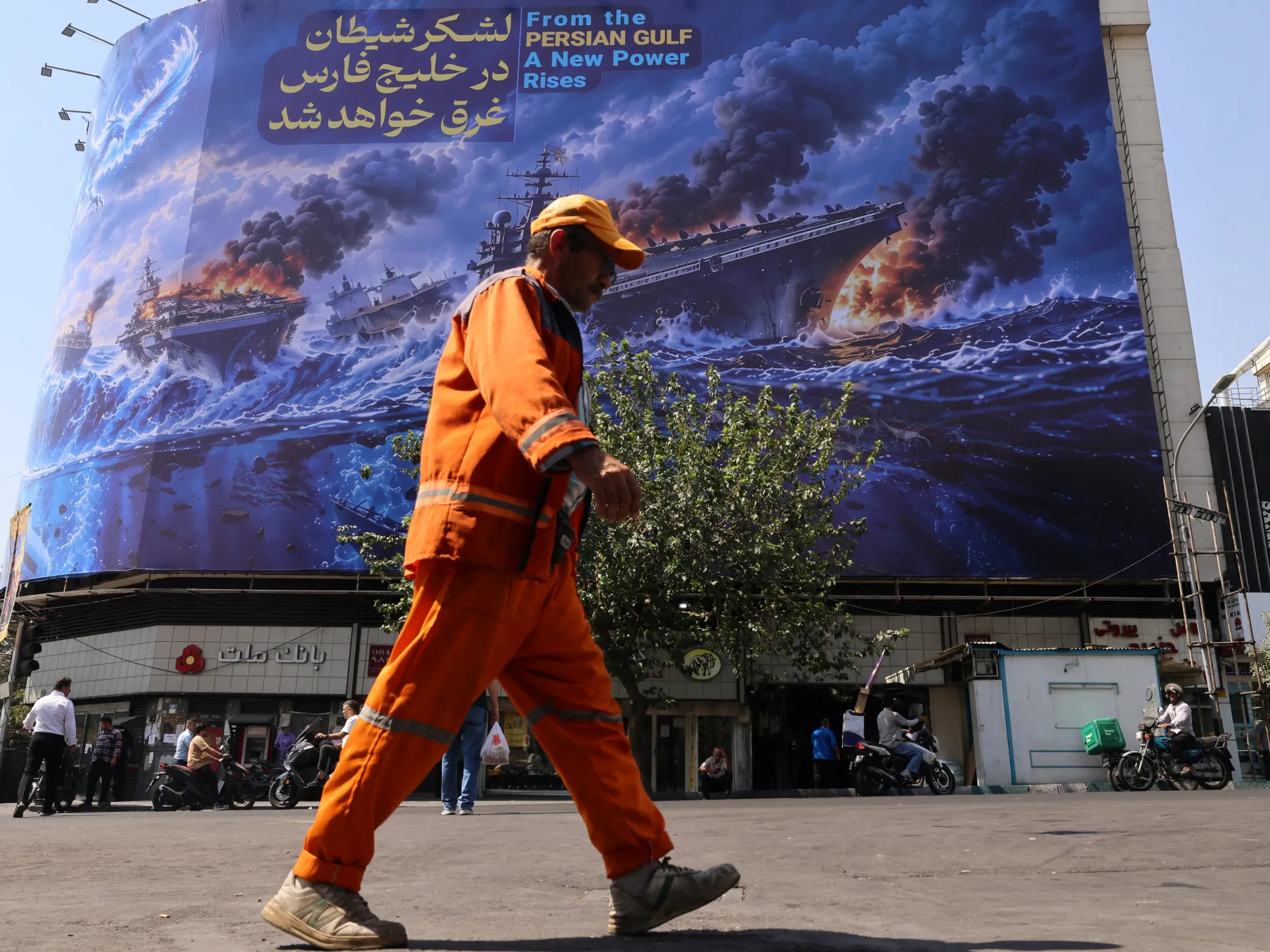
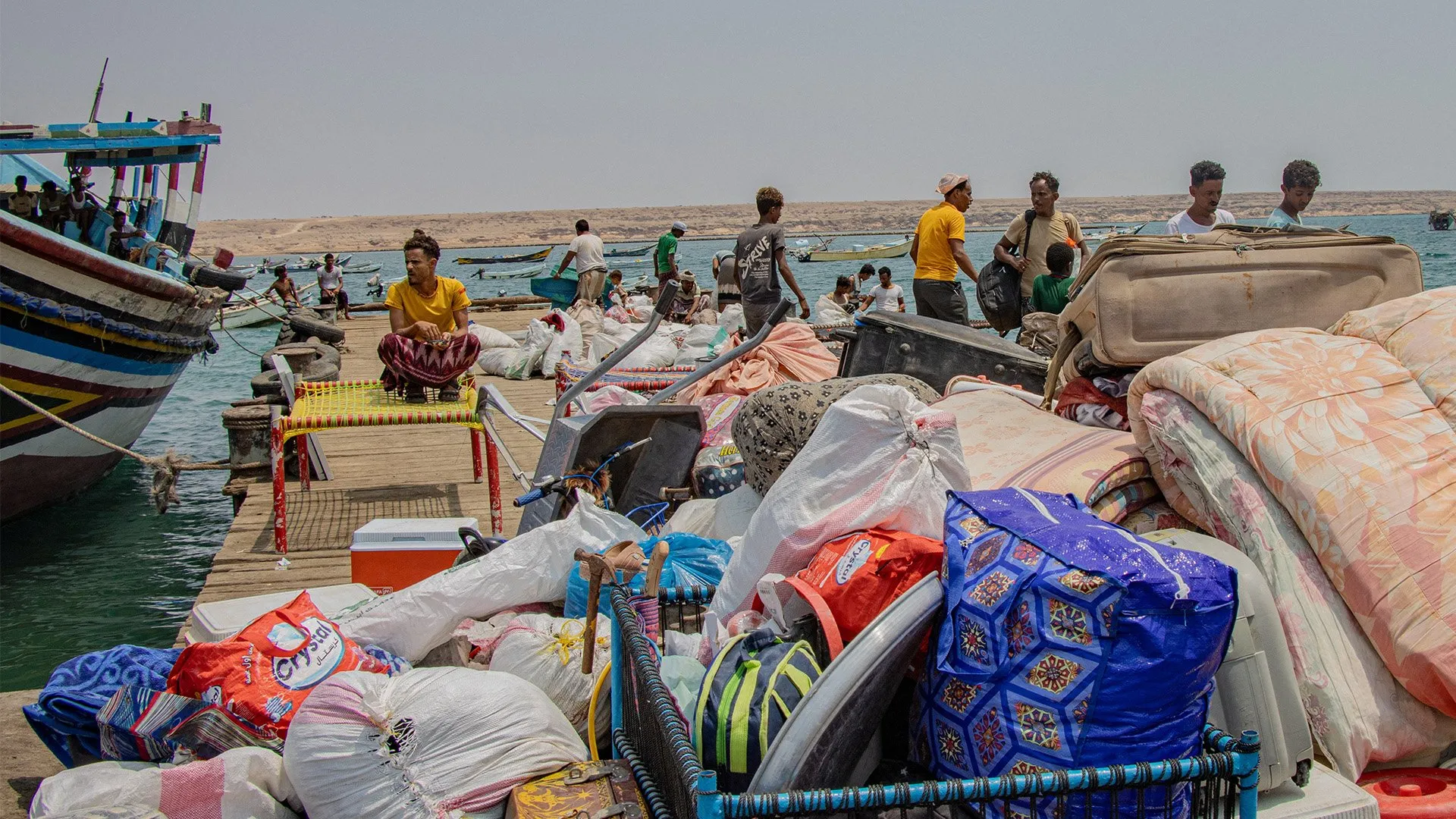
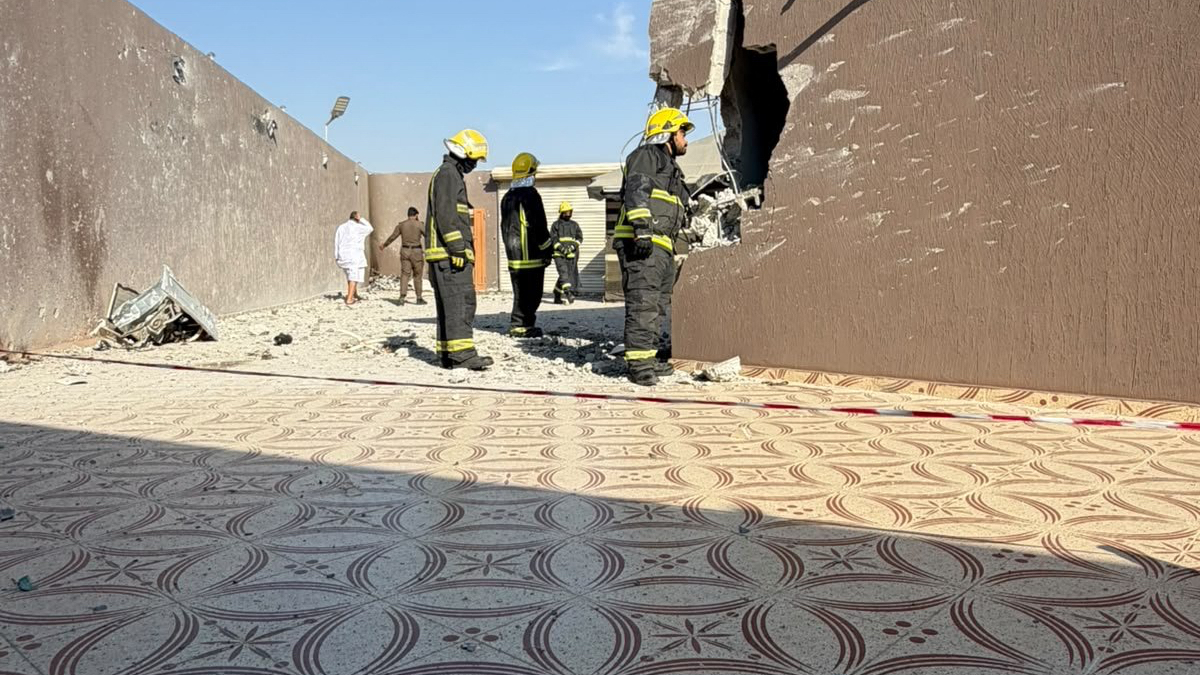
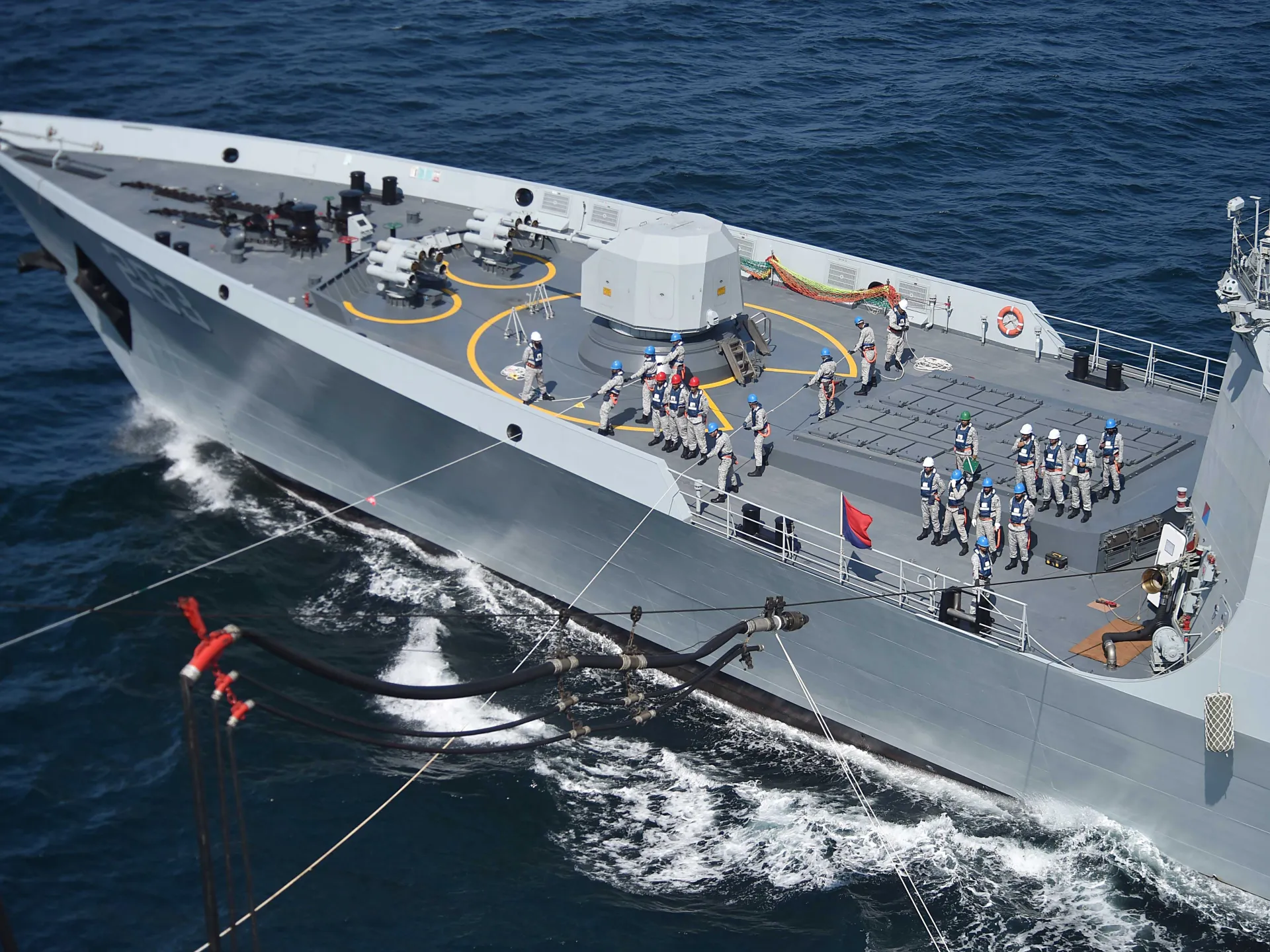
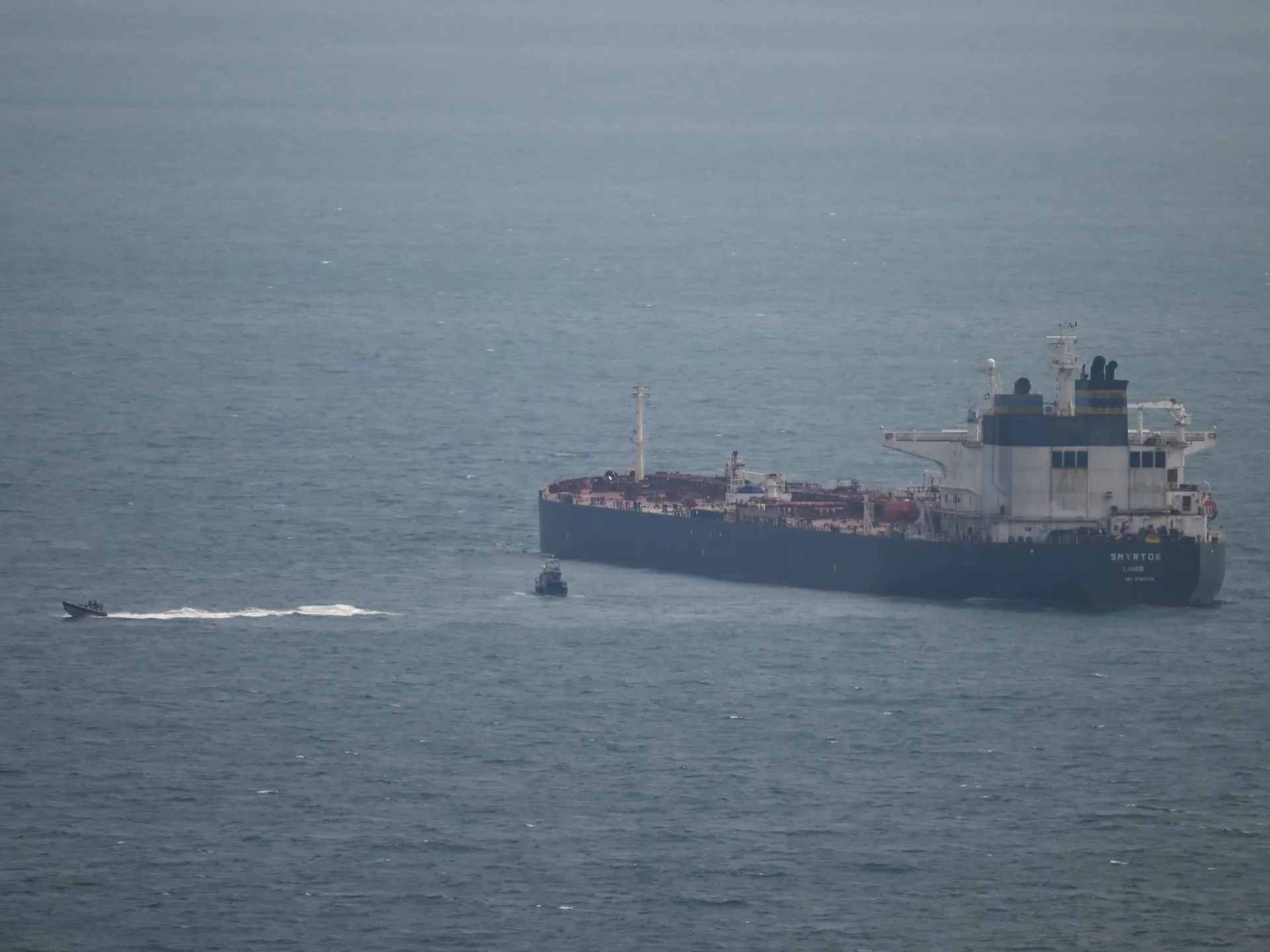
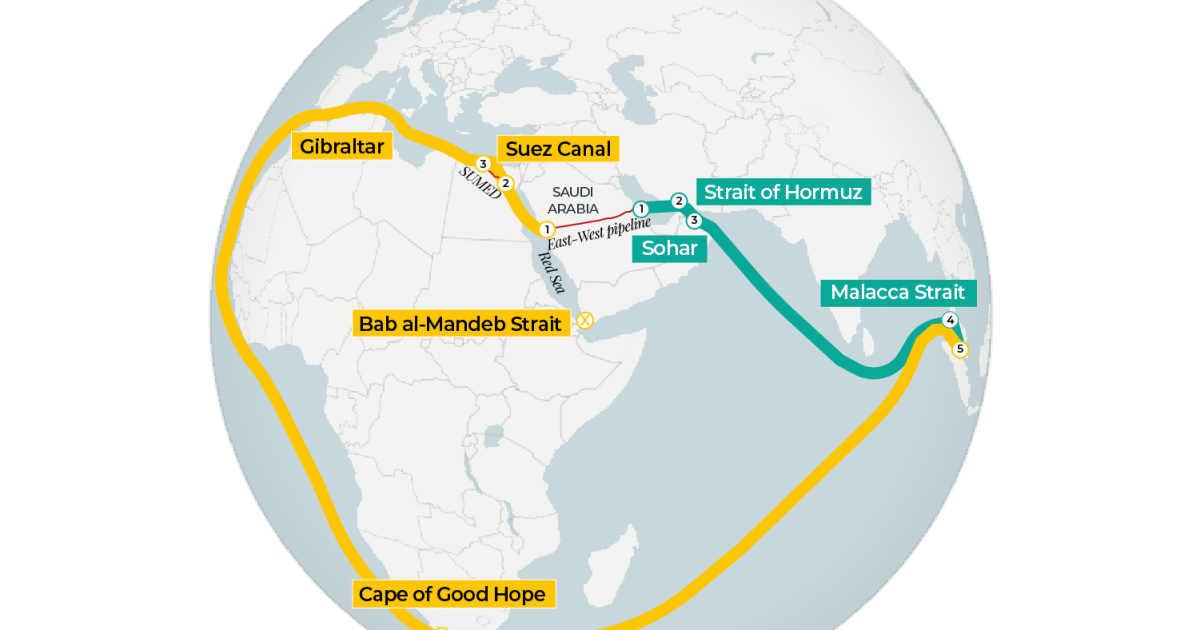
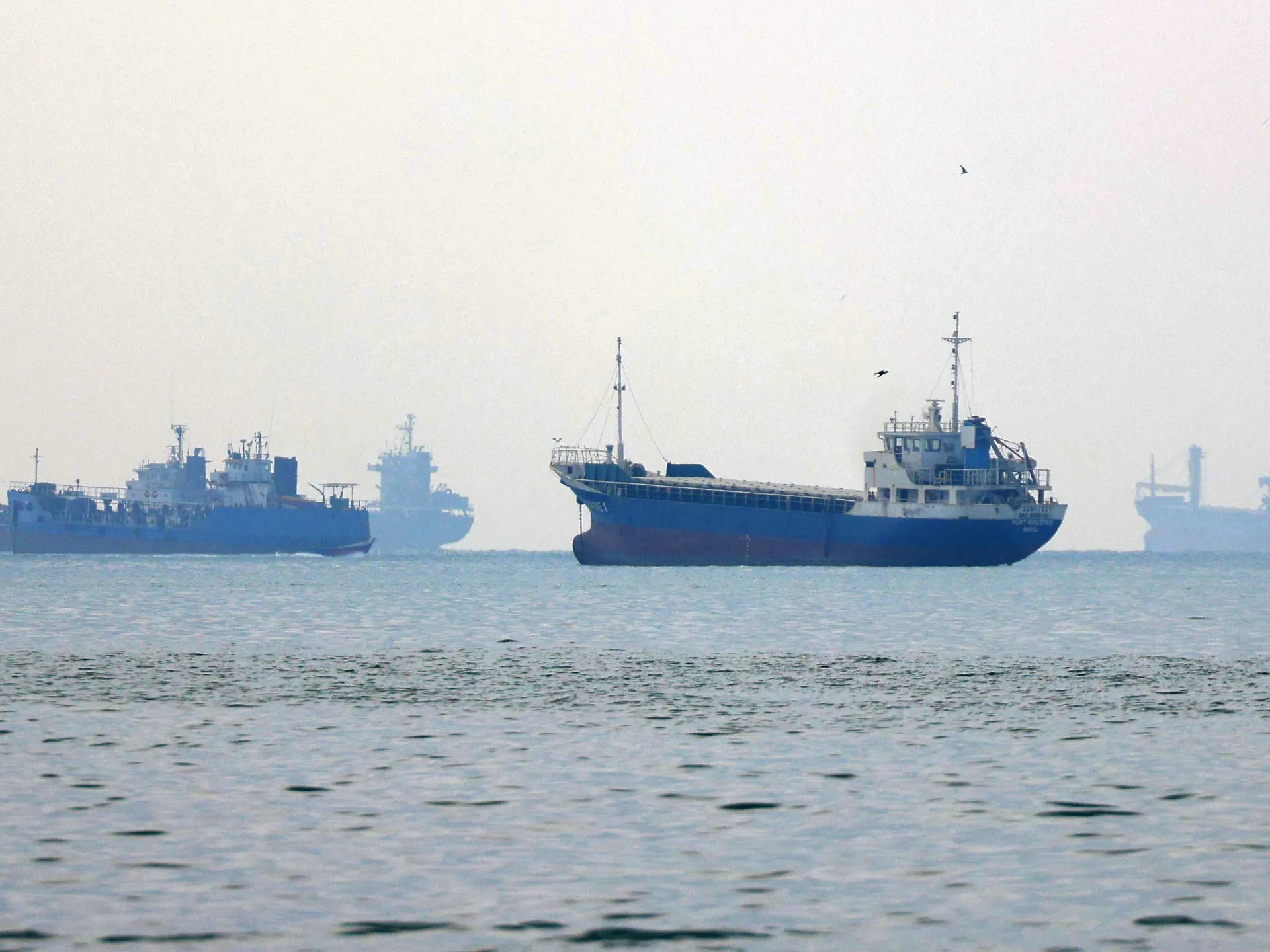
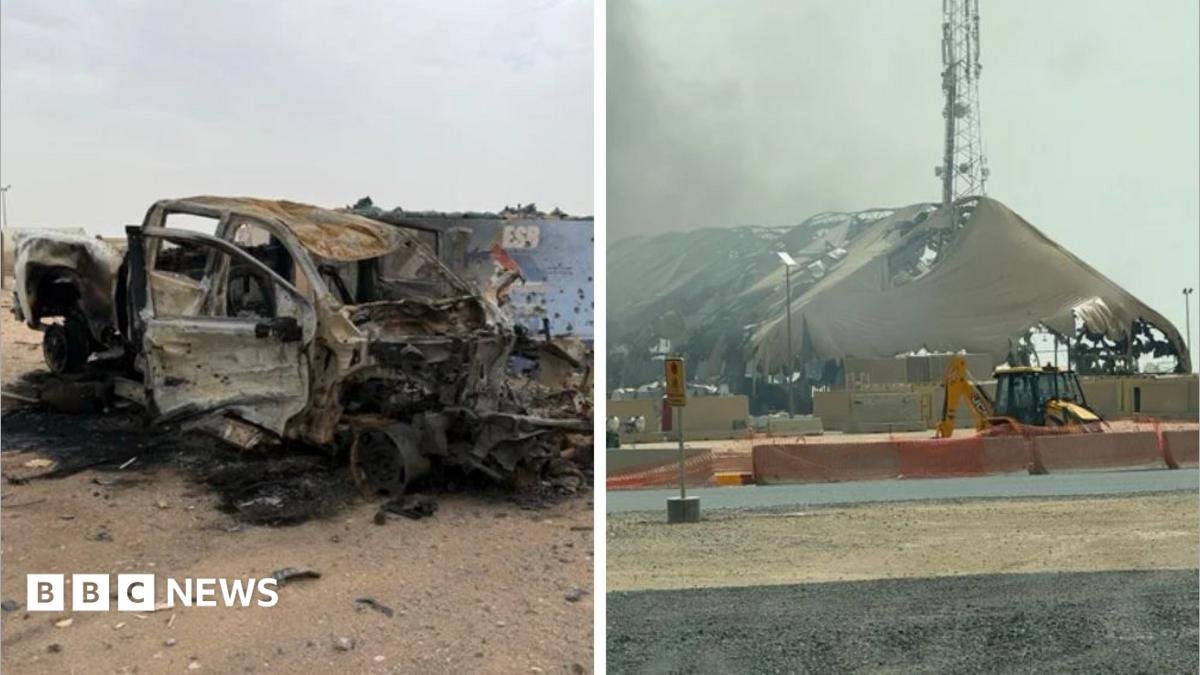
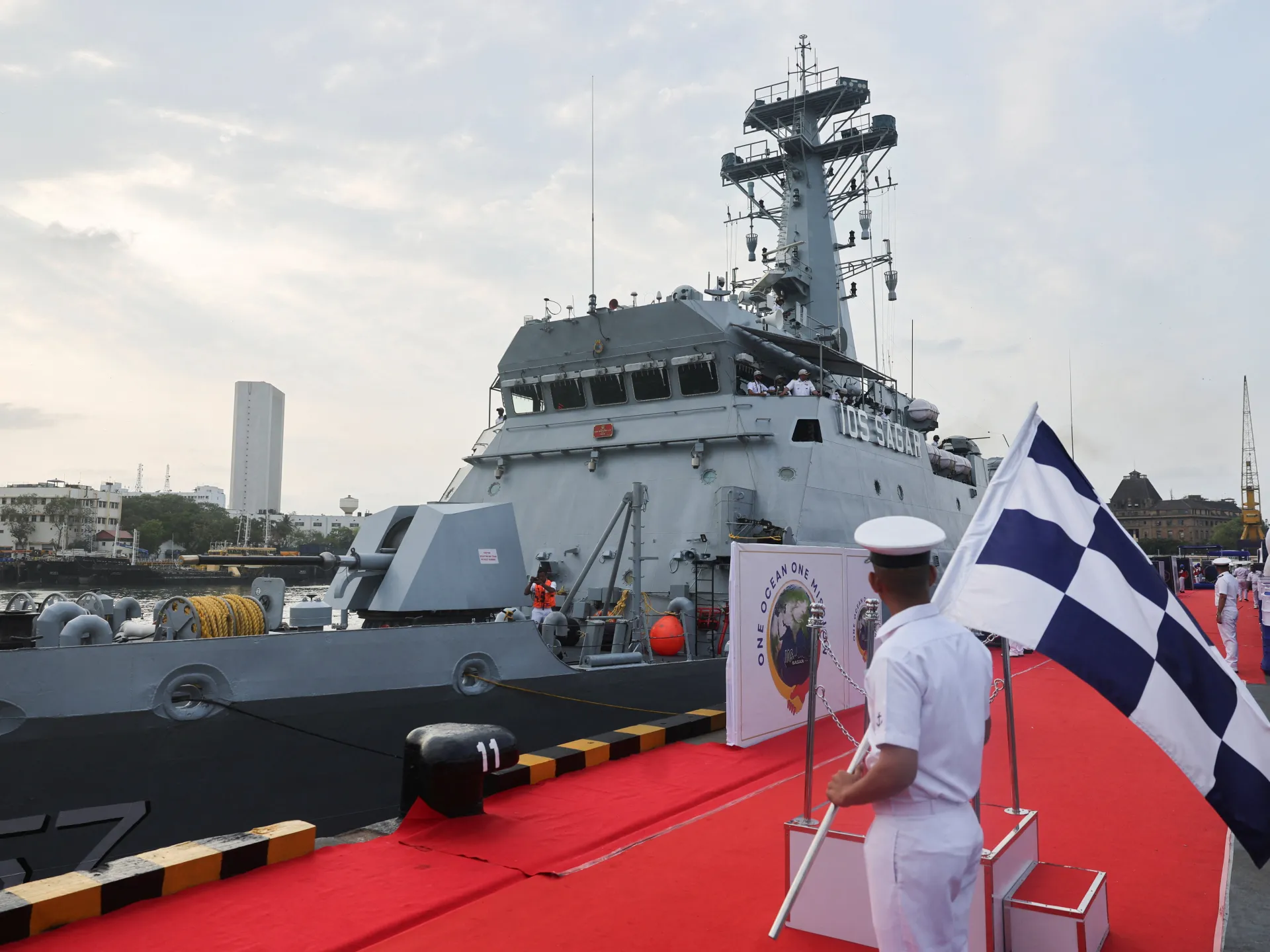
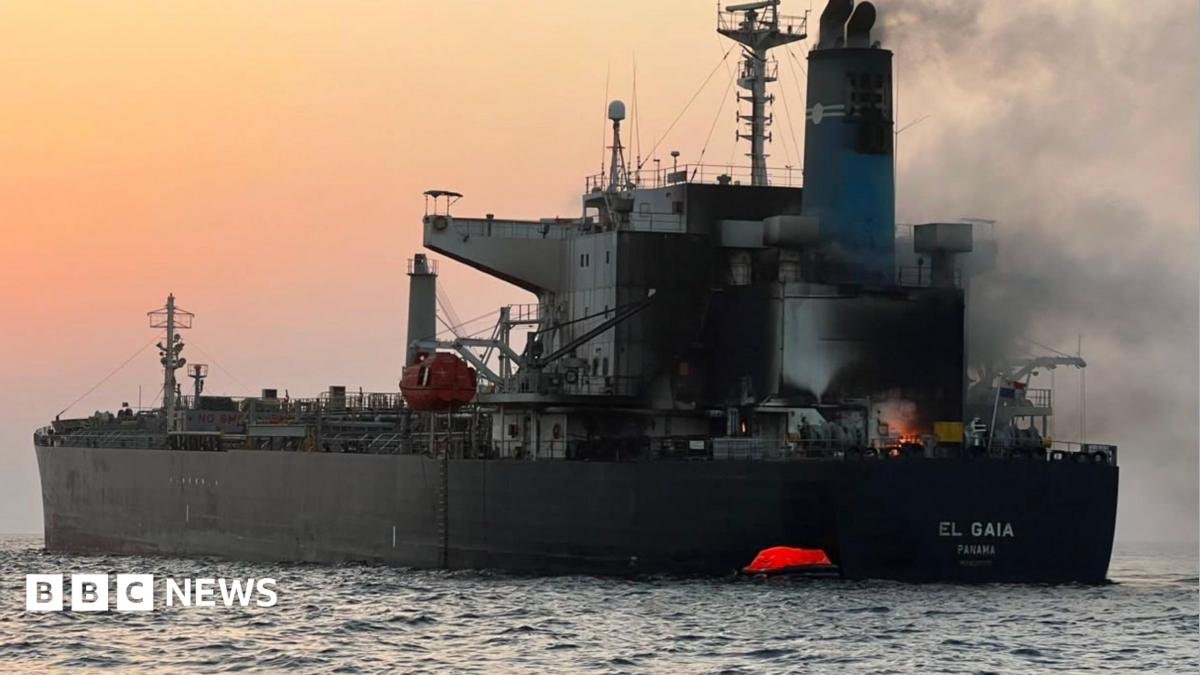
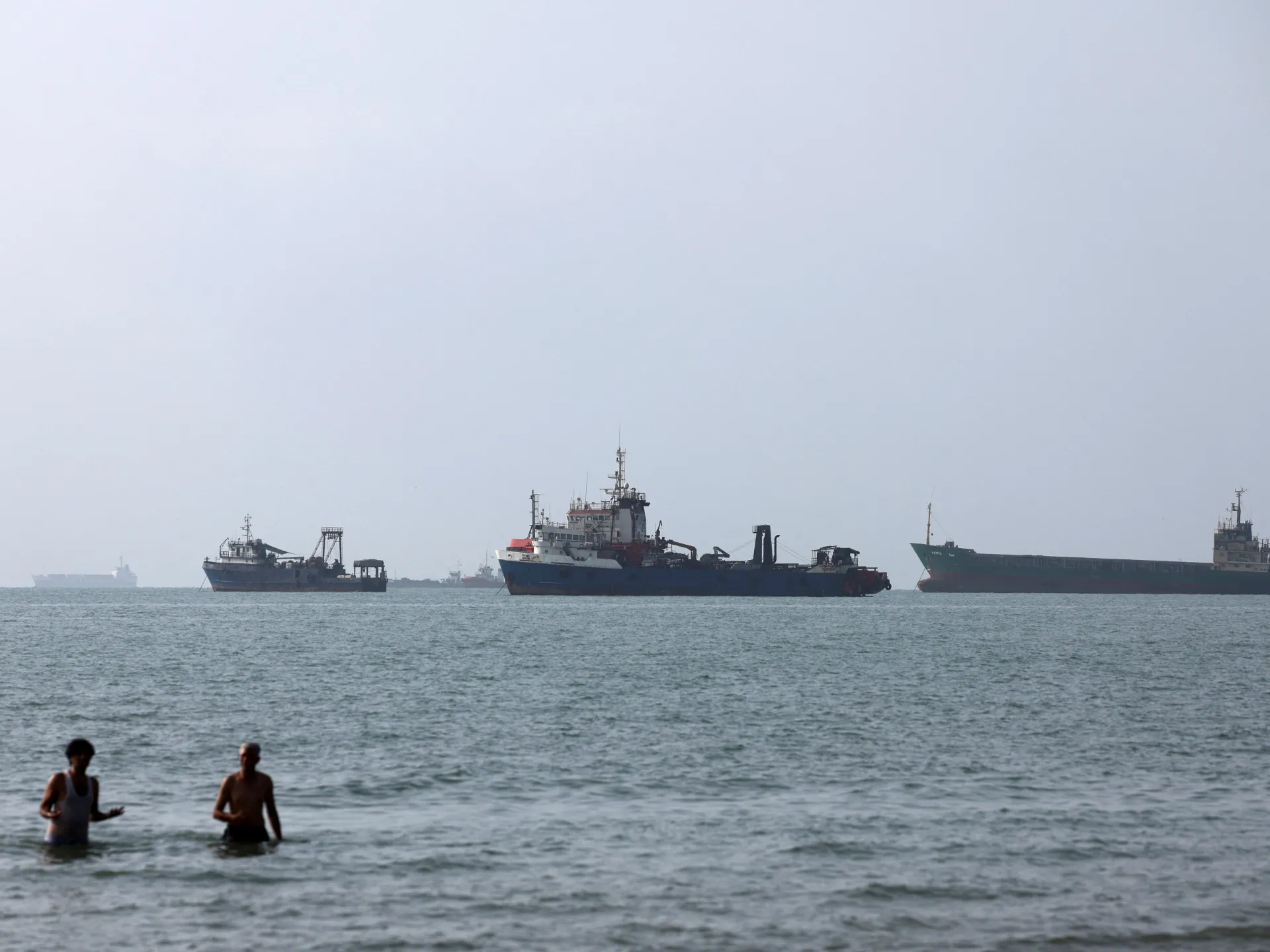
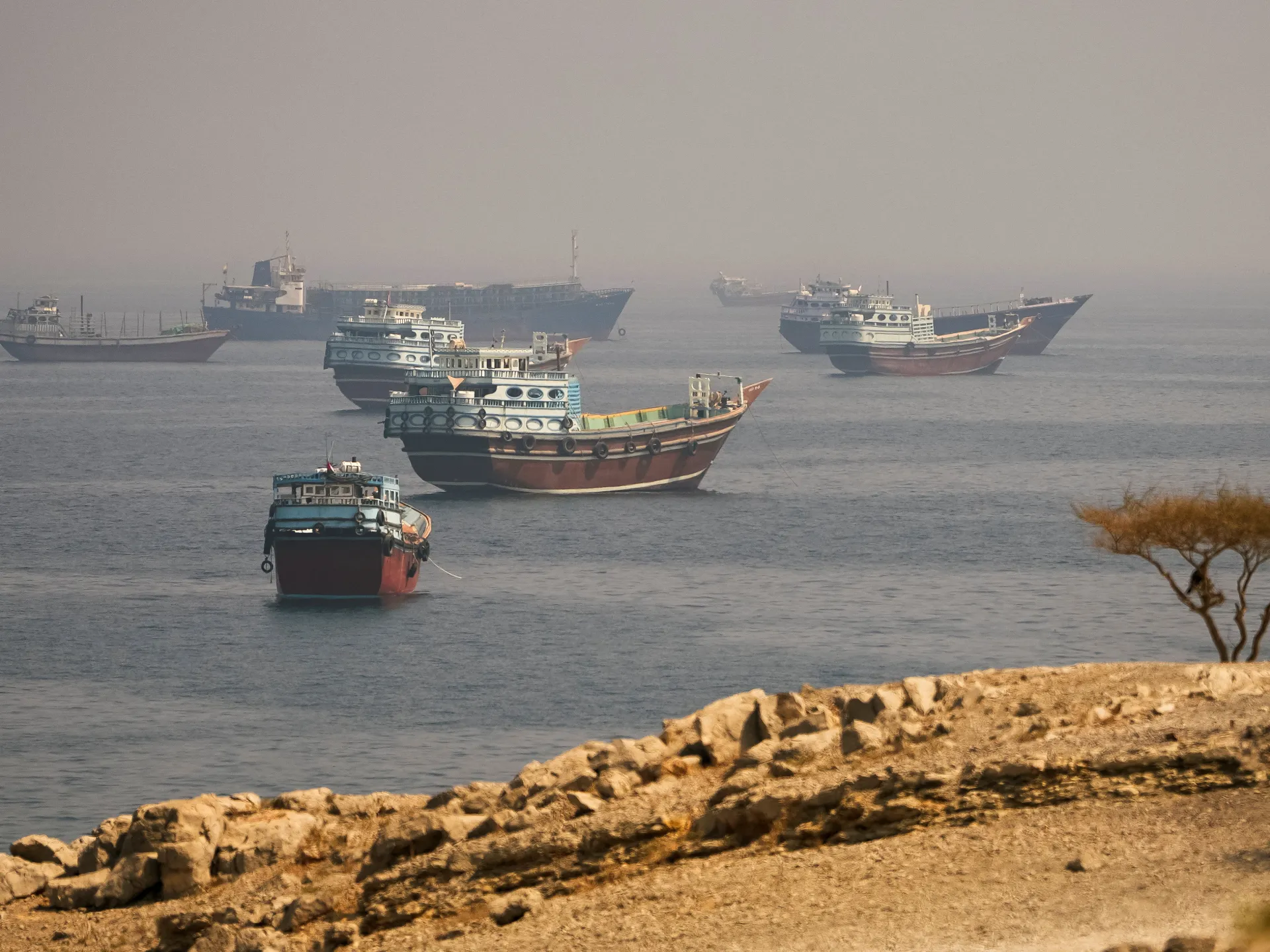
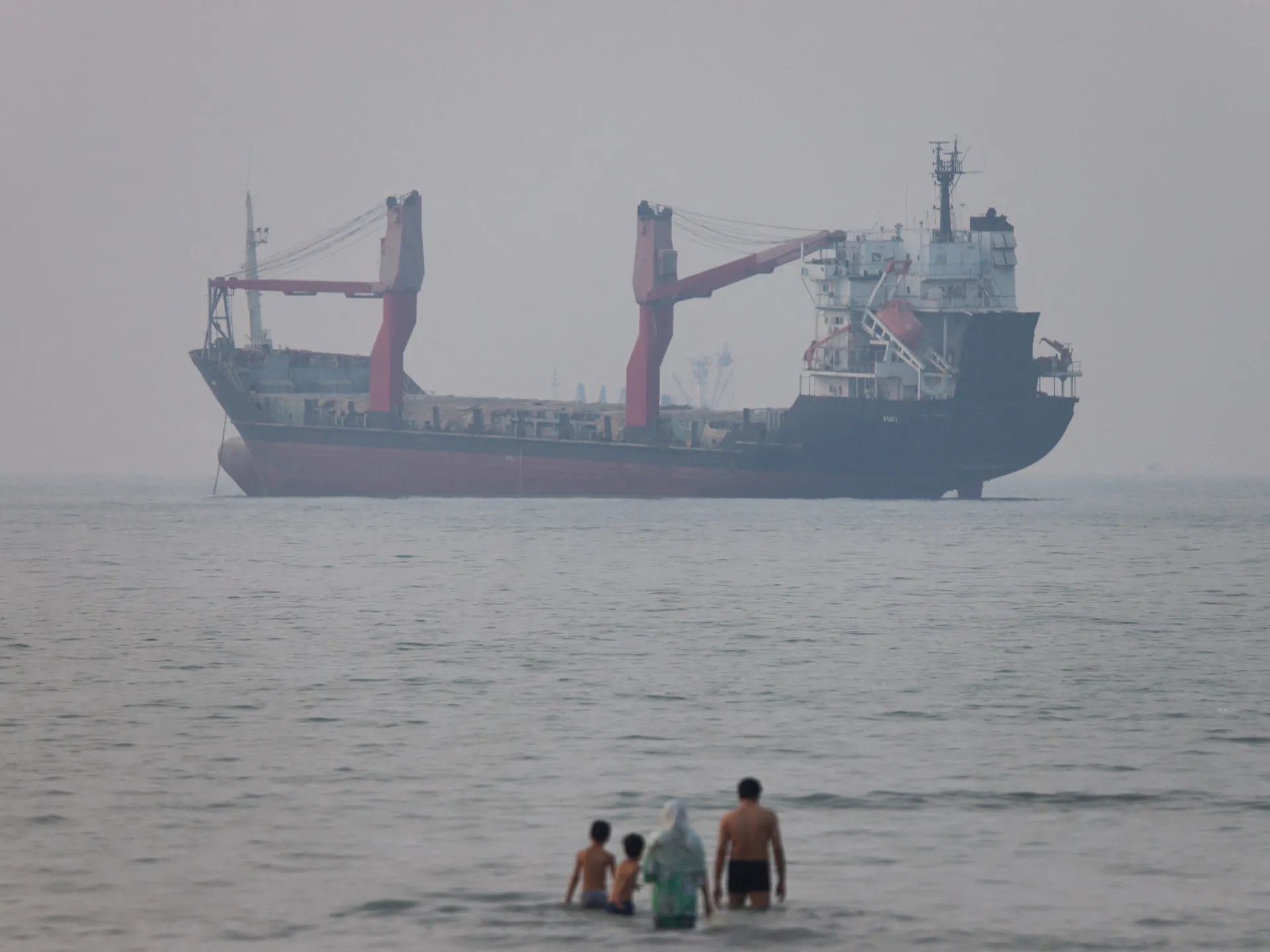
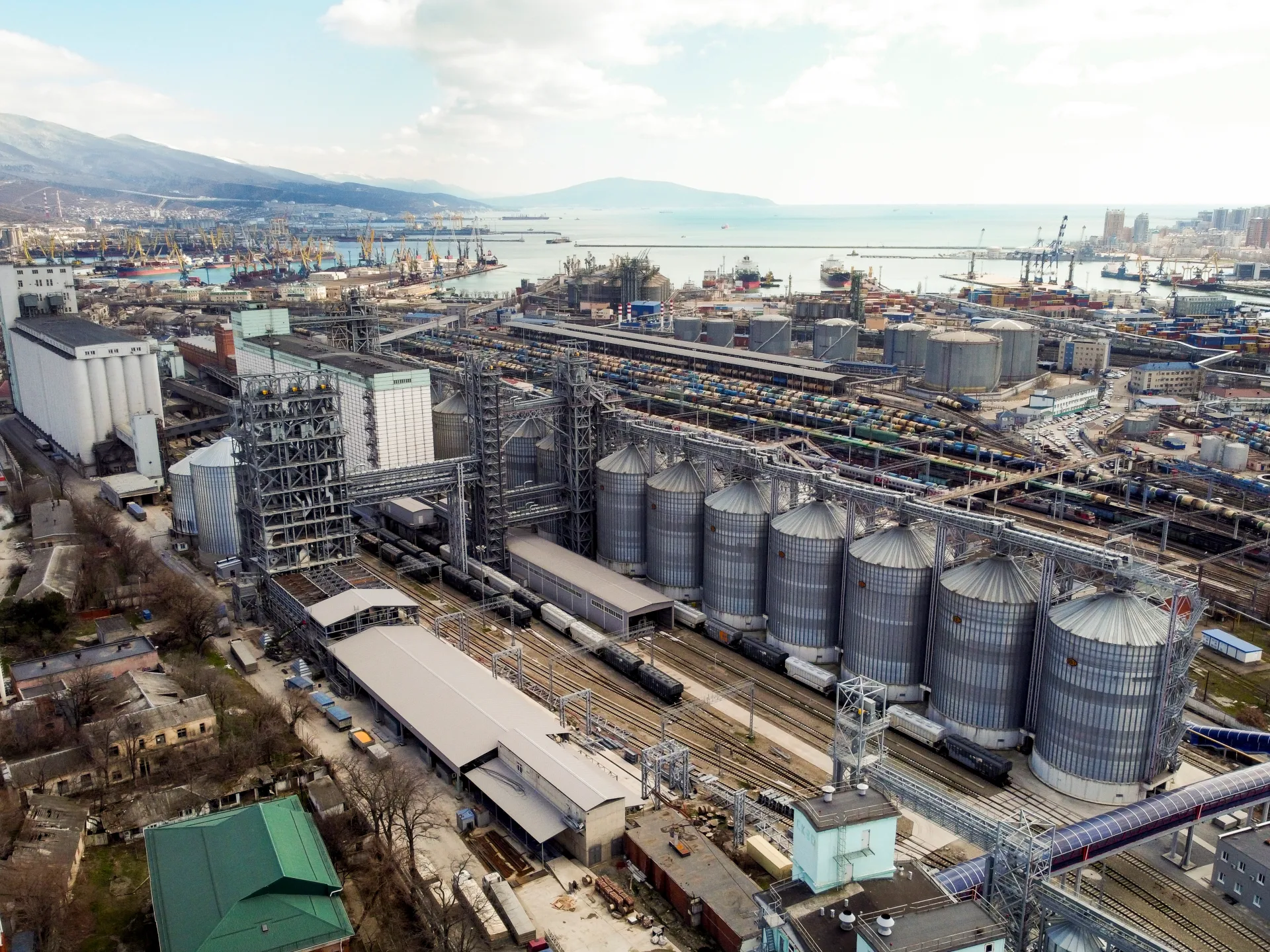
The persistence of the US-Iran conflict, now entering its seventh month, represents a significant breakdown in regional stability that extends far beyond the borders of the Middle East. With the Strait of Hormuz effectively shuttered and critical naval routes disrupted, the global economy is facing sustained inflationary pressures, evidenced e June memorandum of understanding (MoU) has shifted the conflict into a more volatile phase, where diplomatic signaling and military posturing appear to be occurring simultaneously. For the international community, the stakes involve not only the immediate security of energy infrastructure but also the precedent set power, which continues to challenge existing international norms regarding maritime commerce and state sovereignty.
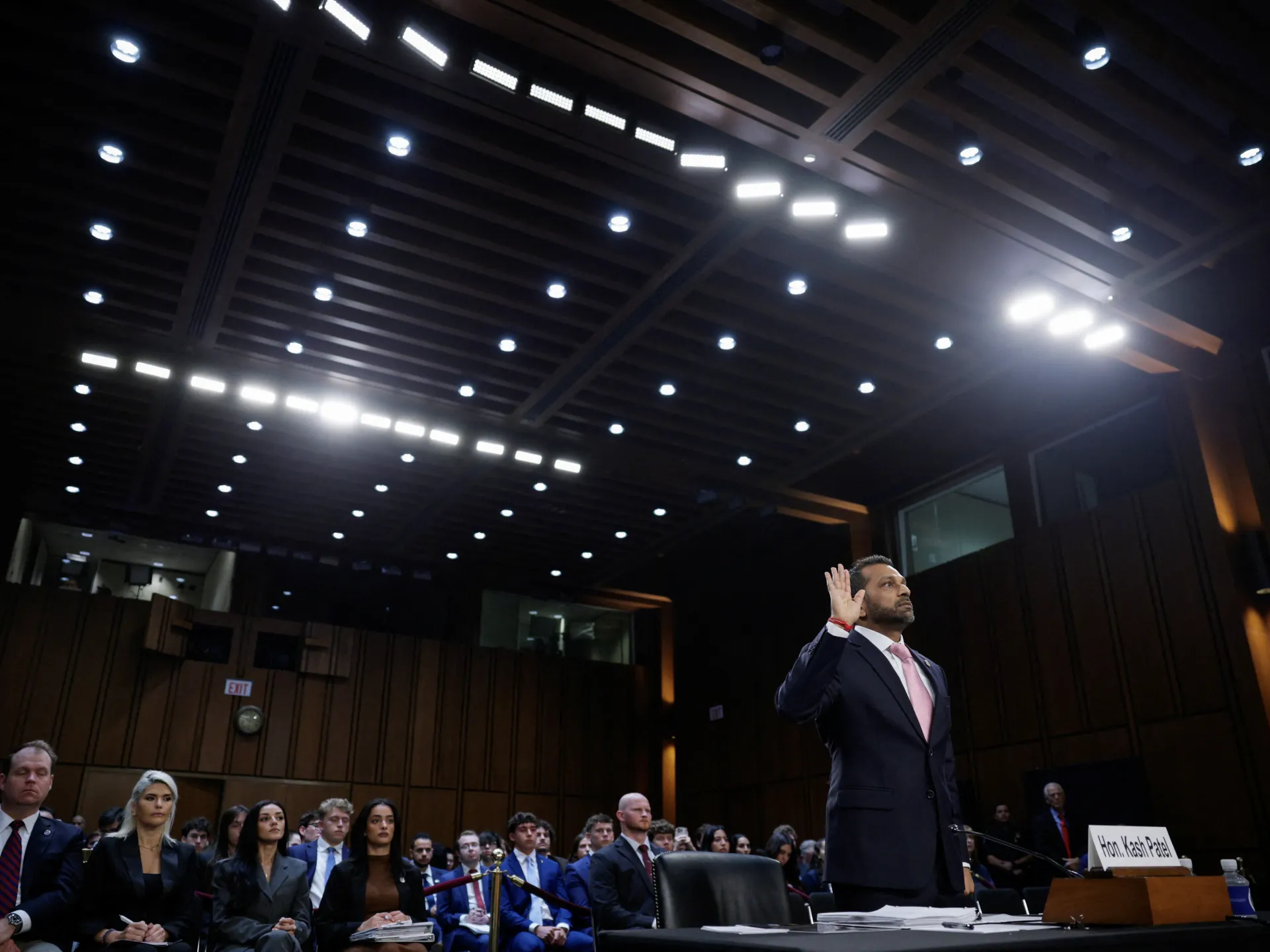
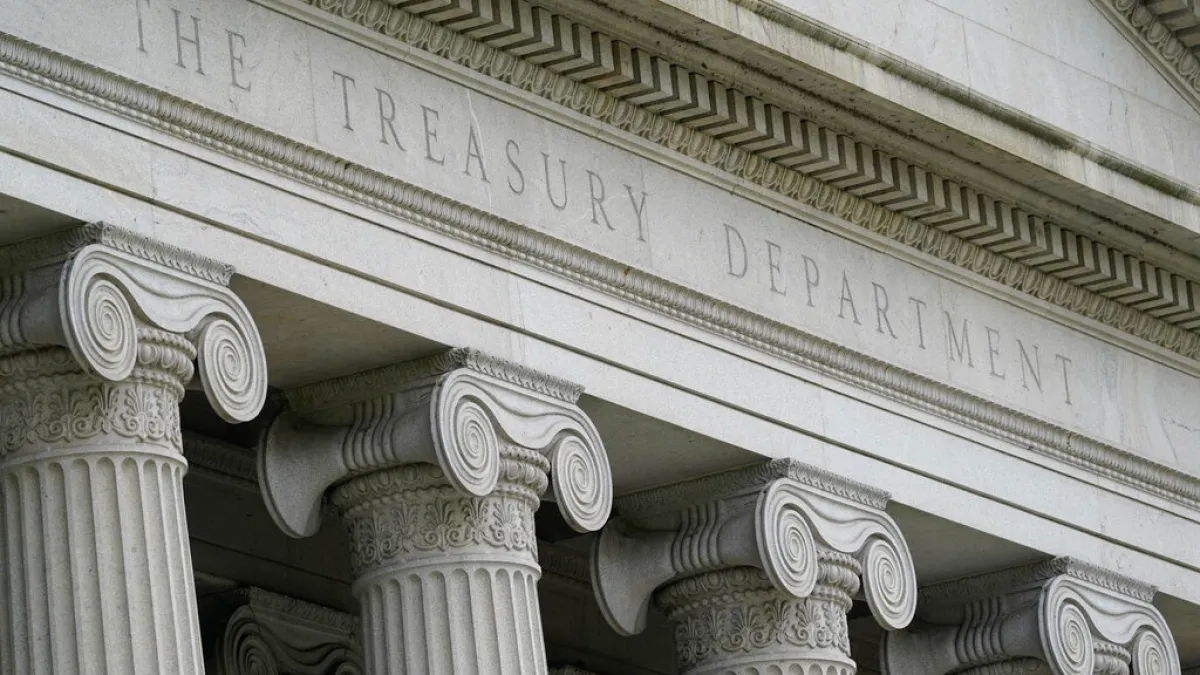
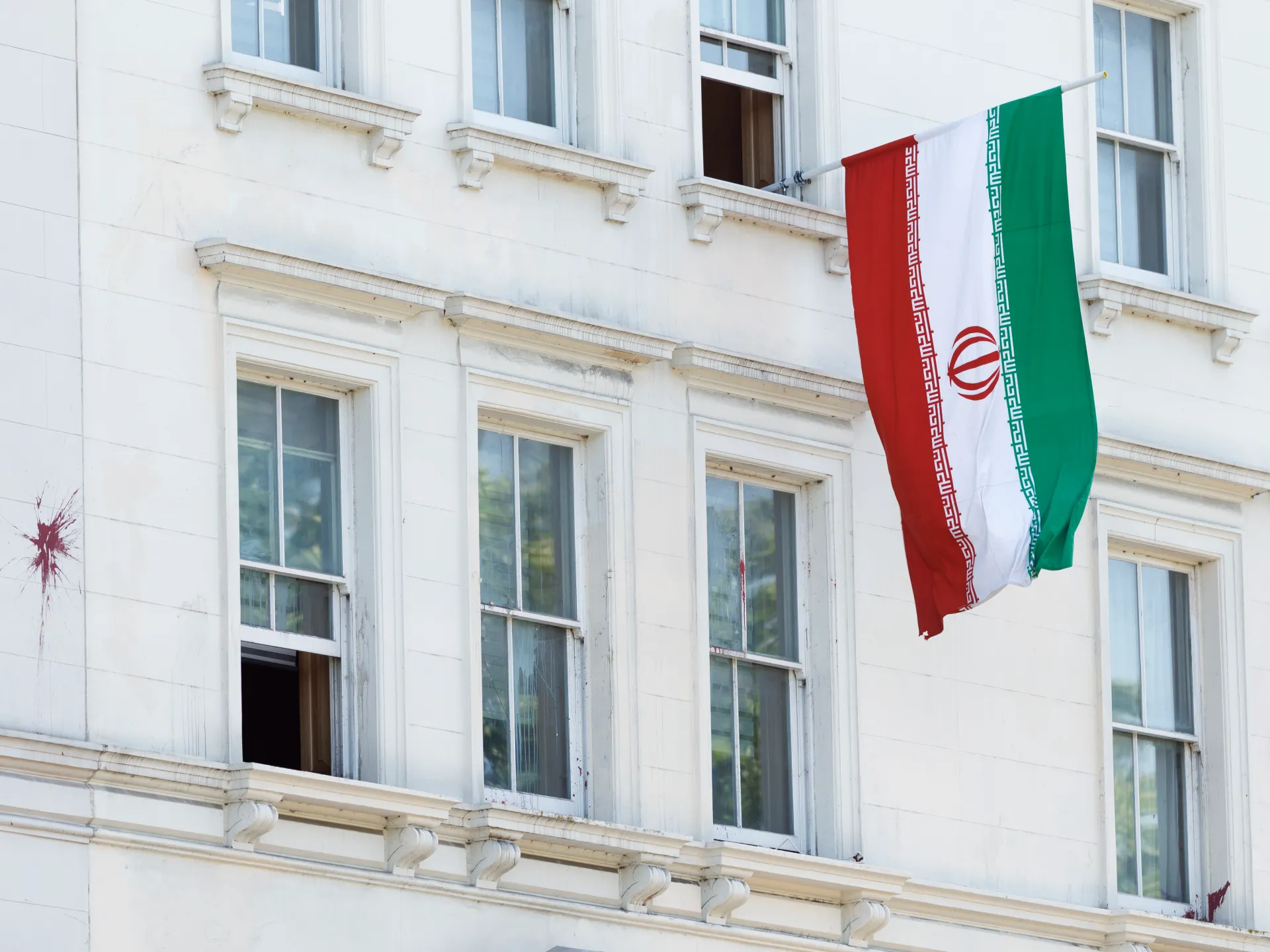
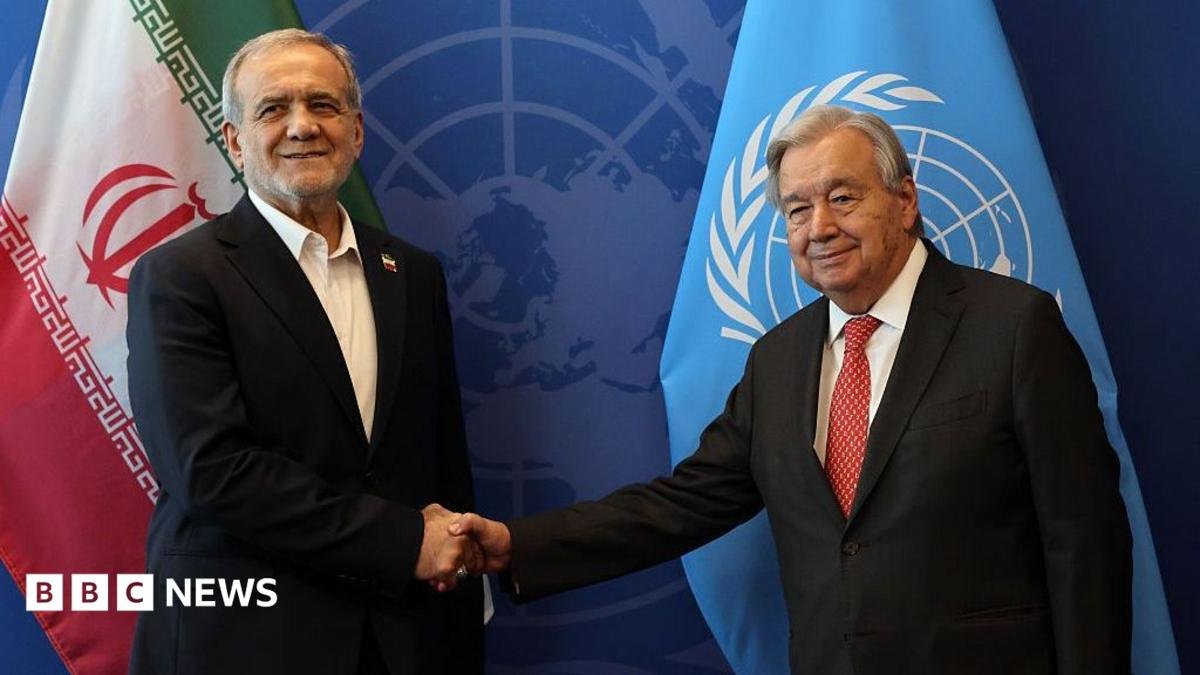
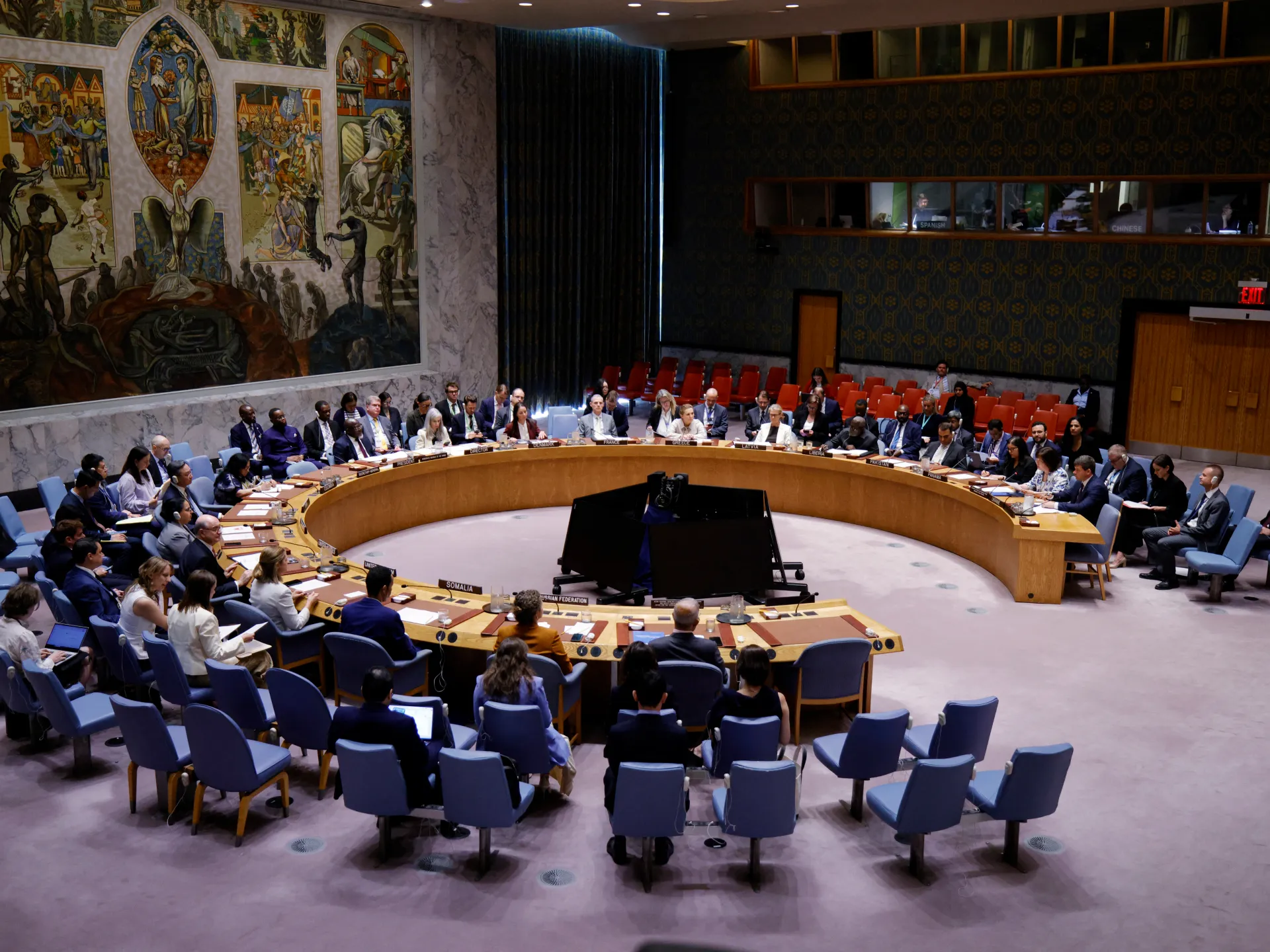
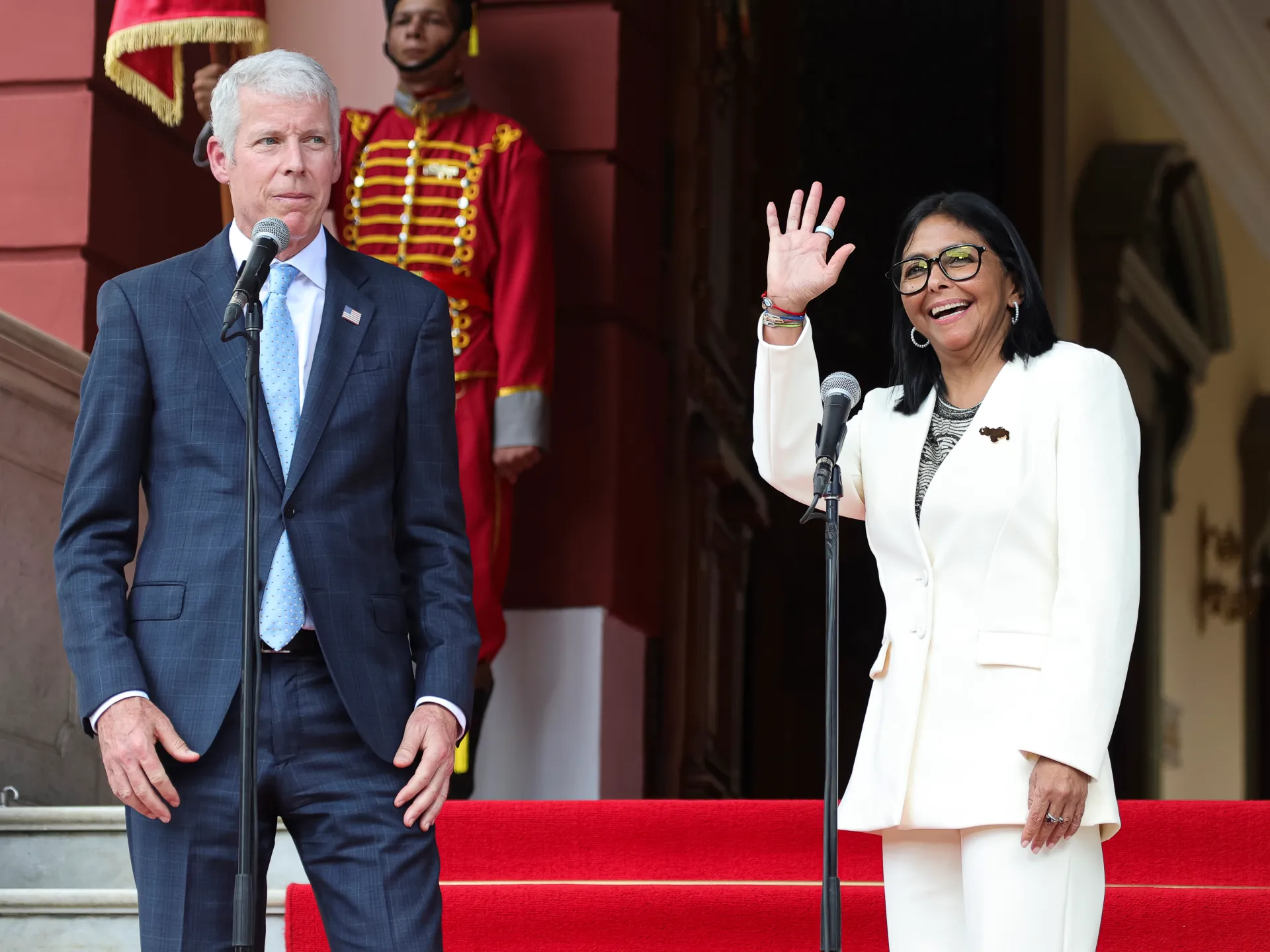
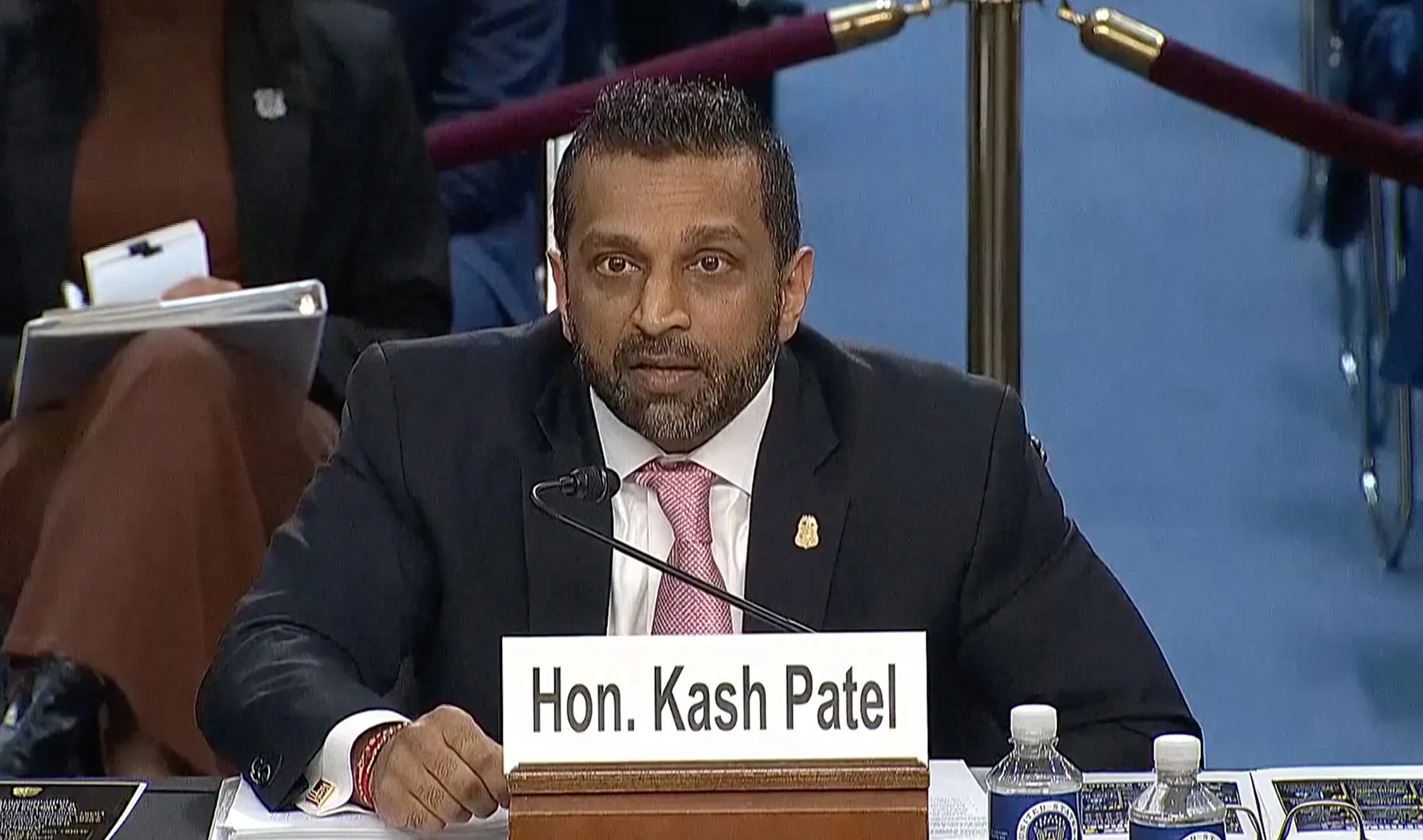
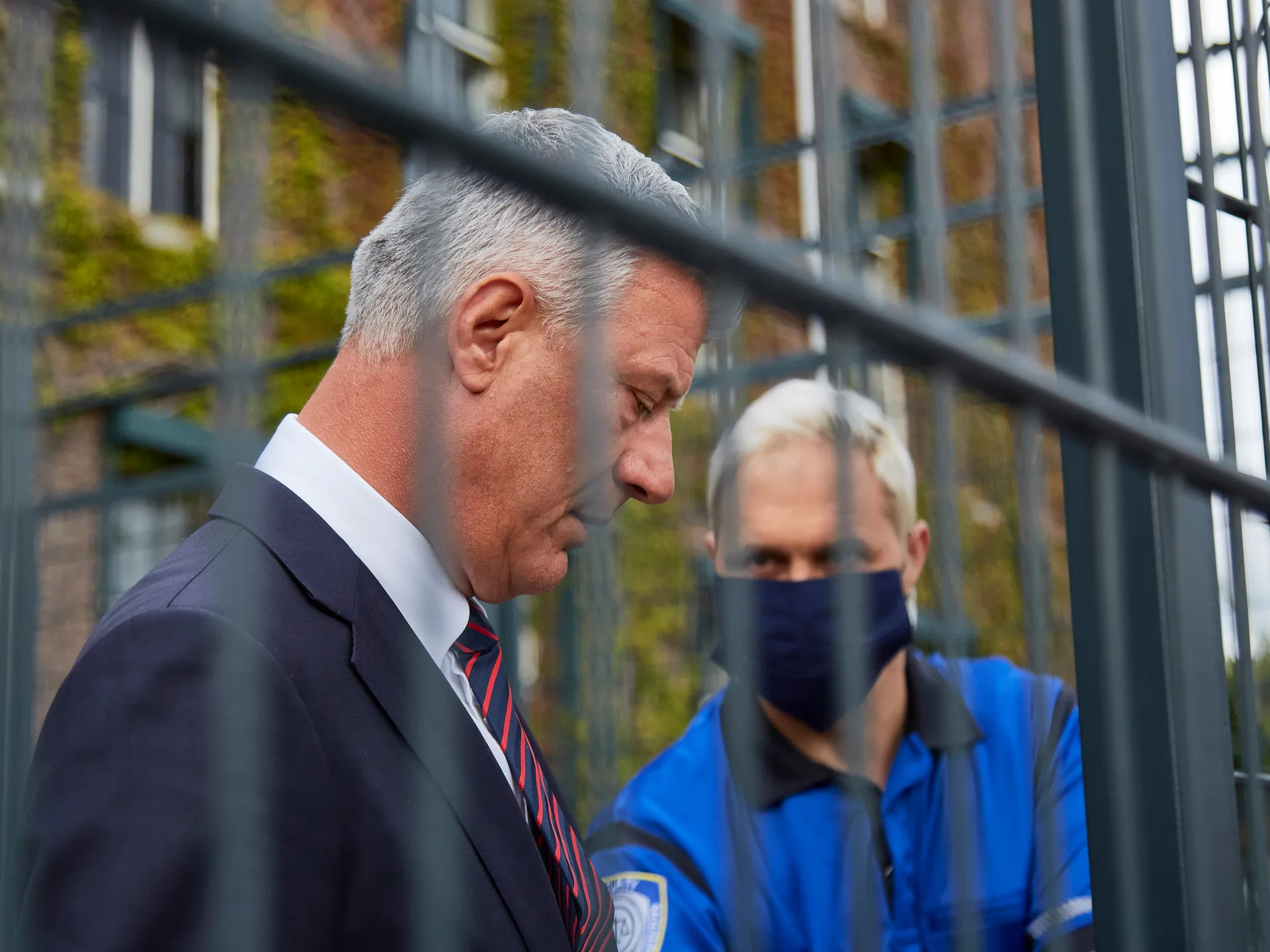
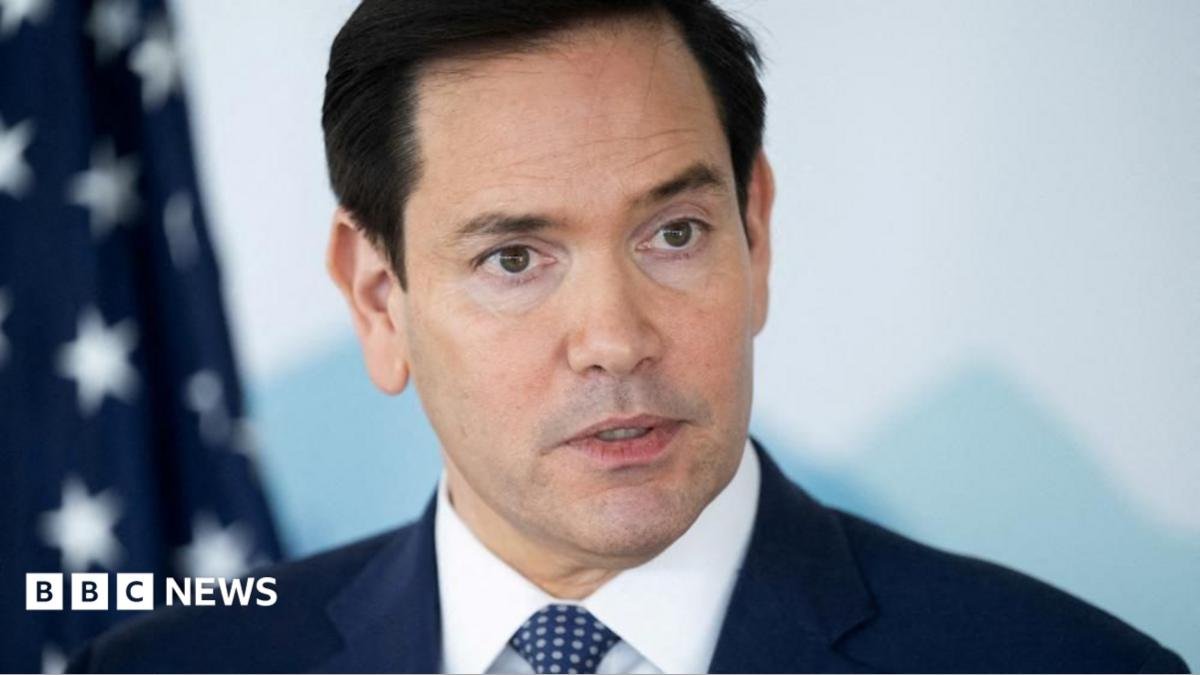
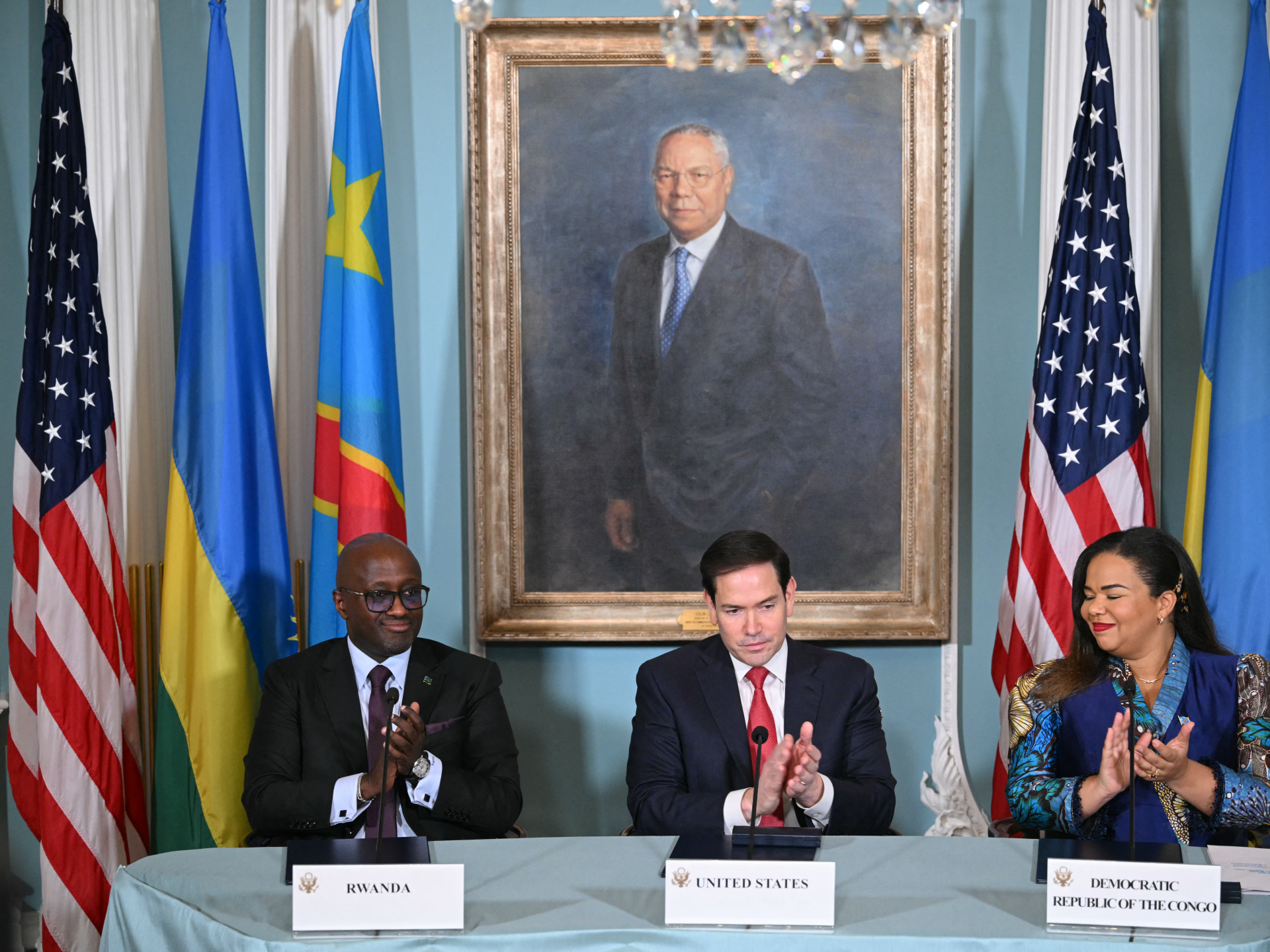
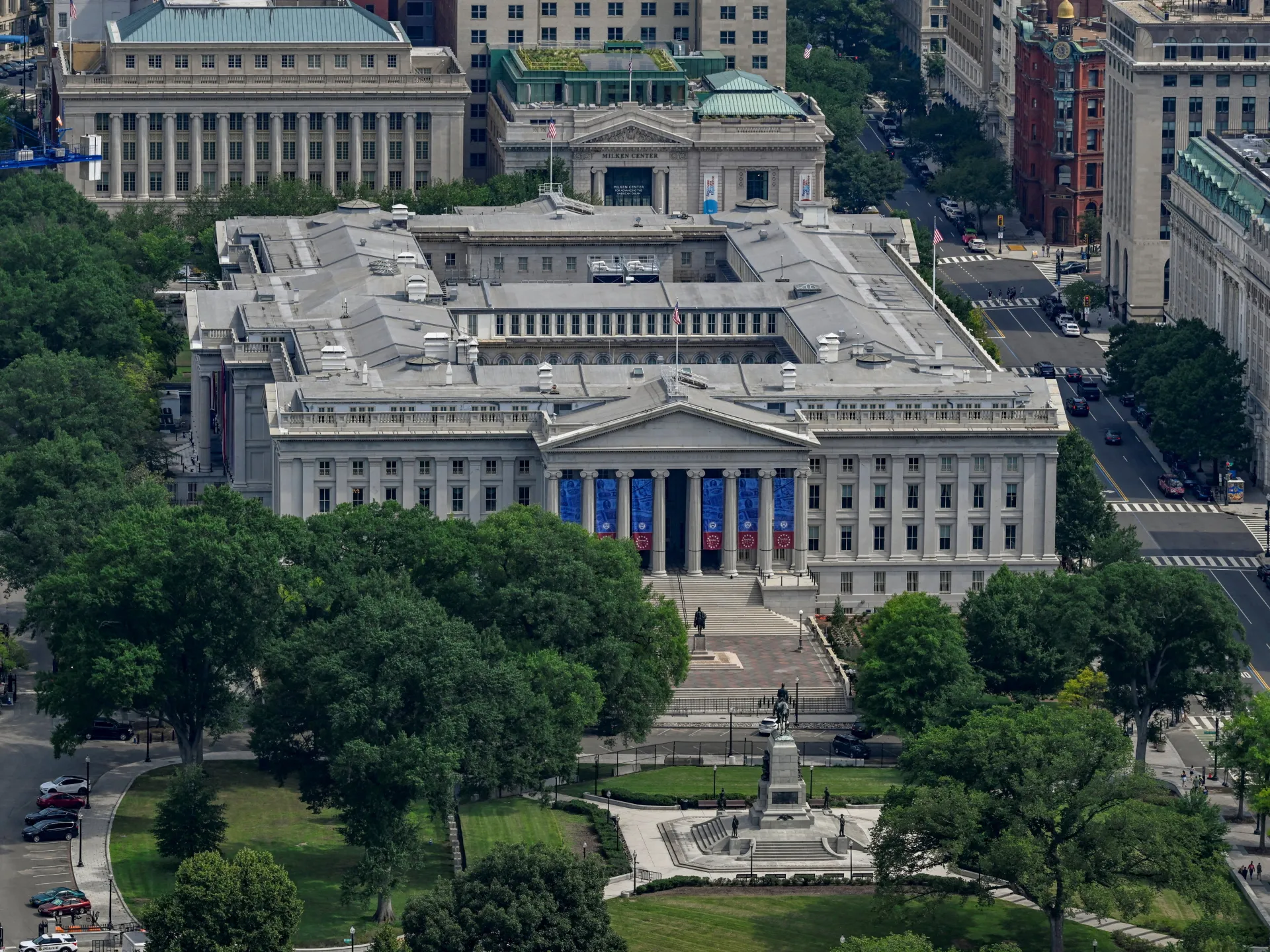
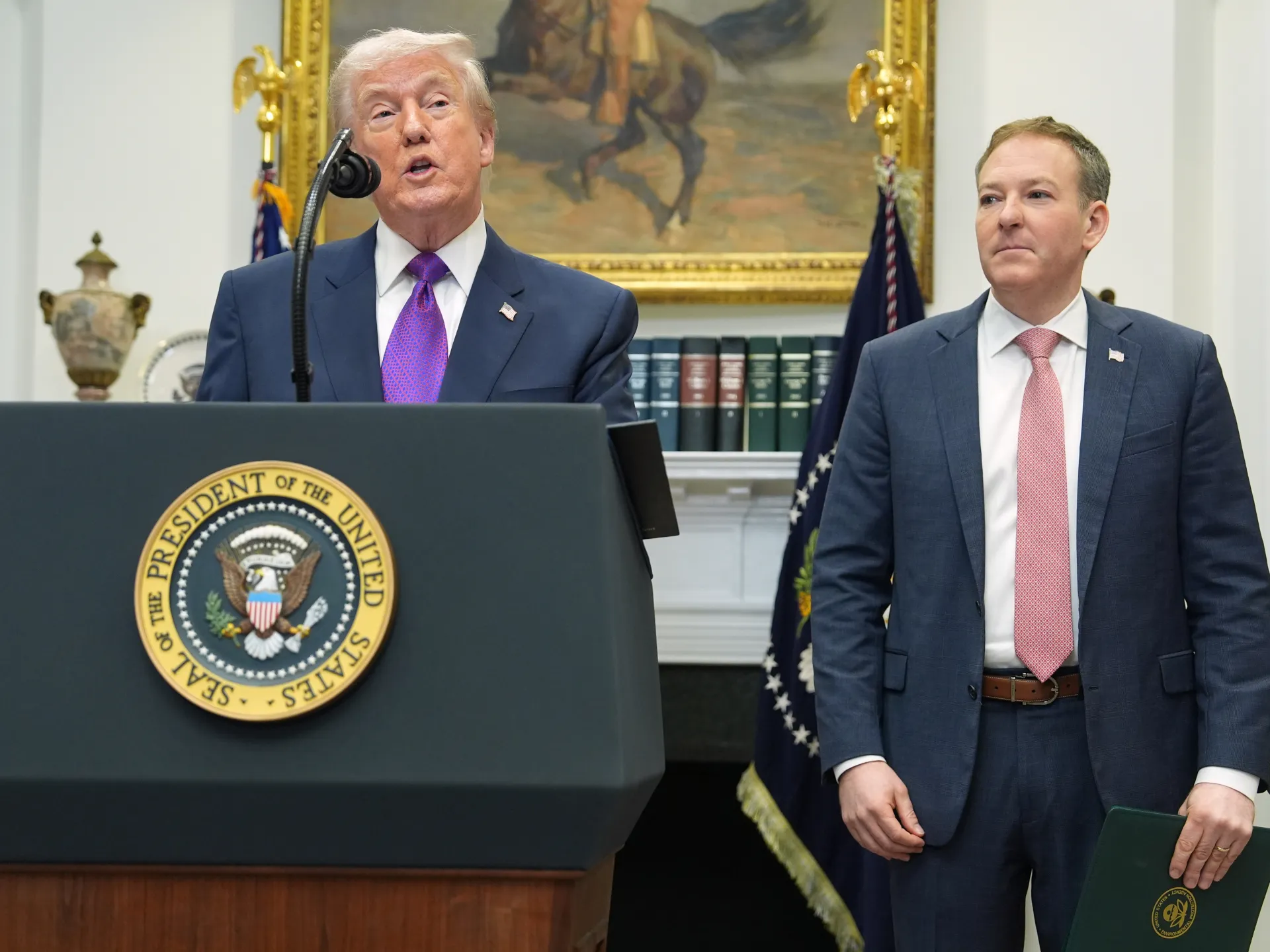
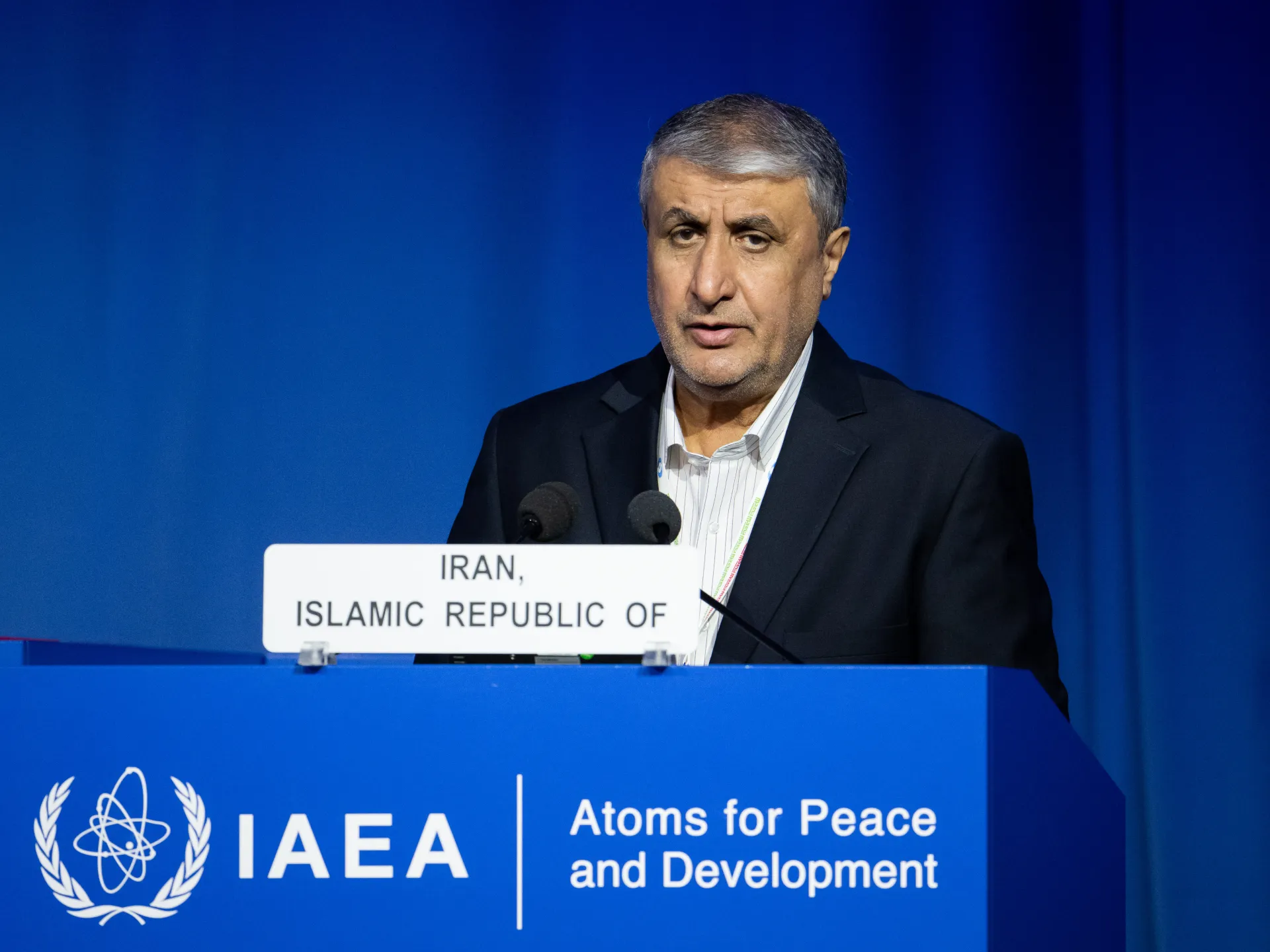
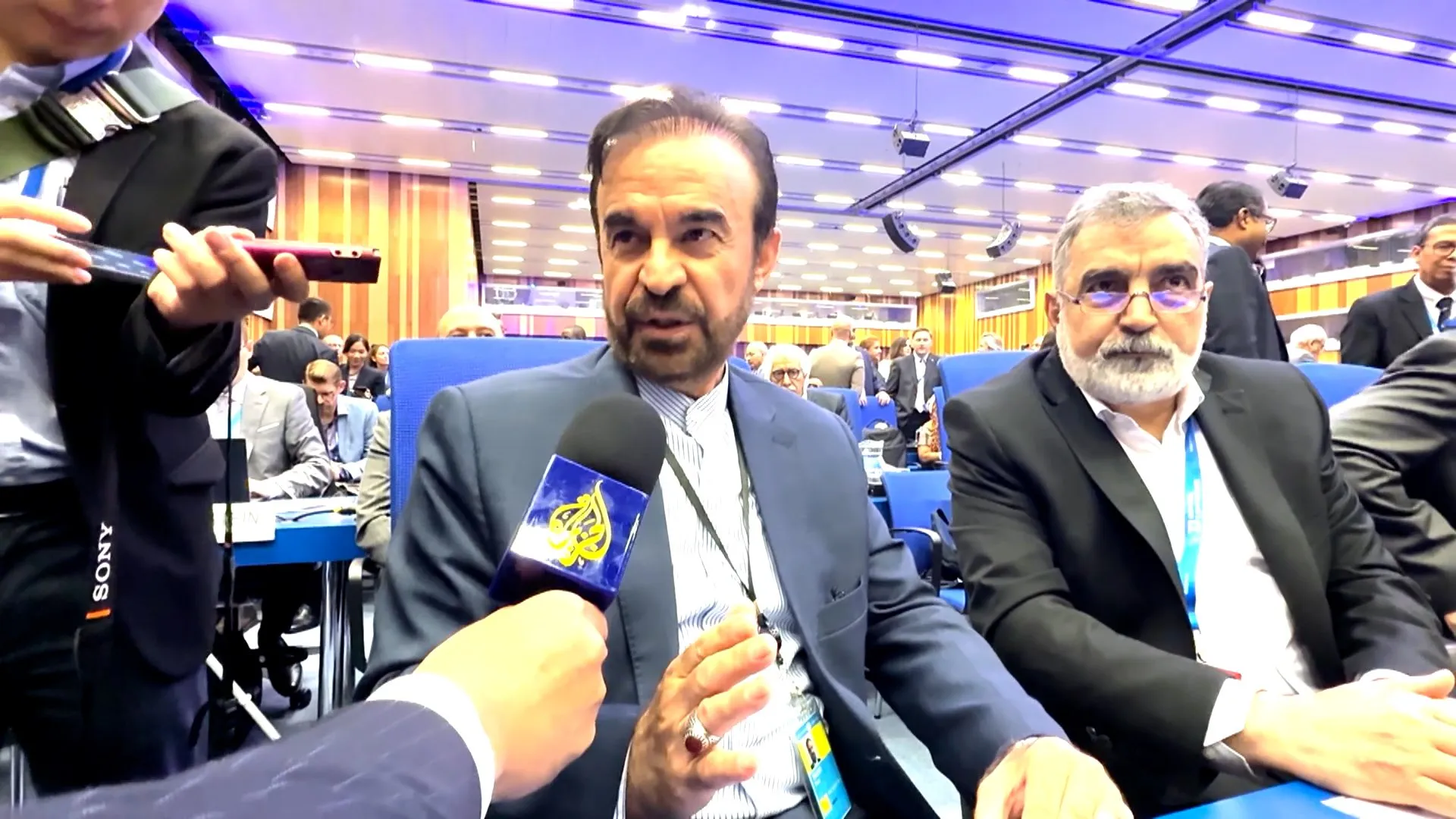
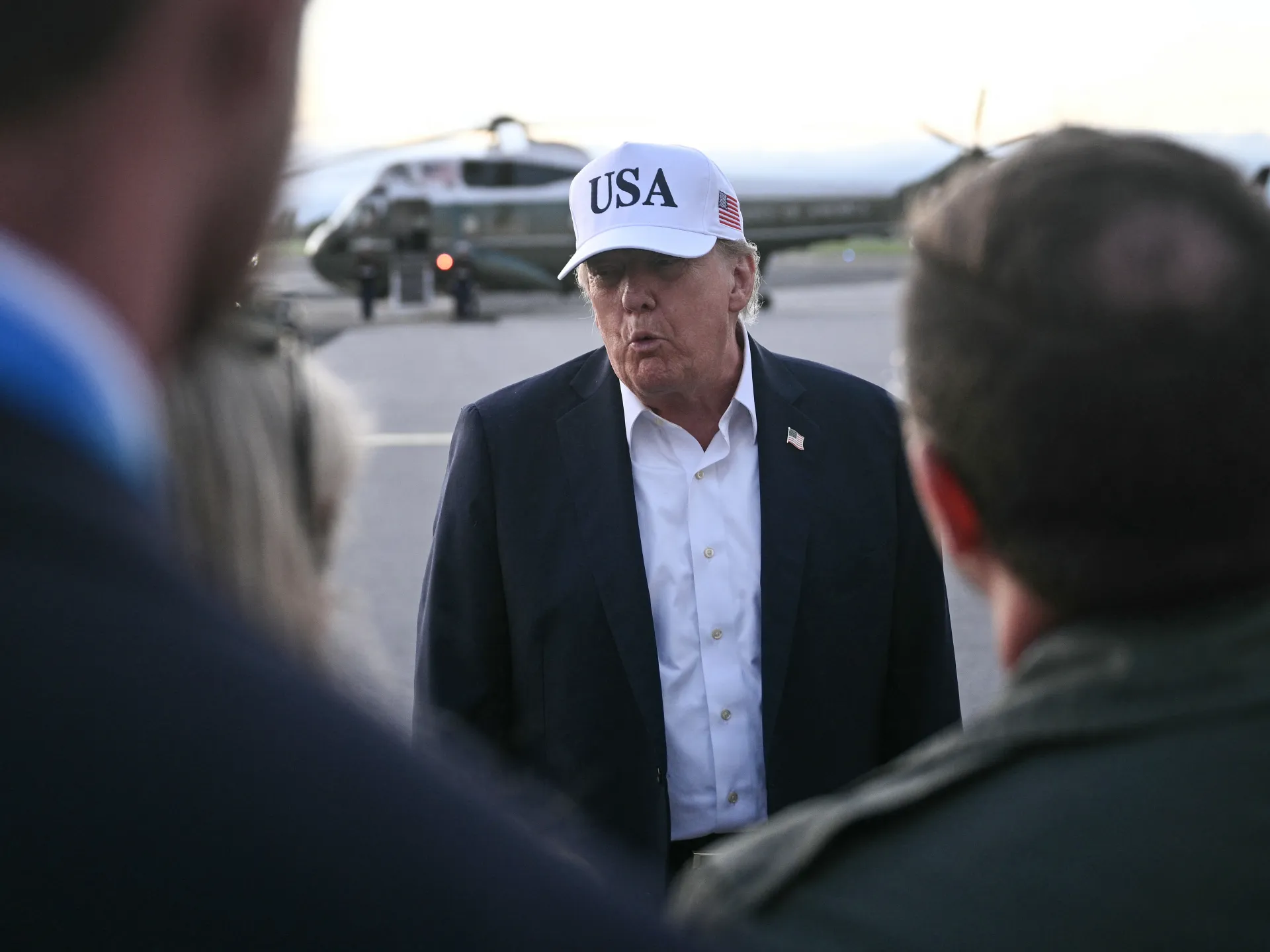
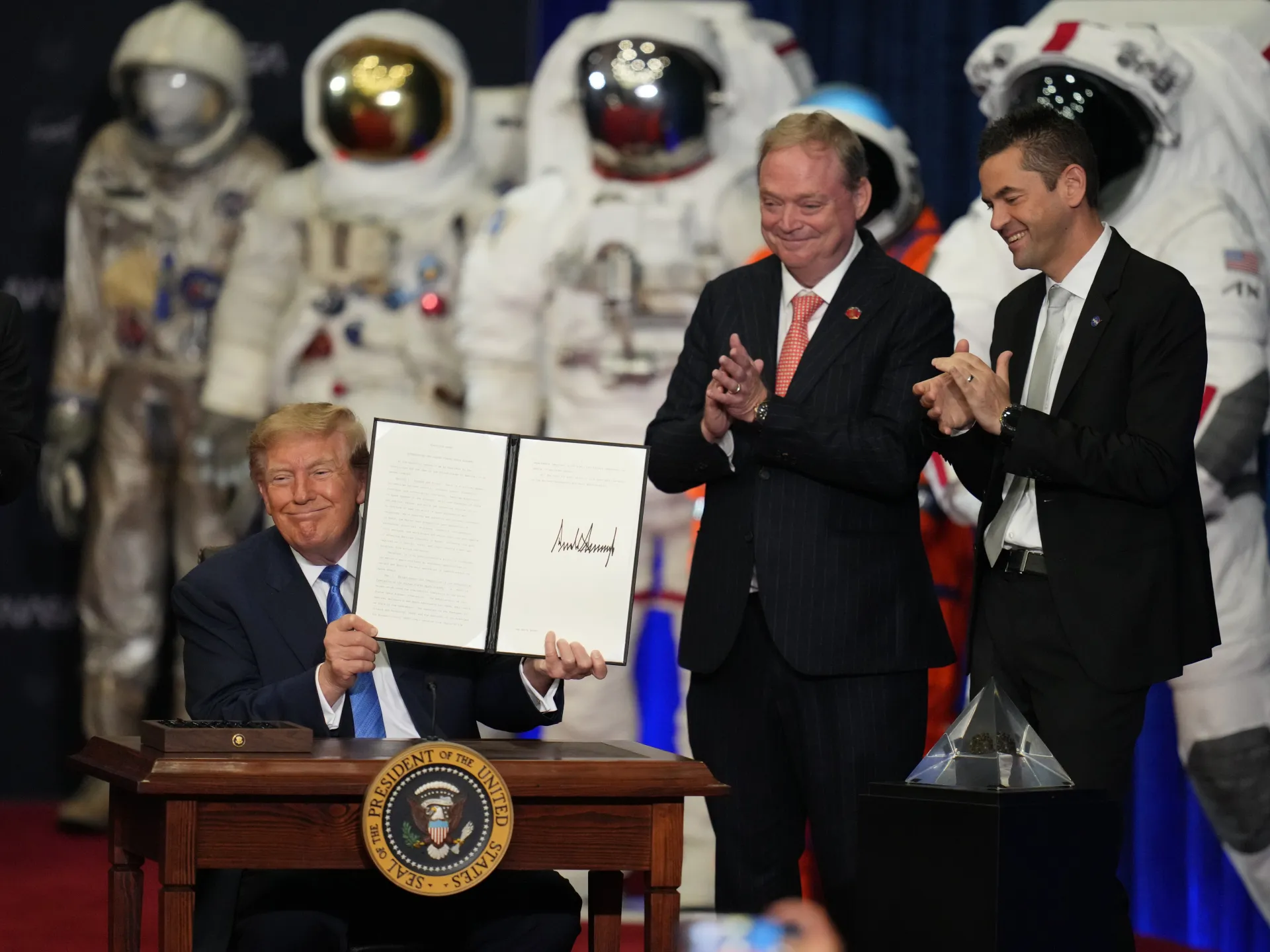
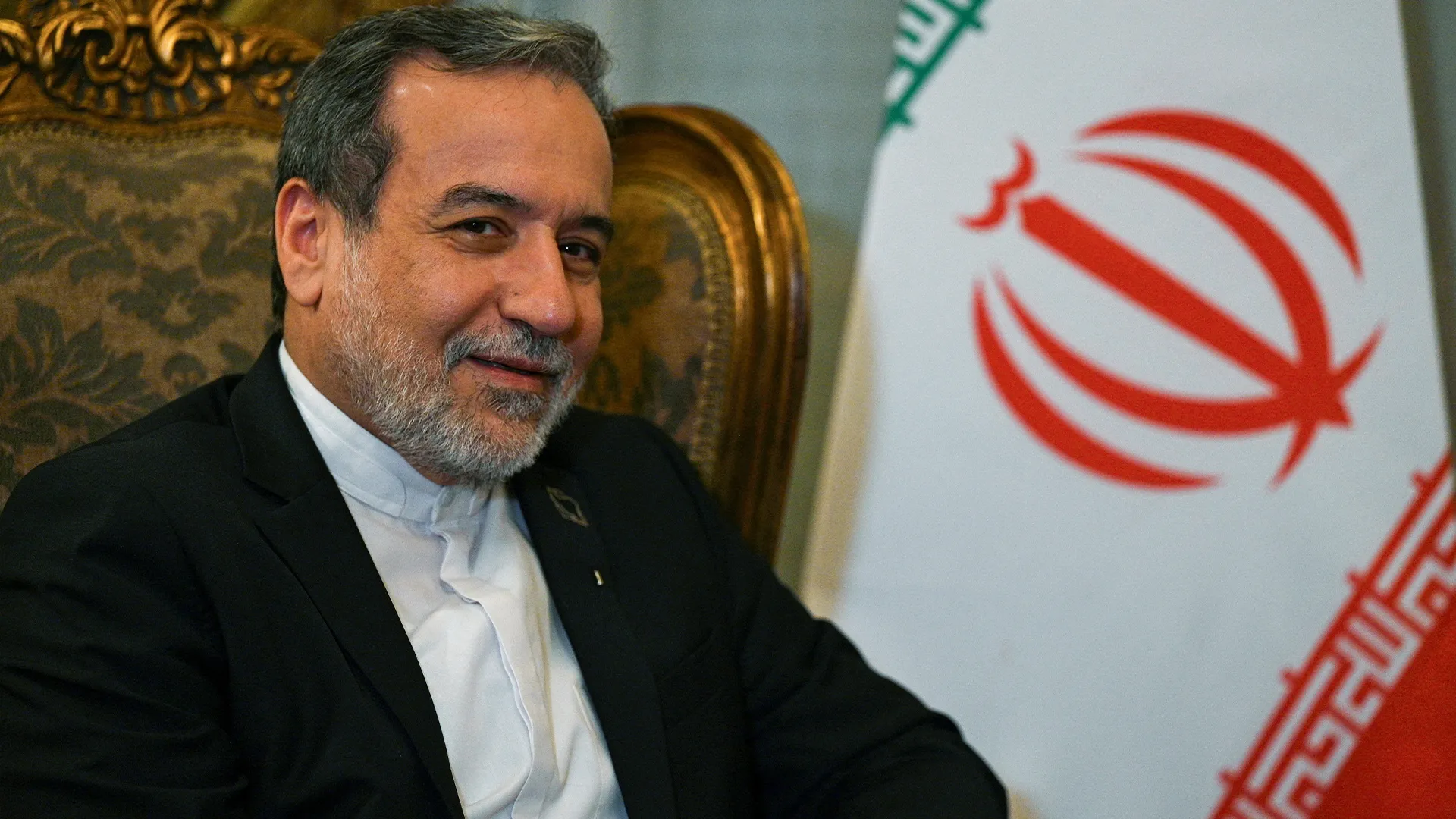
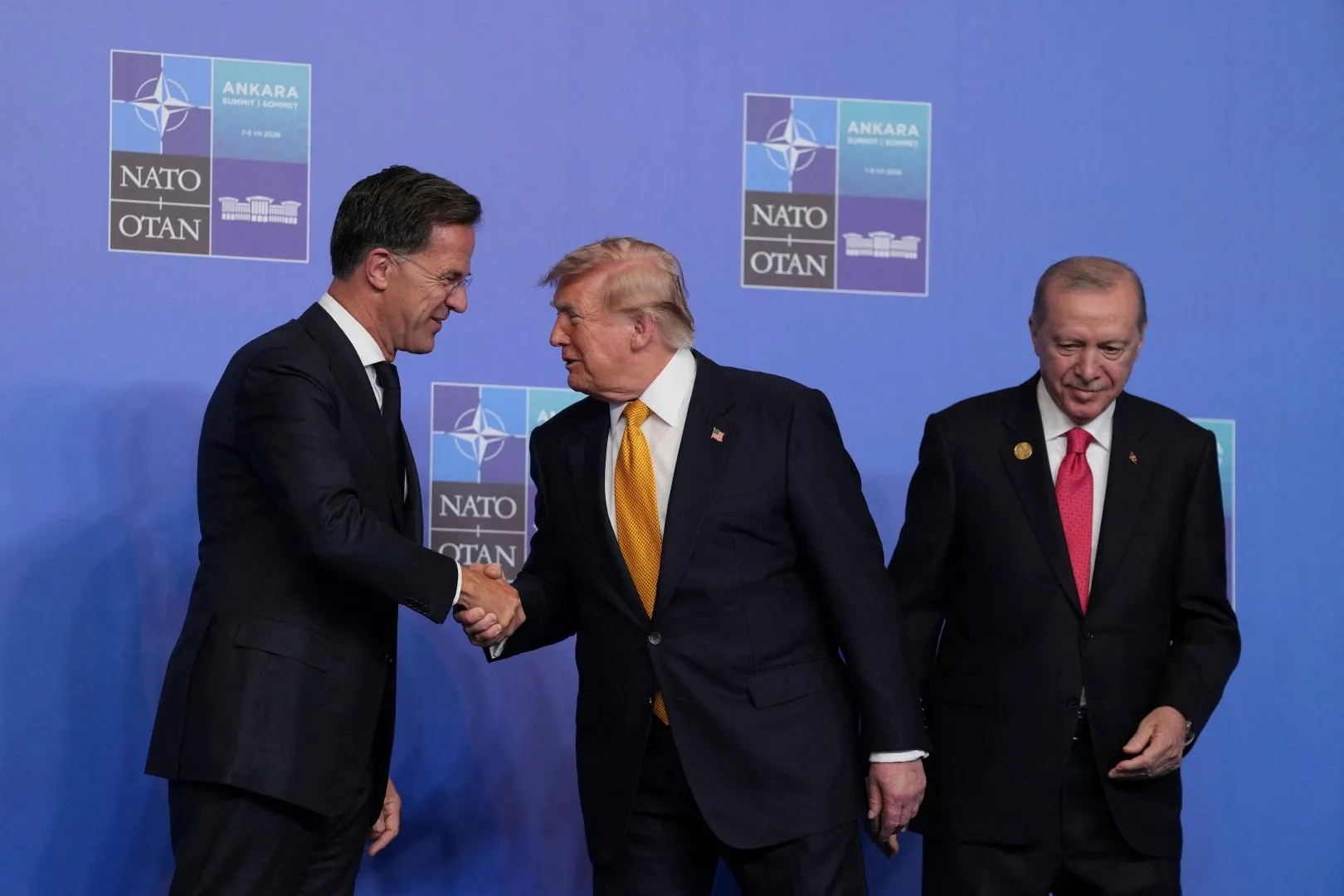
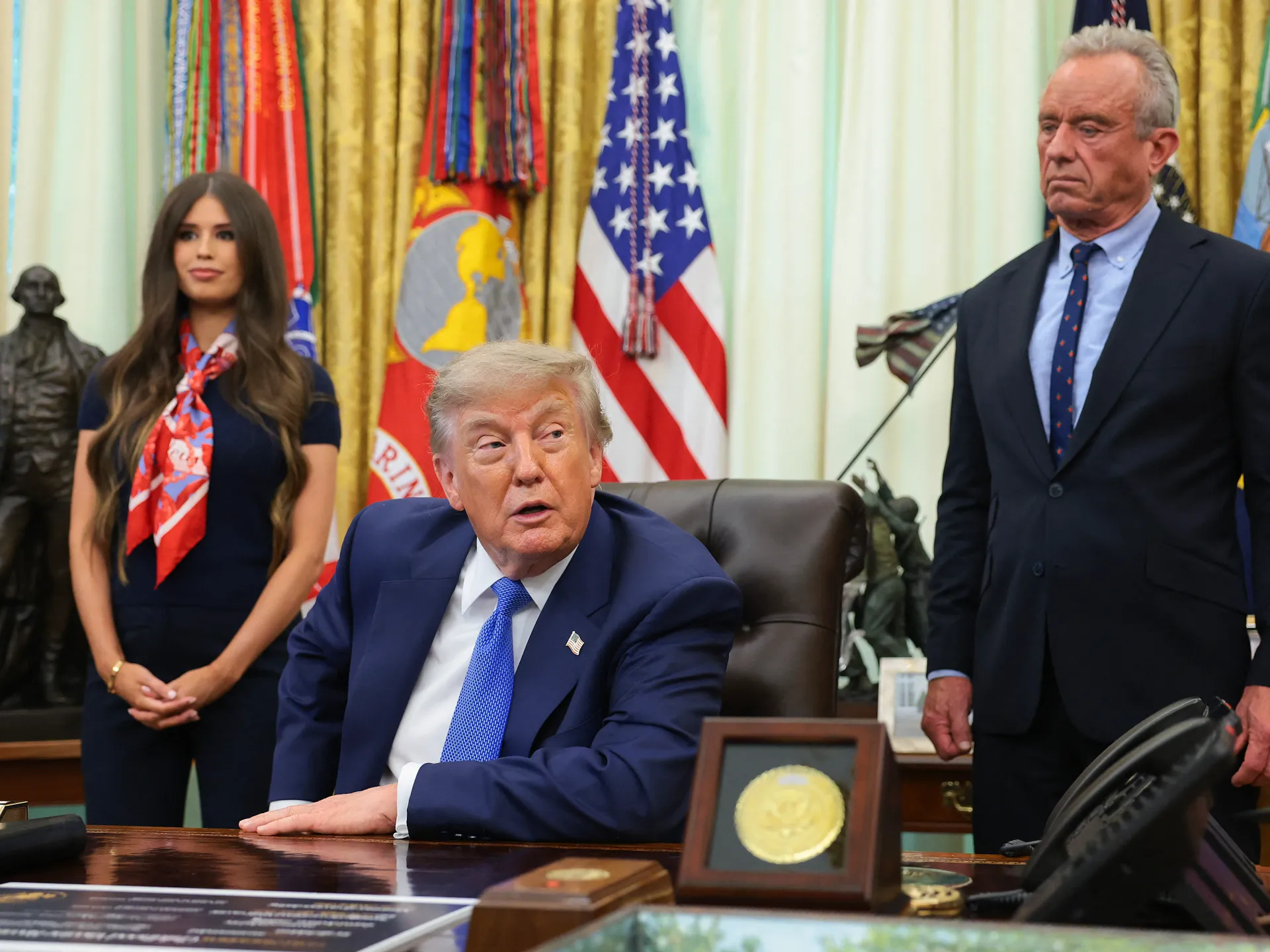
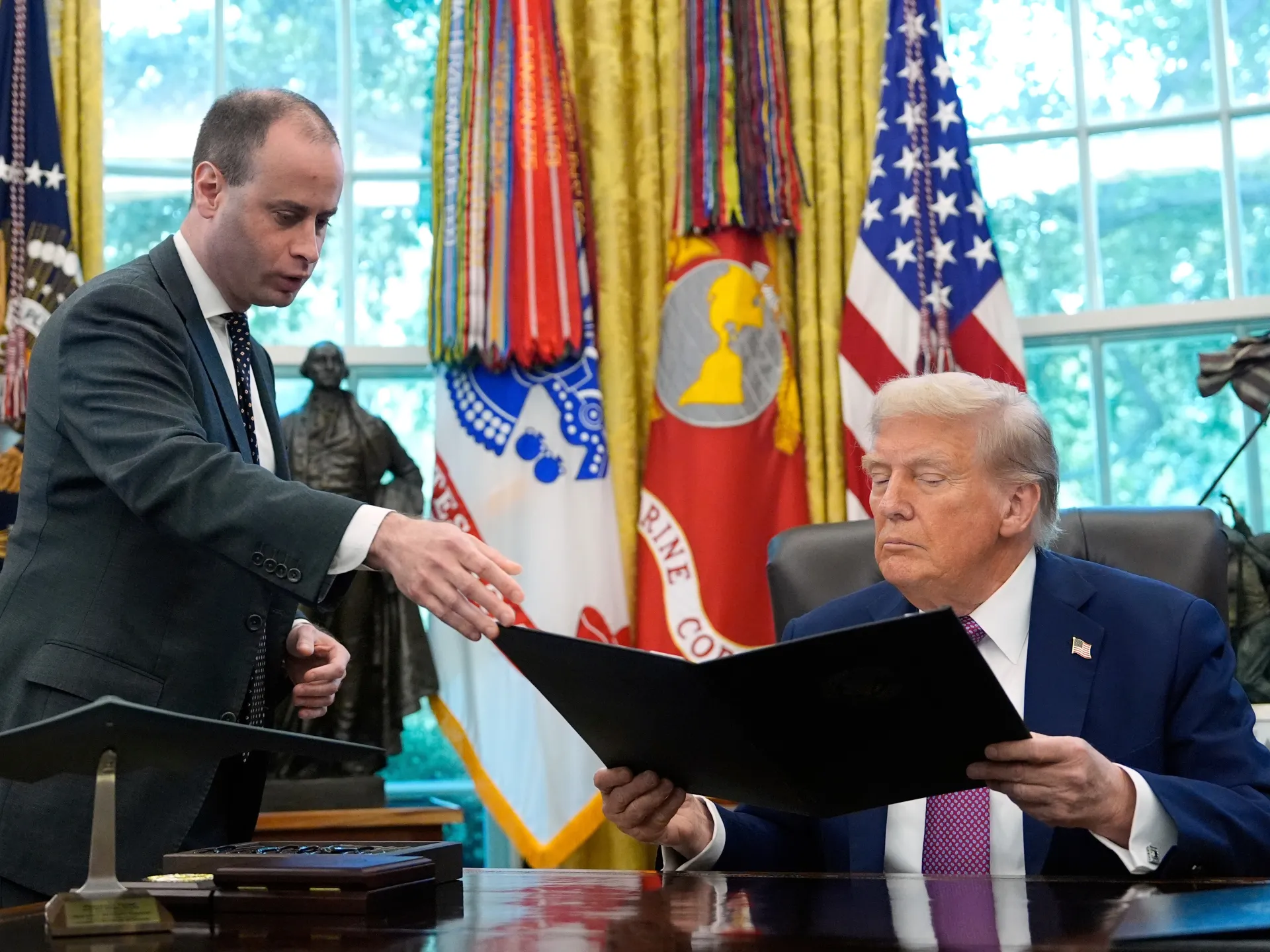
As the 81st session of the UN General Assembly convenes in New York, the United States has confirmed the issuance of visas to an Iranian delegation, including President Masoud Pezeshkian and Foreign Minister Abbas Araghchi. The State Department has mandated strict travel restrictions for the group, citing host country obligations while simultaneously imposing prohibitions on luxury goods and specific American products. This decision to grant access during an active conflict underscores the tension between upholding international diplomatic protocols and maintaining a hardline stance against the Iranian regime.
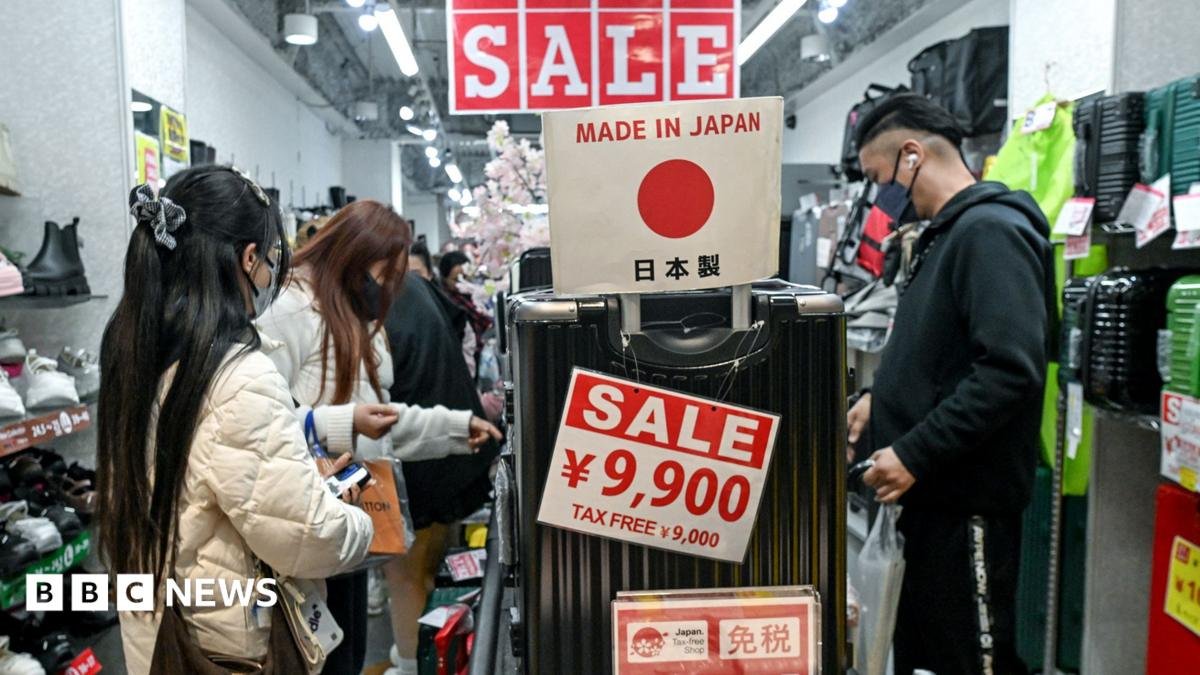
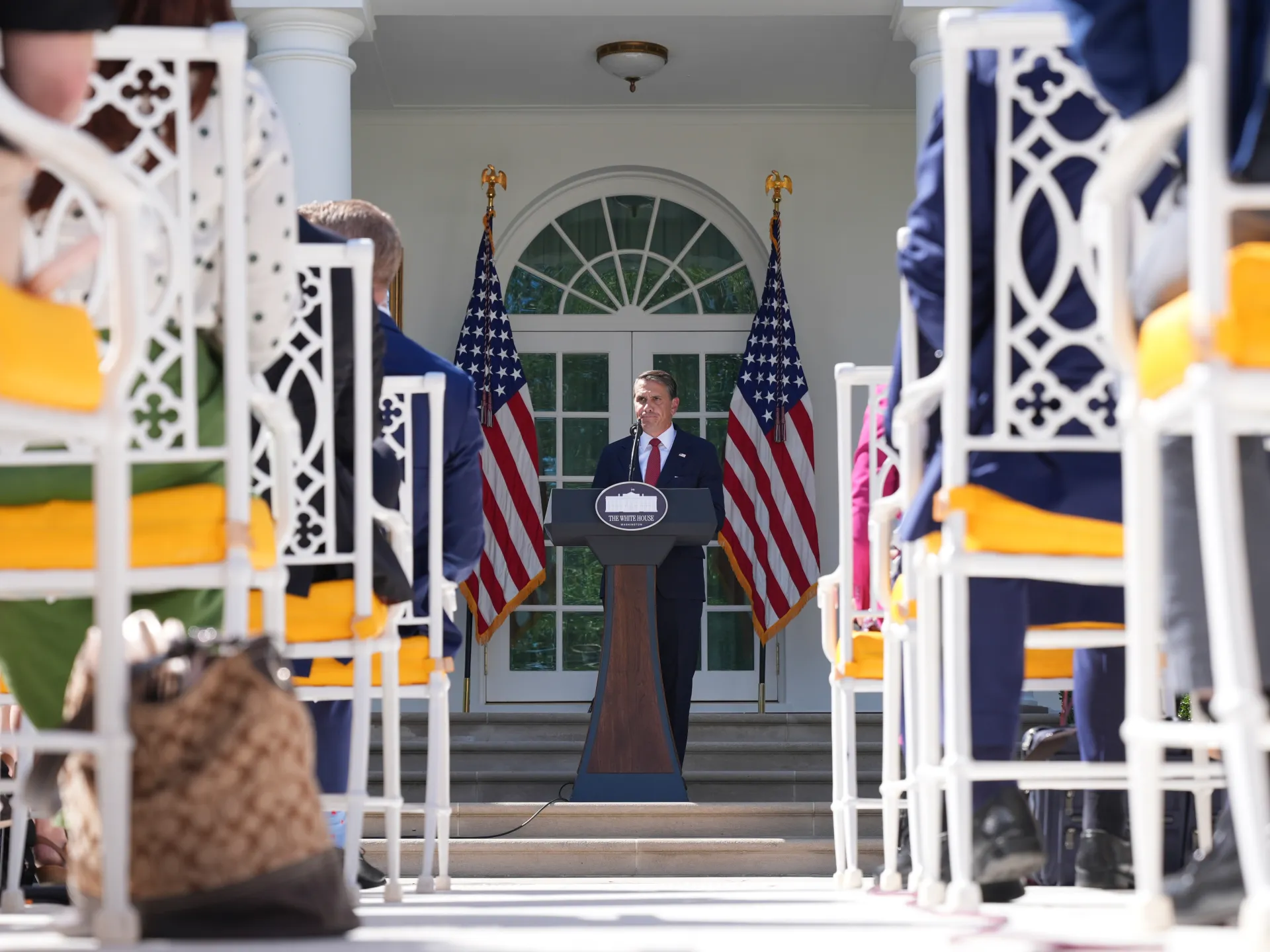
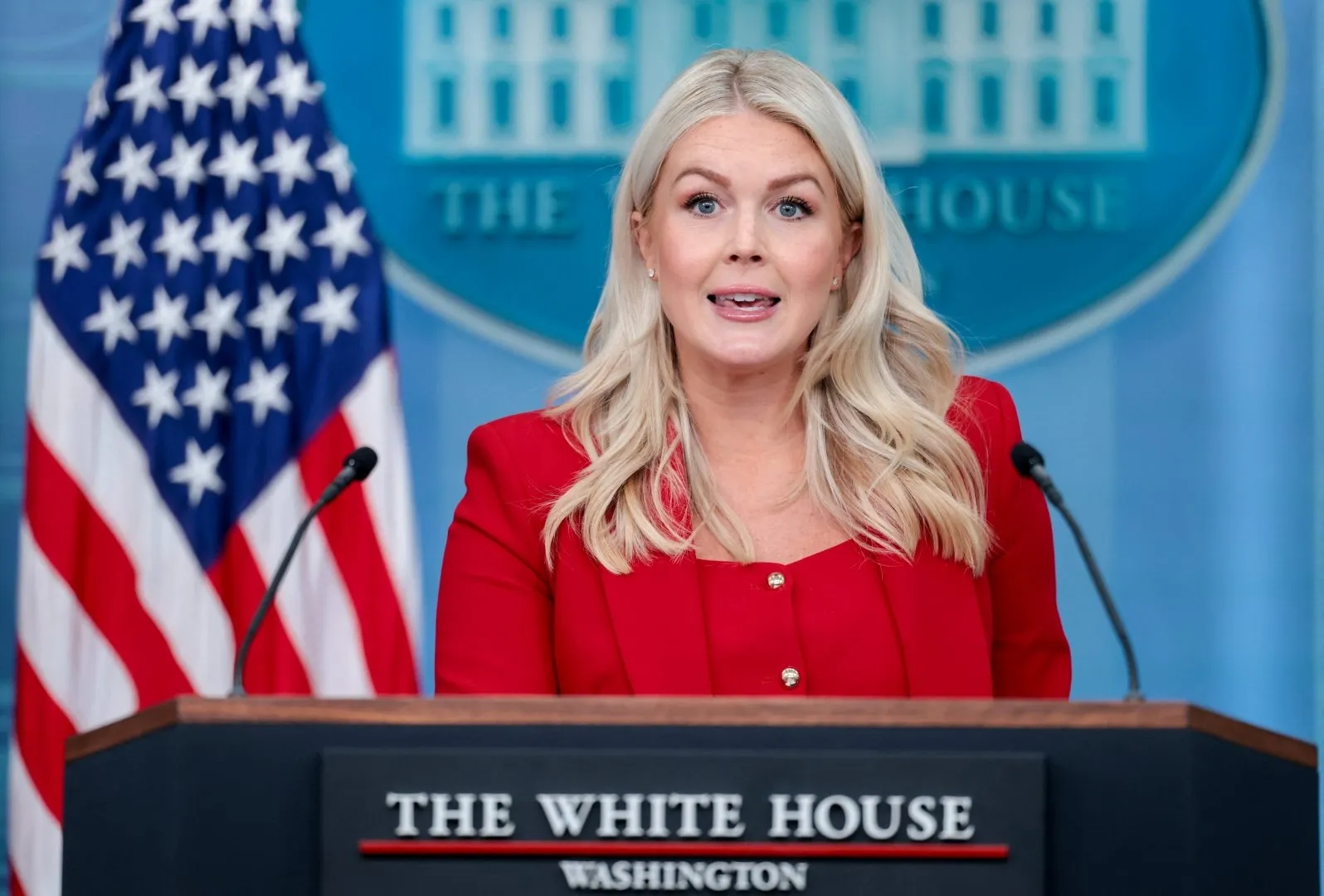
US officials have characterized these restrictions as a measure to prevent the exploitation of the UN platform, with State Department spokesperson Tommy Pigott explicitly warning New York retailers against facilitating a potential "shopping spree" economic pressure on Tehran while the war continues to grind on, marked
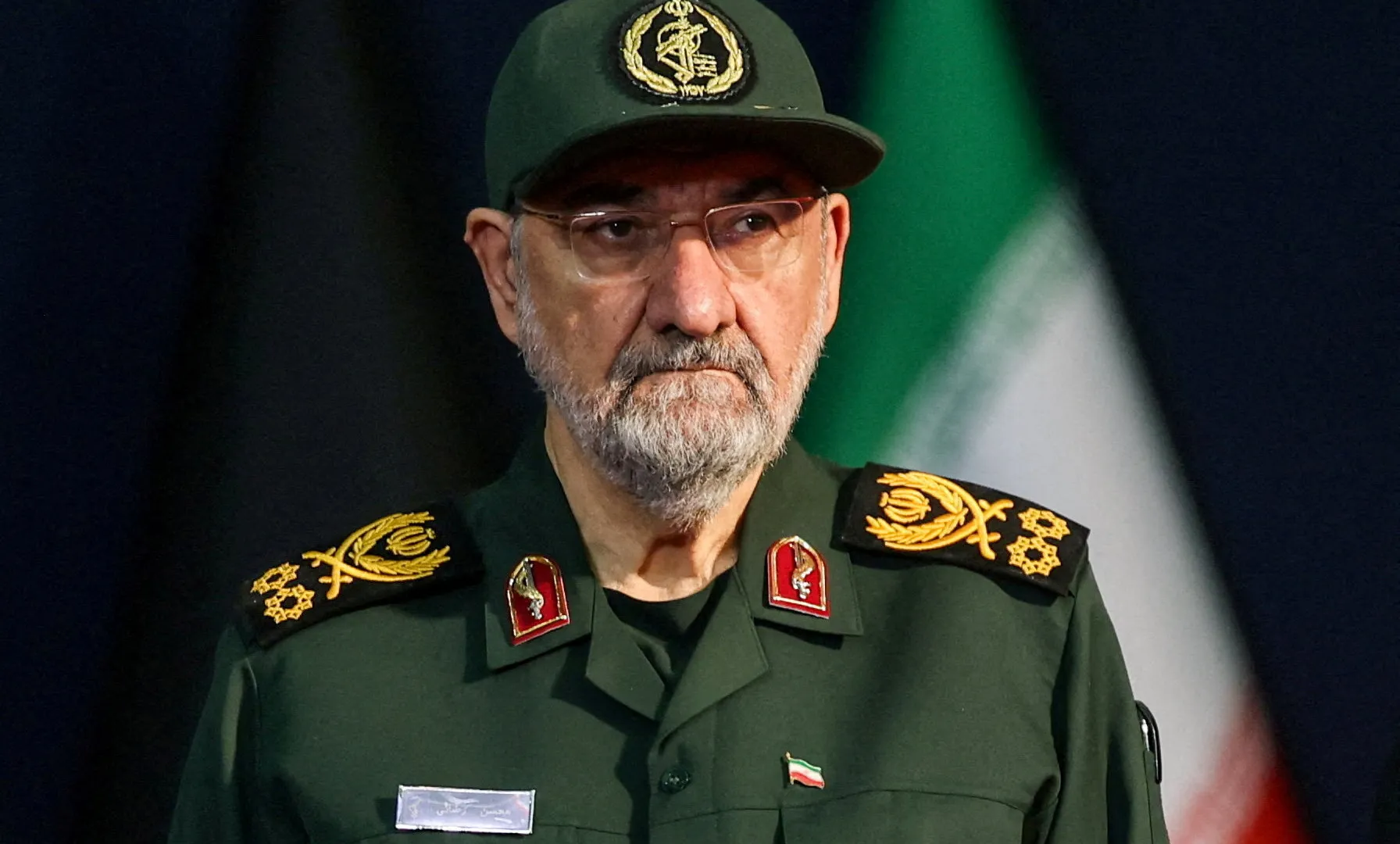
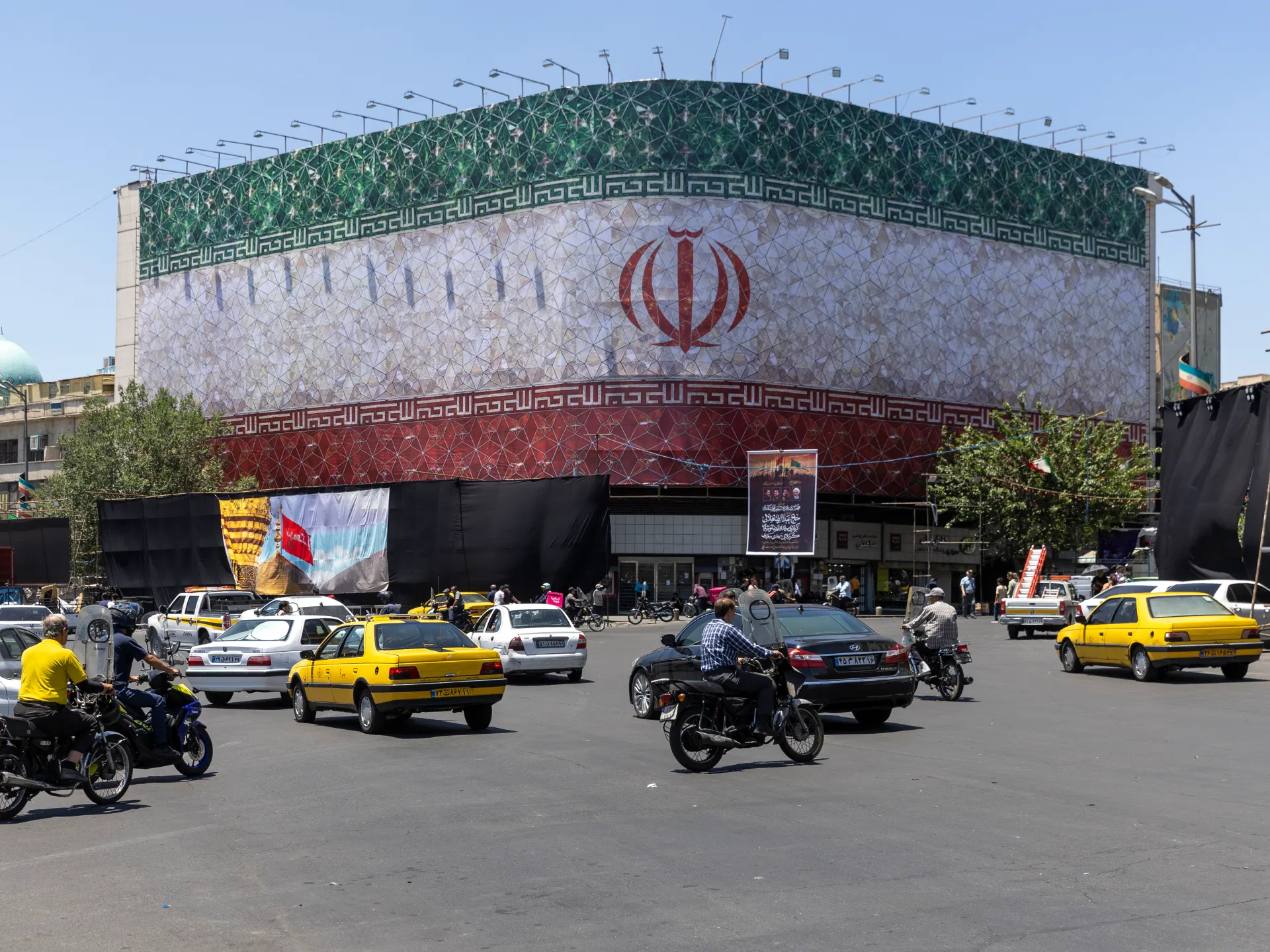
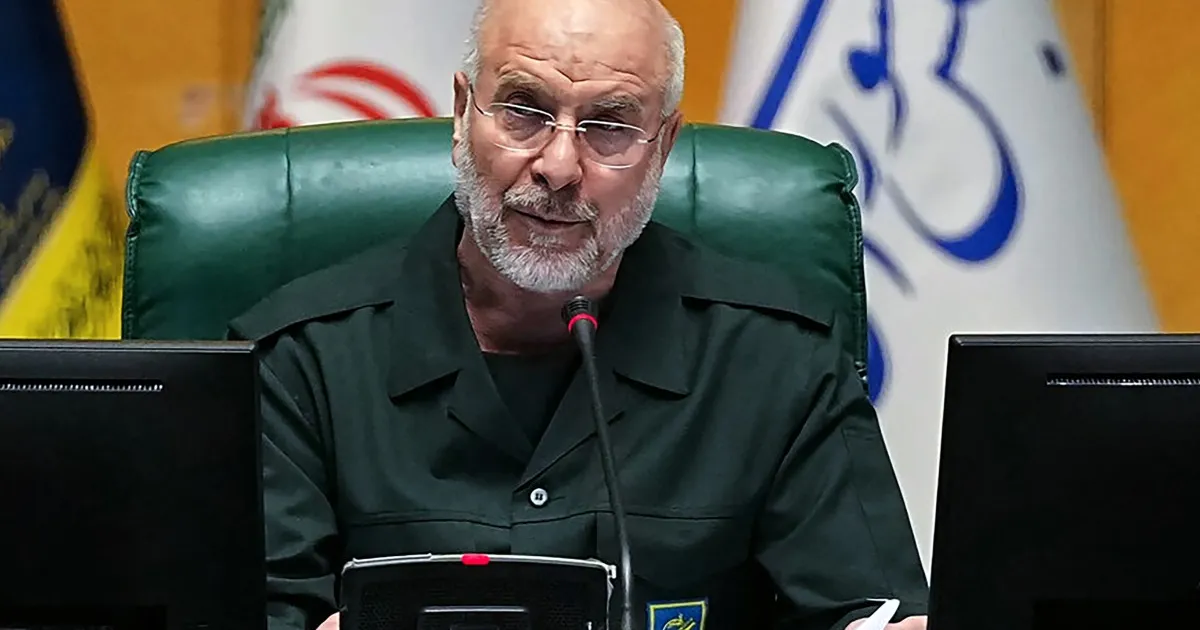
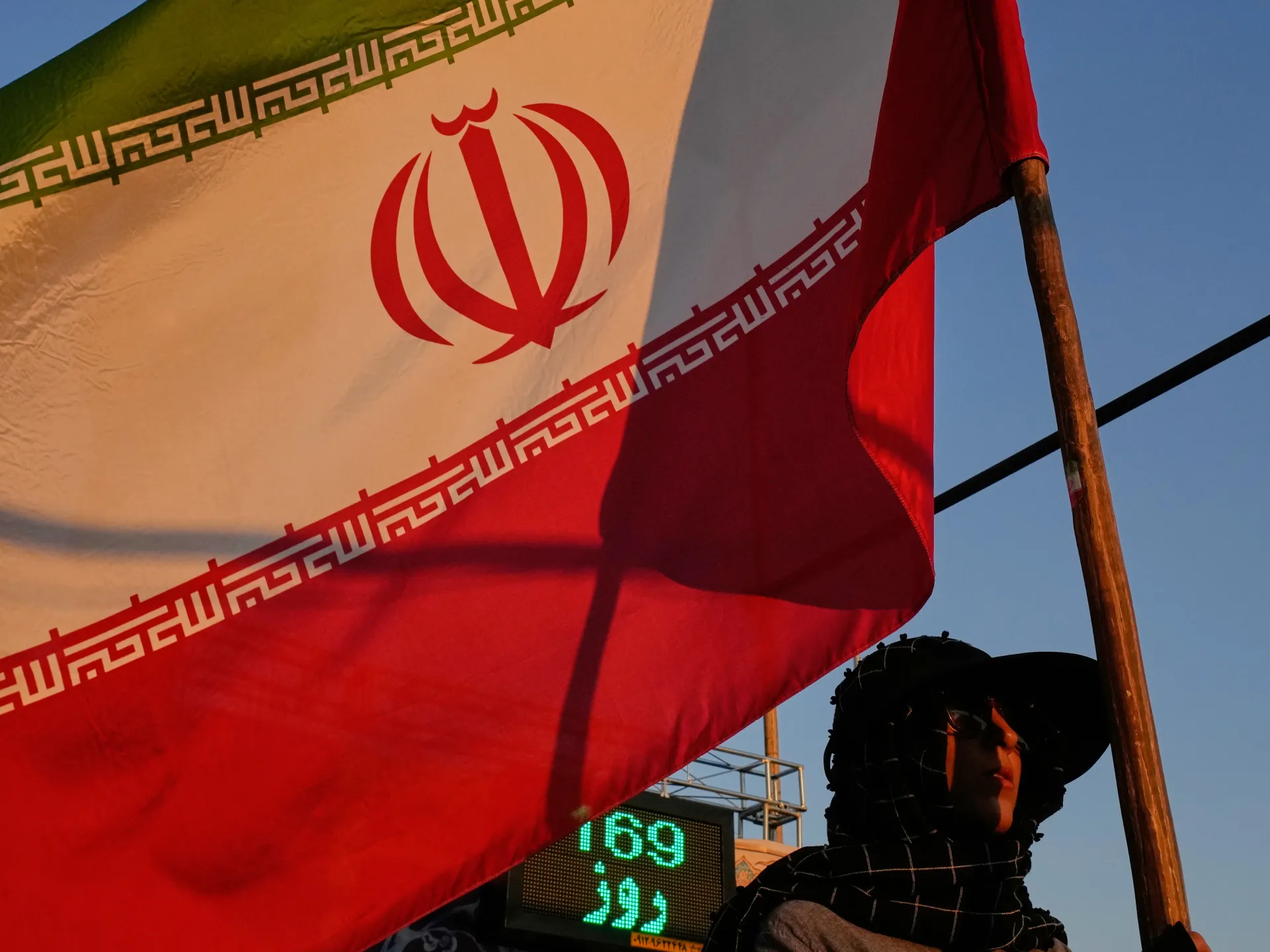
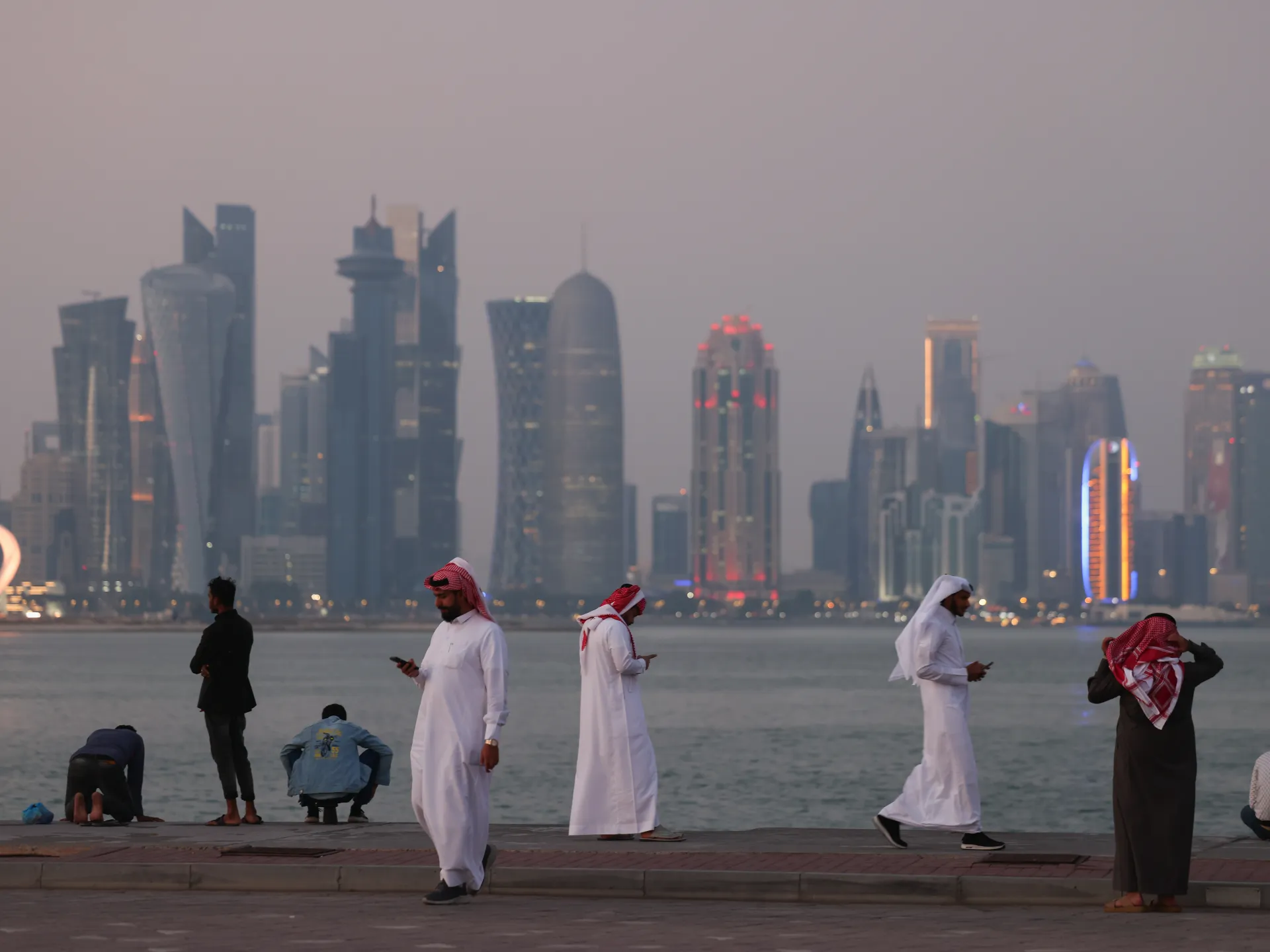
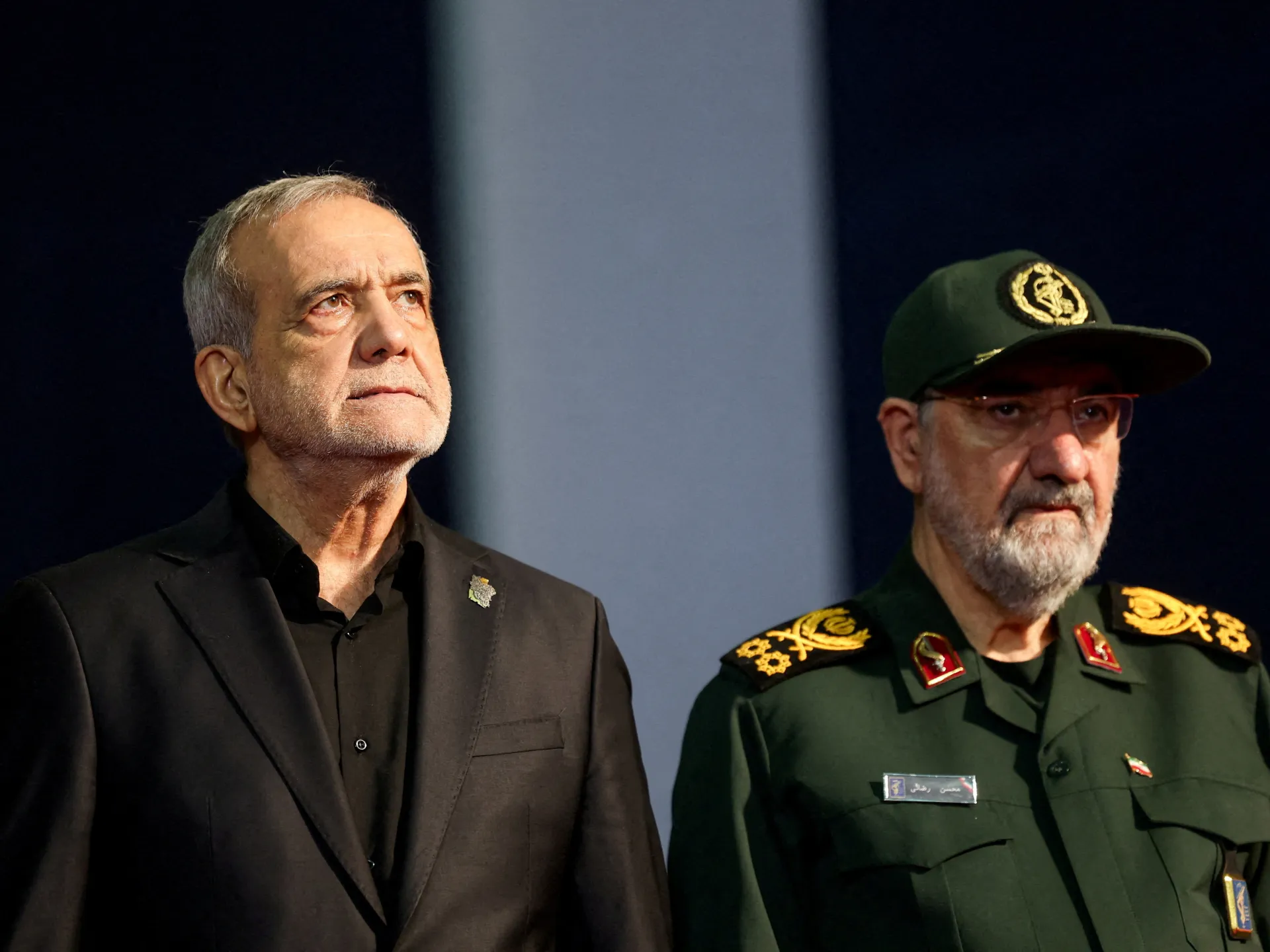
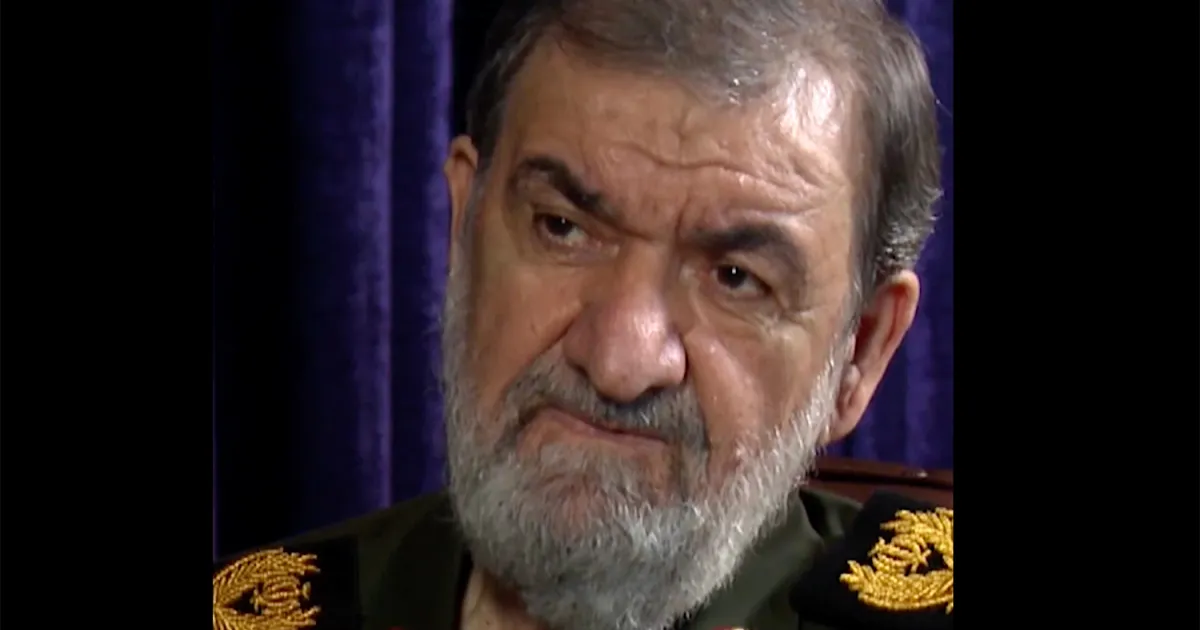
Tehran’s security chief, Mohsen Rezaei, recently stated that Iran has communicated a new set of conditions for ending the hostilities to US representatives via Qatari intermediaries. While the specific requirements remain largely consistent with the lapsed June MoU—including a cessation of regional combat, guarantees of non-interference, and a $300 billion reconstruction initiative—Iranian officials insist that their position is now bolstered as publicly reaffirmed that the closure of the Strait of Hormuz will remain in effect until these demands, including the recognition of Iran's "legitimate rights" and the fulfillment of past US commitments, are met.
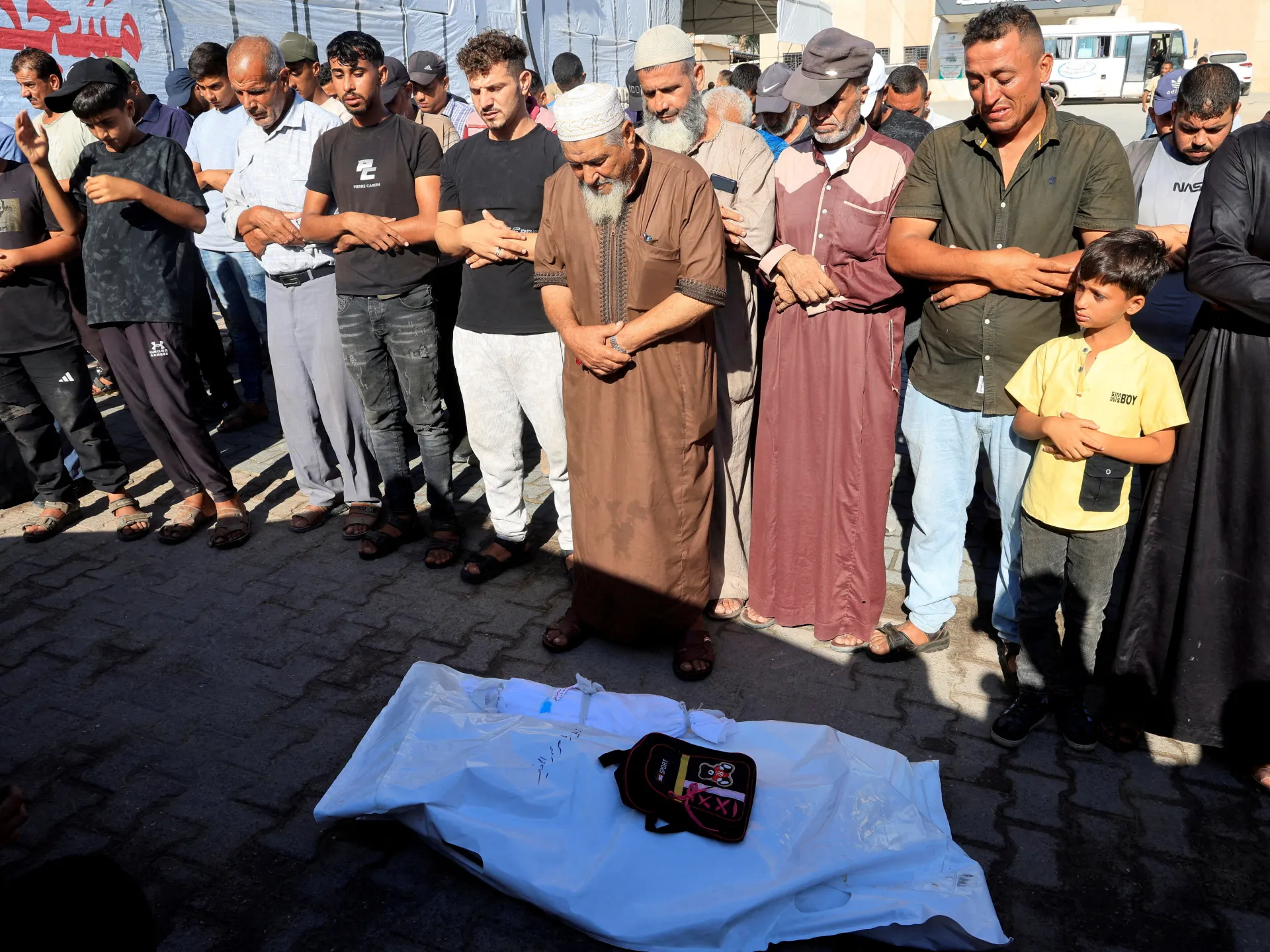
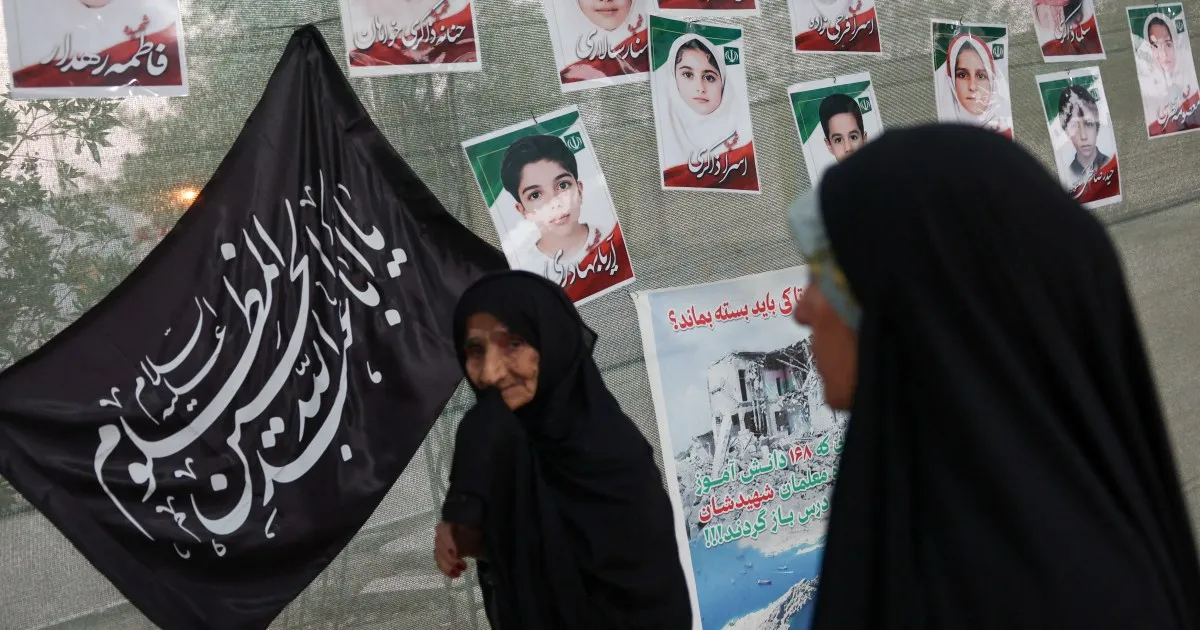
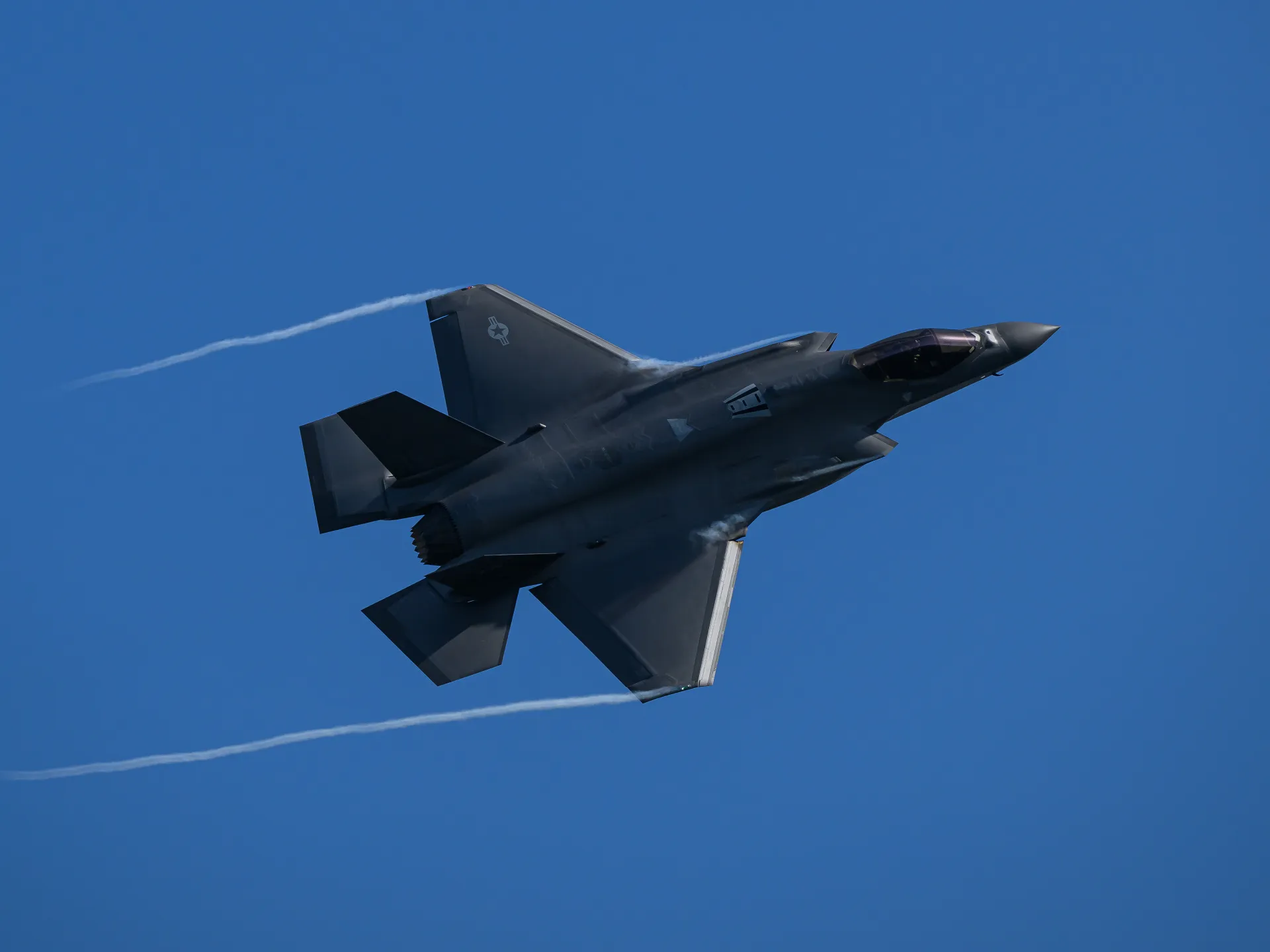
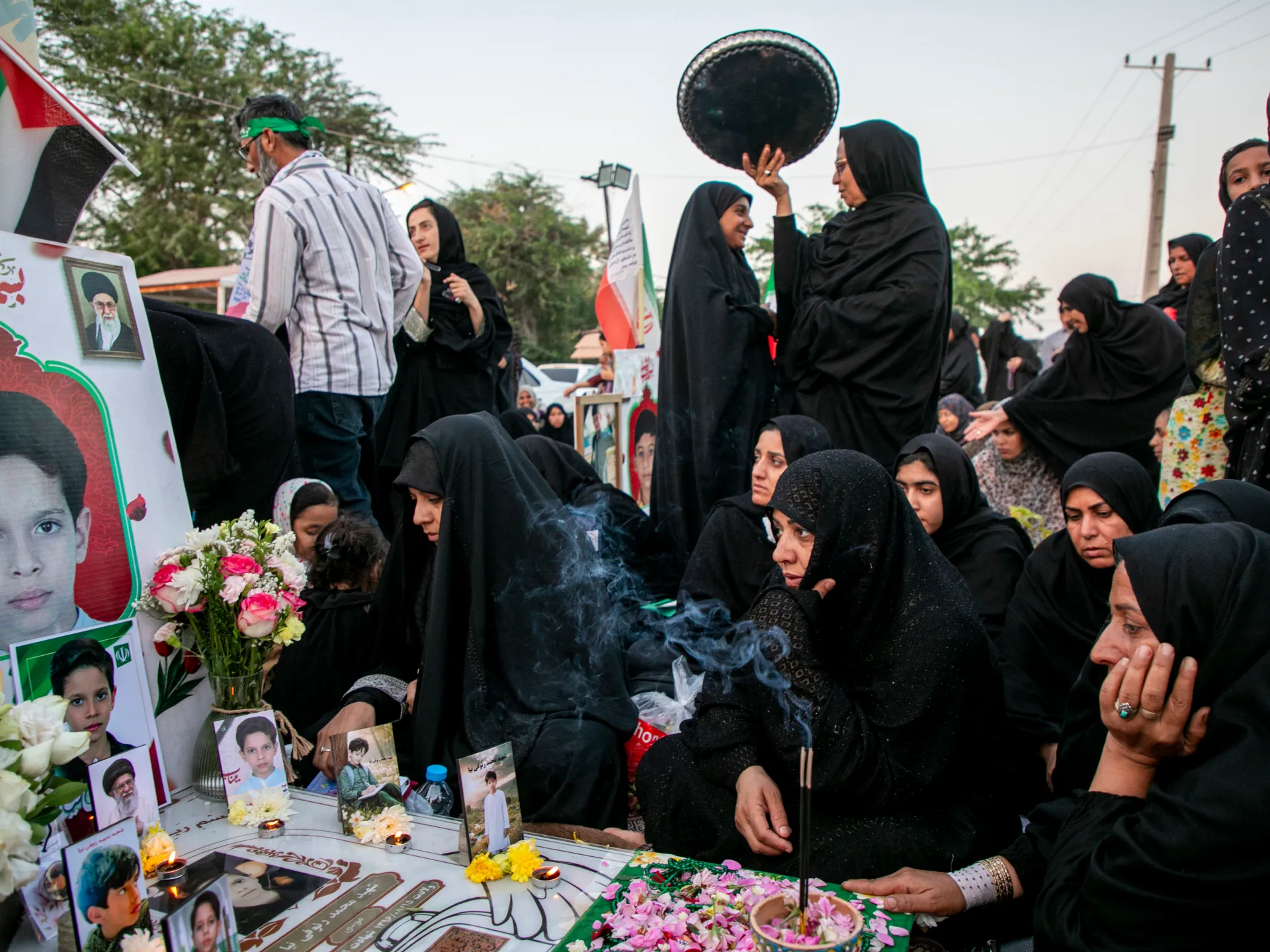
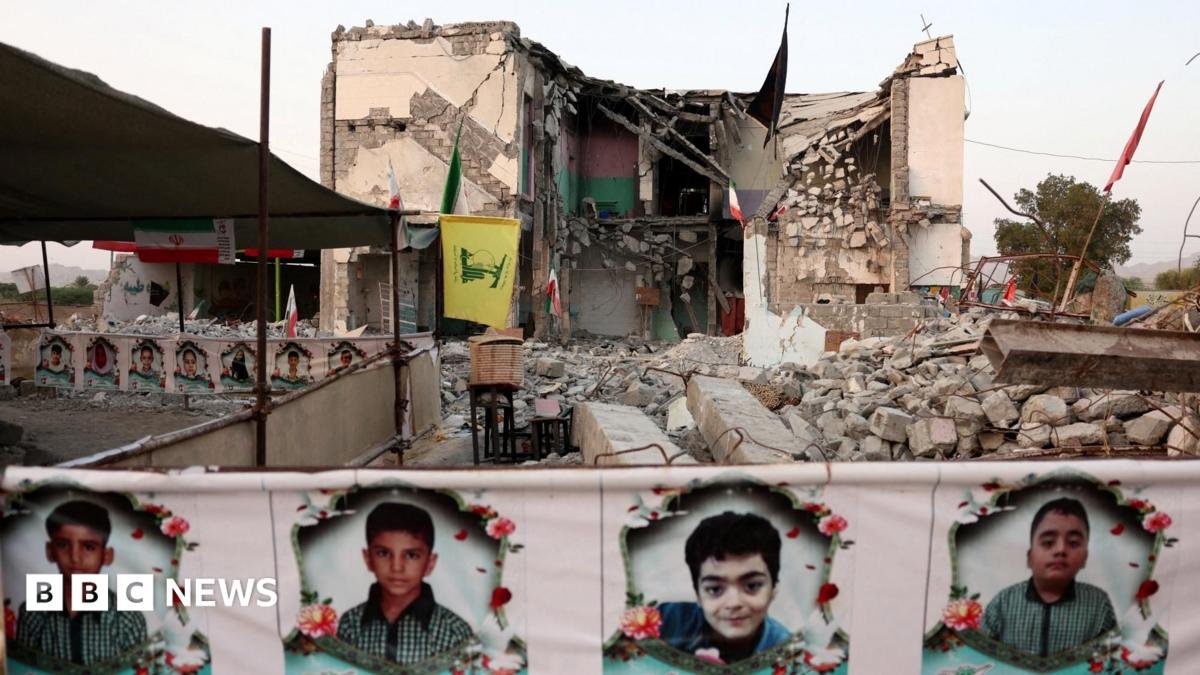
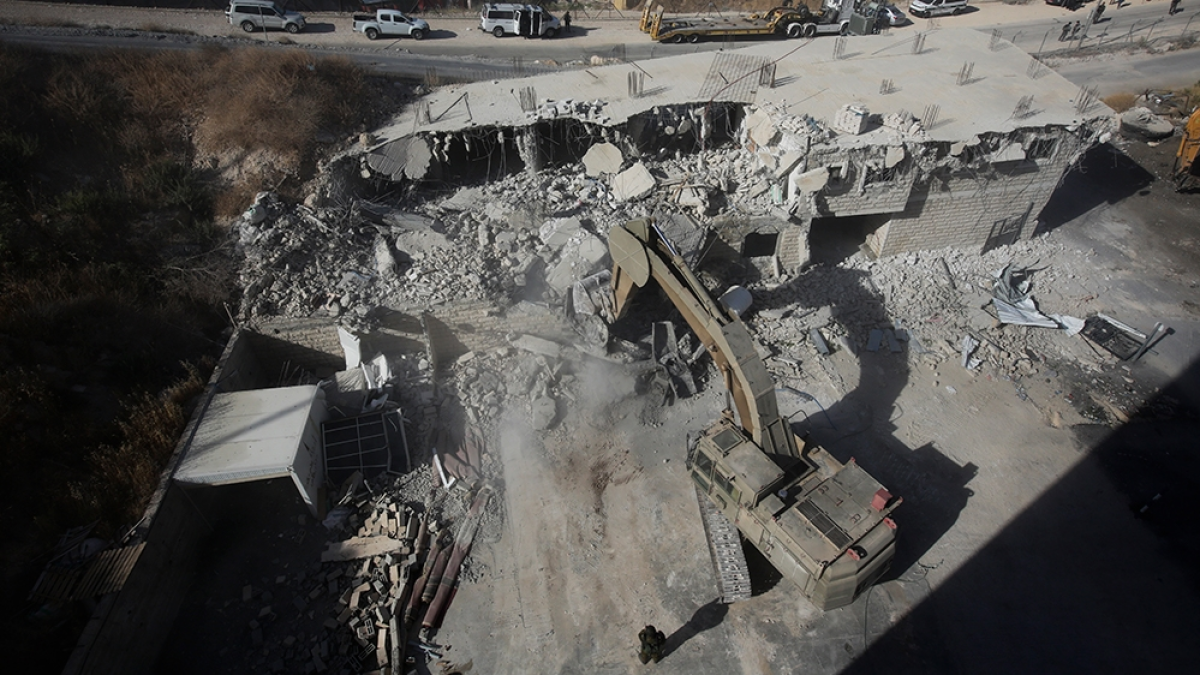
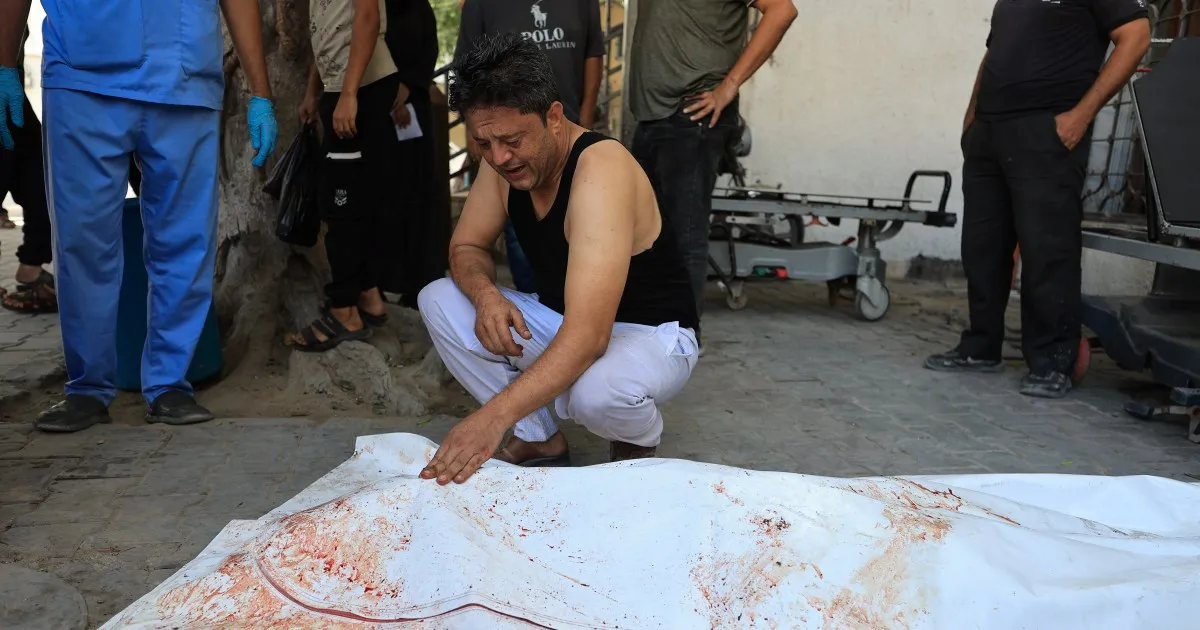
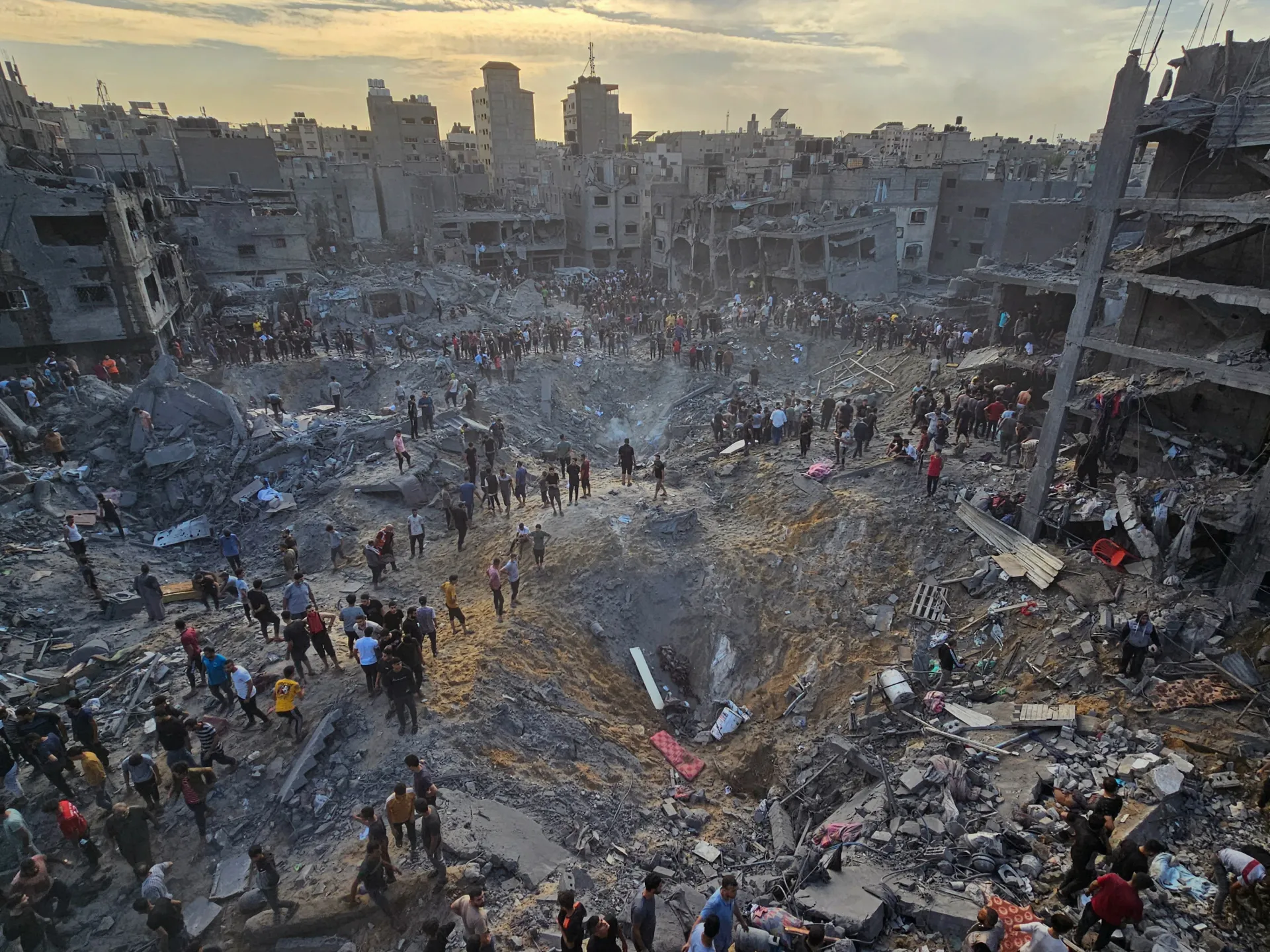
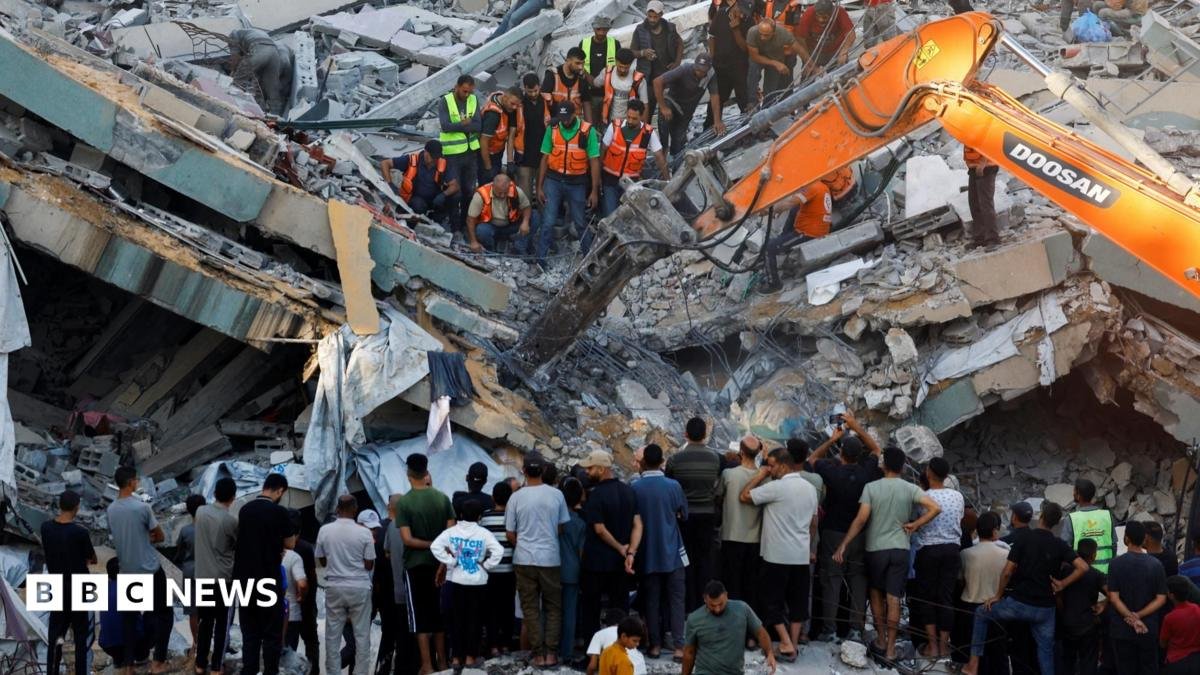
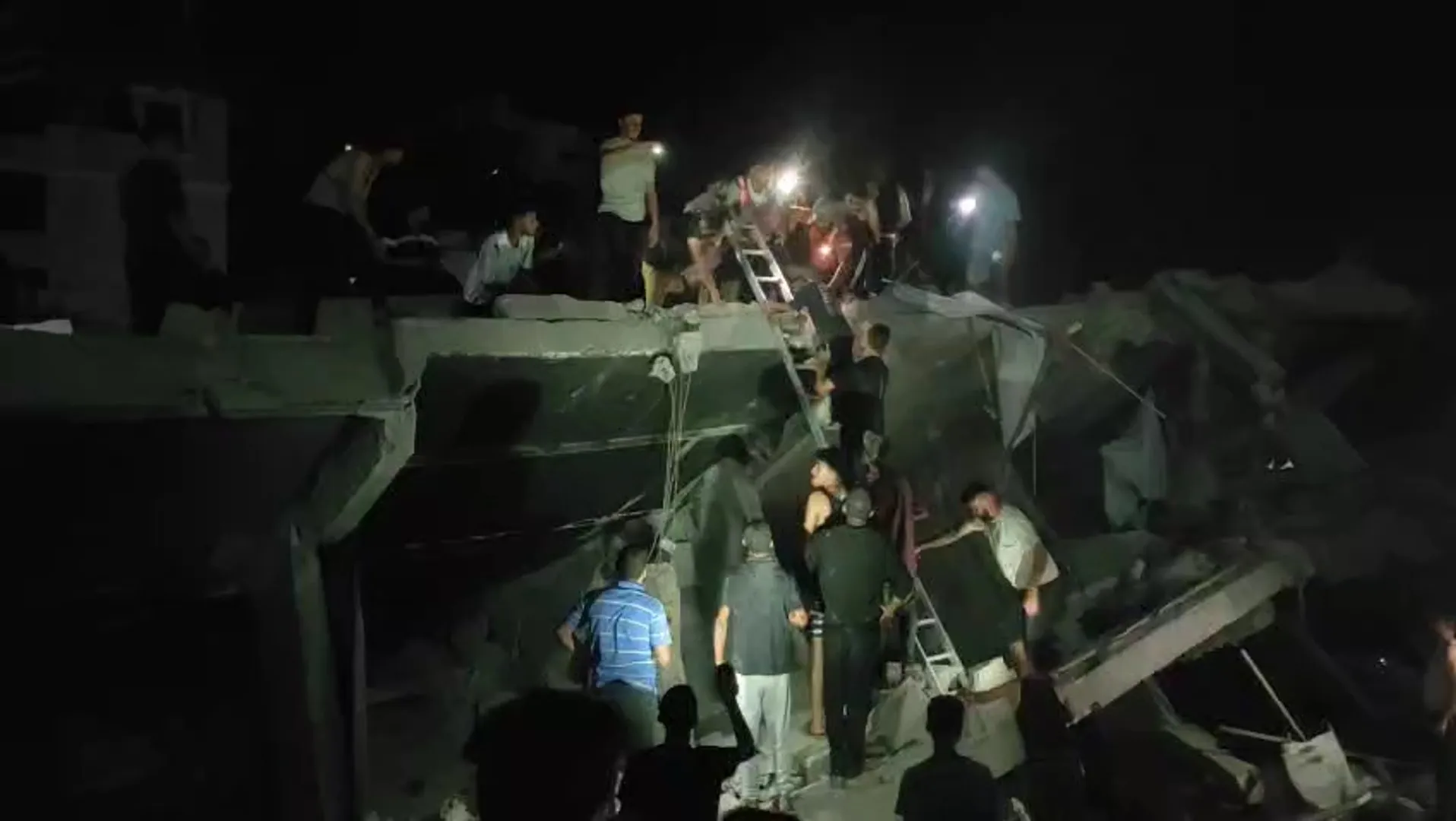
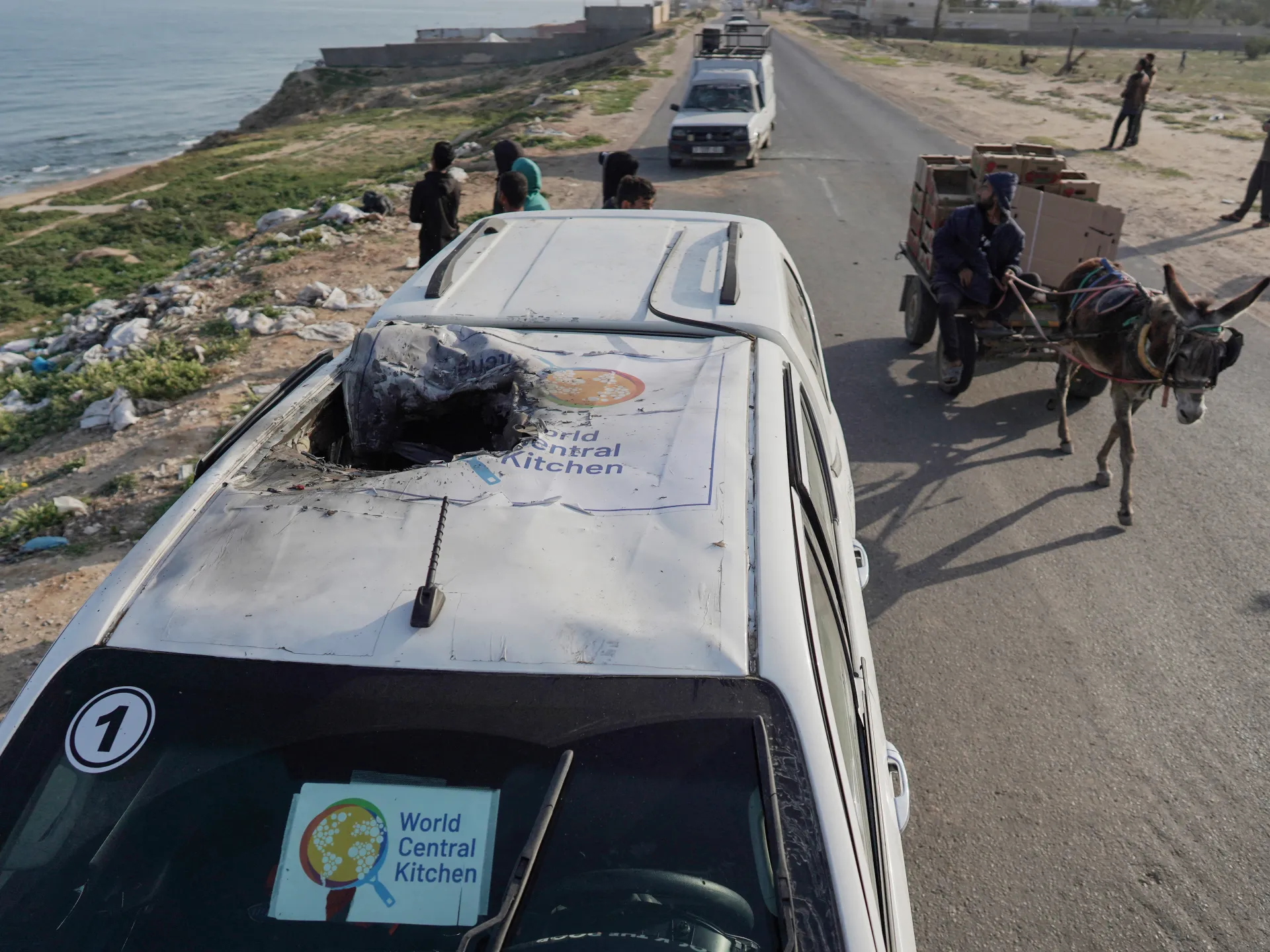
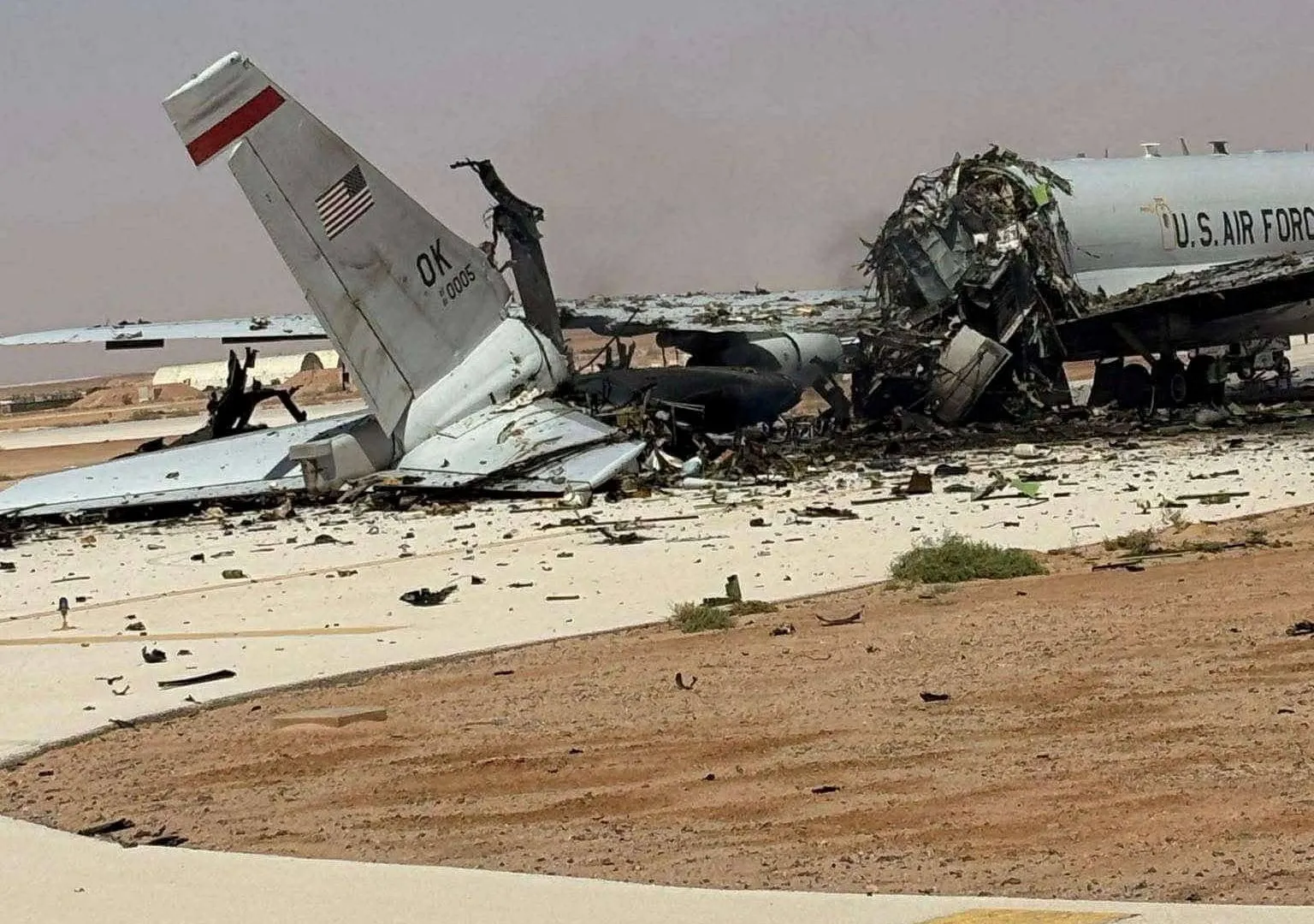
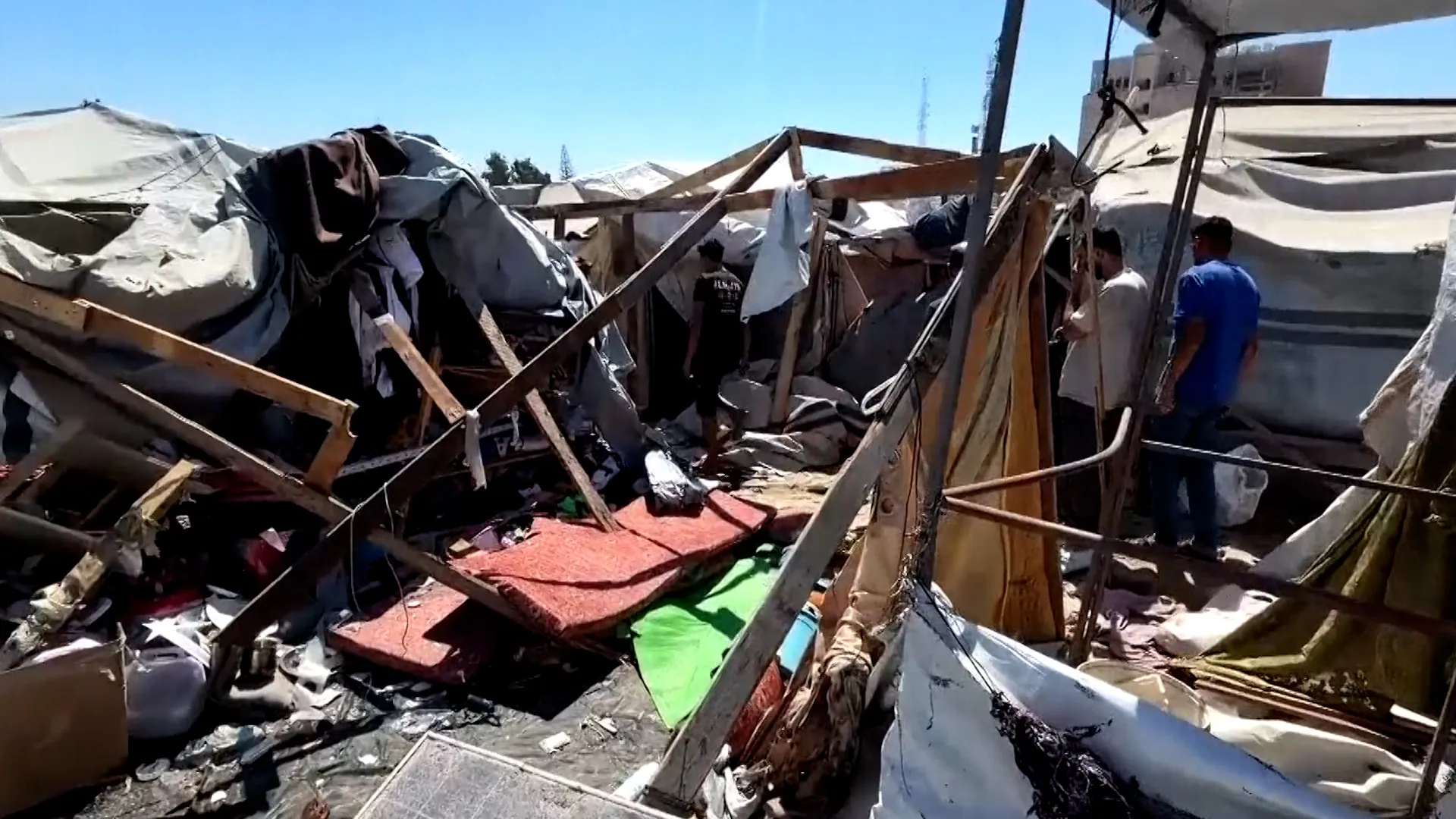
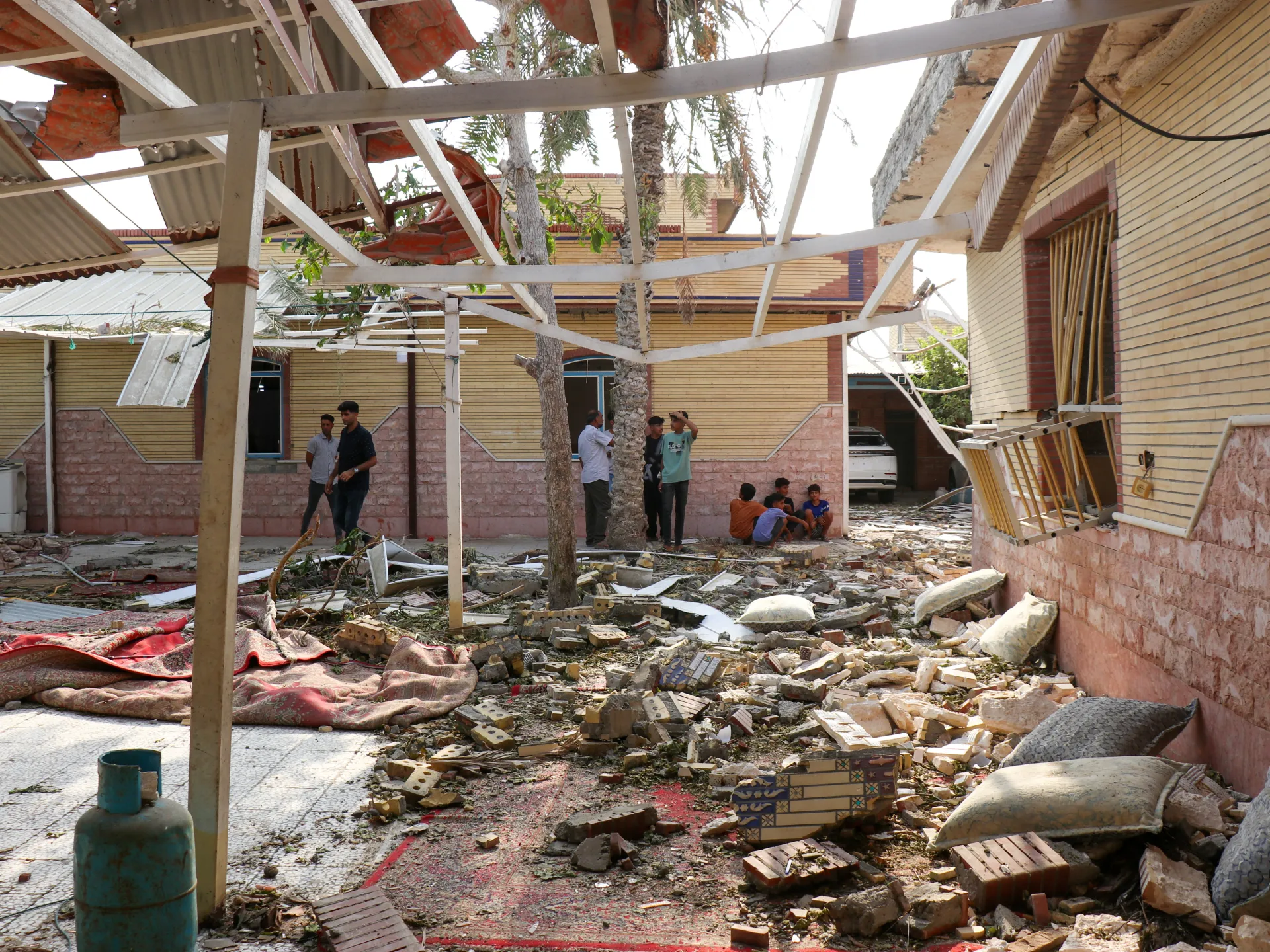
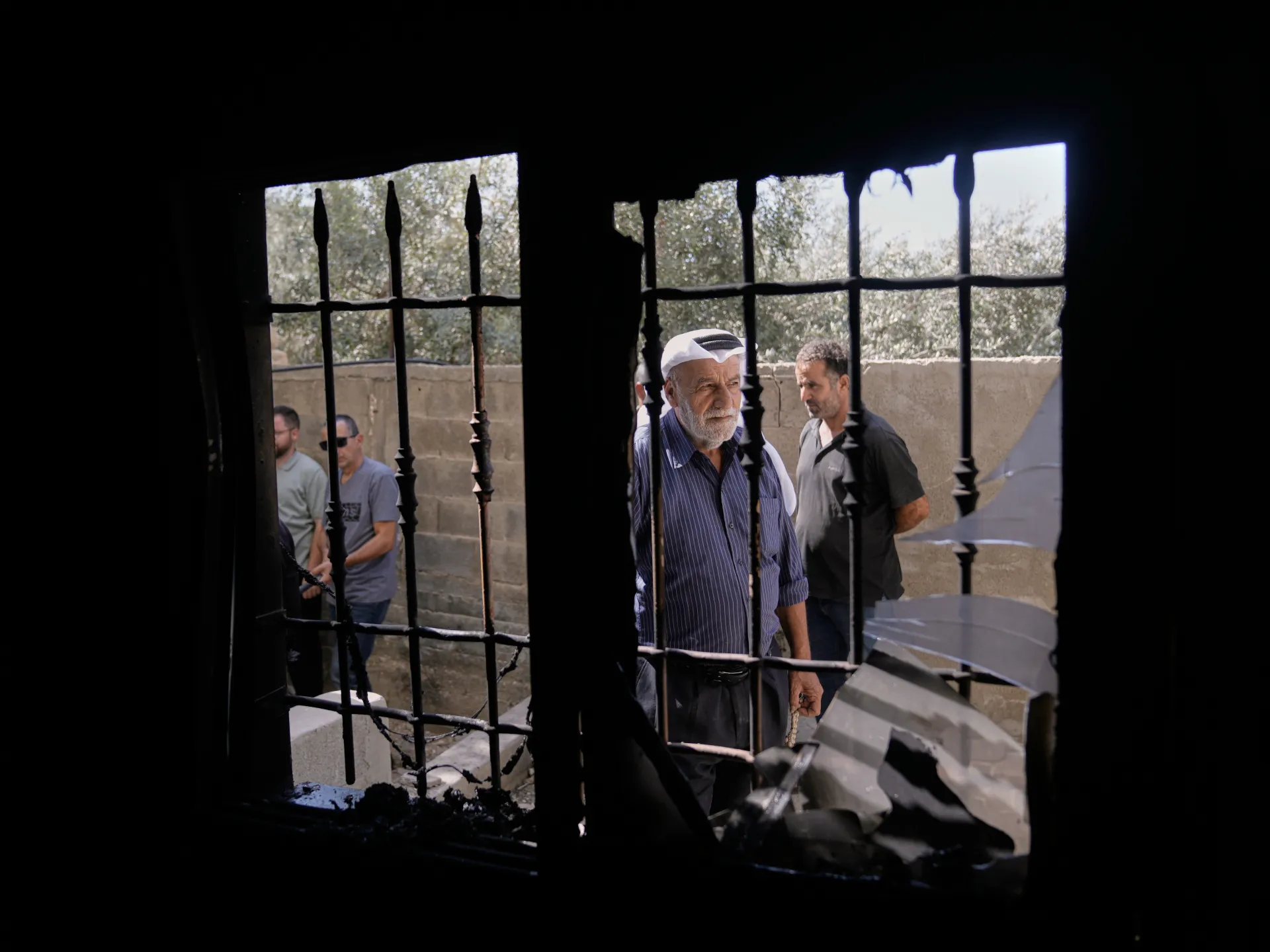
These developments occur against the backdrop of accusations concerning the conduct of the war. While the US and Iran continue to navigate their respective narratives through international forums, reports have surfaced regarding potential war crimes linked to US military strikes. Despite these mounting geopolitical pressures and the high economic toll of the conflict, both nations appear to be doubling down on their respective strategies—the US through targeted economic isolation and the Iranian government through the leveraging of its strategic geographic advantages.
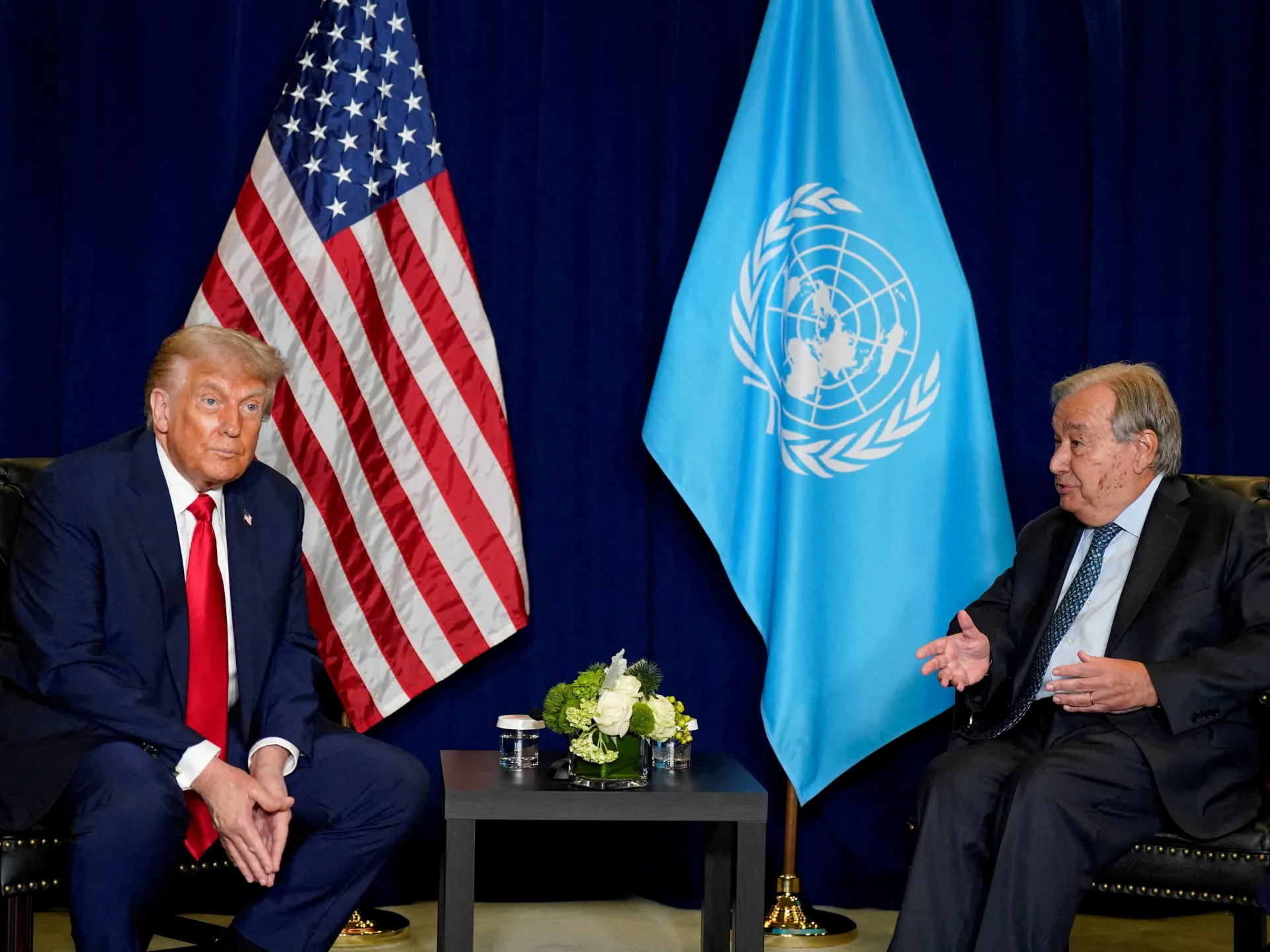
The upcoming speeches at the UN General Assembly, featuring leaders from the US, Iran, and other global powers, will likely serve as the definitive barometer for whether any substantive shift toward peace is possible. Given the expired status of the June MoU and the inflammatory rhetoric emerging from both Tehran and Washington, the prospect of a near-term breakthrough appears slim. Instead, the conflict is expected to remain in a state of suspended full-scale warfare, characterized tion will require a significant compromise on either the US-backed reconstruction terms or the Iranian demand for the immediate reopening of the Strait of Hormuz, neither of which currently appears to be on the immediate political agenda for either administration.