As Albania joins the Artemis Accords to solidify international space cooperation, NASA simultaneously expands its deep-space capabilities with the launch of the Nancy Grace Roman telescope.
As the international community accelerates its footprint in low-Earth orbit and beyond, the intersection of space-based diplomacy and advanced astrophysics highlights a shift in global power dynamics. The expansion of the Artemis Accords—now including 73 nations—signifies that space exploration is no longer merely a frontier for technological competition, but a structured environment for multilateral governance. Simultaneously, the deployment of next-generation observatories like the Nancy Grace Roman Space Telescope represents a strategic pivot toward answering fundamental existential questions about the universe’s composition, moving from localized observation to massive panoramic surveys.
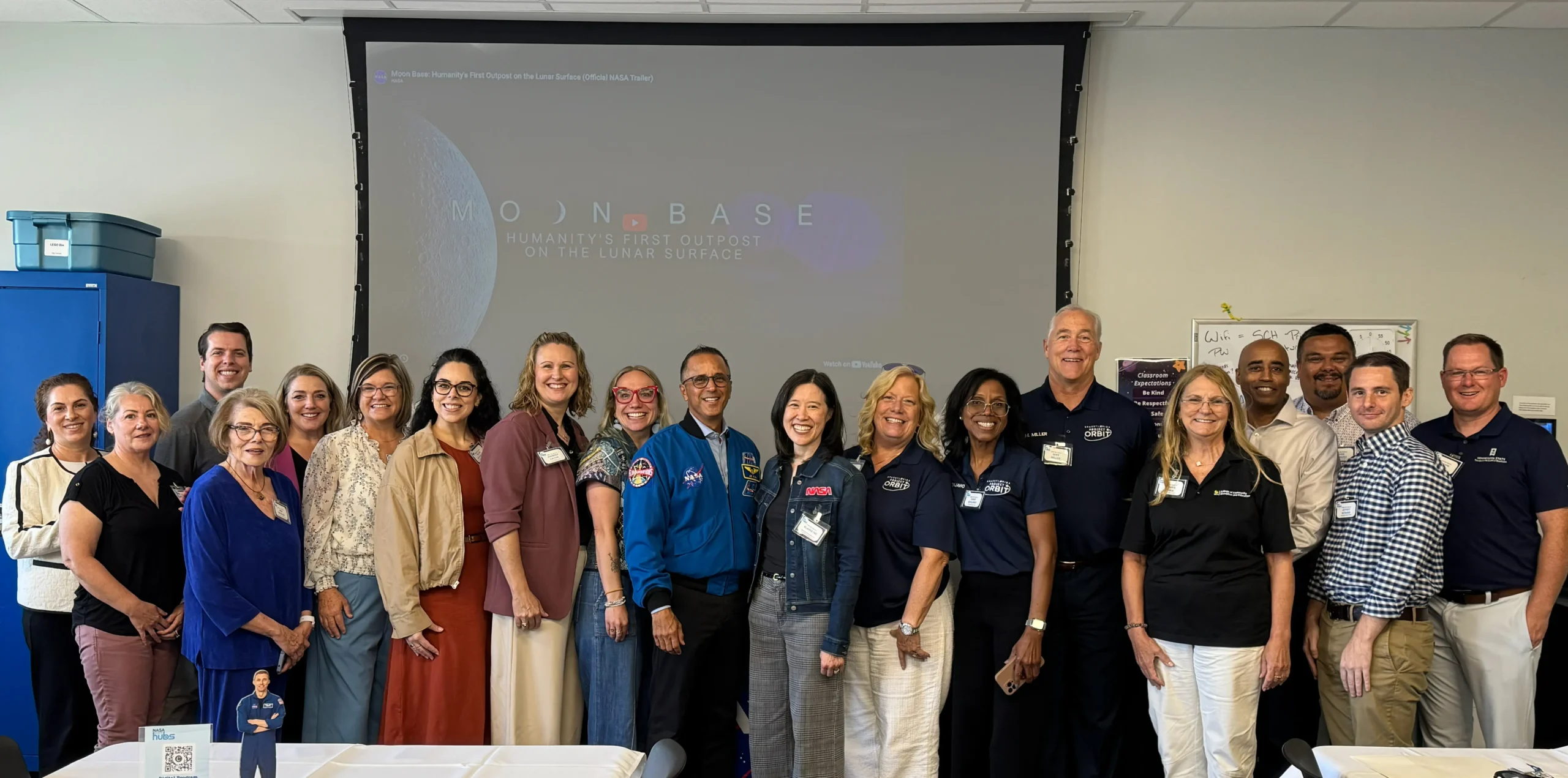
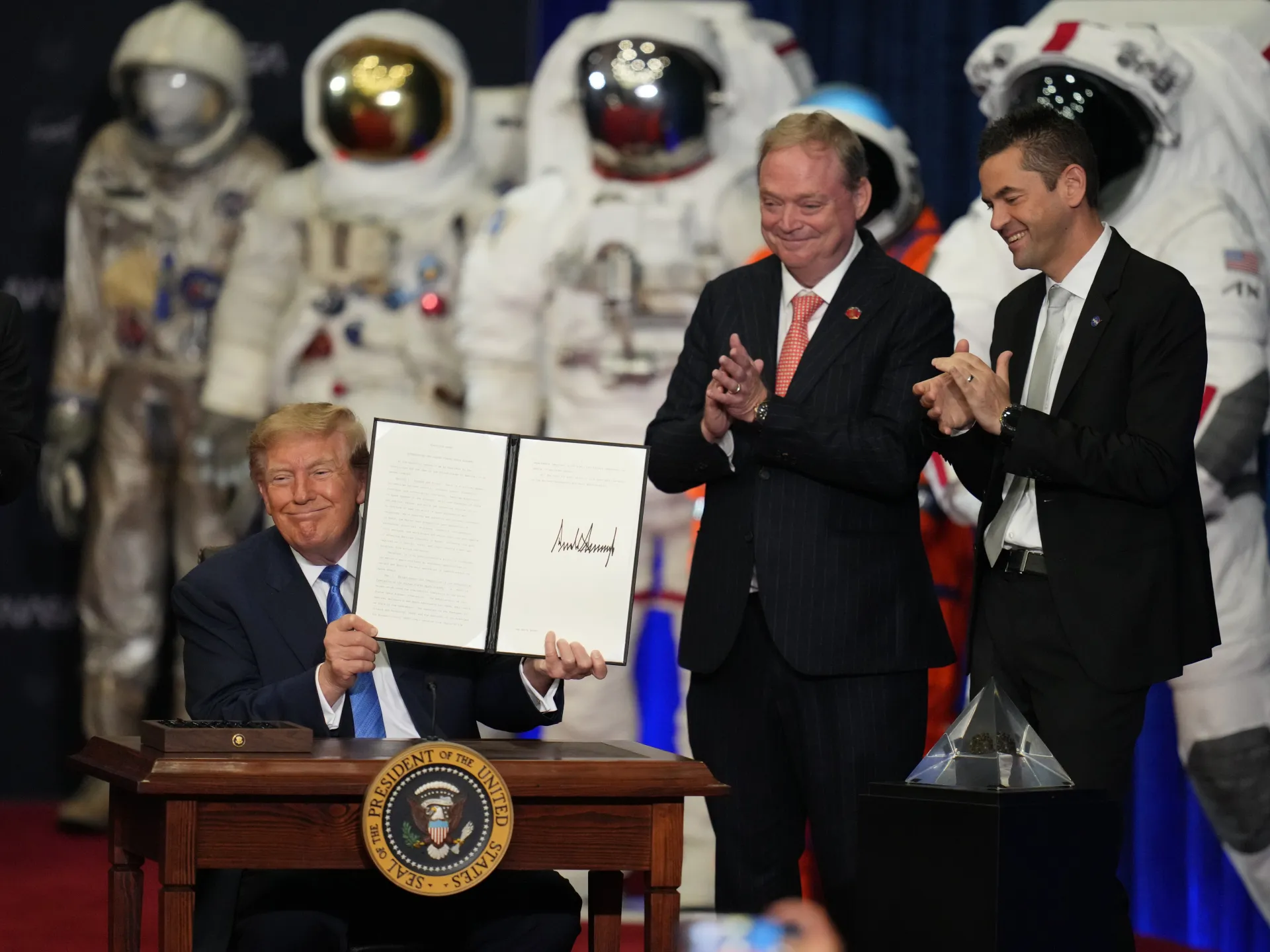
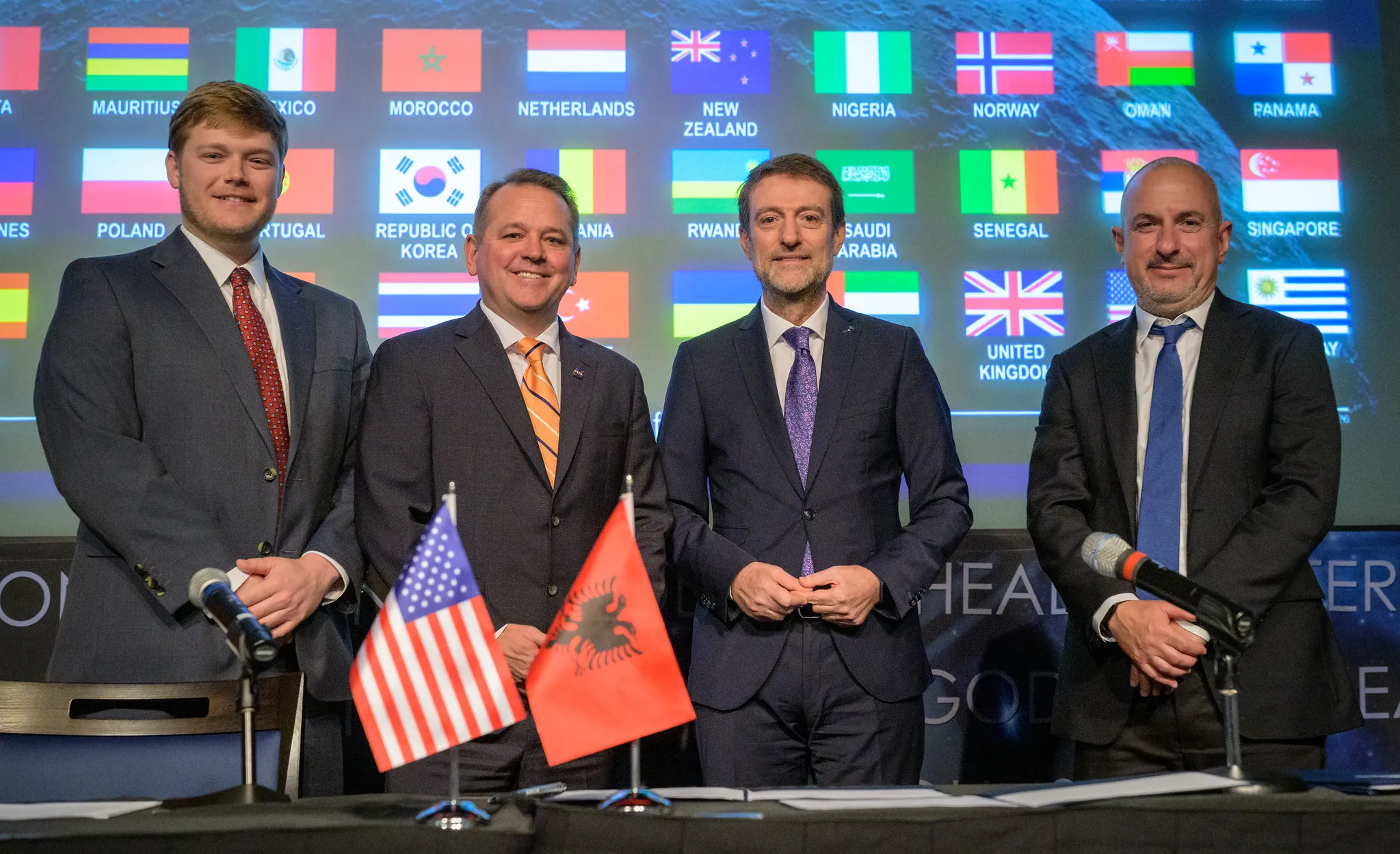
The Republic of Albania became the latest nation to join the Artemis Accords, finalizing its commitment to the principles of transparent and sustainable space exploration during a ceremony at NASA headquarters in Washington on September 21, 2026. Albanian Minister for Europe and Foreign Affairs Ferit Hoxha, joined onment Connor Tomlinson, emphasized the nation's dedication to international law and cooperative frameworks.
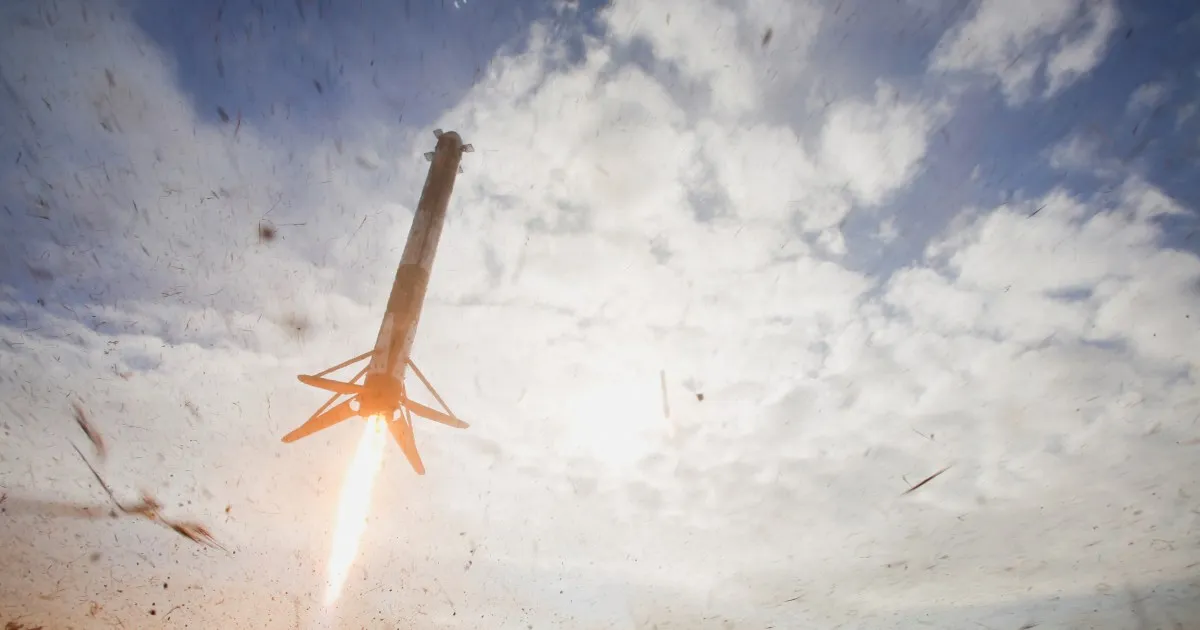
This diplomatic alignment follows Albania's increasing technical participation in space-based initiatives. In 2023, the country launched its first Earth-observation satellites, Albania-1 and Albania-2, via a SpaceX Falcon 9 rocket. Furthermore, Albania has integrated itself into NASA’s global Space Apps Challenge, a large-scale hackathon that utilizes open-source data to solve terrestrial and extraterrestrial challenges. NASA officials noted that this partnership reflects a broader trend of emerging space-faring nations leveraging American infrastructure to bolster their indigenous scientific capabilities.
While diplomatic efforts focus on orbital cooperation, the scientific community has recently achieved a significant milestone in deep-space observation. On August 30, 2026, the Nancy Grace Roman Space Telescope successfully launched from Florida’s Kennedy Space Center aboard a SpaceX Falcon Heavy rocket. The mission, which is currently in a 100-day transit toward a vantage point one million miles from Earth, is designed to map the "dark universe."
The Roman telescope offers a field of vision 100 times larger than that of the Hubble or James Webb telescopes, a capability NASA administrators believe will lead to the discovery of up to 100,000 new exoplanets. Astronomer Jenifer Millard noted that the telescope’s extreme distance from Earth is essential to avoid infrared interference from terrestrial and lunar "heat light," allowing for more precise data collection regarding dark energy and the nature of black holes.
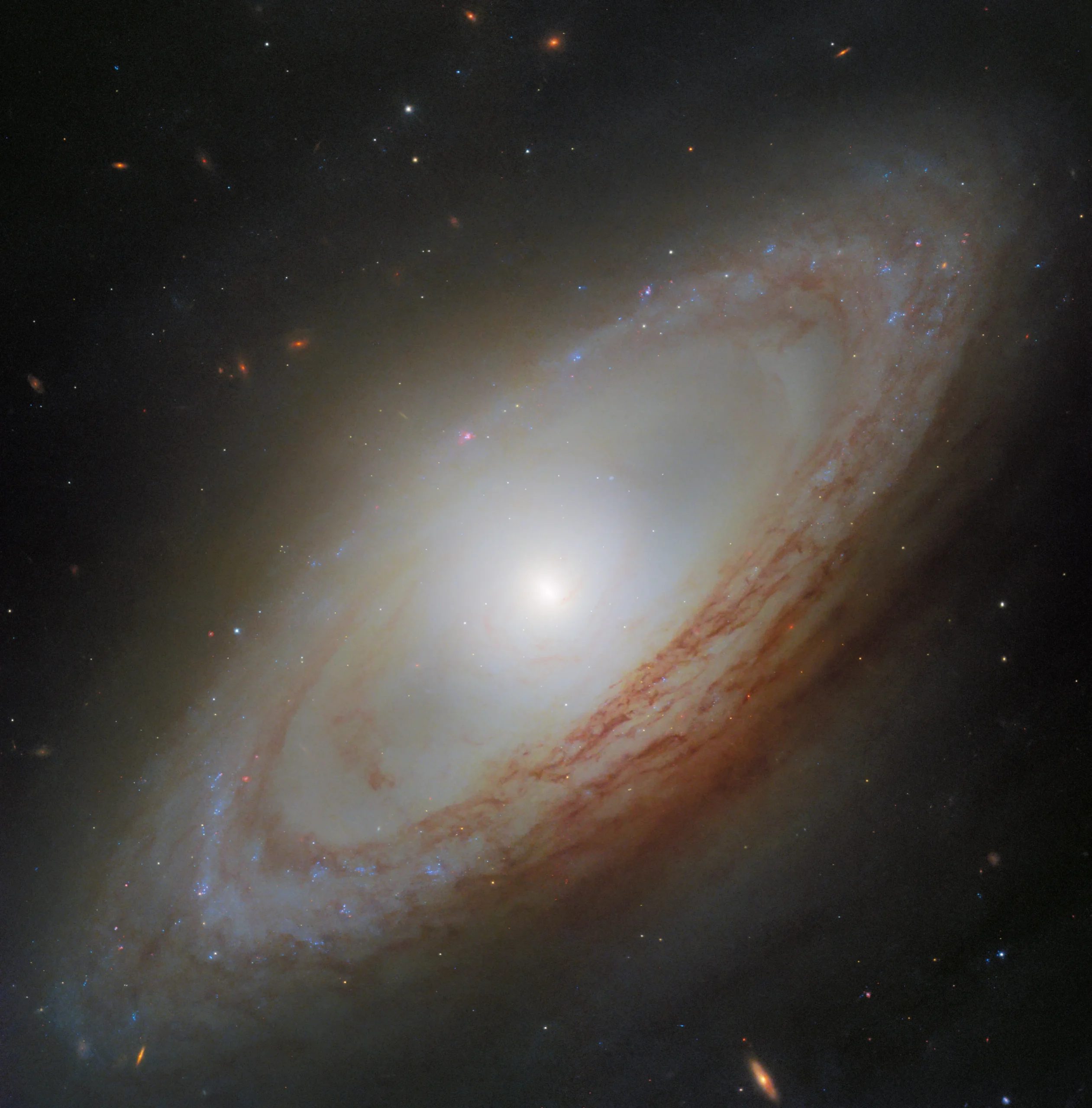
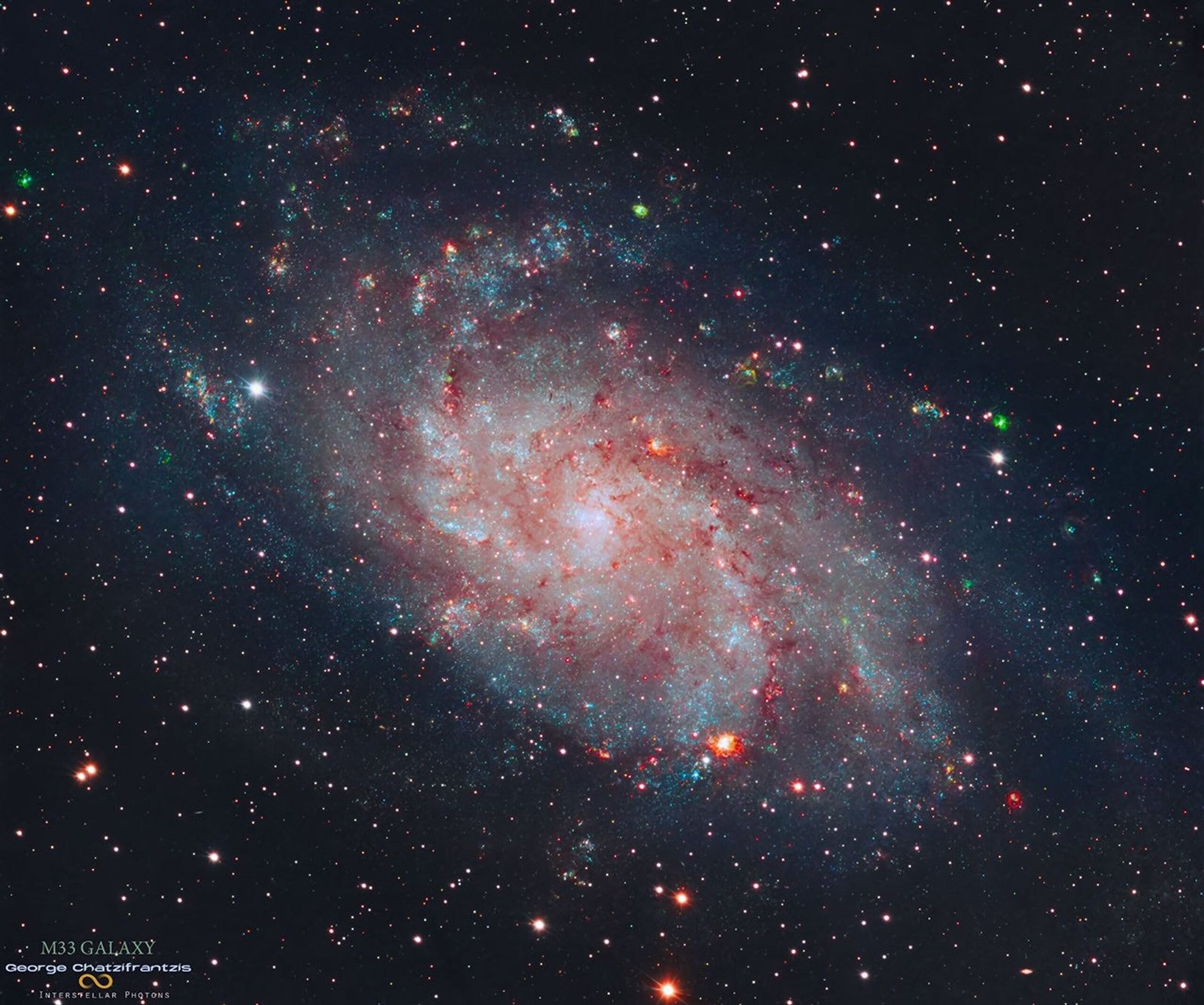
Complementing these large-scale surveys, the aging but robust Hubble Space Telescope continues to provide granular data on galactic anomalies. Recent imagery of NGC 4698, a spiral galaxy 55 million light-years away, revealed a rare configuration: its central stars rotate perpendicular to the outer disk. Scientists hypothesize that this "out-of-sync" structure is the result of a historical minor galactic merger, where the galaxy funneled in external gas, forcing a reconfiguration of its internal rotation. These findings underscore the diverse processes driving galactic evolution, providing a localized counterpoint to the wide-field surveys now being undertaken
The coming months will serve as a critical operational phase for both diplomacy and science. For the Artemis Accords, the challenge remains the implementation of the "responsible and transparent" exploration standards in an increasingly crowded orbital environment. The 73 signatory nations must now navigate the technical and legal complexities of lunar and Mars-bound missions while balancing domestic space interests with international commitments.
Regarding the Roman Space Telescope, the mission enters its next phase upon arrival at its target destination, roughly four times further from Earth than the Moon. Once positioned, scientists expect to begin the systematic cataloging of exoplanets, a process that is anticipated to provide significant data regarding the prevalence of planetary systems similar to our own. The findings from this mission, alongside ongoing analysis of galactic anomalies like those seen in NGC 4698, will likely dictate the direction of astrophysical research for the next decade.