NASA is simultaneously expanding its deep-space reach with the Roman telescope and monitoring the violent, changing topography of the lunar surface.
The convergence of recent NASA missions underscores a dual-track strategy for the agency: looking inward at the volatile nature of our immediate celestial neighbor while simultaneously projecting human scientific capacity millions of miles into the void. The successful deployment of the Nancy Grace Roman Space Telescope and the identification of a rare, high-impact lunar crater represent more than just distinct scientific milestones; they signify an evolution in how humanity manages both local lunar risk and long-term cosmic inquiry. As commercial and governmental interests in the Moon intensify, understanding the frequency of large-scale impacts becomes vital for the safety of future infrastructure, while the Roman telescope provides the technological architecture needed to transition from merely observing the universe to statistically quantifying its most elusive components, such as dark energy and exoplanetary systems.
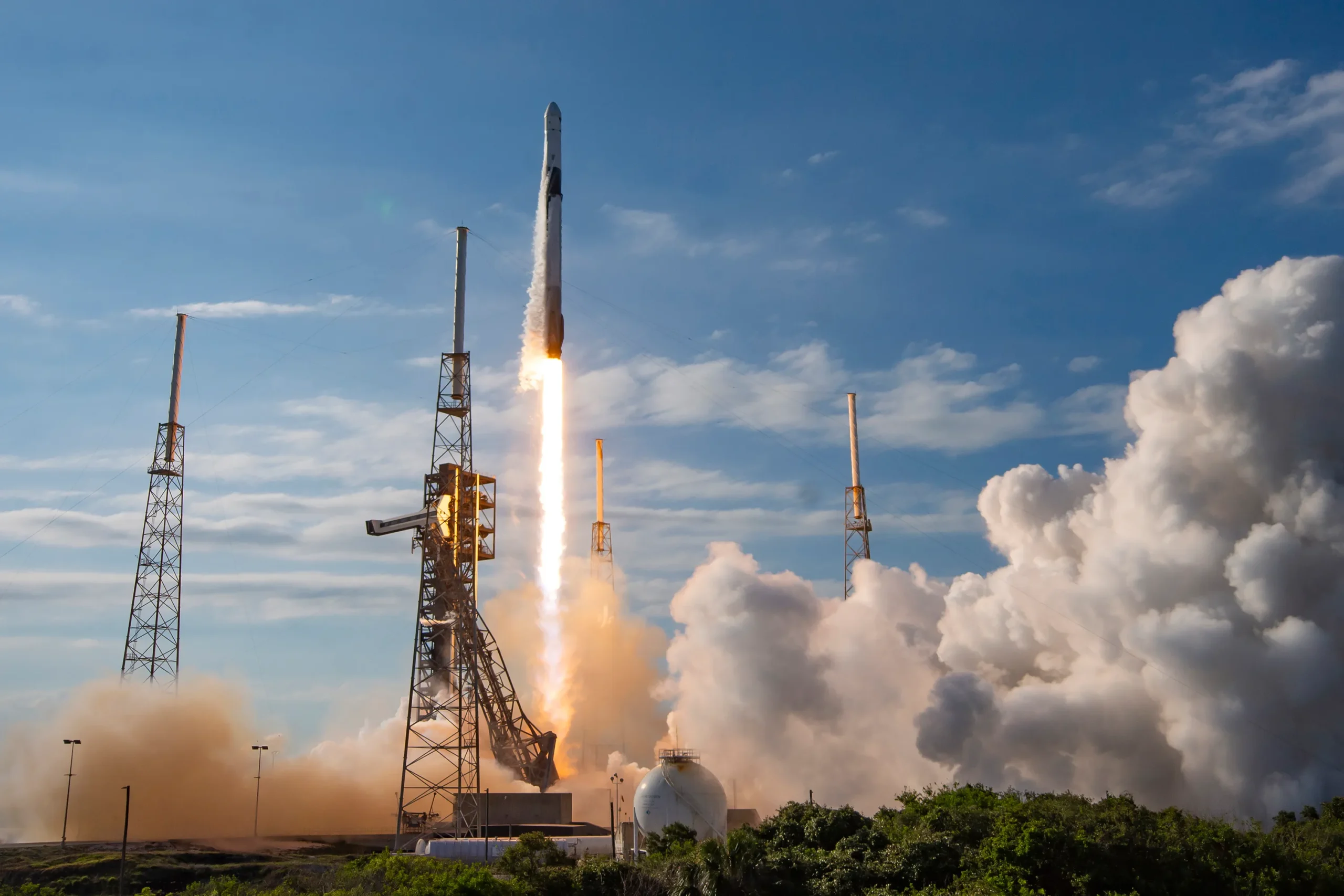
On August 30, 2026, the Nancy Grace Roman Space Telescope was carried into the early morning sky aboard a SpaceX Falcon Heavy rocket launched from the Kennedy Space Center in Florida. The observatory is currently on a multi-month transit to Lagrange Point 2, a stable gravitational vantage point approximately one million miles from Earth. Once it arrives, it will join the James Webb Space Telescope in its deep-space observation duties, though it will operate with a significantly wider field of view—reportedly 100 times larger than its predecessors.
The mission’s objectives are ambitious, aiming to survey over 2 billion galaxies to help researchers better calculate the expansion rate of the universe. Beyond cosmology, the telescope is tasked with conducting a census of exoplanets. While the BBC reports that NASA officials anticipate the discovery of tens of thousands to 100,000 new worlds, Al Jazeera notes that the project, which carries a $4.3 billion price tag, is designed for a five-year primary mission with the potential for extension should robotic refueling capabilities become available within the next decade.
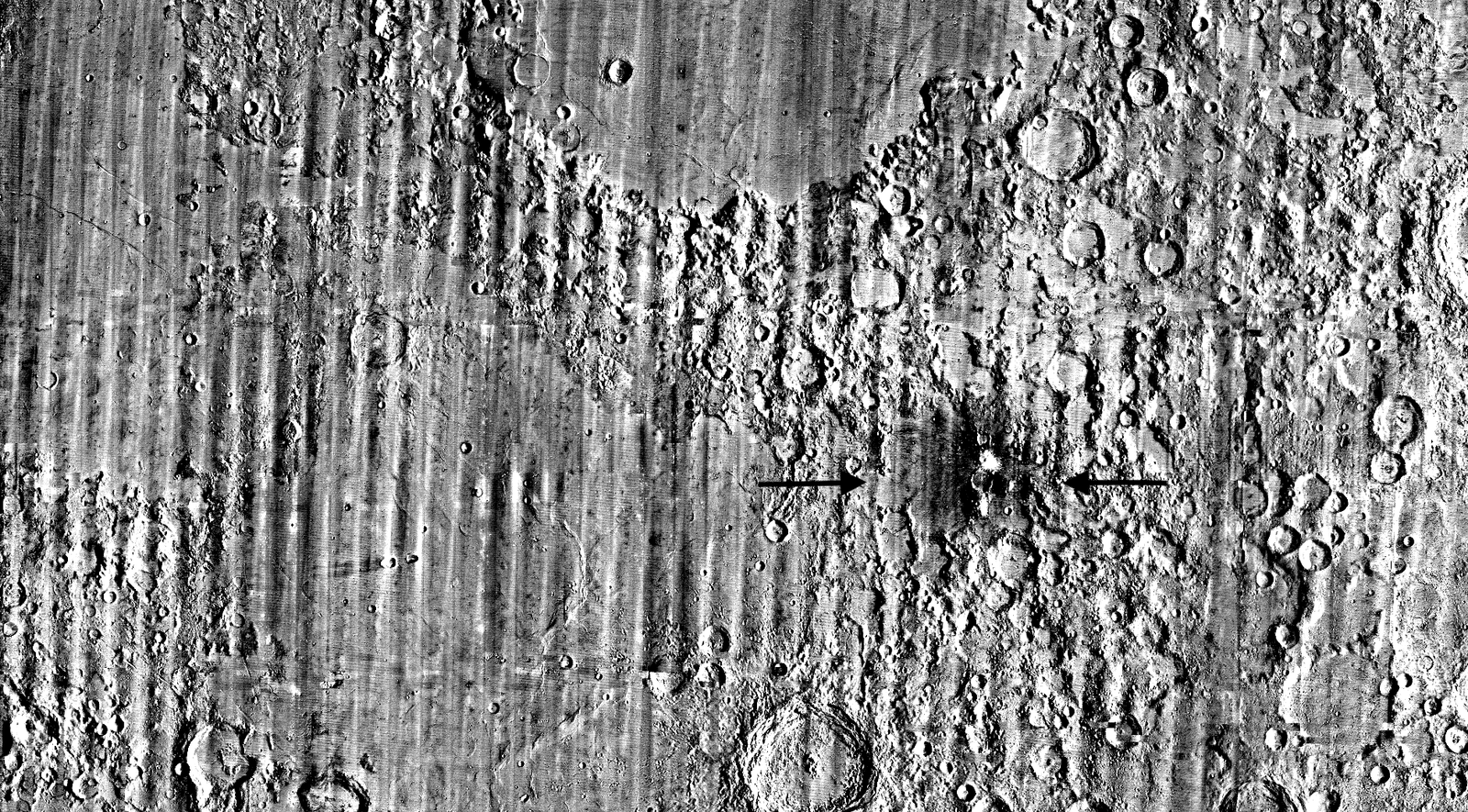
While the Roman telescope gazes outward, NASA’s Lunar Reconnaissance Orbiter (LRO) continues to document the violent reality of the Moon’s surface. In a discovery described agner identified a massive, newly formed crater near the Moon’s eastern edge. Formed between April 11 and May 22, 2024, the impact crater, officially named McGetchin, spans 728 feet in width and reaches 141 feet in depth.
The crater was created the Moon lacks an atmosphere to disintegrate incoming objects, such impacts pose a persistent, albeit statistically rare, risk to lunar operations. This find reinforces the necessity of the LRO’s ongoing topographical mapping, which has already logged over 1,000 new craters and 100,000 surface changes over the course of its 17-year mission. Parallel to these observational efforts, NASA’s Armstrong Flight Research Center is developing the SPLICE (Safe and Precise Landing – Integrated Capabilities Evolution) experiment, a guidance system designed to help future spacecraft autonomously identify and avoid such lunar hazards during landing sequences.
Analysis of the Roman telescope’s trajectory suggests that its primary work will not commence until it completes its lengthy transit to its designated orbital point. Once operational, the telescope’s data will likely refine our understanding of dark matter and dark energy, potentially shifting current models of cosmic expansion. Meanwhile, the discovery of the McGetchin crater serves as a baseline for future lunar risk assessments. As NASA continues to utilize subscale flight testing at the Dale Reed laboratory to refine landing technologies, the integration of real-time topographical data from the LRO will become increasingly essential for ensuring the survival of future lunar surface assets against similar high-energy impact events.