As NASA deploys its high-capacity Roman Space Telescope, the agency is simultaneously managing legacy deep-space projects and public outreach campaigns.
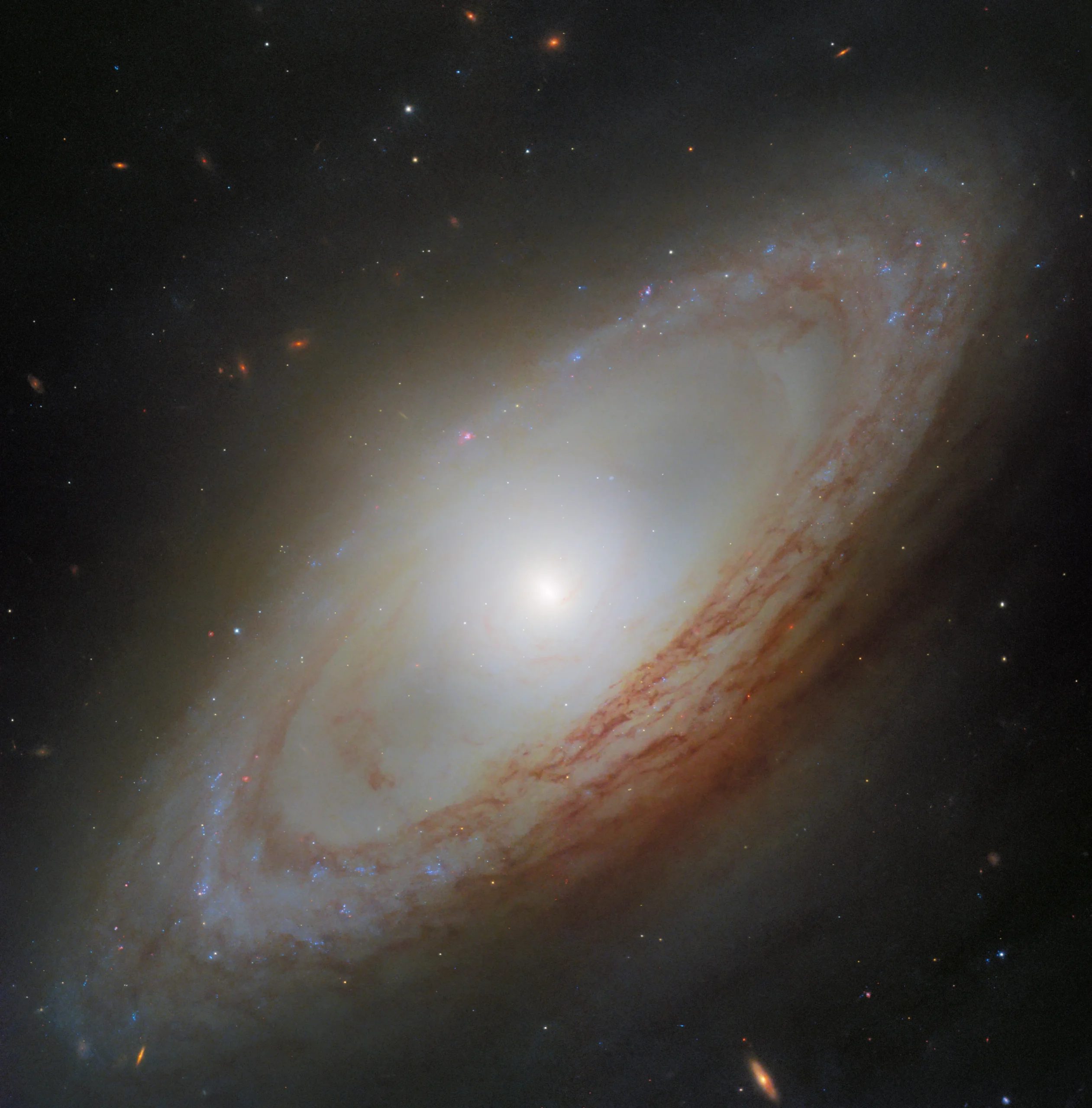
The successful deployment of the Nancy Grace Roman Space Telescope represents a fundamental pivot in how humanity surveys the cosmos. While legacy instruments like the Hubble Space Telescope have provided profound, high-resolution snapshots of individual celestial objects—such as the recent discovery of the rotationally discordant galaxy NGC 4698—the Roman telescope is designed for statistical scale. mission moves astronomy from an era of "spotlighting" specific anomalies to a "panoramic" census of the universe.
This shift is critical for addressing the 95 percent of the universe composed of dark matter and dark energy. Rather than simply observing how light interacts with matter, the Roman mission seeks to measure the very expansion of the universe onal strategy at NASA: leveraging public-private partnerships, such as the collaboration with SpaceX, to accelerate deep-space exploration while simultaneously maintaining grassroots engagement through outreach initiatives like the Inspiration Tour.
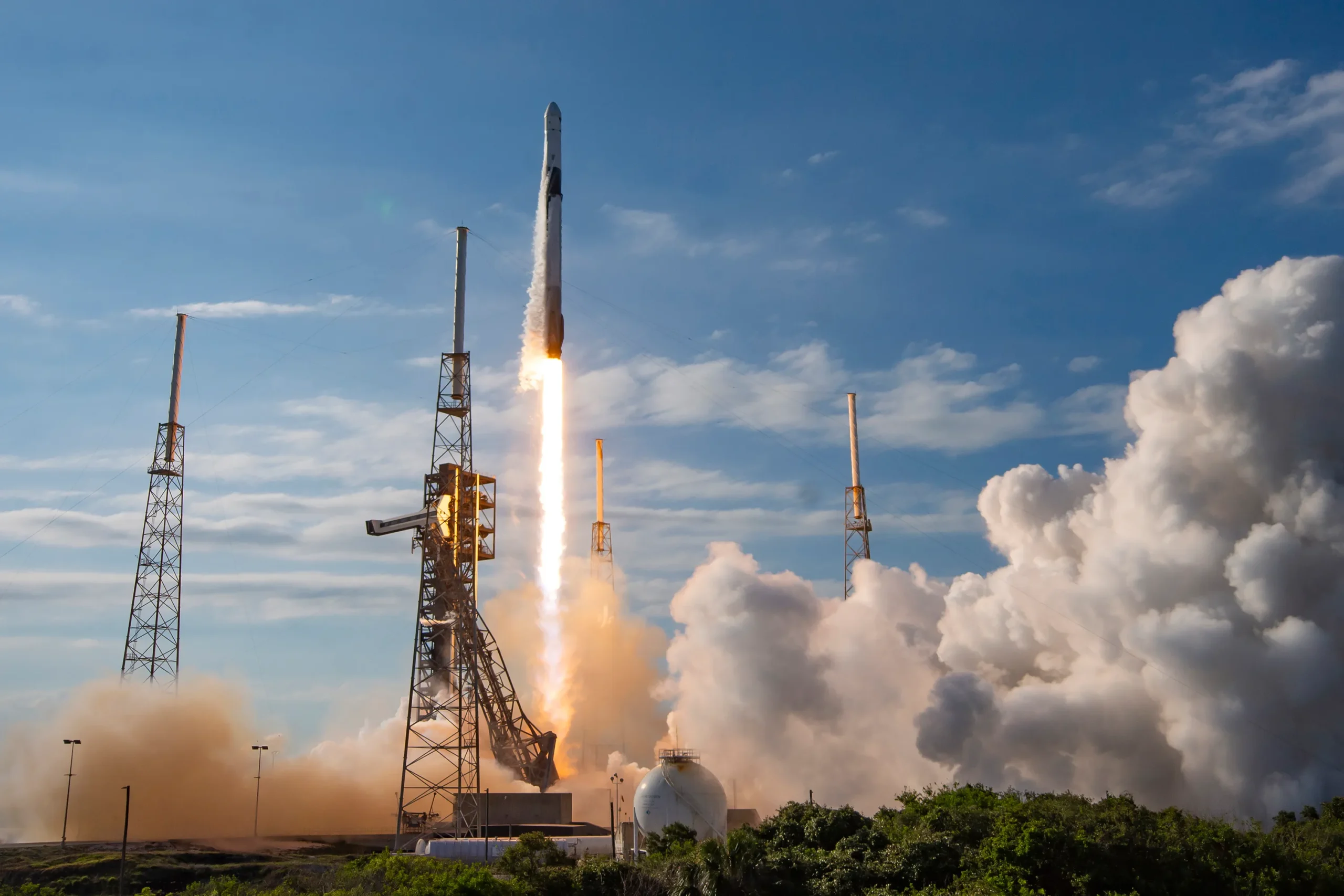
On August 30, 2026, a SpaceX Falcon Heavy rocket carried the $4.3 billion Nancy Grace Roman Space Telescope into orbit from the Kennedy Space Center in Florida. The launch, described journey to Lagrange Point 2. This location, situated approximately one million miles from Earth, mirrors the vantage point of the James Webb Space Telescope. erated
NASA administrator Nicky Fox noted that the telescope is expected to identify tens of thousands, potentially up to 100,000, new exoplanets. The mission’s five-year primary lifespan could be doubled, as the telescope is engineered to be refueled primary survey, which aims to map billions of galaxies to provide researchers with a clearer understanding of how dark energy drives the expansion of the cosmos.
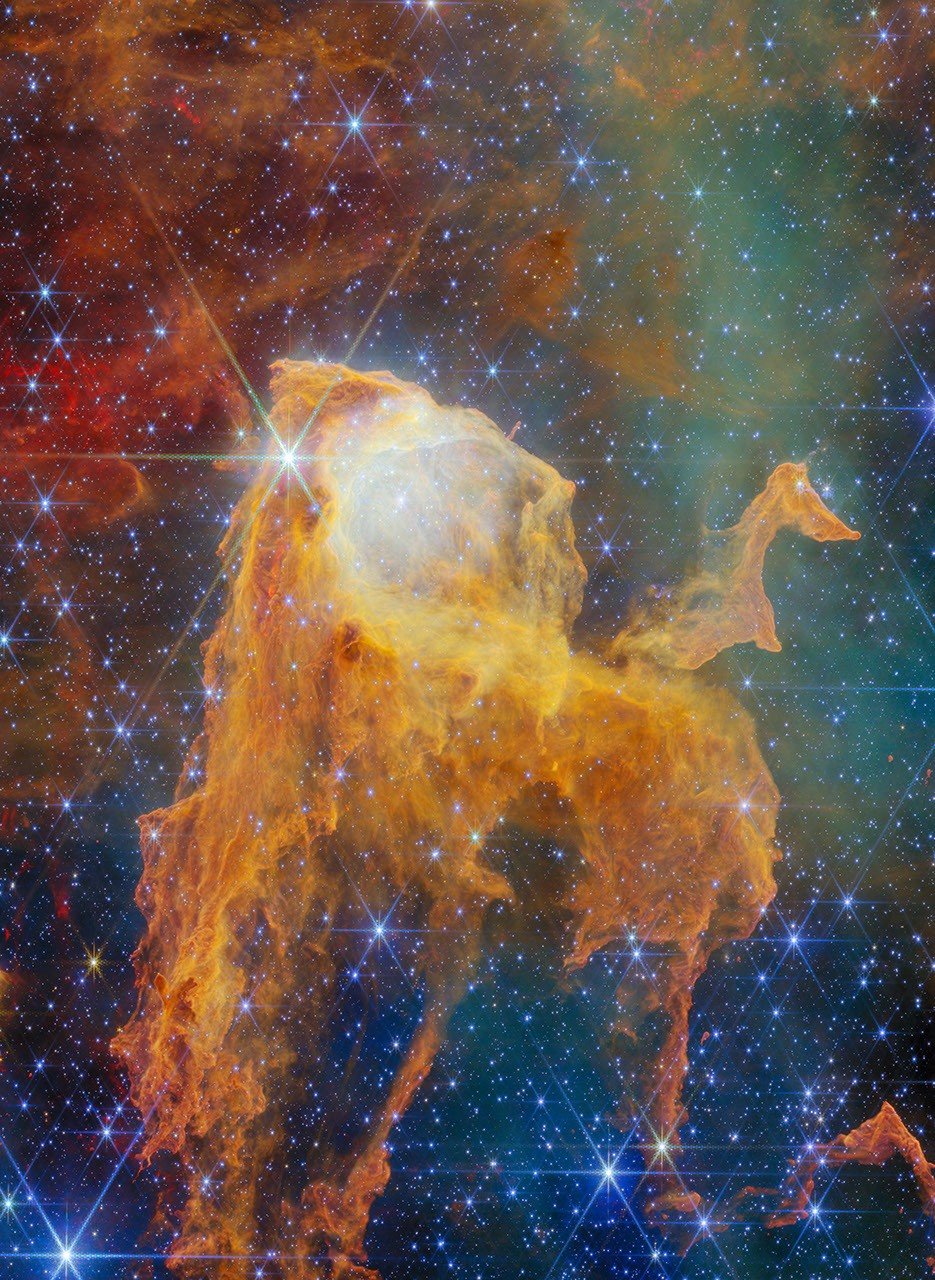
Even as the Roman telescope begins its mission, established observatories continue to provide data that highlights the complexity of galactic evolution. Recent observations from the Hubble Space Telescope have focused on NGC 4698, a spiral galaxy located 55 million light-years away in the Virgo Cluster. Unlike typical spiral galaxies, NGC 4698 displays a bulge that rotates perpendicular to its starry disk—a phenomenon astronomers attribute to a potential minor galactic merger or the acquisition of external gas clouds.
While Hubble’s focus remains on high-detail observations of individual structures, the agency’s broader efforts are balancing these scientific inquiries with public-facing outreach. In September 2026, NASA commander Reid Wiseman participated in the agency’s Inspiration Tour during an NFL game in Baltimore, illustrating the dual mandate of modern space agencies: pushing the boundaries of astrophysical research while maintaining domestic support for aerospace innovation.
The immediate operational priority for the Roman telescope is completing its transit to Lagrange Point 2. Once the instrument reaches its intended destination, it will undergo calibration of its infrared cameras. Analysts anticipate that as the telescope comes online, the resulting data stream will challenge current models of dark energy. Because the telescope is designed for modularity—specifically its potential for in-space refueling—the ultimate duration of its mission remains flexible. If the technical capability for robotic refueling matures over the next decade as expected, the scientific community may gain a decade or more of data regarding the distribution of matter across the observable universe.