NASA is balancing the deployment of its new $4.3 billion deep-space telescope with critical research into lunar navigation technology to support future missions.
NASA’s recent operational tempo highlights a dual-track strategy: pushing the boundaries of deep-space cosmology while simultaneously hardening the technologies required for a permanent human presence on the Moon. us flight systems, the agency is addressing two distinct existential challenges. The Roman telescope seeks to define the nature of dark matter and energy, which comprise roughly 95 percent of the universe, while the Armstrong Flight Research Center’s work ensures that when astronauts return to the lunar surface, they can navigate and land with unprecedented precision. This holistic approach signals a shift toward integrating high-level theoretical astrophysics with the practical, often risky, engineering required for planetary colonization.
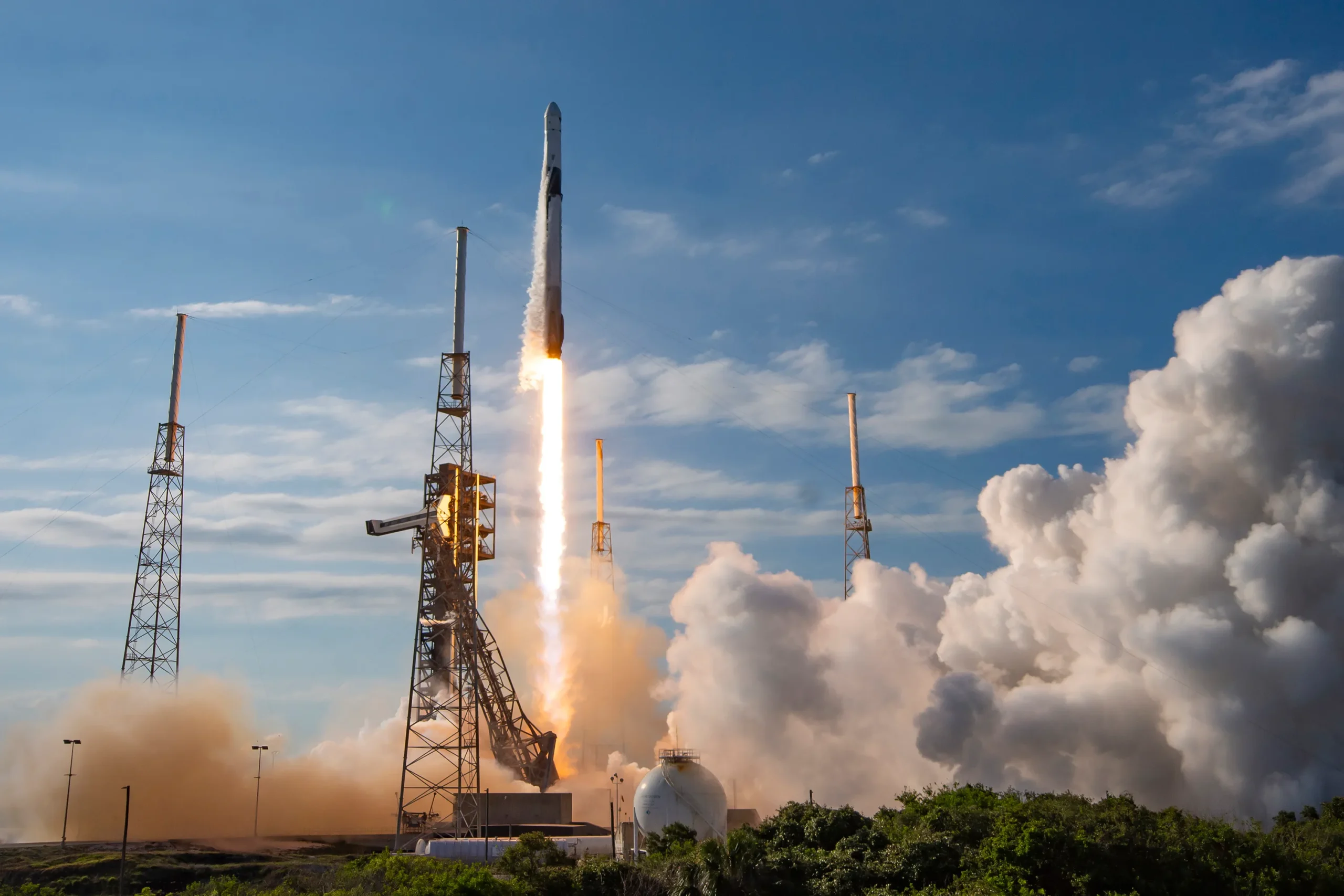
On August 30, 2026, the Nancy Grace Roman Space Telescope successfully launched from the Kennedy Space Center aboard a SpaceX Falcon Heavy rocket. Designed to function at Lagrange Point 2, a stable gravitational vantage point one million miles from Earth, the observatory is currently undertaking a 100-day journey to reach its operational site. According to NASA, the telescope possesses a field of vision 100 times larger than the Hubble or James Webb telescopes, which will allow it to conduct a massive census of the cosmos. Astronomers expect the mission to identify up to 100,000 exoplanets, potentially providing the first statistical census of planetary systems analogous to our own.
The telescope’s core mission focuses on mapping two billion galaxies to measure the expansion rate of the universe. of dark energy, the project aims to demystify the 95 percent of the universe that remains invisible to traditional optical equipment. While Al Jazeera reports the mission is funded at $4.3 billion with a planned five-year lifespan, the agency notes that the design includes refueling capabilities that could extend the telescope’s operational life
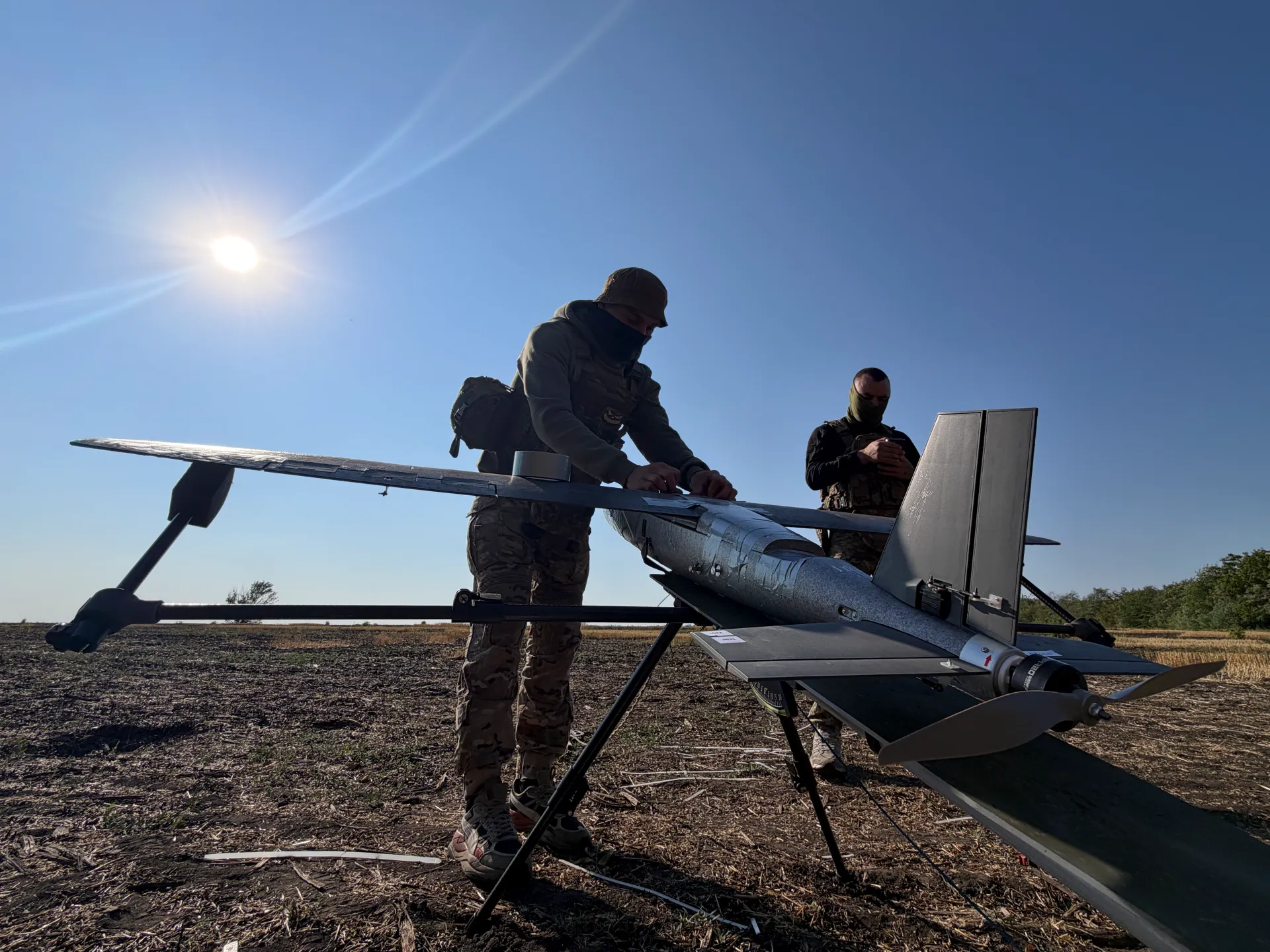
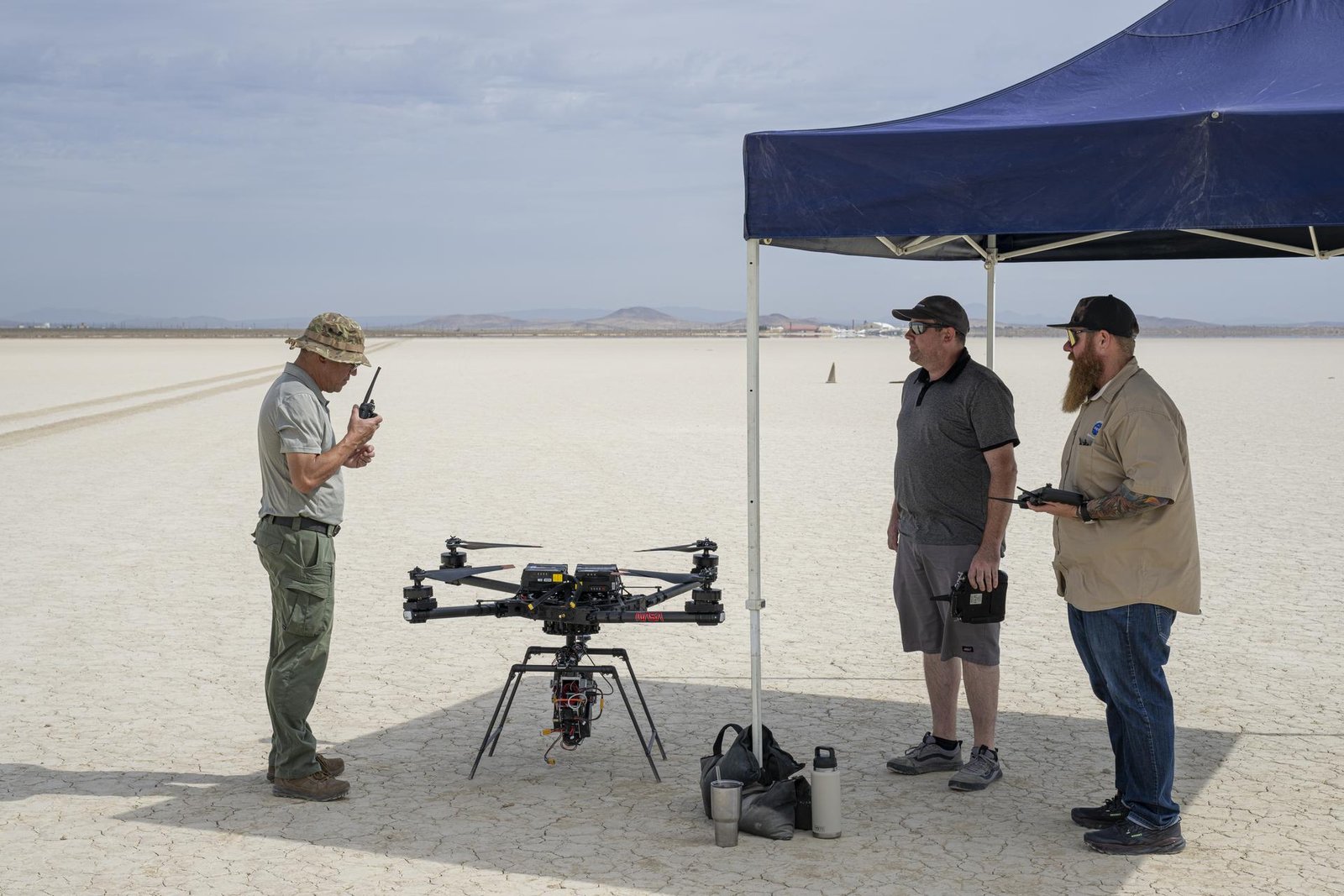
While deep-space assets observe the distant universe, researchers at the Dale Reed Subscale Flight Research Laboratory are managing the immediate challenges of lunar surface operations. Using a fleet of remotely piloted and autonomous aircraft, the team at the Armstrong Flight Research Center is testing the Safe and Precise Landing – Integrated Capabilities Evolution (SPLICE) experiment. This technology is critical for autonomous hazard avoidance, ensuring that future Moon and Mars landers can safely navigate complex topography. These subscale tests allow engineers to evaluate guidance systems in low-cost, repeatable environments before integrating them into full-scale, high-stakes space missions.
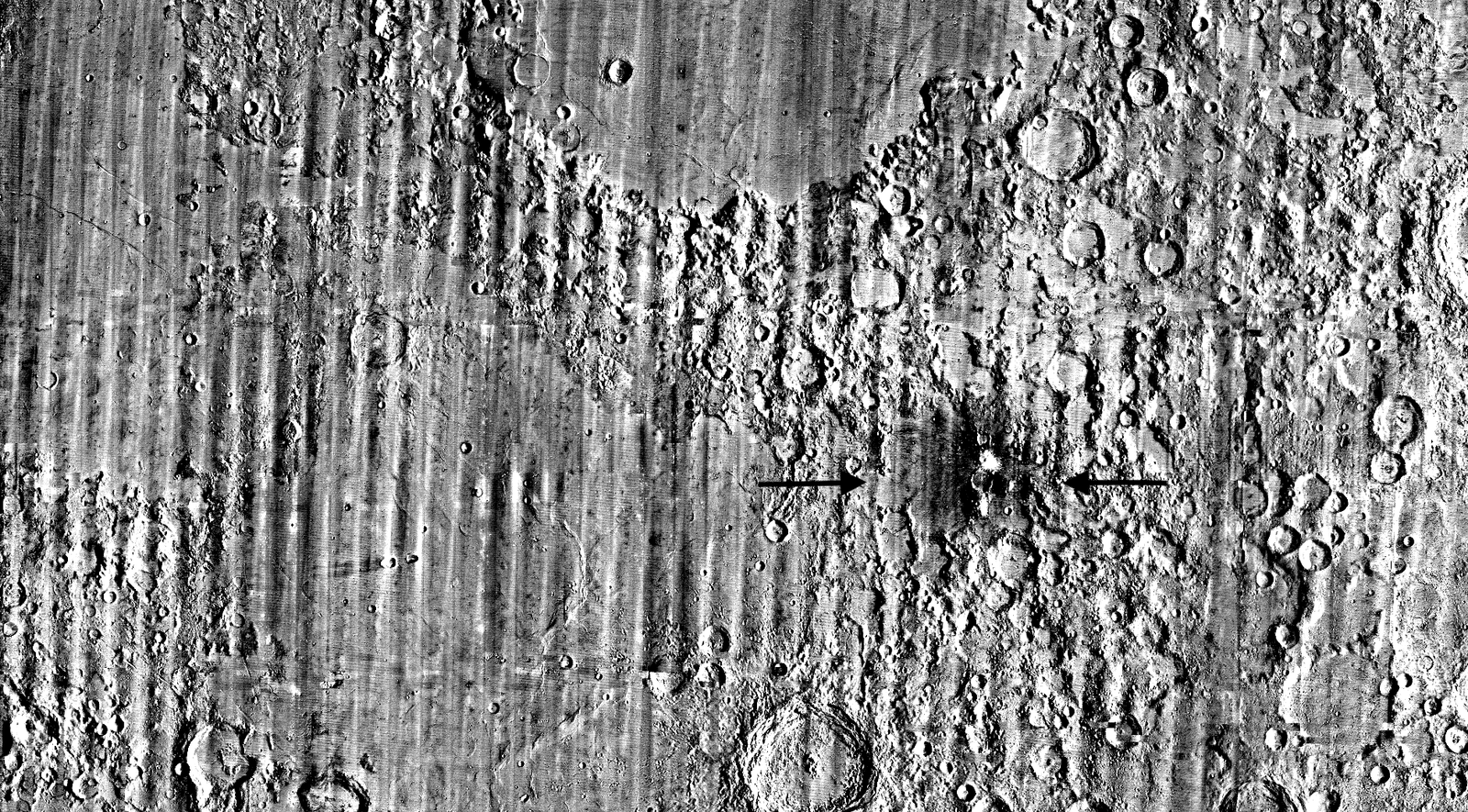
The necessity for such robust landing technology was underscored ssance Orbiter (LRO) discovered a massive, newly formed crater located on the Moon’s eastern edge. Named the McGetchin crater, the site spans 728 feet in width and 141 feet in depth. According to research published in Science Advances, the impact was caused e Moon between April 11 and May 22, 2024. Experts characterize this as a once-in-a-century event, emphasizing the dynamic and unpredictable nature of the environment where NASA intends to maintain a long-term human presence.
The coming months will serve as a critical operational phase for NASA’s new orbital assets. The Roman telescope must successfully arrive at Lagrange Point 2 and complete its complex deployment sequence before it can begin its primary survey. Simultaneously, the success of the SPLICE experiment during subscale trials will dictate the trajectory of upcoming lunar lander development. As the agency balances the long-term data collection of the Roman mission with the immediate safety requirements of the Artemis era, the integration of autonomous hazard detection will likely become a non-negotiable standard for all future planetary surface missions.