Amina Orfi makes squash history as the youngest world number one, while unrelated legal cases in Egypt and California highlight significant judicial developments.
The convergence of high-profile judicial outcomes and historic athletic achievements provides a stark snapshot of current events across different legal and cultural landscapes. In Egypt, the intersection of the judiciary and the media has reached a critical juncture, with the sentencing of a prominent television figure highlighting the state's aggressive stance on narcotics enforcement. Simultaneously, the success of a 19-year-old athlete on the international stage underscores the evolving dominance of young Egyptian competitors in professional sports, shifting the global perception of the nation's cultural contributions away from its domestic legal controversies.
In the United States, the re-arrest of a long-imprisoned former detective serves as a case study for the complex friction between criminal justice reform, parole legislation, and the pursuit of justice for cold-case victims. These disparate events collectively illustrate how institutional policies—whether in Cairo's courtrooms or Ventura County’s legal proceedings—directly influence the lives of public figures and private citizens alike, often decades after initial allegations are made.
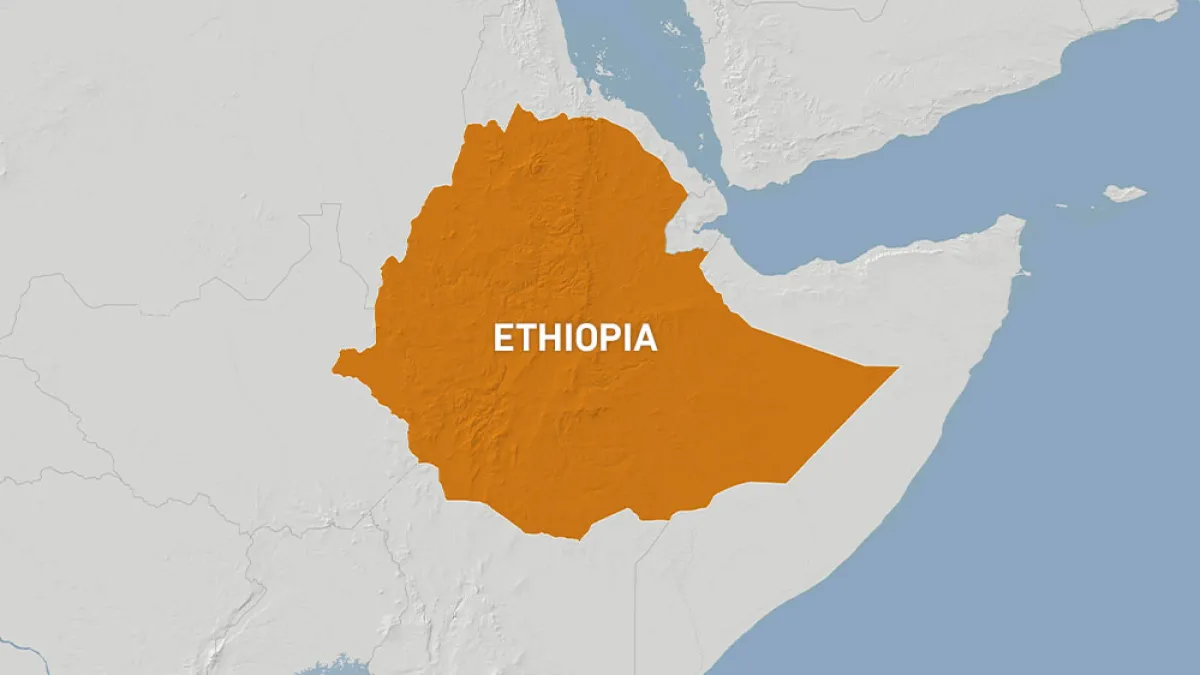
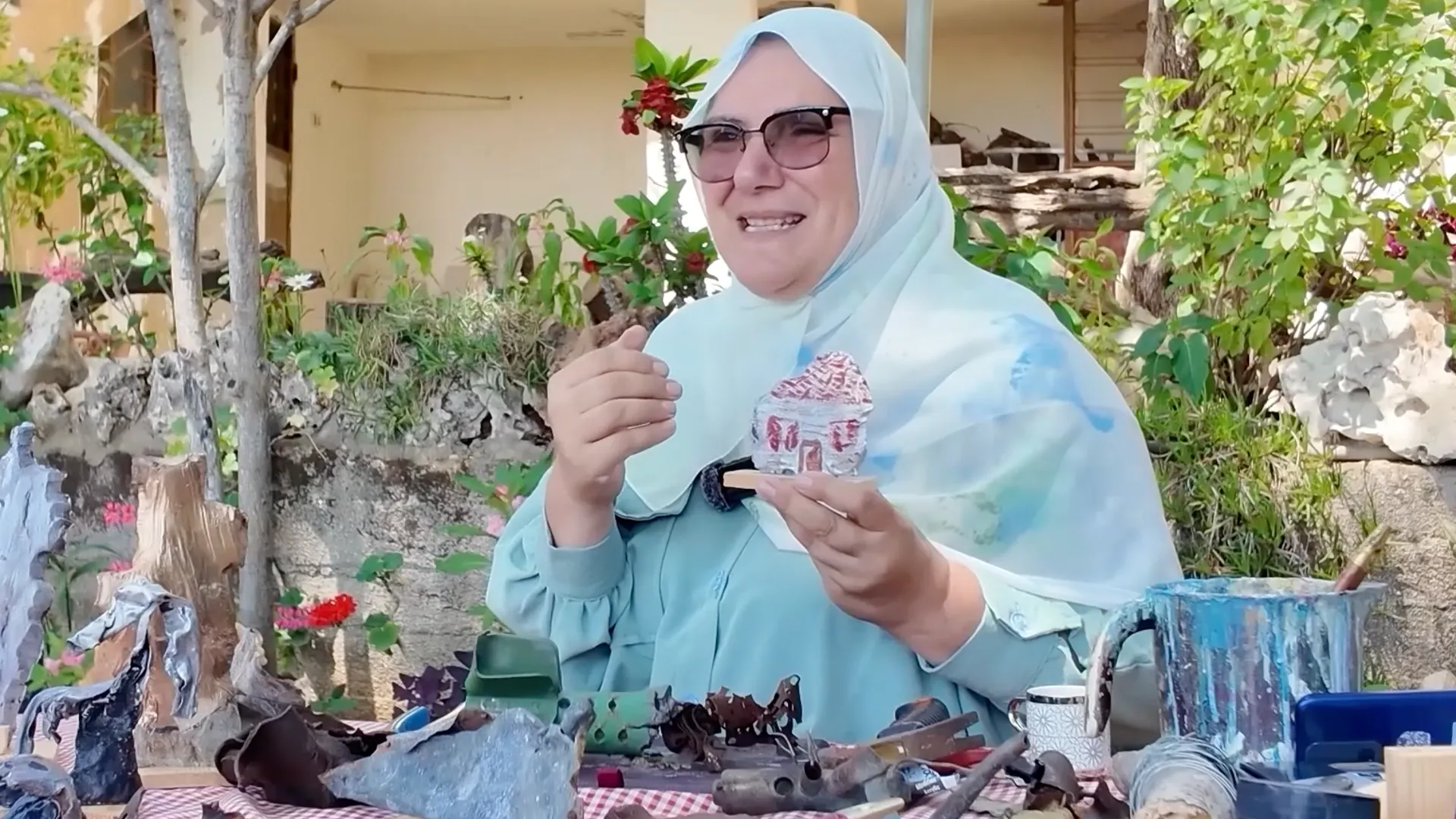
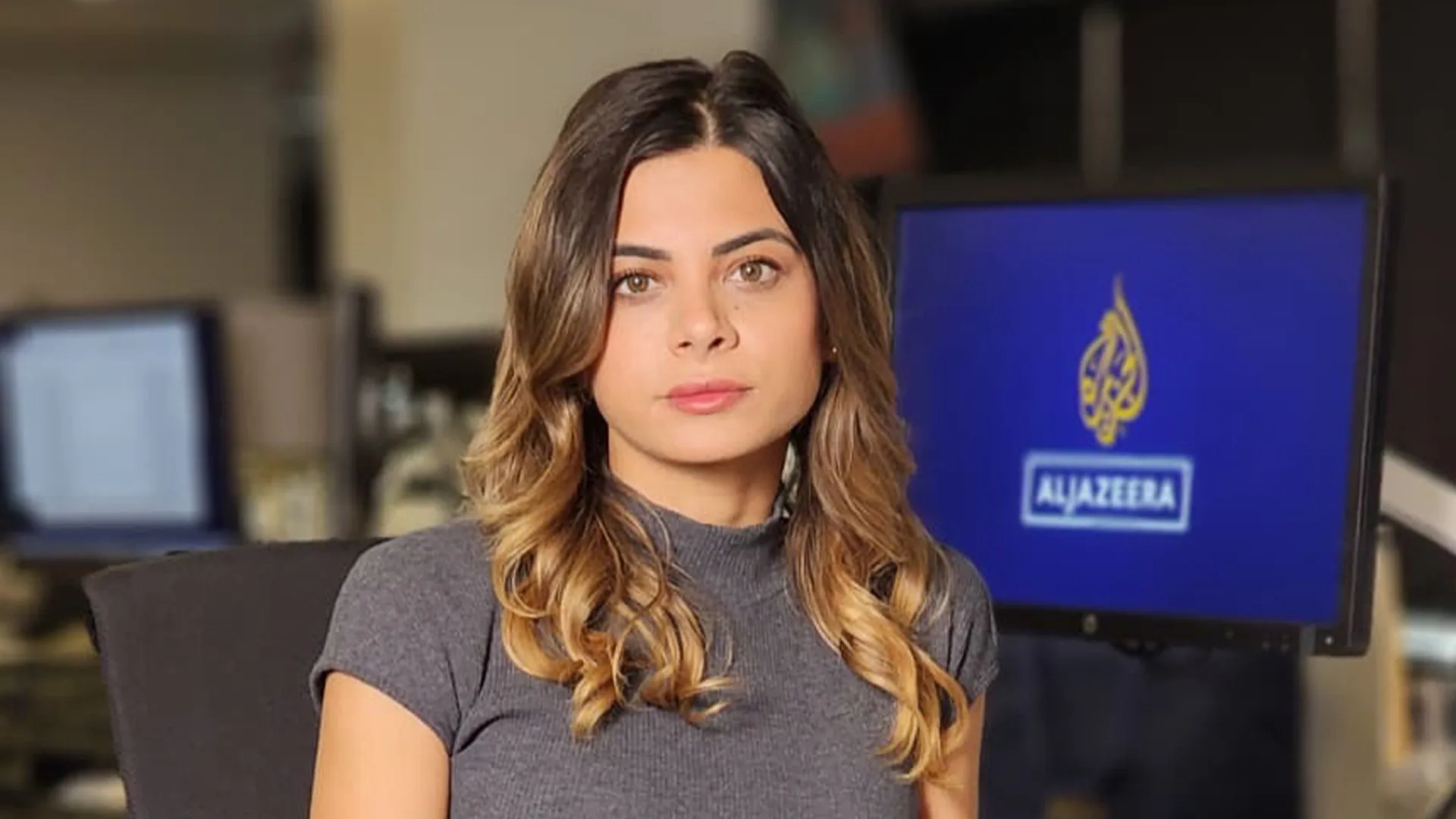
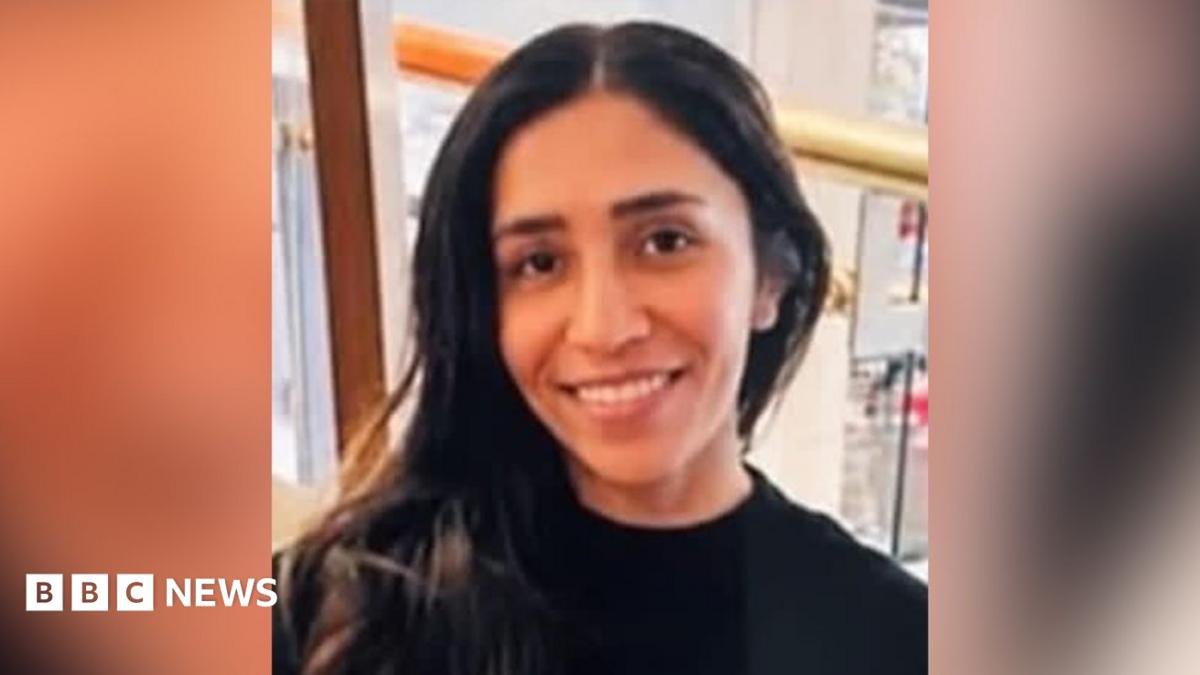
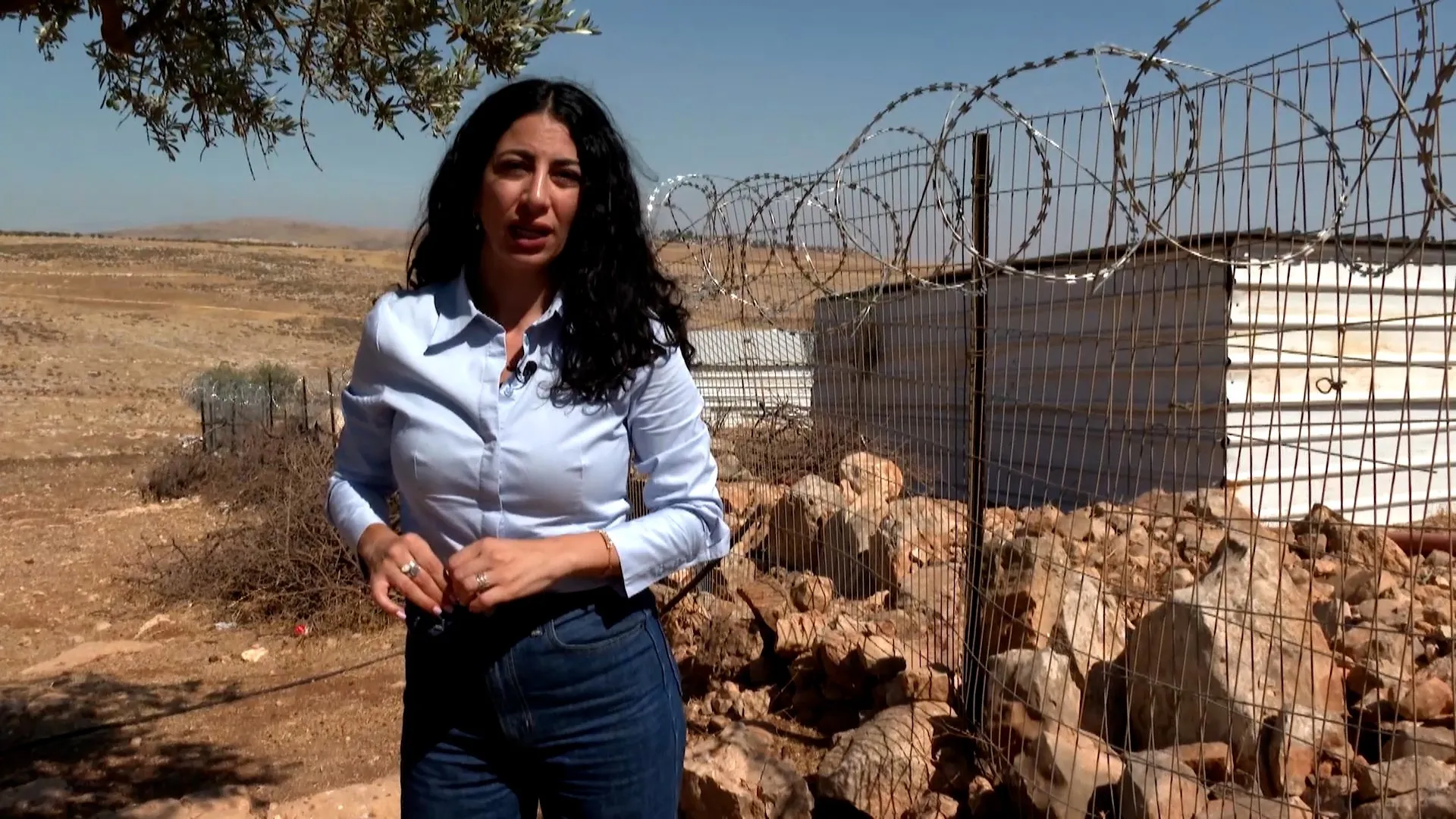
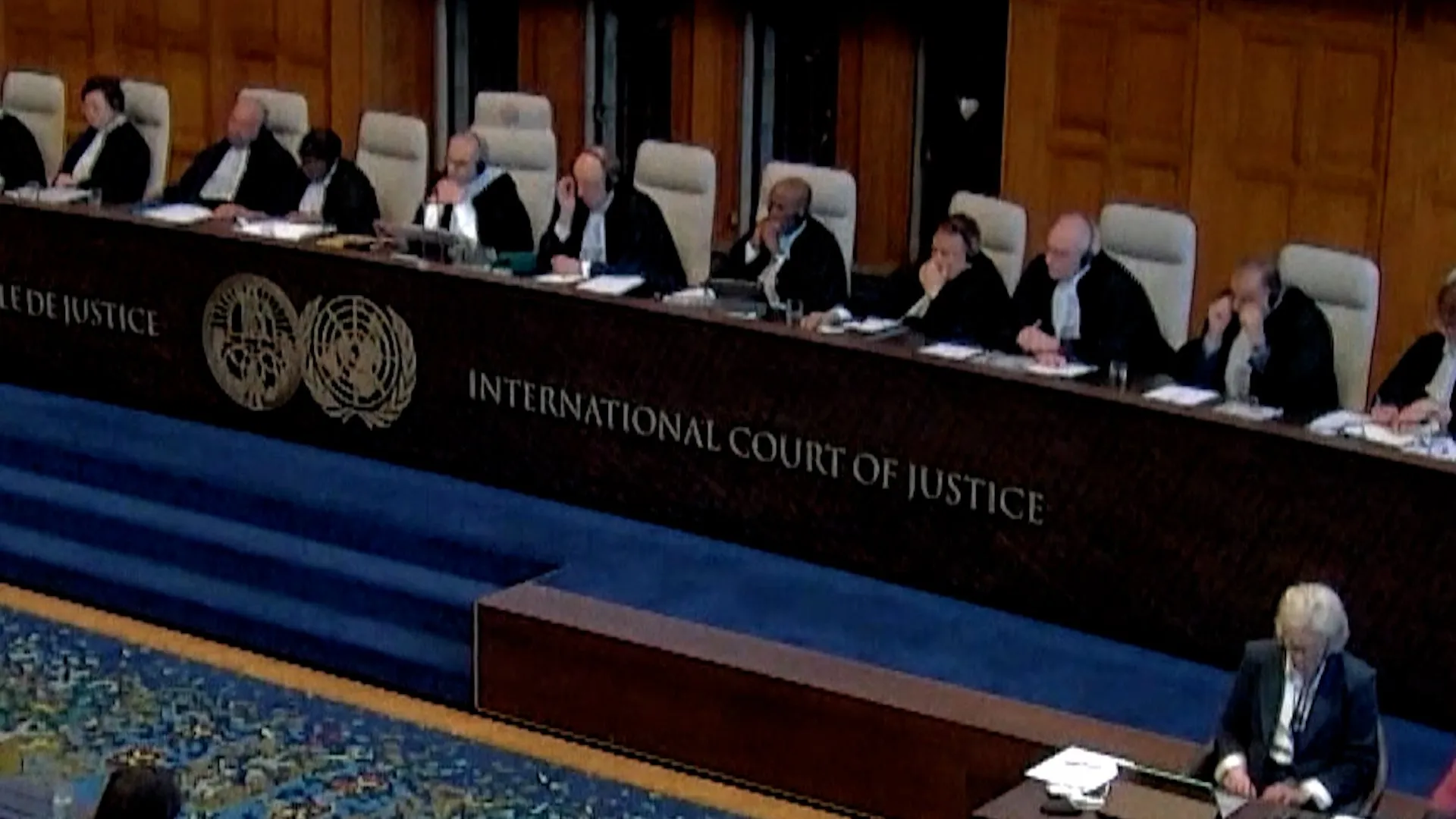
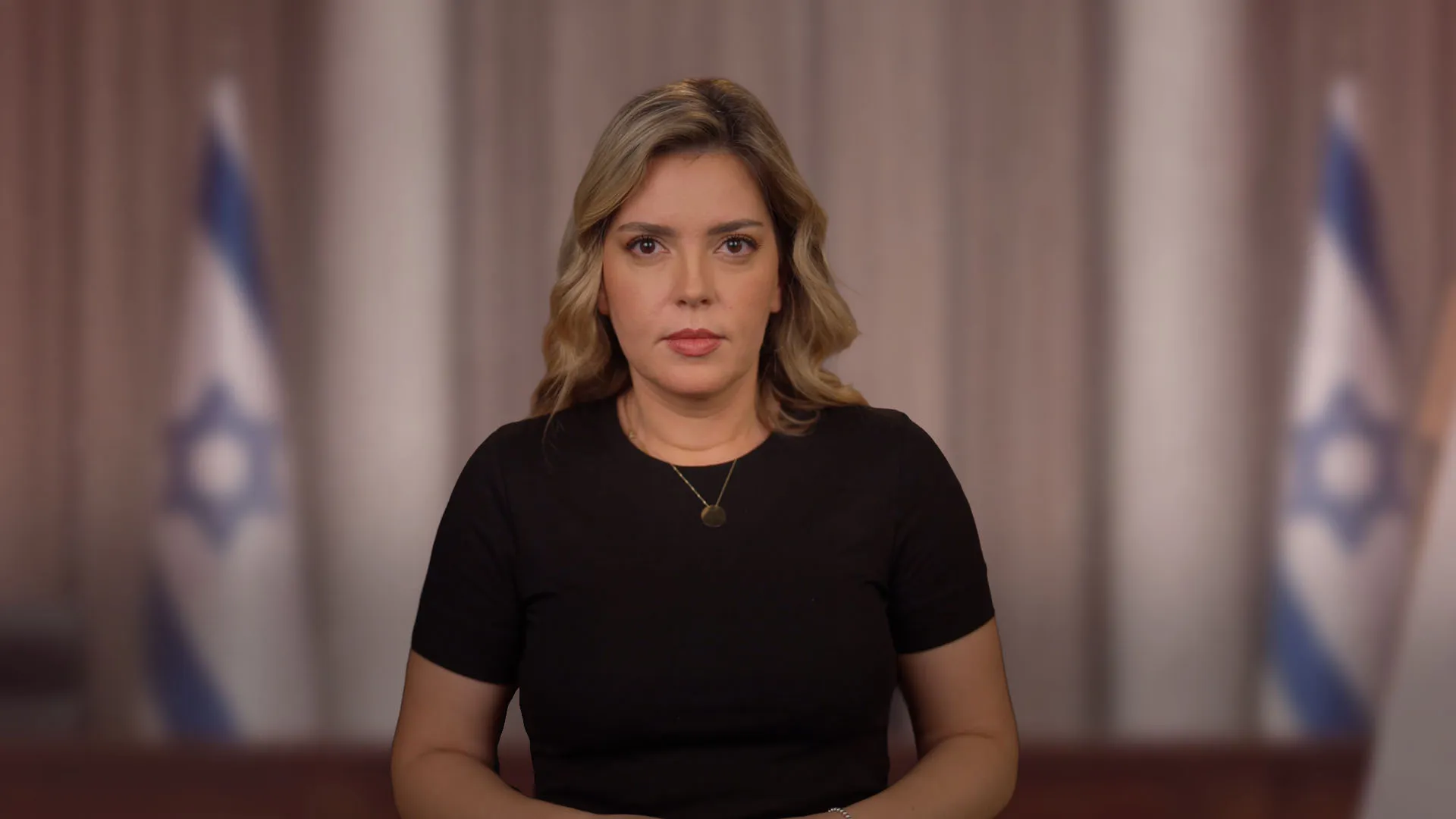
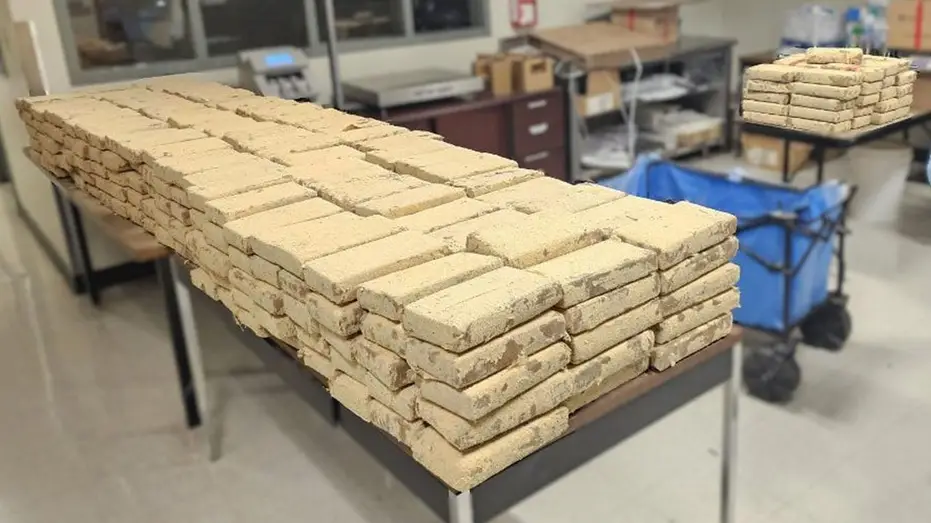
The Egyptian legal system recently moved to finalize a major narcotics trafficking case involving a well-known media personality. Sarah Khalifa, 39, who gained public recognition for hosting the crime-focused television program Mission Impossible, was among a group of 12 individuals sentenced to death y consultation with the grand mufti of Egypt to confirm the capital punishment ruling.
The defendants were convicted of operating a criminal network responsible for importing raw materials intended for drug production, alongside charges involving illegal munitions and narcotics. According to reporting from al-Ahram, the court reviewed evidence consisting of electronic communications, video footage, and testimony from 20 witnesses. Khalifa, who has maintained her innocence throughout the proceedings, claimed during a 2025 court appearance that her only contact with the illicit substances occurred when she was photographed with them at an anti-narcotics facility. Her defense team has signaled their intent to appeal the death sentence. Beyond the 12 facing capital punishment, the court issued life sentences to nine other individuals, while seven were acquitted.
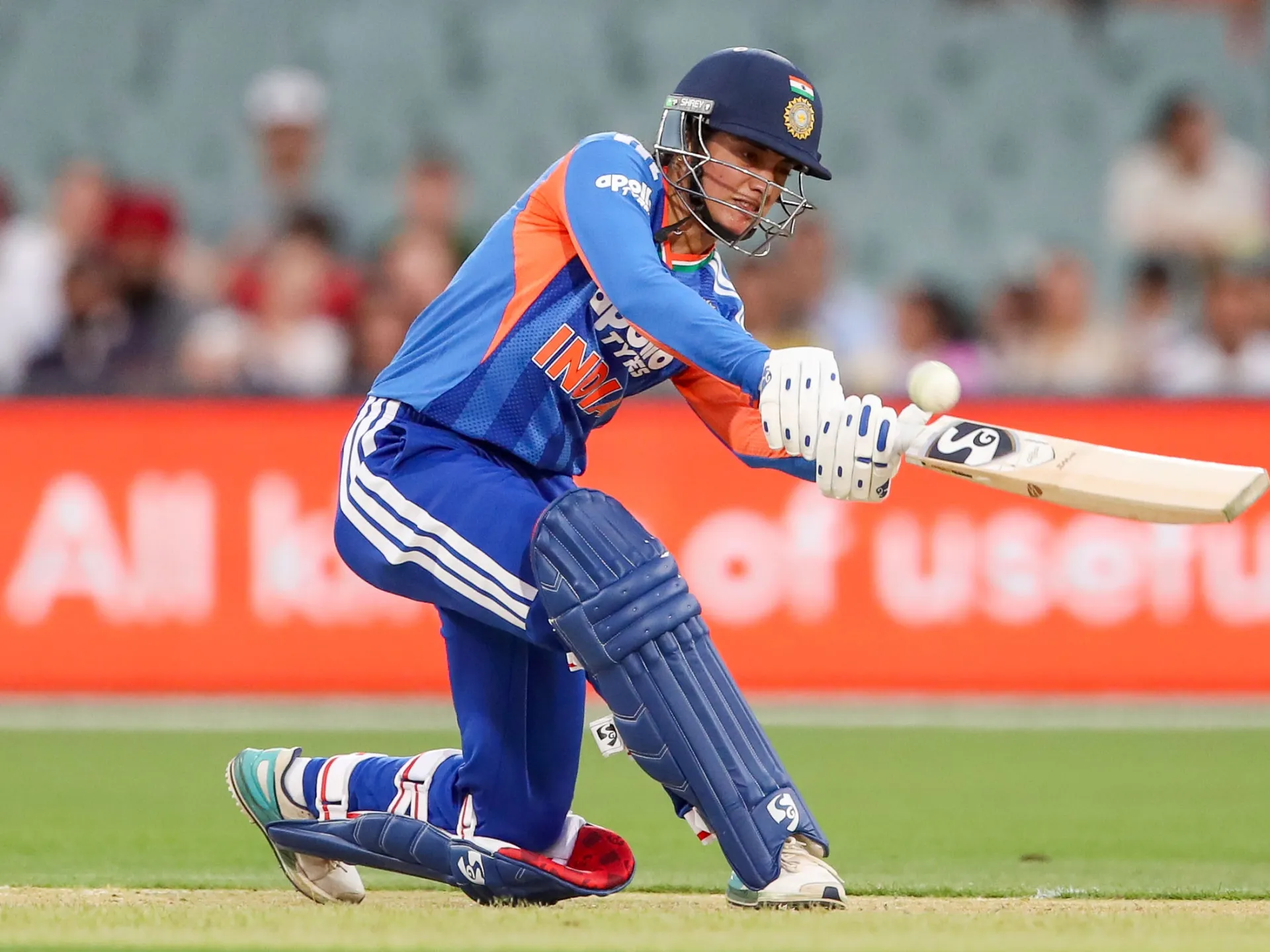
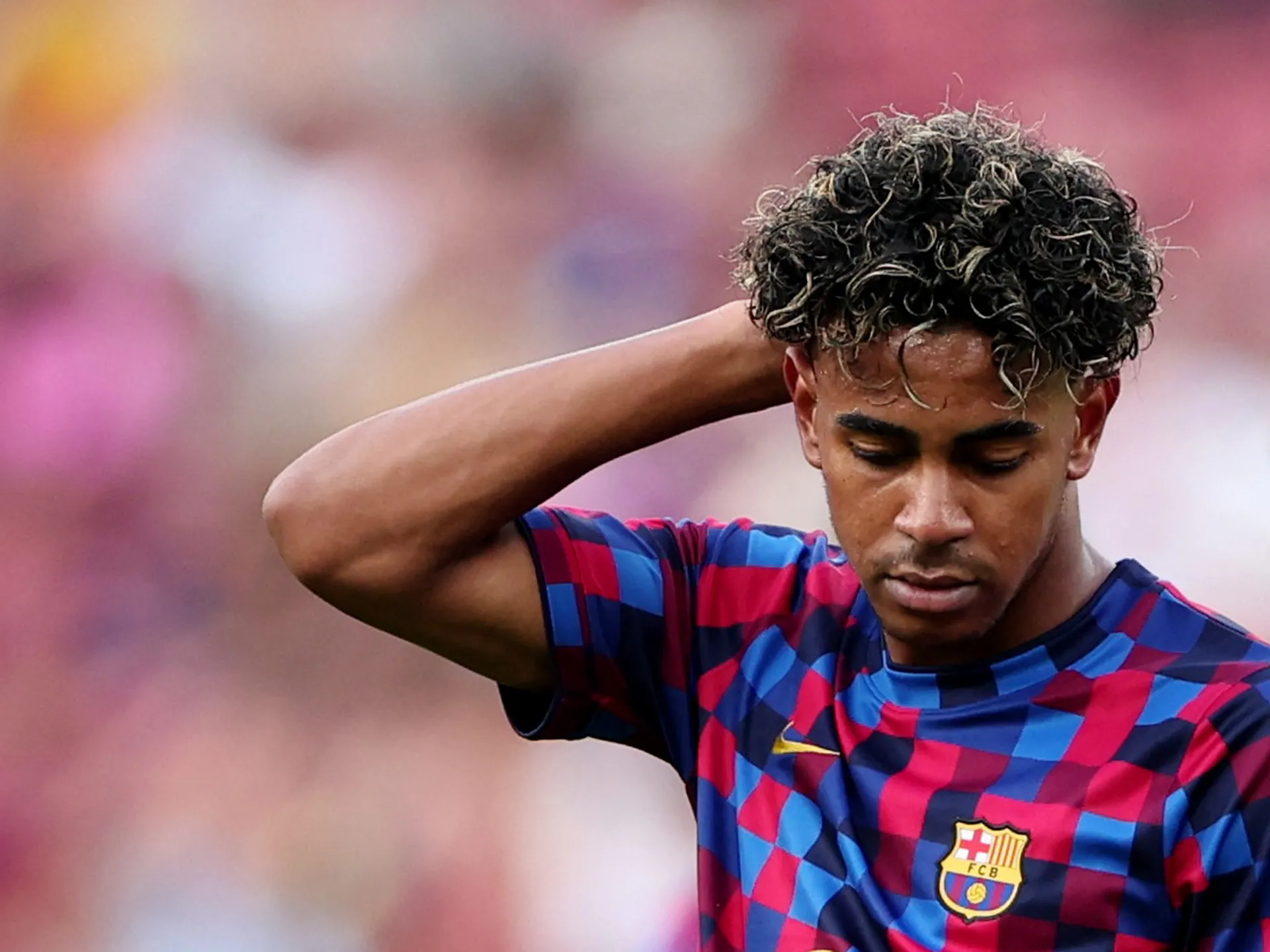
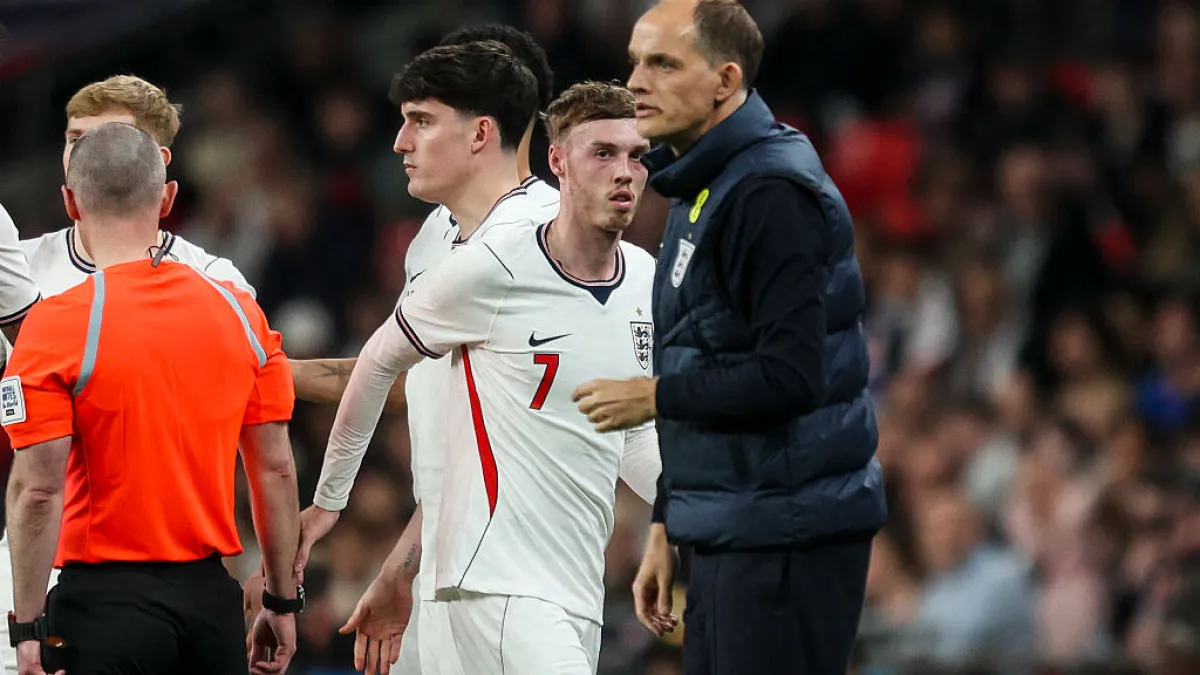
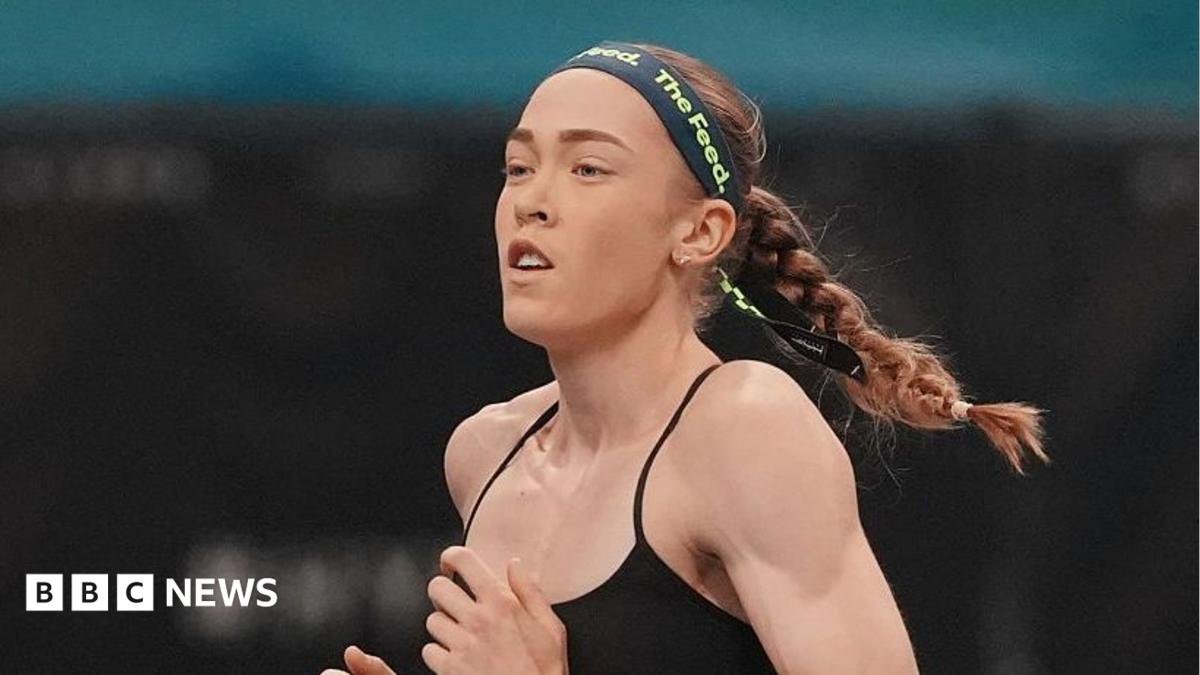
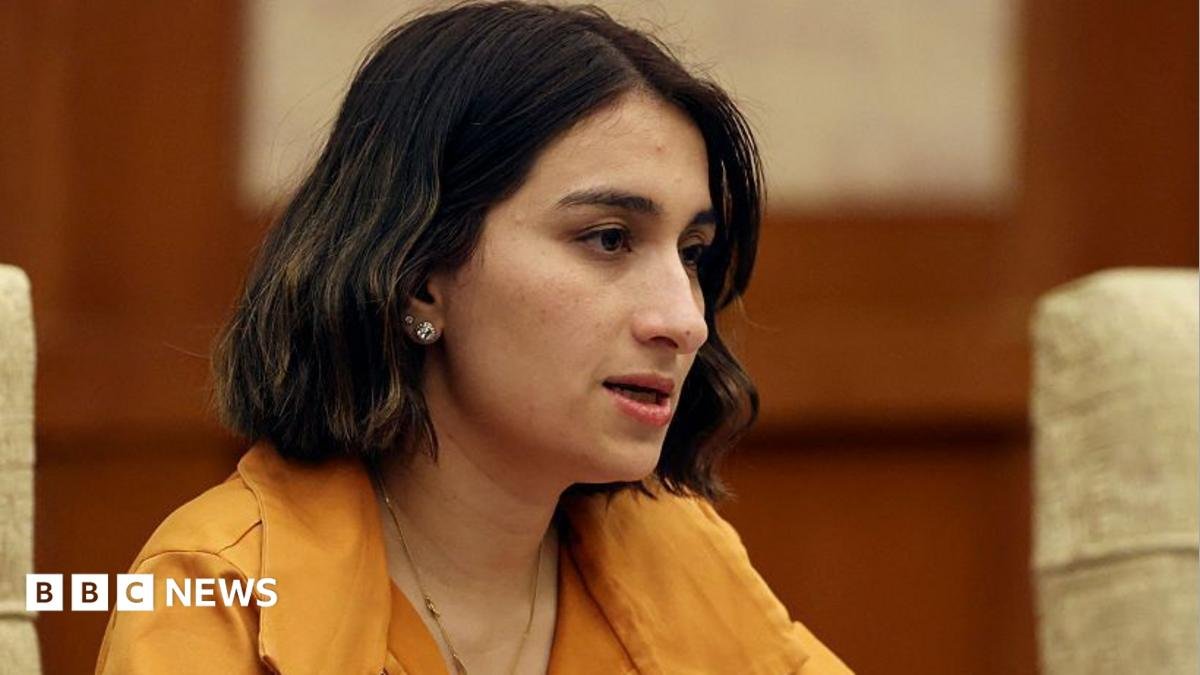
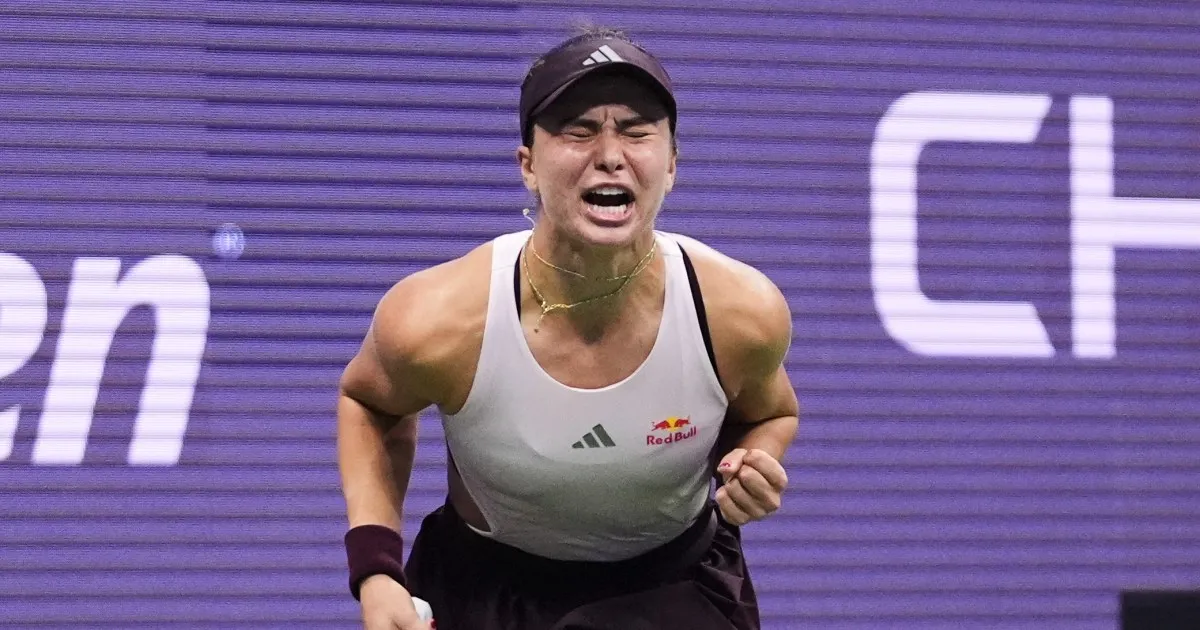
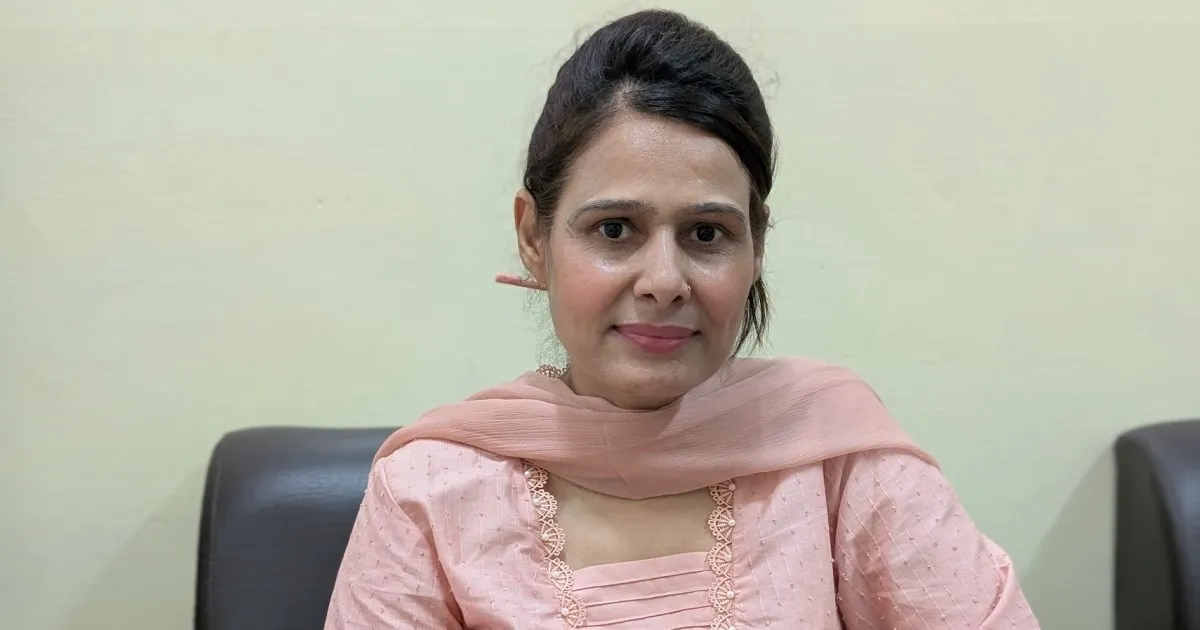
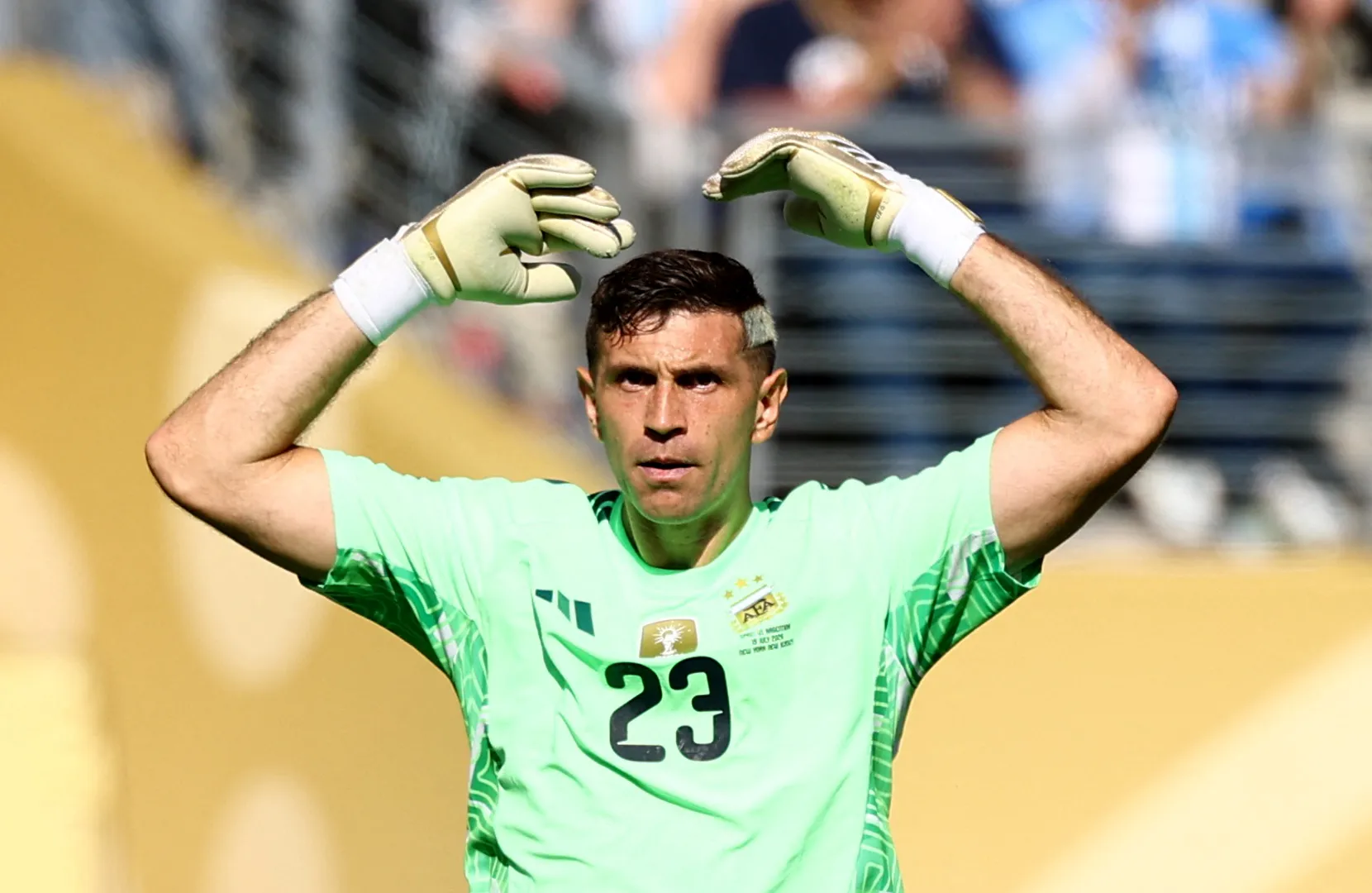
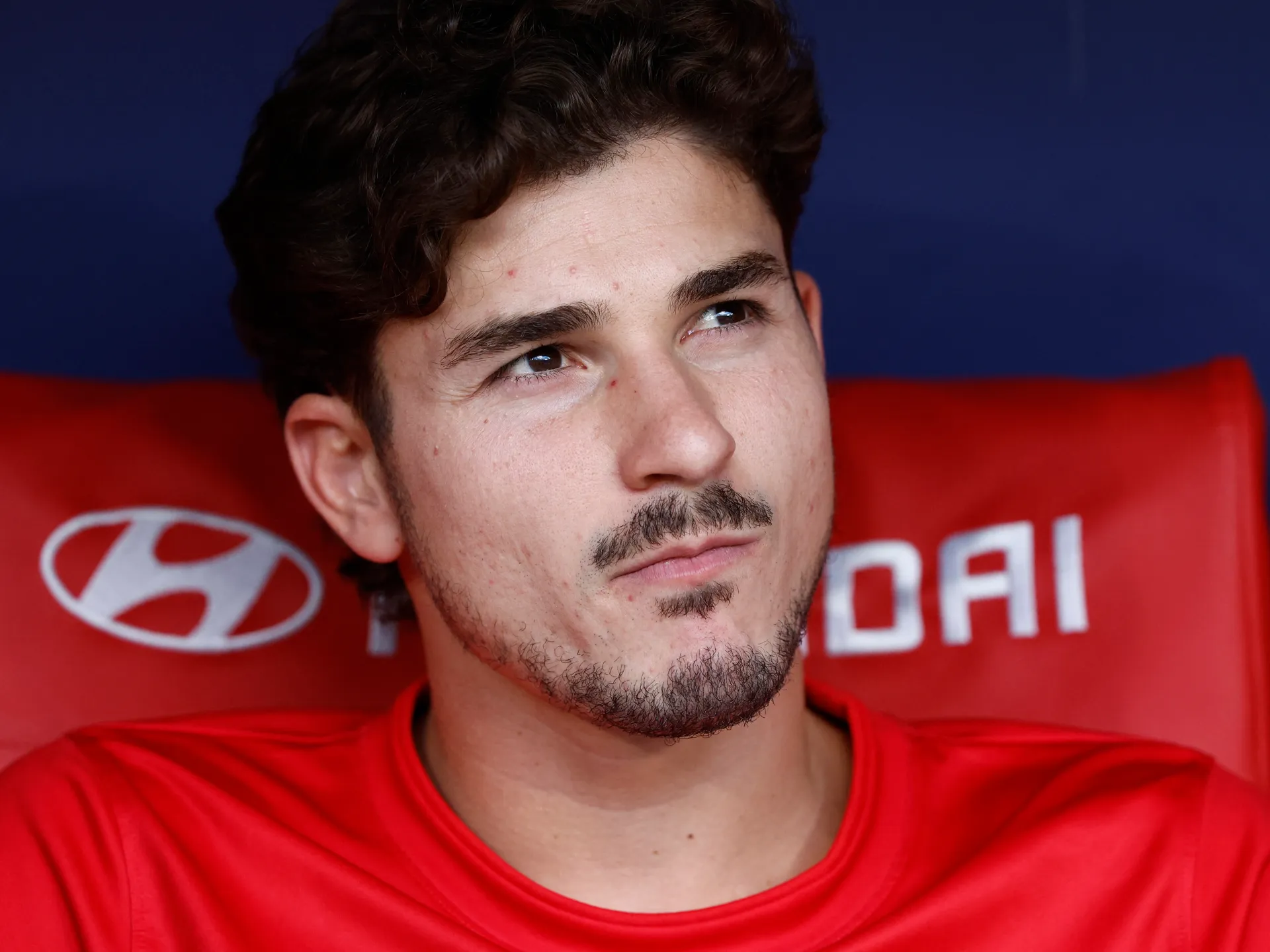
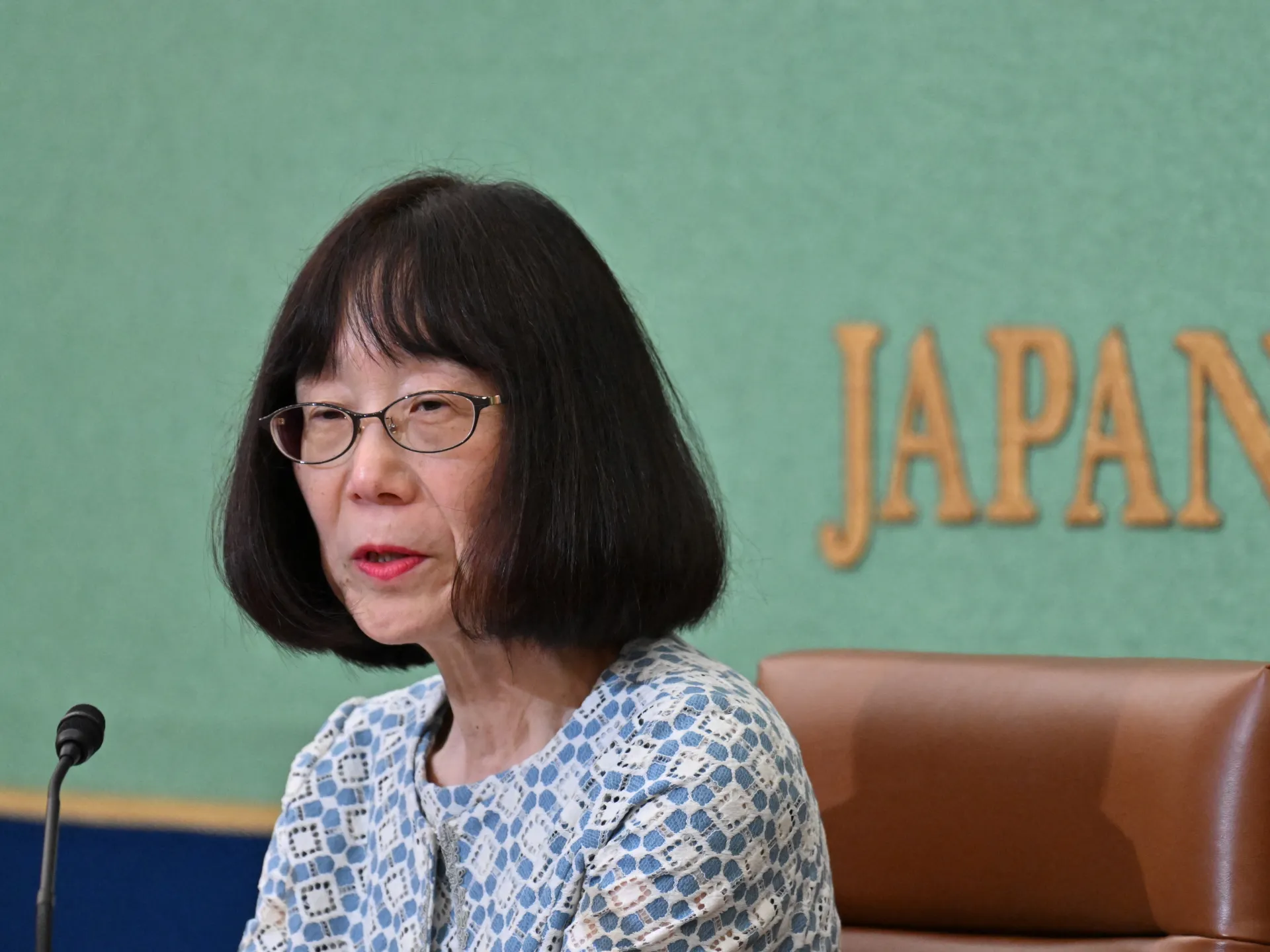
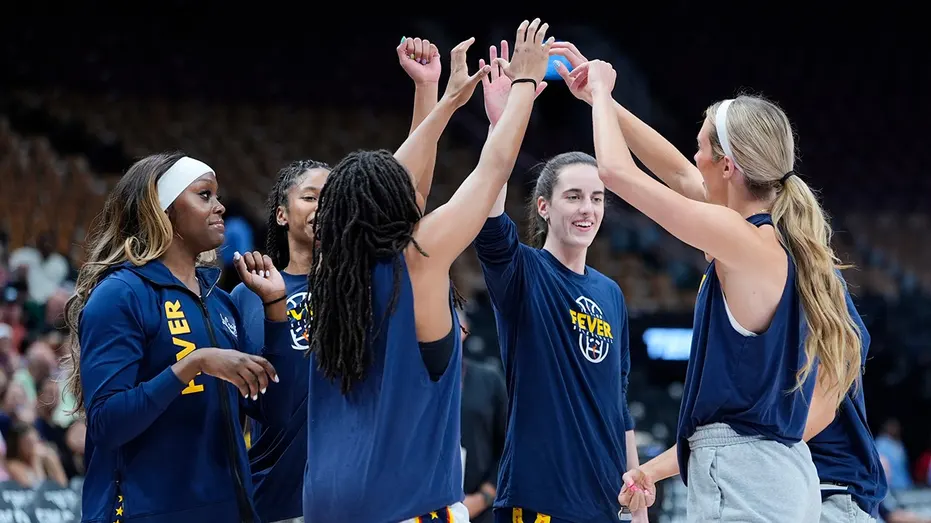
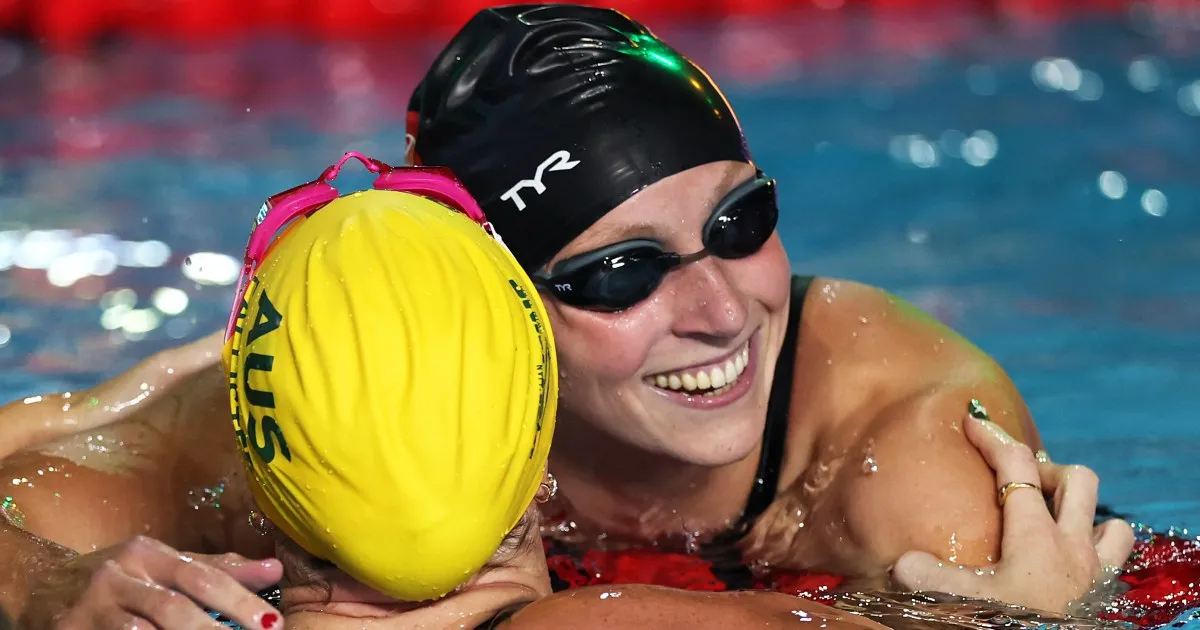
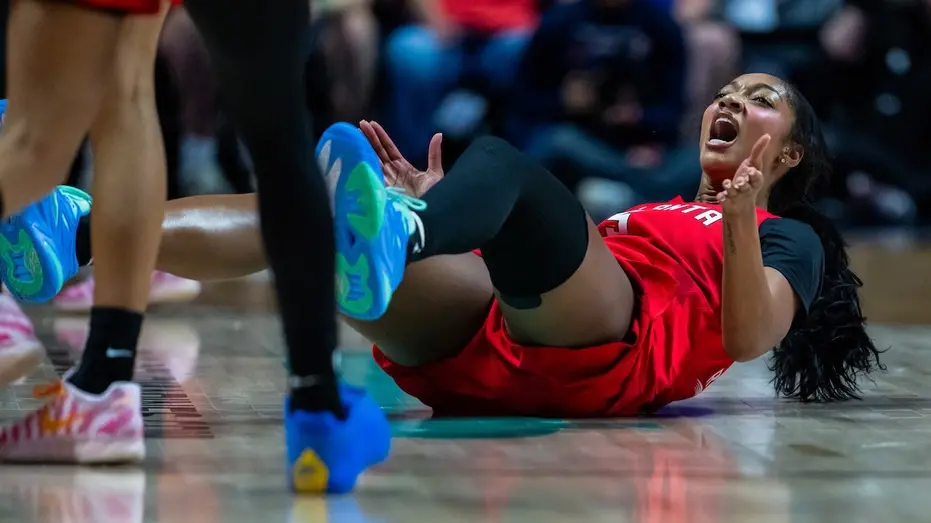
While the Egyptian judicial system captures headlines, the nation is also celebrating a significant sporting achievement. Amina Orfi has ascended to the rank of world number one in professional women’s squash at the age of 19. Her rise to the top of the Professional Squash Association (PSA) rankings follows her victory in the Qatar Classic, where she defeated Hania El Hammamy in a five-game final. Orfi, who also claimed the world championship title earlier this year at 18, is now the youngest player to hold both the junior and senior world titles simultaneously.
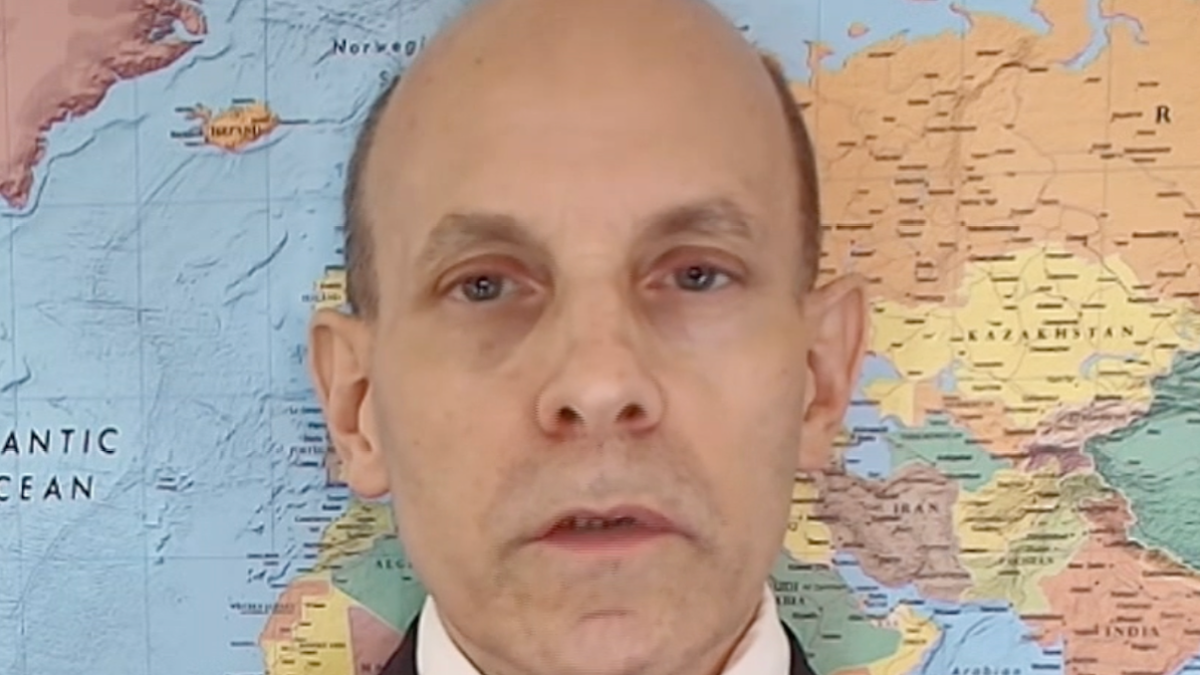
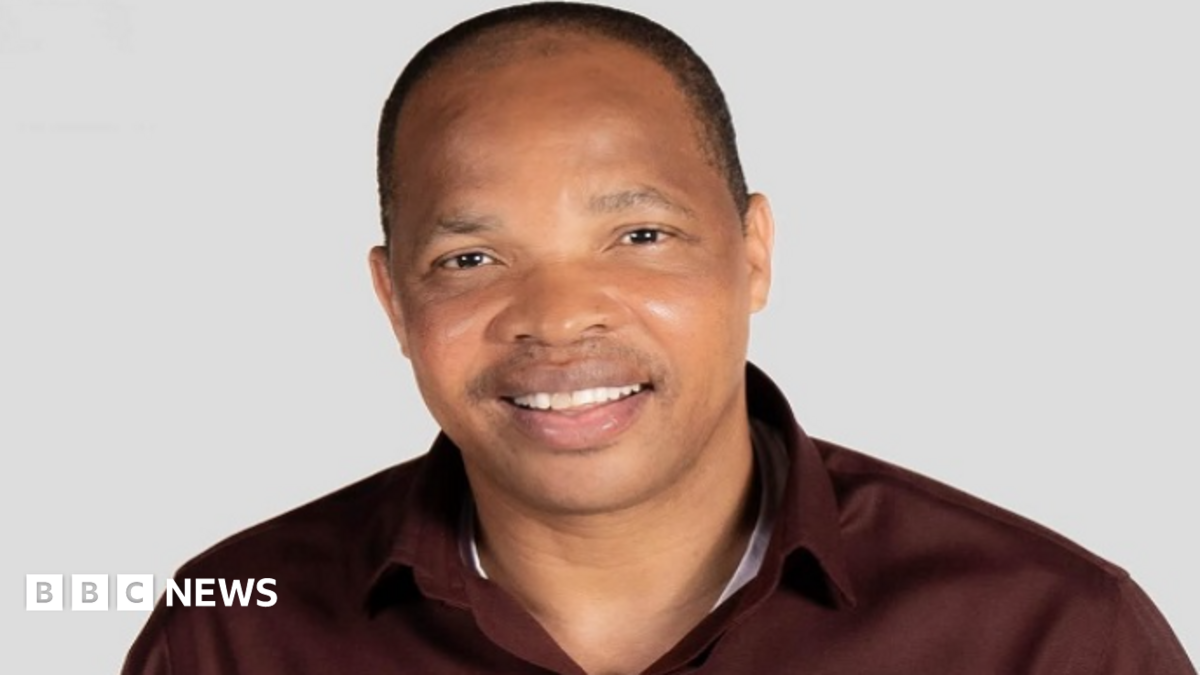
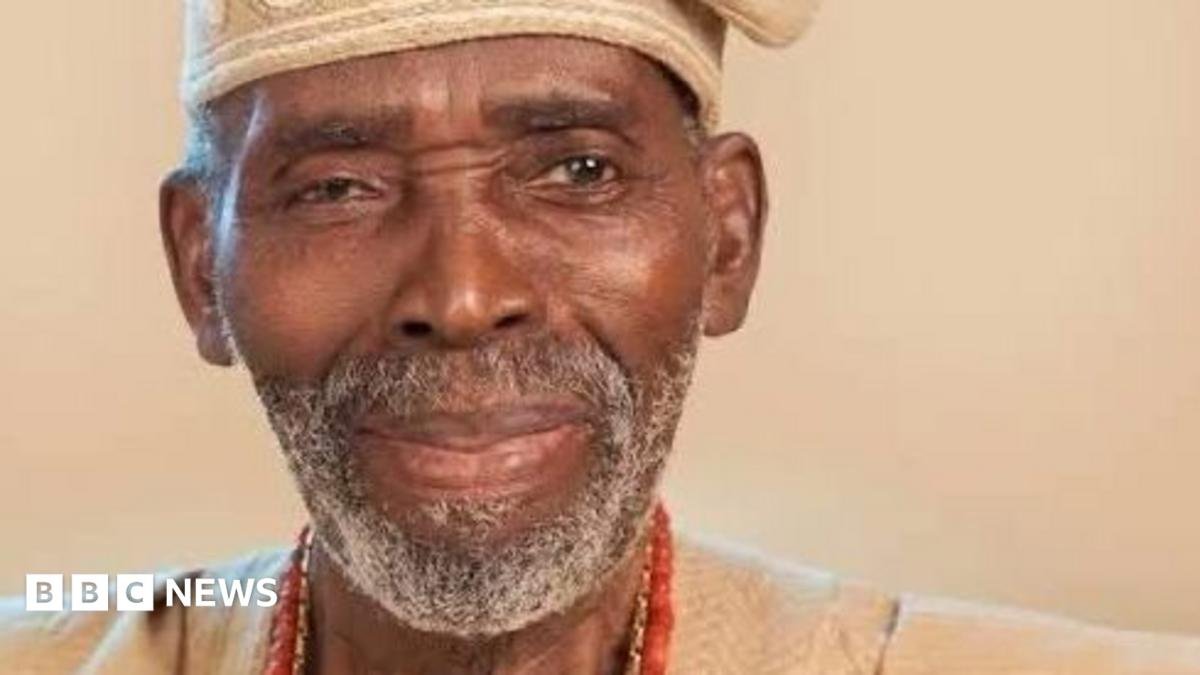
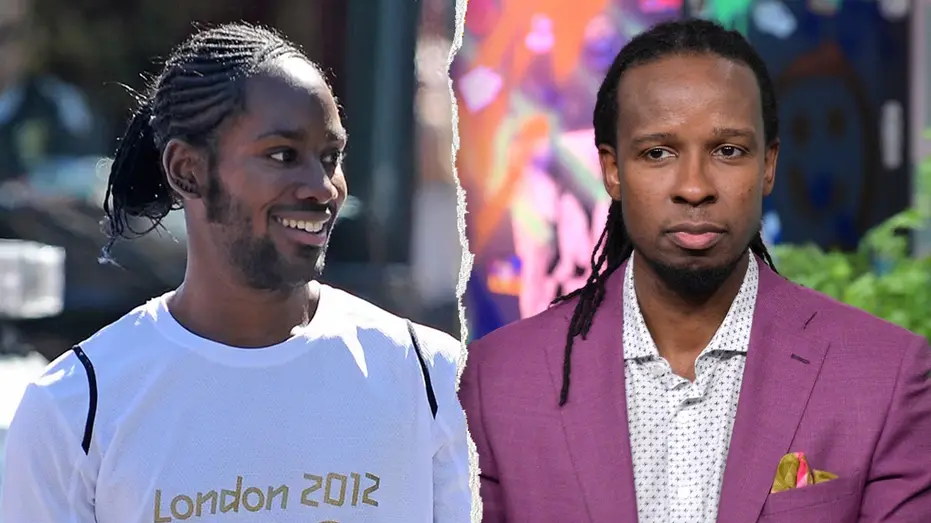
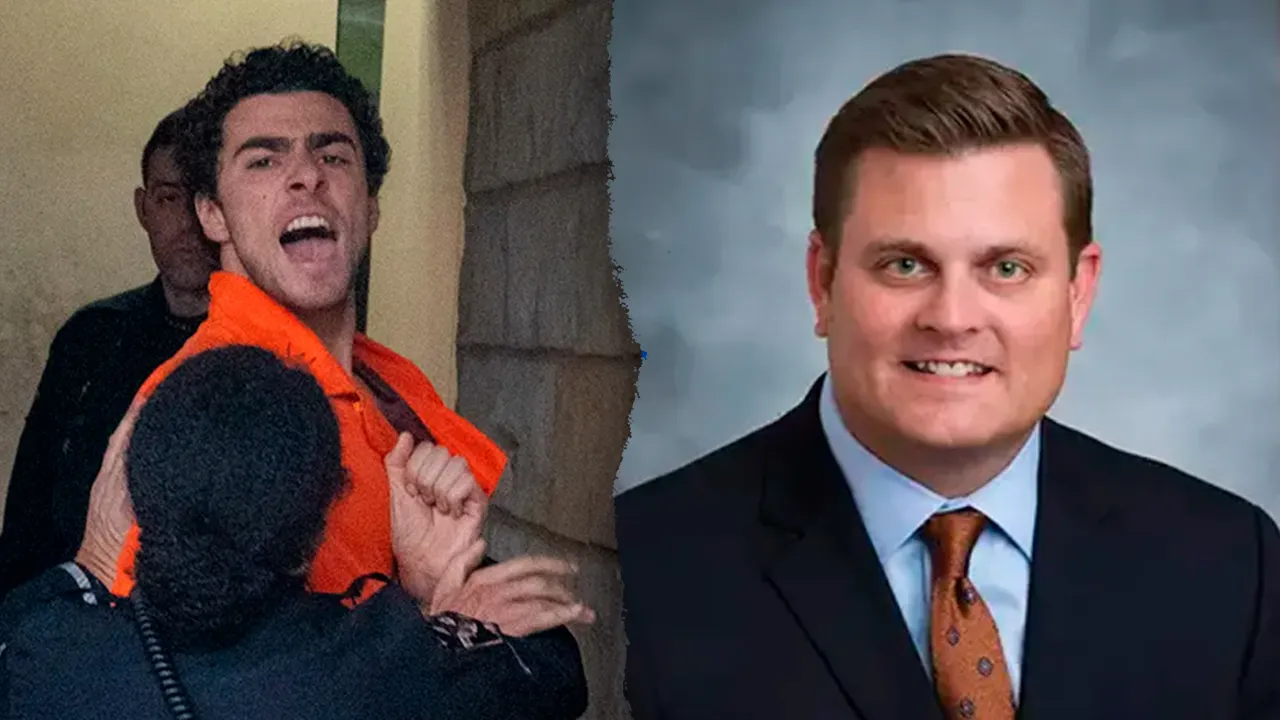
In California, the legal system is grappling with the legacy of a different era. Michael Douglas Brambles, 77, a former Los Angeles vice detective who served decades of a 102-year prison sentence, was taken back into custody following a re-examination of a cold case. Brambles had been released on parole in 2020 under state laws favoring elderly inmates. He now faces new charges, including kidnapping to commit robbery, in connection with a sexual assault investigation that remained dormant due to the expiration of the statute of limitations for the assault itself. Prosecutors have argued that the circumstances of his alleged crimes, including the use of a firearm and the targeting of a vulnerable victim, demonstrate a continued danger to the public.
Legal analysts following the Egyptian narcotics case suggest that the appeal process for Sarah Khalifa will likely be an exhaustive, multi-stage proceeding, given the finality of a death sentence and the high profile of the defendant. The involvement of the grand mufti in confirming the initial verdict indicates that the judicial process has already navigated the most significant religious and legal hurdles, making a successful reversal difficult under the current judicial climate.
In the United States, the prosecution of Brambles will hinge on the state’s ability to build a case around the kidnapping and robbery charges, as the underlying sexual assault cannot be prosecuted due to the statute of limitations. This case will likely reignite debates in California regarding the balance between the state's recent legislative push for early release and the requirements of victims seeking justice through contemporary cold-case forensic initiatives.