Denmark and Greenland are finalizing a landmark security pact with the U.S. to secure the Arctic against foreign interference, even as tensions with Russia spike in the Baltic.
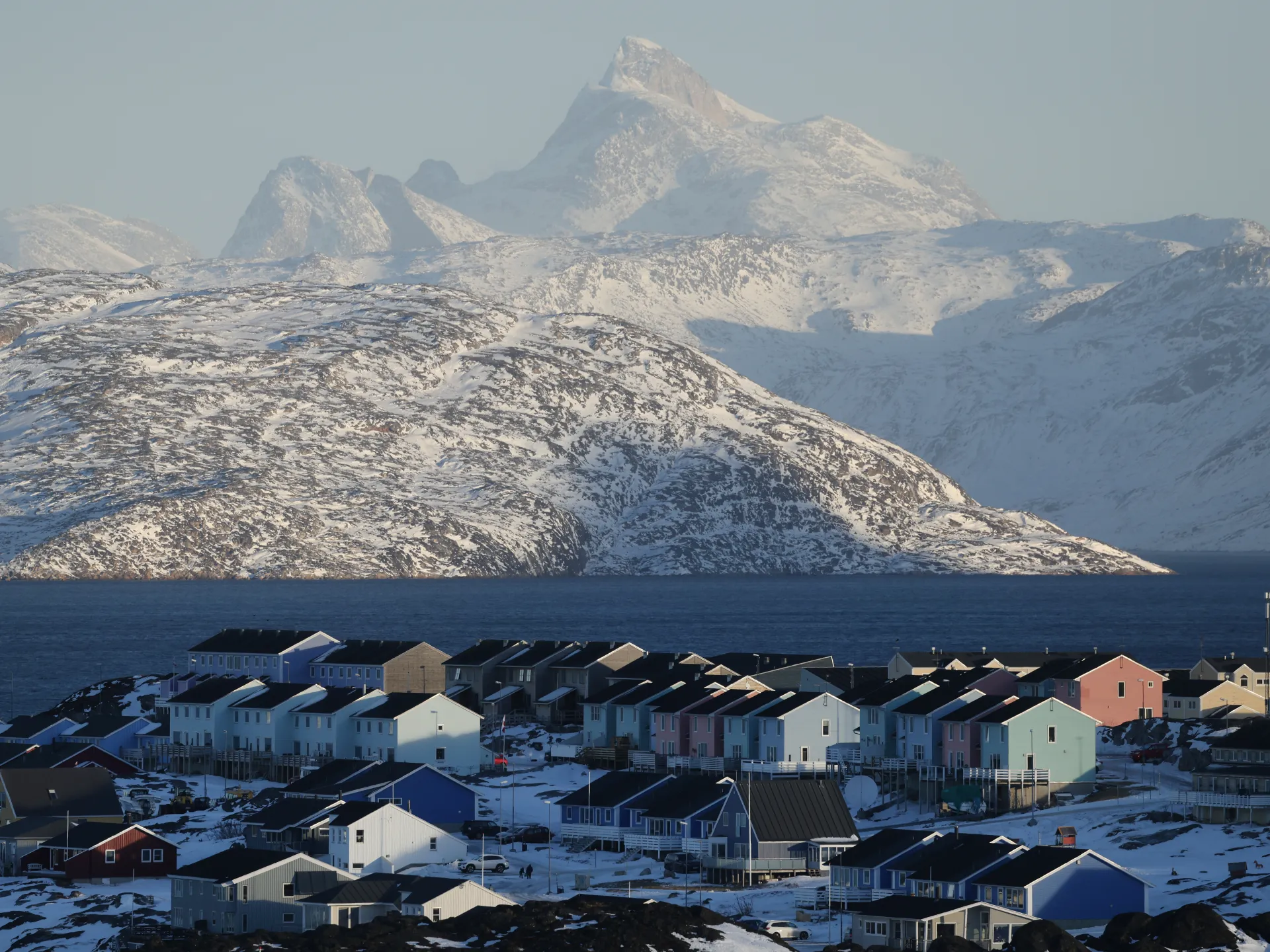
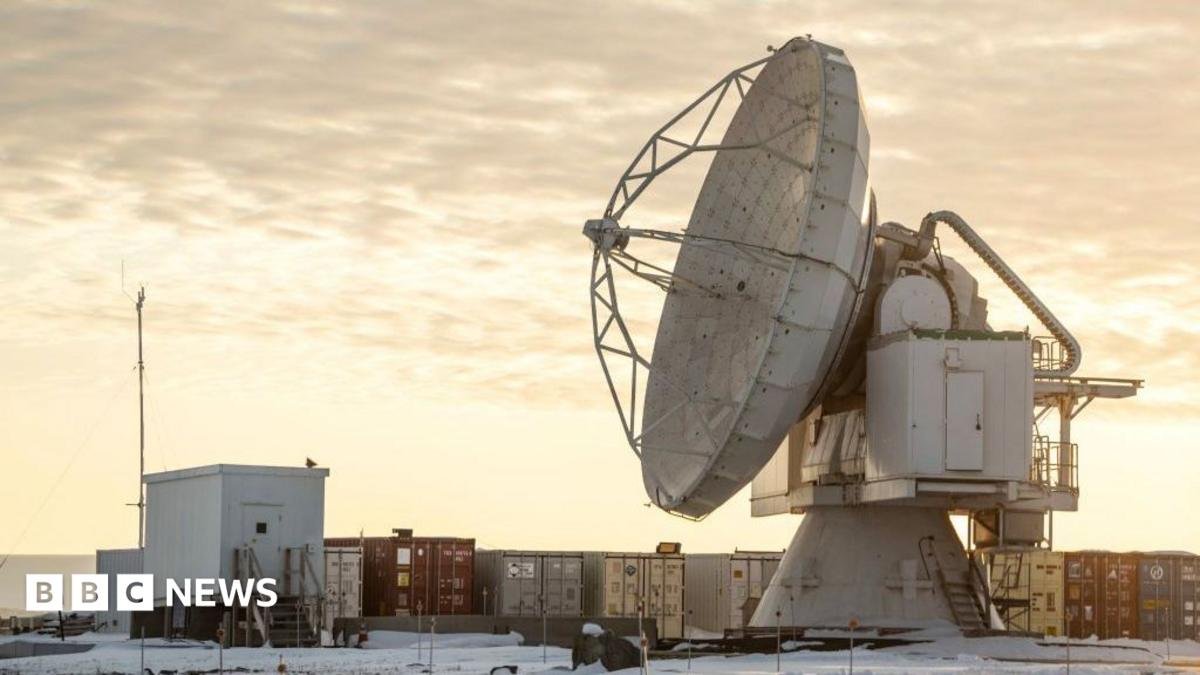
The formalization of a binding security agreement between Denmark, Greenland, and the United States represents a pivotal shift in Arctic geopolitics. For decades, the region was viewed through the lens of scientific cooperation and environmental stewardship. However, as ice melts and creates new navigable corridors, the Arctic has emerged as a primary theater for great-power competition. codify a sphere of influence in a territory that has historically resisted foreign military expansionism. This pact is not merely a bilateral arrangement; it is a defensive fortification of NATO’s northern flank, designed to preempt the influence of adversaries while managing the delicate balance of Greenland’s autonomy within the Danish Kingdom.
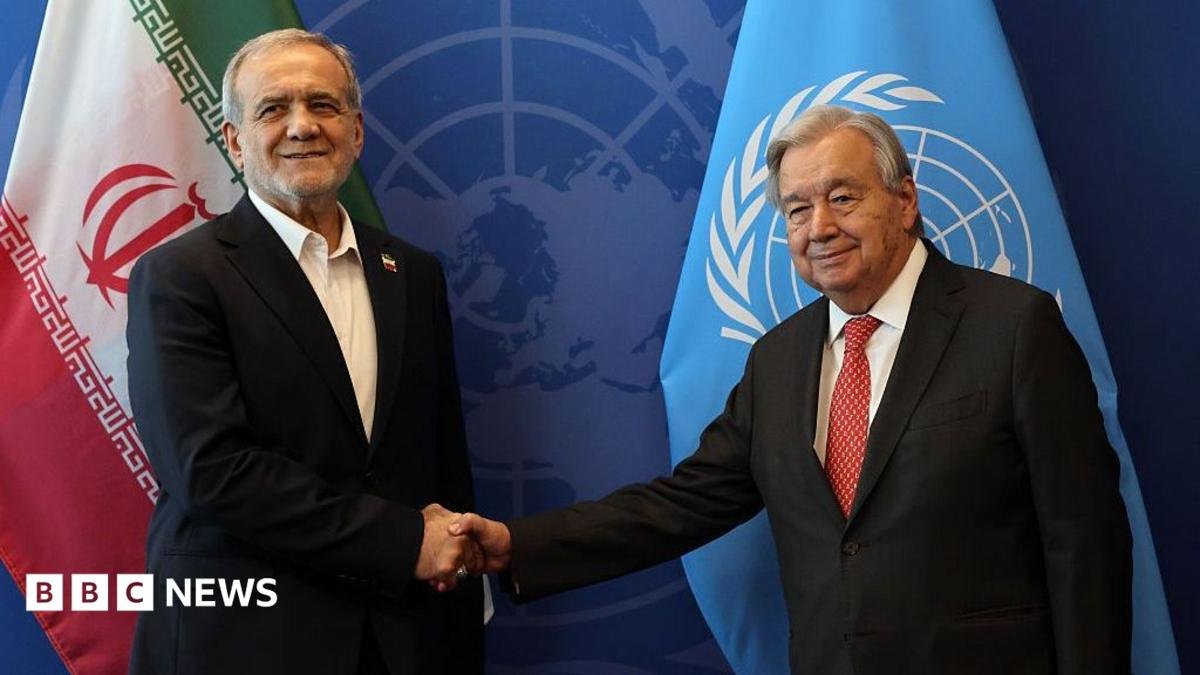
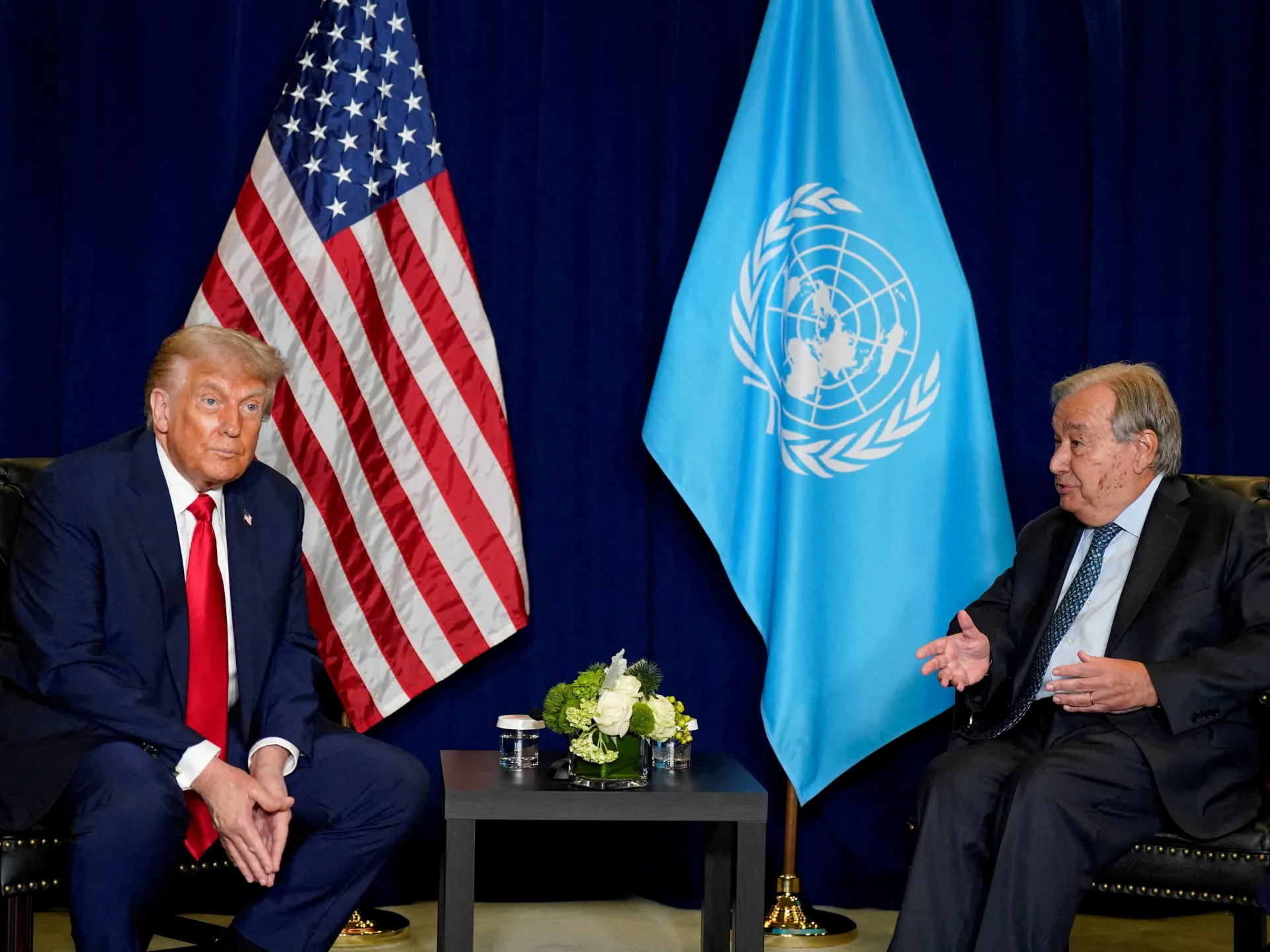
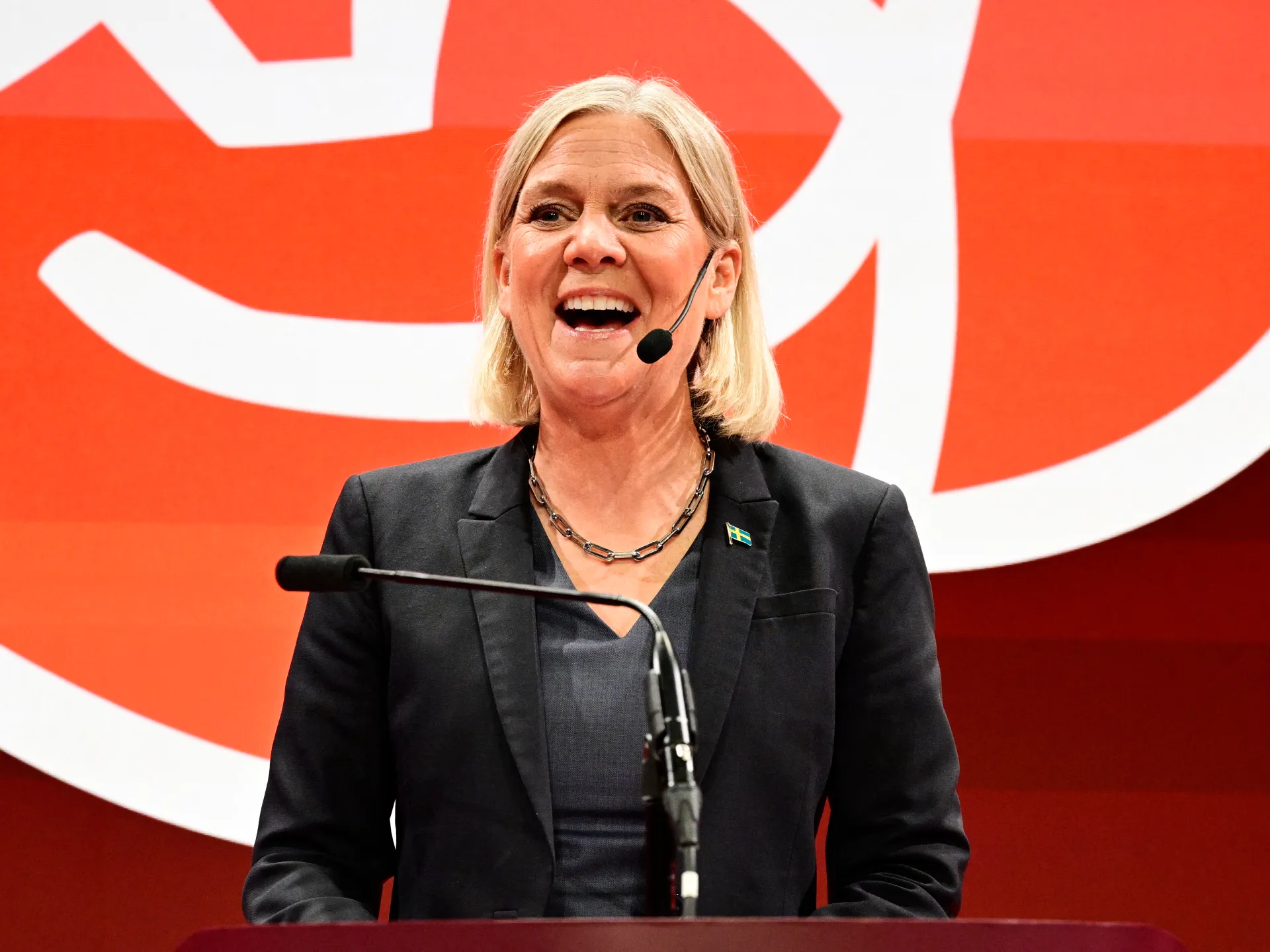
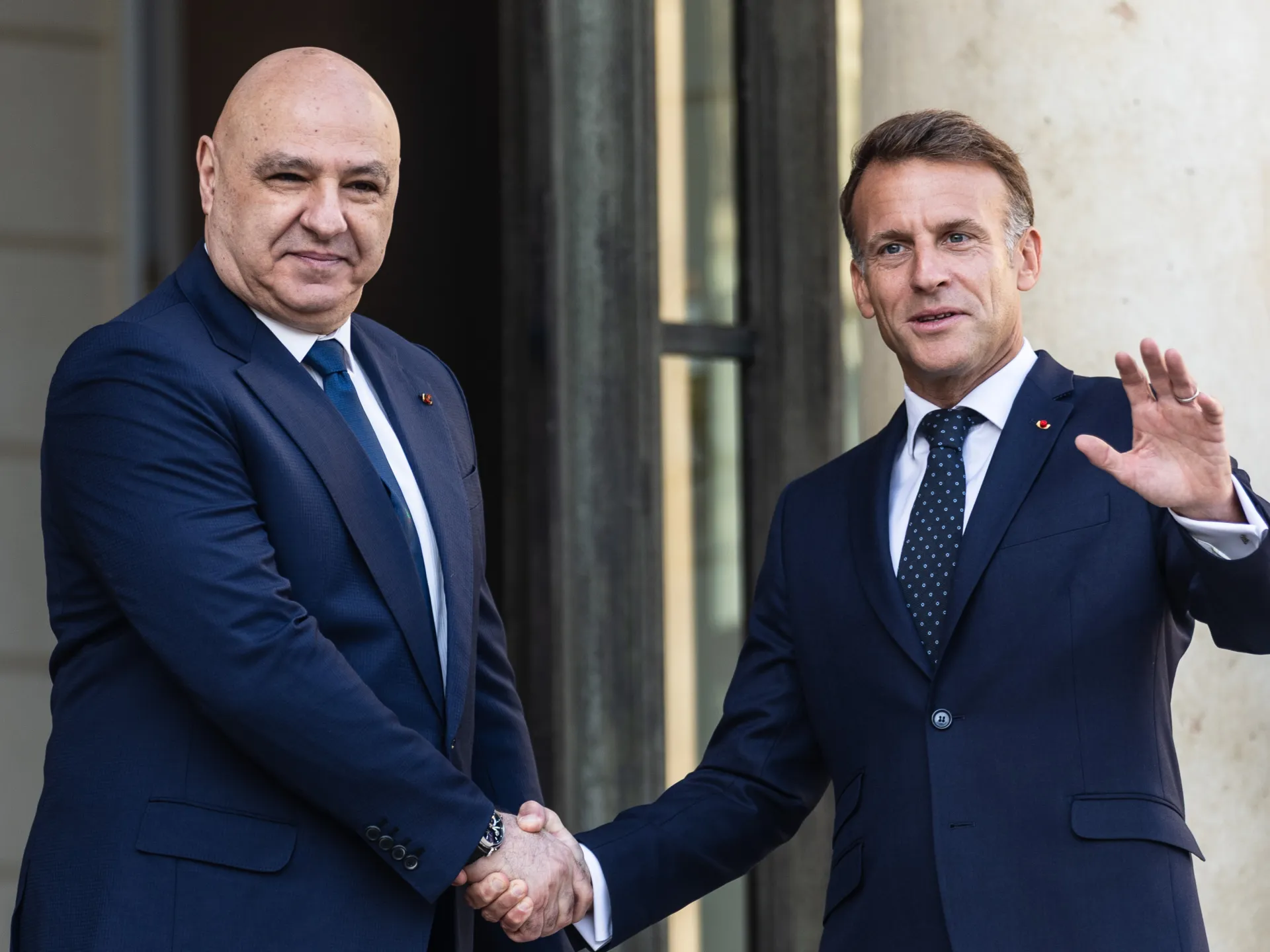
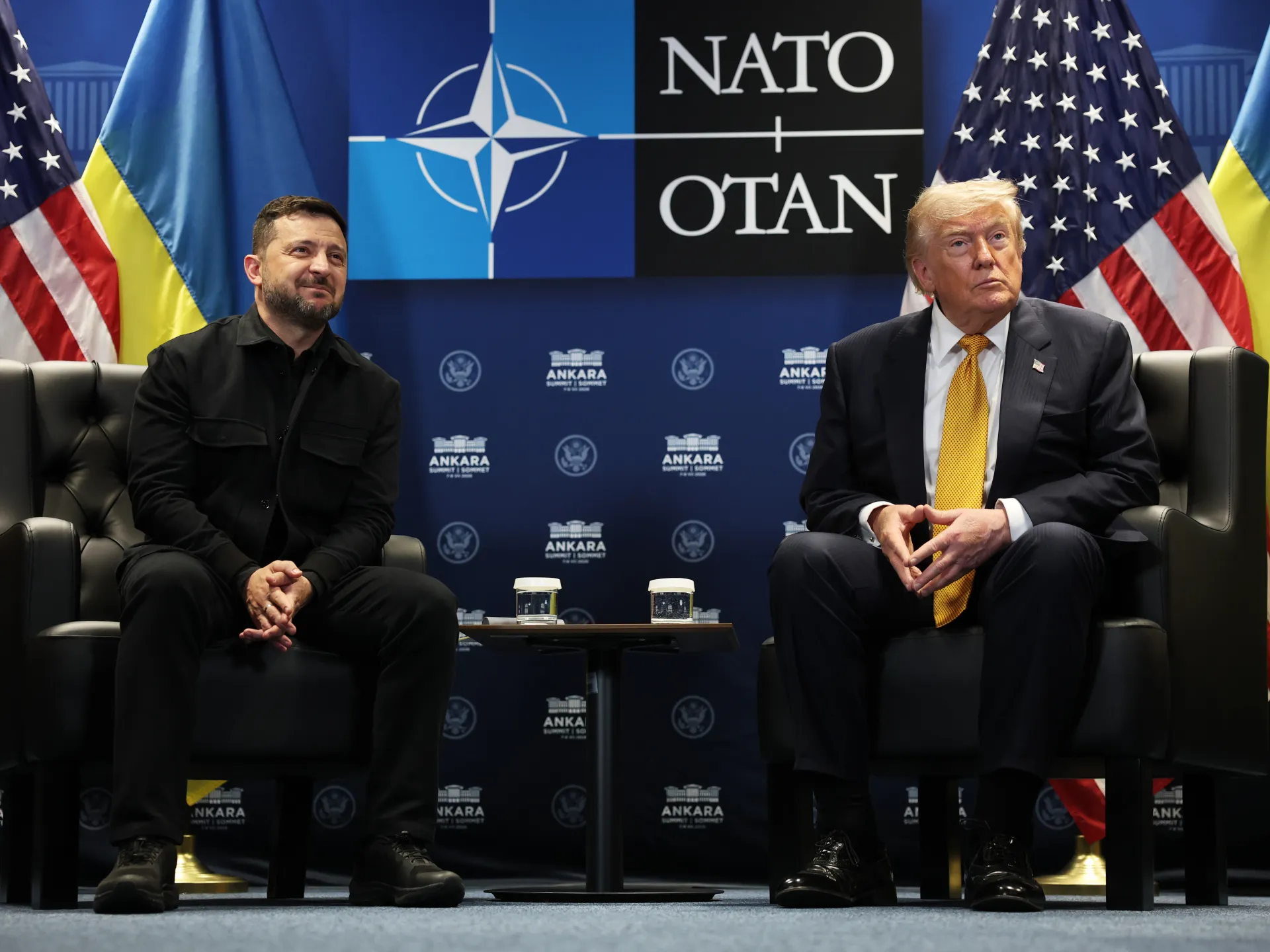
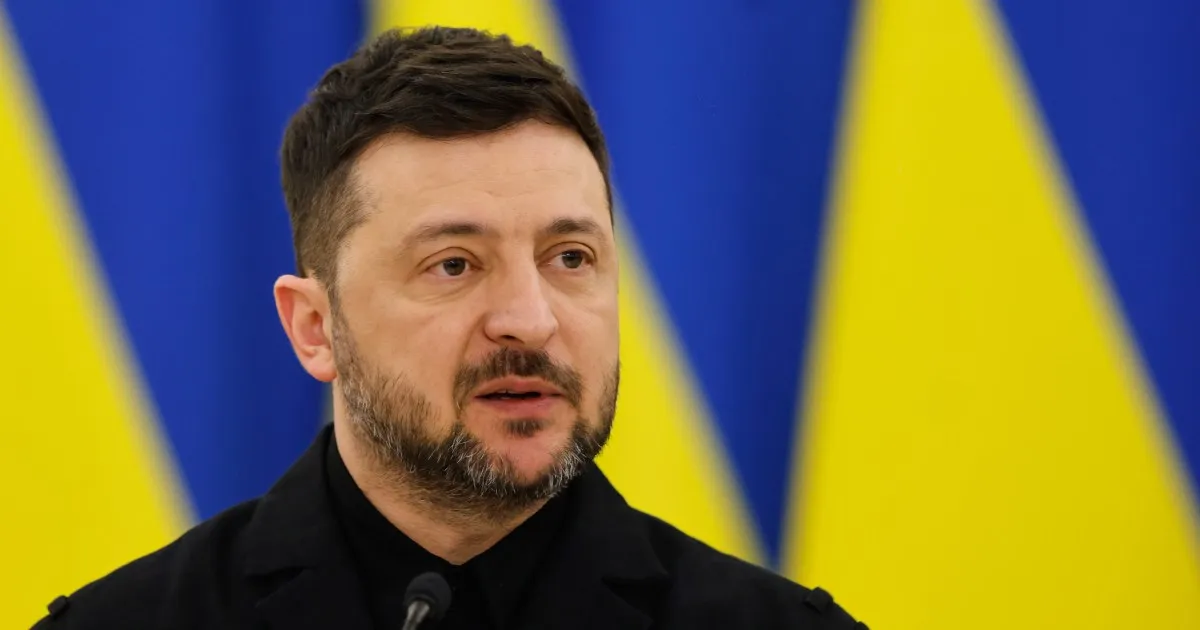
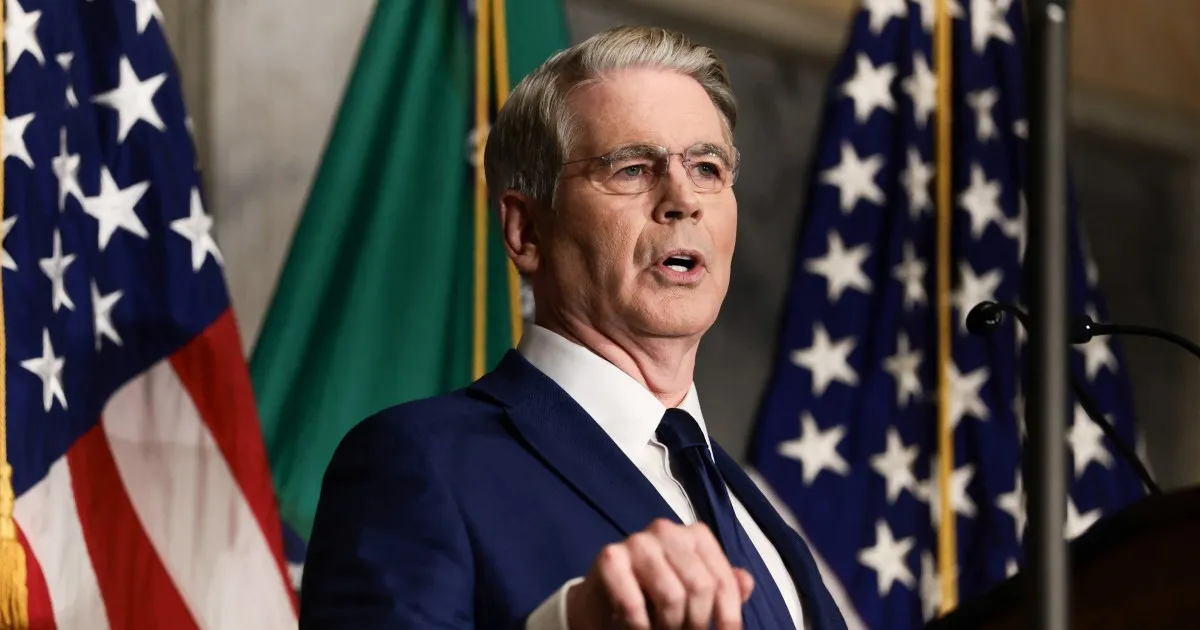
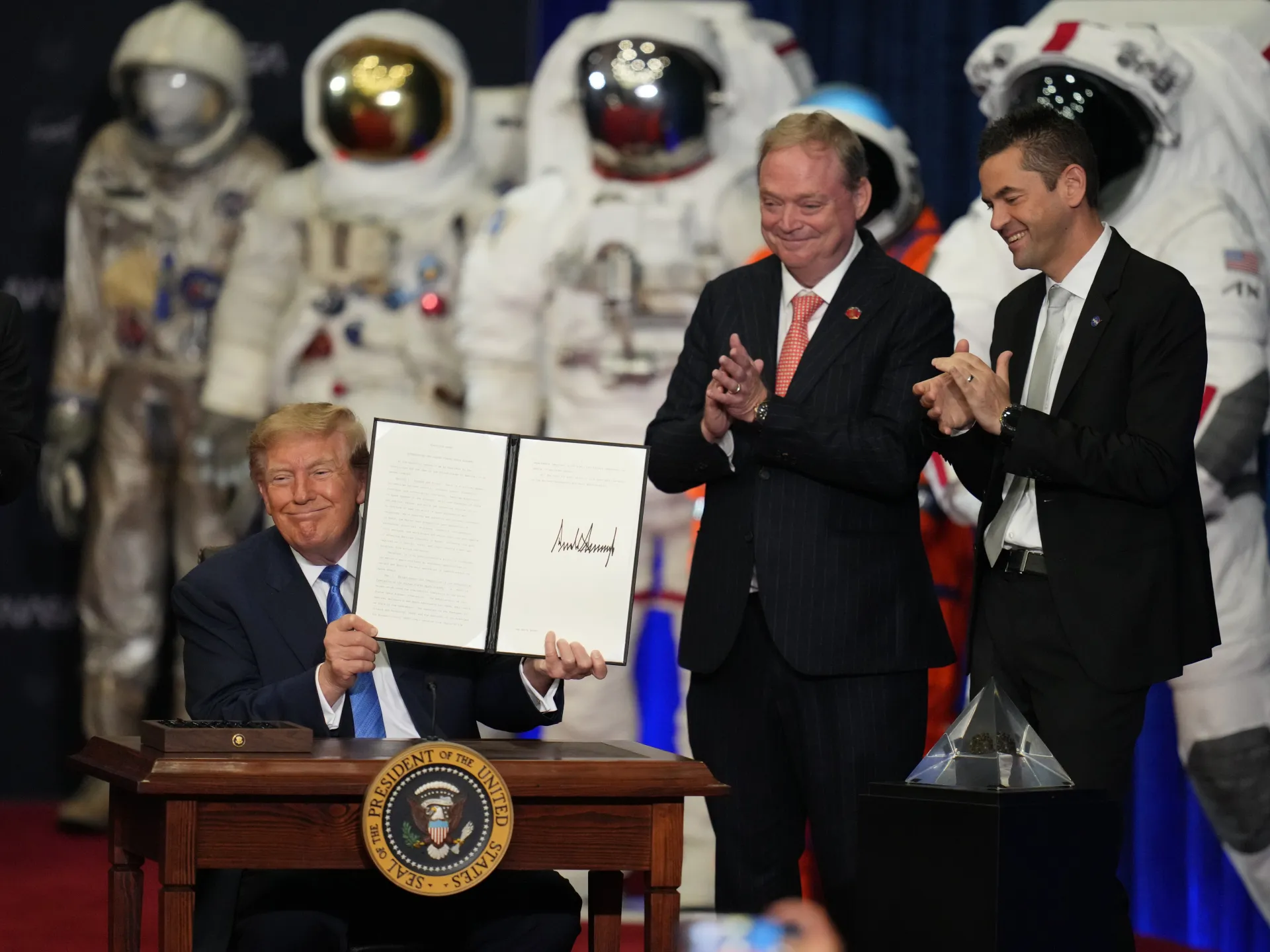
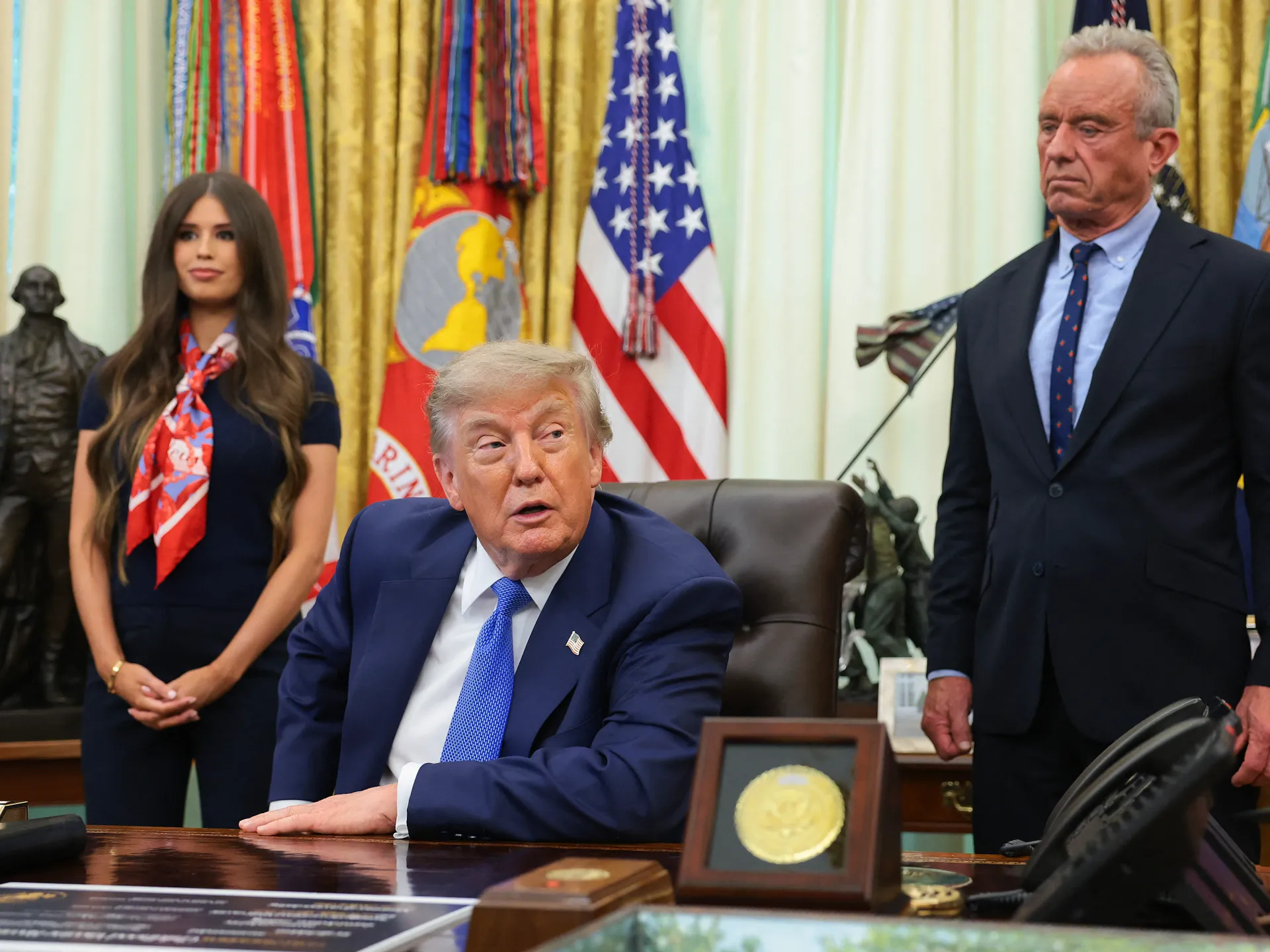
The Danish government, alongside the autonomous administration in Greenland, has confirmed that a binding security agreement will be signed at the upcoming United Nations General Assembly in New York. While the specifics of the deal remain under wraps, officials have framed the pact as a necessary evolution of collective security. Danish Prime Minister Mette Frederiksen highlighted that the accord is intended to bolster the common security posture of the North Atlantic area, effectively ending a period of strategic uncertainty that has lingered since Washington began reasserting interest in the territory.
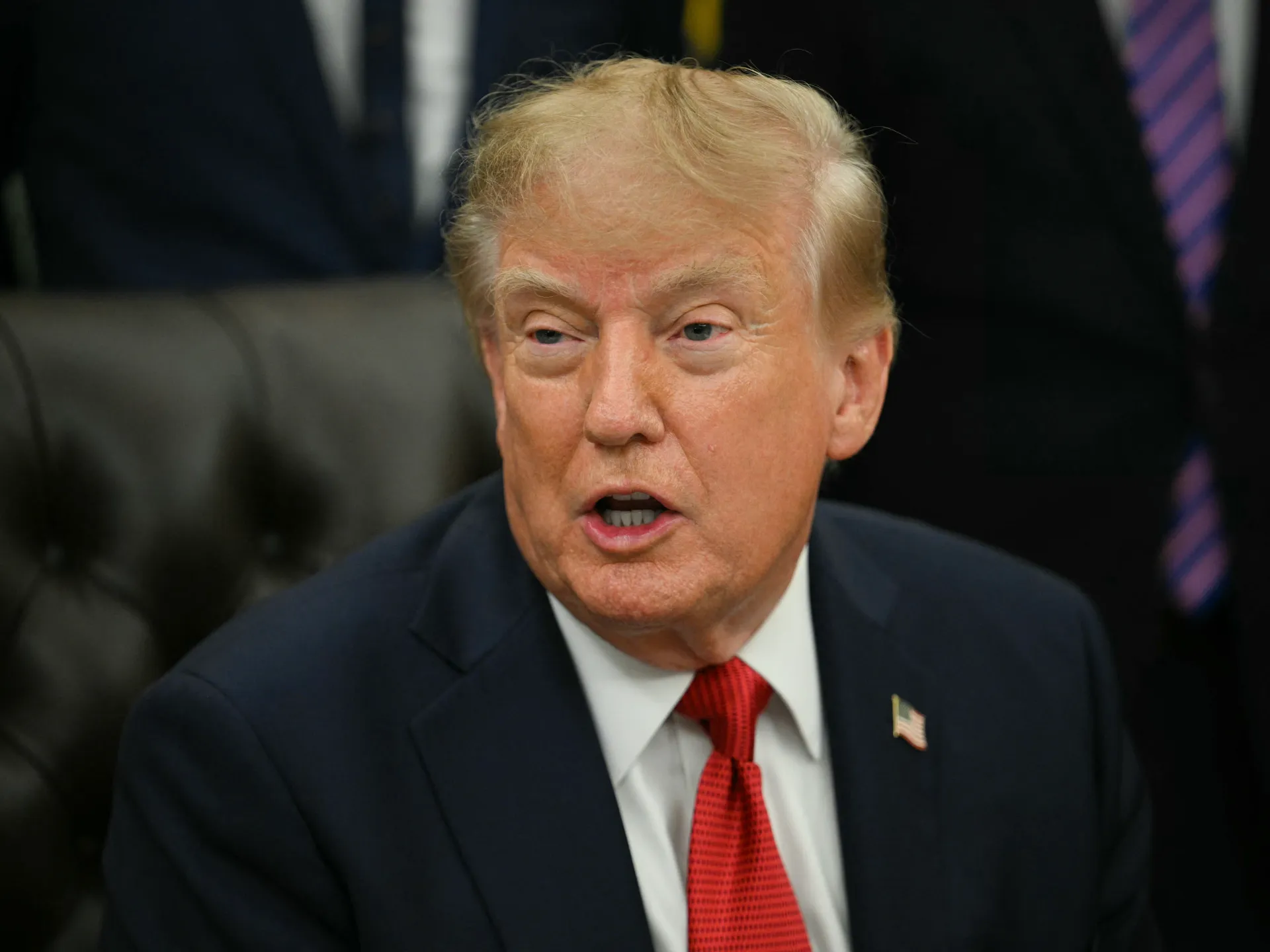
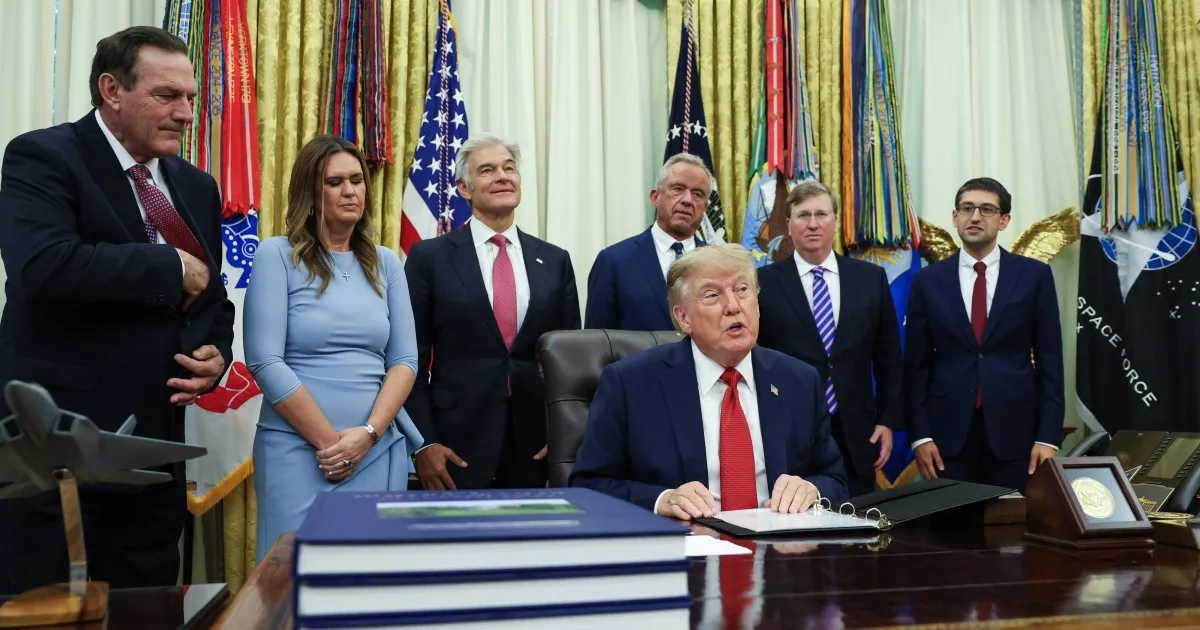
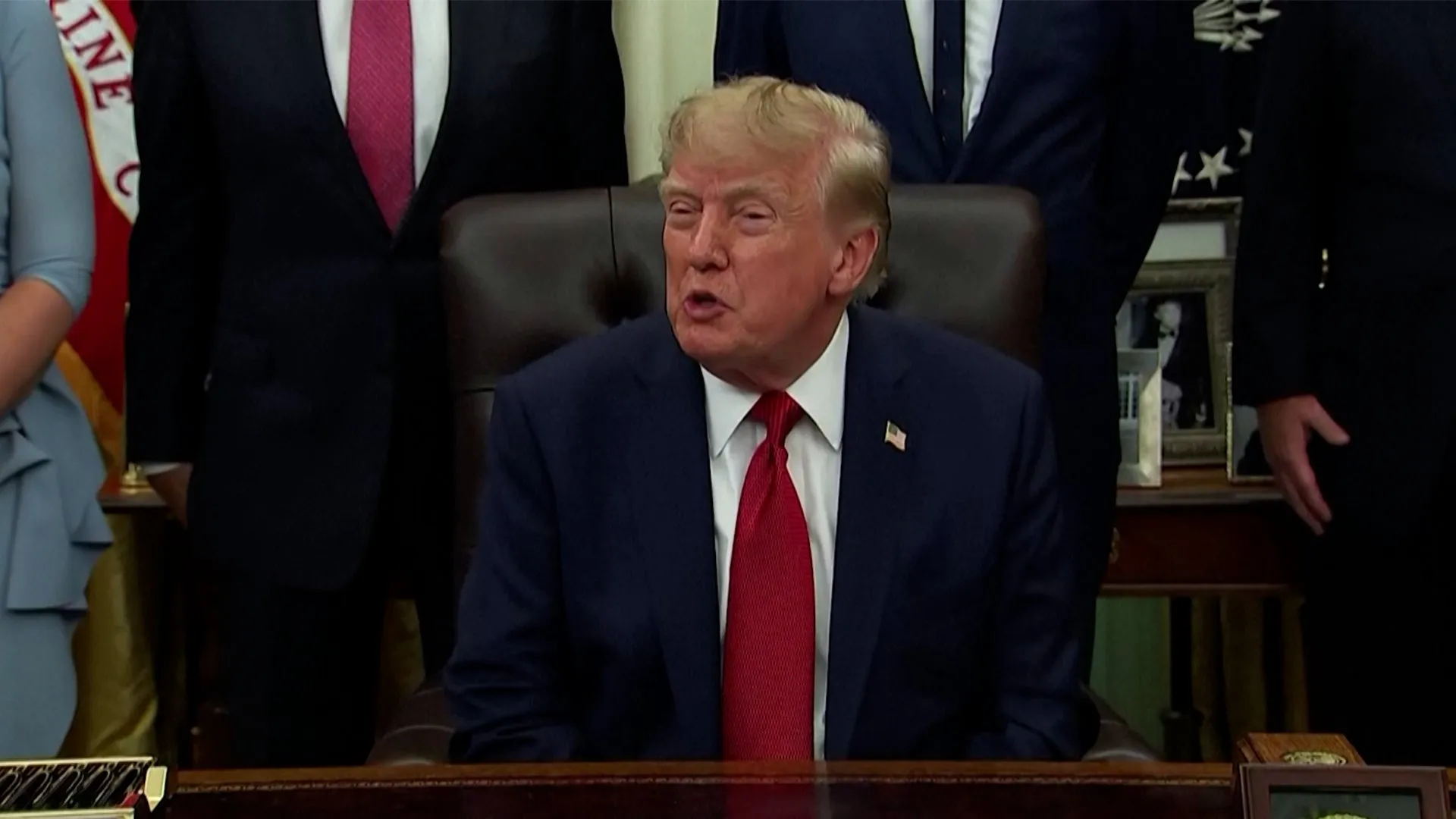
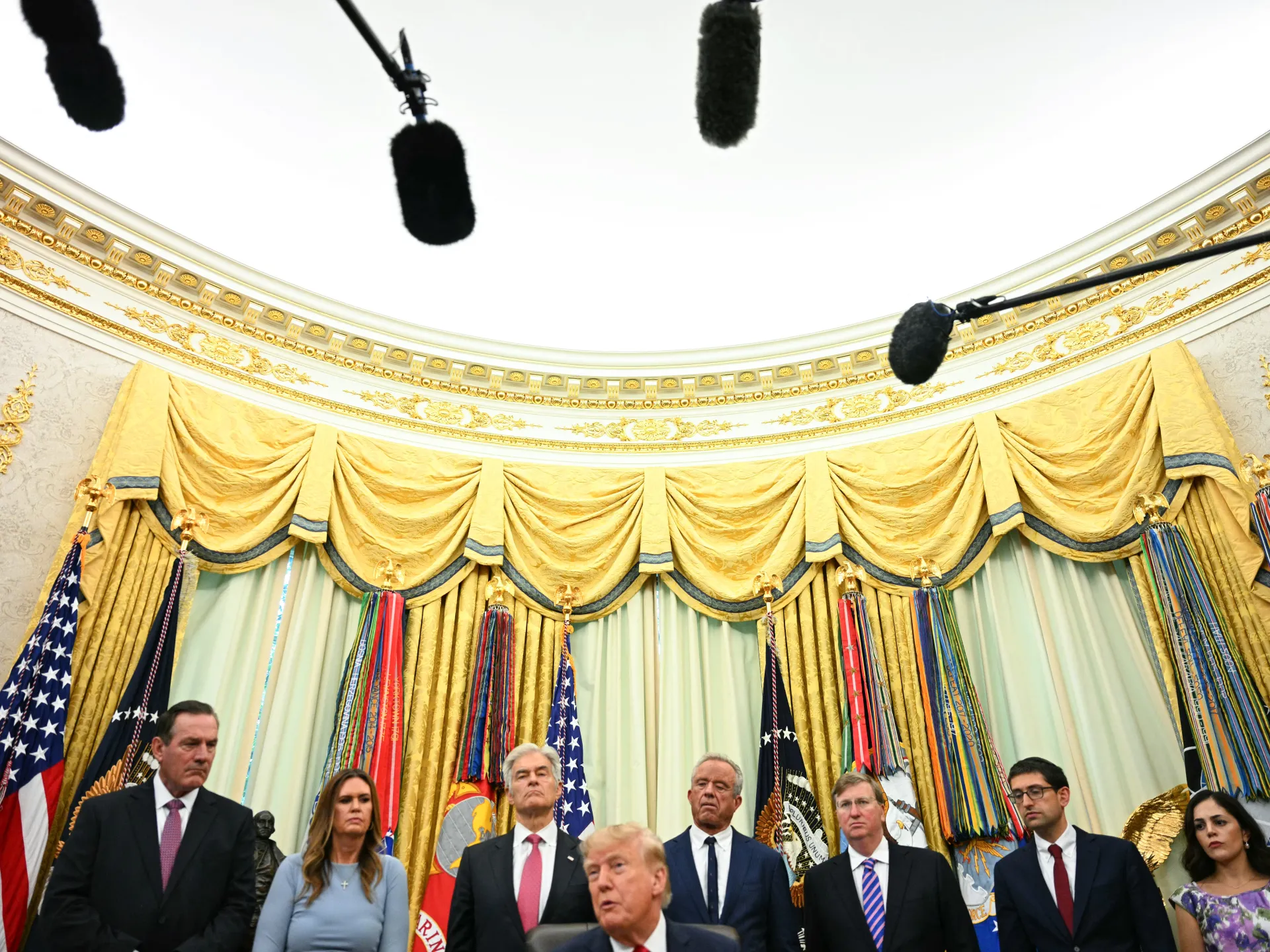
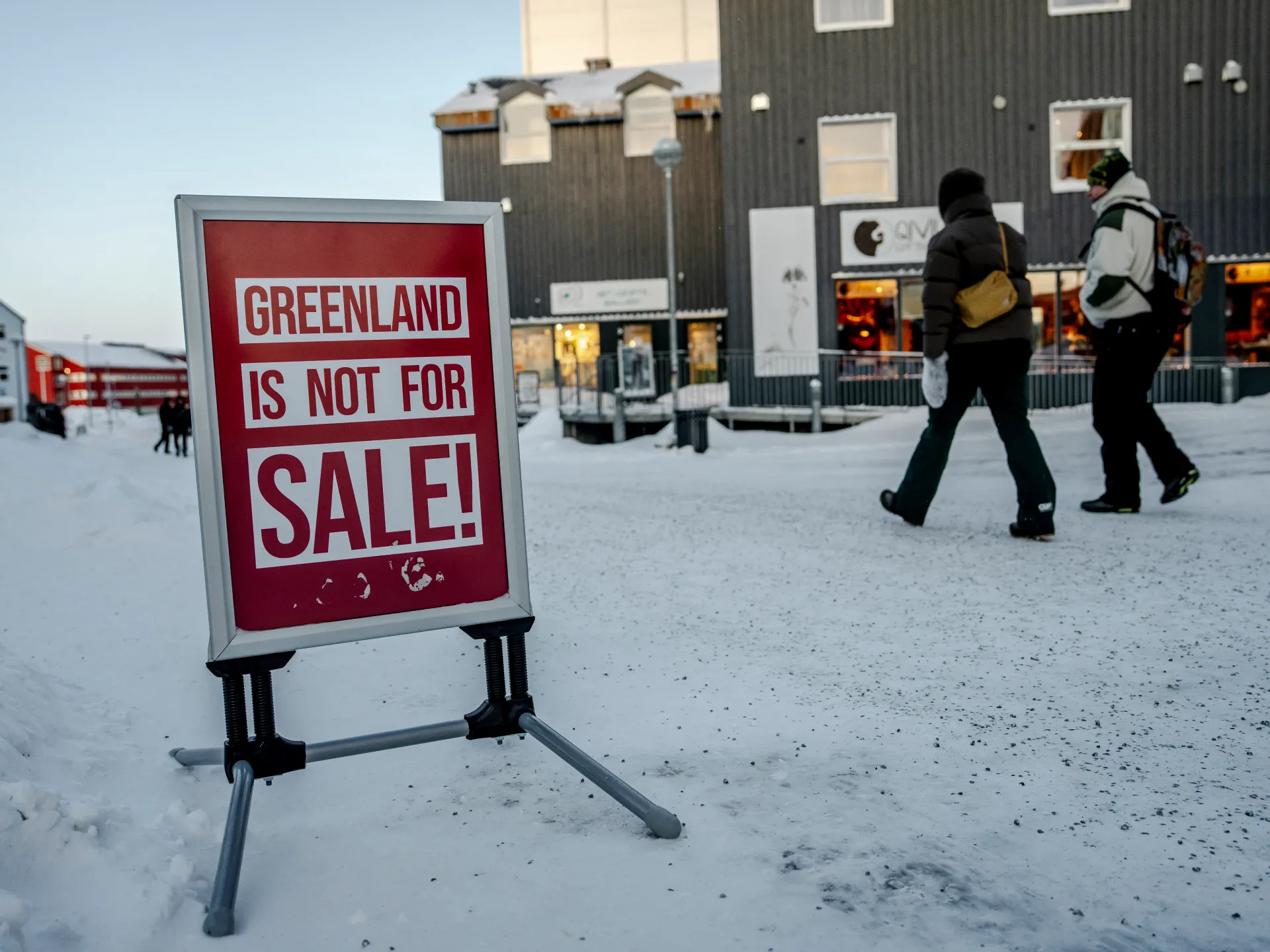
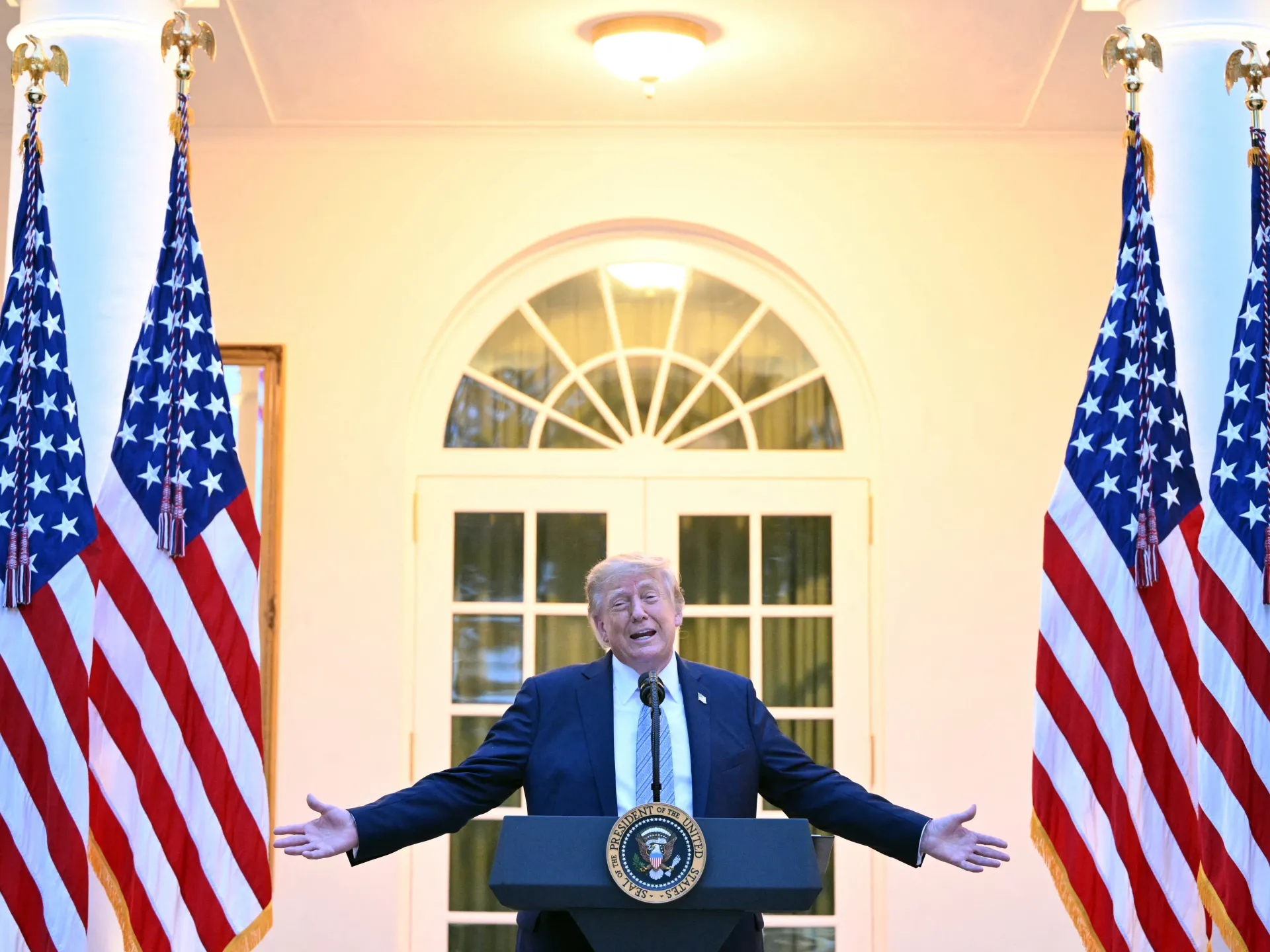
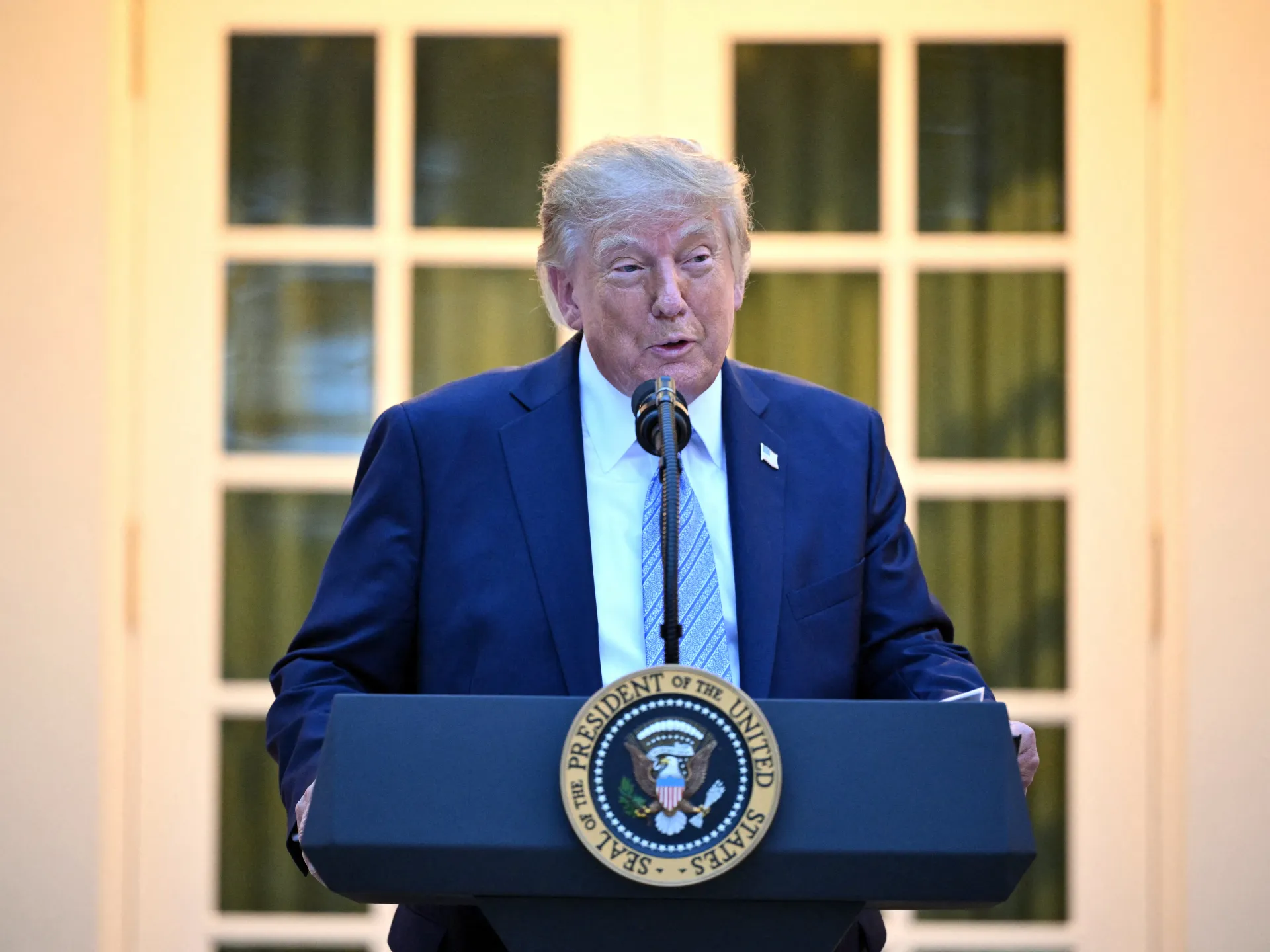
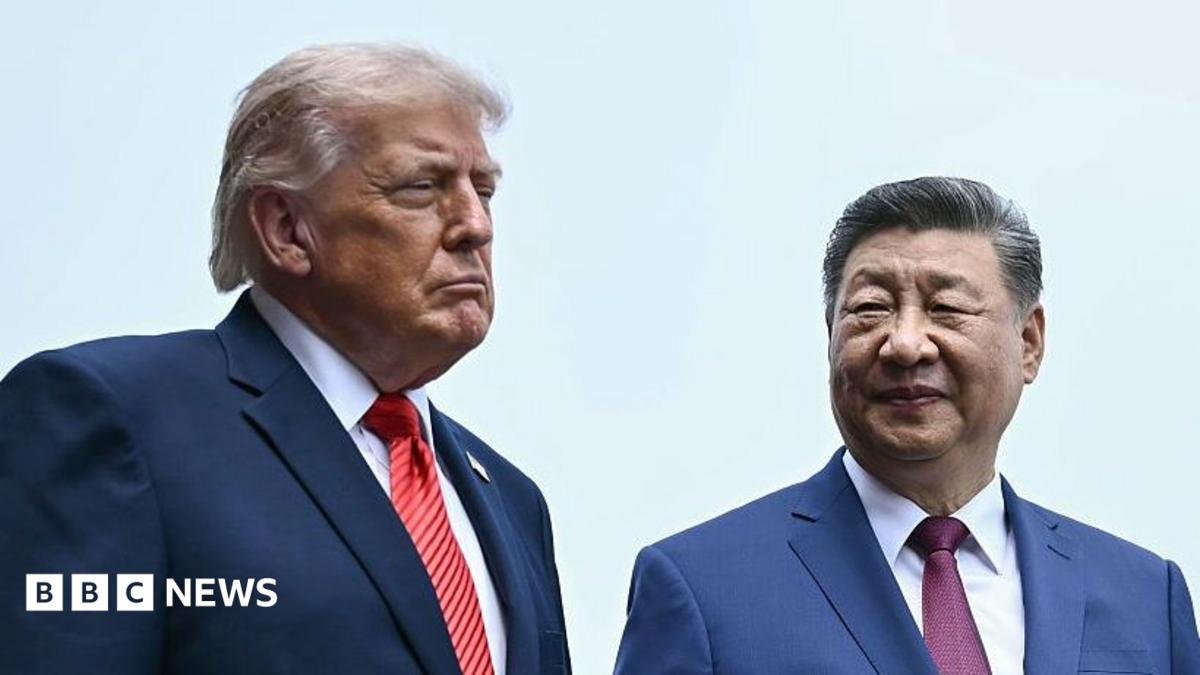
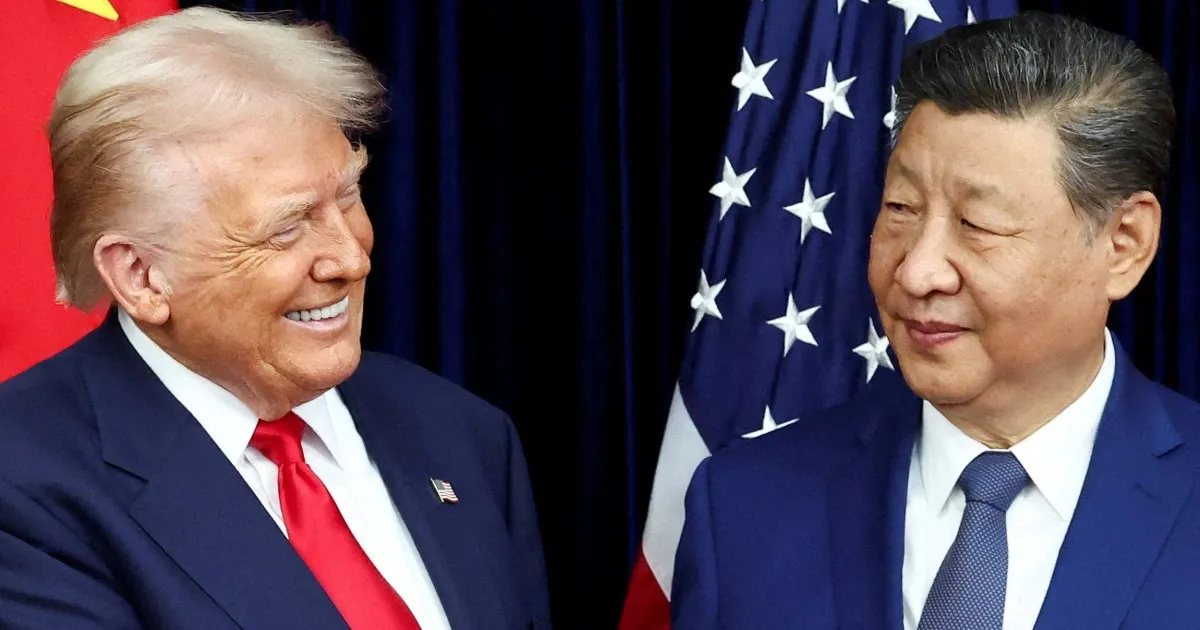
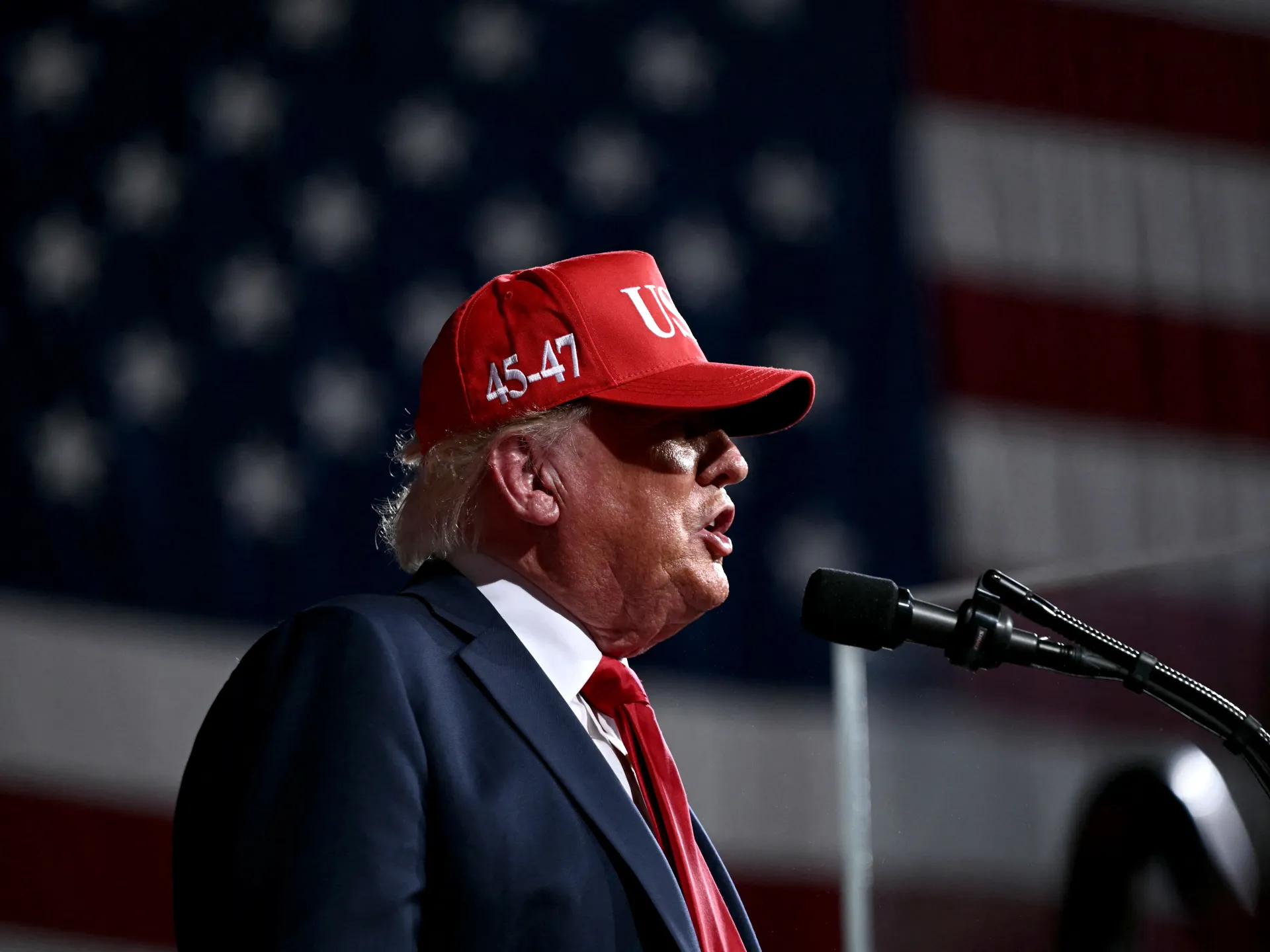
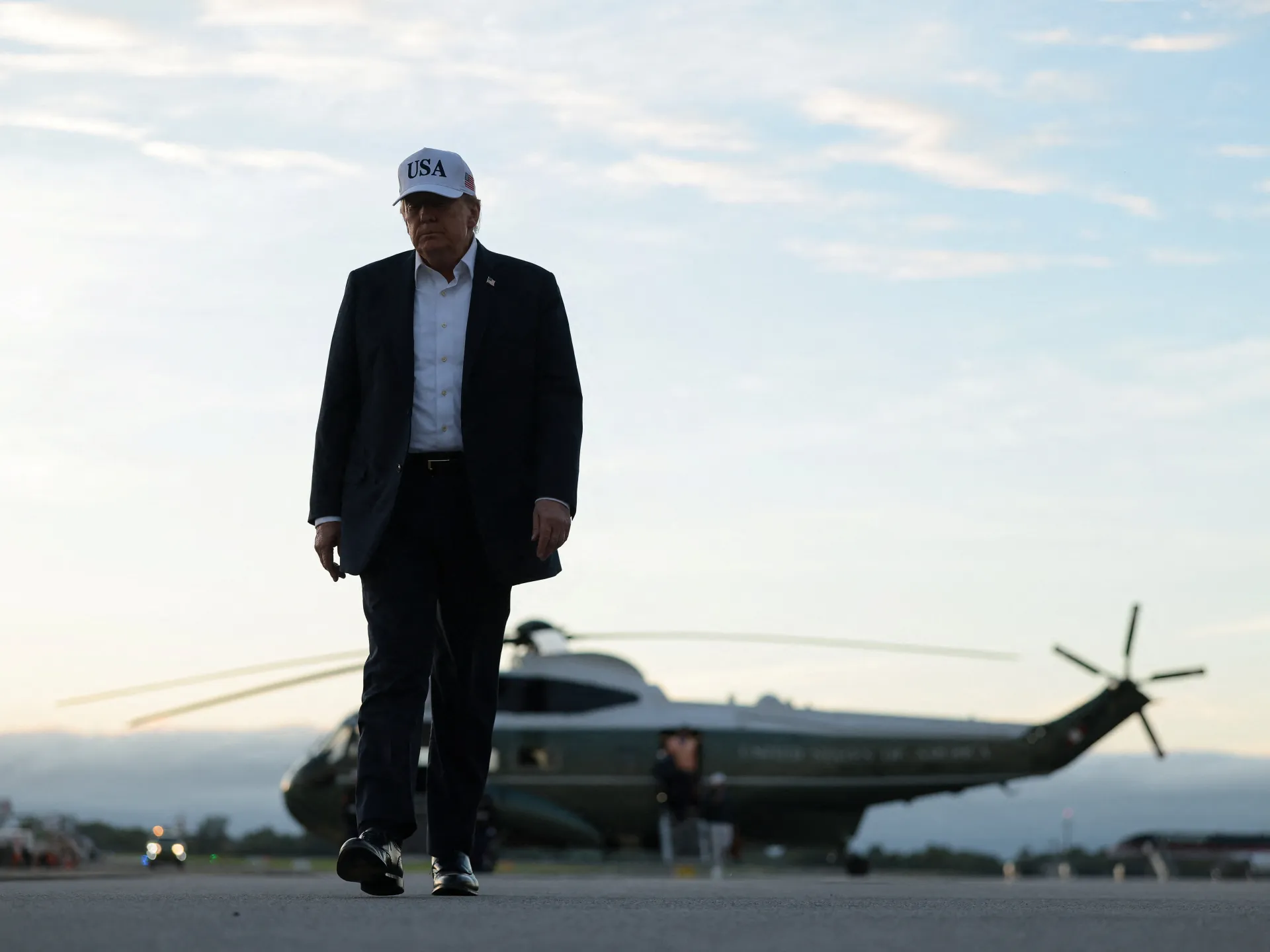
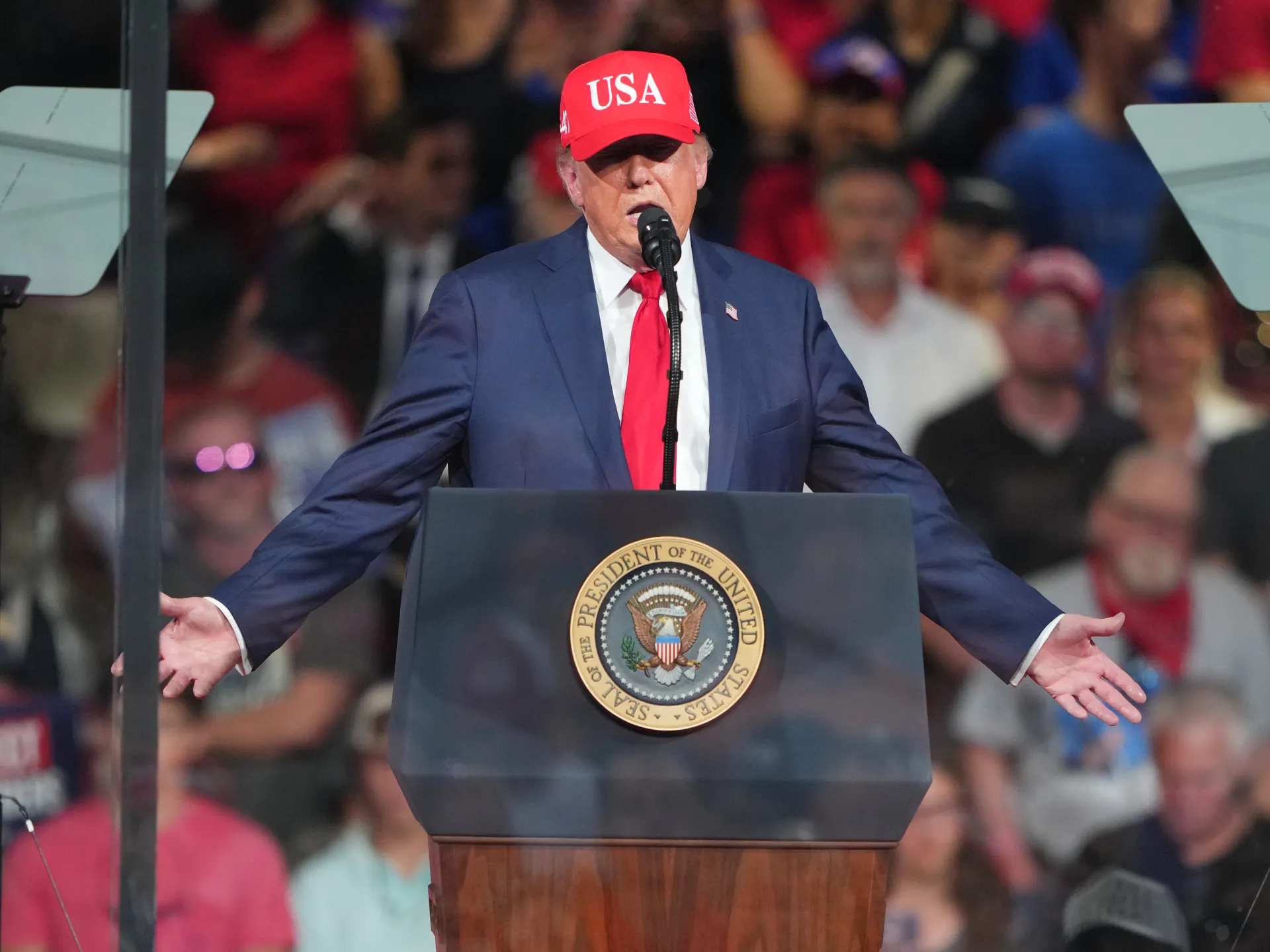
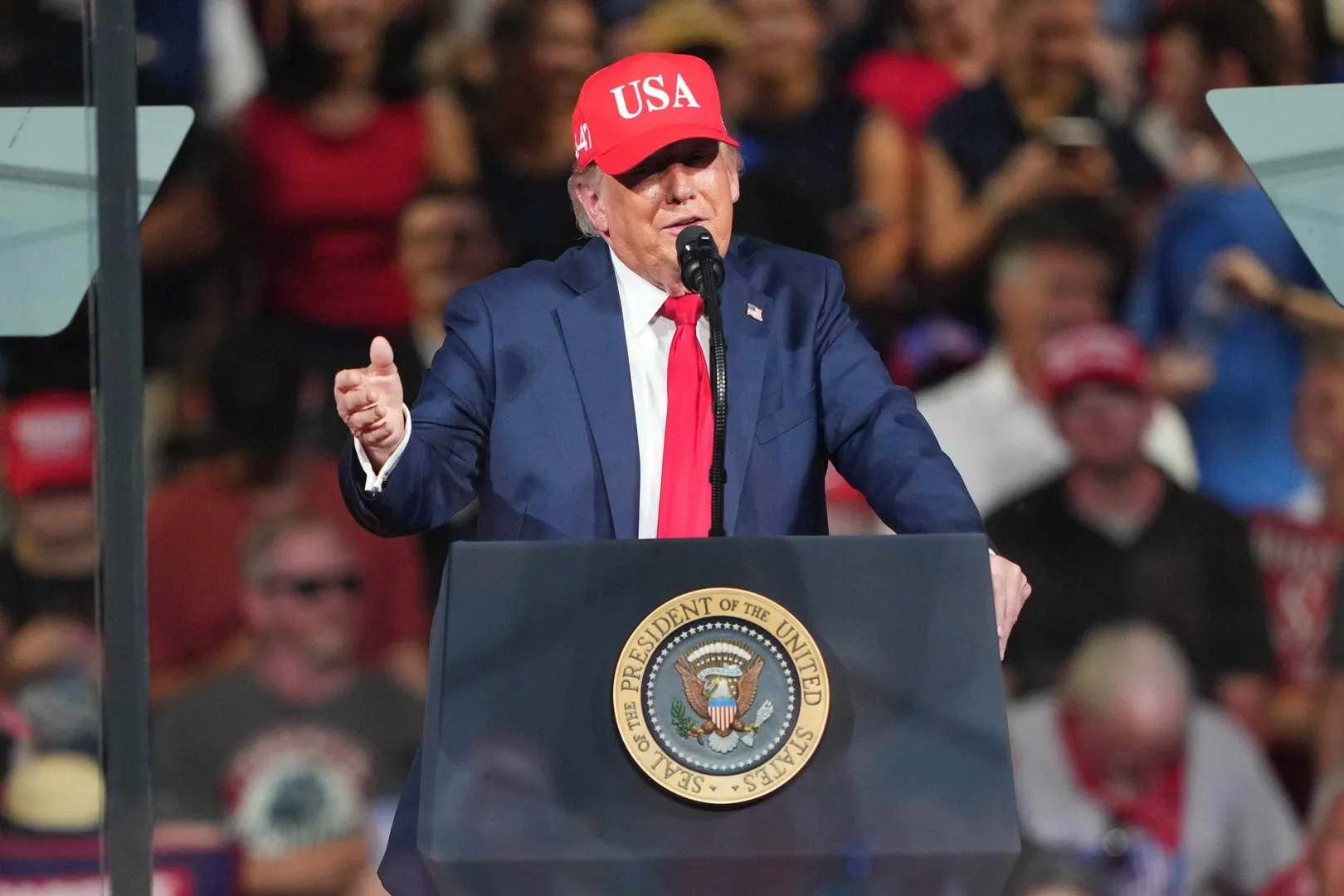
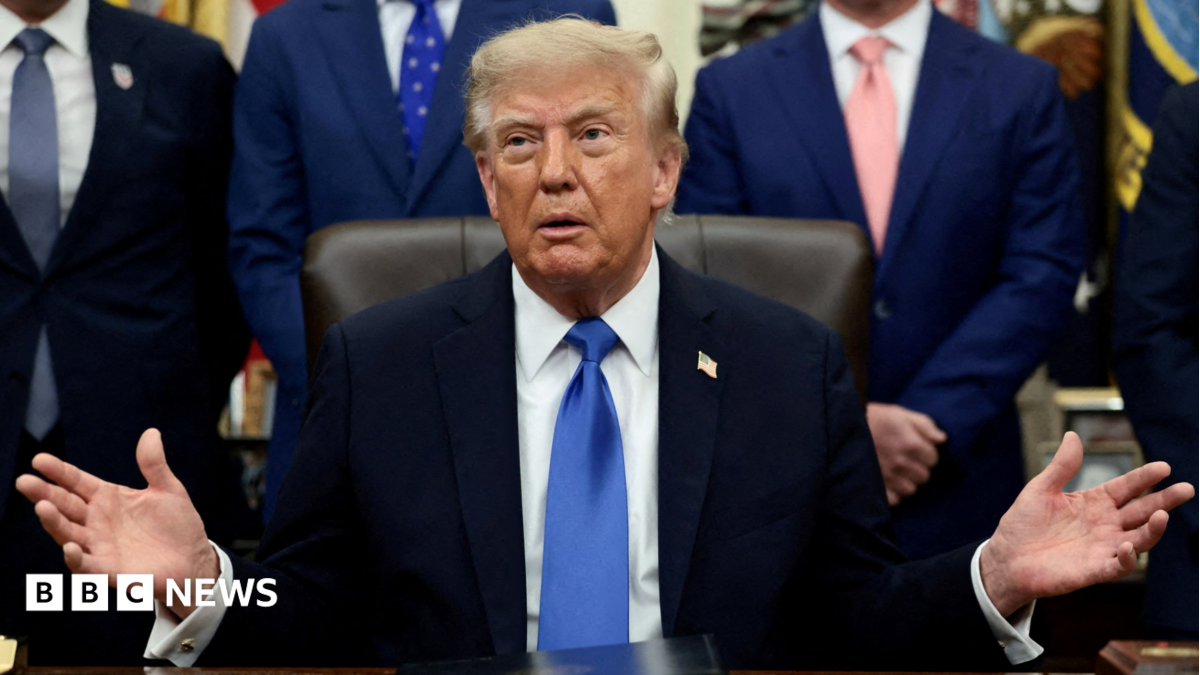
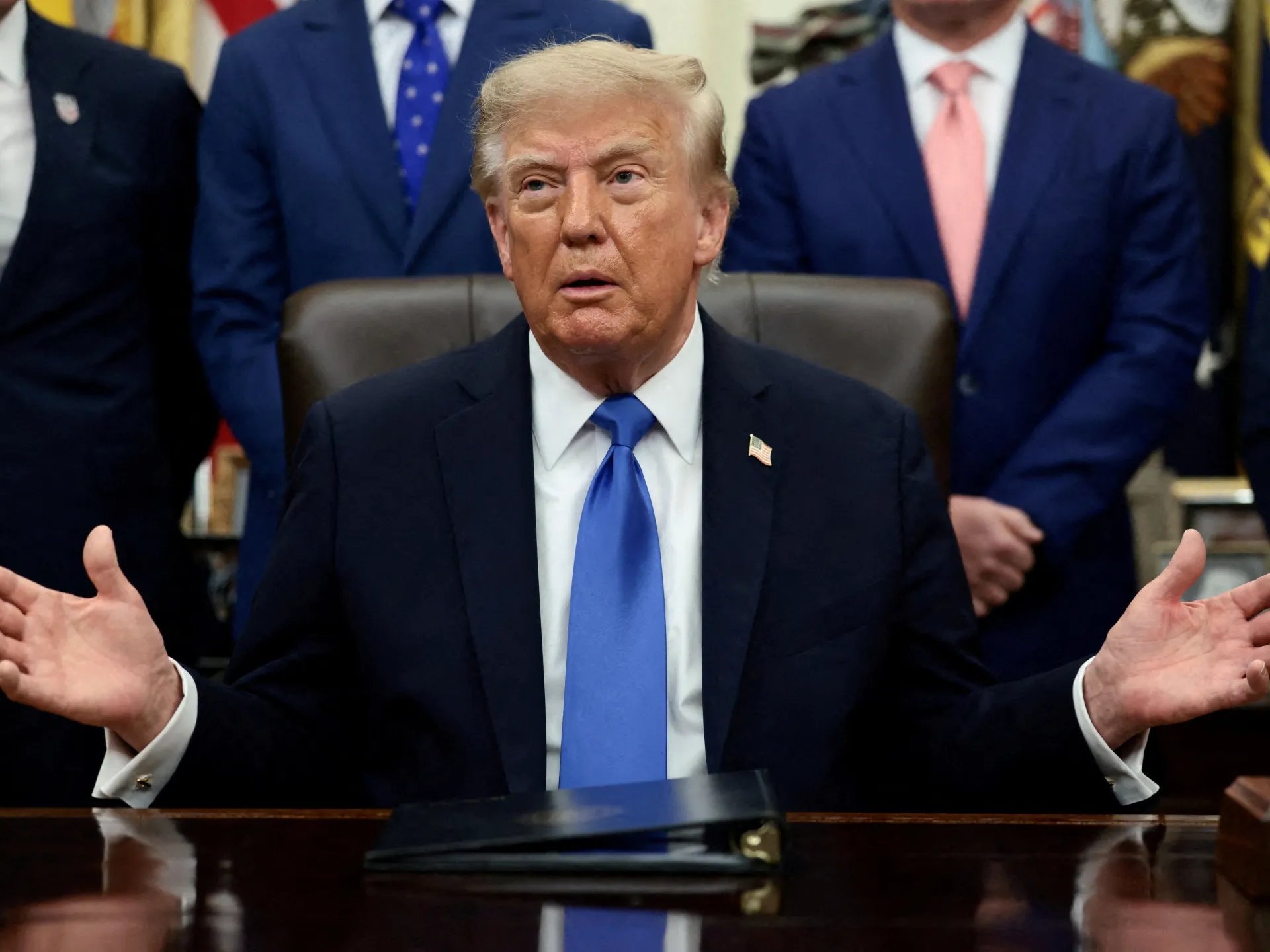
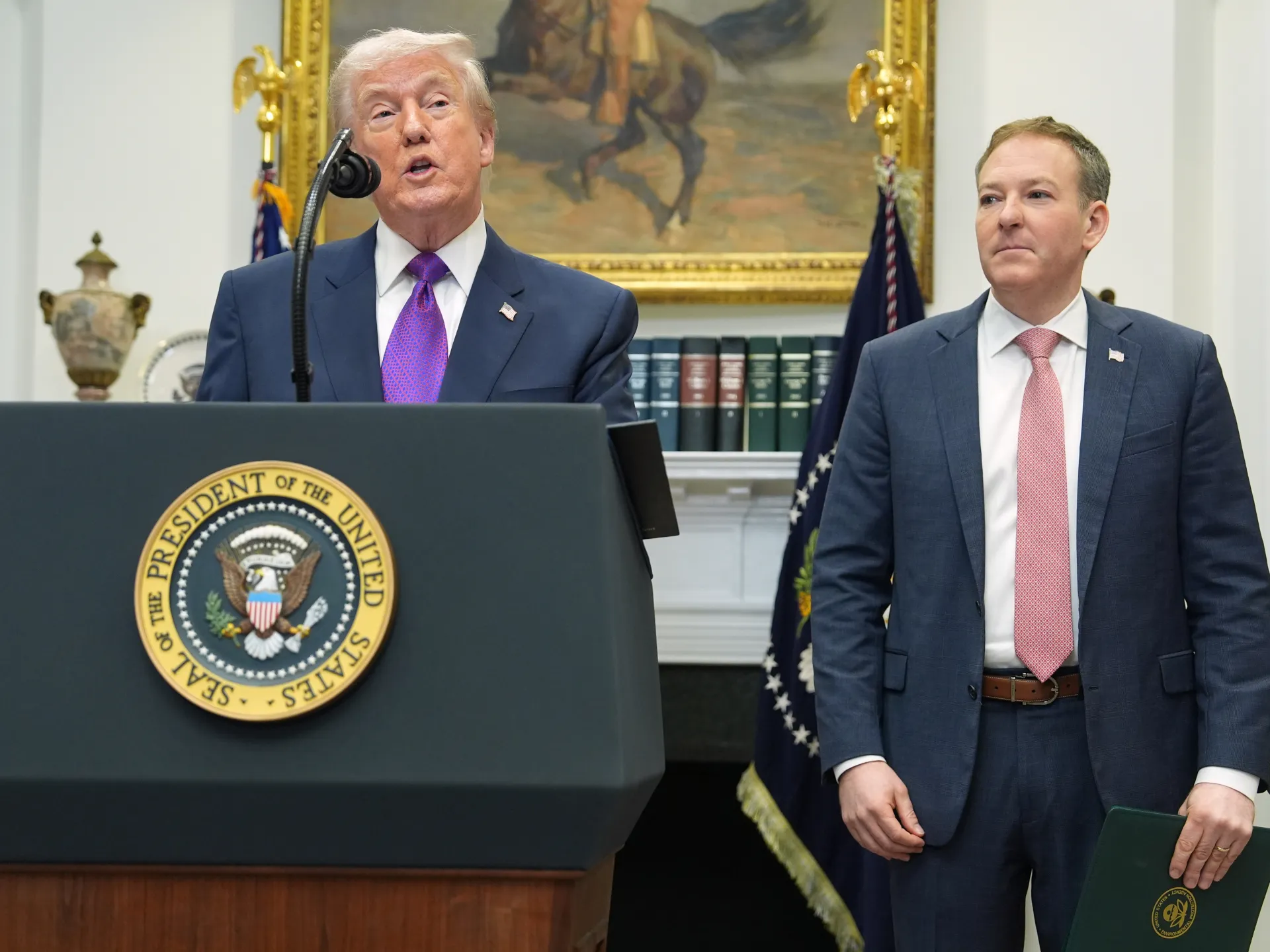
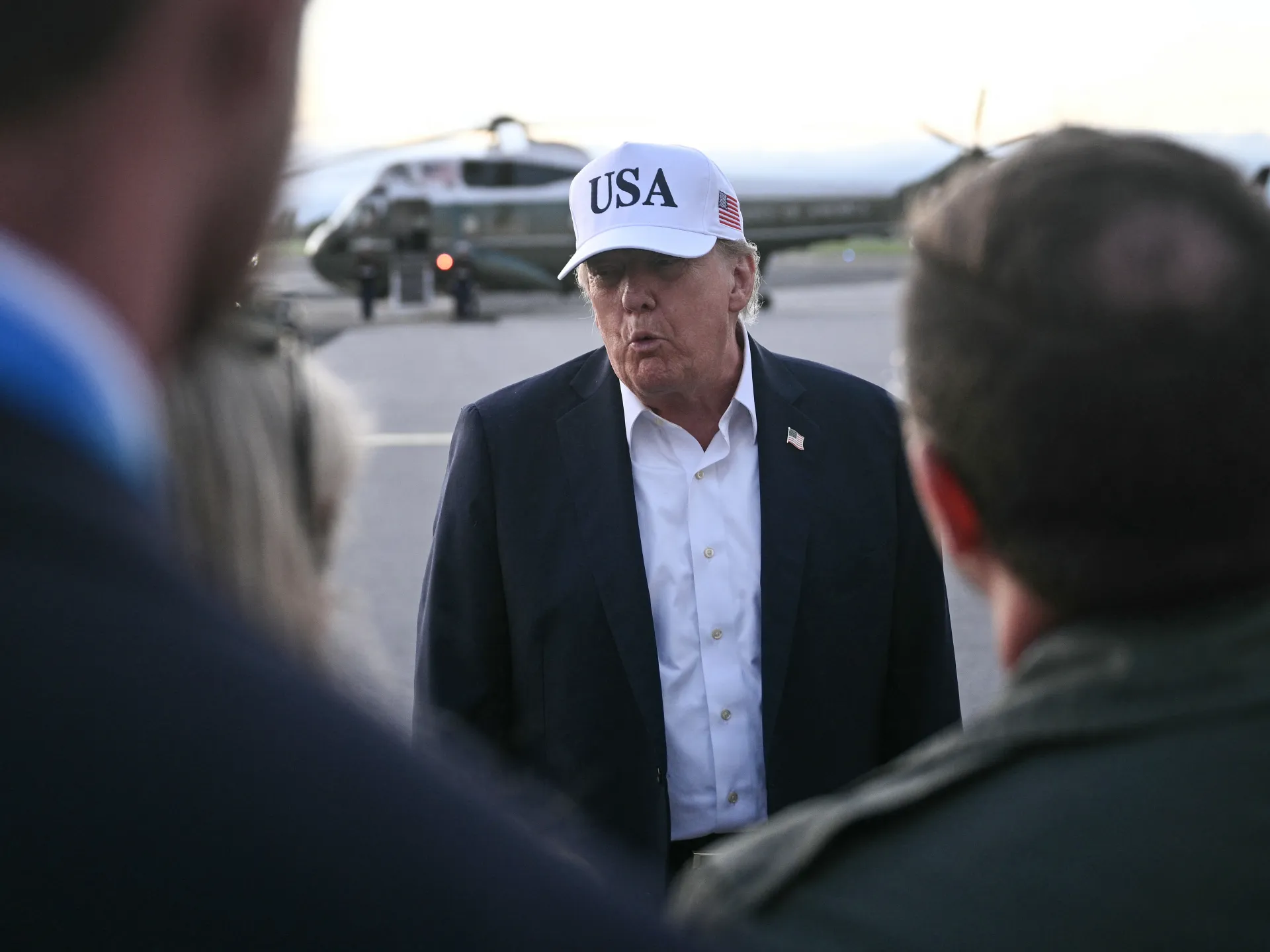
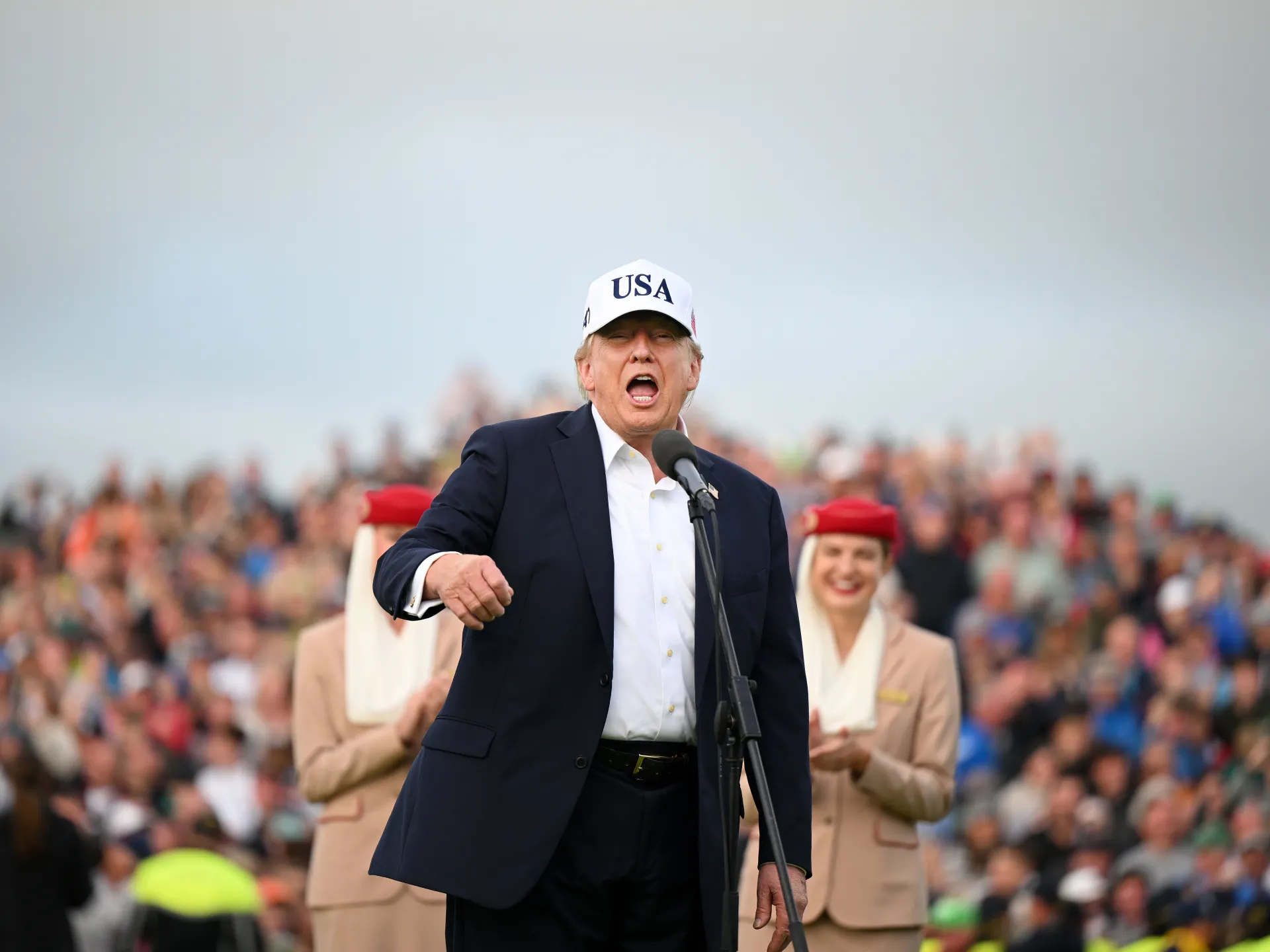
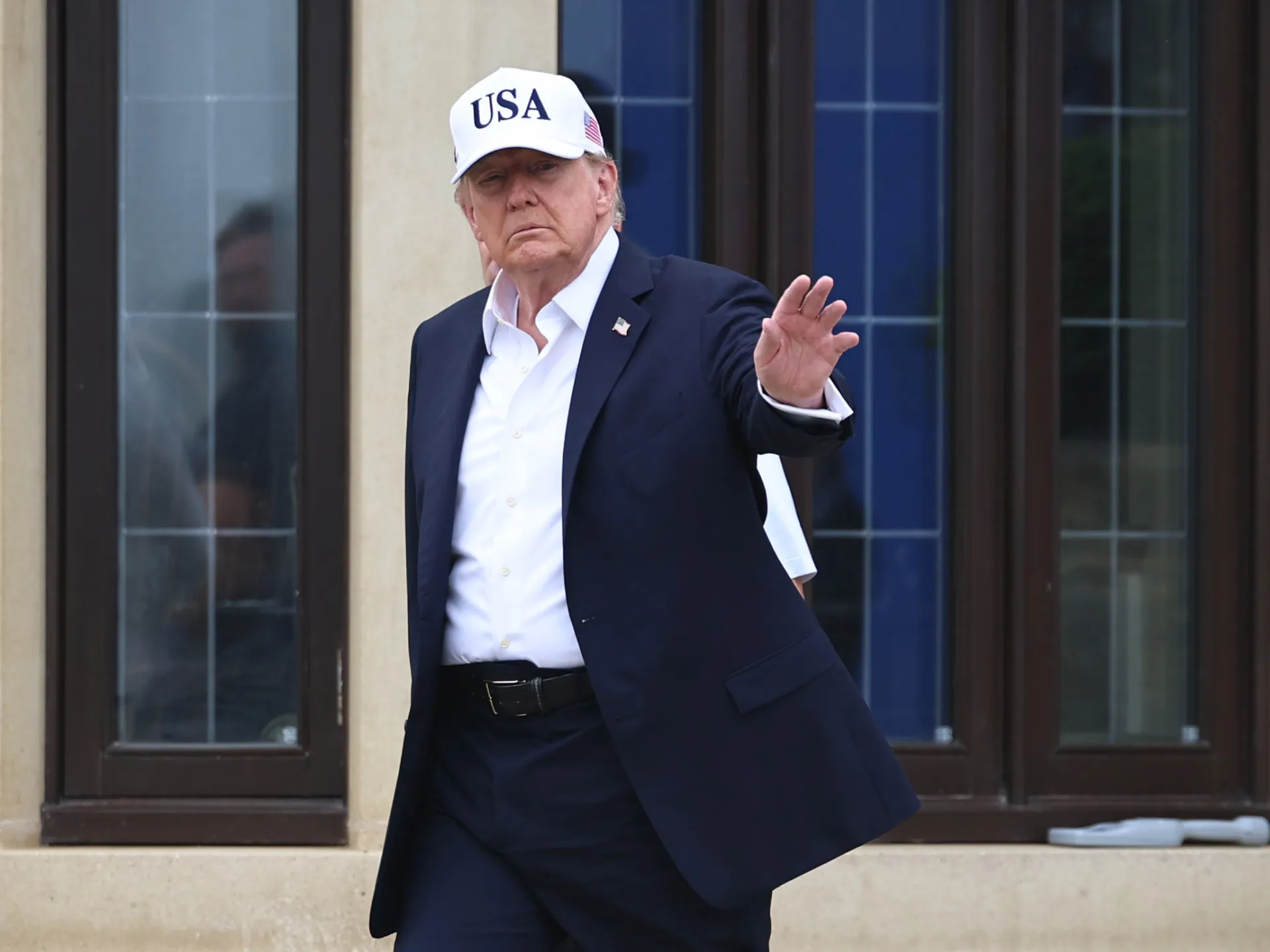
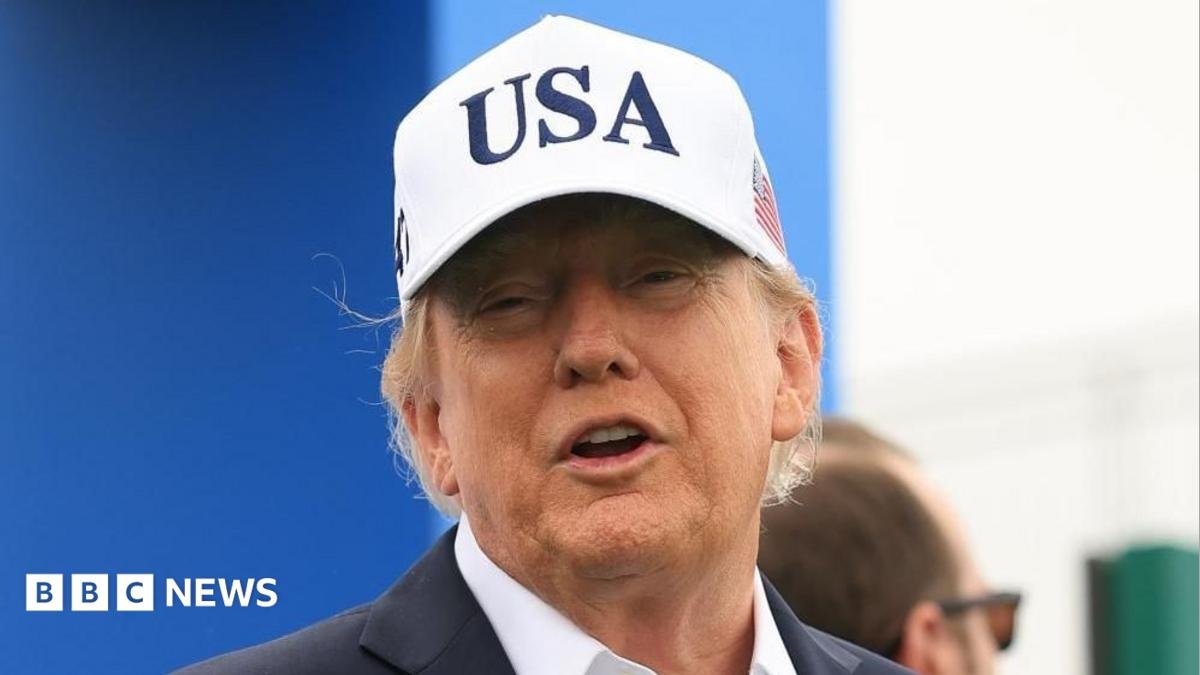
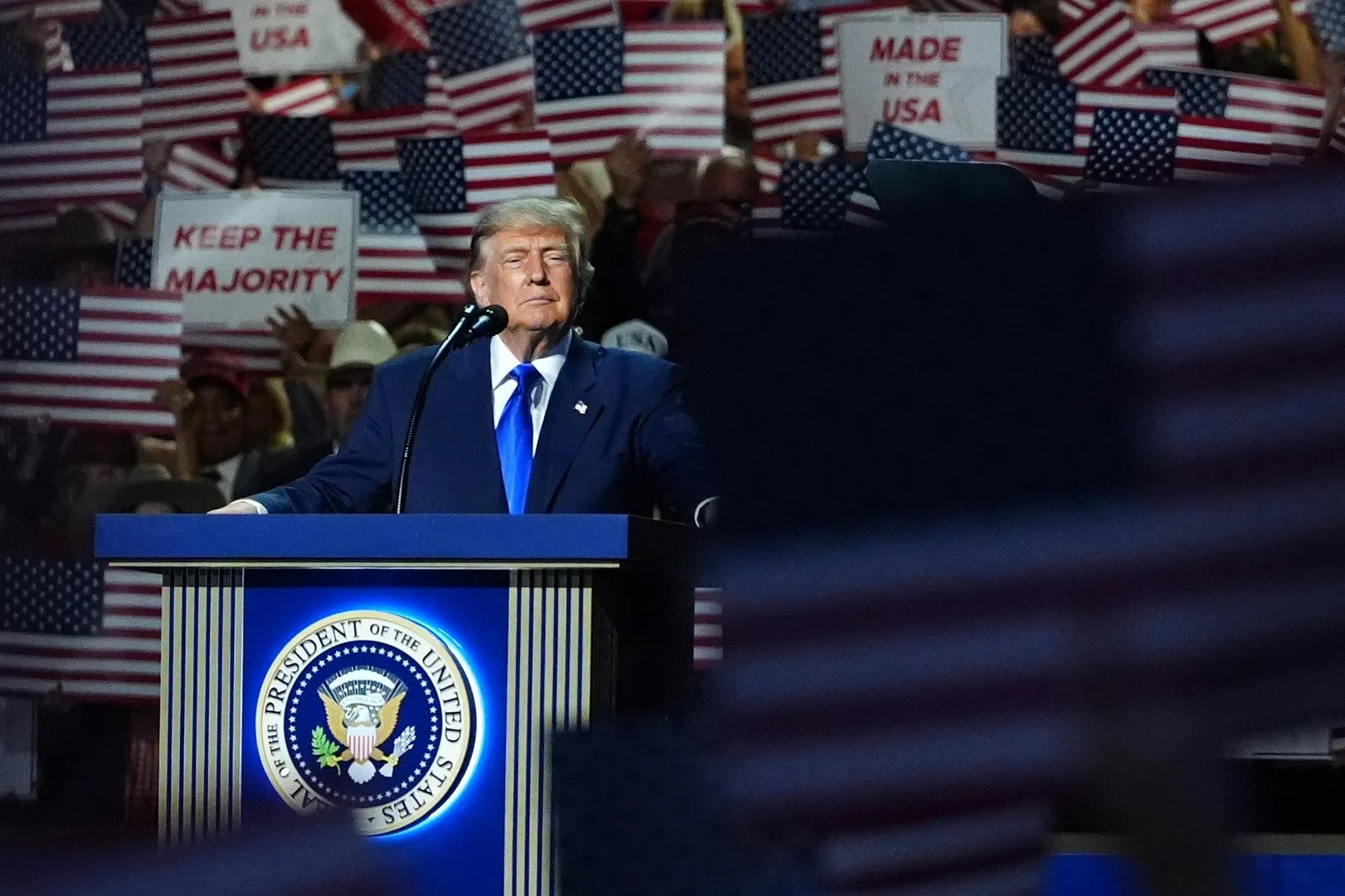
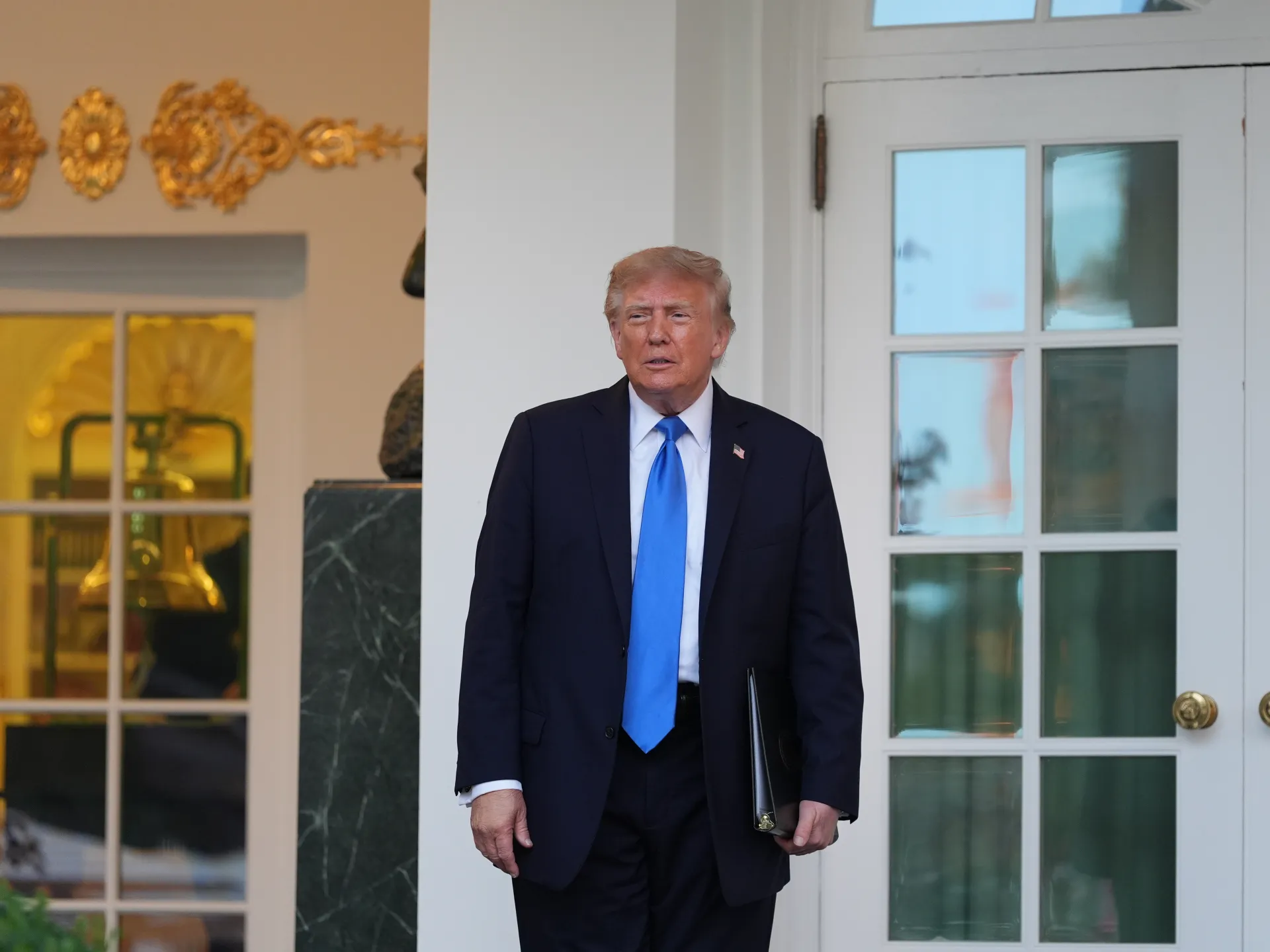
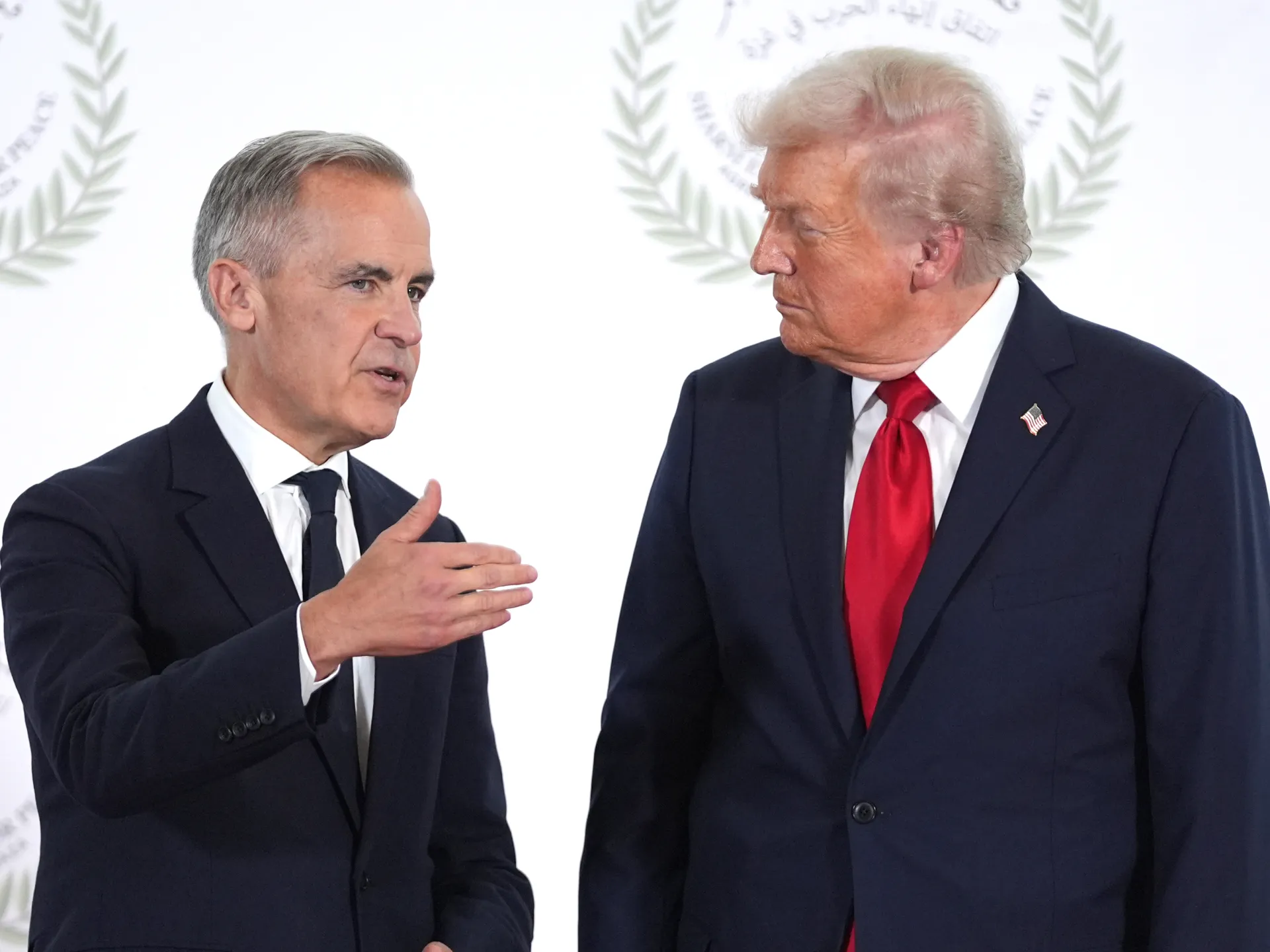
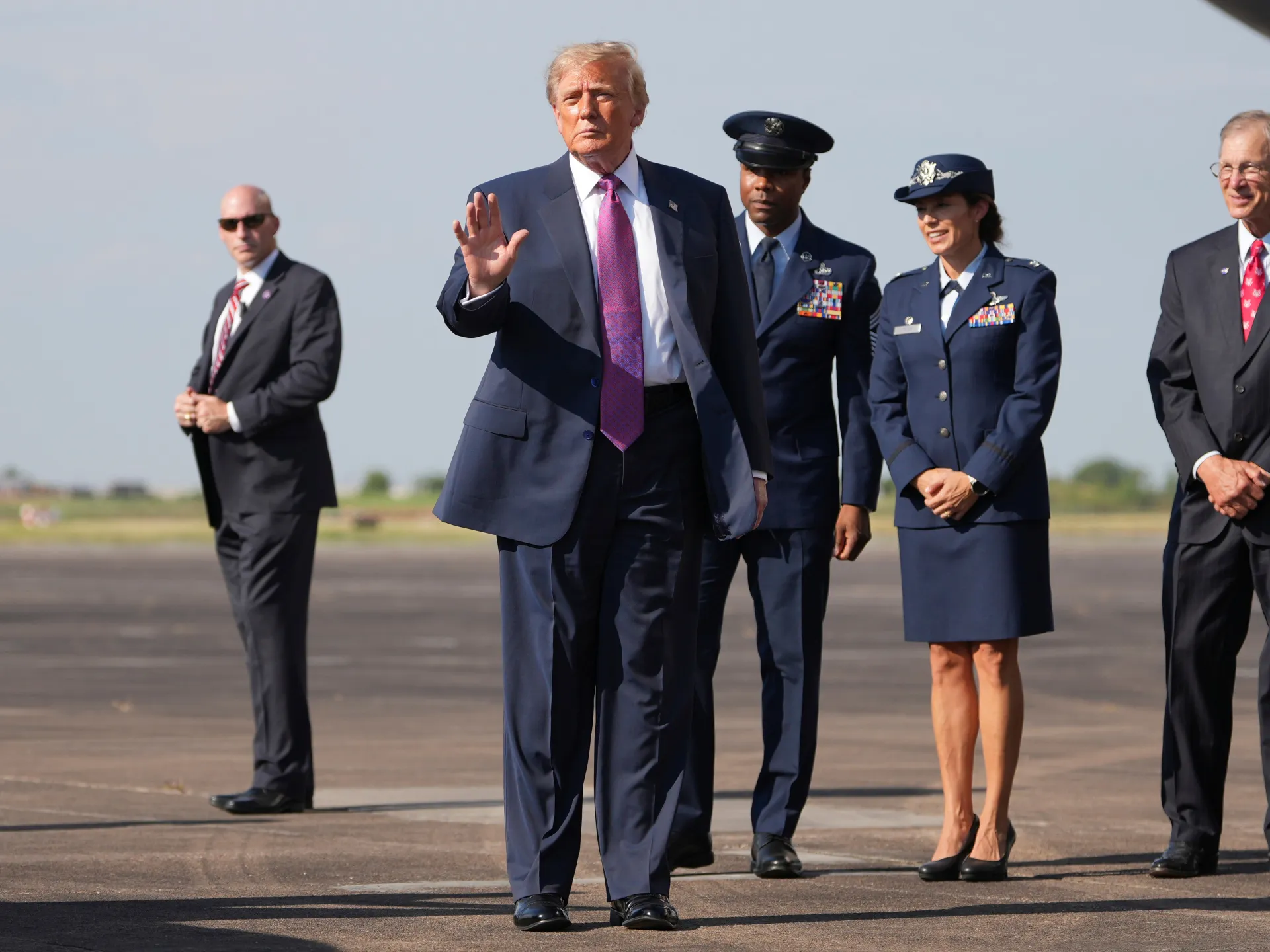
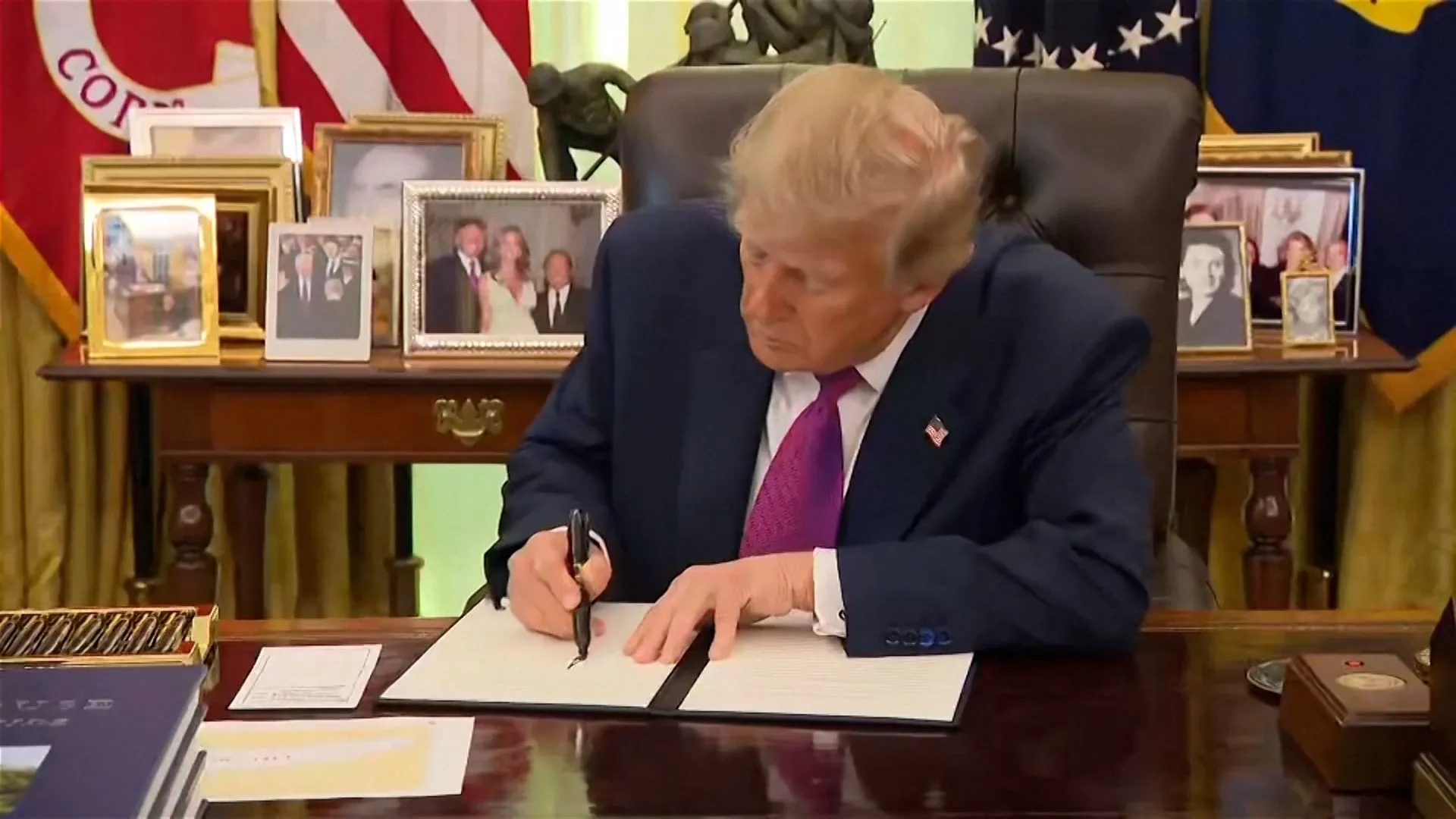
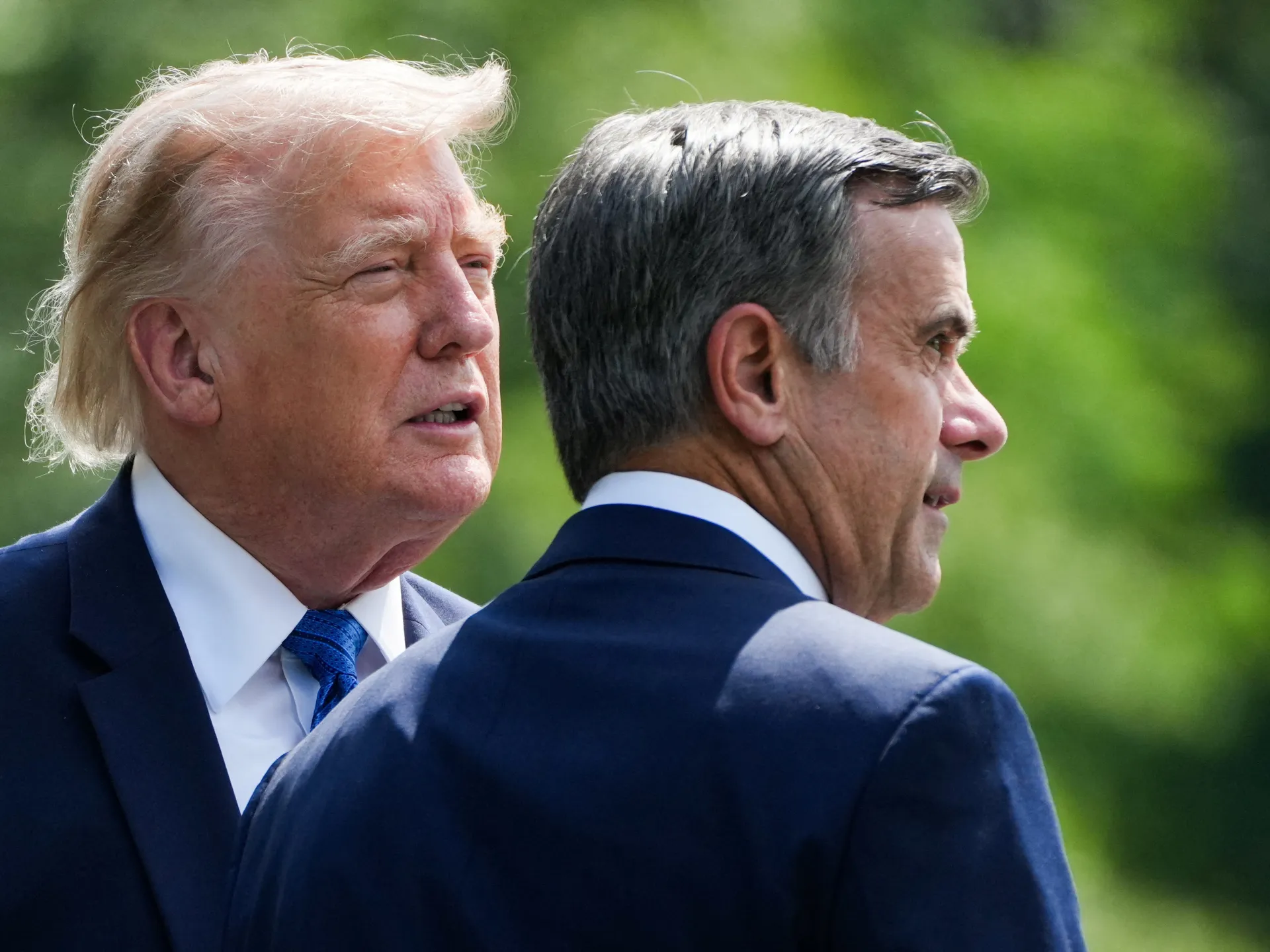
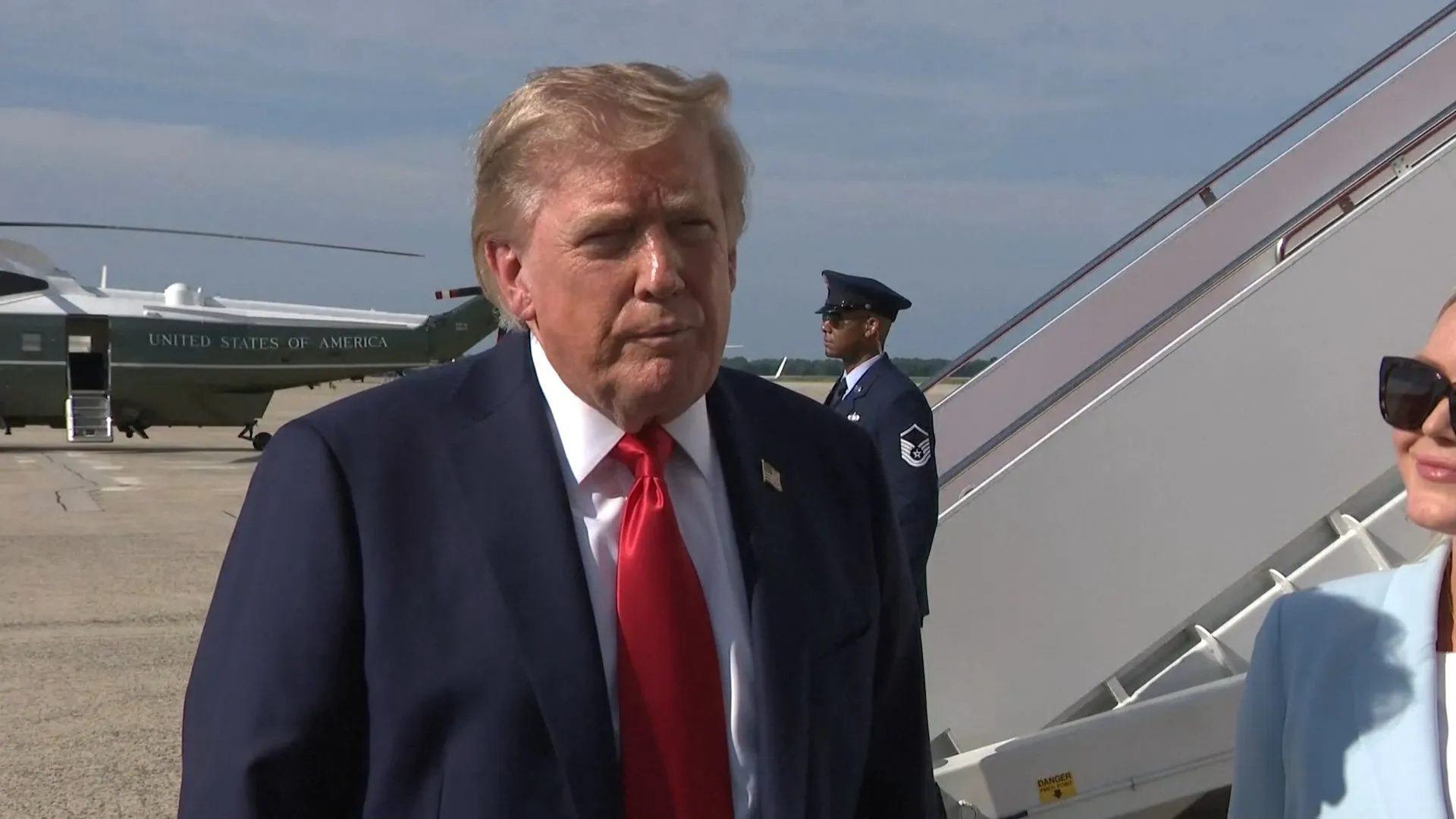
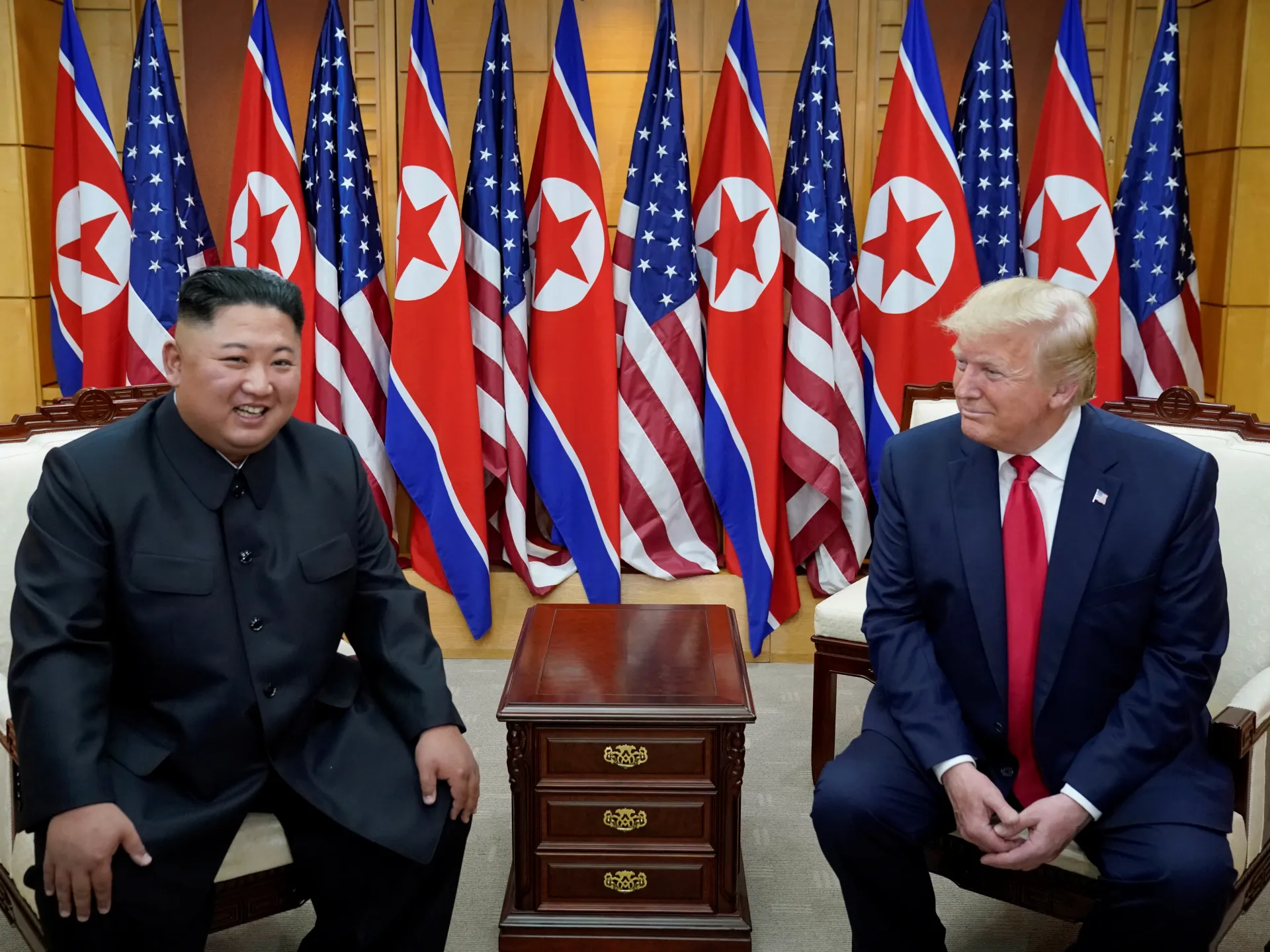
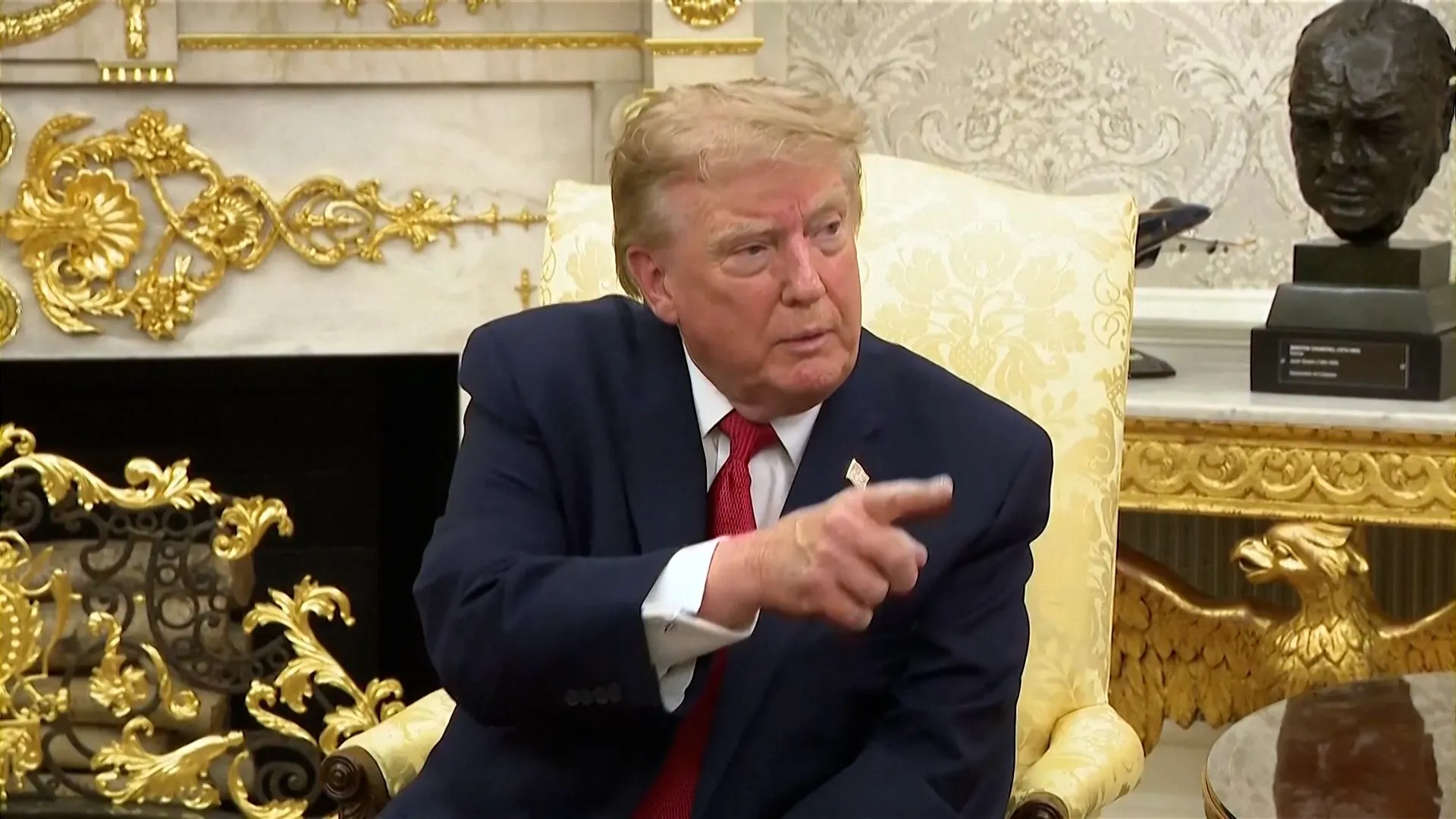
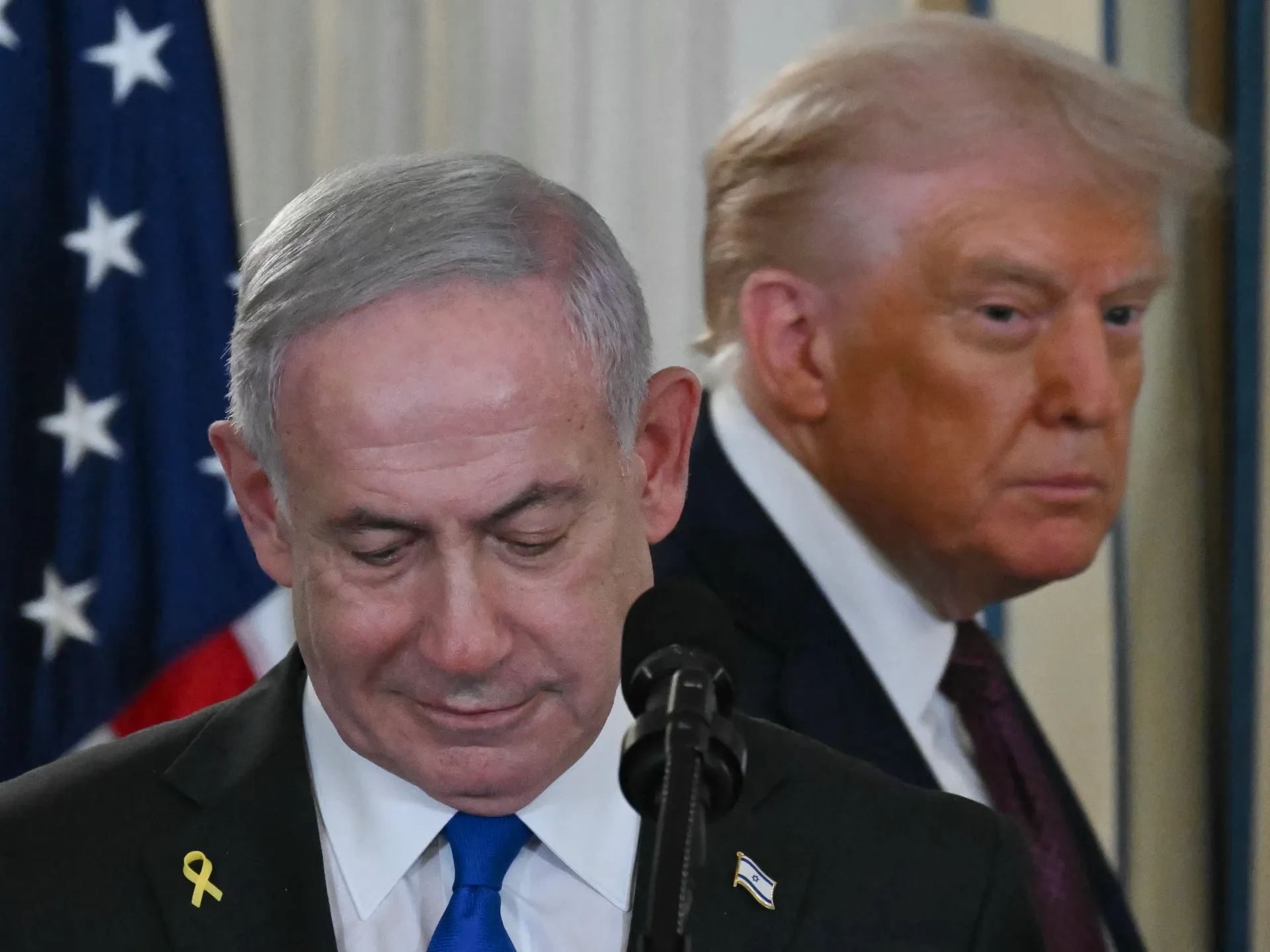
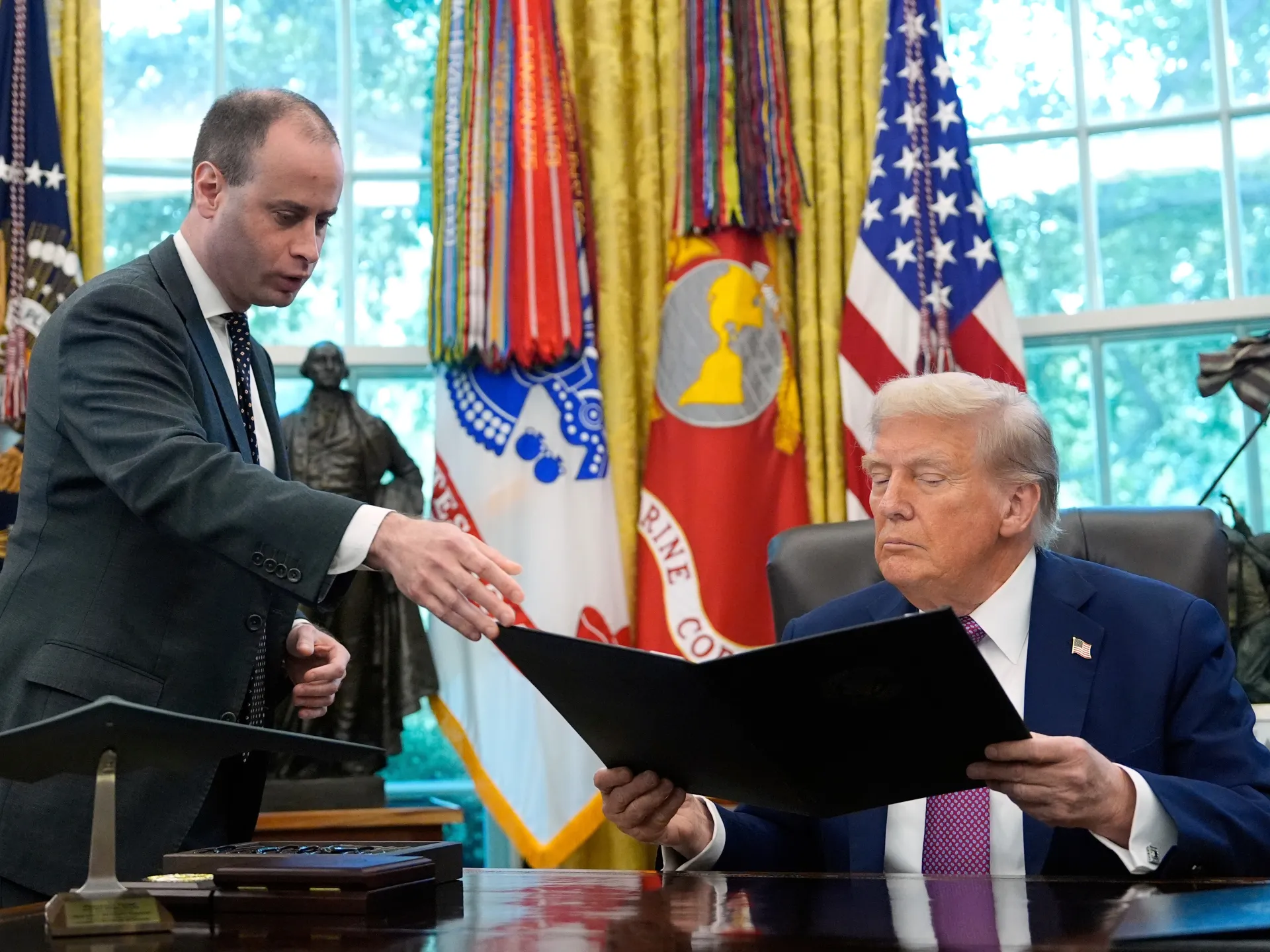
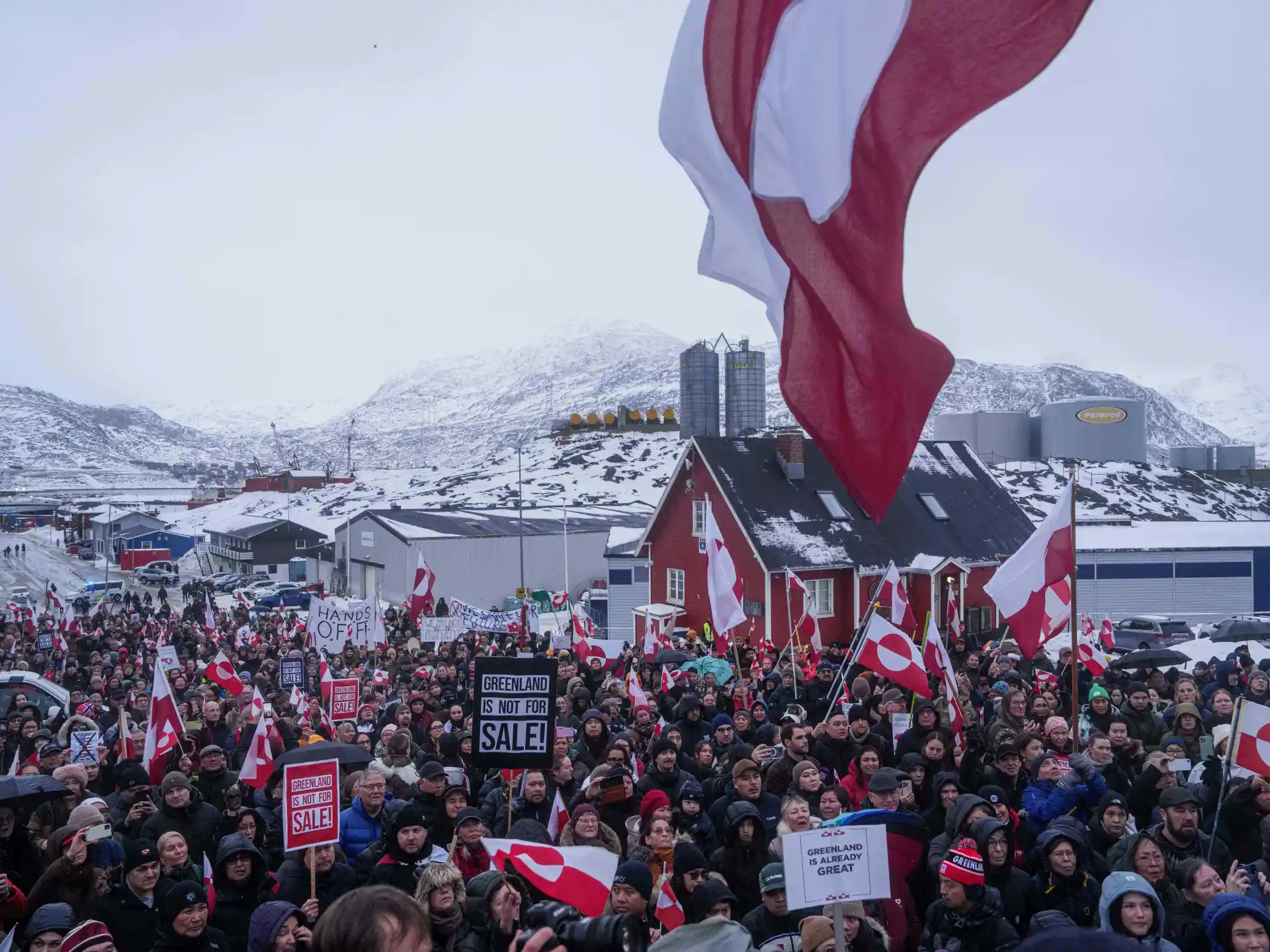
Greenland’s Prime Minister, Jens-Frederik Nielsen, indicated that the terms respect the territory’s internal interests, though the public reaction in Nuuk remains divided. While some residents view a bolstered US presence as a necessary shield against perceived historical neglect er geopolitical confrontation. The agreement comes as President Trump has publicly signaled a desire for a dominant US military footprint in the region, declaring that no adversary shall establish bases or sensitive investments in Greenland without explicit American authorization.
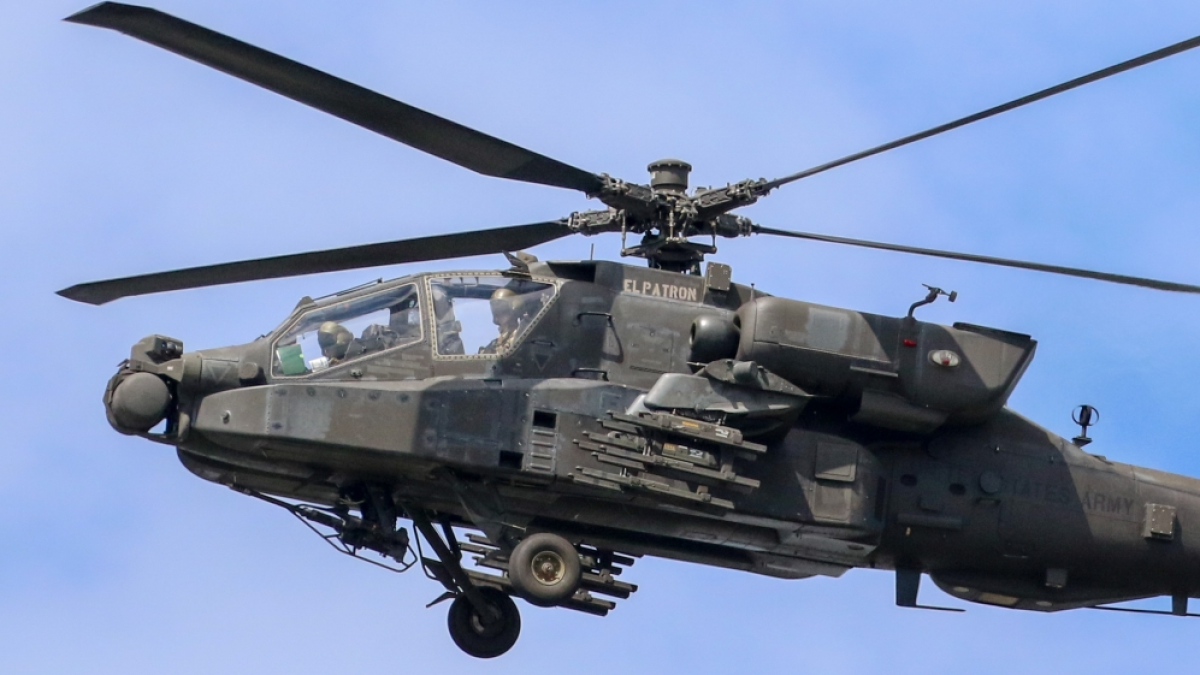
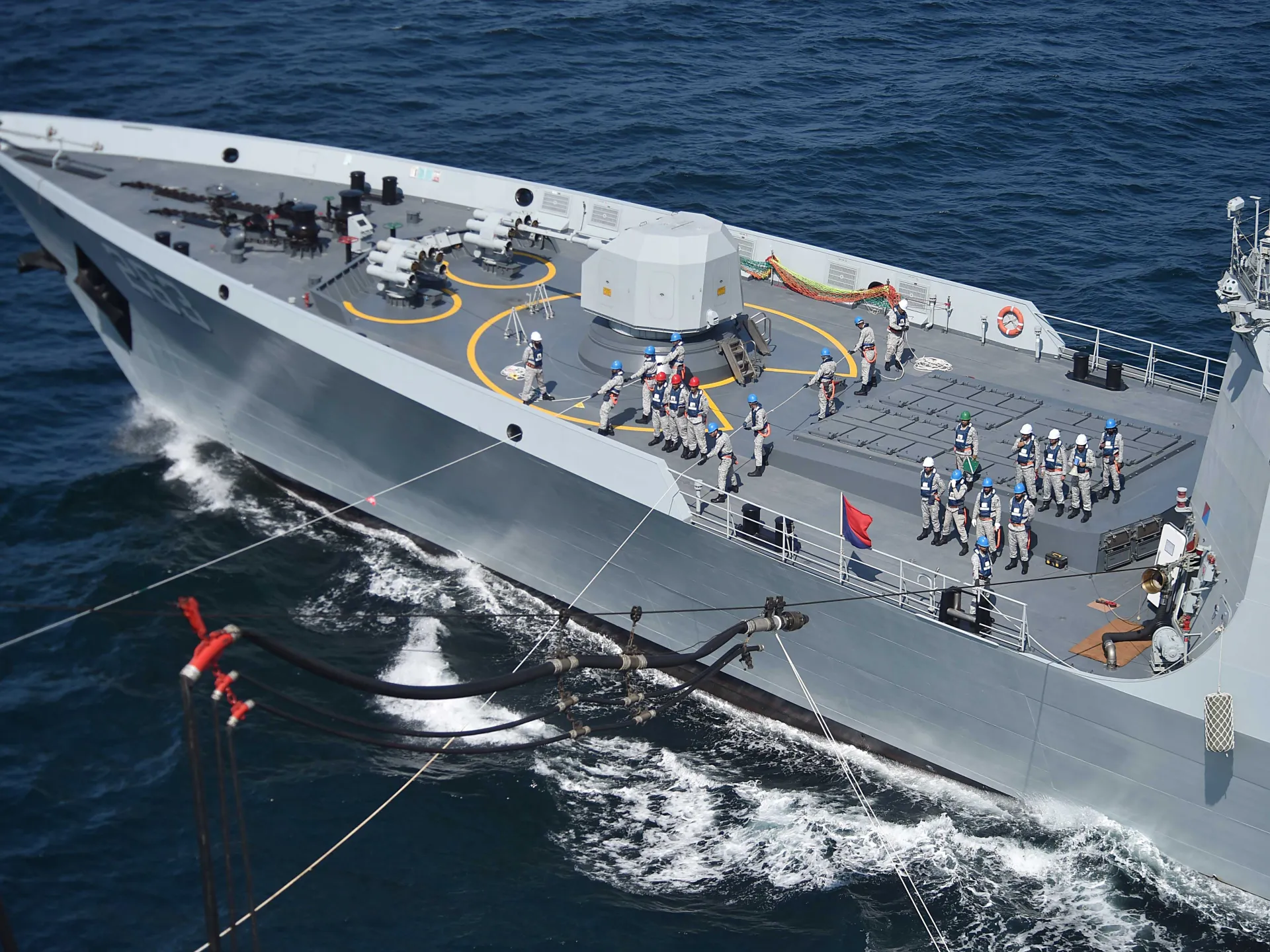
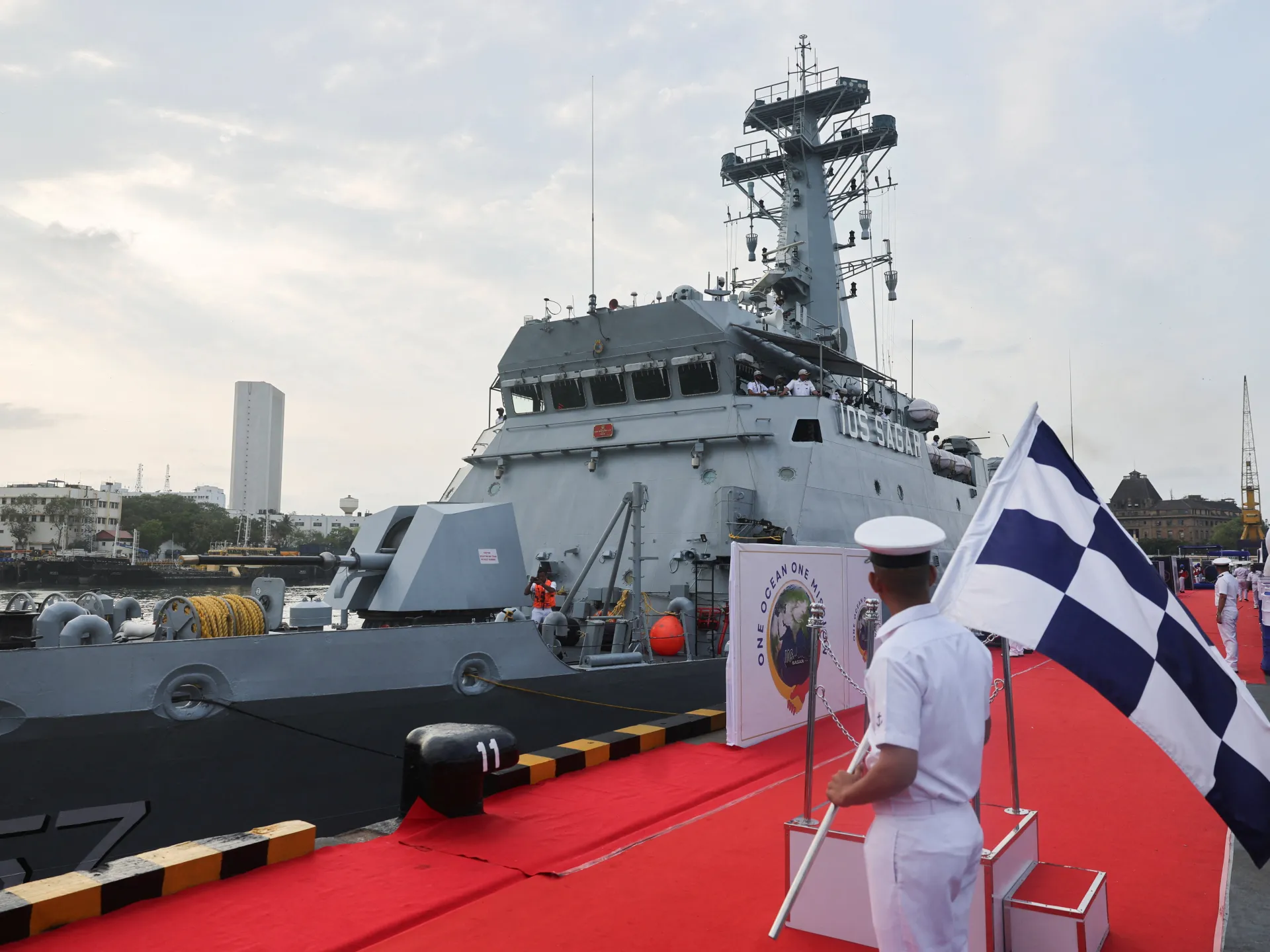
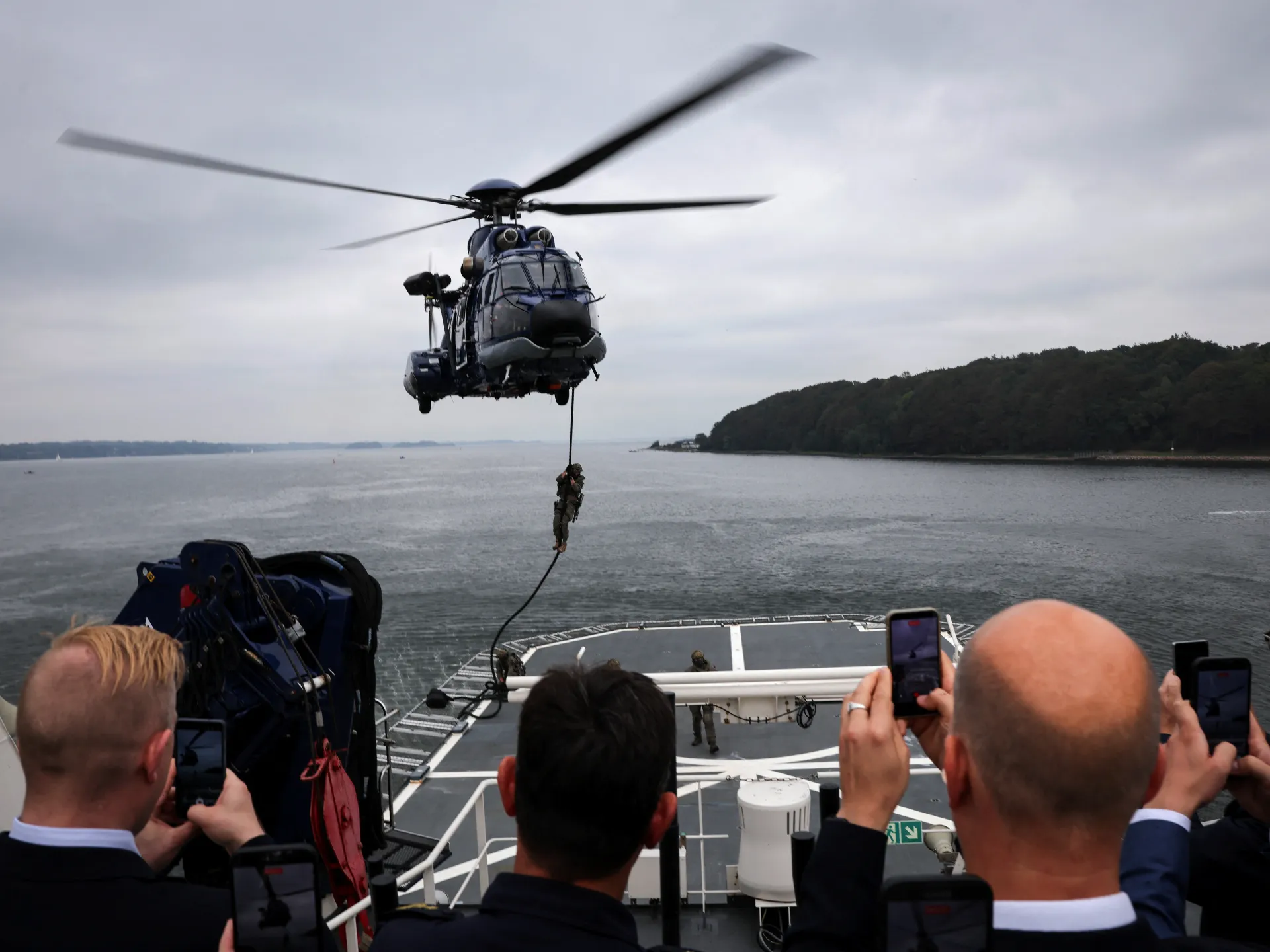
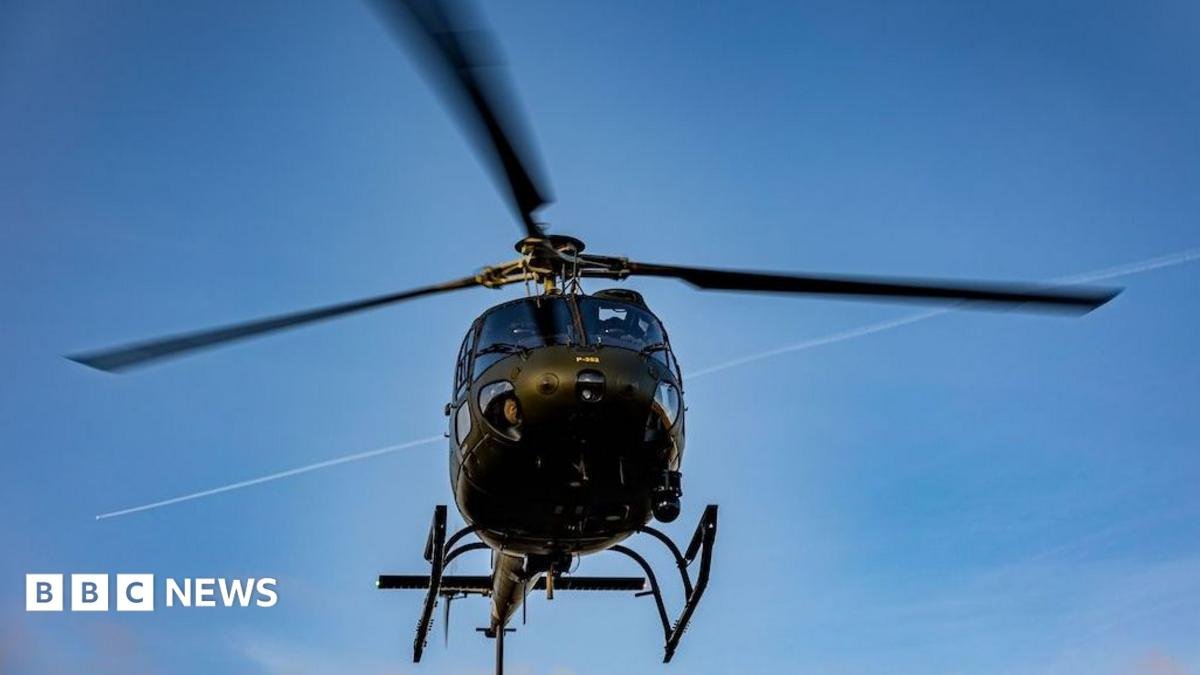
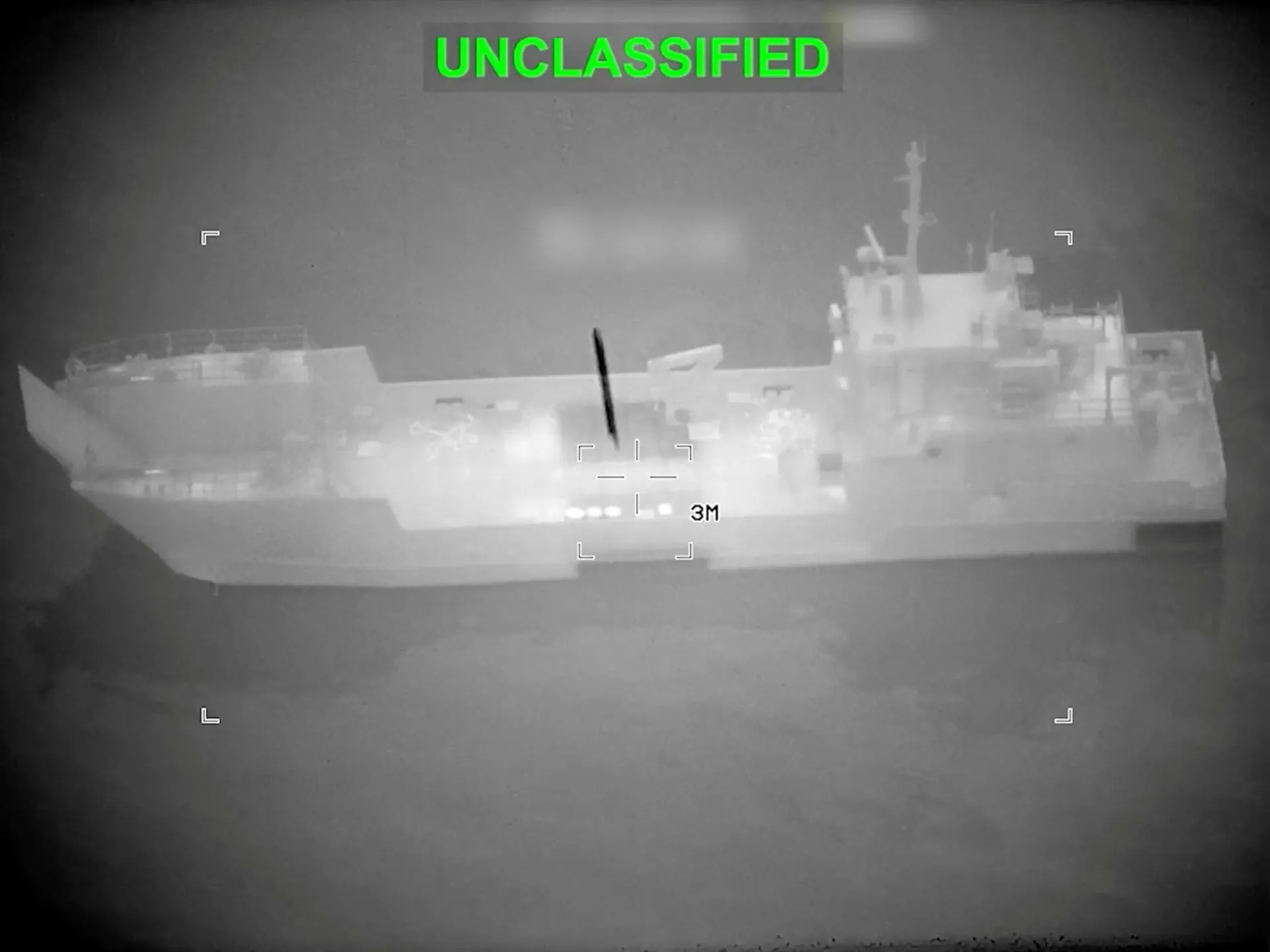
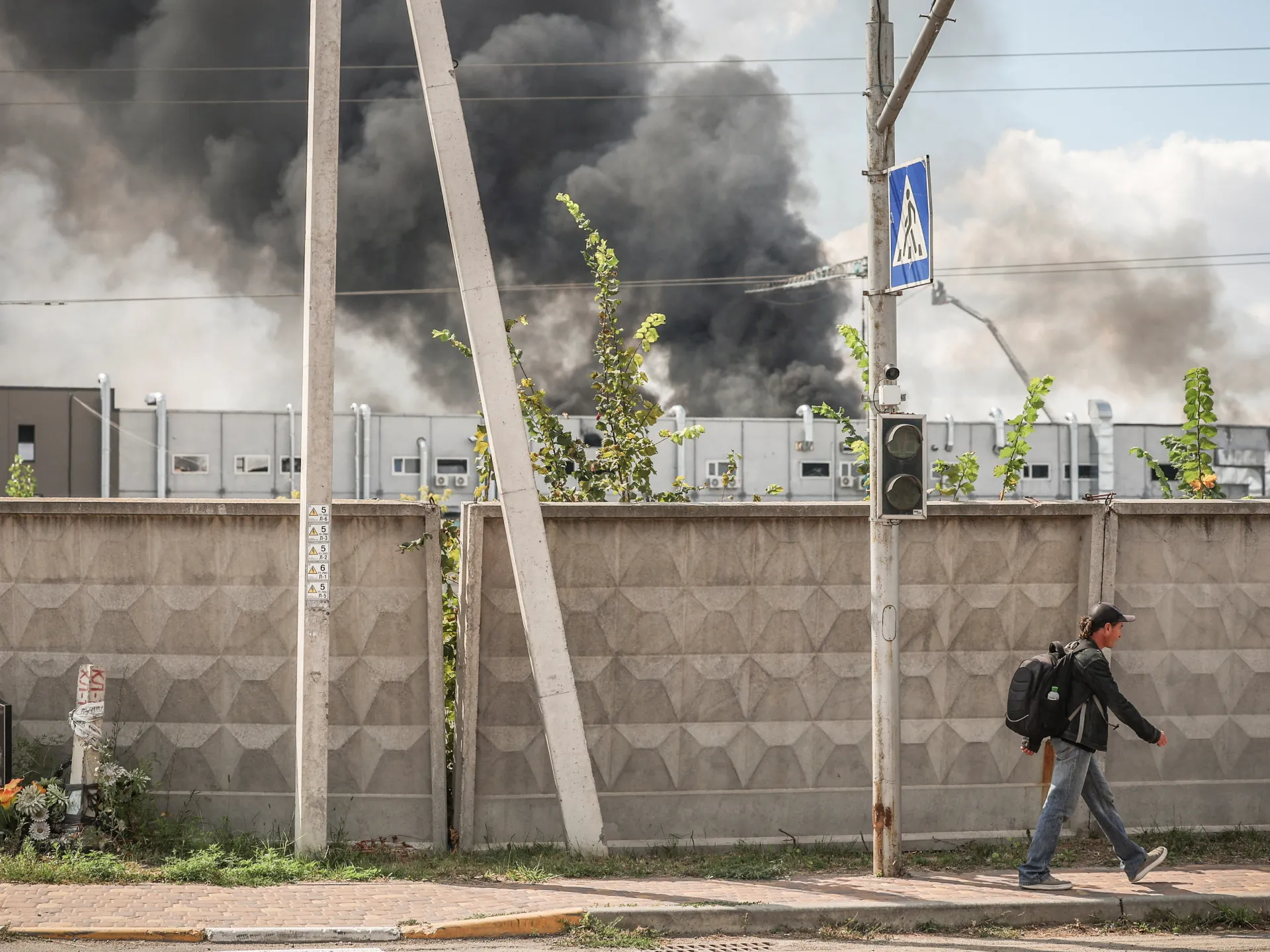
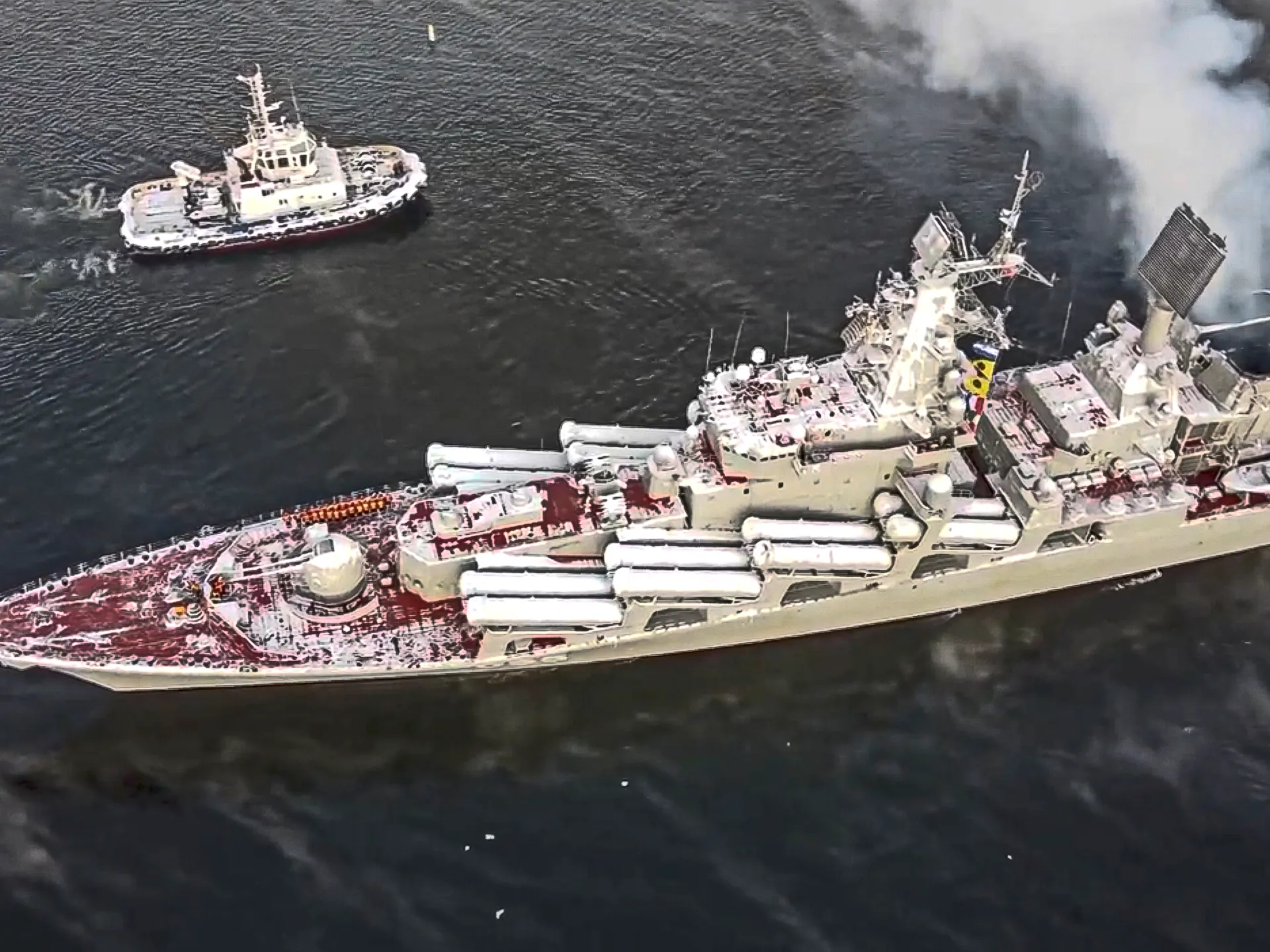
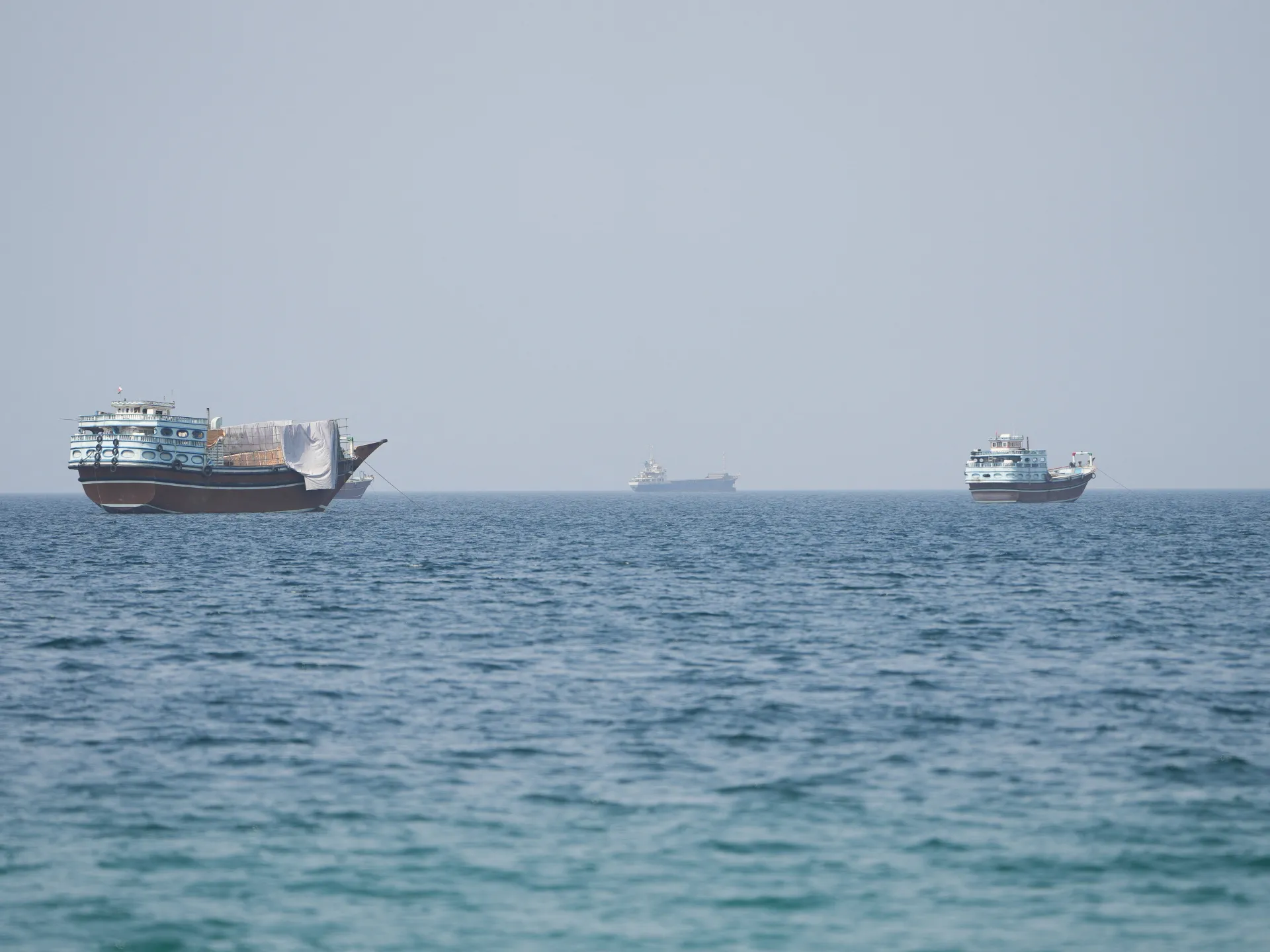
The urgency of the Arctic deal is underscored region. Just days before the announcement of the Arctic security pact, the Danish government summoned the Russian ambassador following an incident in which a Russian frigate fired emergency flares at a Danish Fennec helicopter. The helicopter was engaged in what the Danish military described as a routine photographic monitoring operation in international waters off the coast of Gedser.
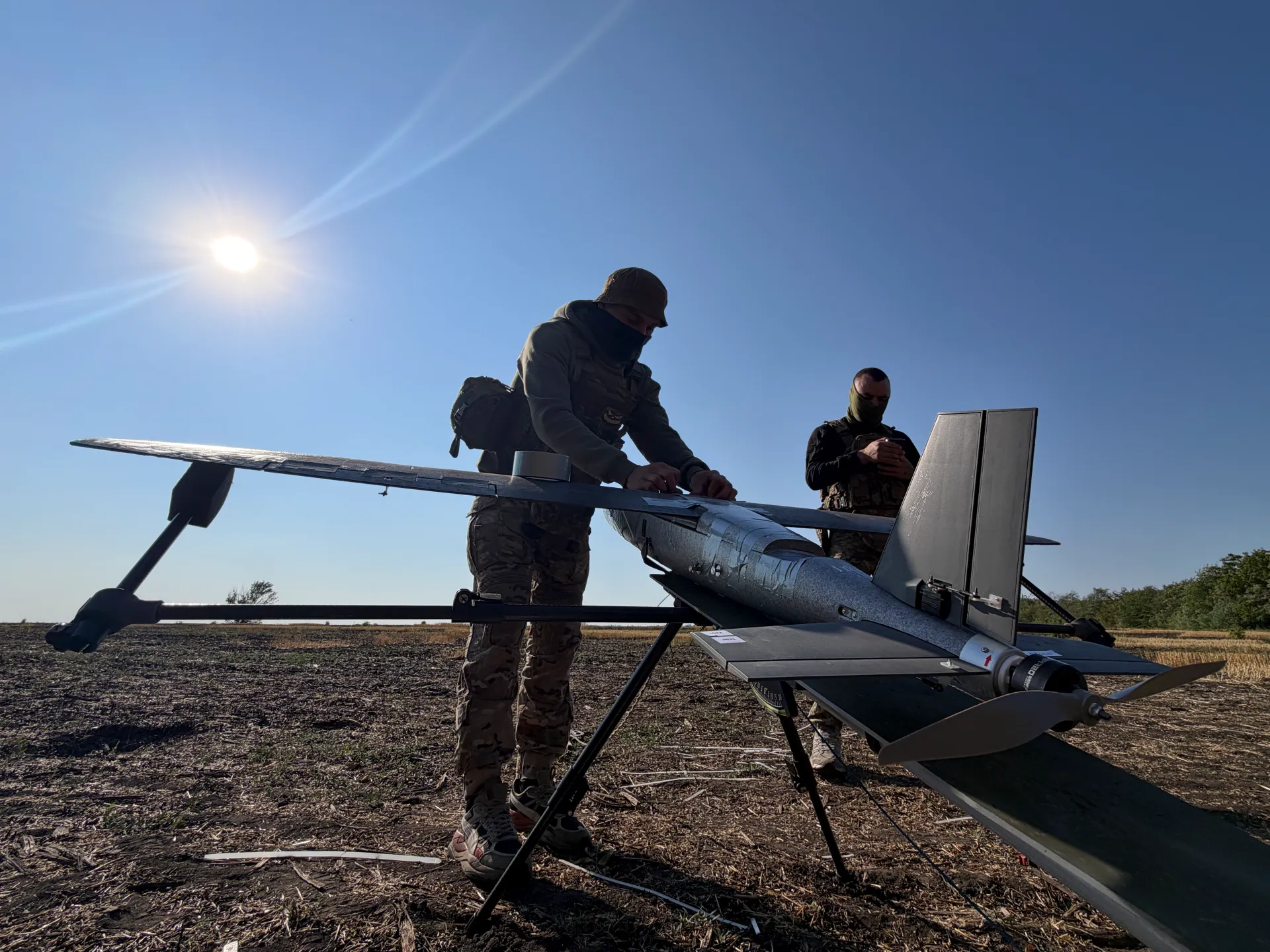
Danish Foreign Minister Lars Lokke Rasmussen condemned the maneuver as a reckless shift in acceptable behavior, characterizing it as an attempt to intimidate regional NATO members. Simultaneously, NATO forces in Lithuania were forced to intercept and shoot down a drone that had violated their airspace near Kaunas. These events, taken together, suggest a broader pattern of escalation along the alliance’s eastern and northern flanks. While Russia has dismissed the Baltic incident cluding European Commission President Ursula von der Leyen, have labeled the developments part of a coordinated campaign of aggression that necessitates the strengthened security arrangements currently being finalized in the Arctic.
The signing of the agreement at the United Nations will likely serve as the starting point for a complex implementation phase. The primary challenge for the Danish and Greenlandic governments will be reconciling the “binding” nature of the security commitments with the operational realities of a large, sudden US military build-up. We can expect significant debate regarding the specific thresholds for US intervention in Greenlandic economic and foreign policy, particularly concerning how “sensitive investments”
Furthermore, the friction with Moscow is unlikely to dissipate. The reliance on increased NATO presence to deter Russian maneuvers in the Baltic suggests that the security environment will remain volatile. As the US moves to cement its position in the Arctic, the diplomatic friction between Washington, Copenhagen, and Moscow will likely intensify, forcing other Arctic Council members to clarify their own alignment in an increasingly fractured, militarized North.