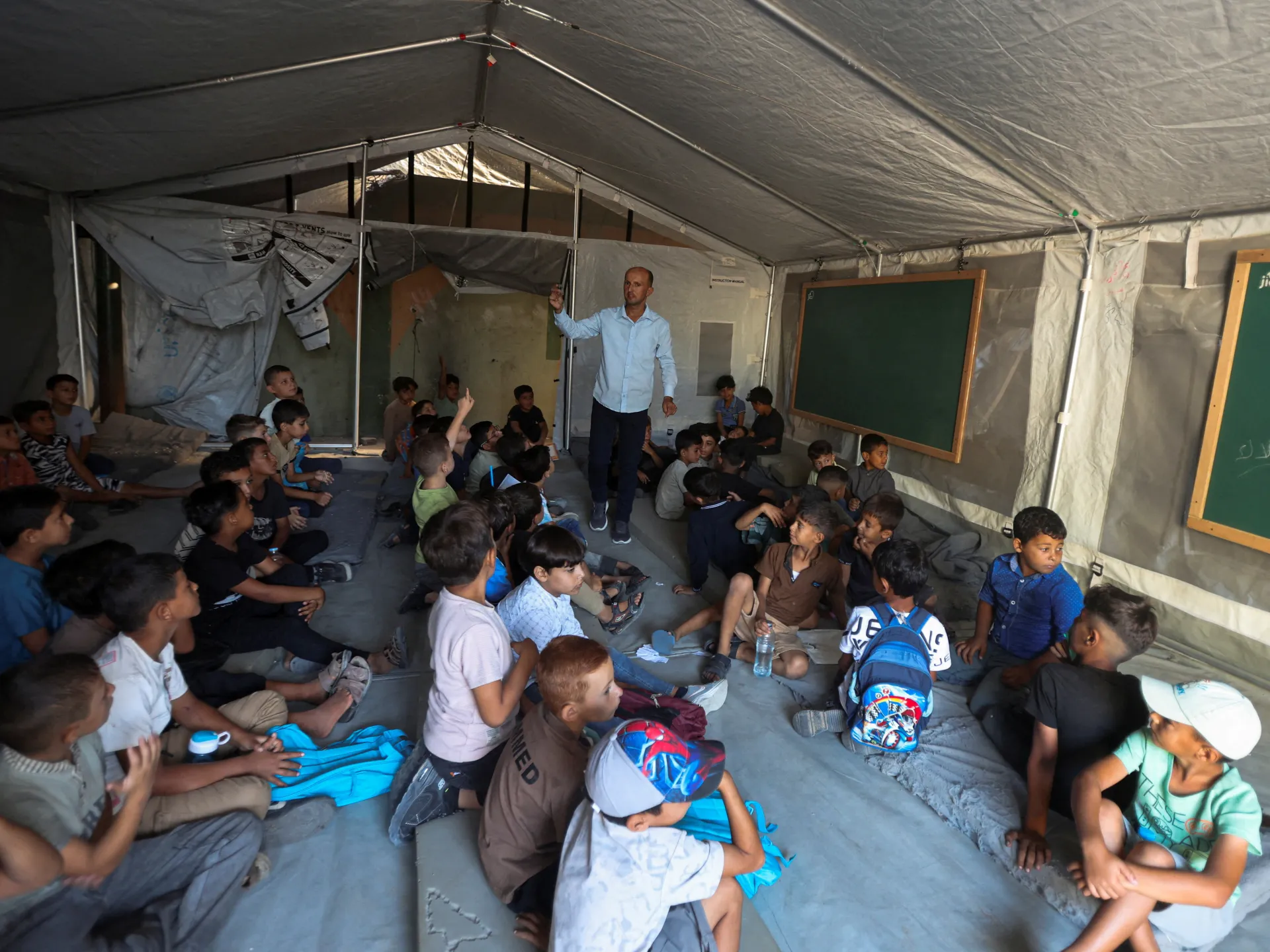
While Gaza’s students attempt a return to education in tented classrooms, Mexico celebrates the return of a historic Aztec manuscript, highlighting the divergent paths of human recovery and cultural heritage.
The convergence of disparate global events—the return of ancient artifacts to Mexico and the resumption of primary education in the Gaza Strip—highlights the profound tension between historical preservation and the immediate survival of the next generation. While the physical return of the Codex Azcatitlán represents a diplomatic victory for cultural heritage, the makeshift return to schooling in Gaza serves as a grim reminder of the costs associated with prolonged conflict. These two realities exist on a spectrum of human experience where the value placed on knowledge, whether it be the preservation of ancestral history or the basic literacy of a war-torn child, remains the central pivot point. Understanding these developments requires looking past the individual headlines to see how societies prioritize their future while grappling with the ghosts of their past.
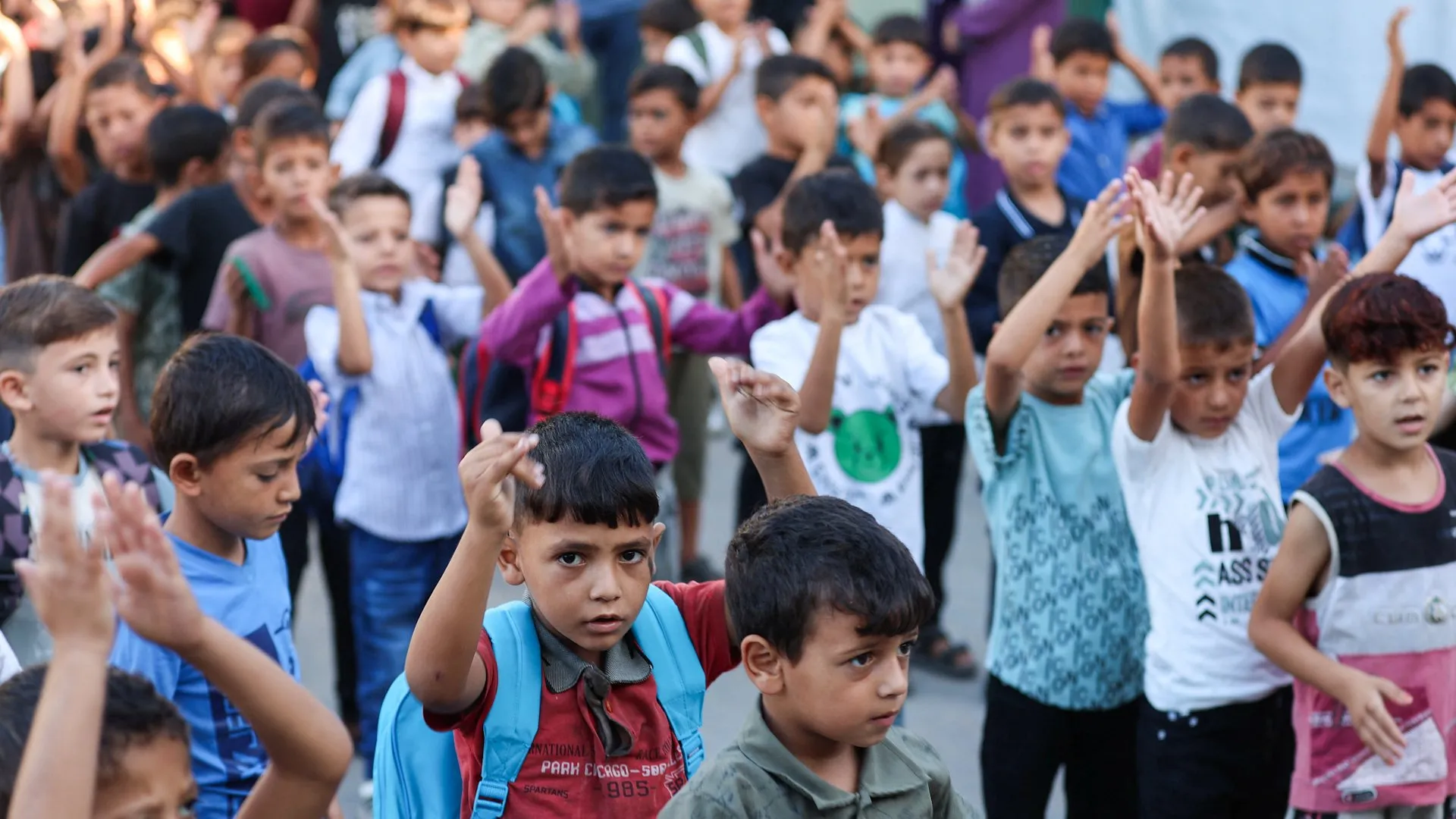
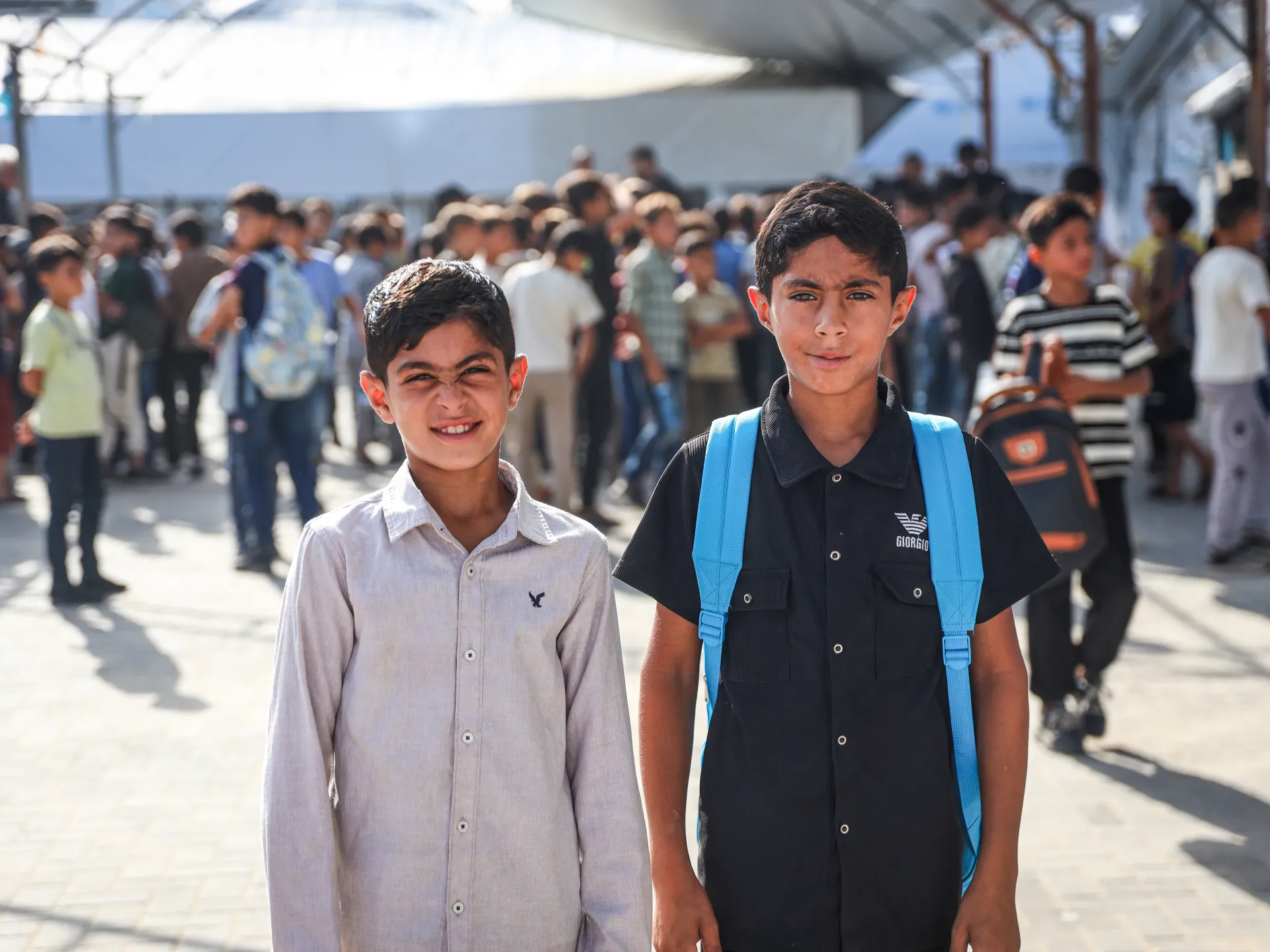
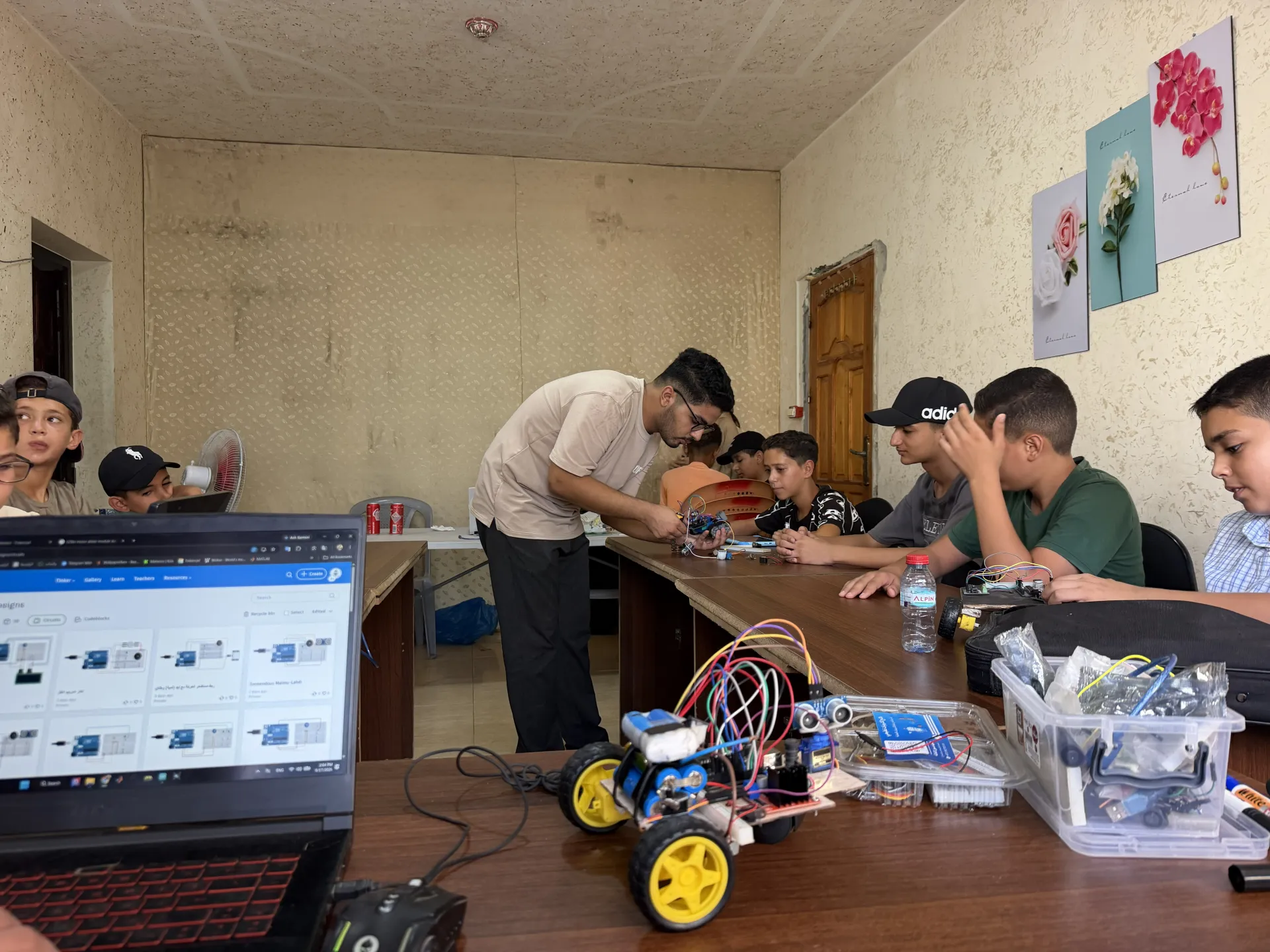
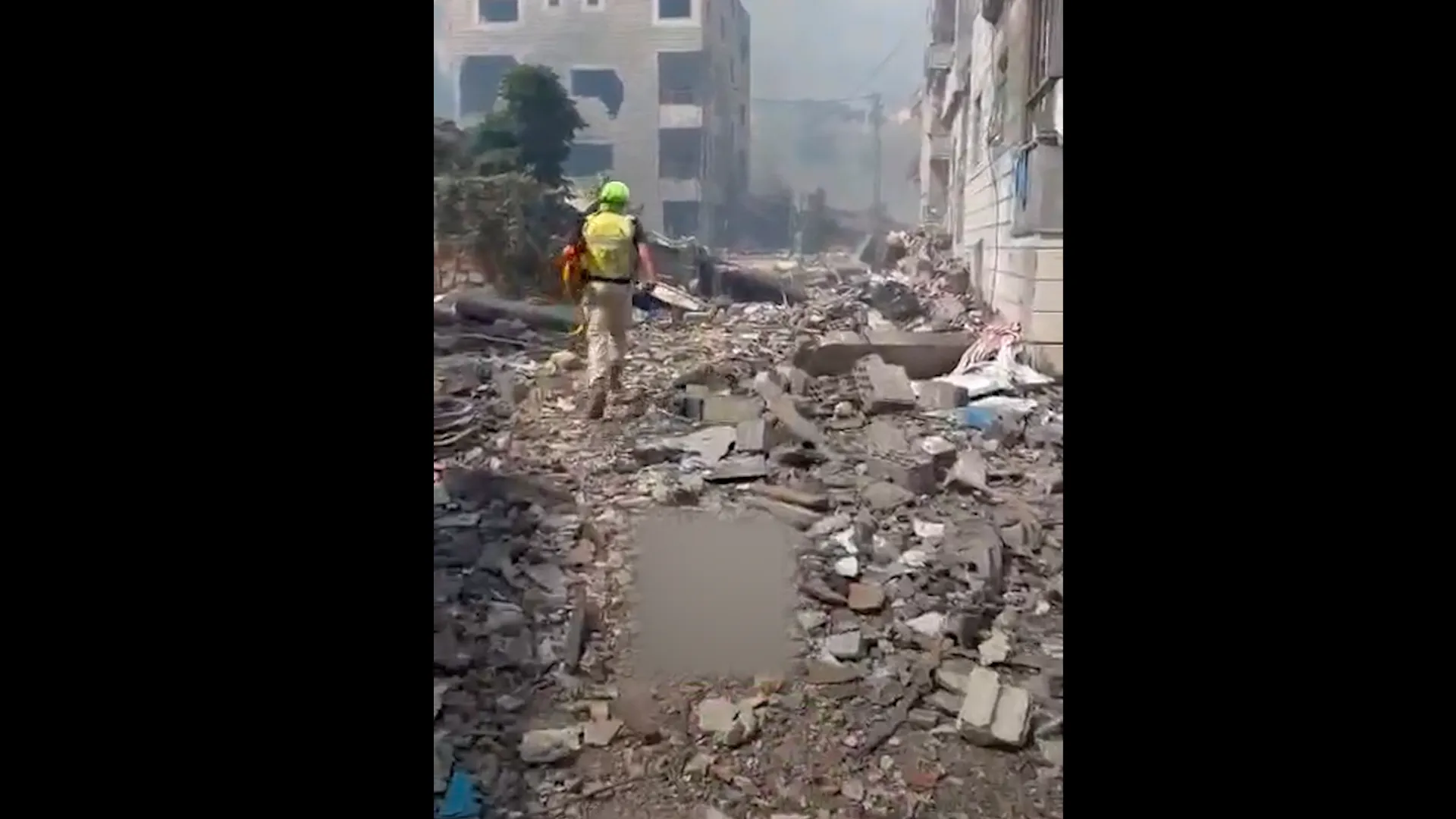
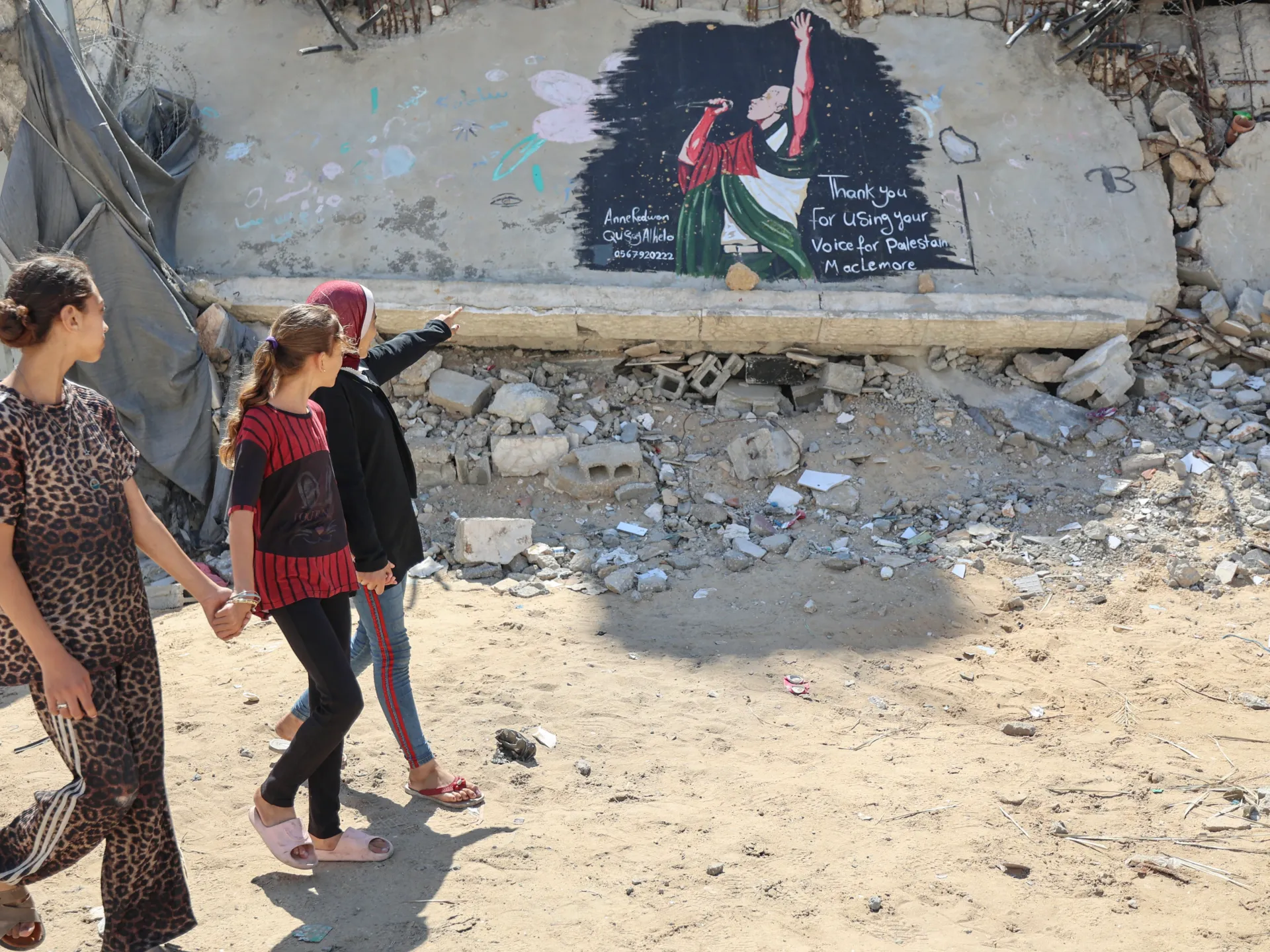
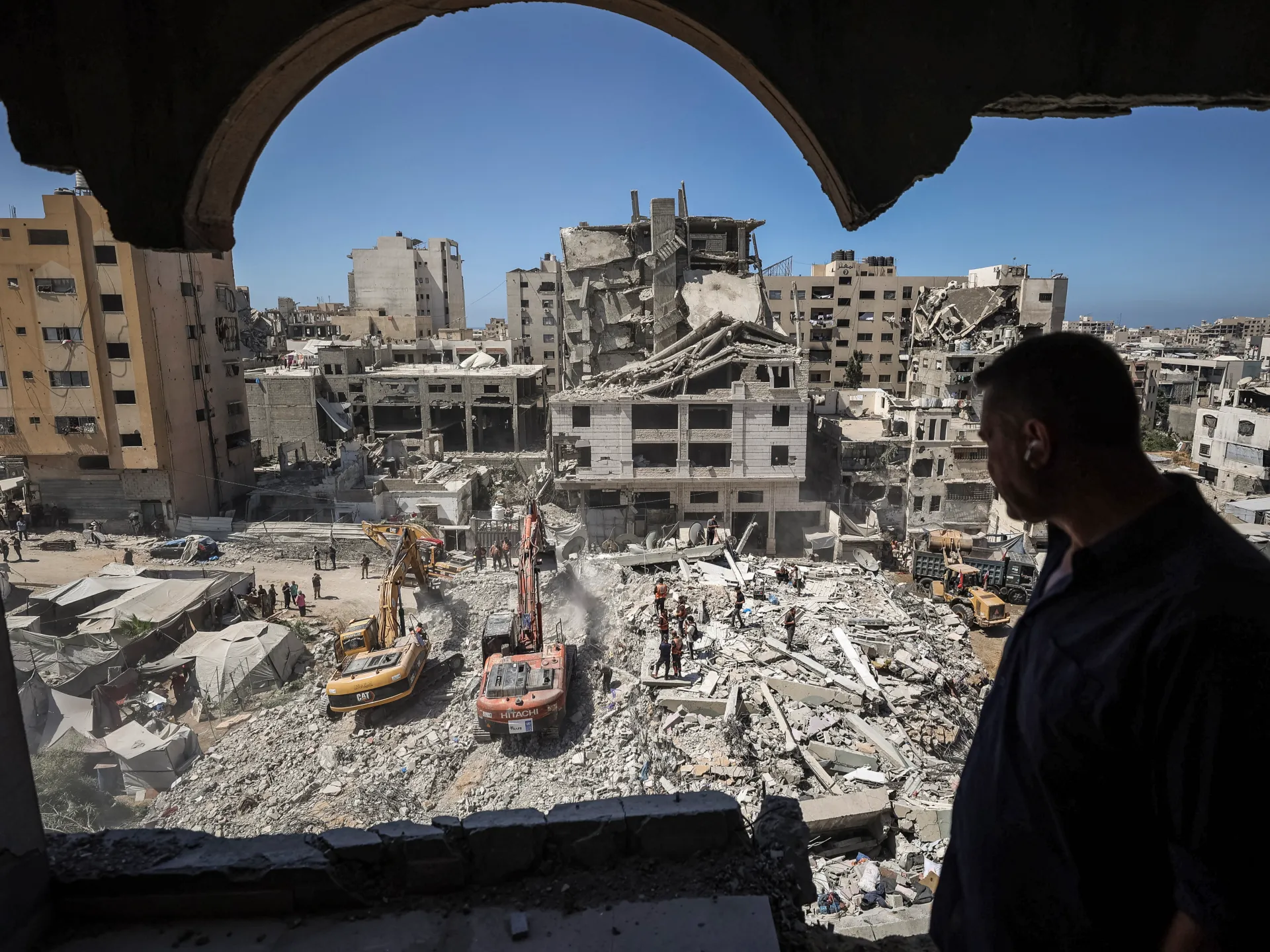
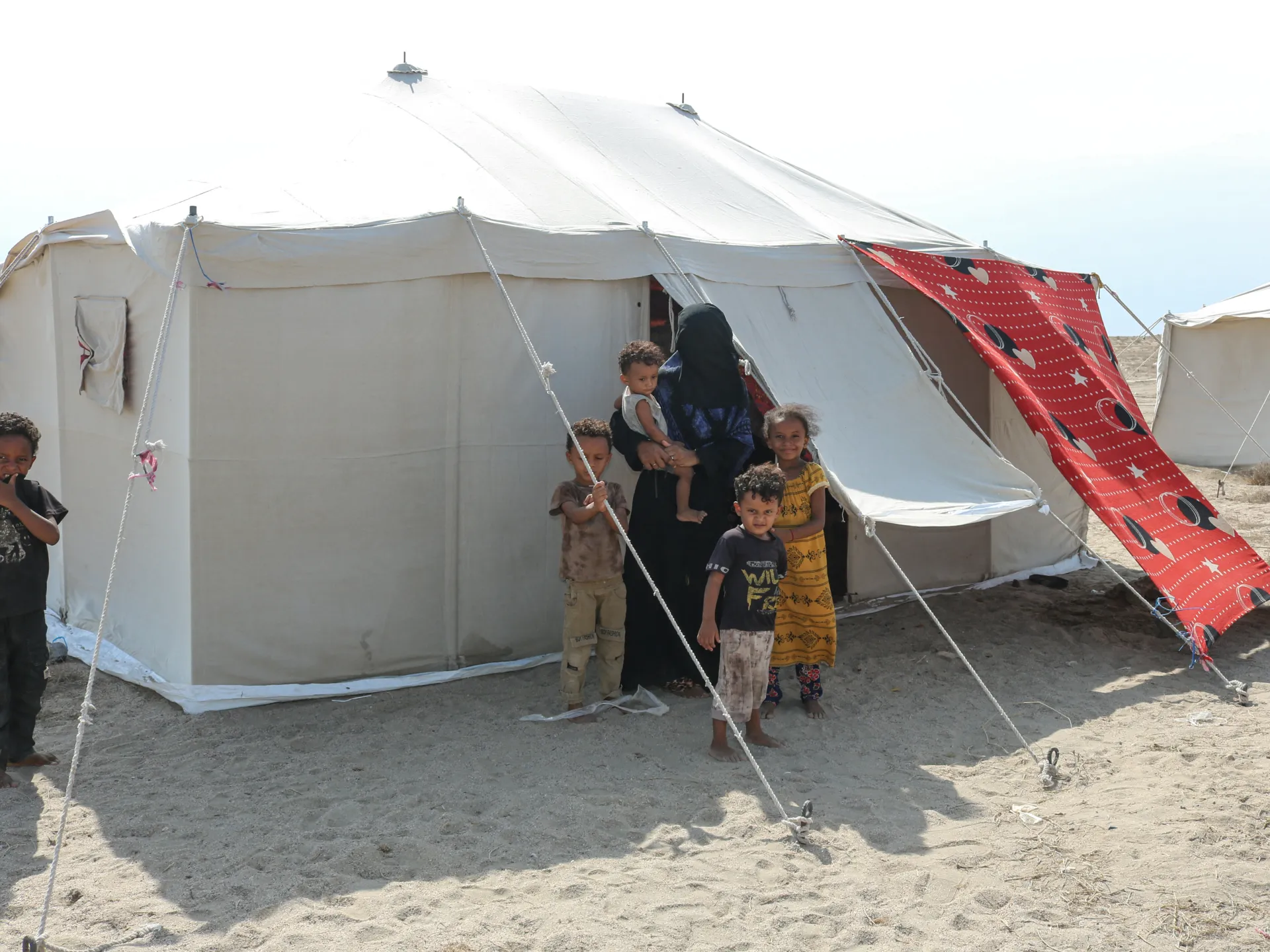
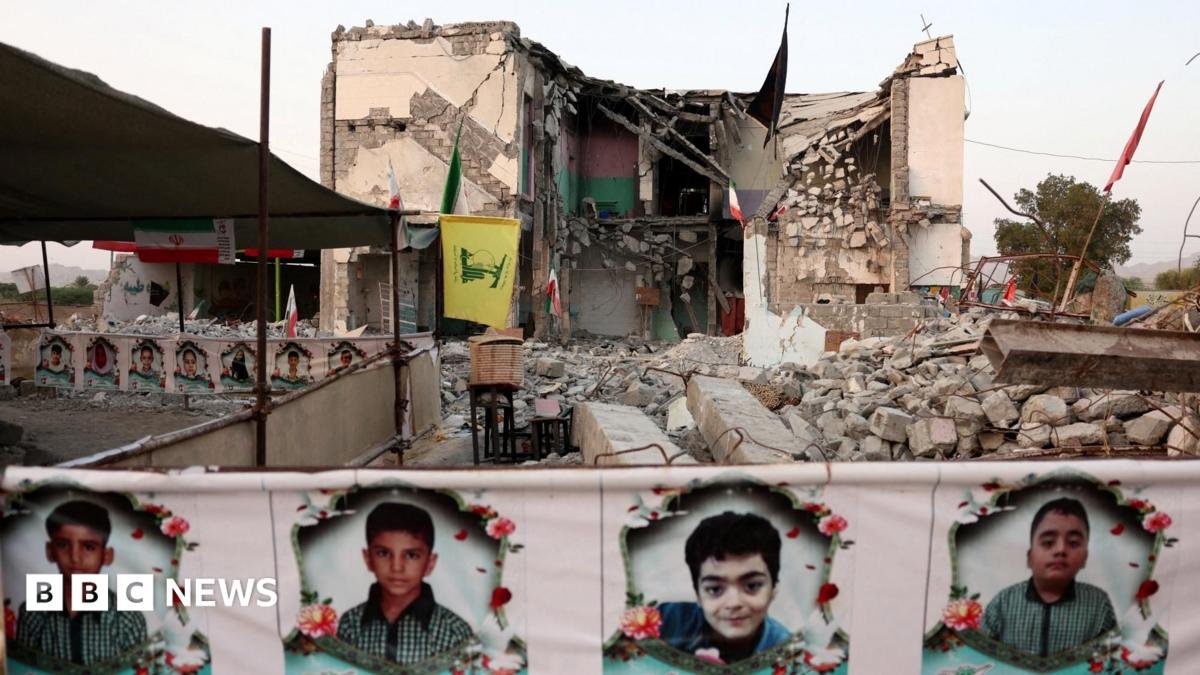
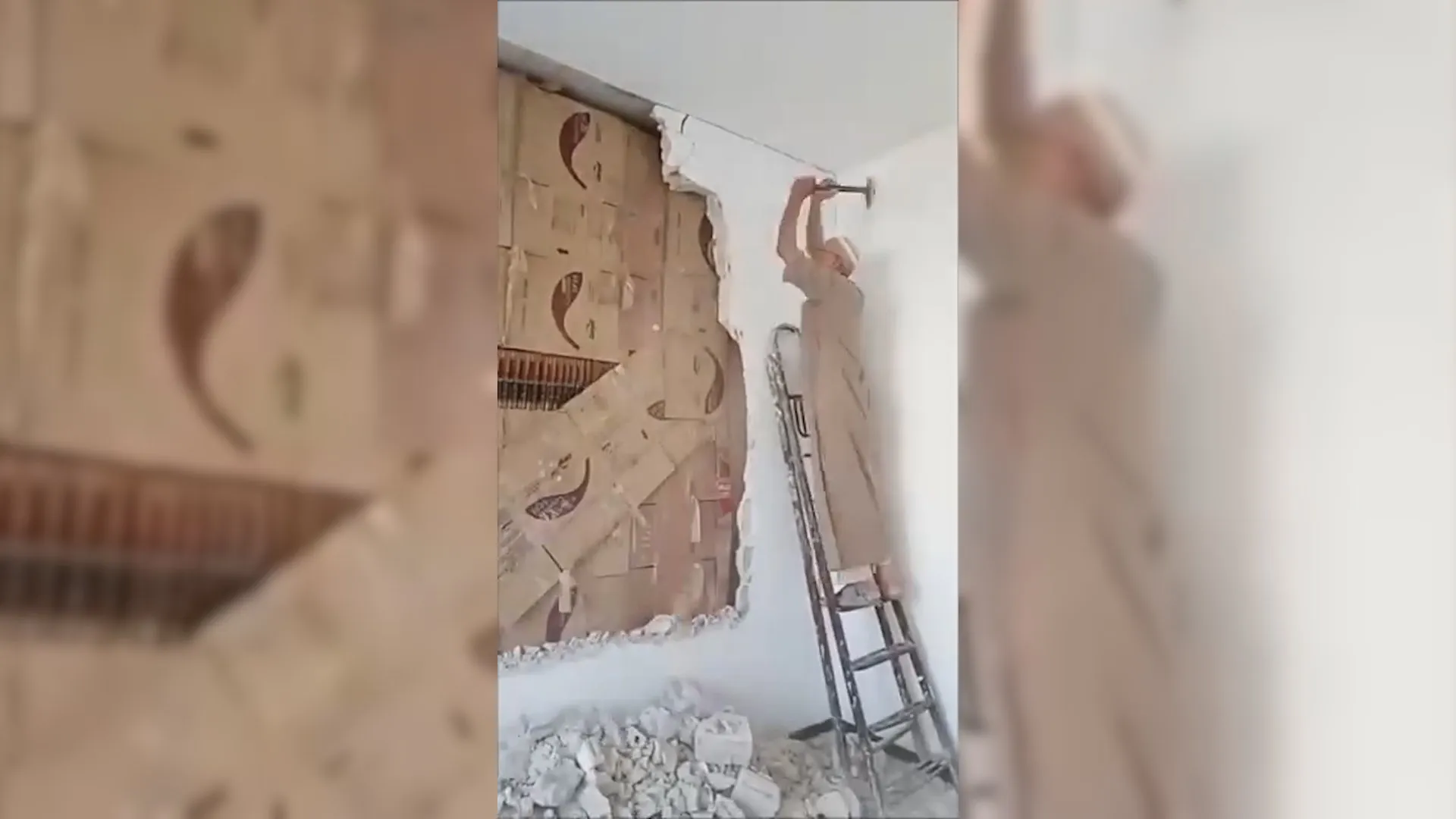
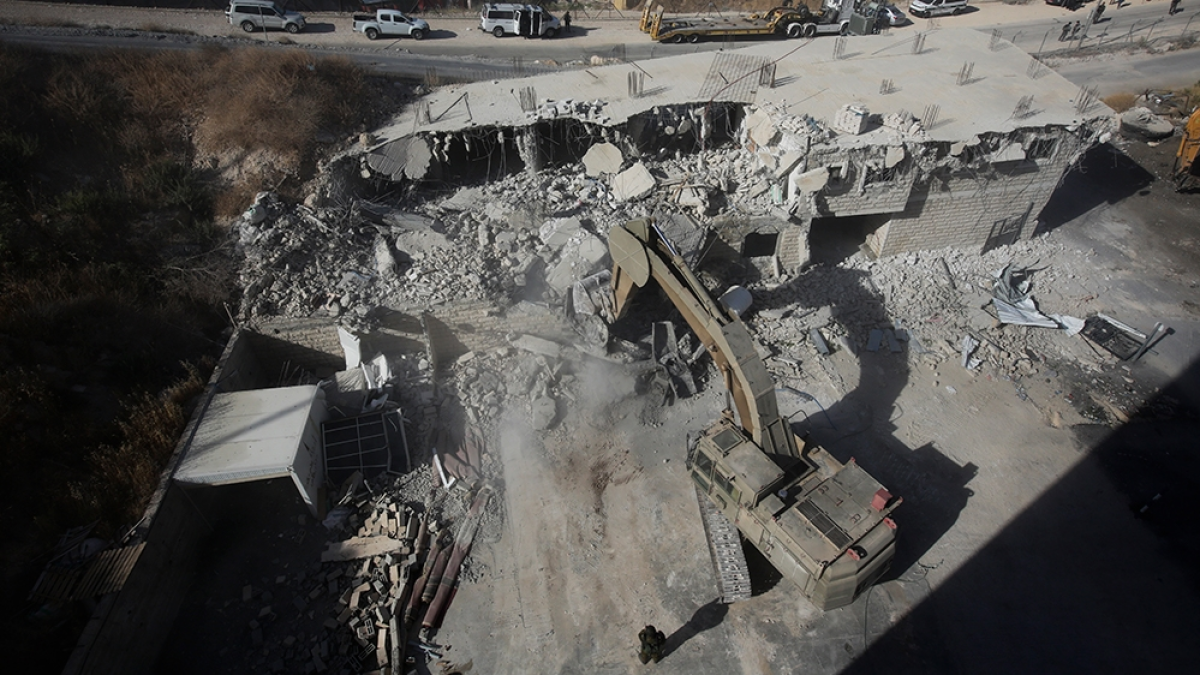
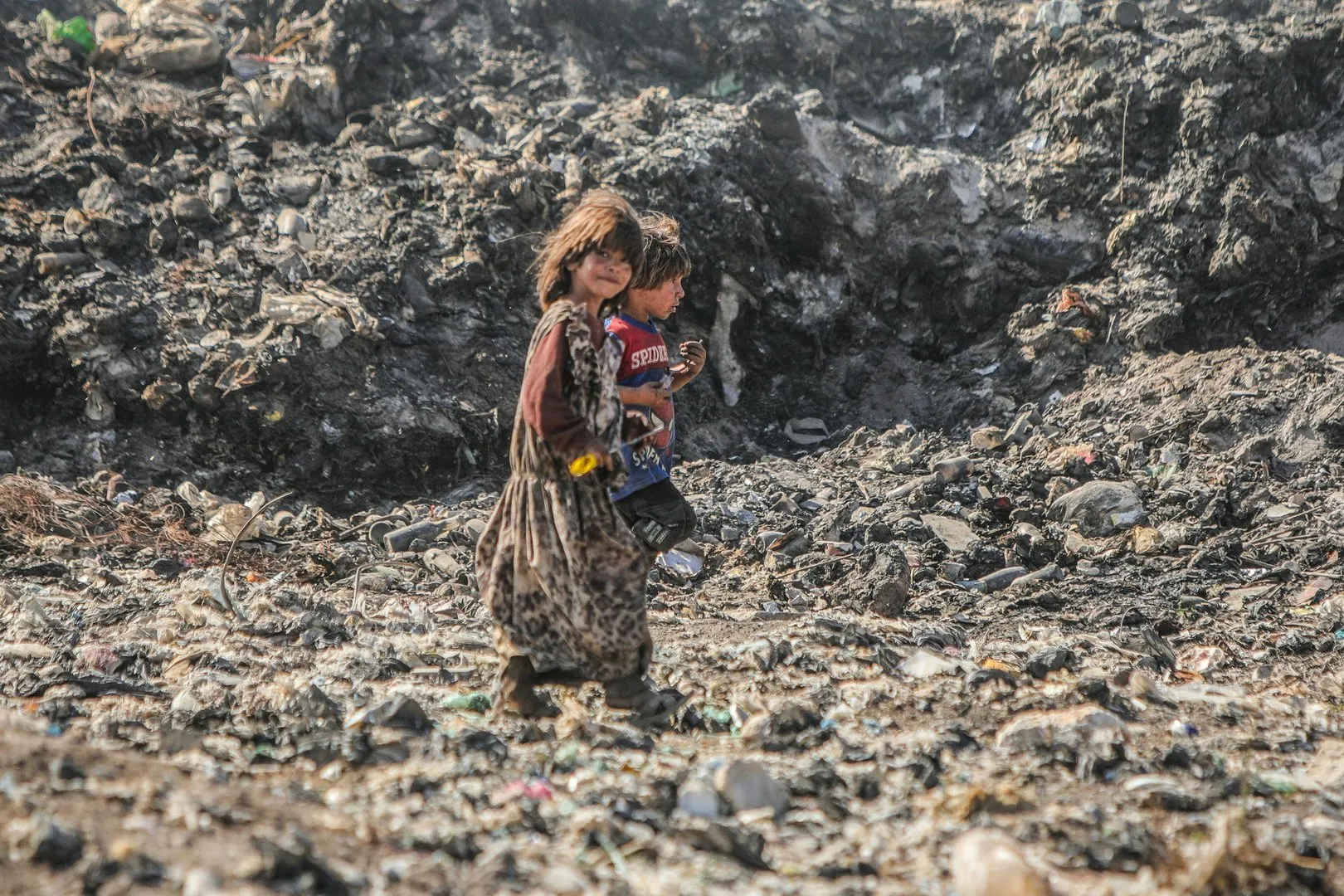
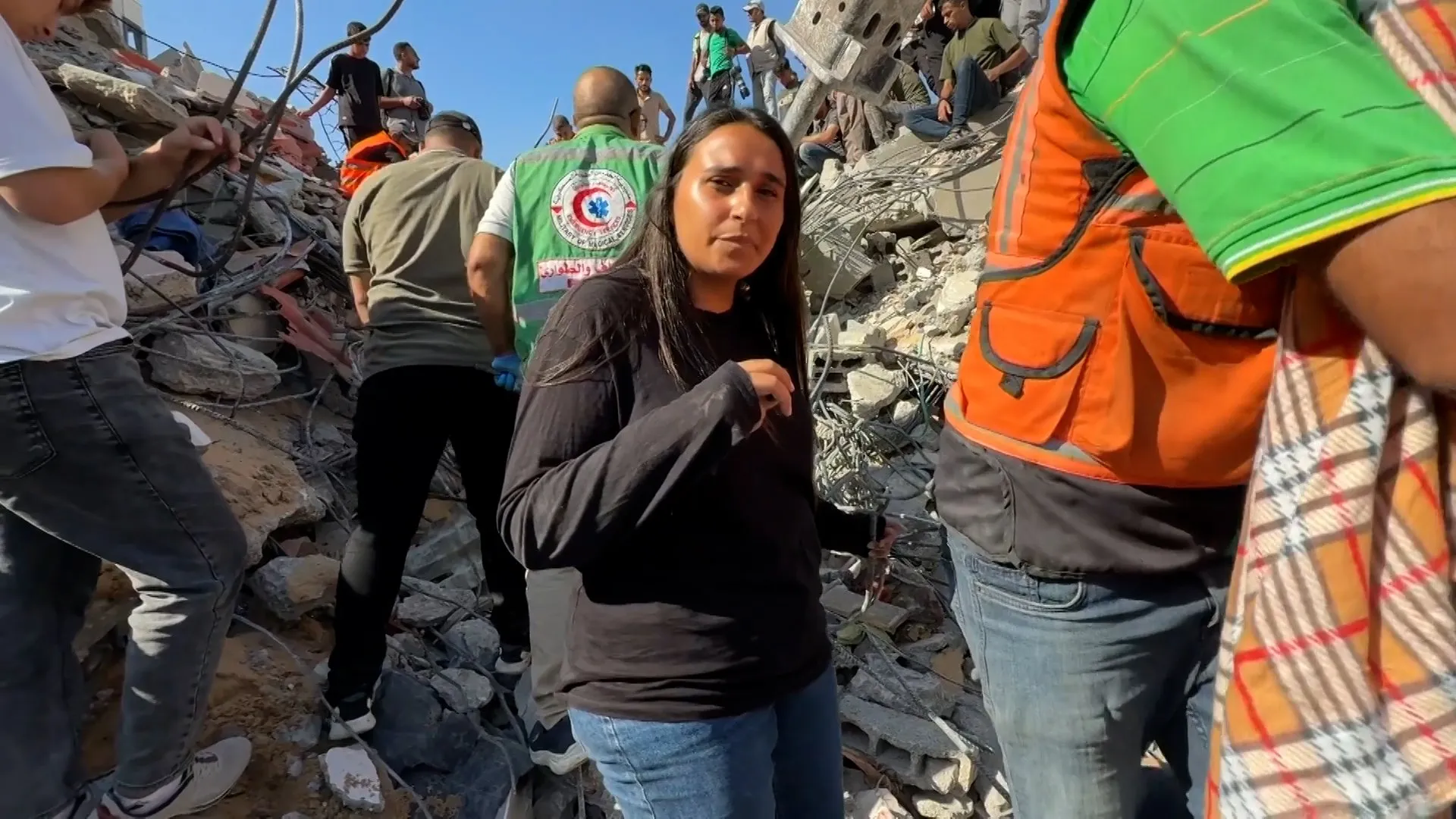
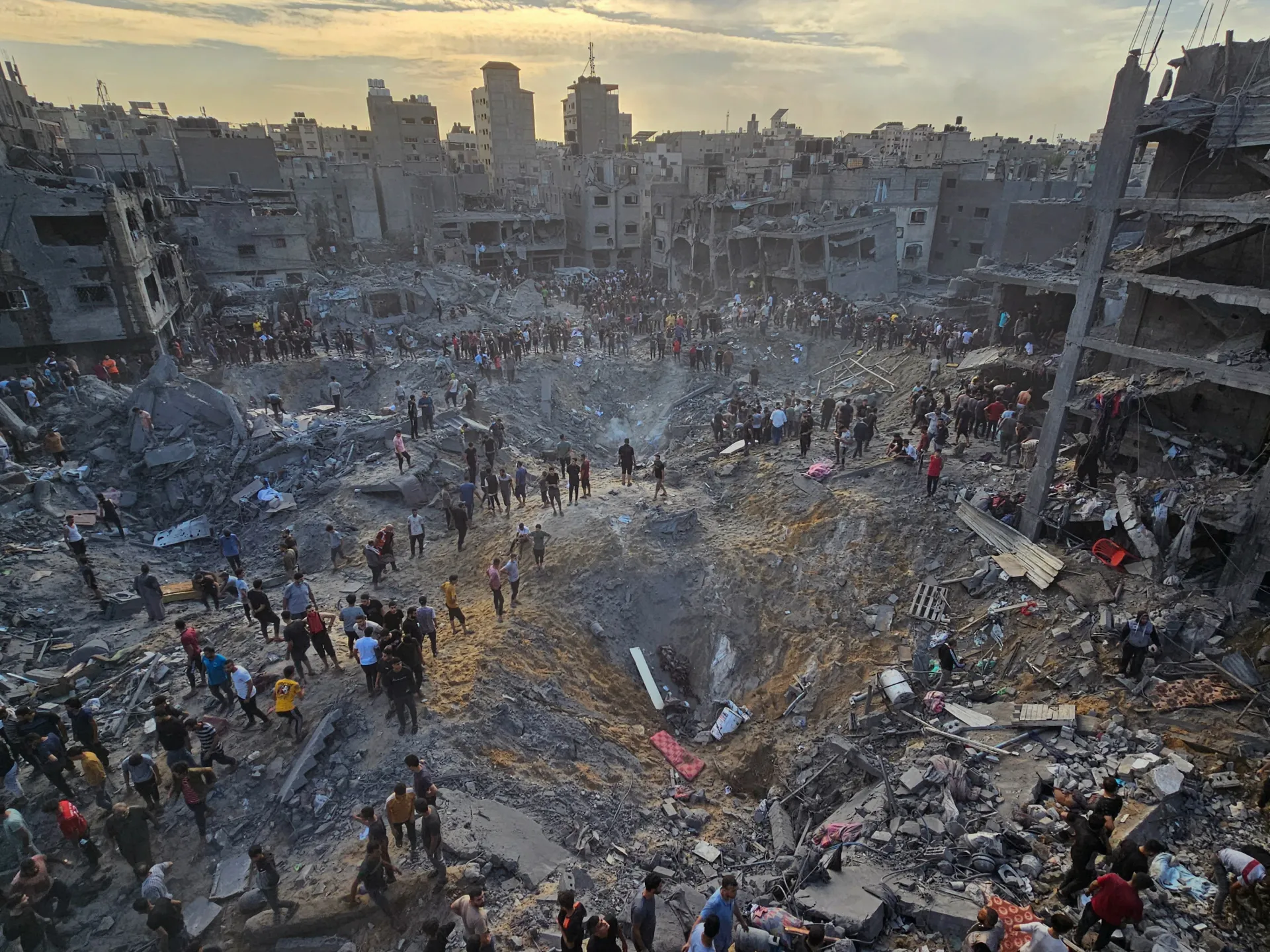
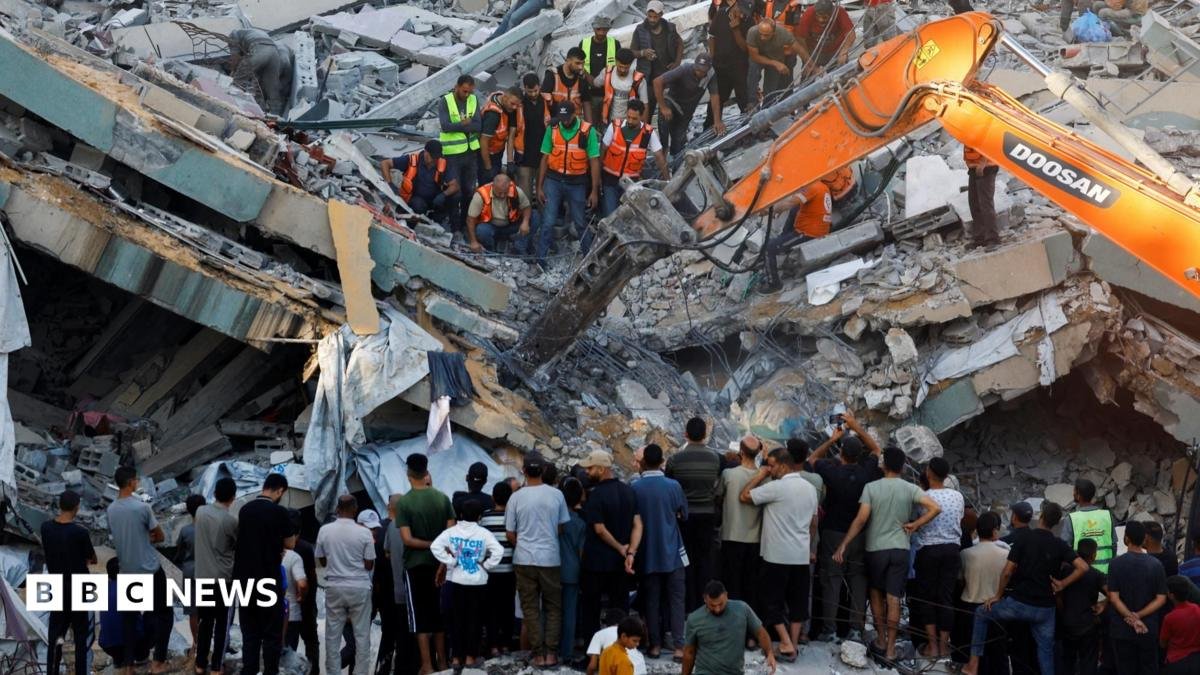
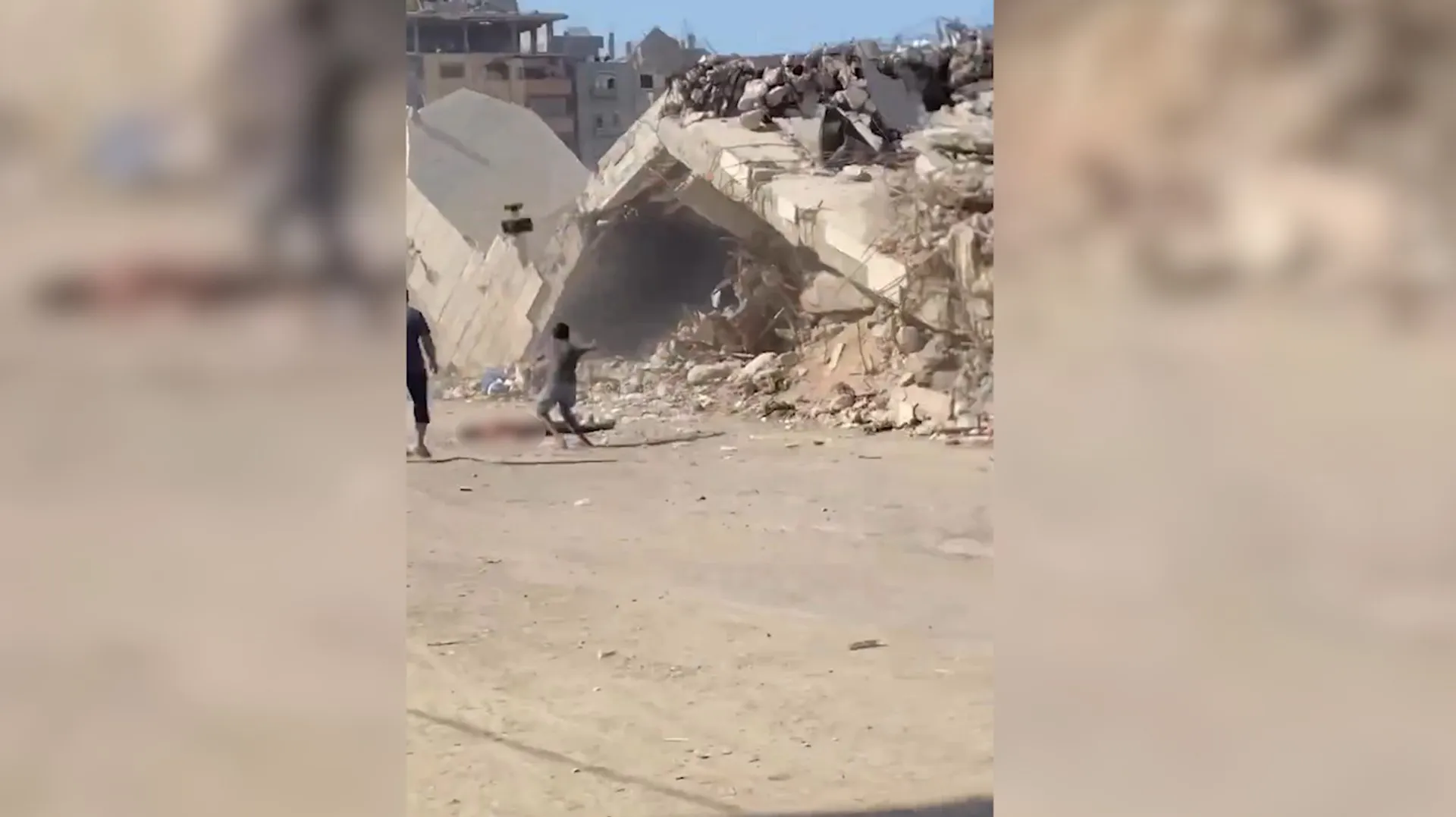
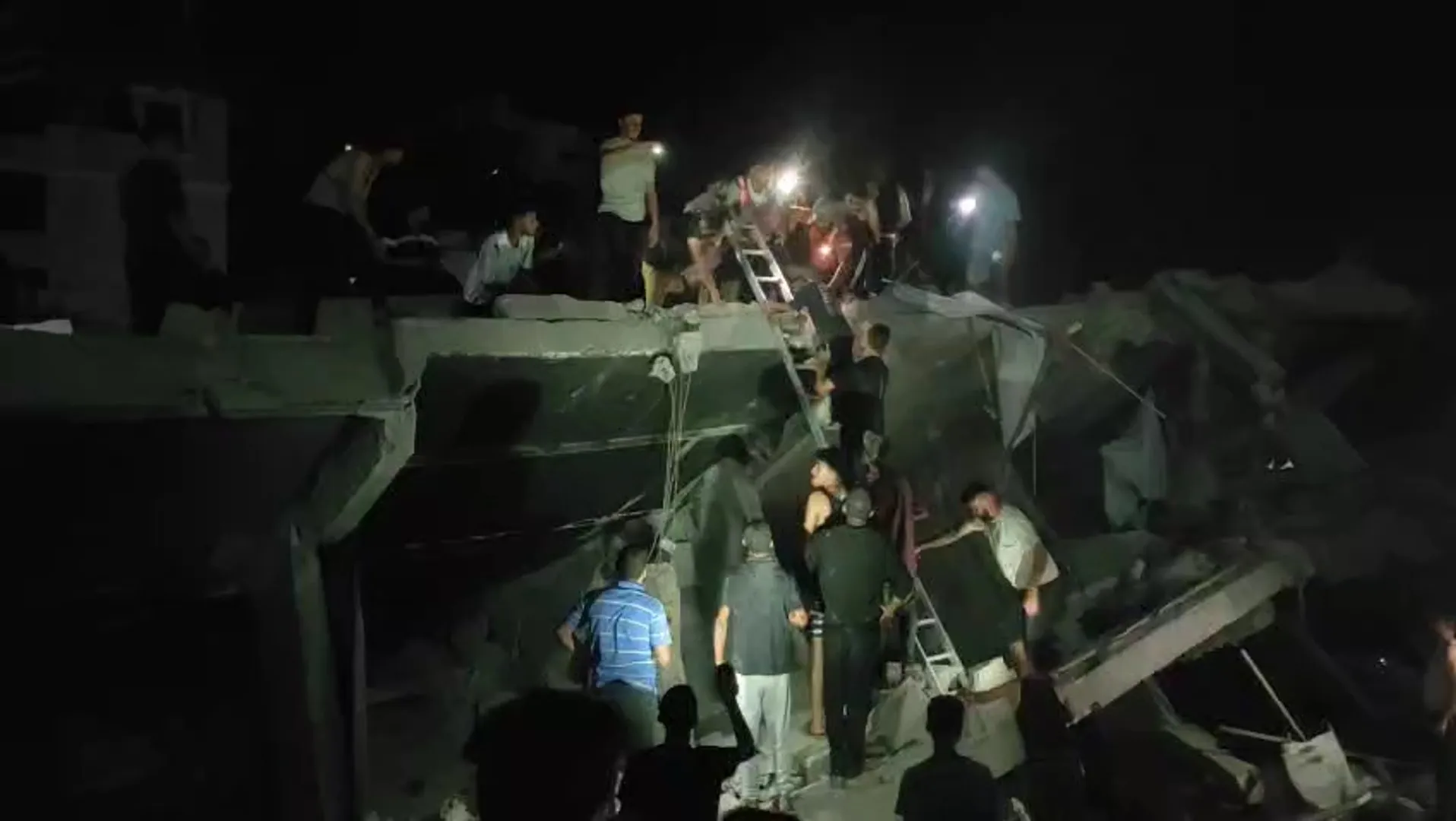
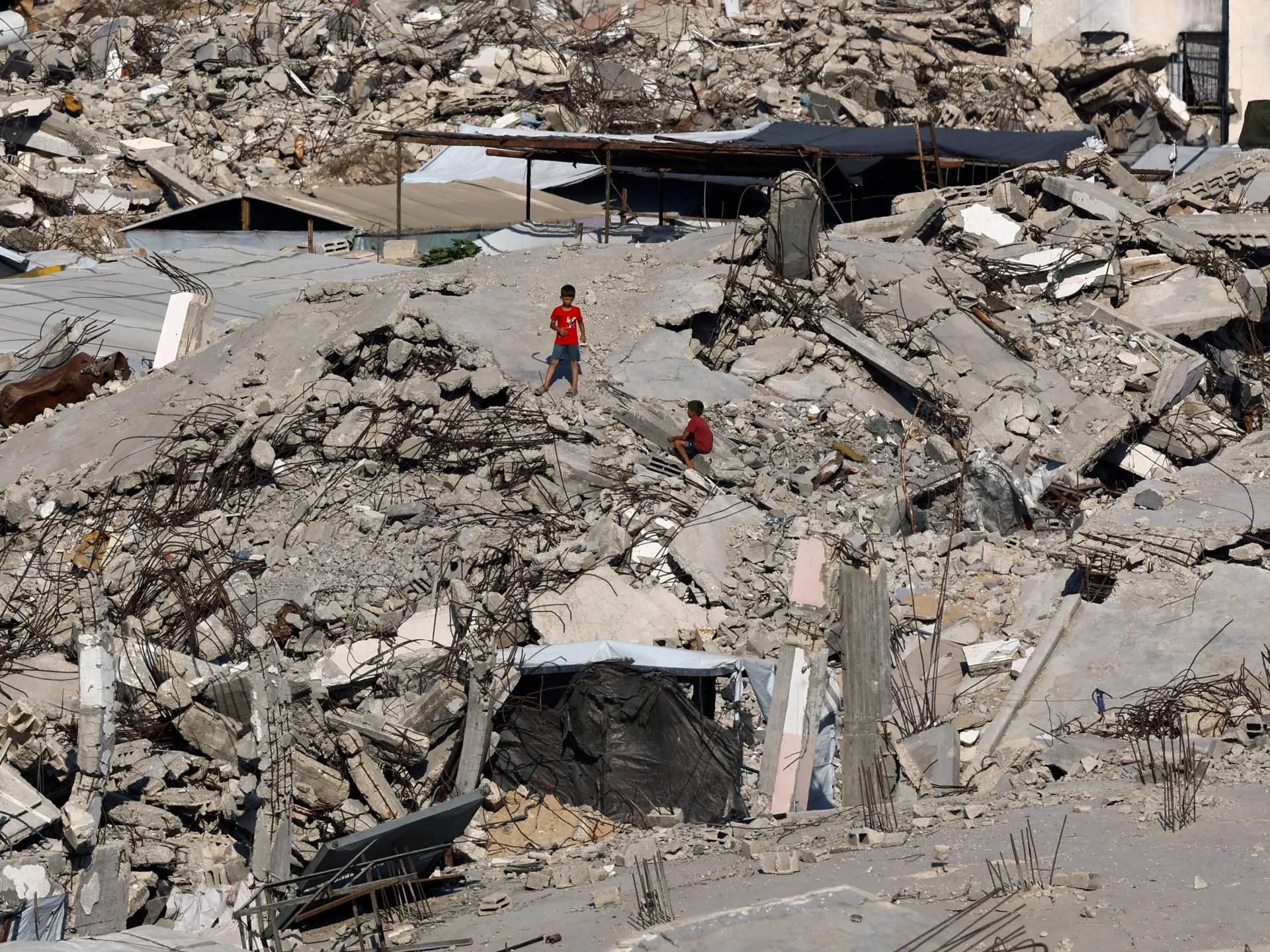
In the Gaza Strip, hundreds of thousands of students have begun a tentative return to some form of academic instruction for the first time in nearly three years. The conditions under which this education is taking place are starkly utilitarian, with many students filing into tents, salvaged ruins, or structures partitioned infrastructure of the enclave's education system remains almost entirely compromised, with estimates indicating that 98 percent of school buildings have suffered significant destruction or total collapse.
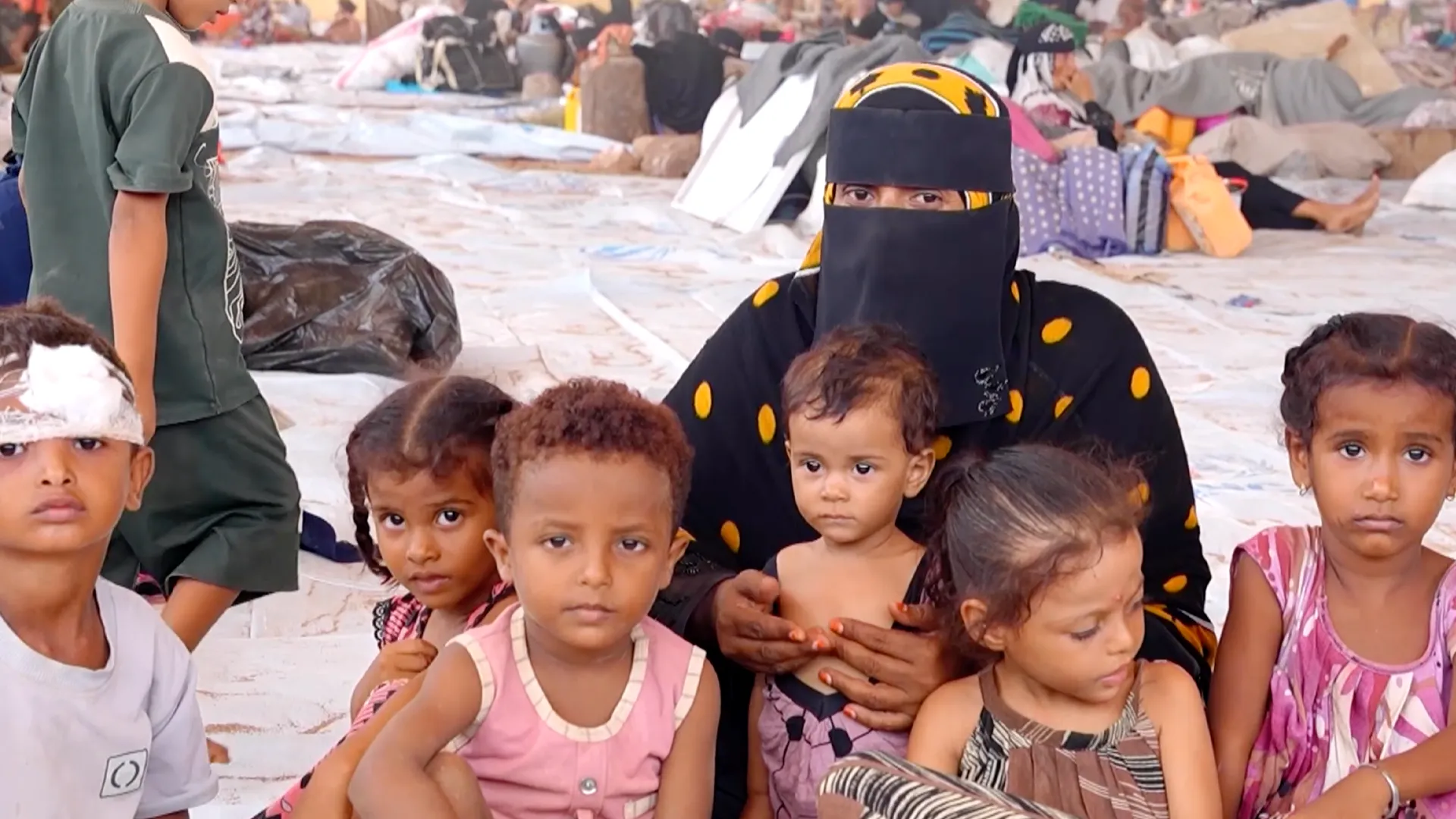
For the students, the return is characterized irect result of import restrictions, leaving families to struggle with providing even the most fundamental tools like notebooks or pens. Educators and local officials, including those in the Khan Younis area, report a staggering loss of life among the student body and the teaching workforce, with thousands of lives lost during the protracted conflict. Despite these obstacles, the resilience of the students remains the defining feature of this academic year, as they attempt to bridge a three-year gap in their development through whatever resources remain accessible.
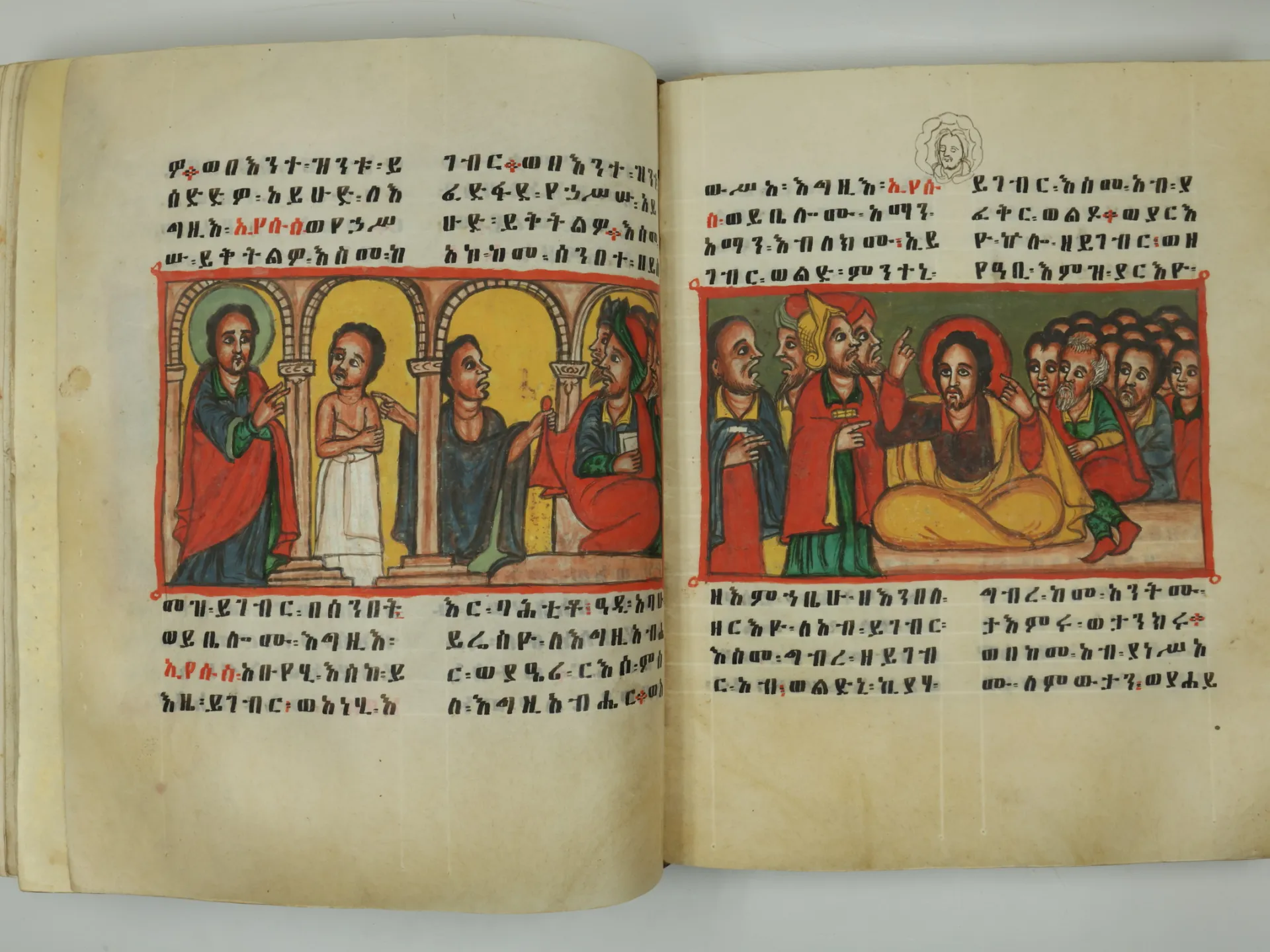
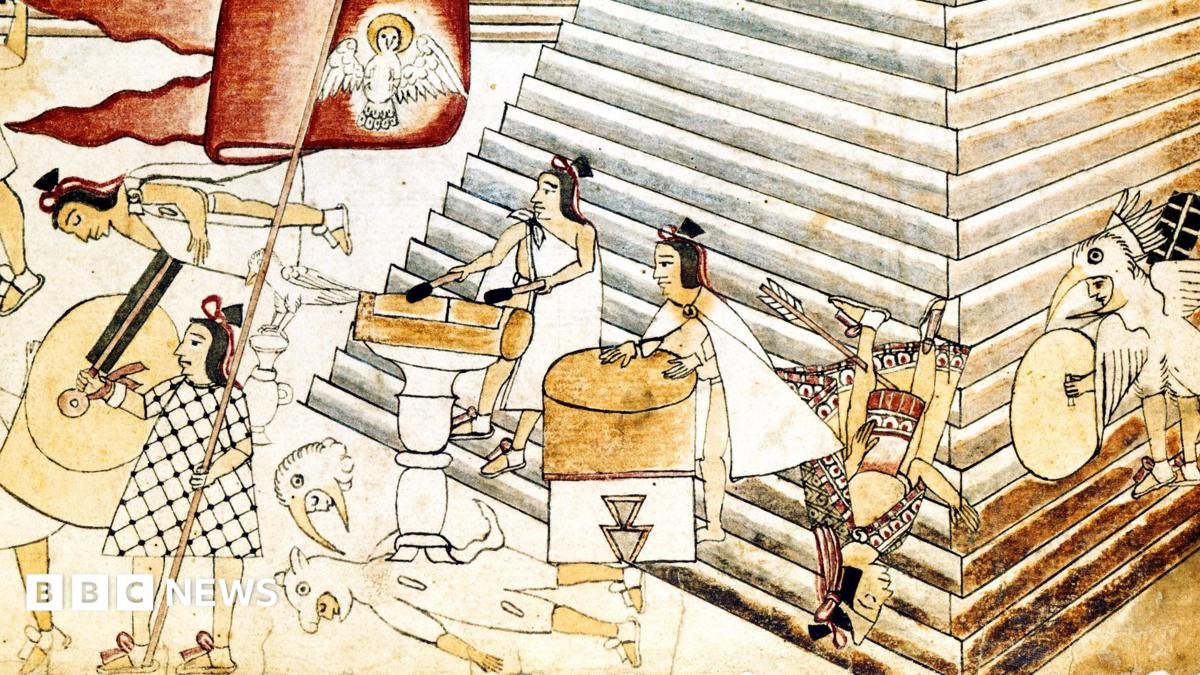
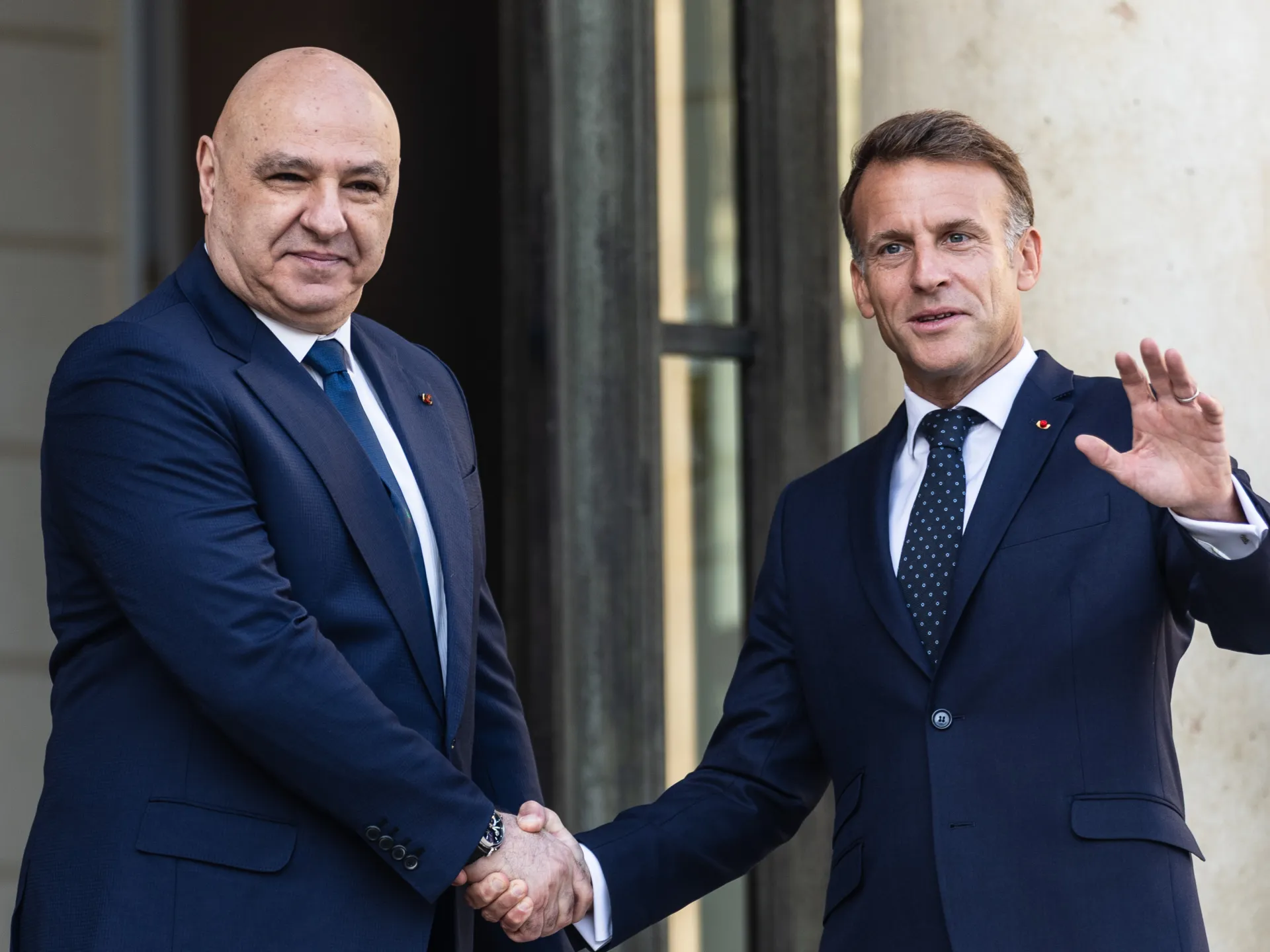
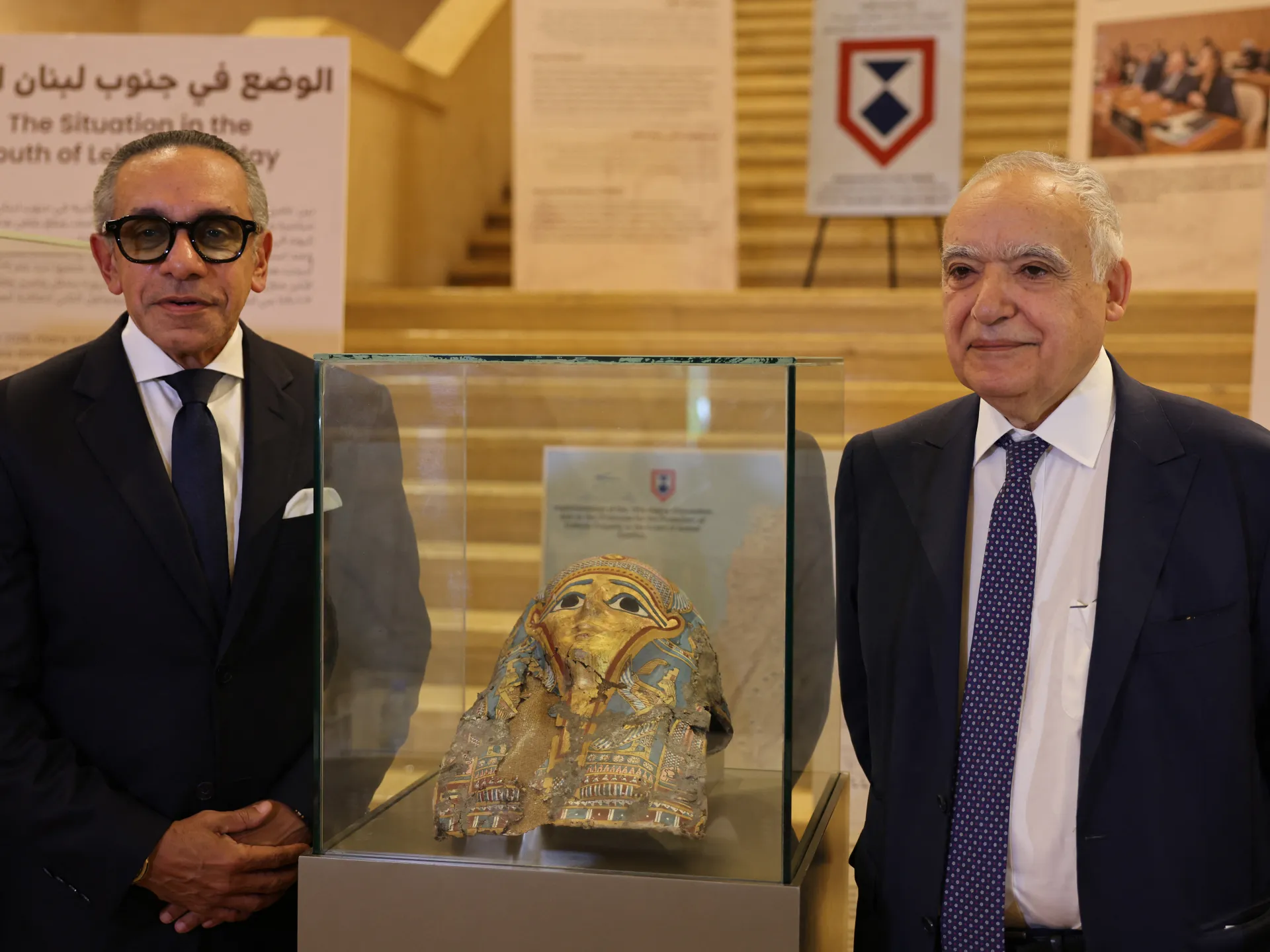
Simultaneously, the global community is witnessing a significant moment in cultural diplomacy as the Codex Azcatitlán makes its return to Mexico. This 16th-century manuscript, which chronicles the Aztec civilization and the onset of the Spanish conquest through intricate pictograms, has been held in France since the late 19th century. Its temporary return to the National Museum of Anthropology in Mexico City is part of a reciprocal agreement between the governments of Mexico and France, marking two centuries of diplomatic relations.
The exchange of this document, alongside the temporary loan of the Codex Boturini to France, underscores the ongoing global debate regarding the repatriation of historical artifacts. Mexico’s Ministry of Foreign Affairs has characterized this move as part of a larger, successful effort to reclaim national heritage, reporting the repatriation of more than 2,000 objects over the past year. This development highlights the shift in international standards, where former colonial powers are increasingly pressured to recognize the importance of cultural items in the national identity of their origin countries.
The academic landscape in Gaza is unlikely to normalize in the immediate future. As long as the current restrictions on imports persist and the underlying political conflict remains unresolved, education will likely remain a localized, grassroots effort defined substantial influx of international aid for school reconstruction and a stabilization of the local economy, the disparity between these students and their peers globally will only continue to widen. The success of the current school year will depend heavily on the ability of local educators to maintain these makeshift facilities against the backdrop of an uncertain security environment.
Conversely, the cultural exchange between Mexico and France may set a precedent for future repatriations. espects domestic demands for the return of looted heritage while satisfying the logistical and insurance requirements of major international museums. It is expected that Mexico will continue to pursue the return of other items, bolstered or continues its trajectory of commercialization, with NASA's recently announced contract modifications signaling a long-term commitment to maintaining a robust, multi-partner presence on the International Space Station through the end of the decade.