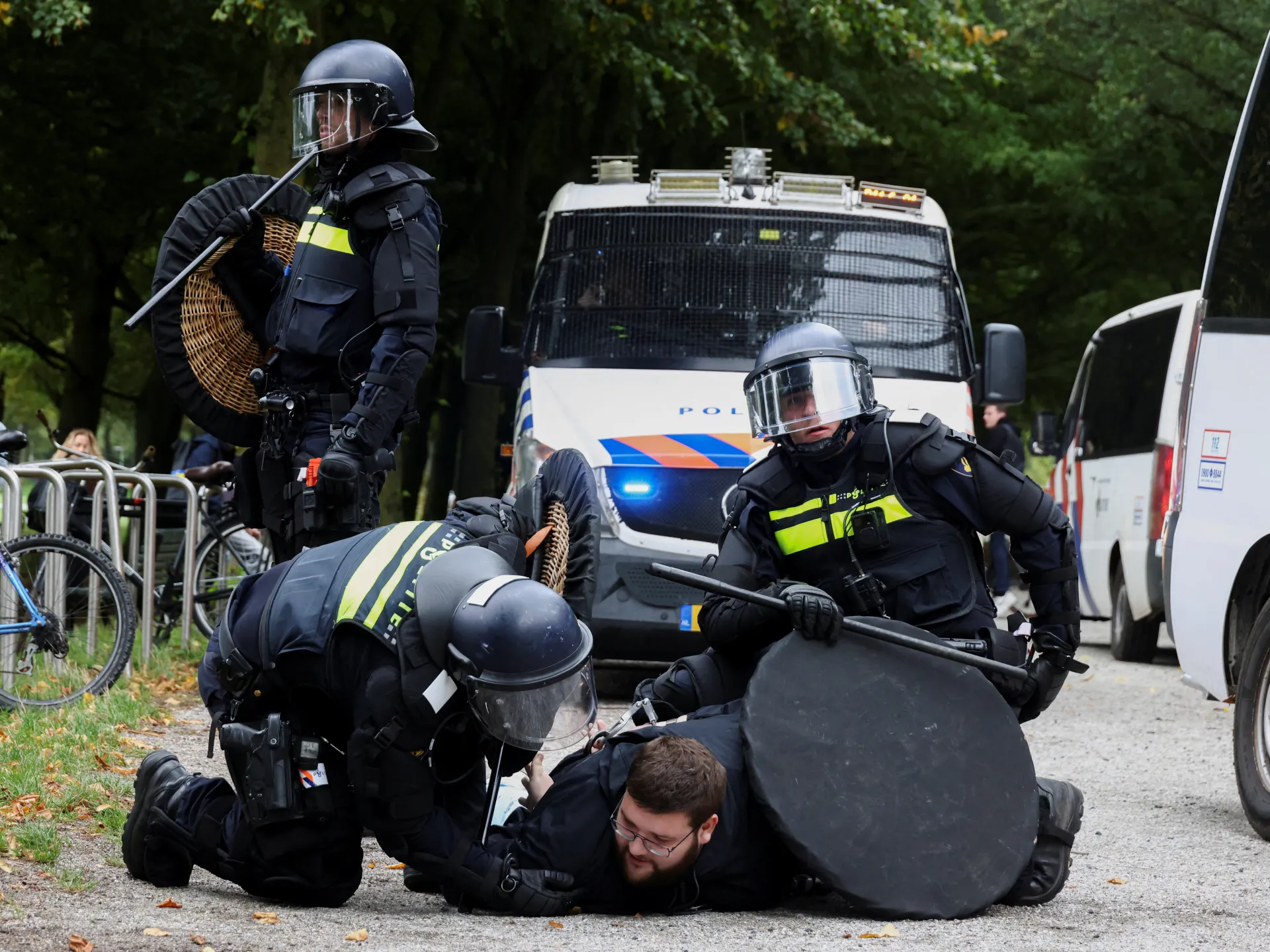
Dutch riot police dispersed a violent protest in The Hague on Saturday, as the Netherlands faces intensifying tensions over immigration and national identity.
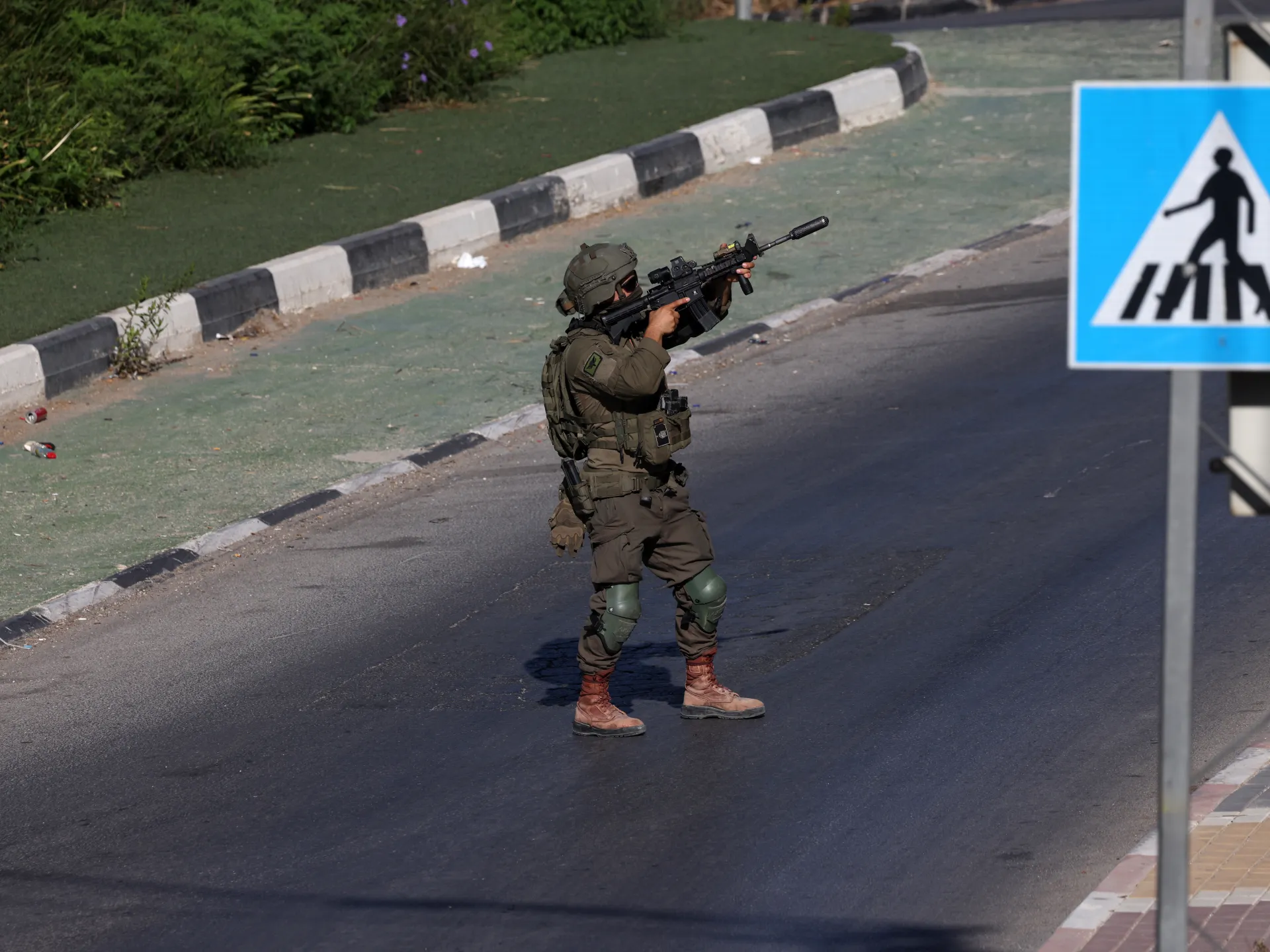
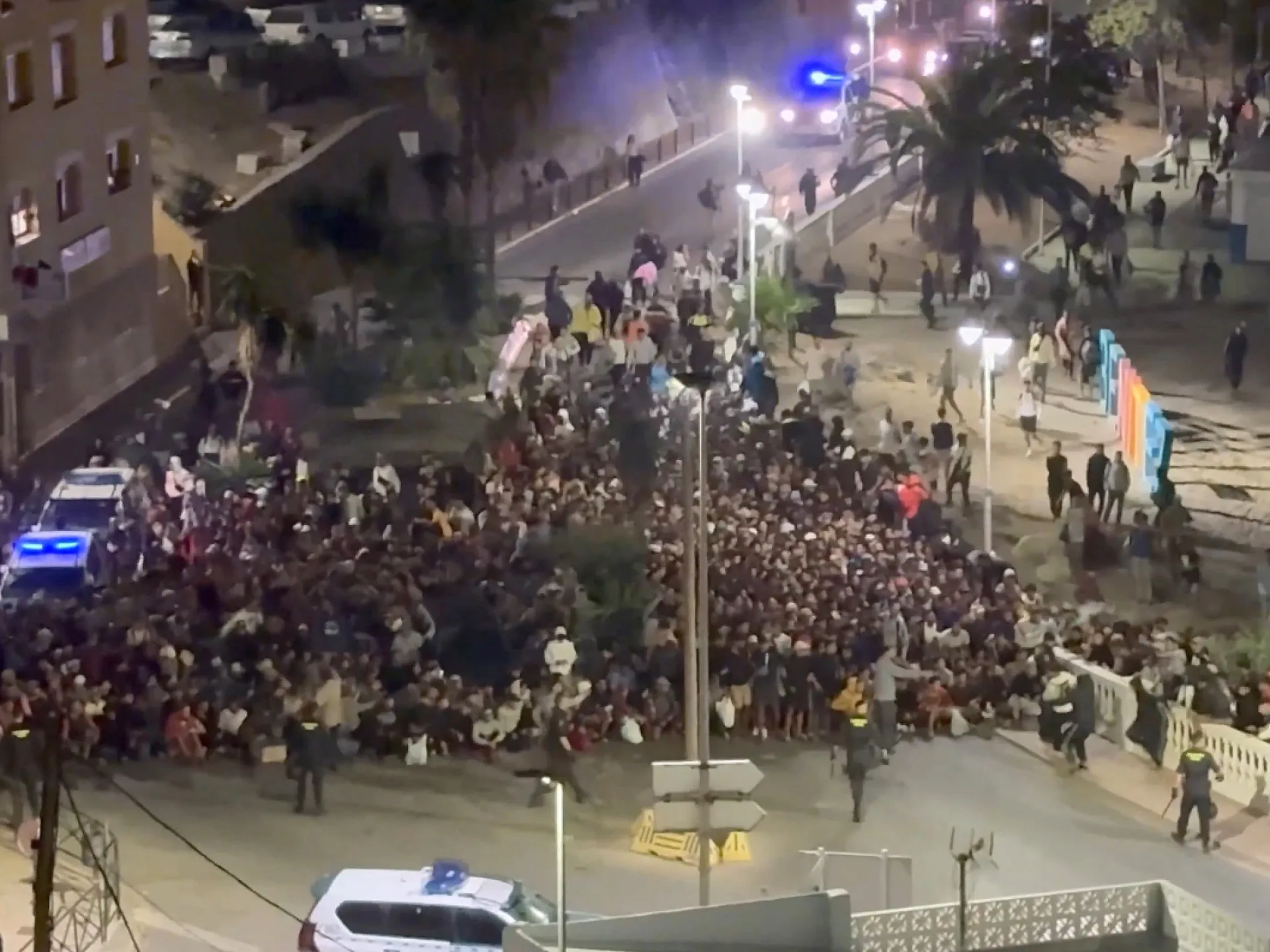
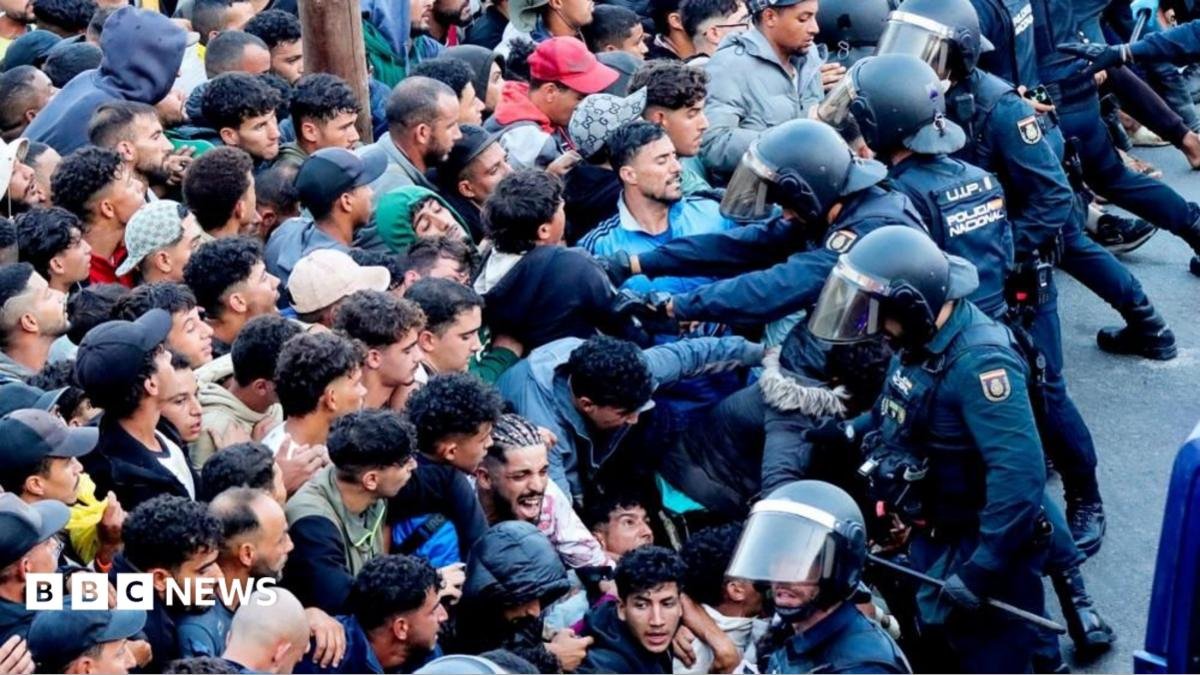
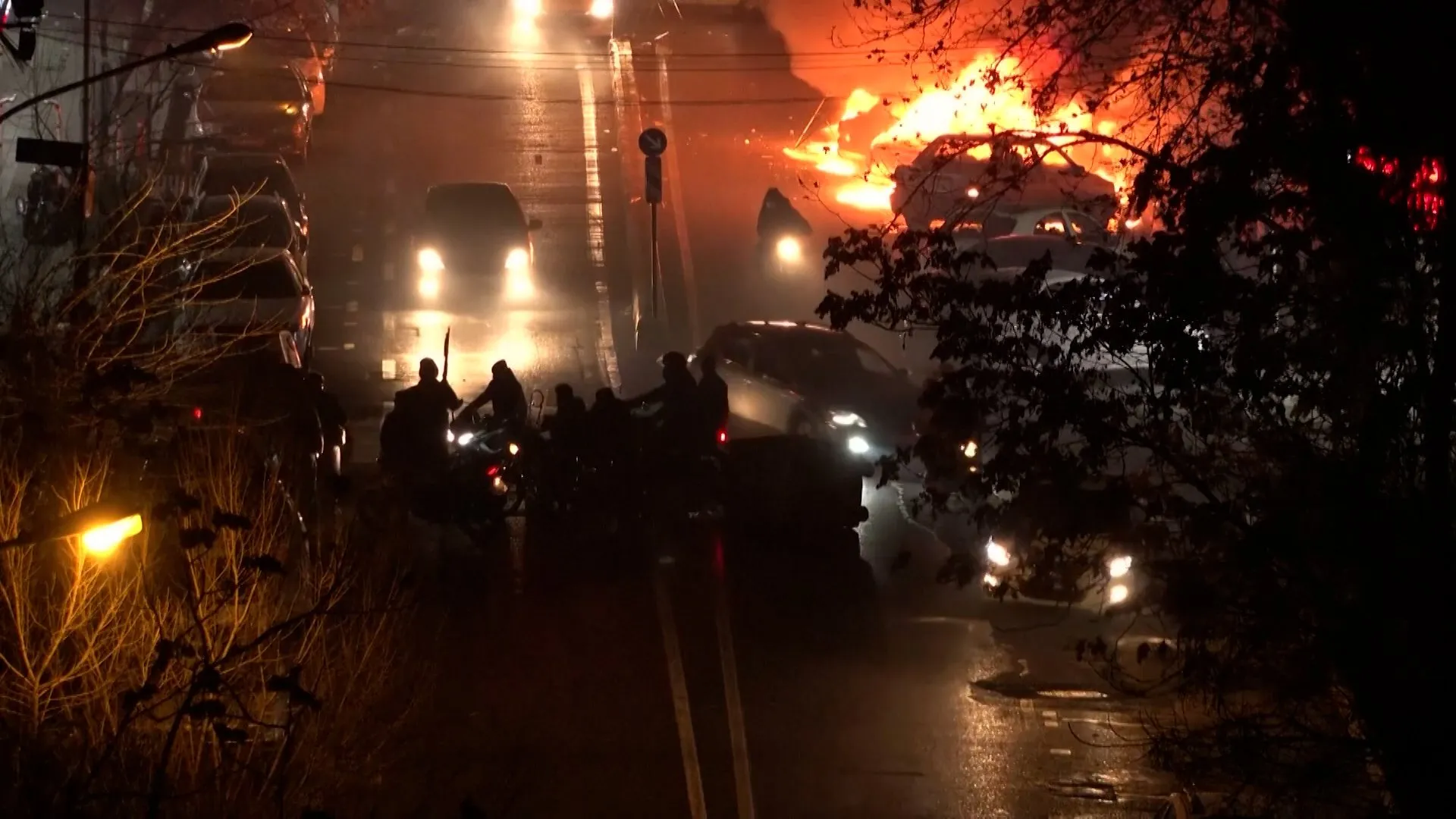
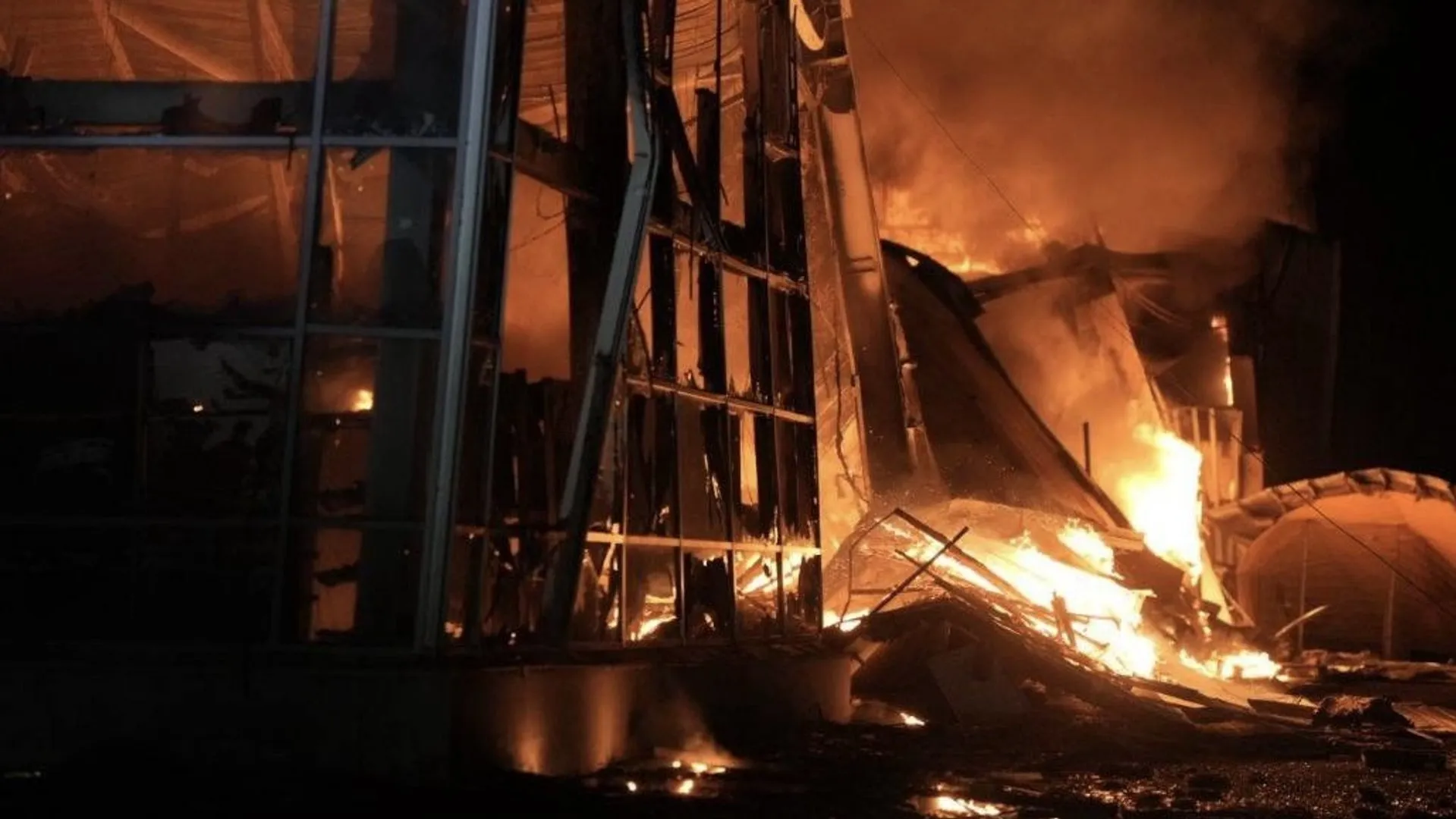
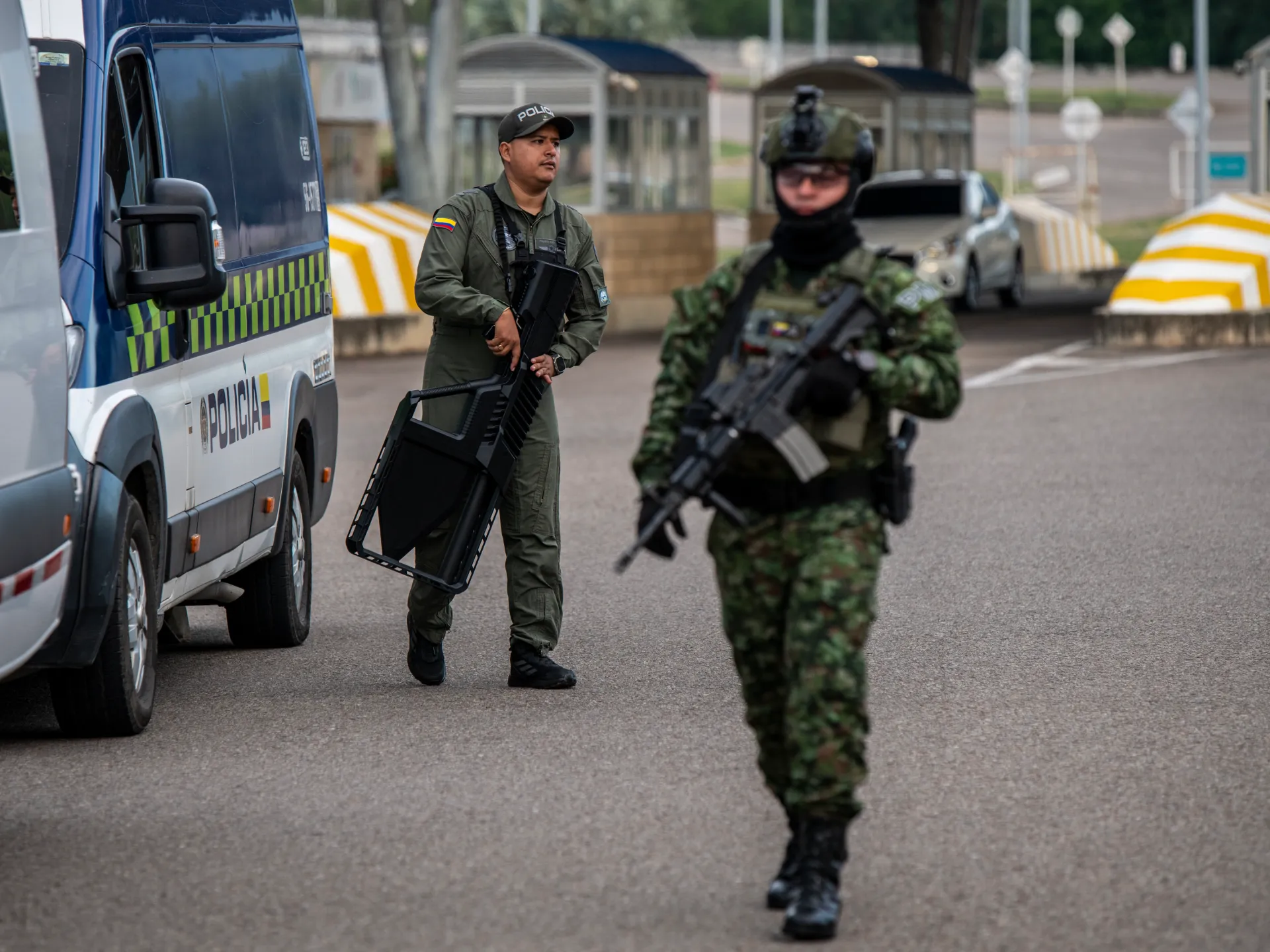
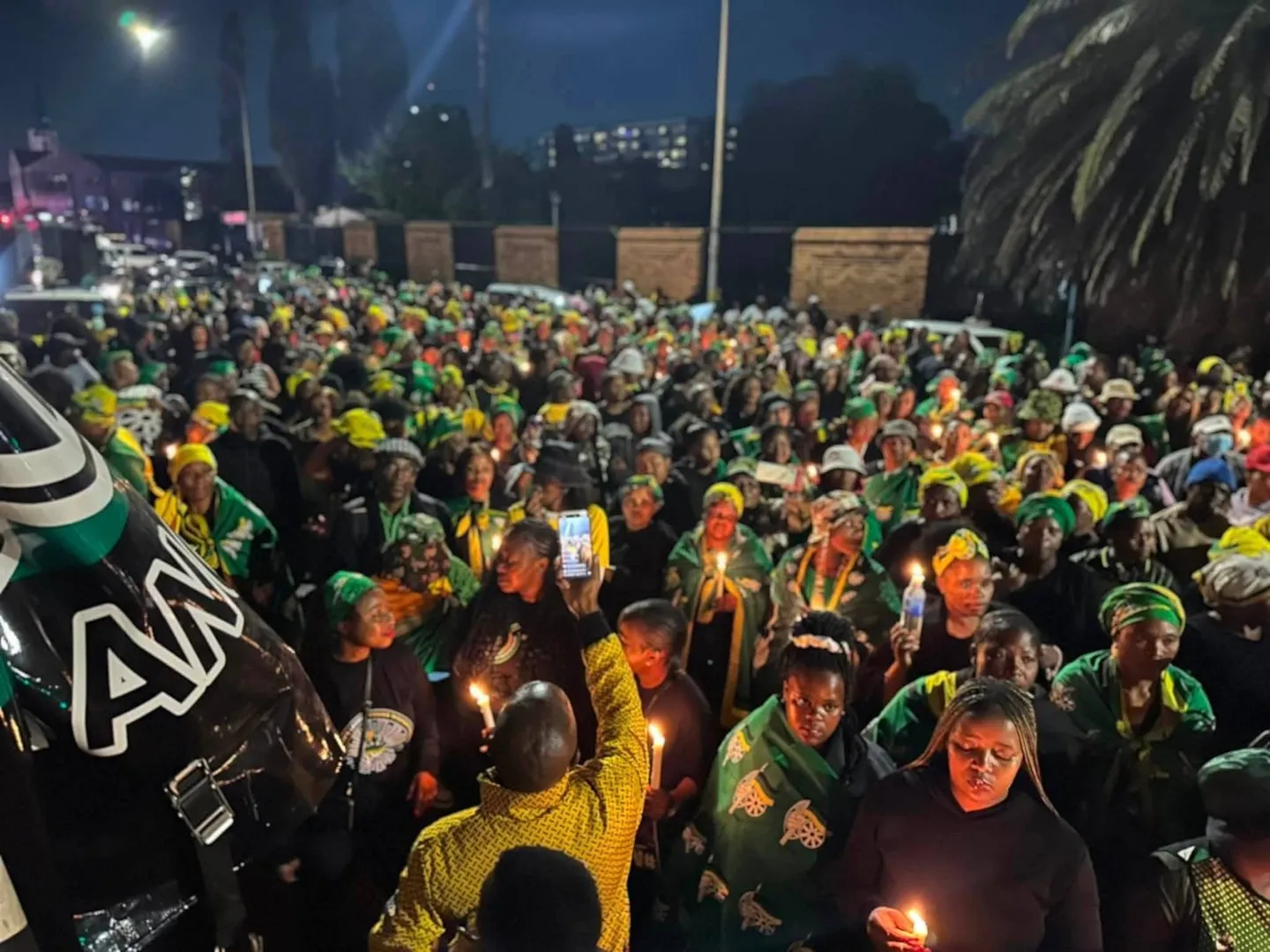
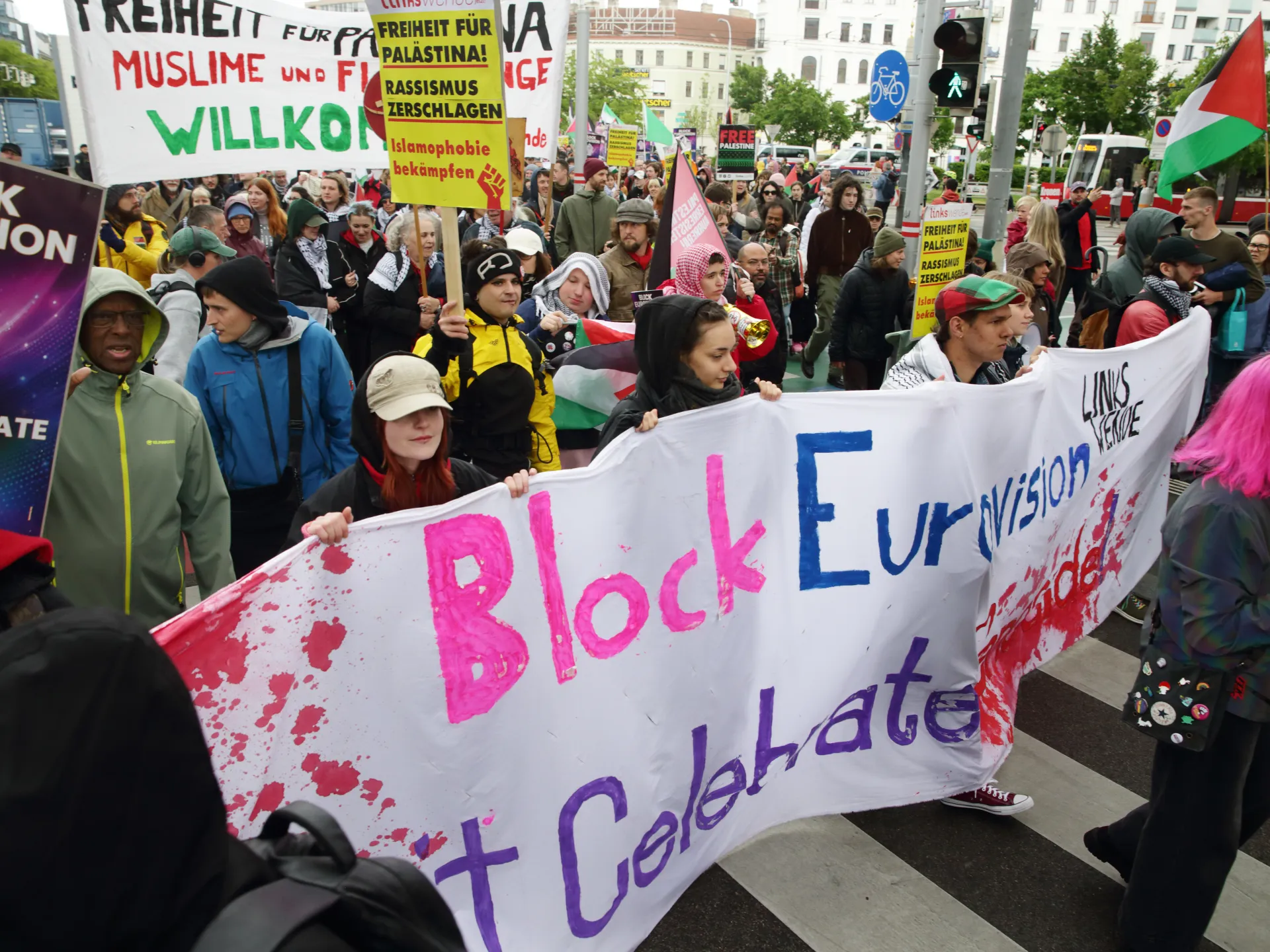
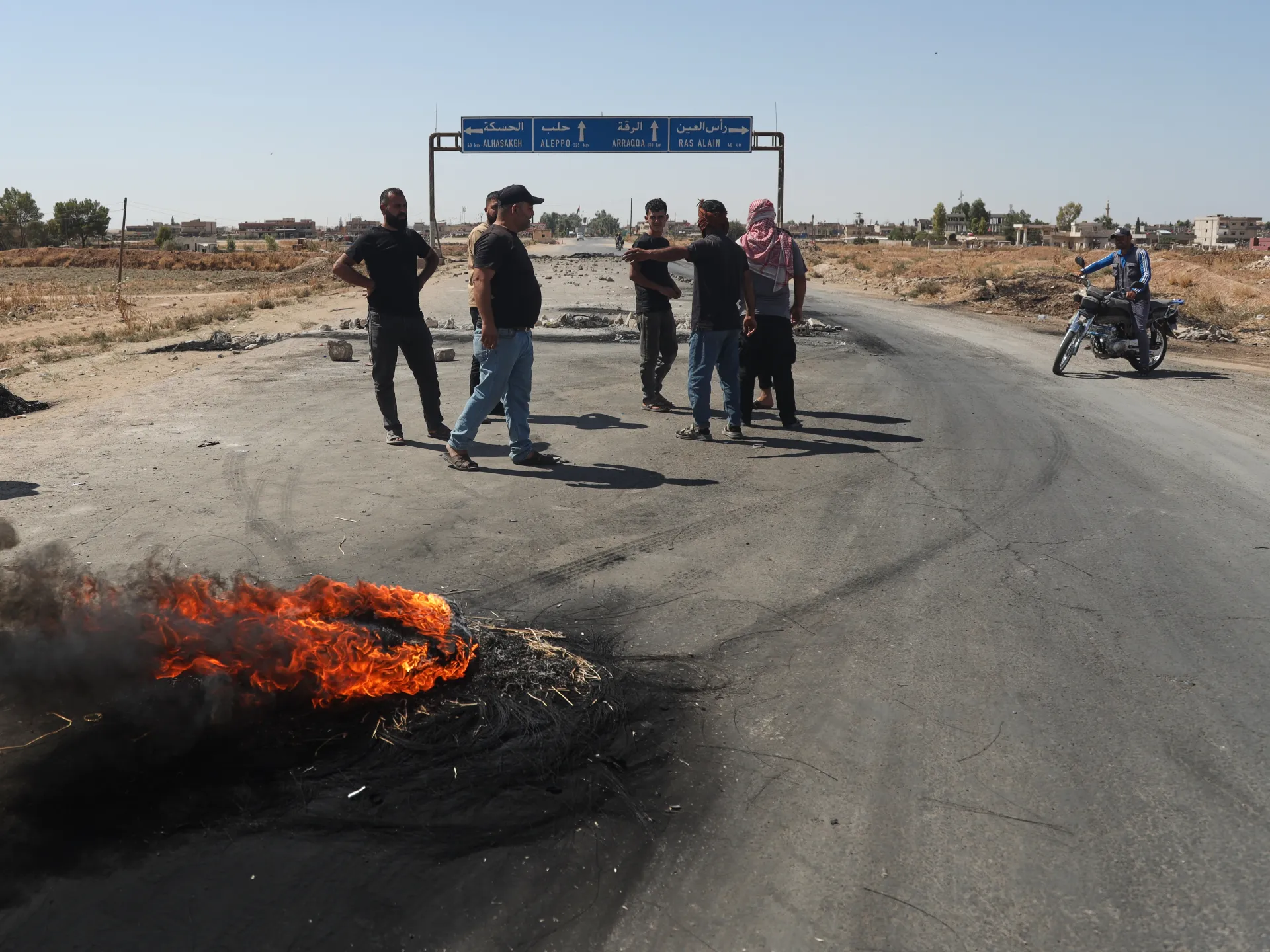
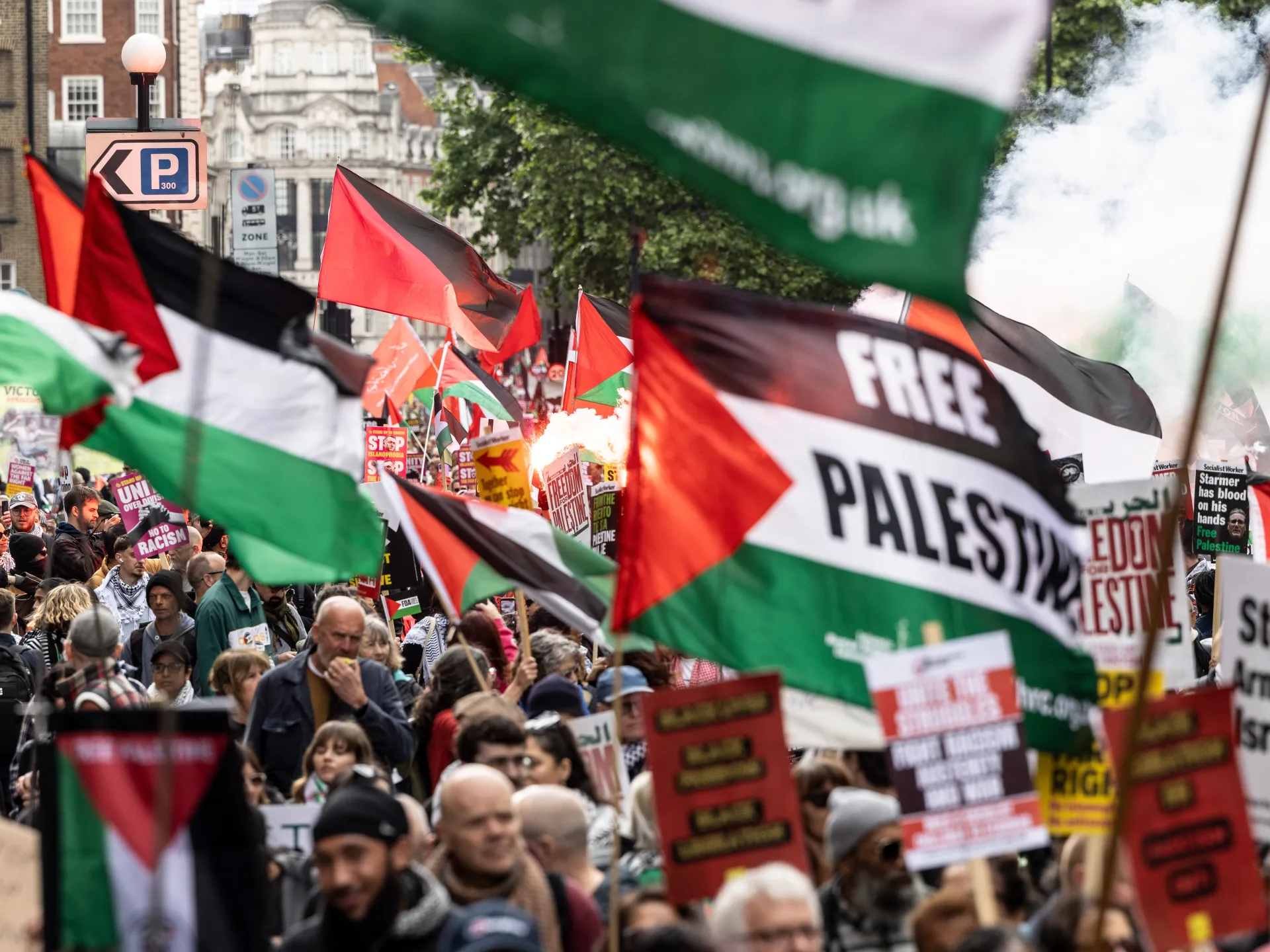
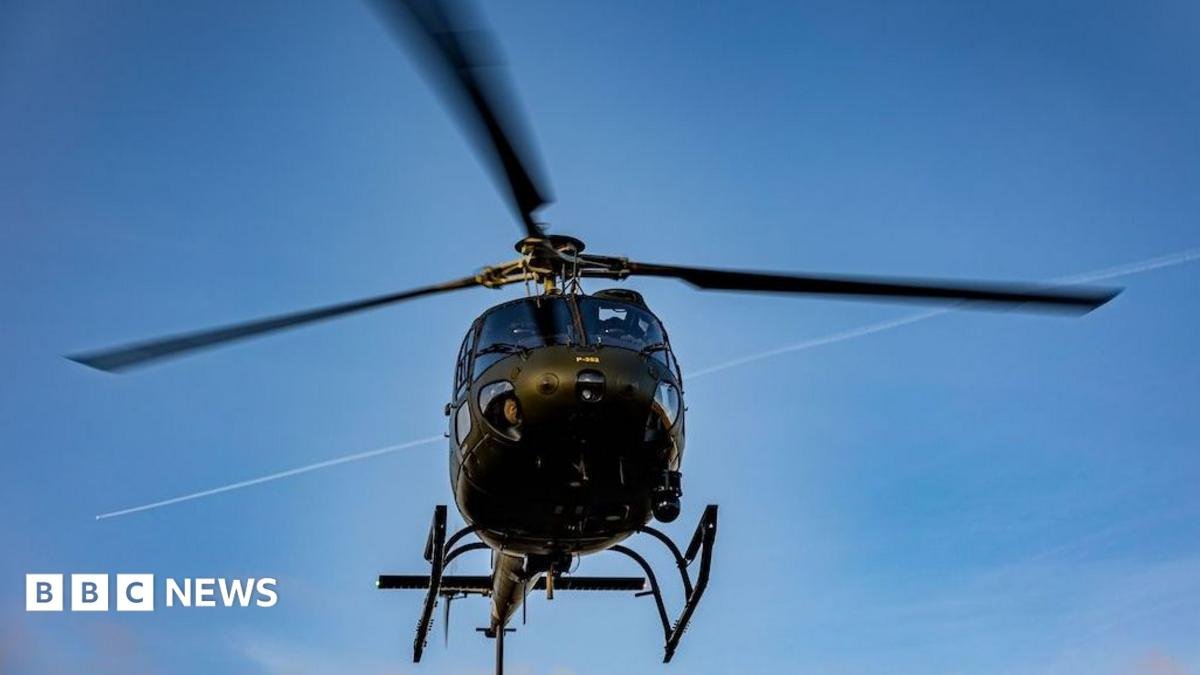
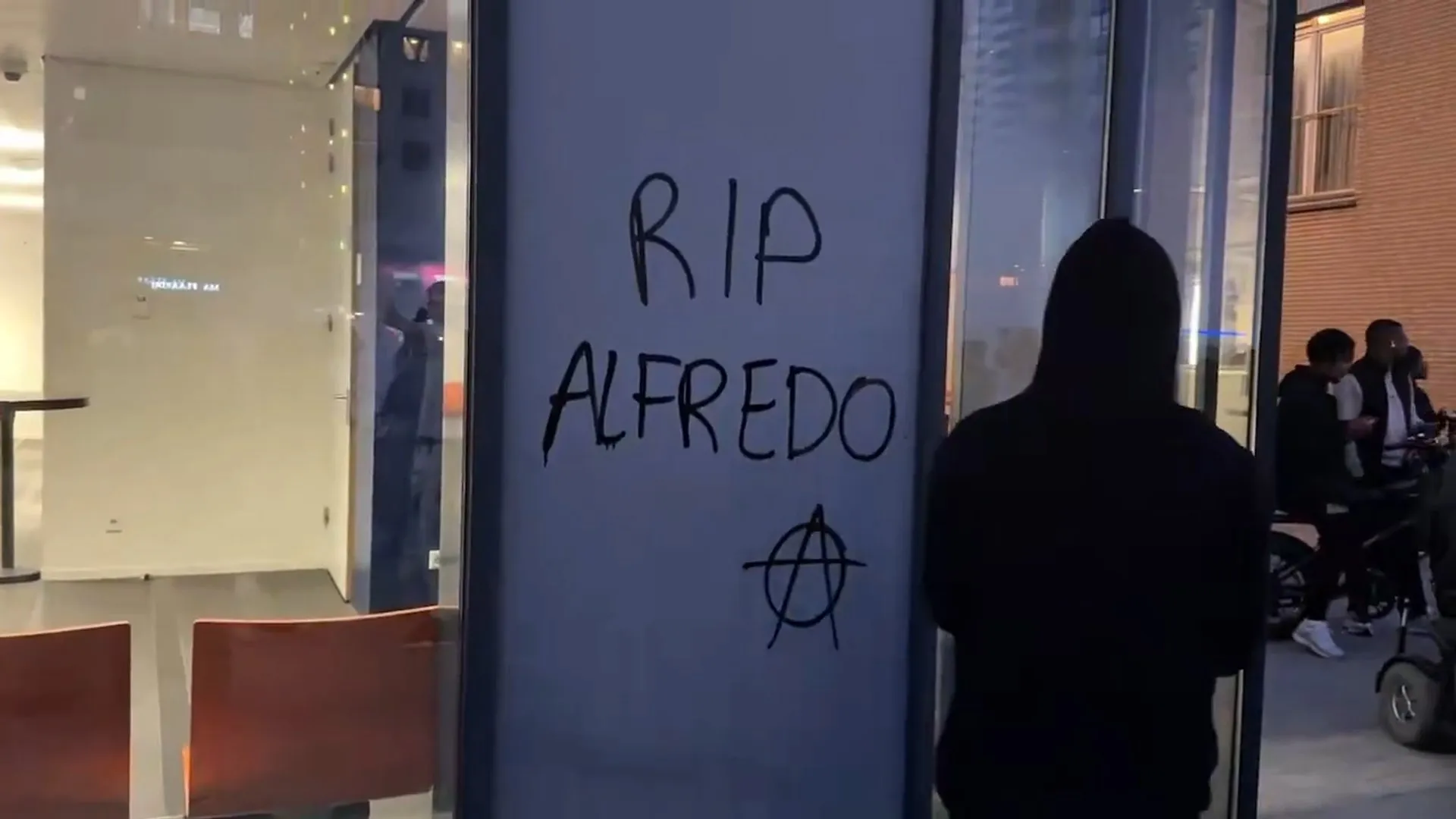
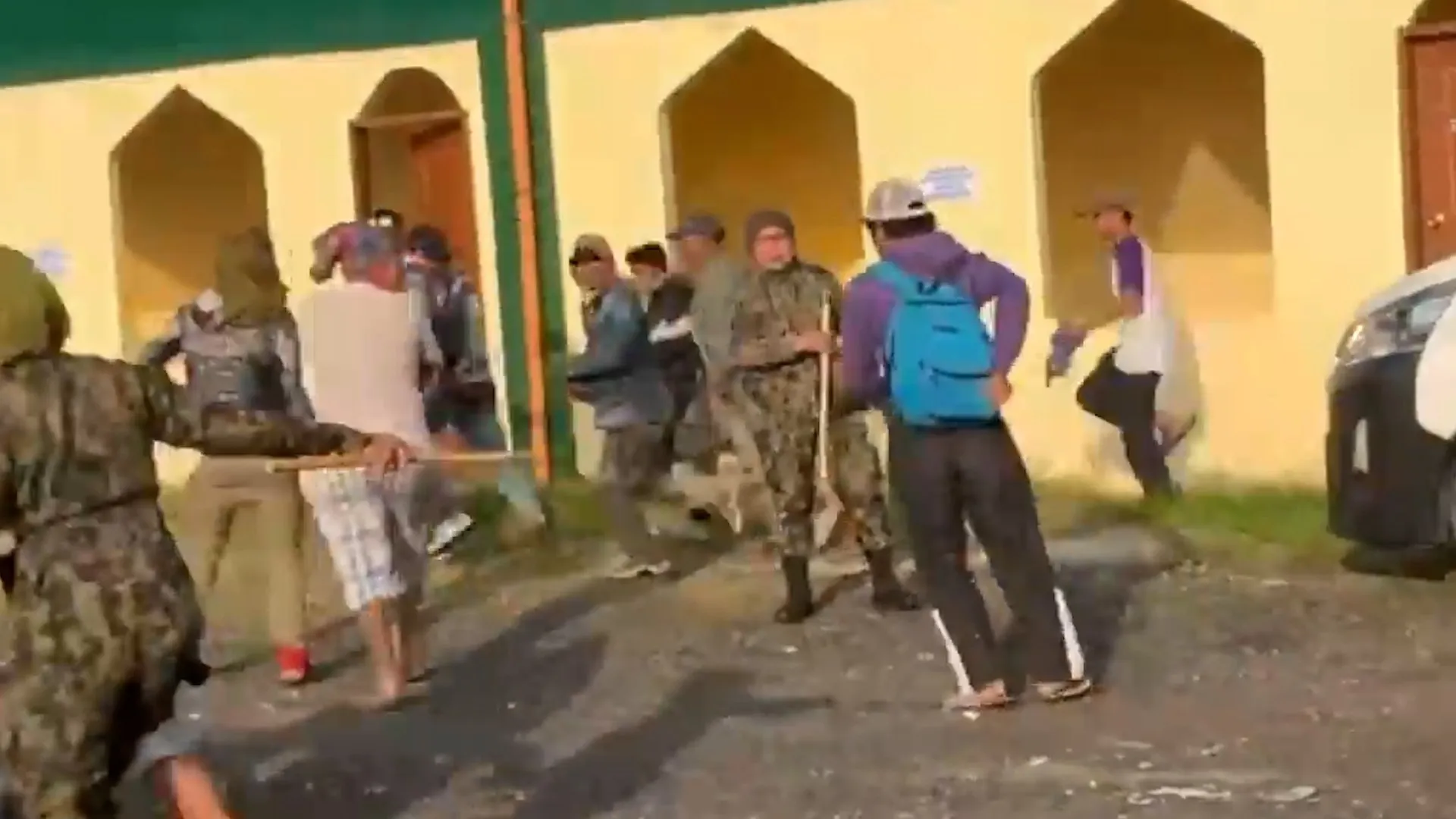
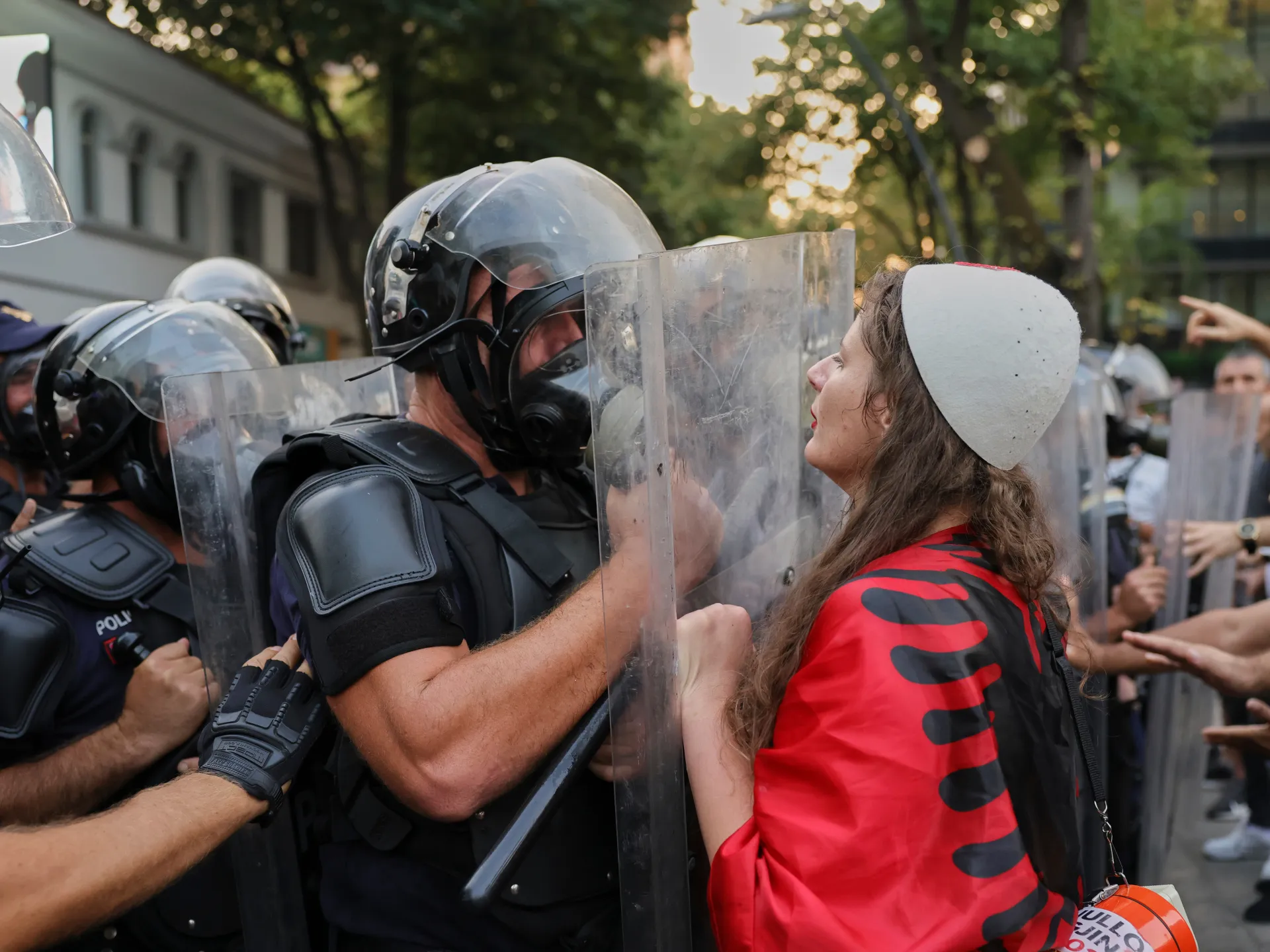
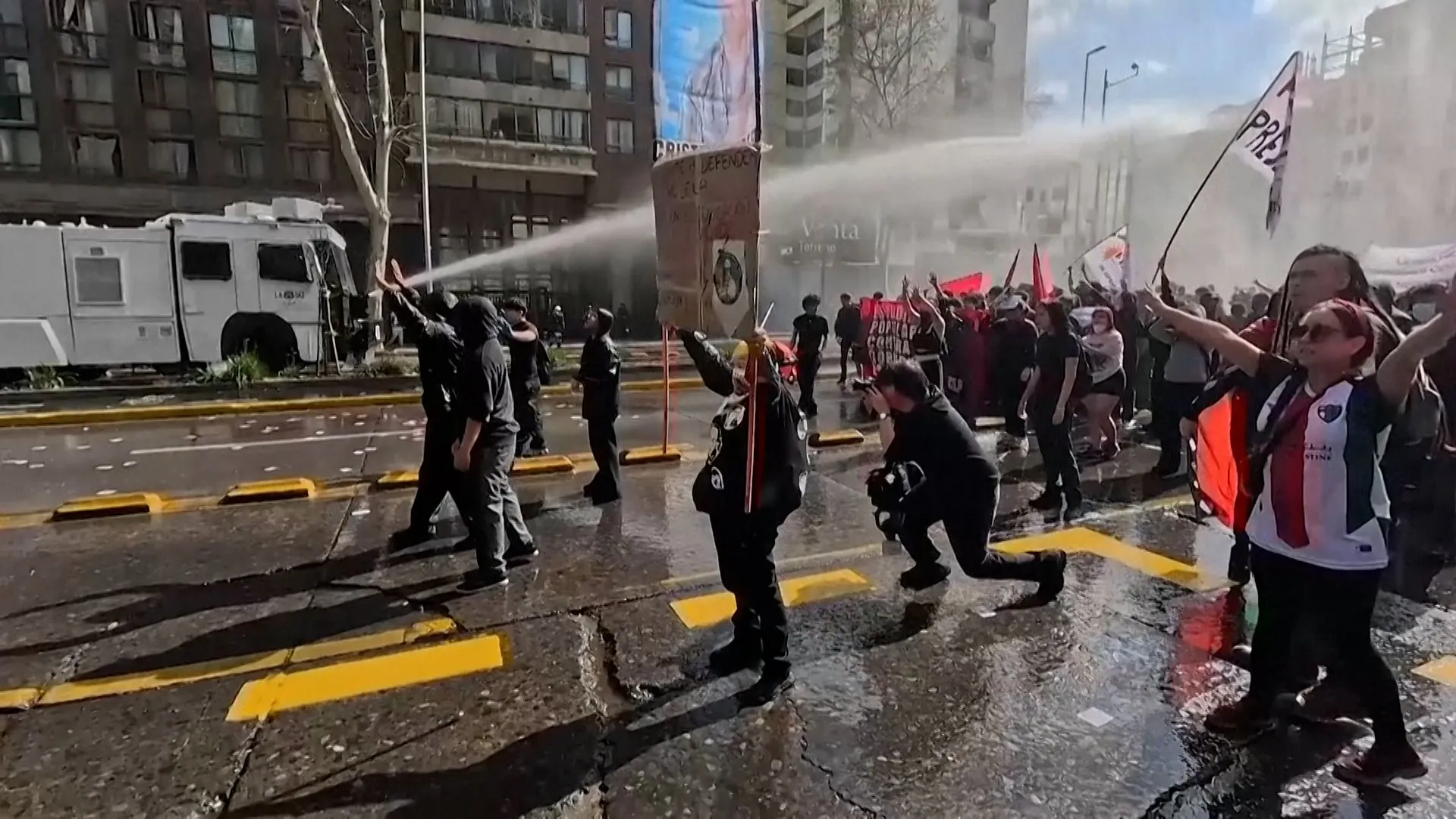
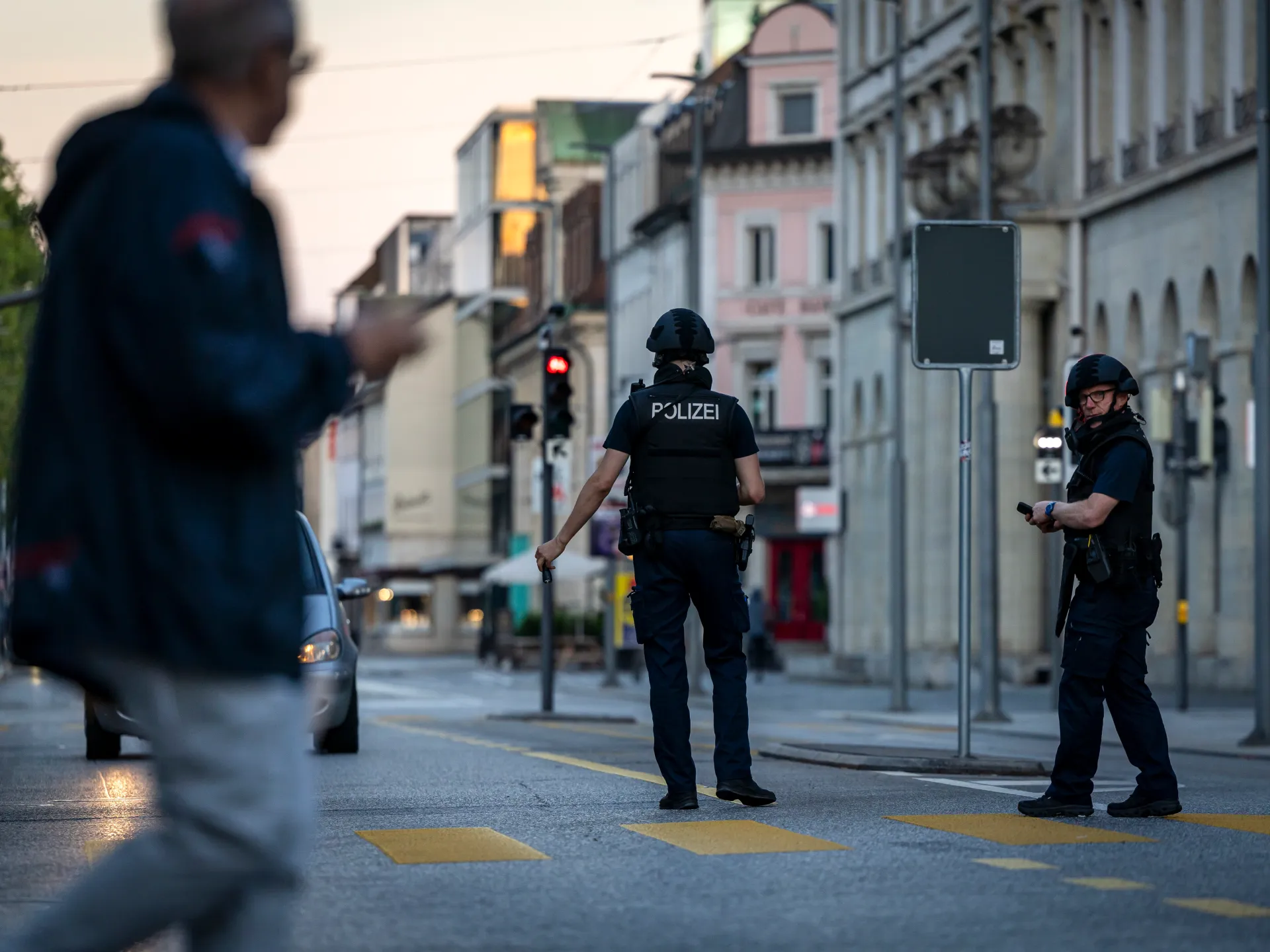
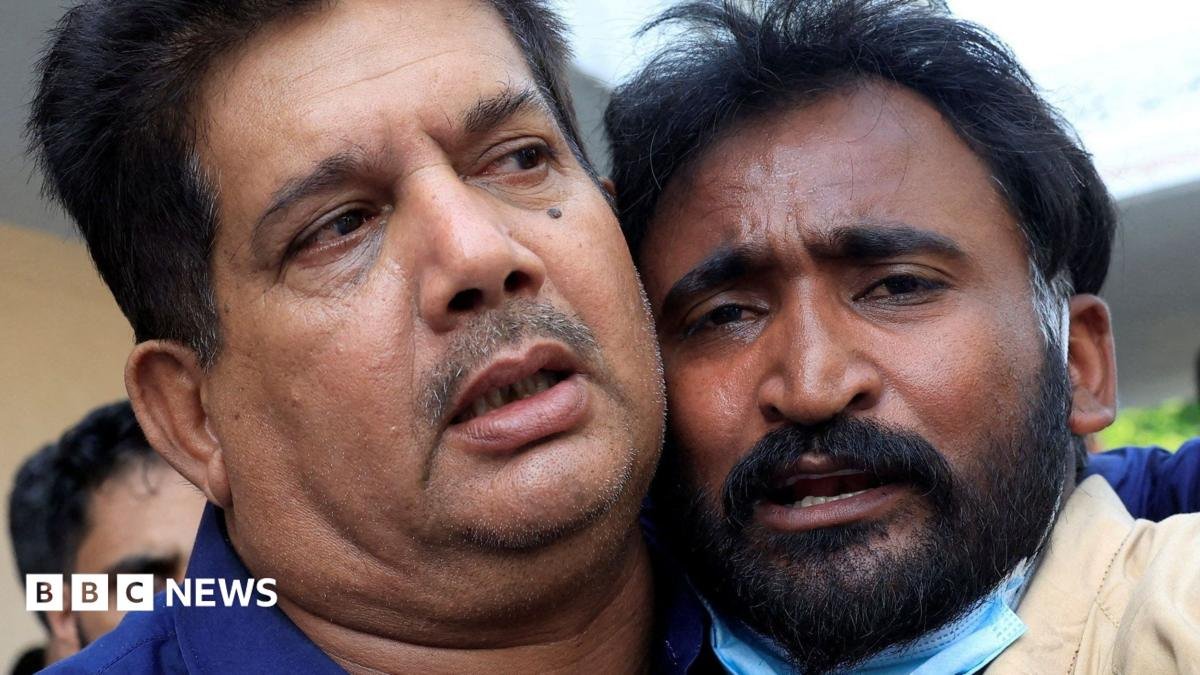
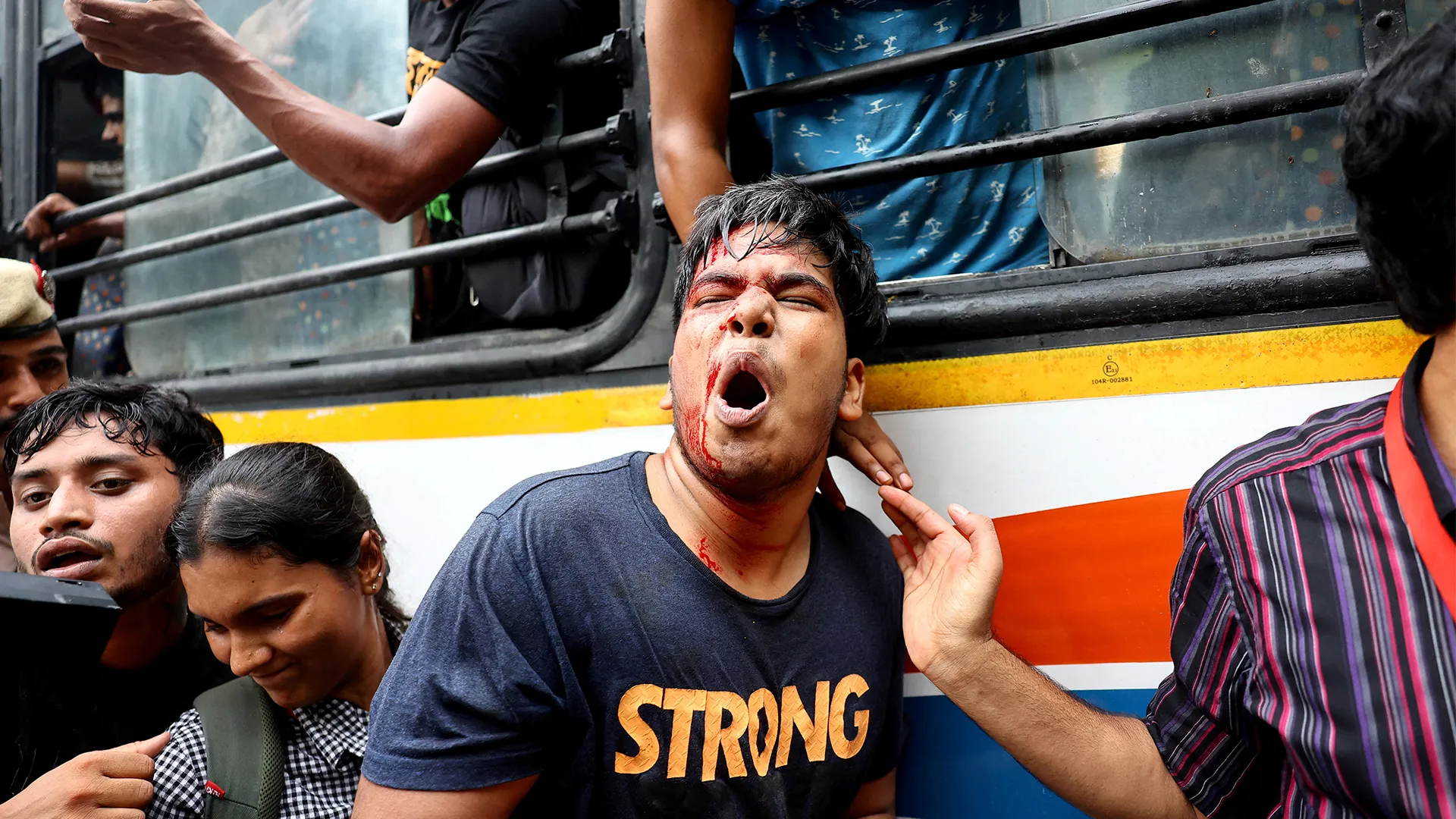
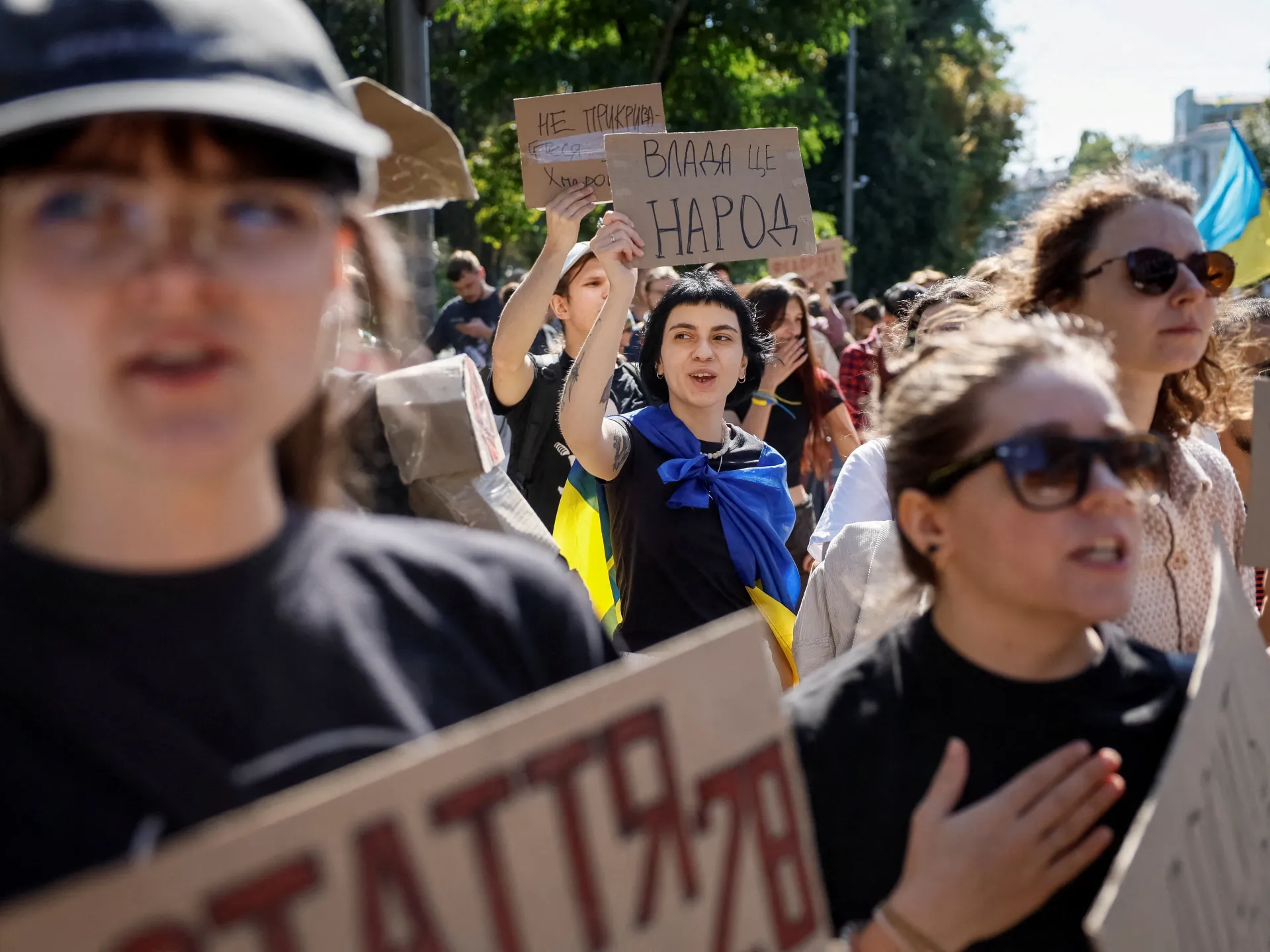
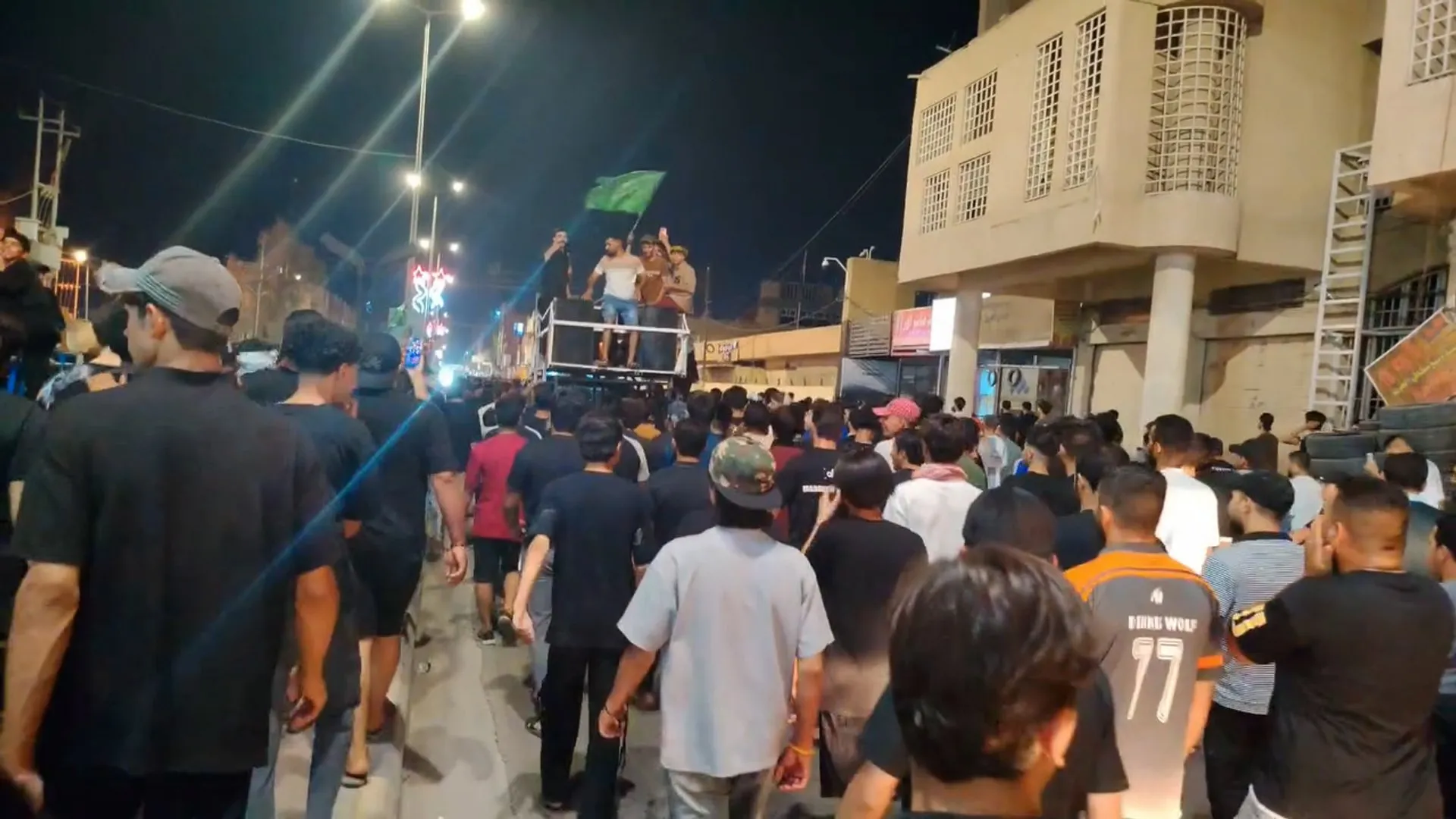
Dutch law enforcement authorities were forced to intervene with significant force this past Saturday as a demonstration against government immigration and asylum policies spiraled into chaos in The Hague. Approximately 500 demonstrators gathered at Malieveld park under the banner of "Wij zijn het volk"—a slogan translating to "We are the people"—before the situation deteriorated. Riot police, supported gan hurling fireworks and various projectiles at officers.
Local officials promptly moved to terminate the gathering, citing the immediate threat to public safety. Although protesters had initially intended to conduct a march through the city center, the city government rescinded permission as violence escalated. Reports from the scene indicated the presence of inflammatory rhetoric, including antisemitic slogans and at least one observed instance of a Hitler salute. Additionally, a truck serving as a makeshift stage for the rally displayed messaging declaring that "The Netherlands is for the Dutch." While authorities confirmed the event was dismantled, there has been no immediate official tally regarding the number of arrests made during the operation.
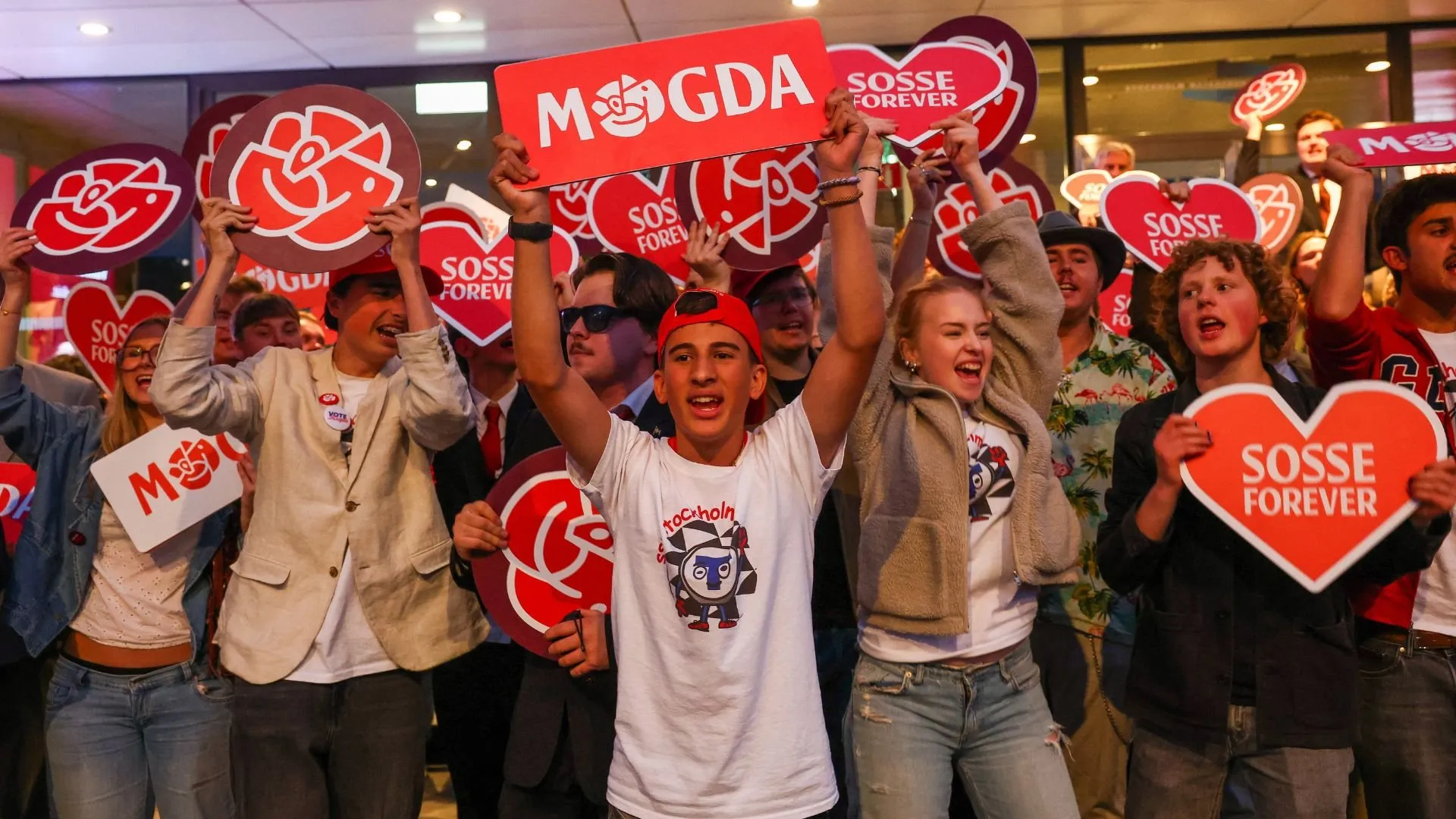
The violent clash in The Hague highlights a widening chasm within European domestic politics, where anxieties over mass migration are increasingly manifesting as direct confrontation with state institutions. d a public reckoning with the reach of extremist influence in national discourse. The incident carries historical weight, echoing tensions from the previous year when similar unrest led to the burning of a police vehicle and attacks on the party headquarters of current Prime Minister Rob Jetten. As populist movements gain momentum across the continent, the Dutch government faces a precarious balancing act: maintaining the democratic right to assembly while preventing fringe groups from hijacking the public square through intimidation and illegal violence.
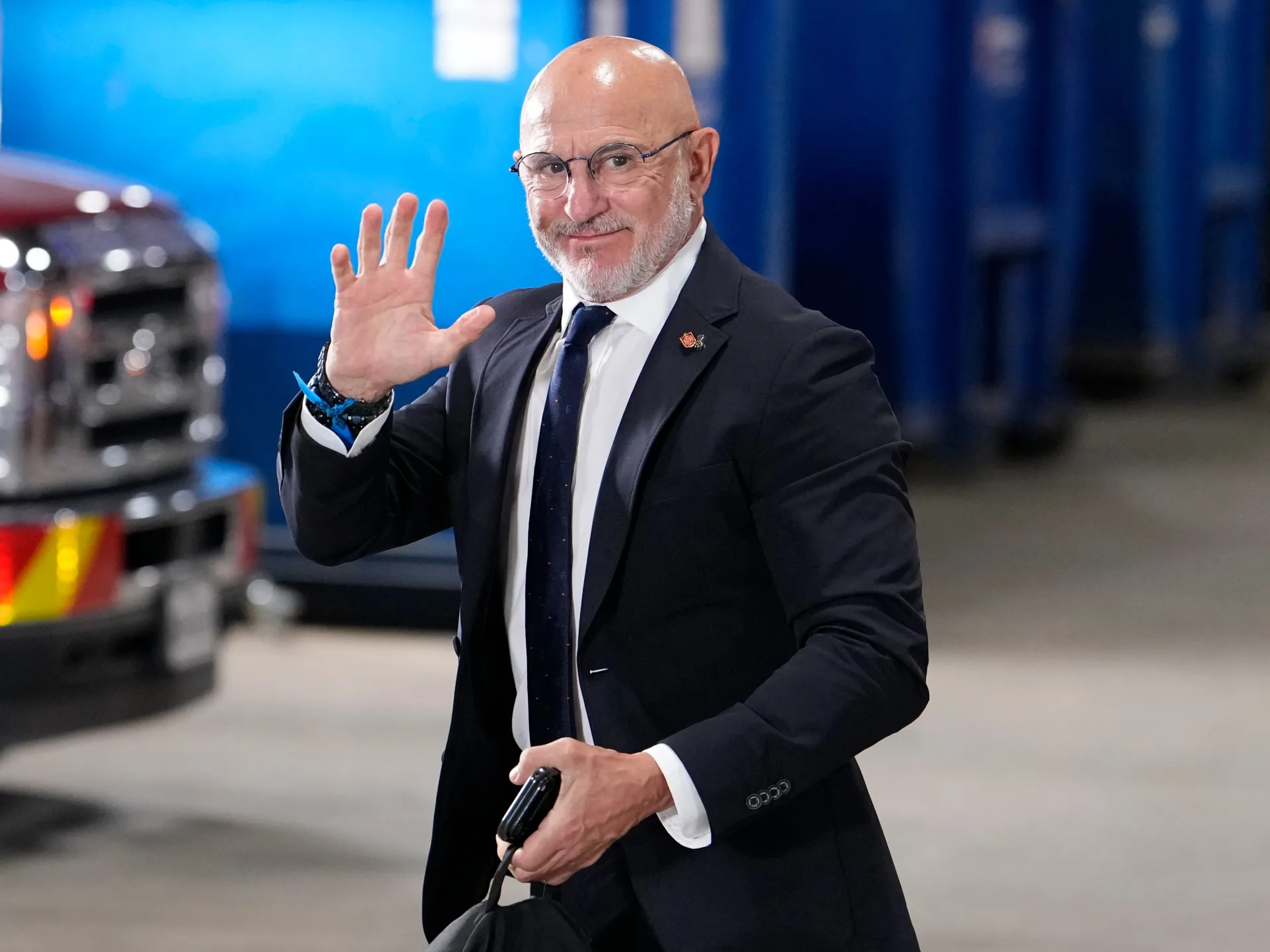
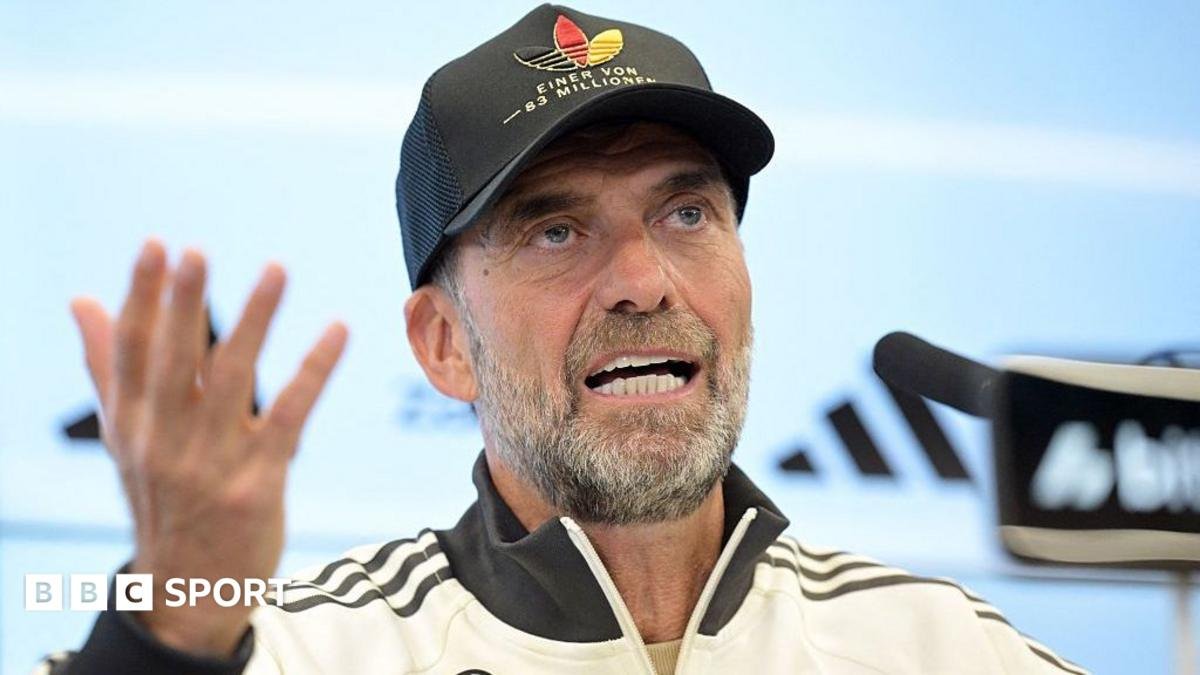
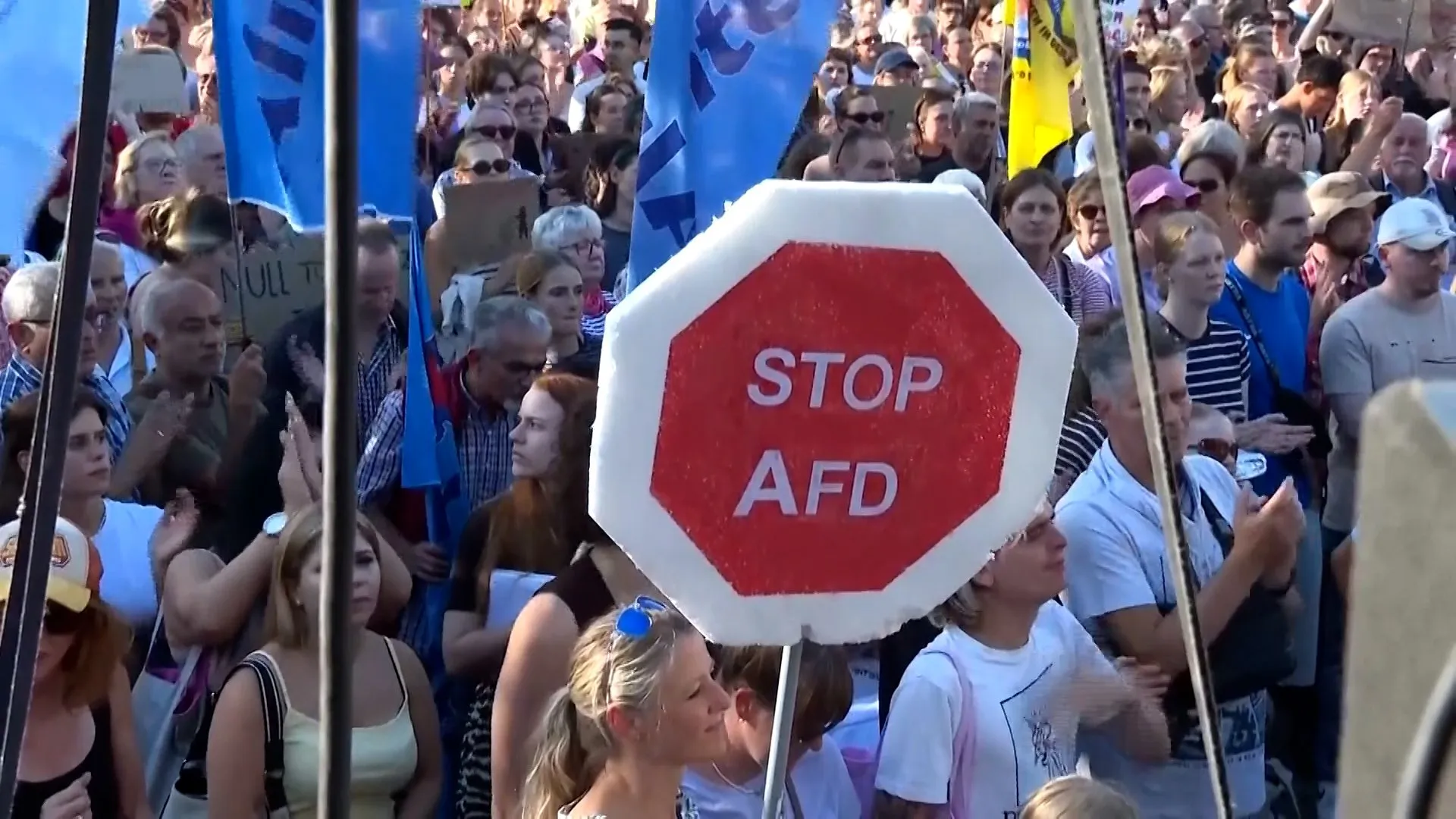
This atmosphere of political volatility is not confined to the Netherlands. Across the border in Germany, similar debates over national identity are currently playing out in the athletic and political arenas. Jurgen Klopp, the newly appointed coach of the German national football team, recently addressed the surge of the far-right Alternative for Germany (AfD) party, which recently secured nearly 44% of the vote in the Saxony-Anhalt state election. Klopp has called for a "positive patriotism," urging citizens to reclaim symbols of national pride to prevent them from being co-opted
Klopp’s intervention reflects a growing concern among European public figures that cultural and social institutions are becoming battlegrounds for electoral legitimacy. While the context in Germany centers on regional parliamentary influence and that of the Netherlands on street-level protest, both represent a shared struggle to define national identity amidst shifting demographics. For the Dutch, the immediate challenge remains the maintenance of public order; for the Germans, the challenge is an electoral shift that threatens to dismantle long-standing political norms regarding the far-right.
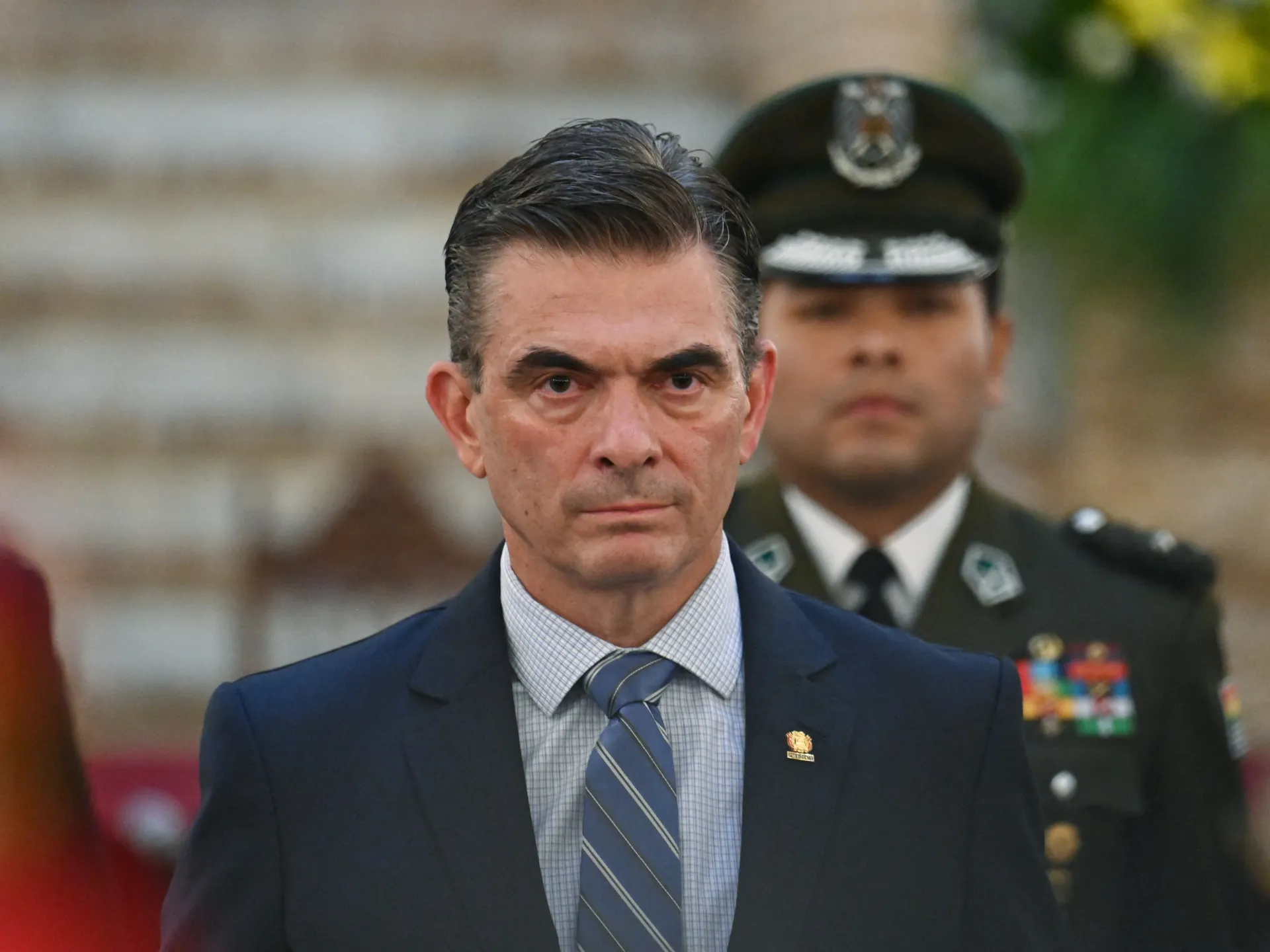
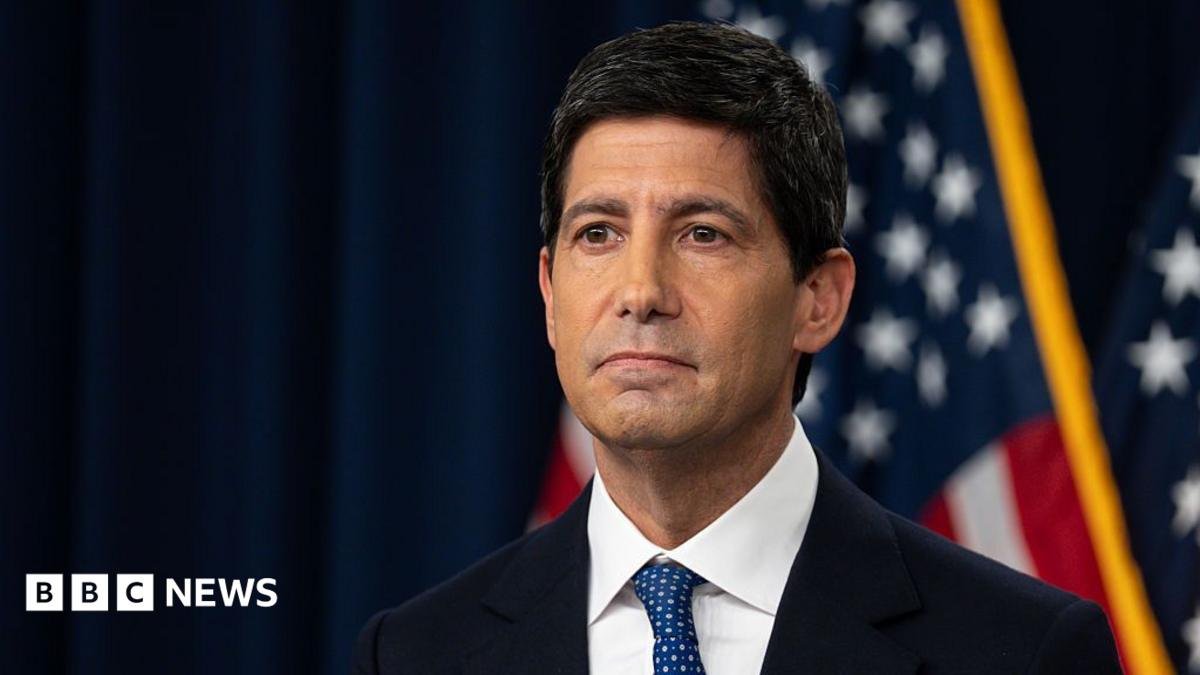
In the immediate term, the Dutch Justice Ministry is likely to pursue investigations into the specific individuals who engaged in violence or displayed illegal symbols during the protest. Minister David van Weel has already signaled that hardline action will be taken, suggesting that the government intends to utilize the full extent of the legal system to deter further escalations. On a broader scale, the intersection of these protests with the rise of right-wing parties suggests that immigration policy will remain the dominant flashpoint for civil unrest. As the Netherlands and Germany navigate these challenges, the ability of mainstream political entities to address public concerns without ceding ground to extremist elements will likely determine the stability of the coming legislative sessions.