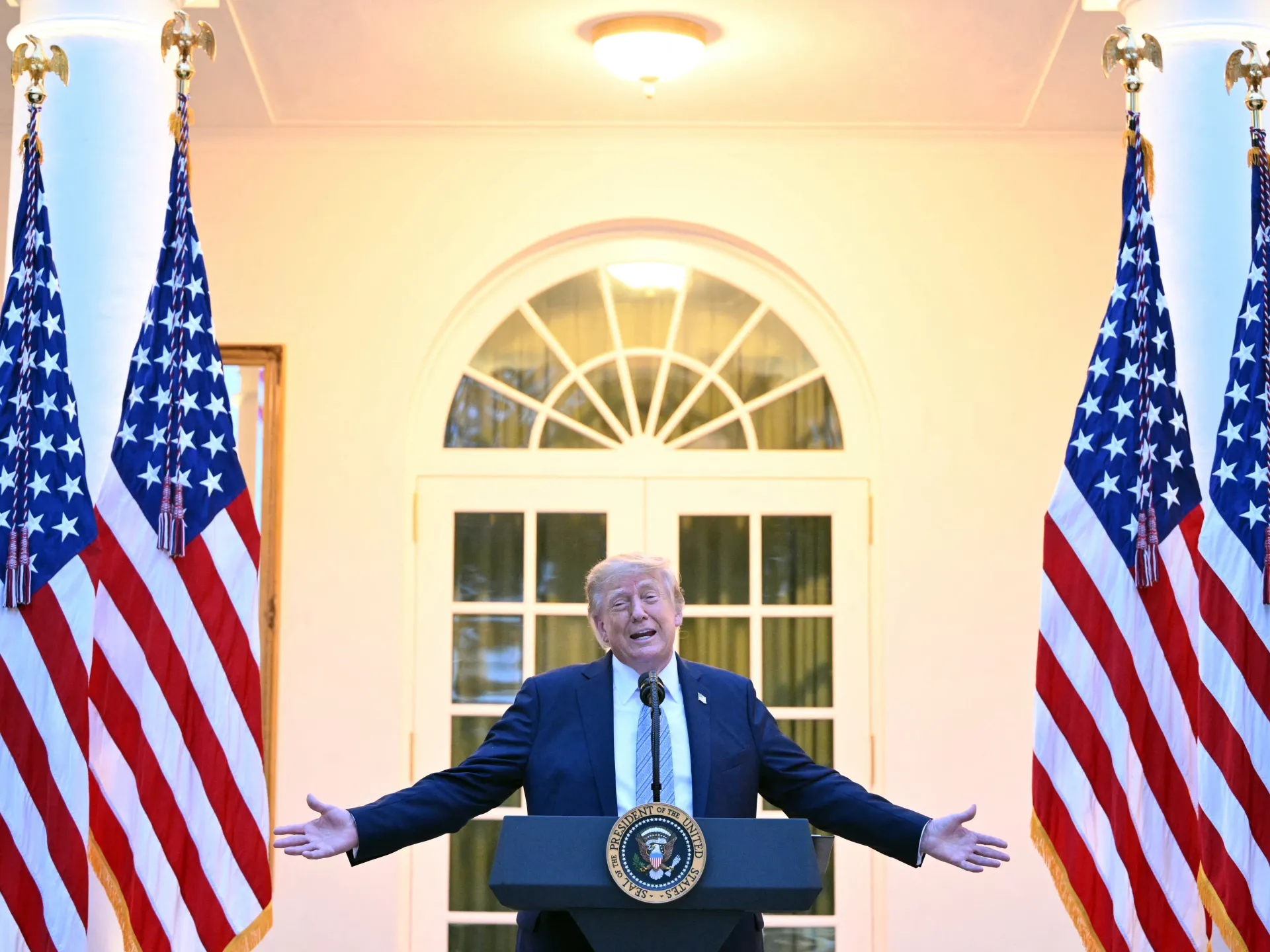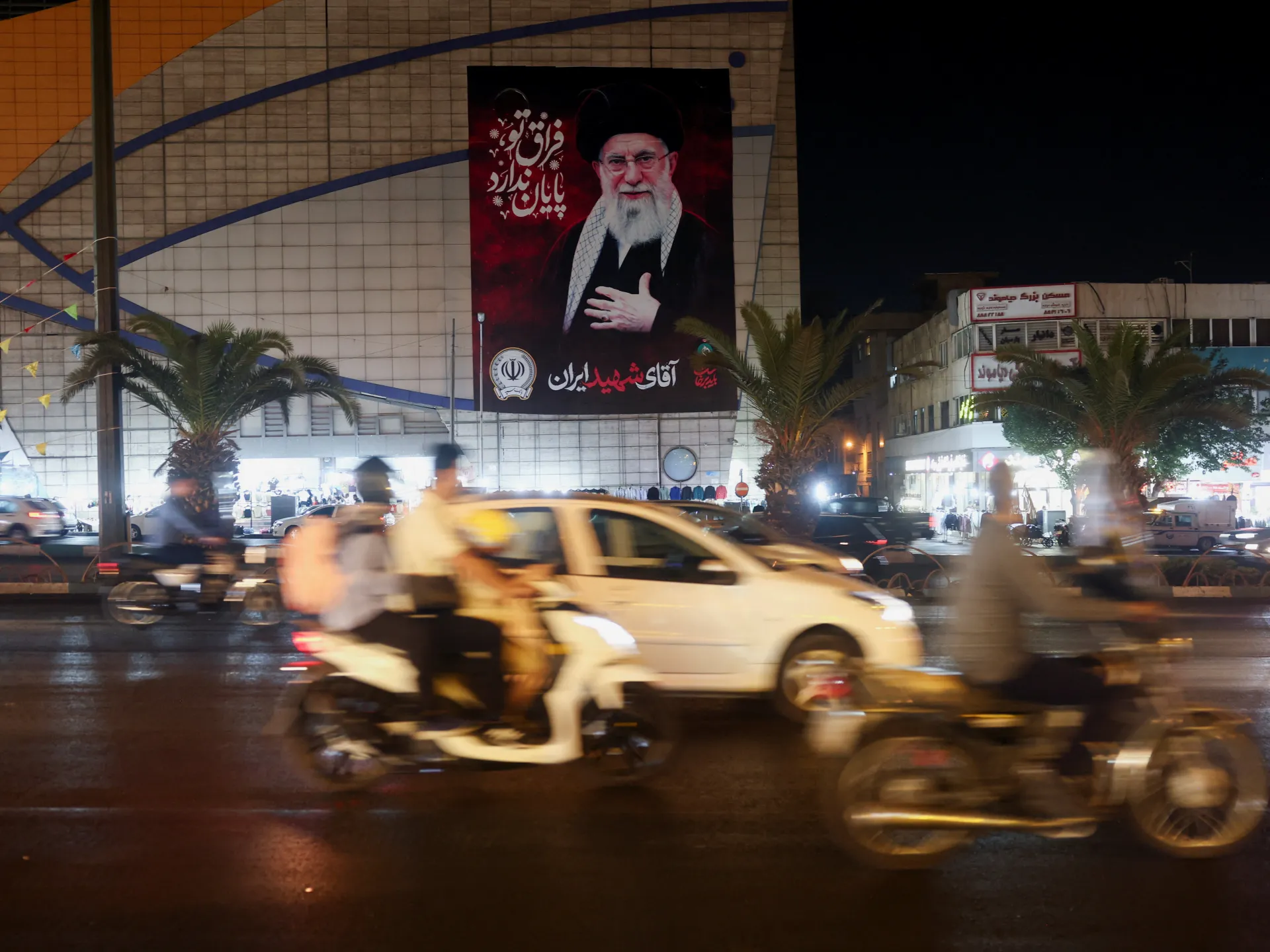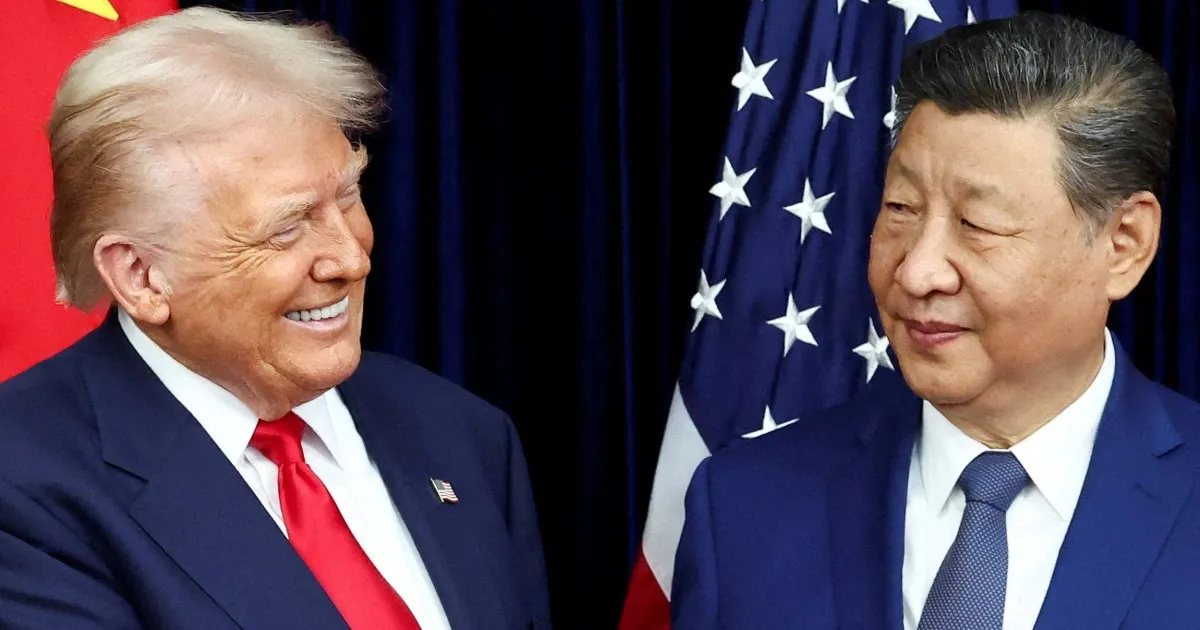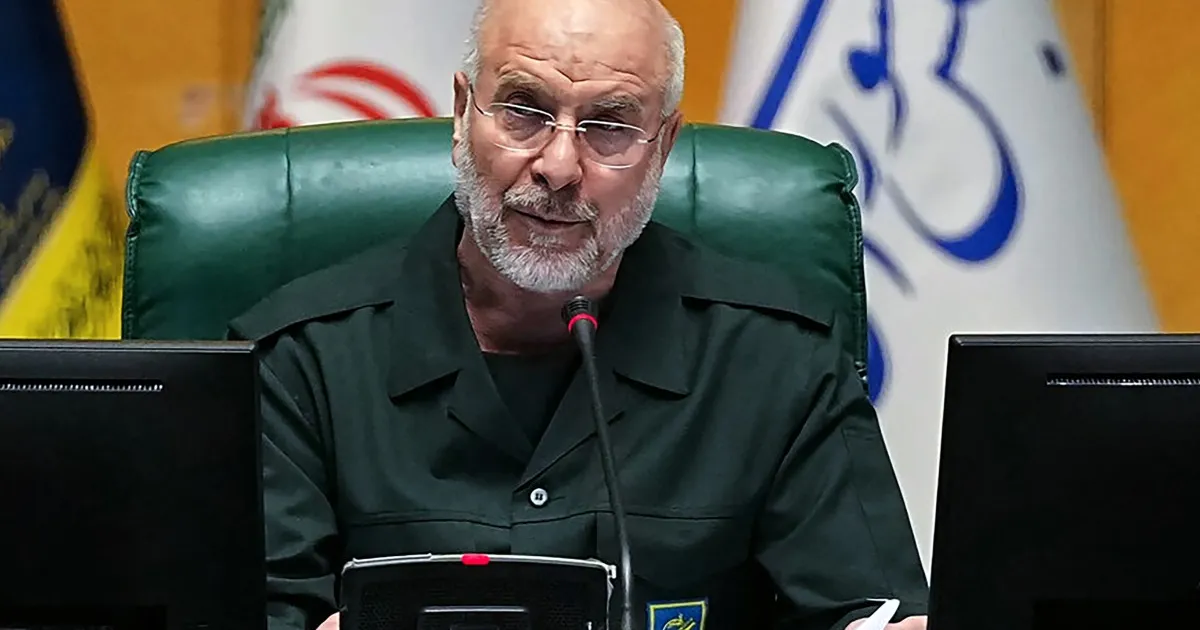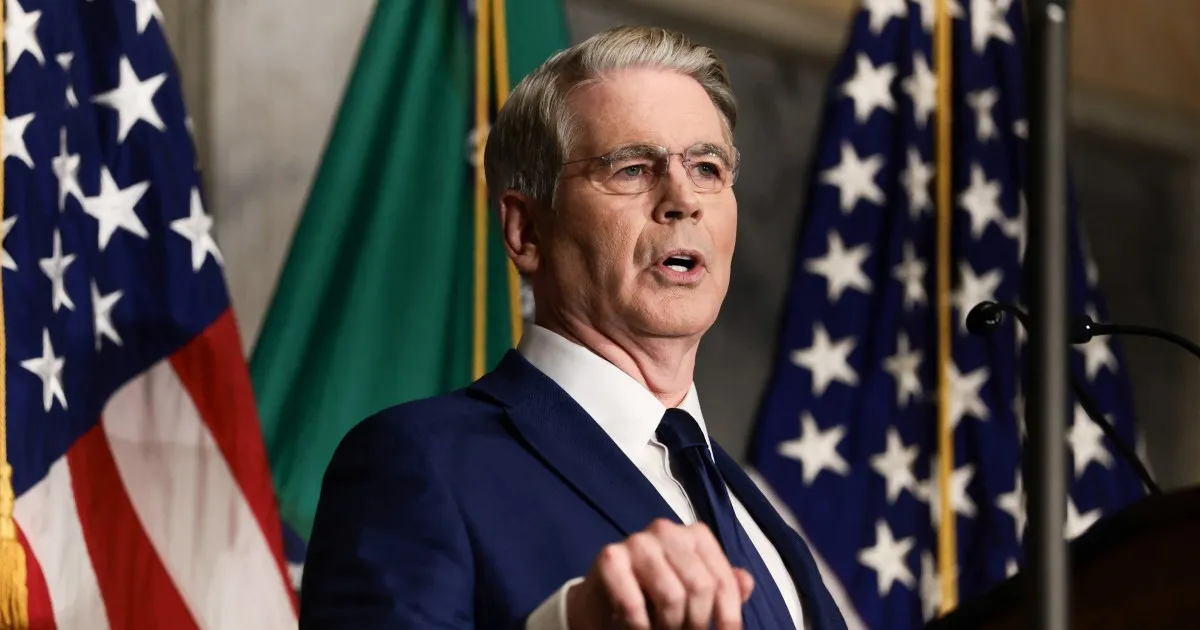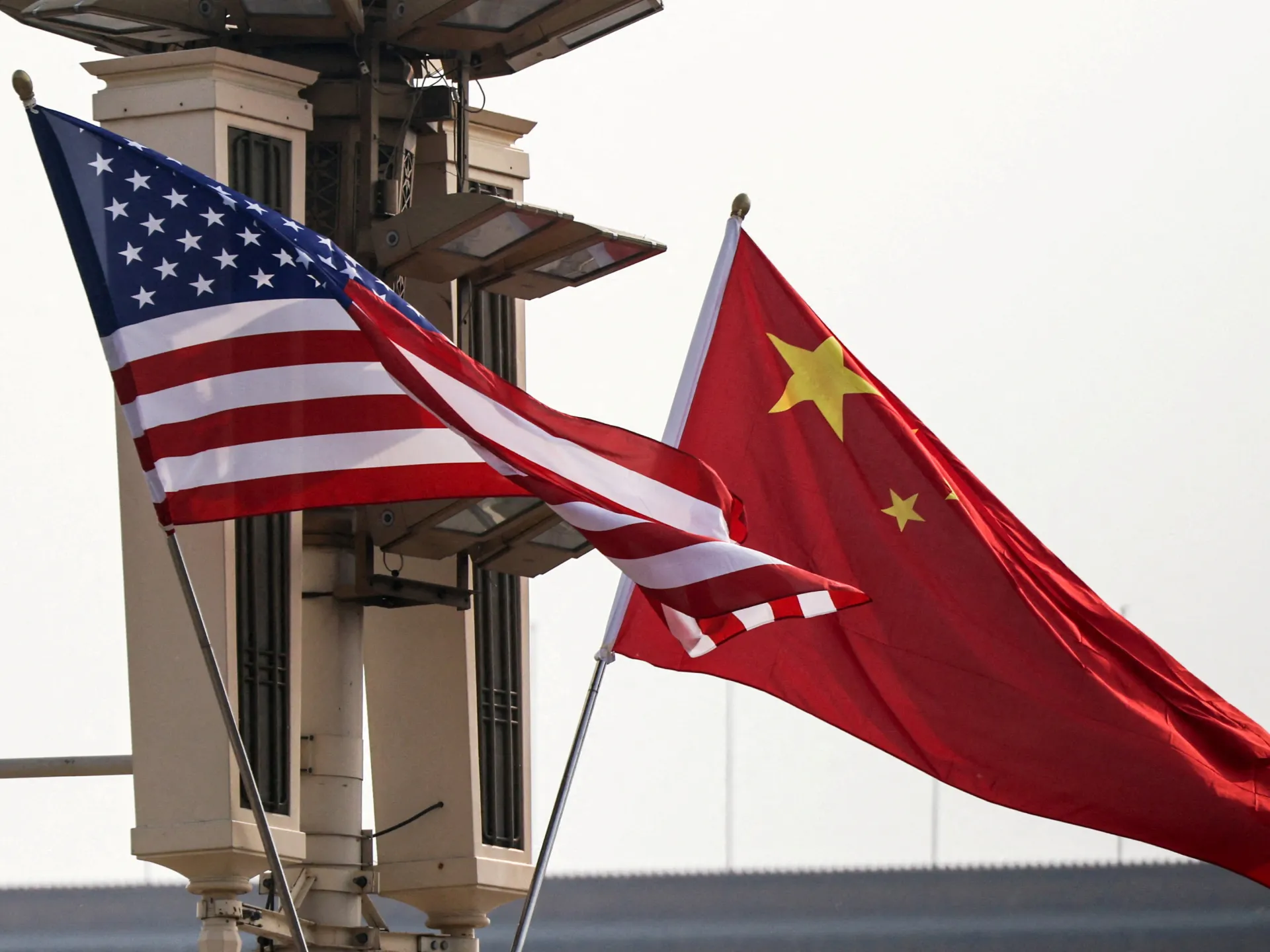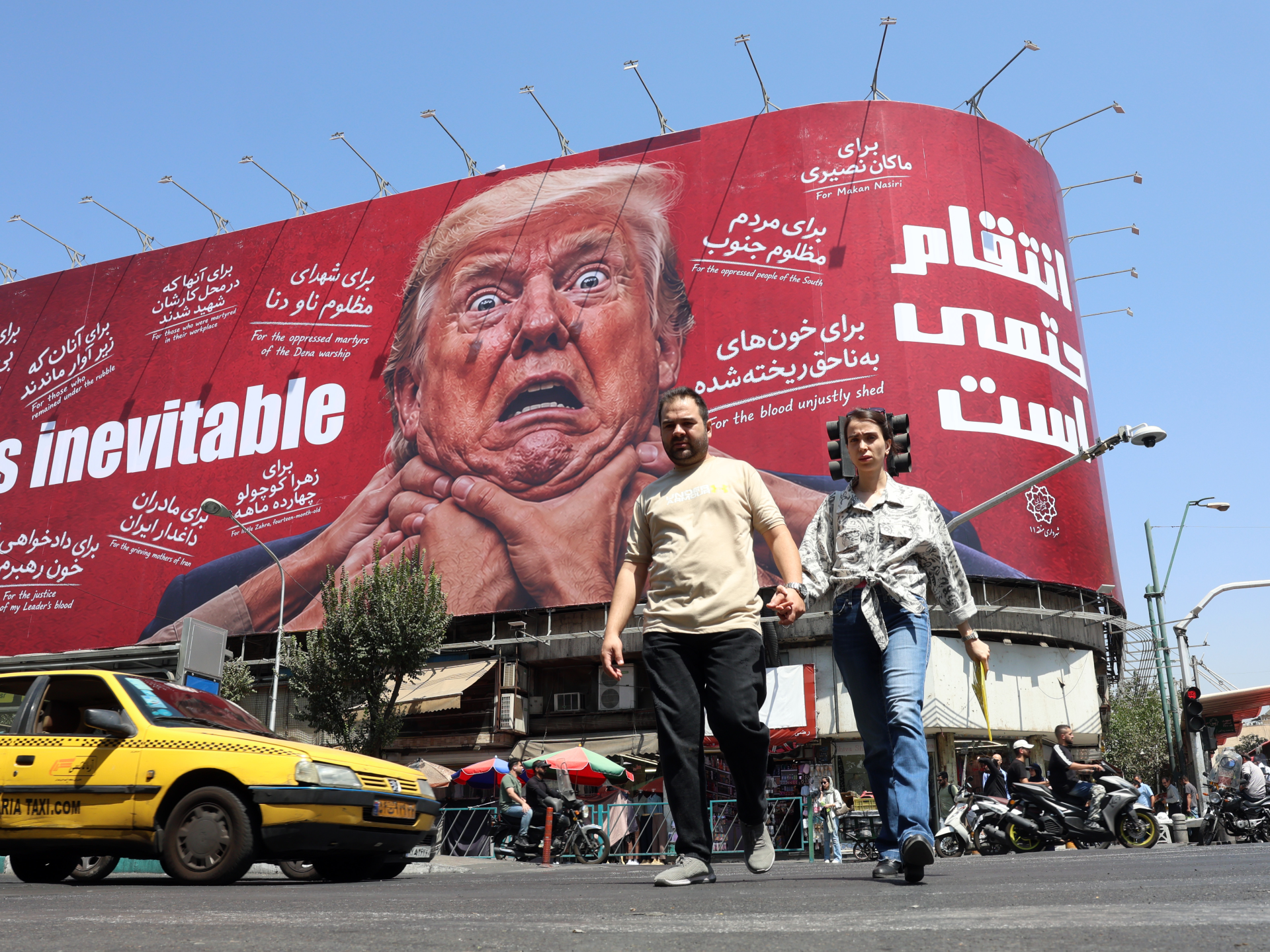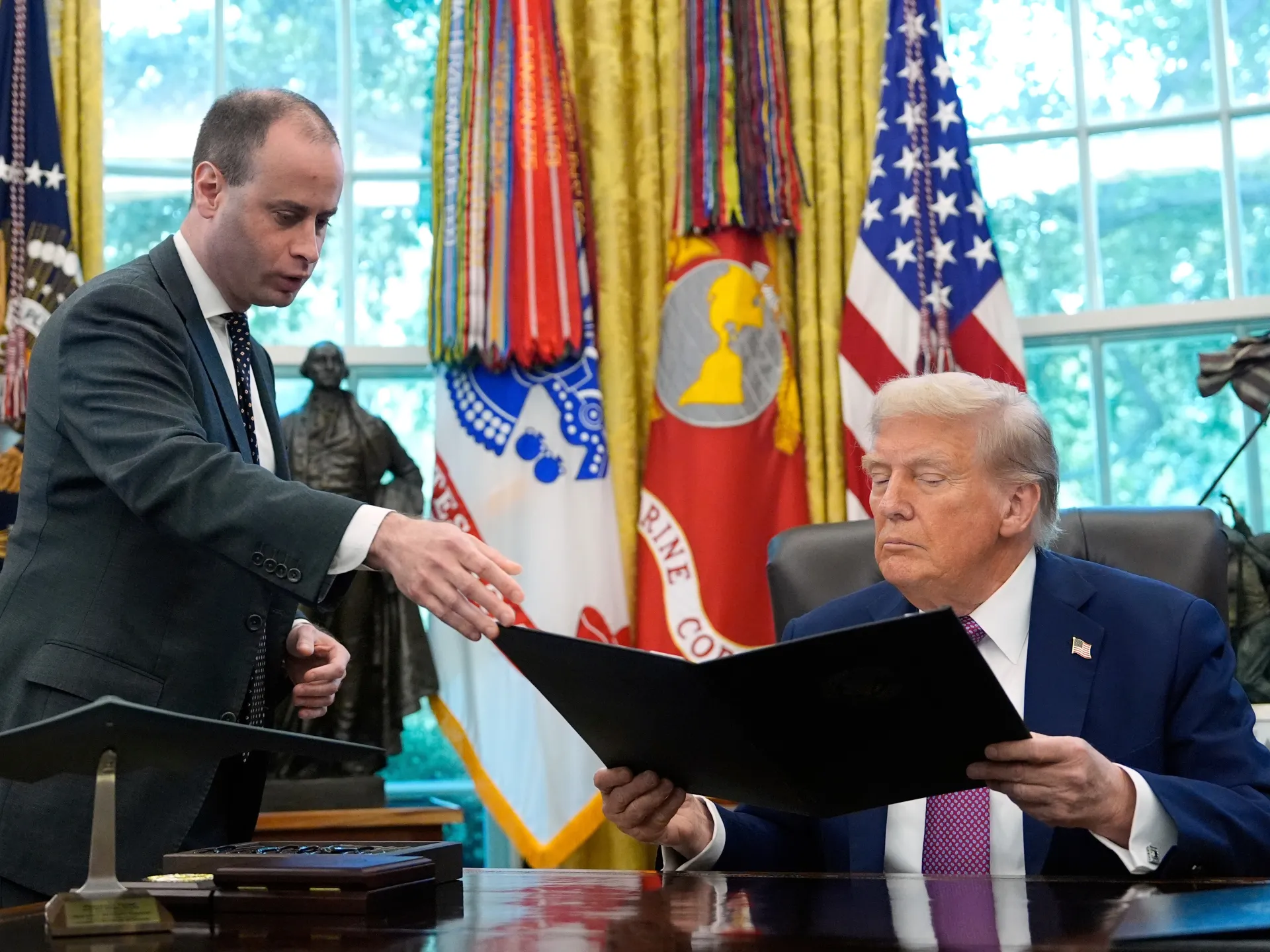
As the U.S.-Iran conflict enters its seventh month, Washington has granted visas to Iranian officials for the UN General Assembly while maintaining strict travel and commercial sanctions.
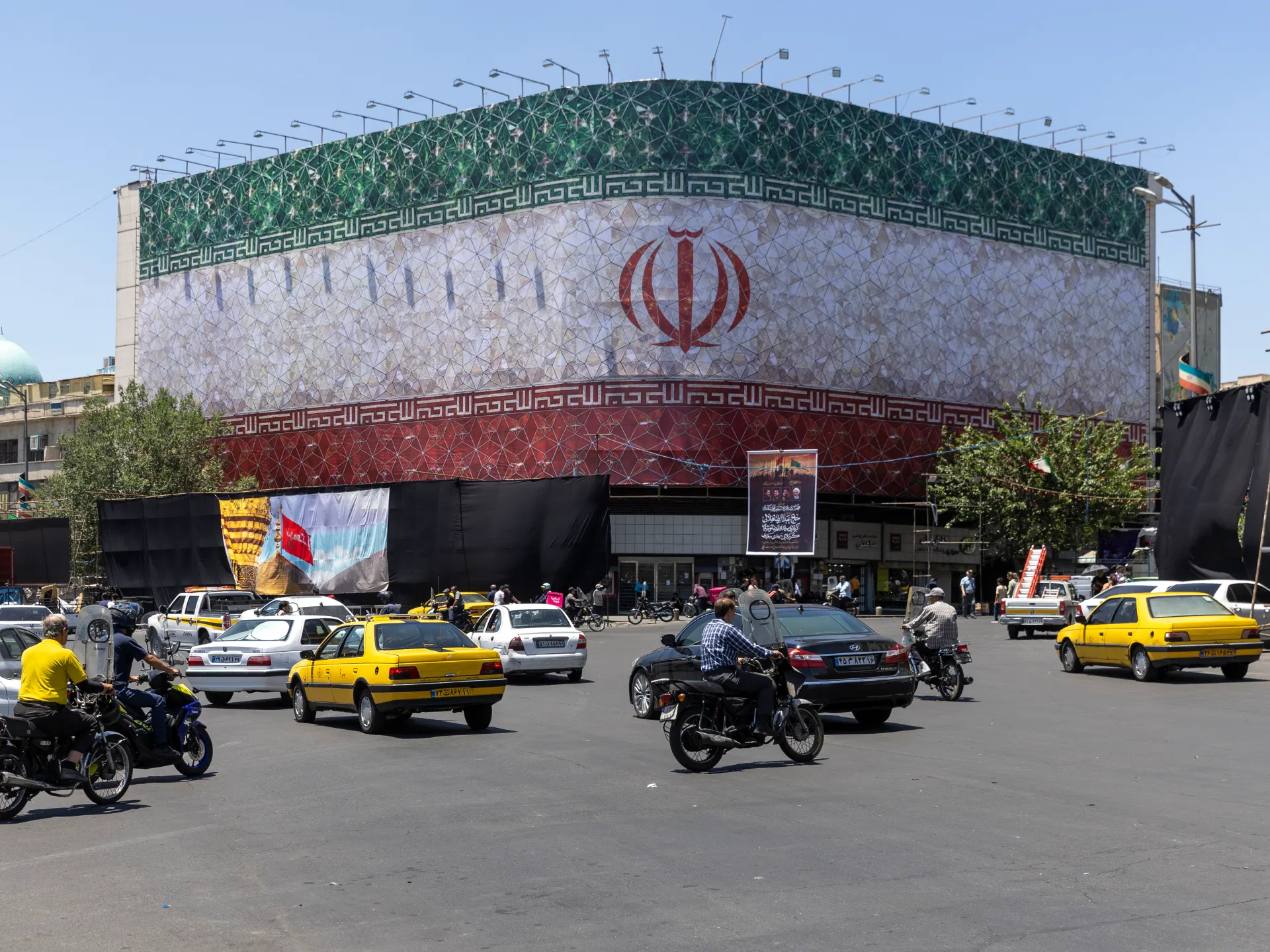
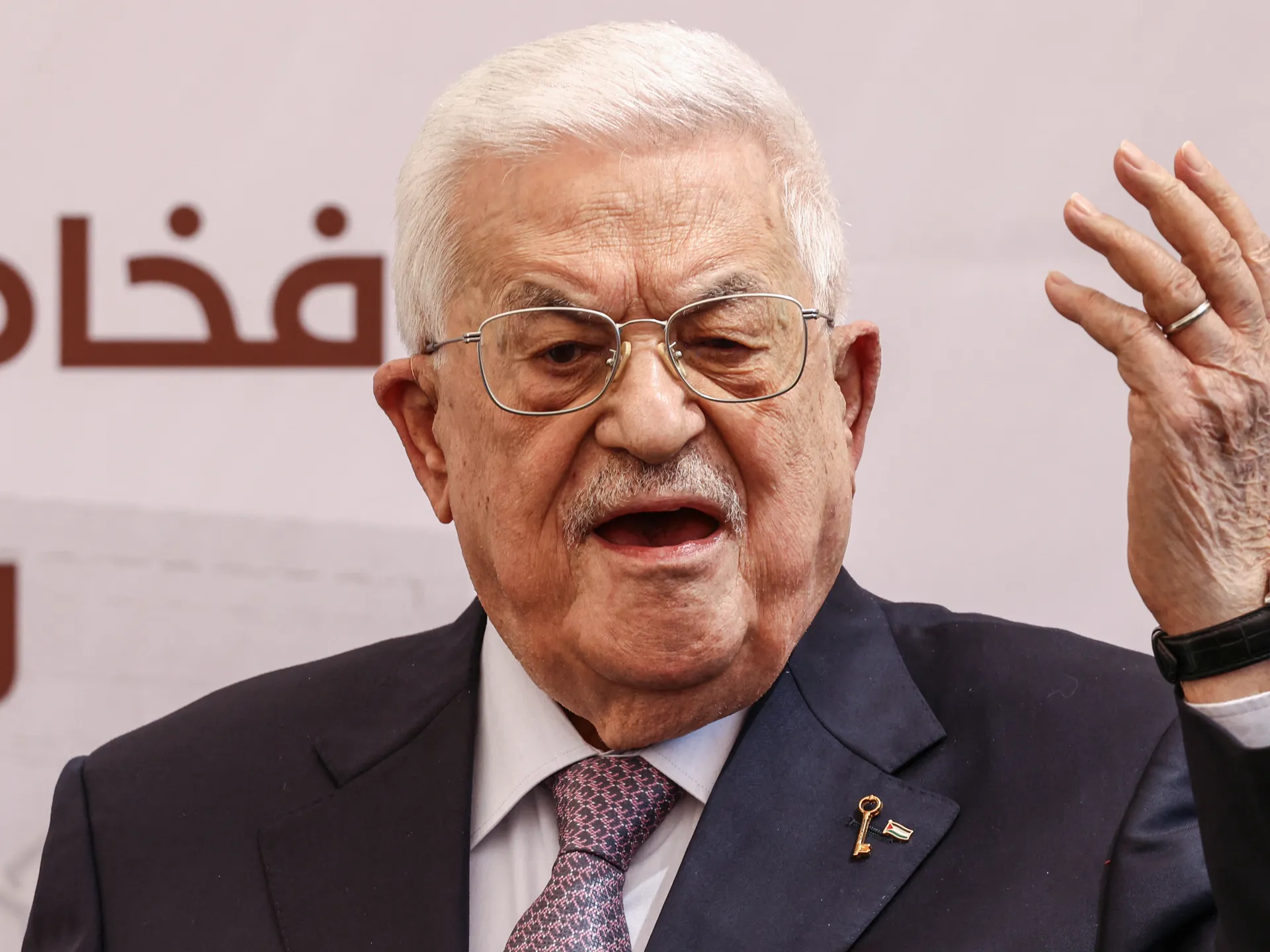
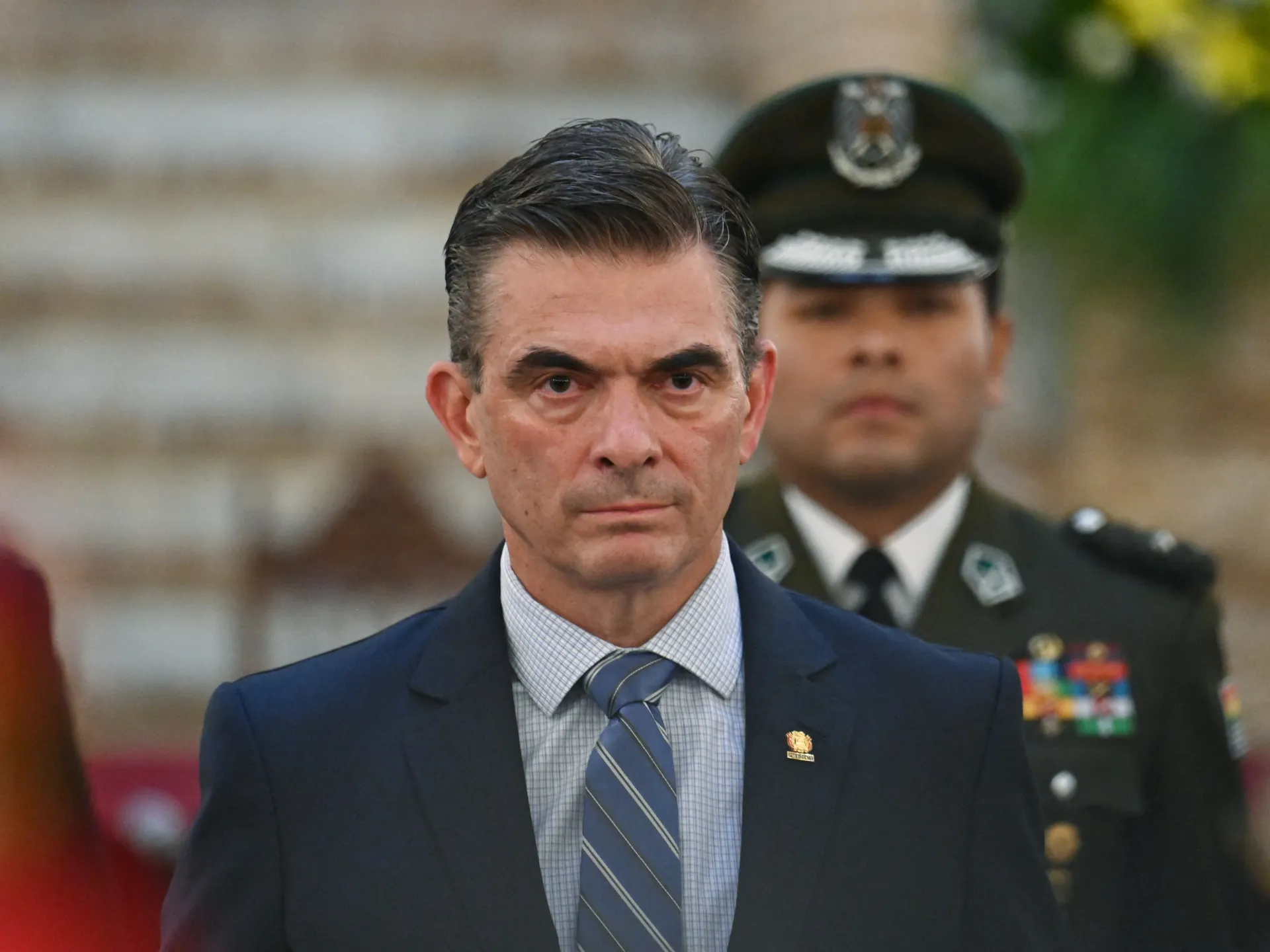
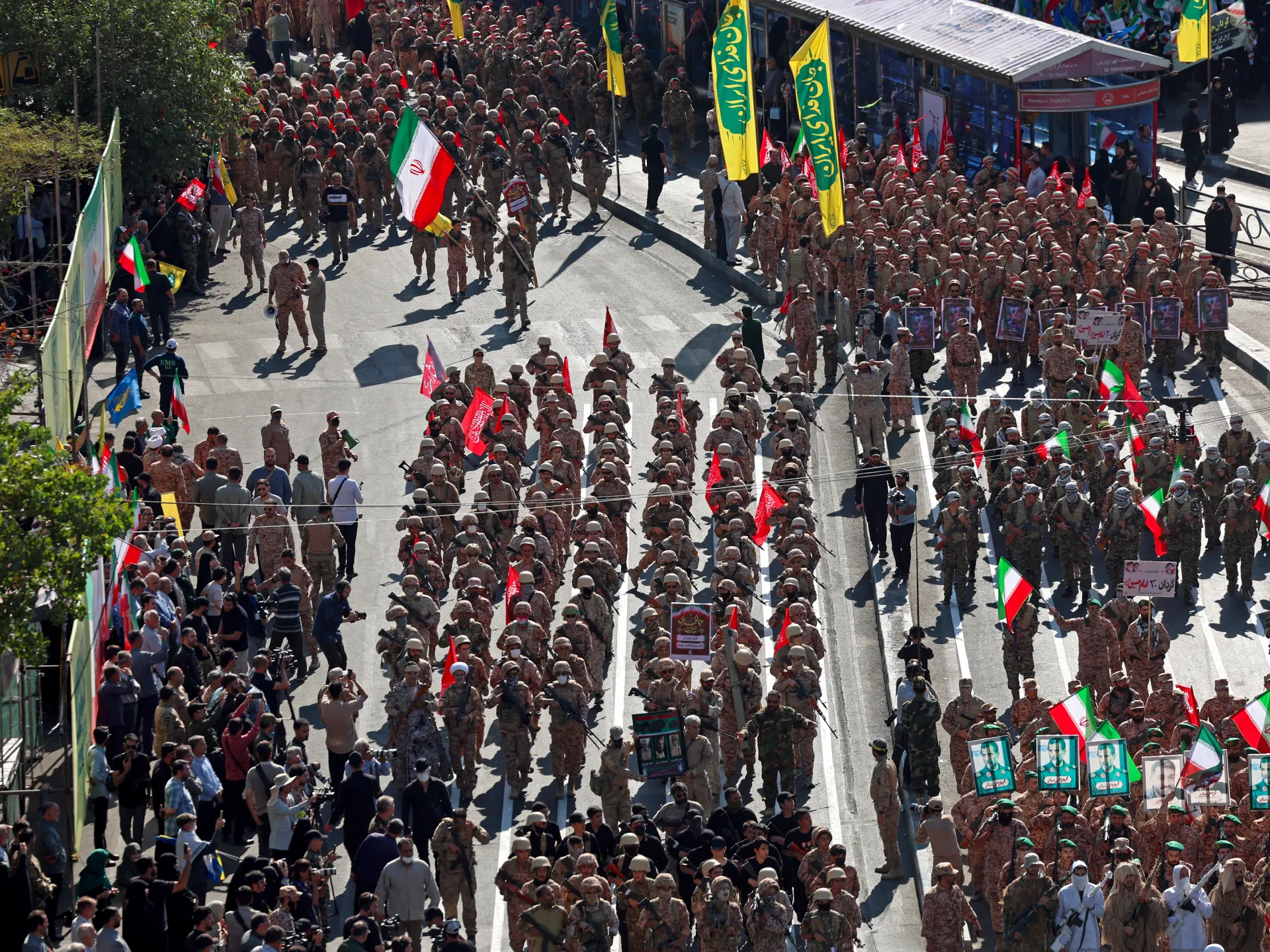
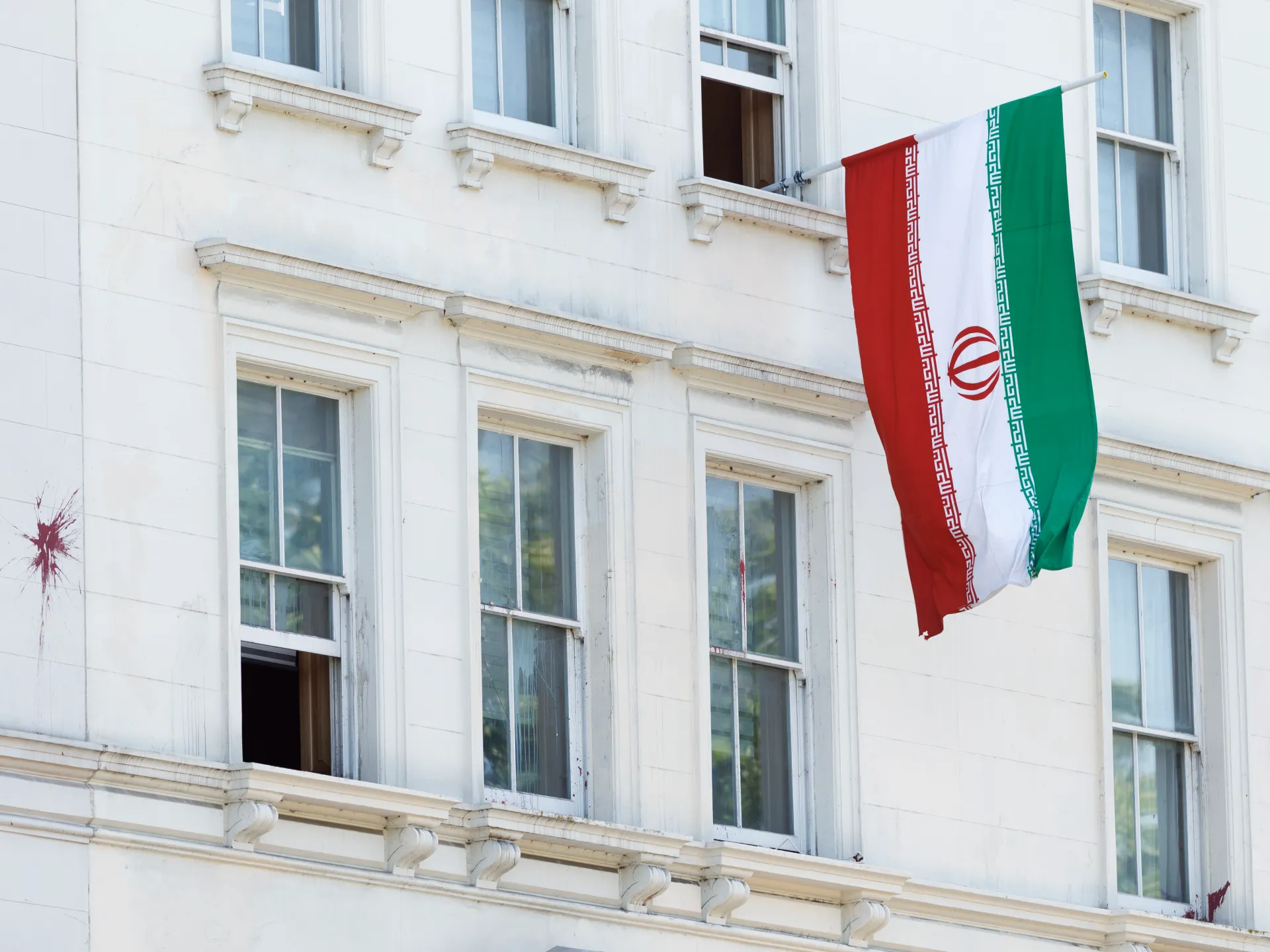
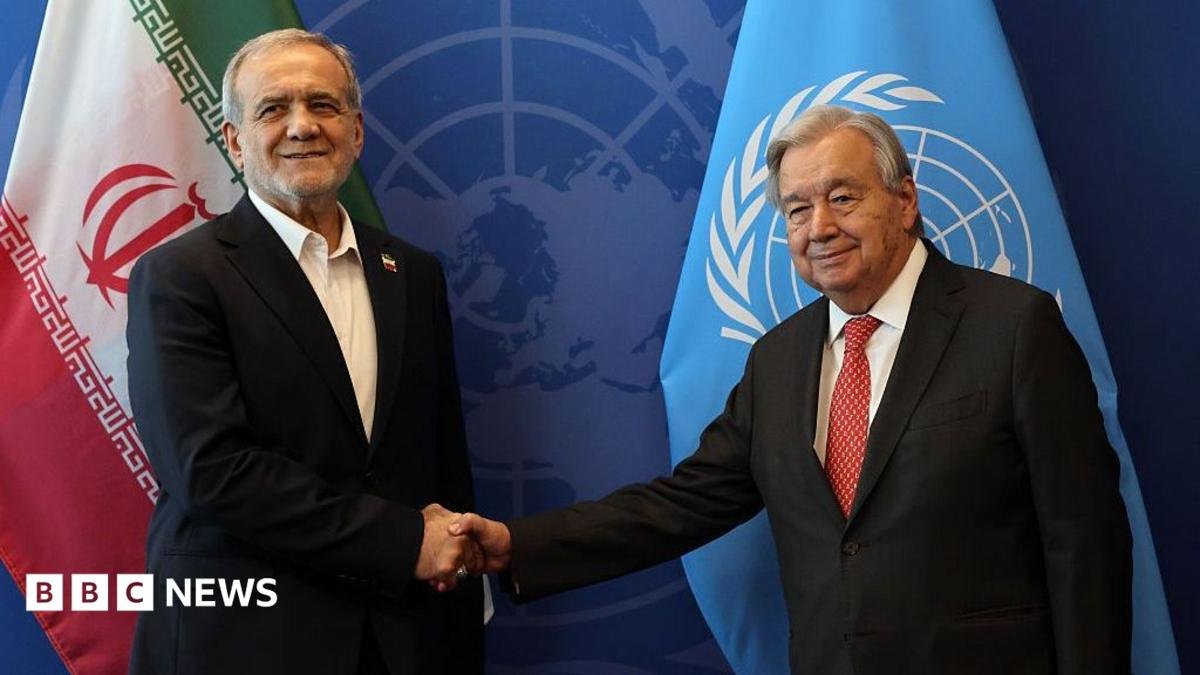
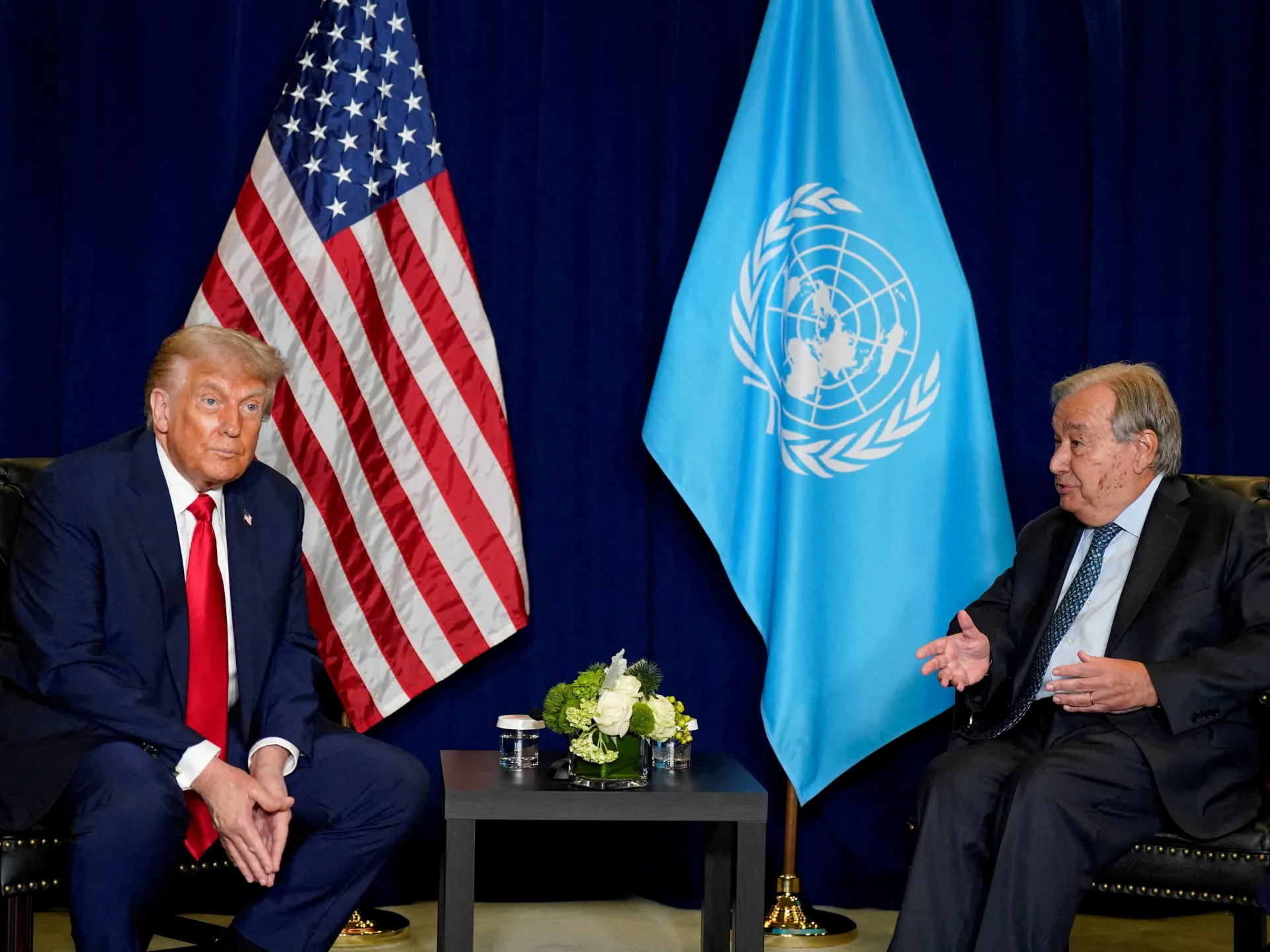
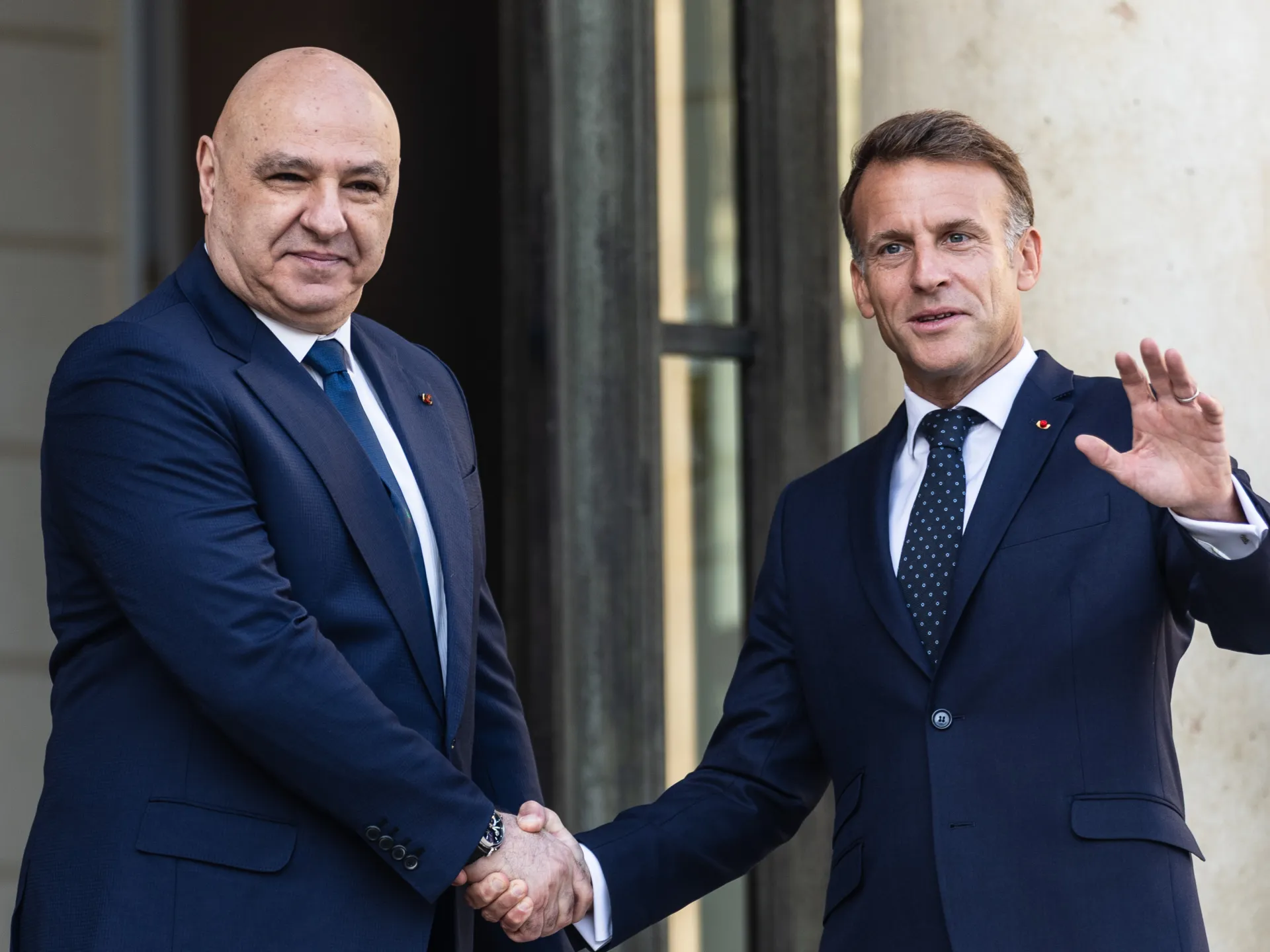
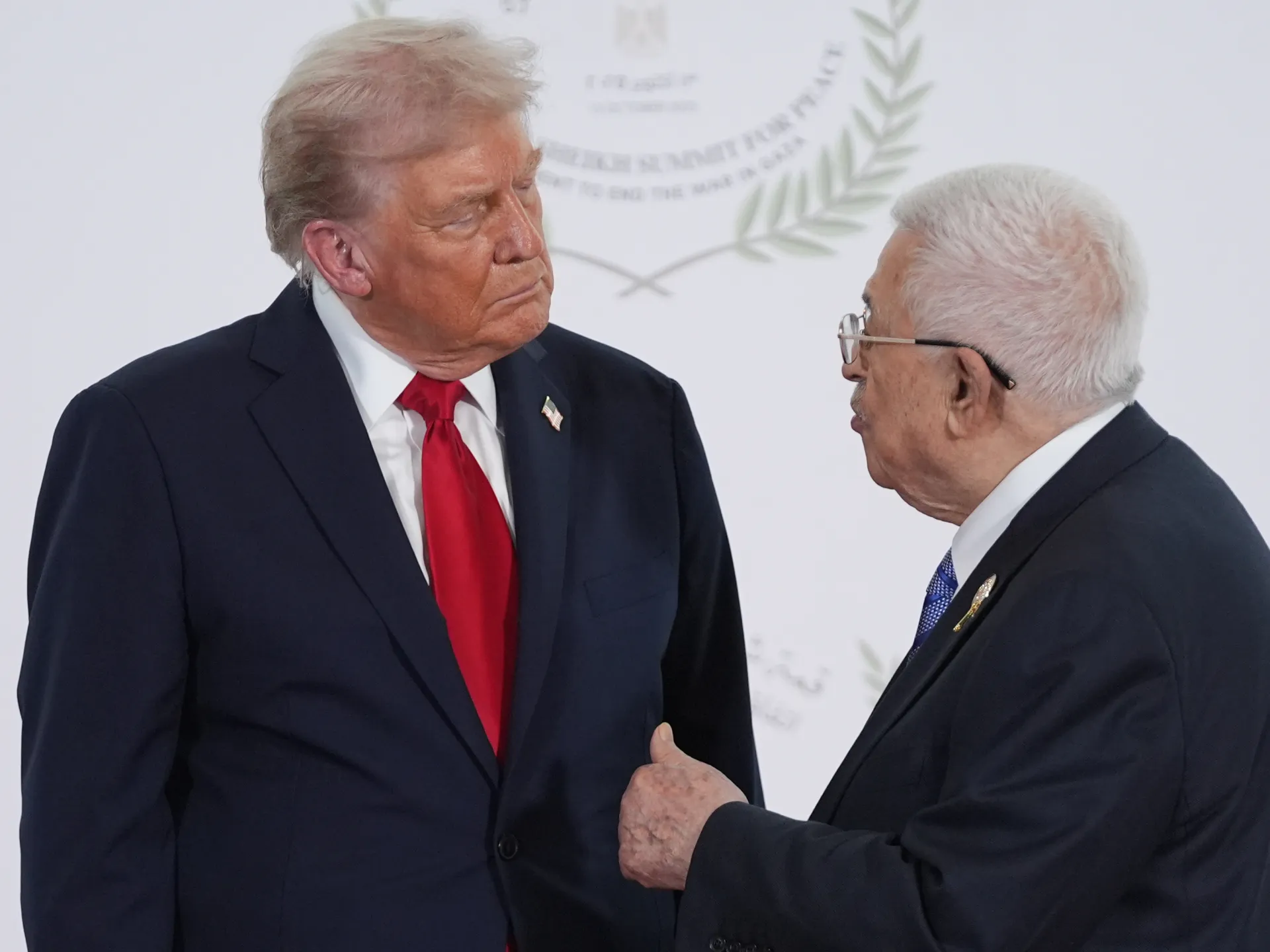
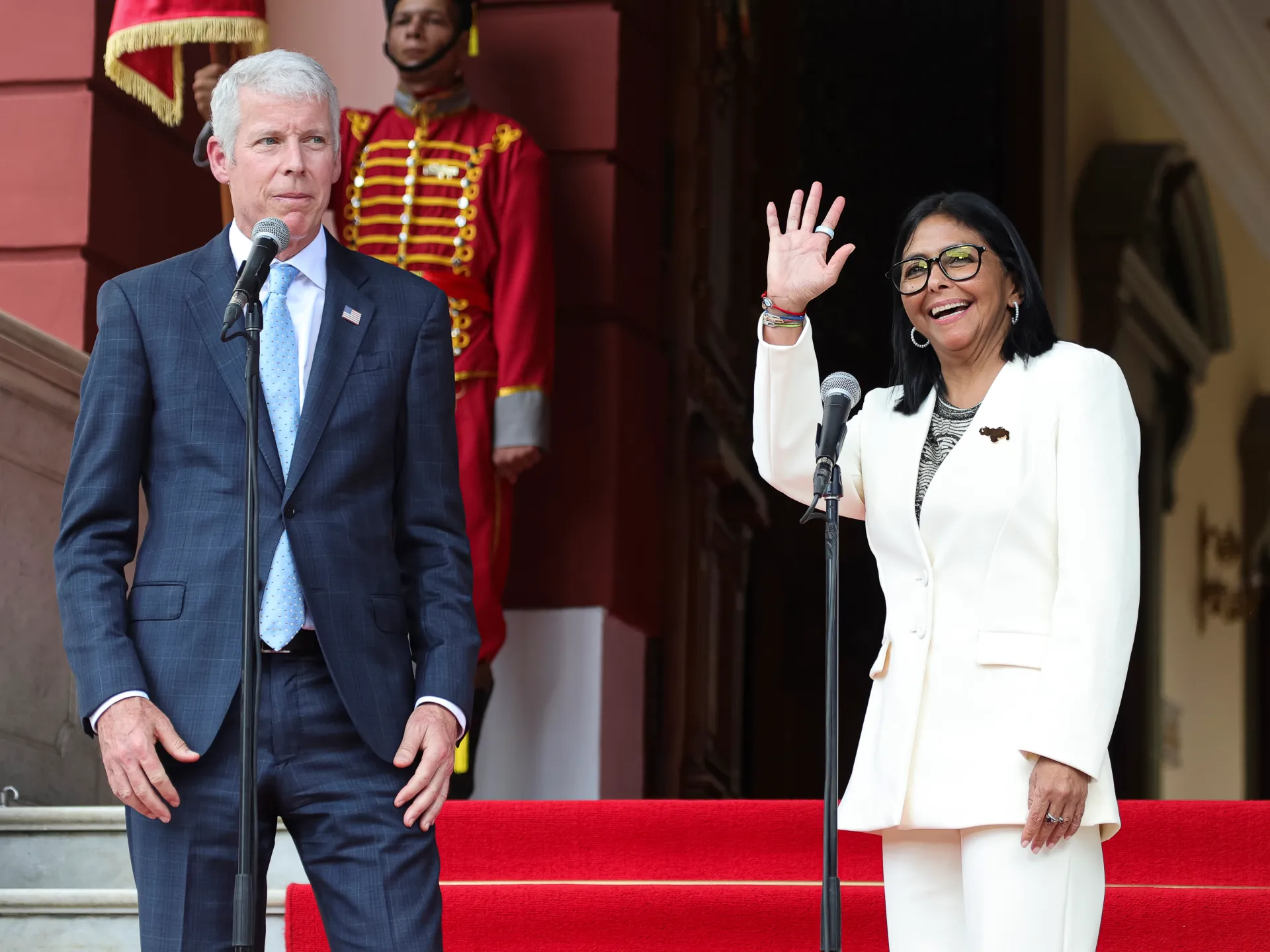
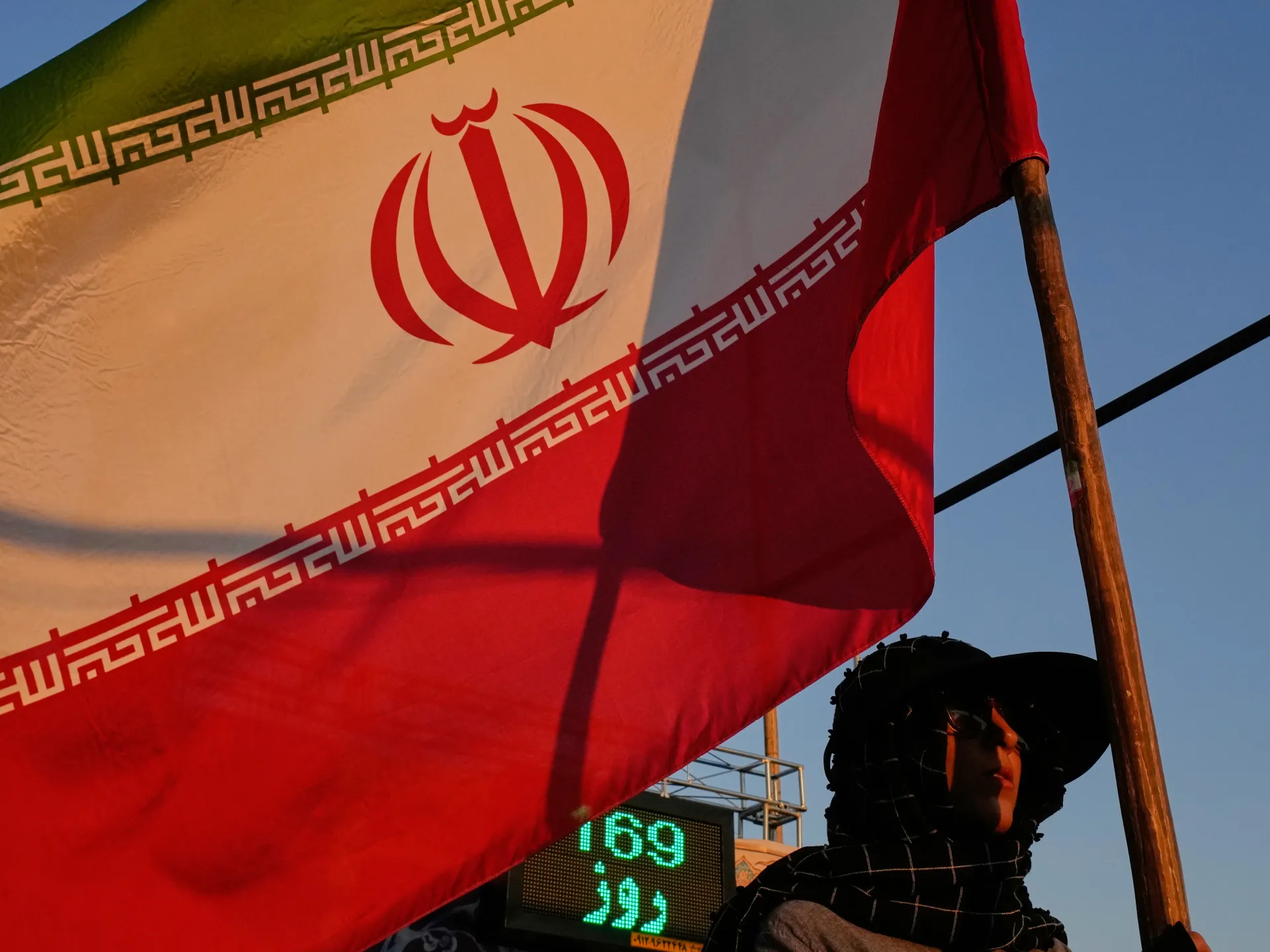
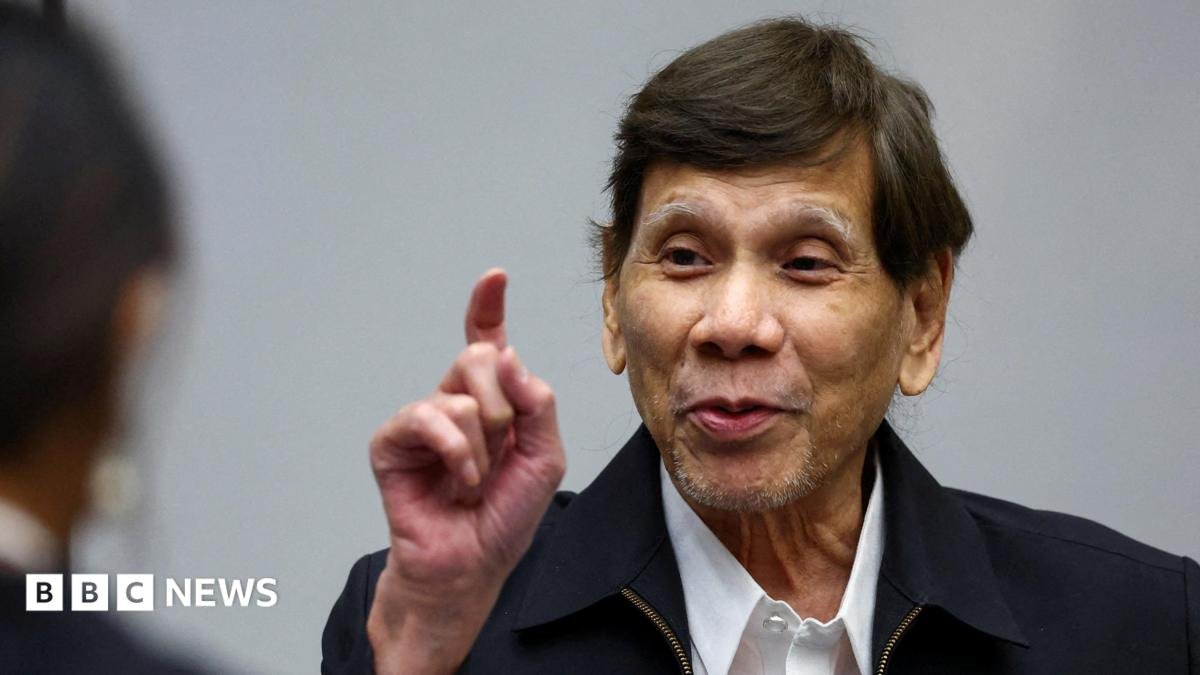
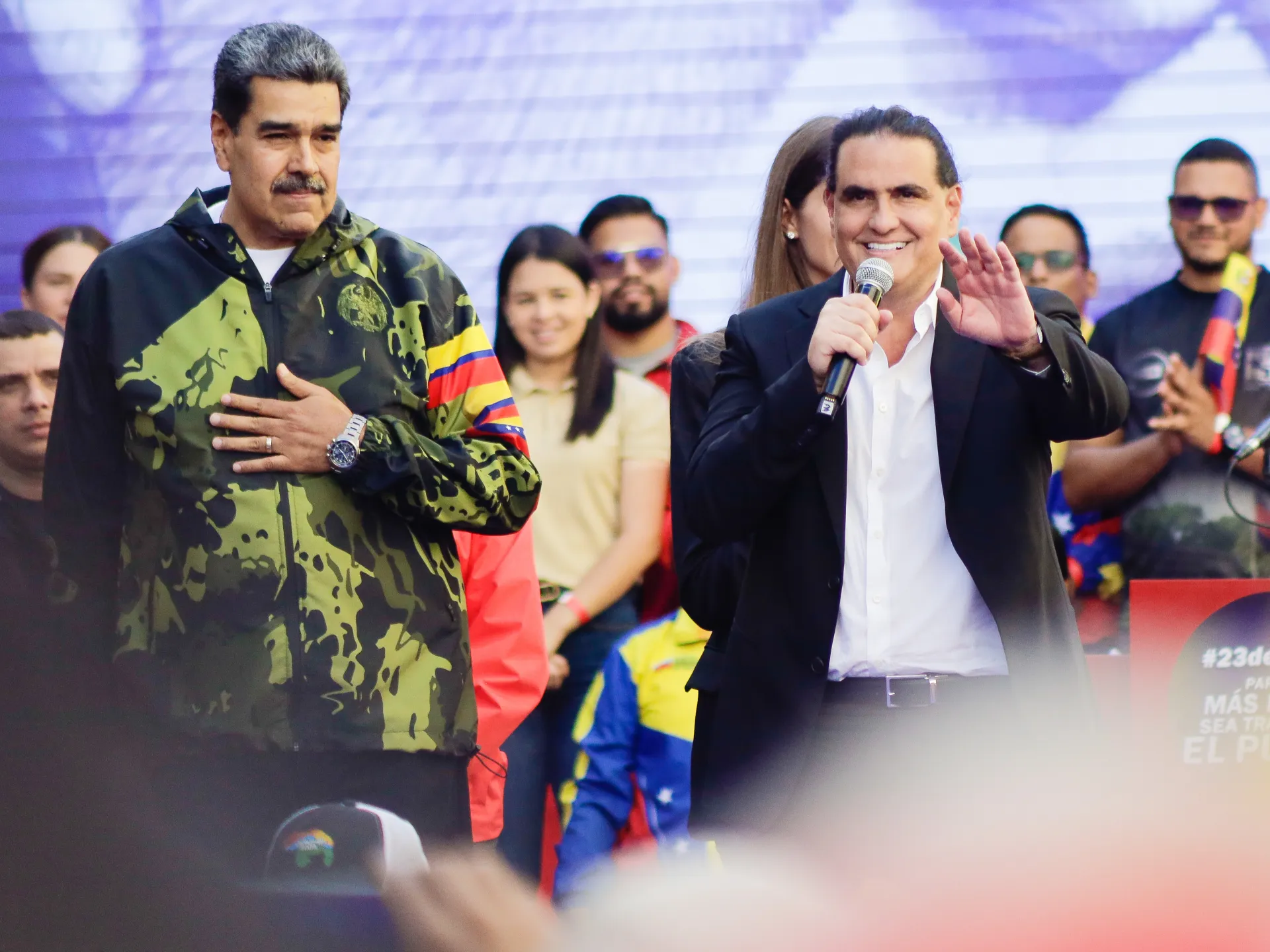
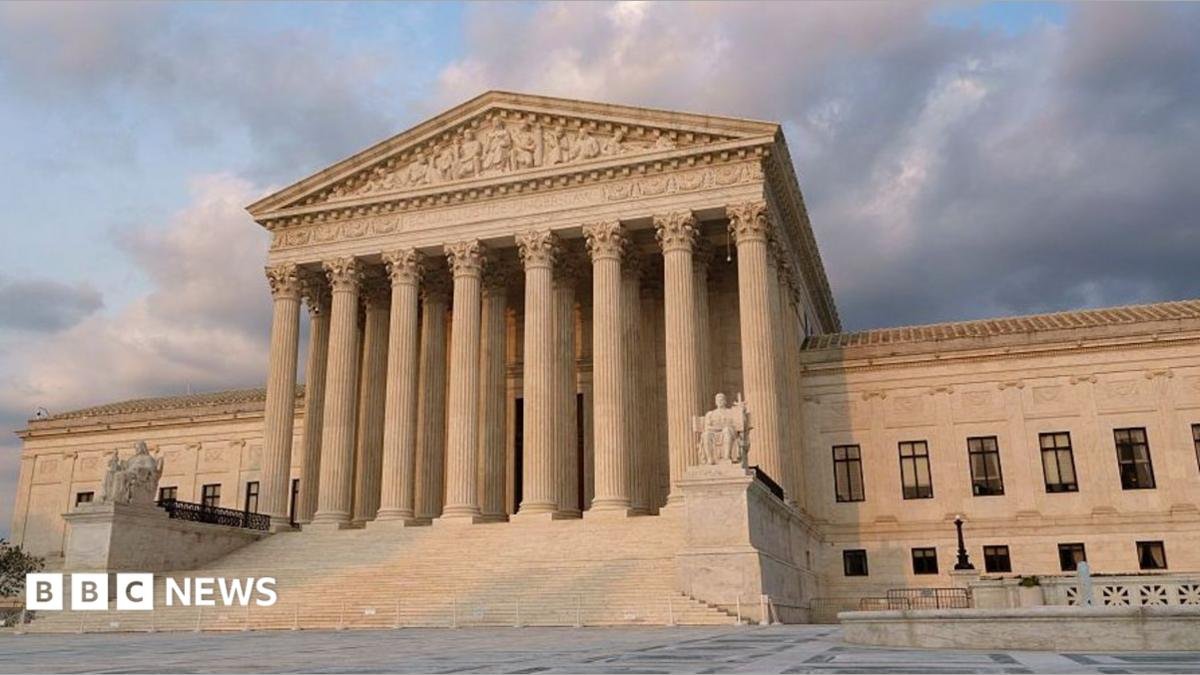
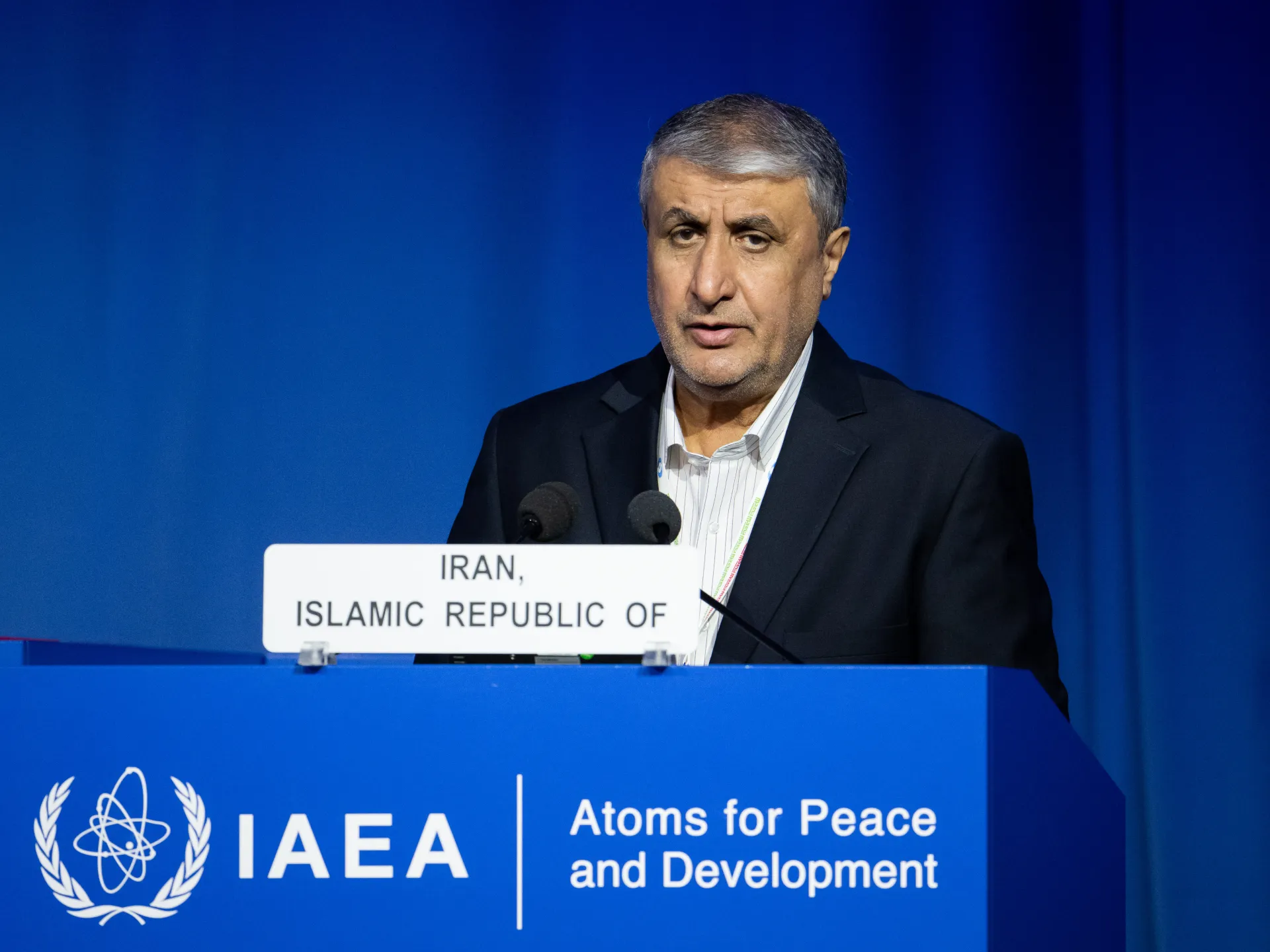
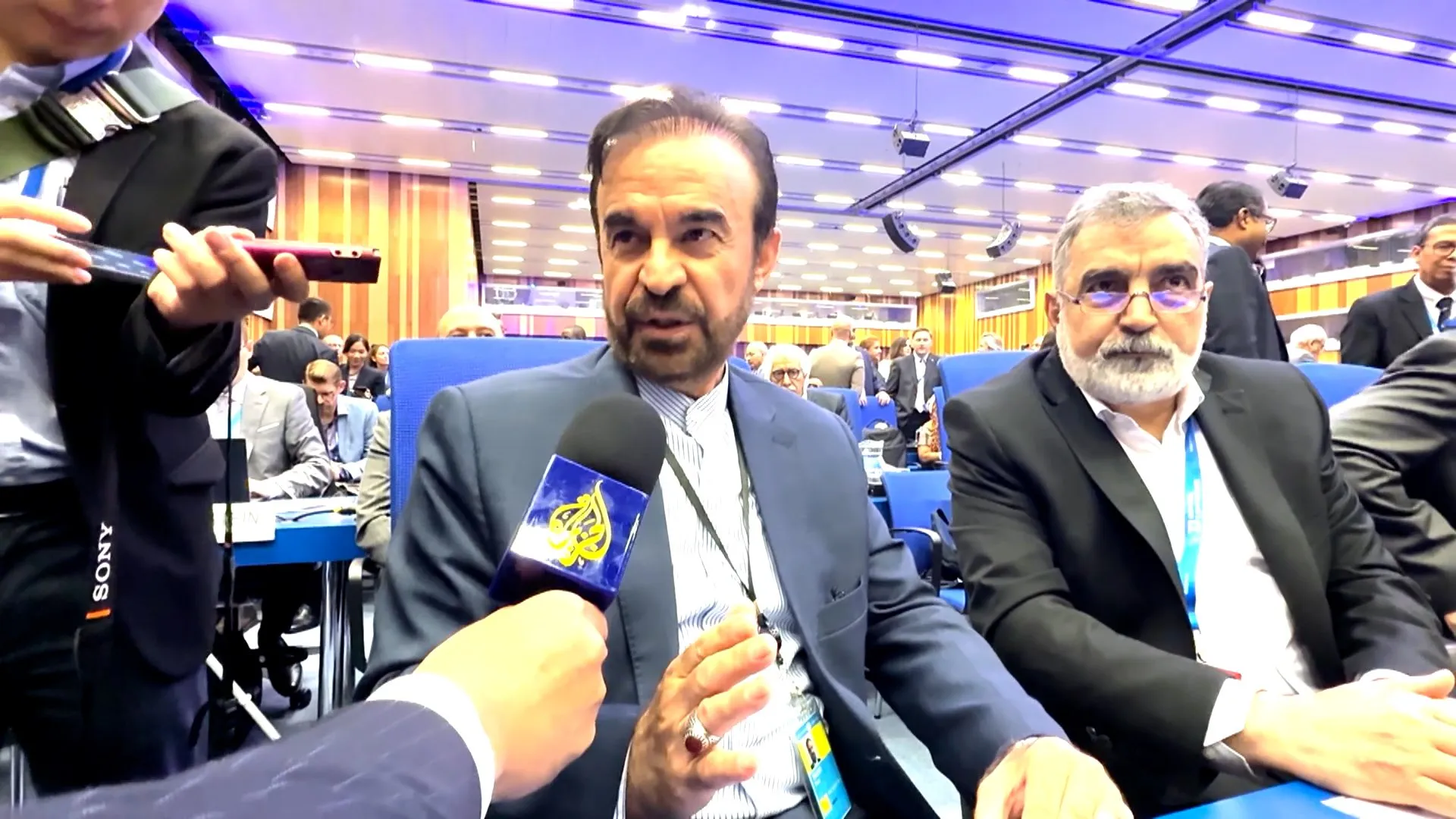
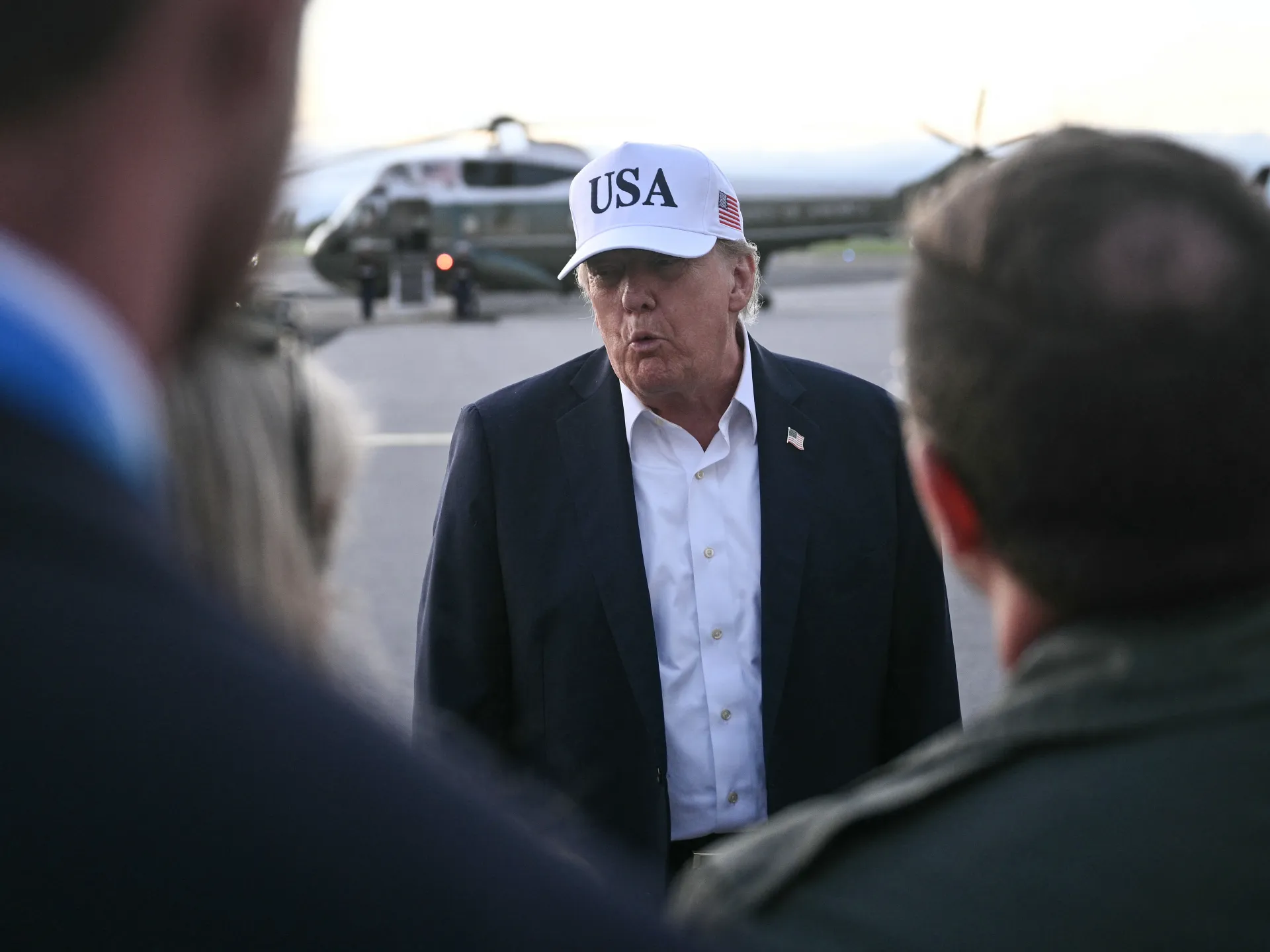
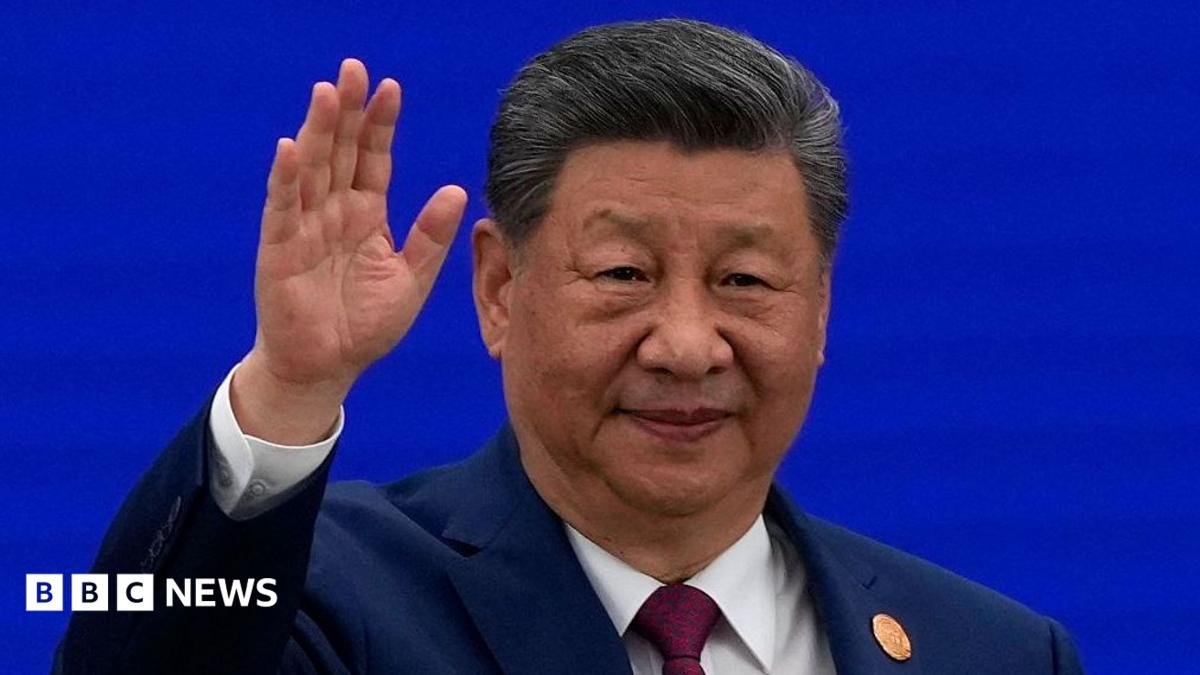
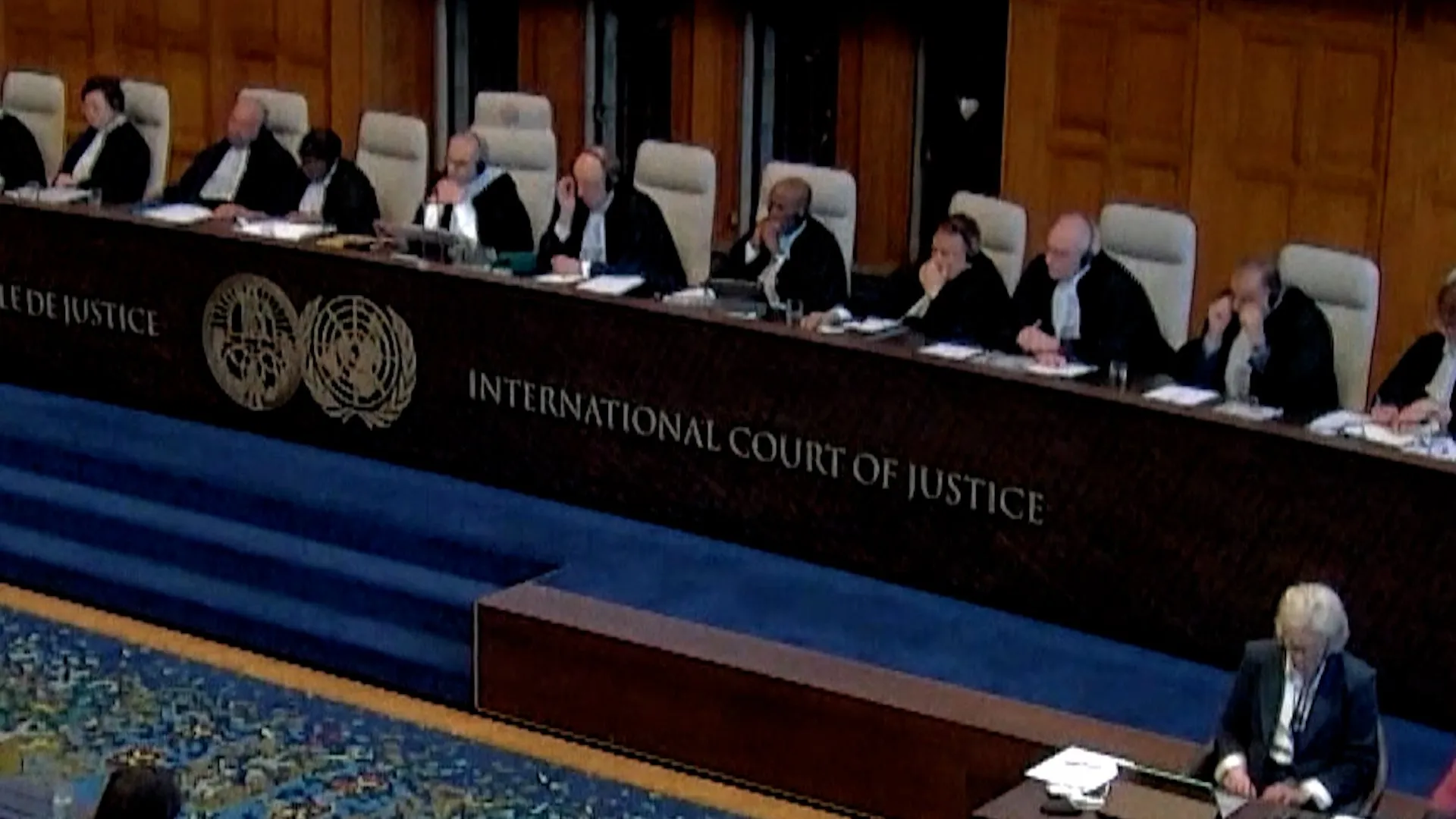
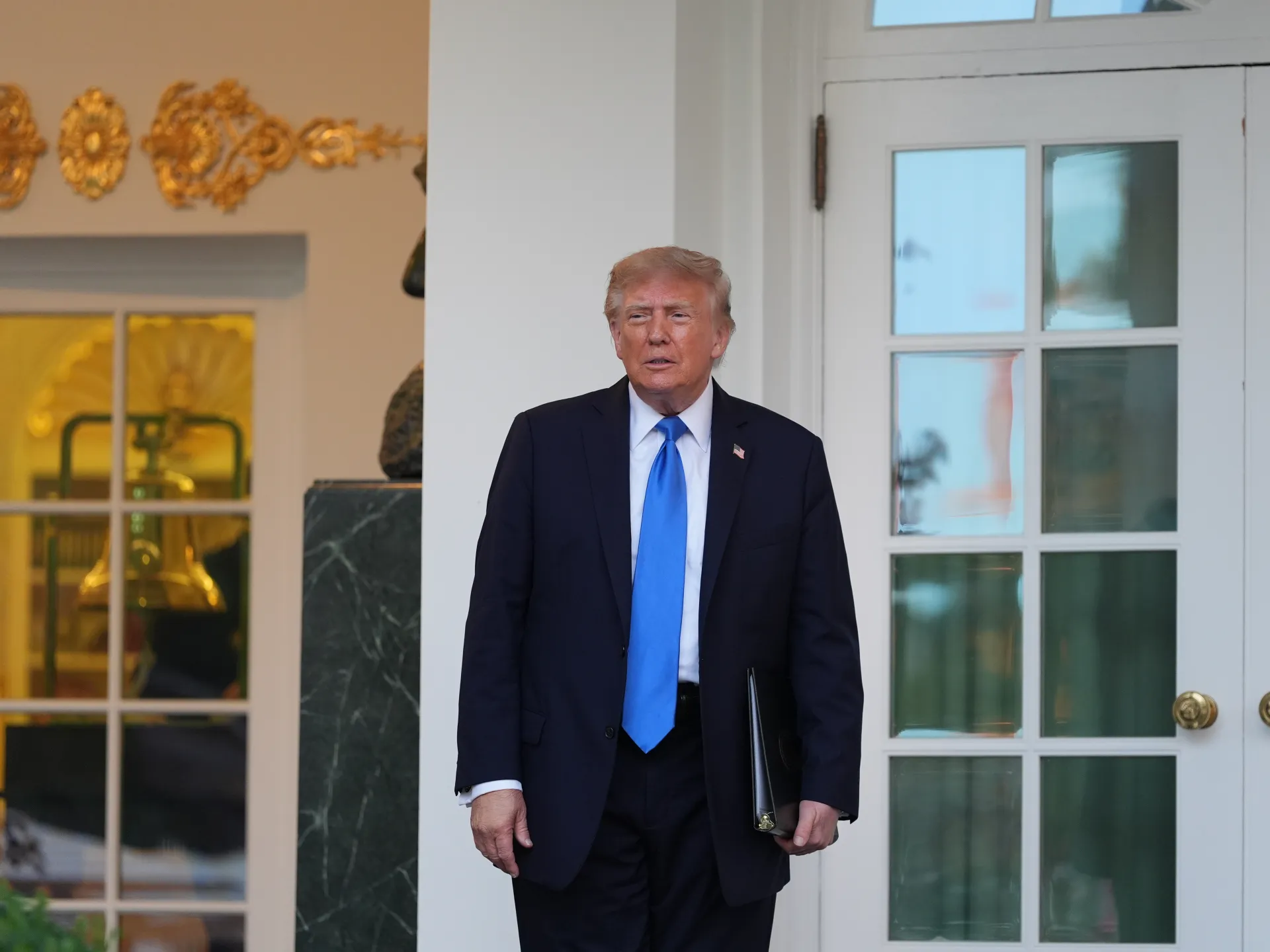
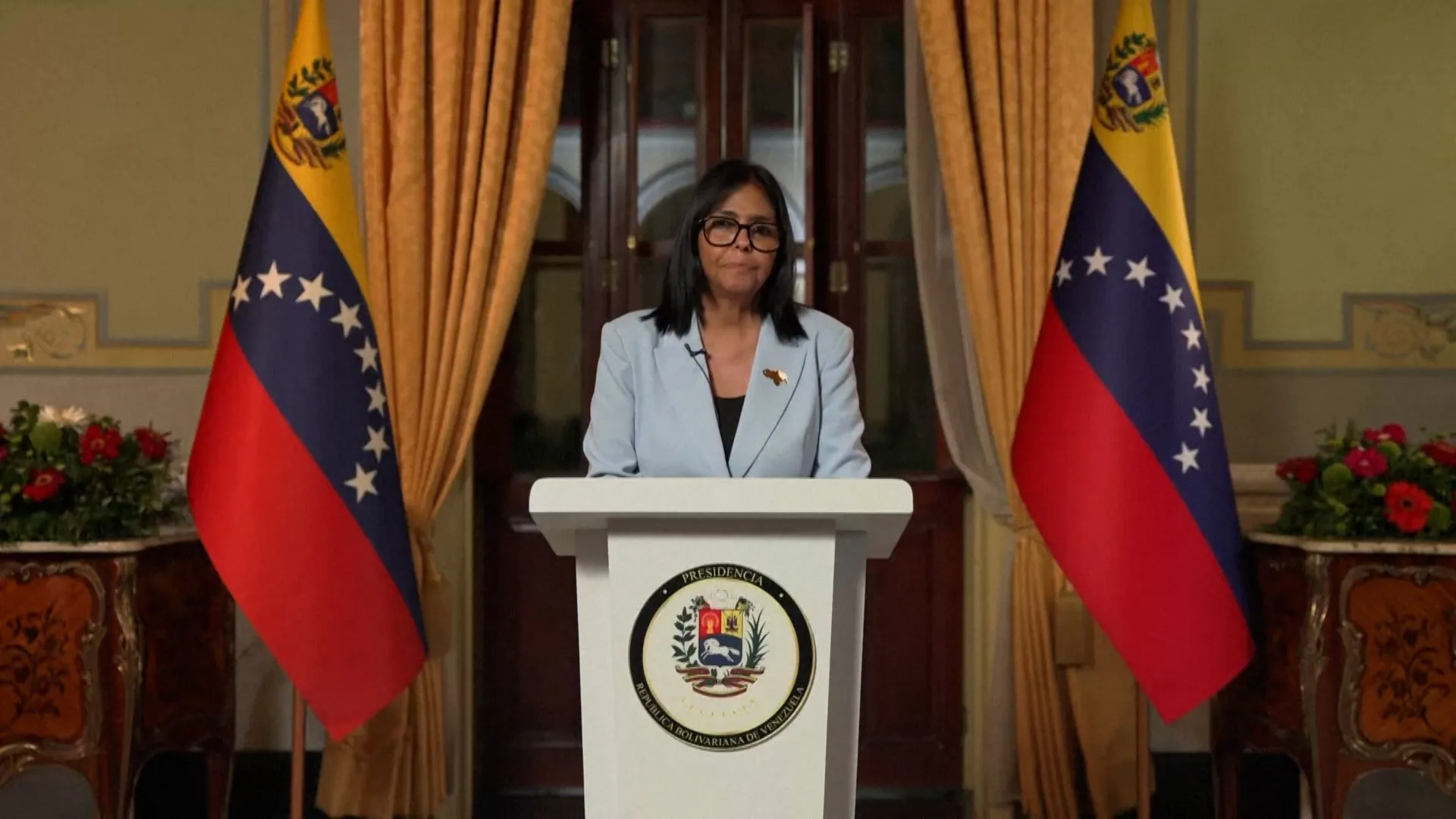
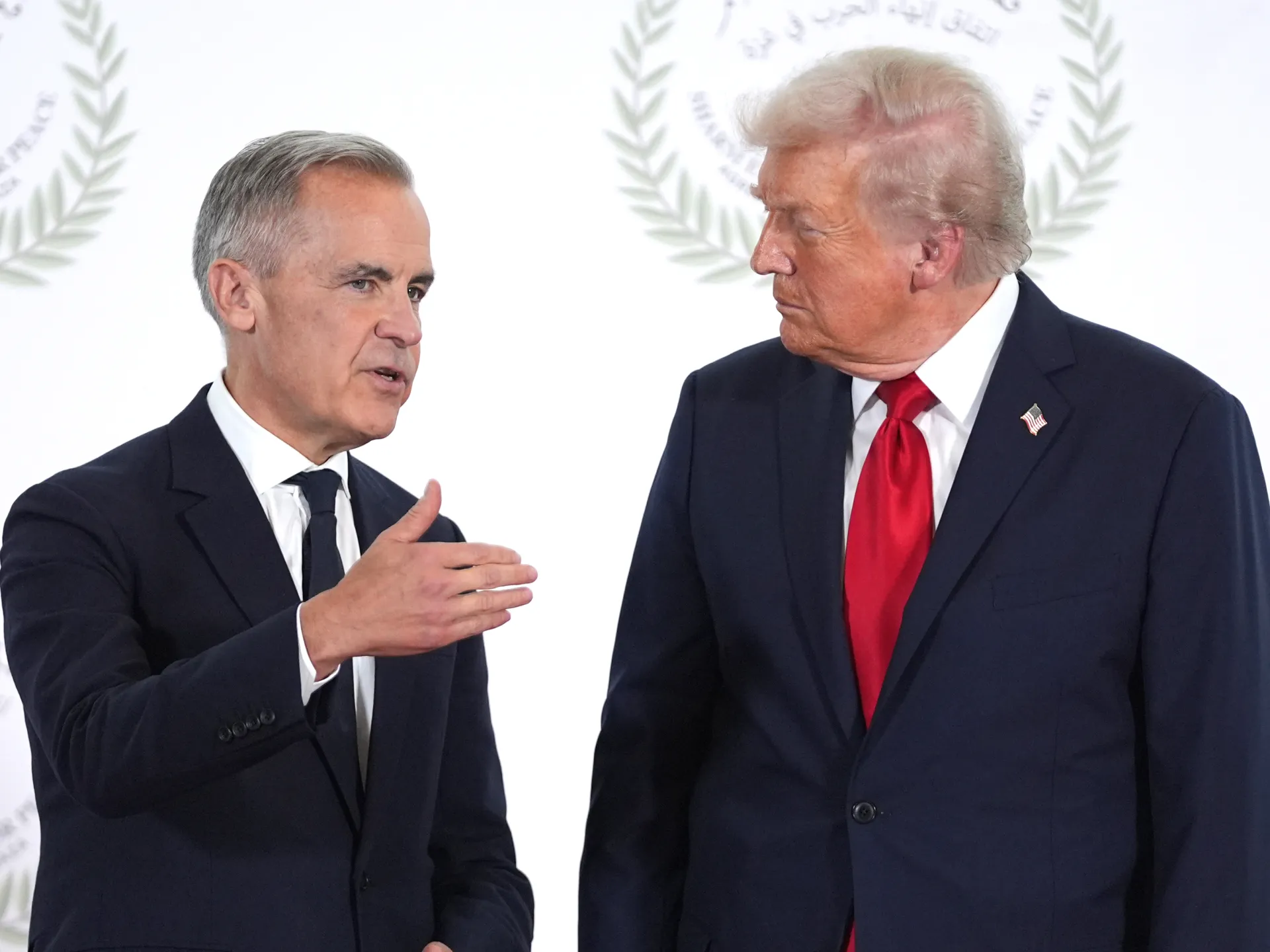
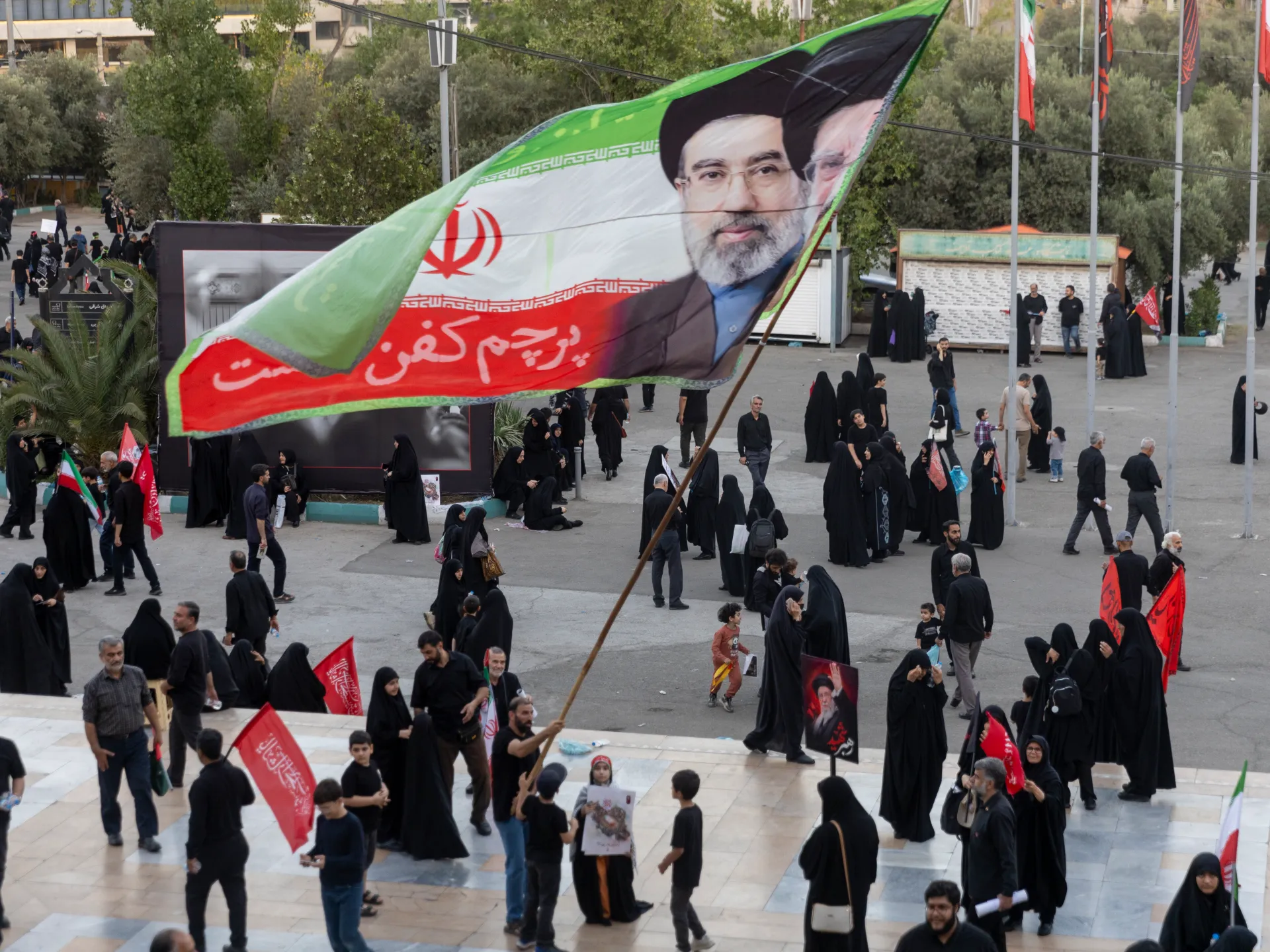
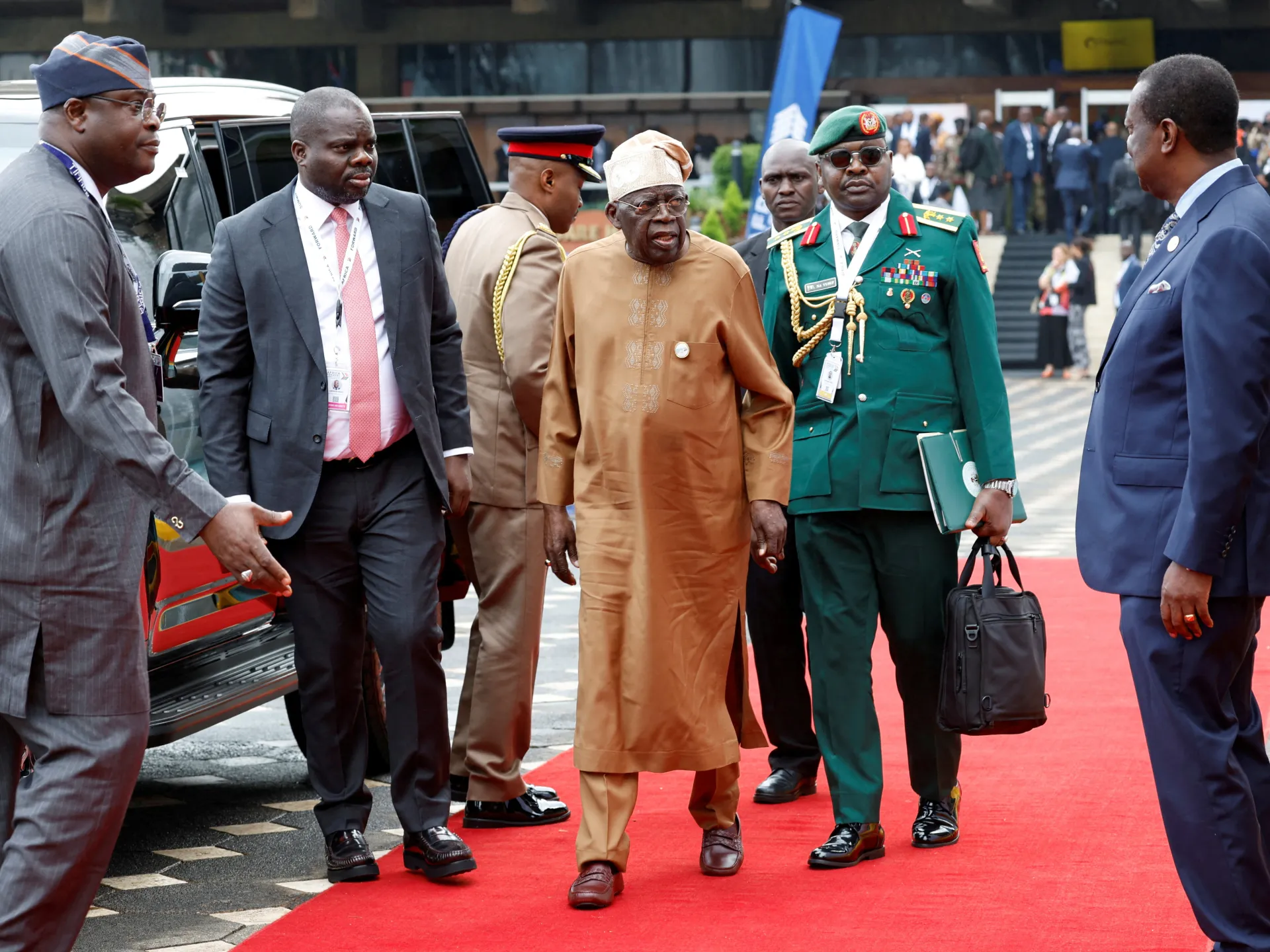
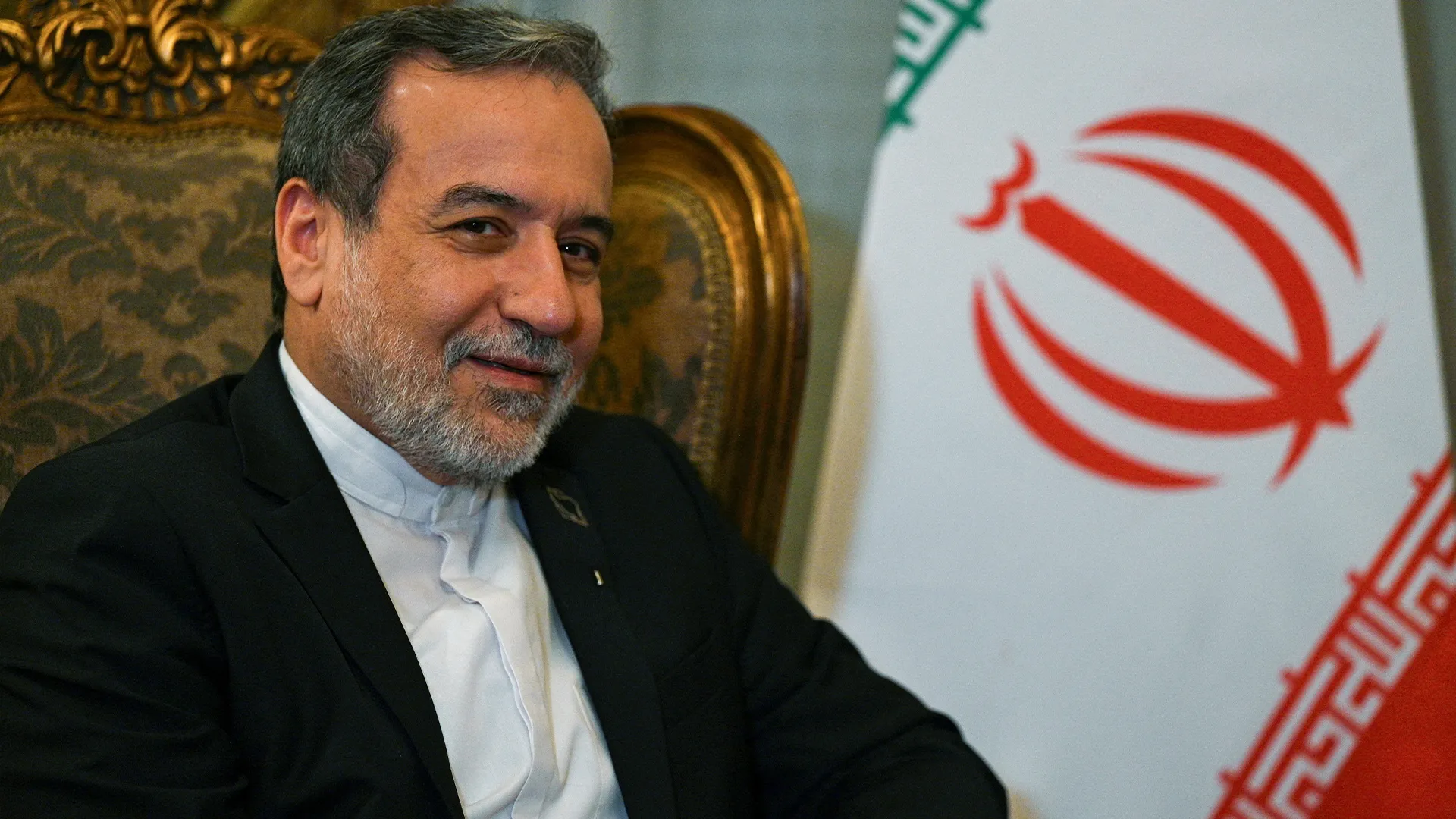
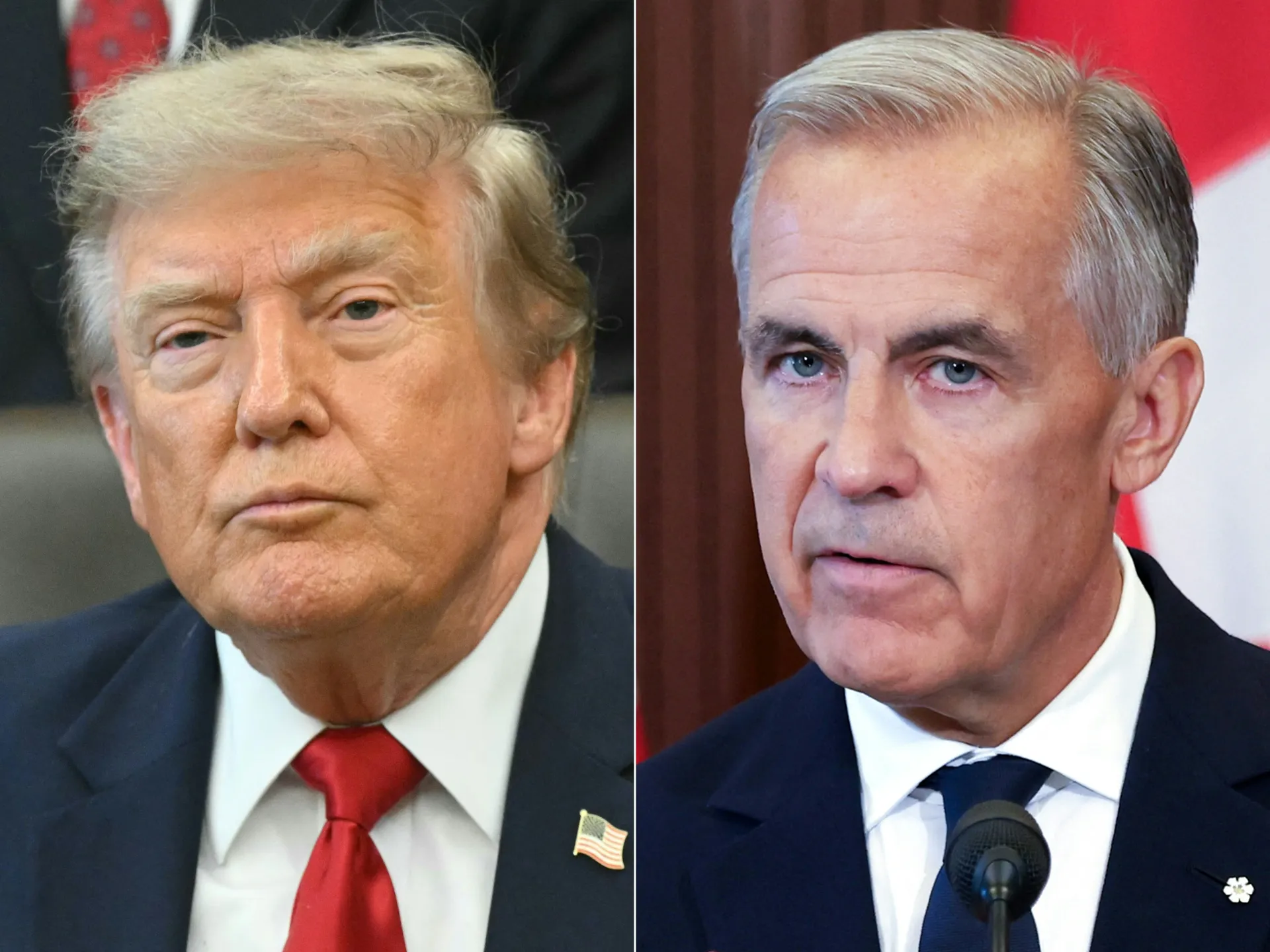
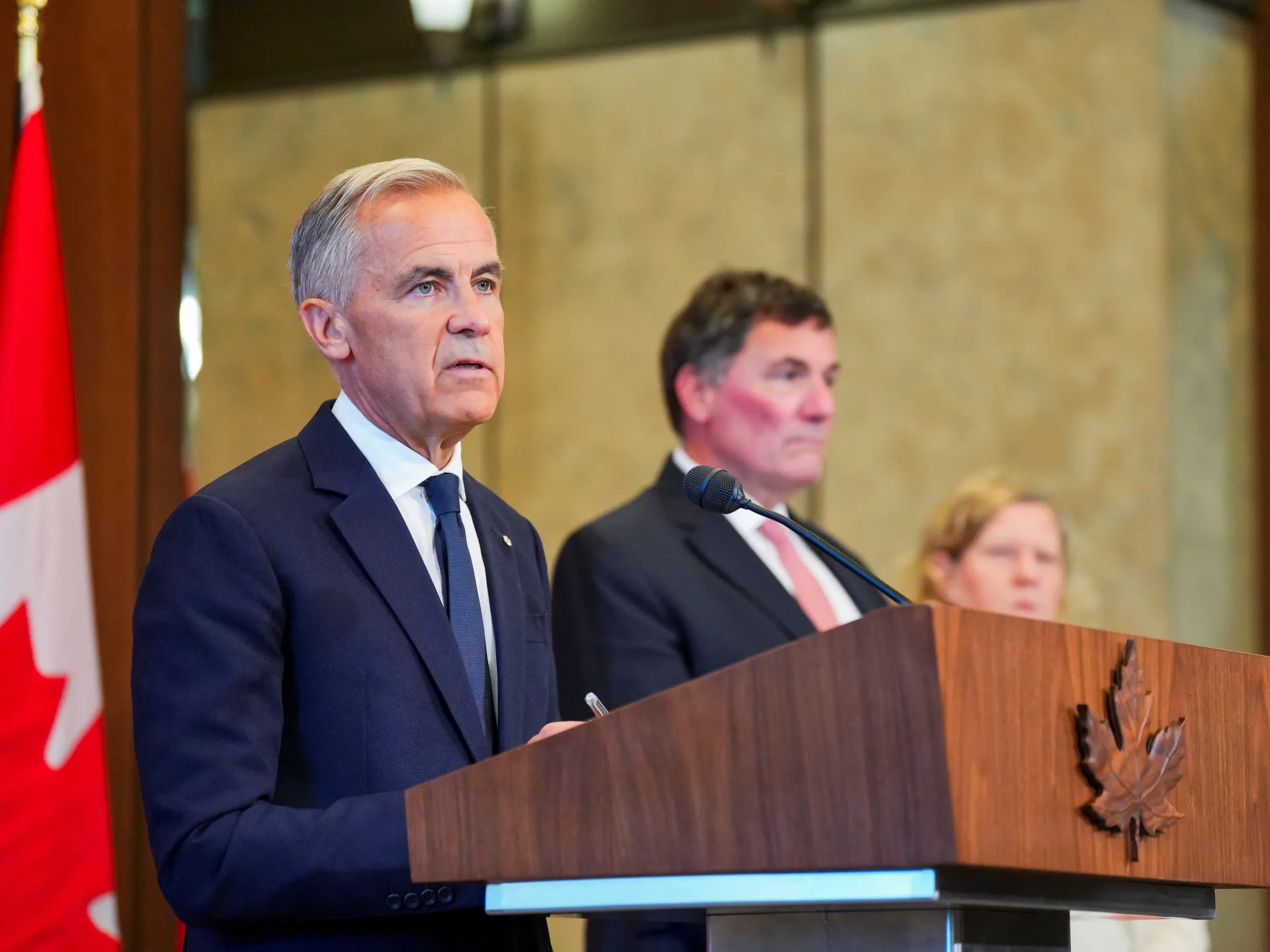
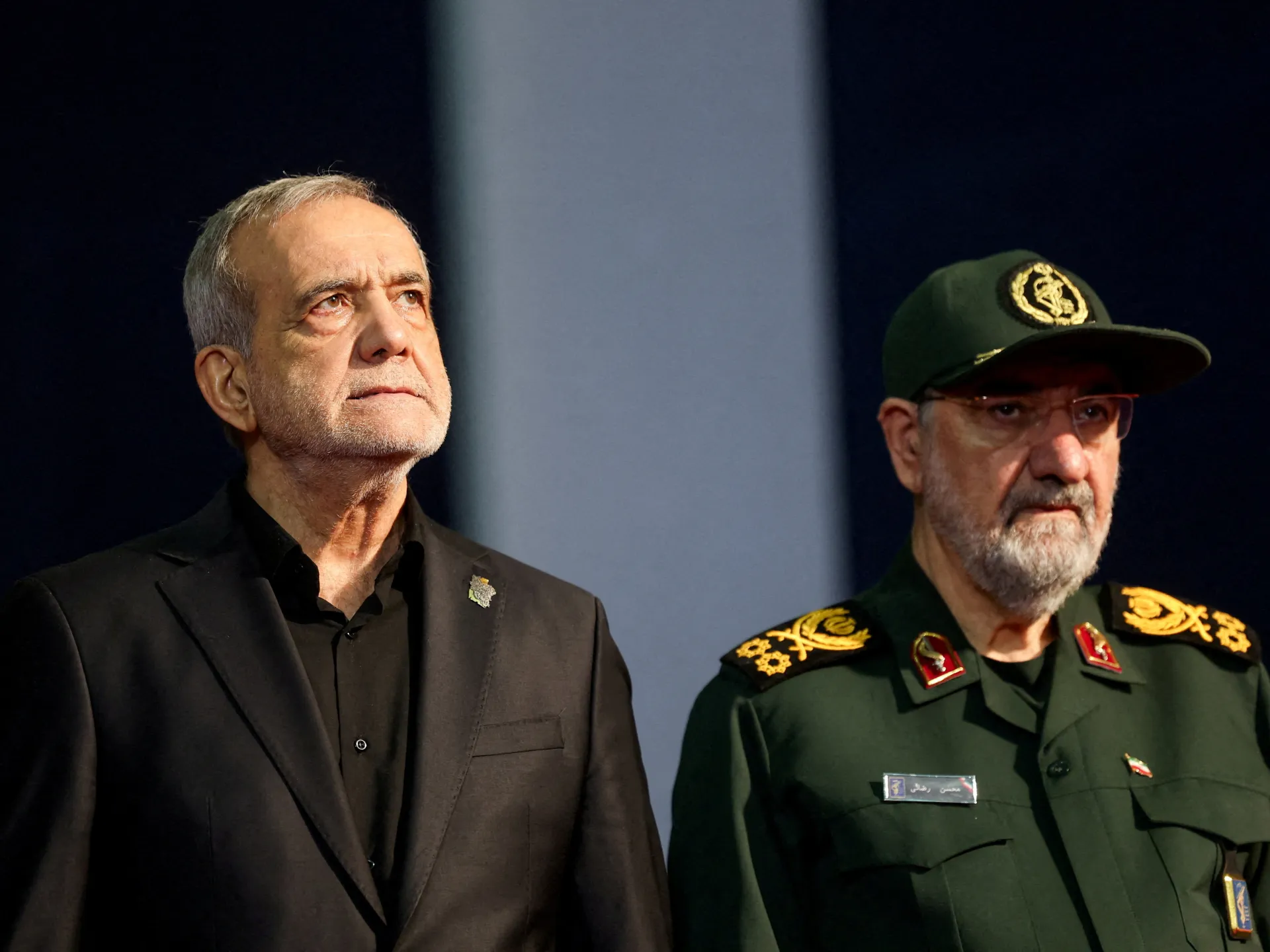
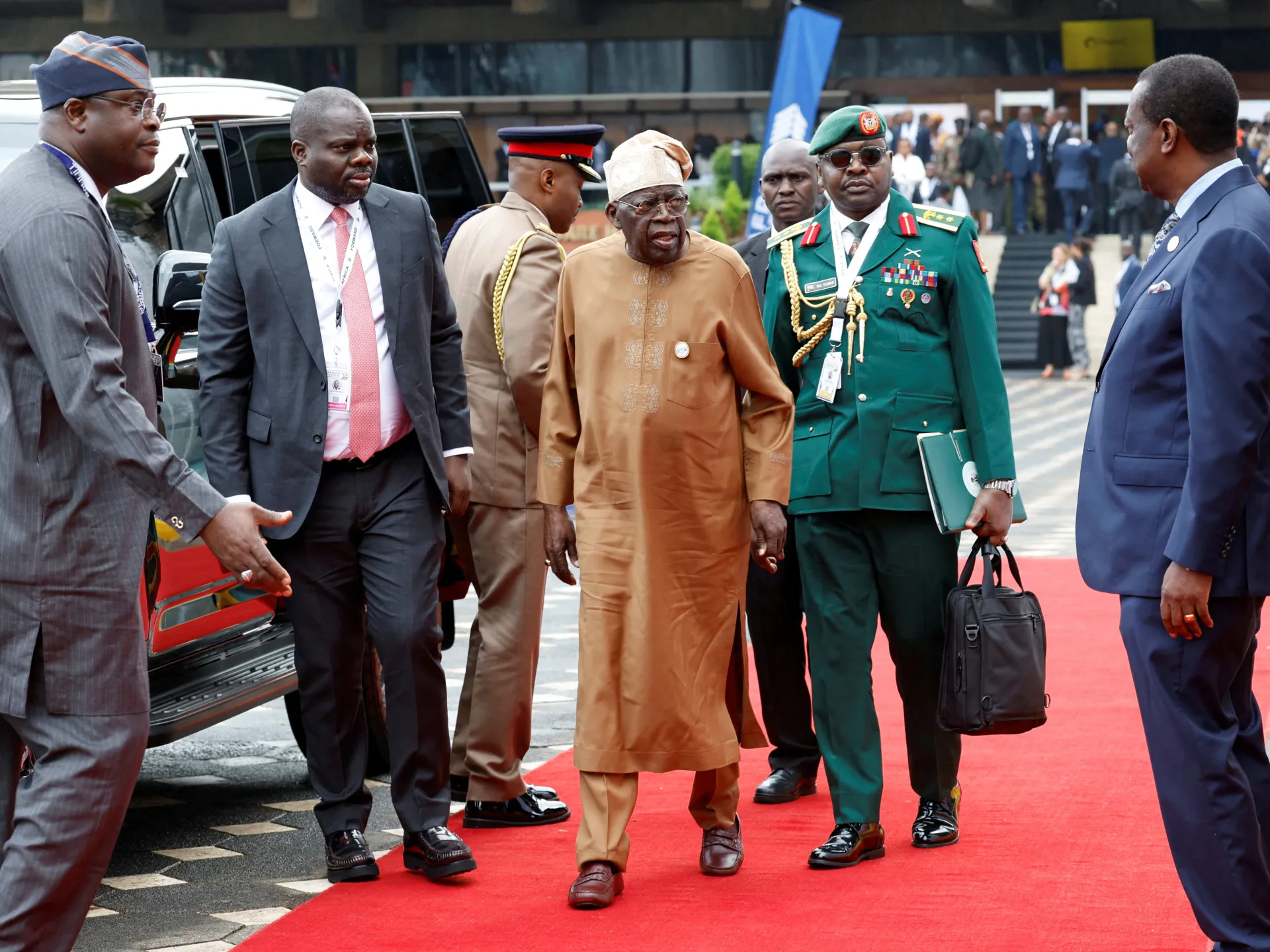
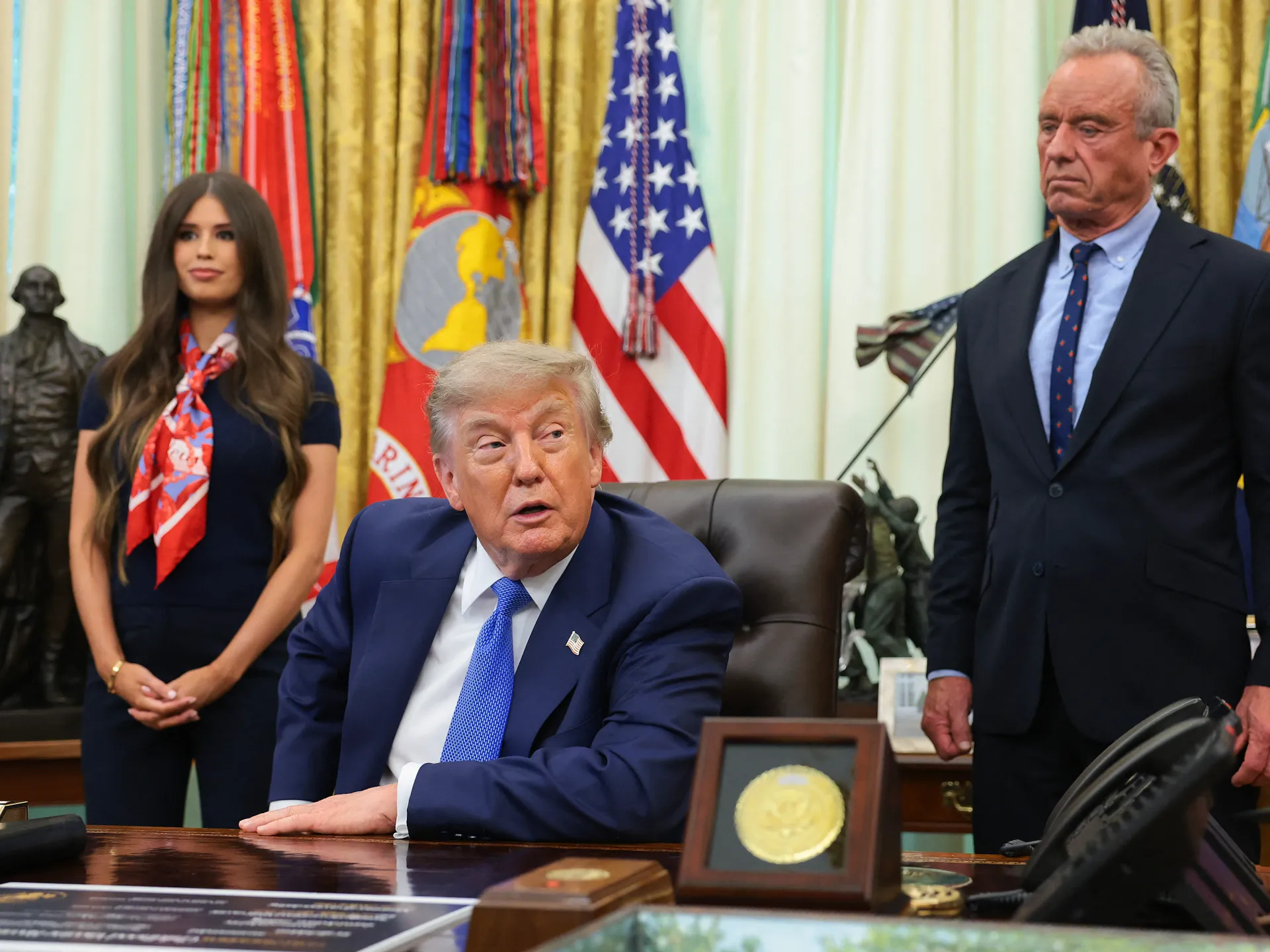
The decision to allow Iranian leadership to enter the United States for the United Nations General Assembly highlights the precarious nature of international diplomacy during active hostilities. Despite the ongoing war between Washington and Tehran—now in its seventh month—the U.S. remains bound me diplomatic channels used for global governance are currently being tested . The presence of President Masoud Pezeshkian and Foreign Minister Abbas Araghchi on American soil, while under strict travel and commerce restrictions, serves as a litmus test for whether any space for de-escalation remains in a relationship currently defined
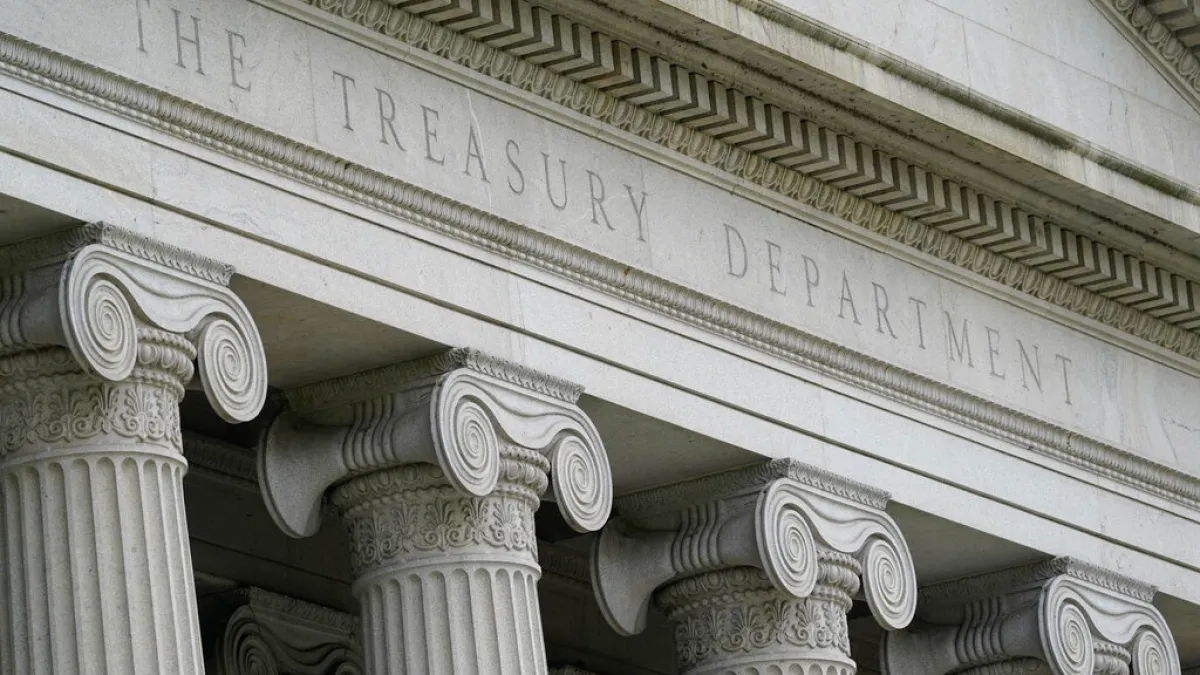
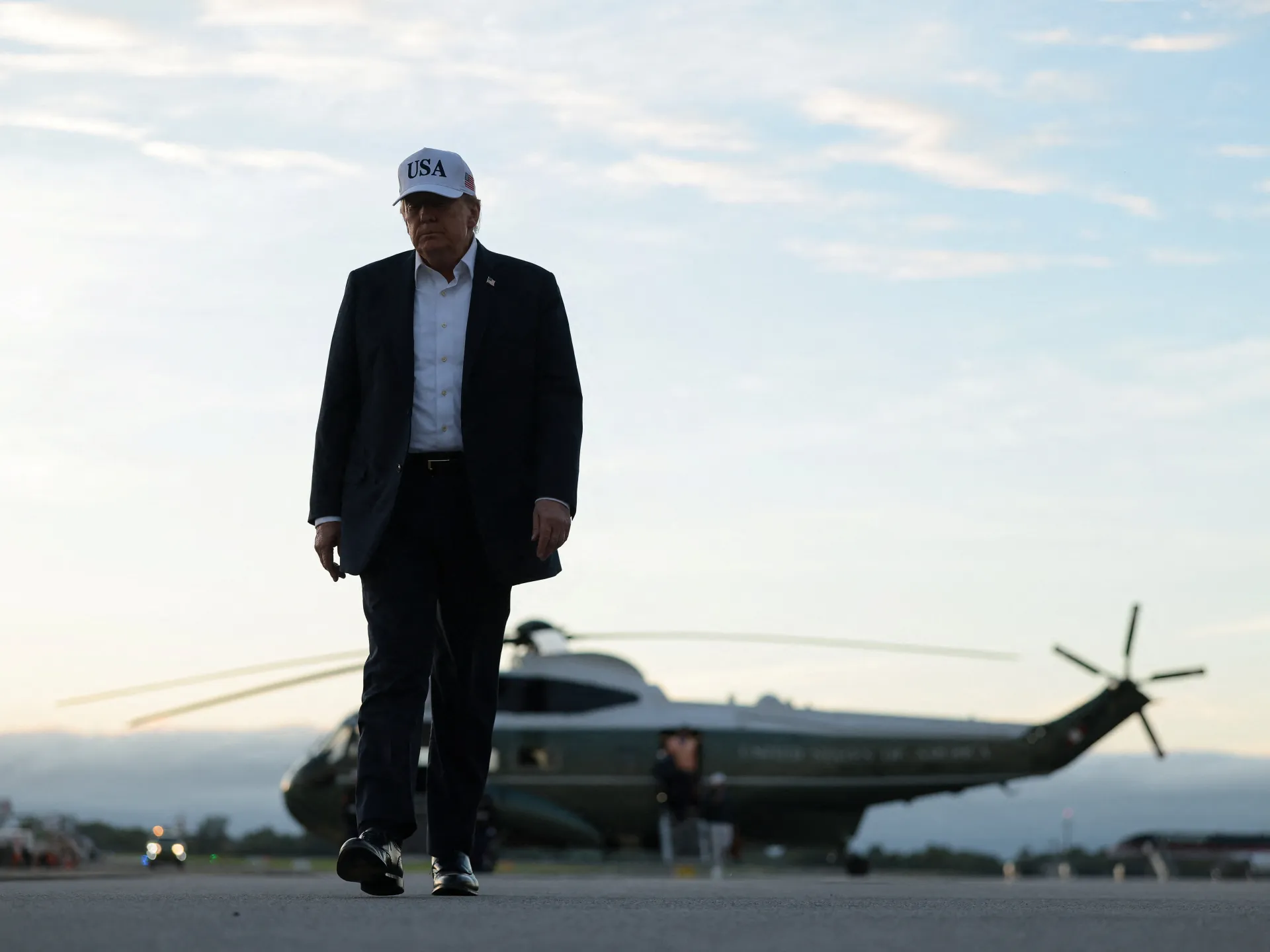
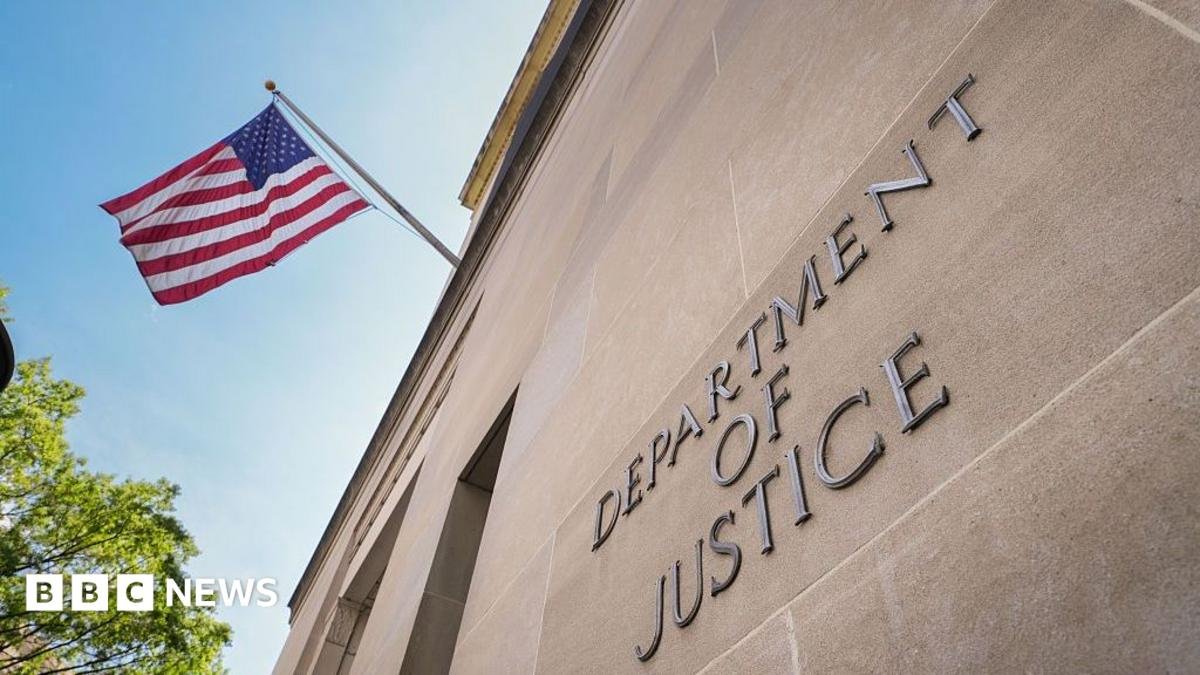
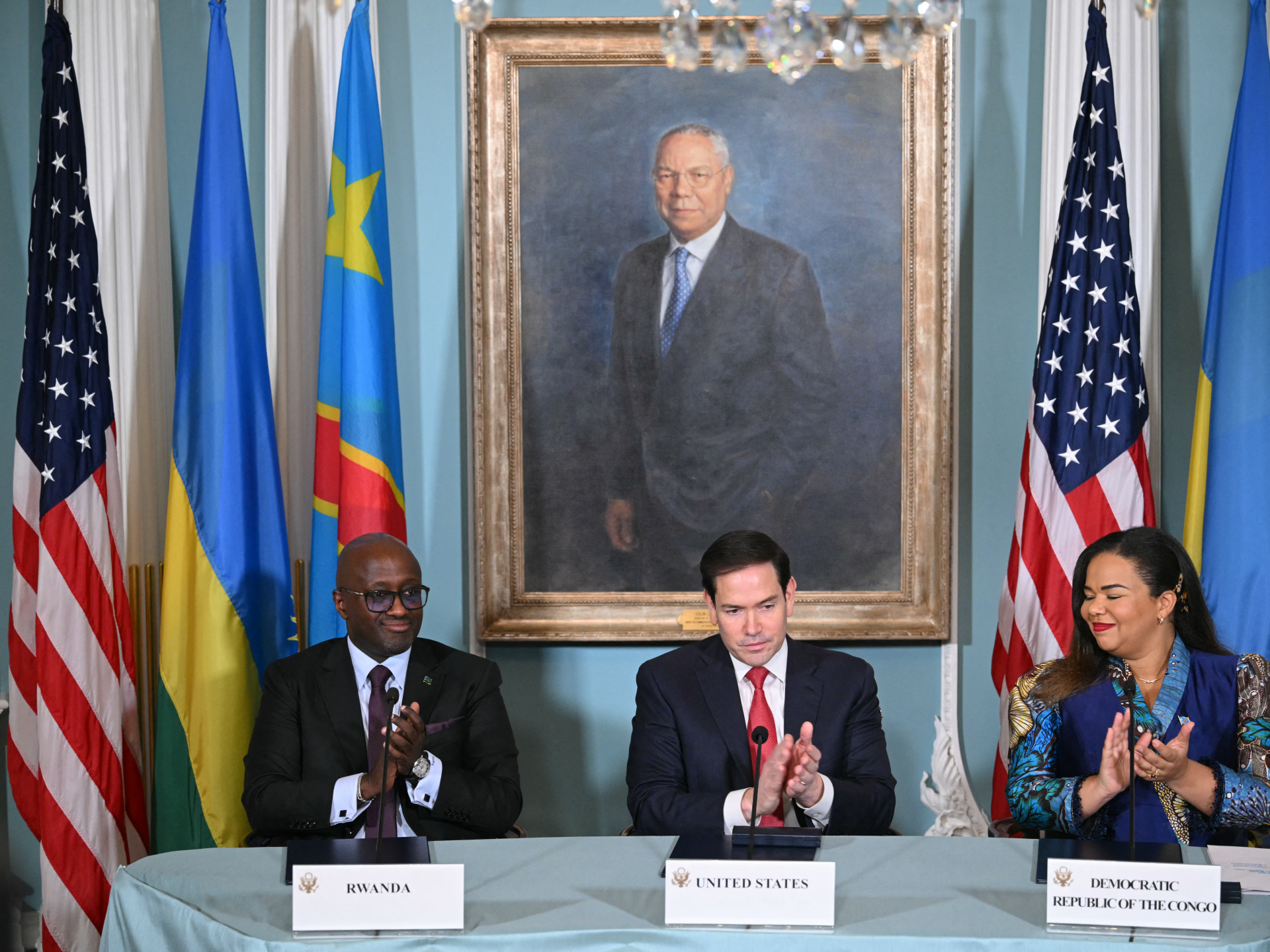
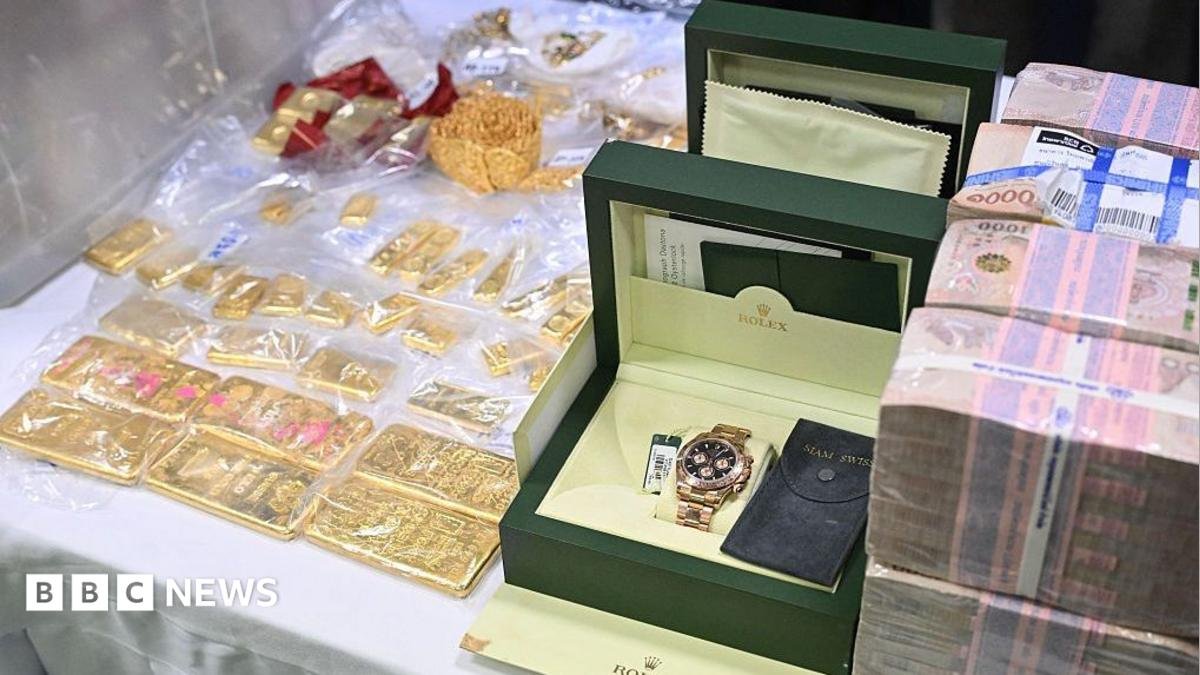
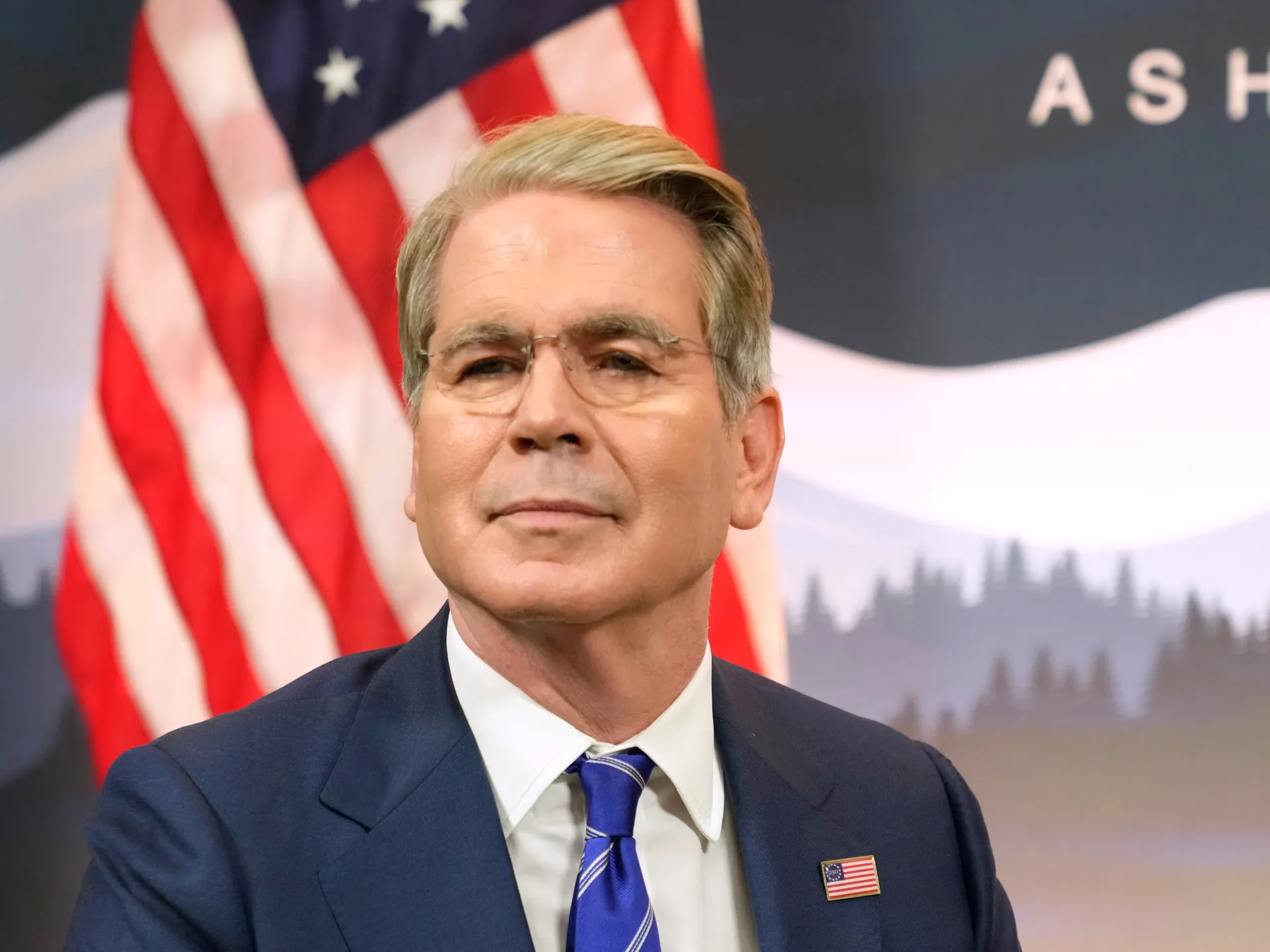
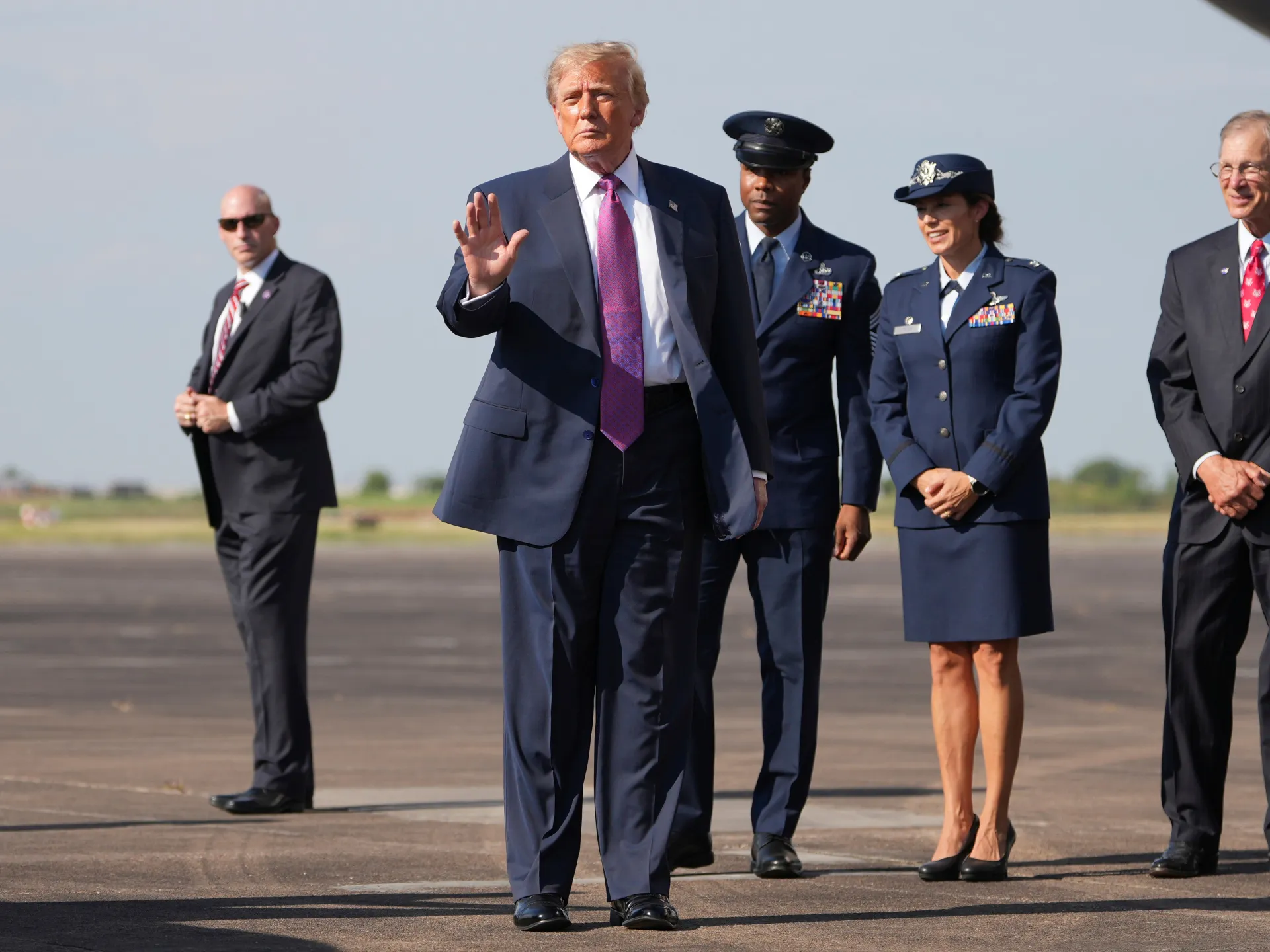
While the U.S. State Department has confirmed that visas were granted for the upcoming High-Level Week at the UN, the move is accompanied Iranian delegation will face rigorous limitations, including bans on the purchase of luxury goods and specific travel restrictions. This echoes previous sanctions-adjacent policies, with State Department officials explicitly stating that the regime's elites would not be permitted to exploit their presence in New York for personal gain while their domestic economy faces severe inflation and resource shortages.
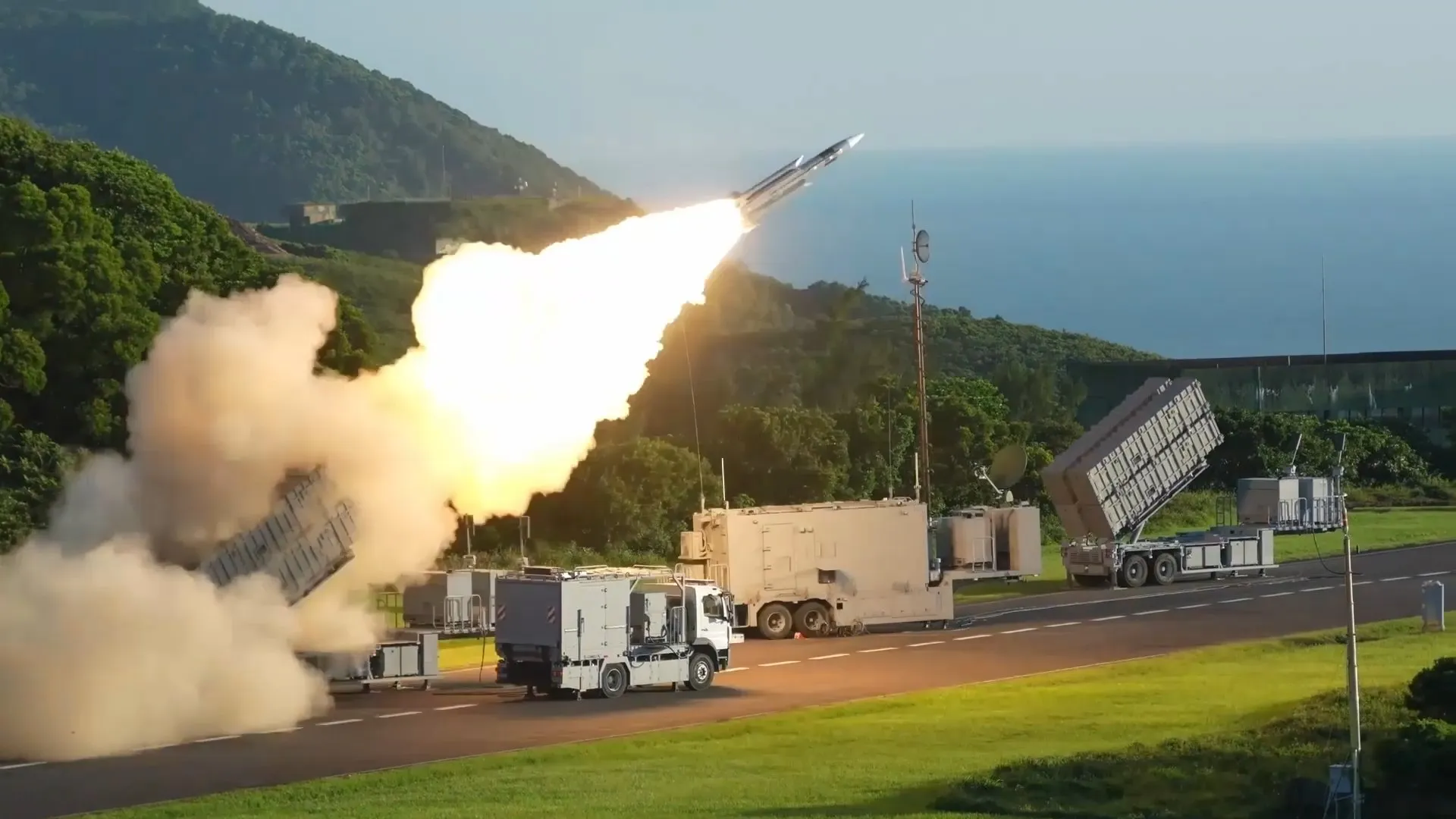
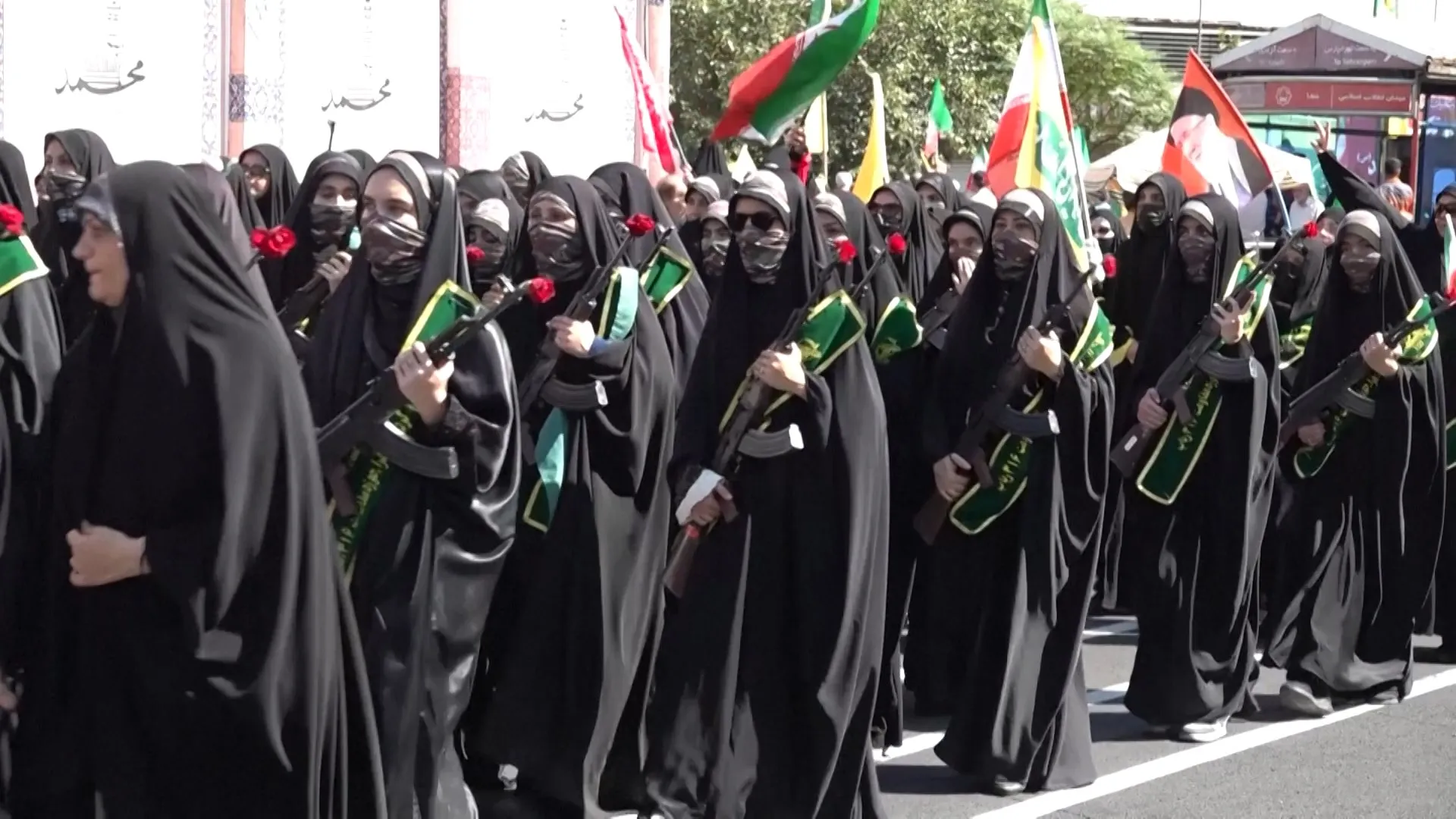
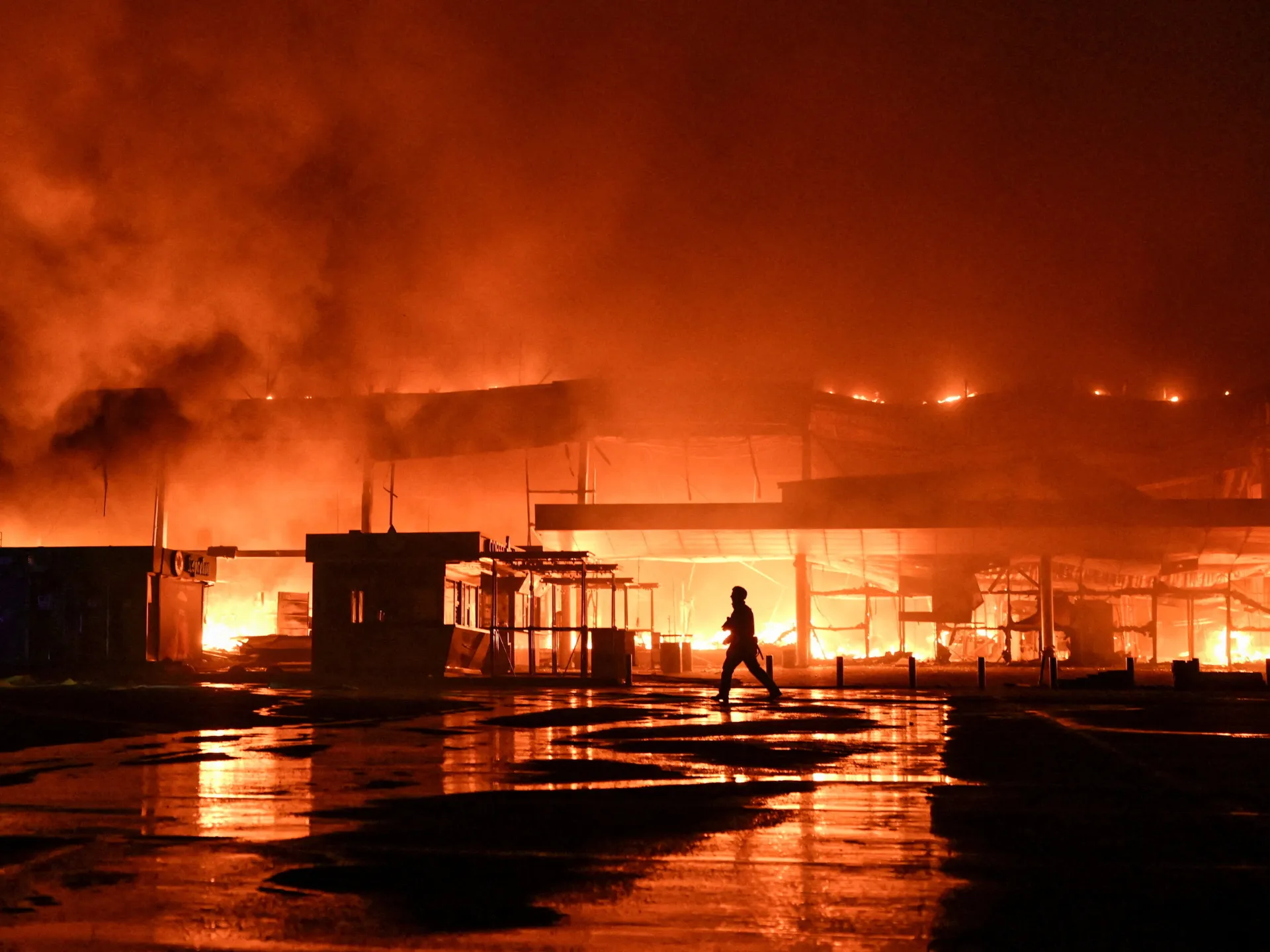
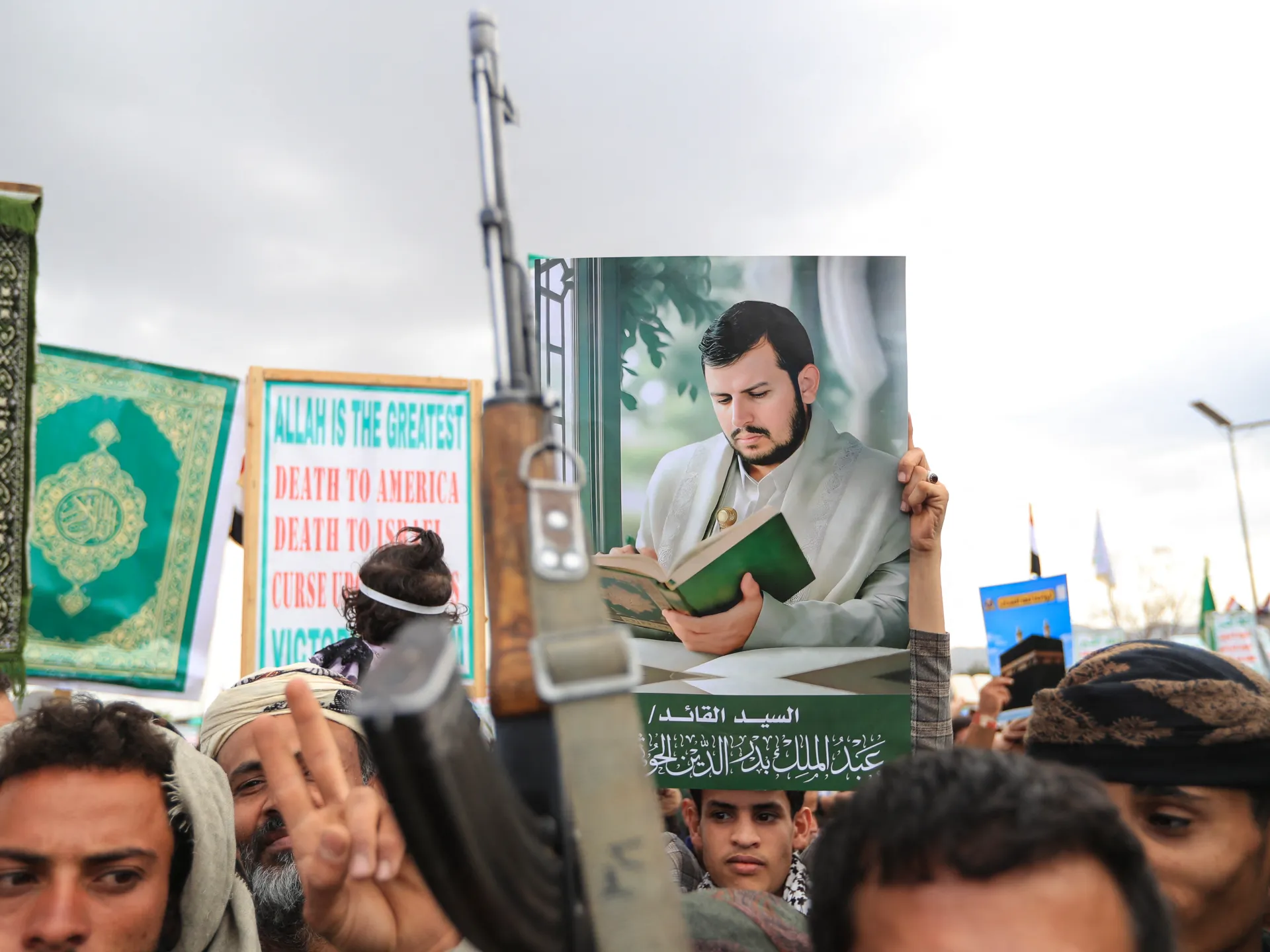
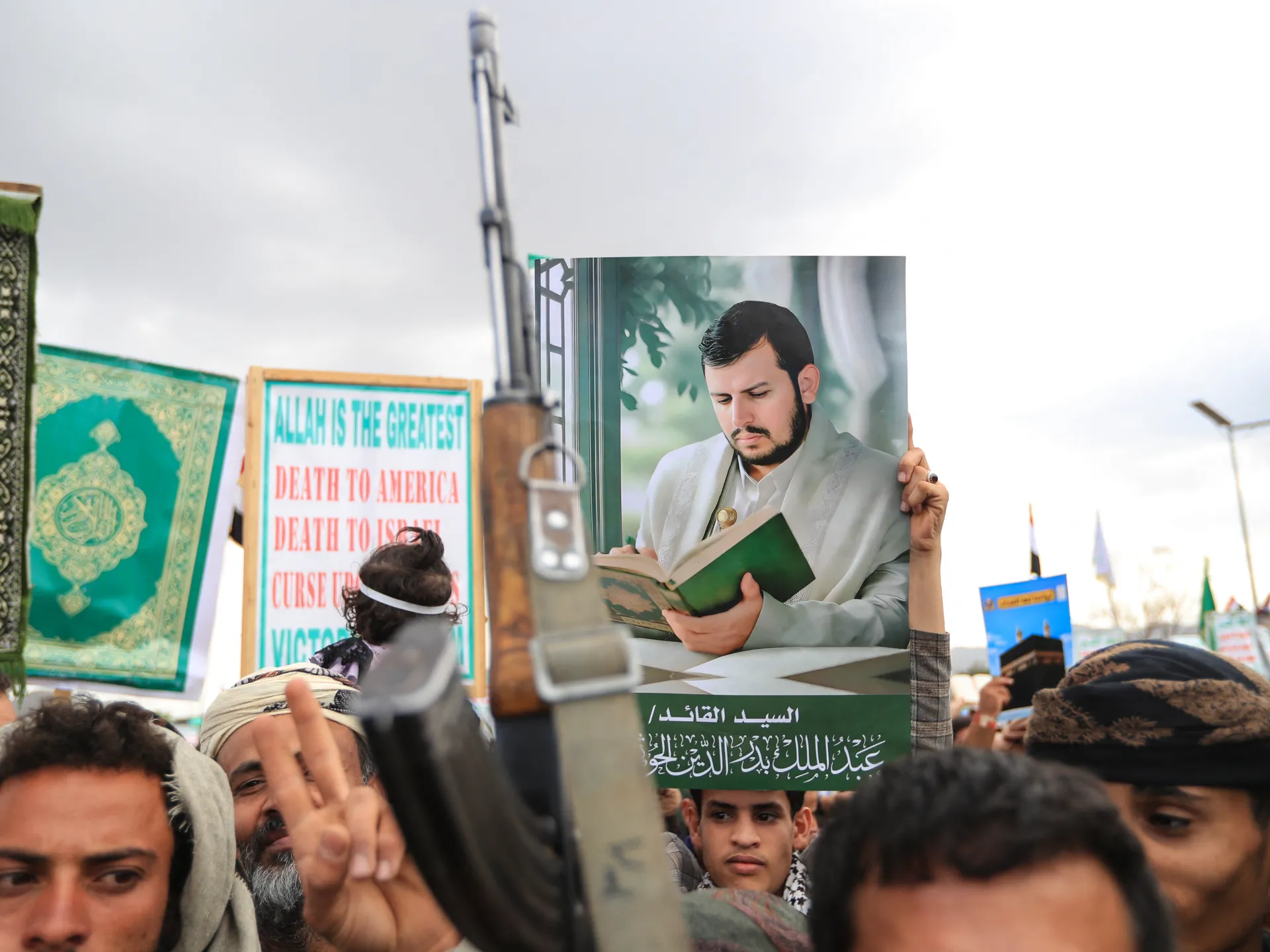
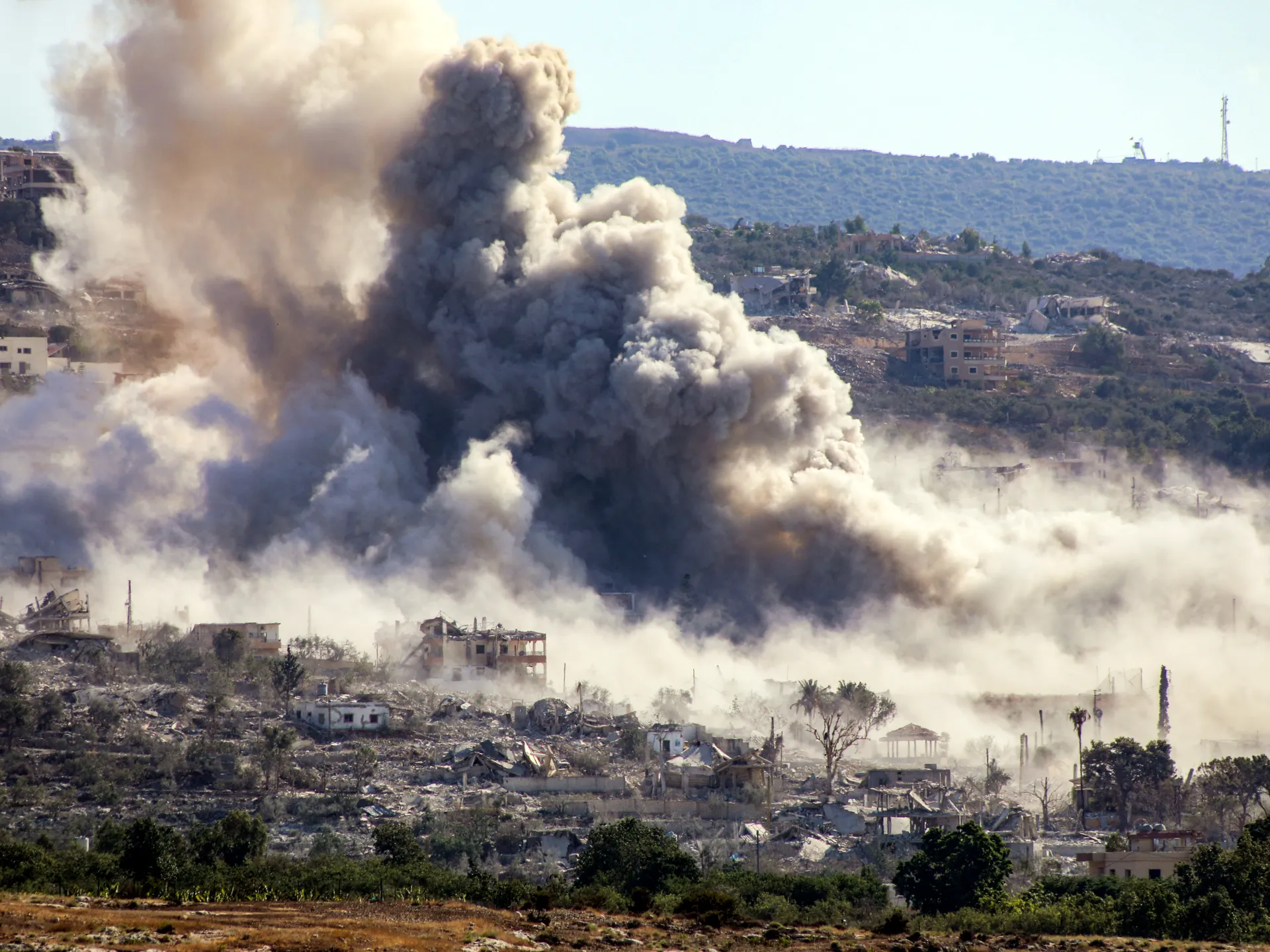
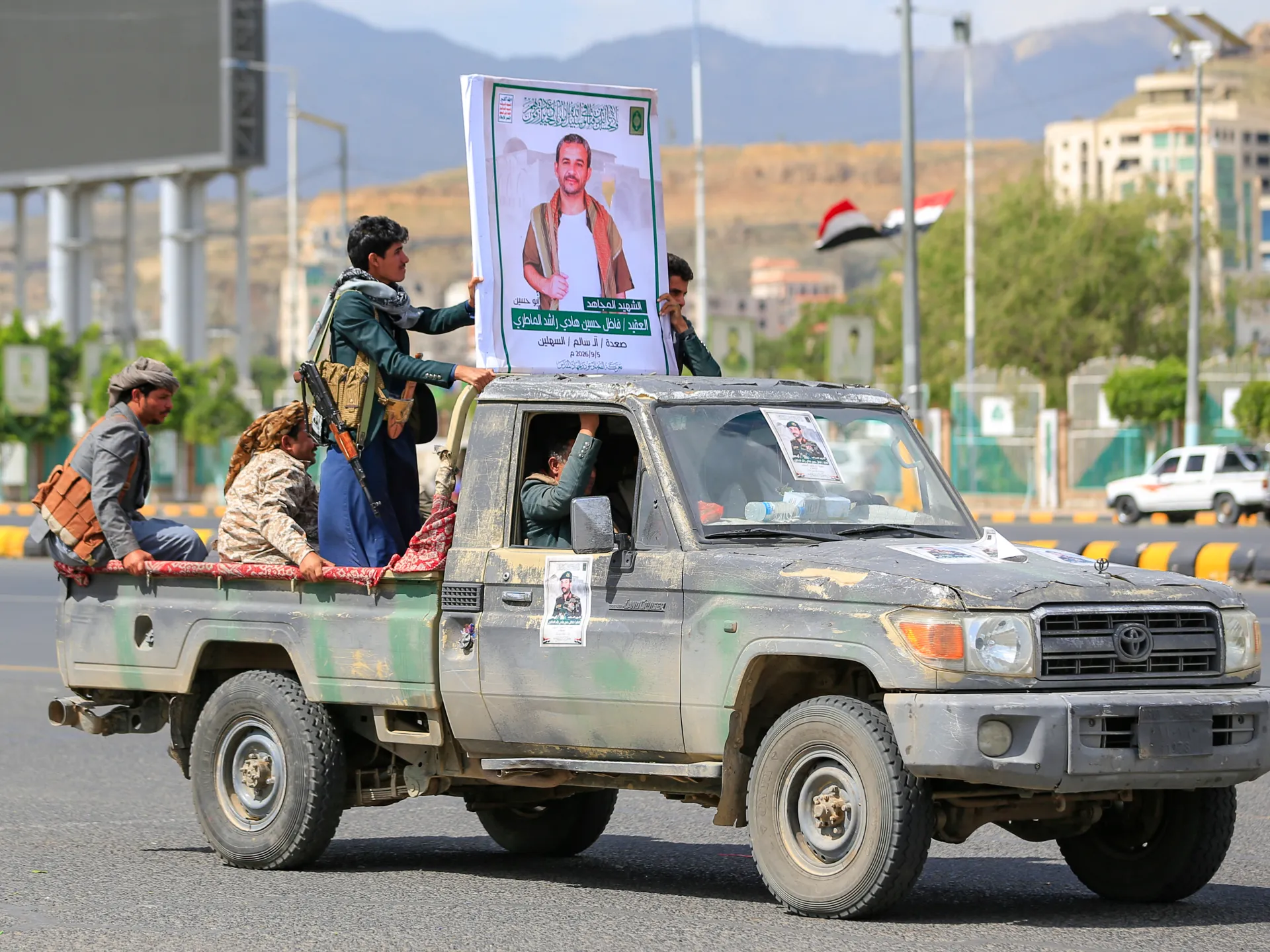
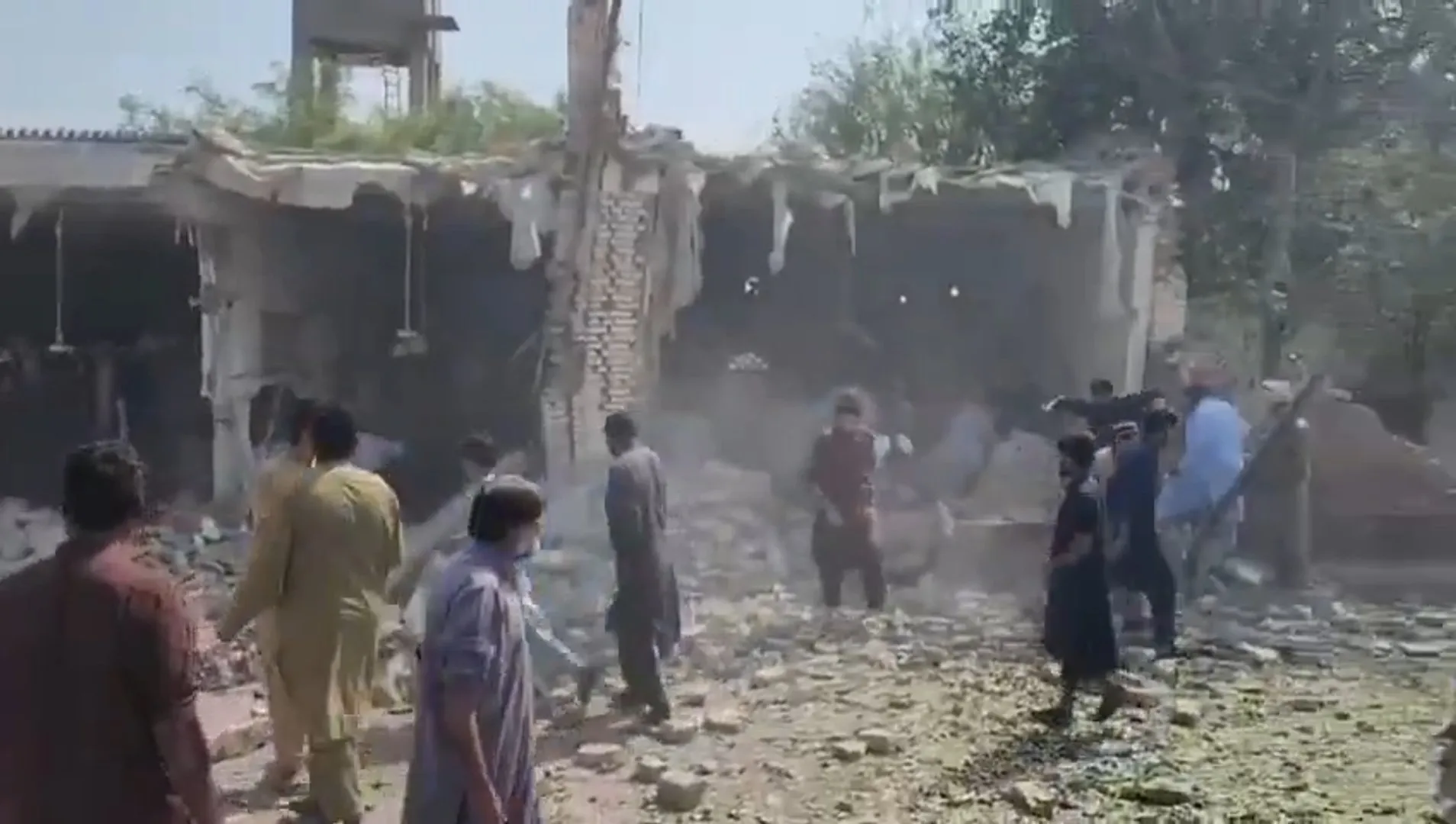
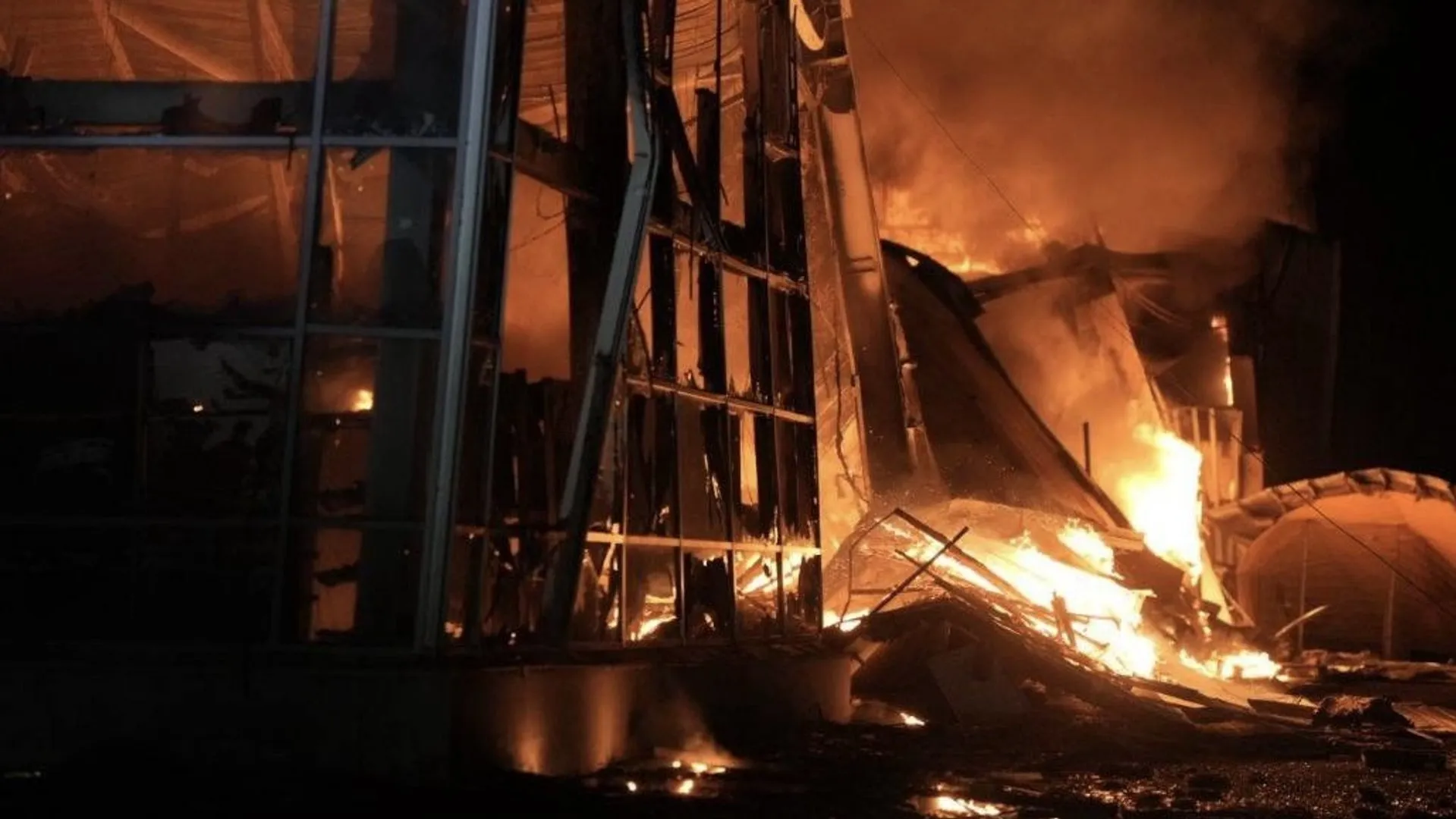
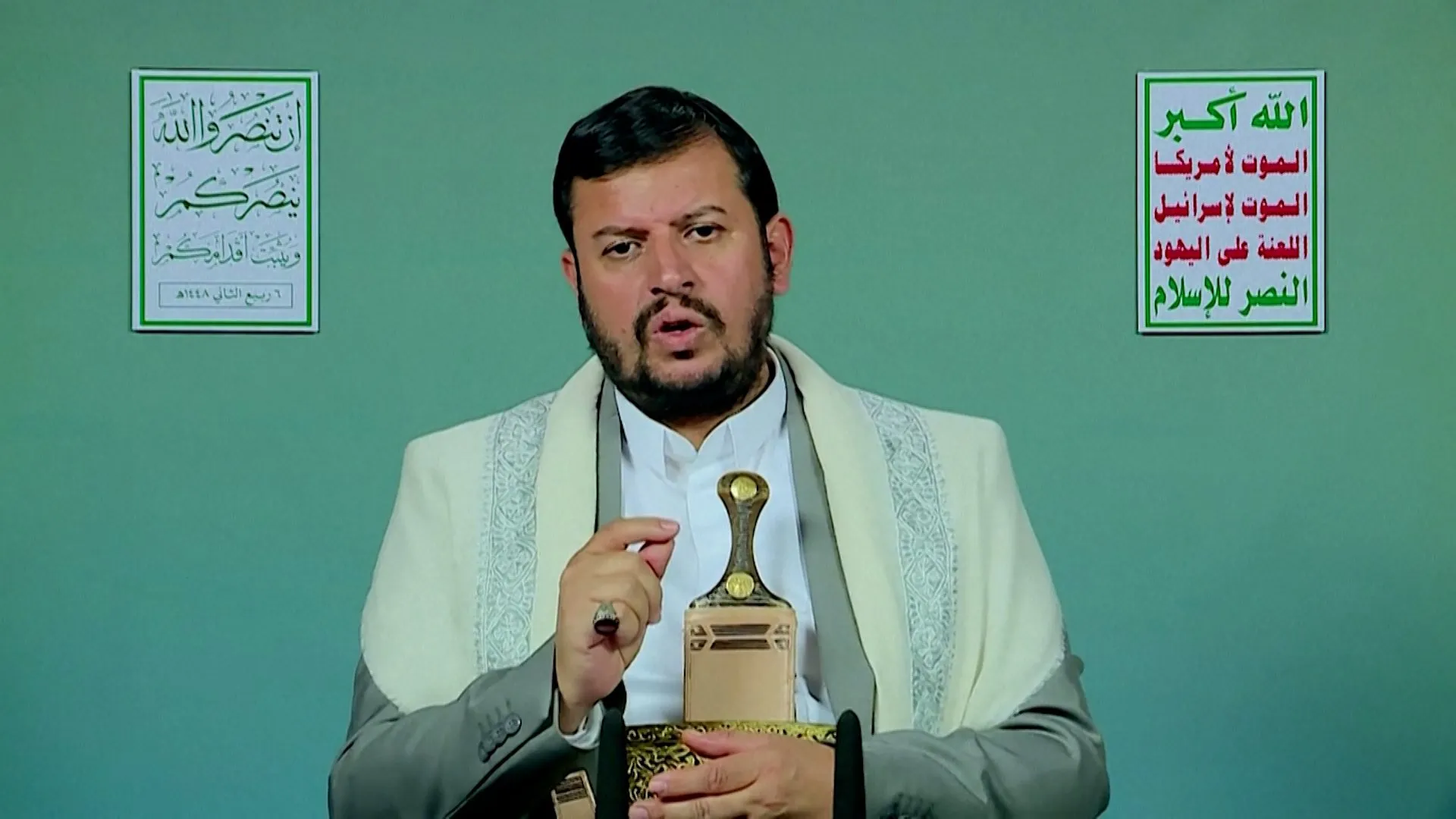
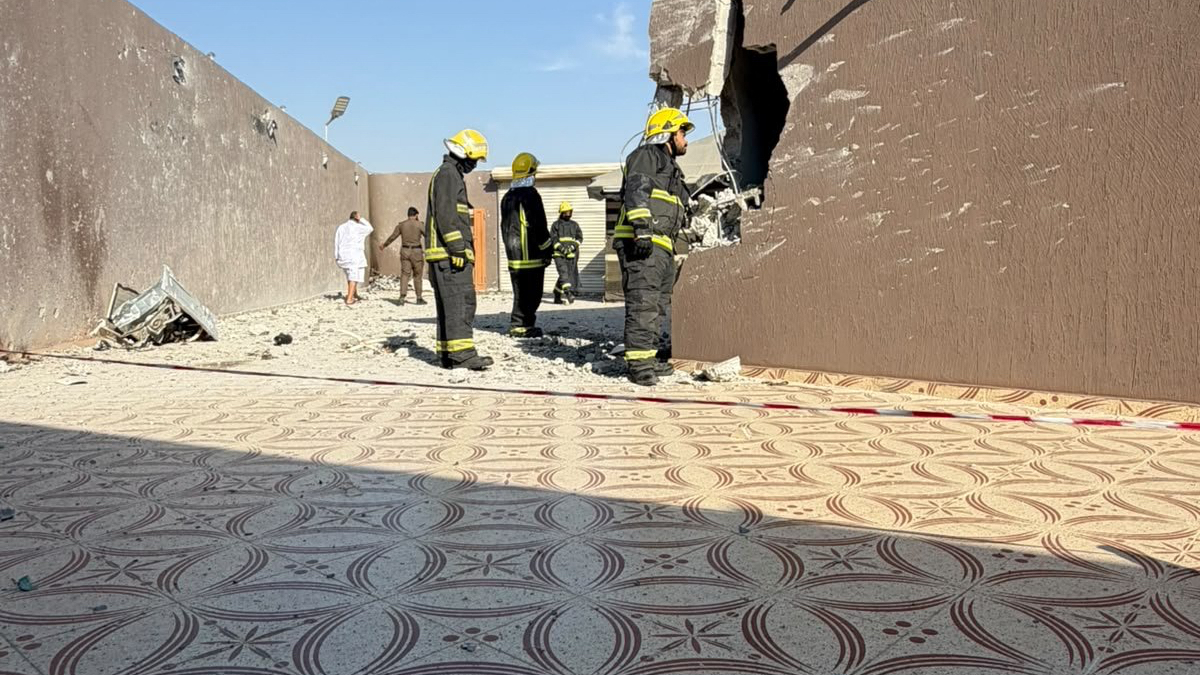
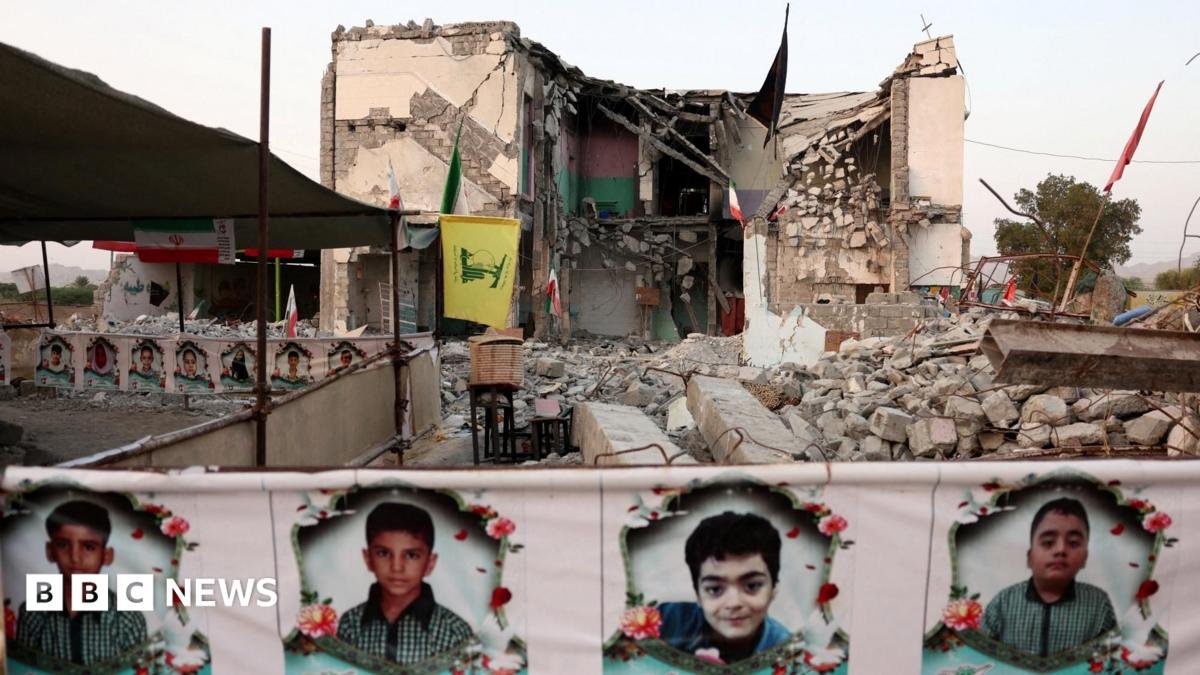
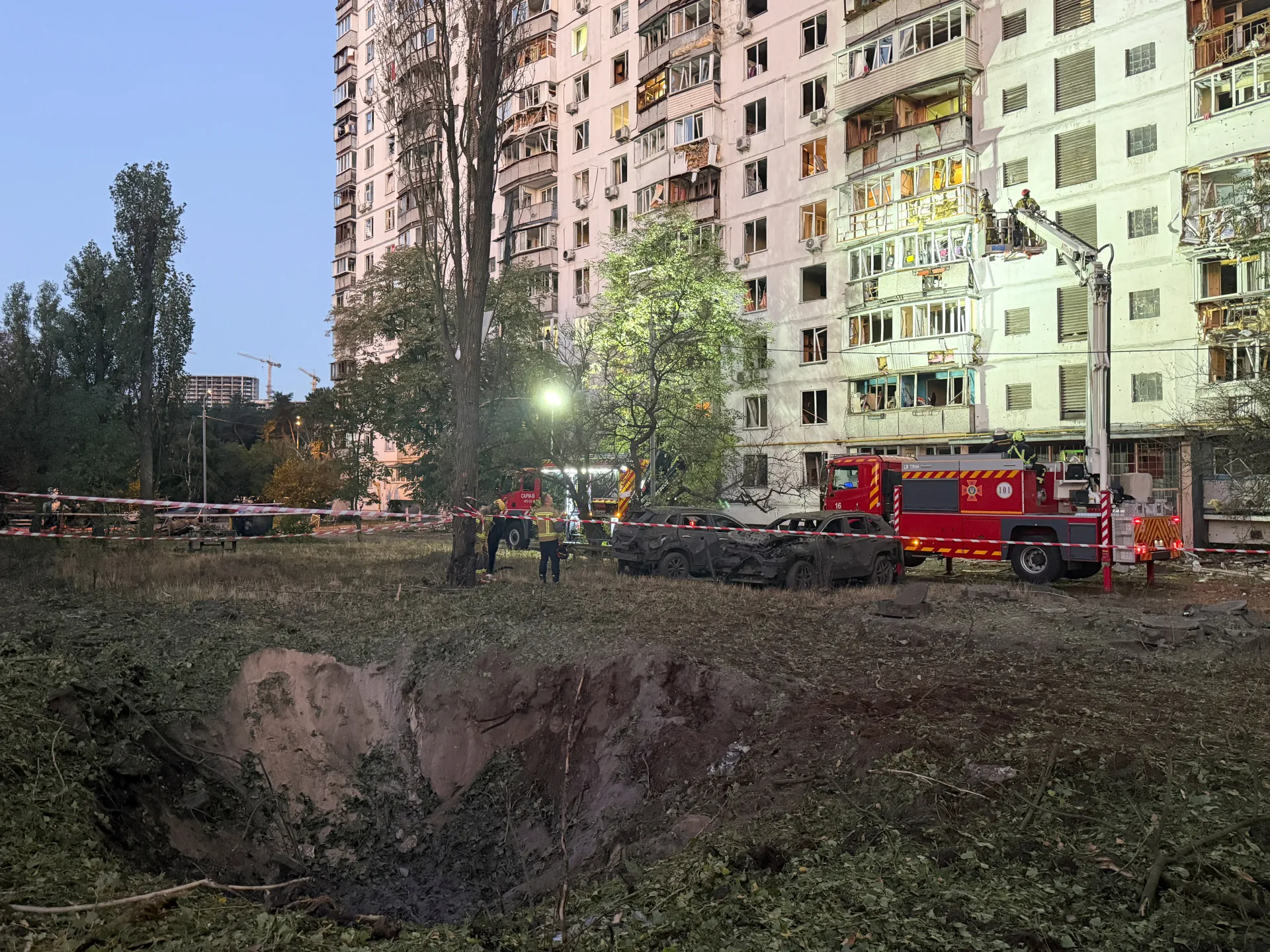
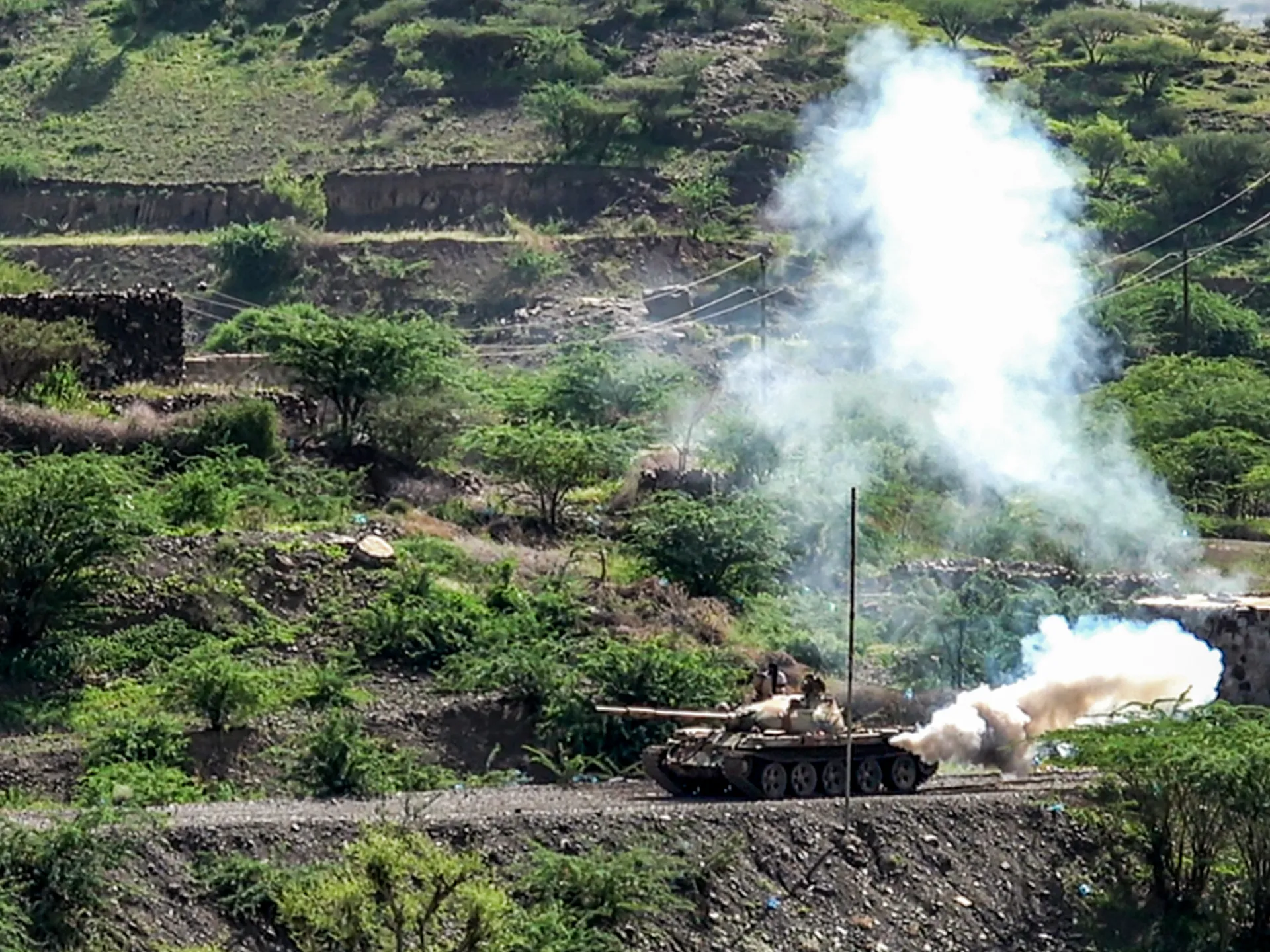
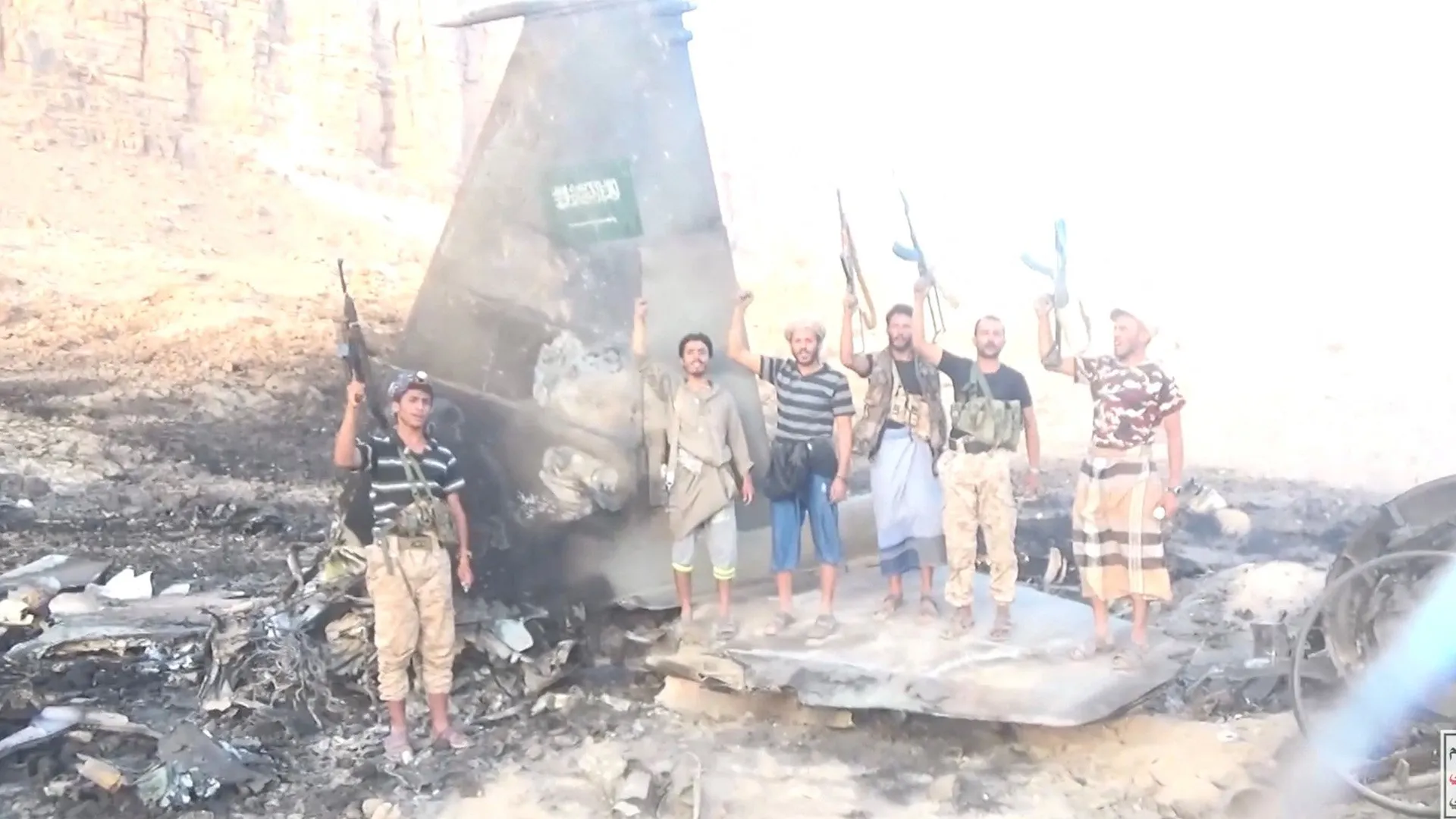
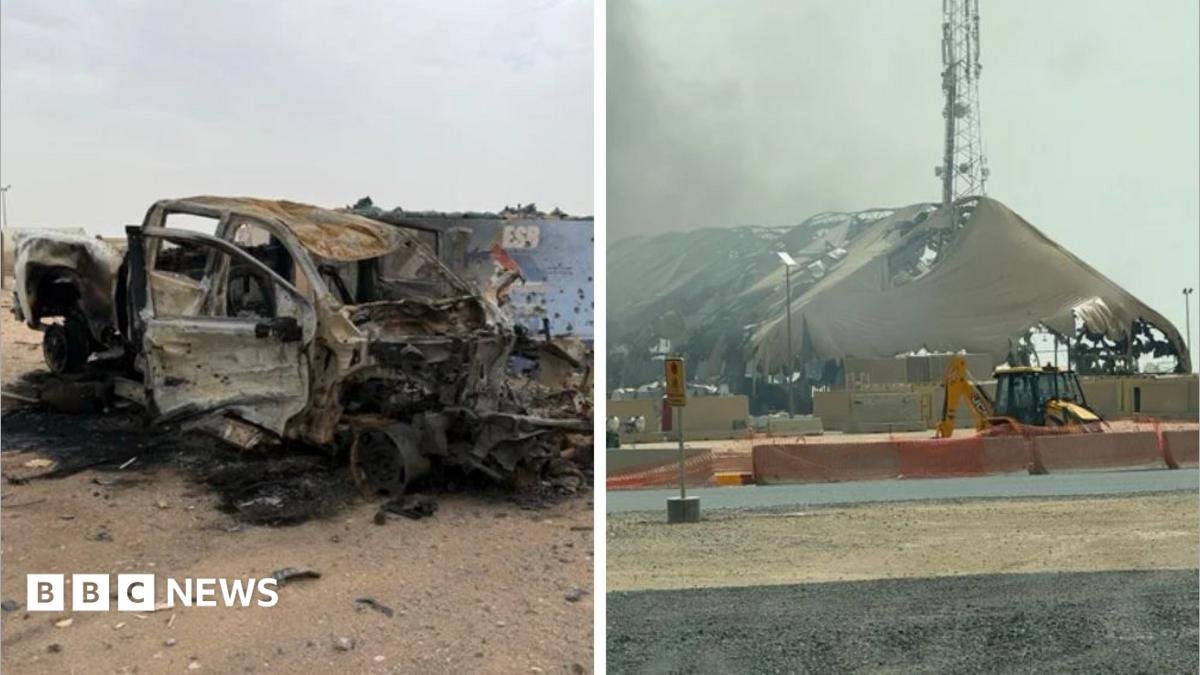
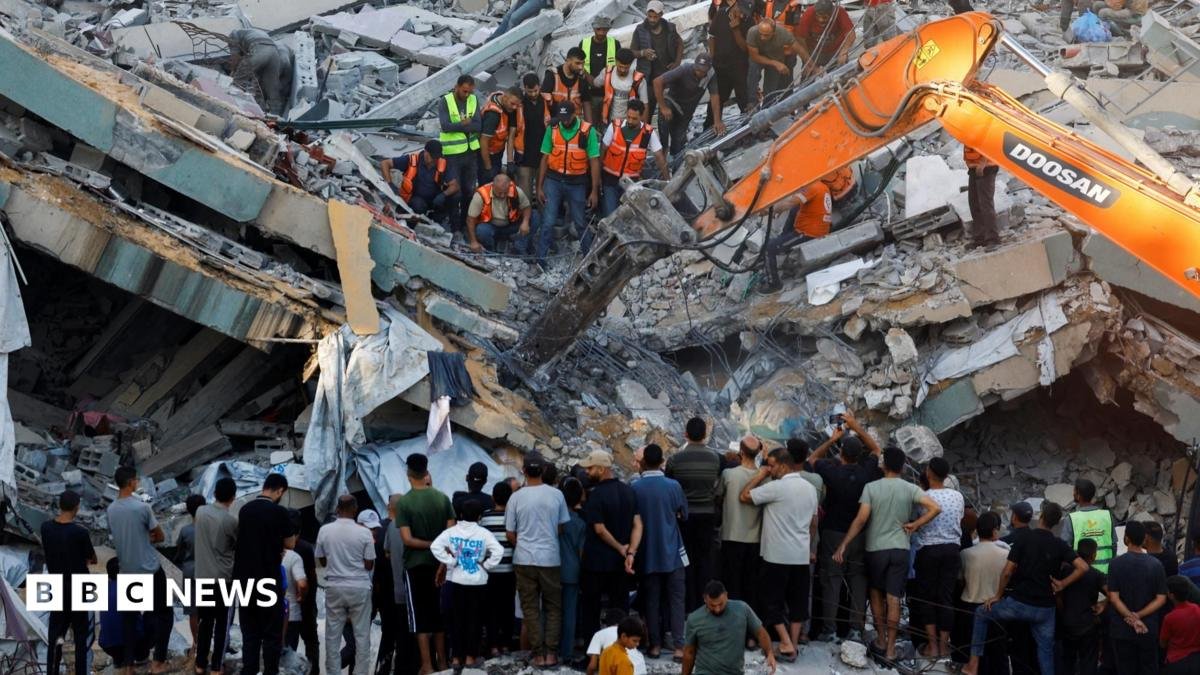
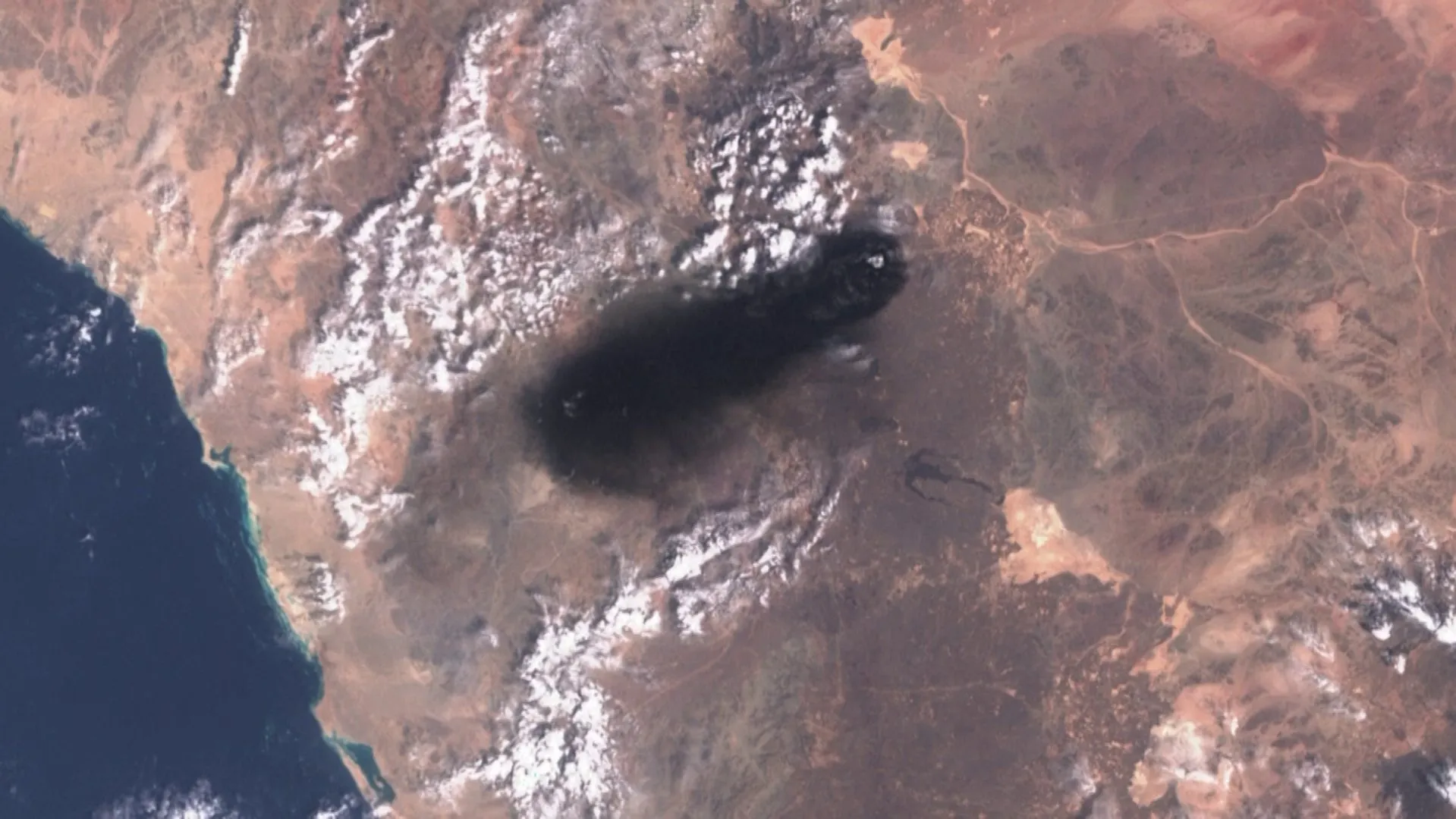
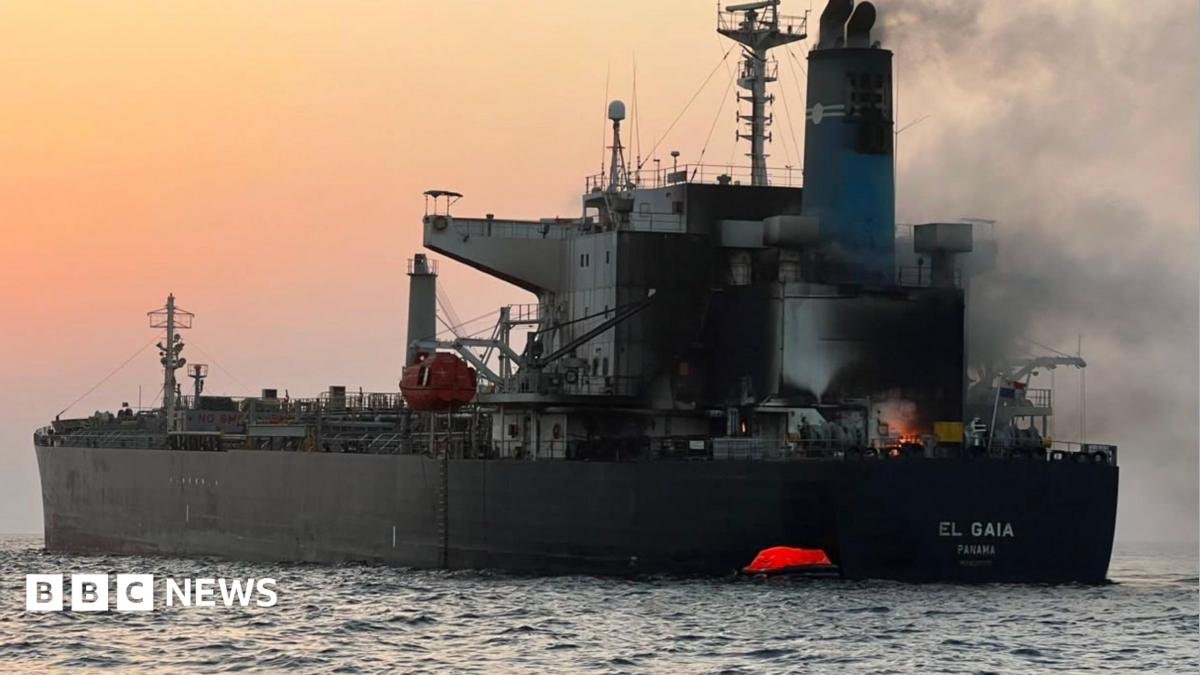
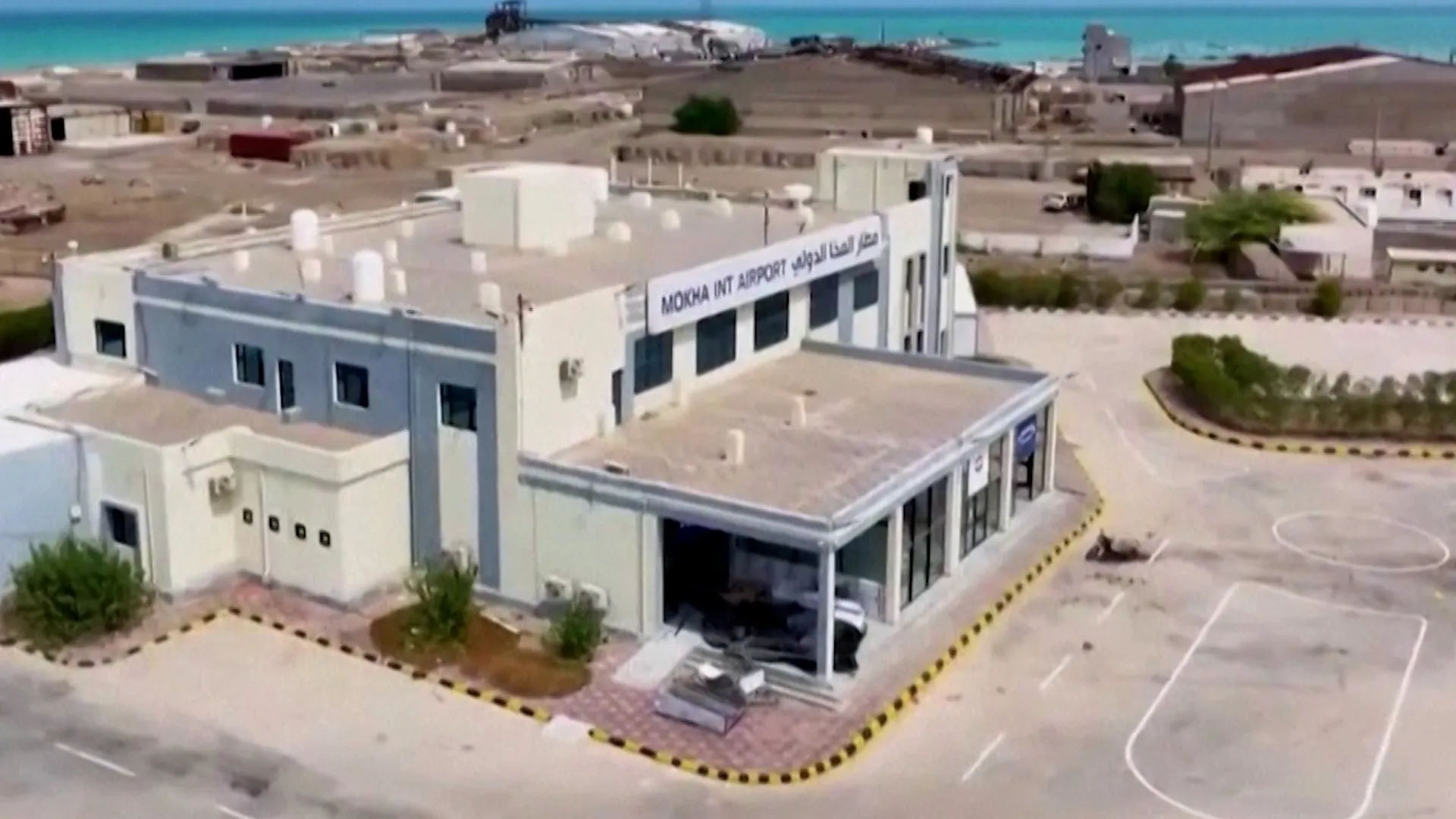
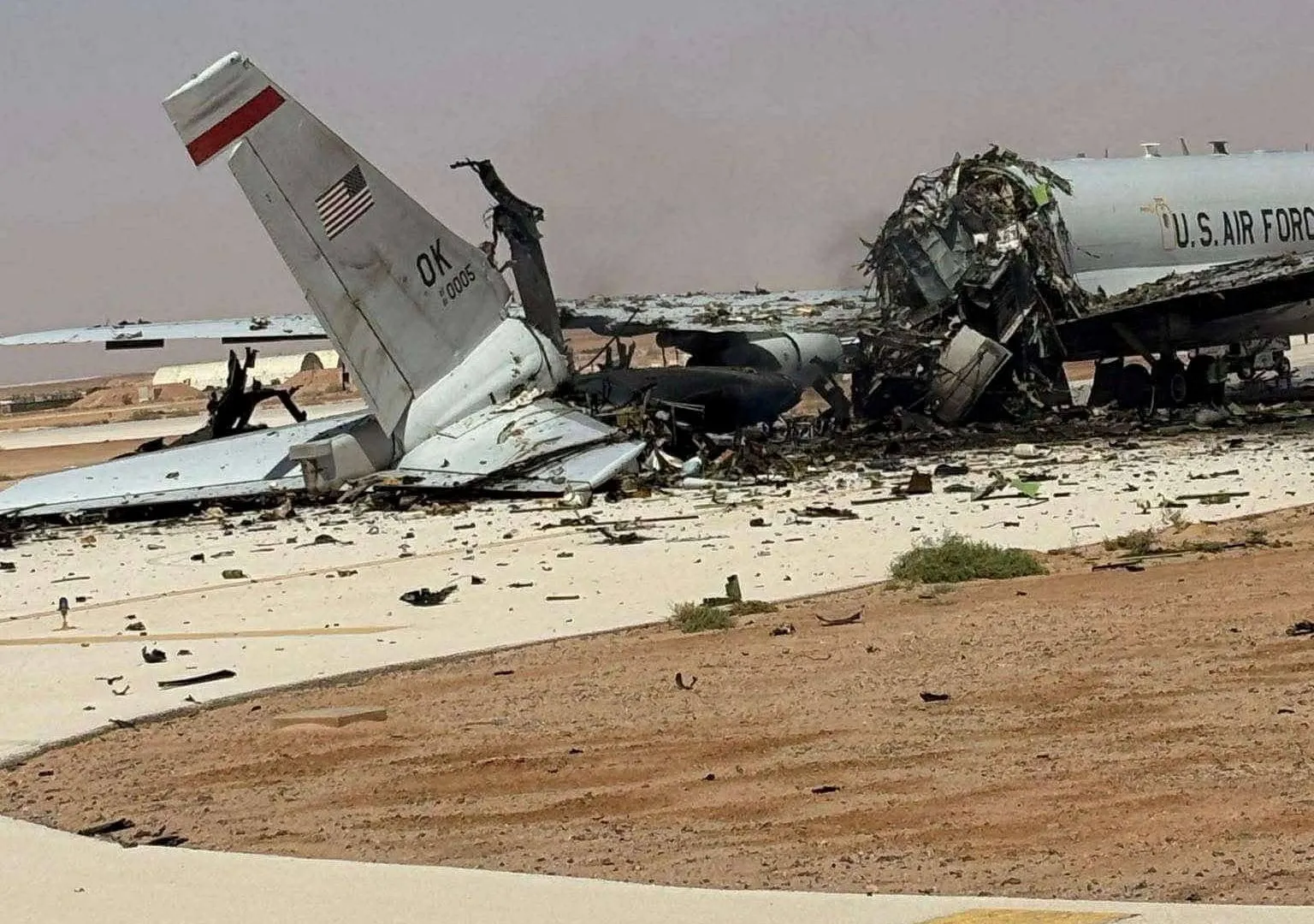
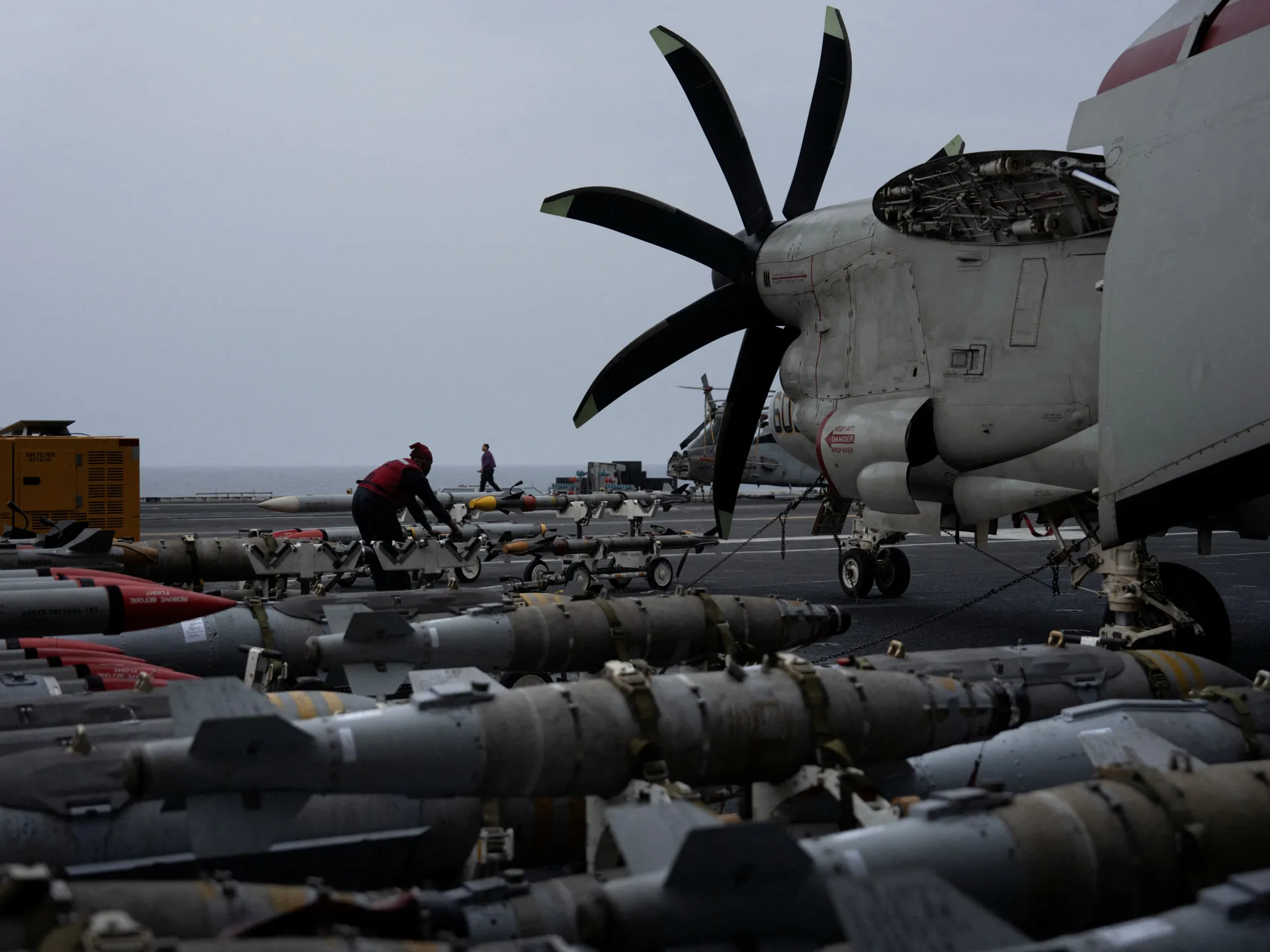
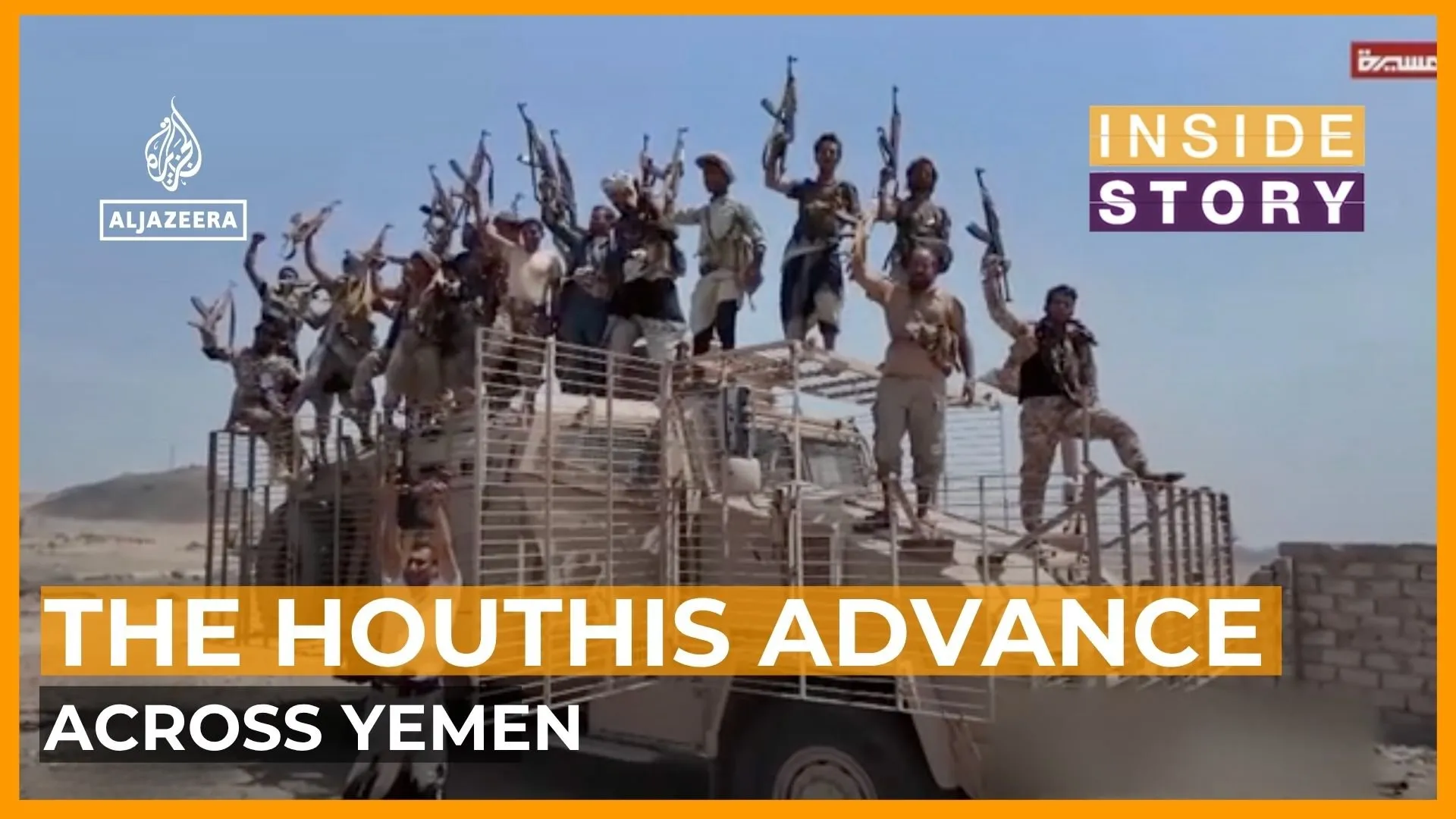
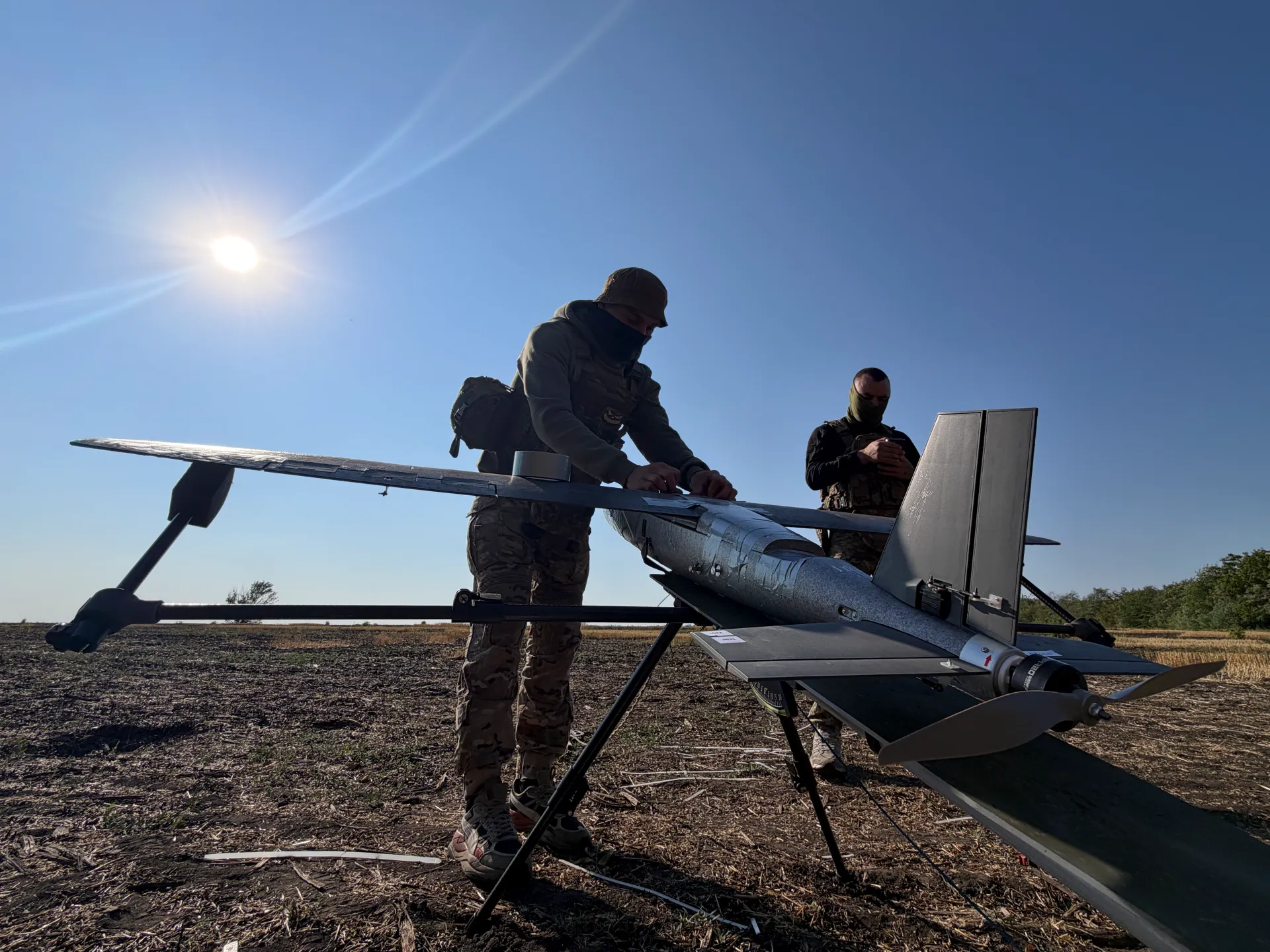
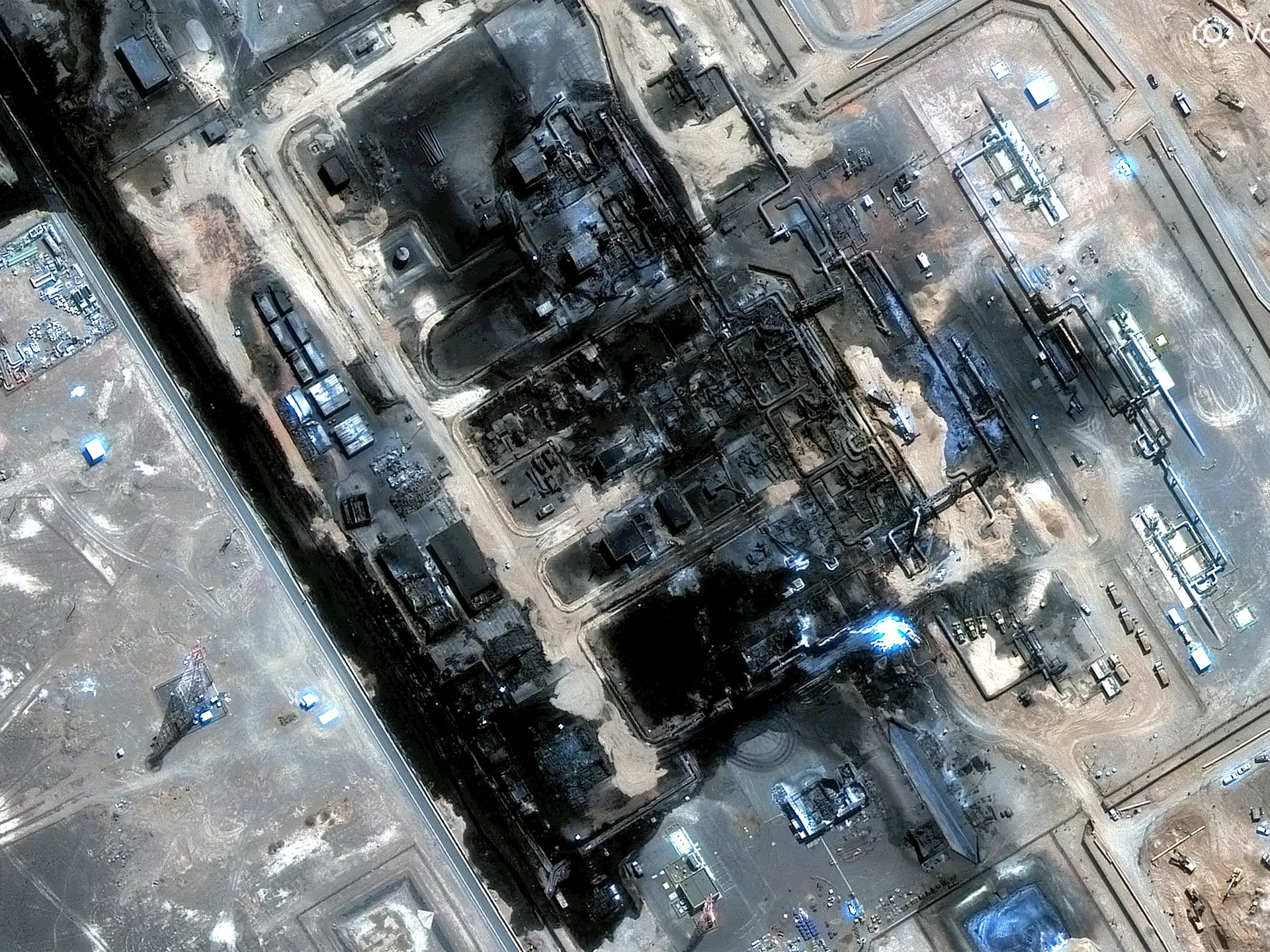
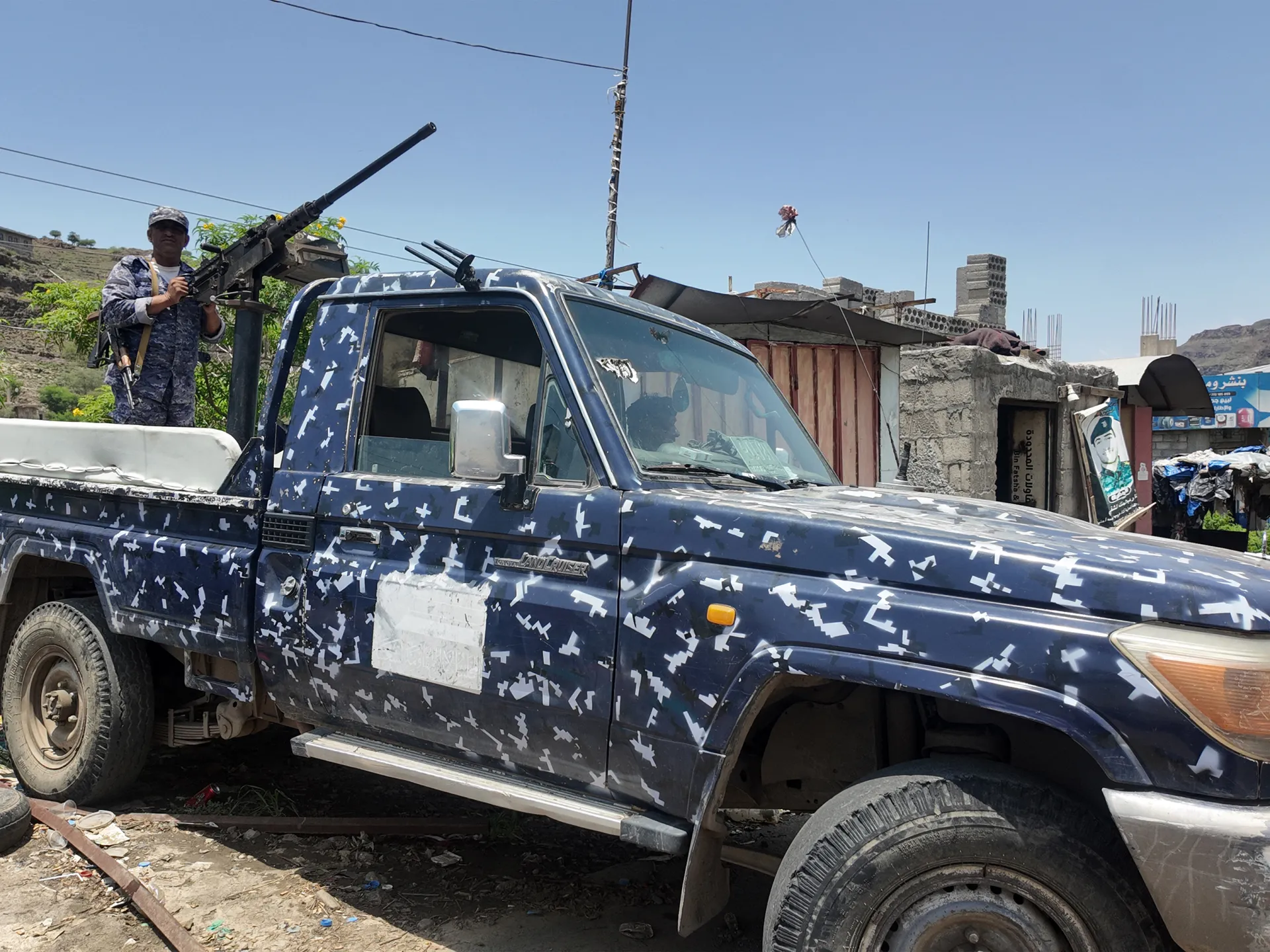
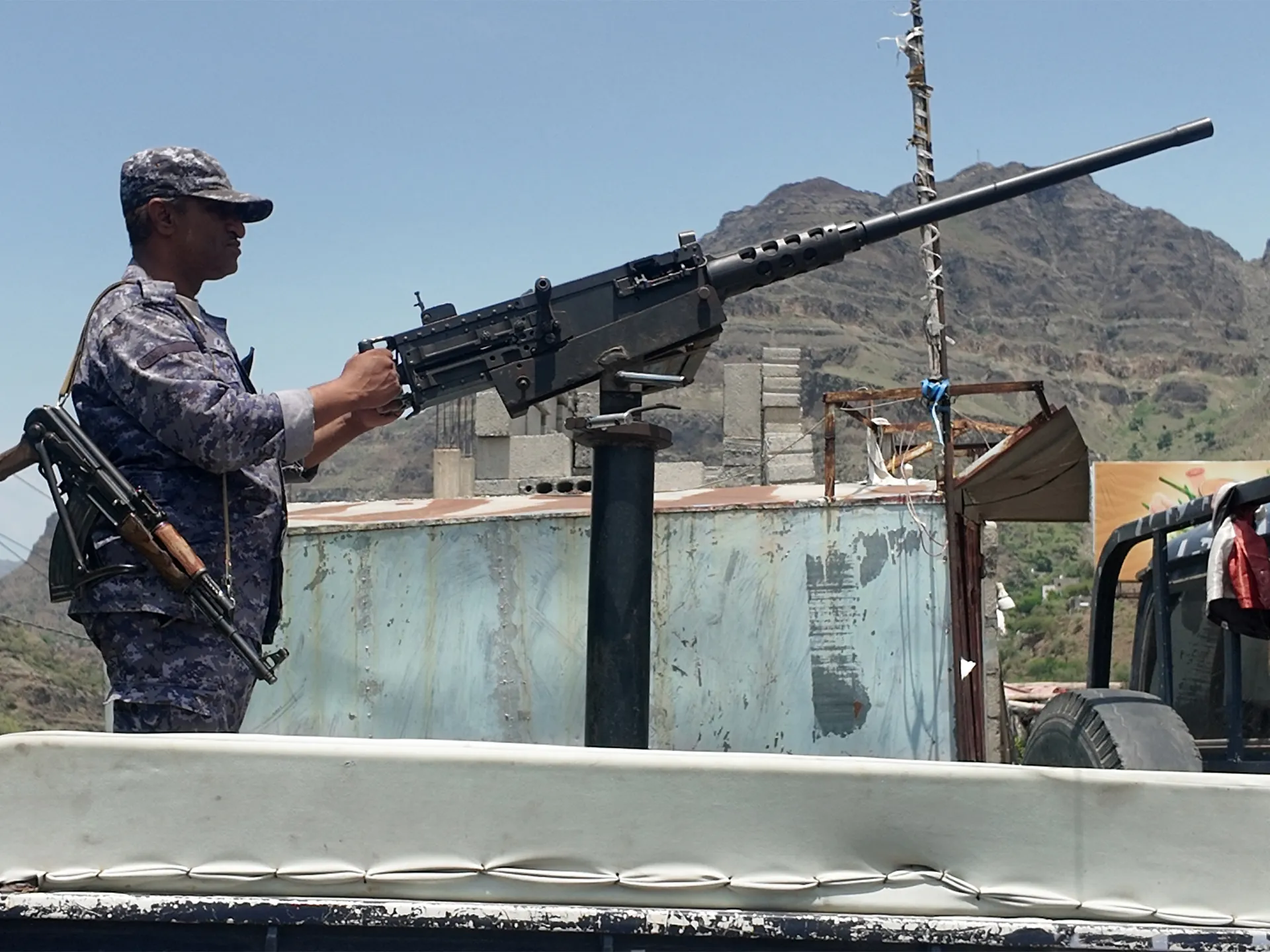
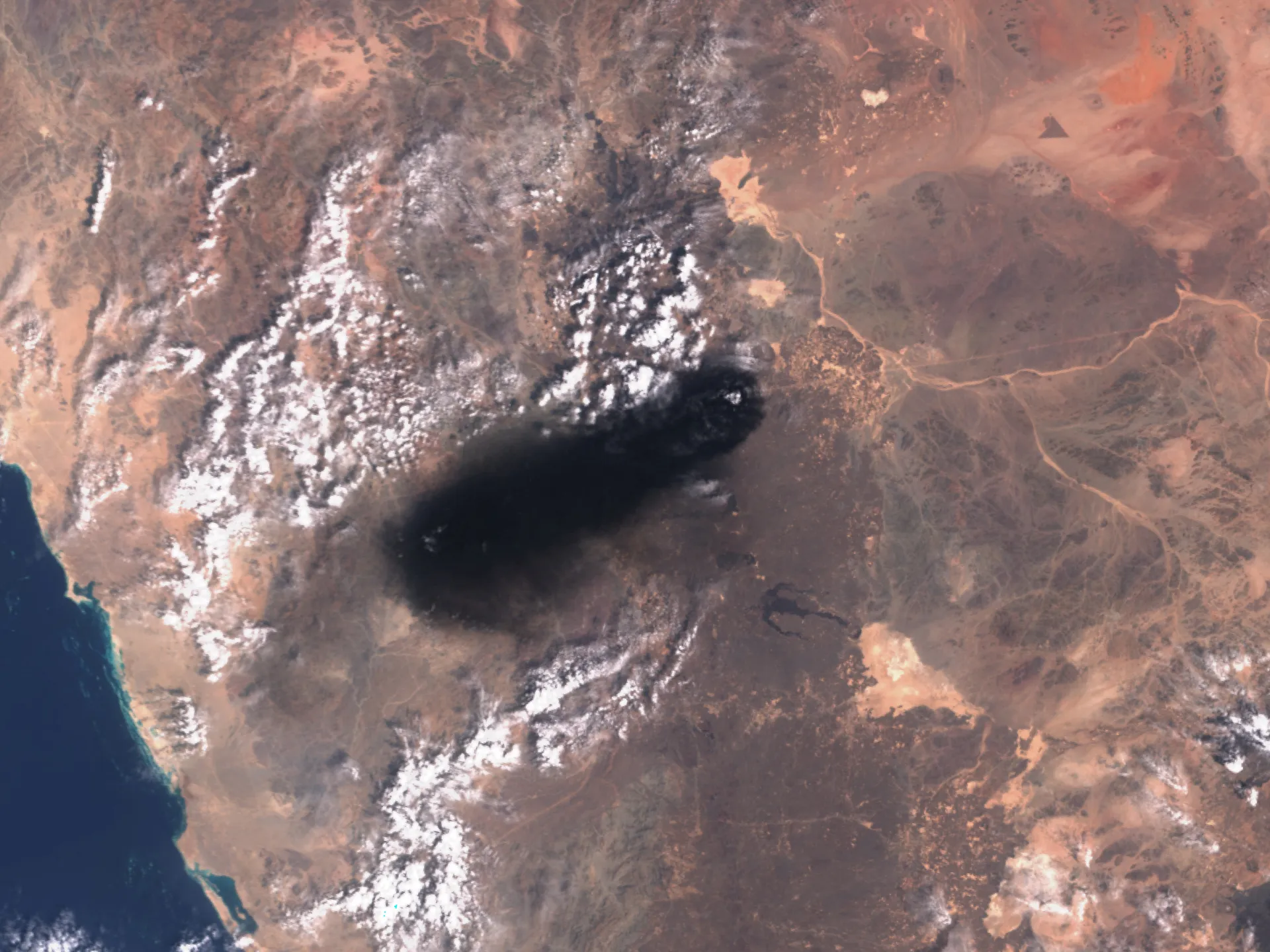
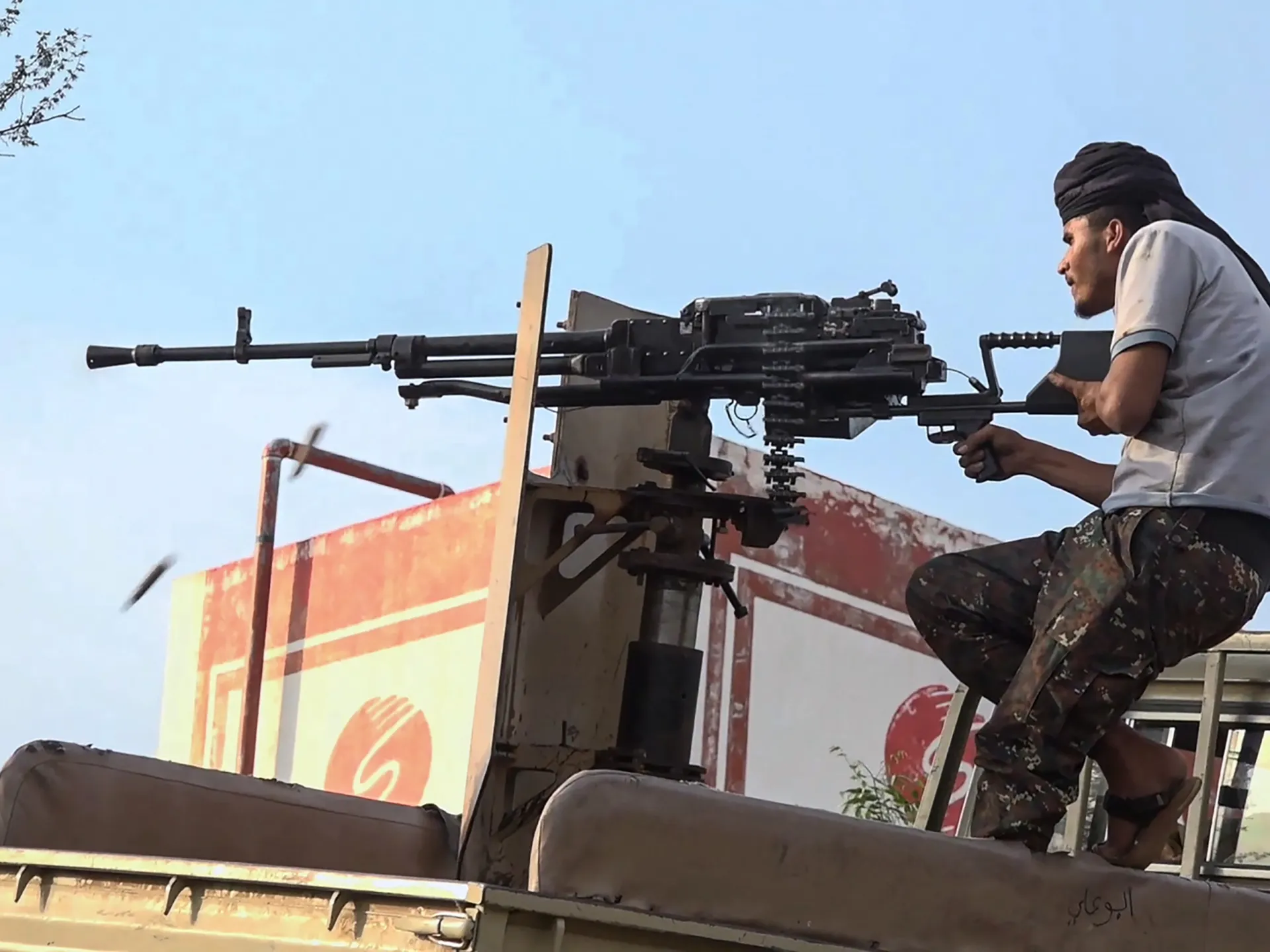
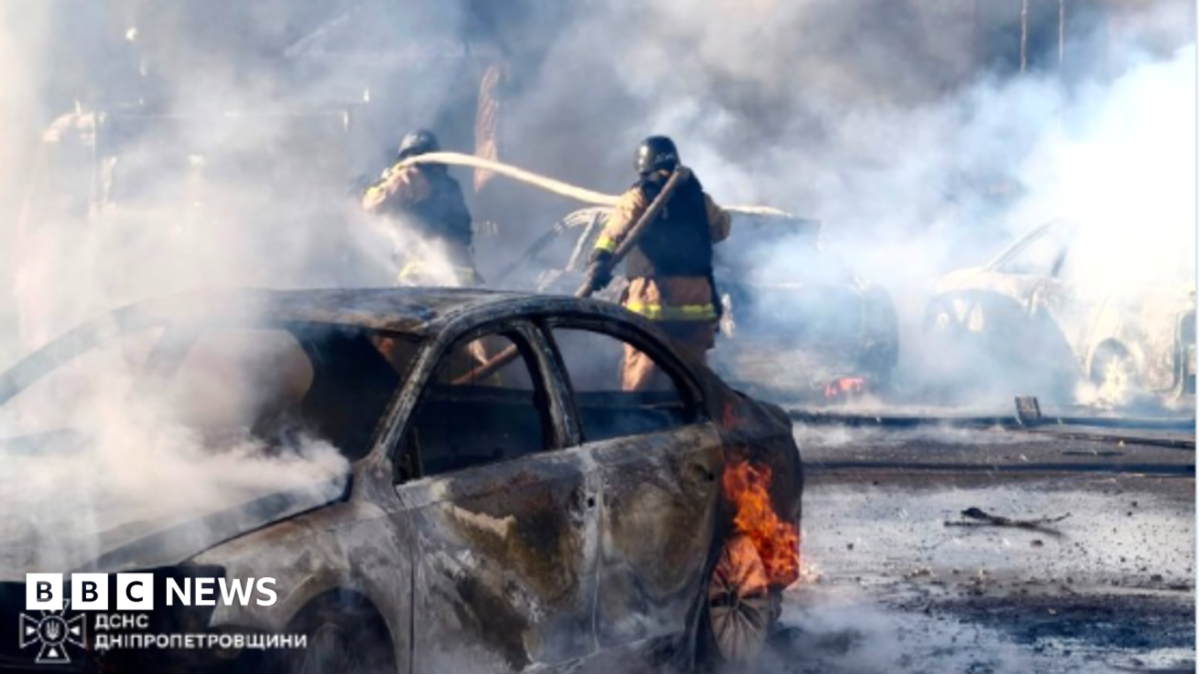
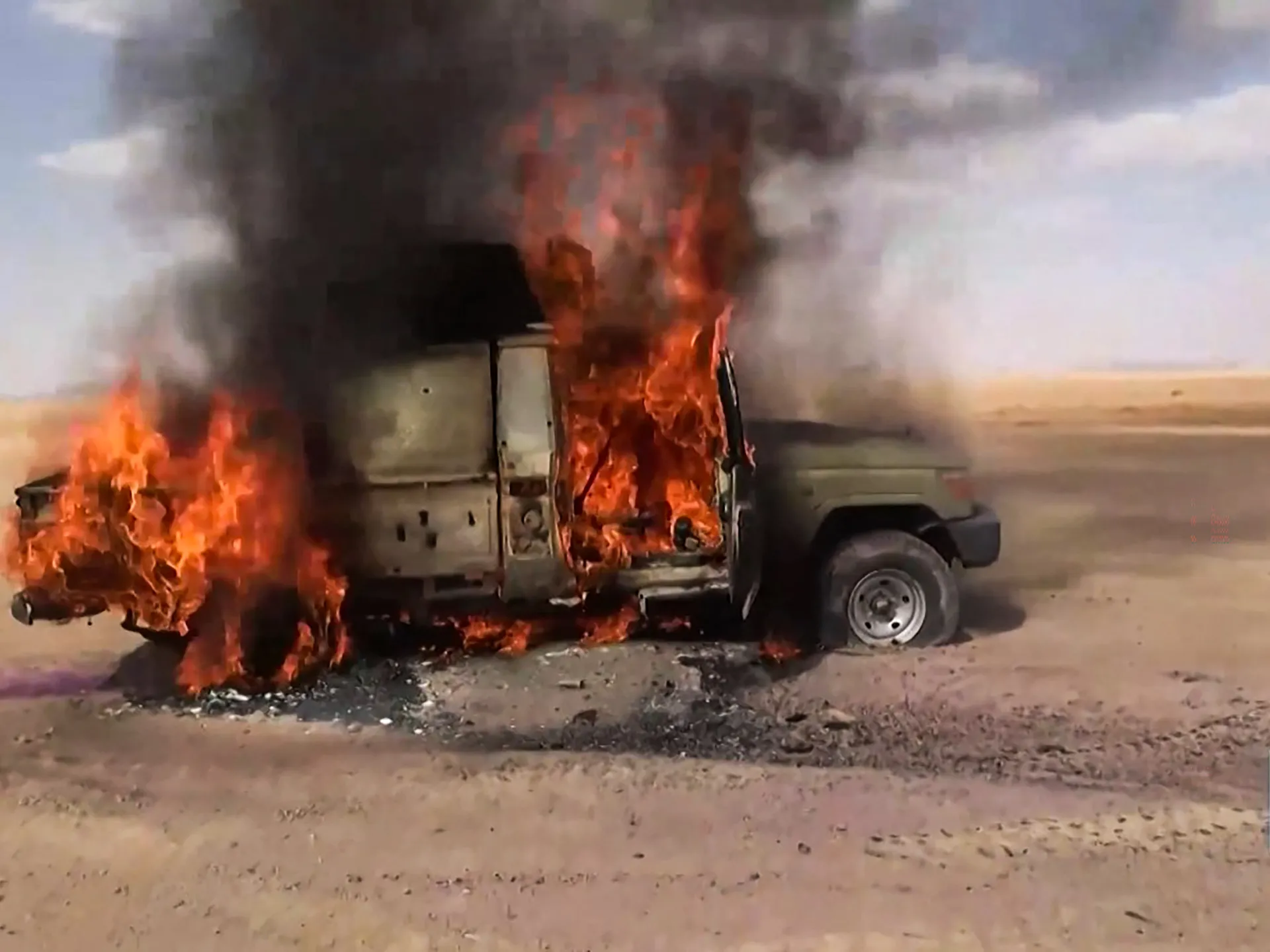
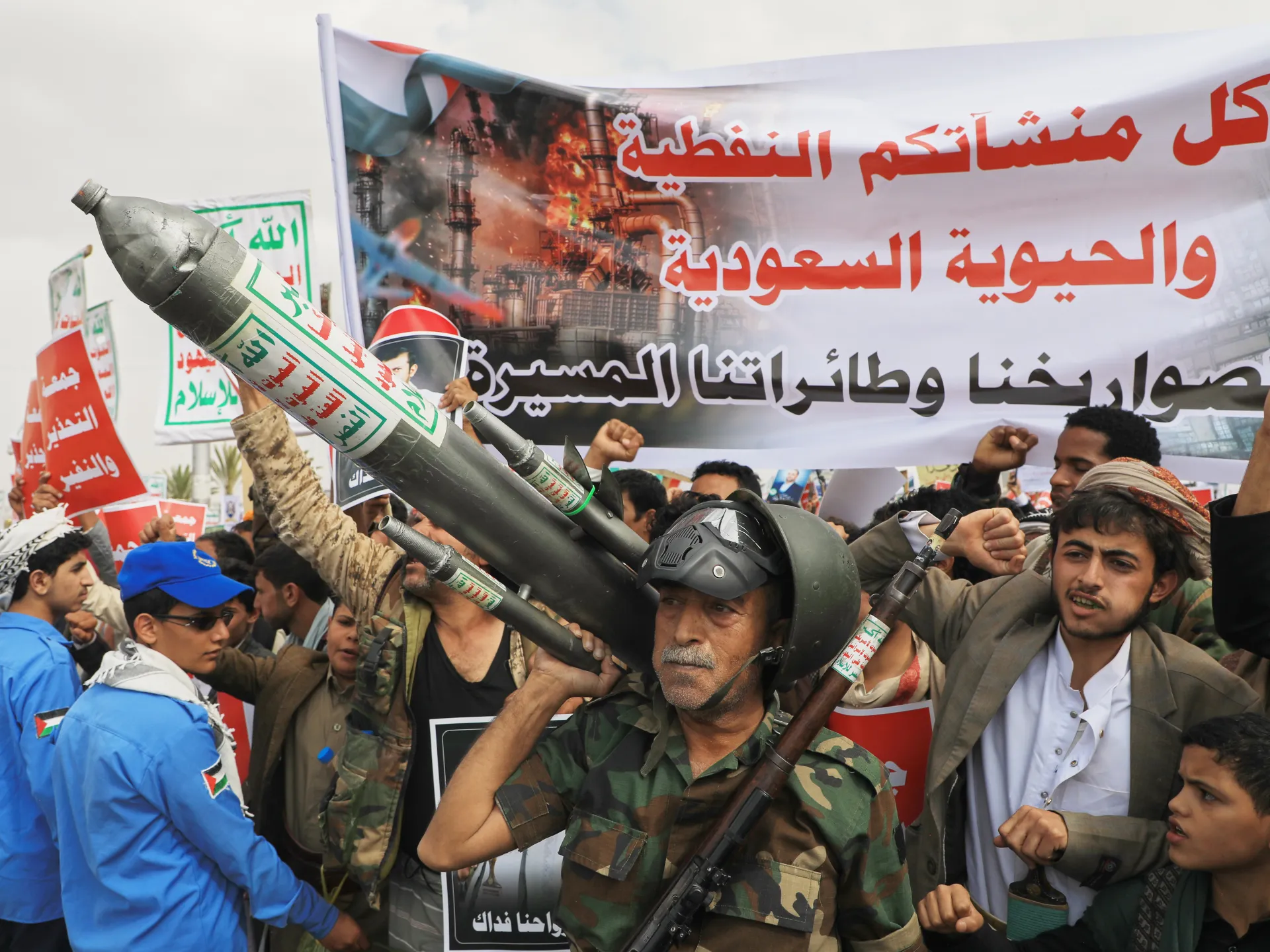
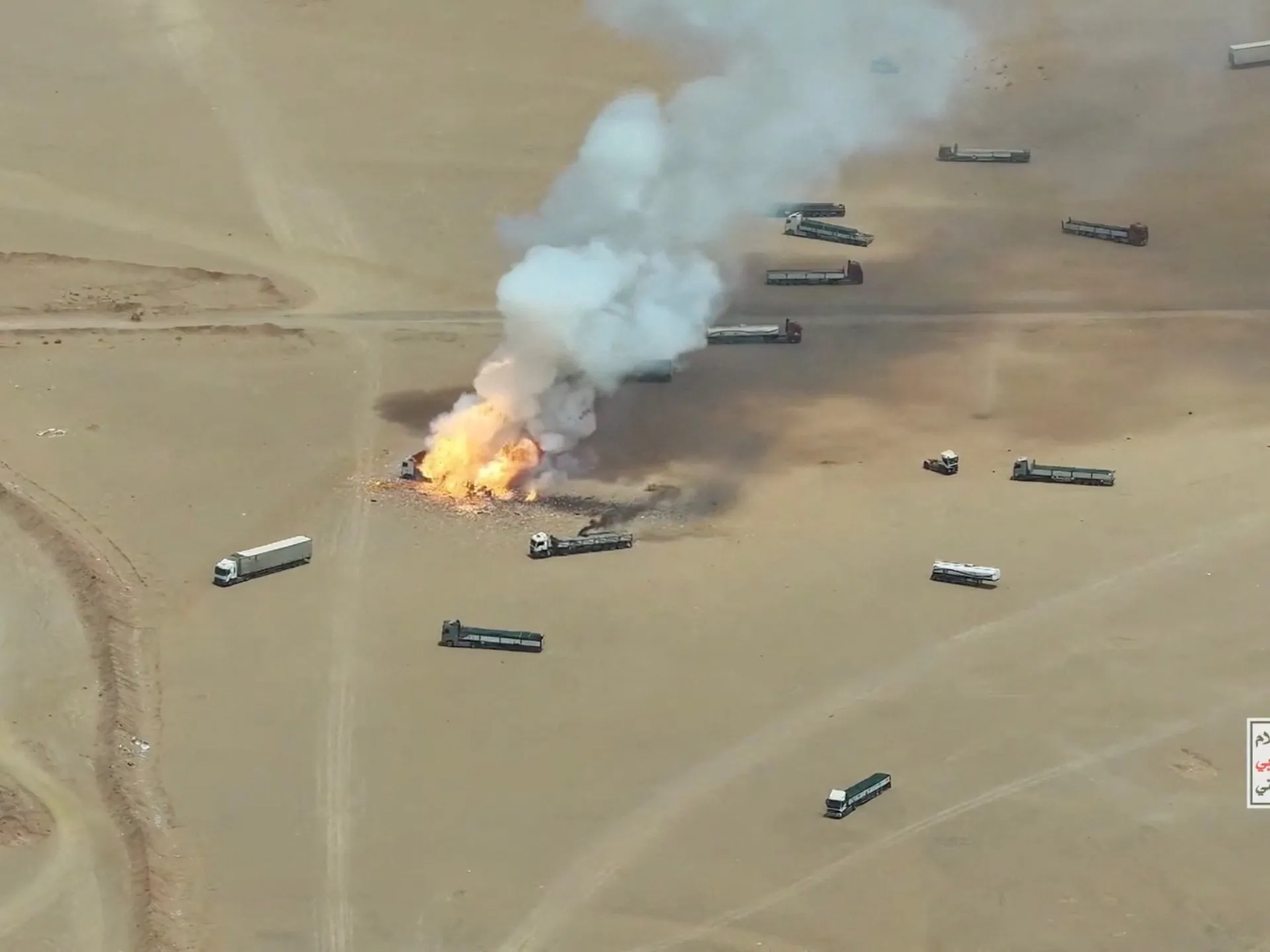
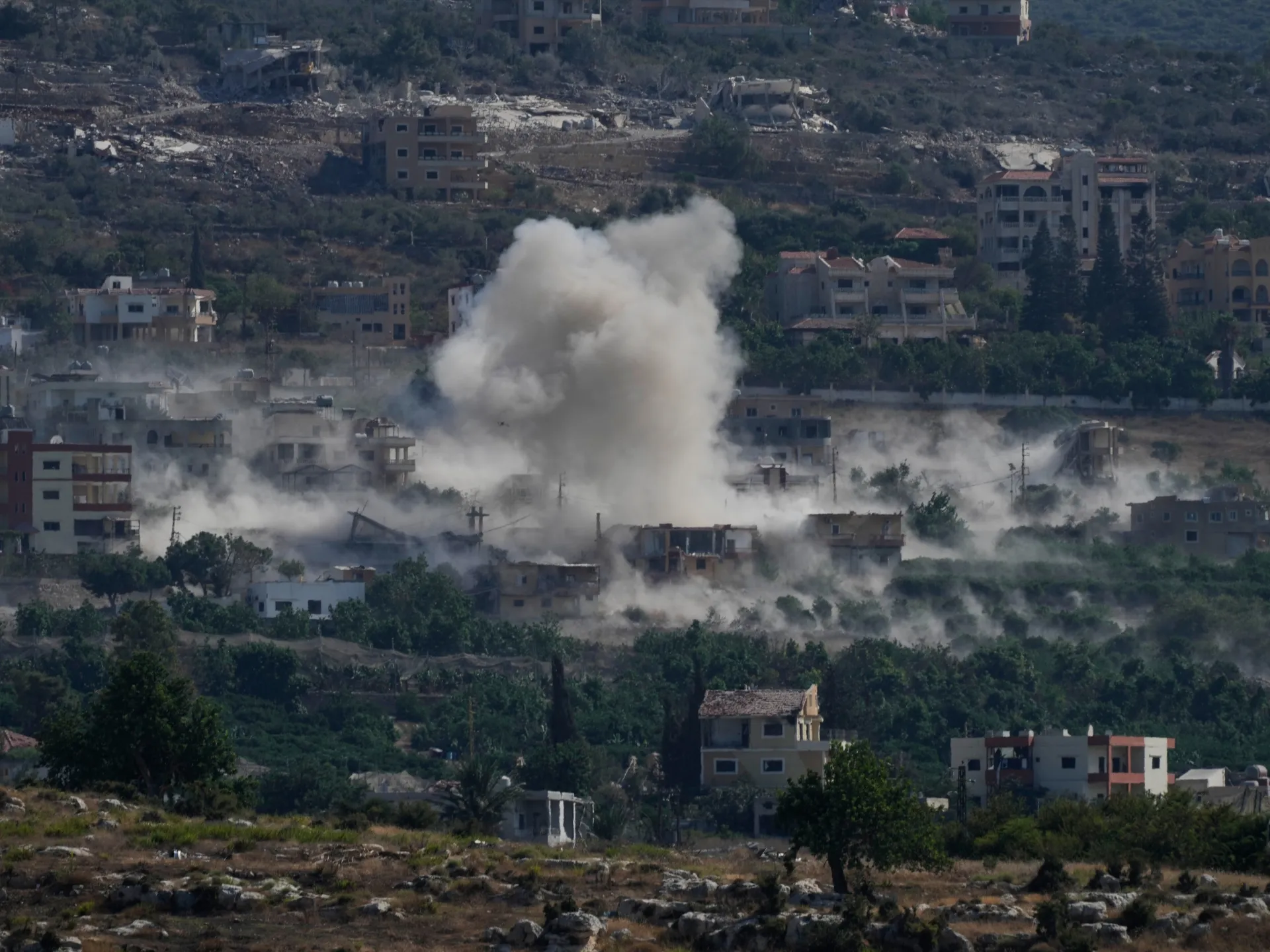
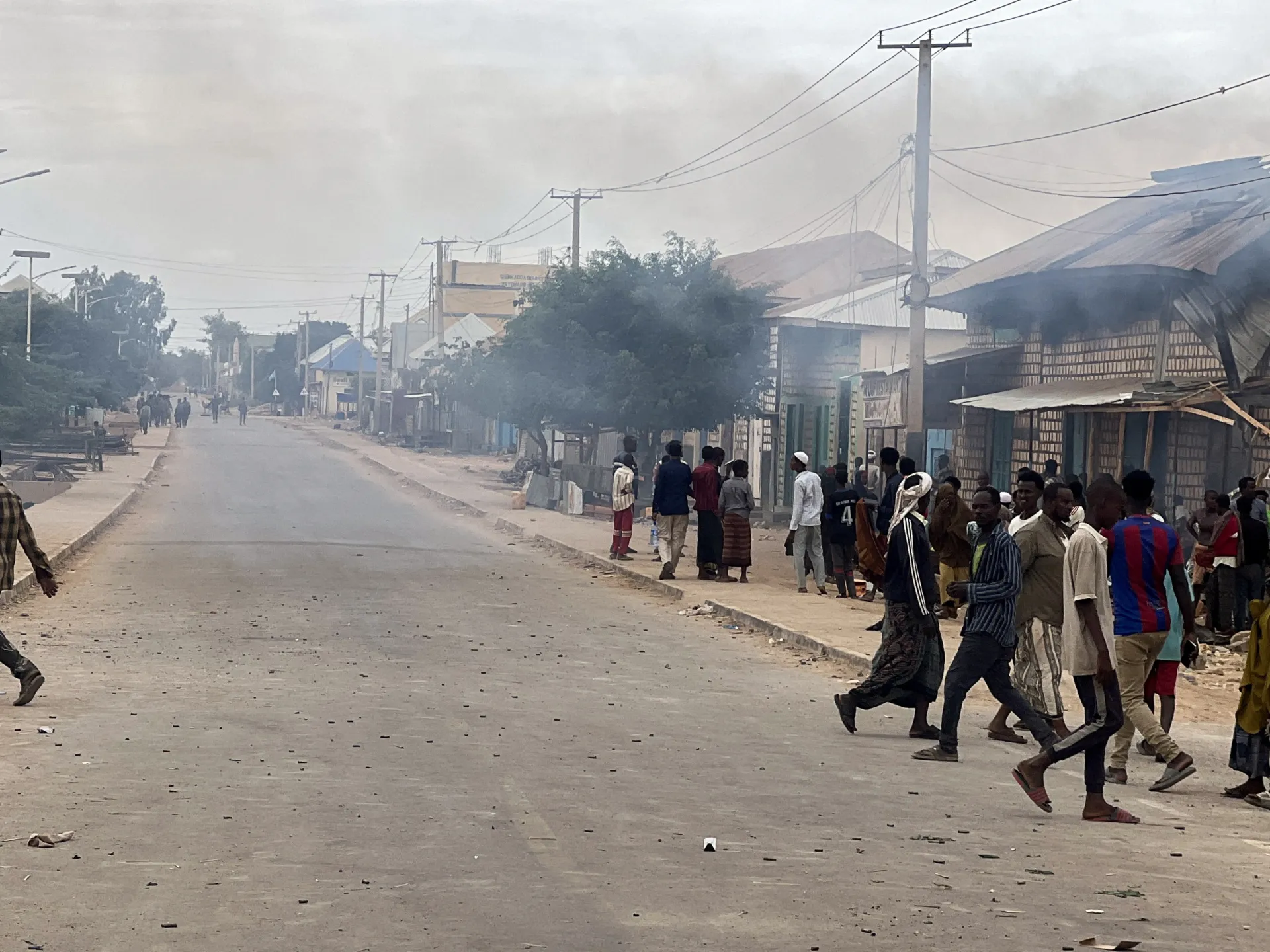
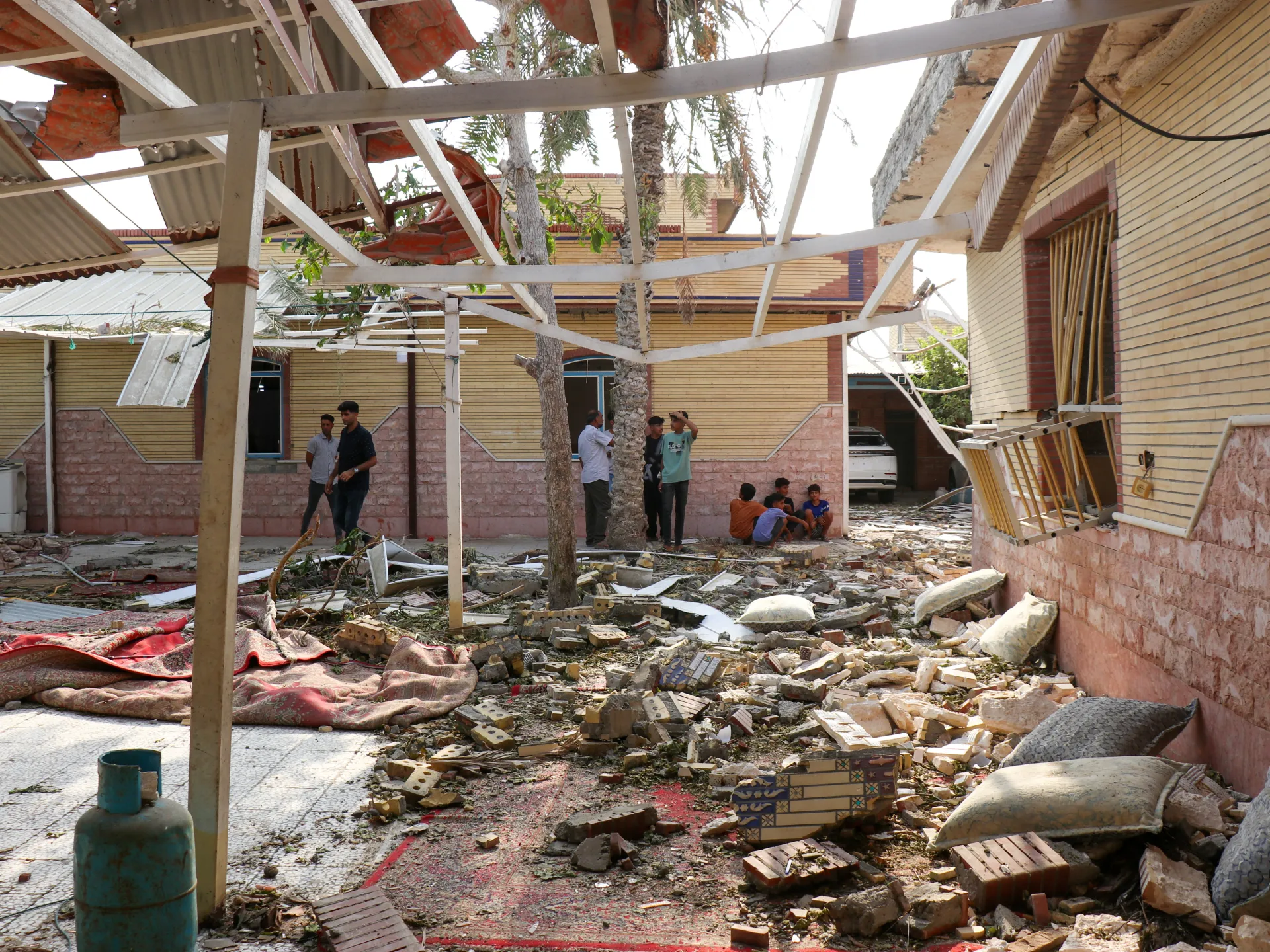
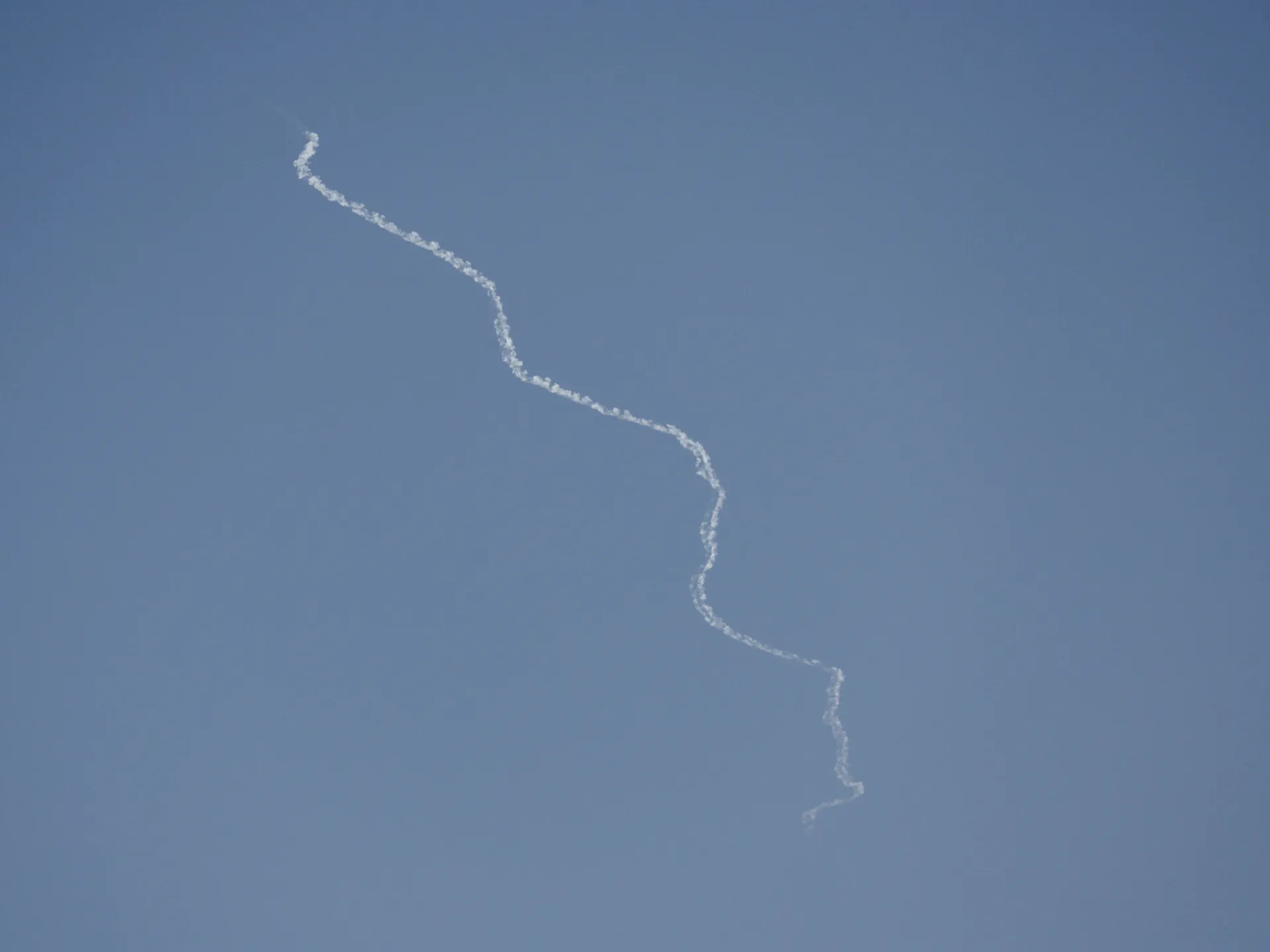
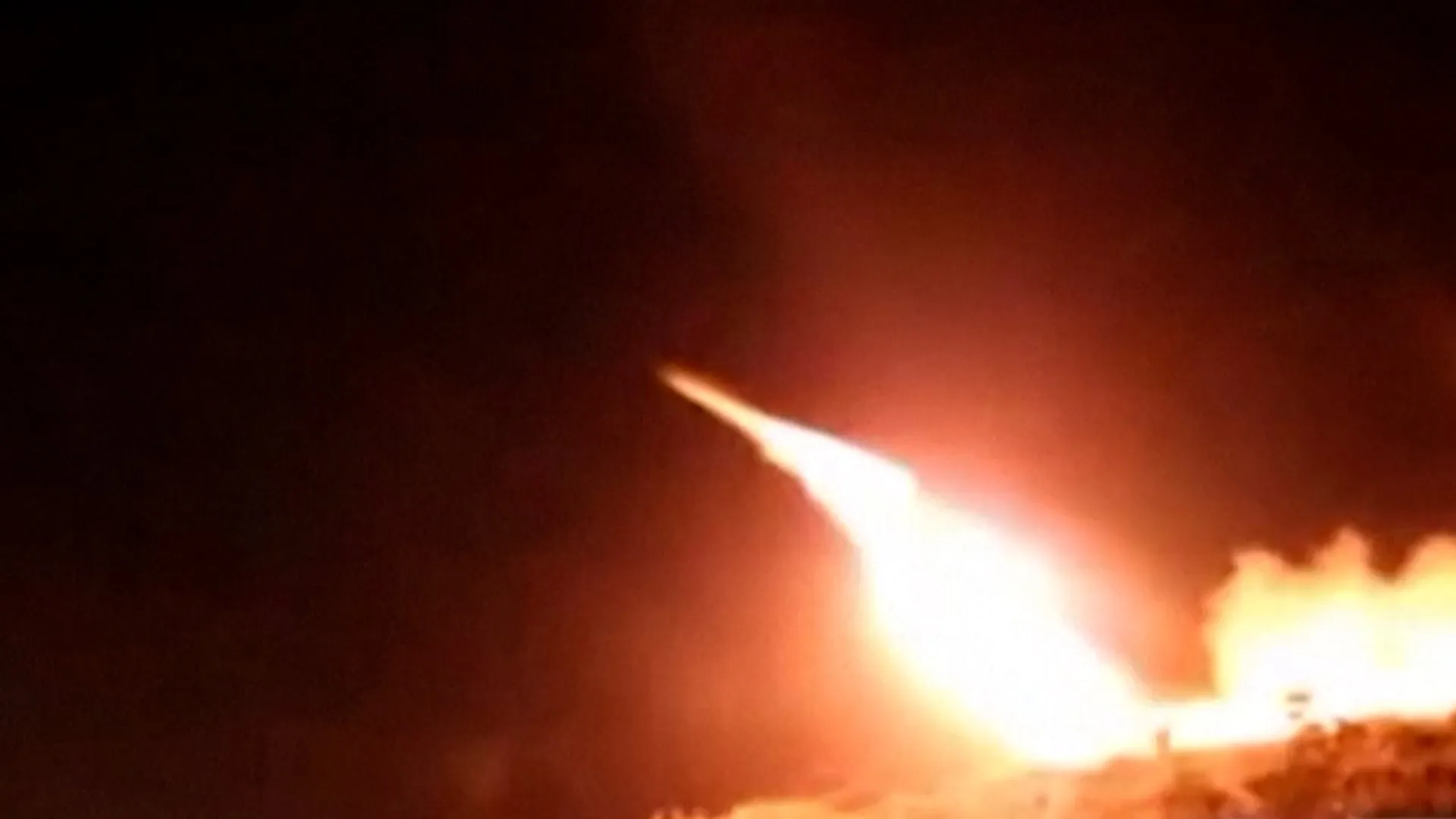
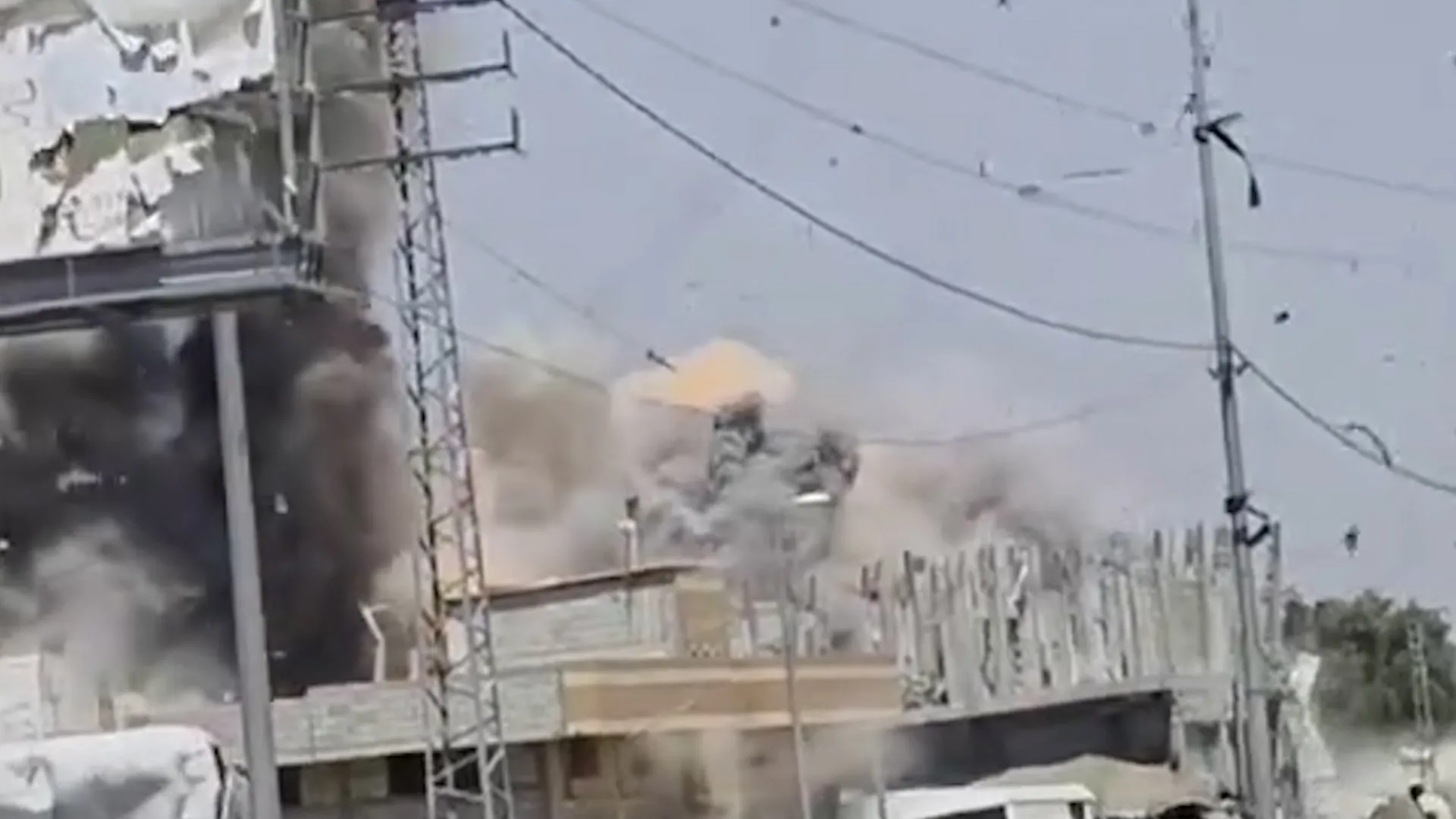
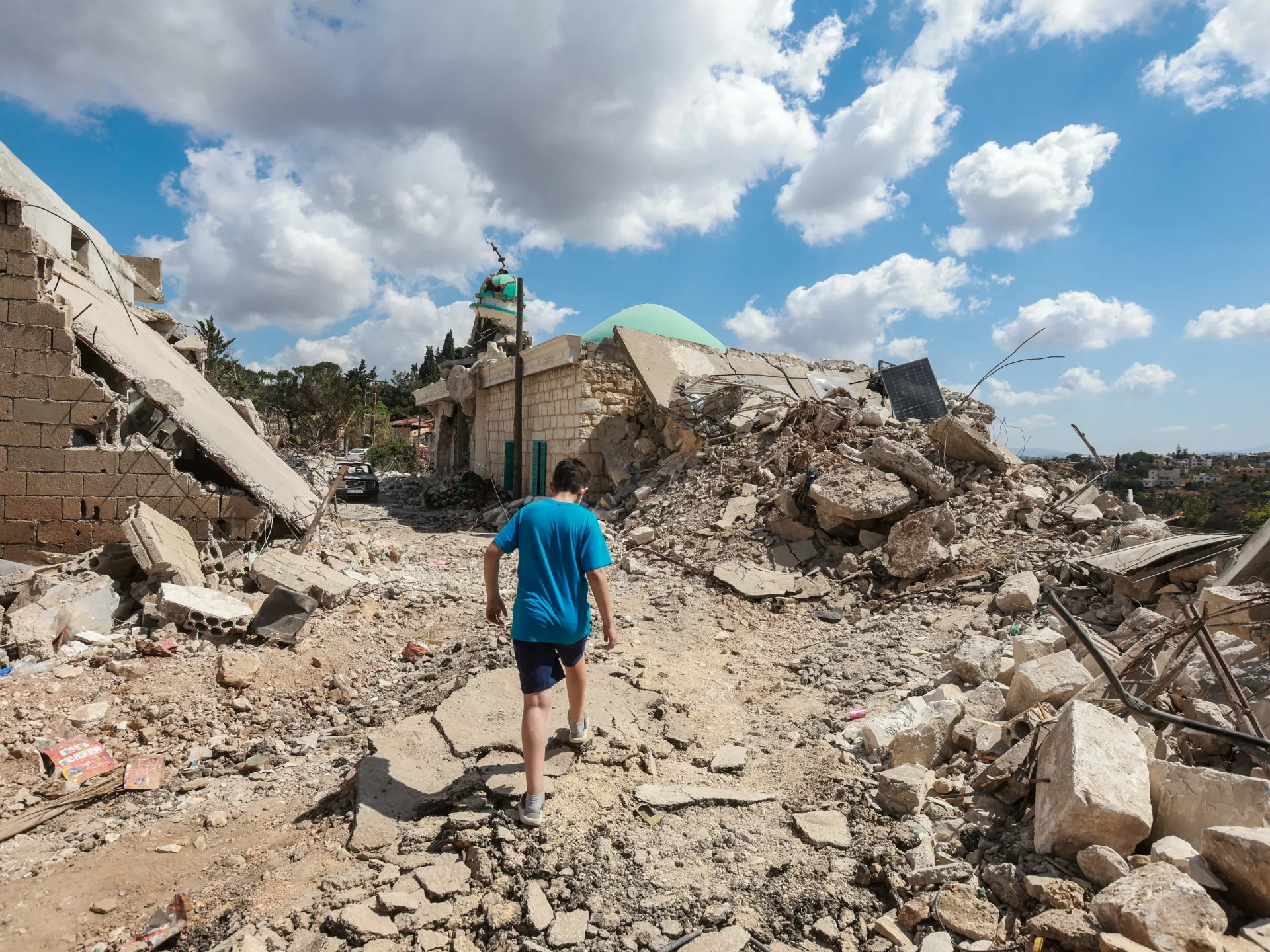
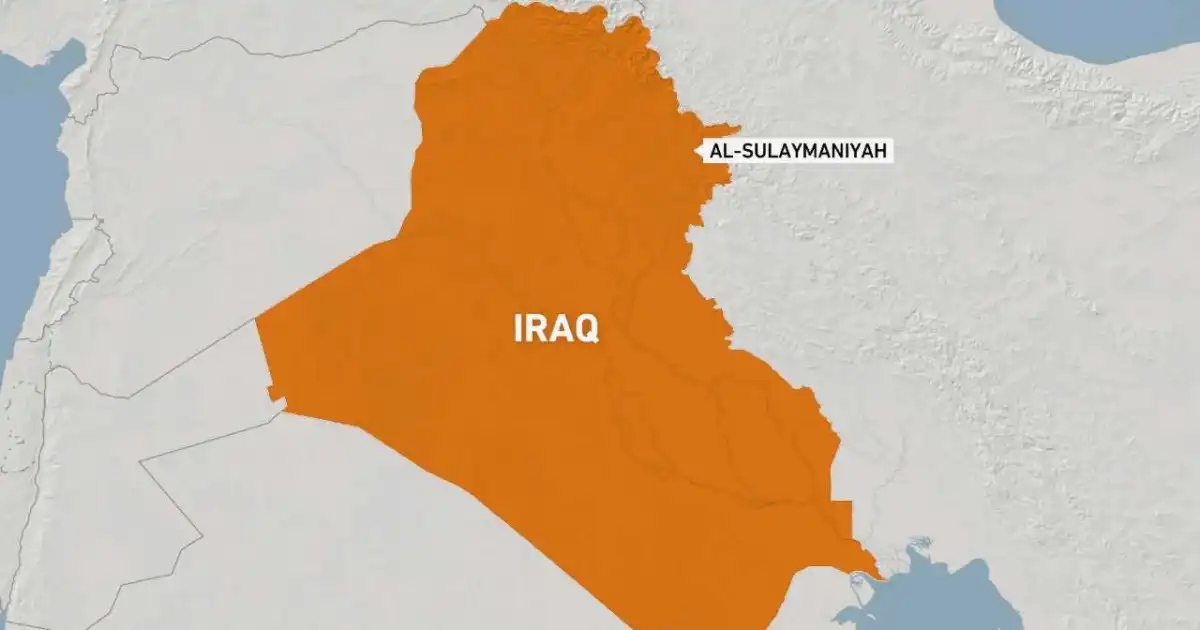
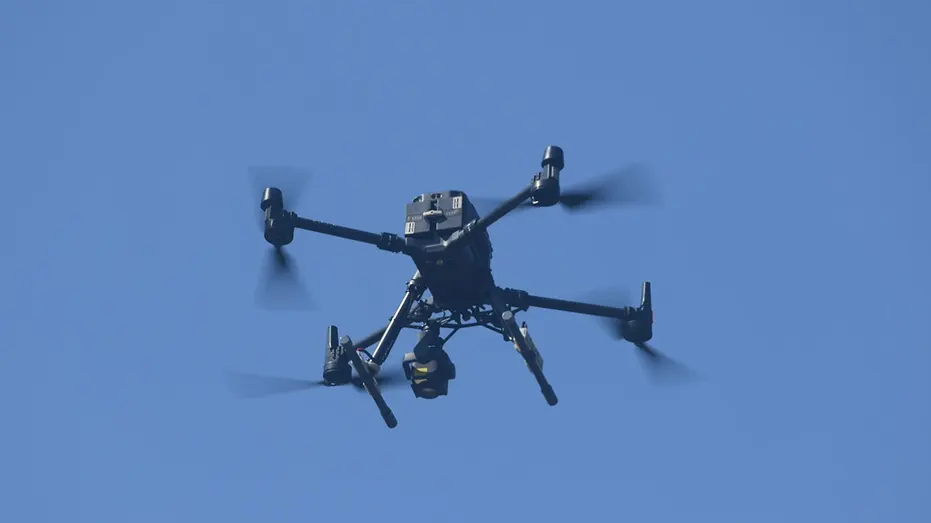
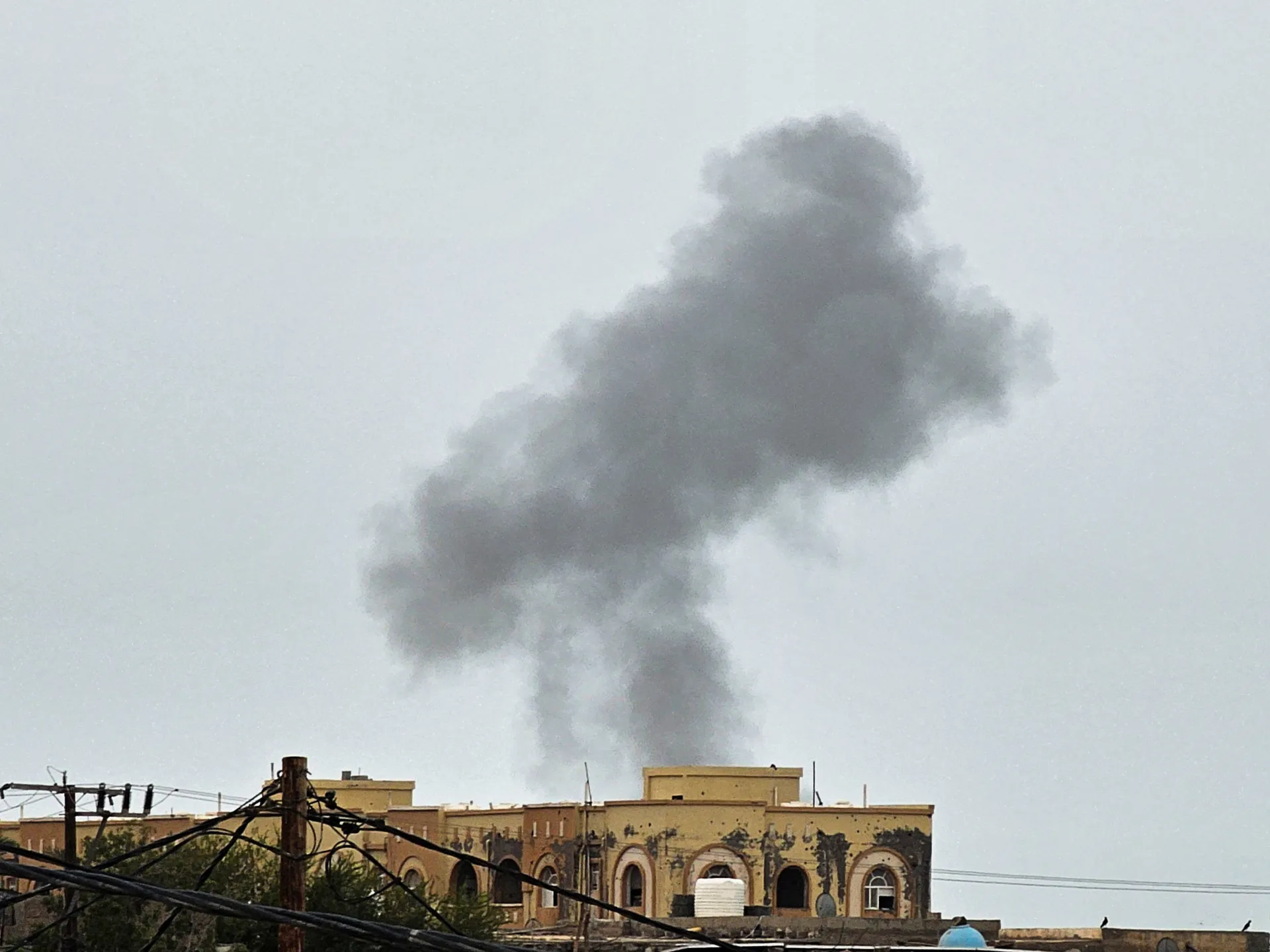
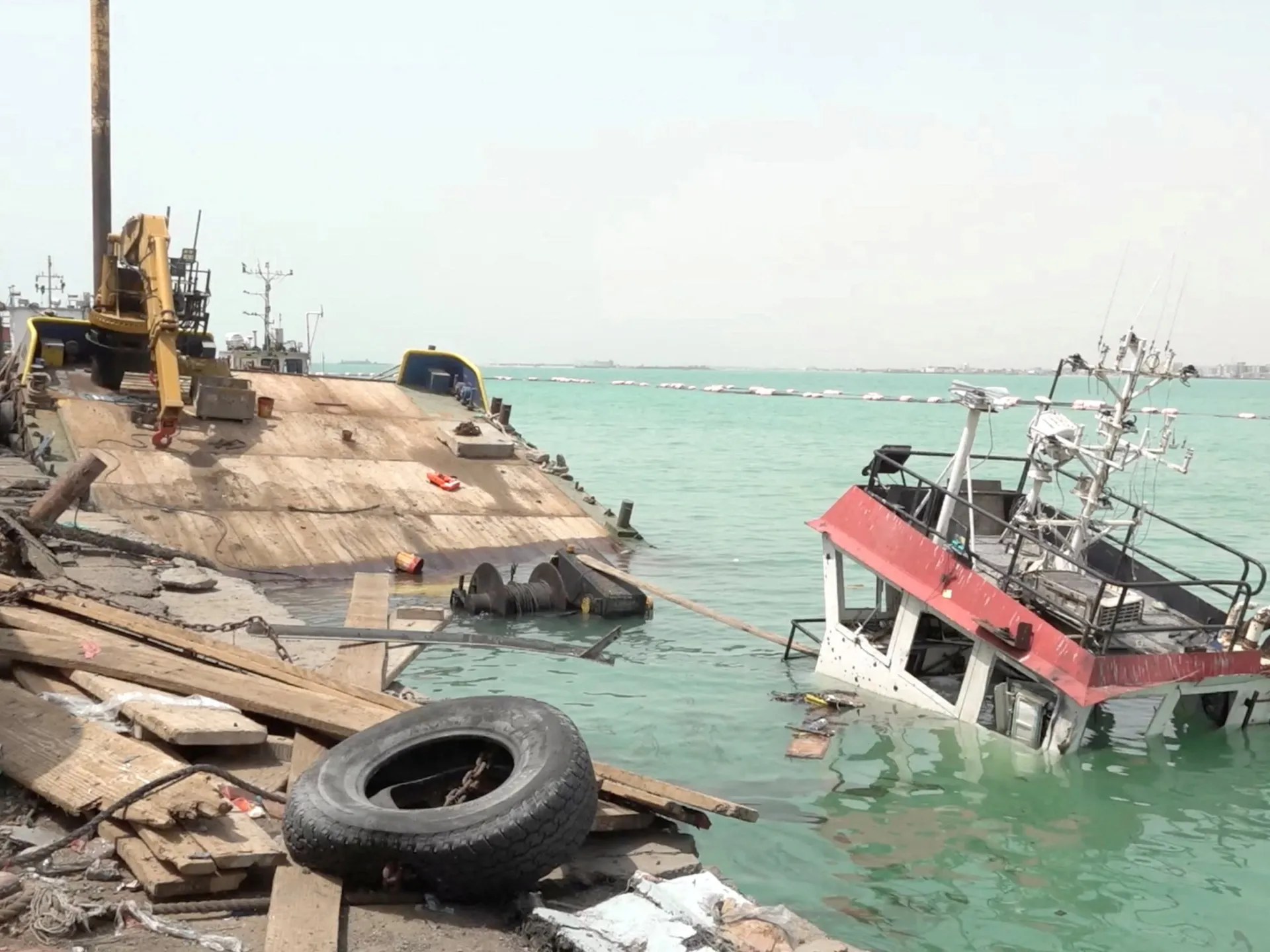
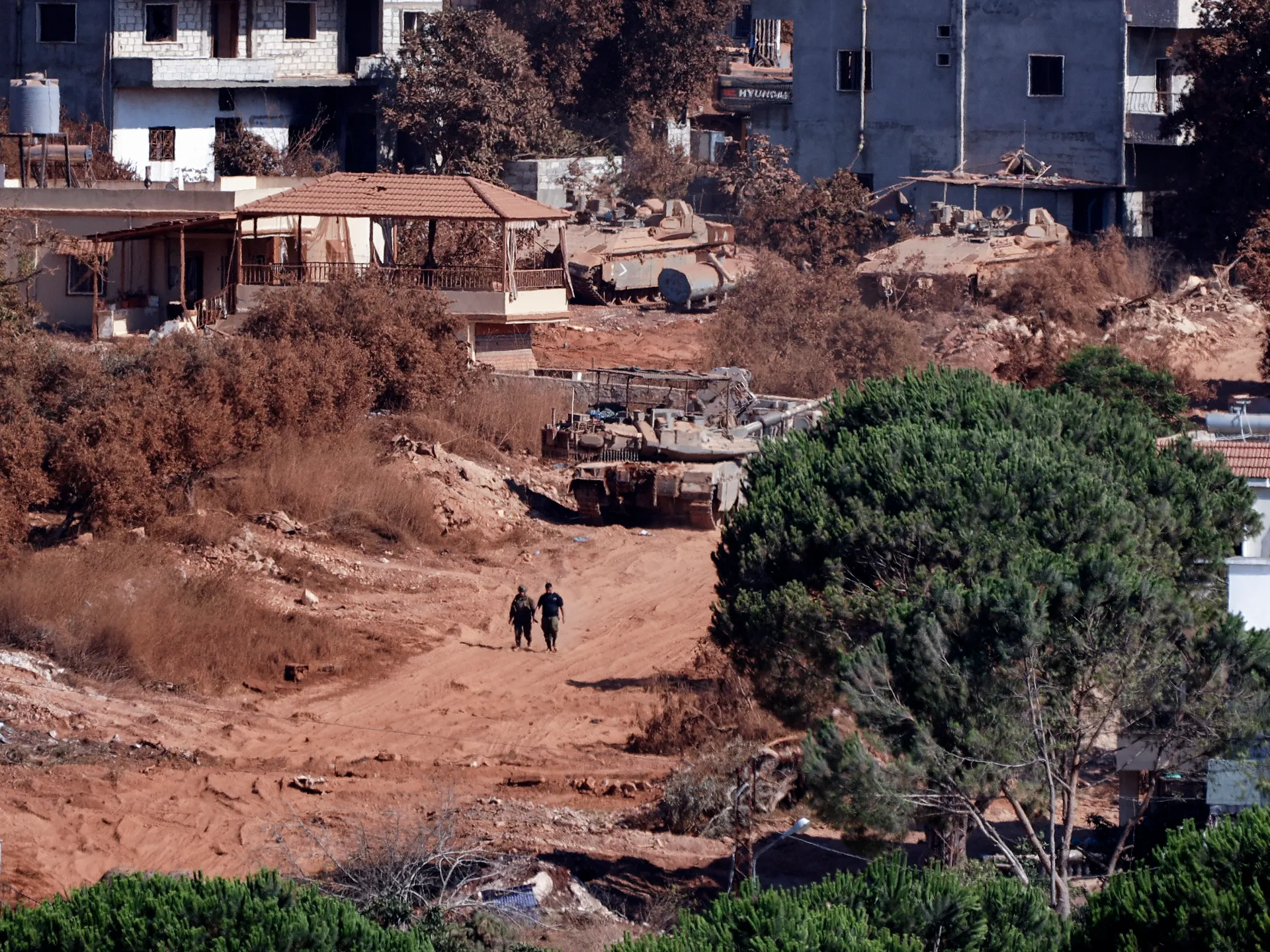
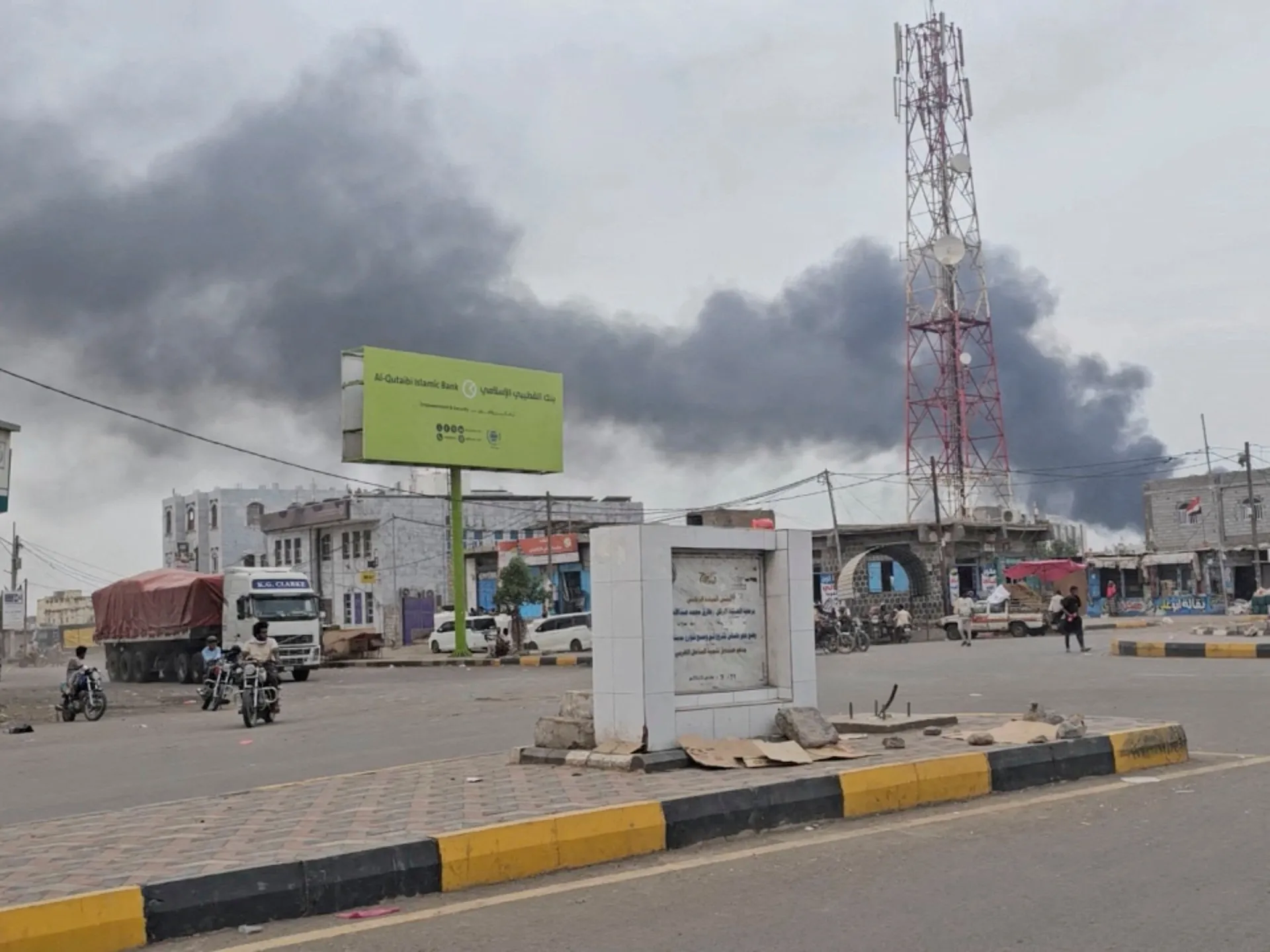
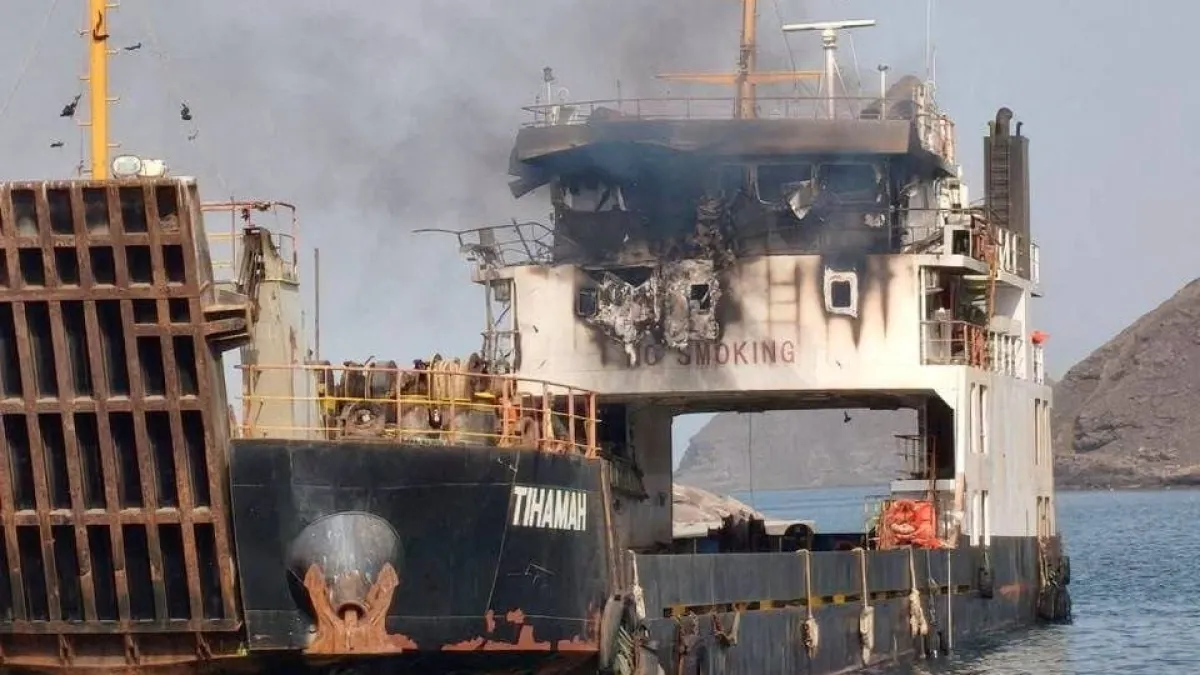
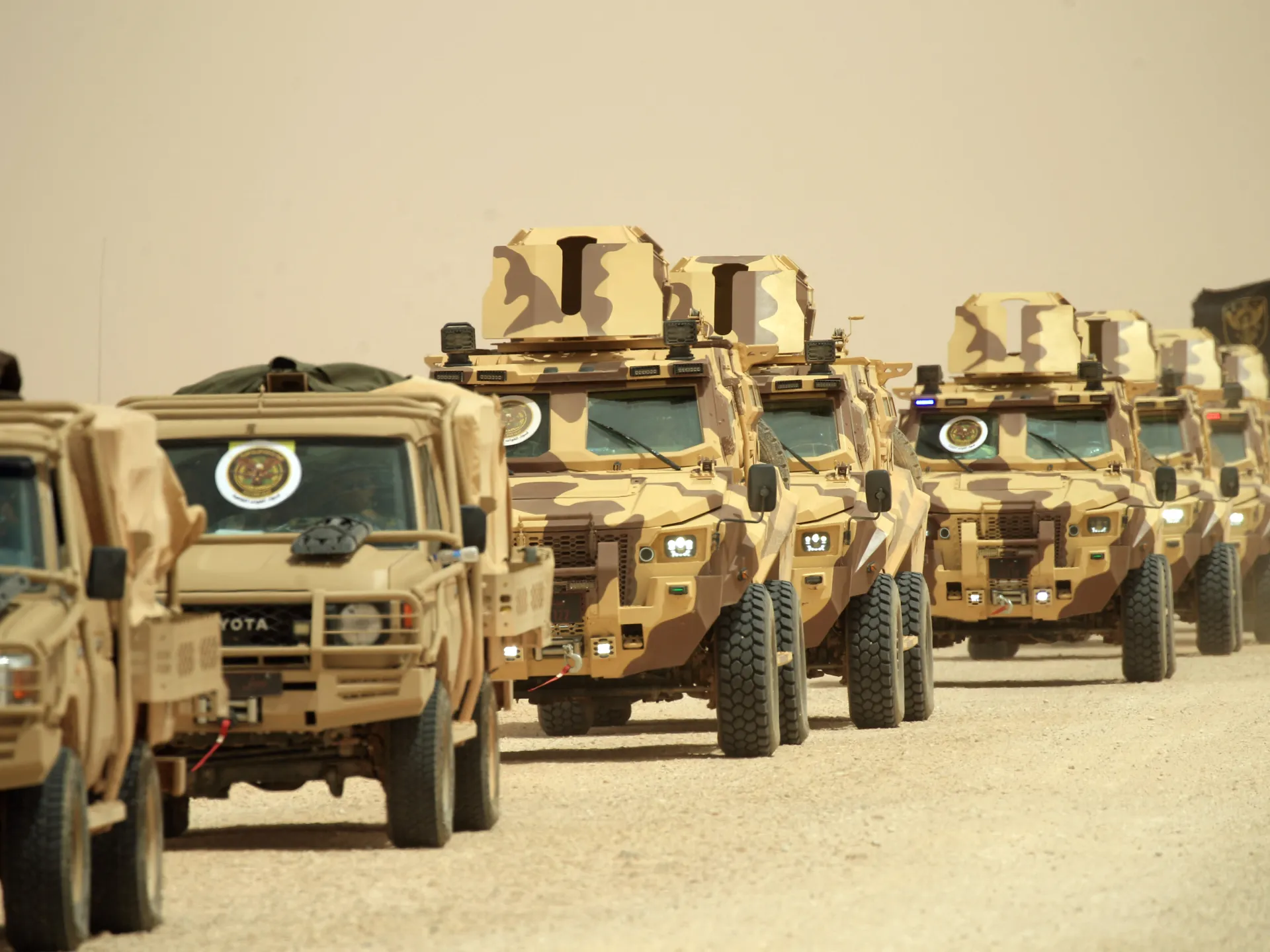
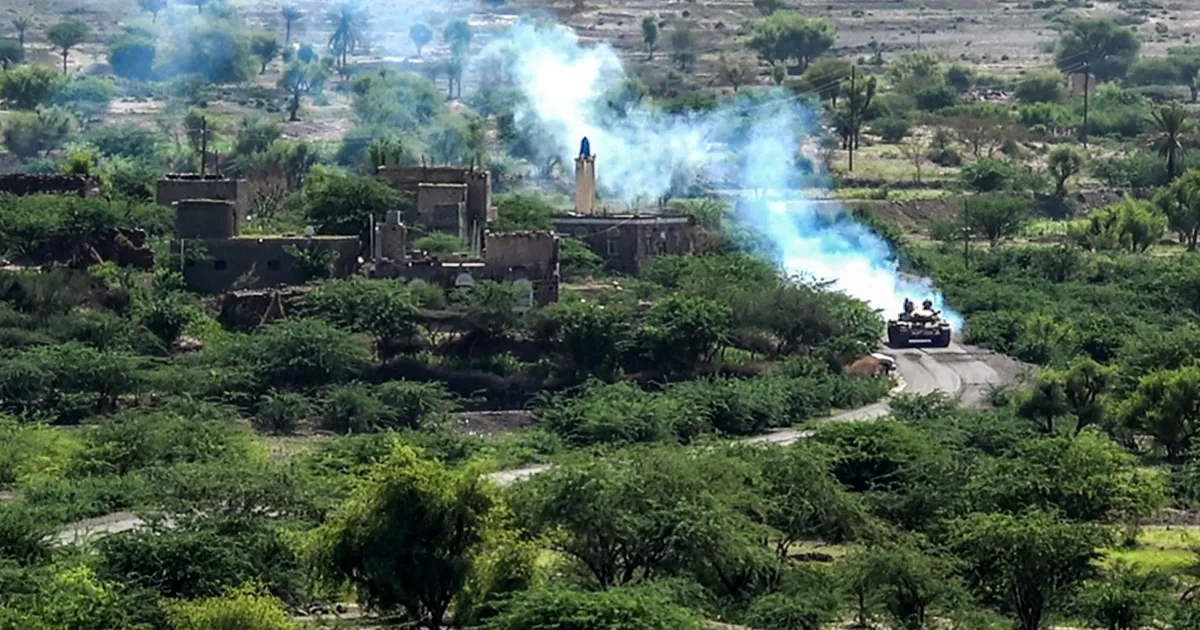
This diplomatic maneuver occurs against a backdrop of intensified regional instability. Since the conflict began on February 28, following joint operations rt pressure. Recent reports indicate that the Houthi movement has escalated its operations, conducting a series of coordinated drone and ballistic missile strikes on September 8. These attacks targeted critical Saudi infrastructure in locations such as Abha, Jizan, and Najran, marking a significant outward expansion of the conflict that had previously been contained largely within Yemeni borders.
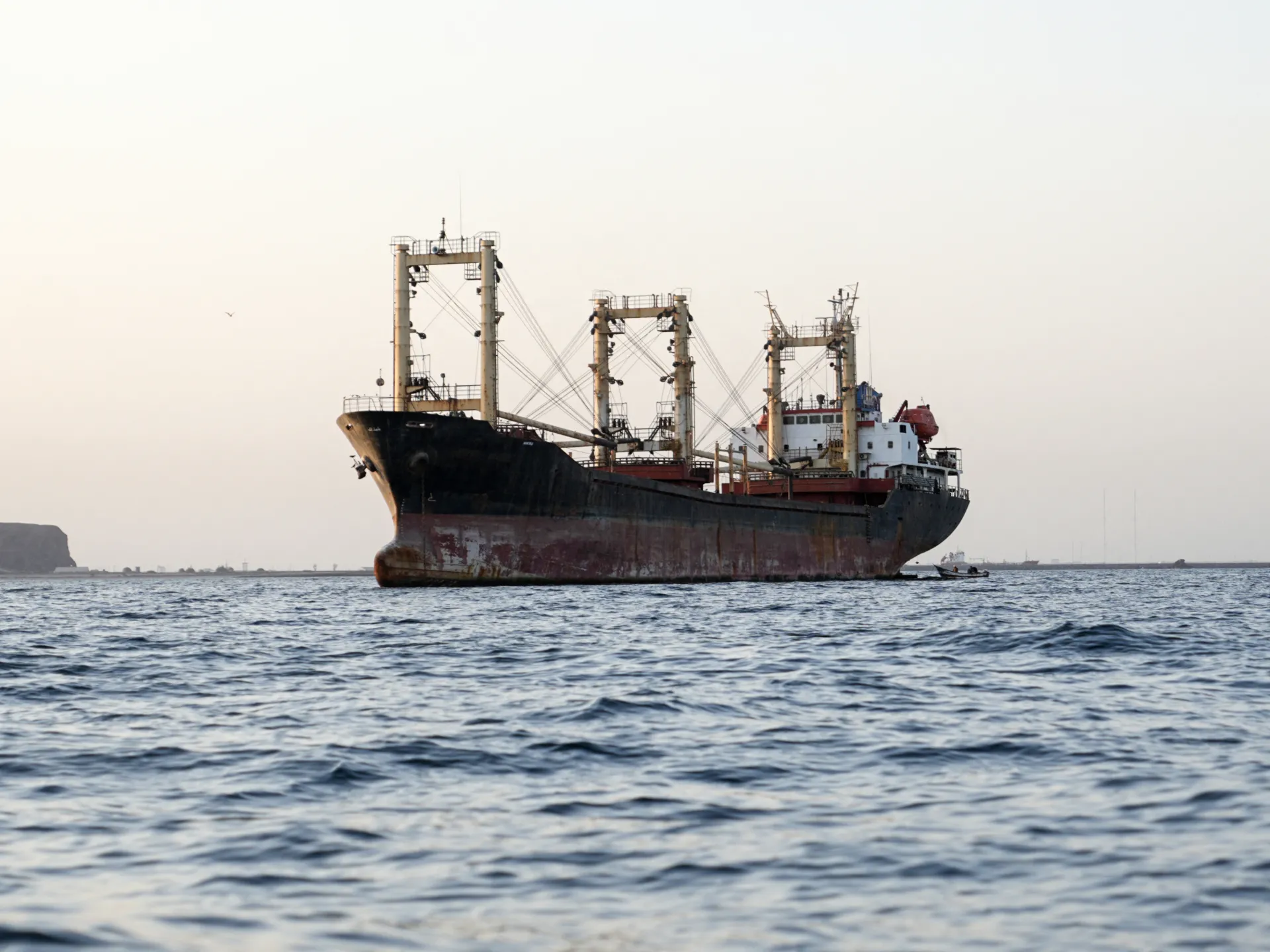
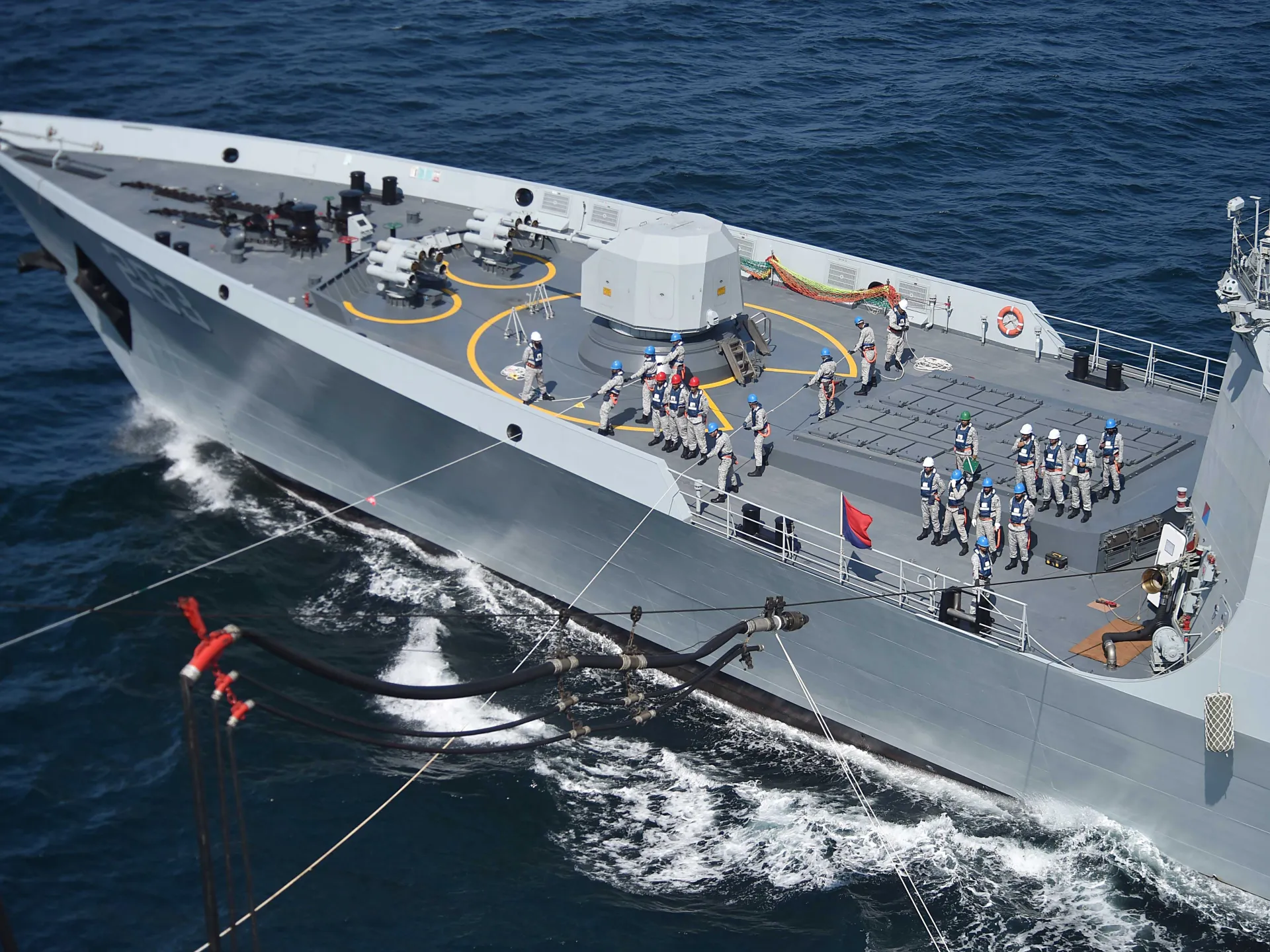
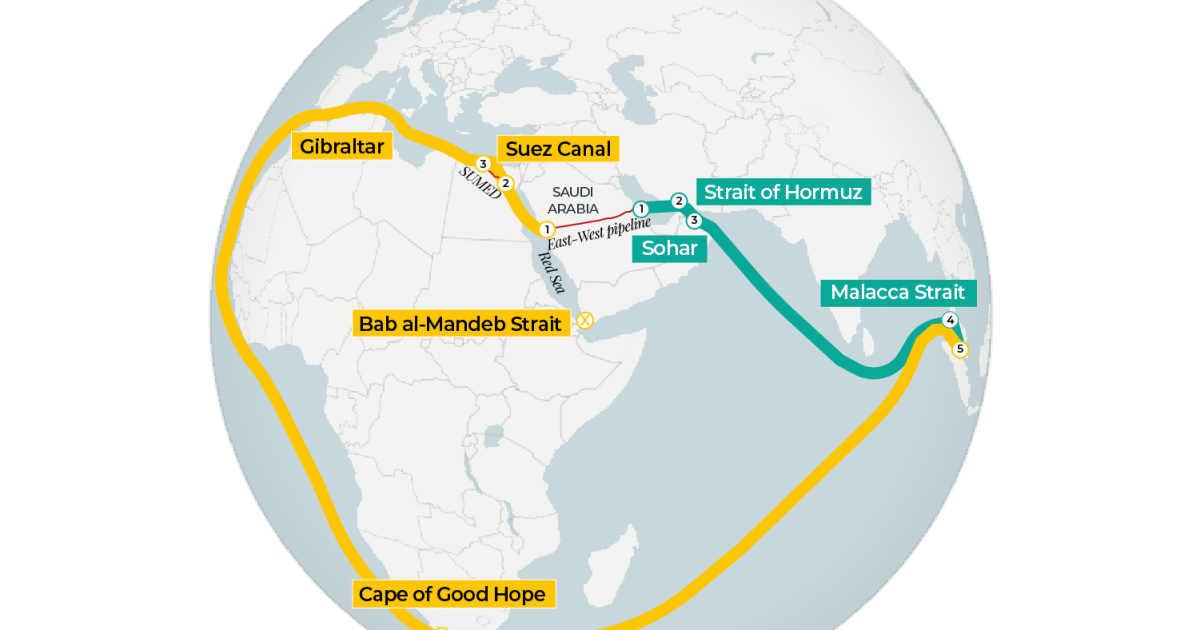
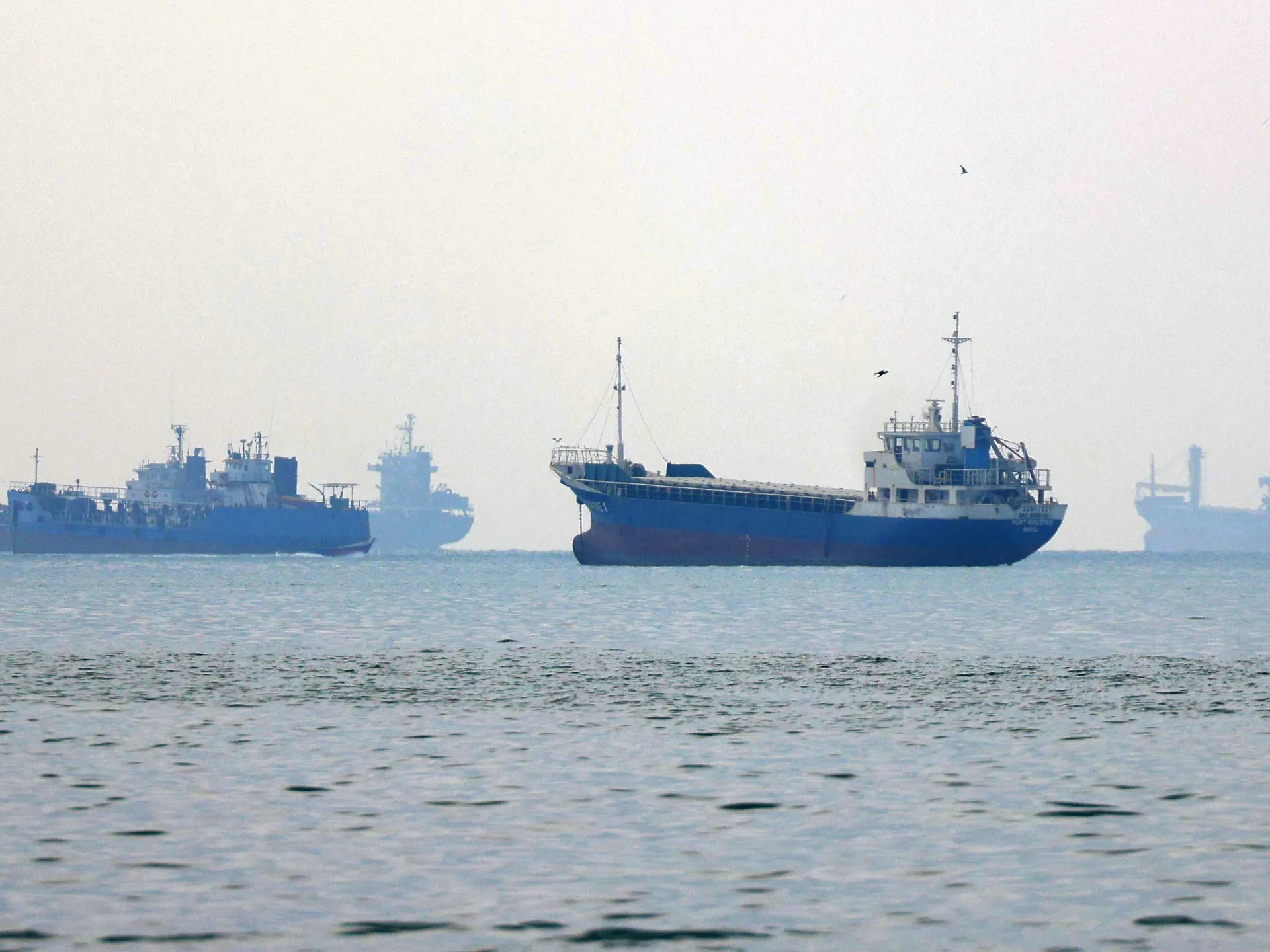
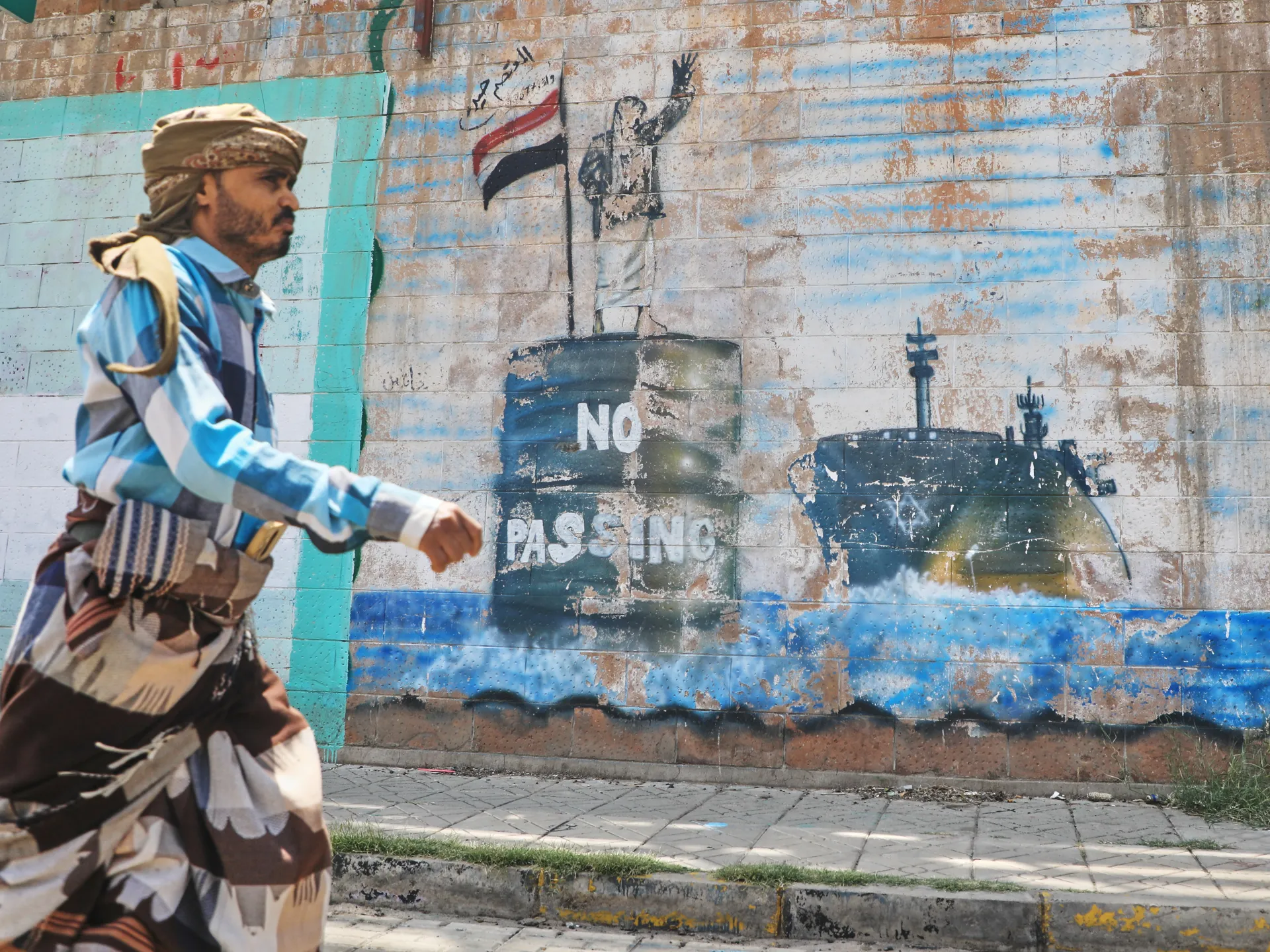
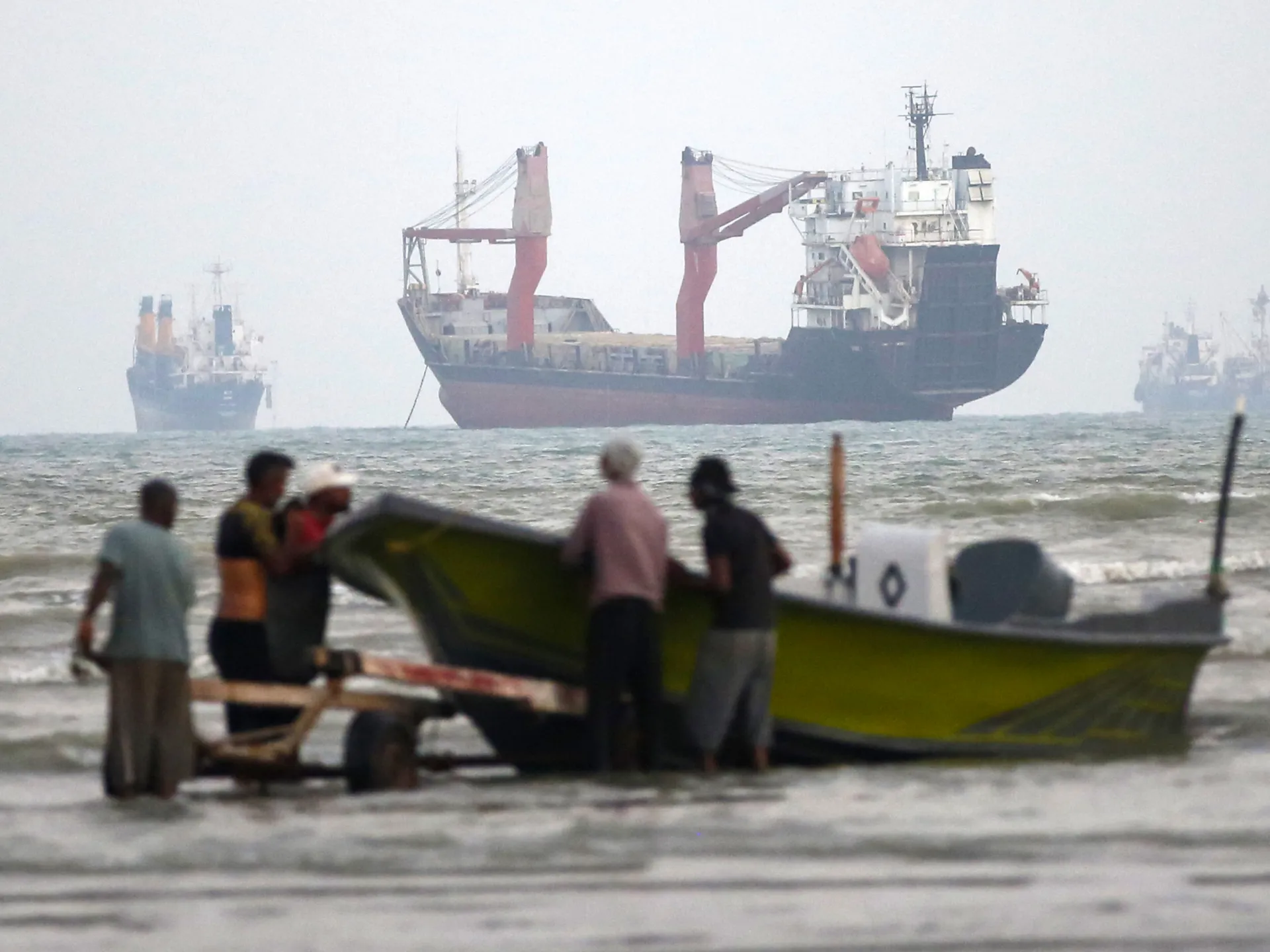
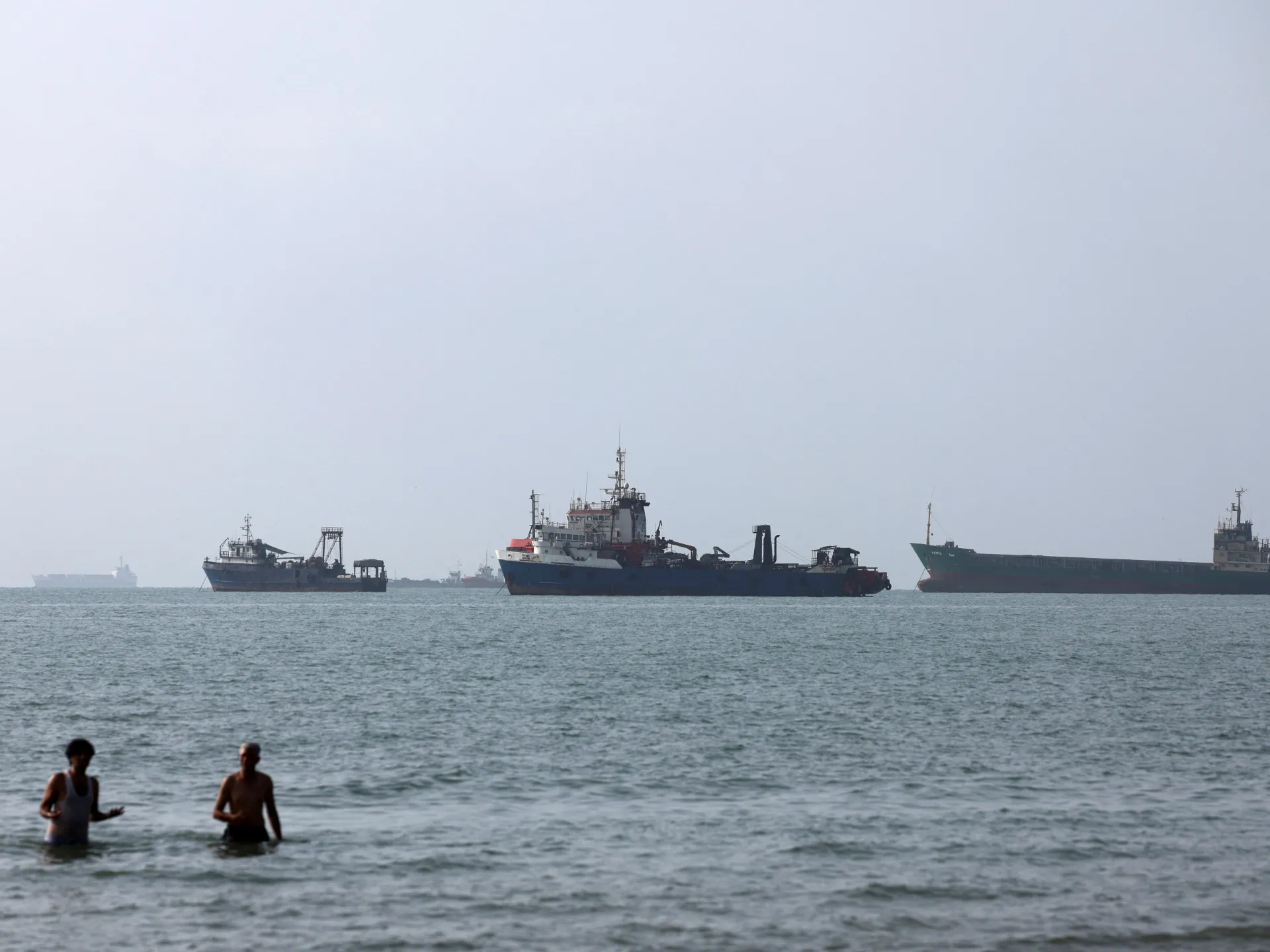
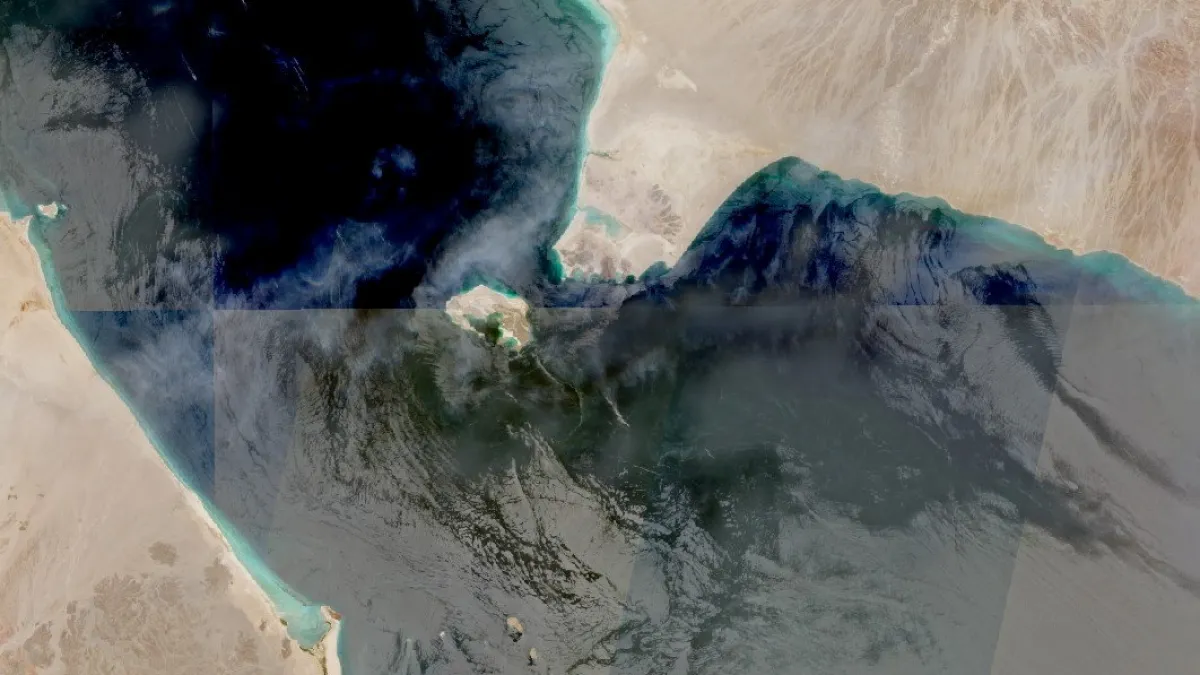
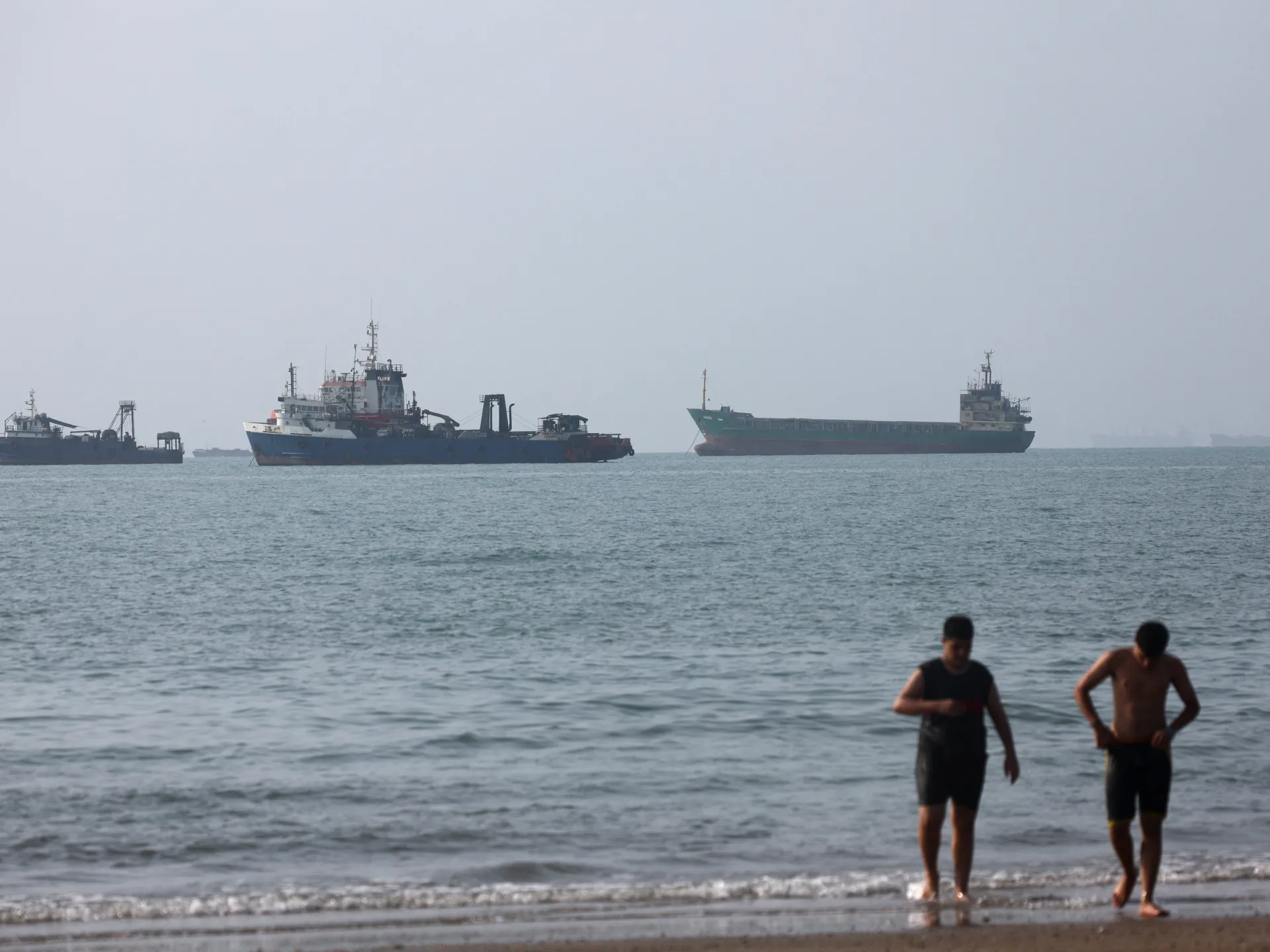
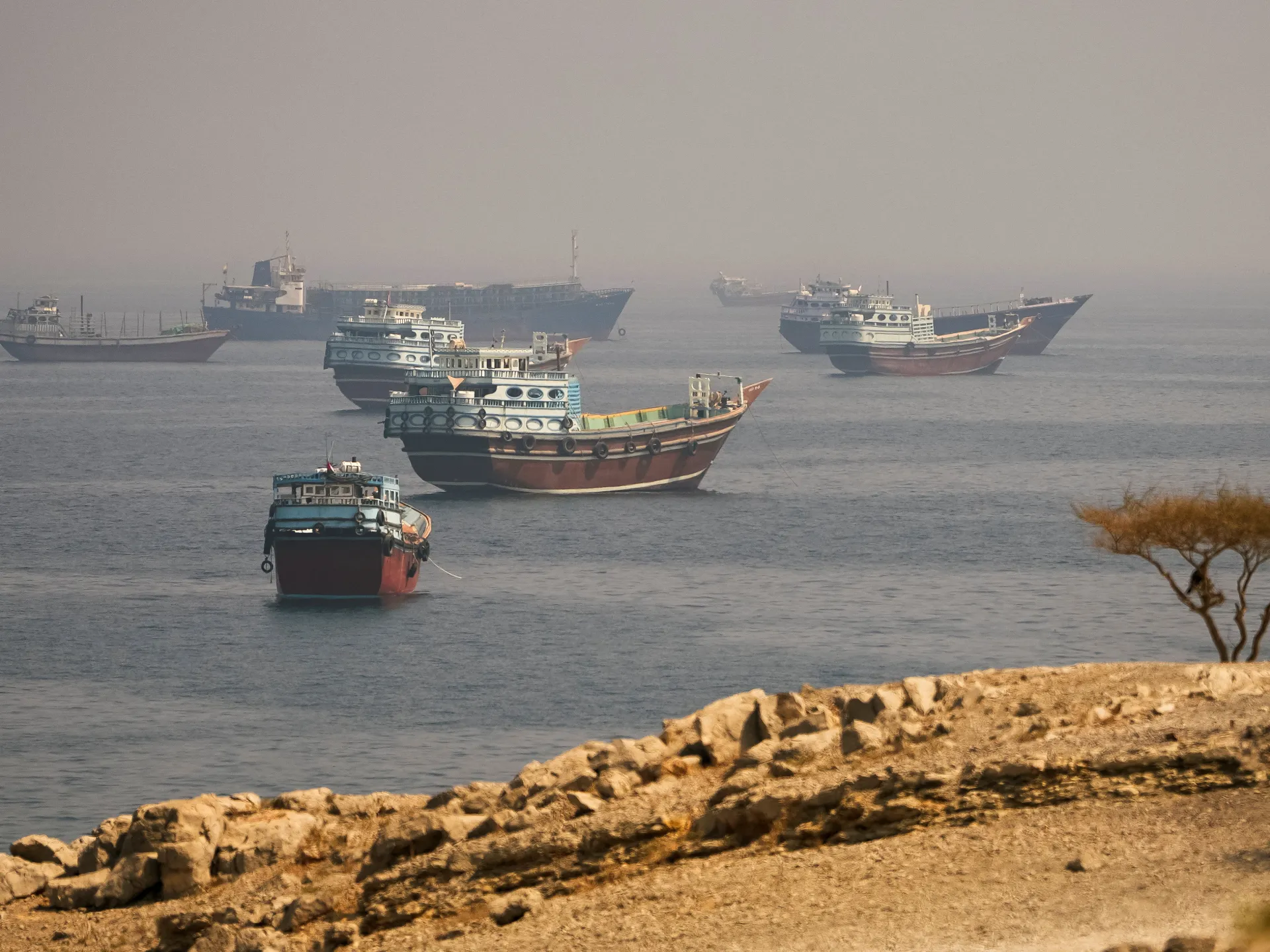
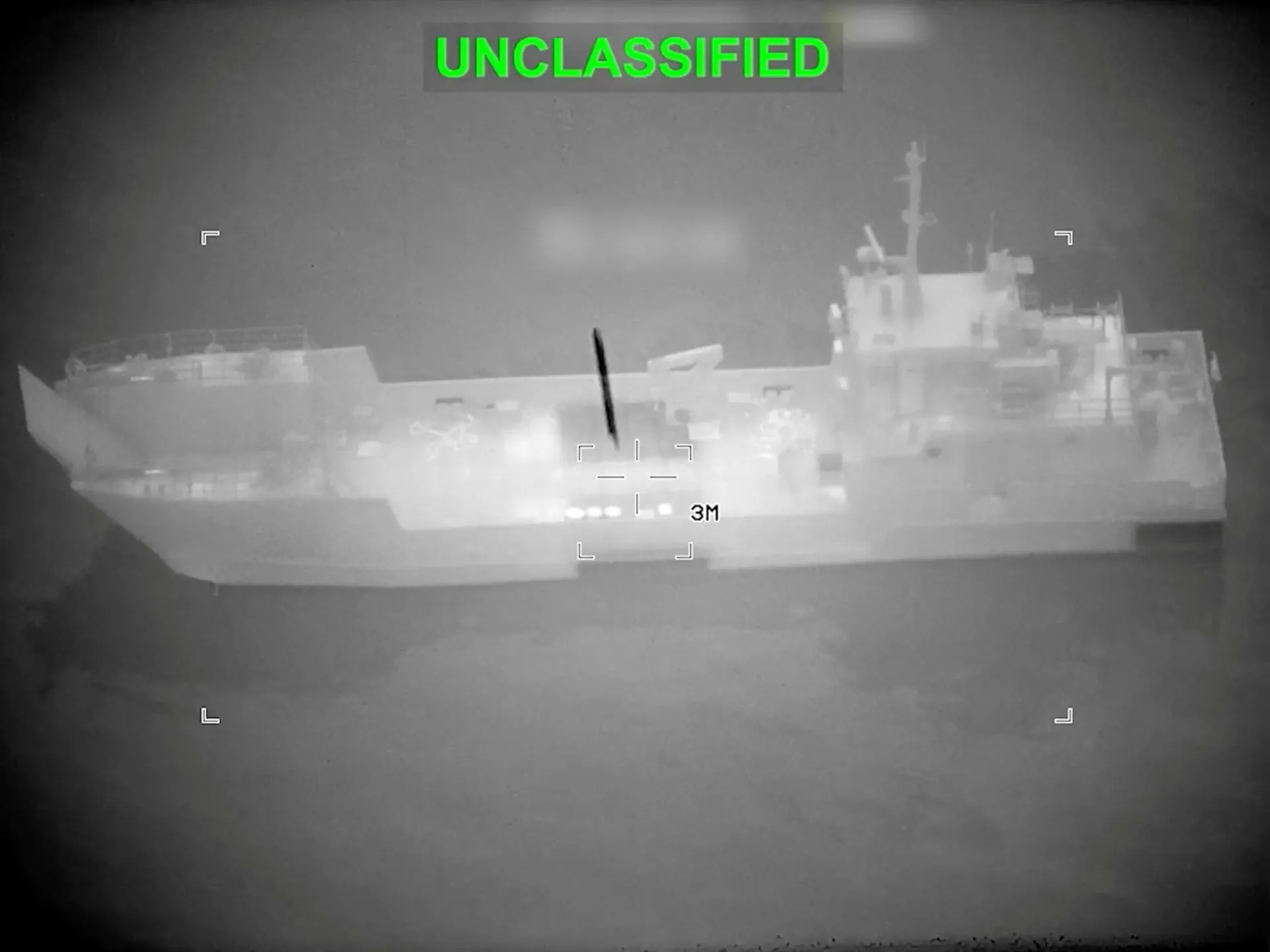
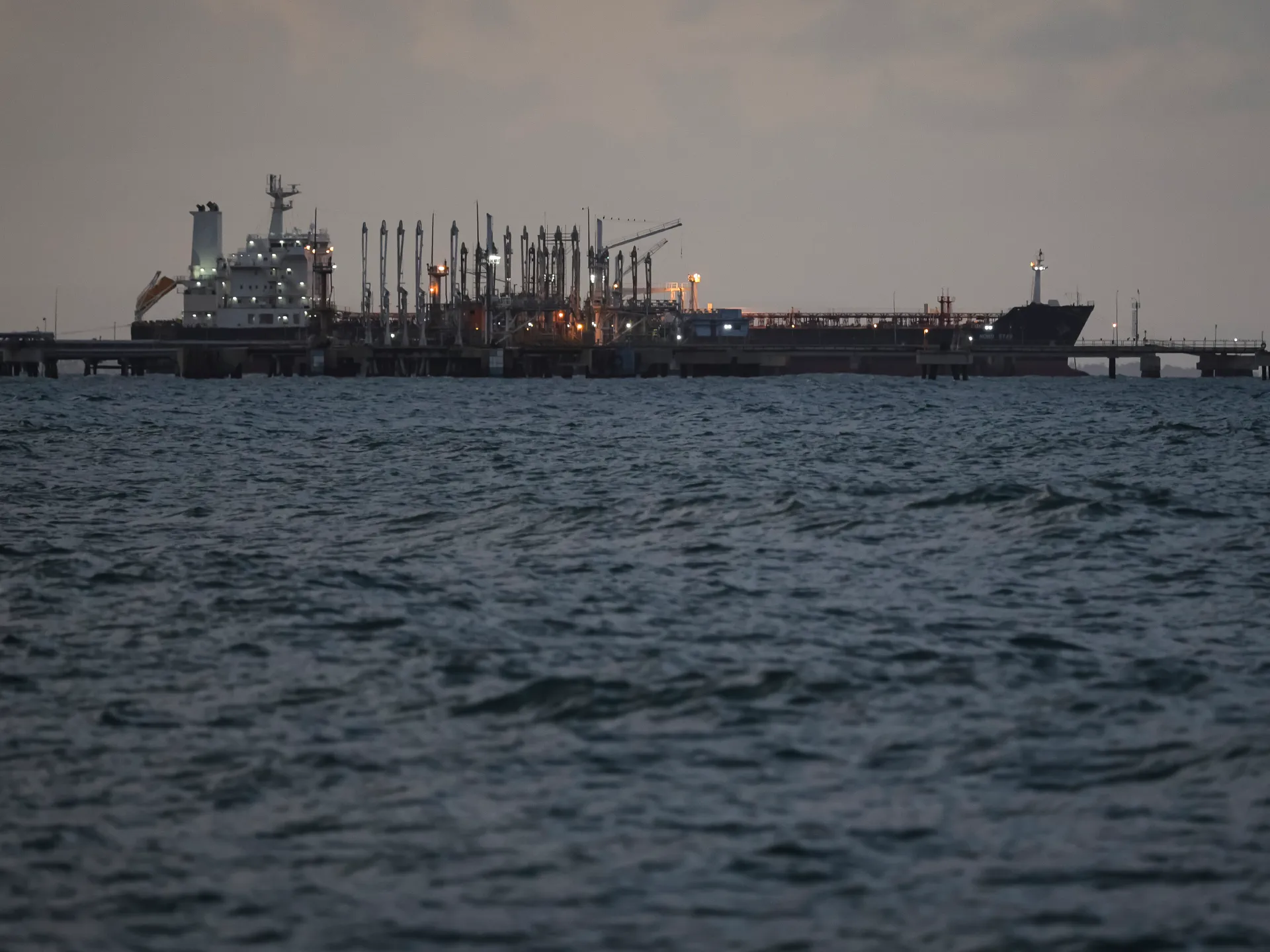
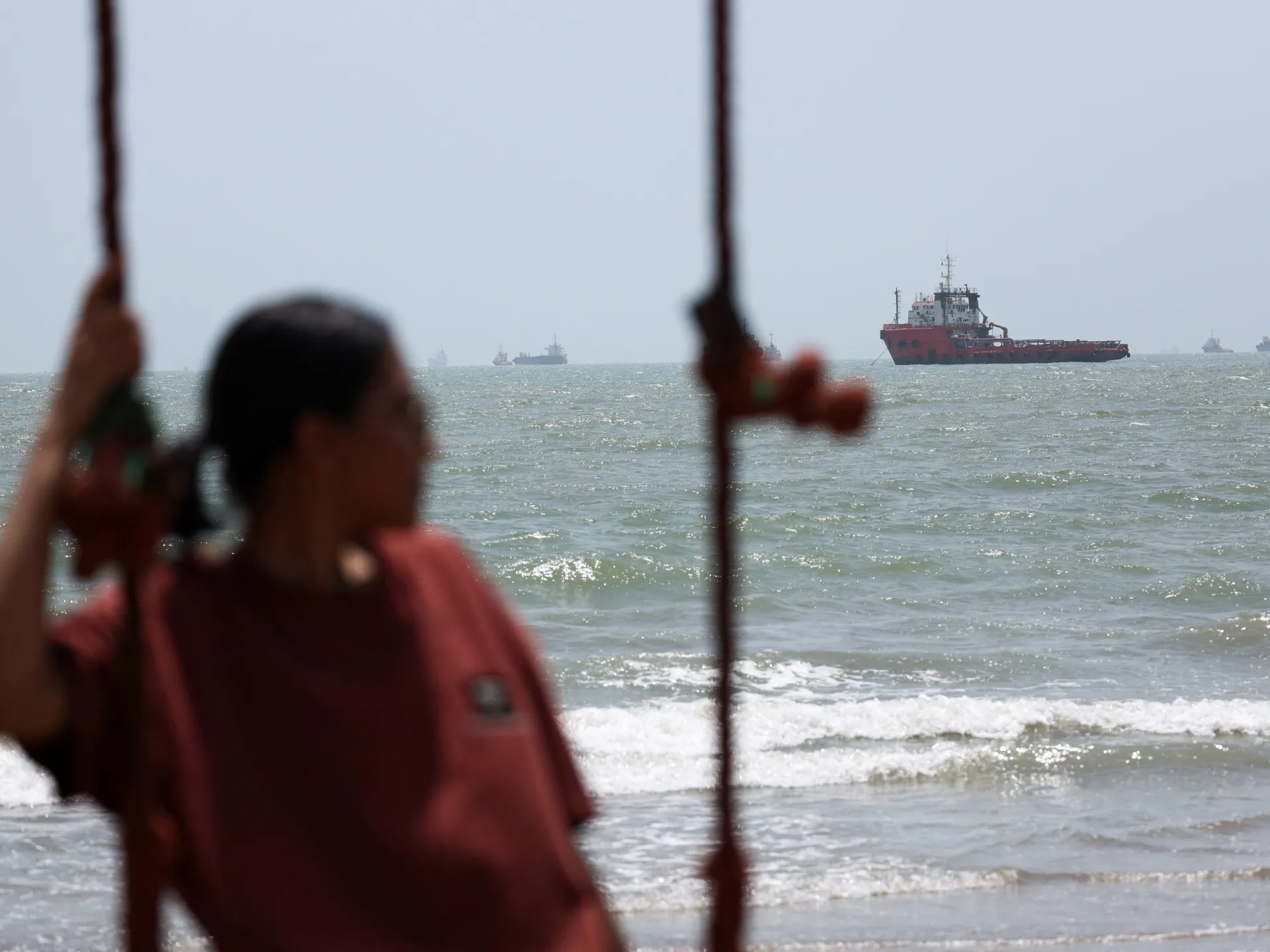
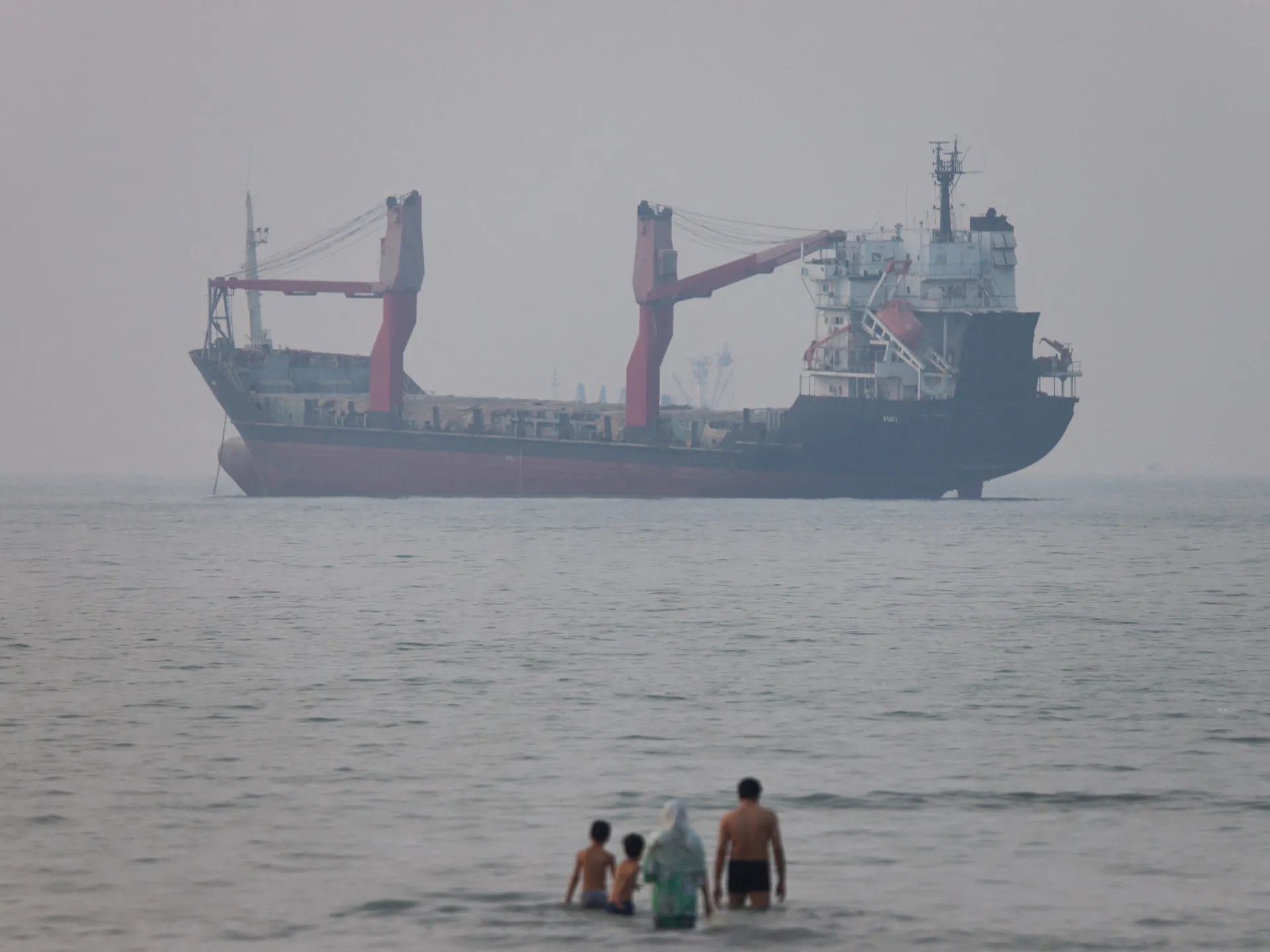
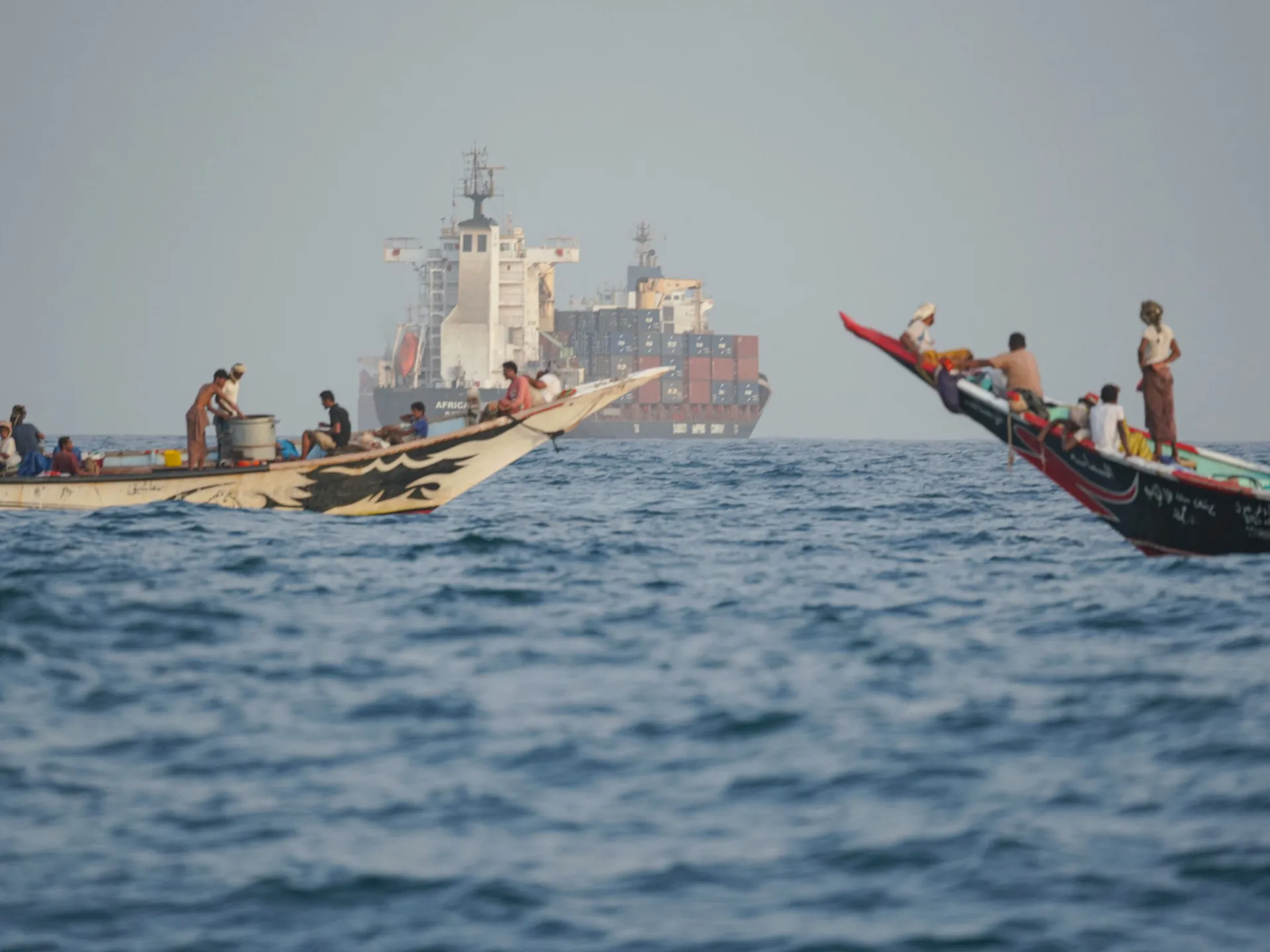
The security landscape in the Gulf has deteriorated significantly, threatening the fragile rapprochement brokered recent Houthi activity near the Bab al-Mandeb strait has created a new, dangerous variable. Control over this maritime chokepoint is now central to the regional power struggle, as Iran seeks to maintain its leverage while the U.S. and its allies attempt to secure energy export routes.
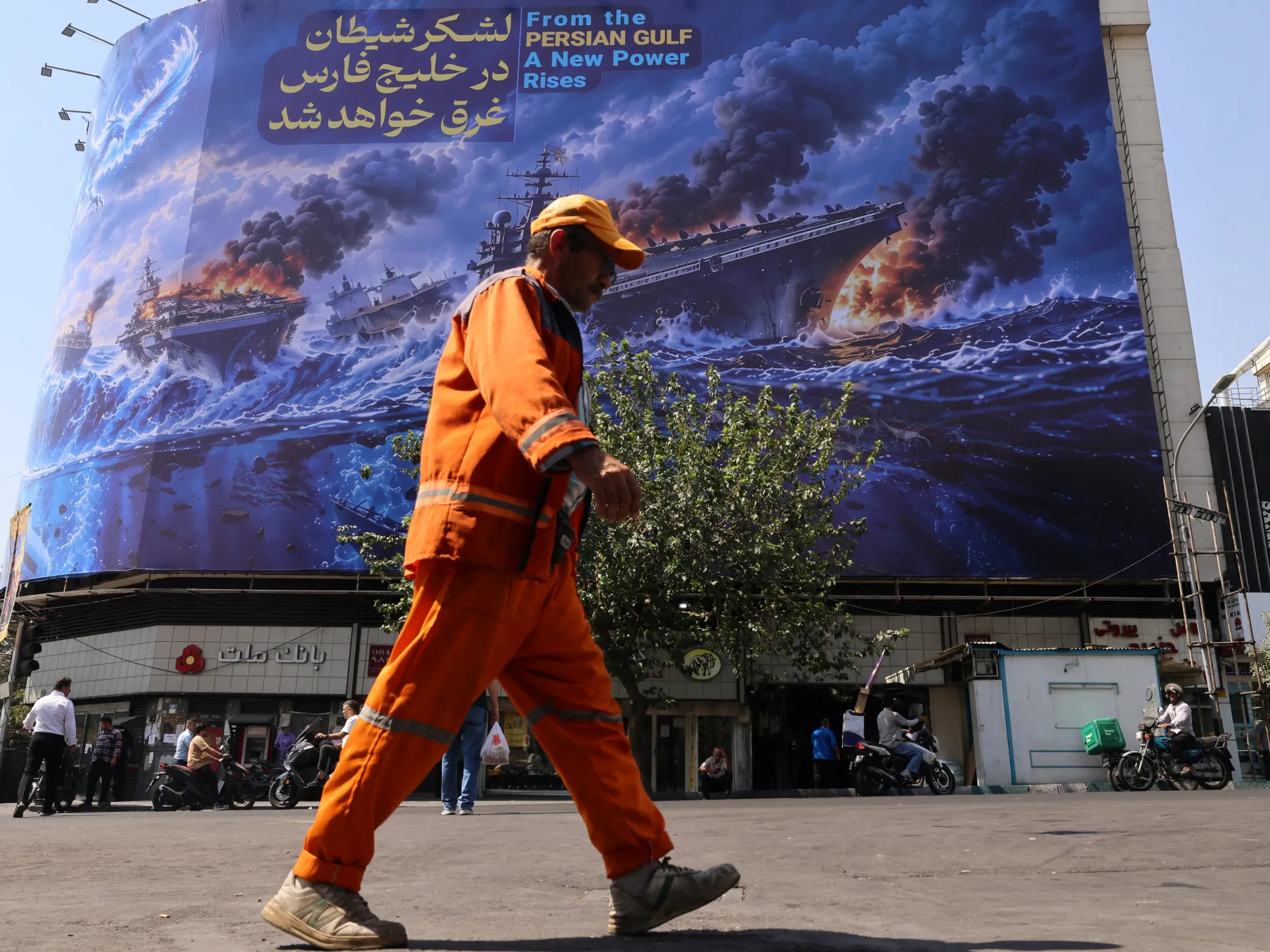
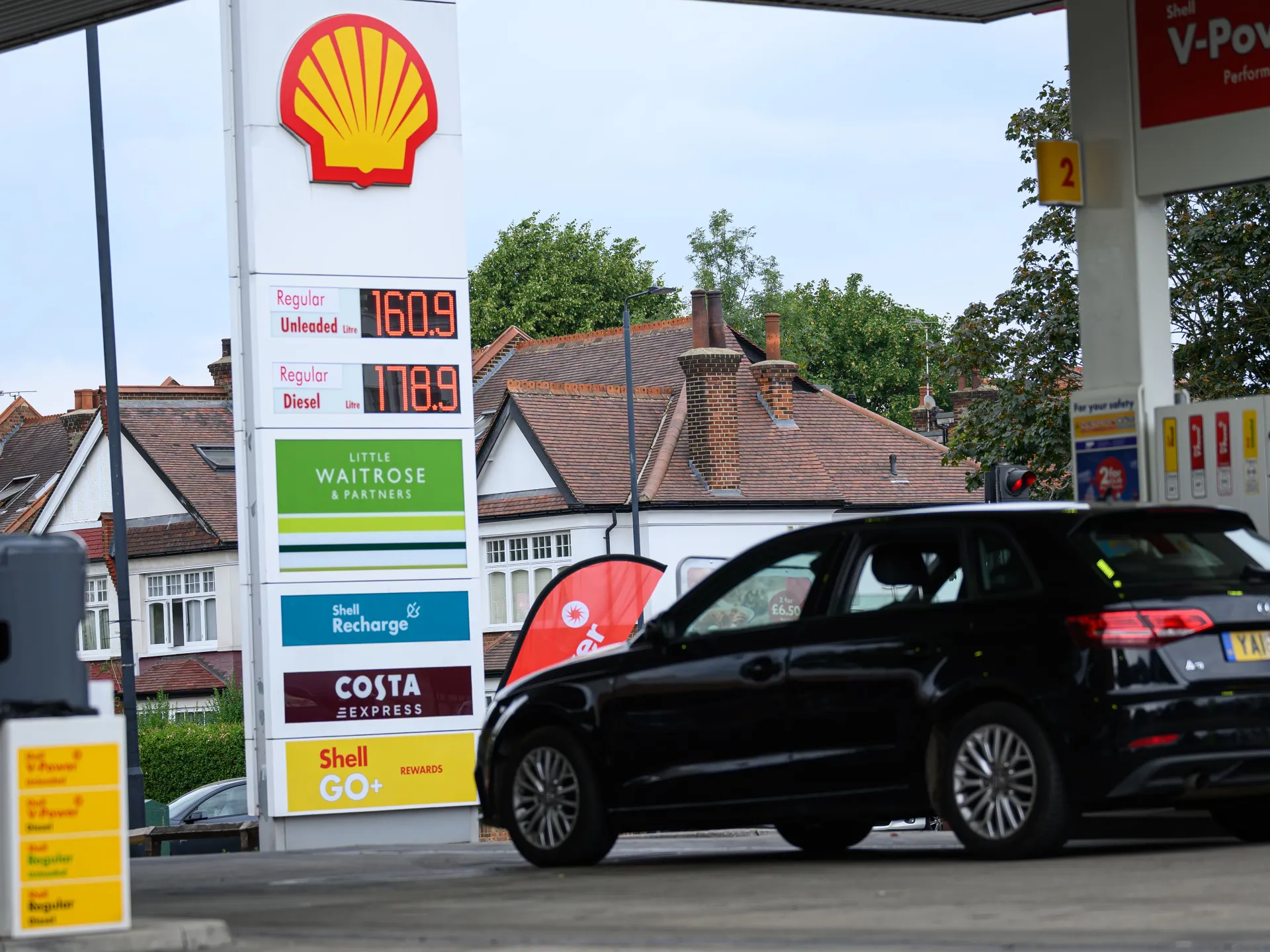
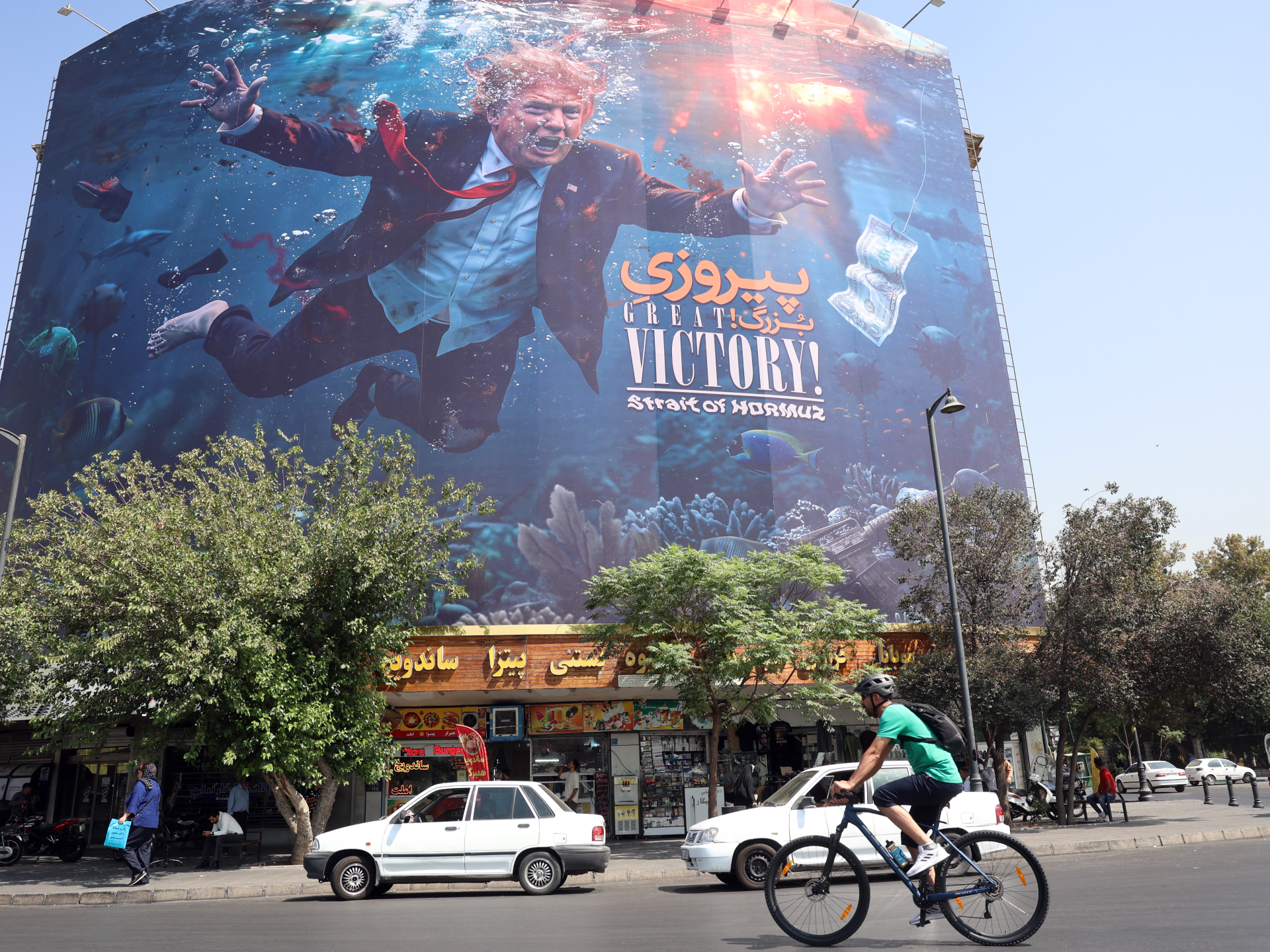
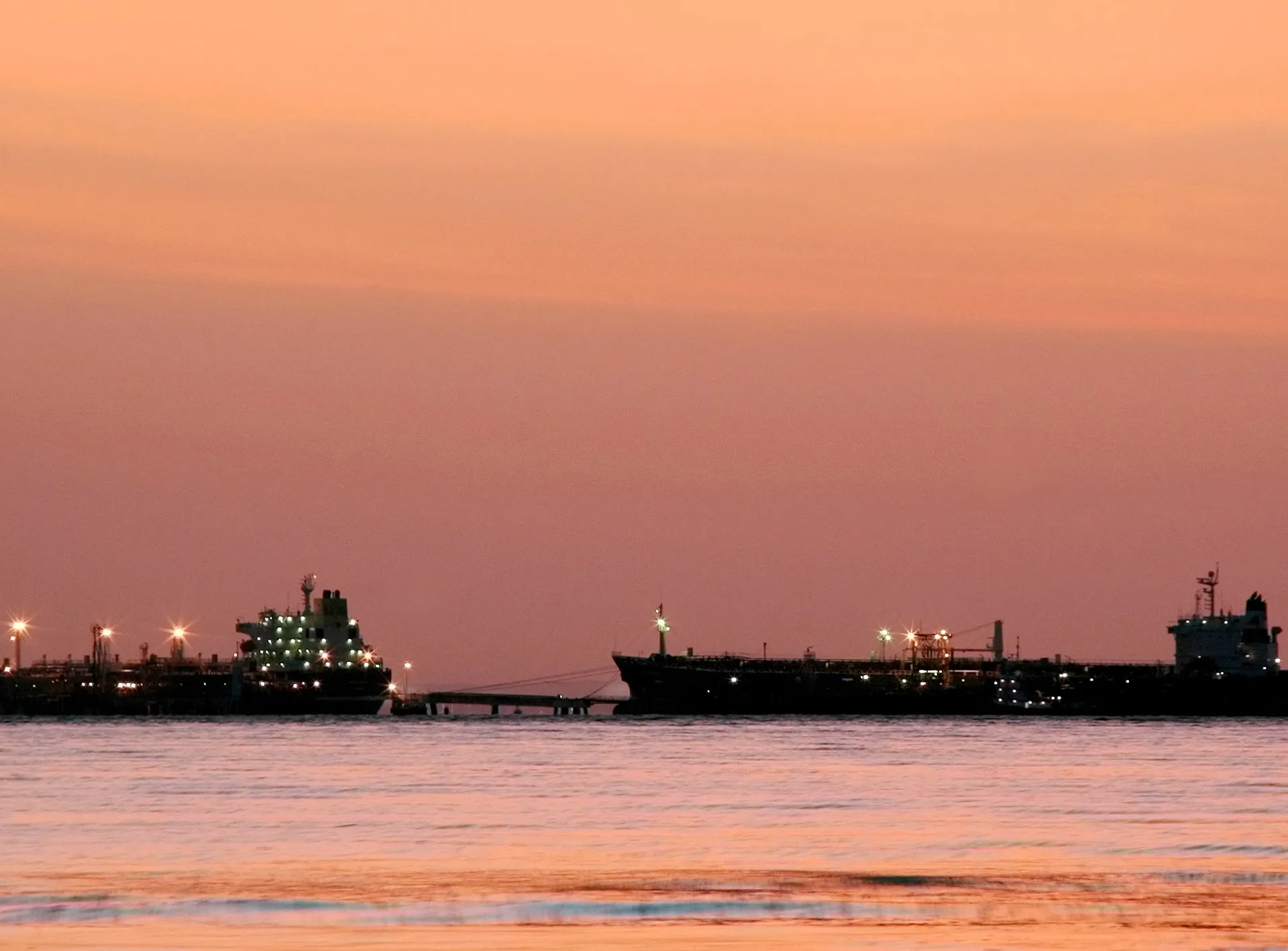
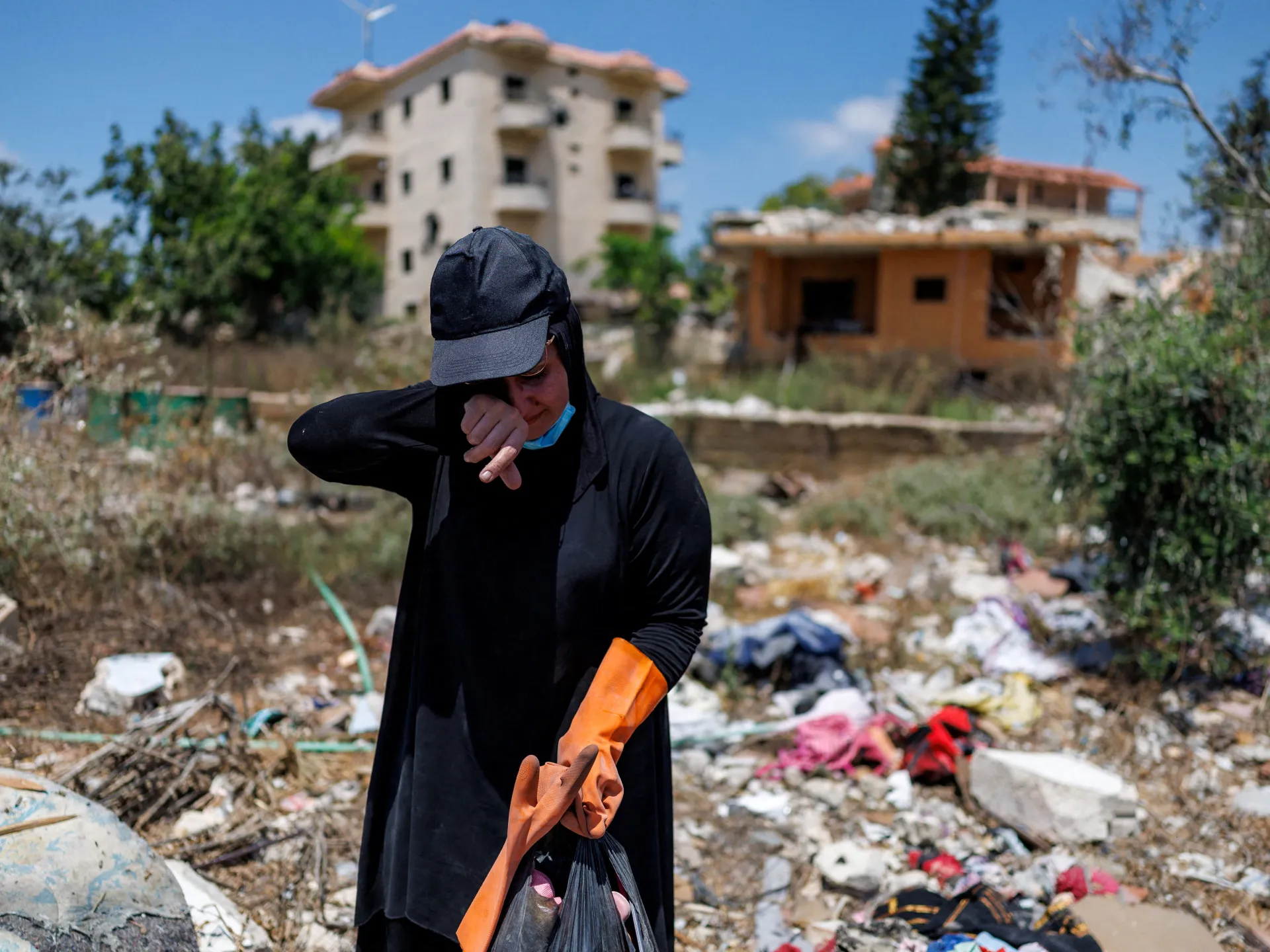
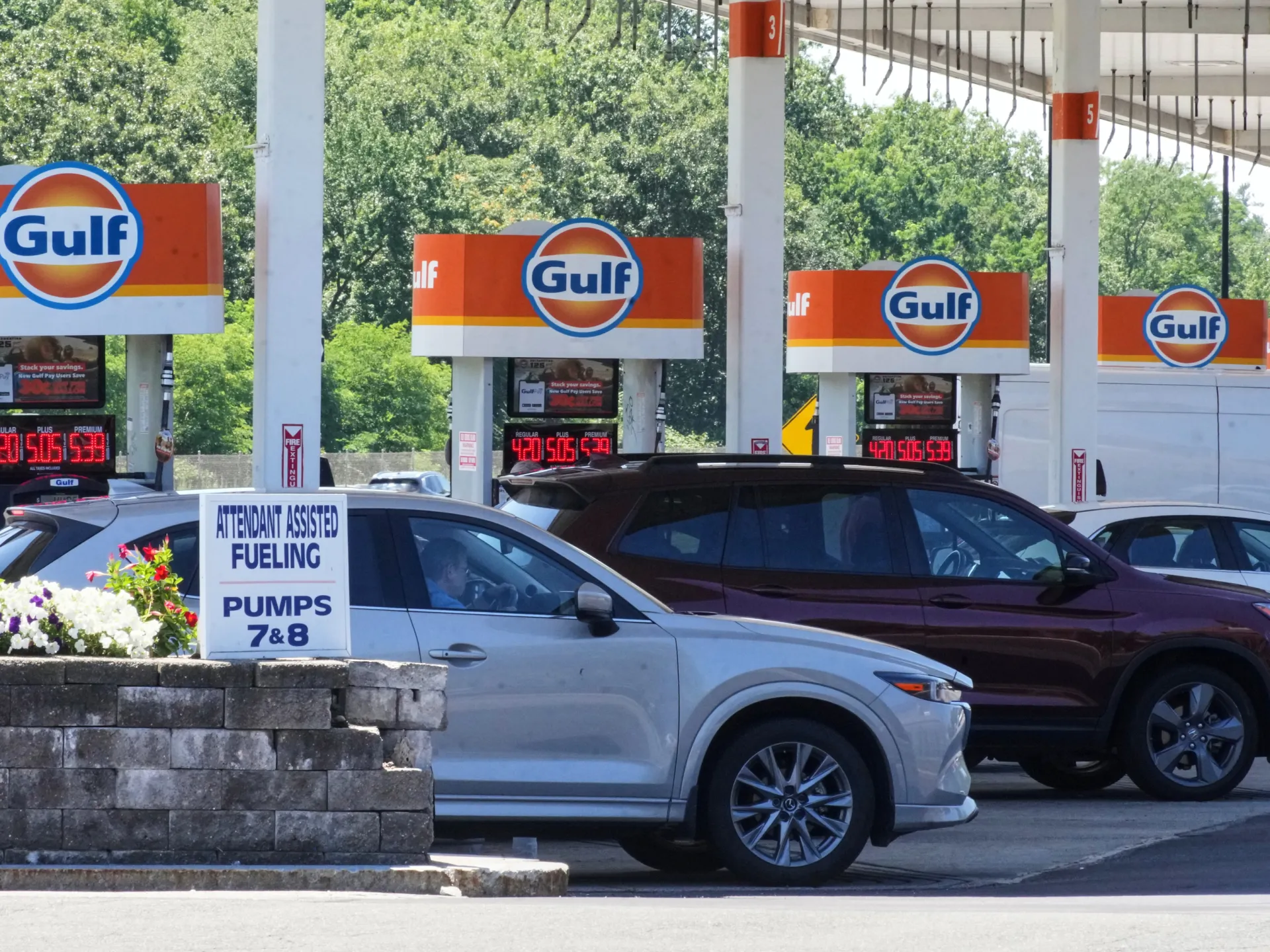
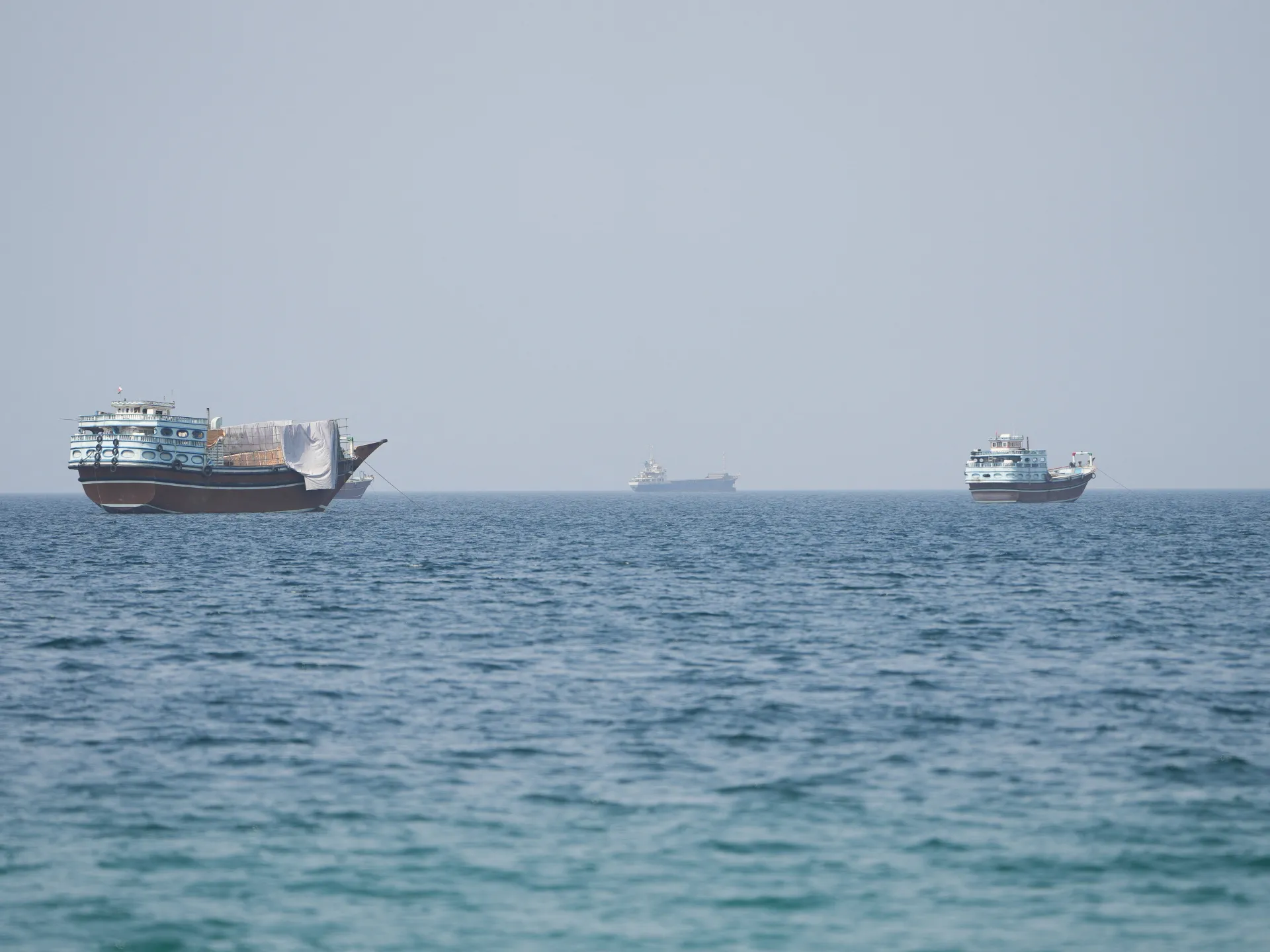
Reports suggest that Iran’s reliance on escalation as a strategic tool has yielded a complex outcome. While the country has faced significant domestic pressure and military attrition since the onset of the war, its ability to disrupt shipping in the Strait of Hormuz has forced the international community to account for Iranian influence. As the conflict continues to drive global energy price volatility, the contrast between the diplomatic discourse at the UN and the tactical reality on the ground in the Gulf remains the defining feature of the current crisis.
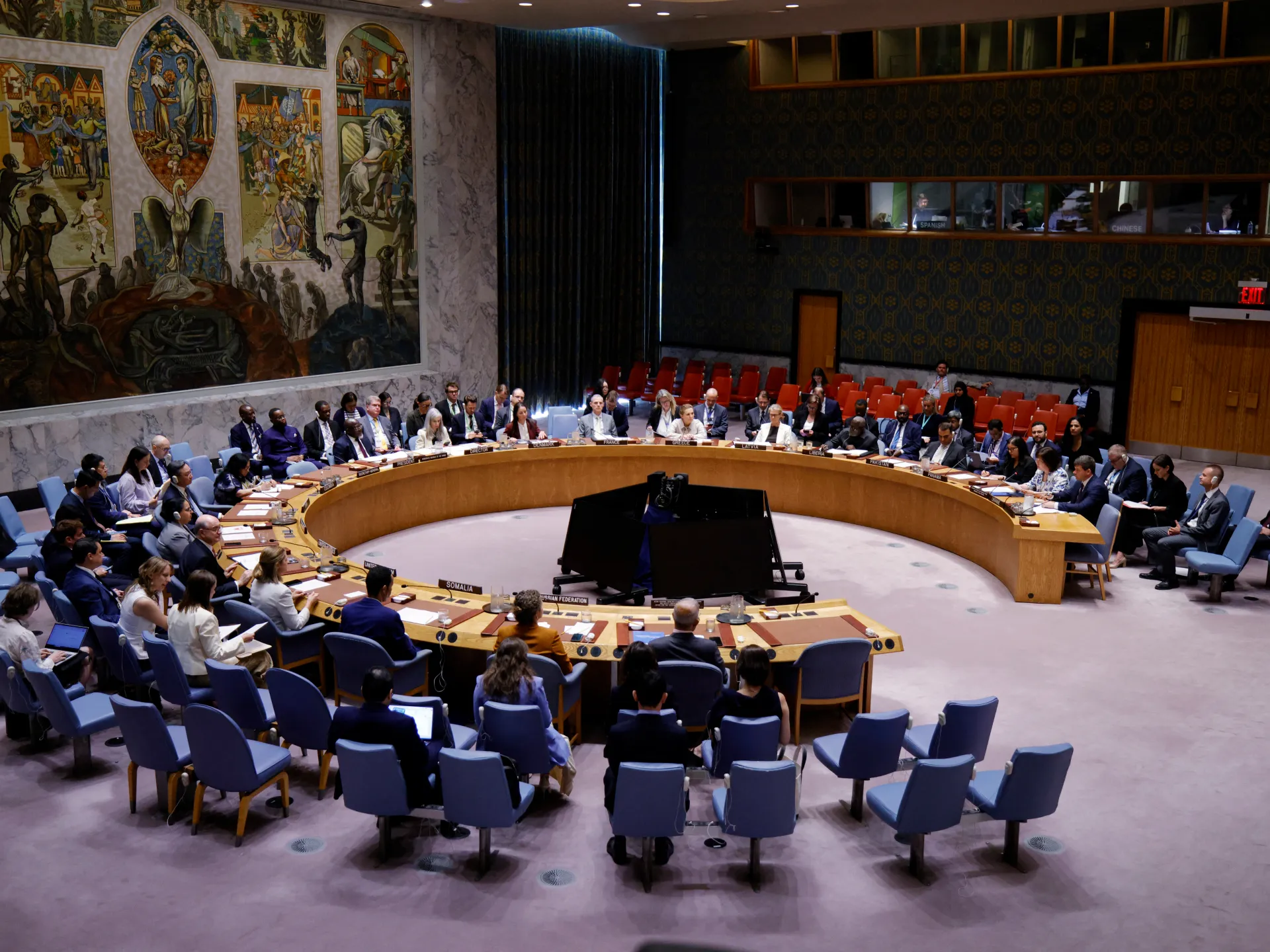
The coming week at the United Nations is expected to become a focal point for the conflict’s rhetoric. With the General Debate scheduled to begin on Tuesday, the speeches delivered alysis suggests that the U.S. will continue its "maximum pressure" approach likely to use the international stage to reframe the conflict as one of external aggression. Regardless of the diplomatic theater in New York, the underlying security situation in the Red Sea and the Strait of Hormuz will remain the primary drivers of the conflict, with the potential for further escalation if the Houthis continue their campaign against Saudi infrastructure.