As Iranian officials prepare for UN meetings, the domestic population faces an escalating cost-of-living crisis and rising prices for basic necessities.
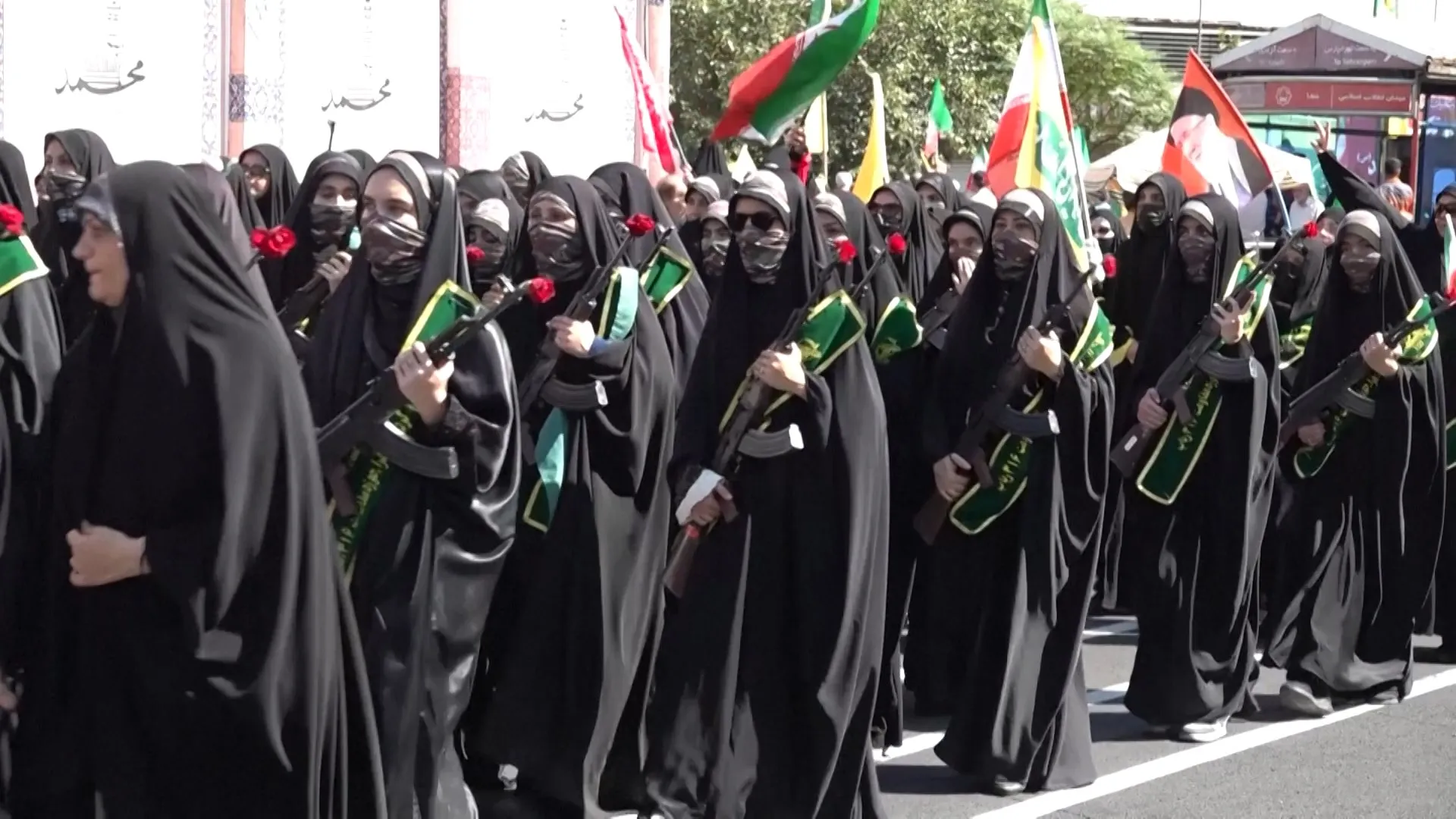
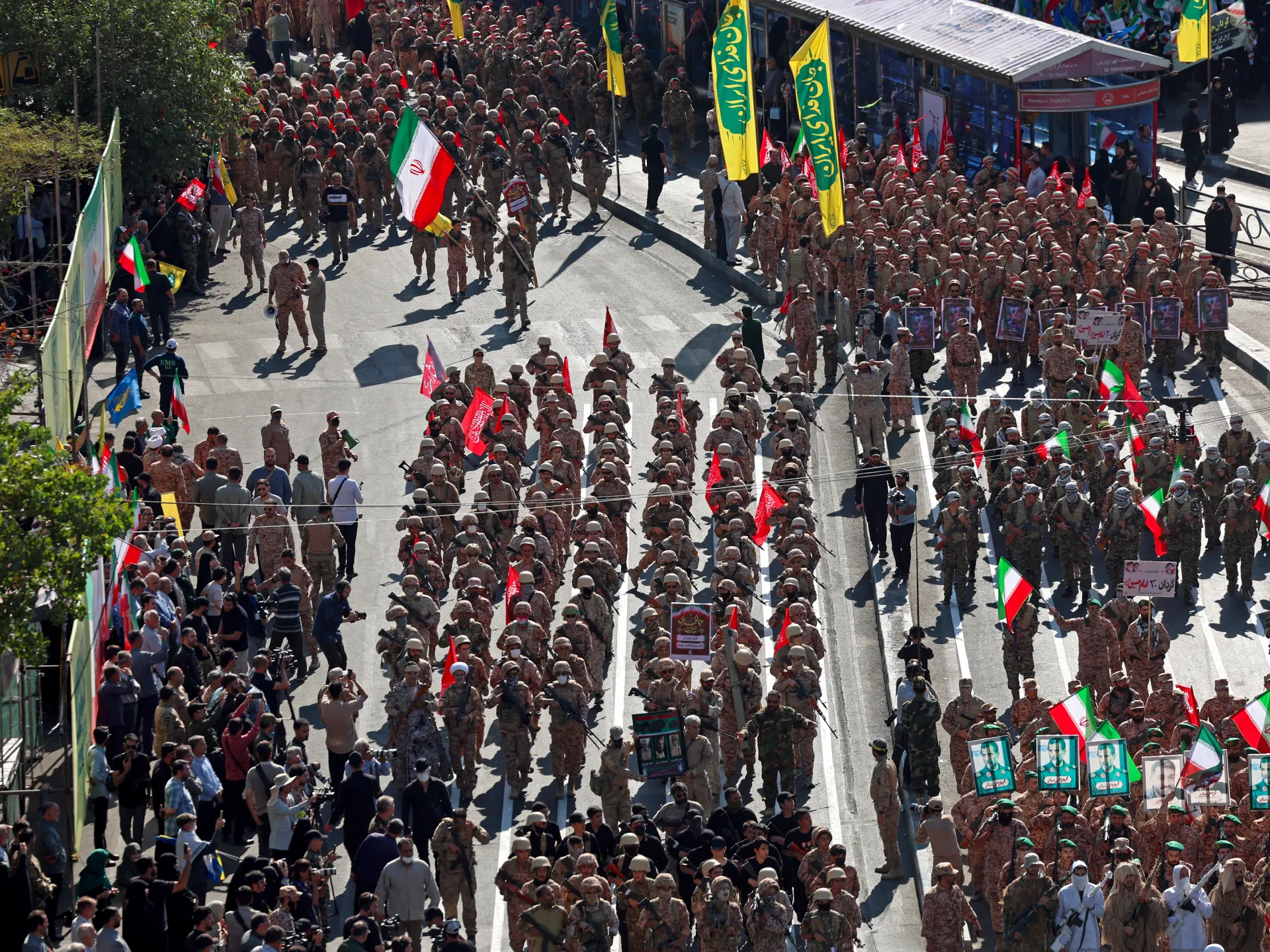
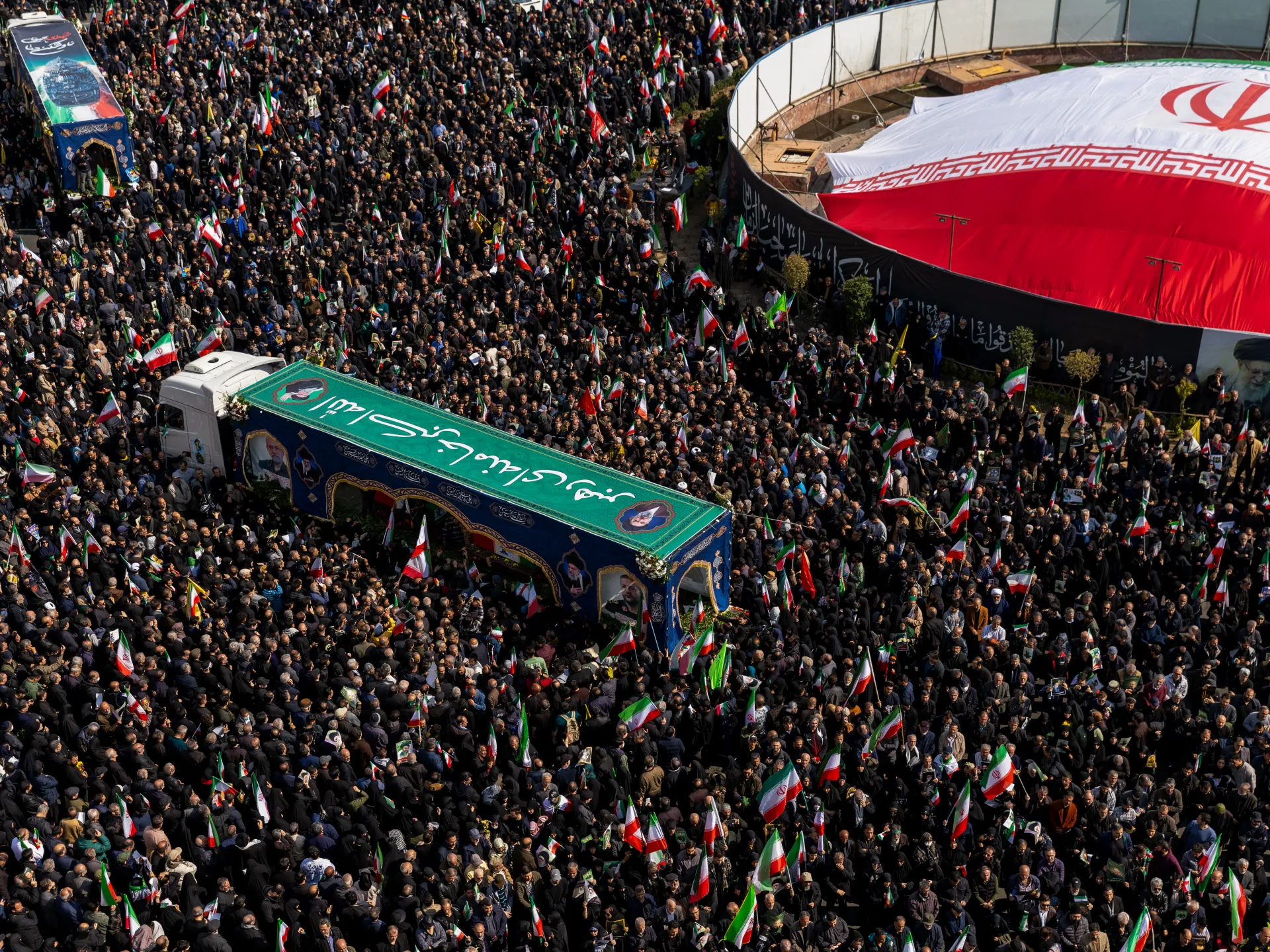
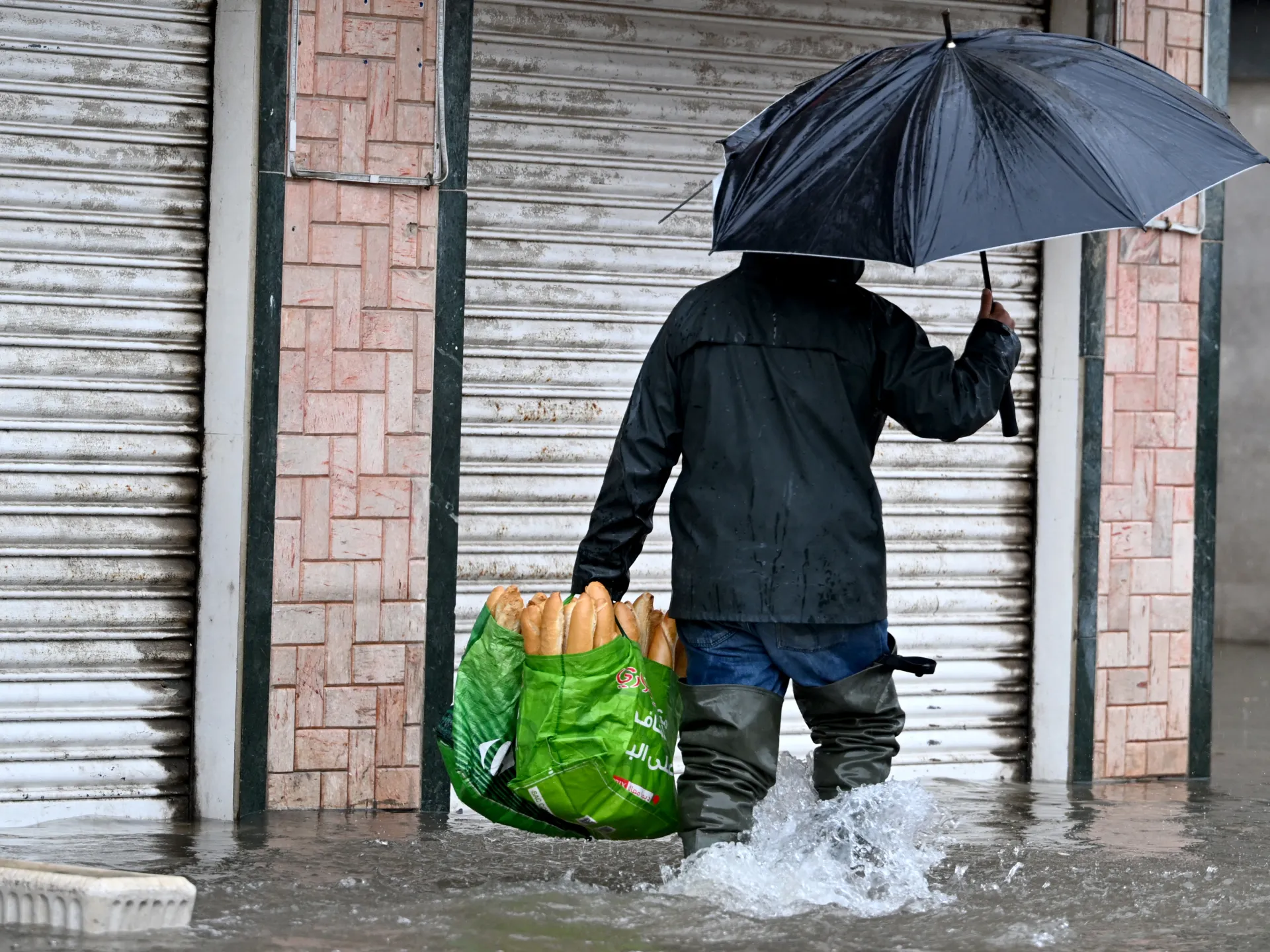
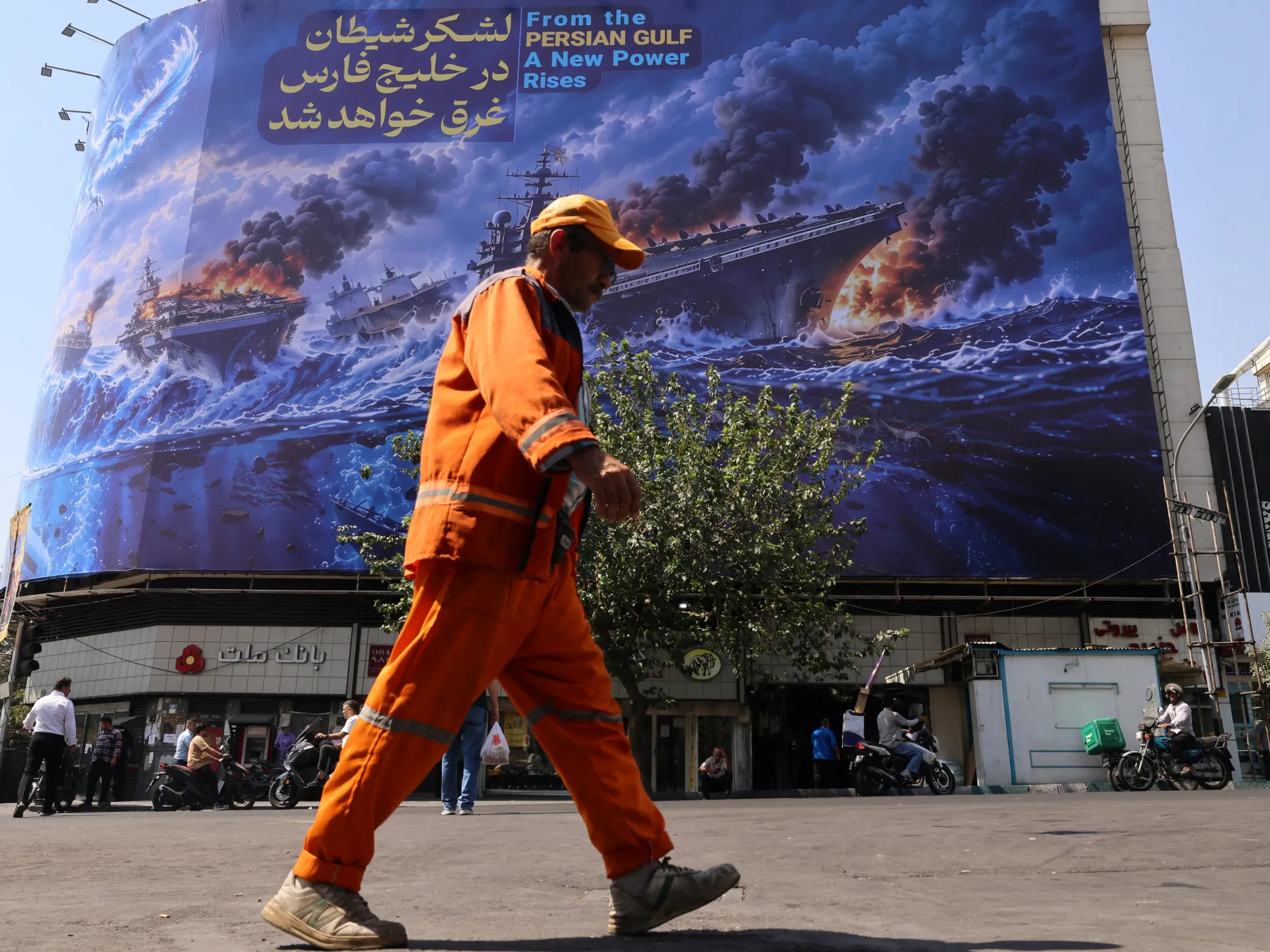
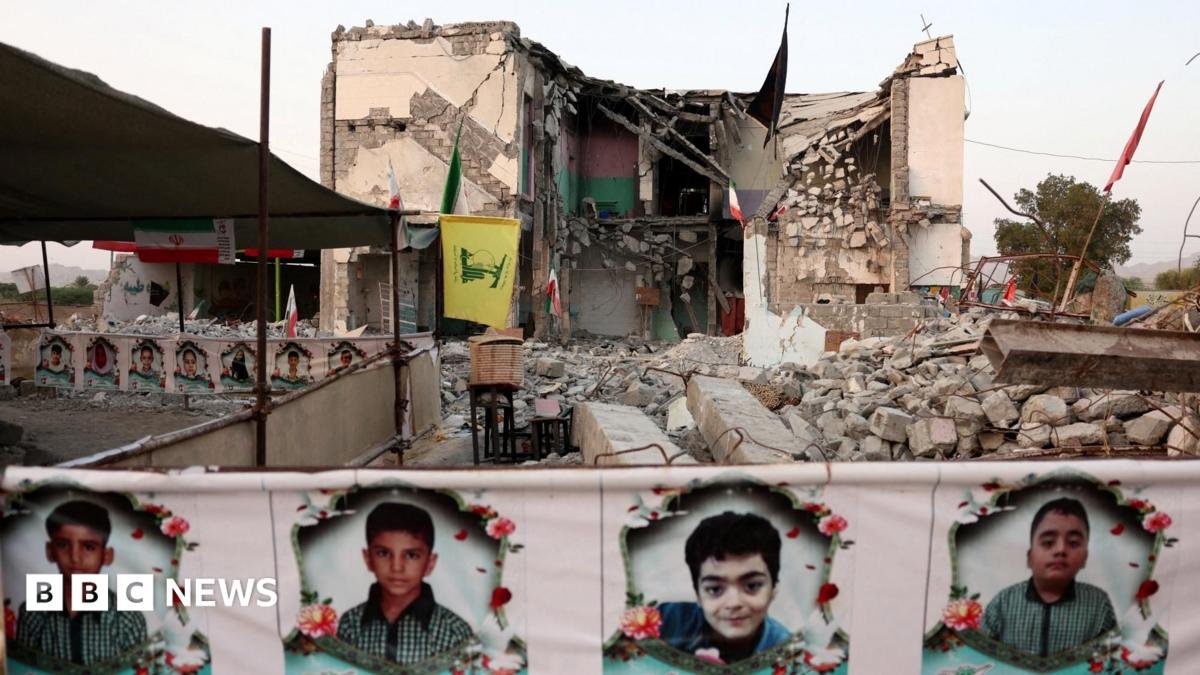
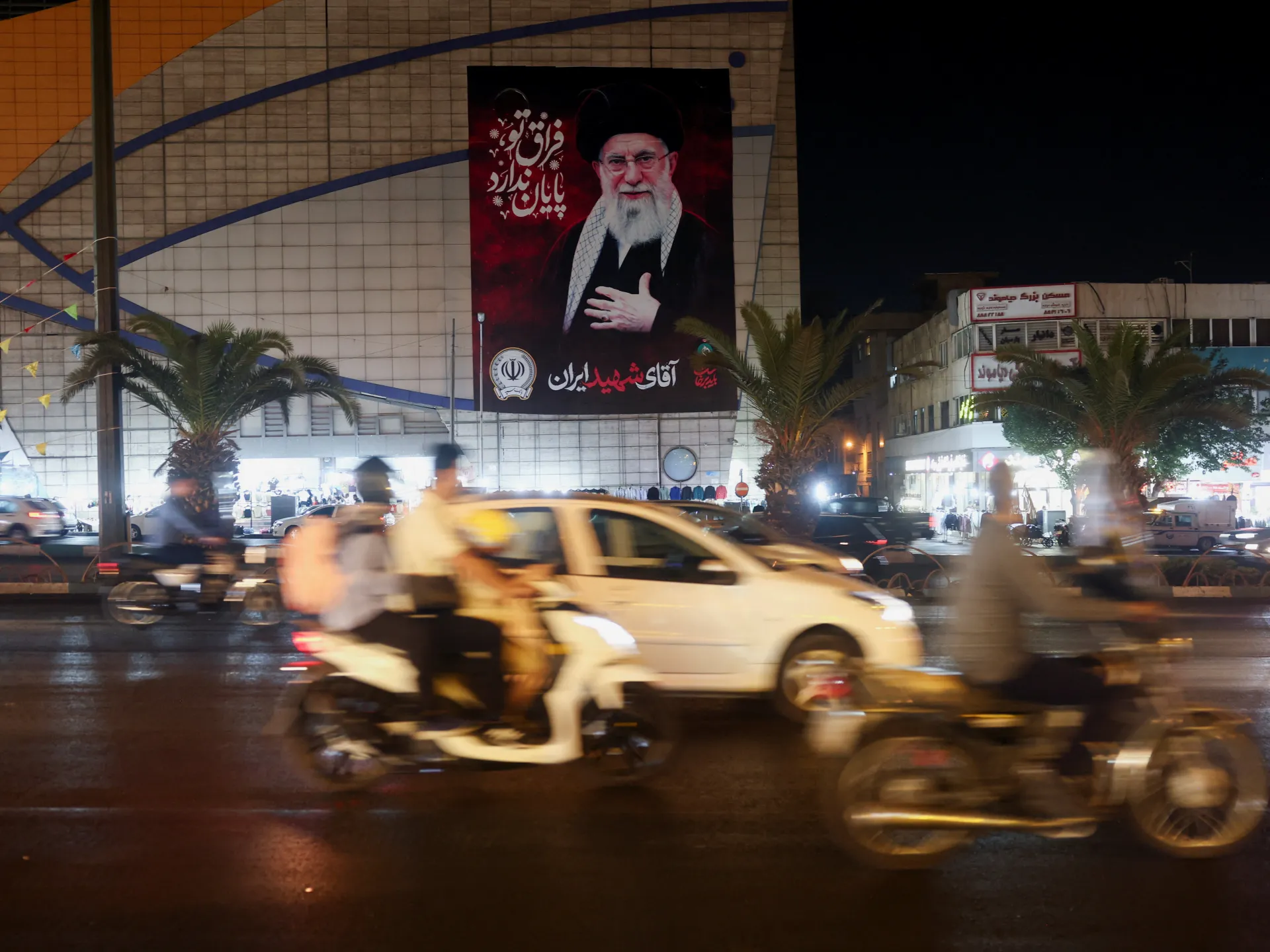
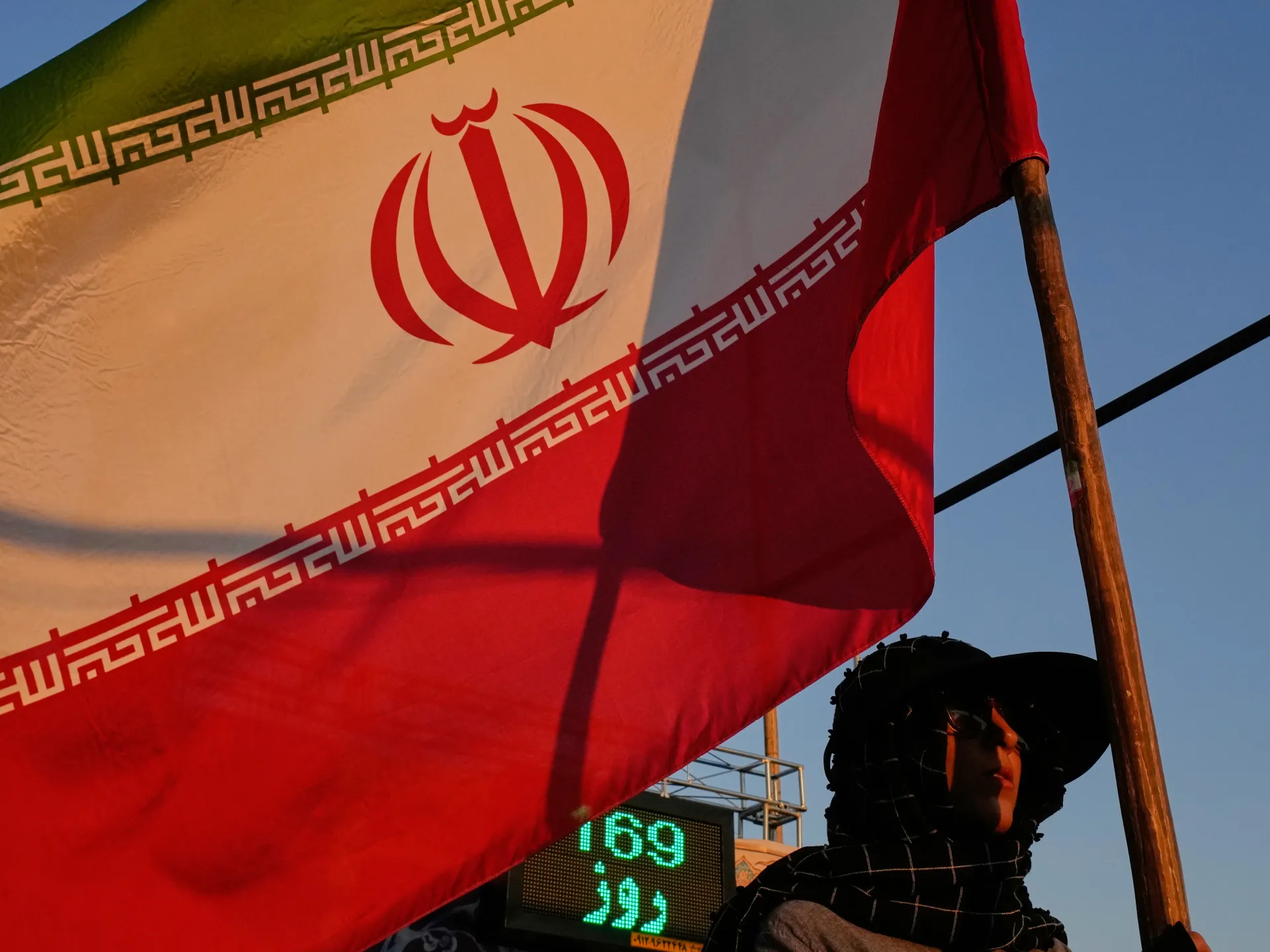
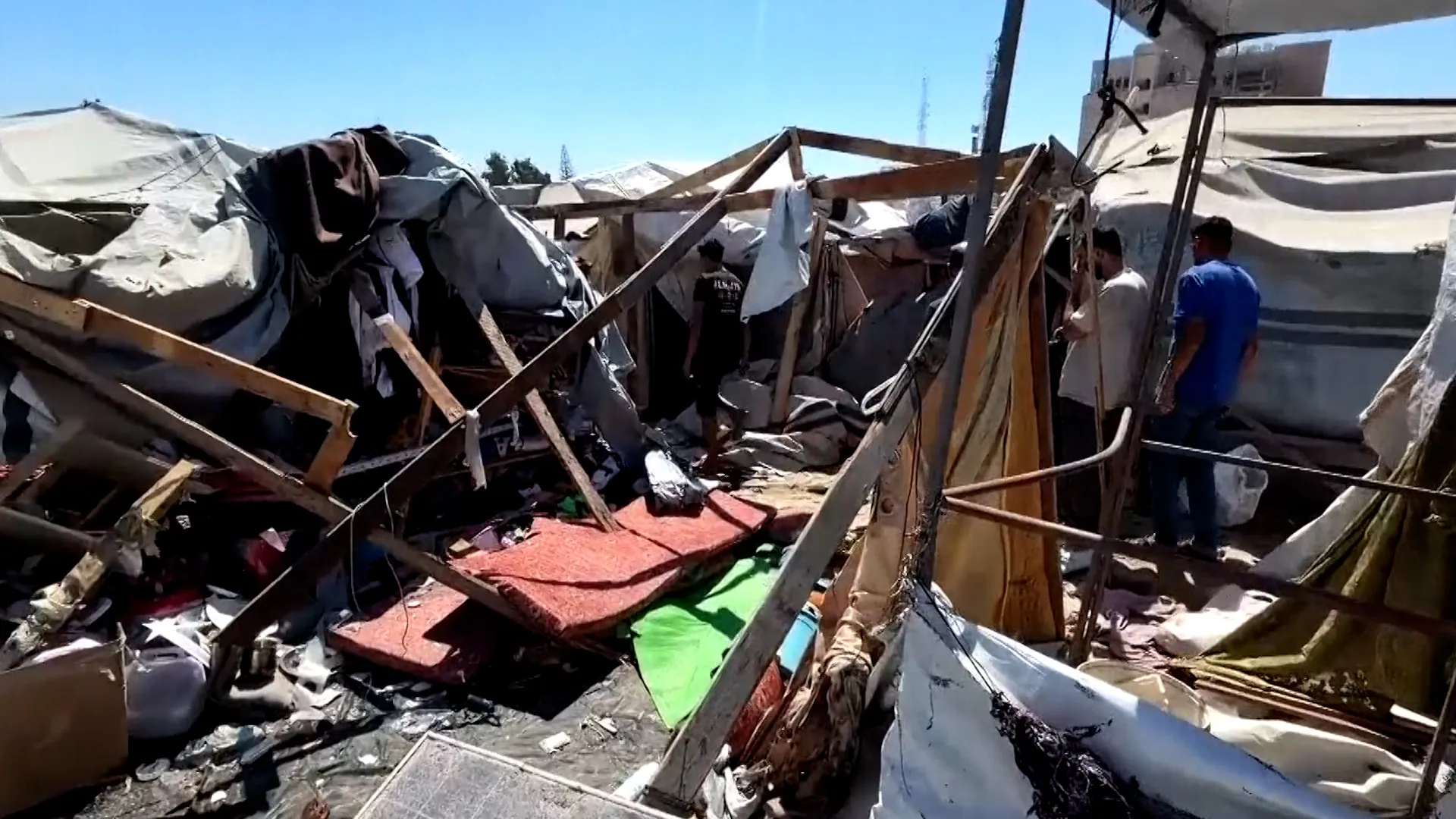
The convergence of high-level international diplomacy and severe domestic economic degradation in Iran highlights the asymmetric impacts of the ongoing conflict that began in February 2026. While global headlines often focus on energy price volatility and UN-level maneuvering, the day-to-day reality for the Iranian citizenry is characterized r. The juxtaposition of Iranian leadership traveling to New York for UN proceedings while their constituents struggle to afford basic automotive maintenance illustrates a profound disconnect between the ruling elite and the population, complicated further ic landscape.
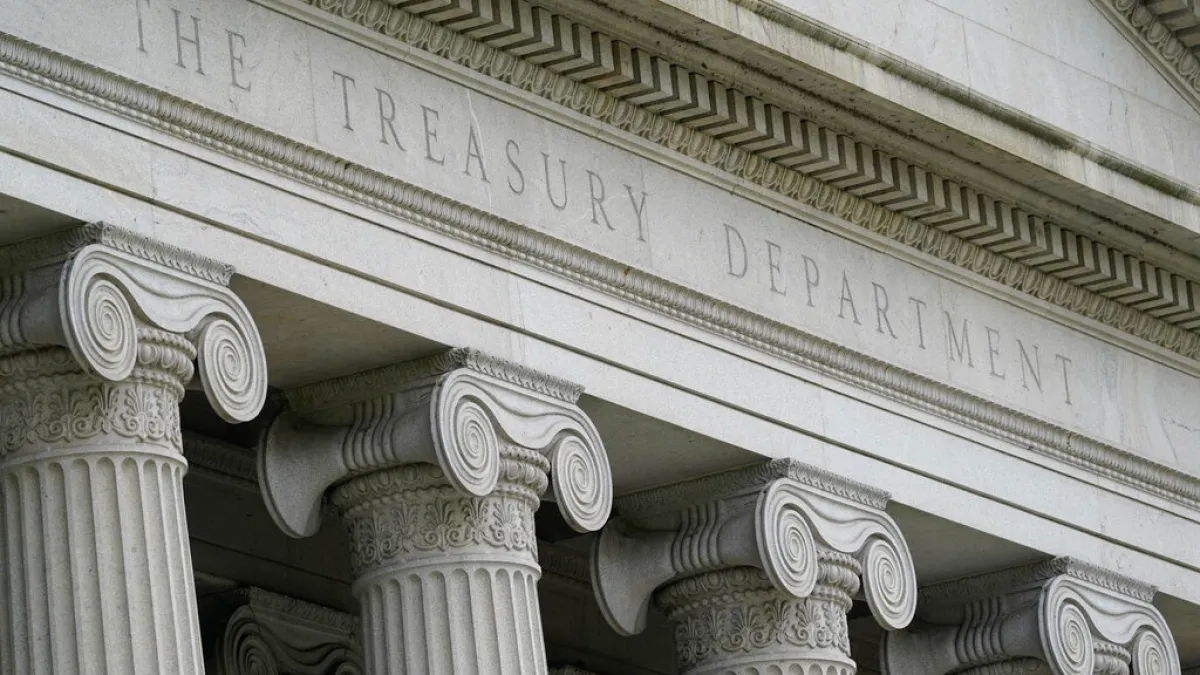
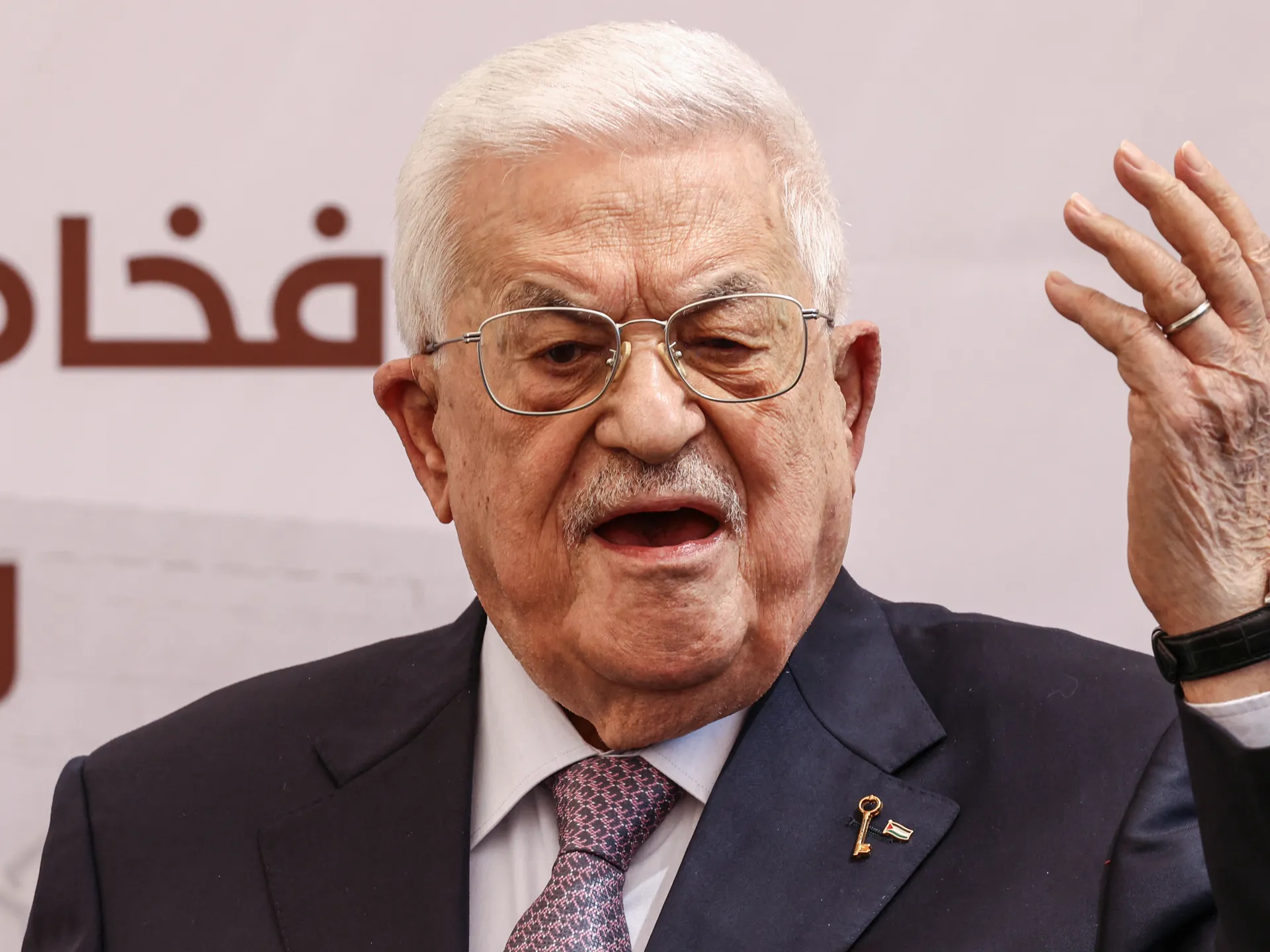
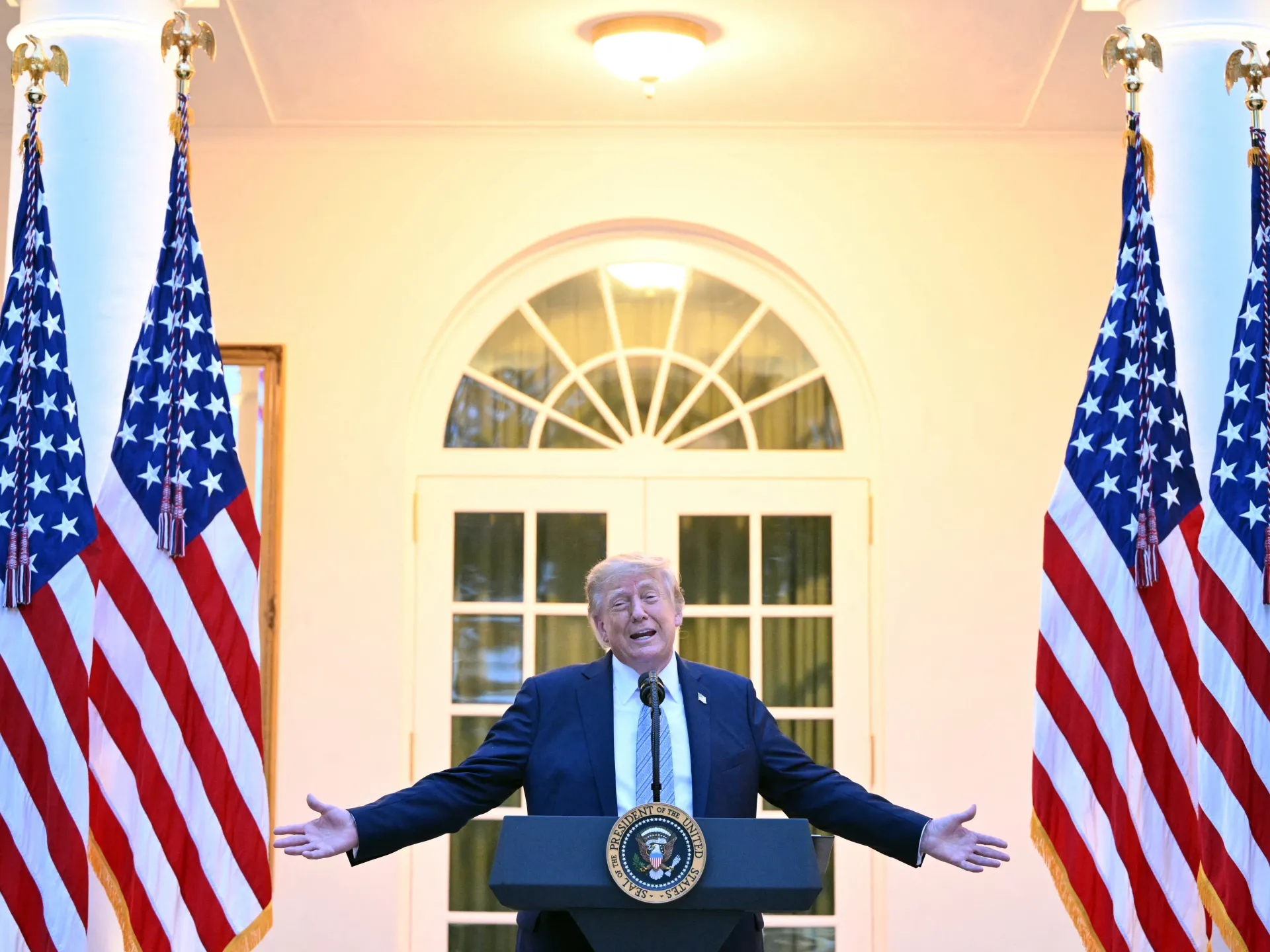
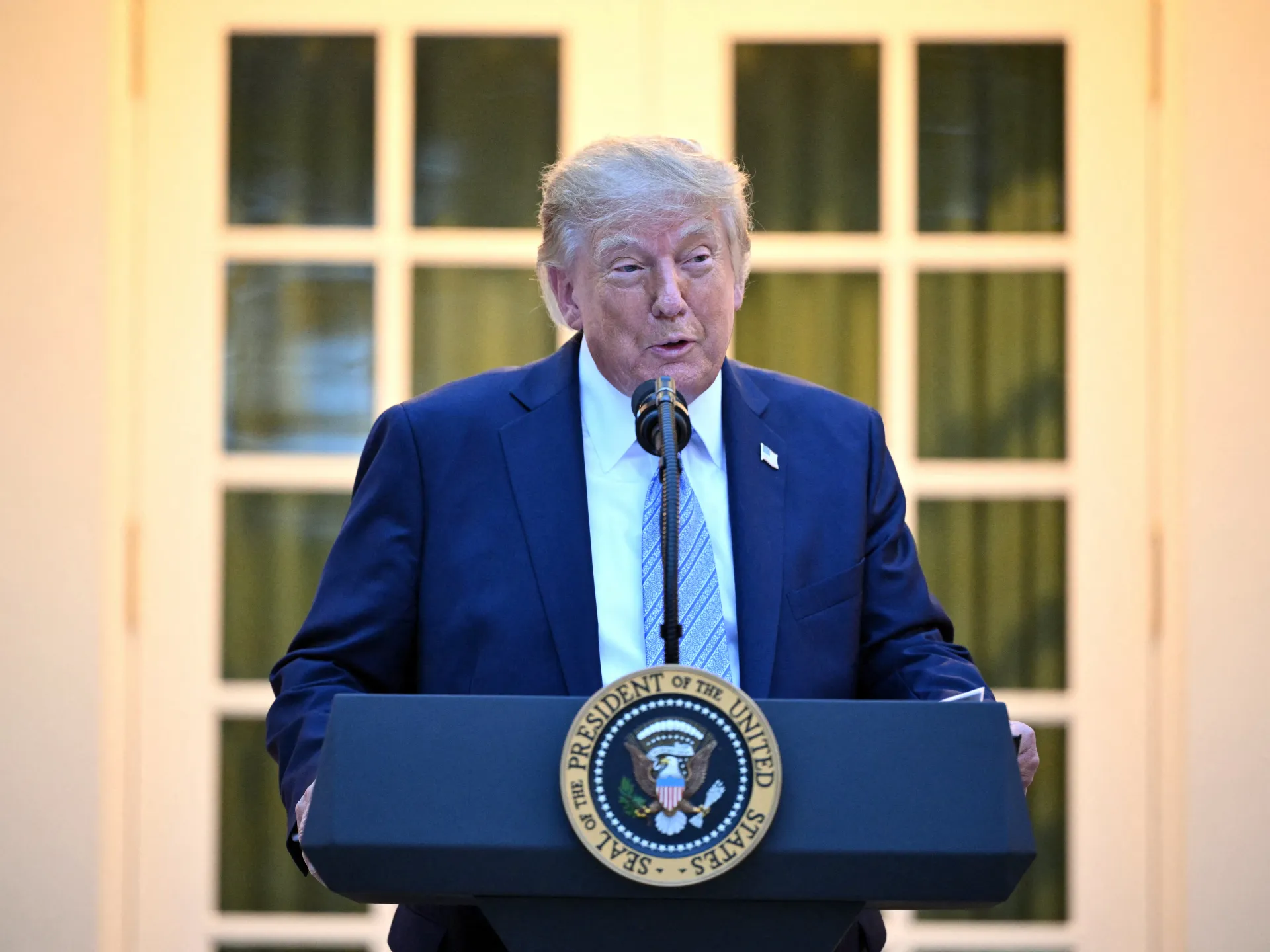
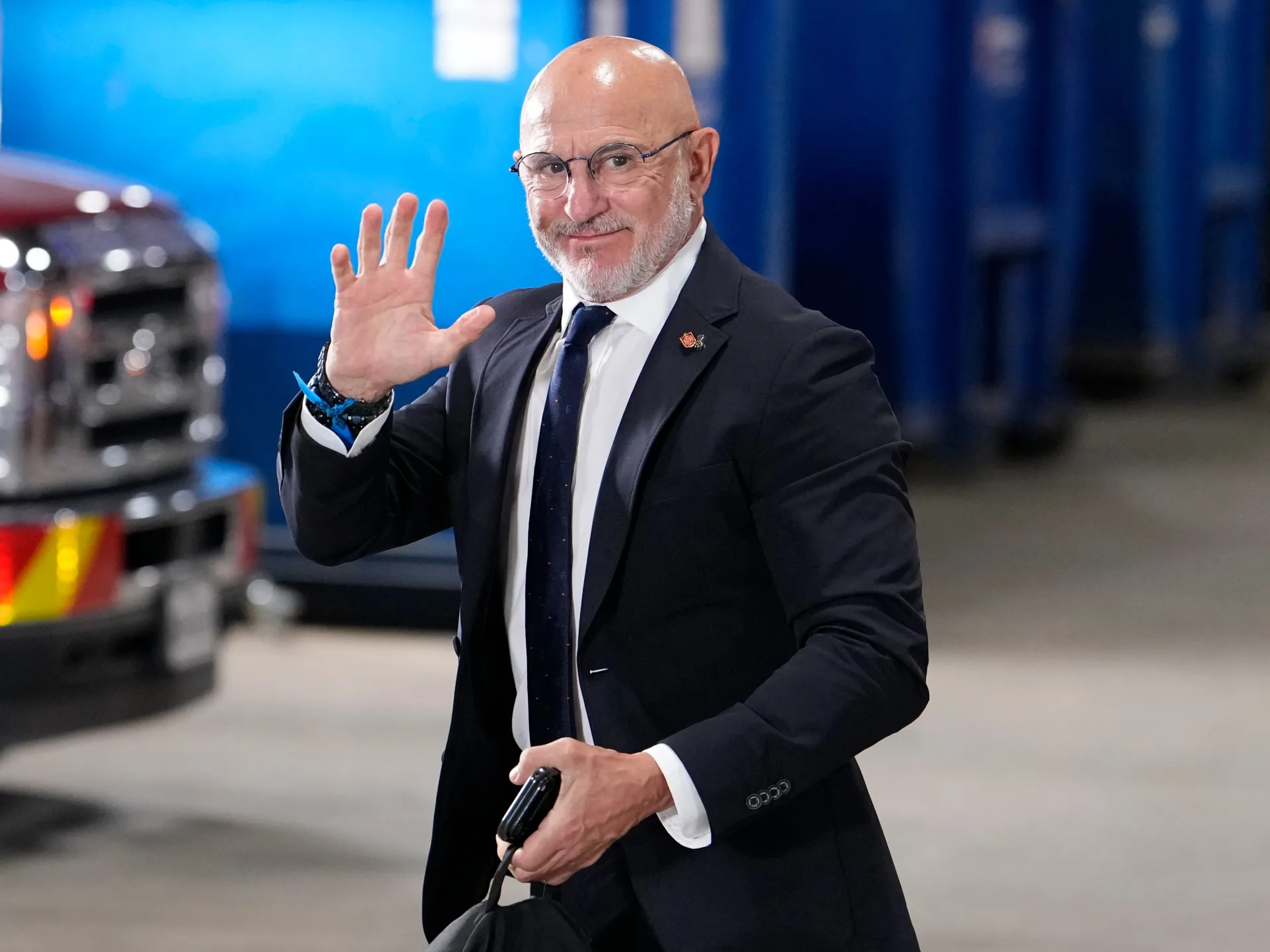
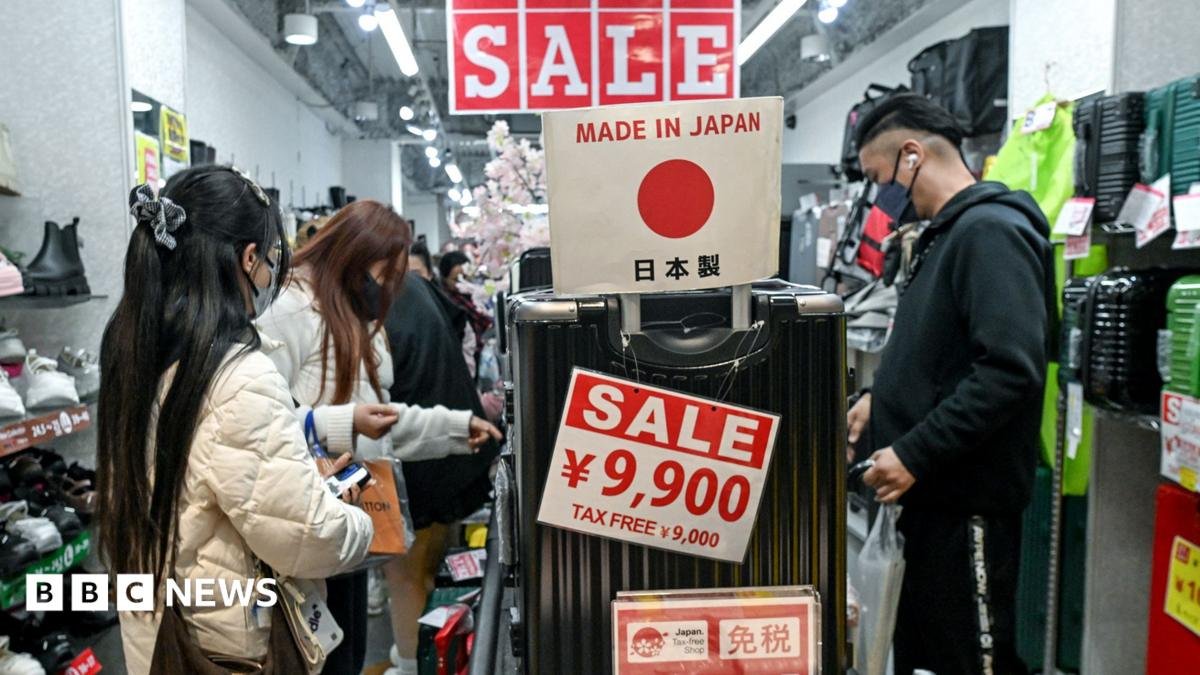
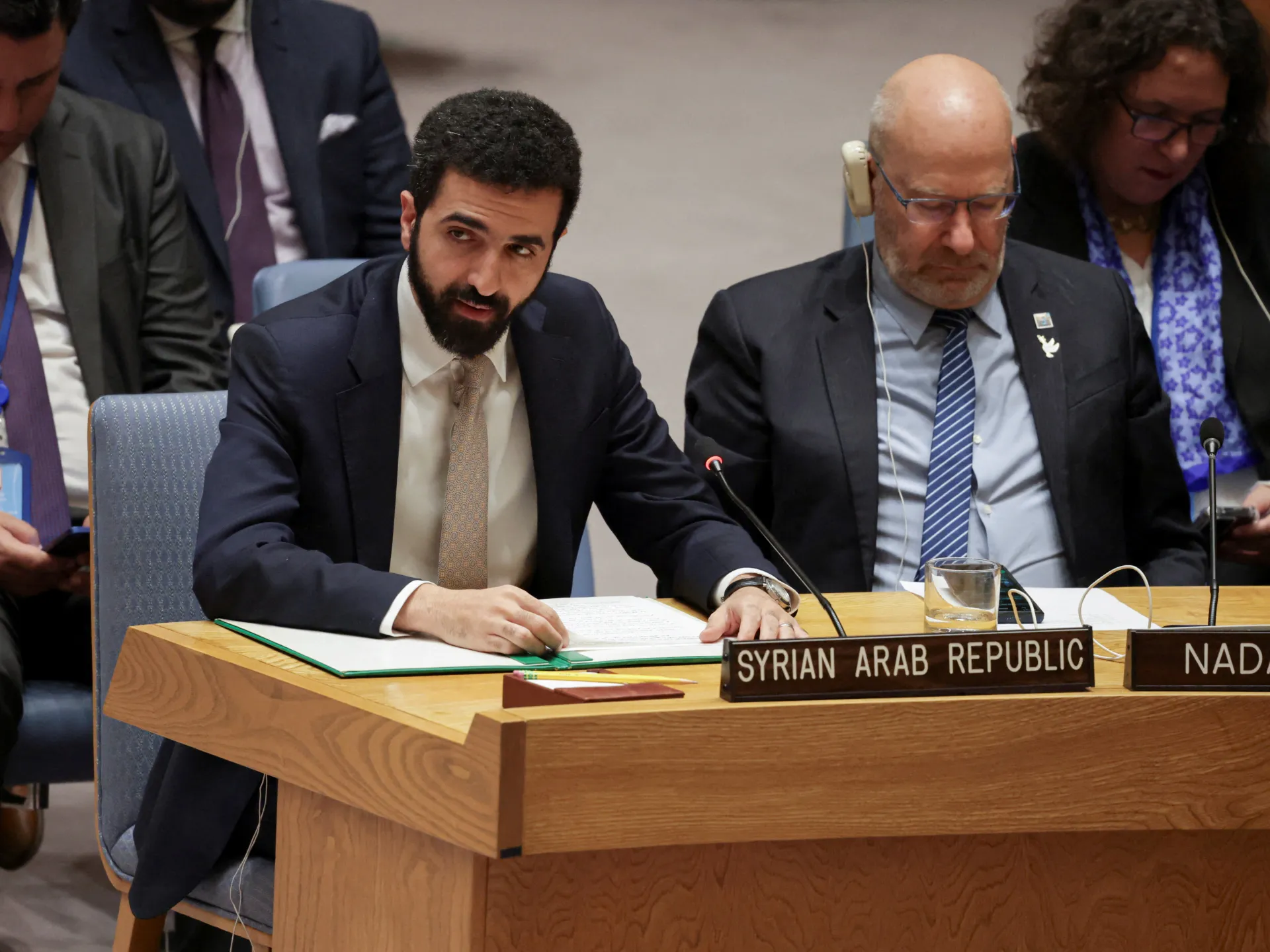
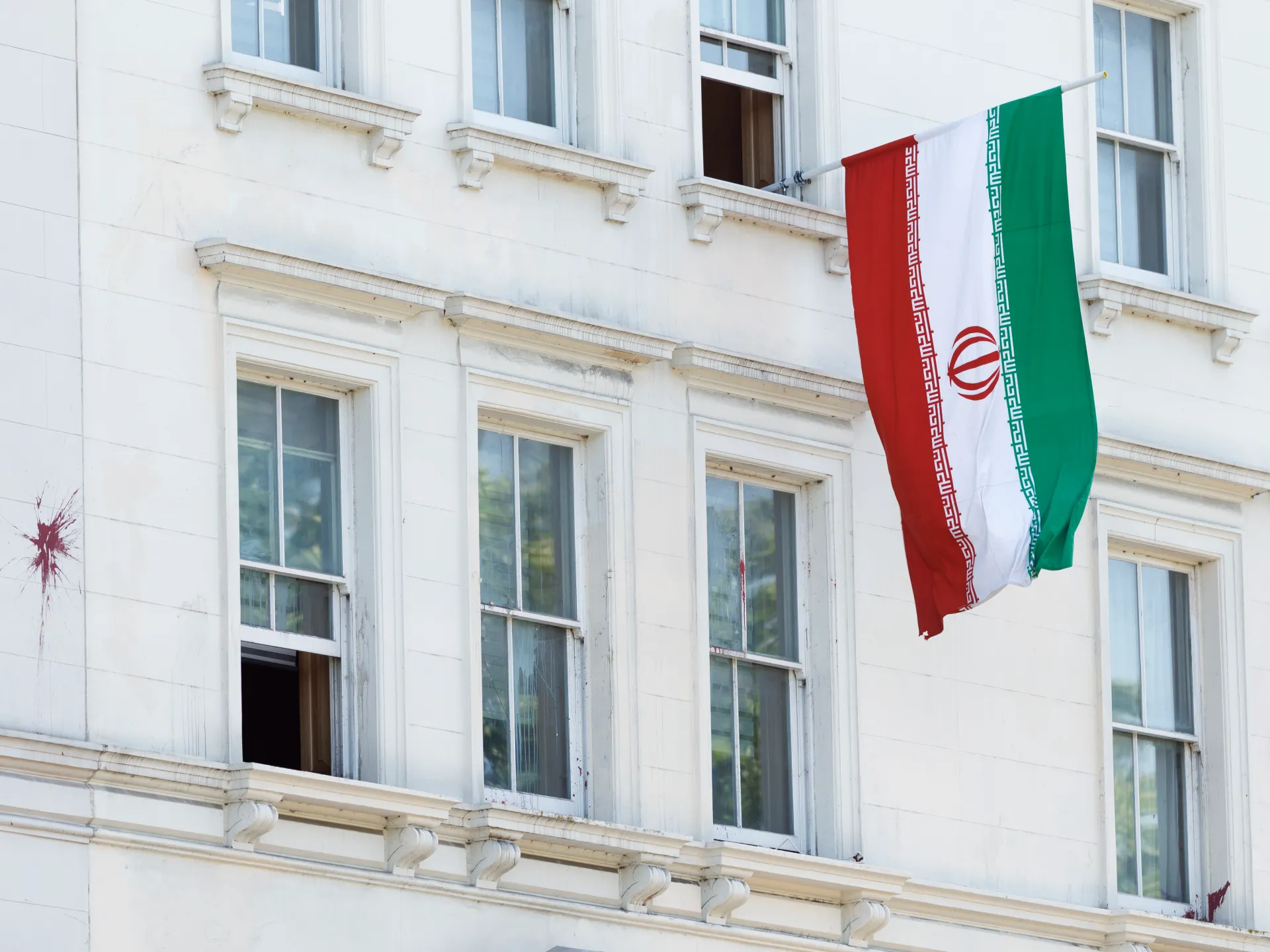
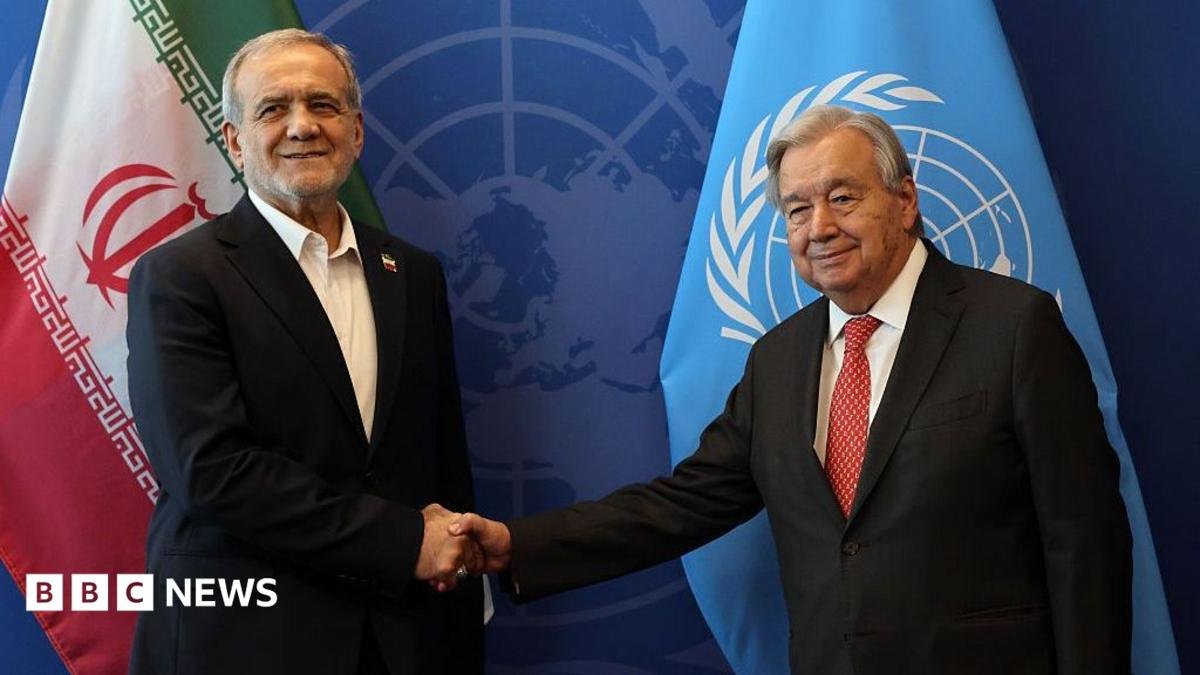
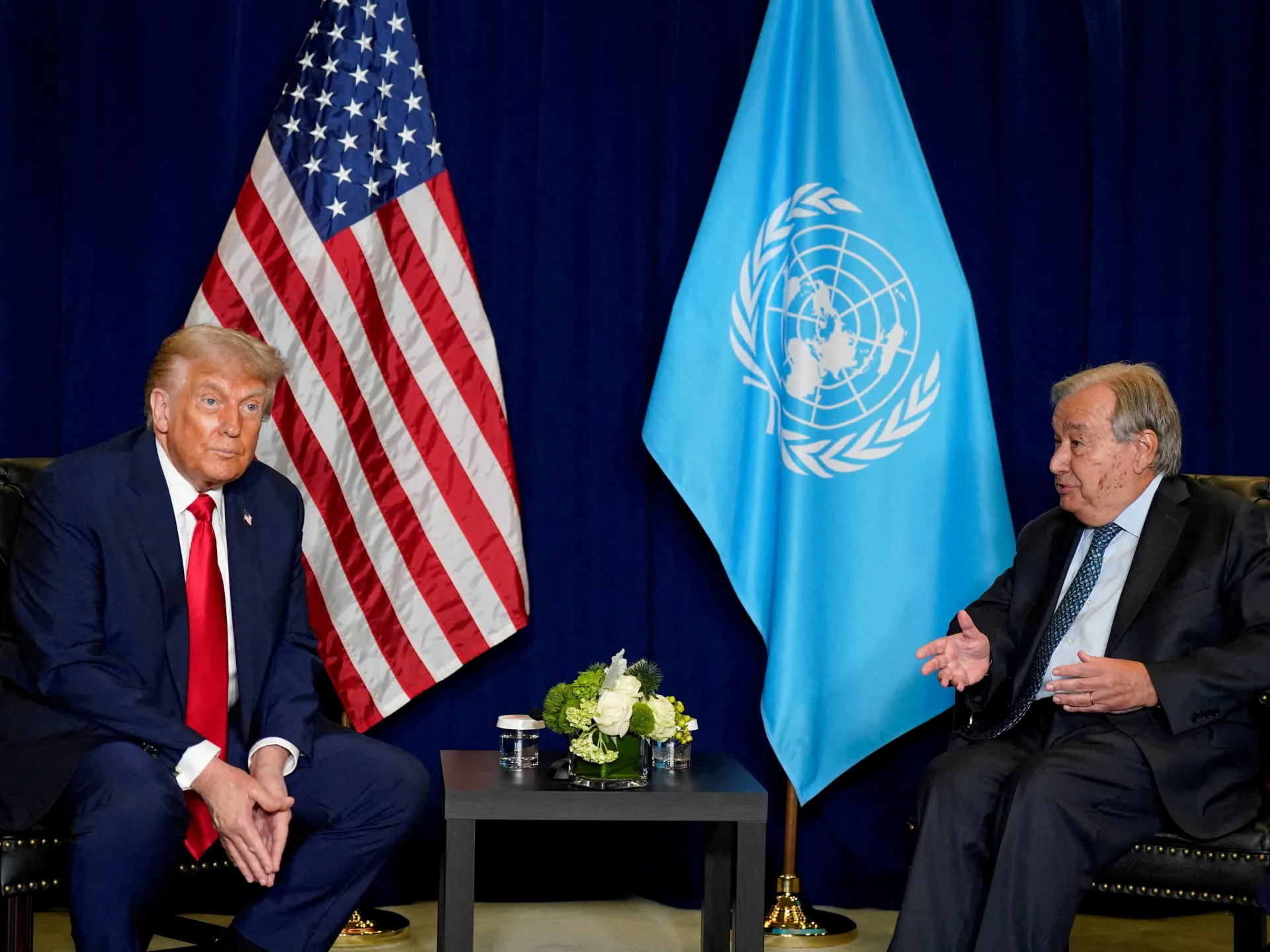
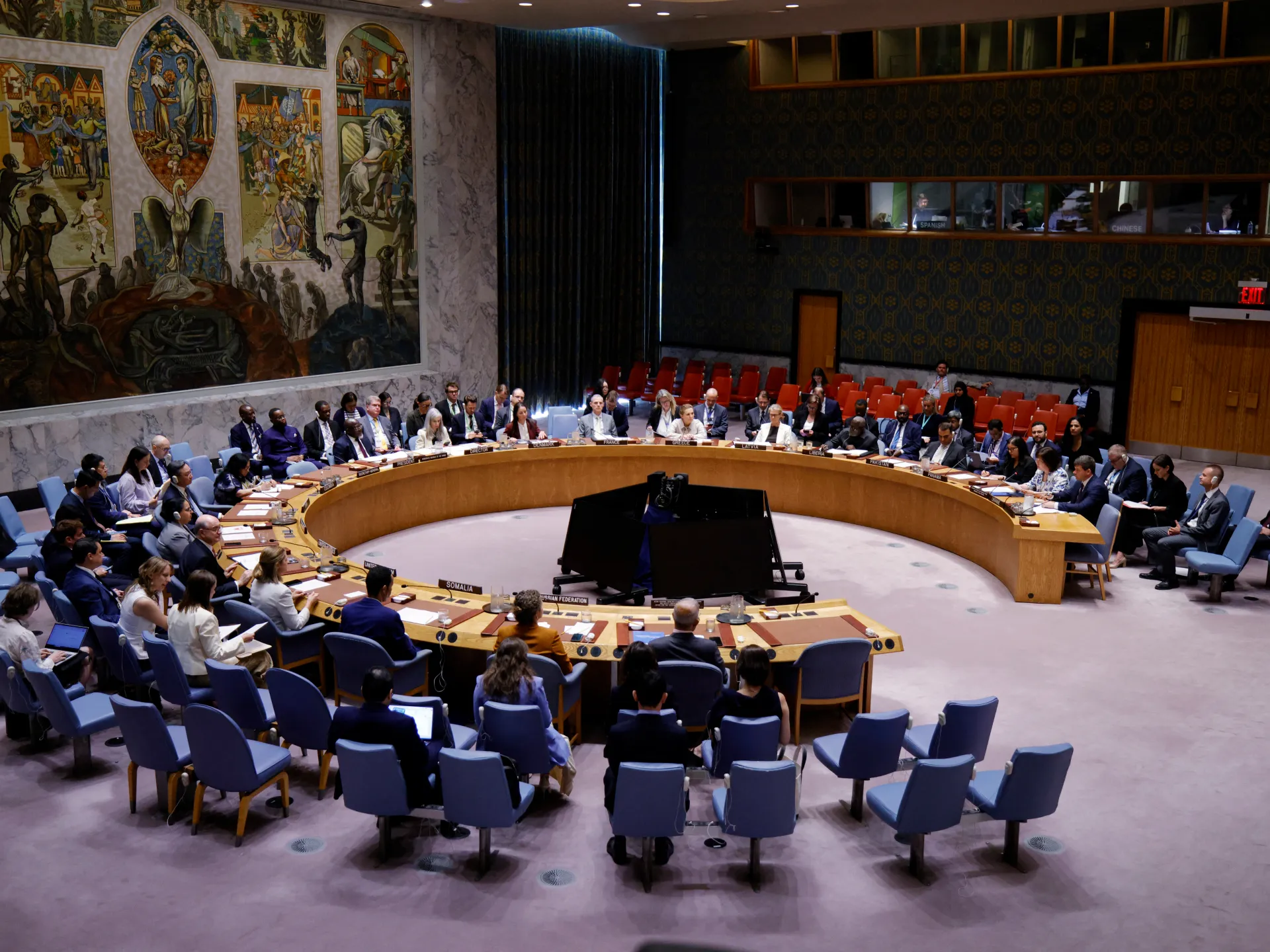
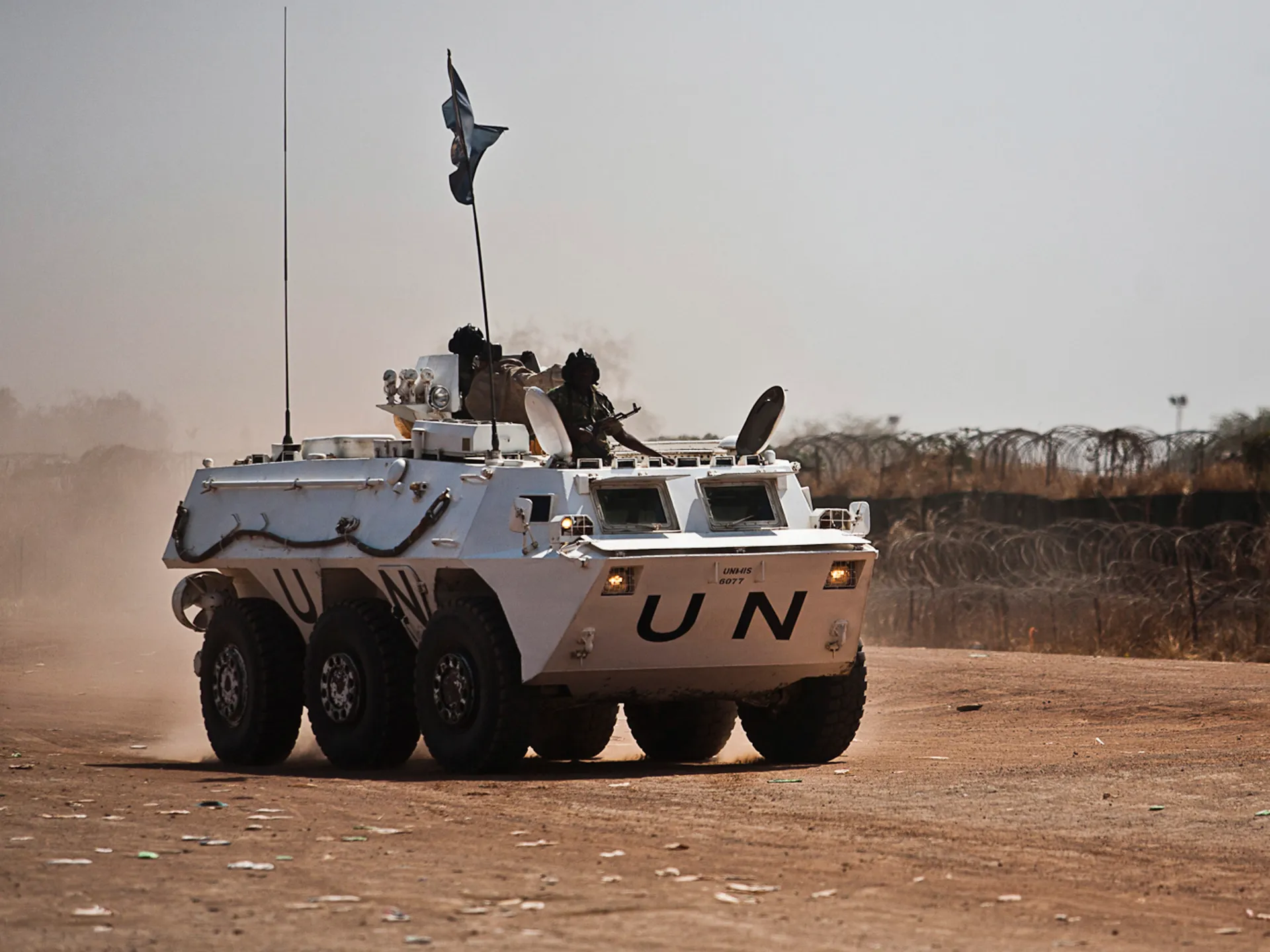
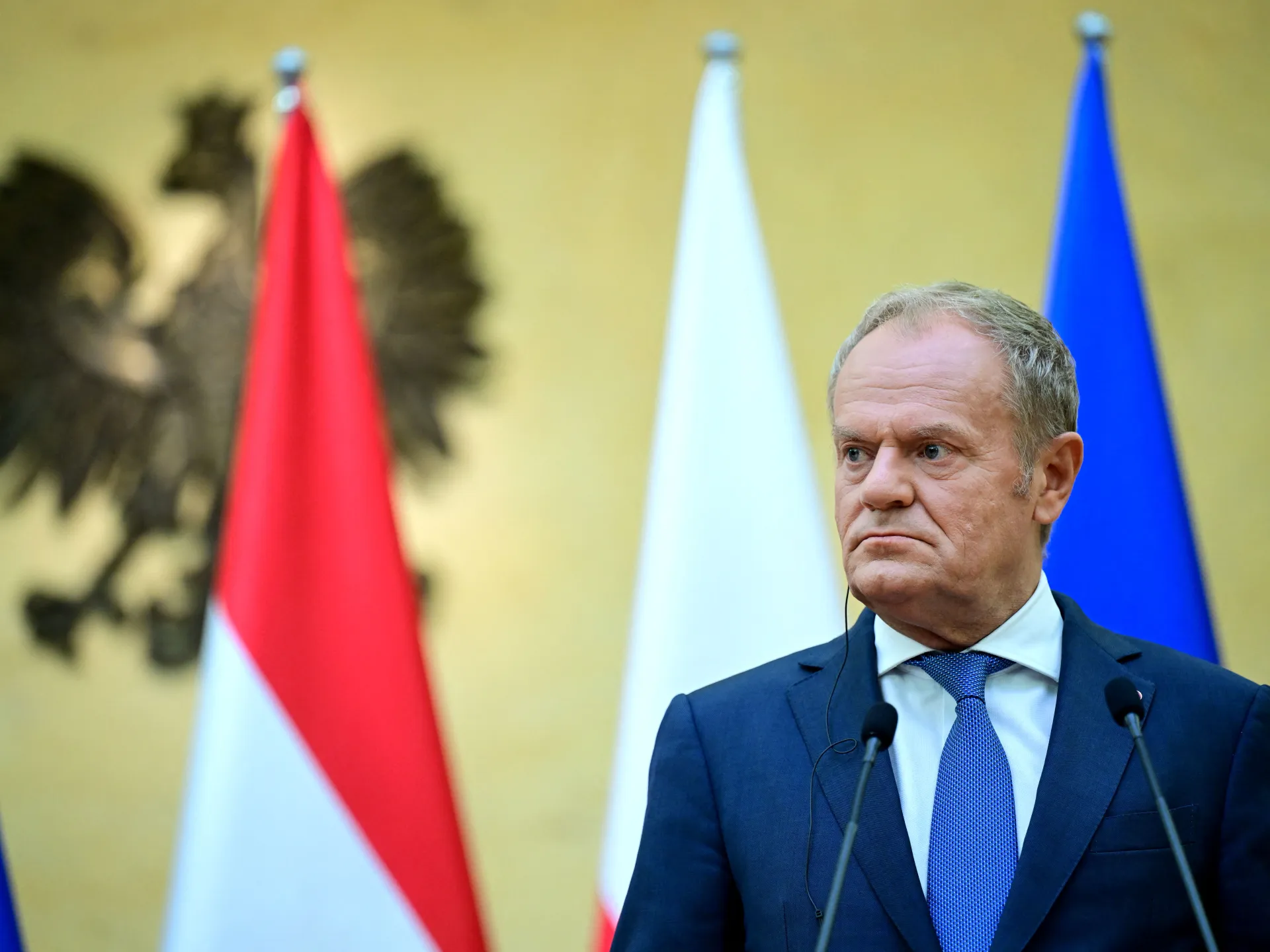
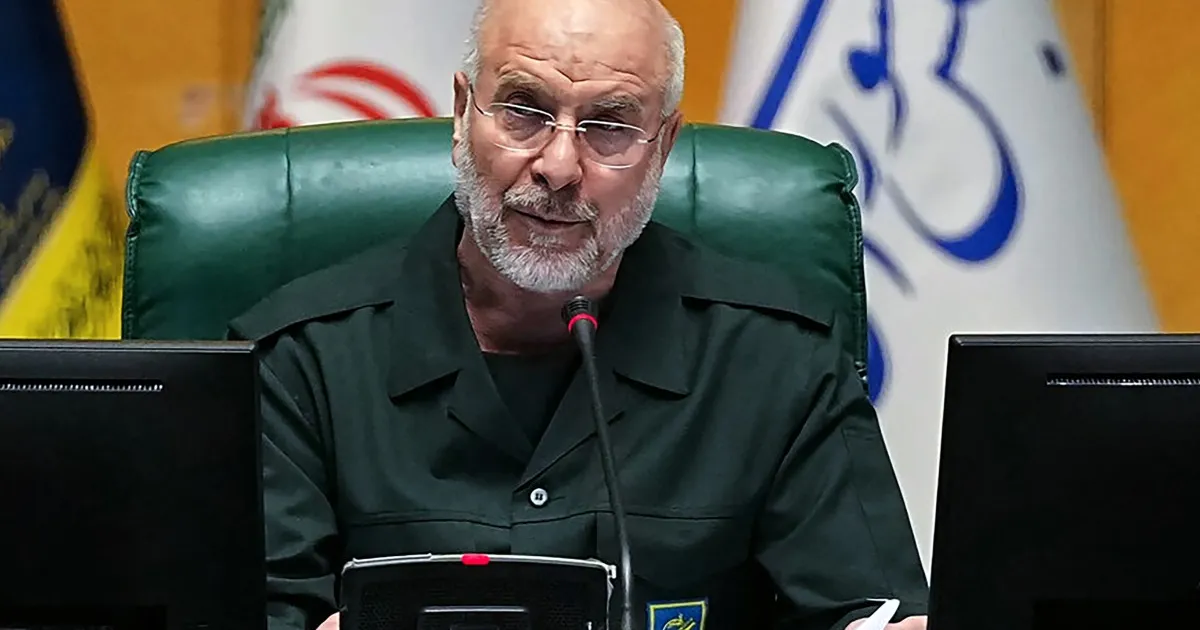
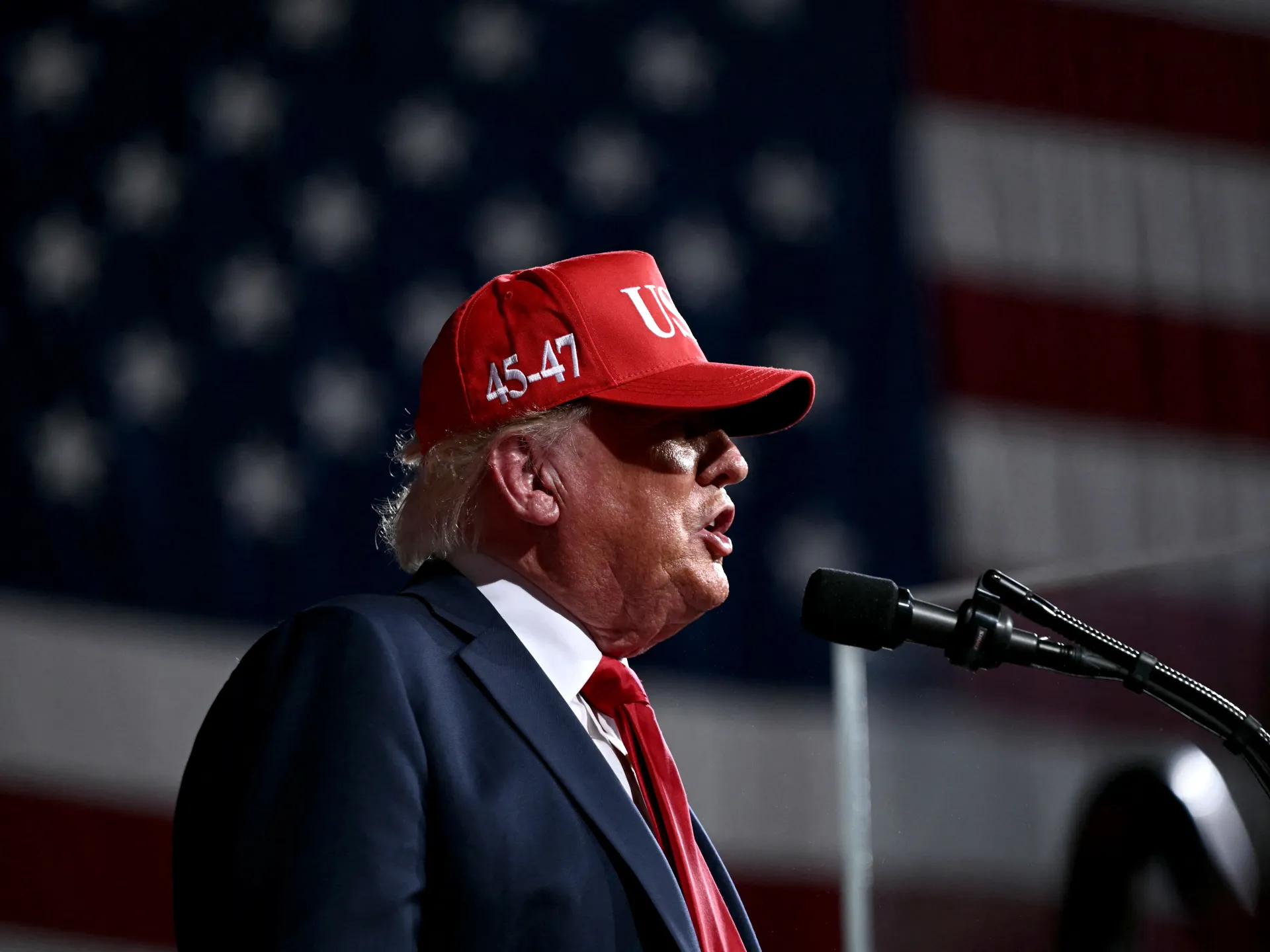
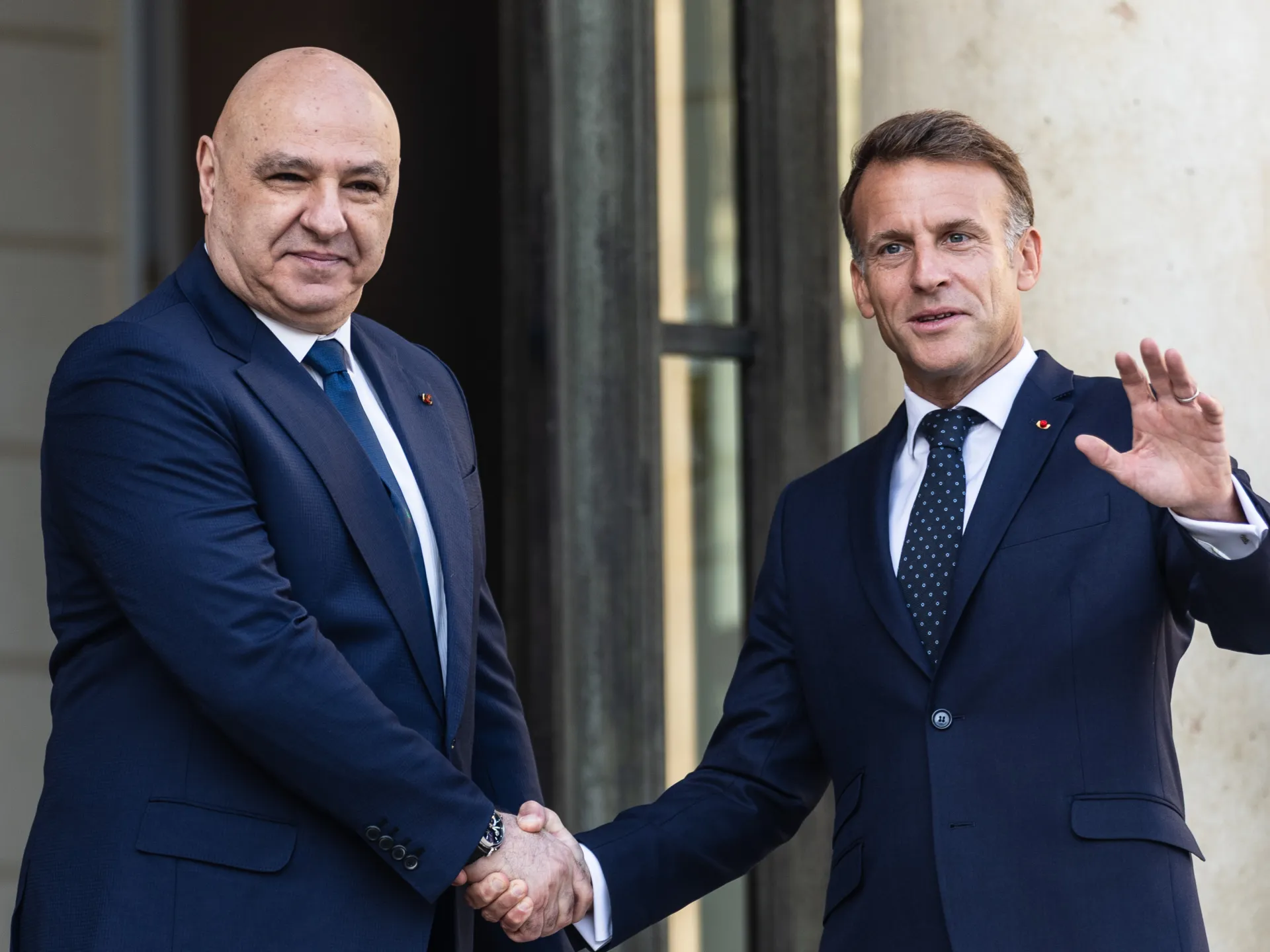
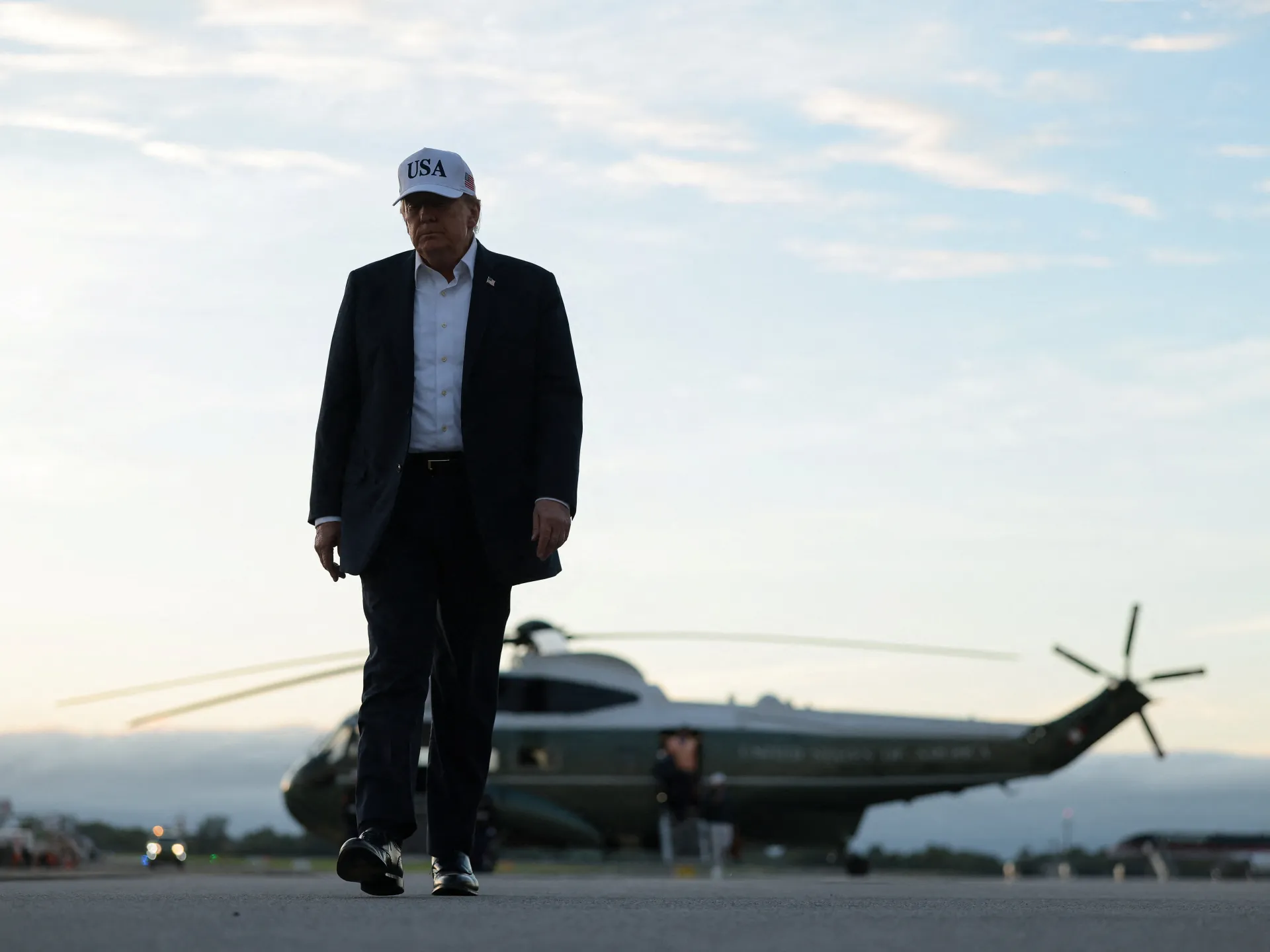
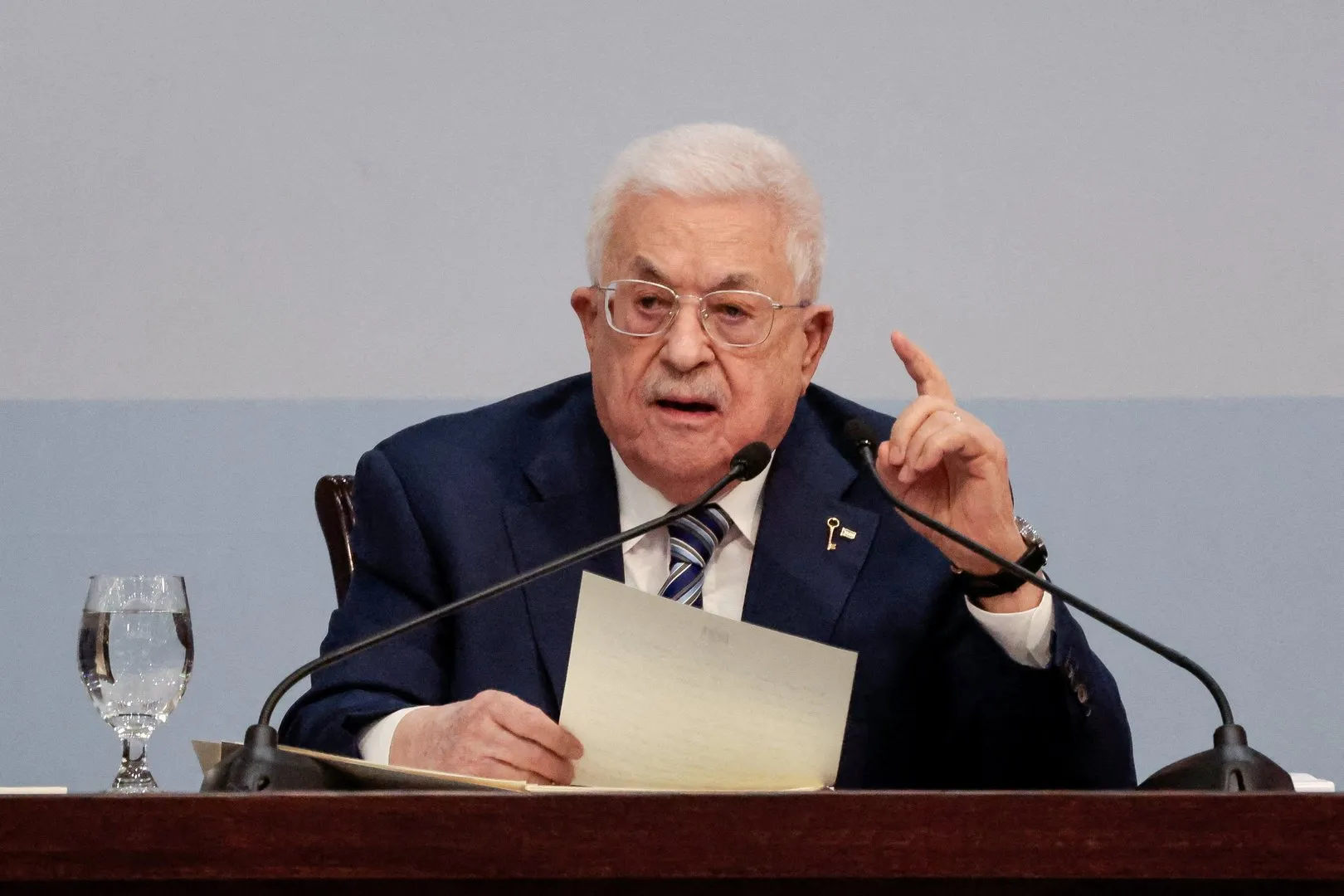
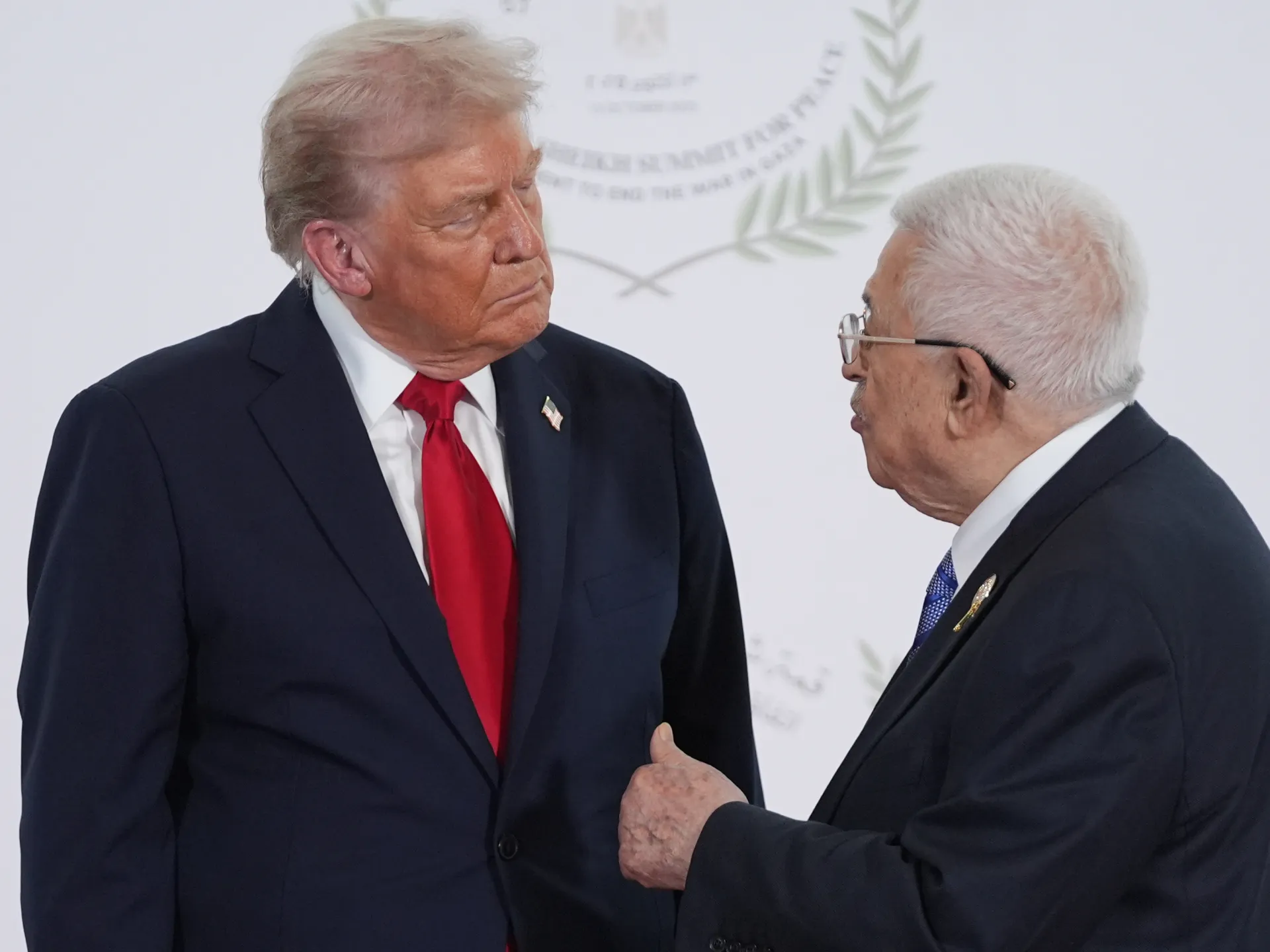
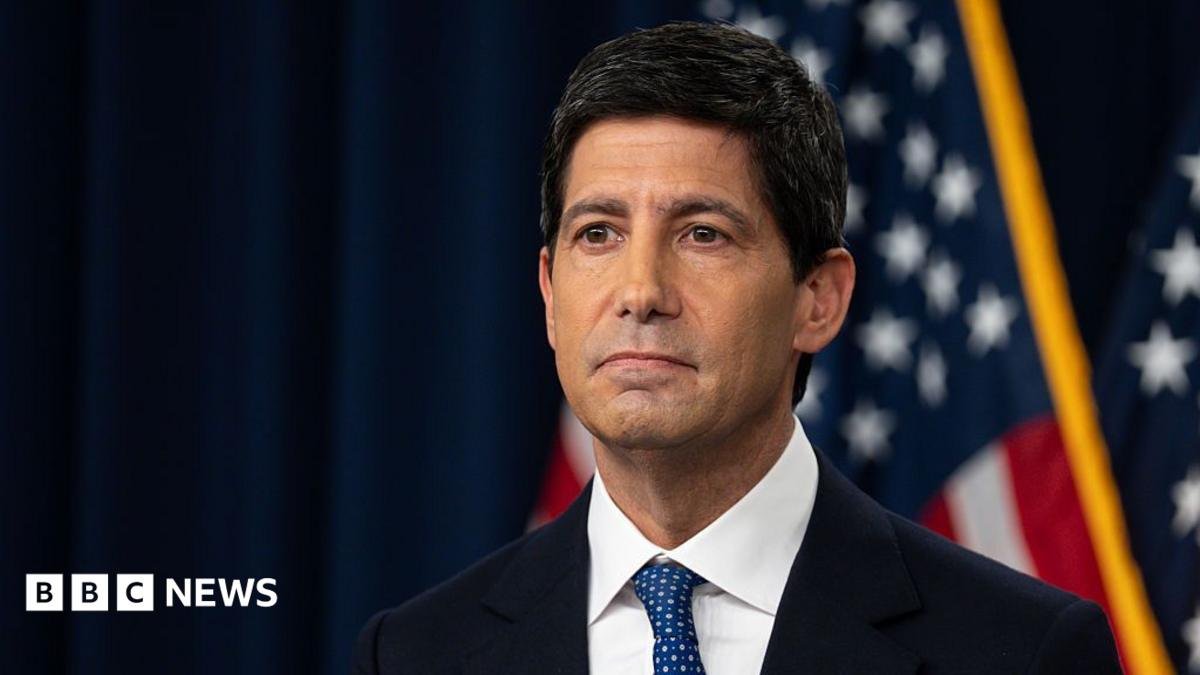
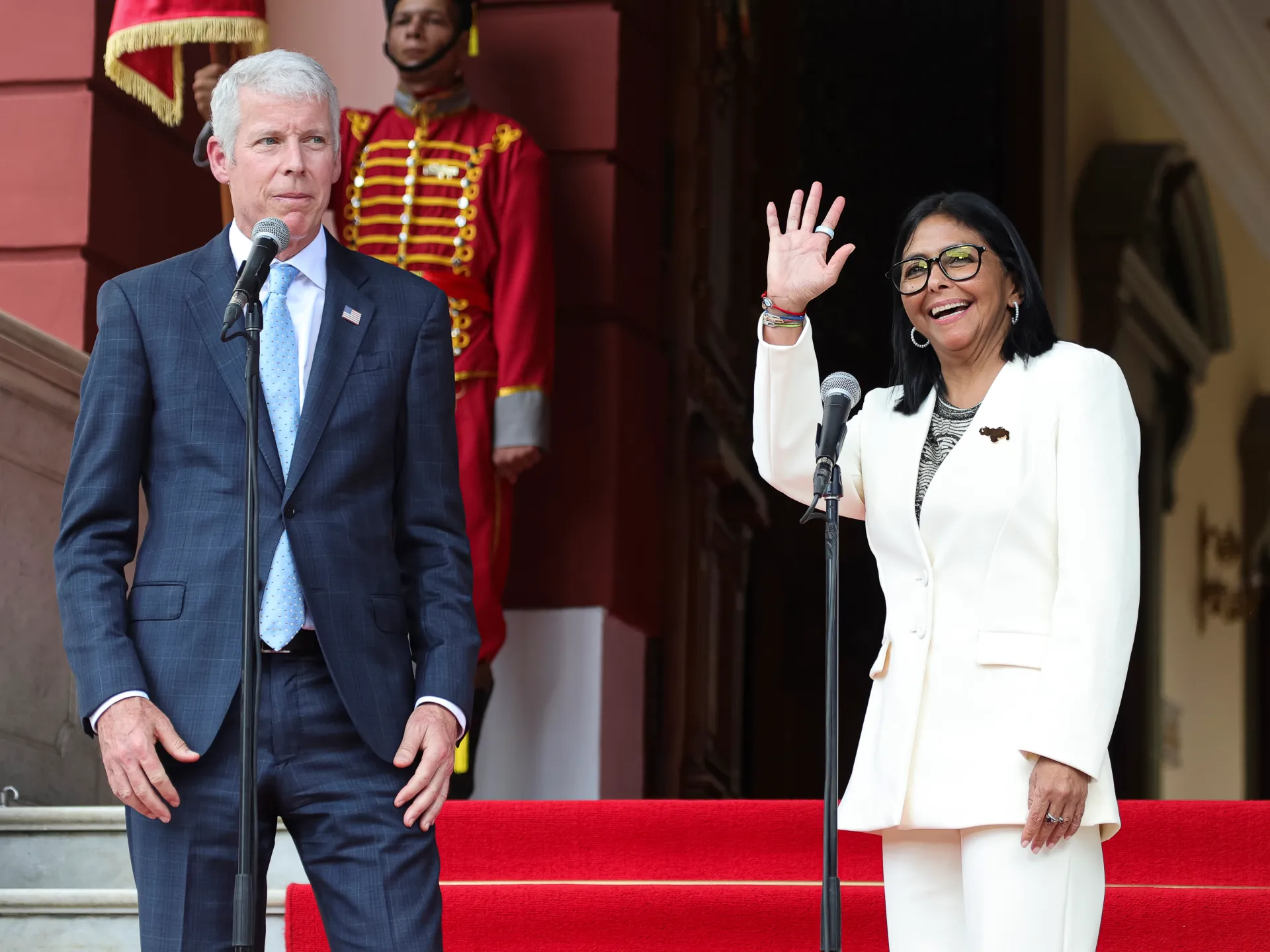
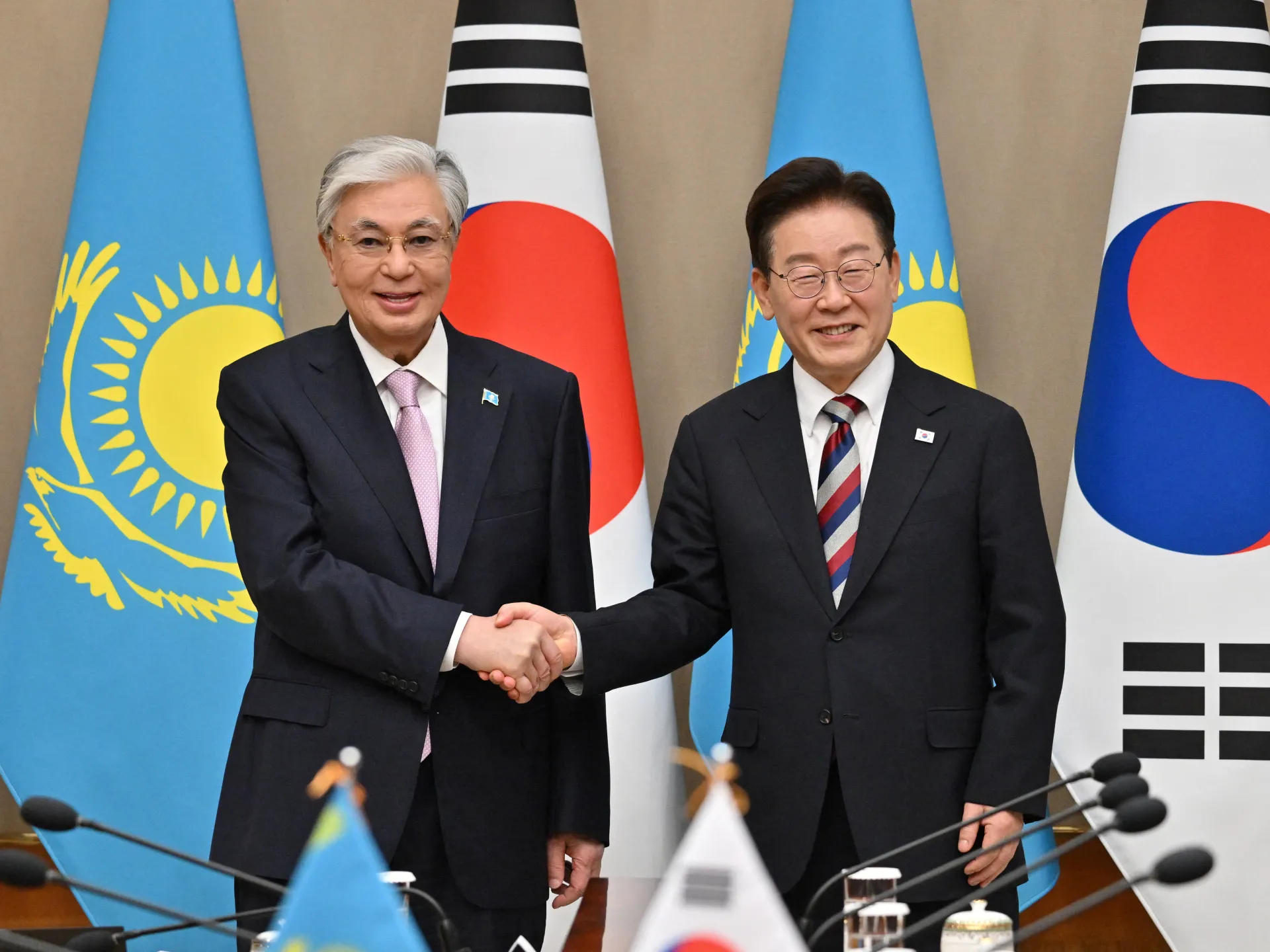
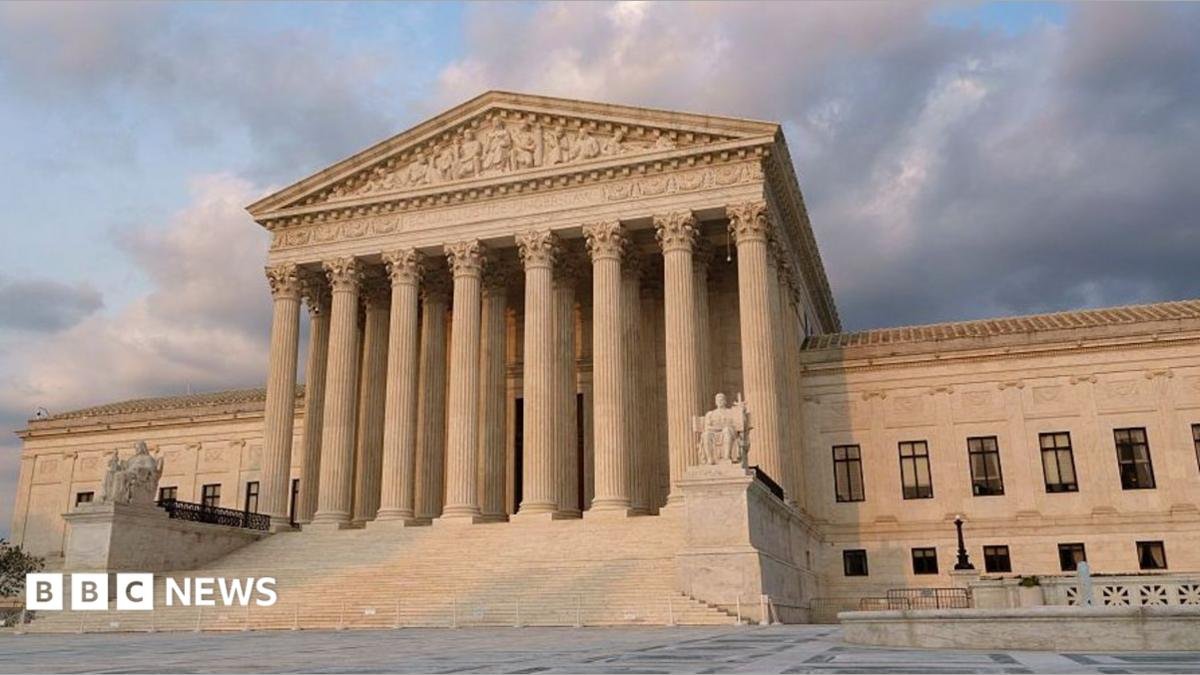
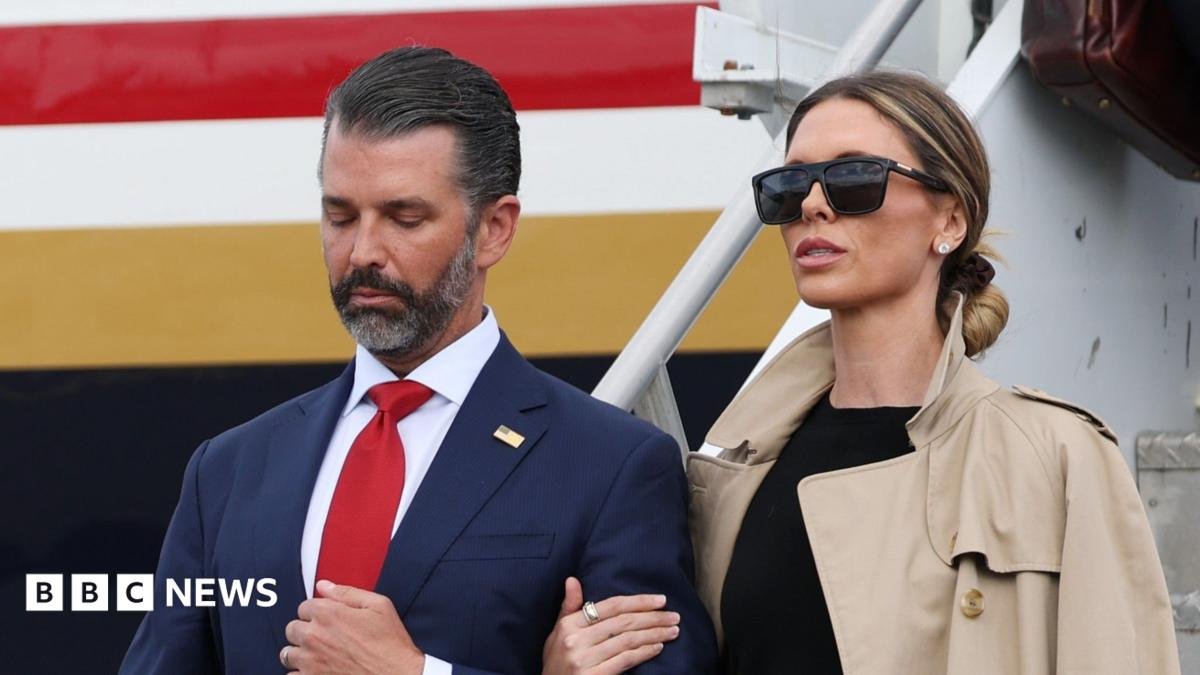
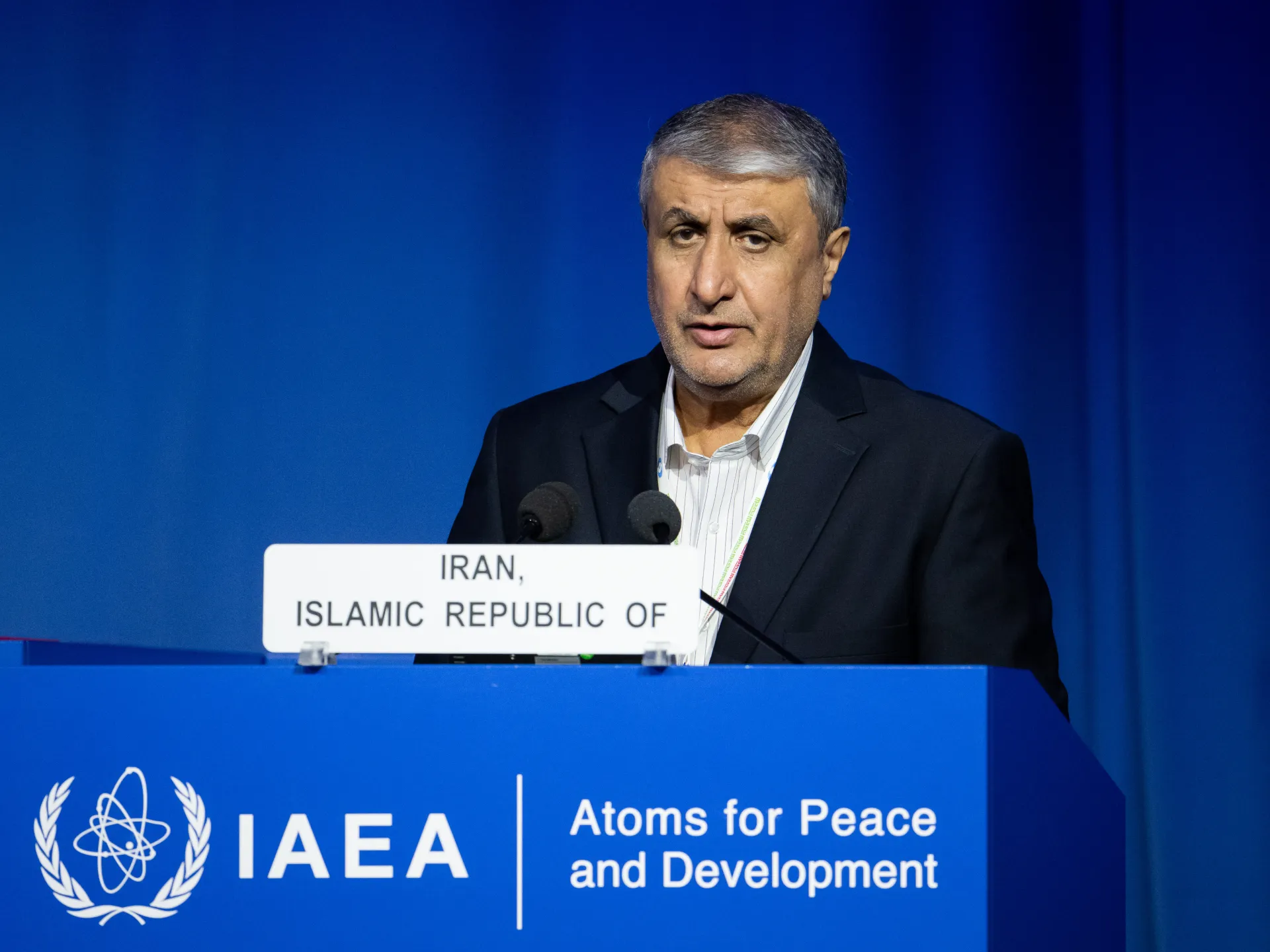
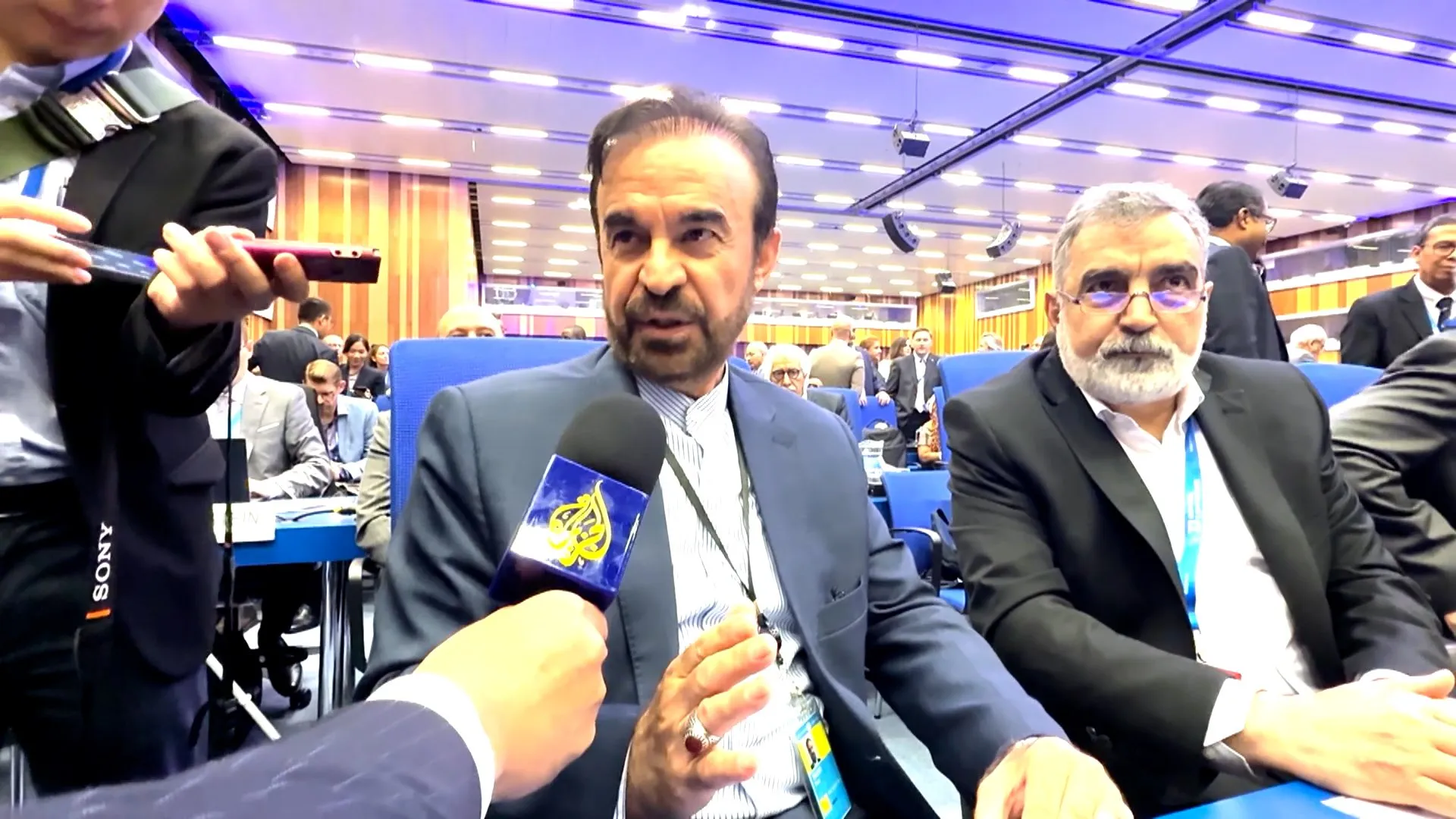
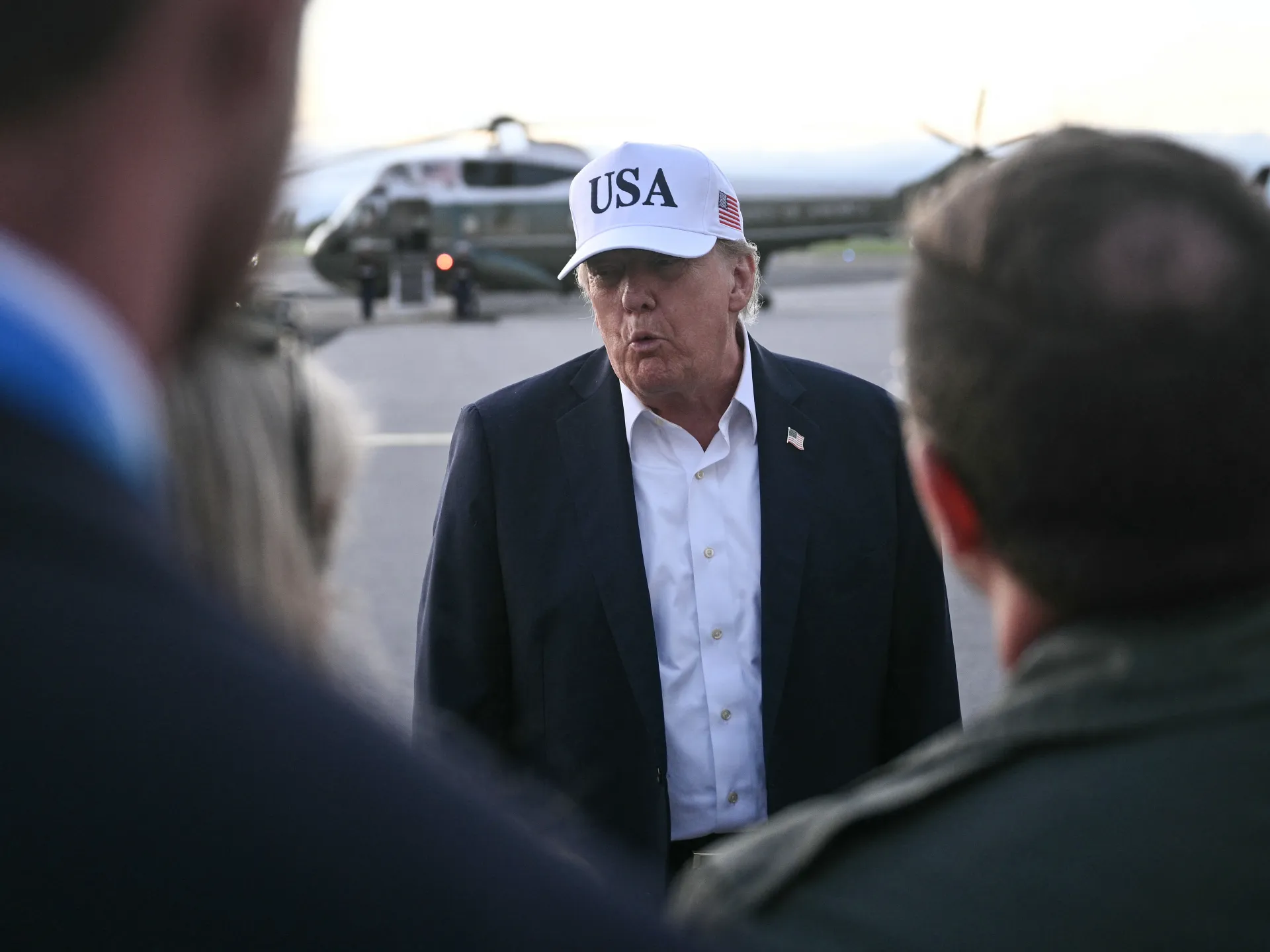
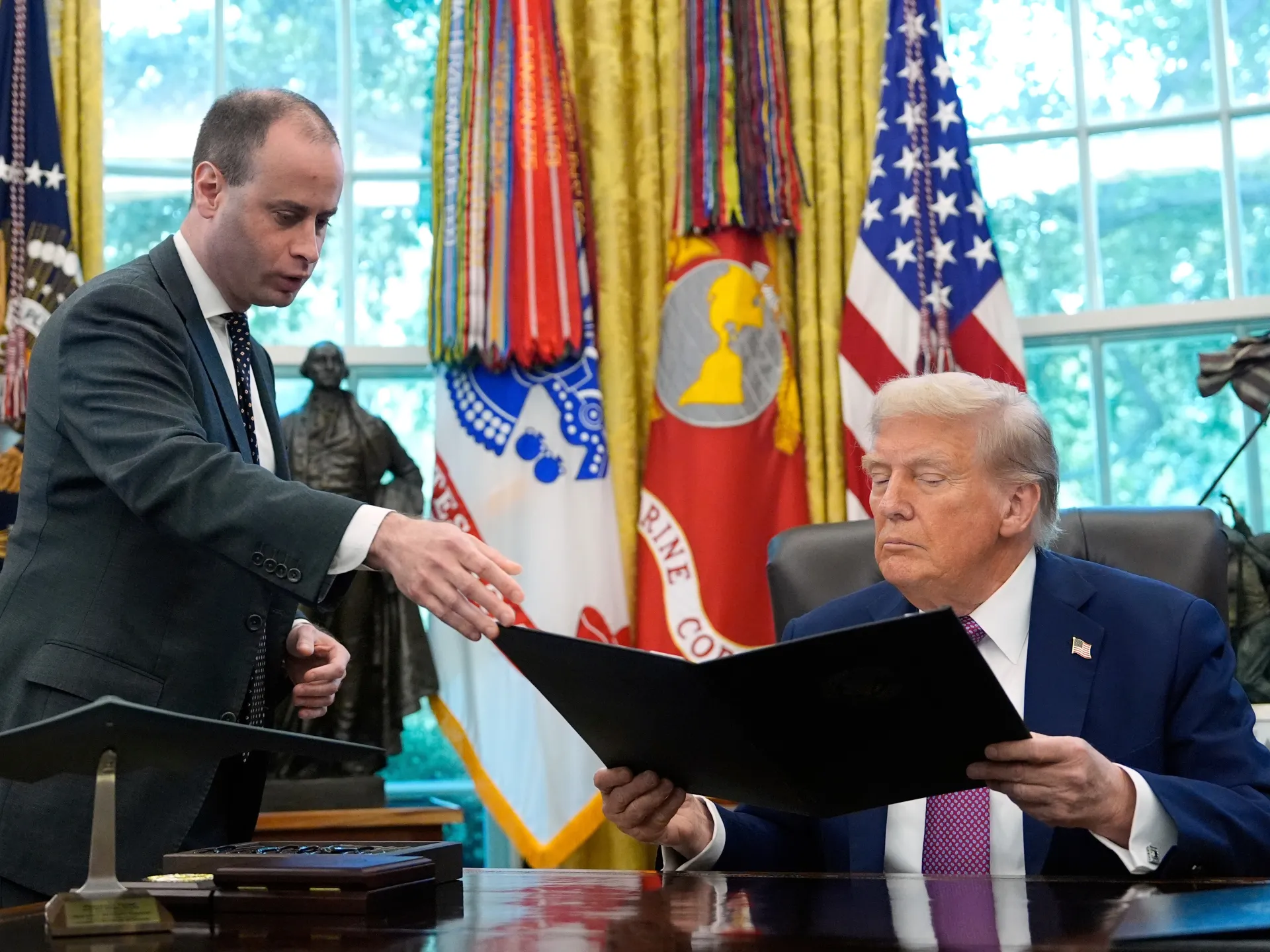
As the conflict enters its seventh month, the United States has confirmed it will grant visas to a reduced Iranian delegation, including President Masoud Pezeshkian and Foreign Minister Abbas Araghchi, to attend the 81st session of the UN General Assembly. This decision adheres to long-standing host country obligations, yet the Biden administration has emphasized that the delegation will face stringent movement and purchasing restrictions while in New York. State Department officials have explicitly stated that these measures are intended to prevent the delegation from engaging in luxury retail activities, a move framed as a moral response to the economic hardships faced
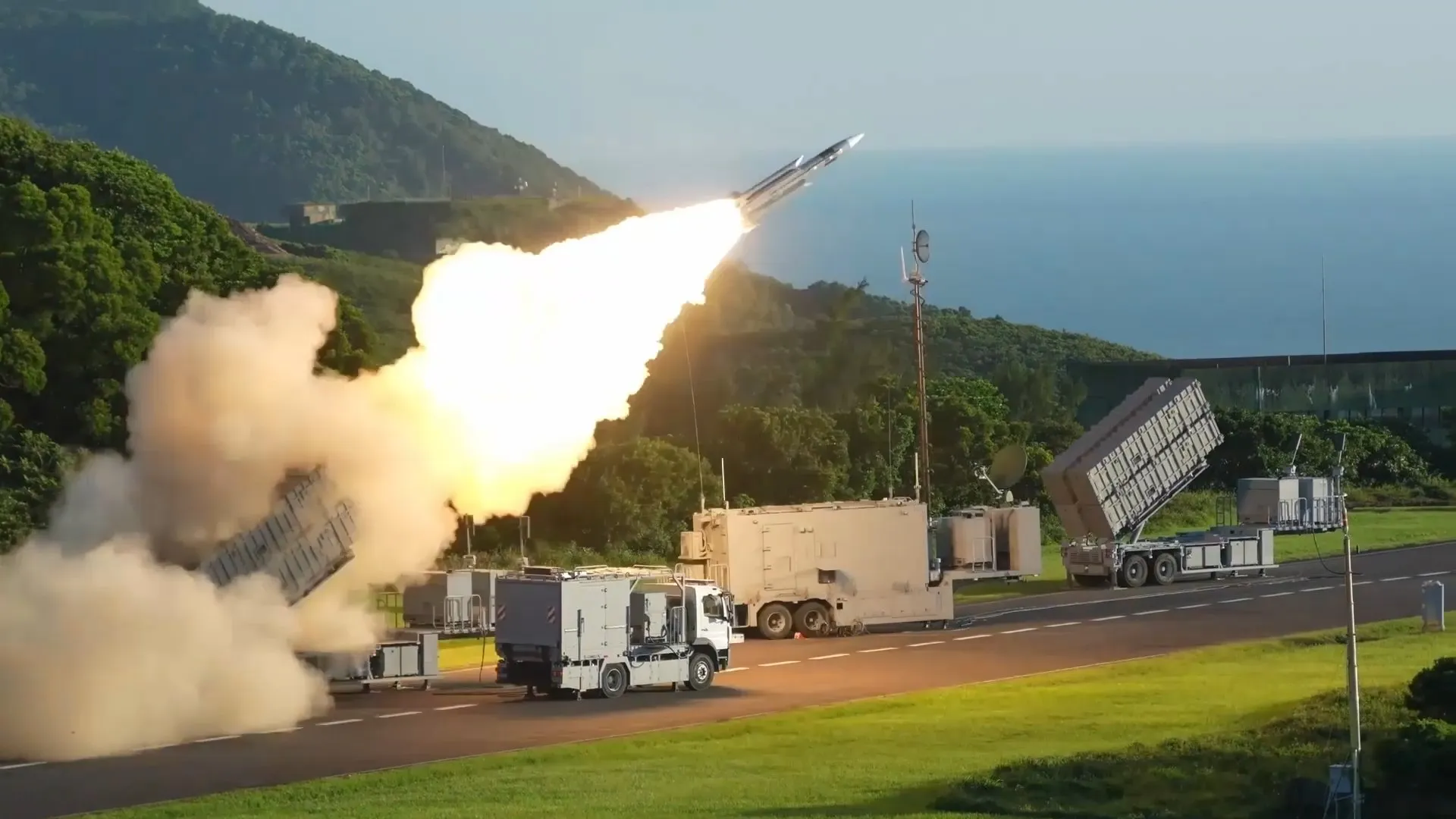
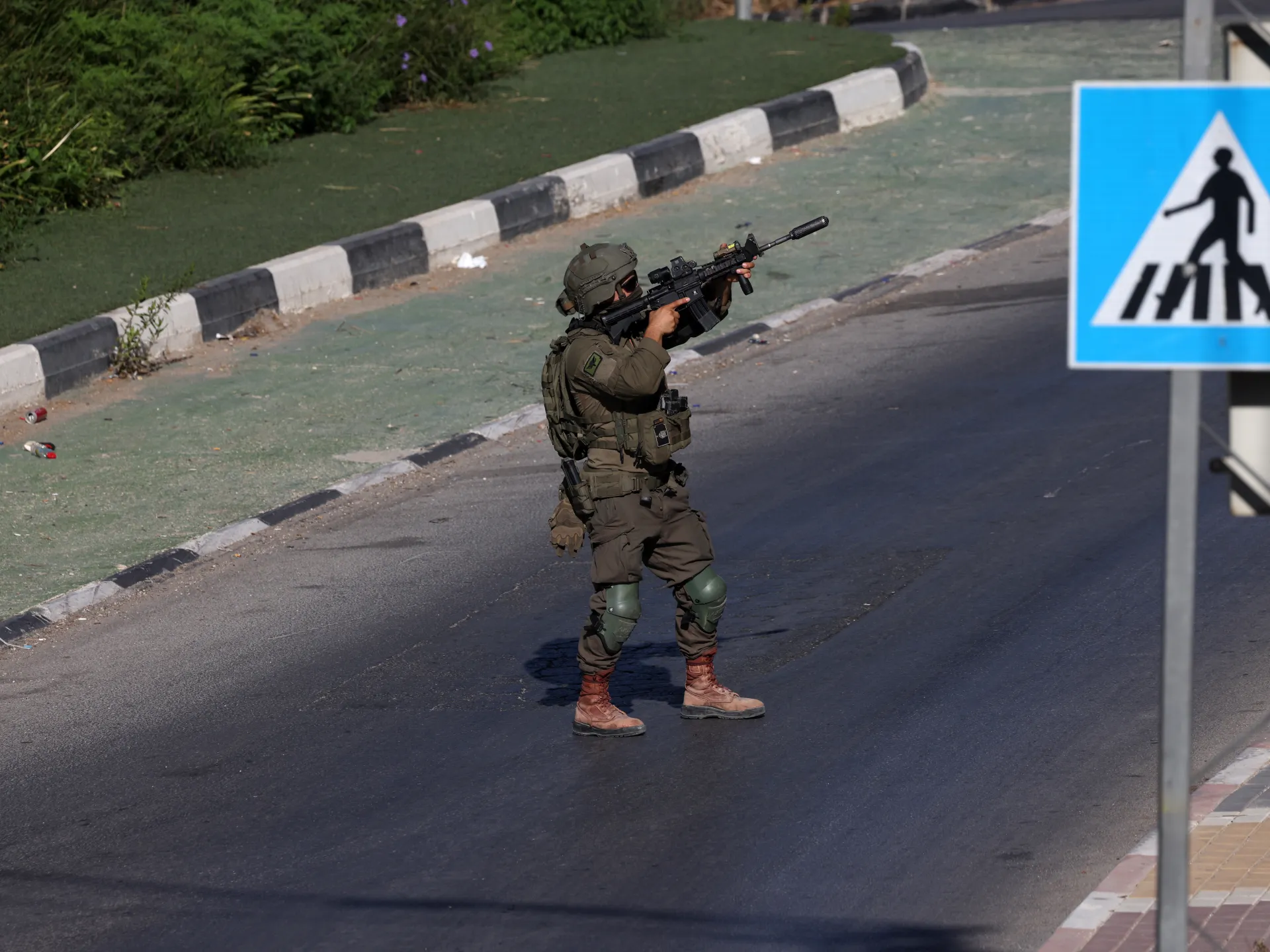
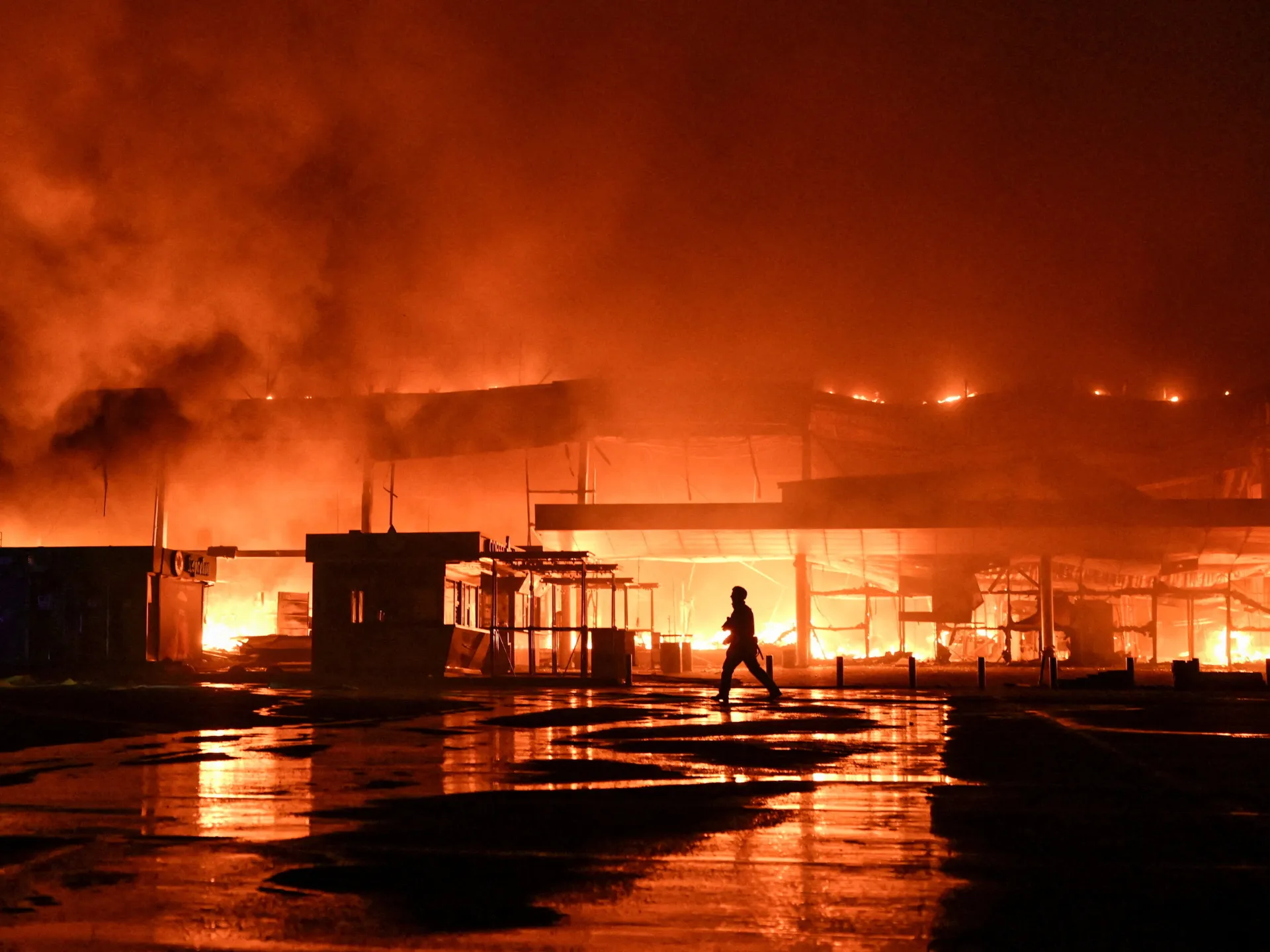
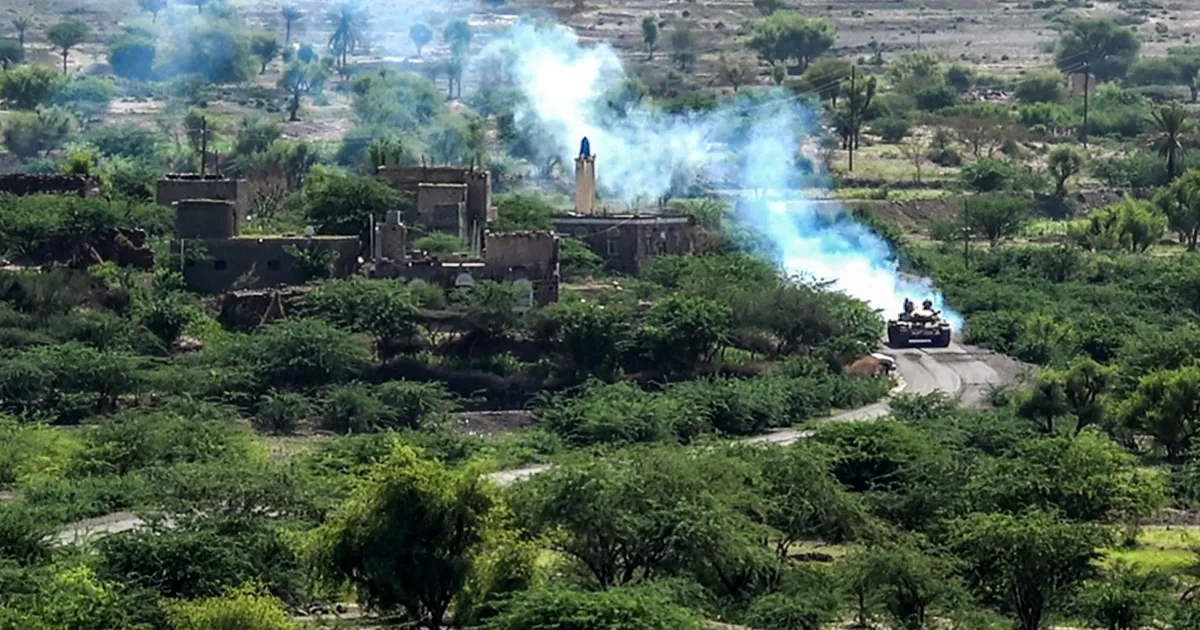
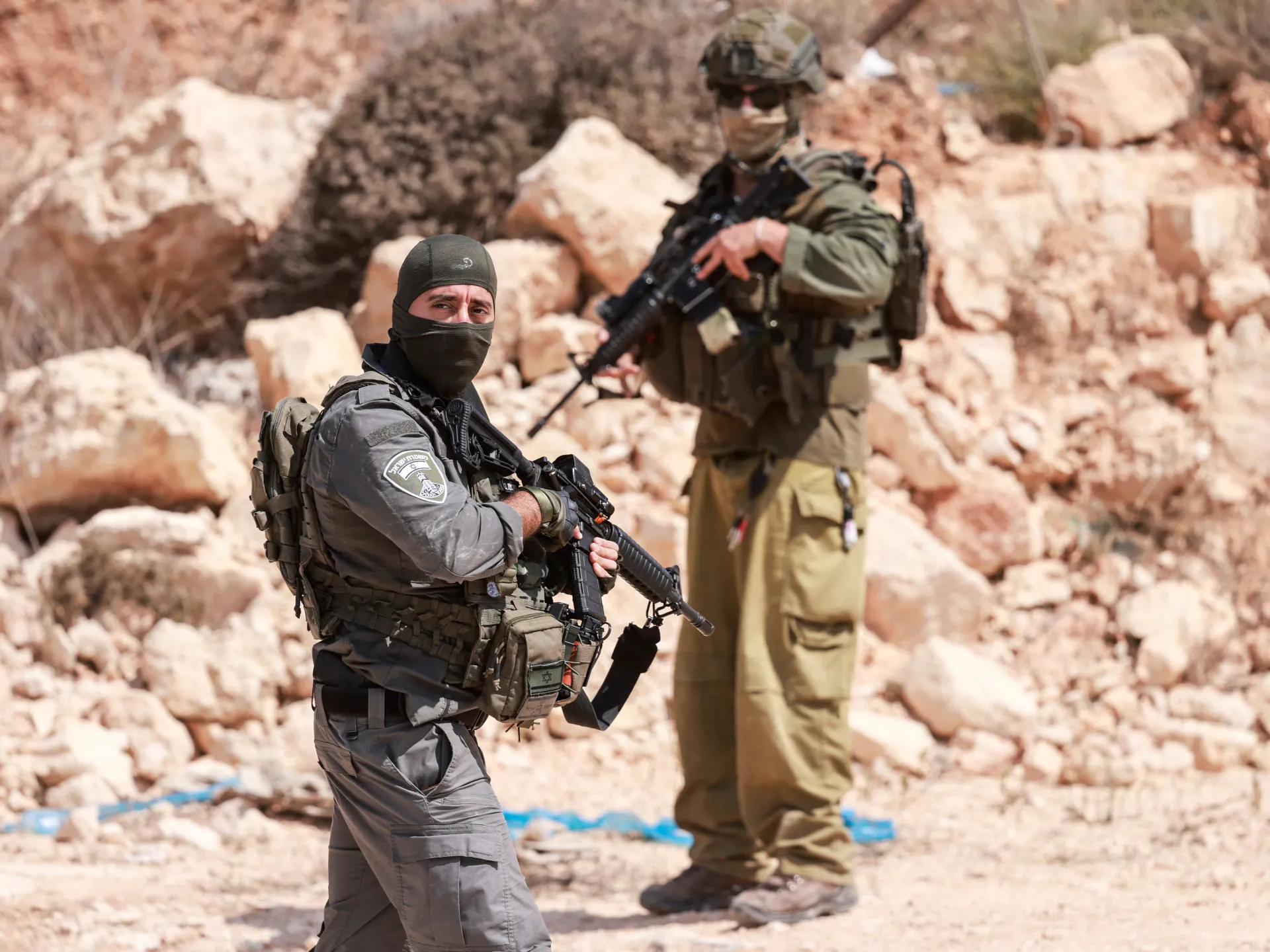
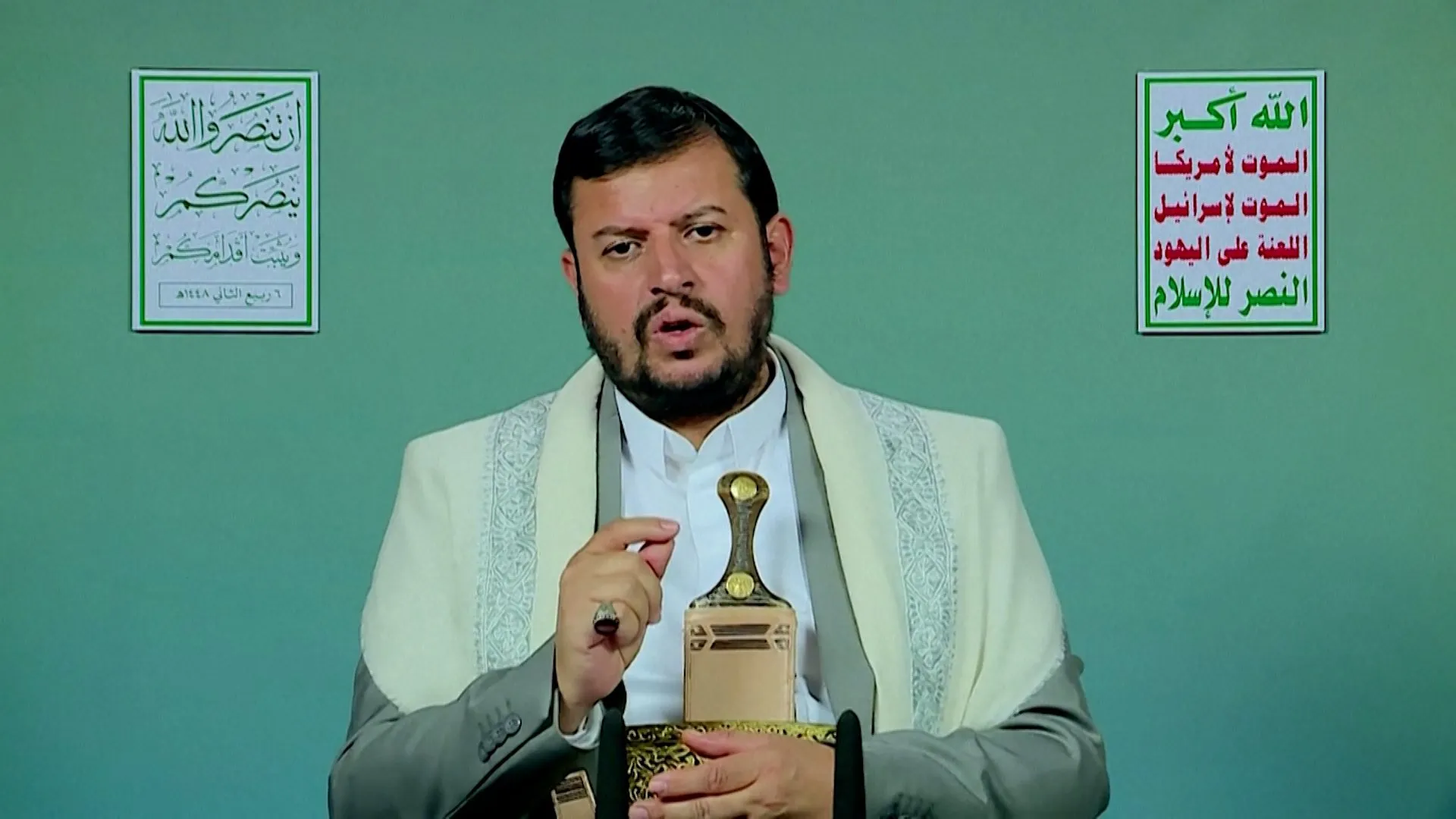
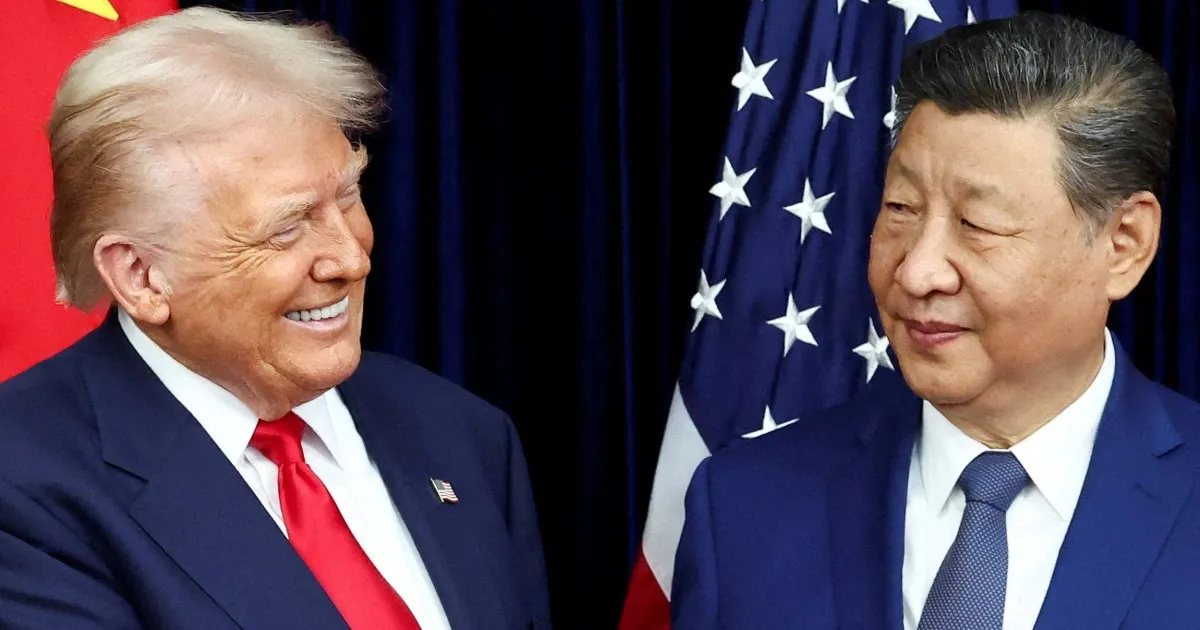
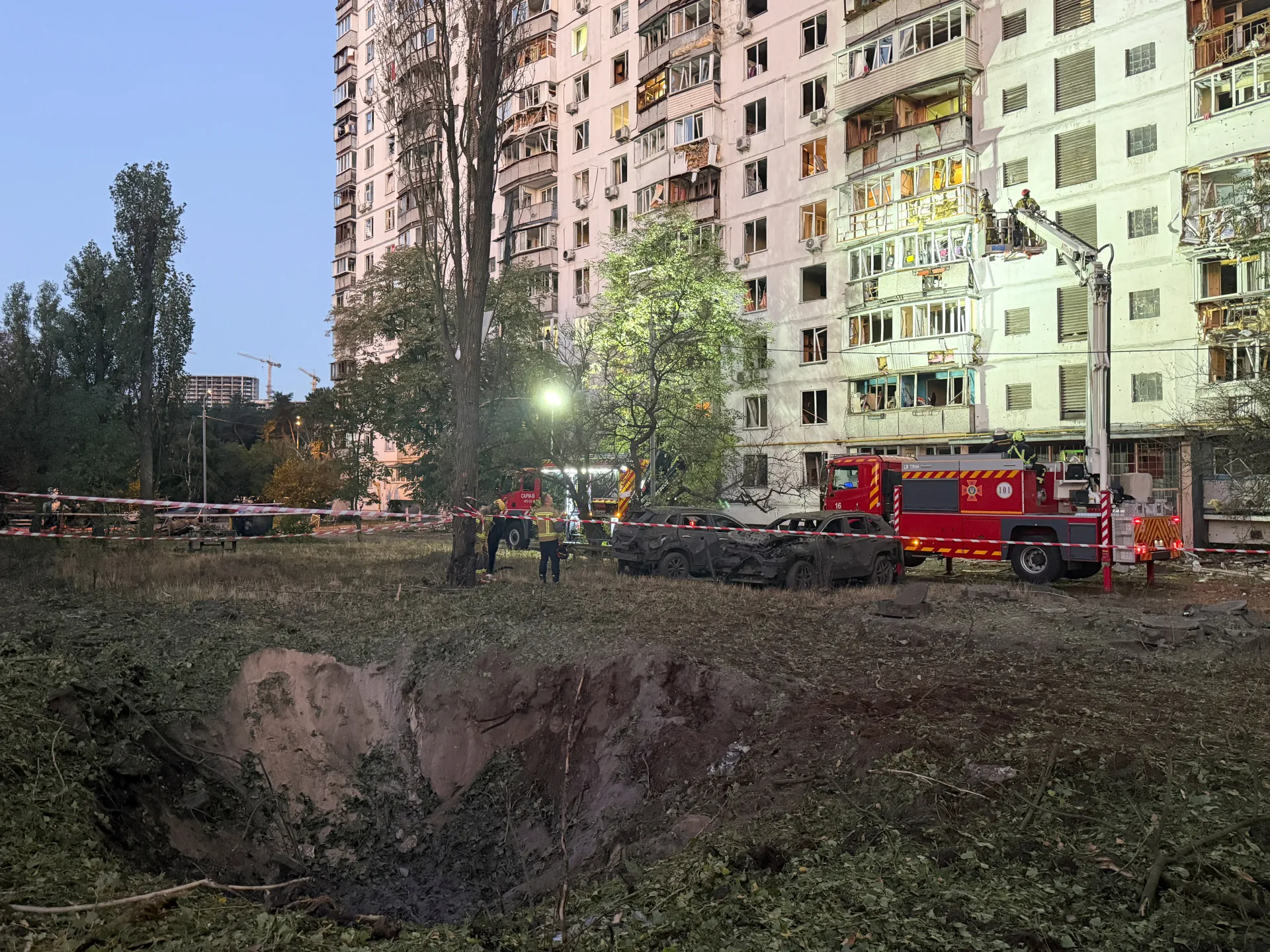
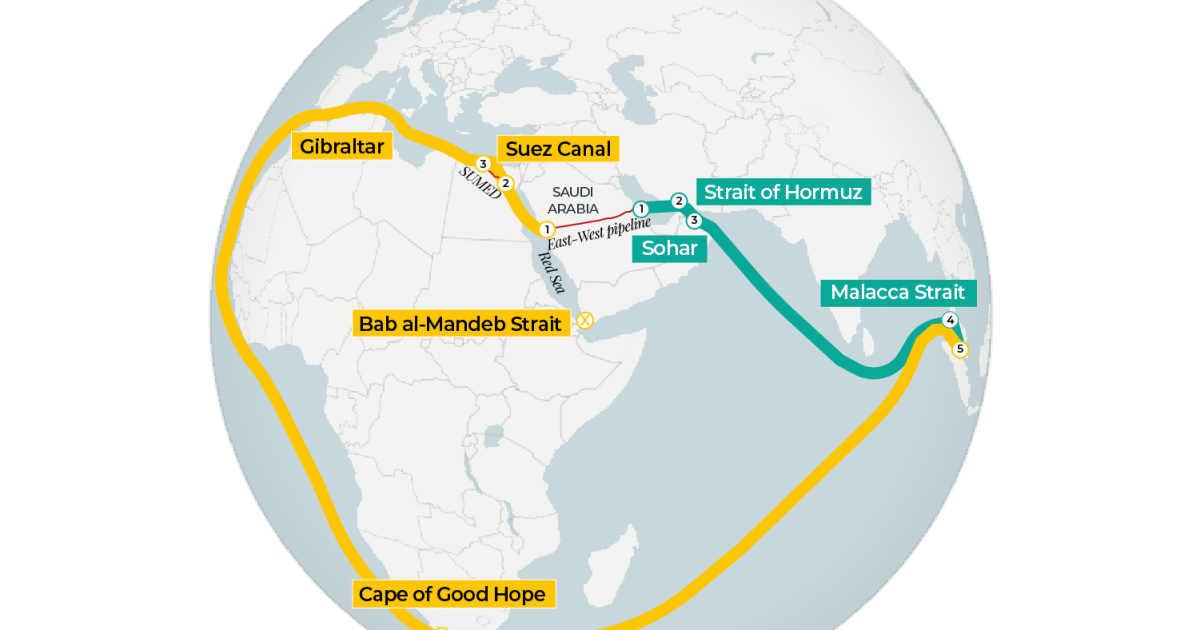
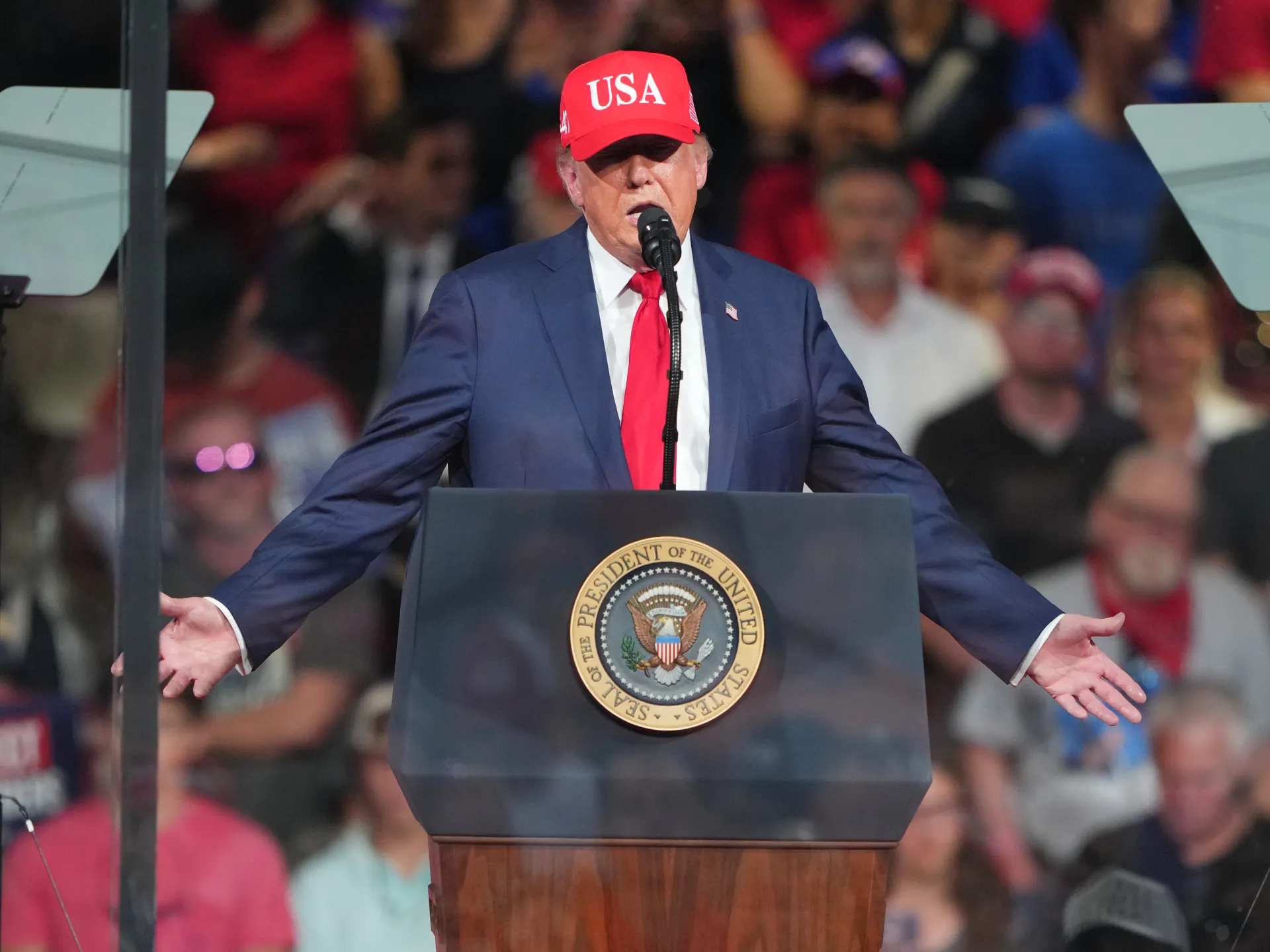
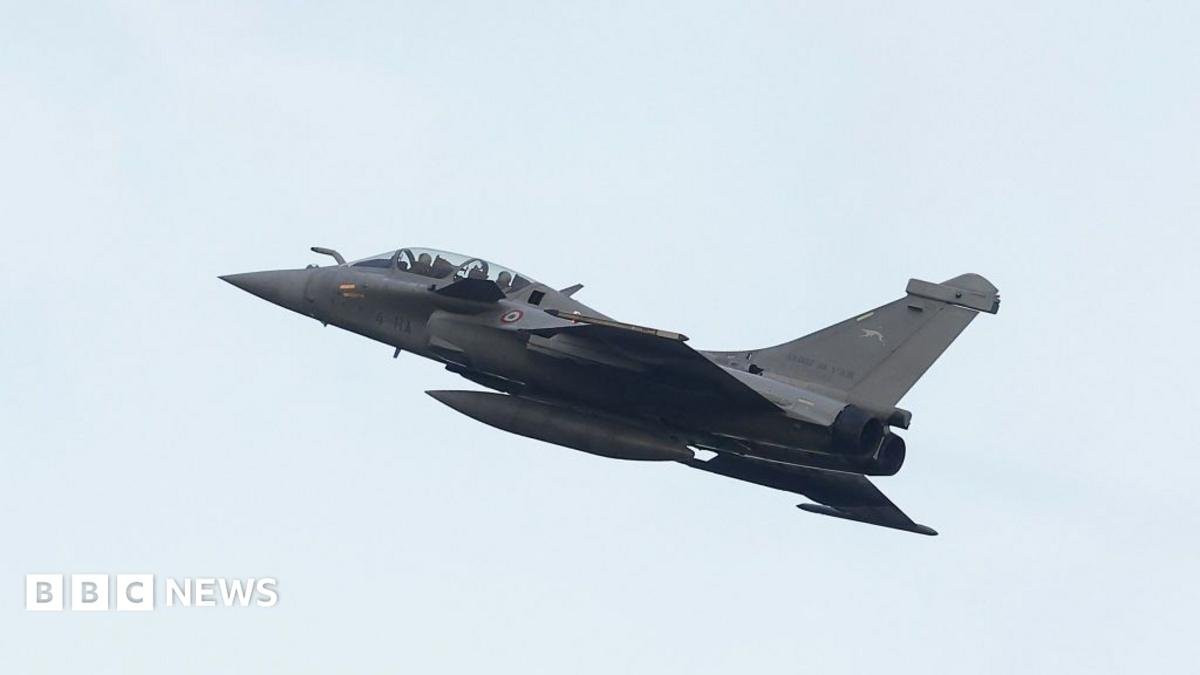
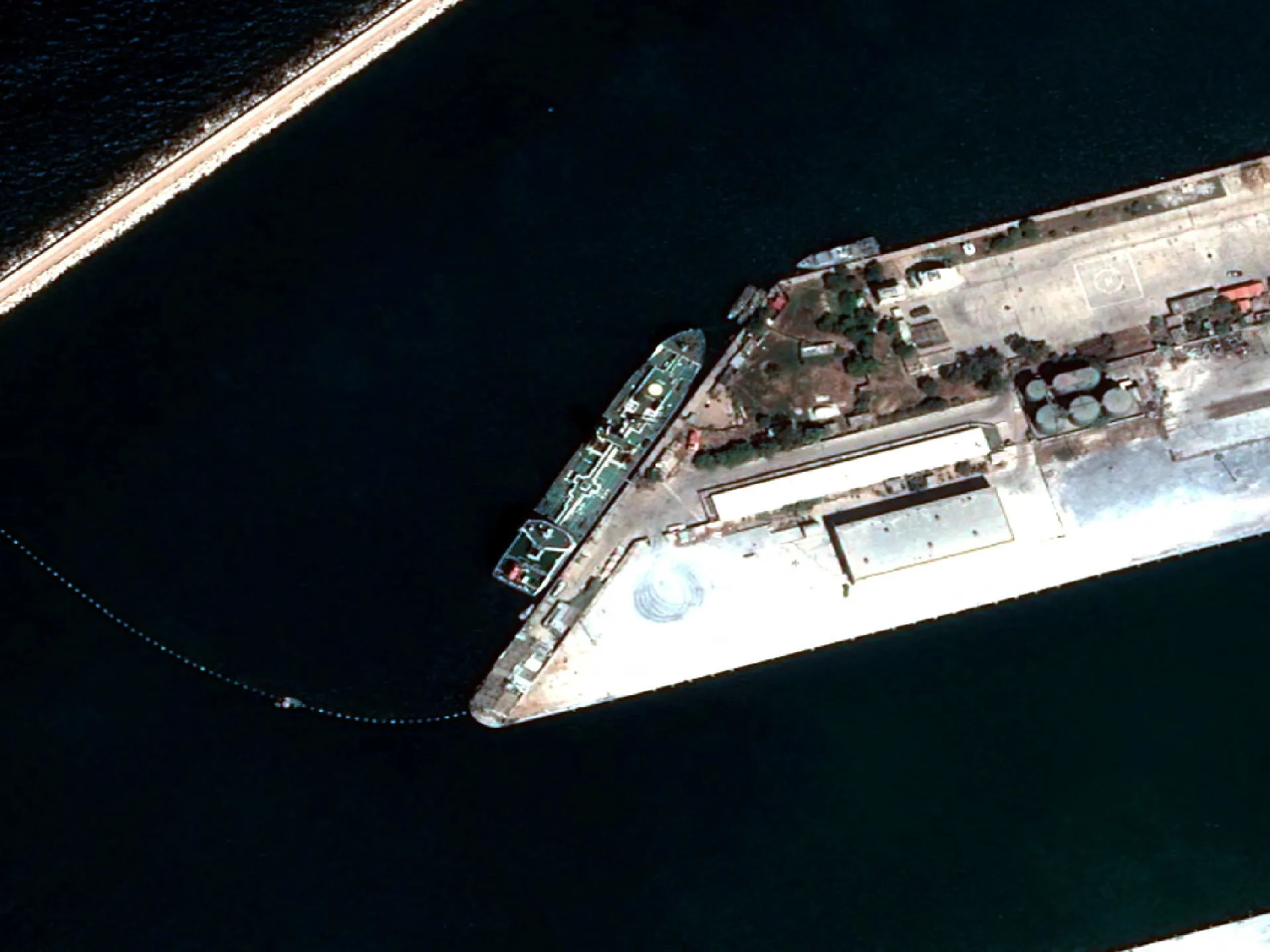
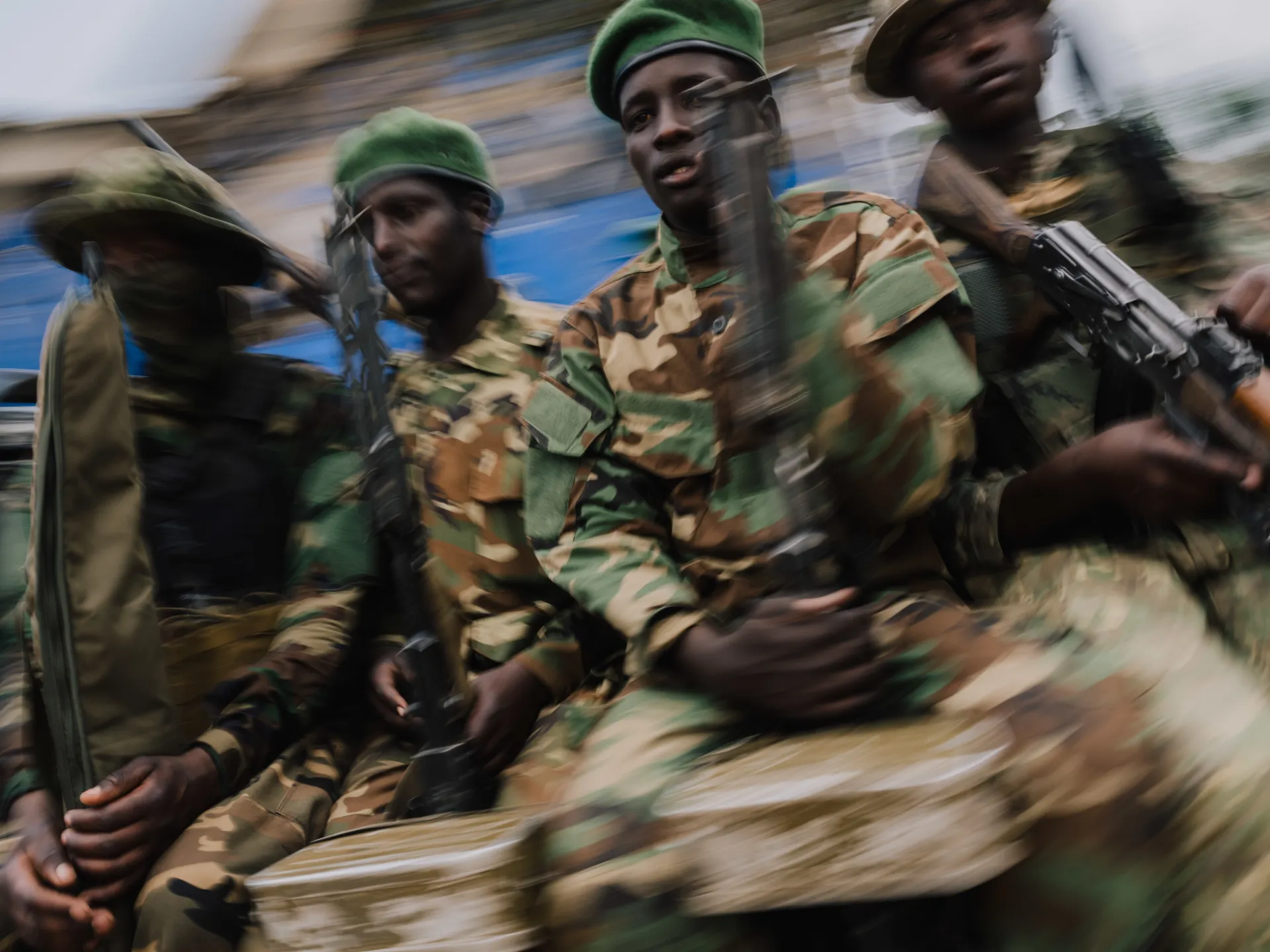
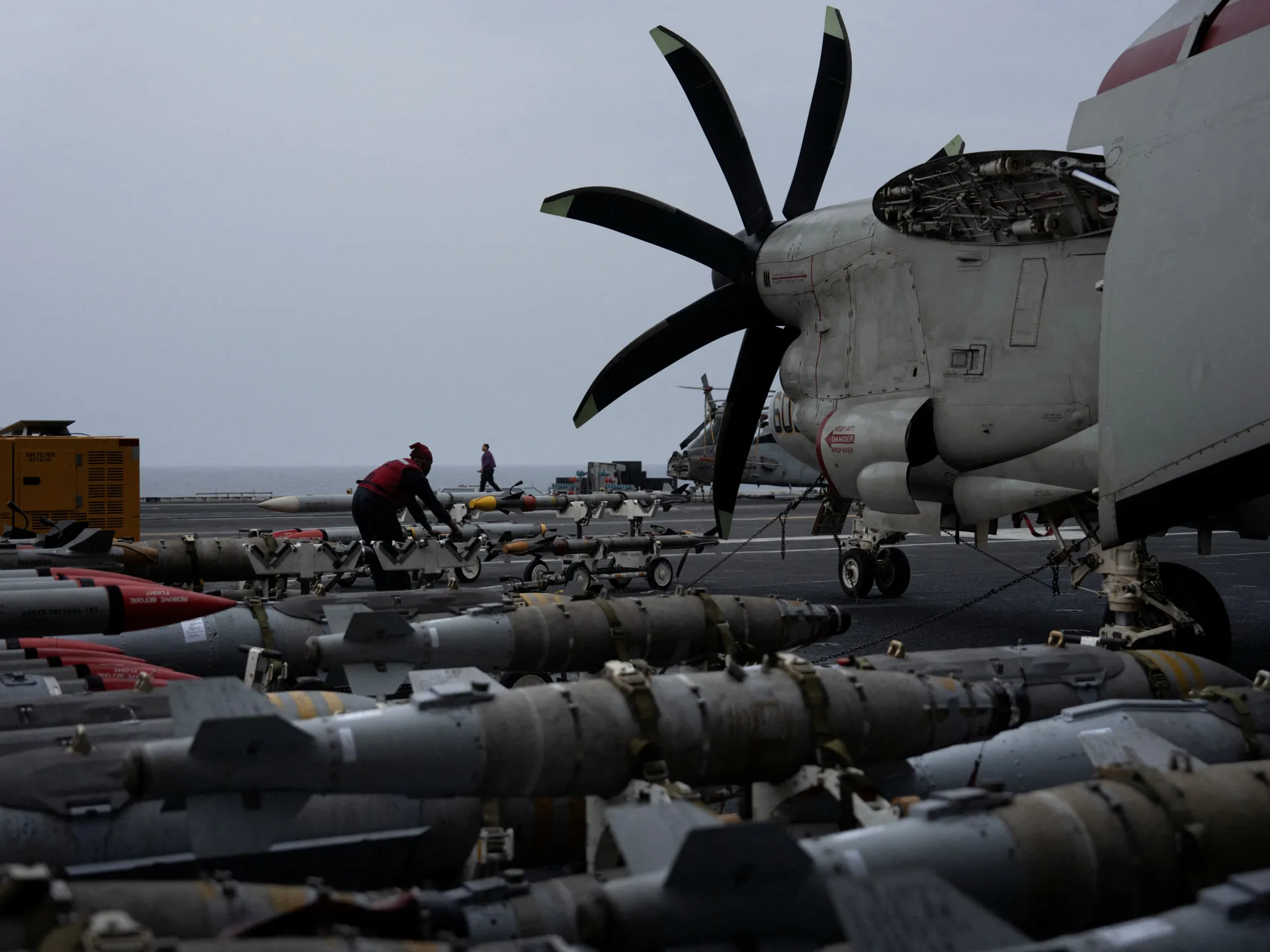
This diplomatic gesture occurs against a backdrop of military stalemate. Since the initial joint strikes regional stability and global energy markets. The upcoming UN High Level Week will feature speeches from global leaders, including the anticipated address posing sides of the conflict to present their narratives to the international community.
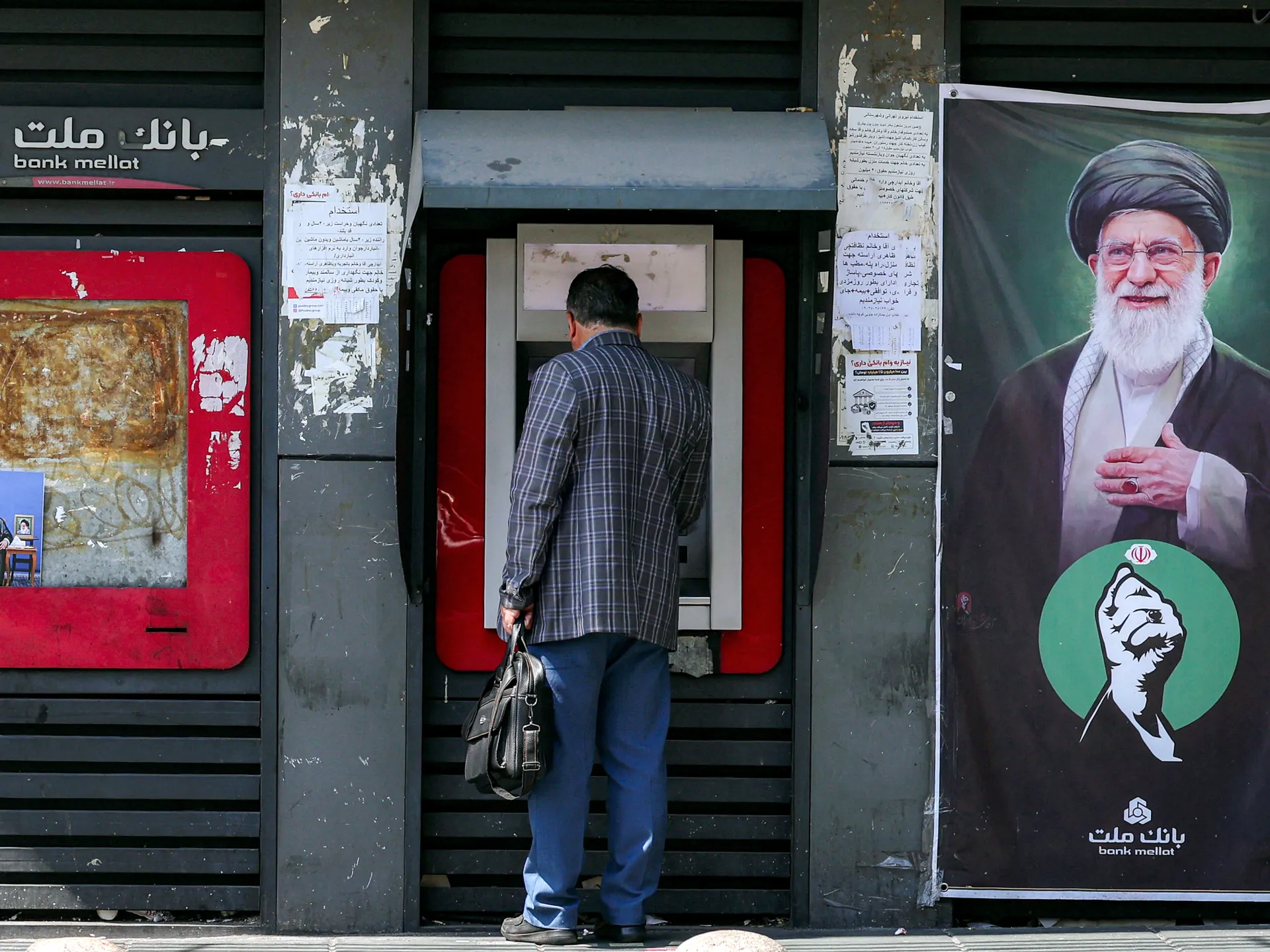
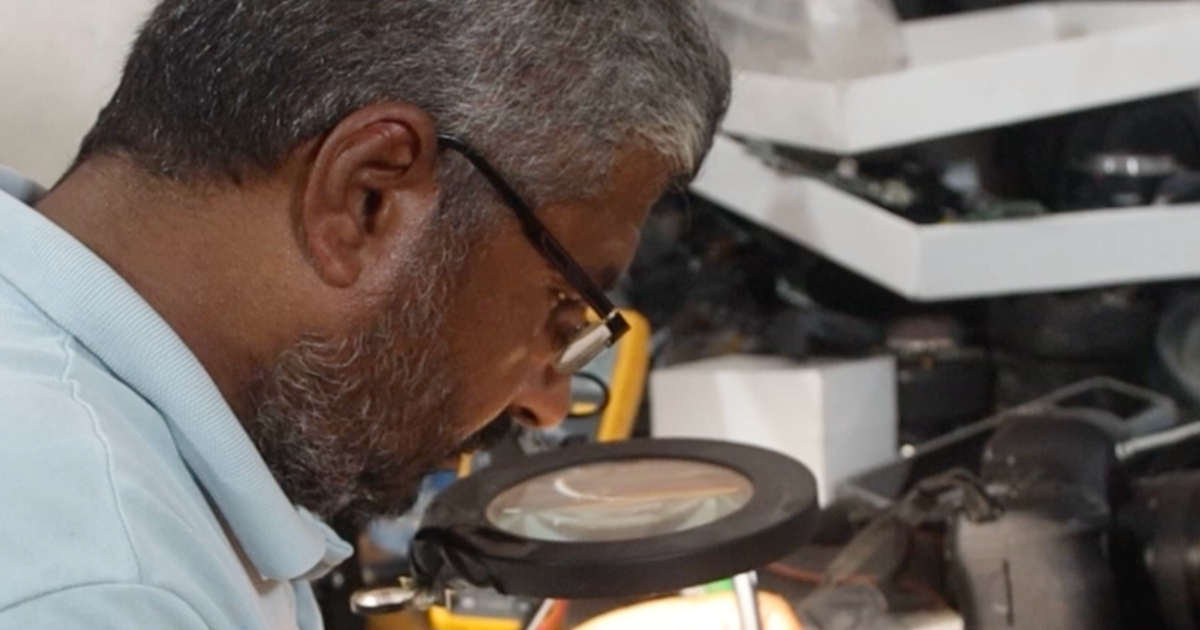
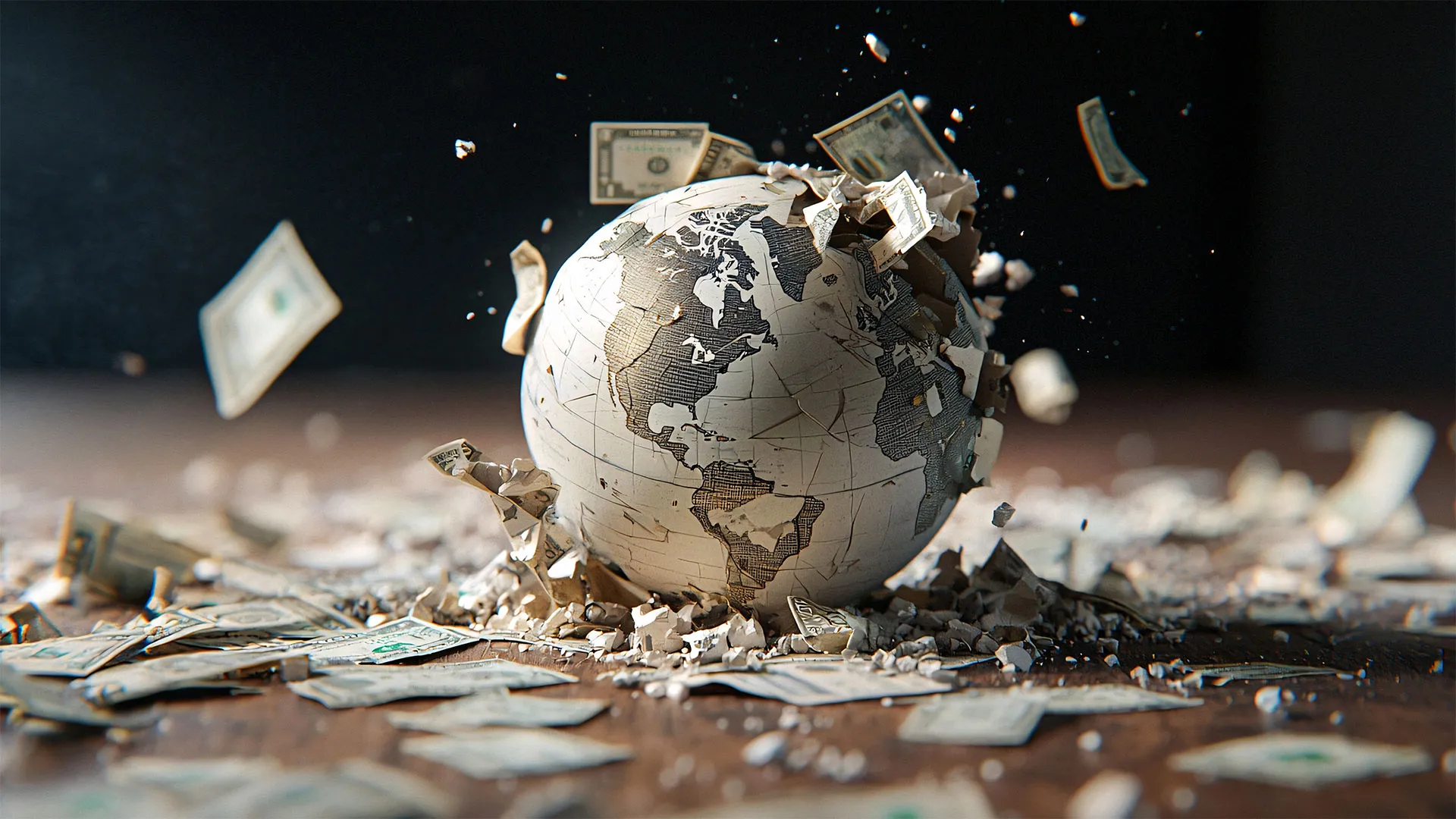
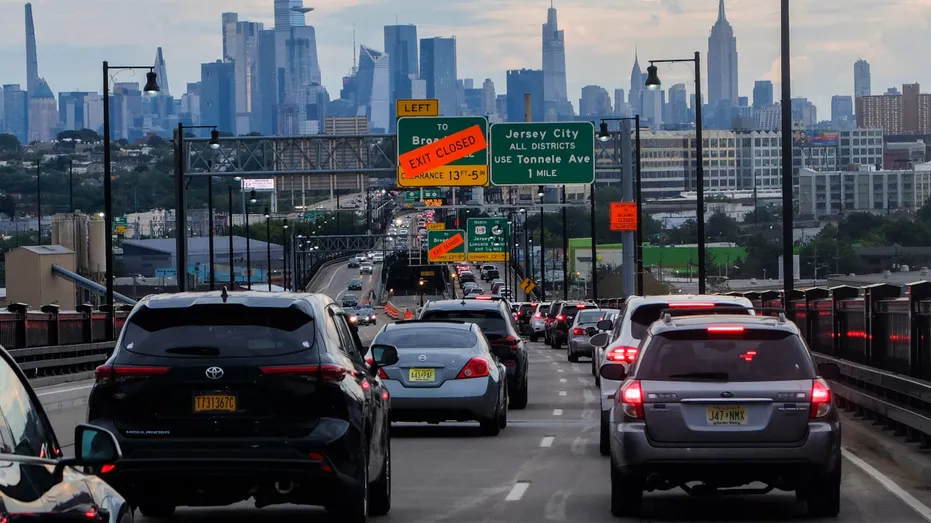
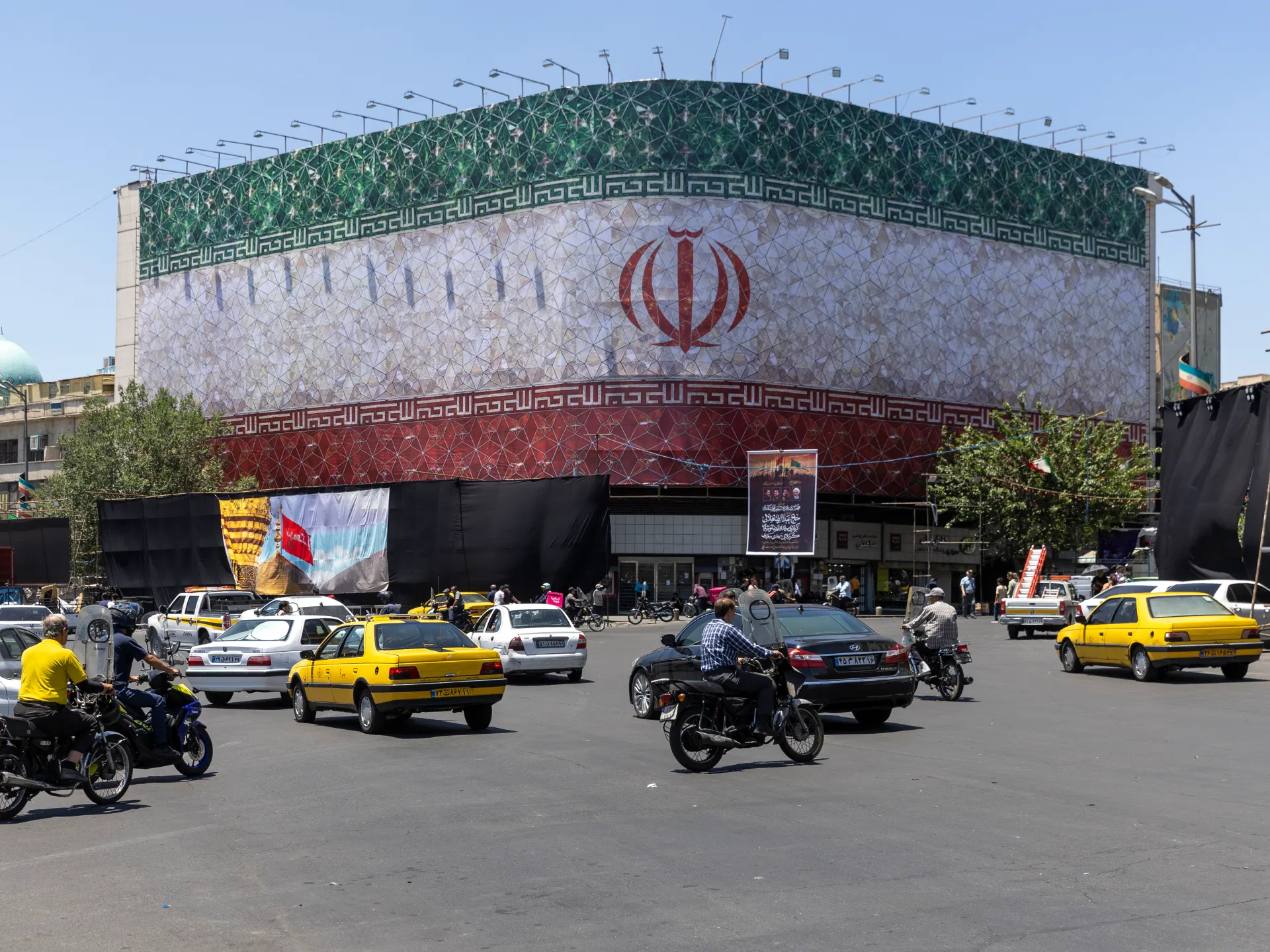
The economic toll of the conflict is perhaps most visible in the automotive sector, which serves as a barometer for the broader cost-of-living crisis within Iran. For the average Iranian worker, even those earning several times the minimum wage, the dream of vehicle ownership has shifted from a middle-class aspiration to an impossible financial burden. Domestic car prices have experienced staggering inflation, with many models increasing in cost ding 130 percent compared to September 2025 levels.
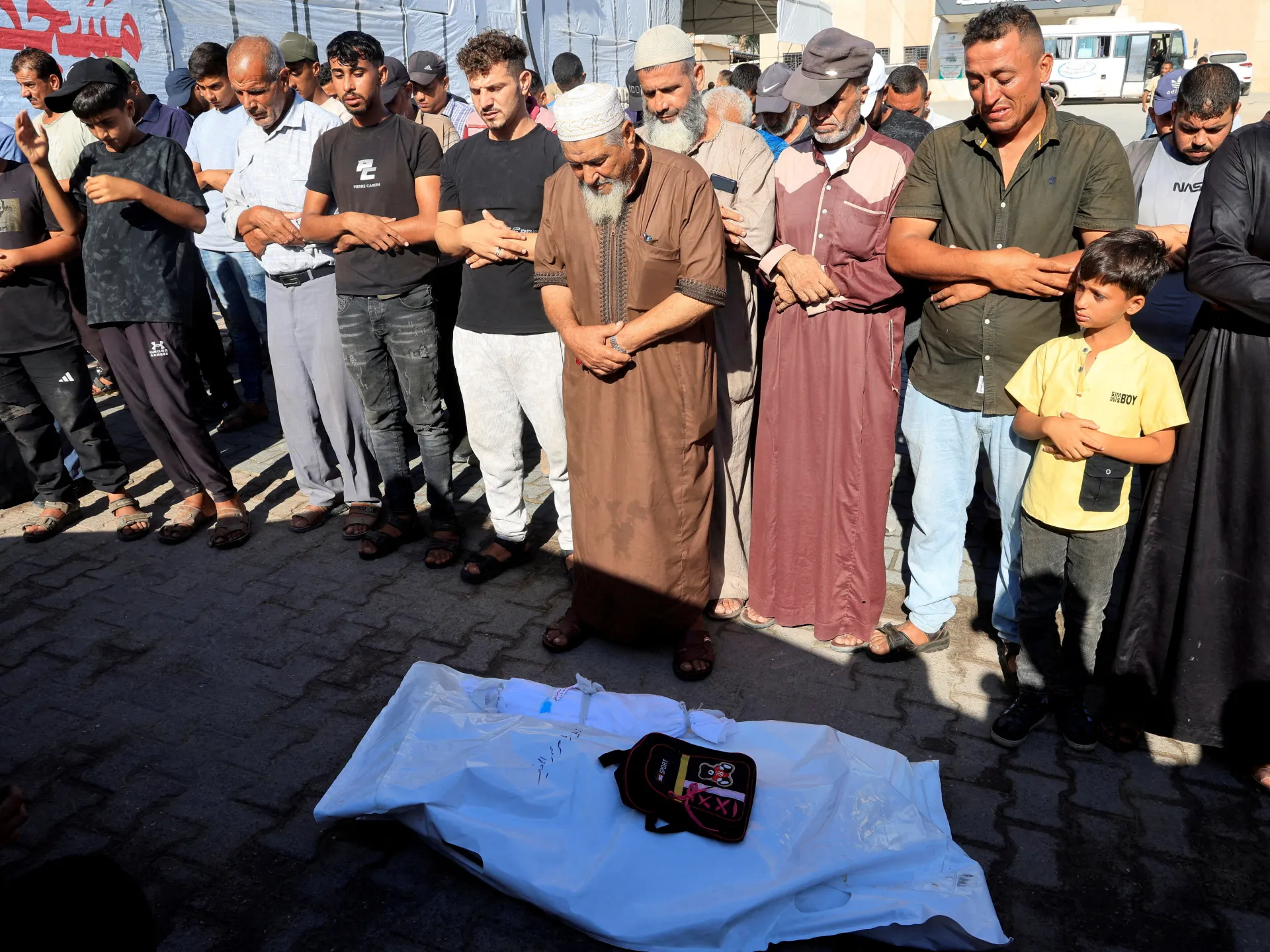
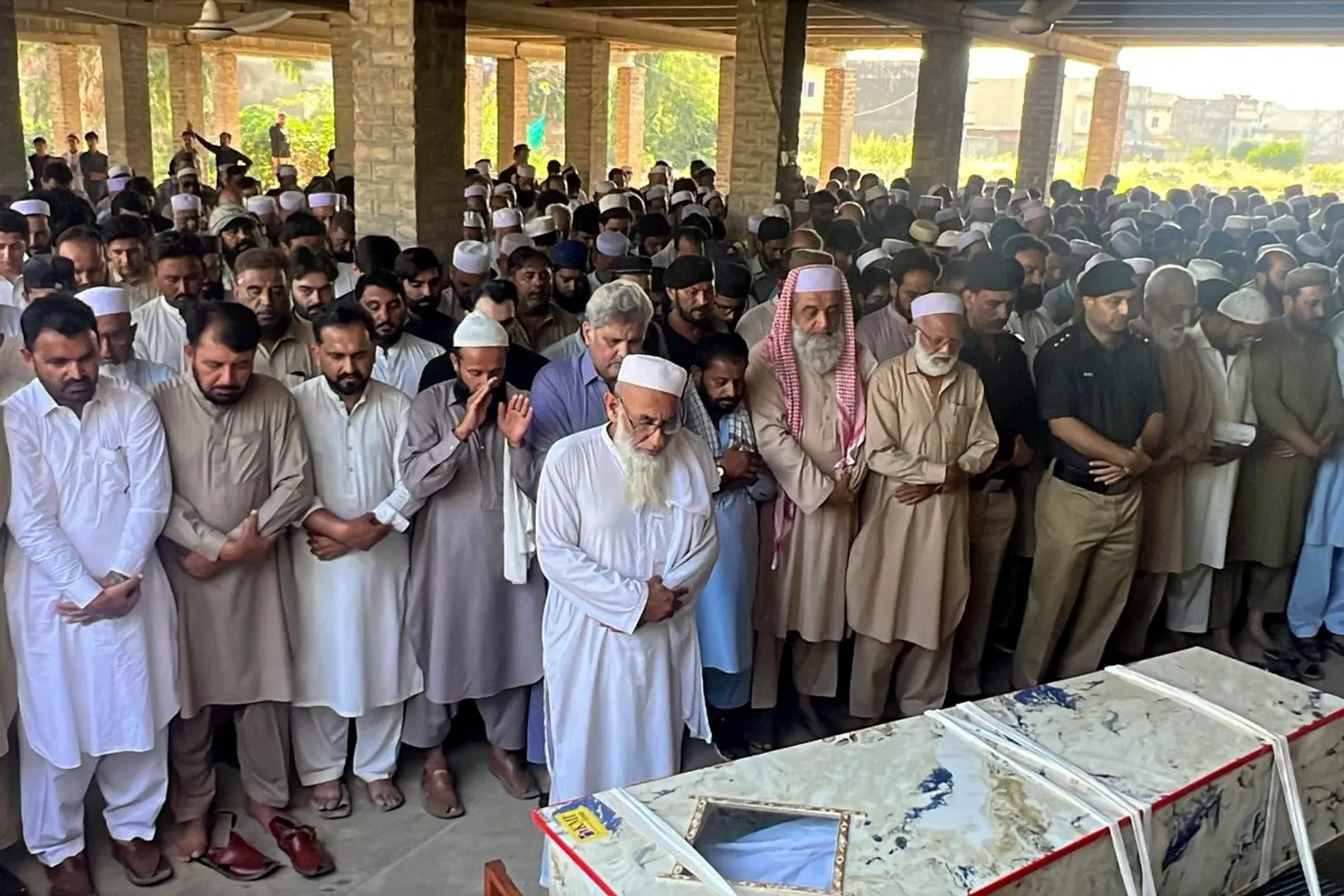
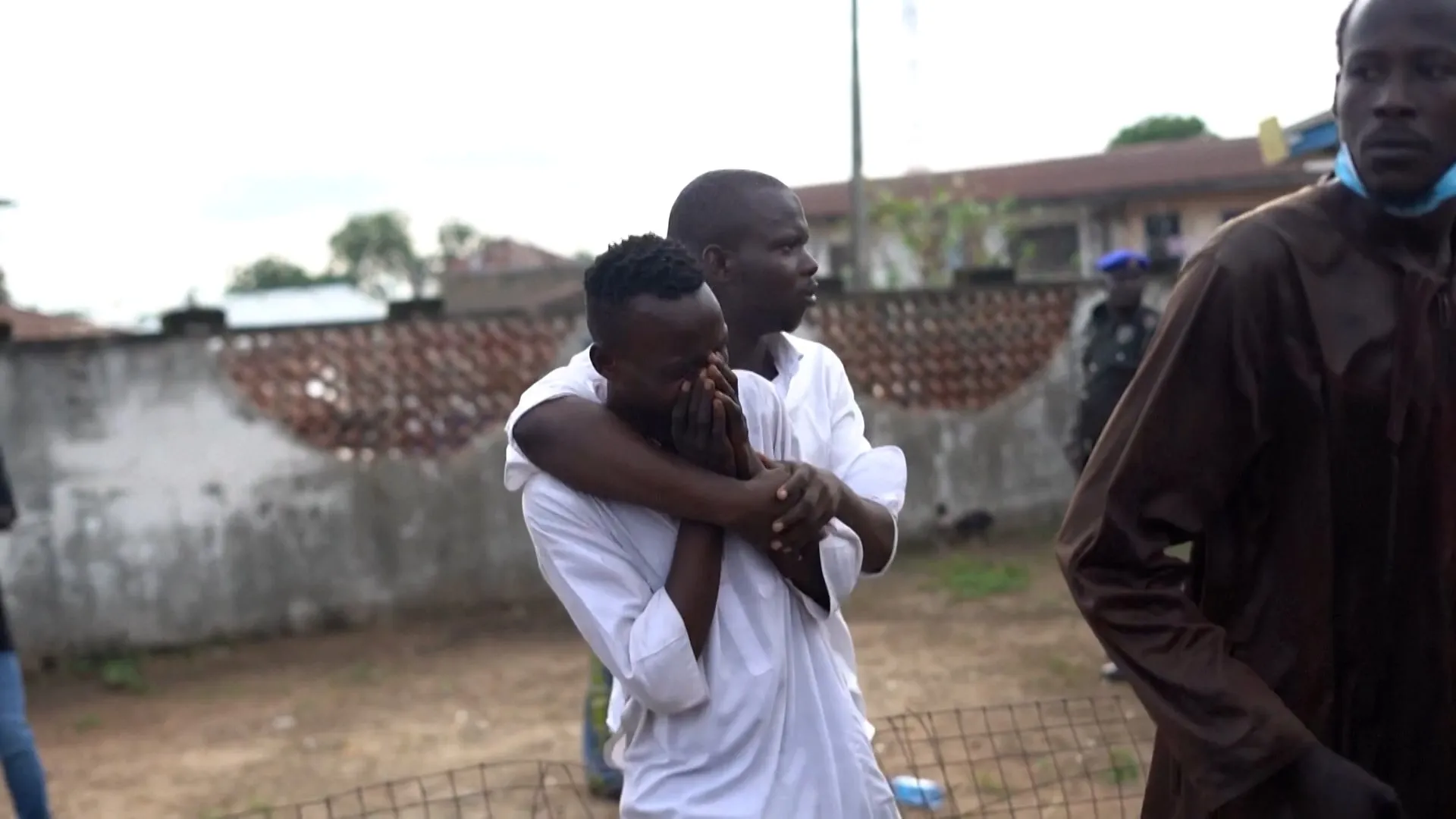
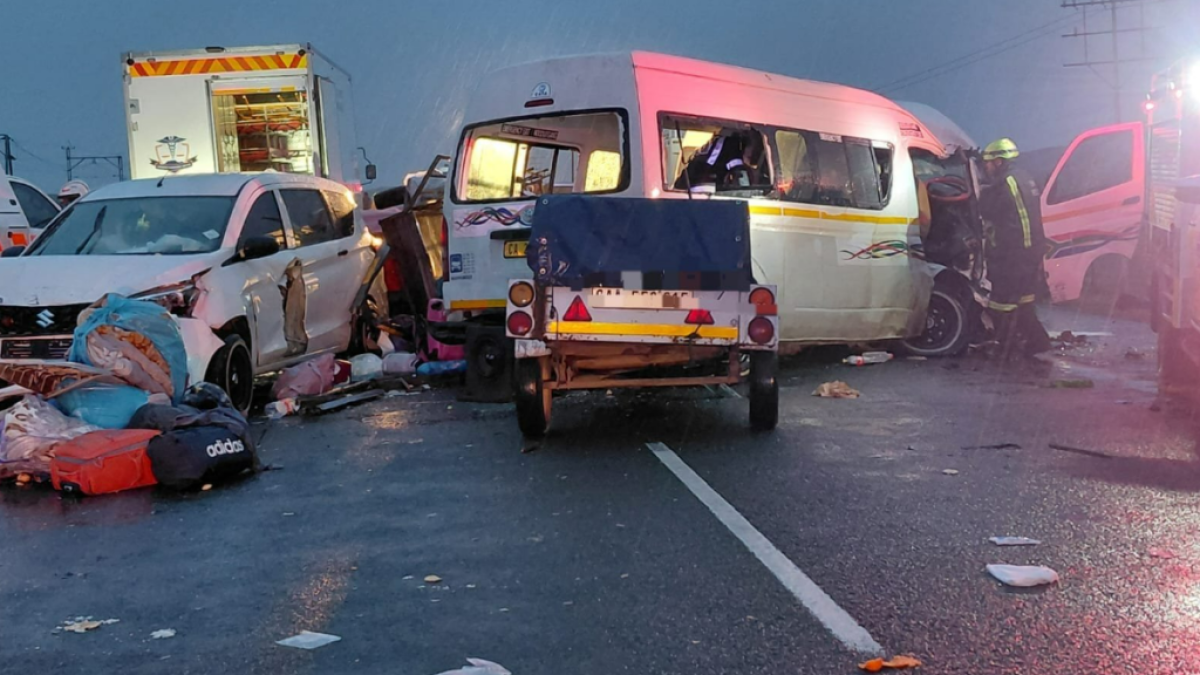
The secondary market and maintenance costs are equally strained. The price of essential components such as tires, motor oil, and brake pads has at least doubled, with some parts tripling in cost over the past year. This inflation has profound safety implications; as spare parts become unaffordable, vehicle maintenance is often deferred, contributing to high rates of road fatalities. Reports indicate that at least 1,609 Iranians perished on intercity roads in the most recent month of the solar Hijri calendar alone, a figure that underscores the human cost of an economy under intense pressure from external siege and internal inflationary forces.
Analysis suggests that the arrival of the Iranian delegation in New York is unlikely to result in a diplomatic breakthrough, given the lack of progress in ending the seven-month conflict. The rigid adherence to travel restrictions suggests that the US intends to maintain a posture of pressure, using the UNGA as a venue to signal disapproval of the Iranian regime's policies. Domestically, there is little expectation that the economic situation will stabilize in the near term. With incomes lagging significantly behind the surge in the cost of essential goods, the Iranian government faces a widening gap between its international diplomatic efforts and the survival of its domestic economy, leaving the population to bear the brunt of the ongoing, multifaceted crisis.