Qatar is maneuvering to reopen communication between Washington and Tehran, while a fresh forensic lead emerges in a 14-year-old French cold case.
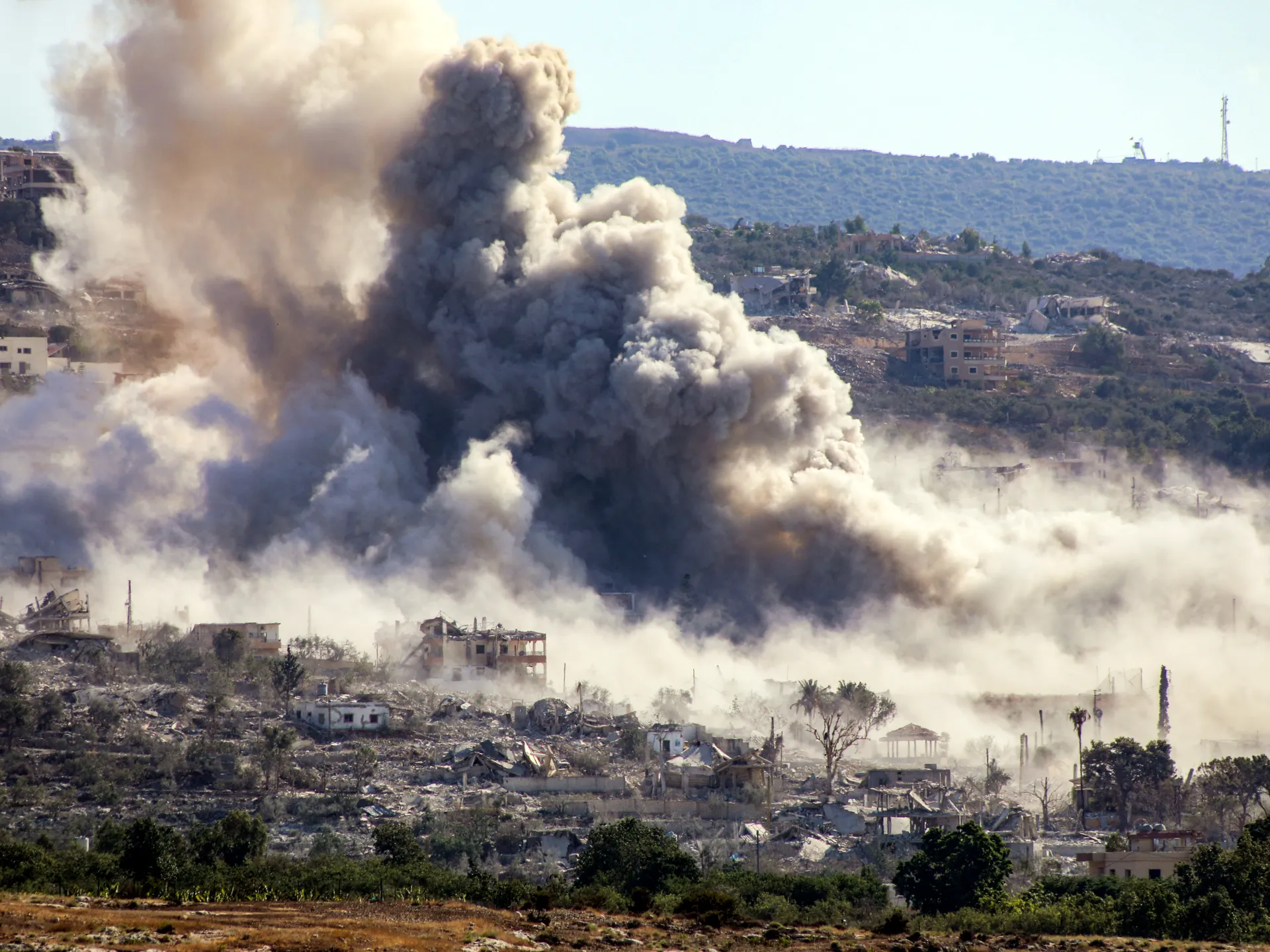
International efforts to recalibrate diplomatic tensions in the Middle East are running parallel to a significant breakthrough in one of Europe’s most baffling criminal mysteries. While Qatari officials are actively working to bridge a widening gap between Washington and Tehran, French investigators have recovered a critical piece of evidence from the depths of Lake Annecy, potentially reigniting a cold case that has remained unsolved for over a decade.
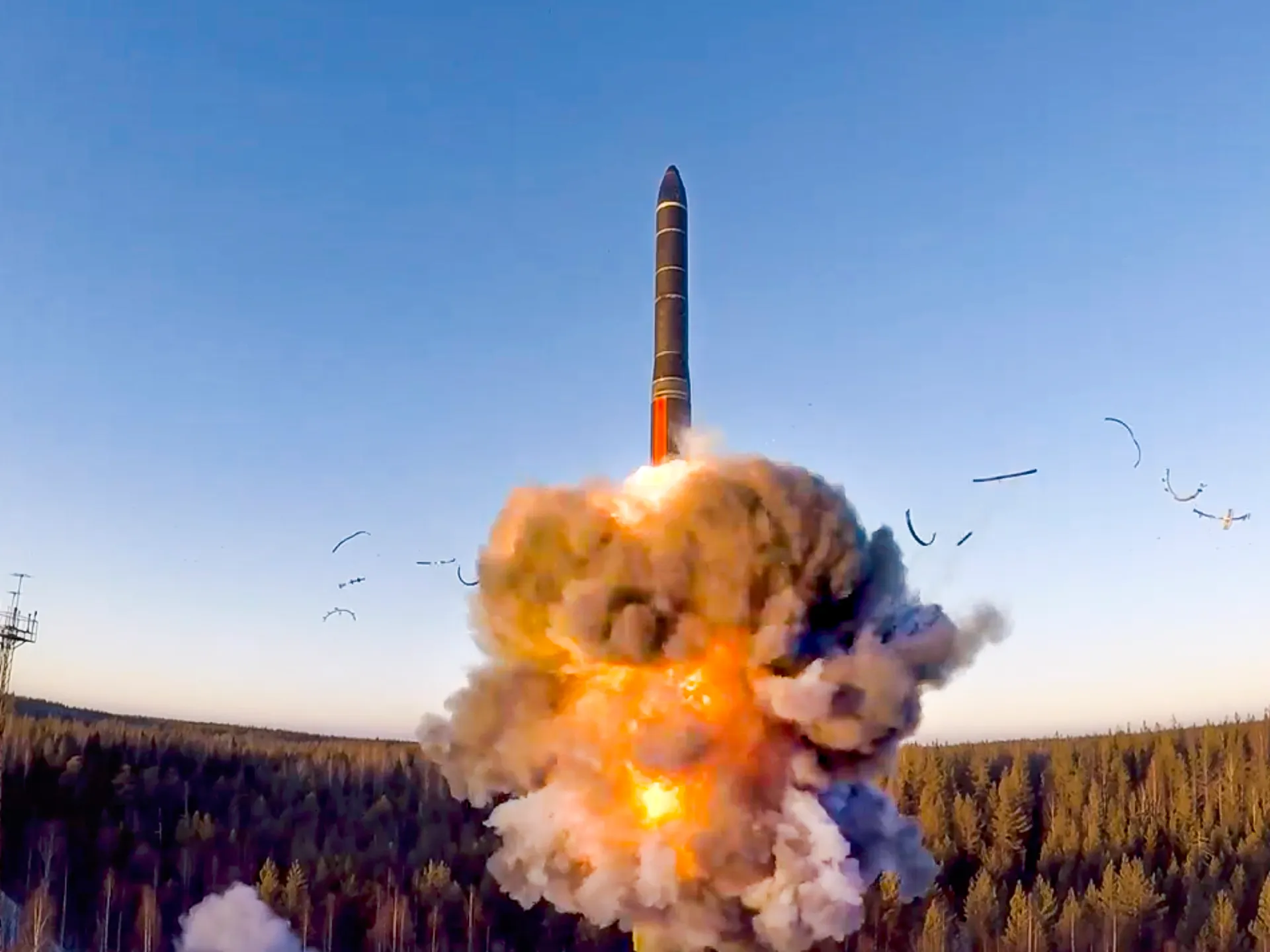
These two disparate developments—one centered on the delicate mechanics of nuclear-era statecraft and the other on the painstaking analysis of a vintage firearm—highlight the ways in which historical shadows continue to influence contemporary geopolitical and judicial landscapes. Whether through the lens of regional stability or the pursuit of justice for a family tragedy, both situations underscore the persistent weight of the past on current events.
The convergence of these events serves as a stark reminder of the limitations of modern security and diplomatic protocols. In the Middle East, the reliance on third-party mediators like Qatar indicates a breakdown in direct communication channels, a precarious state that elevates the risk of miscalculation. Conversely, the Annecy case demonstrates the unpredictable nature of criminal investigations, where the passage of time—often seen as an enemy to justice—can occasionally provide the very conditions necessary for a discovery. Both scenarios require a high degree of patience and technical expertise, proving that whether the goal is averting conflict or solving a murder, institutional persistence remains the primary engine for progress.
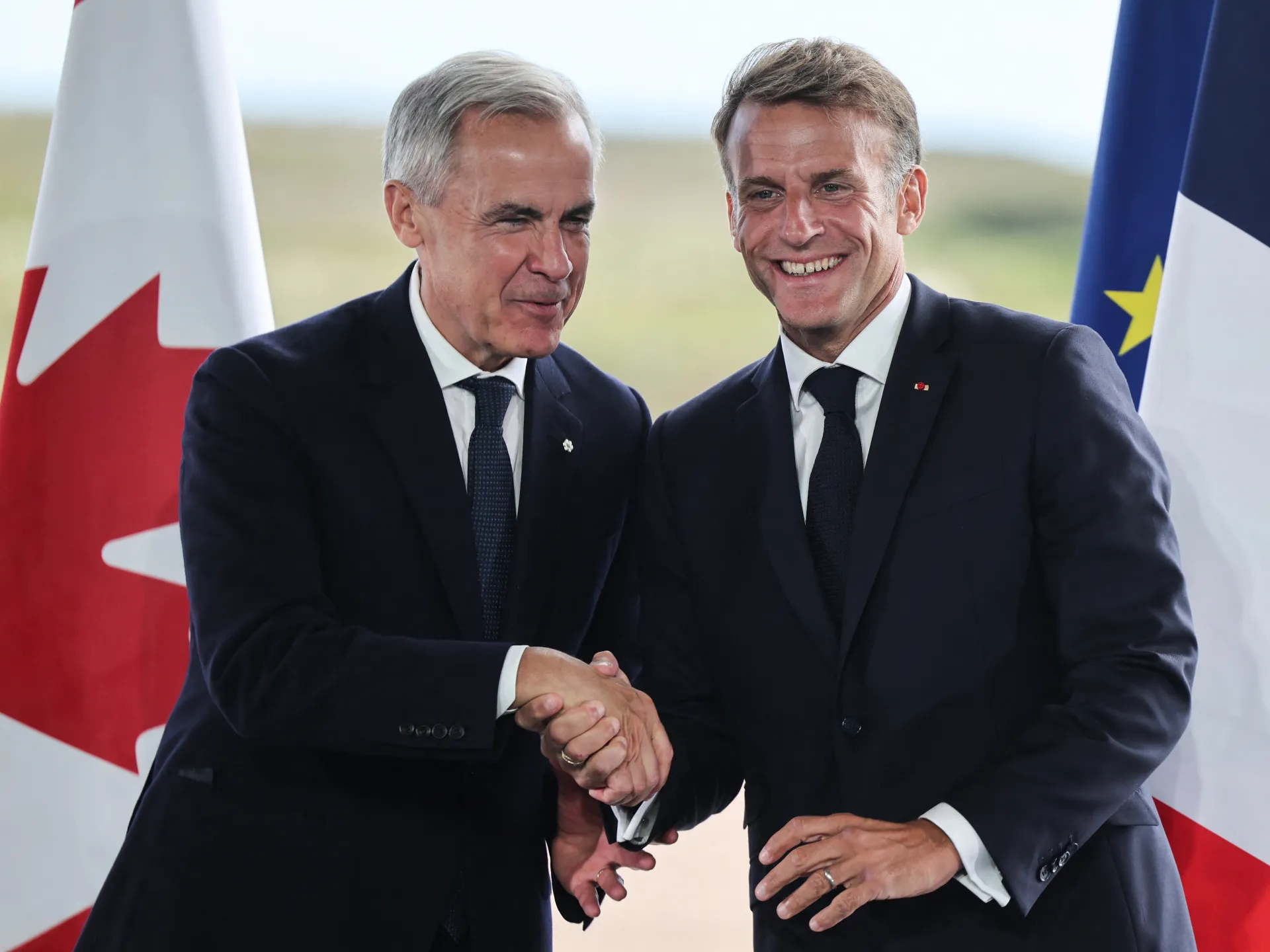
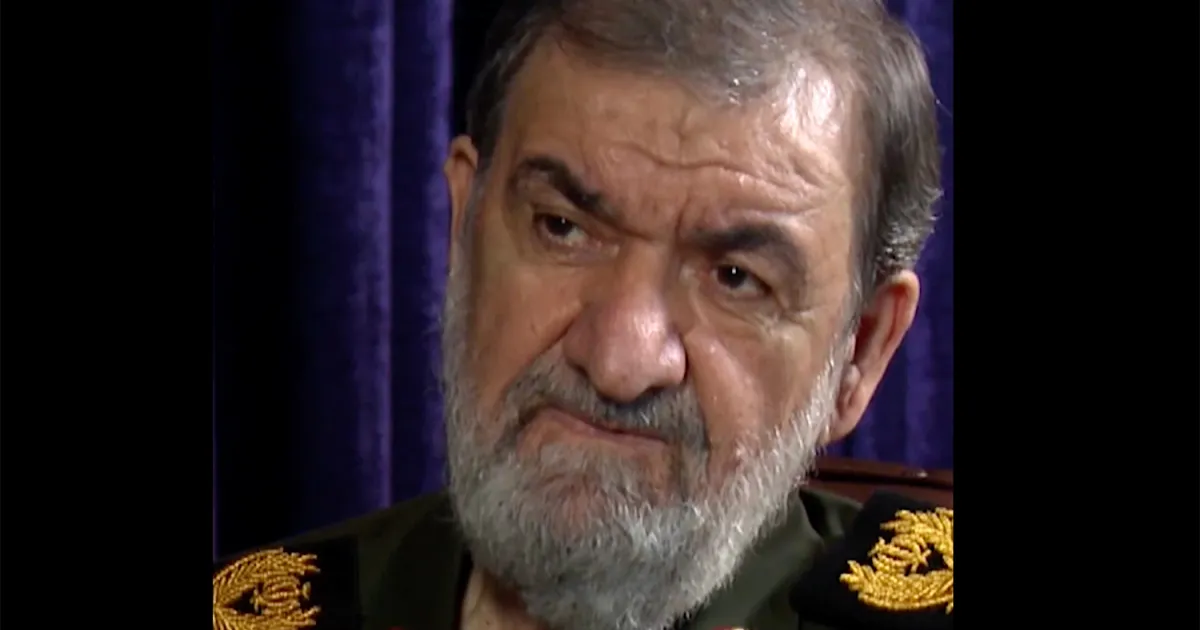
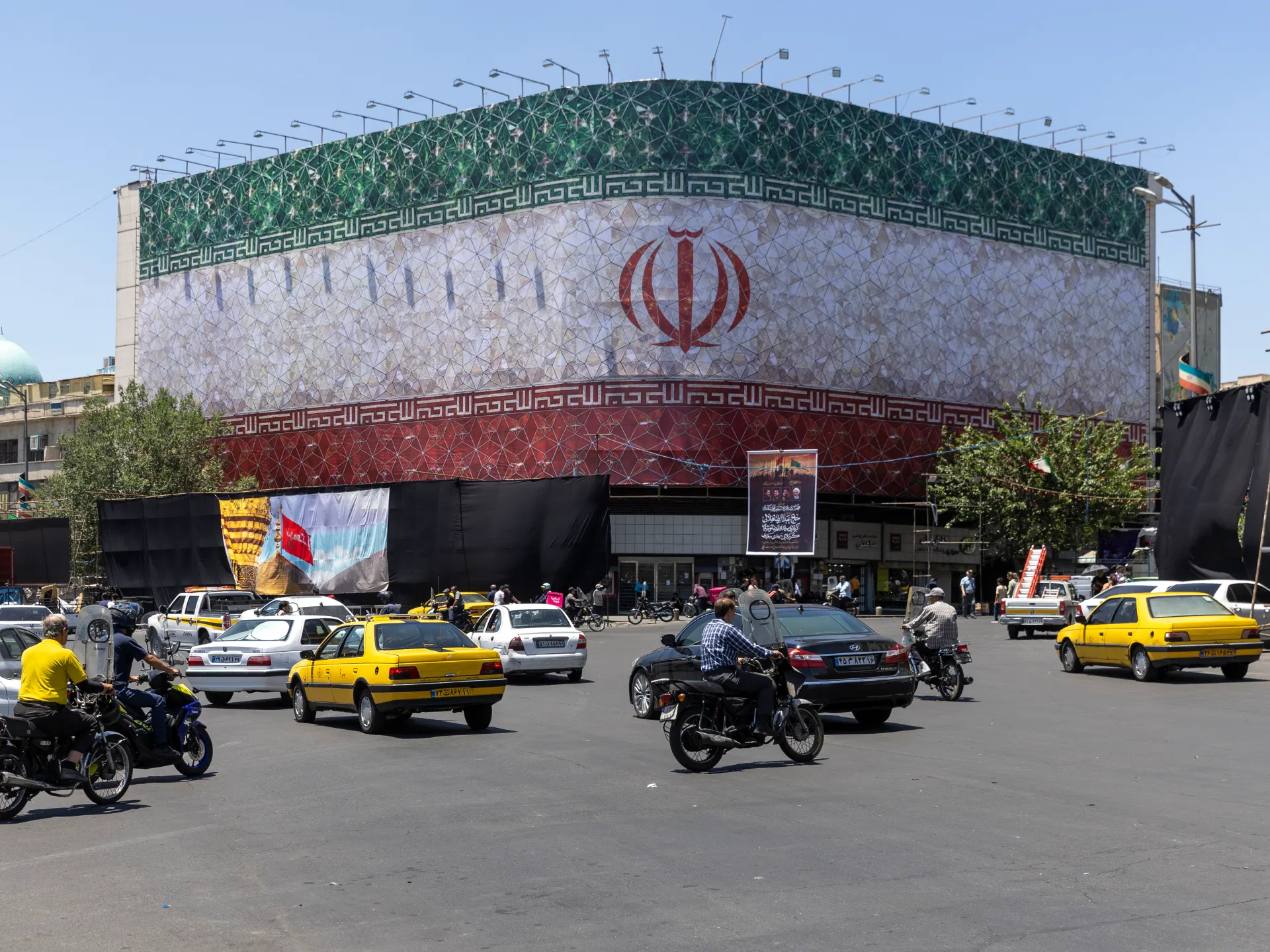
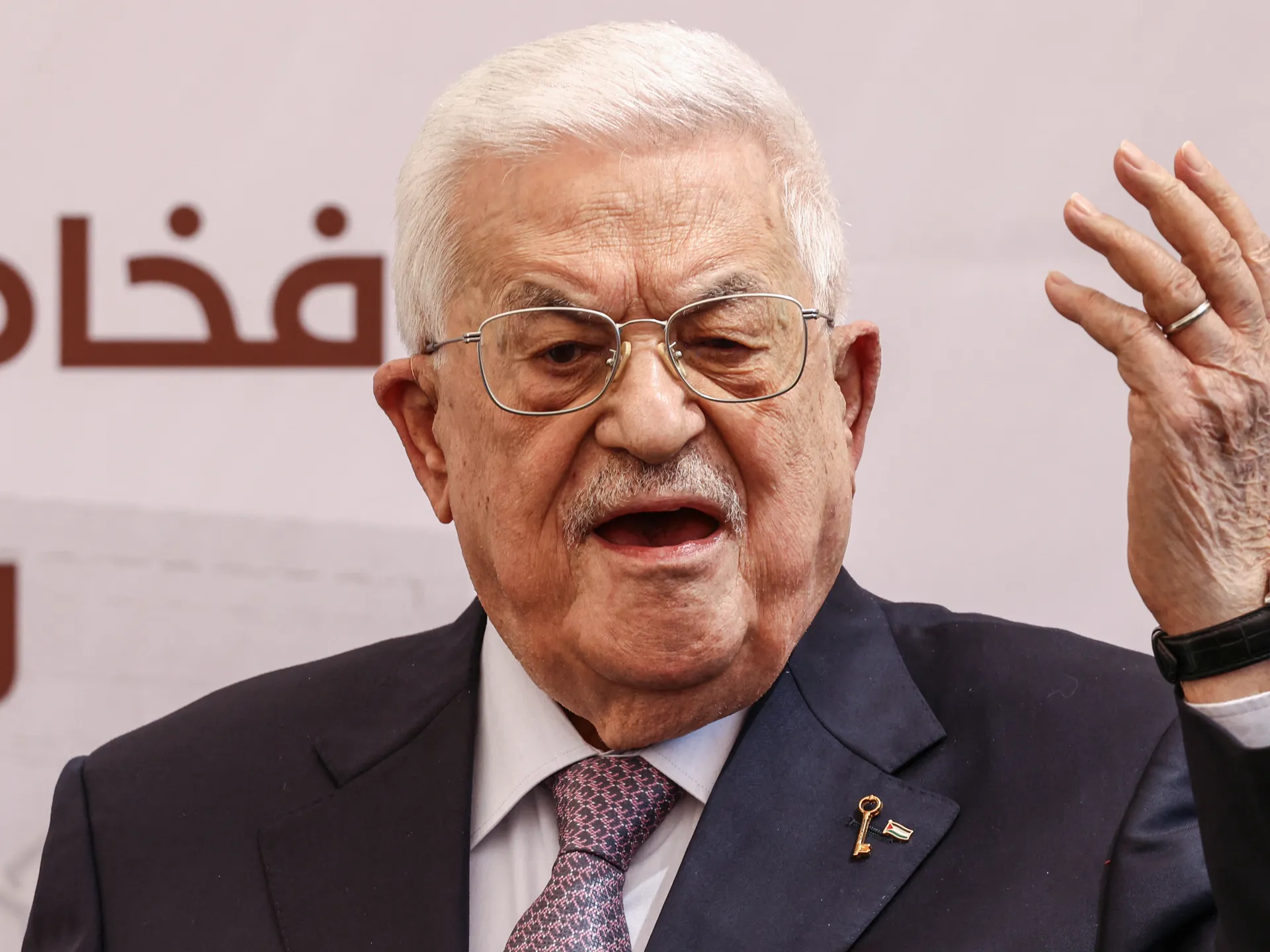
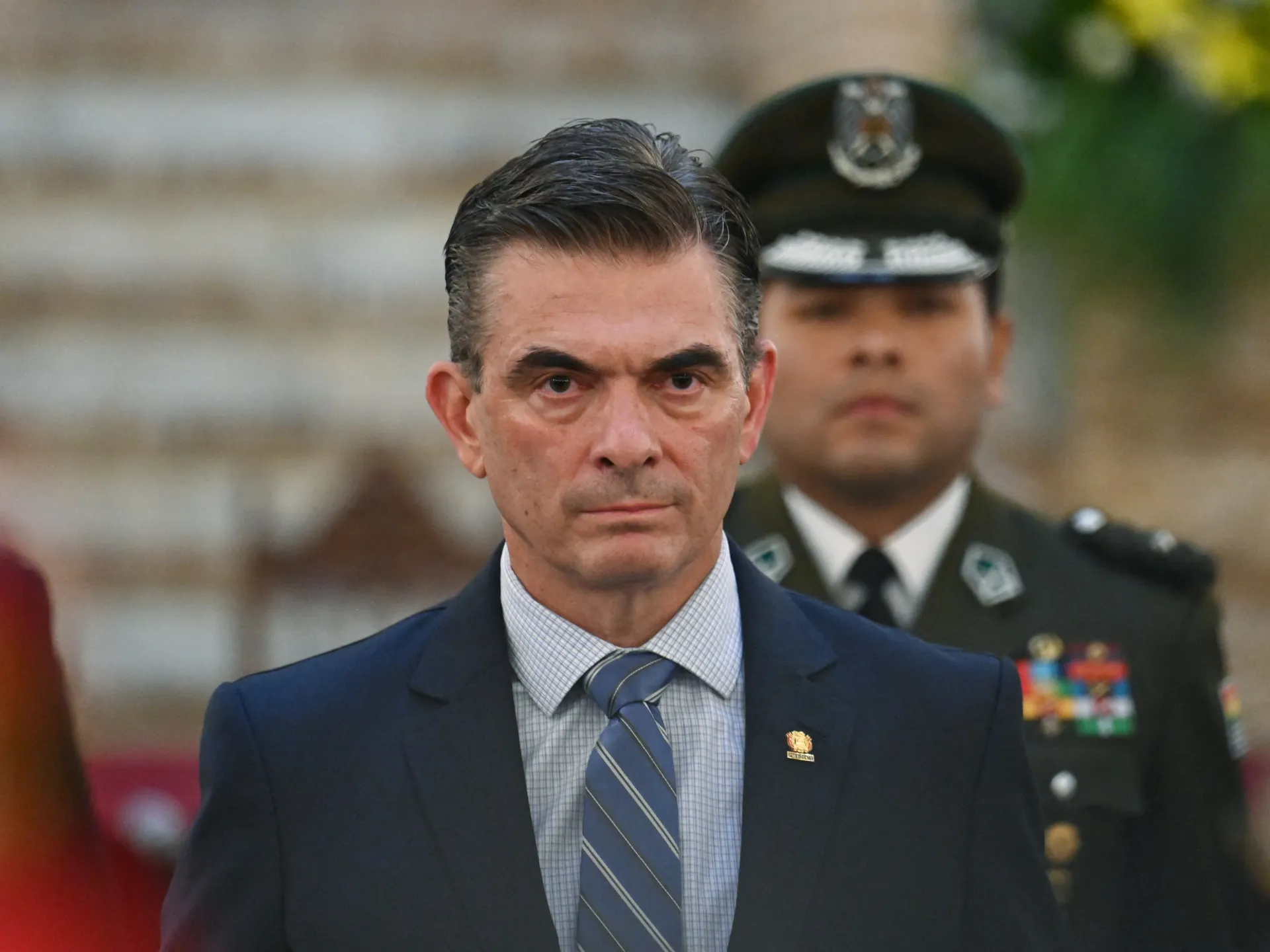
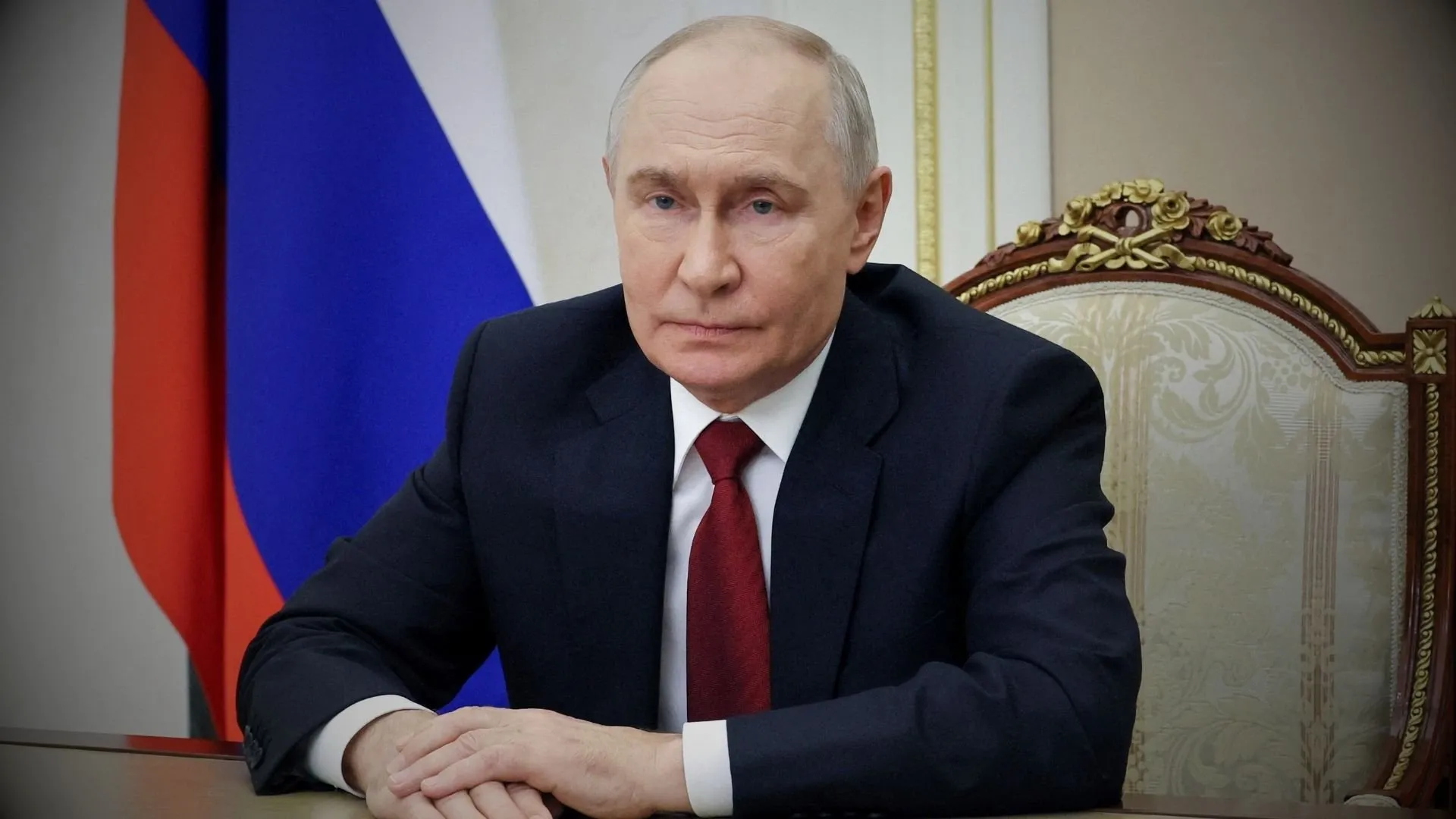
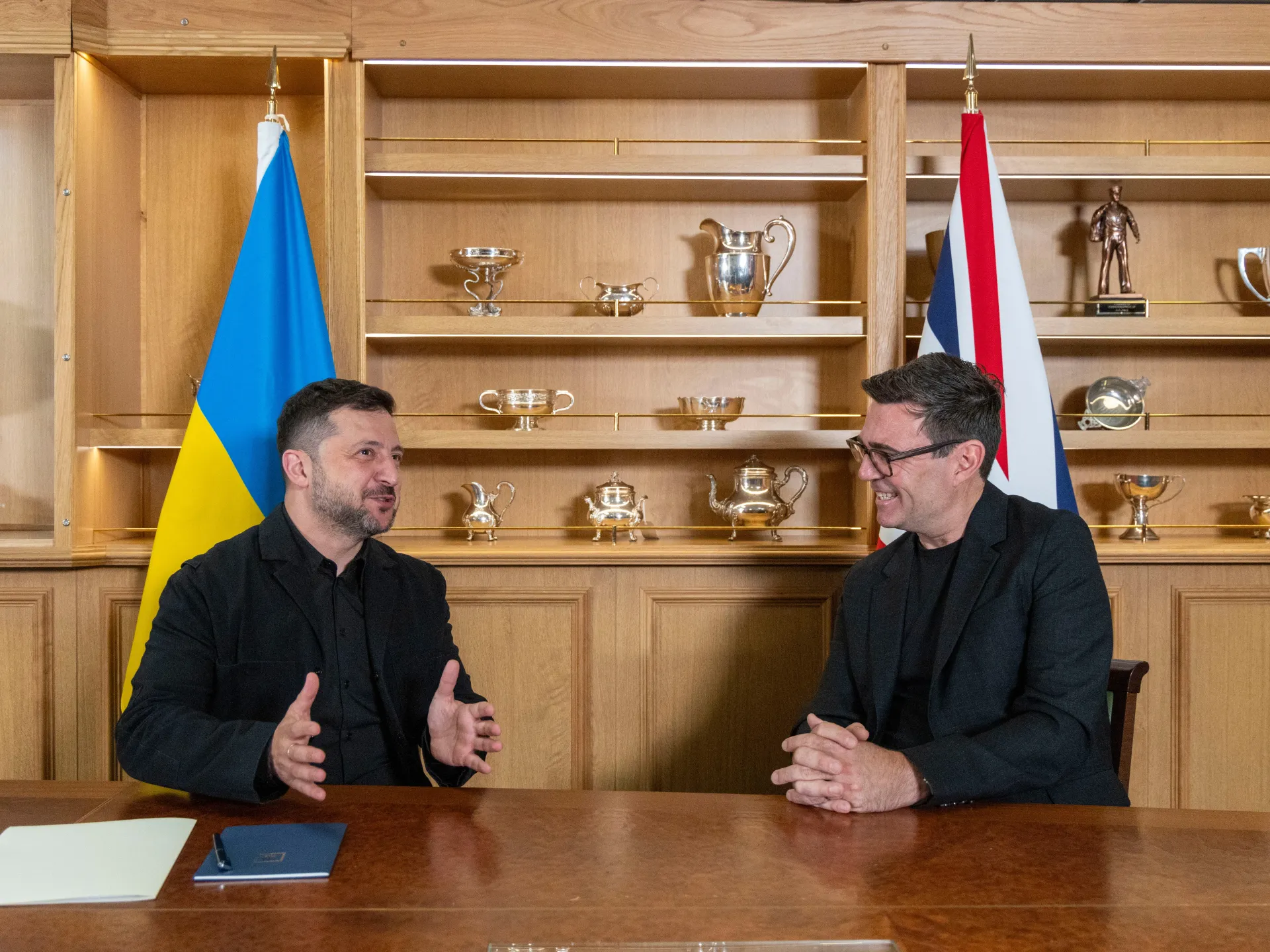
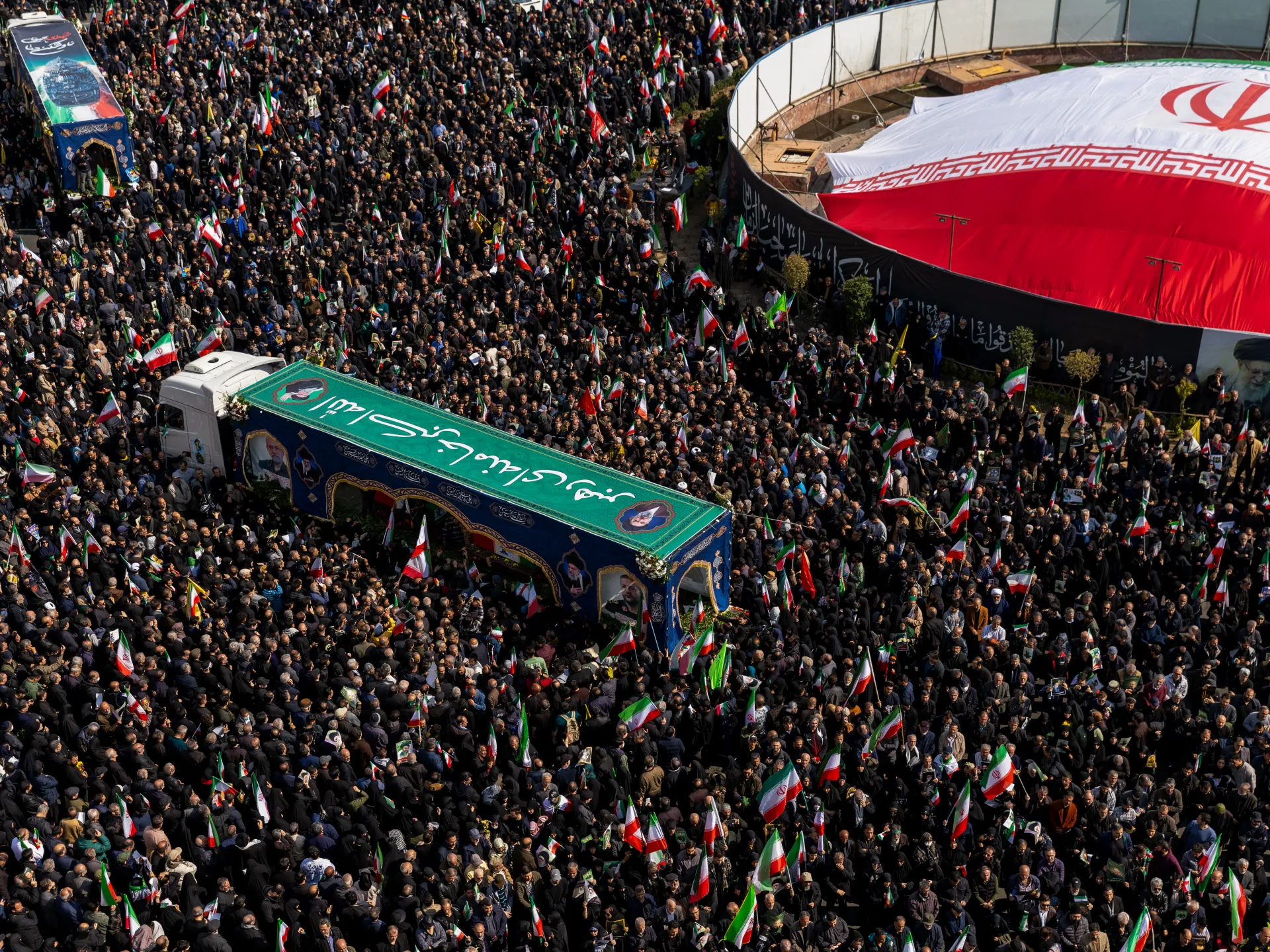
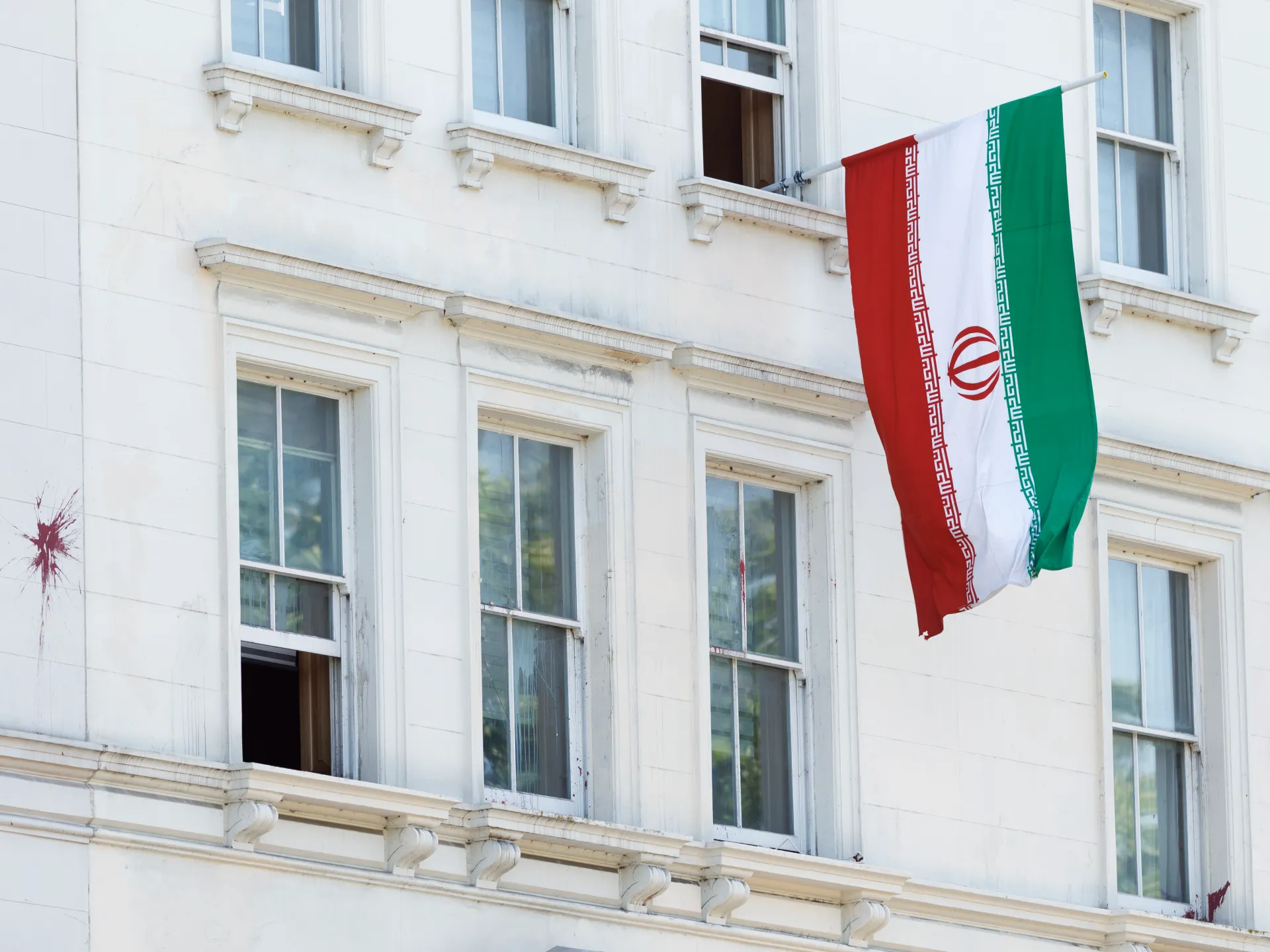
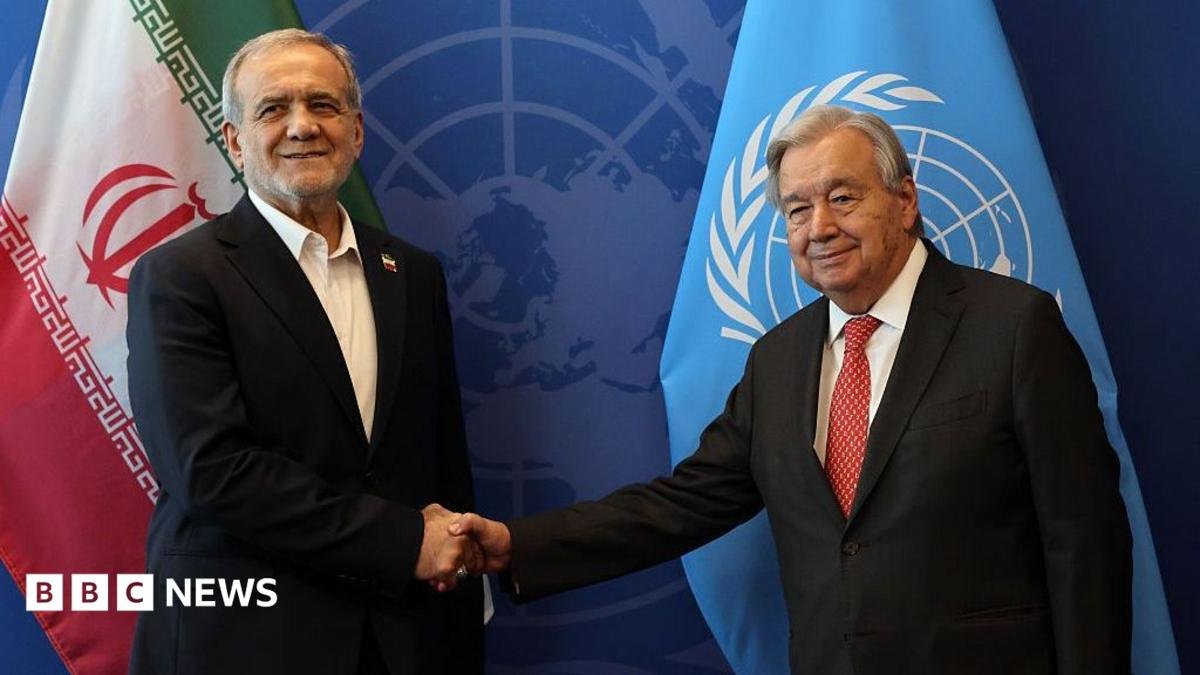
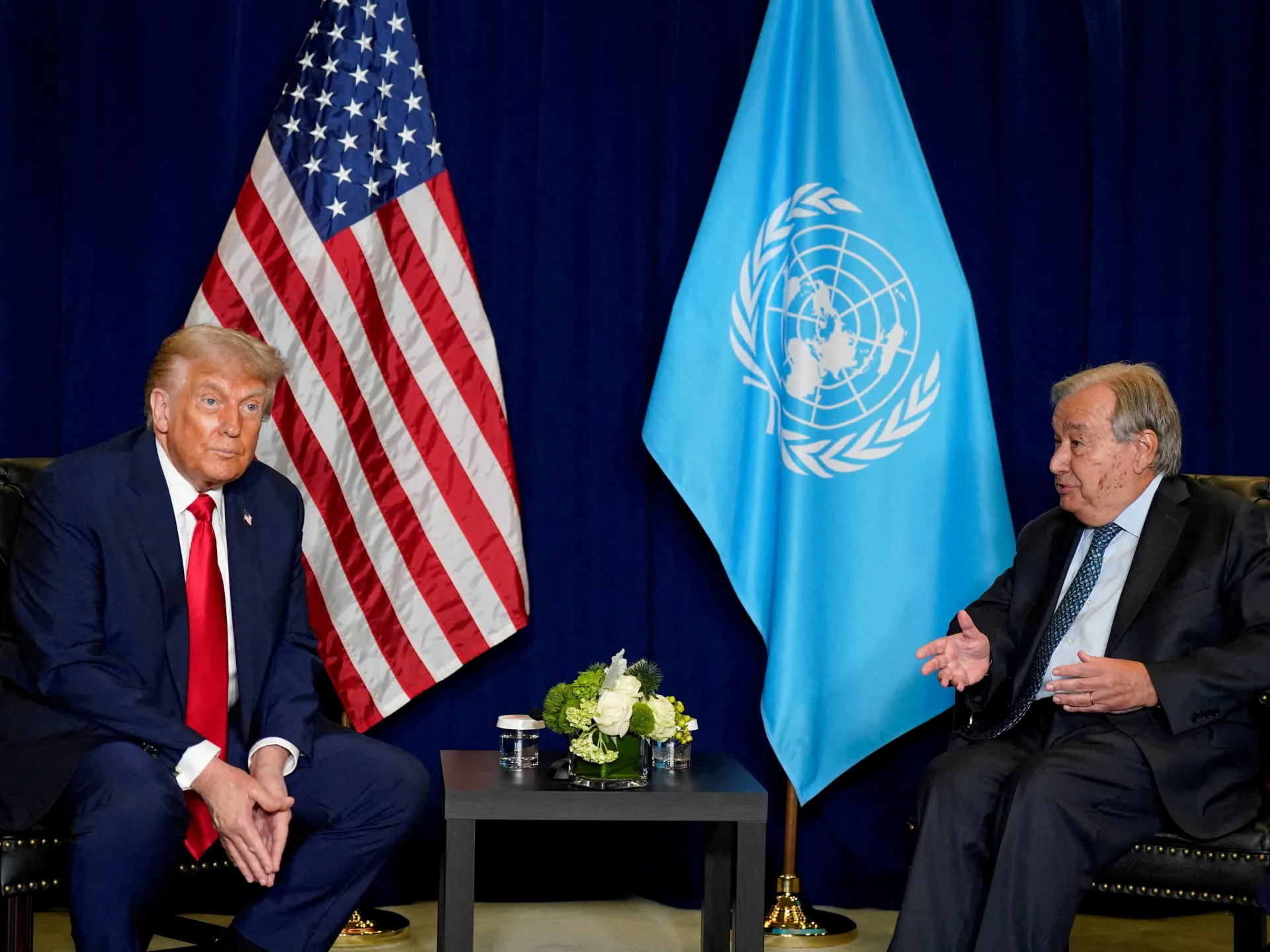
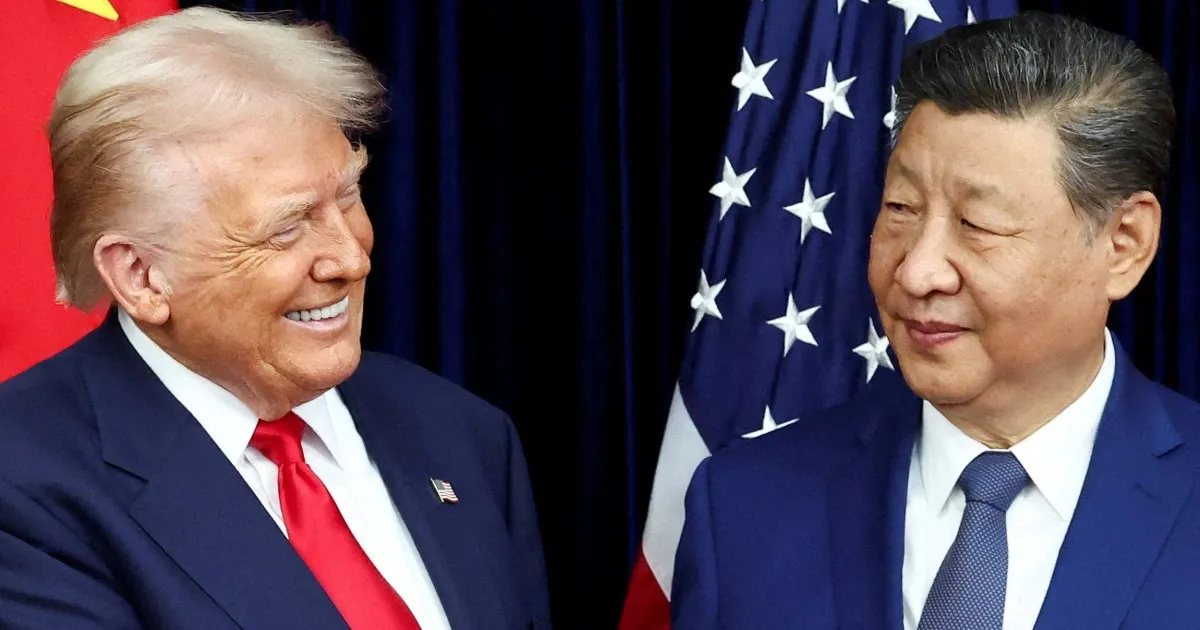
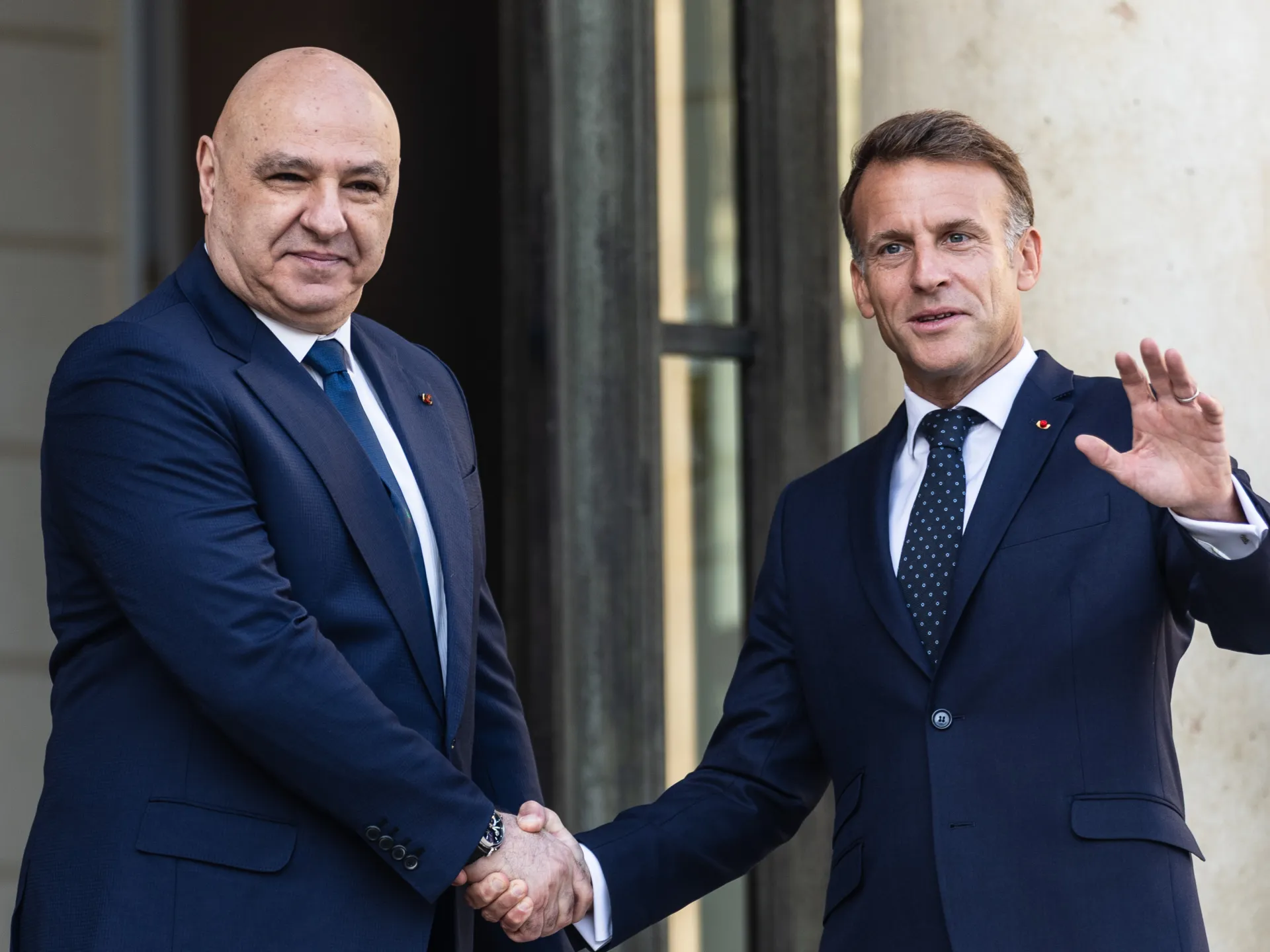
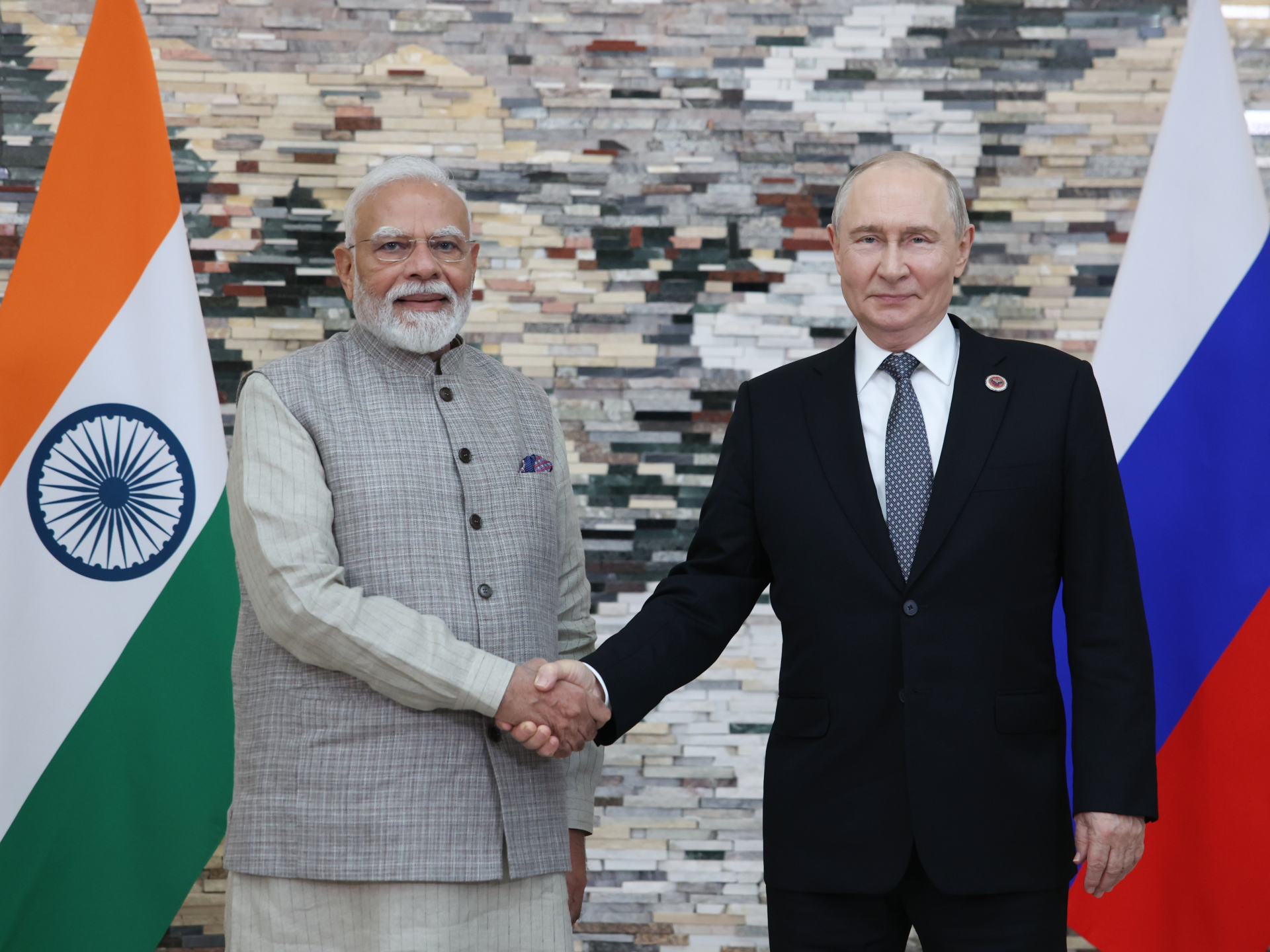
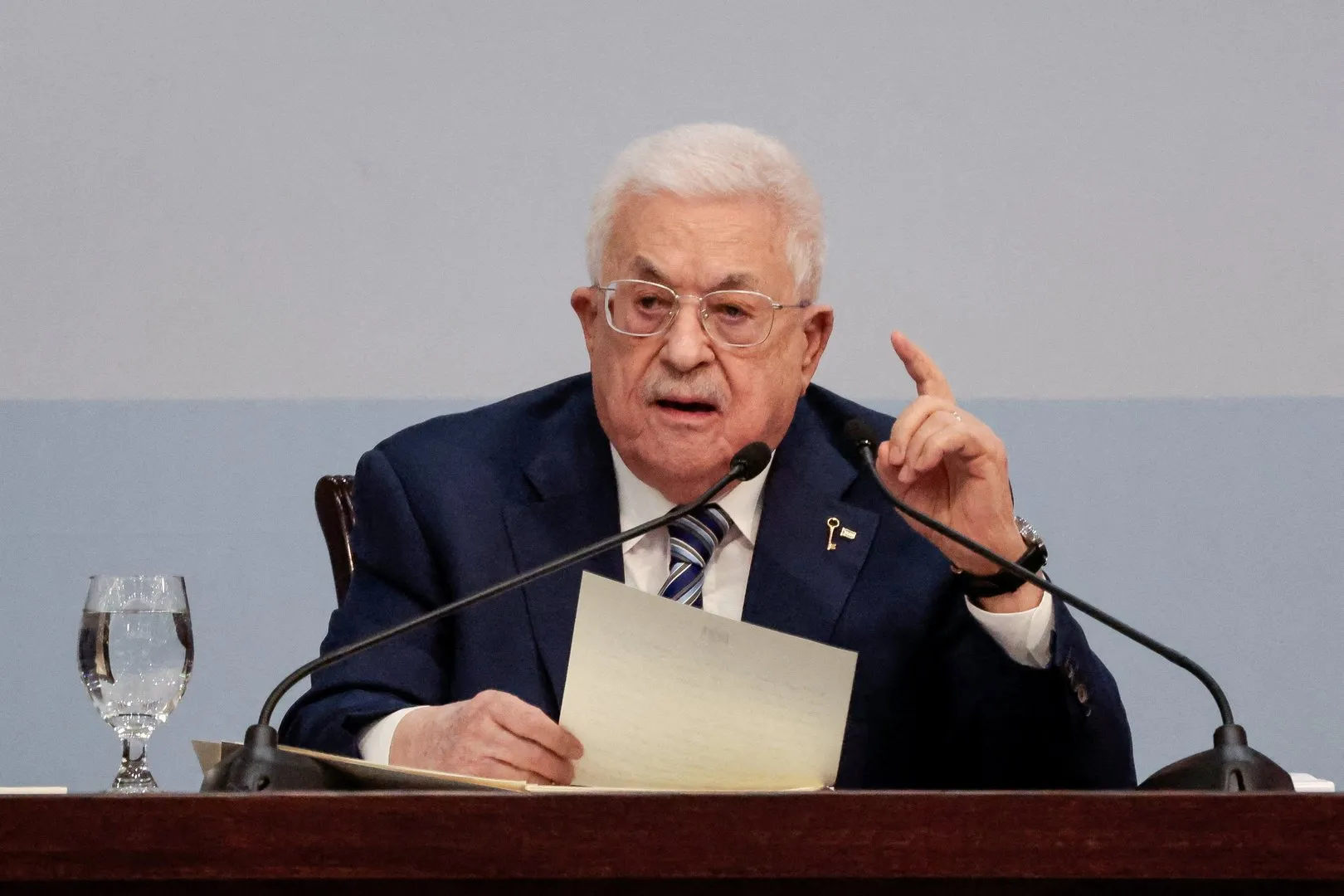
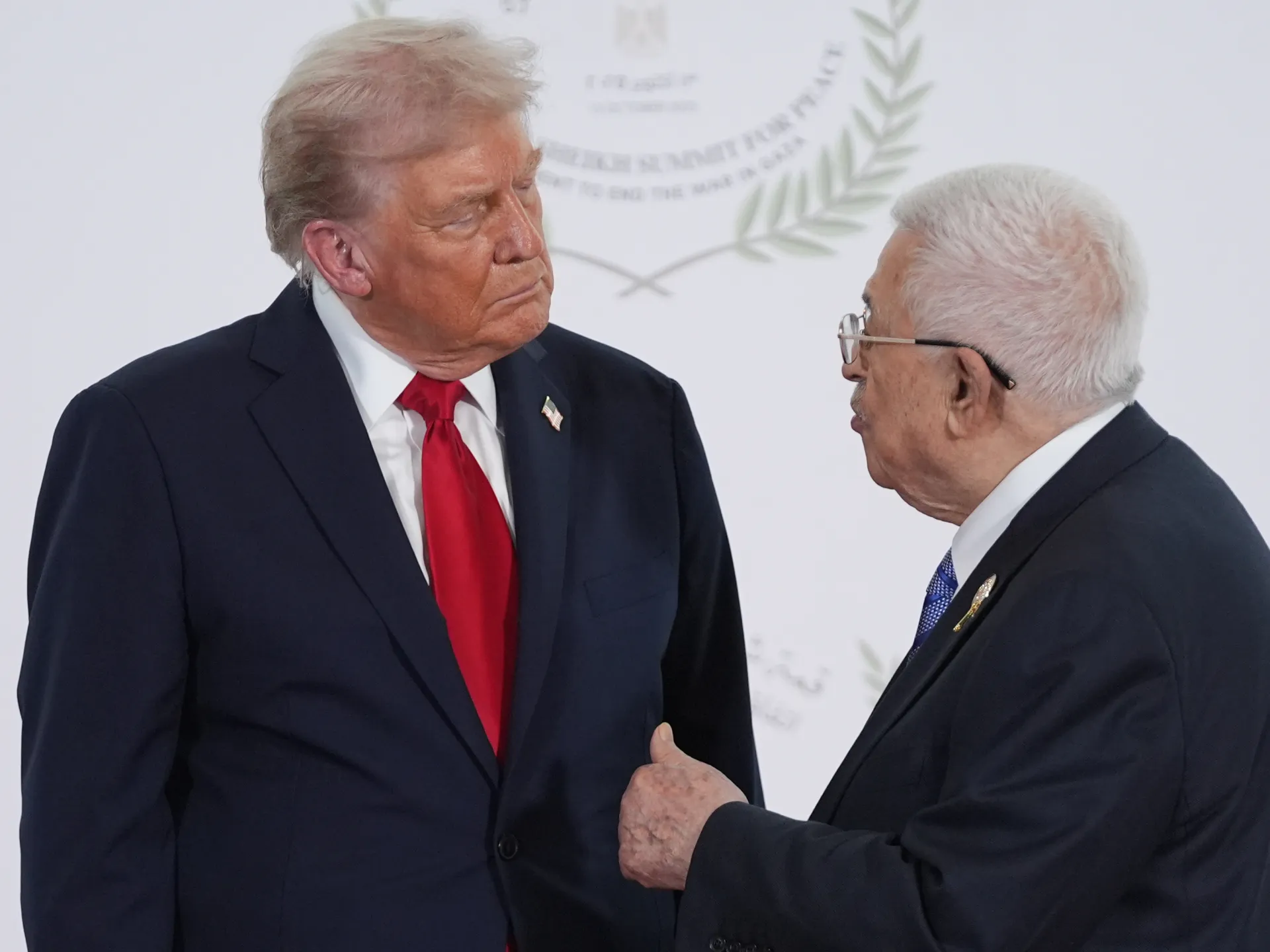
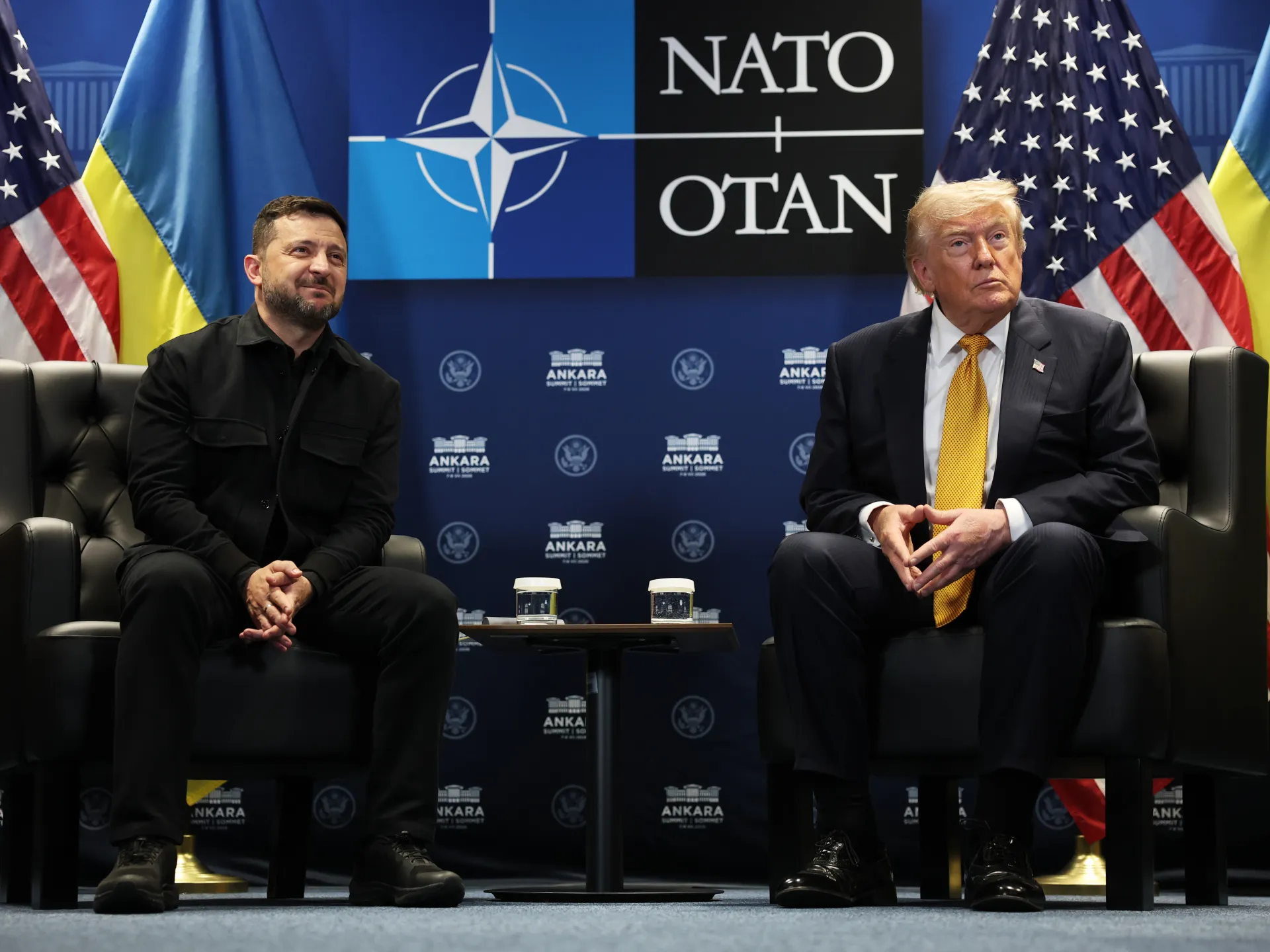
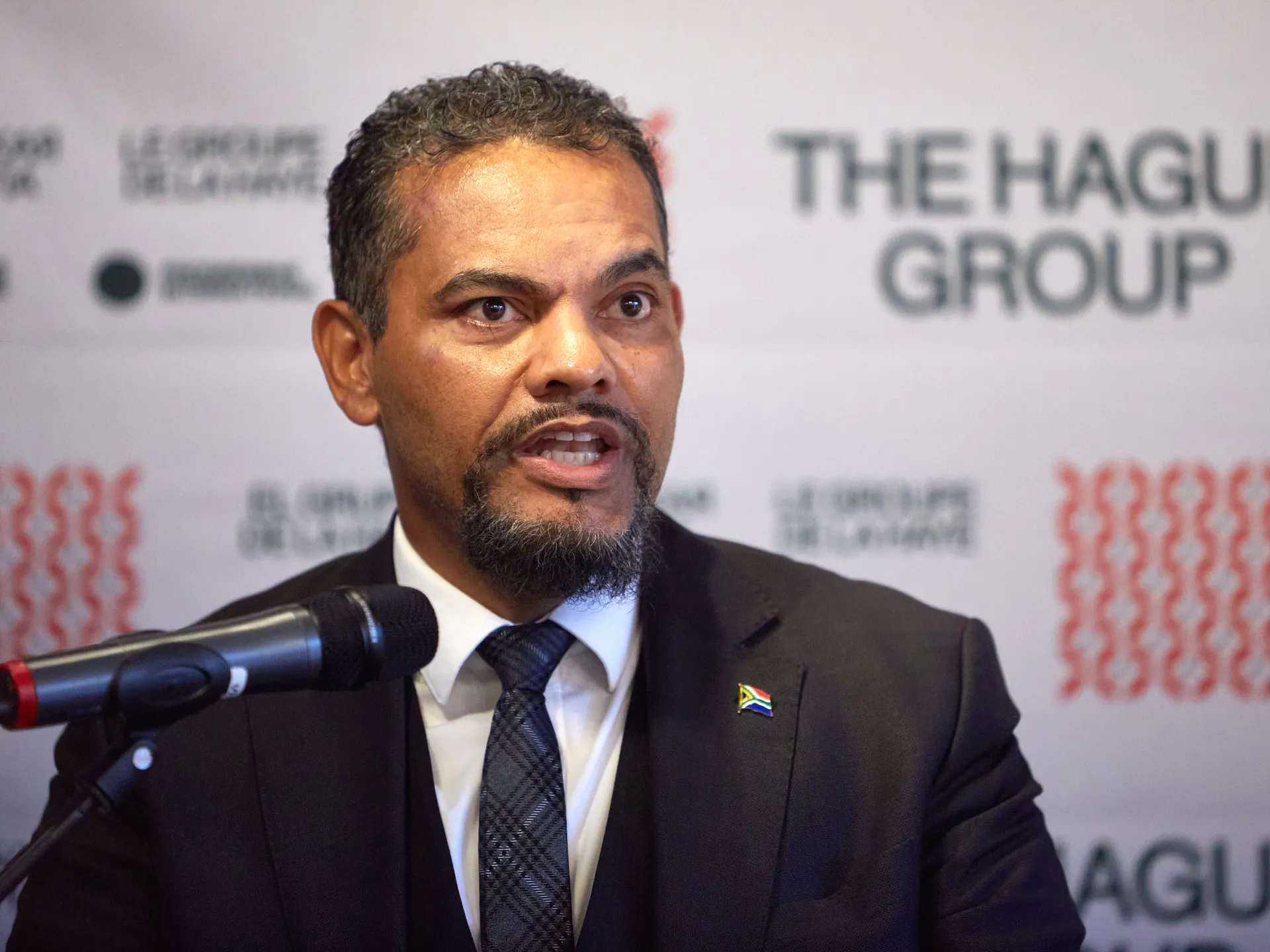
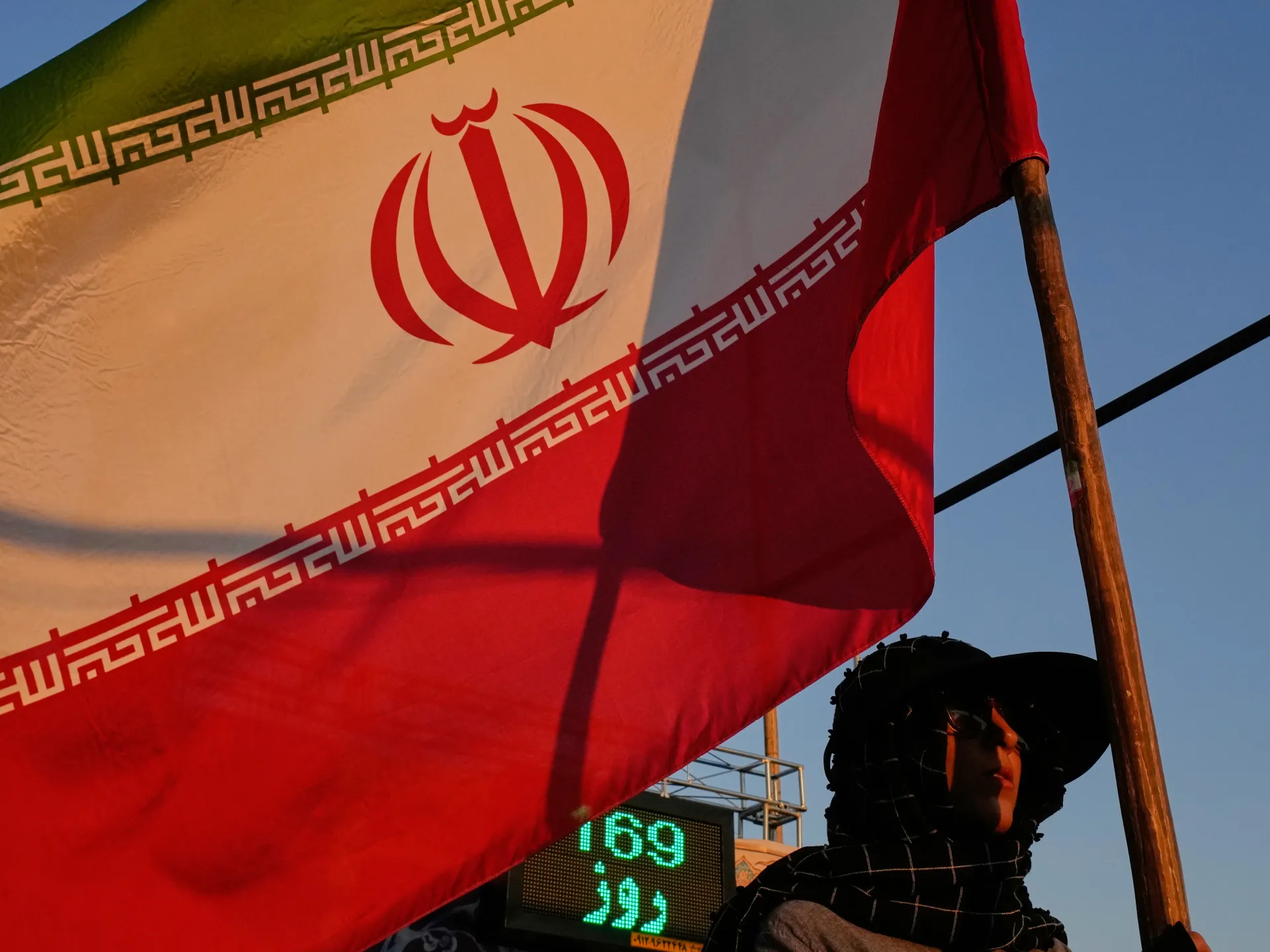
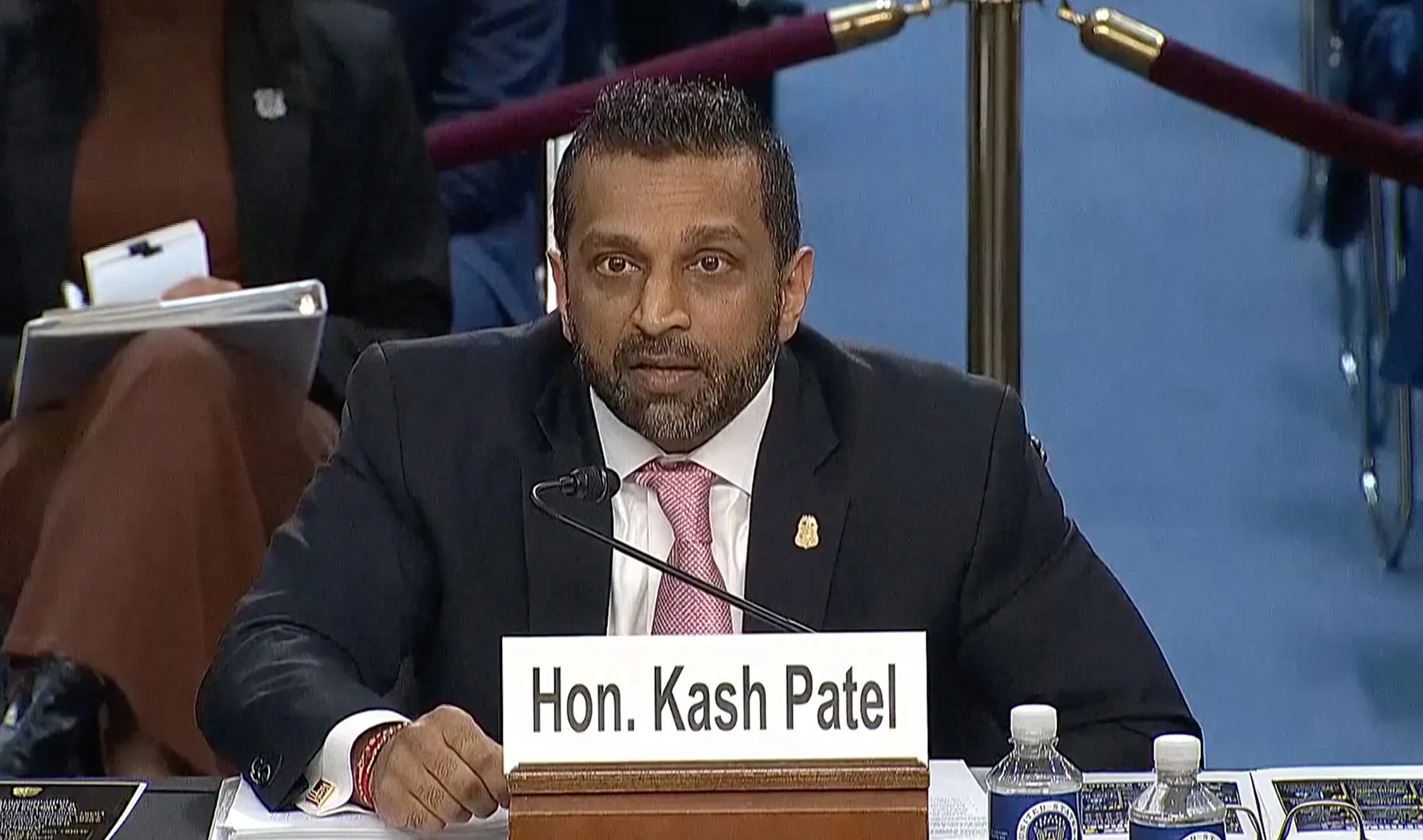
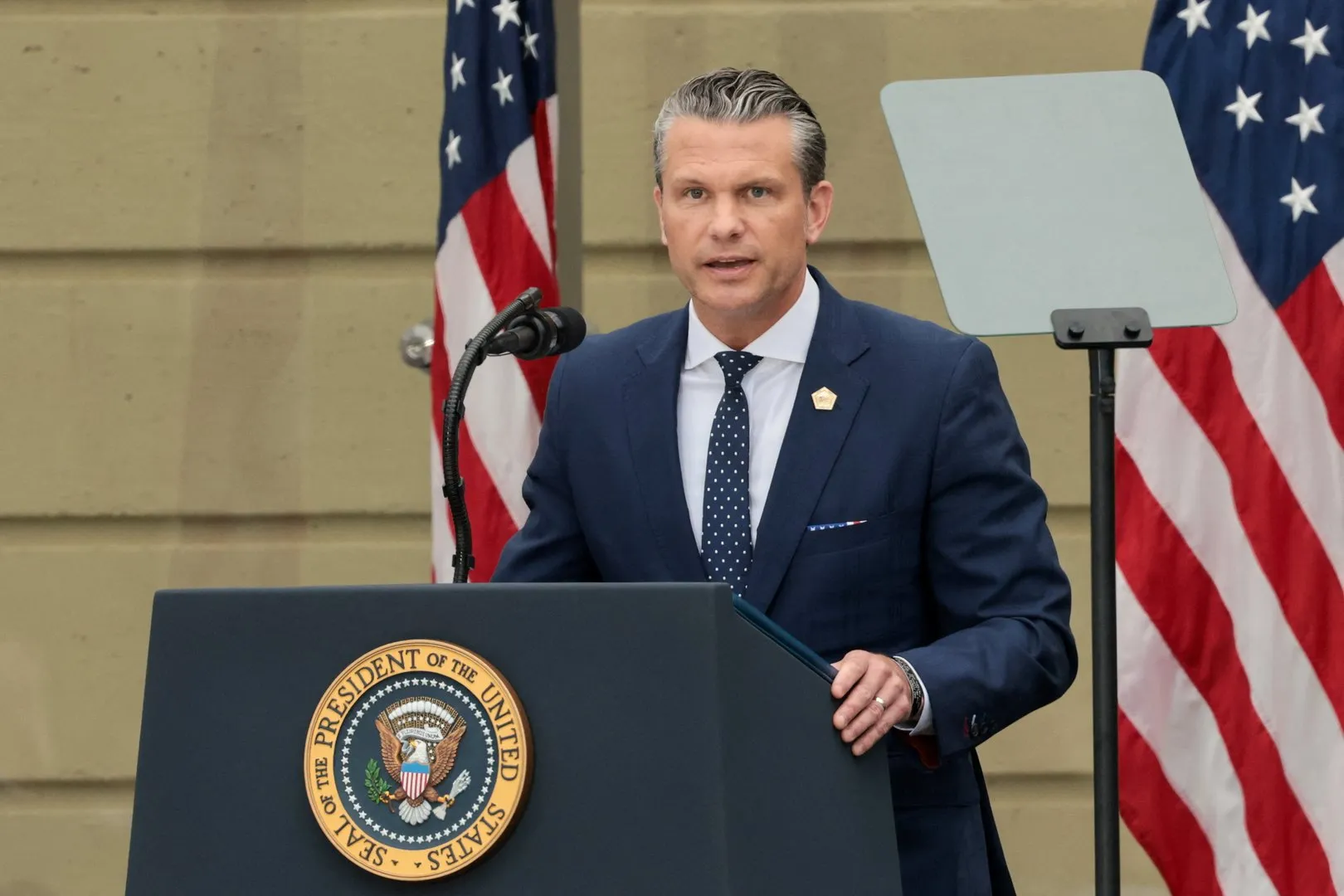
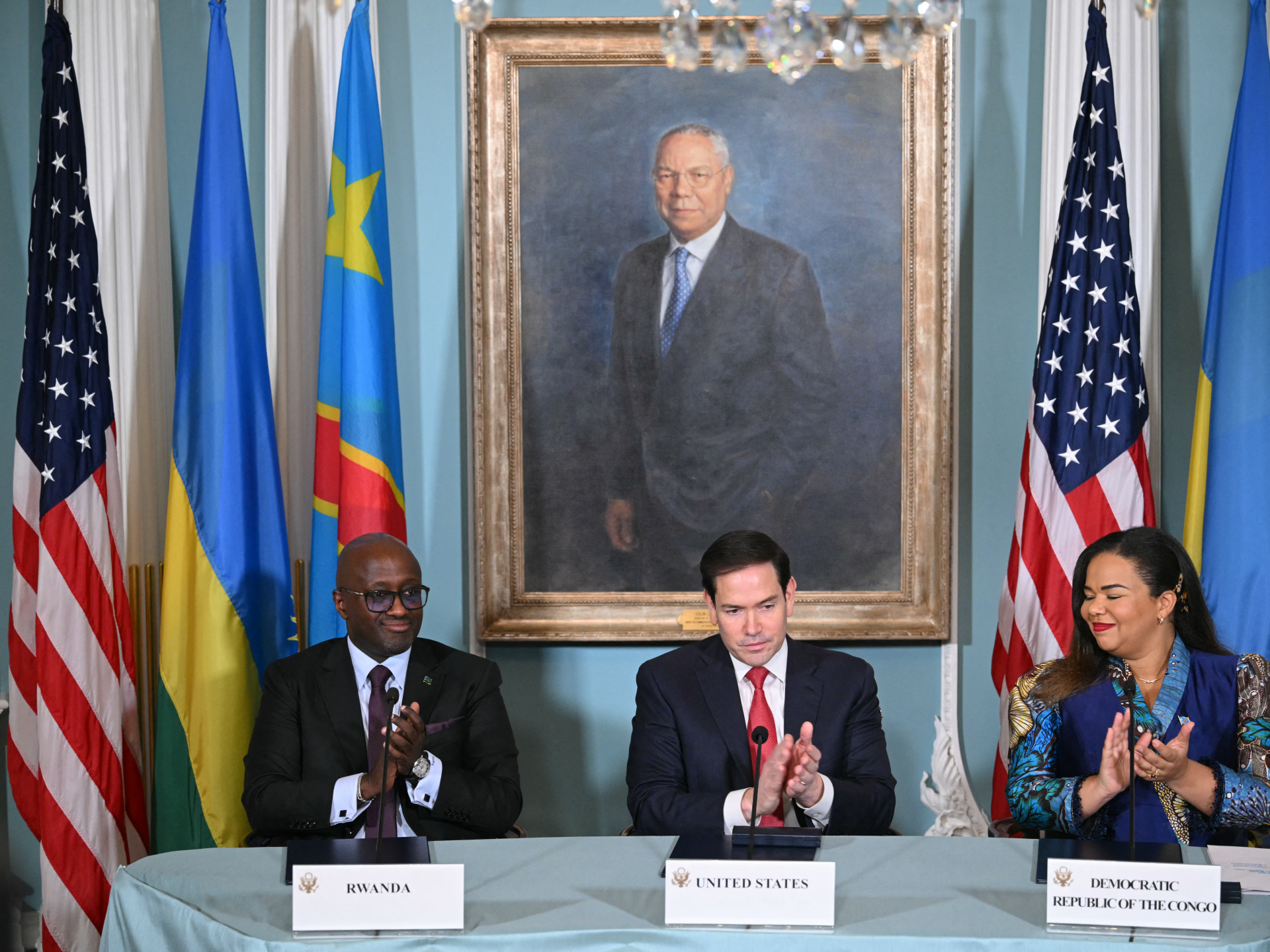
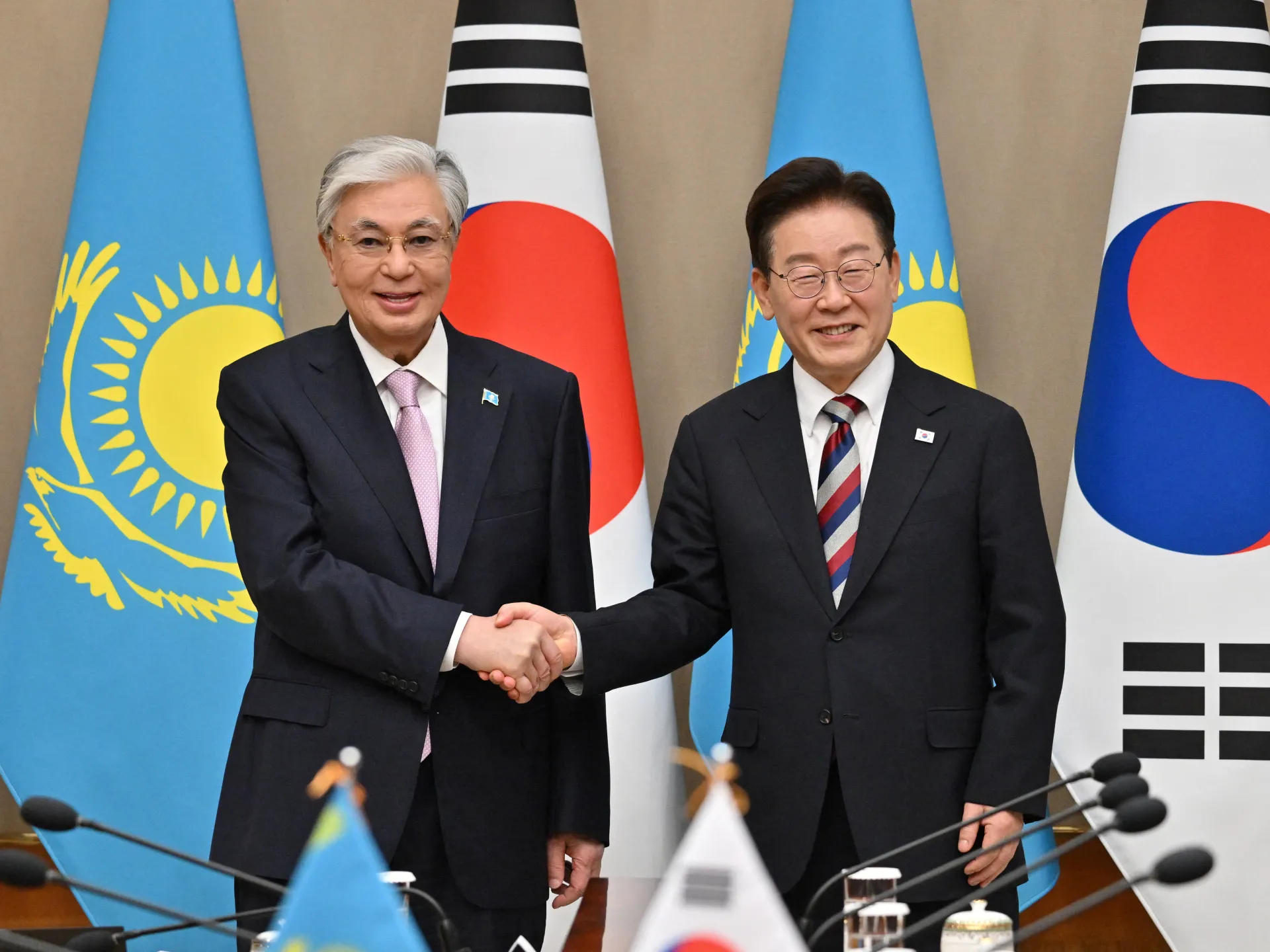
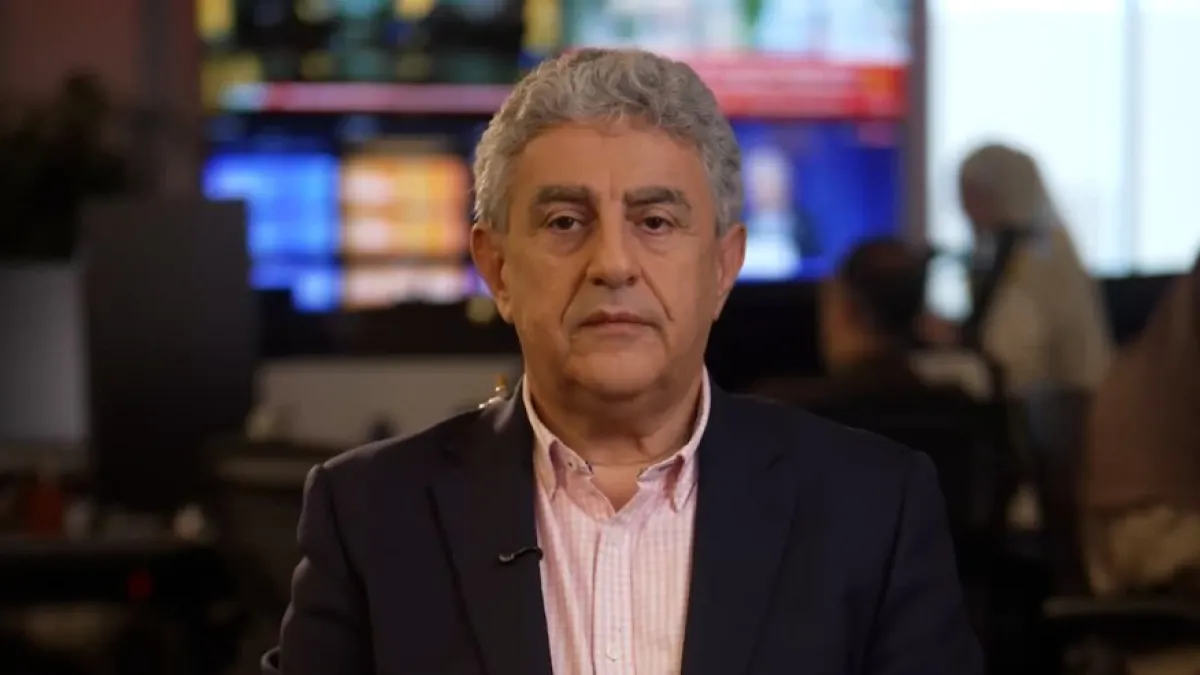
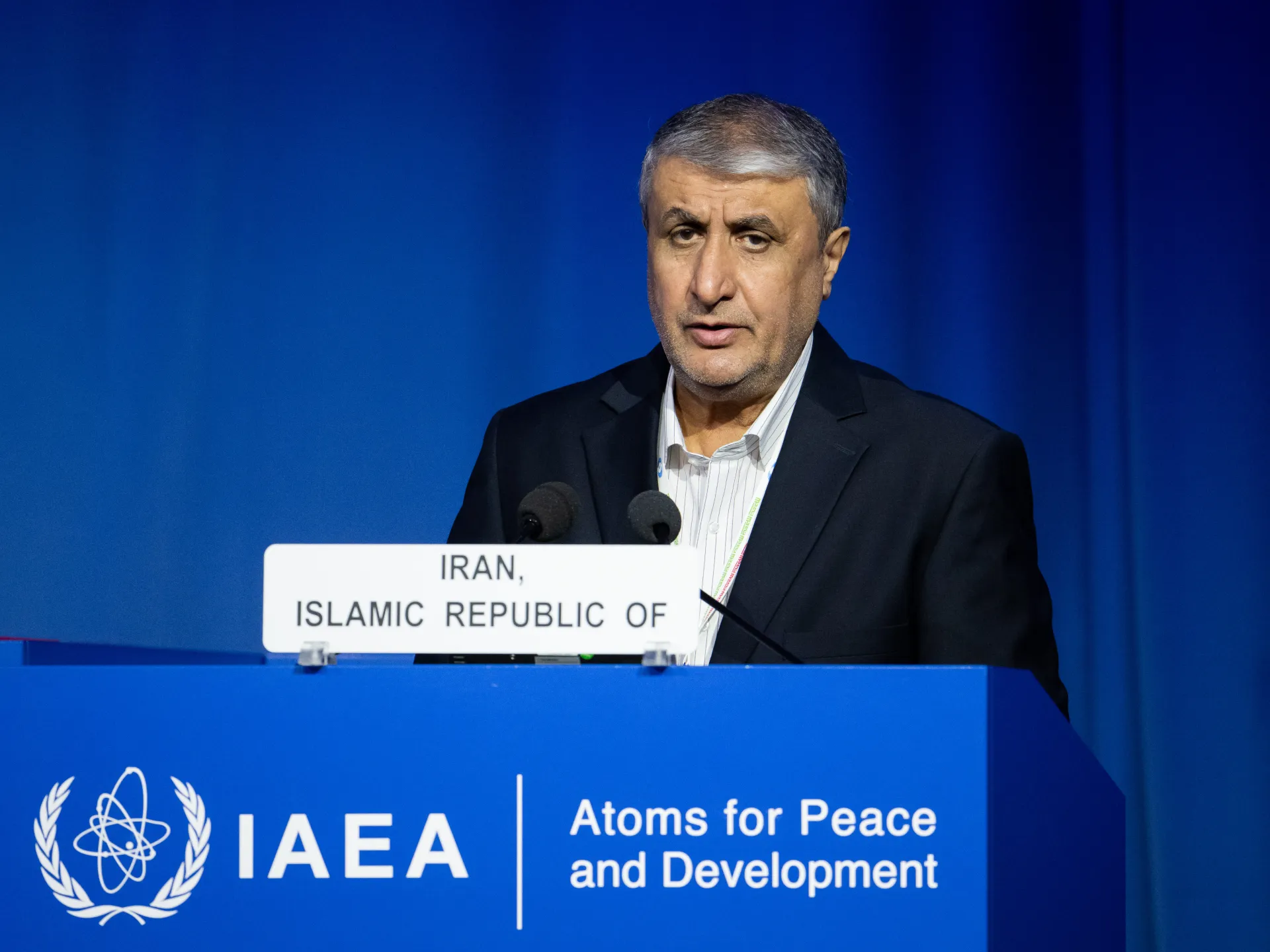
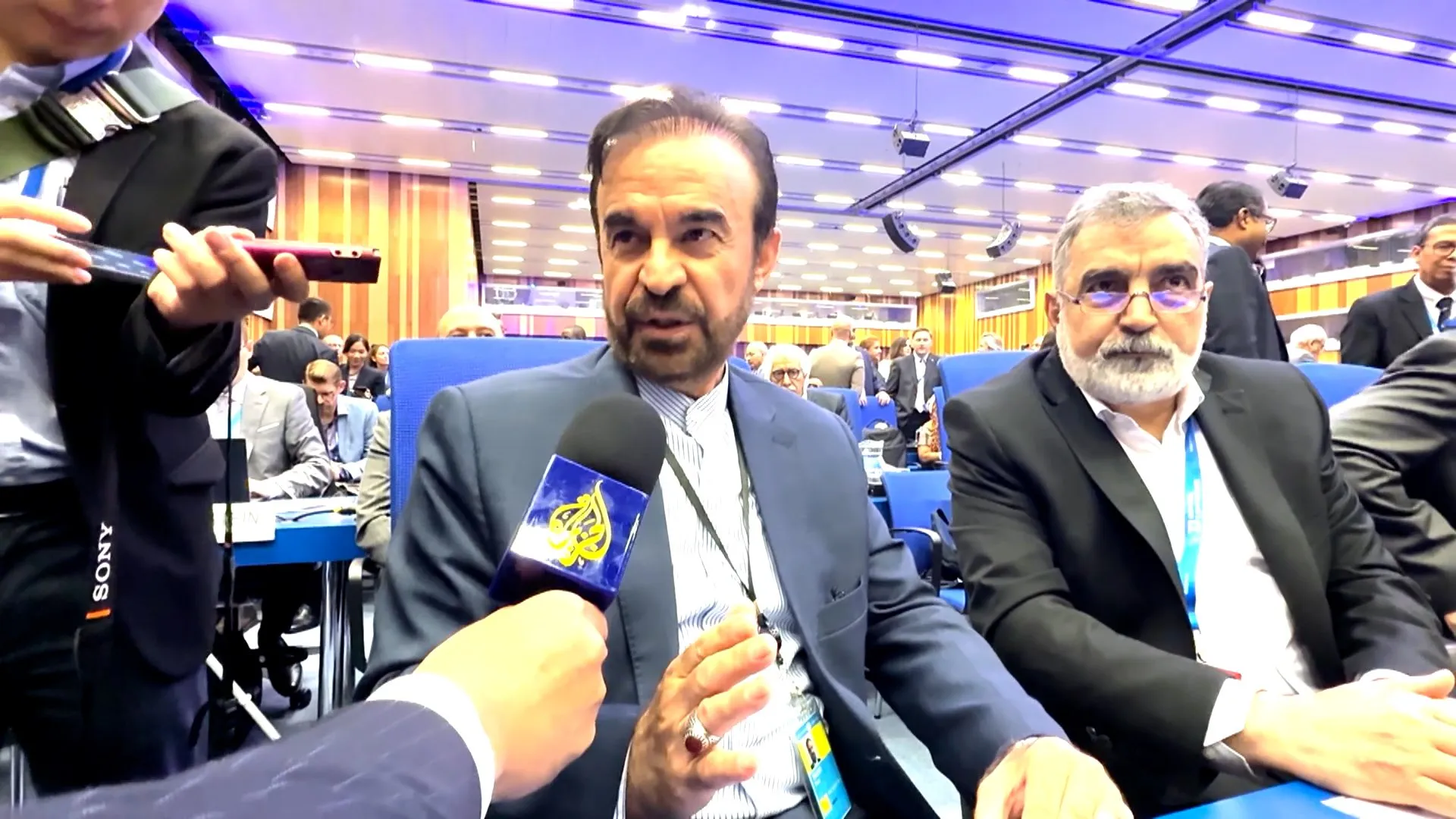
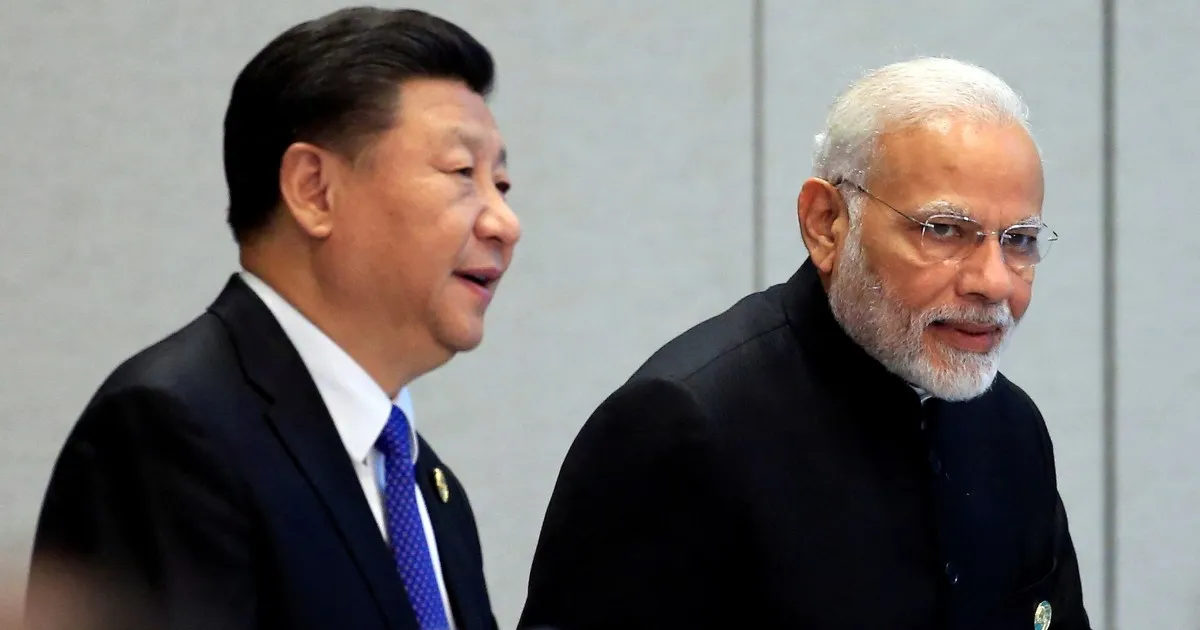
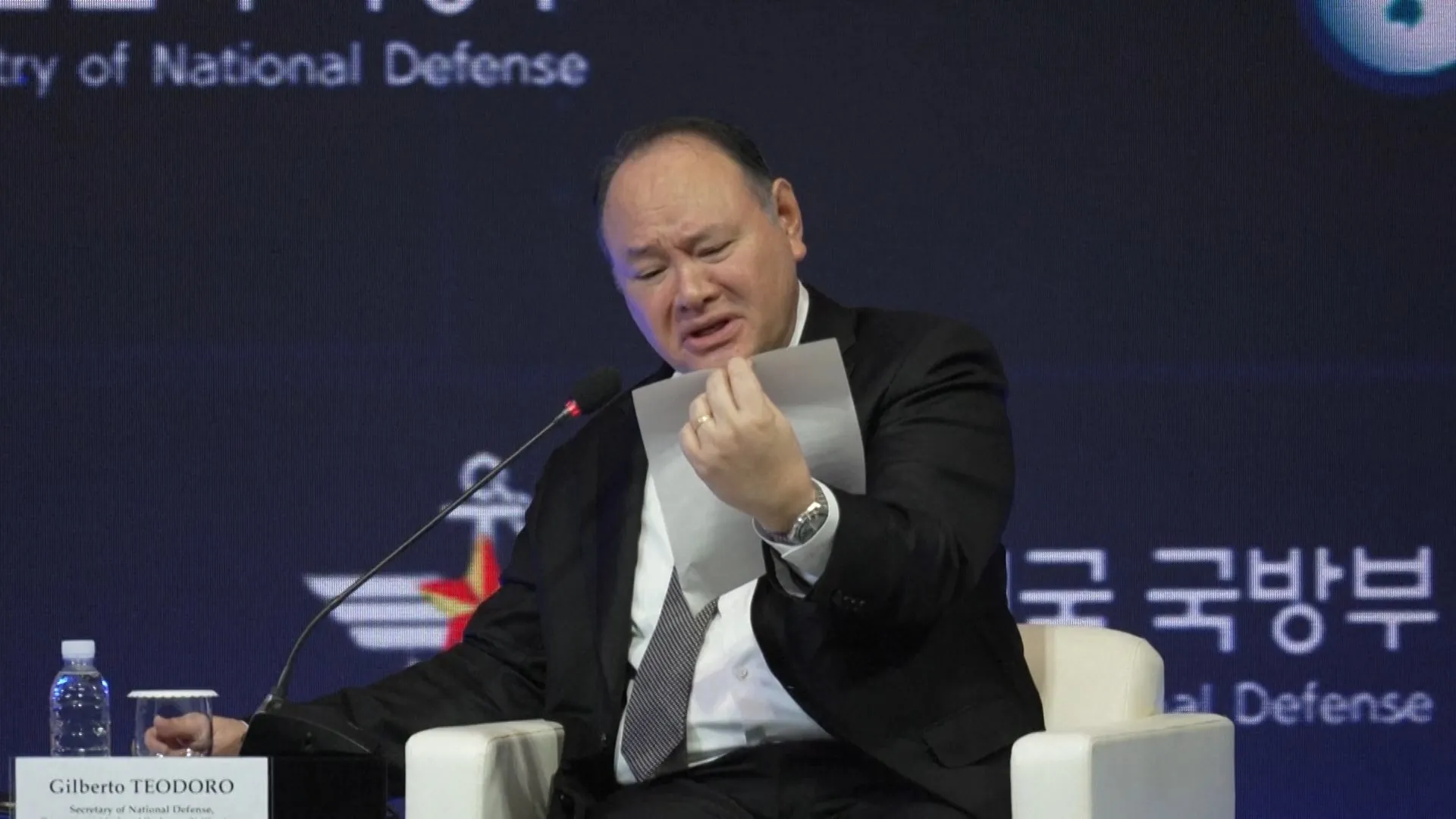
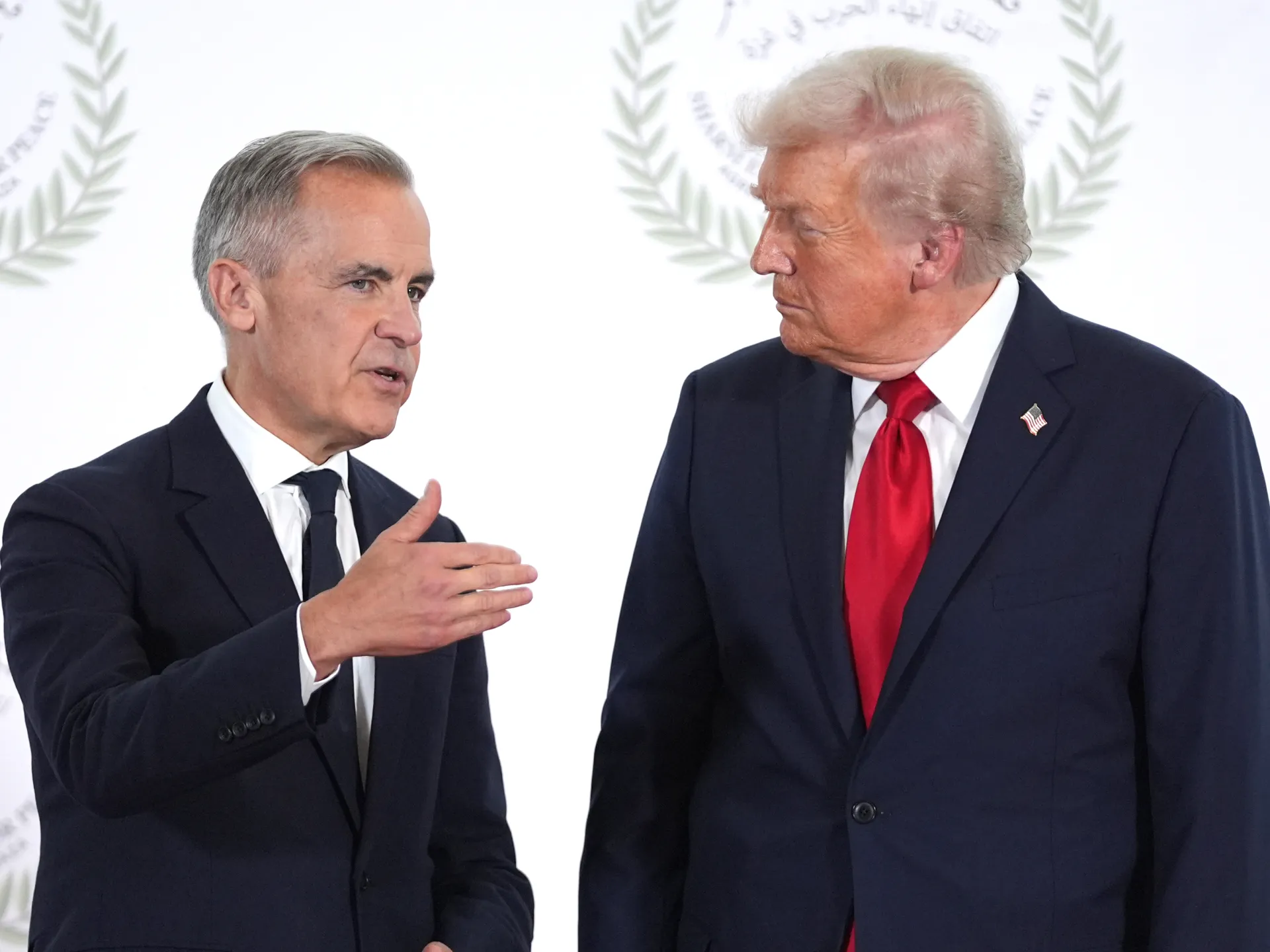
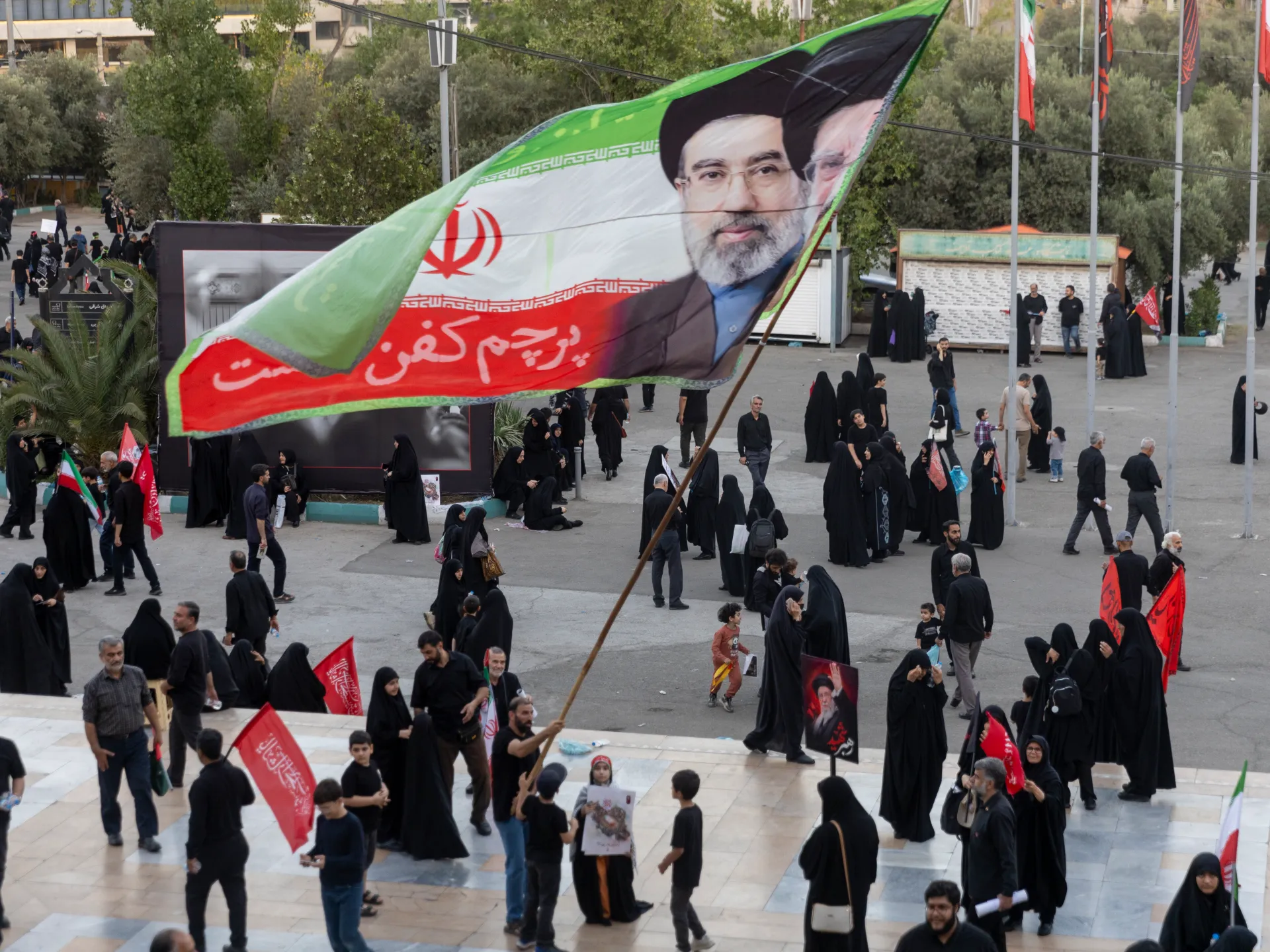
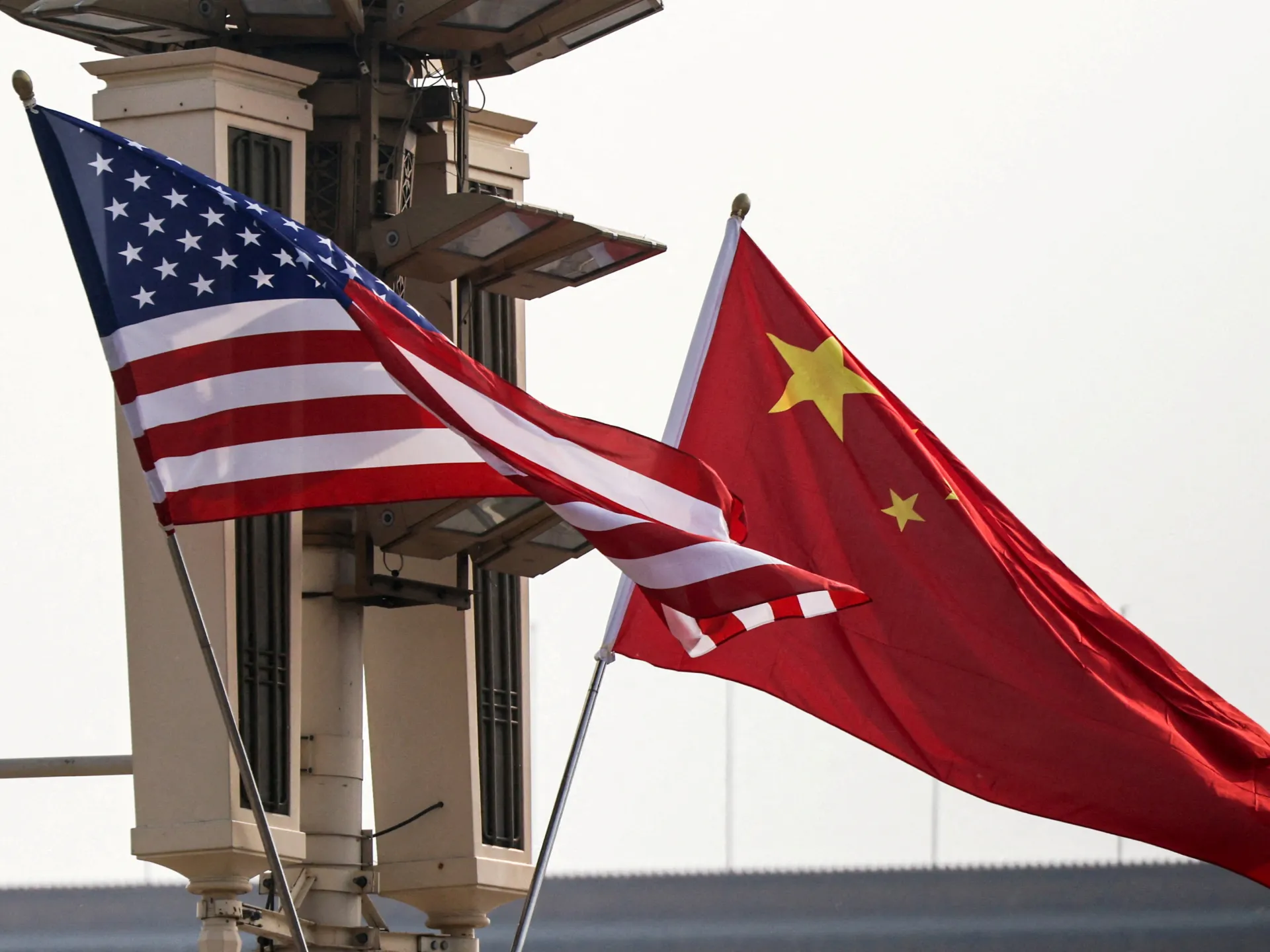
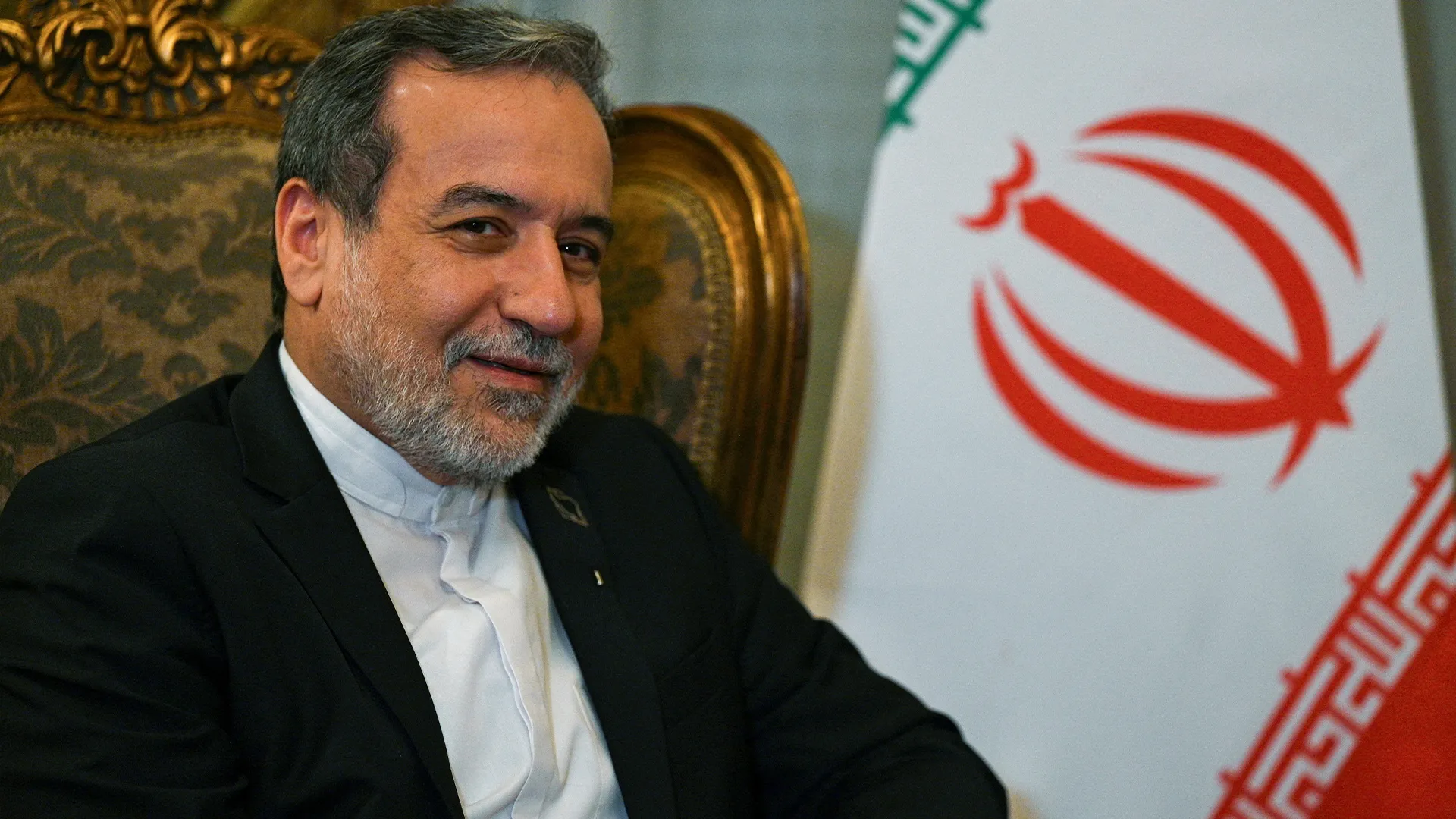
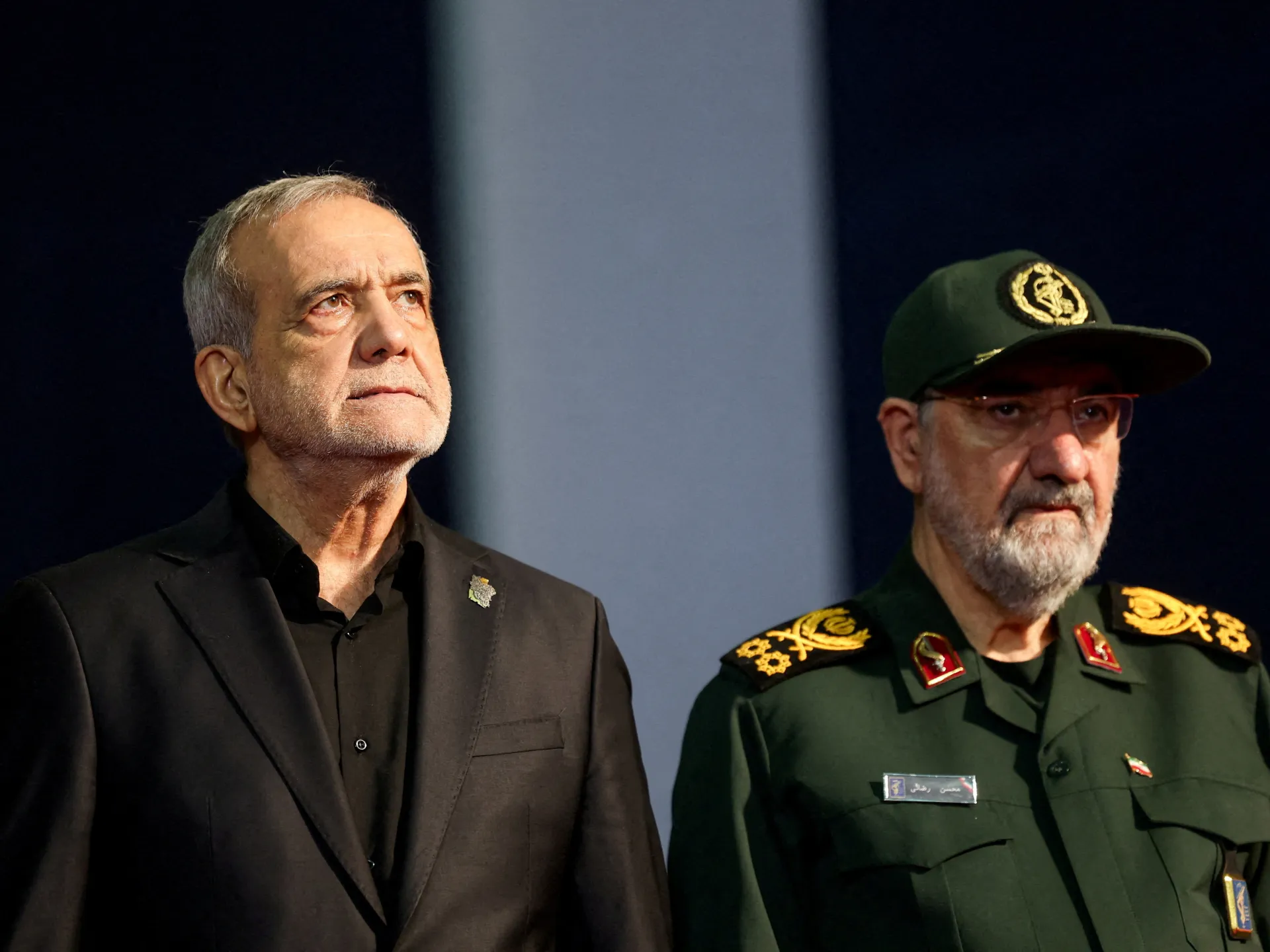
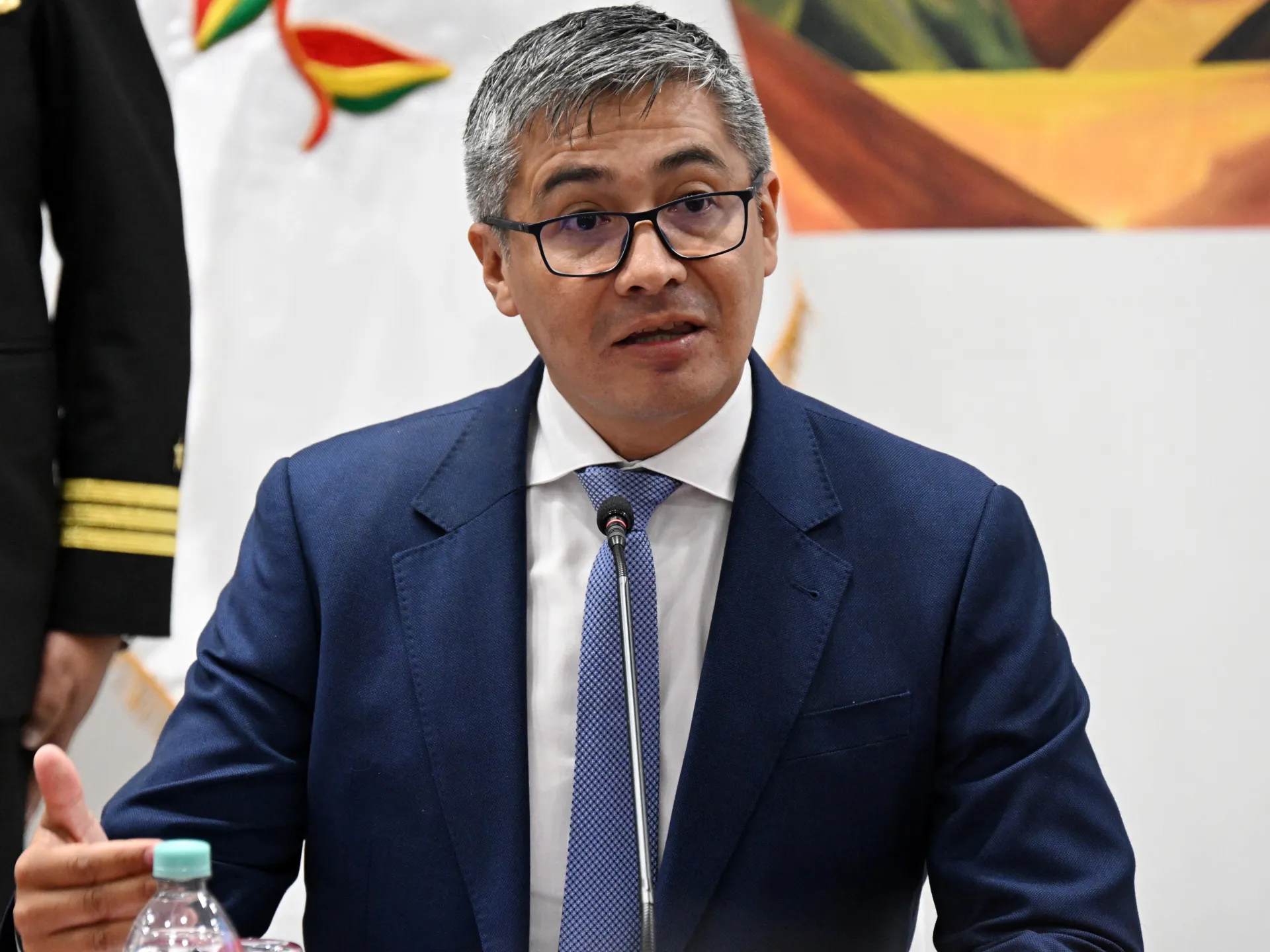
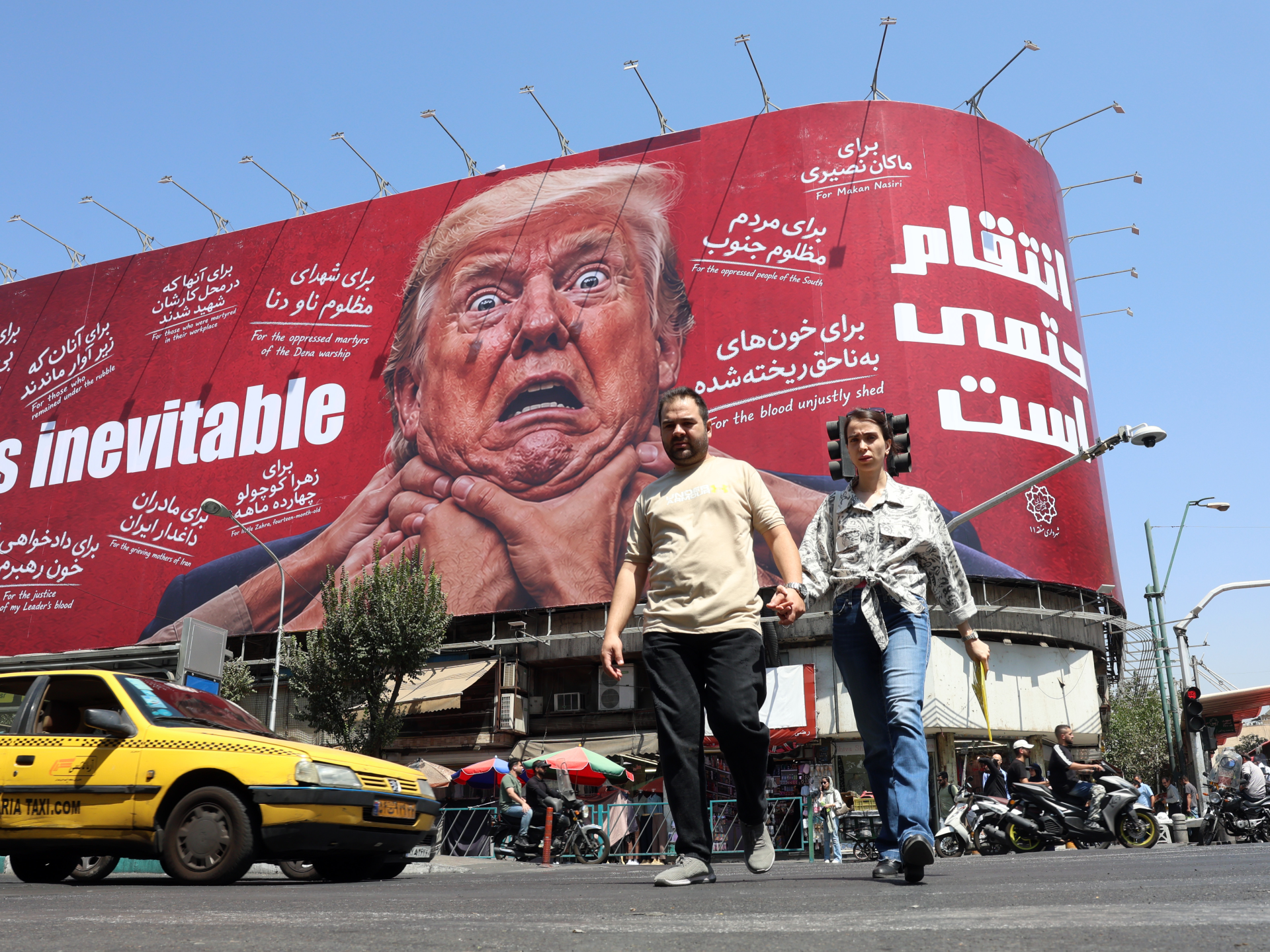
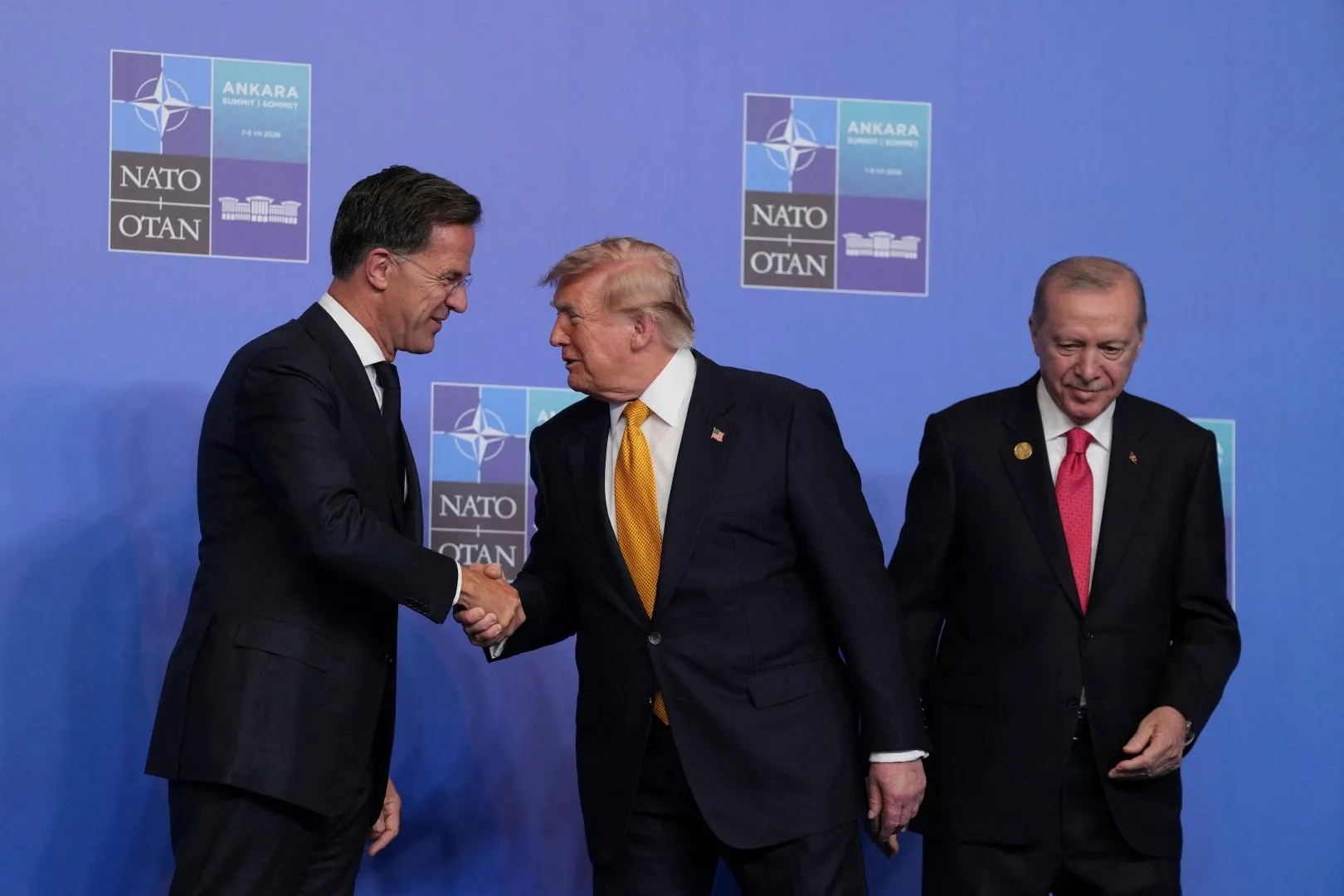
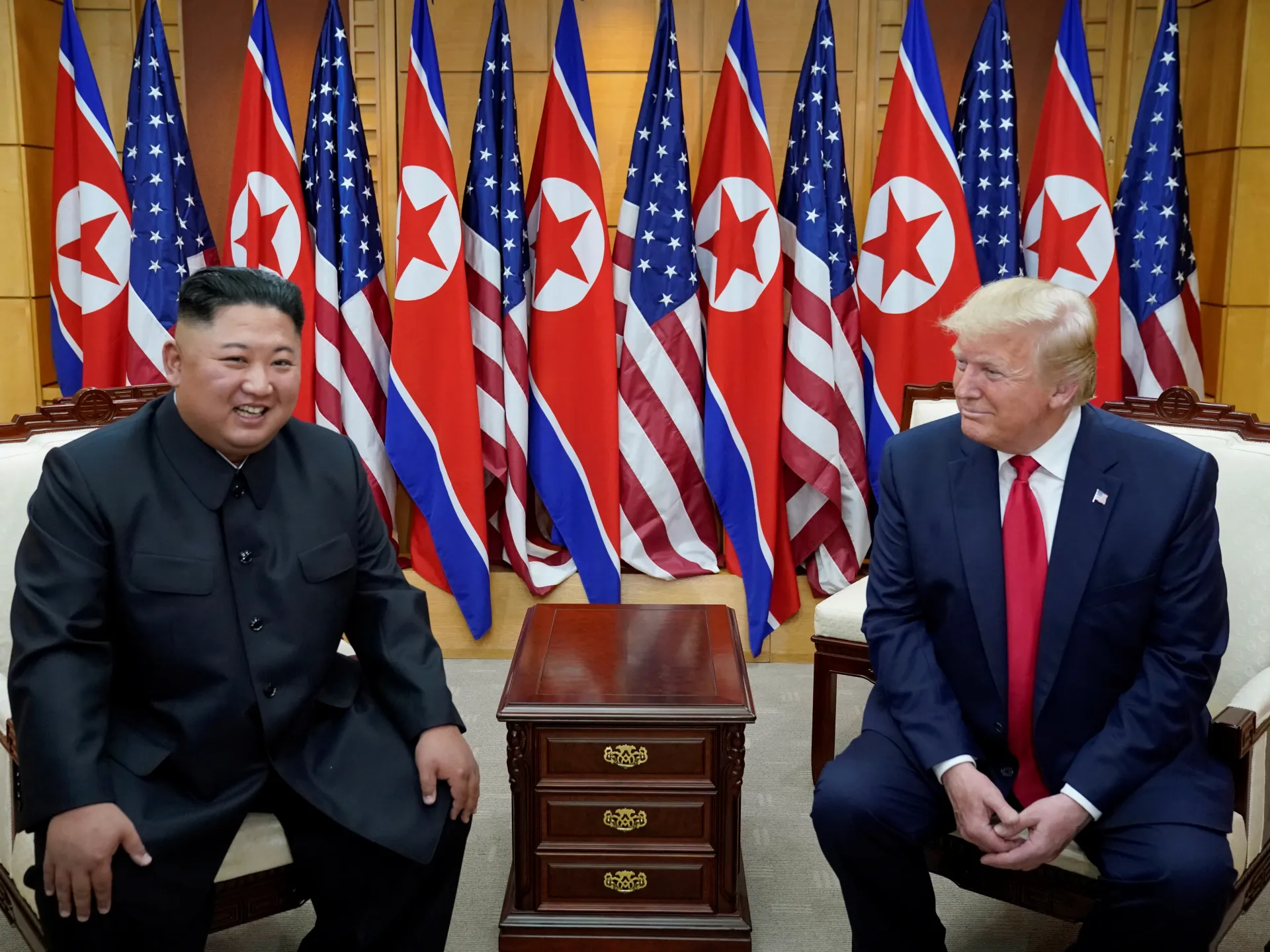
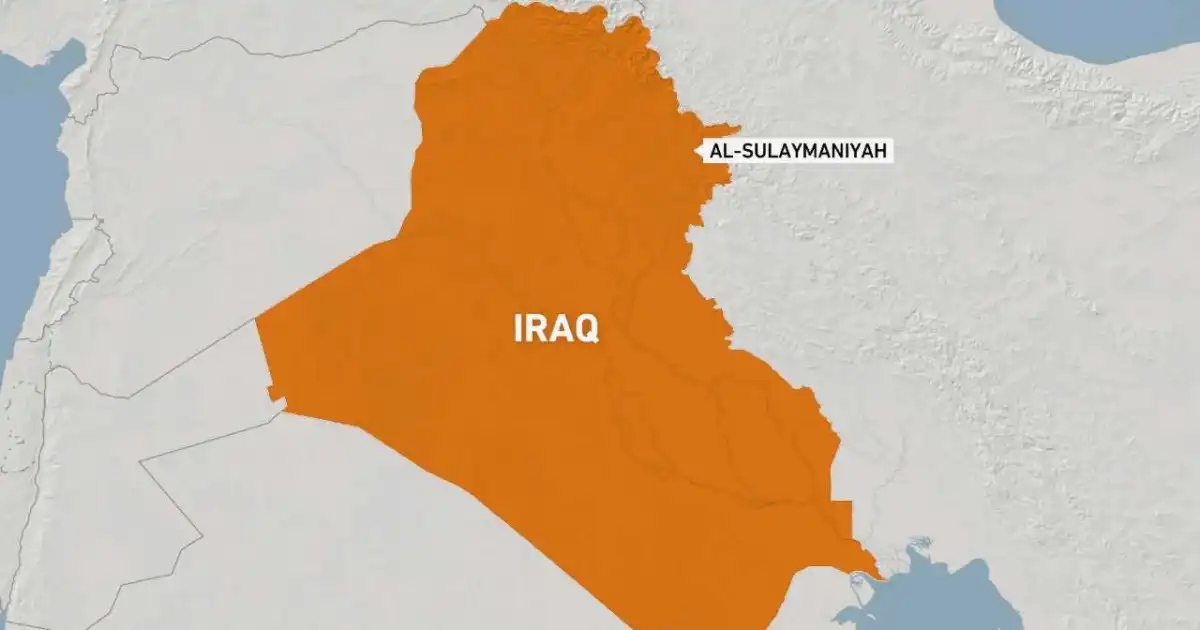
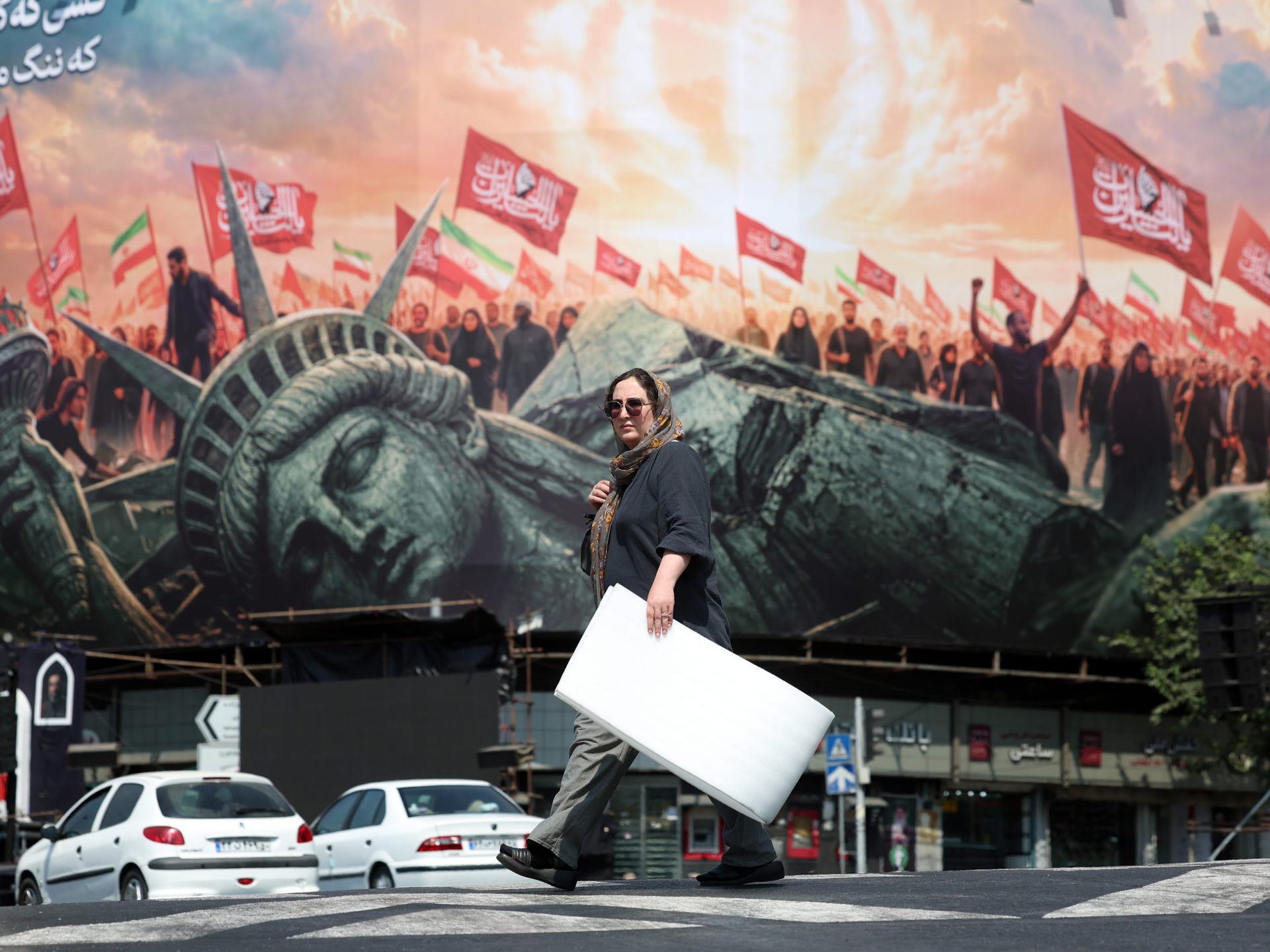
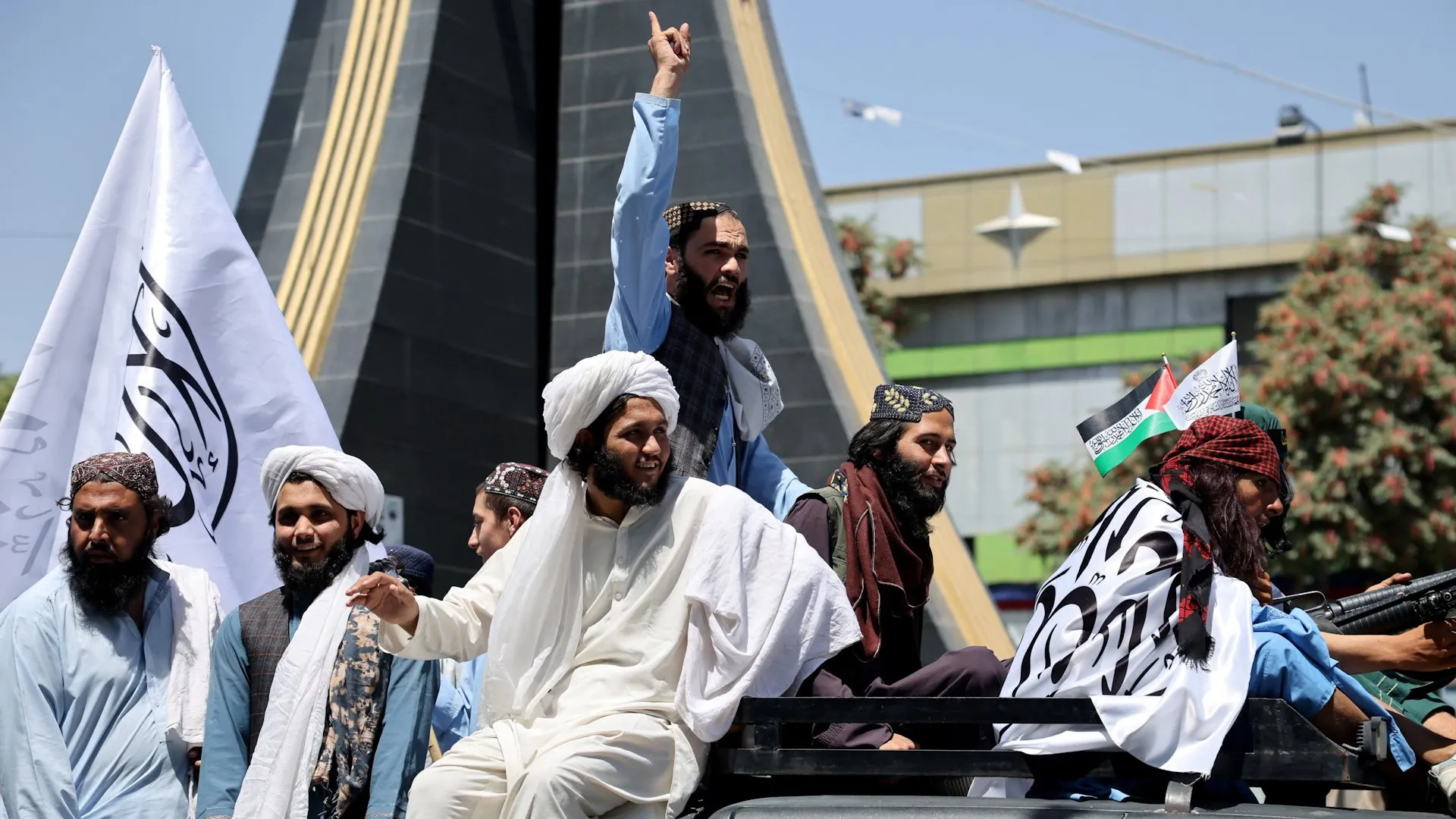
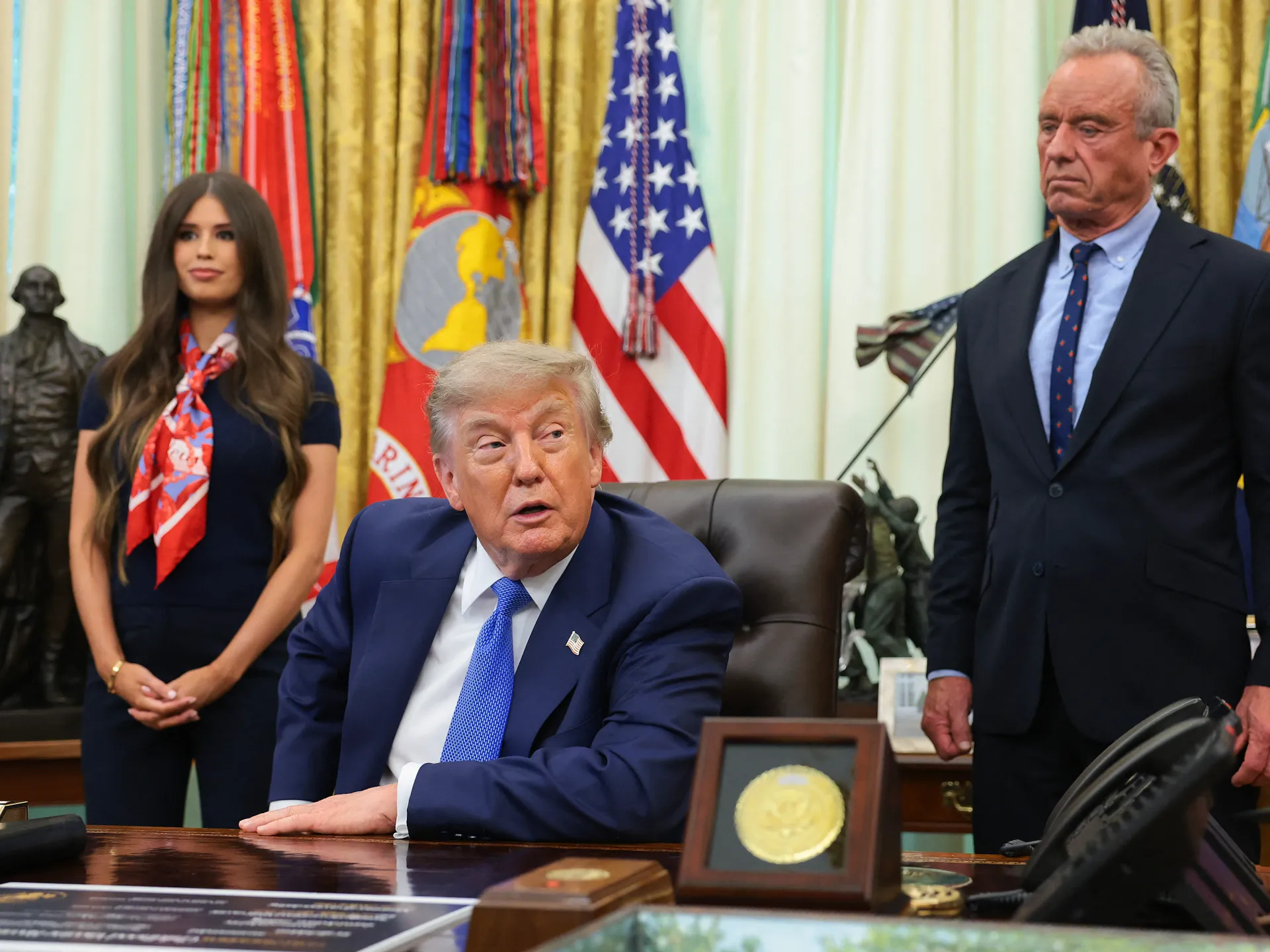
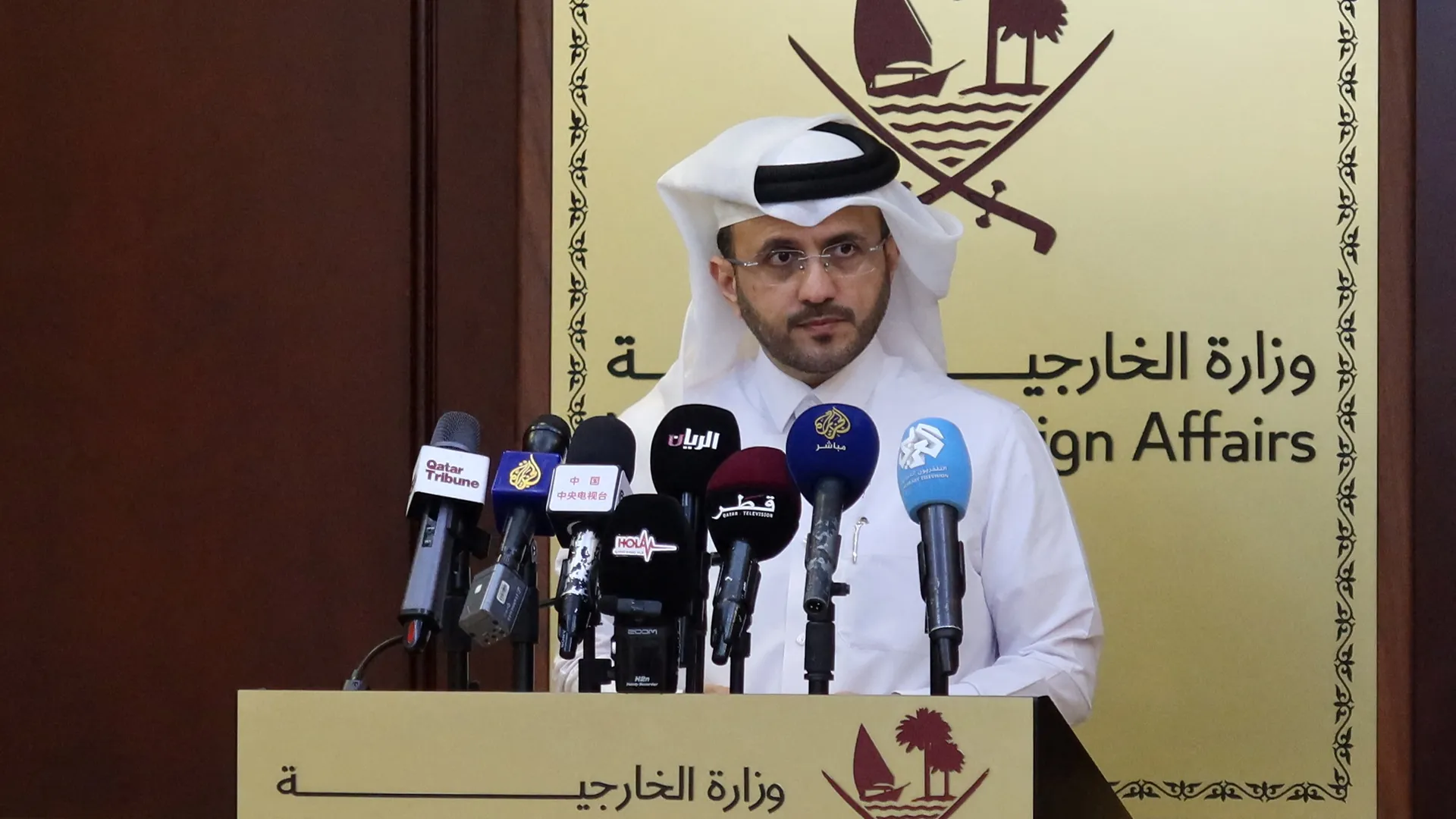
Qatar has emerged as a central figure in the attempt to reestablish a dialogue between Iran and the United States. According to the Qatari Foreign Ministry, spokesperson Majed Al-Ansari has confirmed that mediation efforts are ongoing, with diplomats shuttling between the two capitals to exchange proposals. The objective is to find a common foundation that would allow for a resumption of formal talks, a move that appears to contrast with the official stance from Washington.
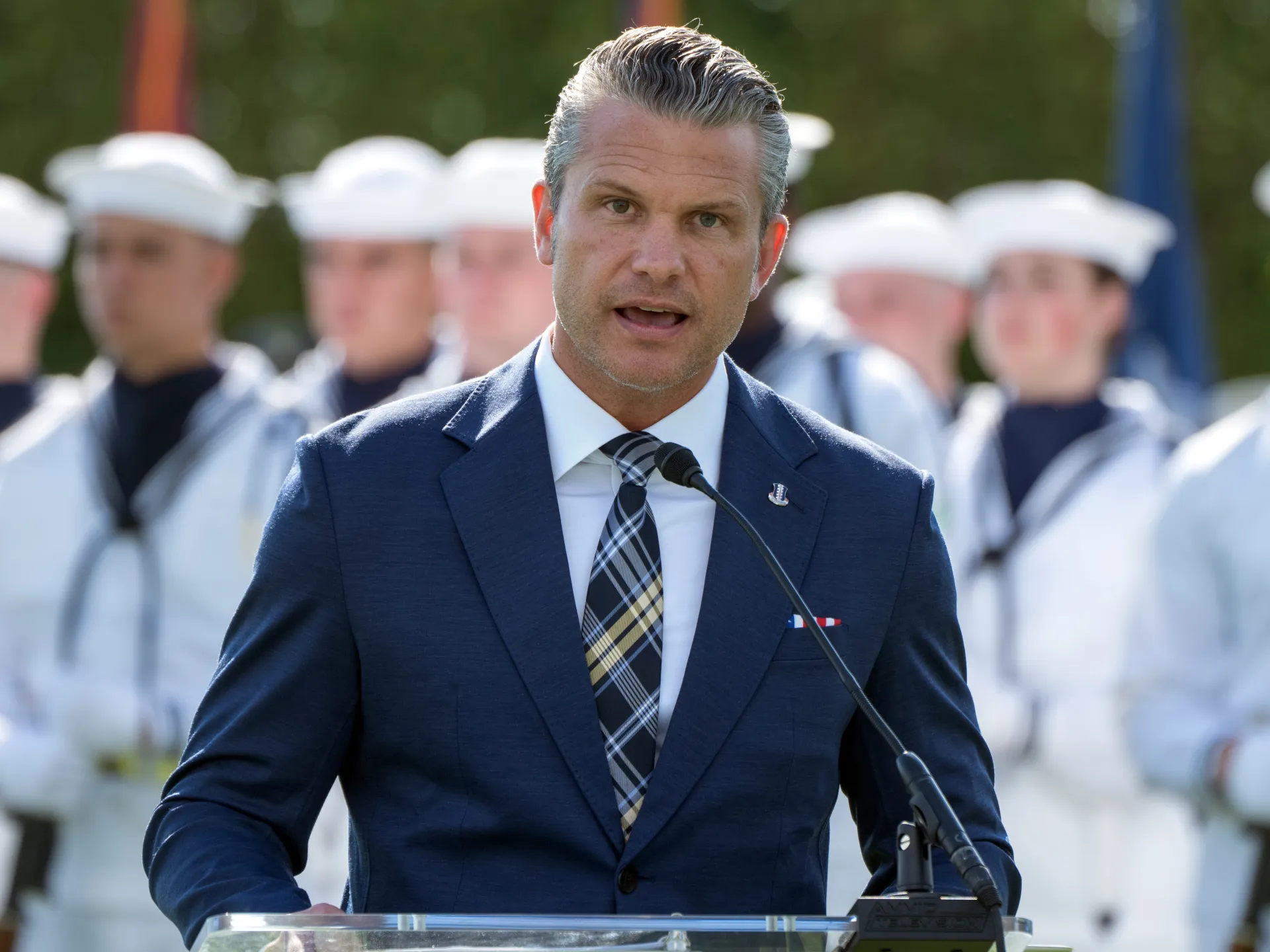
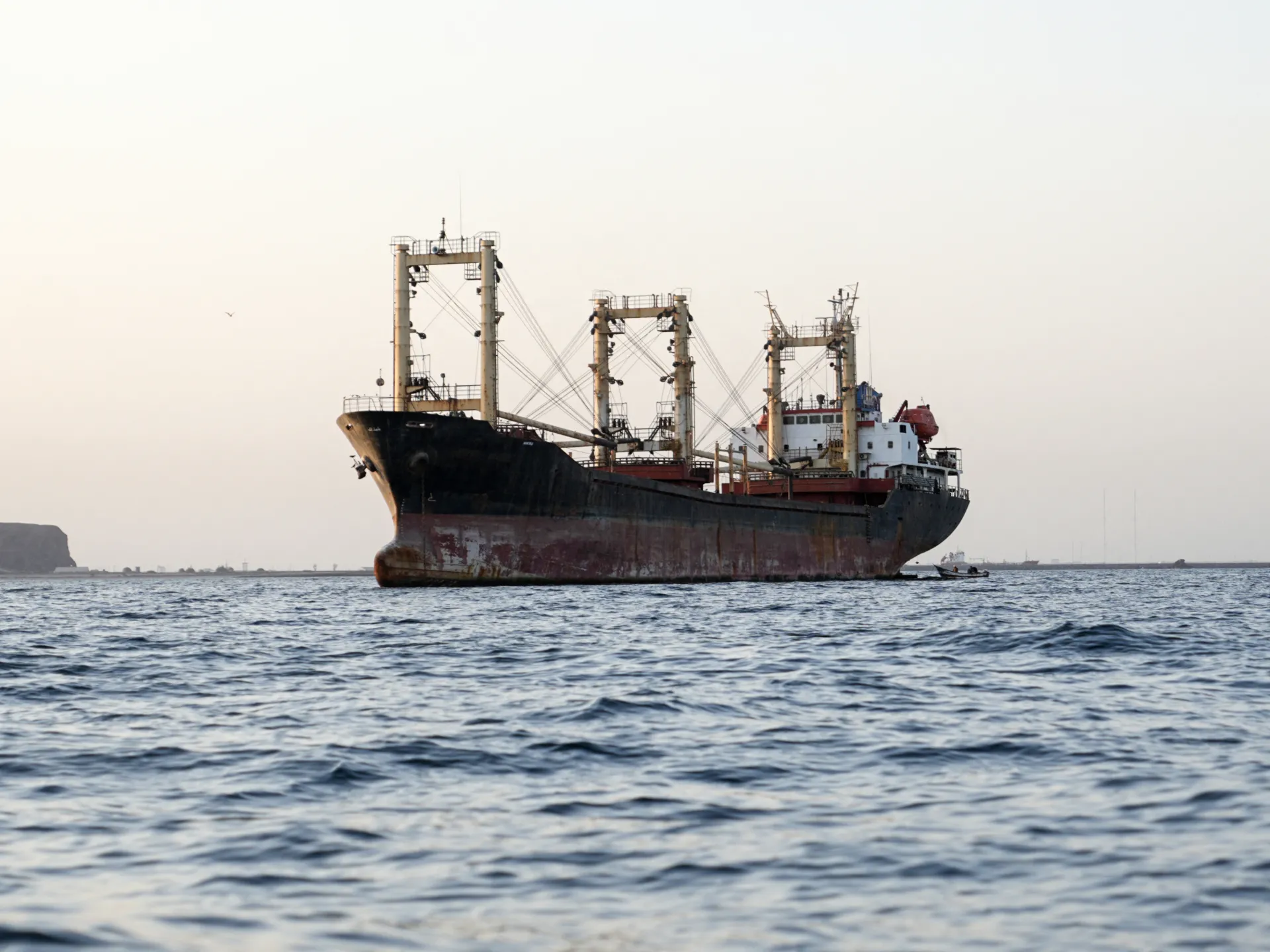
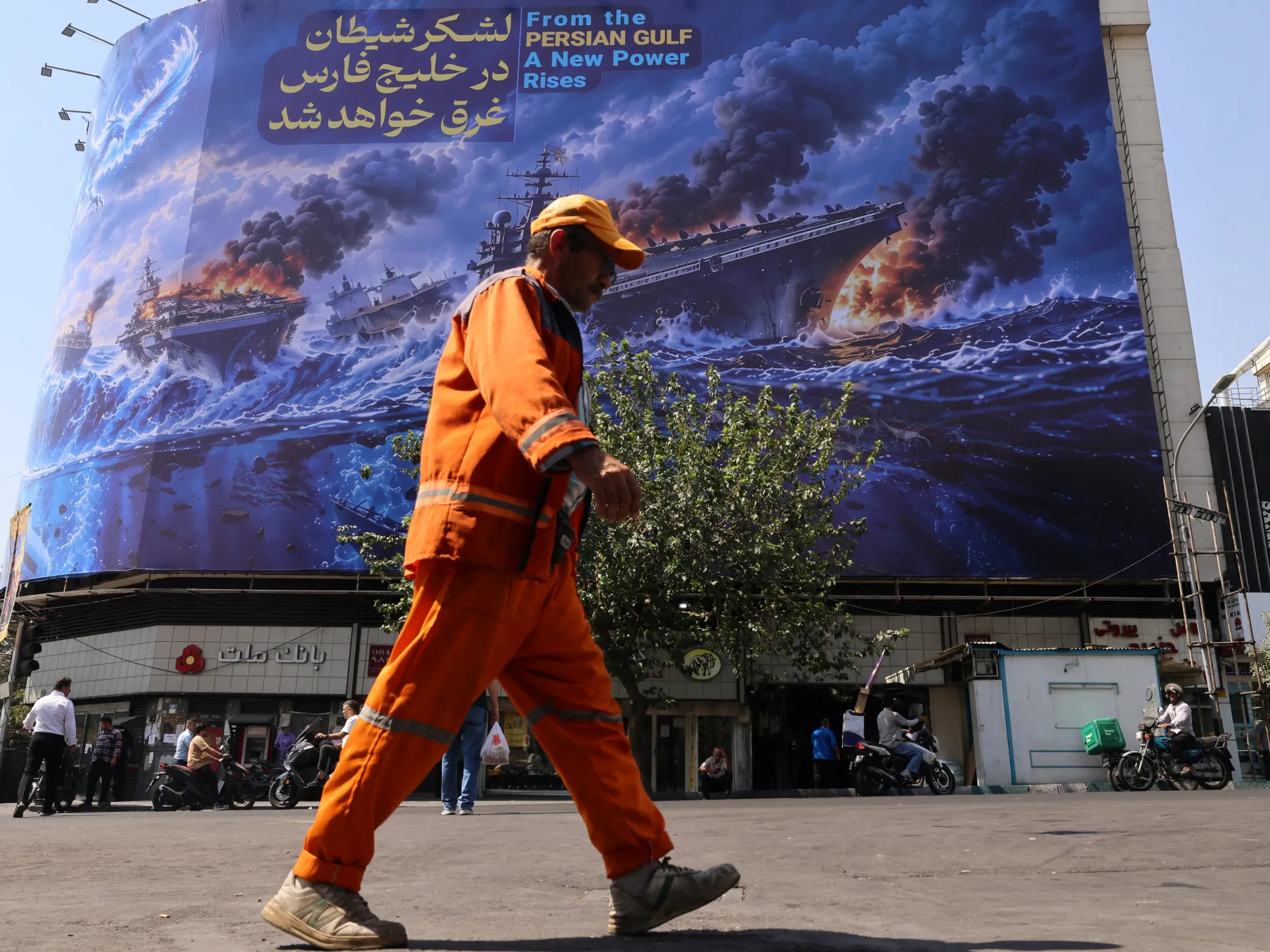
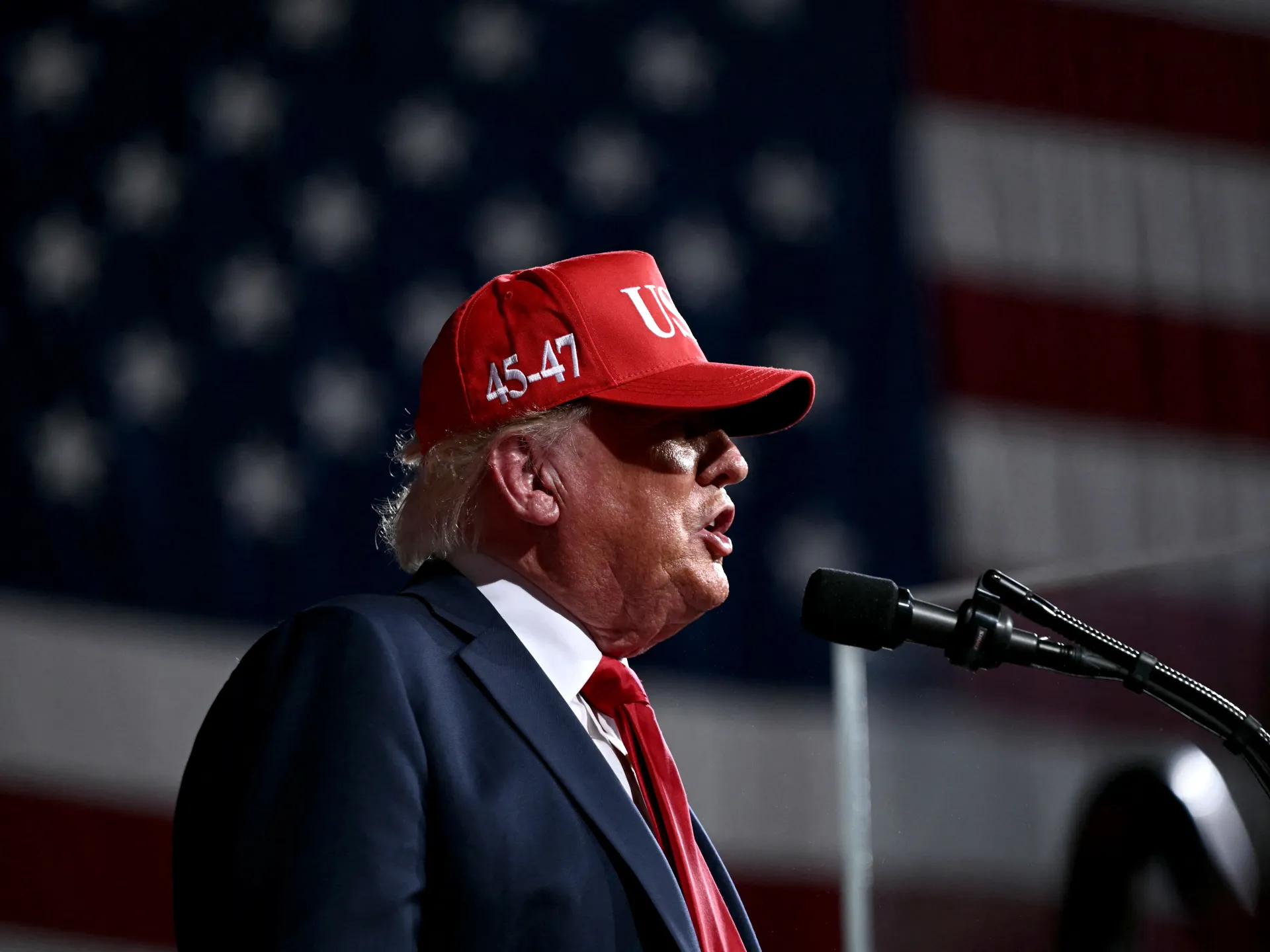
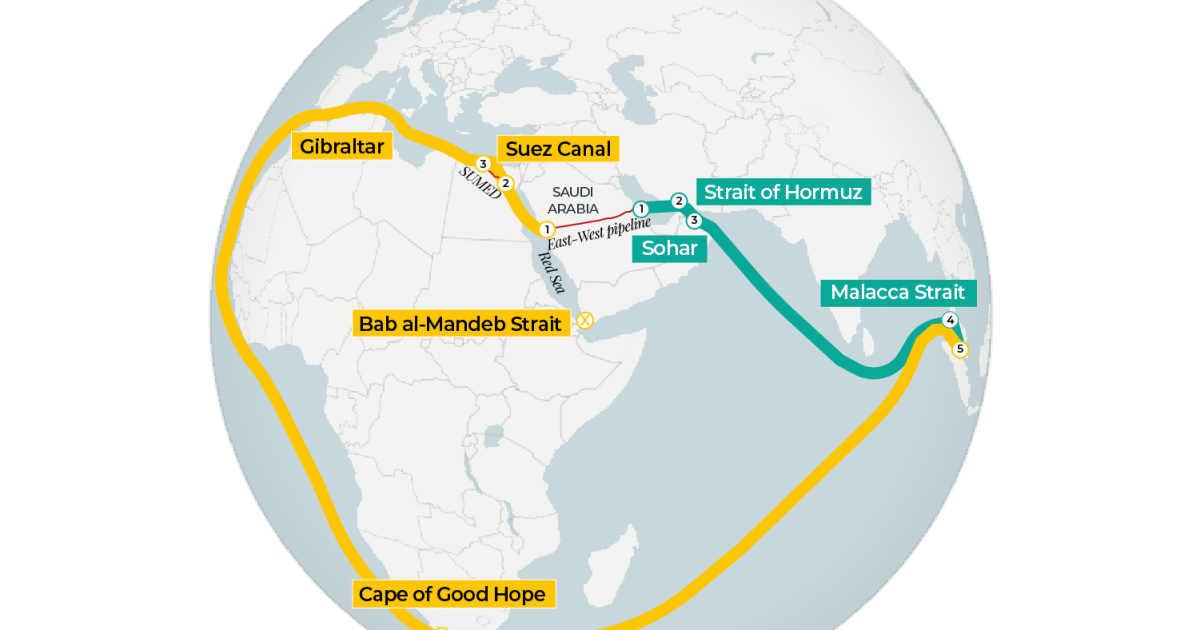
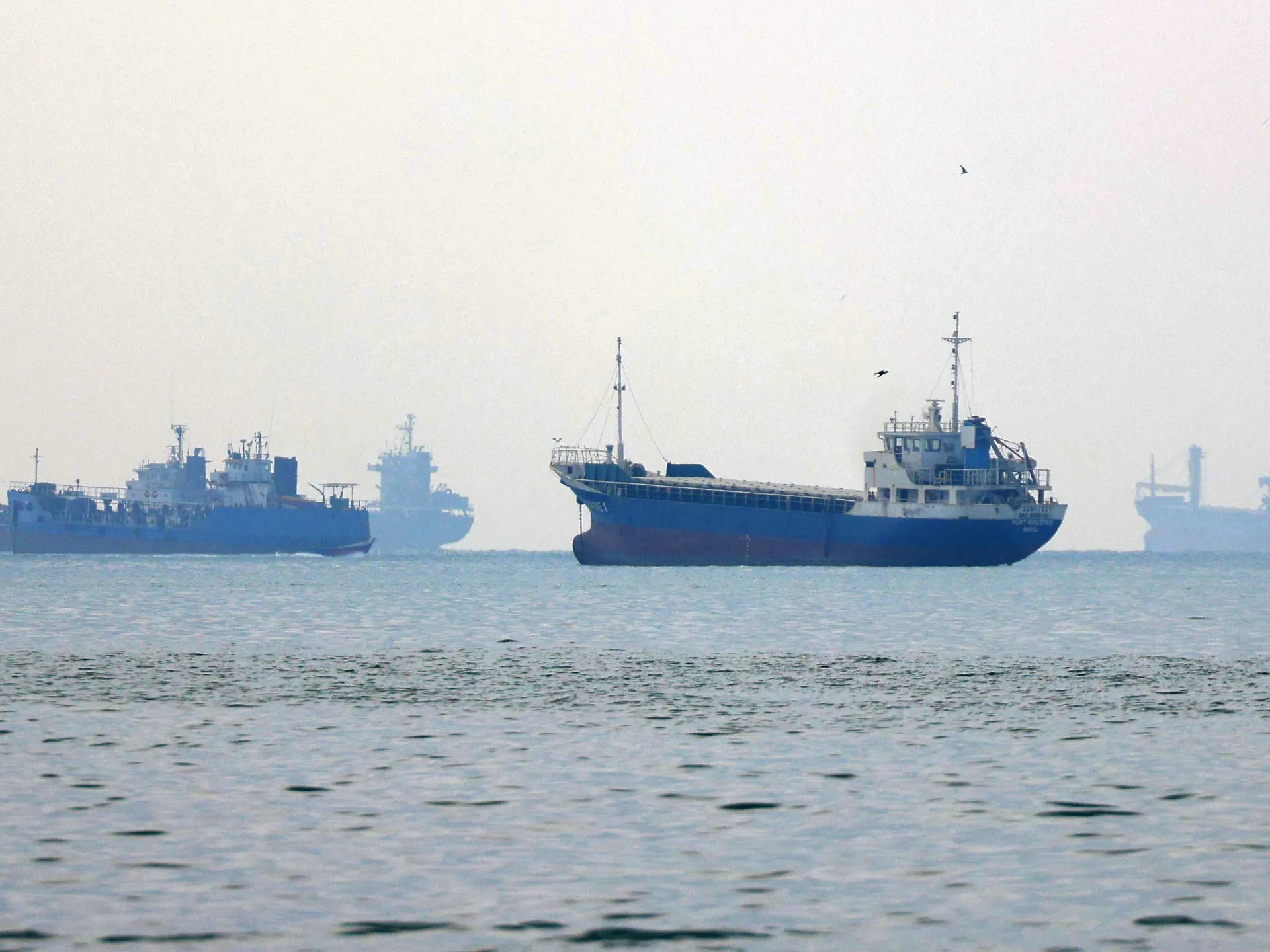
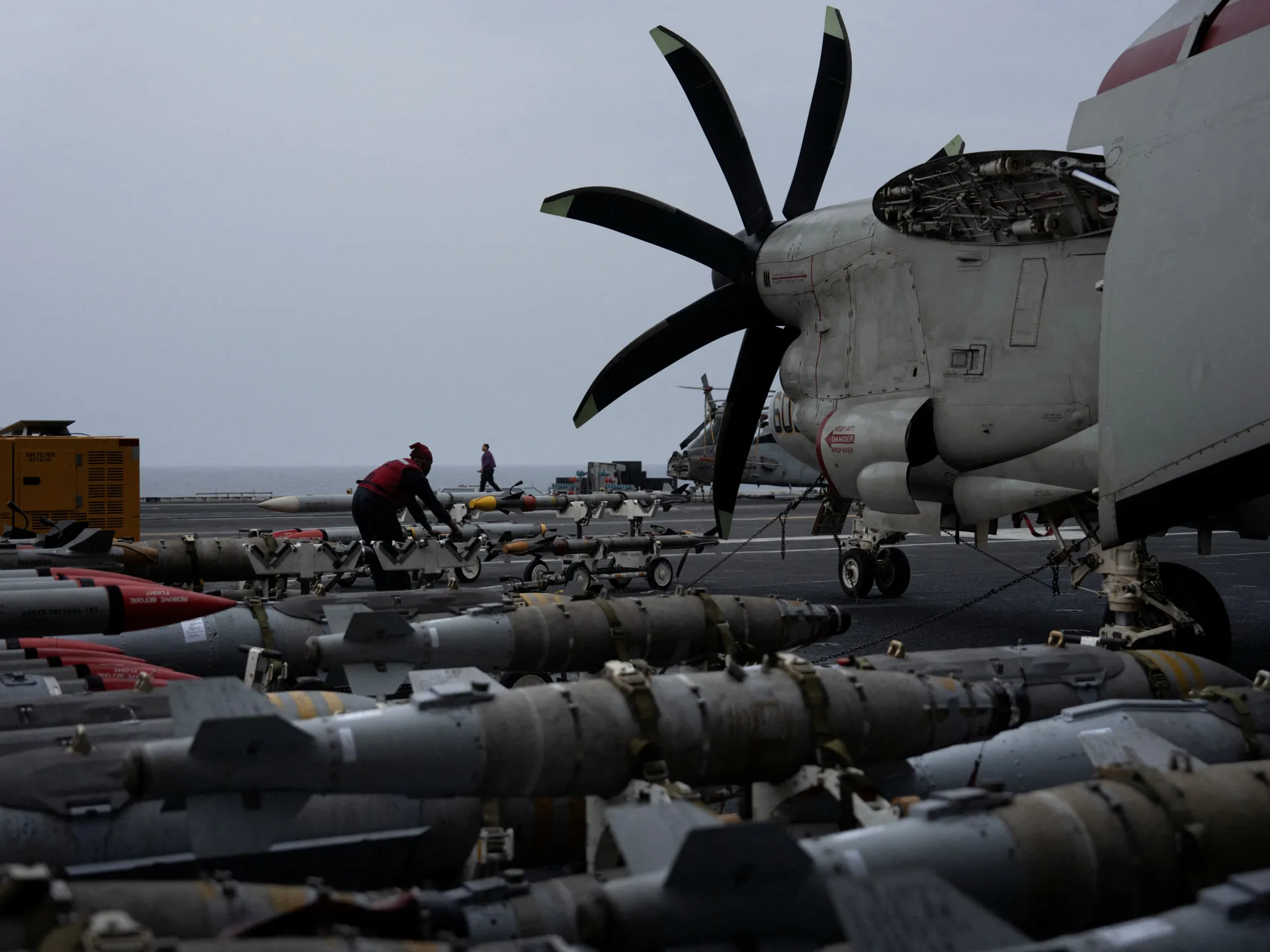
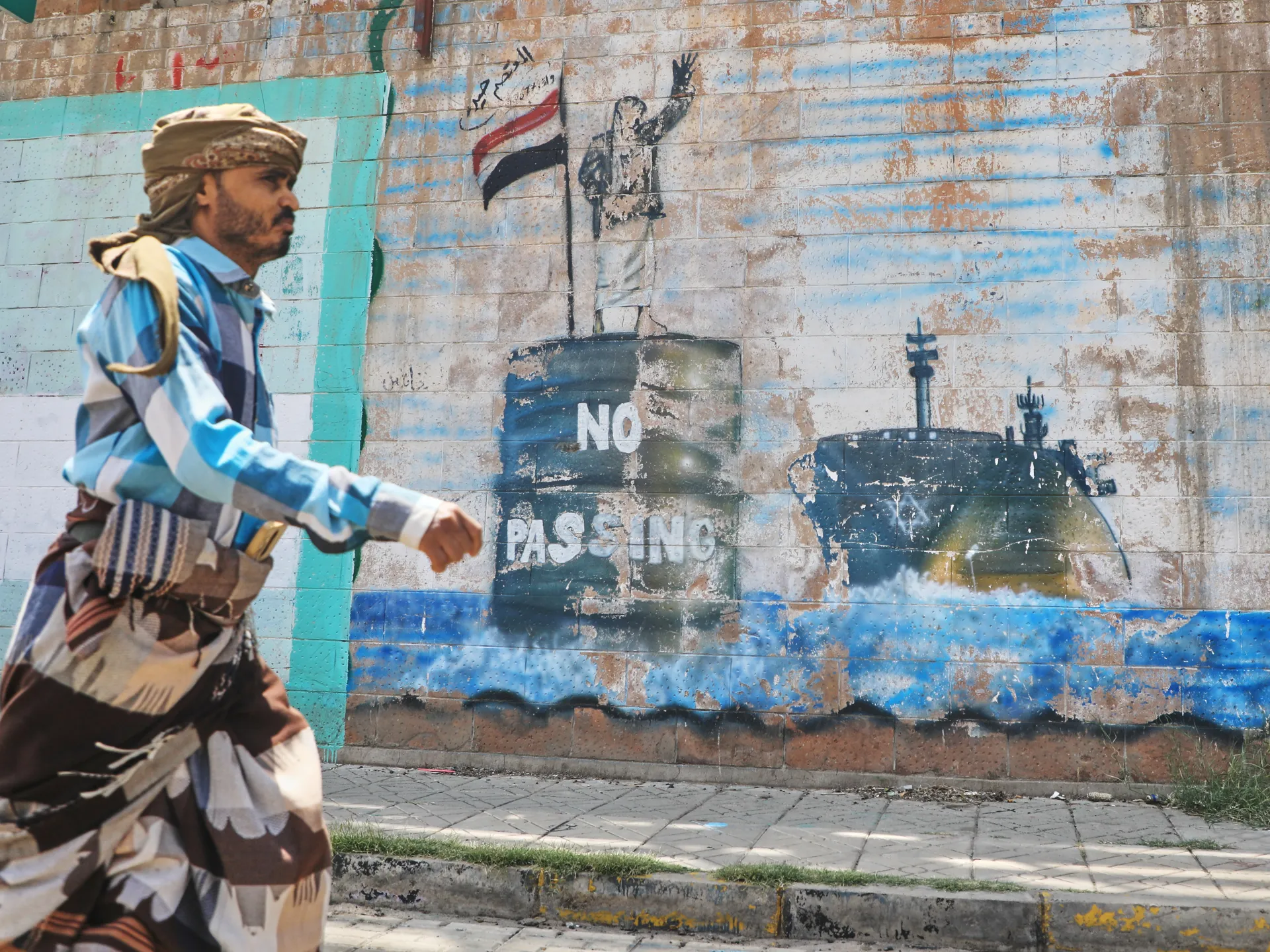
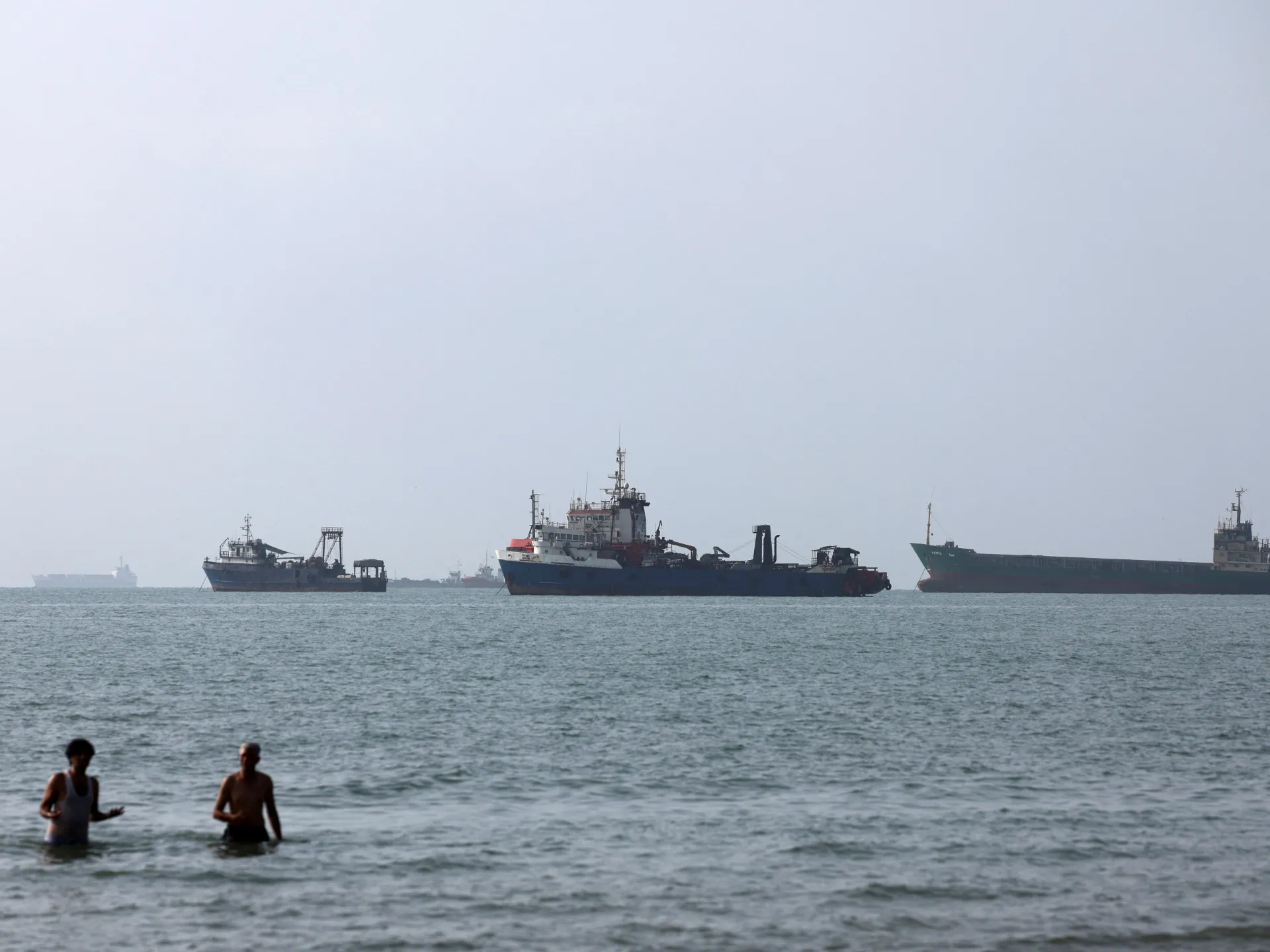
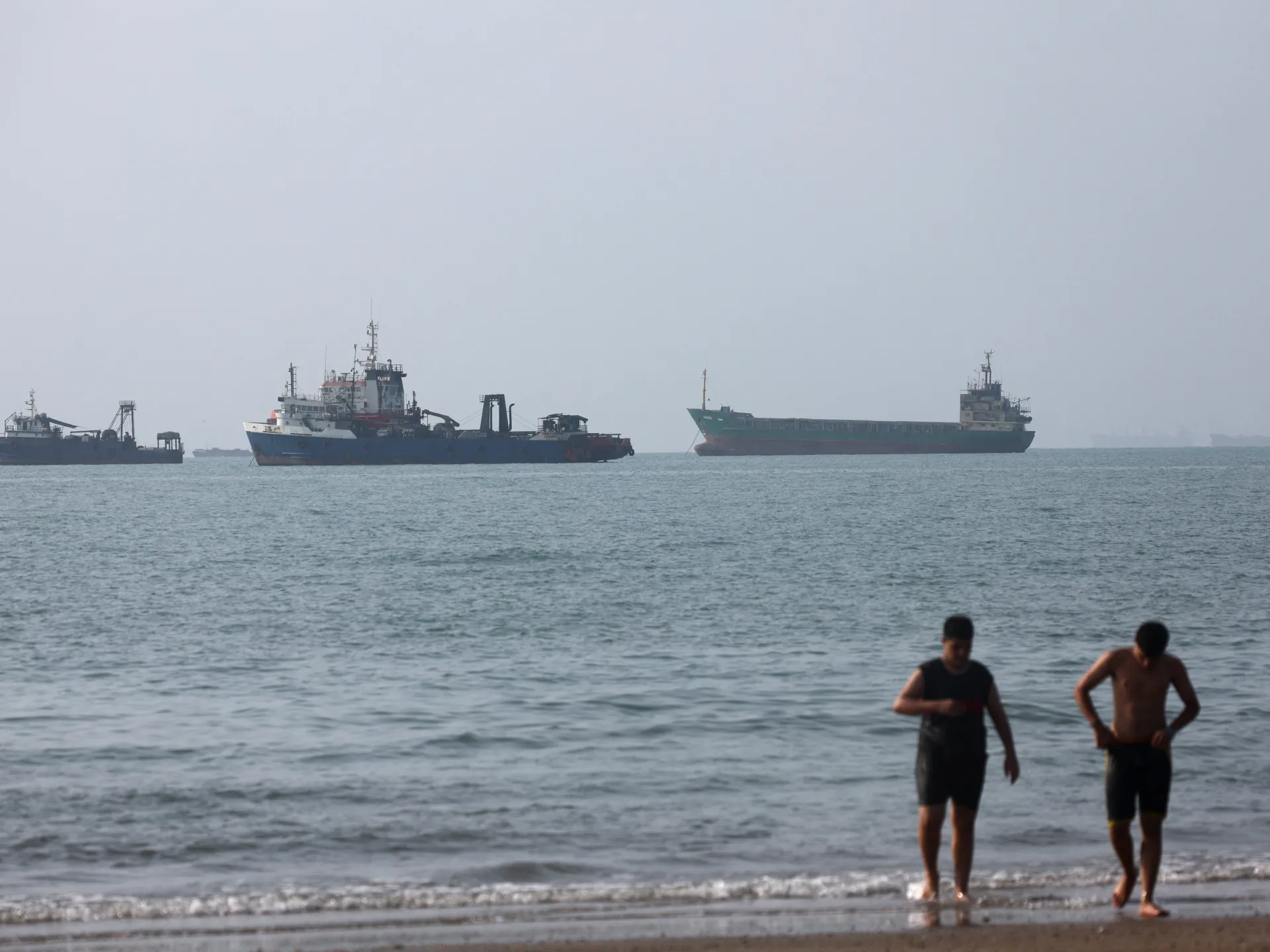
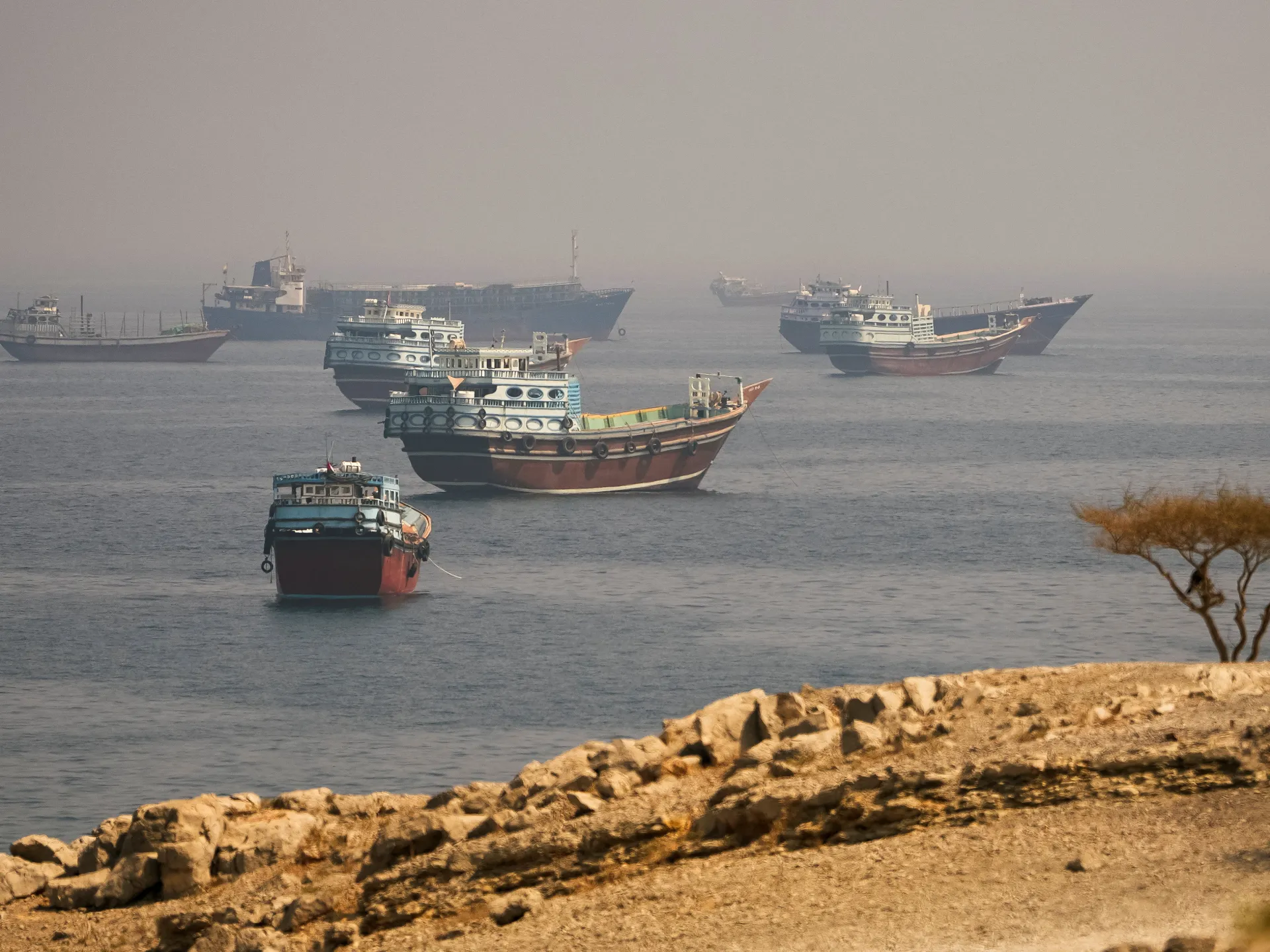
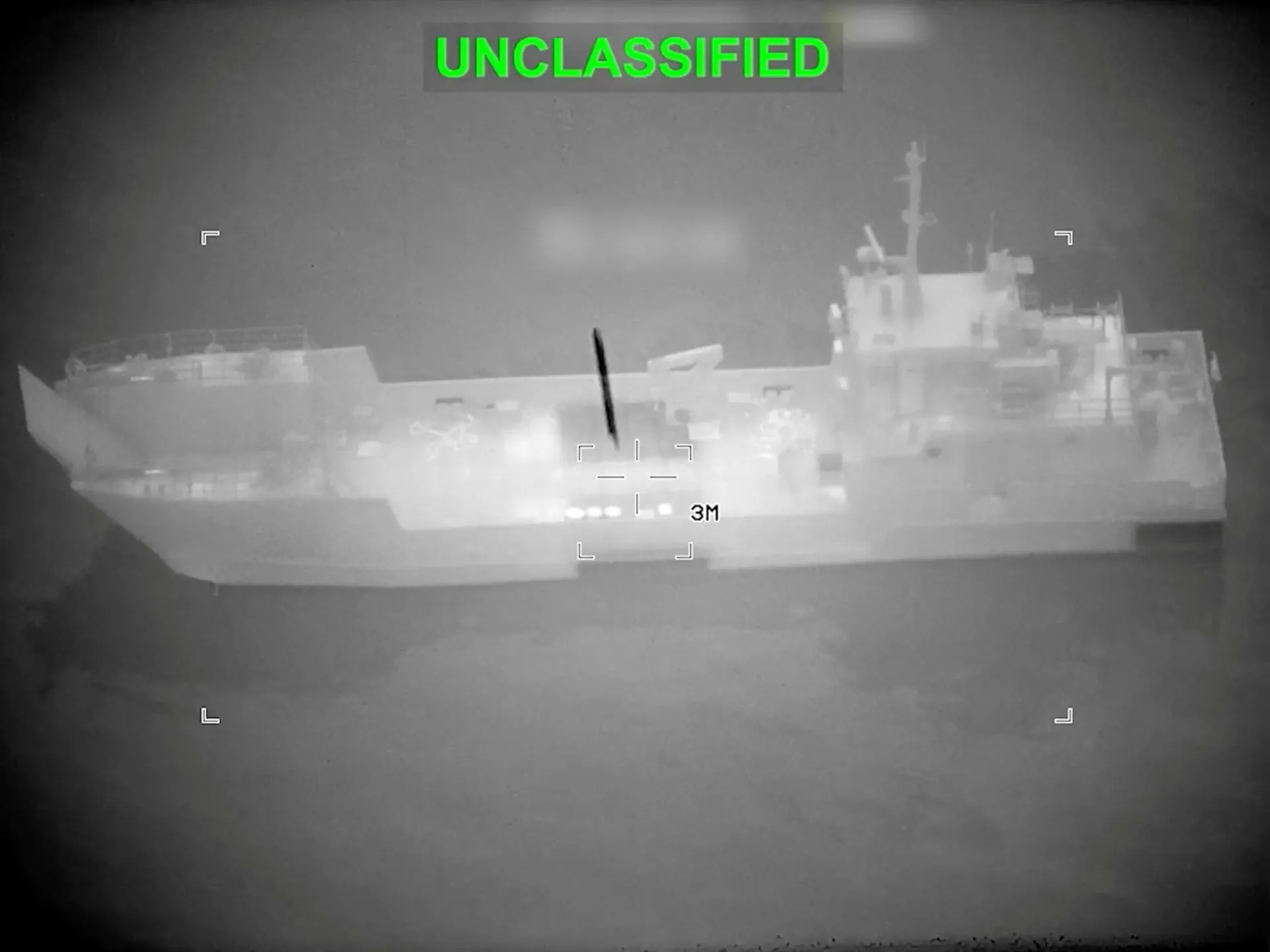
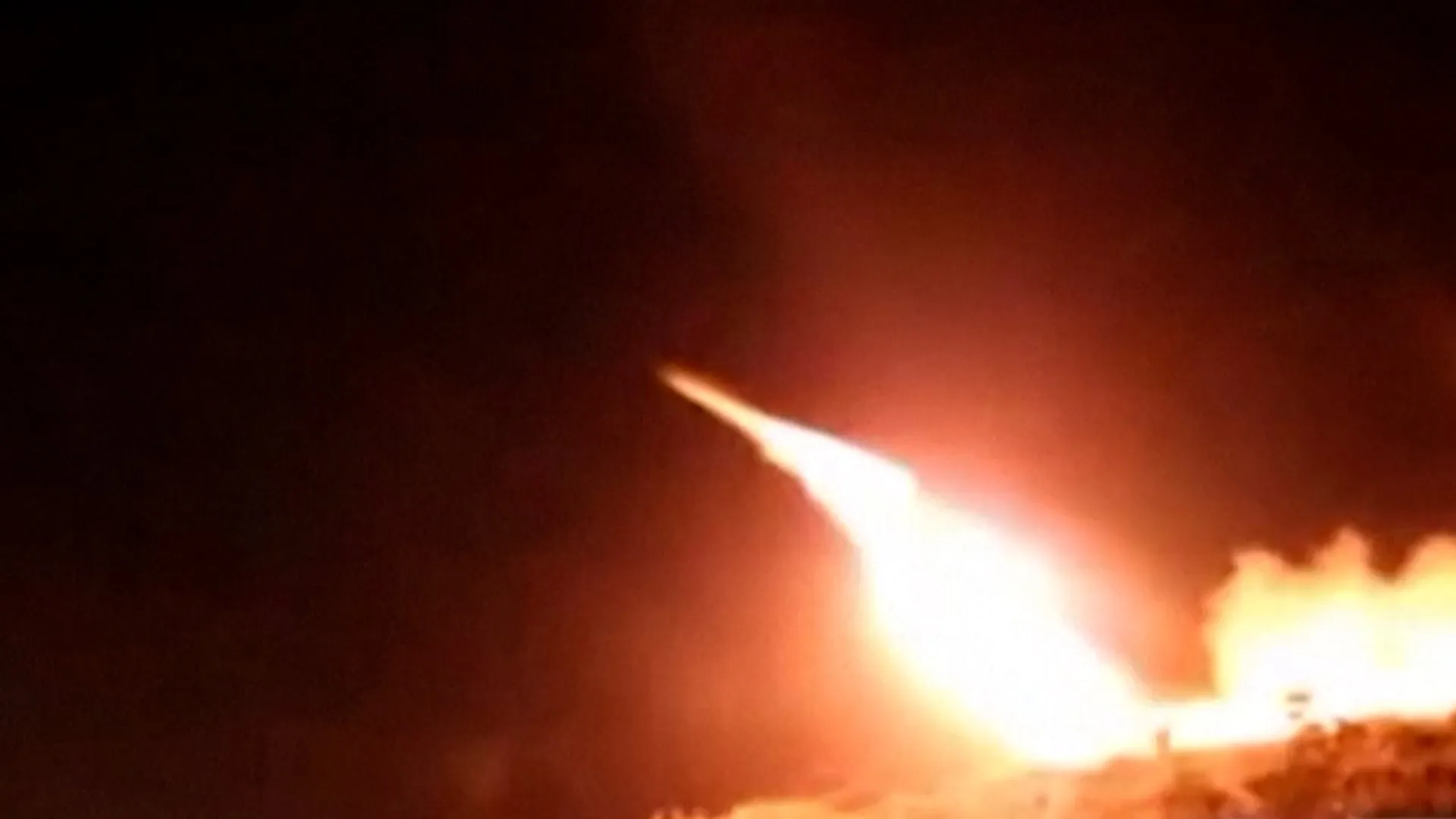
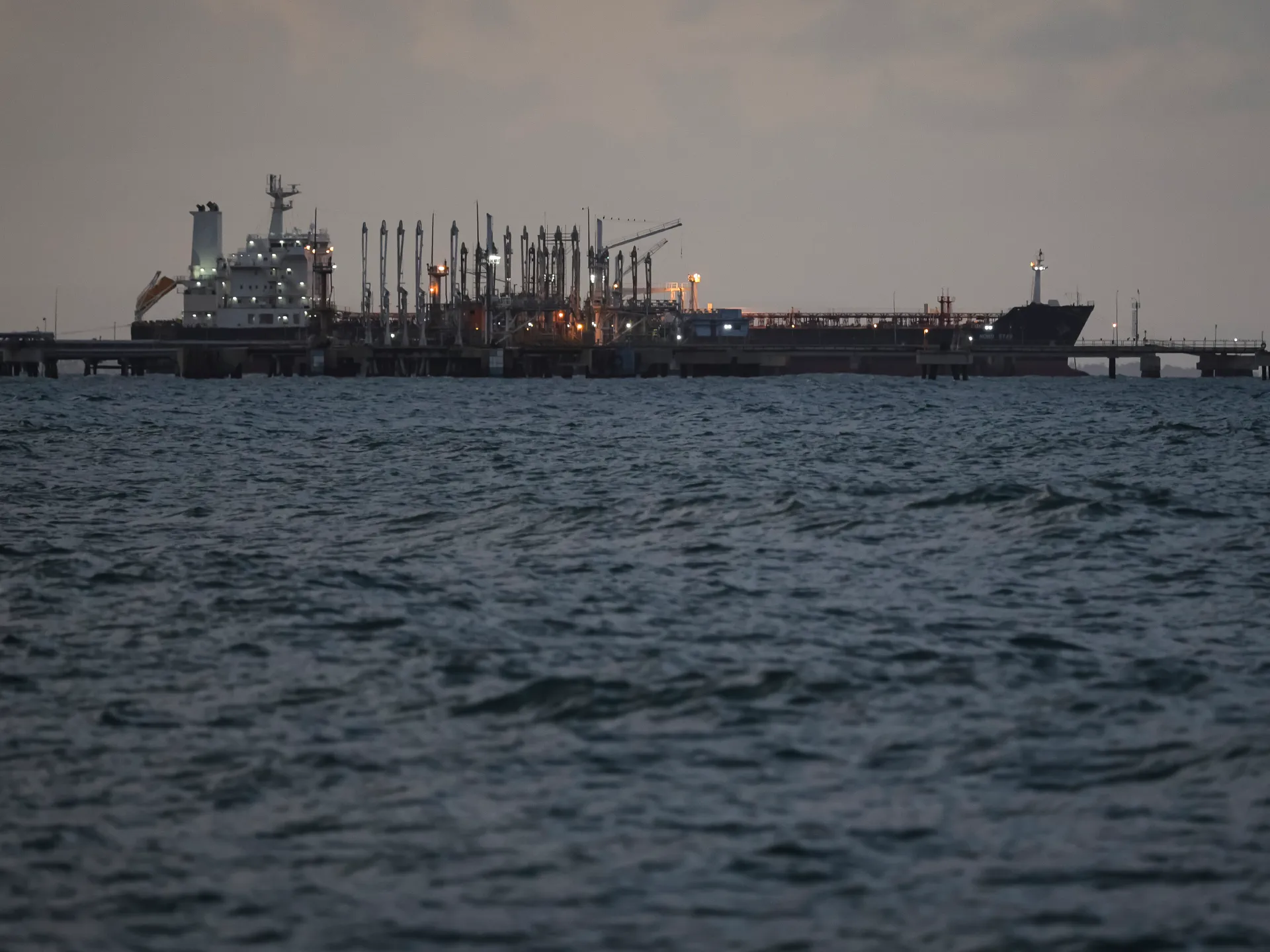
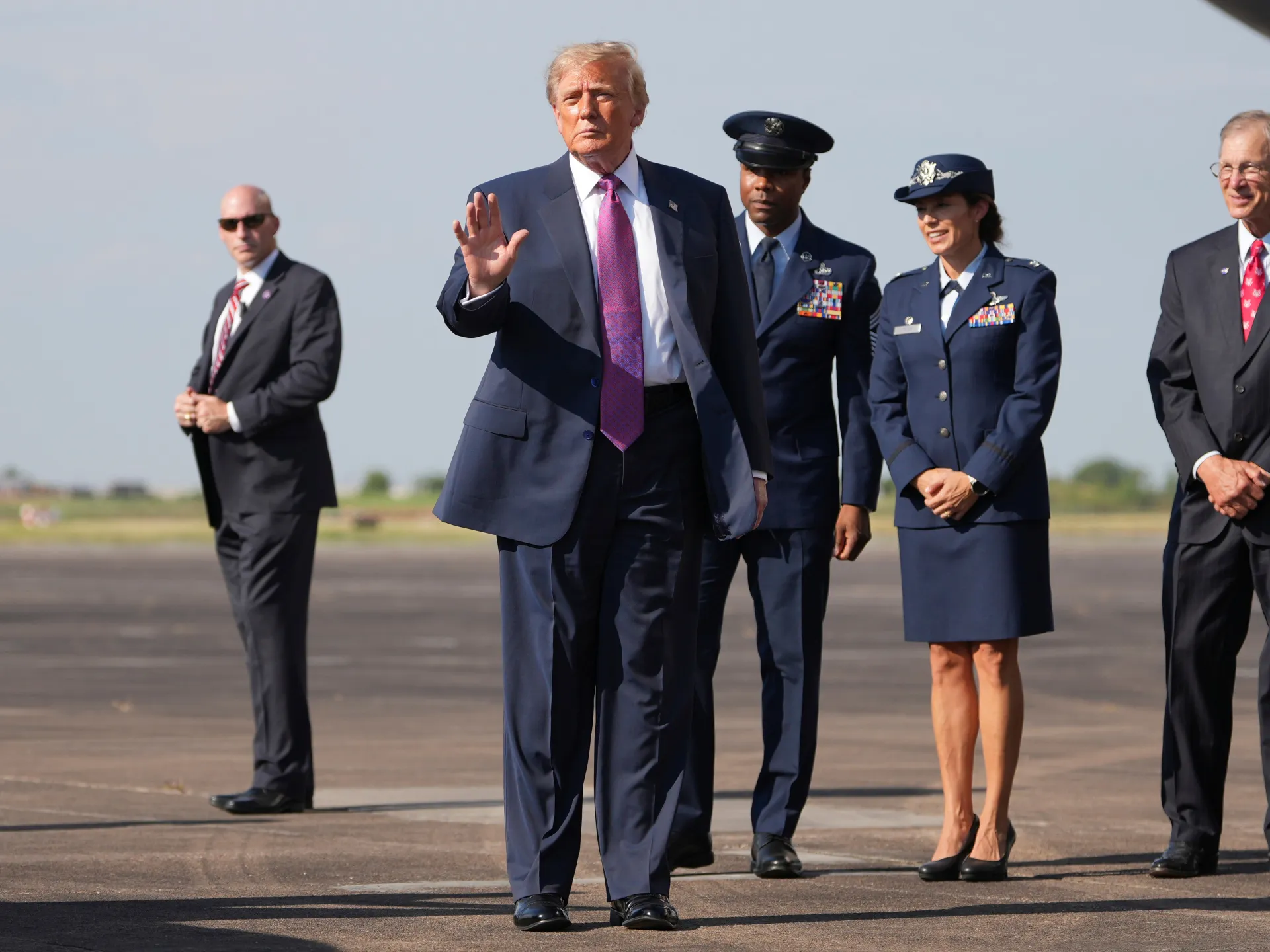
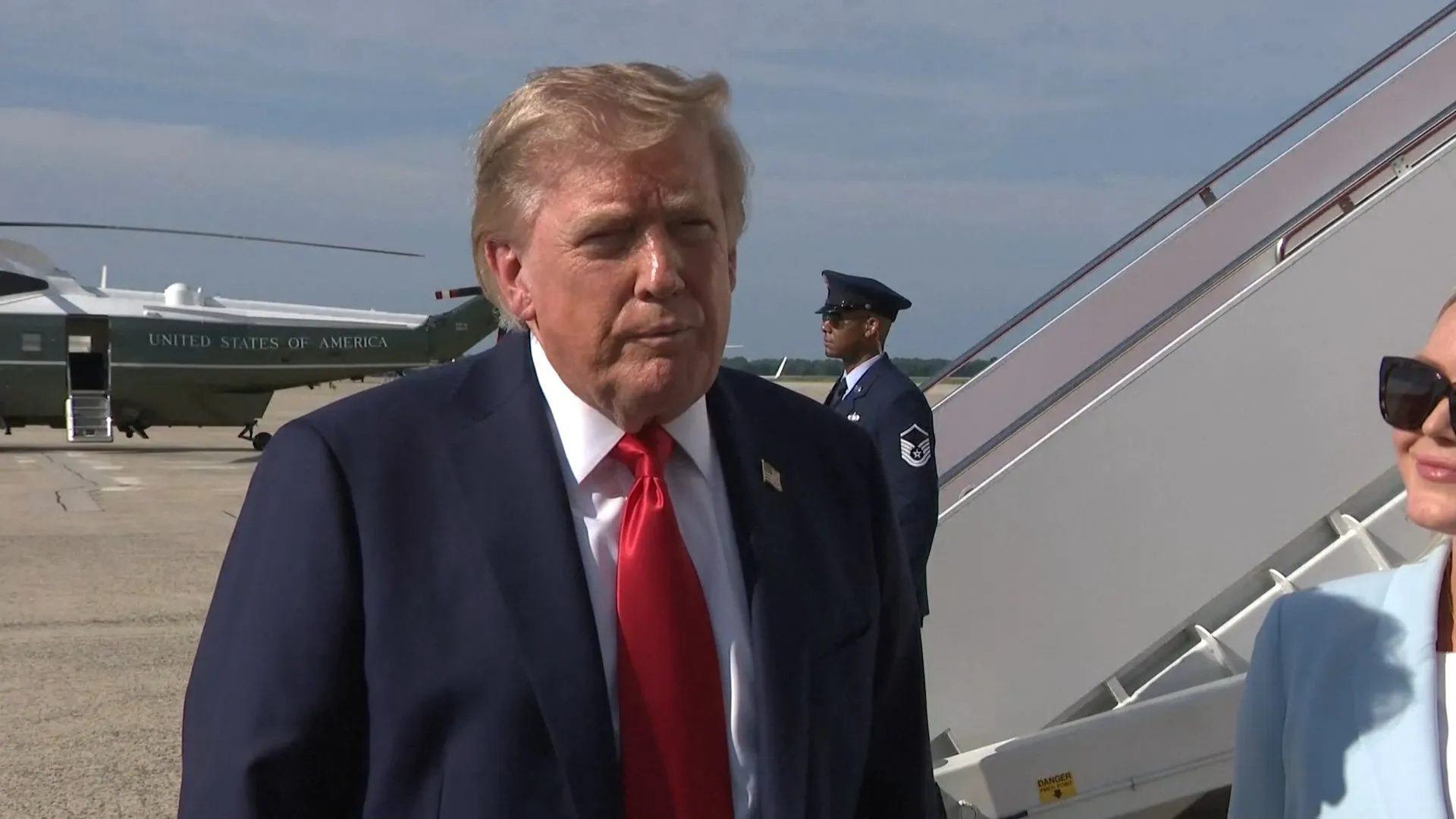
While the Qatari initiative seeks to foster a breakthrough, the public rhetoric remains cautious. Reports indicate that despite the optimism shared . Reuters reports that U.S. leadership has publicly stated that the two nations are not currently in direct talks, suggesting that the Qatari-led "shuttle diplomacy" is a necessary workaround to bypass existing diplomatic impasses. The success of these efforts hinges on whether the exchanged proposals can satisfy the security concerns of both parties, particularly regarding the status of the Strait of Hormuz.
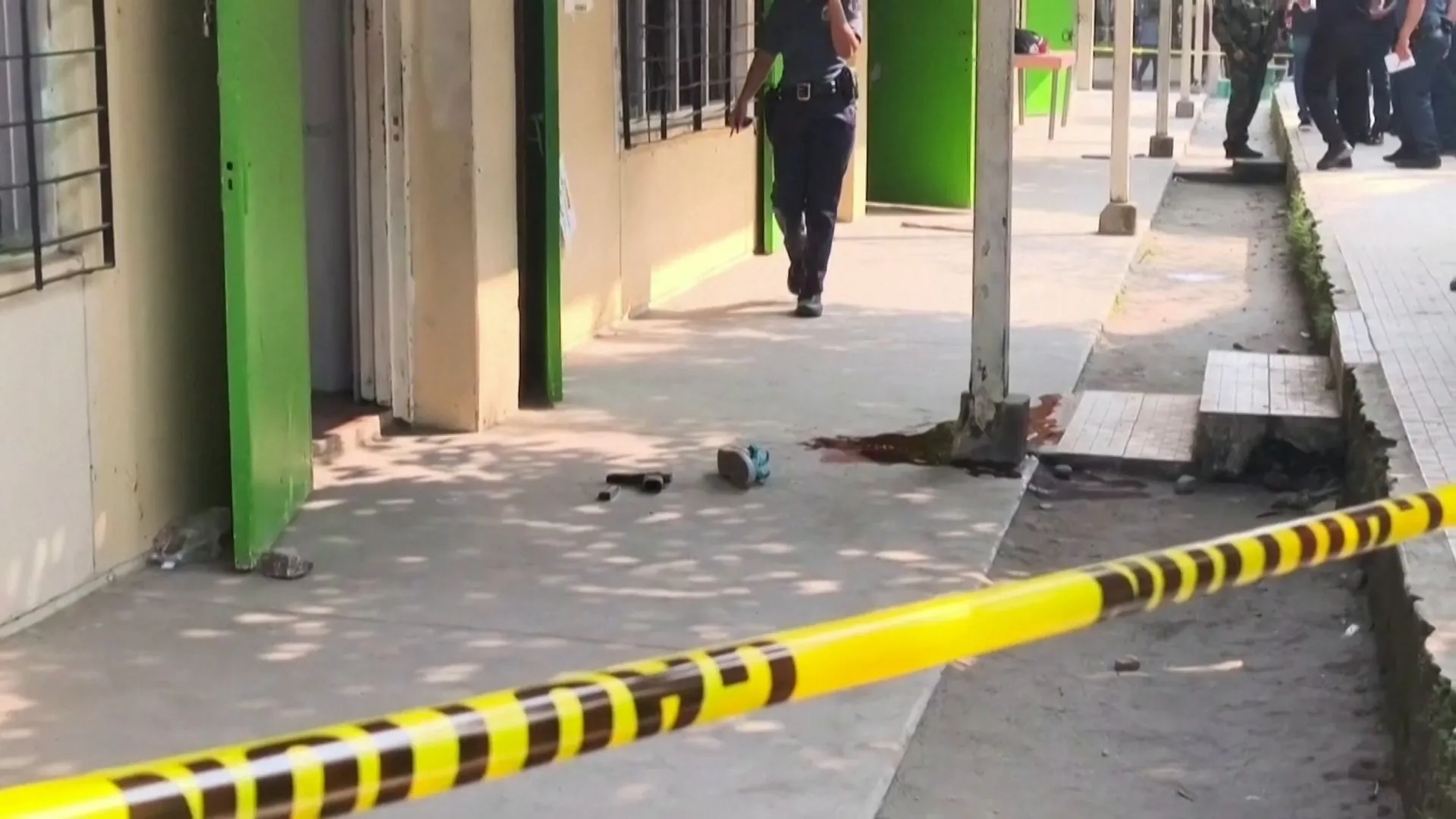
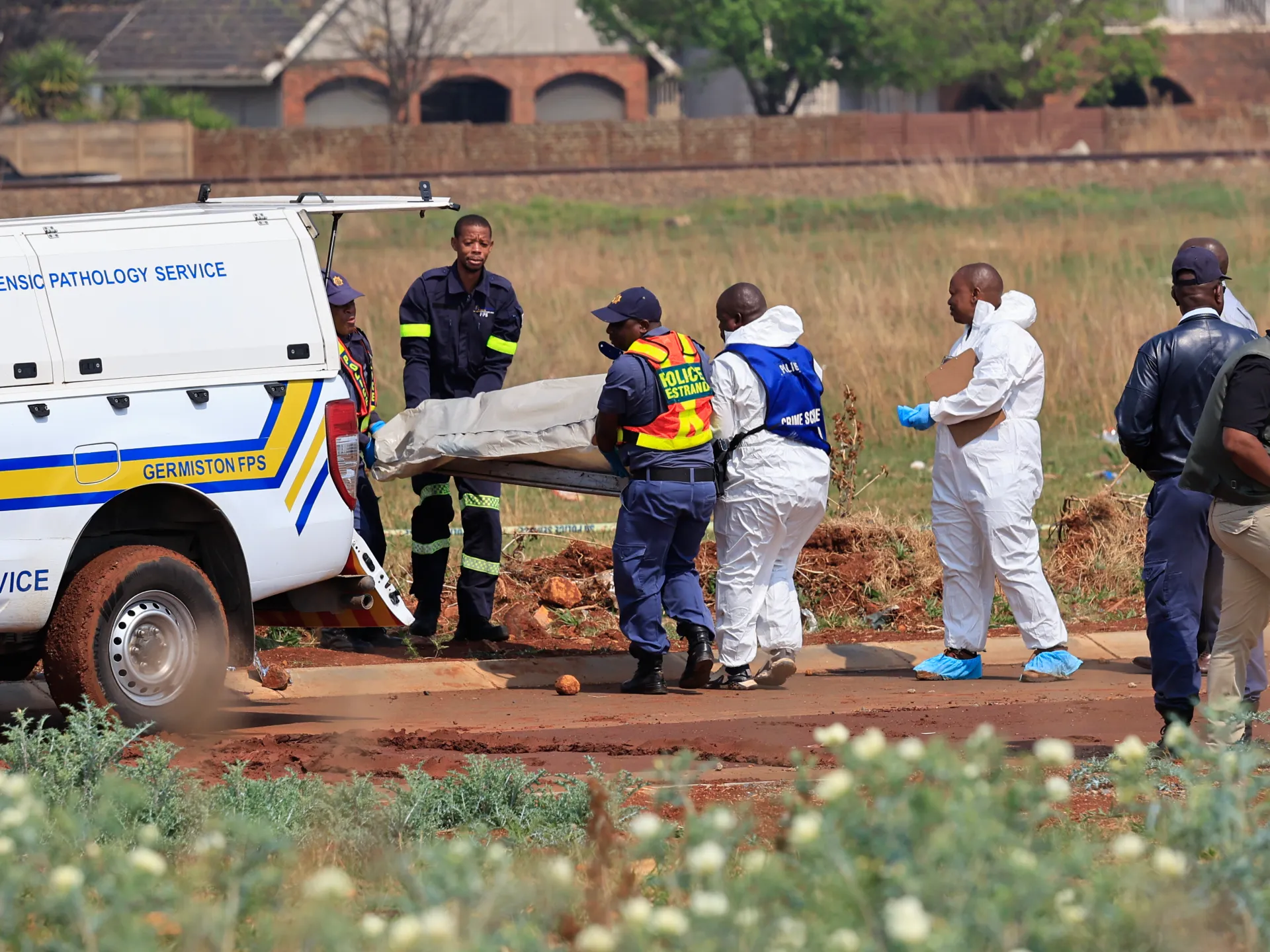
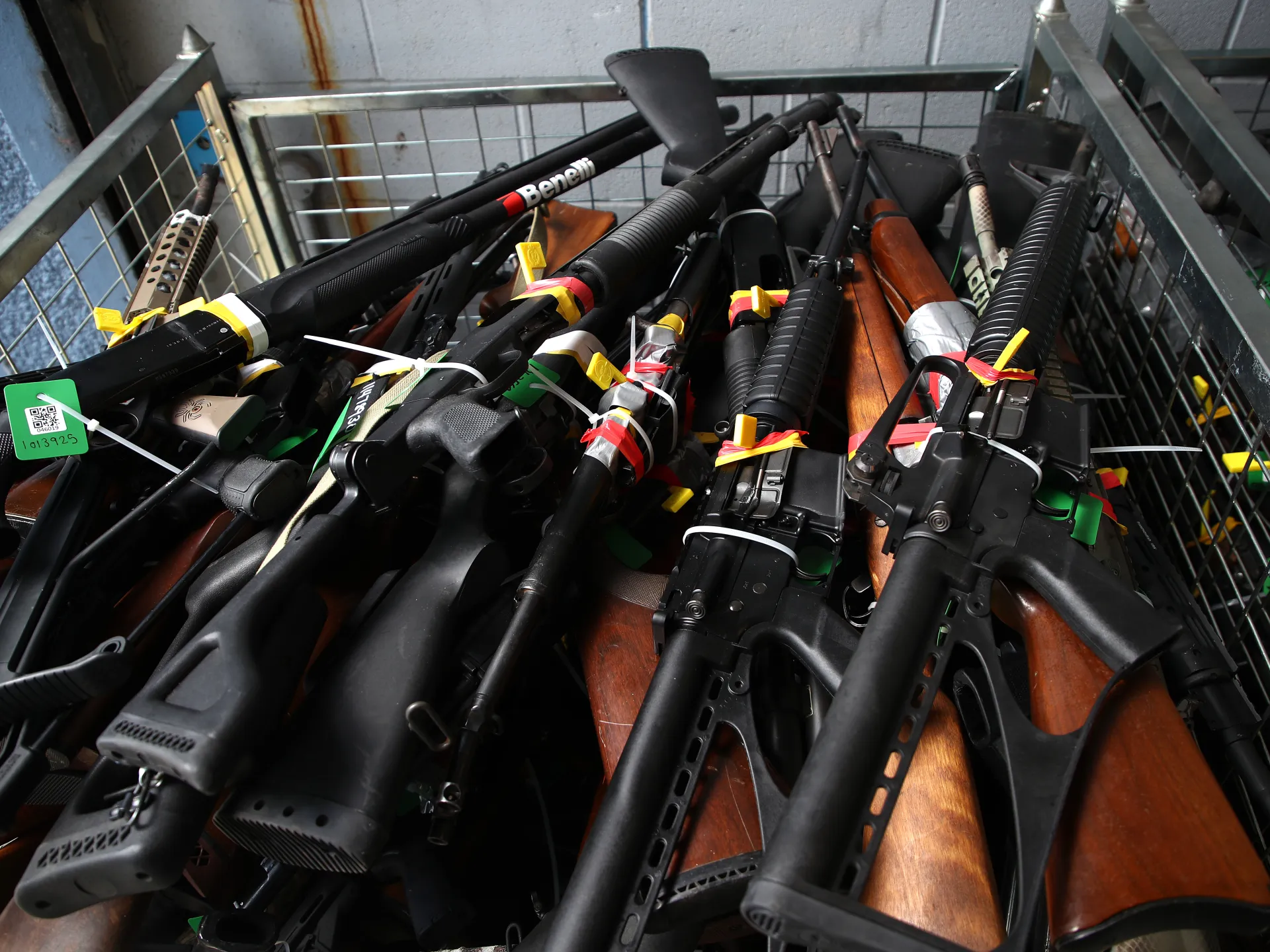
In the French Alps, the discovery of a firearm in Lake Annecy has provided a potential breakthrough in the 2012 murders of Saad al-Hilli, his wife, her mother, and a local cyclist. The weapon, identified as a Luger pistol, was recovered rmined the victims were killed with a Luger P06—a Swiss military-issue firearm—this discovery has prompted renewed scrutiny from France’s specialized cold case unit.
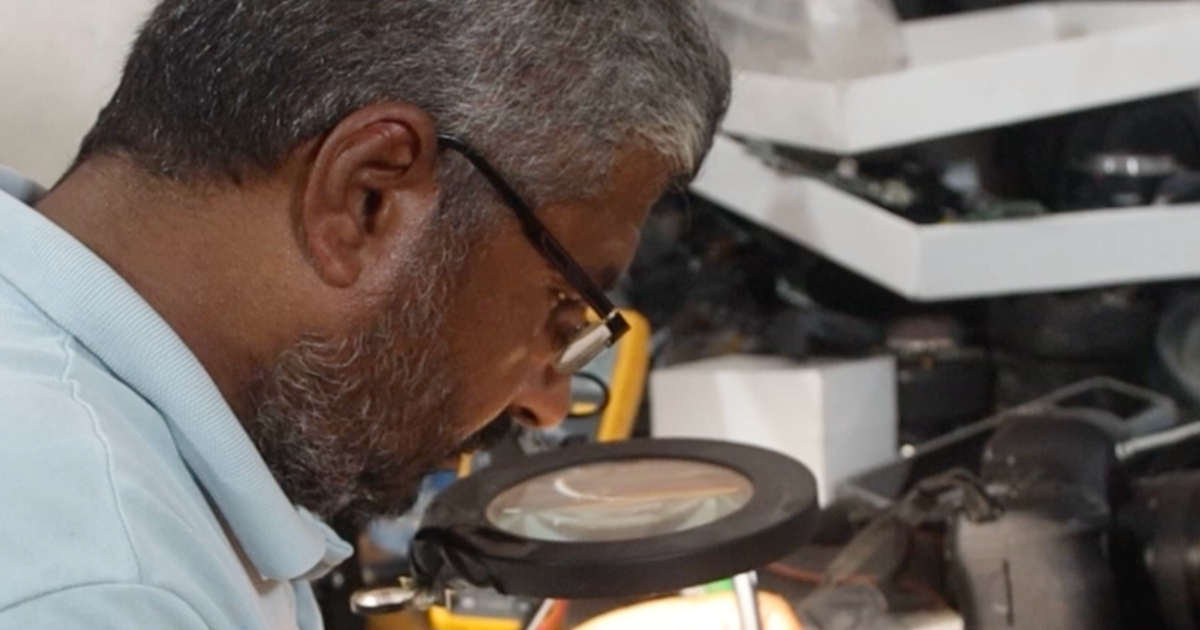
The recovery site is notably close to the Le Solitaire du Lac campsite, where the al-Hilli family was staying at the time of their deaths. Forensic experts are currently assessing the degraded weapon to confirm if it matches the specific model used in the 2012 attack. While the P06 is a collector’s item, the ubiquity of the broader Luger family—with millions produced—means that investigators remain cautious about overstating the link until ballistic results are finalized. The initial case was marked der her mother's clothing, and the identification of the weapon type remains the most significant forensic link in an otherwise stagnant investigation.
For the Lake Annecy investigation, the immediate future rests entirely on the forensic laboratory. If the recovered Luger is confirmed to be the P06 model used in the 2012 murders, police will likely pivot to tracing its history through Switzerland and surrounding regions, potentially utilizing serial number data to identify its last registered owner. However, given the age and condition of the metal, success is not guaranteed.
On the diplomatic front, the path is equally uncertain. If the Qatari-brokered proposals fail to yield a direct meeting, it is probable that the current state of non-communication will persist, potentially leading to further instability in the region. Conversely, if these shuttle discussions produce a concrete framework, expect a shift in the tone of official statements from Washington, as the administration would likely leverage any progress to demonstrate a return to traditional diplomatic norms.