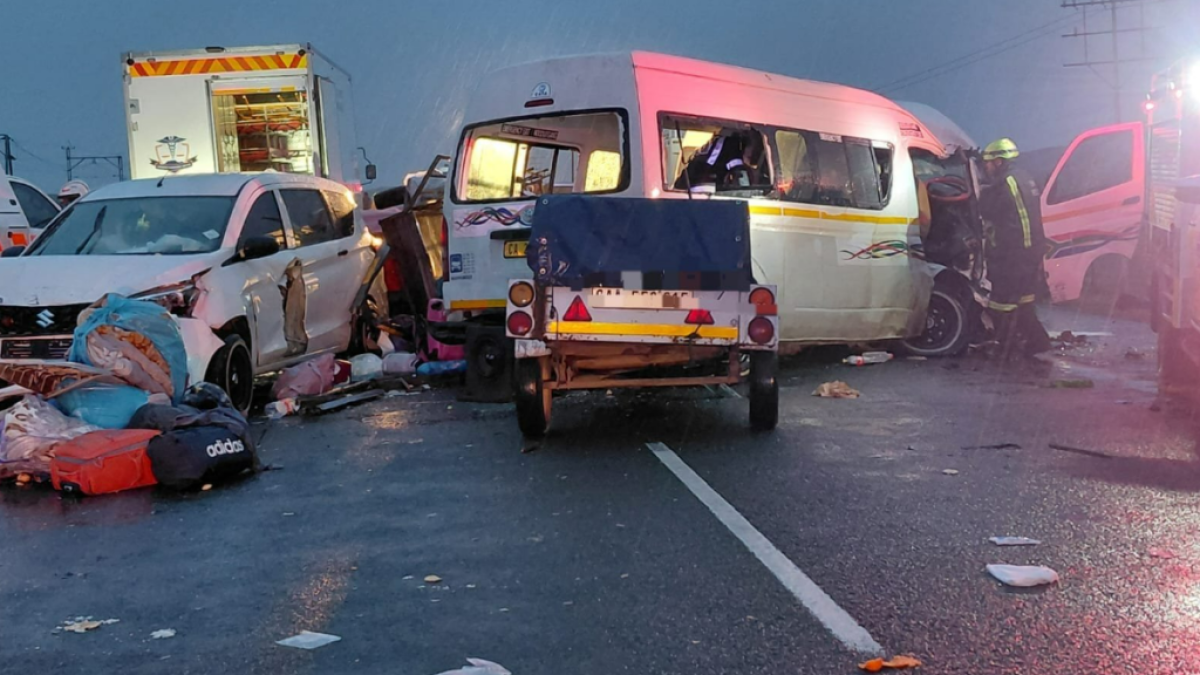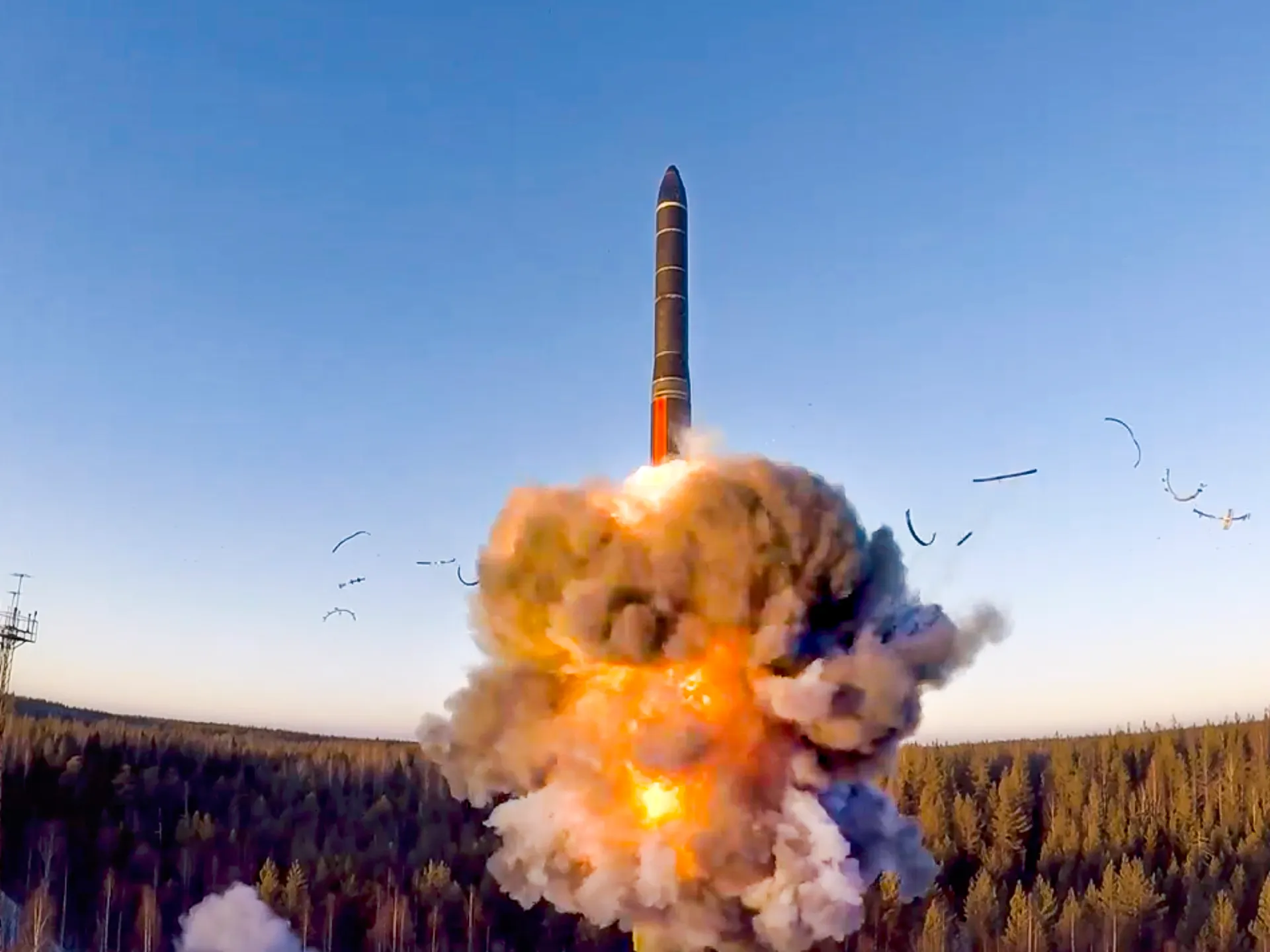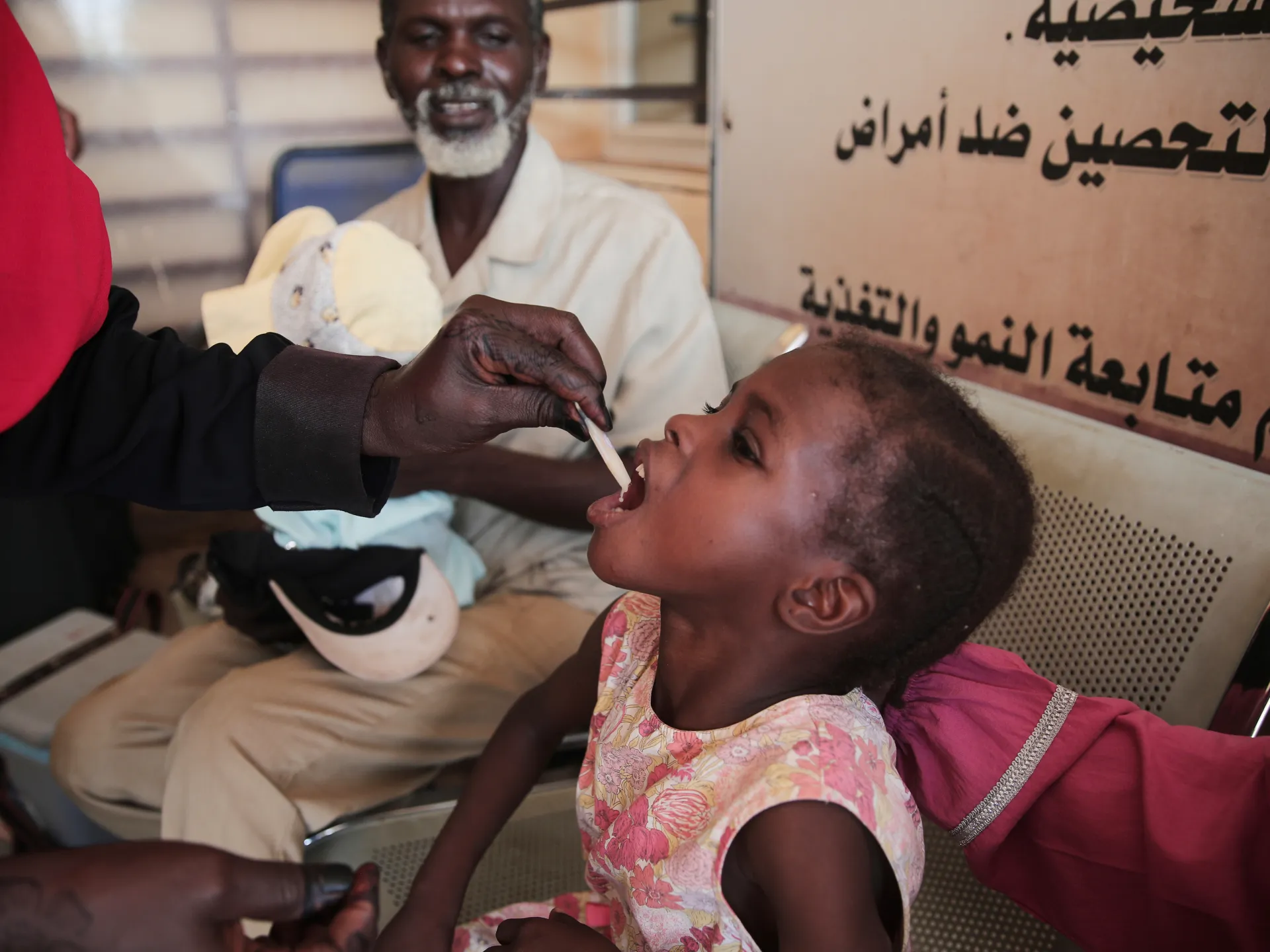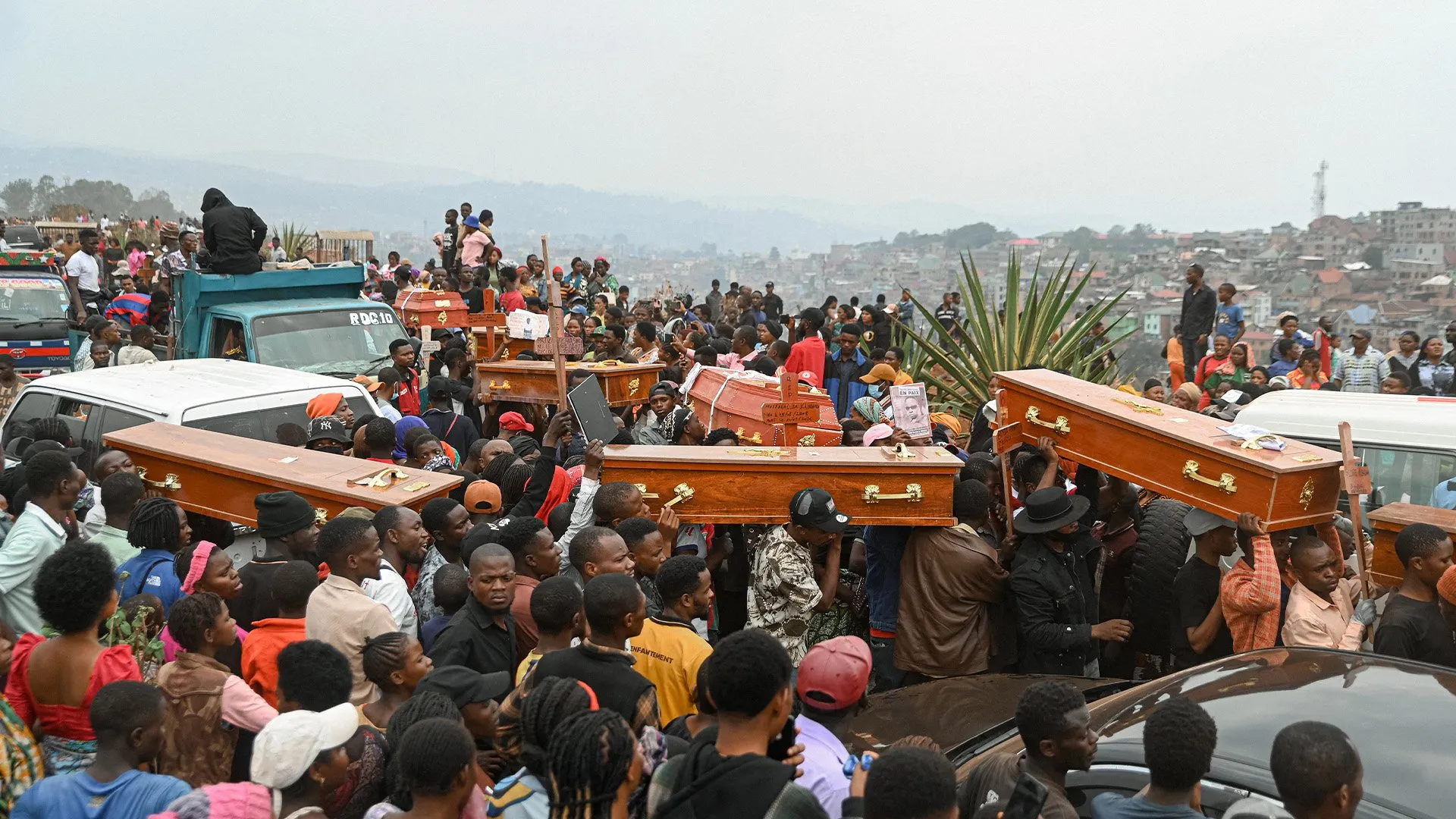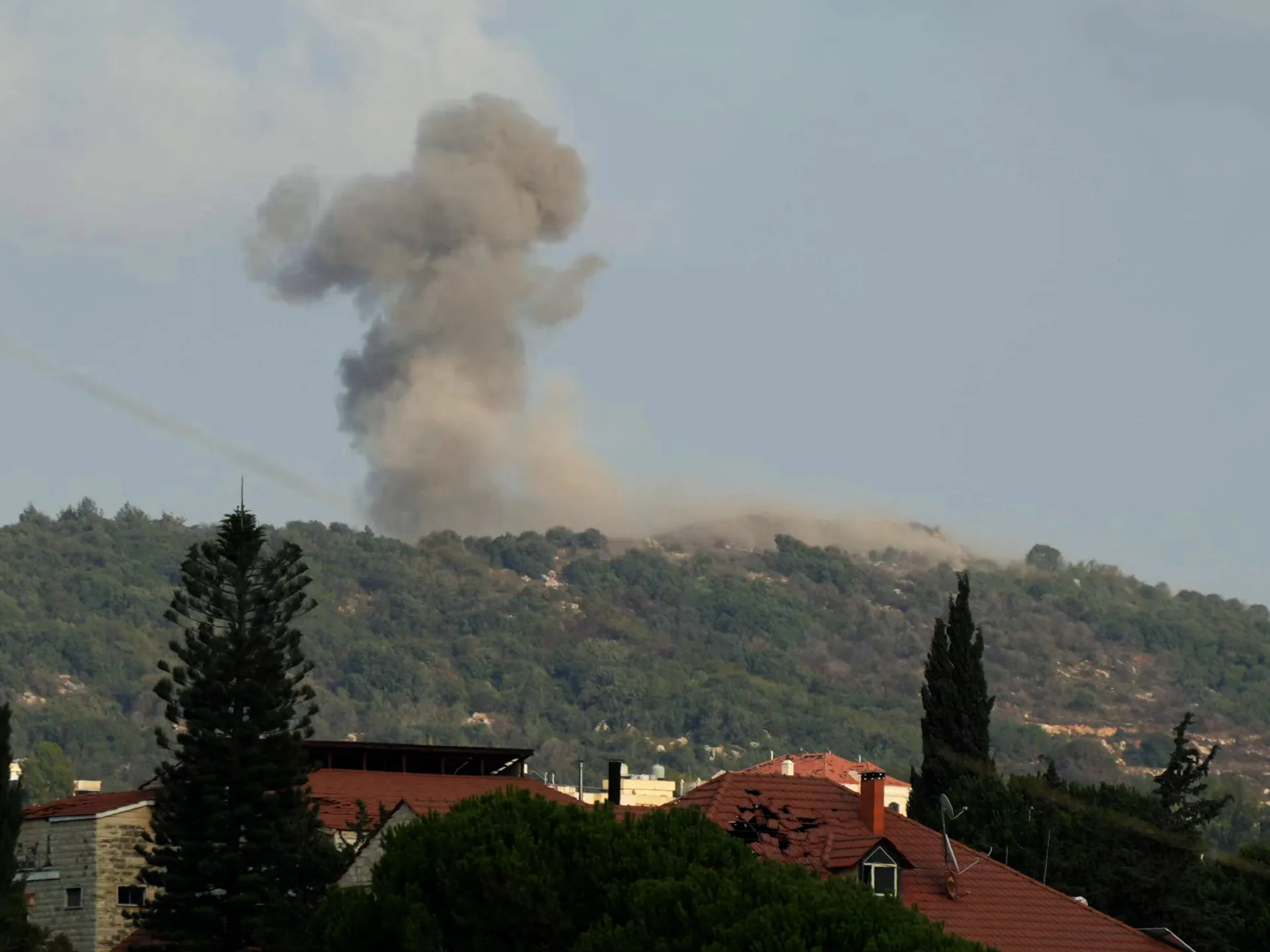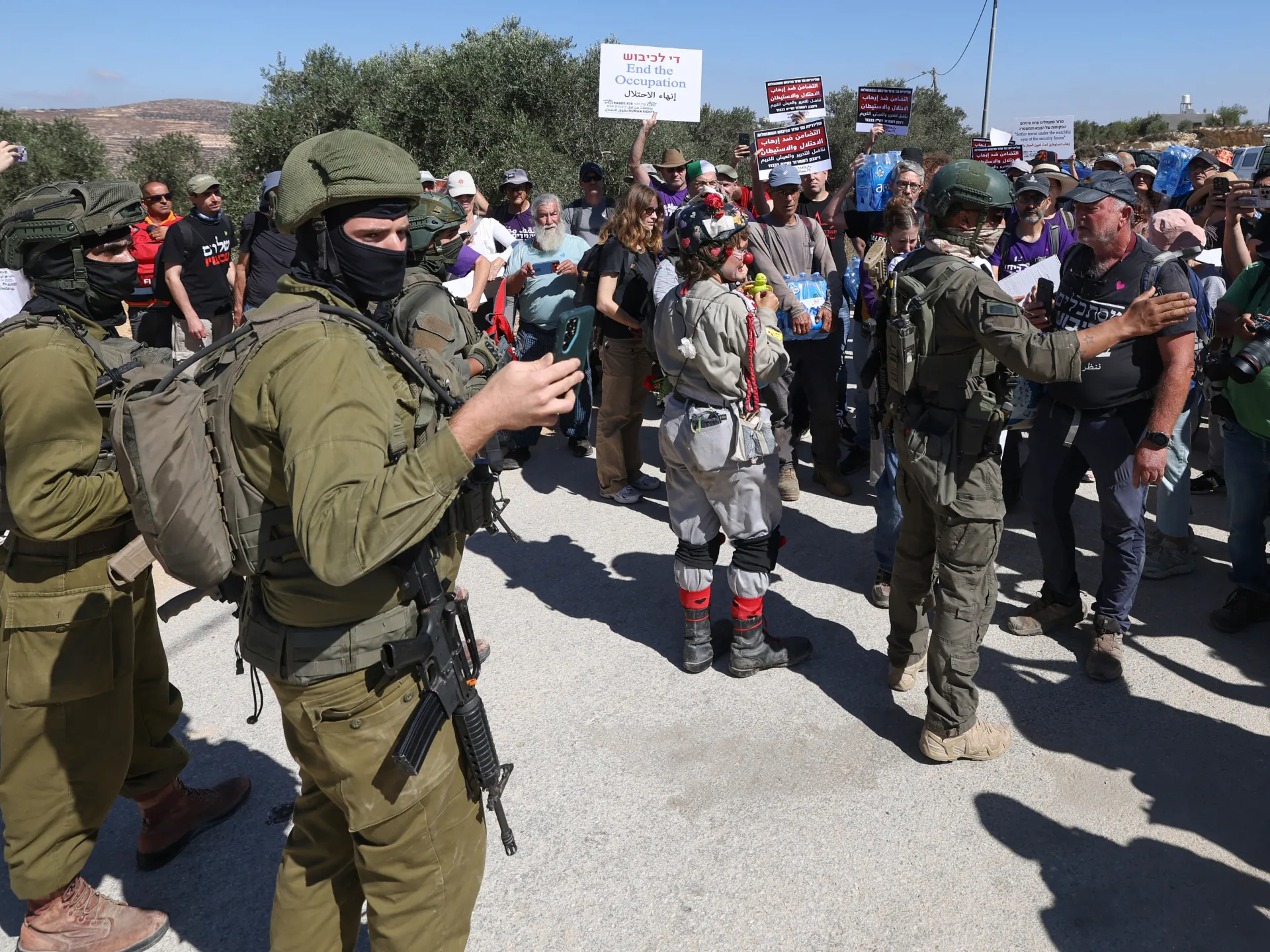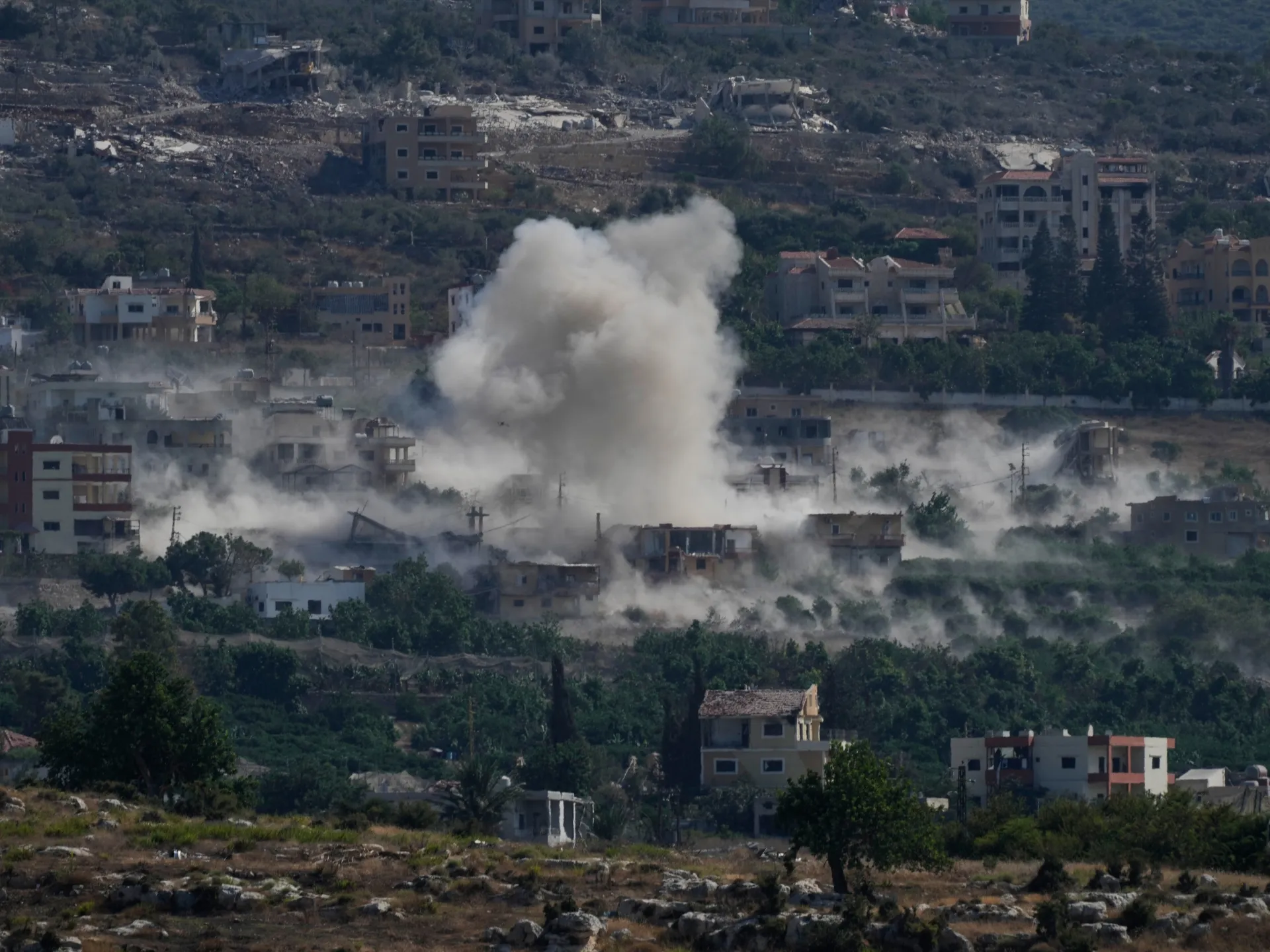
New photographic evidence of damaged U.S. bases in the Middle East coincides with a surge in lethal strikes within Gaza, raising questions about regional security and humanitarian stability.
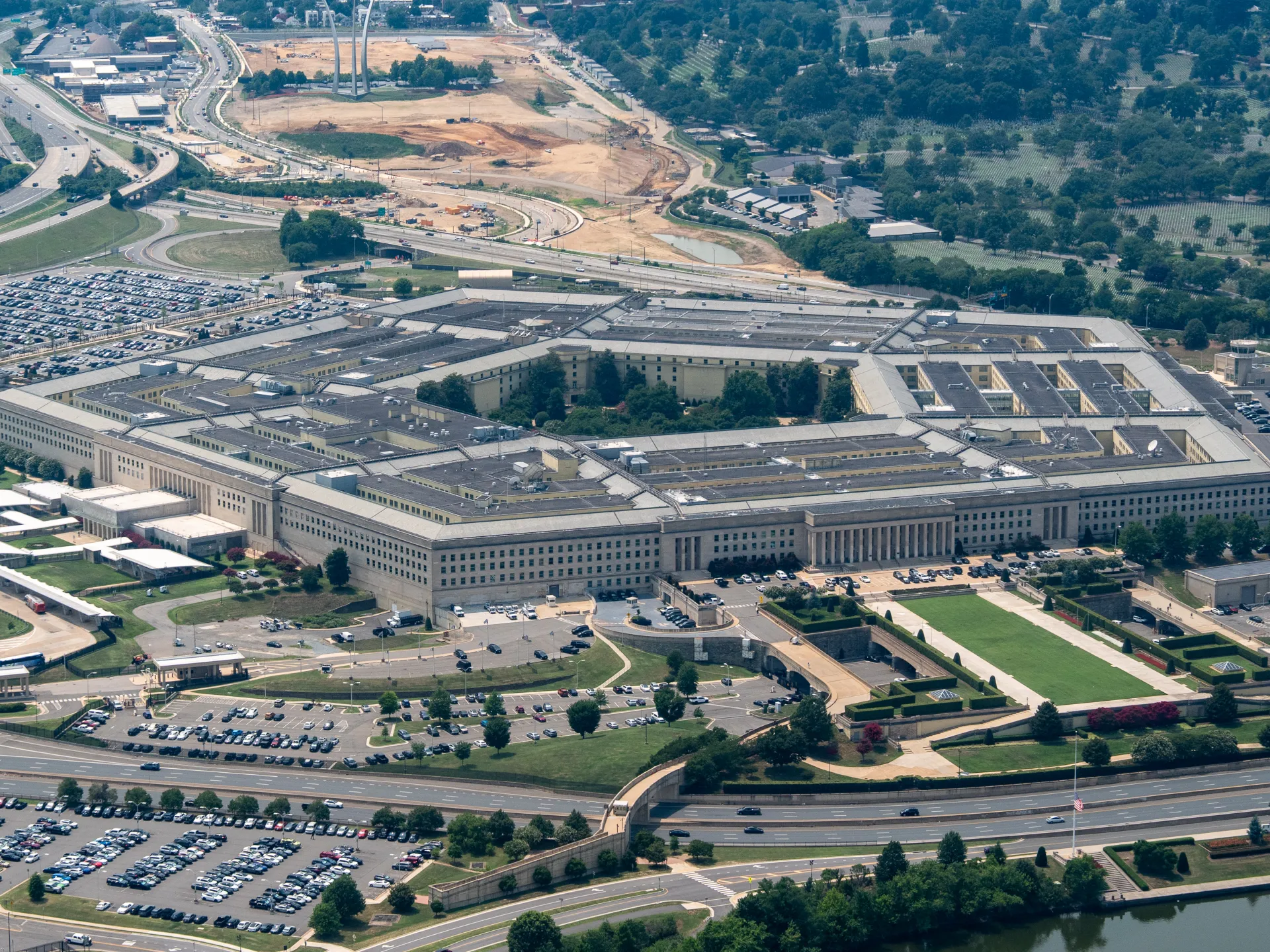
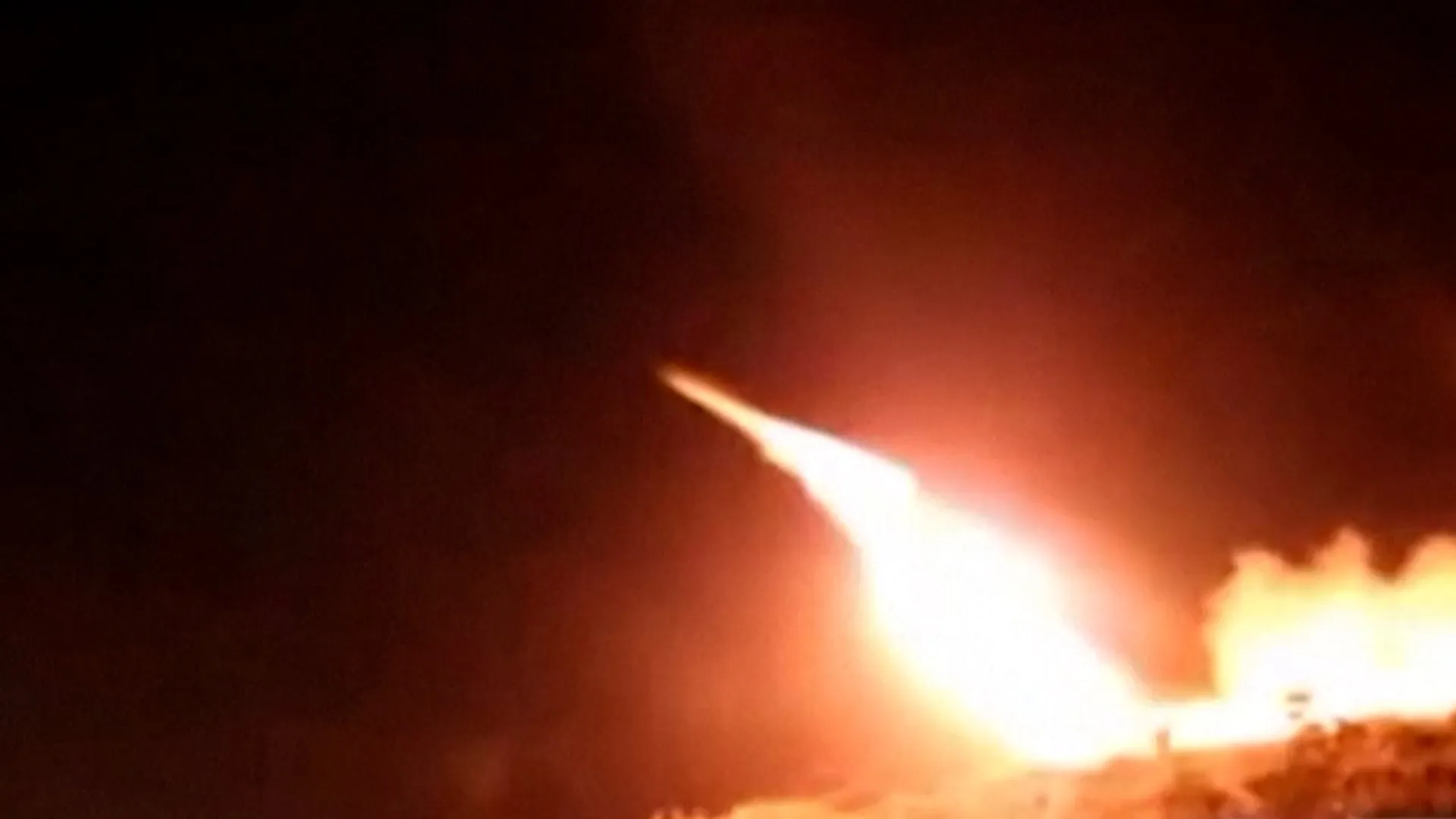
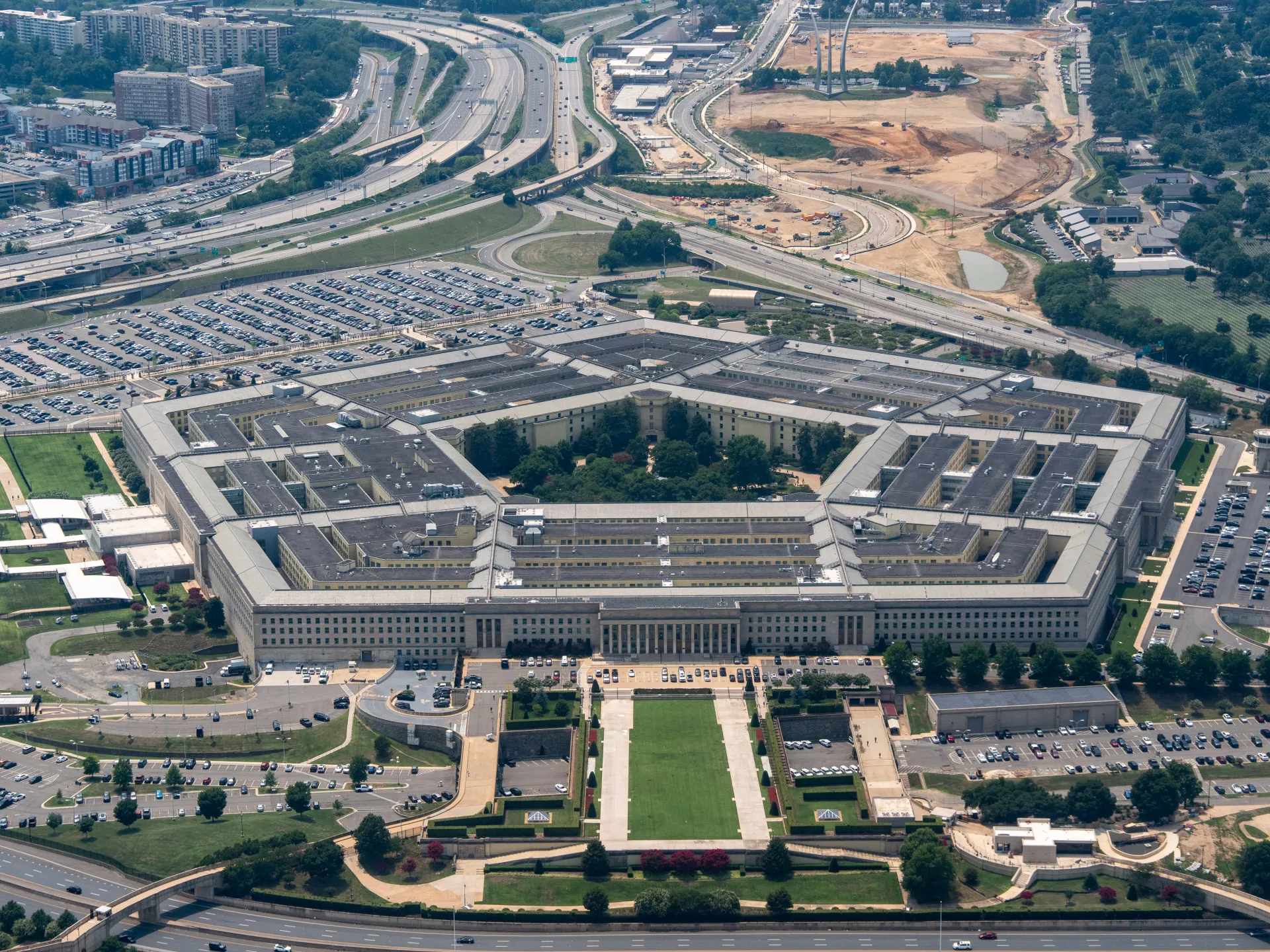
A landscape of mounting regional instability has emerged as the Pentagon faces scrutiny over the extent of damage sustained ic operations continue to claim civilian lives in Gaza. Emerging photographic evidence and internal reporting suggest that Iranian-led strikes have caused significantly more destruction at key regional bases than previously disclosed to the public, challenging official narratives regarding the resilience of American defense posture in the Gulf.
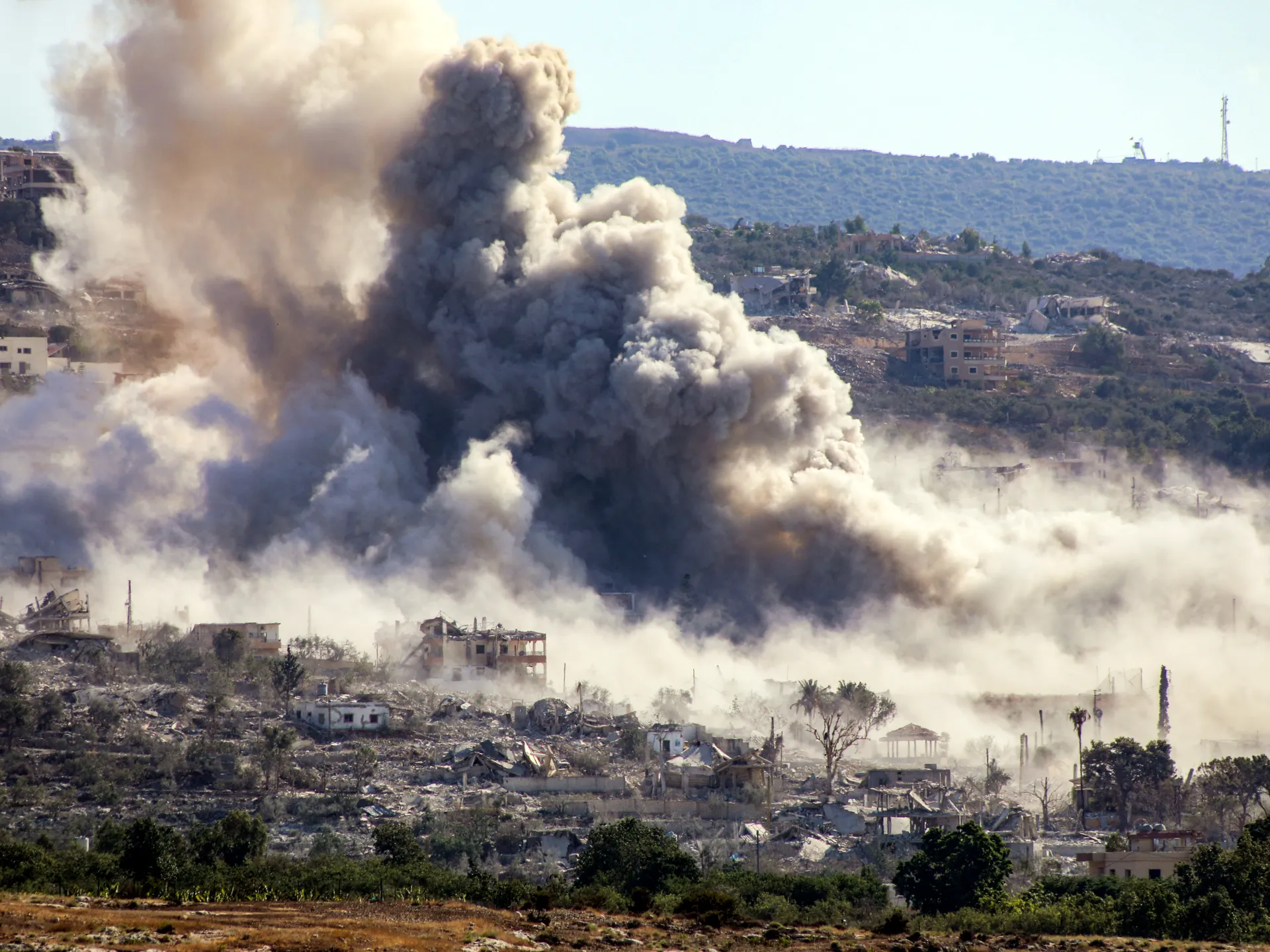
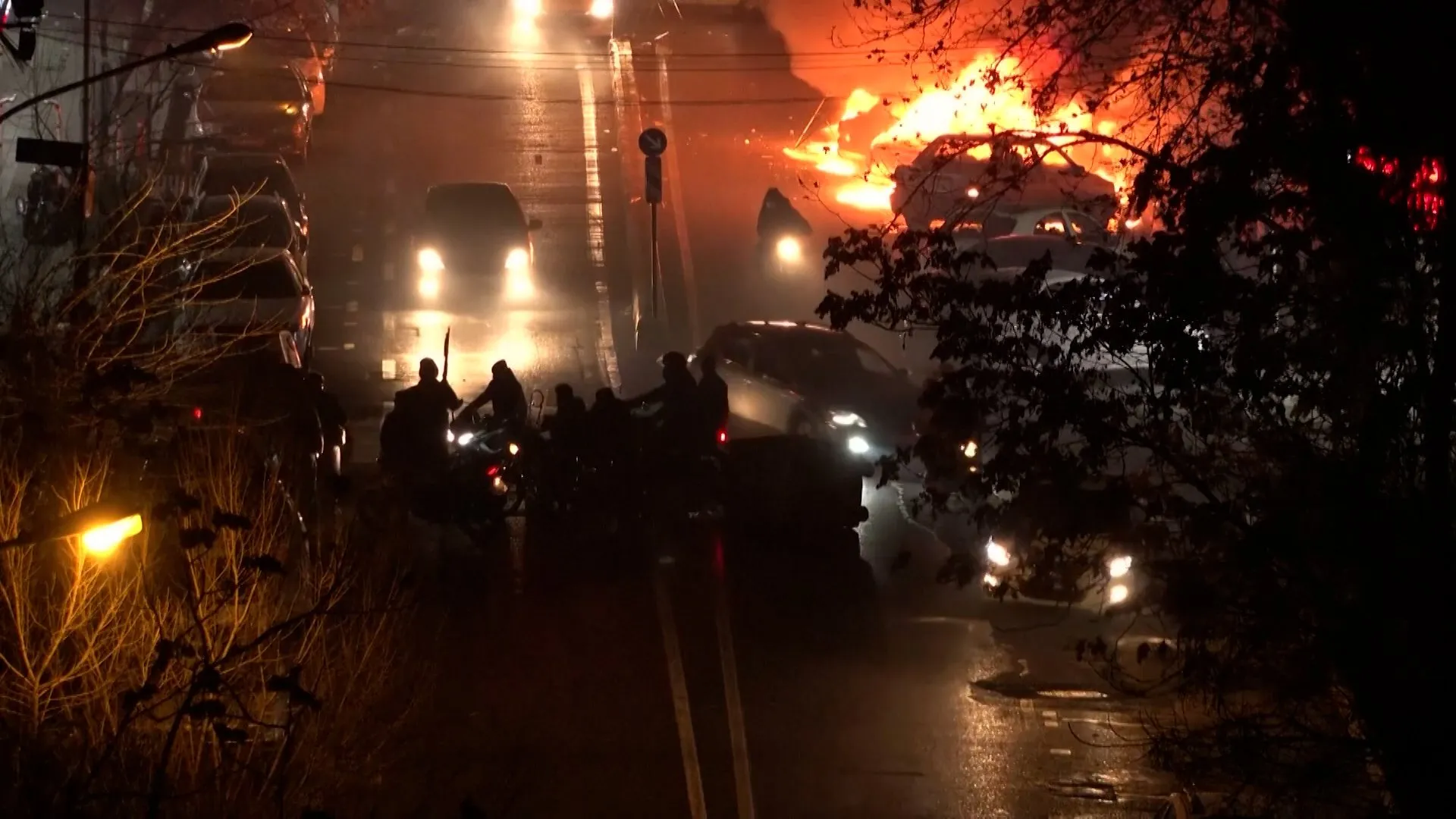
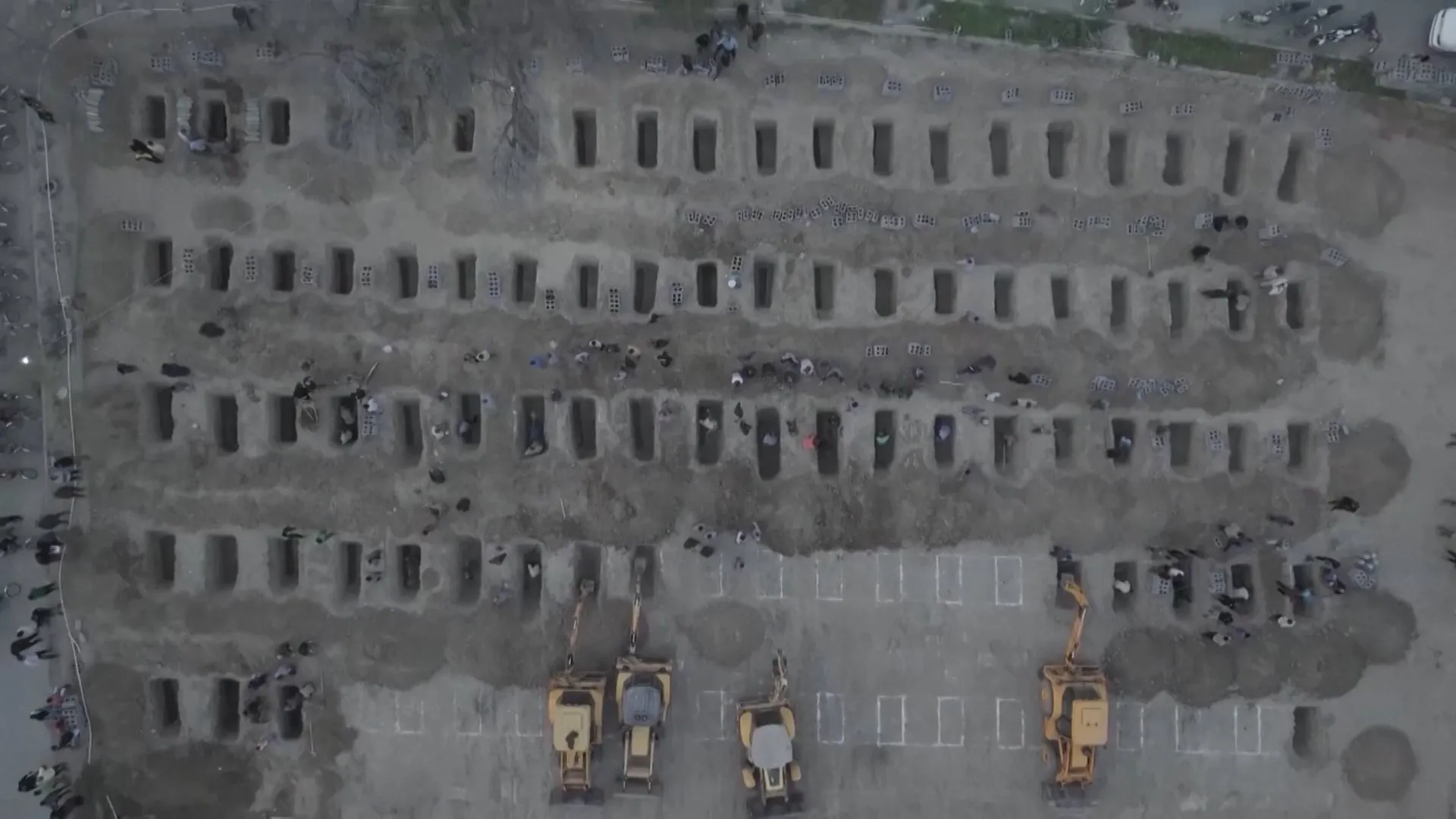
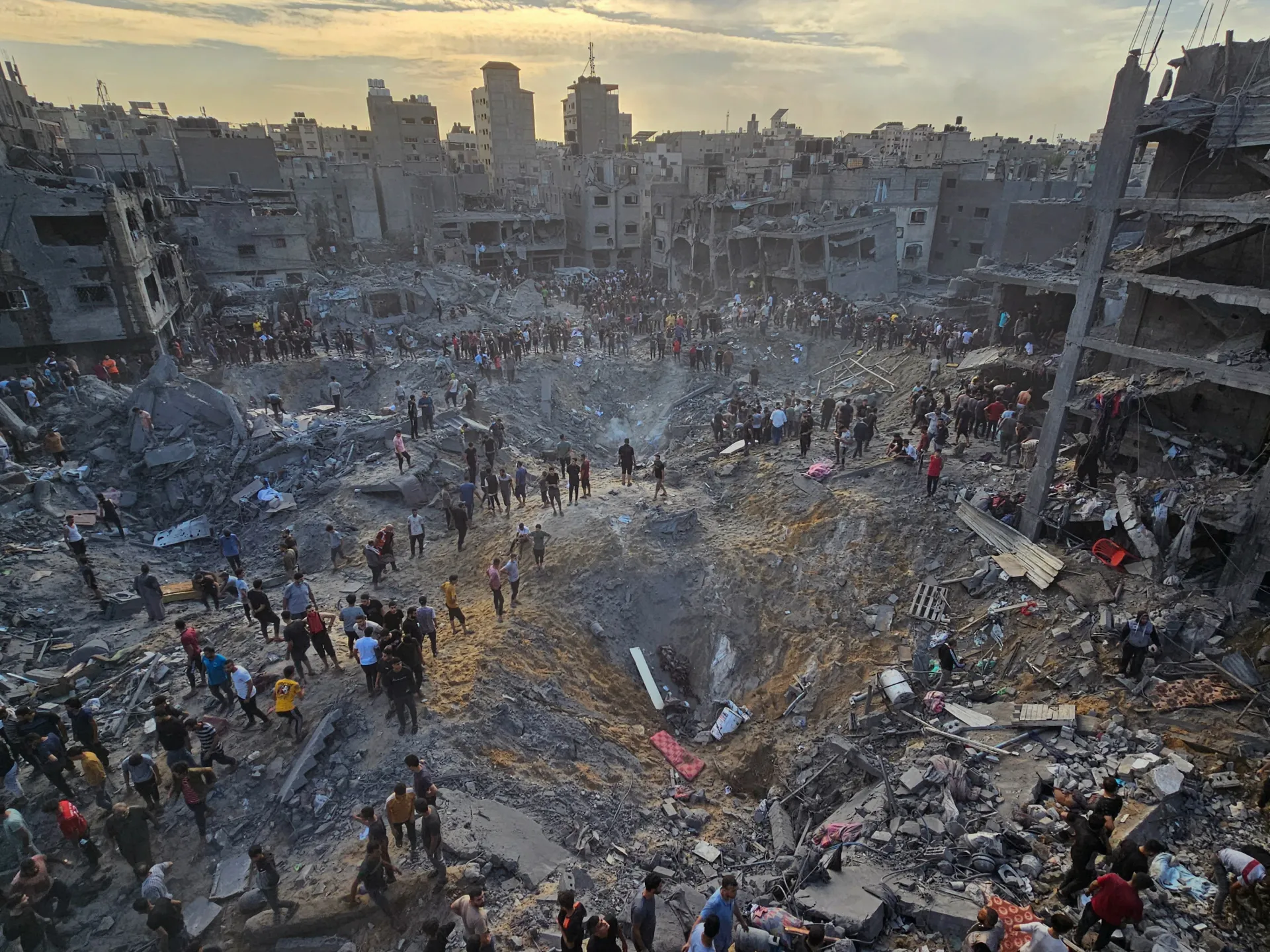
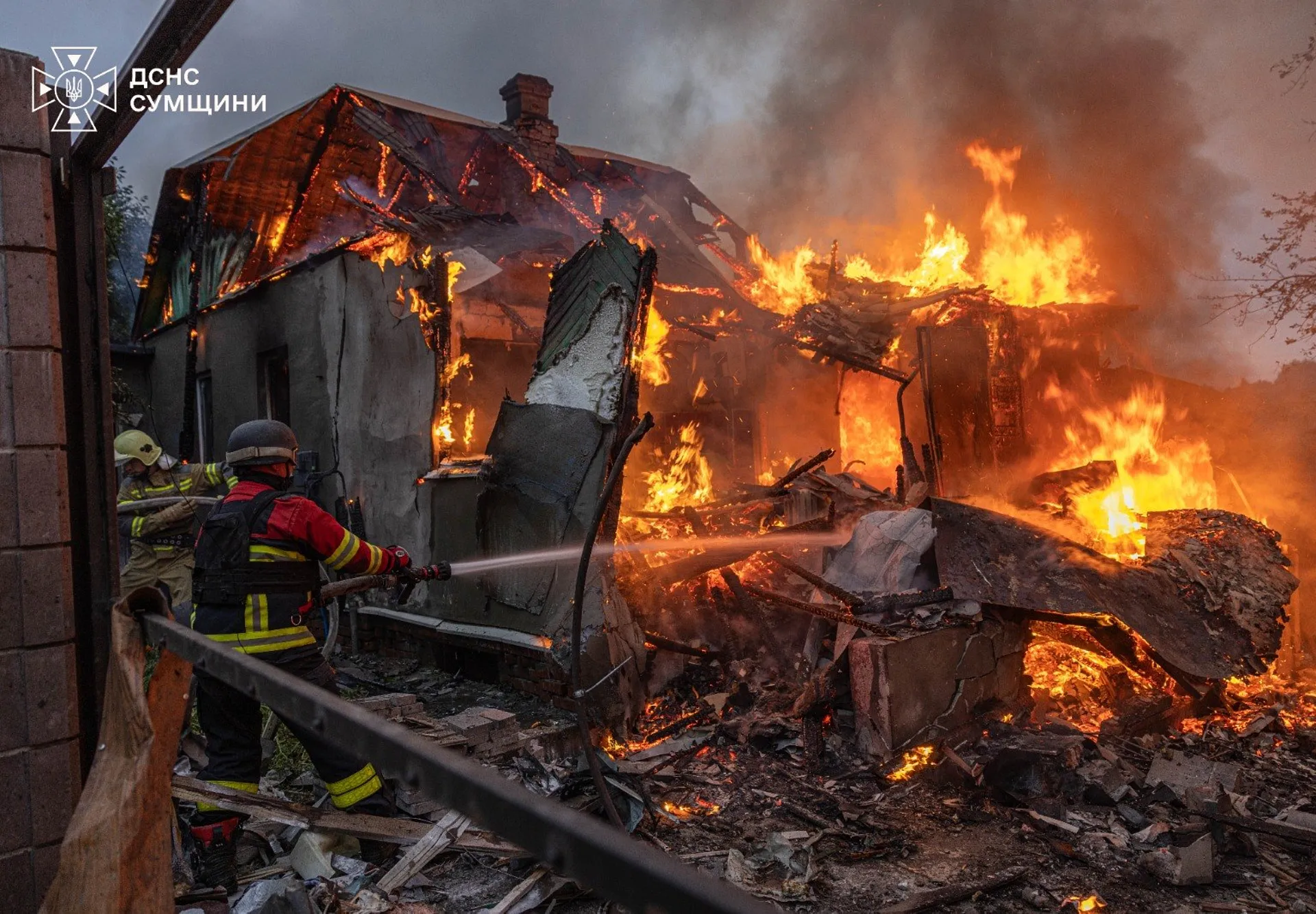
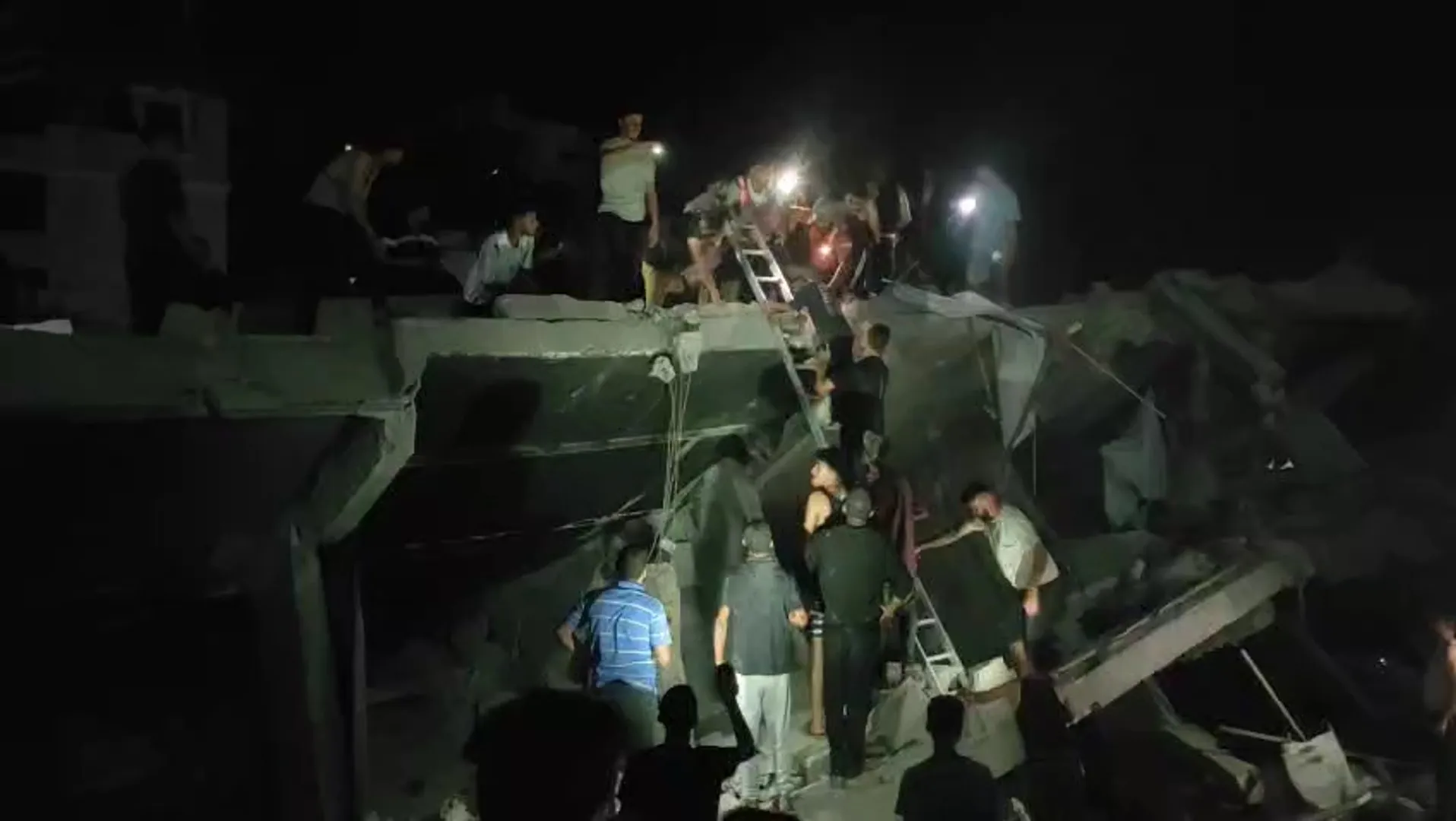
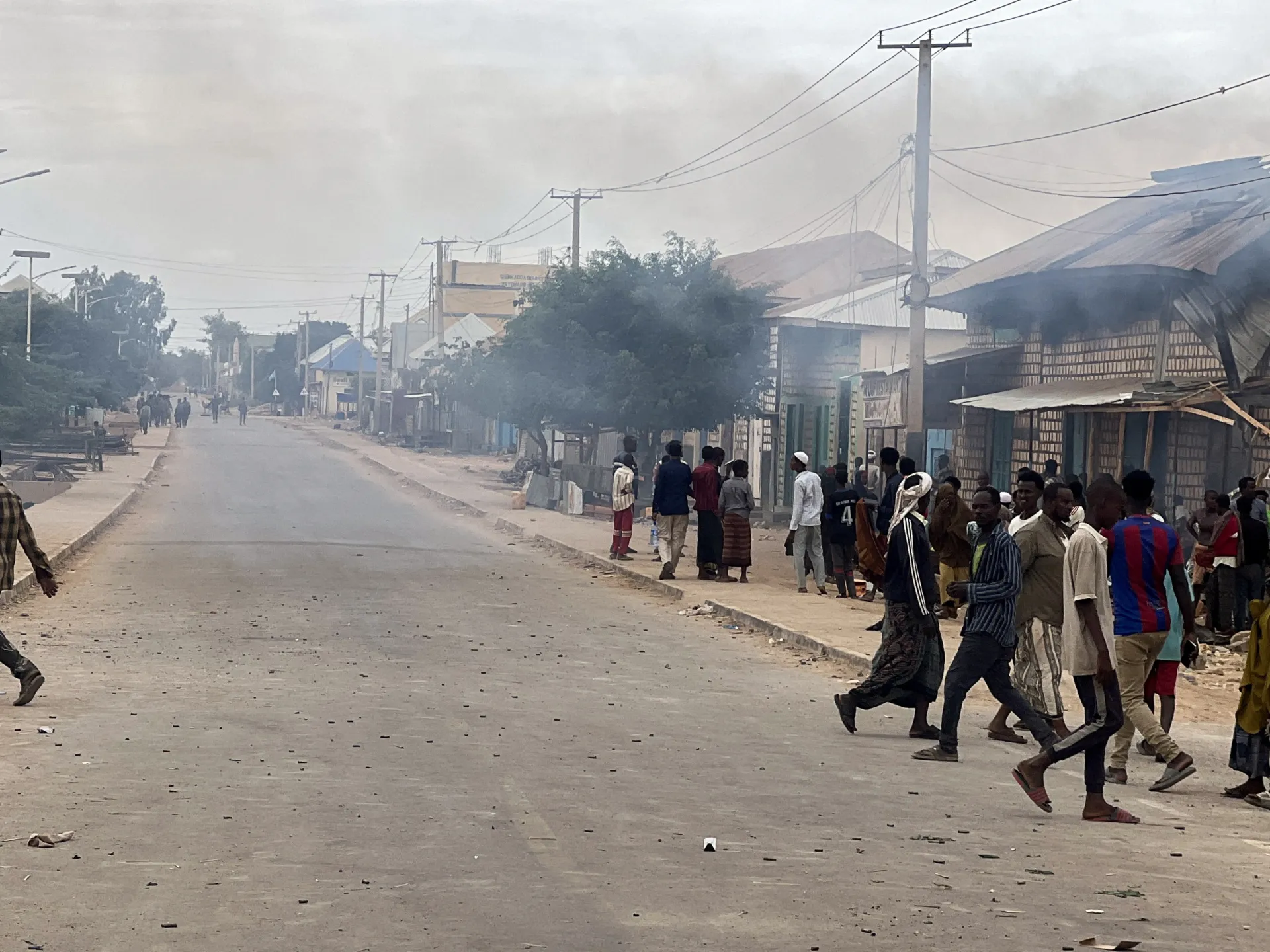
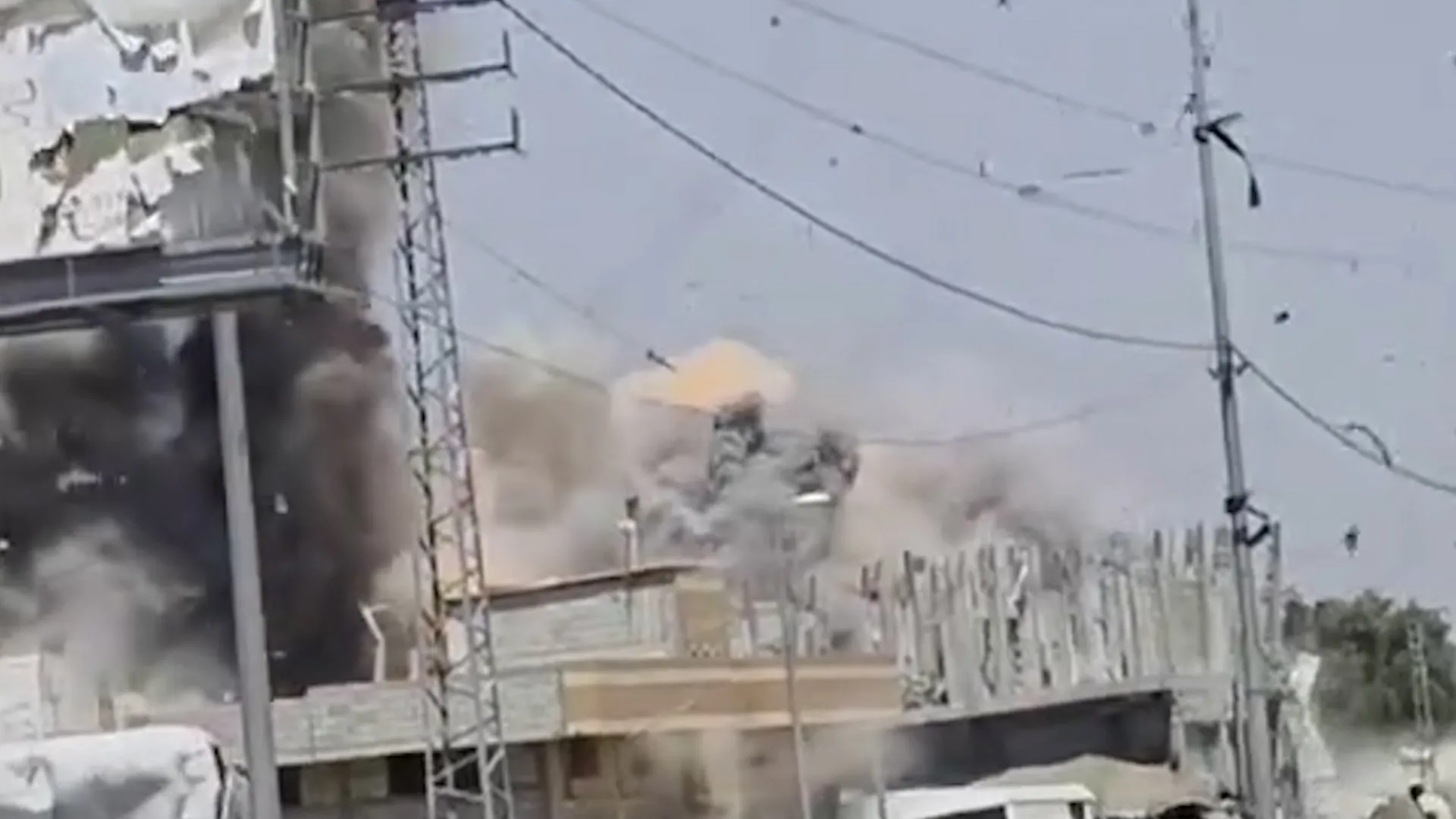
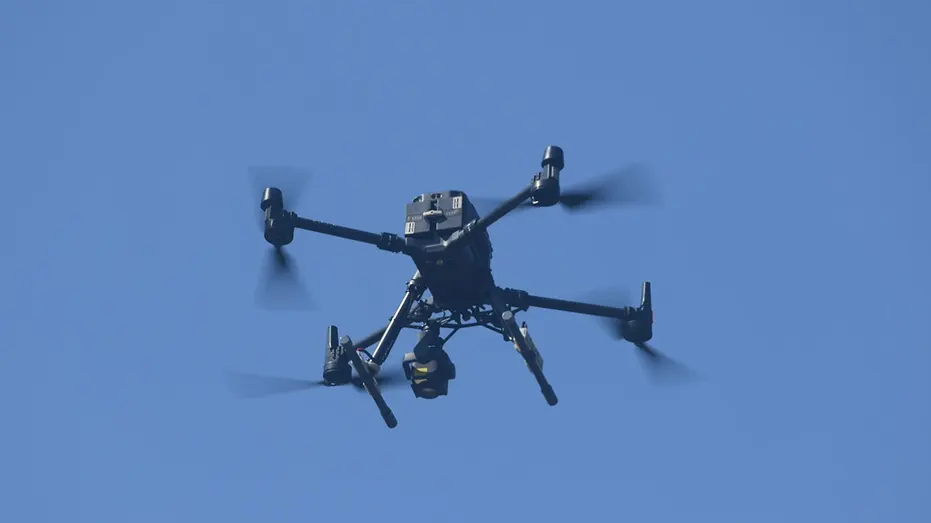
As these geopolitical tensions simmer, the human toll within the Gaza Strip continues to accelerate. Recent reports from the Sheikh Radwan neighborhood and the vicinity of Asqula Junction underscore a relentless operational tempo, where drone strikes and localized attacks continue to target densely populated civilian zones. The convergence of these two fronts—the direct attrition of U.S. strategic assets and the ongoing humanitarian crisis in Gaza—presents a complex security architecture that is increasingly difficult for international observers and domestic policymakers to navigate.
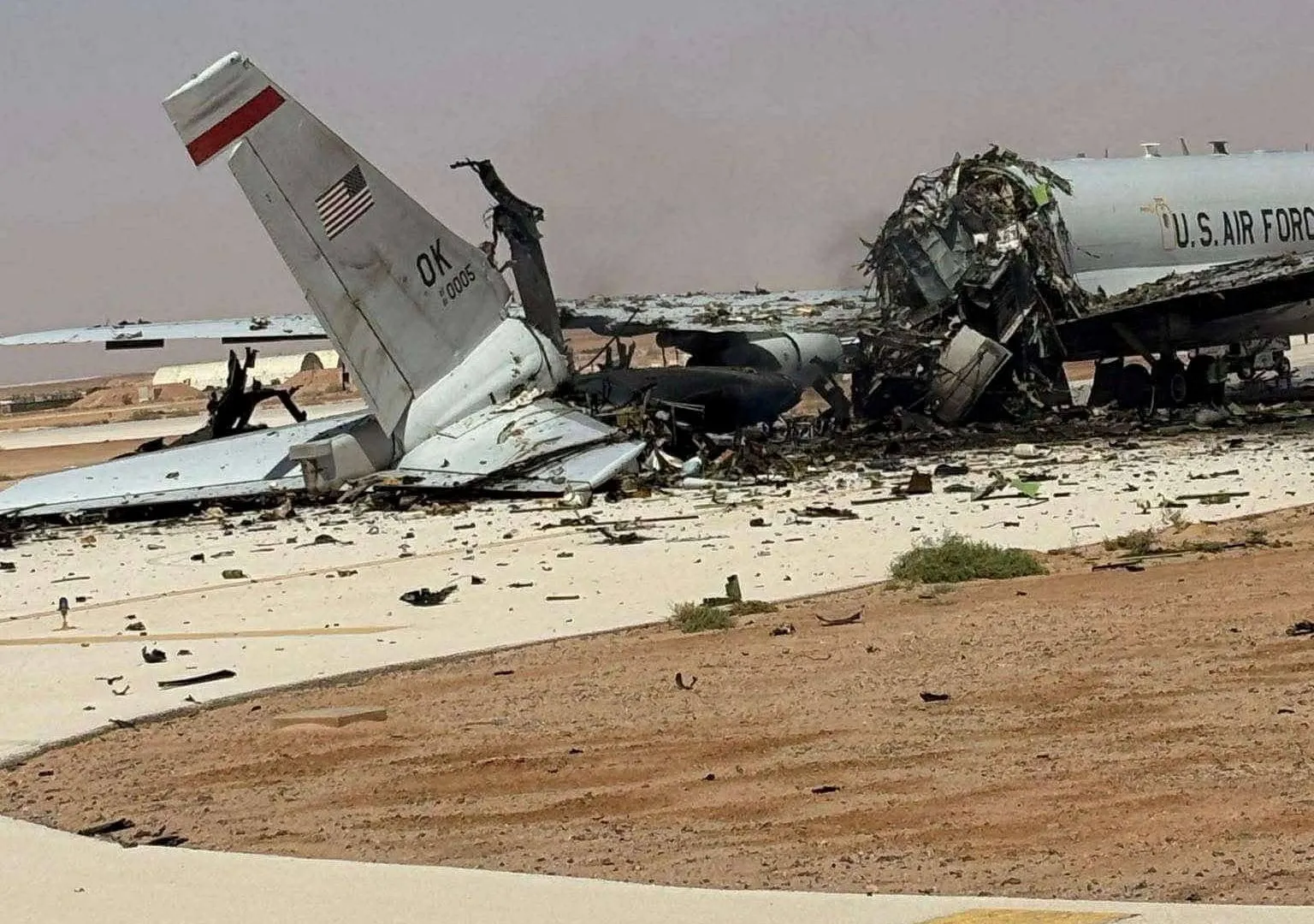
The discrepancy between official government characterizations of base security and the visual evidence surfacing from sites like Prince Sultan Air Force Base and Camp Buehring points to a potential crisis of transparency and readiness. When military installations—which serve as the cornerstone of U.S. power projection in the region—are compromised to the extent of losing early-warning radar assets like the Boeing E-3 Sentry, it fundamentally alters the strategic equilibrium. The ability of an adversary to strike such targets with impunity suggests a failure in integrated air and missile defense systems, forcing a re-evaluation of how the U.S. manages its presence in proximity to Iranian capabilities.
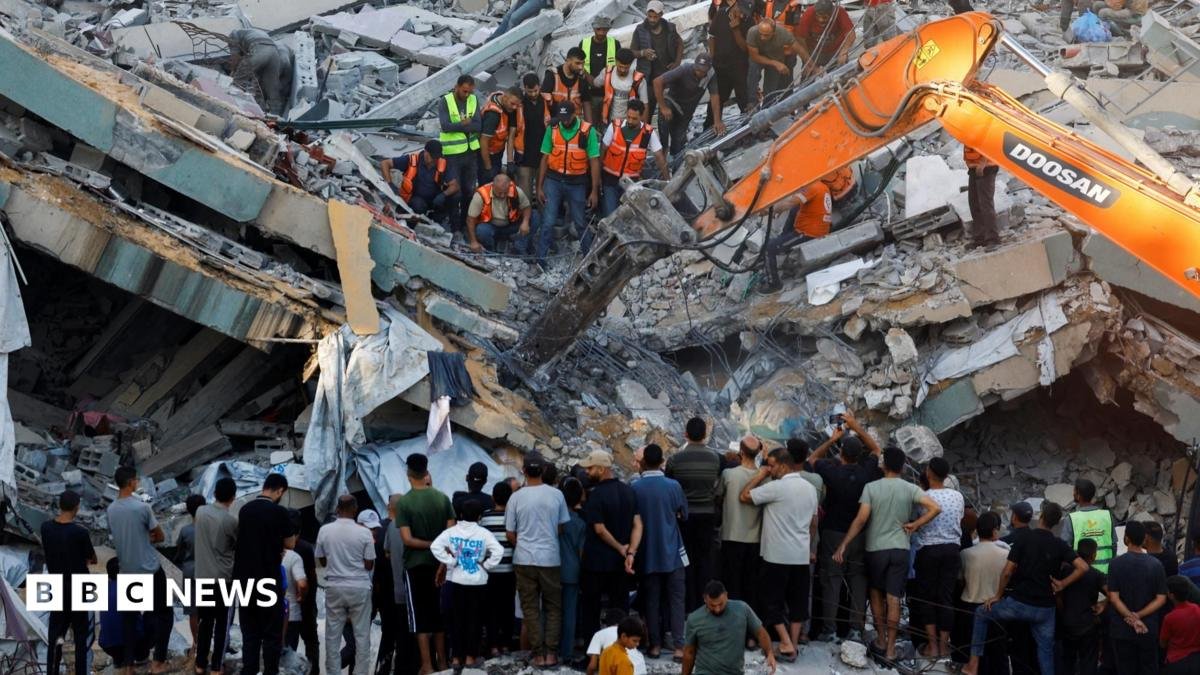
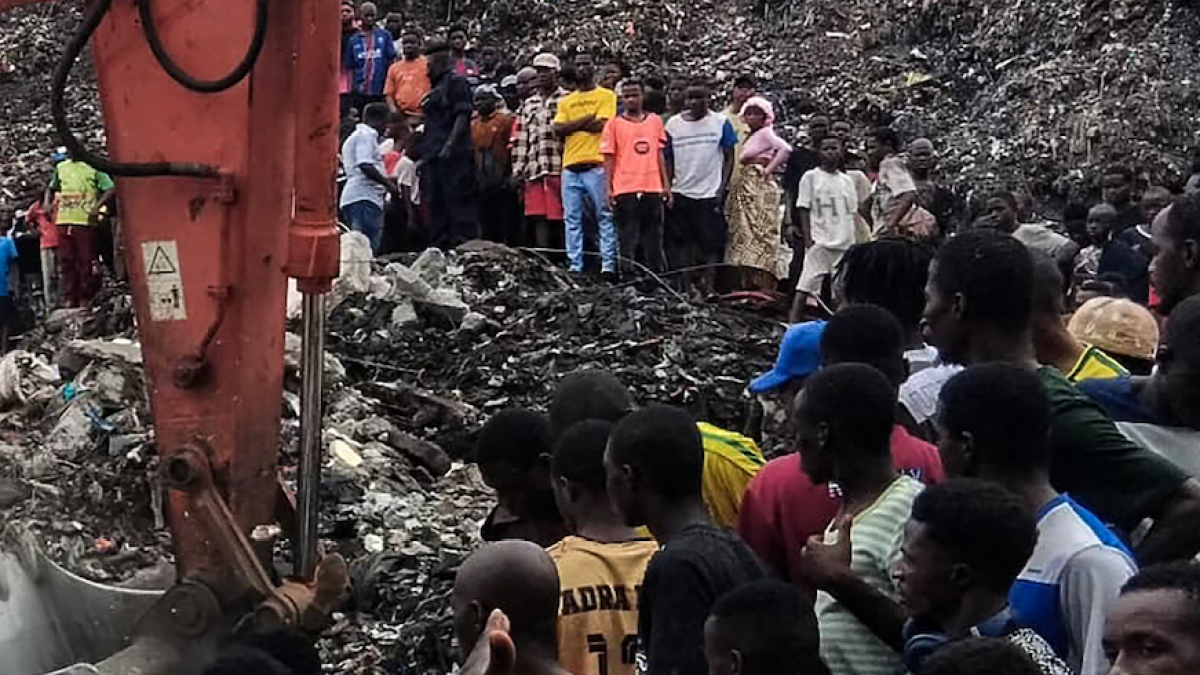
Furthermore, the persistent nature of operations in Gaza, coupled with the systemic collapse of health infrastructure and the restriction of aid, signifies a conflict that has moved beyond traditional military objectives. The recurring reports of mass casualties in residential areas, including the collapse of damaged structures where recovery efforts are thwarted ms. For the American public, the intersection of these events necessitates a broader discussion about whether regional military presence is acting as a deterrent or, conversely, as a magnet for escalation that further complicates the path to stabilization.
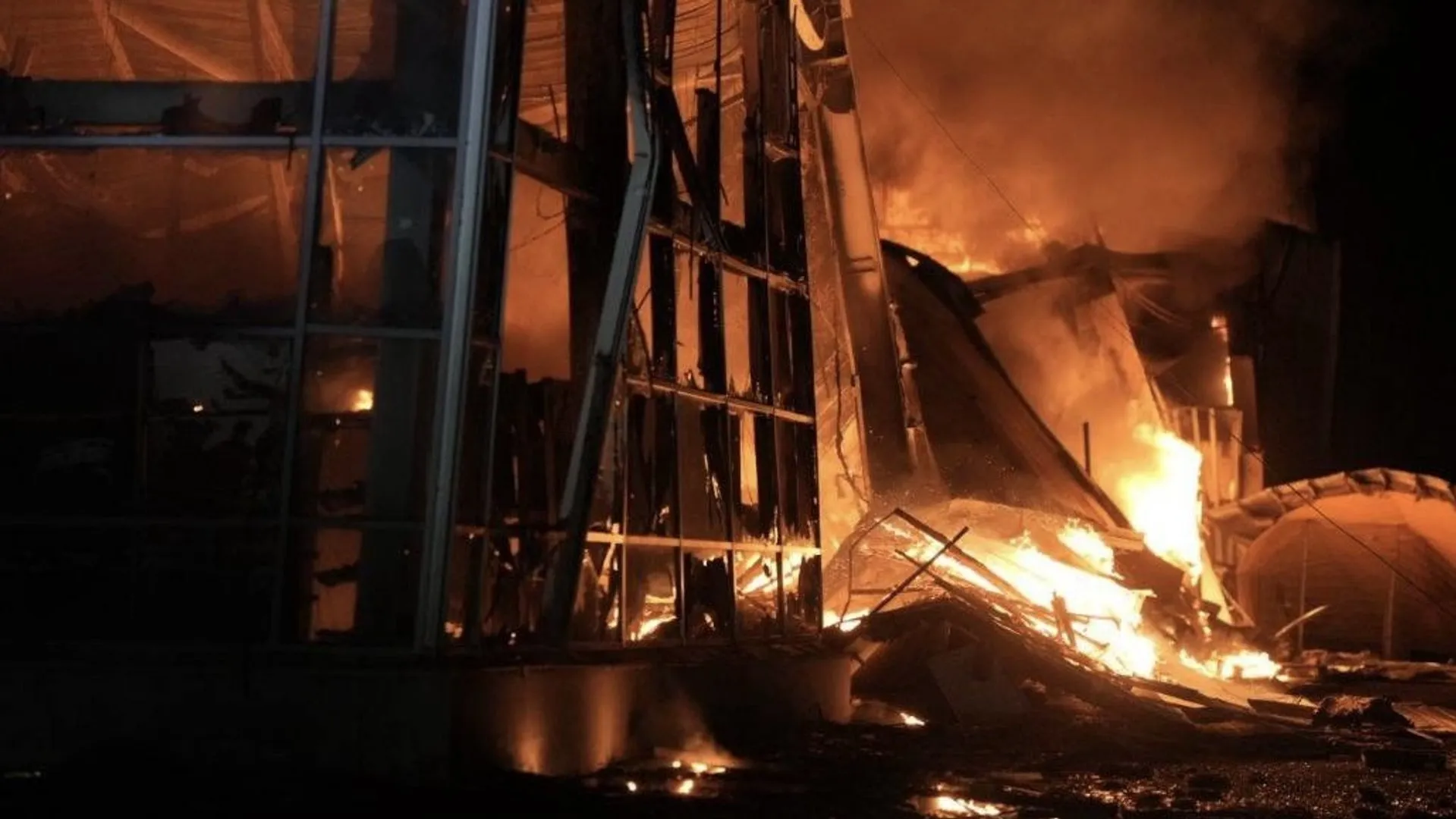
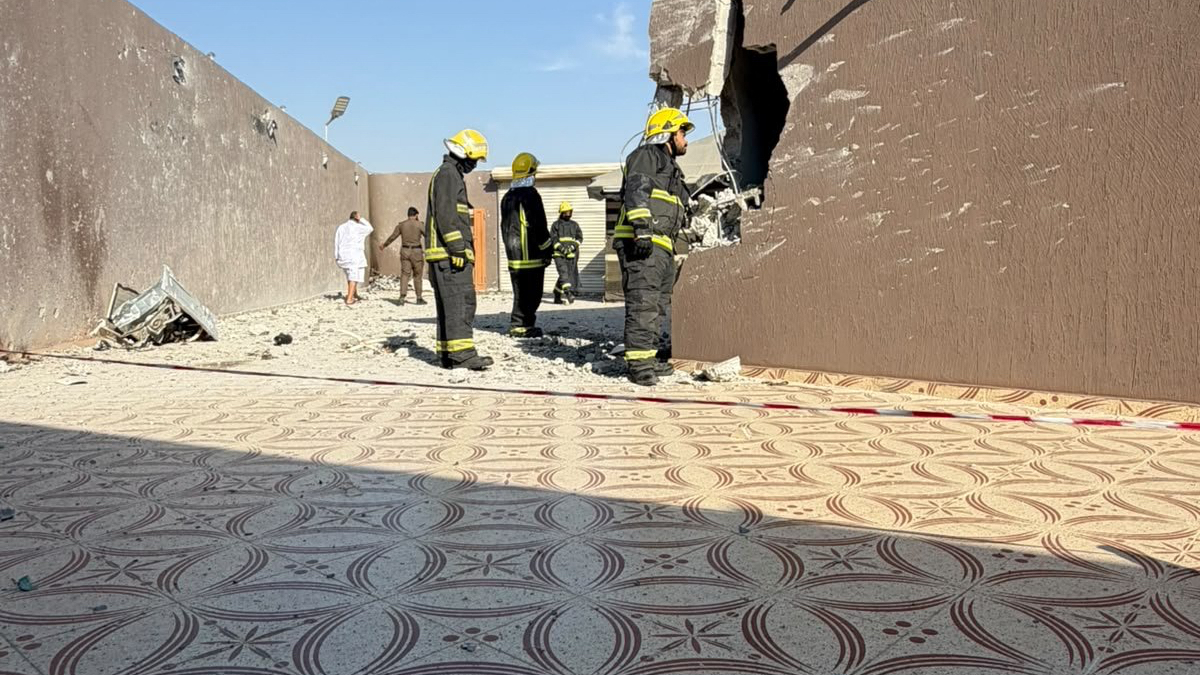
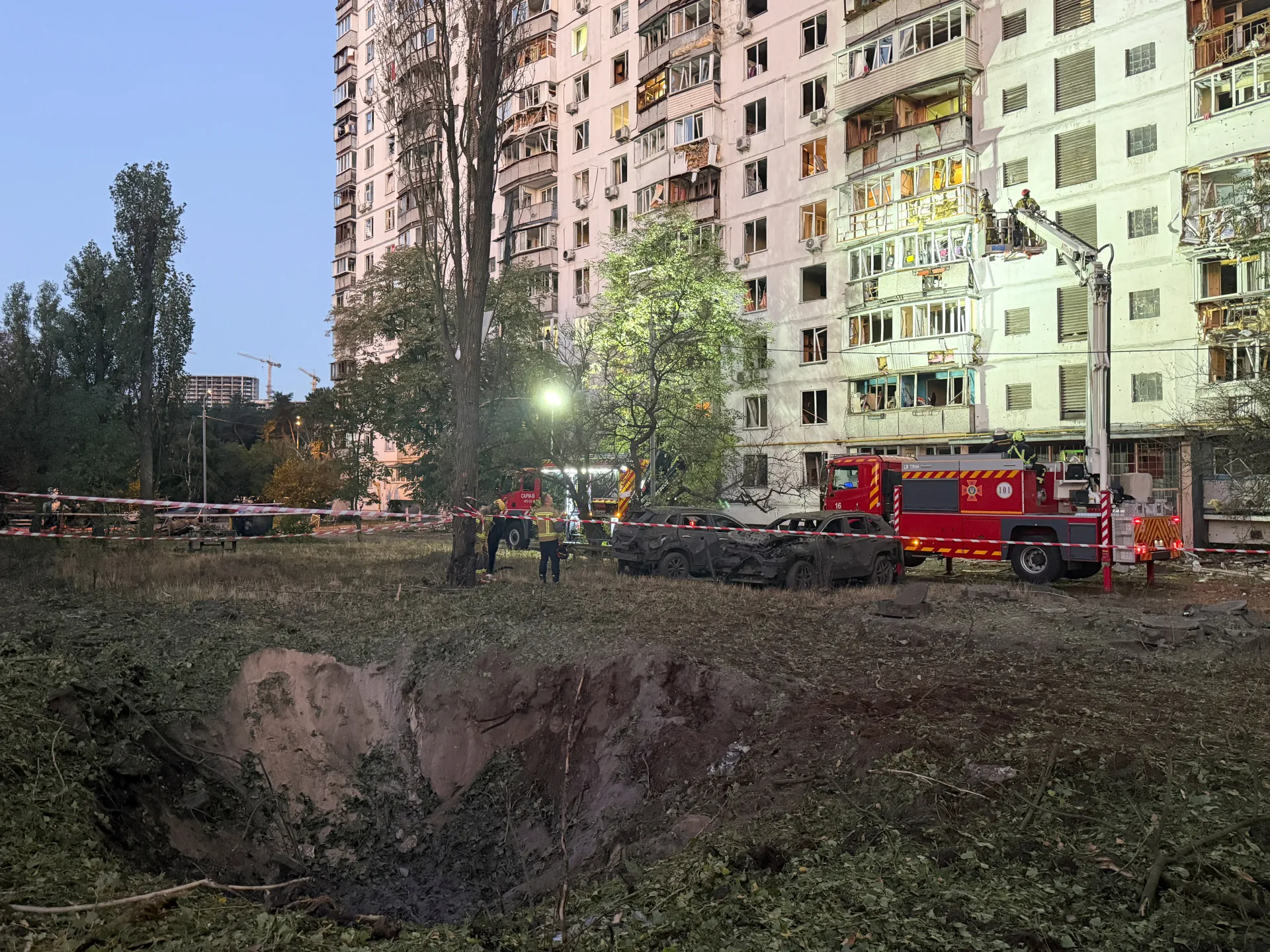
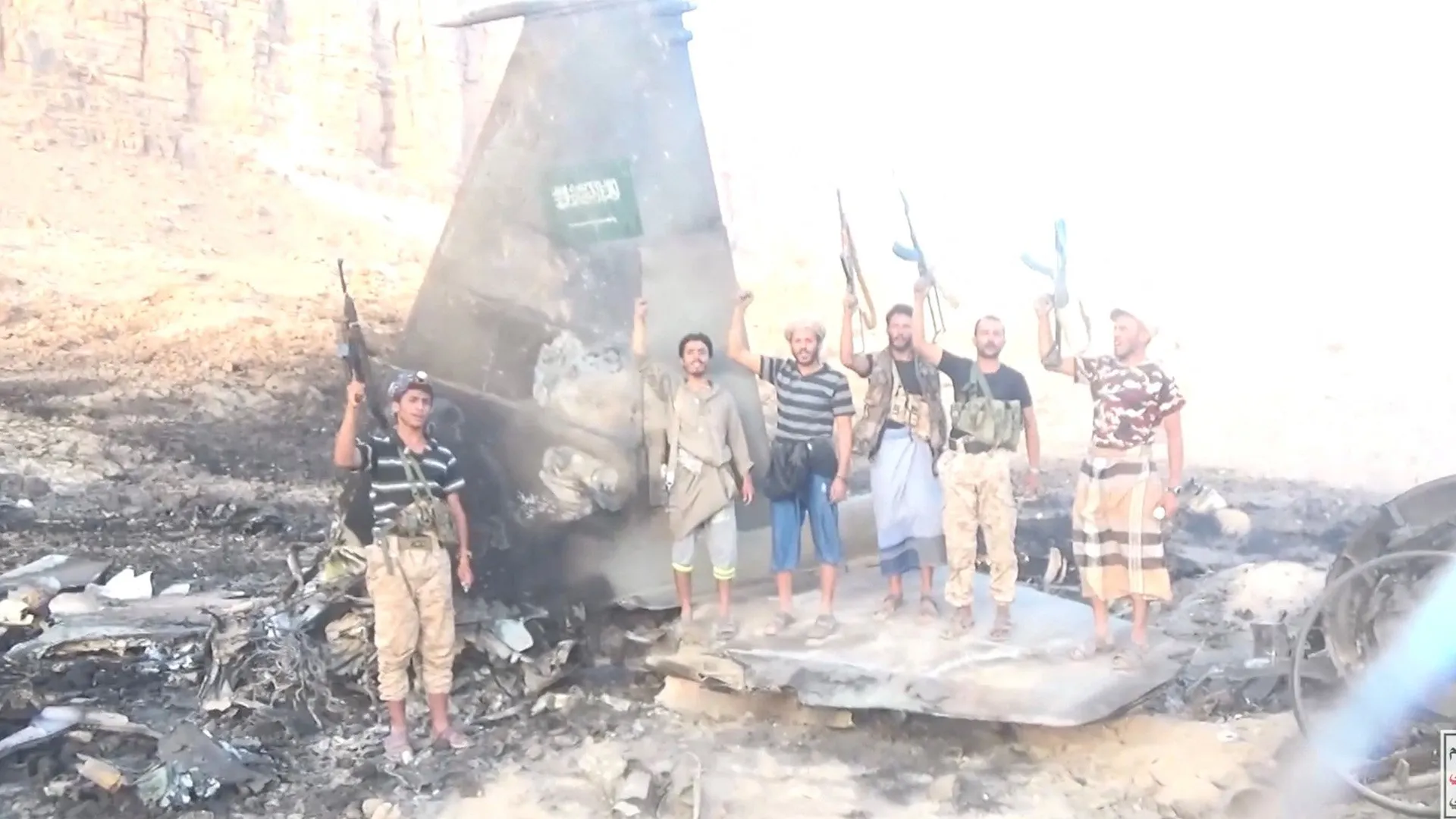
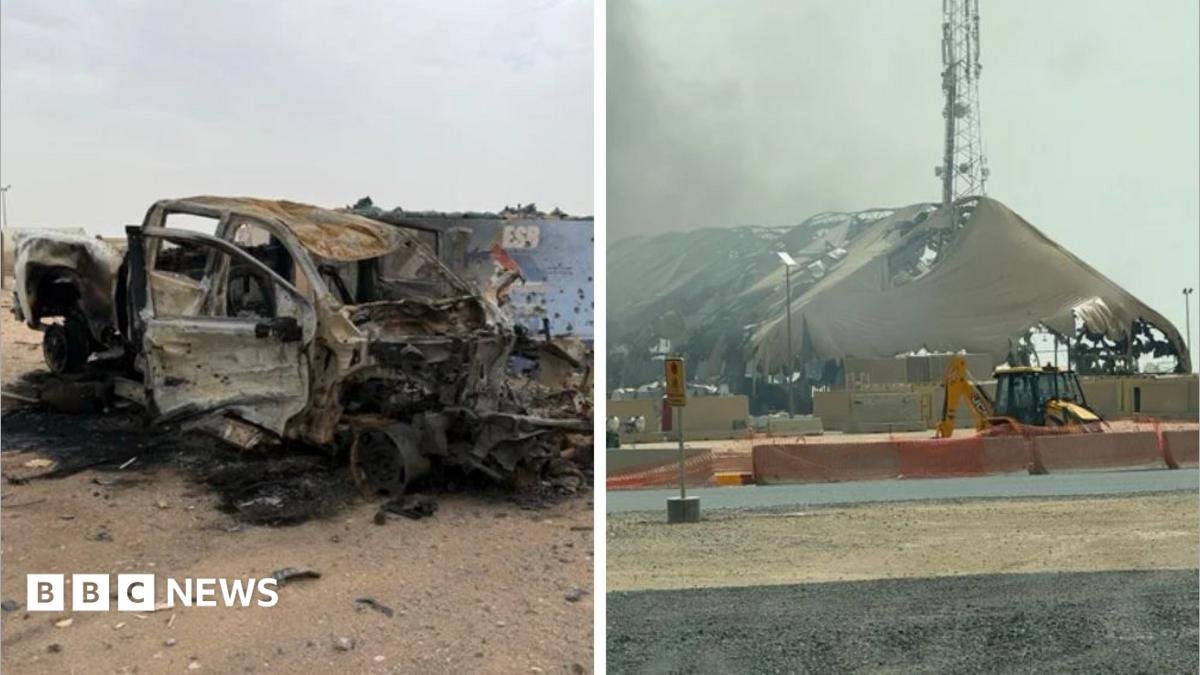
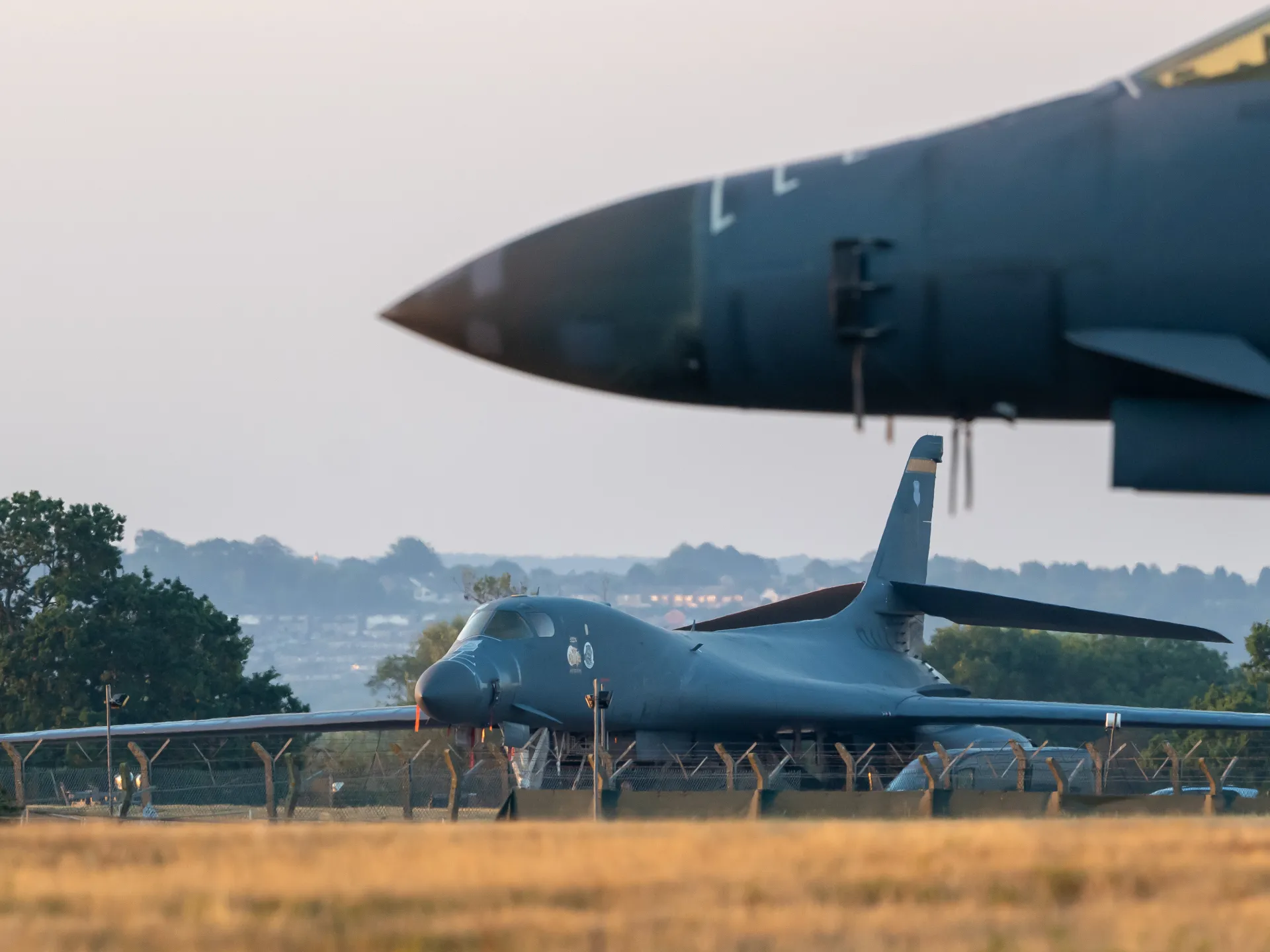
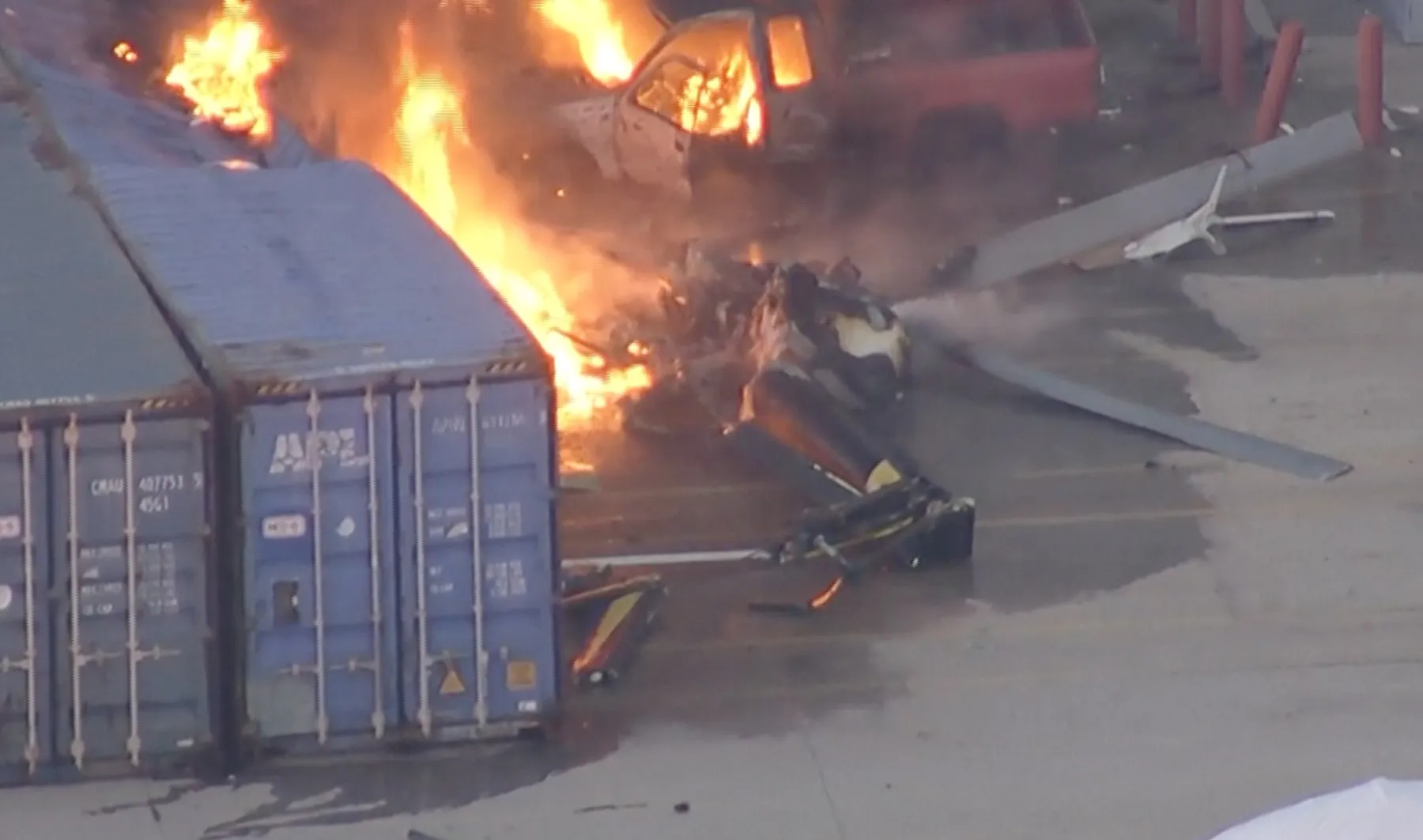
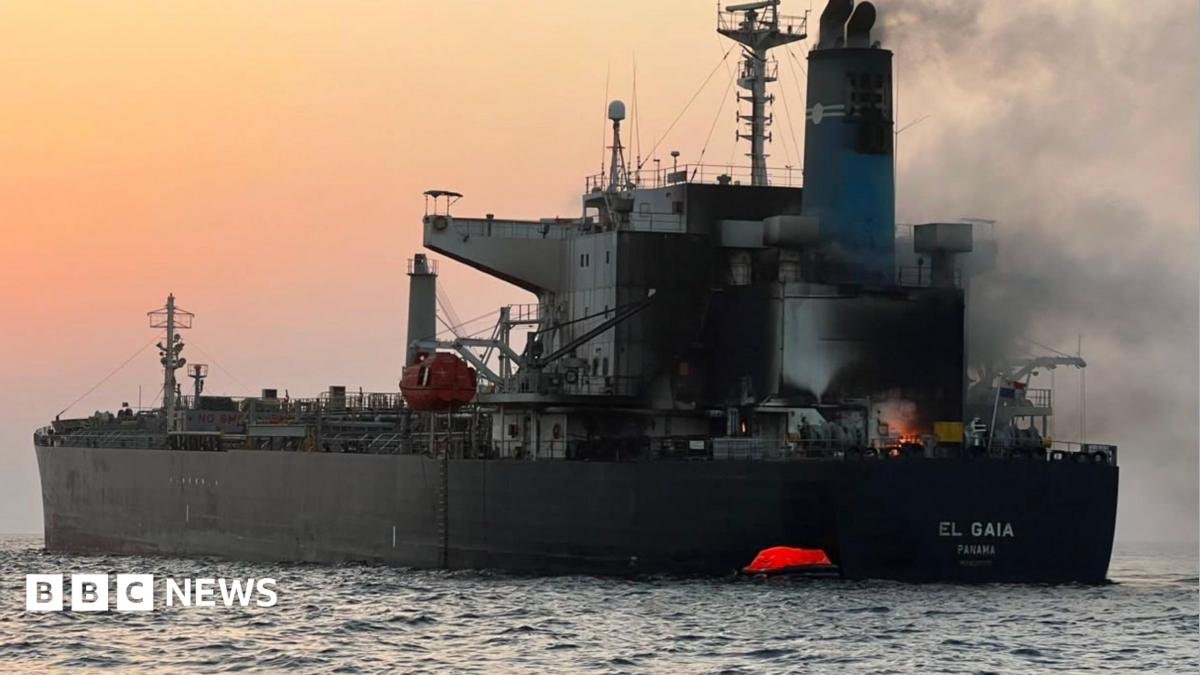
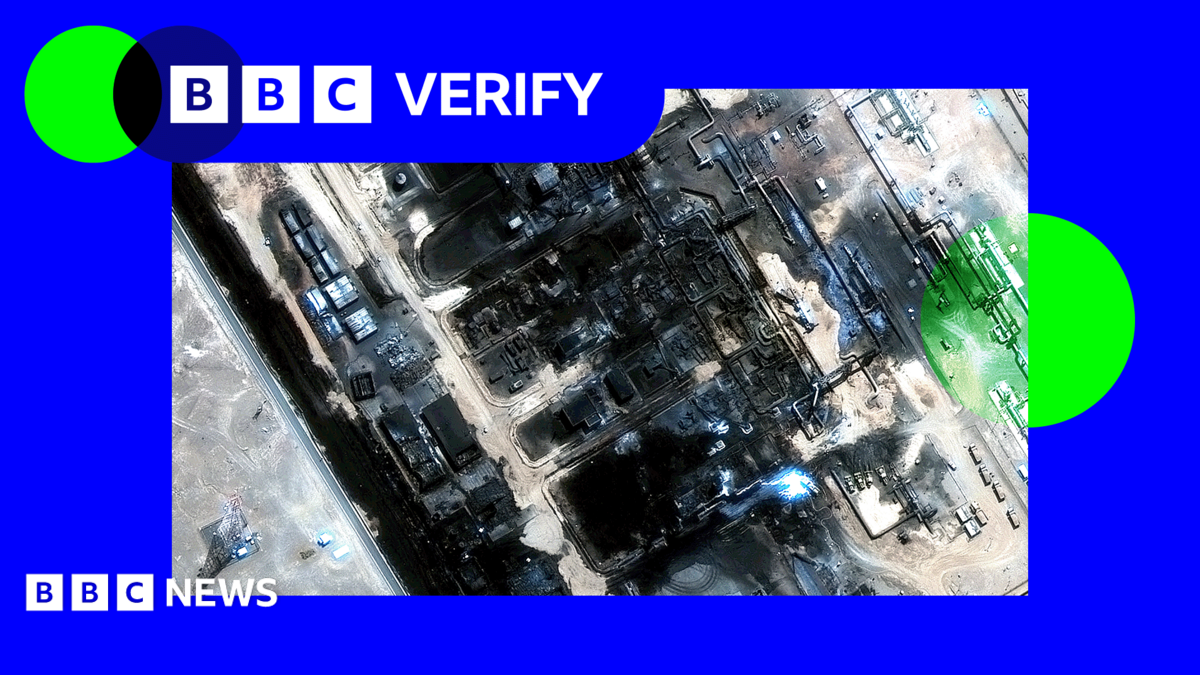
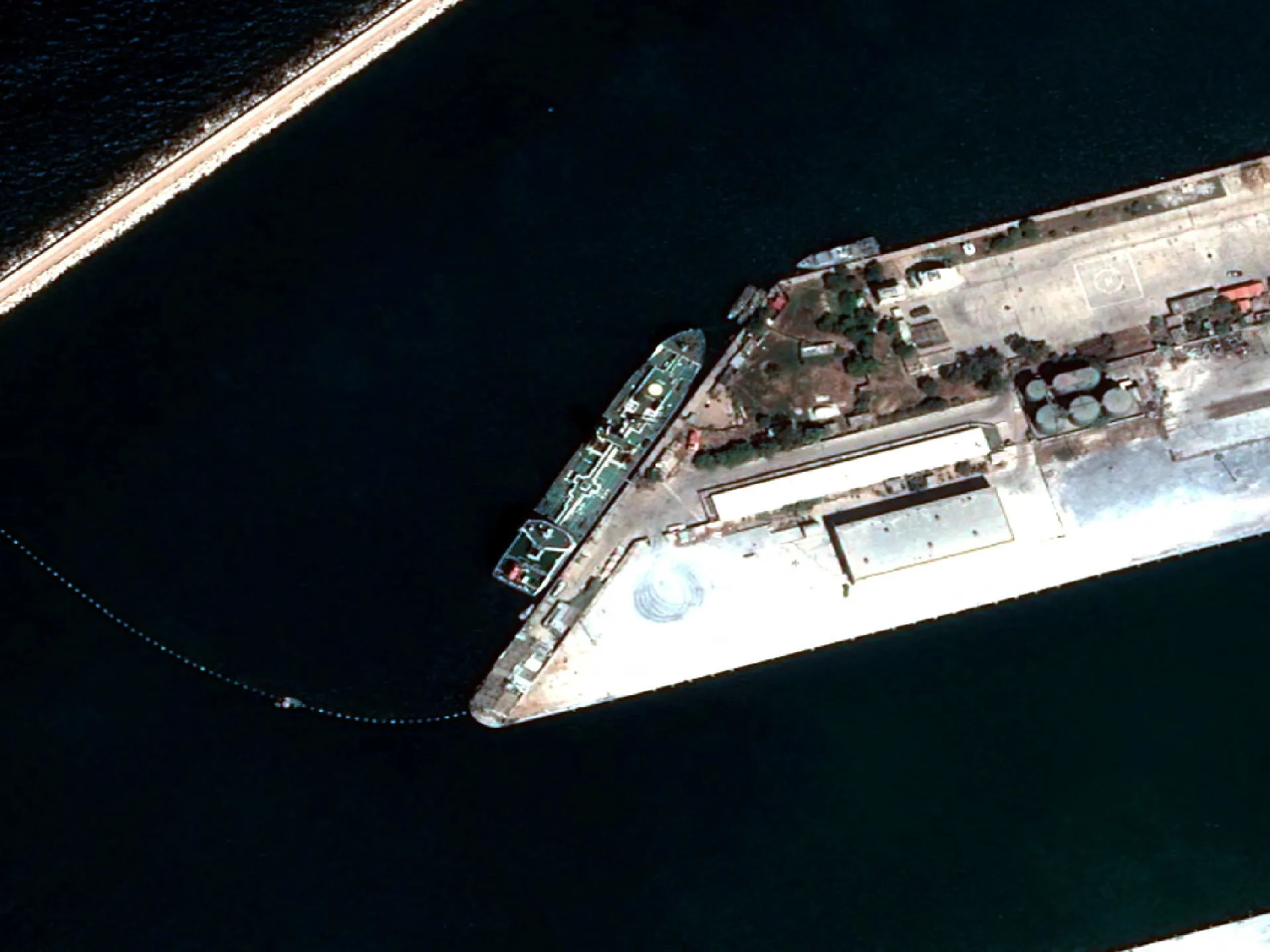
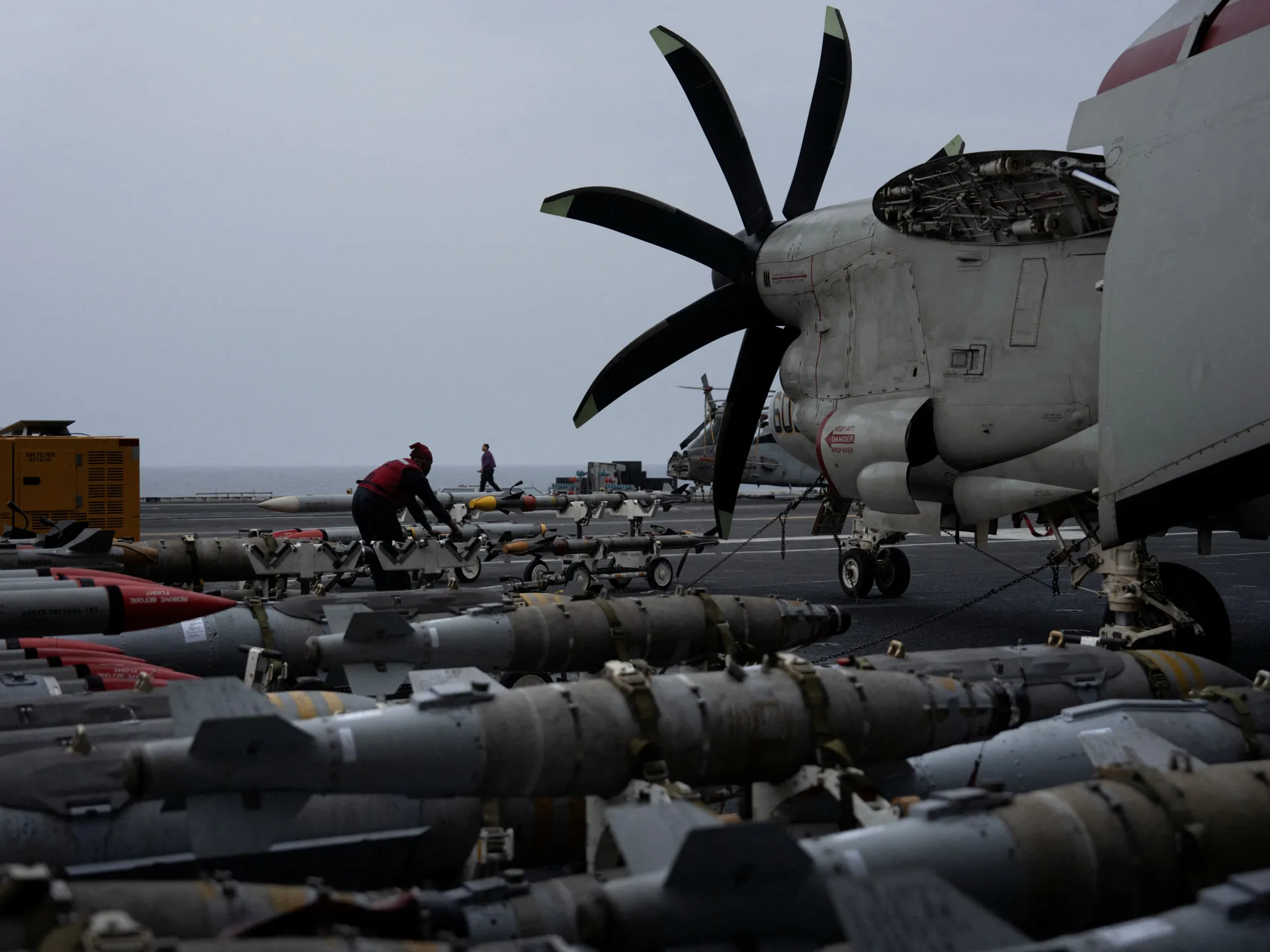
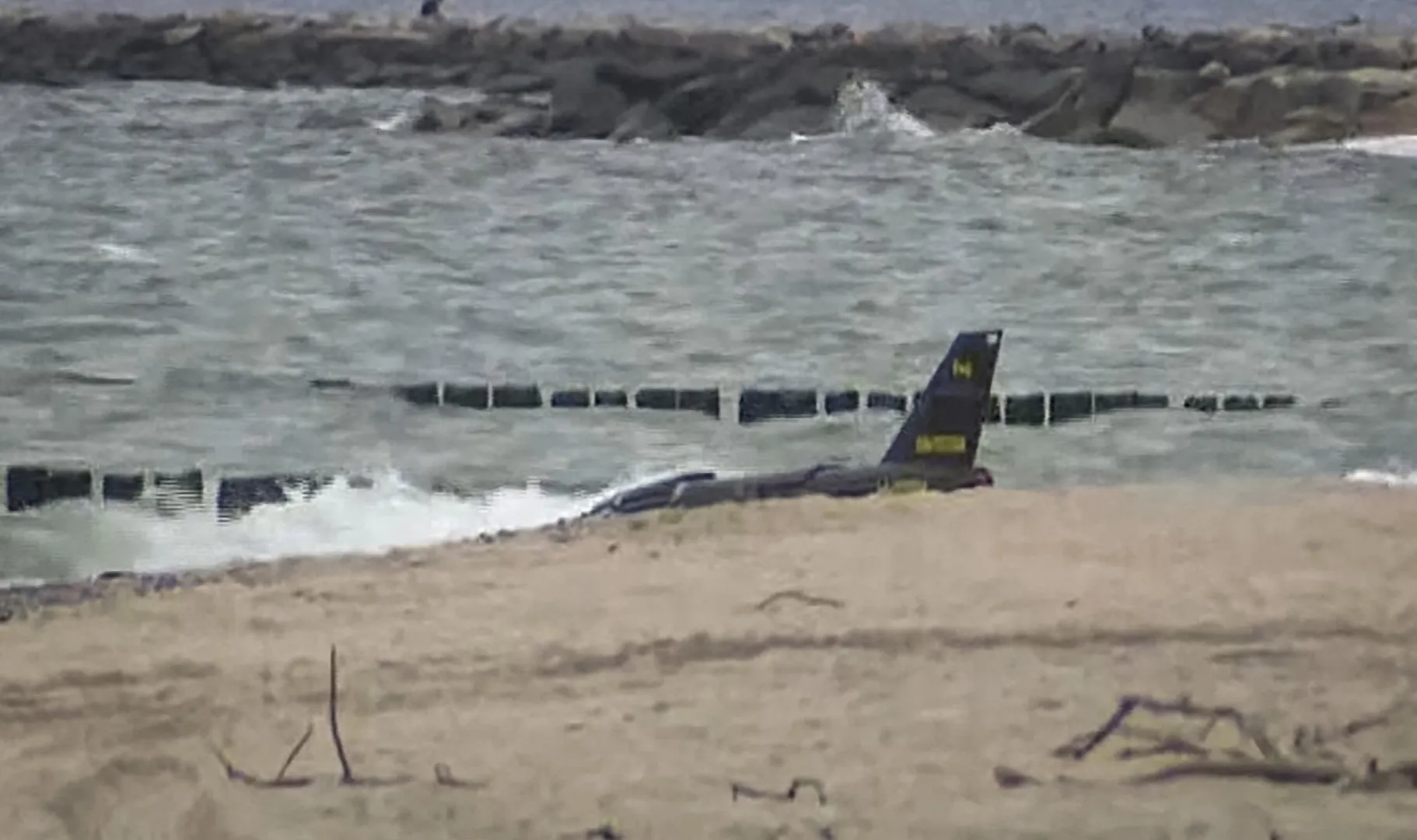
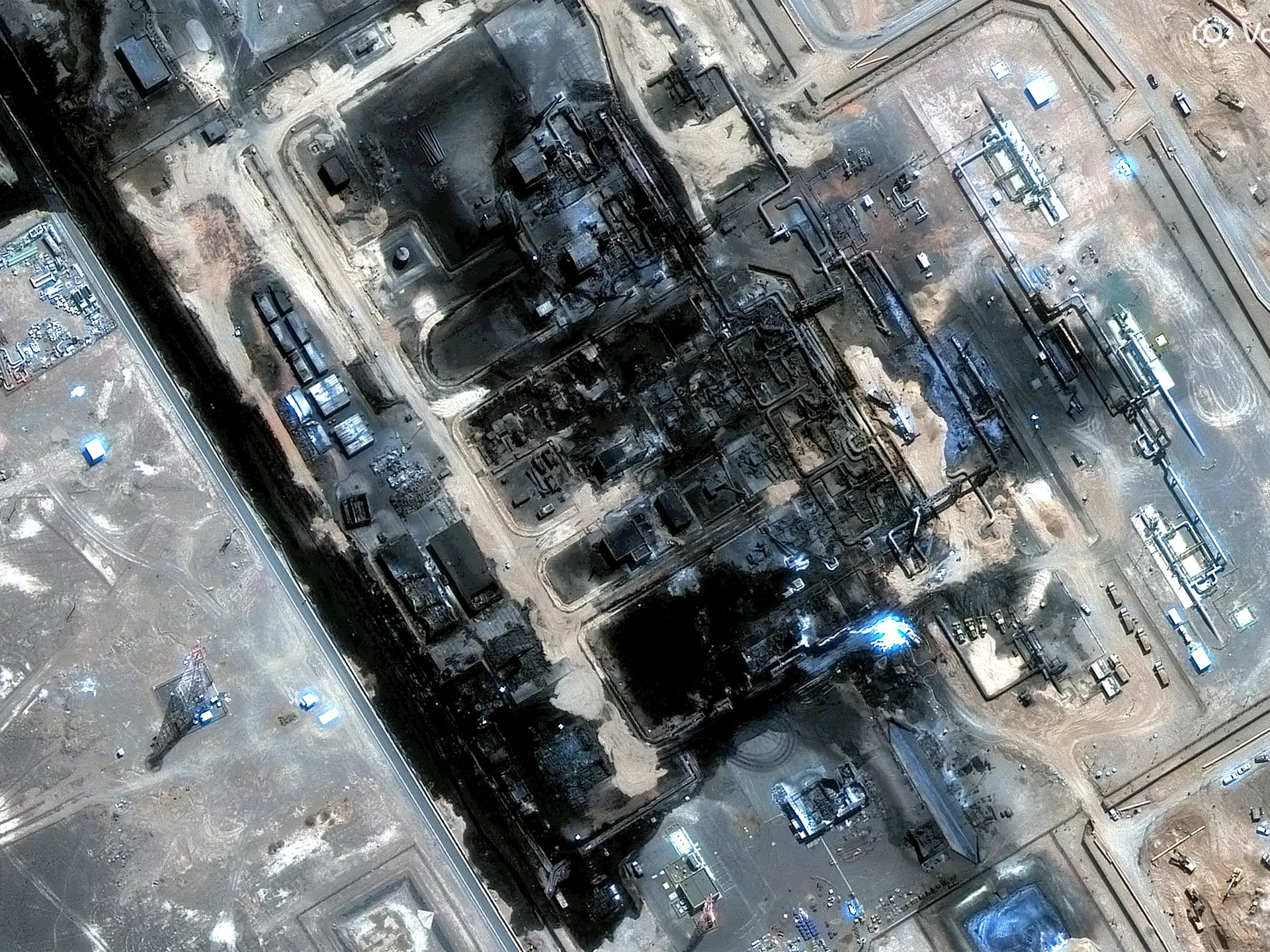
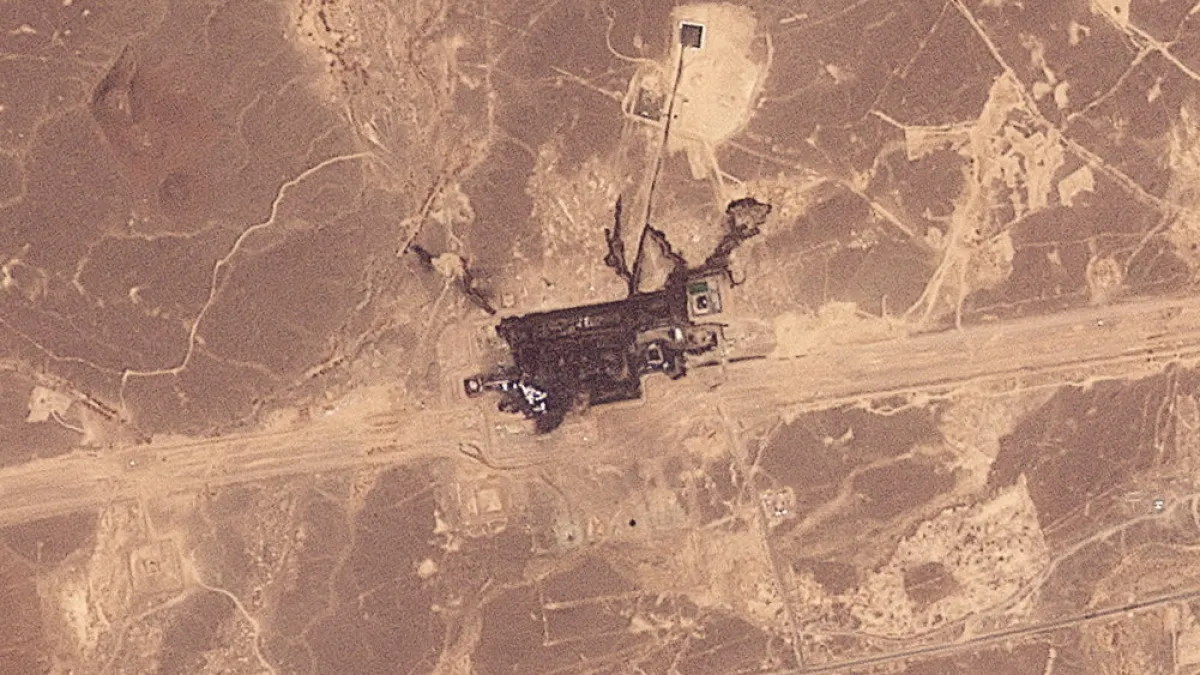
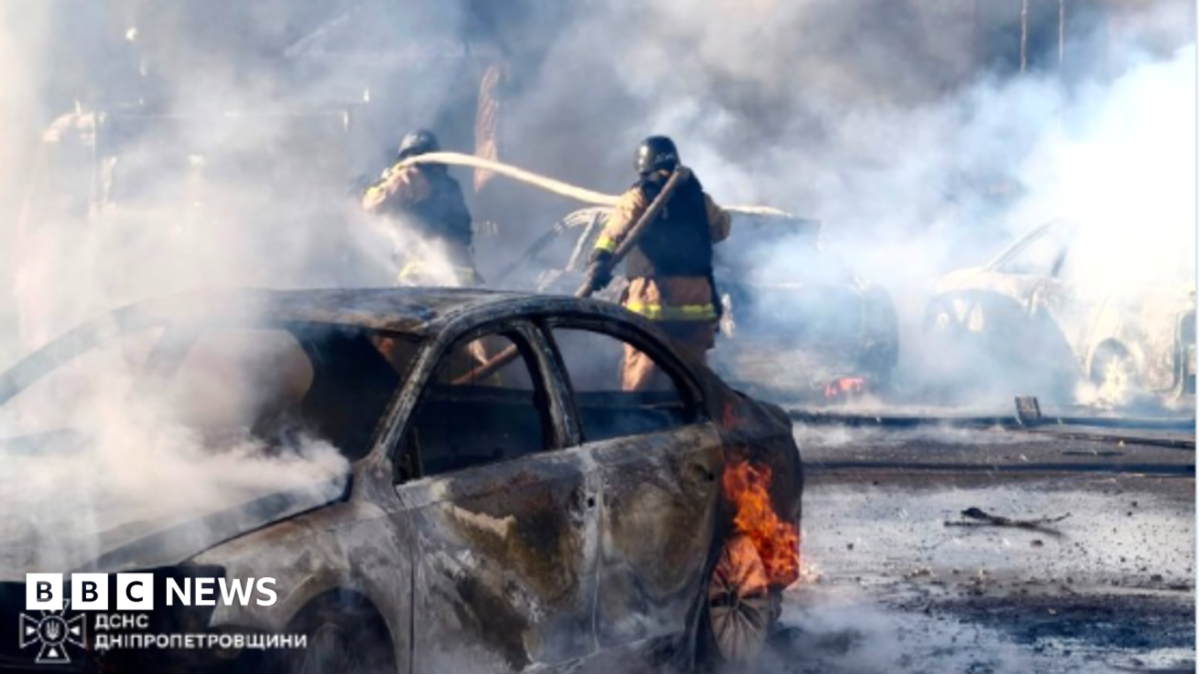
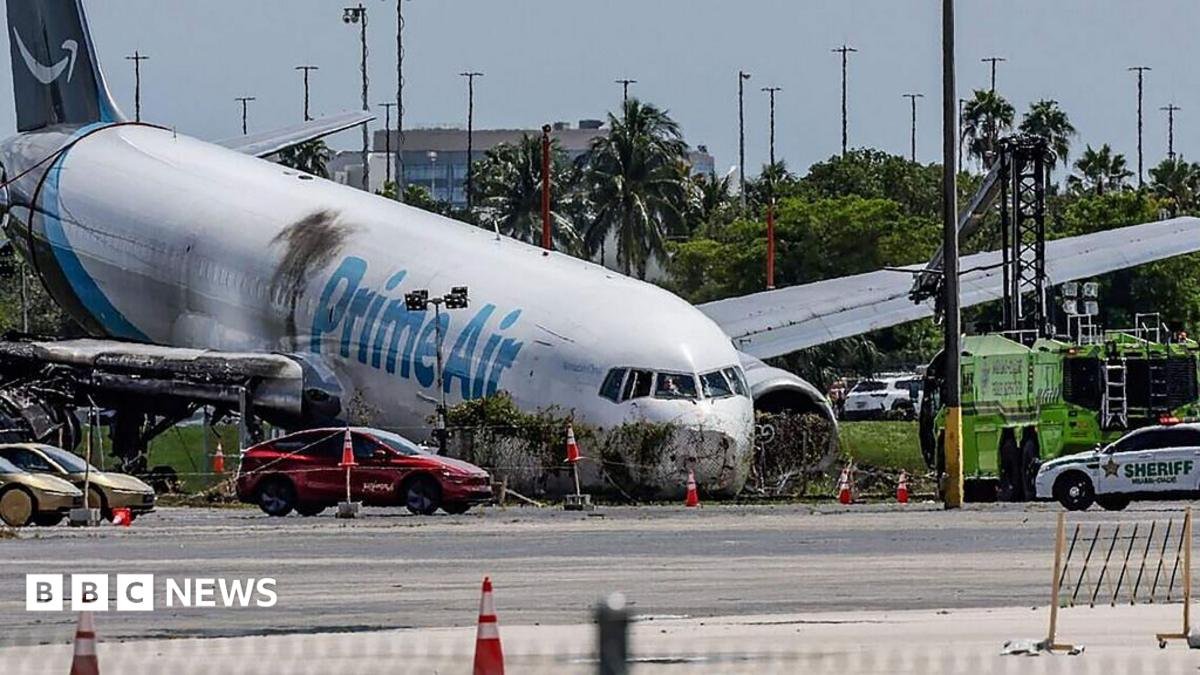
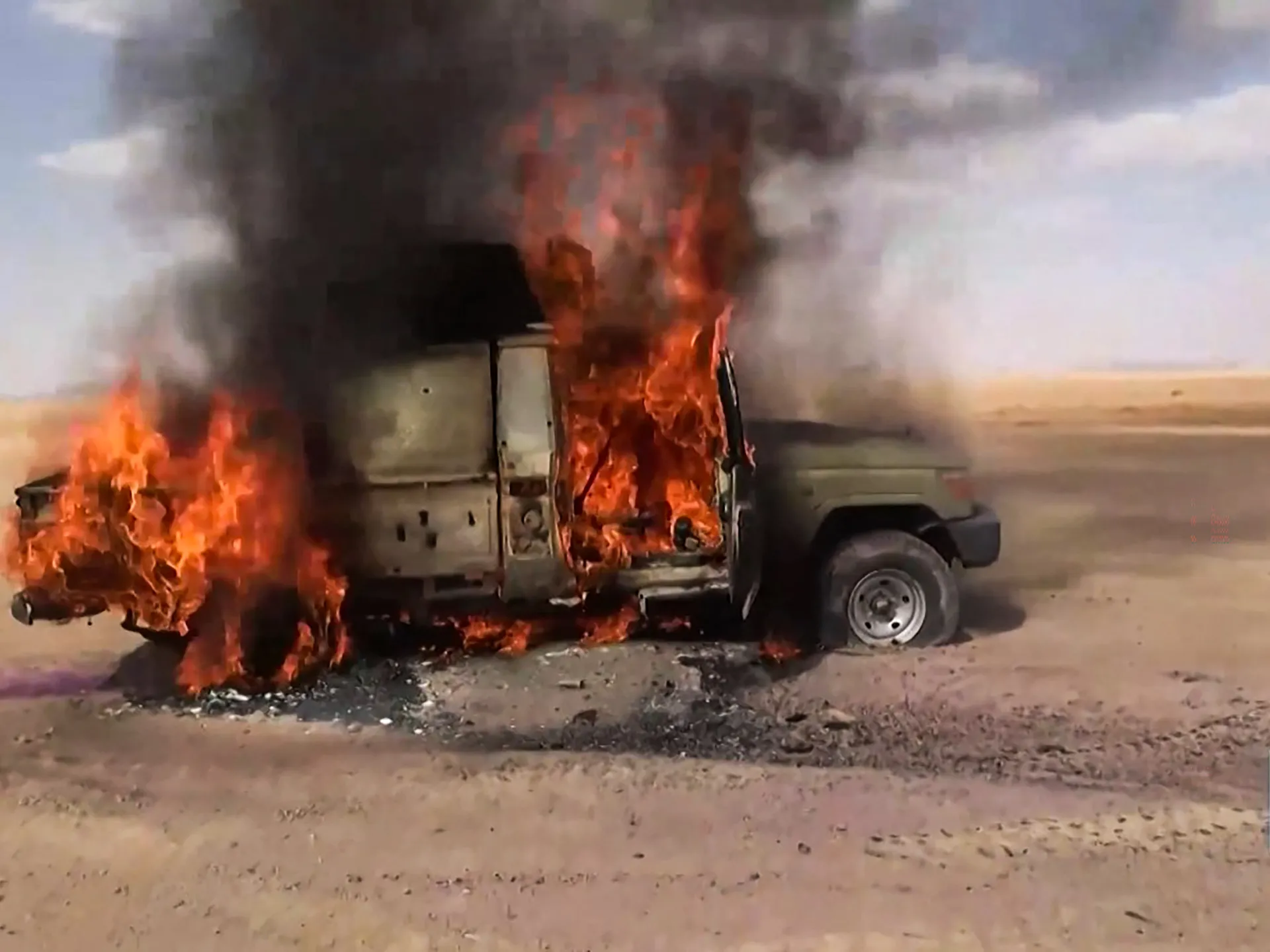
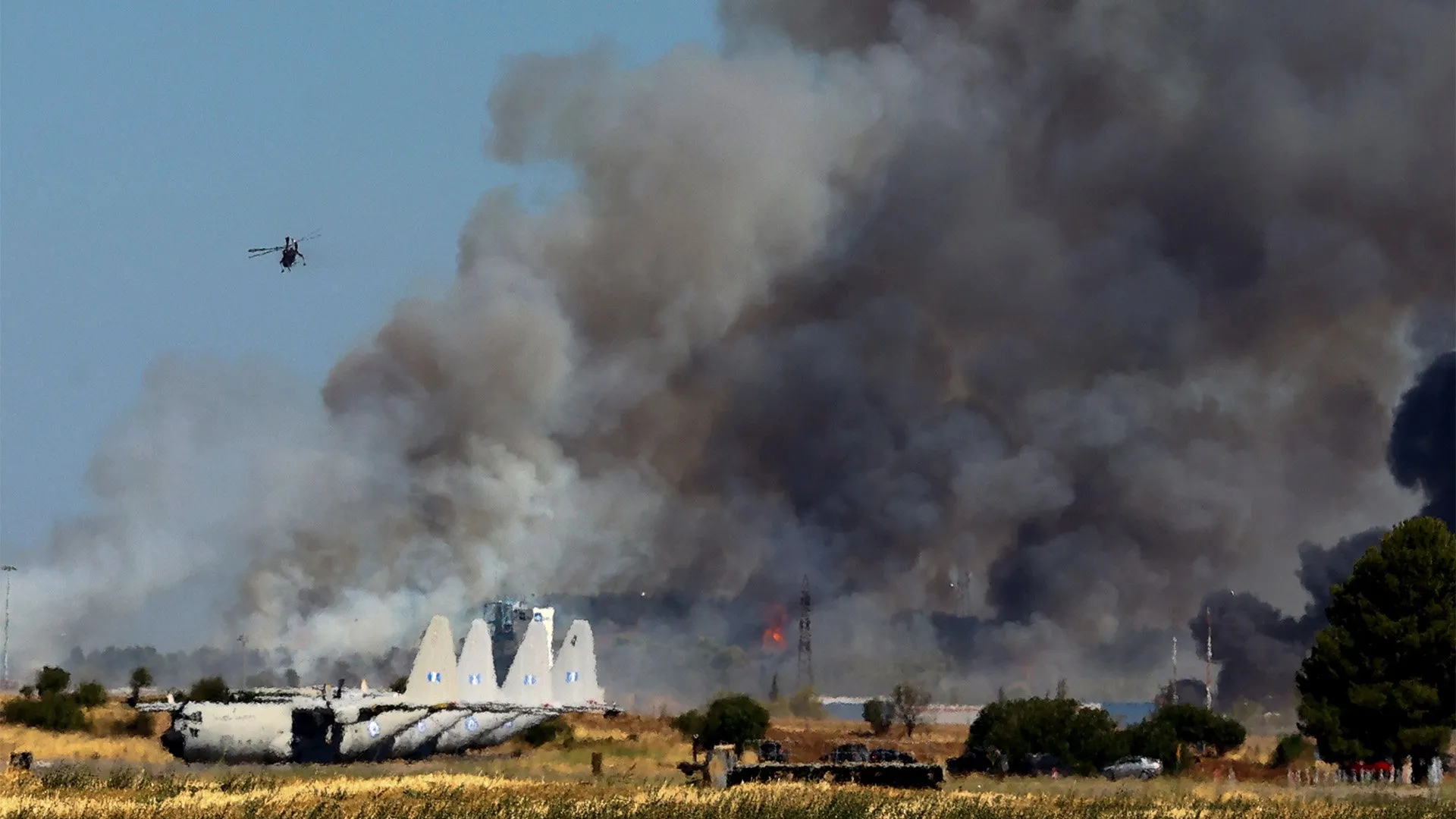
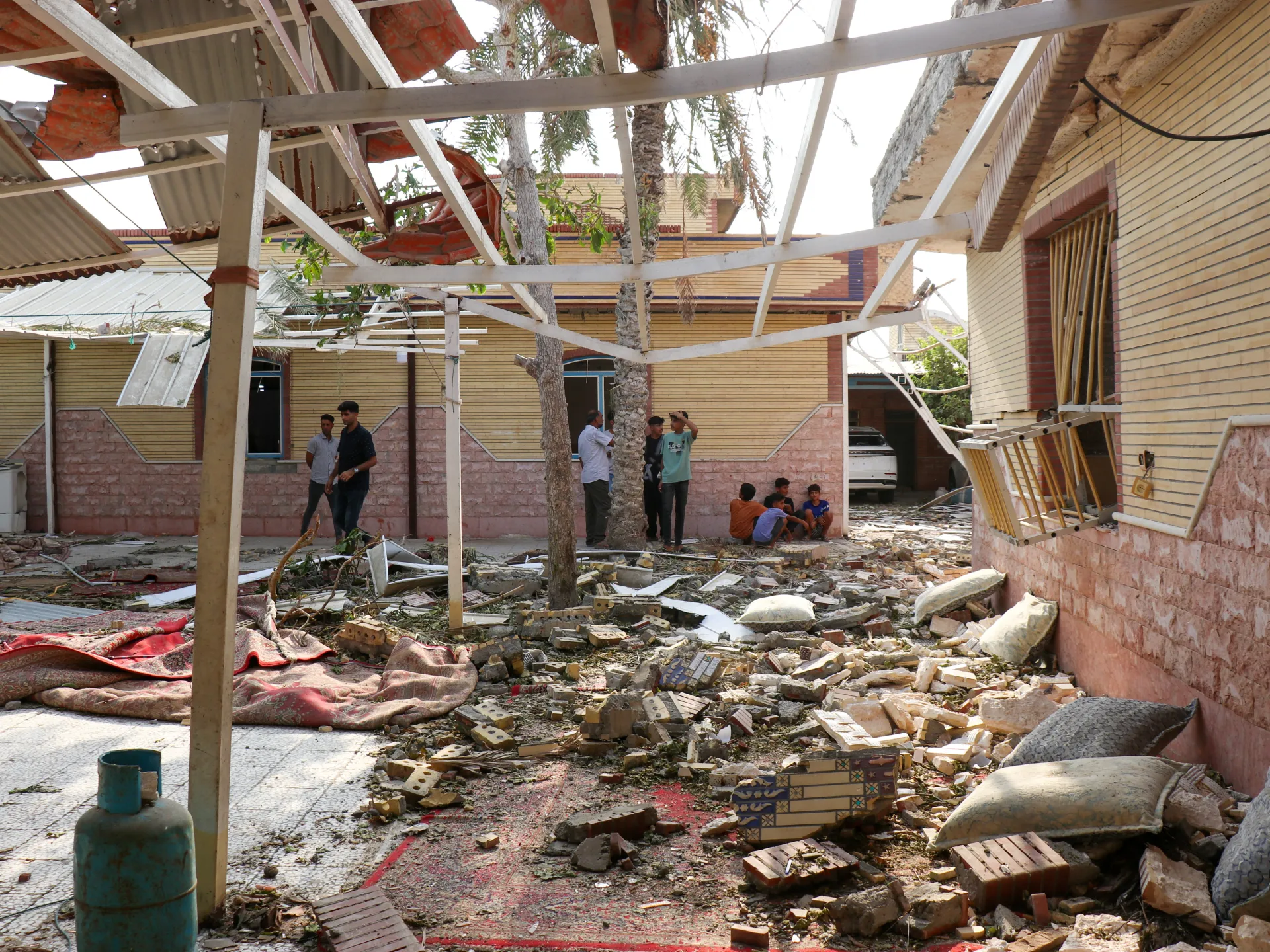
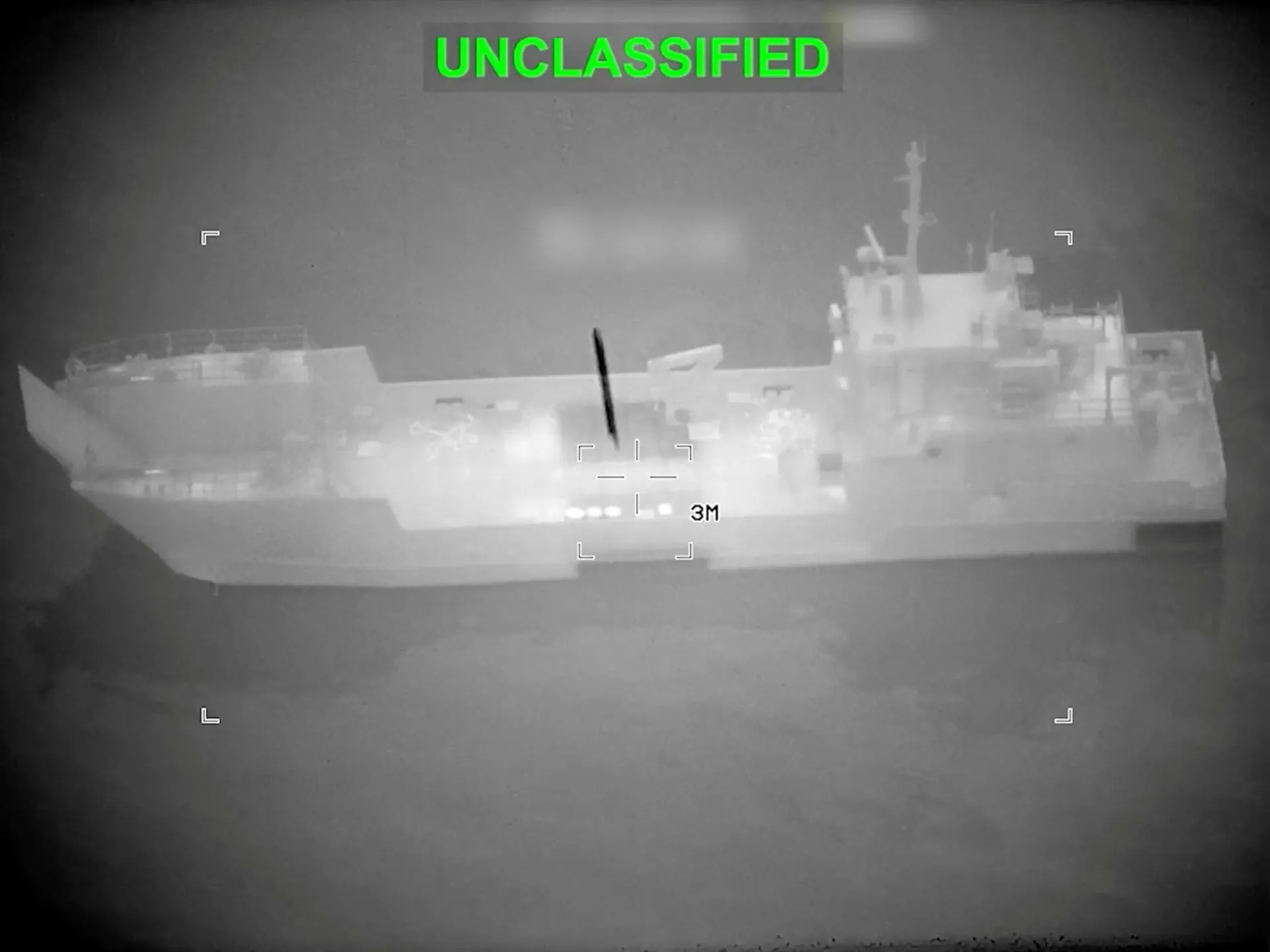
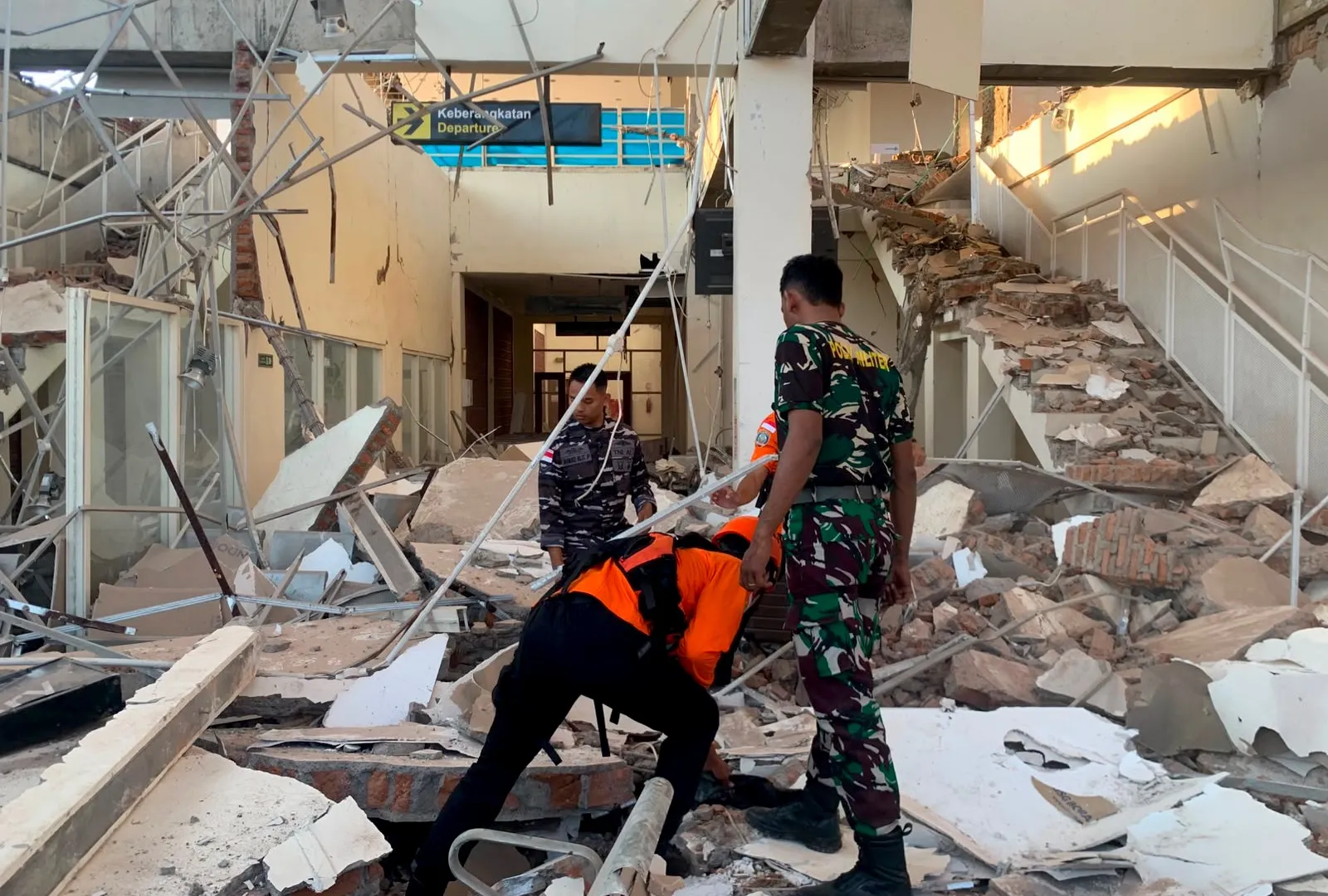
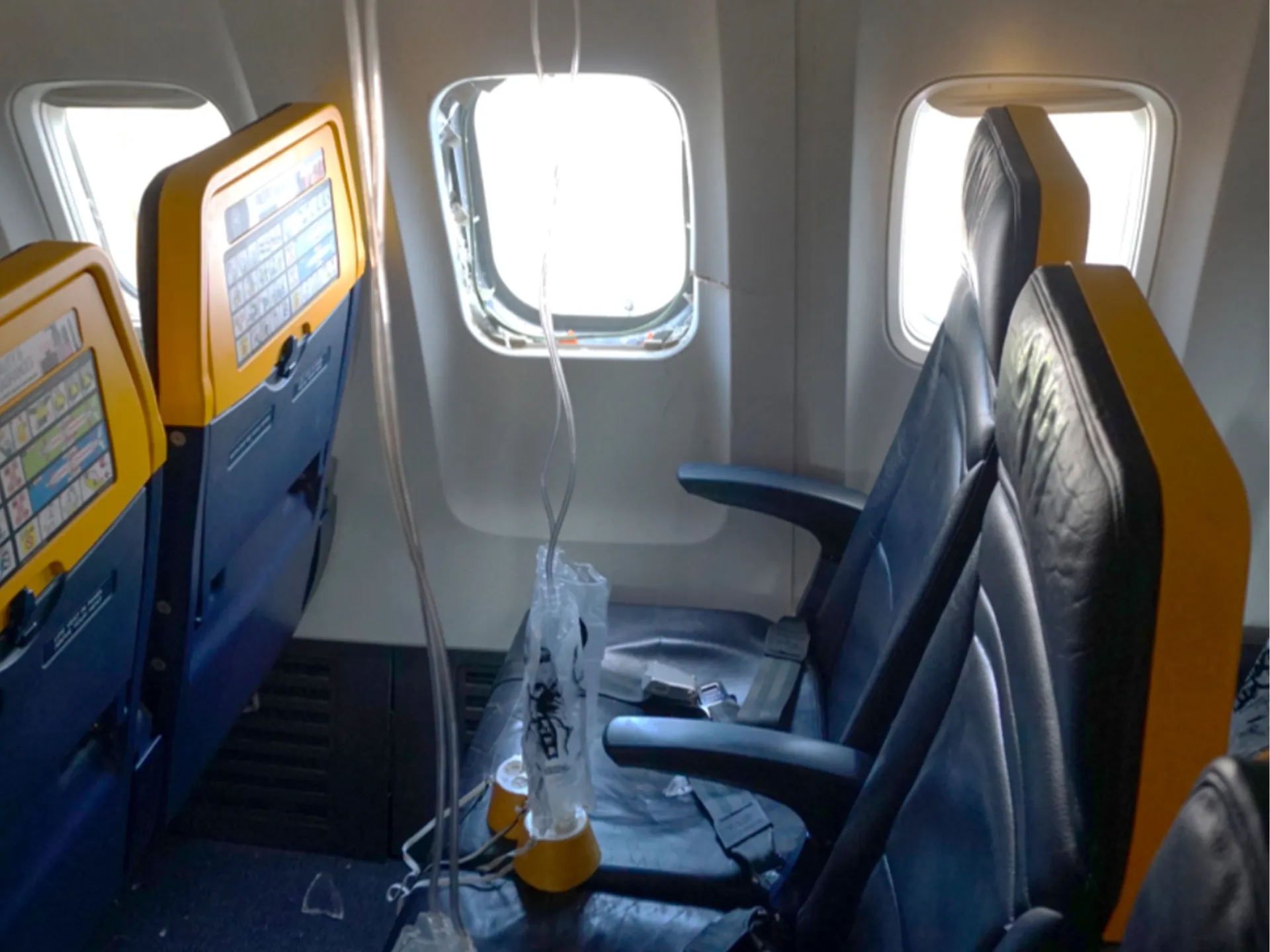
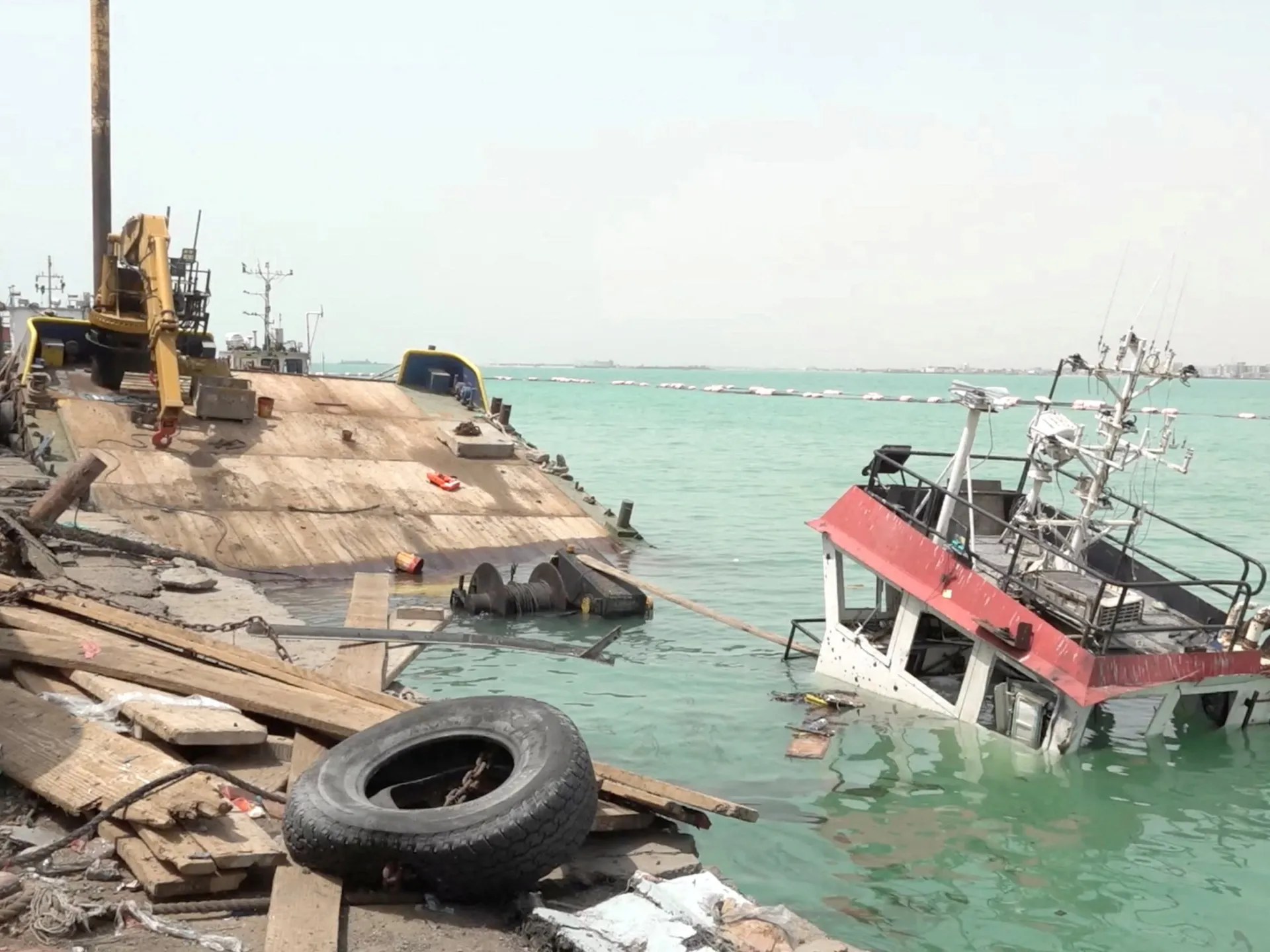
The photographic evidence obtained ied. At Prince Sultan Air Force Base in Saudi Arabia, imagery shows a Boeing E-3 Sentry radar aircraft rendered inoperable, its fuselage compromised in a way that suggests a precise and highly destructive impact. Similar documentation from Camp Buehring in Kuwait depicts decimated housing trailers and shredded infrastructure, raising questions about the safety of personnel during these engagements. While U.S. Central Command has been reluctant to address these specific visual accounts, internal watchdogs have confirmed that hundreds of individual structures across various installations have suffered damage, contradicting earlier, more tempered assessments.
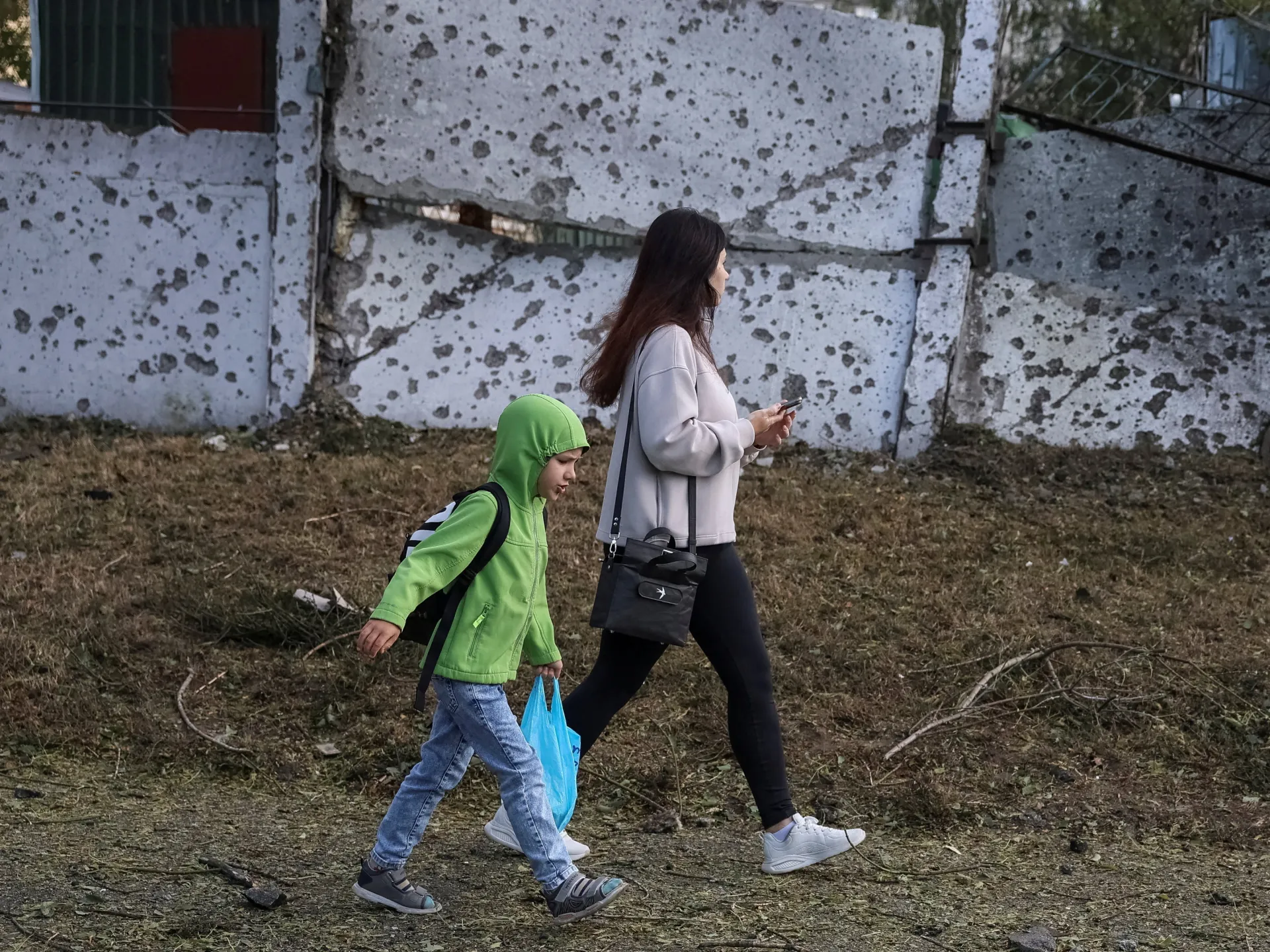
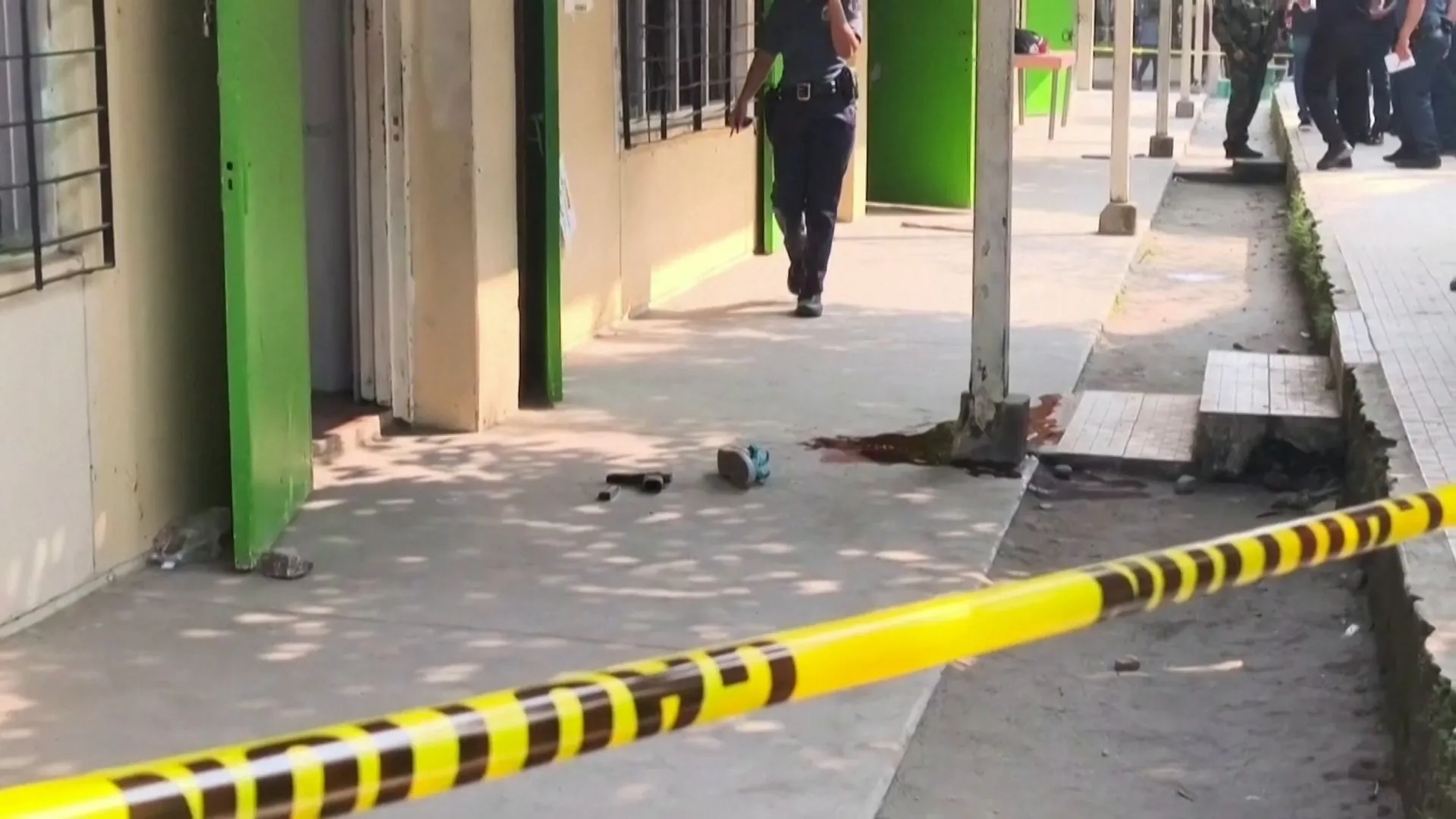
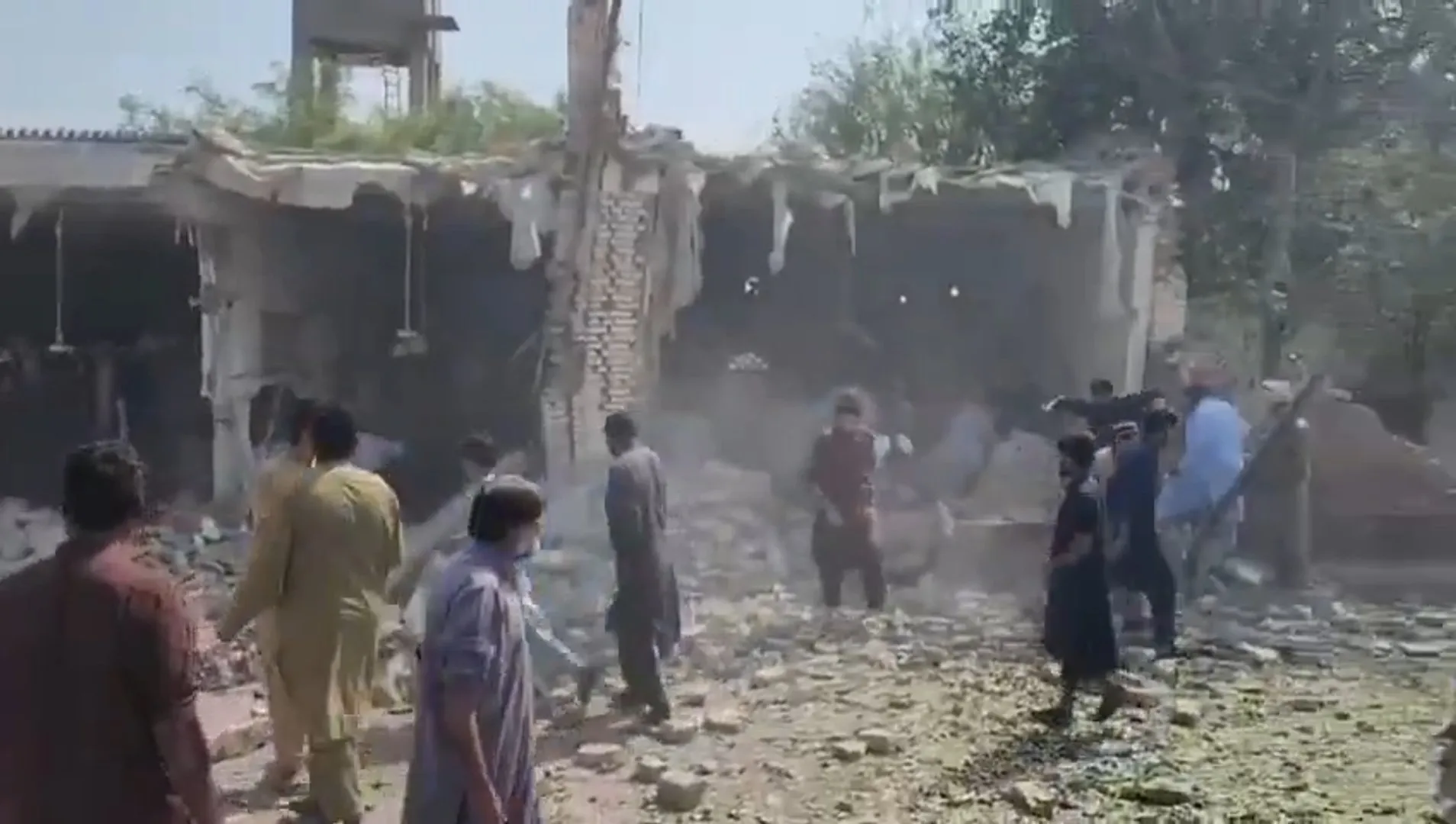
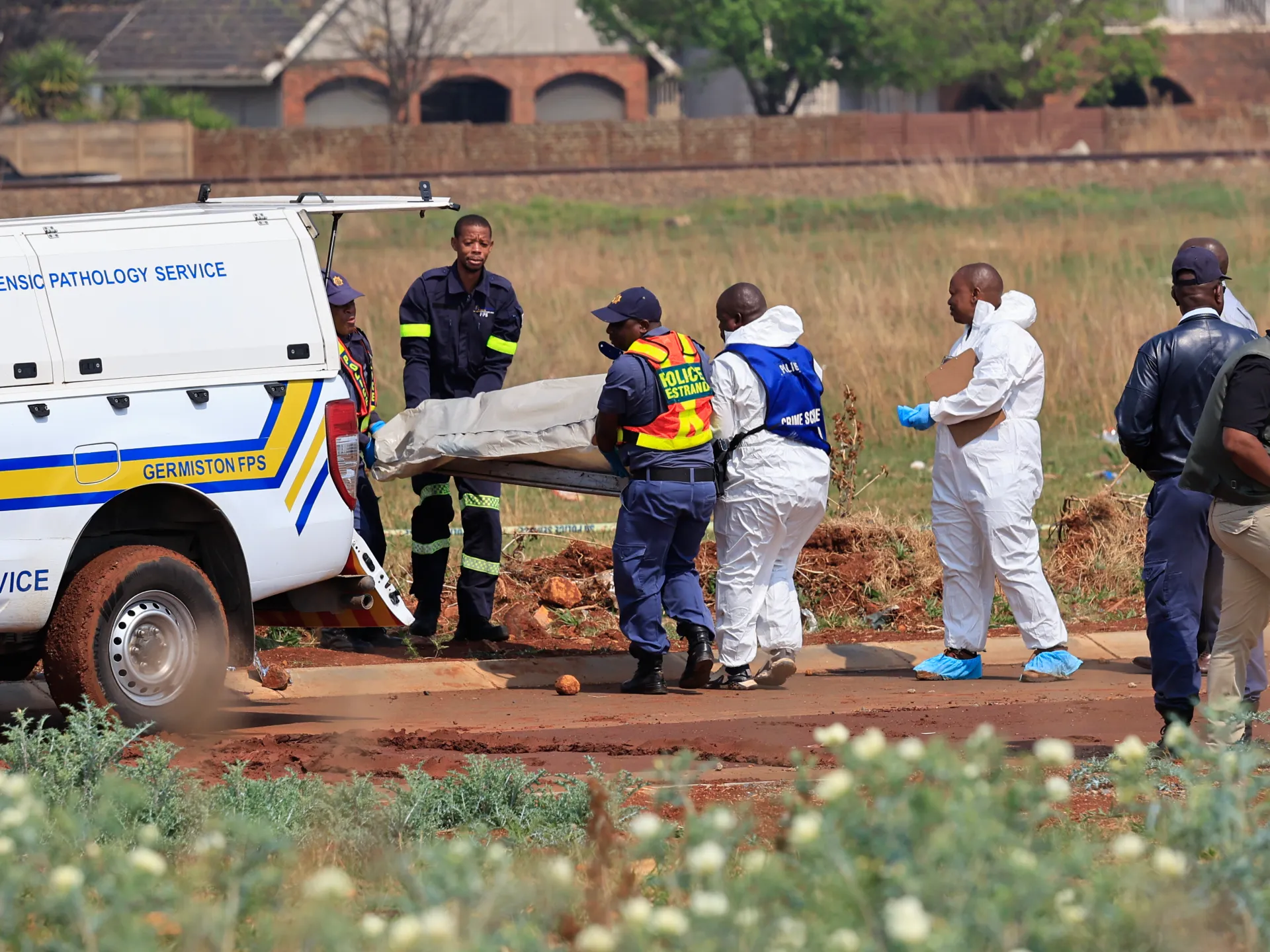
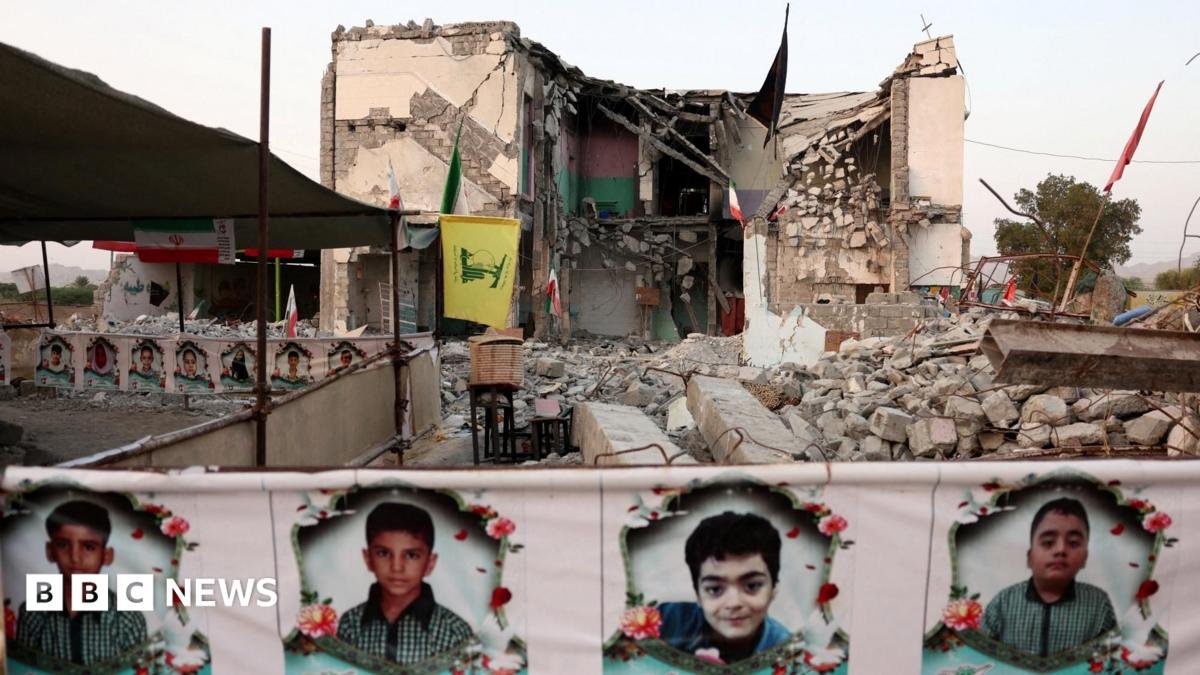
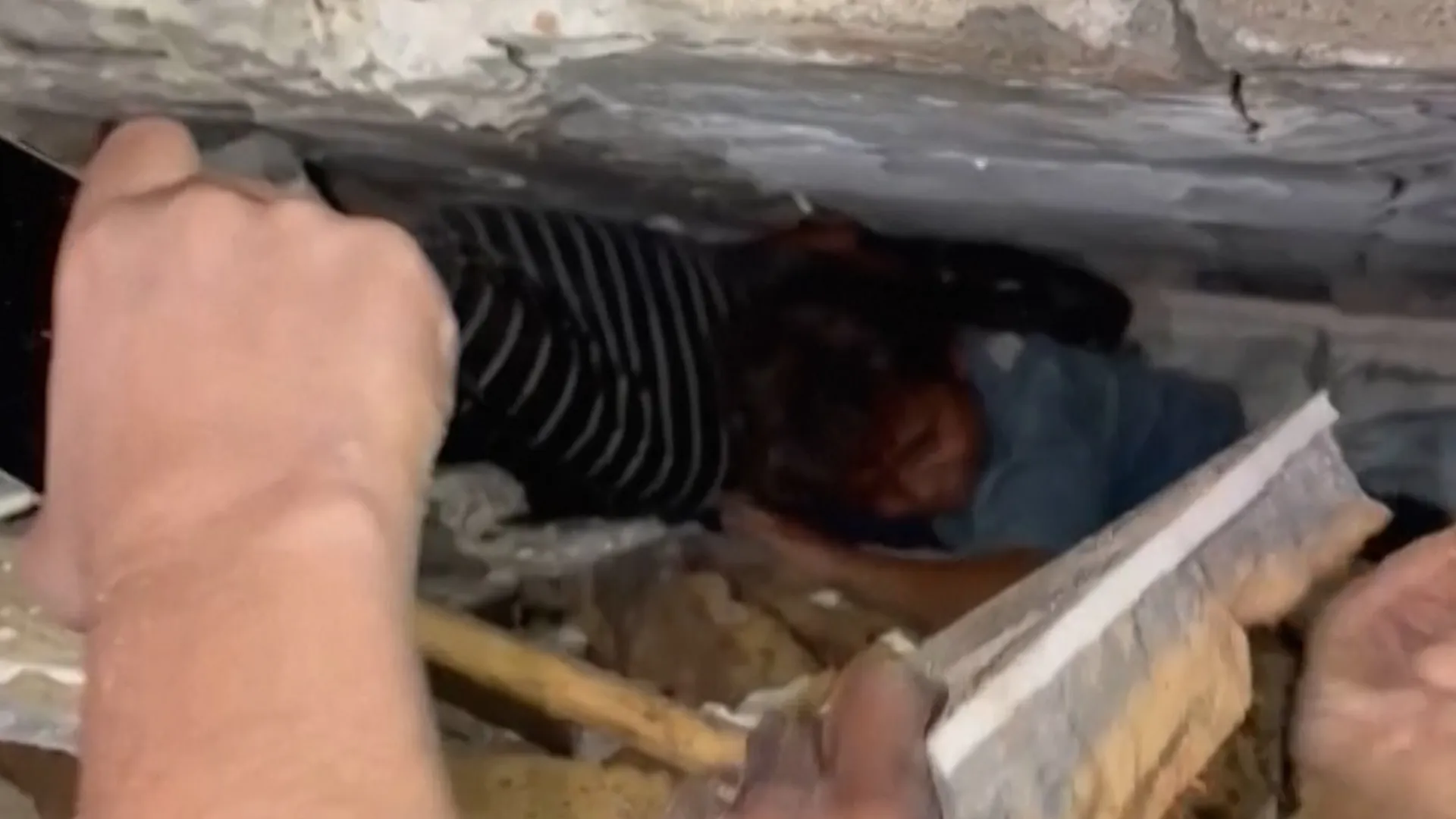
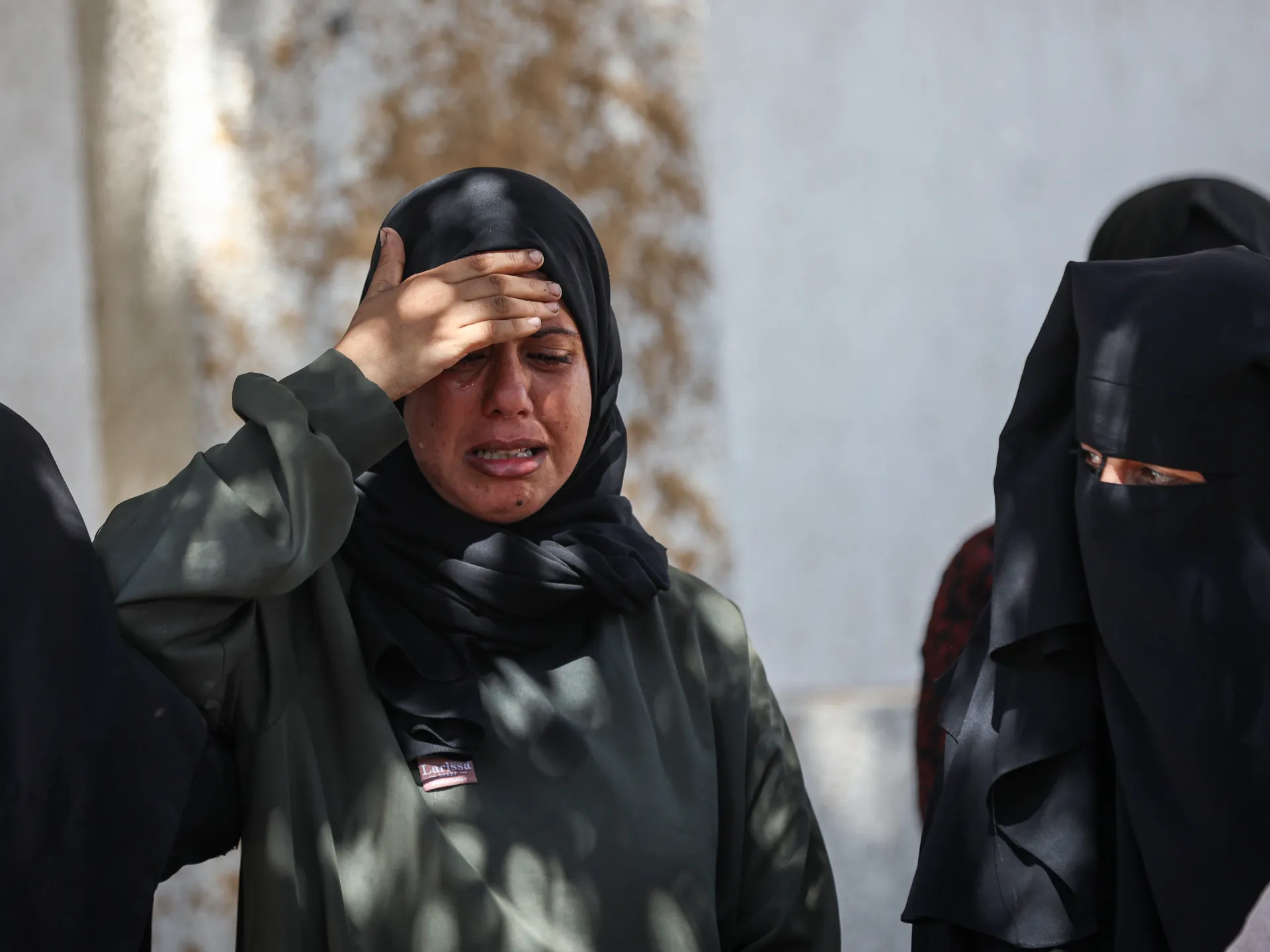
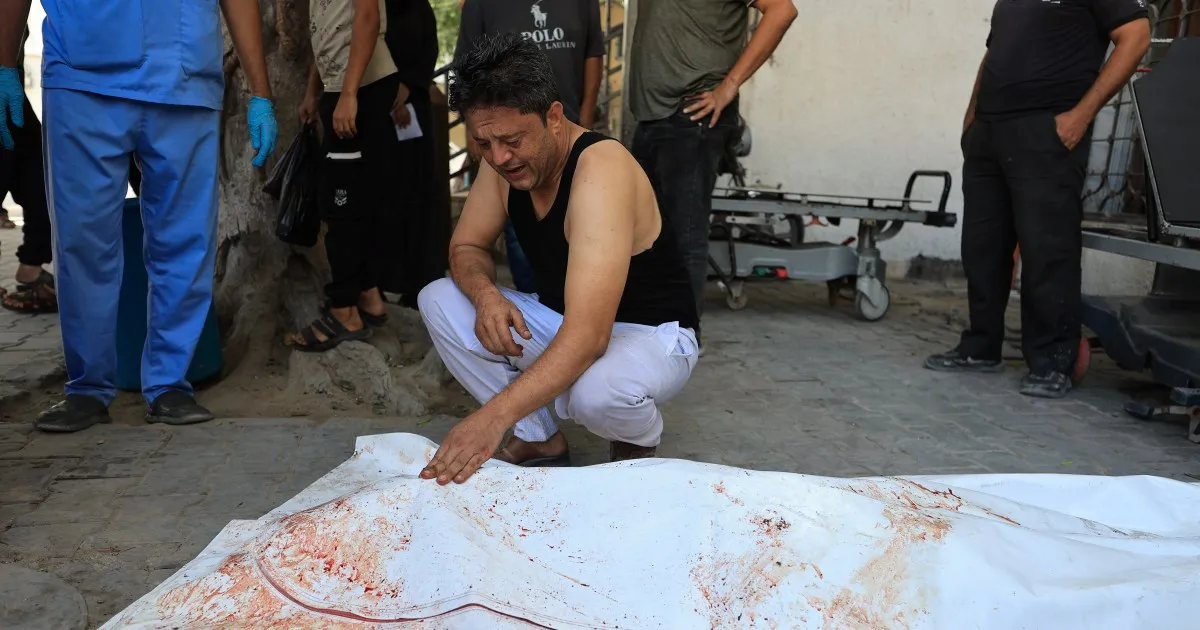
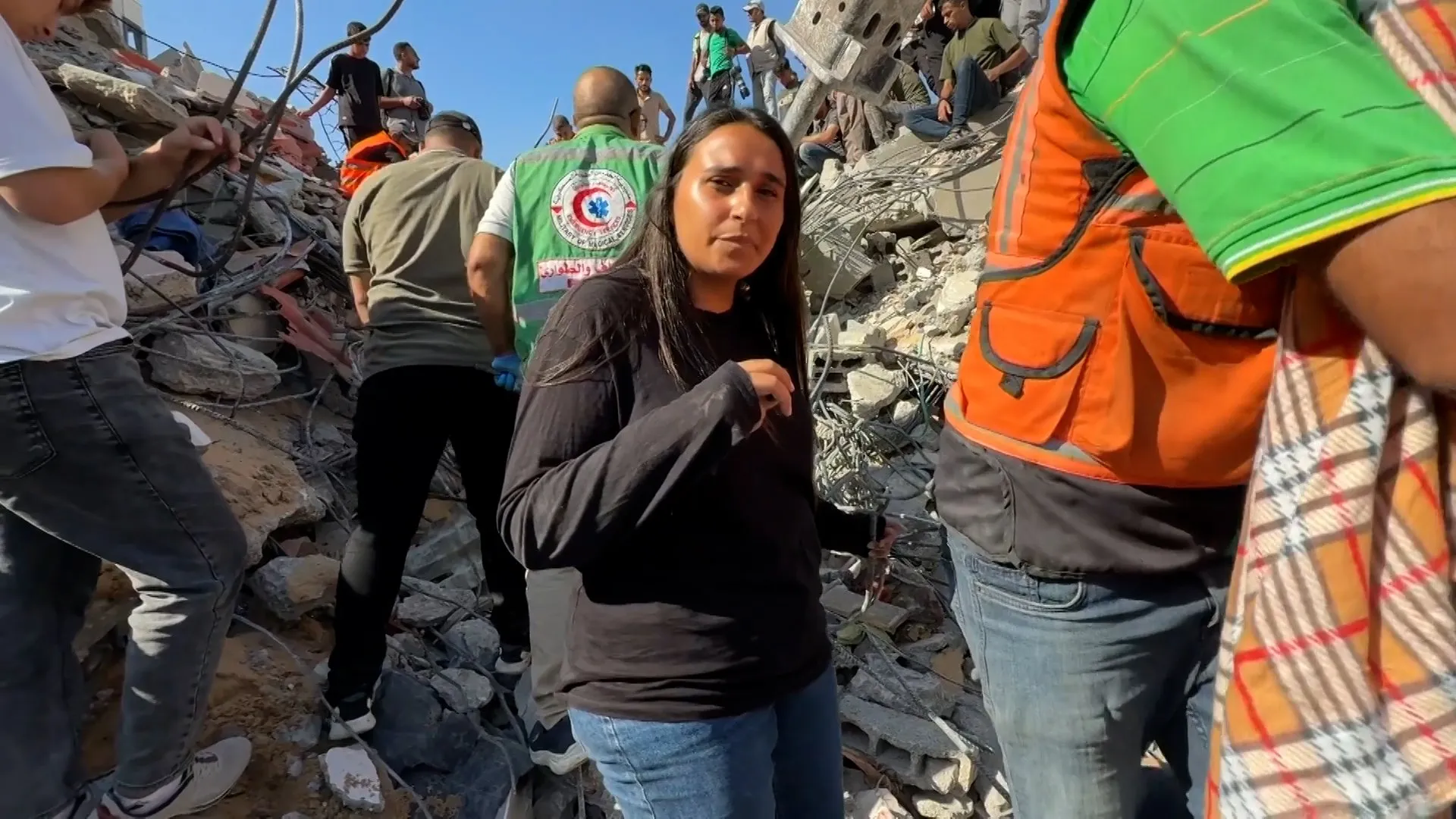
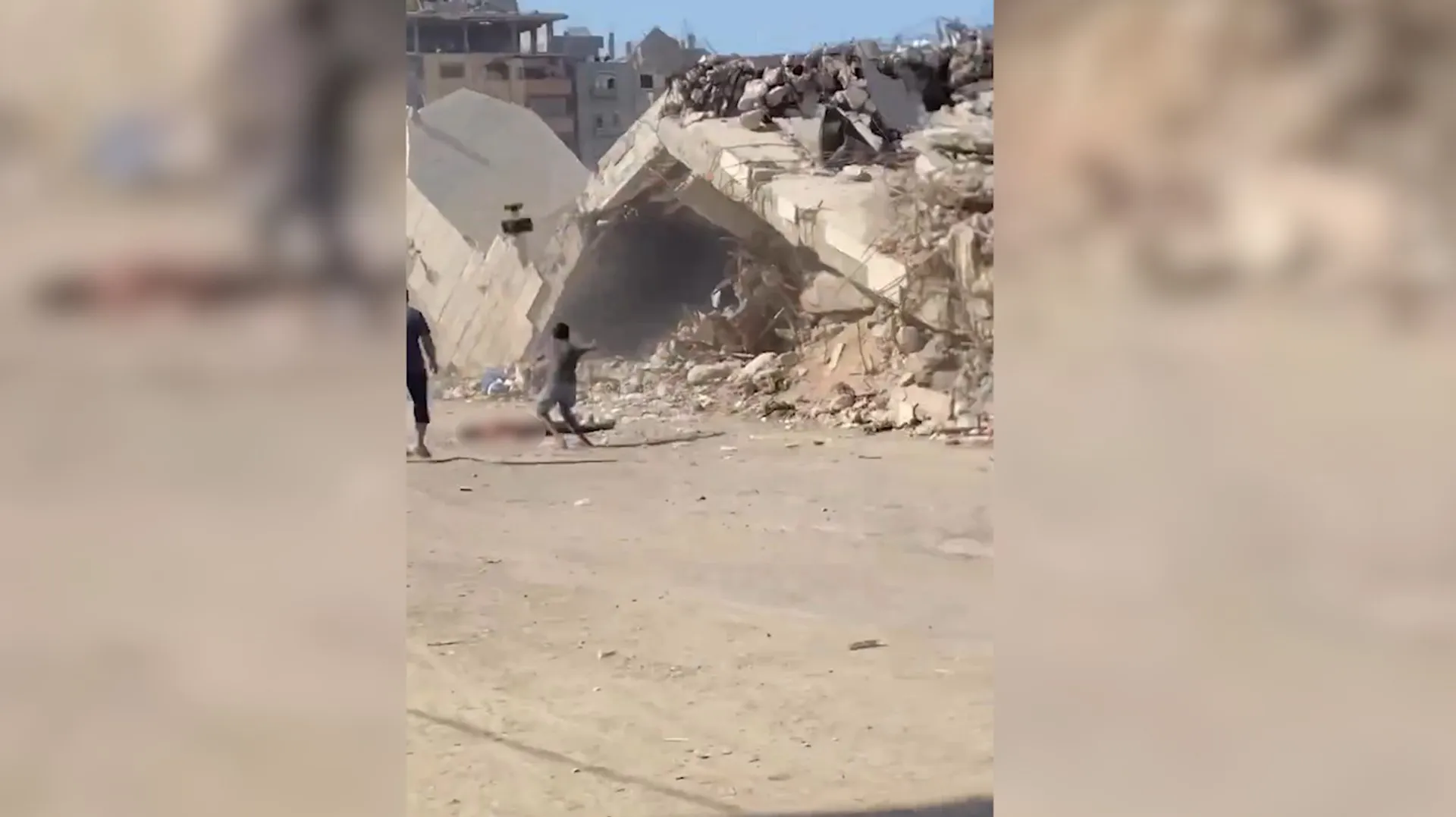
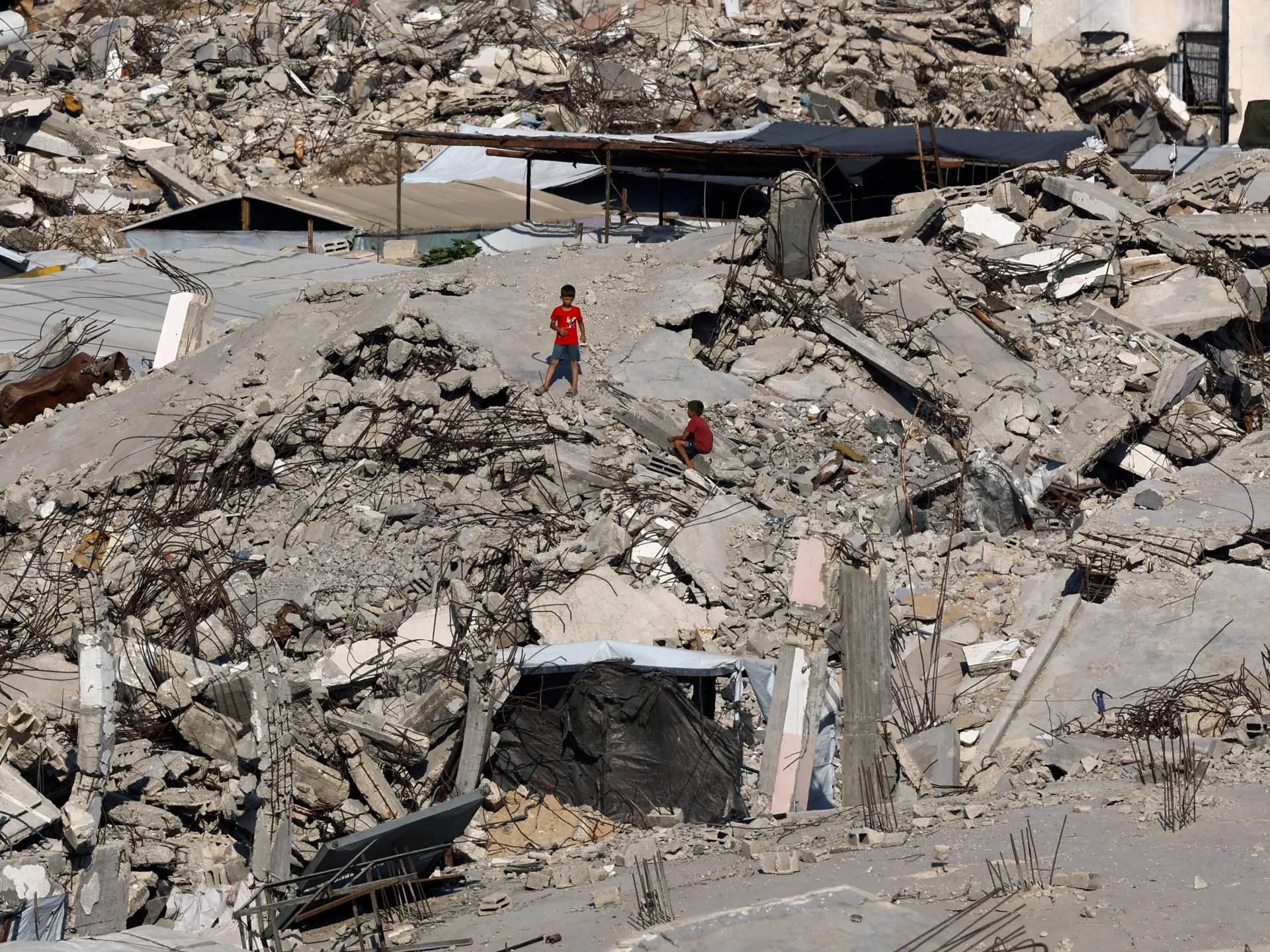
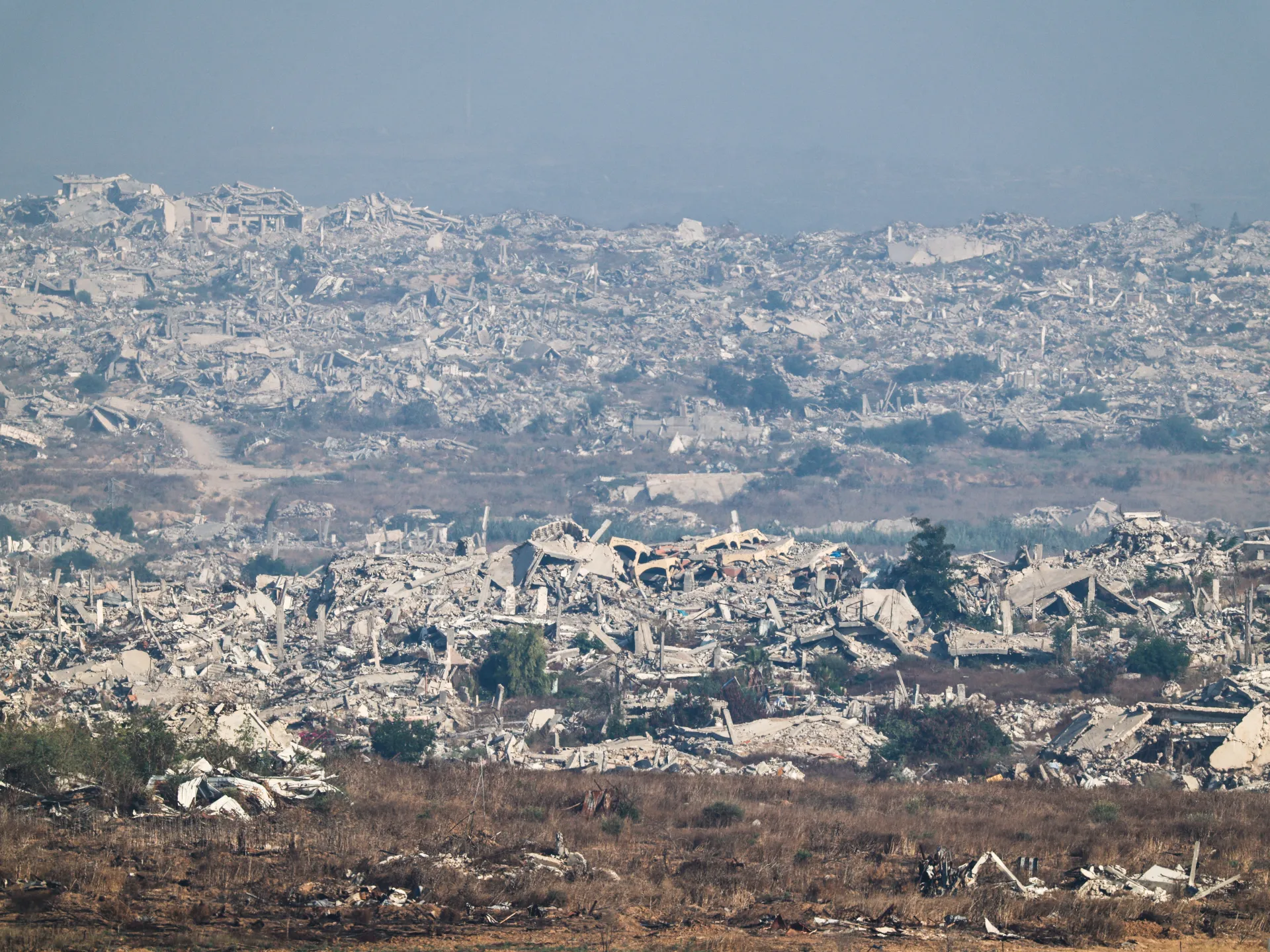
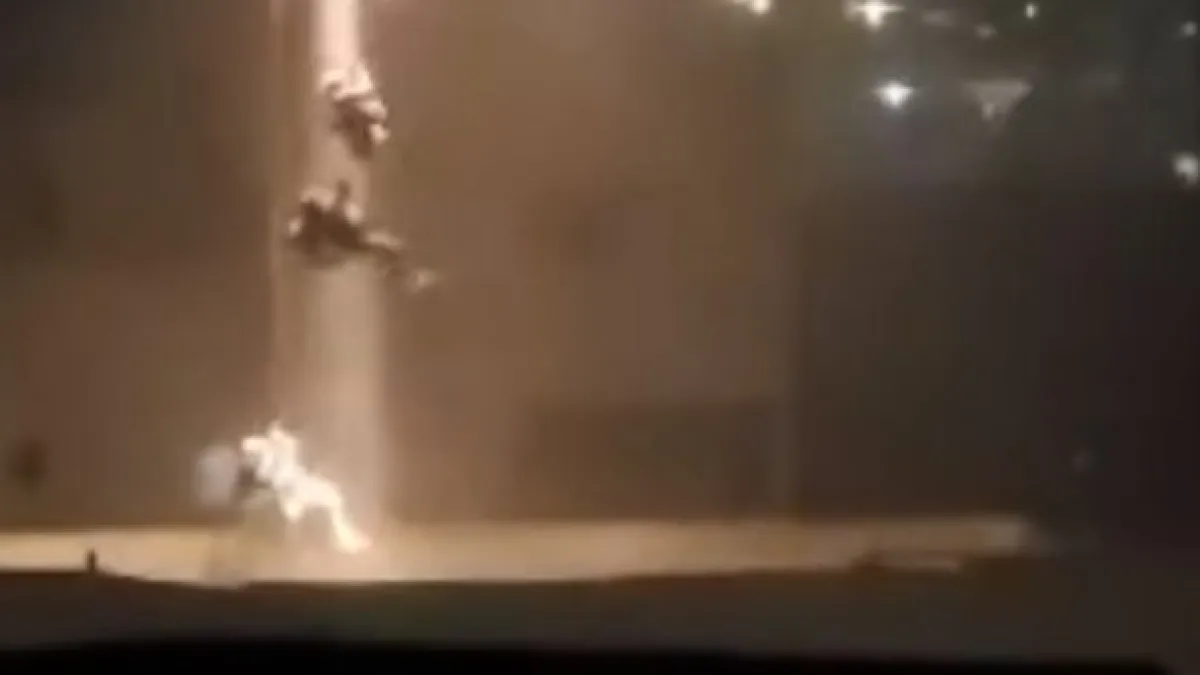
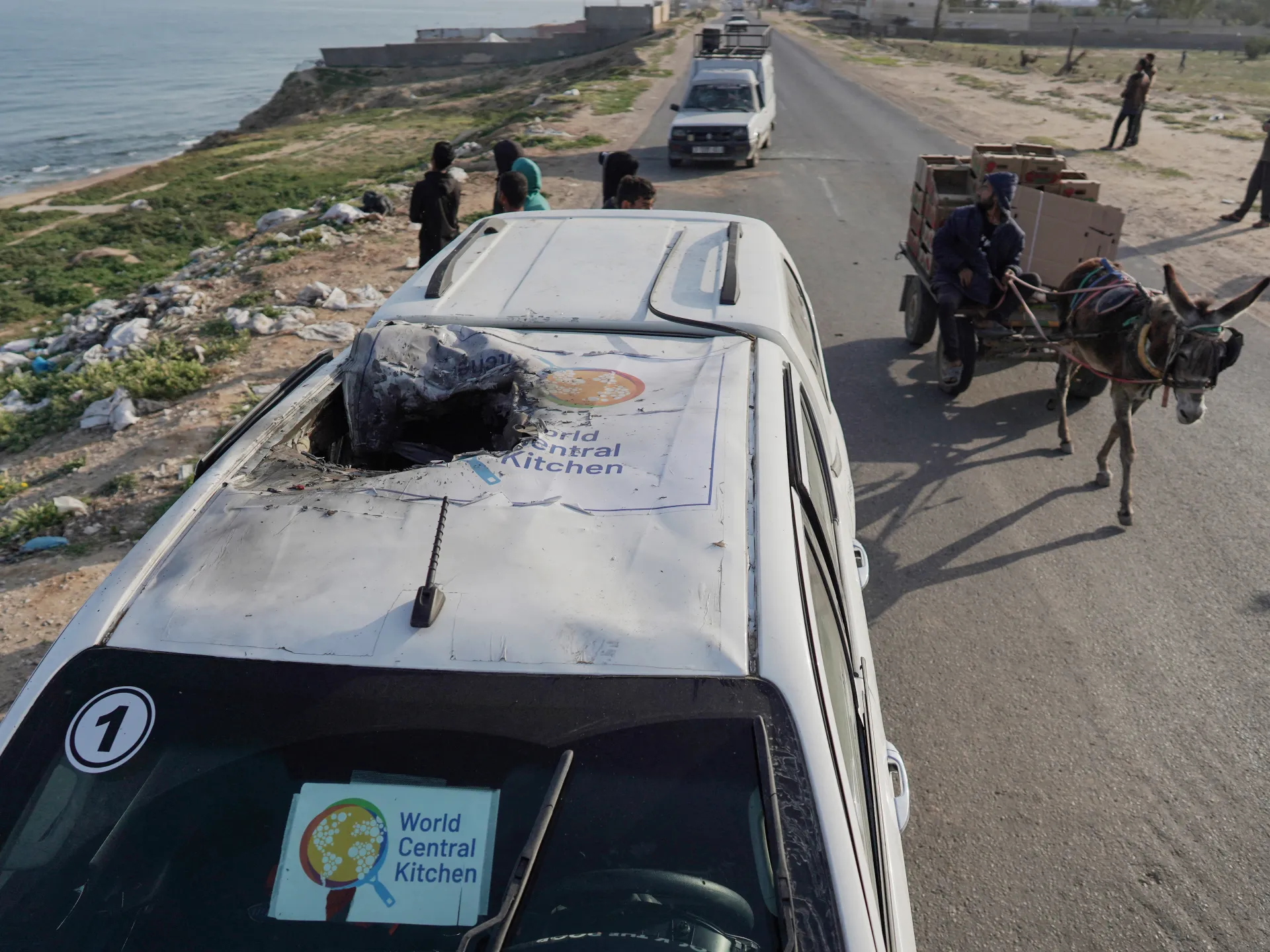
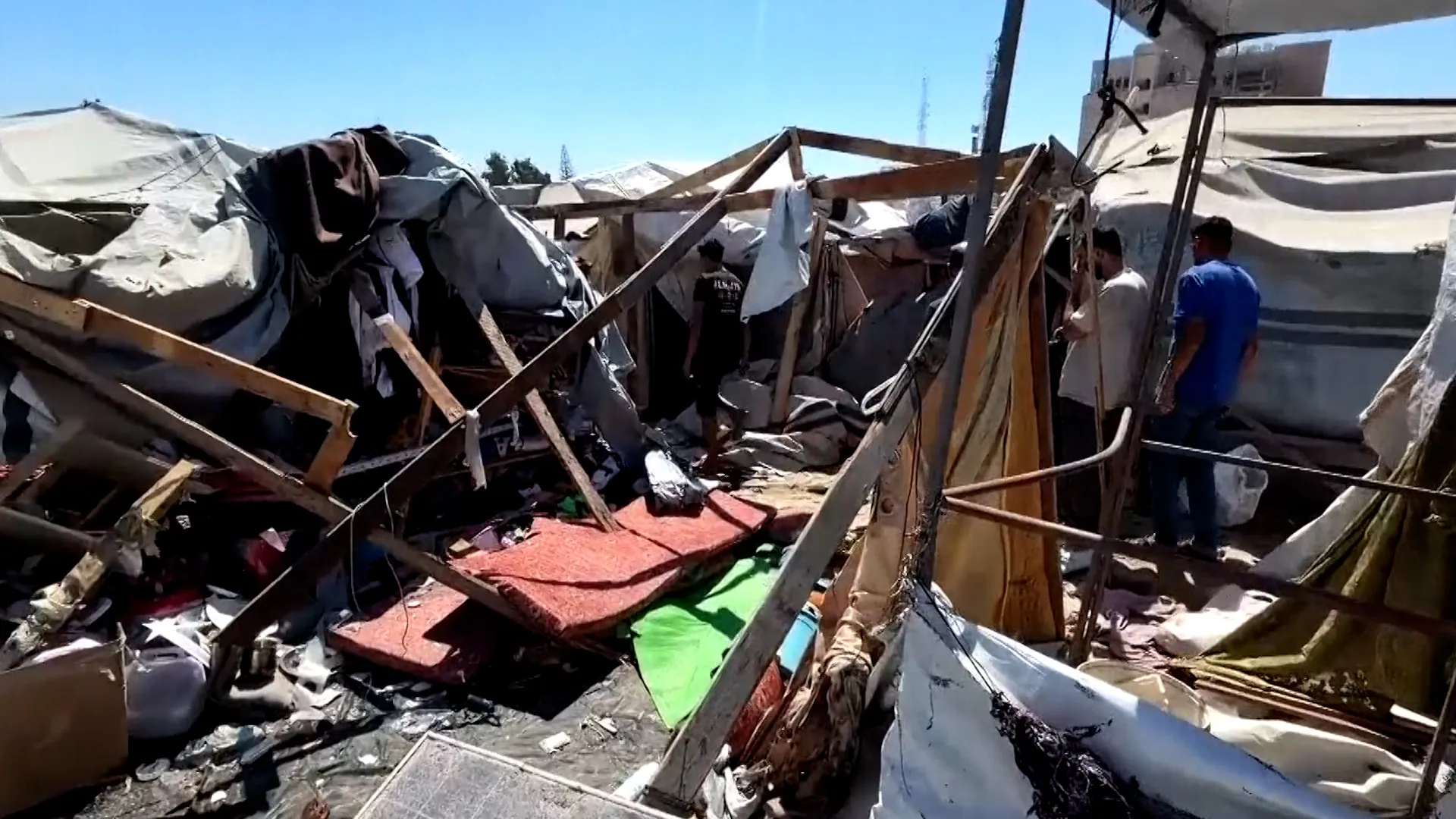
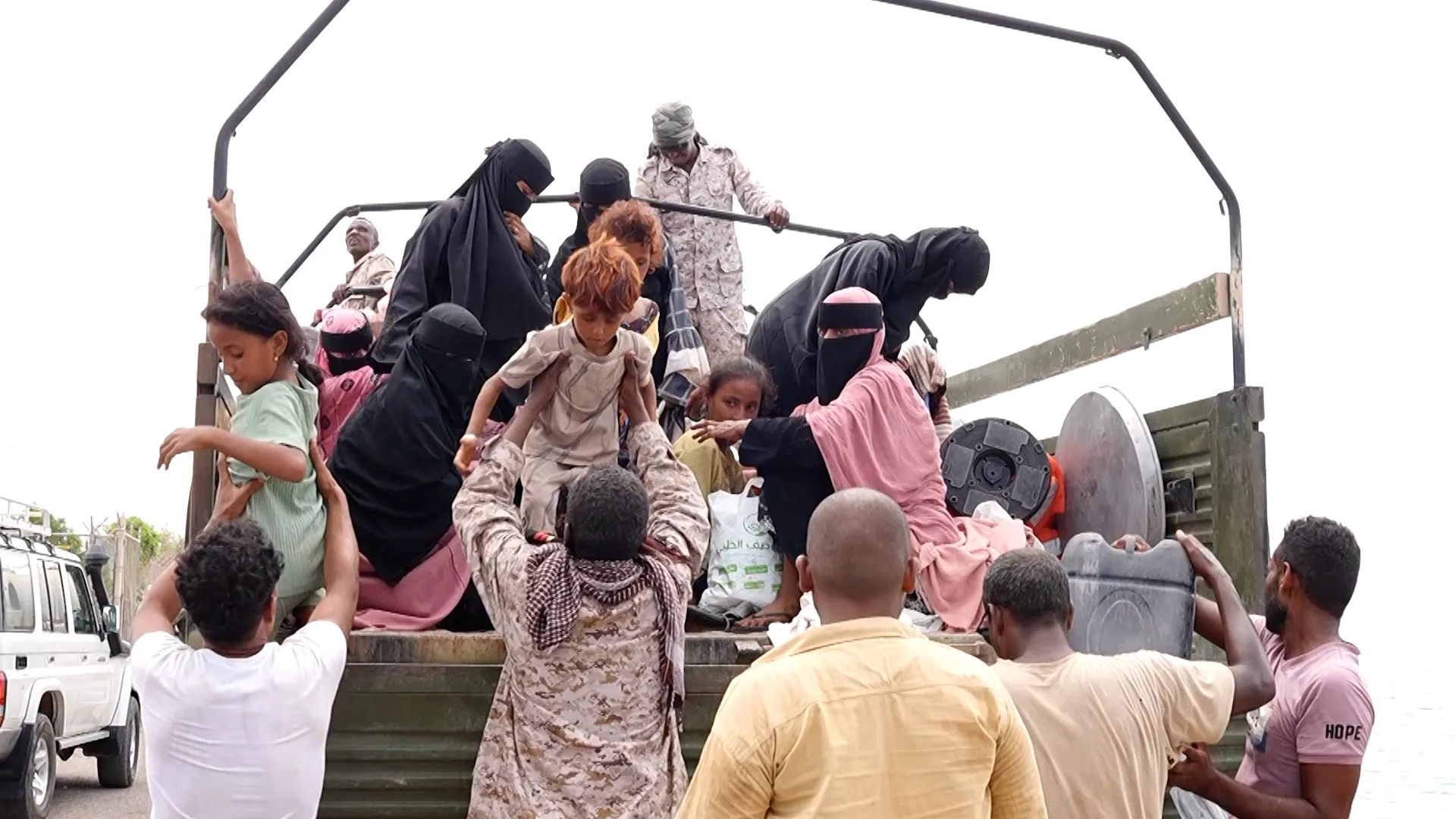
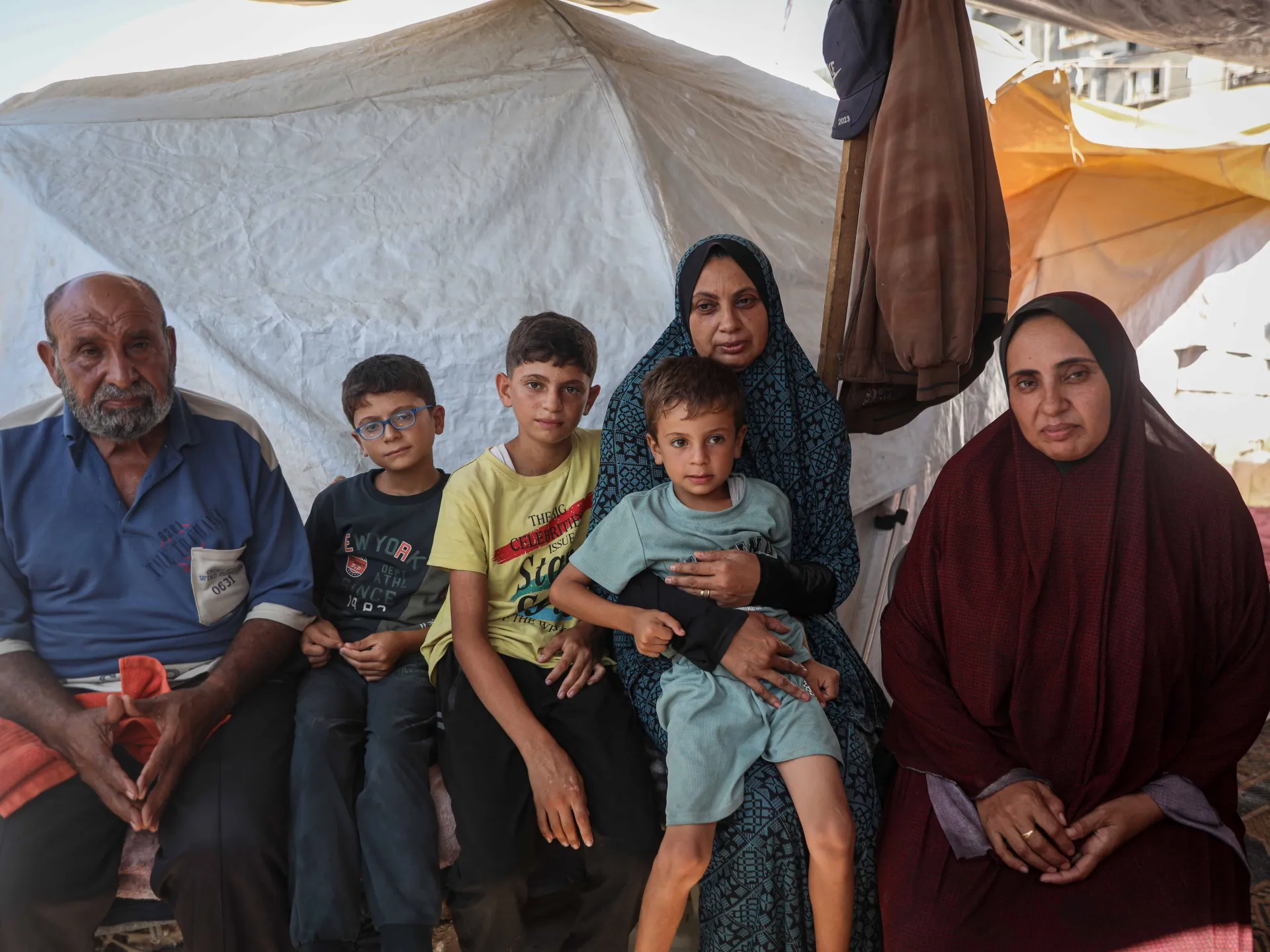
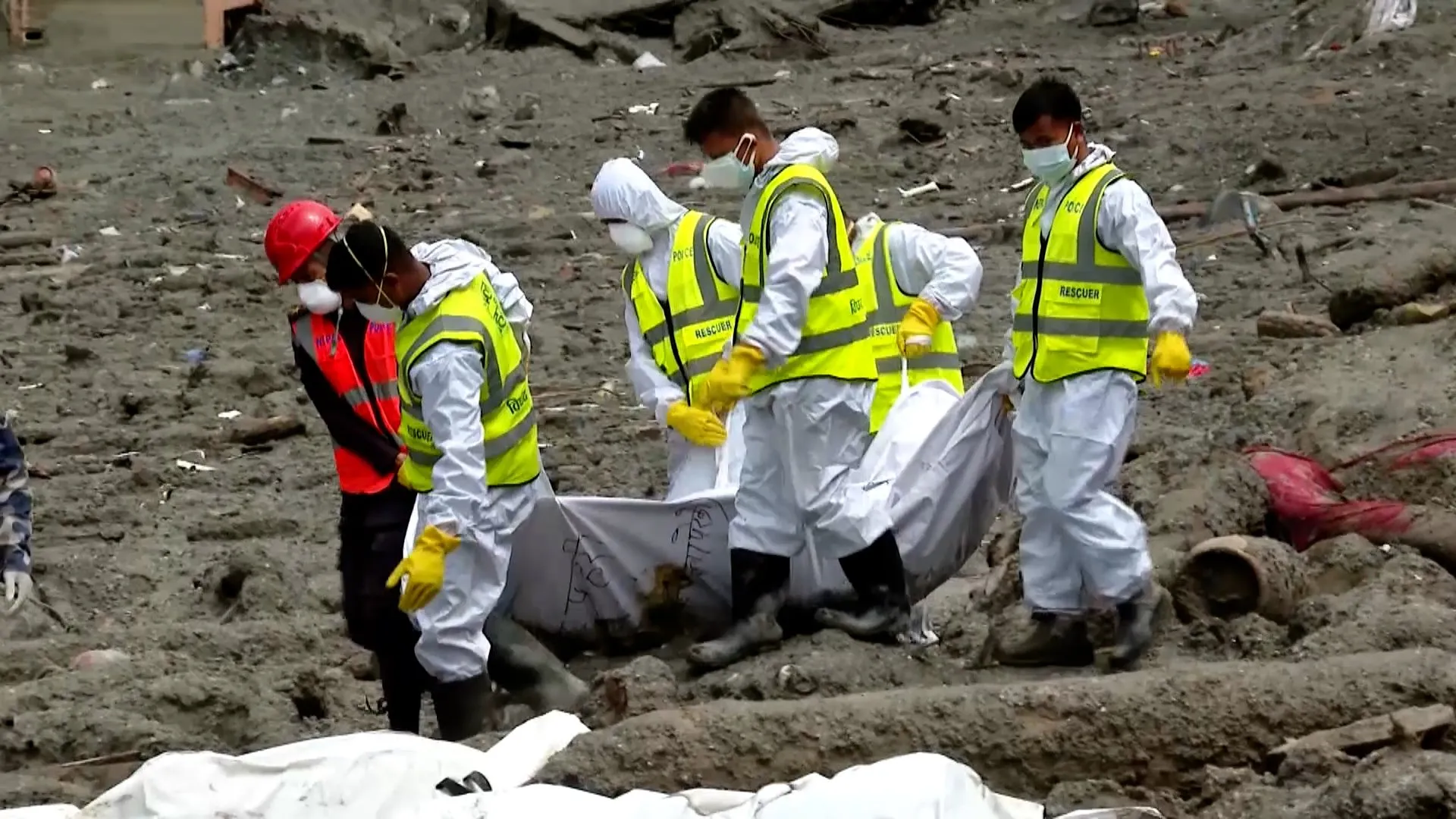
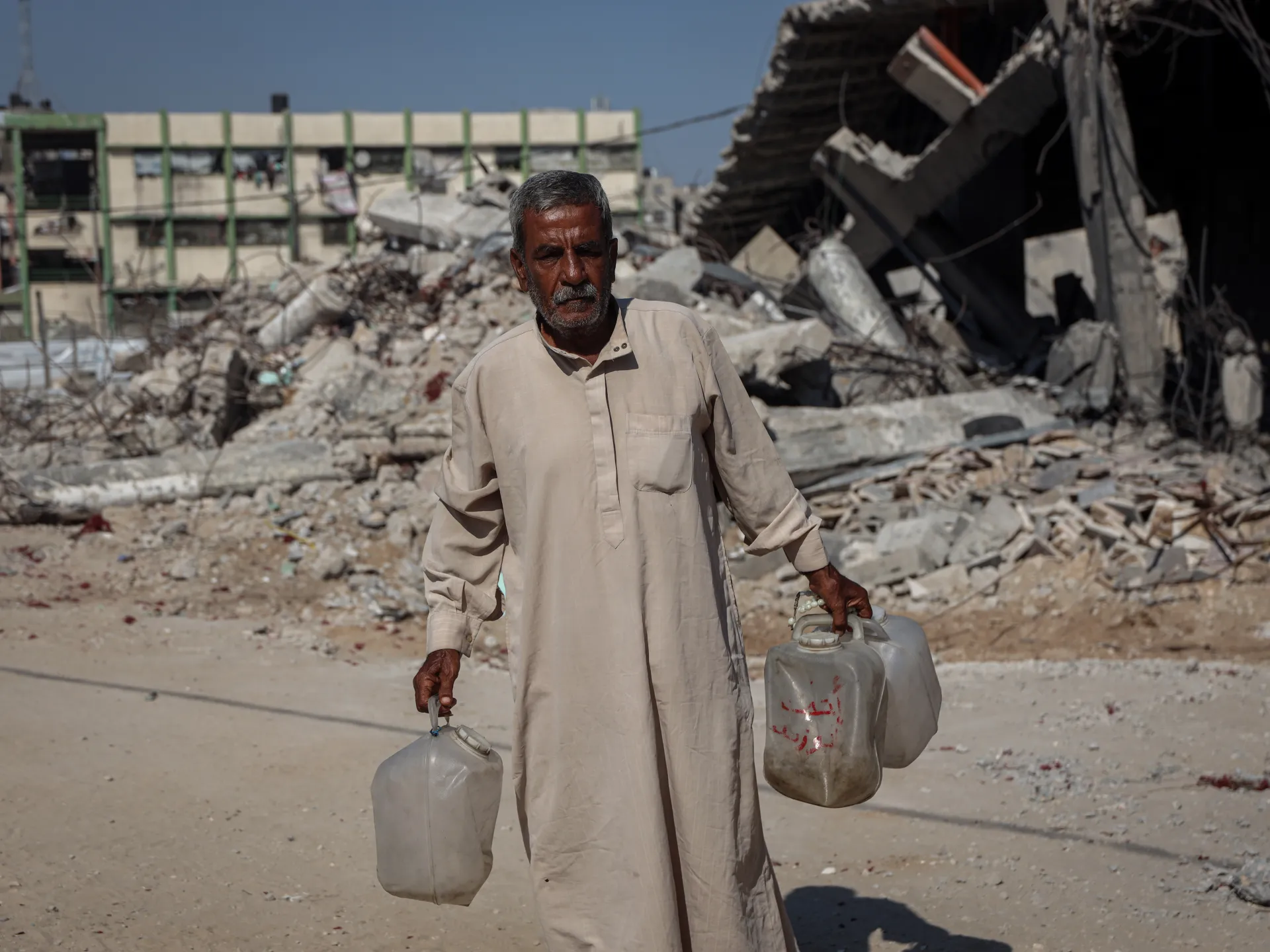
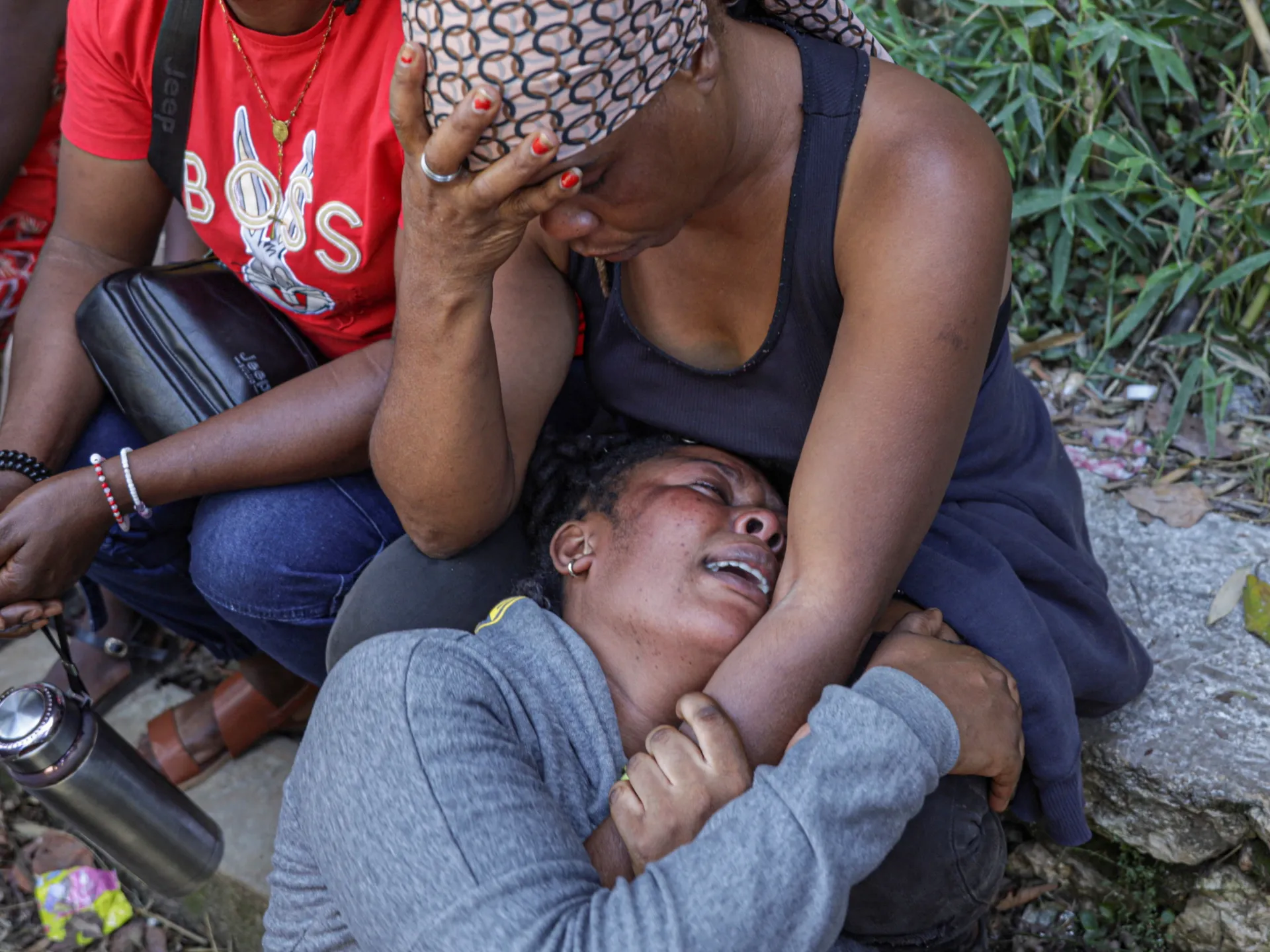
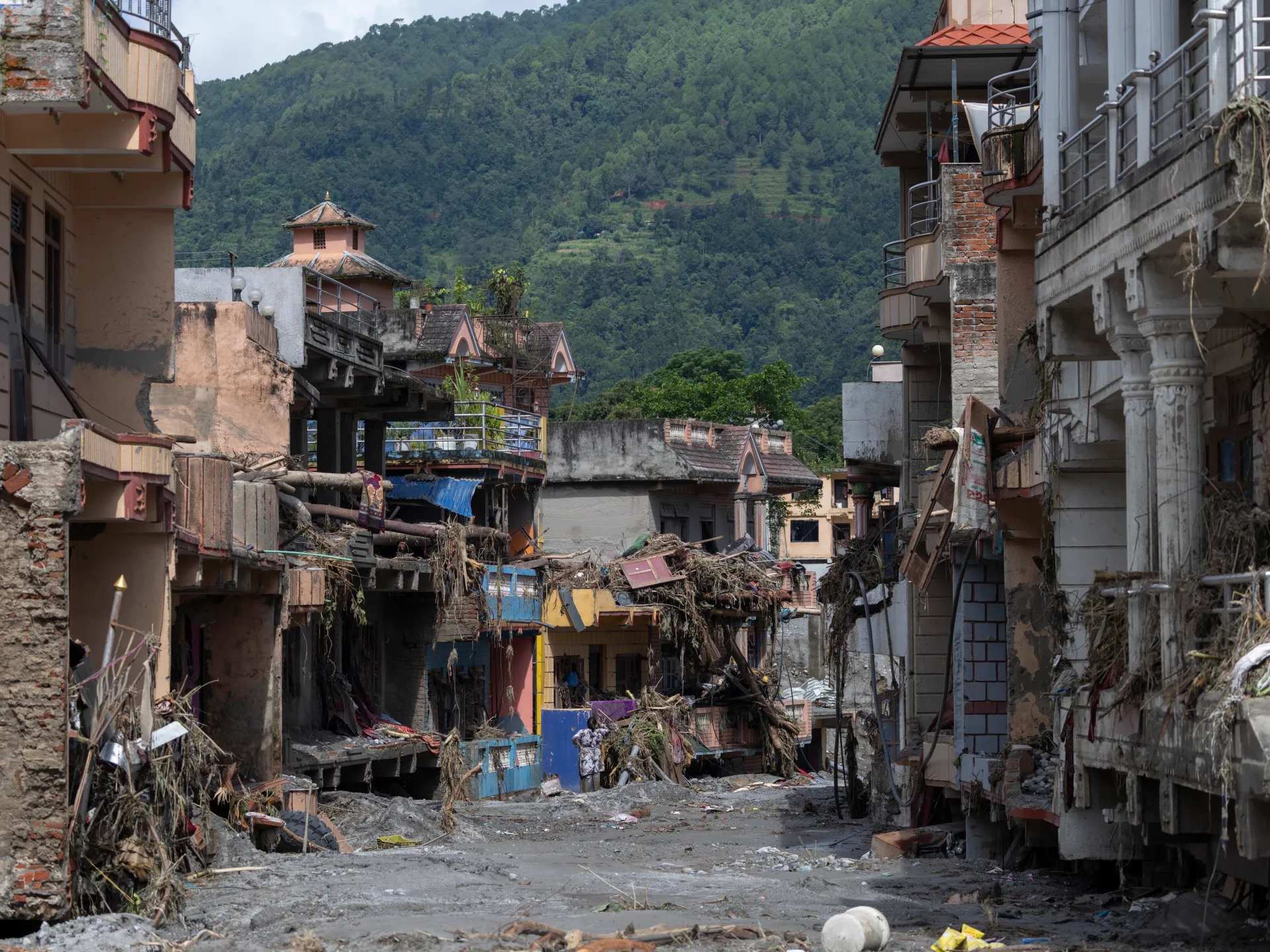
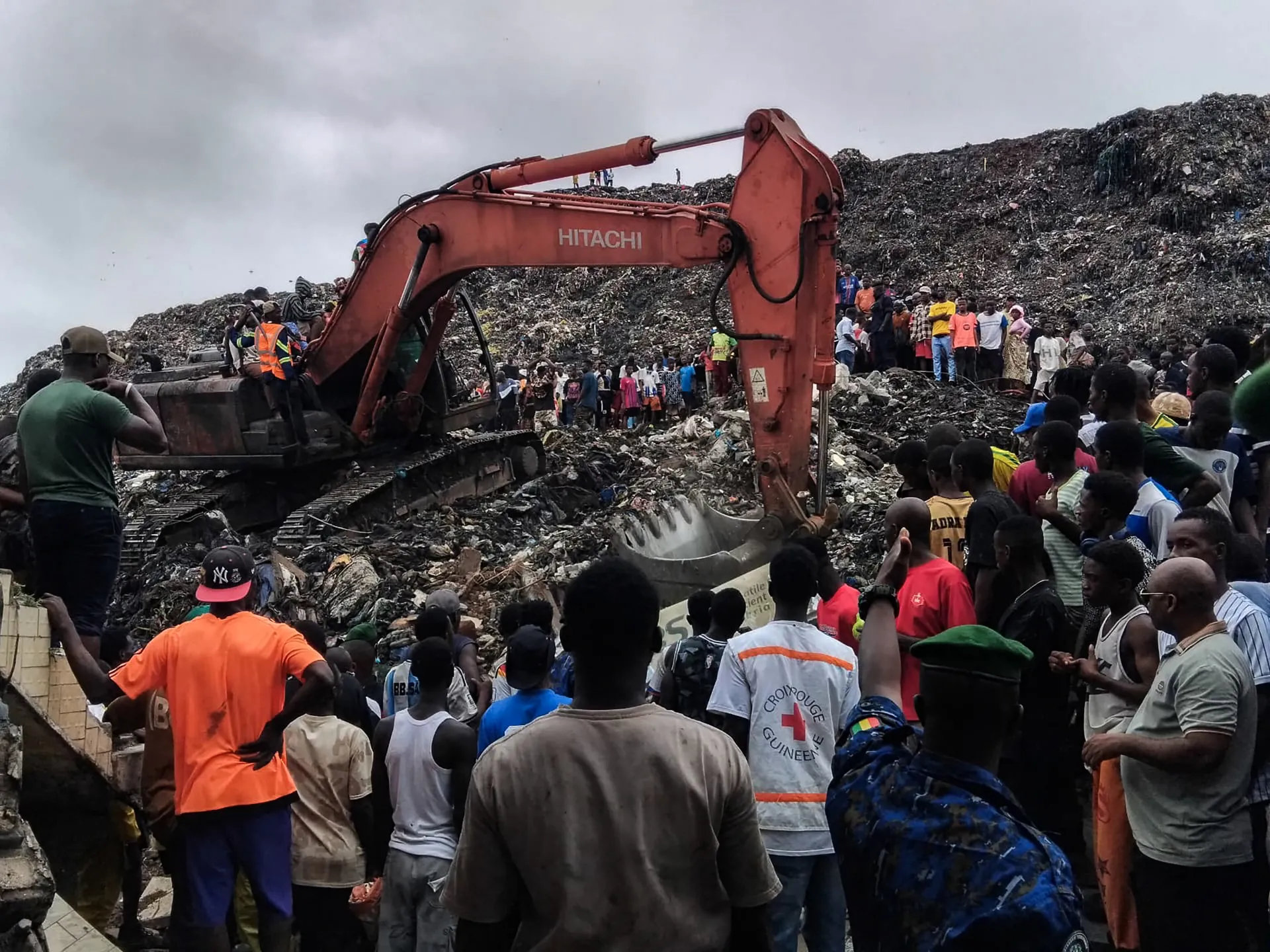
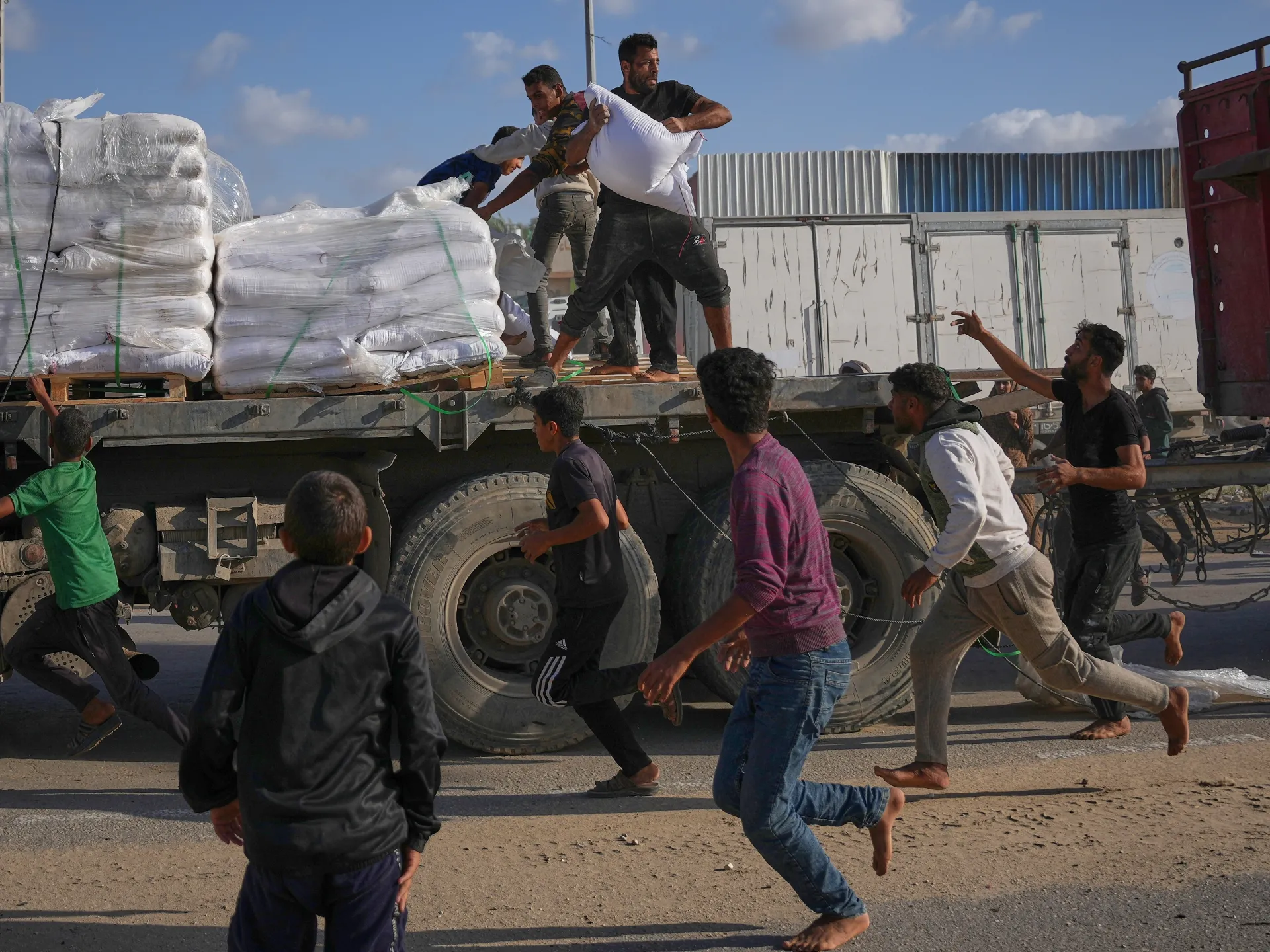
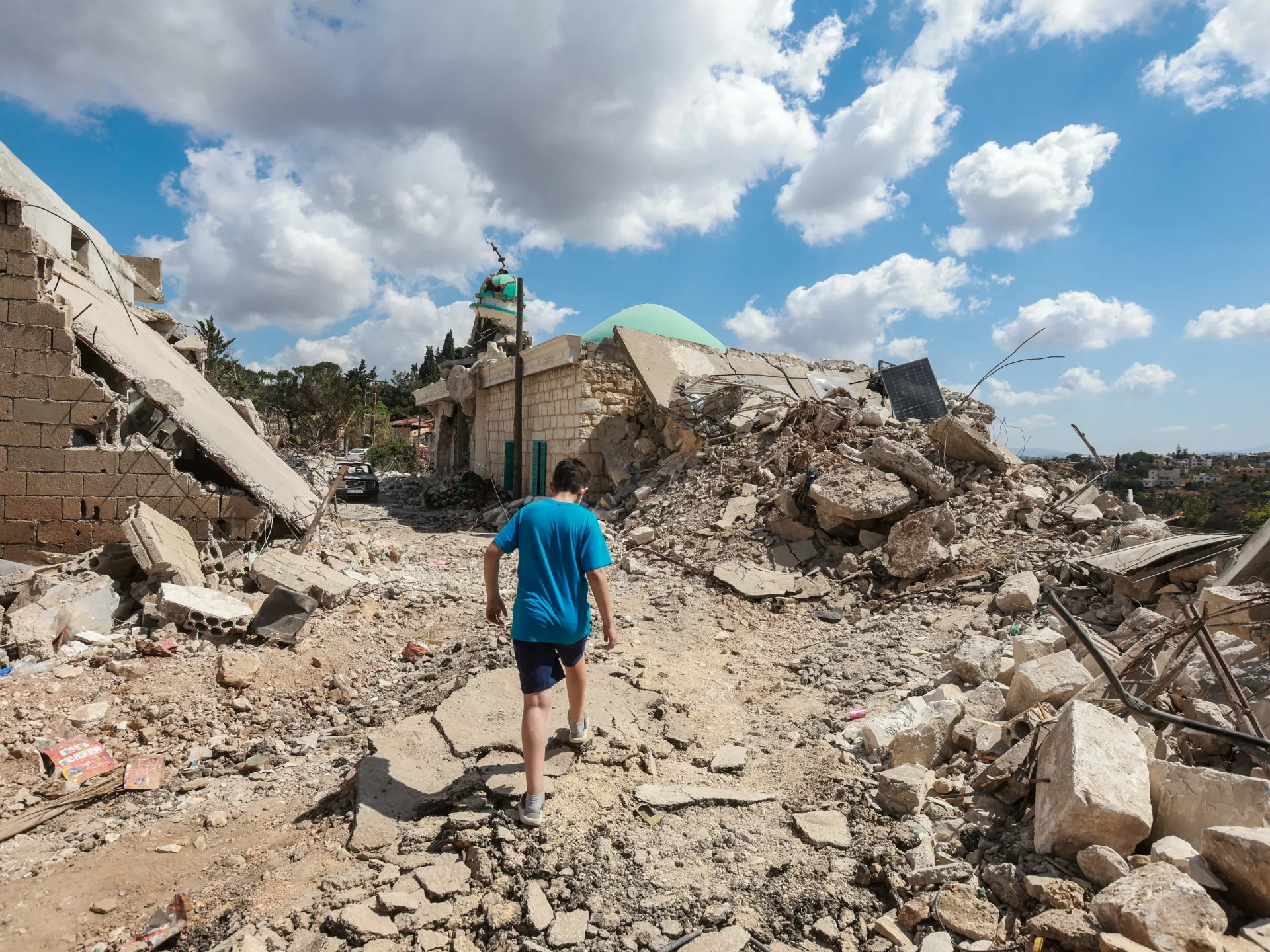
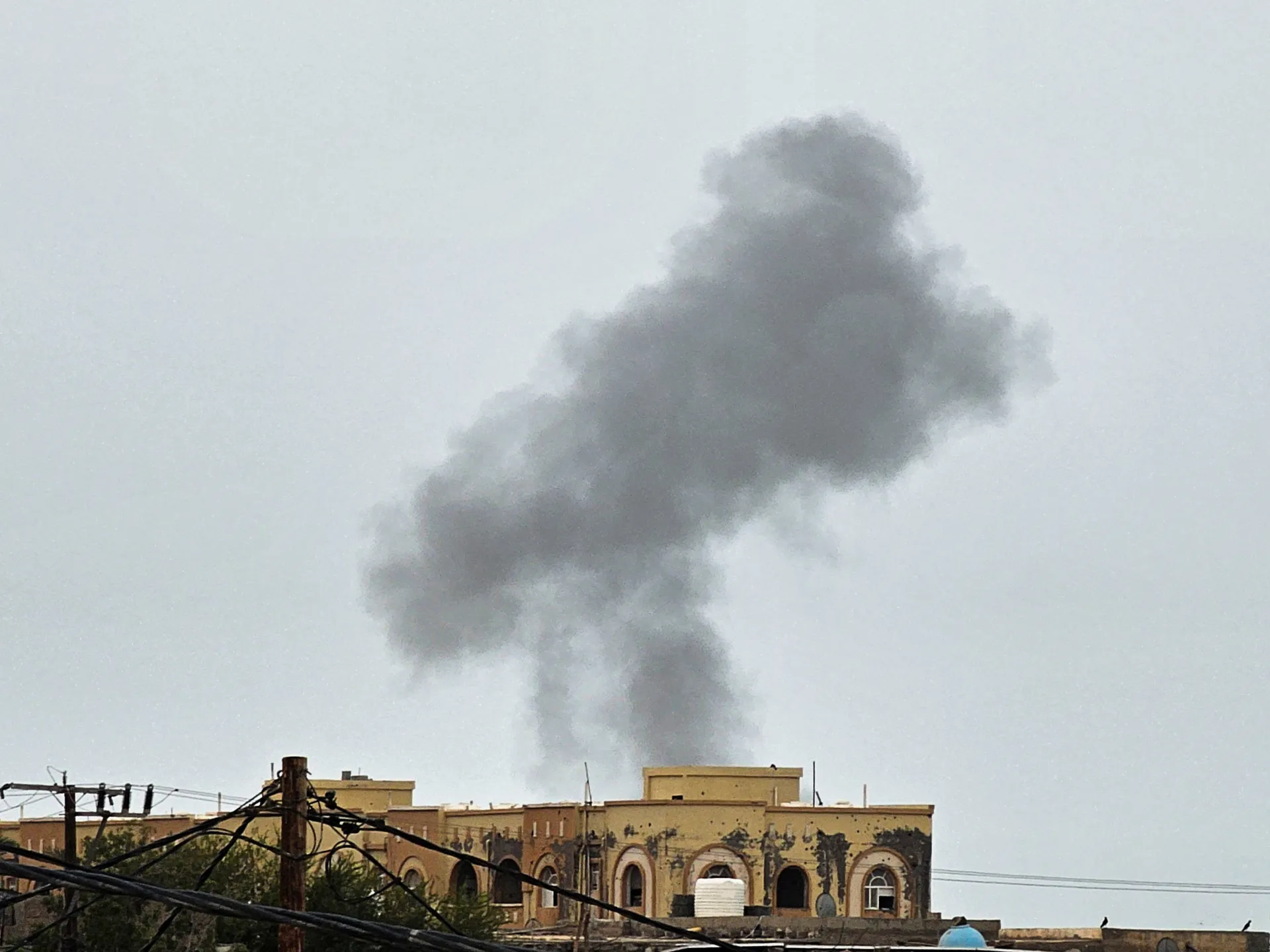
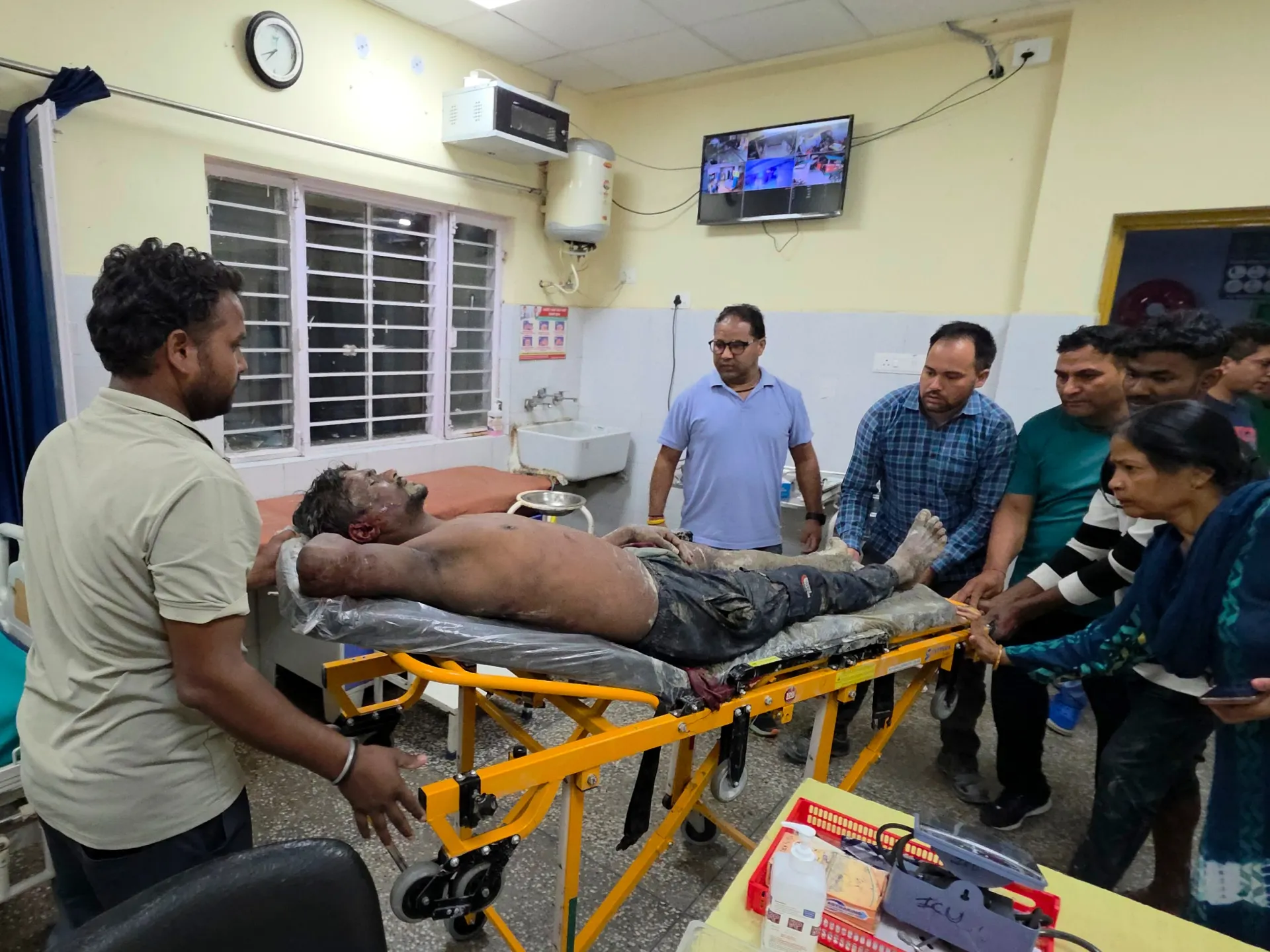
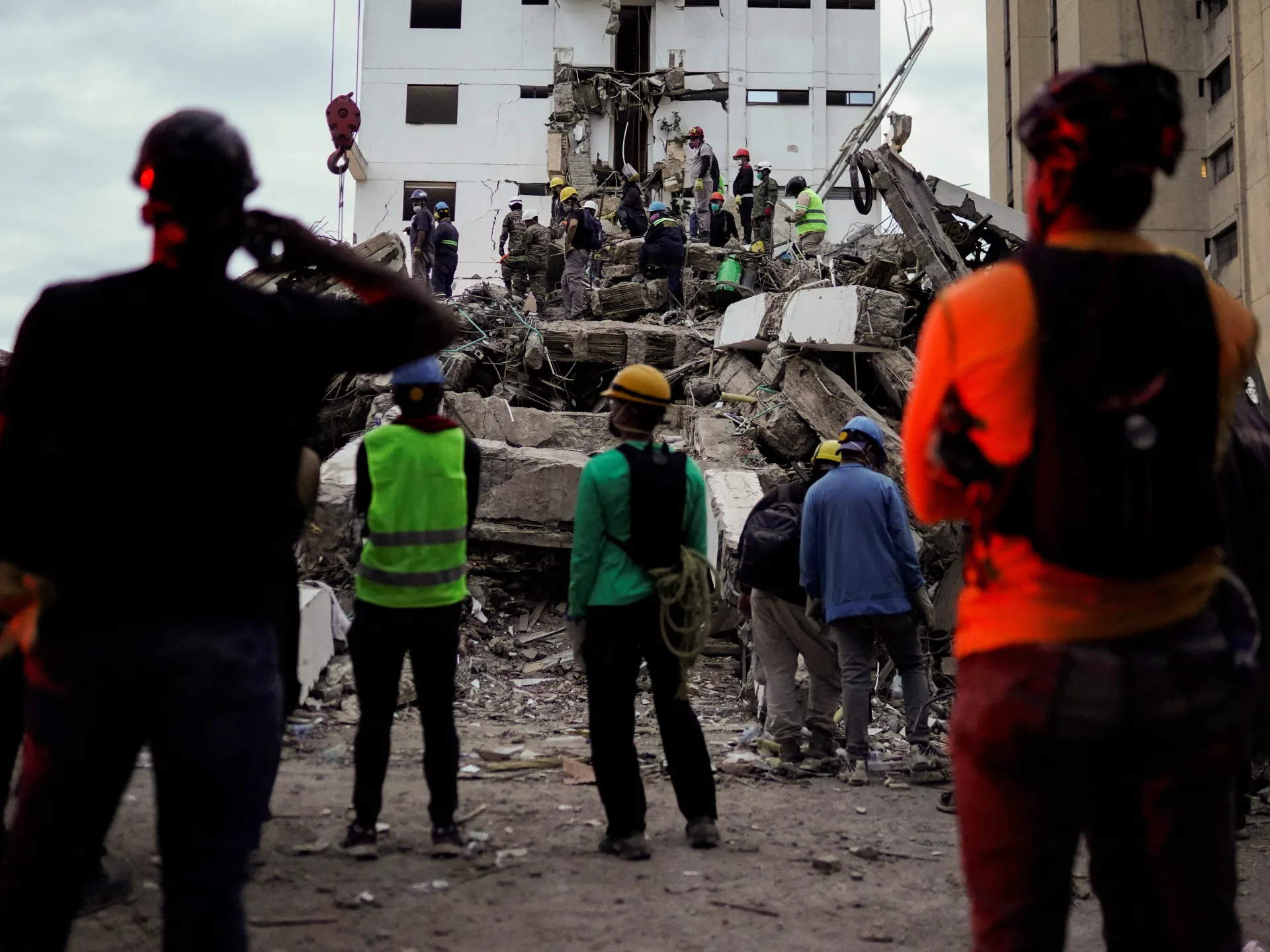
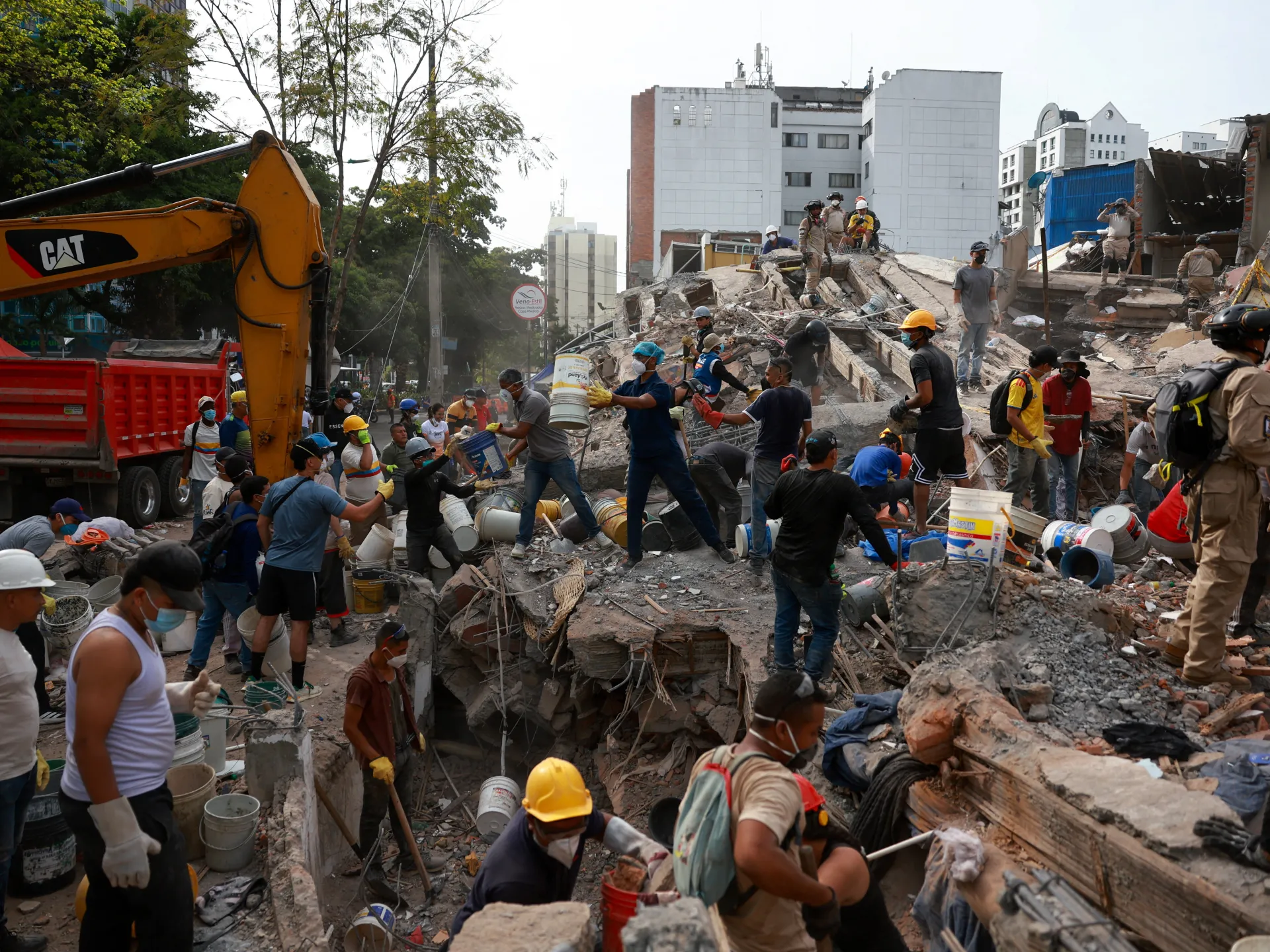
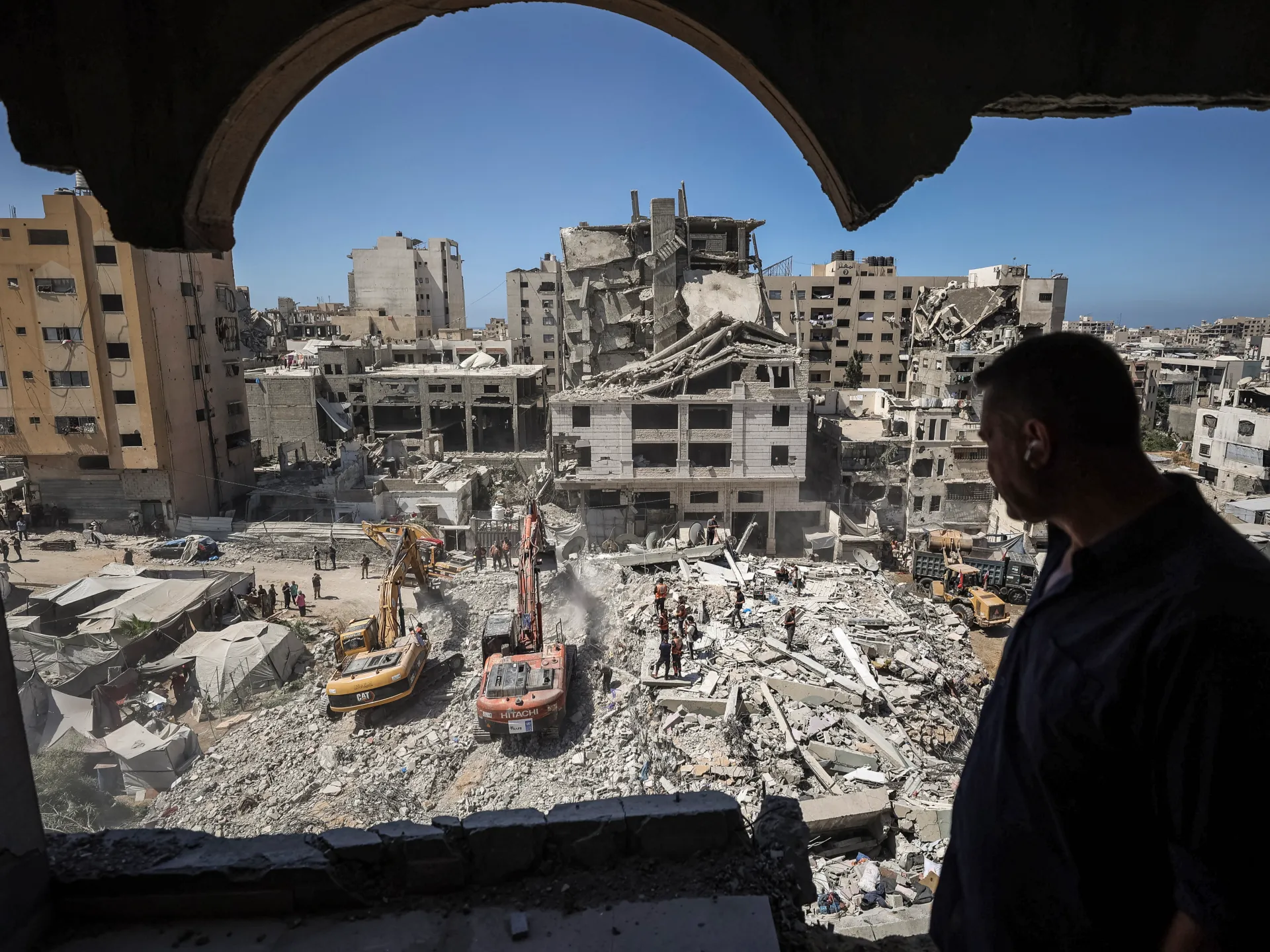
Simultaneously, the situation in Gaza remains acute. Friday’s strike on a motorcycle in Gaza City’s Sheikh Radwan neighborhood, which resulted in a fatality and critical injuries to a child, serves as a microcosm of the daily volatility experienced vity, including strikes near Asqula Junction, which continue to occur despite warnings from global health agencies. With the Ministry of Health reporting that the medical system is on the verge of total collapse, the inability to clear rubble or access specialized medical equipment for the injured represents a deepening humanitarian catastrophe that shows no signs of abatement.
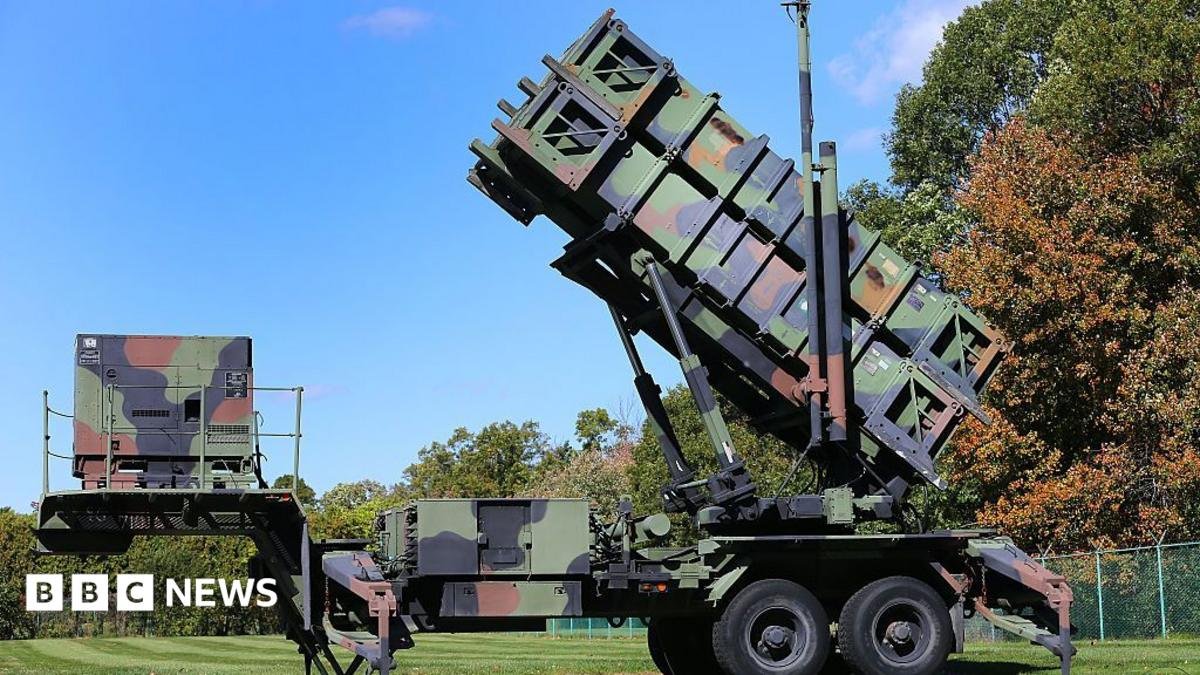
The path forward is characterized rabilities at its regional bases will likely trigger an immediate, albeit quiet, shift in force posture. This may include the deployment of additional defensive batteries, a reallocation of high-value assets to more secure geographic locations, or a fundamental change in the rules of engagement. The pressure on the Pentagon to provide a full accounting of the damage to the American public will likely increase as the visual evidence becomes harder to dismiss.
Regarding the conflict in Gaza, the current trajectory suggests a continuation of the status quo unless a significant diplomatic intervention occurs. With the health system nearing total collapse and no clear mechanism for the influx of essential heavy equipment for rubble removal, the humanitarian conditions are expected to deteriorate further. Analysis of the current operational environment indicates that as long as the strategic friction between the U.S. and Iran persists, the theater of operations will remain highly susceptible to rapid, localized escalations that threaten to draw in additional regional actors.