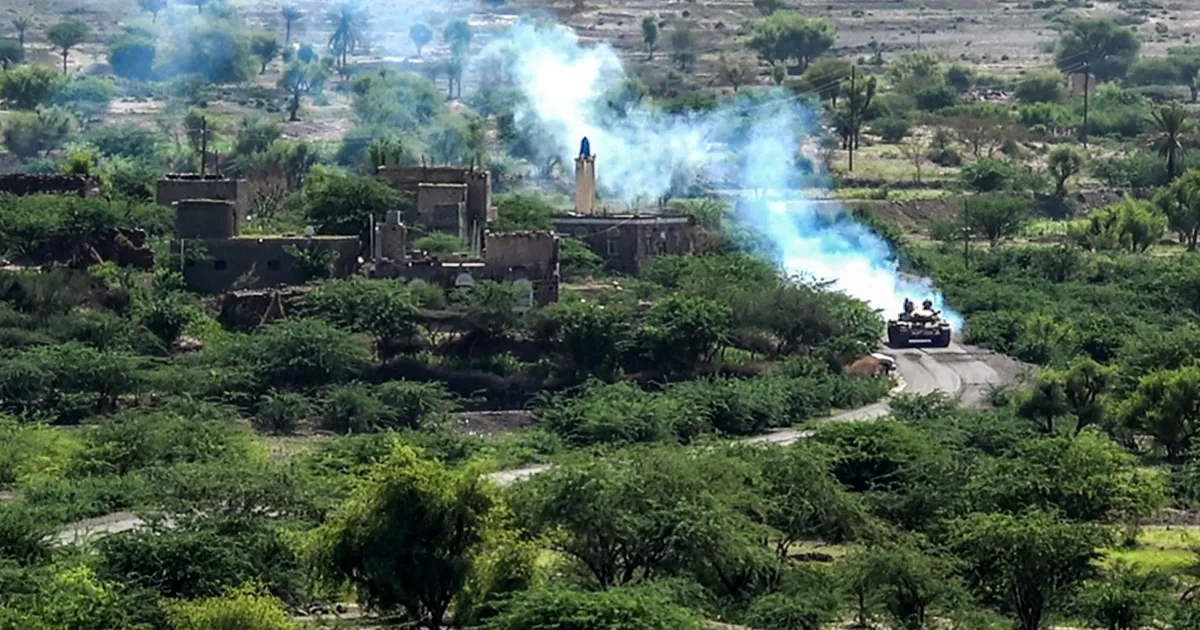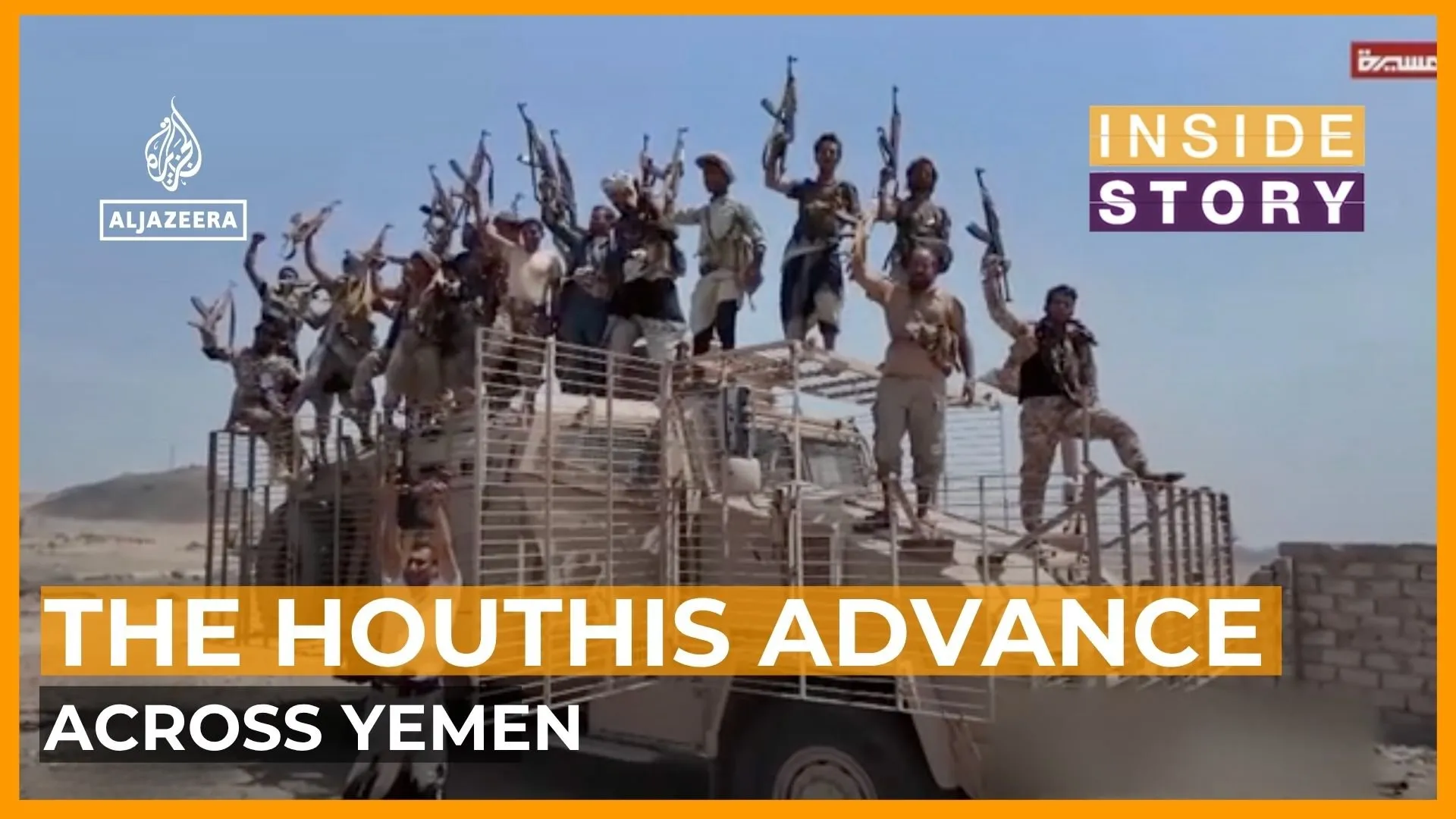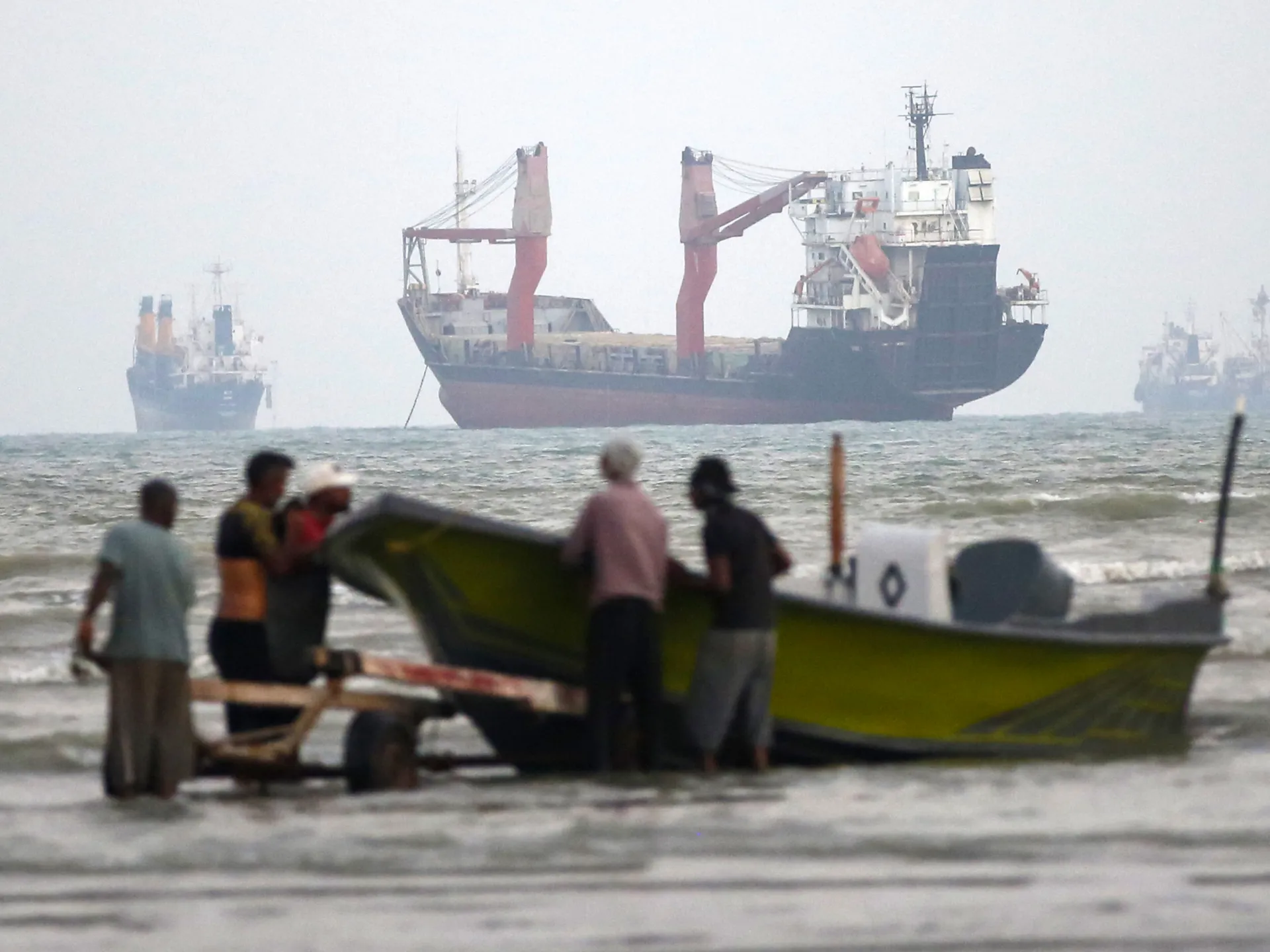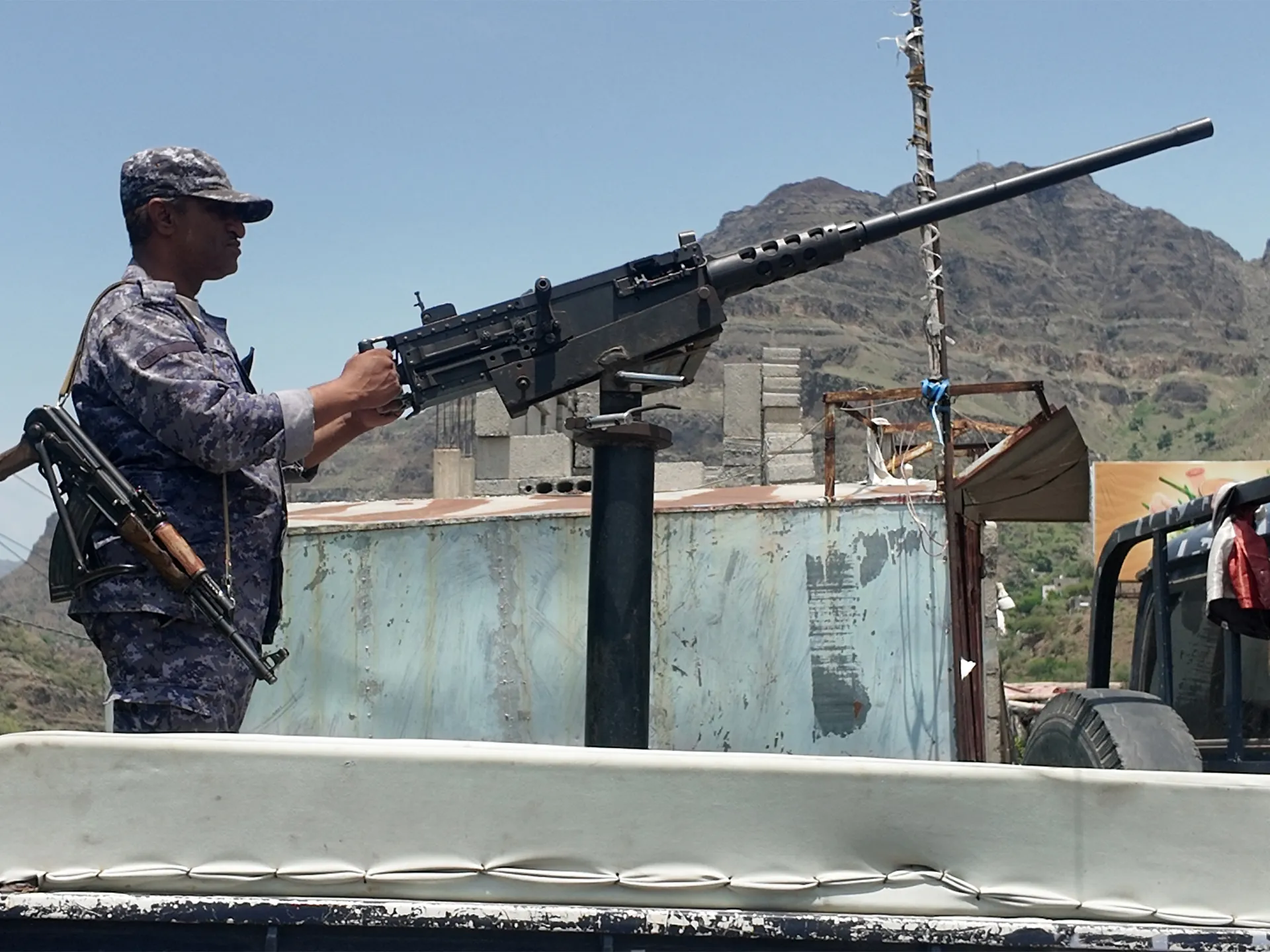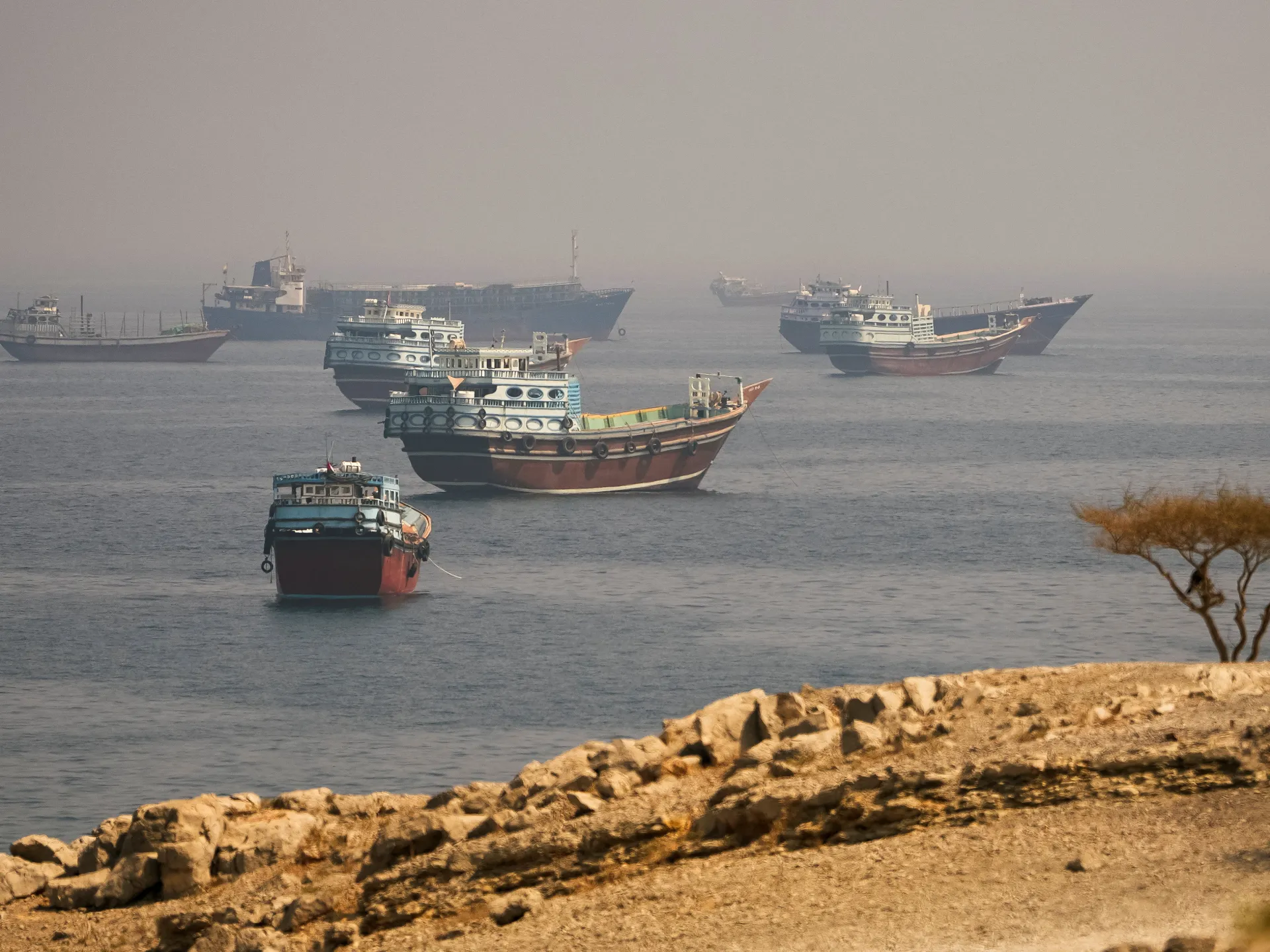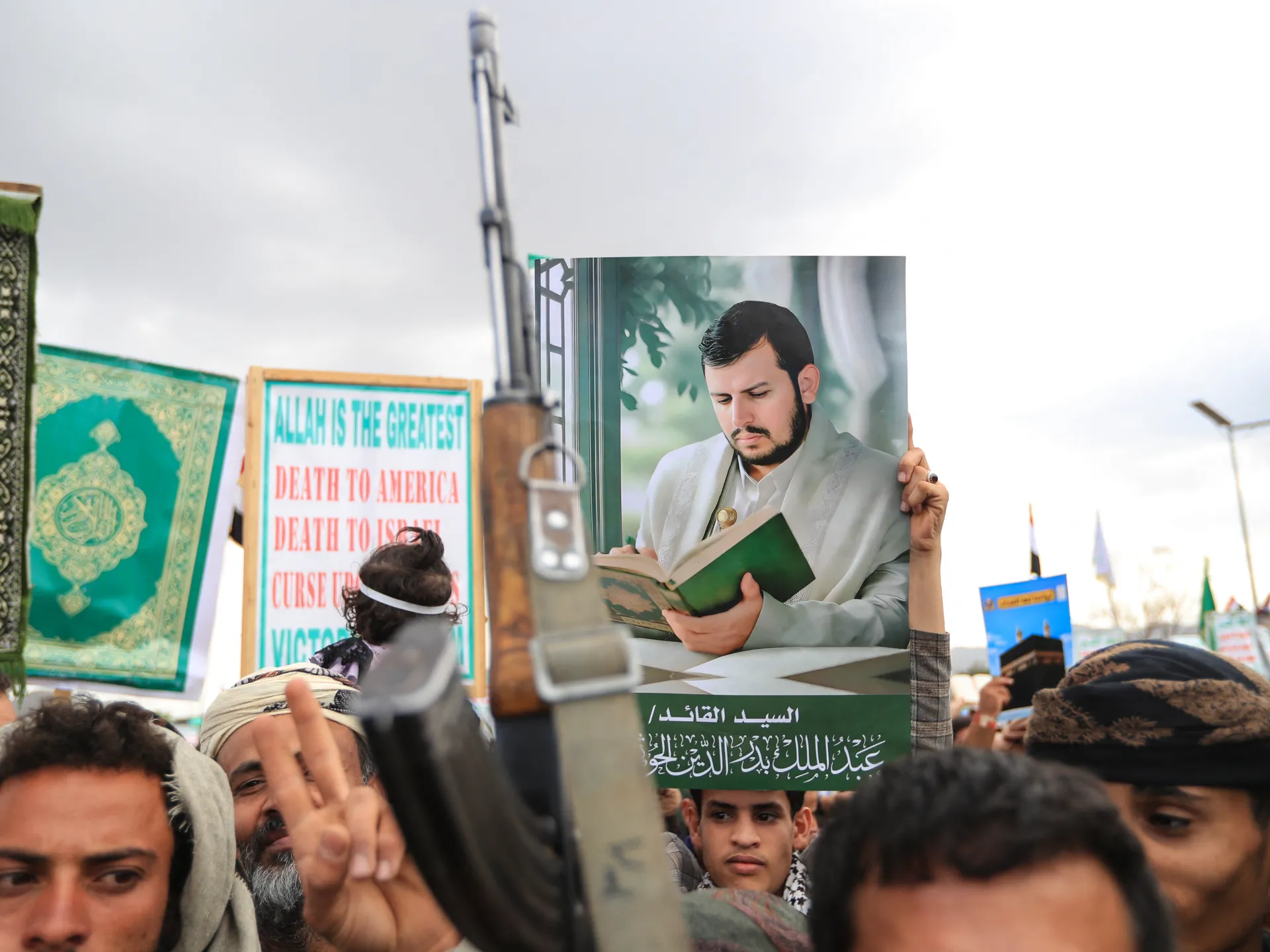
As Houthi rebels seize key strategic positions along the Red Sea, international powers scramble to secure vital shipping lanes amidst a spike in regional violence.
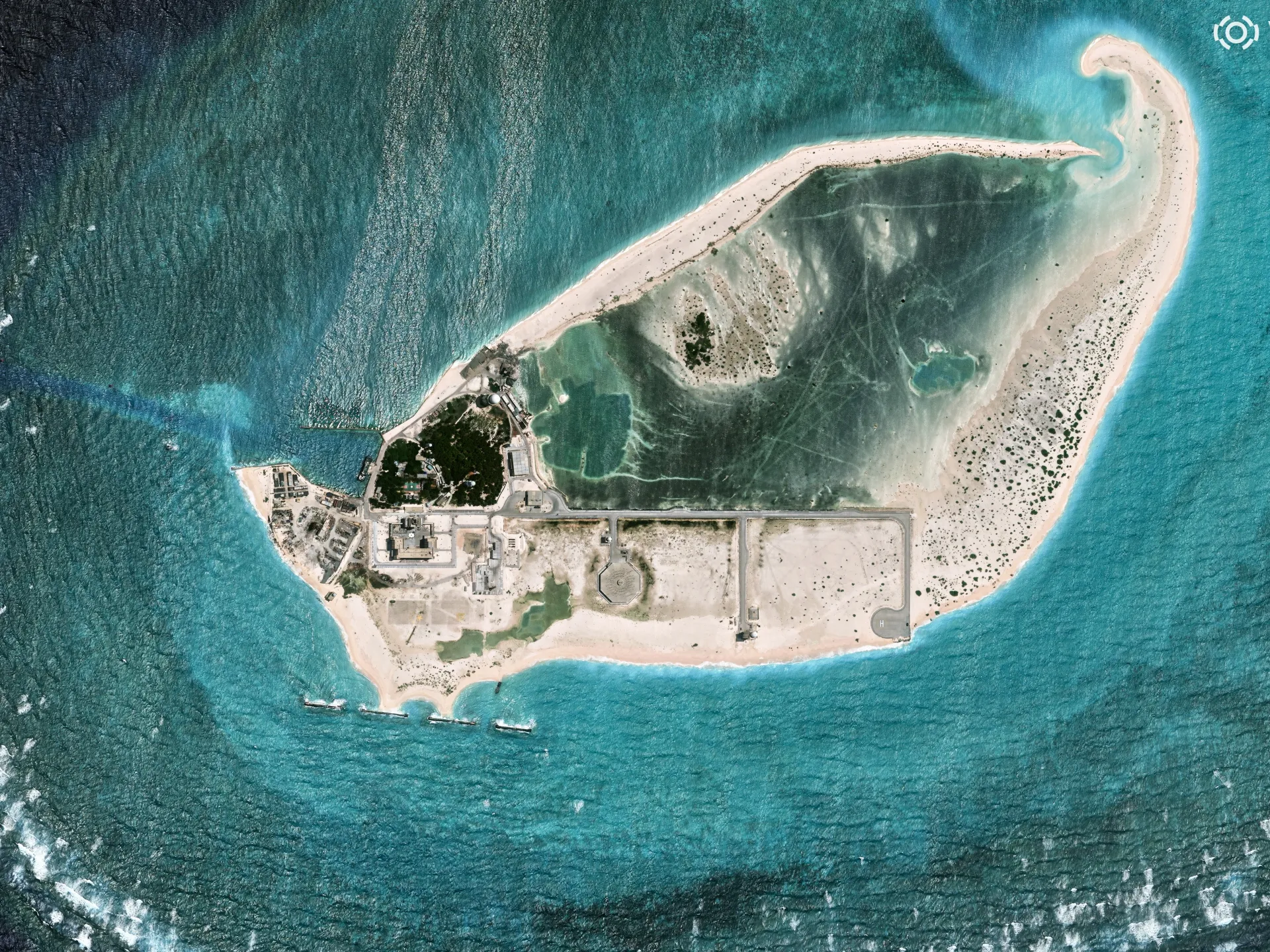
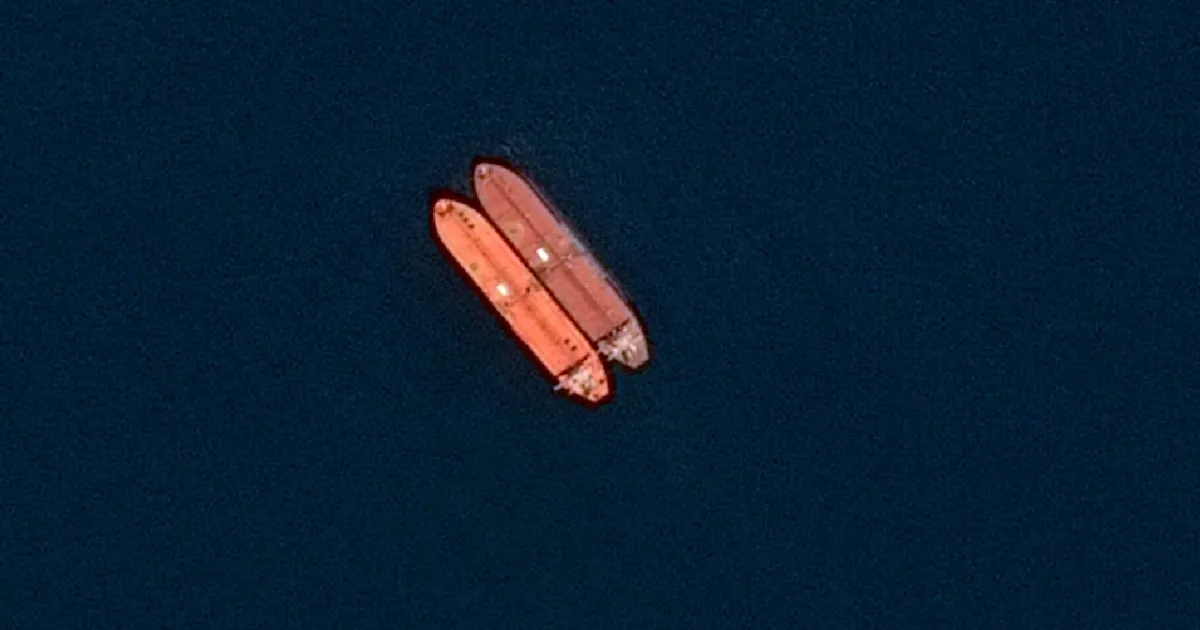
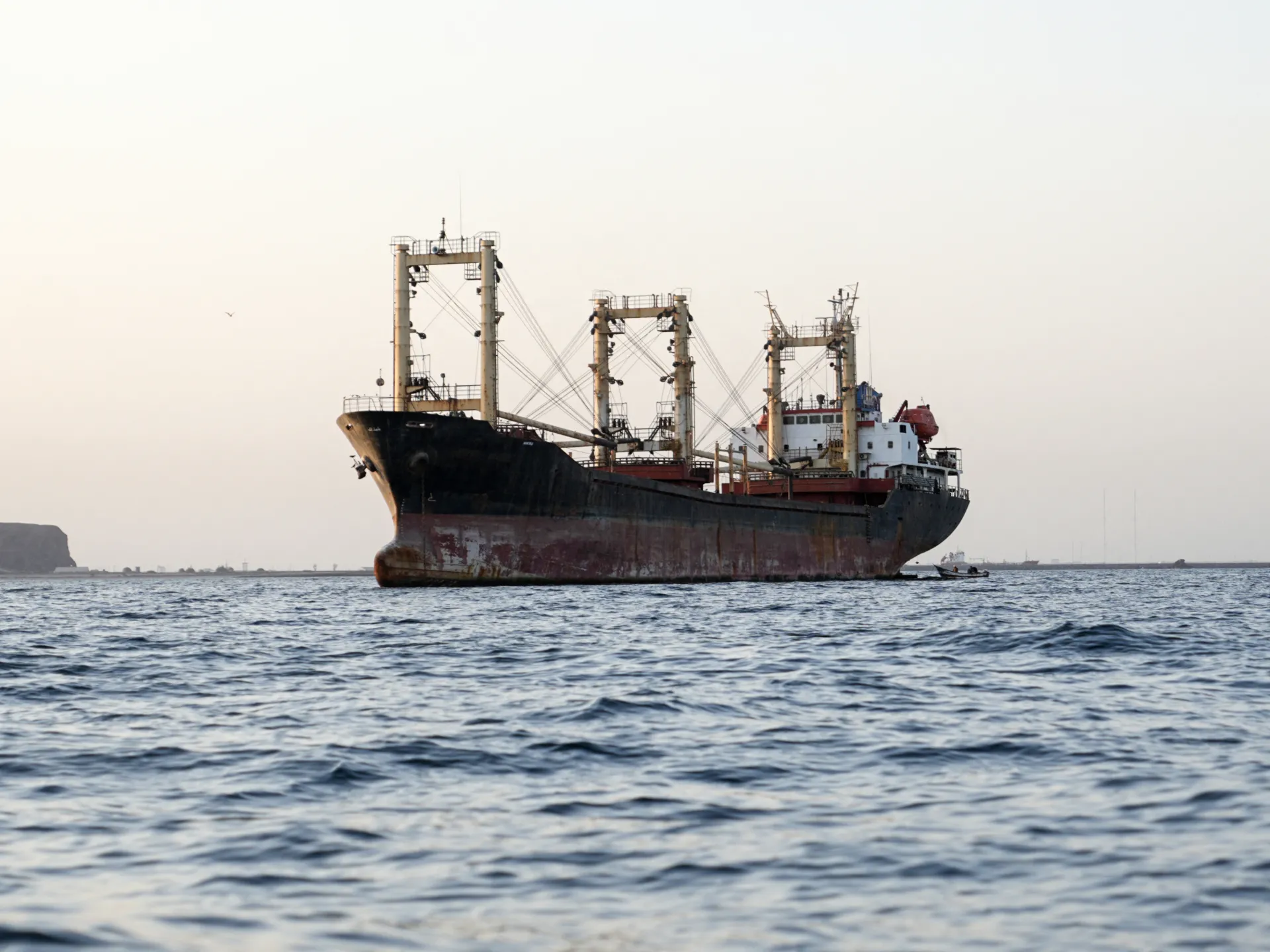
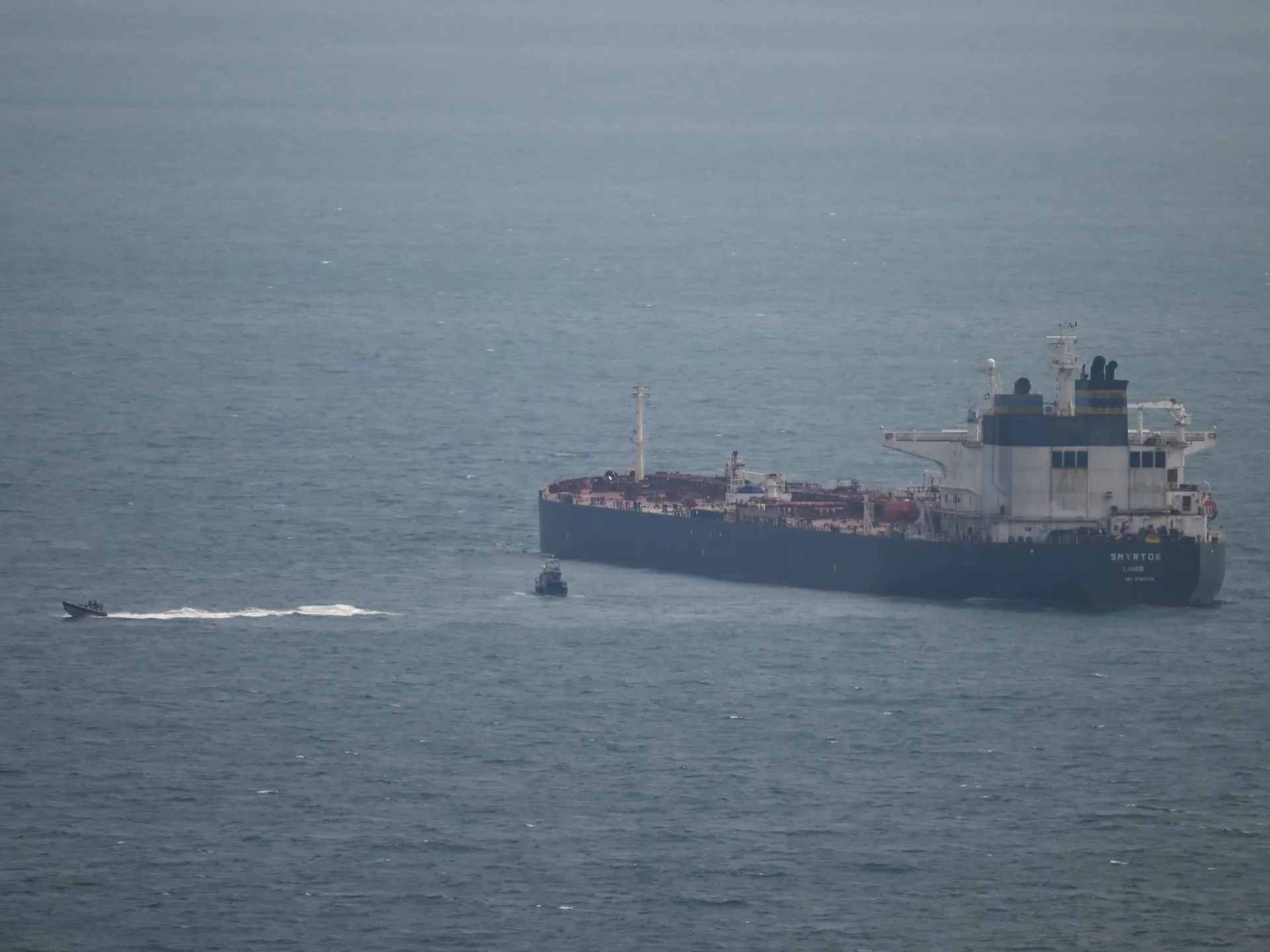
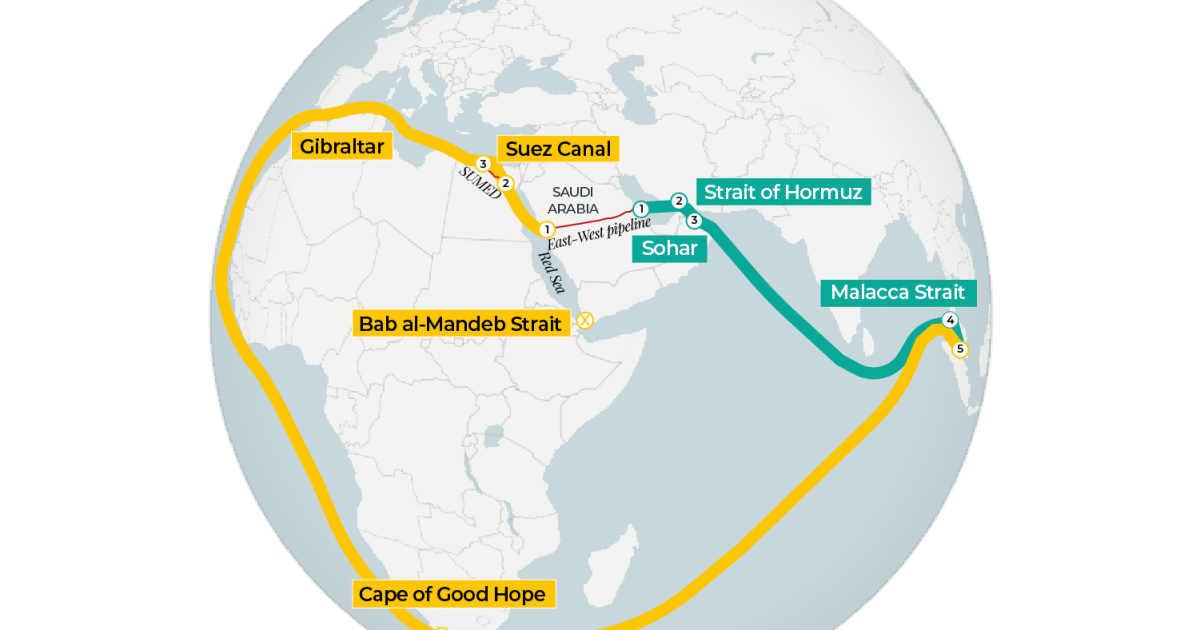
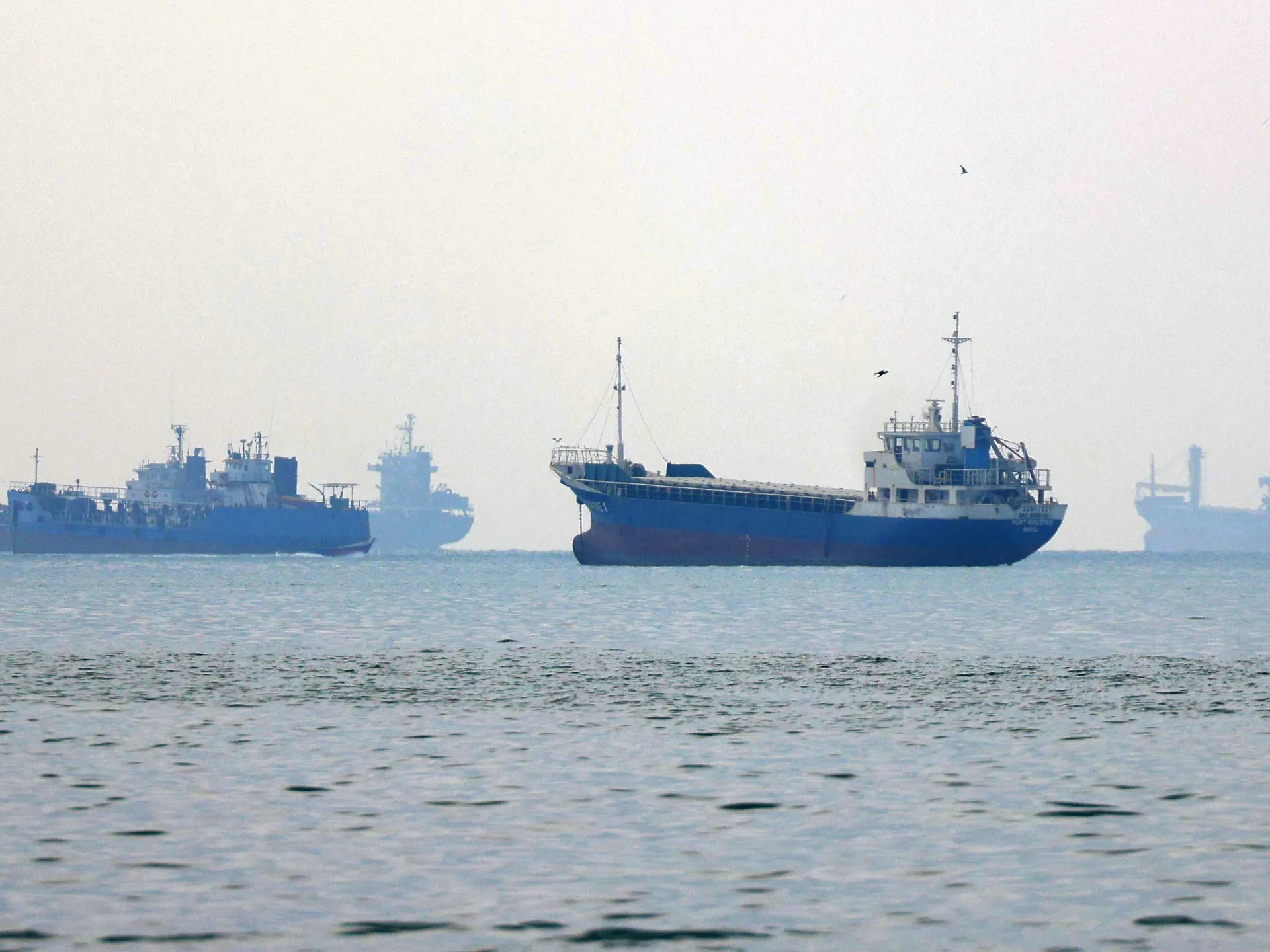
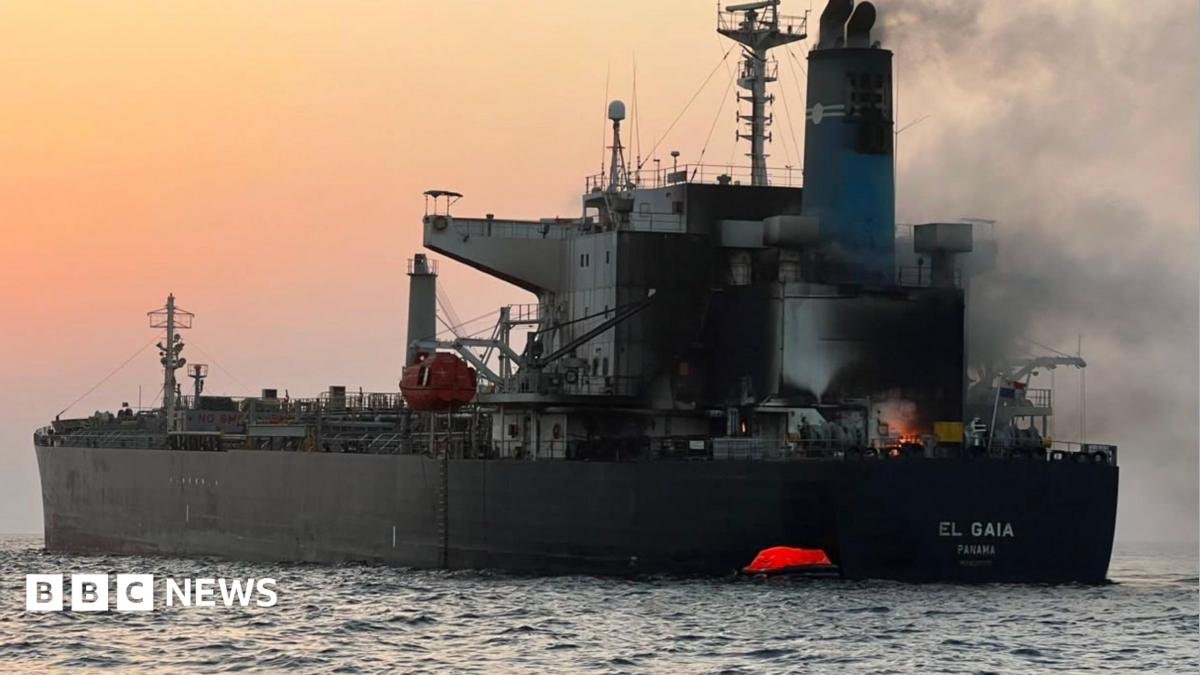
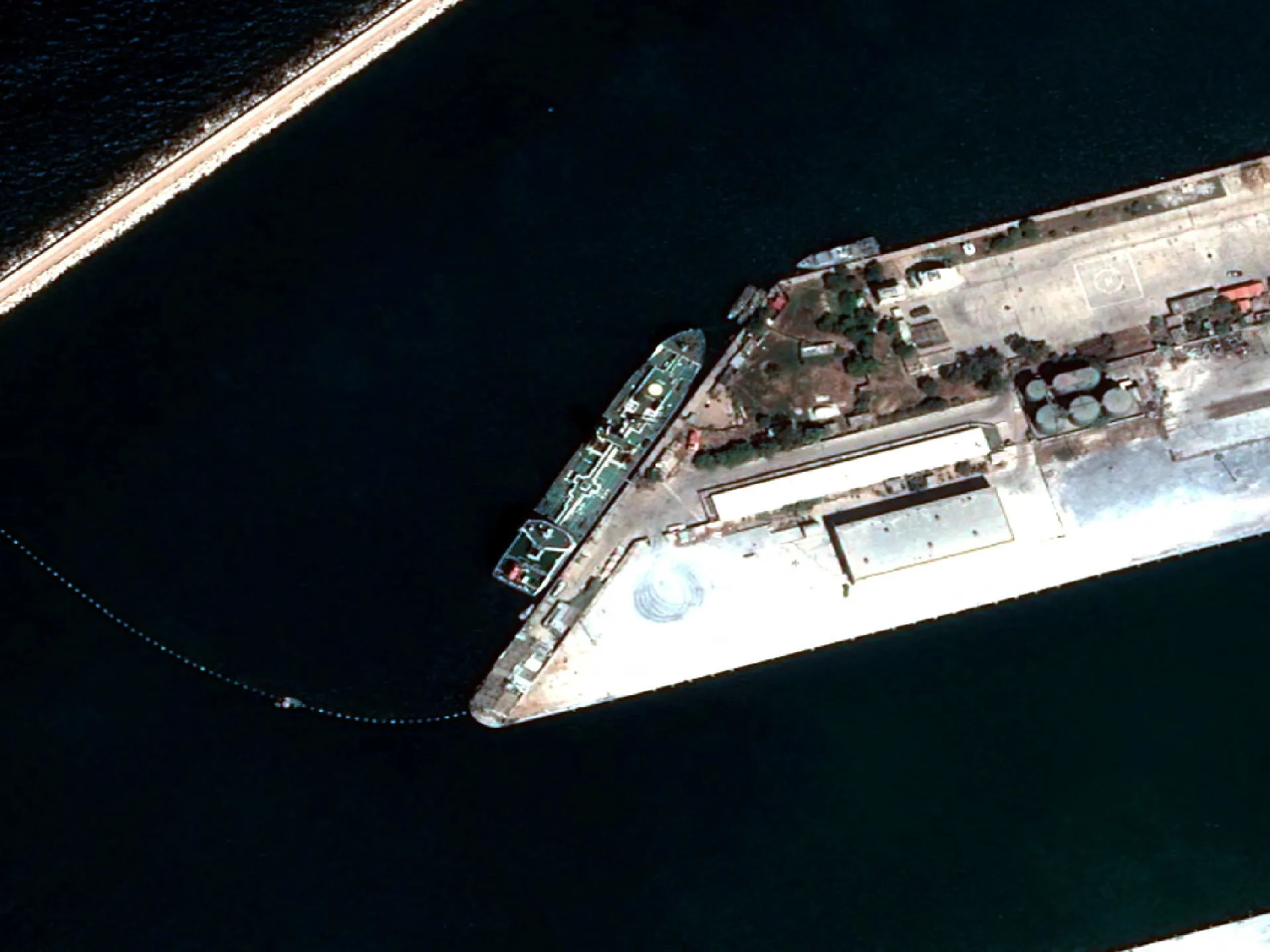
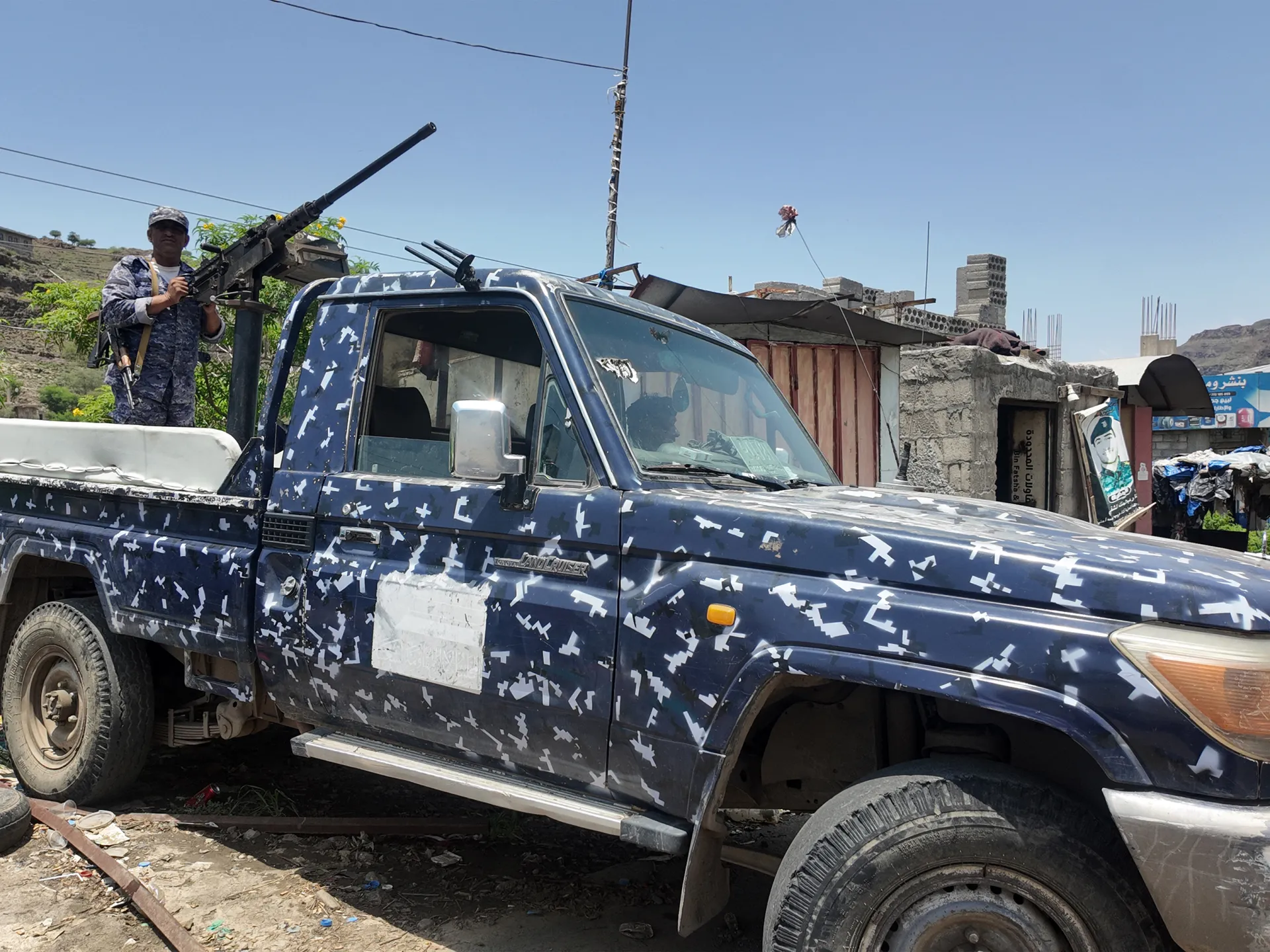
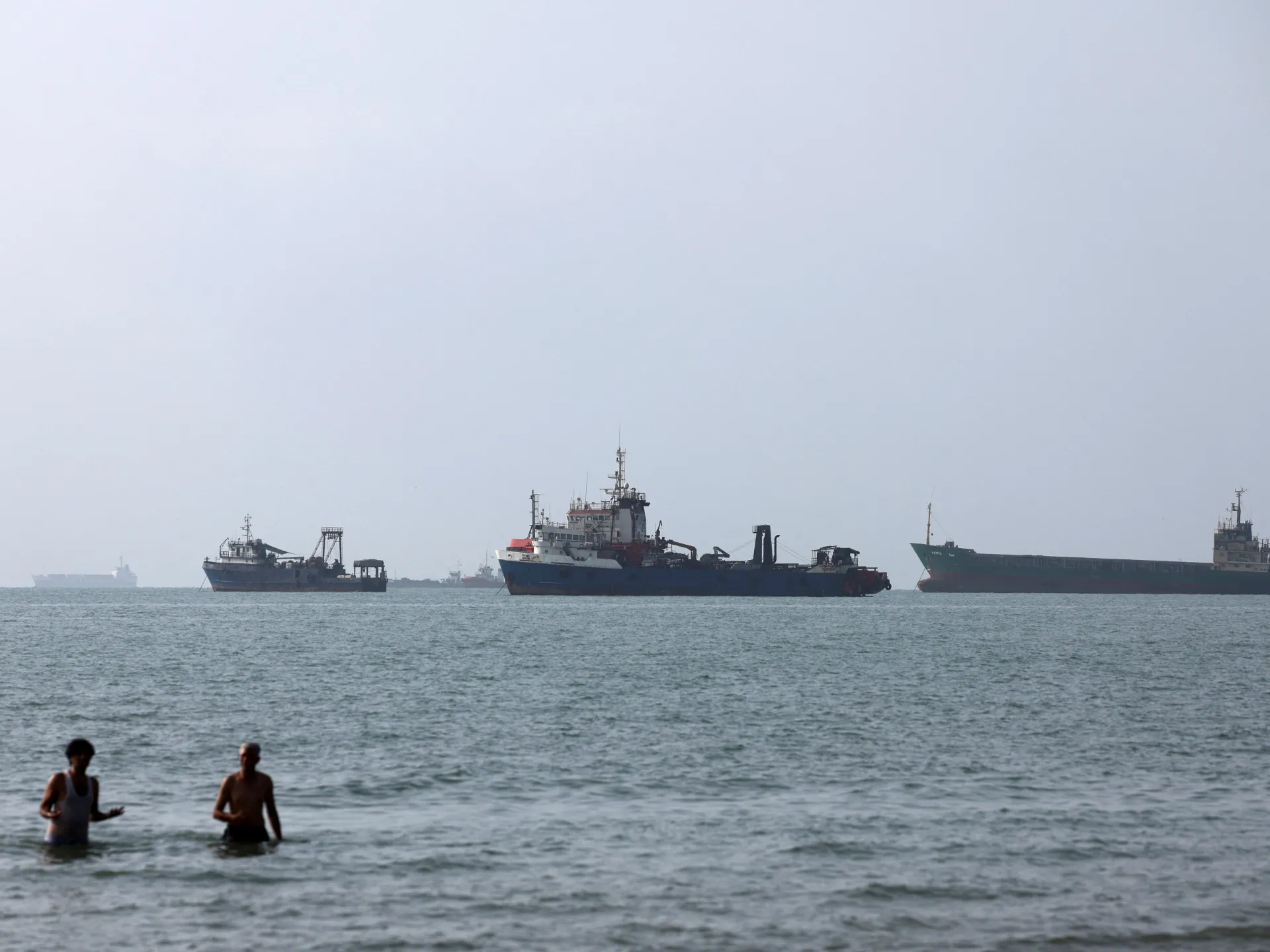
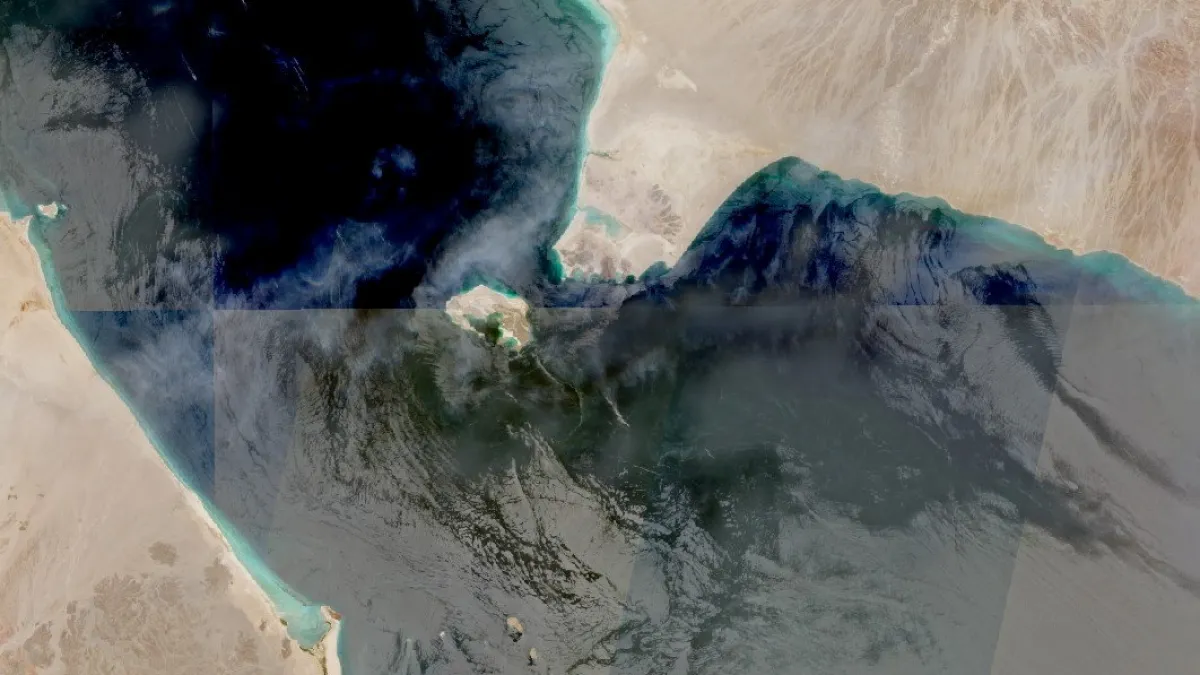
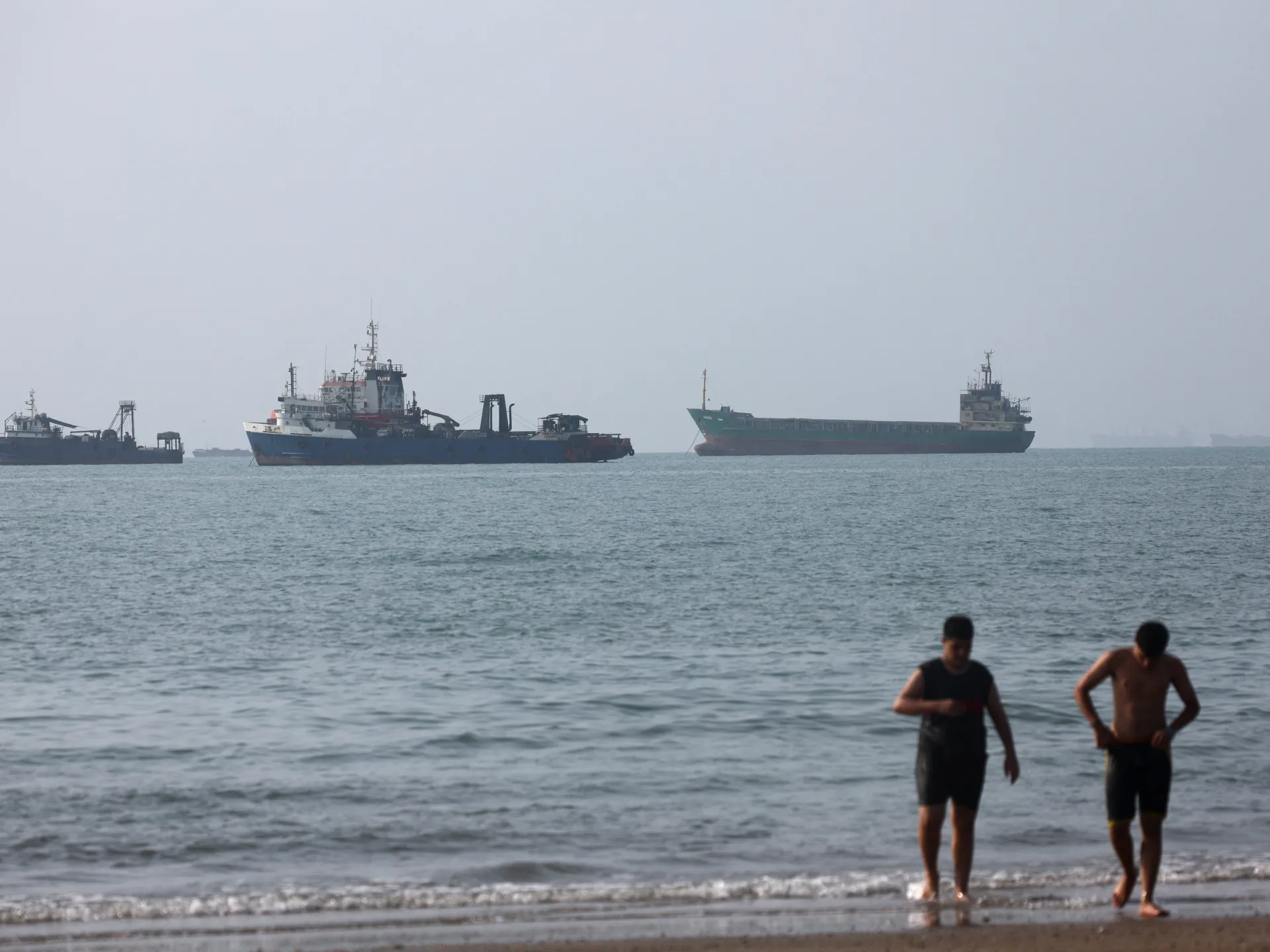
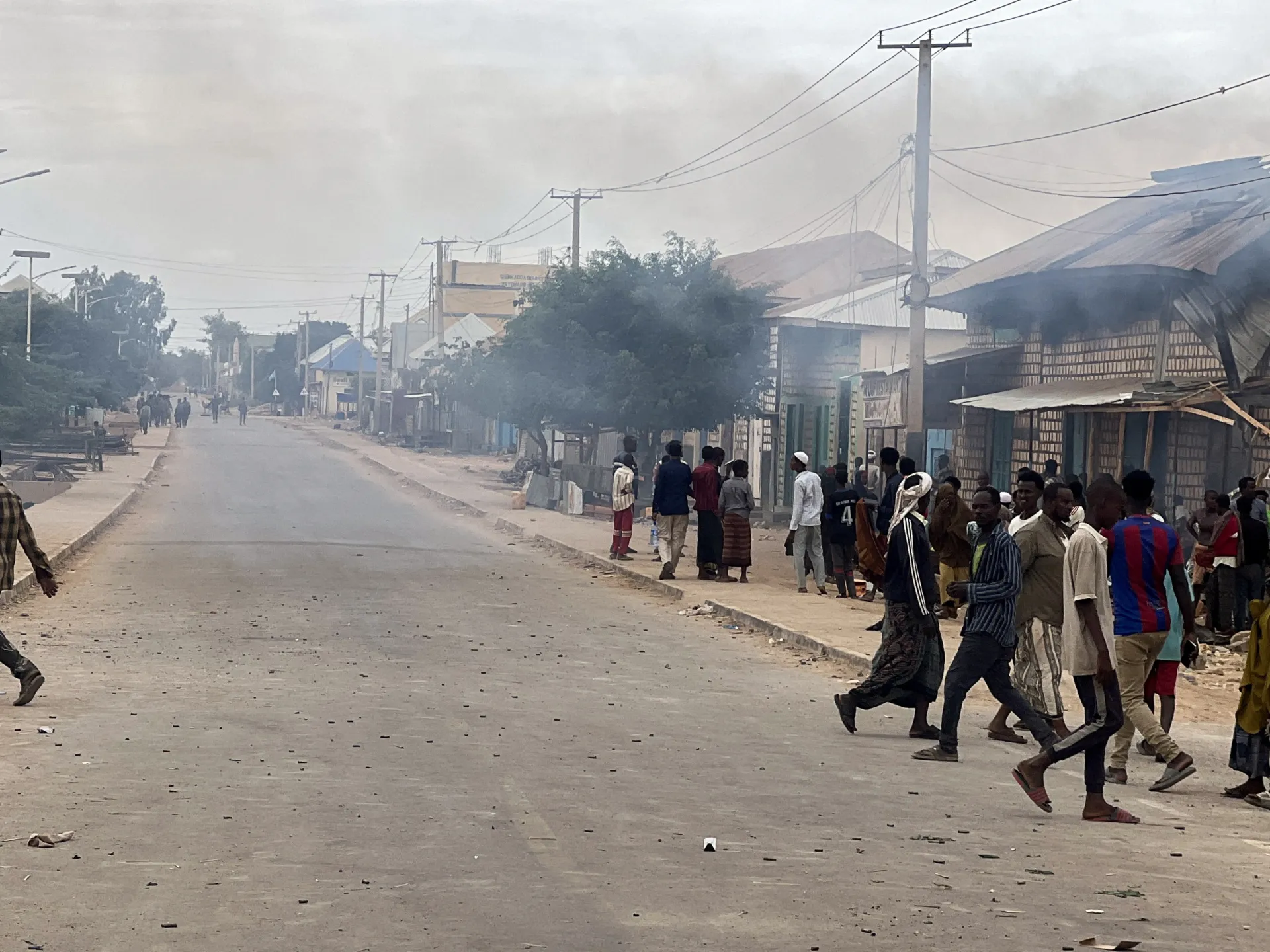
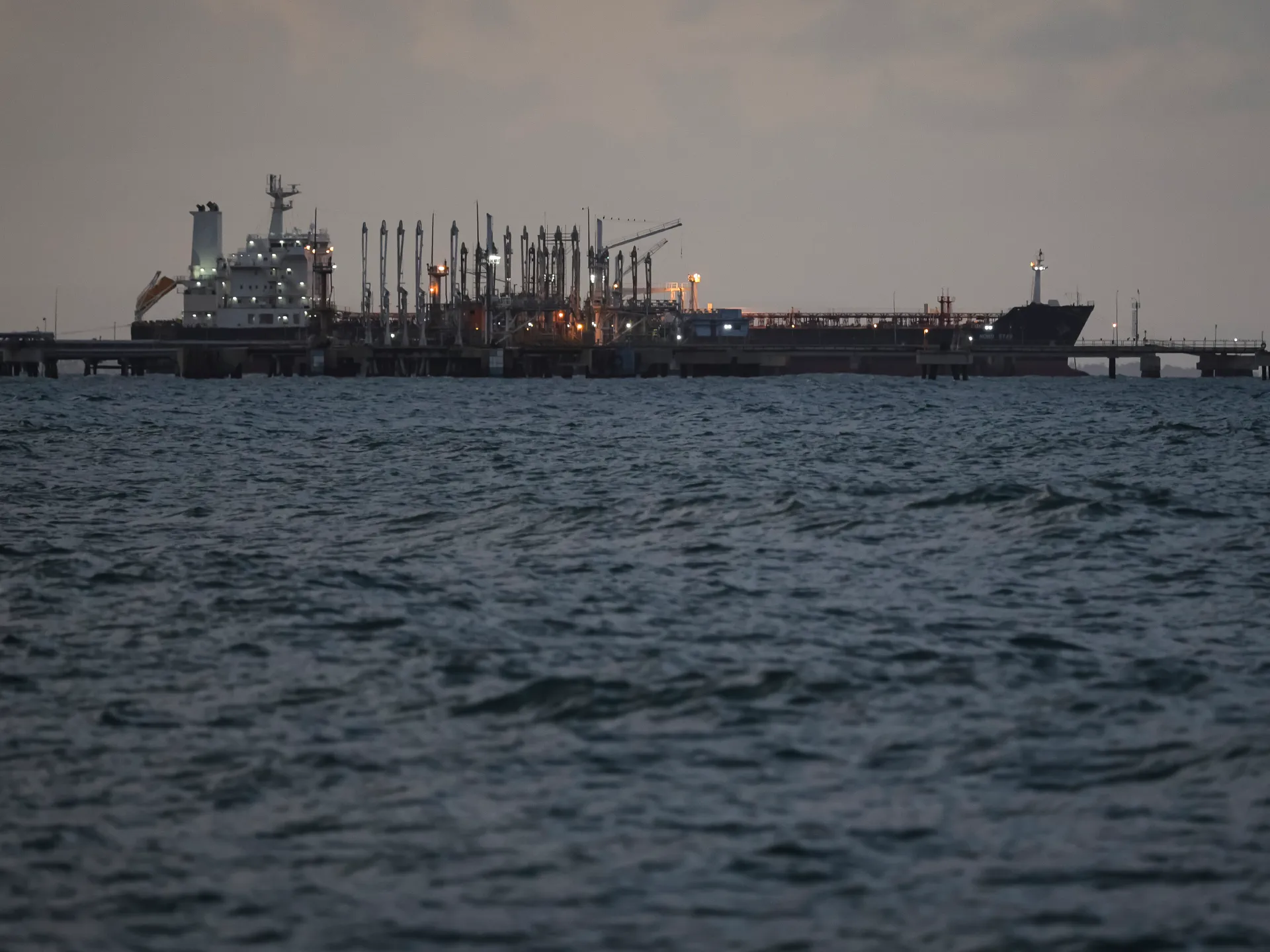
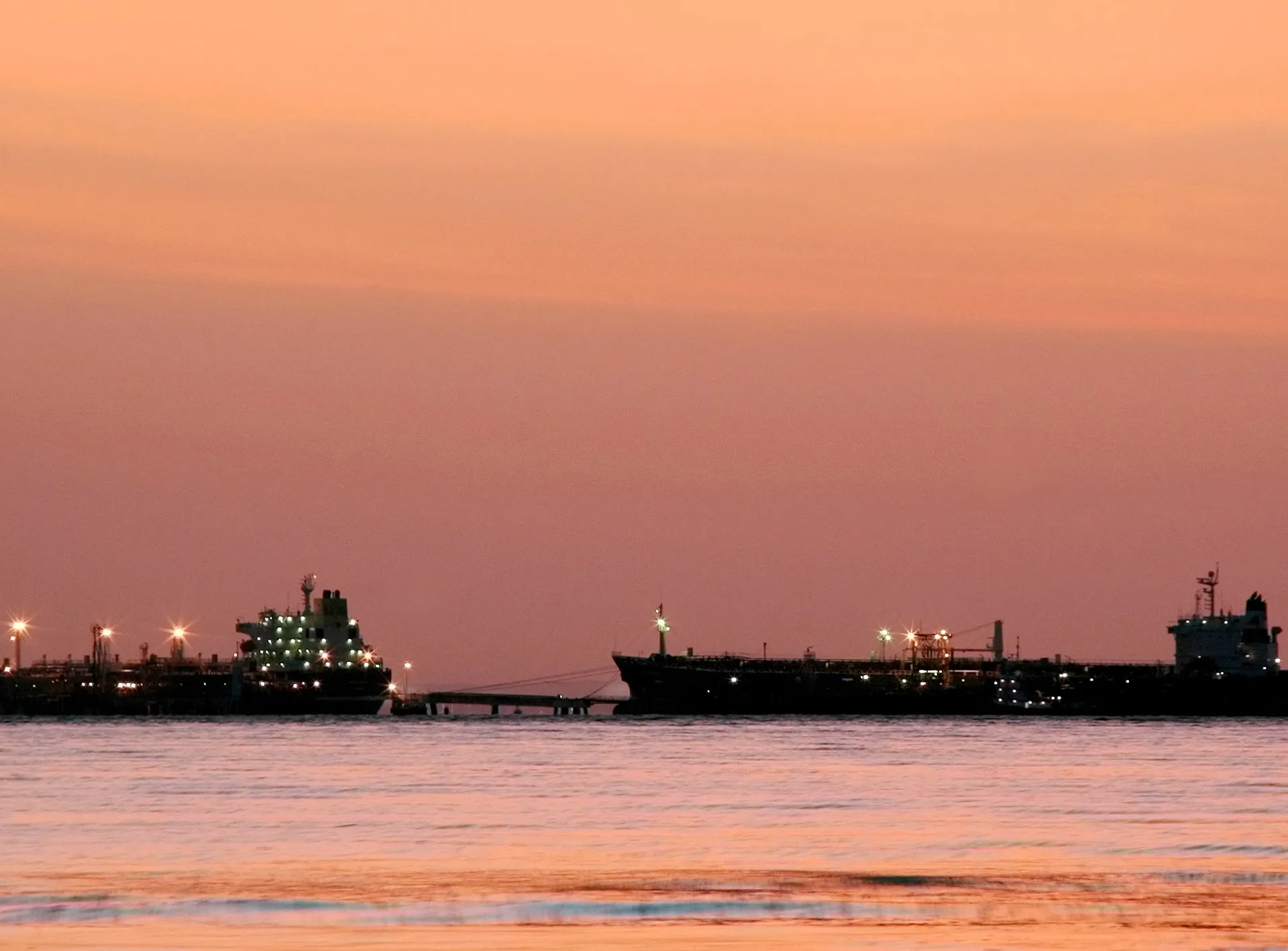
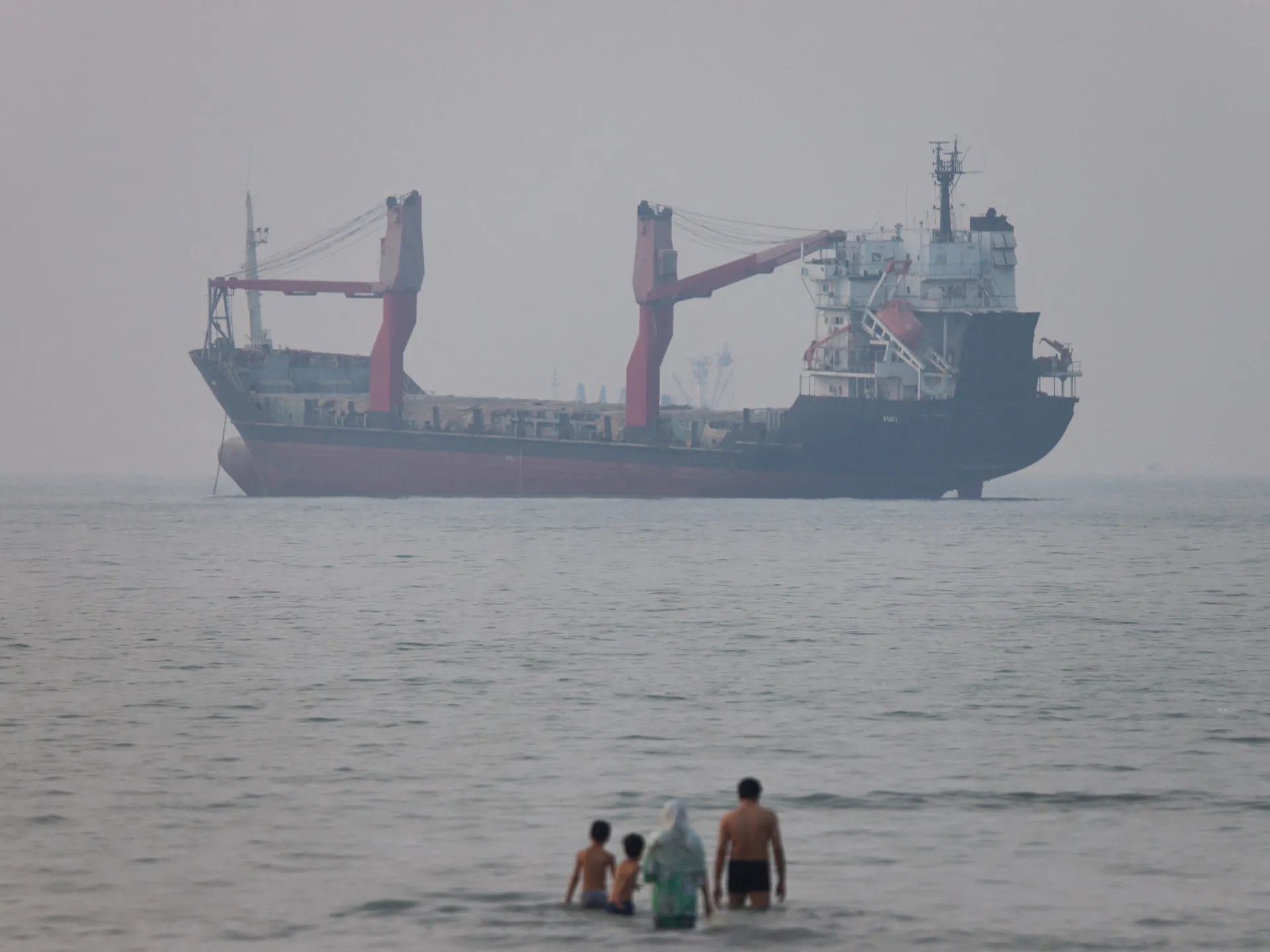
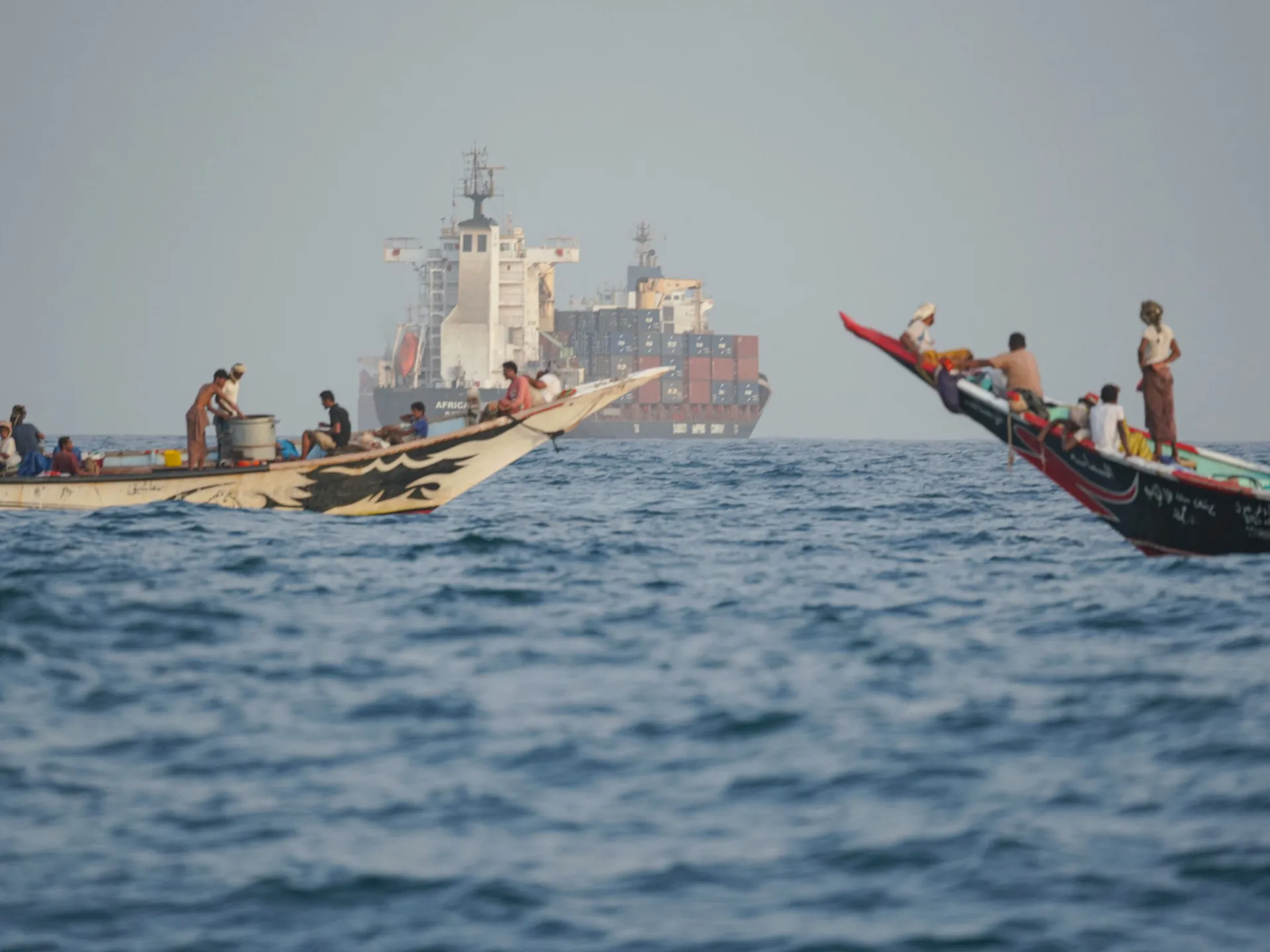
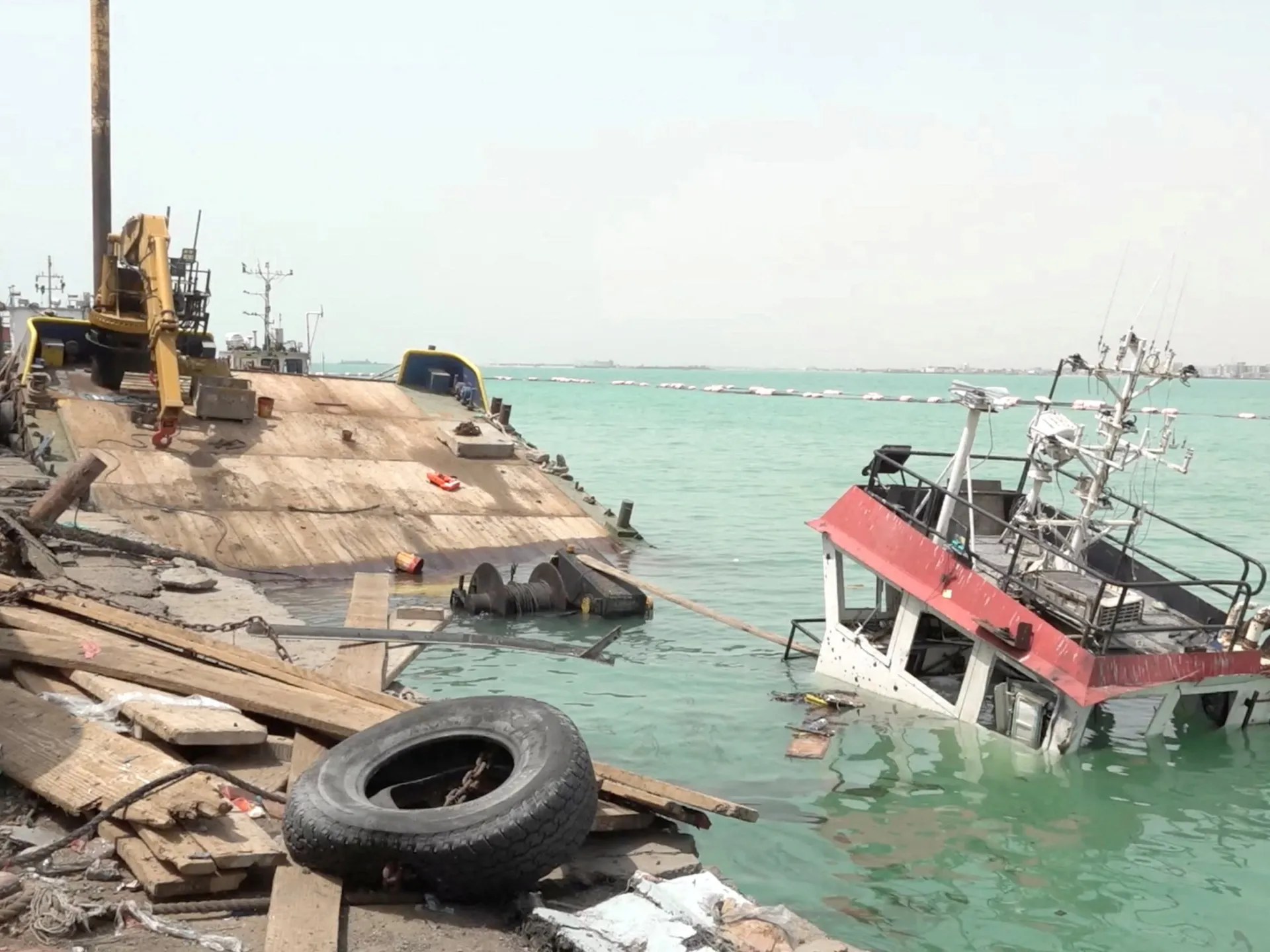
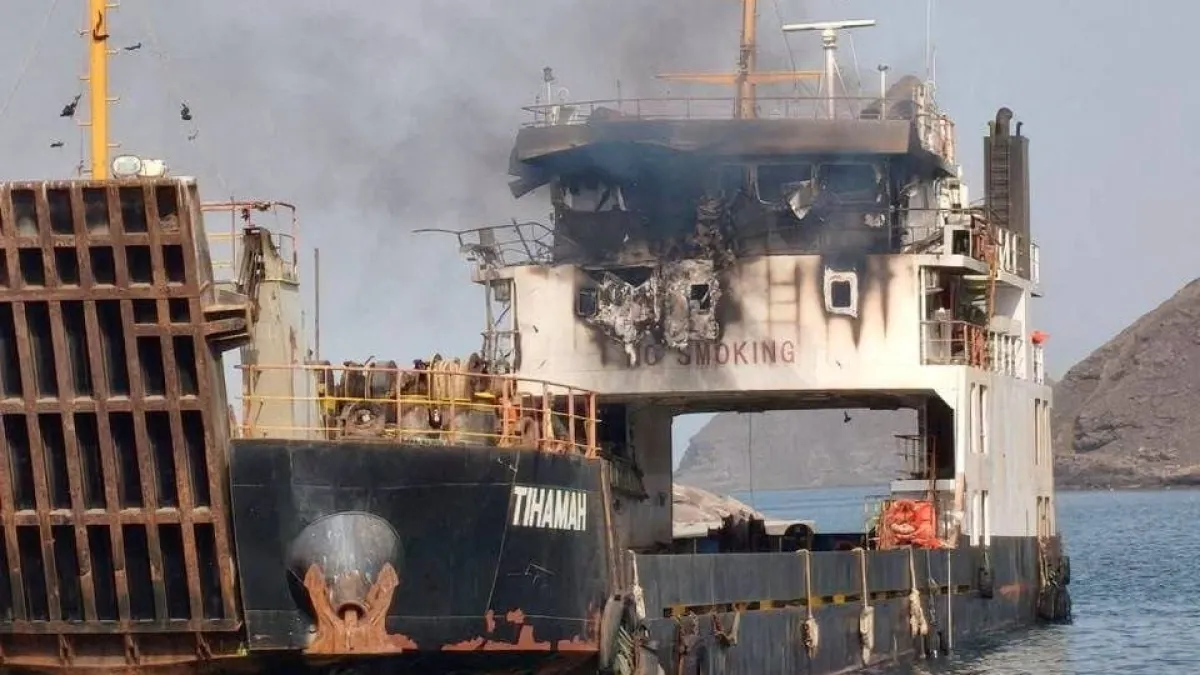
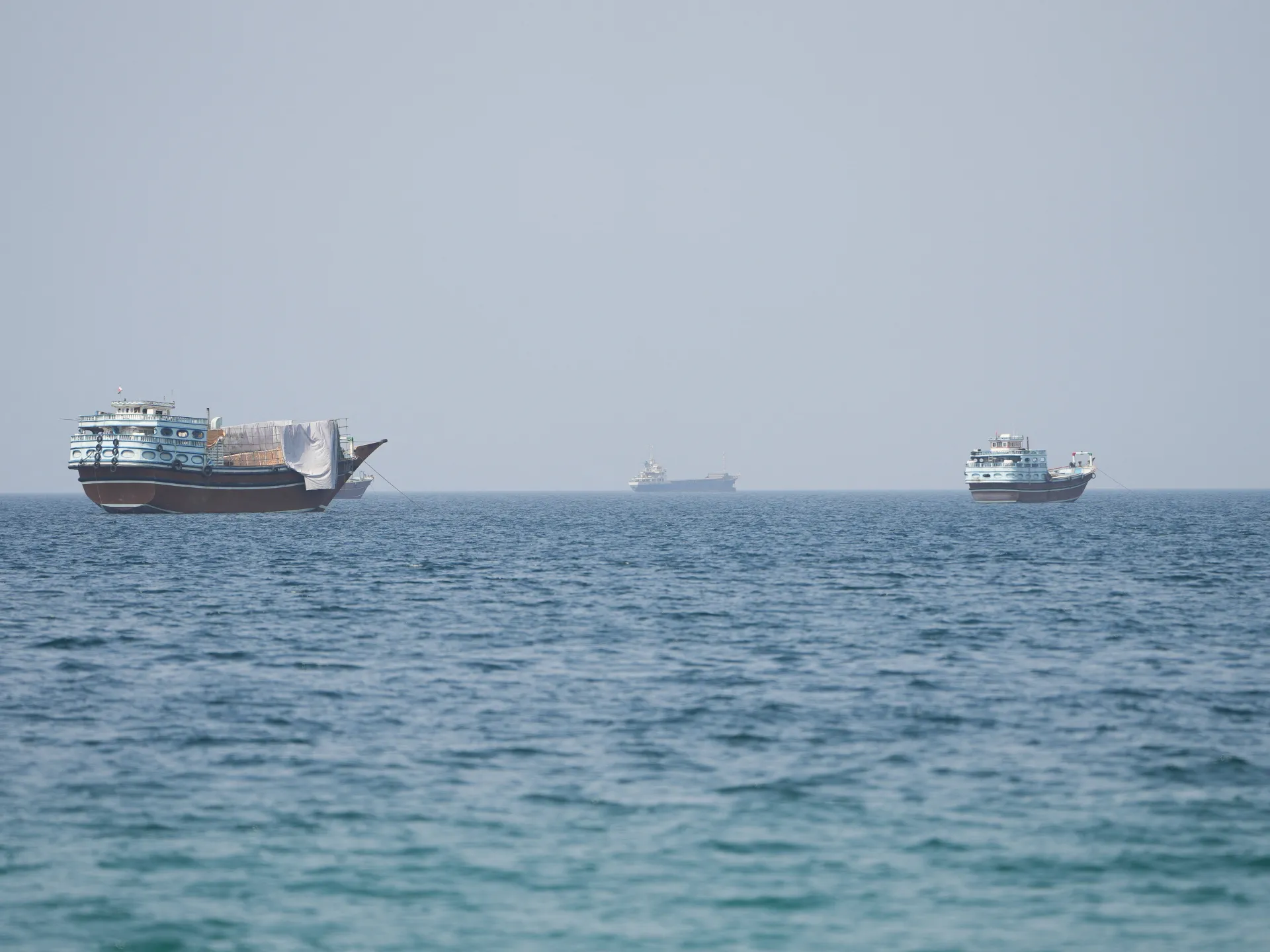
The recent surge in hostilities across the Arabian Peninsula represents a volatile inflection point in a conflict that has long threatened the stability of global energy markets. The Houthi rebels' successful push into the Red Sea coast, specifically their consolidation of power around the Bab al-Mandeb Strait, creates a high-stakes bottleneck for international maritime commerce. Because this waterway serves as a primary conduit for oil and commercial shipping between Asia and Europe, any disruption here has immediate, cascading effects on global inflation and supply chain reliability. The reluctance of the United States to commit to direct, large-scale intervention—despite pressure from regional allies—suggests a significant shift in Western policy, likely driven
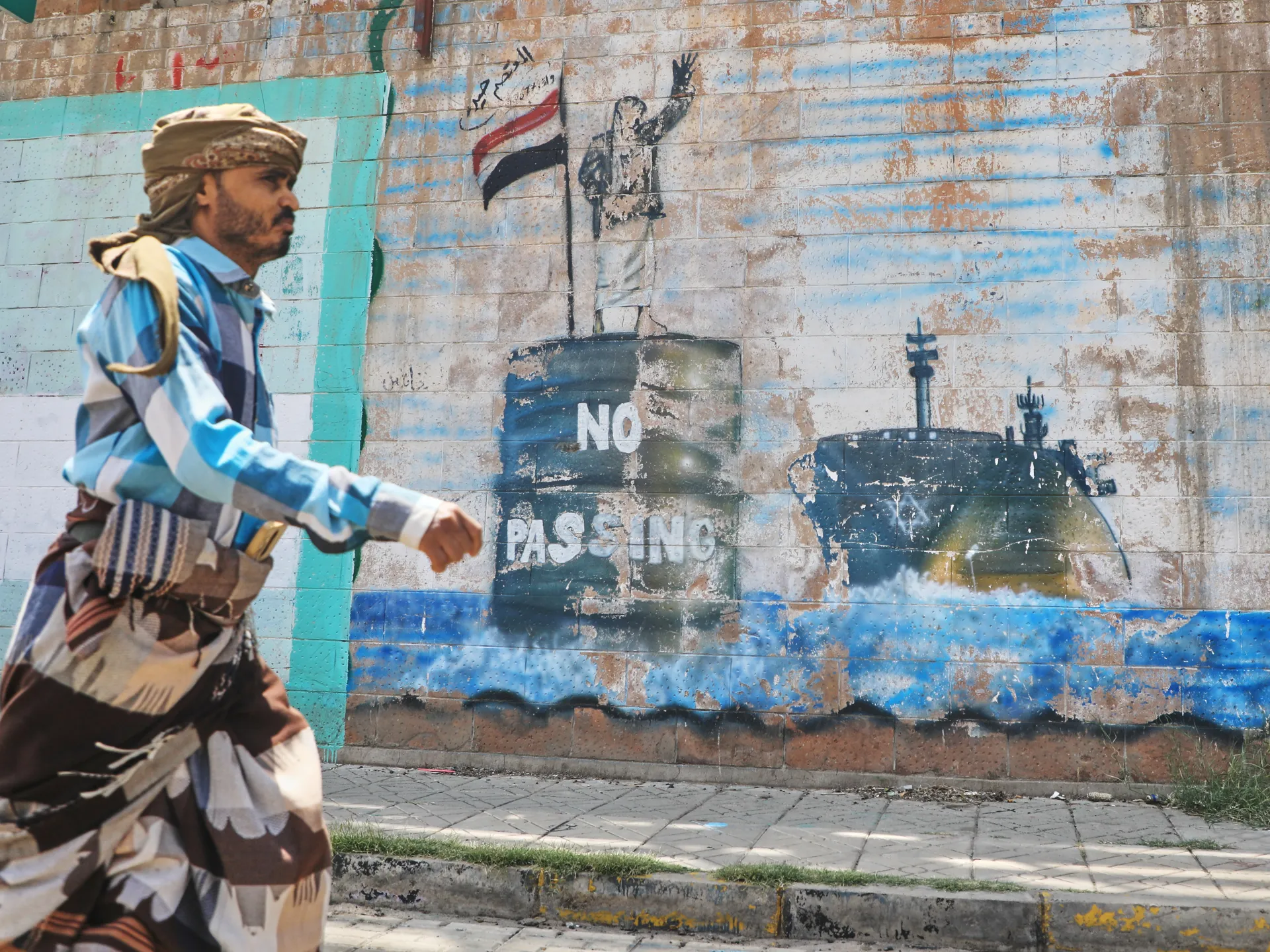
Furthermore, the escalation underscores a breakdown in long-standing containment strategies. The diplomatic maneuvering occurring in Muscat, Oman, between U.S. officials and Houthi representatives highlights the desperation of international powers to maintain a semblance of control over regional navigation. As traditional military deterrence fails to suppress the rebels, the focus has shifted toward securing assurances regarding the safety of third-party shipping, effectively creating a fragmented security landscape where non-Saudi vessels may be granted safe passage while the kingdom remains a primary target.
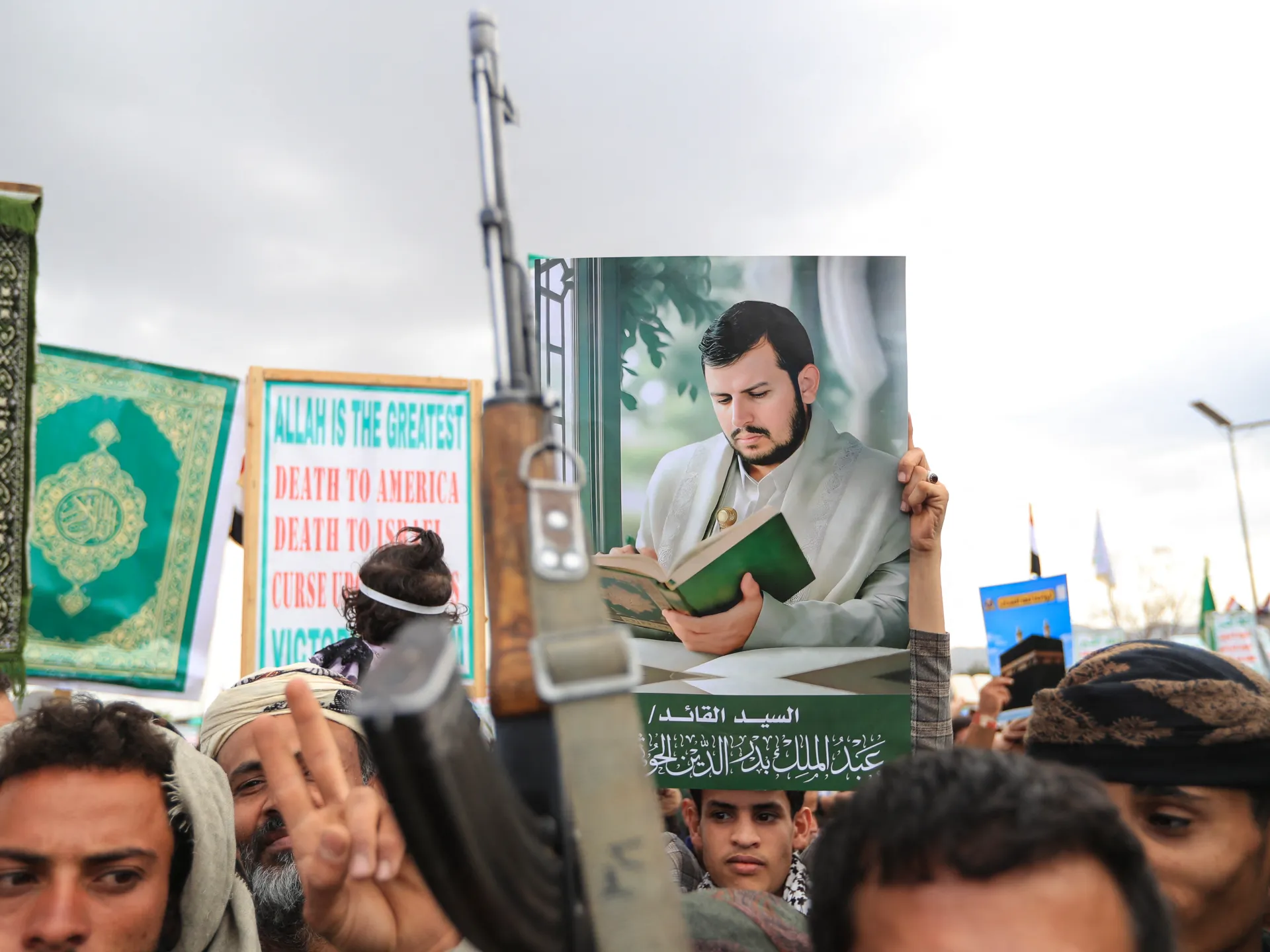
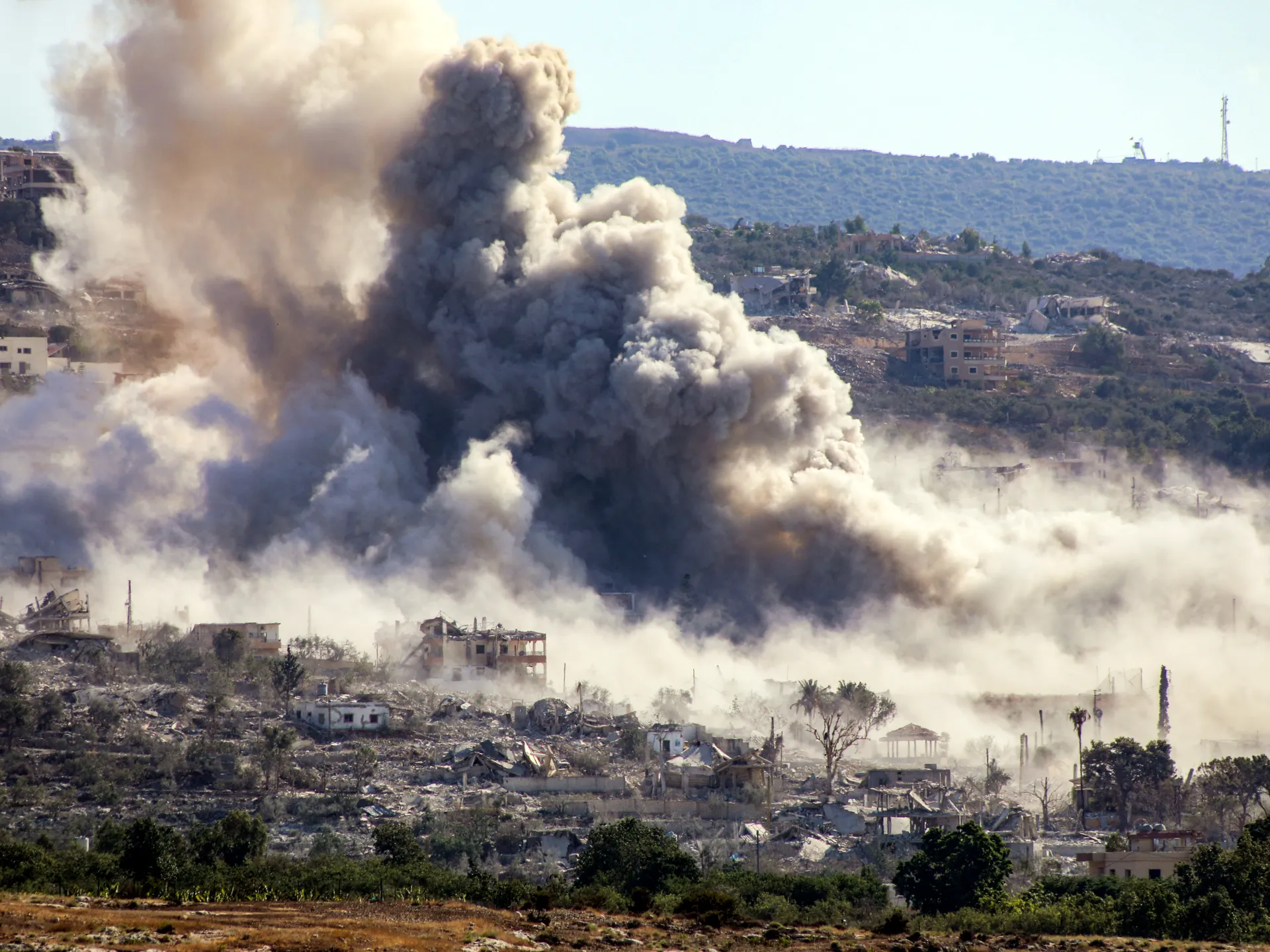
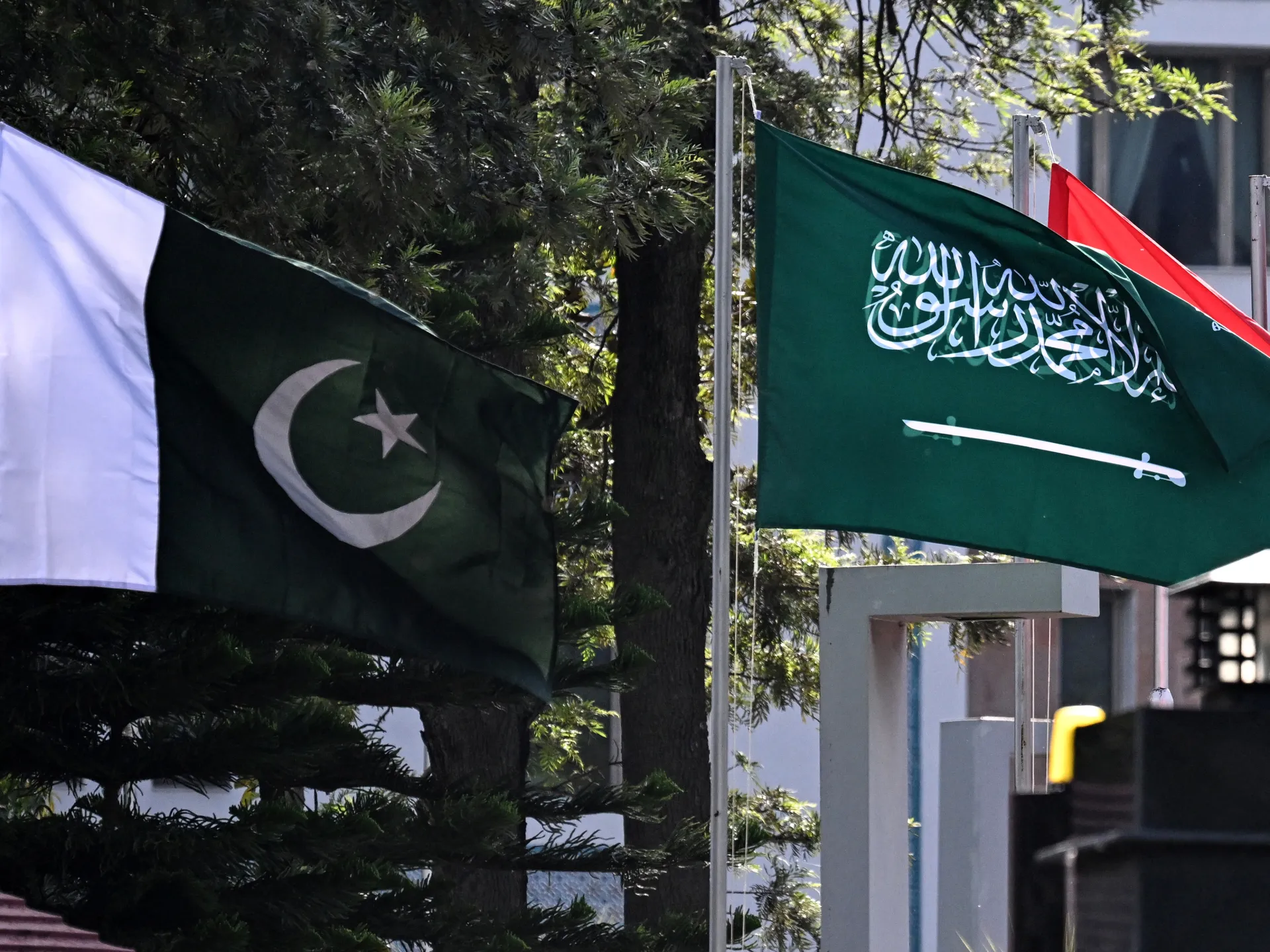
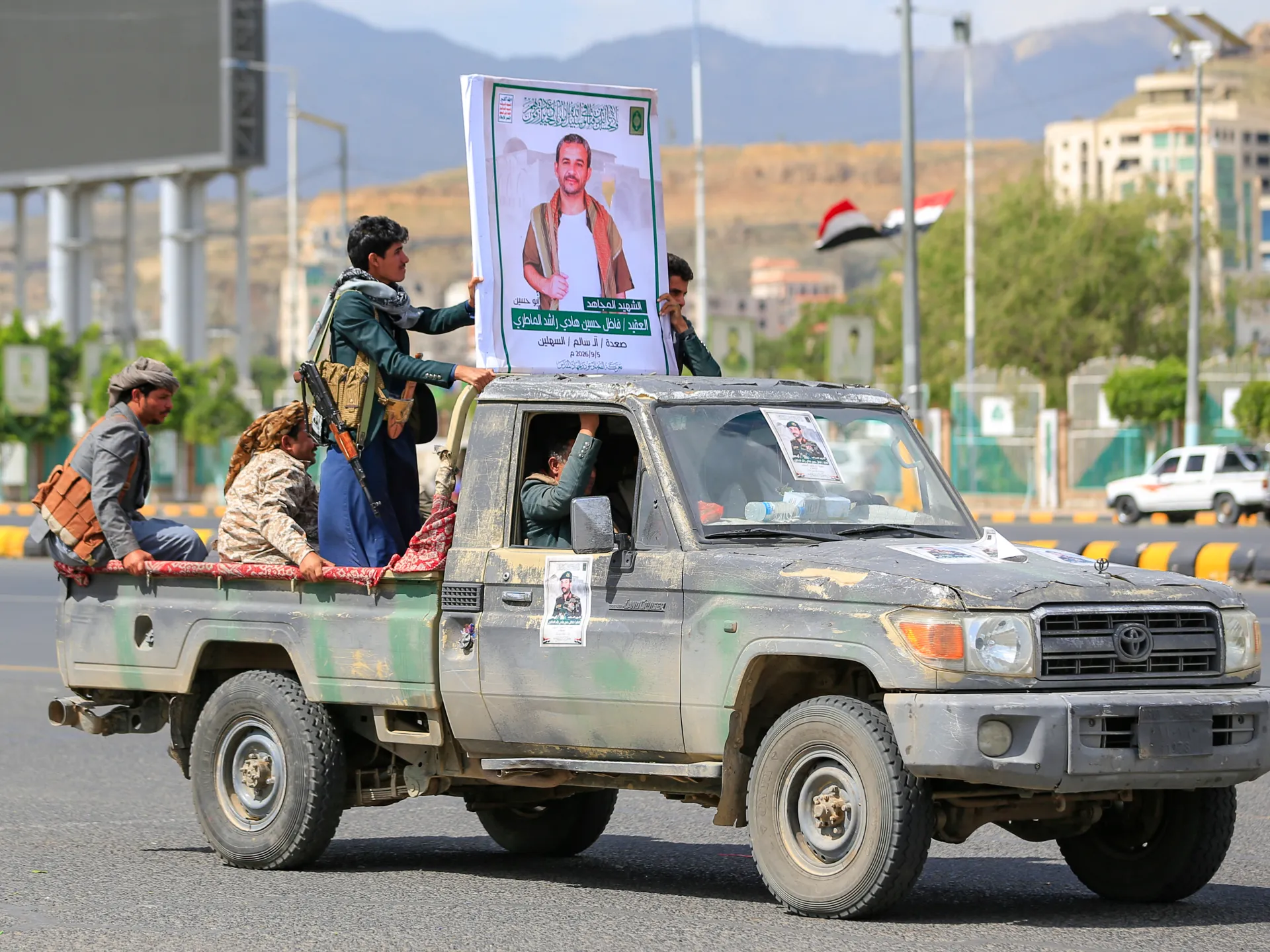
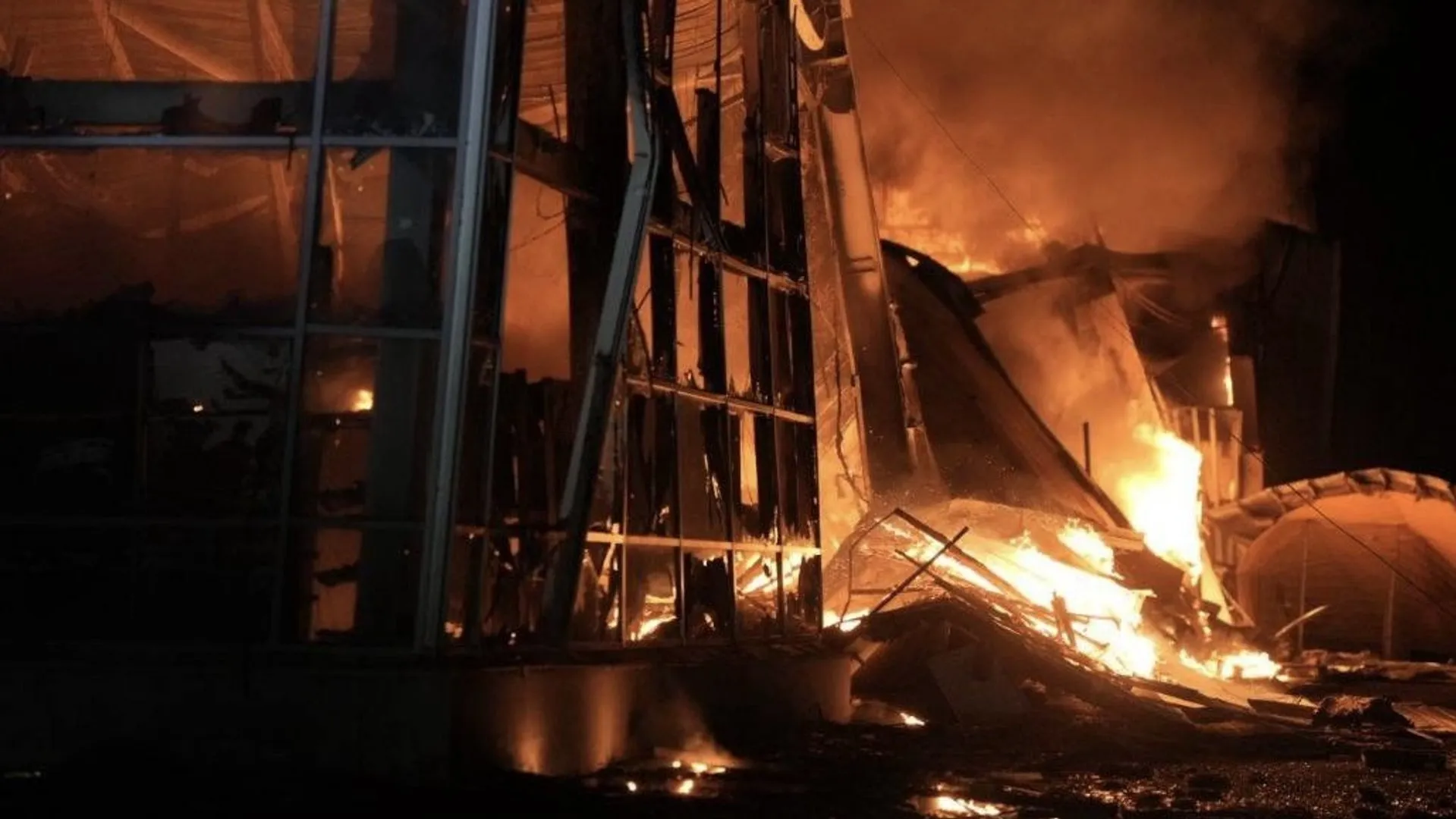
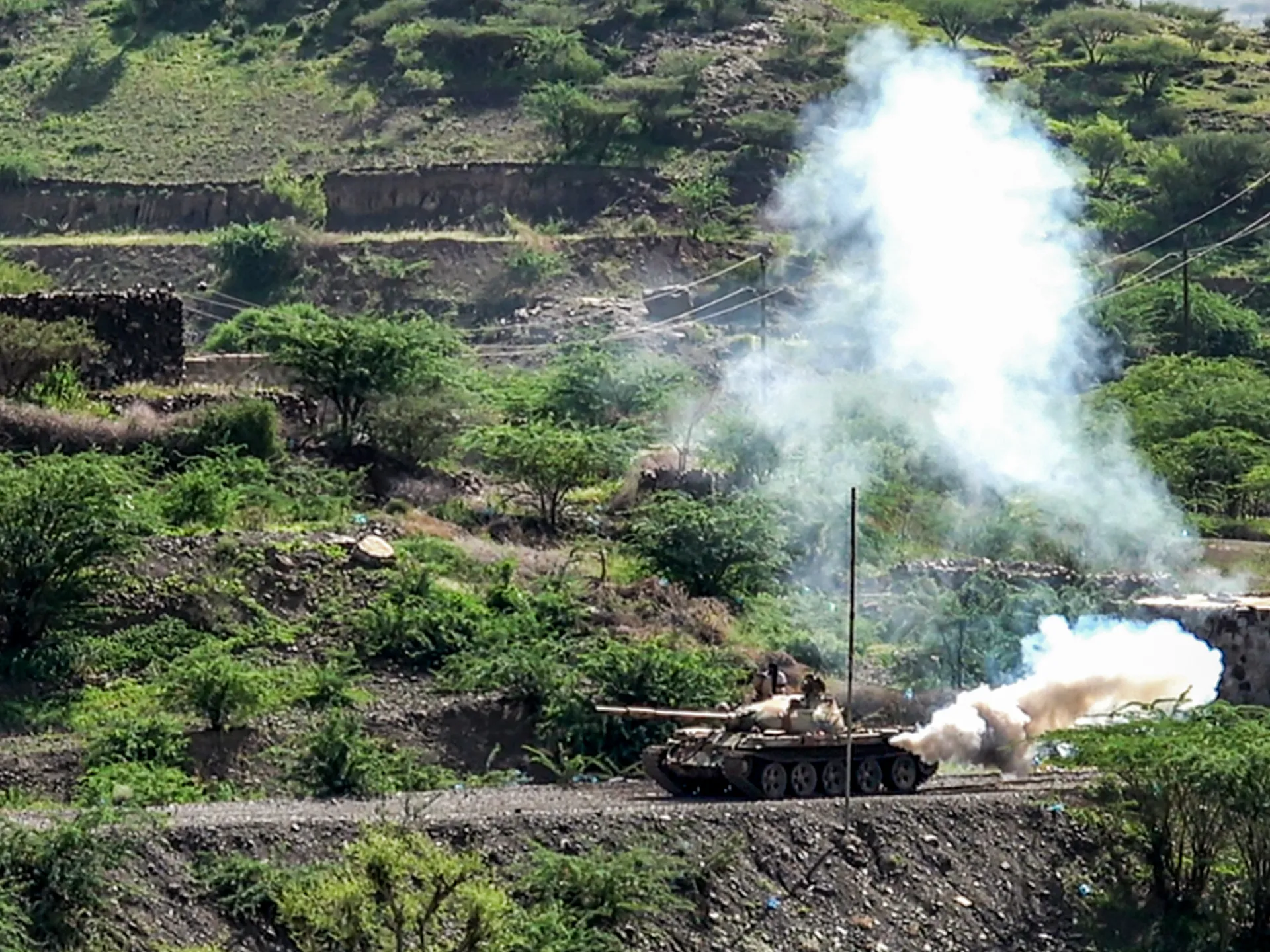
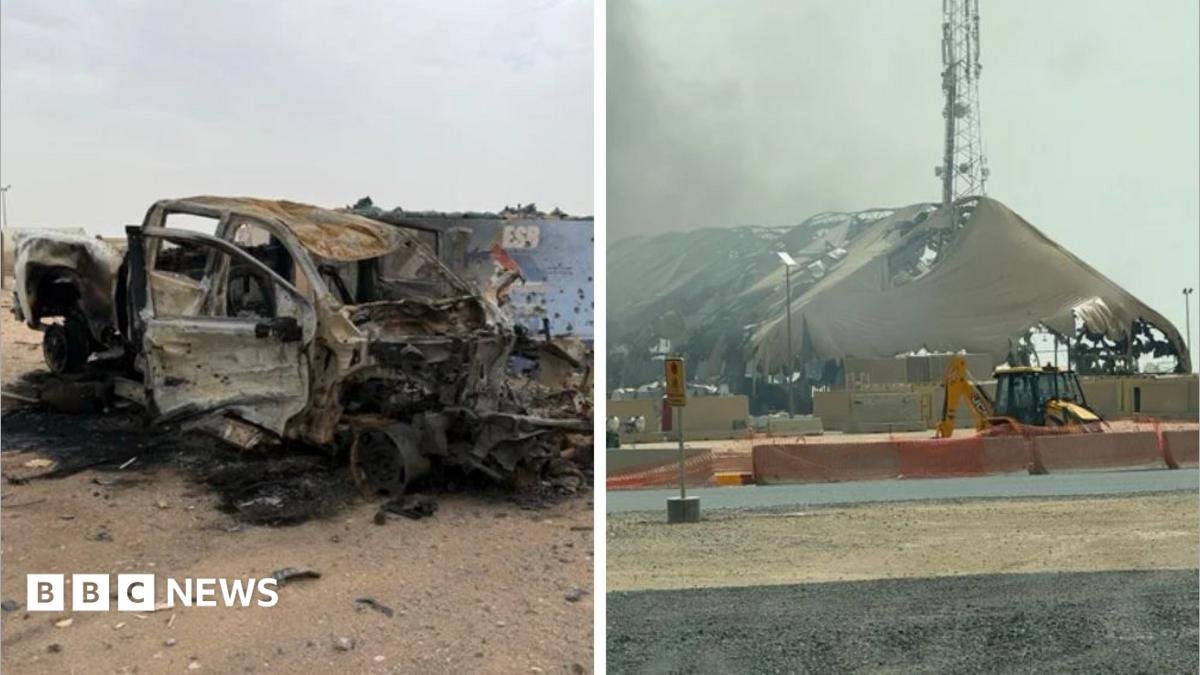
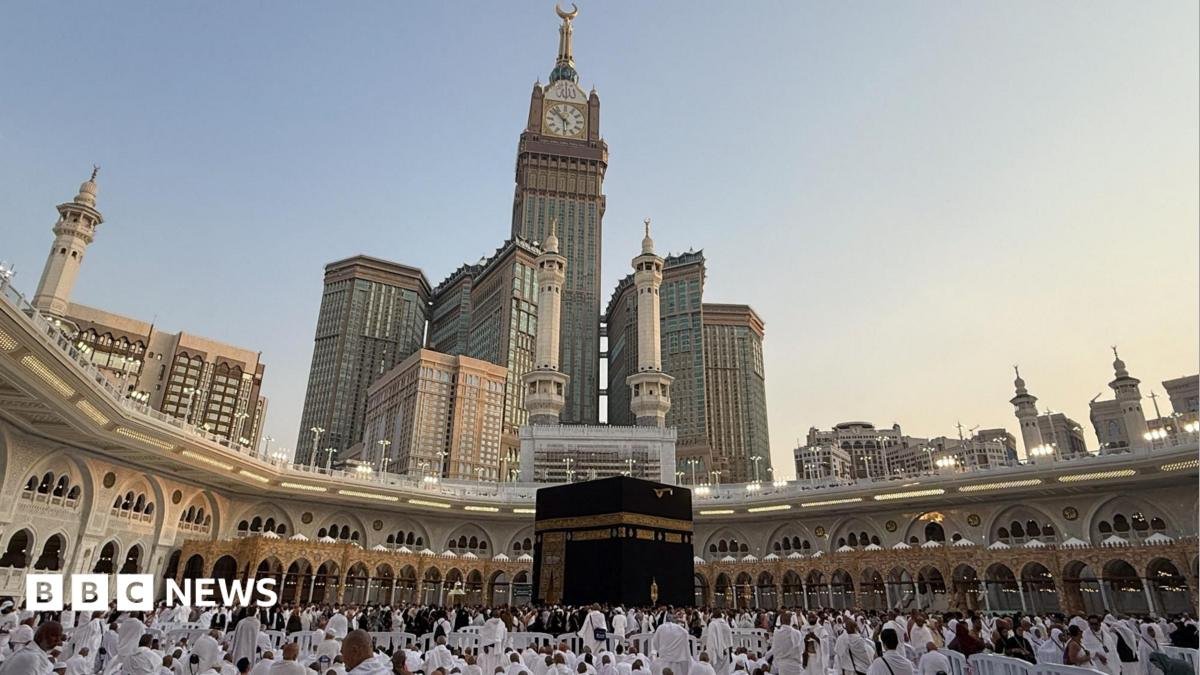
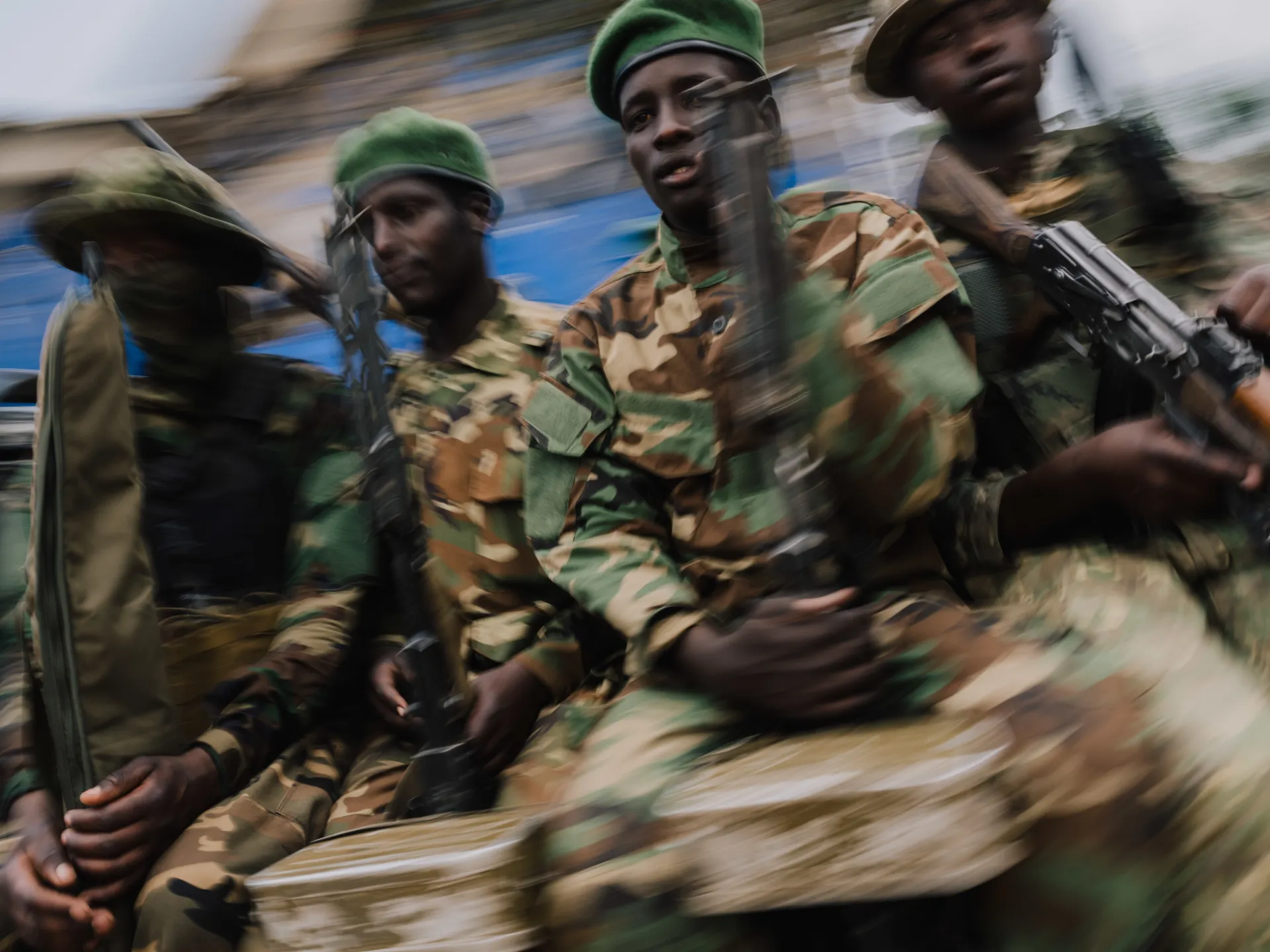
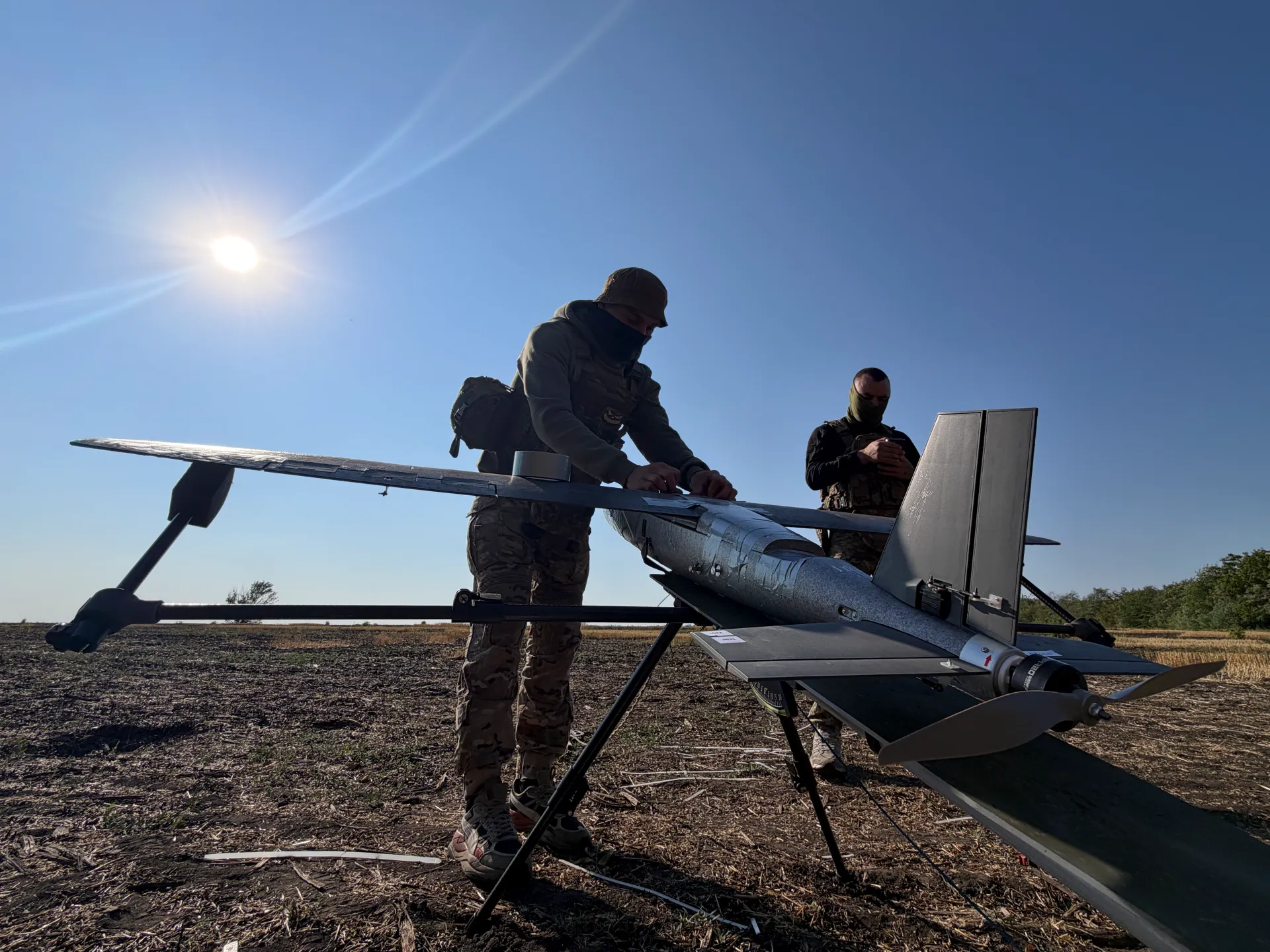
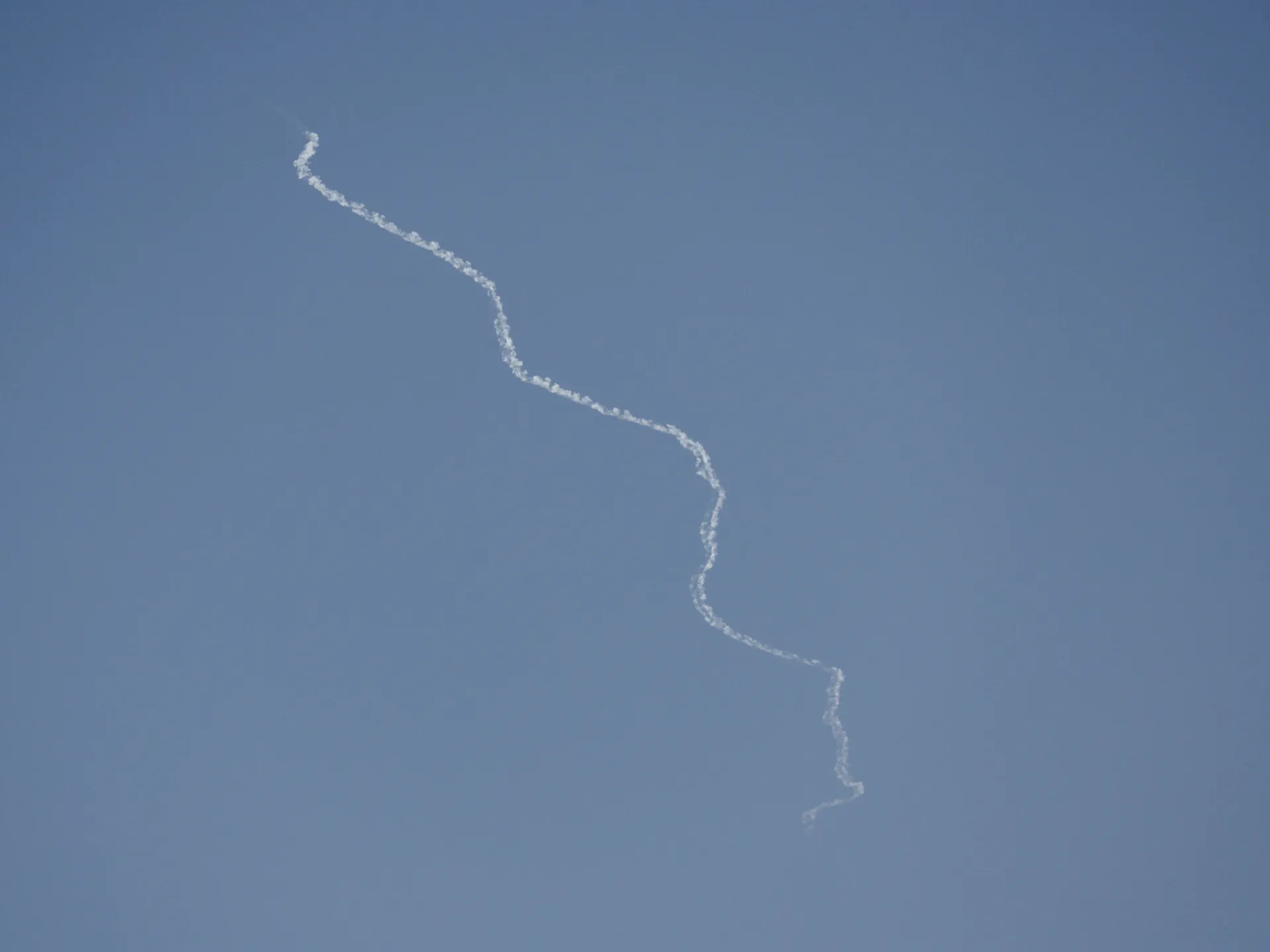
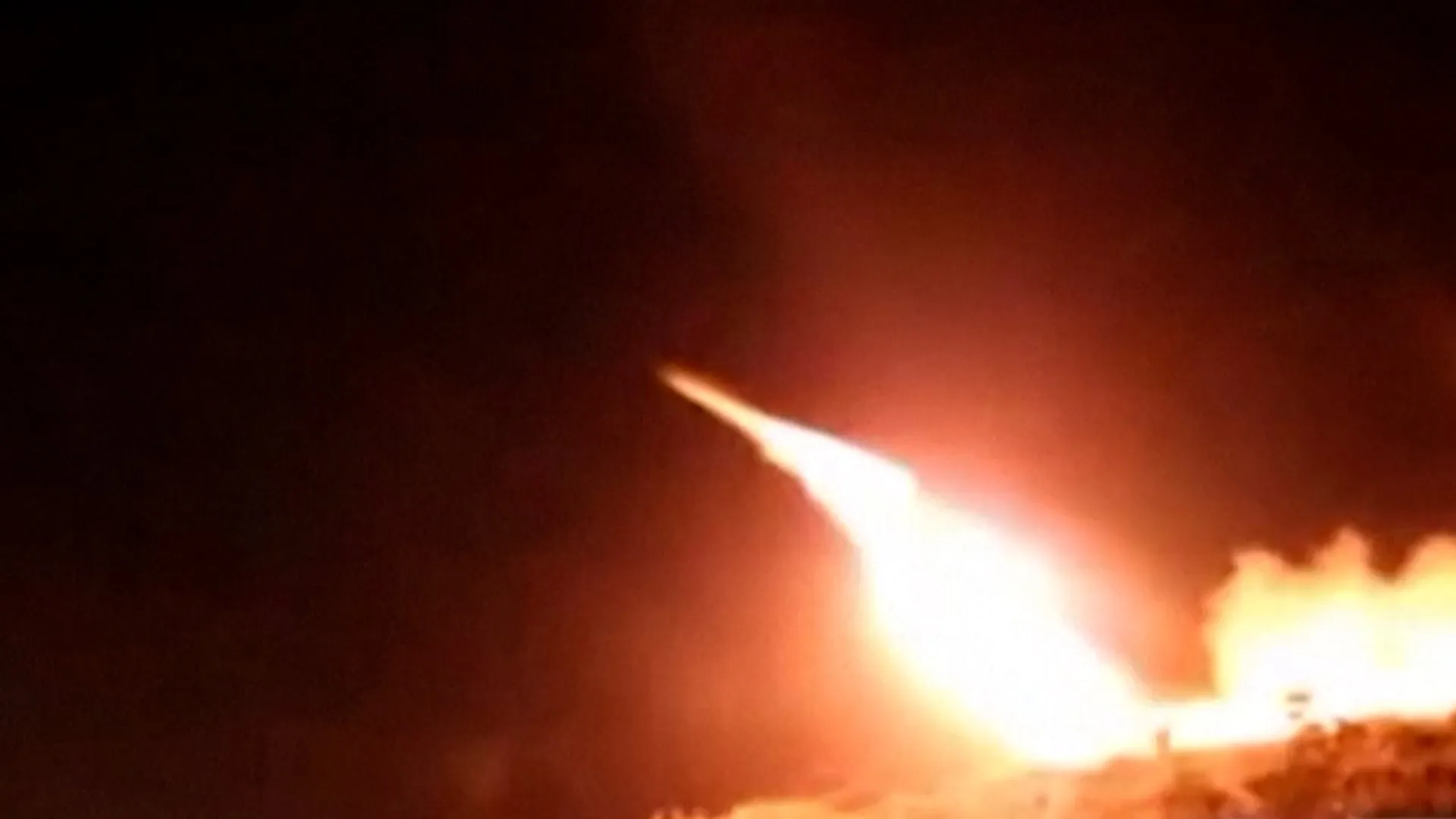
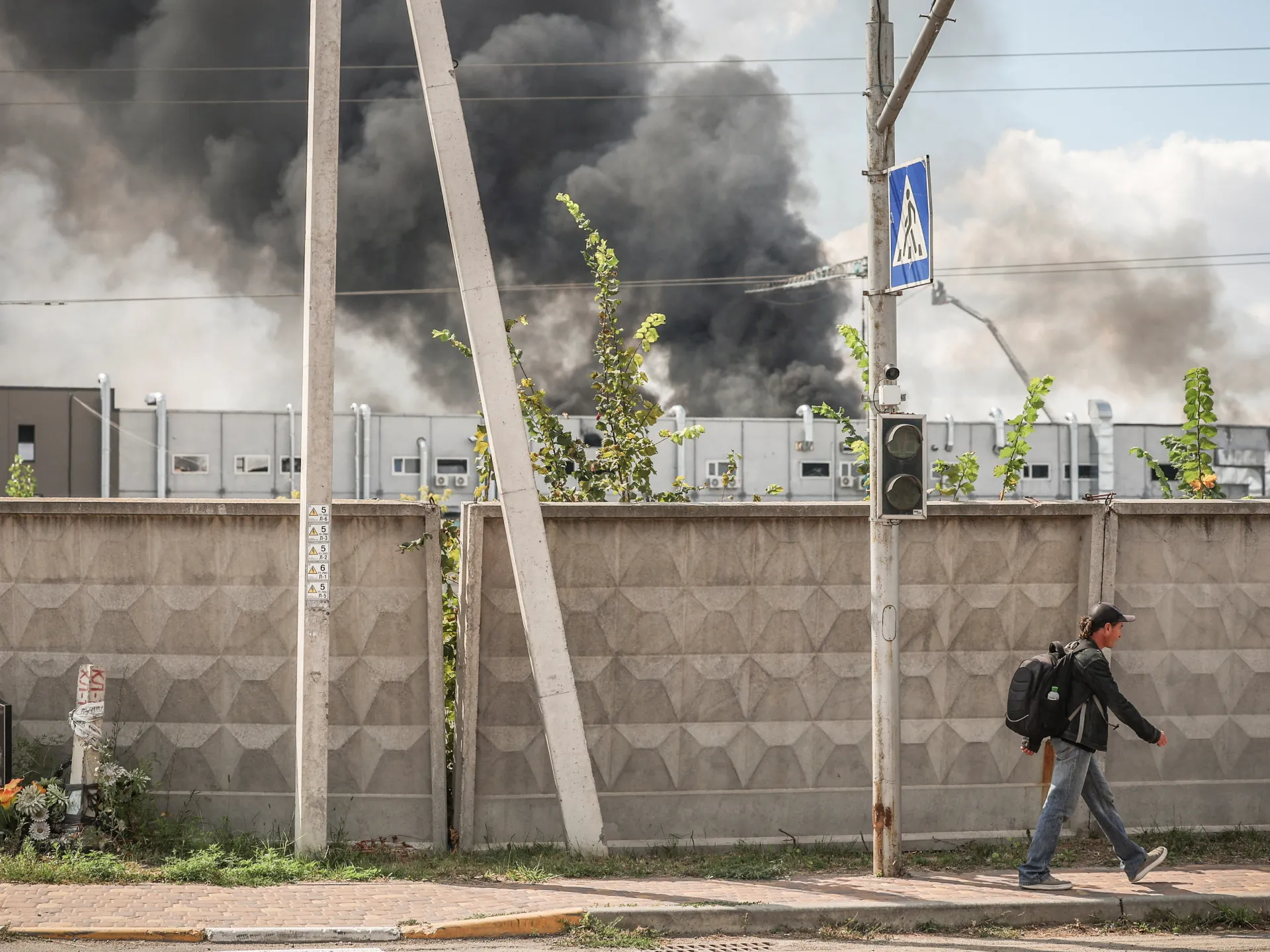
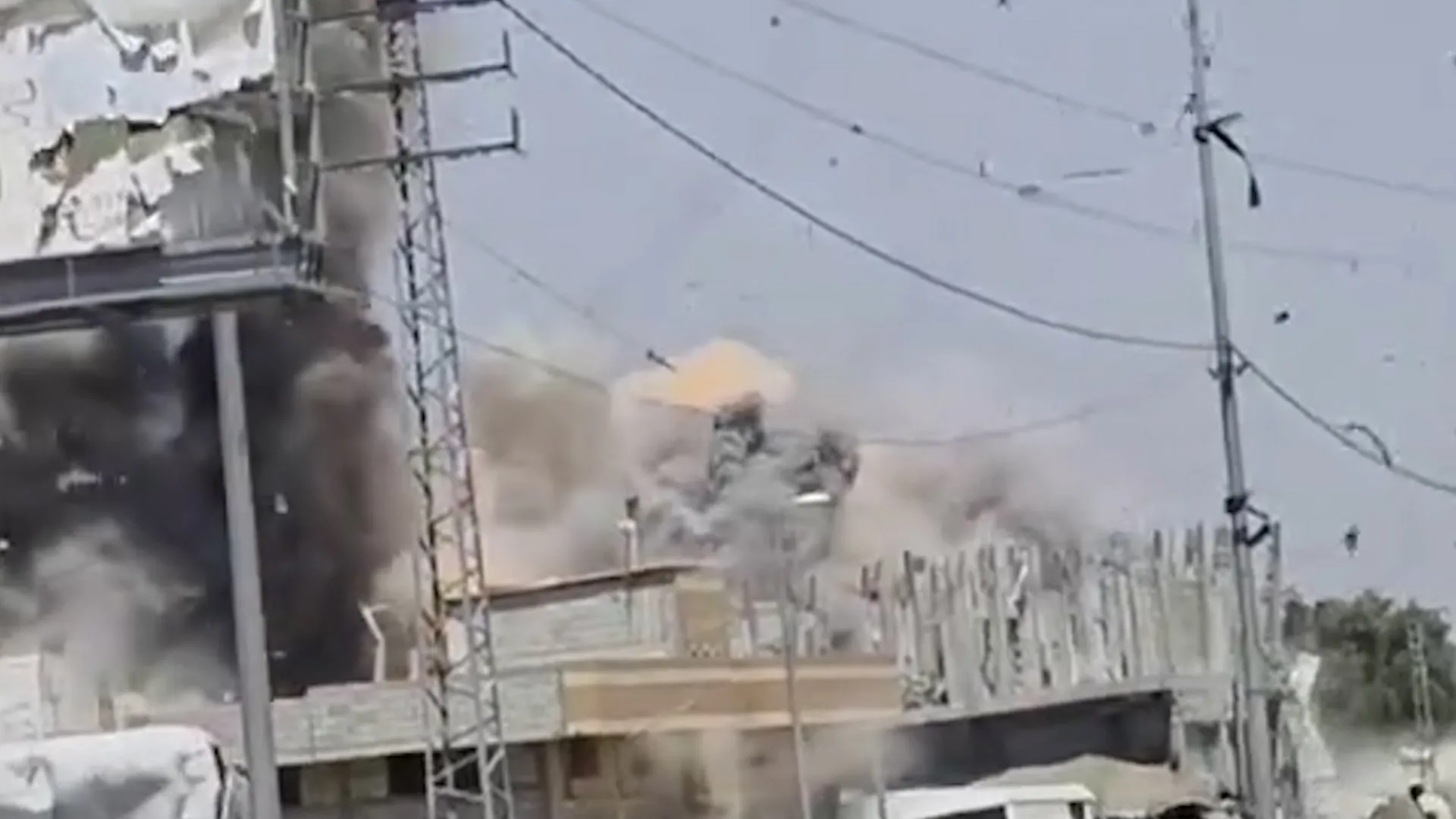
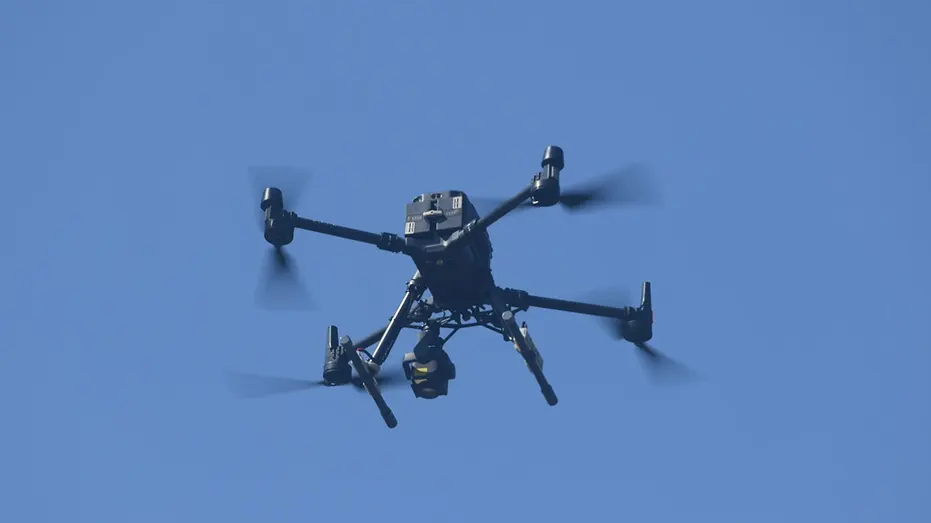
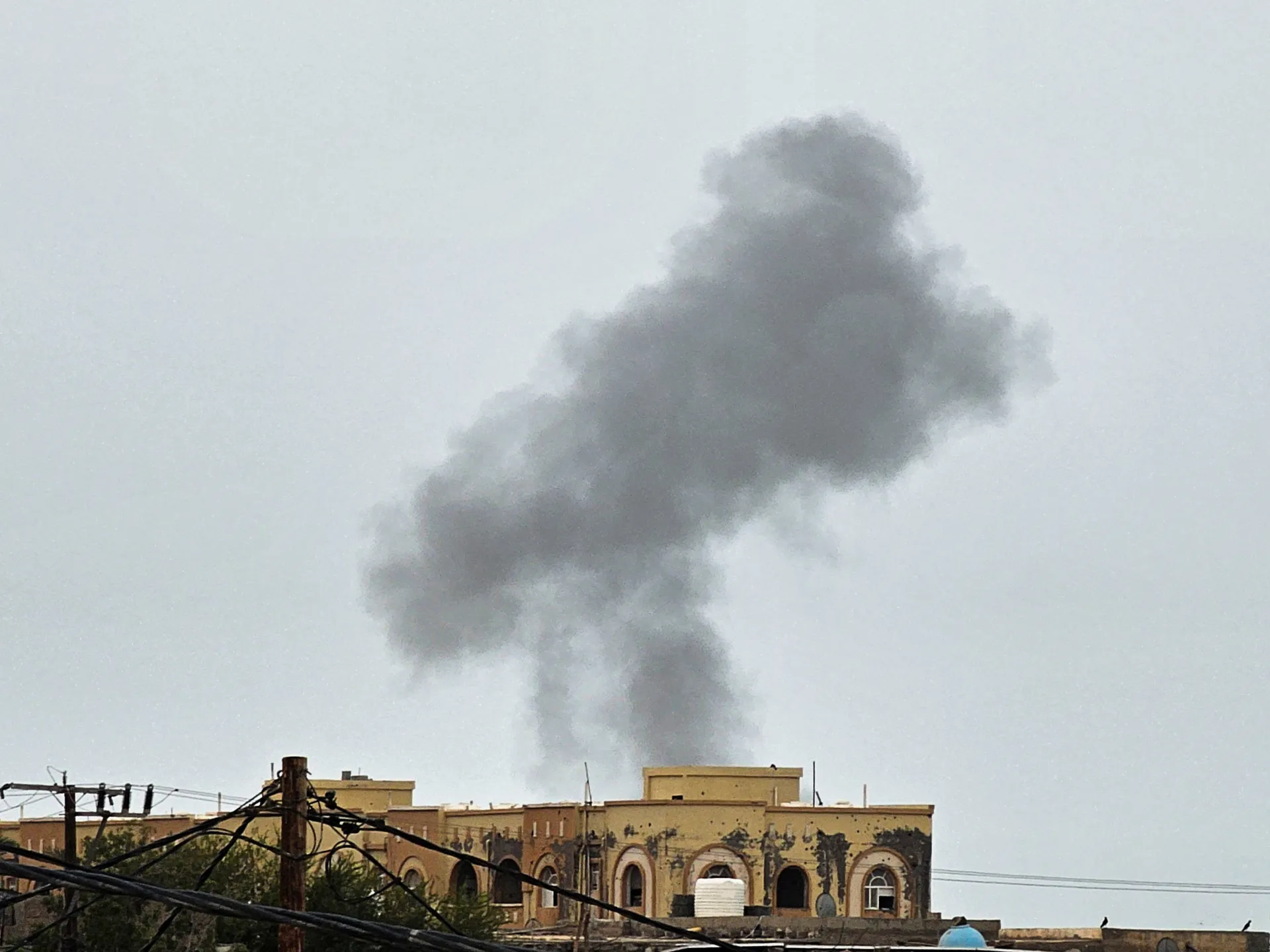
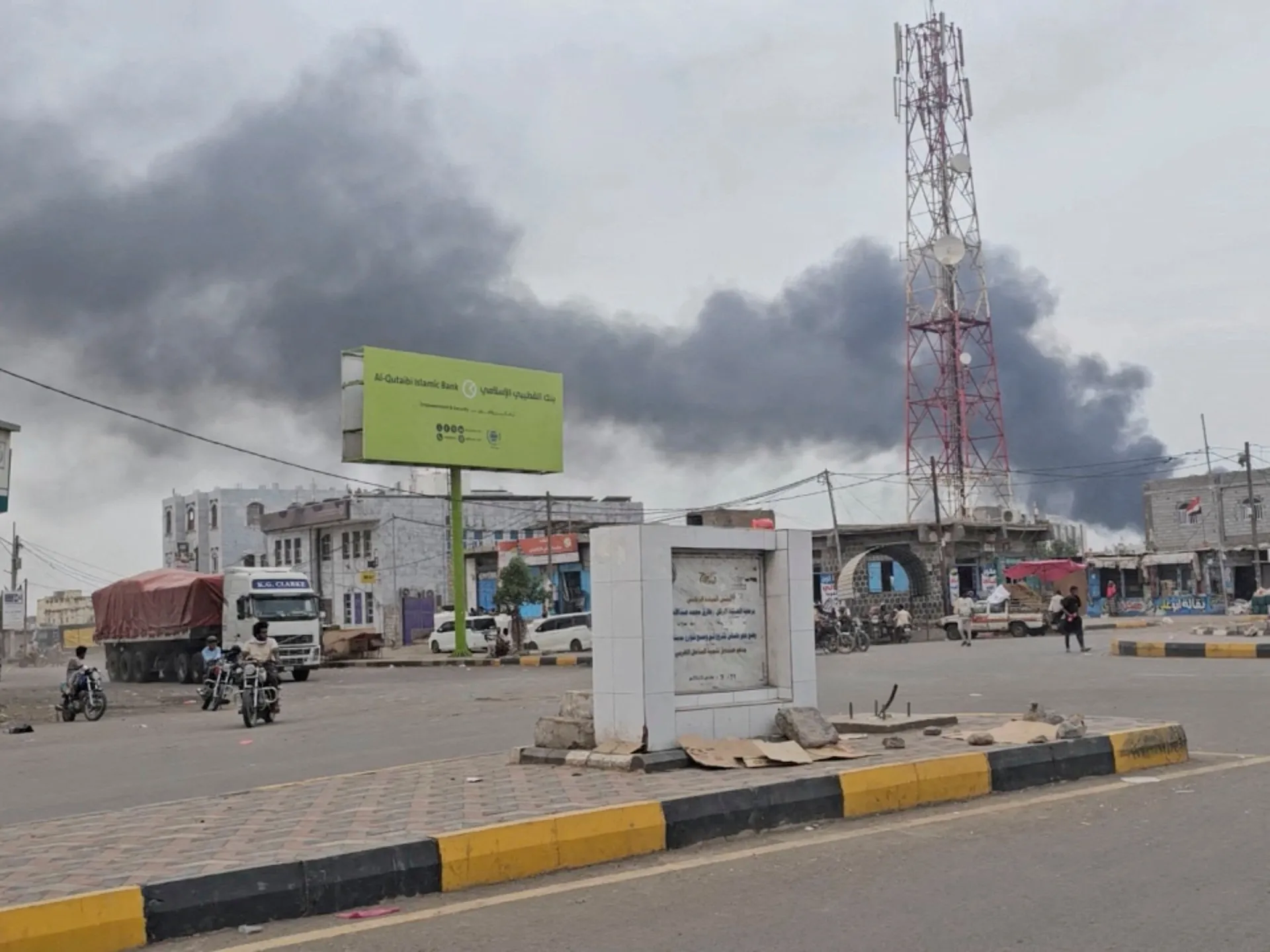
Tensions between the Houthi rebels and the Saudi-led coalition have reached an intensity not seen in years, characterized ucted 26 airstrikes within a 24-hour period, a figure that the rebels claim is part of a larger campaign that has seen over 300 strikes on their positions in the last week. Conversely, the Saudi-led coalition maintains a more aggressive posture regarding the defense of holy sites and infrastructure. Officials reported the interception of a drone near the city of Mecca, an incident that prompted immediate condemnation from the 57-nation Organisation of Islamic Cooperation, which labeled the act an unacceptable transgression.
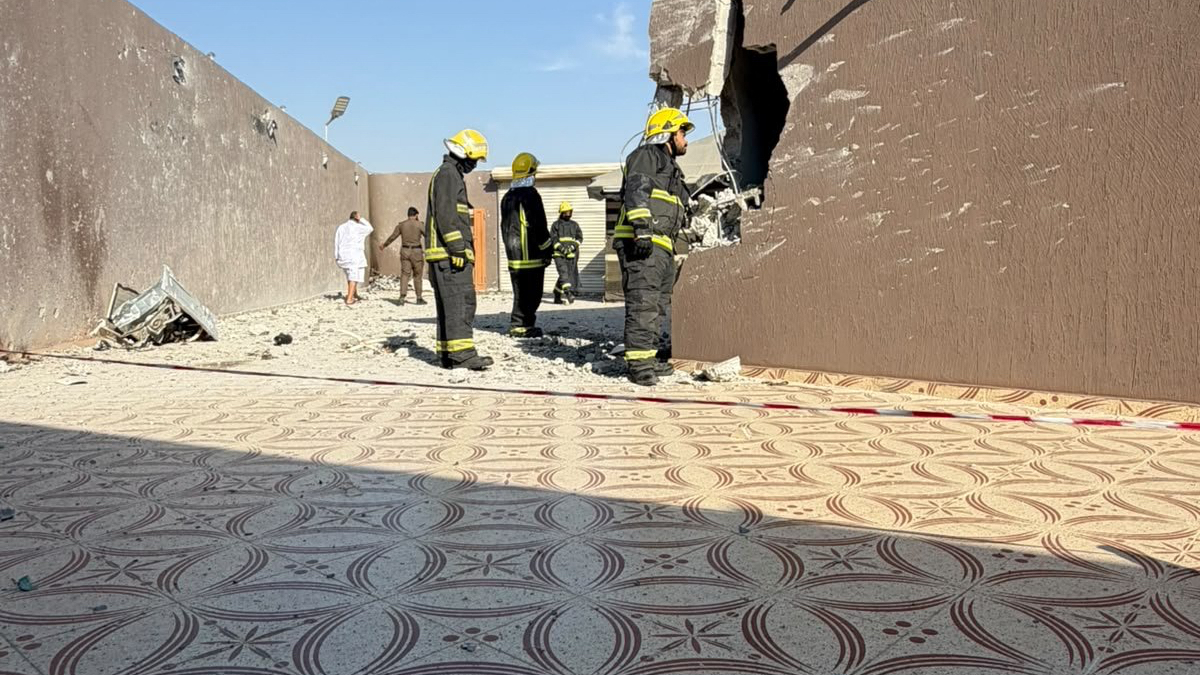
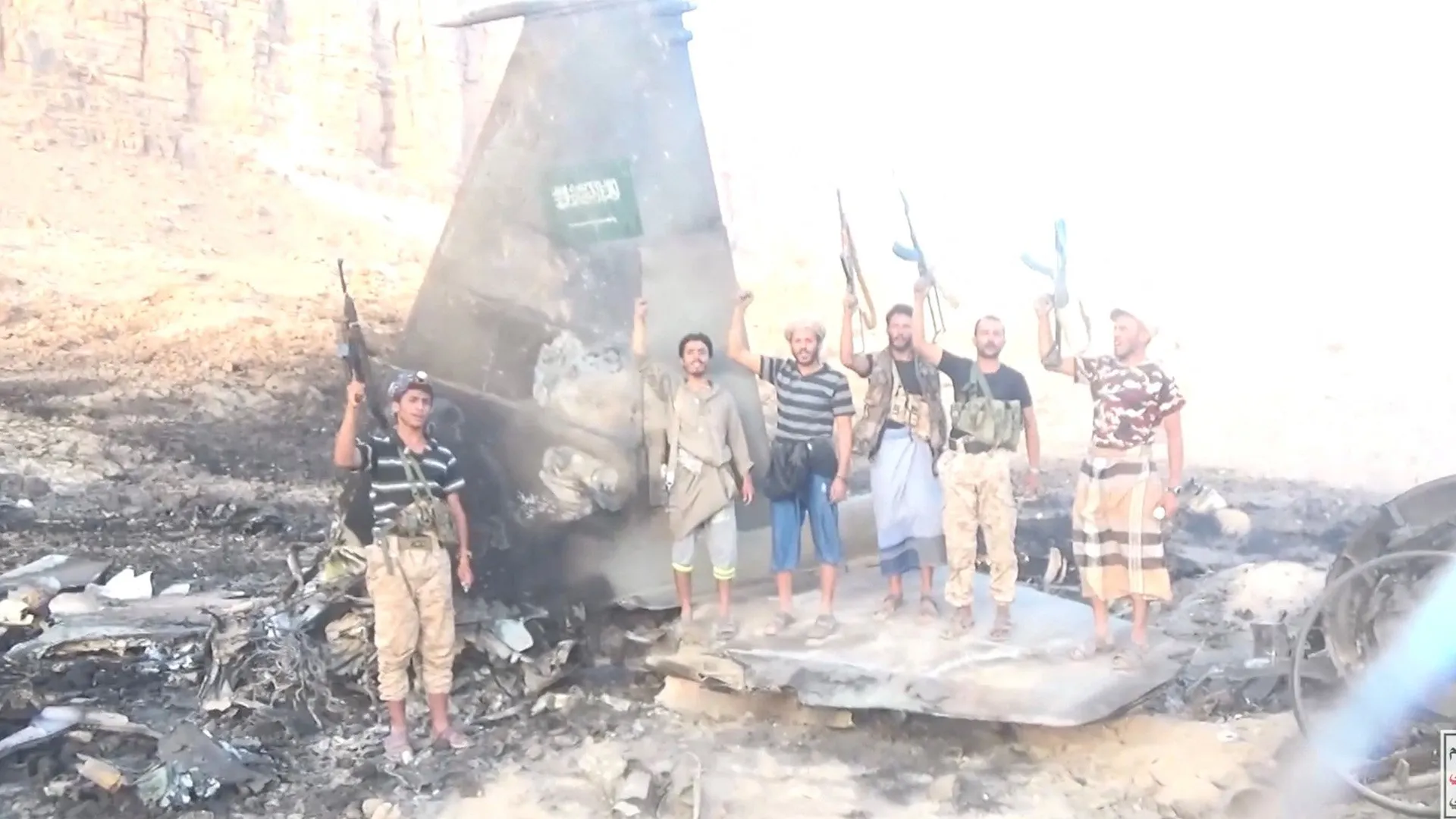
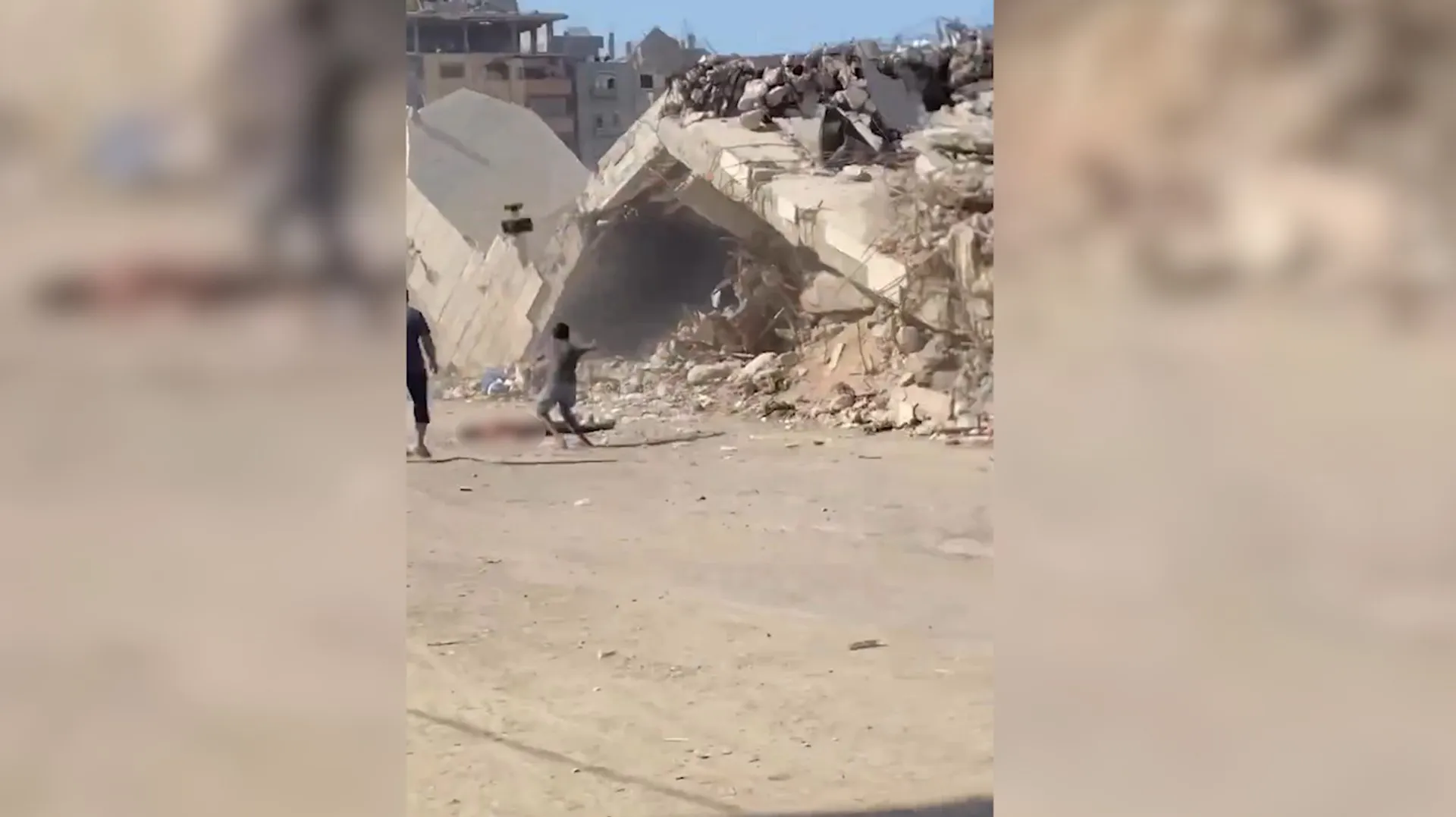
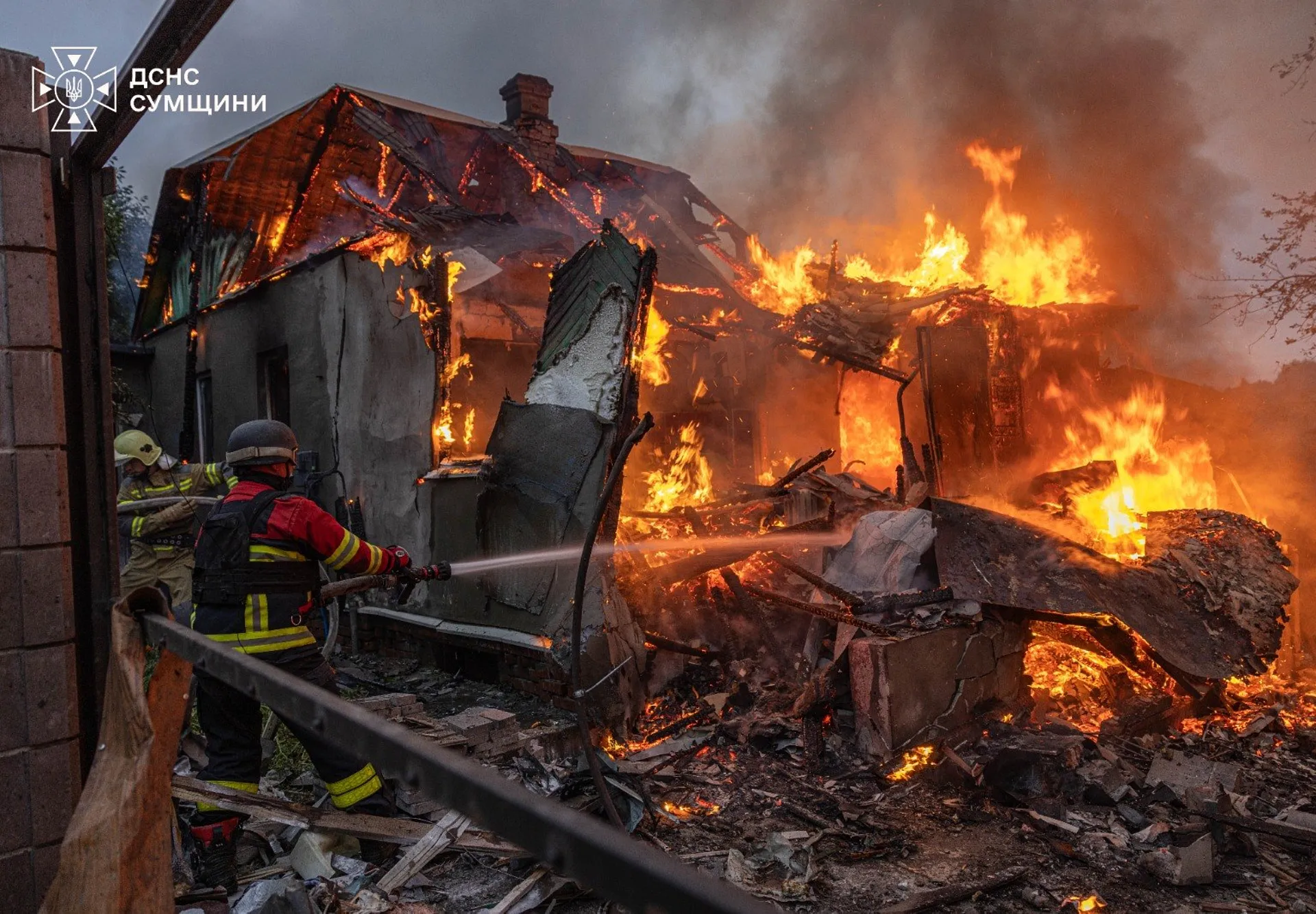
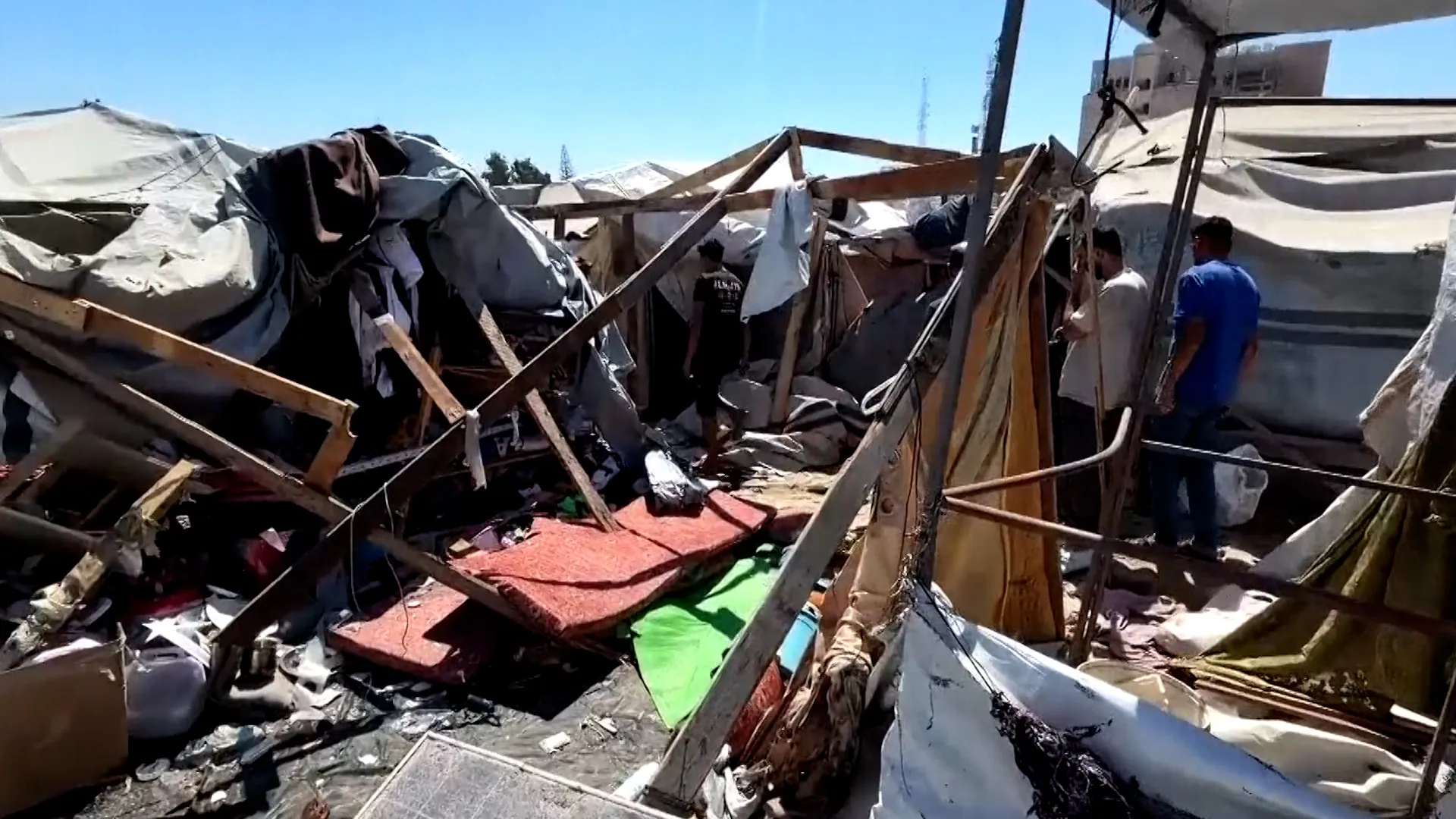
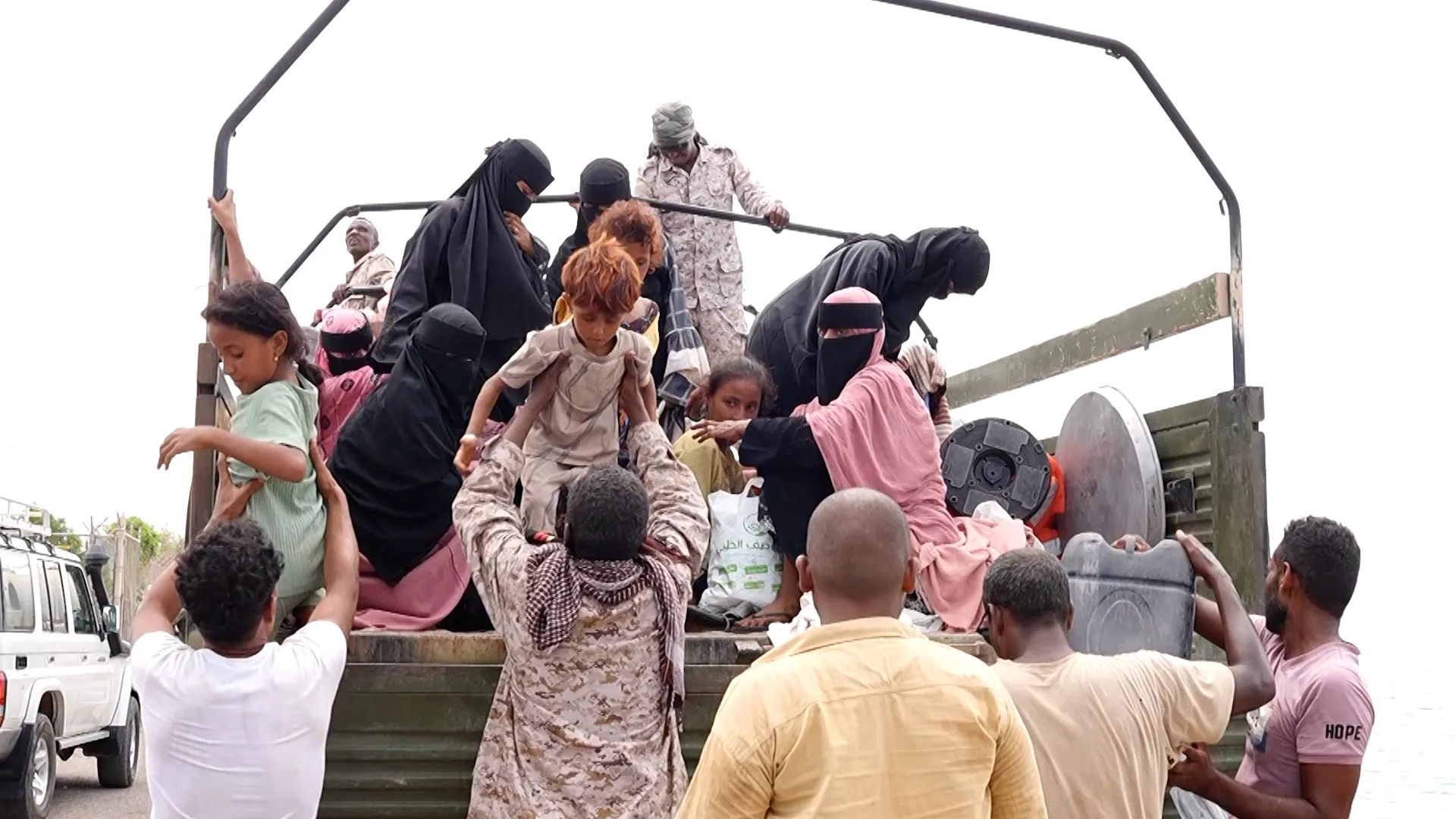
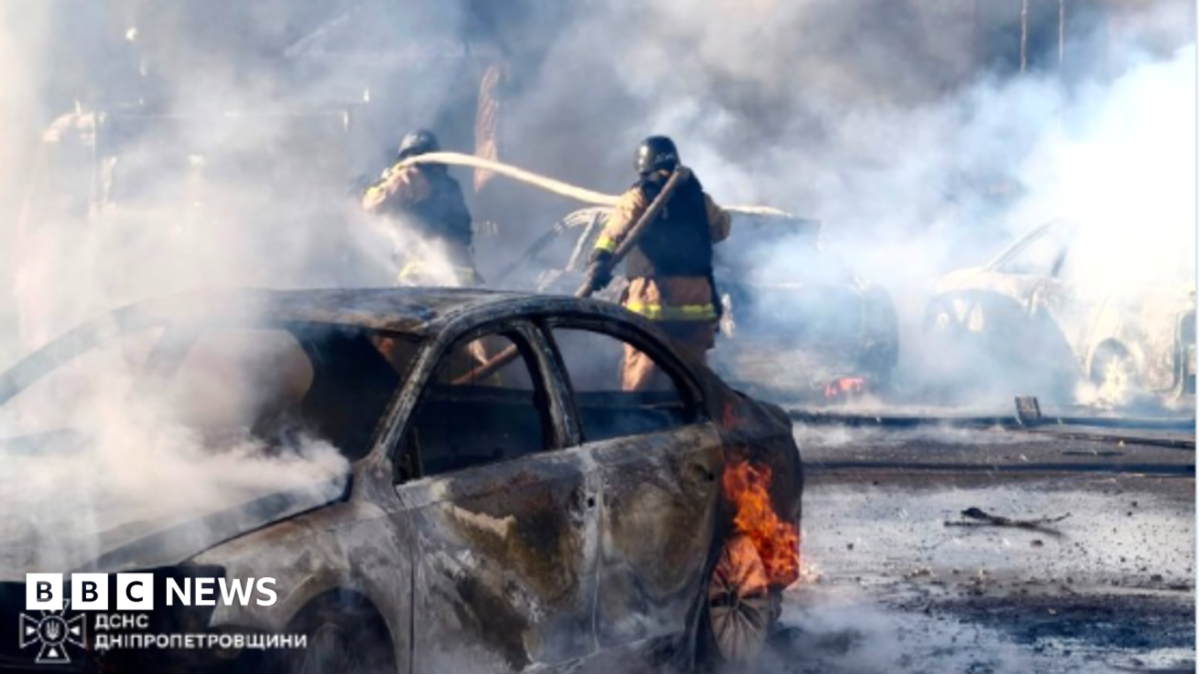
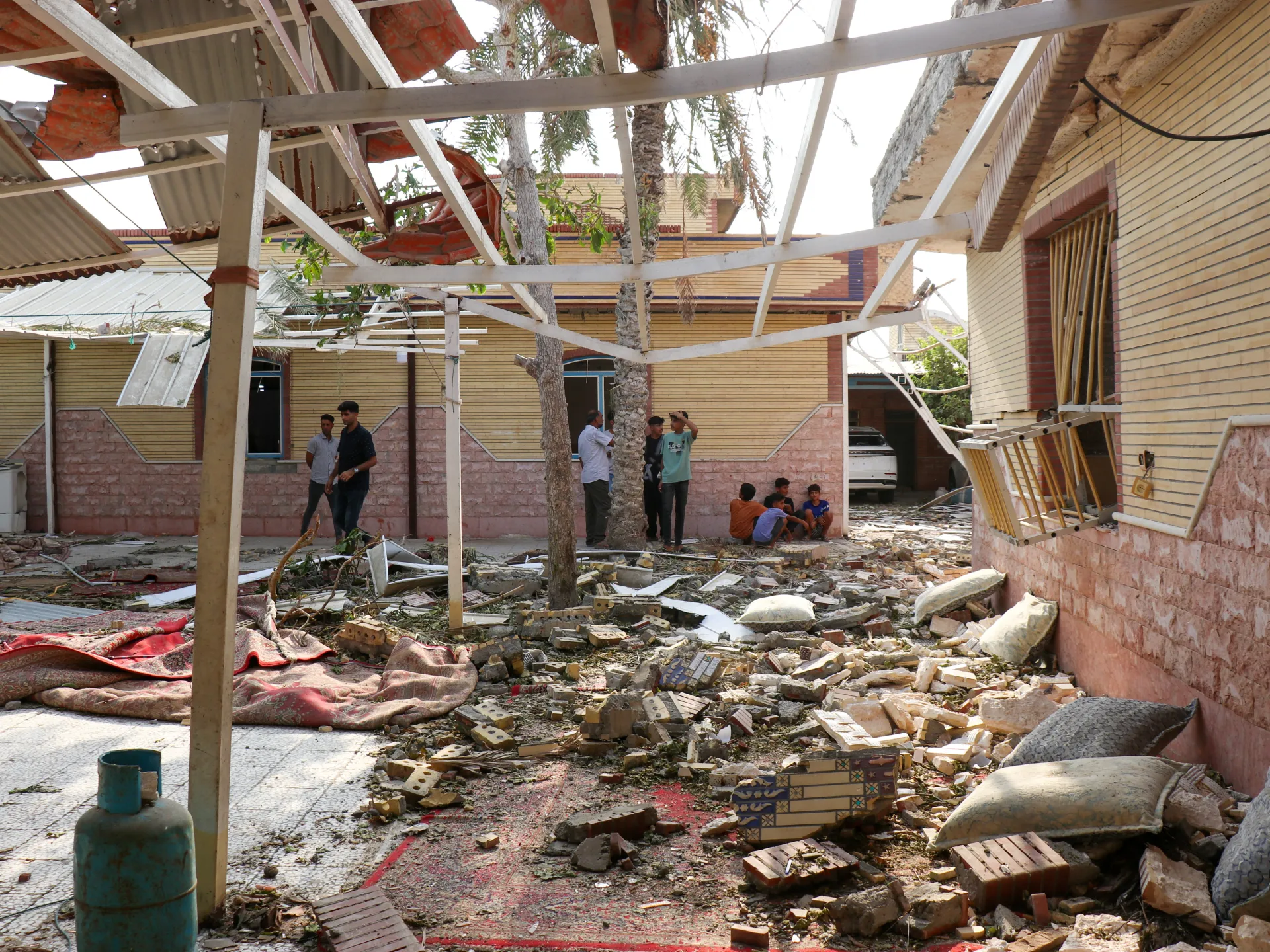
The Houthis have vehemently denied targeting Mecca, with military spokesman Yahya Sarea asserting that the group’s operations are strictly limited to Saudi military and energy infrastructure. The rebels also claimed the downing of a Saudi fighter jet over Marib province, though the coalition has remained silent on this specific allegation. This back-and-forth has led to a series of security alerts across western Saudi Arabia, affecting major hubs like Jeddah and Taif, and resulting in civilian casualties documented and Taiz, the Saudi coalition confirmed at least one death in the Taif governorate following an intercepted drone attack.
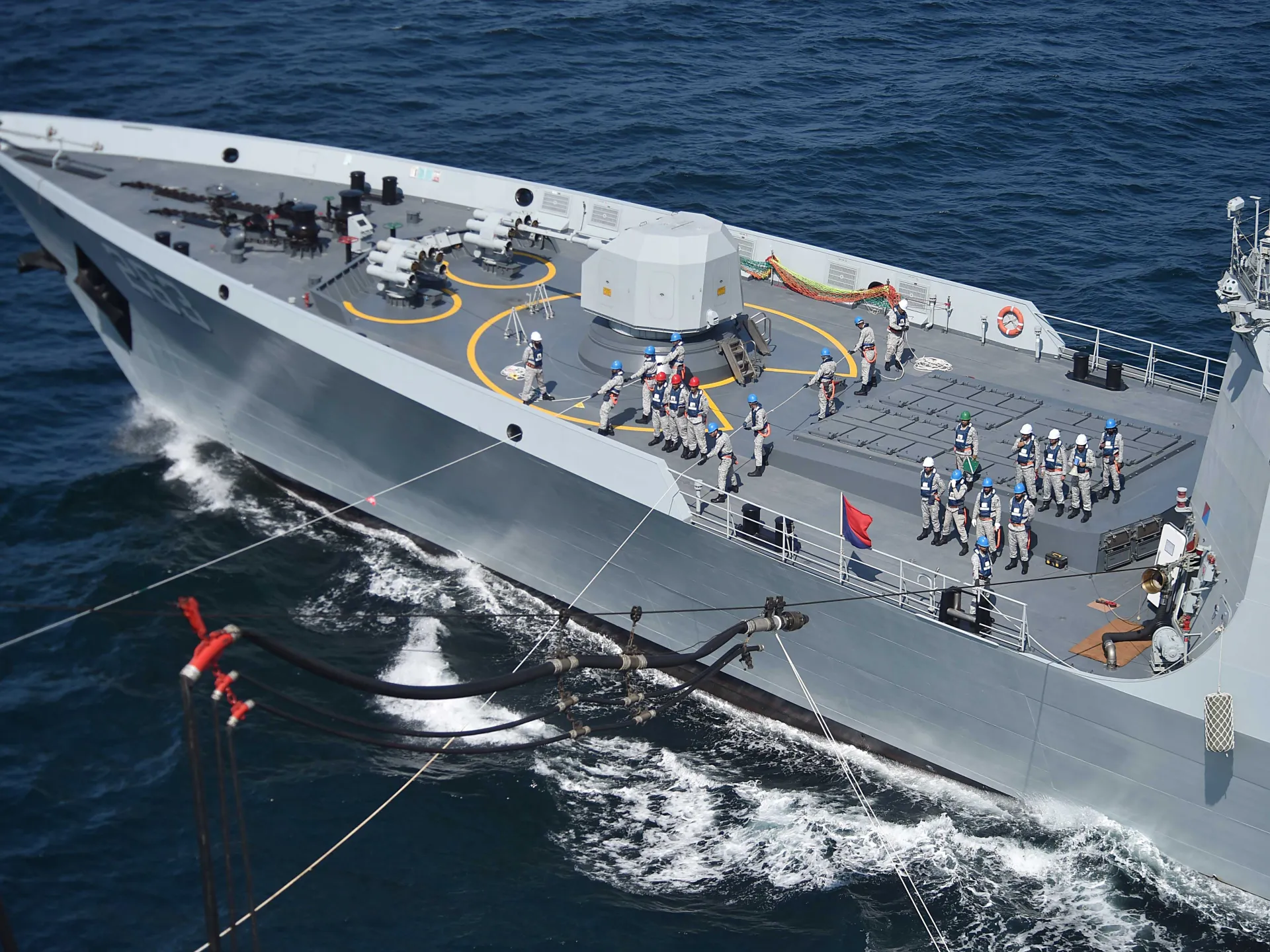
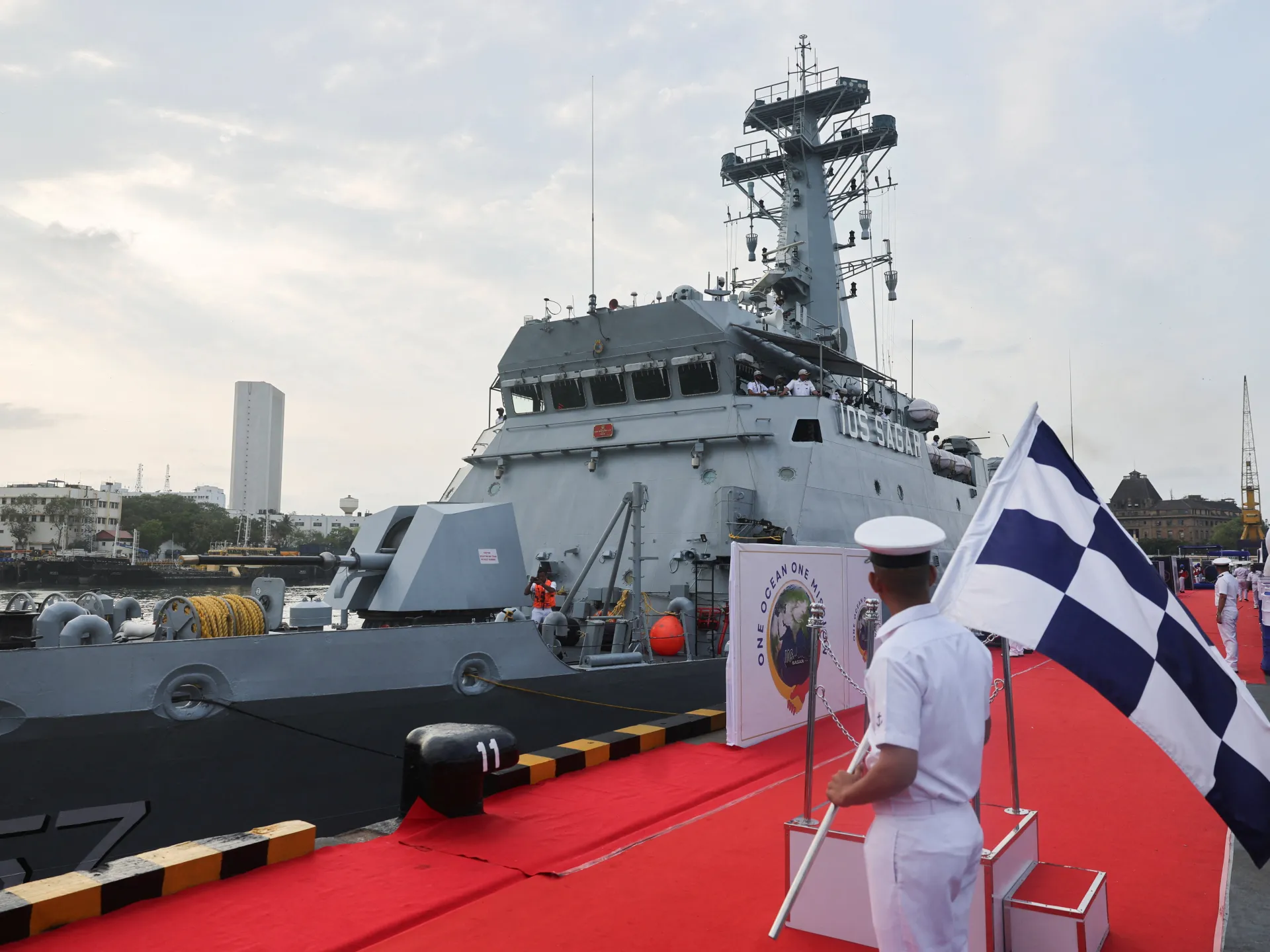
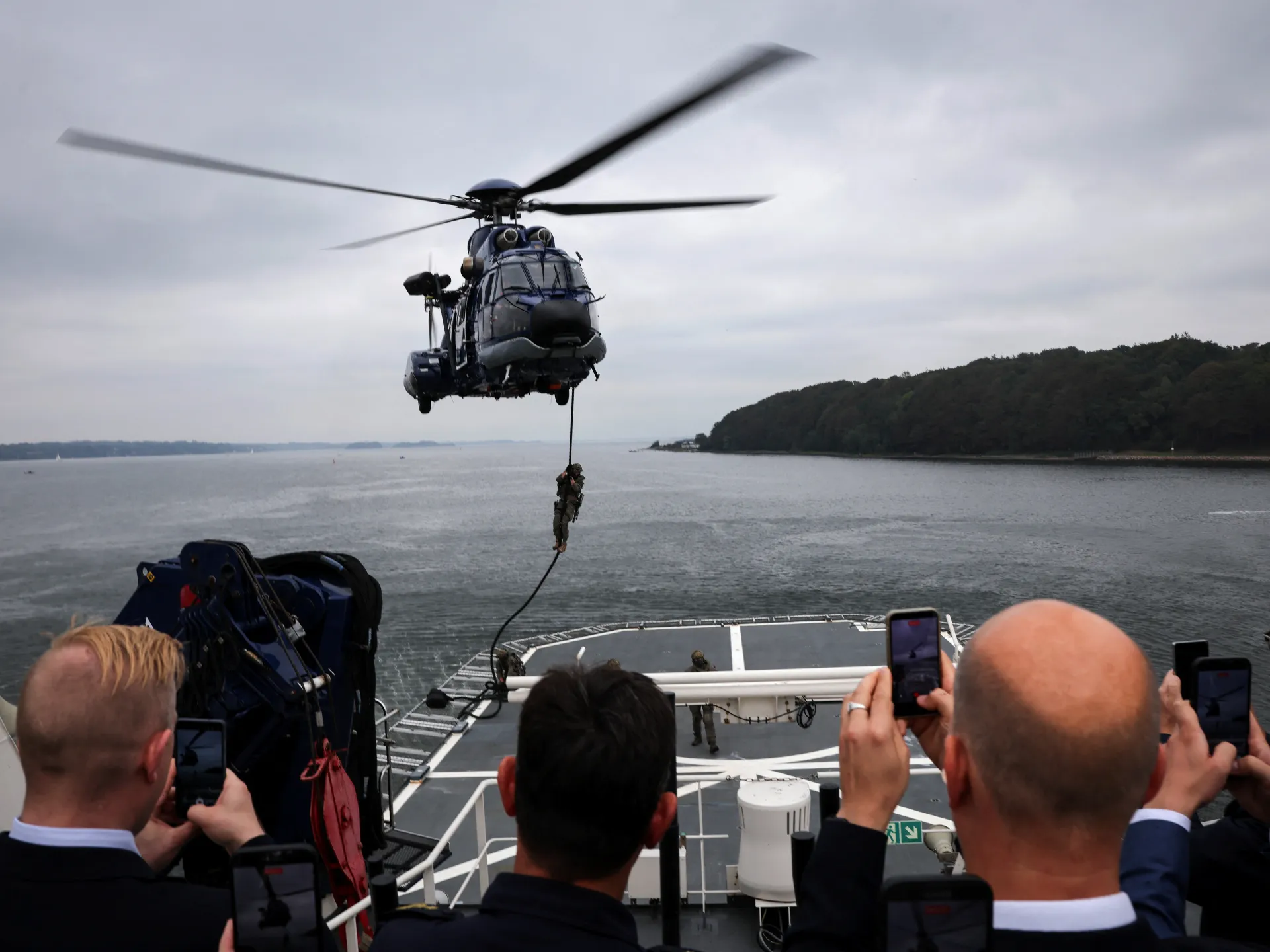
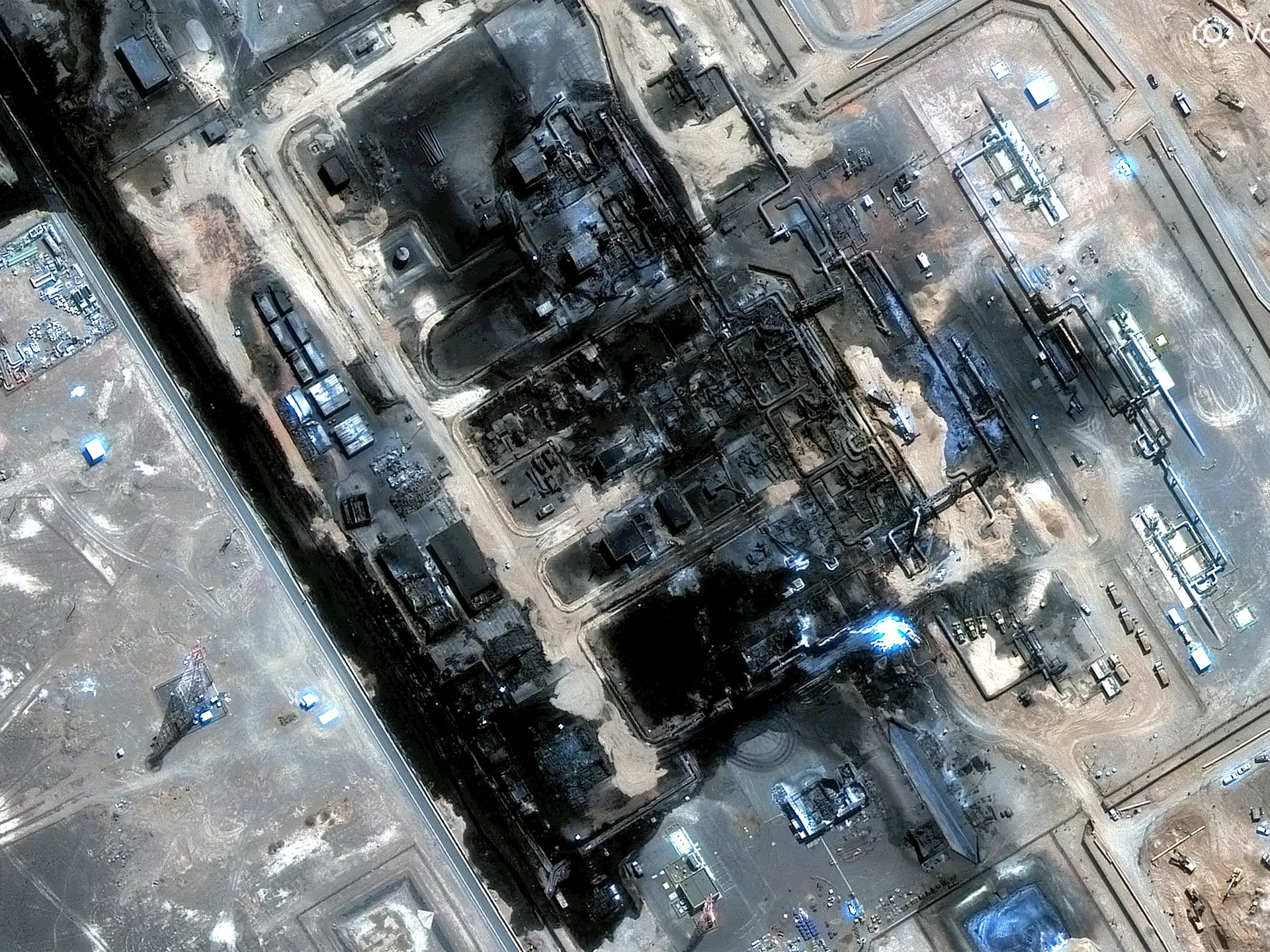
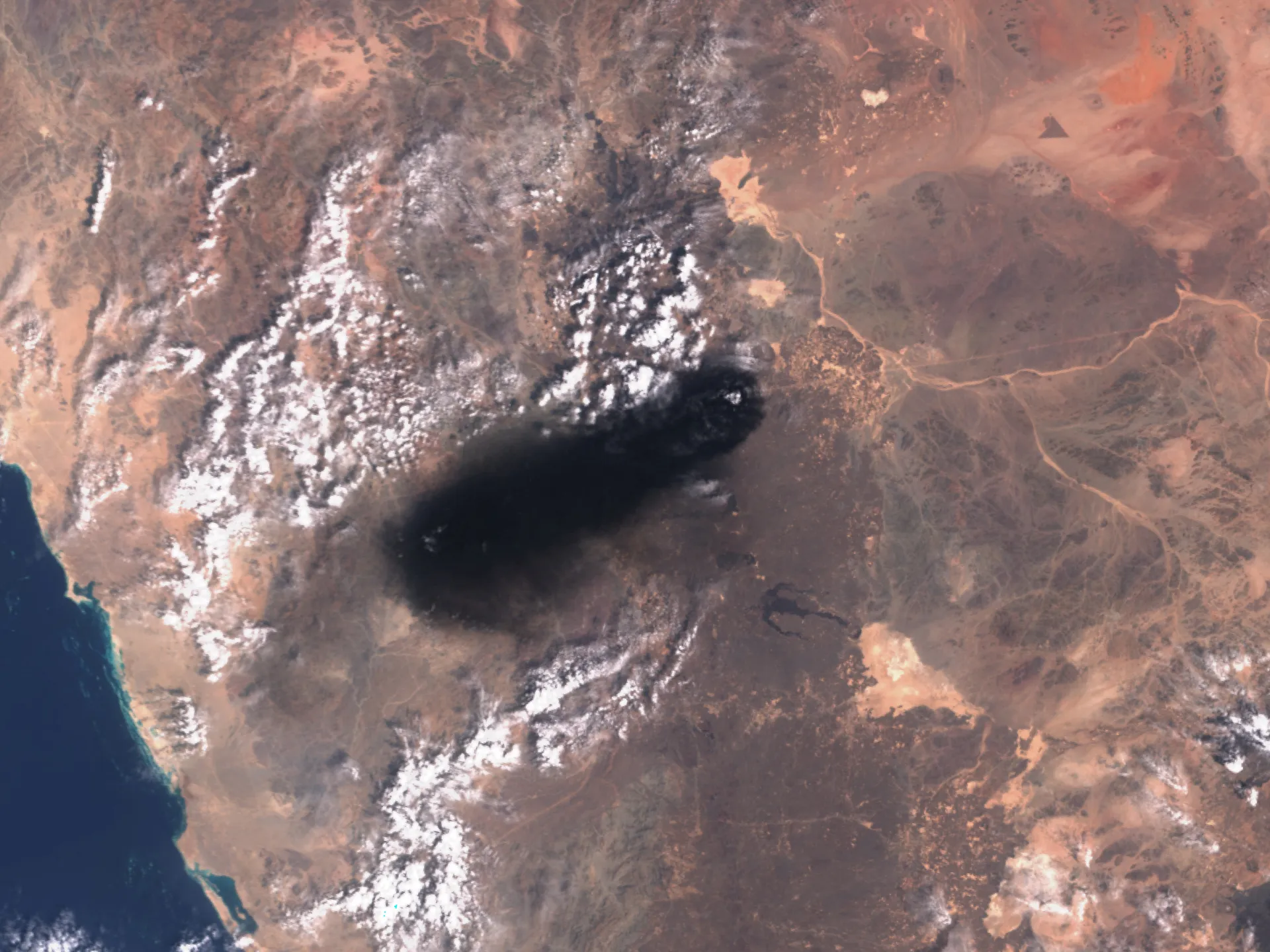
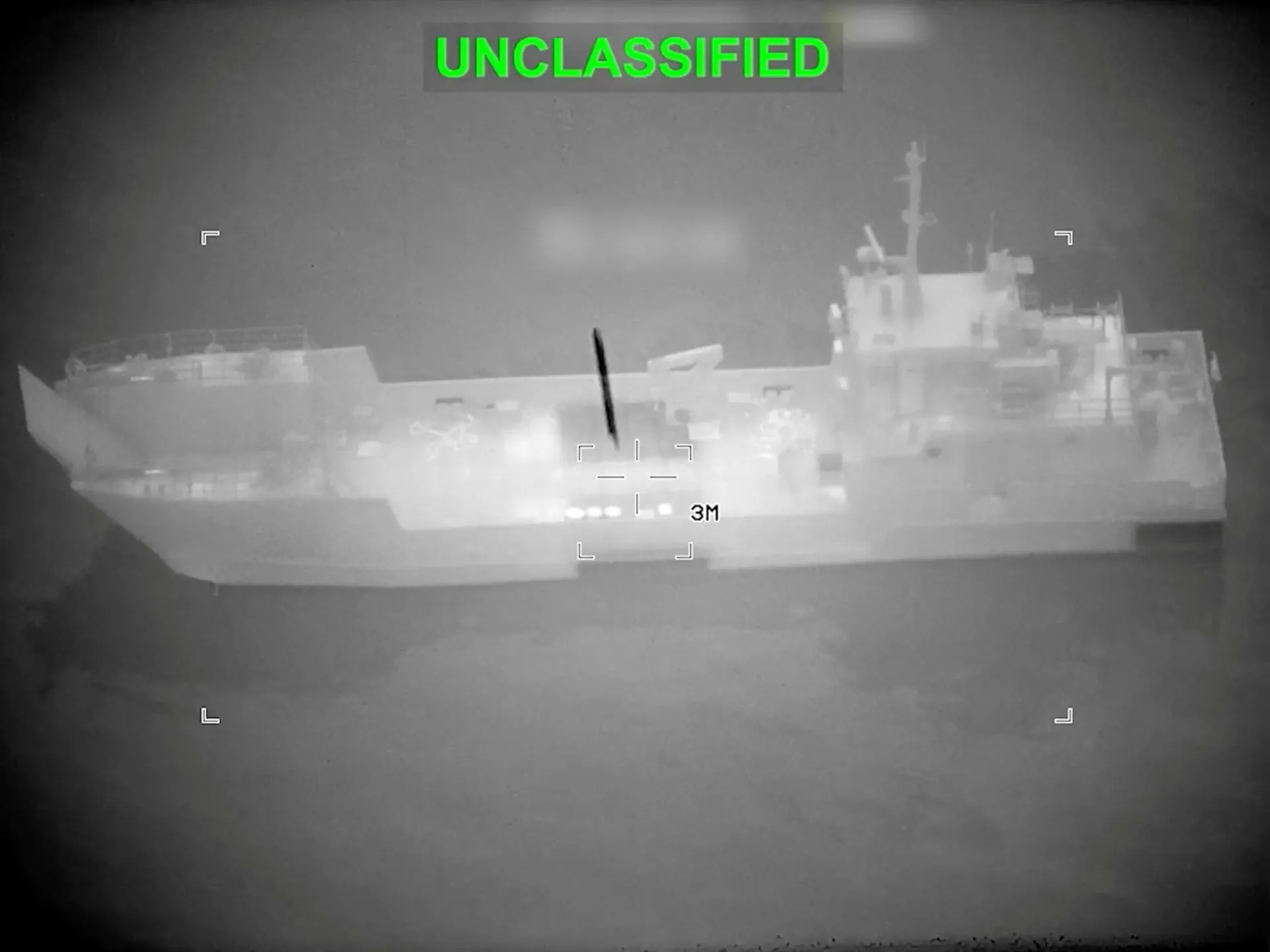
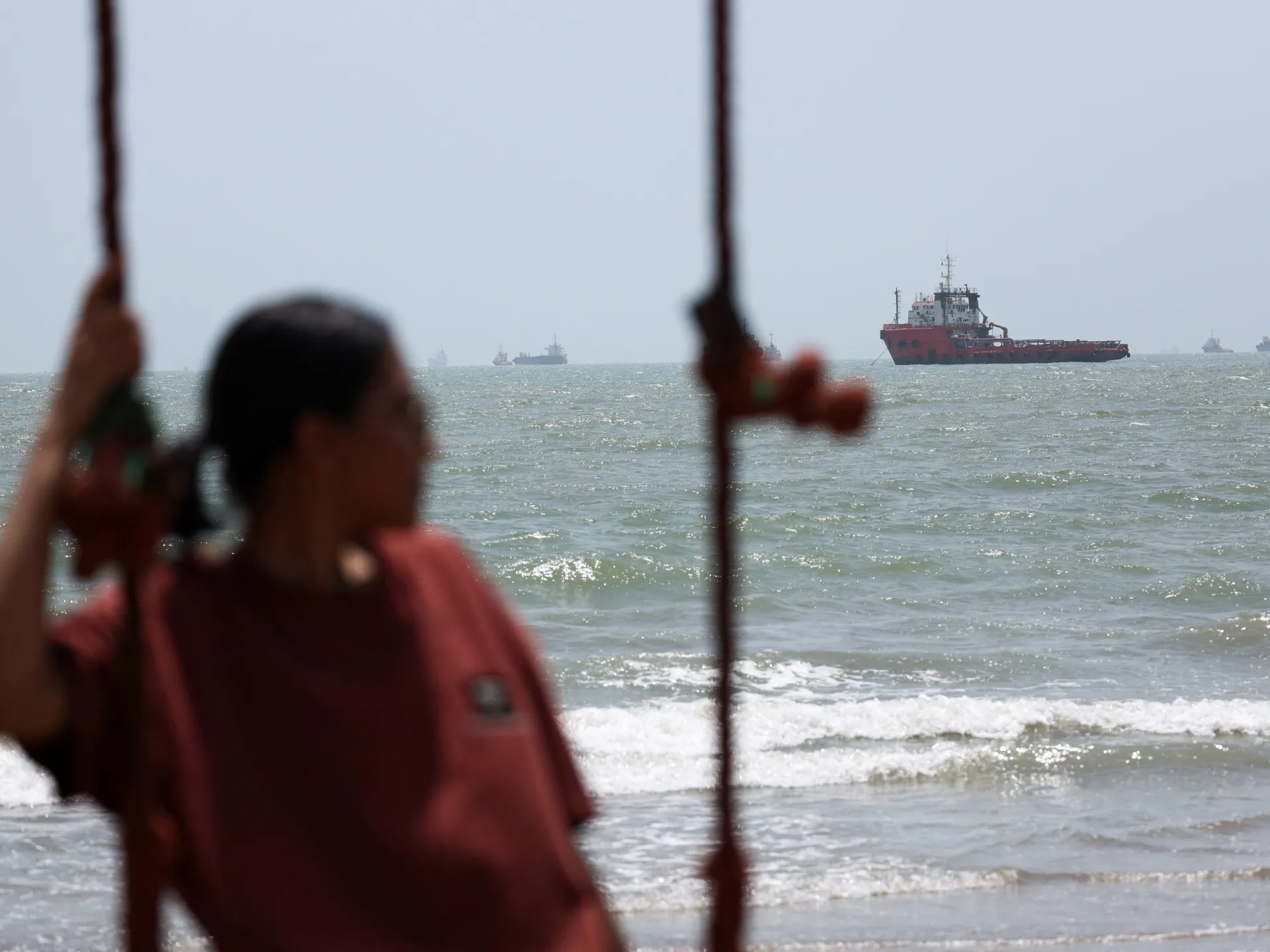
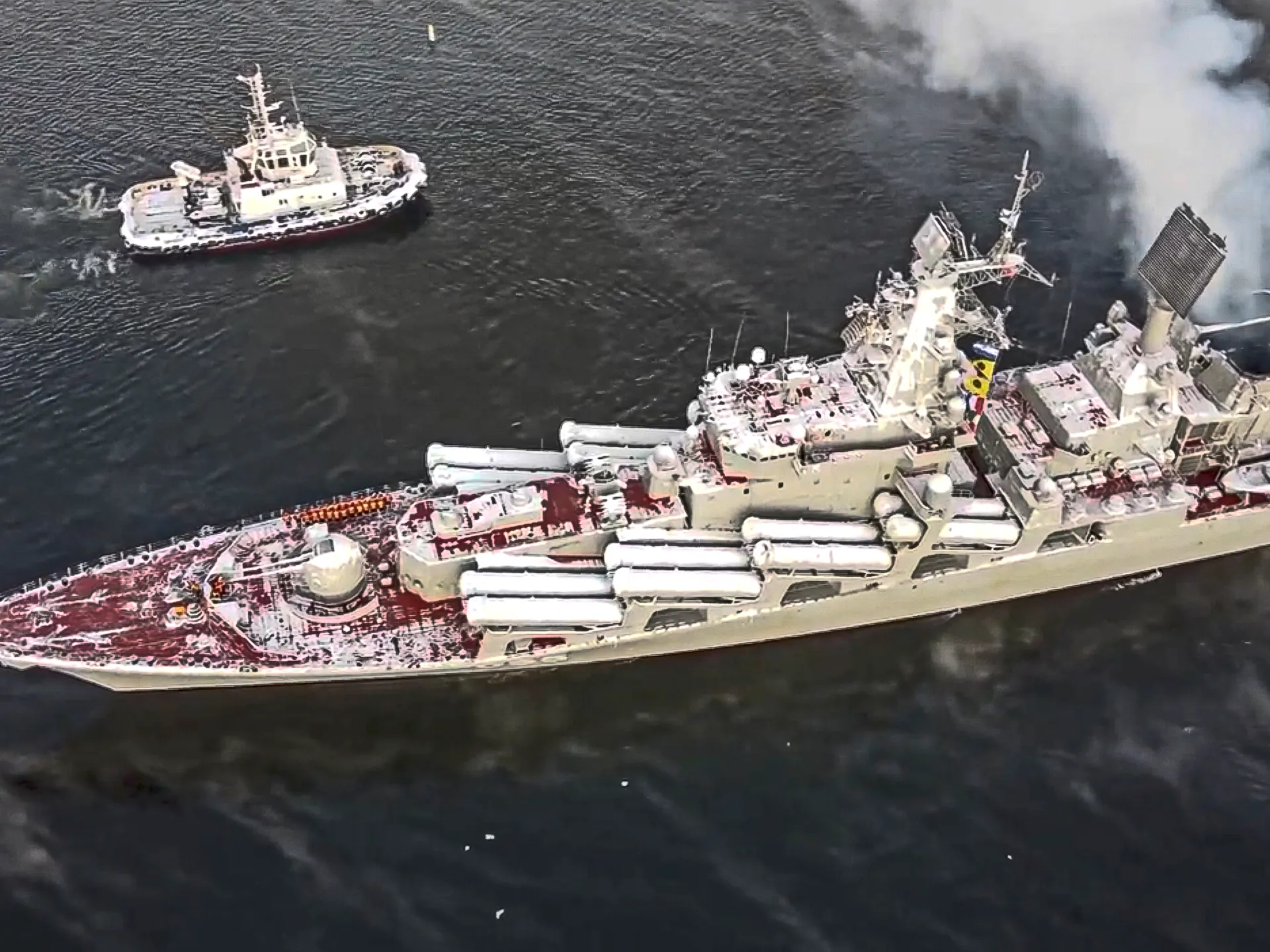
The shifting ground in Yemen has prompted a recalibration of international security responses. Operation Aspides, the European Union's naval mission in the Red Sea, has officially raised its alert level in response to the deteriorating security environment. Kaja Kallas, the EU’s foreign policy chief, publicly described the Houthi attacks on Saudi Arabia as a direct threat to the global economy. These concerns are compounded e in an attack for which the kingdom has held Iran-backed forces responsible.
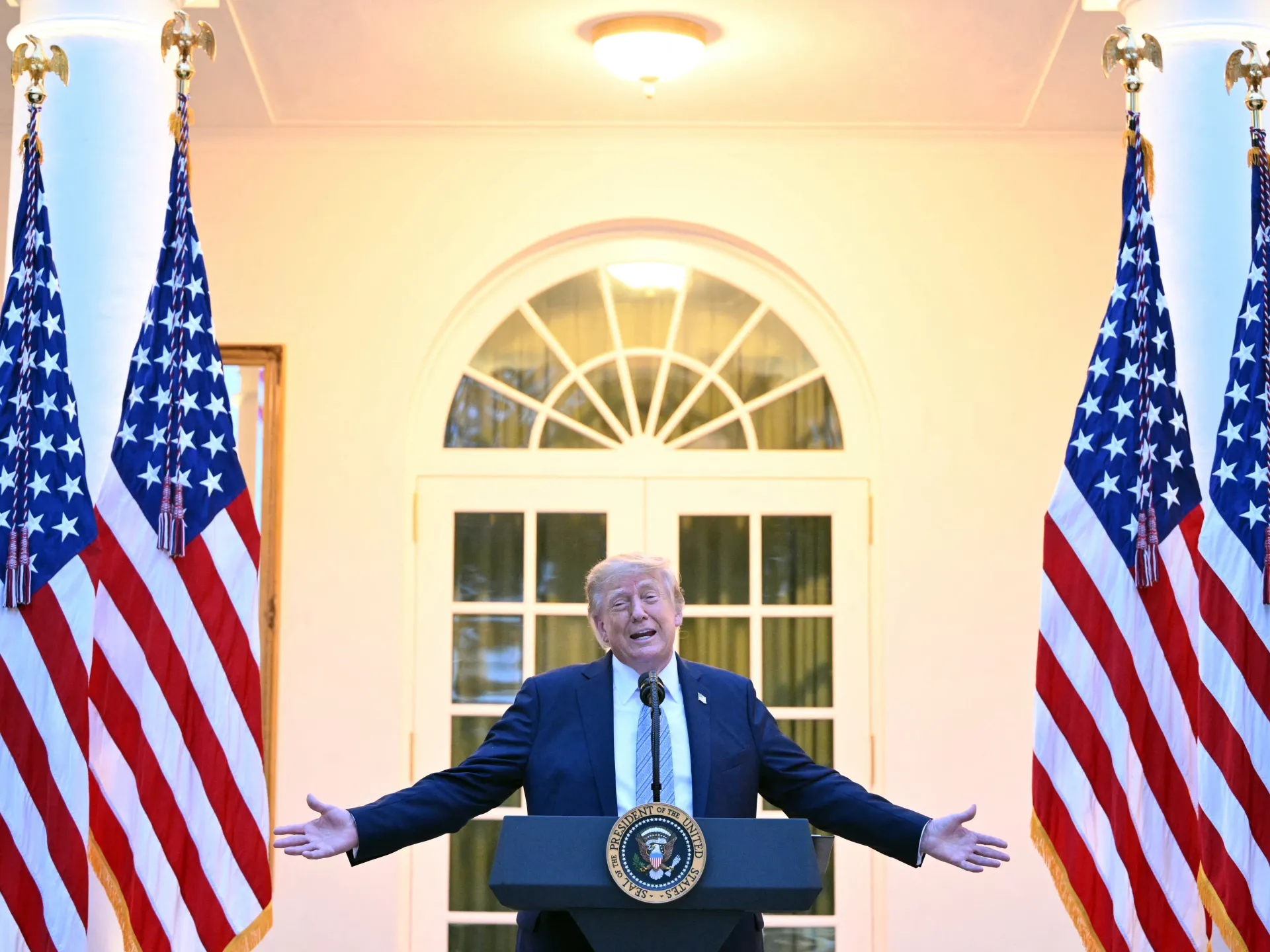
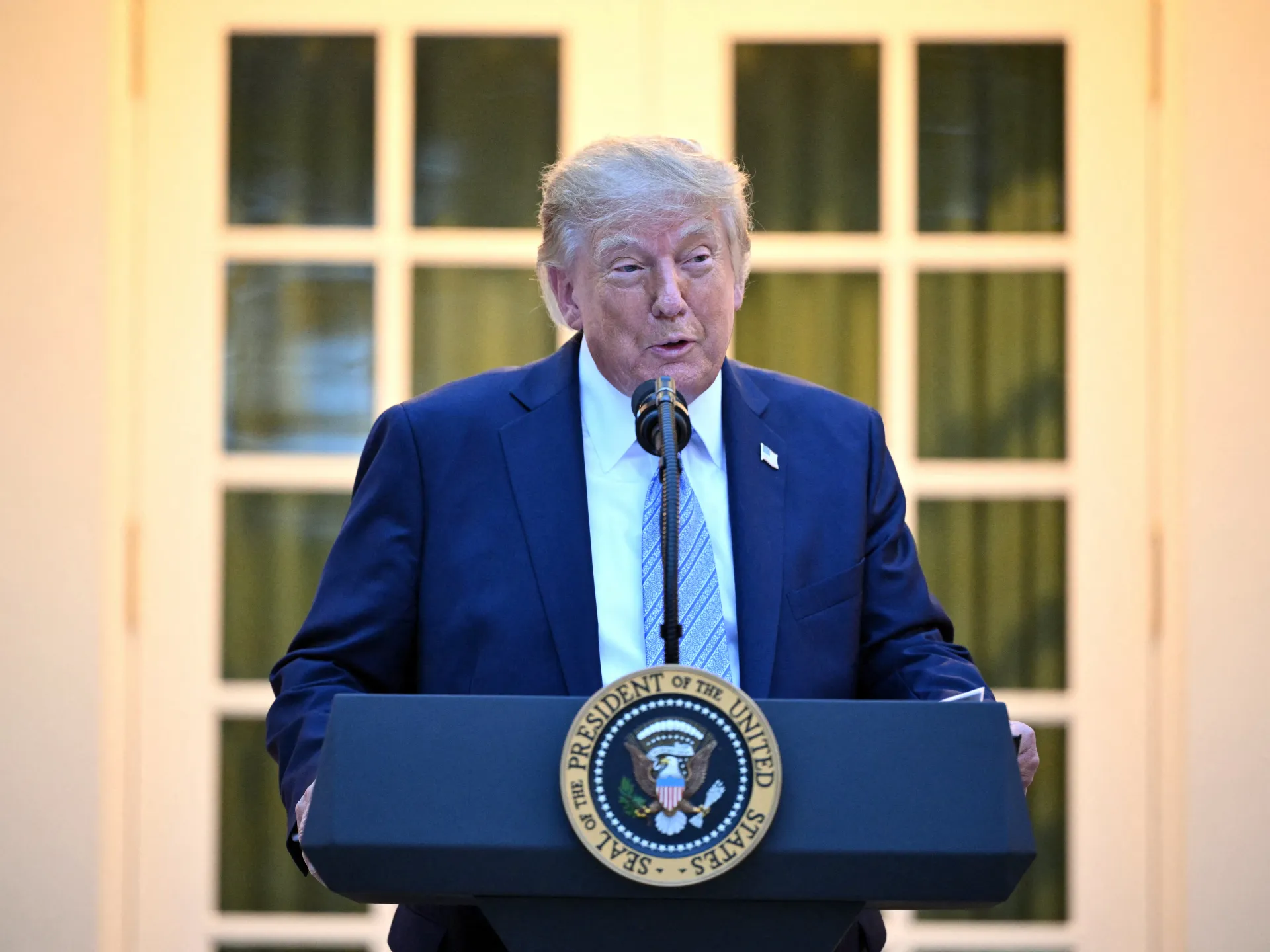
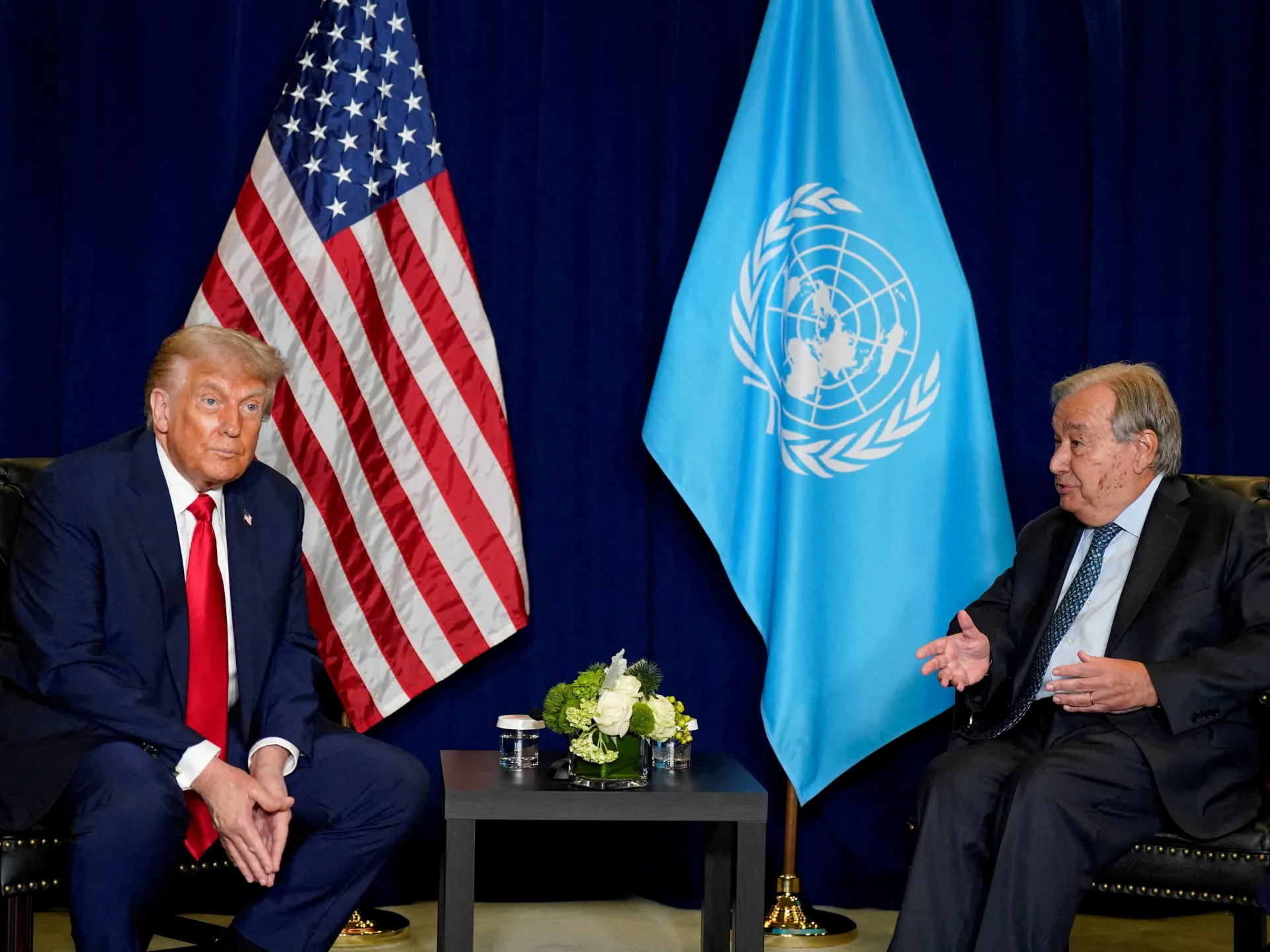
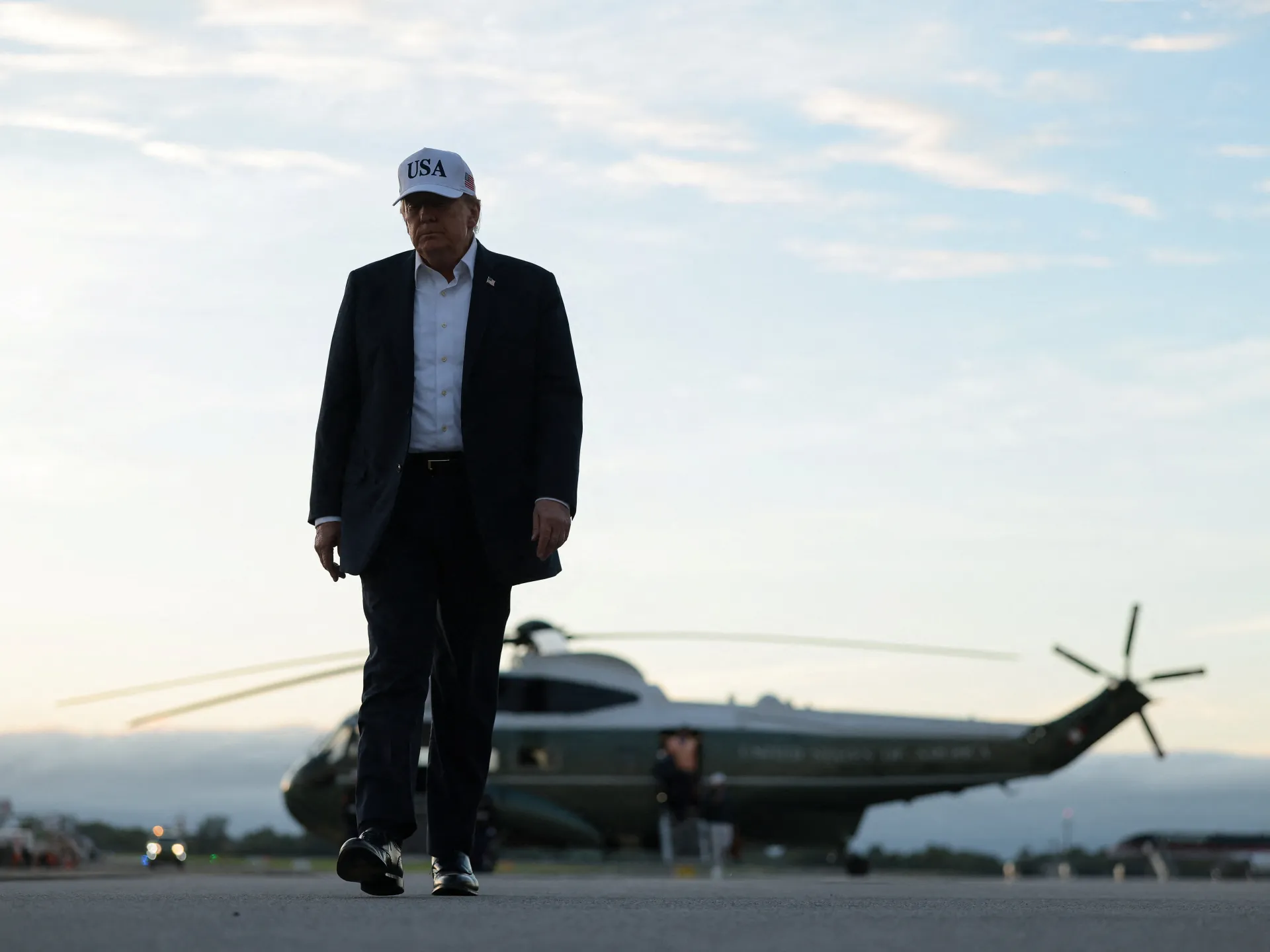
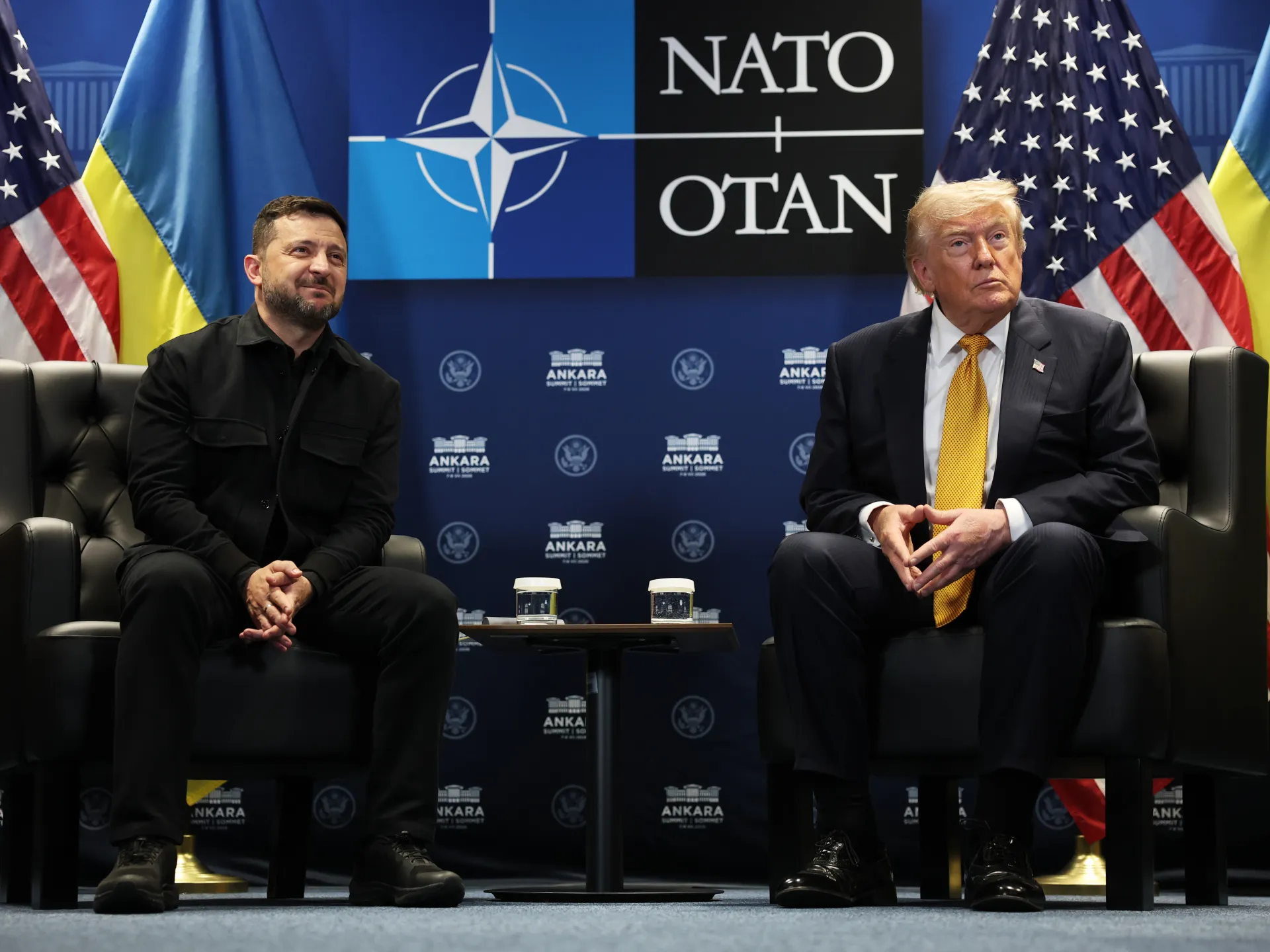
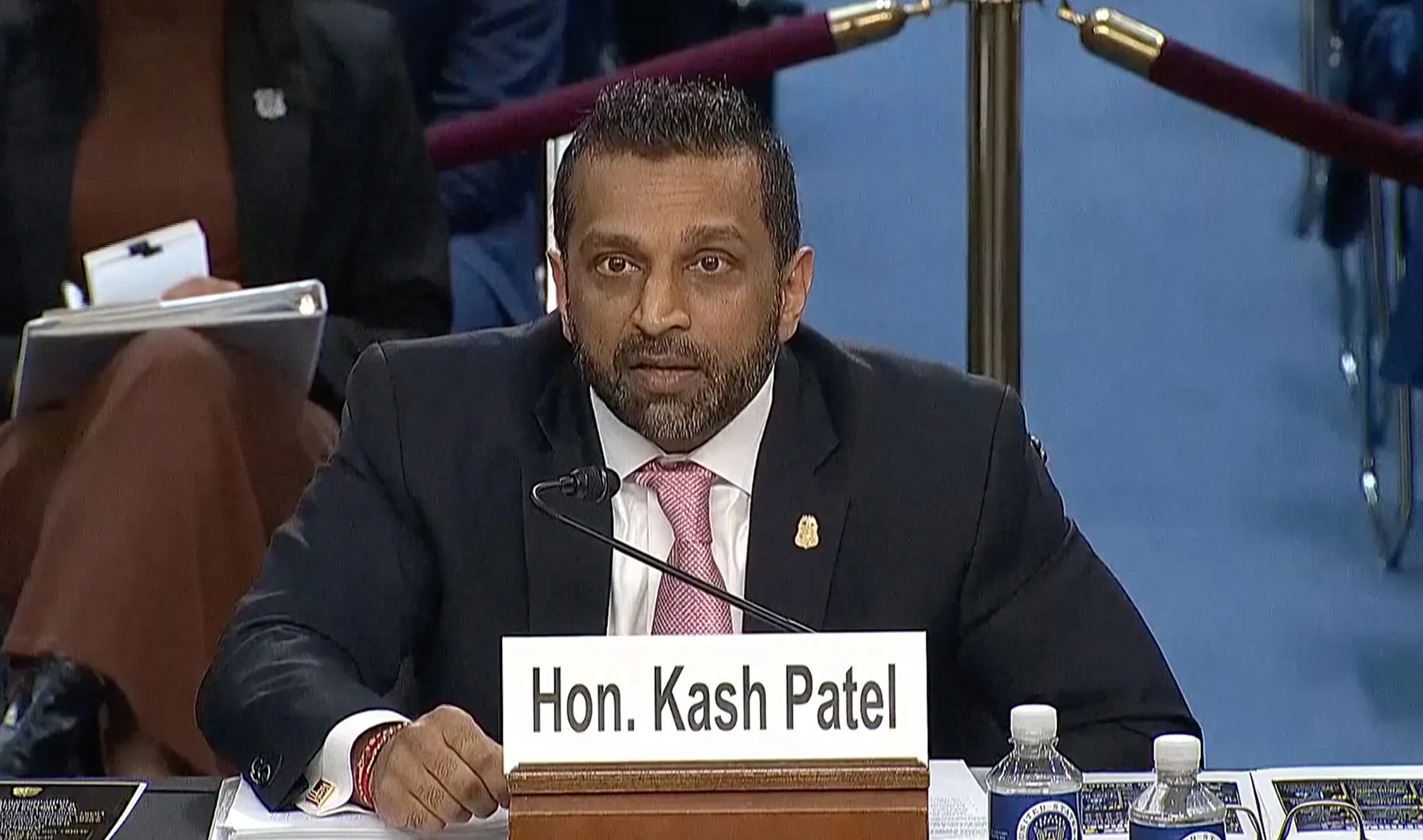
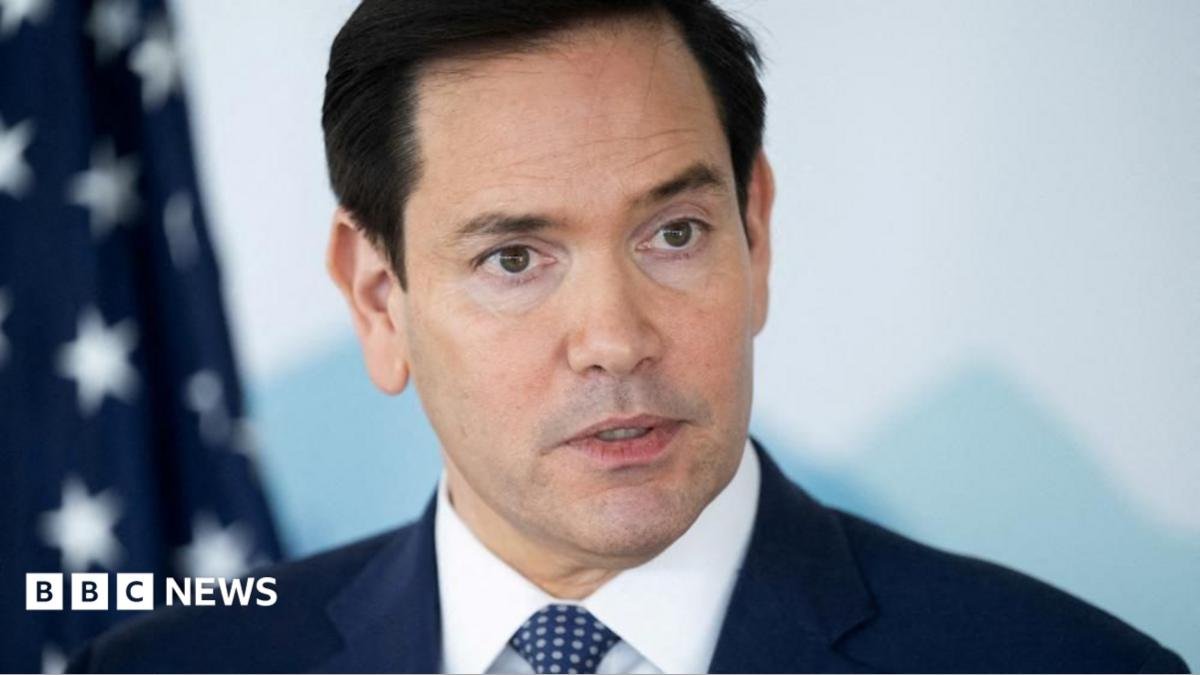
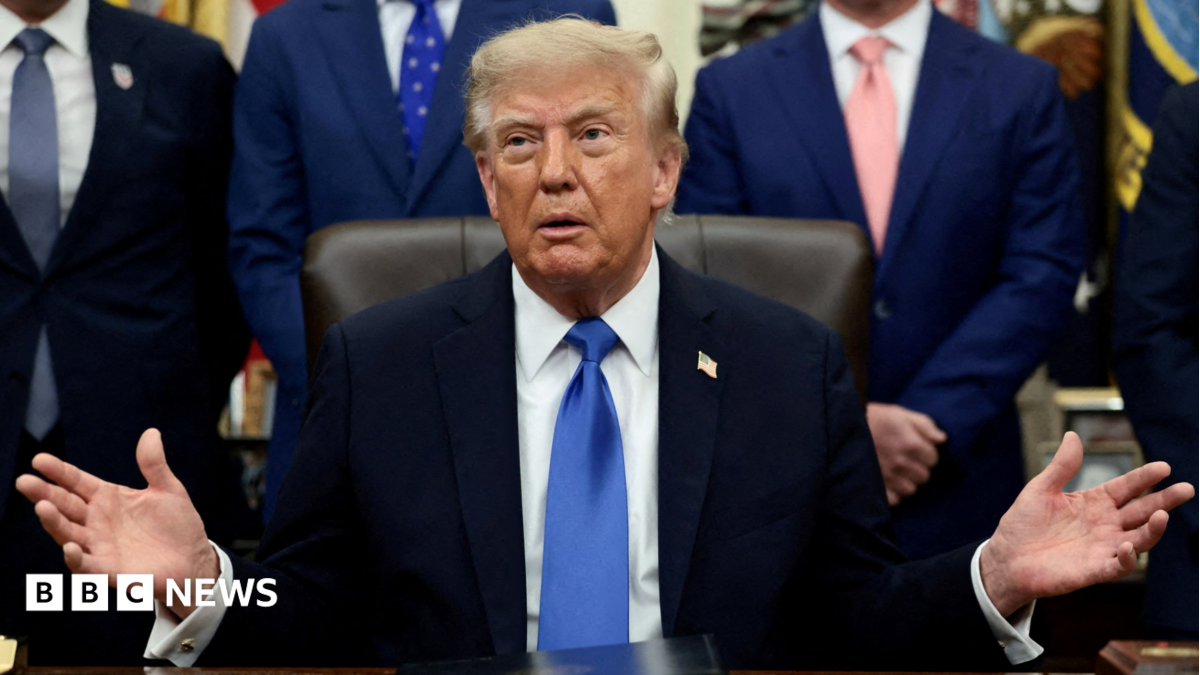
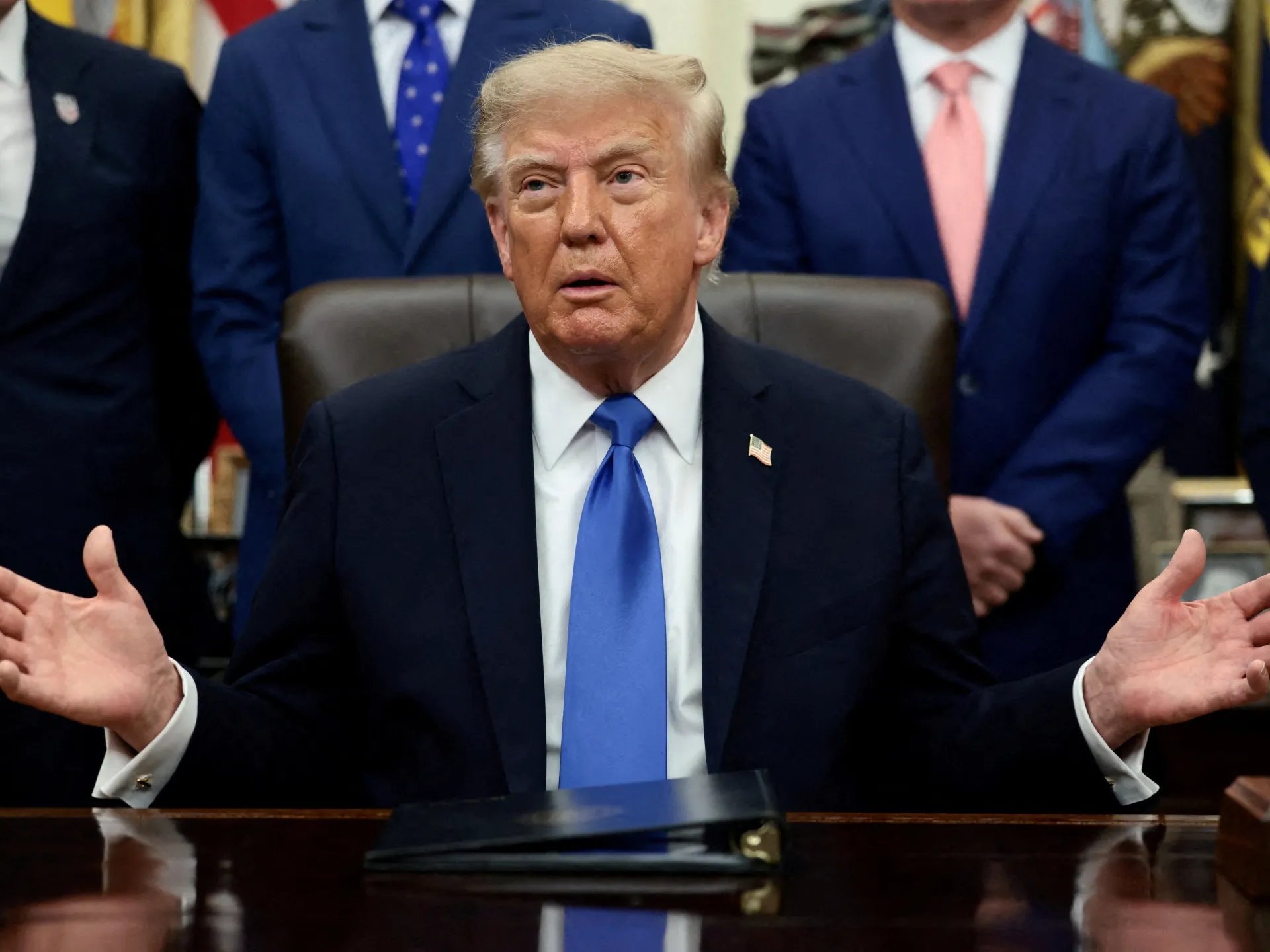
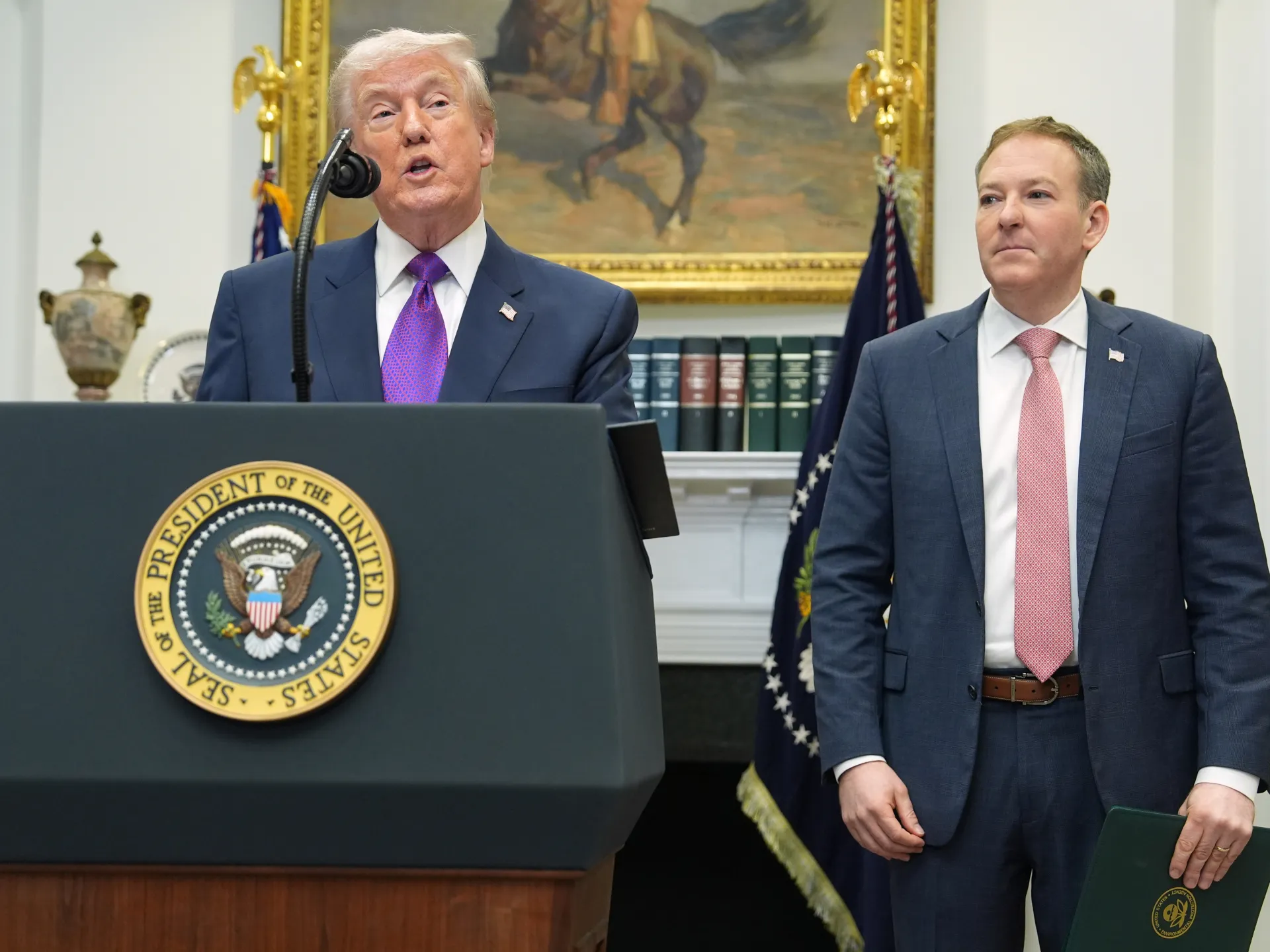
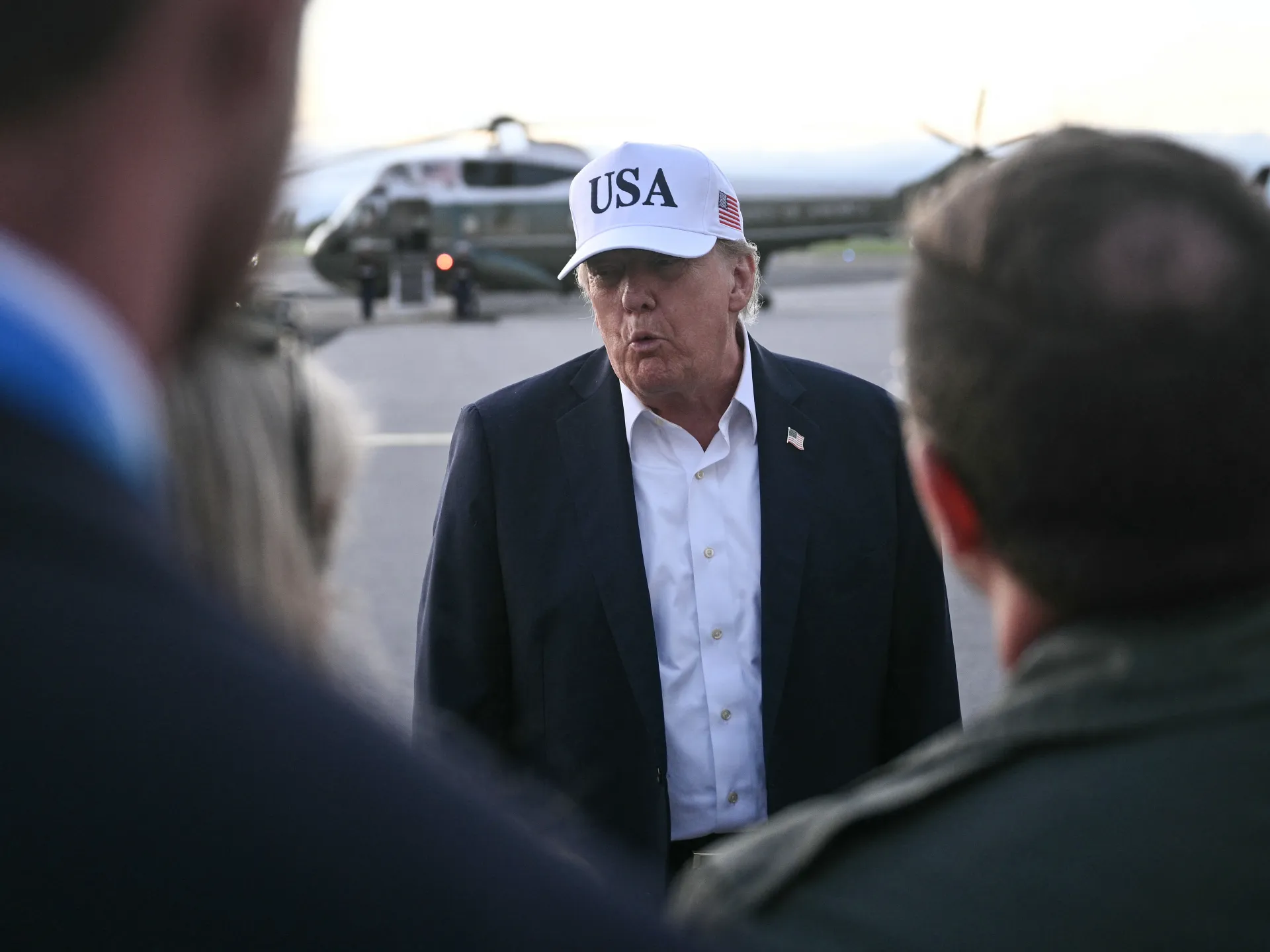
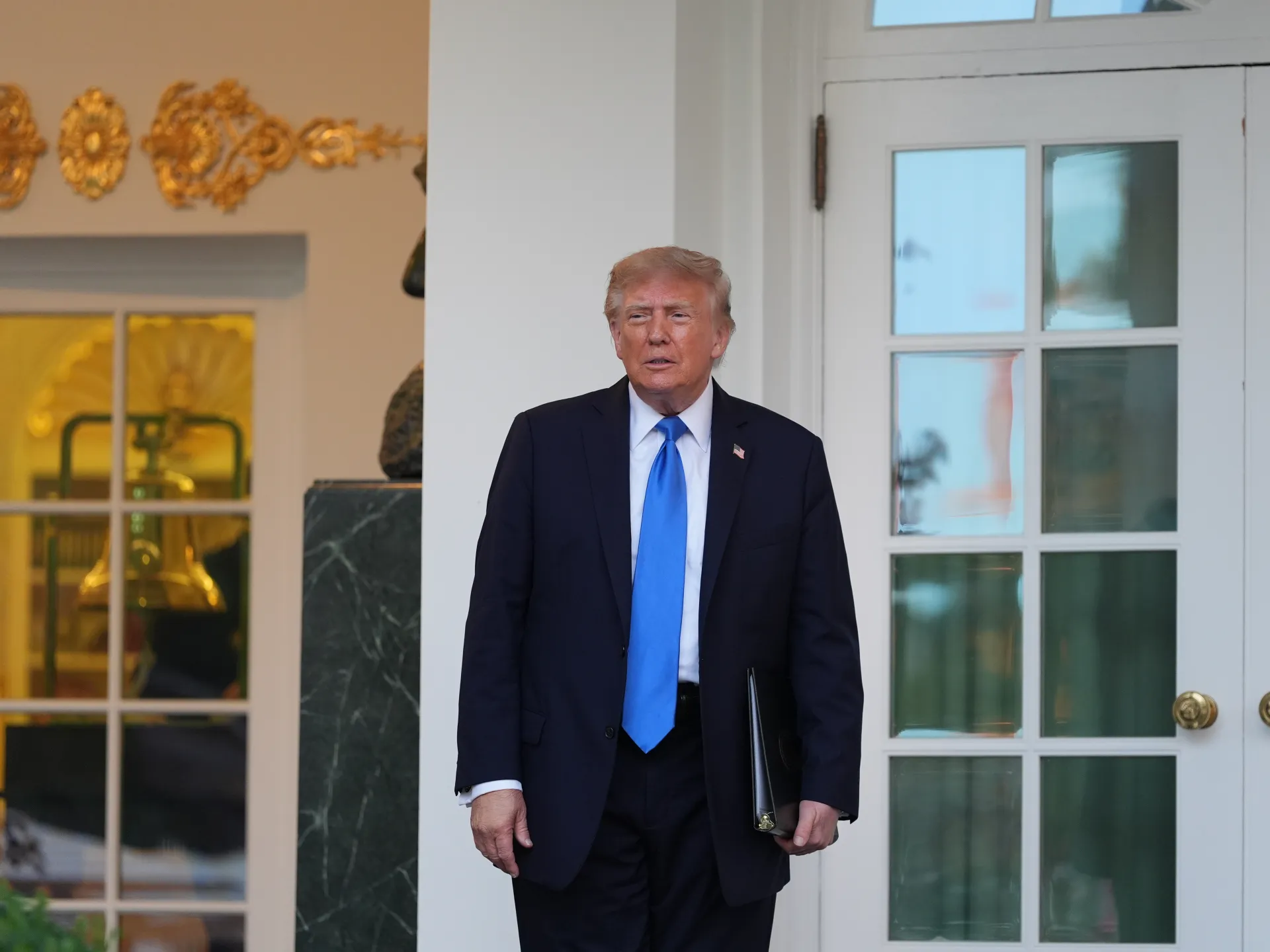
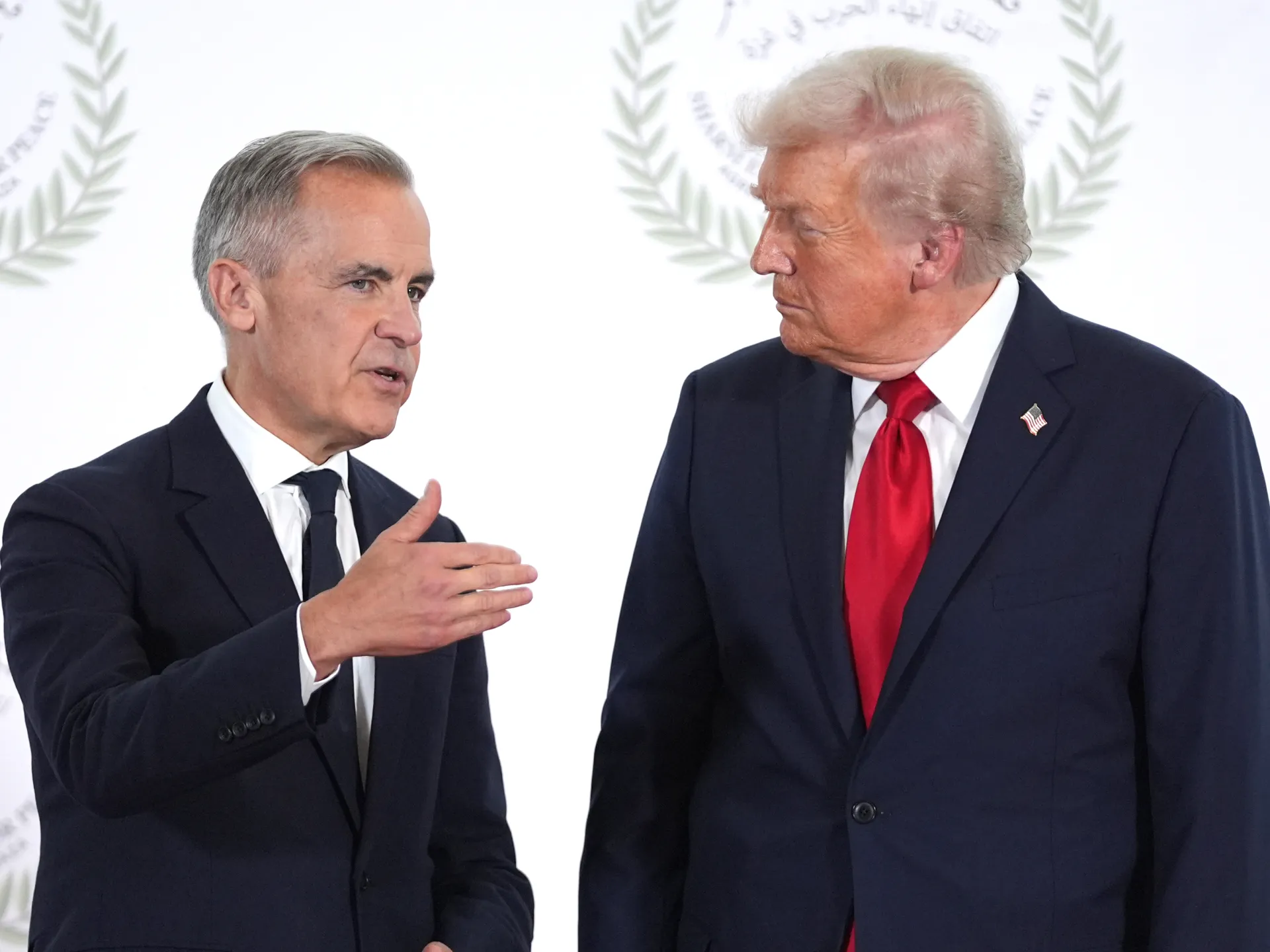
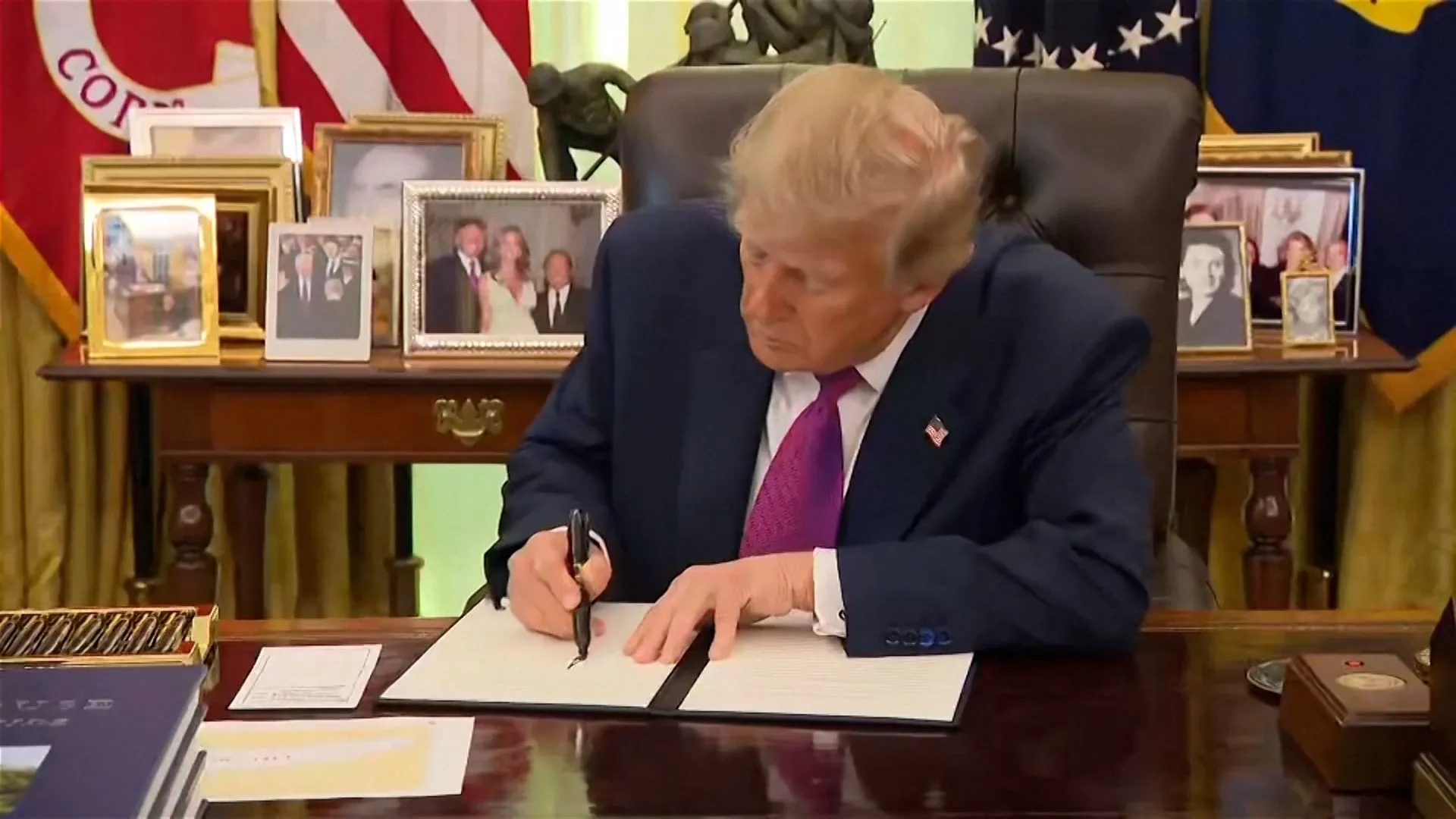
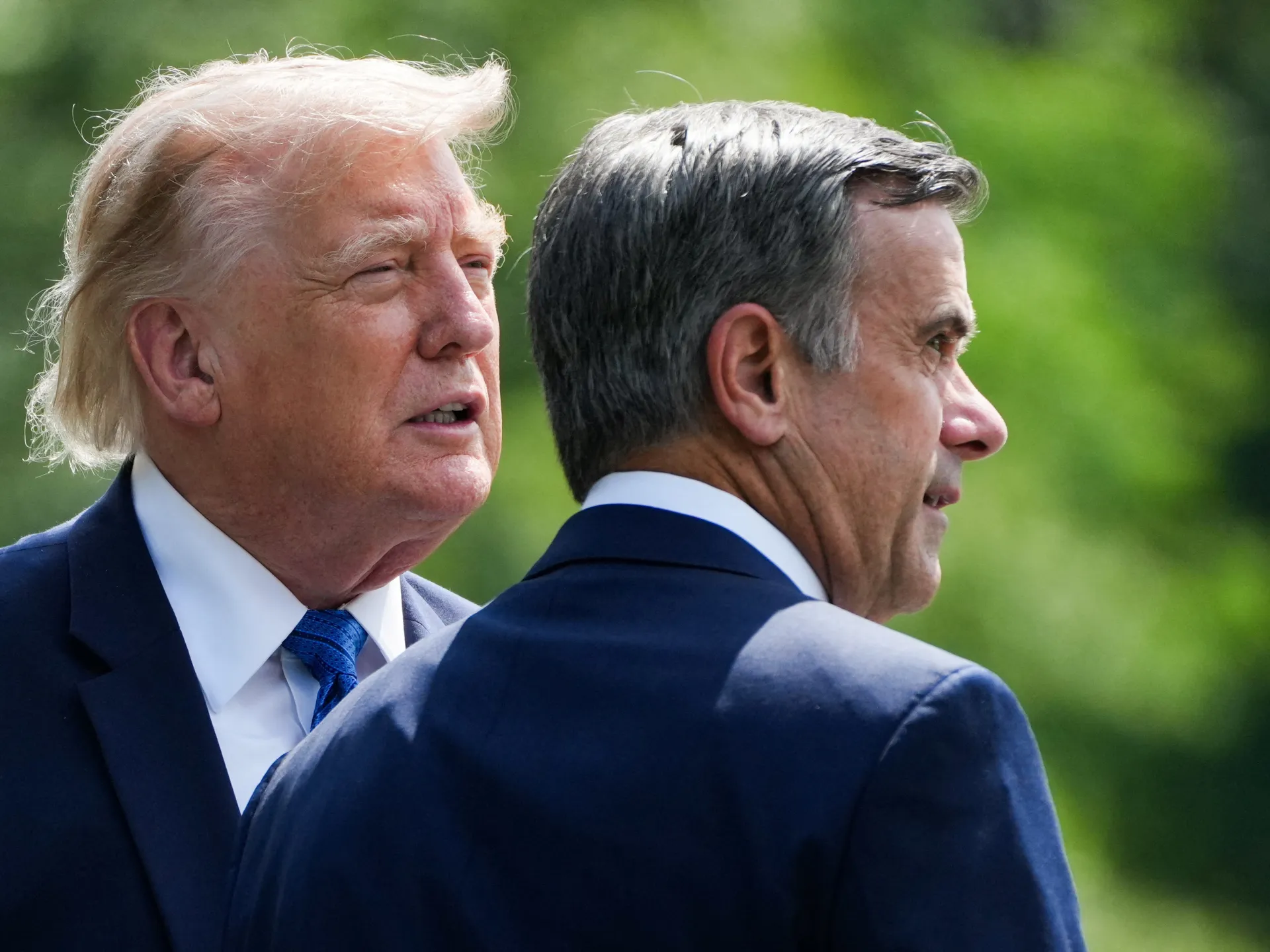
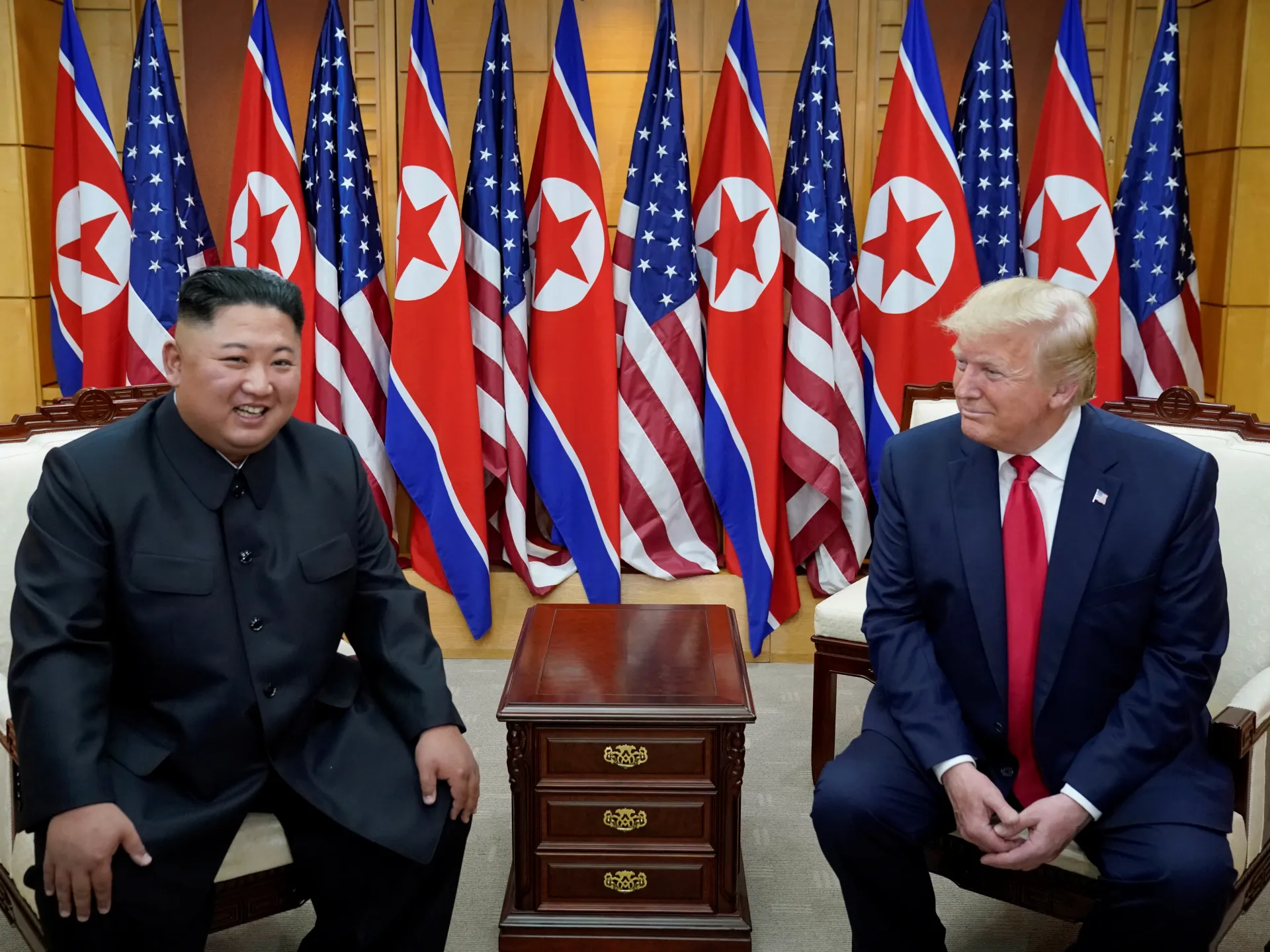
In the diplomatic arena, the U.S. has maintained a cautious approach. Despite reported requests from Riyadh for the Trump administration to strike the Houthis directly, Washington has prioritized back-channel communication. Meetings in Muscat were aimed at securing guarantees that non-Saudi vessels would be exempt from the ongoing maritime blockade. This strategy reflects a broader geopolitical dilemma: the U.S. seeks to safeguard transit corridors without escalating the regional war, a task made increasingly difficult lidified their grip on the southern gateway to the Red Sea.
The trajectory of the conflict appears to be moving toward a prolonged, low-intensity war of attrition rather than a decisive military conclusion. Because the Houthis have successfully demonstrated their ability to hold strategic maritime territory, their leverage in future negotiations will likely increase. Analysts suggest that the Saudi-led coalition will continue to rely on air power to check Houthi advances, but unless these strikes achieve greater tactical success in degrading rebel capabilities, the persistent disruption of the East-West Pipeline and the Red Sea corridor will force further international intervention.
The U.S. will likely remain in a state of strategic ambiguity, relying on diplomatic pressure rather than direct military engagement to protect shipping, unless a major incident—such as the loss of a civilian vessel or a strike on critical infrastructure—forces a change in policy. Meanwhile, as the Houthis consolidate their coastal gains, the ability of pro-government forces to regain lost territory remains in doubt, potentially locking the region into a state of chronic instability that will continue to test the endurance of global trade security mechanisms.