President Trump has moved to restrict specific news outlets from the White House just as families of detained Americans urge him to prioritize their release during upcoming summit talks.
The intersection of domestic media policy and high-stakes international diplomacy has reached a critical juncture at the White House. While administrations have historically maintained an adversarial relationship with segments of the press, the formal exclusion of specific news organizations poses significant constitutional questions regarding the scope of executive authority and the transparency of the presidential office. This development occurs during a period of intense geopolitical scrutiny as the administration prepares for a state visit that carries weight for the lives of American citizens currently detained abroad.
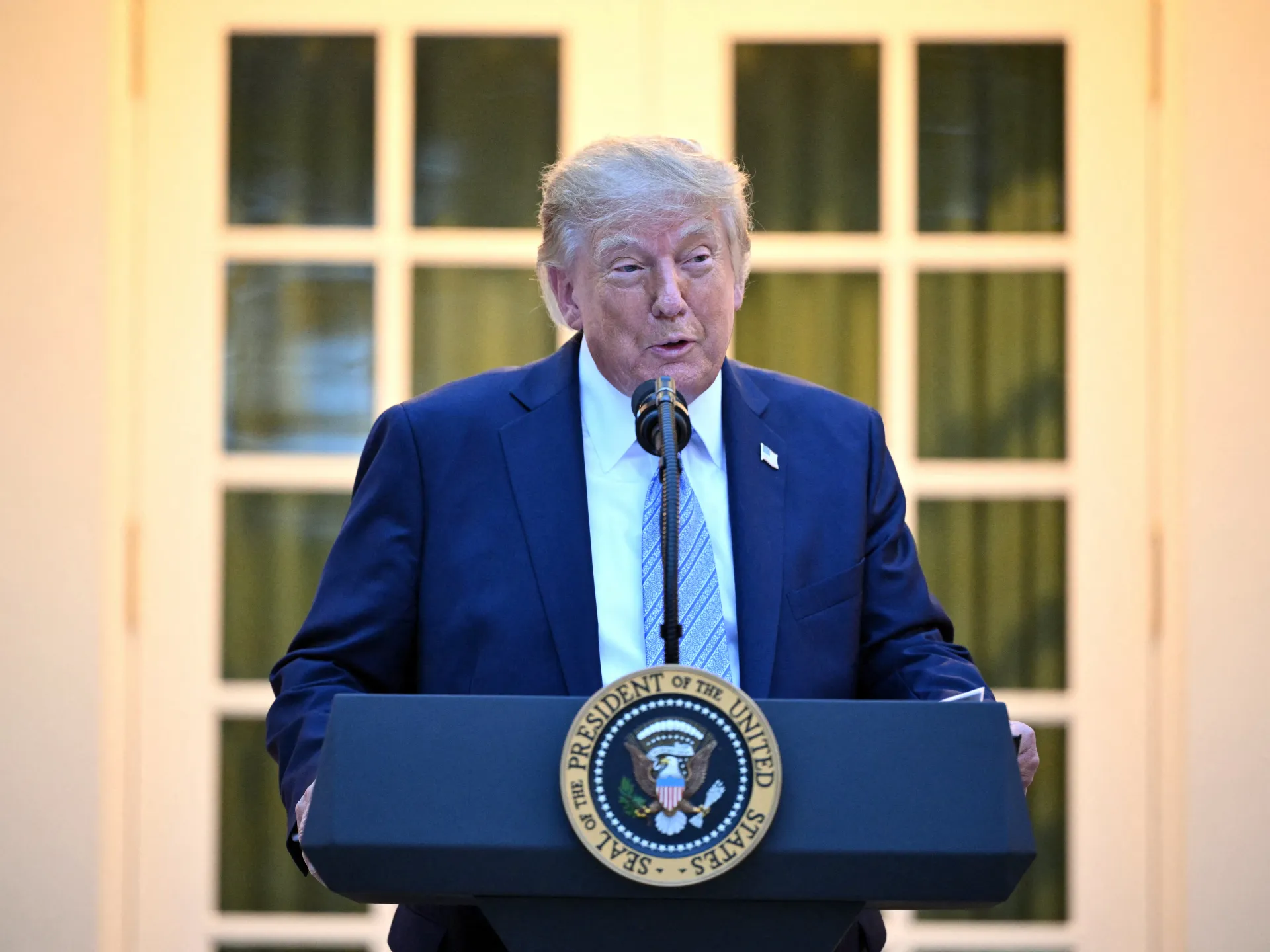
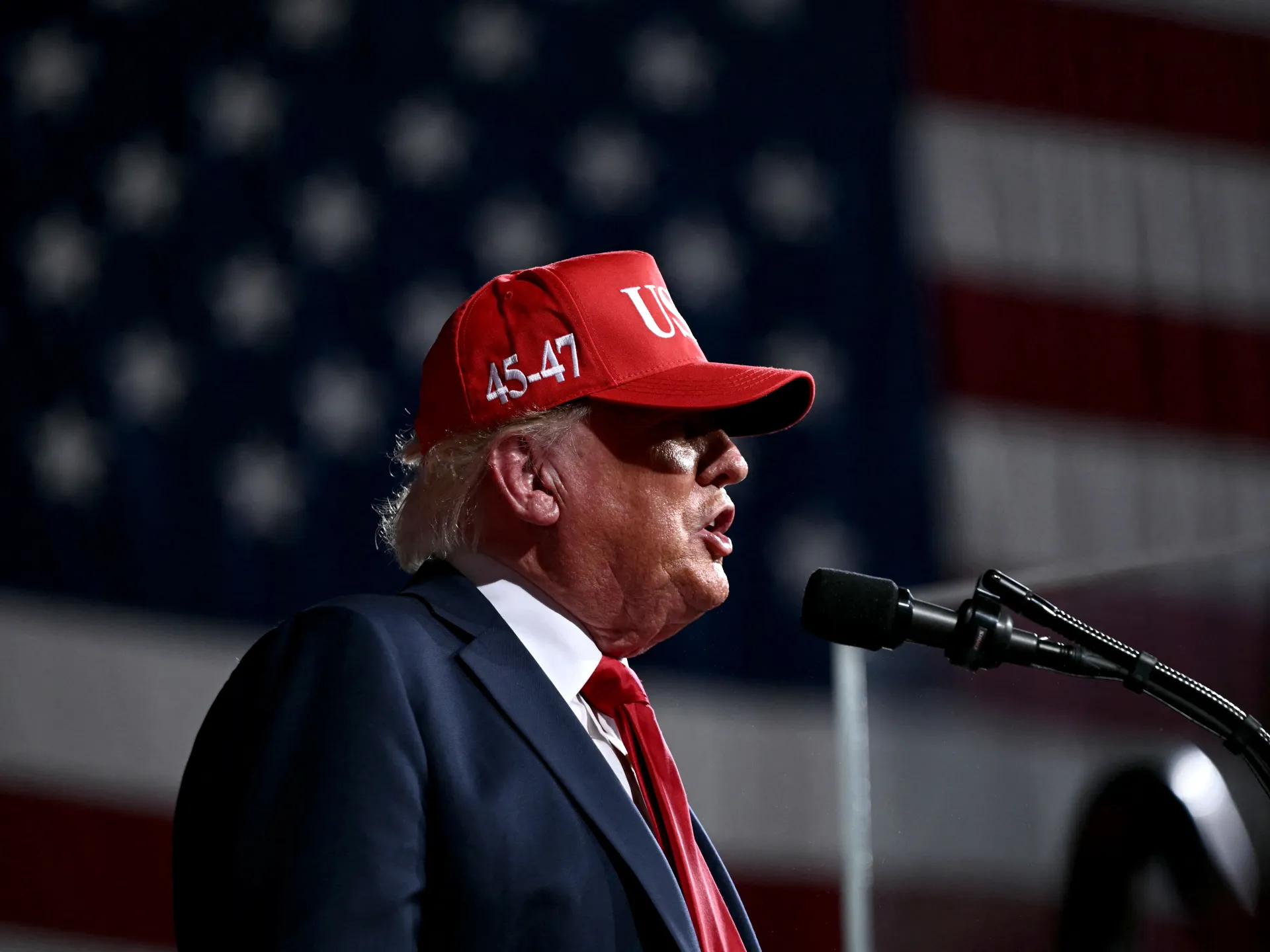
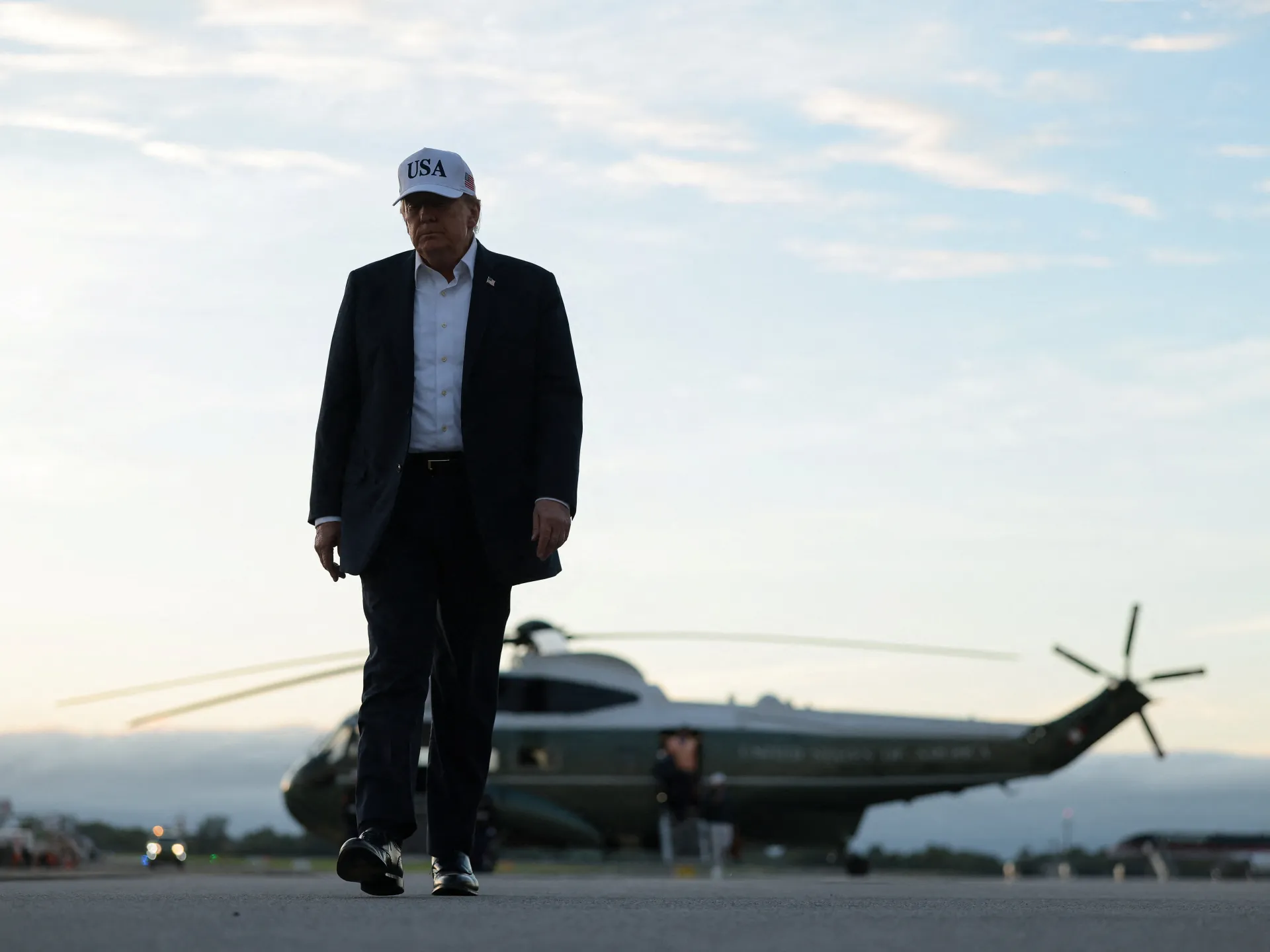
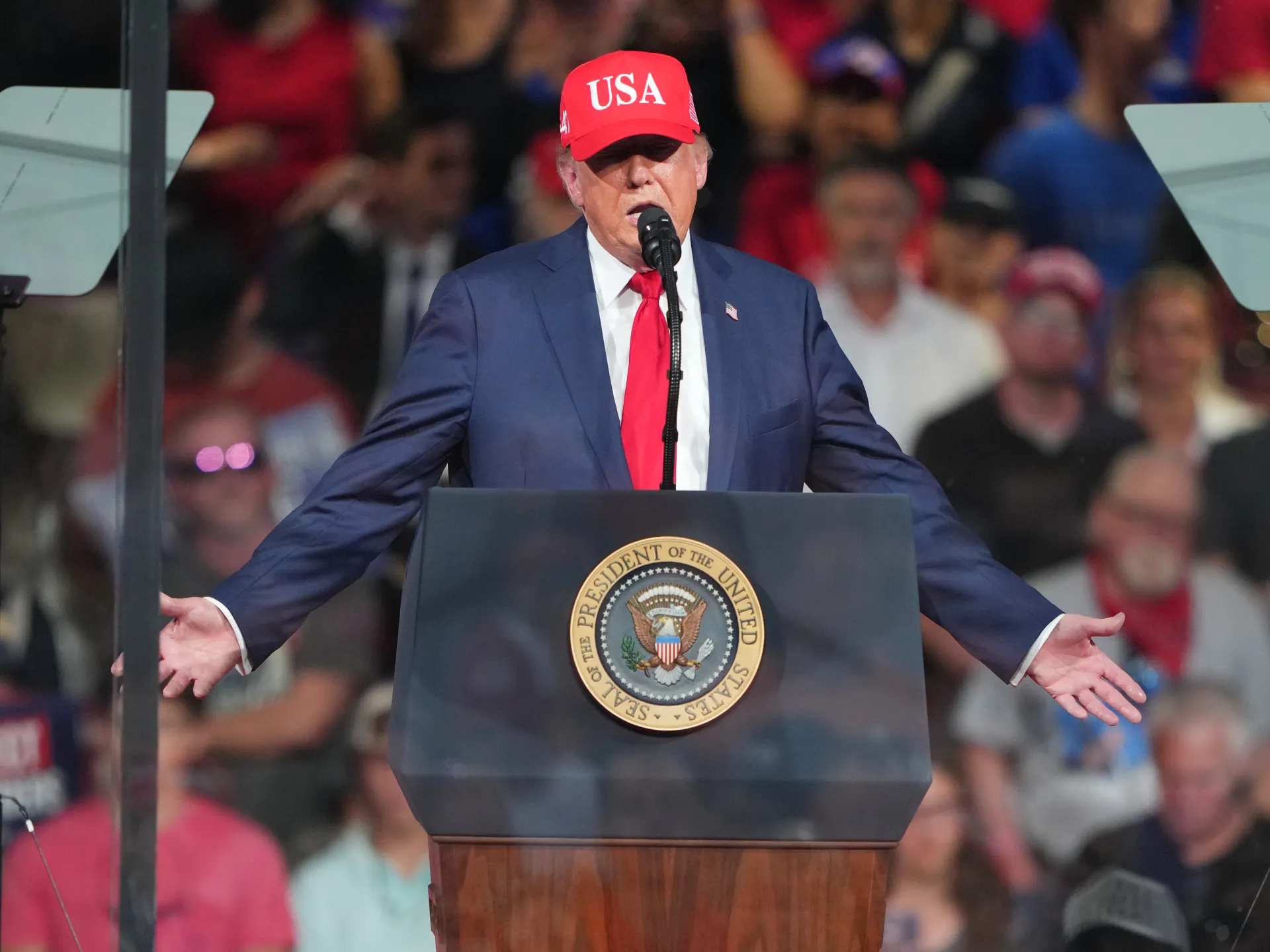
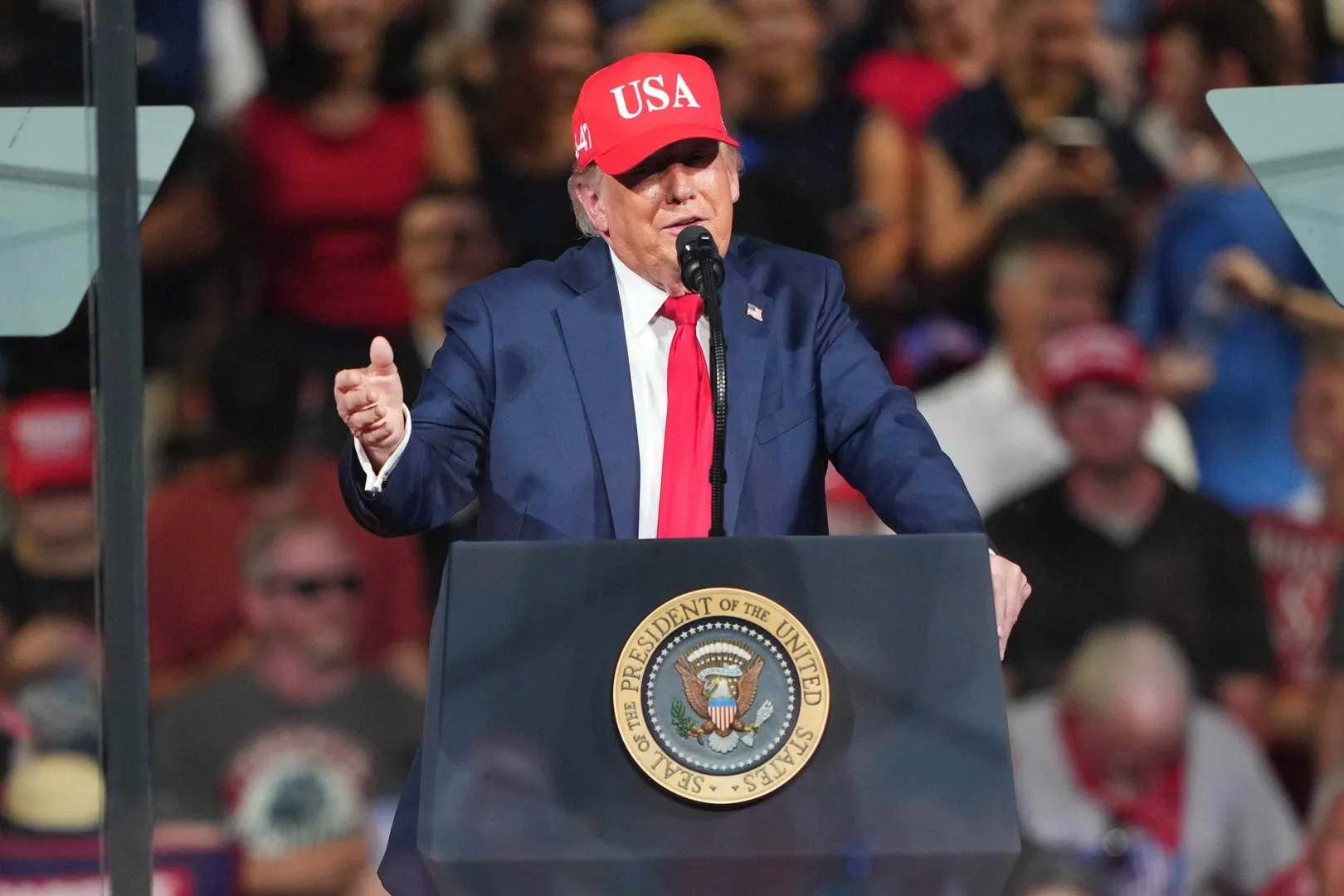
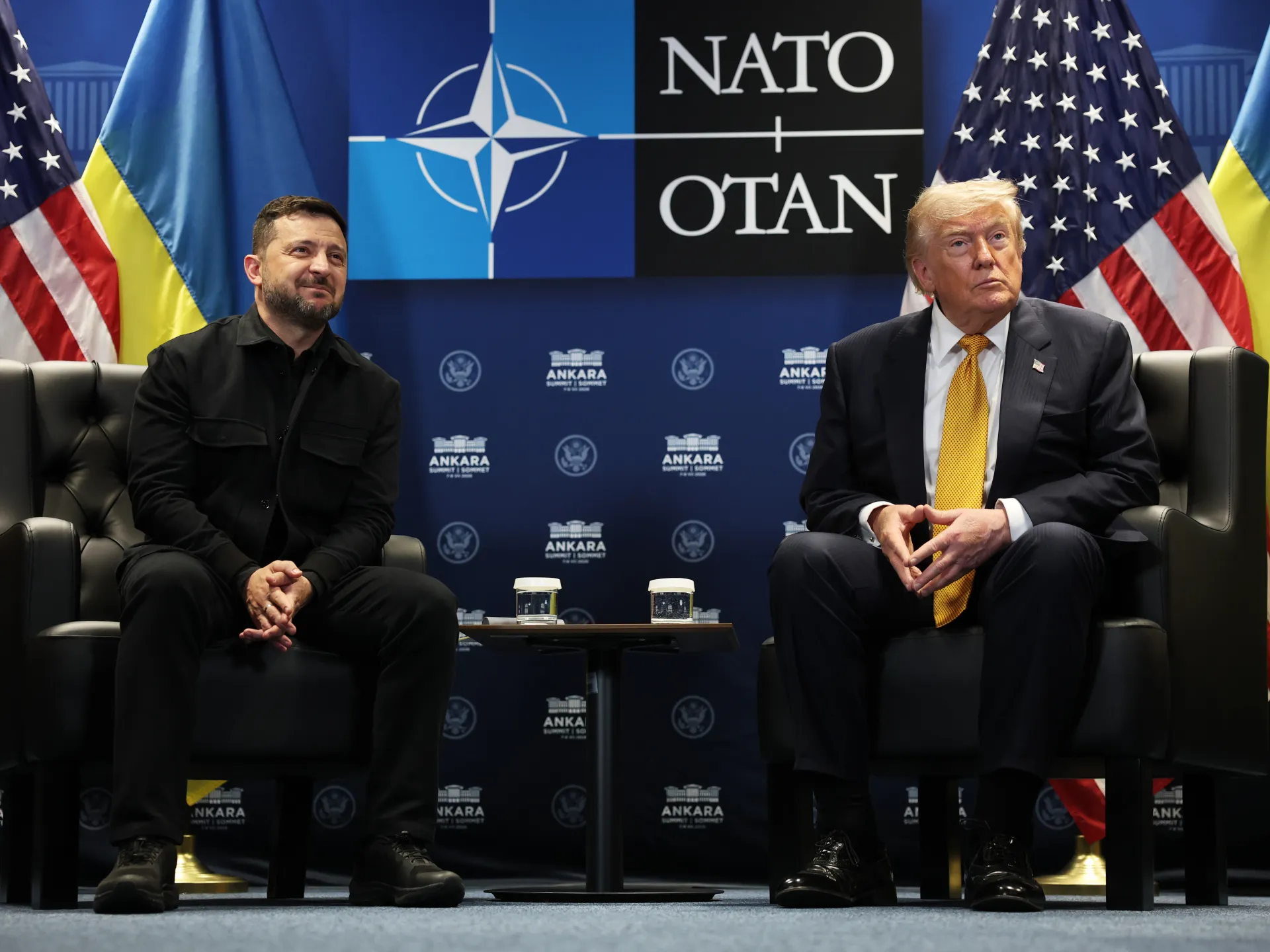
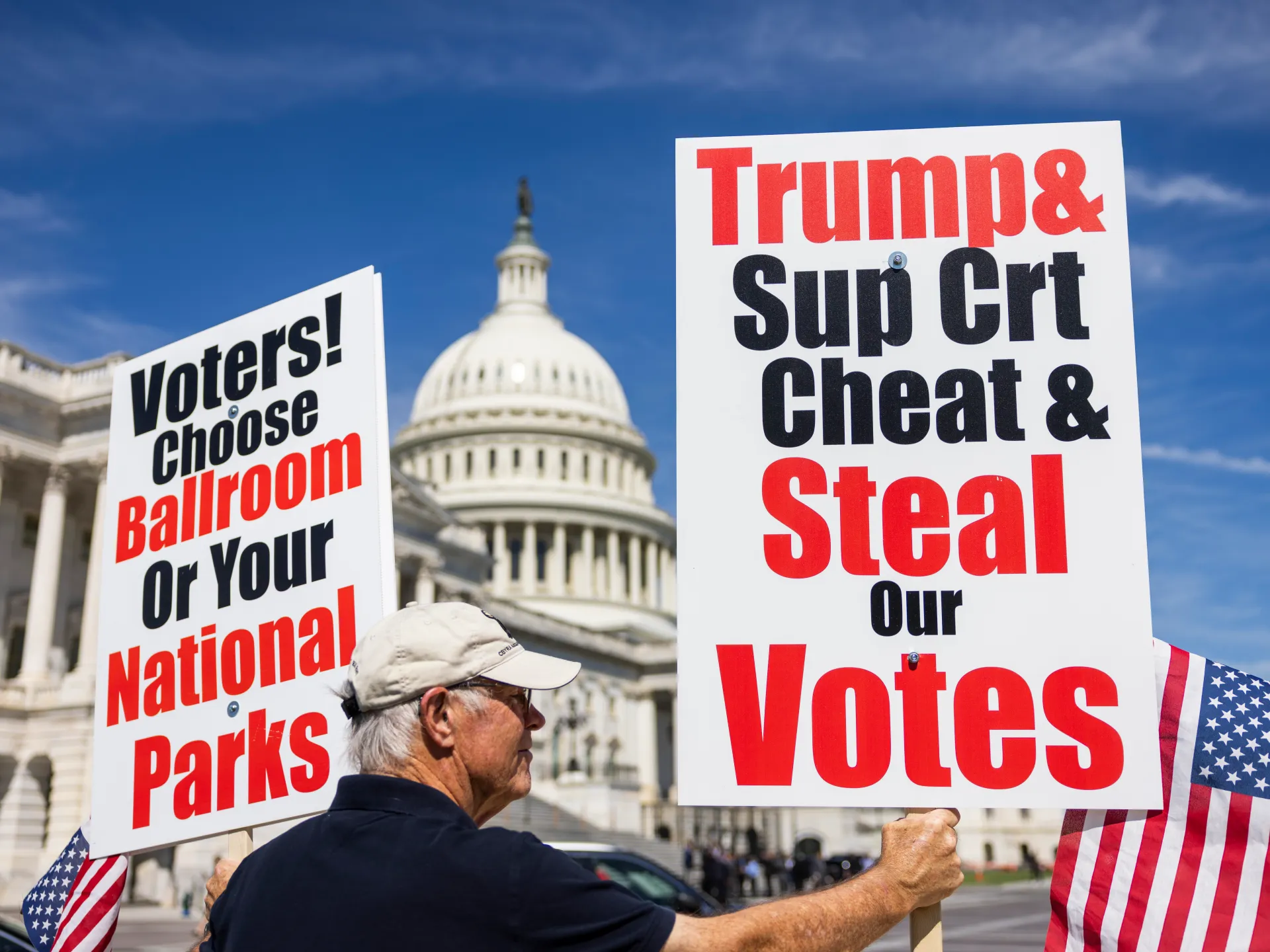
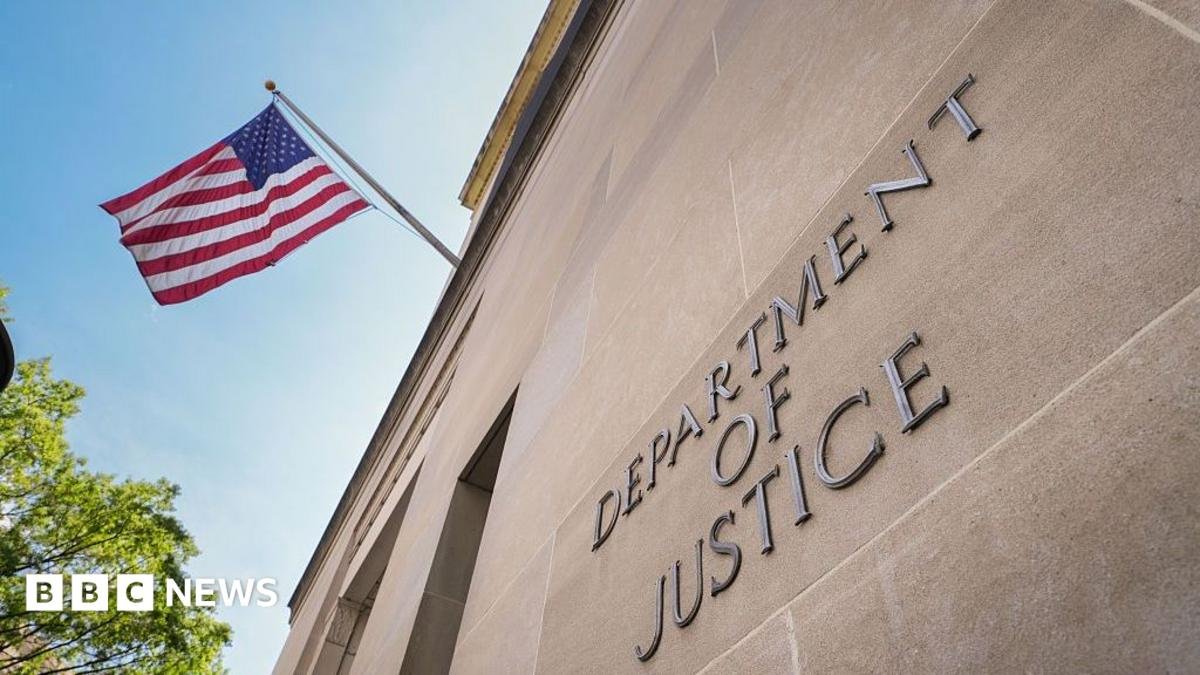
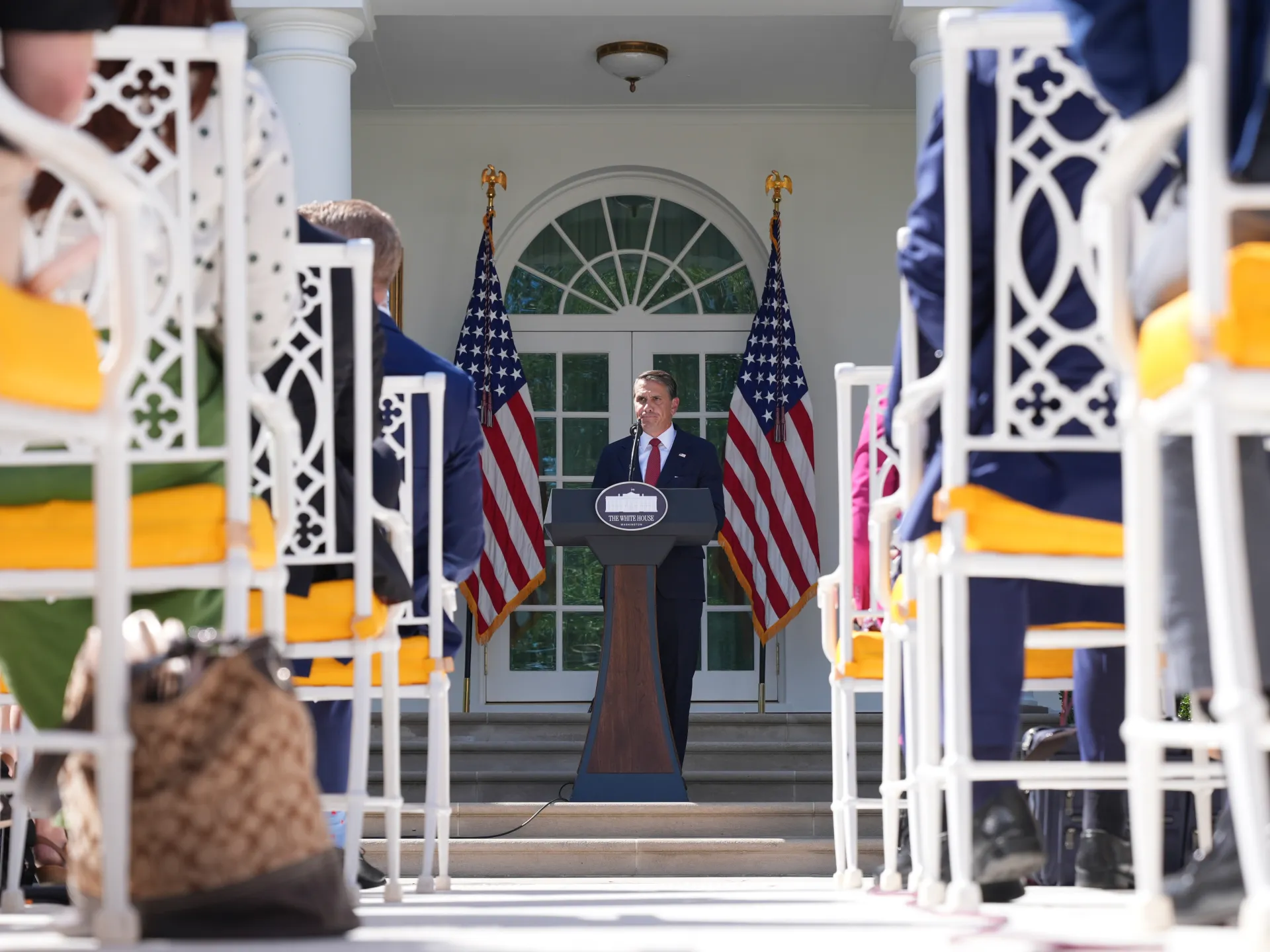
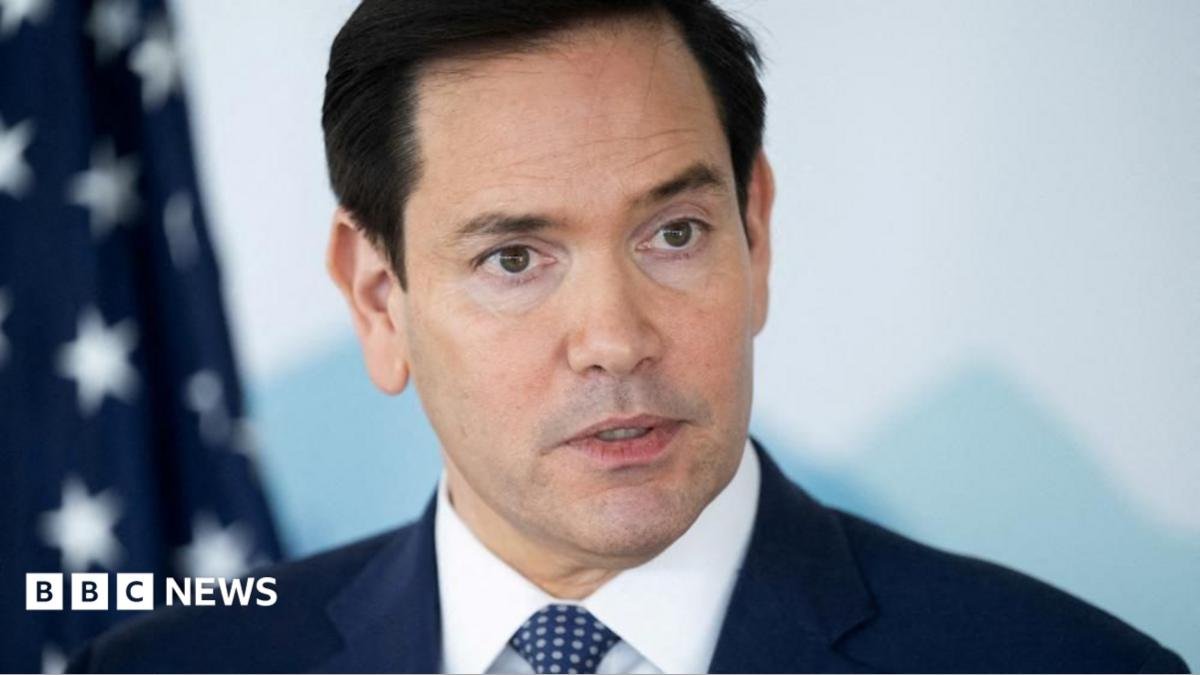
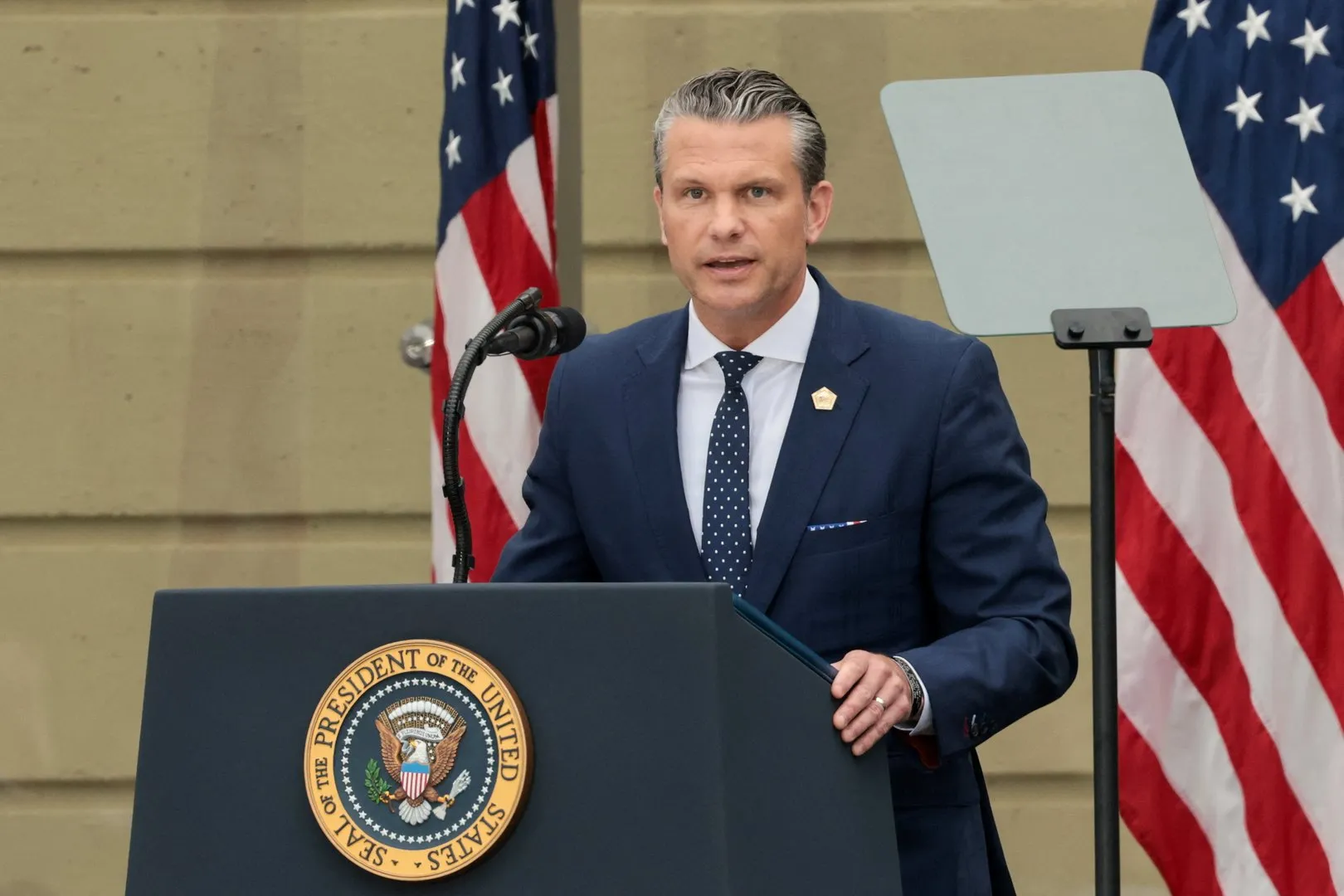
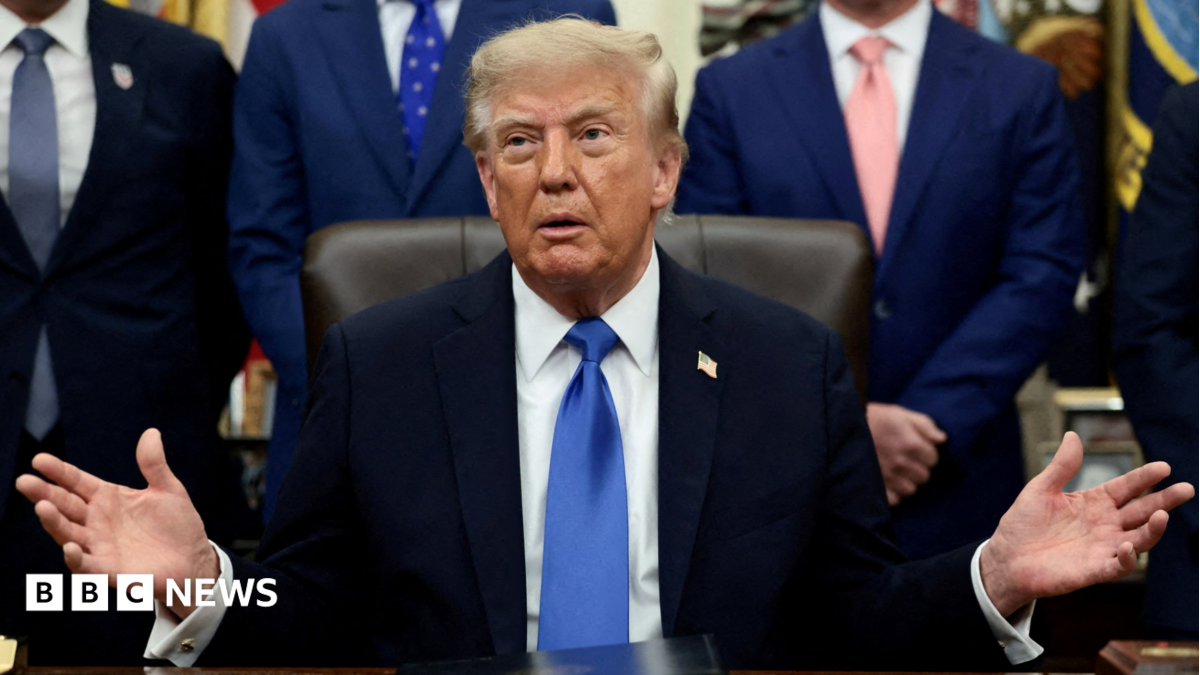
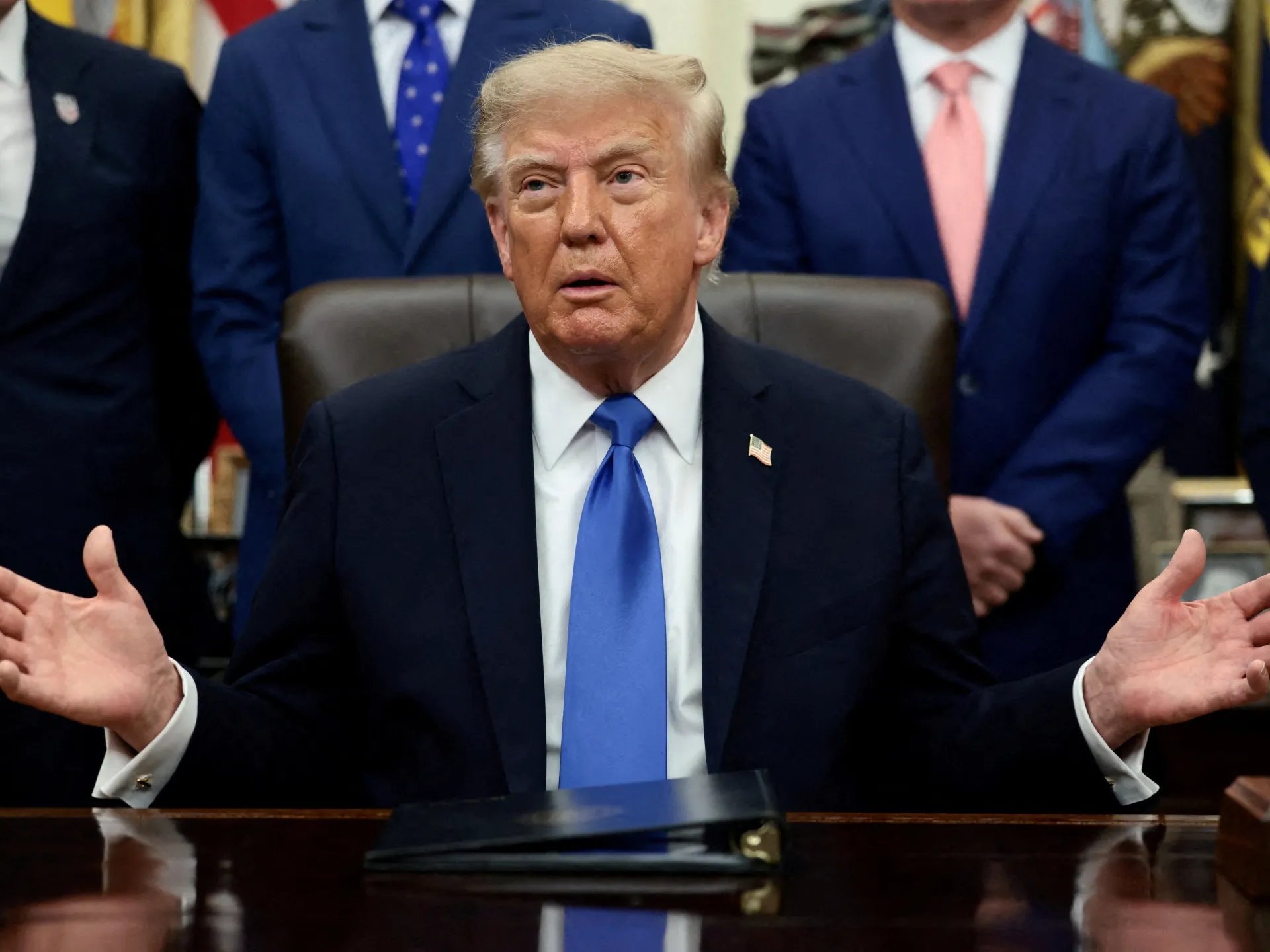
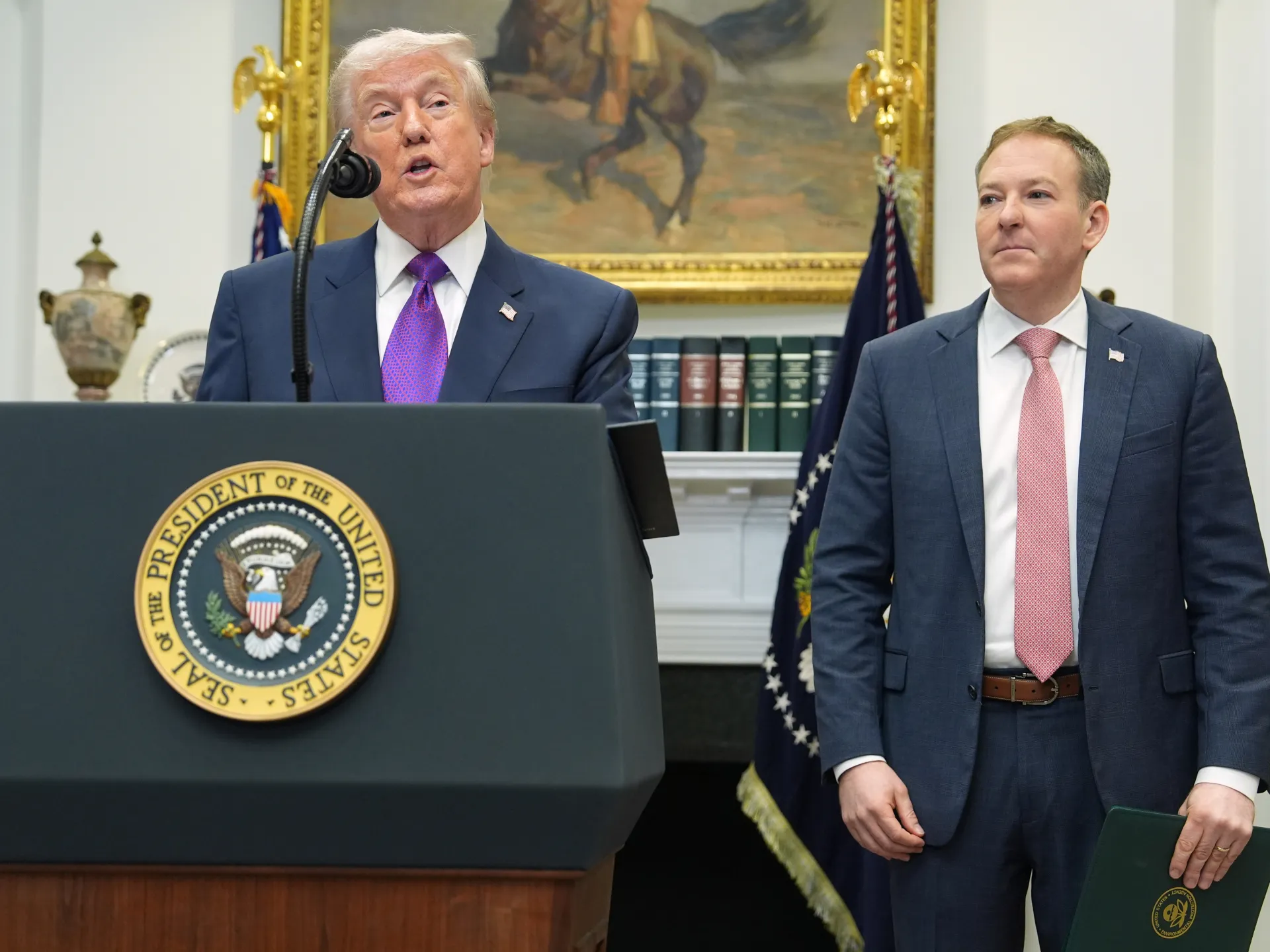
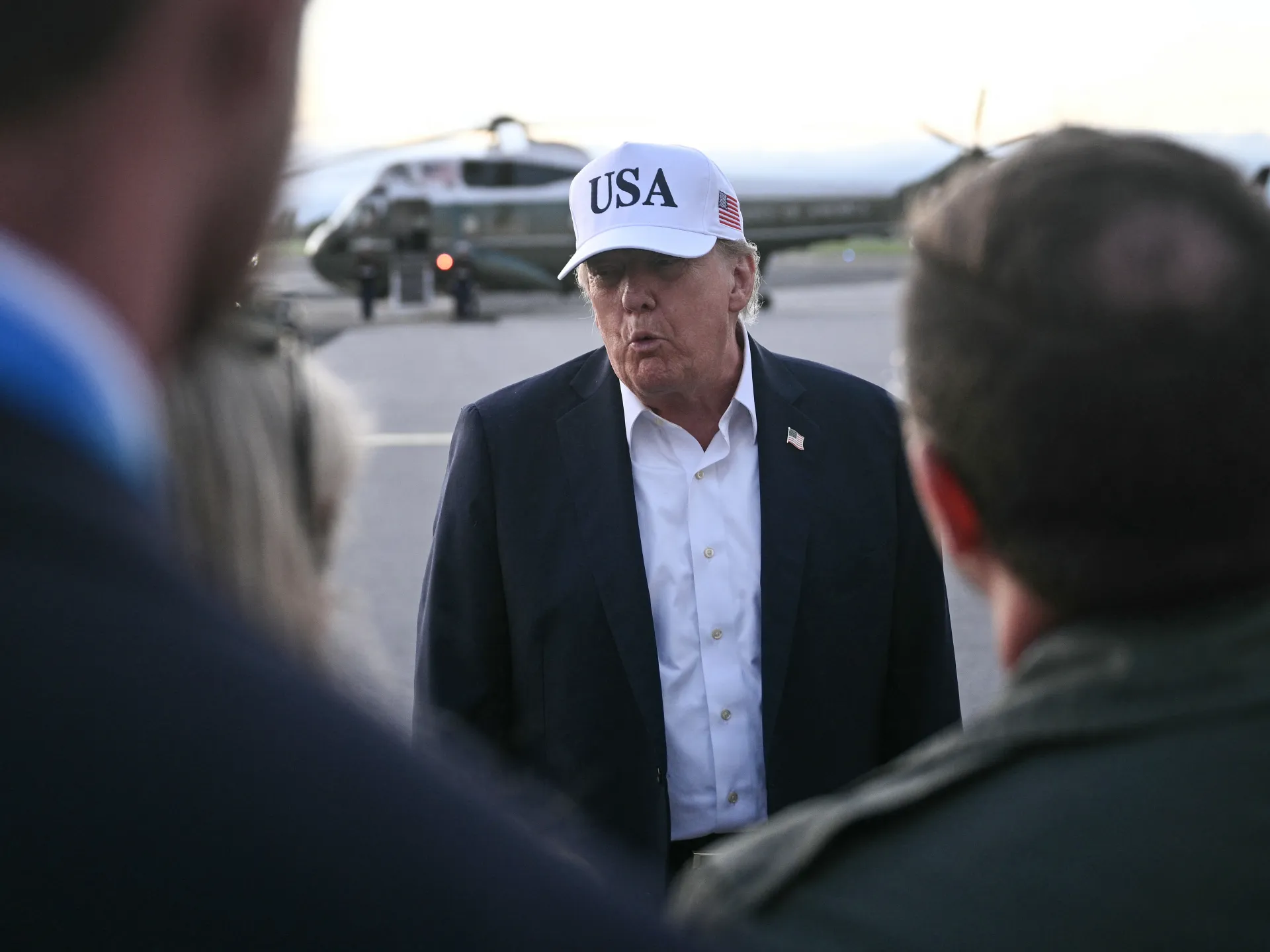
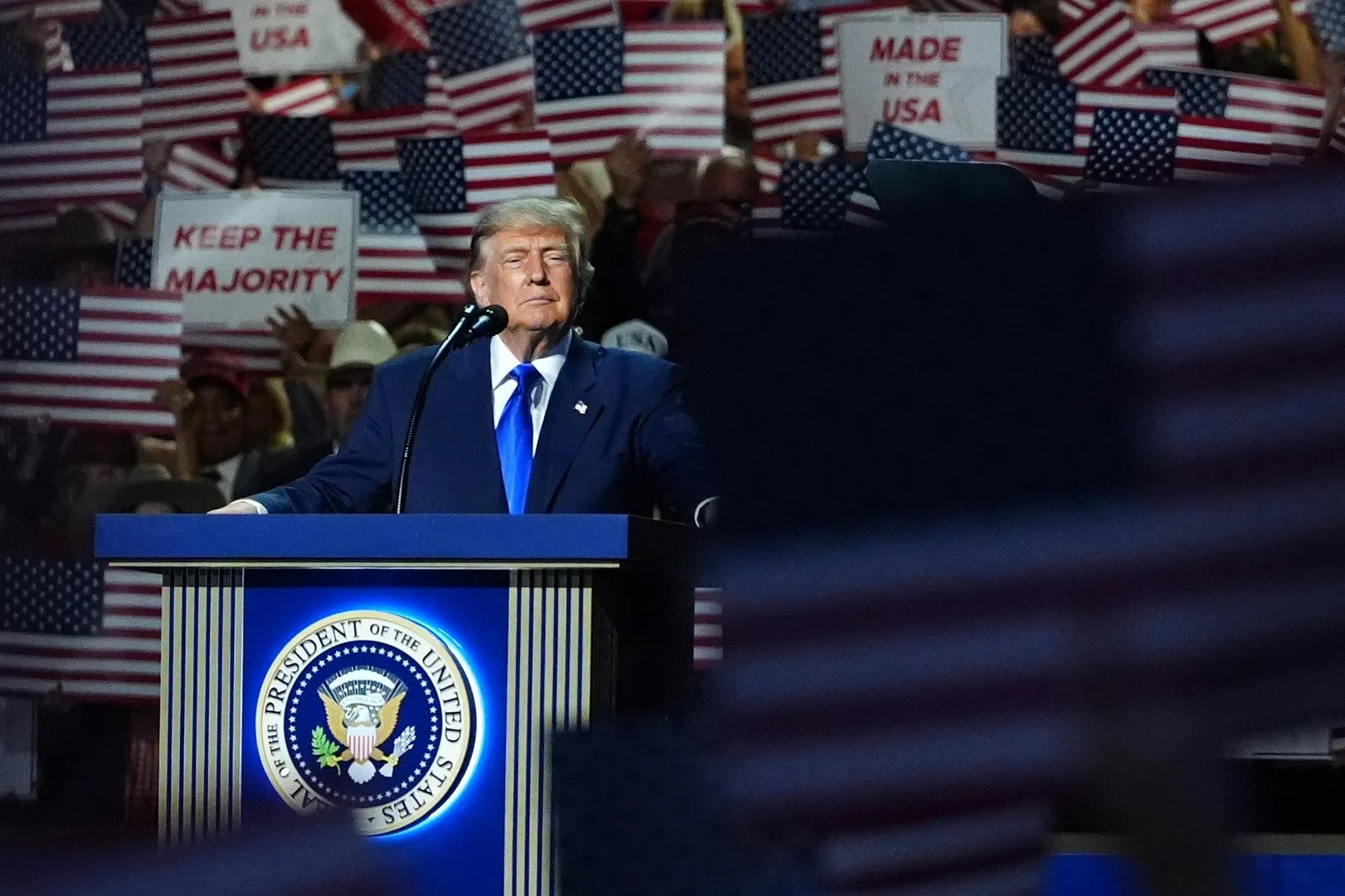
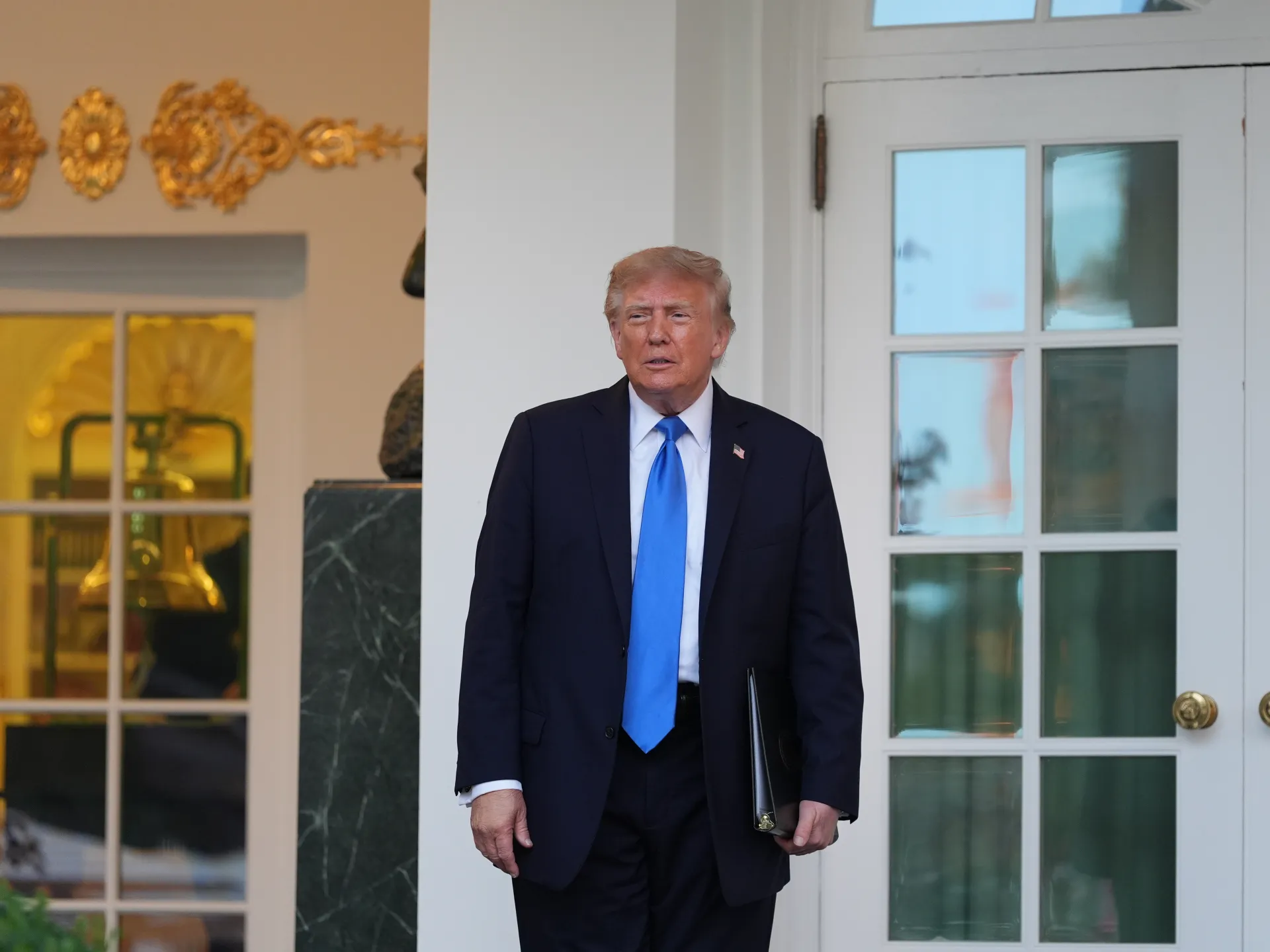
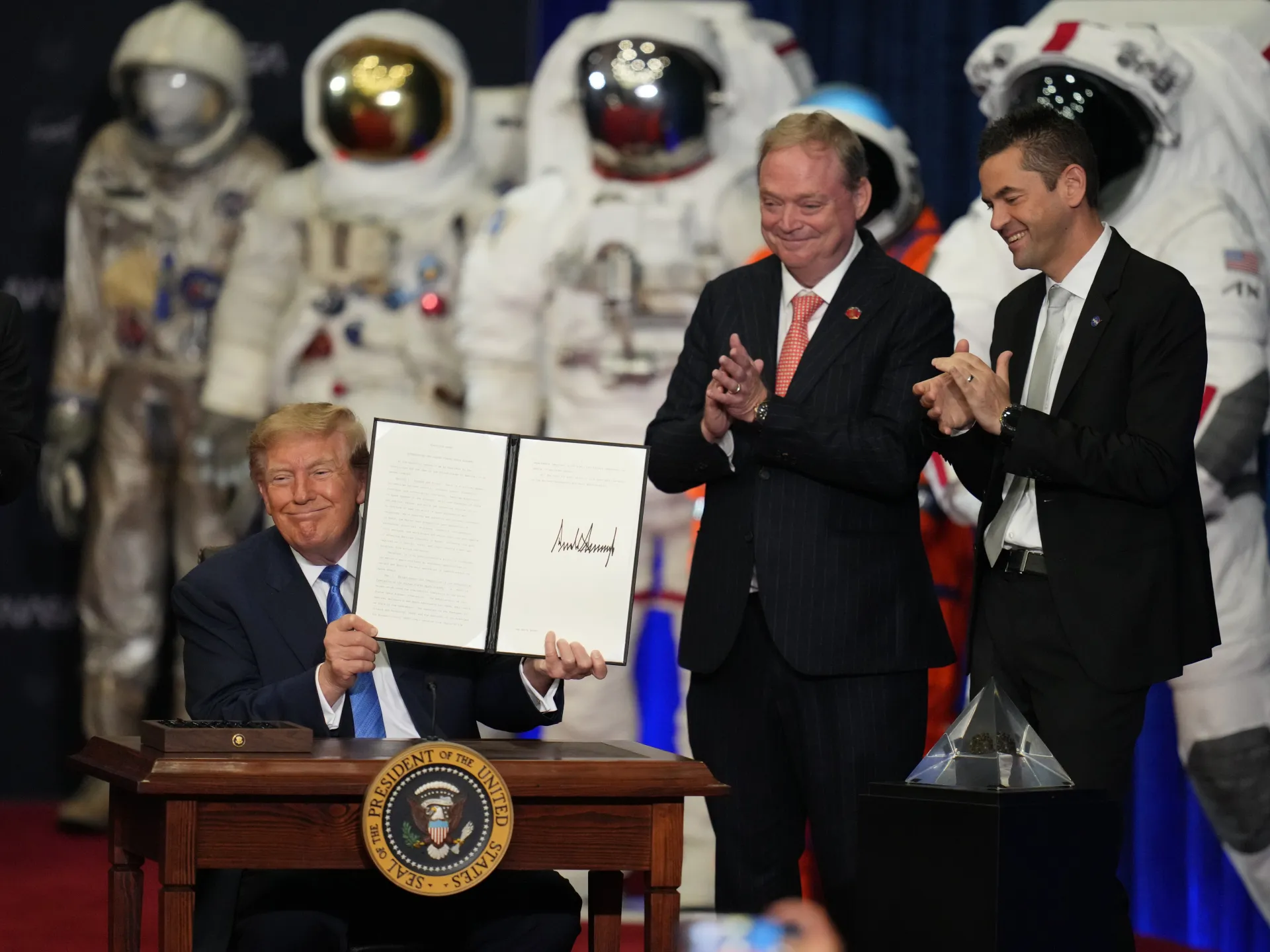
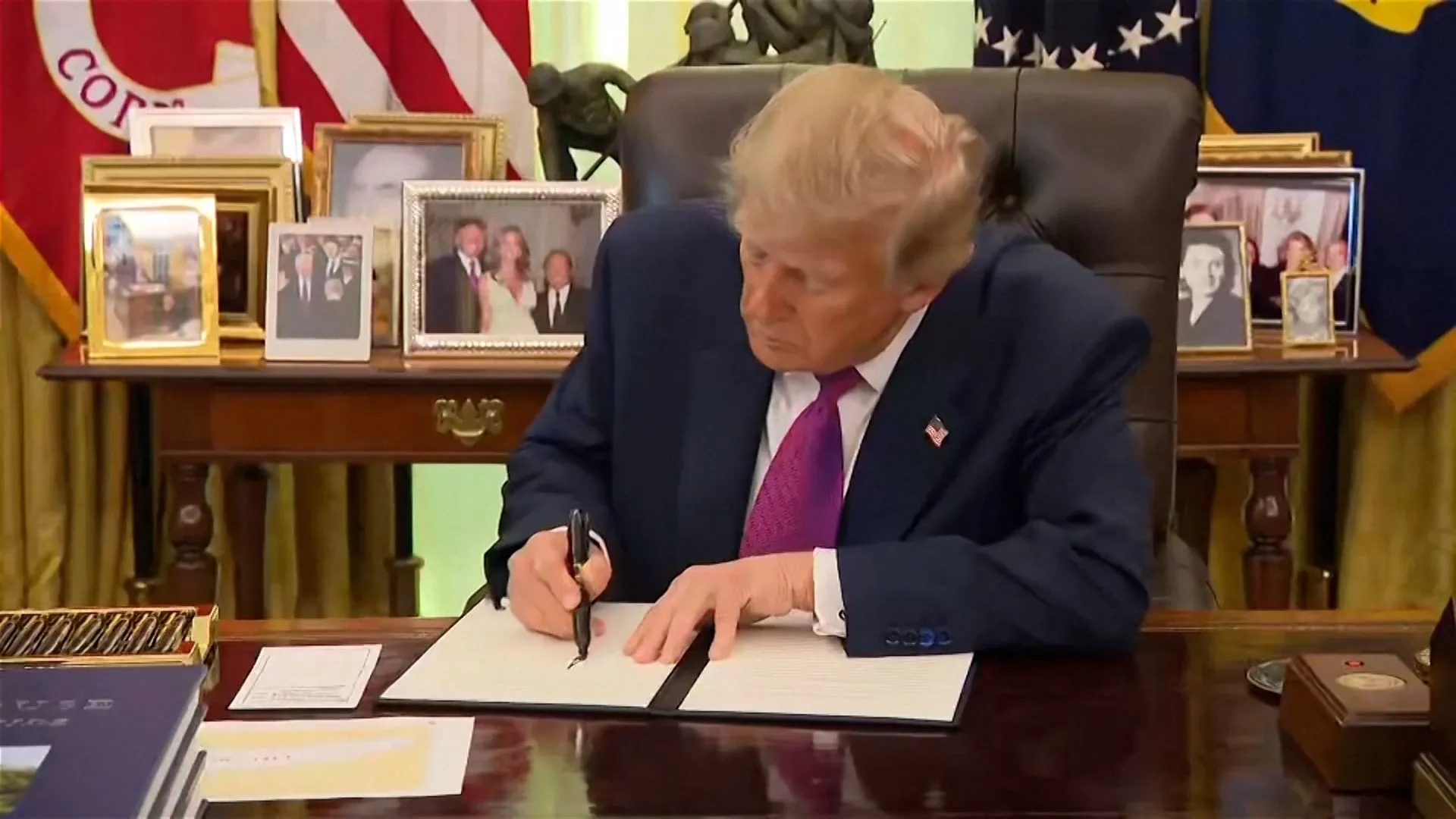
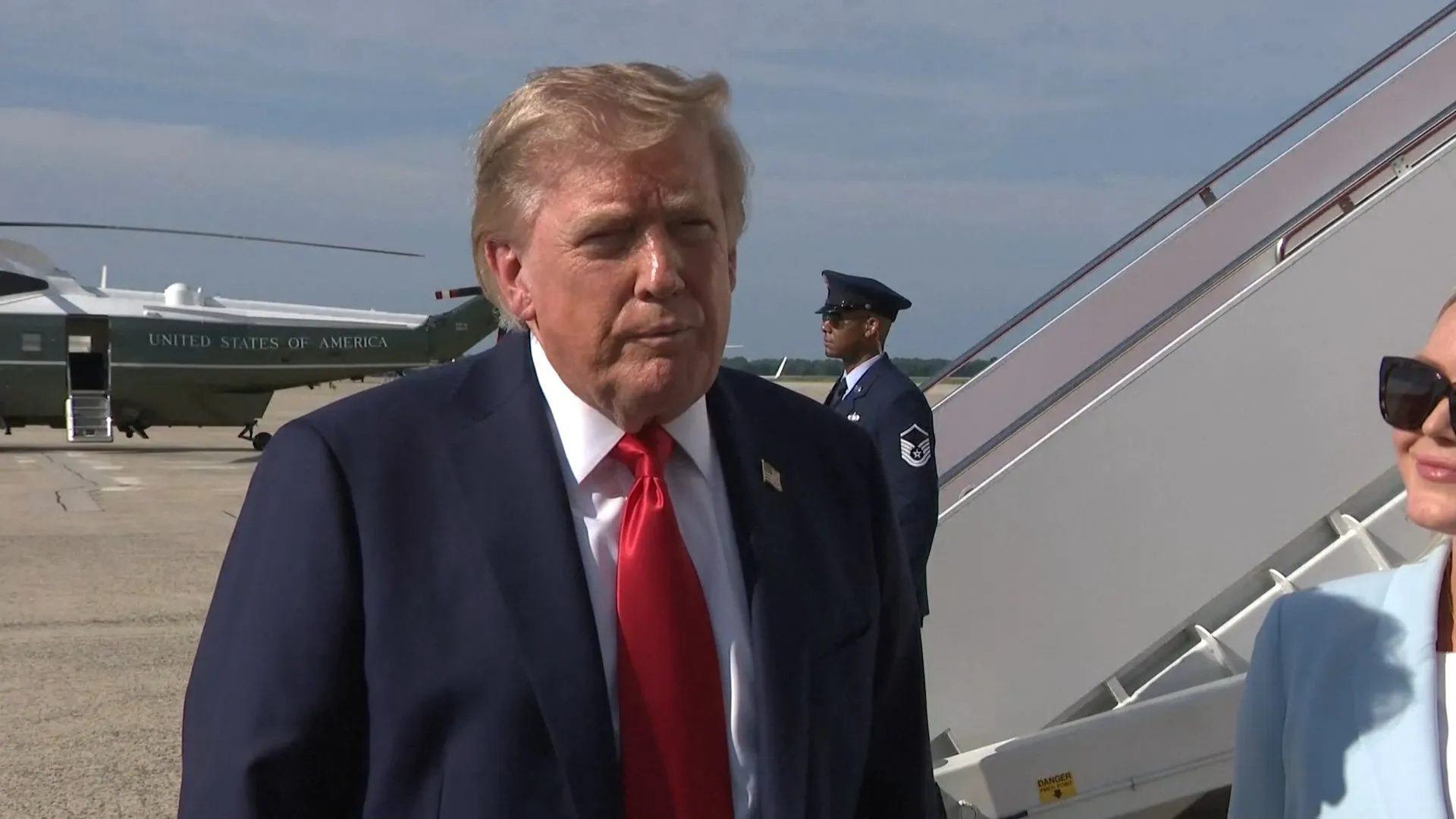
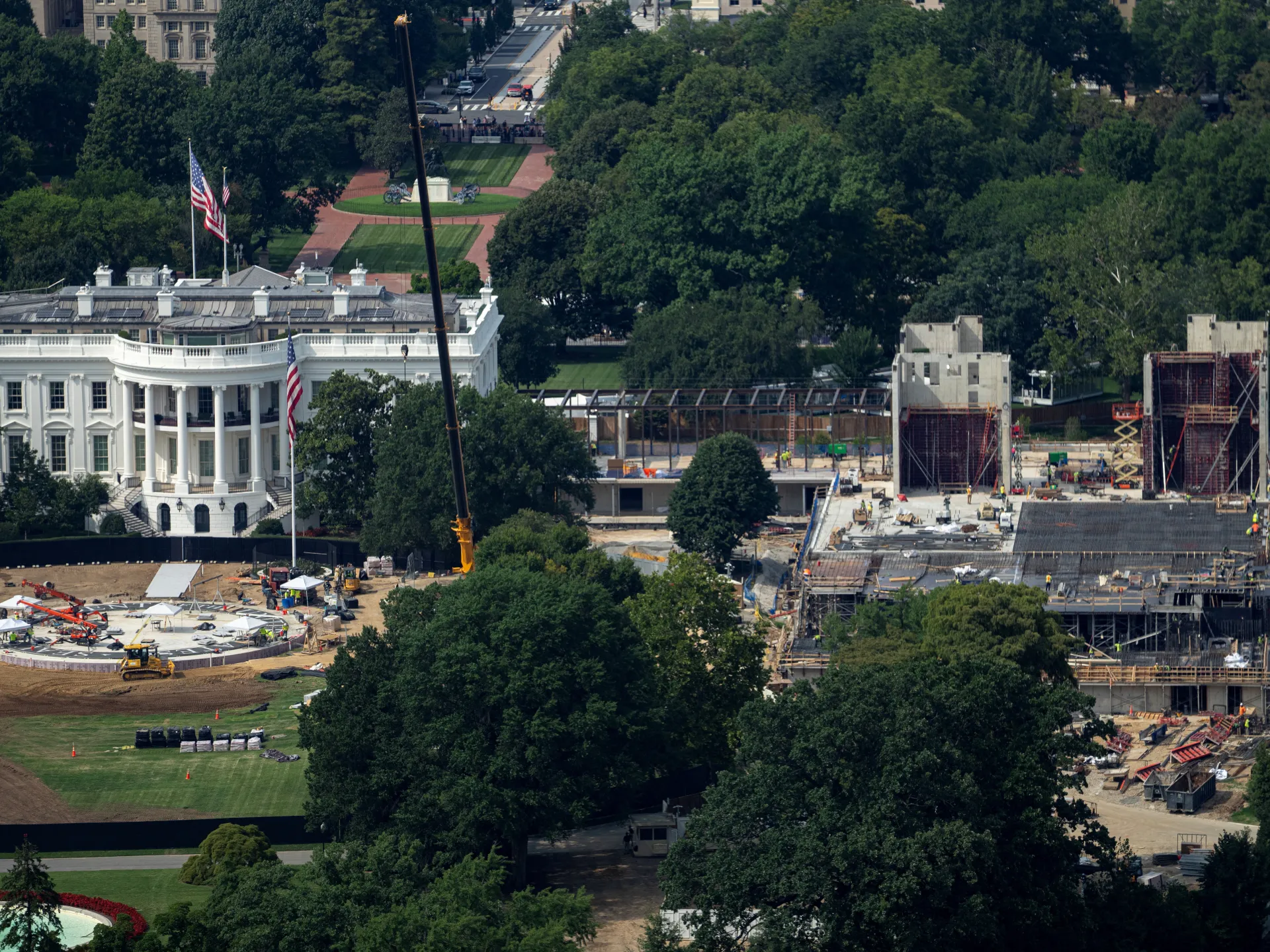
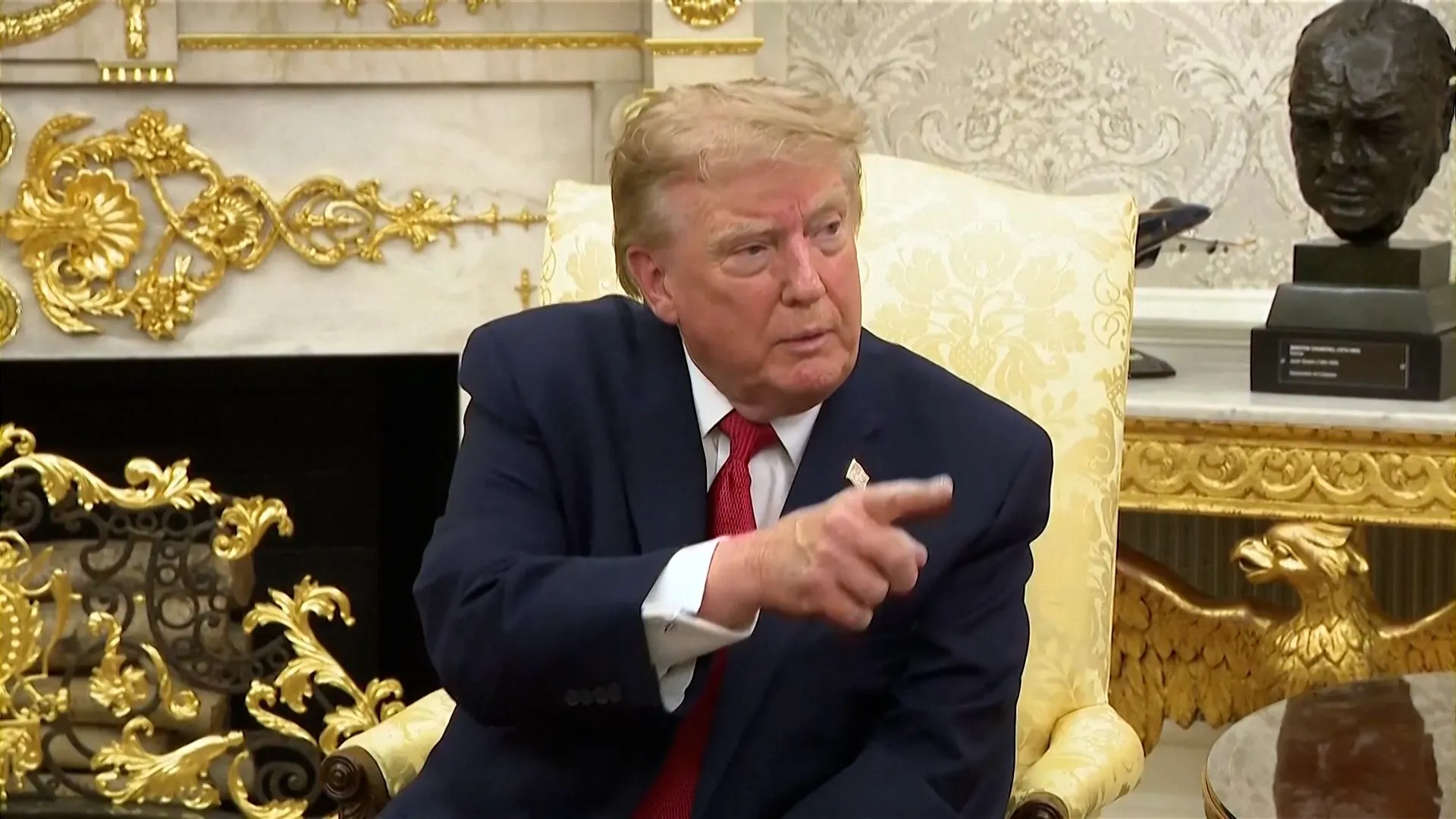
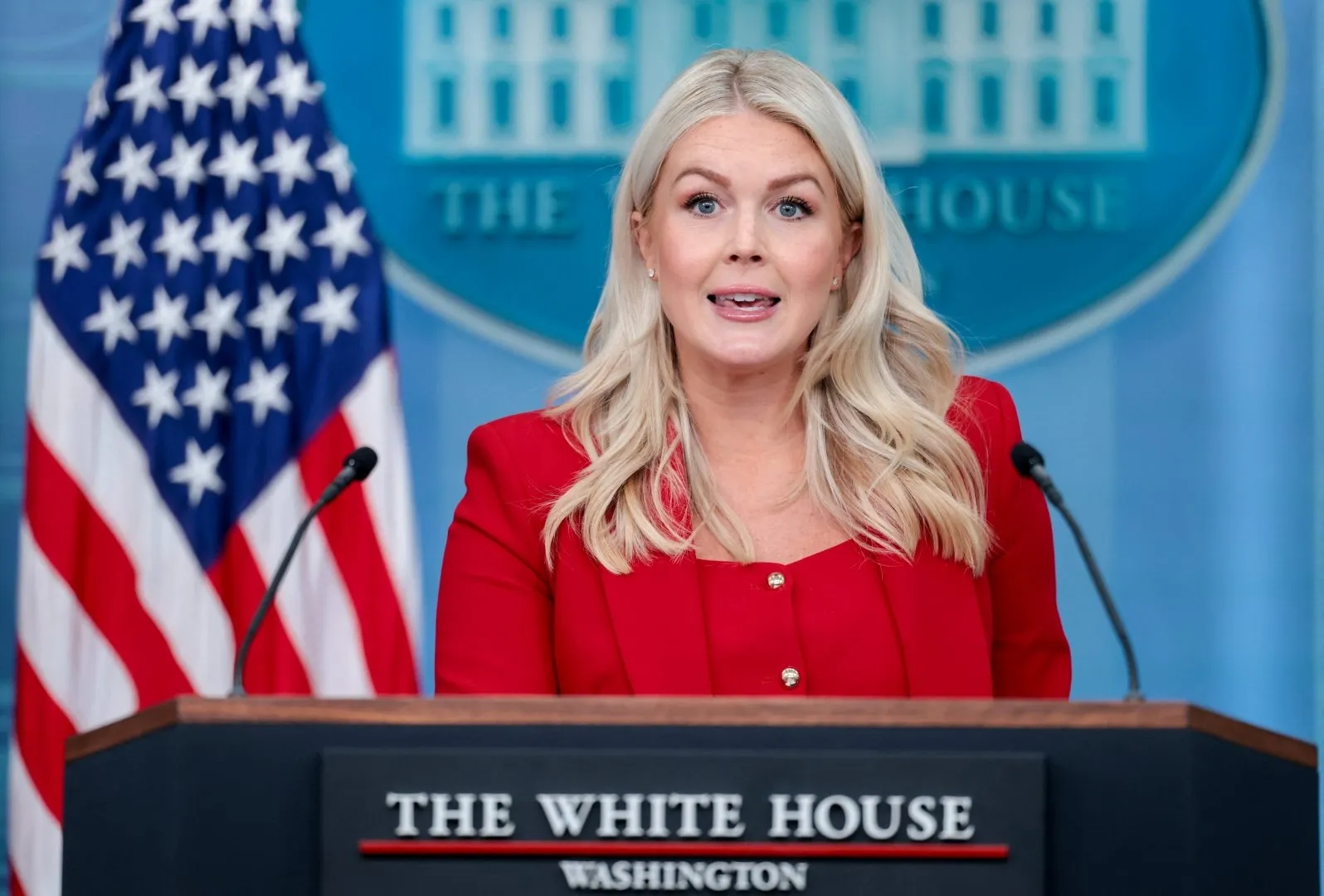
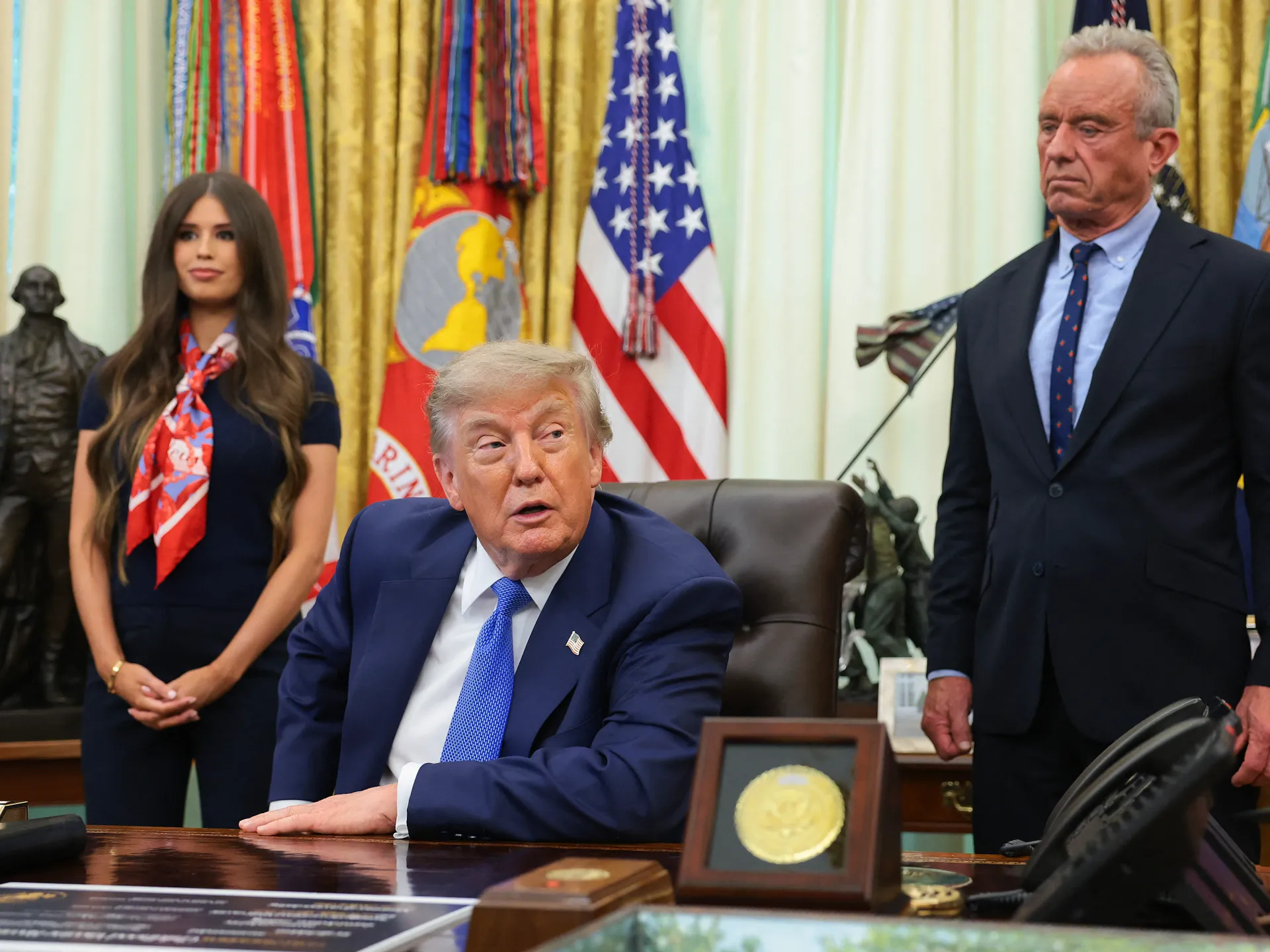
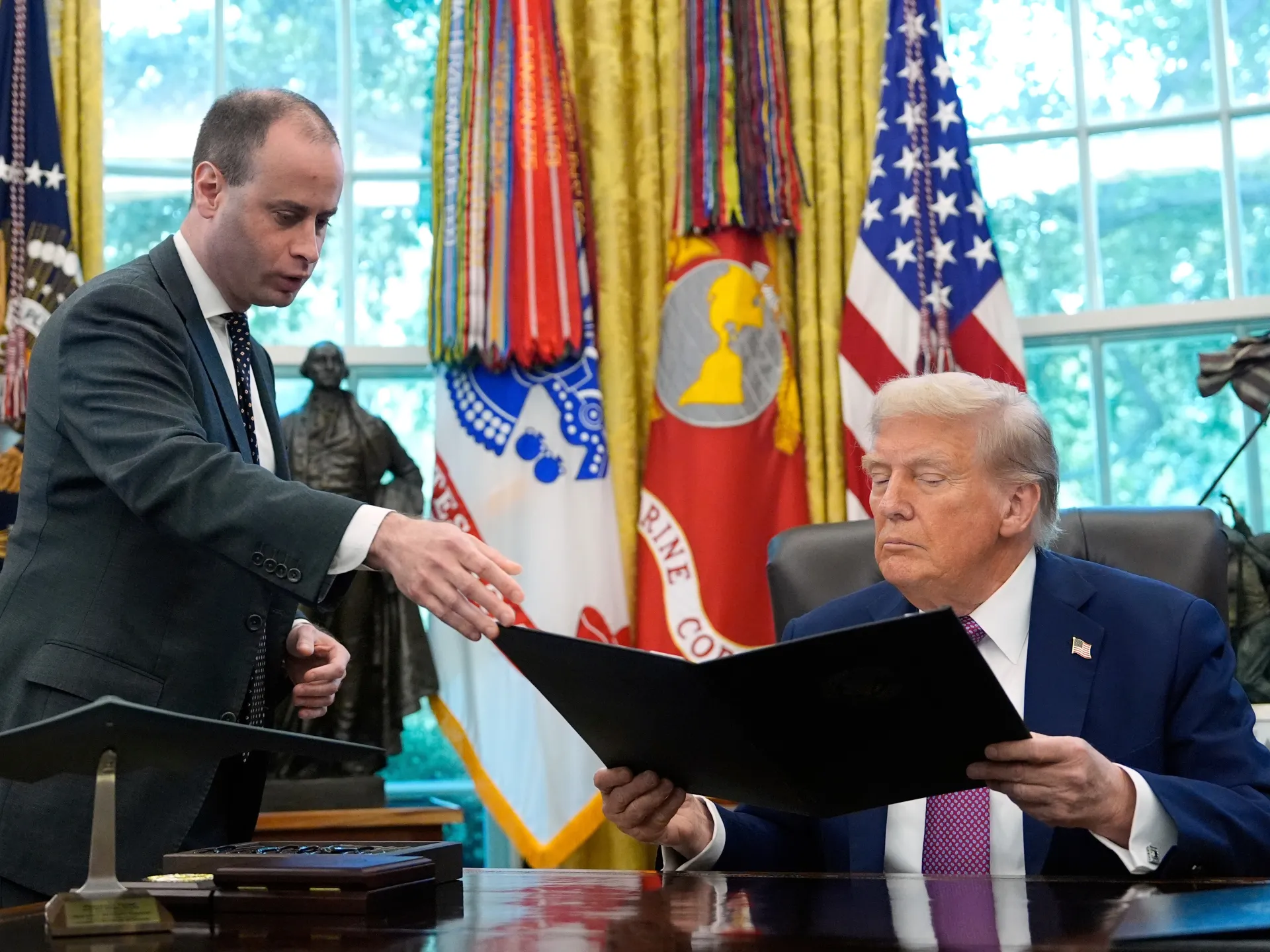
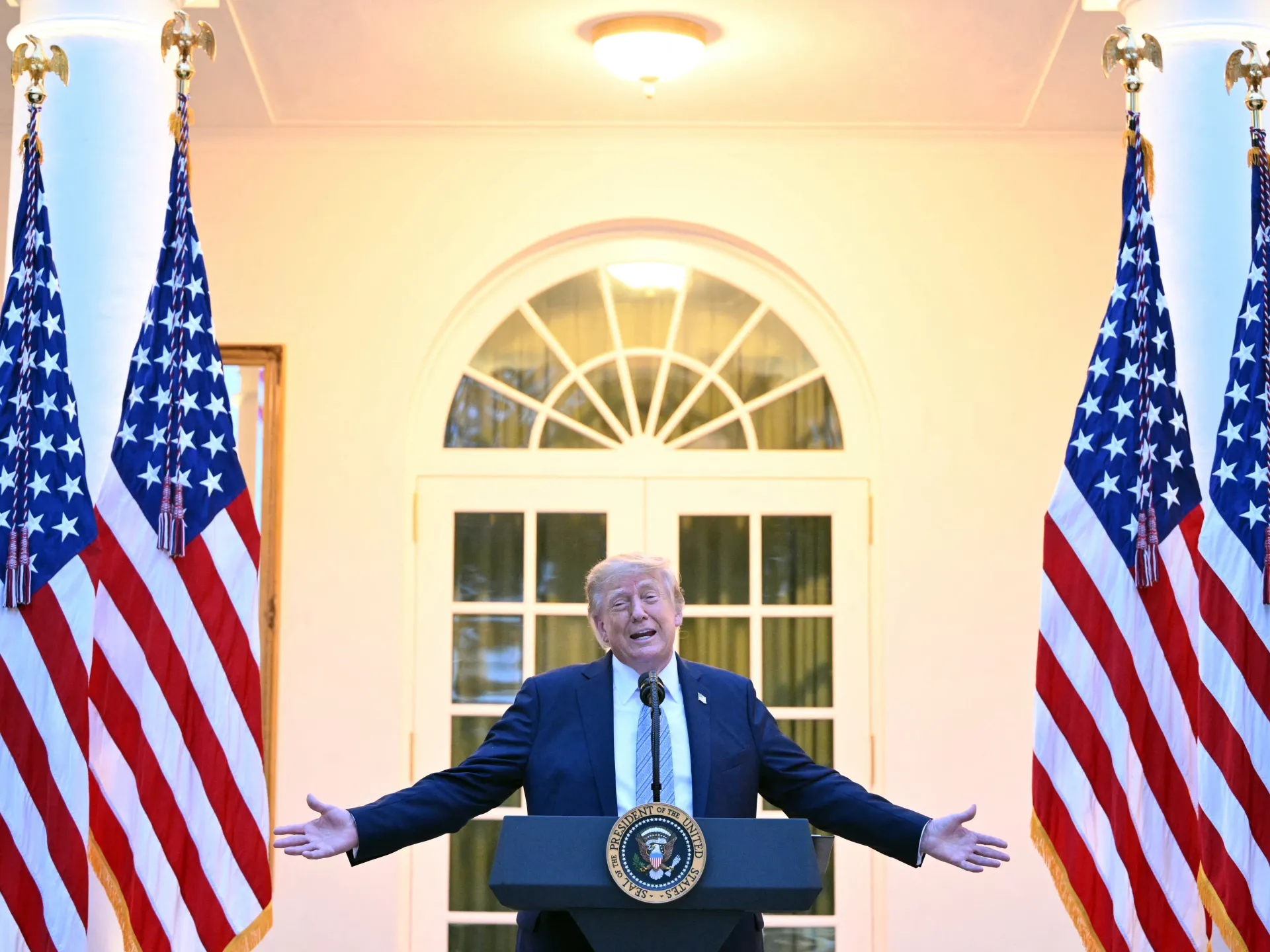
President Donald Trump announced on September 18, 2026, that CNN, MS NOW, and Politico are prohibited from entering the White House, effective immediately. The President articulated his reasoning via social media, characterizing the reporting from these outlets as "fiction and lies." He further indicated that the list of banned organizations could expand in the coming days, citing his displeasure with how these entities cover his administration and the United States at large.
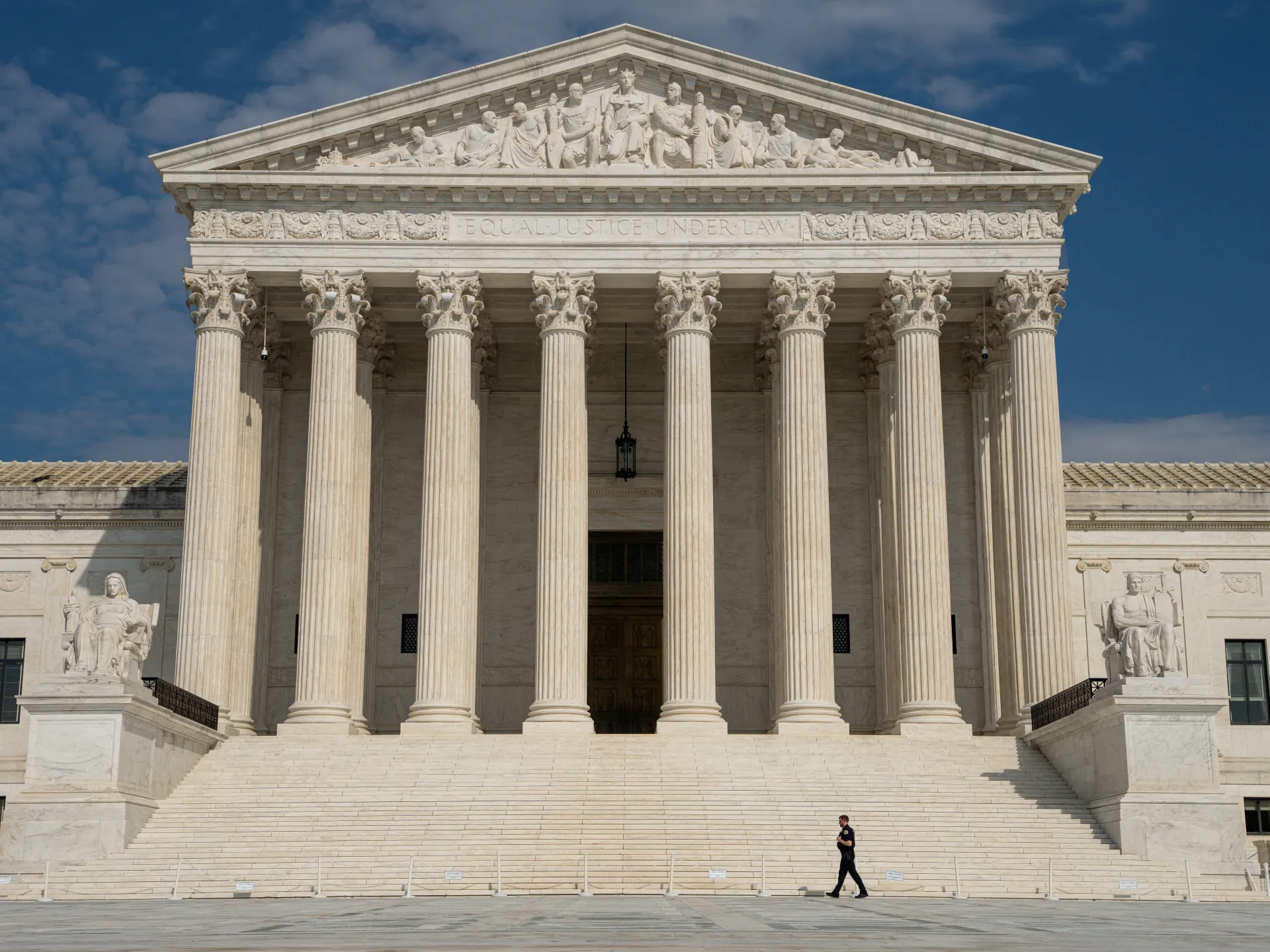
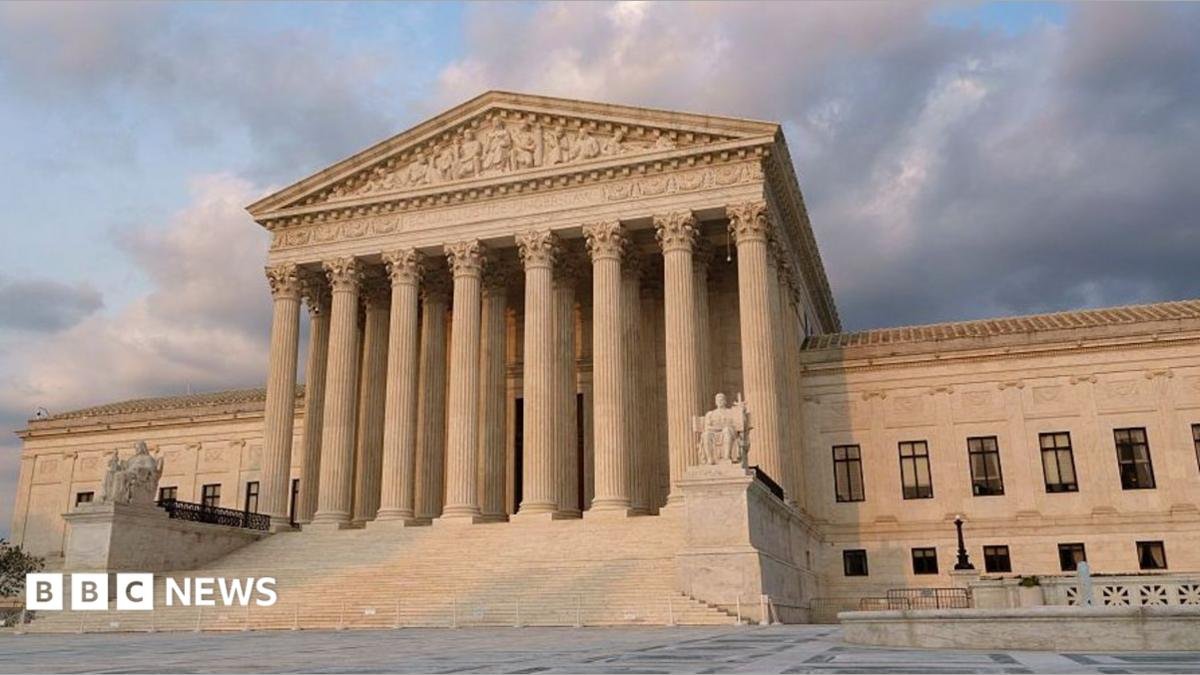
Legal experts and commentators point to the First Amendment of the U.S. Constitution as a potential hurdle for this policy. While previous administrations—notably under Lyndon B. Johnson and Richard Nixon—have expressed intense frustrations with the press corps, efforts to formally bar specific outlets have historically been resisted due to constitutional protections. As reports suggest this move will face immediate legal challenges, the administration faces a test of its executive authority regarding access to the grounds of the White House.
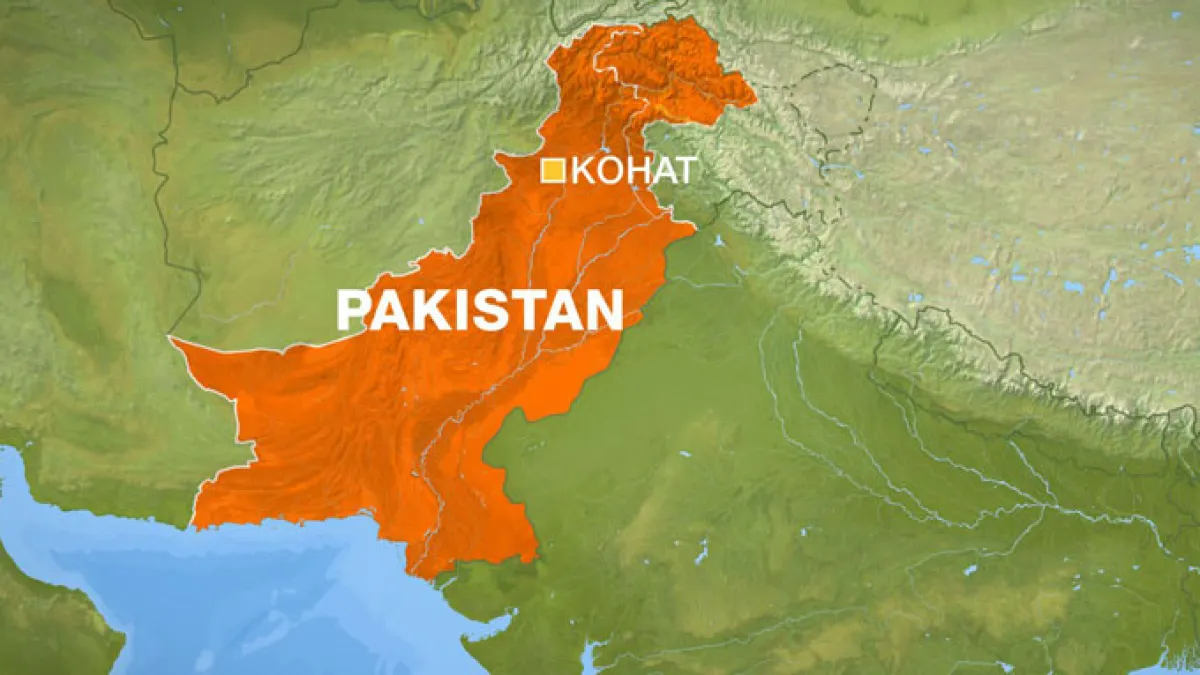
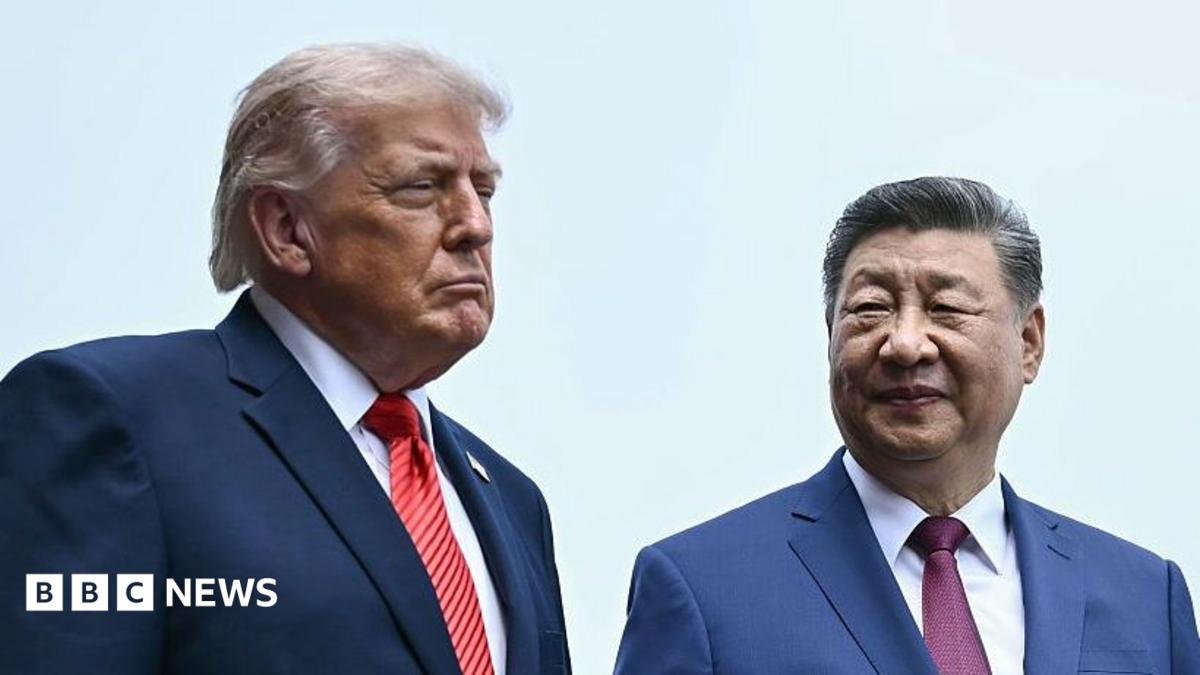
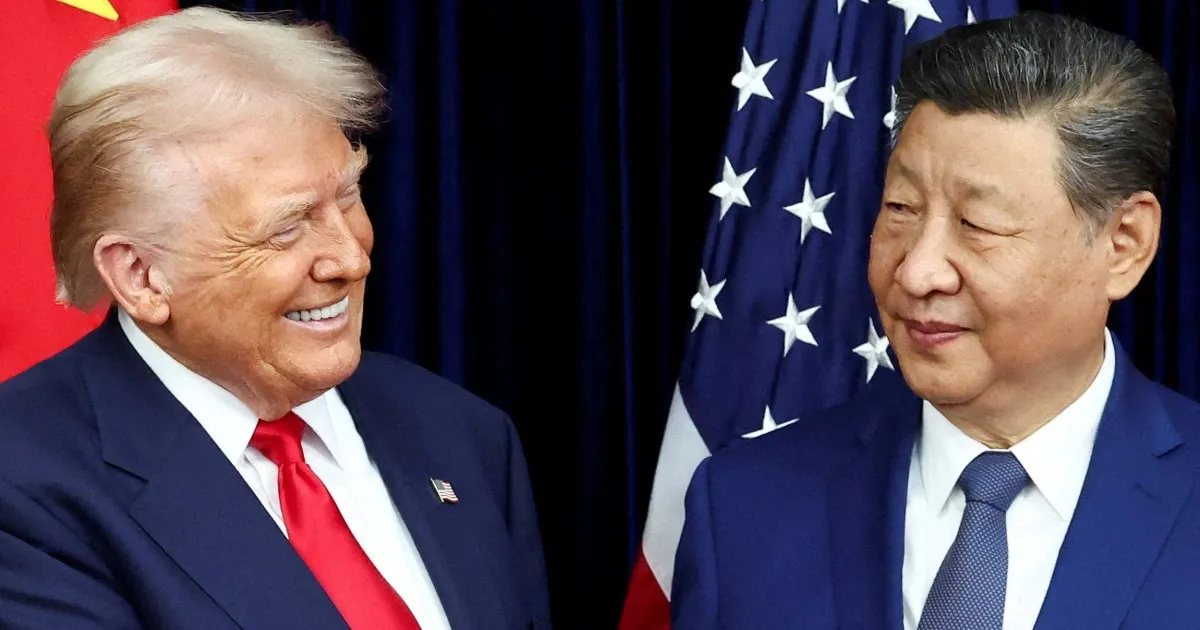
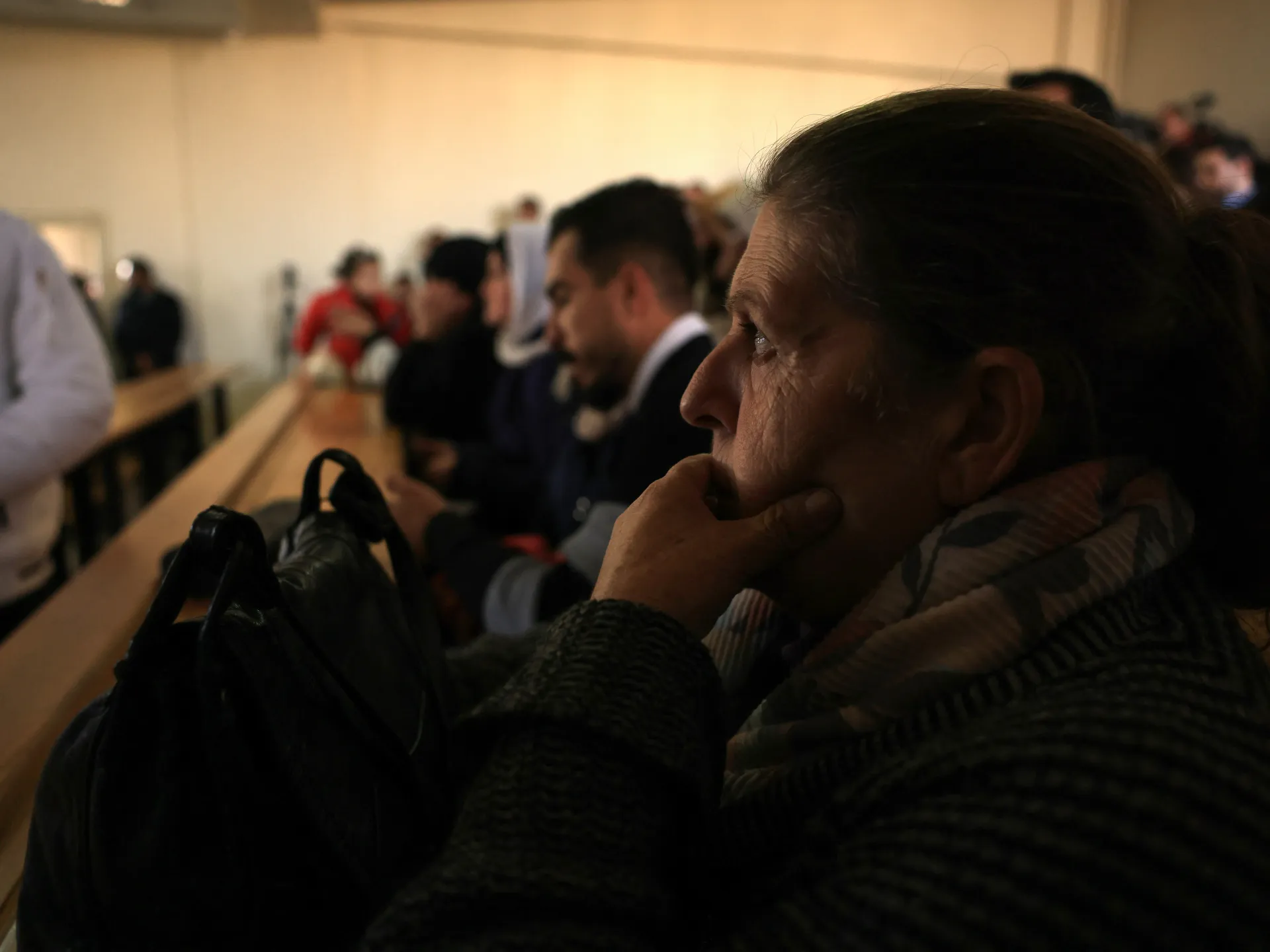
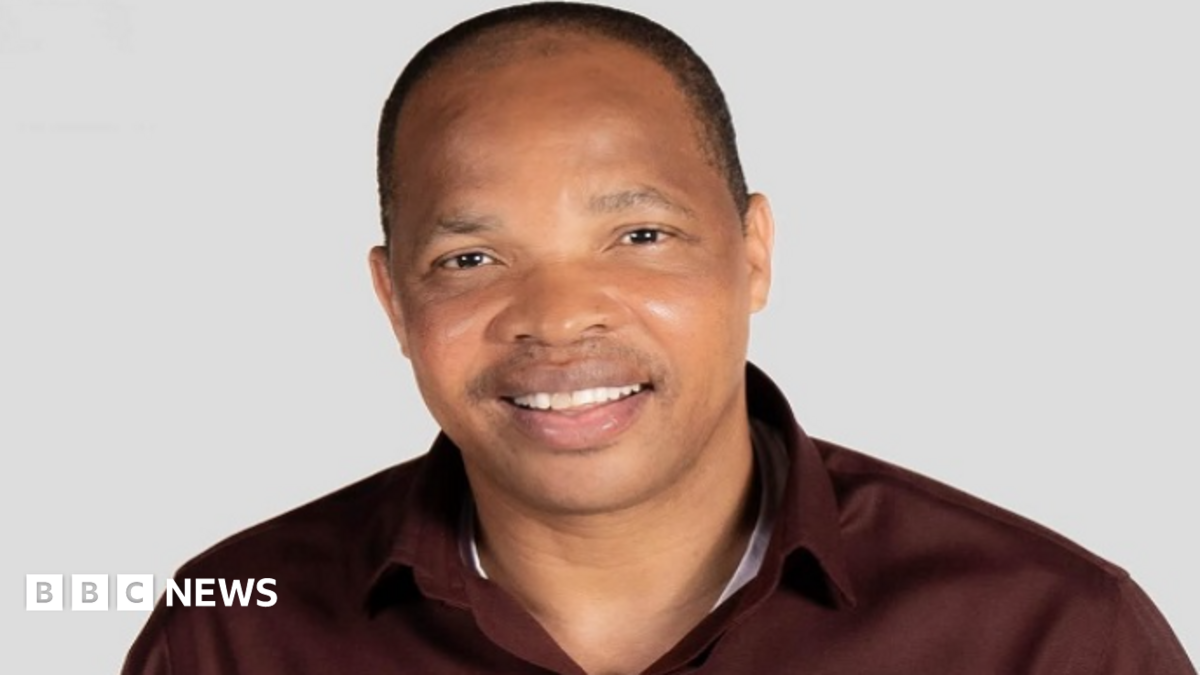
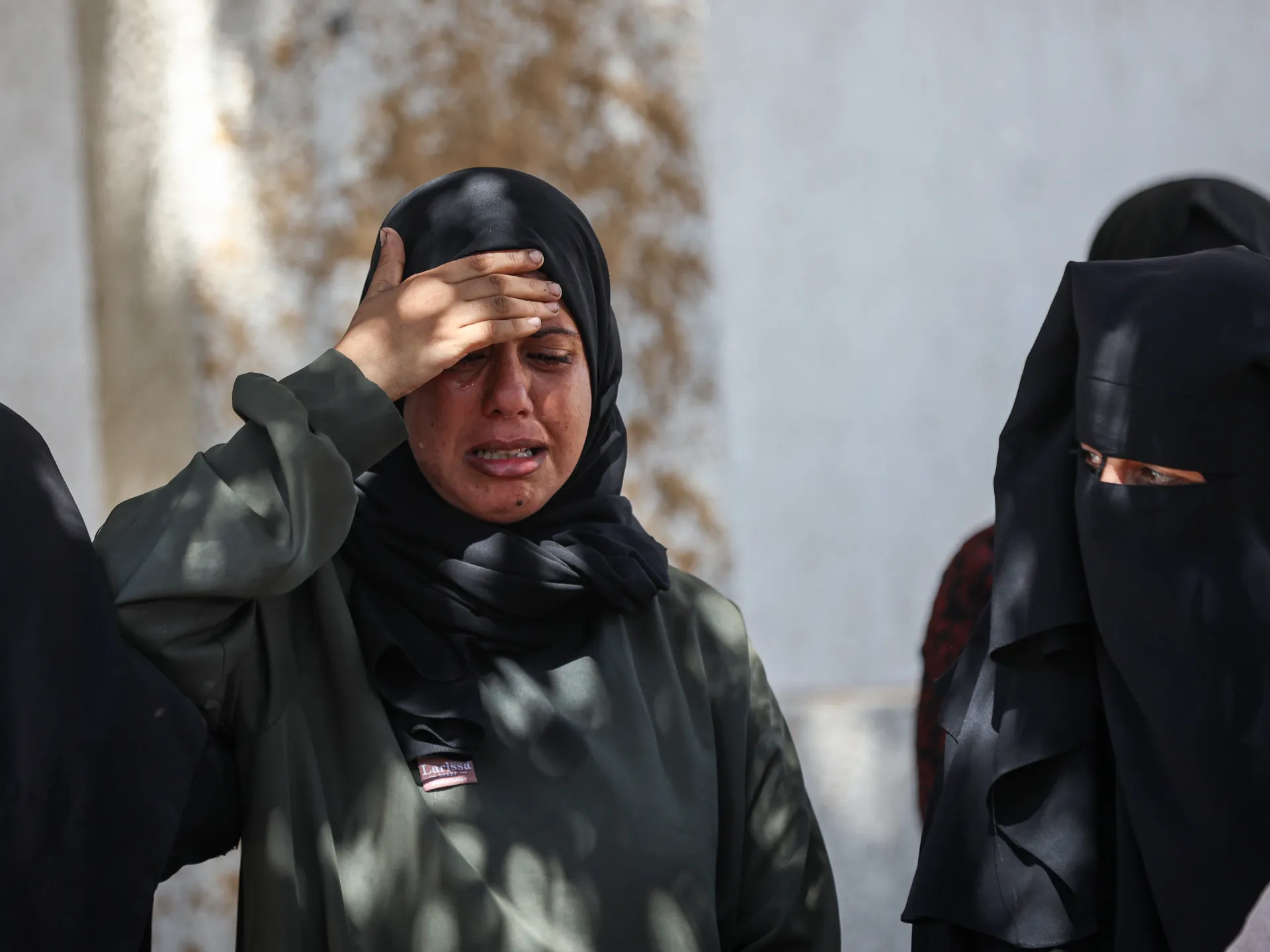
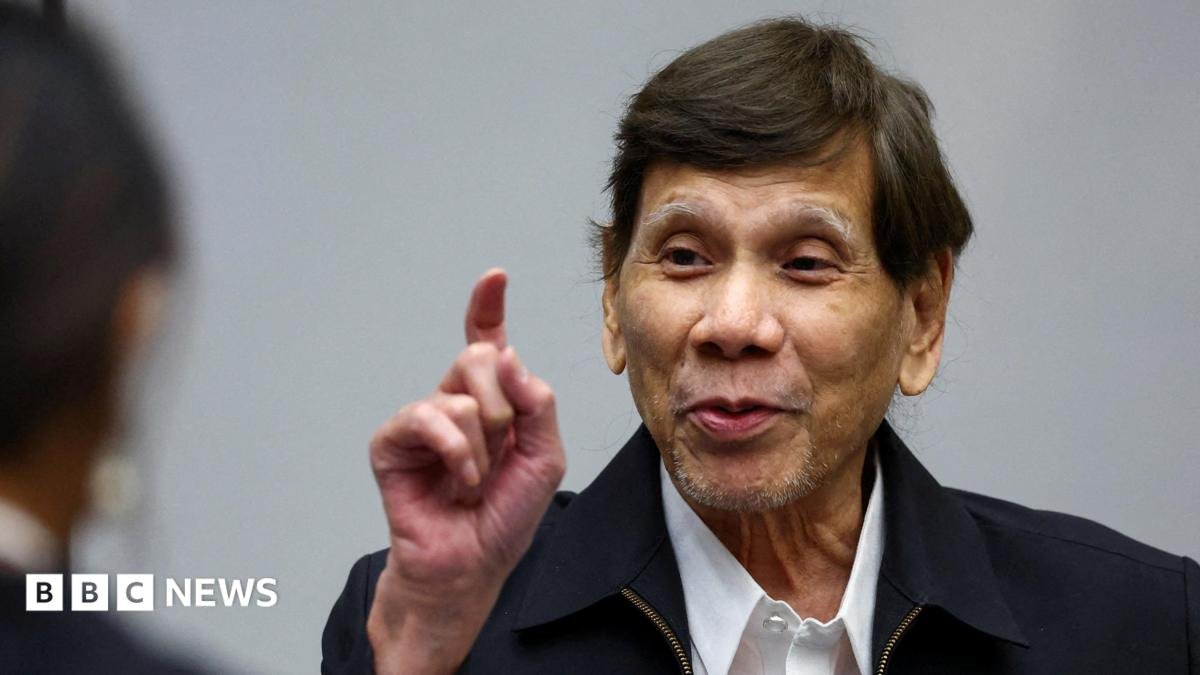
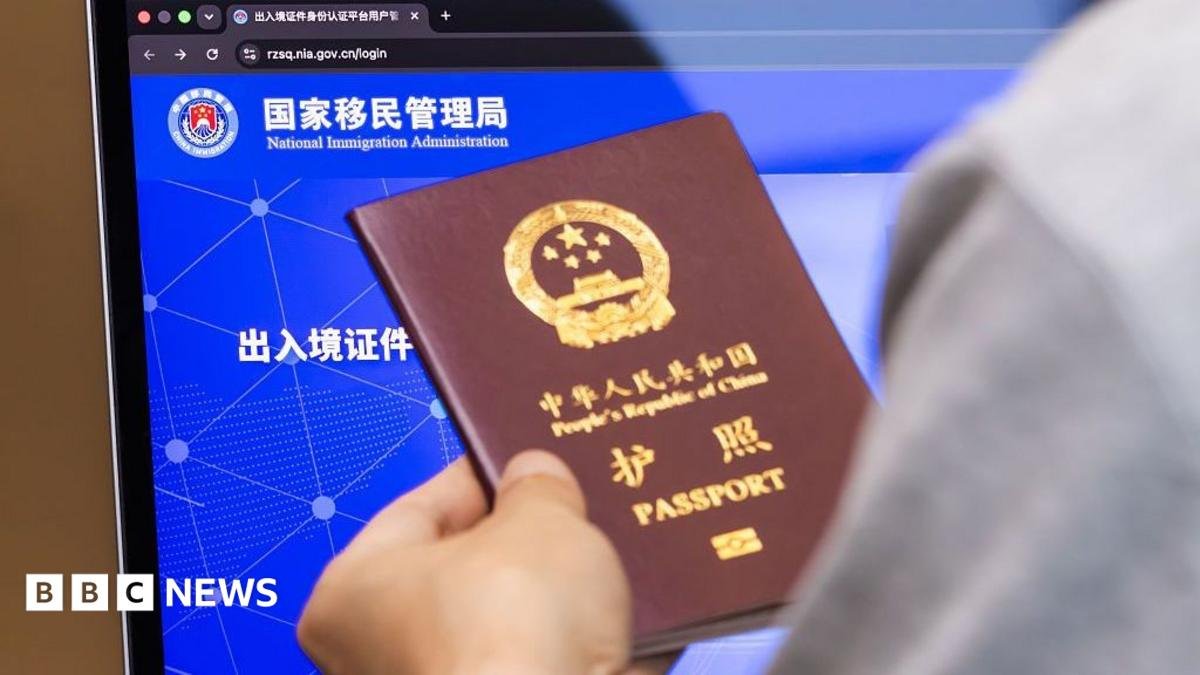
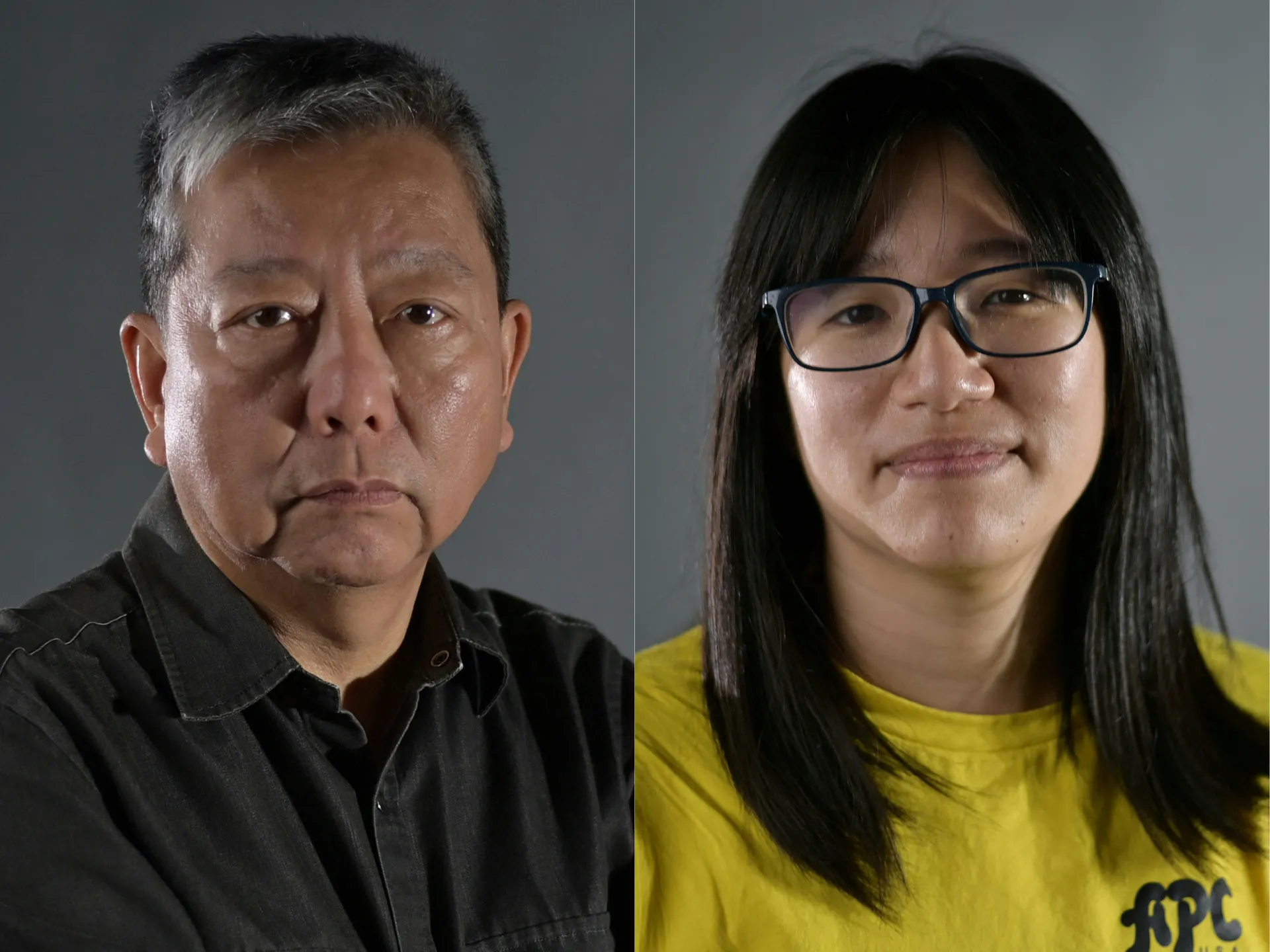
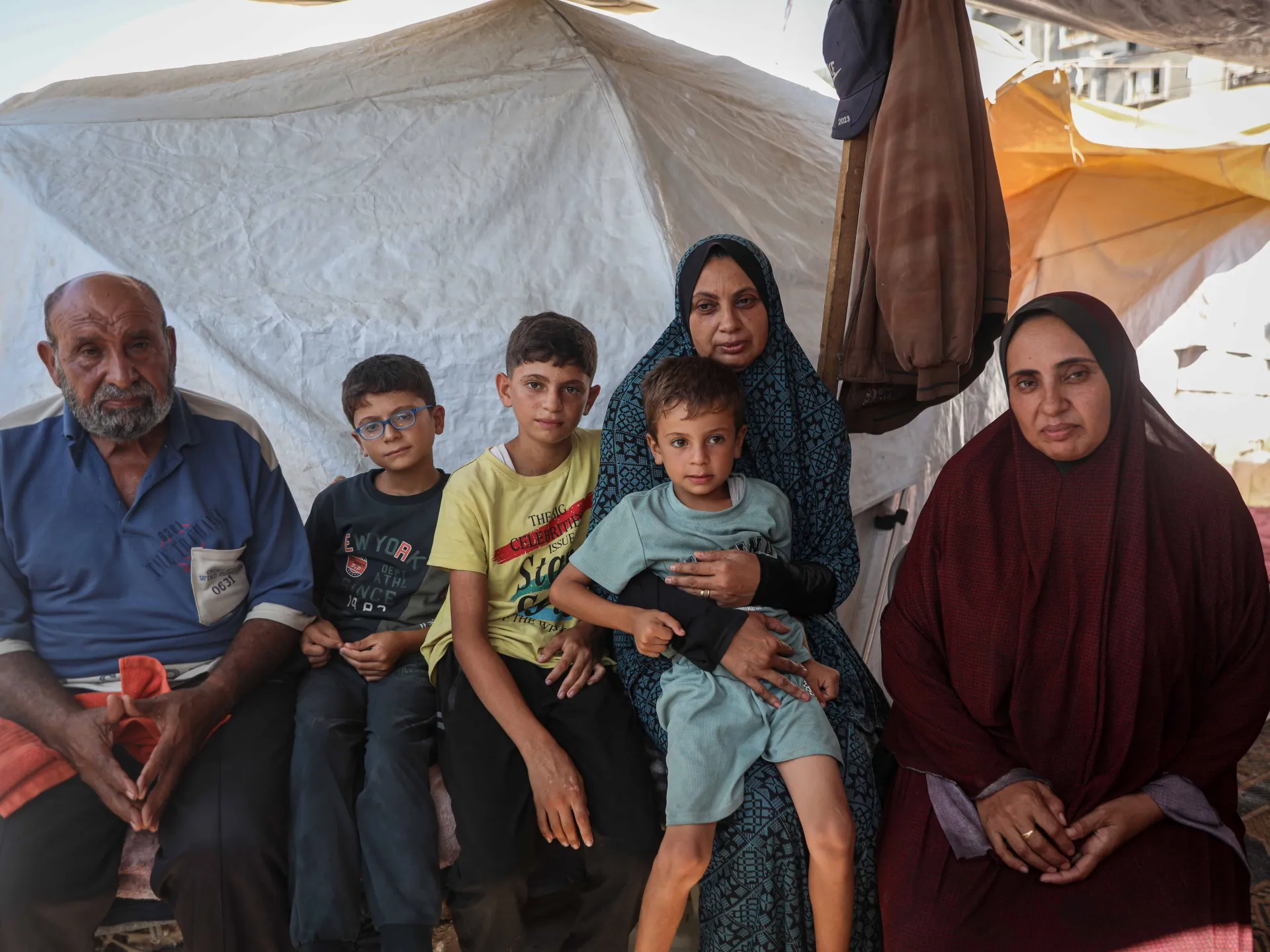
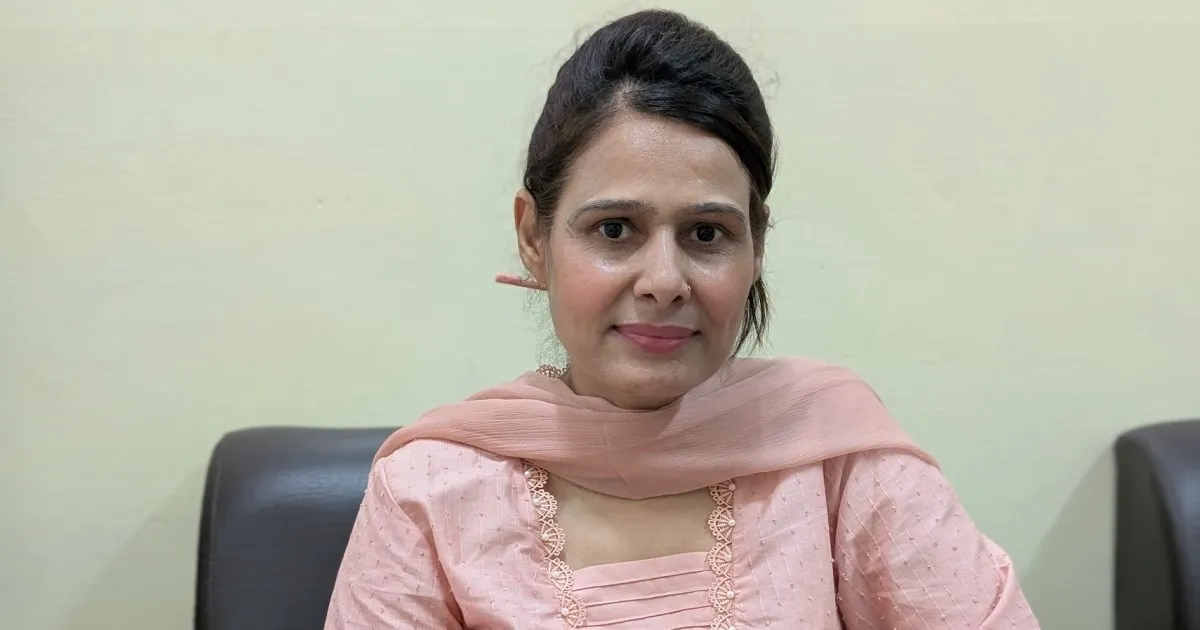
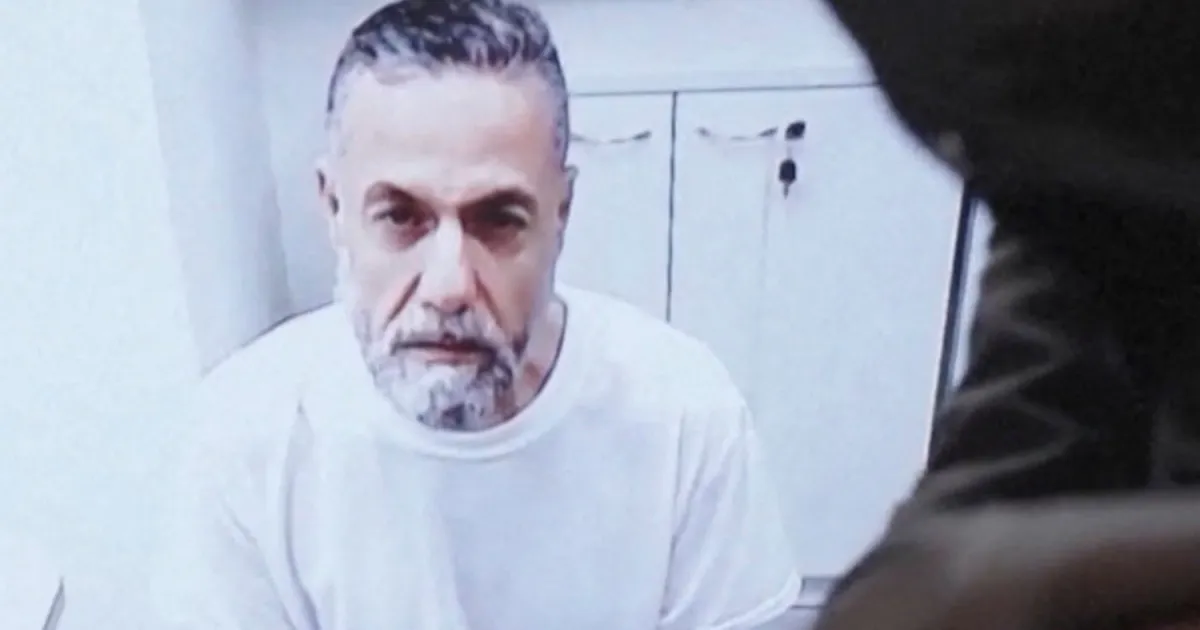
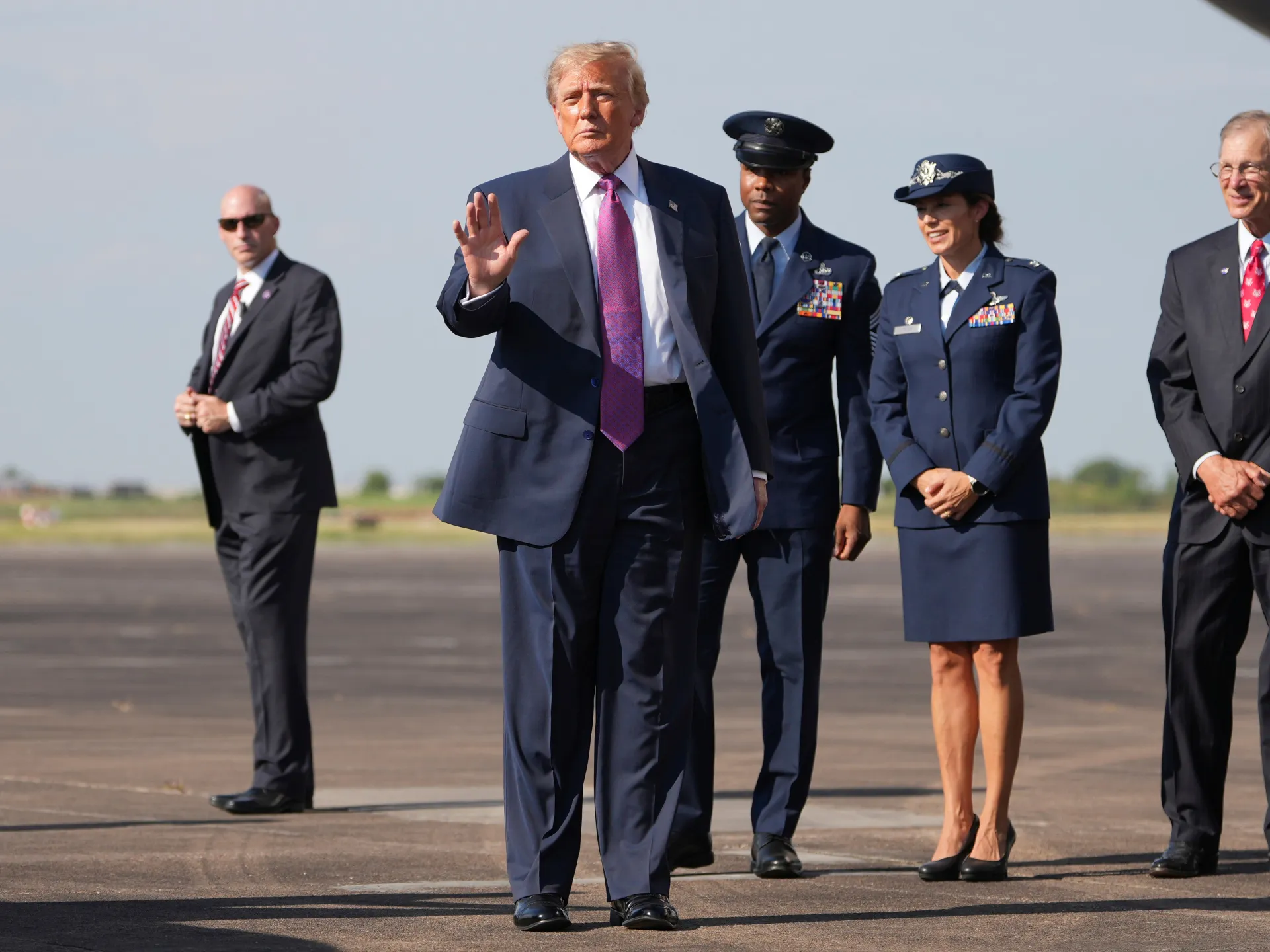
As the administration navigates its relationship with the press, it is simultaneously preparing for a significant state visit from Chinese President Xi Jinping. Families of Americans currently detained in China have converged on Washington D.C. to urge President Trump to prioritize these cases during the upcoming bilateral discussions. Among the high-profile cases is that of U Min Zin, a scholar and director of the Myanmar Institute for Strategic and Policy Studies, who was arrested in Kunming on June 3 on charges related to espionage and national security.
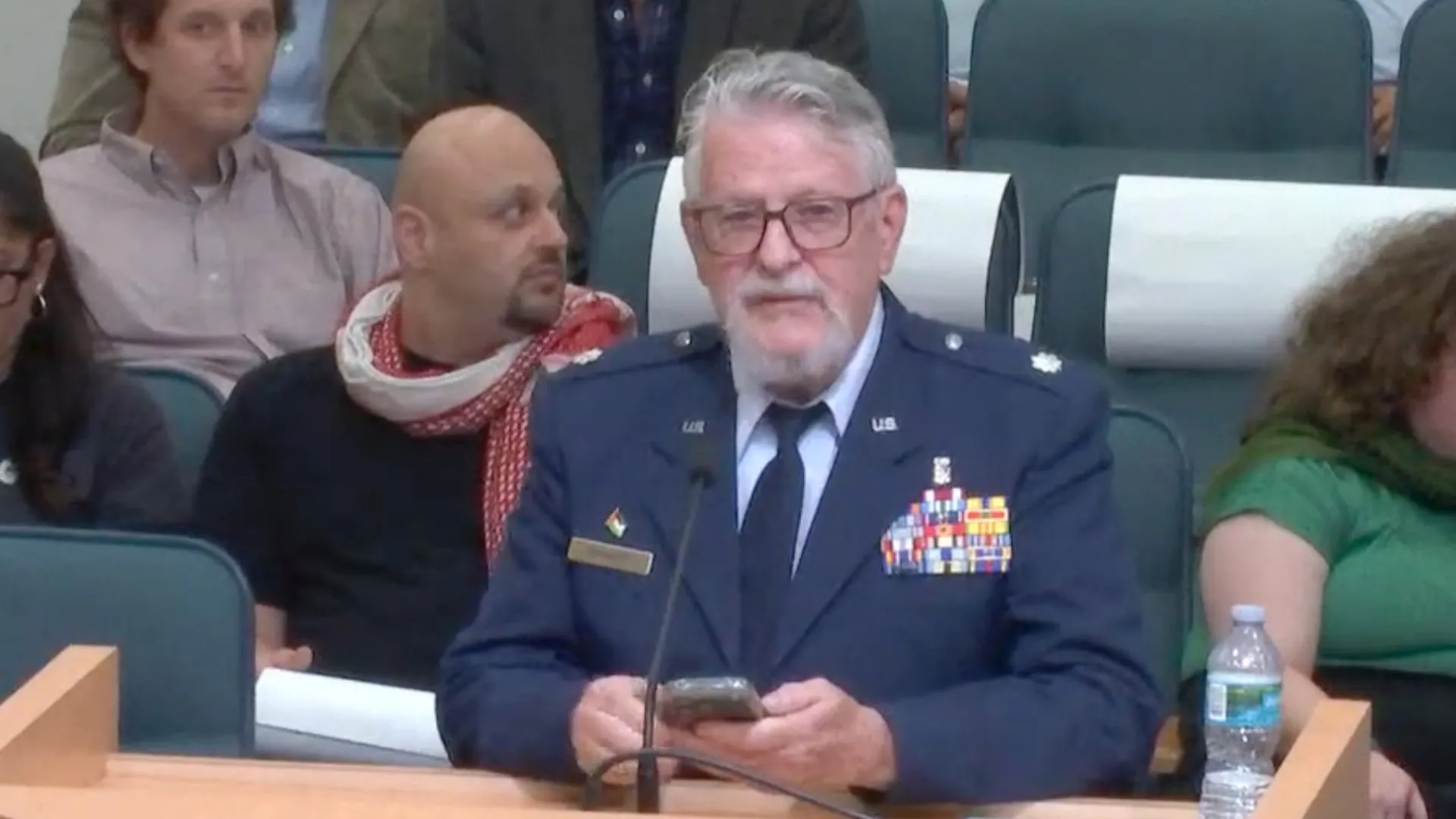
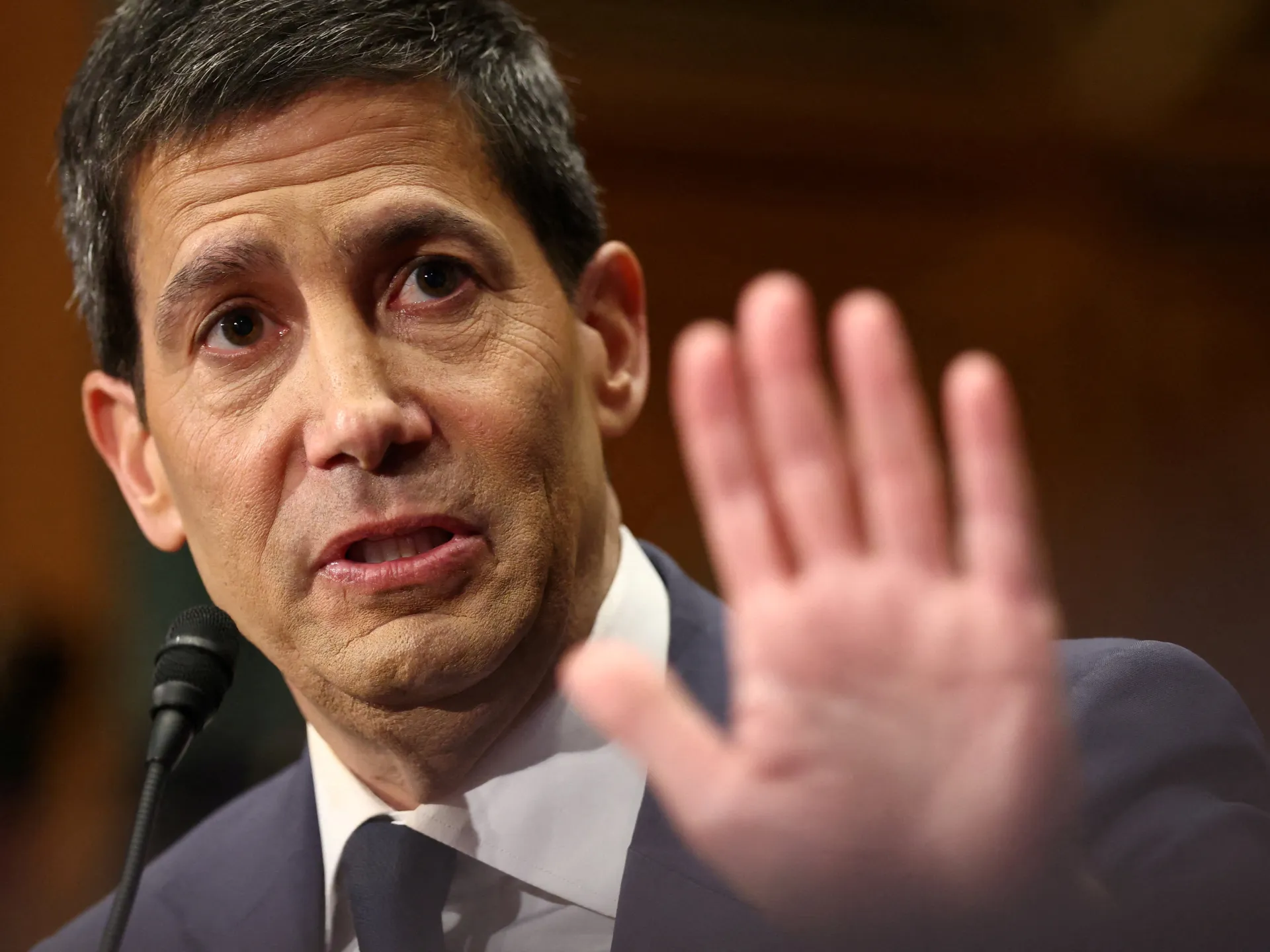
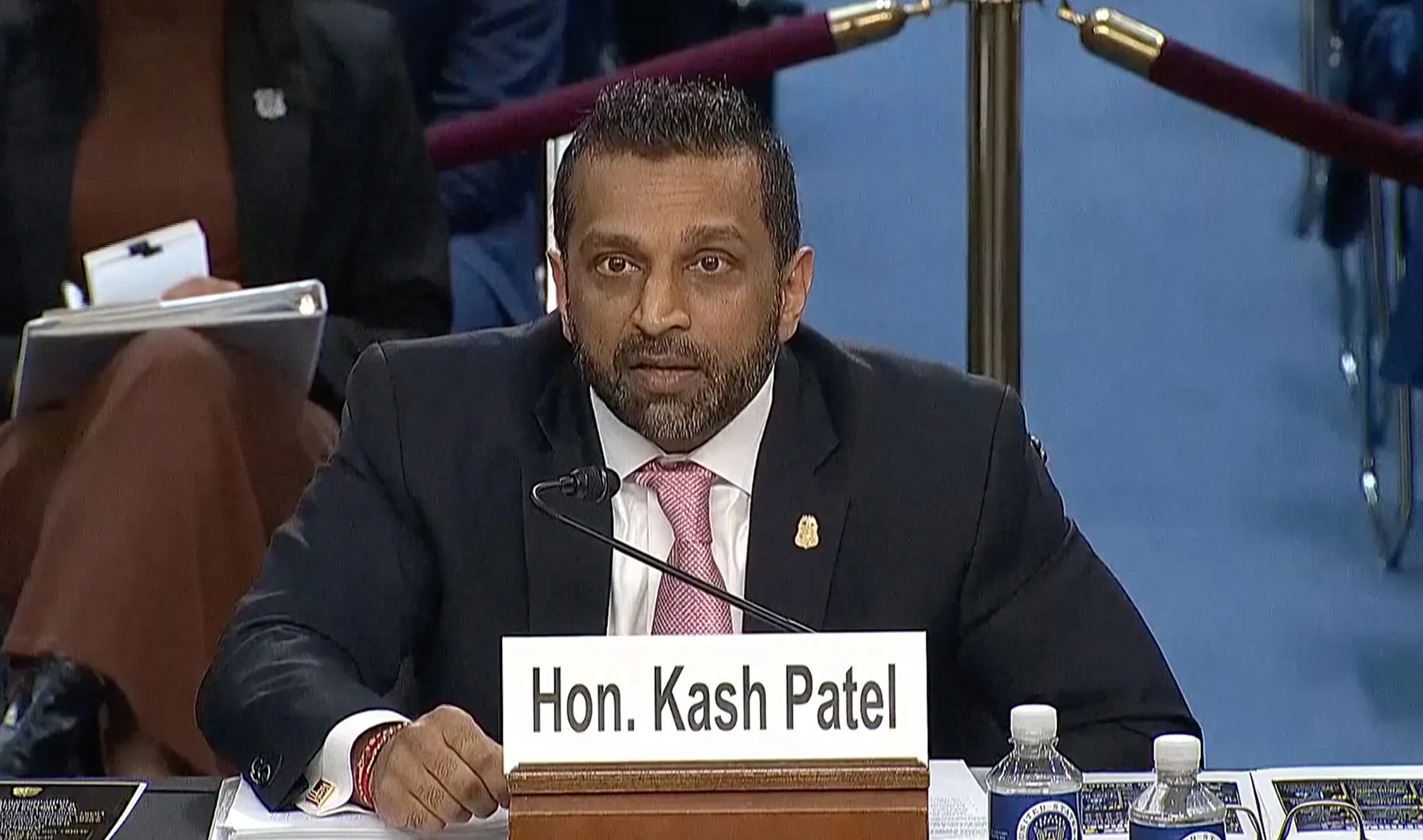
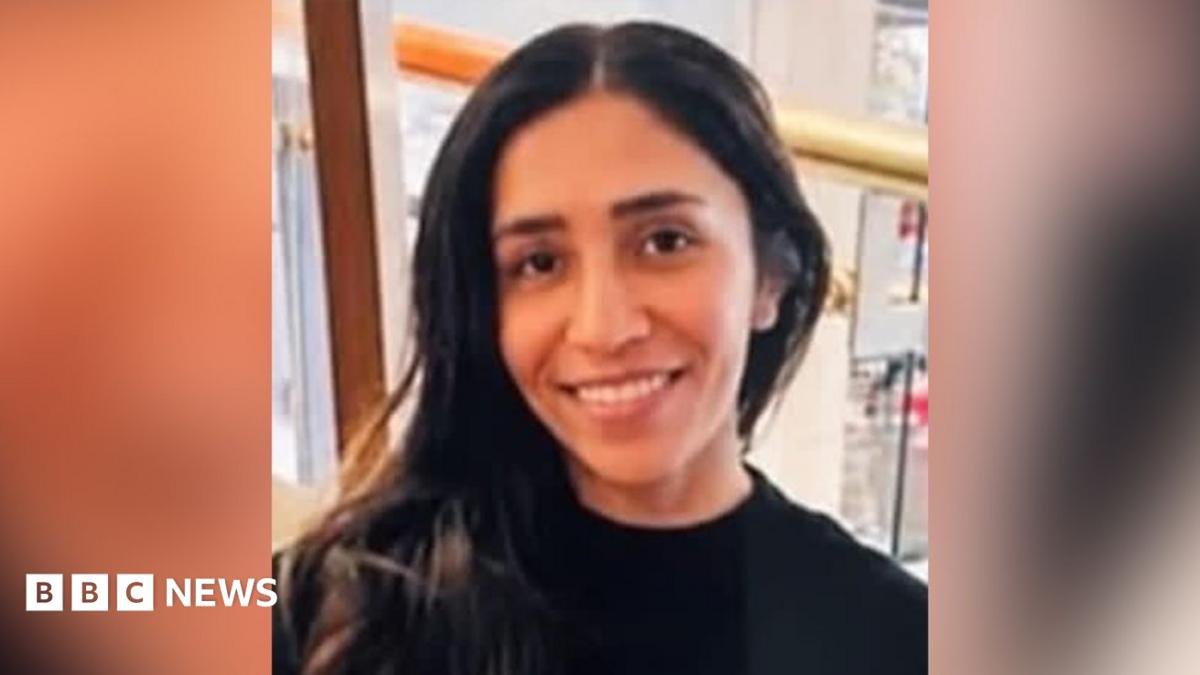
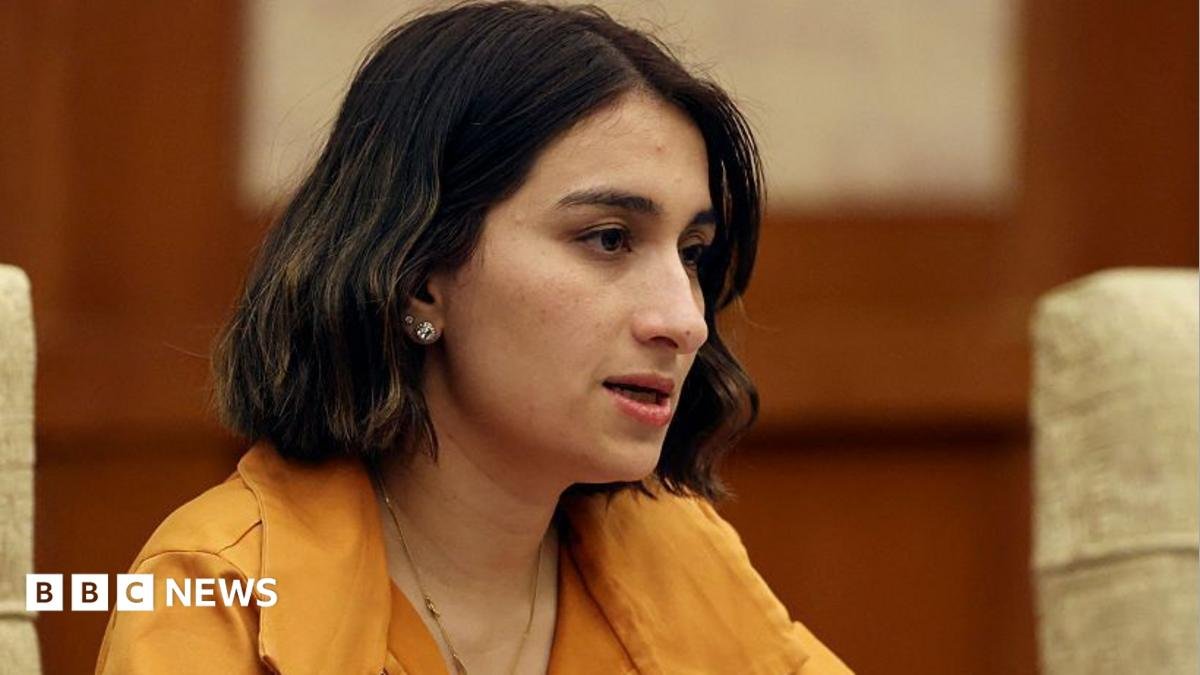
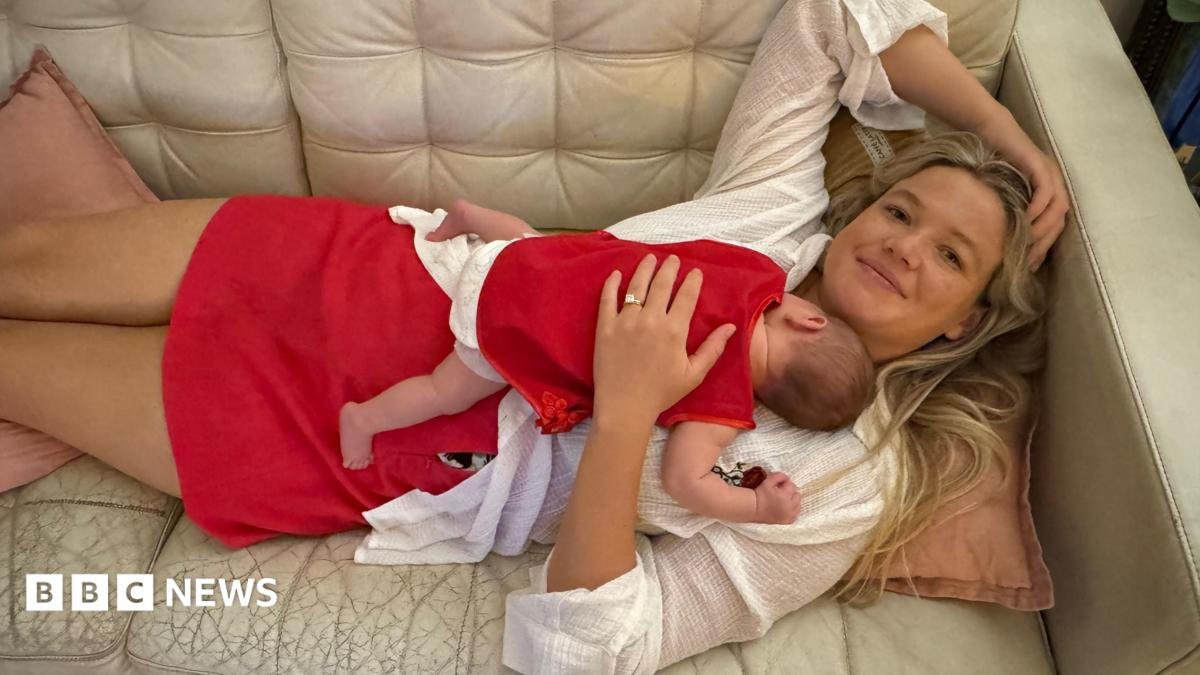
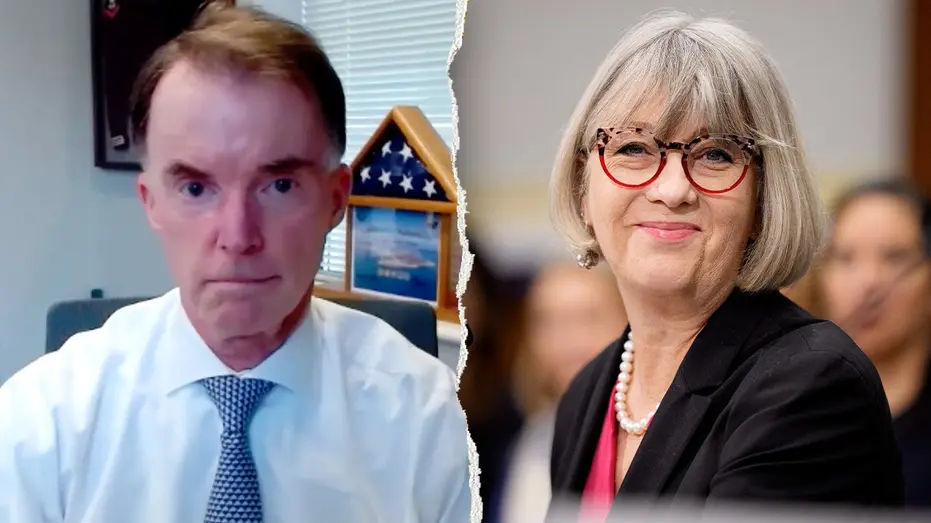
Sylvia Zin, wife of the imprisoned scholar, testified before the House Foreign Affairs Committee on September 16, 2026, expressing hope that the President’s history of negotiating the return of detainees will yield results. During the same hearing, the son of Hong Kong media magnate Jimmy Lai also lobbied for his father's release. Congresswoman Young Kim, chairwoman of the subcommittee, warned that the timing of these detentions often serves as diplomatic leverage for Beijing. While a senior White House official stated that resolving these detentions remains a "top priority," the administration remains under pressure to secure tangible results during the summit.
The immediate future will likely see a dual-track conflict. Domestically, the administration can expect litigation from the affected news organizations, centering on the constitutionality of restricting media access to the White House. This legal maneuvering will likely unfold in the federal court system, potentially leading to injunctions that test the limits of executive power over press credentialing.
On the diplomatic front, the focus shifts to the upcoming summit with President Xi Jinping. The success of these meetings will be measured not only he high-level dialogue to achieve the release of the detained American citizens. Analysts suggest that the convergence of these two stories creates a complex environment, where the President's domestic media policy may complicate the optics of his international negotiations.