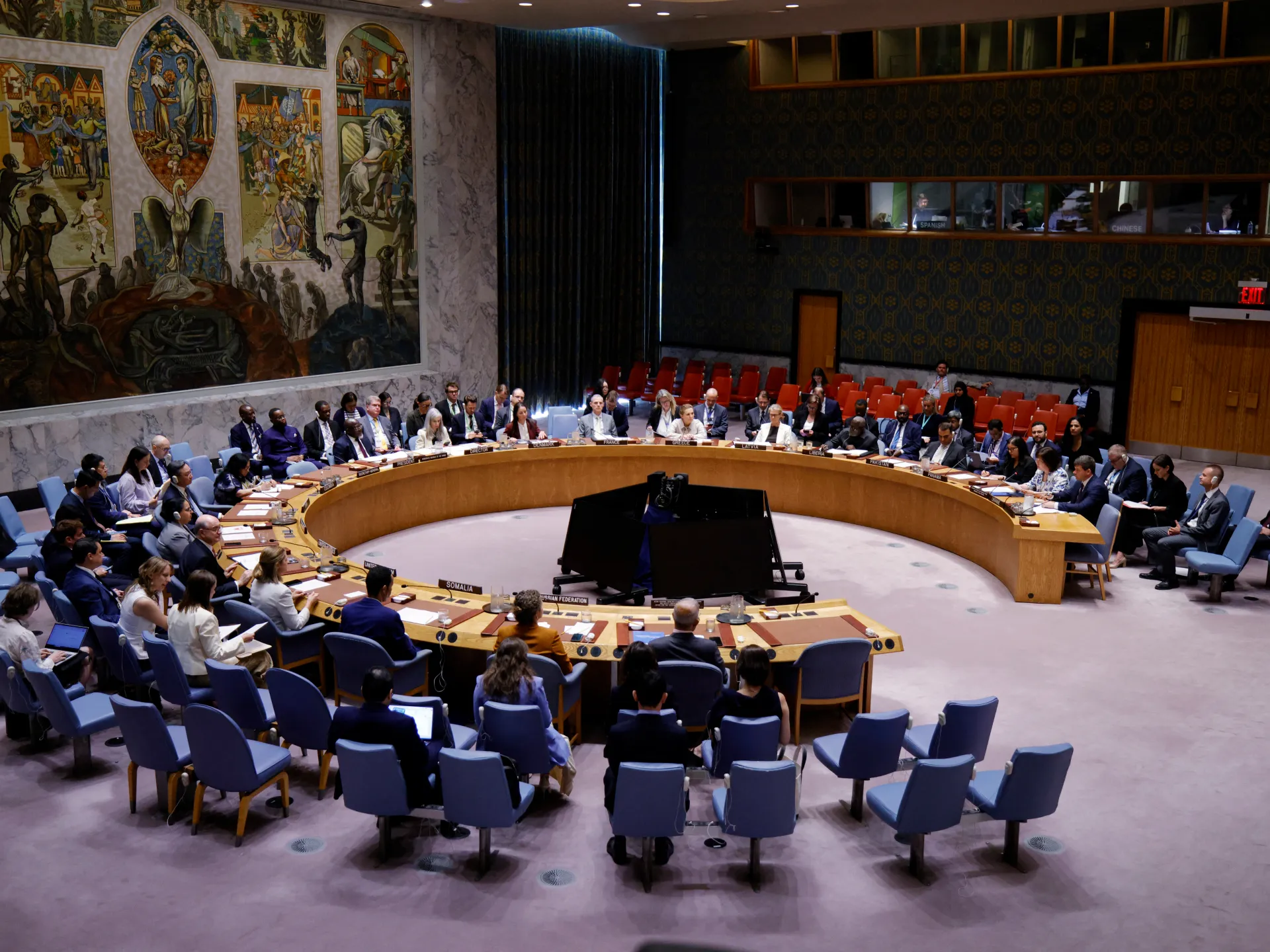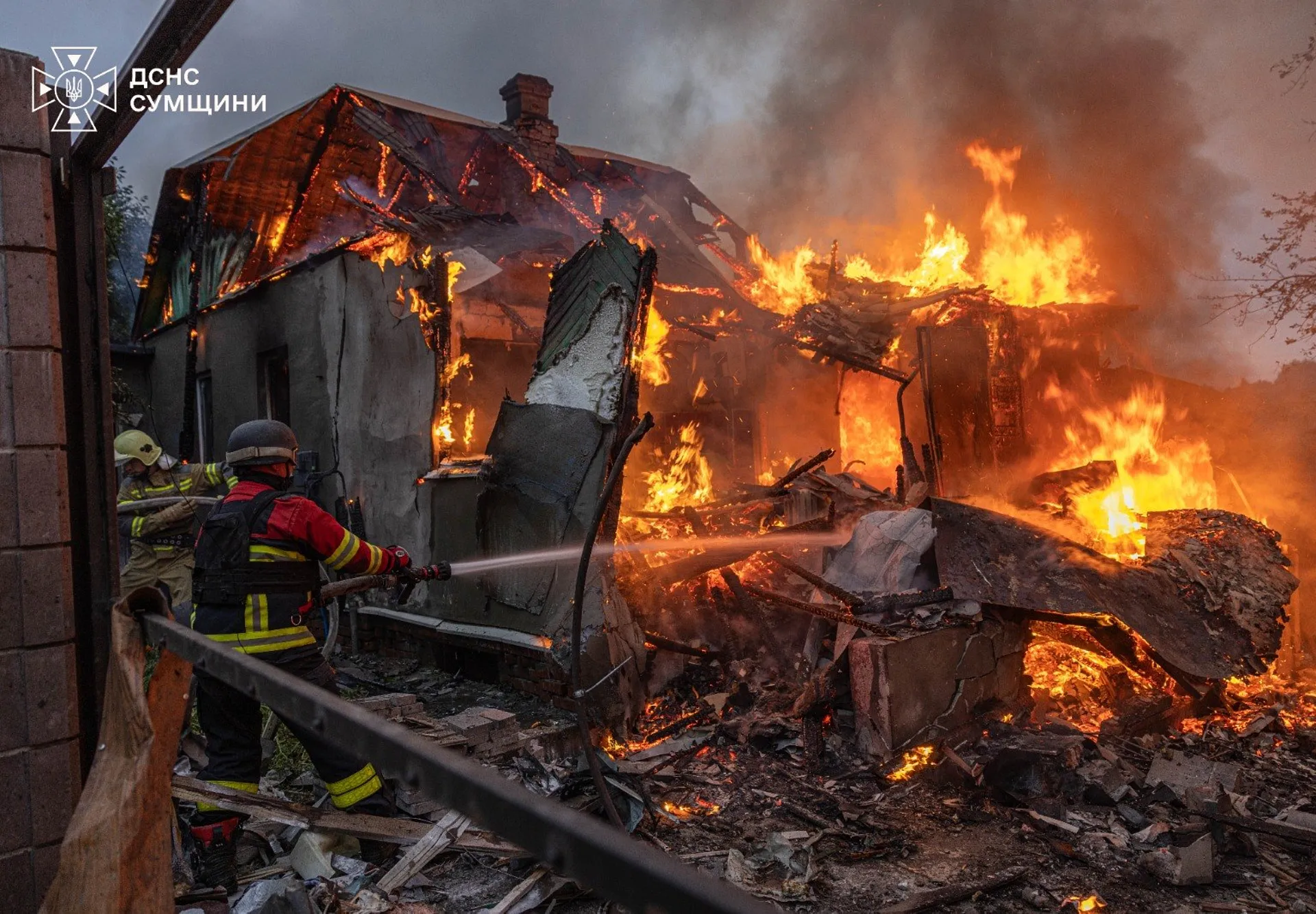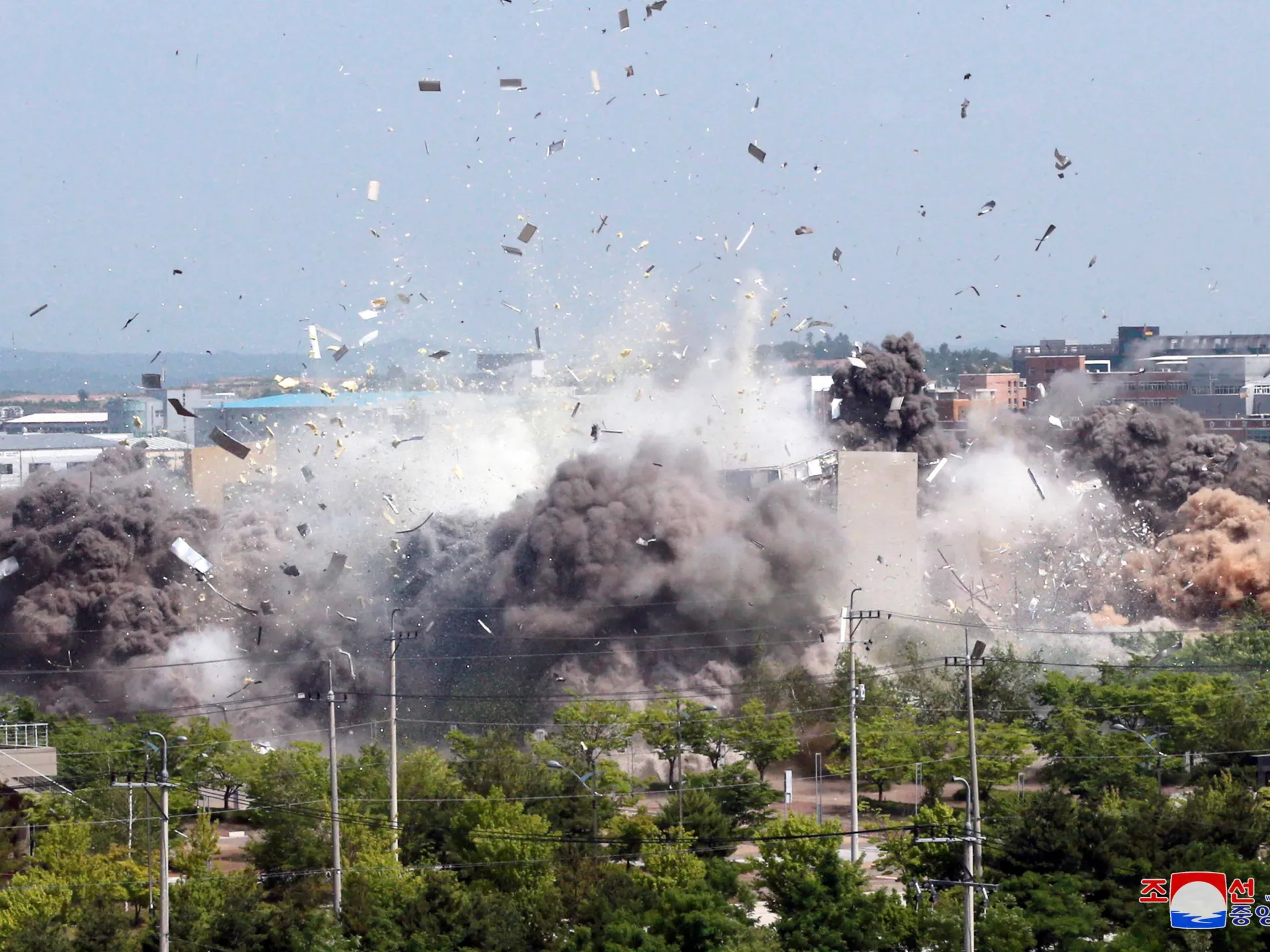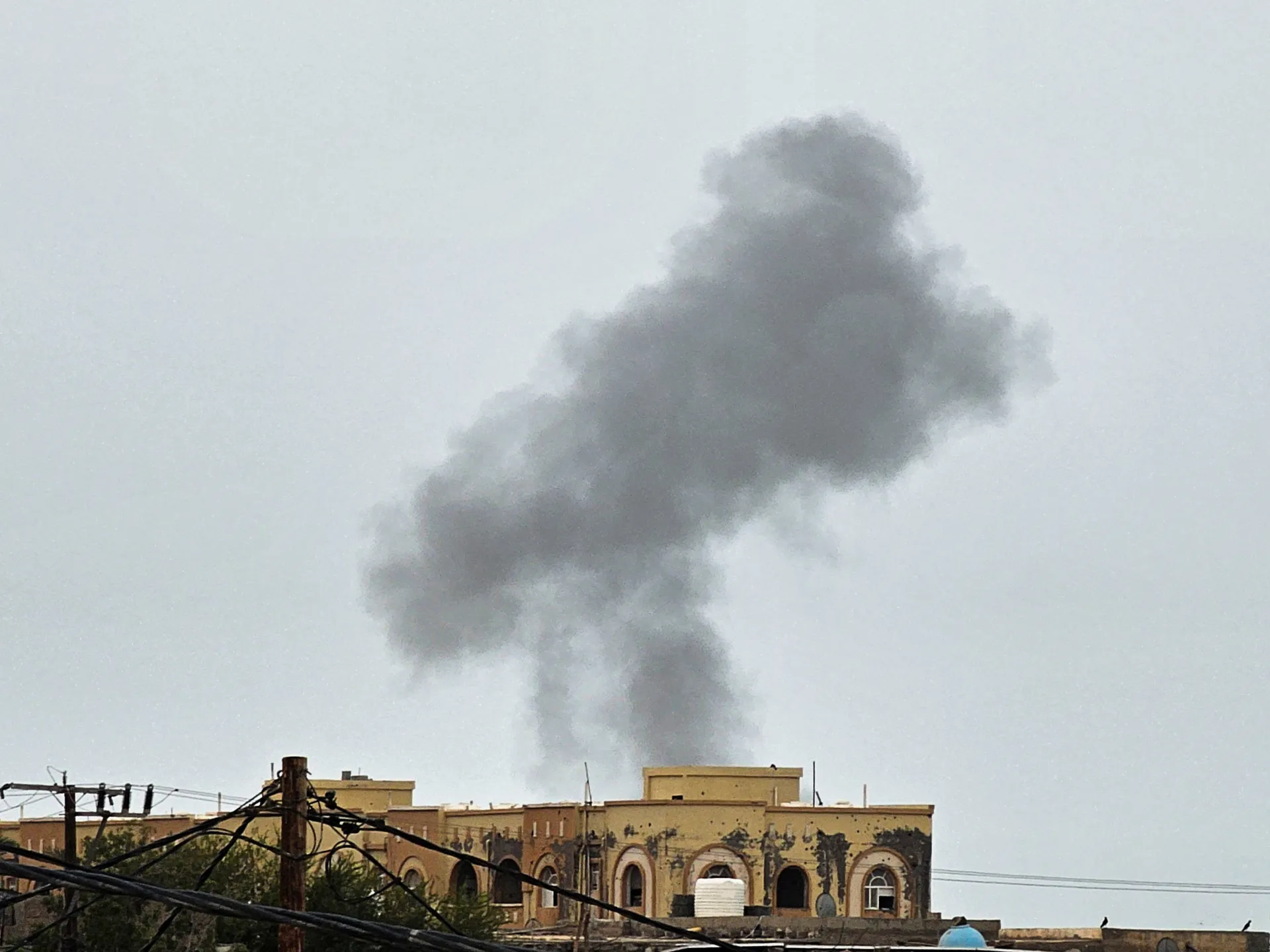
A UN investigation has identified evidence suggesting the U.S. acted with recklessness in two 2026 strikes in Iran that resulted in significant civilian casualties.
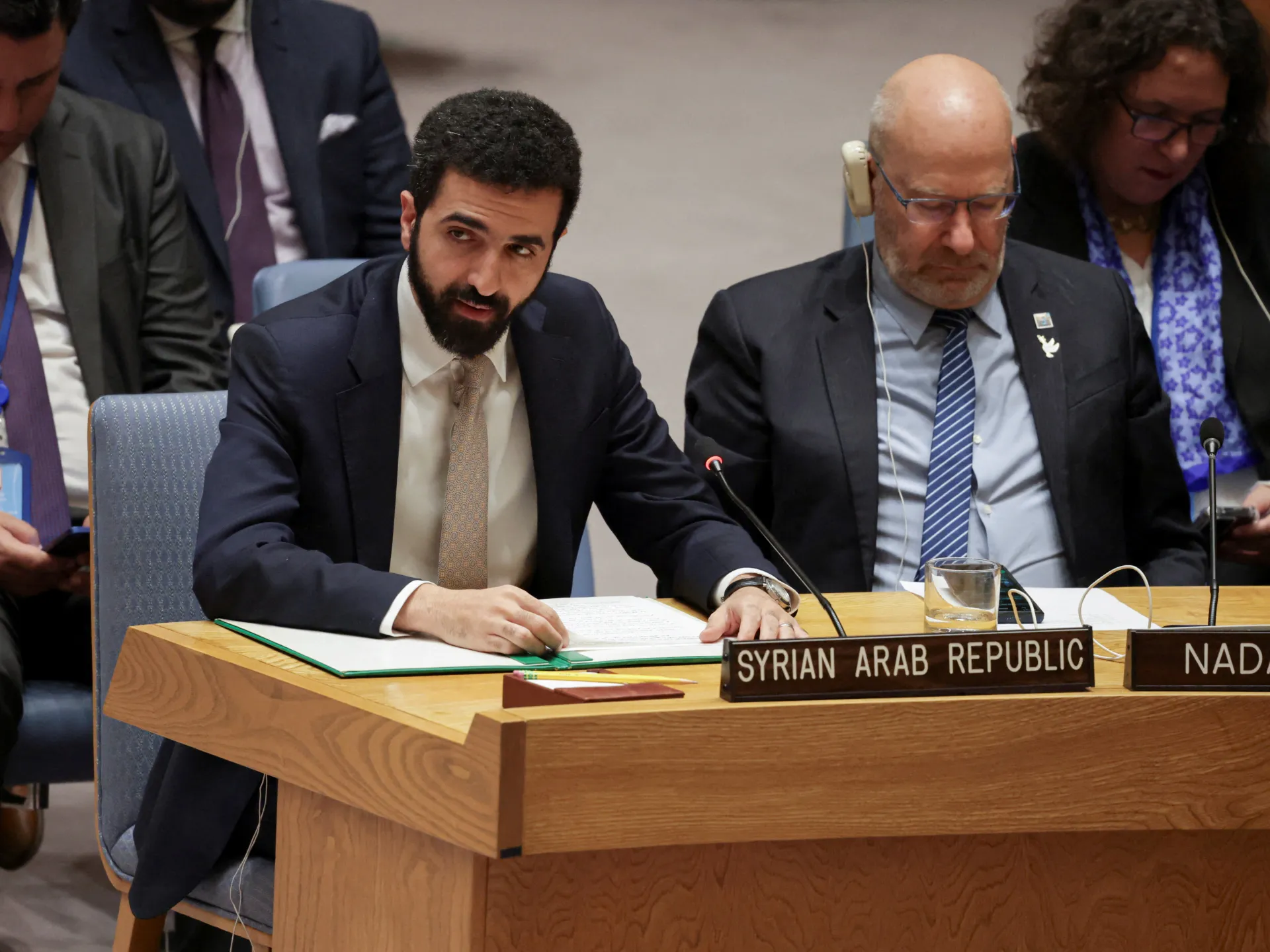
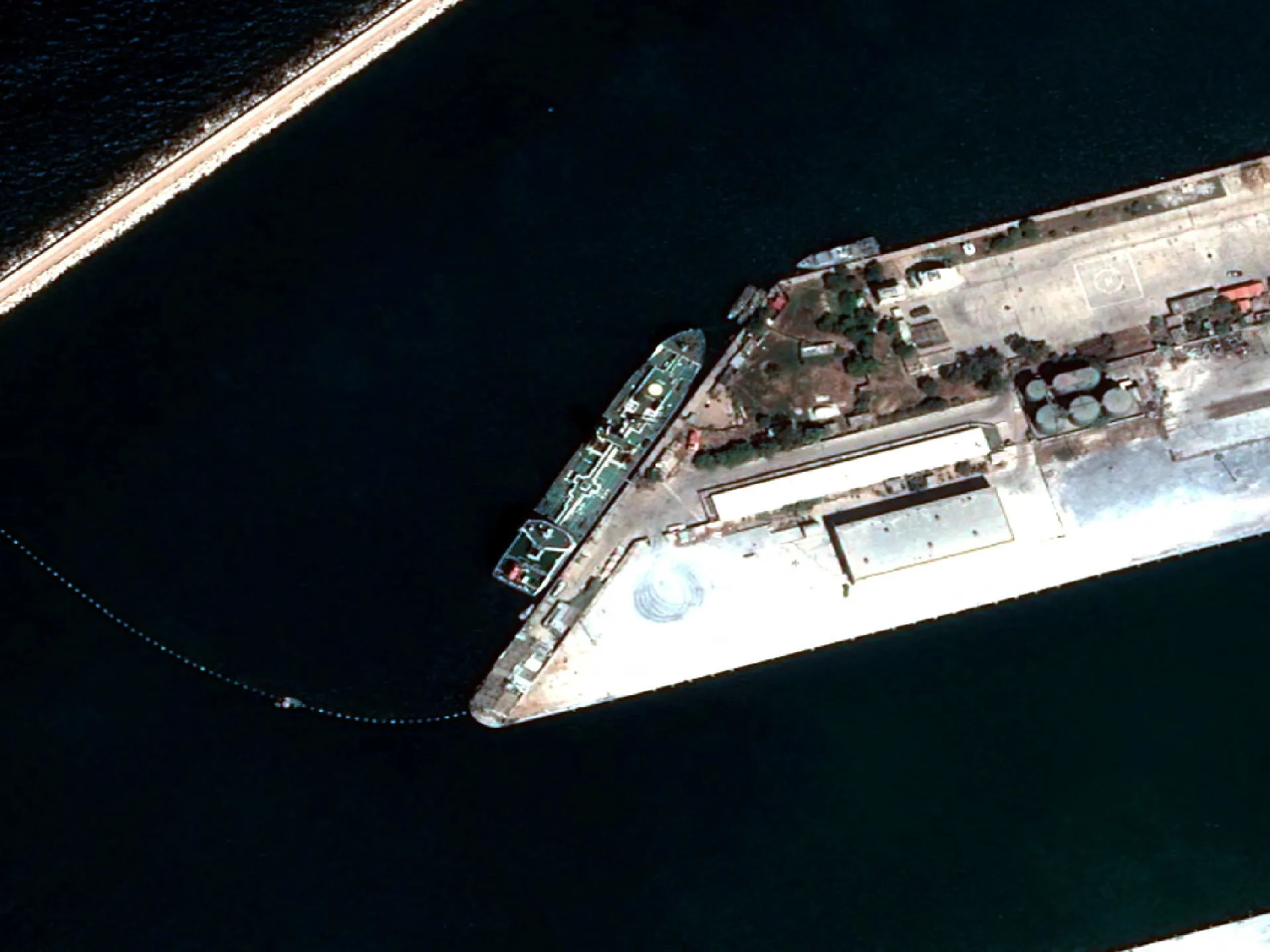
A recent report released concluding that the United States may have committed war crimes during military operations in Iran in February 2026. The investigation focused on two specific incidents: a strike on a primary school located in Minab and an attack on a sports complex in Lamerd. Despite Washington's refusal to cooperate with the mission, investigators utilized satellite imagery, weapons analysis, and witness testimonies to build their case. The mission concluded that there were reasonable grounds to believe the U.S. acted with recklessness during these engagements.
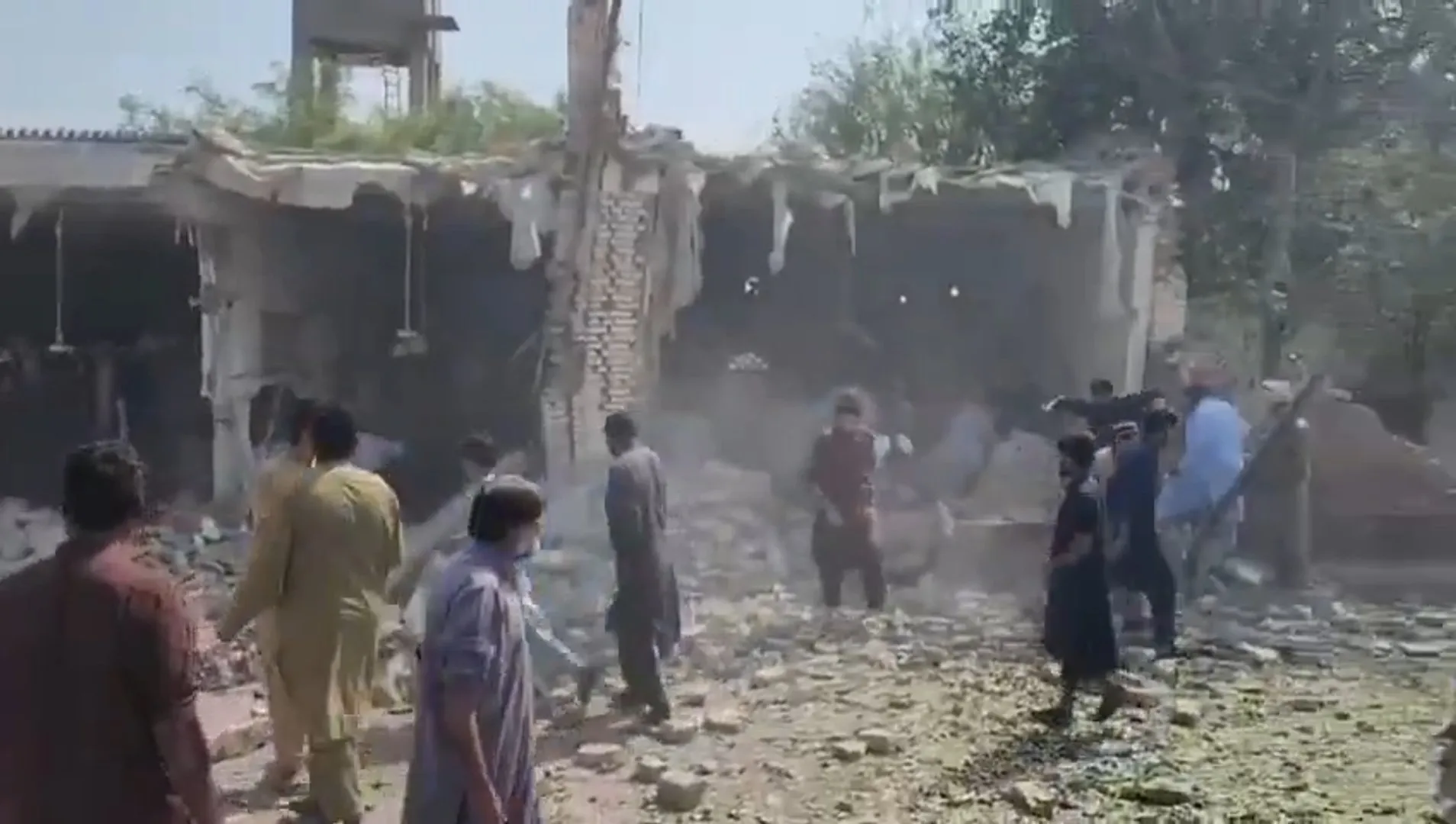
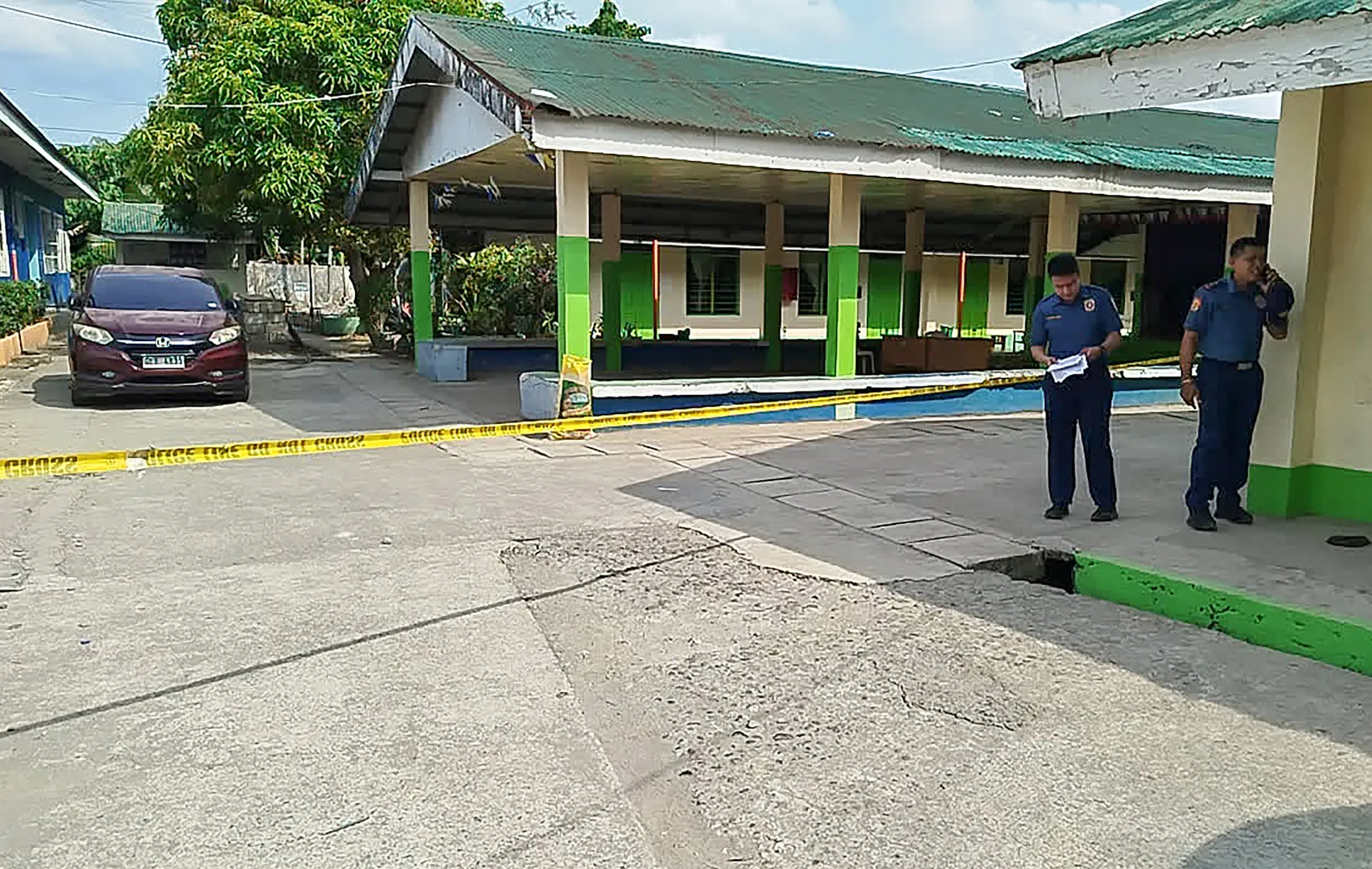
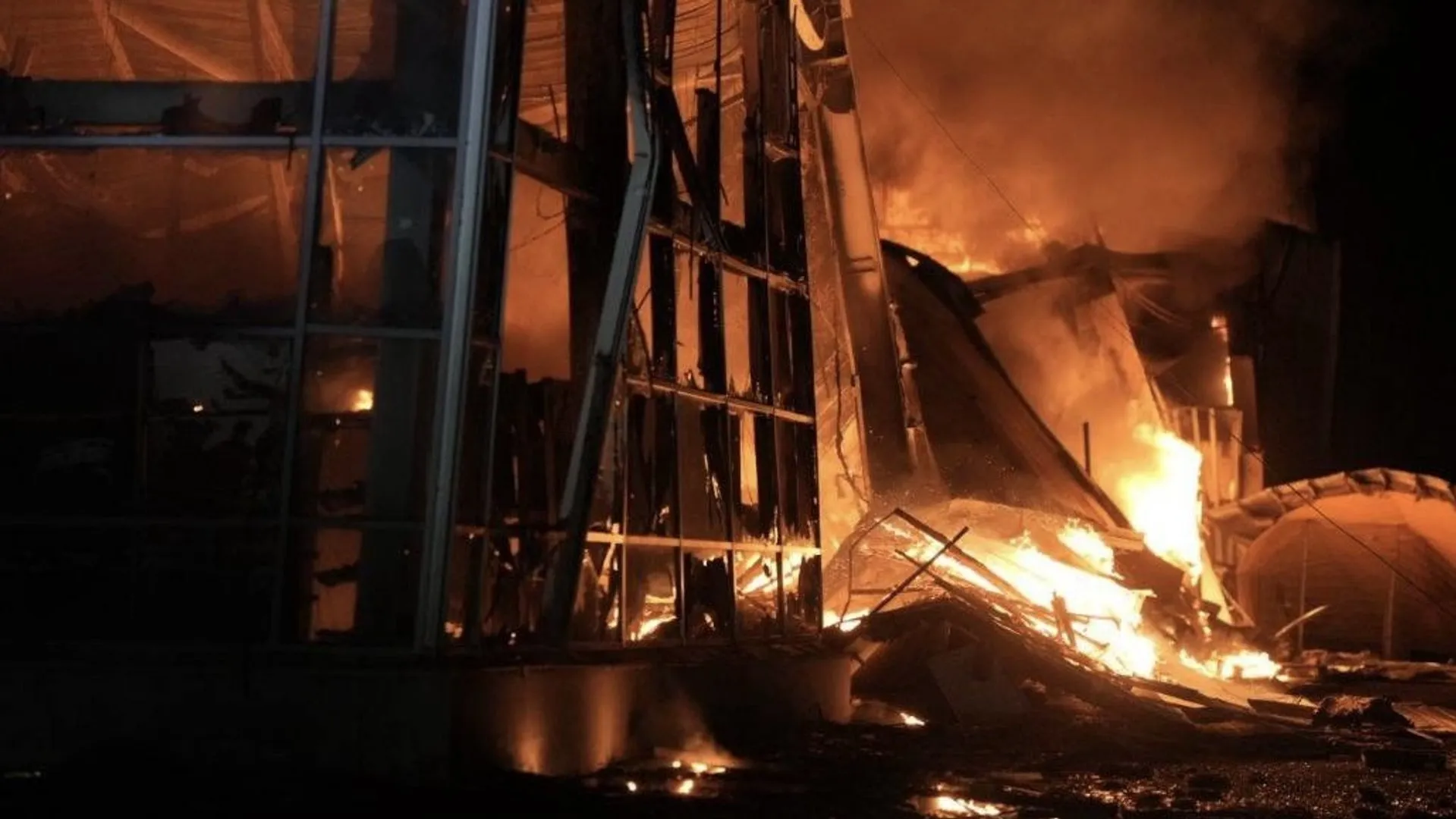
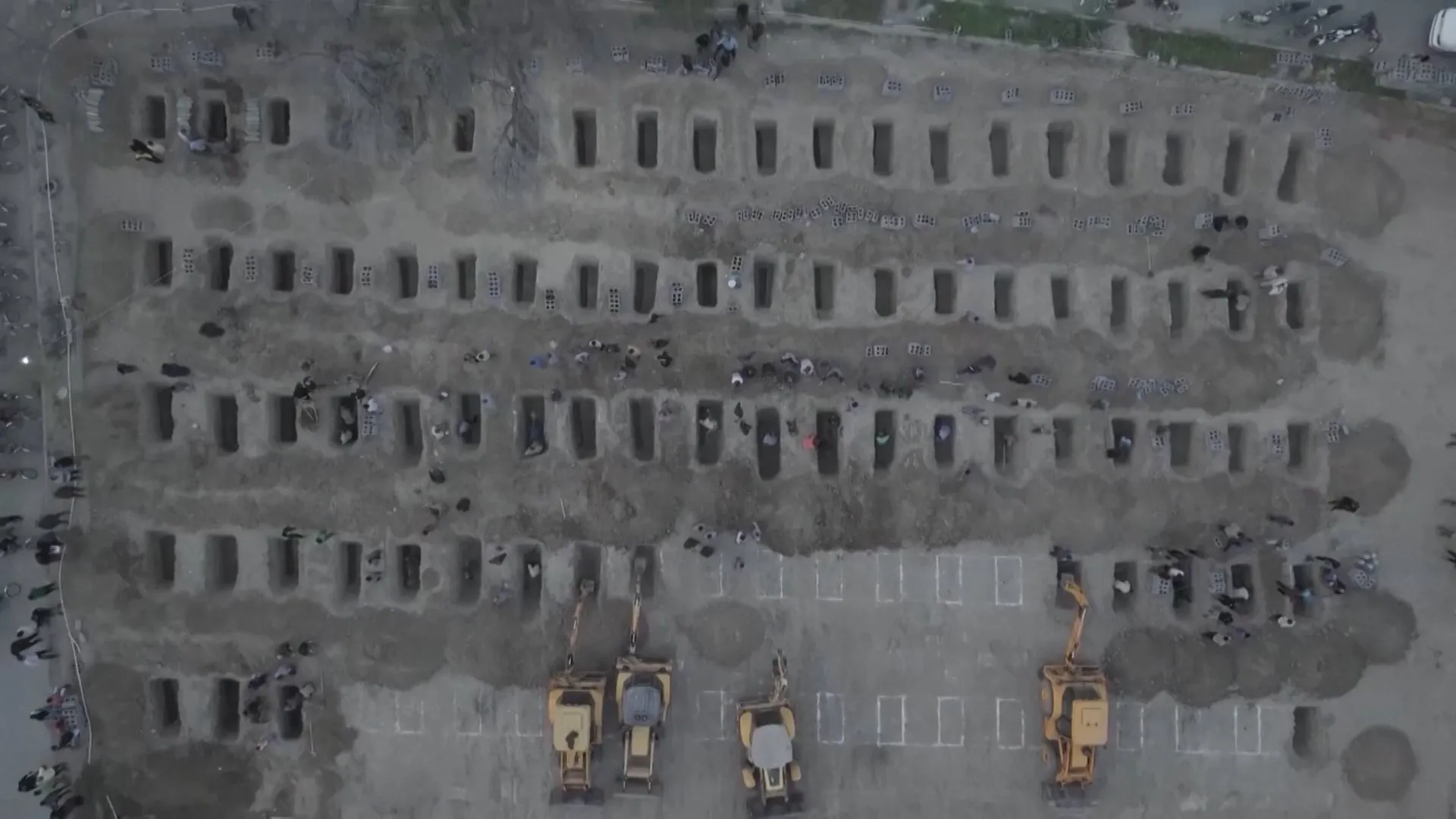
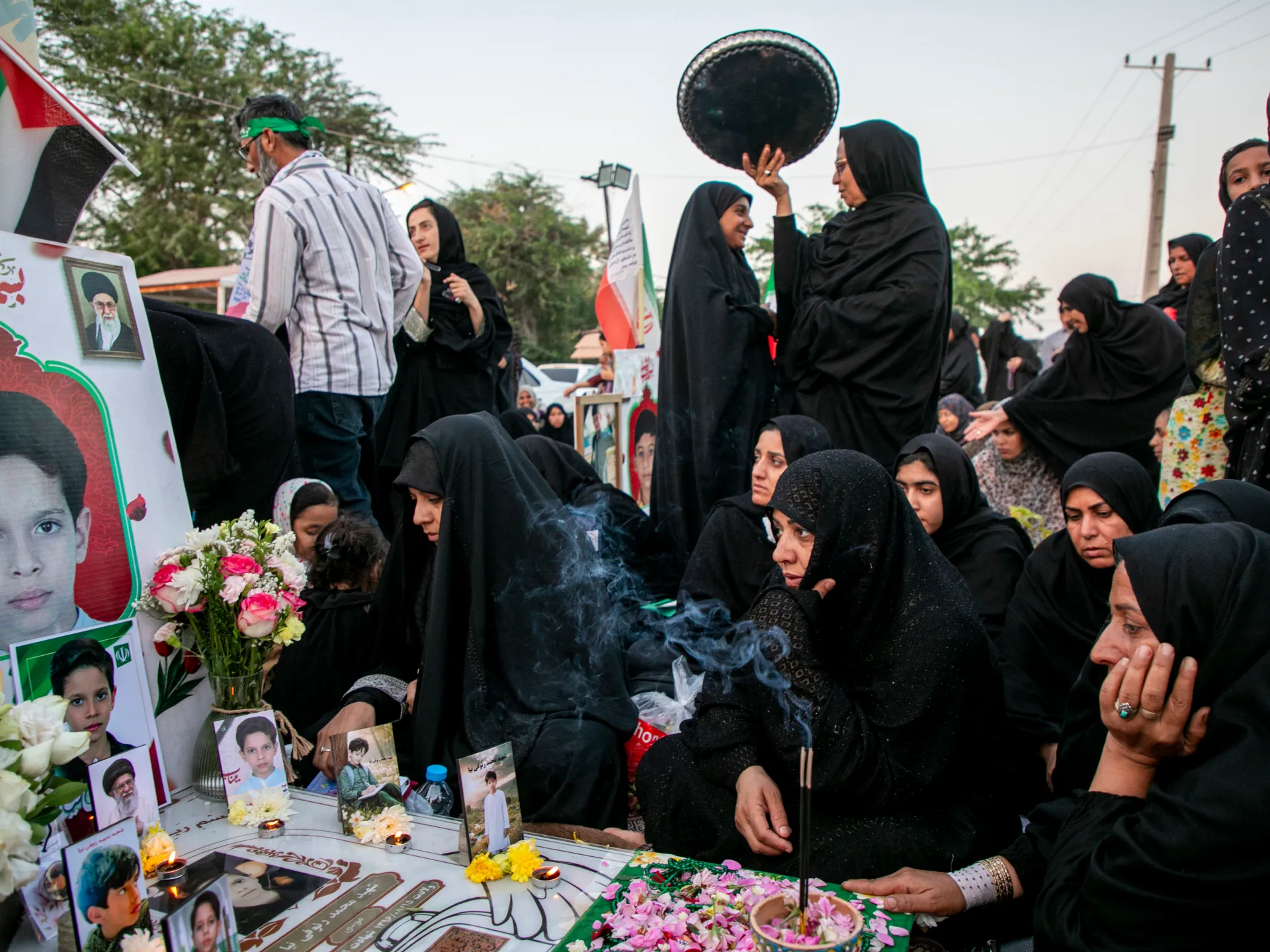
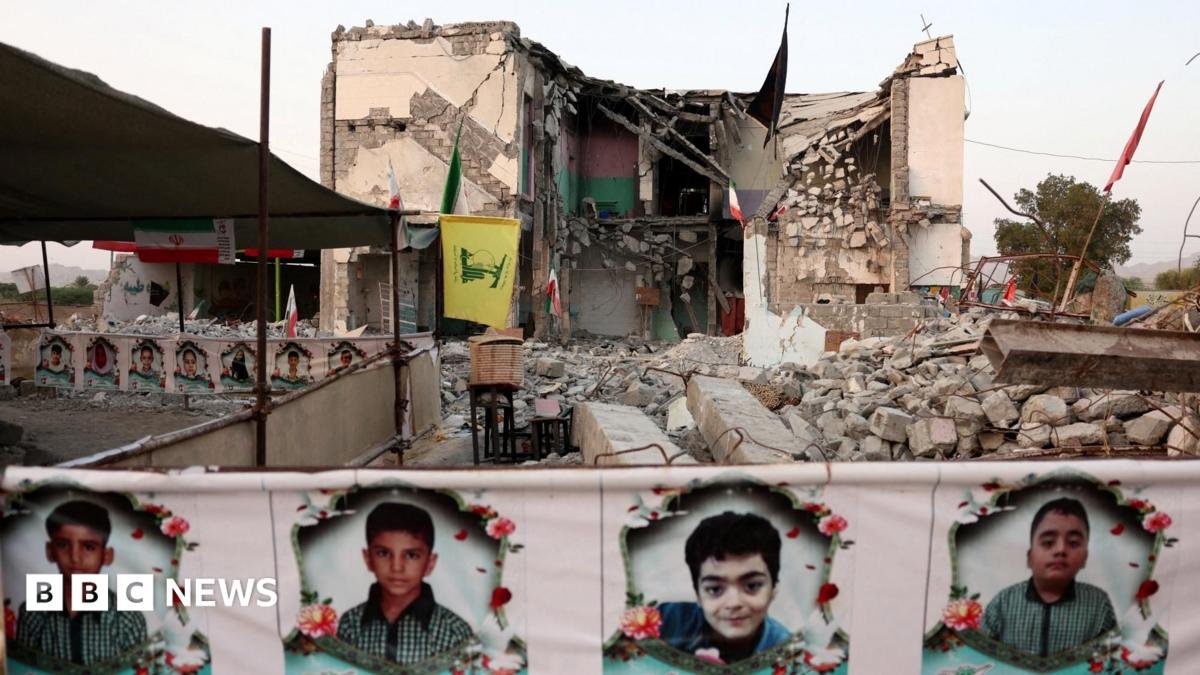
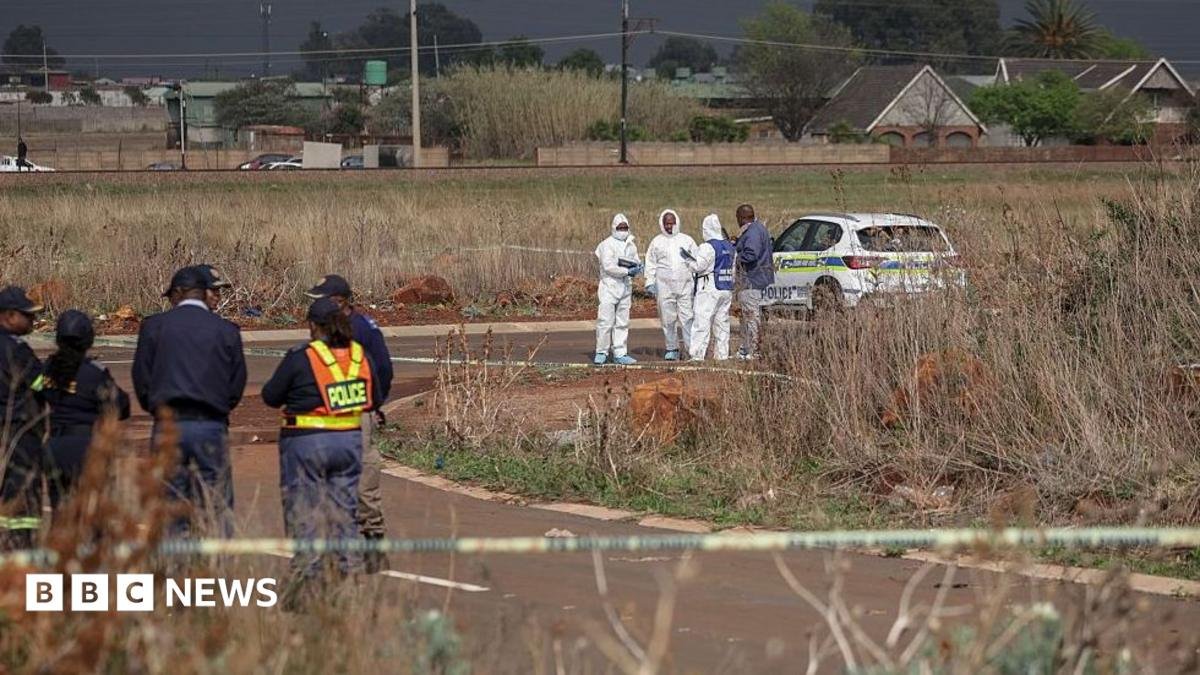
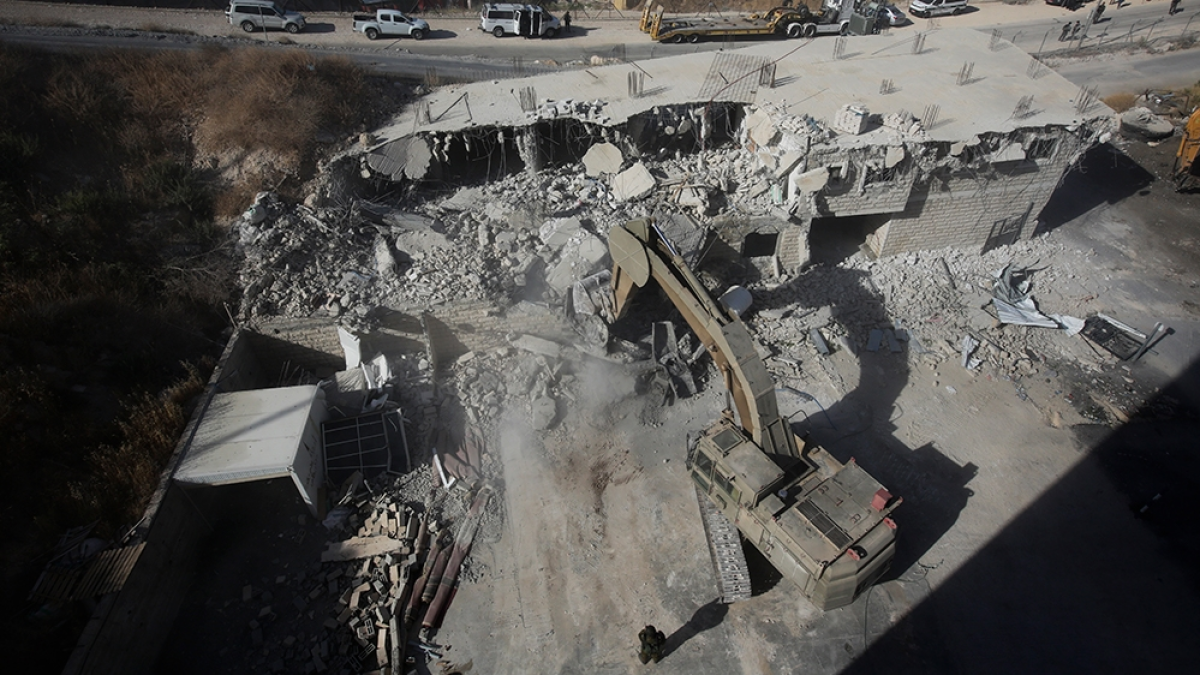
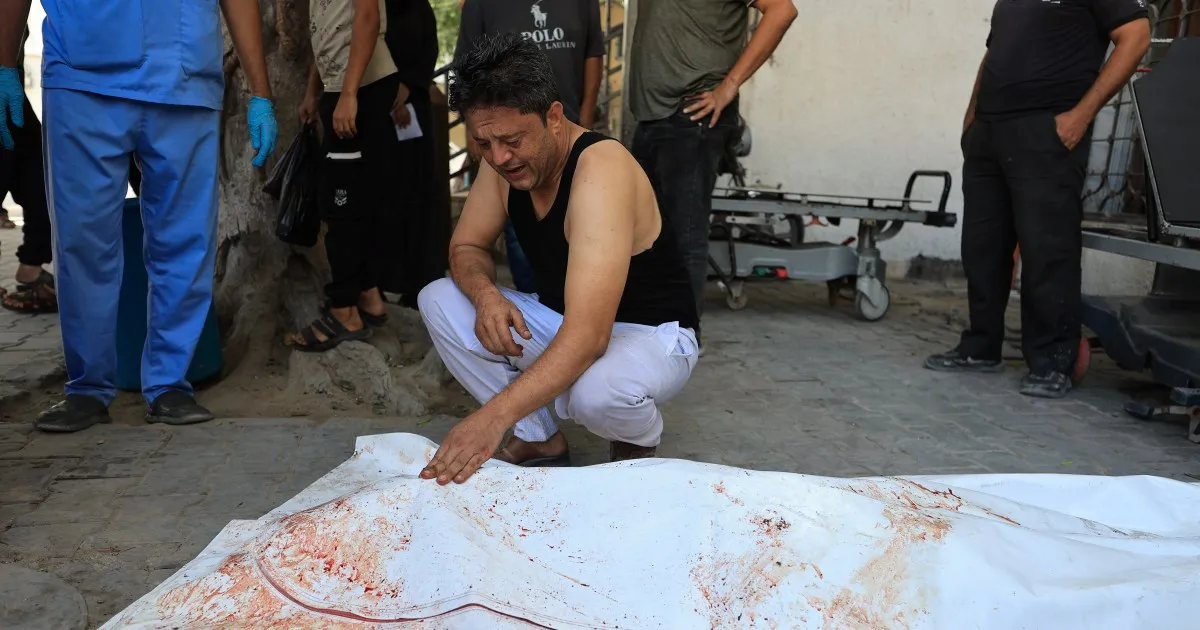
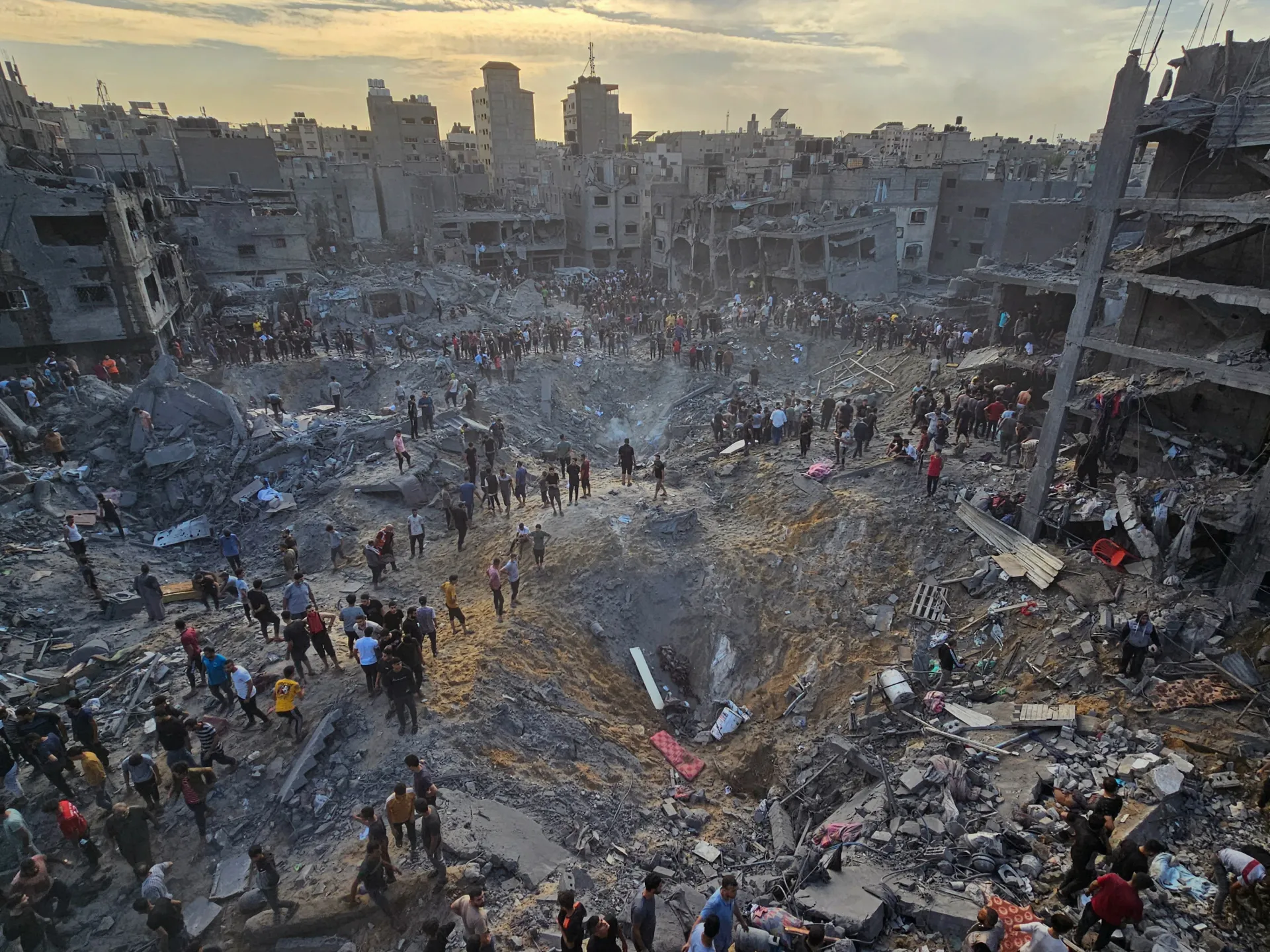
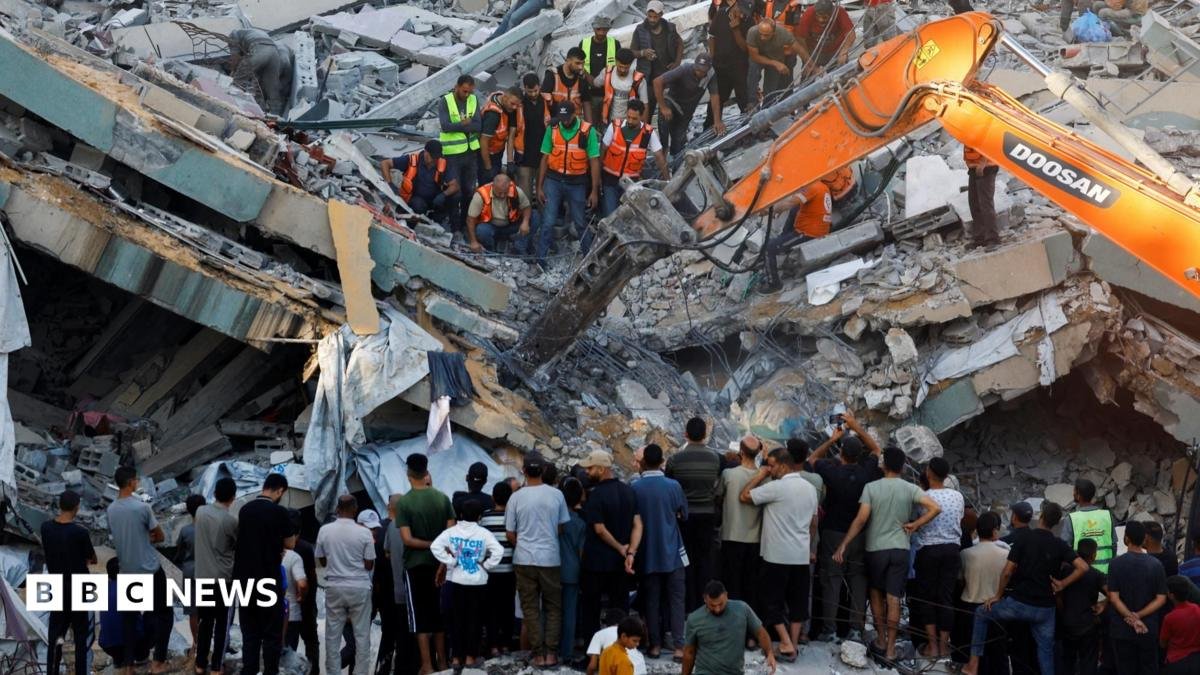
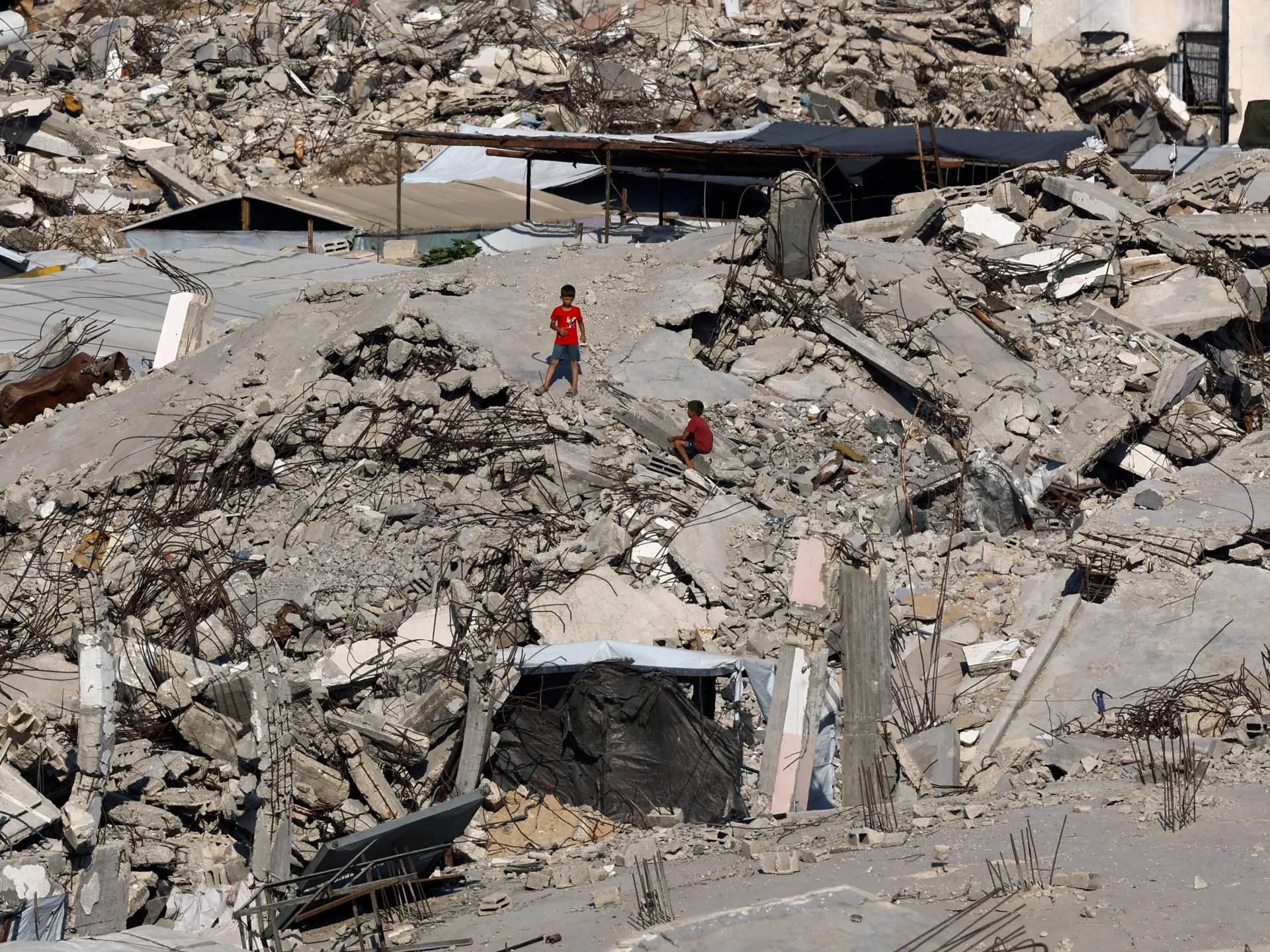
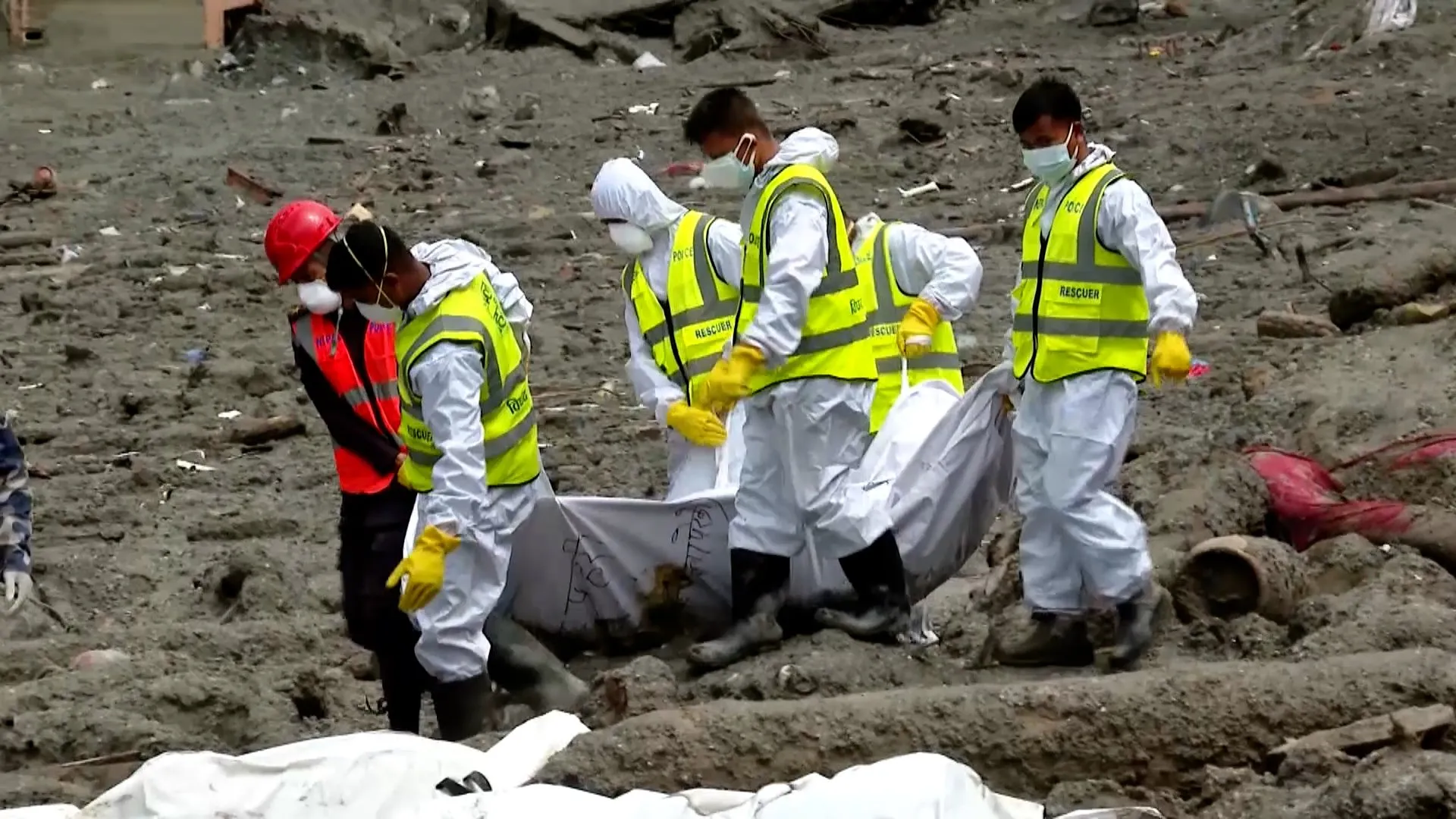
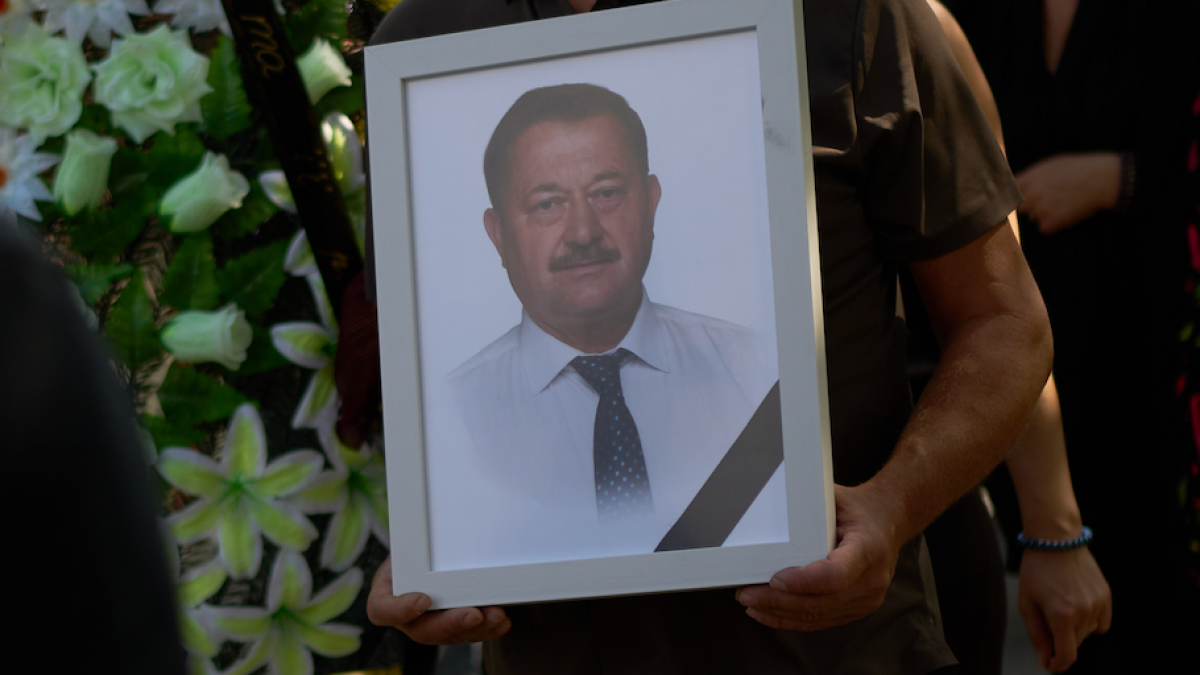
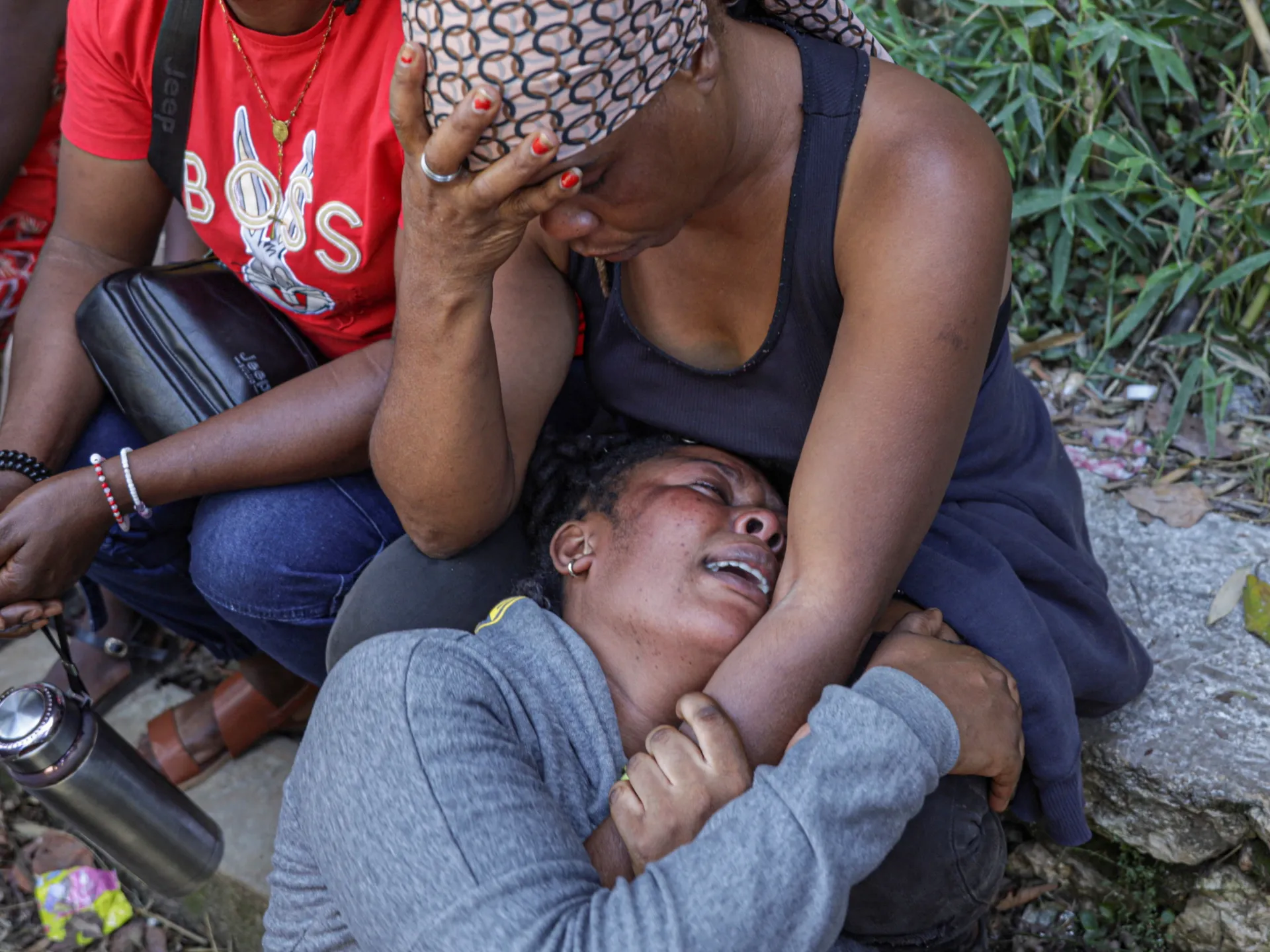
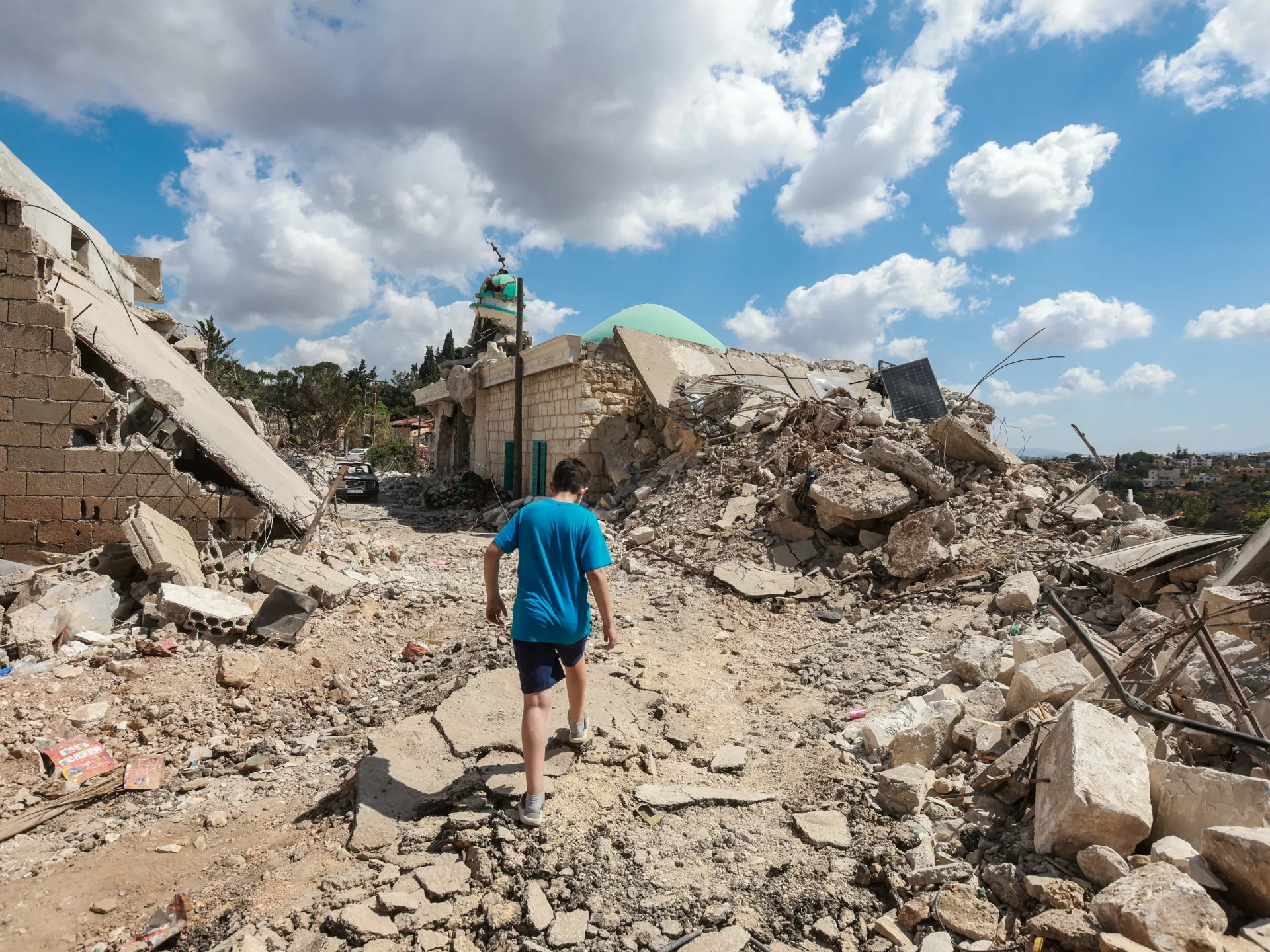
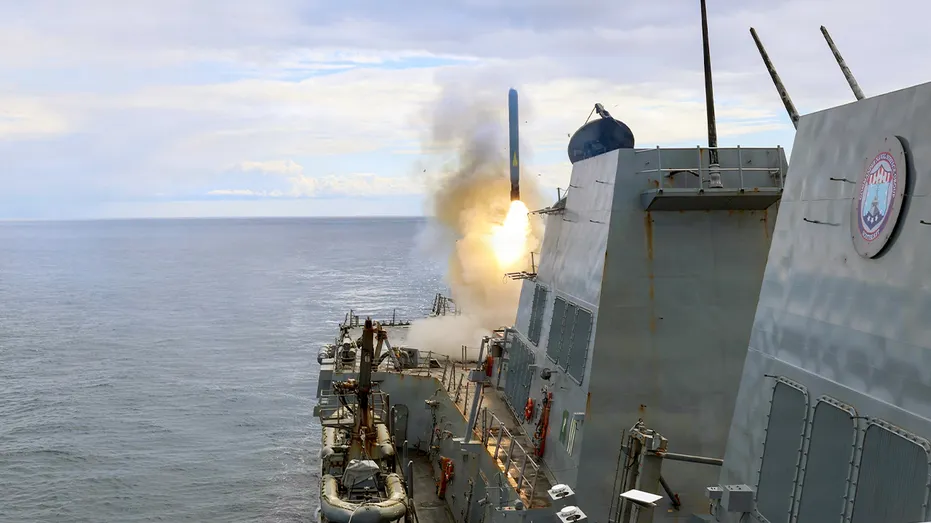
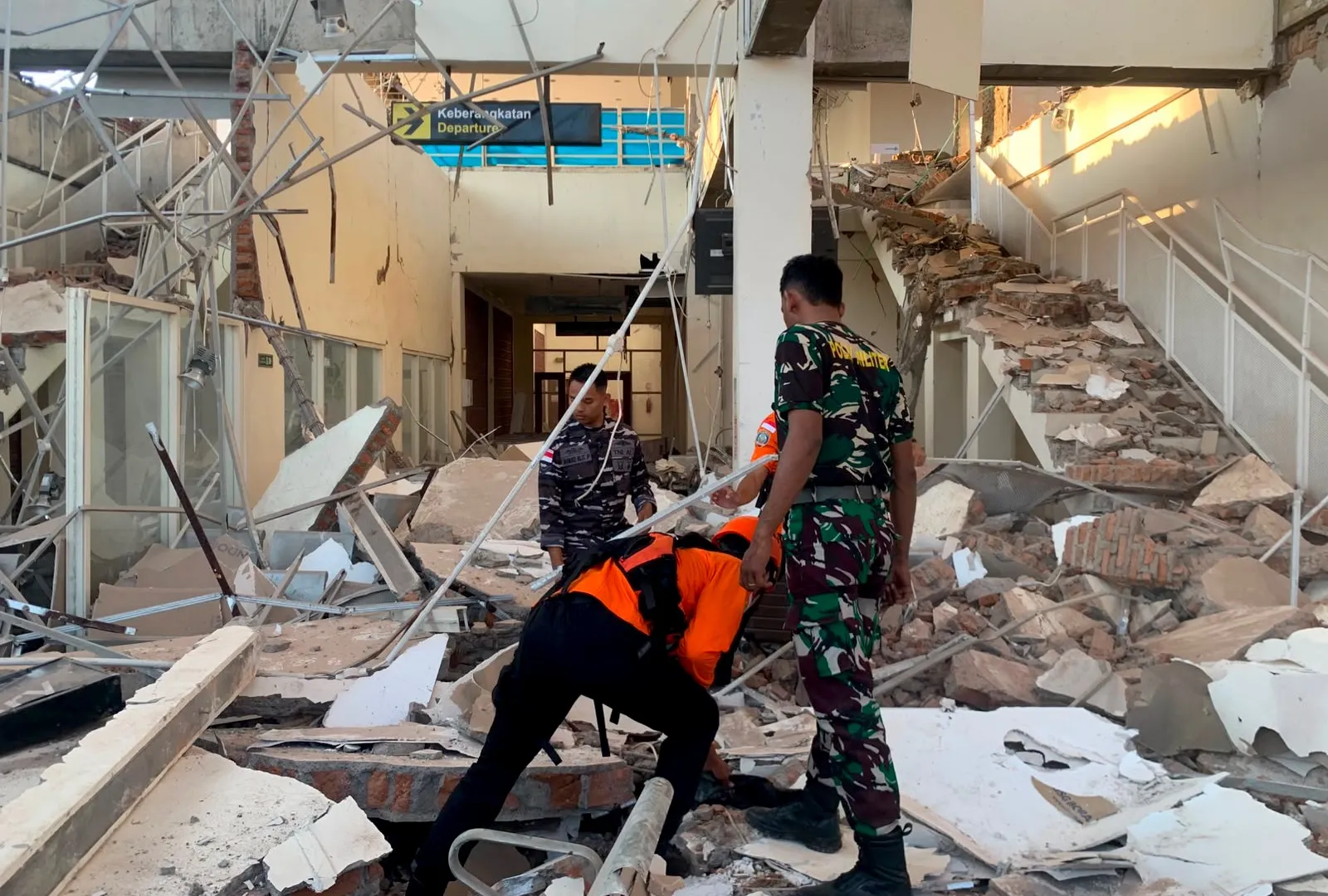
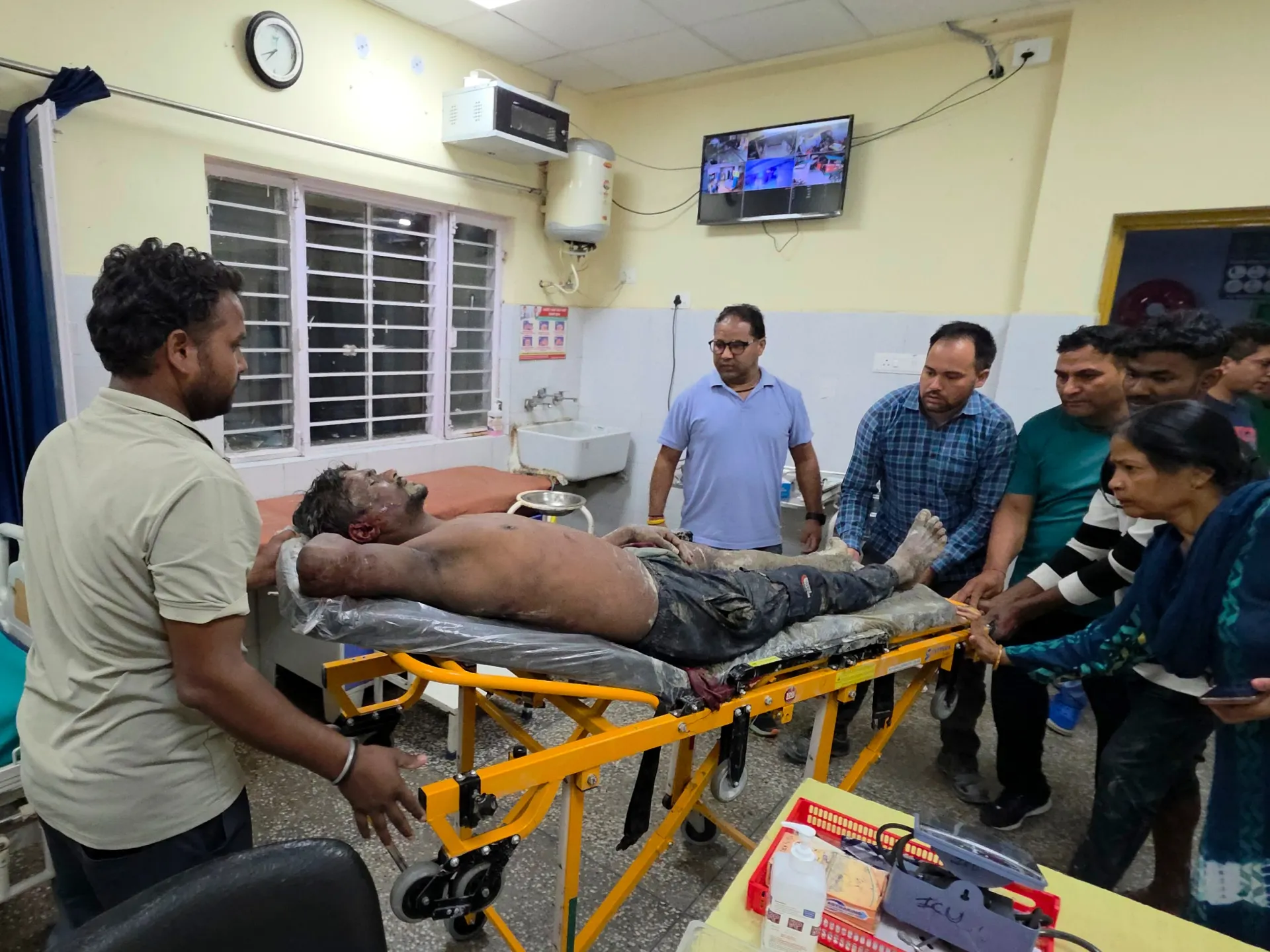
The incident in Minab occurred on February 28, when missiles struck the Shajareh Tayyebeh Primary School. Despite being situated near a military facility, the school was visibly identifiable as a civilian structure, featuring murals and playground equipment. Reports indicate that the facility was hit twice, with the second strike occurring as staff attempted to move children to safety. Local authorities have reported 156 casualties, including 120 students and 26 teachers. While the U.S. initially attempted to deflect blame, weapons experts identified fragments of a Tomahawk Land Attack Missile, a weapon system not in the Iranian inventory.
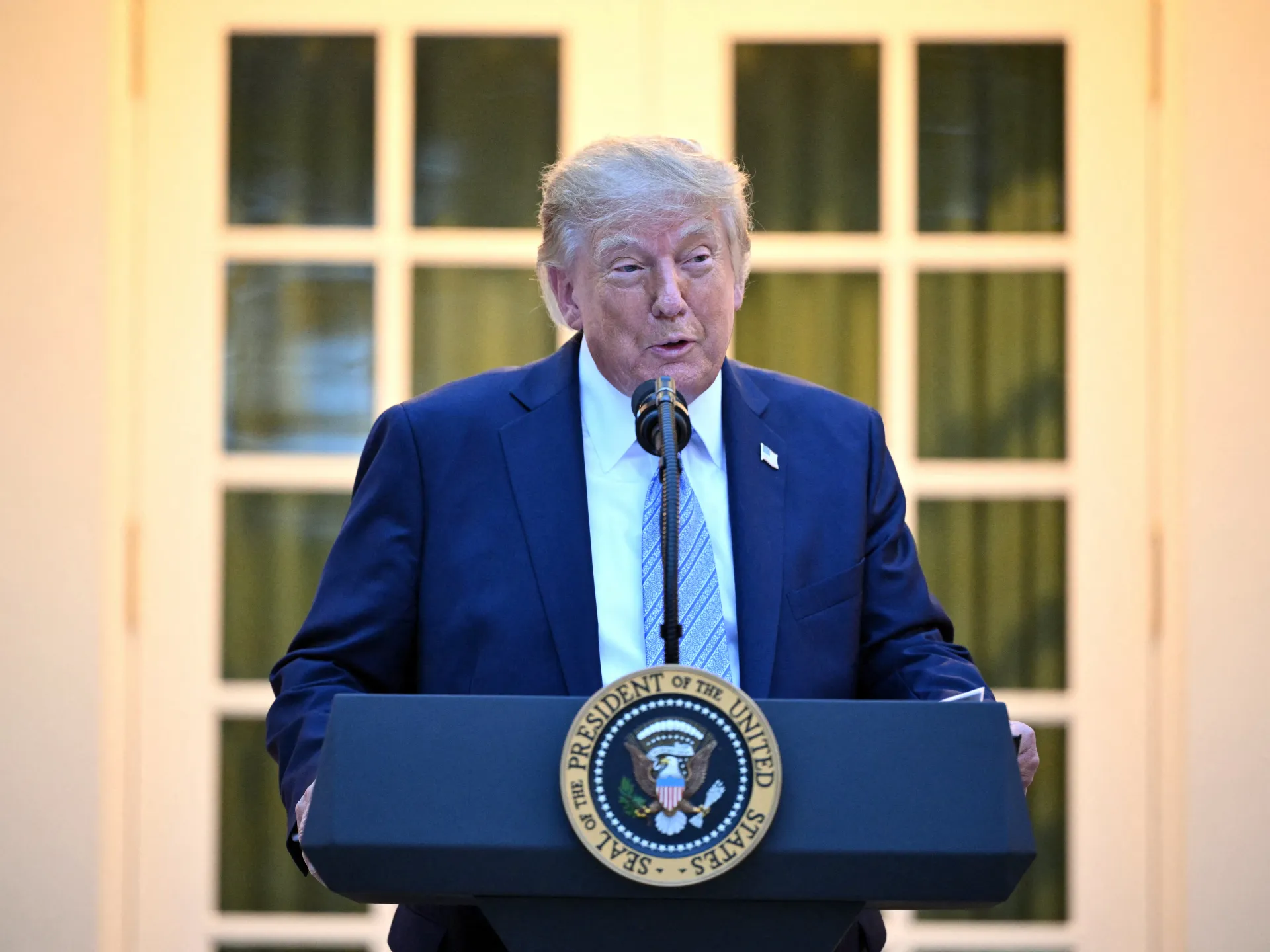
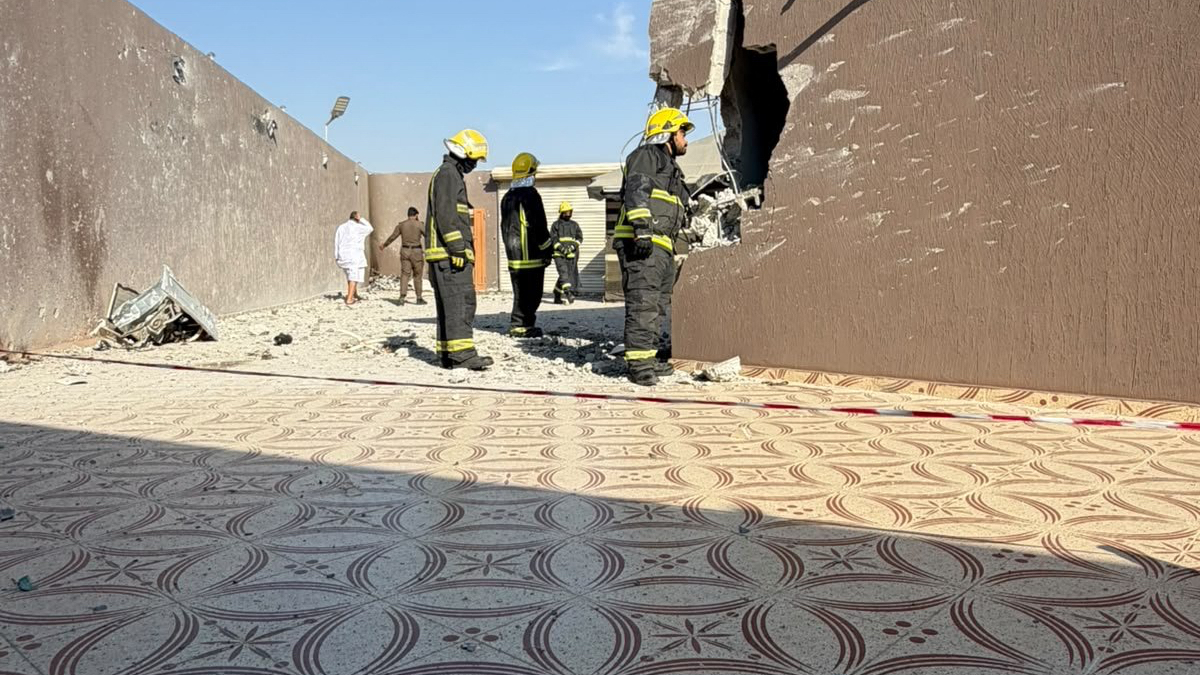
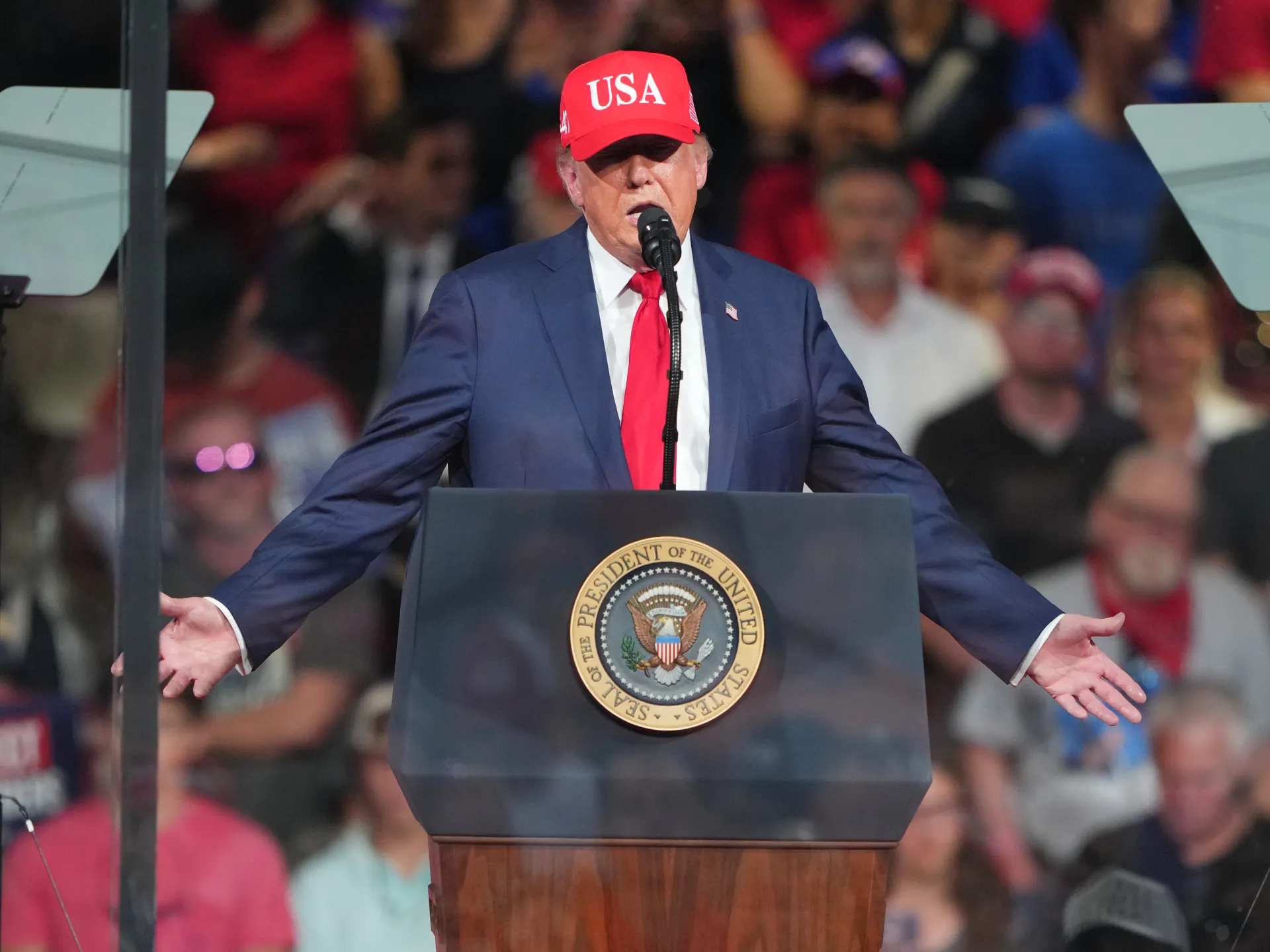
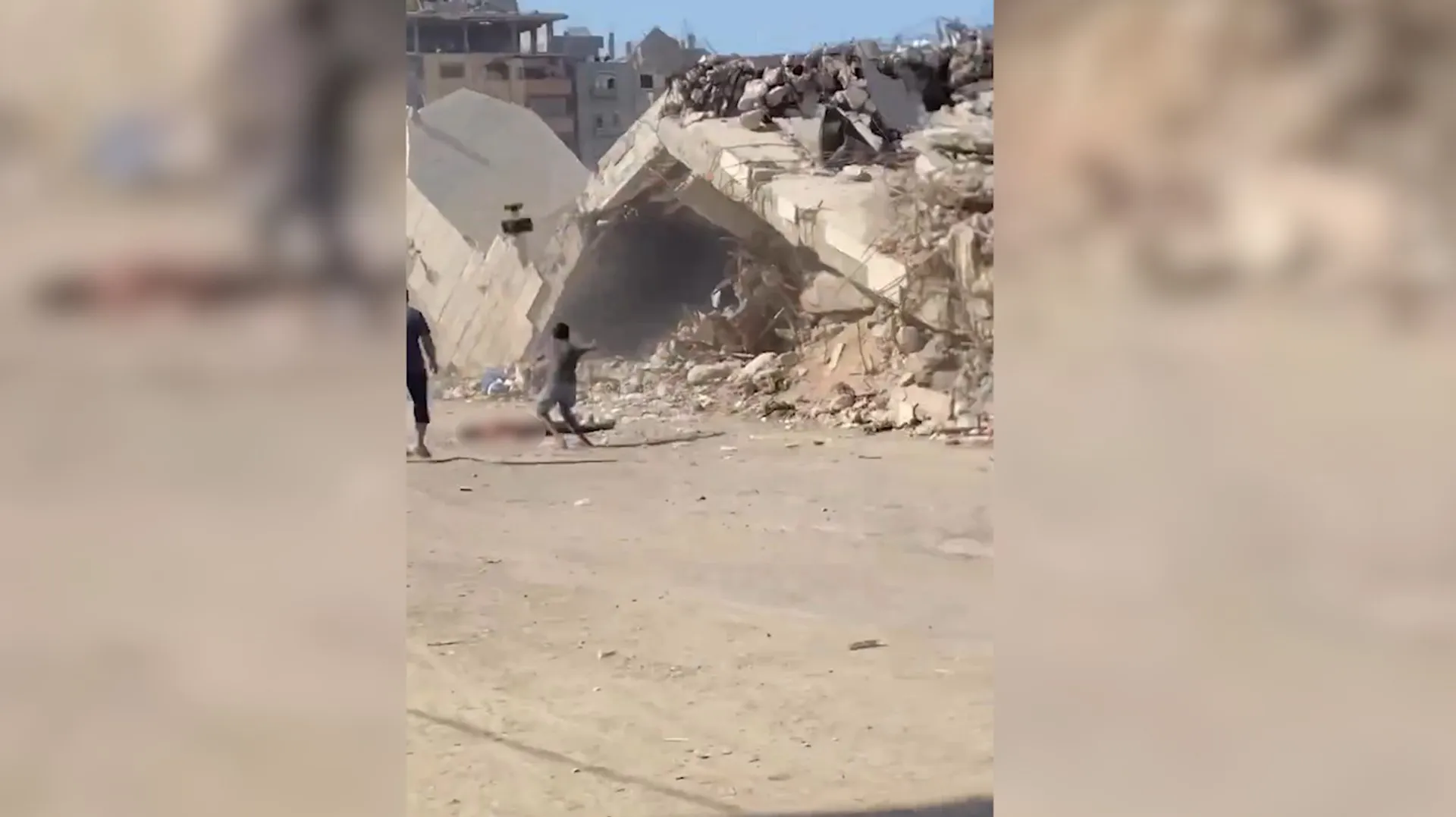
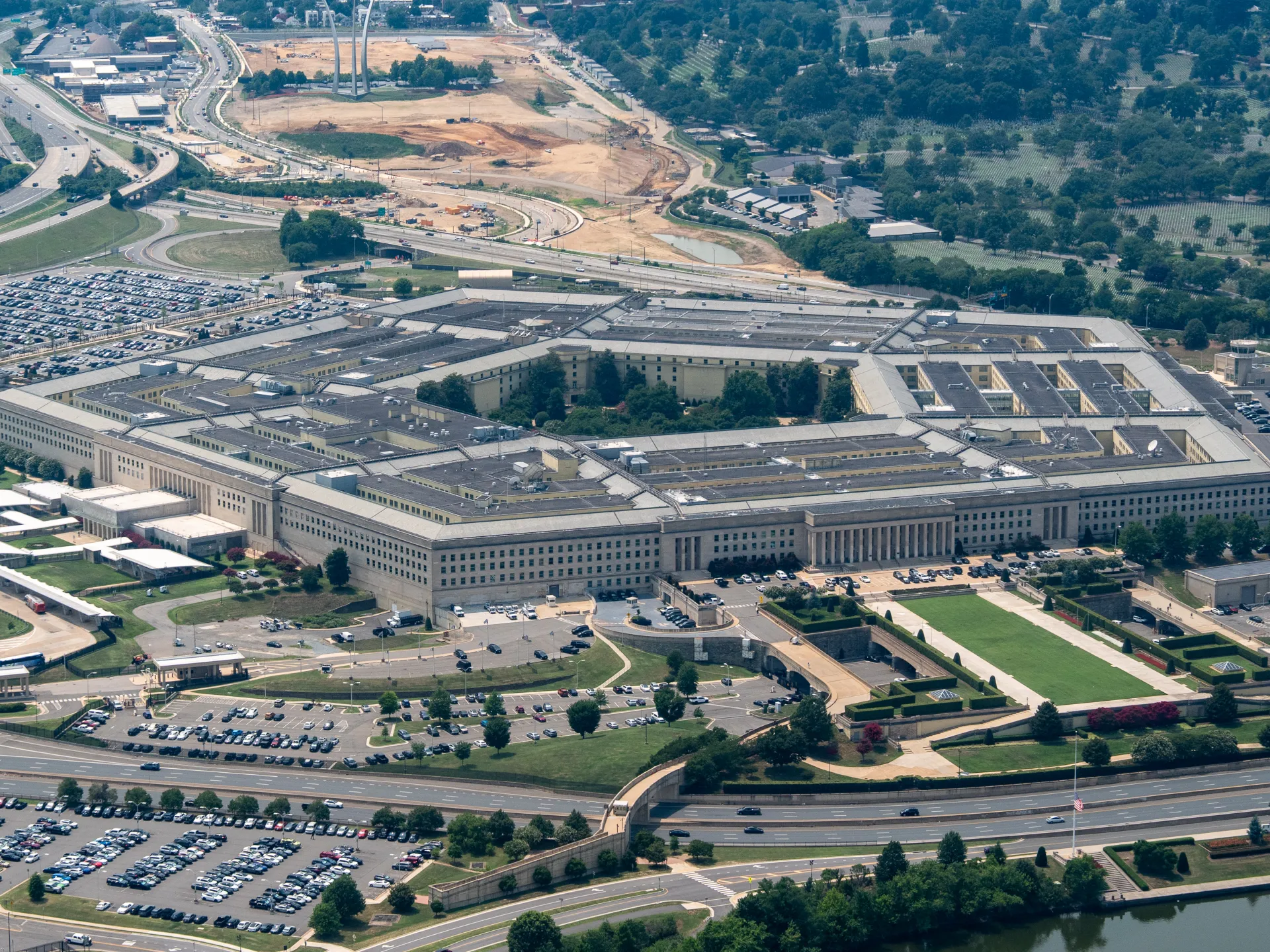
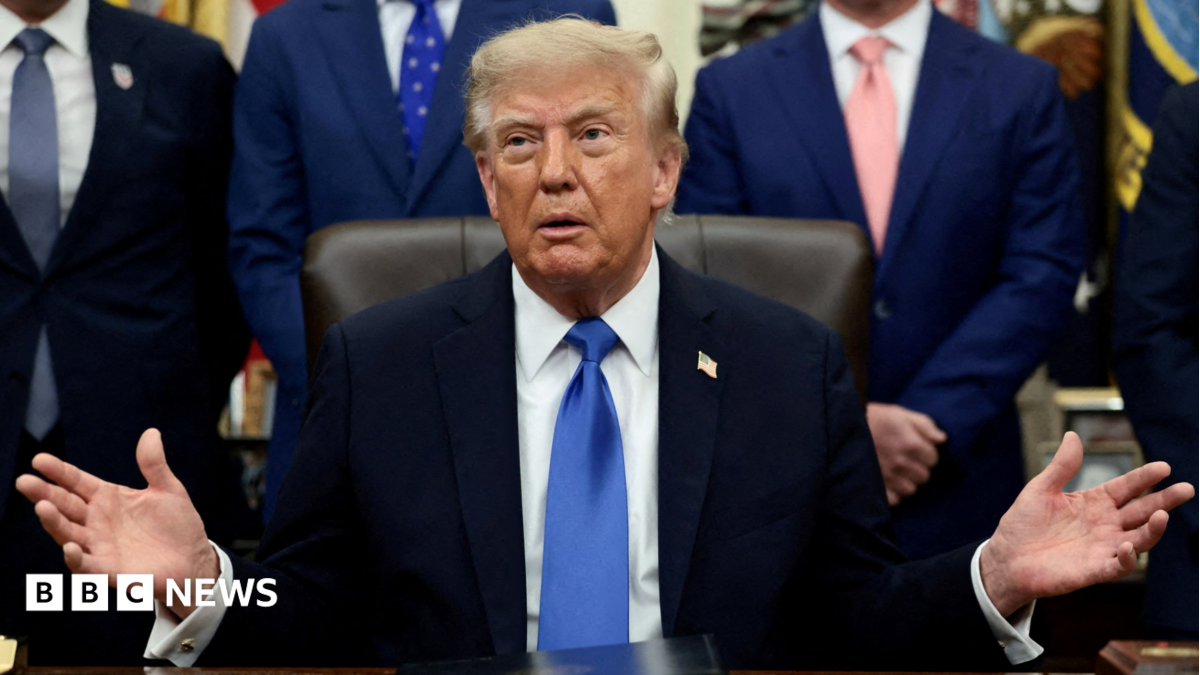
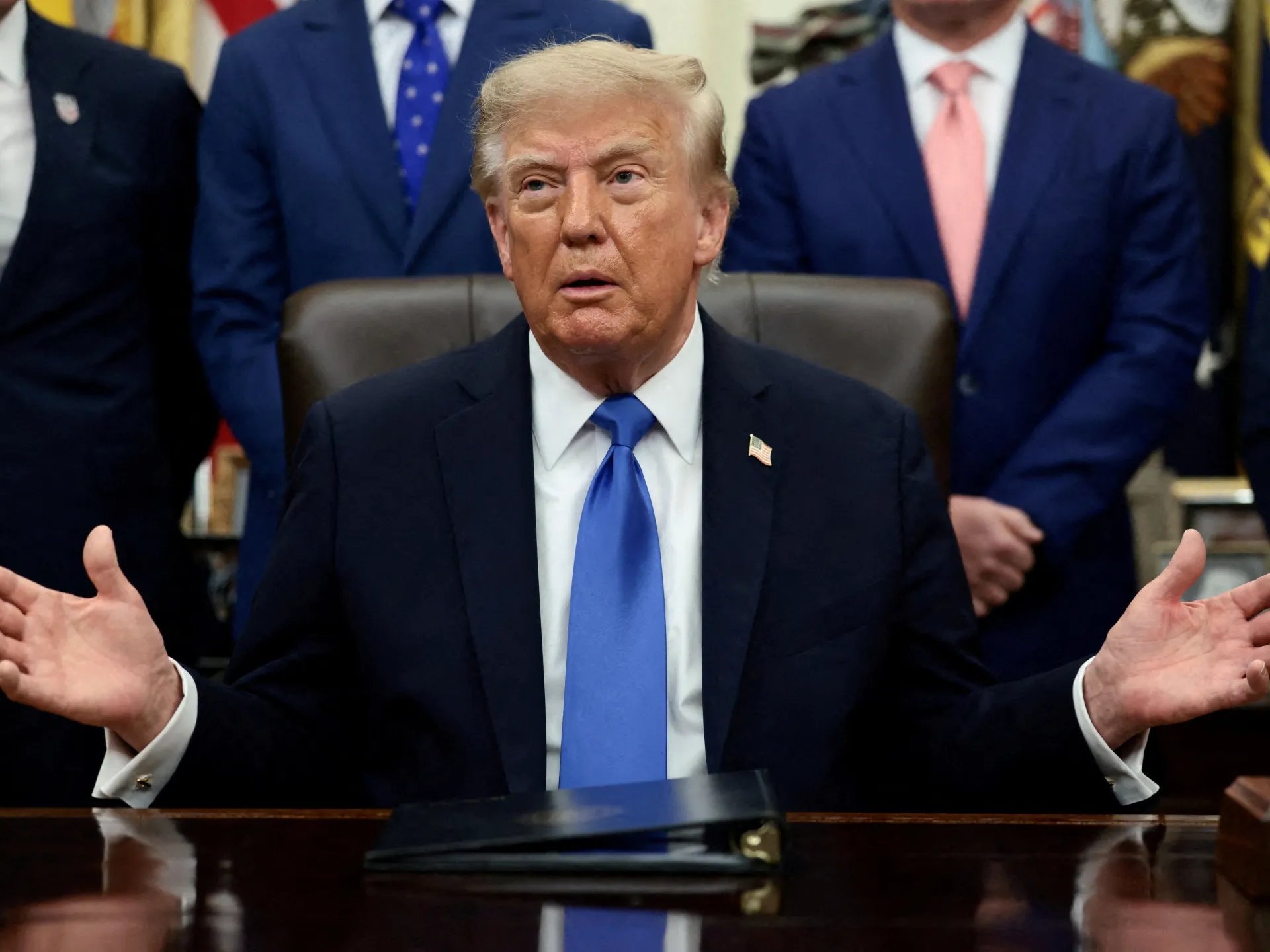
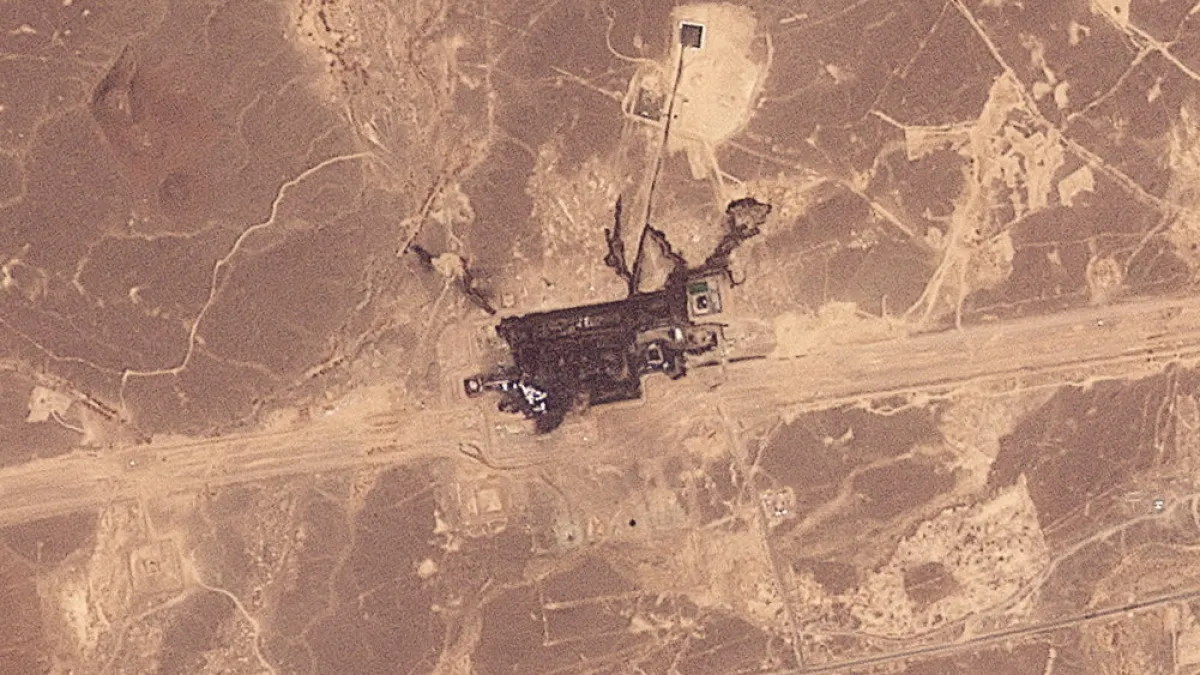
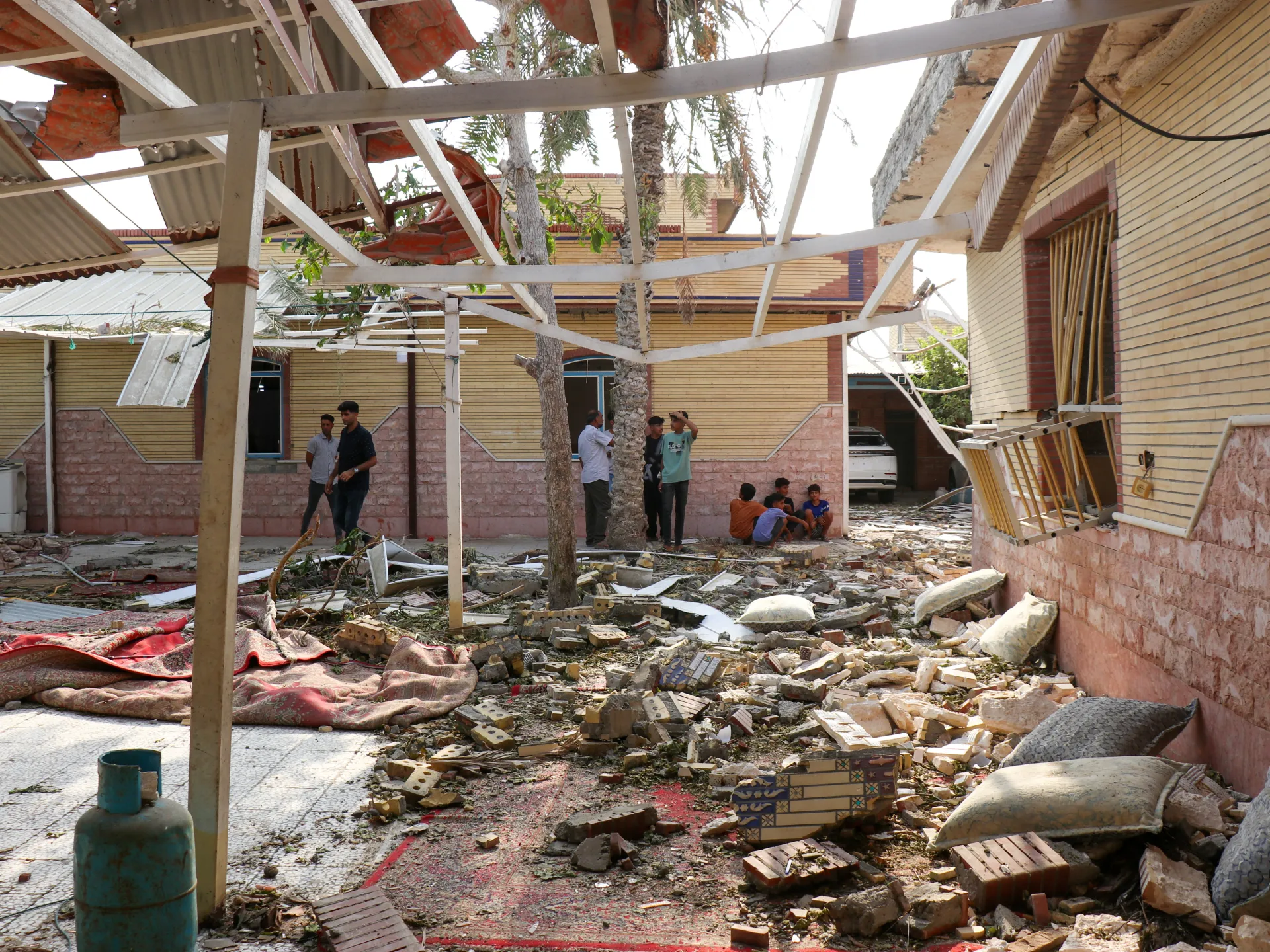
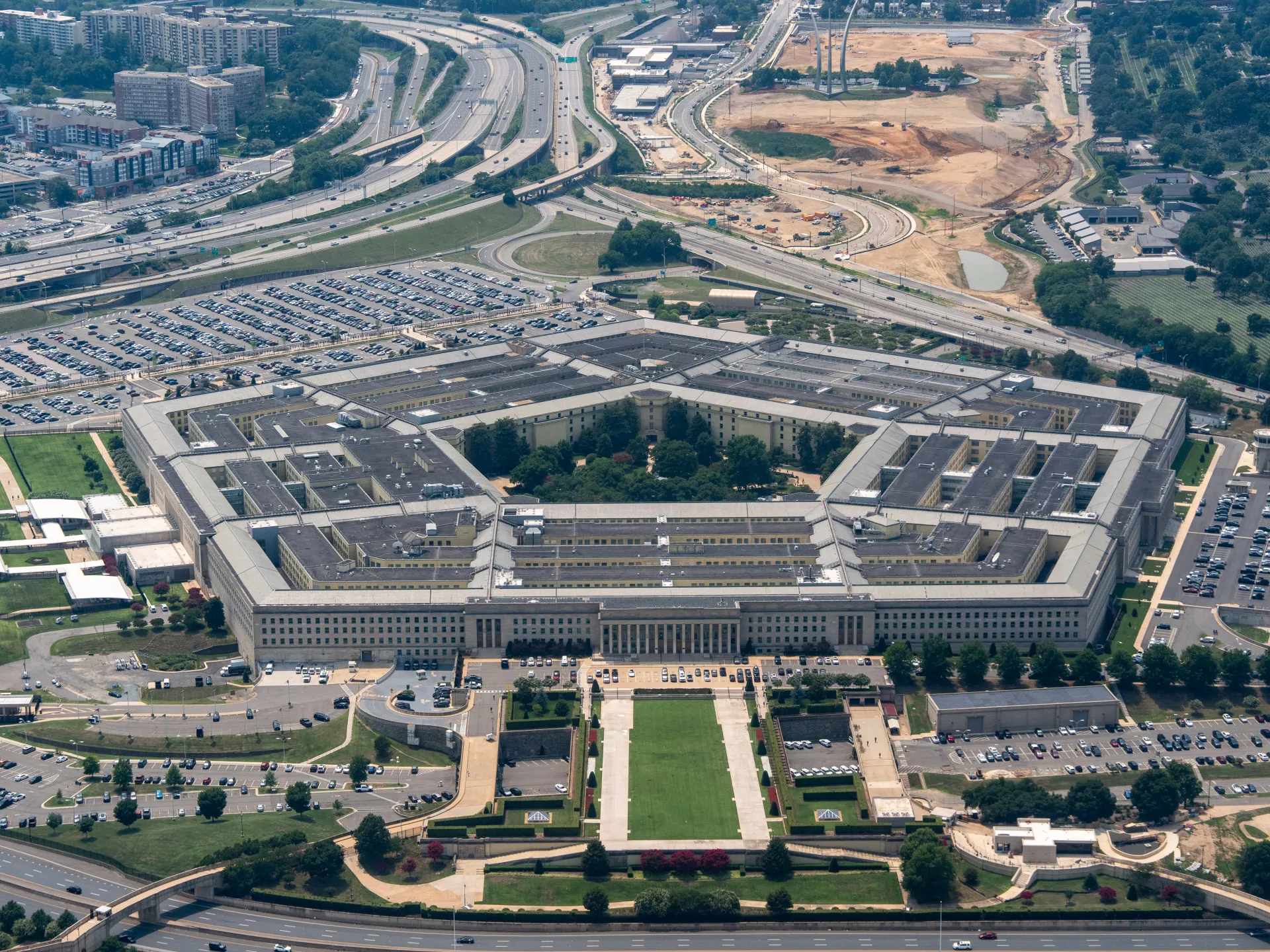
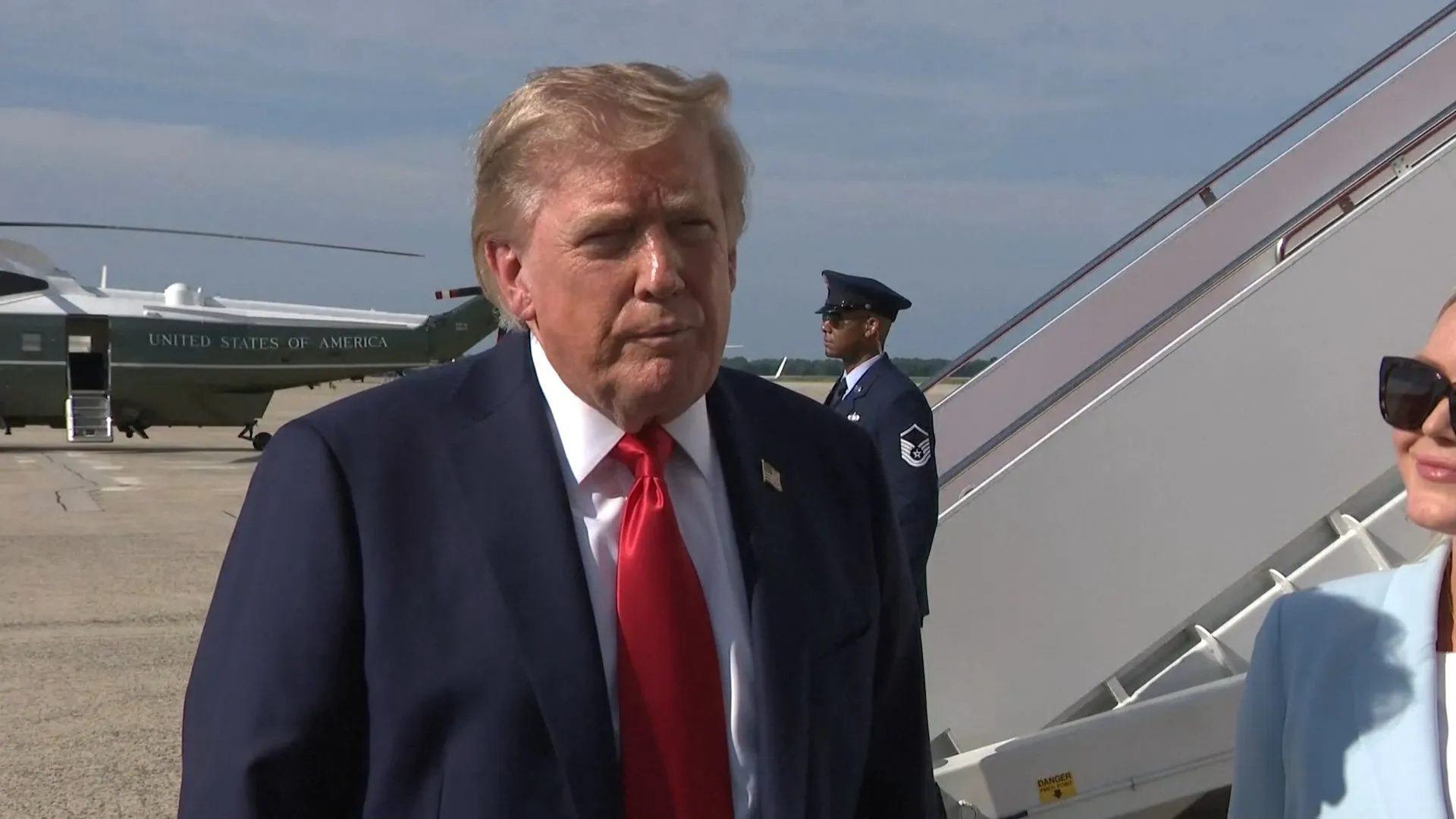
The U.S. government has maintained a complex stance regarding these strikes. While the Pentagon later correlated the Minab incident with U.S. forces, officials attributed the tragedy to outdated intelligence that incorrectly identified the school as a military target. The White House has denied purposeful intent, suggesting that such errors were not malicious. However, the U.S. continues to firmly dispute responsibility for the second strike in Lamerd, which targeted the Shahid Haj Khalil Naimi Cultural and Sports Complex, claiming that the damage was consistent with an Iranian-made cruise missile.
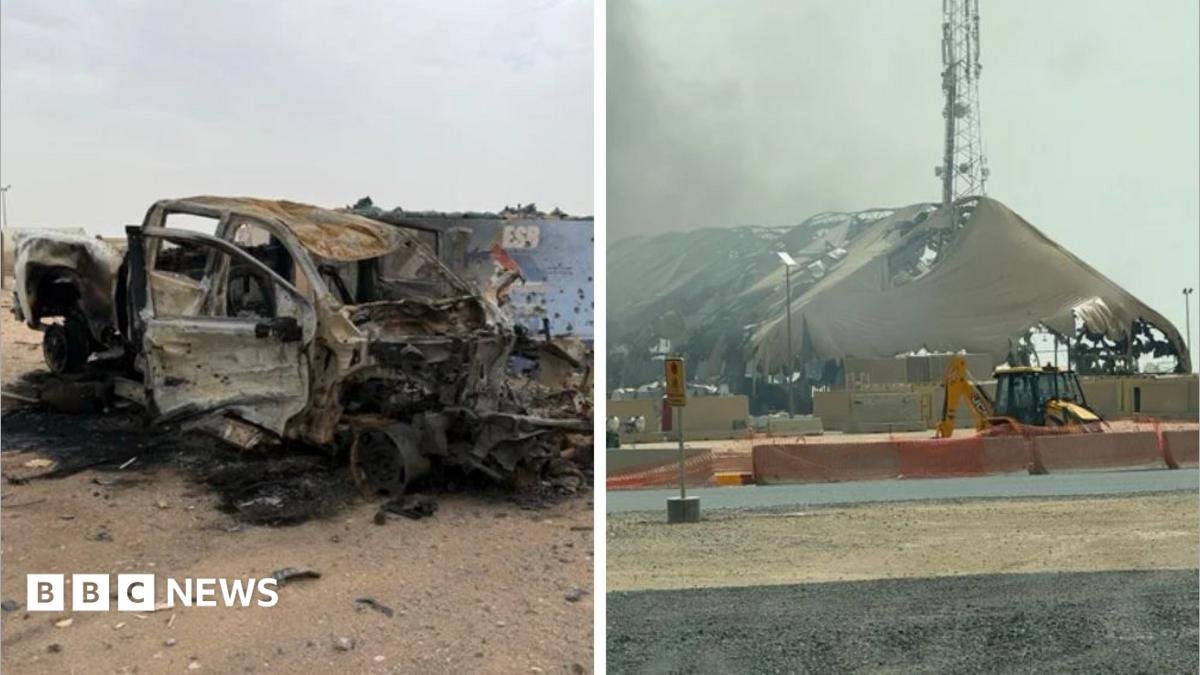
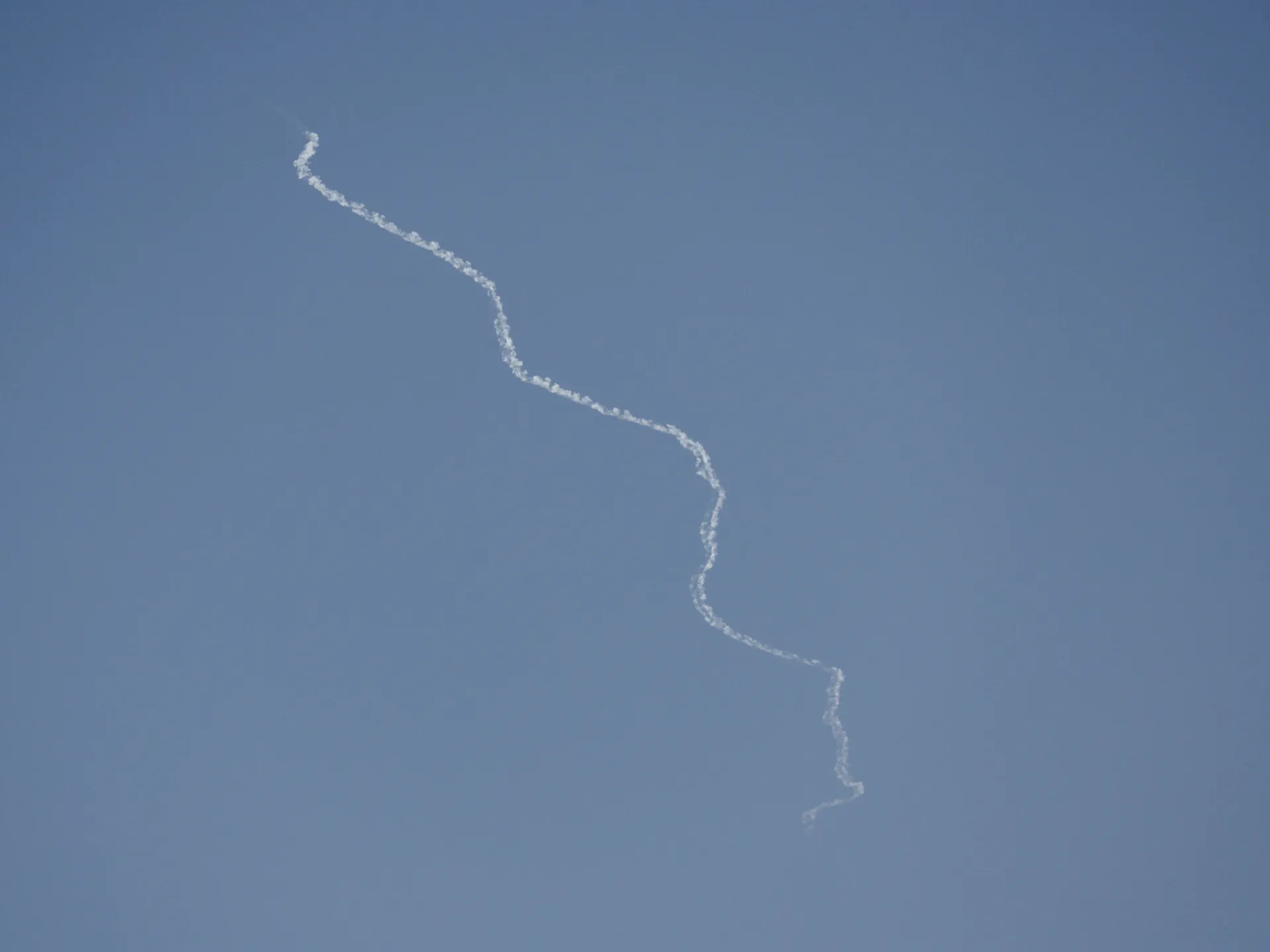
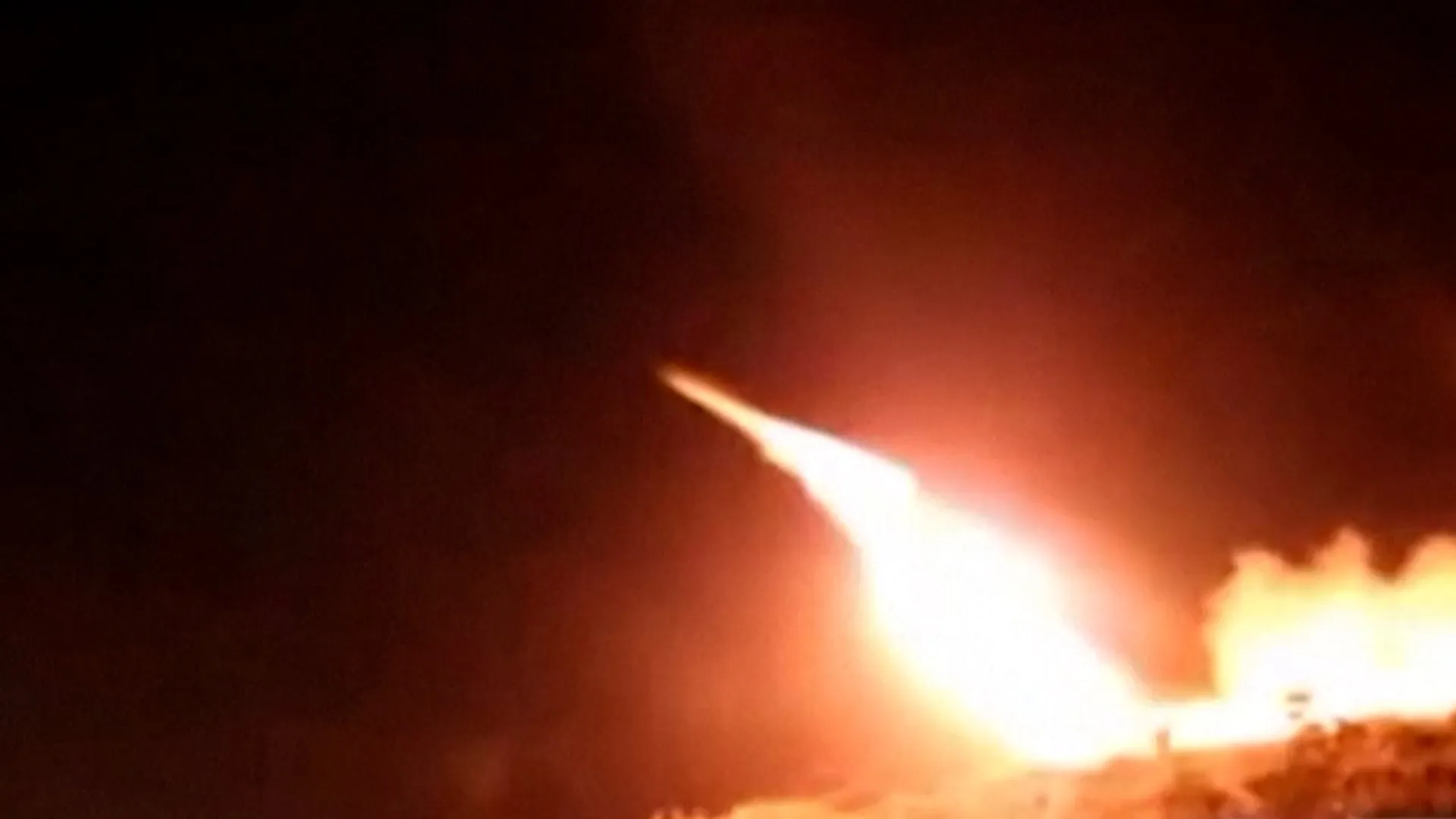
This denial has been challenged that the weaponry used in Lamerd was consistent with a U.S.-made Precision Strike Missile, rather than the Iranian equipment cited the Human Rights Council as ineffective and maintaining that their military actions are aimed at preventing nuclear proliferation. The administration maintains that its operations are necessary for global stability, despite the significant civilian toll reported
In the context of international humanitarian law, the classification of a "war crime" requires a specific threshold of intent. Legal experts point to the concept of "dolus eventualis," or recklessness, as the core of the mission's findings. This legal standard is met when a party engages in an action while being aware of a substantial risk of unlawful outcomes but proceeds regardless. The mission argues that the failure to update targeting data for the Minab school went beyond simple negligence and constituted a willful disregard for civilian protection.
The argument for recklessness is further bolstered s within the U.S. military. gue the administration created an environment where such catastrophic errors became inevitable. While the report does not suggest that the U.S. intentionally targeted a school, it posits that the failure to verify military objectives in a dense civilian environment satisfies the legal requirements for launching an indiscriminate attack.
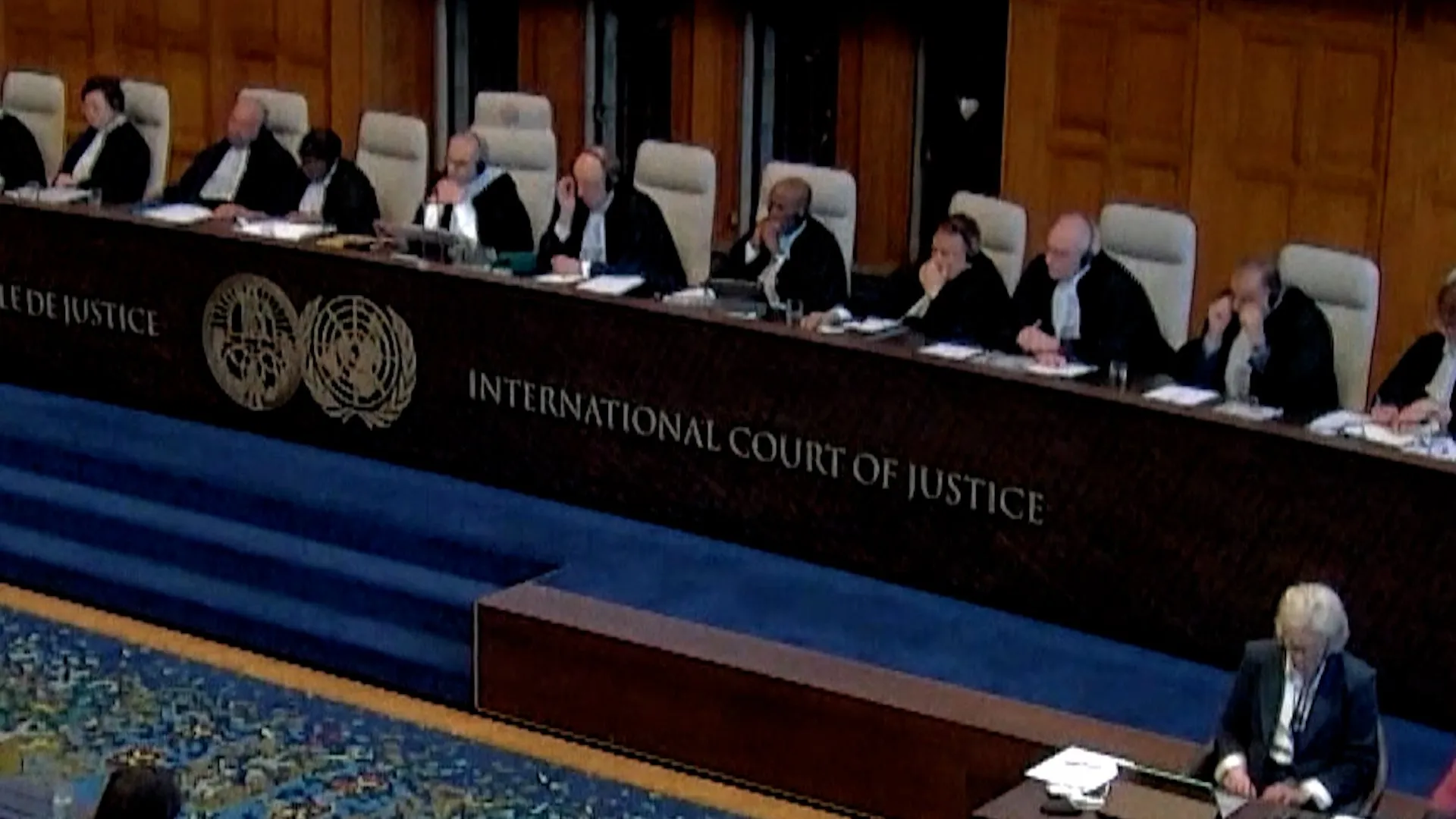
While the UN report is a significant document, it carries no immediate legal or binding consequences for the United States. Because the U.S. has withdrawn from the jurisdiction of the International Court of Justice and neither party is heavily integrated into the International Criminal Court’s oversight, formal prosecution remains unlikely. However, the report provides a substantial political framework that could influence future legislative scrutiny within the U.S. Congress, particularly as lawmakers face mounting public pressure regarding military transparency.
Ultimately, the report serves as a catalyst for diplomatic discussions rather than a direct enforcement mechanism. It provides a "hook" for international observers and domestic critics to demand the release of internal Pentagon findings regarding civilian casualties. The UN mission has called for an immediate cessation of hostilities, the provision of reparations for victims, and a renewed commitment to diplomatic negotiations to resolve the ongoing conflict between the two nations.