A coordinated VBIED and armed assault on a police-adjacent mosque in Kohat has resulted in significant casualties, prompting a major security response.
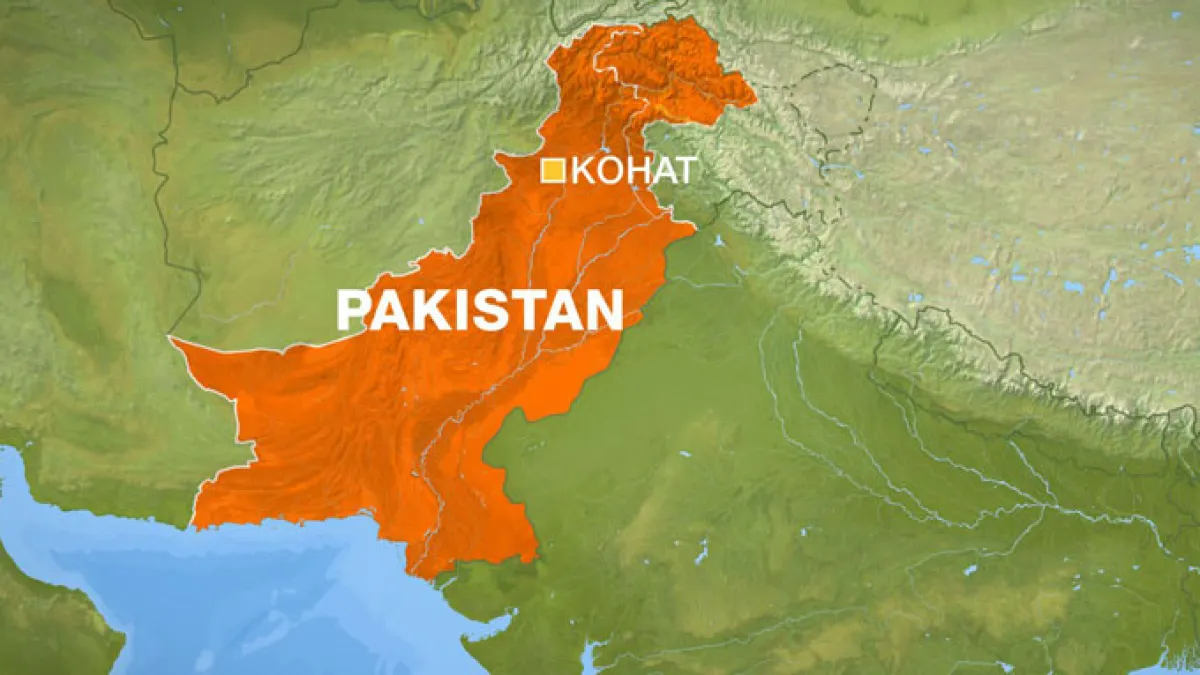
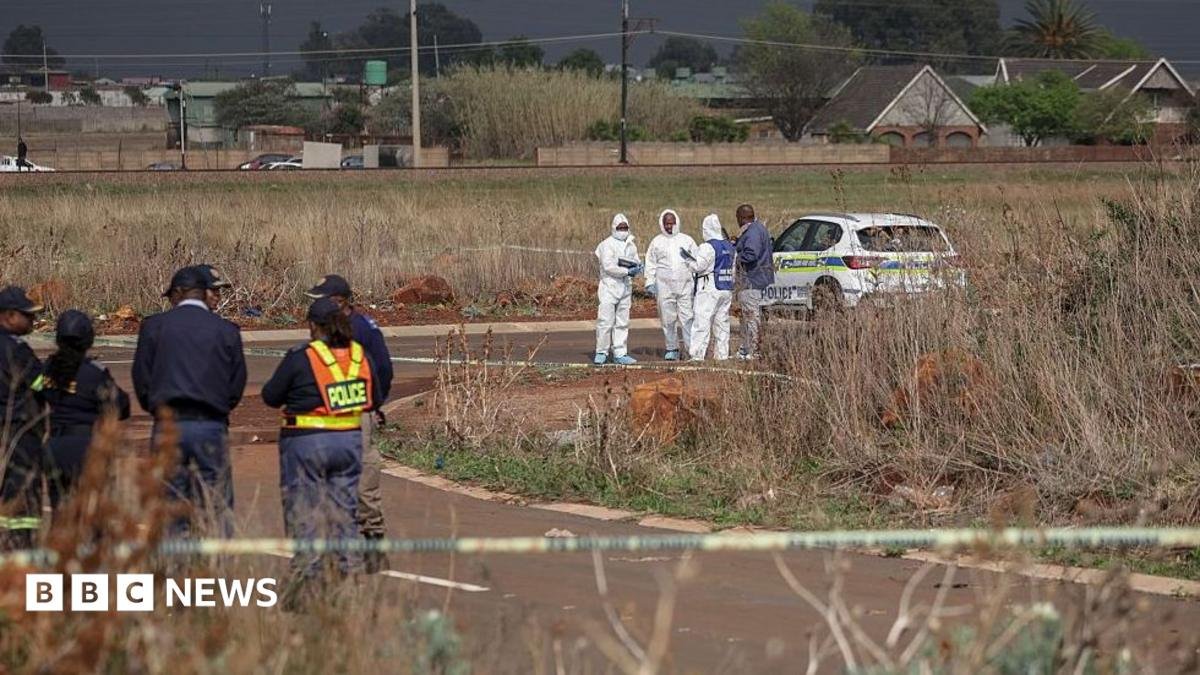
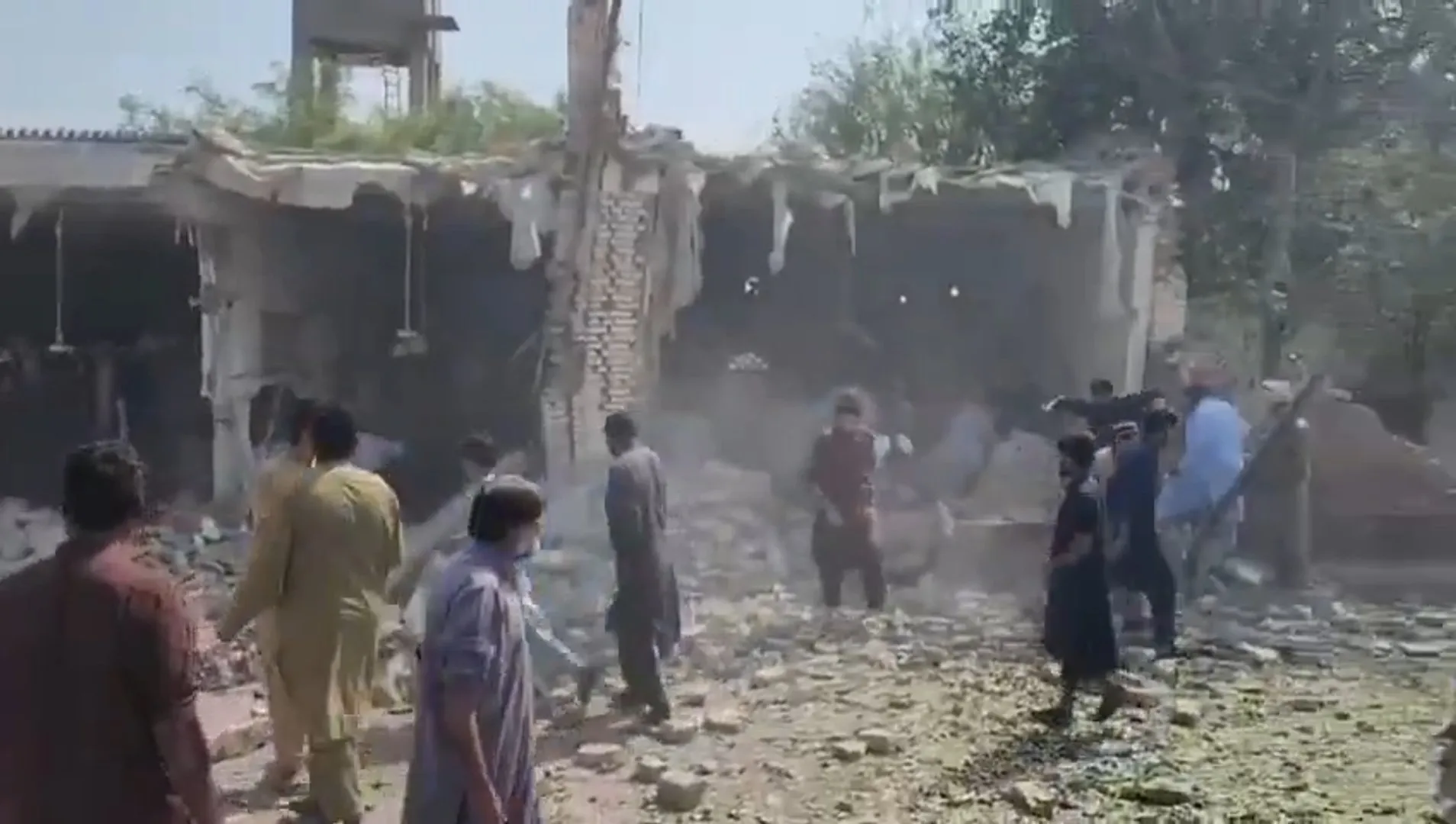
A coordinated militant assault in Kohat, located within Pakistan’s Khyber Pakhtunkhwa province, has resulted in a significant loss of life and a high number of casualties. The attack, which unfolded during Friday afternoon prayers, combined a vehicle-borne improvised explosive device (VBIED) with a targeted armed infiltration of a police facility.
While reports on the final death toll vary—with sources ranging from 17 to over 30 fatalities—local authorities have confirmed the event as a complex suicide operation. The violence has prompted immediate condemnation from the highest levels of the Pakistani government, as security forces grapple with a resurgence of militancy in the country’s border regions.
This incident represents a significant escalation in the tactics employed h a reinforced police perimeter before transitioning into an active shooter scenario, the attackers bypassed standard security checkpoints meant to deter individual suicide bombers. The location—a mosque situated within a security complex—demonstrates a calculated effort to maximize psychological impact re. The attack underscores the fragility of the regional security apparatus, which is currently struggling to contain an insurgency that Islamabad repeatedly claims is being orchestrated from across the Afghan border, a charge the Taliban government in Kabul consistently rejects.
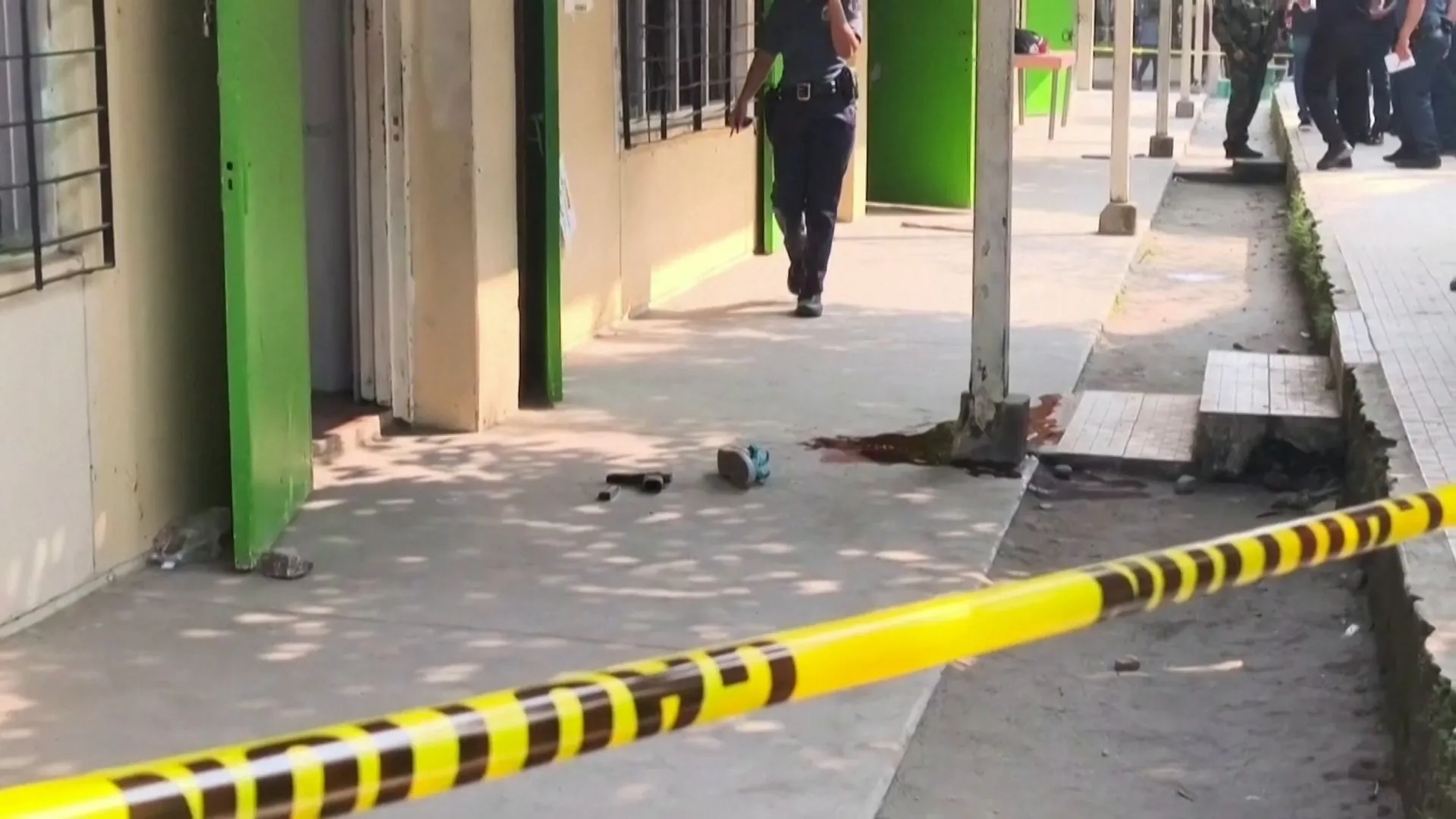
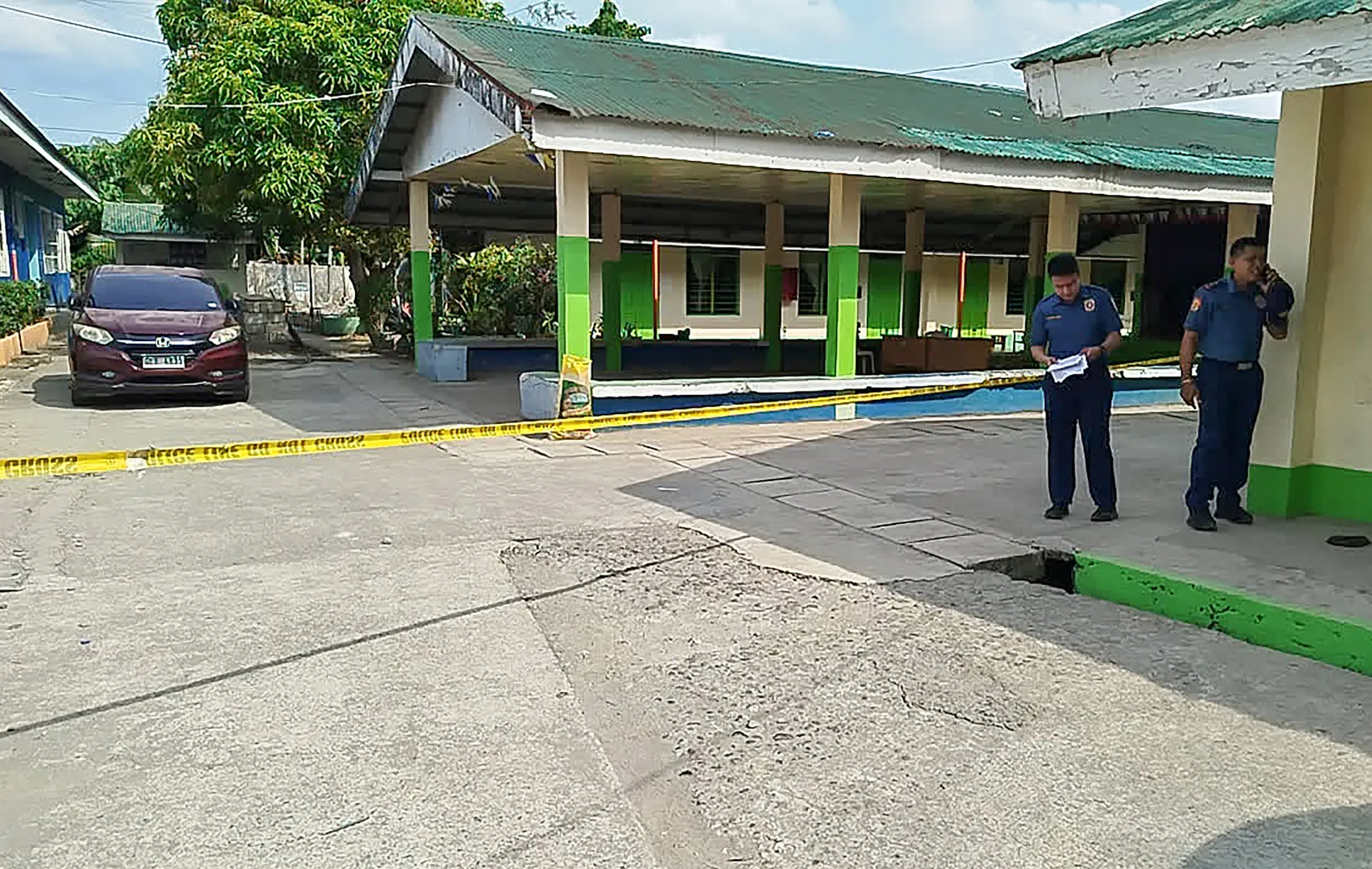
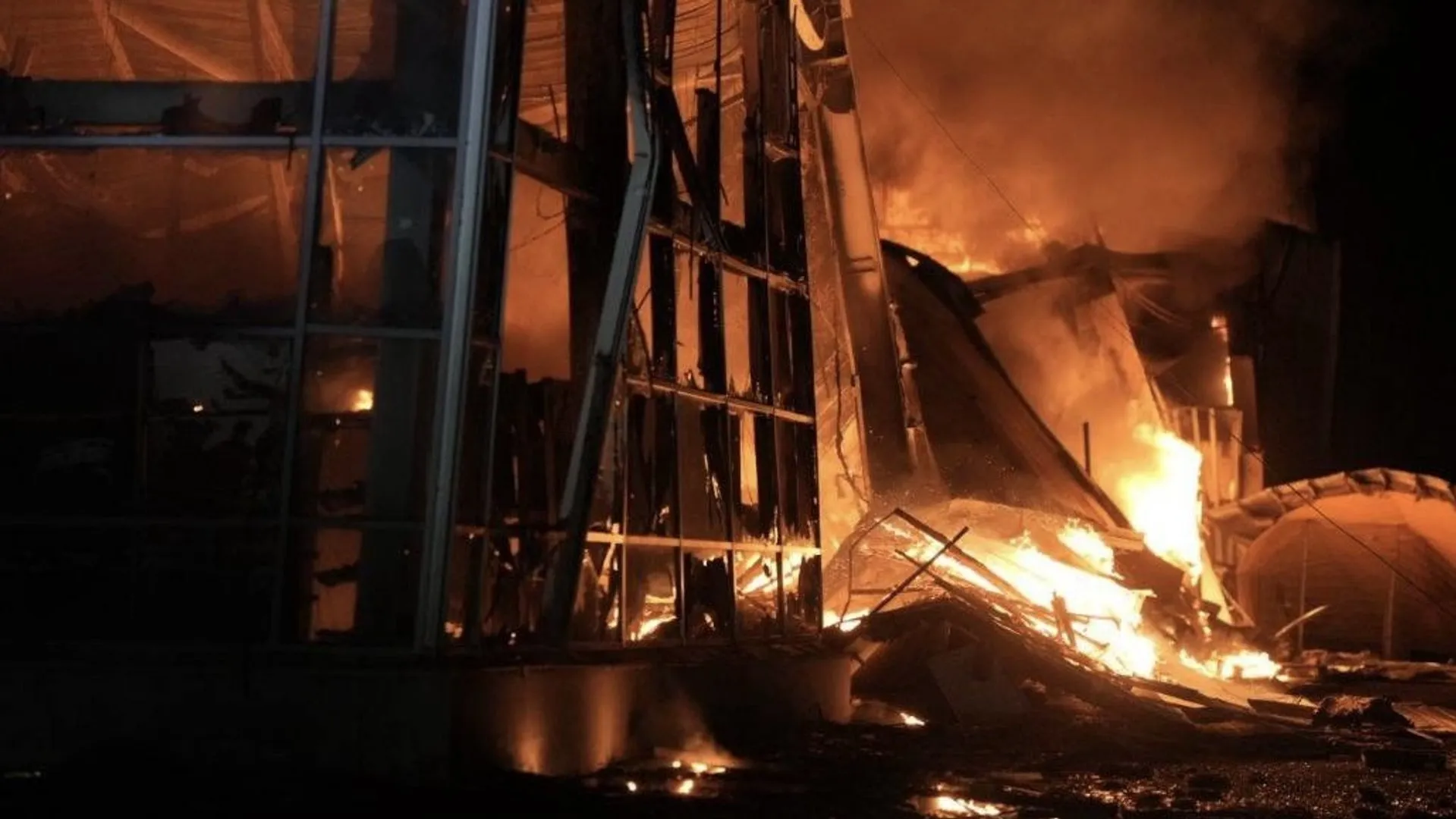
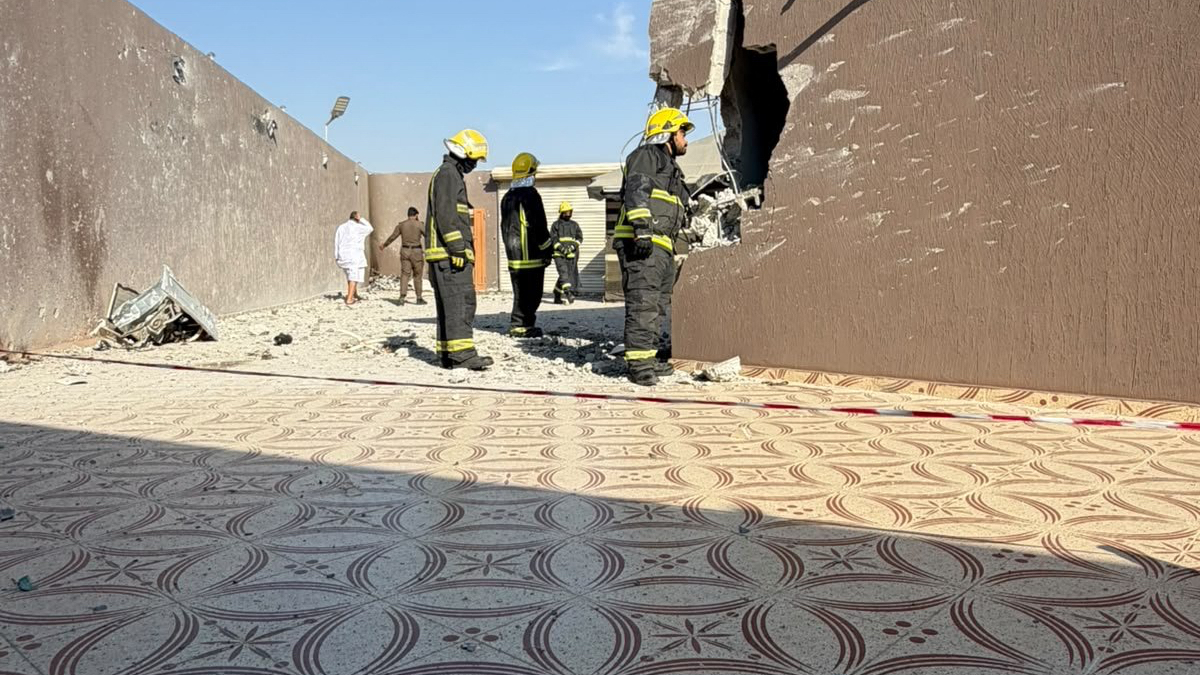
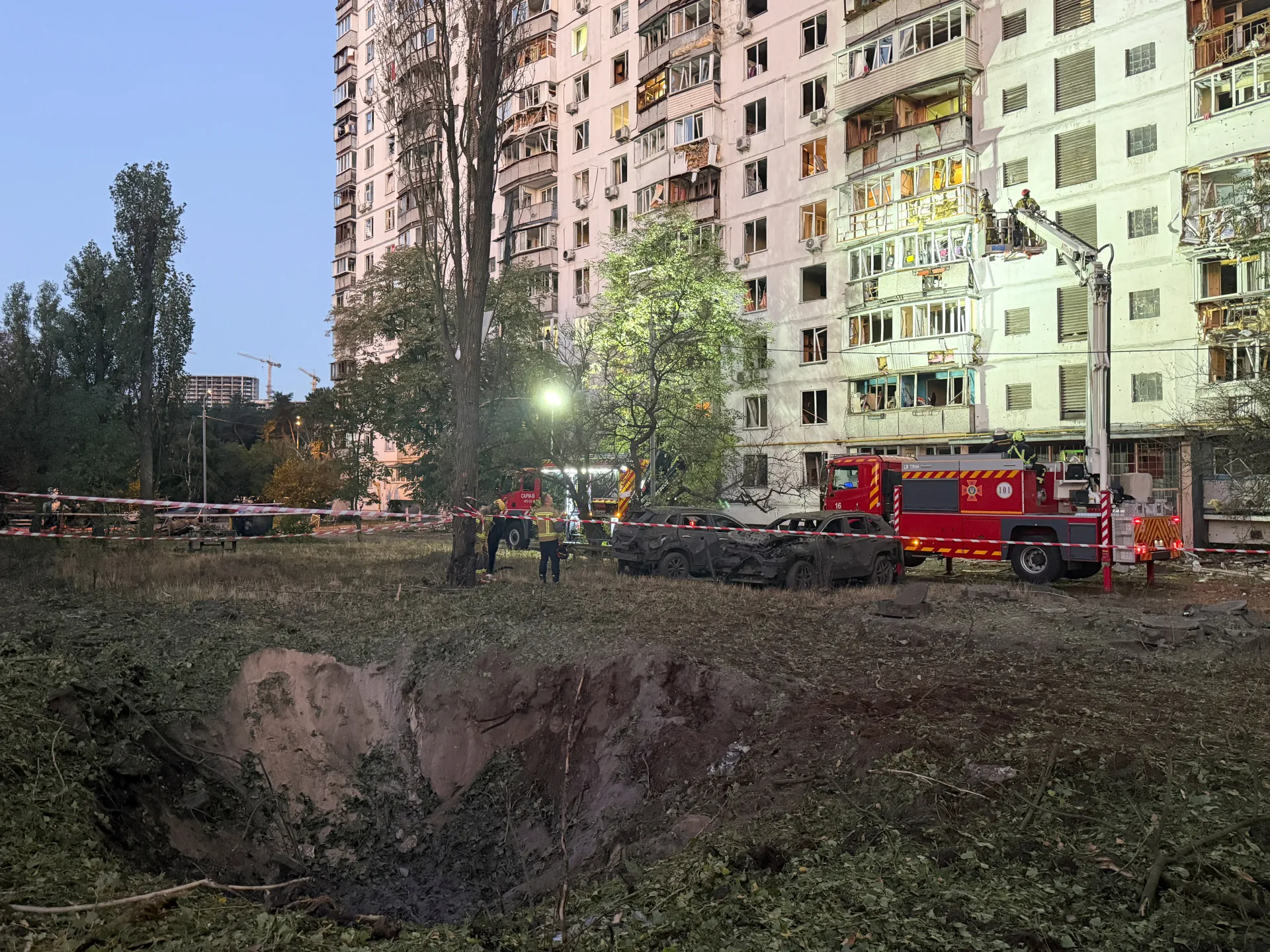
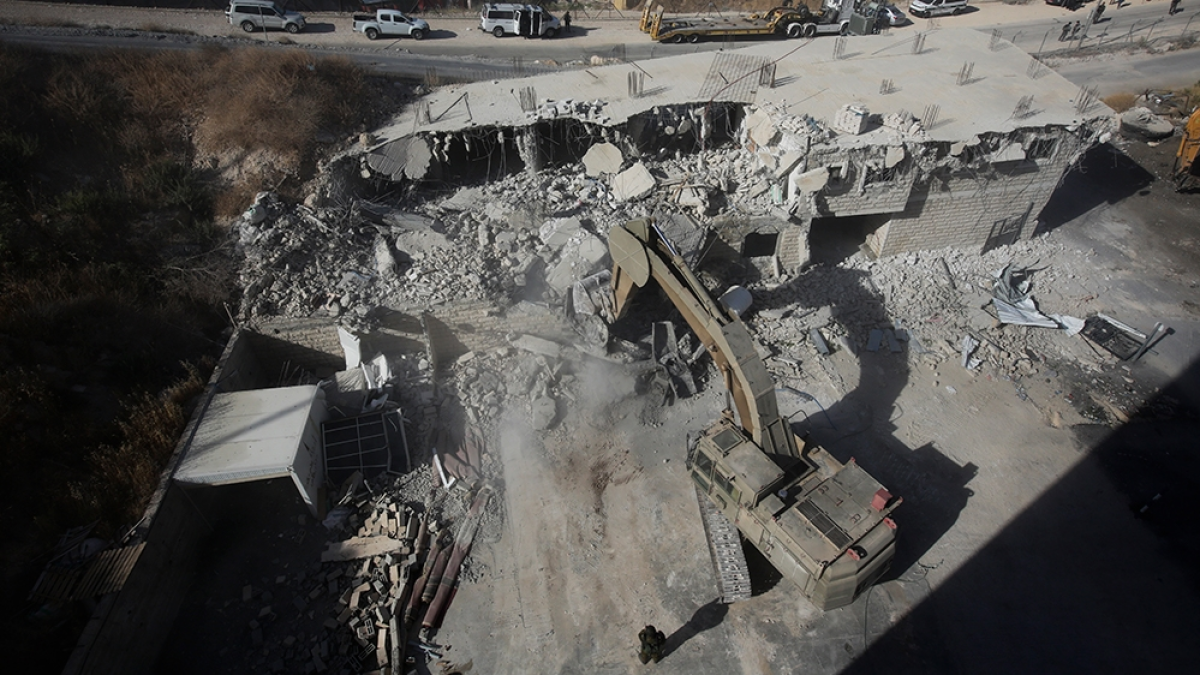
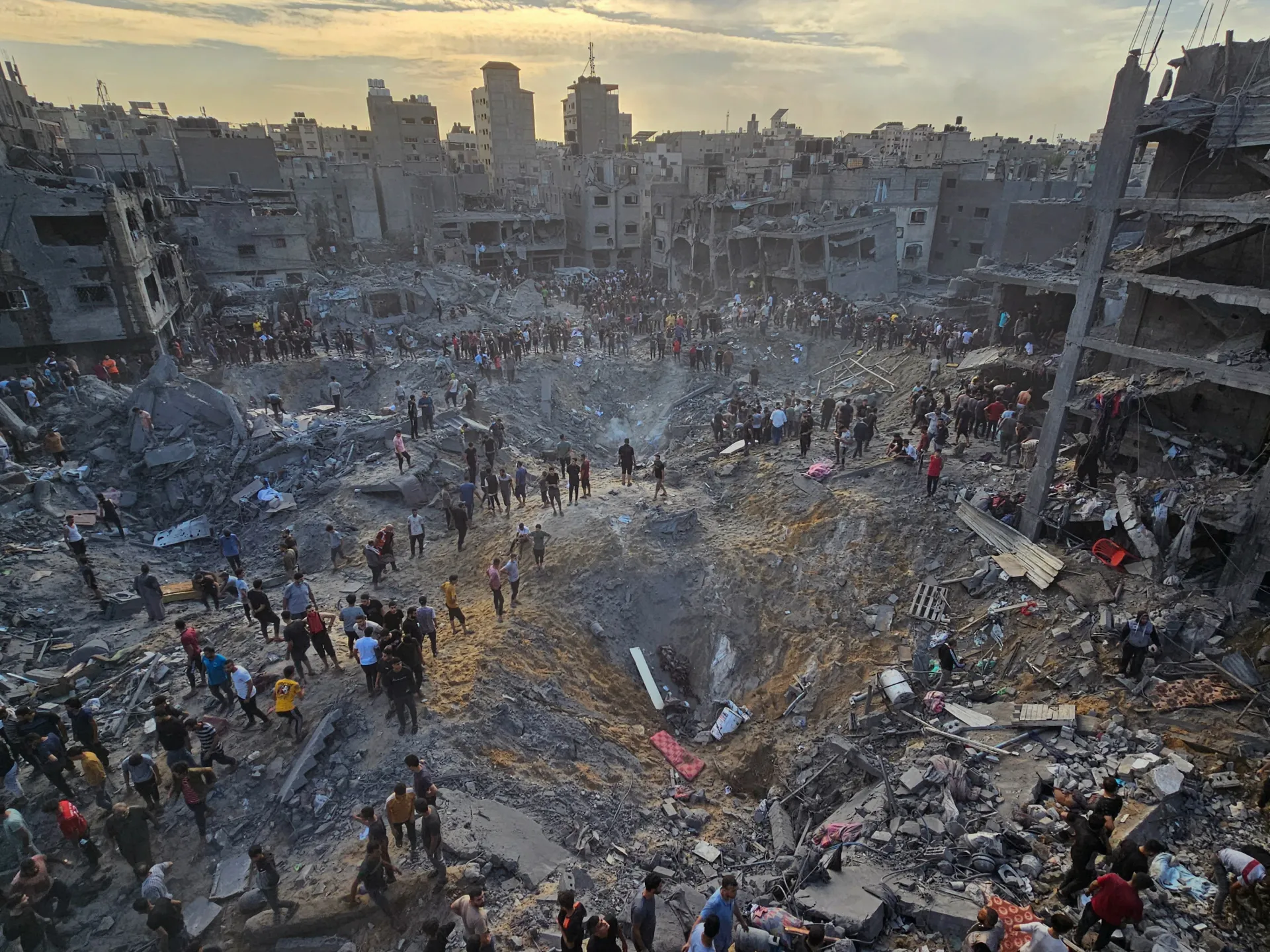
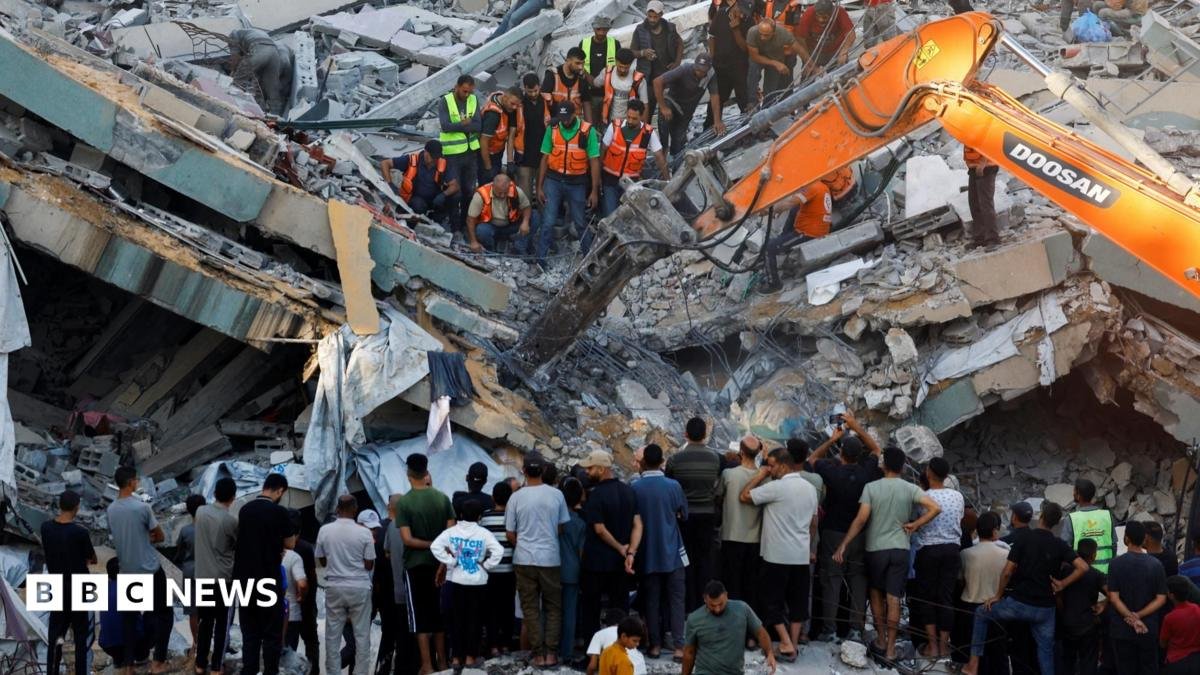
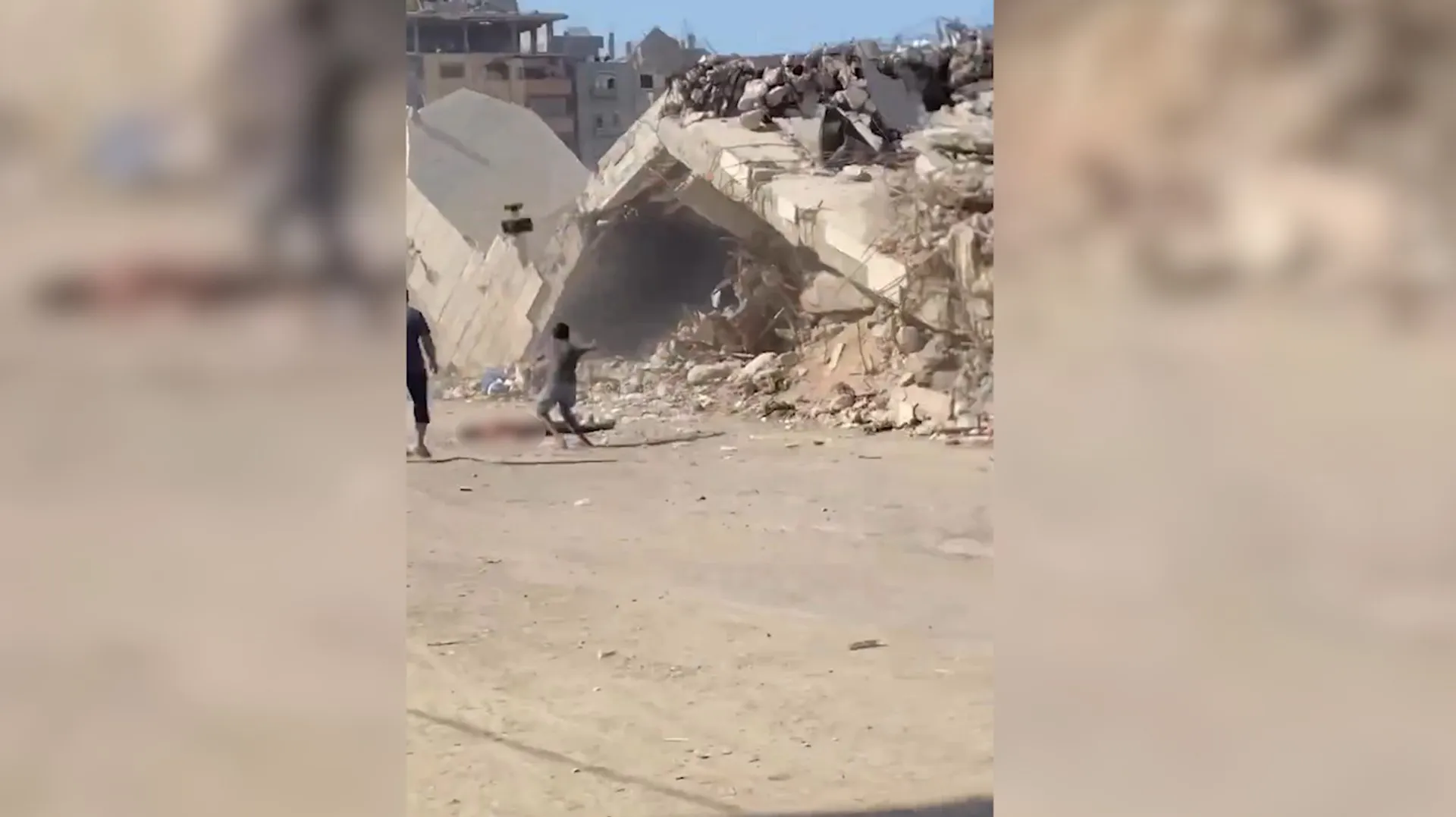
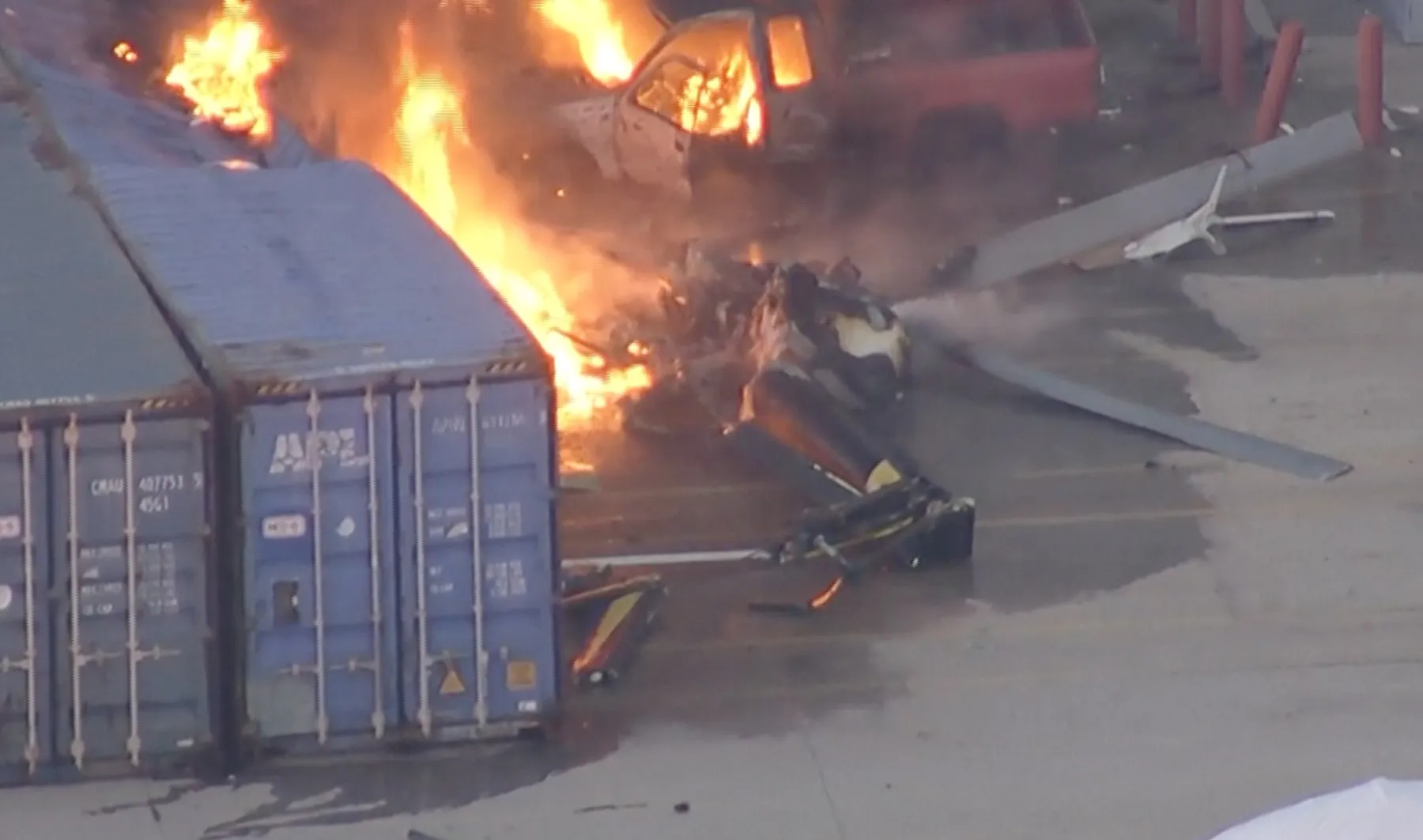
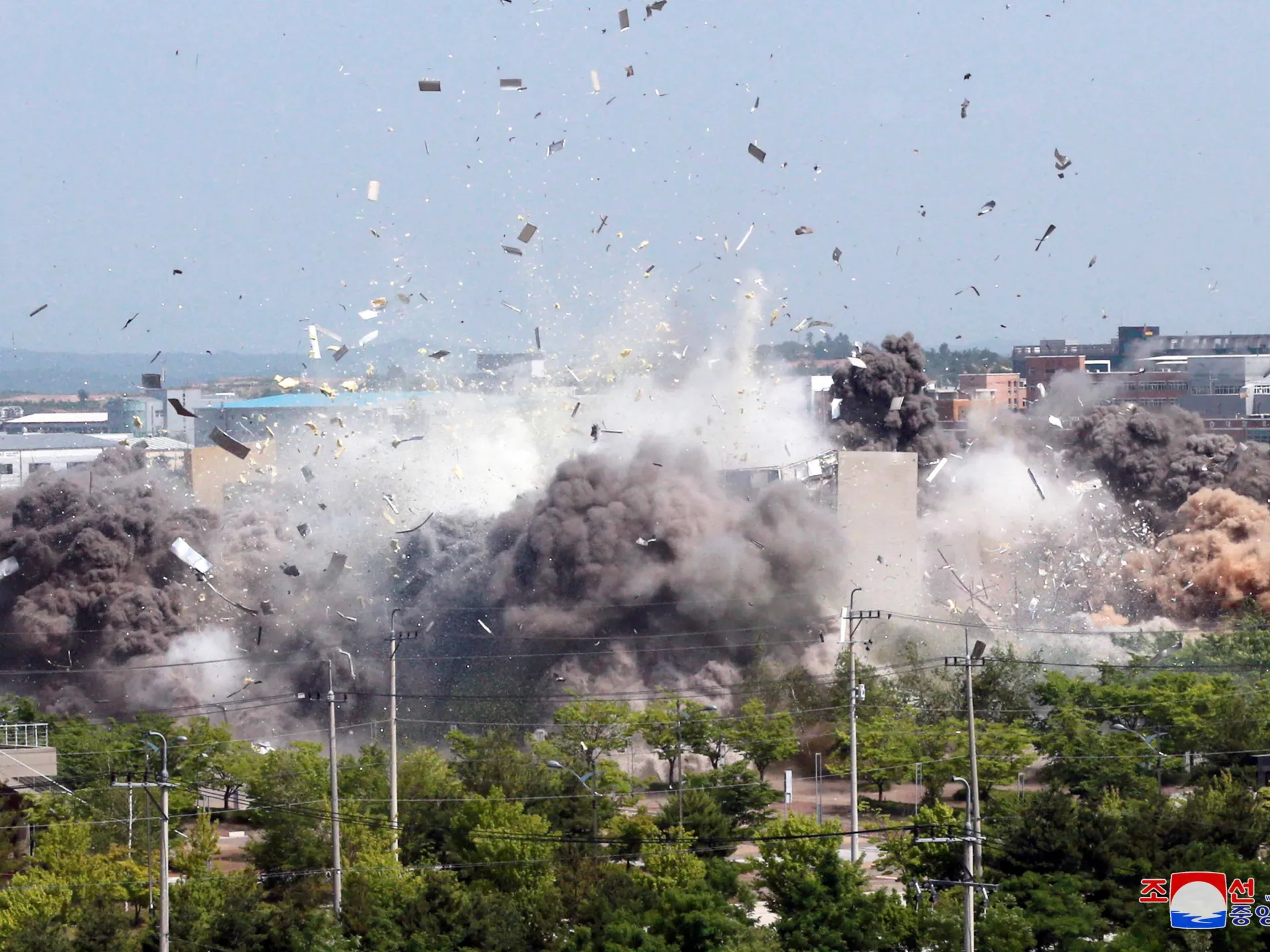
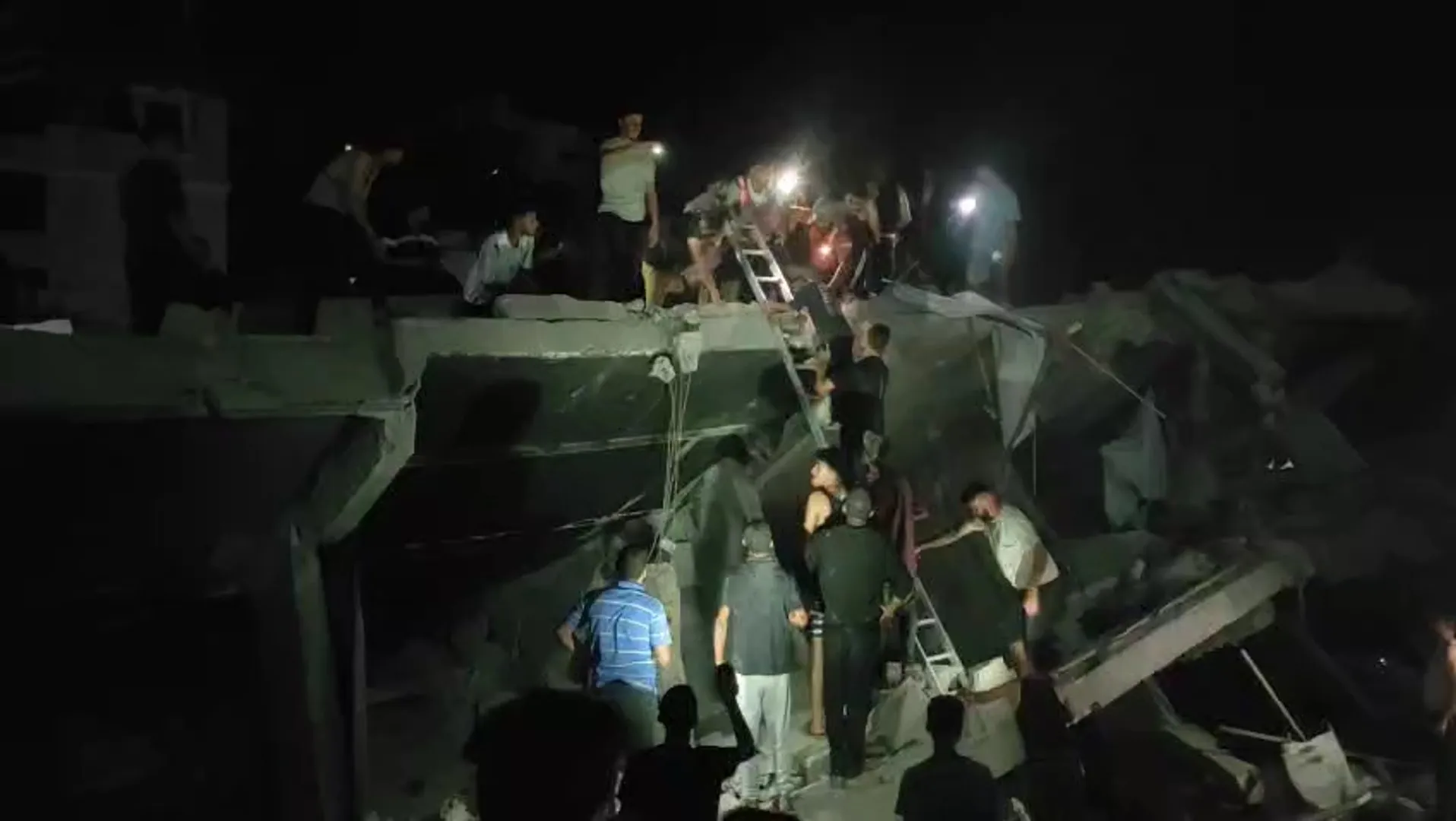
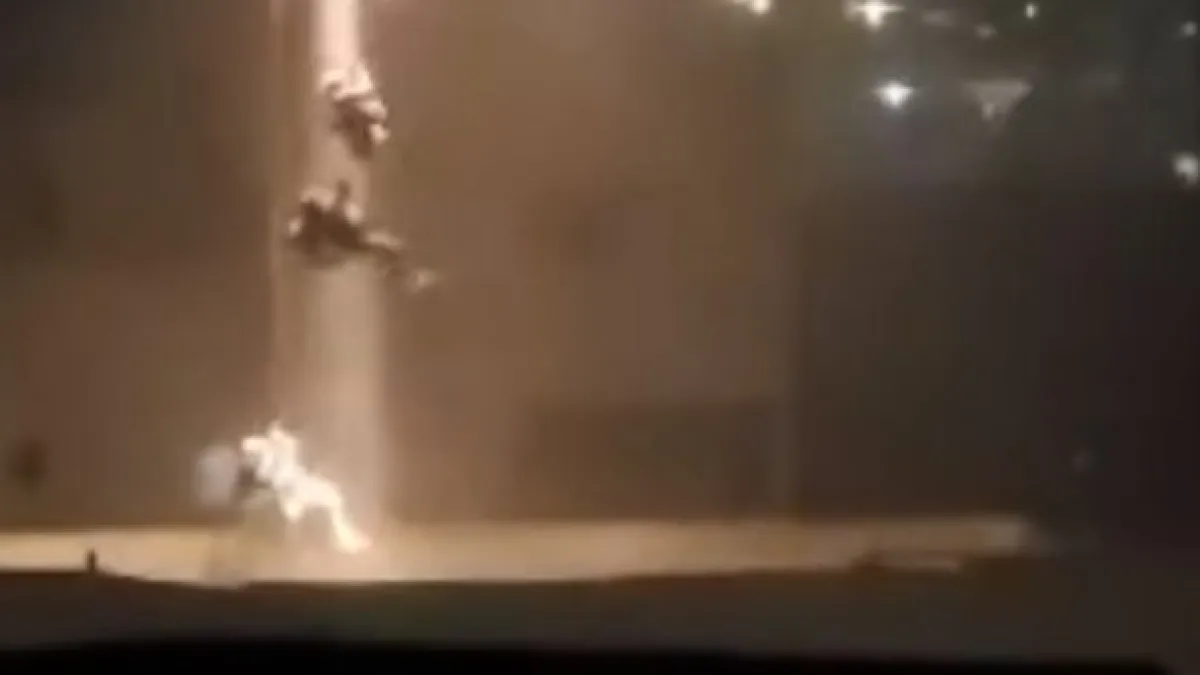
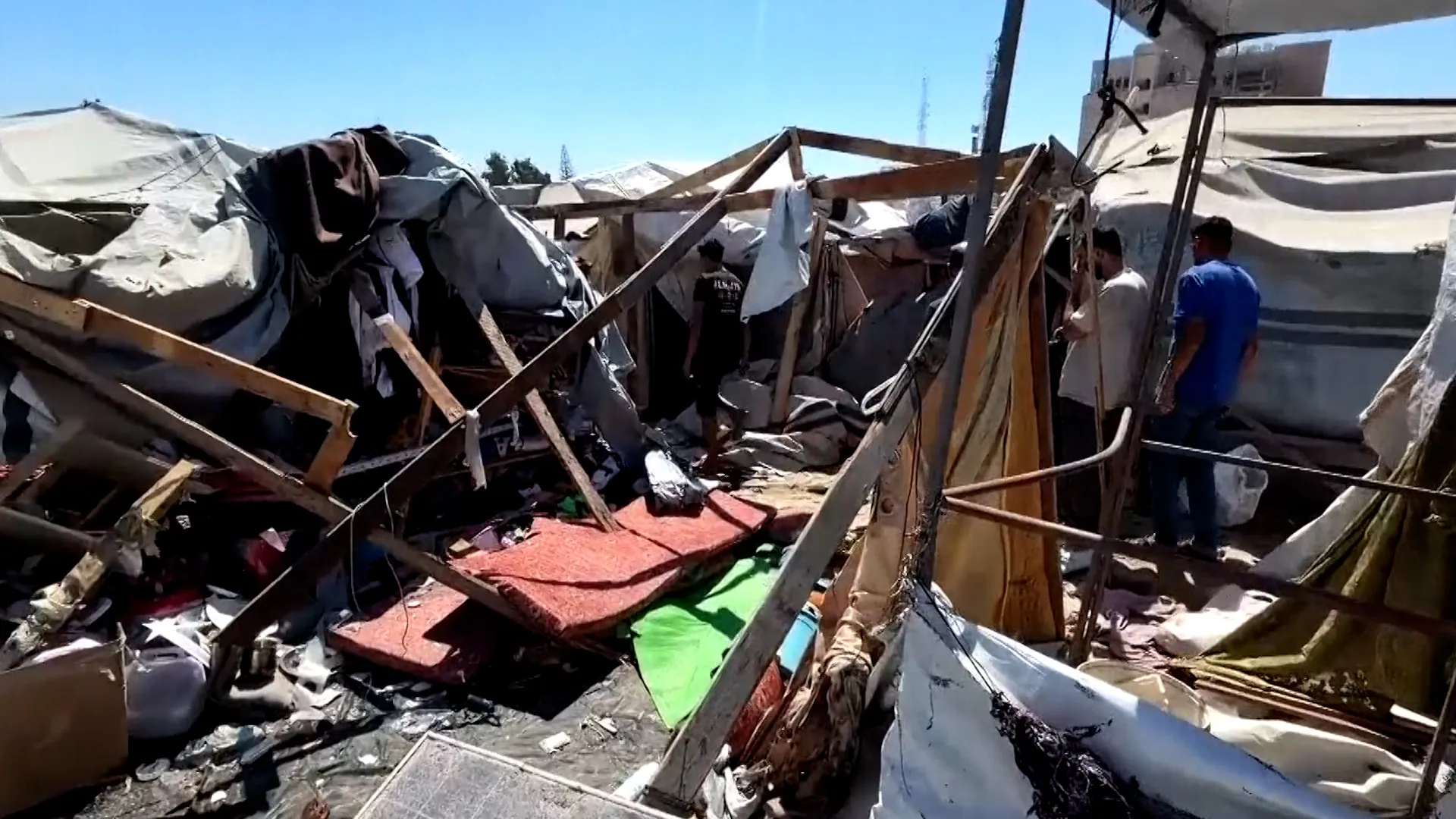
The violence commenced at approximately 13:15 local time as congregants gathered for Friday prayers. According to accounts relayed ehicle laden with explosives was driven directly into the entrance of the police complex. The subsequent detonation caused structural collapse, creating a chaotic environment that allowed seven armed militants to attempt to infiltrate the facility on foot.
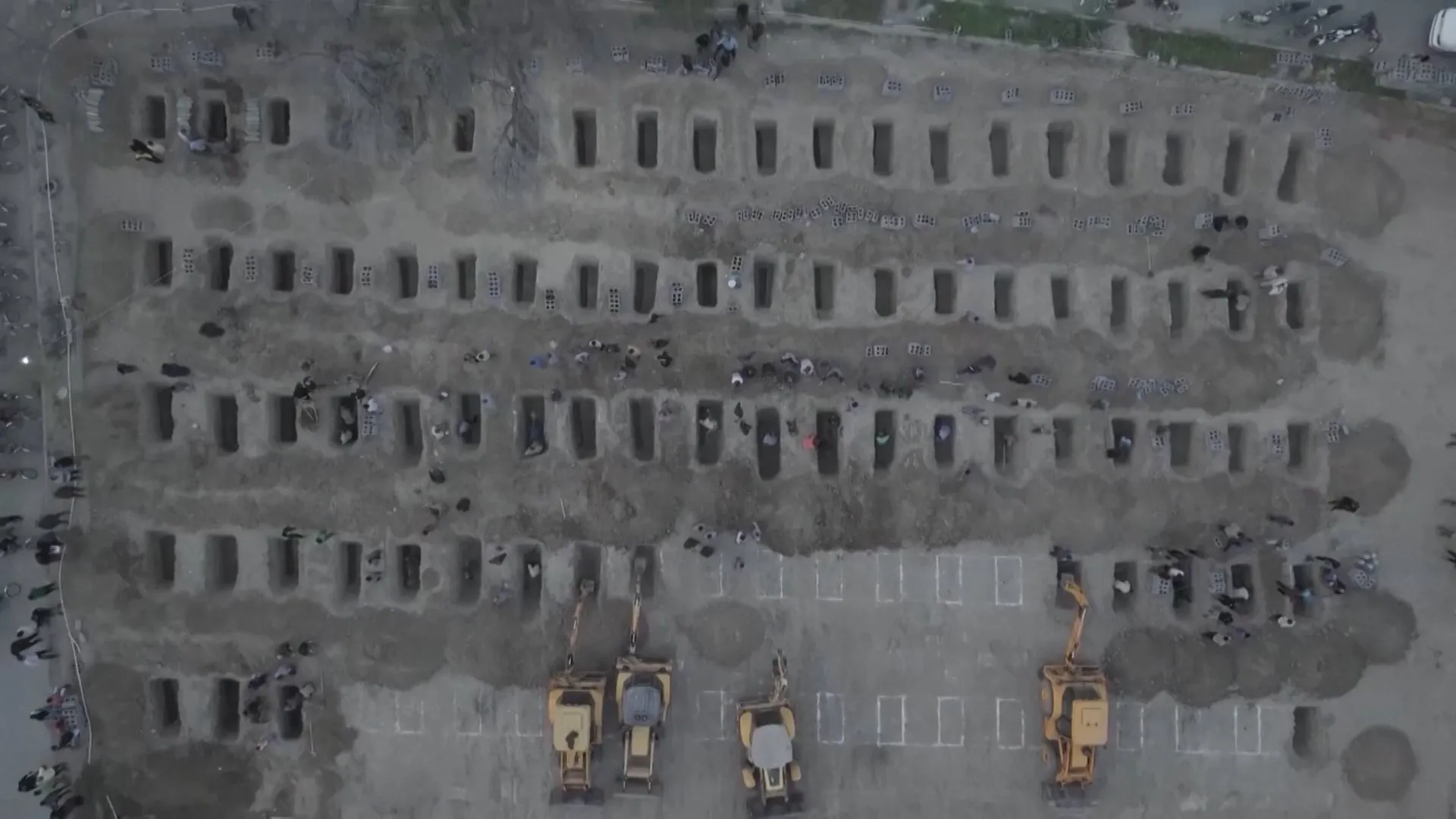
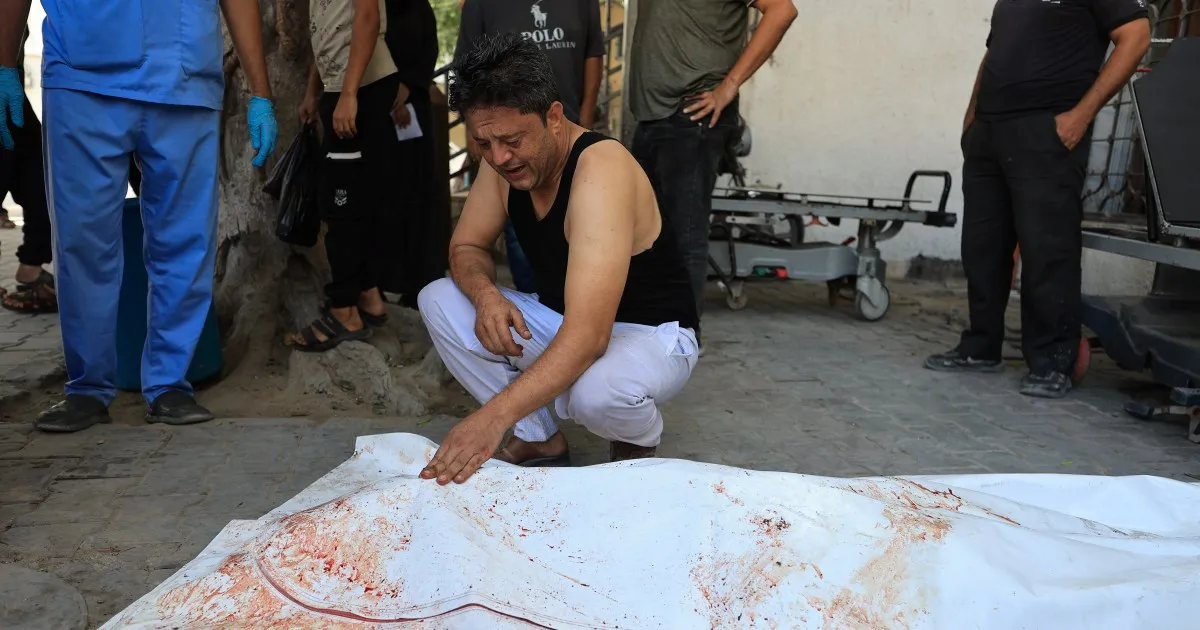
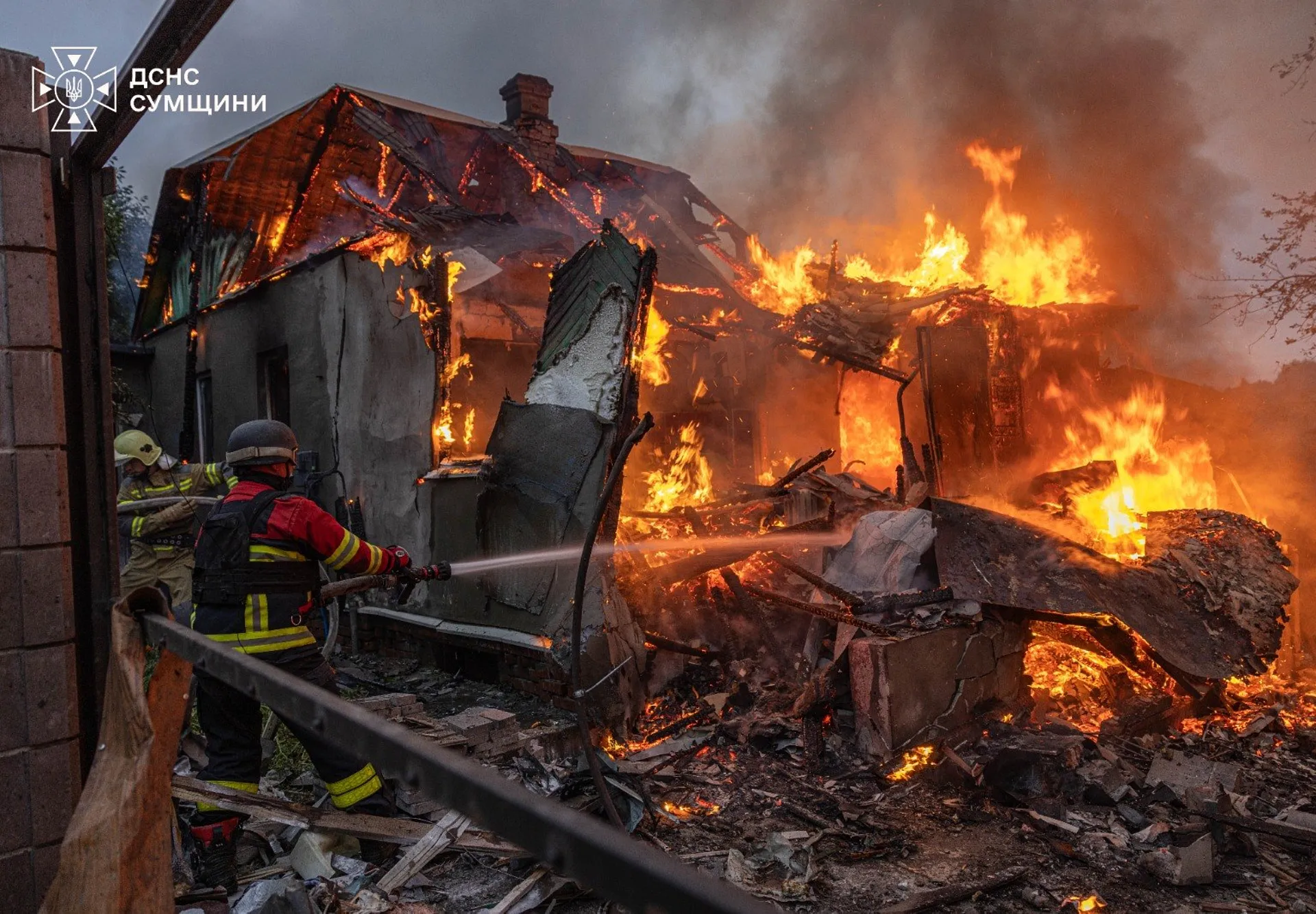
A fierce gun battle ensued between the attackers and law enforcement personnel. Officials, including Inspector General Zulfikar Hameed, later confirmed that all seven assailants were killed either during the initial blast or the ensuing firefight. While the Associated Press of Pakistan reported seven police officers and a four-year-old child among the dead, other reports have cited higher cumulative figures, suggesting that the total death toll could exceed 30 people, with scores more wounded. As of late Friday, no group had formally claimed responsibility, though the sophistication of the coordinated strike suggests advanced logistical planning.
The immediate aftermath will likely involve a massive security sweep across the Khyber Pakhtunkhwa province as intelligence agencies attempt to identify the network responsible for the attack. Given the current geopolitical climate, the government in Islamabad is expected to tighten border monitoring and renew diplomatic pressure regarding the alleged use of Afghanistan as a staging ground for militant operations. The variation in reported casualty numbers indicates that investigative bodies will likely spend the coming days reconciling hospital records and site forensics to establish an official accounting of the victims. For the local population, the attack serves as a grim indicator that the increased frequency of militant operations against state assets in the borderlands shows no signs of abating, likely leading to a prolonged state of heightened alert for police and military installations nationwide.