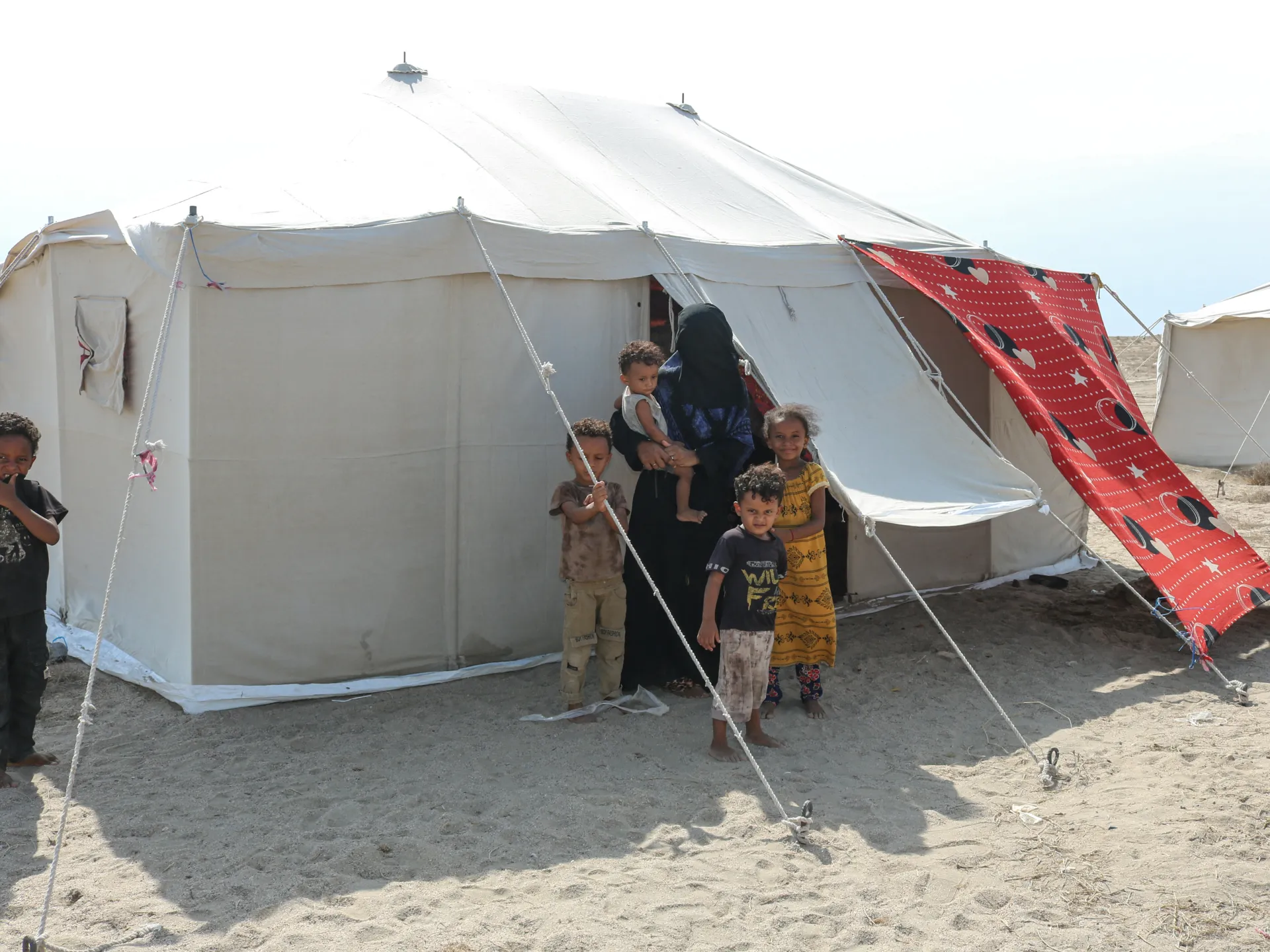
A surge in displaced persons in Yemen and the collapse of a major U.S. concert tour highlight how regional instability is reshaping global humanitarian and cultural landscapes.
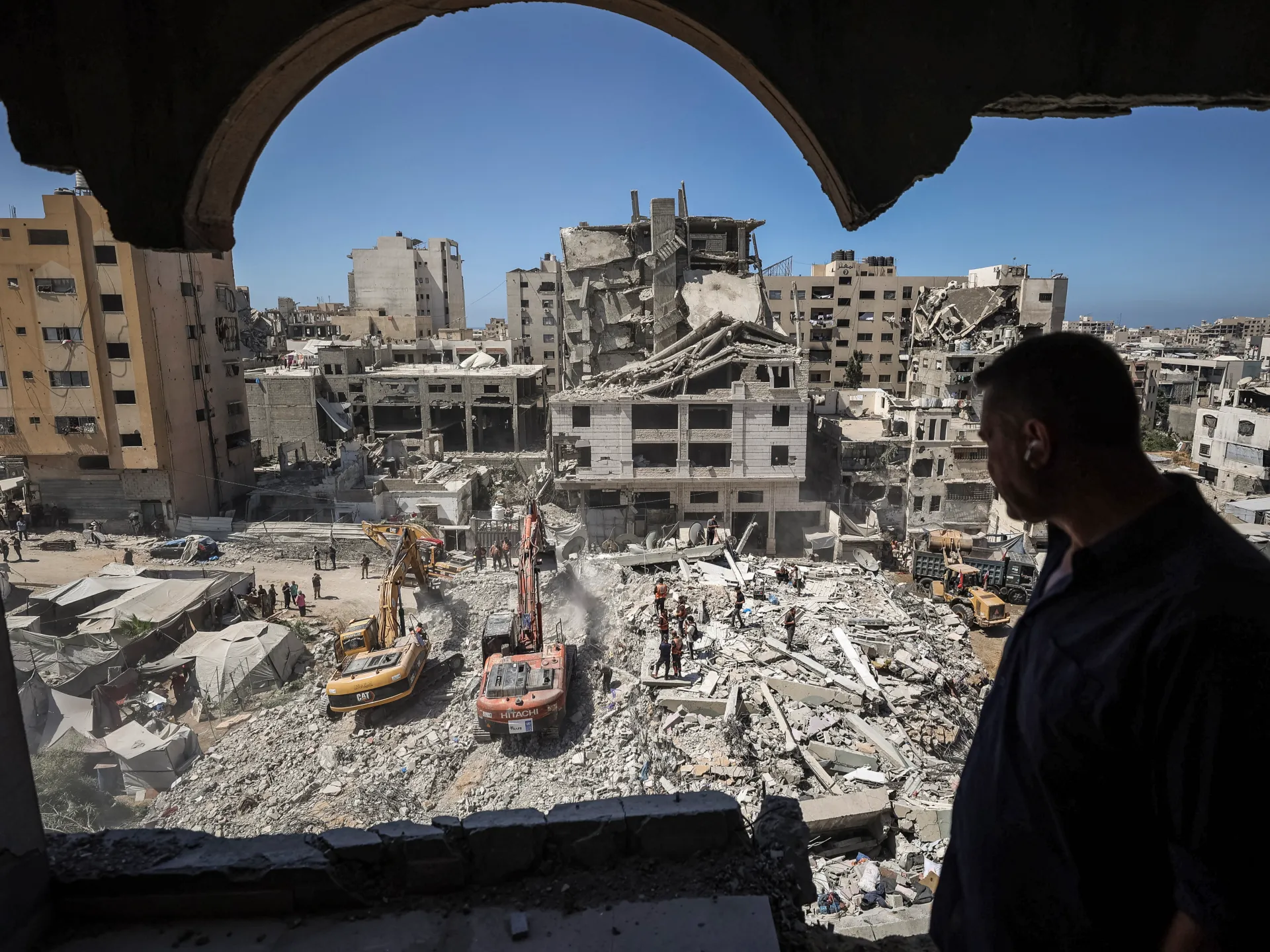
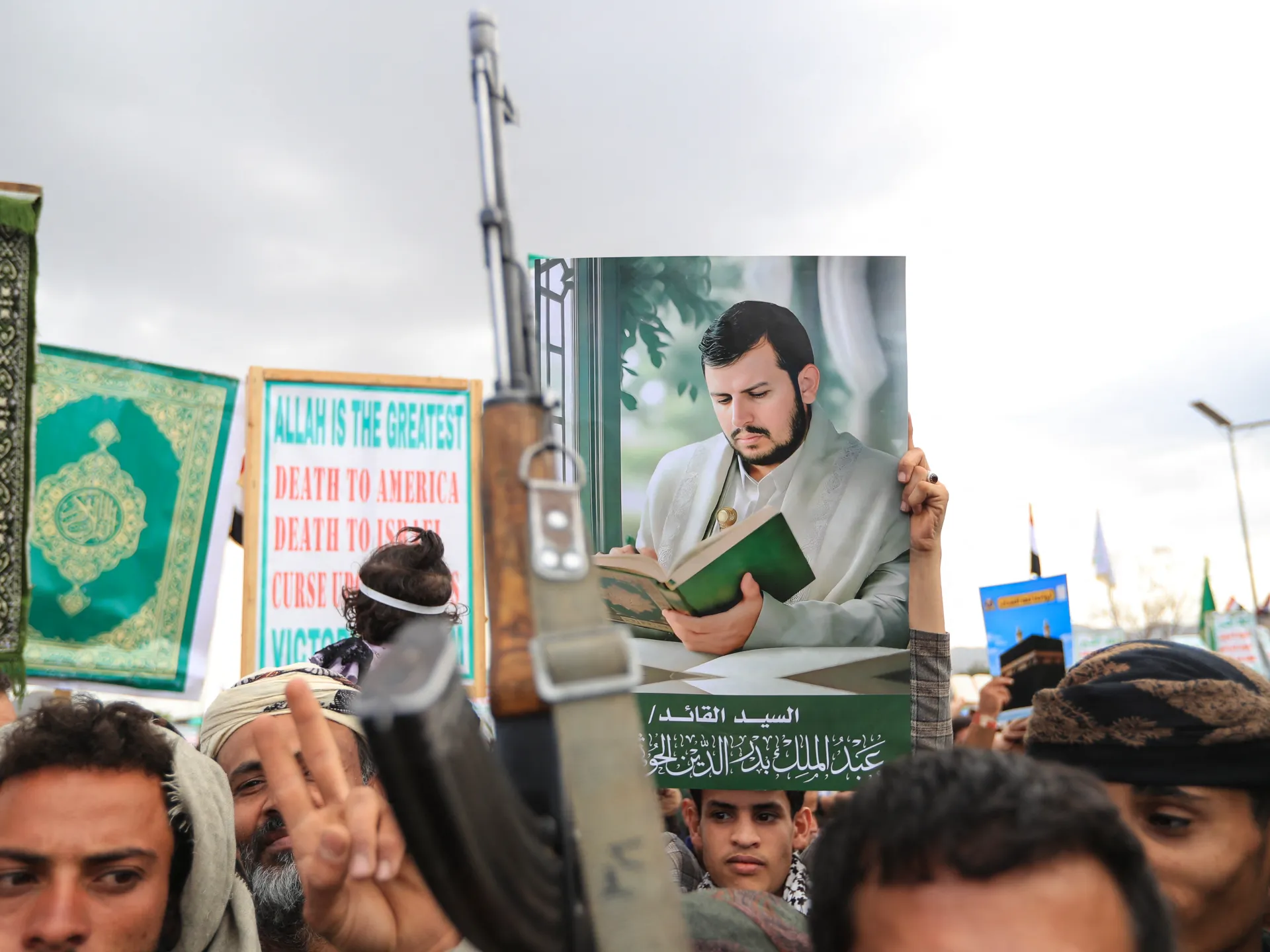
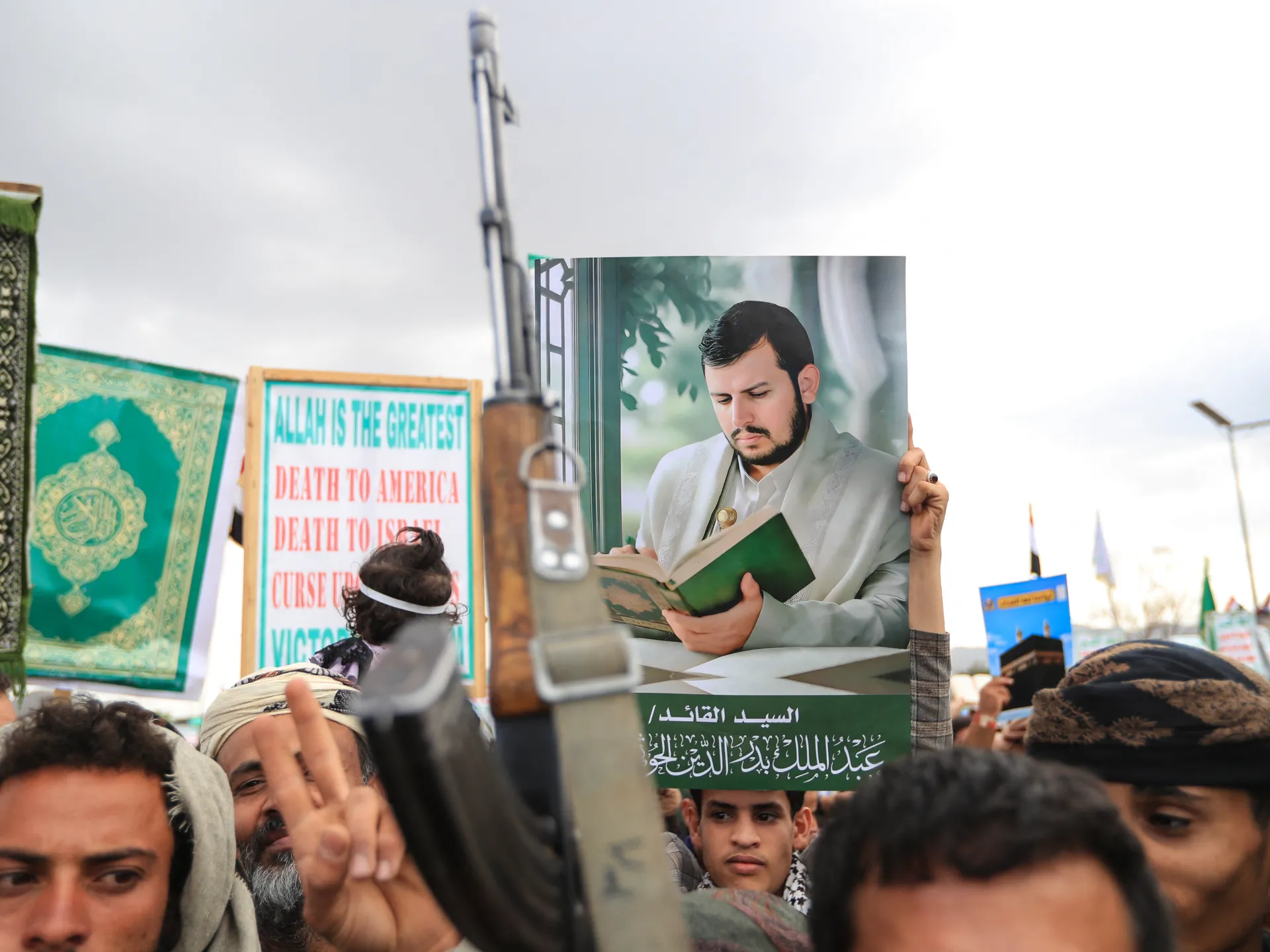
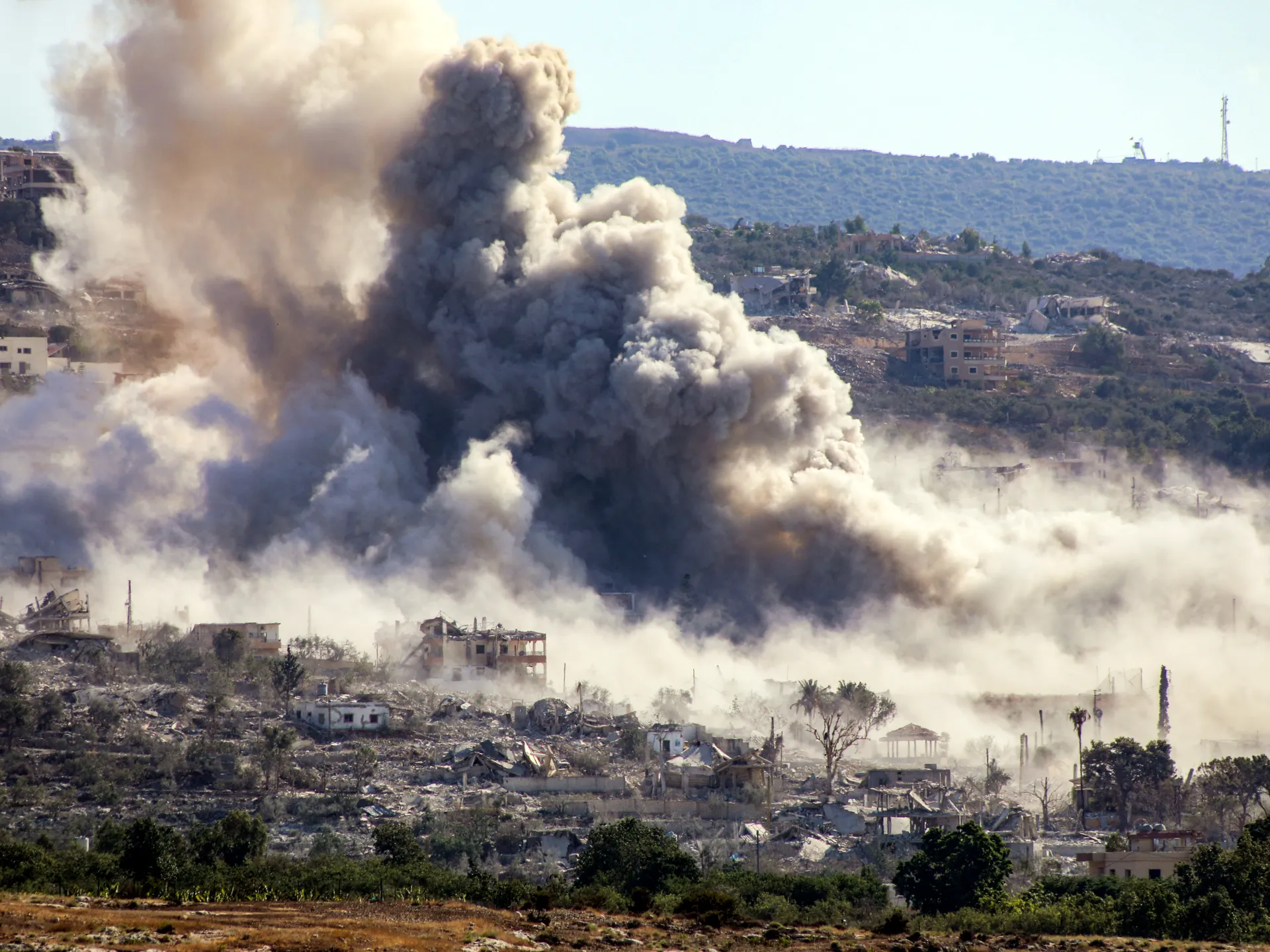
A convergence of regional instability in the Middle East and domestic cultural volatility in the United States has created a complex week of news. As the conflict in Yemen leads to a surge of over 112,000 internally displaced people, the global ramifications of the ongoing broader tensions—stretching from the Red Sea to the Strait of Hormuz—are increasingly impacting both humanitarian logistics and Western cultural institutions.
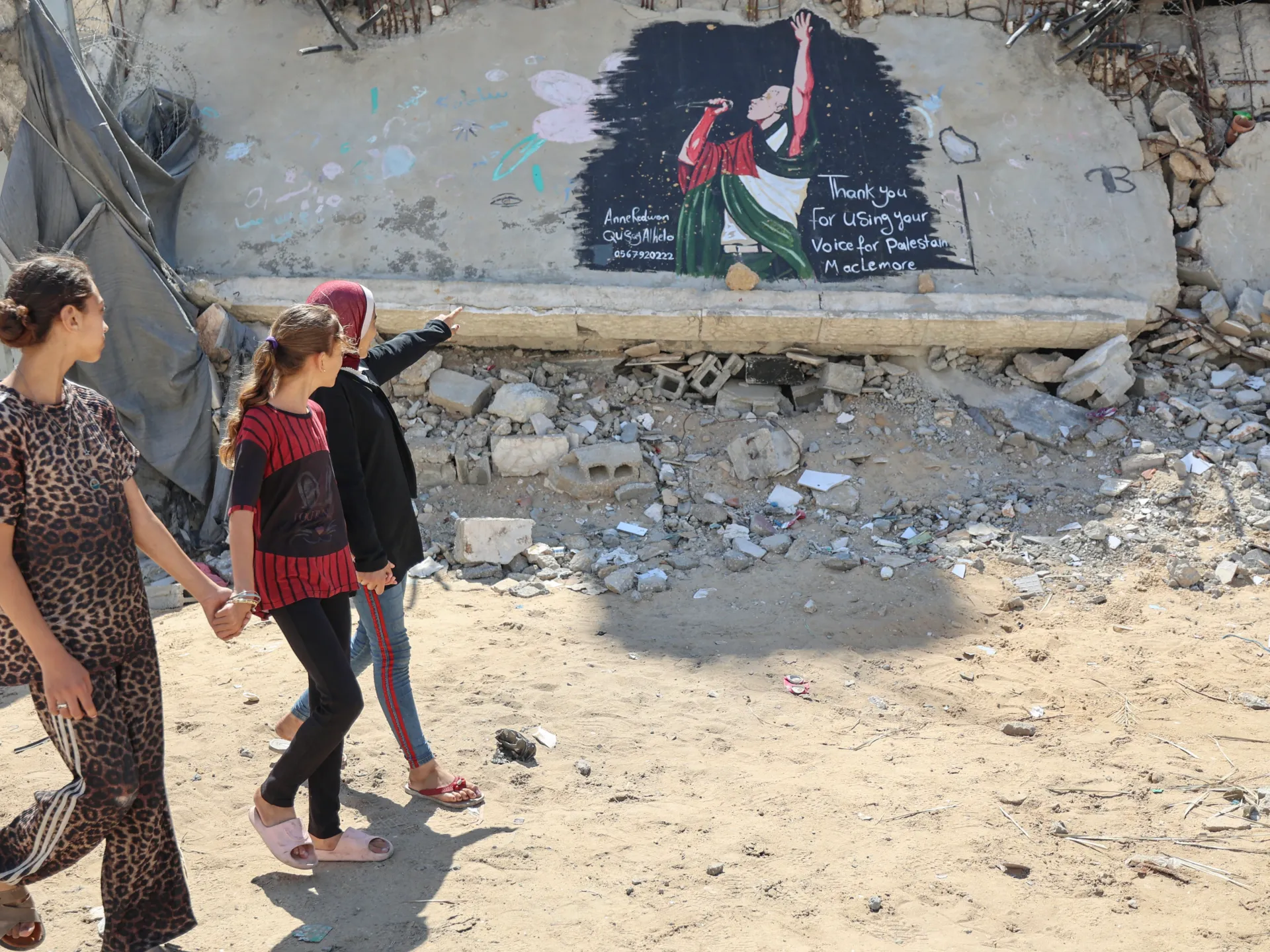
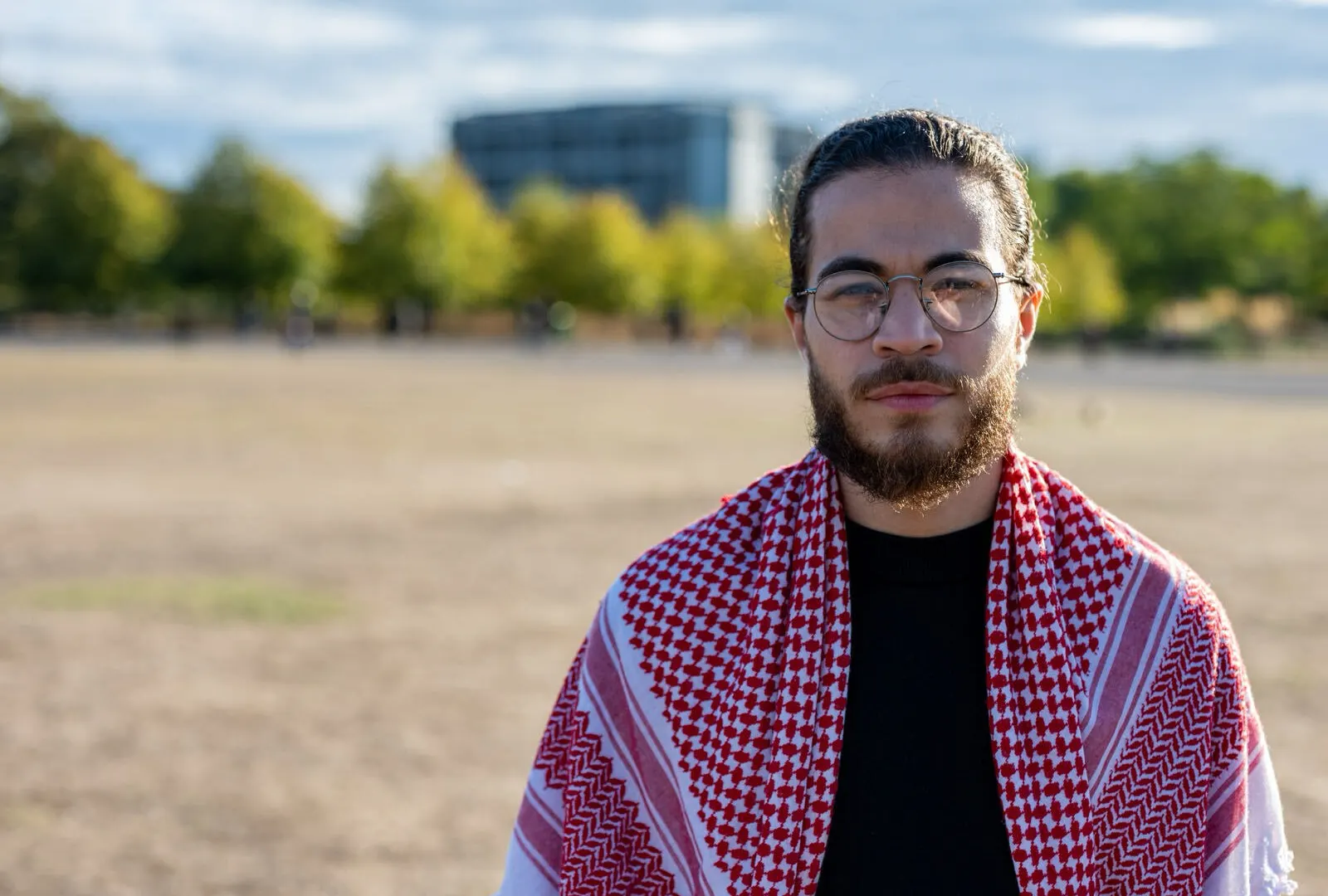
While humanitarian agencies warn of a critical depletion of resources for those fleeing the Houthi-led offensive on Yemen’s Red Sea coast, a separate, symbolic battle has unfolded within the American music industry. The removal of rapper Macklemore from Ed Sheeran’s U.S. tour, prompted kout current geopolitical landscape.
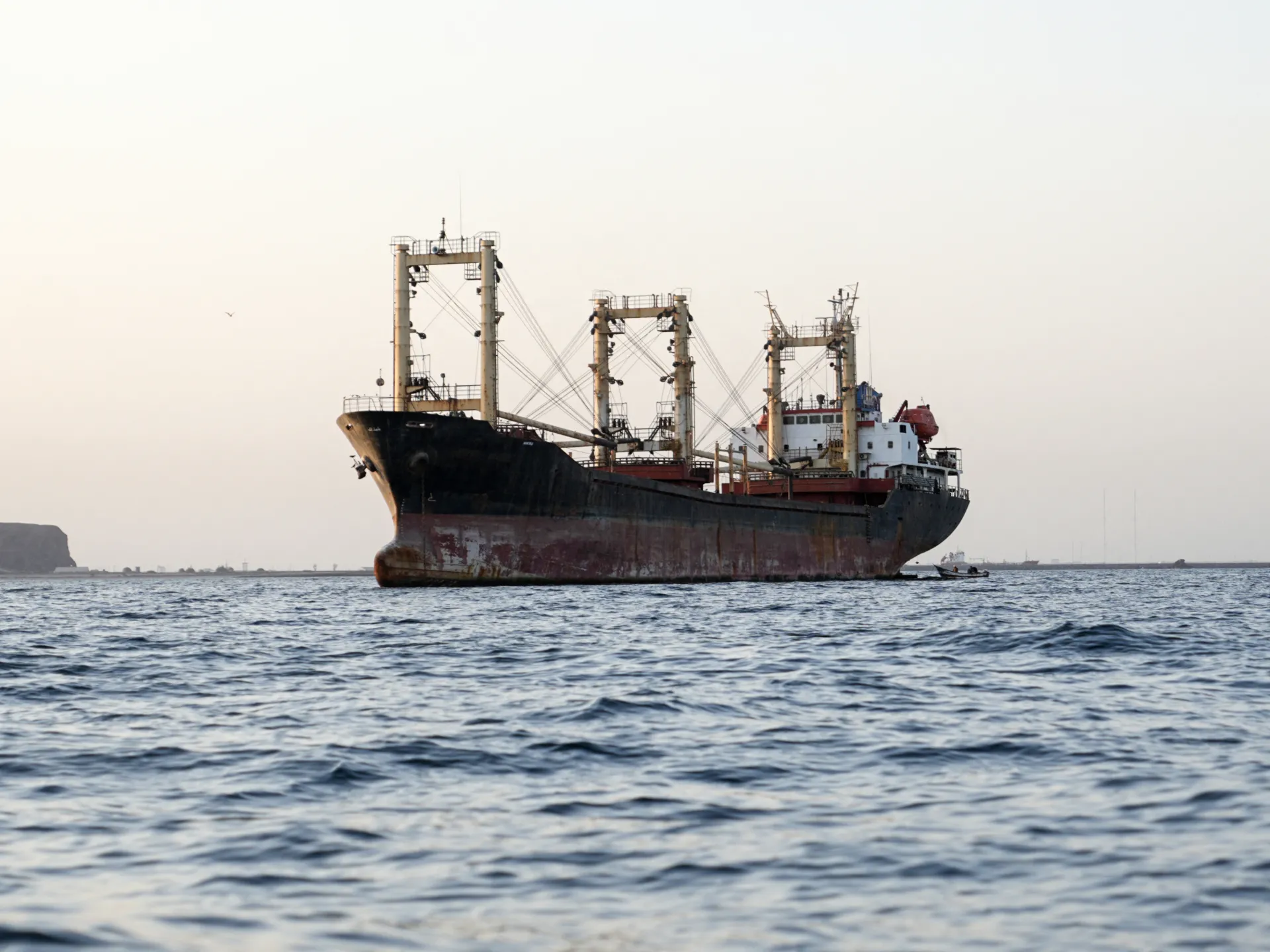
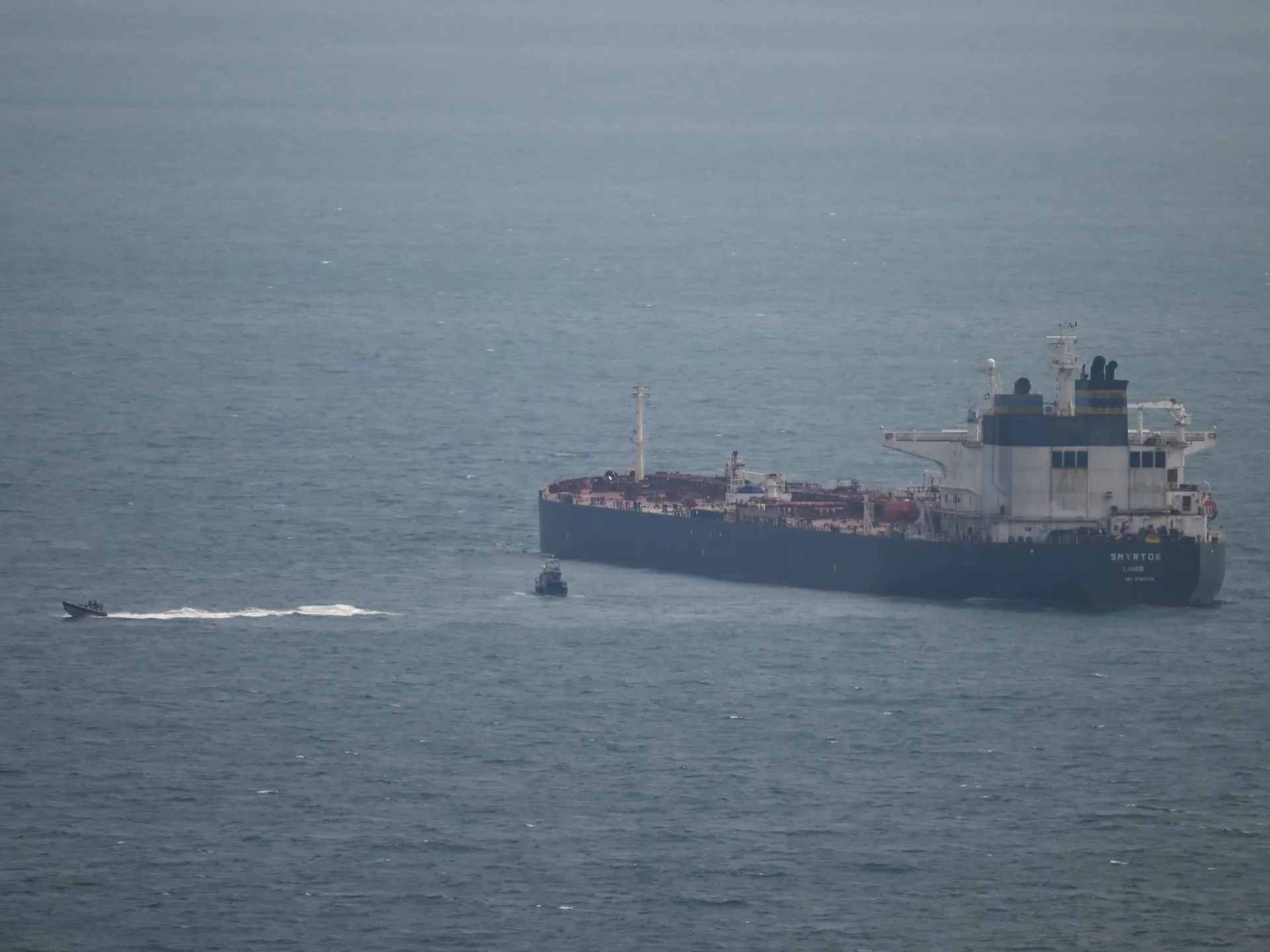
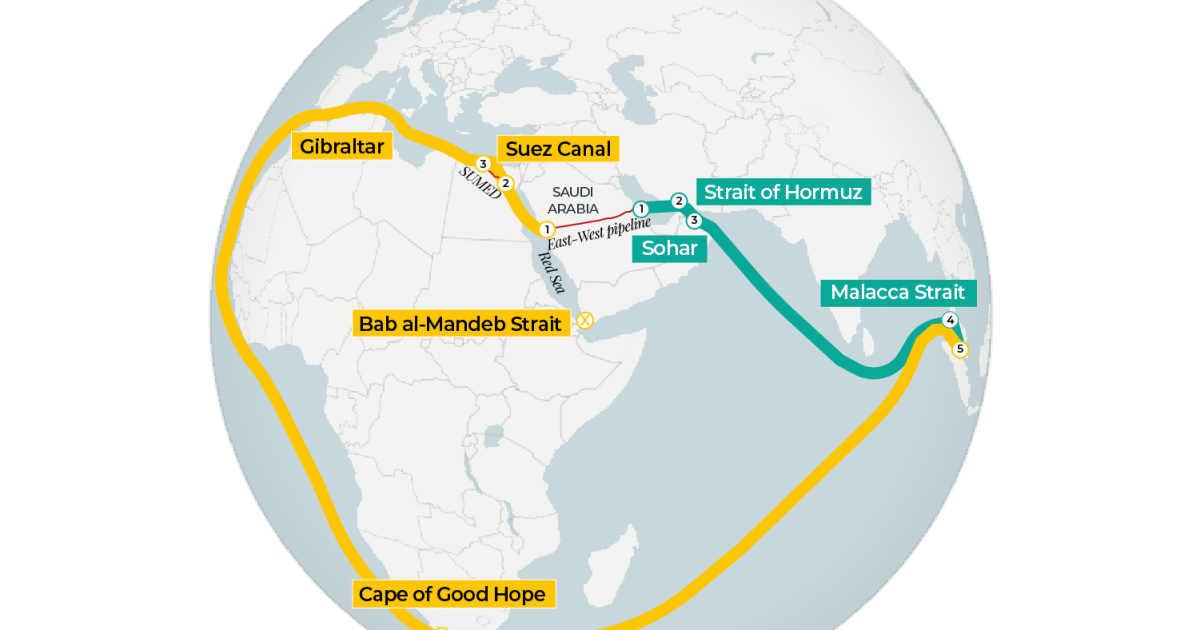
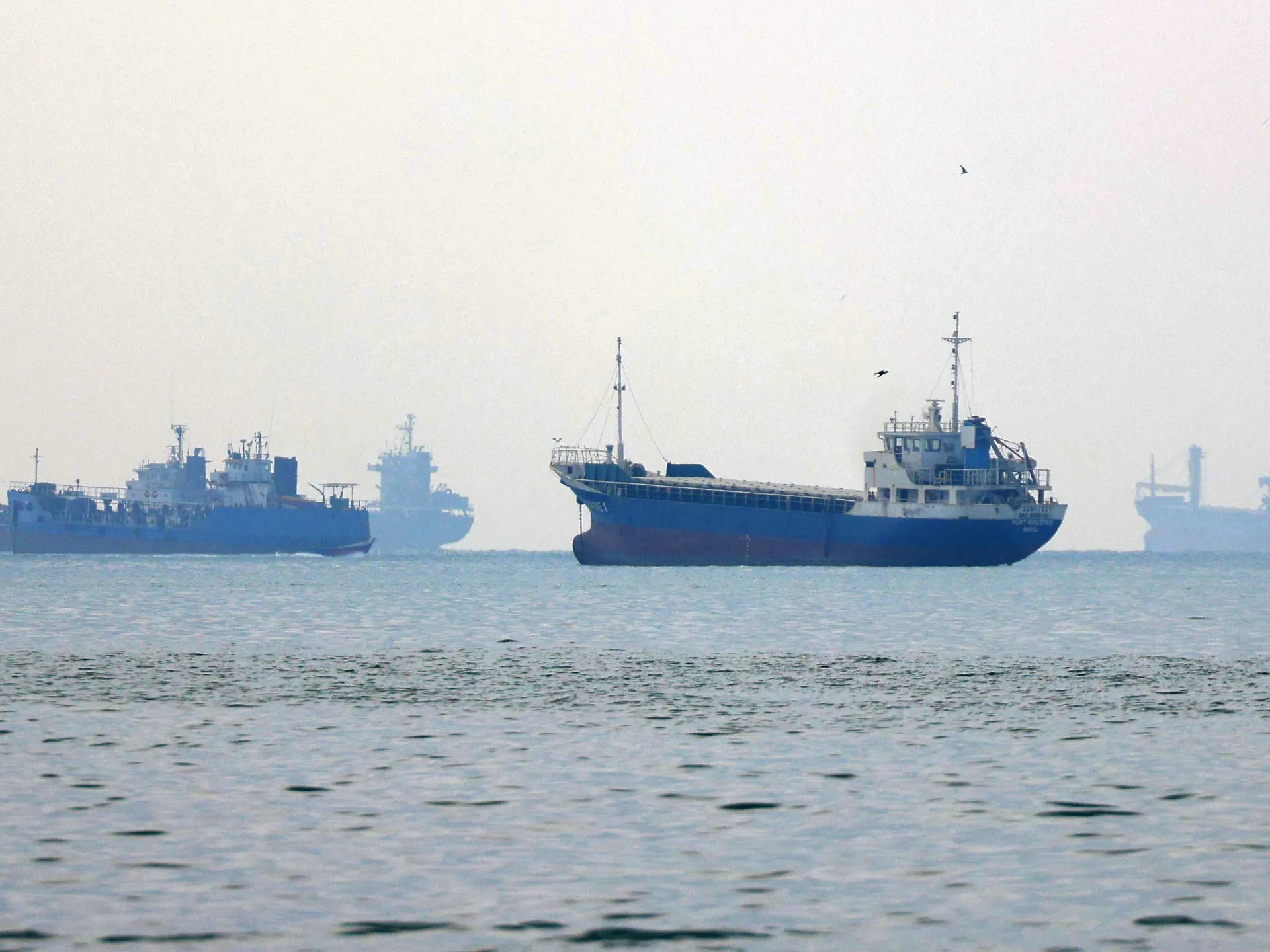
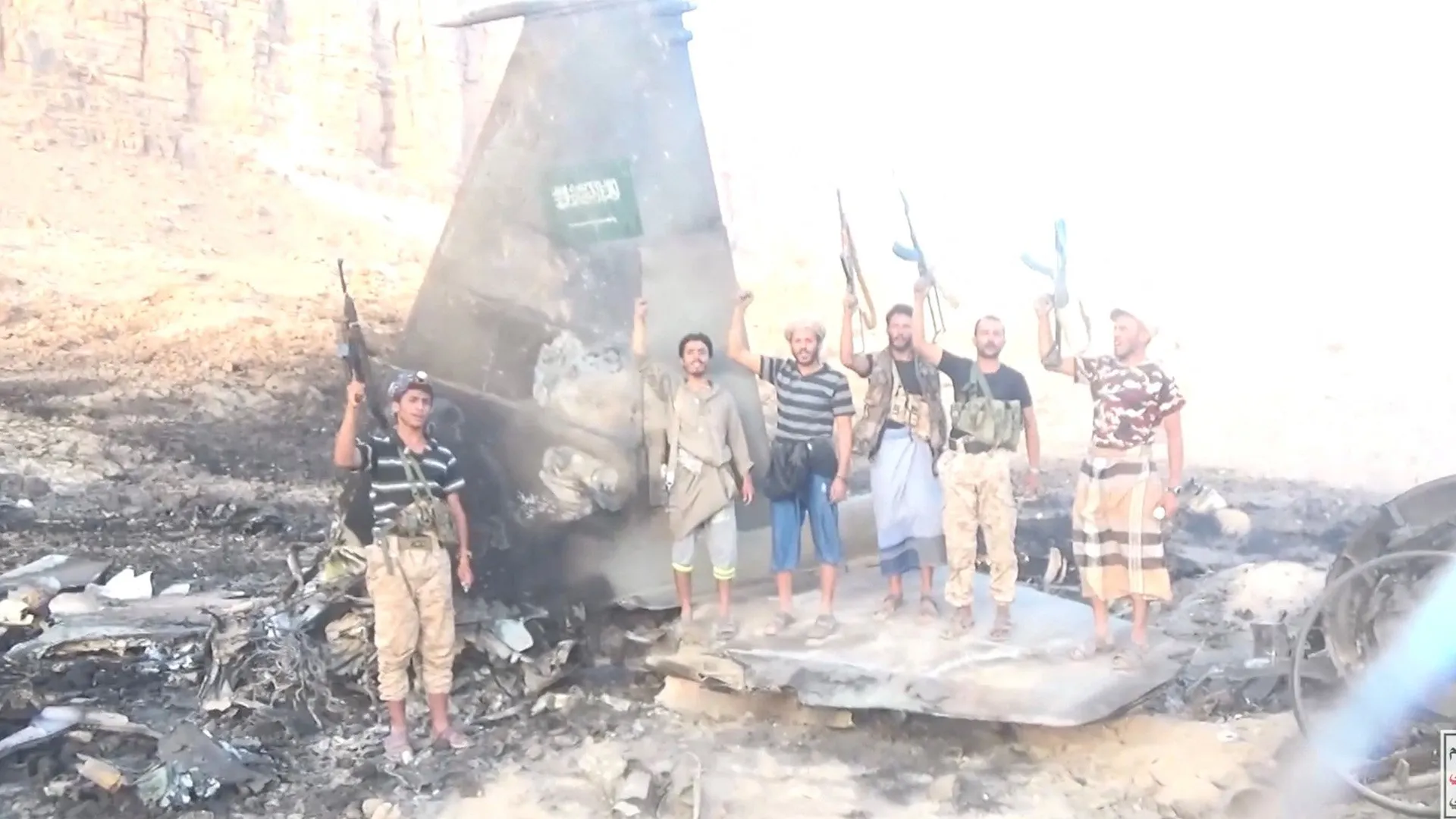
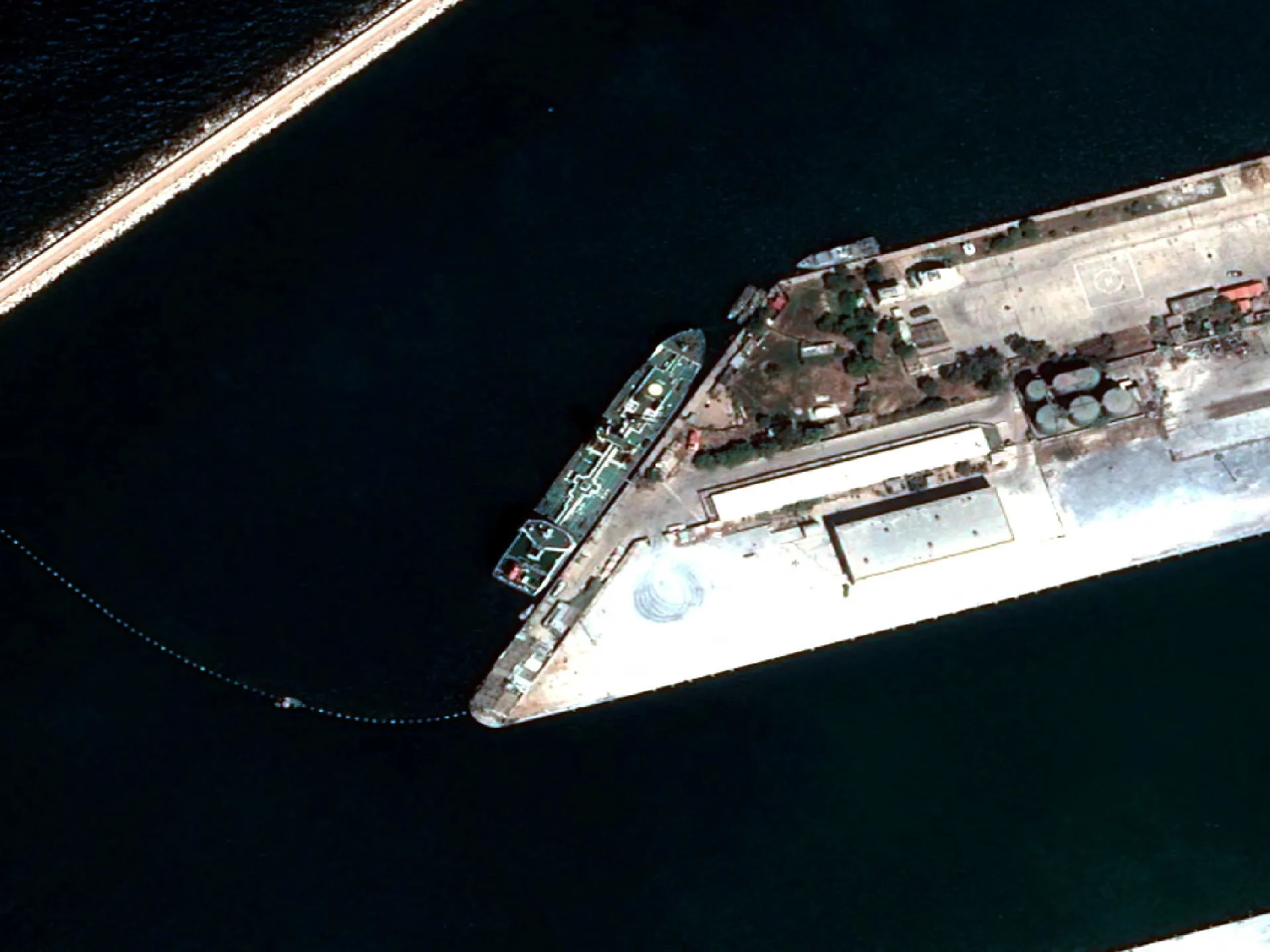
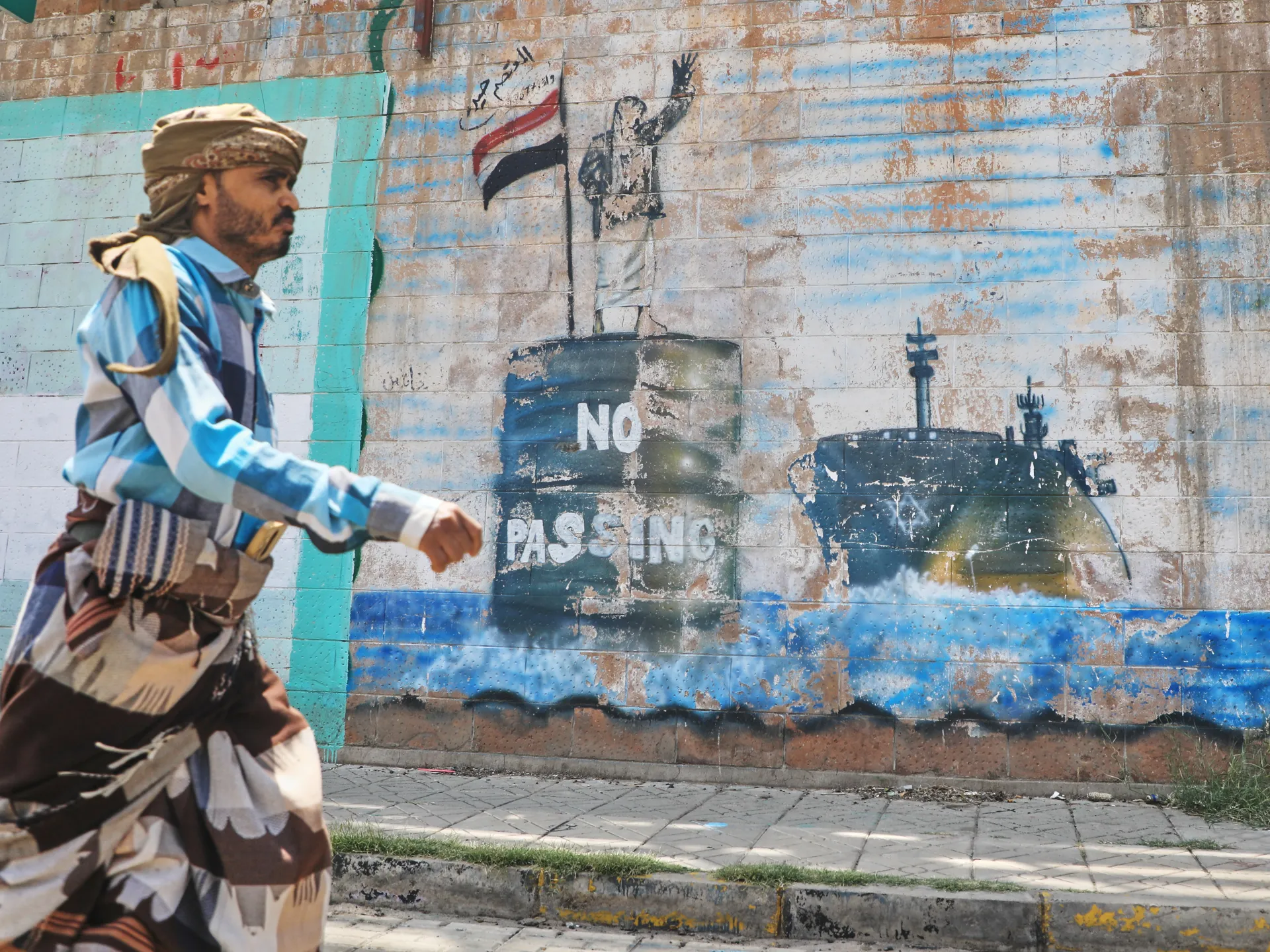
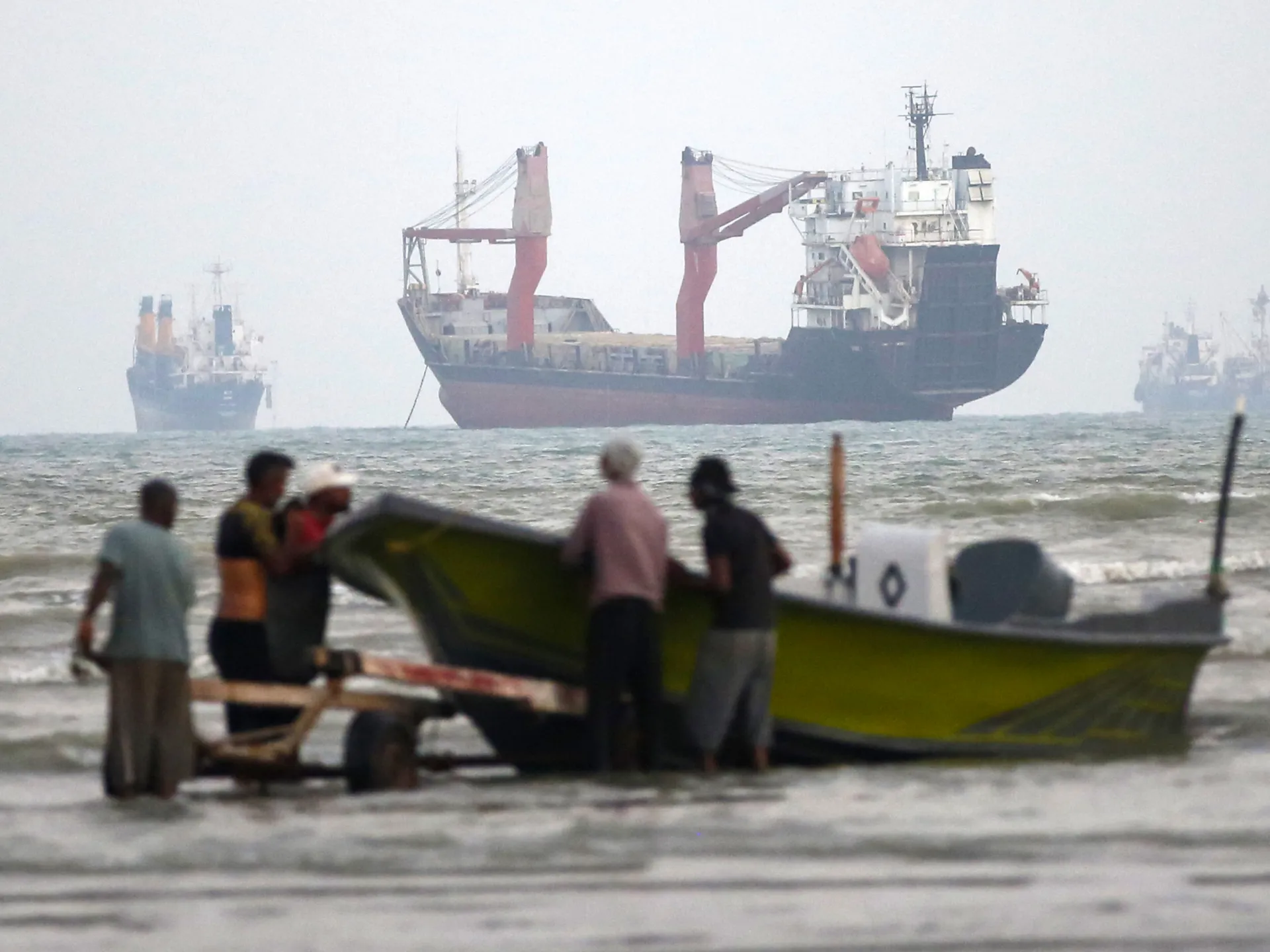
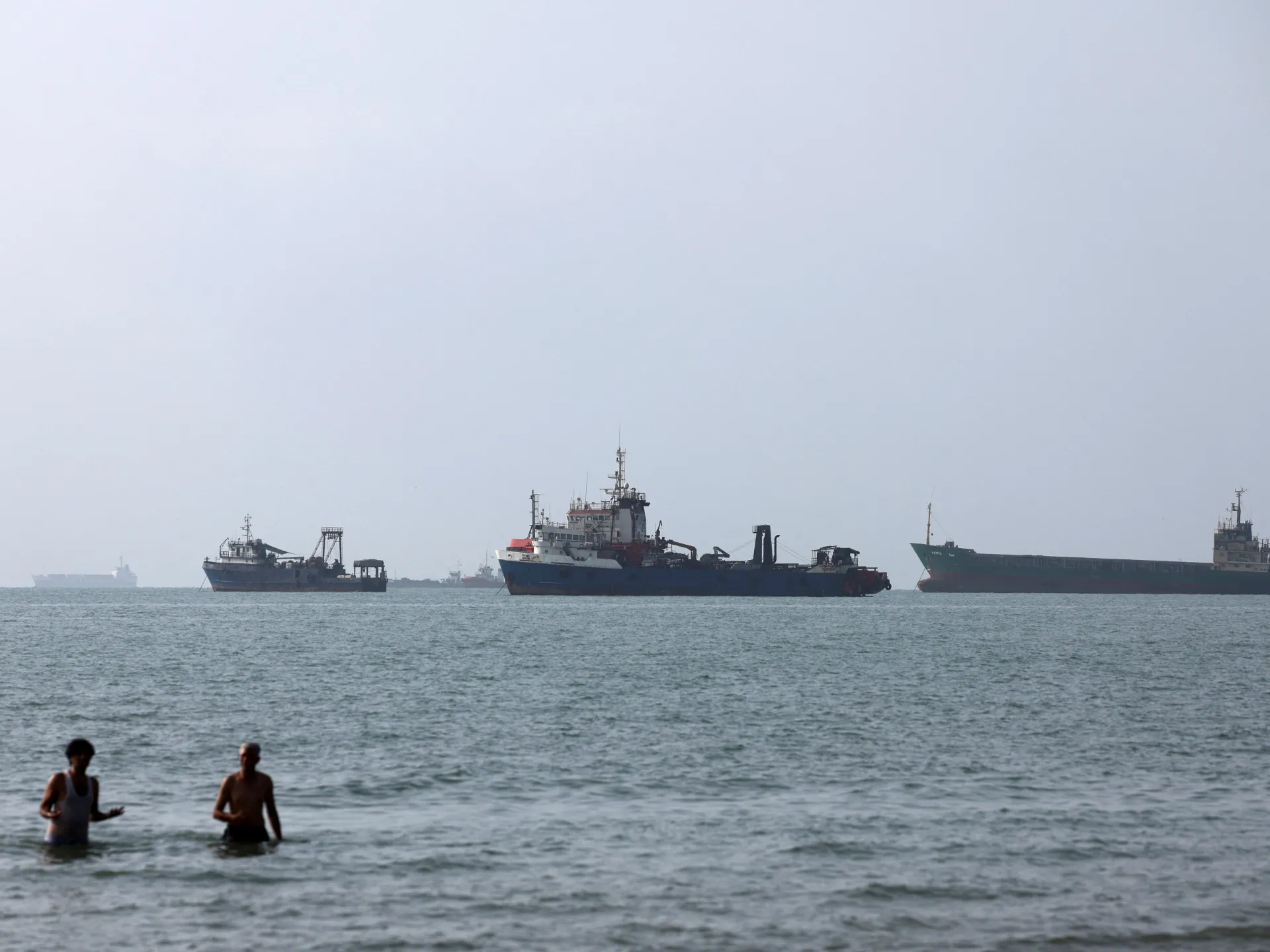
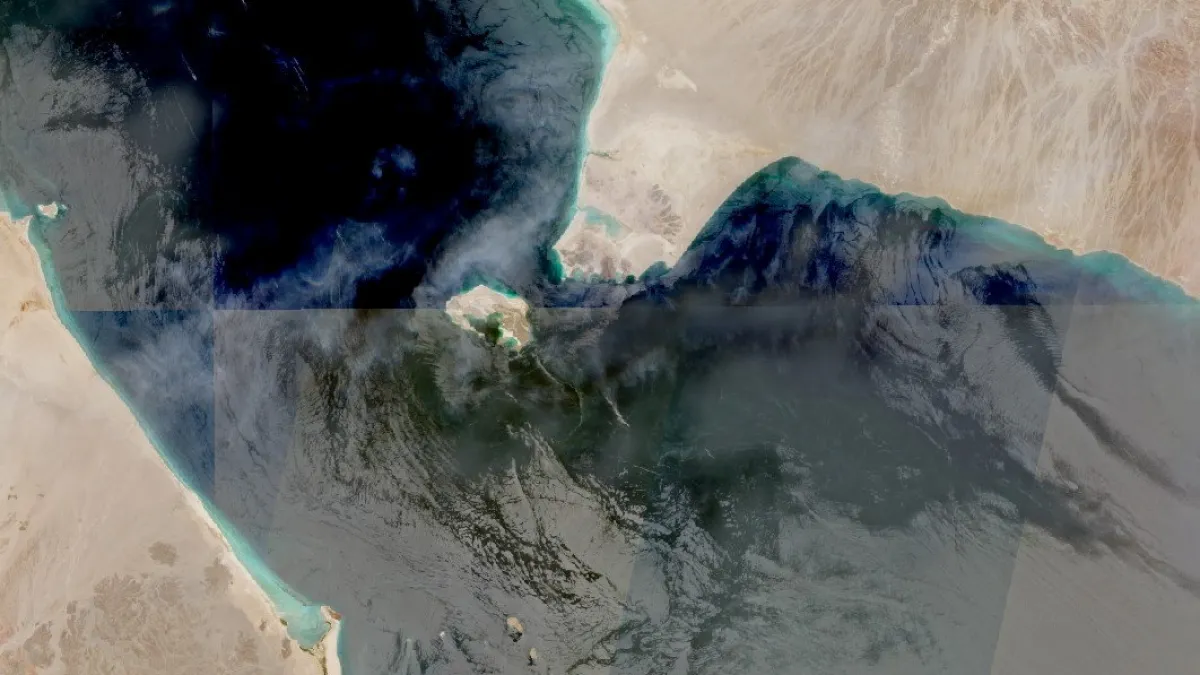
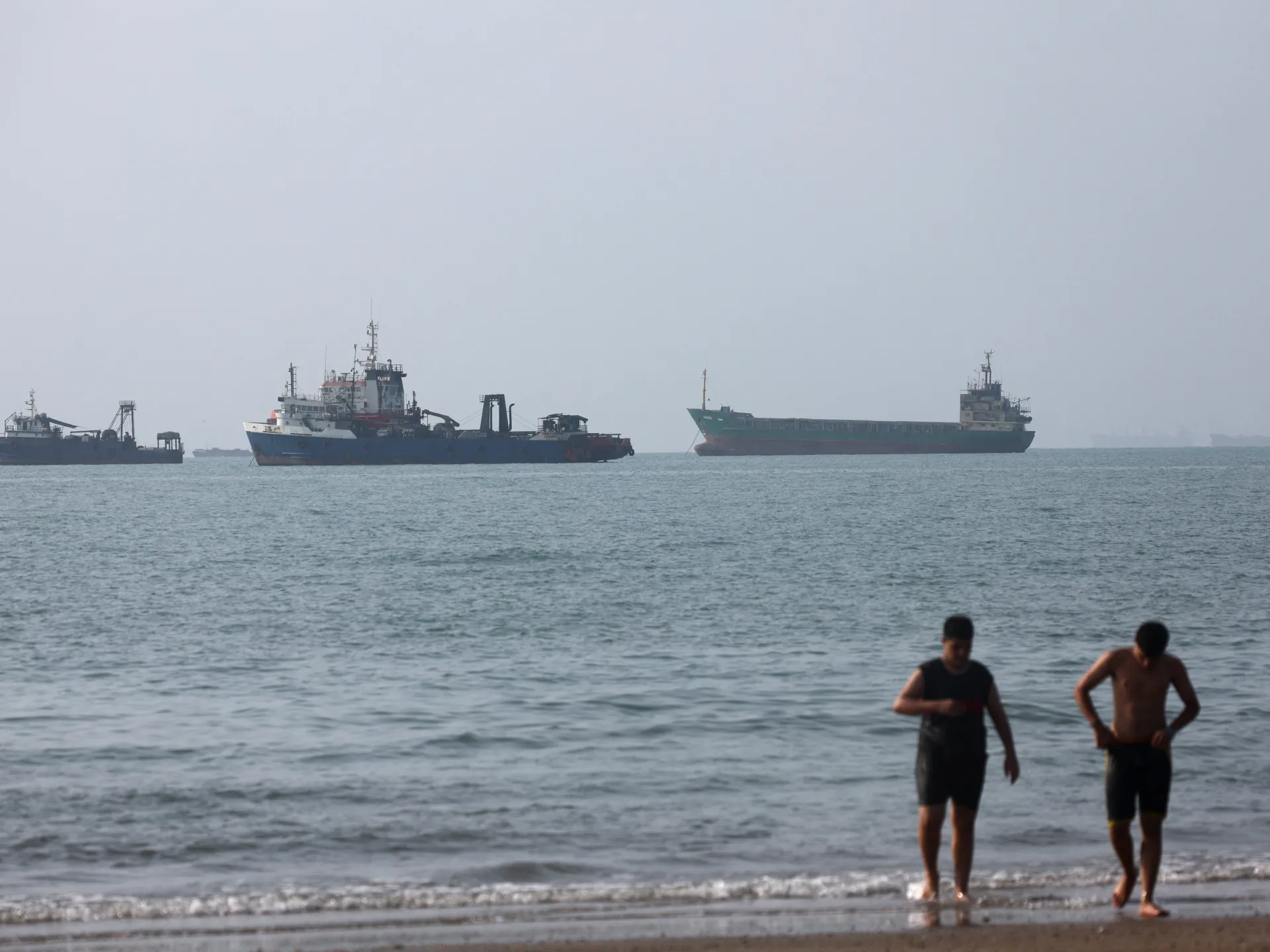
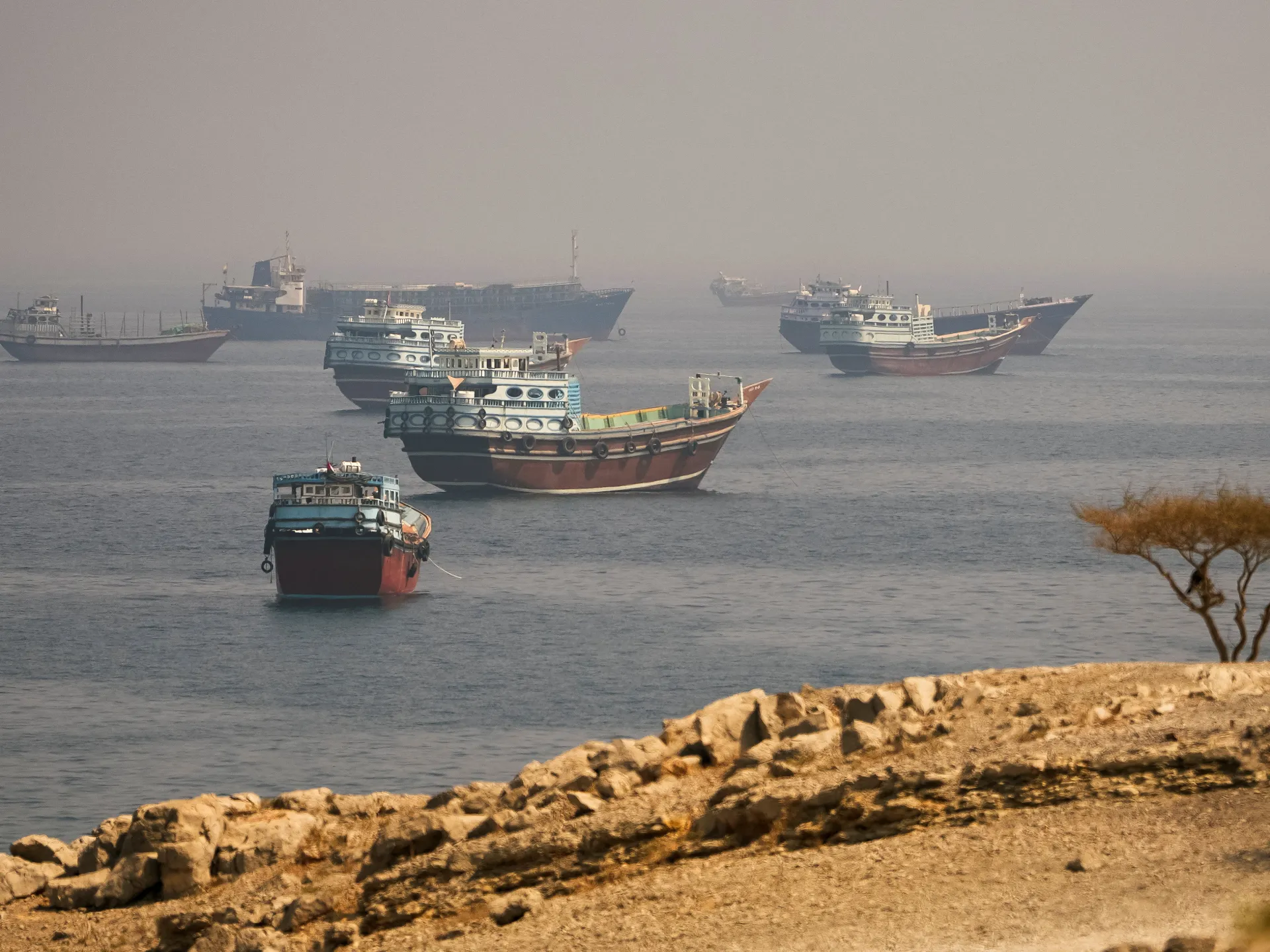
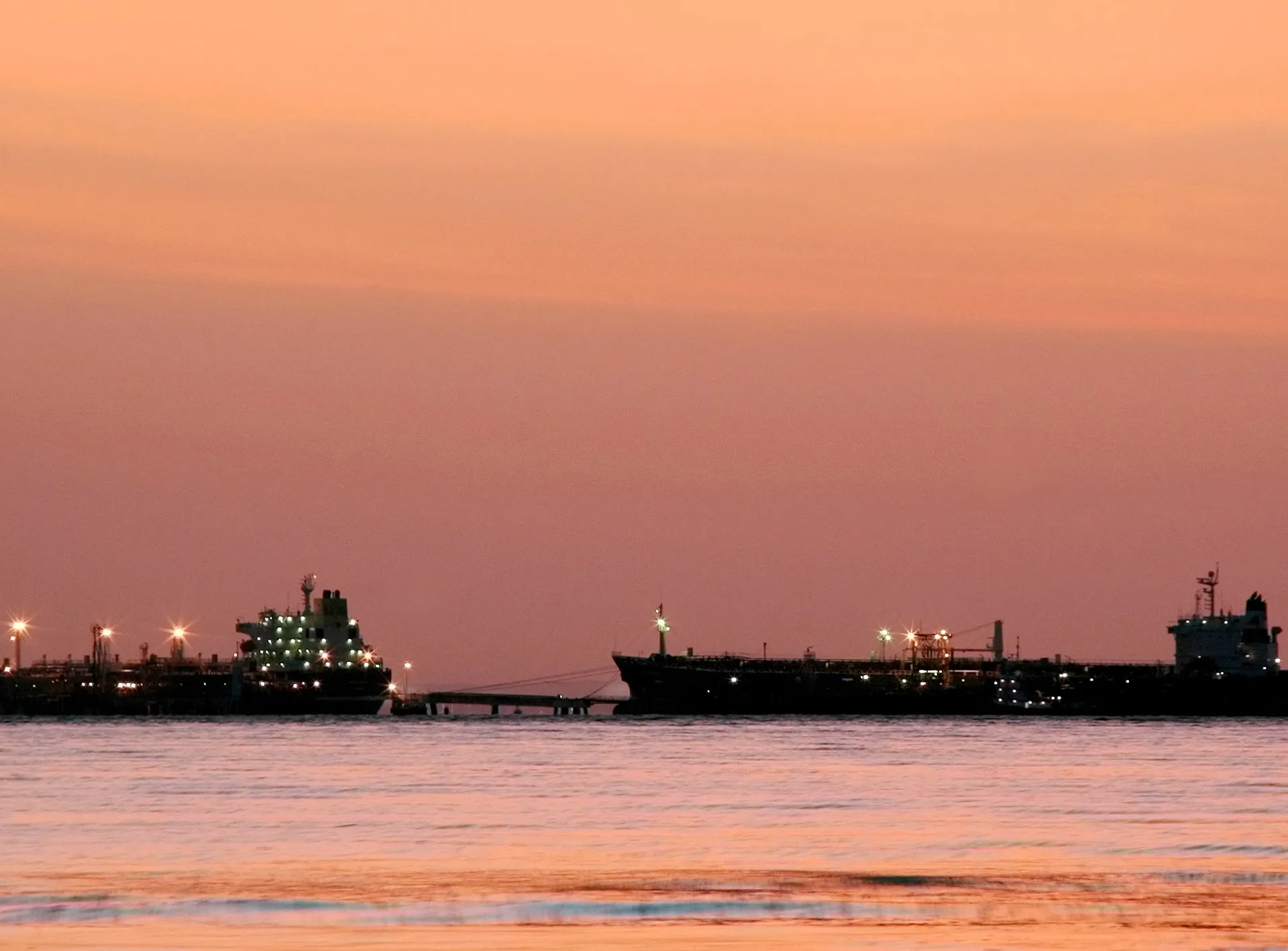
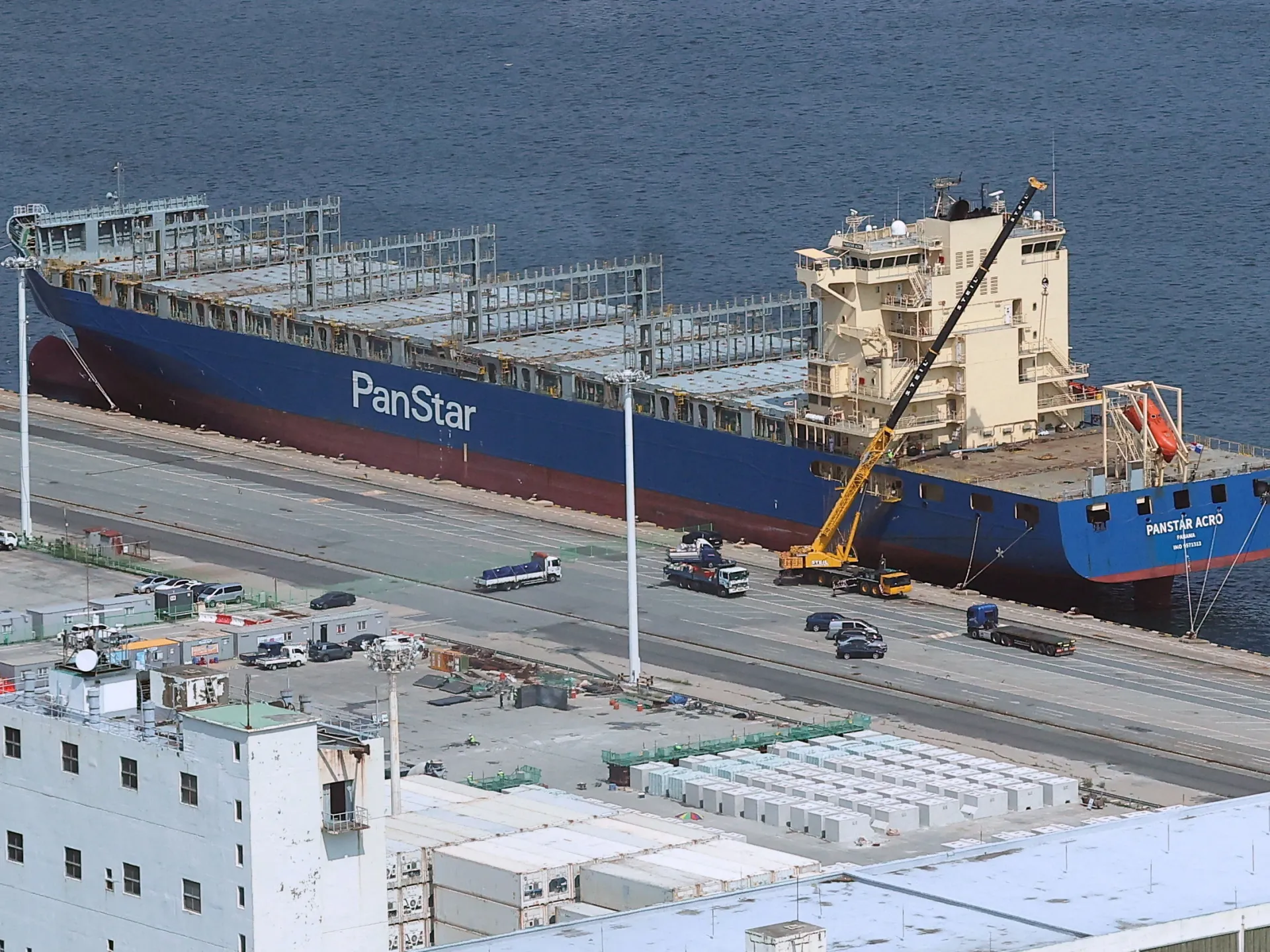
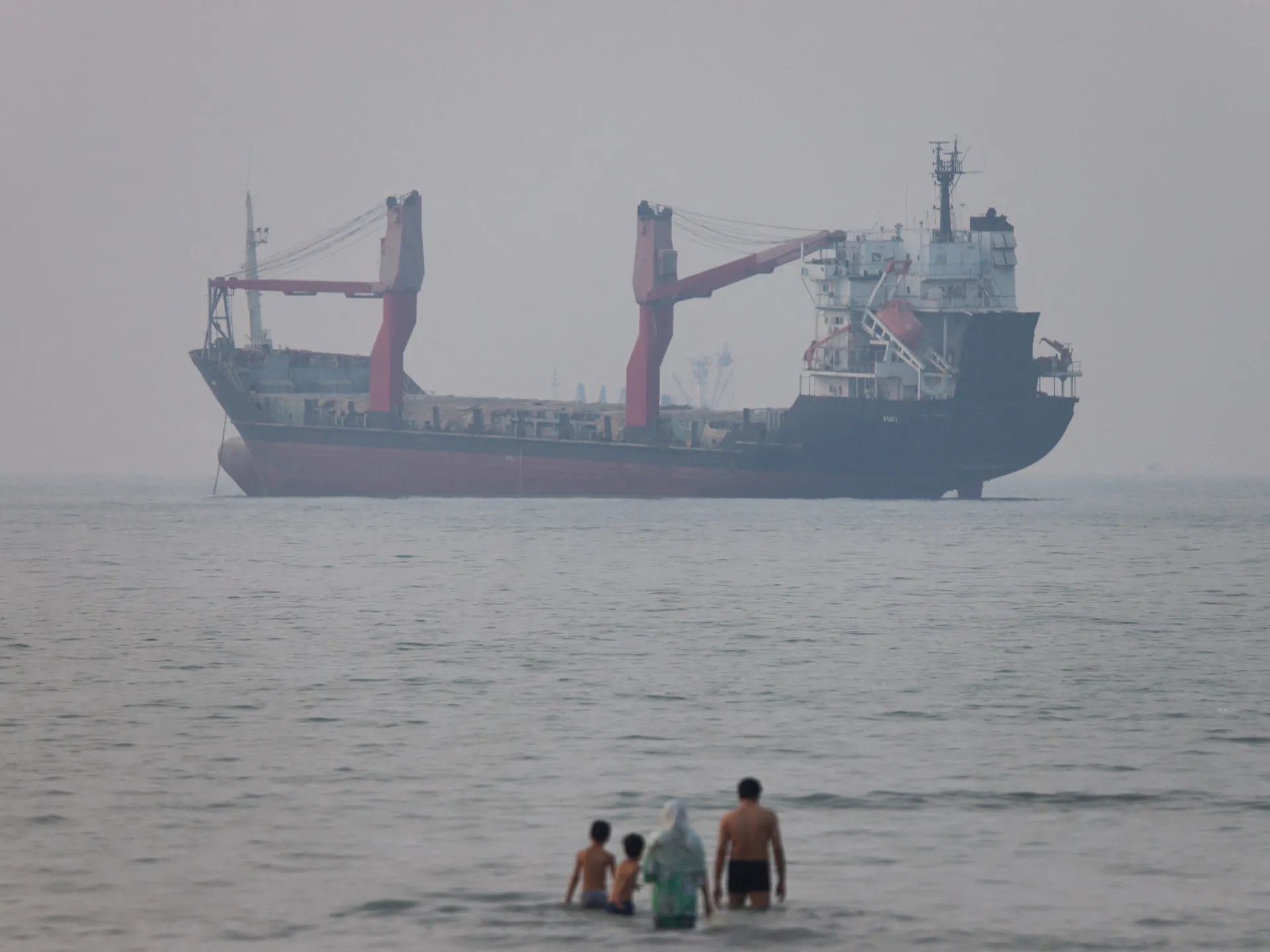
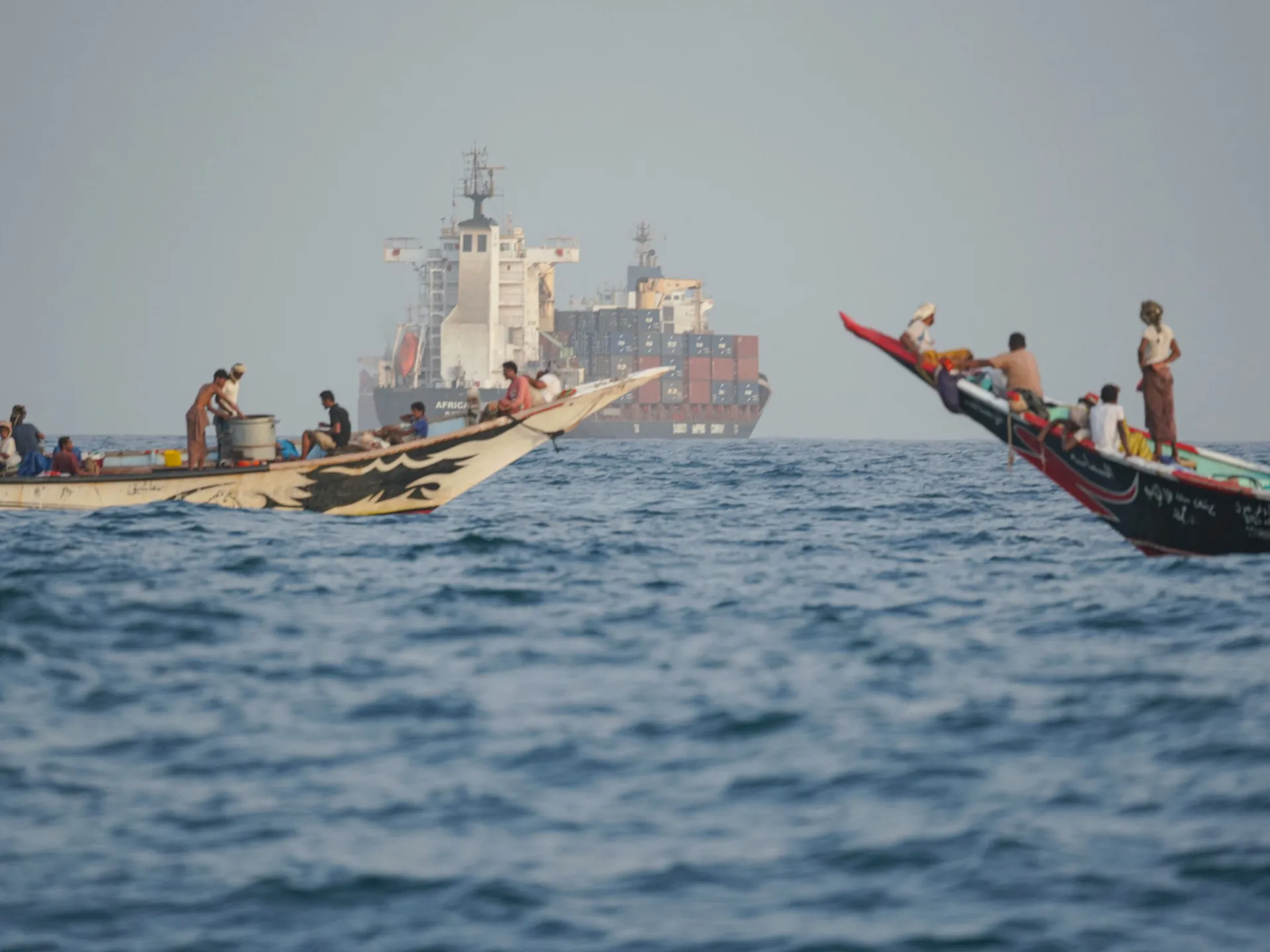
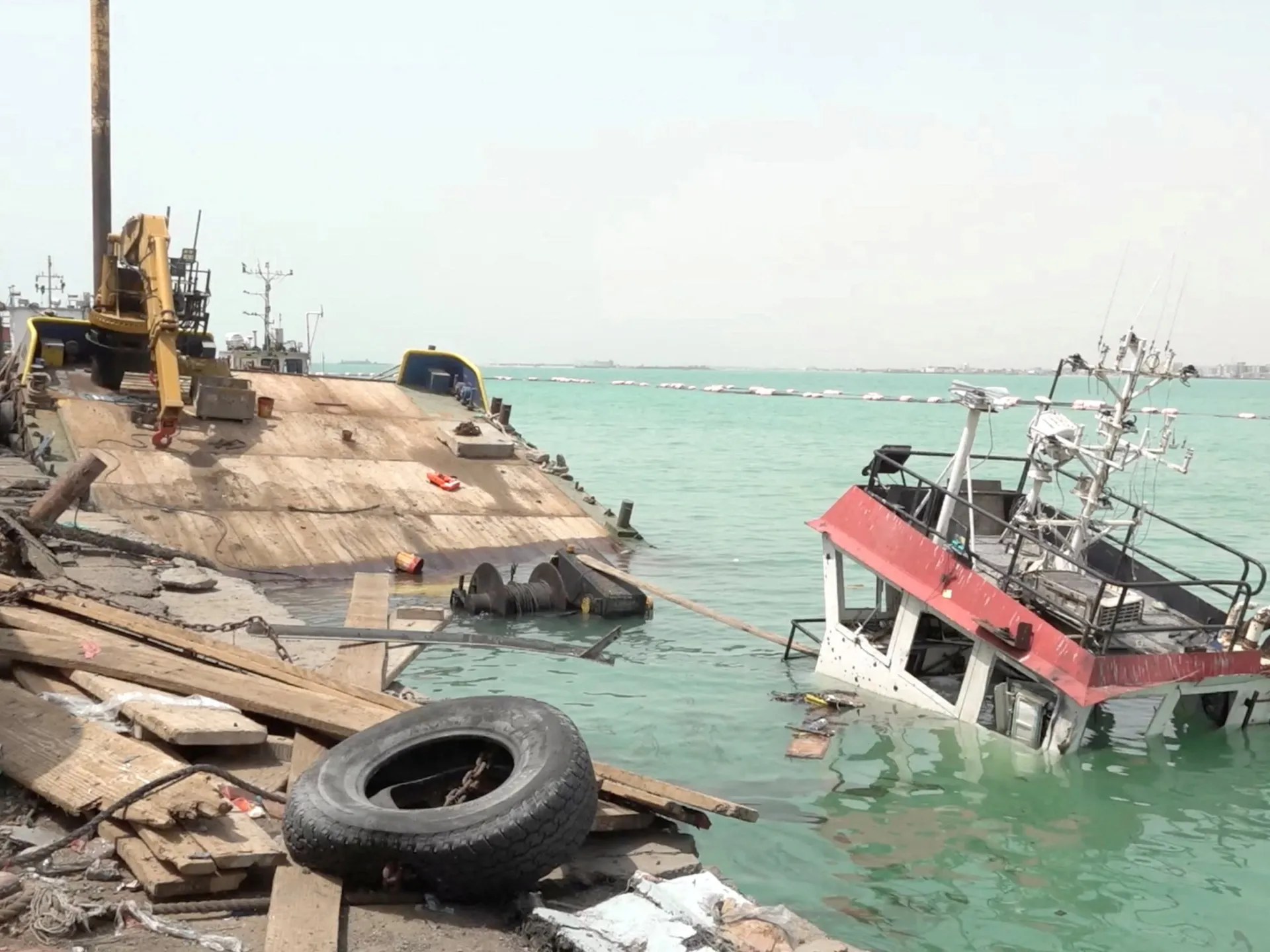
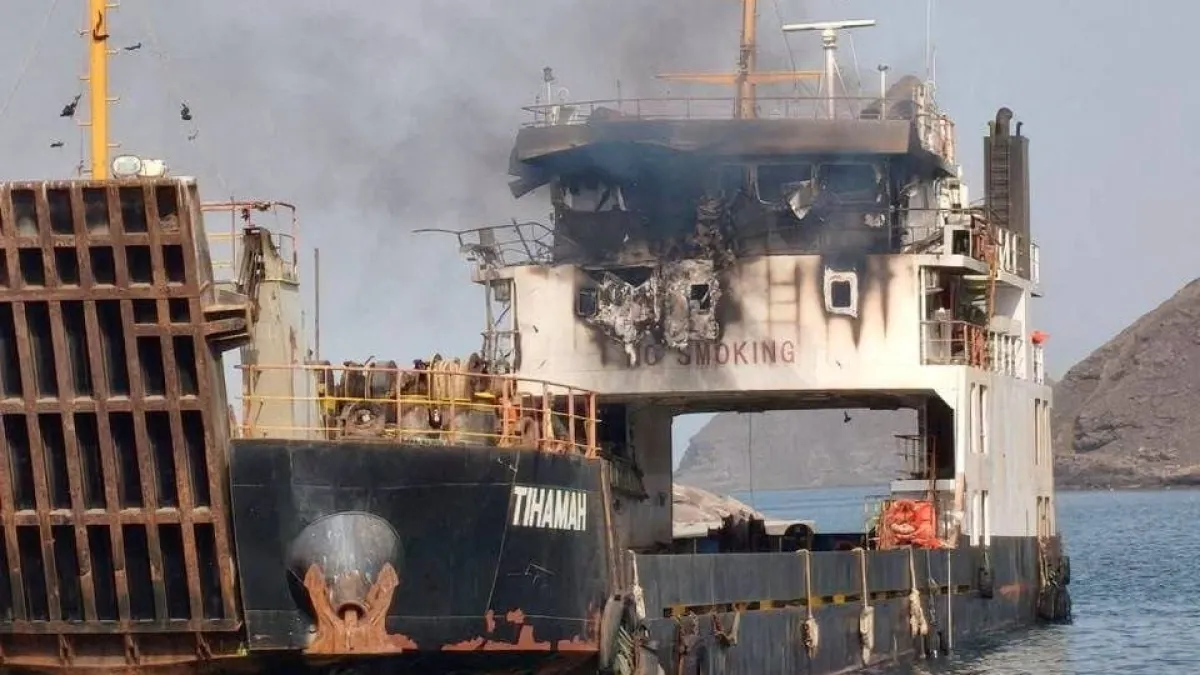
The intersection of these events reveals the expansive reach of contemporary geopolitical crises. The humanitarian catastrophe in Yemen, where the strategic Bab al-Mandeb Strait has become a focal point of military maneuvering, underscores the precarious nature of global supply routes during active conflict. Simultaneously, the collapse of Sheeran’s tour lineup serves as a case study in how international events now dictate the operational realities of global entertainment. For the average reader, this indicates a narrowing space for neutrality; whether in the maritime chokepoints of the Middle East or the stages of Philadelphia, the pressure to align with specific political narratives is fundamentally altering how both governments and public figures operate.
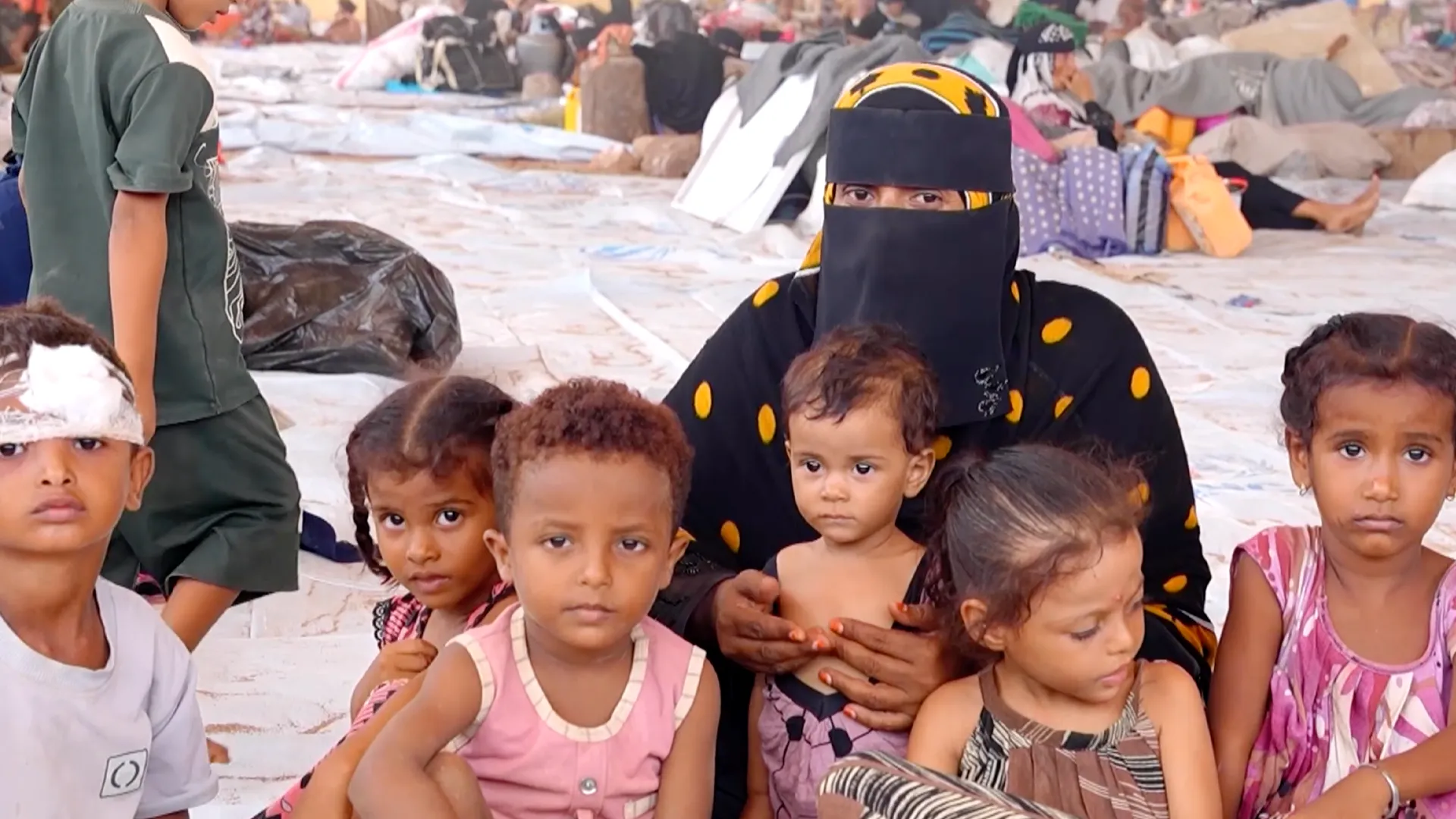
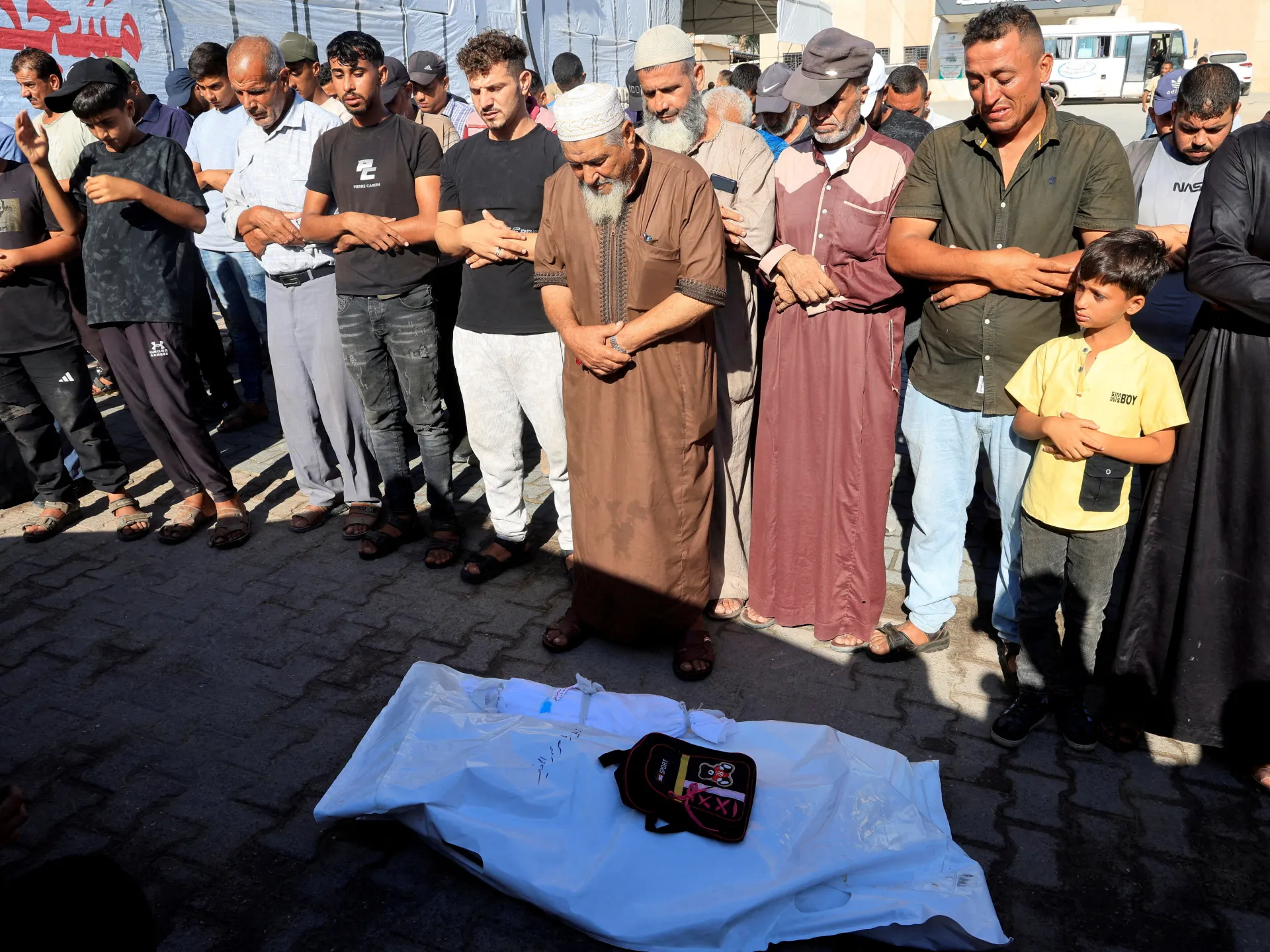
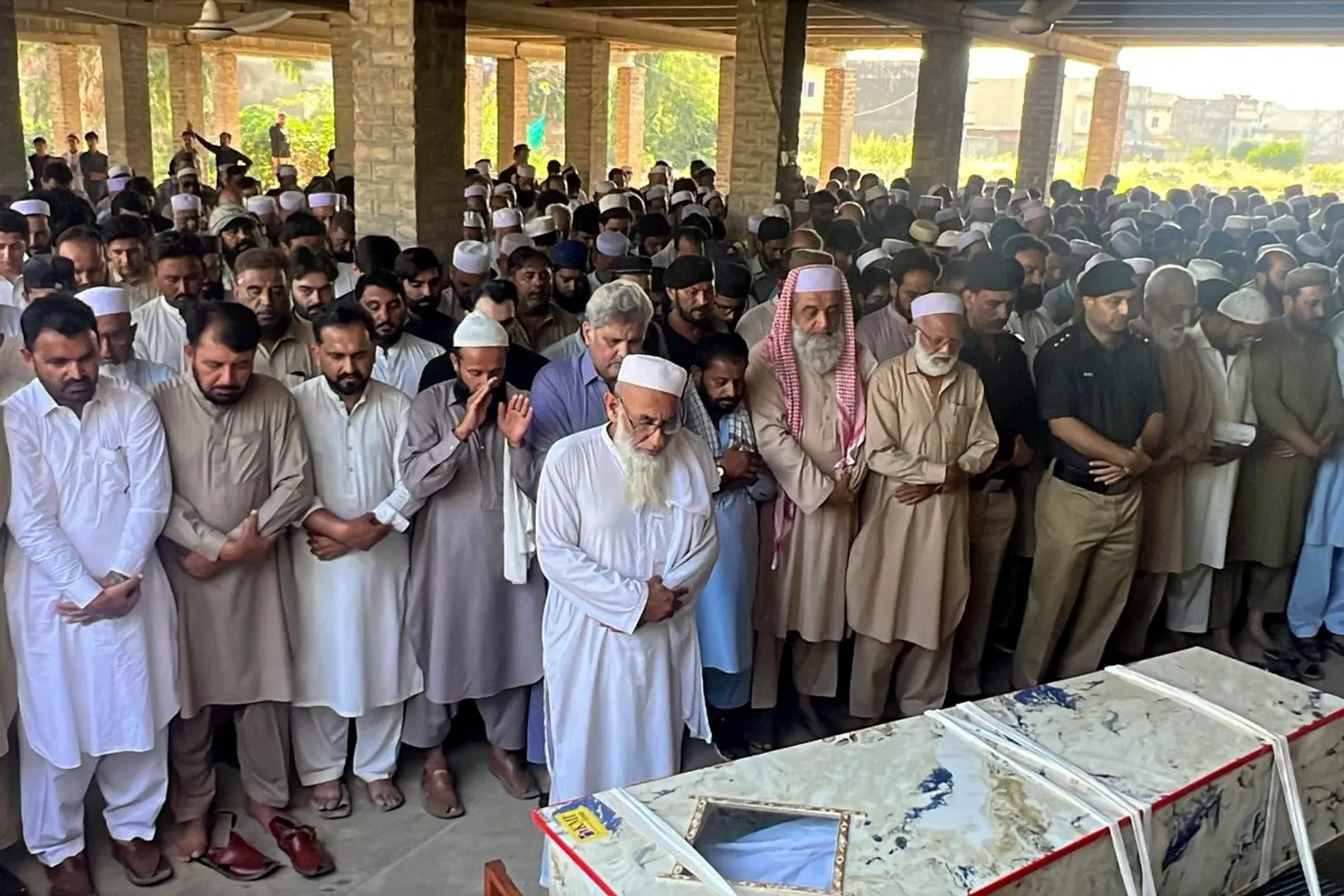
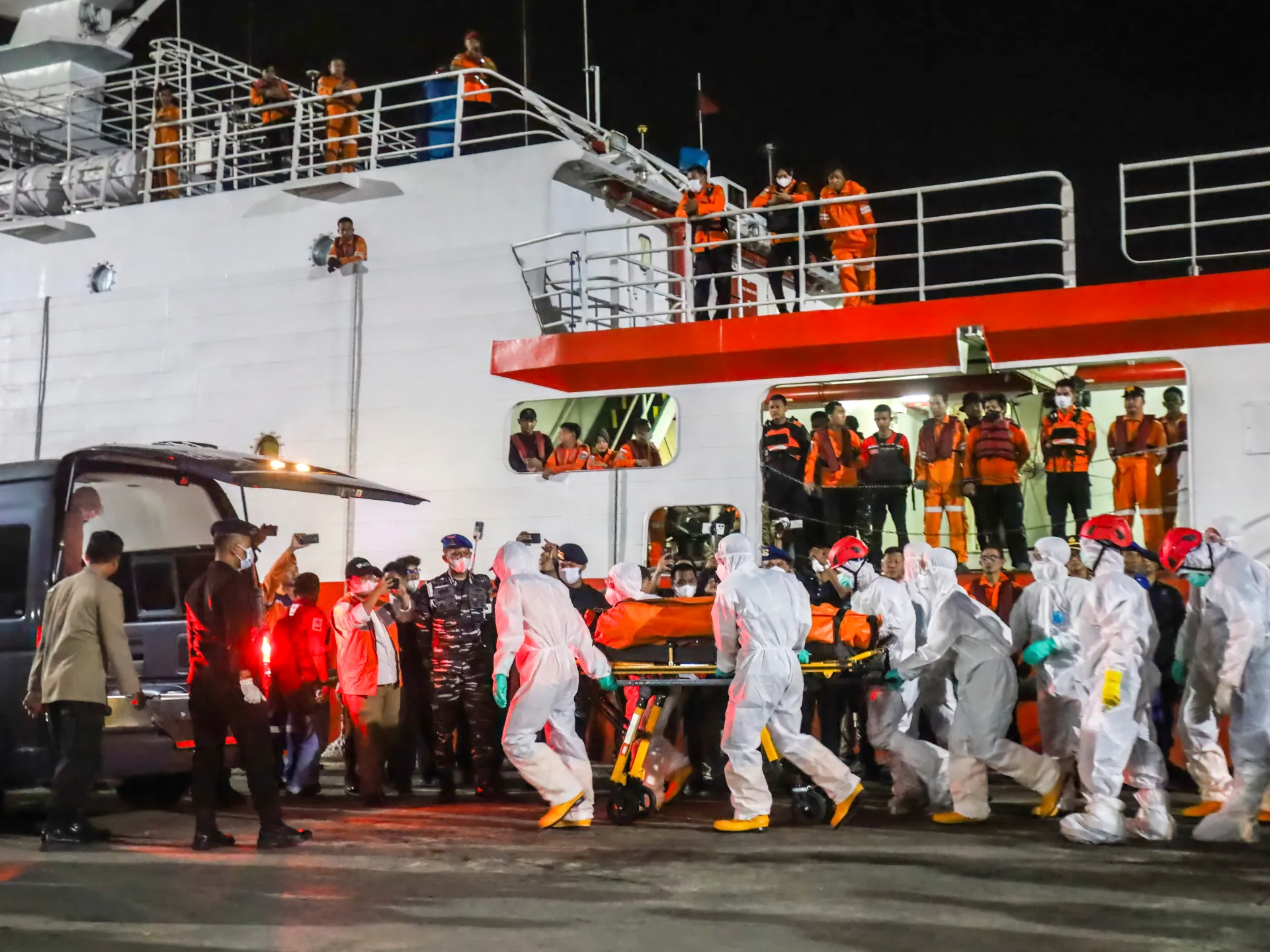
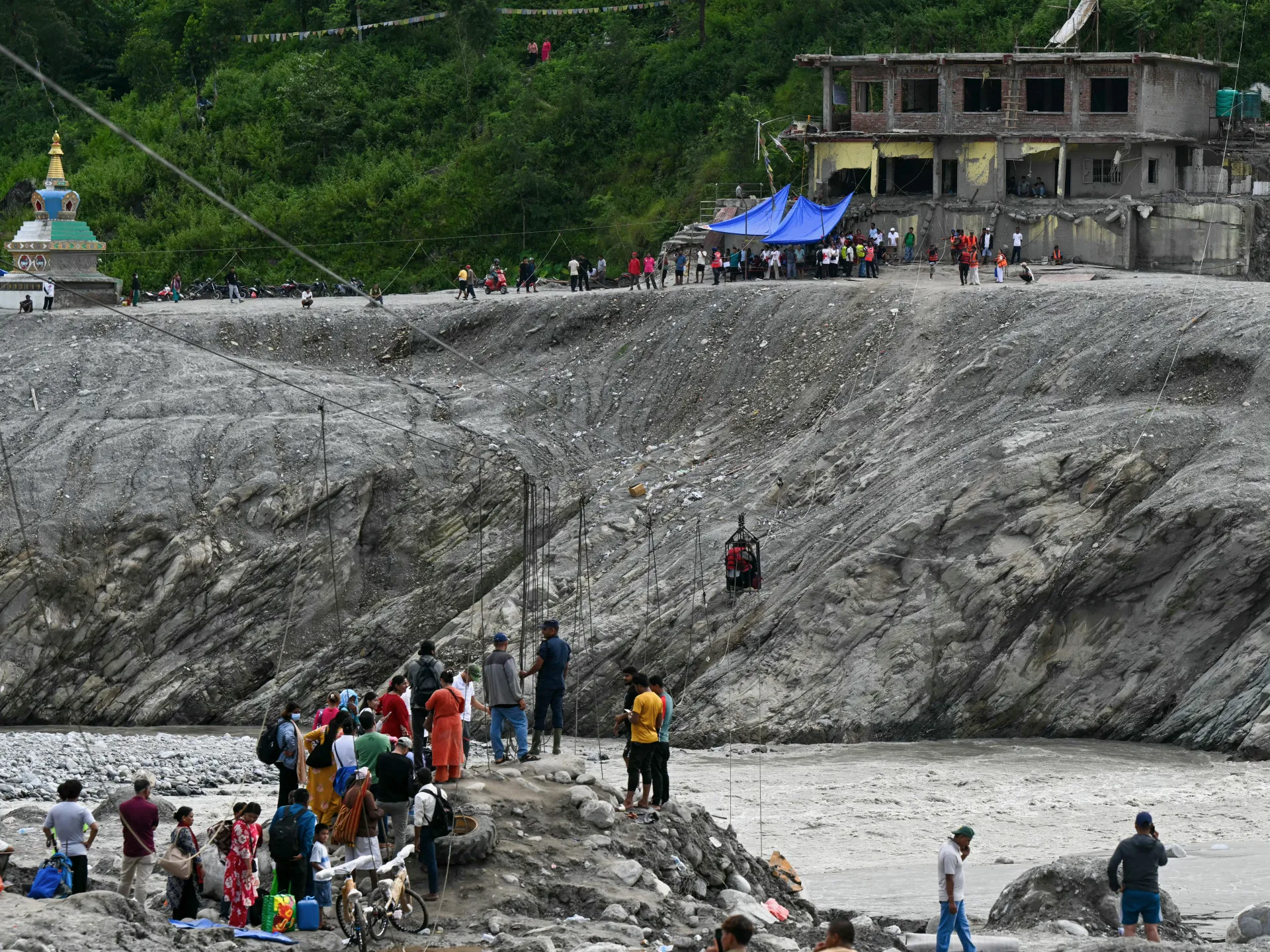
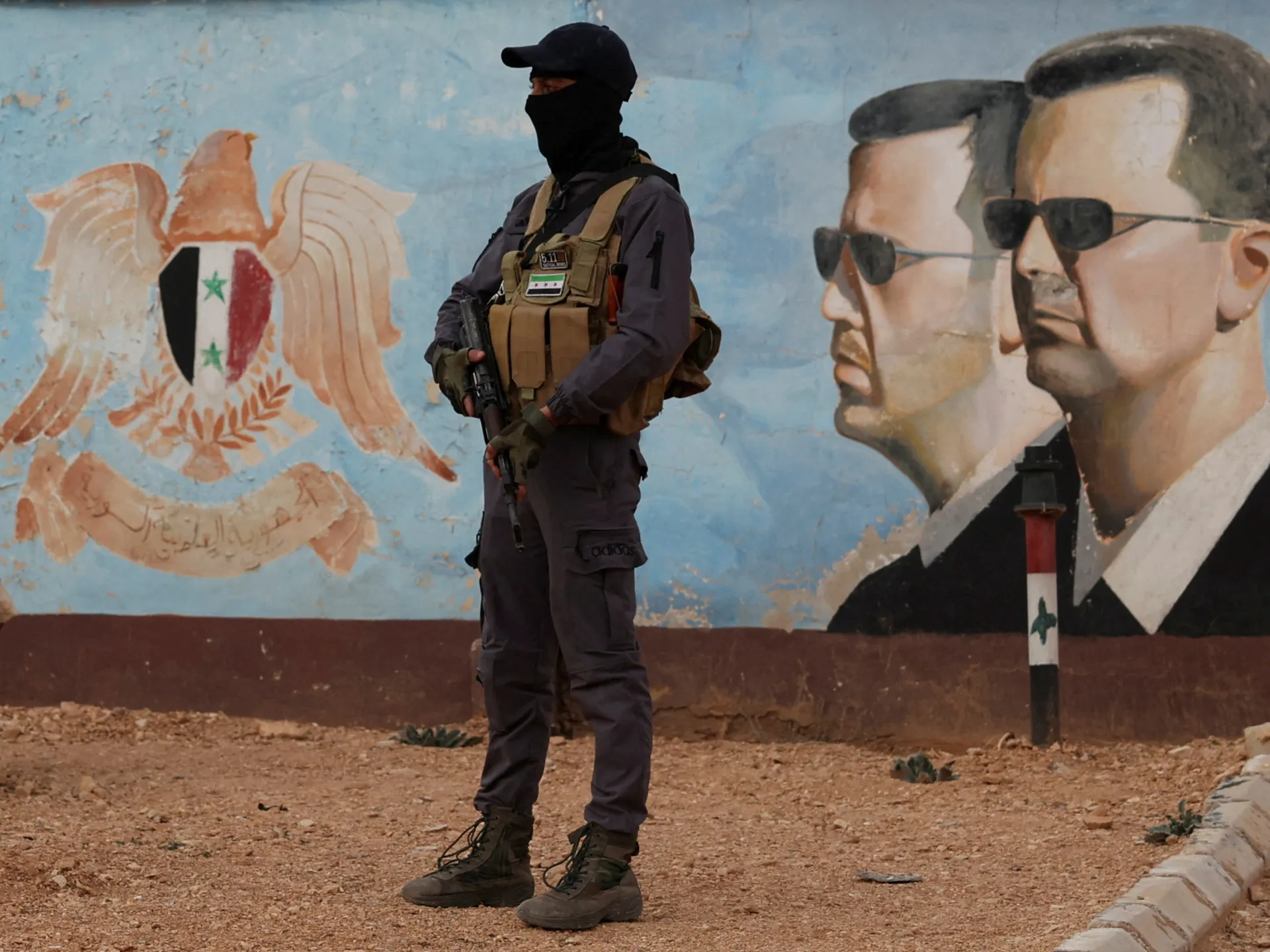
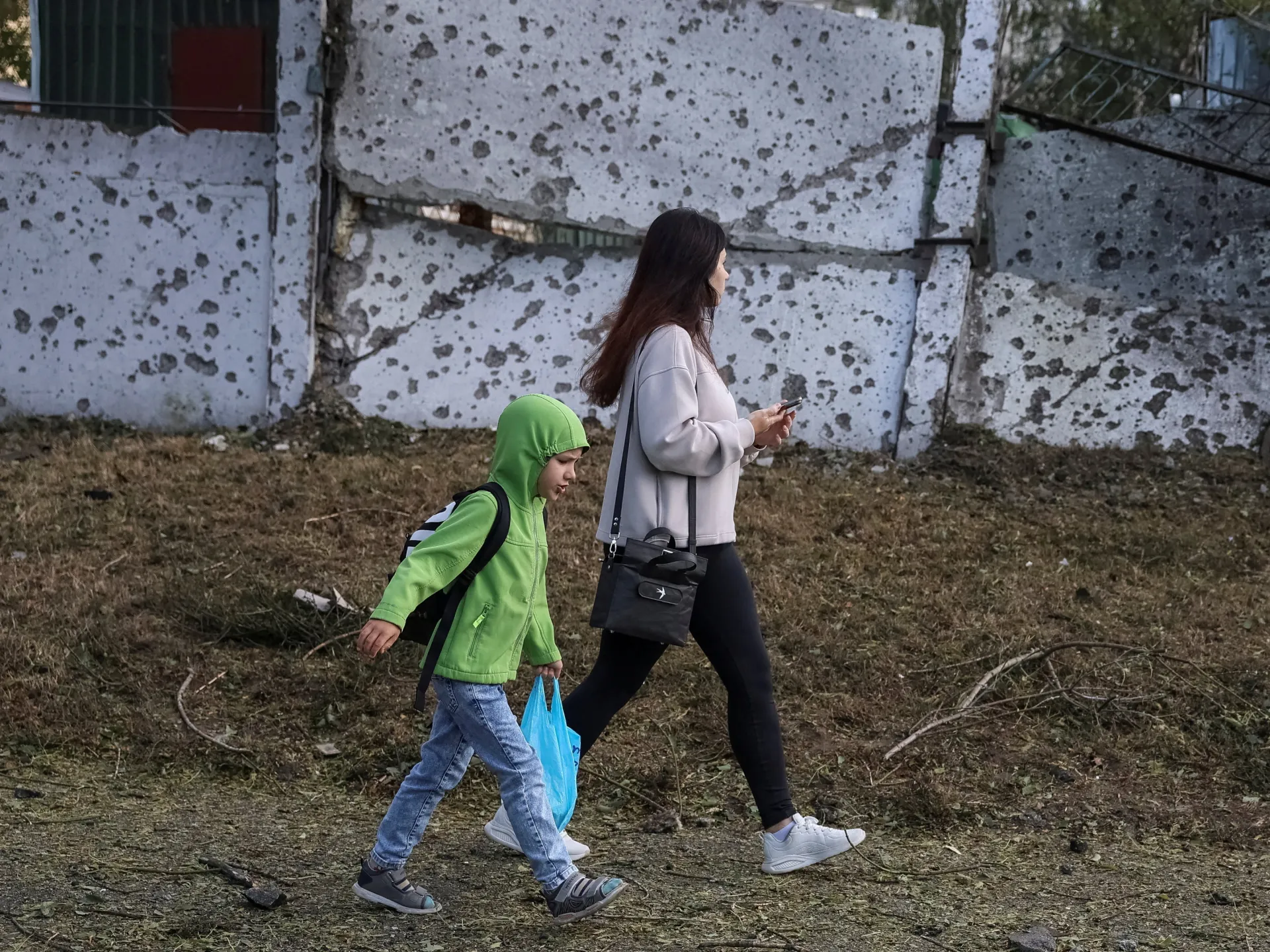
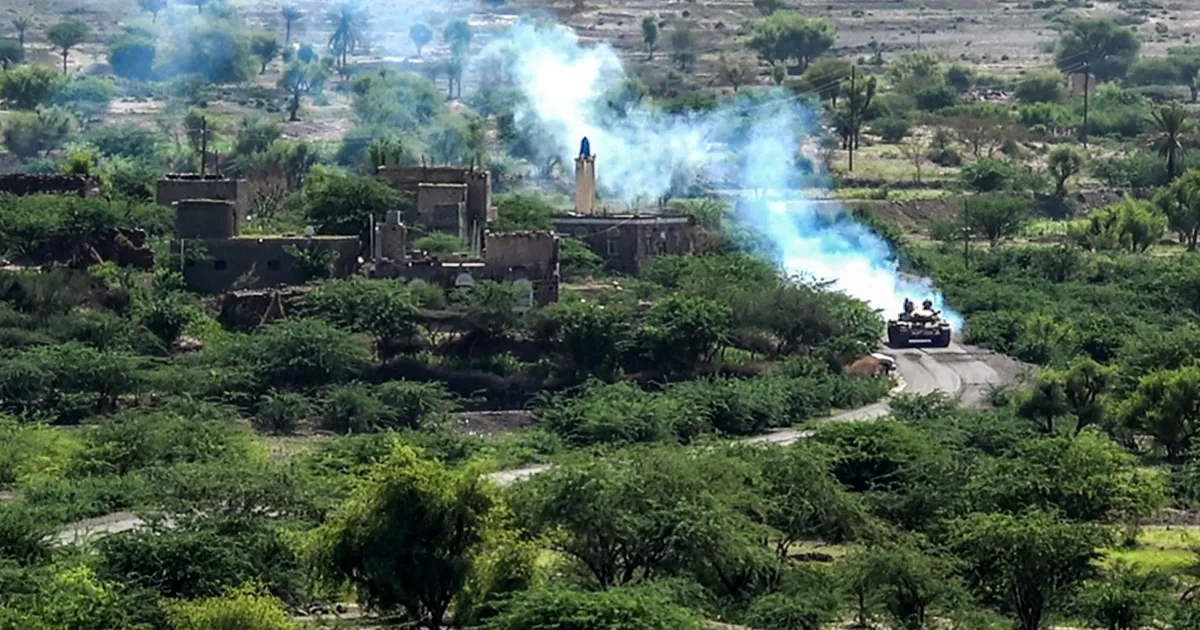
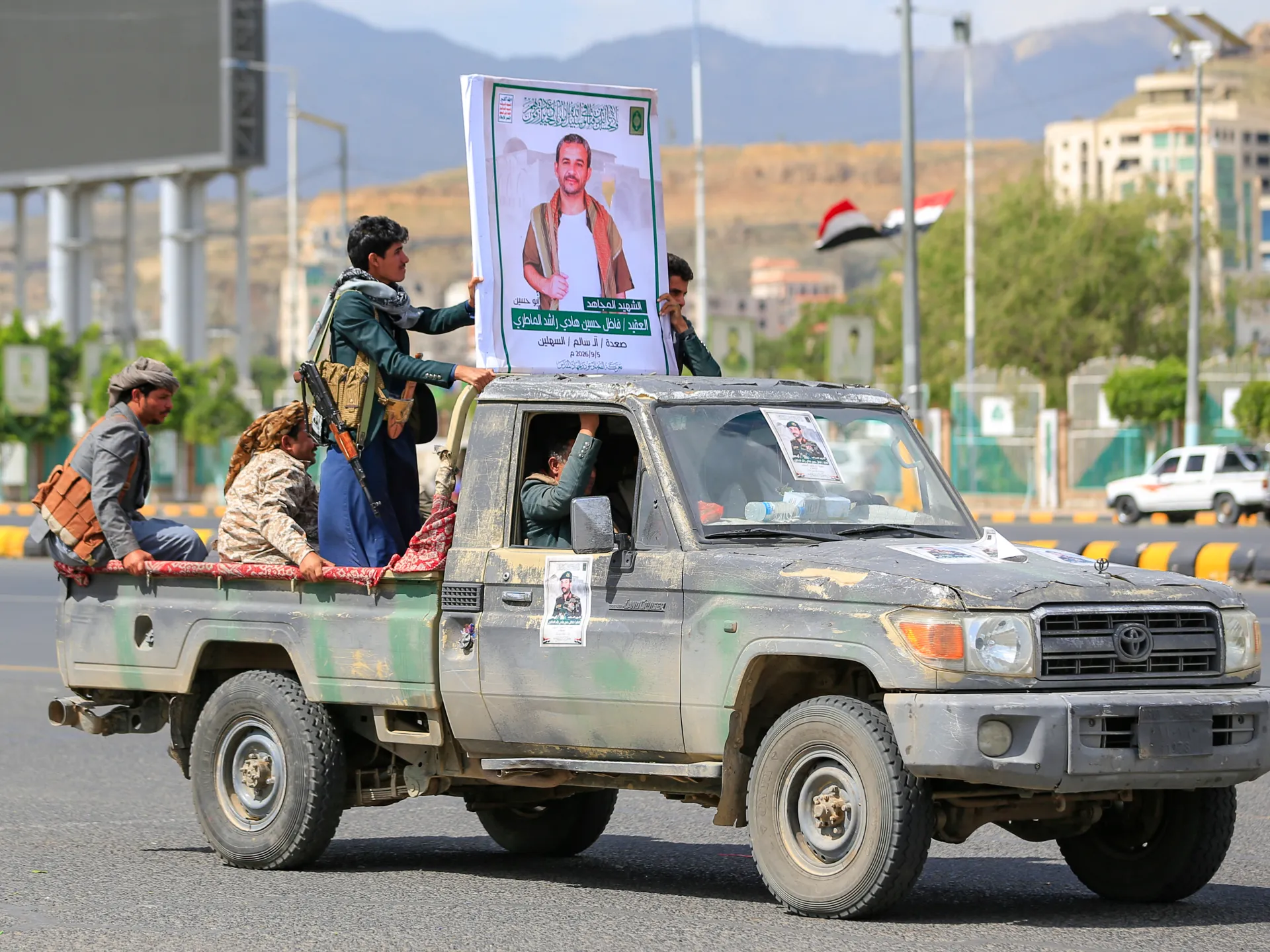
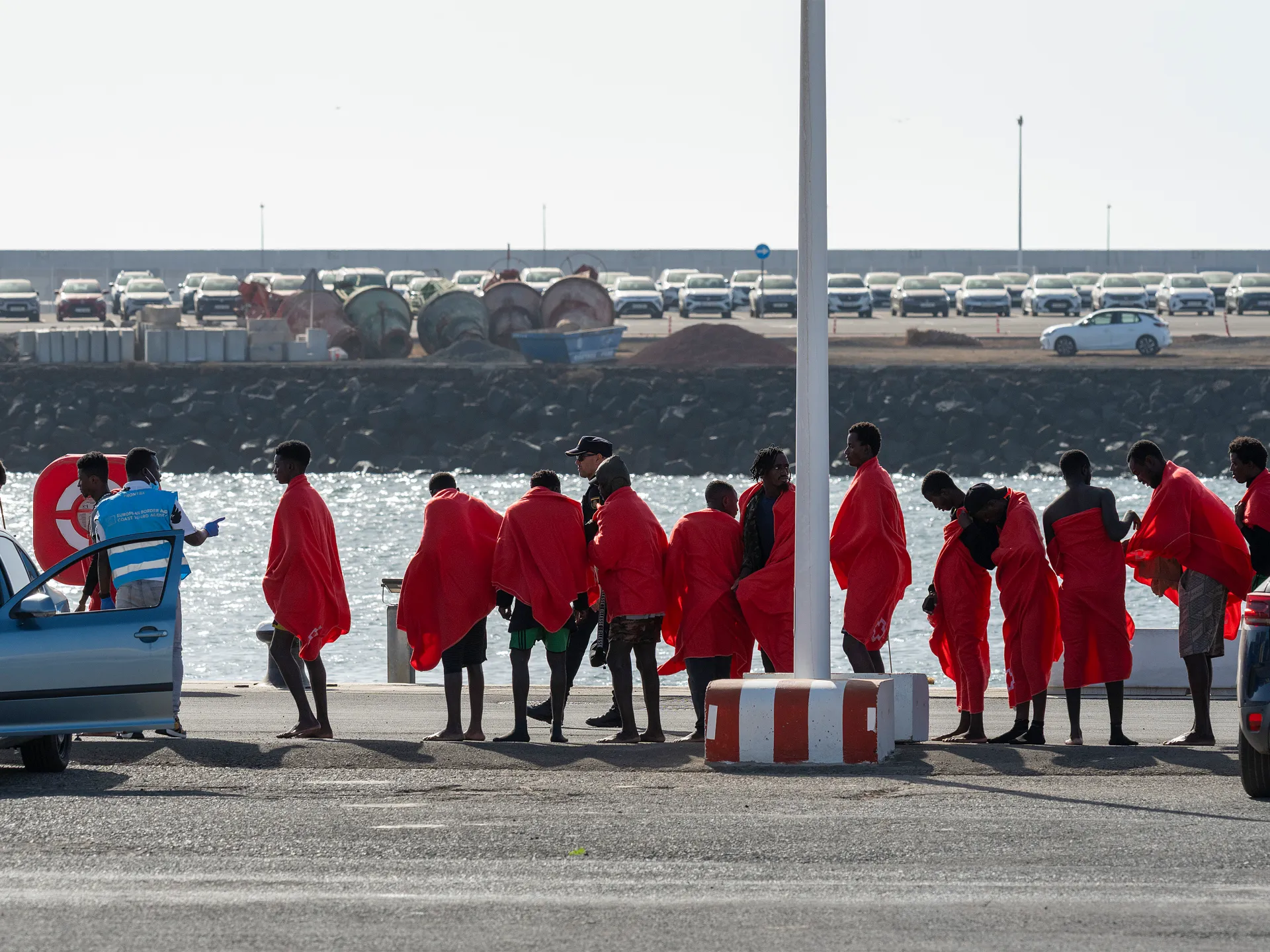
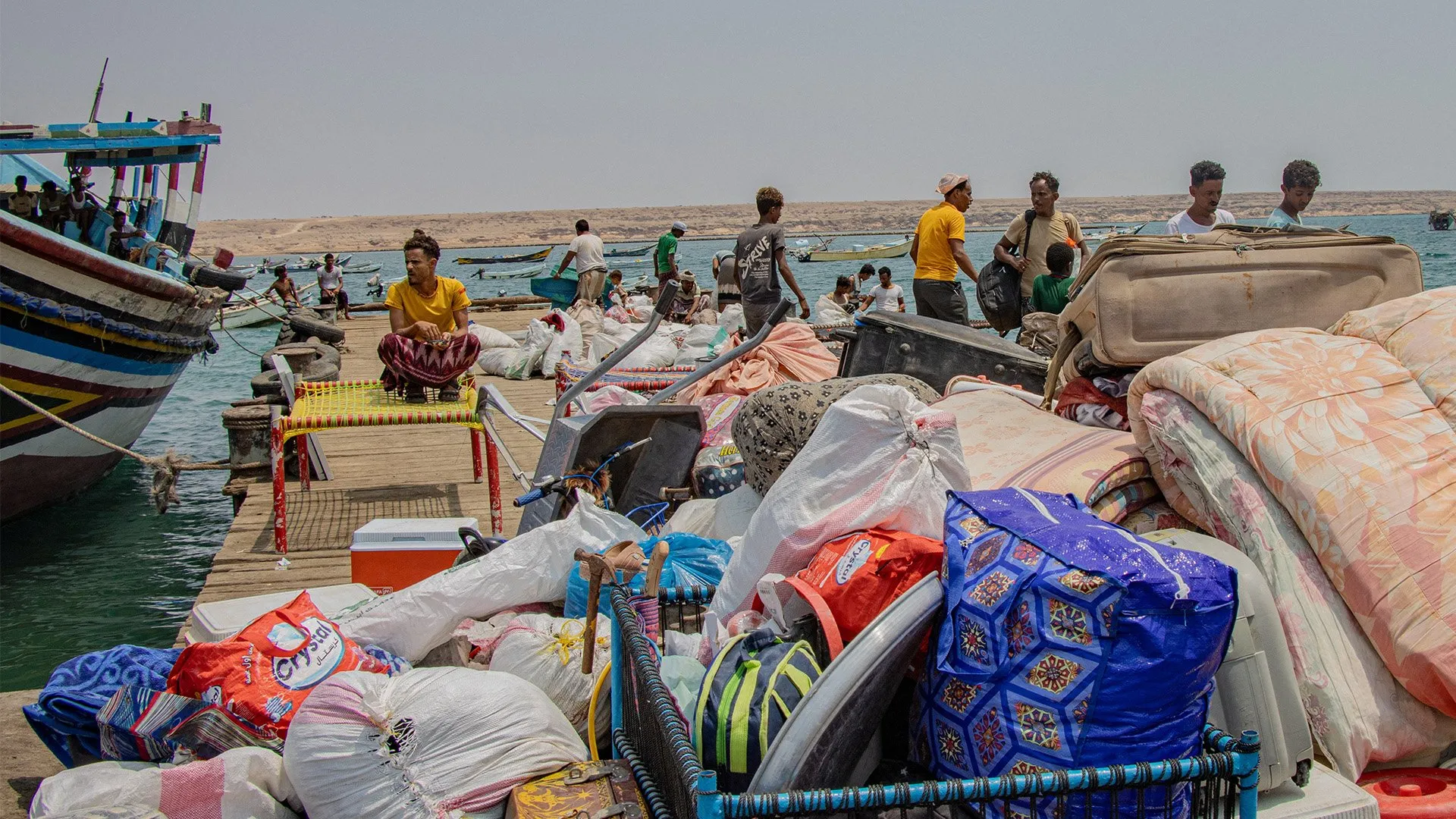
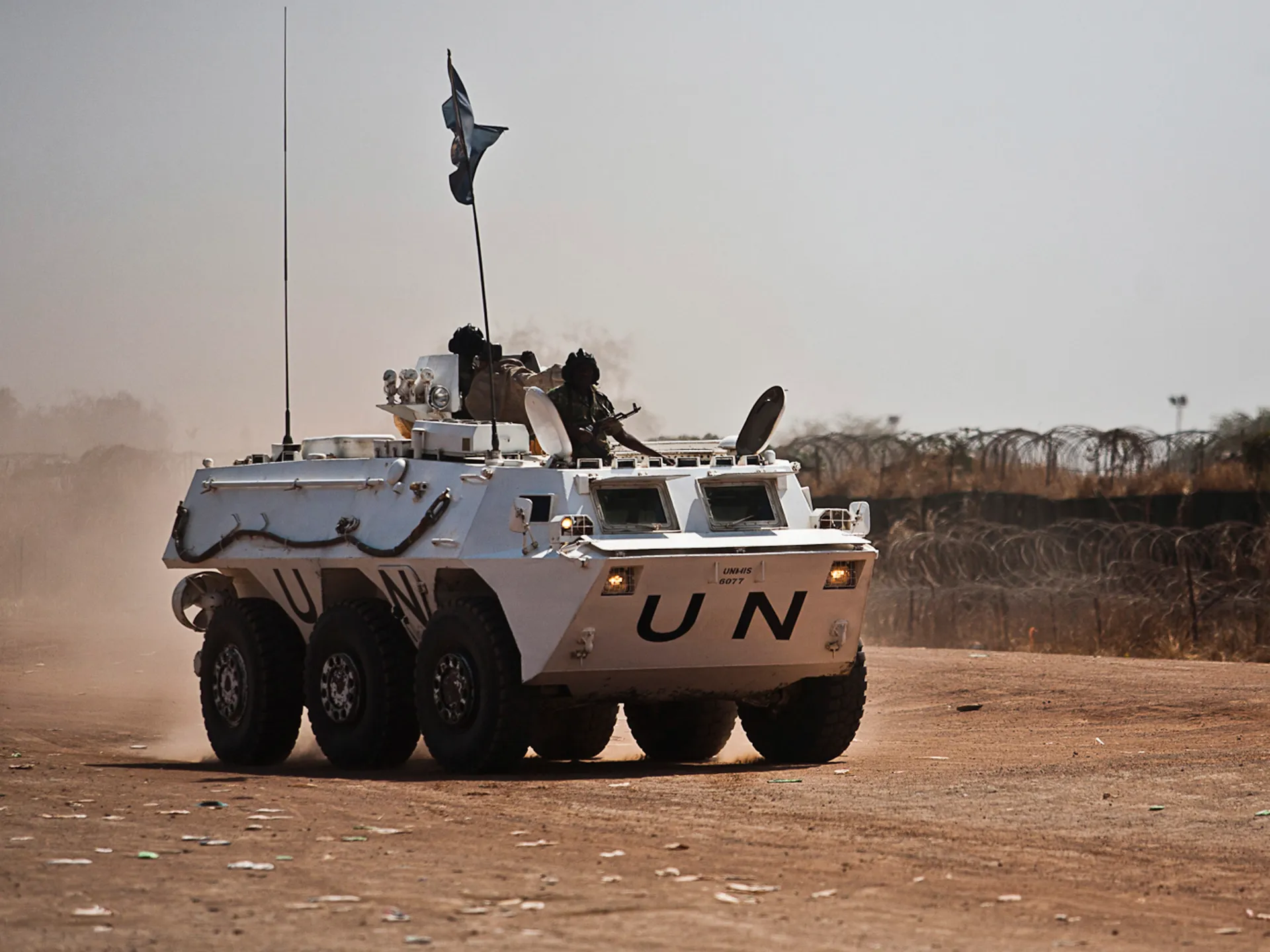
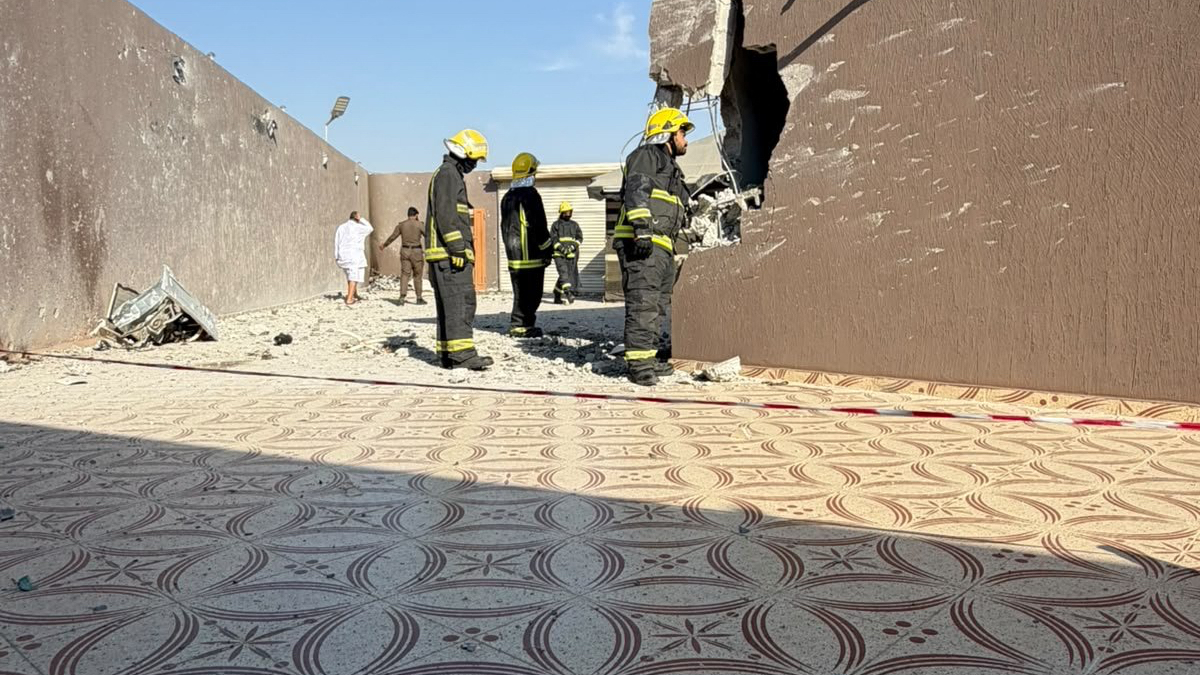
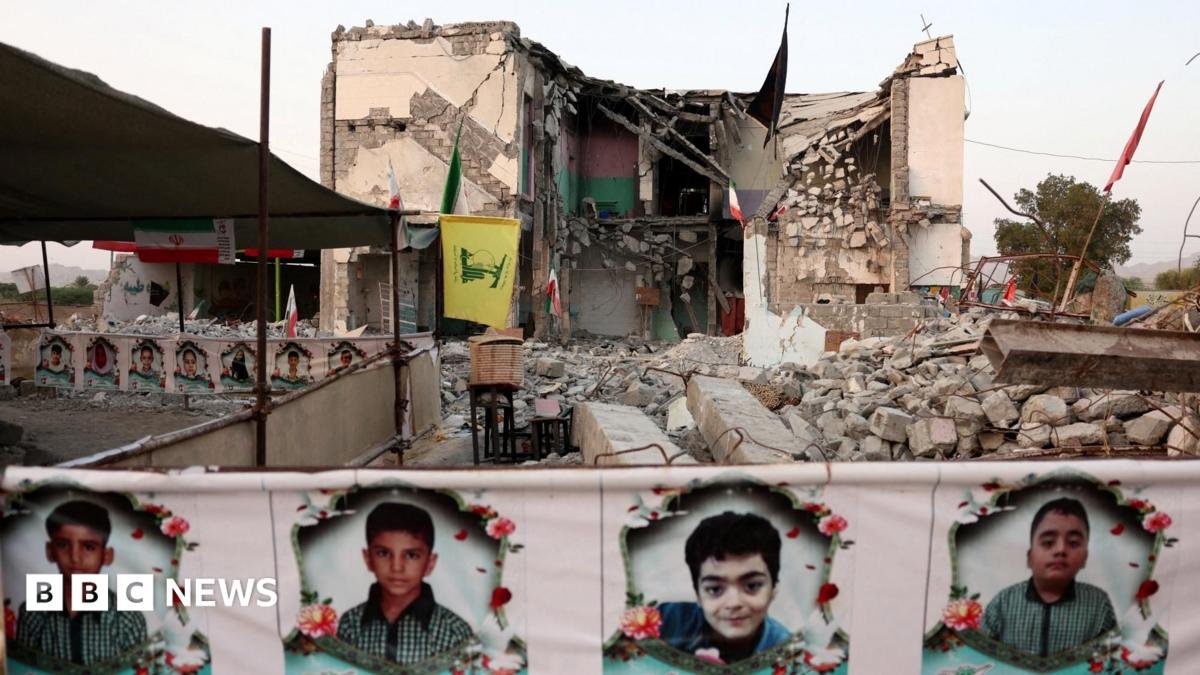
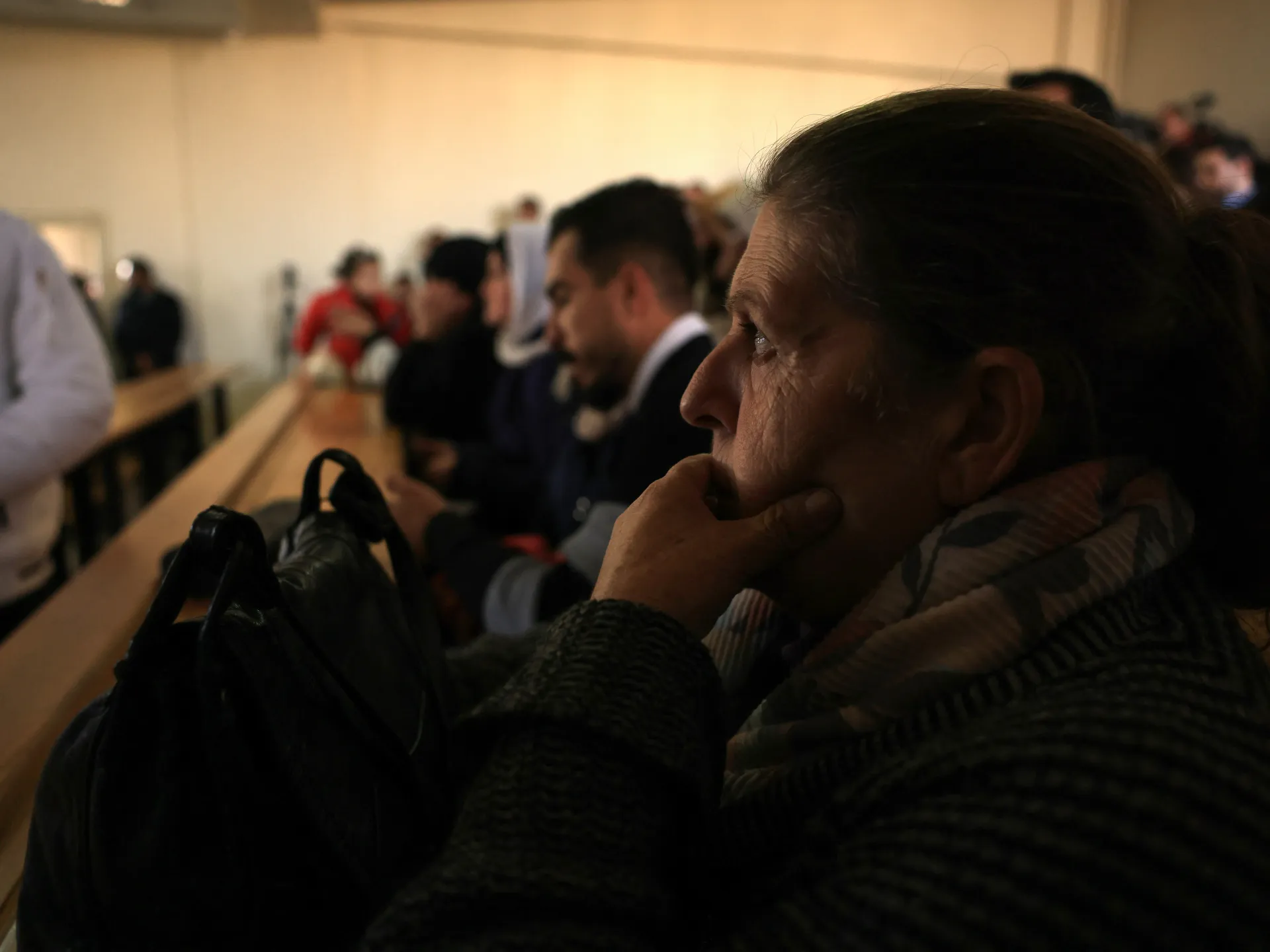
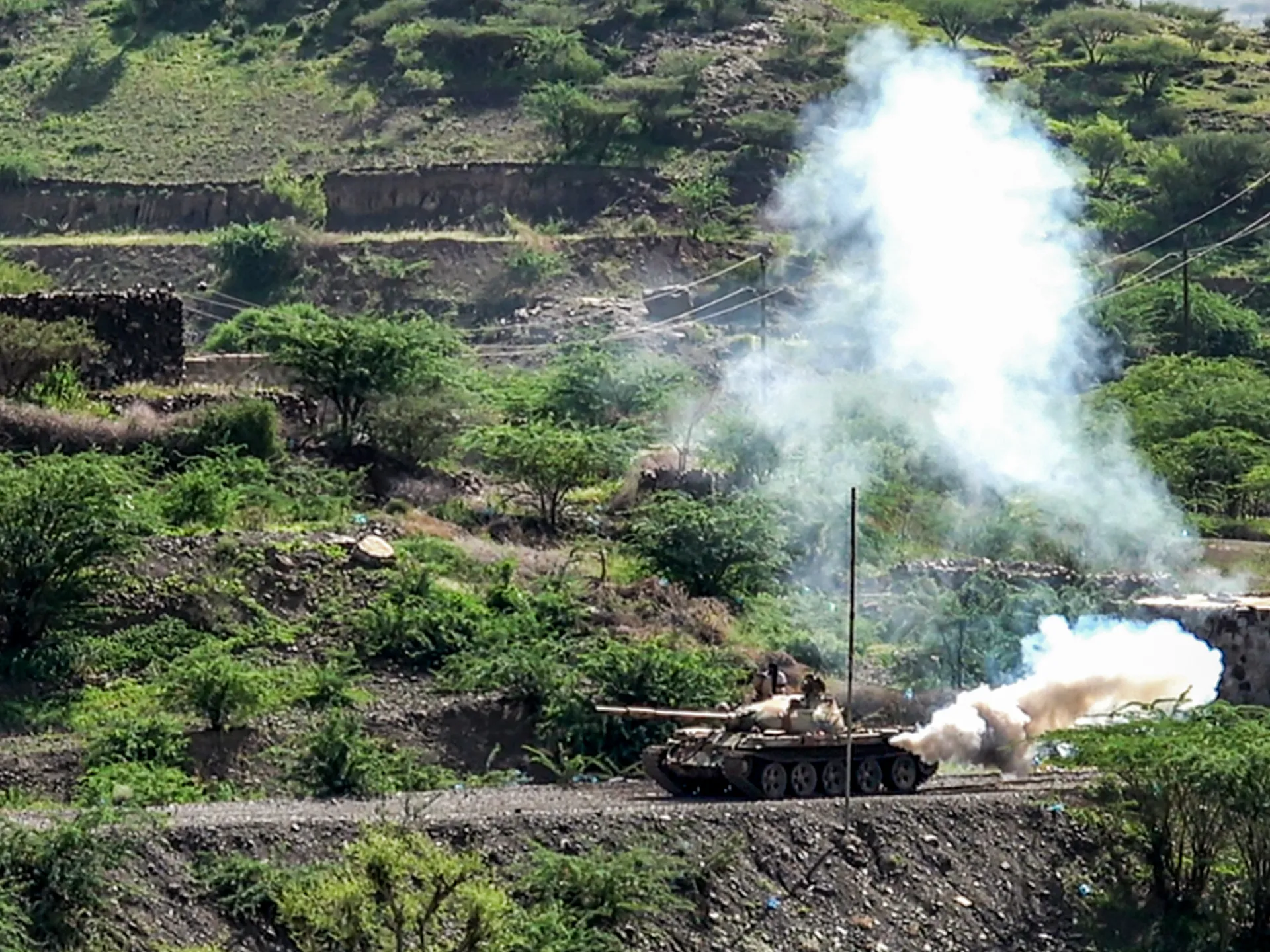
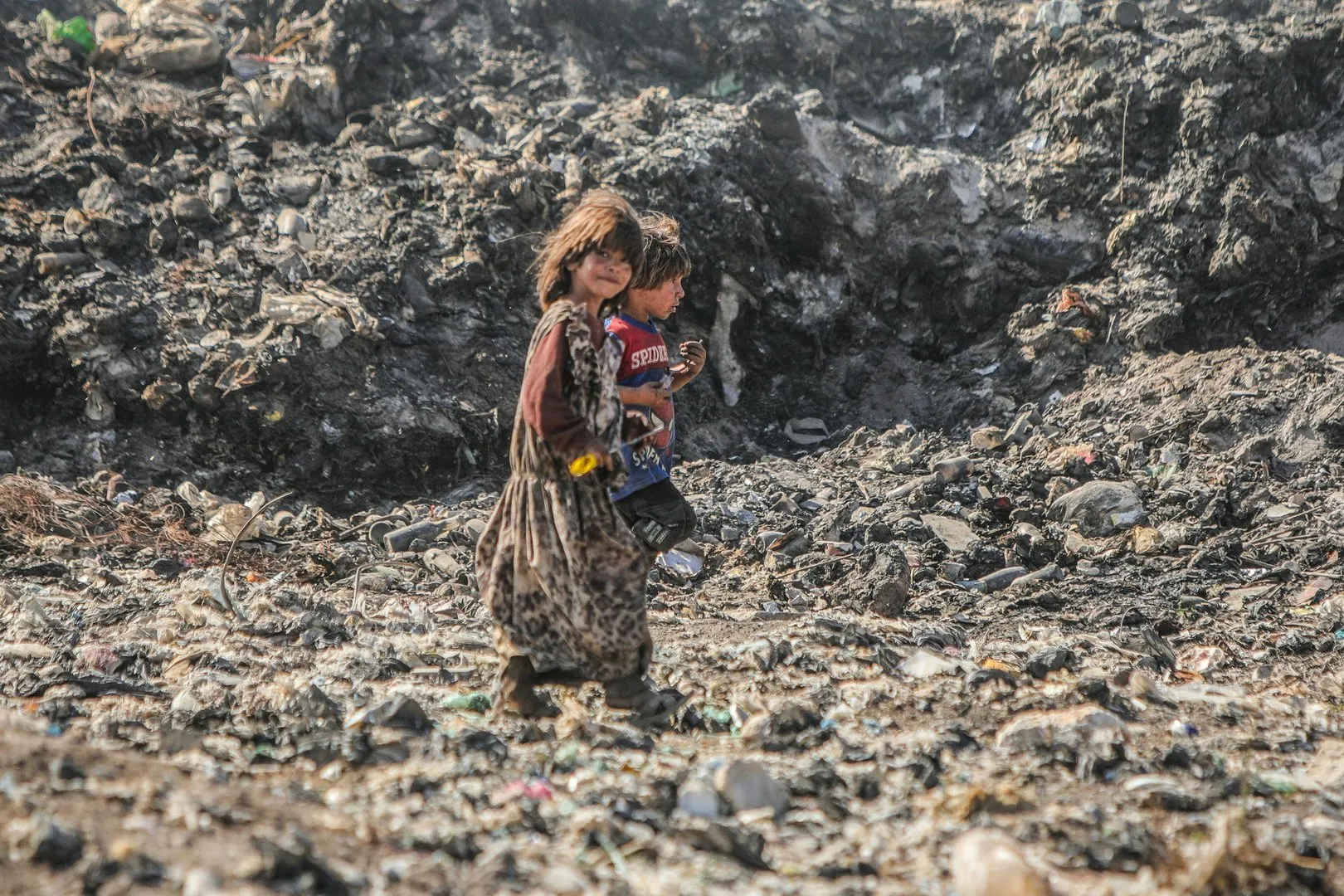
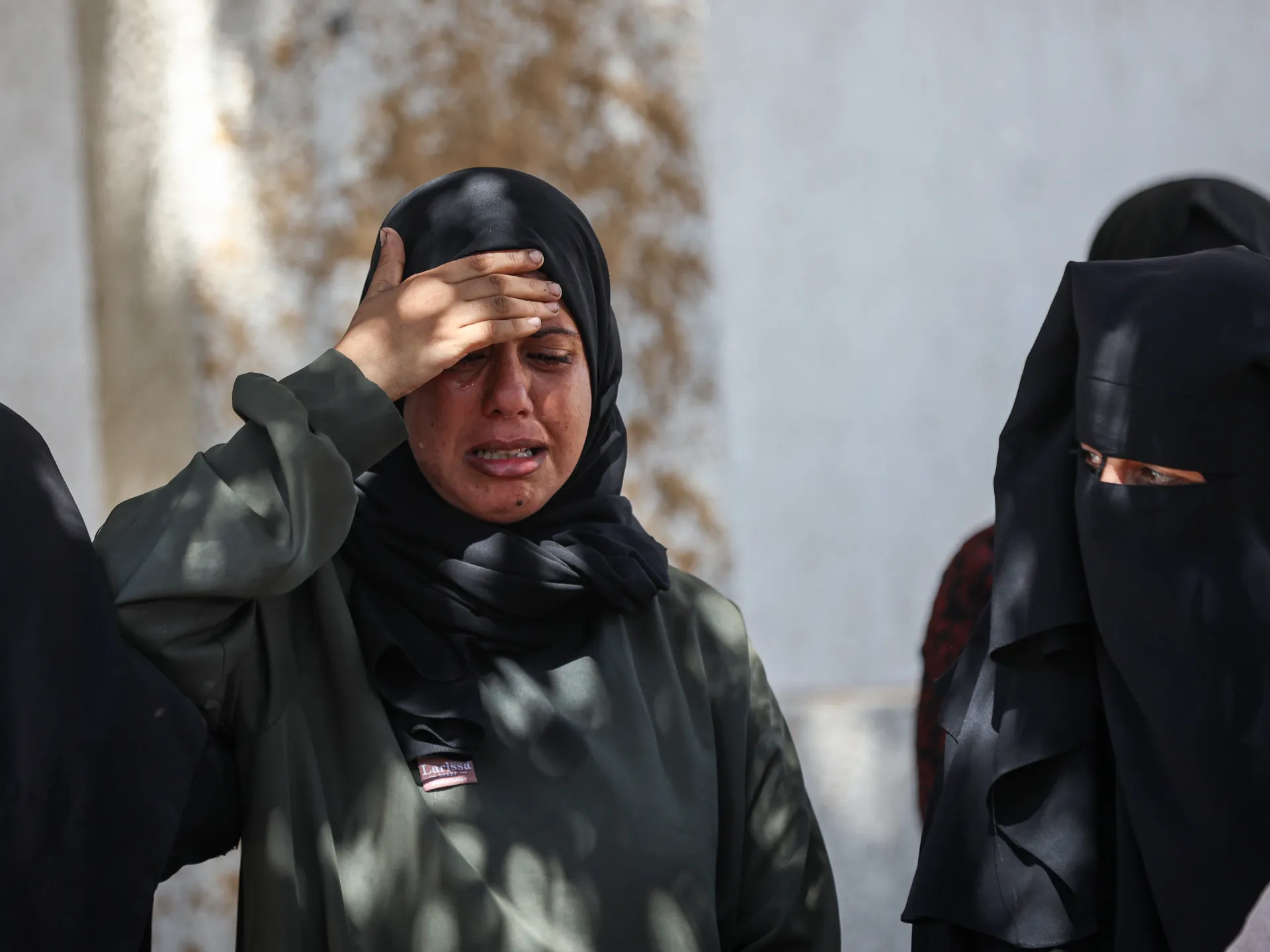
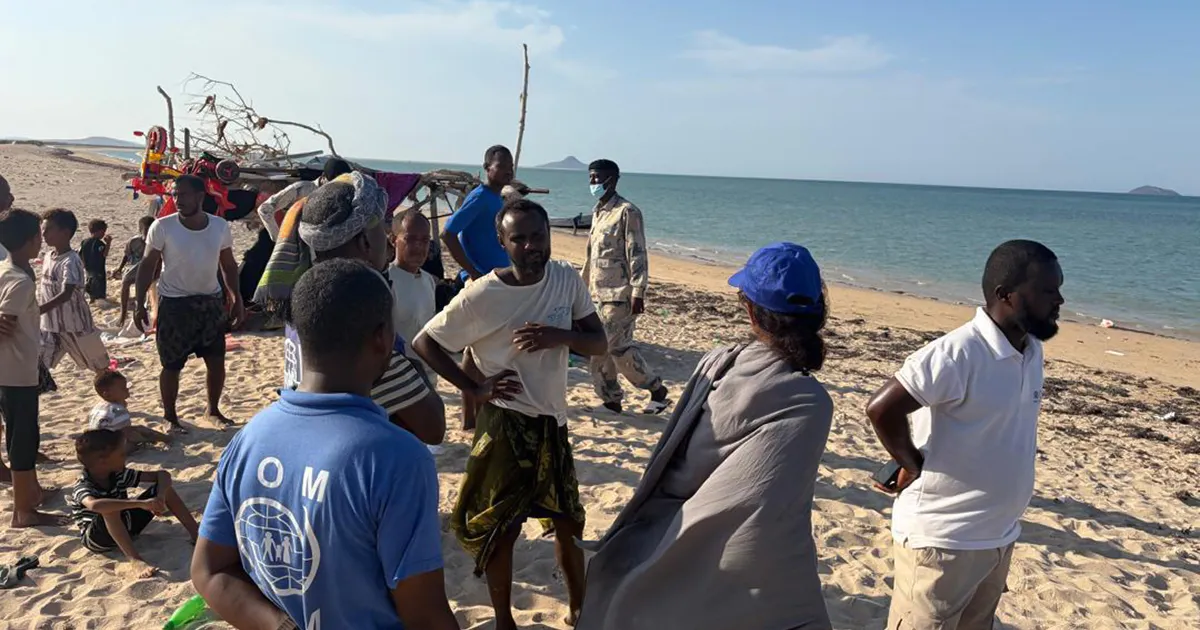
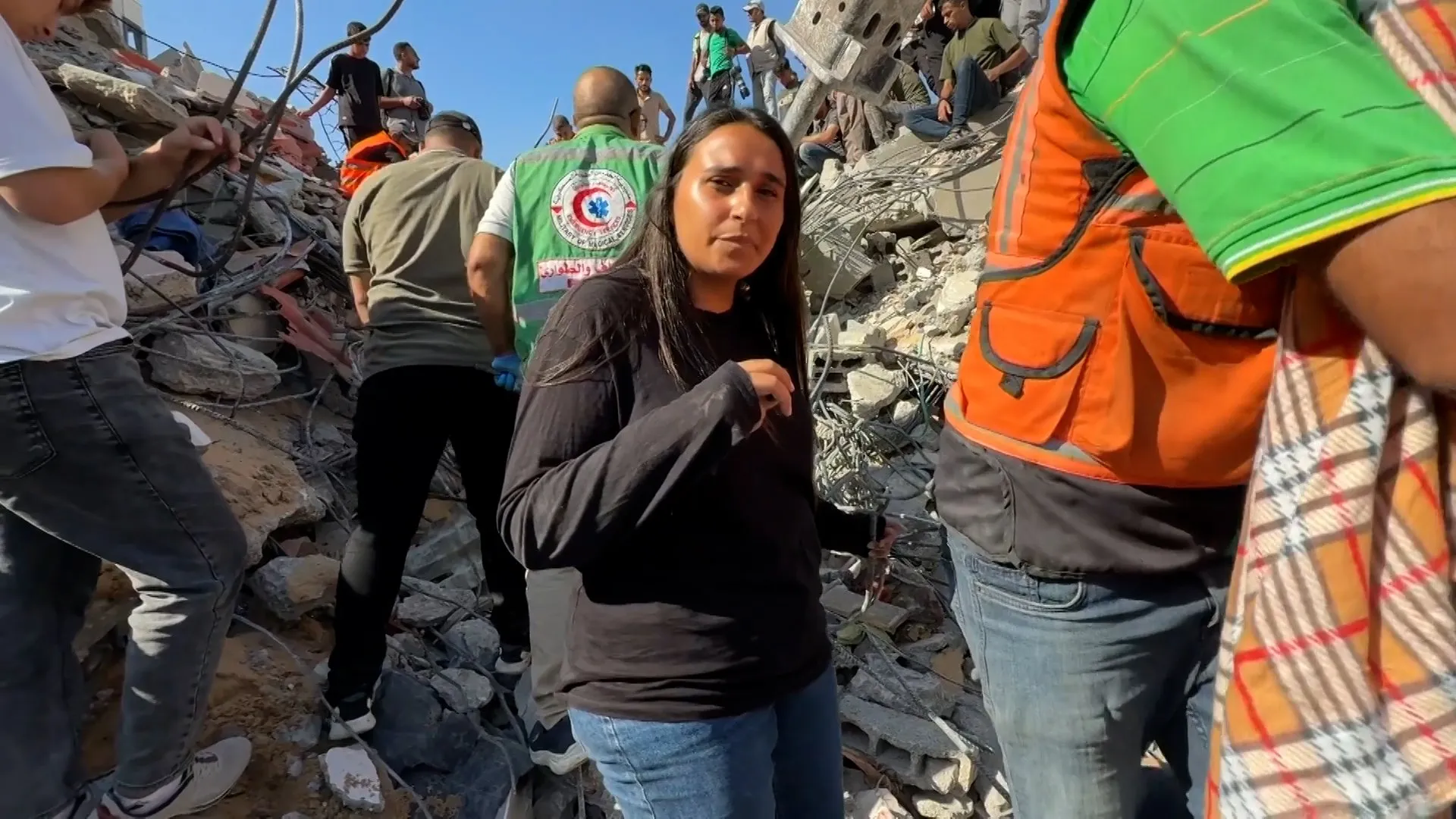
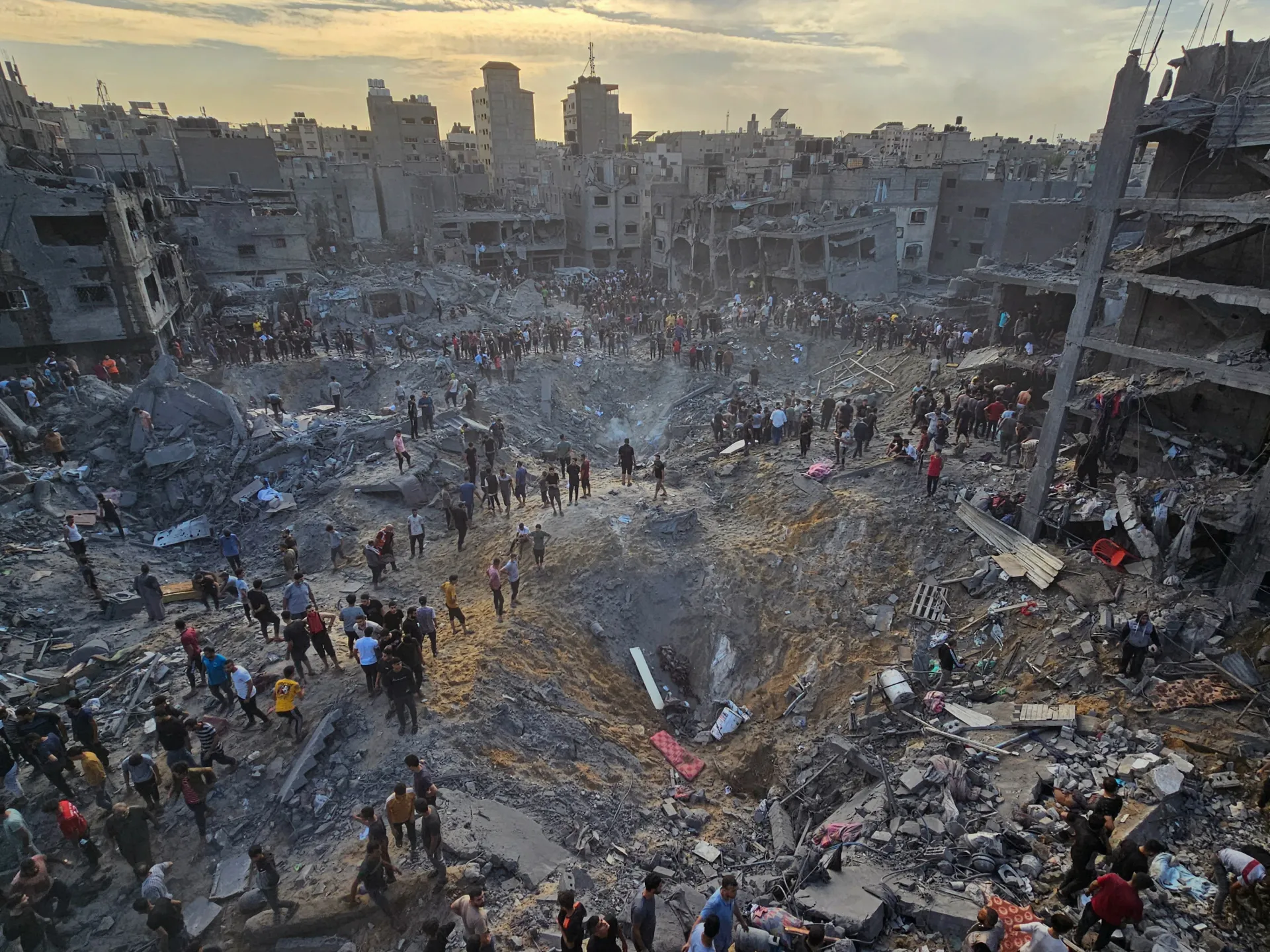
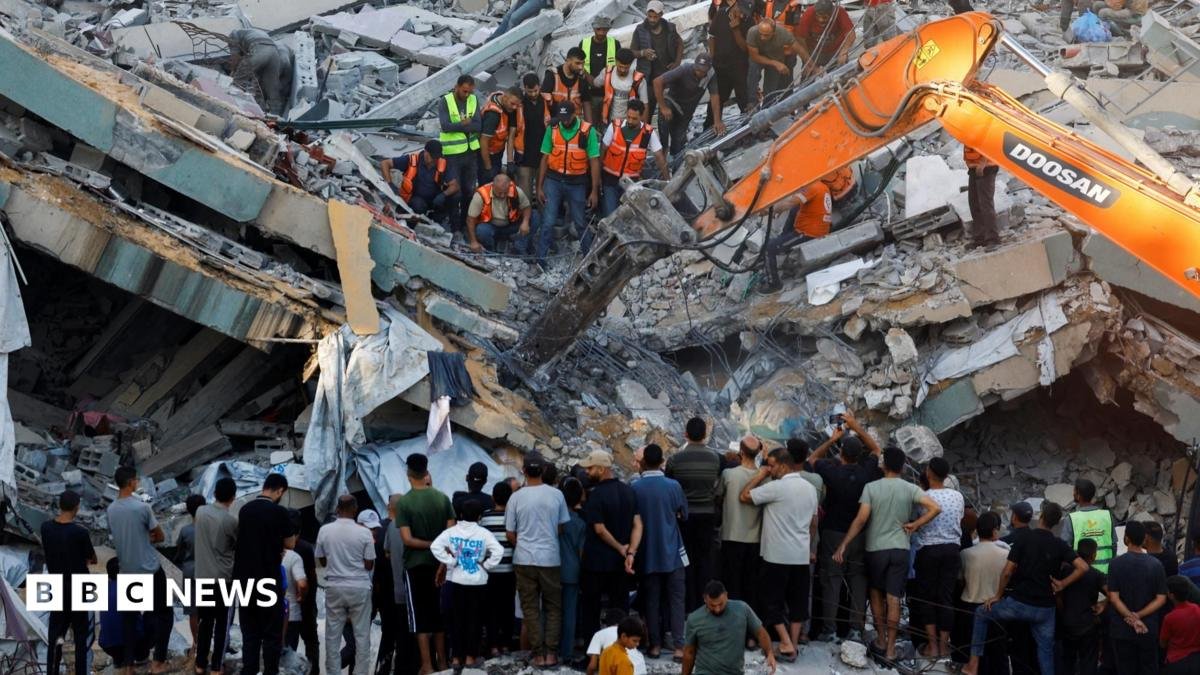
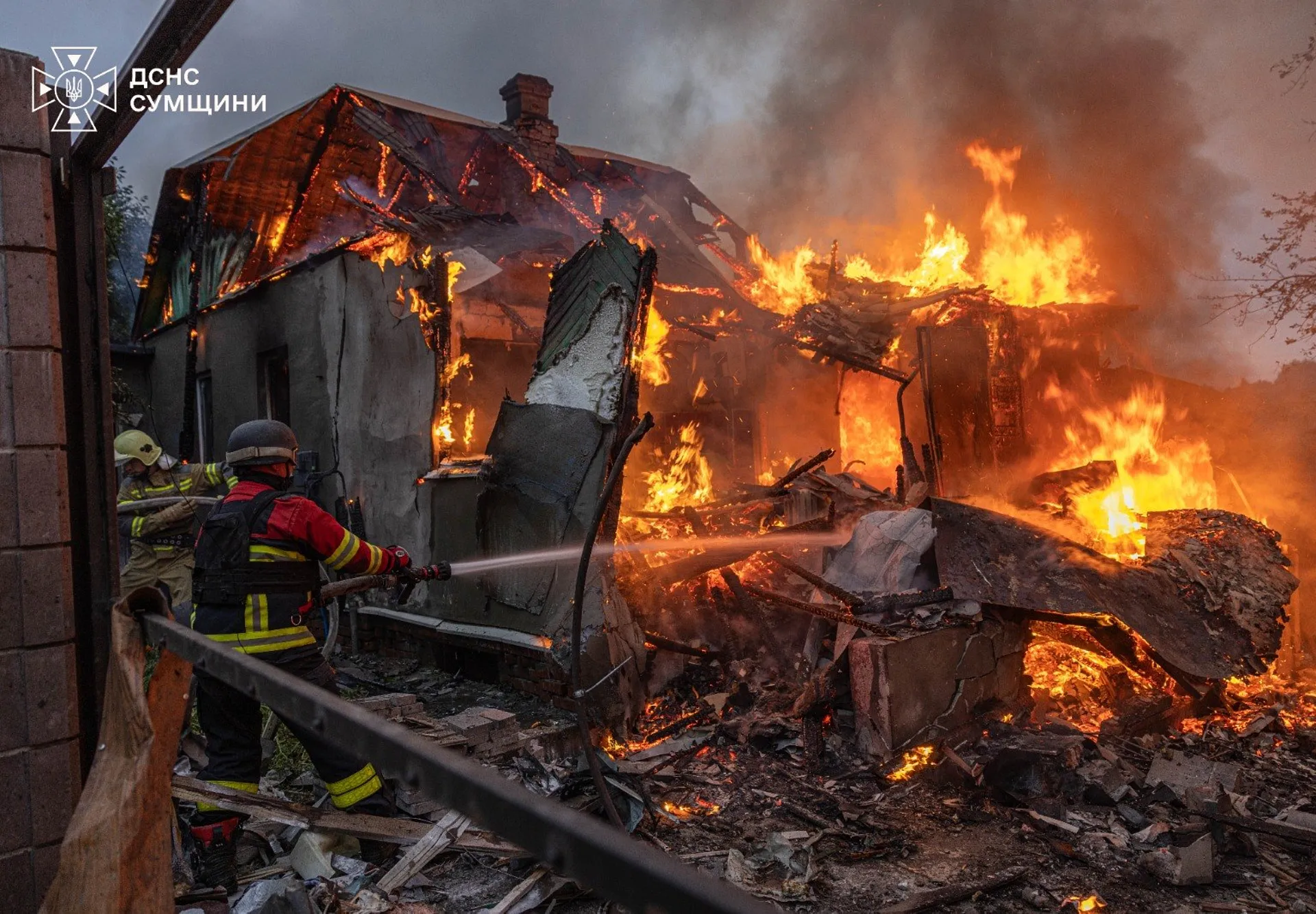
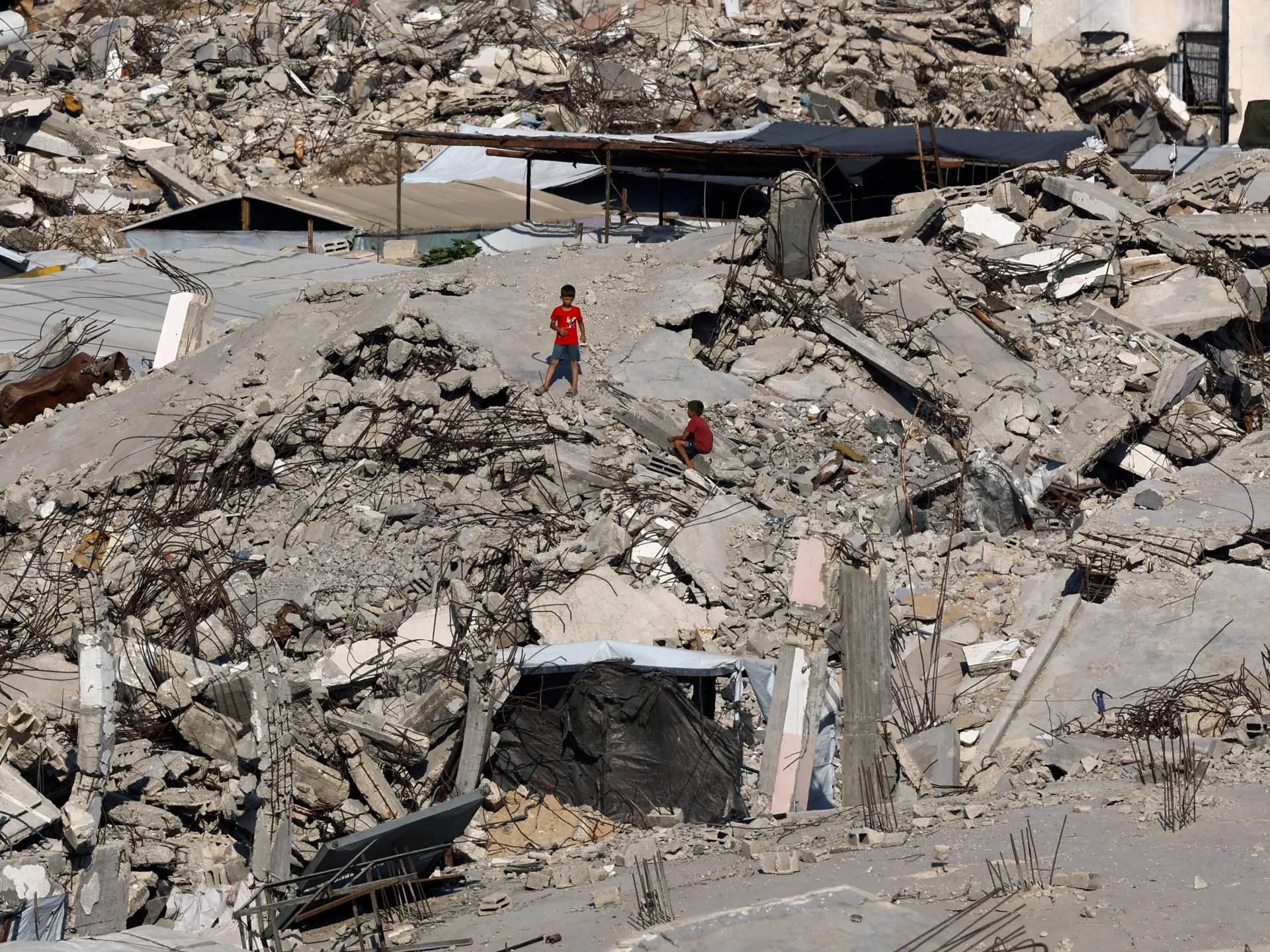
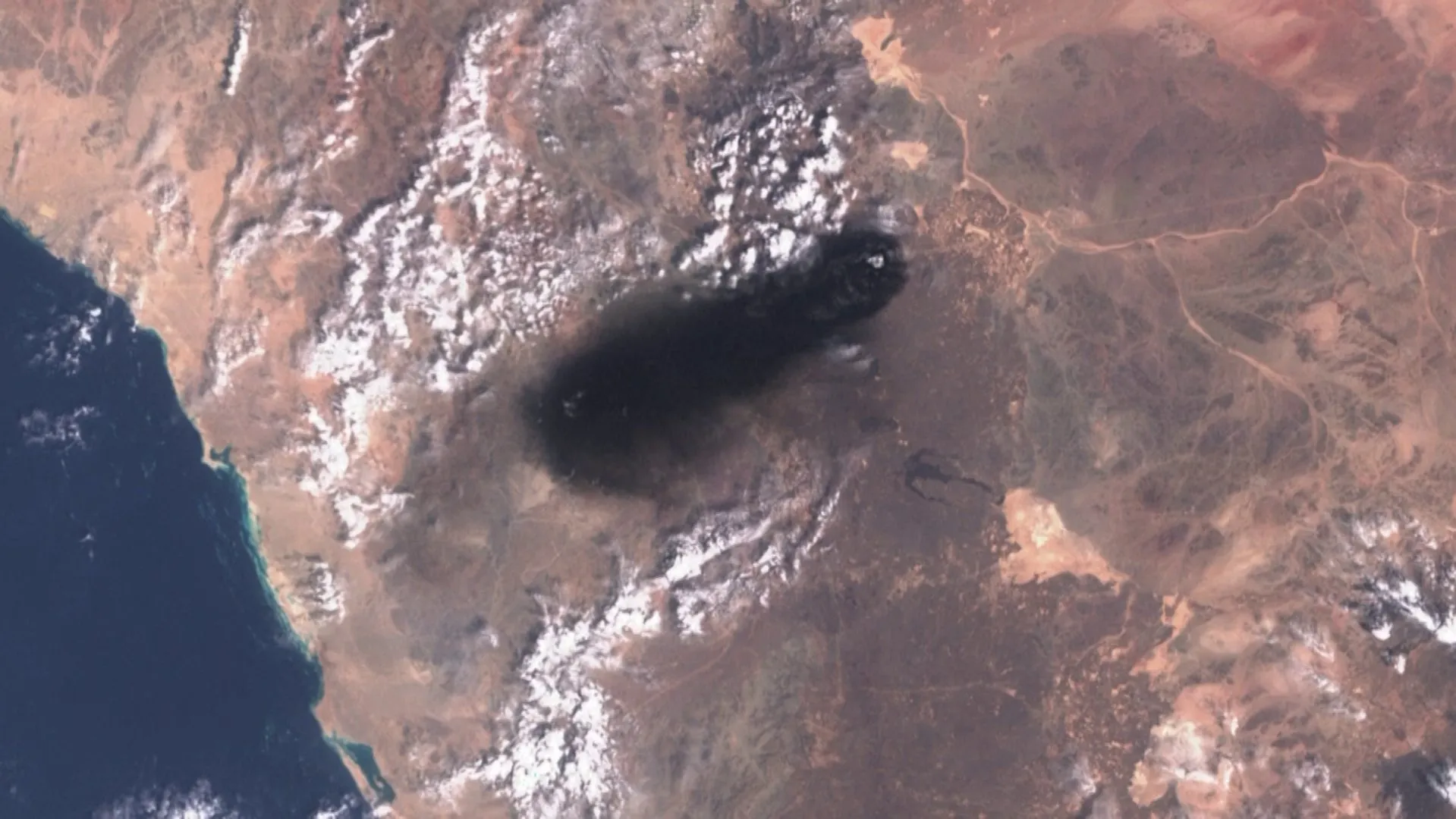
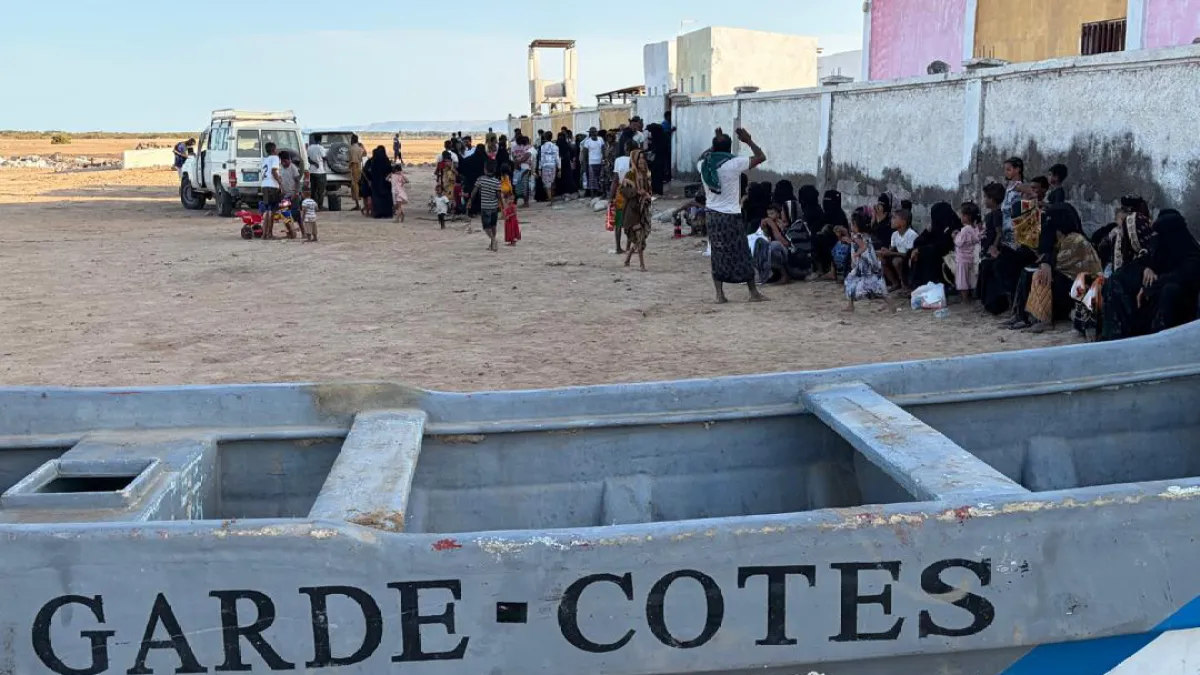
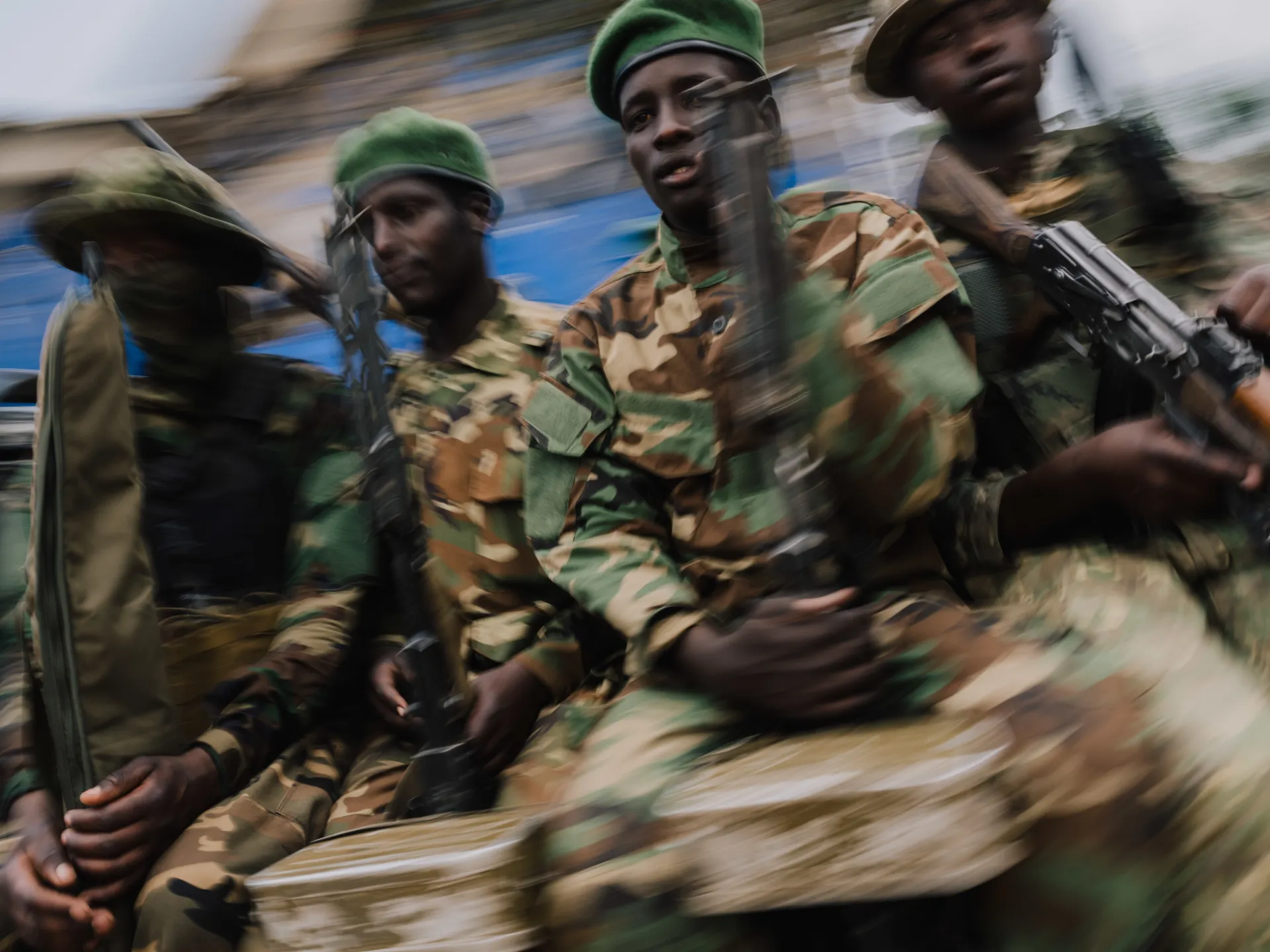
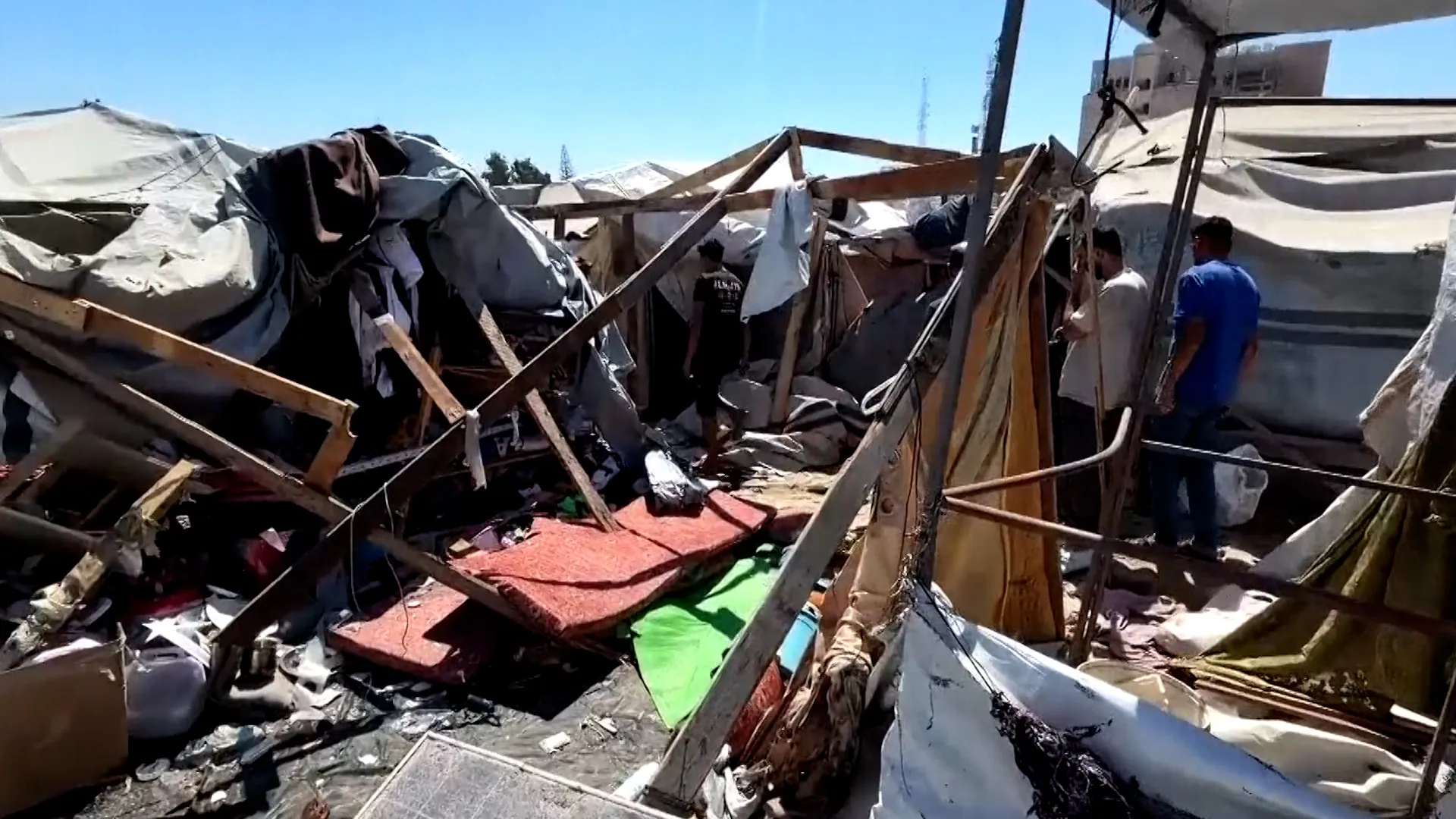
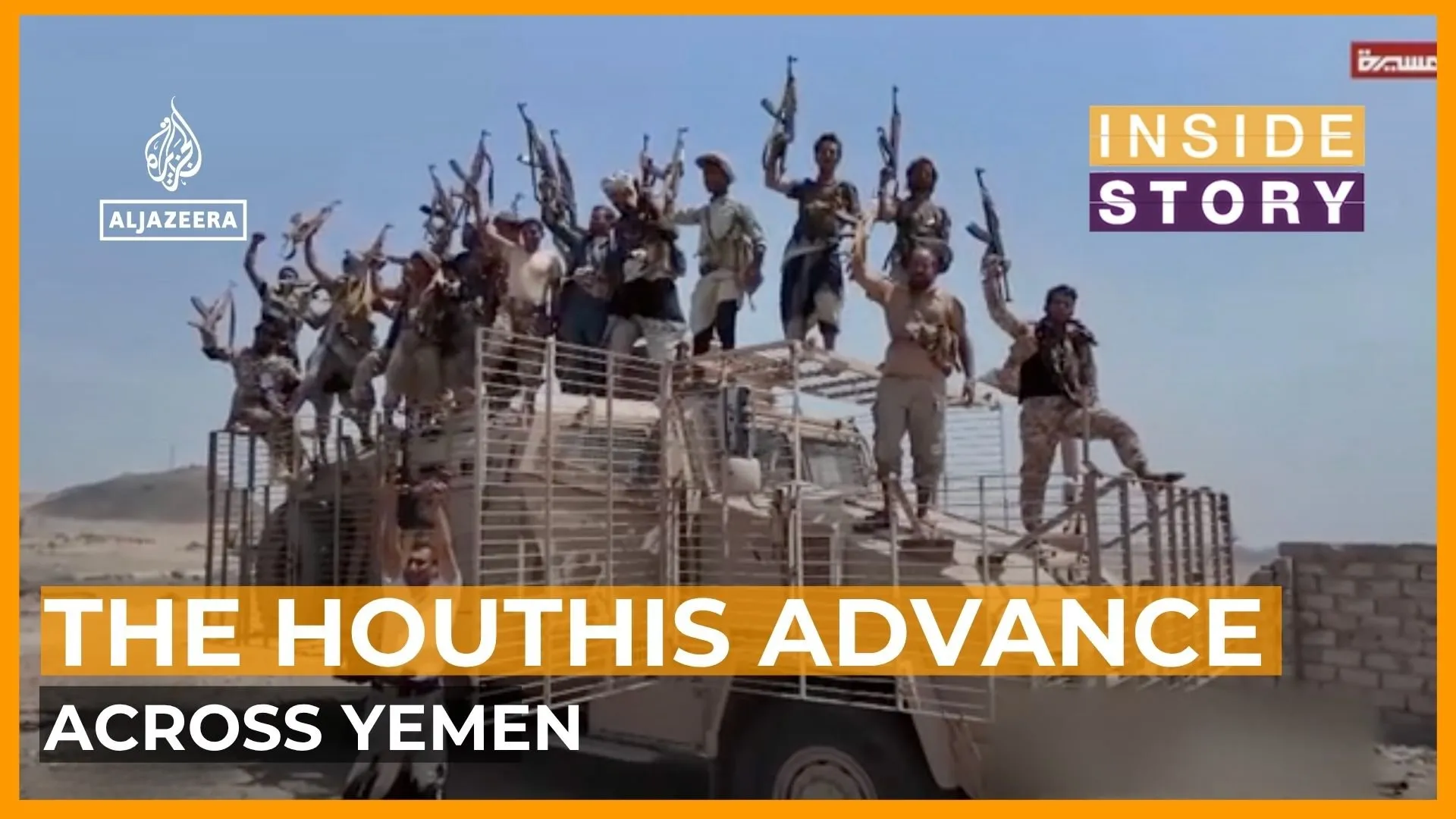
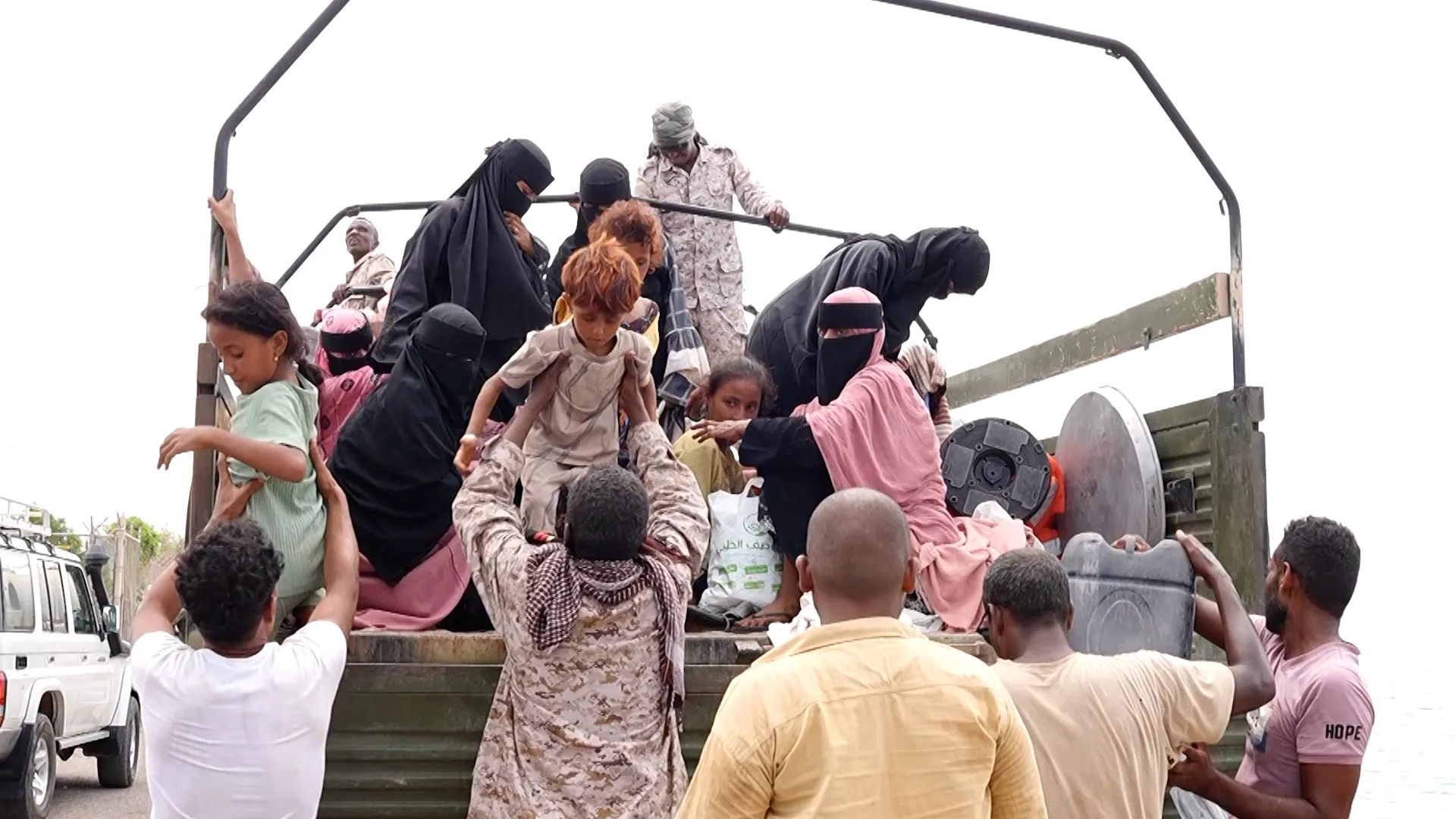
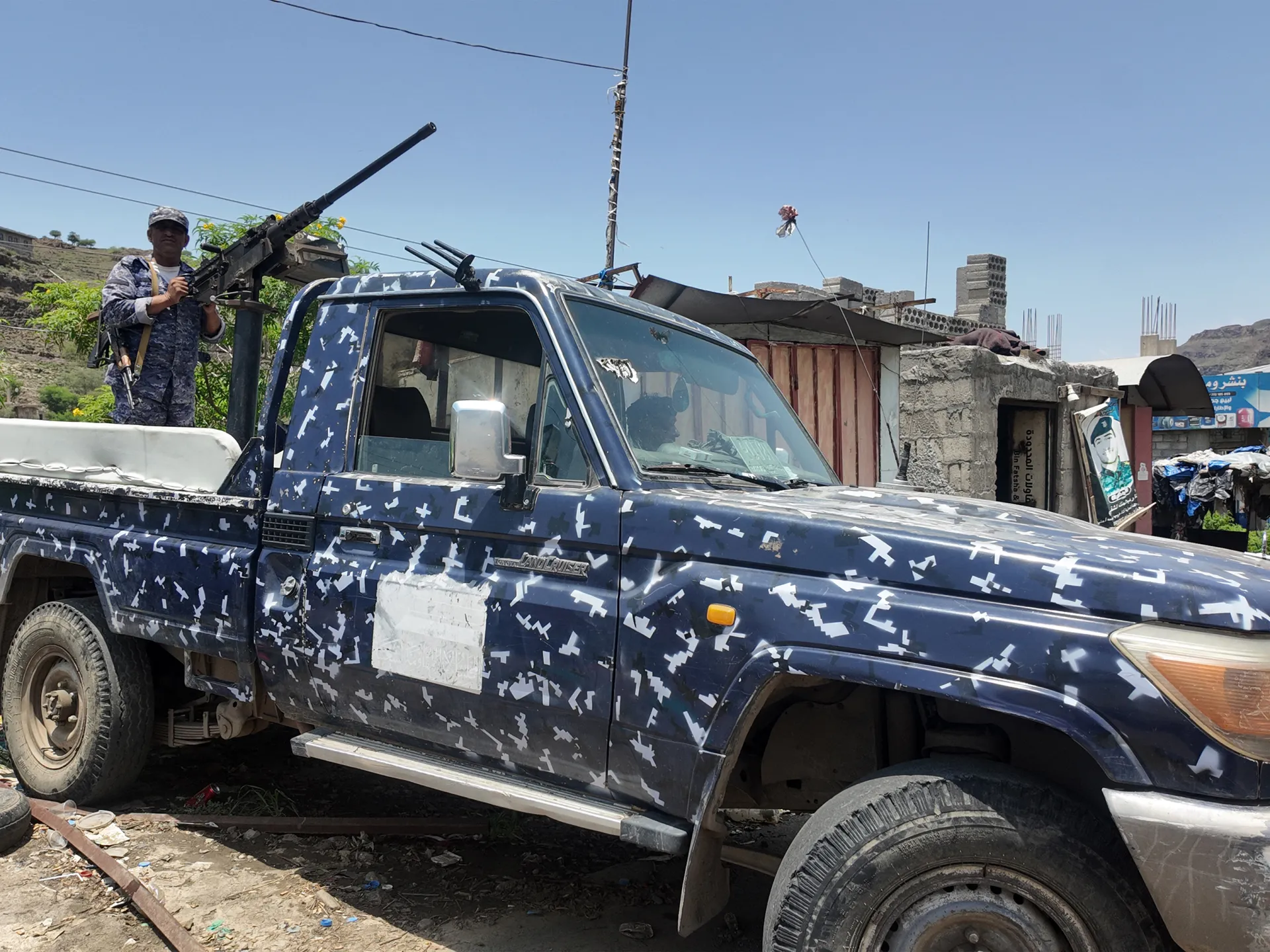
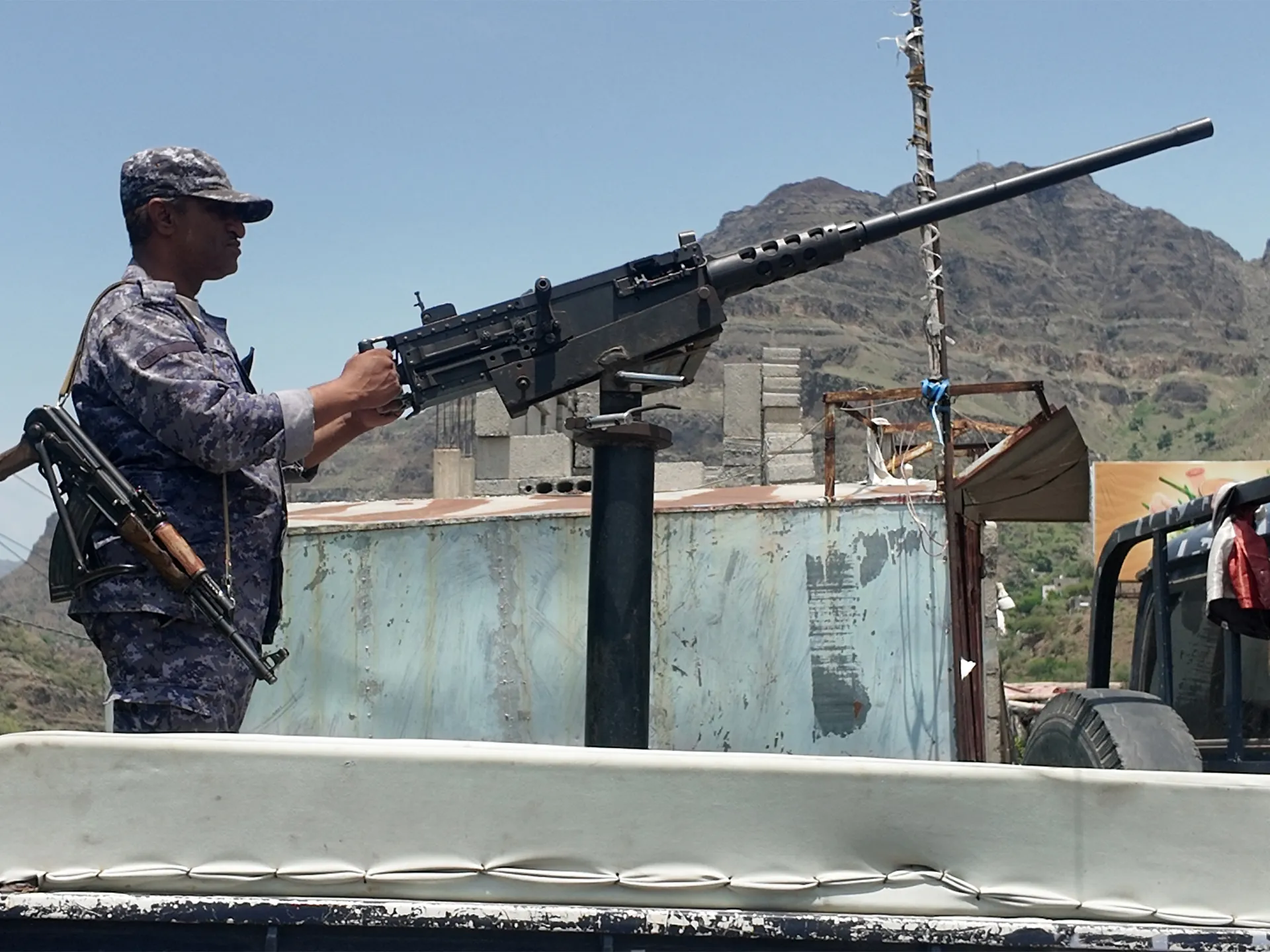
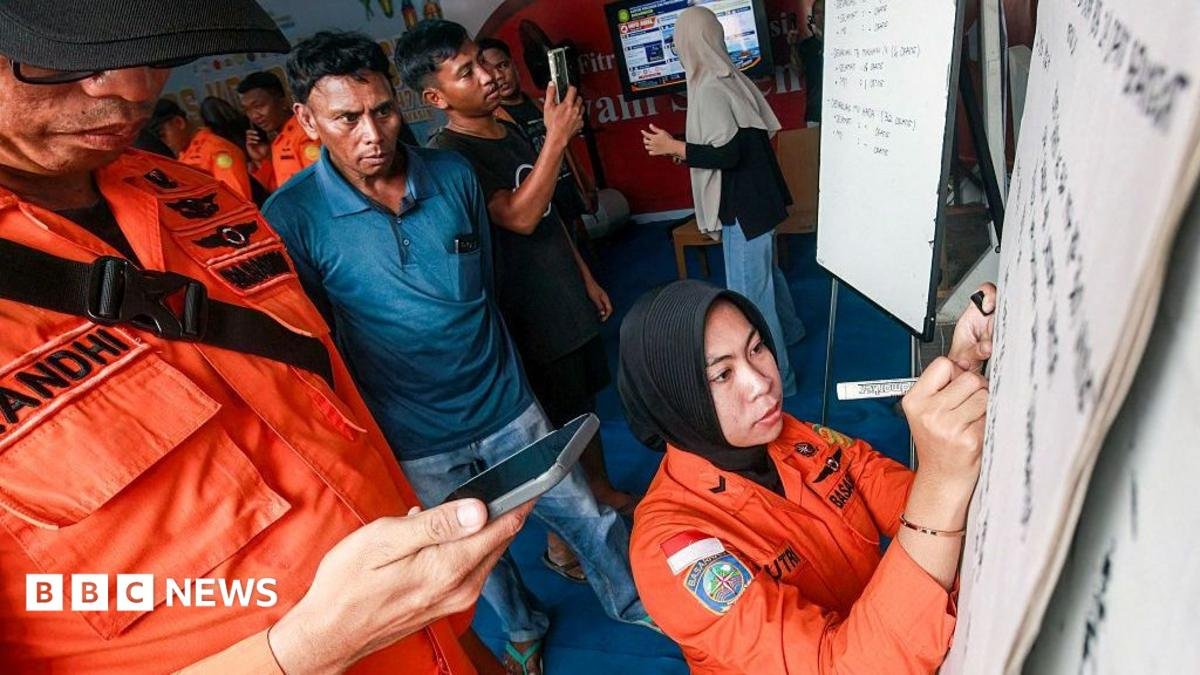
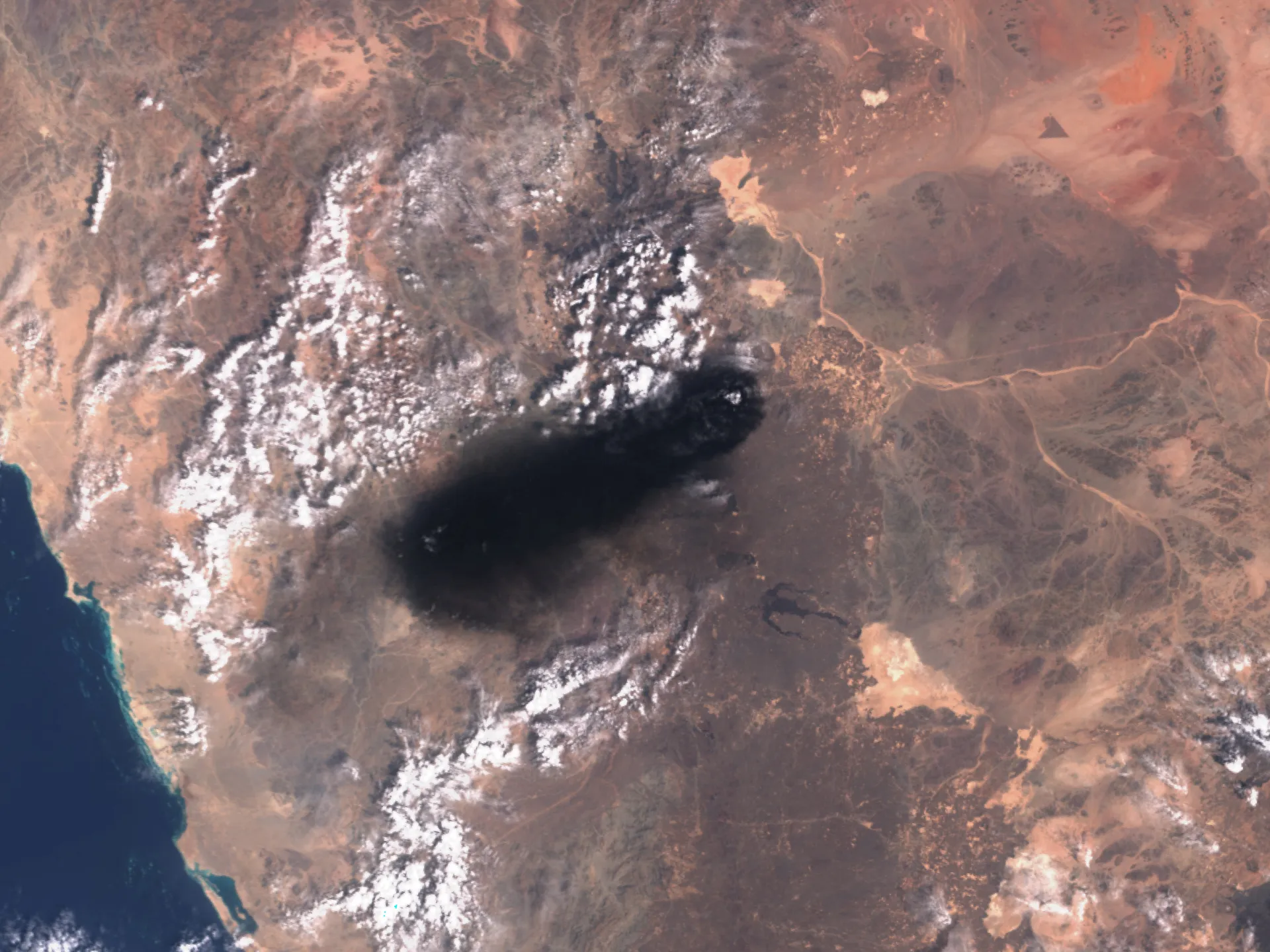
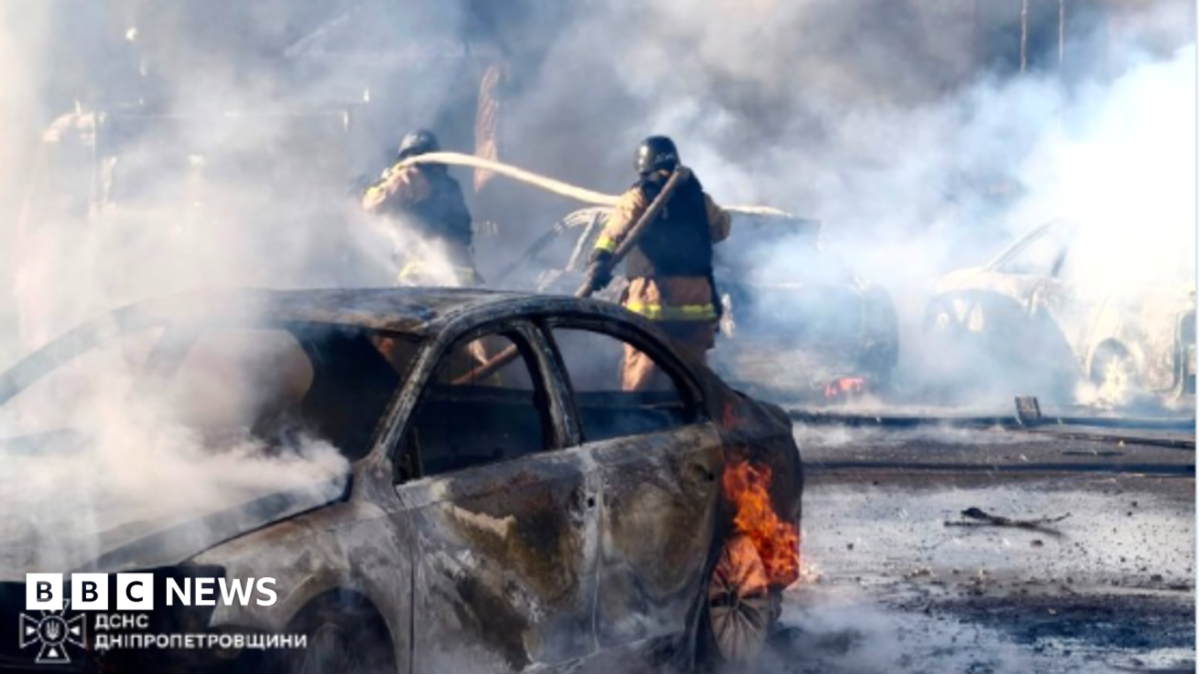
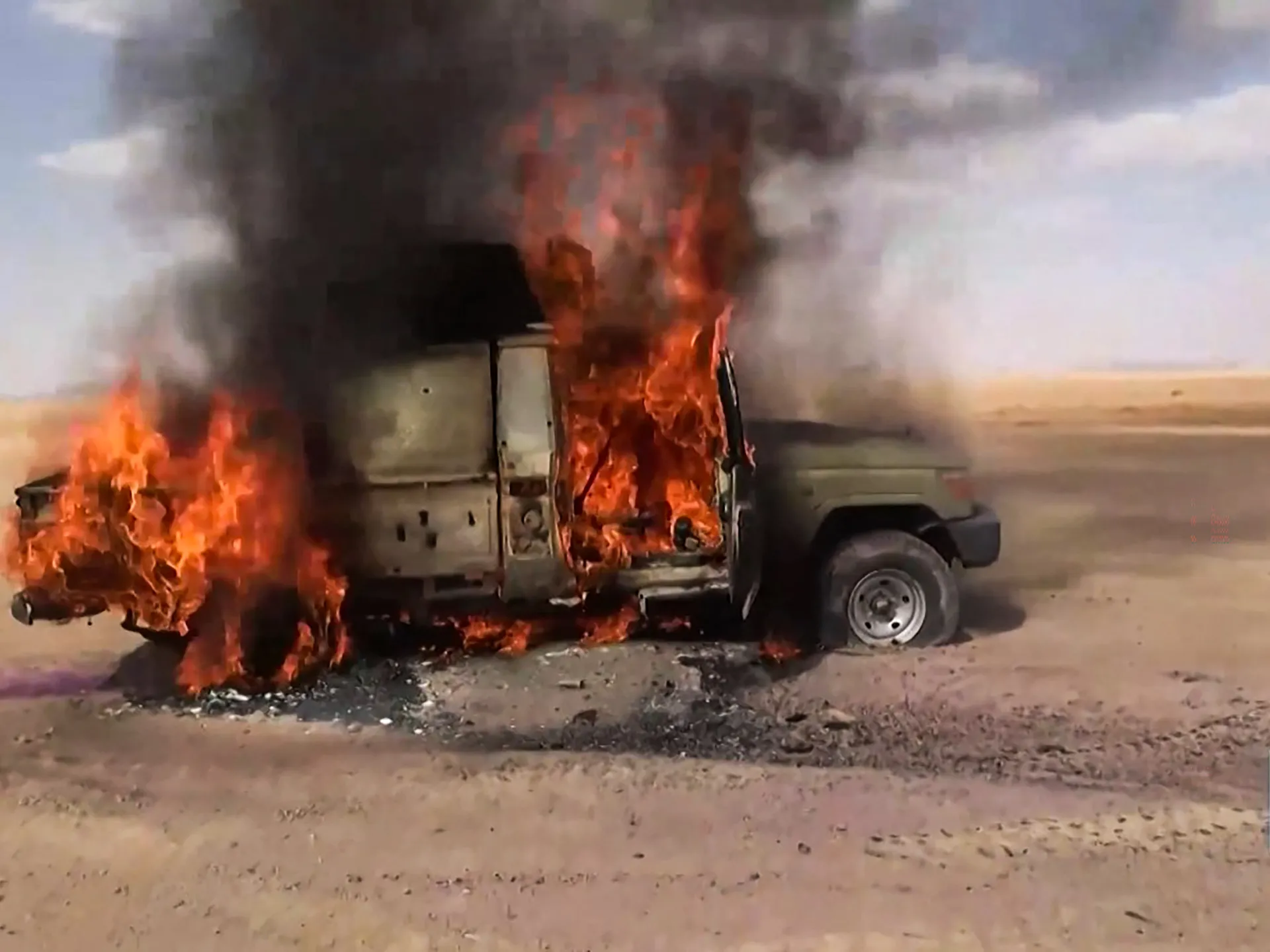
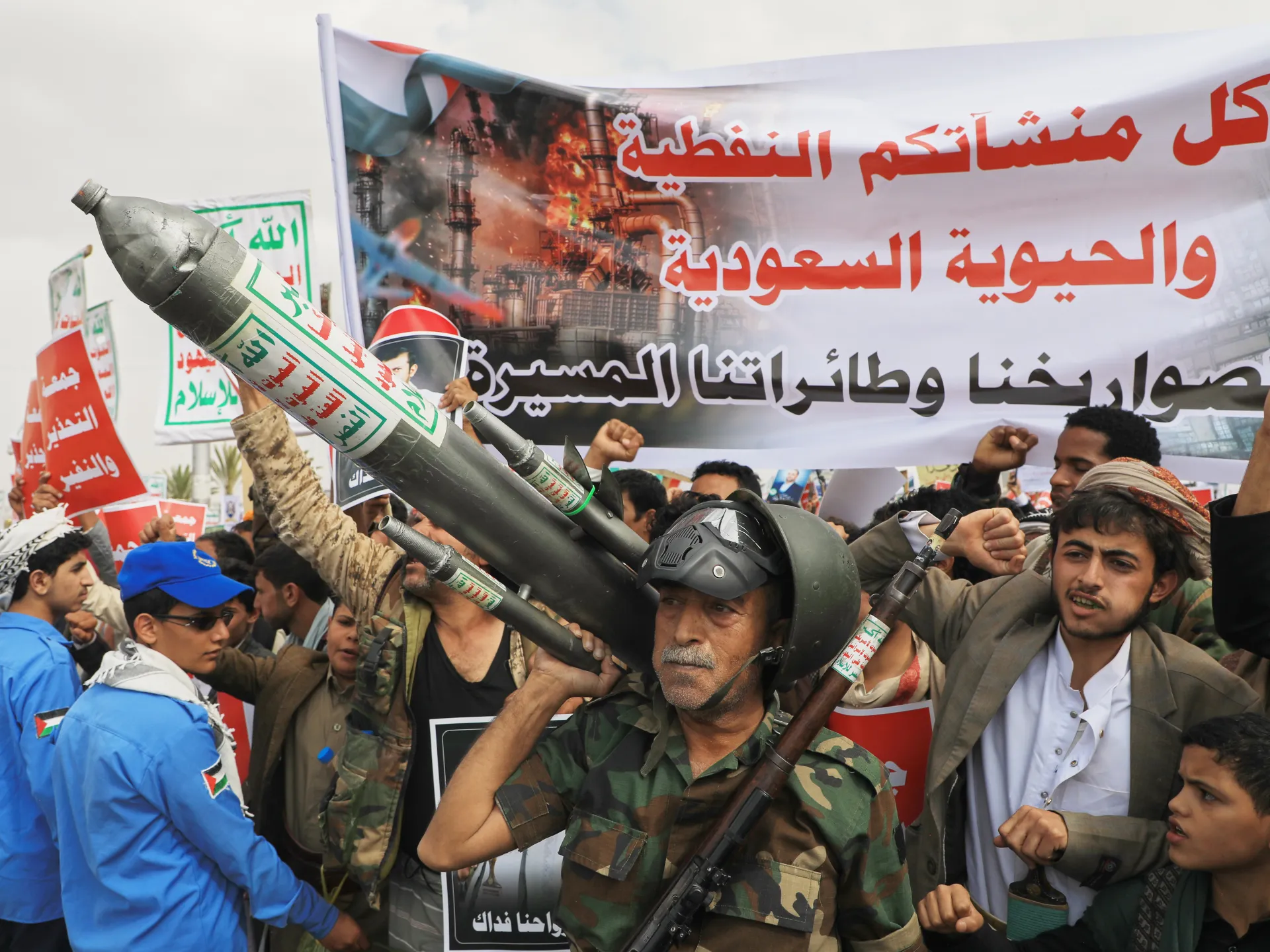
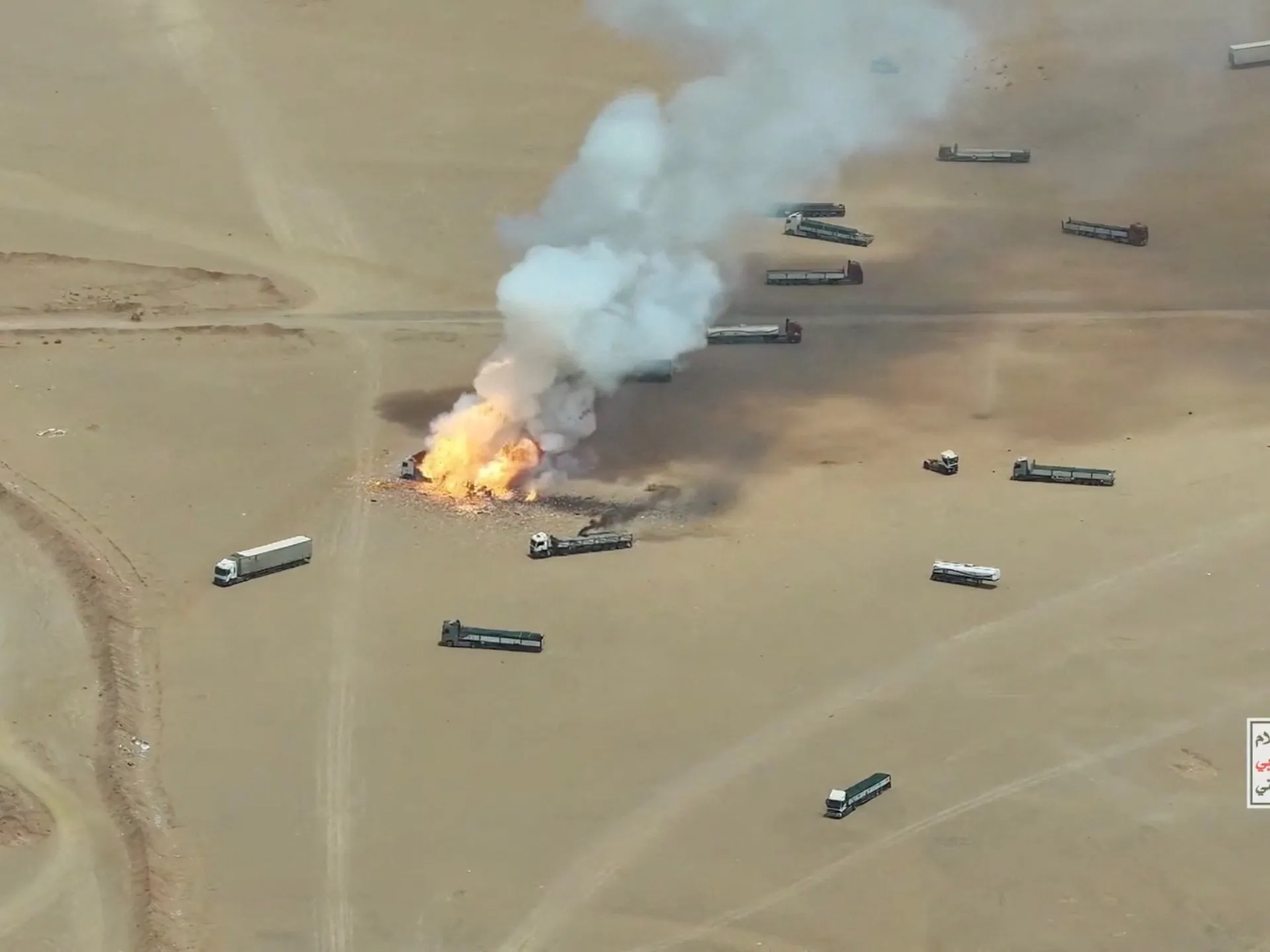
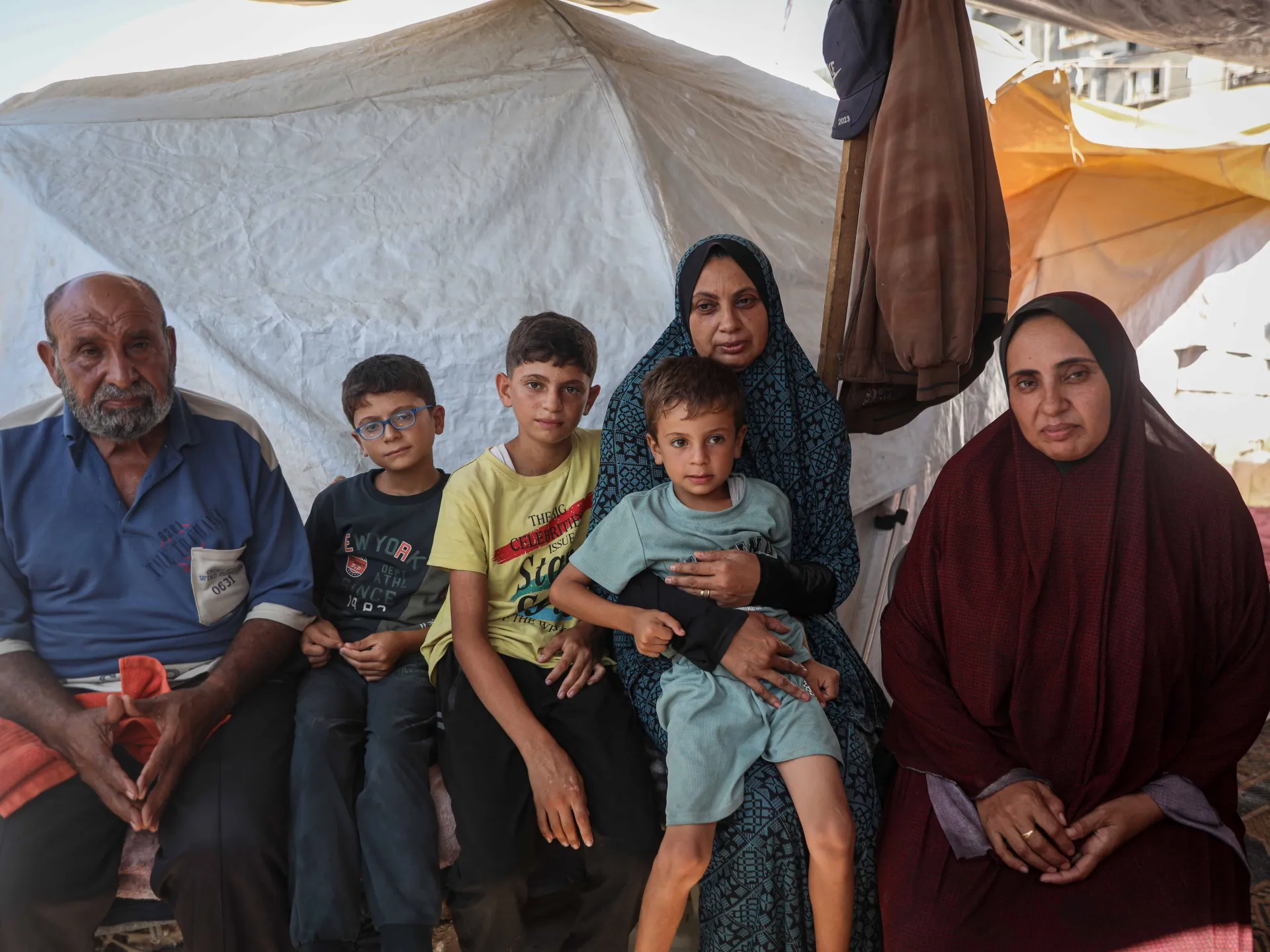
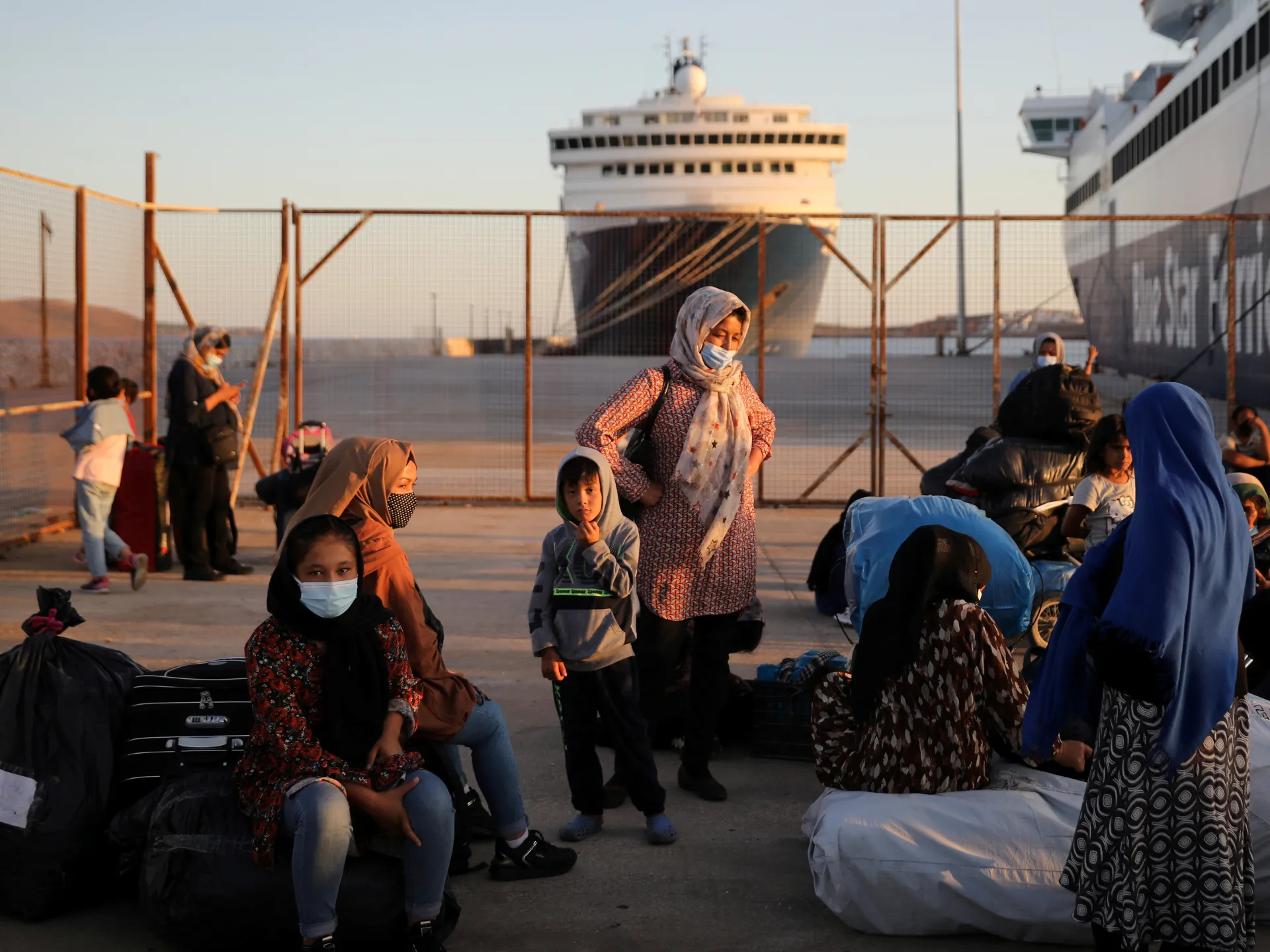
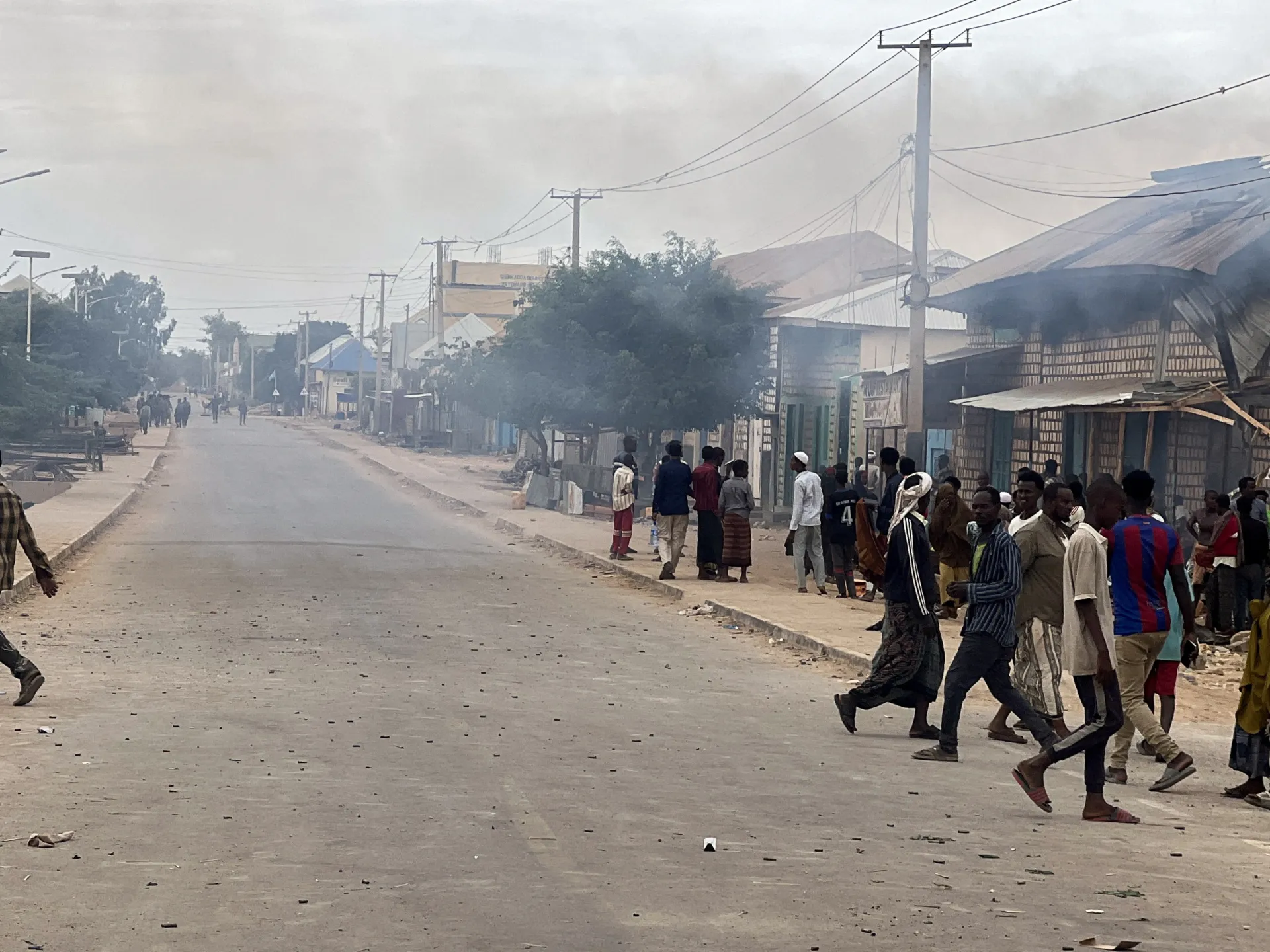
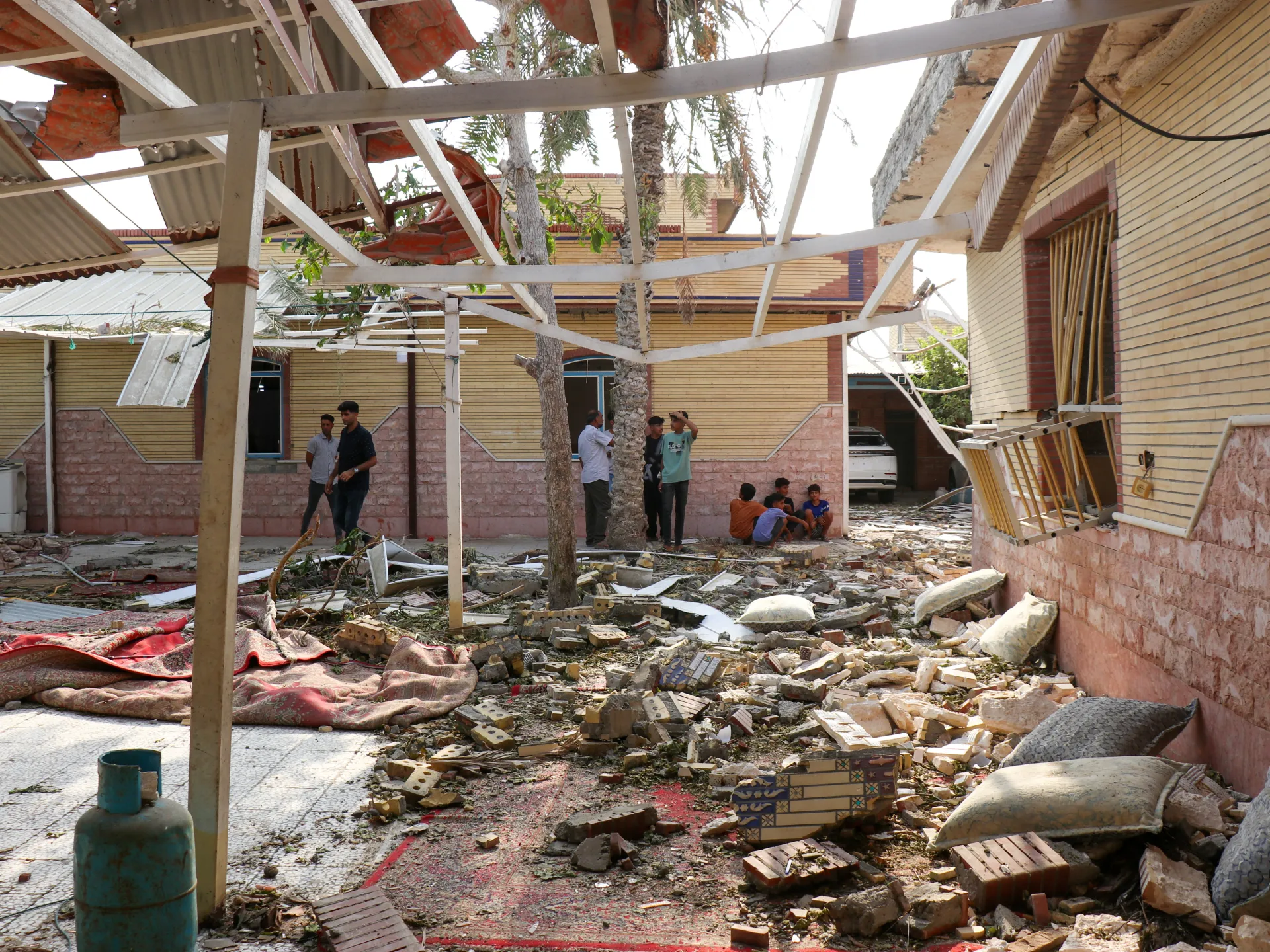
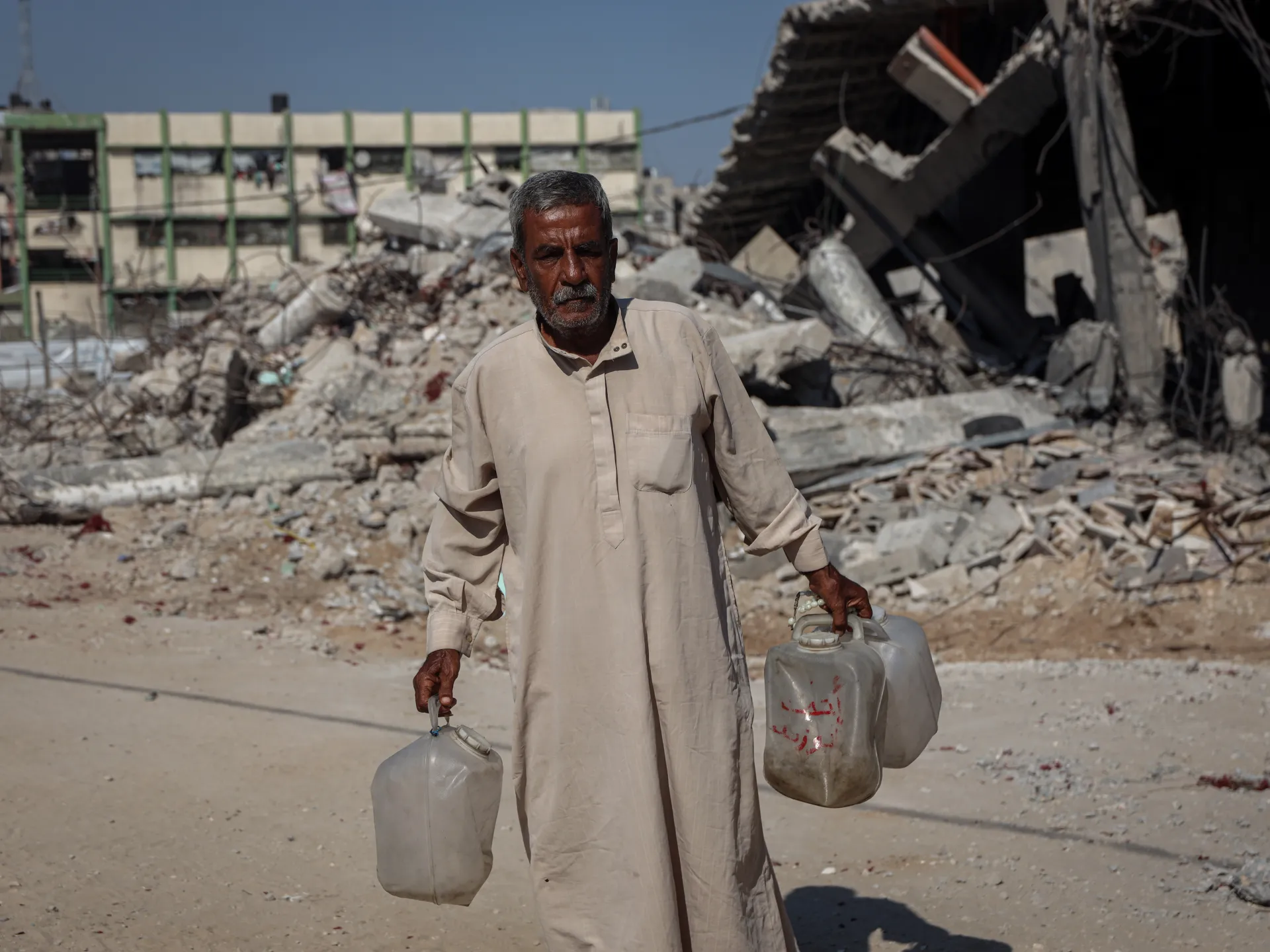
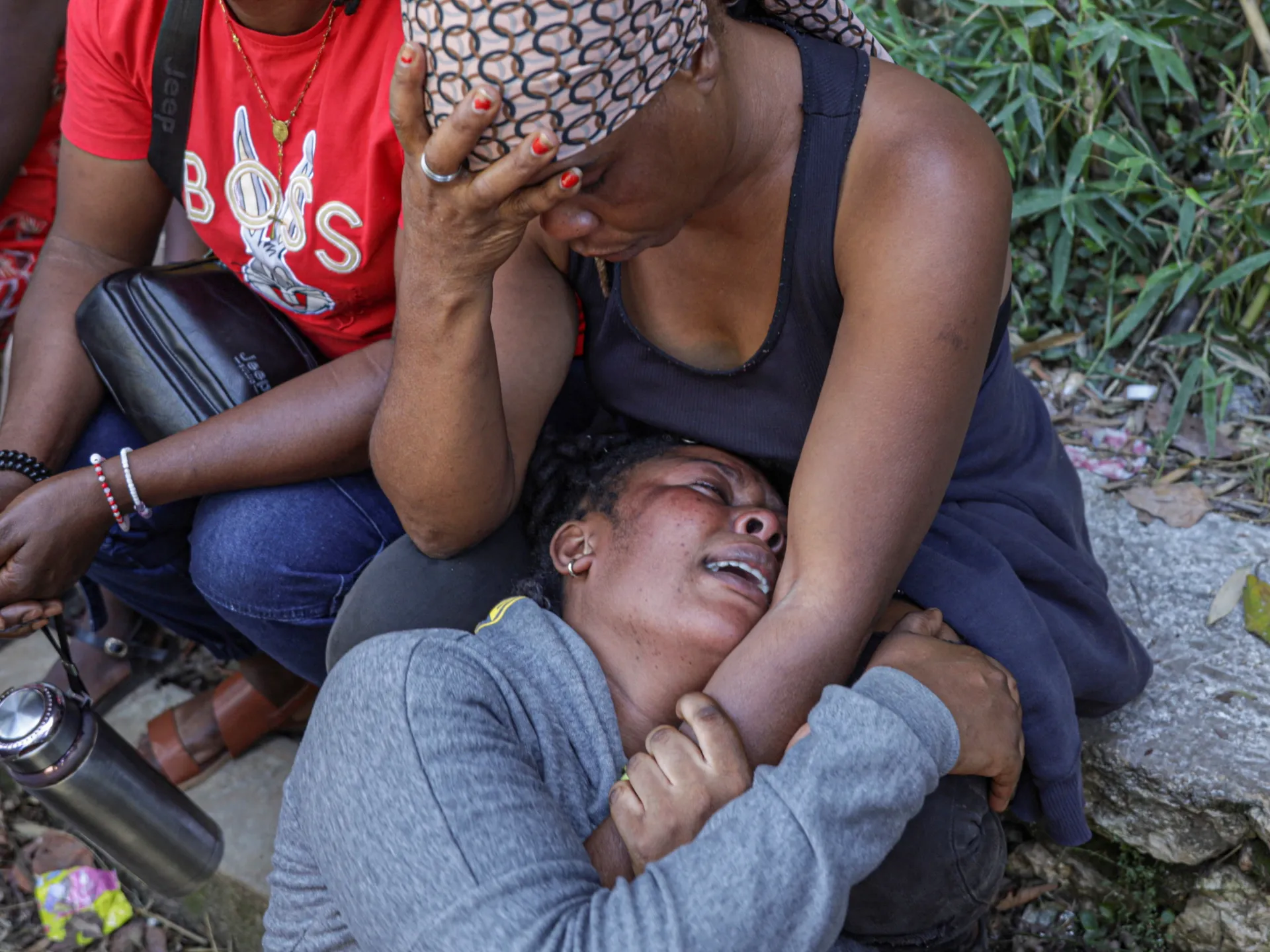
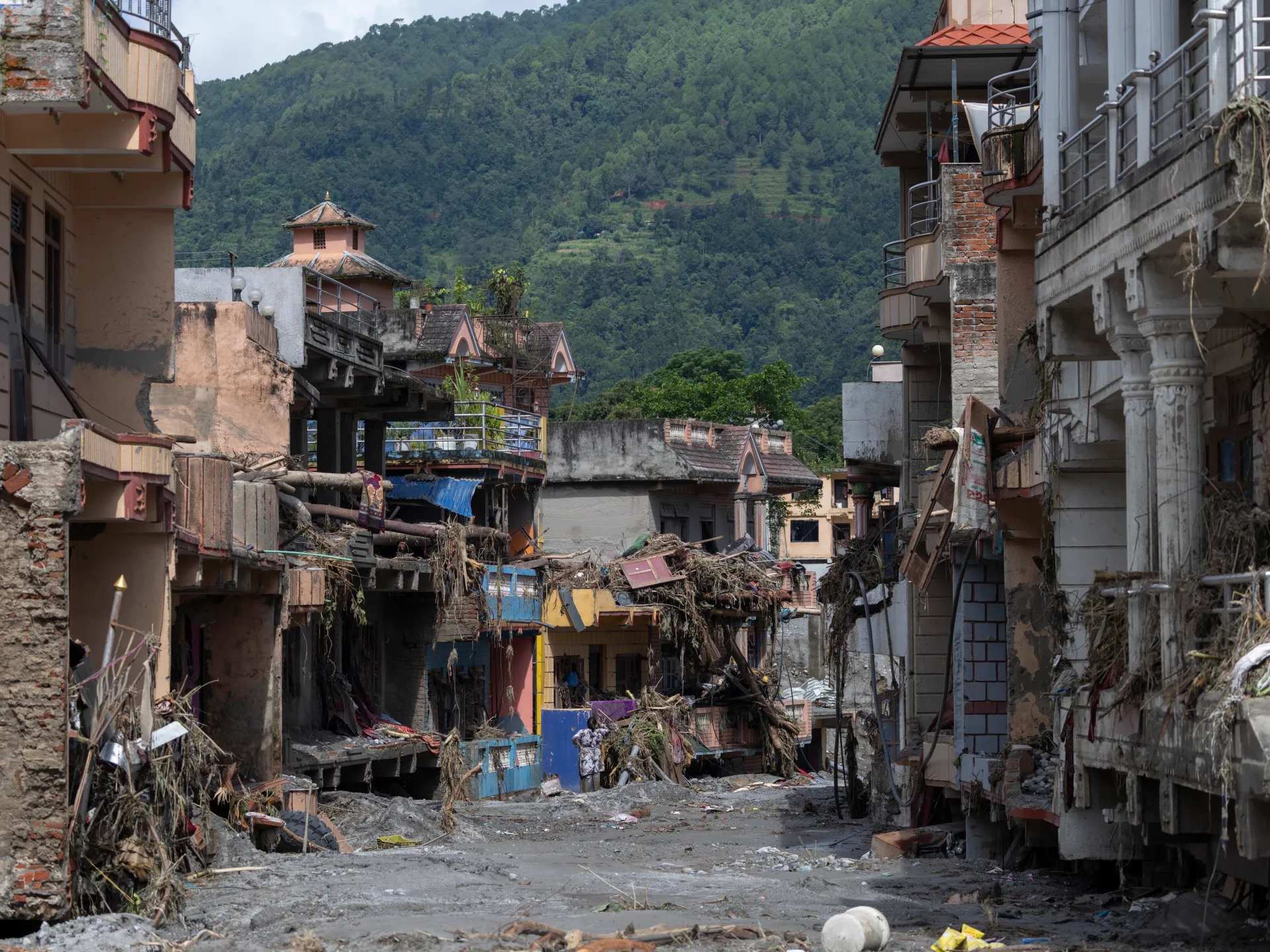
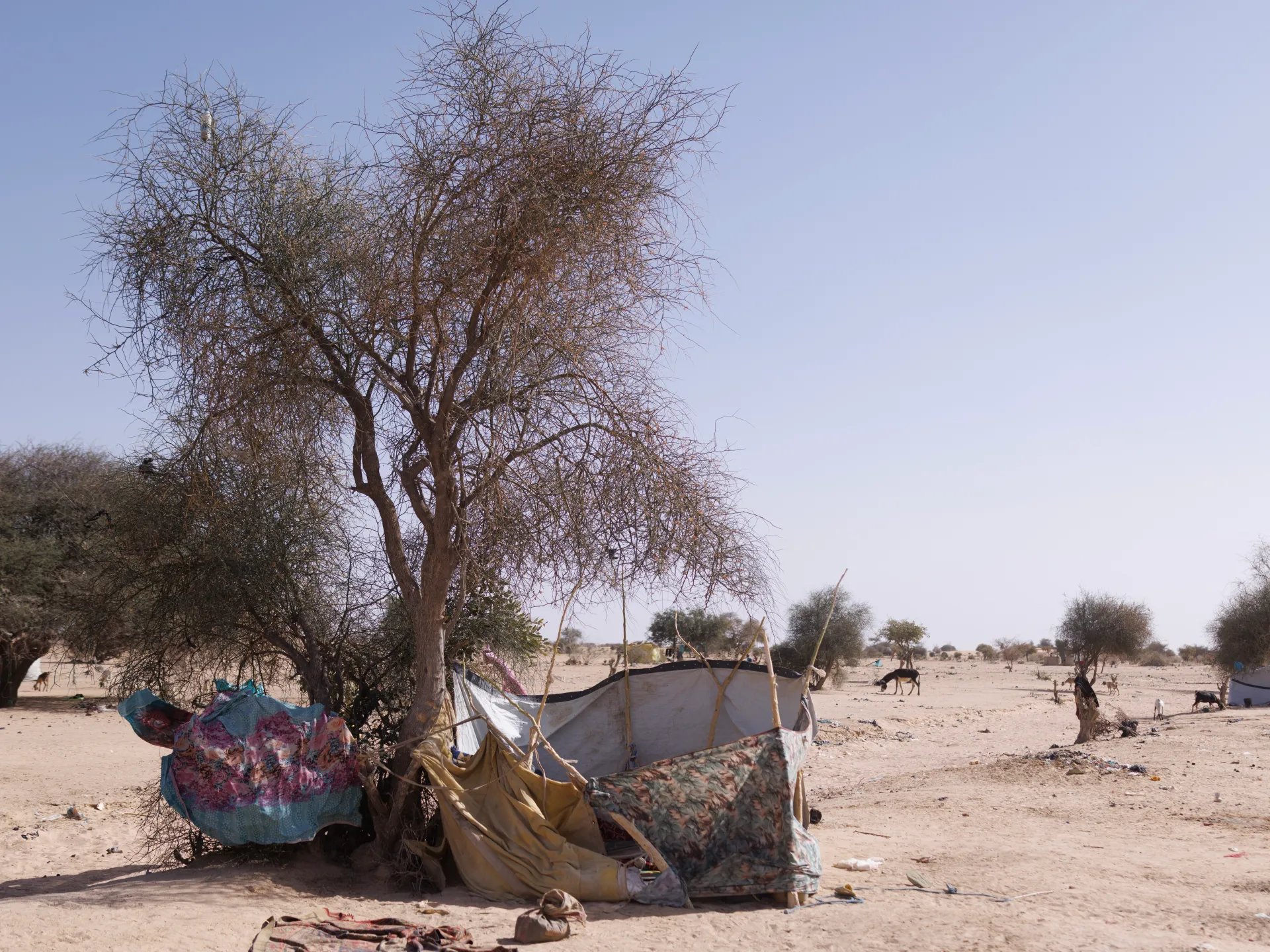
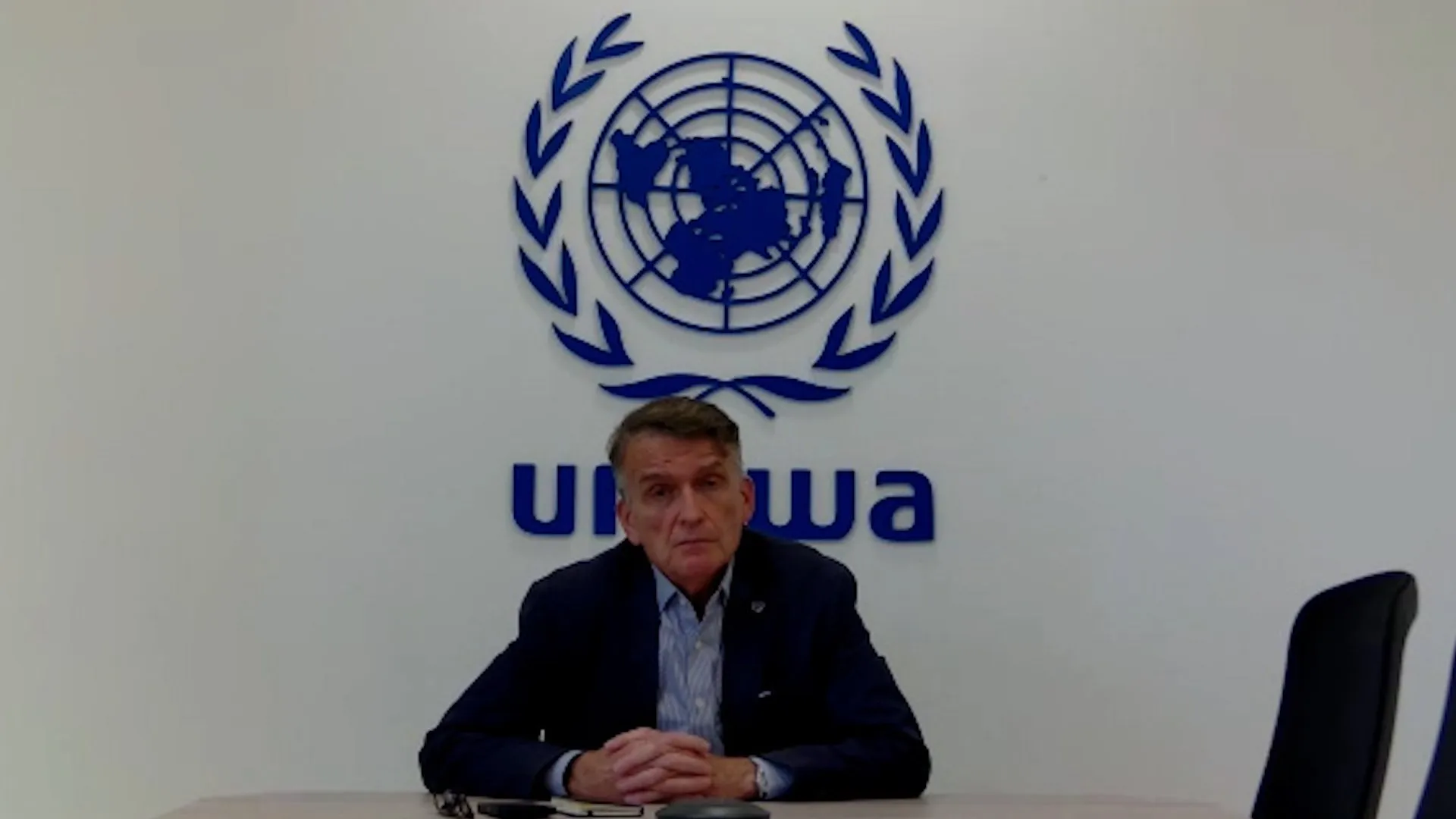
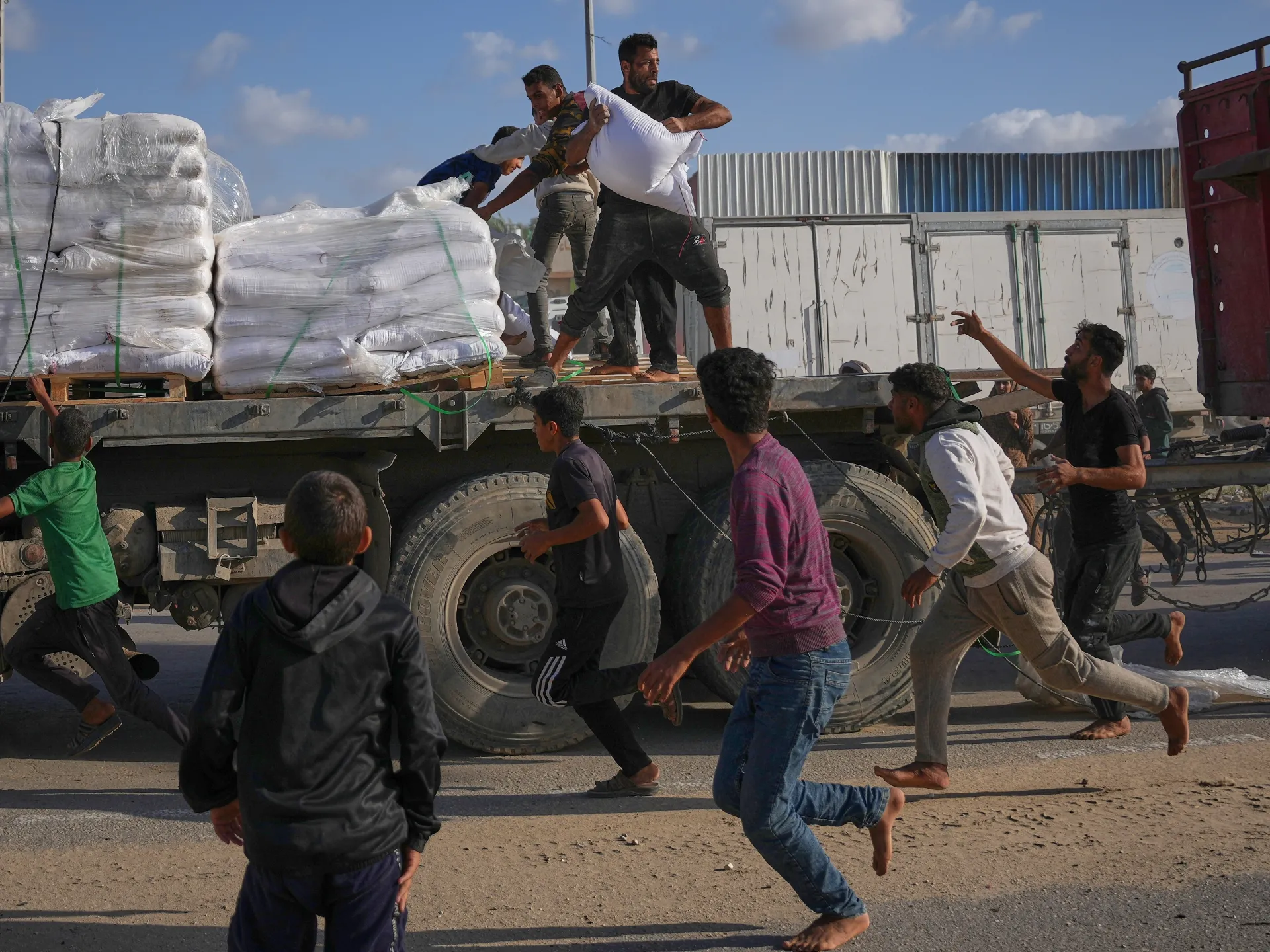
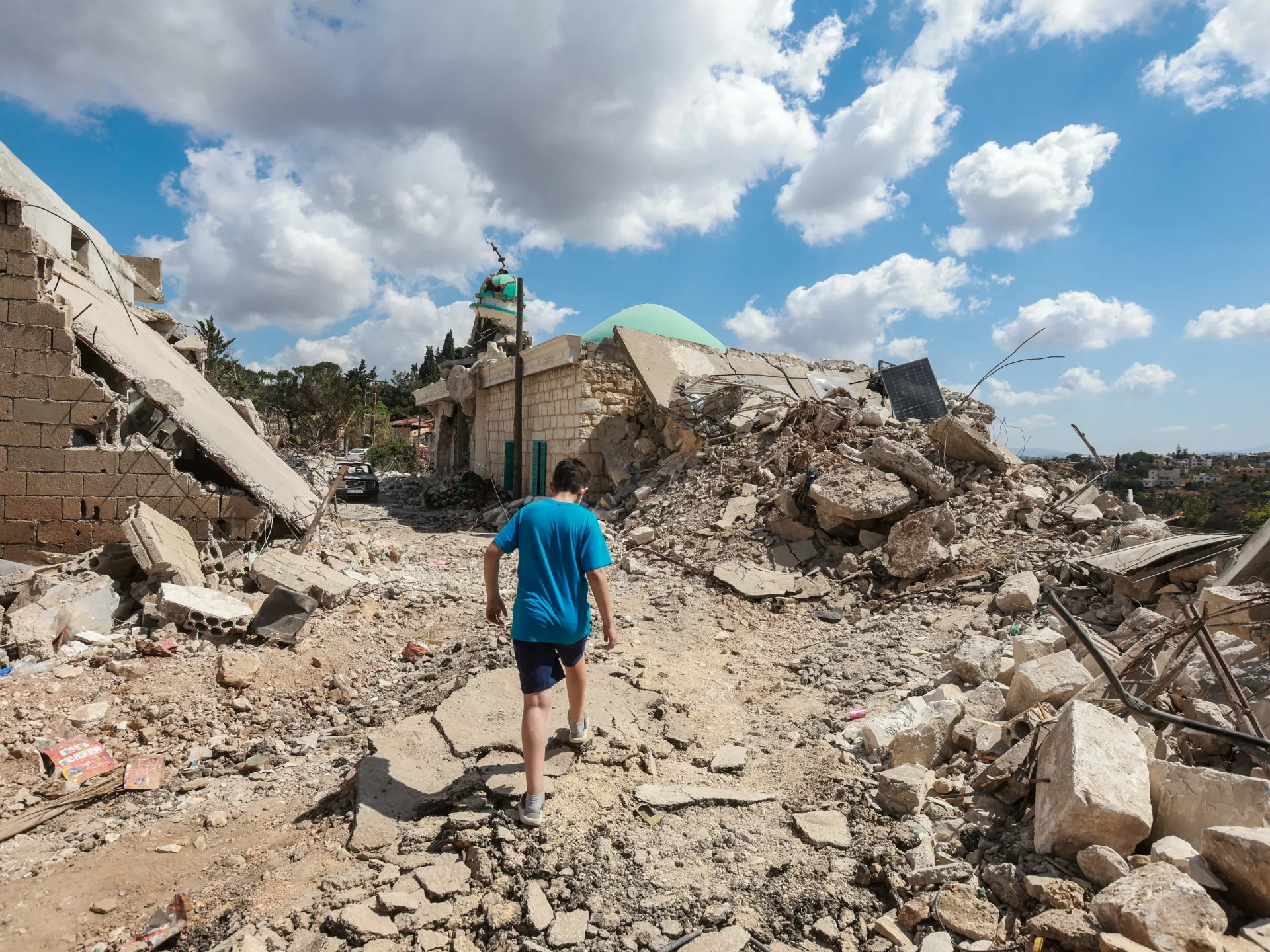
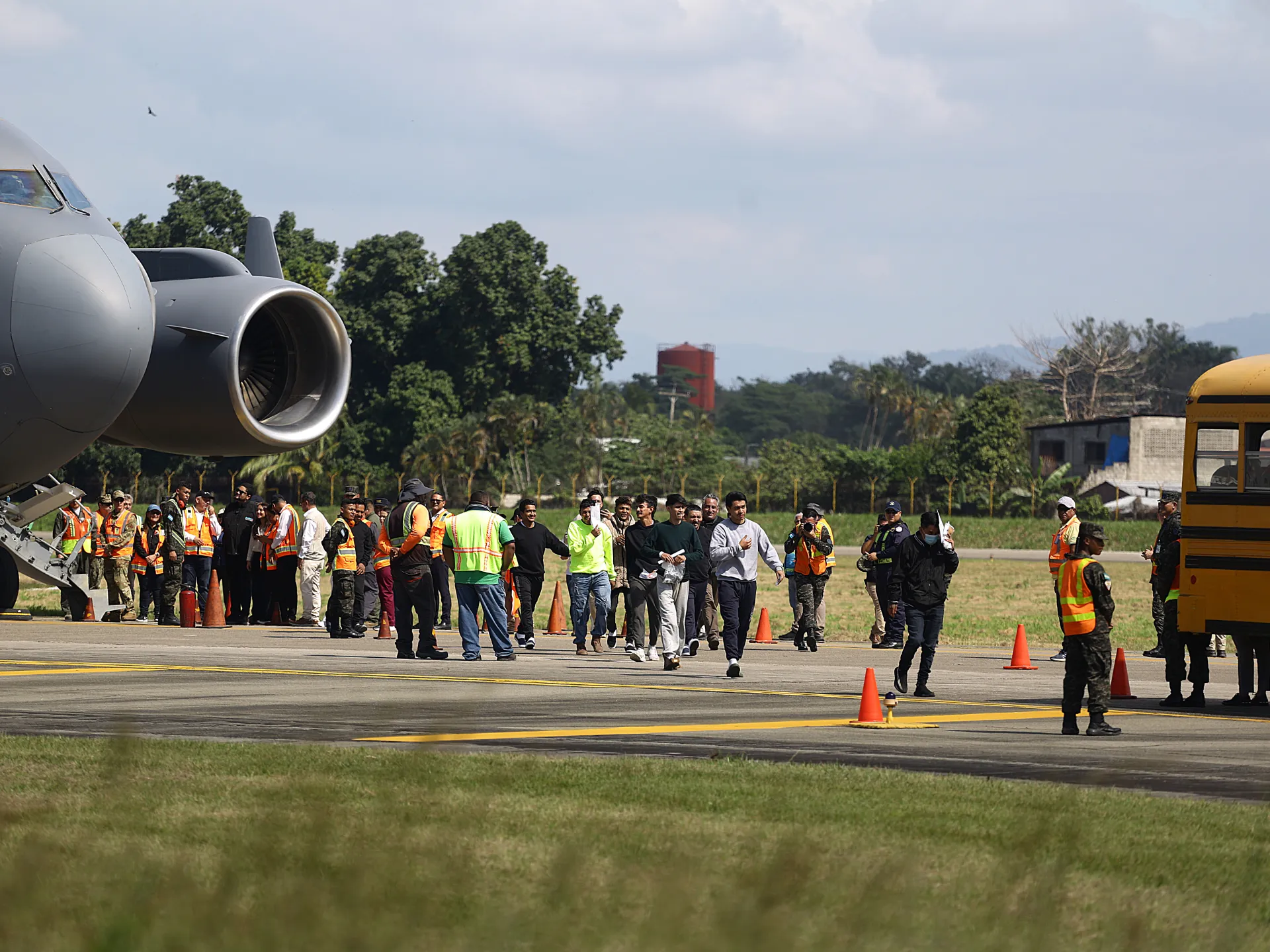
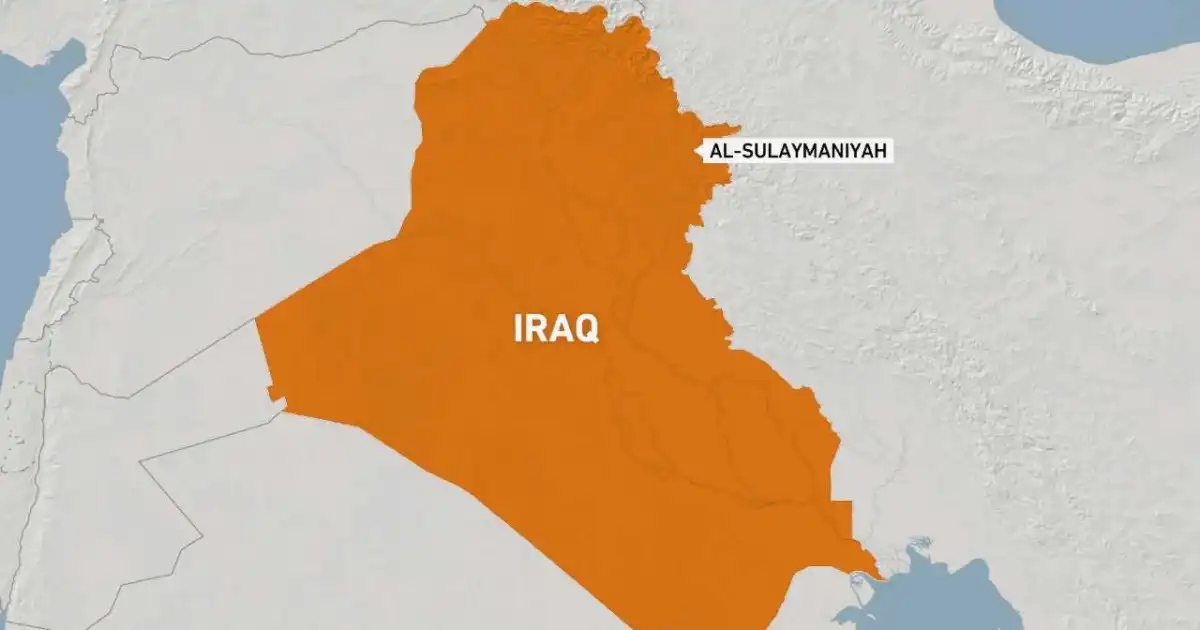
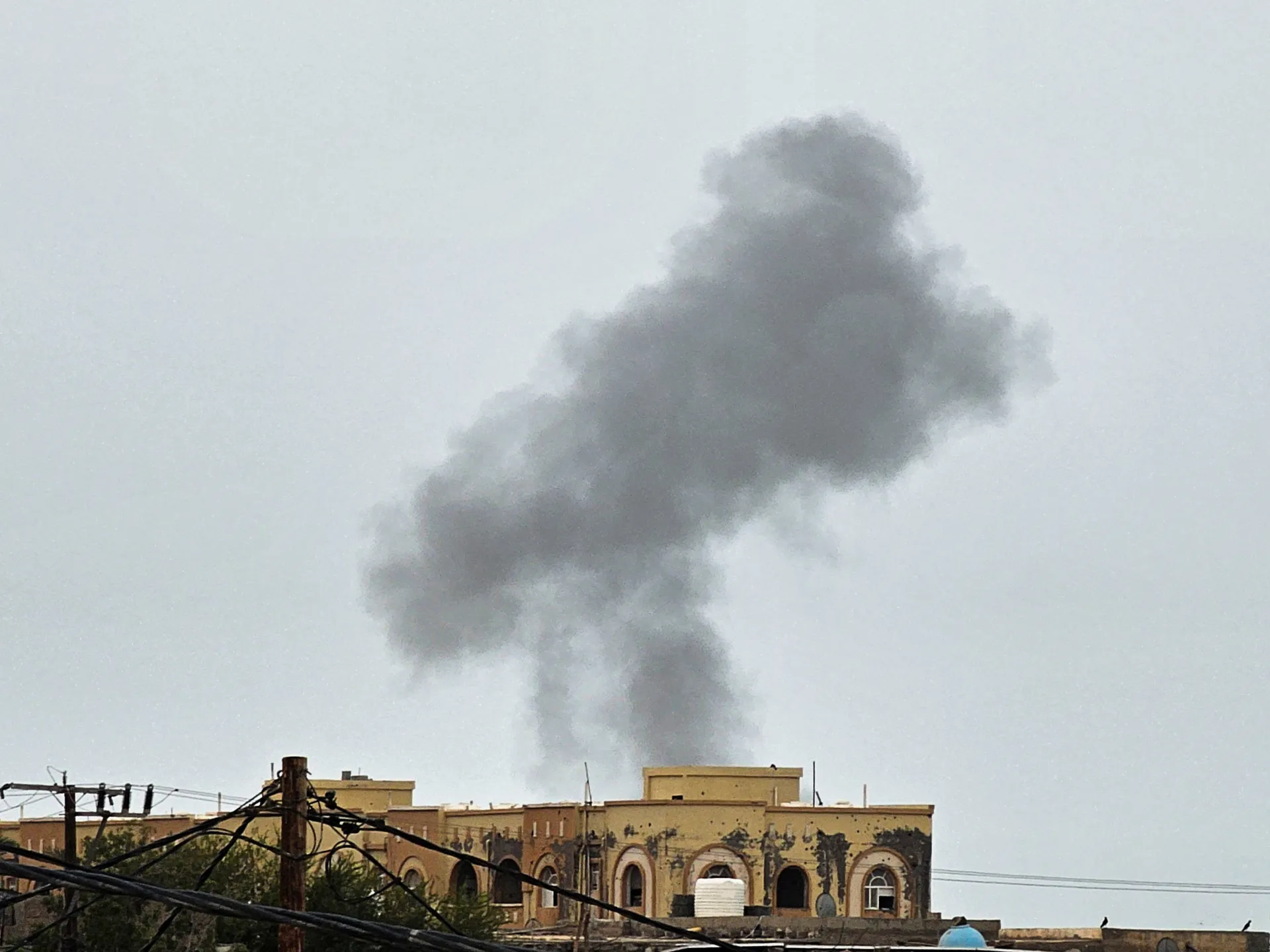
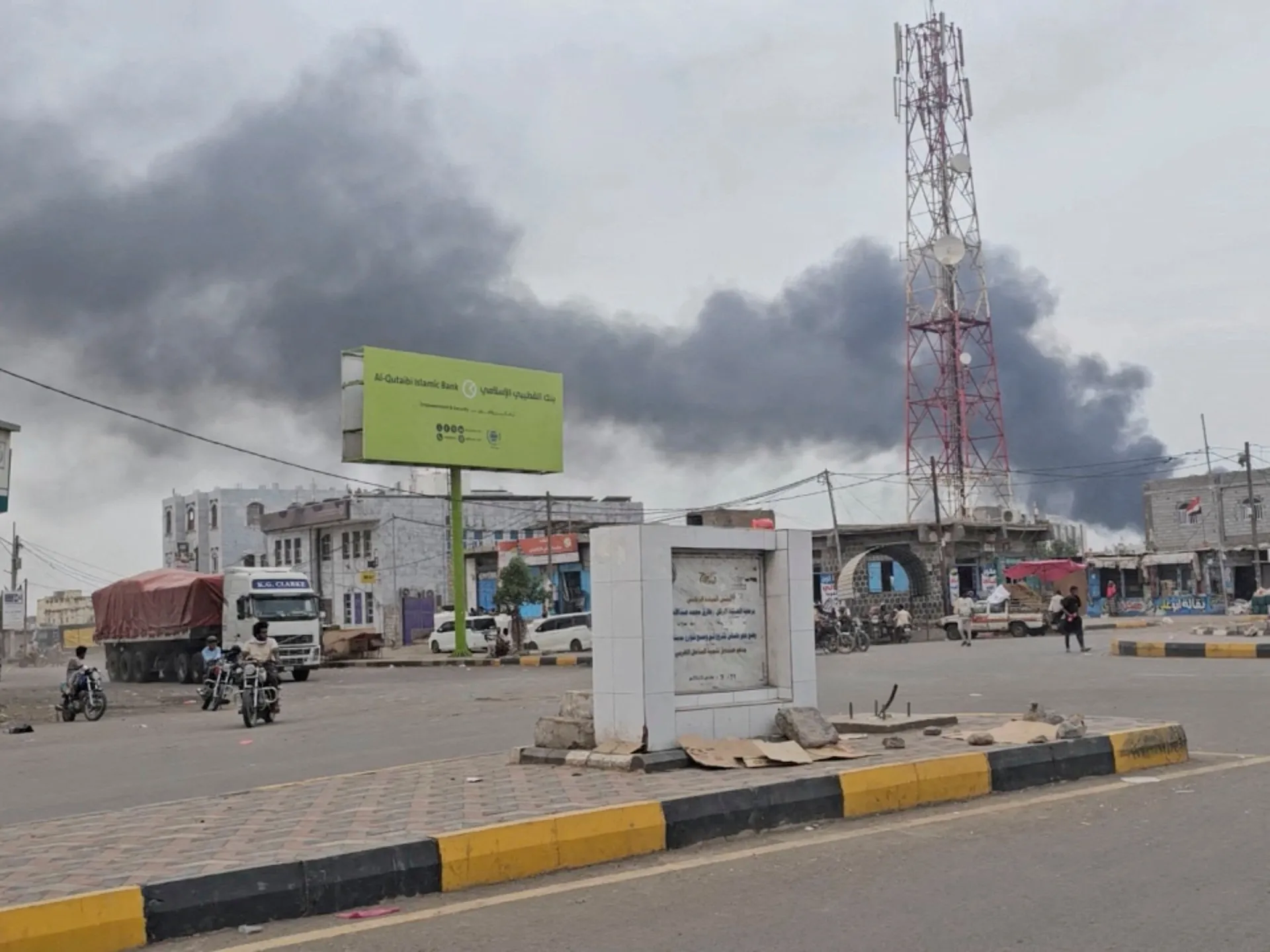
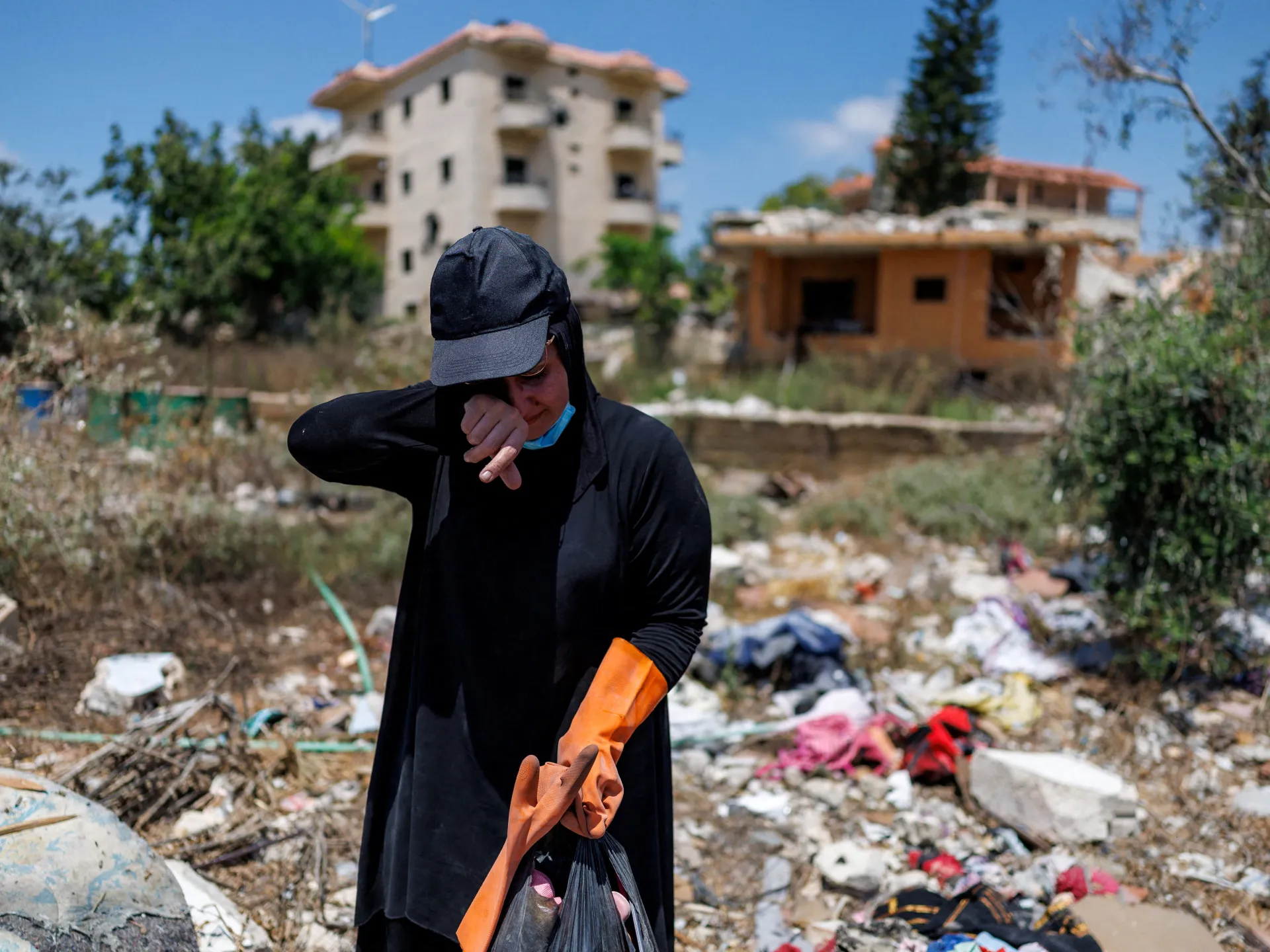
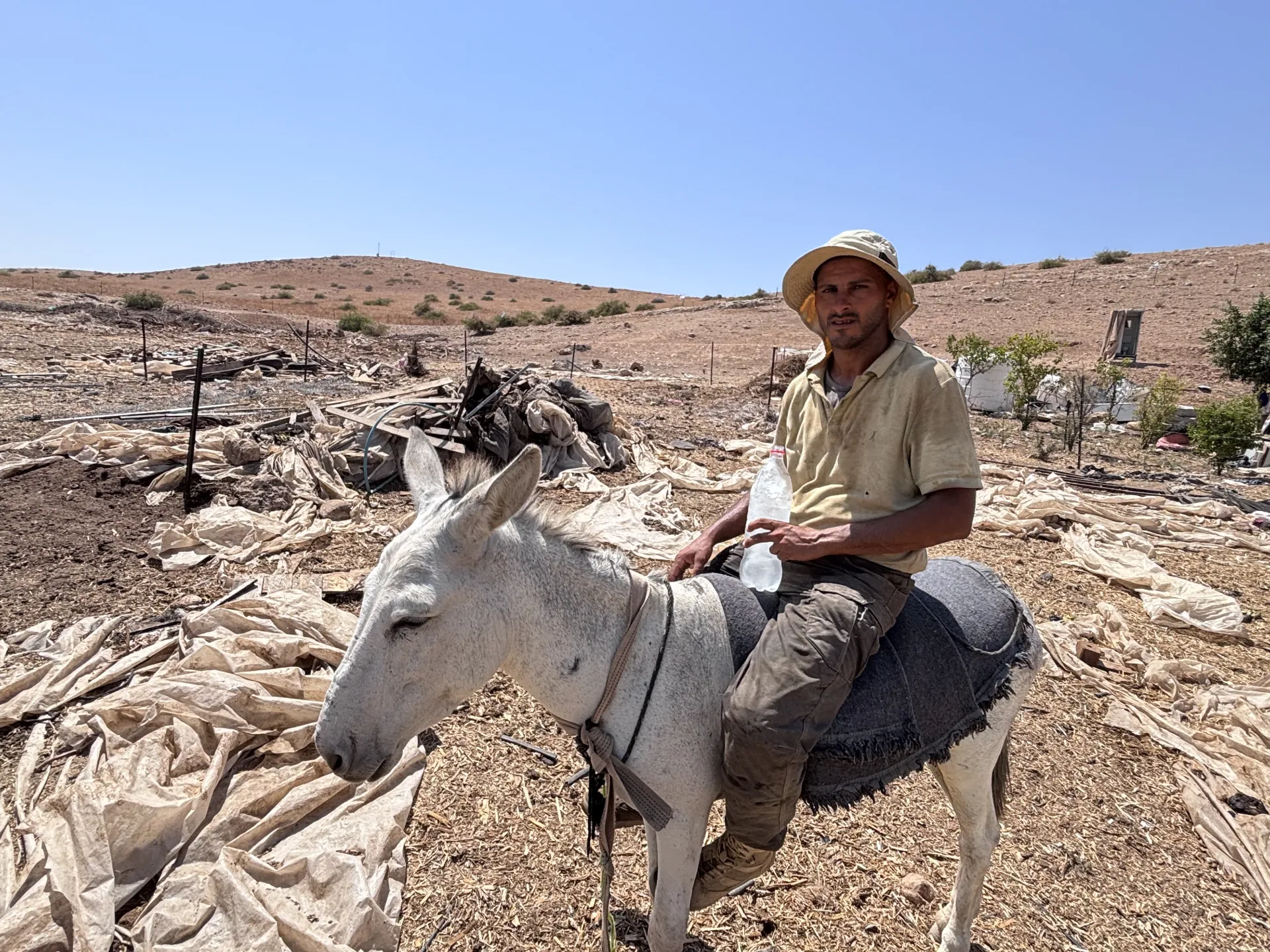
The displacement of over 112,000 Yemenis in just the past fortnight marks a significant escalation in regional instability. The International Organization for Migration (IOM) reports that the majority of this movement is concentrated in the provinces of Taiz and Lahj as forces aligned with the Houthis consolidate control over the Red Sea coastline. Abdusattor Esoev, the IOM mission chief in Yemen, expressed grave concerns regarding the sustainability of aid efforts, noting that existing stocks are nearing total depletion.
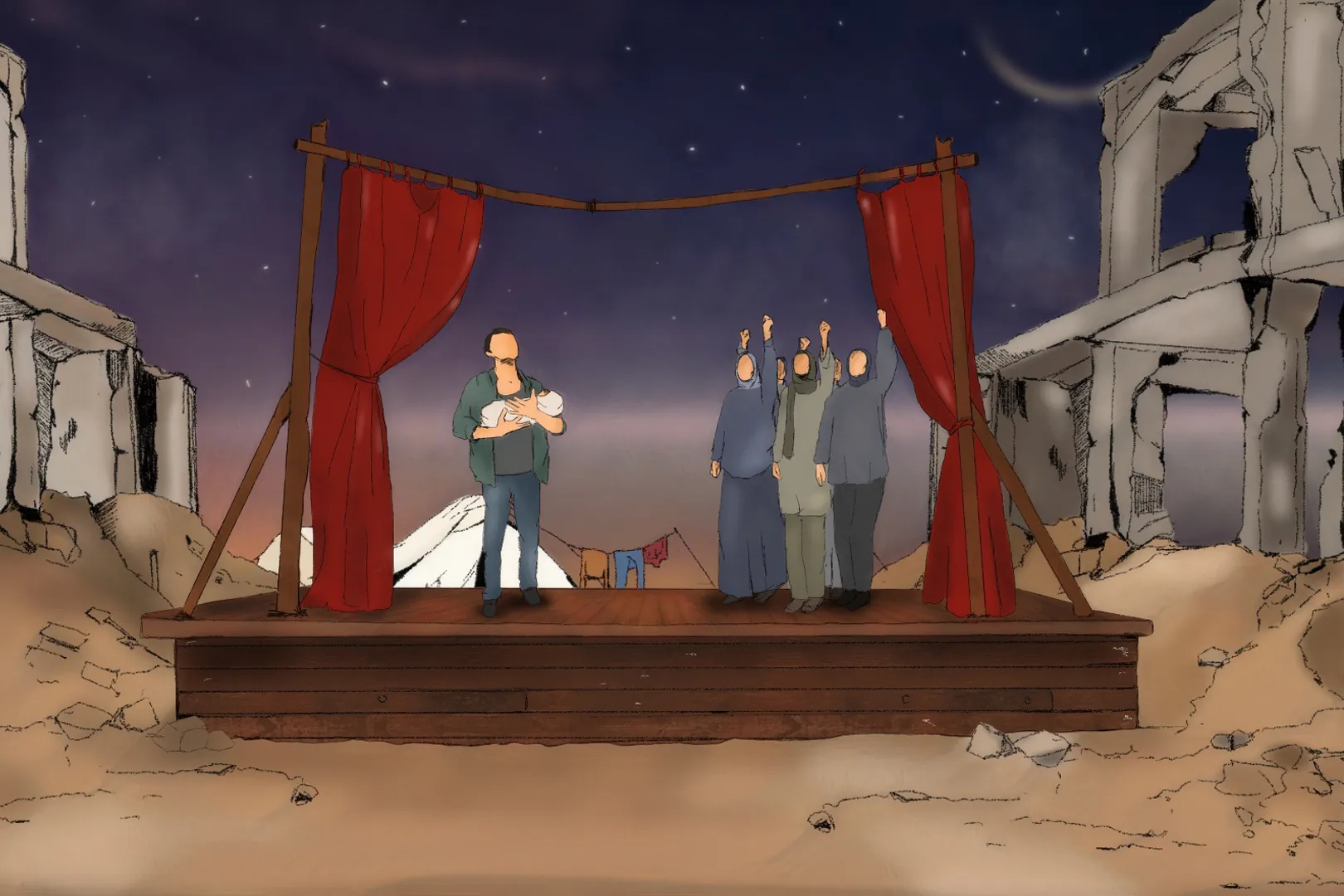
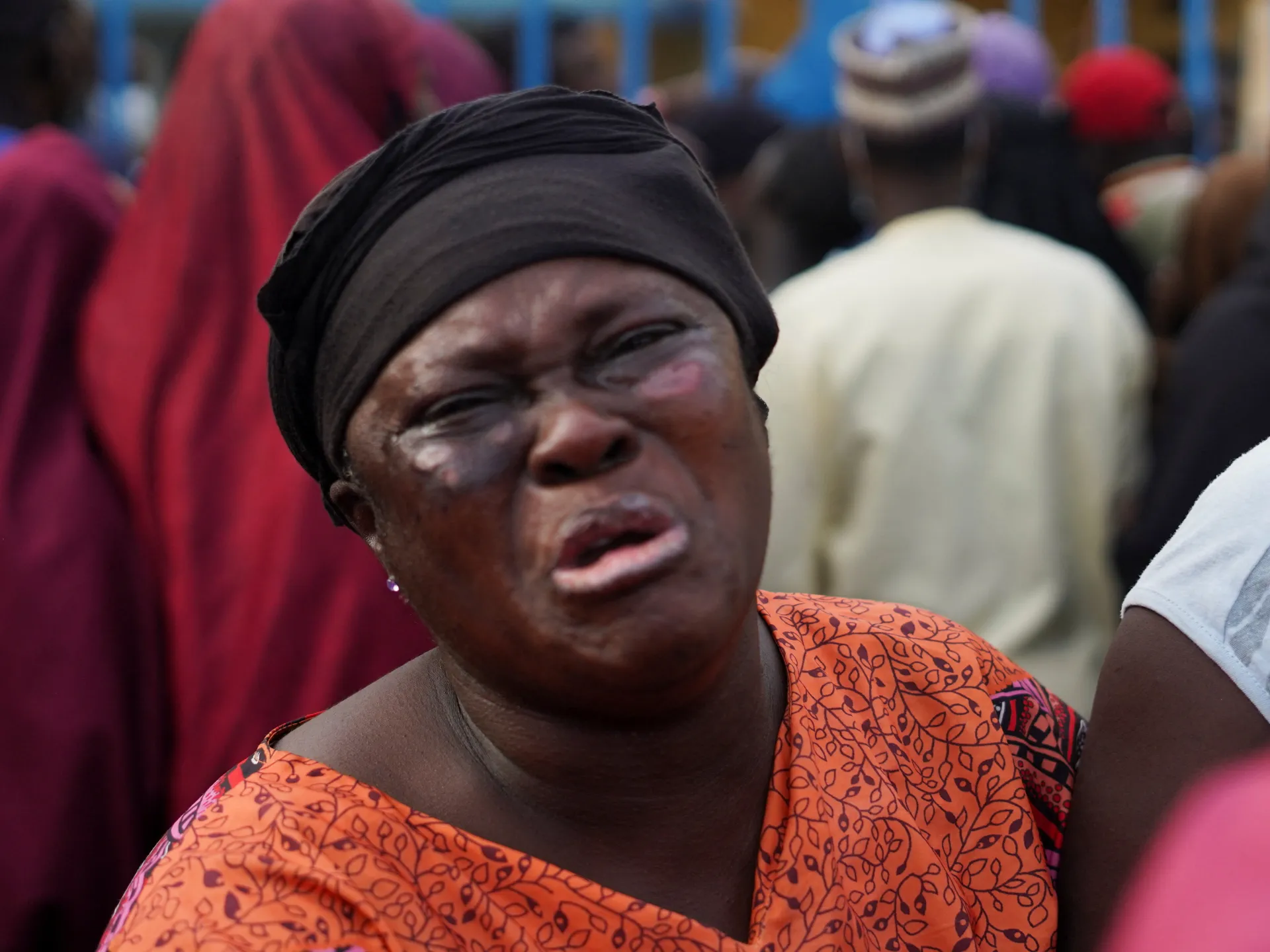
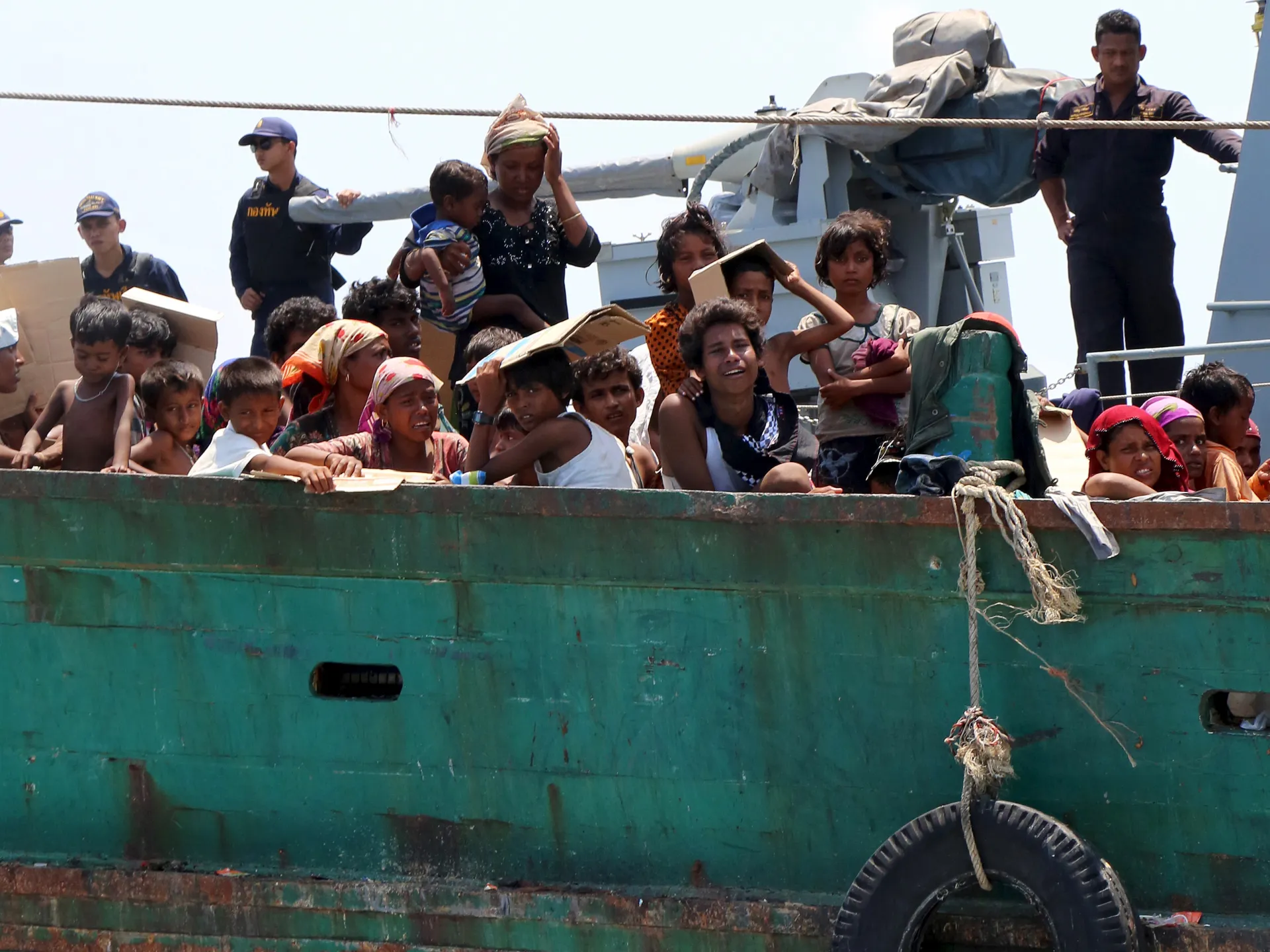
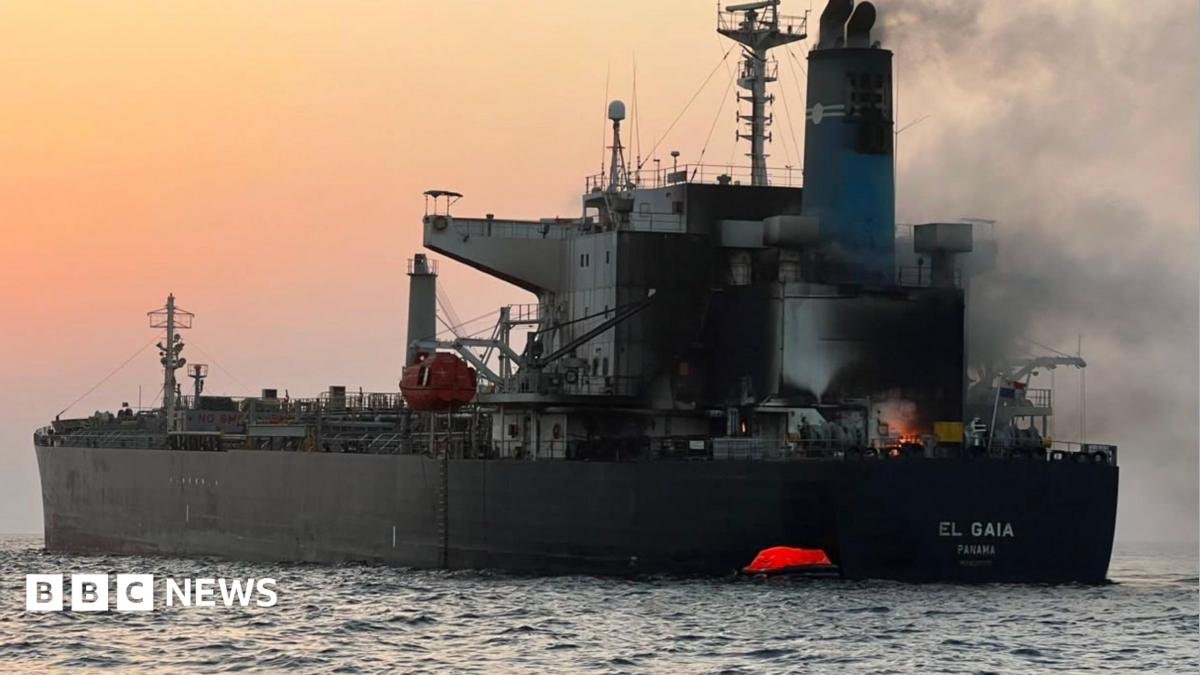
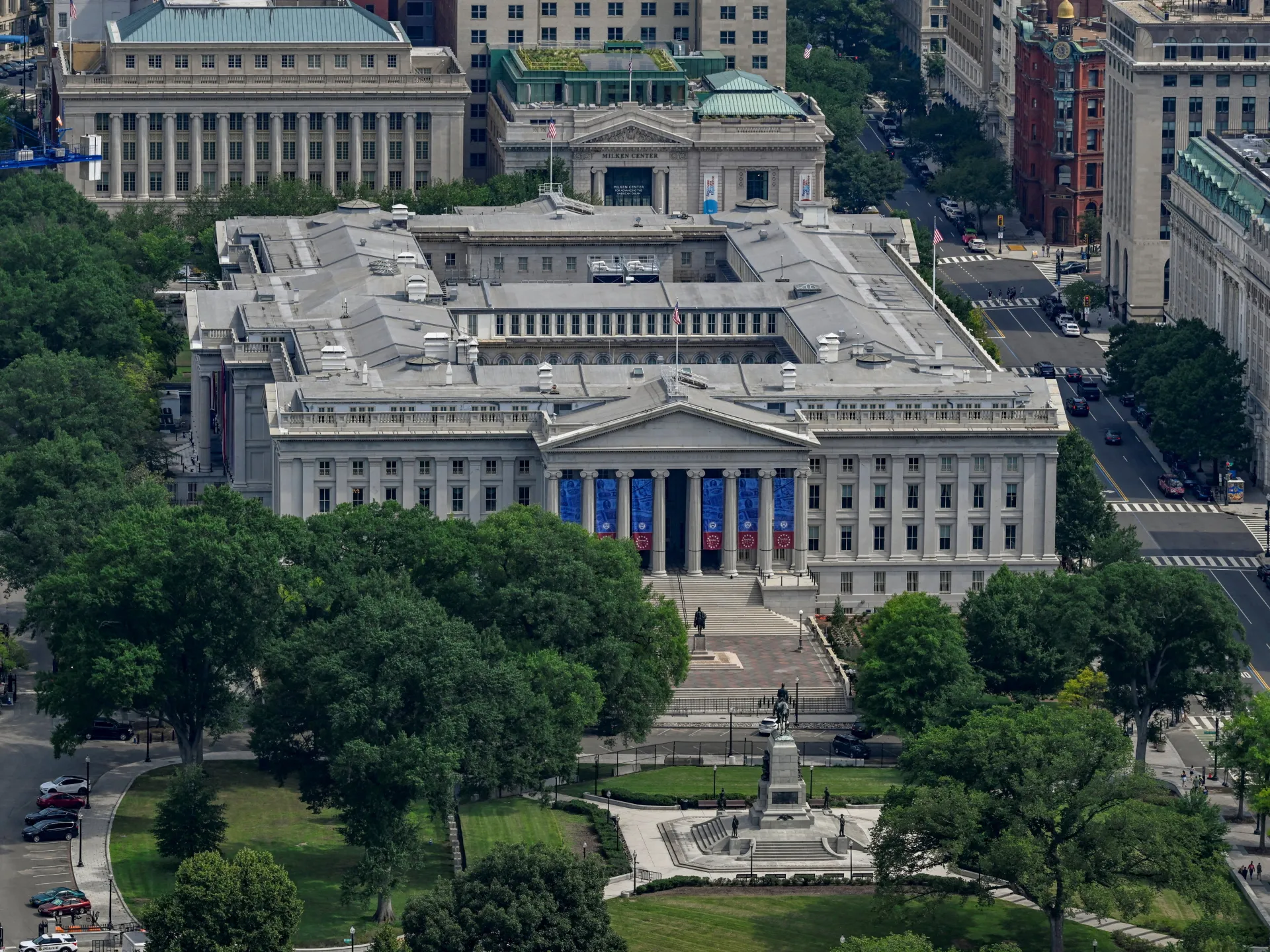
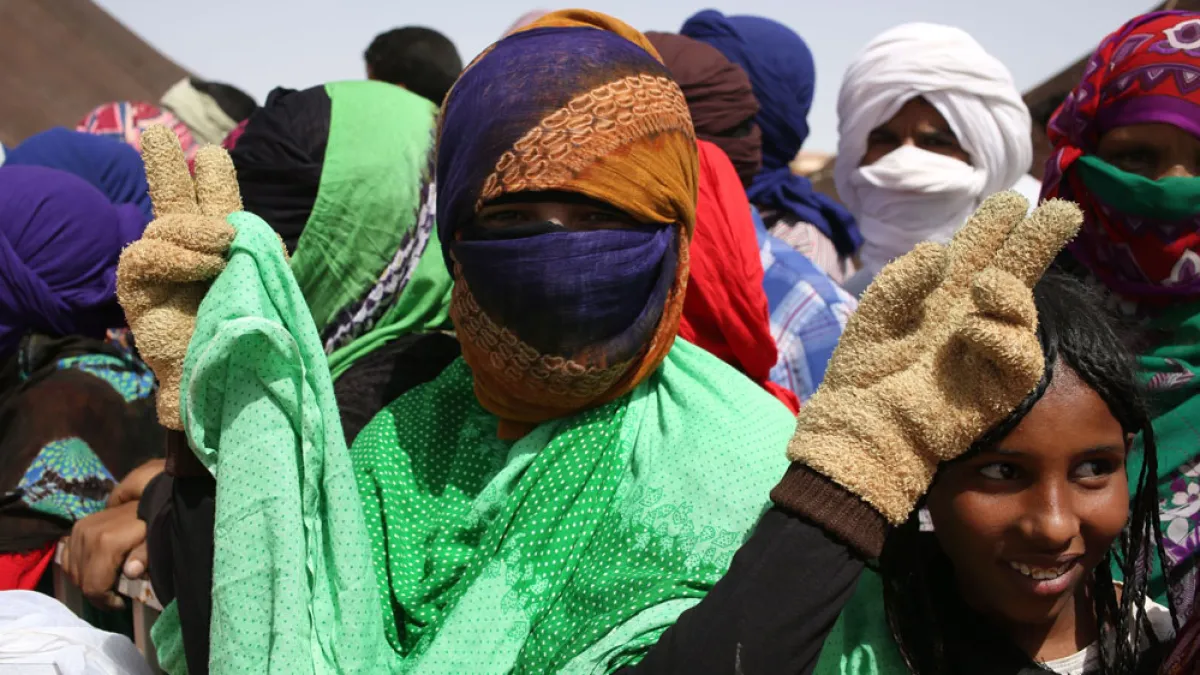
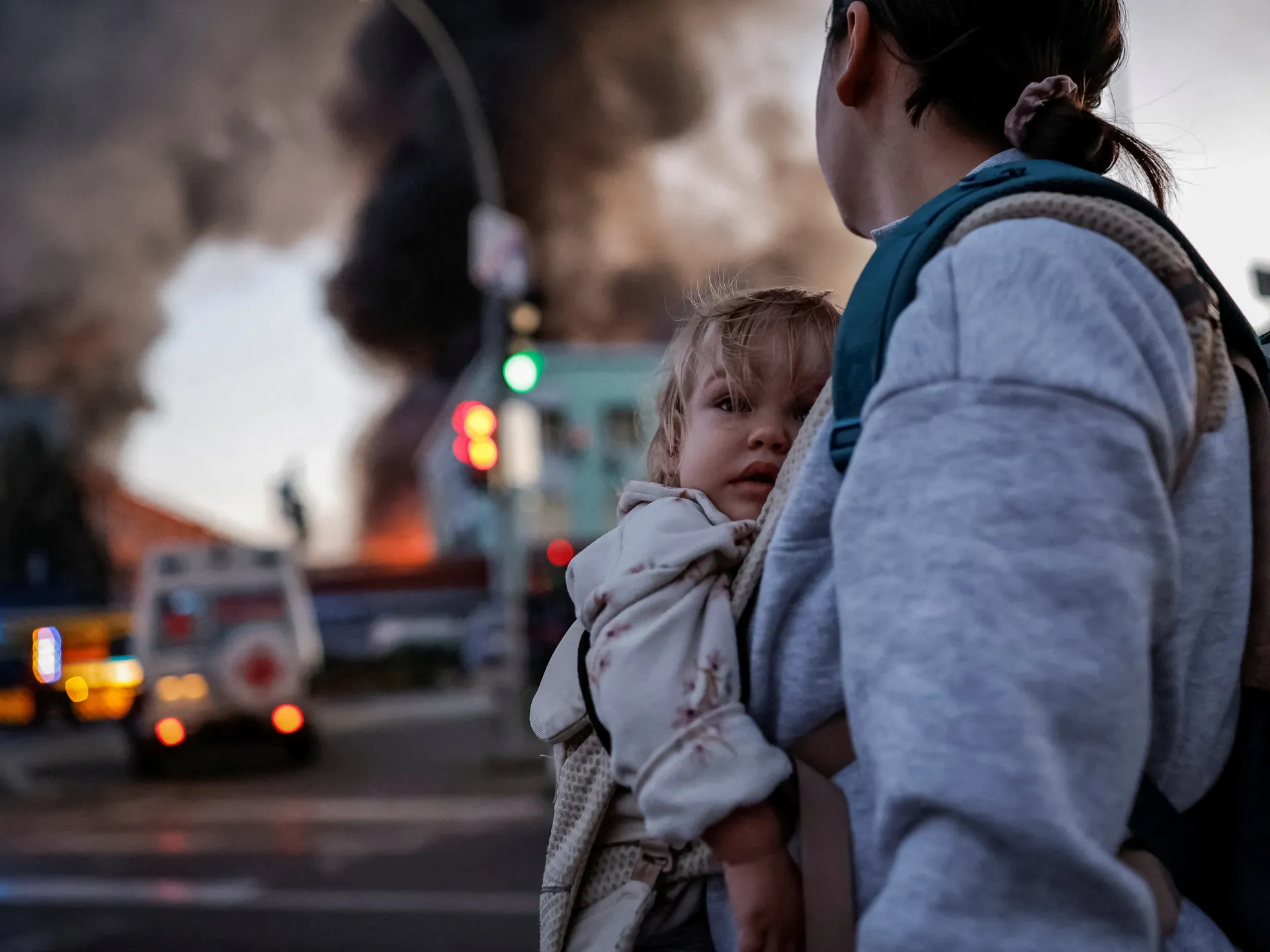
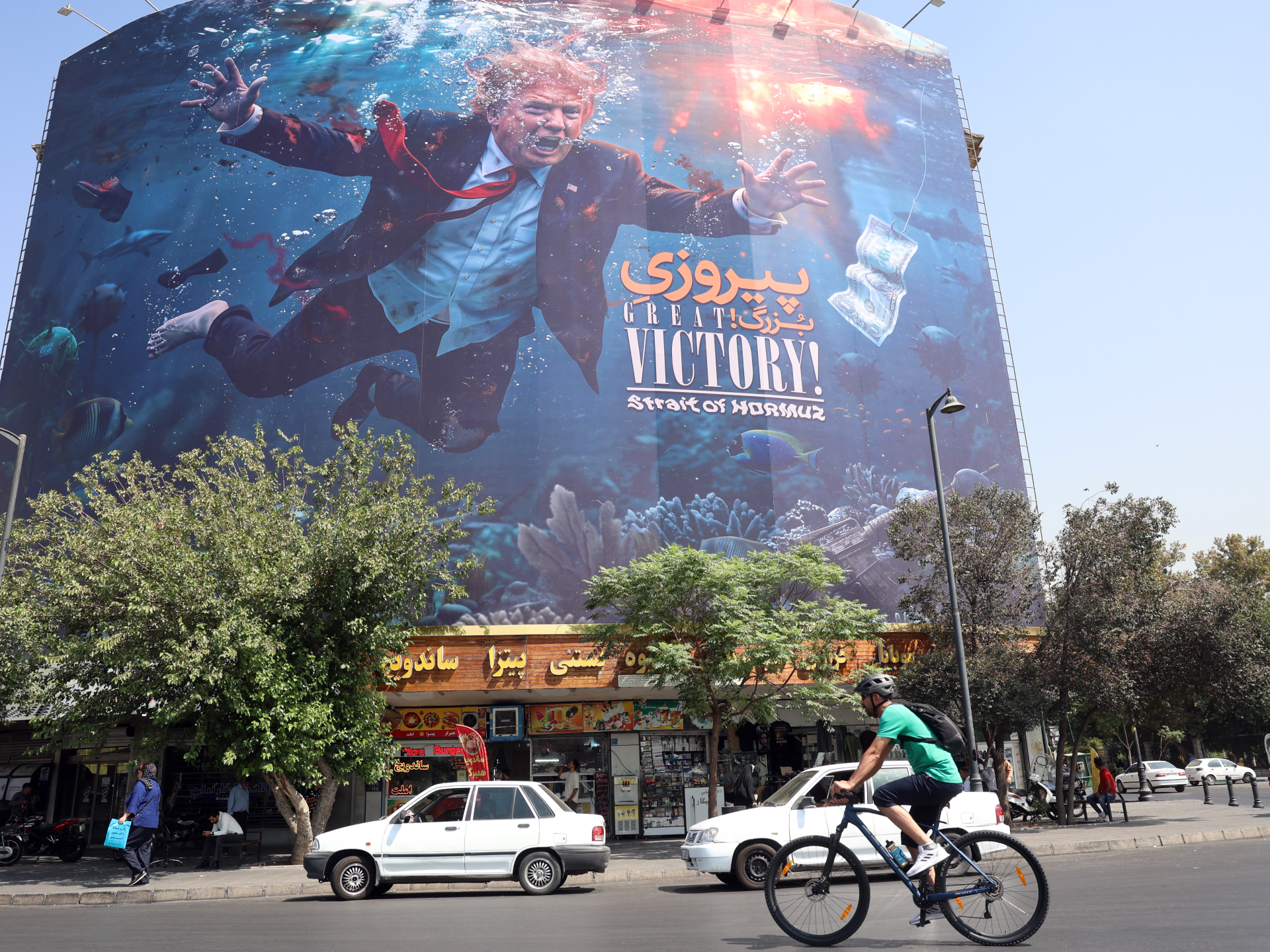
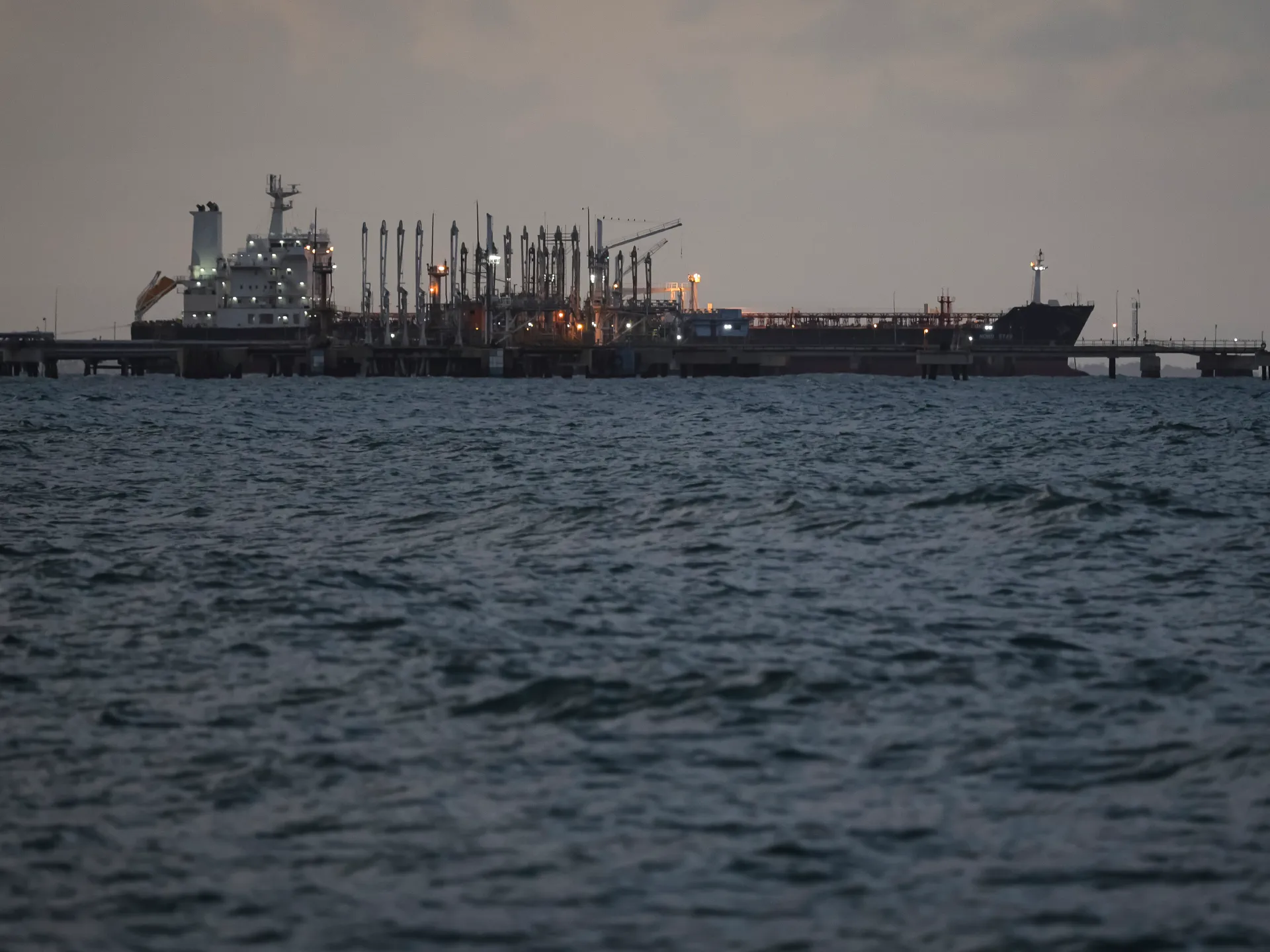
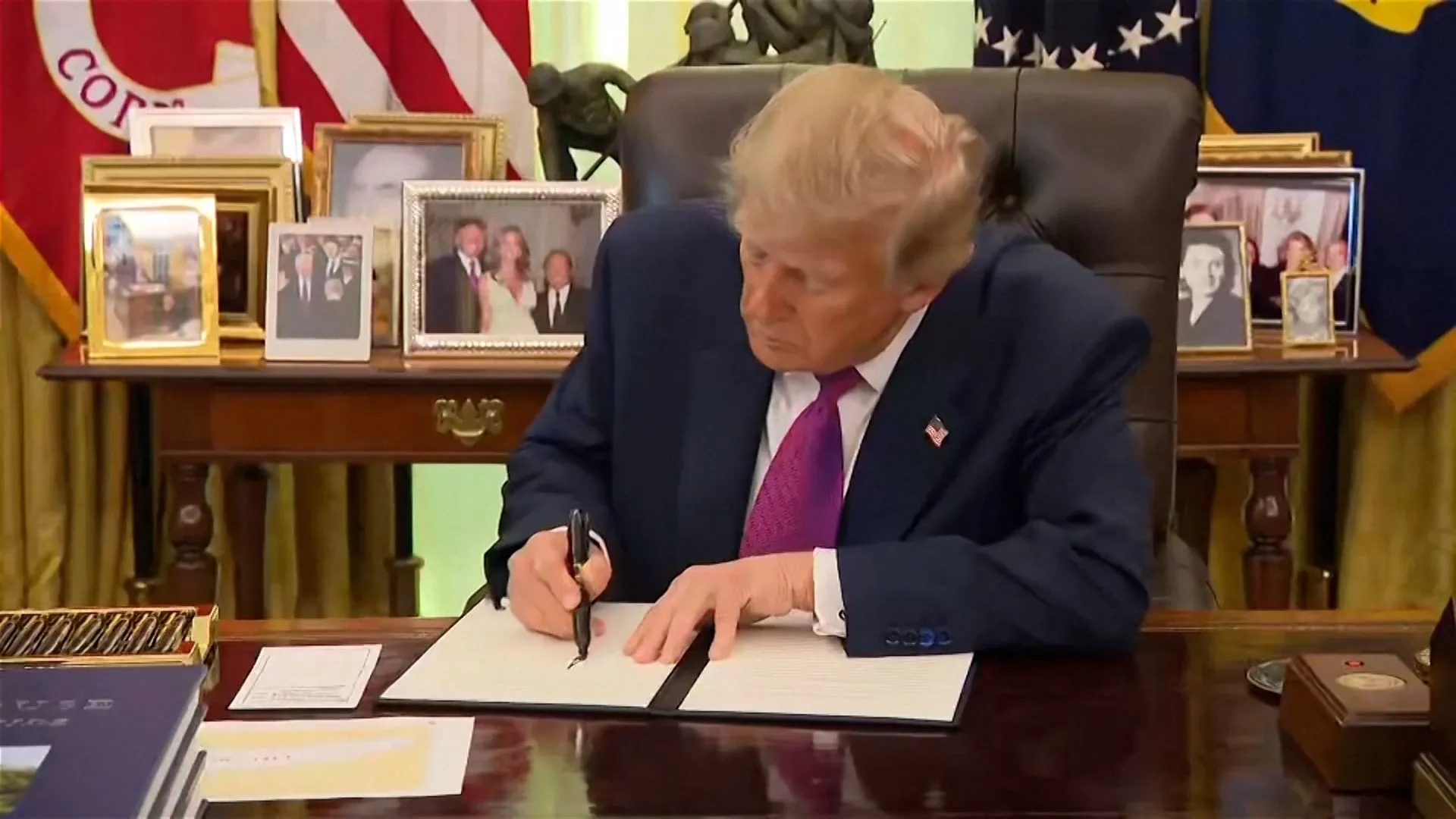
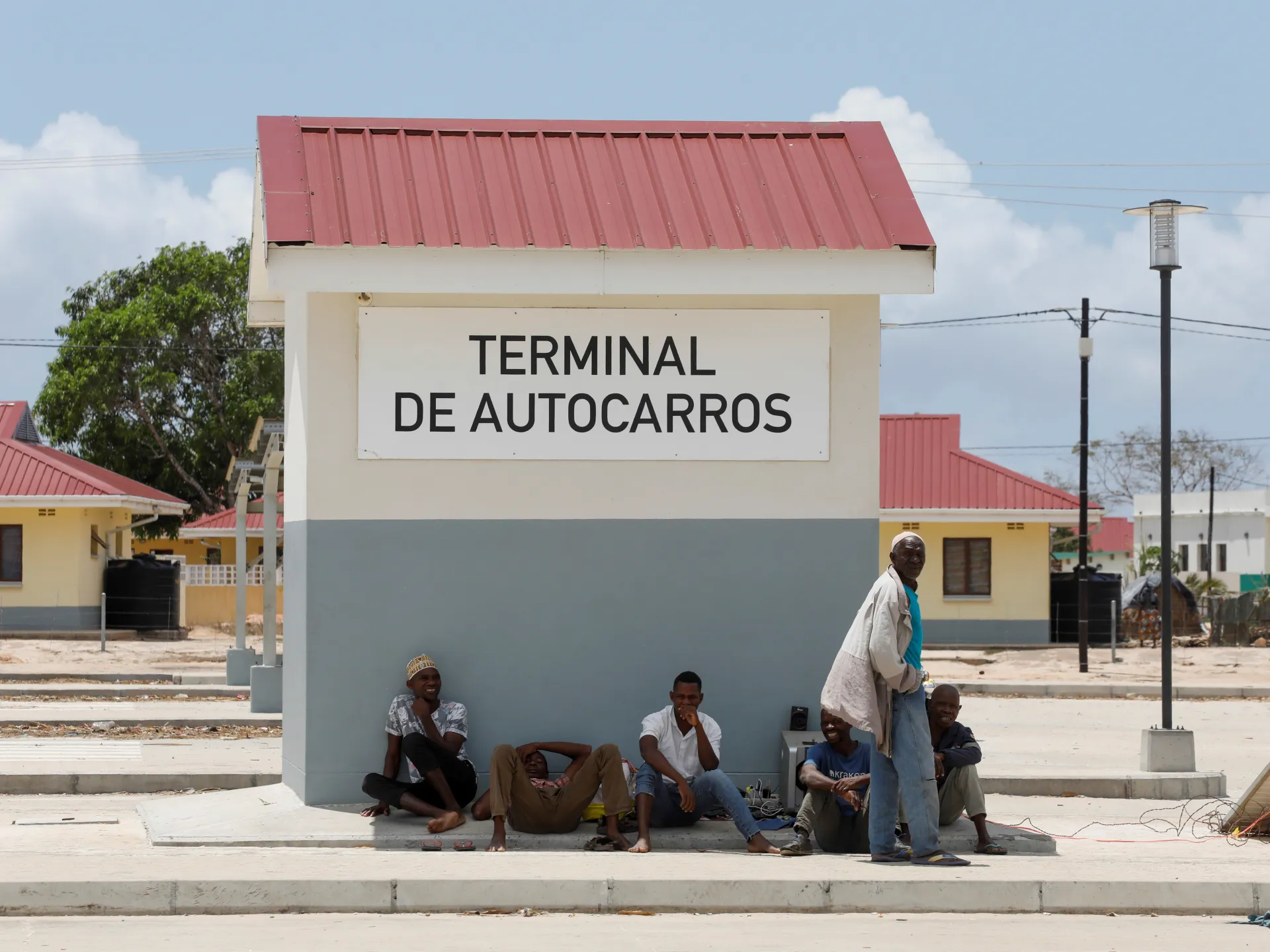
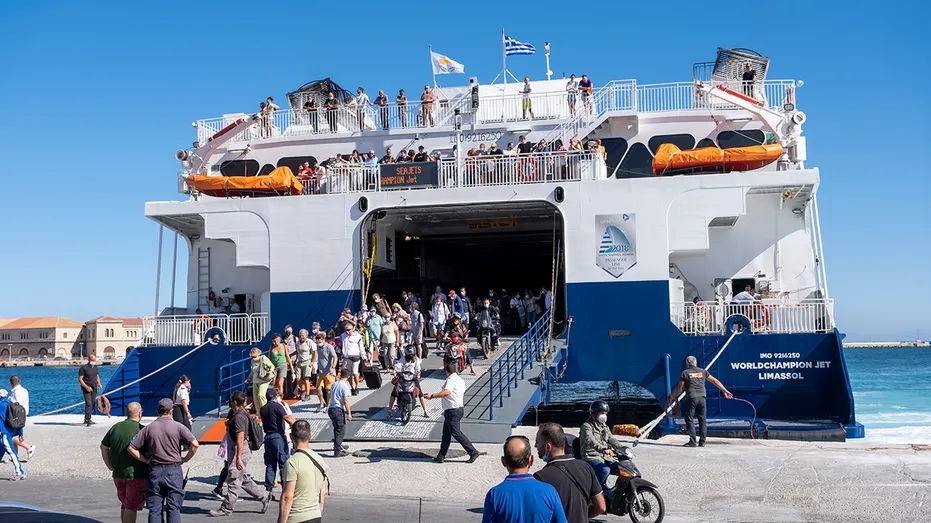
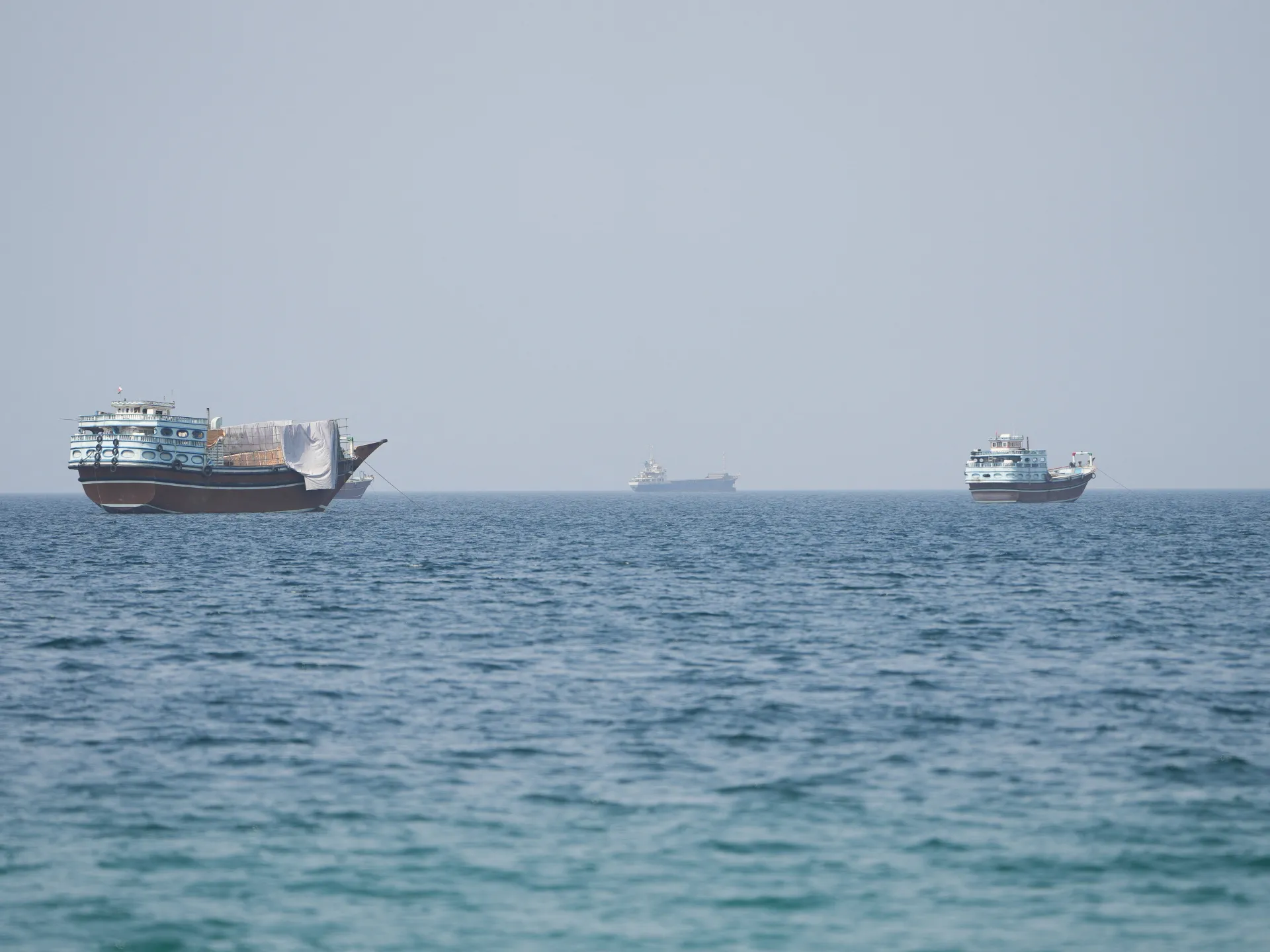
Beyond the internal displacement, the maritime corridor is experiencing acute pressure. Approximately 3,000 people have sought refuge in Djibouti, a nation already hosting 36,000 refugees. Agencies report that the demographic of those fleeing is predominantly vulnerable—women, children, and the elderly. Among the displaced, the United Nations Population Fund (UNFPA) estimates that 2,000 women are pregnant, with roughly 200 expected to require immediate medical intervention for childbirth. This exodus is occurring as global powers, including the United States, continue to monitor the Strait of Hormuz, where recent Treasury sanctions against the BitBank crypto exchange signal an attempt to restrict financial flows linked to regional military activities.
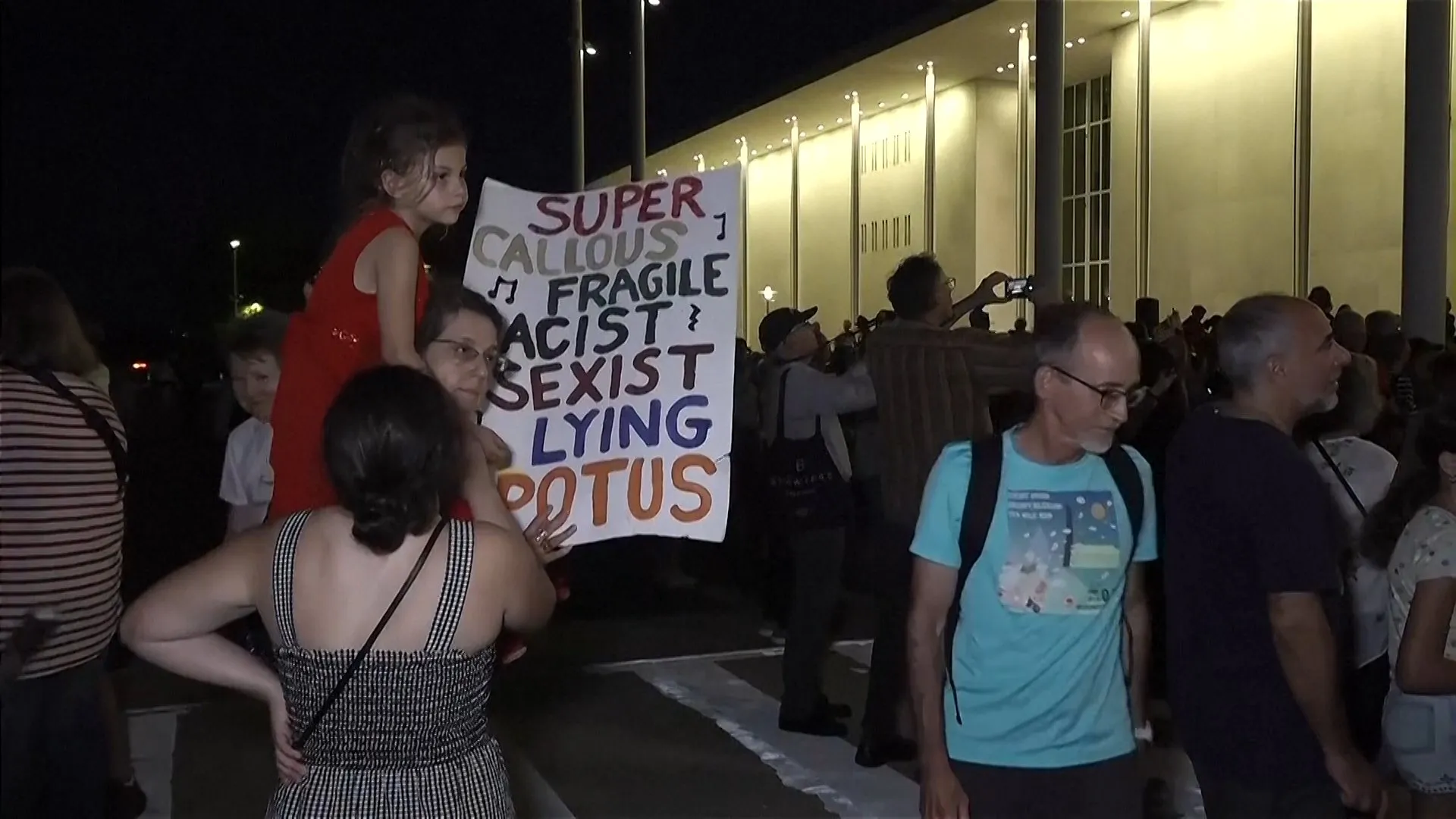
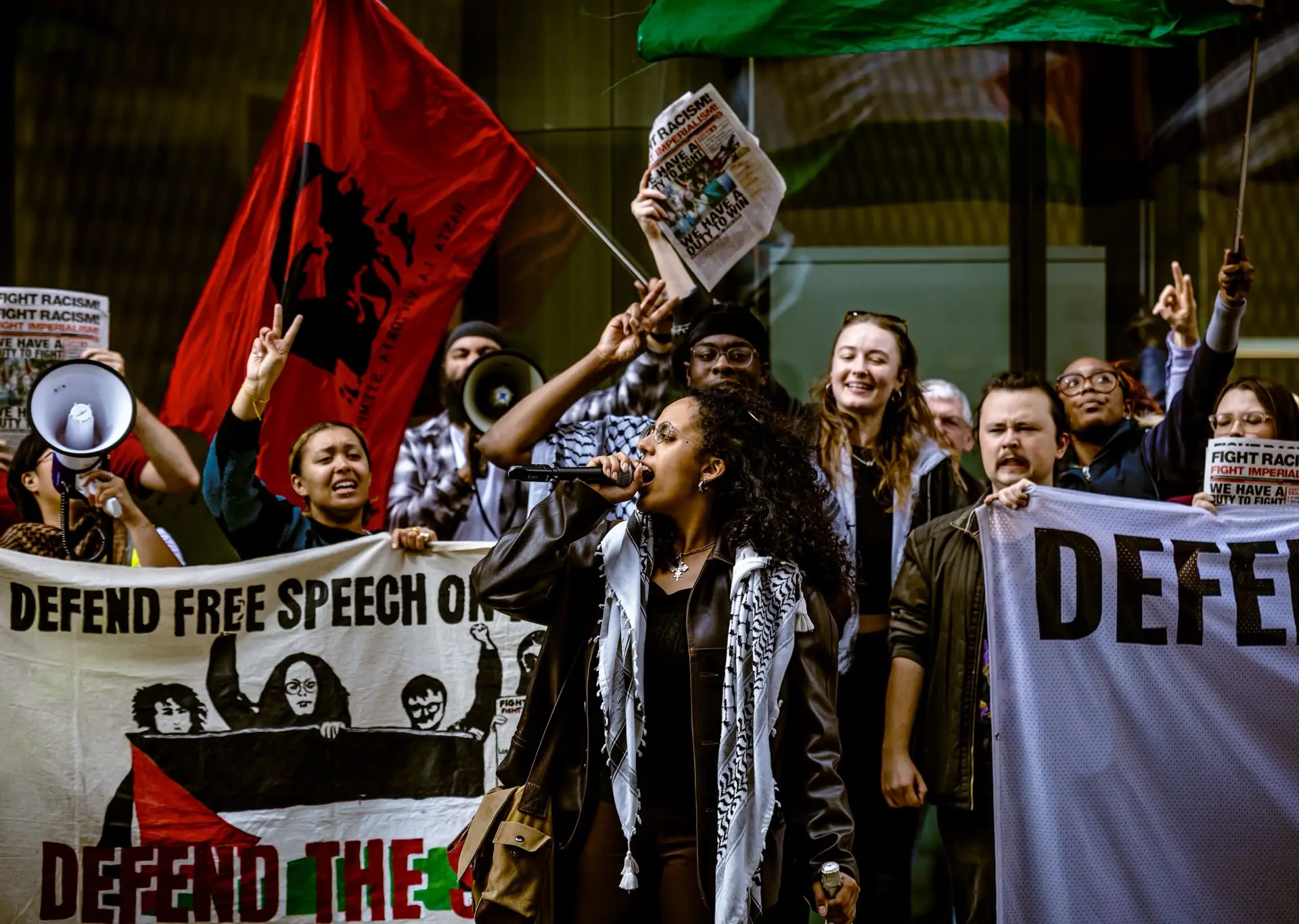
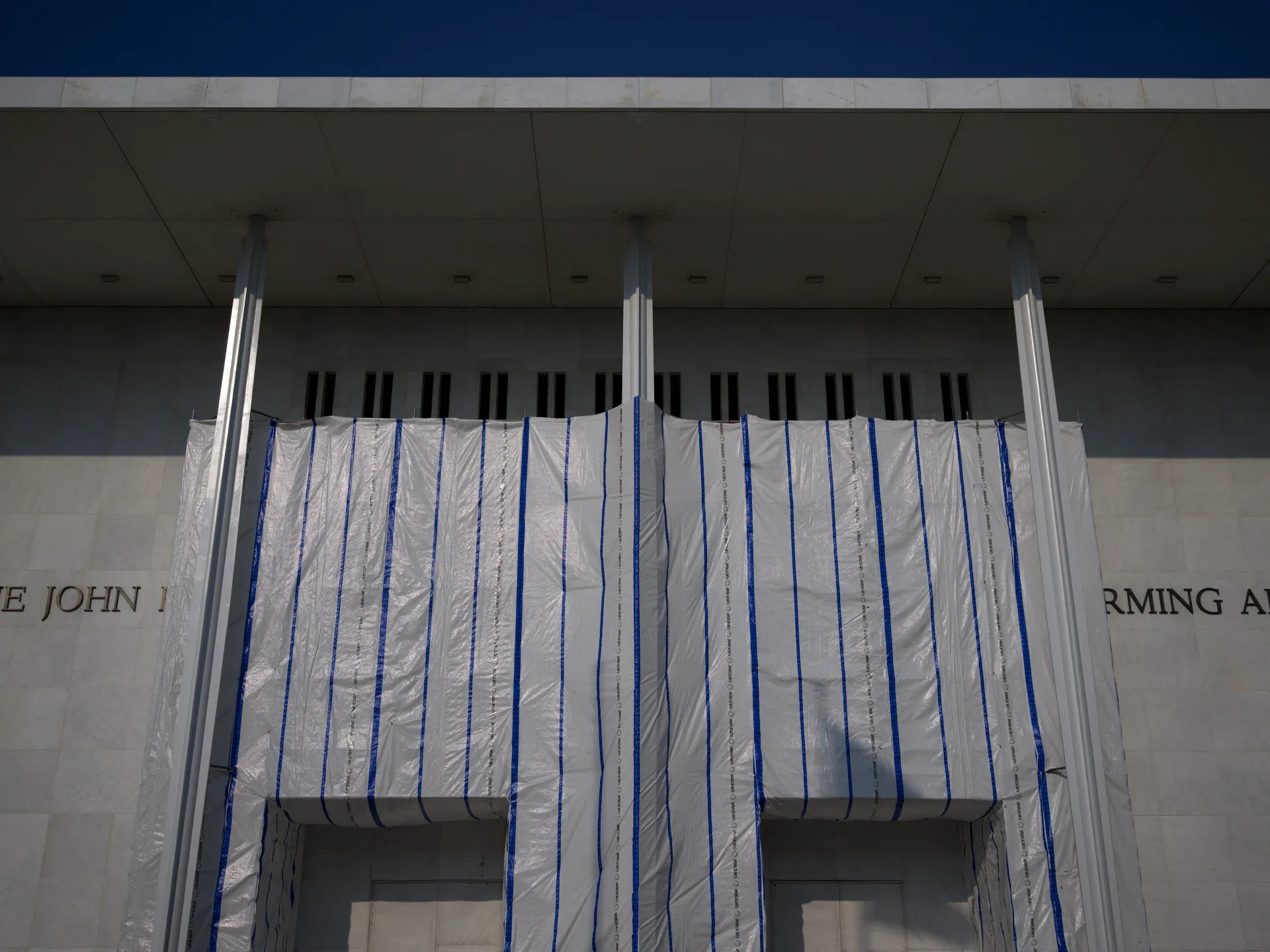
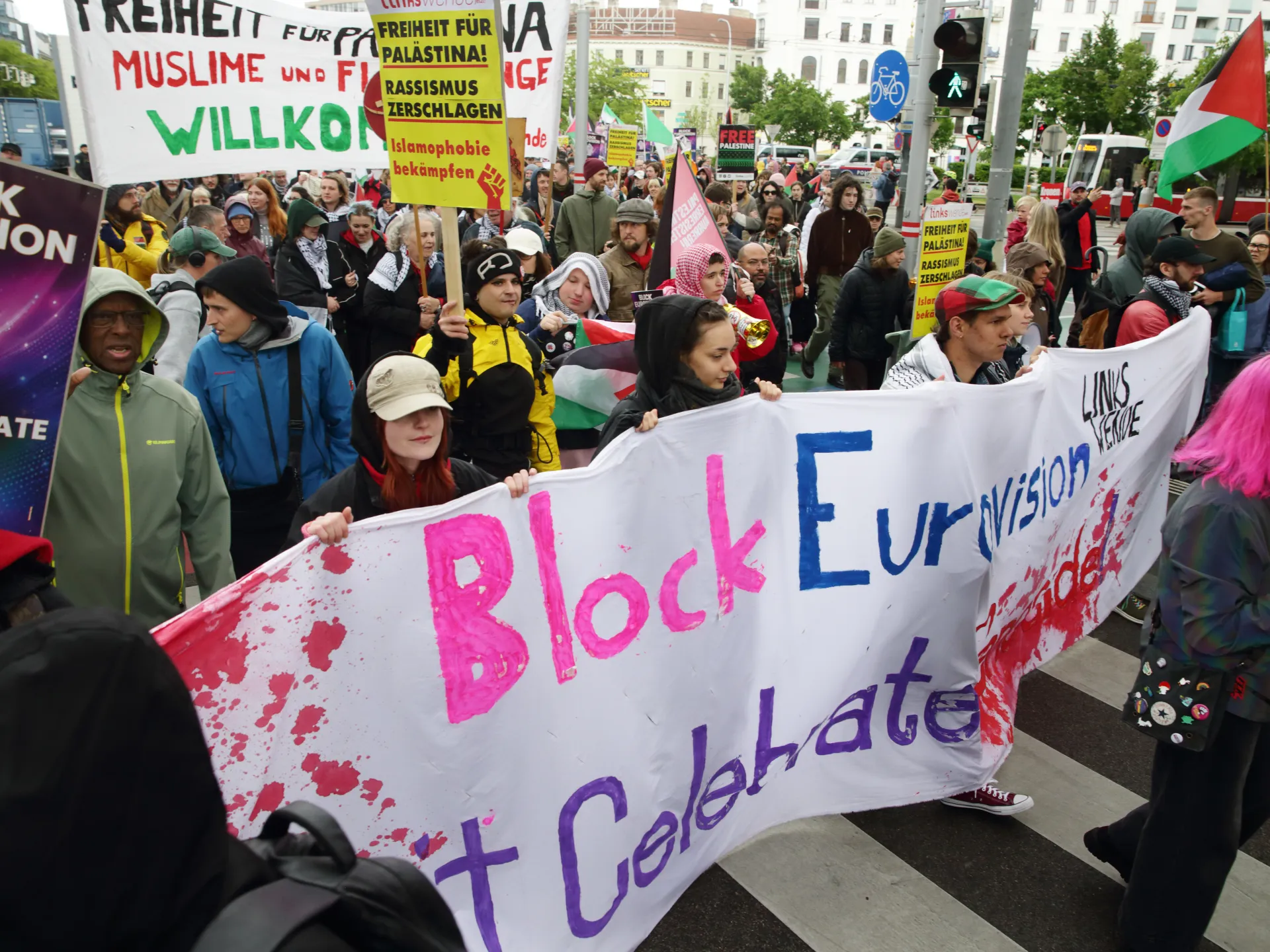
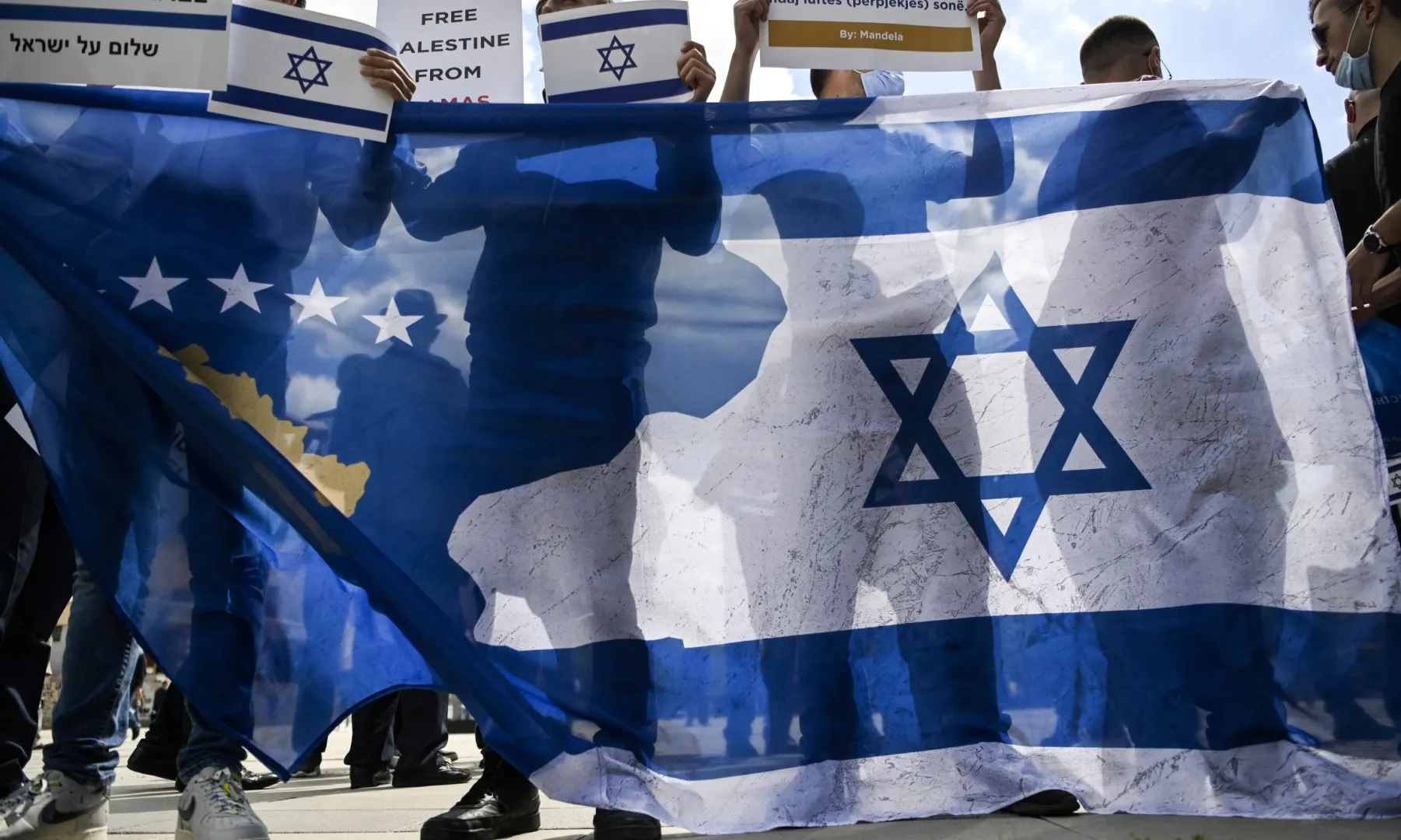
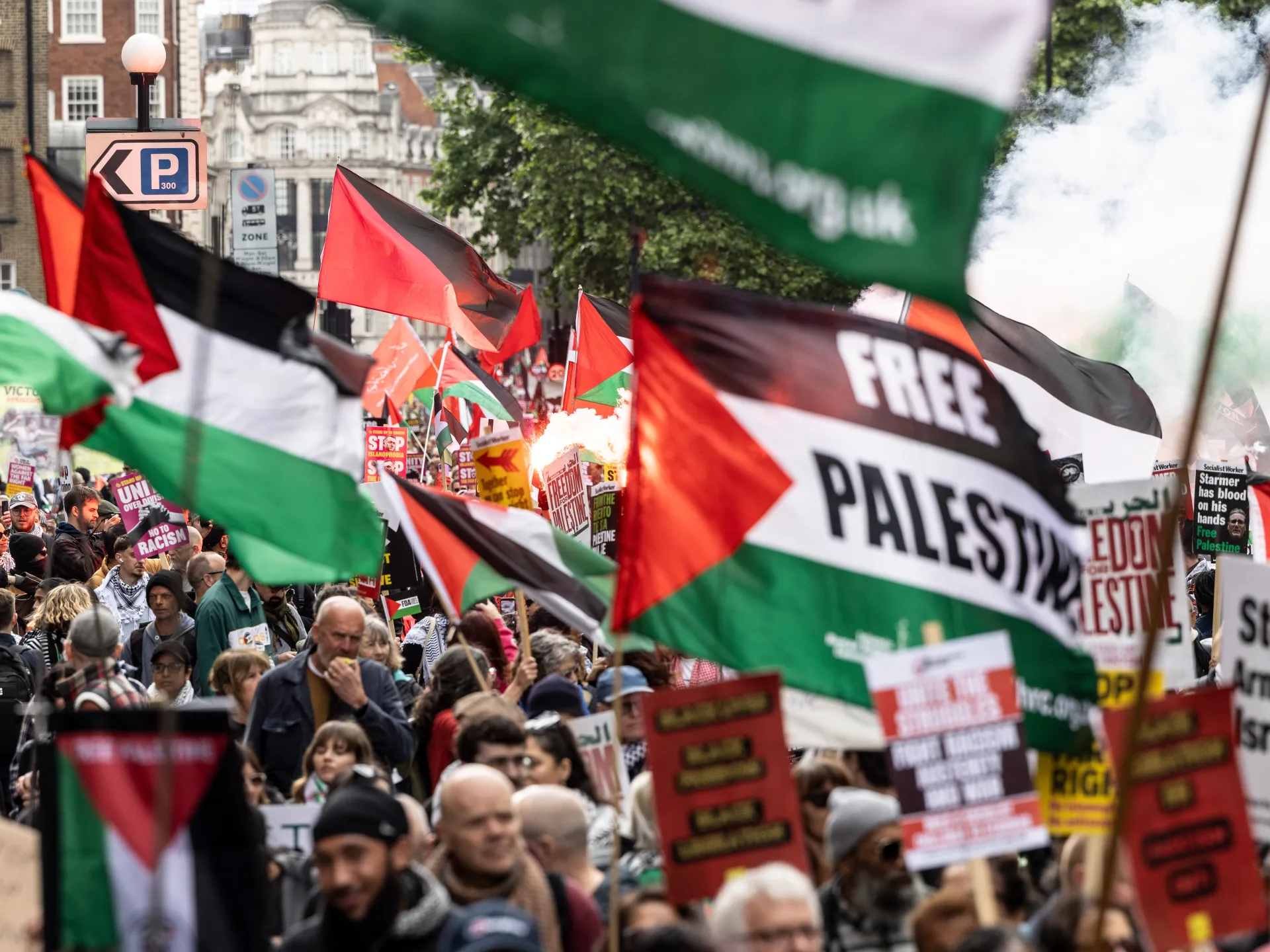
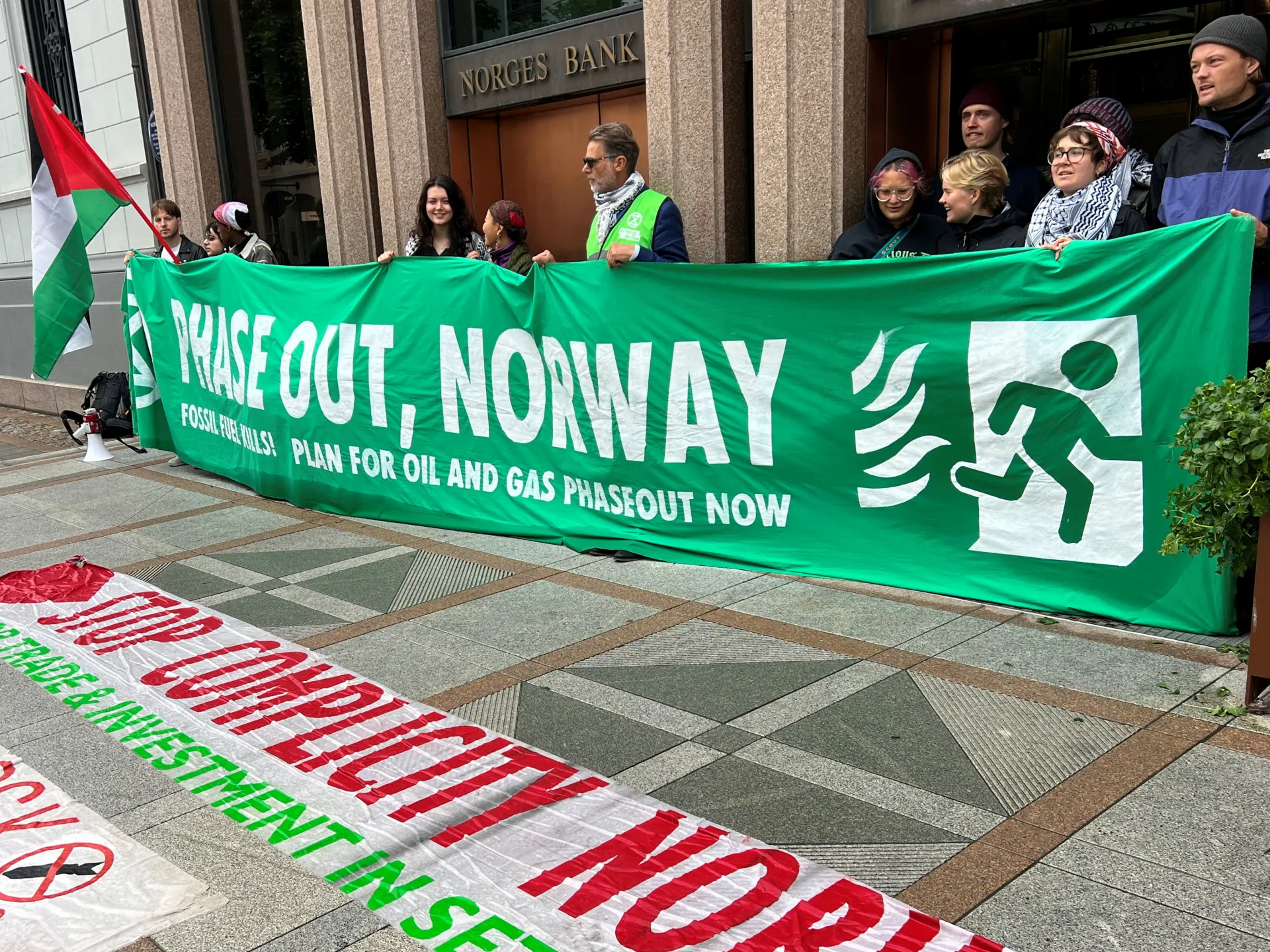
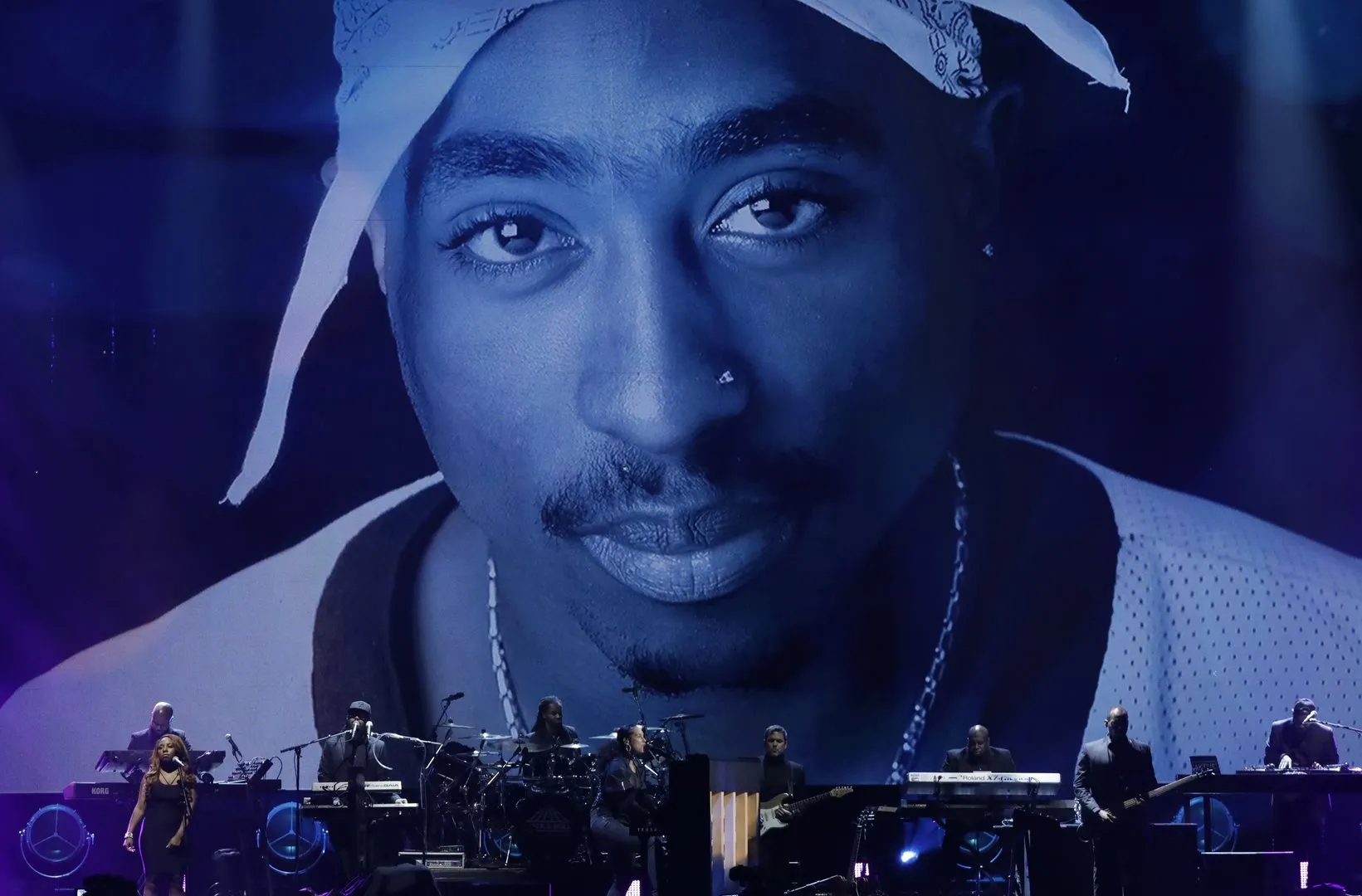
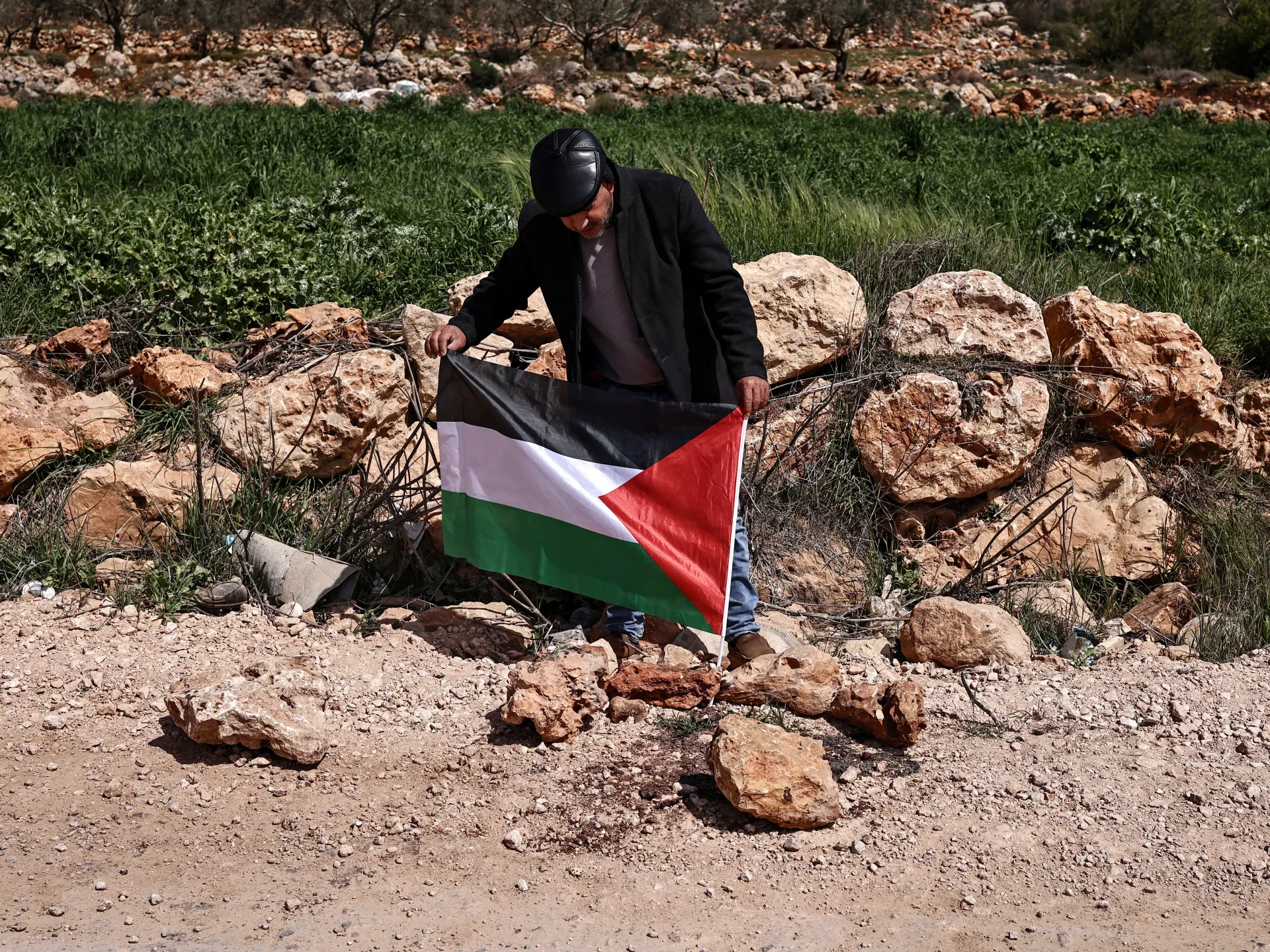
In the United States, the fallout from the conflict has manifested in the cancellation of scheduled performances e Macklemore from Ed Sheeran’s tour due to his “Free Palestine” remarks, a domino effect has left the tour in jeopardy. Finneas, Lukas Graham, Aaron Rowe, and the band Beoga have all withdrawn, citing a commitment to artistic freedom and solidarity with the oppressed.
Ed Sheeran has publicly distanced himself from the promoter's decision, emphasizing that he remains committed to his touring crew and fans, despite the political pressures surrounding the tour’s venue partners. While Sheeran expressed personal sympathy for the human tragedy on both sides of the conflict, he maintained his long-standing policy of avoiding overt political statements on stage, arguing that his platform is geared toward a diverse audience that includes young children. Despite his appeals for continuity, the tour’s future remains uncertain as venues grapple with the intense public sentiment surrounding the conflict.
In Yemen, the humanitarian situation is likely to worsen if the conflict persists along the Red Sea coast, as the limited capacity of neighboring Djibouti to absorb more refugees may force aid organizations to rethink their regional distribution strategies. The logistical strain on the Bab al-Mandeb will likely continue to draw attention from international maritime observers. Conversely, for the U.S. touring industry, the Sheeran situation establishes a precarious precedent. As artists and promoters find themselves increasingly caught between venue contractual obligations and the personal political convictions of their performers, it is probable that future tour contracts will see more rigorous morality or political-speech clauses to mitigate the risk of mass withdrawals.