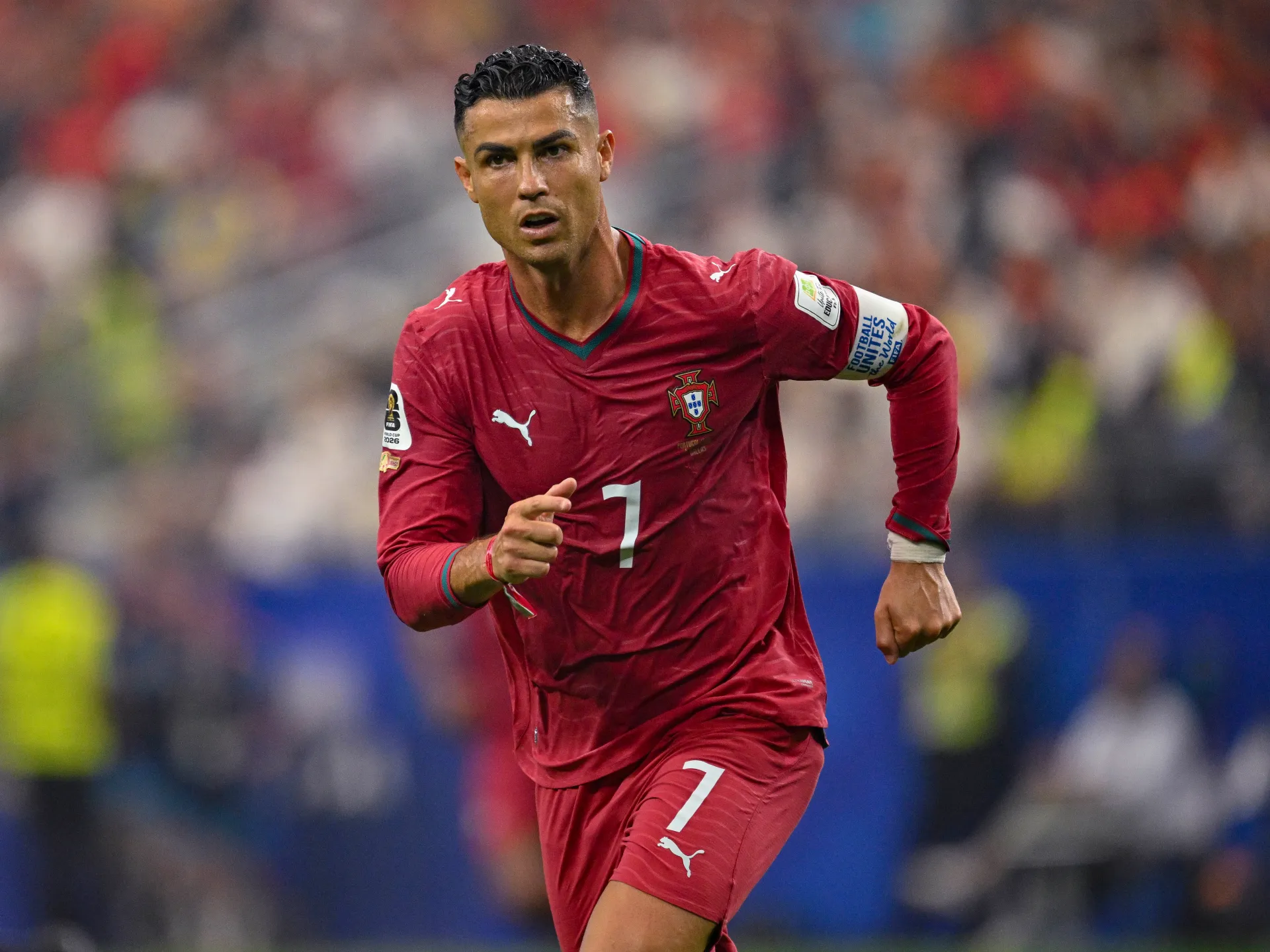
New Portugal manager Jorge Jesus has named Cristiano Ronaldo to his first 25-man squad, emphasizing a merit-based approach for the upcoming Nations League.
The Portuguese national football team enters a period of transition as new head manager Jorge Jesus reveals his inaugural 25-man roster. At the center of the squad selection is 41-year-old captain Cristiano Ronaldo, whose inclusion signals that the veteran forward remains a core component of the national setup, despite ongoing public discourse regarding the twilight of his storied career.
The announcement marks the beginning of a high-stakes campaign for the defending Nations League champions, who face an demanding schedule of four matches in rapid succession. As Portugal pivots from the tenure of former manager Roberto Martinez, the appointment of the 72-year-old Jesus—who previously coached Ronaldo at the club level with Al Nassr—introduces a philosophy that prioritizes current output over historical prestige.
The decision to retain a 41-year-old captain in a national team squad is rarely about technical ability alone; it serves as a litmus test for a manager’s authority. unity from the bench, Jorge Jesus is attempting to balance the immense gravity of the world’s most famous player with the tactical necessity of rotating a modern, high-intensity squad. For the Portuguese Football Federation, this transition is critical. They must navigate the eventual post-Ronaldo reality while simultaneously keeping the veteran engaged. The precedent established here is clear: the team will not be built around a single figurehead, but rather around the immediate demands of the upcoming Nations League fixtures. This approach mitigates the risk of a "nostalgia-based" selection policy while maintaining continuity for a team that has struggled to find silverware in recent international tournaments.
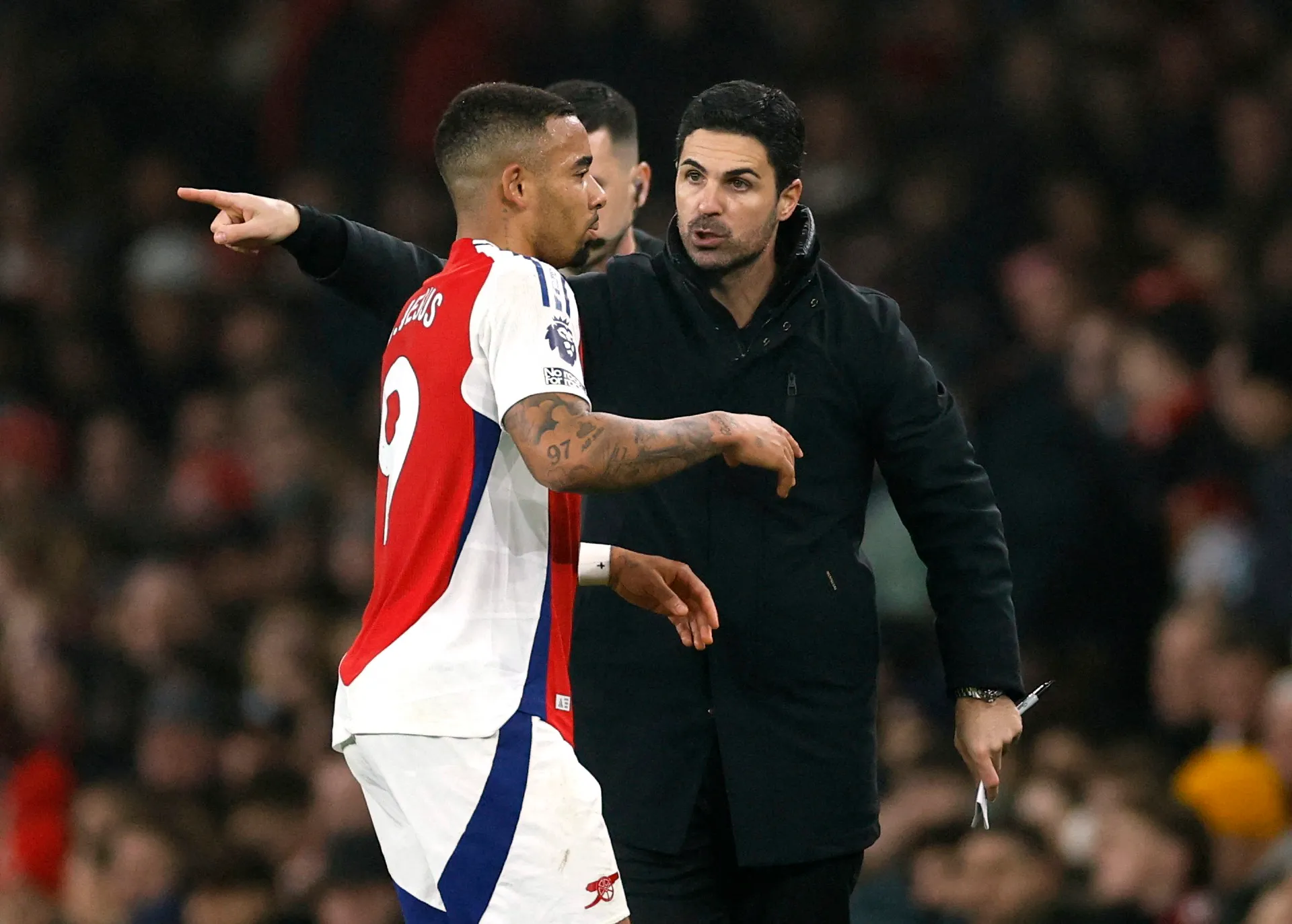
During a press conference held Friday, Jorge Jesus emphasized that his selection criteria are strictly performance-driven. While acknowledging that Ronaldo holds a unique status in the sport, Jesus made it clear that past accolades provide no guarantees for starting spots. The manager’s history with the striker, having coached him at Al Nassr, provides a layer of familiarity that may ease the transition, yet Jesus insisted that his decisions will remain purely objective.
The squad, which includes 13 players who have previously worked under the manager, is designed to be versatile. Jesus noted that he is not looking to establish a rigid core of veterans, but rather a dynamic group capable of responding to the tactical shifts required for upcoming matches against Wales, Norway, and Denmark. The challenge for Ronaldo will be to maintain a level of fitness and efficacy that justifies his spot on the pitch, with Jesus explicitly stating that if the captain does not perform, he will not play.
Portugal’s path in the Nations League begins on September 24 with a home fixture against Wales. This match will serve as the litmus test for the new management structure, as the team attempts to reconcile its offensive strategies with a squad that is being asked to adapt quickly to Jesus’s tactical preferences. Following the opener, the team faces a grueling road schedule, traveling to Norway on September 27 and Denmark on October 1.
The final match of this specific window is a home game against Norway on October 4. These four fixtures will likely determine the trajectory of Portugal’s campaign and provide the first concrete data on how effectively the veteran-heavy squad can function under a manager known for his demanding, high-energy style of play. With the retirement conversation looming in the background, every minute played
The immediate future depends on the team's cohesion during the September-October international window. If Portugal secures early victories, the pressure on Jesus to justify Ronaldo’s inclusion will likely subside, allowing the team to focus on evolving their tactical identity. Conversely, should the side struggle, the debate surrounding the captain's role will intensify significantly. While speculation exists regarding whether Ronaldo could extend his international career toward the age of 45, the reality remains that his tenure is now being evaluated on a match-by-match basis. The next four games will likely set the tone for whether this squad remains a vehicle for the veteran’s final run or shifts toward a younger core before the next major qualifying cycle.