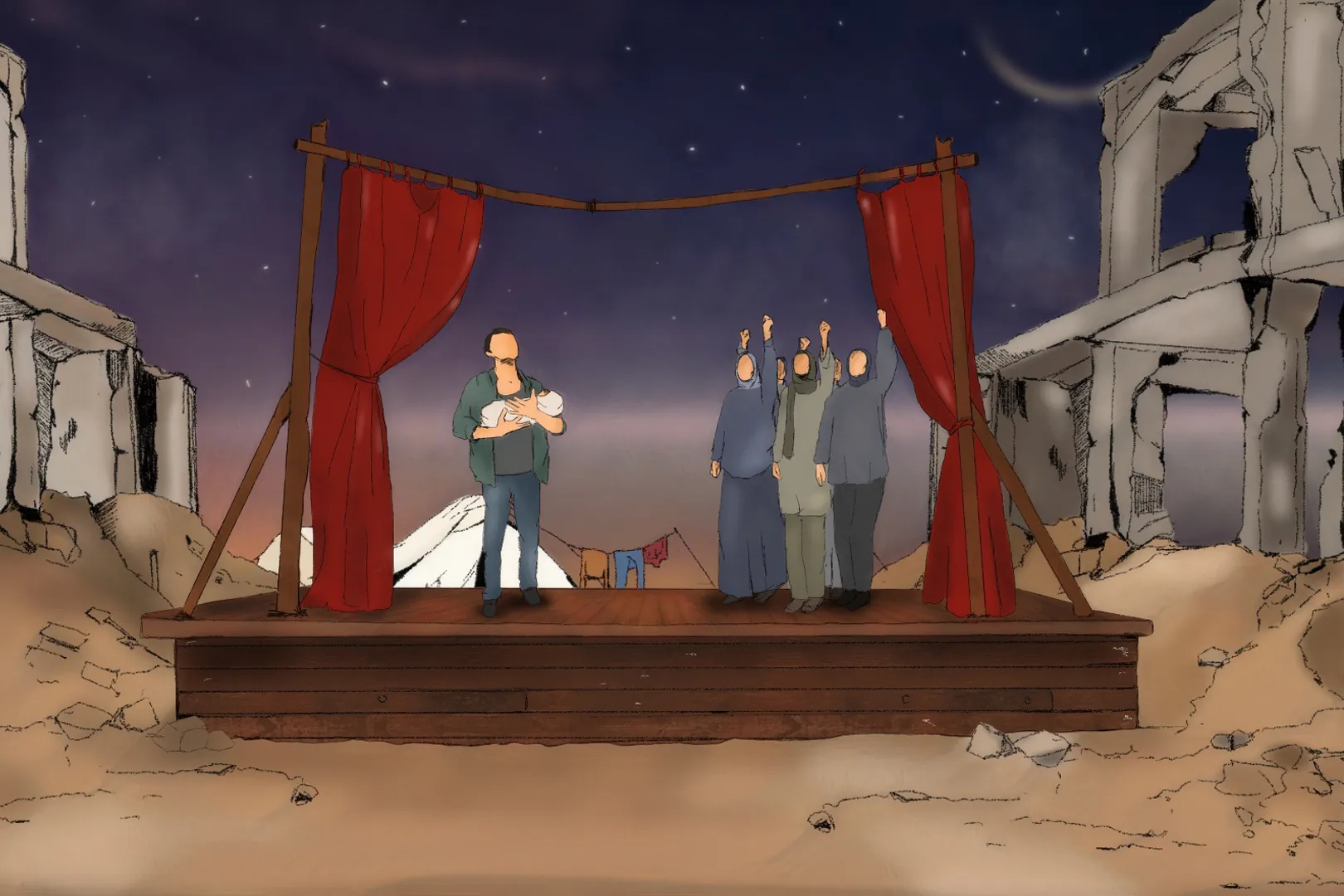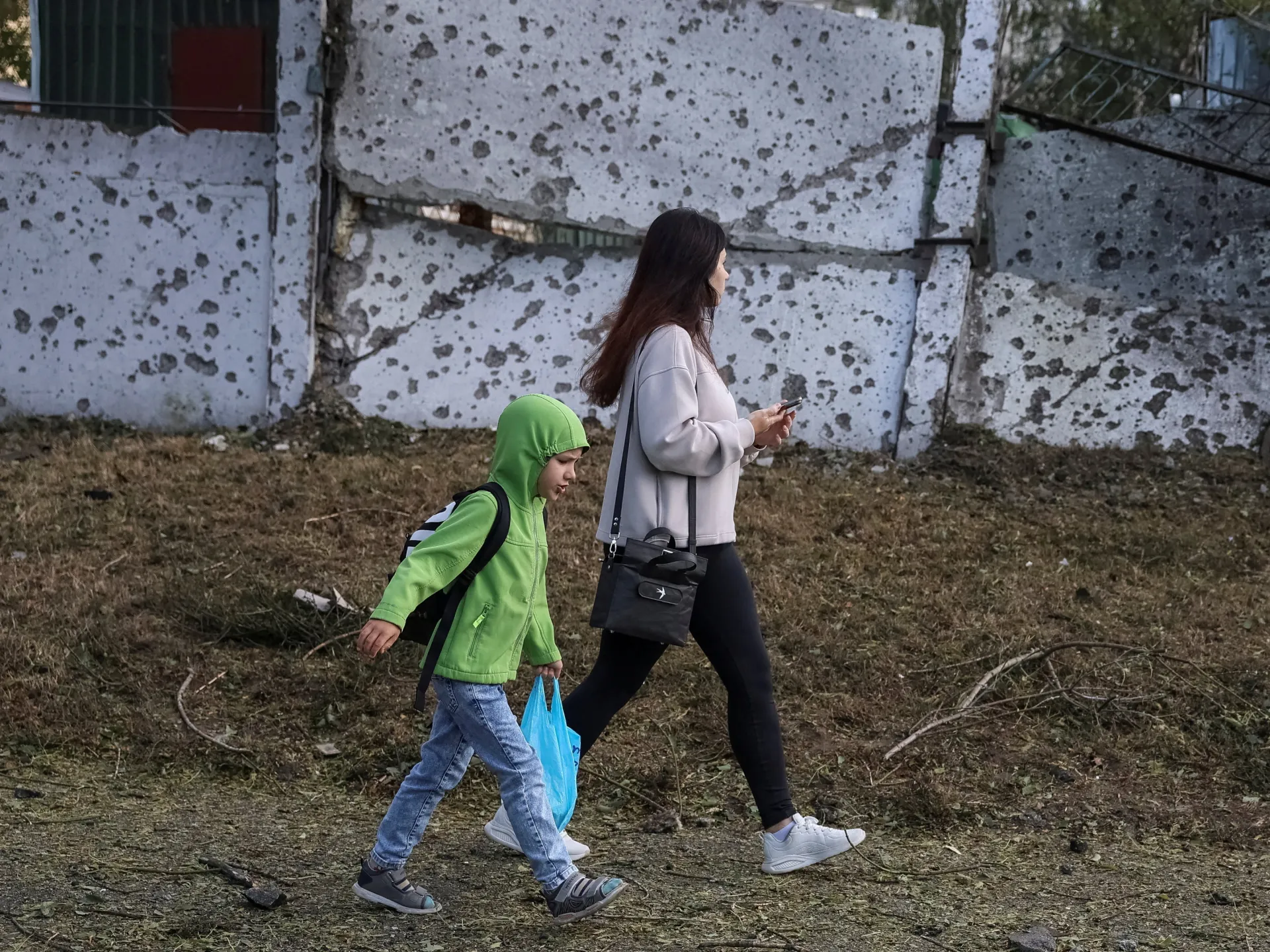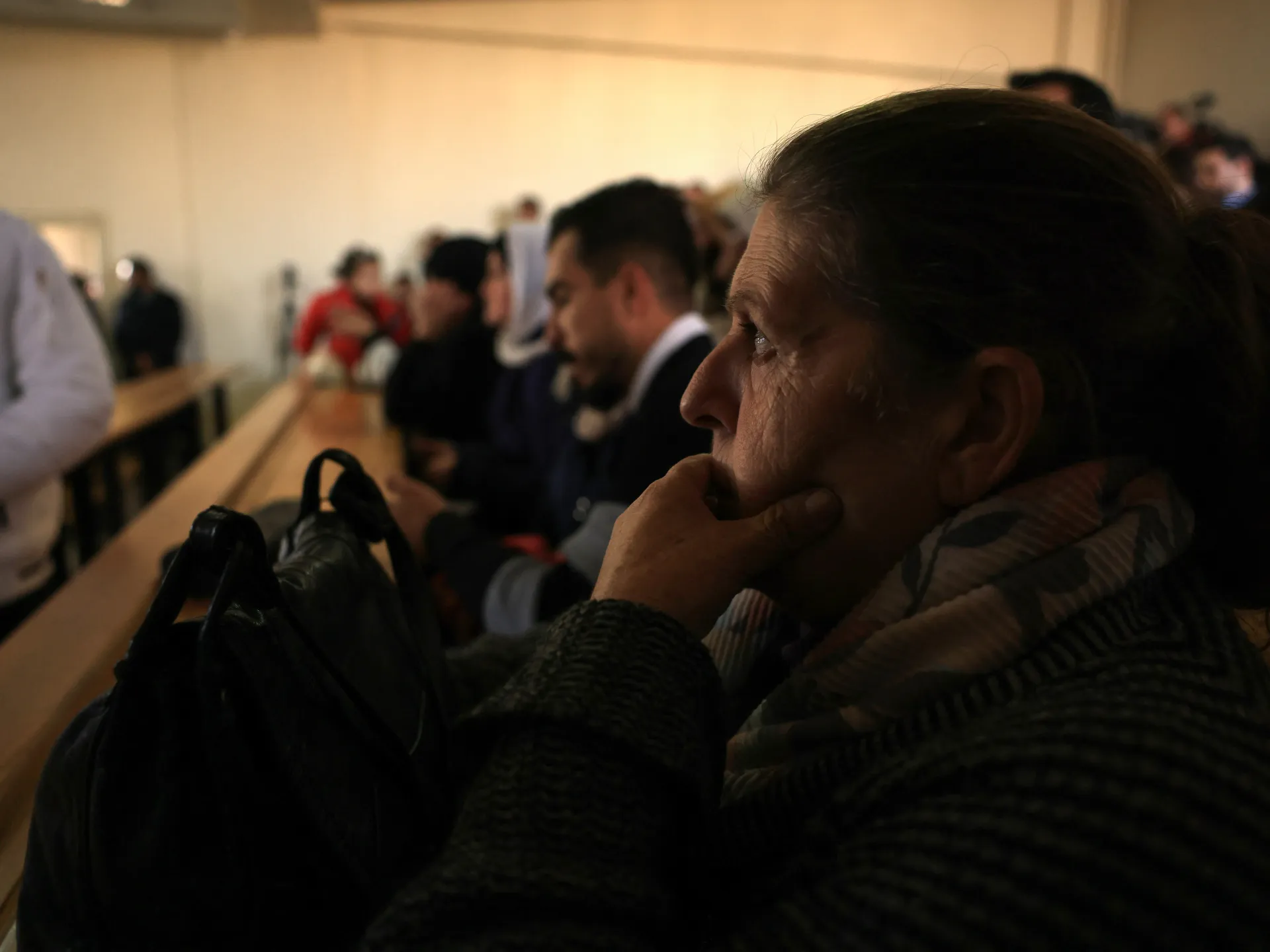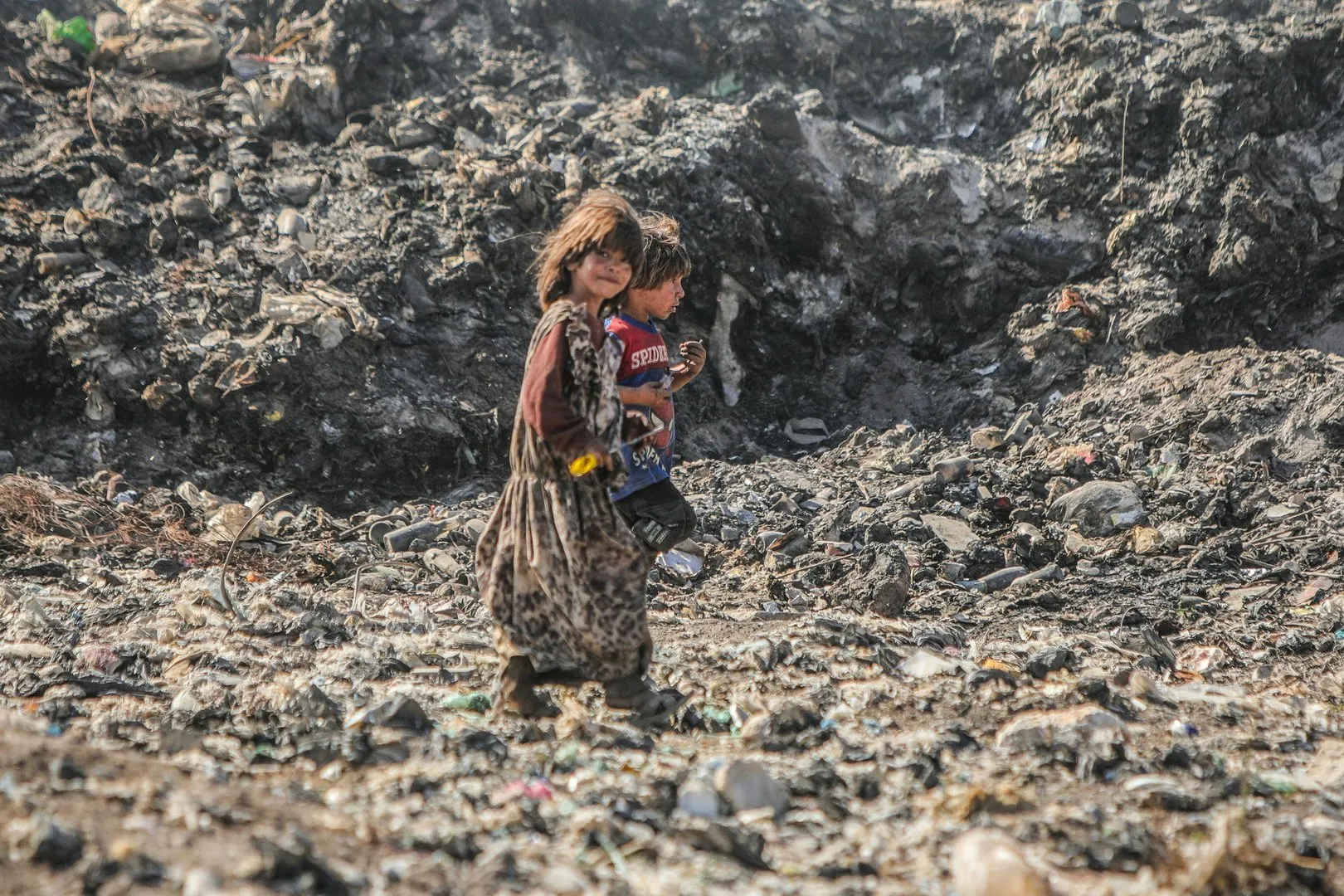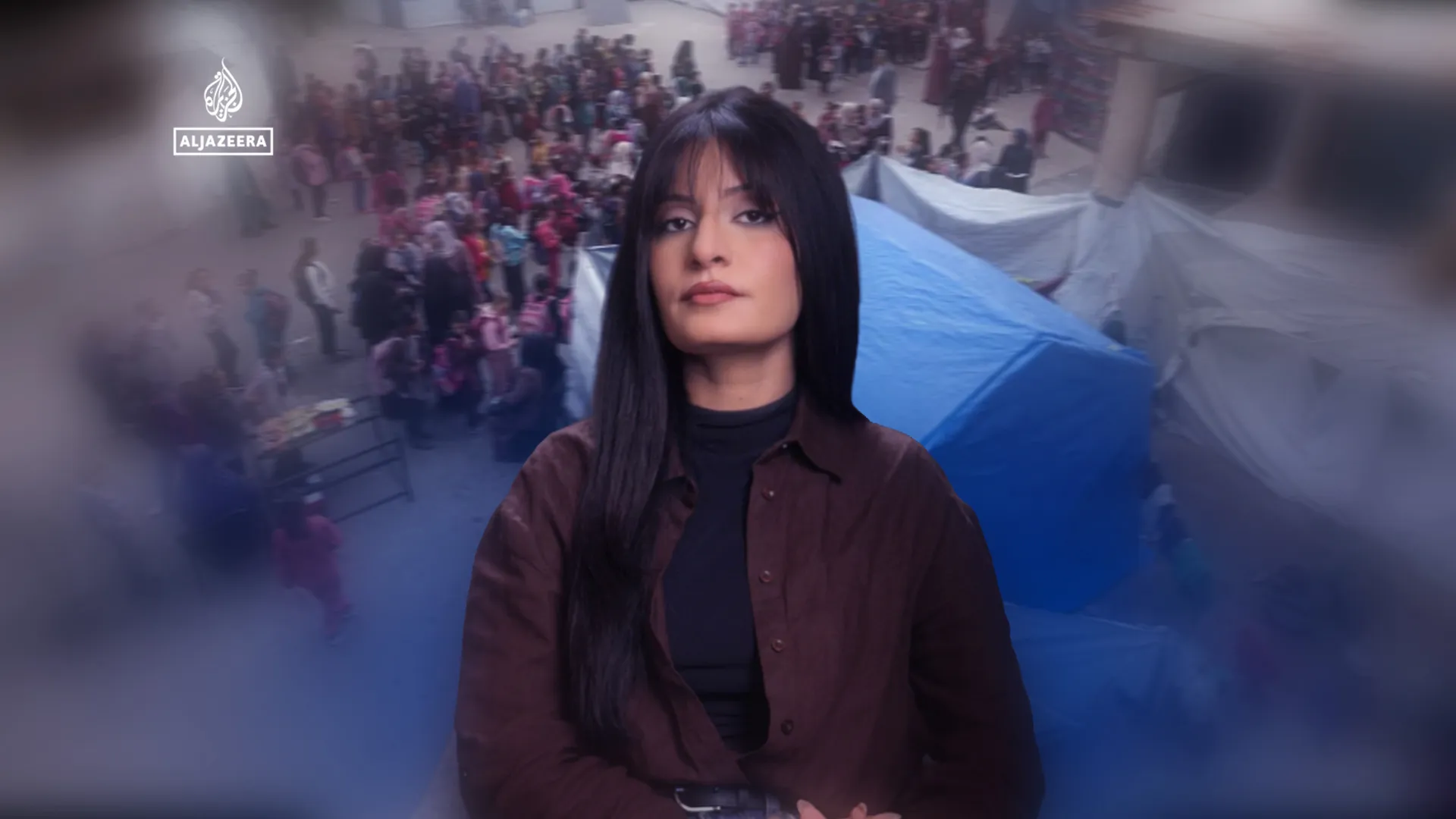
Gaza’s students return to school as authorities warn of hundreds of dangerous, war-damaged buildings at risk of collapse.
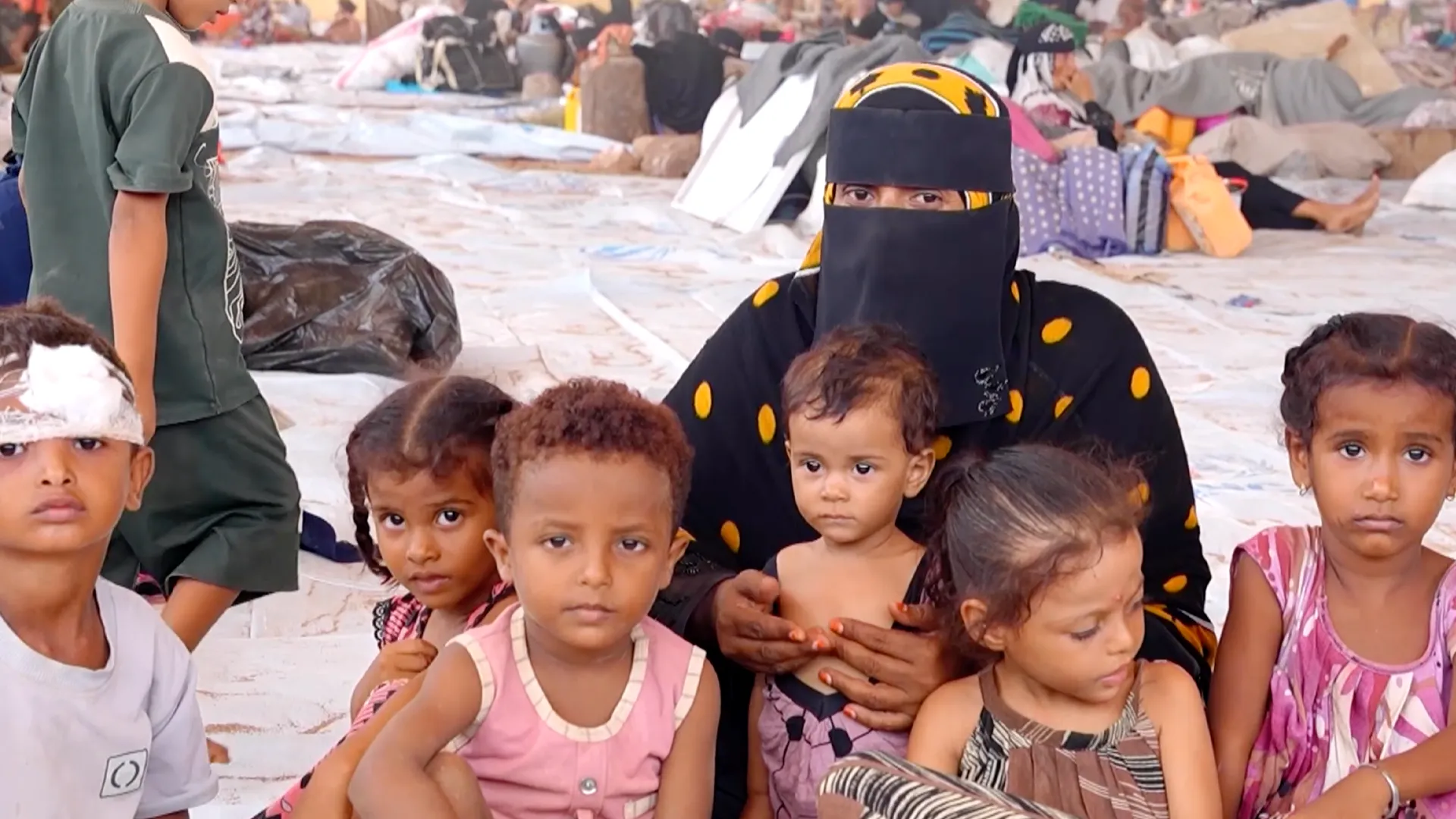
As the first day of the official school year commences for children in Gaza, the fragile return to normalcy is overshadowed tempt to resume their education after years of interrupted learning, families across the territory are grappling with the immediate physical dangers posed
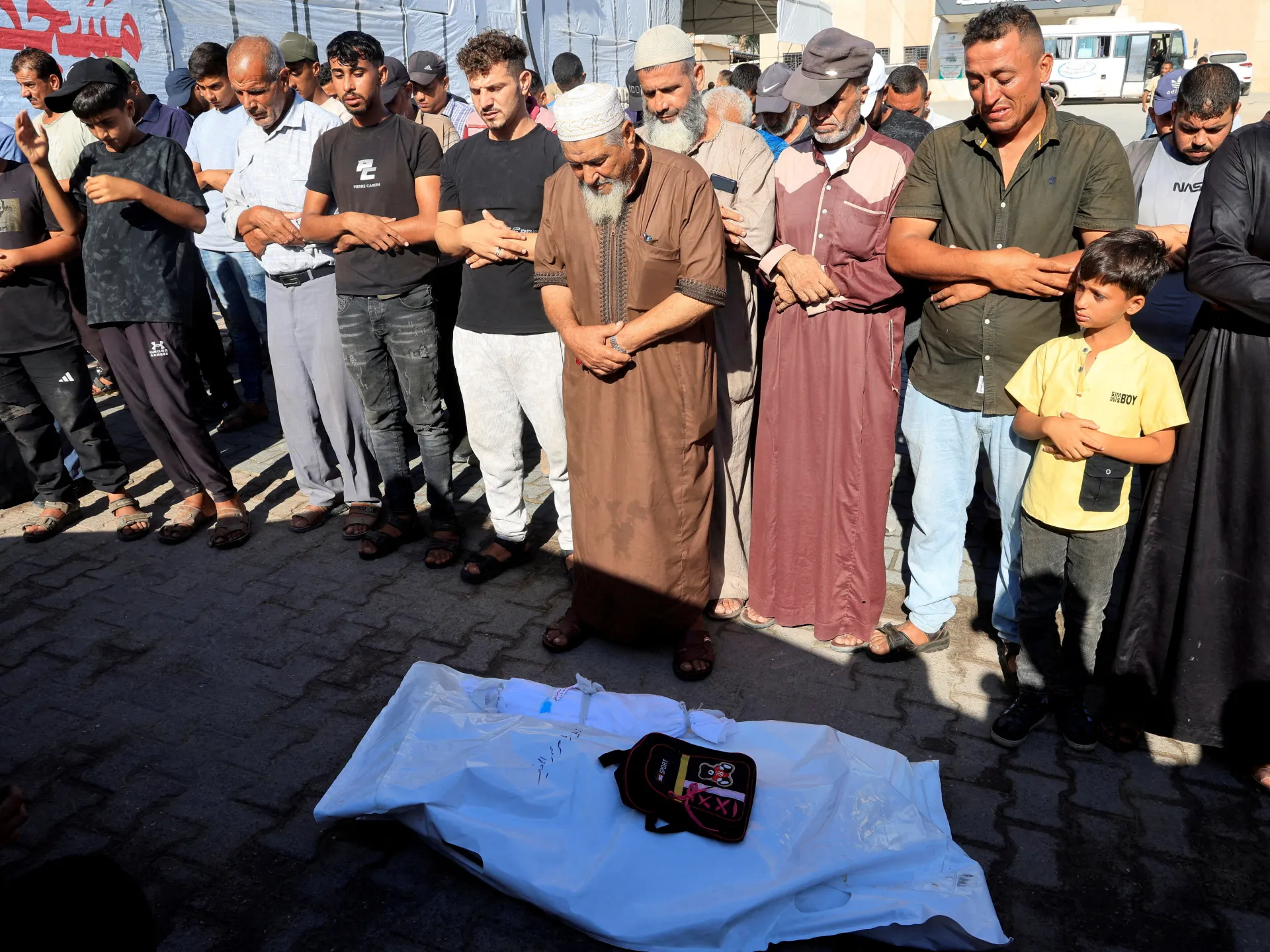
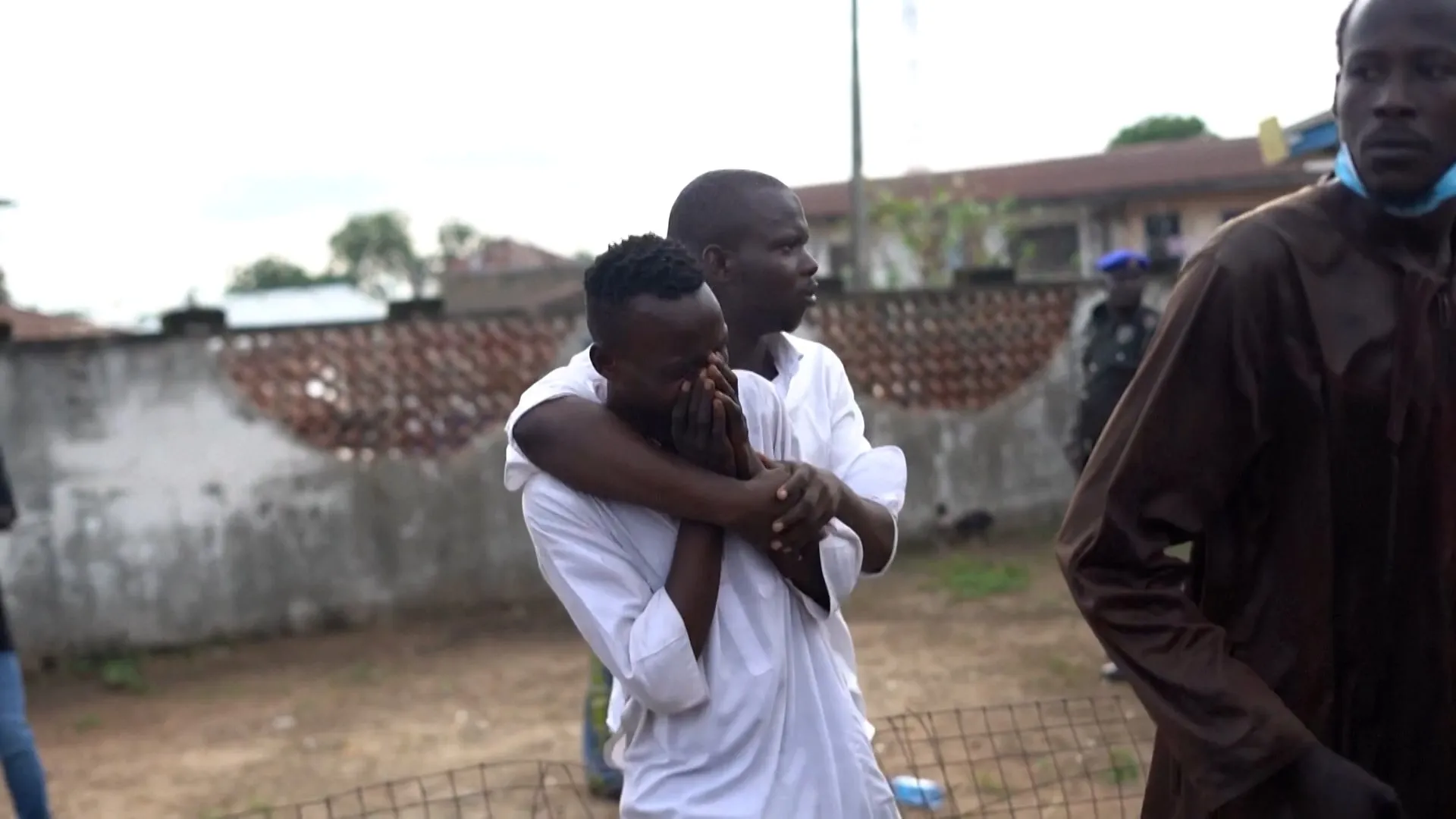
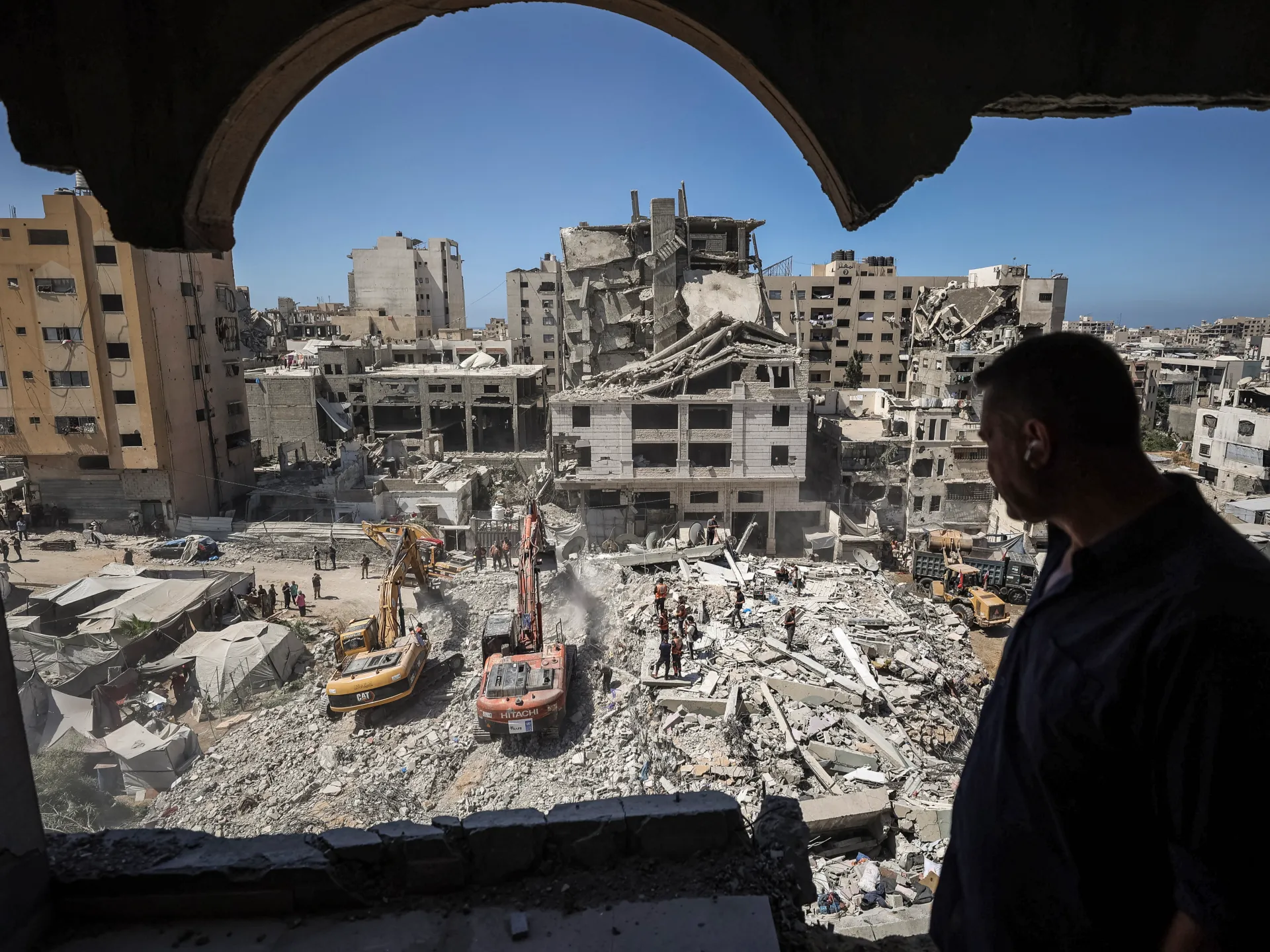
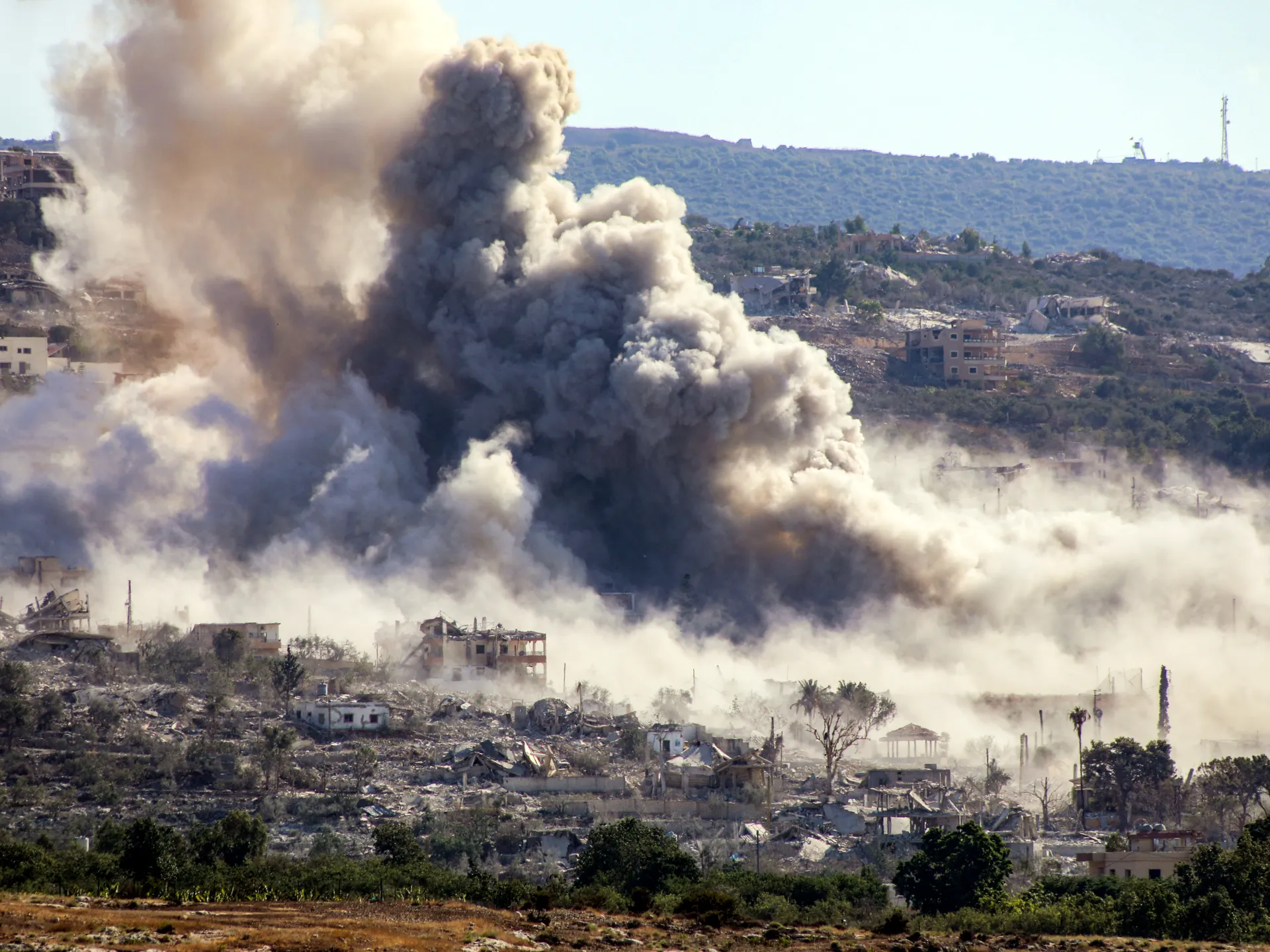
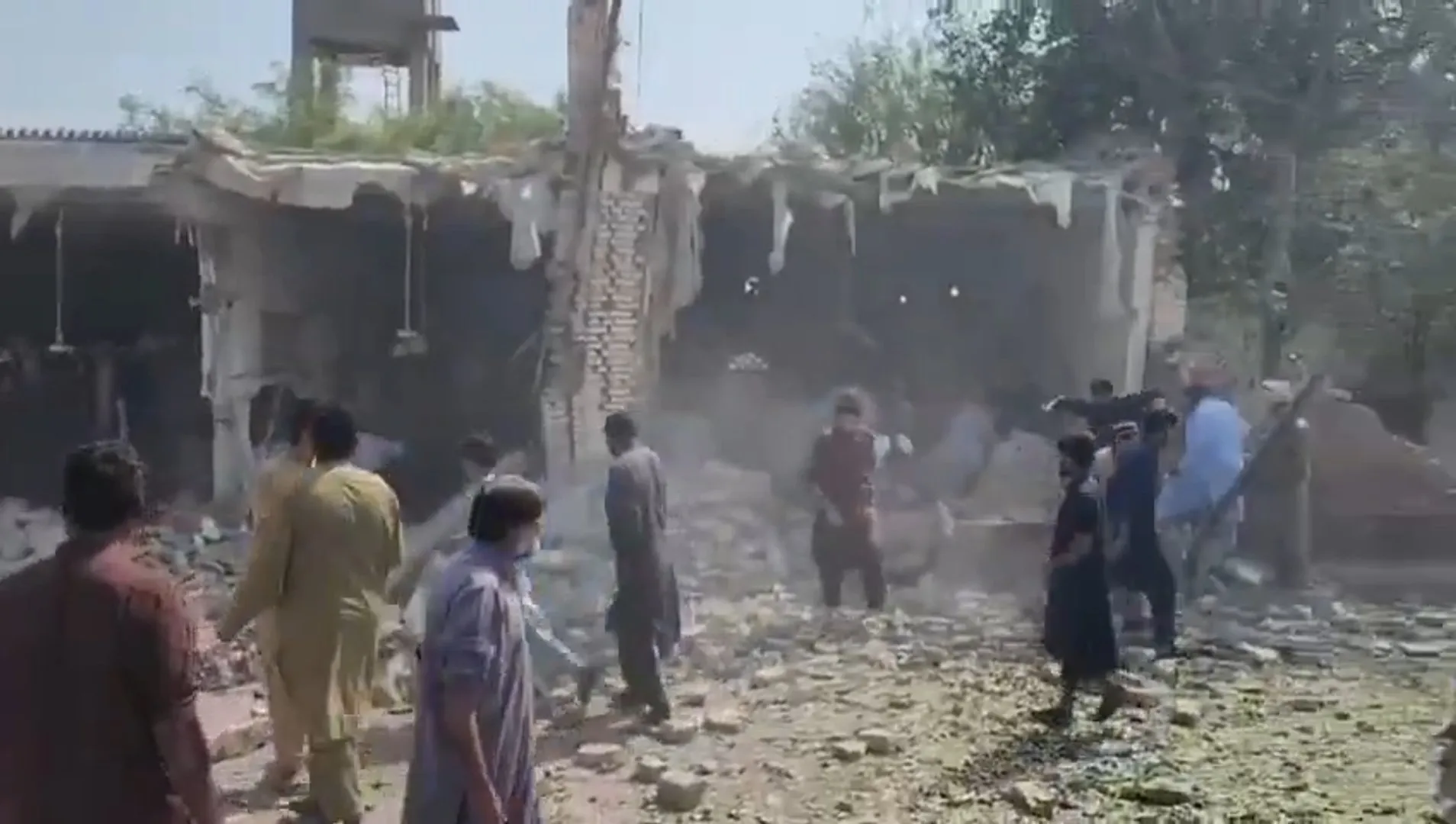
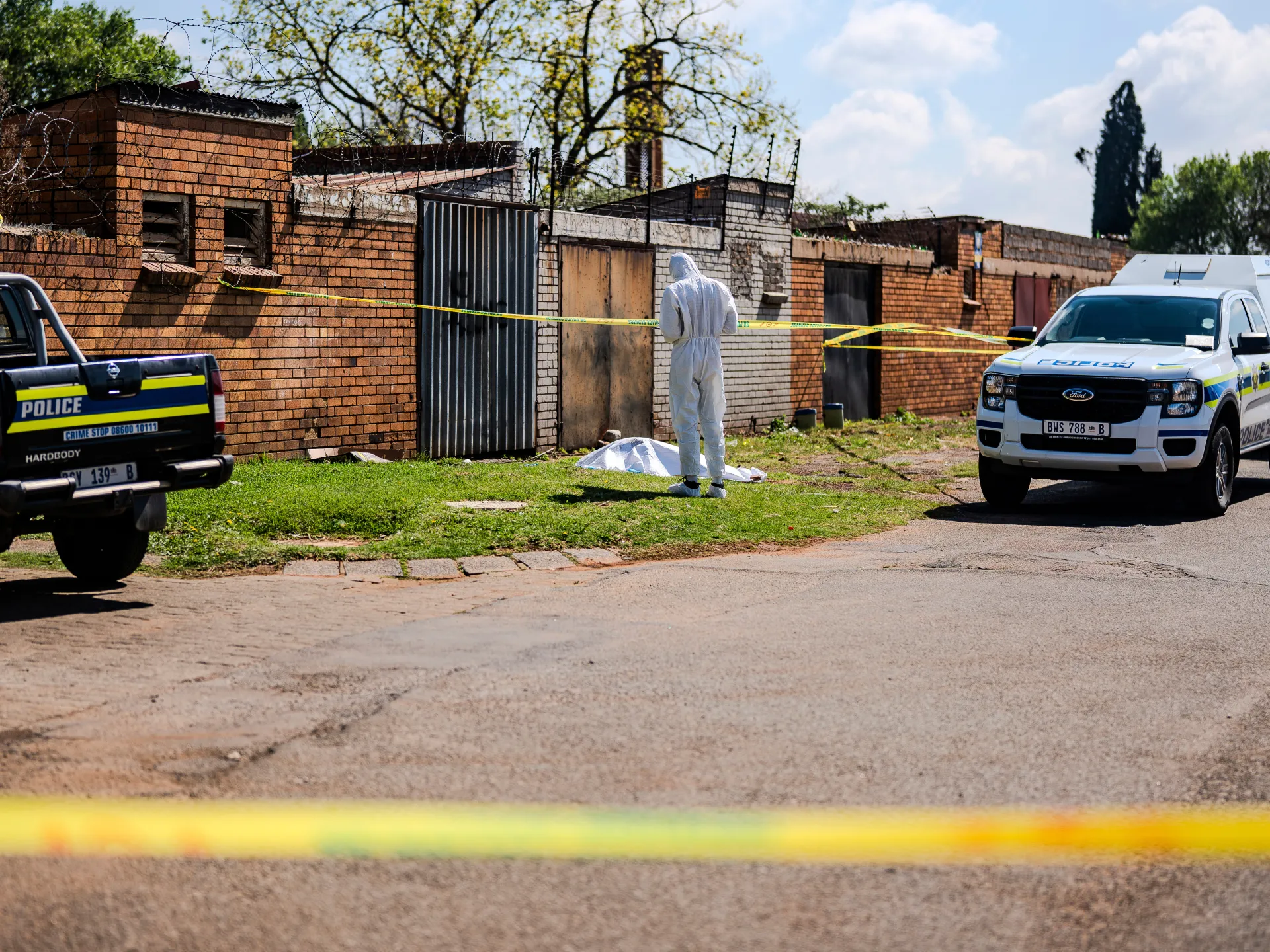
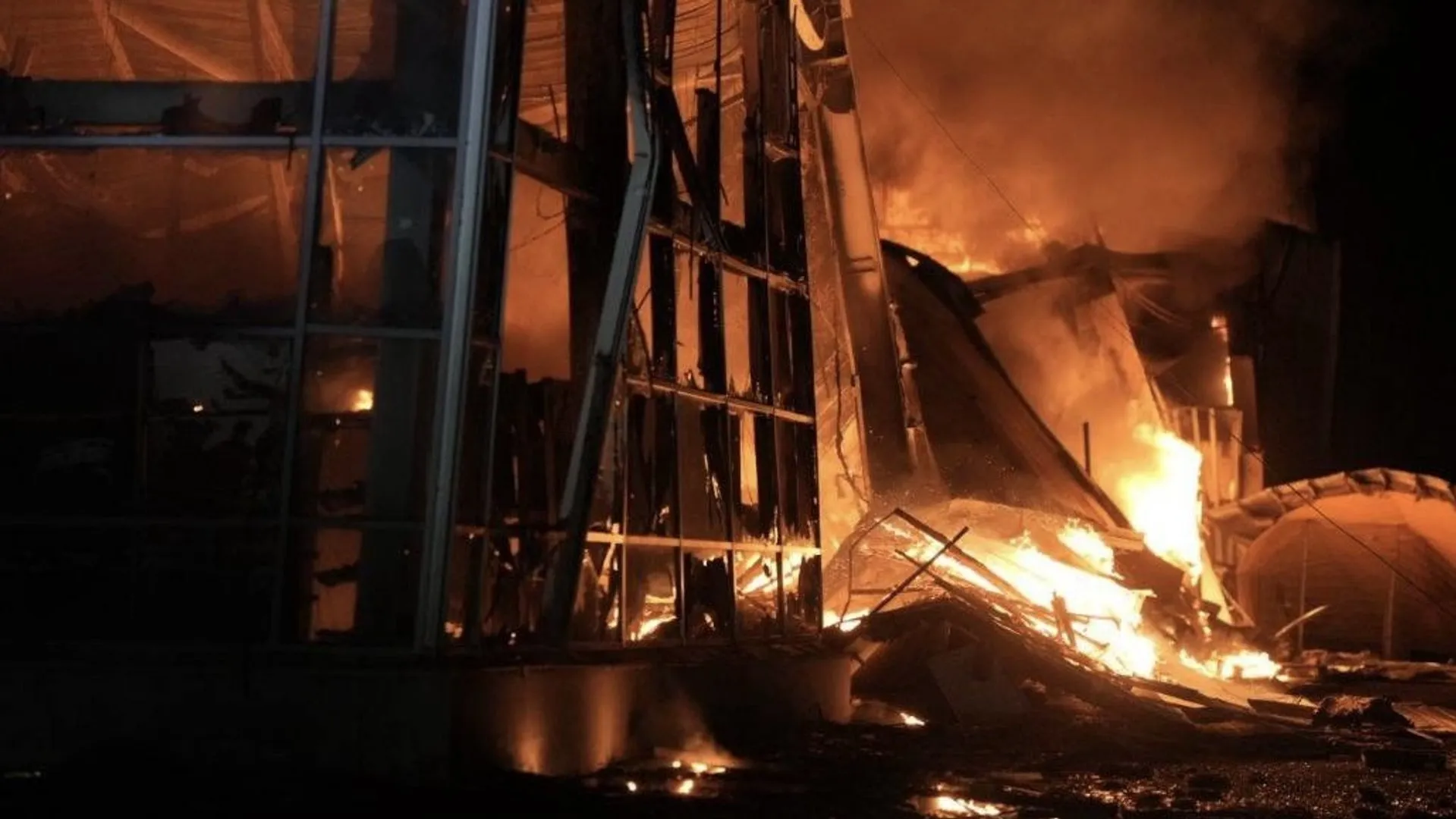
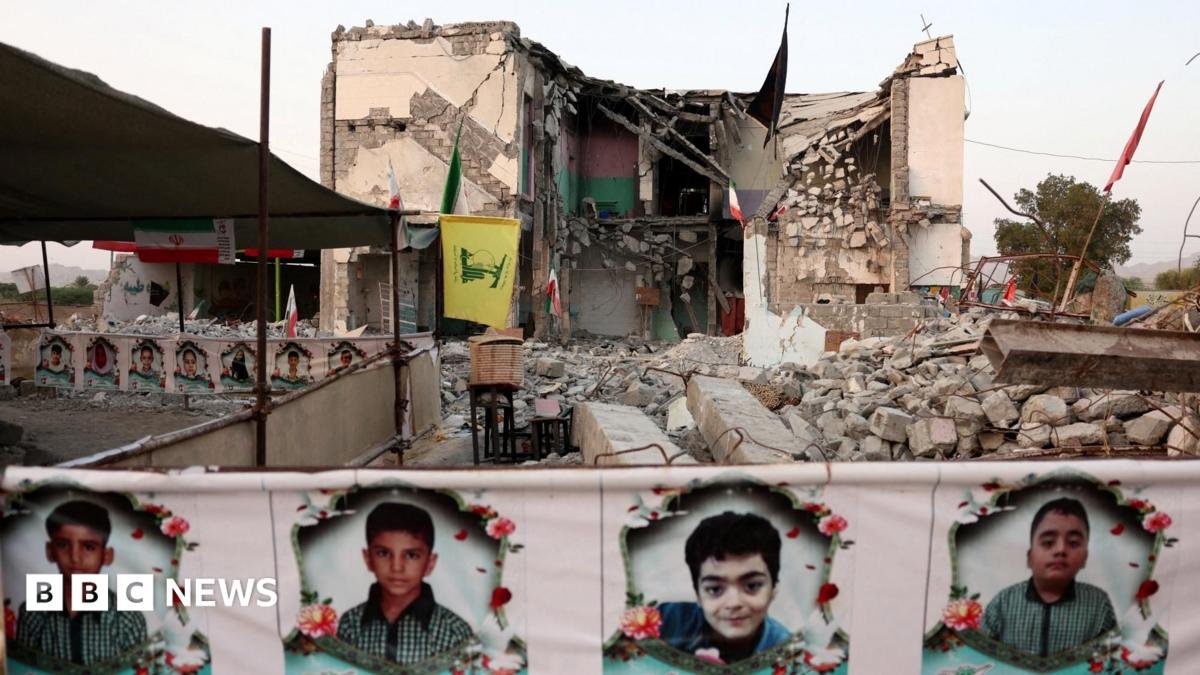
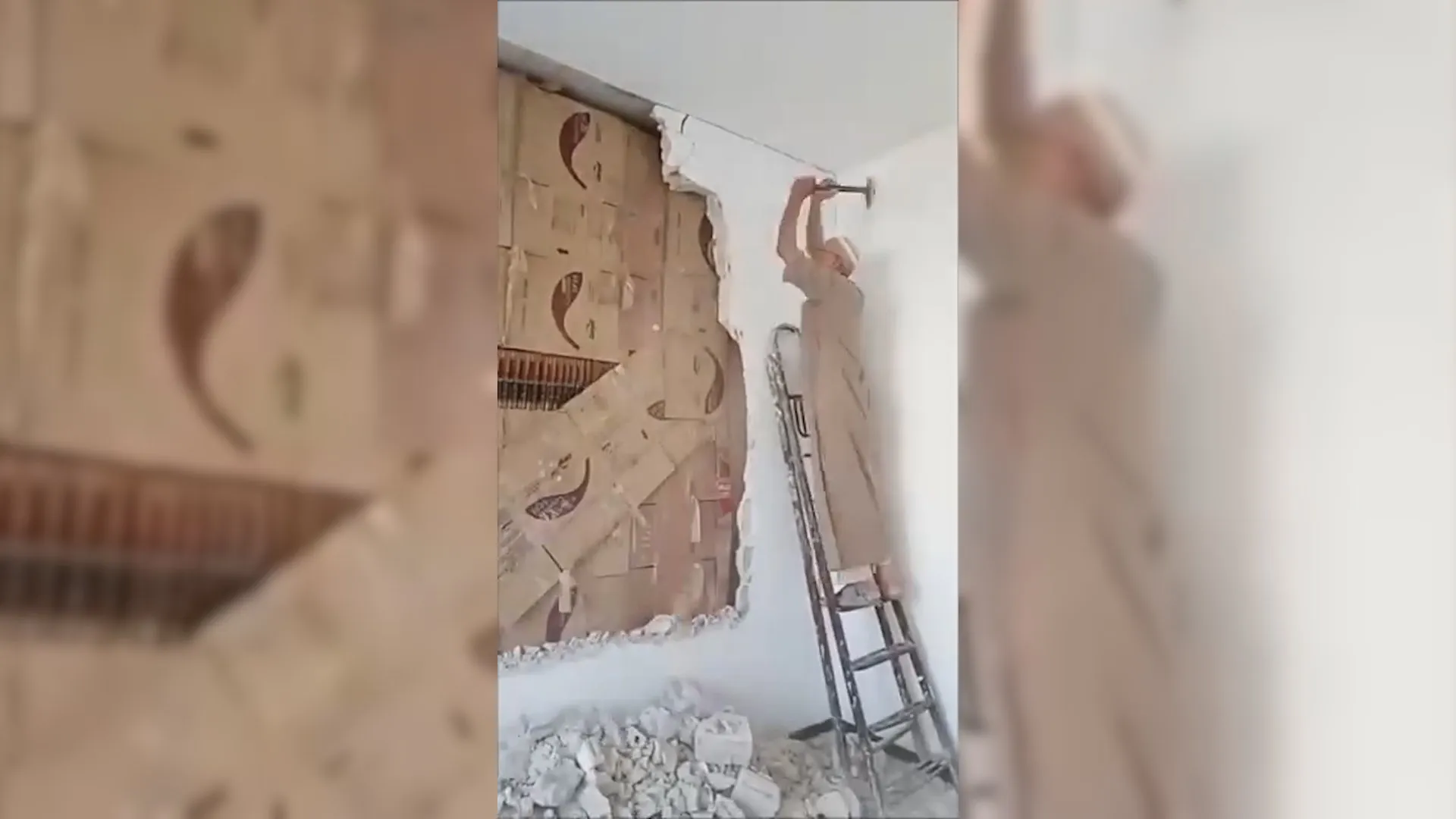
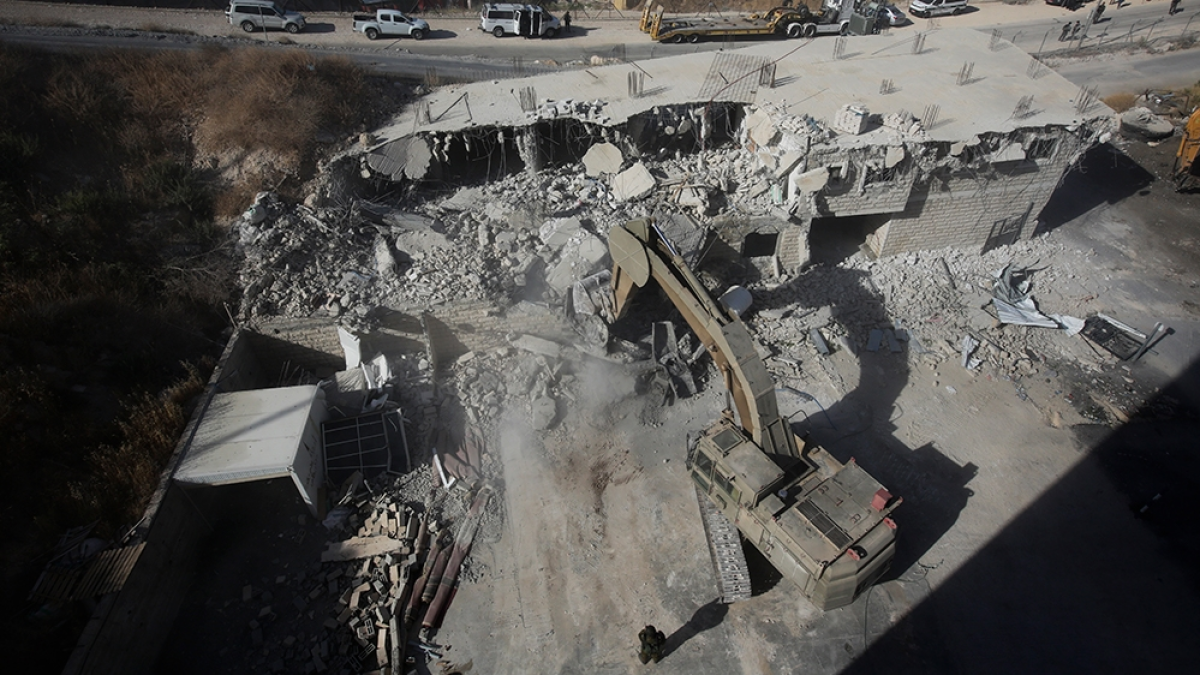
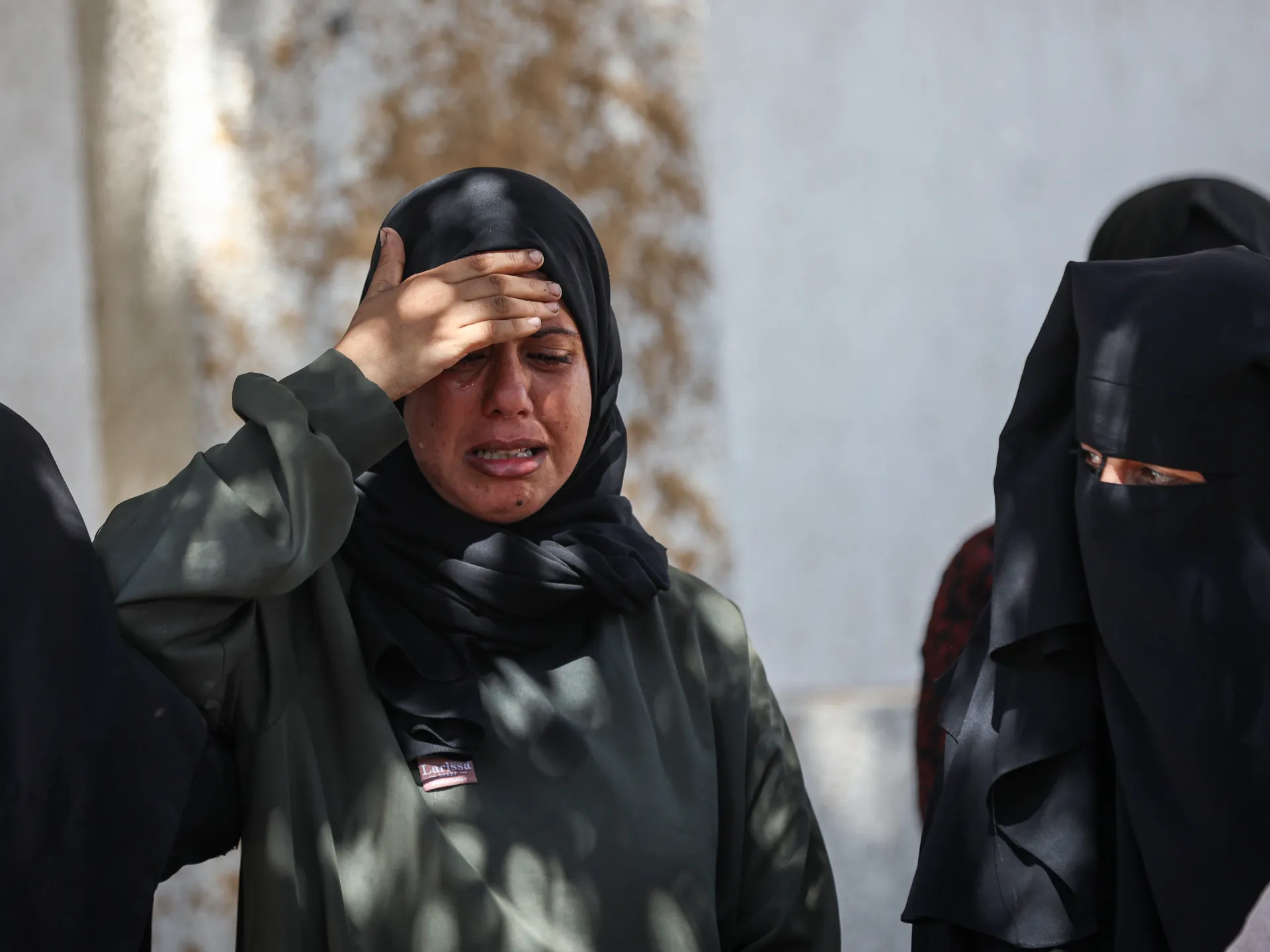
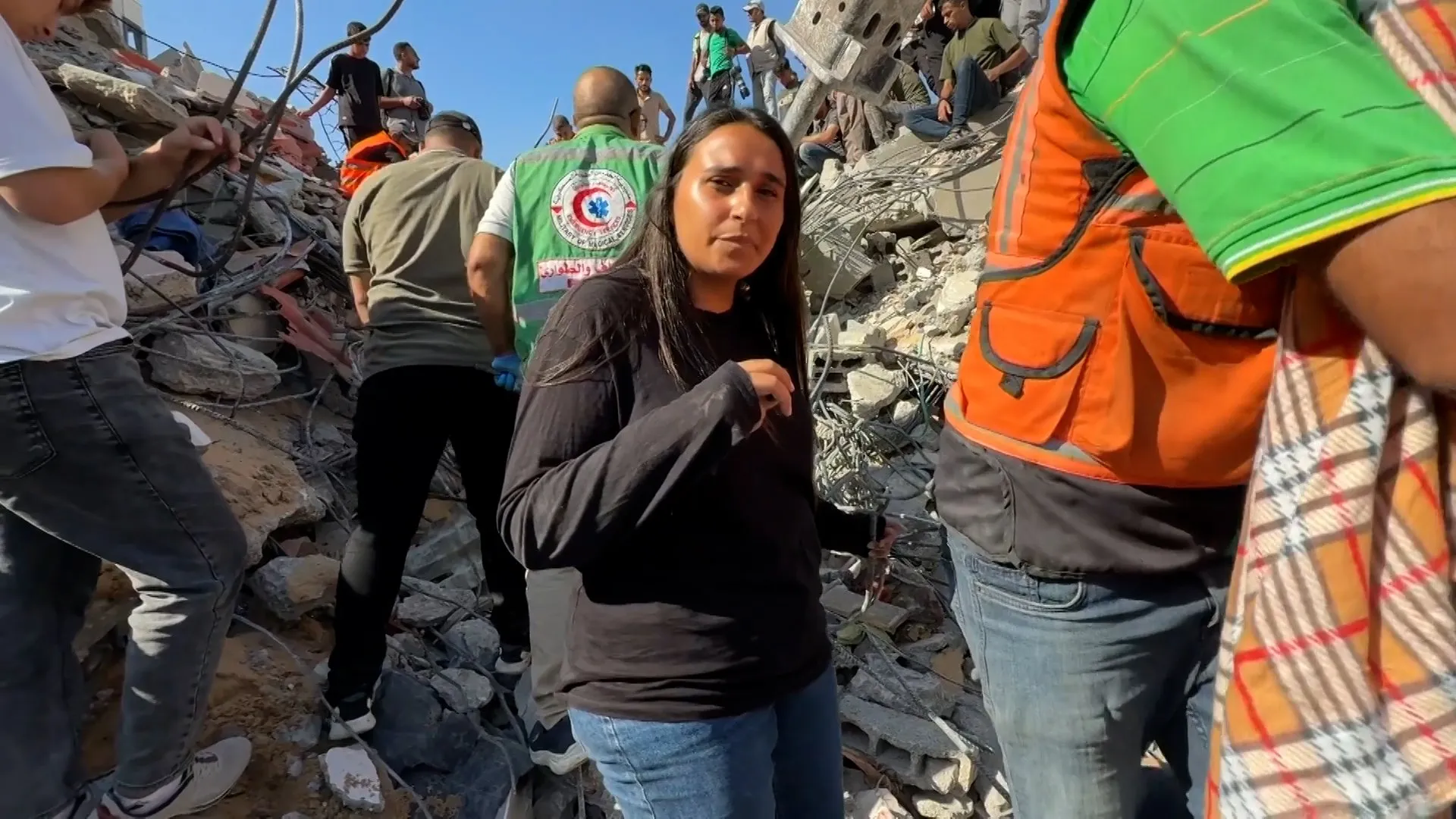
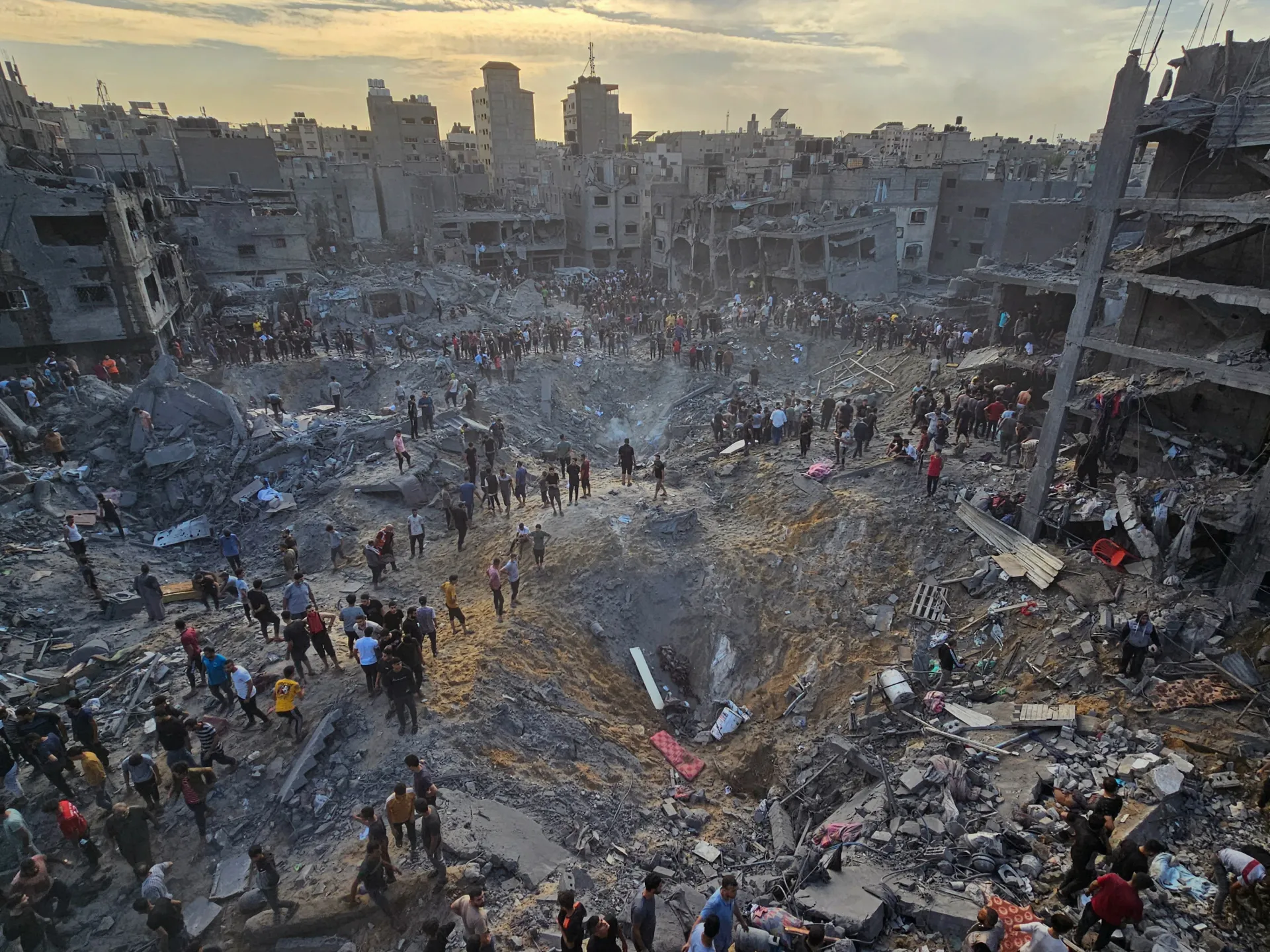
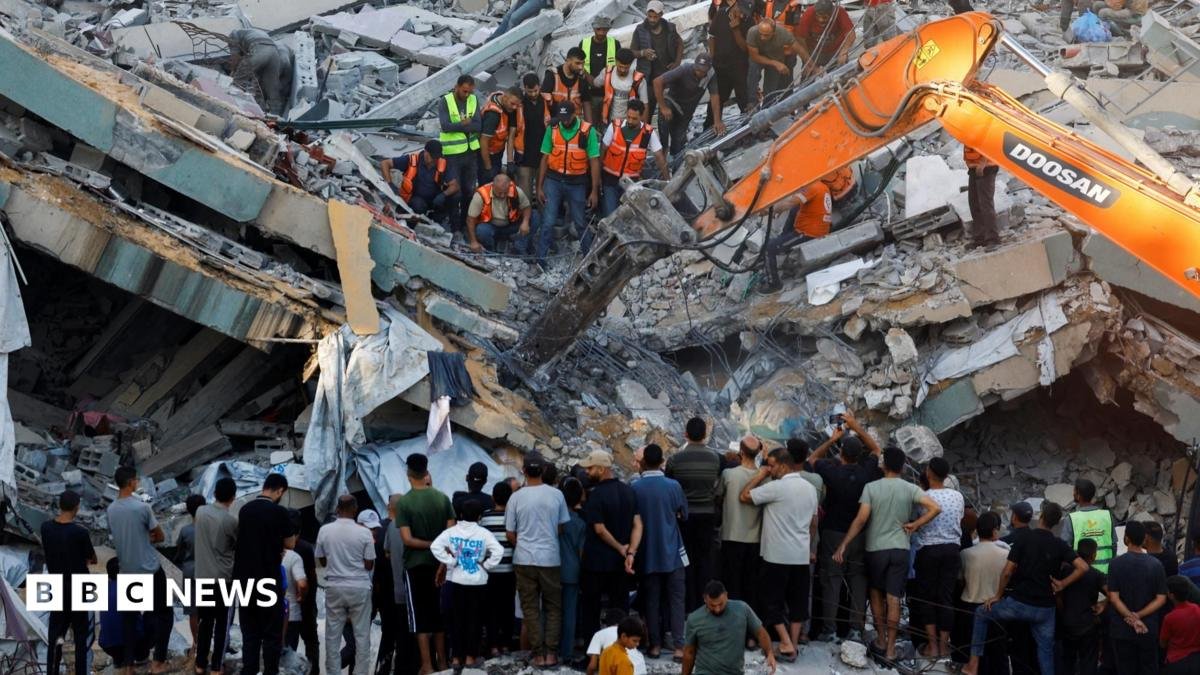
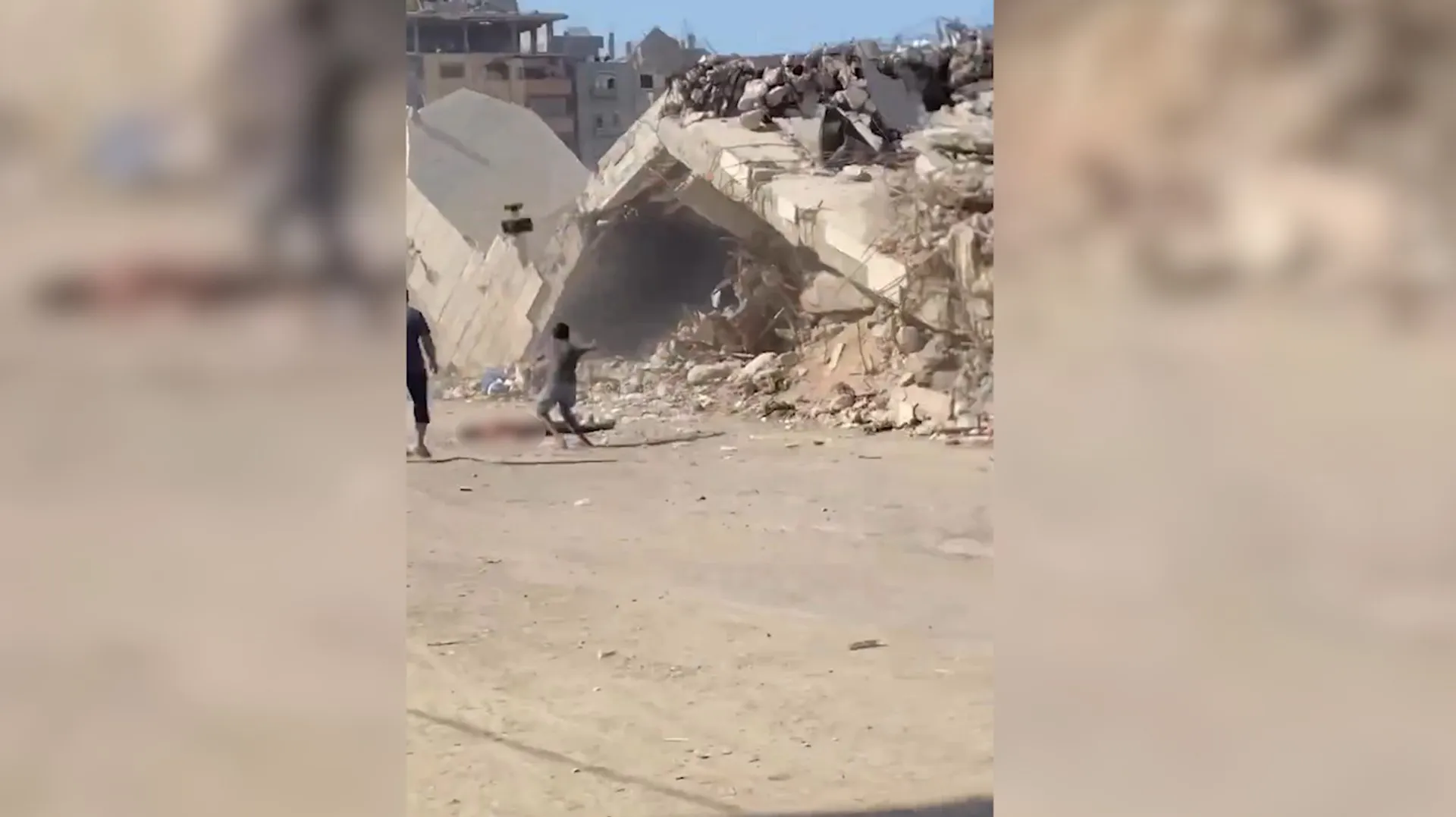
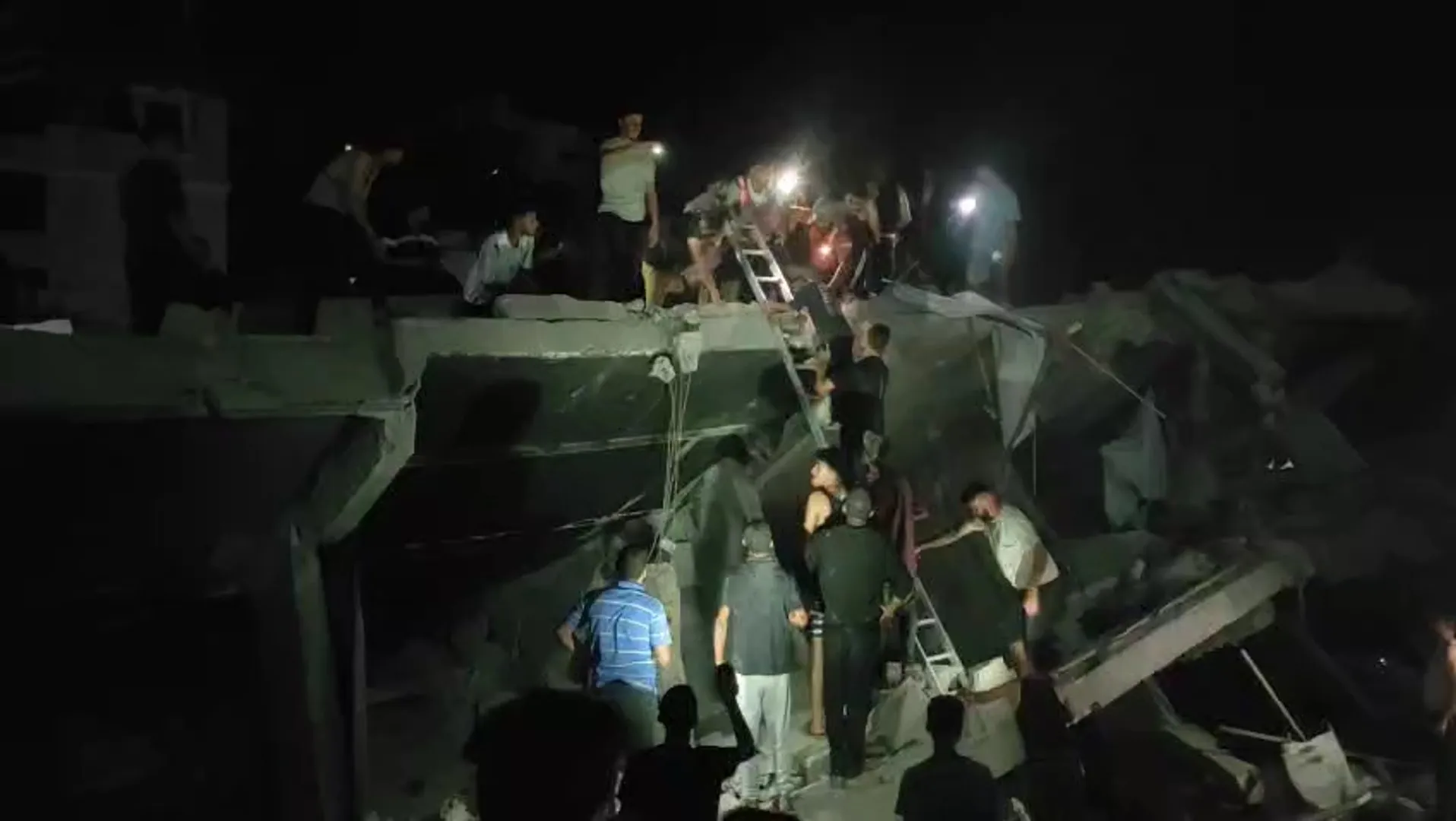
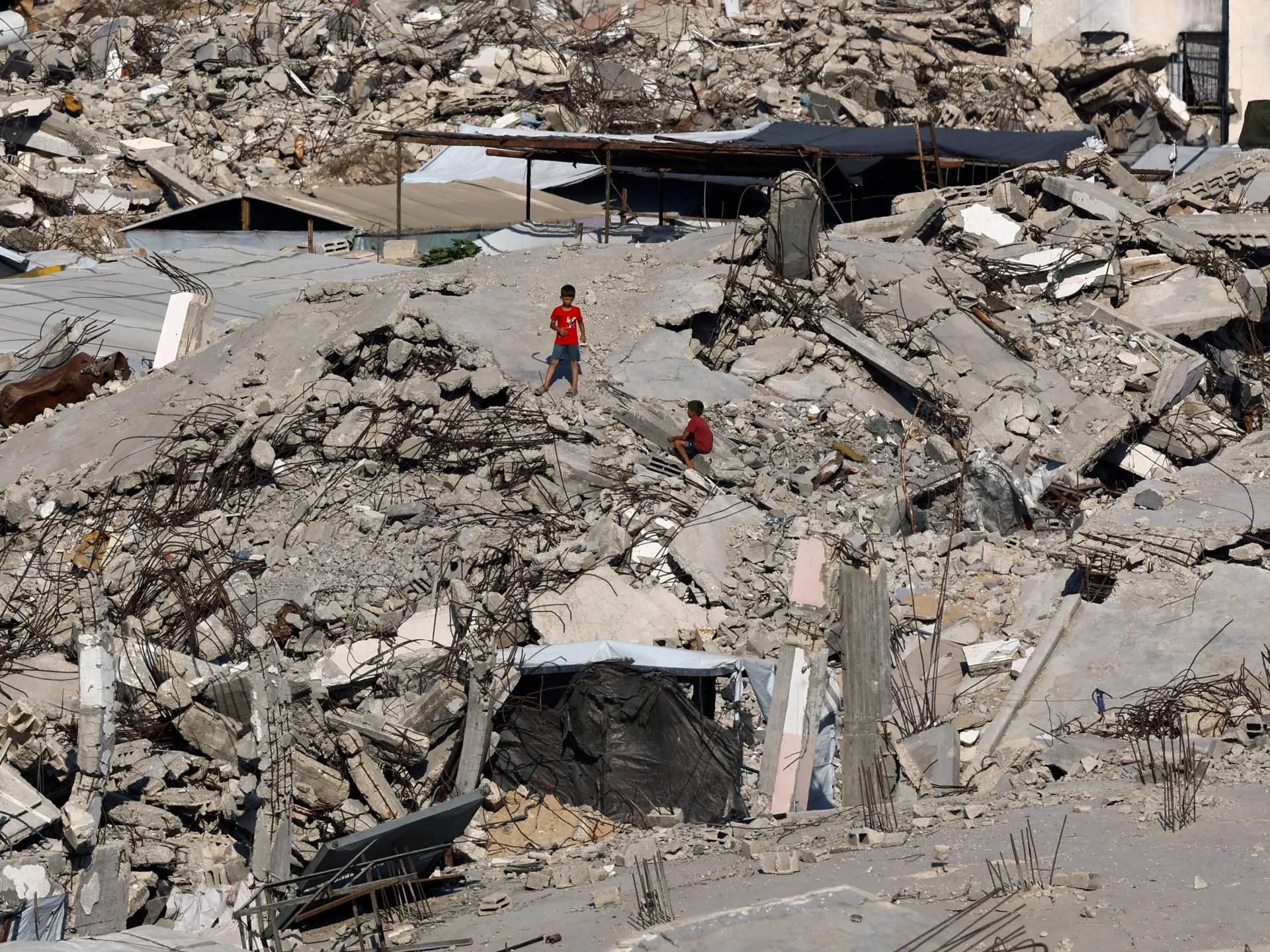
The urgency of restarting academic life is being tested ant peril. In Gaza City, the recent collapse of a war-damaged six-storey building in the Tal al-Hawa district has claimed at least 21 lives, including eight children, serving as a harrowing reminder of the structural instability that continues to threaten those living in the shadow of past military strikes.
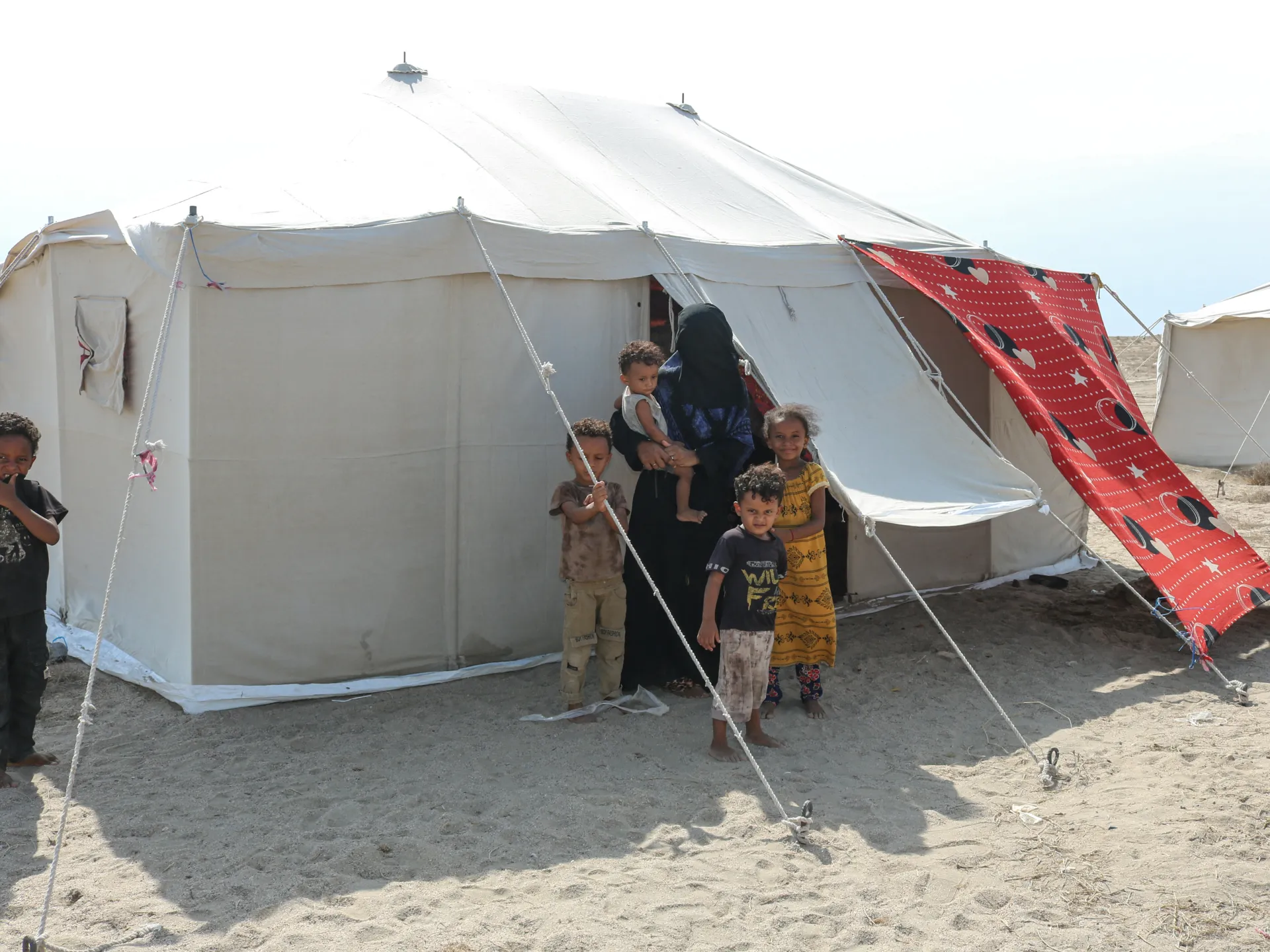
The current situation in Gaza presents a critical nexus of humanitarian and developmental failure. Education is a fundamental pillar of recovery, yet its implementation is hampered ustrates a broader issue: the lack of heavy machinery and maintenance resources is not merely a logistical problem but a direct contributor to the rising death toll among the displaced. As winter approaches, the vulnerability of approximately 400 additional damaged buildings creates a ticking clock for humanitarian agencies. The inability to clear debris or reinforce compromised structures suggests that the return to school may be occurring in a landscape that remains fundamentally unsafe for long-term habitation or education.
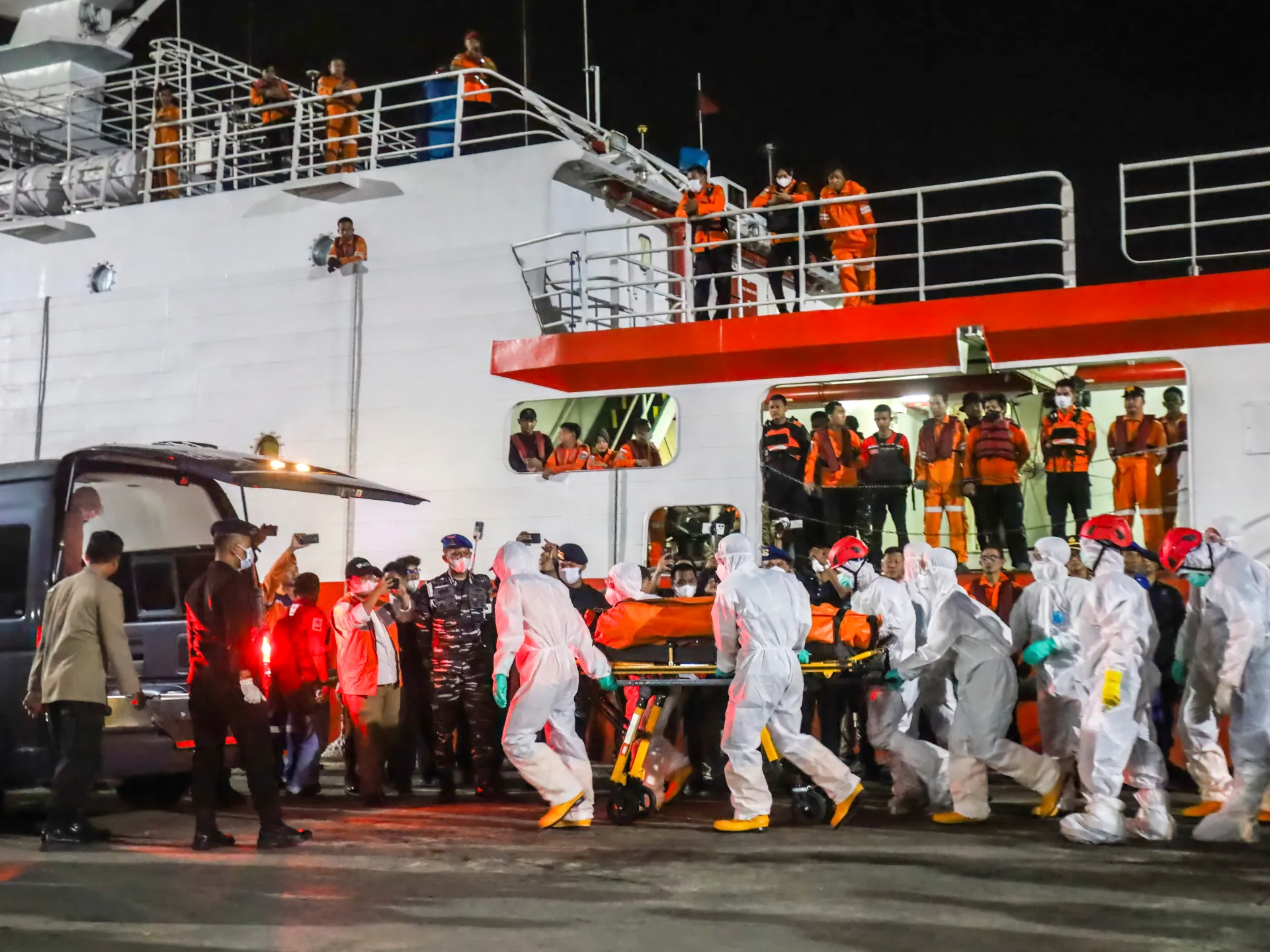
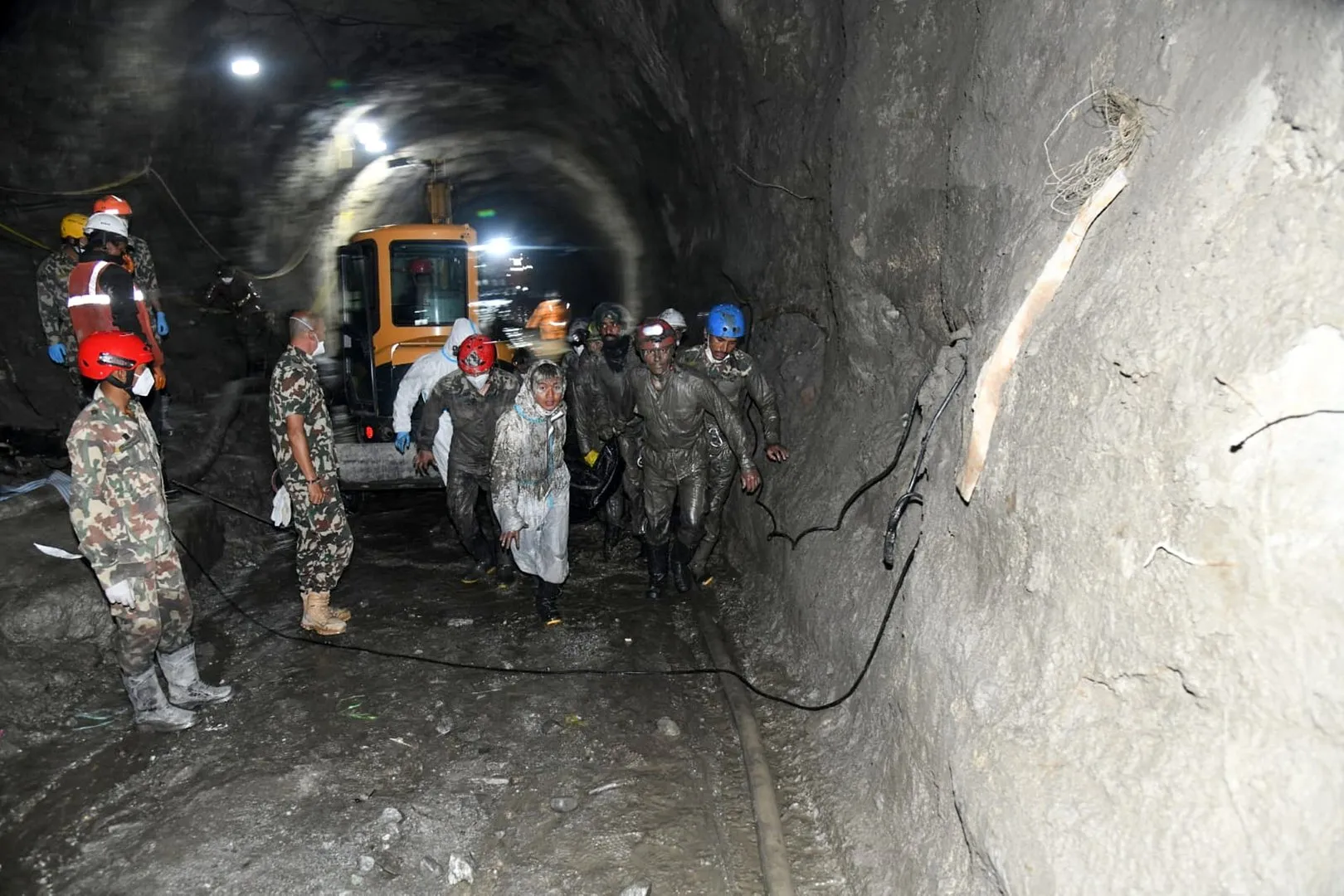
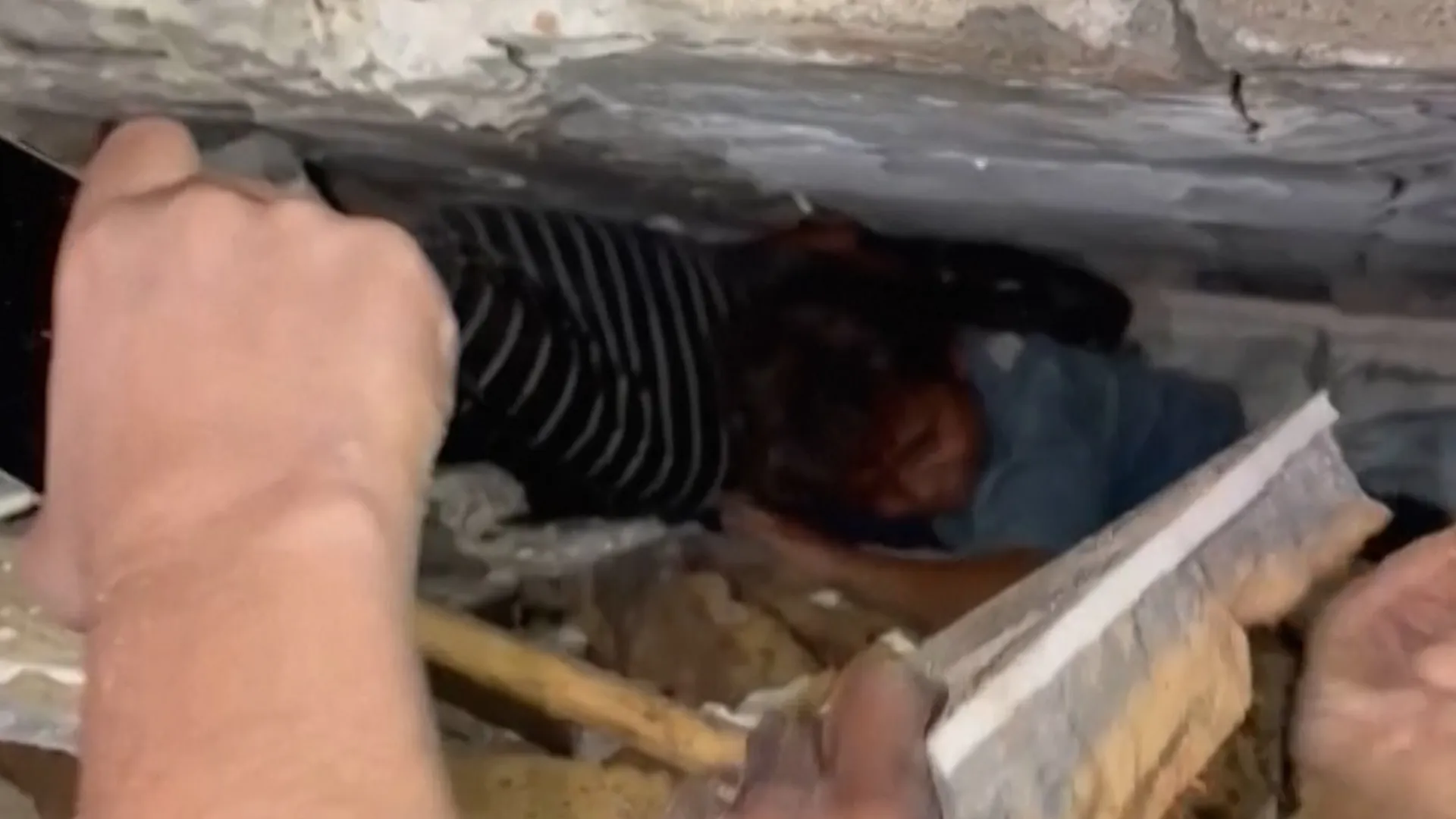
The collapse in Gaza City occurred in the early hours of Wednesday, leaving residents with little time to react. Witnesses described the event as feeling like an earthquake, with the building—which had been tilting since it was targeted in the early stages of the war—suddenly falling. Despite warnings that the site was hazardous, nearly a dozen families had occupied the structure, driven a lack of specialized equipment, with responders from the Hamas-run Civil Defence agency initially forced to rely on their bare hands.
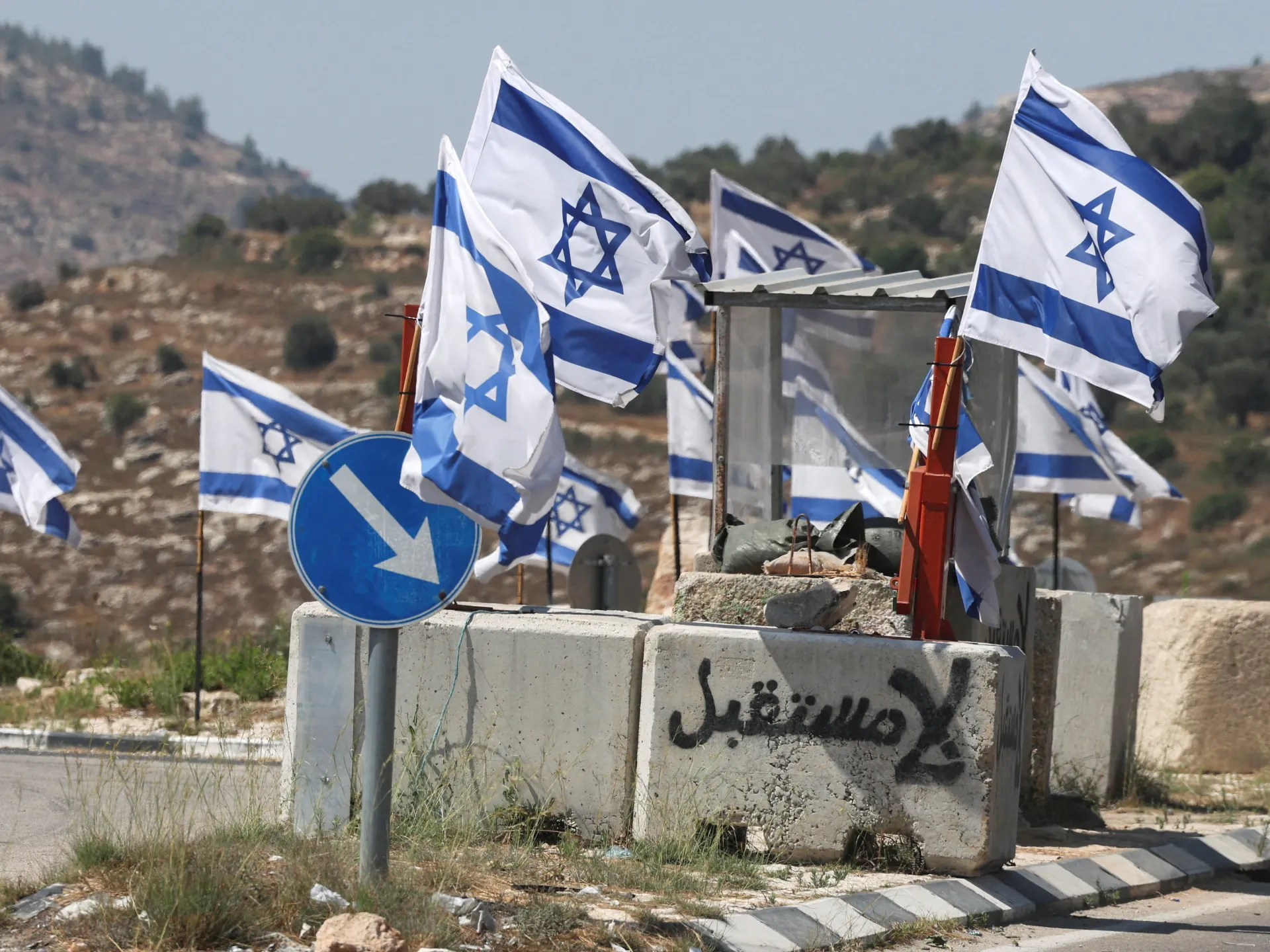
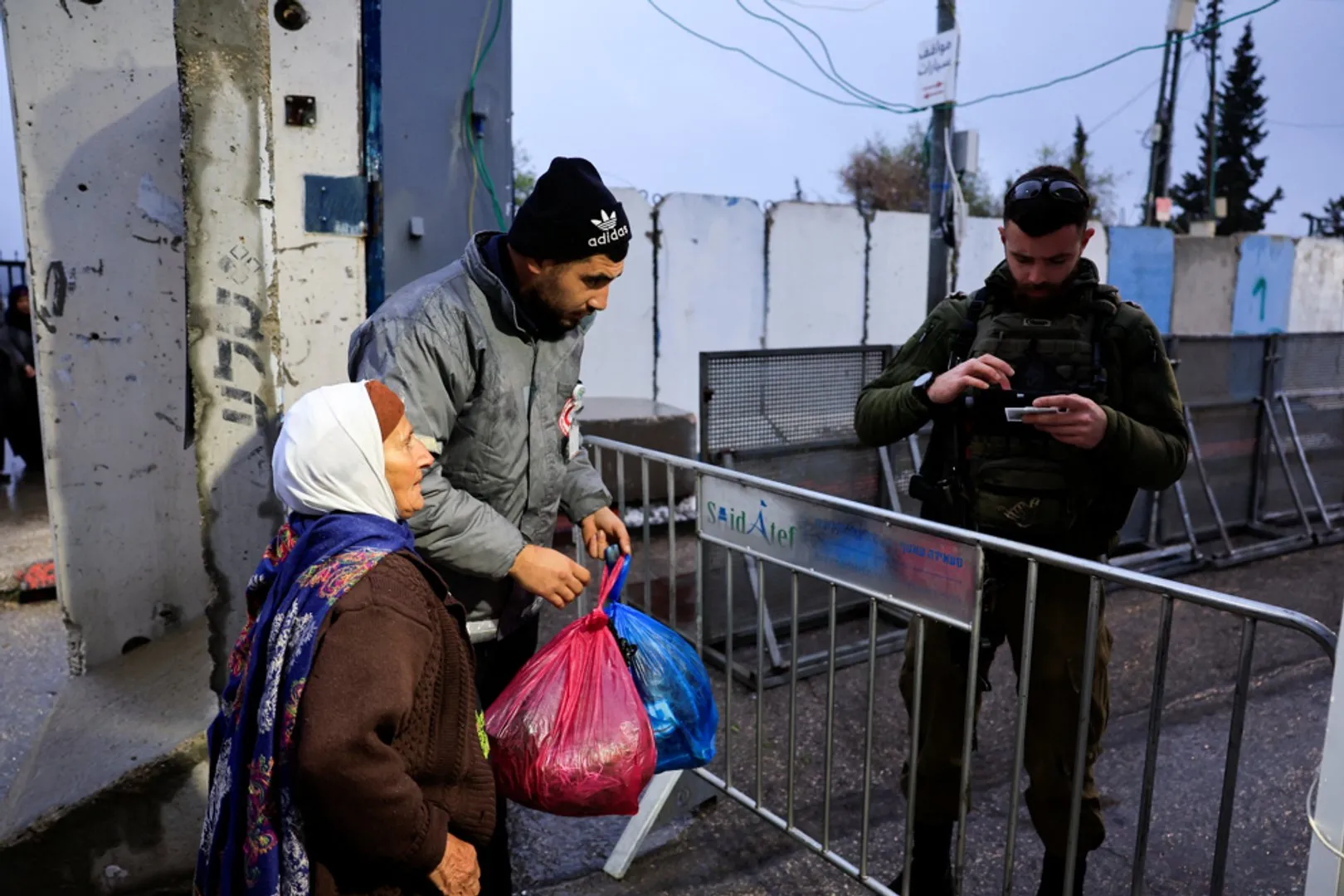
Alessandro Mrakic, head of the United Nations Development Programme (UNDP) in Gaza, expressed deep concern regarding the current limitations. He noted that aid workers are struggling to operate machinery due to a severe shortage of spare parts and engine oil. The UN reports that the search-and-rescue operation concluded on Wednesday, with 45 injured individuals transported to local medical facilities. Meanwhile, the broader conflict remains volatile, as tensions and reported instability continue to persist across the occupied West Bank.
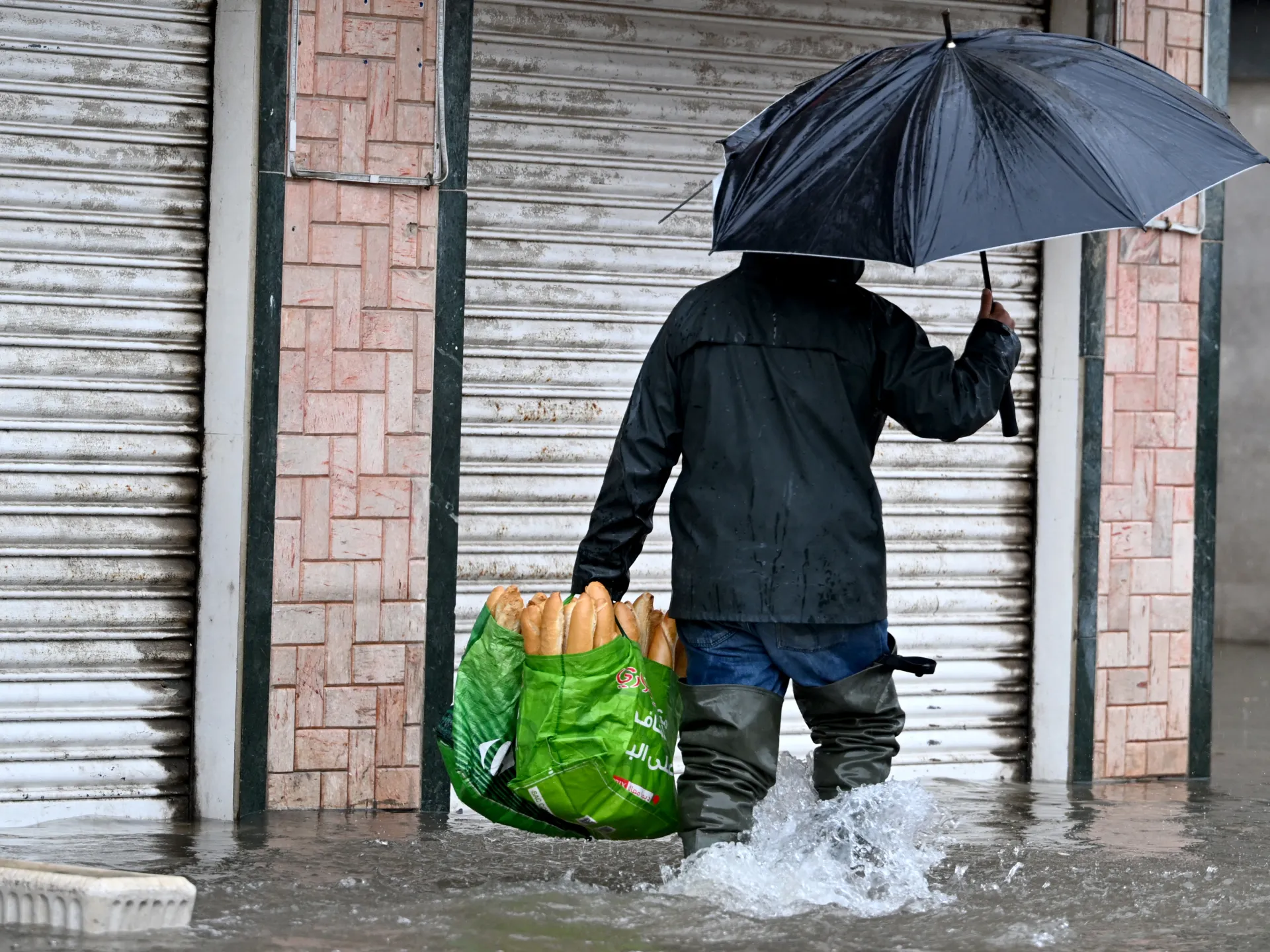
The immediate outlook for the region remains fraught with instability. Humanitarian teams are expected to prioritize the assessment of the remaining 400 at-risk buildings, though the efficacy of these efforts will depend heavily on the ability to secure logistical support and machinery from international partners. Without a significant influx of mechanical equipment, local agencies remain limited in their capacity to mitigate further structural failures as seasonal weather patterns, such as winter rain, threaten to further weaken damaged foundations. Furthermore, the educational system faces the ongoing challenge of maintaining enrollment in an environment where safety cannot be guaranteed for students moving between their homes and school facilities.