Canadian leadership is exploring a new 'associate member' status with the EU to strengthen cooperation on defense, energy, and economic security.
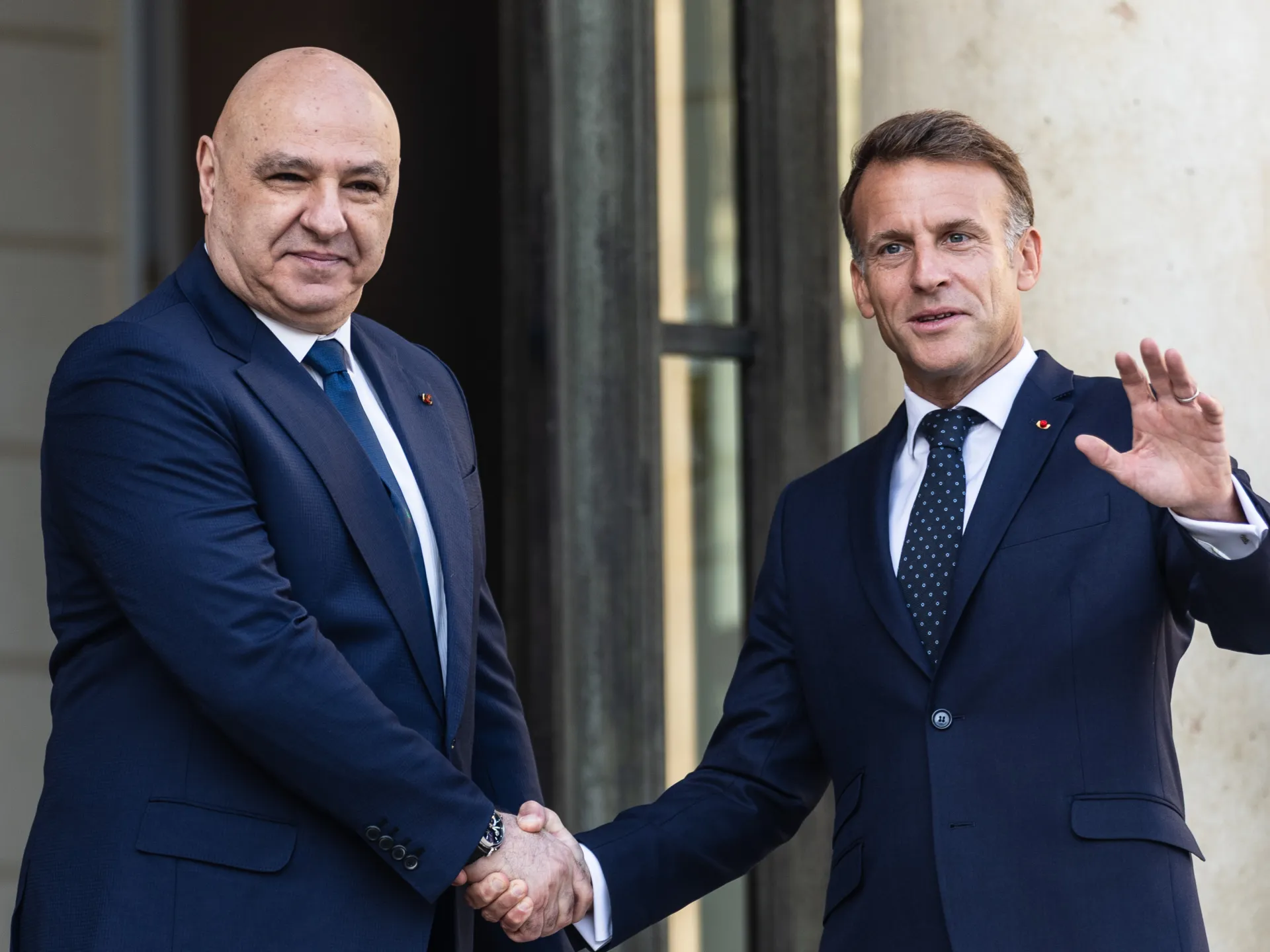
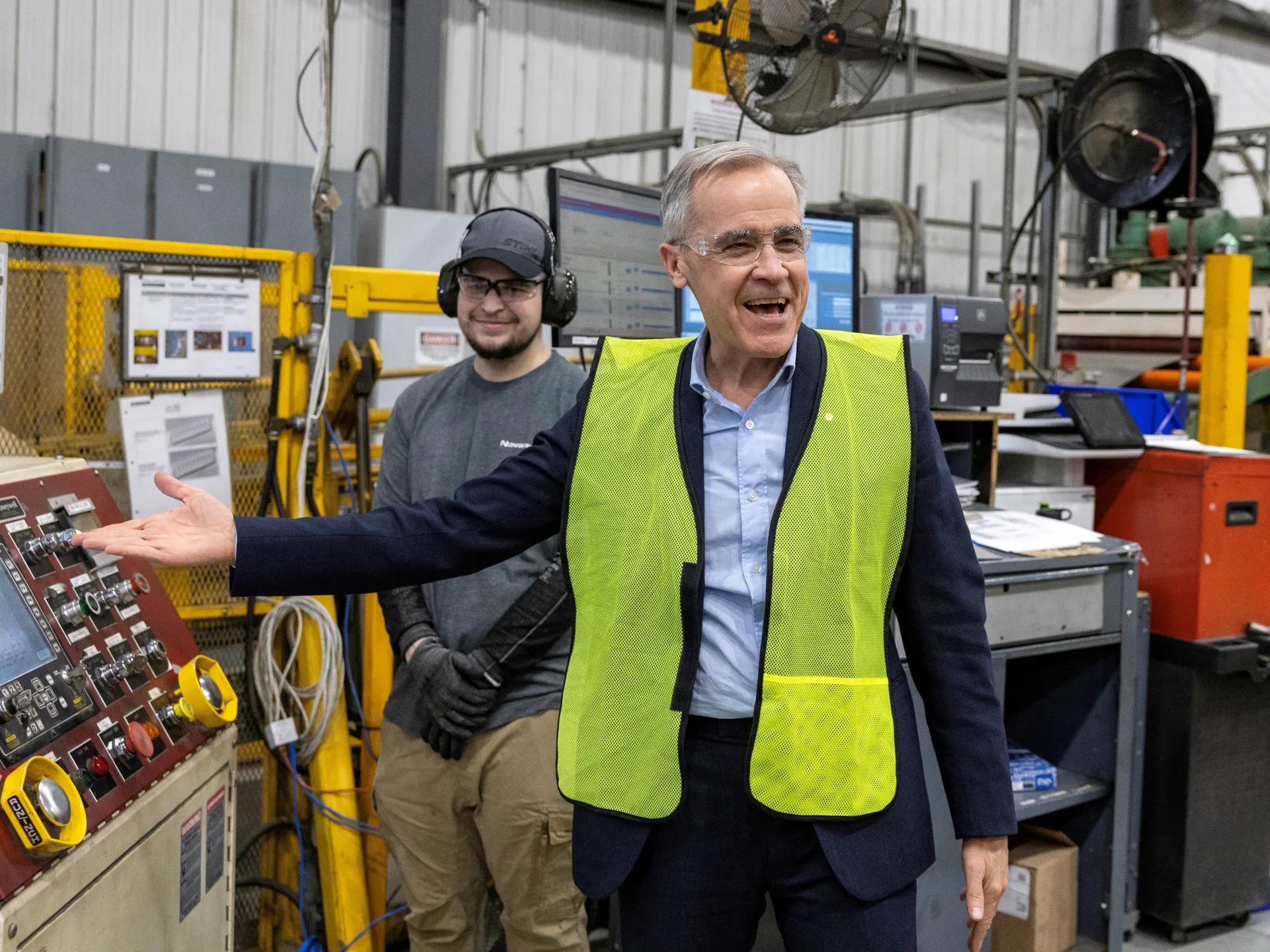
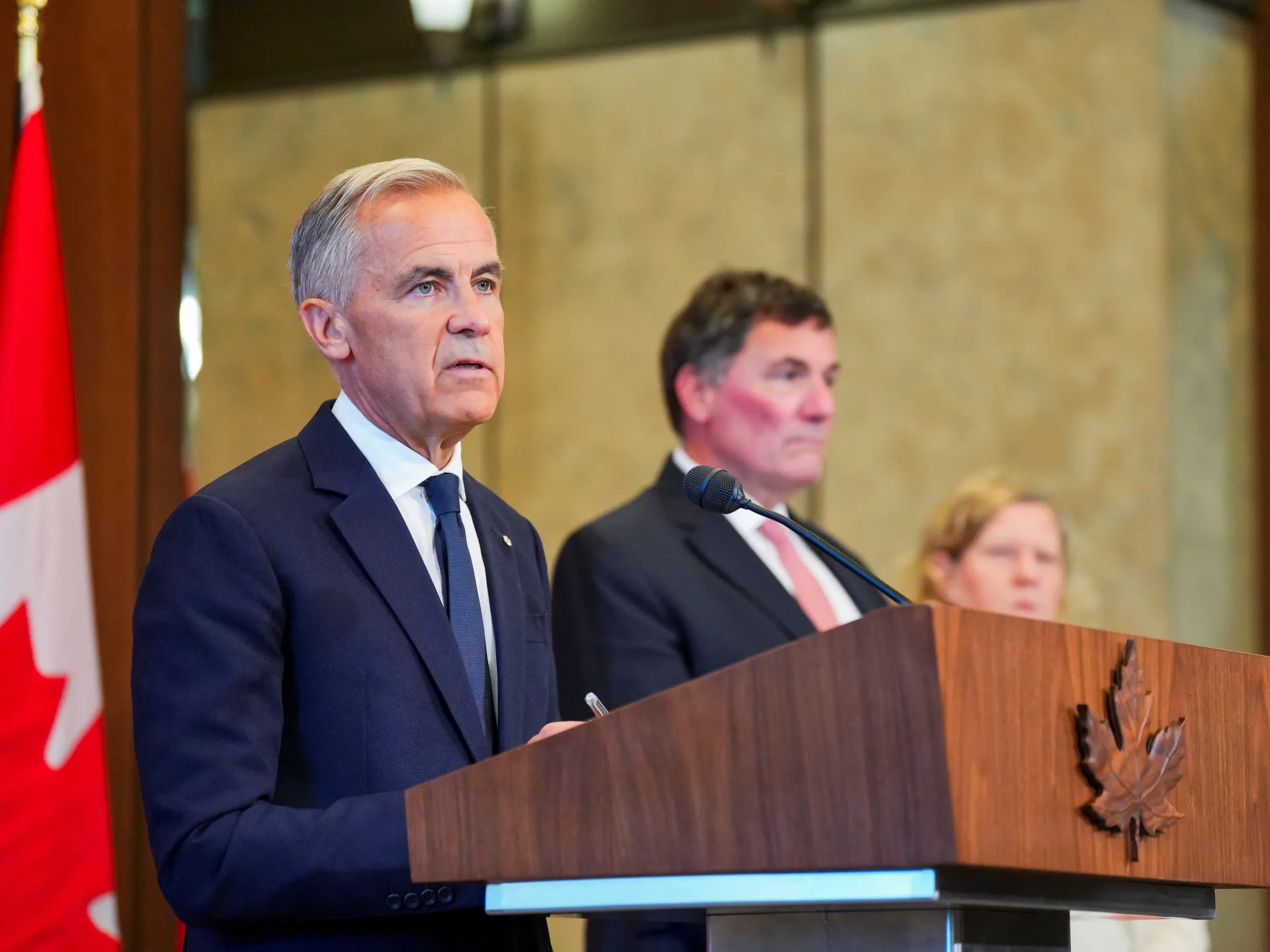
The prospect of Canada becoming the first-ever "associate member" of the European Union has moved from a conceptual proposal to a formal topic of international discourse. European Commission President Ursula von der Leyen recently proposed opening the door to this unique status, an initiative that has received a warm reception from Canadian leadership. While the exact parameters of such an arrangement are currently undefined—as the status of "associate member" does not exist within the current EU legal framework—the proposal aims to deepen cooperation in pivotal sectors including defense, critical minerals, technology, and energy security.
Canadian leadership has emphasized that this potential alignment is not intended to create a rival power bloc or to mimic the conditions of full EU membership. Instead, the framework is envisioned as a mechanism to bolster "strategic autonomy" for both parties. del for democratic nations to collaborate in an era defined
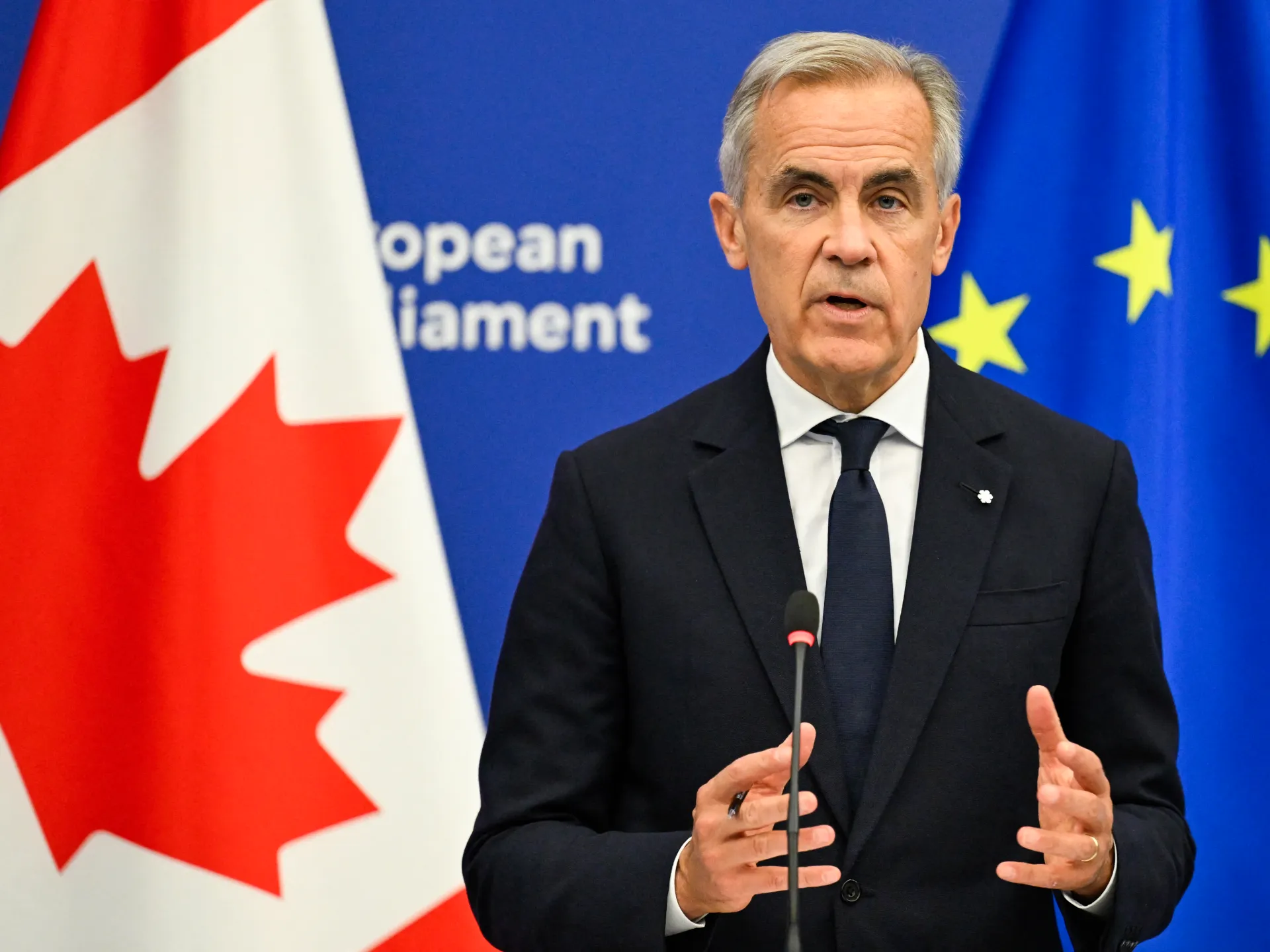
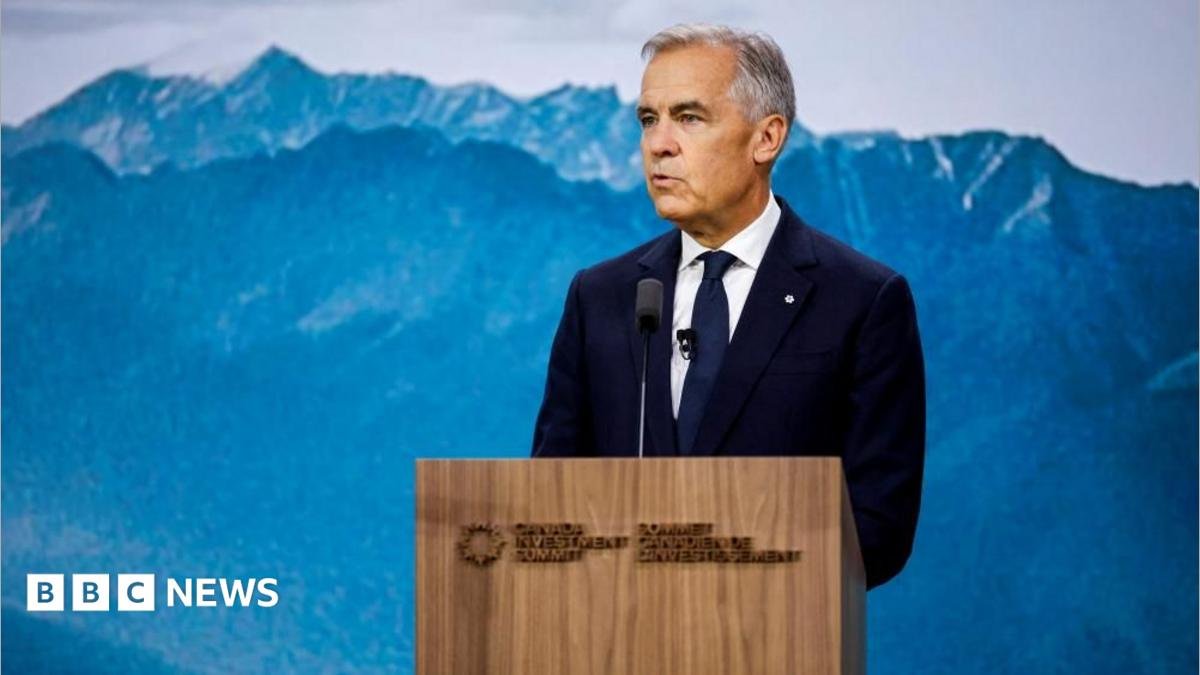
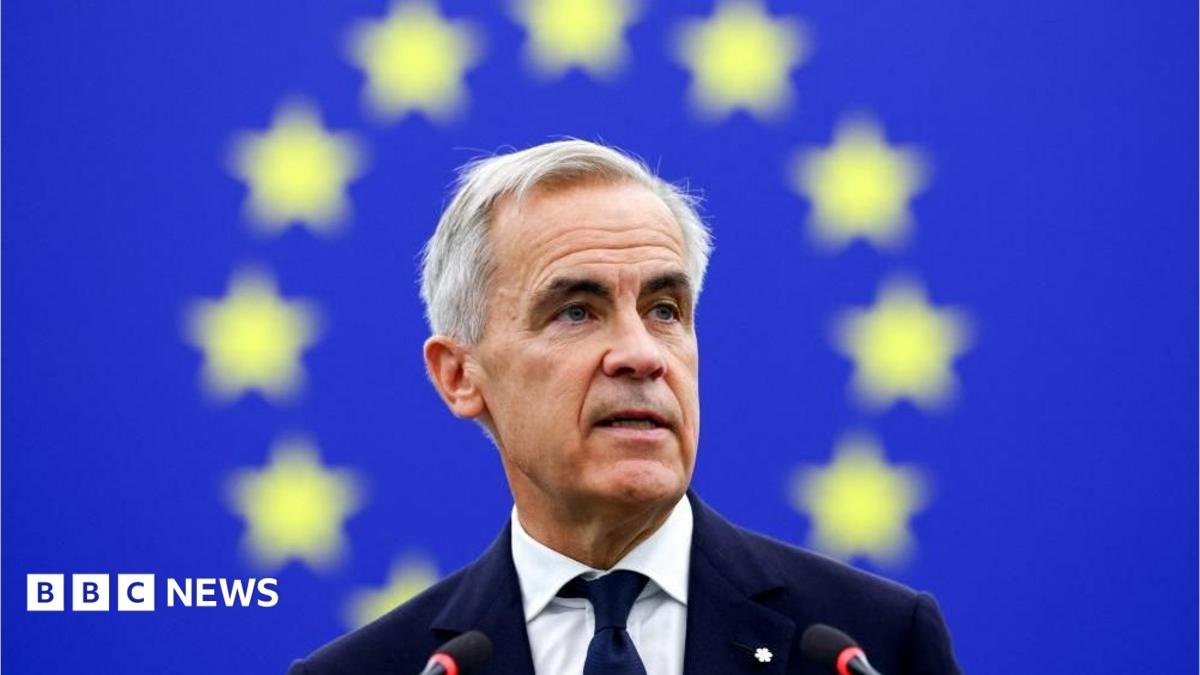
The push for this deeper integration comes at a time of significant global turbulence. Leaders have pointed to the erosion of democratic norms and the increased reliance on trade as a tool for coercion as primary motivators for the alliance. In a recent address to the European Parliament, Canadian officials highlighted that economic integration has increasingly been exploited, with supply chains serving as vulnerabilities and financial mechanisms being utilized to exert political pressure on sovereign nations.
In response to these challenges, Canada and the EU are looking to synchronize their efforts to protect their respective economic and security interests. erals, the two partners seek to stabilize energy security while leveraging European expertise in clean-energy technologies. This synergy is intended to provide a buffer against external attempts to disrupt essential supply chains or manipulate global markets.
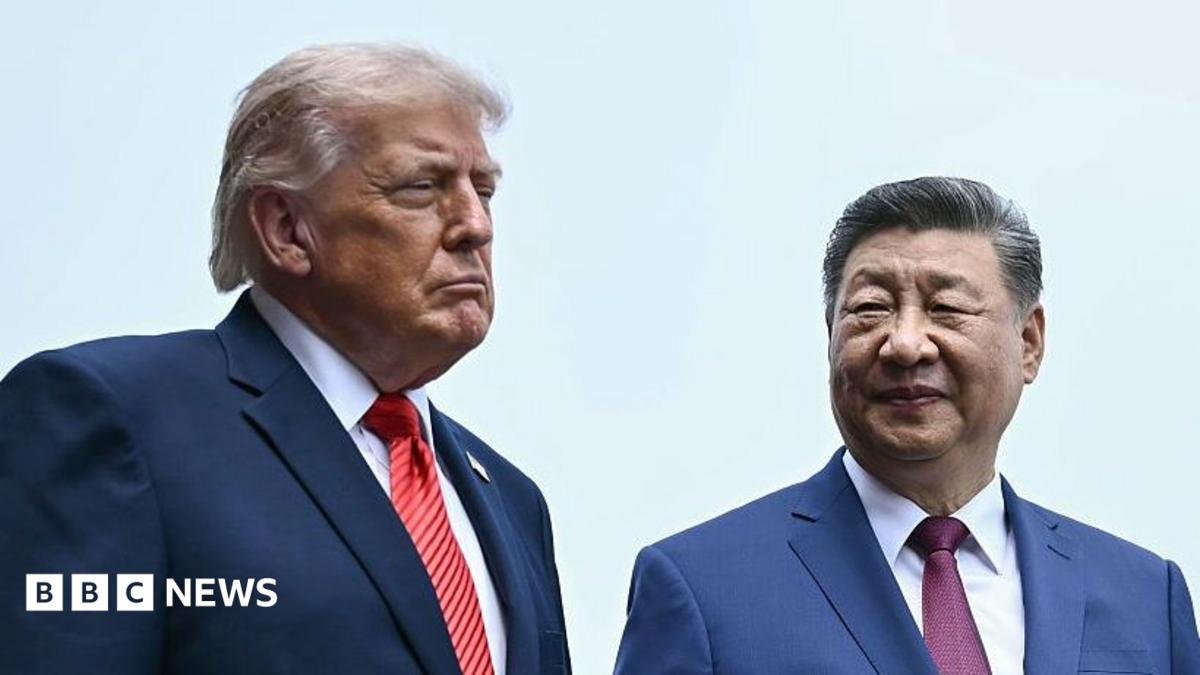
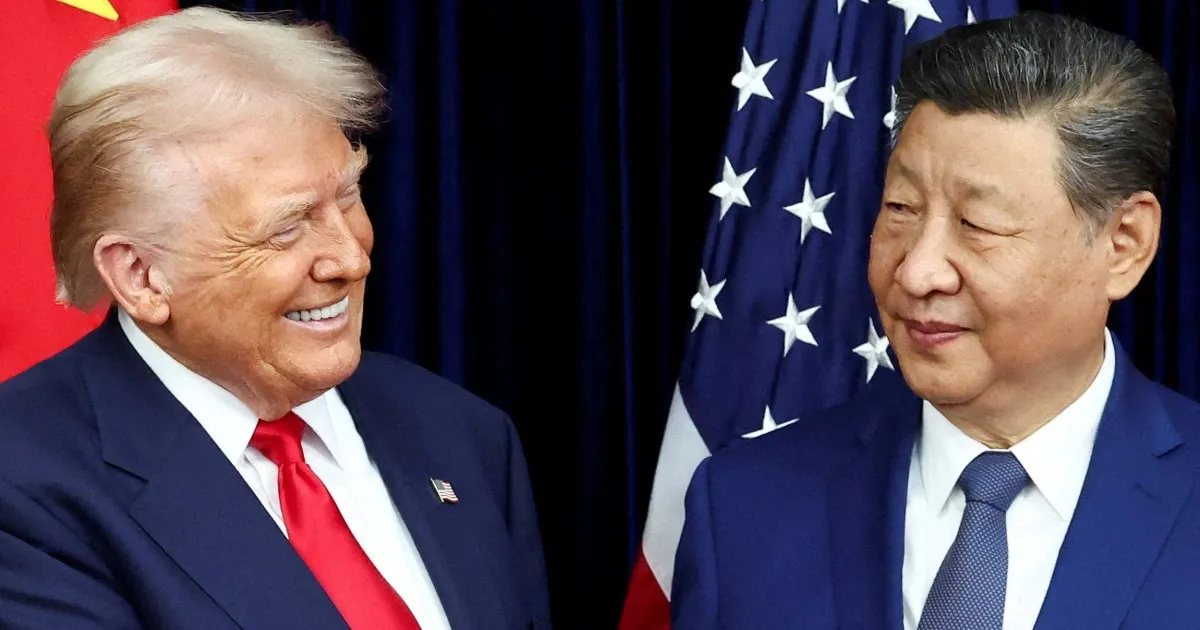
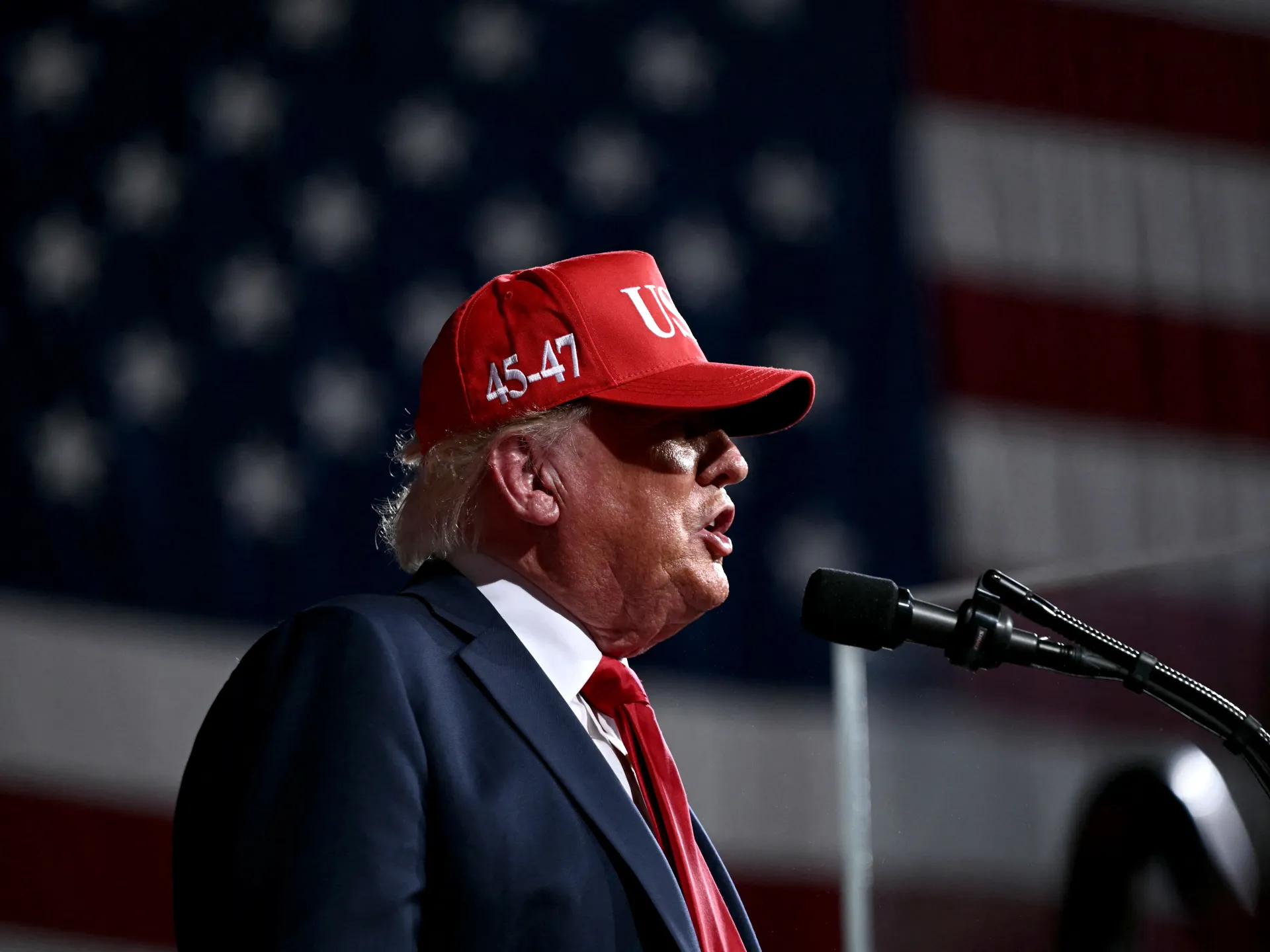
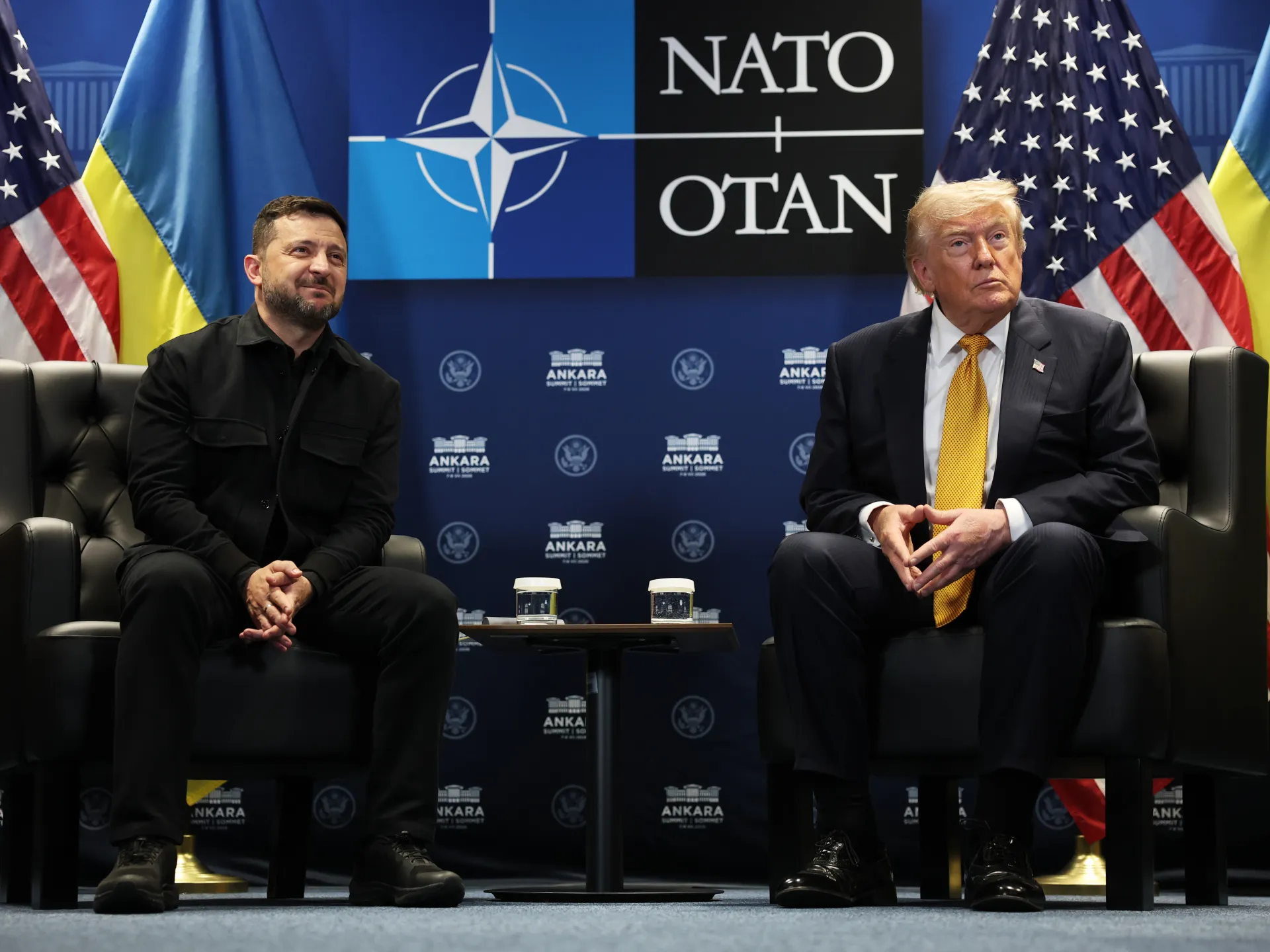
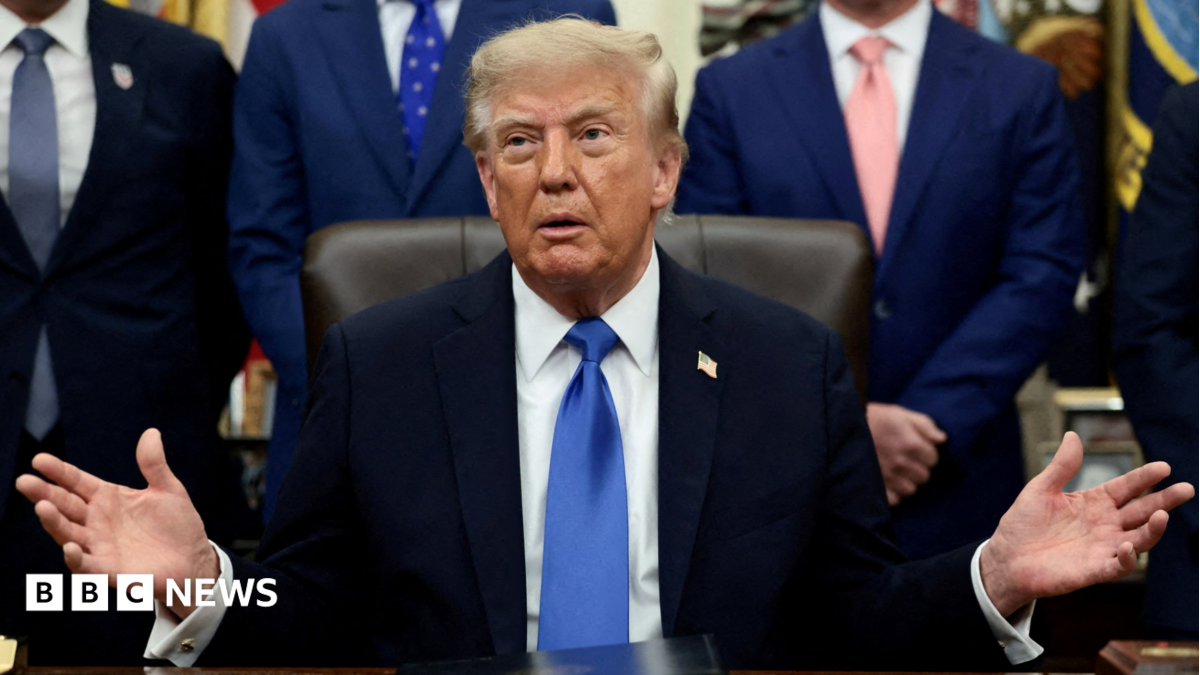
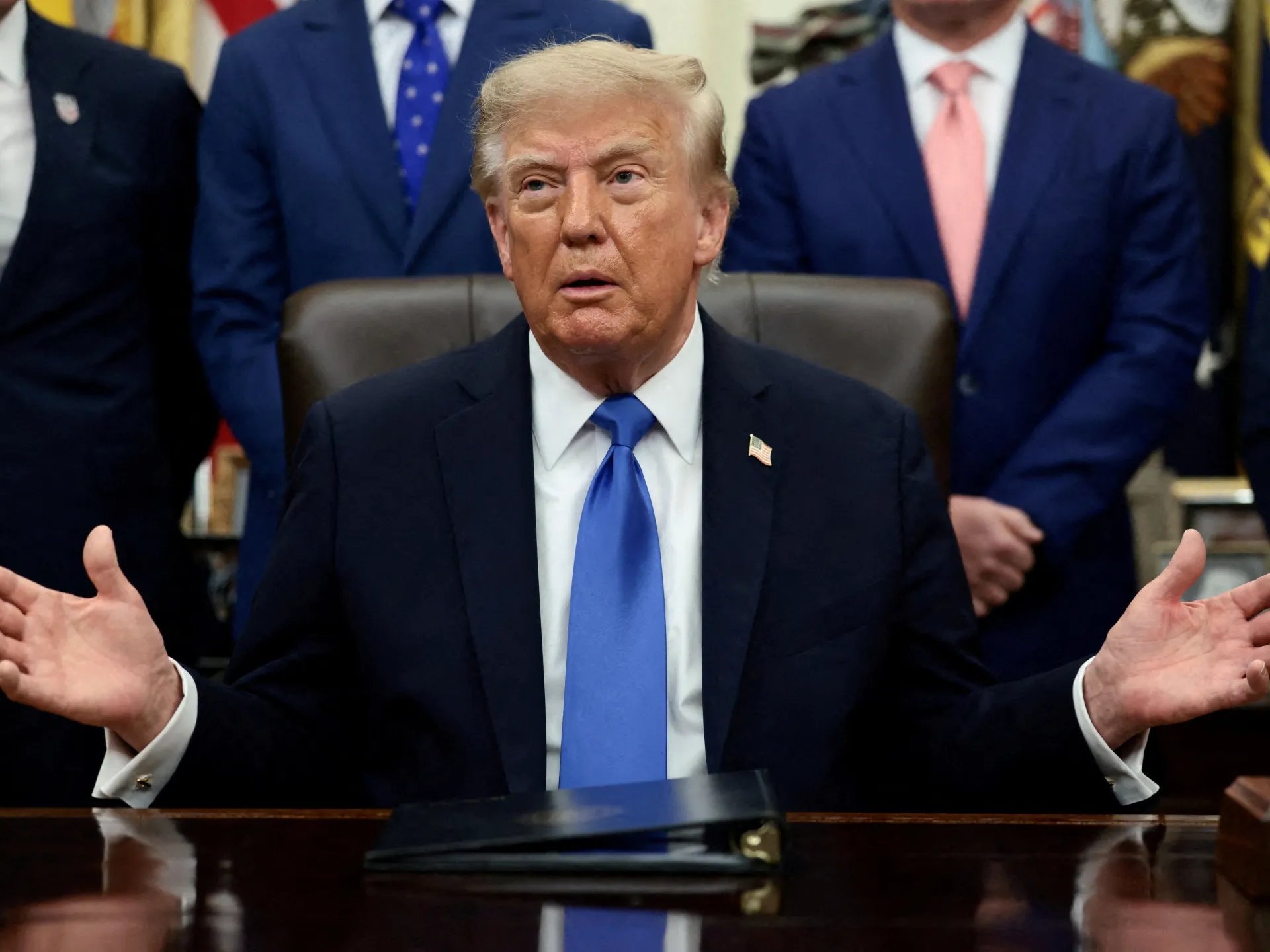
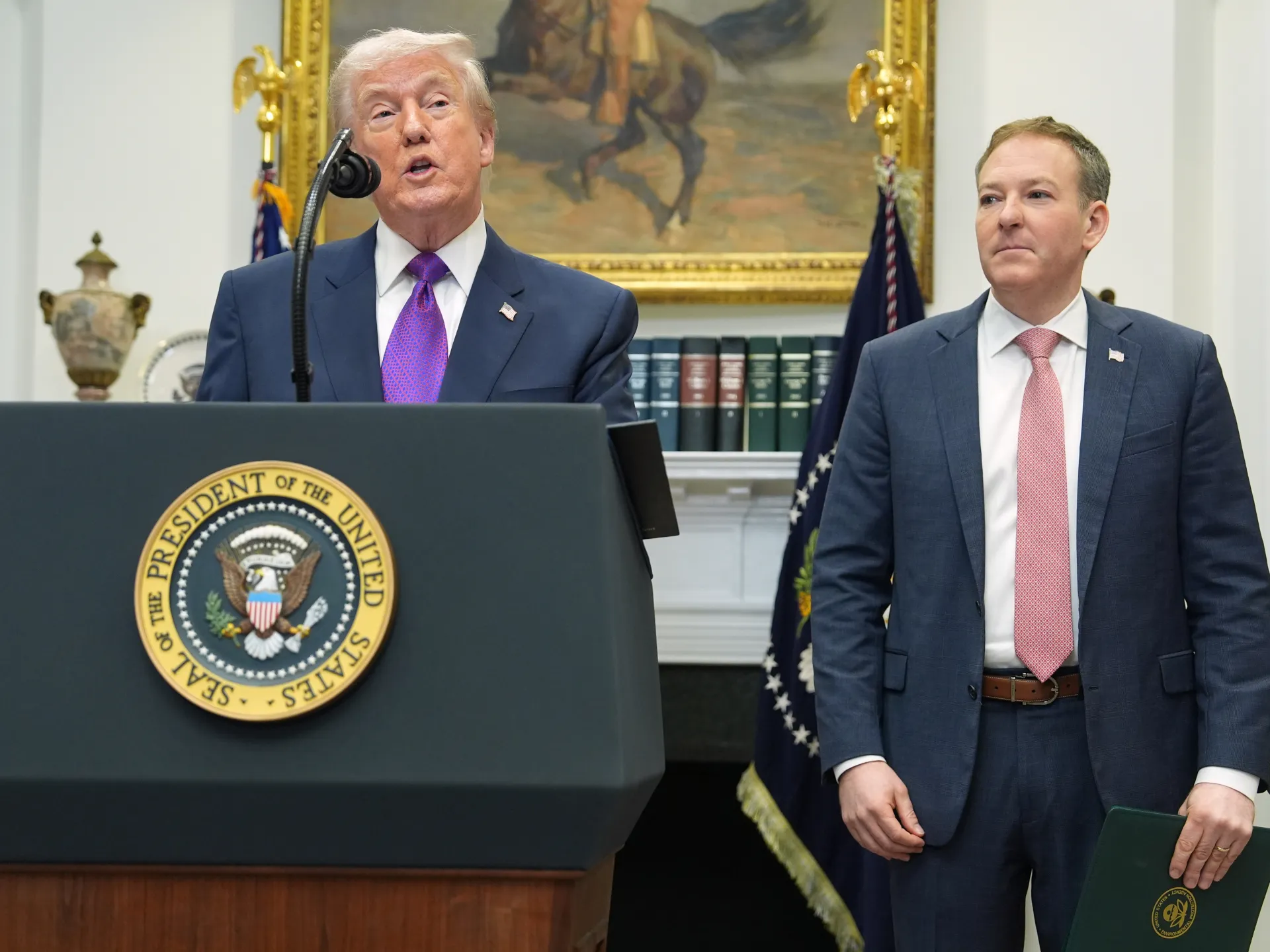
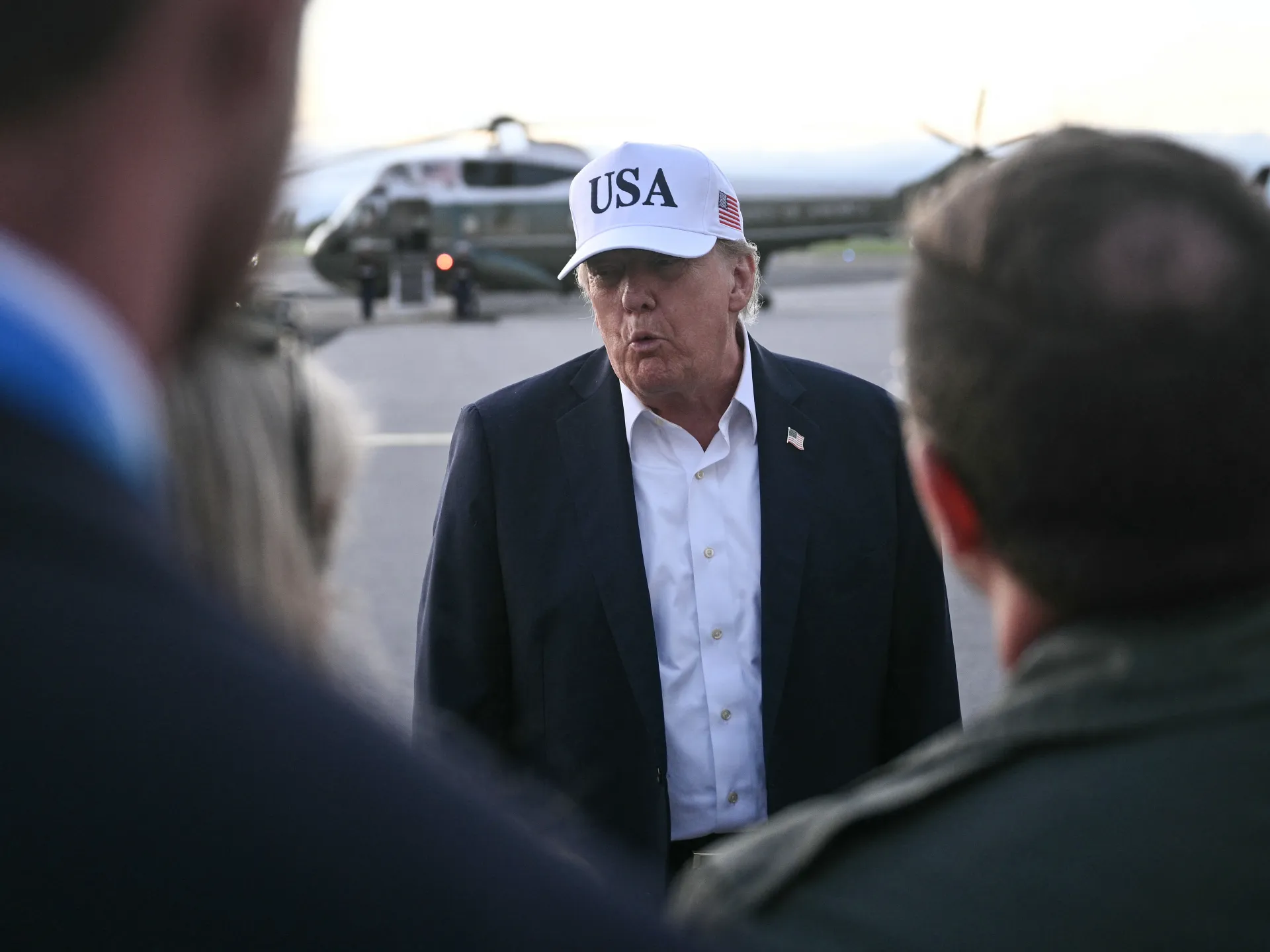
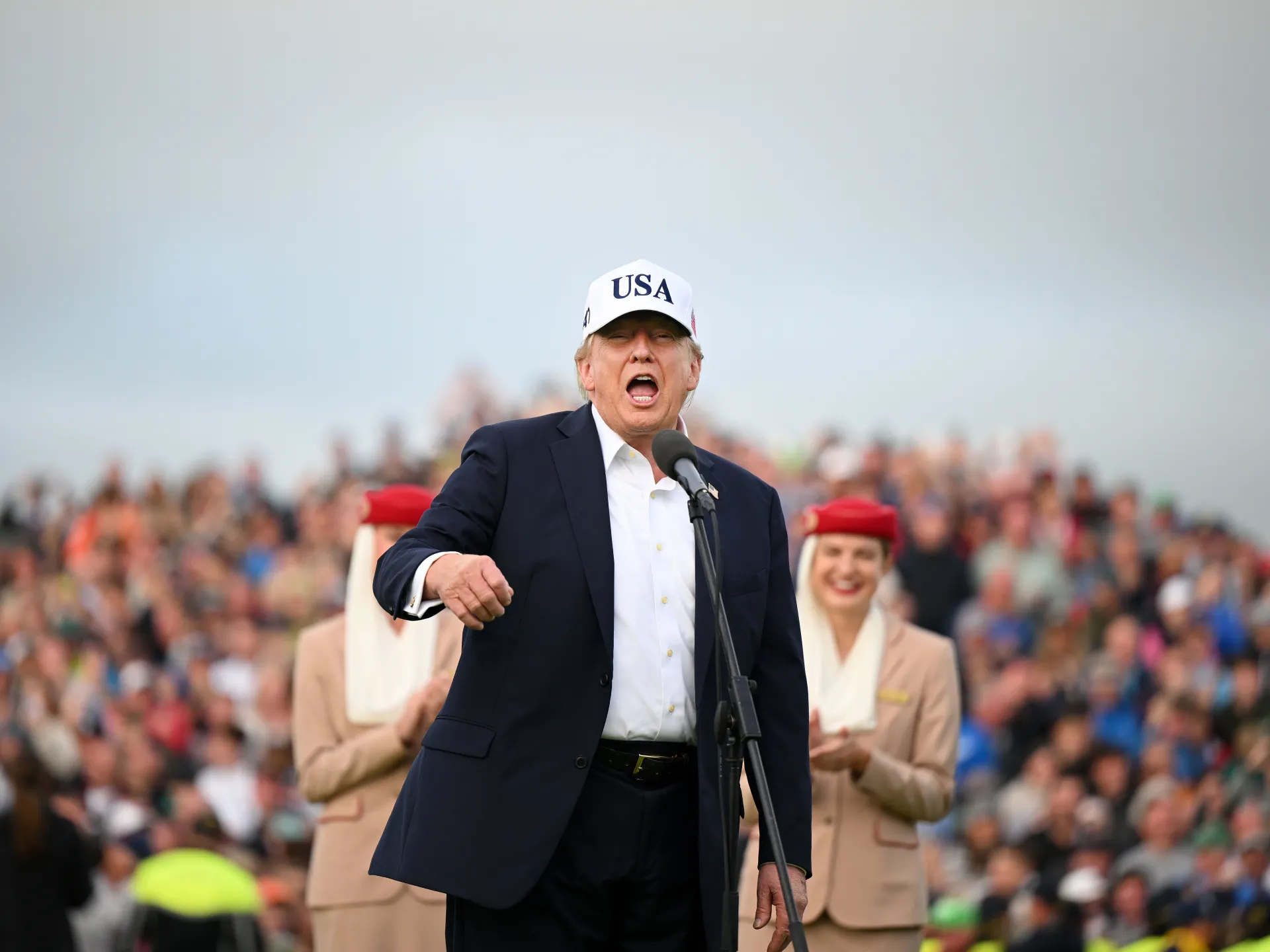
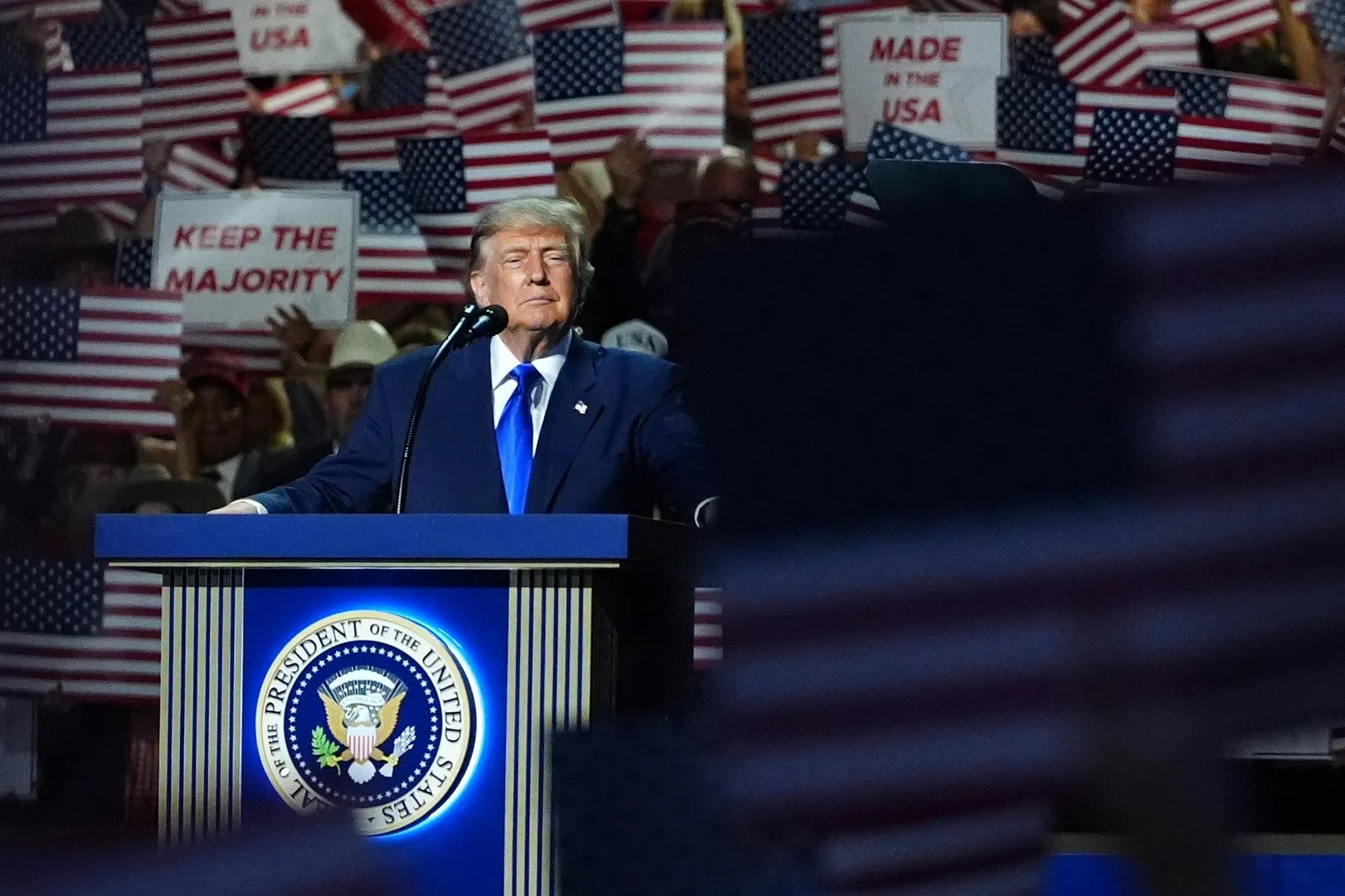
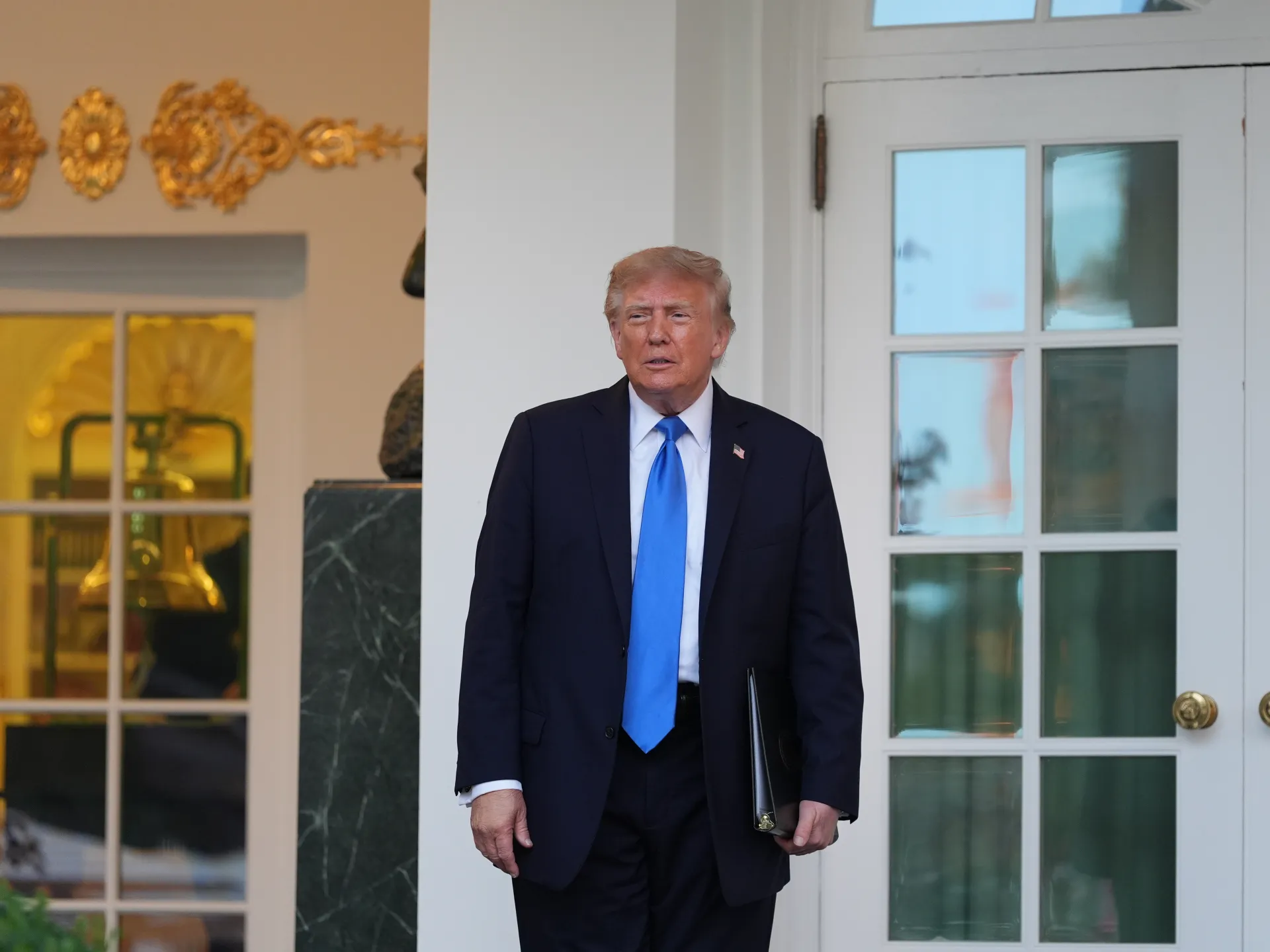
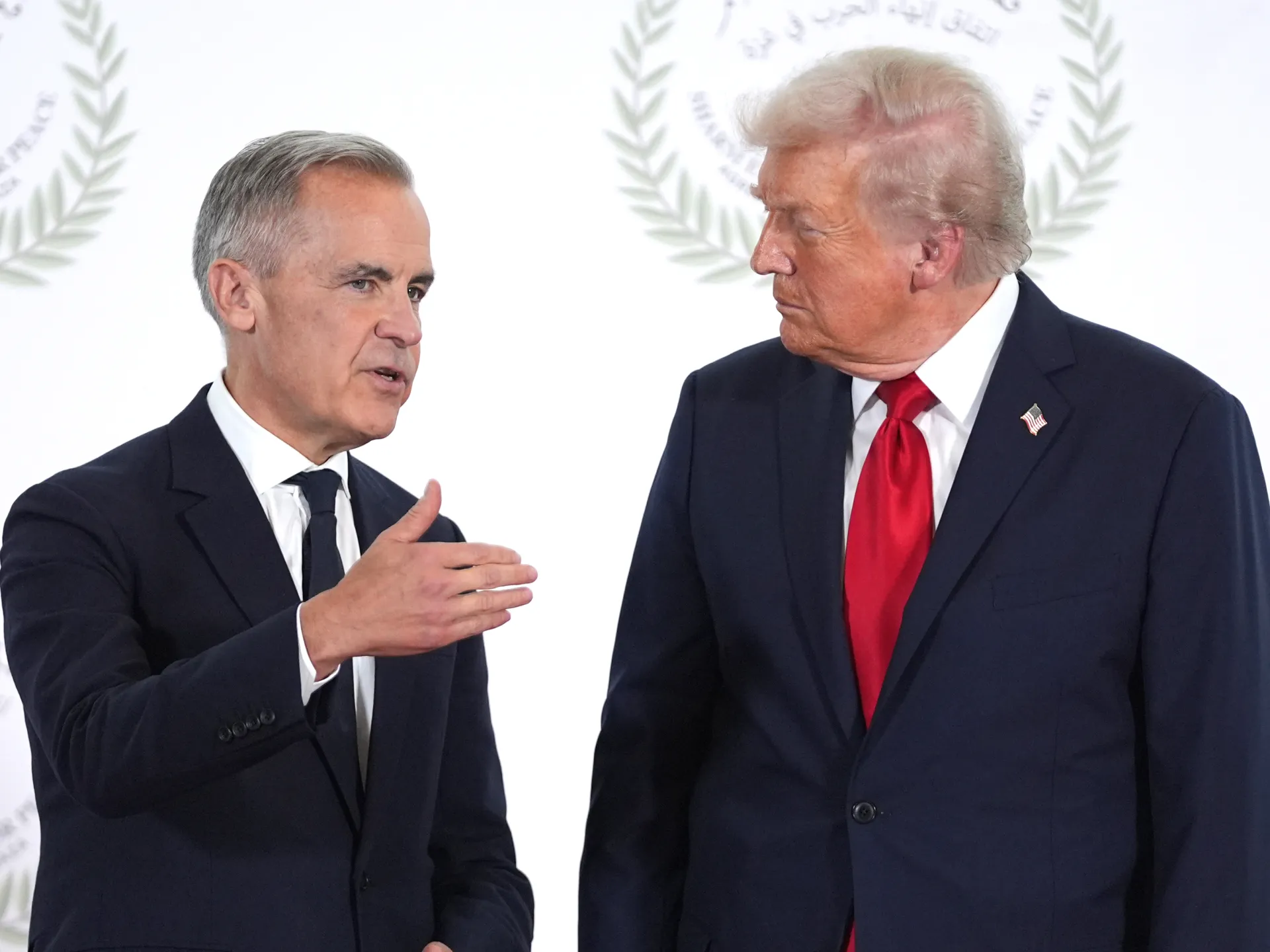
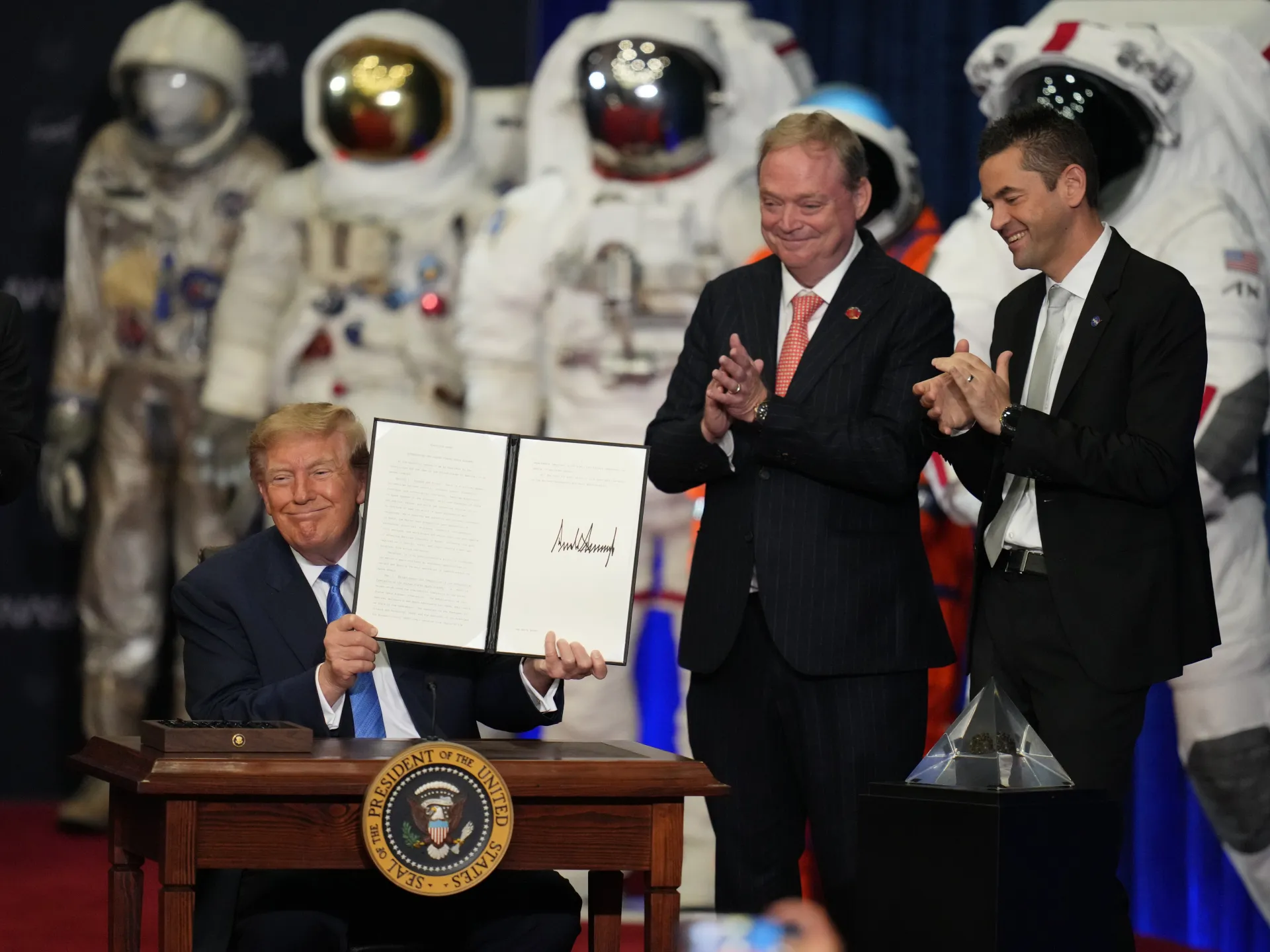
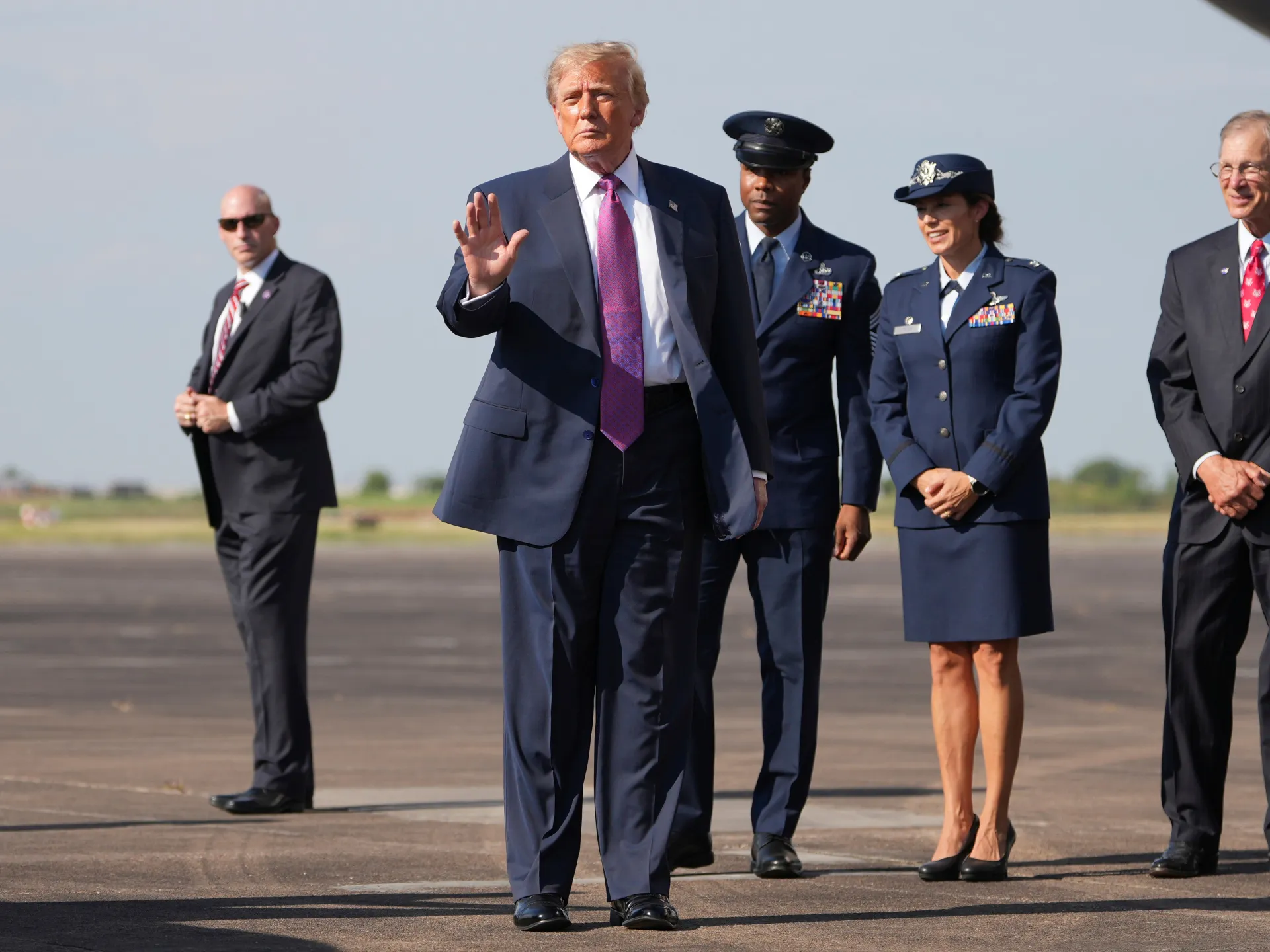
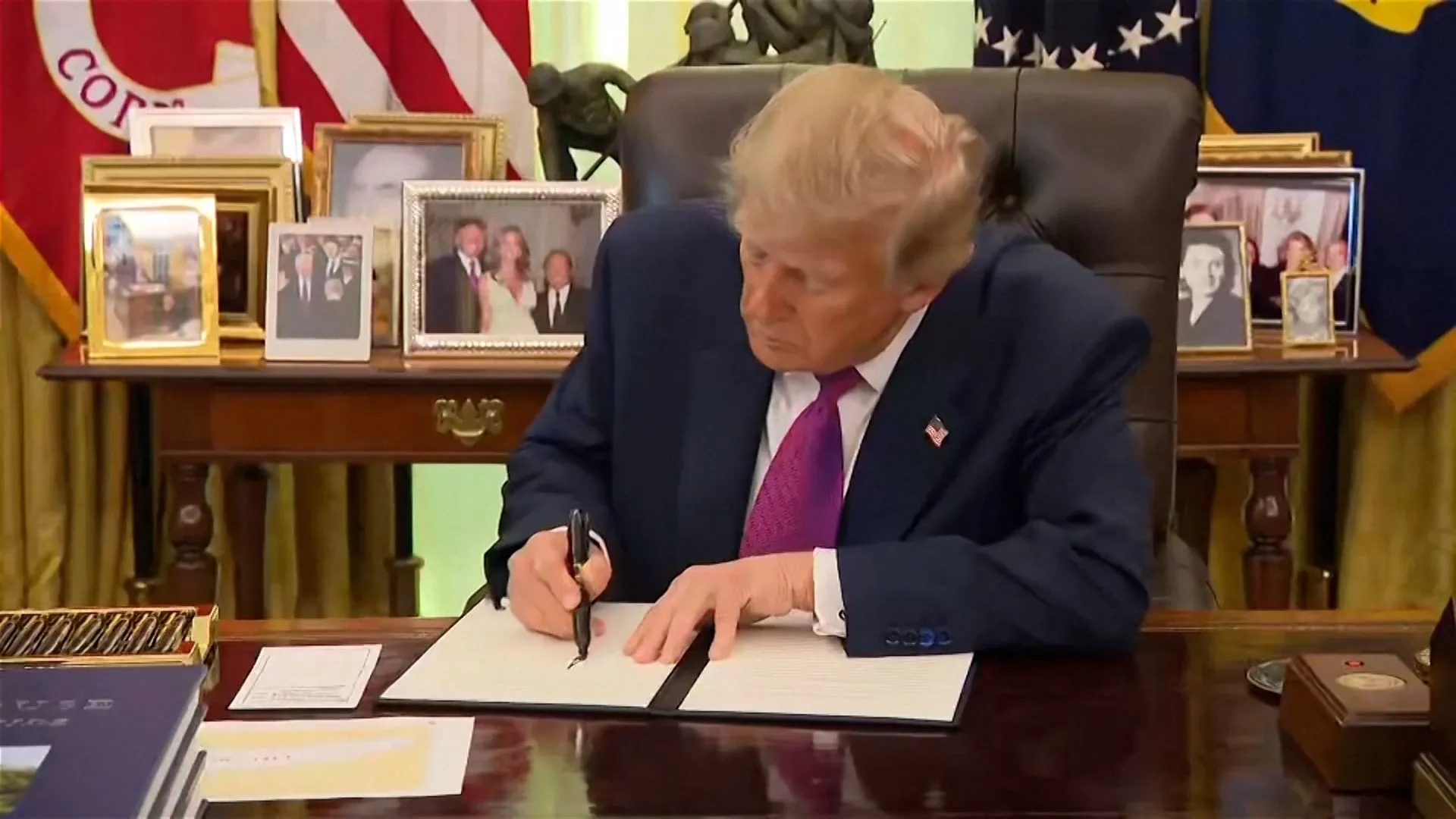
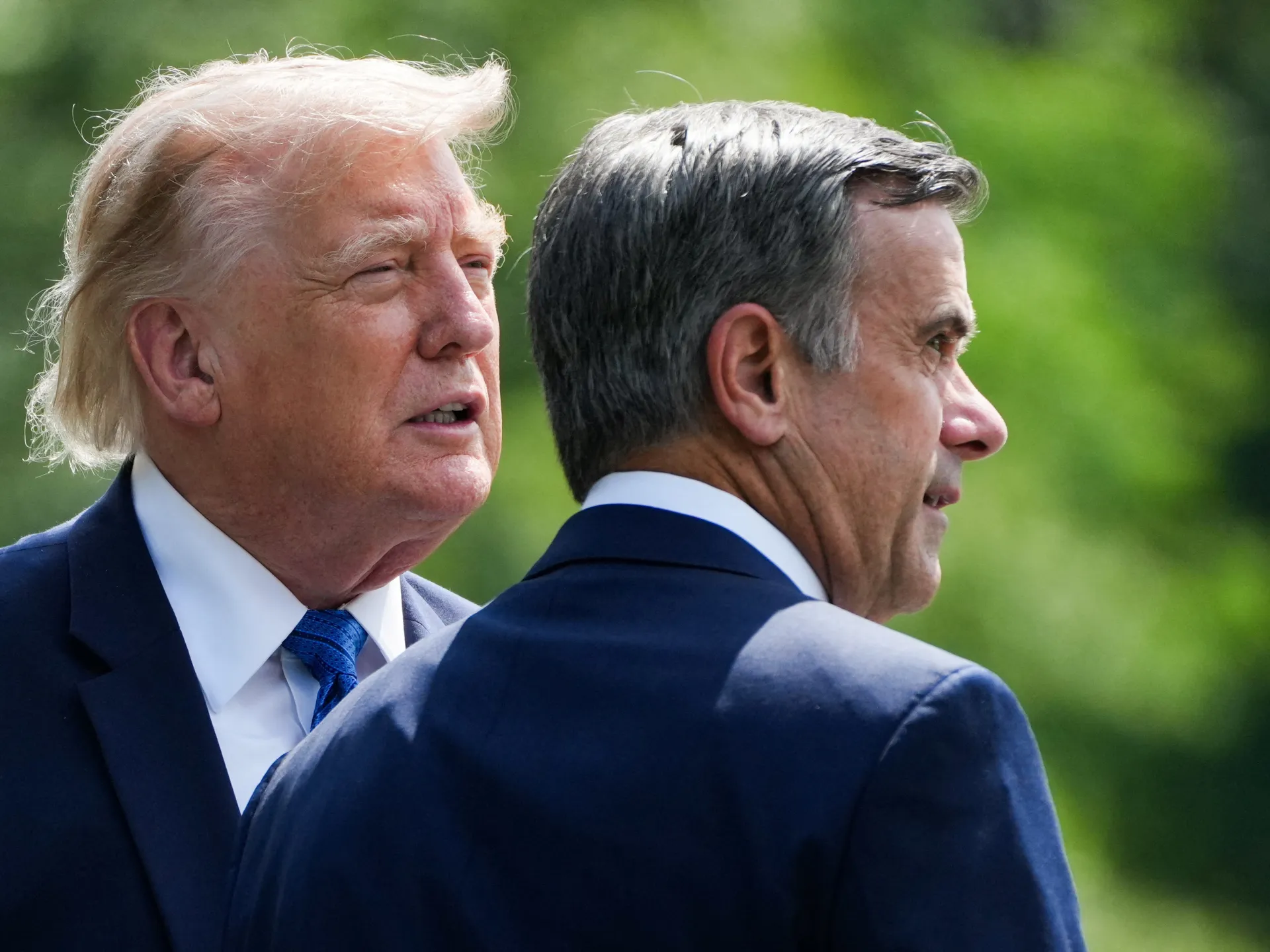
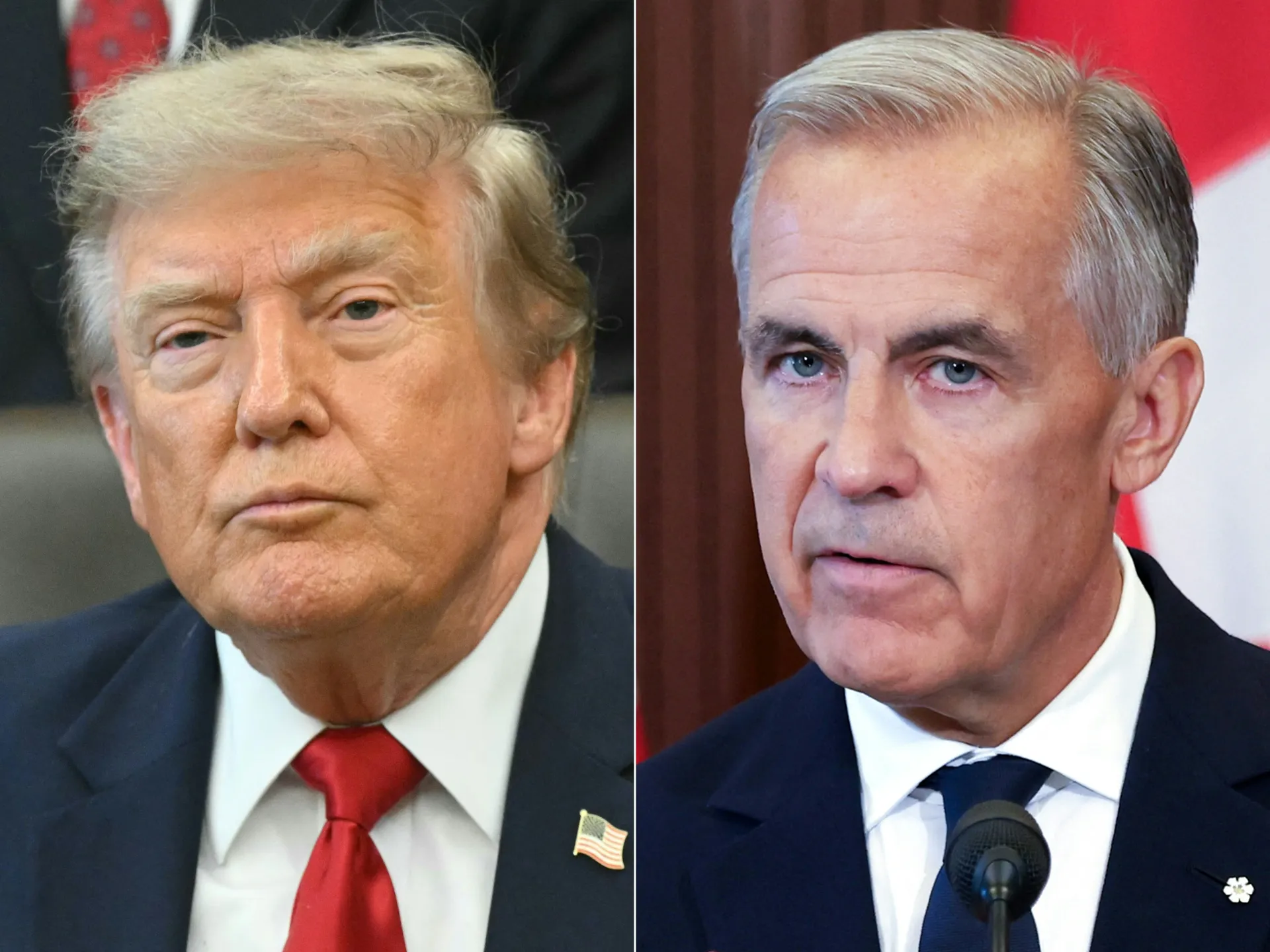
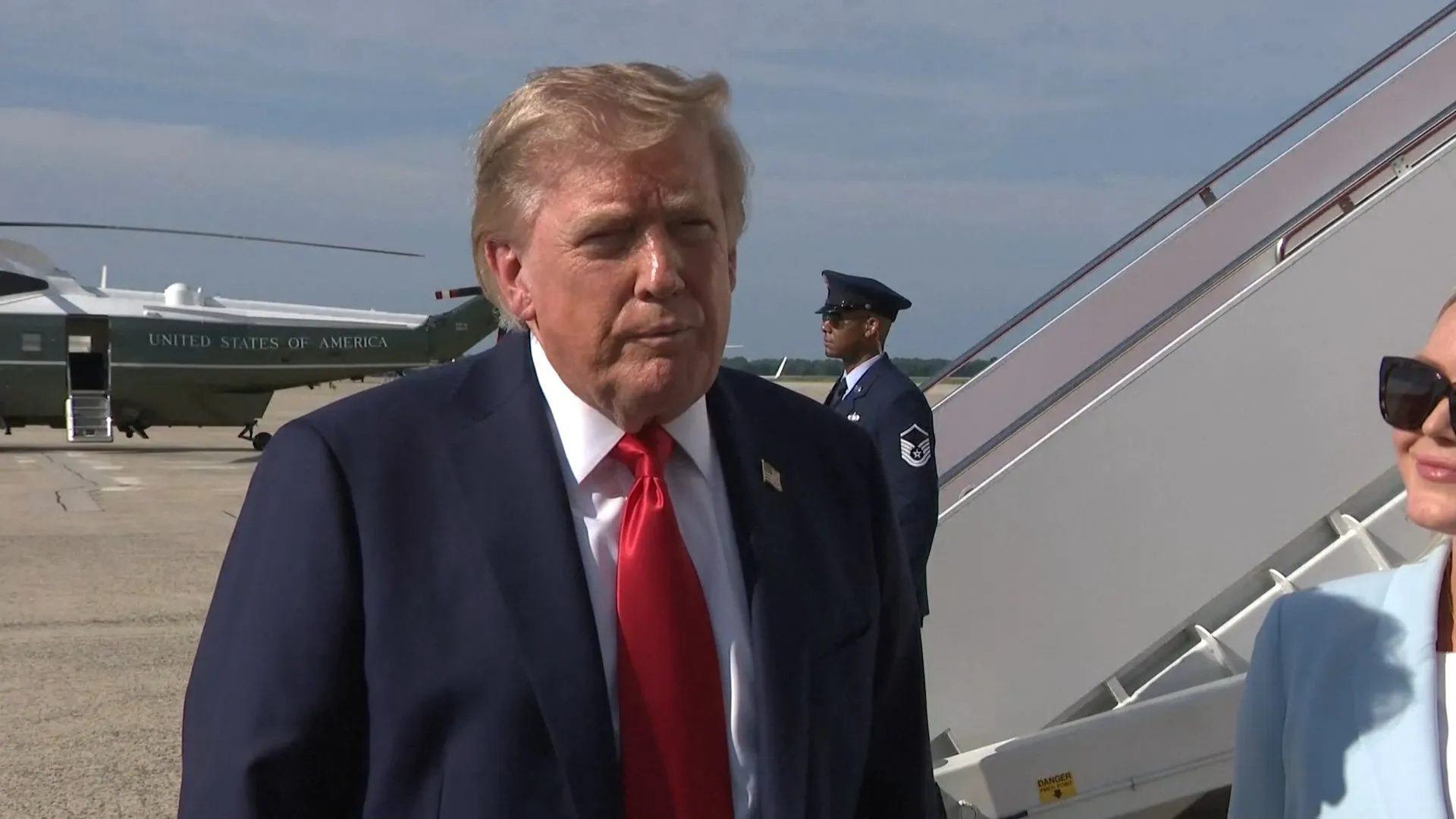
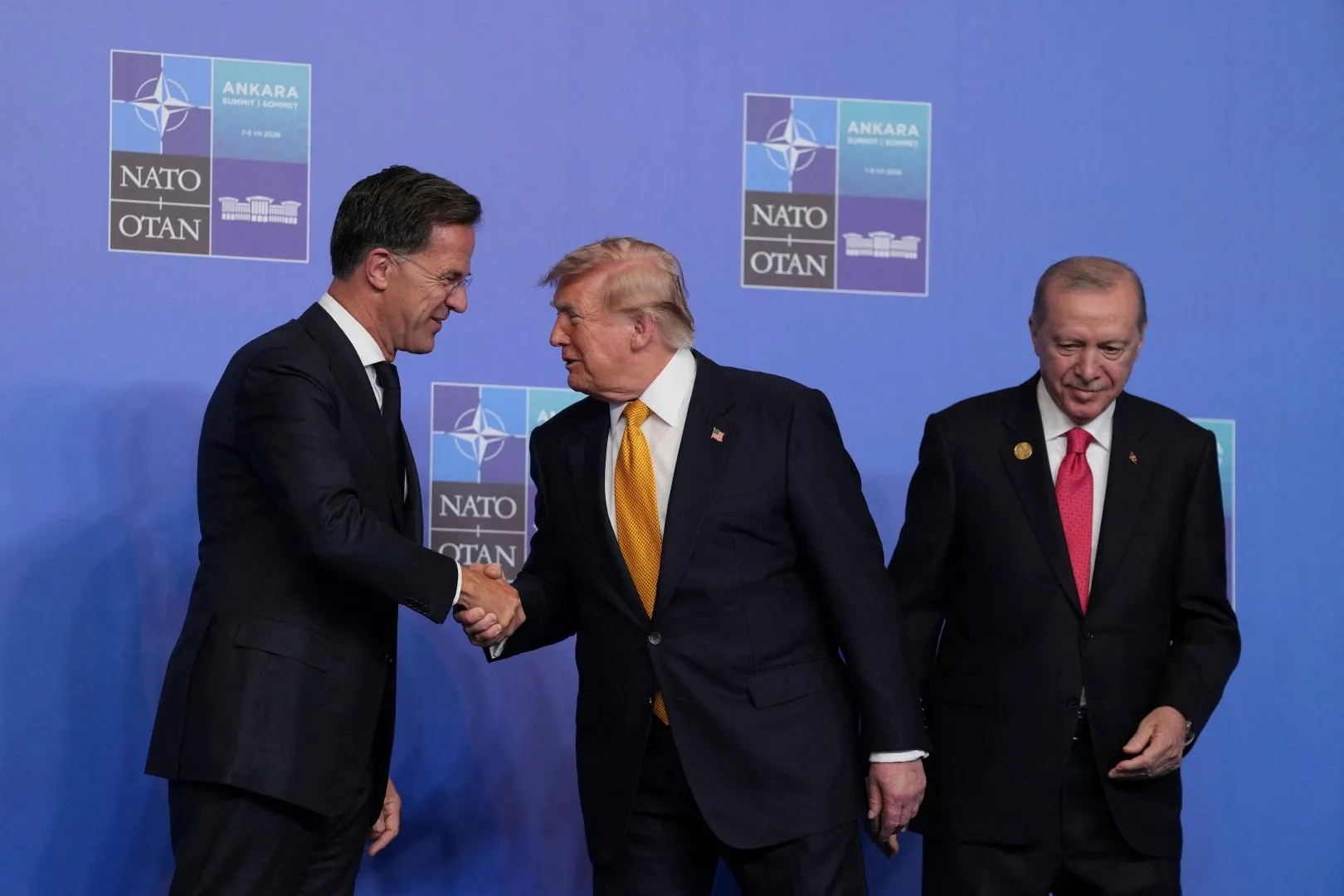
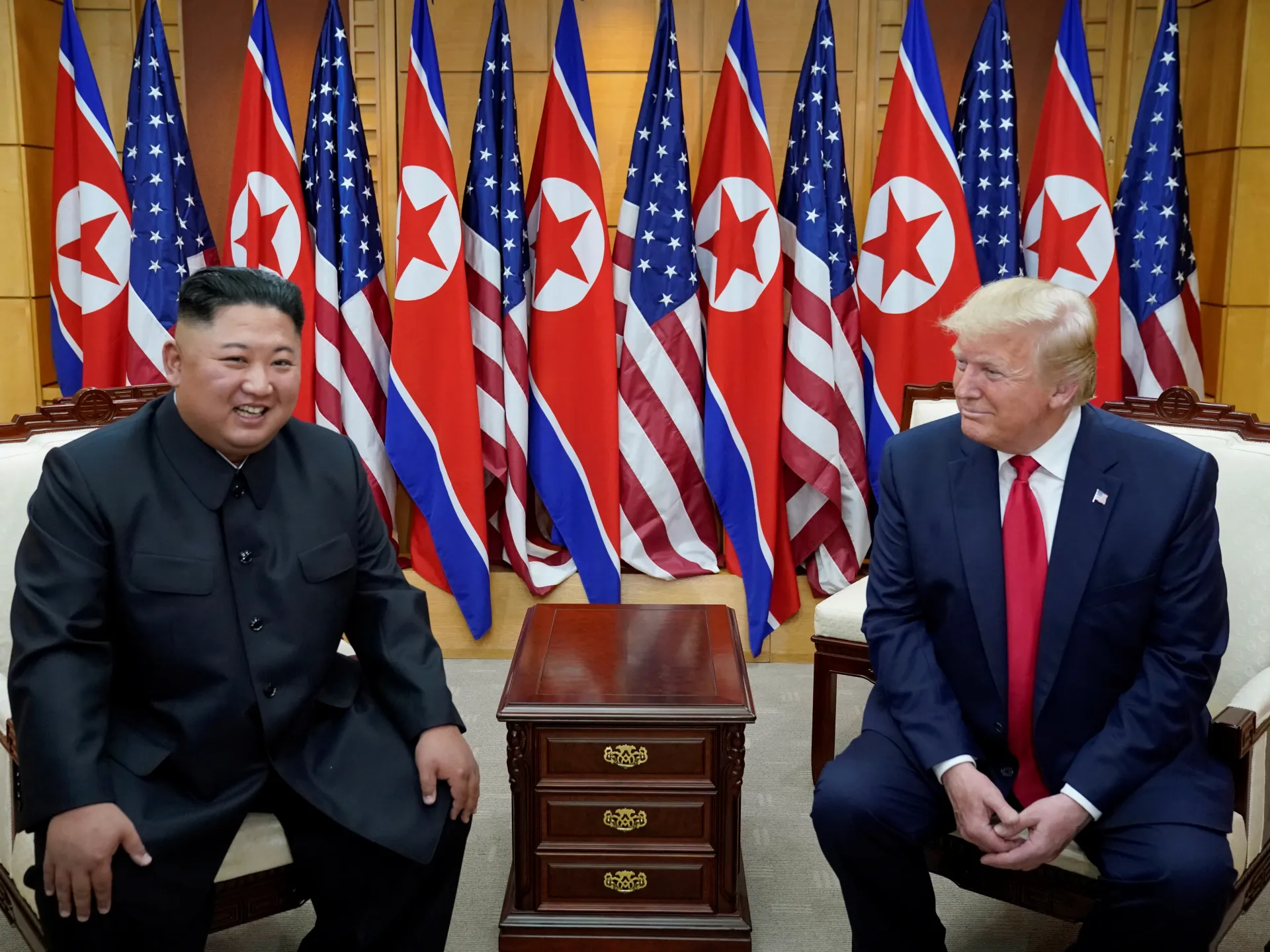
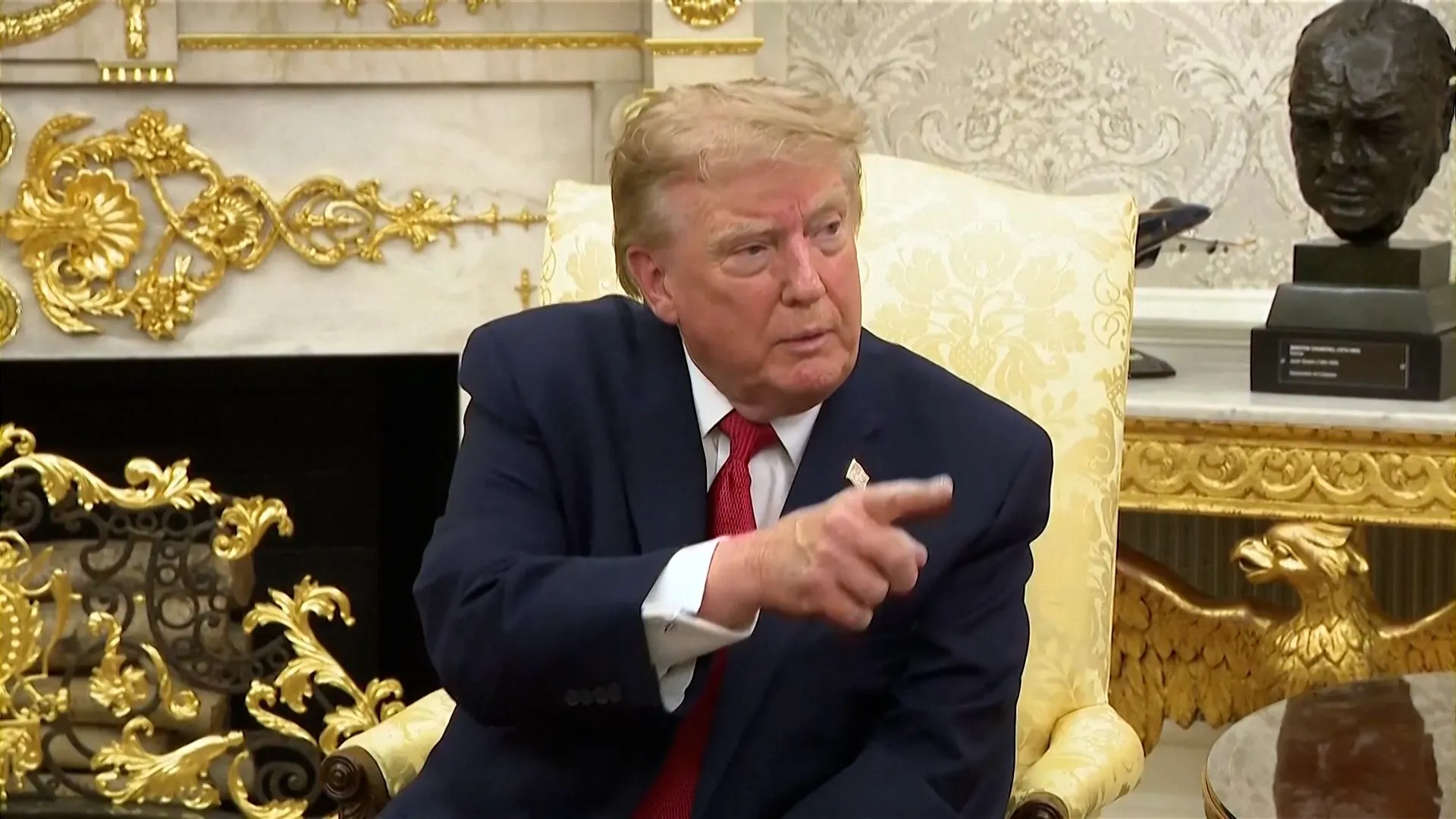
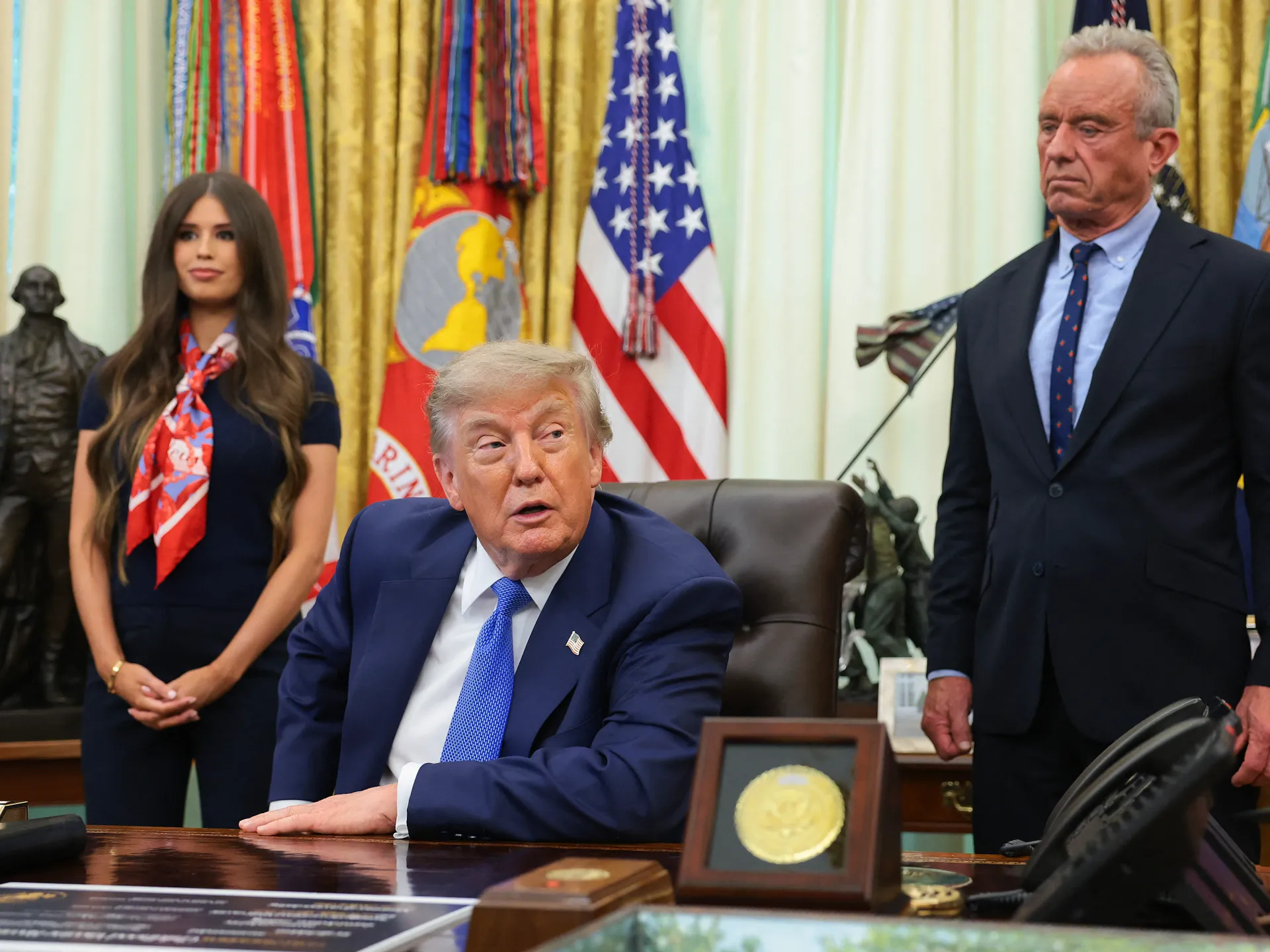
The proposal has not been without controversy on the international stage. The United States has expressed skepticism, with President Donald Trump labeling the idea "laughable" and suggesting that the move could be interpreted as a "hostile act." The threat of retaliatory tariffs against European interests has introduced a layer of complexity to the diplomatic process. Despite these warnings, Canada remains firm in its stance that the alliance is a positive, sovereign-focused endeavor intended to expand opportunities for its citizens rather than to antagonize external powers.
Canadian officials have reiterated that their nation will not be dictated to regarding its international agreements, cultural identity, or diplomatic direction. The focus remains on building a framework that respects the sovereignty of all involved while providing a platform for growth. While the road ahead involves navigating potential friction with trade partners, the emphasis remains on the long-term benefits of a deepened transatlantic bond.
The path to implementing an associate membership status is likely to be lengthy, as it requires the unanimous consent of all 27 EU member states. Historically, some member governments have been hesitant to introduce new tiers of membership, meaning that significant negotiation and legislative debate lie ahead. In Canada, the proposal will also undergo a formal debate and vote within the national parliament to ensure public and political consensus.
As the process moves forward, the upcoming Canada-EU summit in Montreal is expected to serve as a critical venue for defining the specifics of this relationship. Proposals include expanding "people-to-people" ties, such as enabling young individuals to work, study, and live across the Atlantic through initiatives like the Erasmus+ program. Union hope to establish a robust, collaborative future that stands as a beacon for democratic stability in an increasingly fragmented world.