The US has issued visas to Iranian officials for the UN General Assembly, while imposing strict travel and purchasing limitations on the delegation.
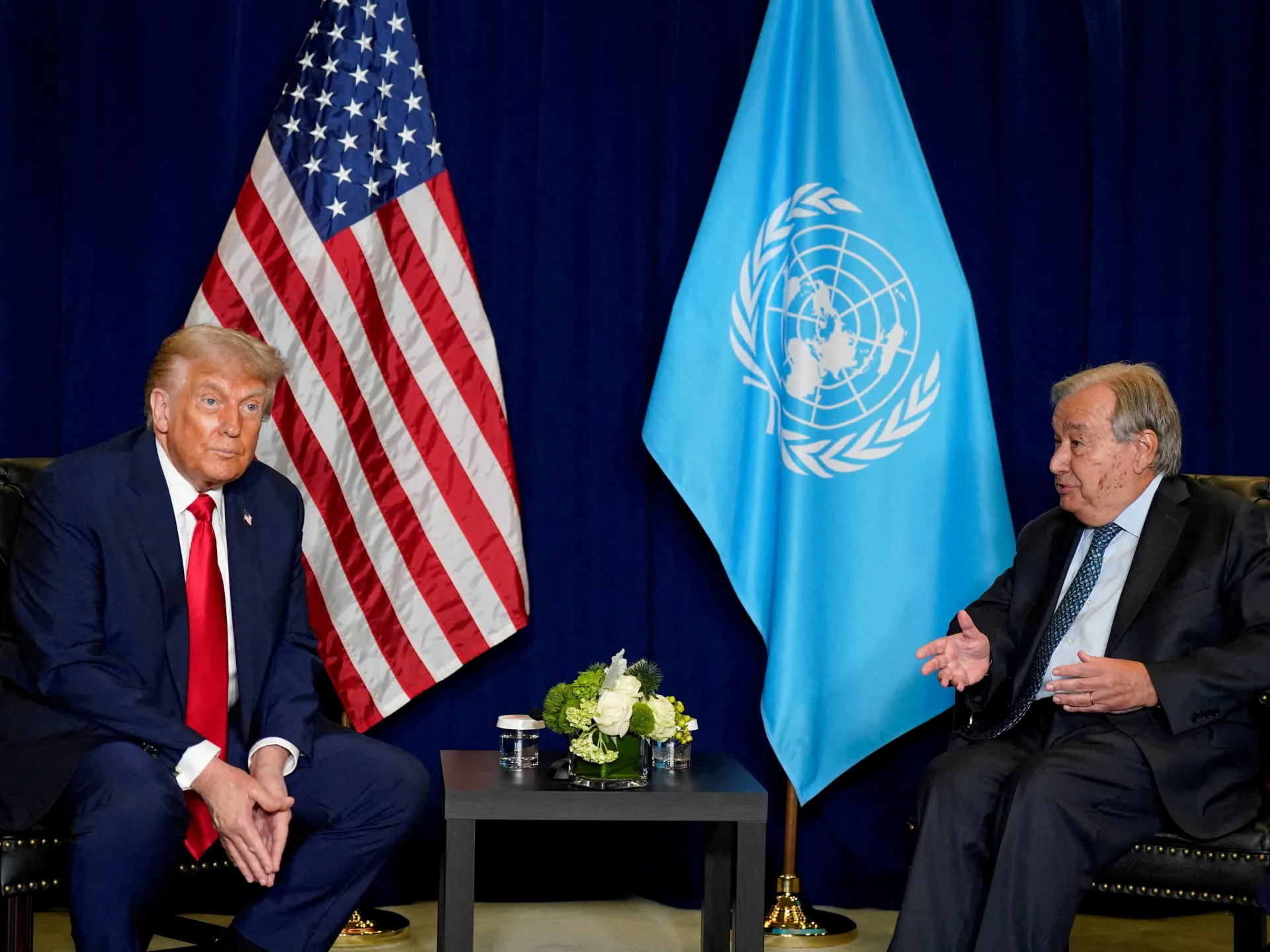
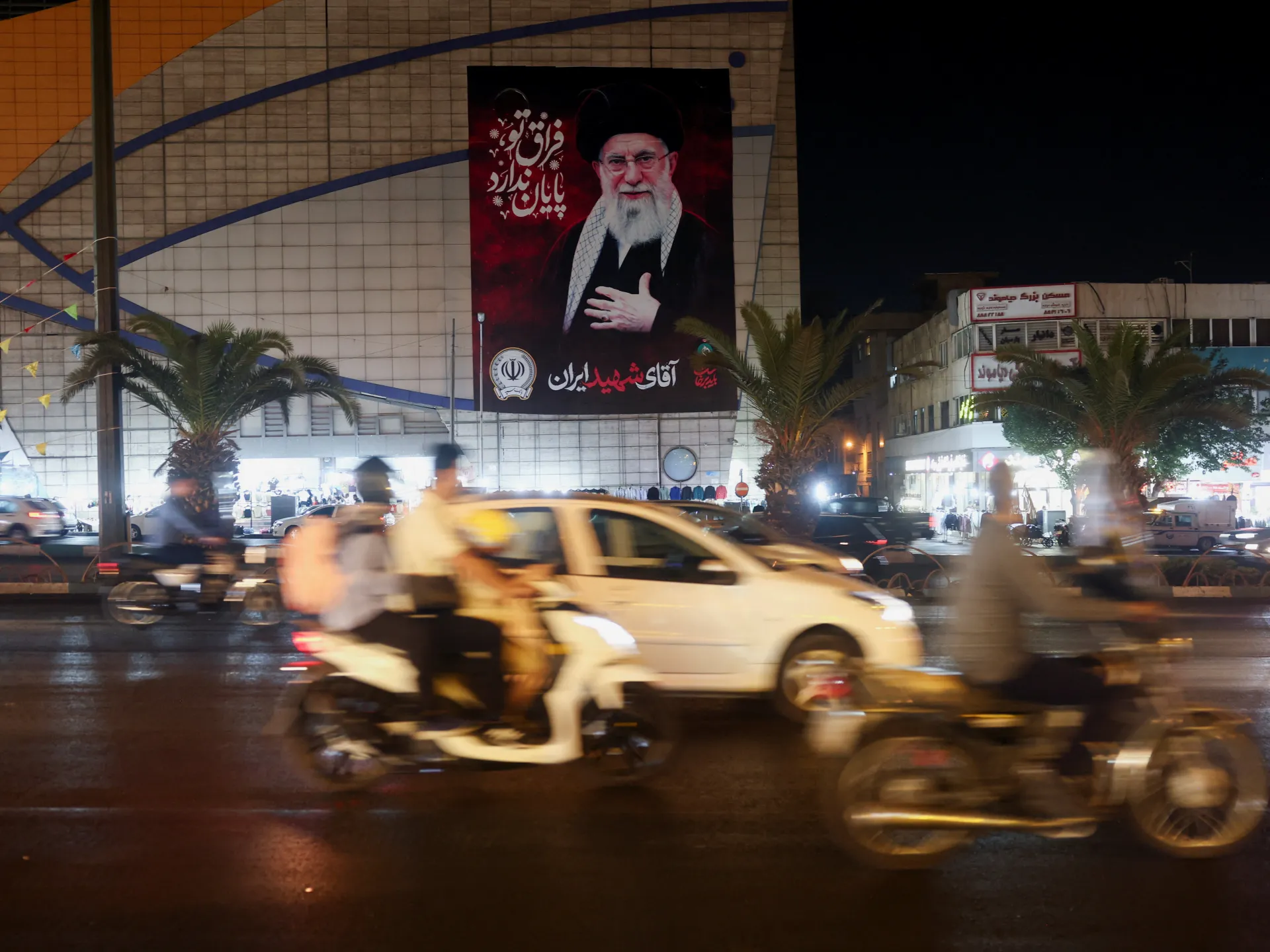
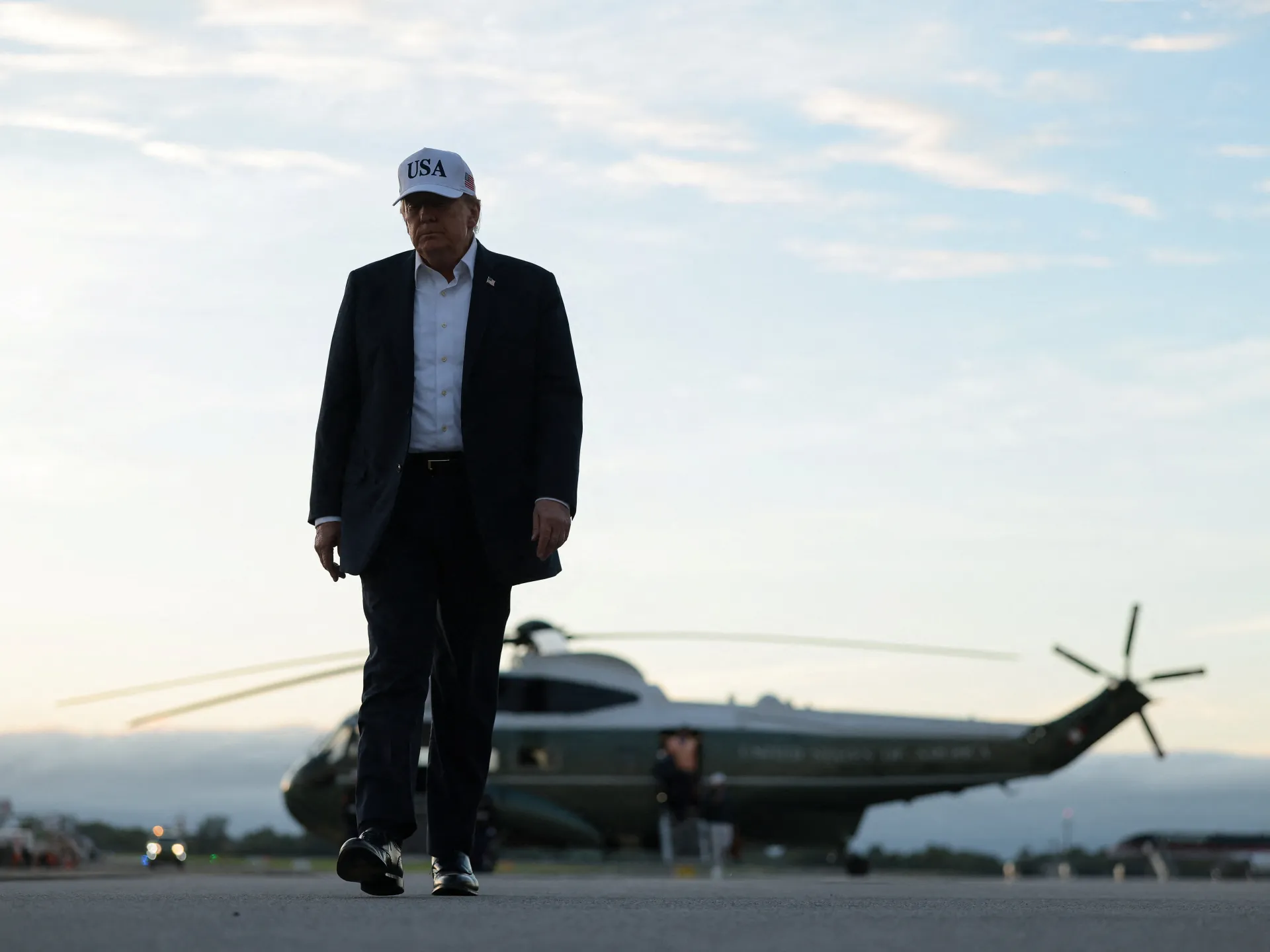
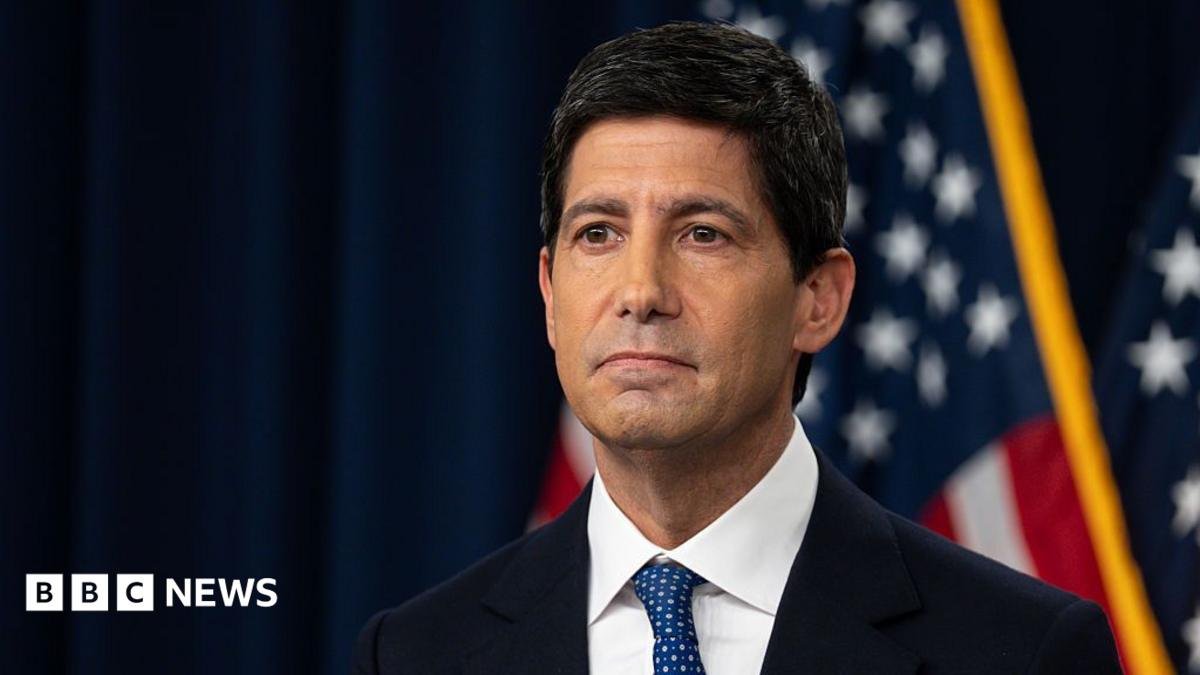
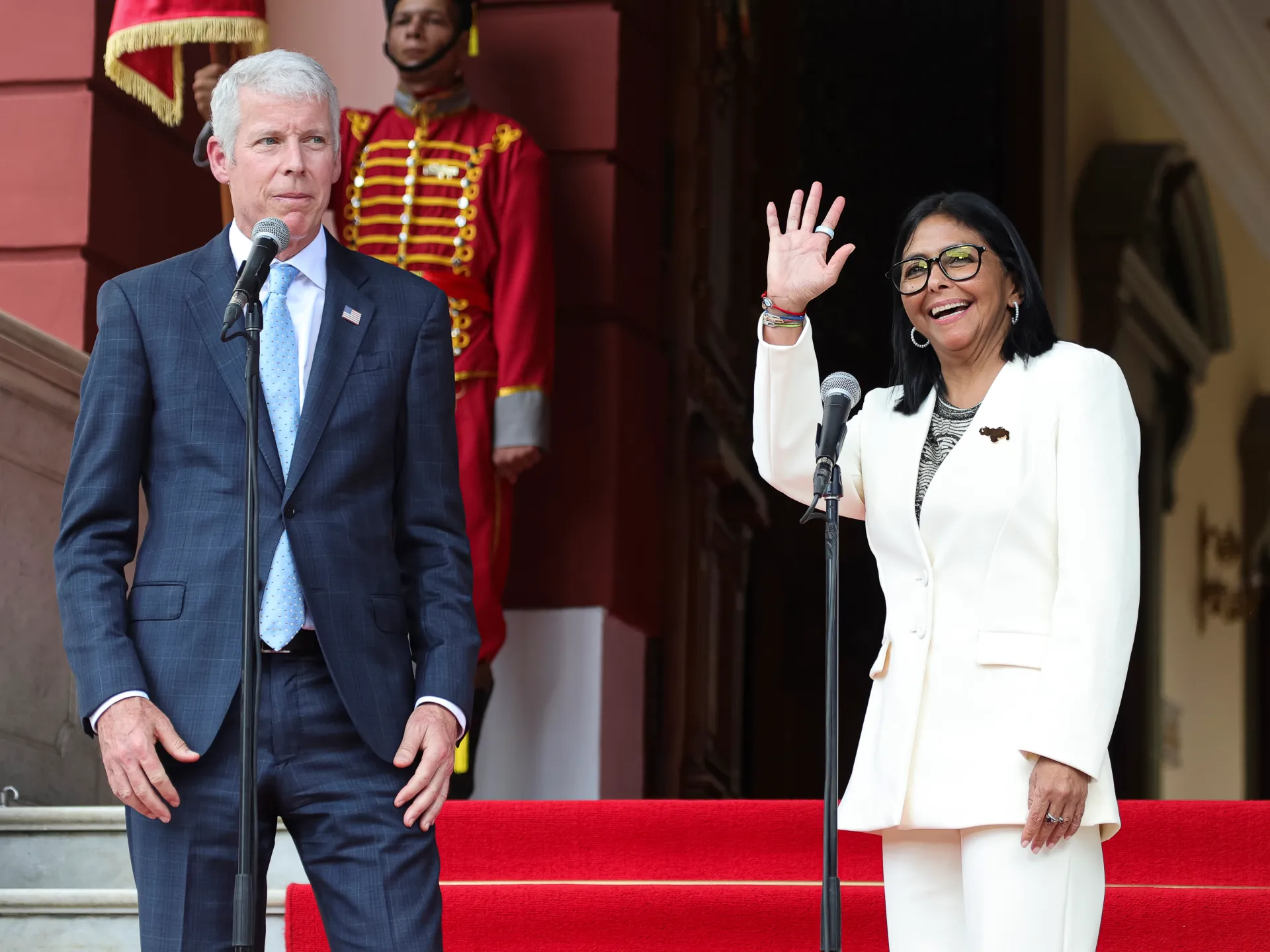
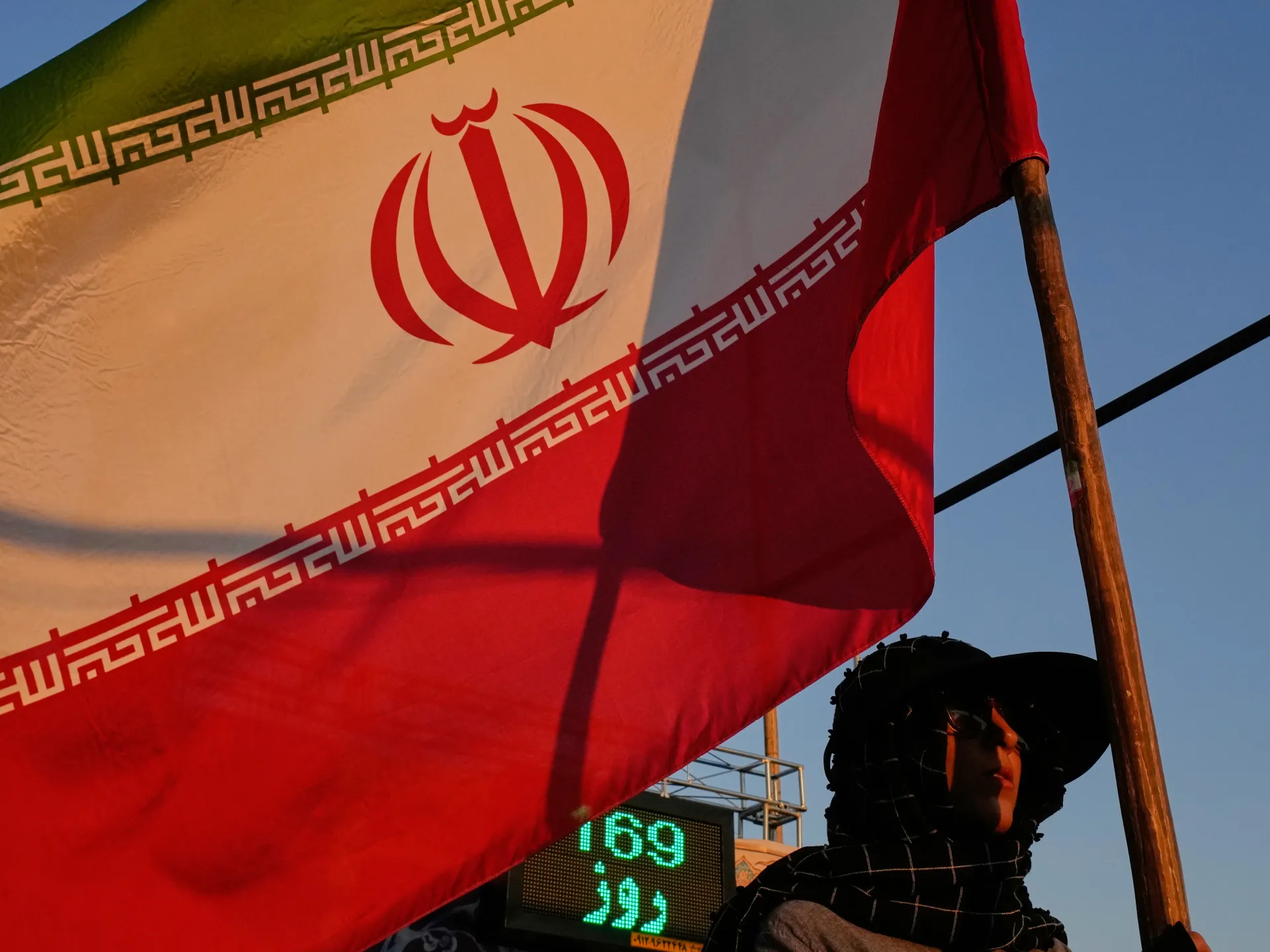
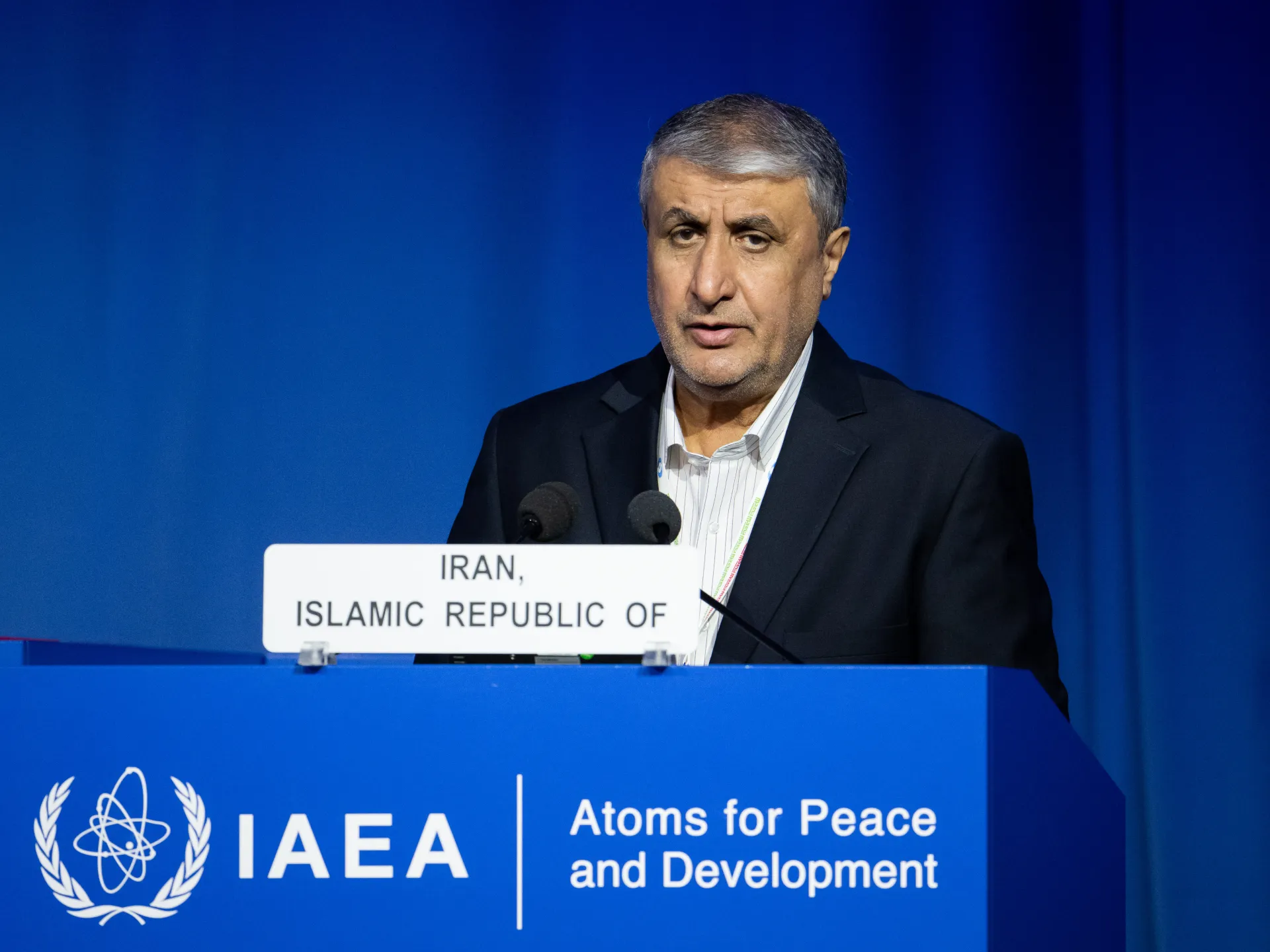
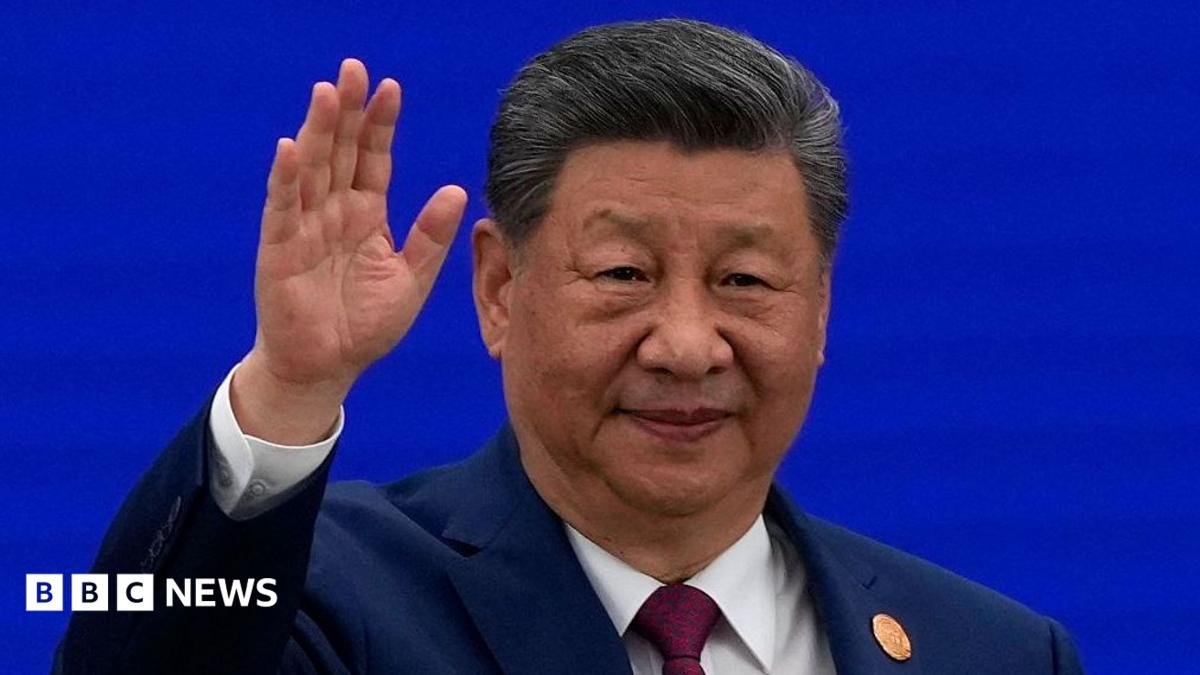
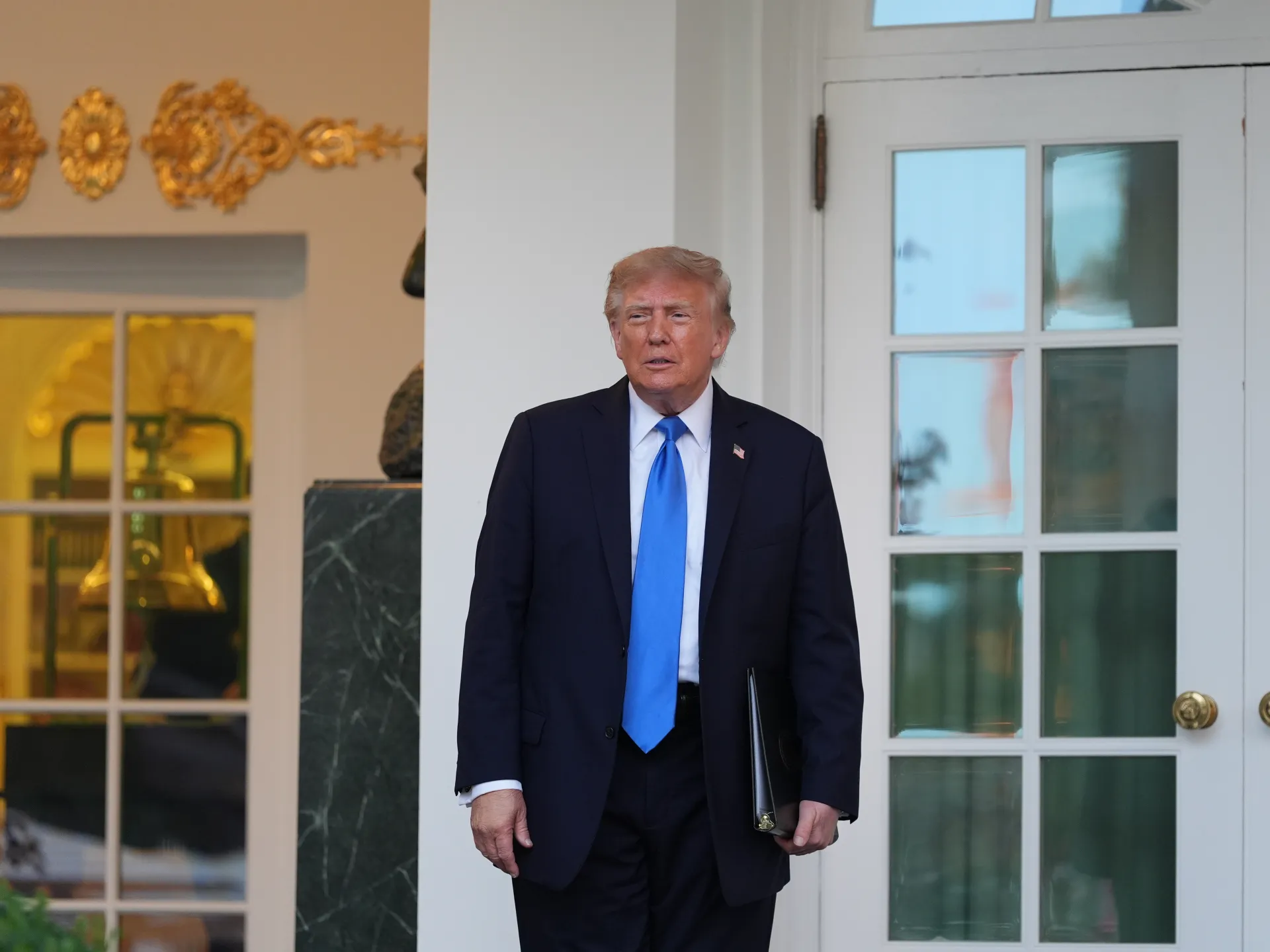
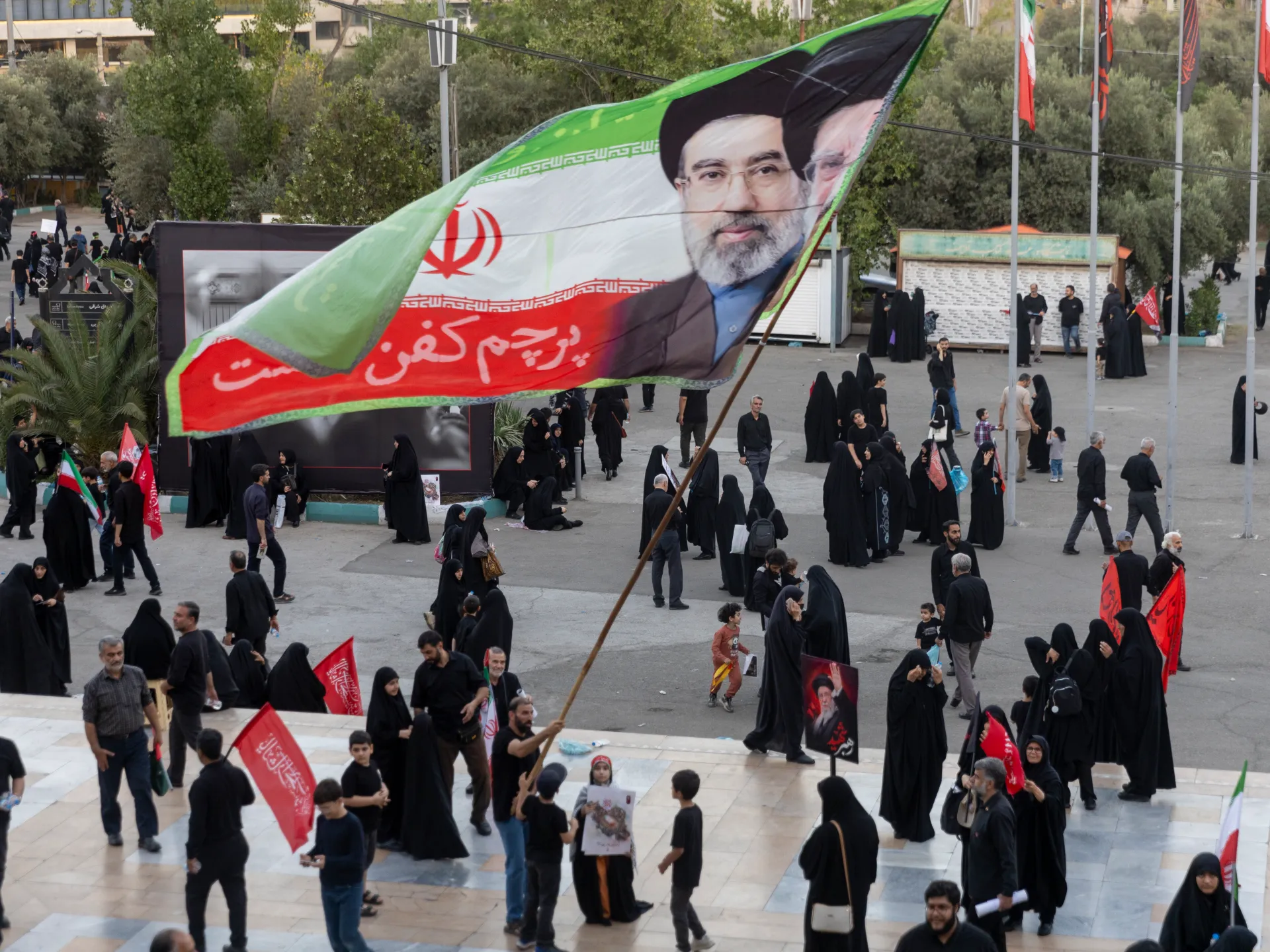
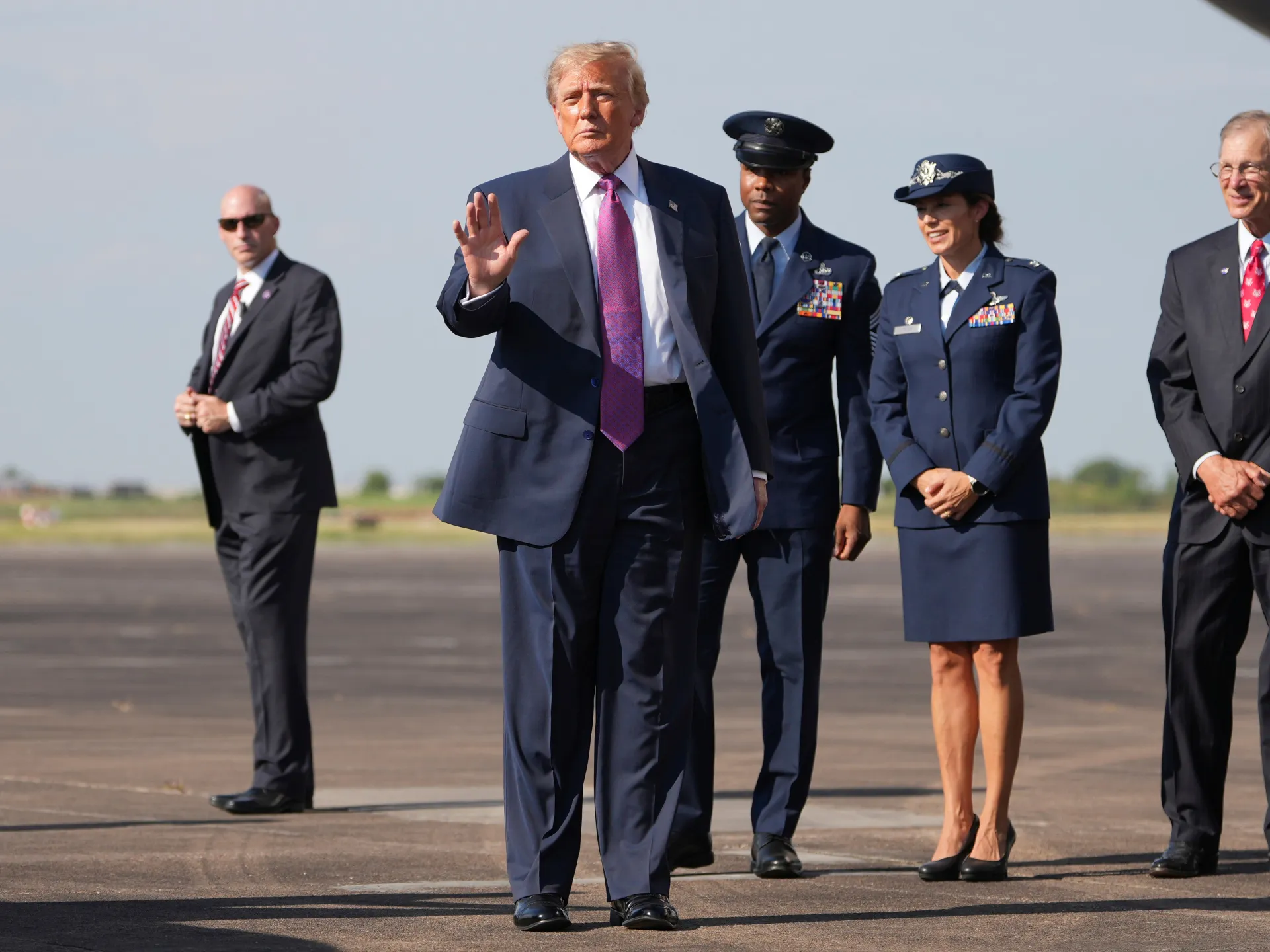
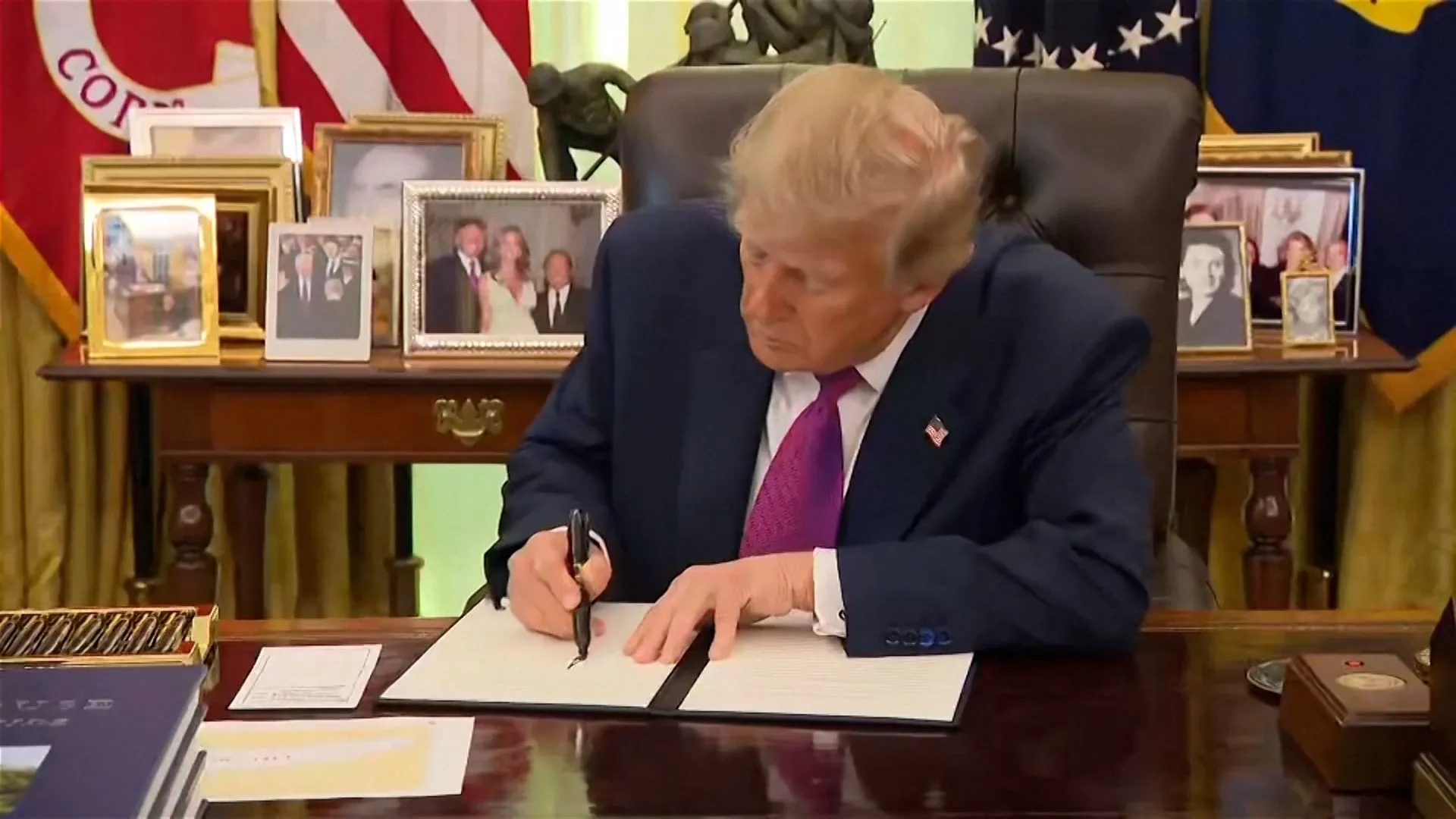
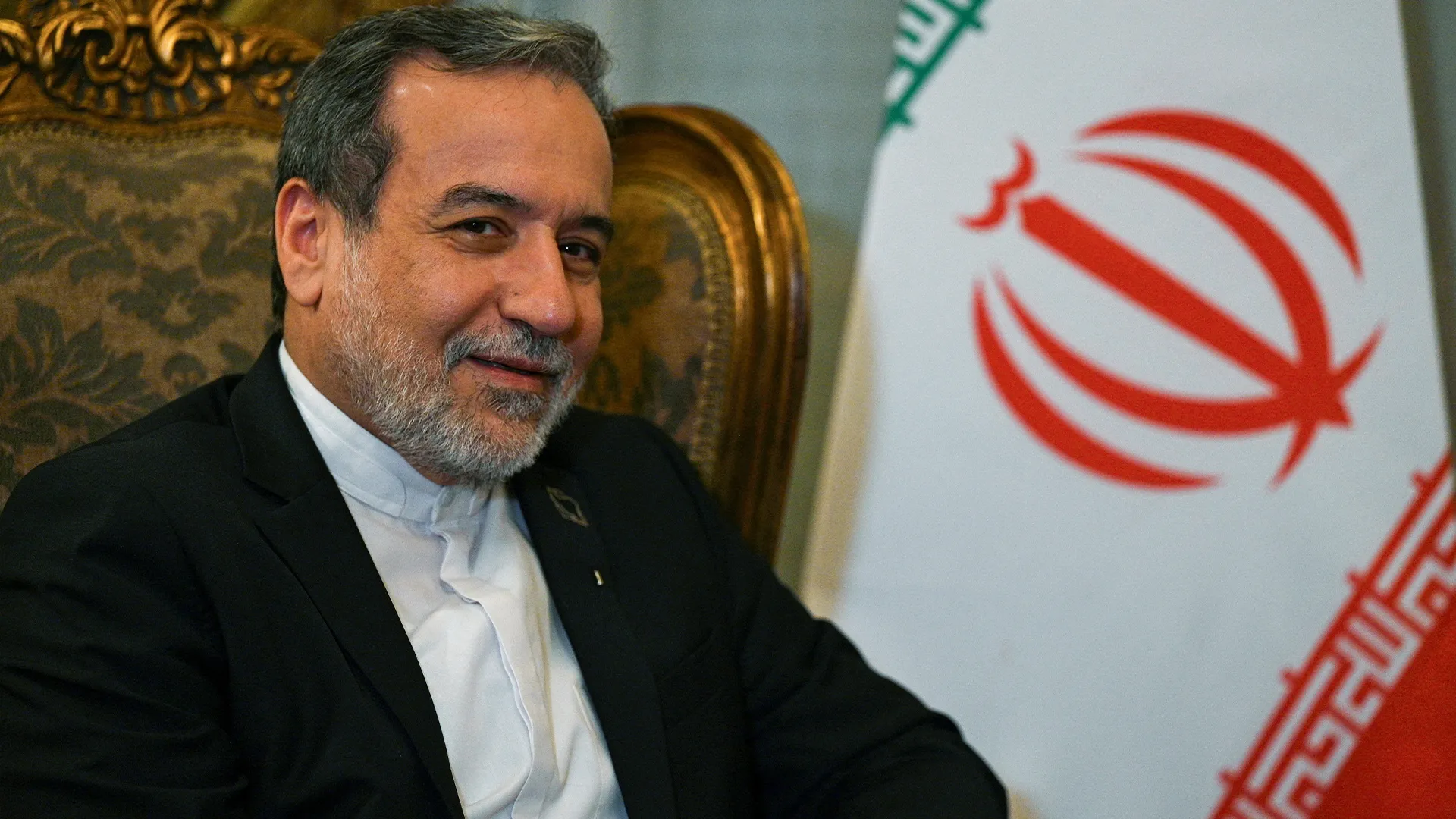
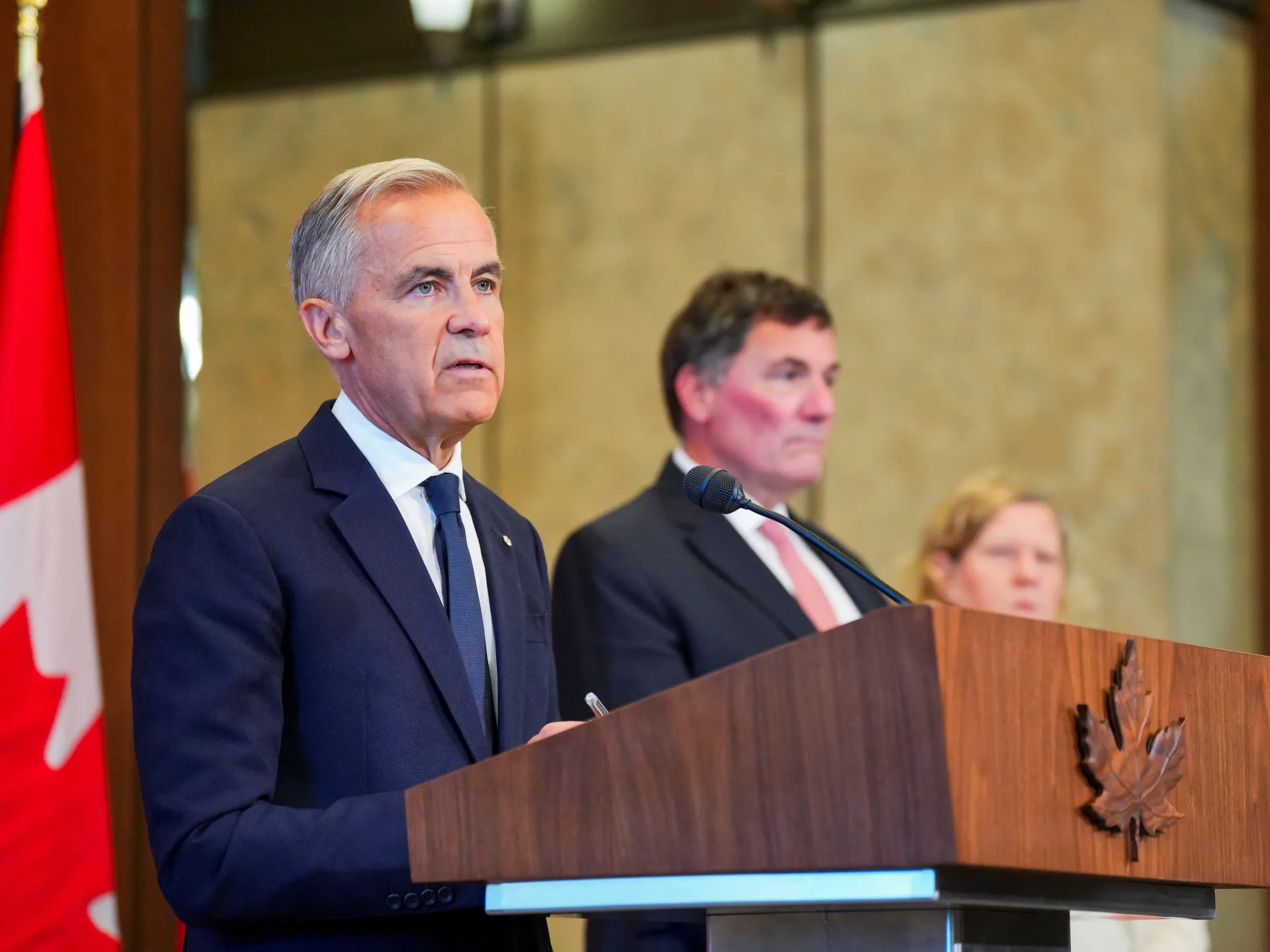
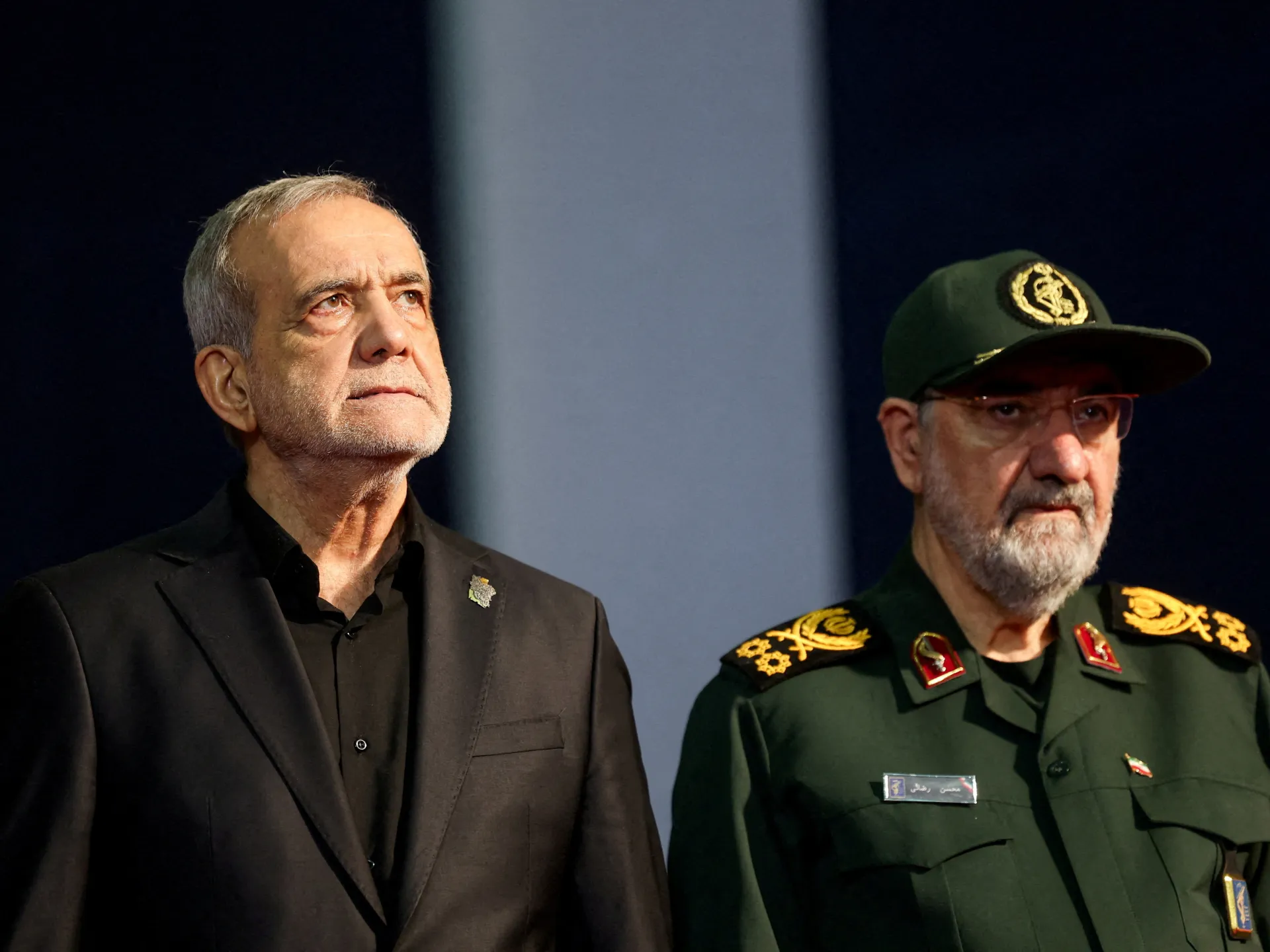
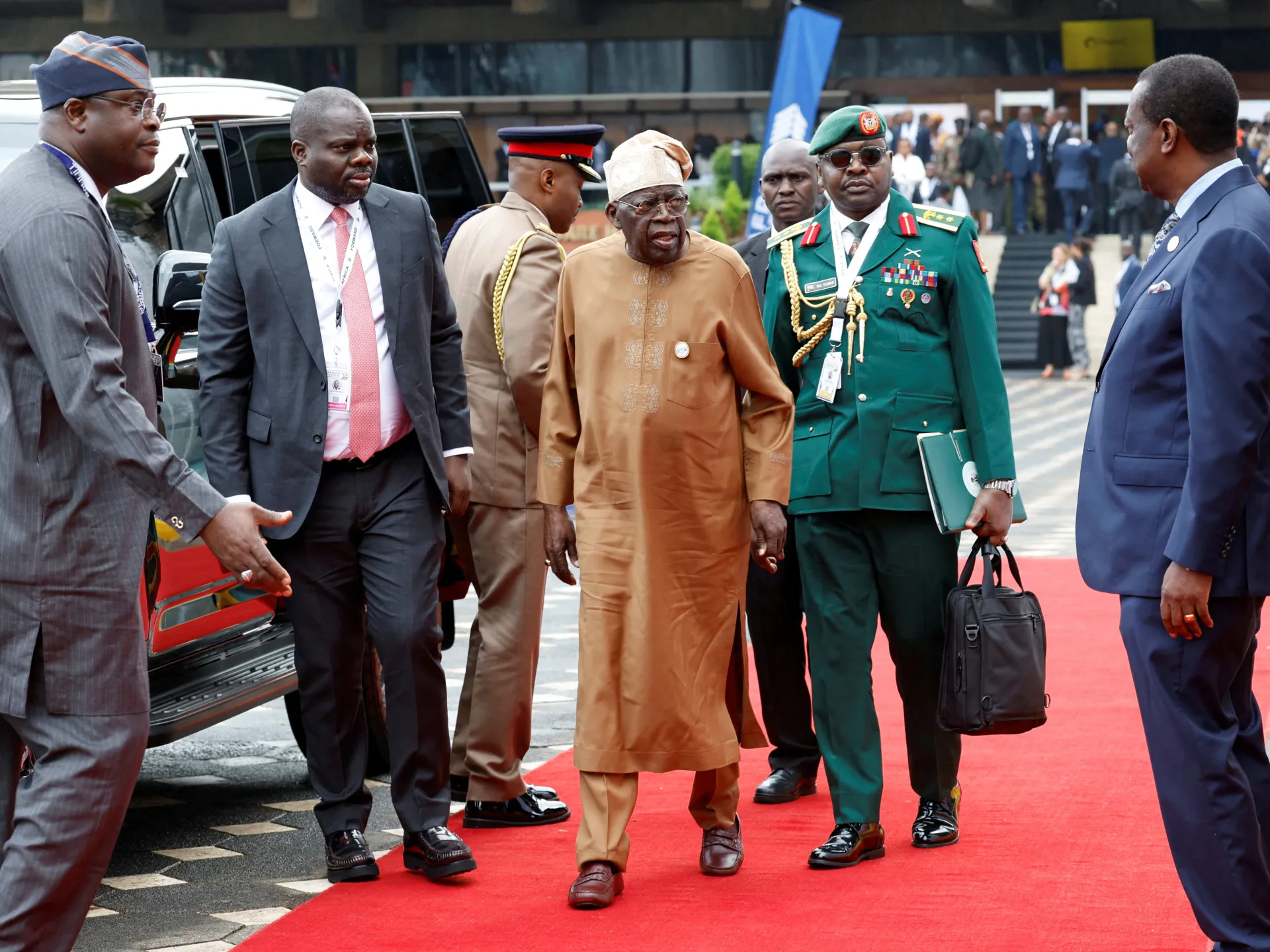
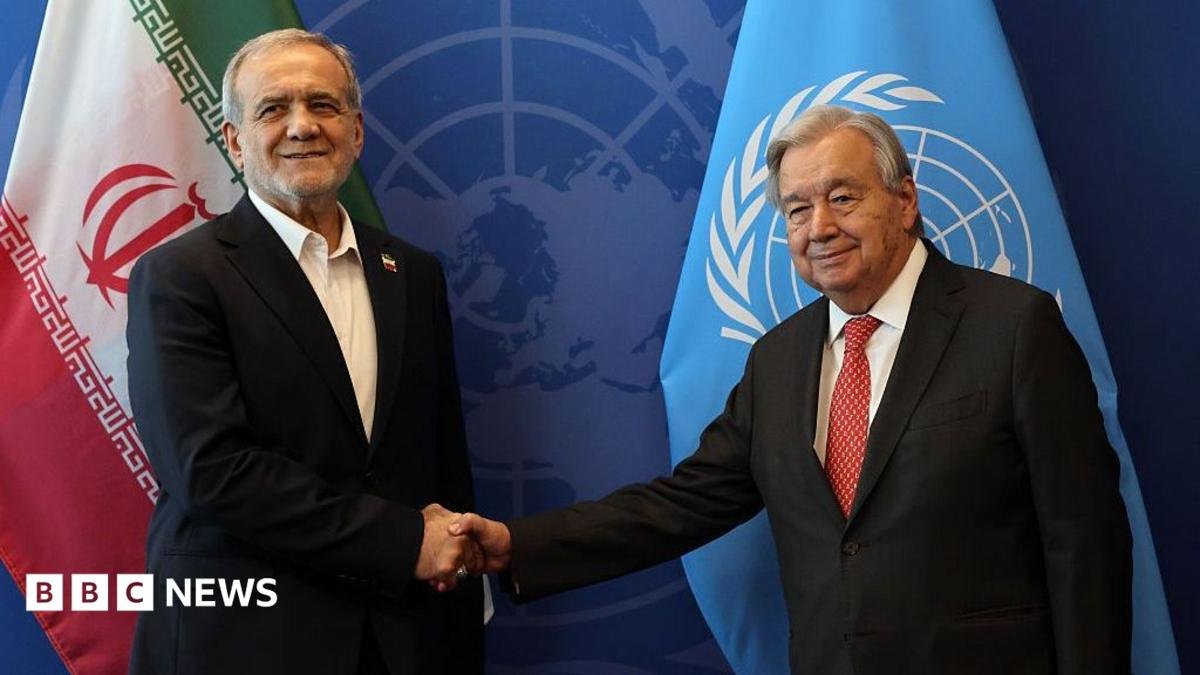
The United States government has officially confirmed the issuance of visas for a high-level Iranian delegation, allowing key officials to participate in the upcoming United Nations General Assembly in New York. This diplomatic clearance includes President Masoud Pezeshkian and Foreign Minister Abbas Araghchi, who are expected to represent their nation during the organization's annual High Level Week. The decision to grant these visas reflects the United States' adherence to its long-standing commitments as the host country for the United Nations headquarters.
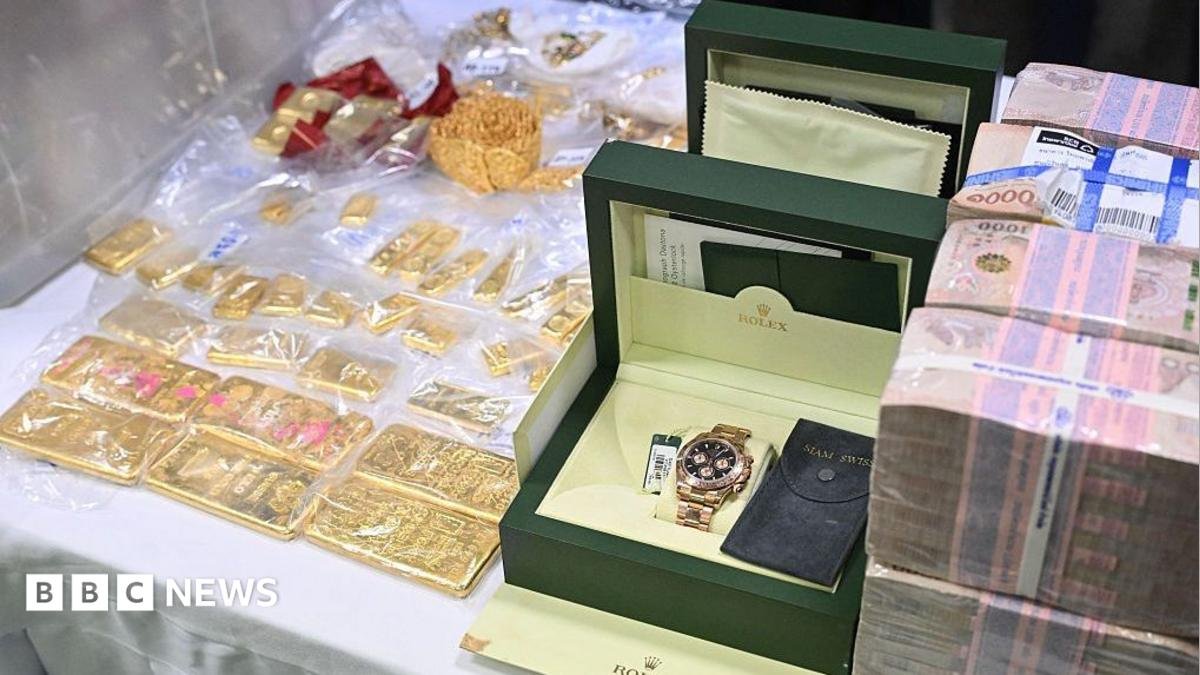
However, the approval is not without significant caveats. The State Department has indicated that the Iranian delegation will be subject to stringent travel restrictions while on American soil. Furthermore, these officials remain prohibited from engaging in the purchase of various consumer items, including luxury goods. These measures are consistent with previous protocols applied to Iranian diplomats, which have historically restricted access to wholesale retailers and required explicit government authorization for high-value acquisitions such as vehicles, jewelry, and specific commodities.
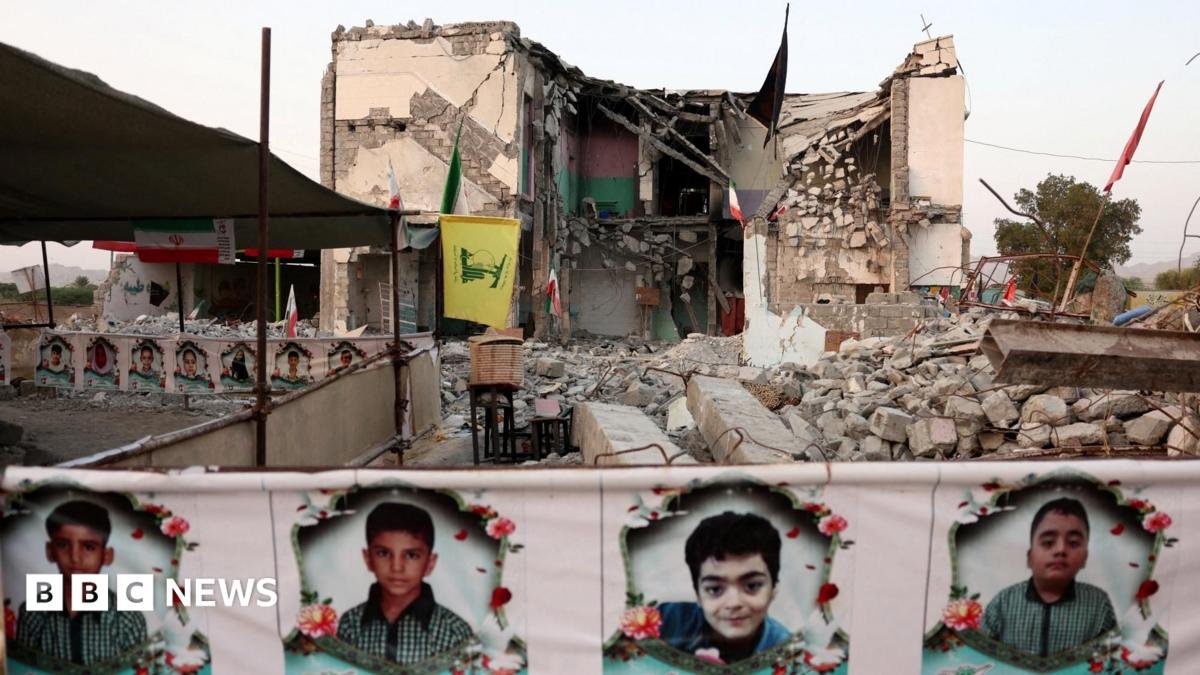
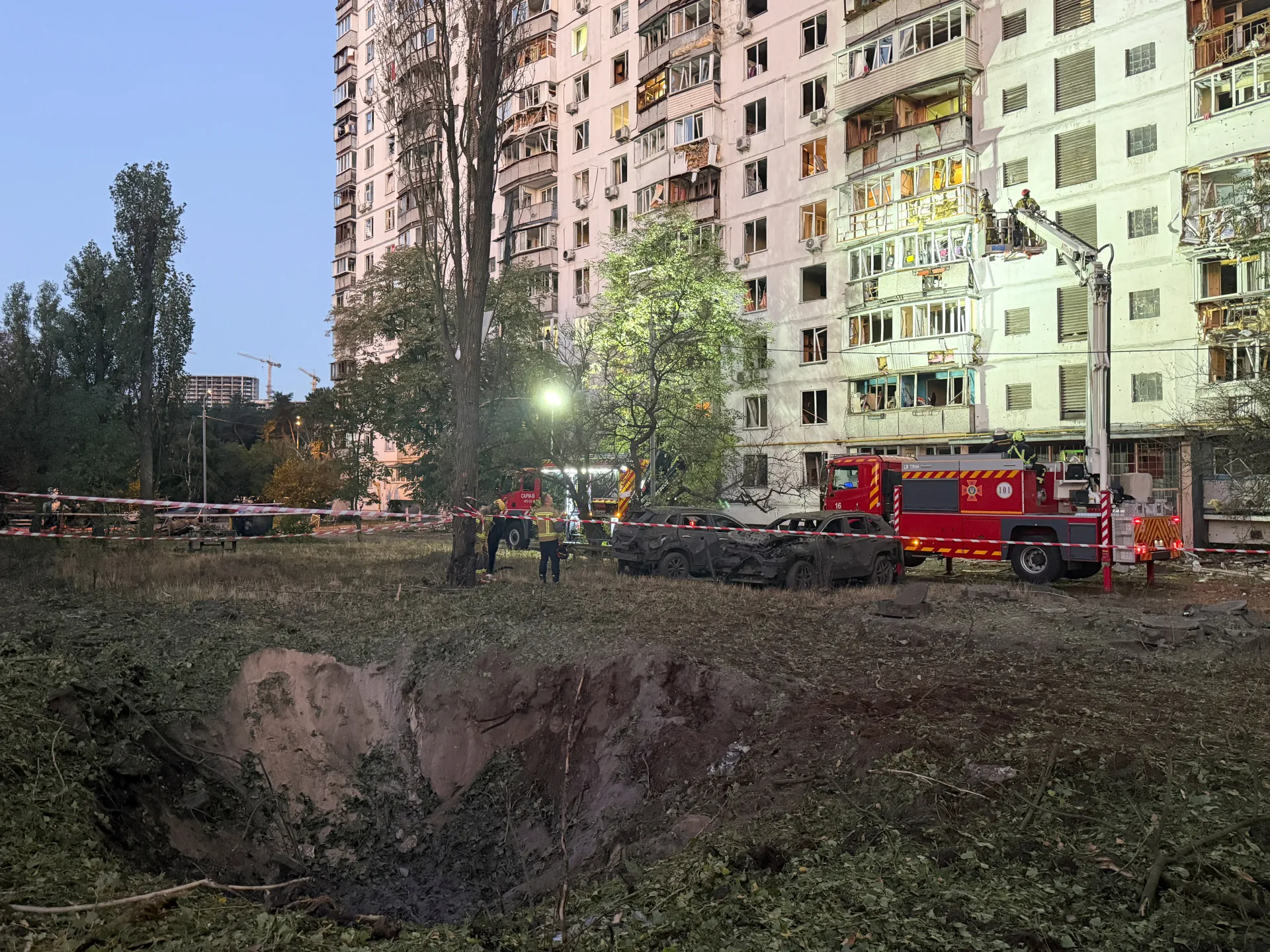
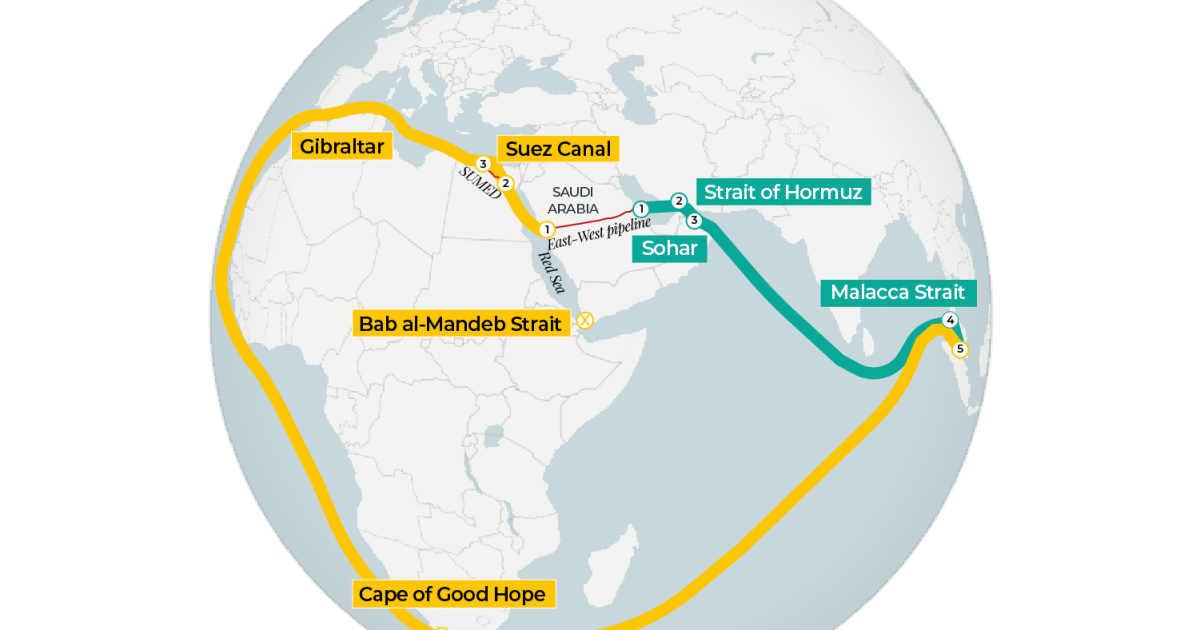
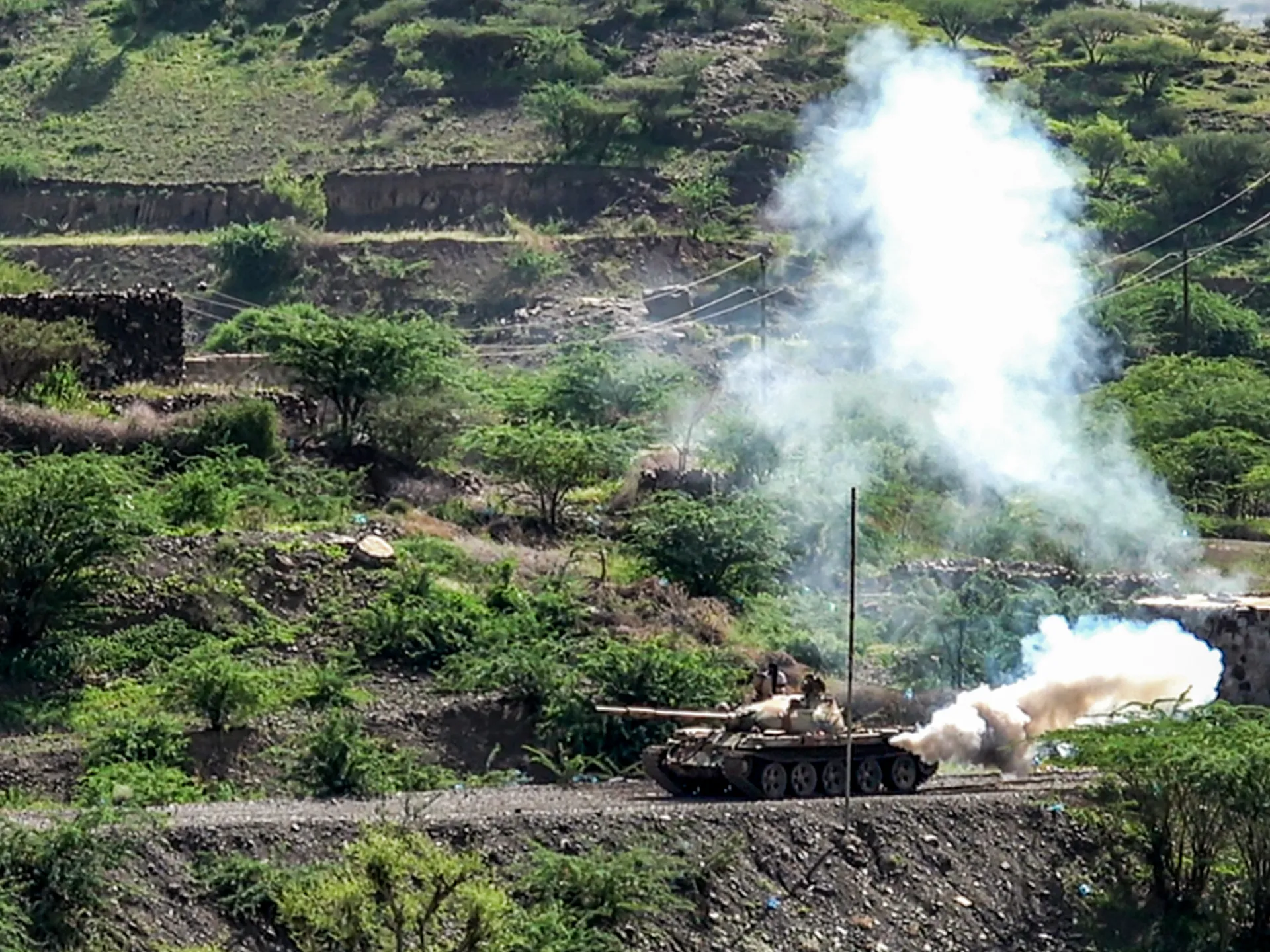
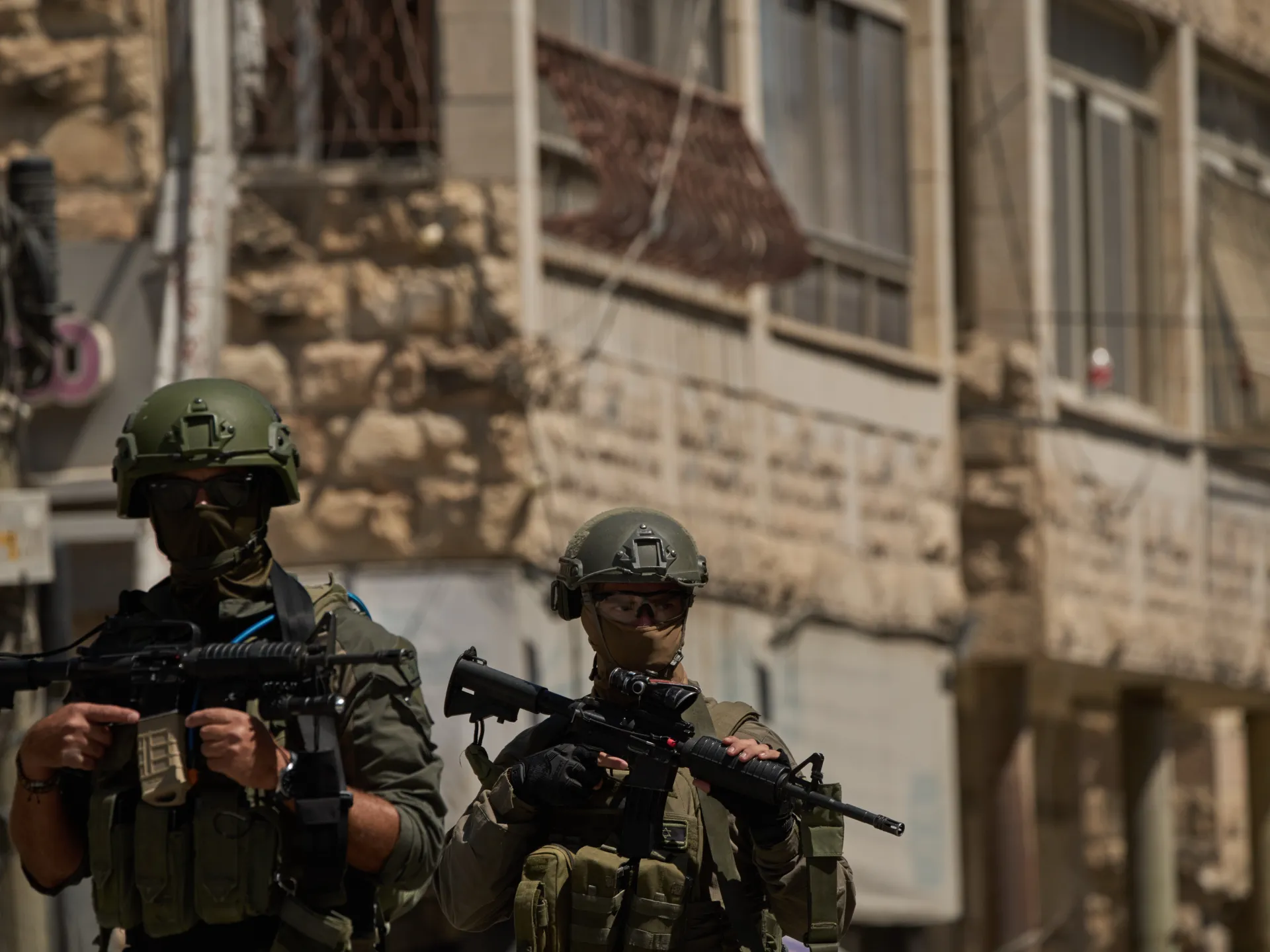
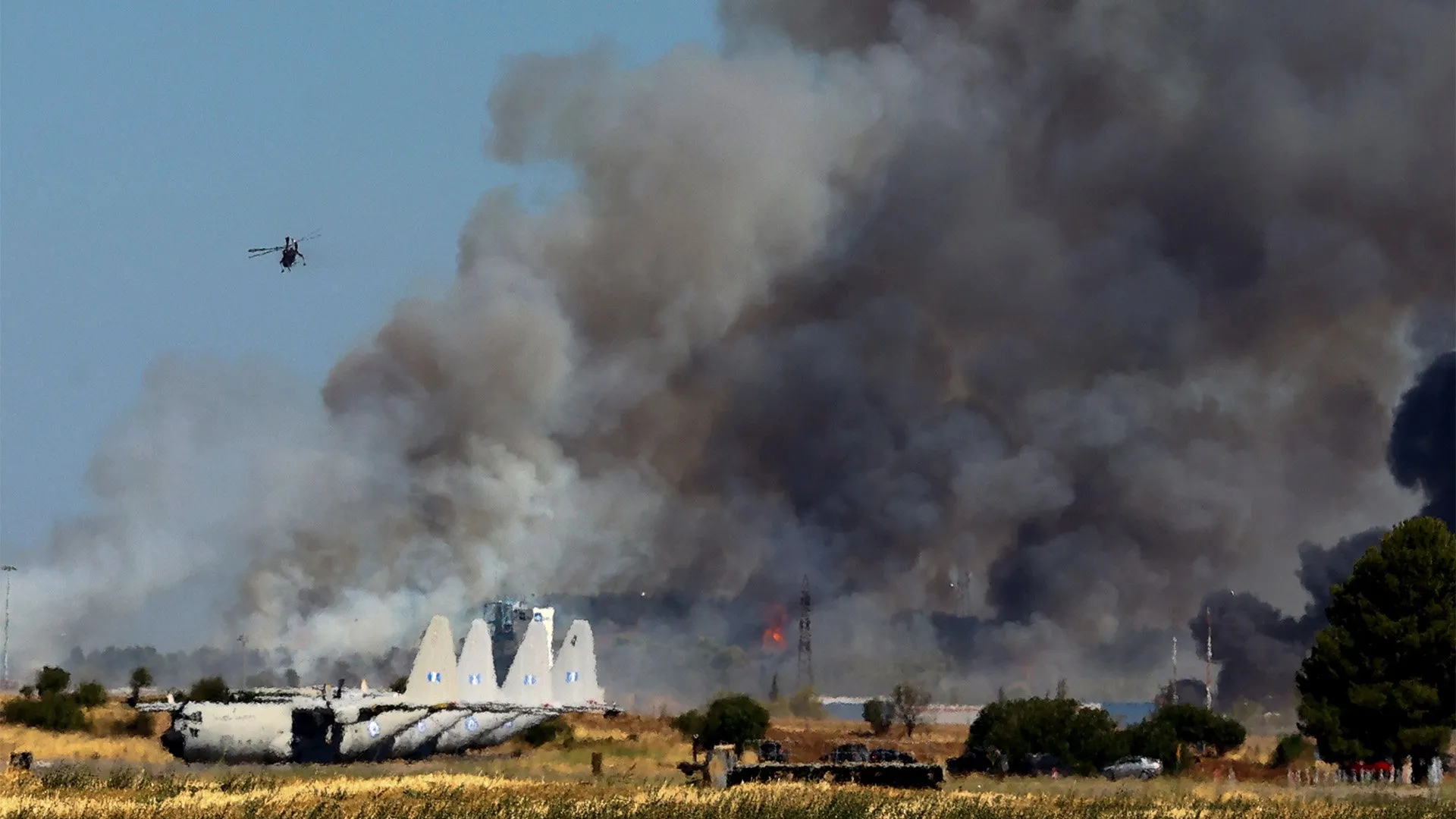
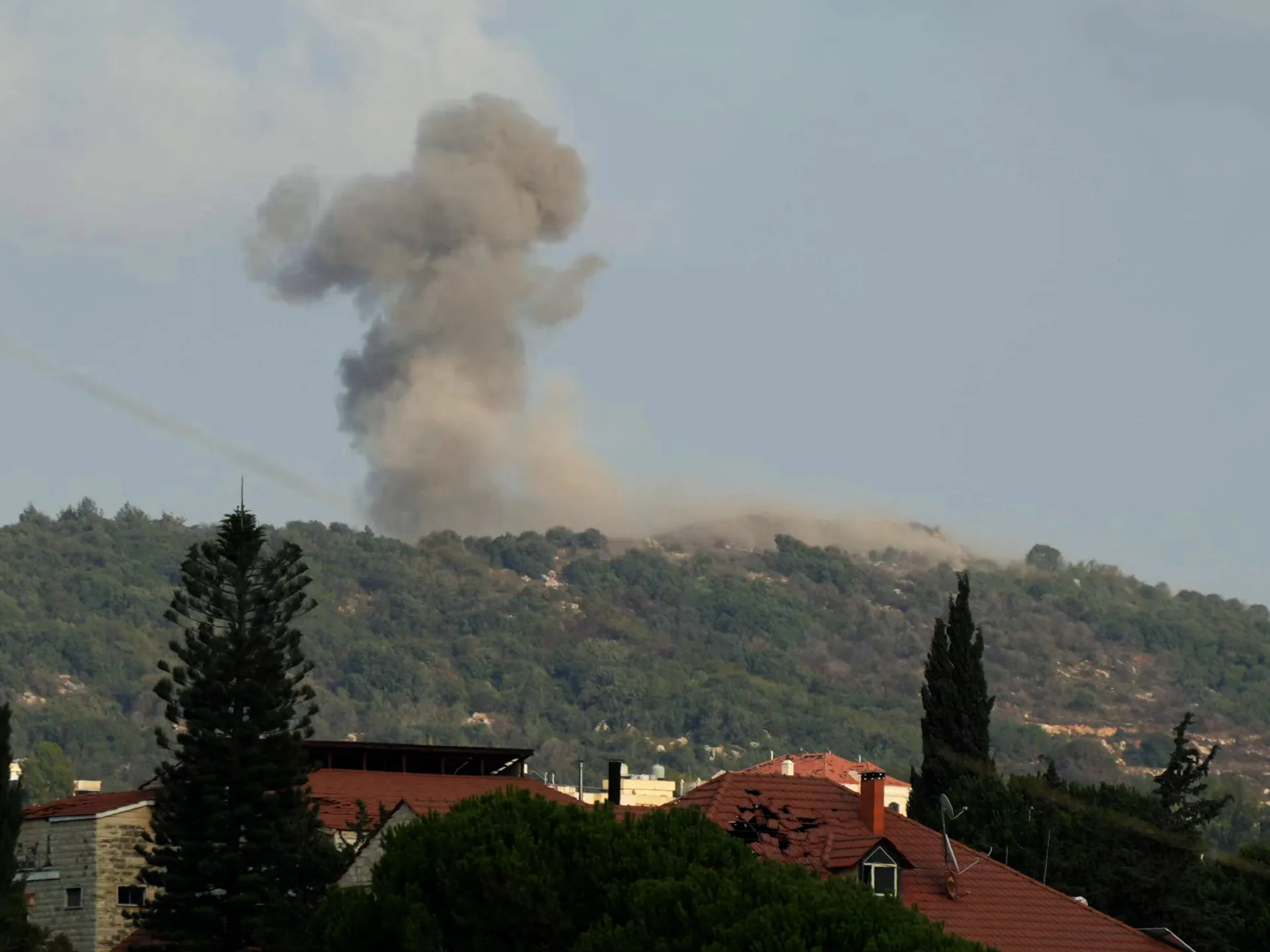
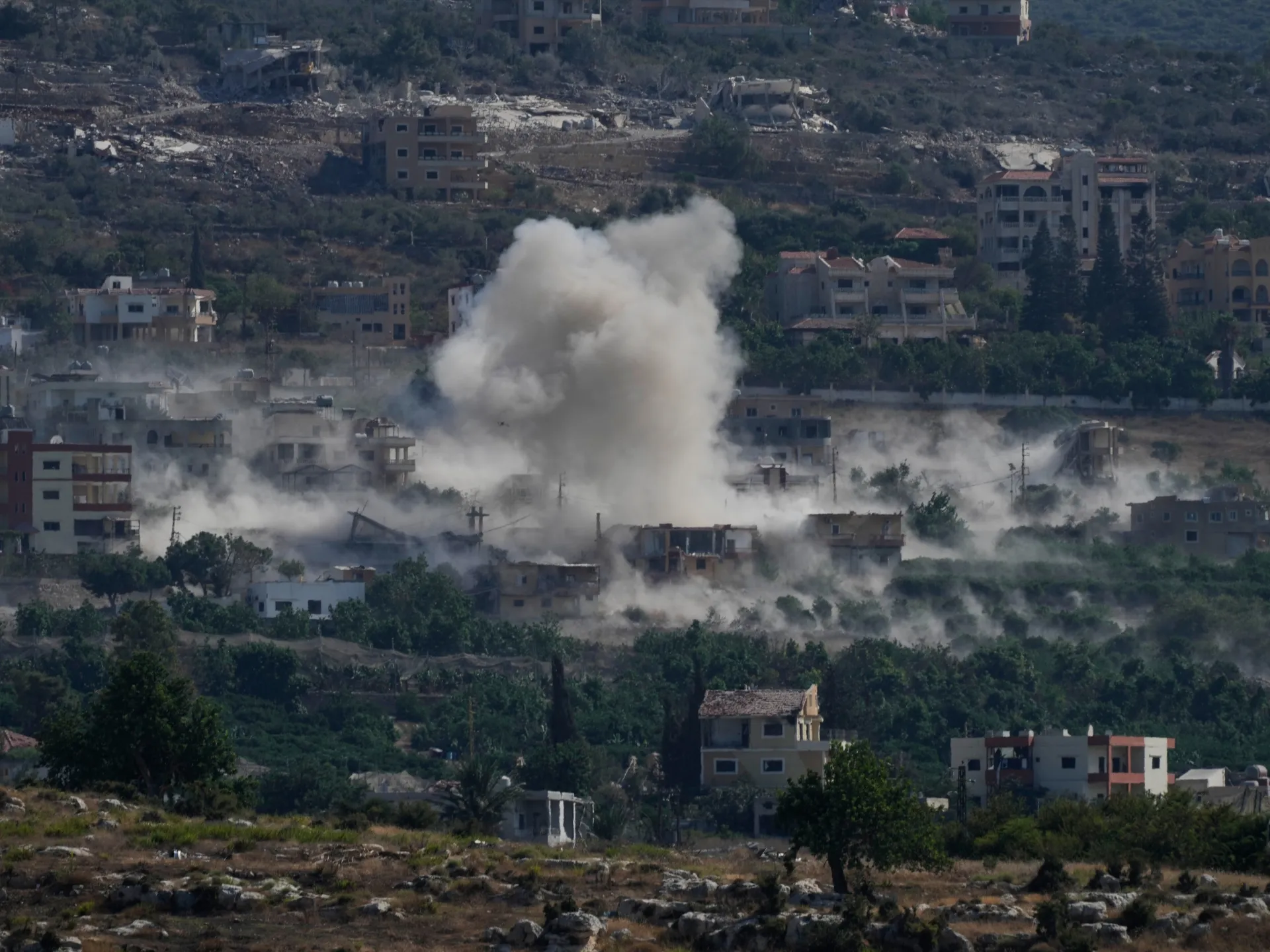
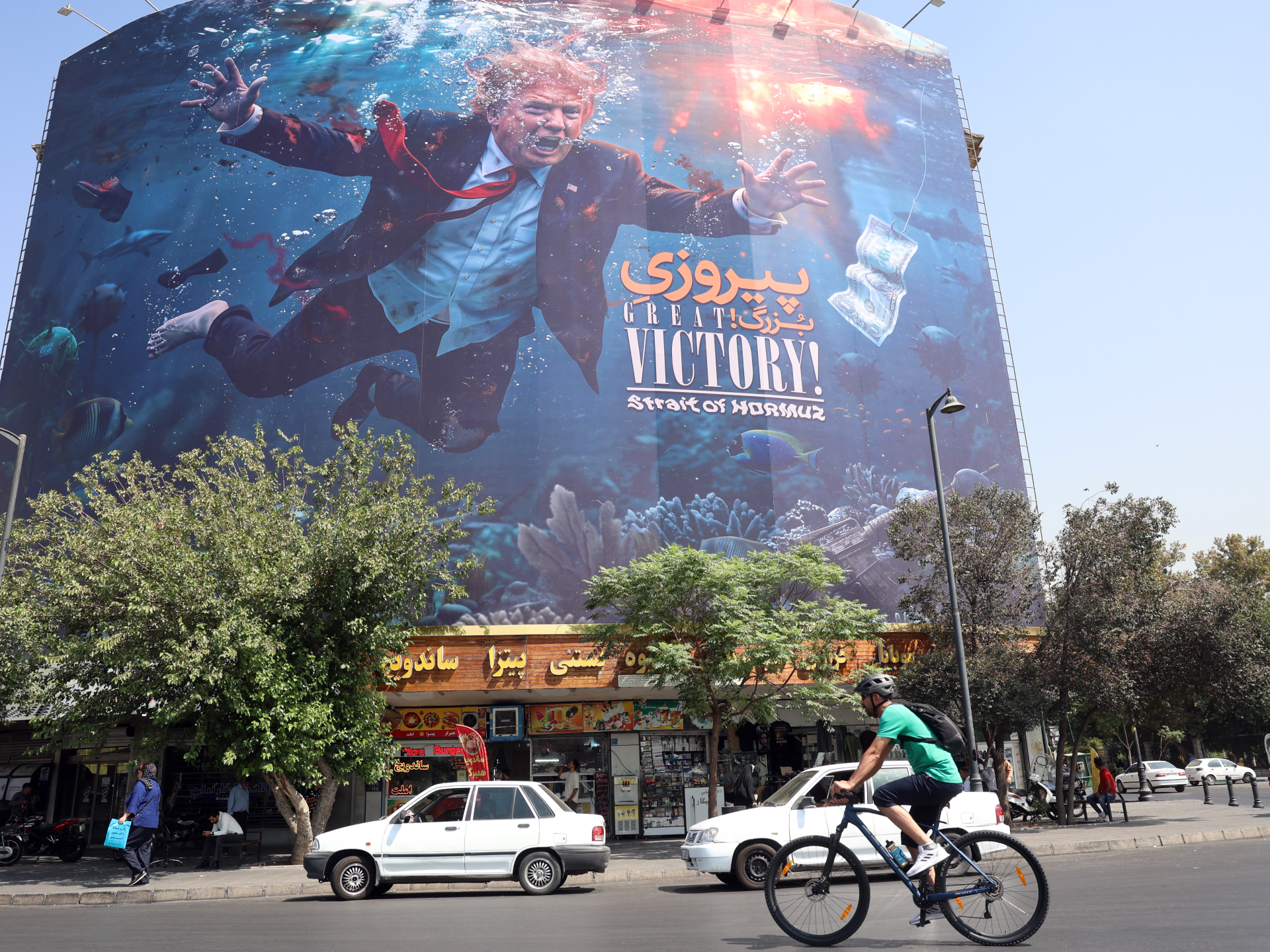
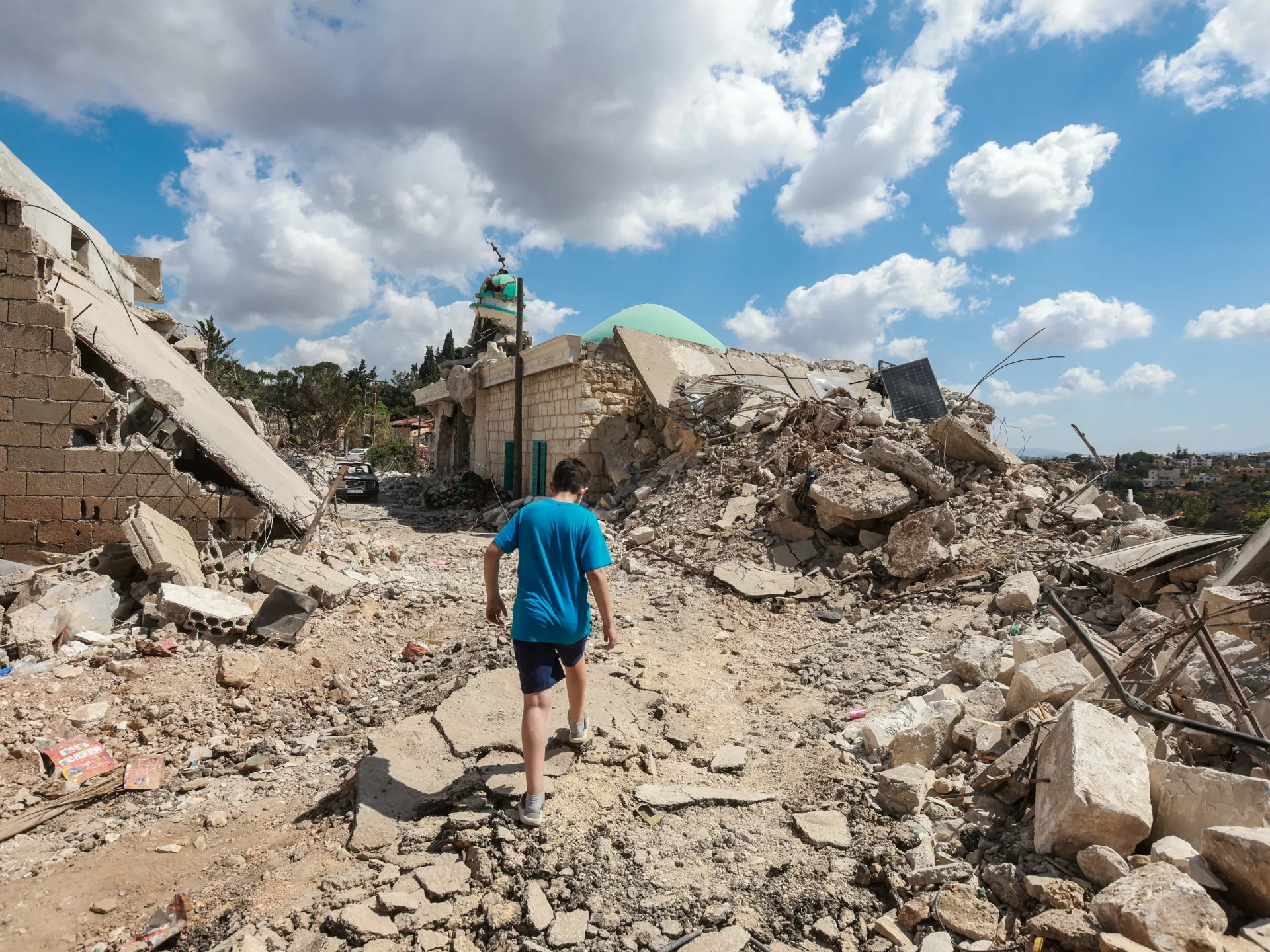
The arrival of the Iranian delegation occurs as the current military conflict, which began in late February following joint operations profound ripple effects, contributing to significant volatility in global energy markets and escalating tensions across the Middle East. As the war persists without a clear resolution, the presence of Iranian leadership in New York provides a high-profile platform for international discourse regarding the state of global security.
Since the initiation of the conflict, the regional security landscape has been marked llied nations within the Gulf region, as well as ongoing direct tensions with Israel. The international community continues to monitor these developments closely, with many domestic and foreign observers urging the White House to prioritize diplomatic avenues to mitigate the ongoing humanitarian and economic fallout of the struggle.
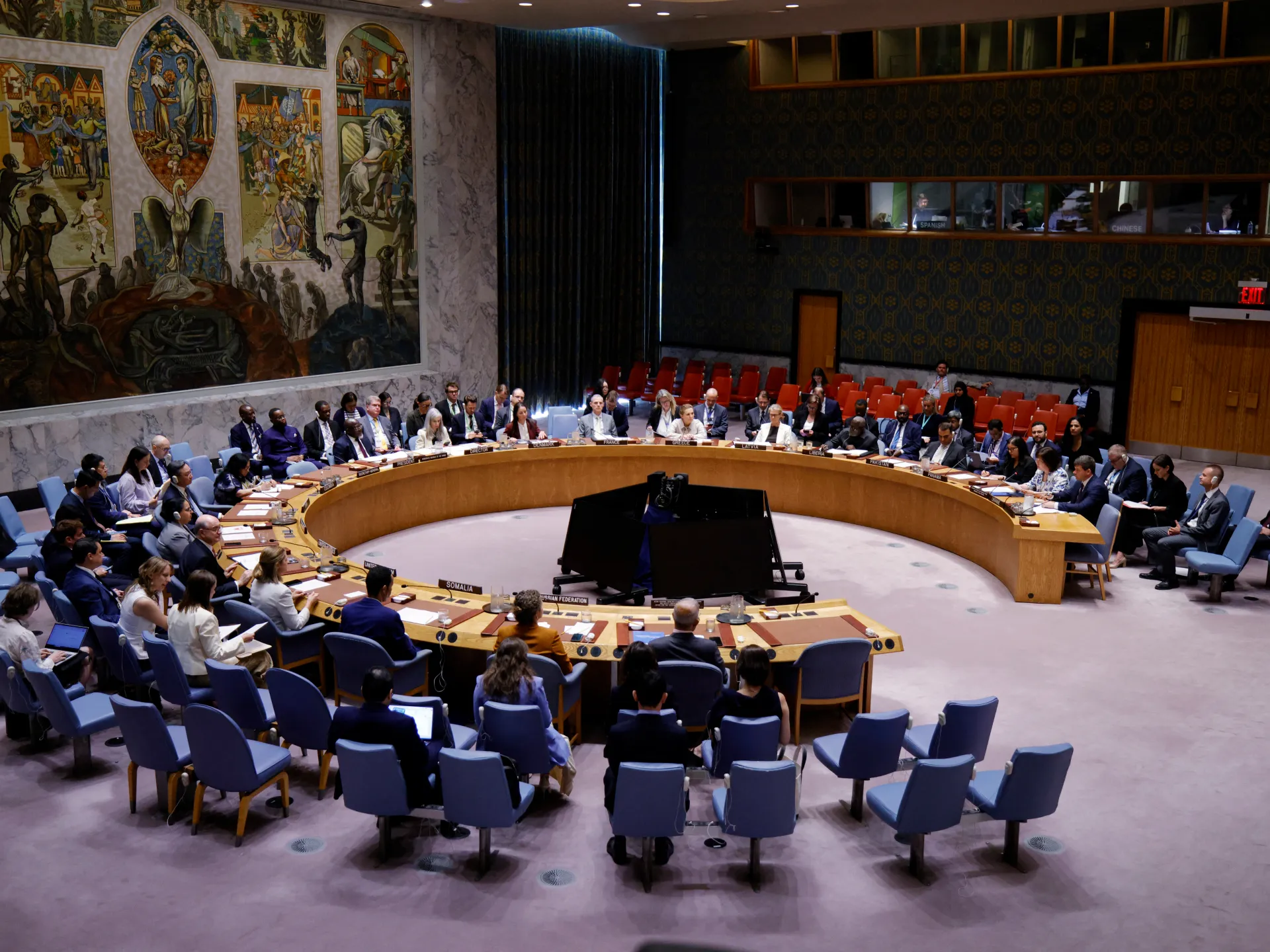
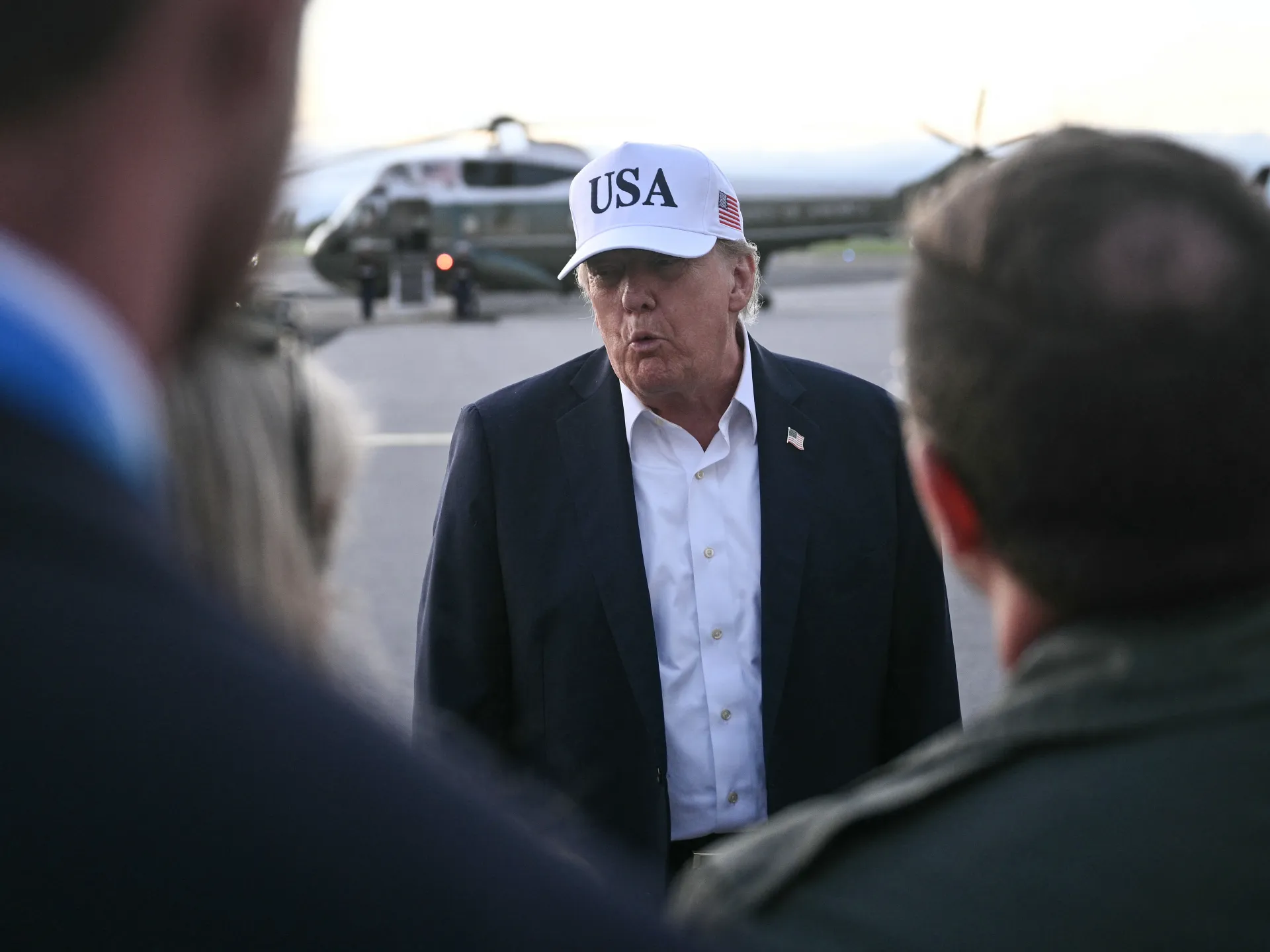
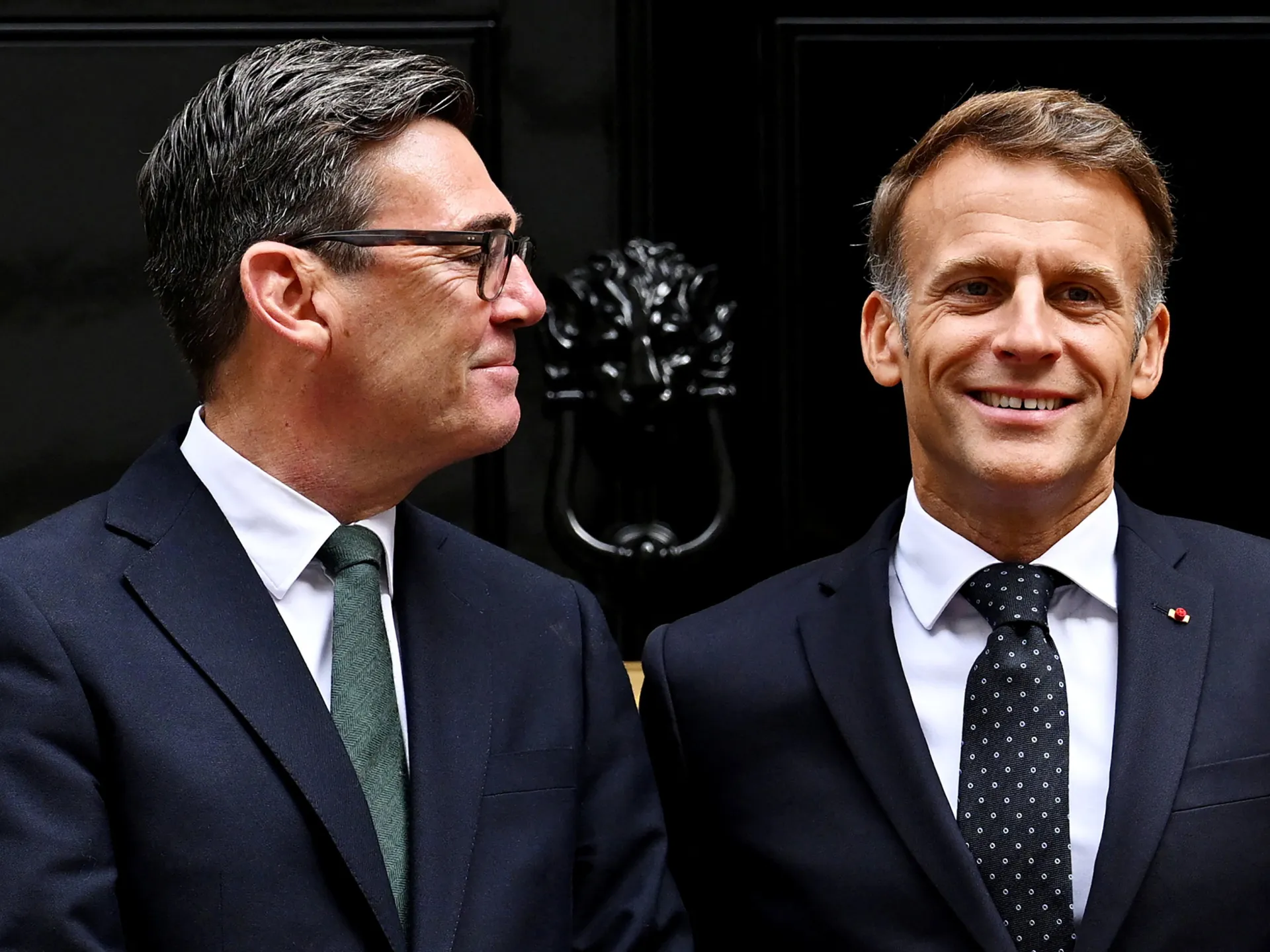
The 81st session of the UN General Assembly serves as a critical forum for global leaders to address the most pressing issues of the year. The schedule for the General Debate, which is the primary focus of the assembly, features addresses from various heads of state, including the US President, the UK Prime Minister, and the President of France. The Iranian delegation is slated to address the assembly on Wednesday, a session that is expected to be closely scrutinized
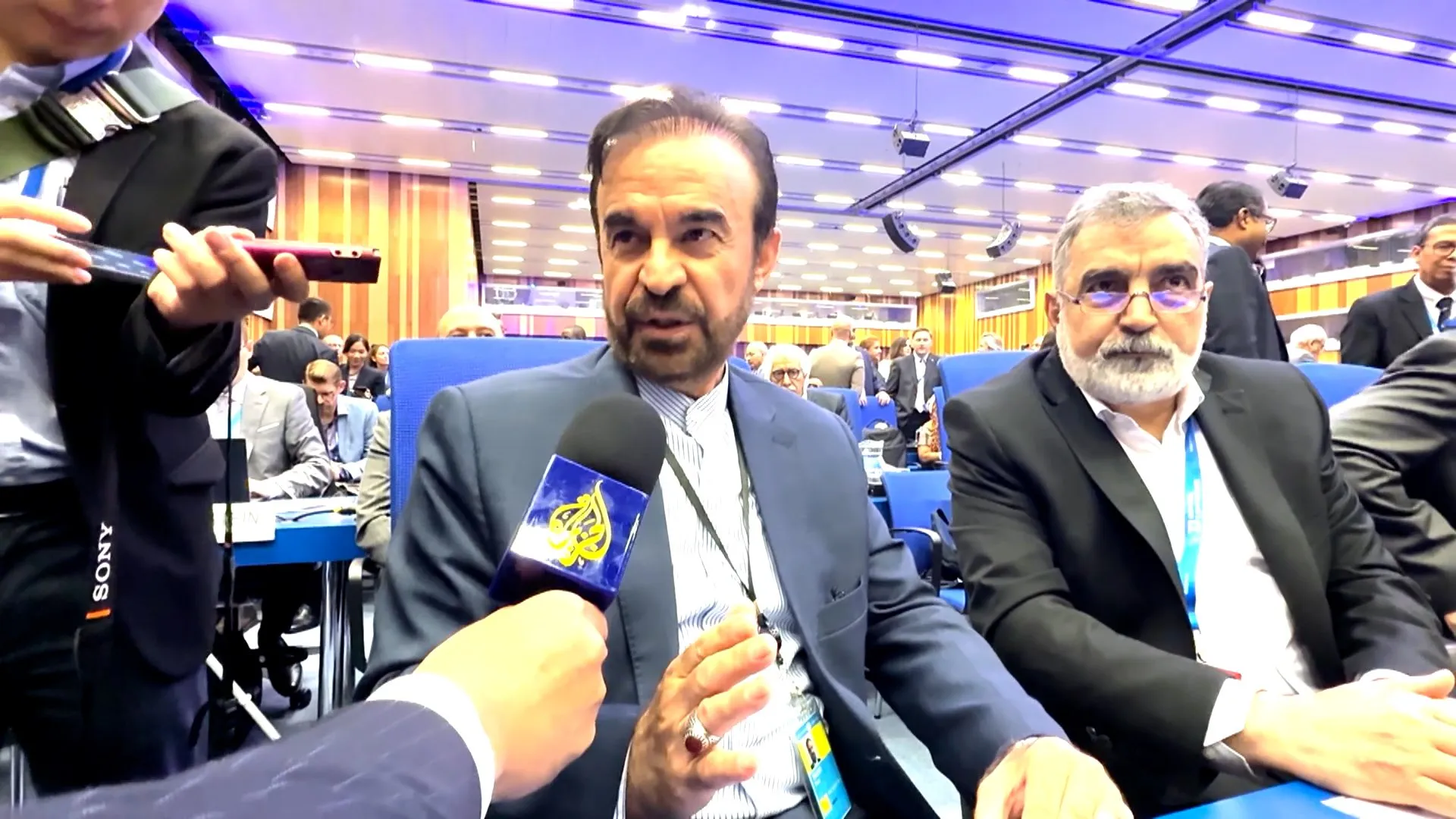
The composition of the Iranian delegation this year is noted to be smaller than the group that attended the previous summit. This reduction in size, combined with the continued implementation of travel and purchasing restrictions, underscores the complex and often precarious nature of US-Iran relations. While the UN platform is intended to foster dialogue among all member states, the specific conditions placed upon the Iranian representatives serve as a reminder of the deep-seated disagreements and the sanctions-heavy environment that currently defines the bilateral relationship.
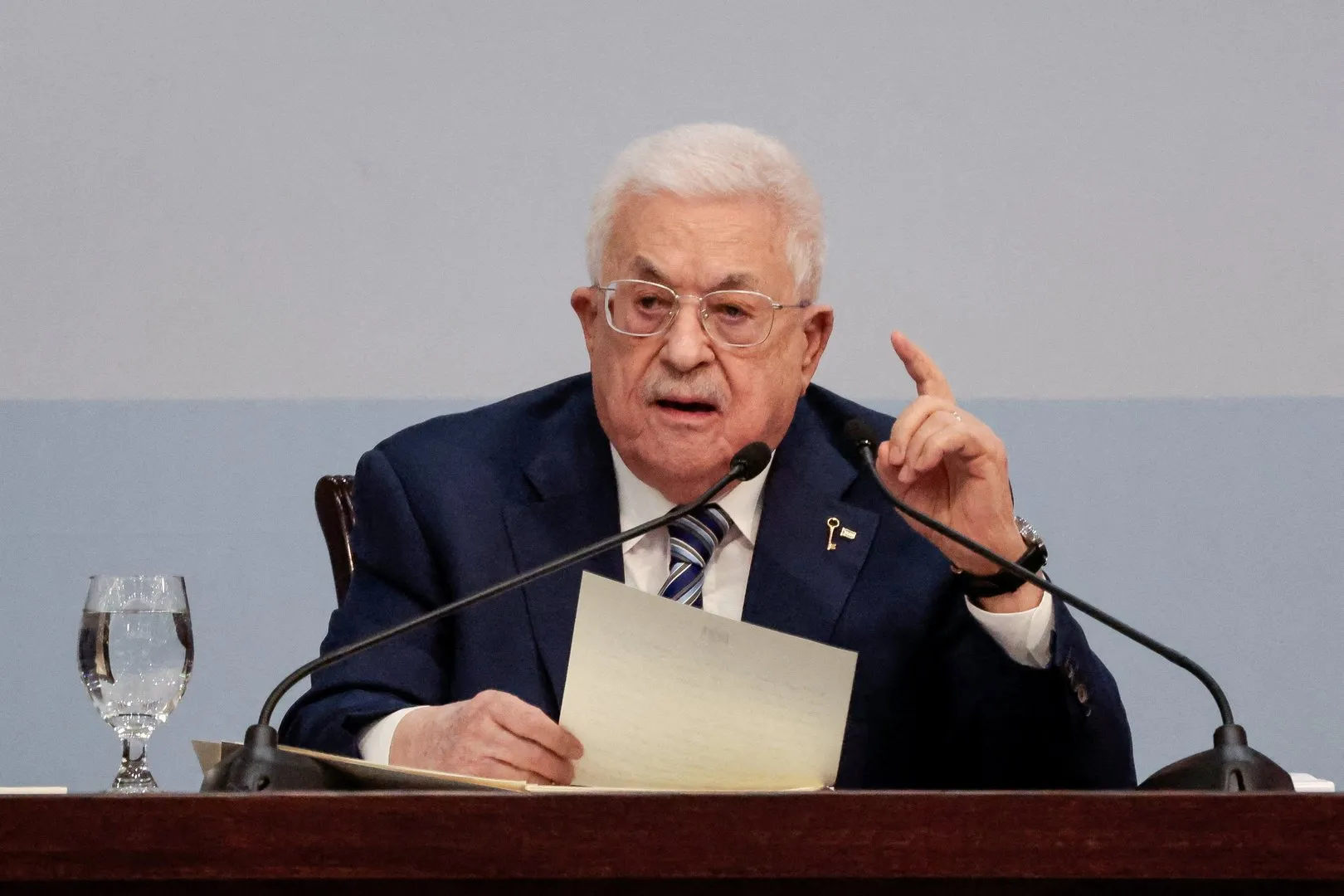
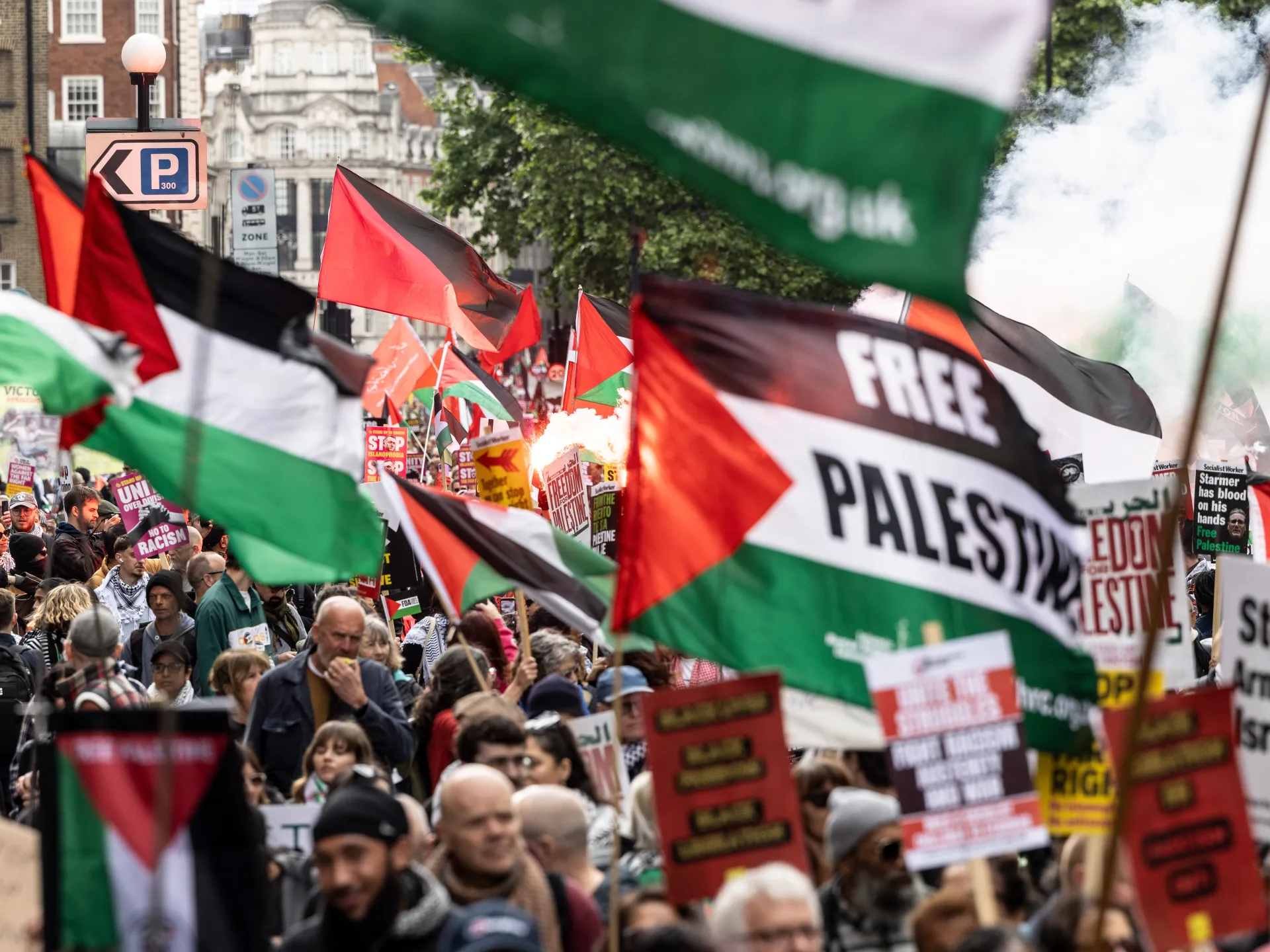
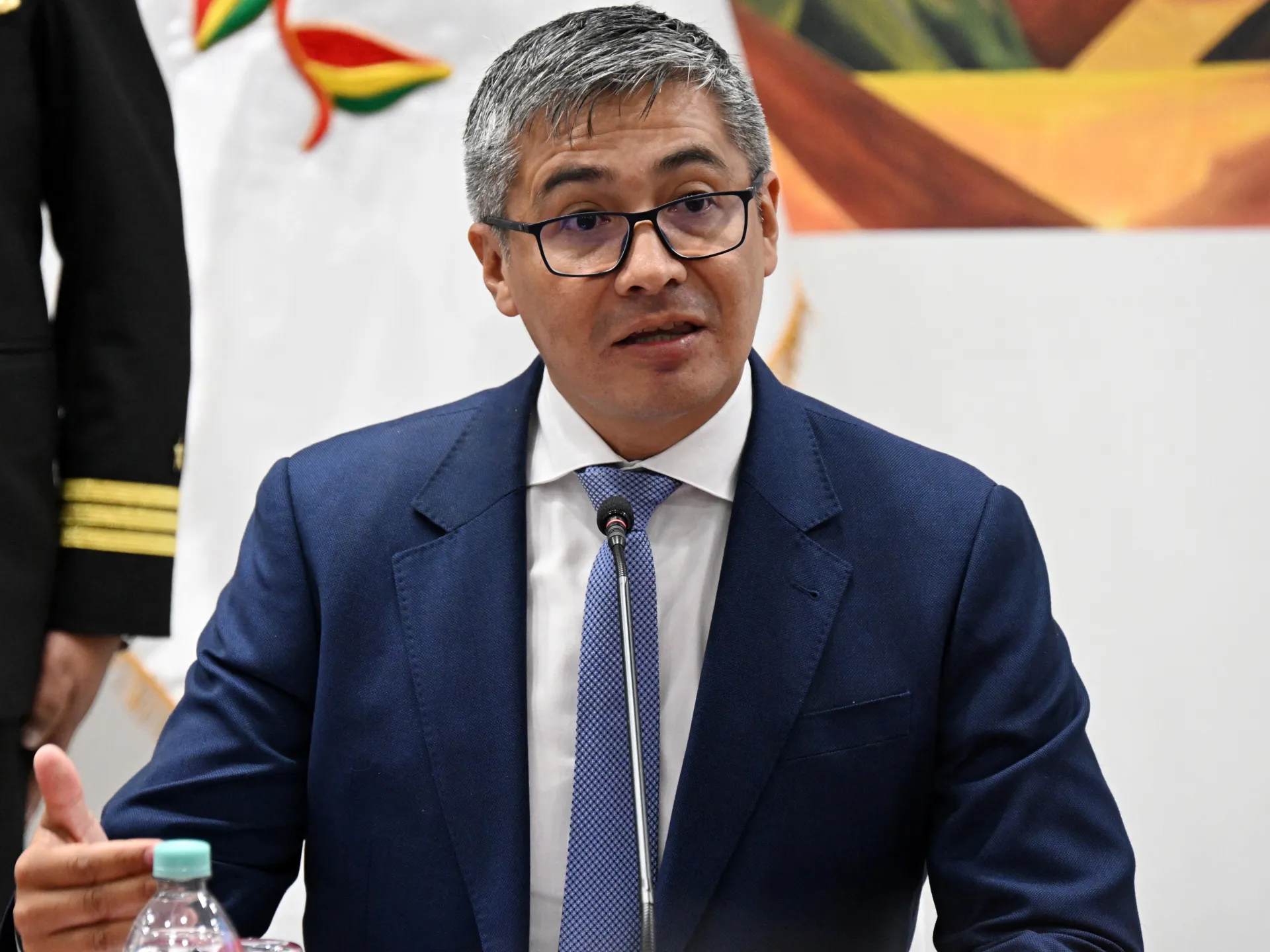
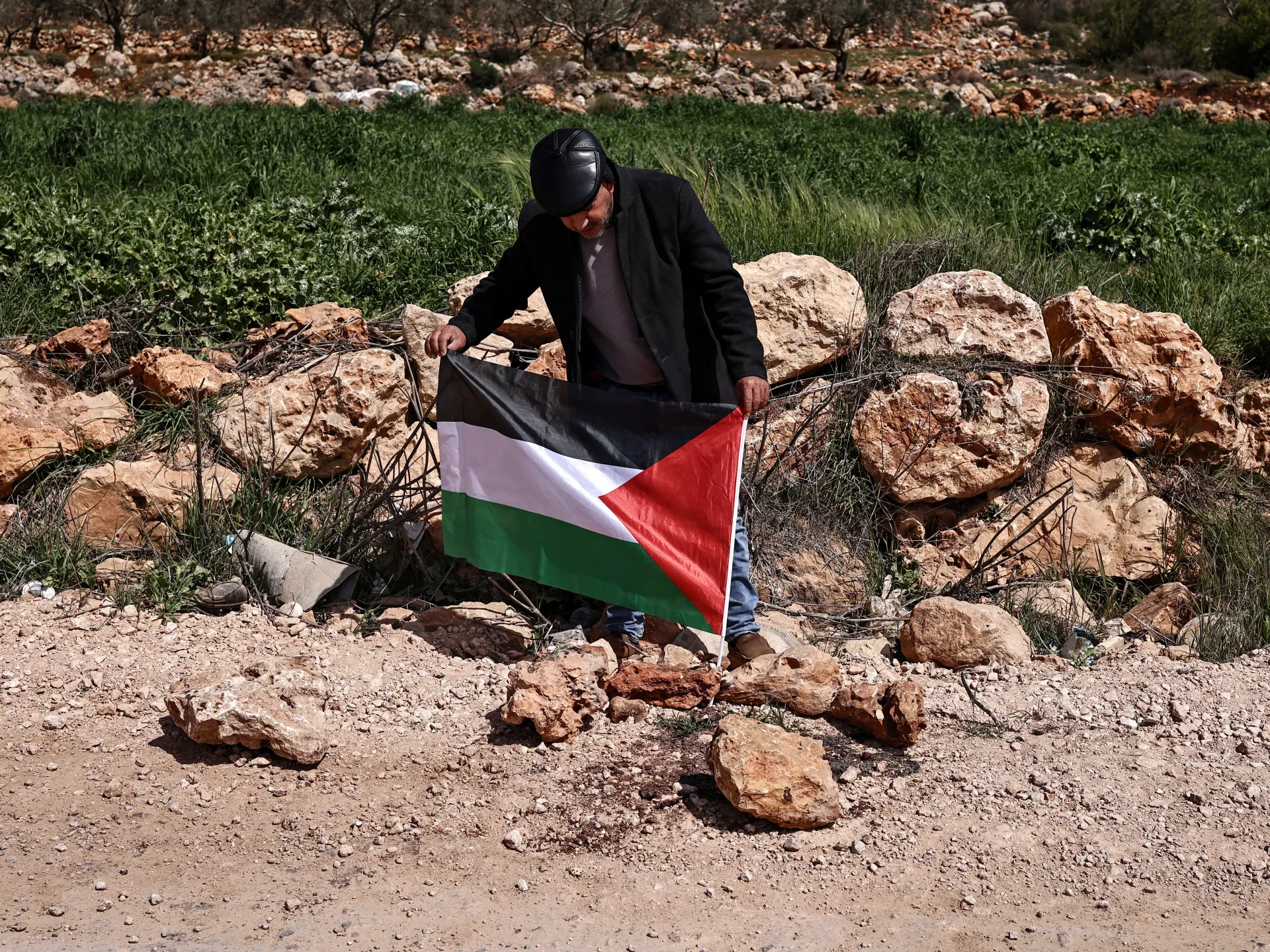
While the US has fulfilled its obligations to allow the Iranian delegation entry, the administration has maintained a different stance regarding other international entities. Notably, the Palestinian delegation, led The White House has cited a lack of recognition regarding the legitimacy of the Palestinian delegation as the primary driver for this exclusion.