Ukraine is increasingly relying on ground-based robots to handle logistics, supply, and evacuation, marking a significant evolution in modern battlefield tactics.
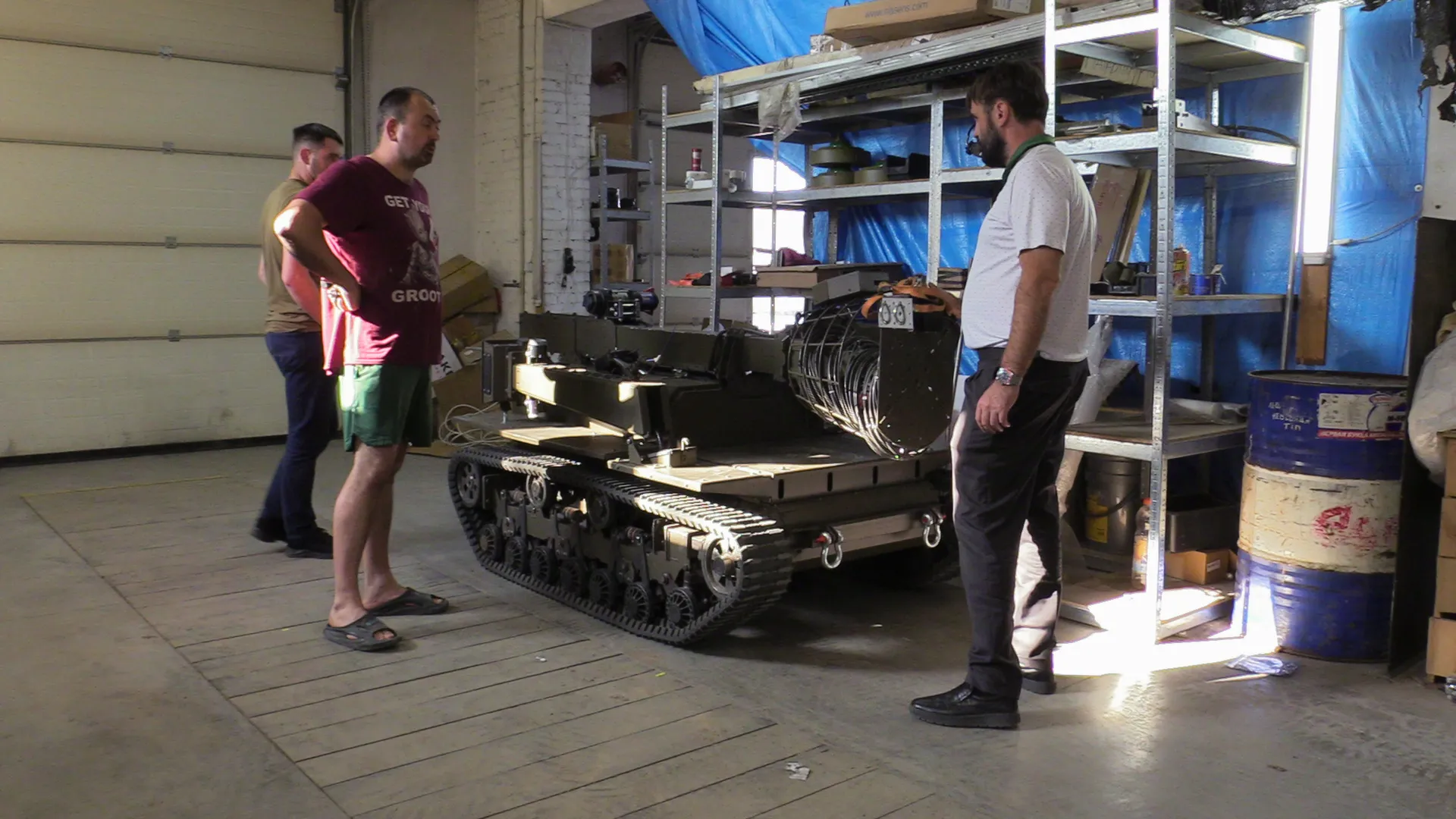
In the challenging landscapes of northeastern Ukraine, a quiet revolution is unfolding. Among the mud, snow, and wreckage of the front lines, small, tank-tracked machines are performing tasks that were once exclusively the domain of human soldiers. One such unit, known as the Murakha—meaning "ant" in Ukrainian—has become a symbol of this shift. Standing just over a meter tall, these rugged ground robots are capable of traversing difficult terrain at speeds of up to 12 kilometers per hour, serving as essential links in the supply chain for units operating in high-risk zones.
The operation of these machines is a testament to modern remote warfare. Pilots, stationed in secure bunkers tens of kilometers from the front, navigate these robots using grainy camera feeds. When a unit gets stuck in a trench, the solution is not to send human rescuers into the line of fire, but to deploy another robot to retrieve it. This remote-first approach is redefining how tactical objectives are met, allowing commanders to maintain operational tempo while keeping personnel at a safer distance from active combat areas.
Ground robots offer significant benefits over traditional, human-operated vehicles. Because they rely on electric engines rather than internal combustion, they emit far less heat, making them significantly harder for thermal detection systems to identify. Furthermore, their ability to carry substantial payloads—ranging from hundreds of kilograms of ammunition to medical supplies and food—makes them indispensable for logistics in environments where traditional transport would be decimated
The impact of these machines extends beyond simple logistics. In a historic shift for modern warfare, ground robots have already been used to force the surrender of opposing positions. vacuation platforms. These armored, climate-controlled pods are designed to transport wounded soldiers to safety, providing protection against vibration and environmental hazards. While the design is utilitarian, the goal is clear: minimizing the human cost of the conflict through technological intervention.
The rapid integration of these robots is the result of a decentralized, grassroots effort. Across Ukraine, more than 200 startups have pivoted to robotics, driven s were not professional military contractors but business owners, software developers, and technical professionals who applied their civilian expertise to solve urgent survival problems. This bottom-up approach allows for rapid prototyping and iterative design based on real-time feedback from soldiers on the ground.
This agility stands in stark contrast to the rigid, top-down structures often found in traditional militaries. communication with front-line units, Ukrainian manufacturers have effectively turned the battlefield into a testing ground for rapid innovation. This flexibility has allowed Ukraine to scale up production of specialized hardware quickly, ensuring that new technologies move from concept to implementation in a matter of weeks rather than years.
Despite their successes, ground robots are not without limitations. Some soldiers note that these machines remain vulnerable to the omnipresent threat of aerial drones. While they are highly effective for supply runs, their utility in complex evacuation scenarios is still being debated nvironment of a modern battlefield is chaotic, and no piece of technology is immune to the risks of electronic warfare or direct kinetic strikes.