

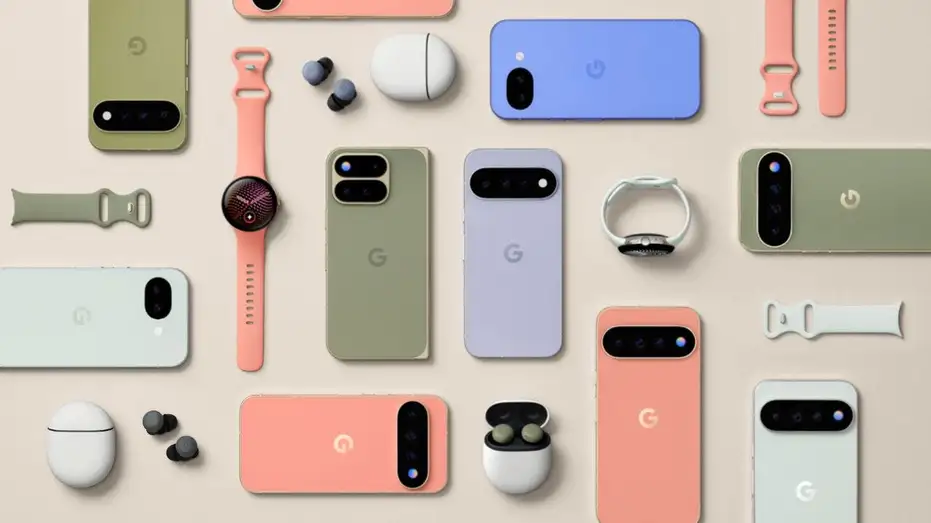
Google's Pixel 11 launch introduces deep Gemini AI integration, advanced camera capabilities like Magic Capture, and new wearable health features.
Google is shifting its approach to artificial intelligence a standalone application into a proactive assistant. The new Pixel 11 series utilizes this technology to manage complex, multi-step tasks across more than 40 different applications. levant information exactly when it is needed. For instance, if a user receives a message regarding travel plans, the device can automatically display a card containing flight status and booking details. Furthermore, the system is designed to suggest actionable steps, such as reserving a table for dinner or adding events directly to a calendar.
Communication is also becoming more efficient through the introduction of Rambler, a Gemini-powered voice input tool. This feature cleans up natural speech during transcription, effectively removing filler words like "um" and "ah" to produce polished text messages. Beyond standard voice input, Google has introduced Sign To Text, an innovative accessibility feature that allows the Pixel 11 to interpret American Sign Language. Using the device's camera, the phone can recognize hand gestures and facial expressions, enabling users to interact with the keyboard, chat, or prompt Gemini in real time.
The Pixel 11 series brings significant hardware and software upgrades to its camera systems. A standout feature is Magic Capture, which removes the pressure of timing a shot perfectly. nerates high-quality 12-megapixel images while automatically handling cropping and image stabilization. This functionality extends to video, allowing users to capture footage without toggling between modes, which is particularly useful for photographing active subjects like children or pets.
Hardware improvements complement these software enhancements. The standard Pixel 11 features a 48-megapixel main sensor that offers 56% greater light sensitivity than its predecessor, while the Pro and Pro XL models include an upgraded 48-megapixel telephoto lens capable of 120x Pro Zoom. Additionally, the new Instant Night Sight operates four times faster than previous versions, allowing for clearer low-light photography without the need for extended exposure times. Users can also utilize the Camera Looks feature to apply preferred visual styles before capturing an image.
Google has introduced a unique notification system called HiLight for the Pixel 11 Pro, Pro XL, and Pro Fold. This feature utilizes colored LED lights surrounding the camera flash to provide visual cues while the phone is placed face down. The lights can indicate whether Gemini is active or provide color-coded alerts for incoming calls from specific contacts. This design philosophy aims to reduce screen time ng constant attention.
With the increased integration of AI, Google has emphasized user control and privacy. The Pixel 11 allows users to toggle AI features on or off and provides clear visibility into how data is processed. Security is further bolstered mated systems designed to filter out spam calls and identify potential scam messages.
The Pixel Watch 5 arrives with improved internal hardware, including a faster processor and 50% more RAM. New health-focused "Health Guardian" features provide users with long-term wellness summaries, such as trends in blood pressure and sleep breathing quality. While the watch introduces a significant safety tool called Breathing Emergency Detection—which can alert emergency services if it detects persistent drops in oxygen saturation—this feature is currently restricted to select European markets and is not yet available in the United States.
Rounding out the ecosystem, Google has launched the Pixel Tag, a compact tracker for personal items that leverages the vast Find Hub network. The tag supports Ultra-Wideband technology for precise location finding and features a battery life exceeding one year. Designed with security in mind, the system automatically alerts Android users if an unrecognized tag is detected moving with them. These trackers will be available for purchase in November, offering a new way for users to keep track of their belongings within the Google network.