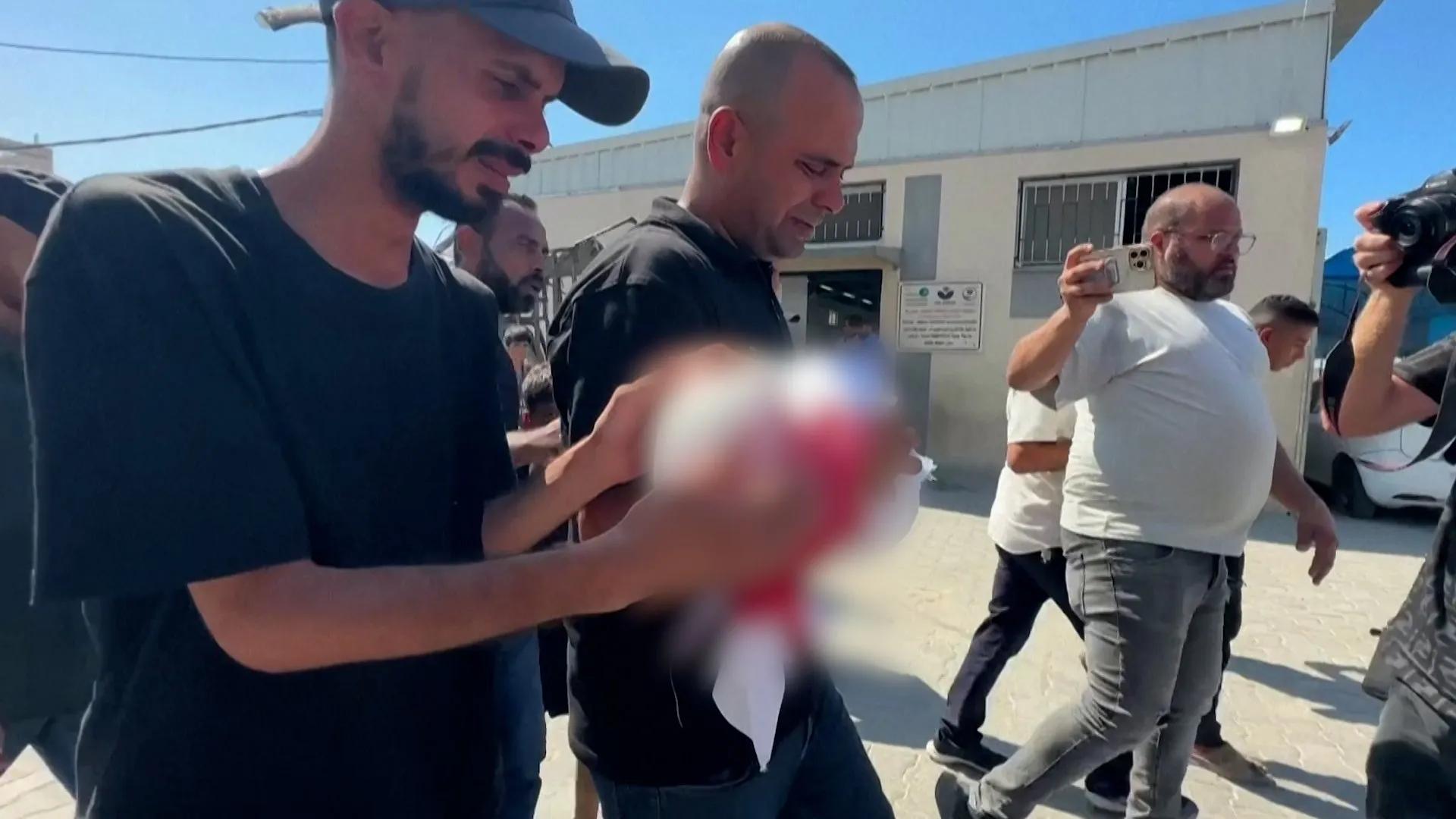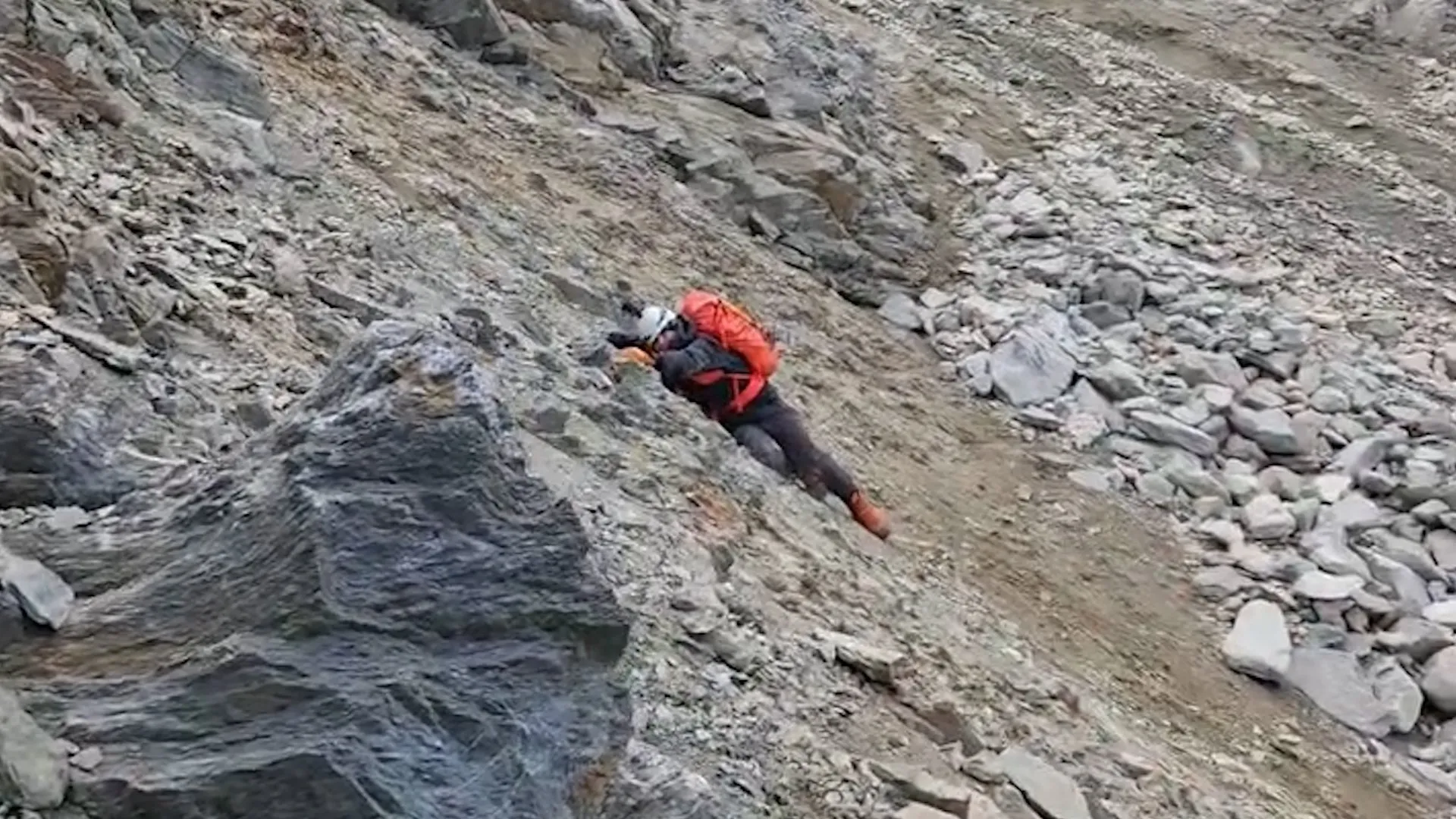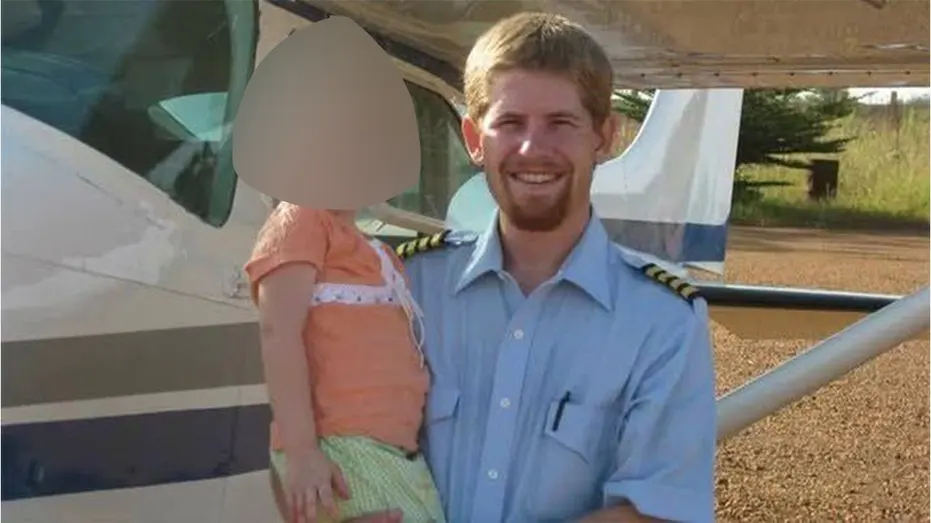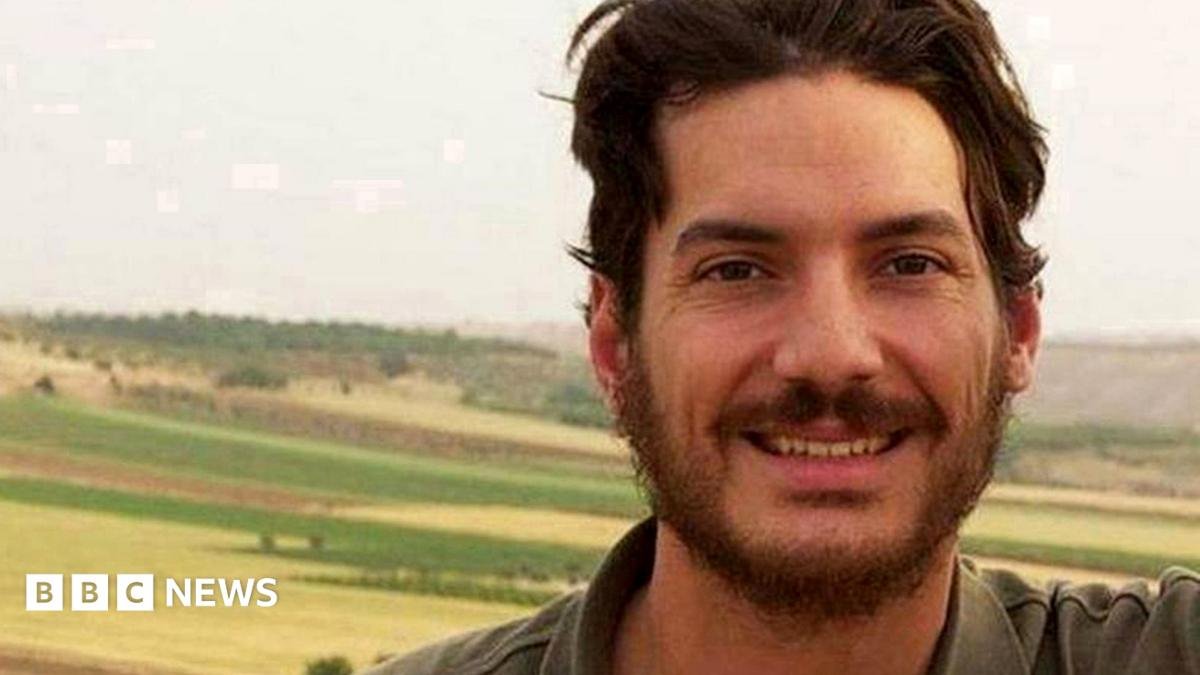
New evidence reveals that the 2012 abduction of US journalist Austin Tice was a premeditated operation sanctioned by the highest levels of the Syrian regime.
For over a decade, the disappearance of American journalist Austin Tice in Syria remained shrouded in mystery, with many observers initially assuming his capture was an opportunistic encounter at a government checkpoint. However, new investigative findings have dismantled this narrative, revealing that the abduction was a meticulously planned operation orchestrated n motion more than a month before Tice was ultimately taken into custody.
Evidence gathered through years of research and interviews with individuals involved in the regime's security apparatus confirms that the kidnapping was not a random act of war. Instead, it was a sanctioned mission that reached the highest levels of the Syrian government. The revelation provides critical closure regarding the nature of the event, shifting the perspective from a chance encounter to a deliberate targeting of a journalist who was reporting on the harsh realities of the civil war.
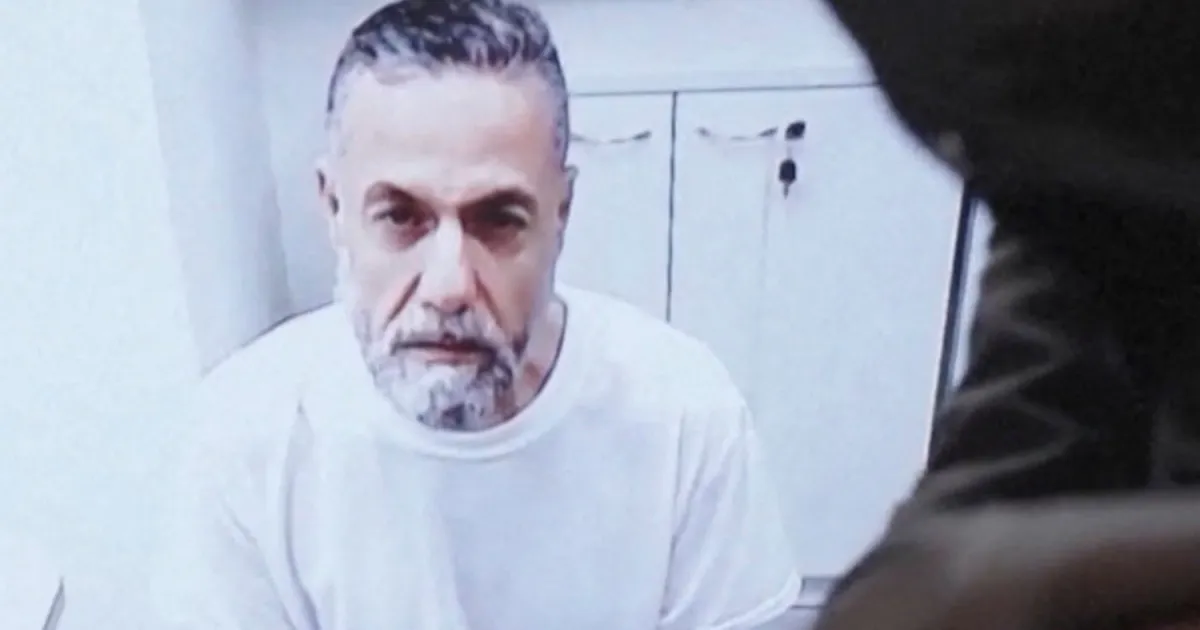
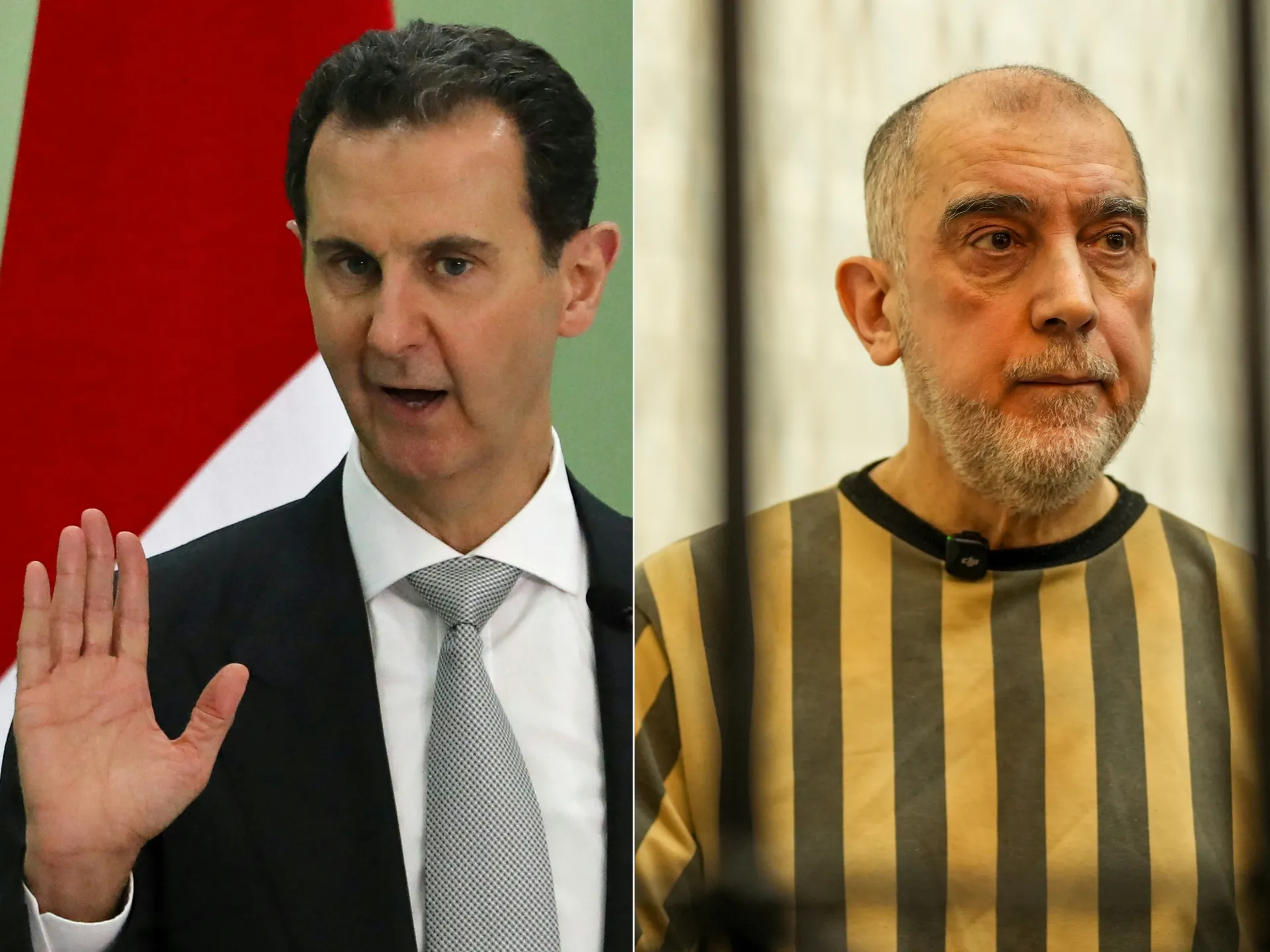
Central to the success of the regime's operation was the role played ligence for an extended period. According to insiders, the driver informed a senior member of the National Defence Forces (NDF)—a militia loyal to President Bashar al-Assad—that Tice was operating within rebel-held territories. This information was subsequently escalated through the ranks to Bassam al-Hassan, a key security figure, who reportedly secured the direct approval of the president to execute the kidnapping.
The driver’s betrayal went beyond merely reporting Tice’s whereabouts; he actively facilitated the conditions for the abduction. In the days leading up to the incident, the driver surreptitiously obtained Tice’s personal belongings, including his laptop and satellite equipment, allowing regime operatives to scrutinize the journalist’s work and communications. This level of access allowed the regime to monitor Tice’s movements and frame his journalistic activities as something far more sinister, specifically attempting to mischaracterize his interactions with rebels as intelligence-gathering operations.
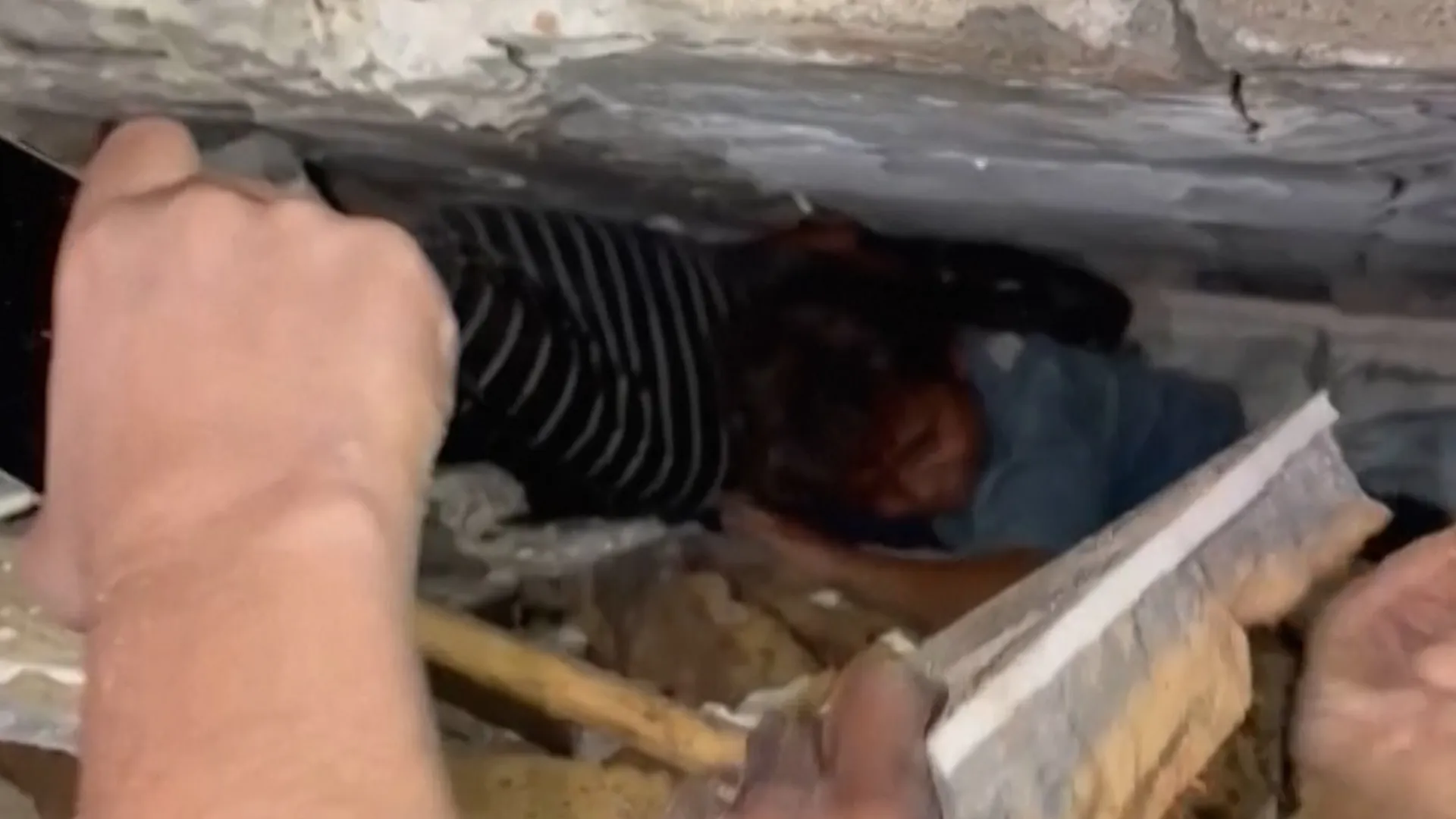
On August 11, 2012, shortly after celebrating his 31st birthday, Tice prepared to depart the region. Instead of reaching safety, he was driven to a state facility on the outskirts of Damascus. Witnesses describe a harrowing scene where the driver, having gained Tice's trust, pulled a weapon on the journalist. Despite Tice’s desperate attempts to negotiate his release, he was intercepted rted back to the highest levels of the Syrian leadership.
The motivation behind the driver’s actions appears rooted in desperation and the promise of state rewards. The driver, Hamid Abu Obeid, was reportedly promised Syrian citizenship, housing, and other life-changing incentives in exchange for his cooperation. However, the aftermath of the abduction was far from the promised reward. Following the eventual collapse of the Assad regime, the fate of the driver himself remains unknown, mirroring the tragic uncertainty that continues to haunt Tice’s family. Despite the discovery of internal intelligence files confirming the regime's role in the detention, the ultimate whereabouts of the journalist remain a painful, unresolved mystery.