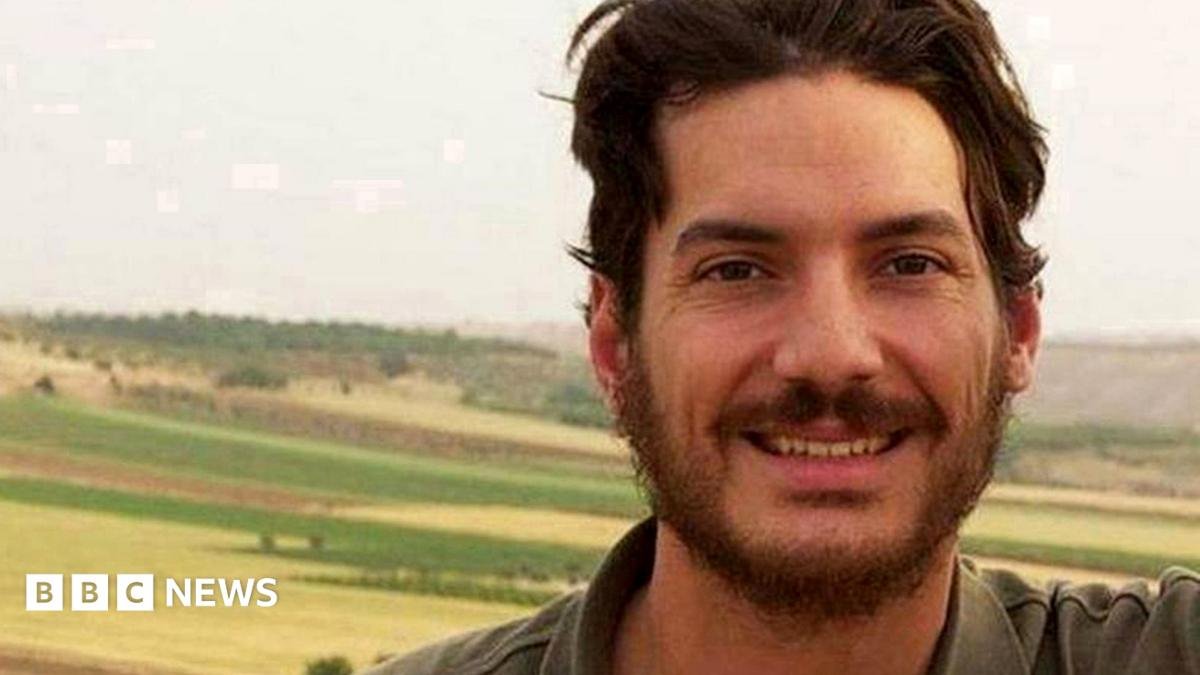
New investigative findings reveal that the 2012 abduction of American journalist Austin Tice was a calculated, state-sanctioned operation rather than a random encounter.
The disappearance of American journalist Austin Tice in 2012 has long been viewed as a tragic casualty of the chaotic Syrian civil war. For years, the prevailing narrative suggested that Tice had simply stumbled upon a government checkpoint, leading to an opportunistic abduction. However, recent investigative reporting has dismantled this theory, revealing that his capture was the result of a meticulously planned operation orchestrated ndom act of violence to a targeted state-sanctioned maneuver.
Internal intelligence files obtained following the collapse of the Assad regime provide the first definitive proof that the government was responsible for holding the journalist. These documents, spanning hundreds of pages, detail the administrative tracking of Tice during his time reporting on the conflict. The evidence suggests that Tice, a former US Marine captain and law student, was viewed as a high-value target due to his reporting on human rights abuses, which significantly challenged the regime's efforts to control the narrative of the war.
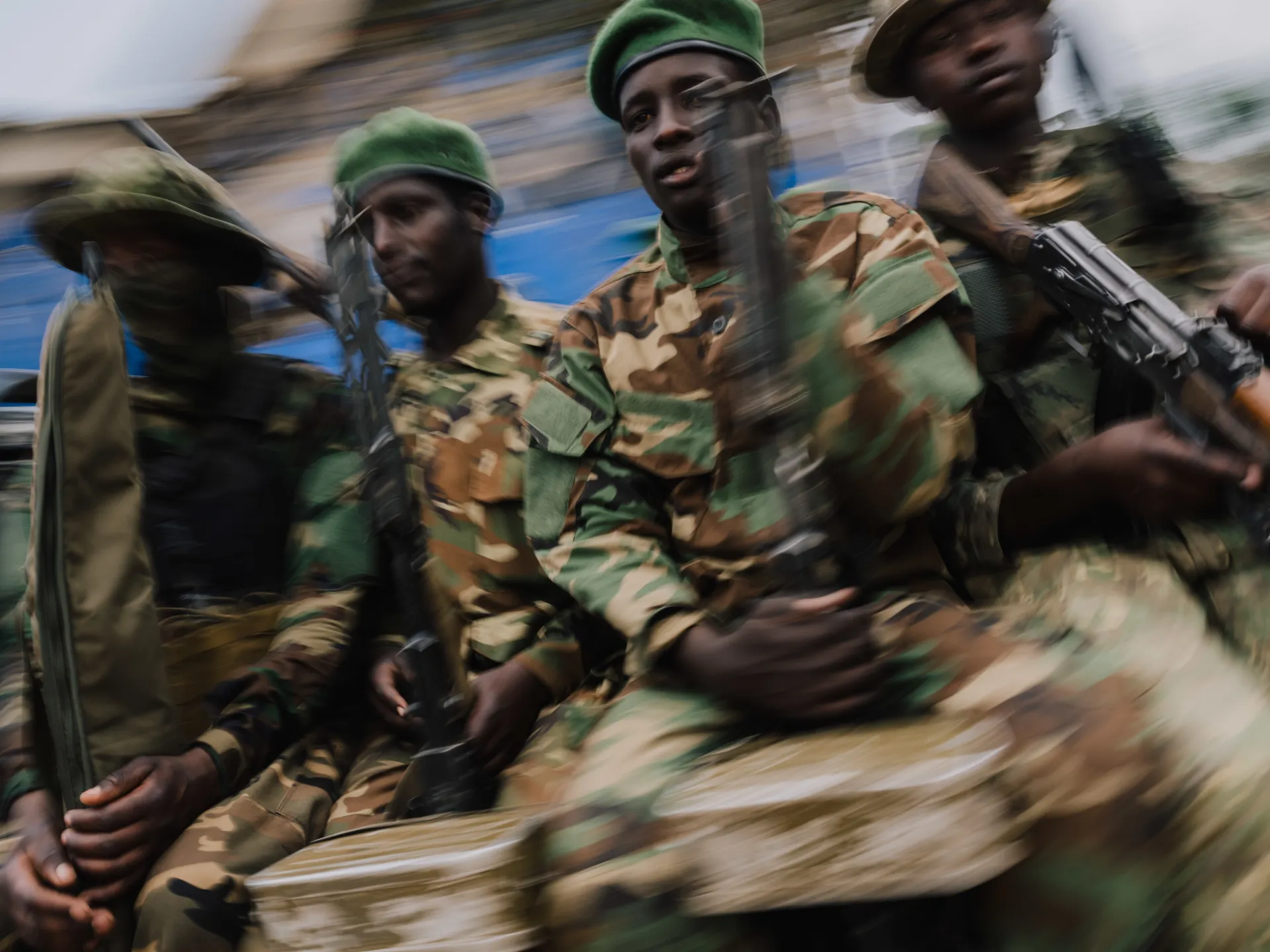
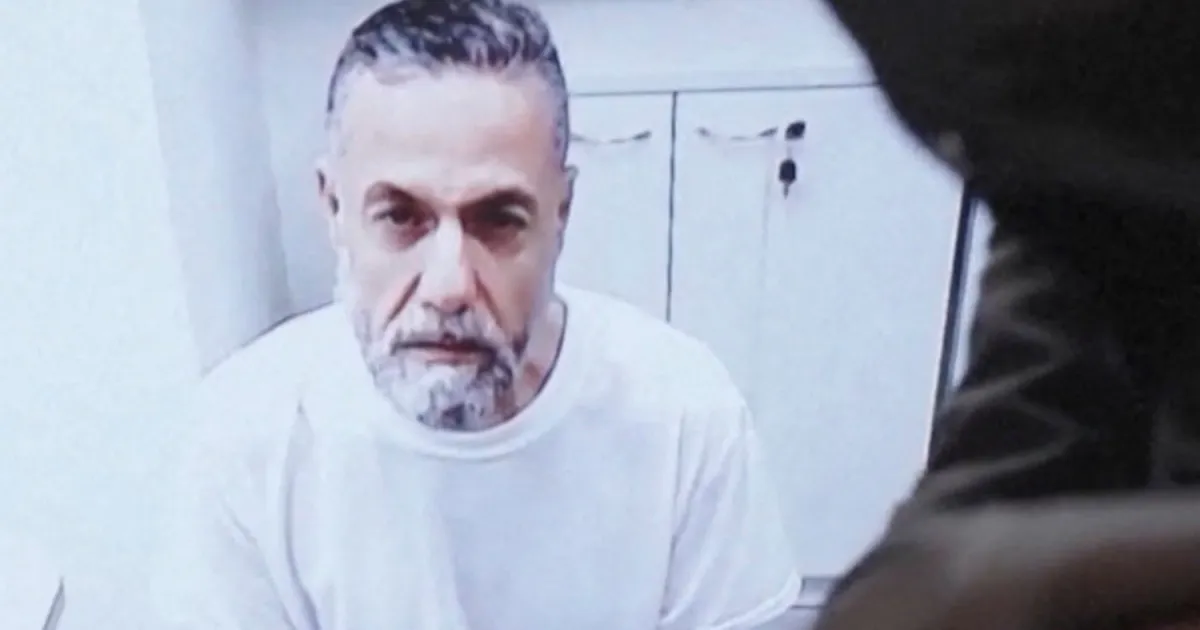
The operation to capture Tice relied heavily on internal betrayal. Sources indicate that Tice’s own driver, a man named Hamid Abu Obeid, had been providing information to the regime for an extended period. When Tice ventured into areas the government deemed sensitive, the driver relayed his movements to the National Defence Forces (NDF), a militia fiercely loyal to the Assad administration. This intelligence was reportedly escalated to high-ranking security officials, ultimately reaching President Bashar al-Assad, who allegedly gave the order to proceed with the abduction.
The regime’s suspicion of Tice was fueled outlets, his tendency to provide tactical advice or training to rebel fighters on weapon handling made him appear as an intelligence operative to those monitoring him. While former senior US officials have explicitly denied that Tice was involved in any intelligence capacity, this perceived threat provided the necessary justification for the regime to orchestrate his permanent removal from the field.
In the weeks leading up to his capture, the betrayal intensified. The driver reportedly stole Tice’s backpack, which contained his laptop and satellite equipment, allowing regime operatives to conduct surveillance on his digital communications. On August 11, 2012, shortly after celebrating his birthday in a rebel safehouse, Tice believed he was being driven to safety. Instead, the driver brought him to a state facility on the outskirts of Damascus, where NDF members were waiting to take him into custody.
Witnesses to the event describe a harrowing scene where Tice initially mistook the driver’s brandished weapon for a joke. Upon realizing the gravity of the situation, Tice reportedly attempted to negotiate for his freedom, offering to pay for his release, but his pleas were ignored. He was subsequently blindfolded and detained, marking the beginning of a mystery that has persisted for over a decade. The identity of the driver, who was promised citizenship and financial rewards for his cooperation, remains a dark footnote in the story, as he himself vanished following the regime's collapse.
The aftermath of the abduction has left two families searching for answers. While Tice’s family continues to hold out hope for his return or information regarding his fate, the family of the driver, Abu Obeid, remains equally in the dark, fearing for his safety after he disappeared following the regime's fall. The investigation highlights the human cost of the Syrian conflict, where individuals on both sides of the political divide have been swallowed
Despite the discovery of secret files and witness testimonies, the ultimate fate of Austin Tice remains unconfirmed. While some former commanders have claimed he was executed, no physical evidence or remains have ever been located. The revelation that his abduction was a planned state operation underscores the calculated nature of the regime’s crackdown on information, leaving a lingering question about the true extent of the government's role in the disappearances of those who sought to document the reality of the Syrian civil war.