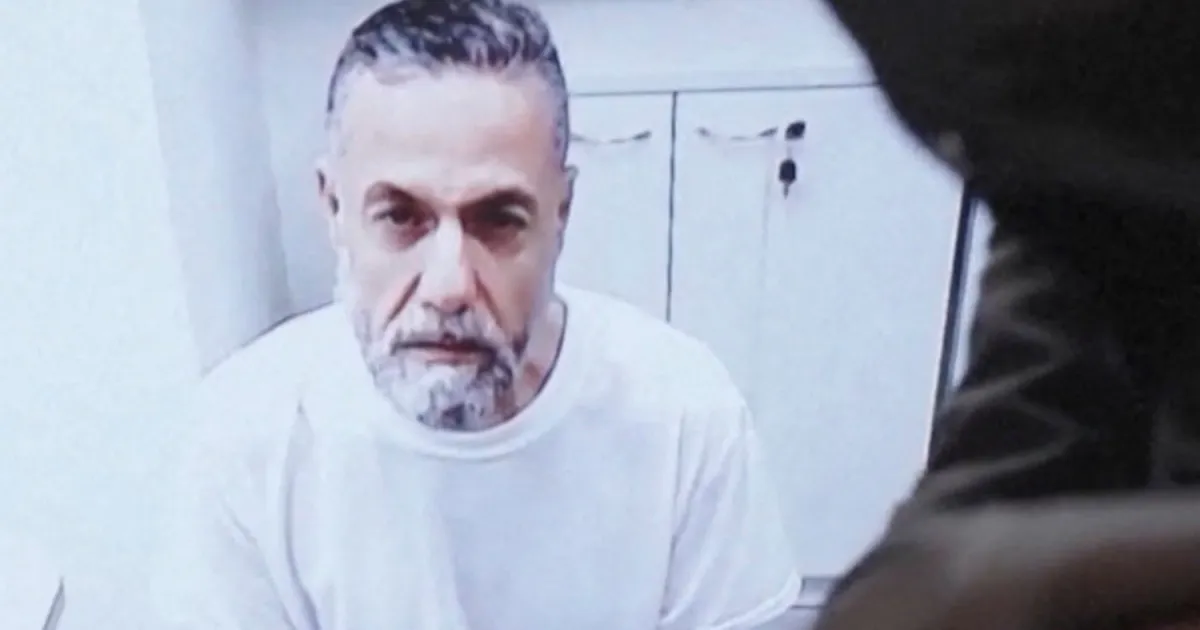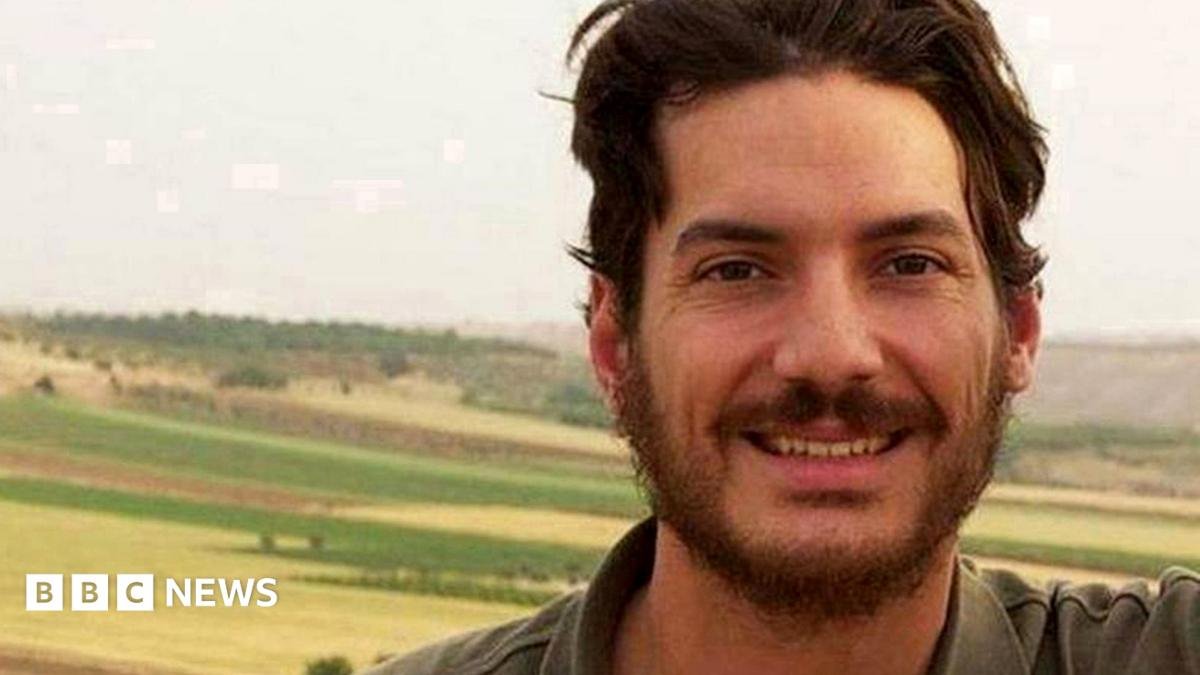
A long-term investigation has revealed that the 2012 abduction of American journalist Austin Tice was a premeditated operation orchestrated by the Syrian regime.
The disappearance of American journalist Austin Tice in Syria in 2012 has long been shrouded in mystery, with many initially believing his capture was an opportunistic encounter at a government checkpoint. However, recent investigative reporting has unveiled that the abduction was the result of a deliberate, month-long operation meticulously planned menting the Syrian civil war, was not merely a victim of circumstance but a specific target of the state’s security apparatus.
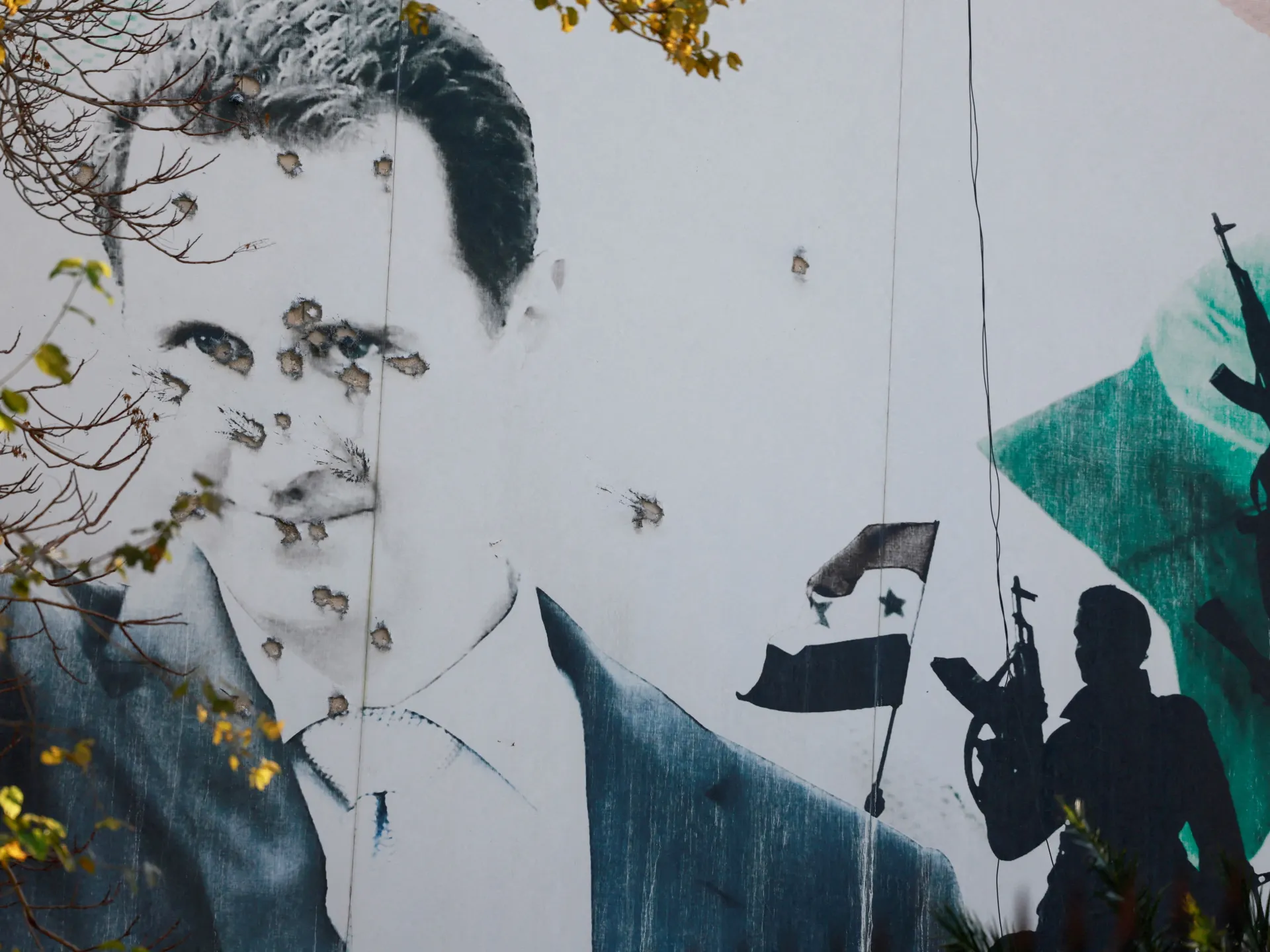
Evidence gathered through interviews with former regime associates and internal intelligence documents confirms that the detention was sanctioned at the highest levels of the Syrian government. While the world watched Tice’s reporting from the front lines of a brutal conflict, his movements were being tracked derstanding shifts the narrative from a random act of war to a targeted strike against a Western journalist deemed a threat to the regime’s interests.
At the center of this operation was Tice’s own driver, an individual the journalist trusted to navigate the perilous landscape of rebel-held territory. According to accounts provided Bashar al-Assad, this driver had been passing information to the regime for some time. The driver served as the primary conduit for monitoring Tice’s activities, reporting back to senior figures within the NDF, including those with direct access to the presidential circle.
The betrayal deepened in the days leading up to the kidnapping. The driver reportedly stole Tice’s backpack, which contained his laptop and satellite communication equipment, allowing regime operatives to inspect his belongings. Furthermore, the regime’s paranoia was fueled und as a Marine, there is no credible evidence supporting the regime’s claims that he was engaged in espionage. Nevertheless, this narrative was used to justify his abduction and subsequent detention in a state-controlled facility.
The final act of the abduction took place on the outskirts of Damascus, far from the safety Tice had intended to seek in neighboring Lebanon. Sources close to the operation describe a harrowing scene where the trusted driver, under the guise of driving him to safety, pulled a weapon on the journalist. Despite Tice’s desperate attempts to negotiate his release, he was handed over to NDF militia members who were waiting at a pre-arranged location. The entire event was reported back to the highest levels of the regime immediately upon its completion.
The motivation behind the driver’s actions appears to be rooted in extreme desperation and the promise of state rewards. The man, identified as Hamid Abu Obeid, was reportedly offered citizenship, a house, and financial stability—promises that largely went unfulfilled. In the years following the abduction, Abu Obeid’s own life became a source of mystery; he eventually vanished after attempting to contact the US embassy, leaving his family in the same position of uncertainty as those searching for the journalist he betrayed.
Even after the collapse of the Assad regime, the fate of Austin Tice remains a profound tragedy. Searches conducted at suspected detention sites have failed to provide closure, and while some former commanders have claimed he was executed, no physical evidence has been found to confirm these reports. The emergence of secret intelligence files has provided definitive proof that the regime held him, yet the specific details of his final days or his current whereabouts remain unknown.
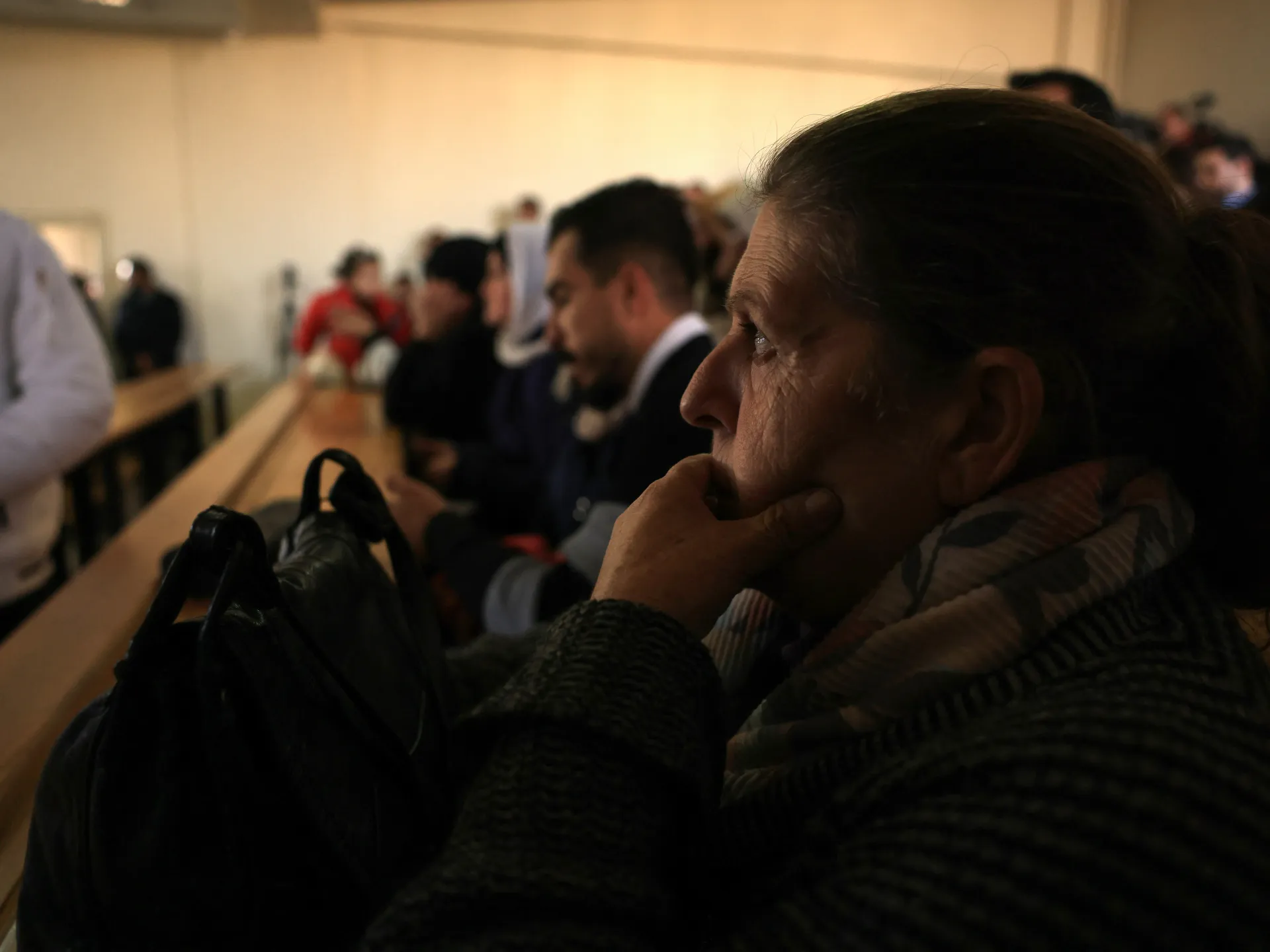
The story of Tice’s abduction serves as a stark reminder of the risks faced egimes will go to suppress information. Today, the families of both the victim and the perpetrator a hauntingly similar experience: they are left waiting for answers in the wake of a disappearance that has spanned over a decade. The investigation highlights the enduring pain of those left behind and the complex, often dark, realities of the Syrian conflict that continue to impact lives long after the fighting has subsided.