A federal judge has mandated a 30-day notice period for any major structural changes at the Kennedy Center following reports of potential demolition.
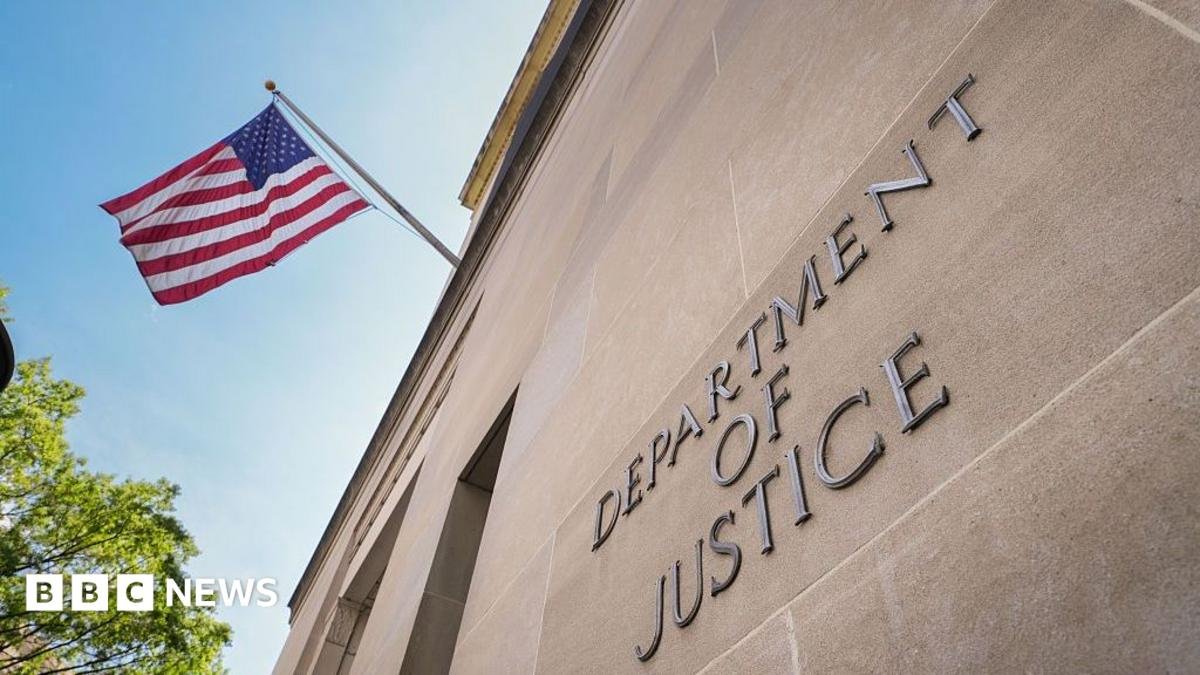
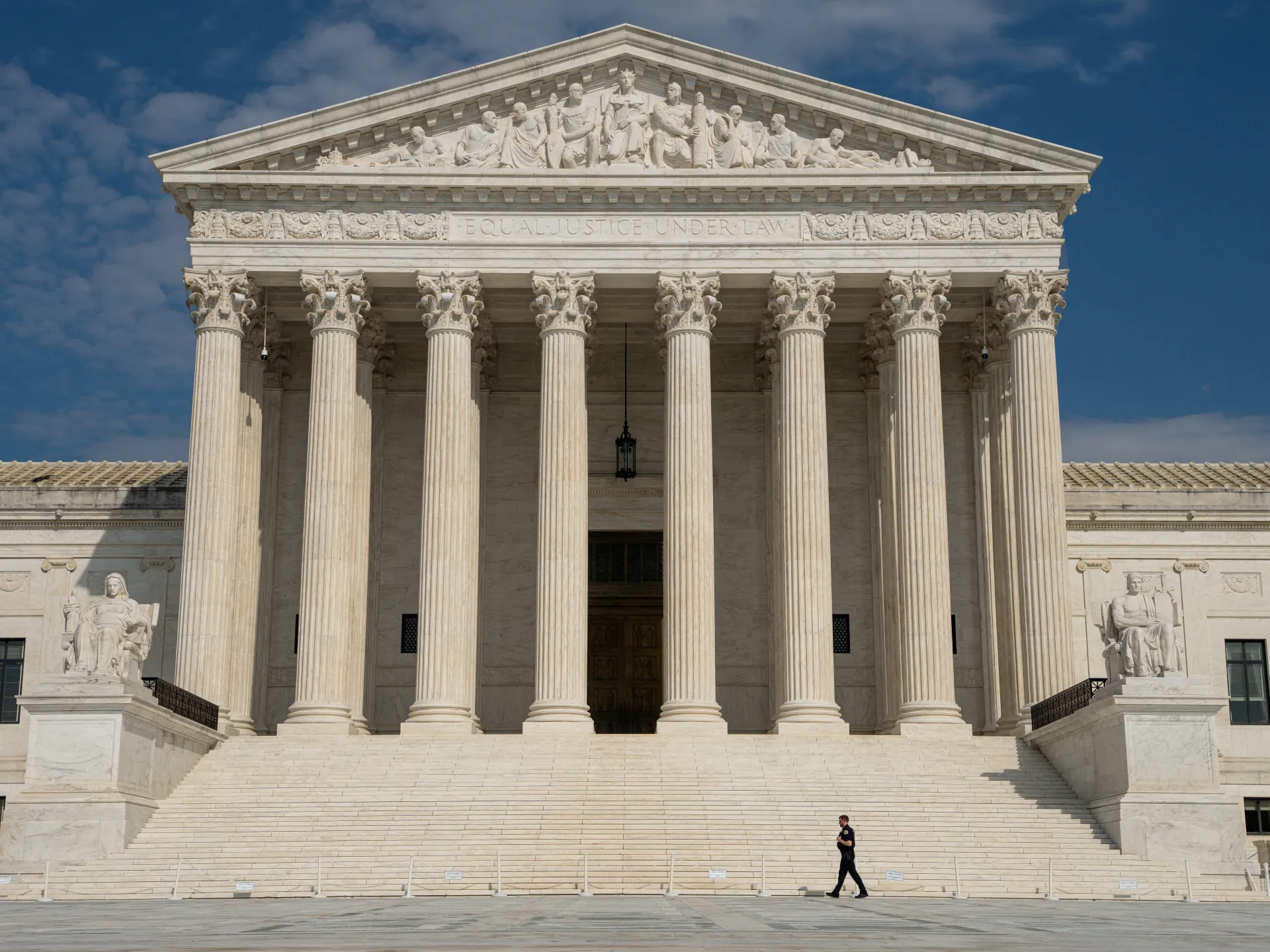
A federal court has intervened in the ongoing controversy surrounding the John F. Kennedy Center for the Performing Arts, establishing a strict procedural requirement for any physical alterations to the historic venue. United States District Judge Christopher Cooper issued a formal order requiring the institution to provide at least 30 days of advance notice before initiating any significant structural changes, specifically including demolition. This judicial mandate is intended to ensure transparency and prevent unilateral actions that could permanently alter the character or existence of the Washington, D.C. landmark.
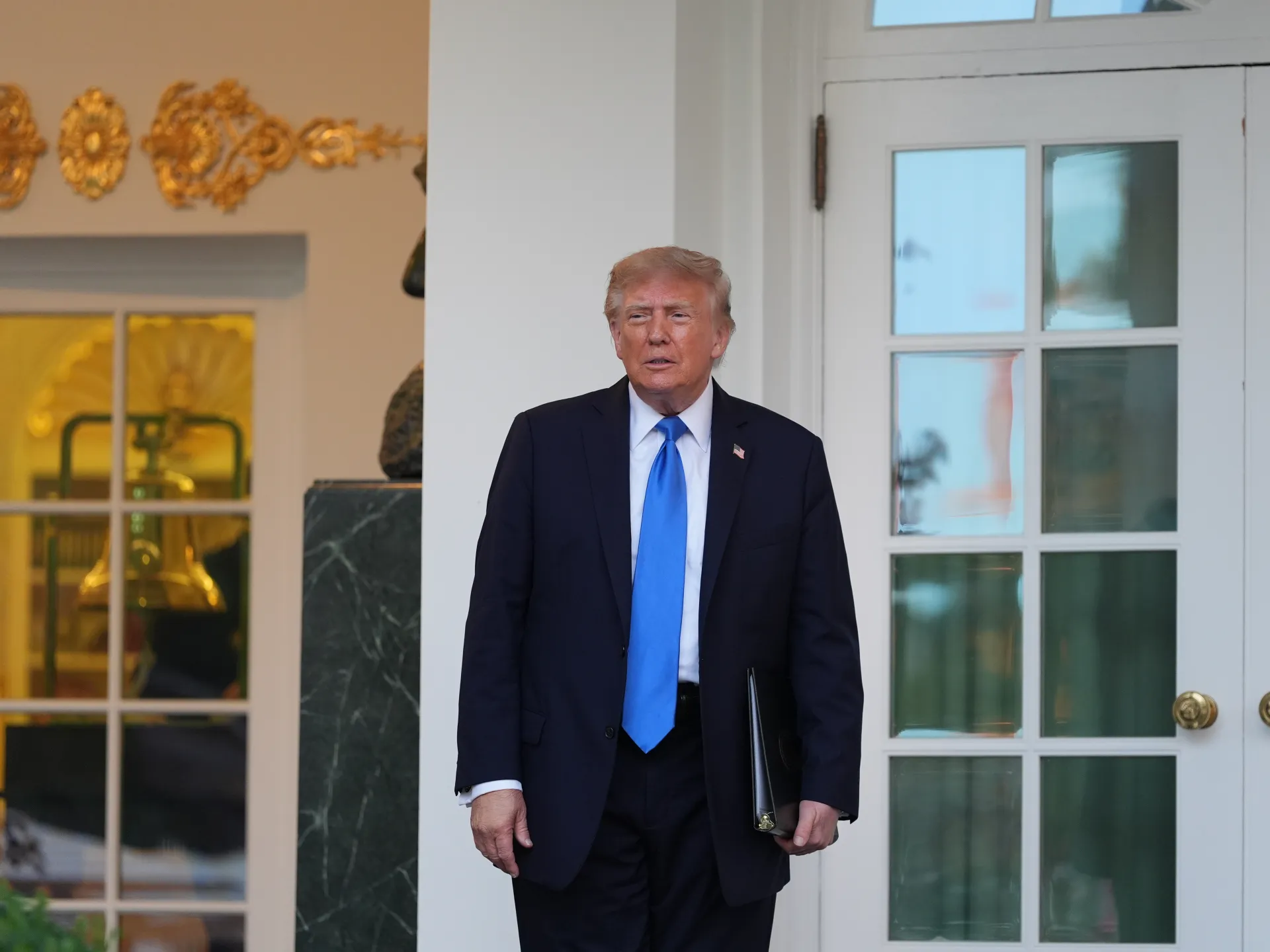
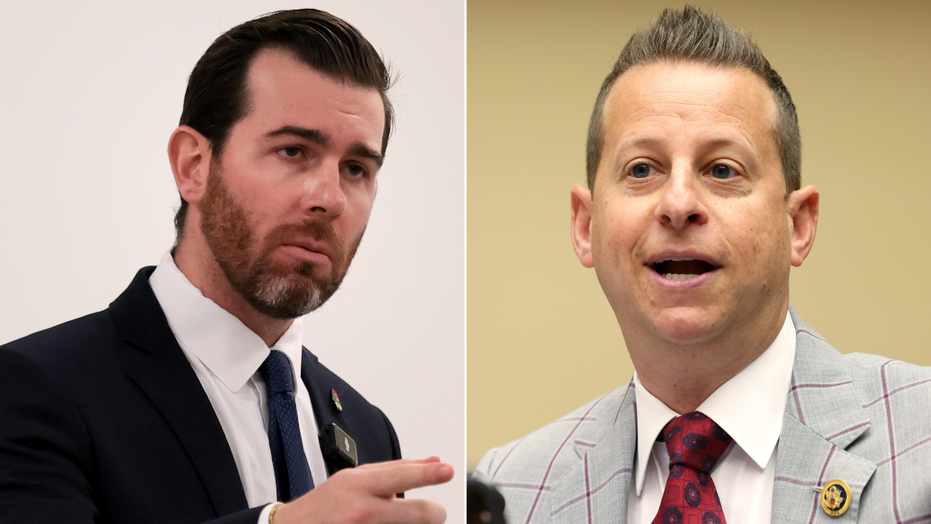
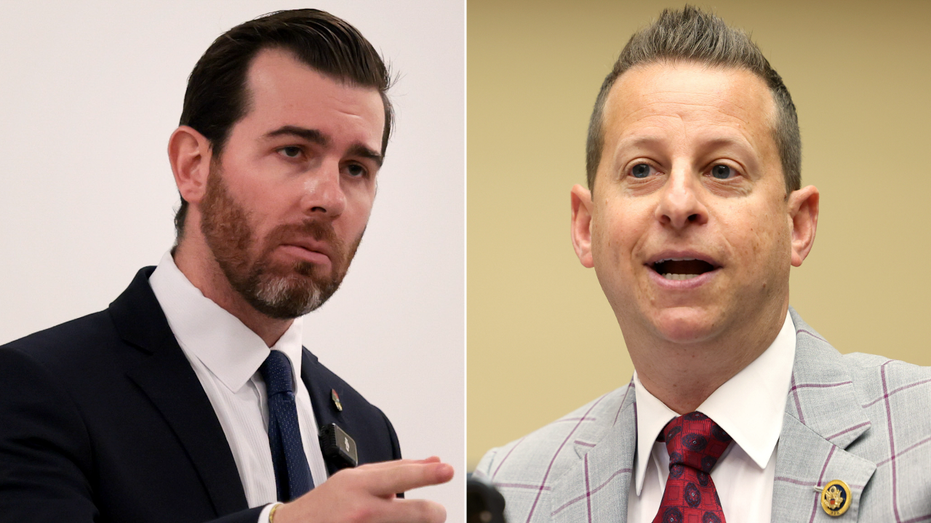
The court's decision follows a period of heightened tension regarding the future of the performing arts center. While Judge Cooper declined to hold an emergency hearing on the matter, the imposition of the 30-day notice period serves as a critical safeguard. The ruling originated from a legal challenge initiated board and has been a vocal opponent of recent attempts to drastically overhaul or dismantle the facility.
The legal friction is further complicated ttempts to rename the Kennedy Center or affix the Trump name to the structure without obtaining the necessary congressional approval. This latest order reinforces the court's role in overseeing institutional changes that could have far-reaching implications for a site designated as a living memorial.
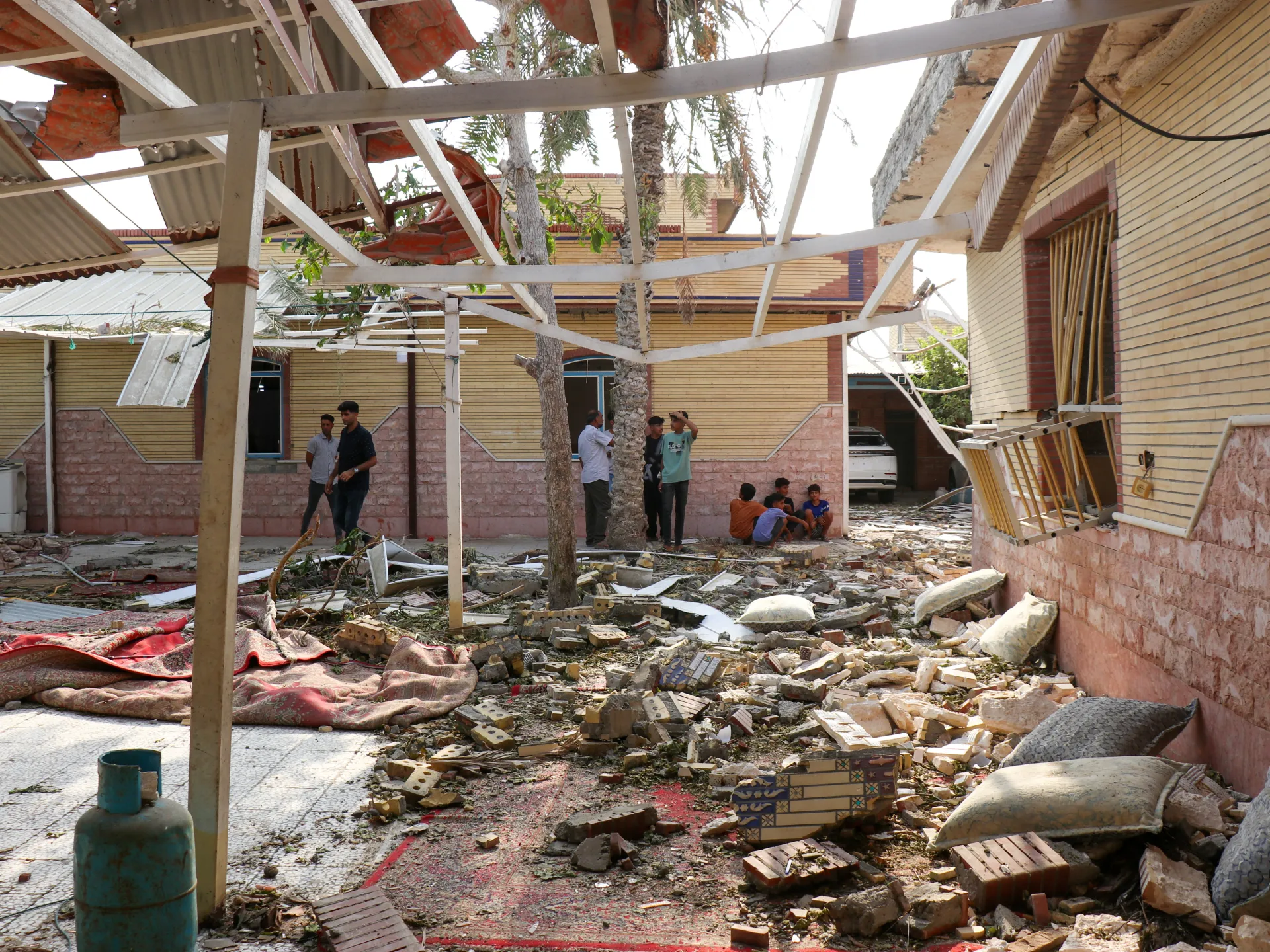
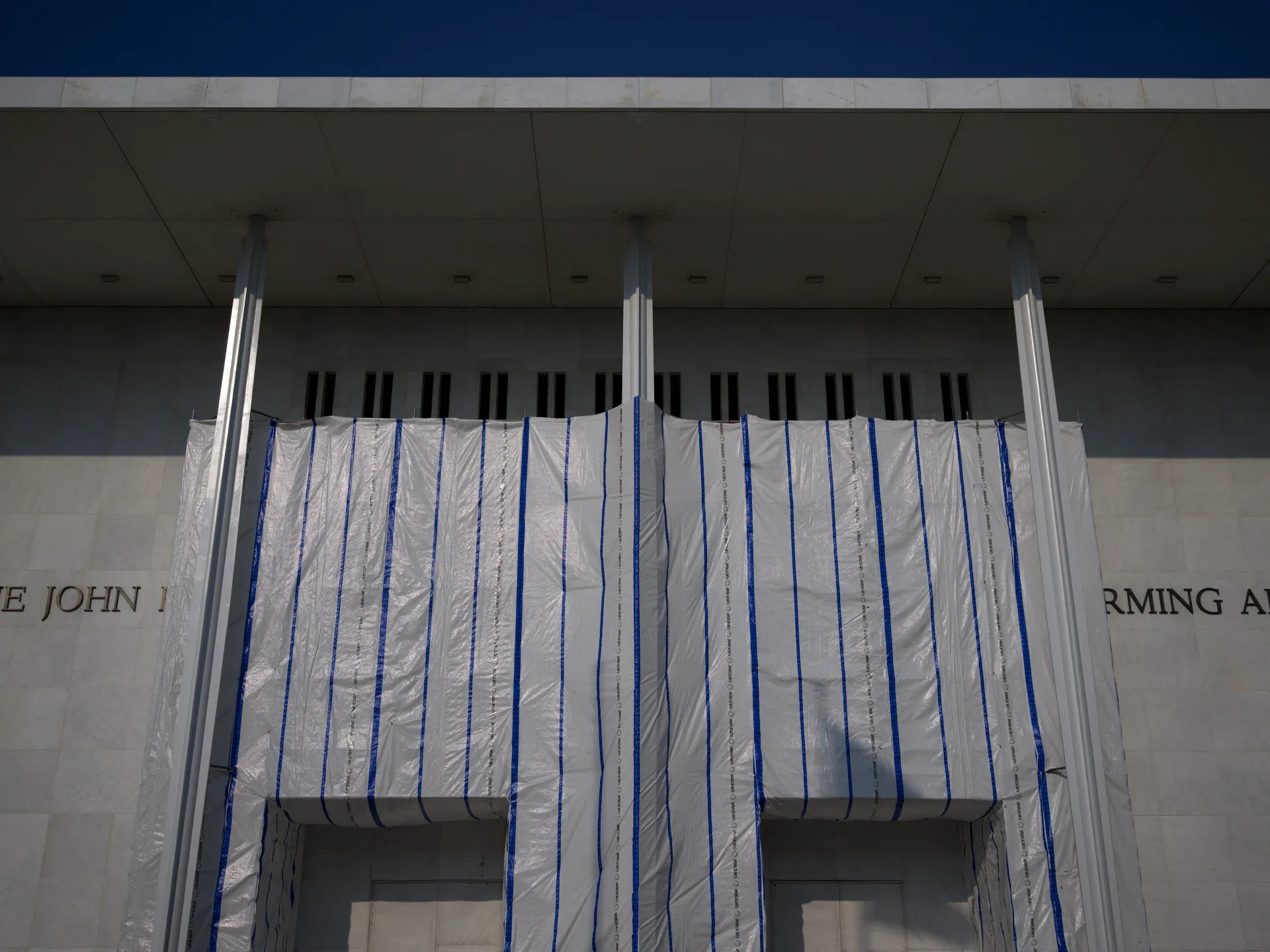
The current dispute stems from a sudden decision to shutter the Kennedy Center for a minimum of seven days to address what leadership describes as urgent structural issues. Executive Director Matt Floca stated that the facility faces significant risks to public safety, pointing specifically to a recent partial ceiling collapse and ongoing concerns regarding the integrity of the building’s roof terrace canopy. These findings were used to justify an immediate pause in operations.
The decision to close the center followed a board vote advocating for an extended period of renovation. The current board, which aligns with the administration’s perspective, maintains that the facility—which first opened its doors in 1971—has fallen into a state of severe disrepair that necessitates a comprehensive and potentially radical transformation. Critics, however, view the sudden closure as a pretext for deeper changes that may not be strictly related to maintenance.
The debate over the building’s condition has highlighted the aging infrastructure of the venue. While the center has long been a centerpiece of American culture, the technical requirements of maintaining such a massive facility have become a point of contention. The board asserts that the current state of the building is untenable, while opposing voices remain skeptical of the proposed remedies and the long-term intent behind the board's aggressive renovation agenda.
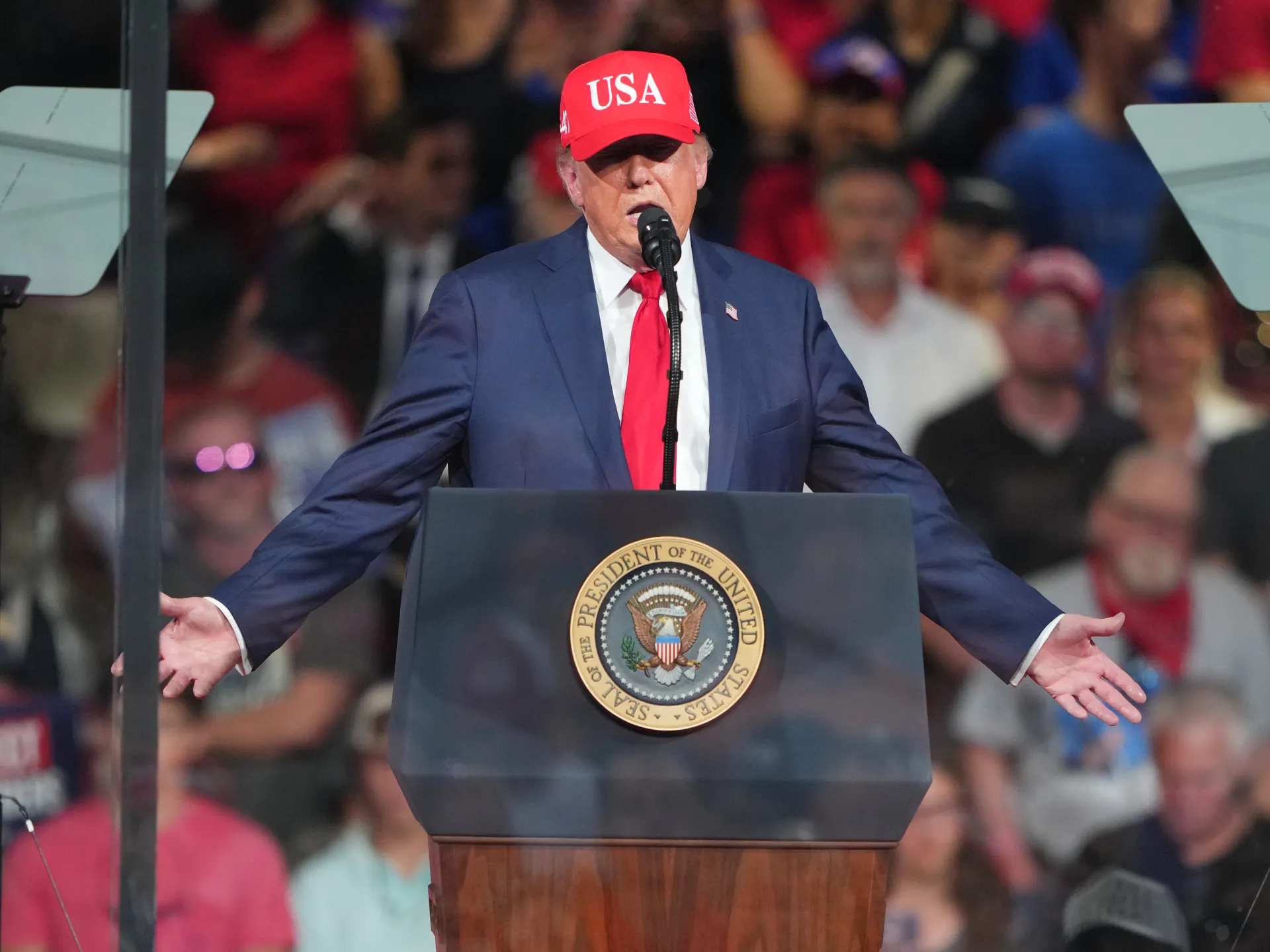
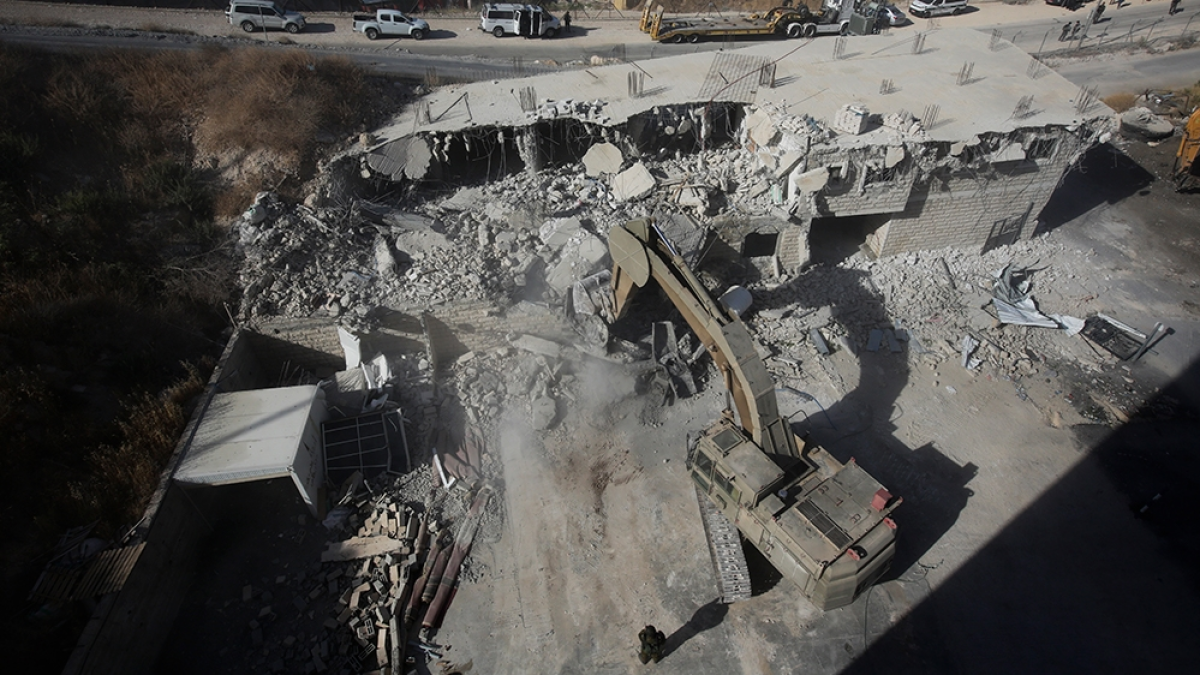
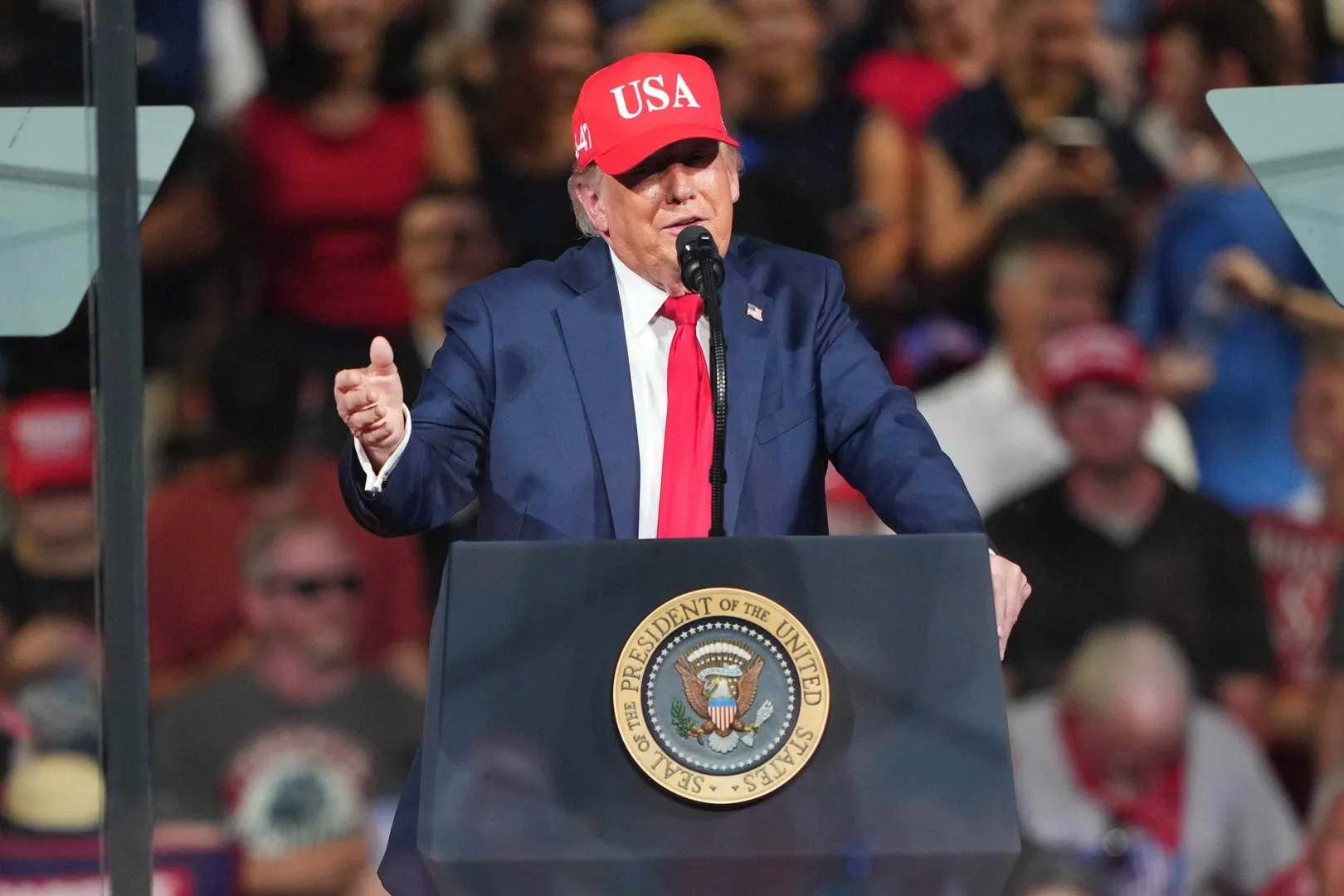
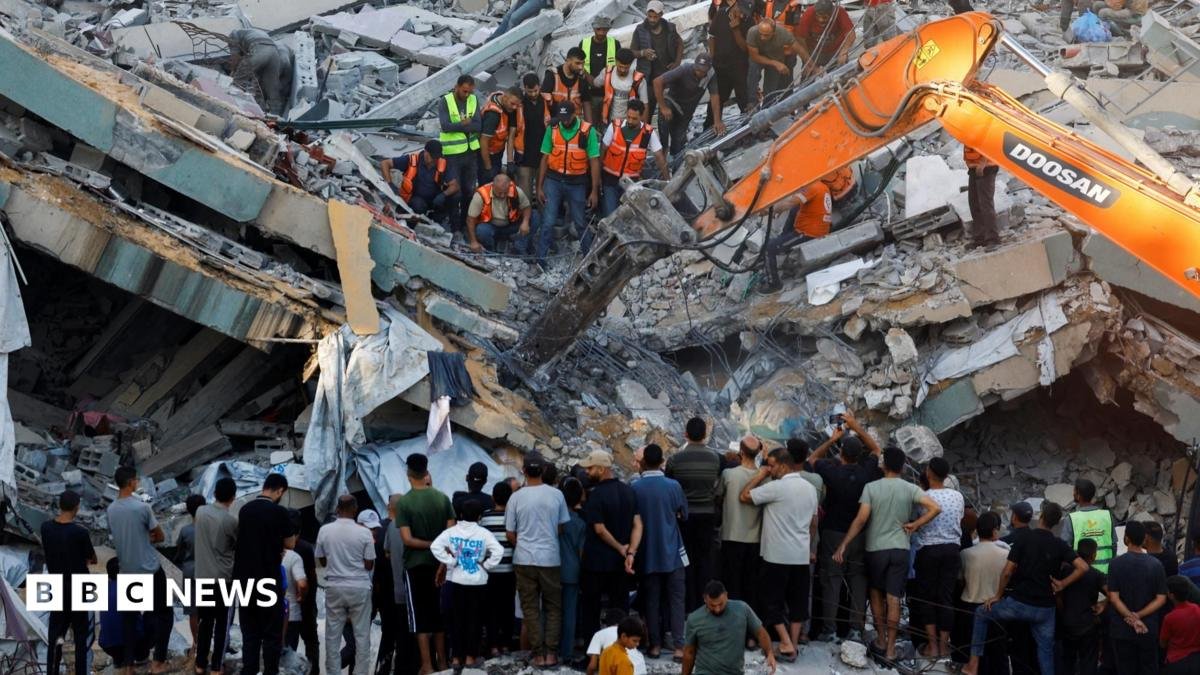
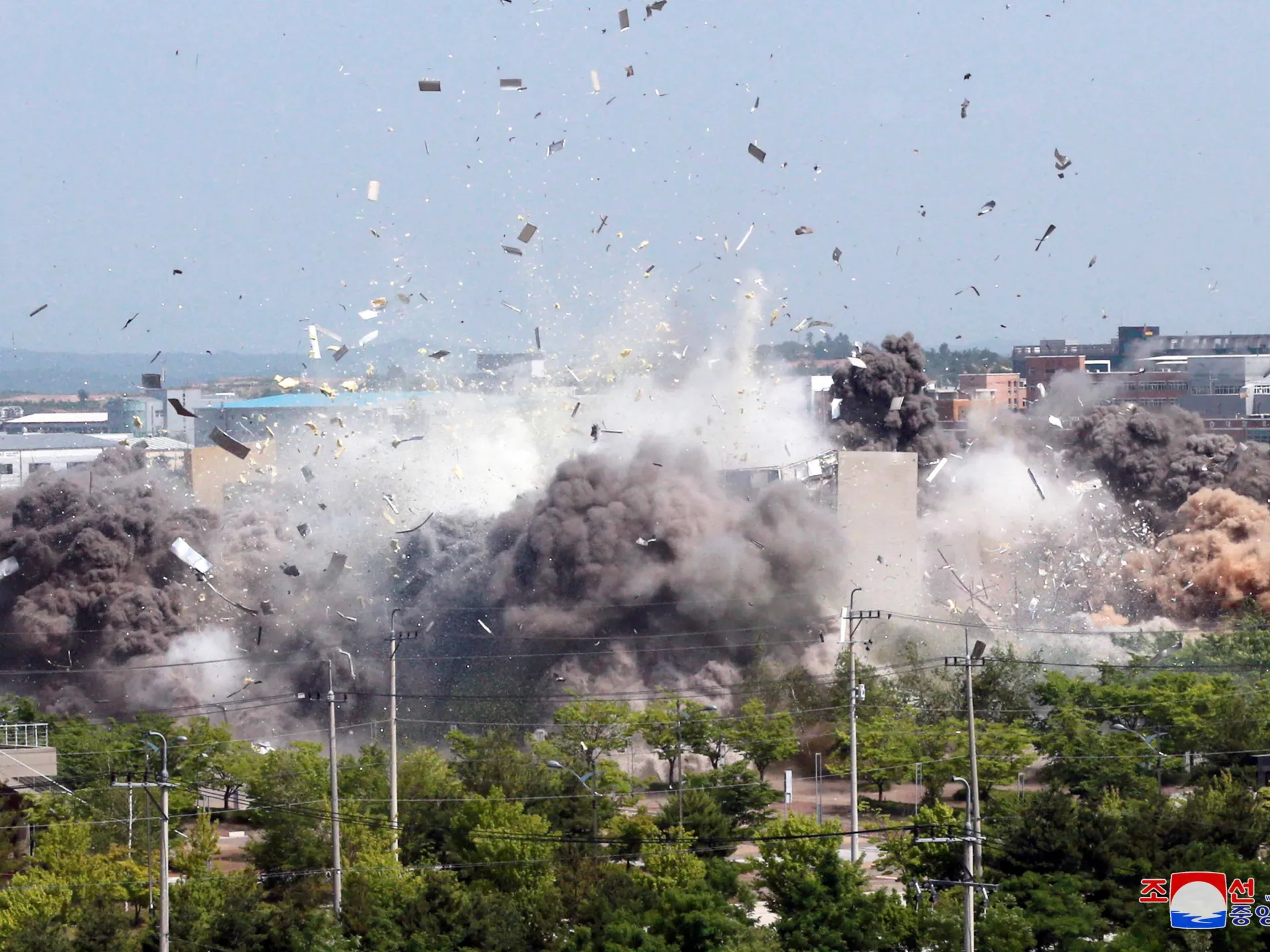
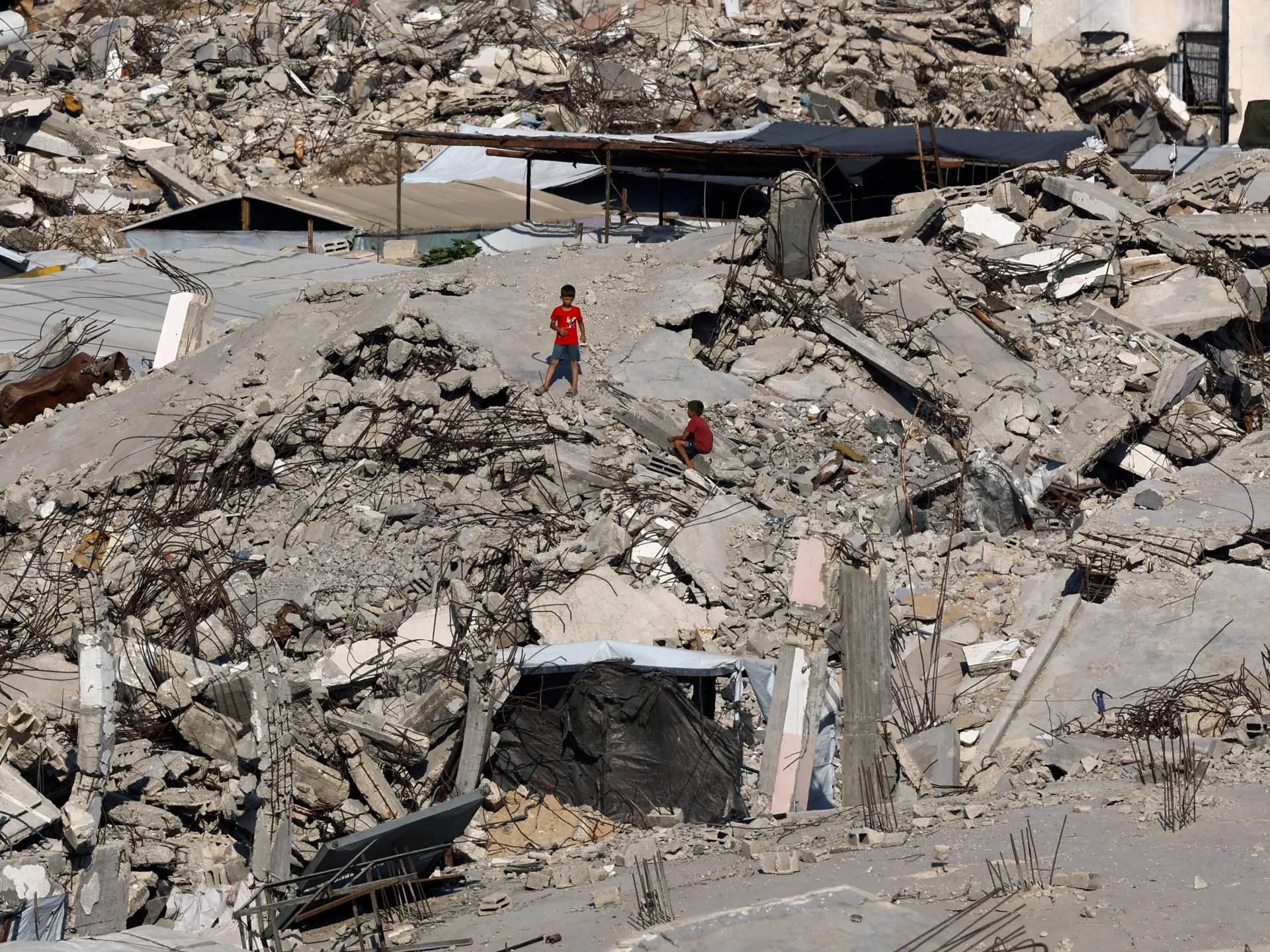
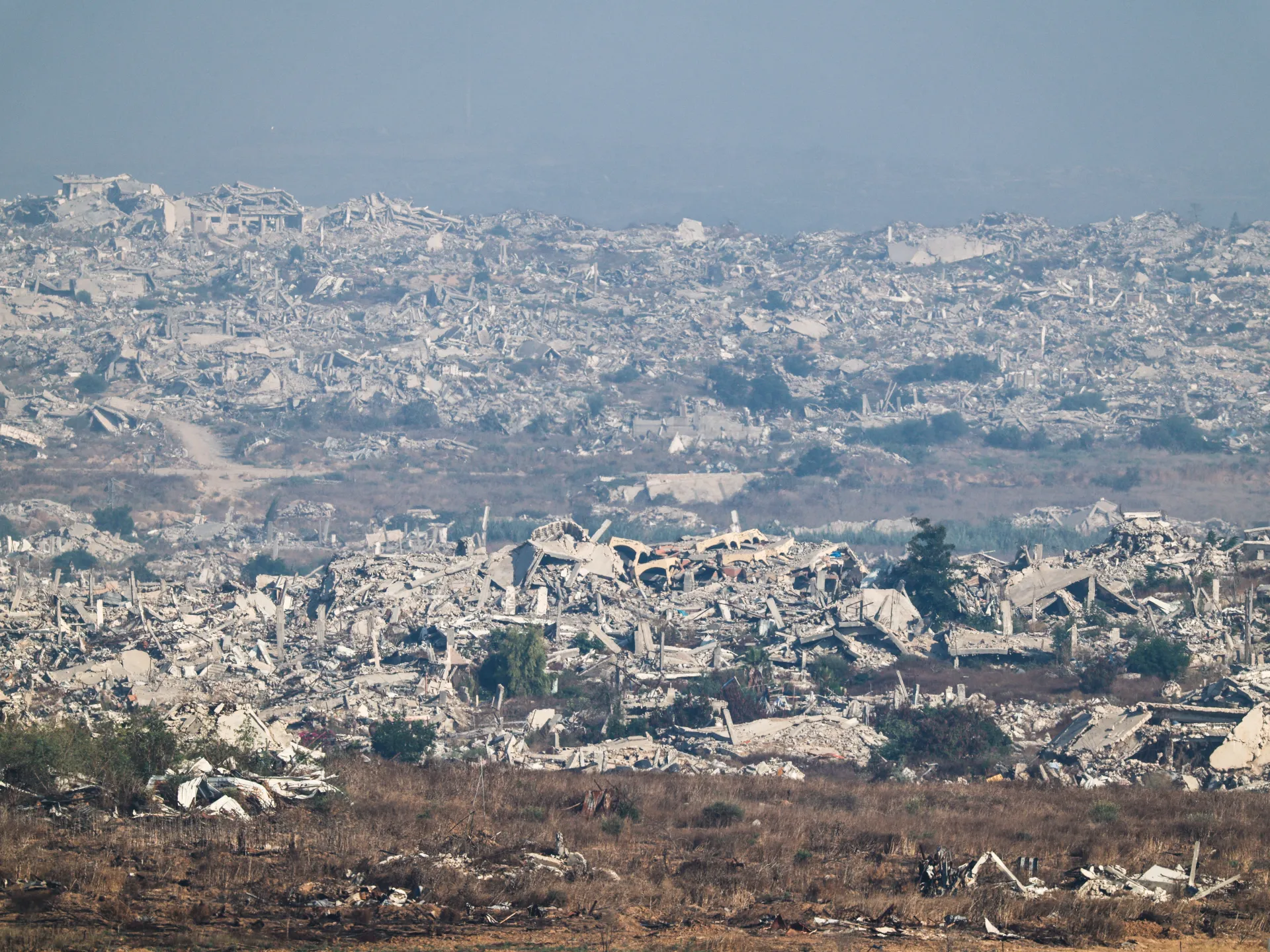
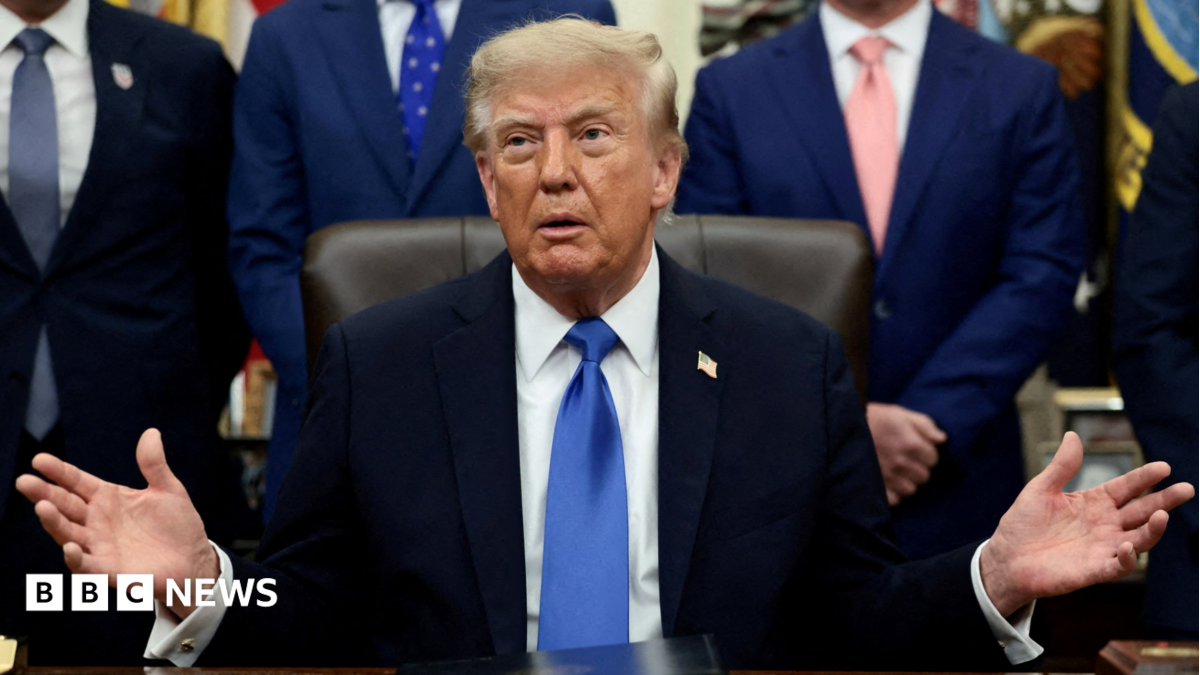
The situation escalated significantly following comments made were not for the current administration’s intervention. These remarks were punctuated Air Force One that appeared to depict the total demolition of the Kennedy Center, complete with imagery of heavy machinery clearing debris. The visual impact of this image fueled intense public discourse and was formally introduced into the court record
For many observers, the rhetoric surrounding the potential demolition of the site has transformed a maintenance issue into a high-stakes political battle. Supporters of the current board argue that they are simply addressing the practical realities of a decaying structure, while others worry that the rhetoric signifies an effort to dismantle a cultural institution that has stood for over half a century. The use of inflammatory language regarding the building's future has prompted calls for greater oversight from legislative and judicial bodies.
As the 30-day notice period takes effect, the focus remains on the balance between necessary infrastructure repairs and the preservation of the Kennedy Center as a protected national landmark. The court’s intervention provides a cooling-off period, ensuring that any actions taken r this period of reflection will lead to a cooperative path forward or further litigation remains a subject of intense speculation in the nation's capital.