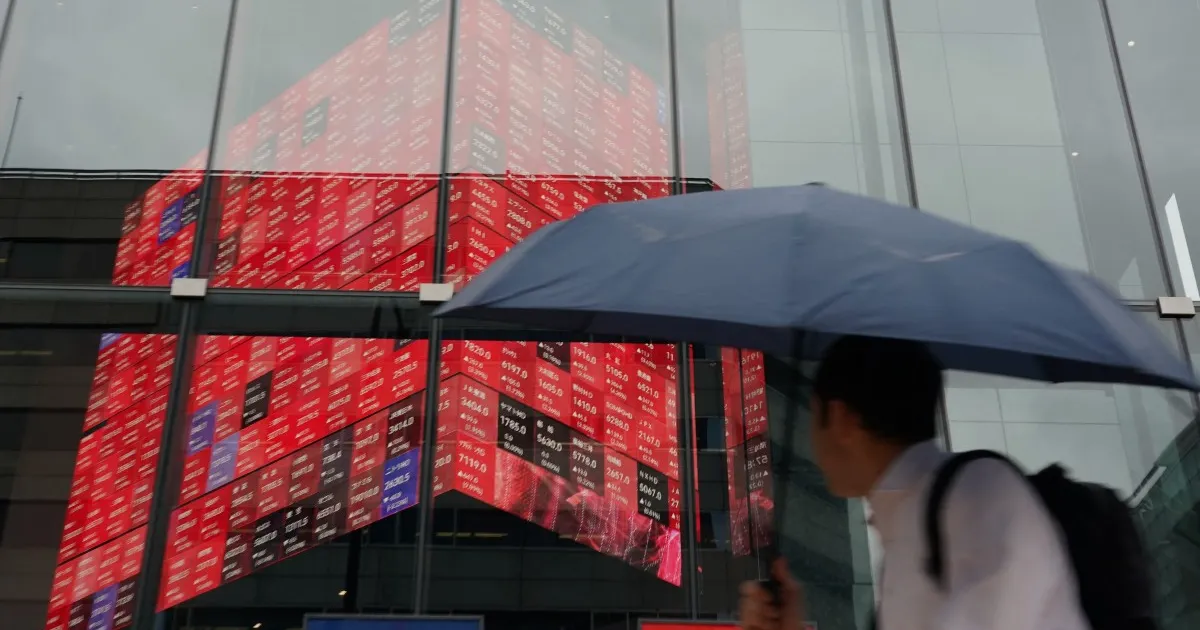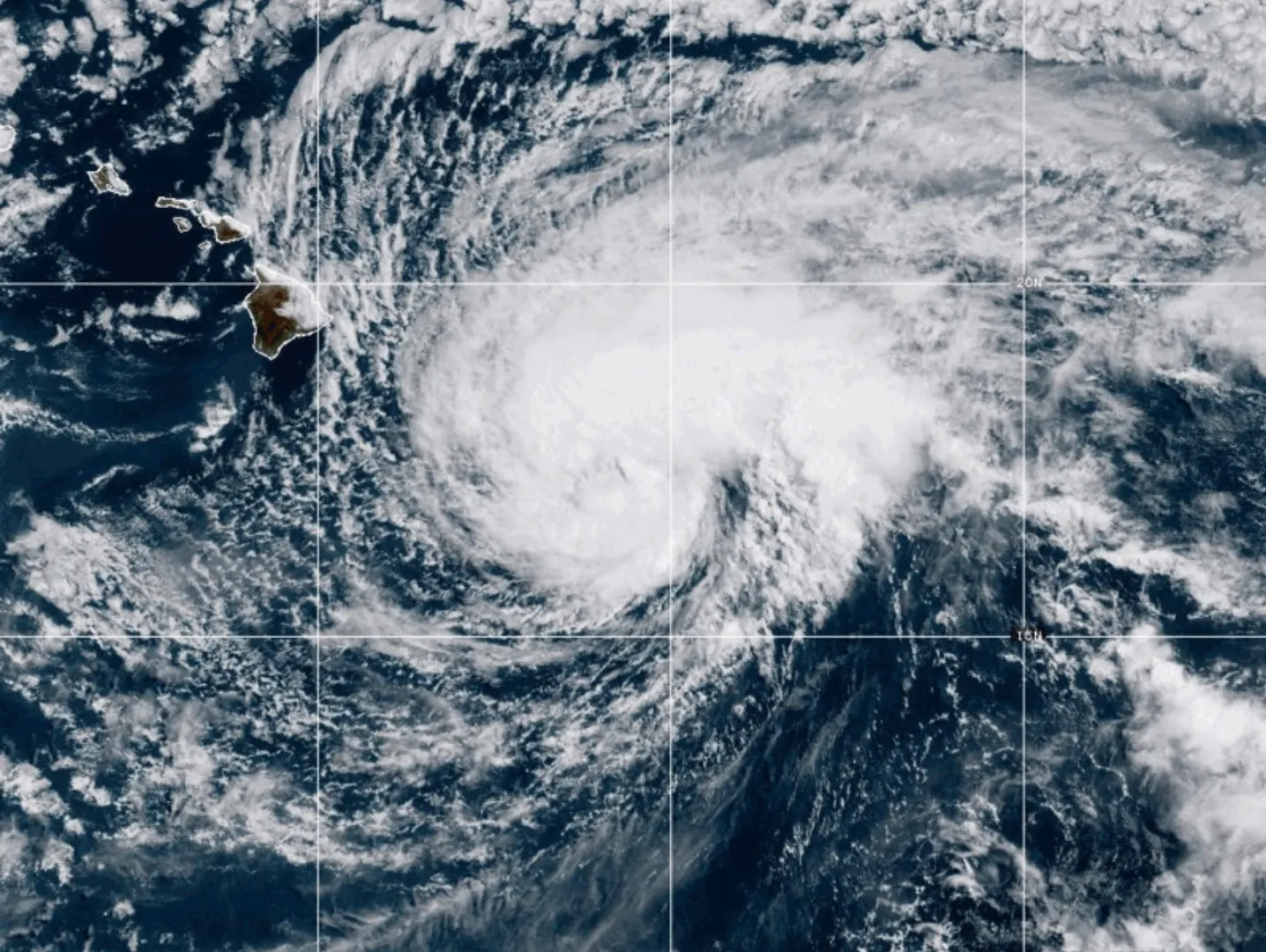
As a record-breaking heat dome grips the U.S., Canada seeks closer ties with the EU amid trade tensions, and Indonesia expands its naval reach.
The convergence of extreme meteorological events and shifting geopolitical alignments in September 2026 underscores a period of profound instability. While the United States grapples with the physical toll of climate-driven weather patterns, its neighbors and global partners are reconfiguring their diplomatic and defense architectures. The emergence of a potential Canadian associate membership with the European Union, coupled with Indonesia’s expansion of its naval power, indicates that nations are increasingly prioritizing regional resilience and strategic autonomy in response to both environmental volatility and the weaponization of international trade.
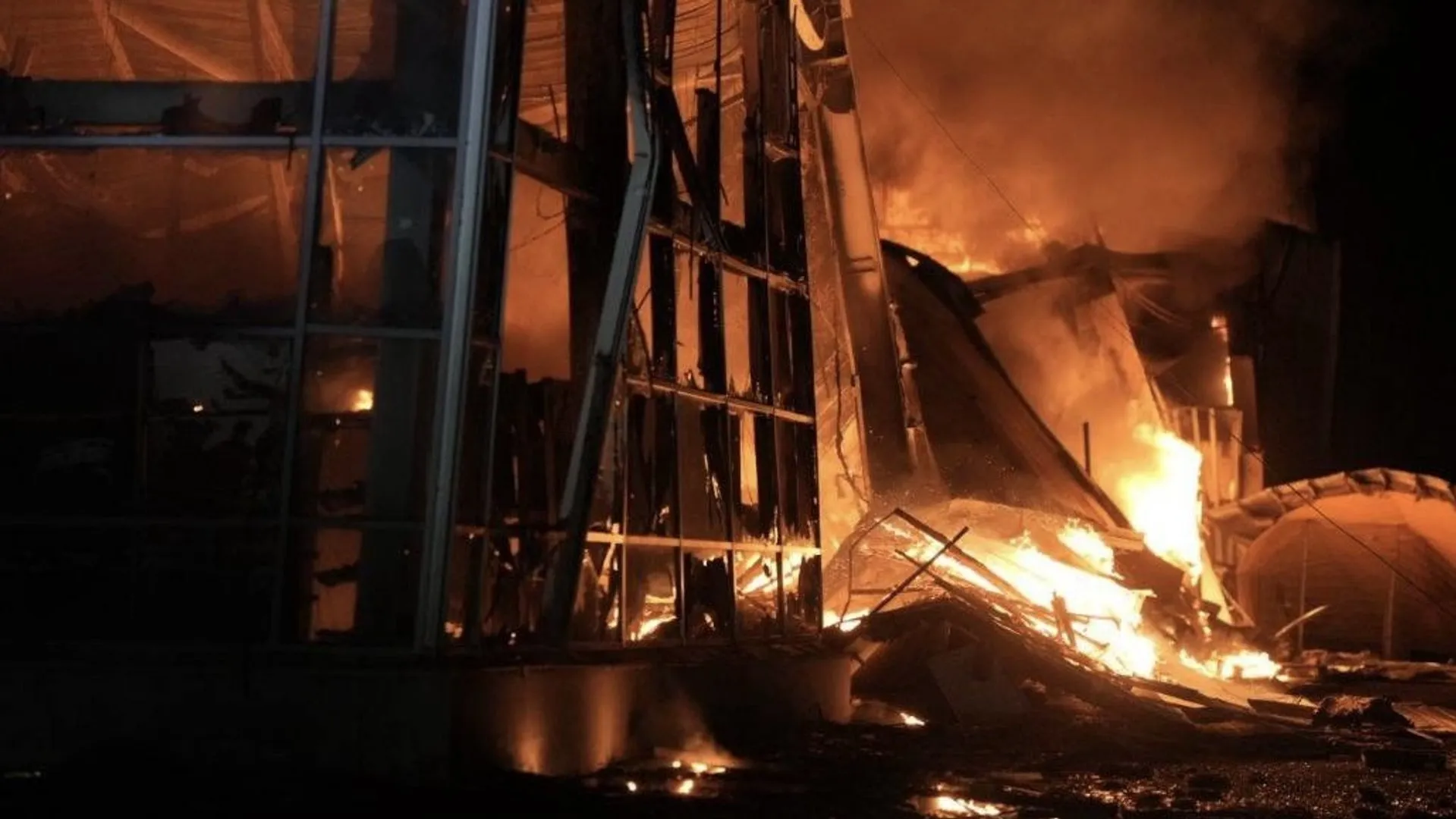
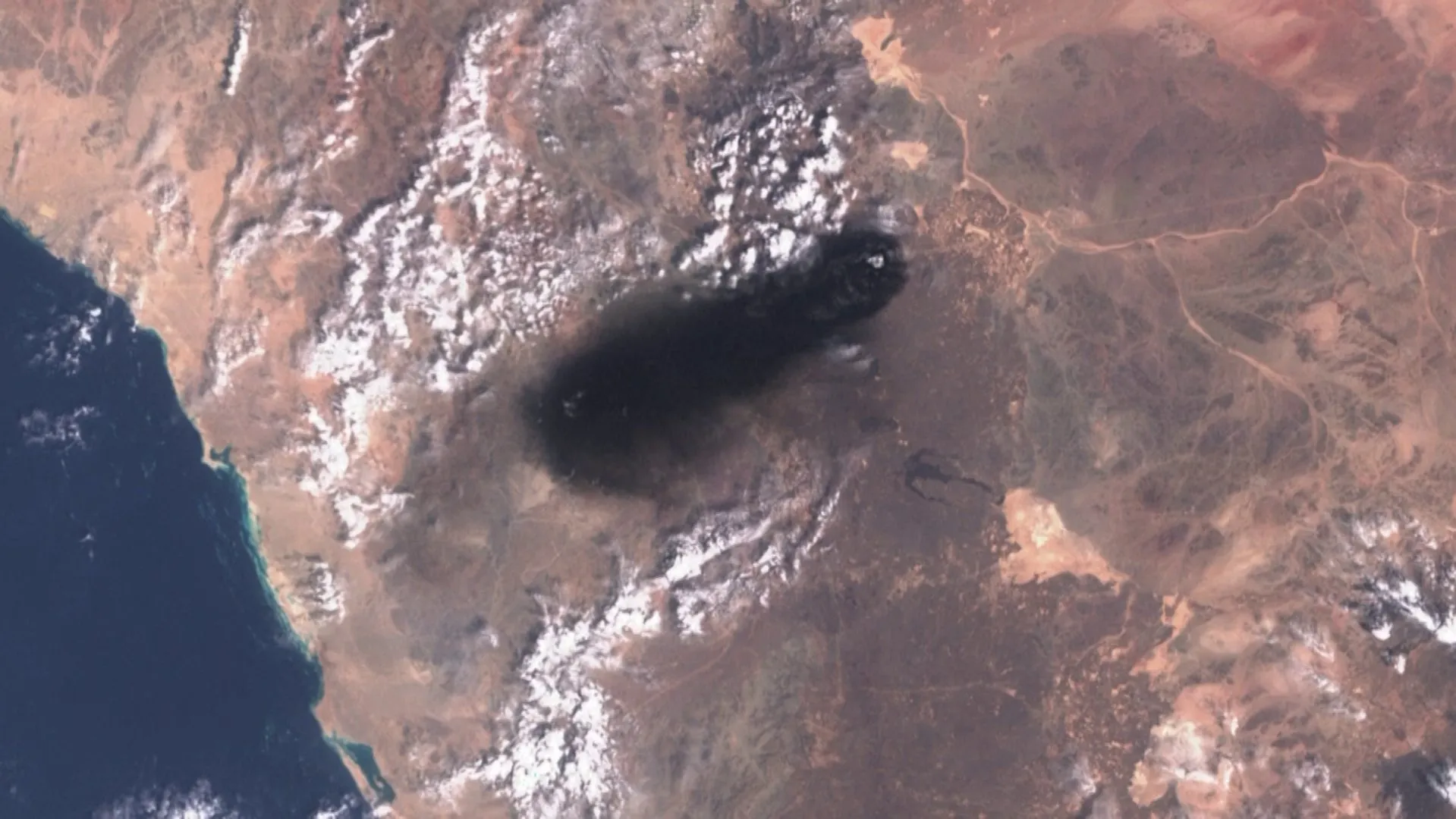
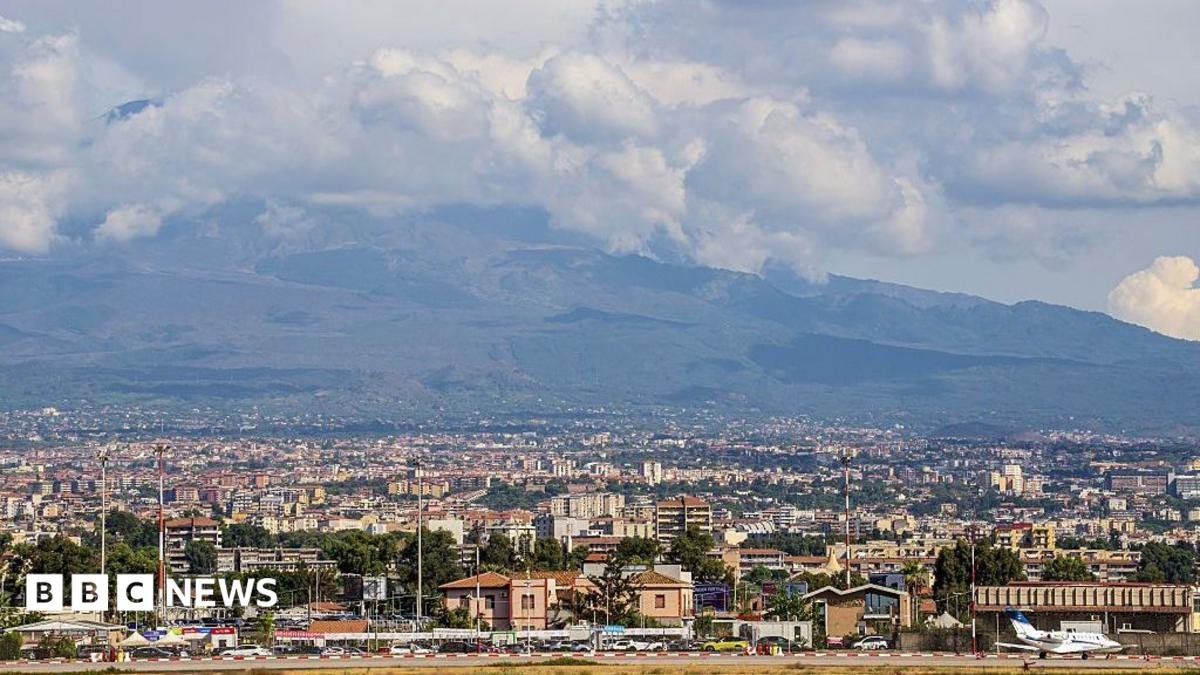
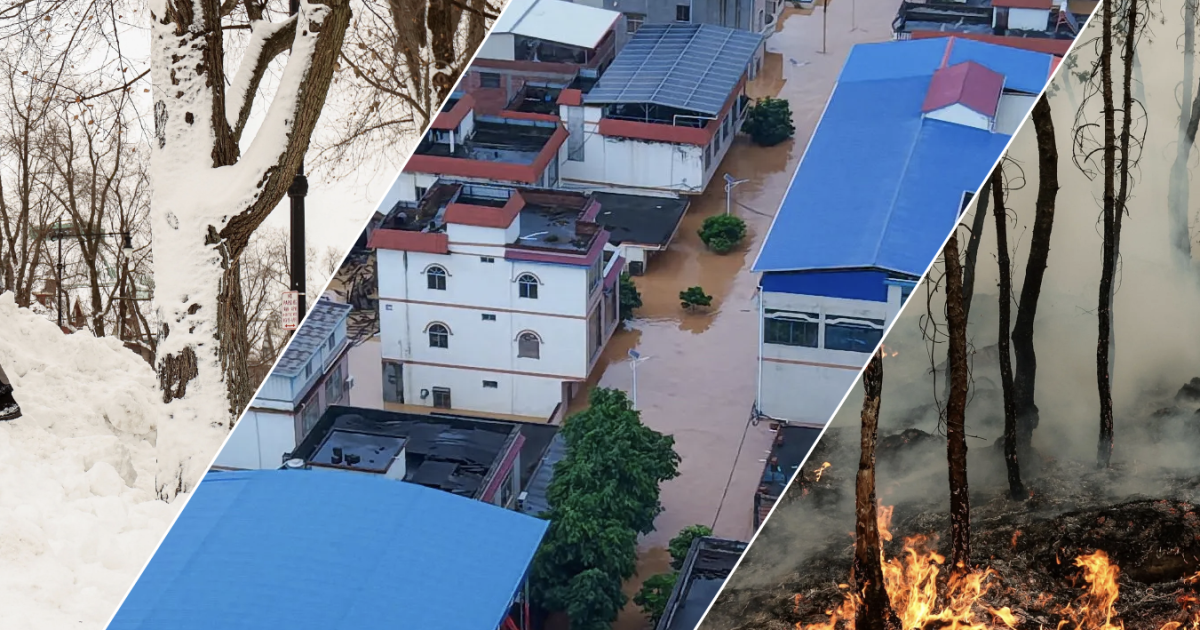
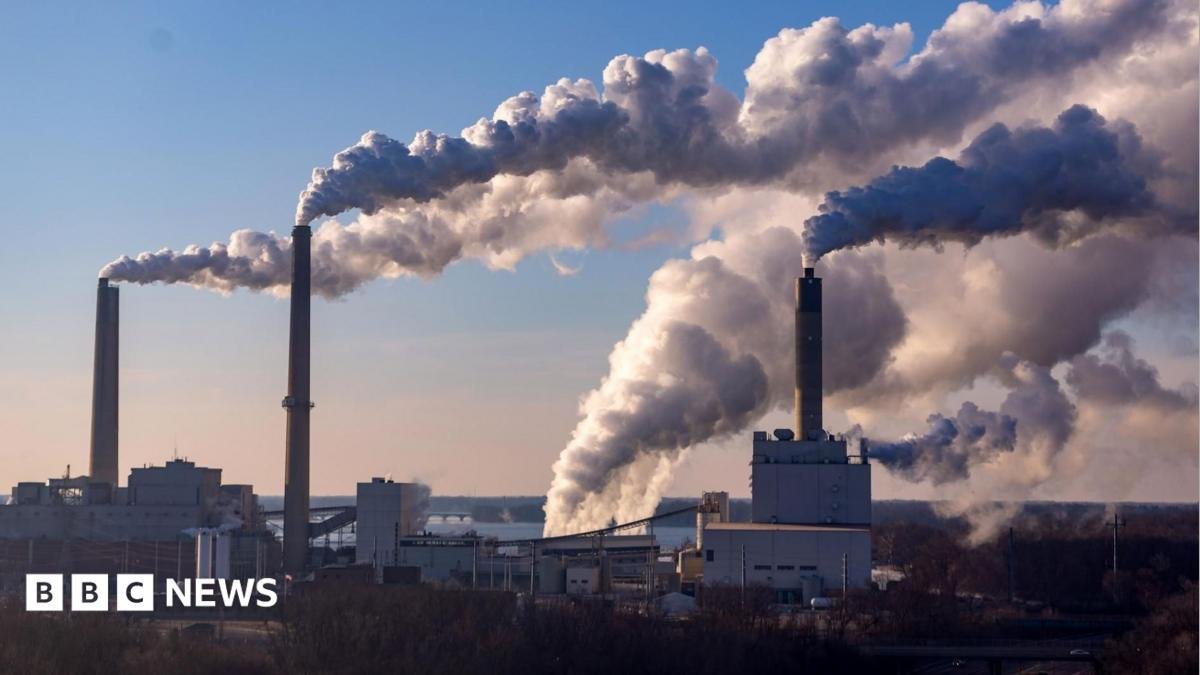
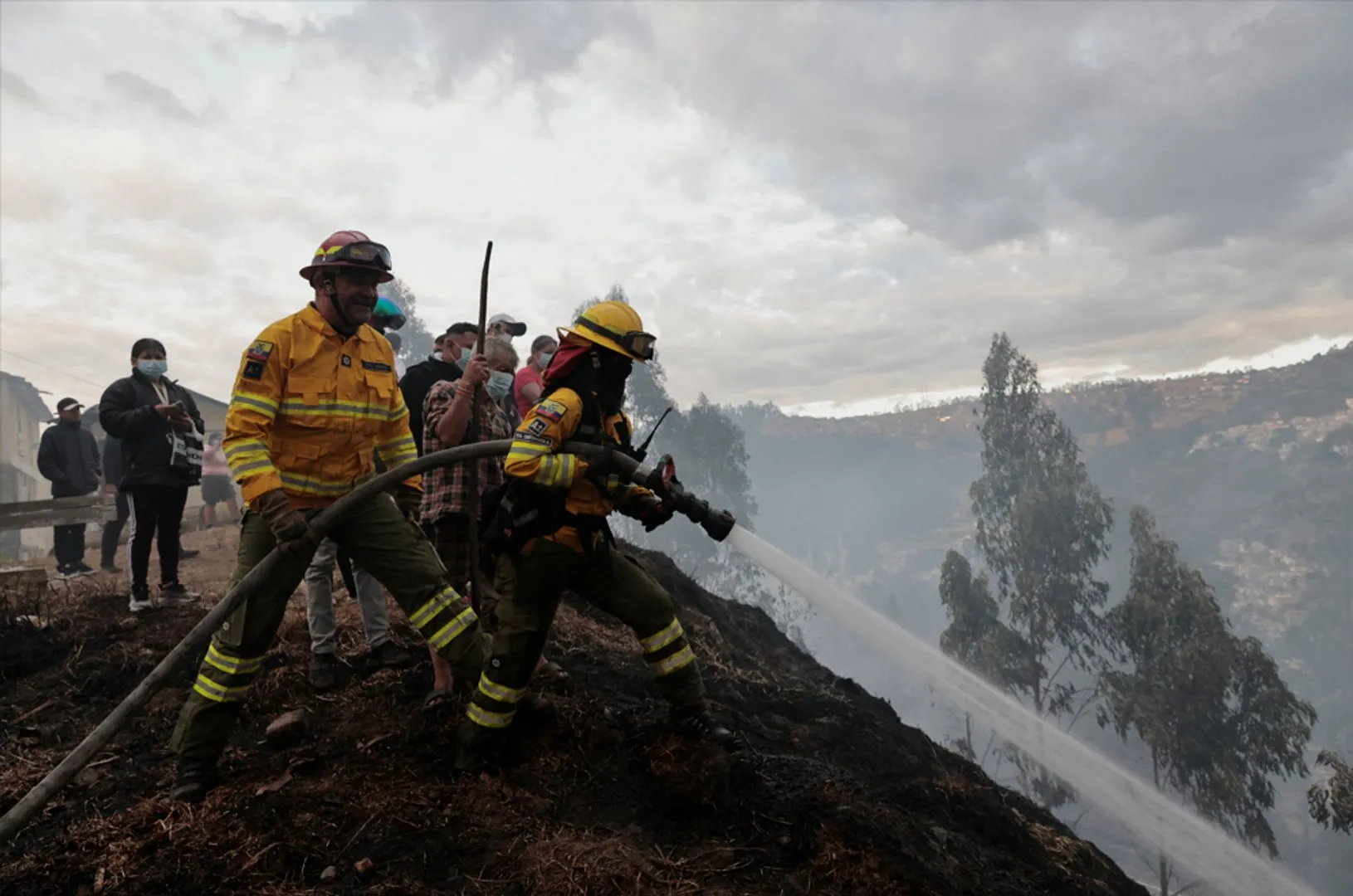
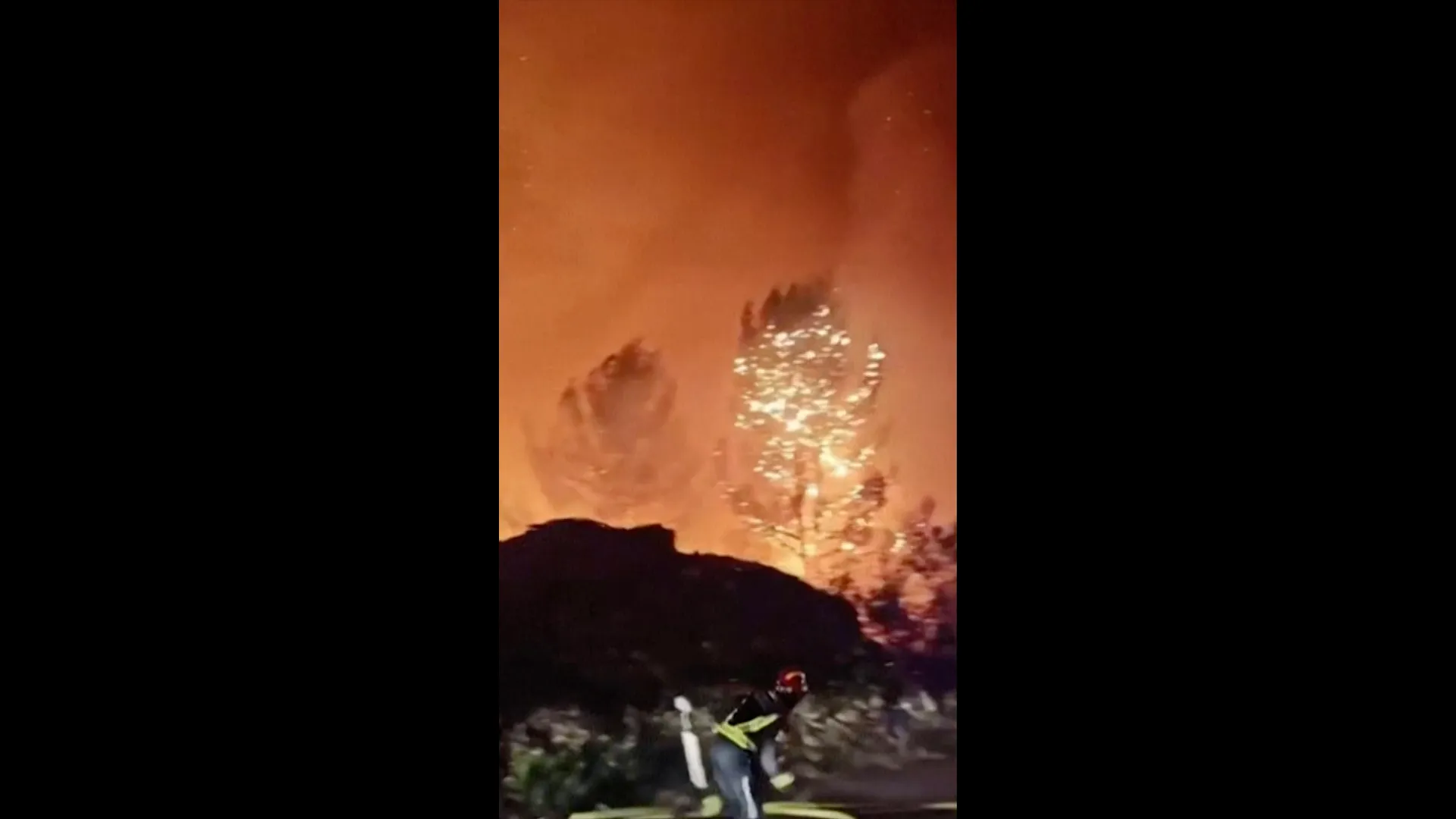
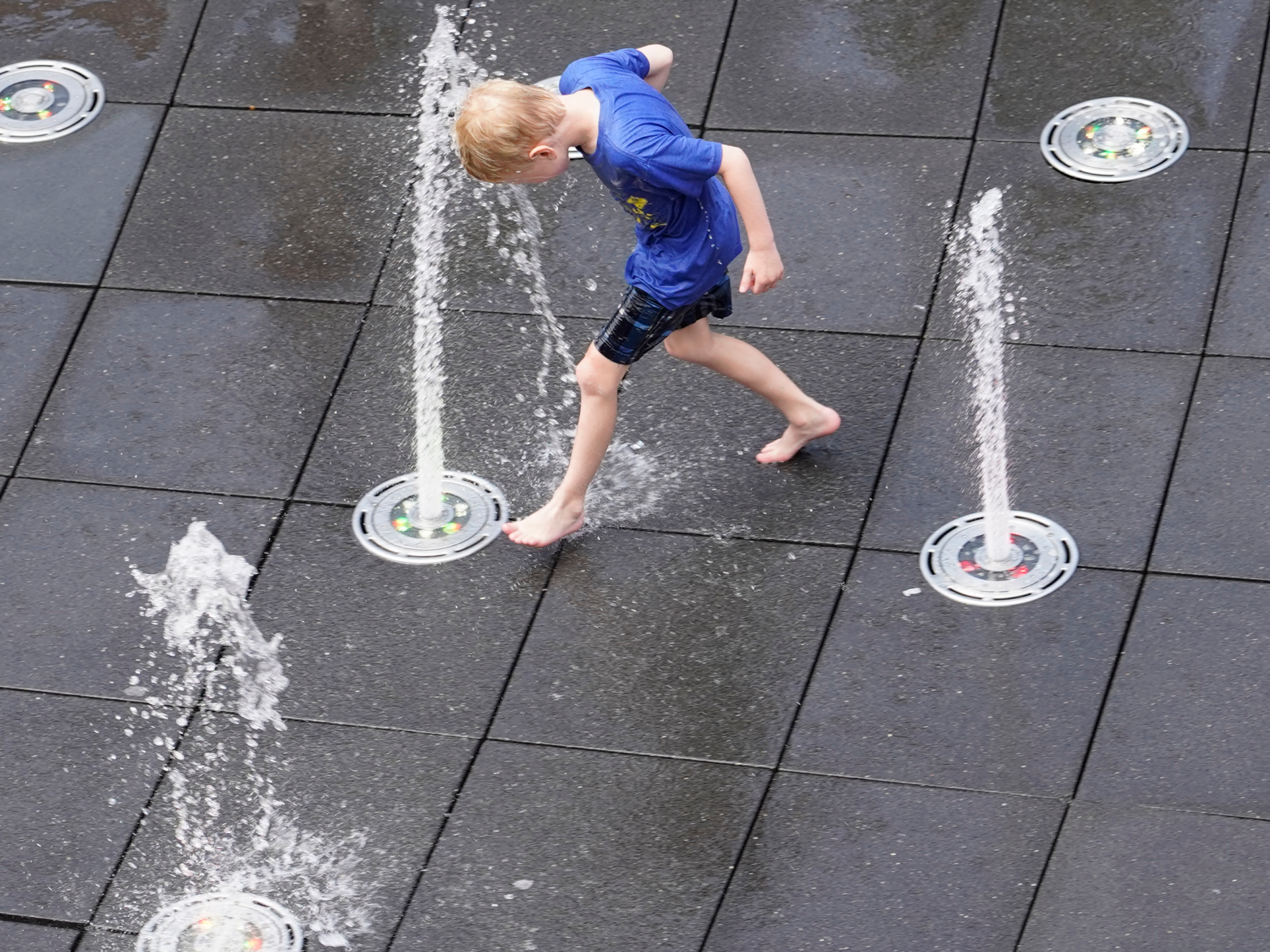
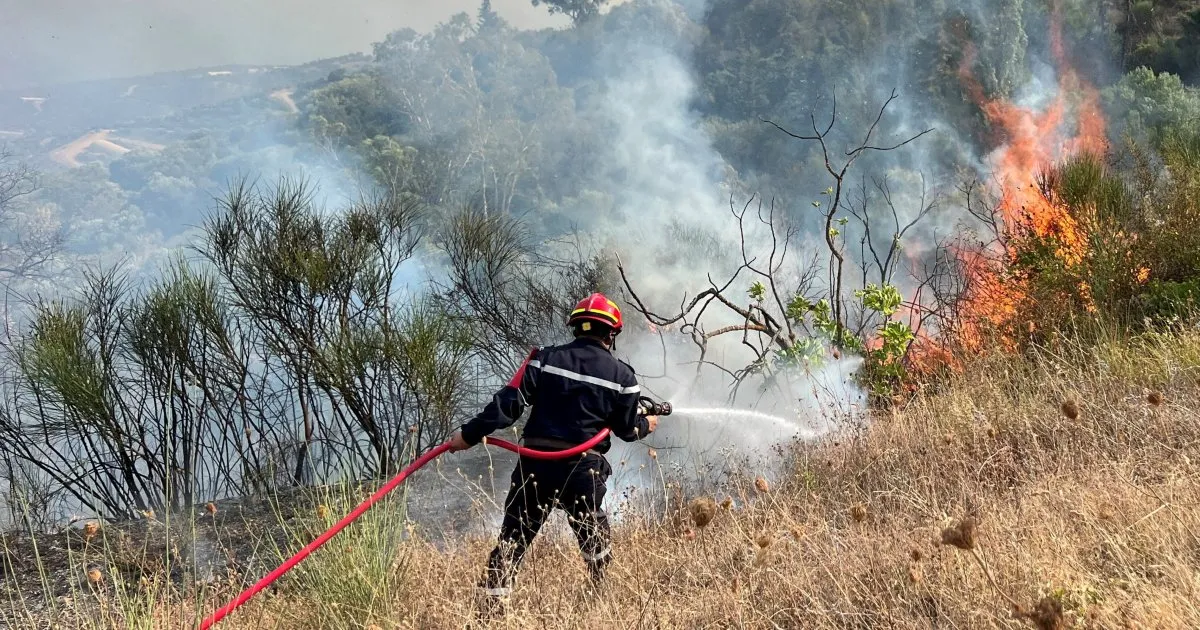
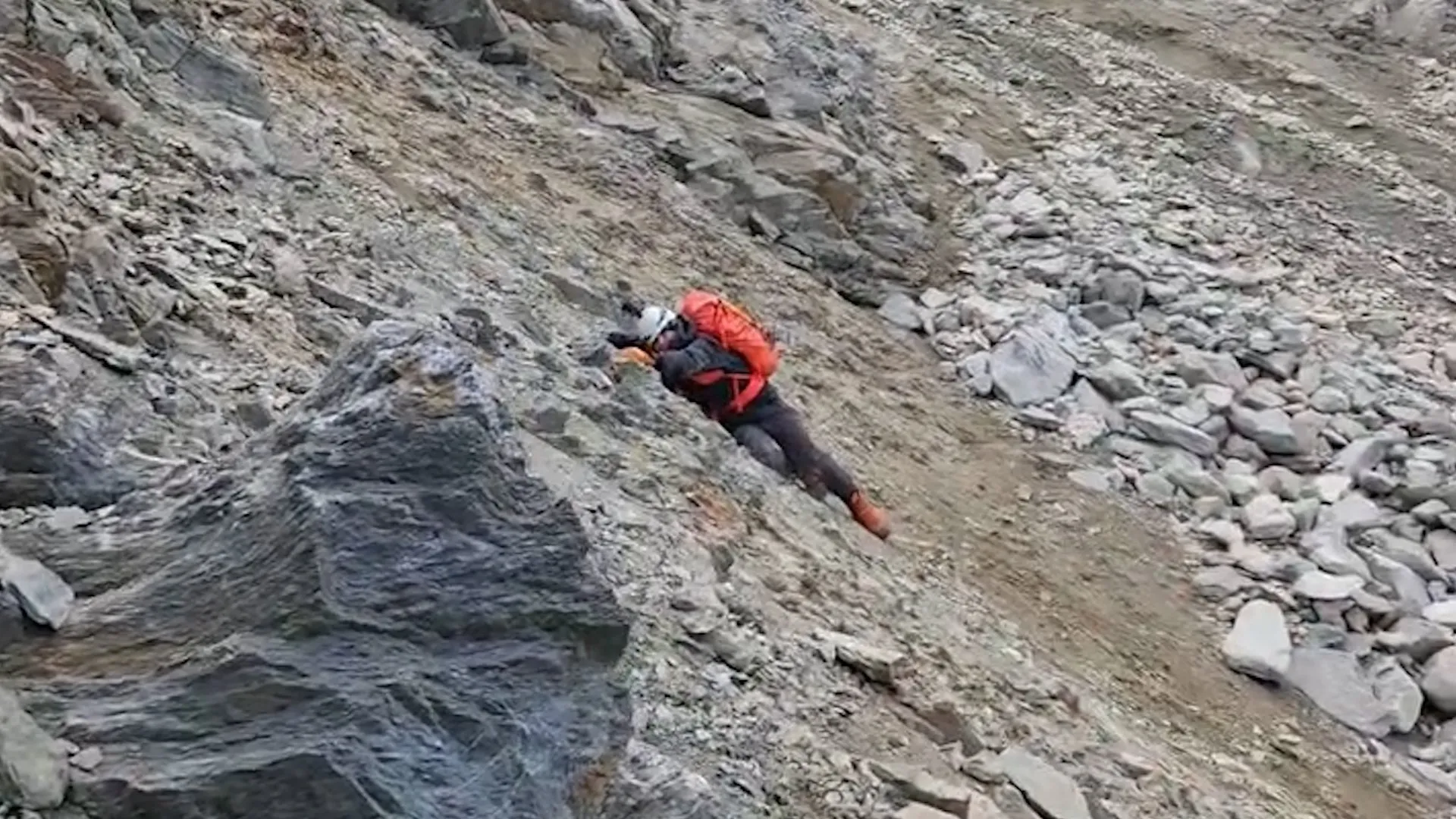
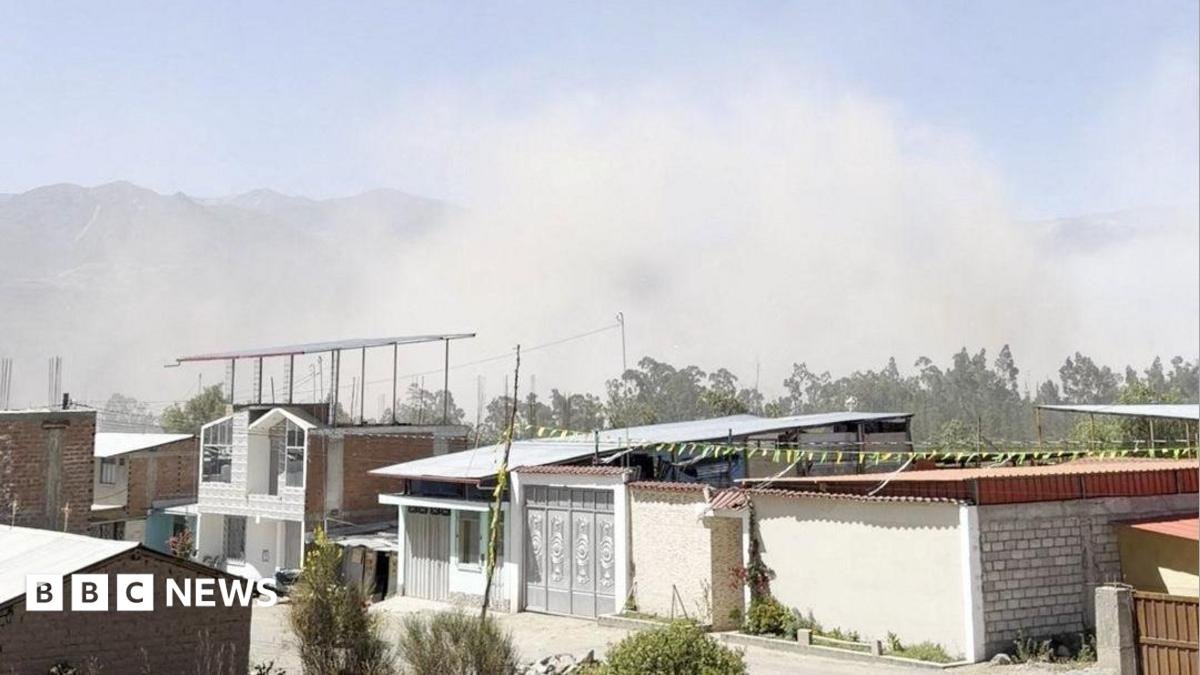
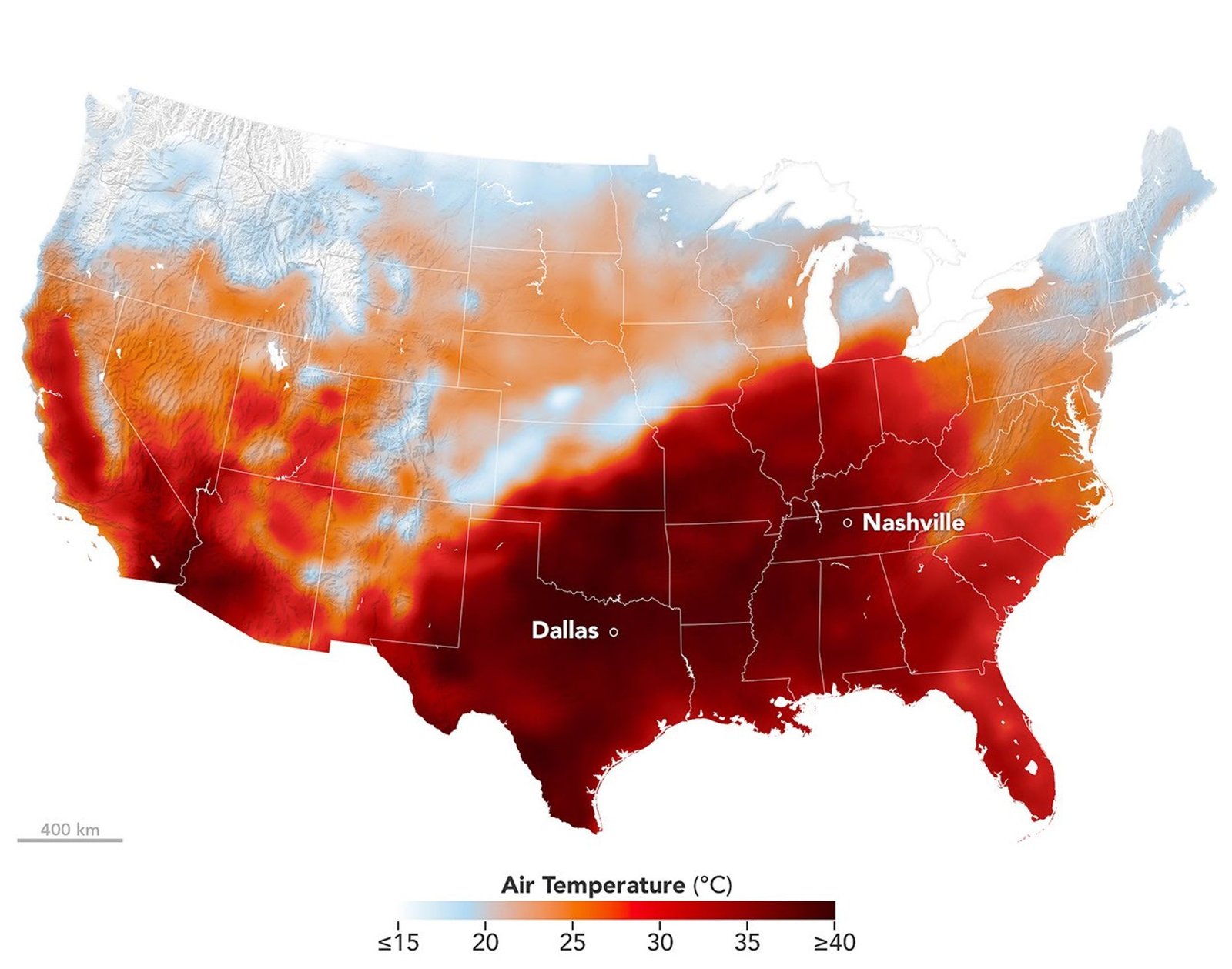
The south-central United States faced an acute weather crisis in mid-September 2026, as a persistent heat dome trapped sweltering air over states including Texas, Oklahoma, Arkansas, Missouri, and Tennessee. Data from NASA’s Goddard Earth Observing System (GEOS) indicated that on September 15, temperatures in certain areas soared to or exceeded 104 degrees Fahrenheit. Approximately 41 million people were placed under National Weather Service heat advisories or warnings, as meteorologists noted that high humidity and stagnant air exacerbated the intensity of the heat.
The event broke long-standing records; Nashville, Tennessee, recorded a high of 100 degrees Fahrenheit, shattering a daily record that had stood since 1927. These conditions capped what NOAA identified as the warmest summer period in the contiguous U.S. in 132 years of record-keeping. The heat dome, caused mation and rainfall, preventing the cooling effects typical of late summer.
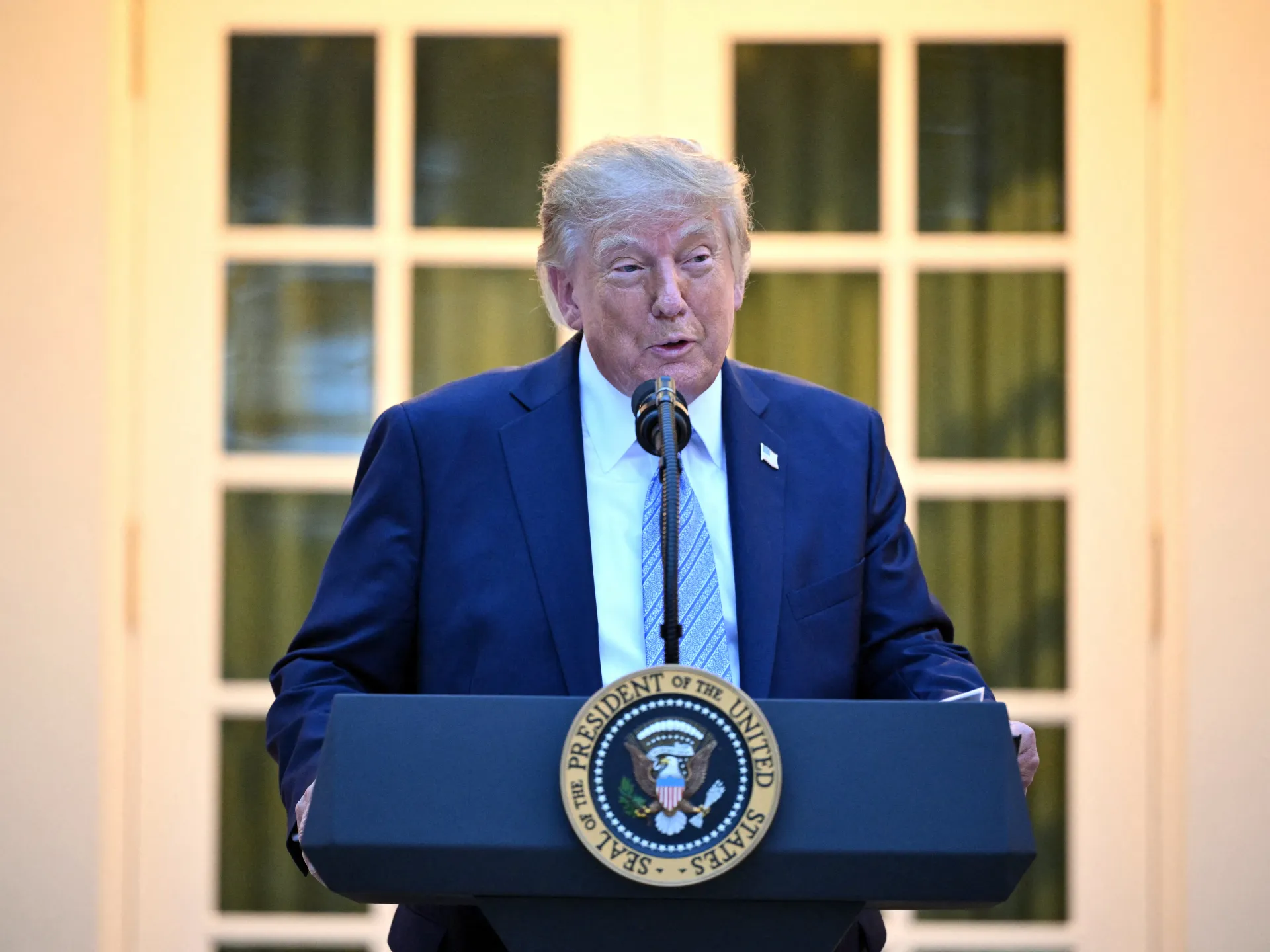
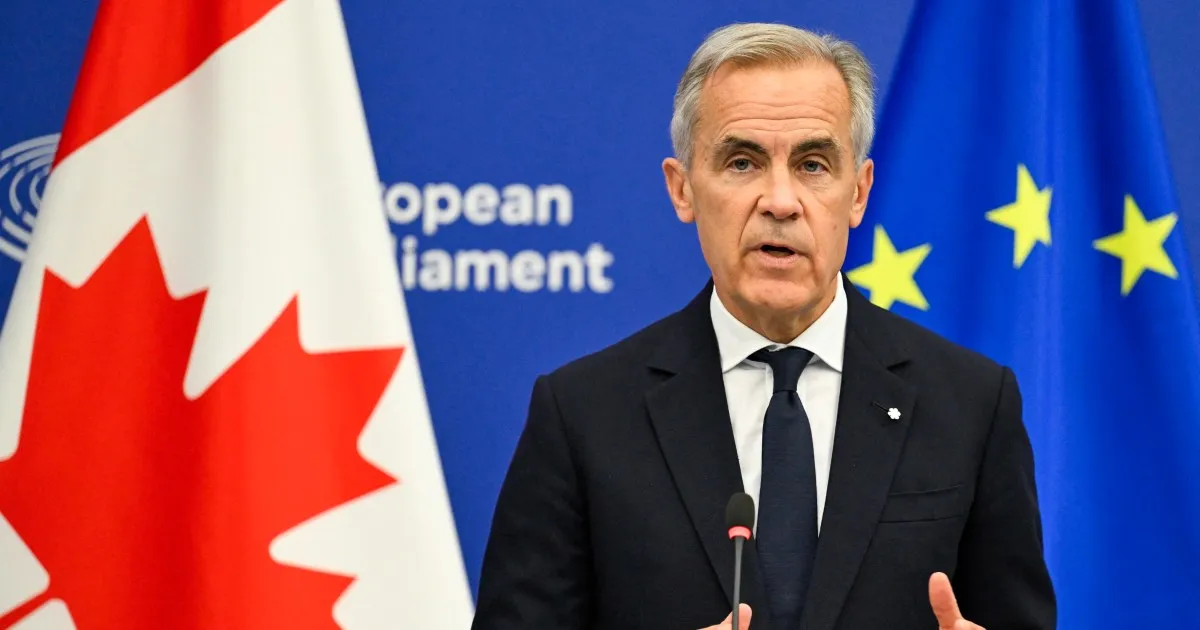
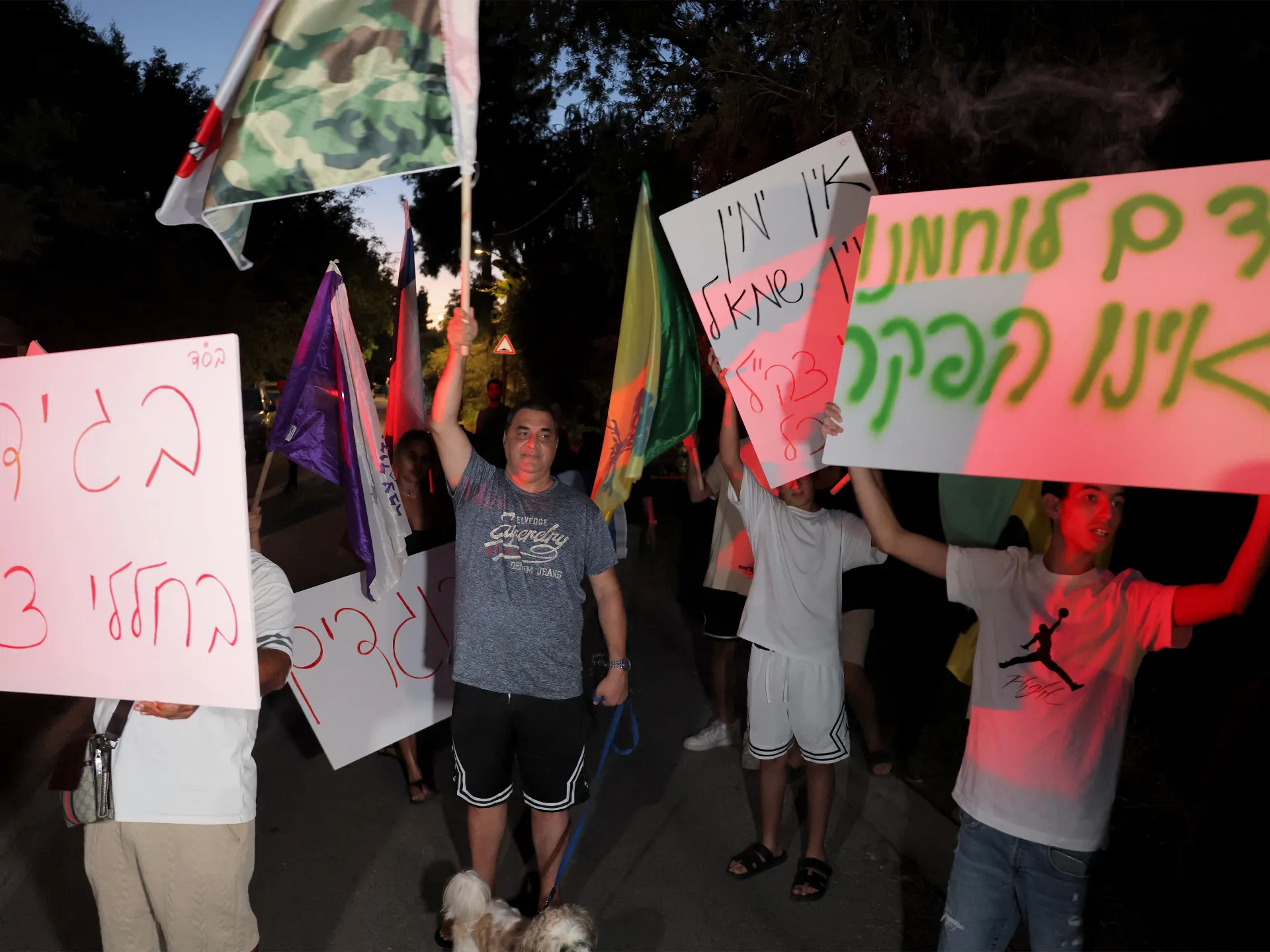
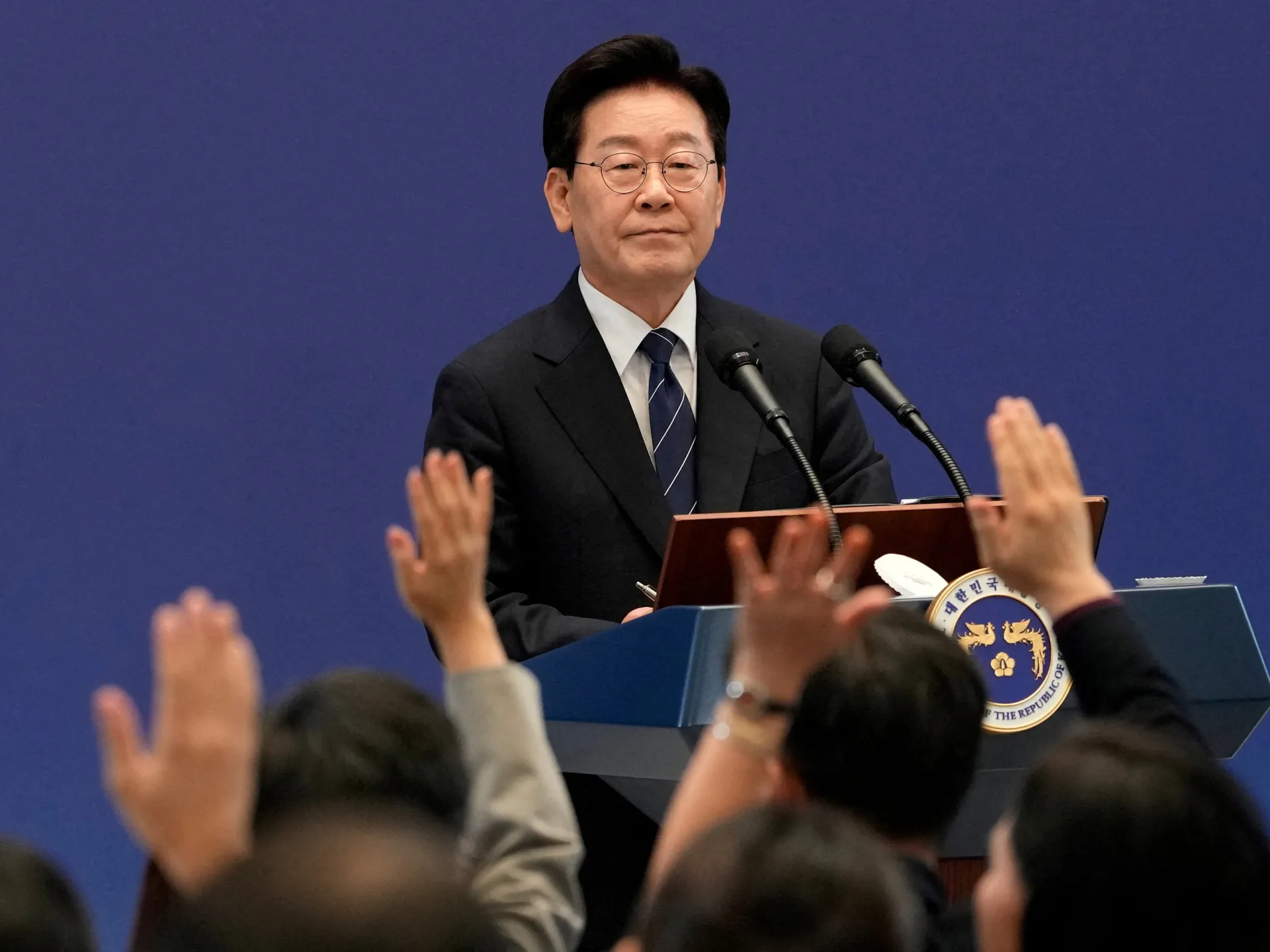
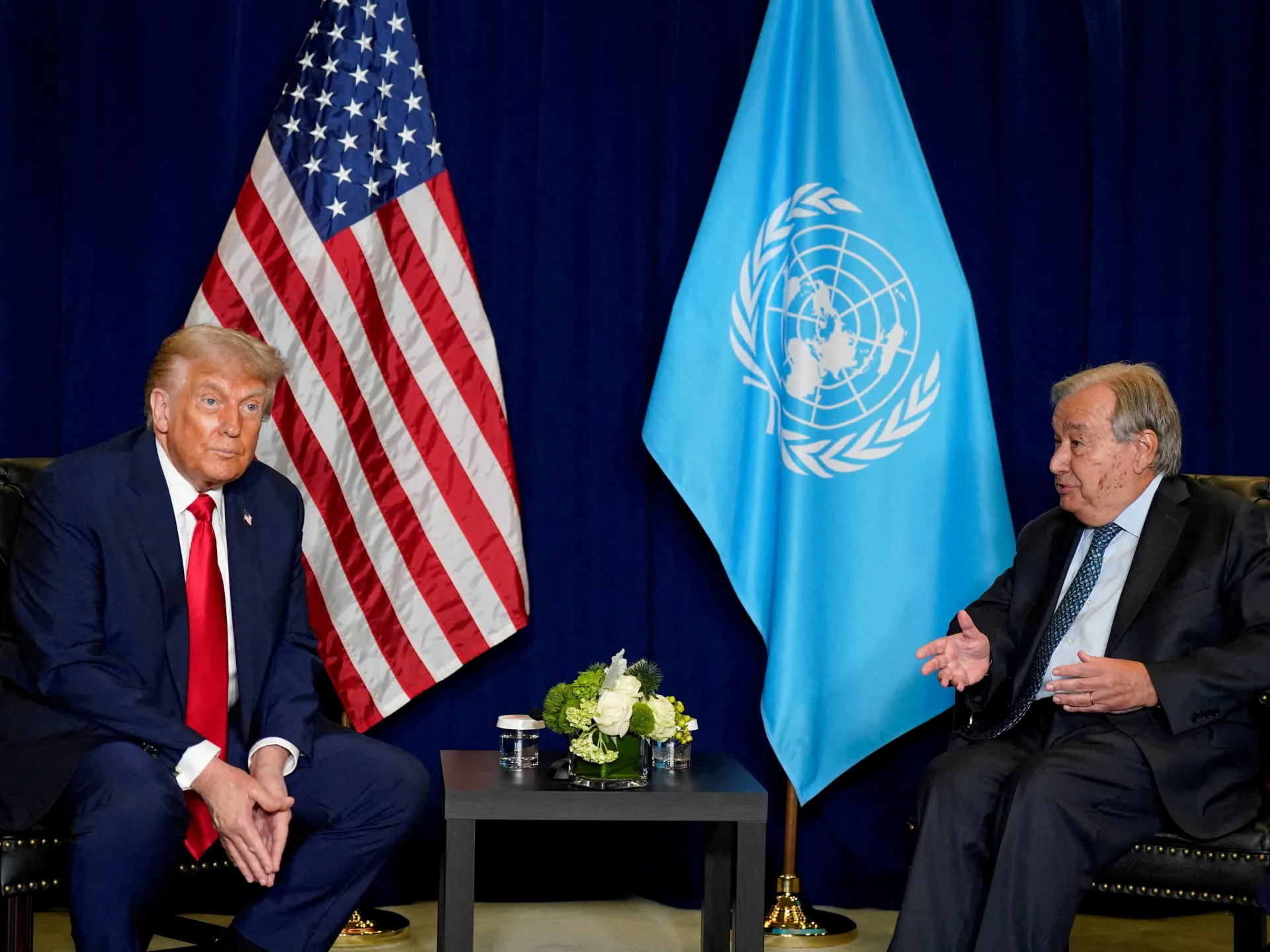
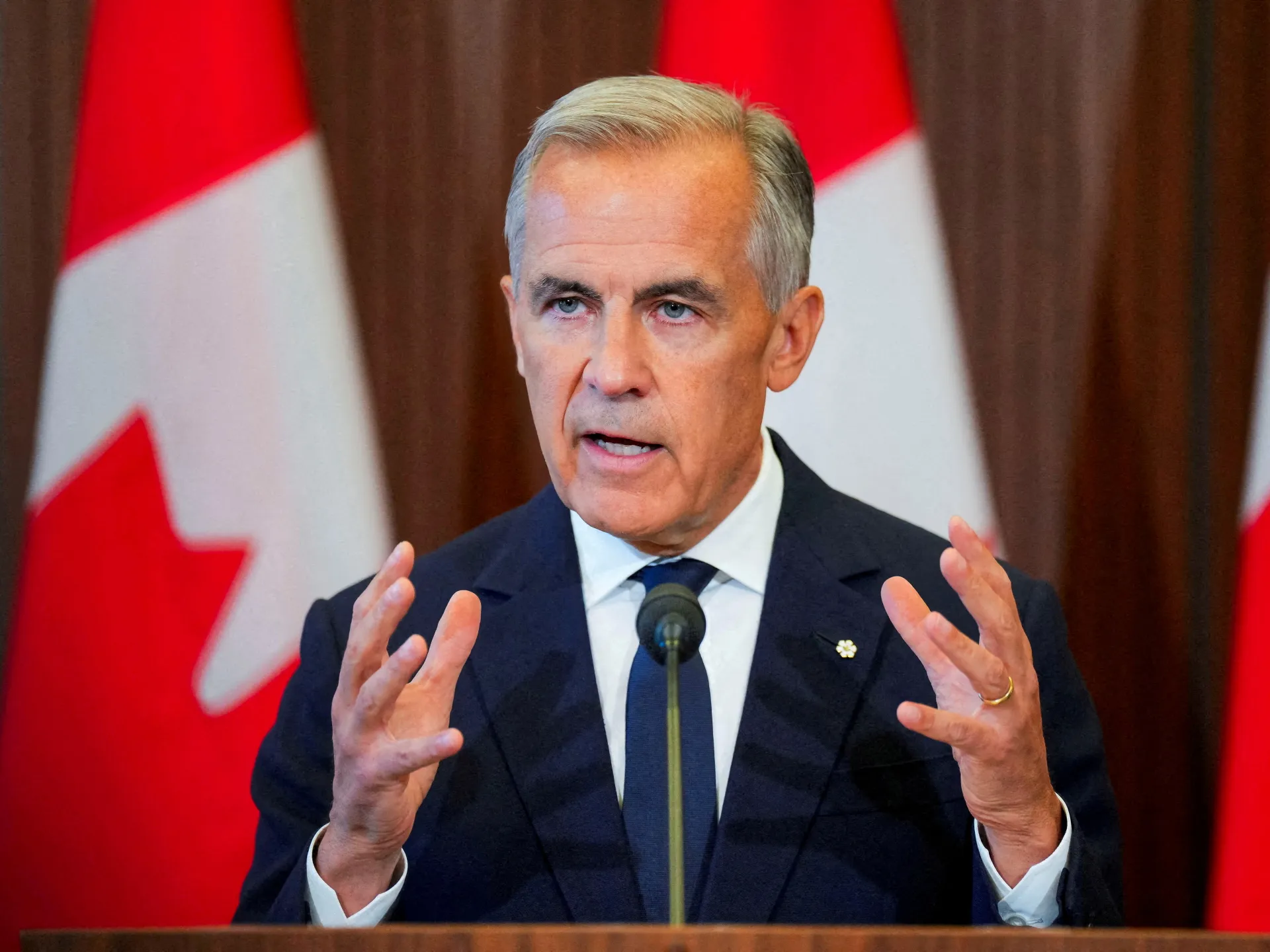
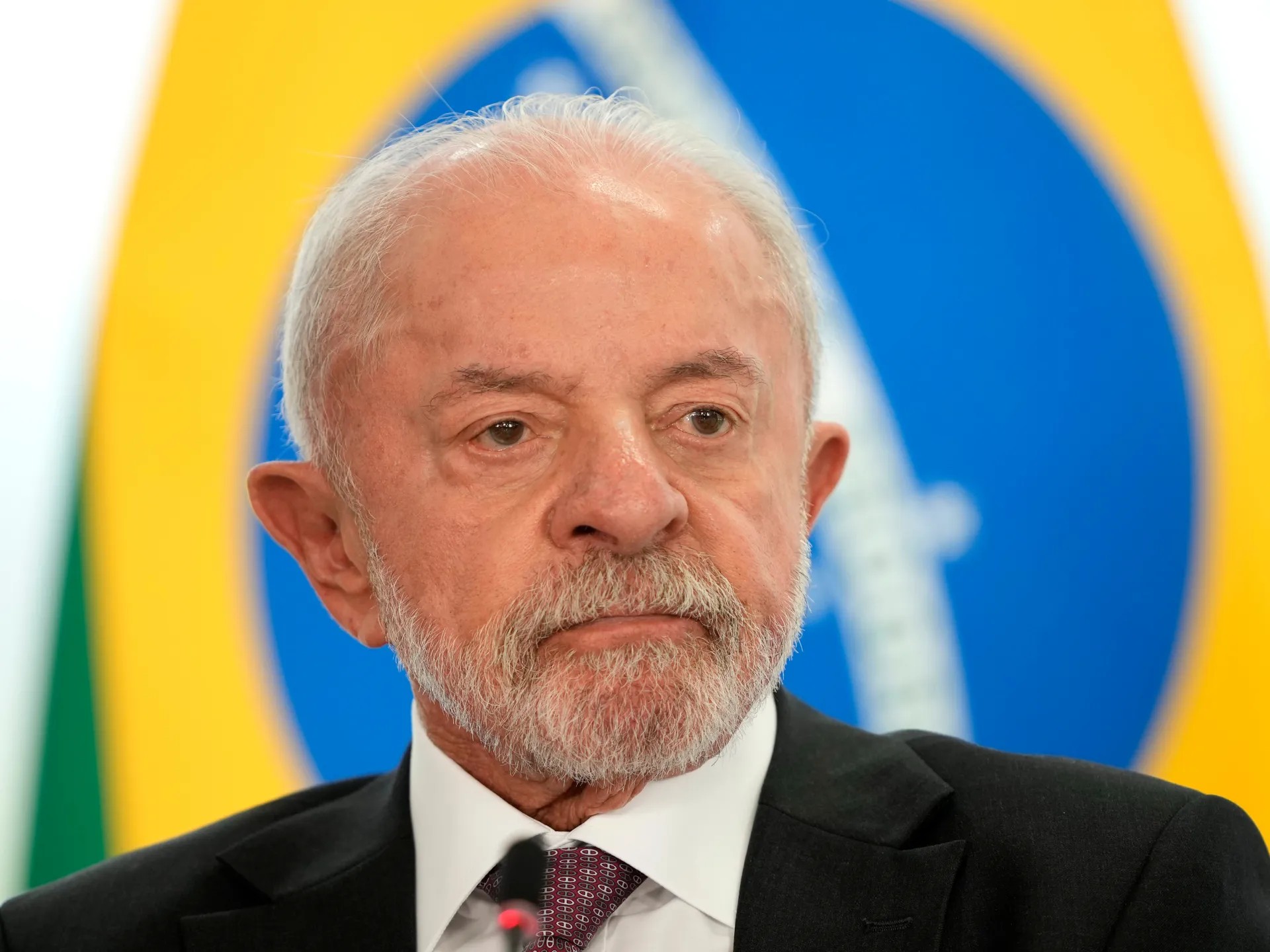
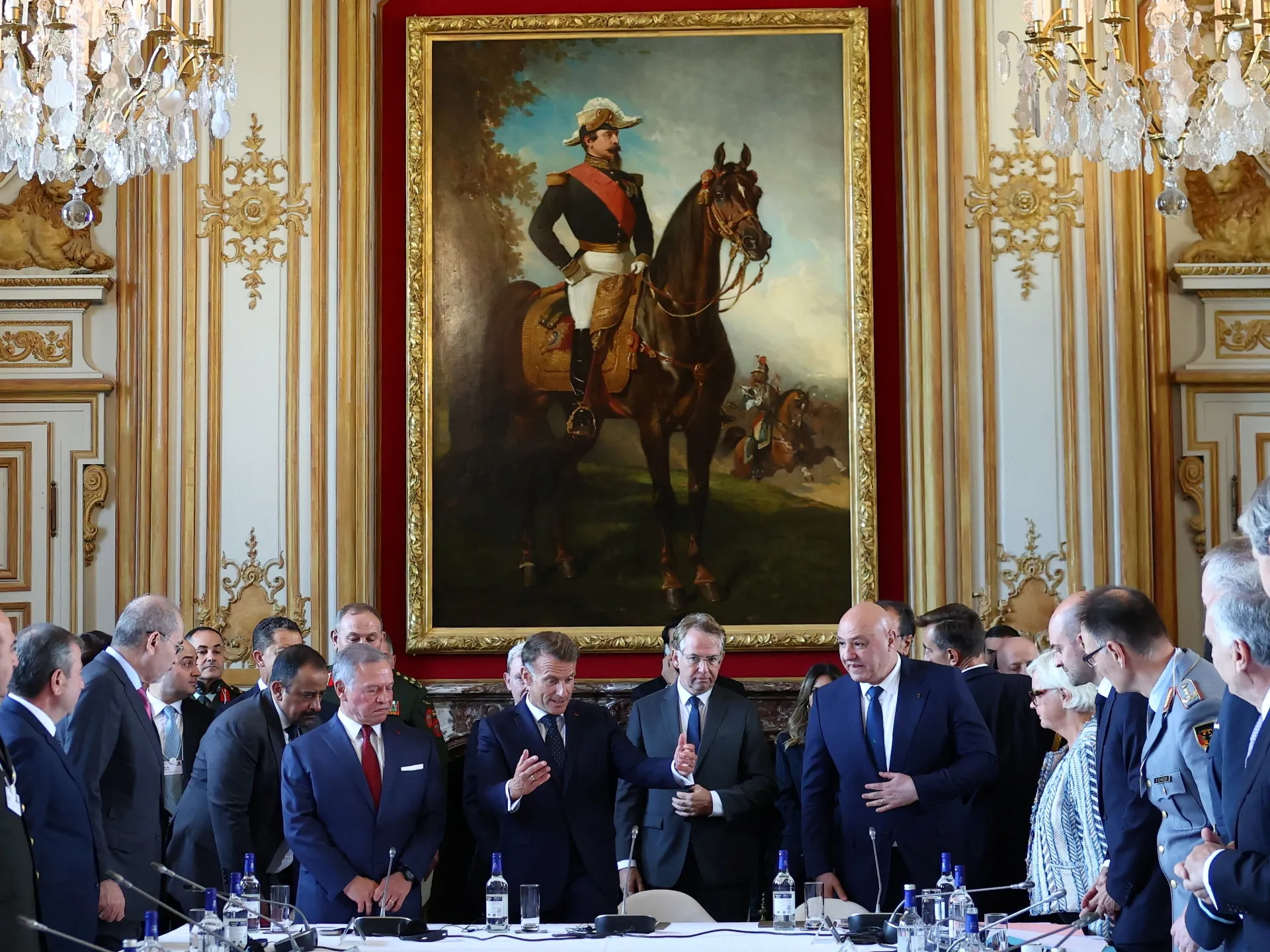
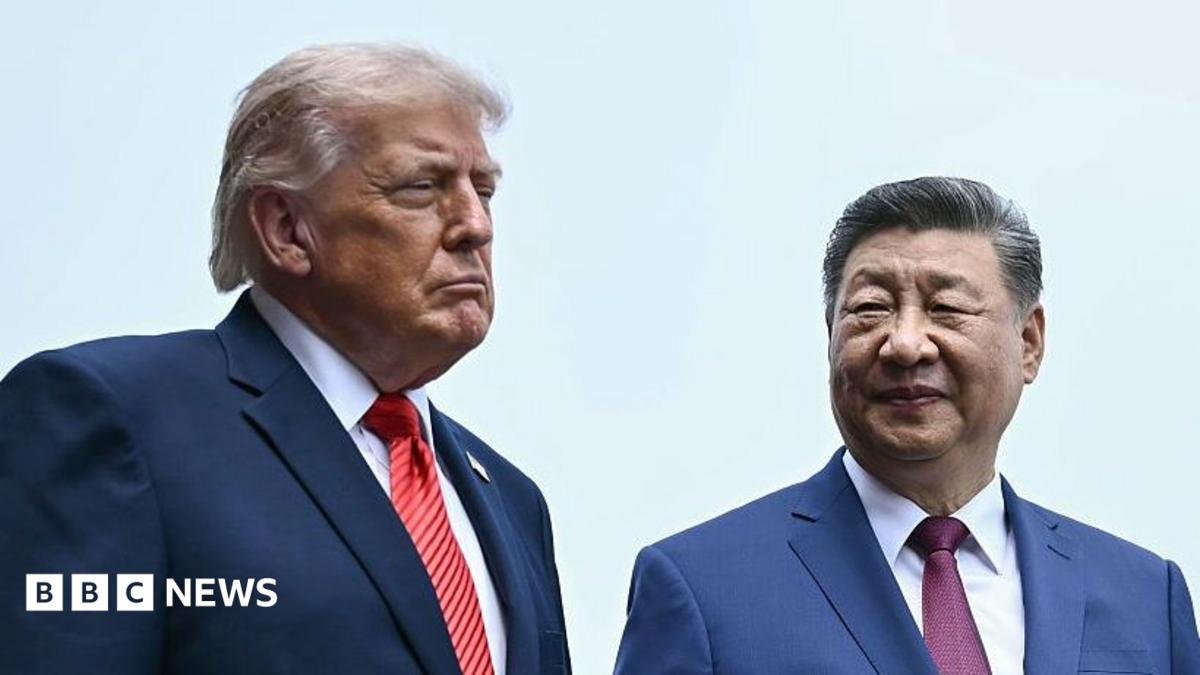
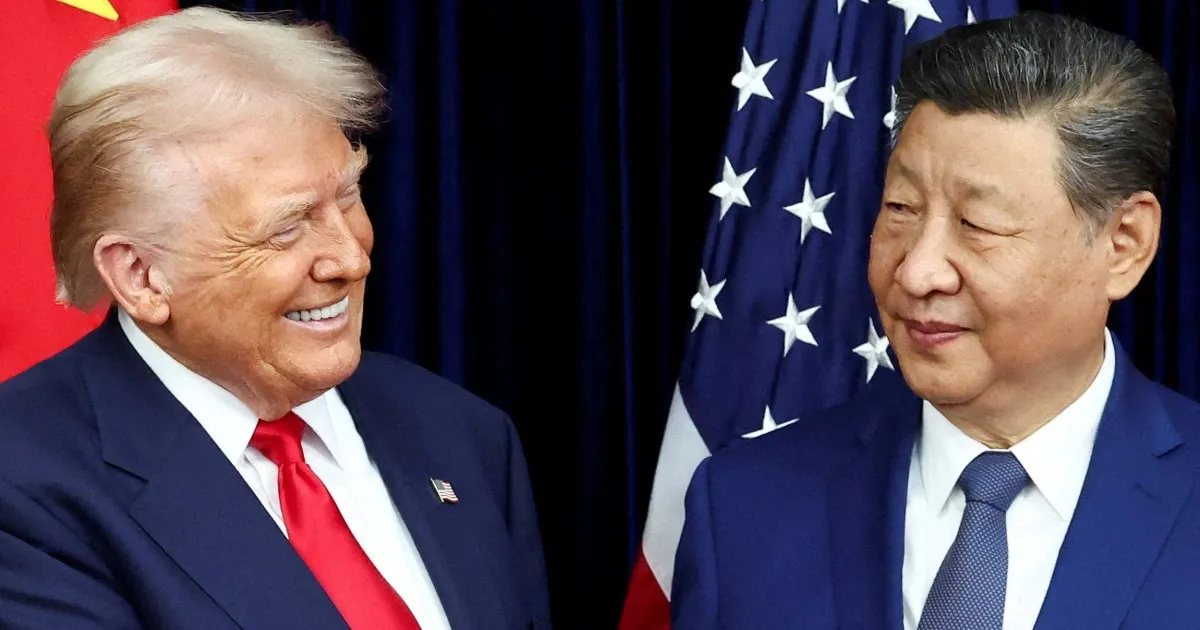
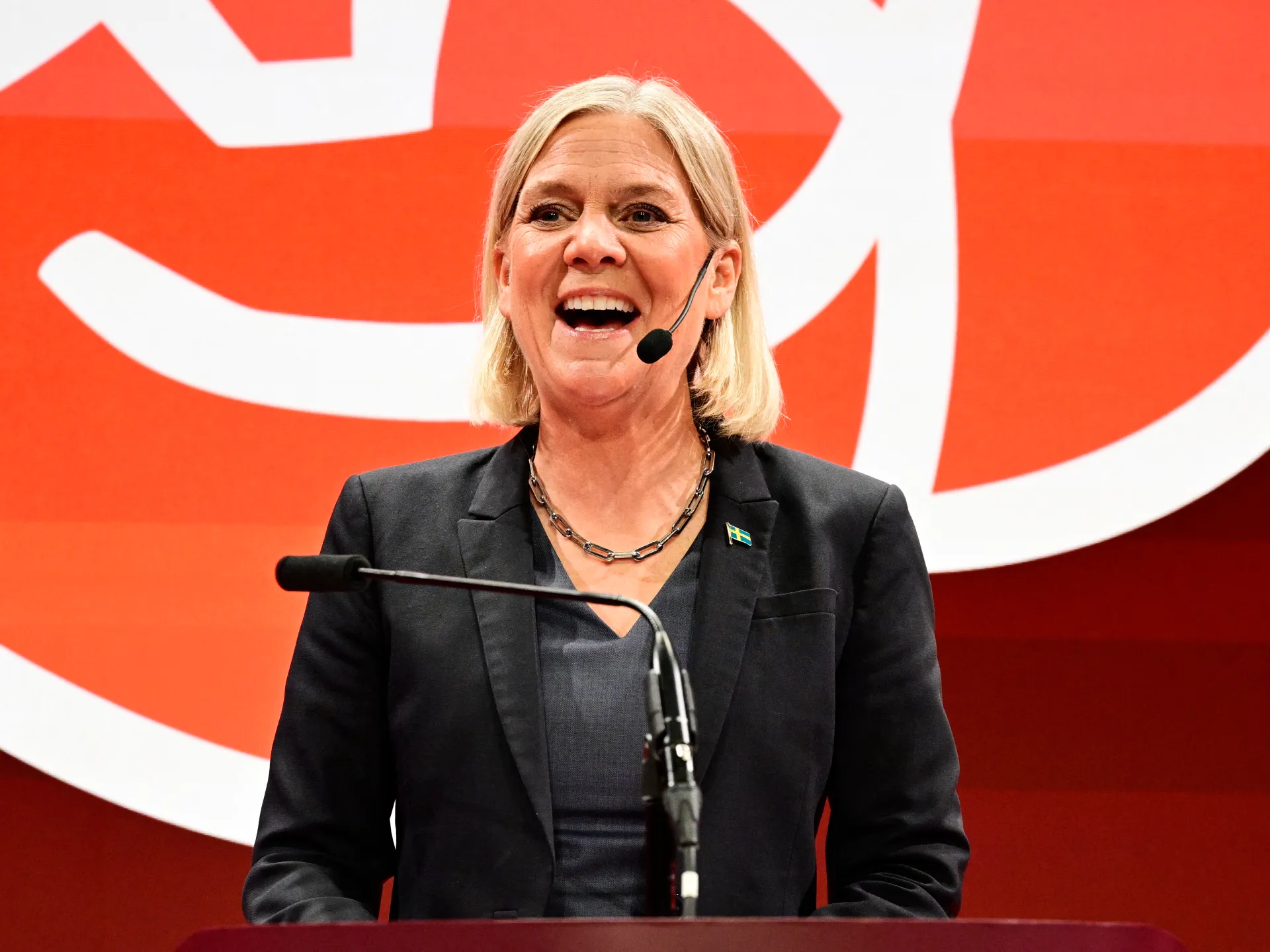
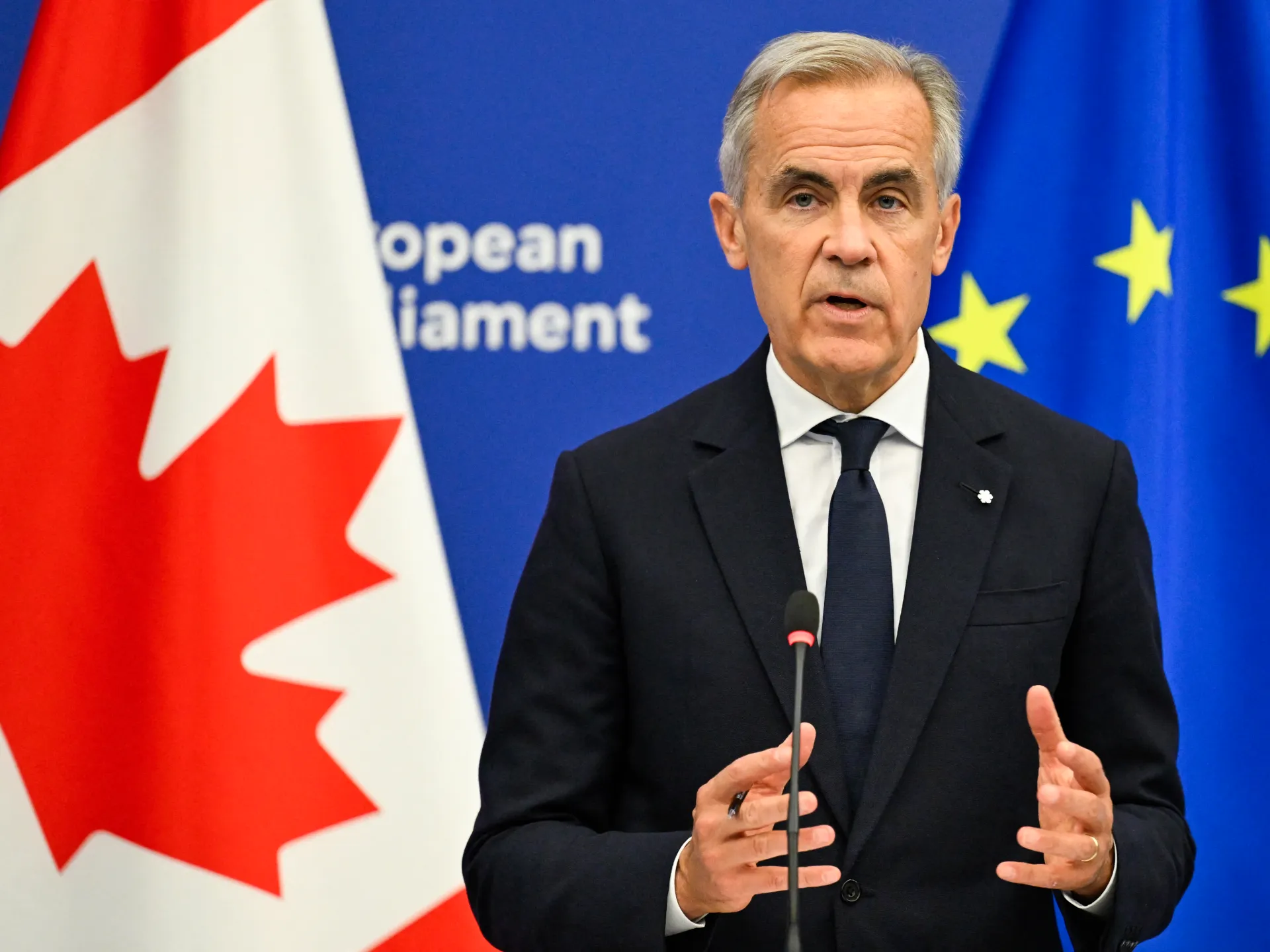
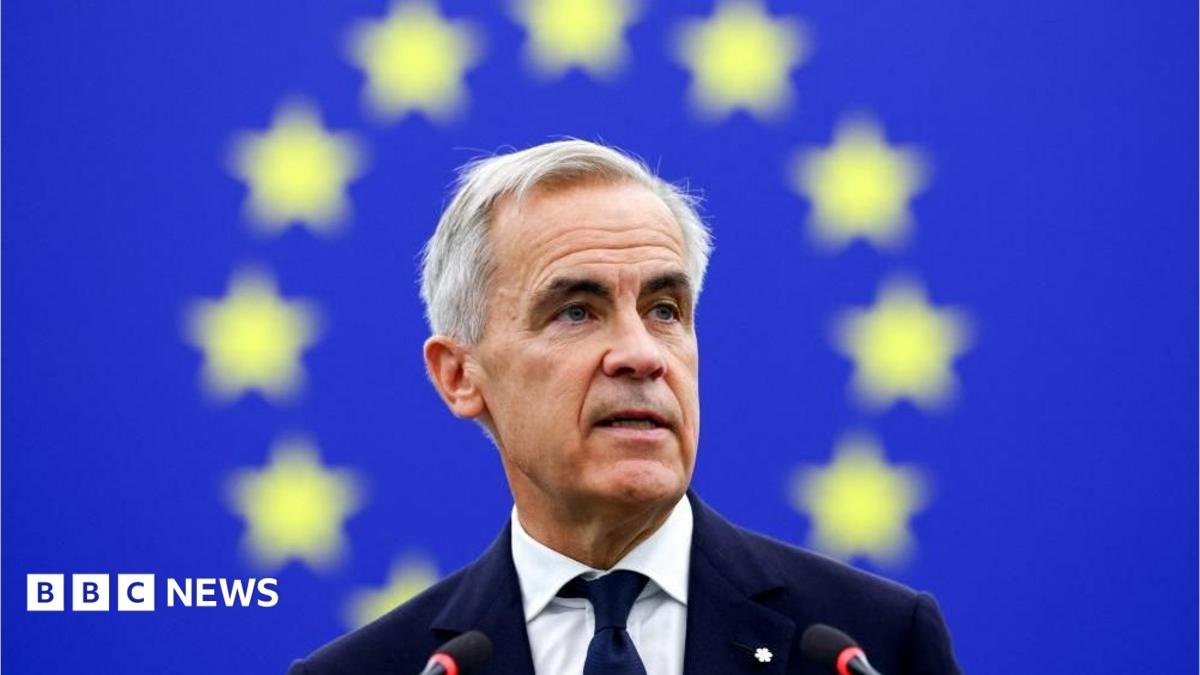
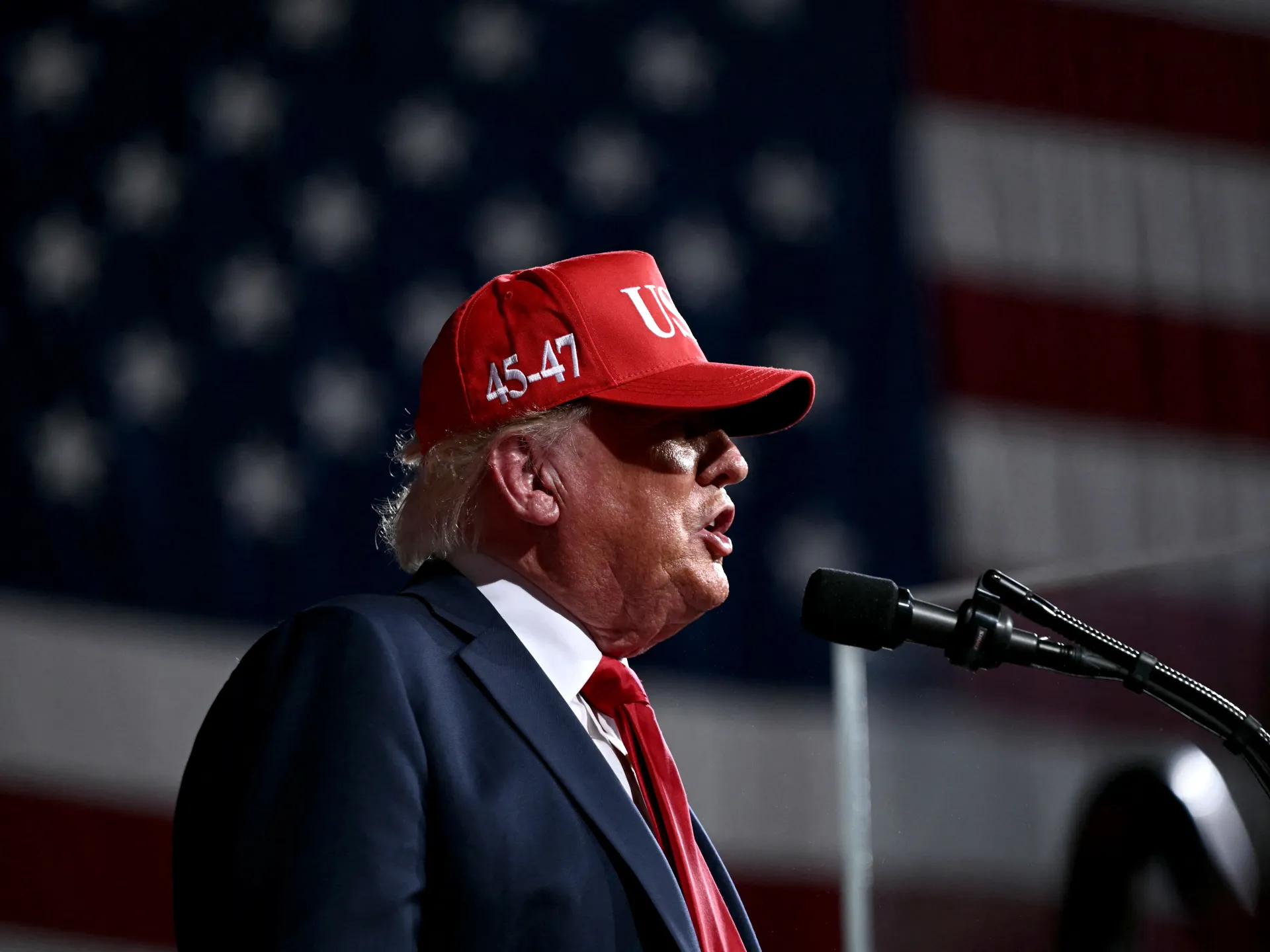
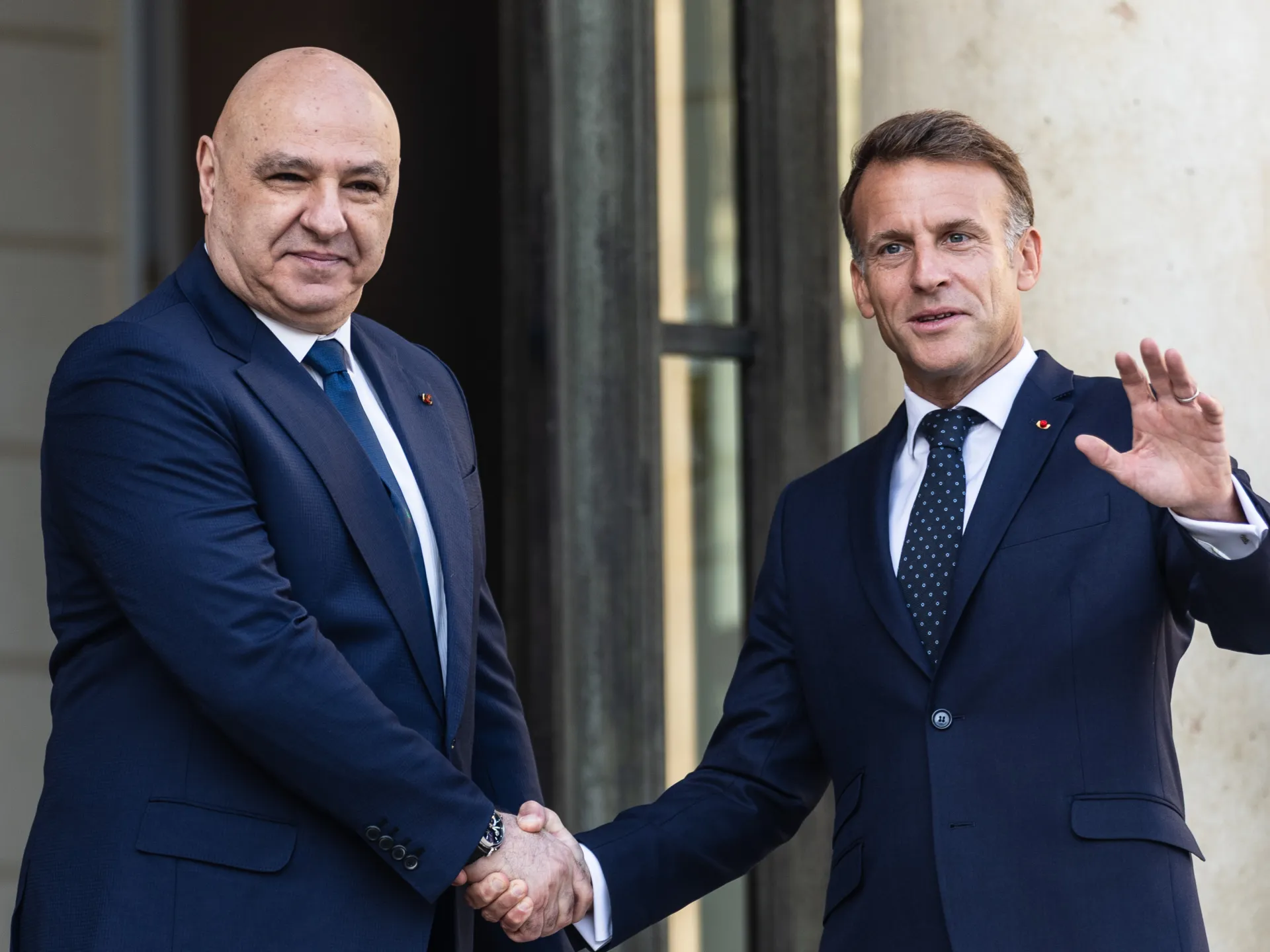
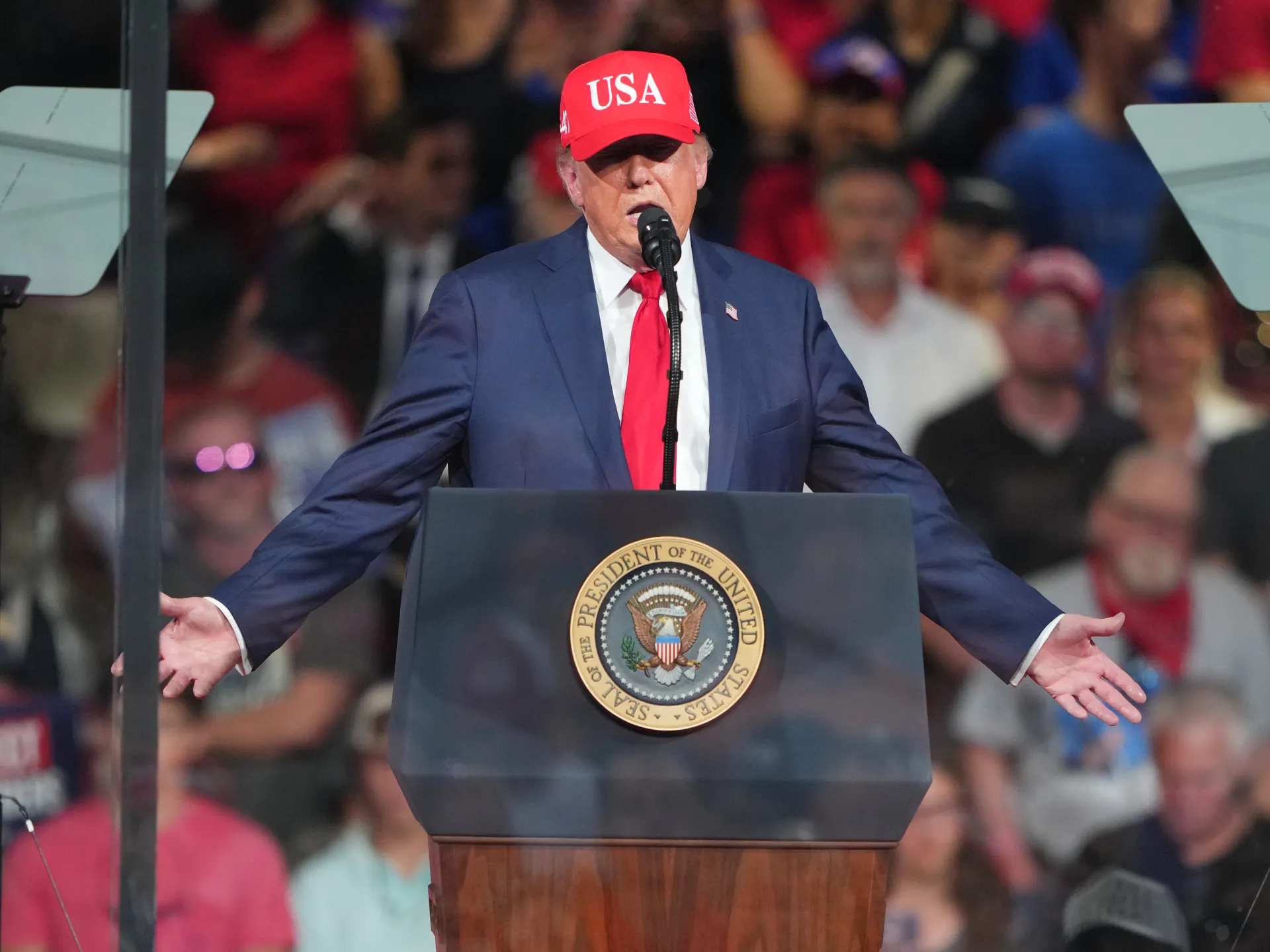
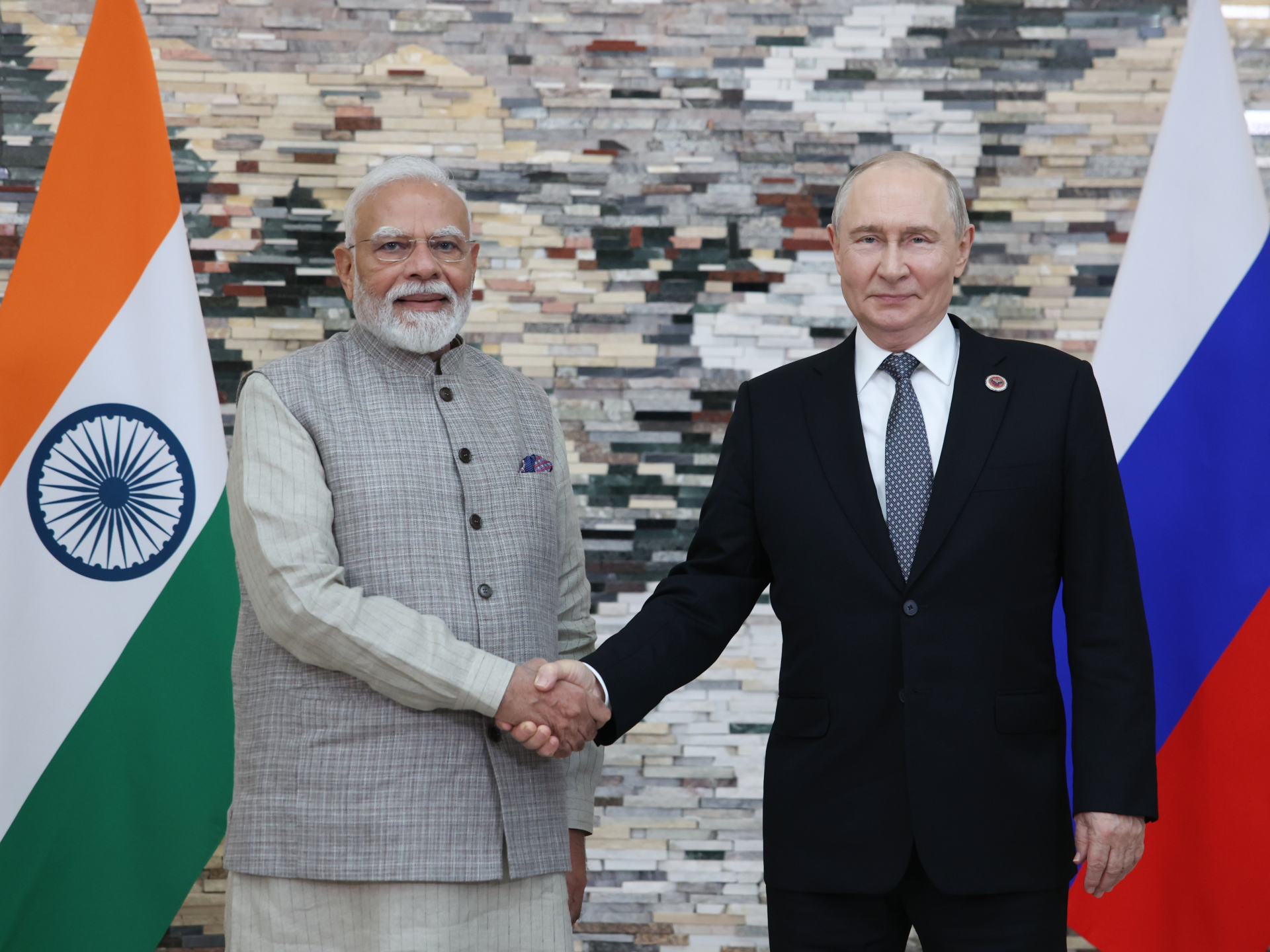
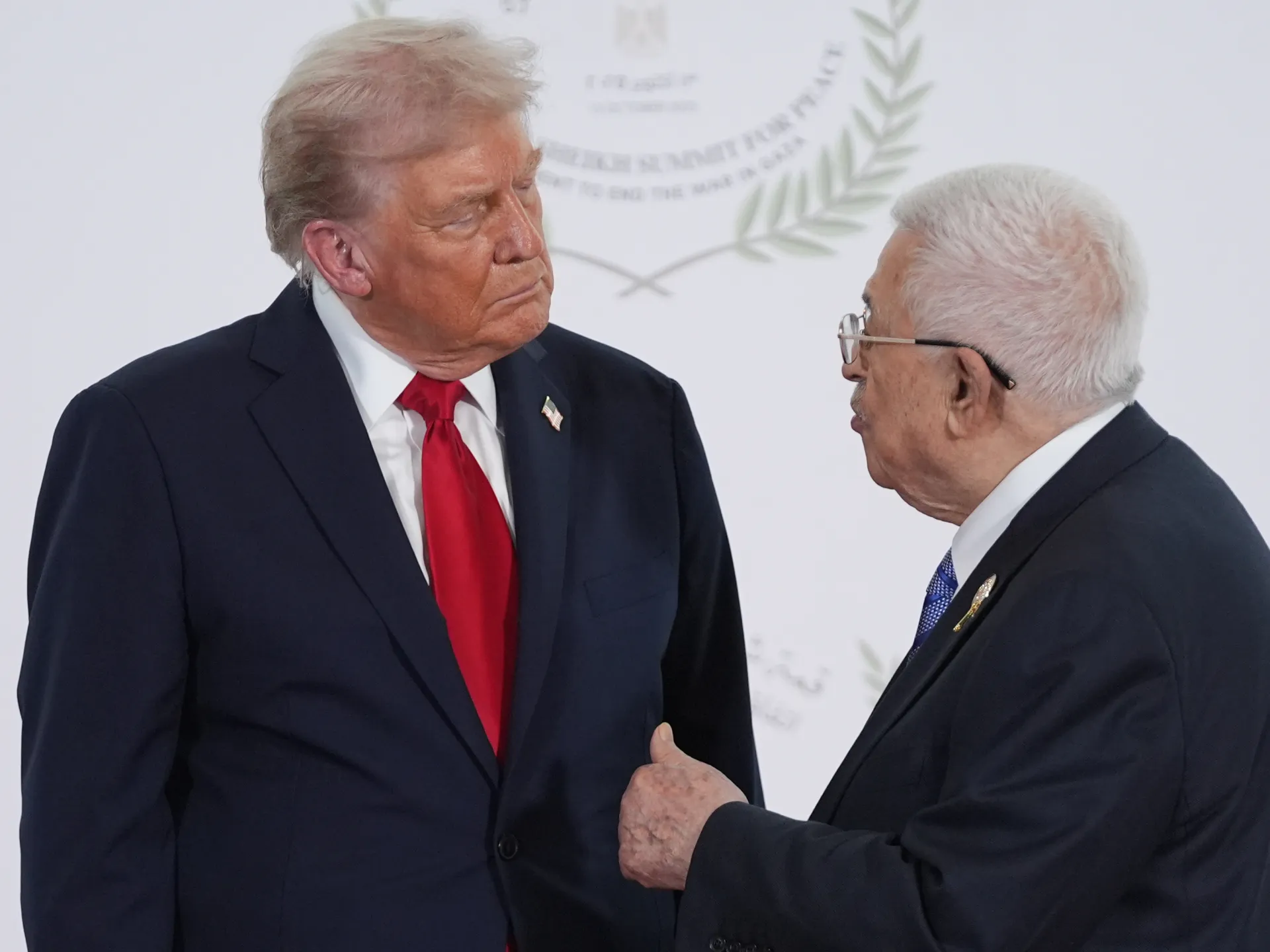
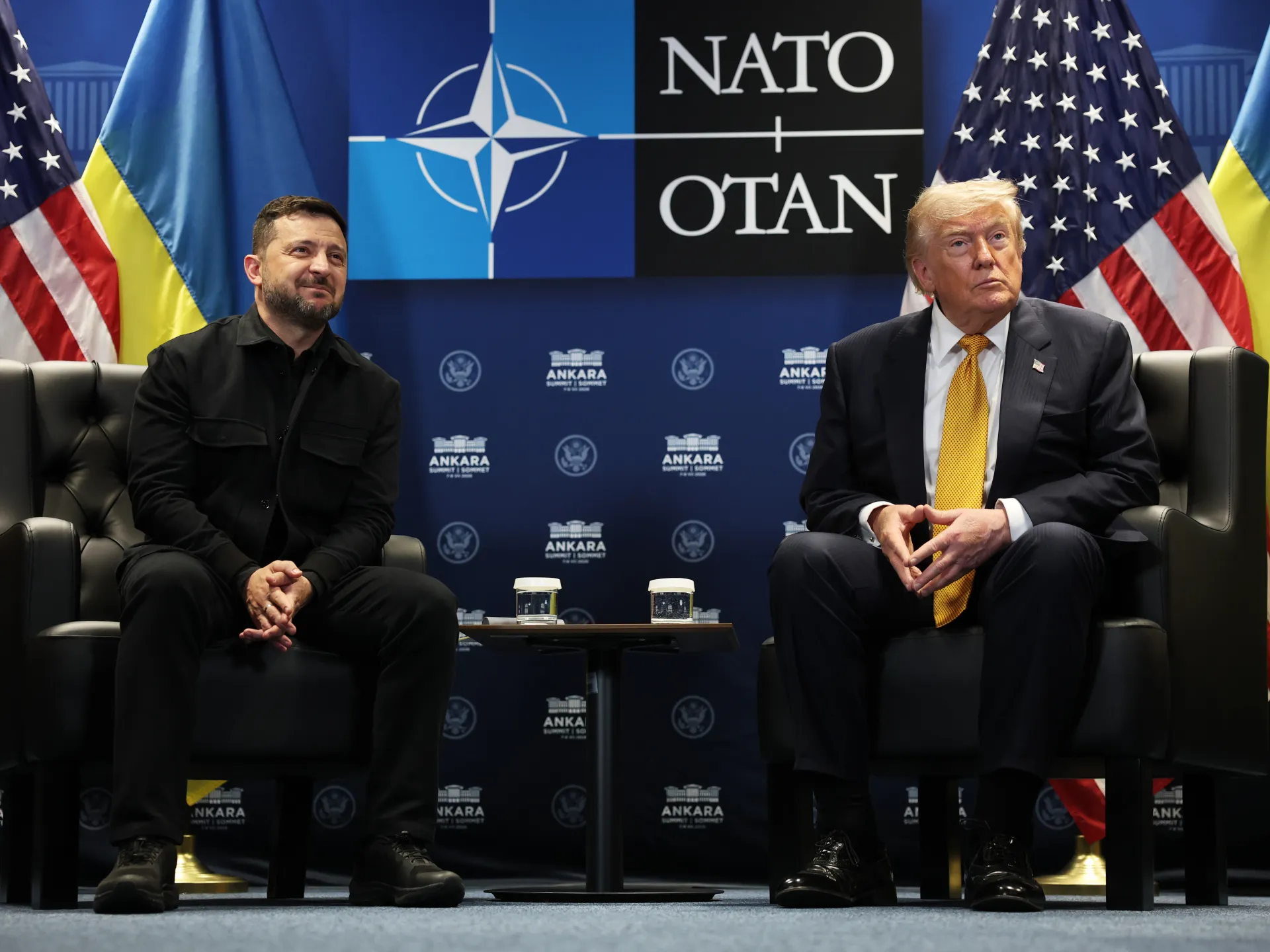
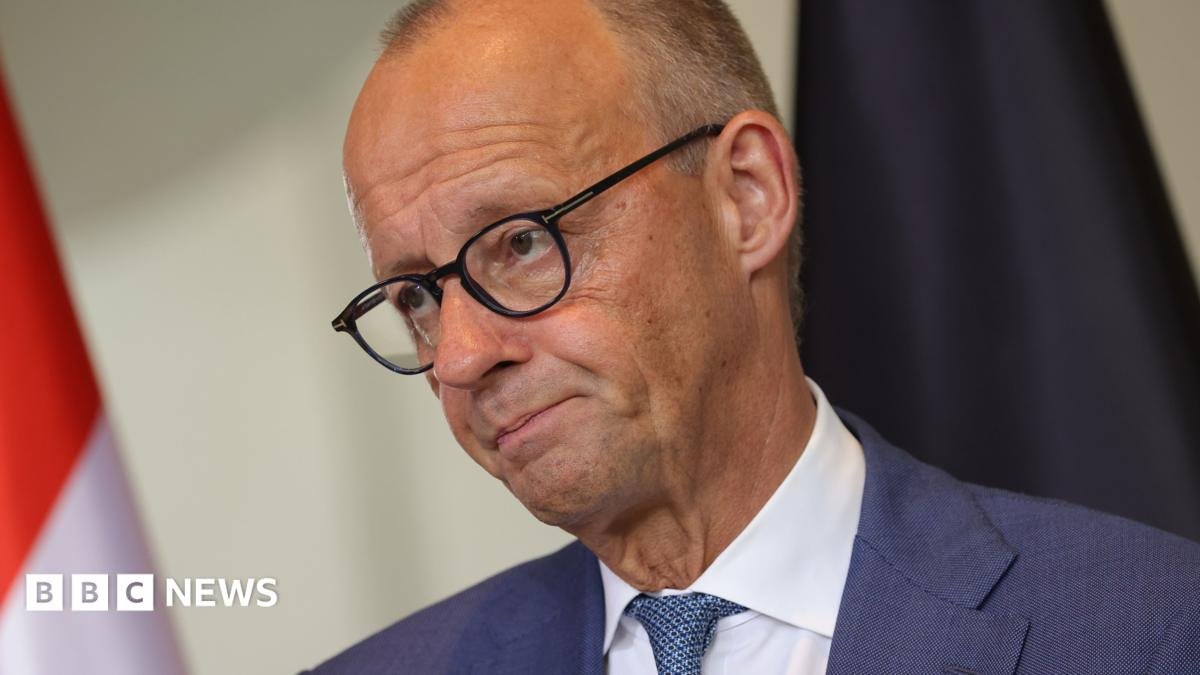
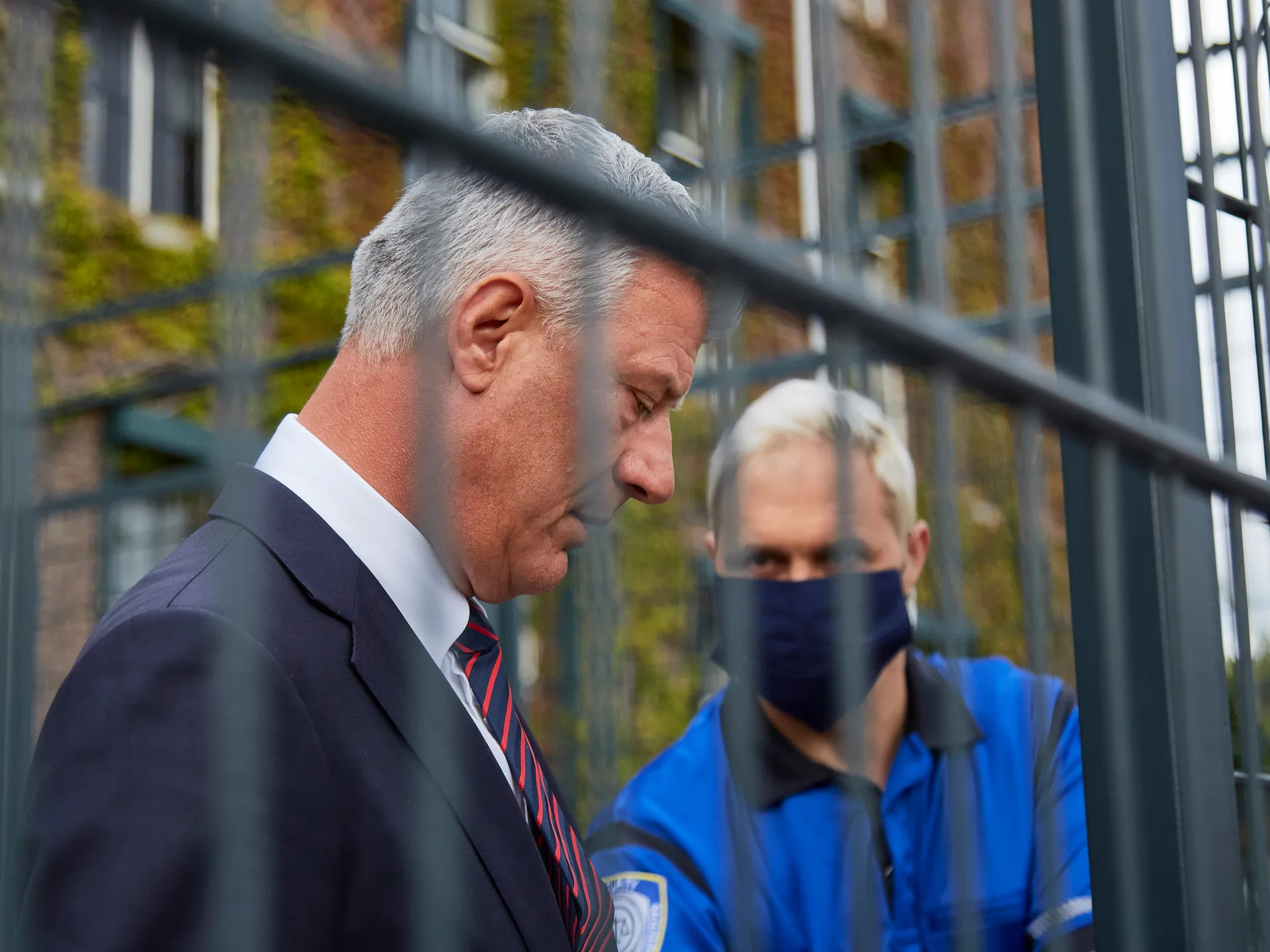
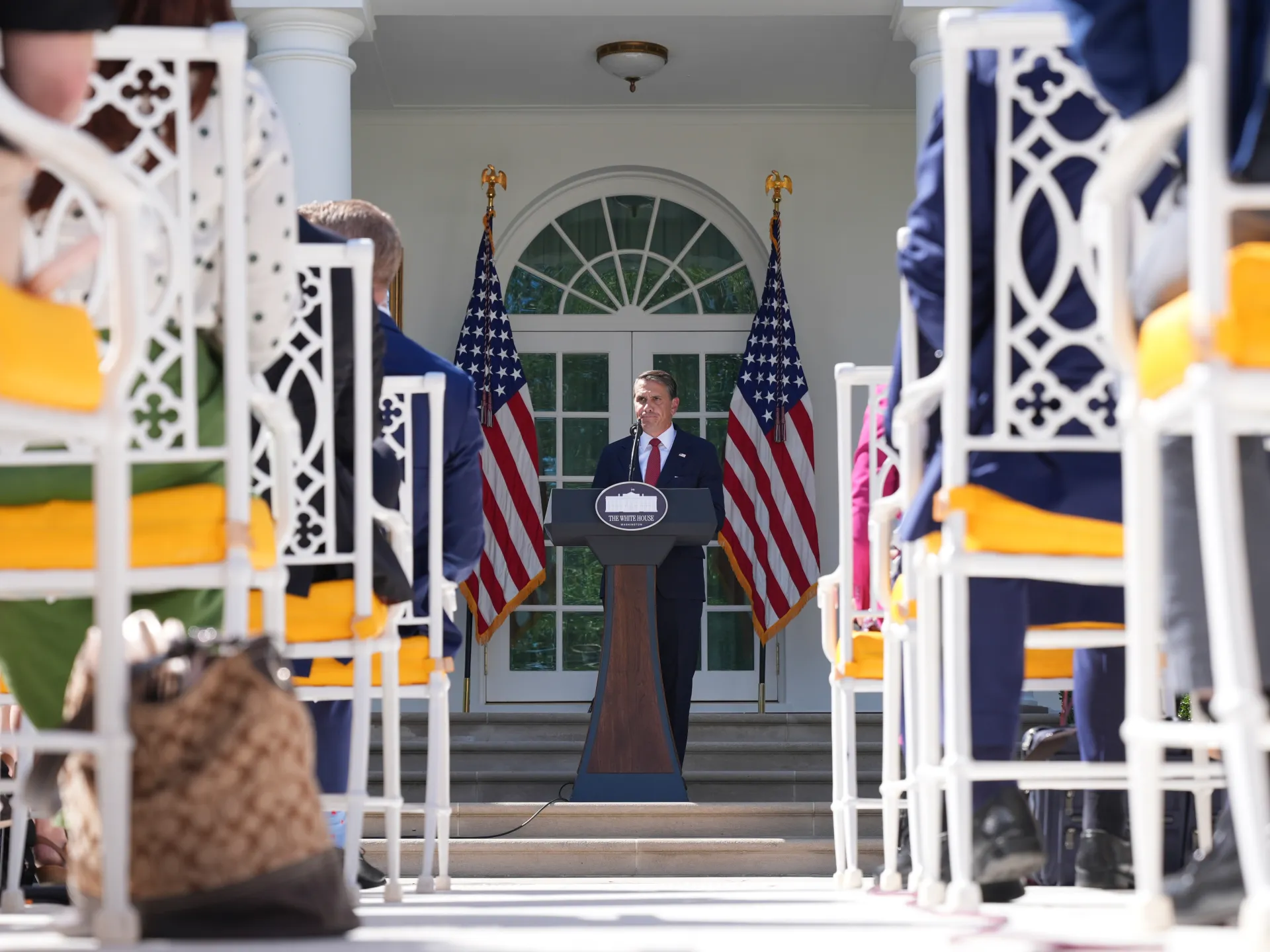
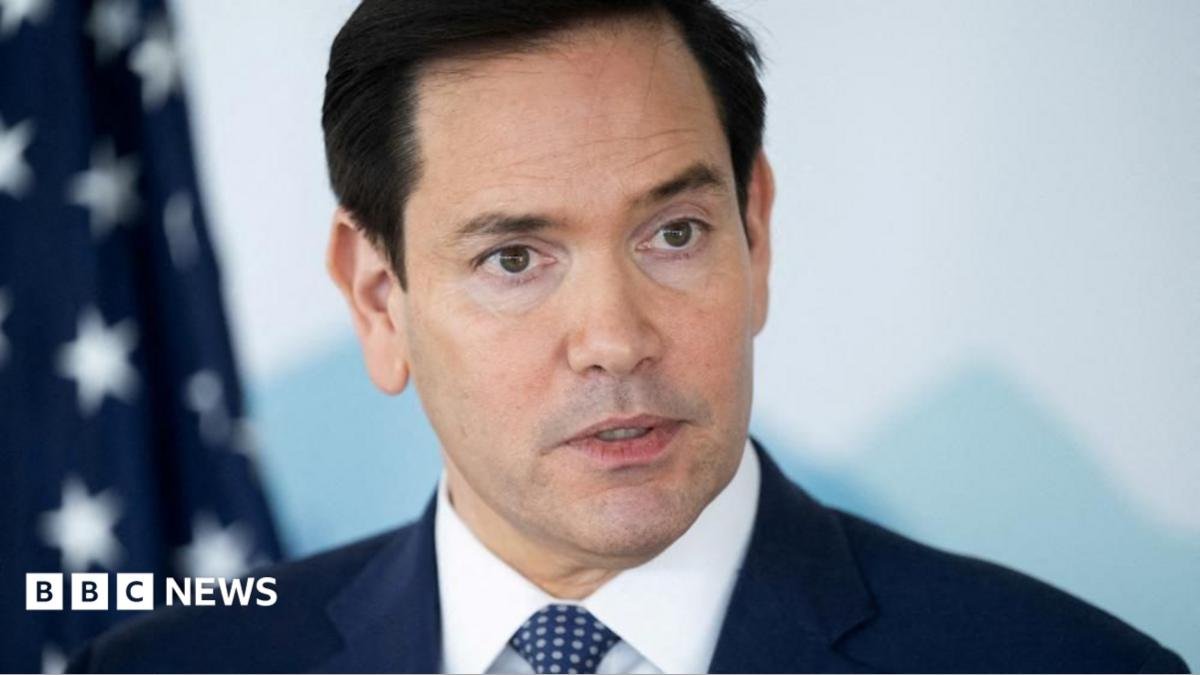
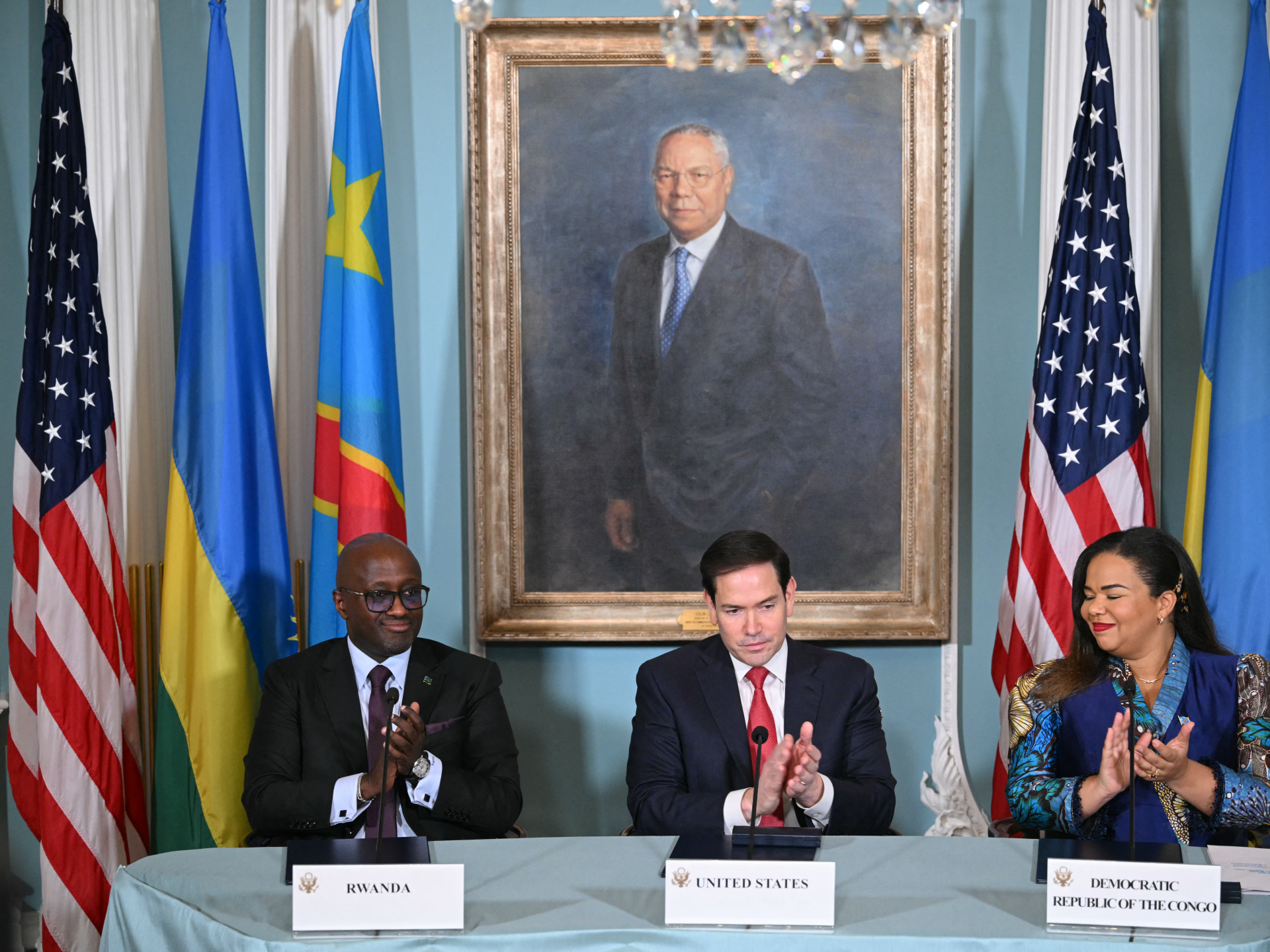
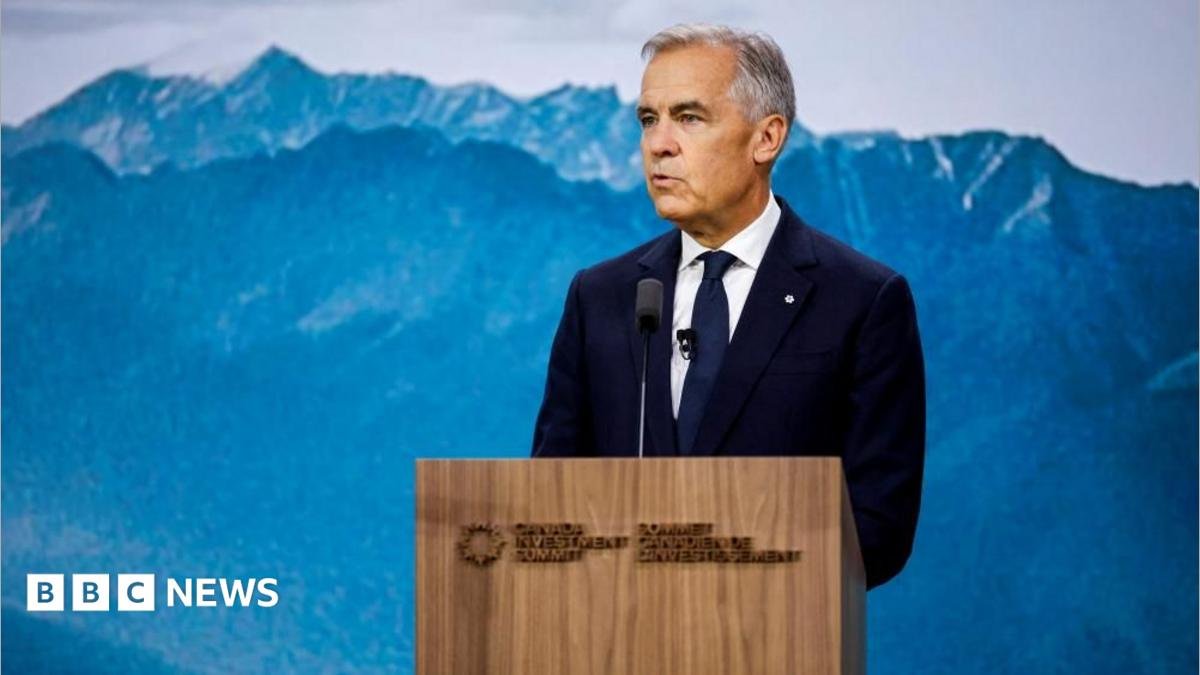
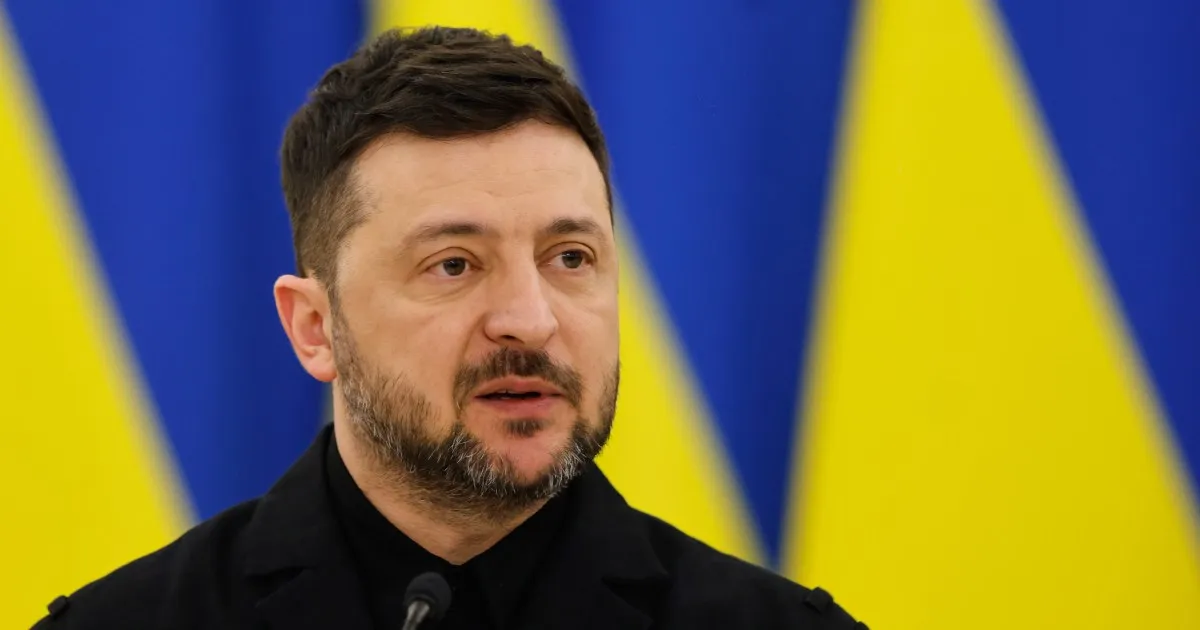
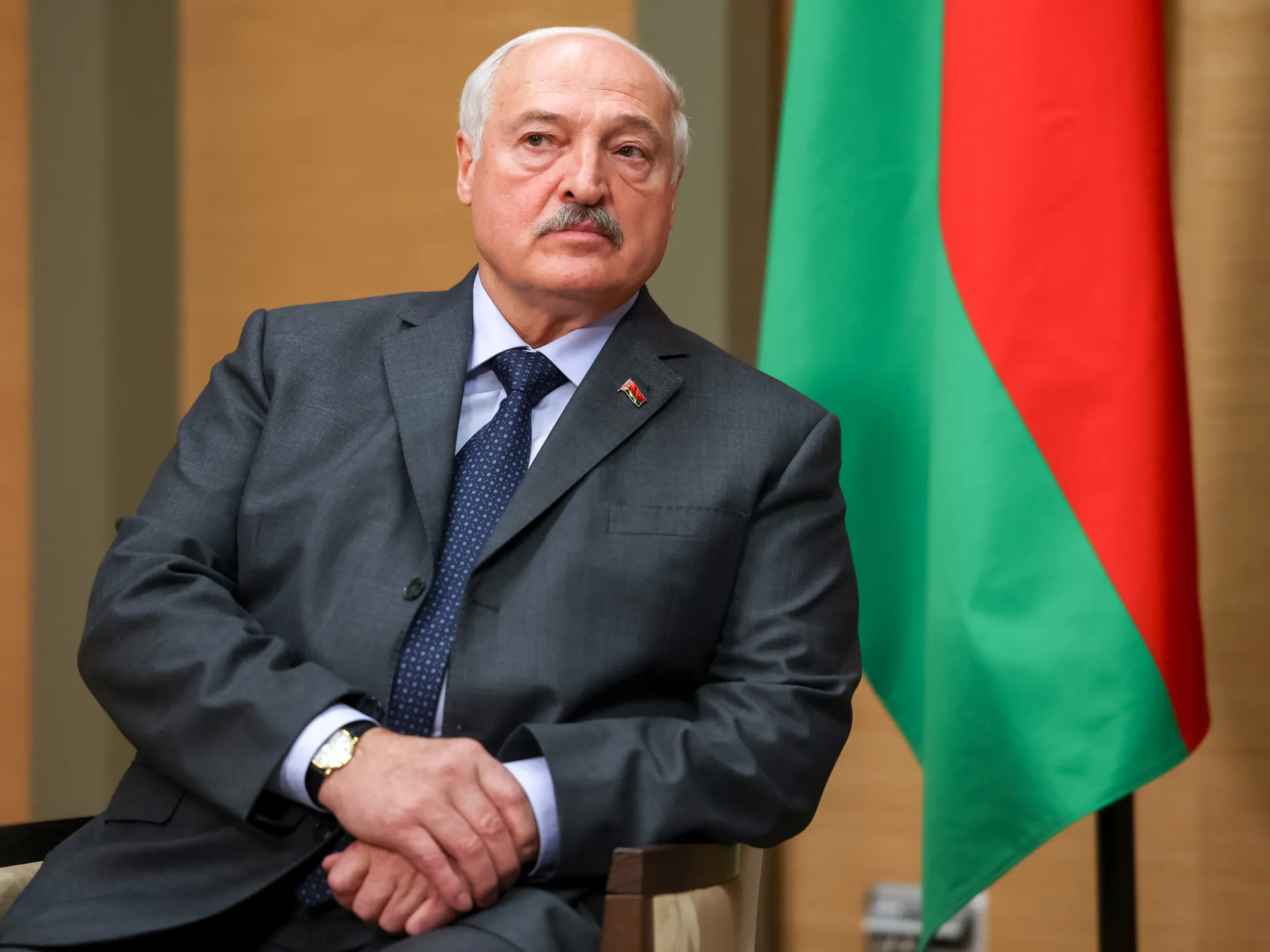
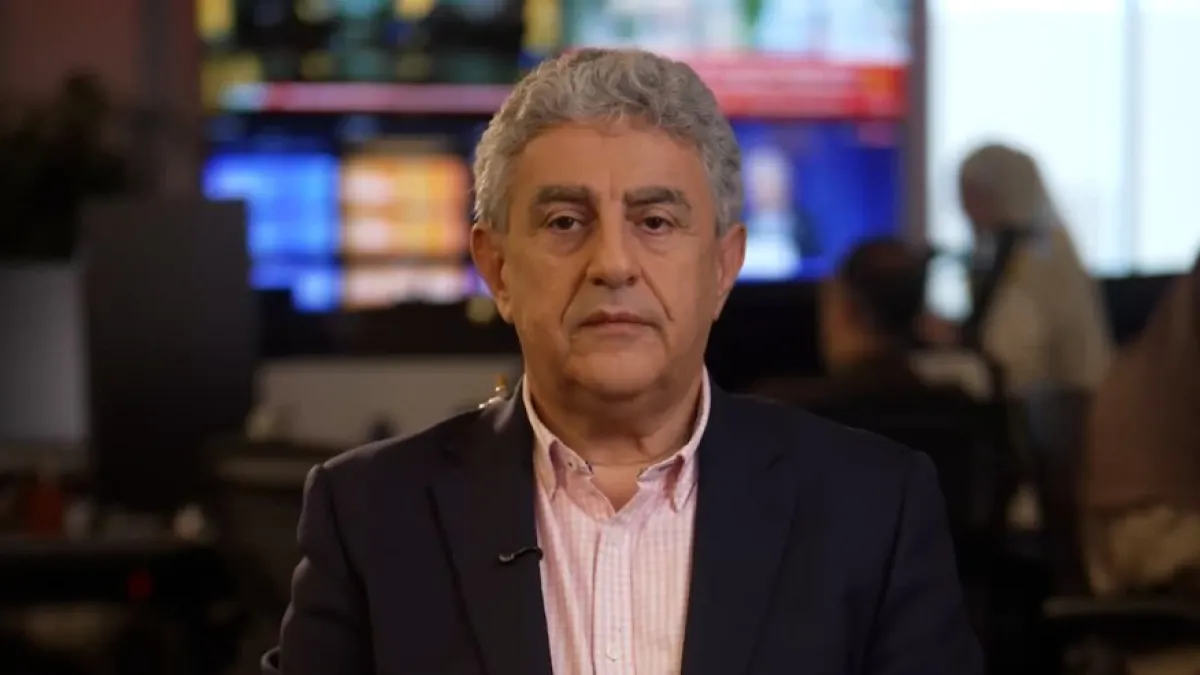
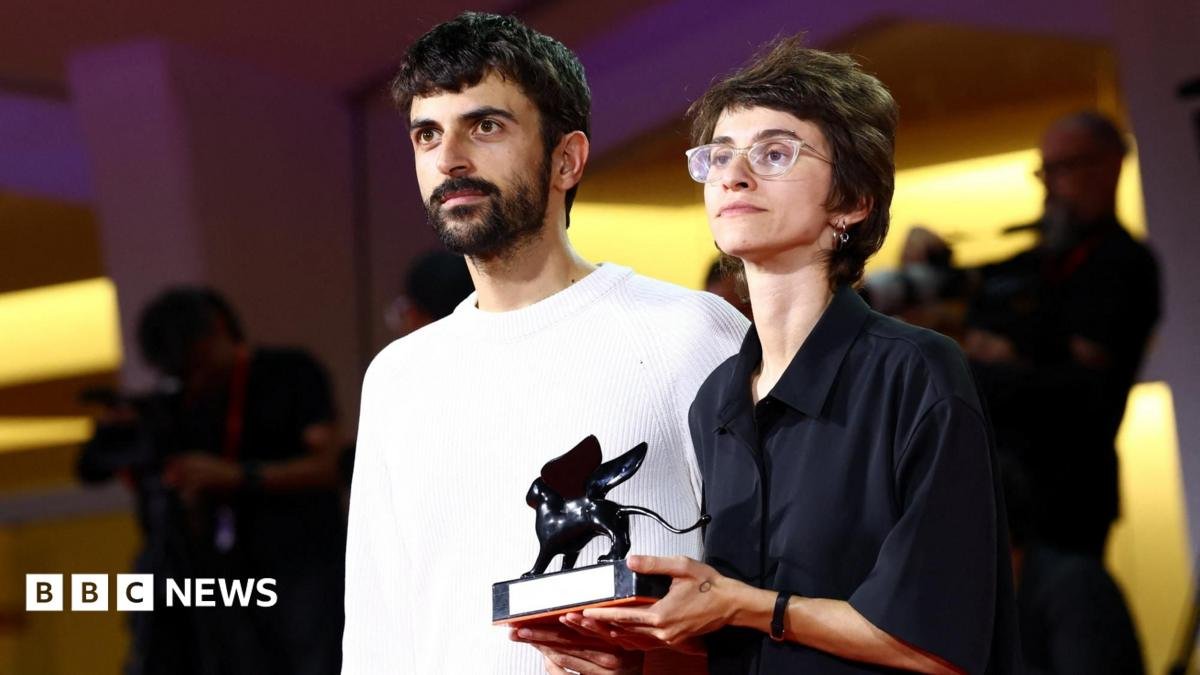
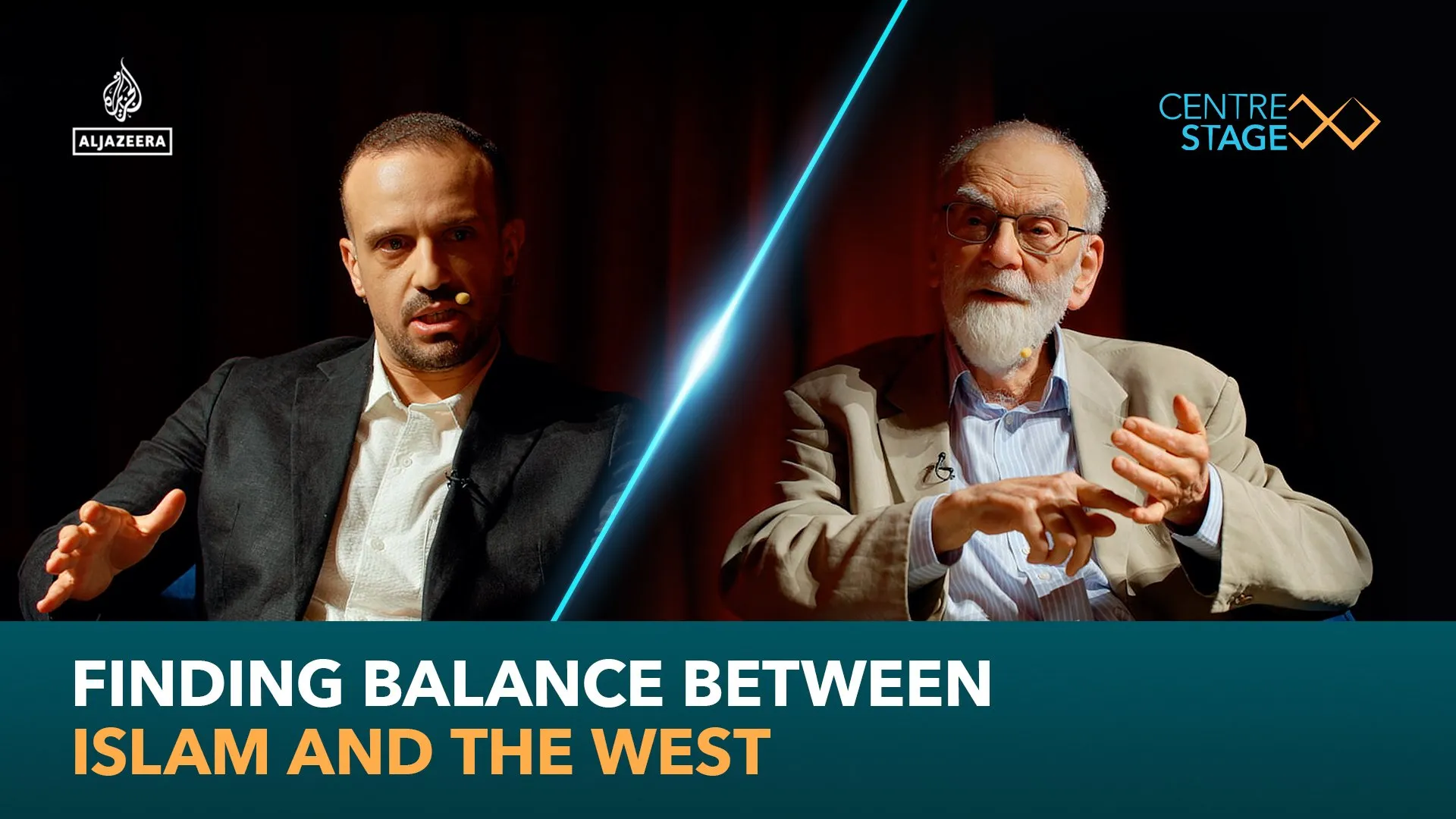
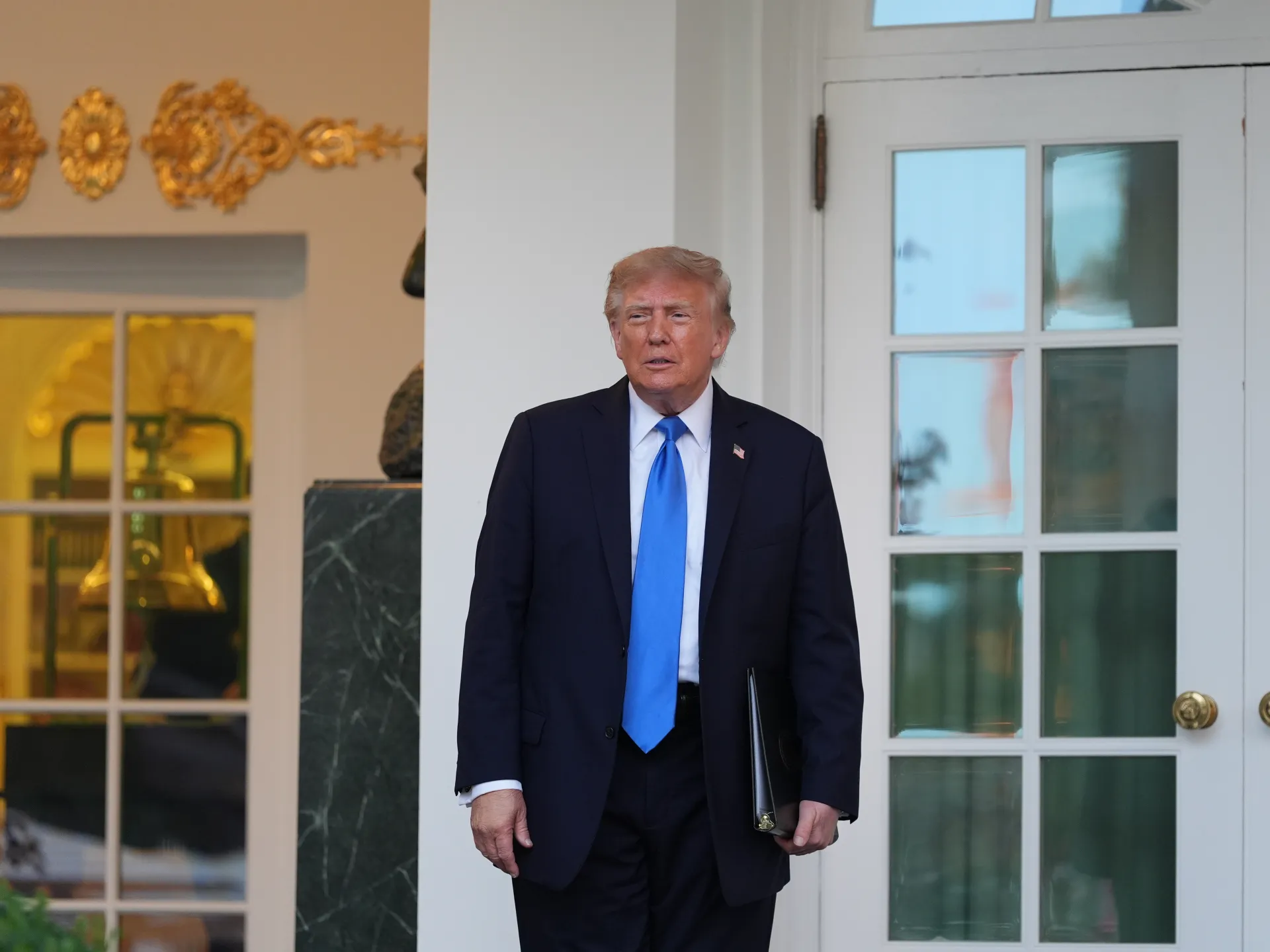
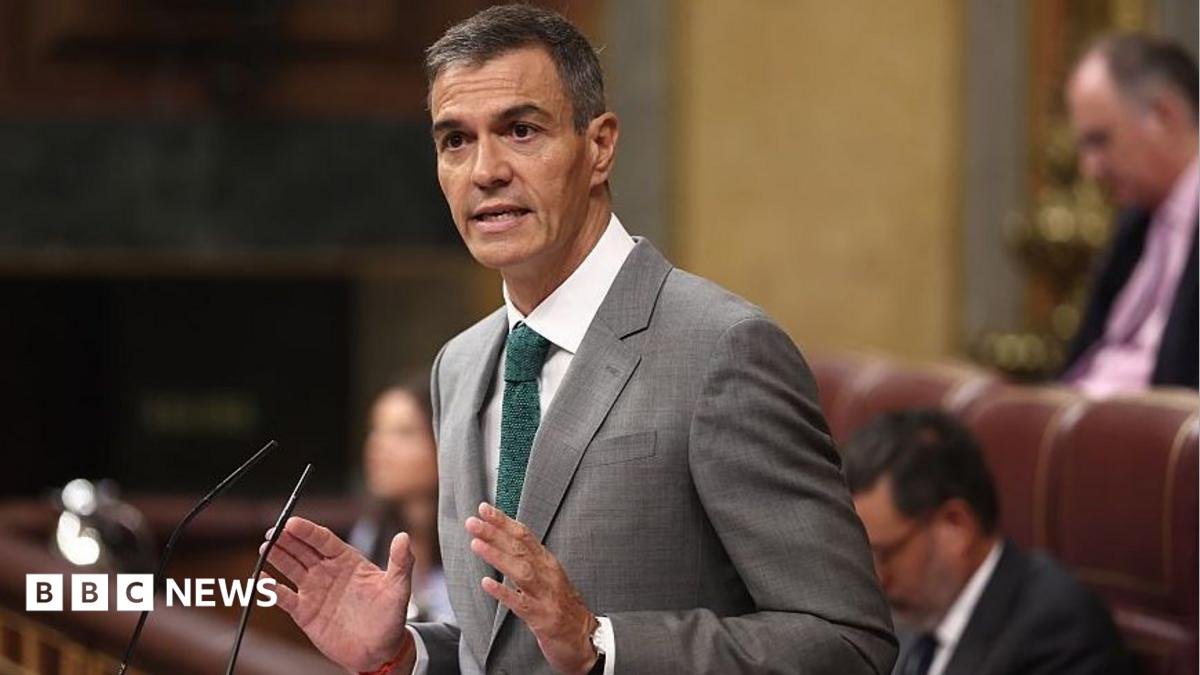
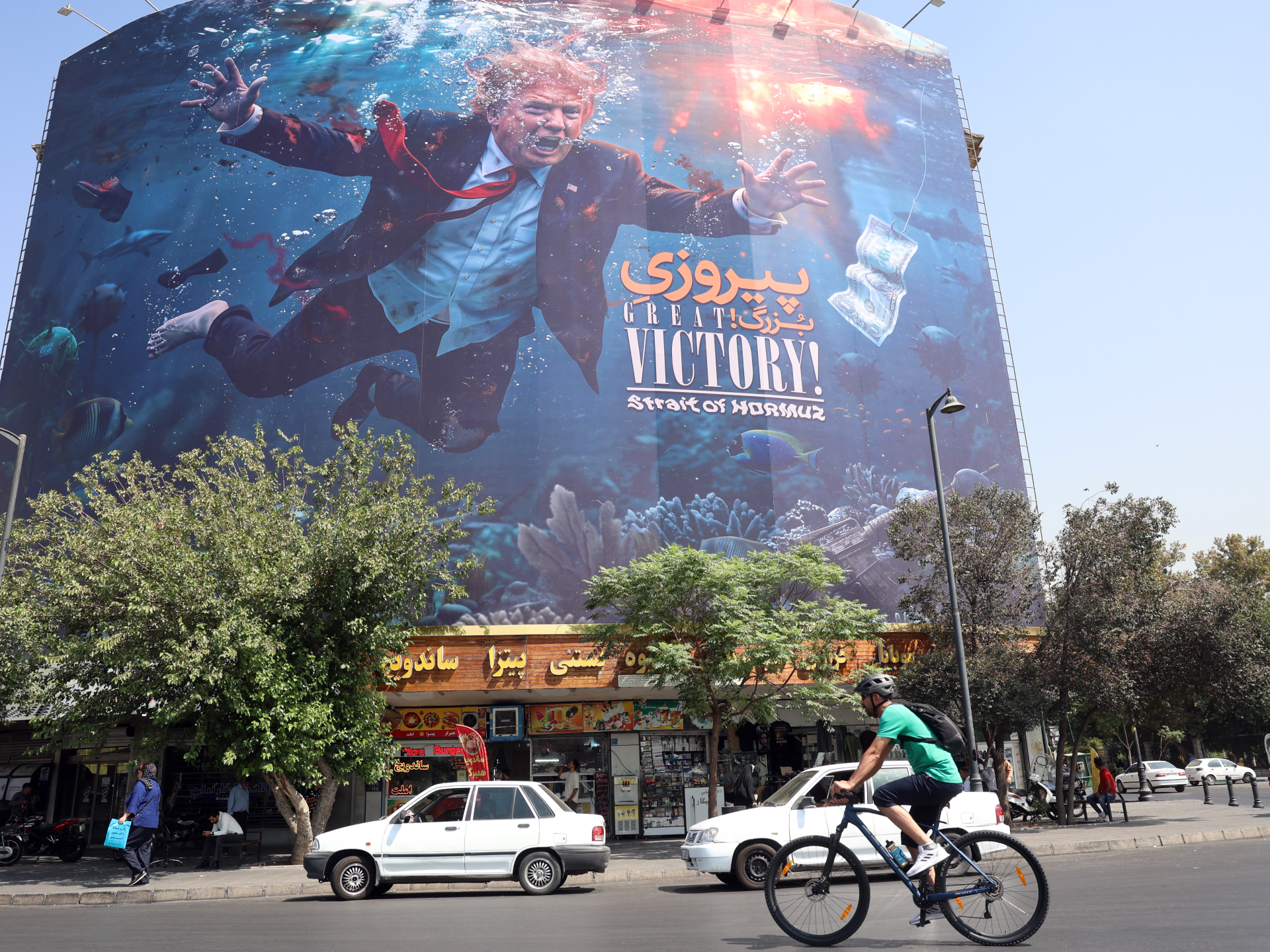
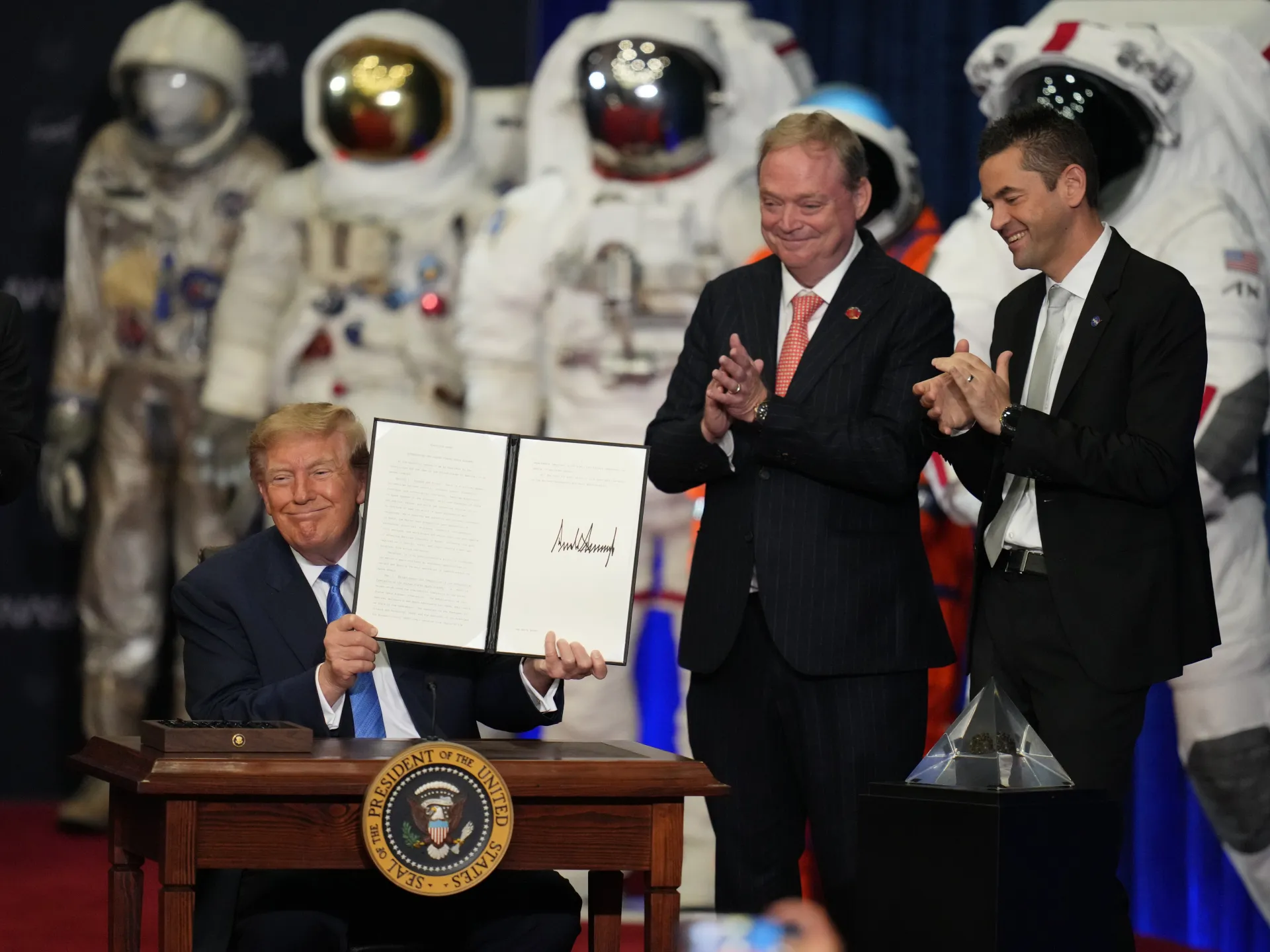
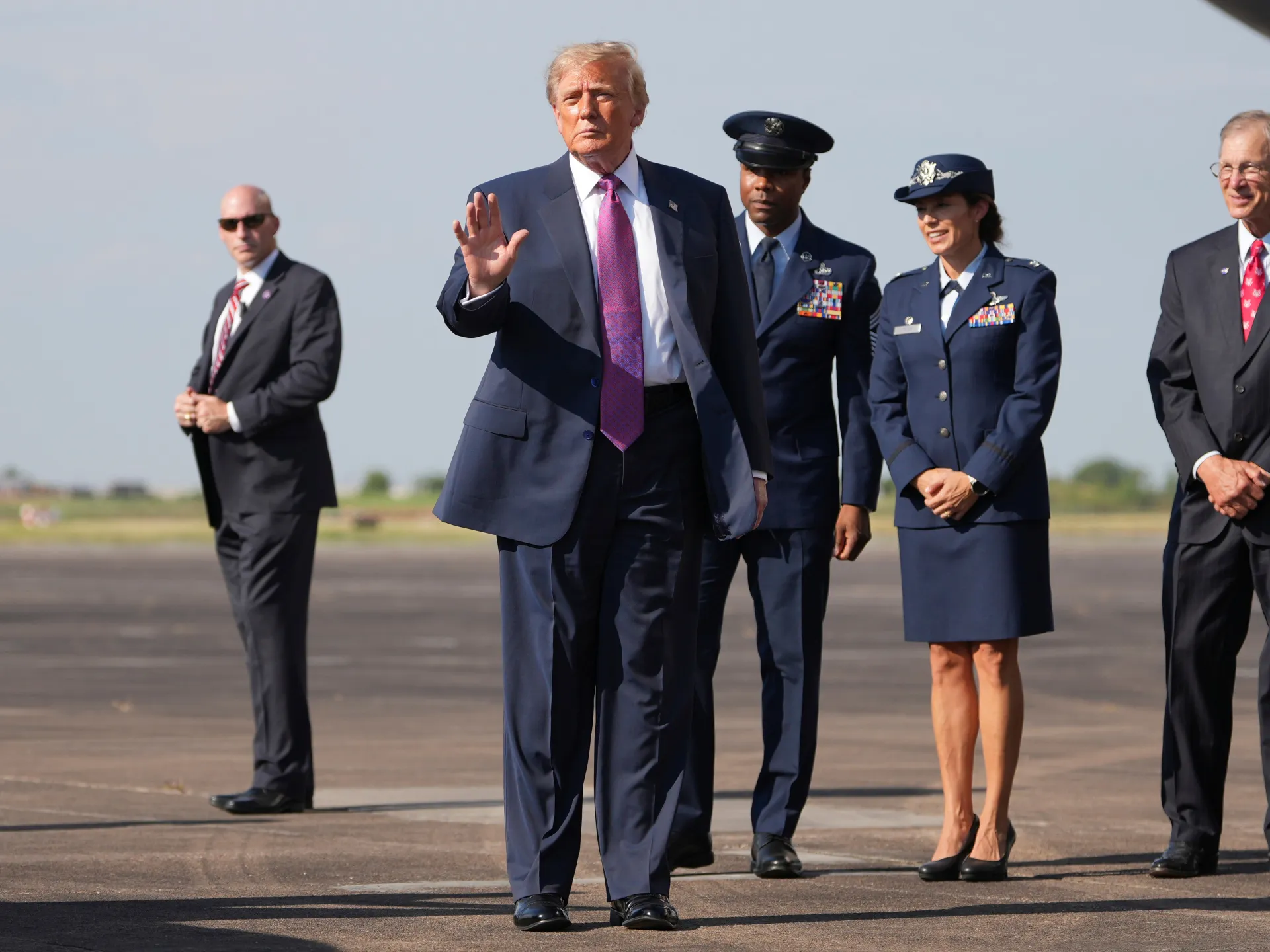
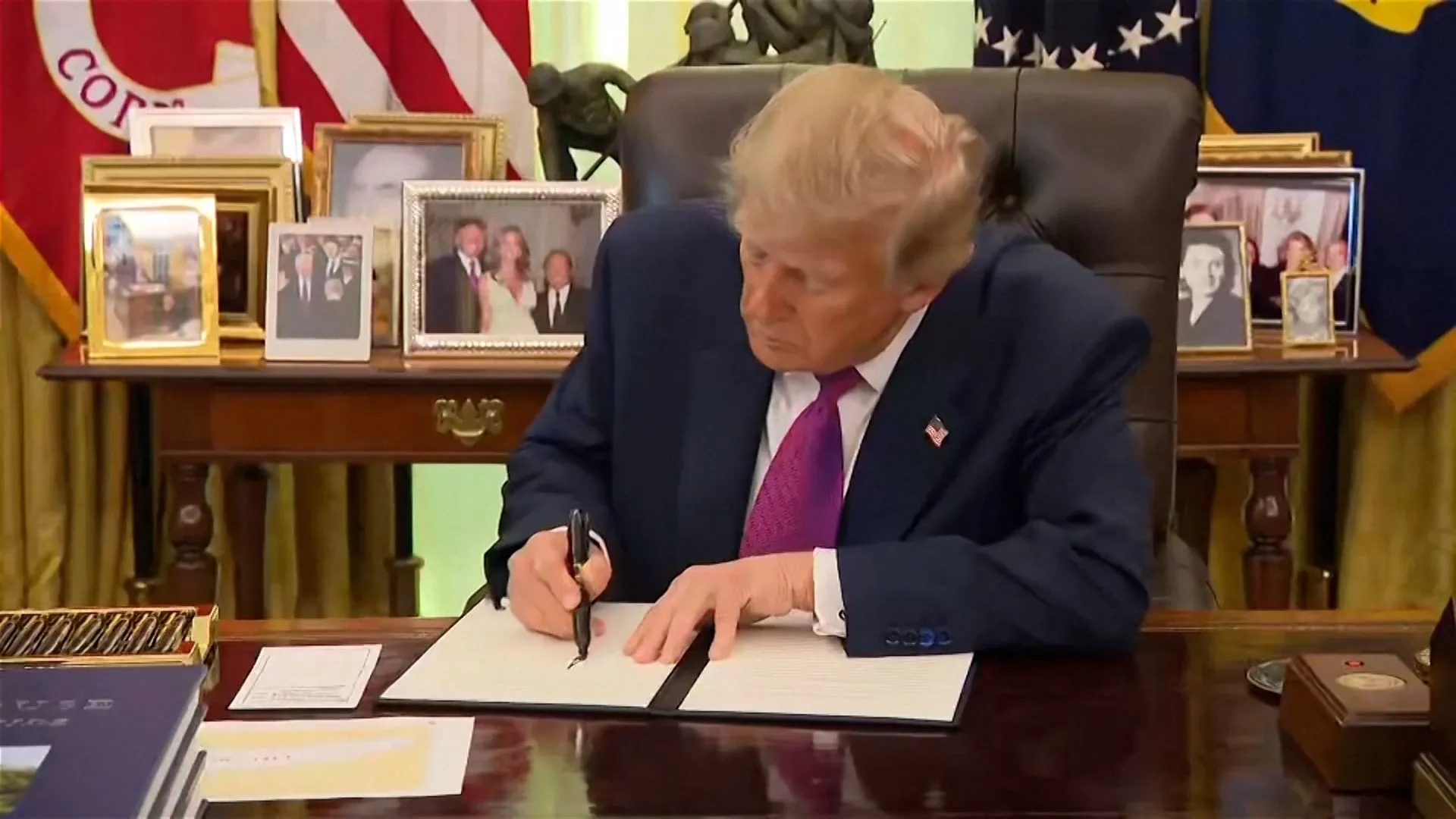
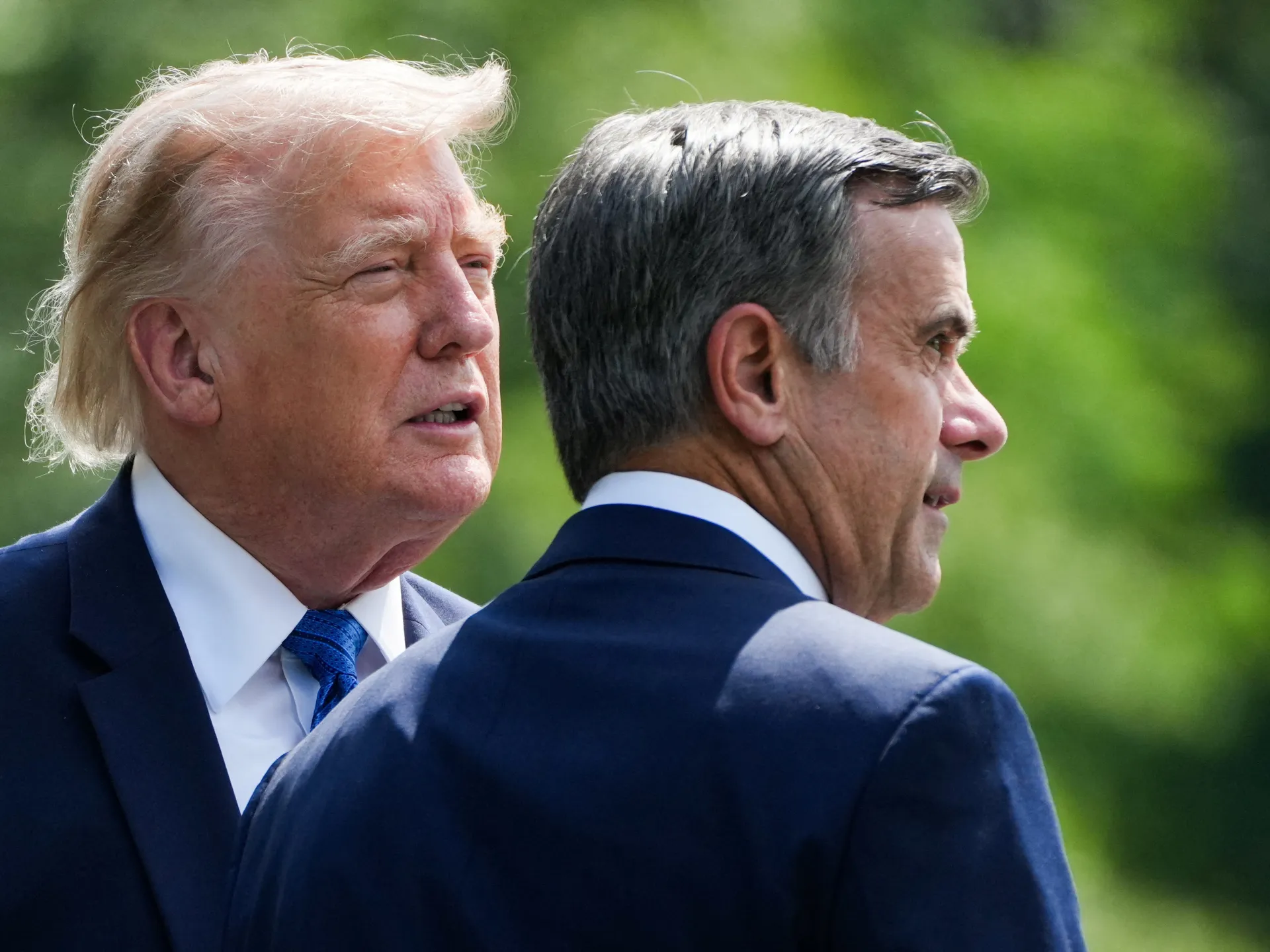
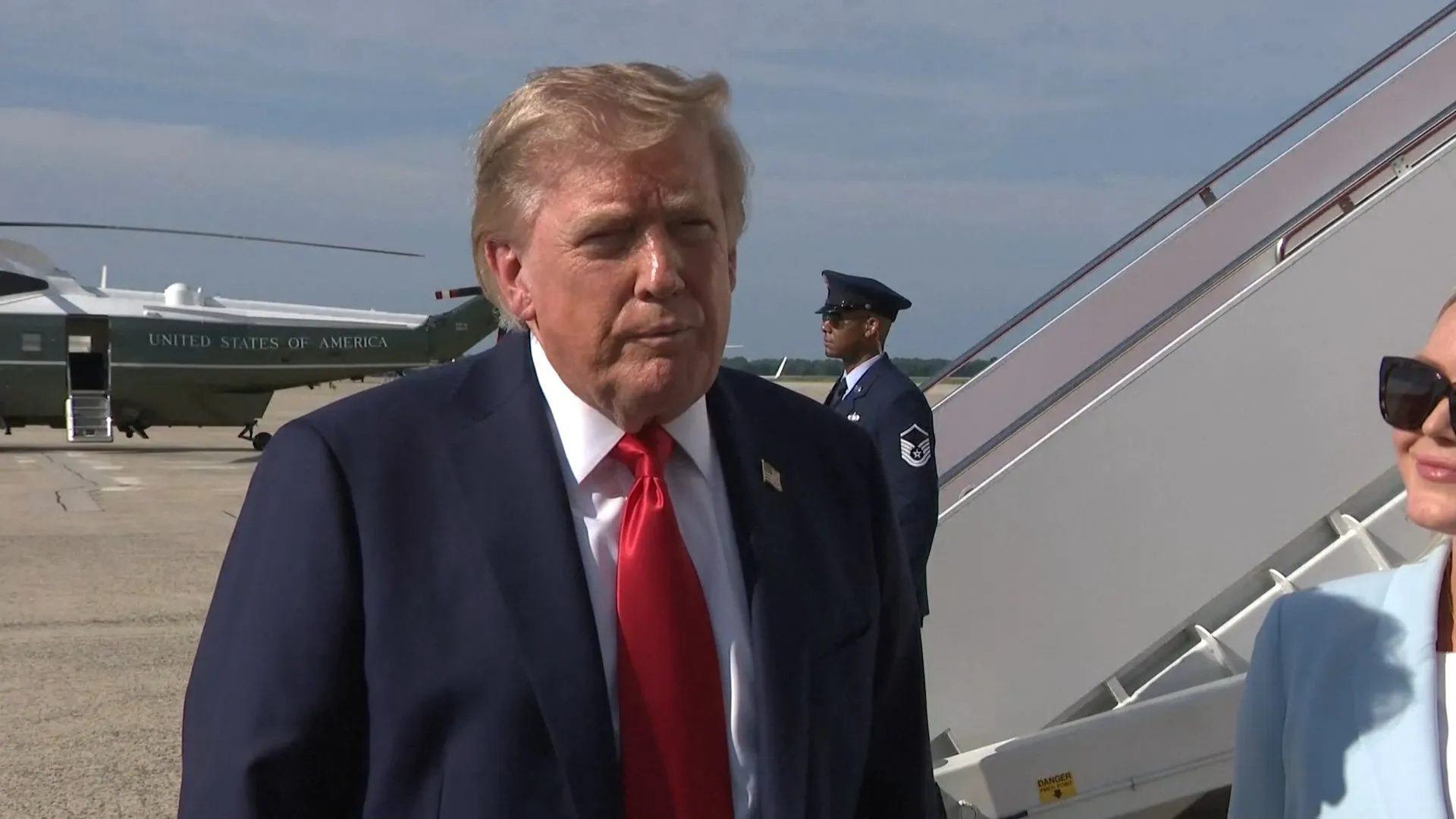
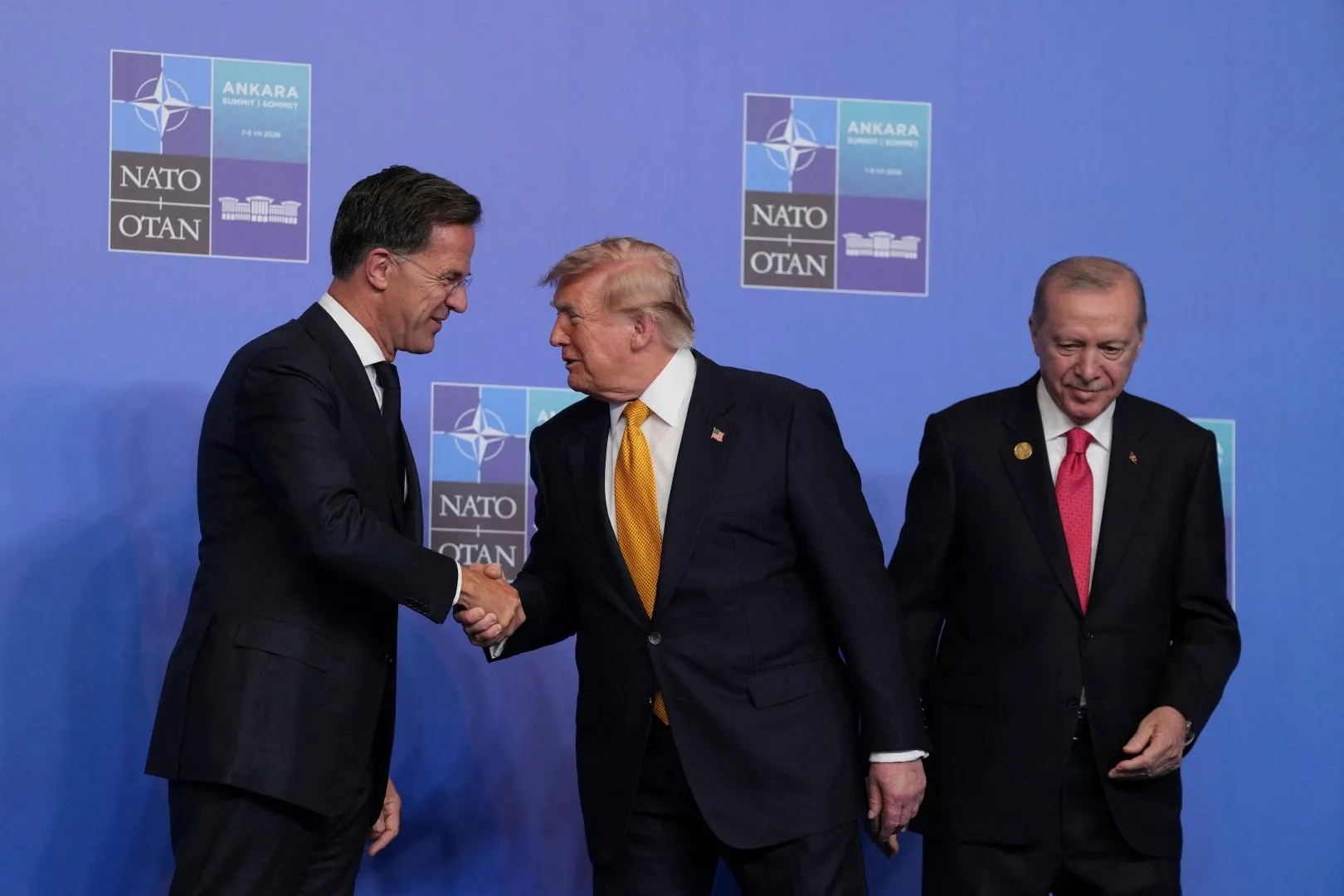
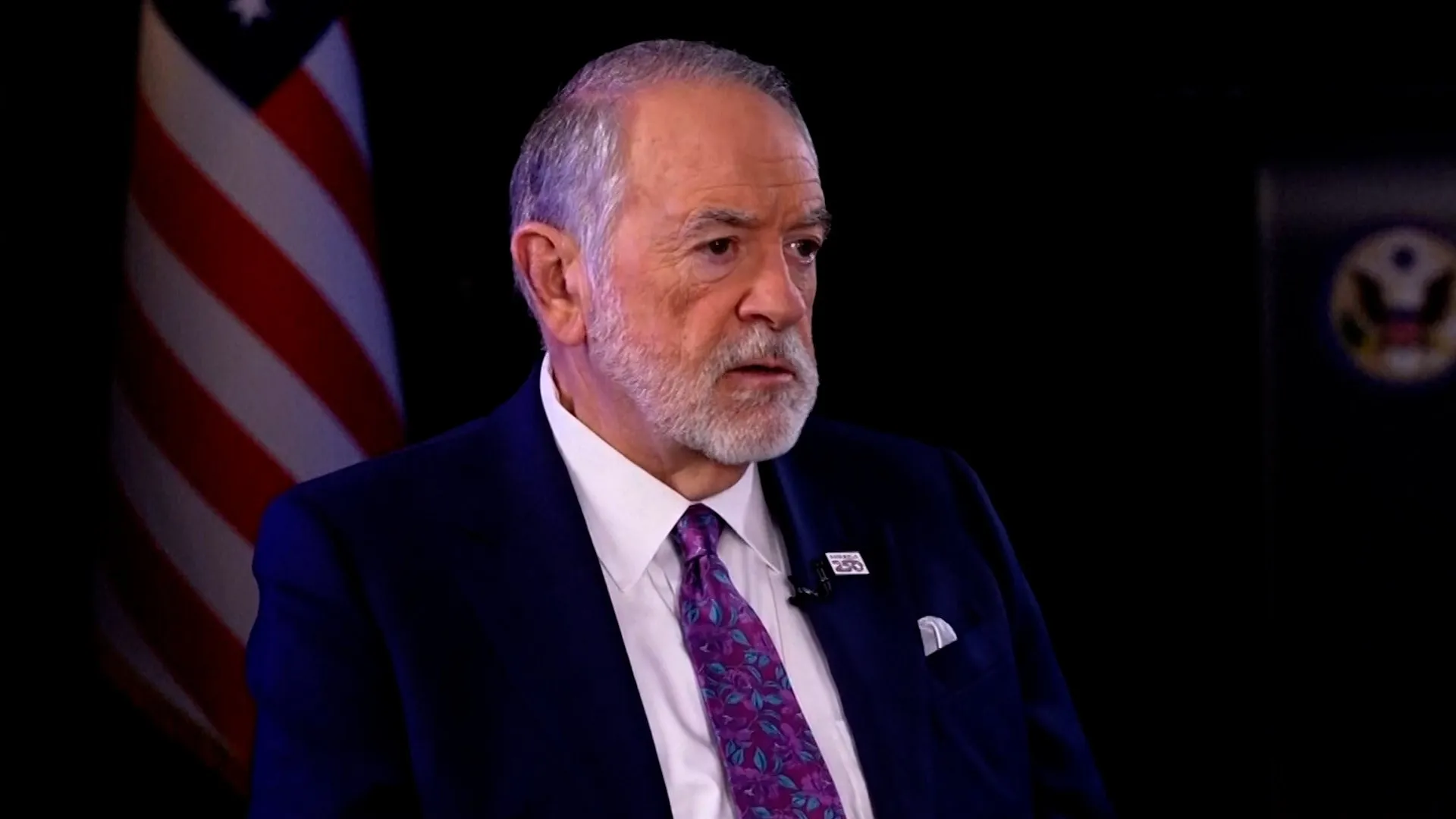
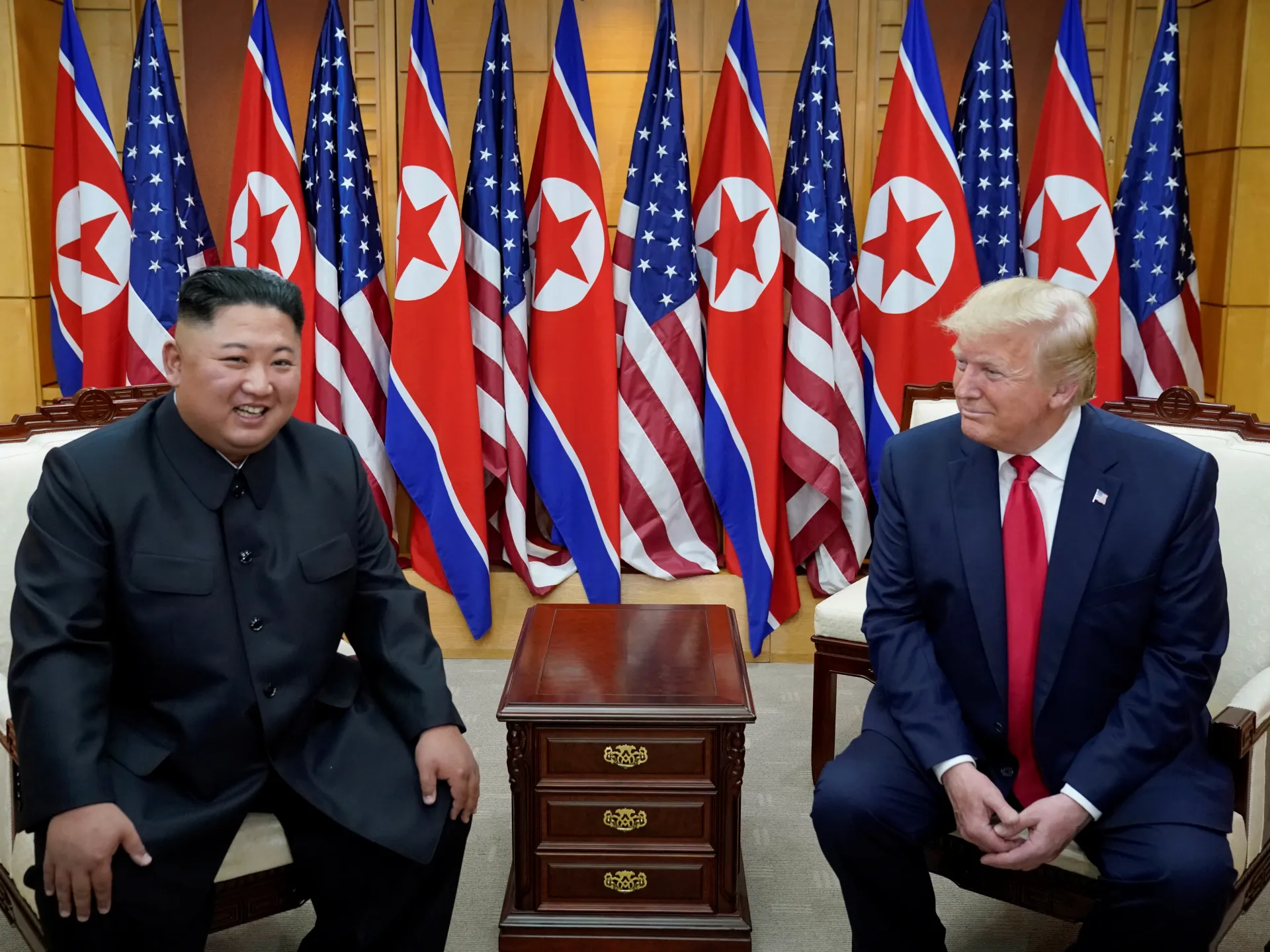
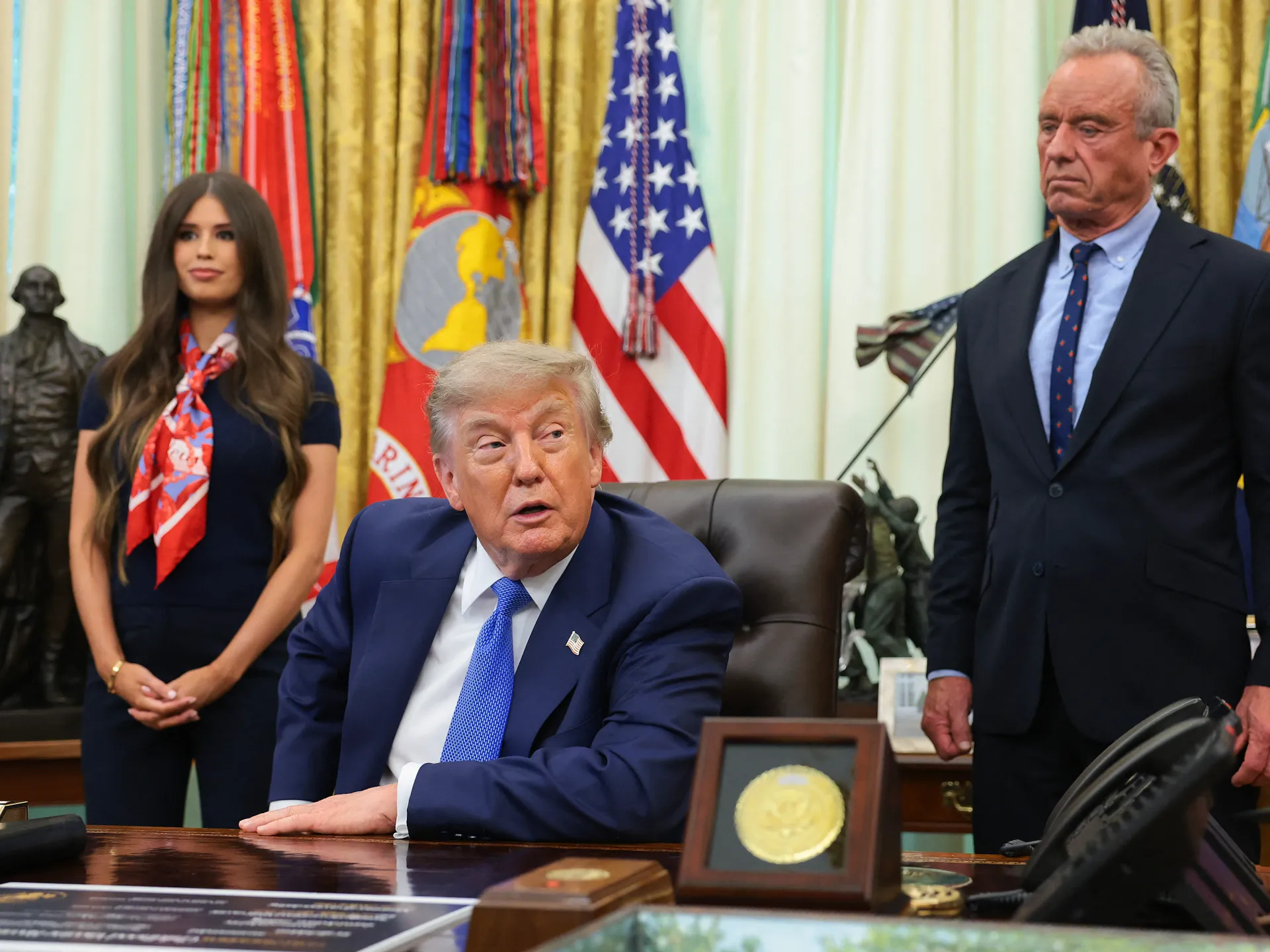
While the U.S. contended with rising temperatures, its northern neighbor moved to deepen ties with the European Union. Prime Minister Mark Carney addressed the European Parliament in Strasbourg to discuss a proposed "associate member" status for Canada, a diplomatic framework that does not currently exist. Carney described the move as a necessary response to the "weaponisation of trade" and the degradation of democratic norms. The initiative faces significant headwinds; U.S. President Donald Trump has publicly labeled the proposal "laughable," warning that he would consider the alliance a potential "hostile act" and threatening the imposition of severe tariffs on European goods.
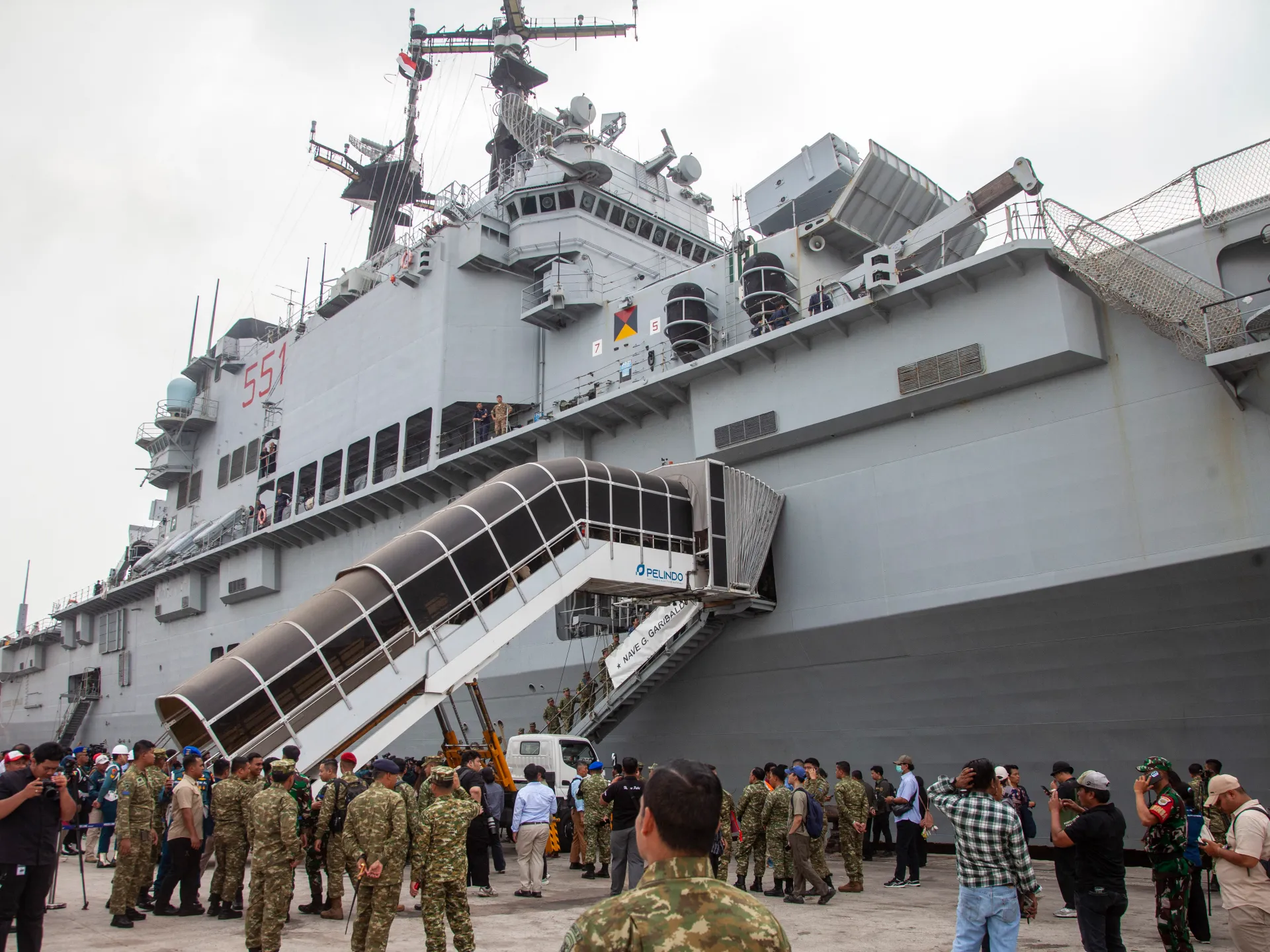
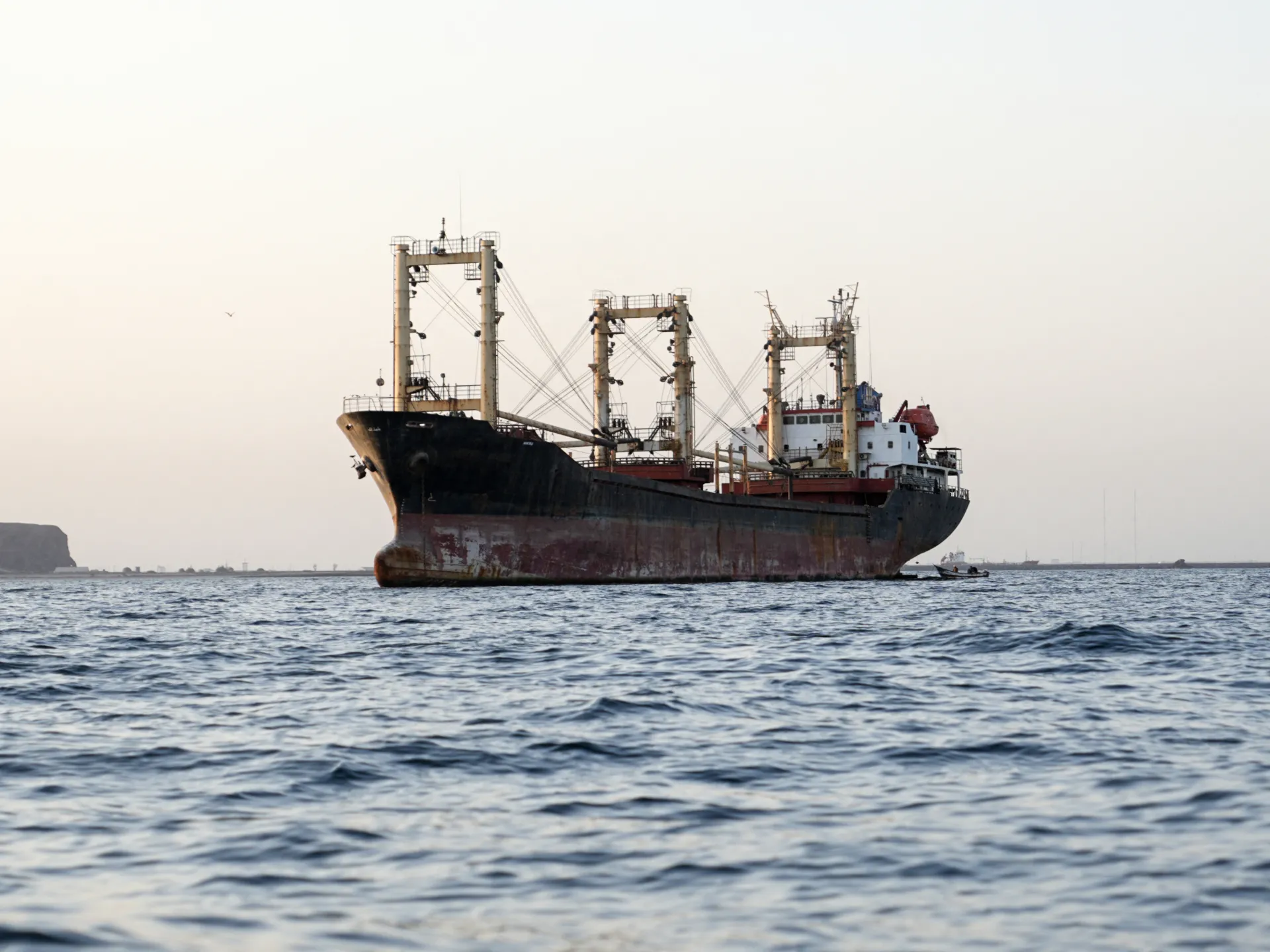
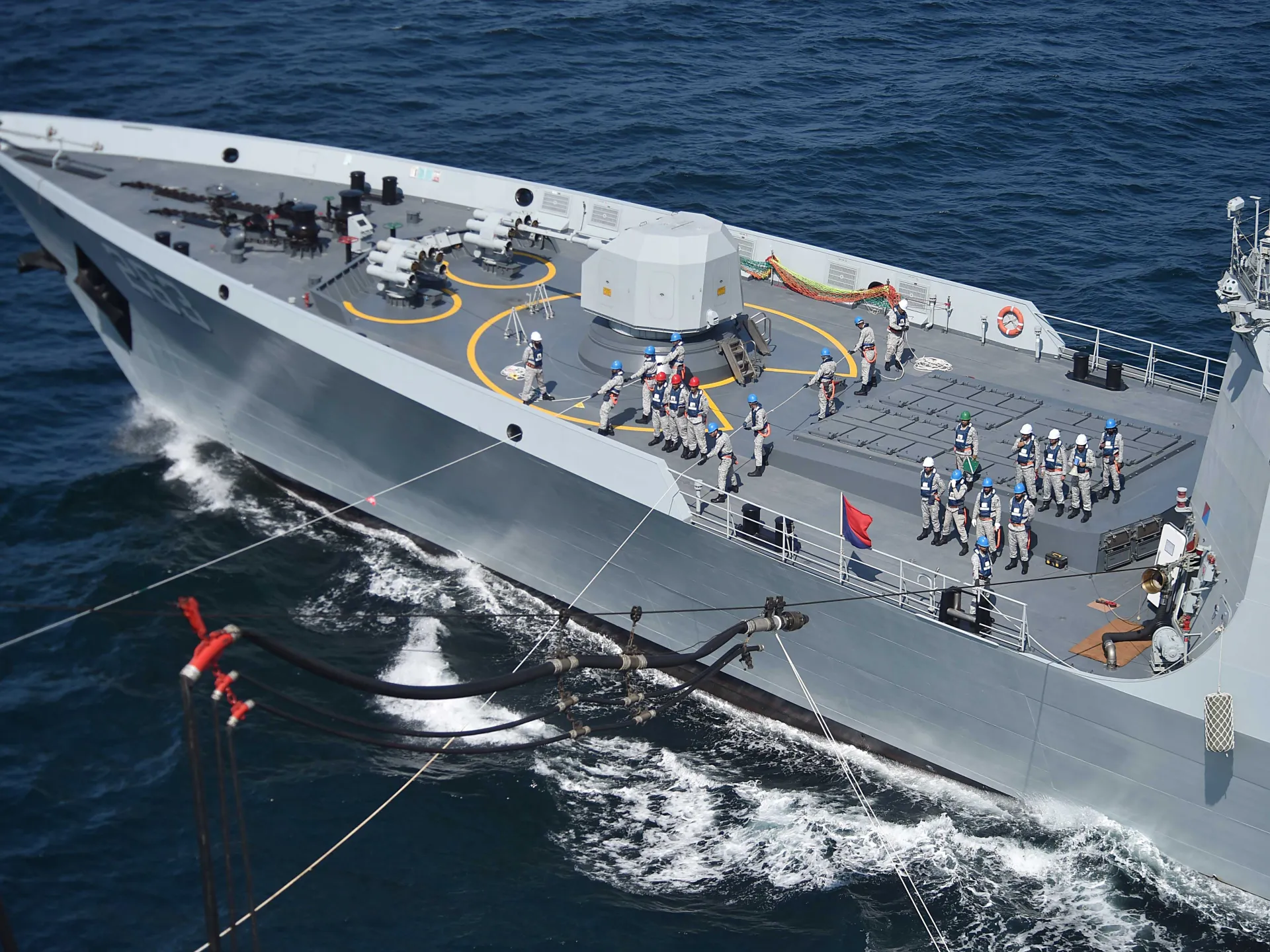
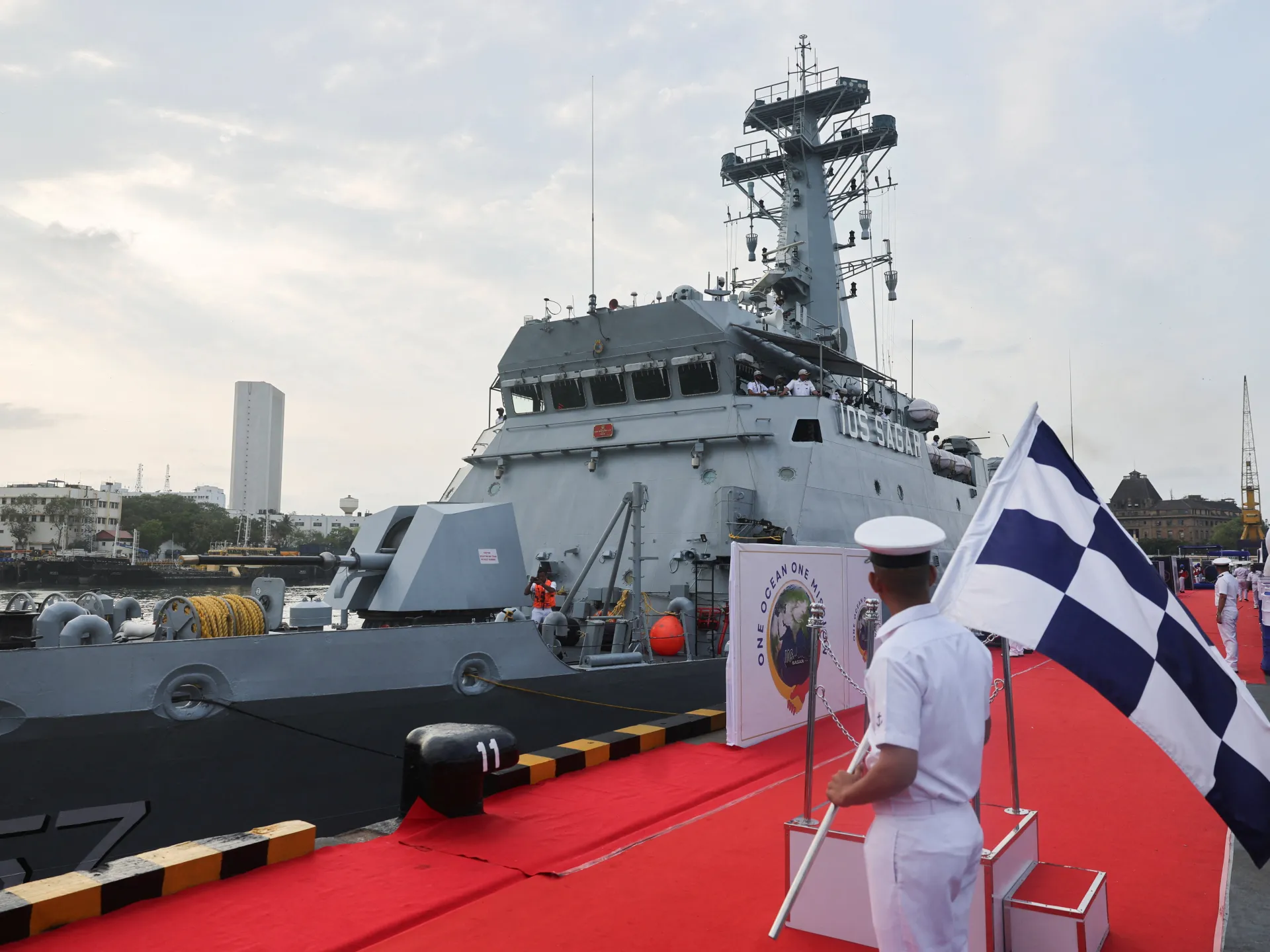
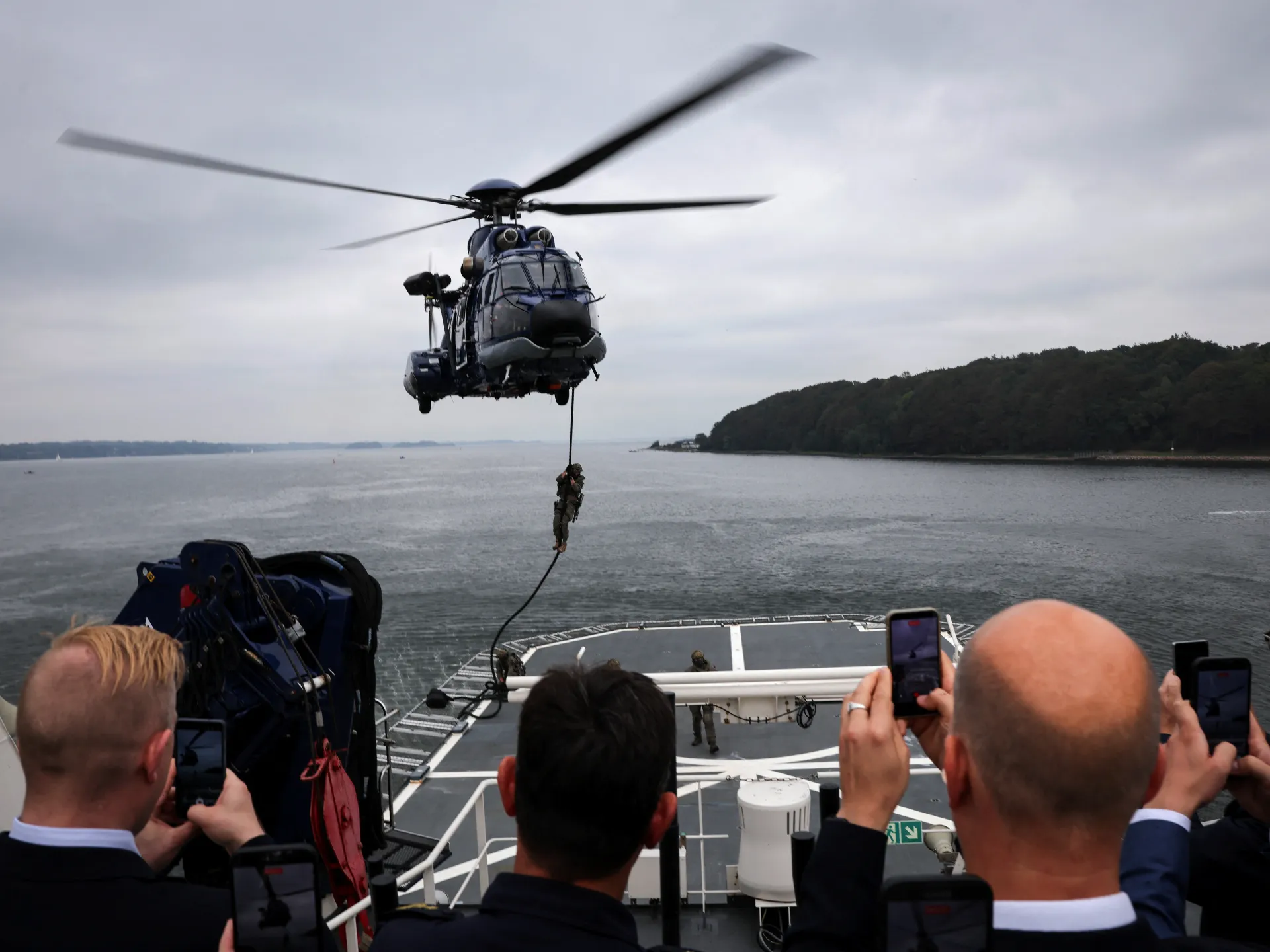
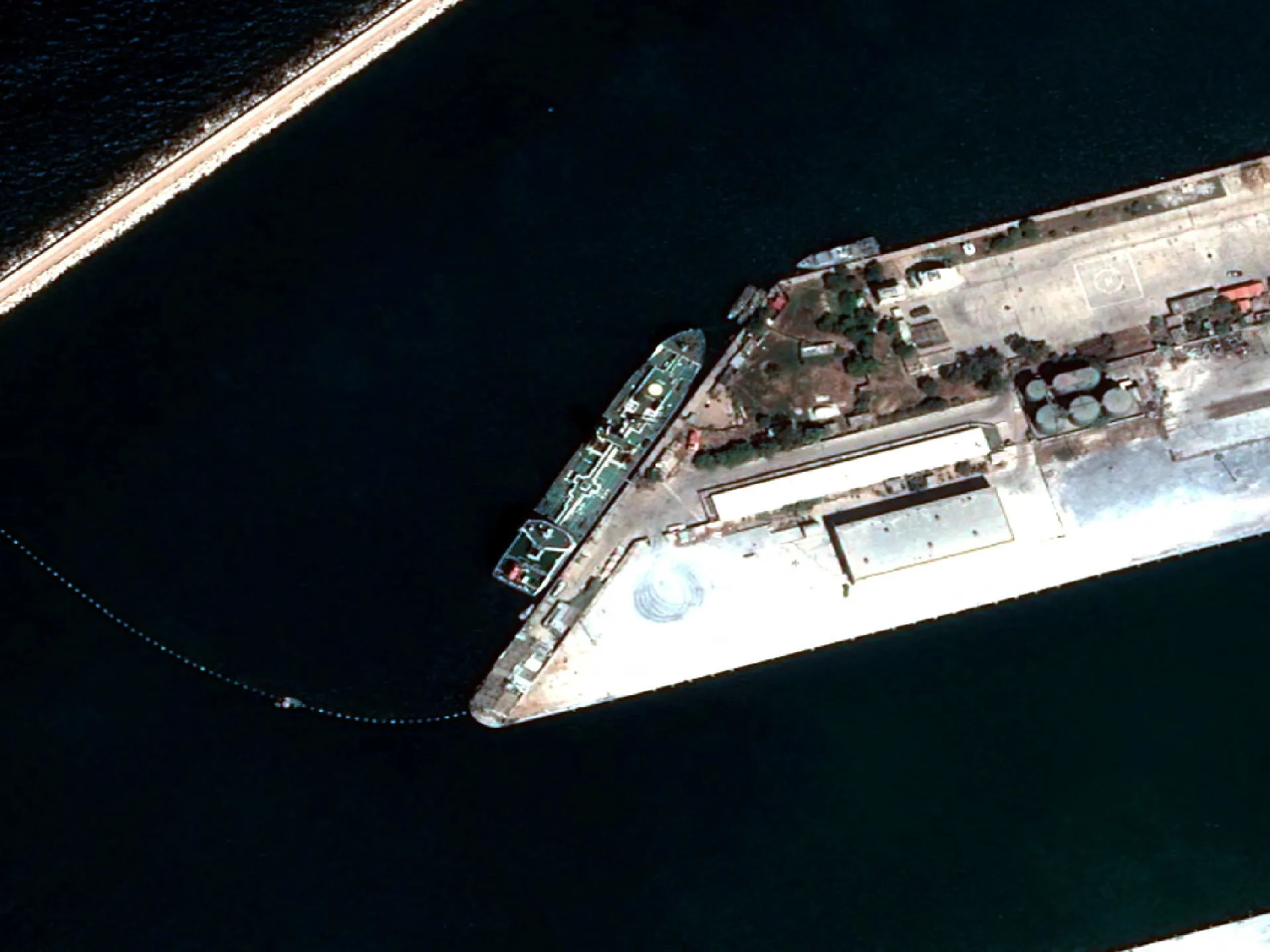
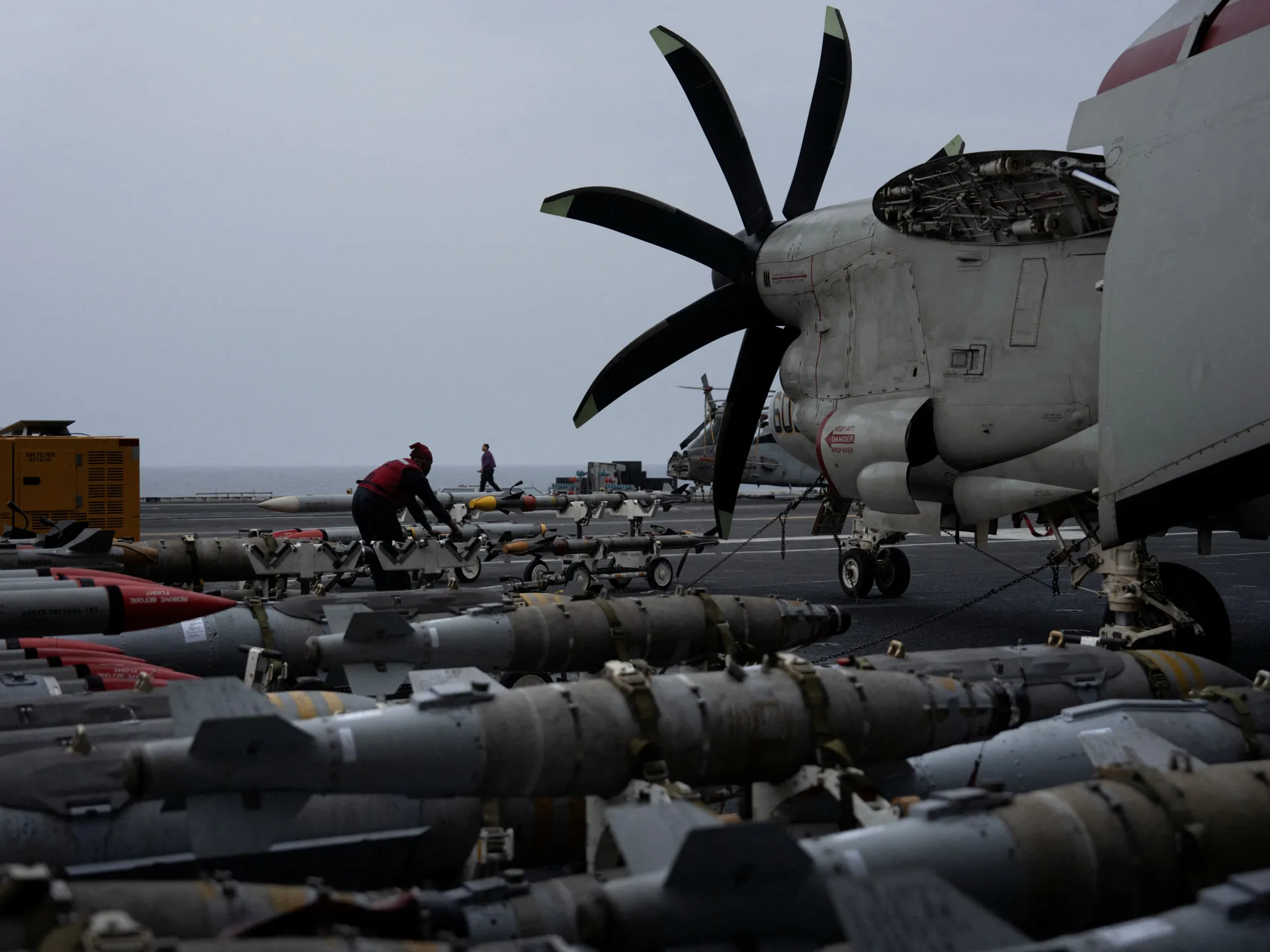
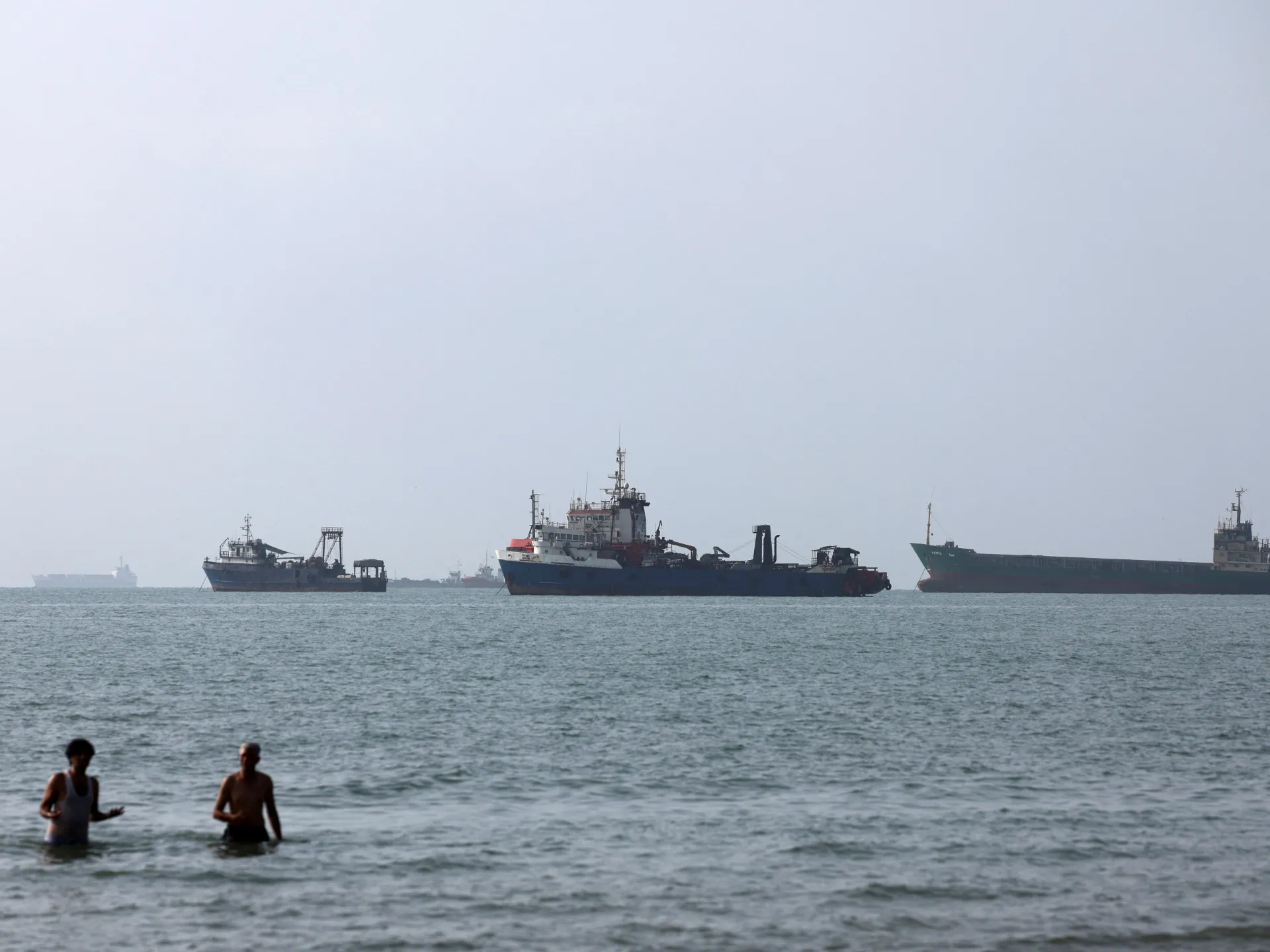
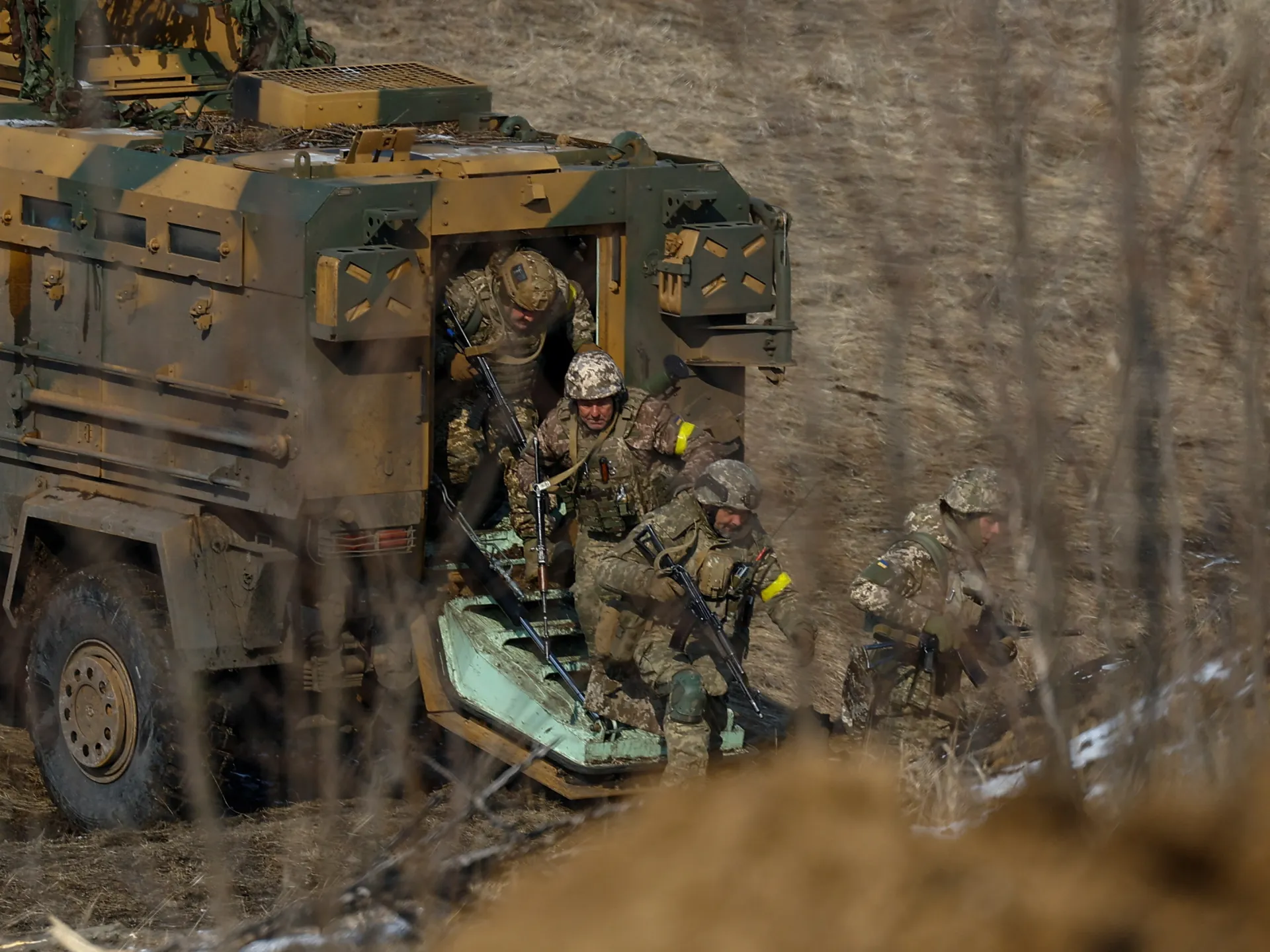
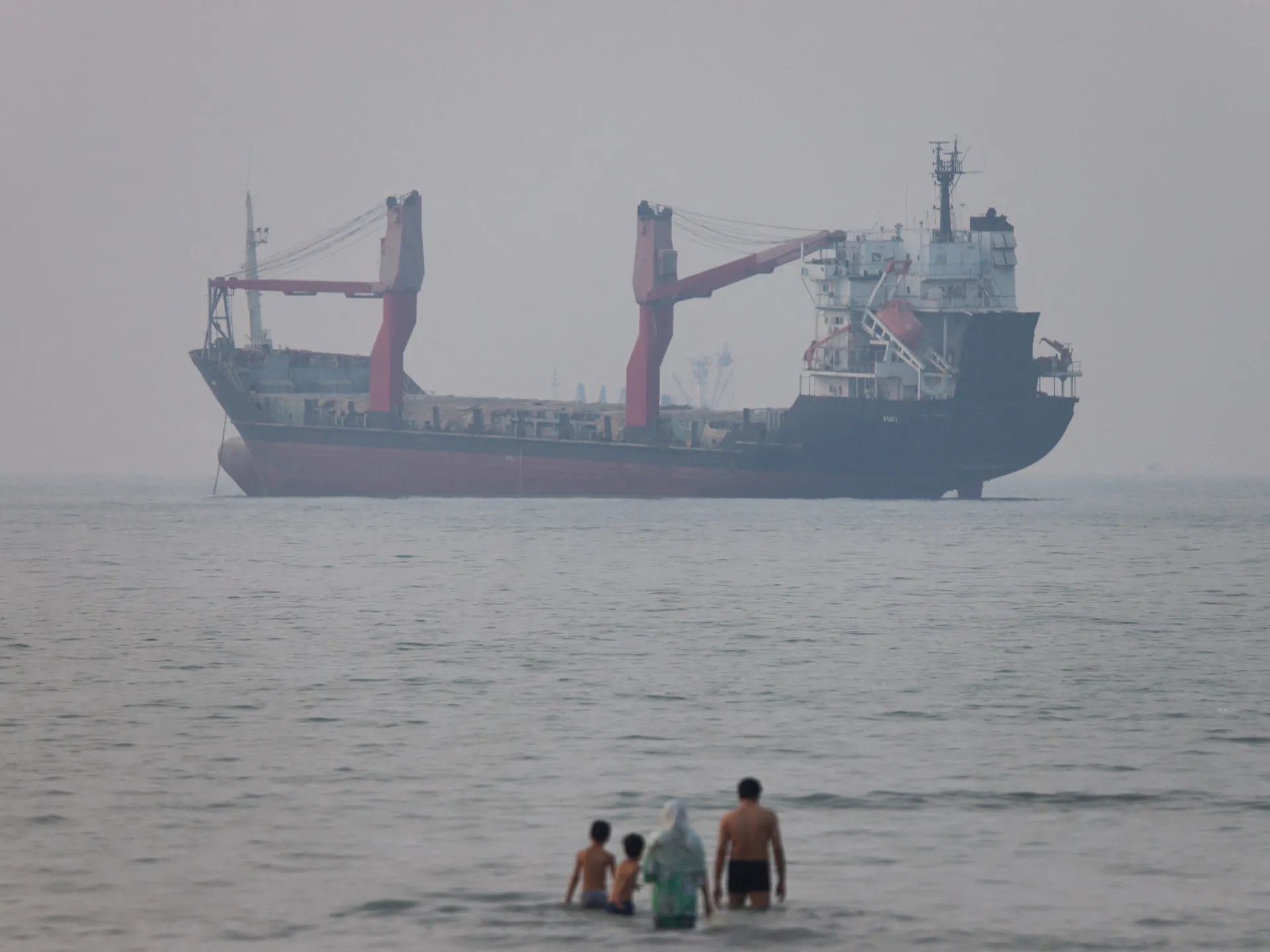
Simultaneously, in Southeast Asia, Indonesia marked a milestone in its military modernization efforts. The nation welcomed the arrival of the former Italian aircraft carrier Giuseppe Garibaldi at the Tanjung Priok naval base in Jakarta. Acquired from Italy to enhance maritime disaster response and national defense, the vessel is set to be renamed the KRI Sriwijaya. While President Prabowo Subianto emphasized the carrier's role in humanitarian logistics across the archipelago, Indonesian Navy Chief of Staff Muhammad Ali confirmed its potential for combat deployment. The acquisition, backed s maritime capabilities in a rapidly changing security environment.
The path forward remains fraught with diplomatic and economic friction. For Canada, the success of the associate membership proposal depends on the European Union’s willingness to create a novel legal framework while navigating the looming threat of U.S. trade retaliation. If the U.S. follows through on threats to penalize European trade, the resulting economic pressure may either solidify or fracture the nascent Canada-EU alignment. Meanwhile, Indonesia’s integration of the KRI Sriwijaya into its naval fleet will likely be monitored closely training over the next several years, with its primary test likely coming during the next cycle of regional disaster response operations or heightened maritime security patrols.