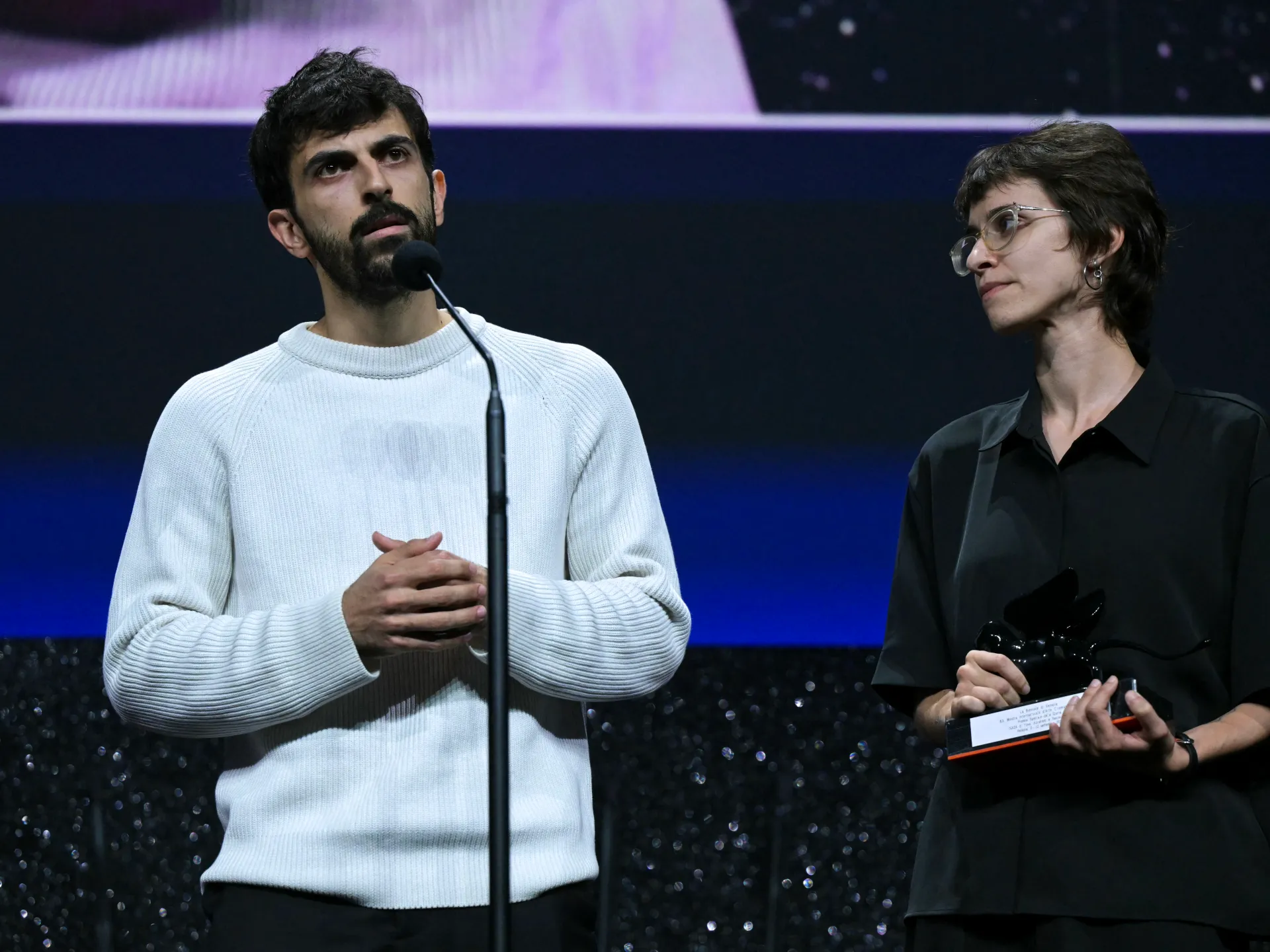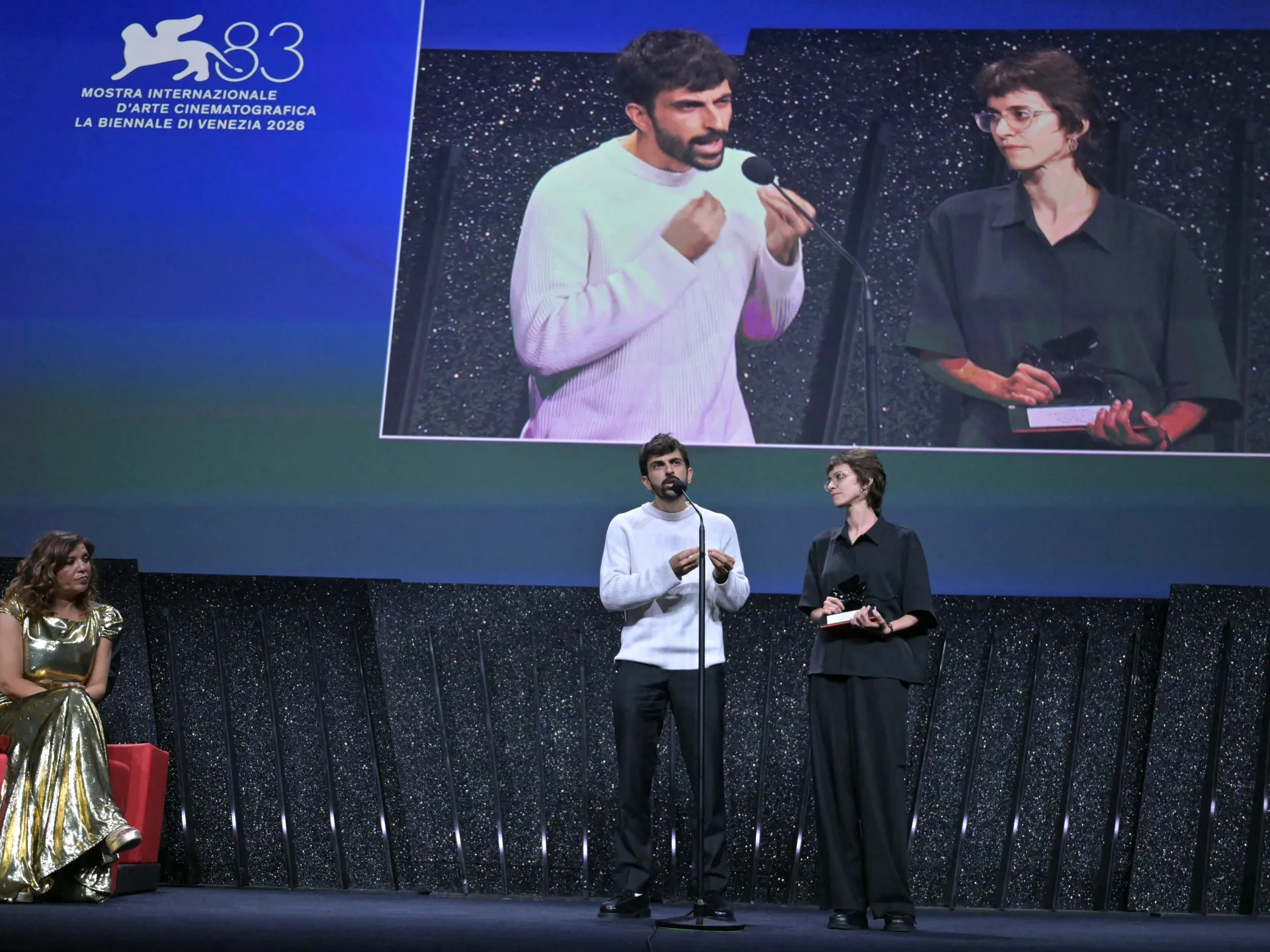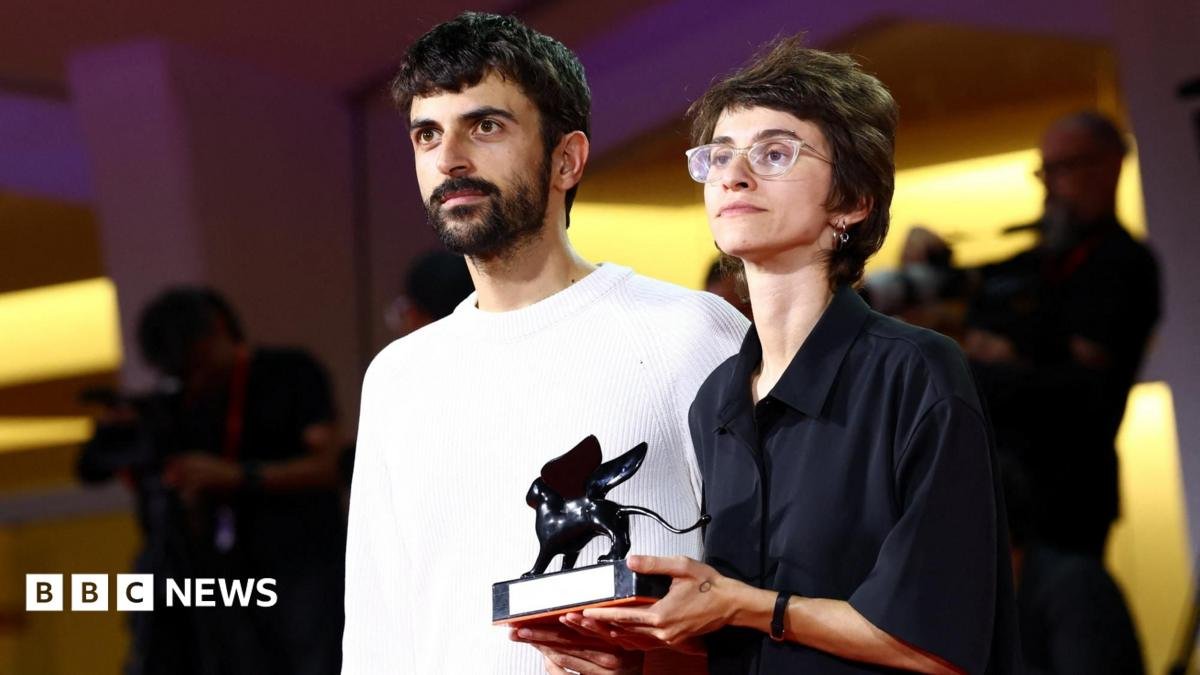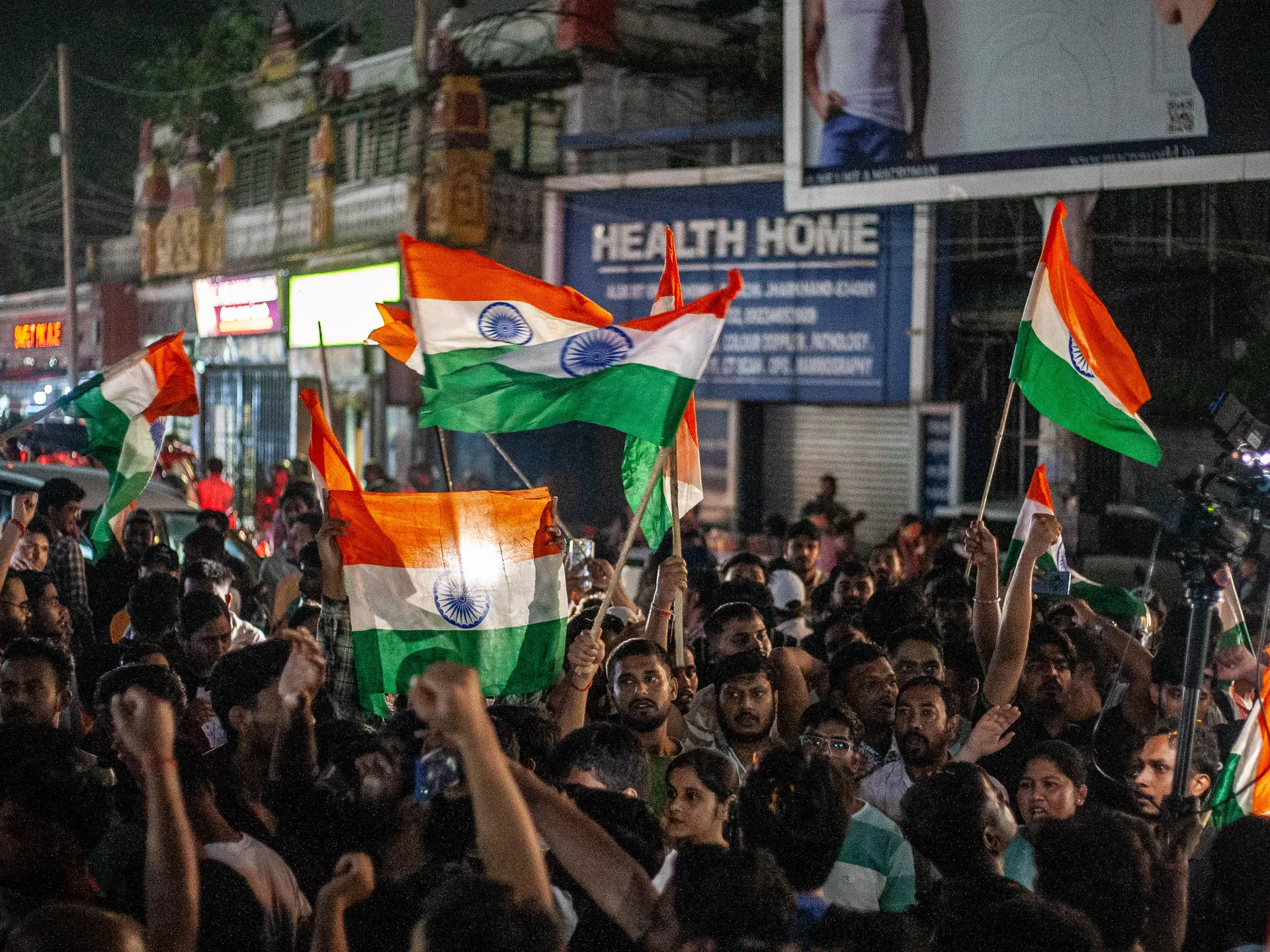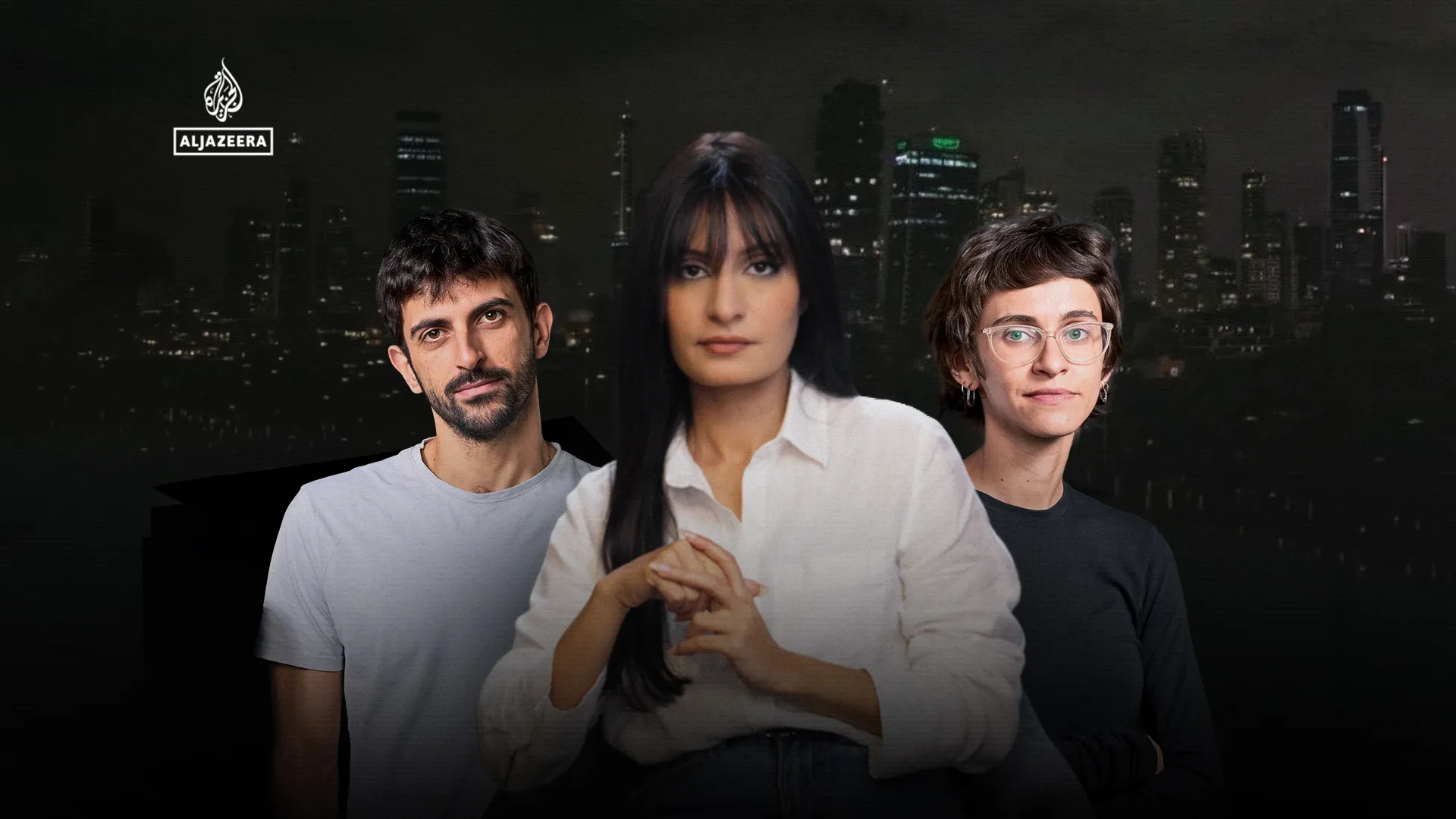
A surge of public anger has erupted in Israel following the release of the film 'NAZA,' leading to intense protests outside the filmmaker's family home.
The release of the controversial film titled 'NAZA' has sparked a wave of public anger across Israel, culminating in a significant demonstration outside the private residence of the filmmaker. The intensity of the reaction highlights deep-seated societal divisions regarding artistic expression and national narrative. As the film gains traction, the discourse surrounding its themes has shifted from academic debate to direct confrontation, drawing hundreds of concerned citizens to the streets.
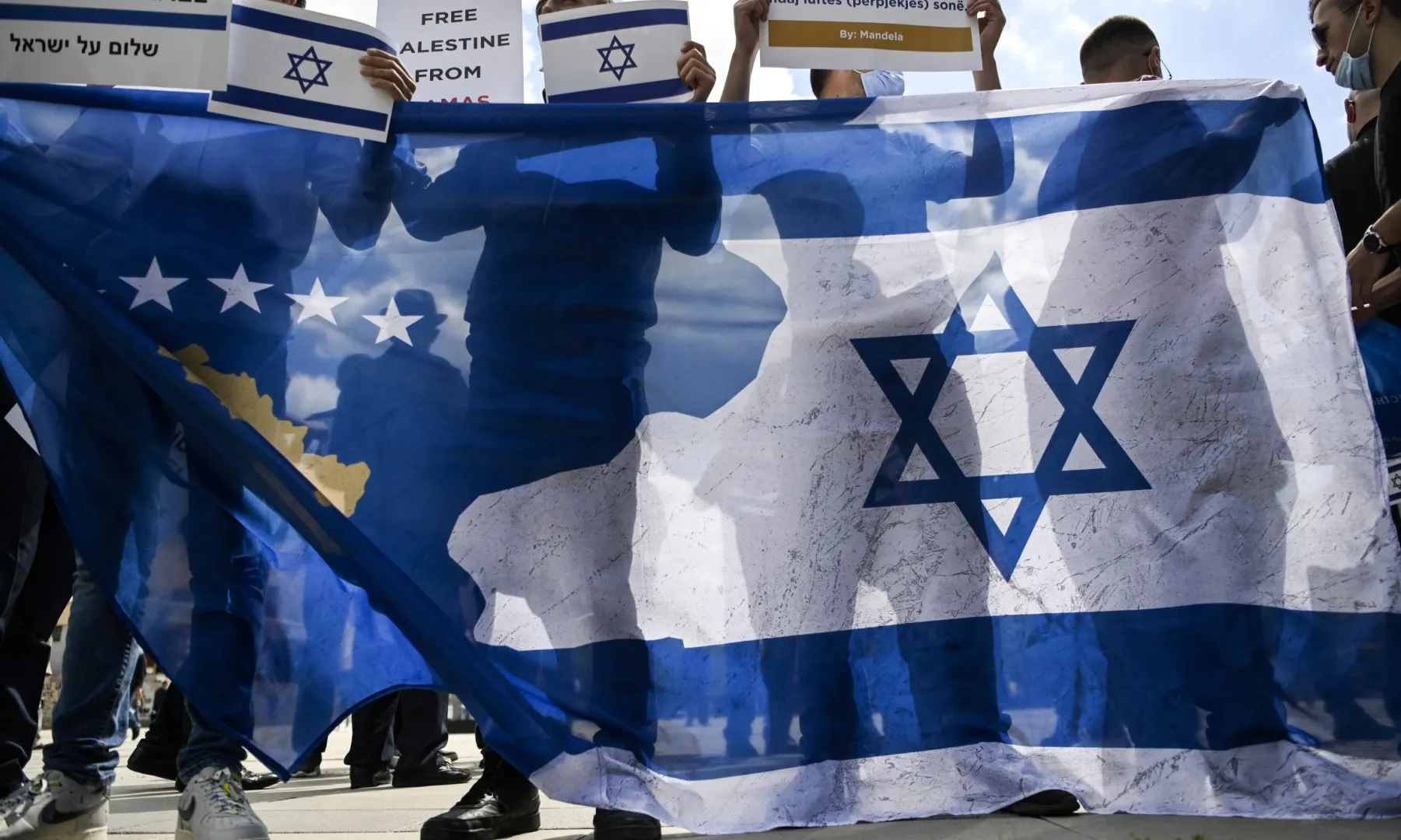
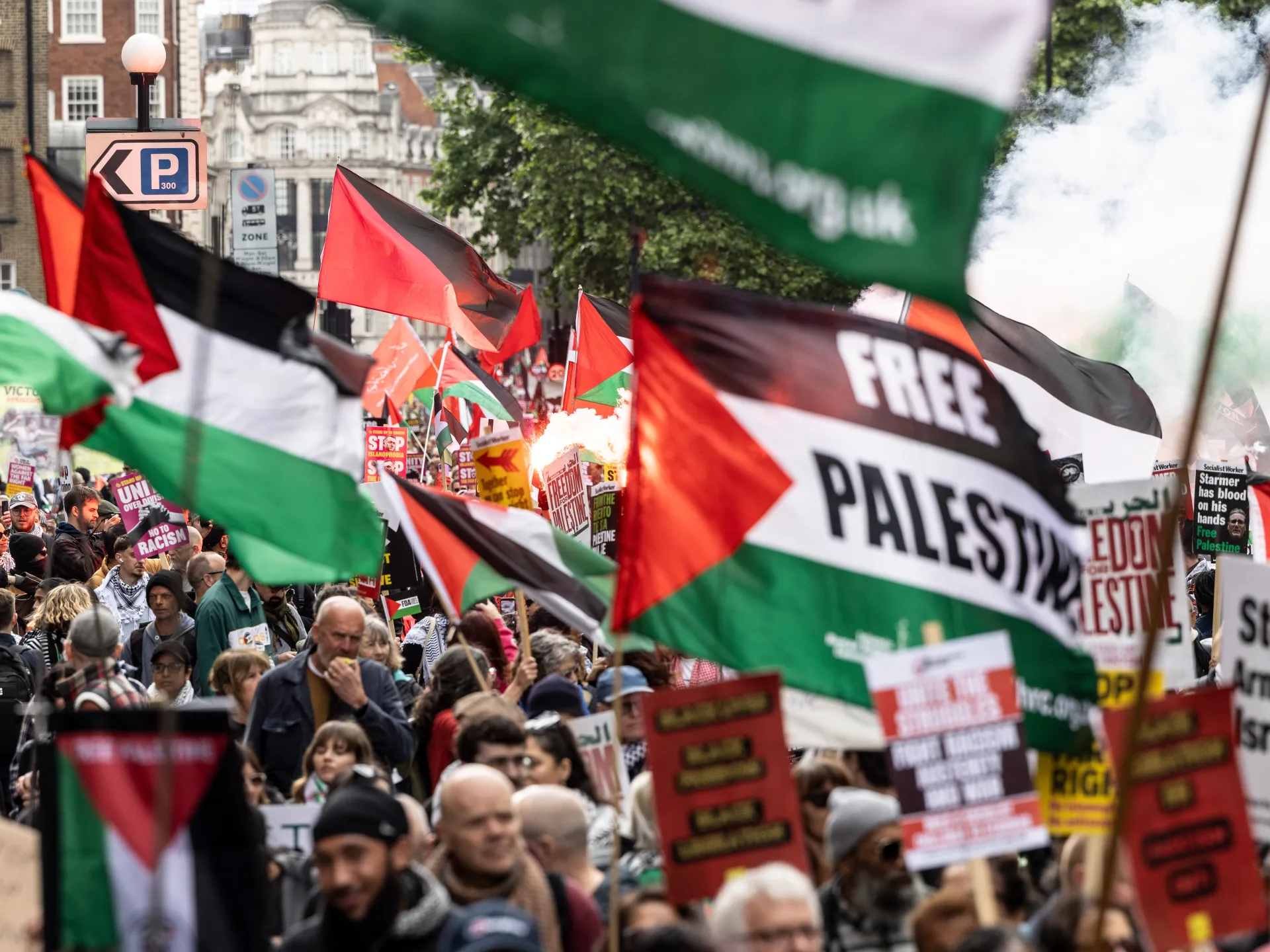
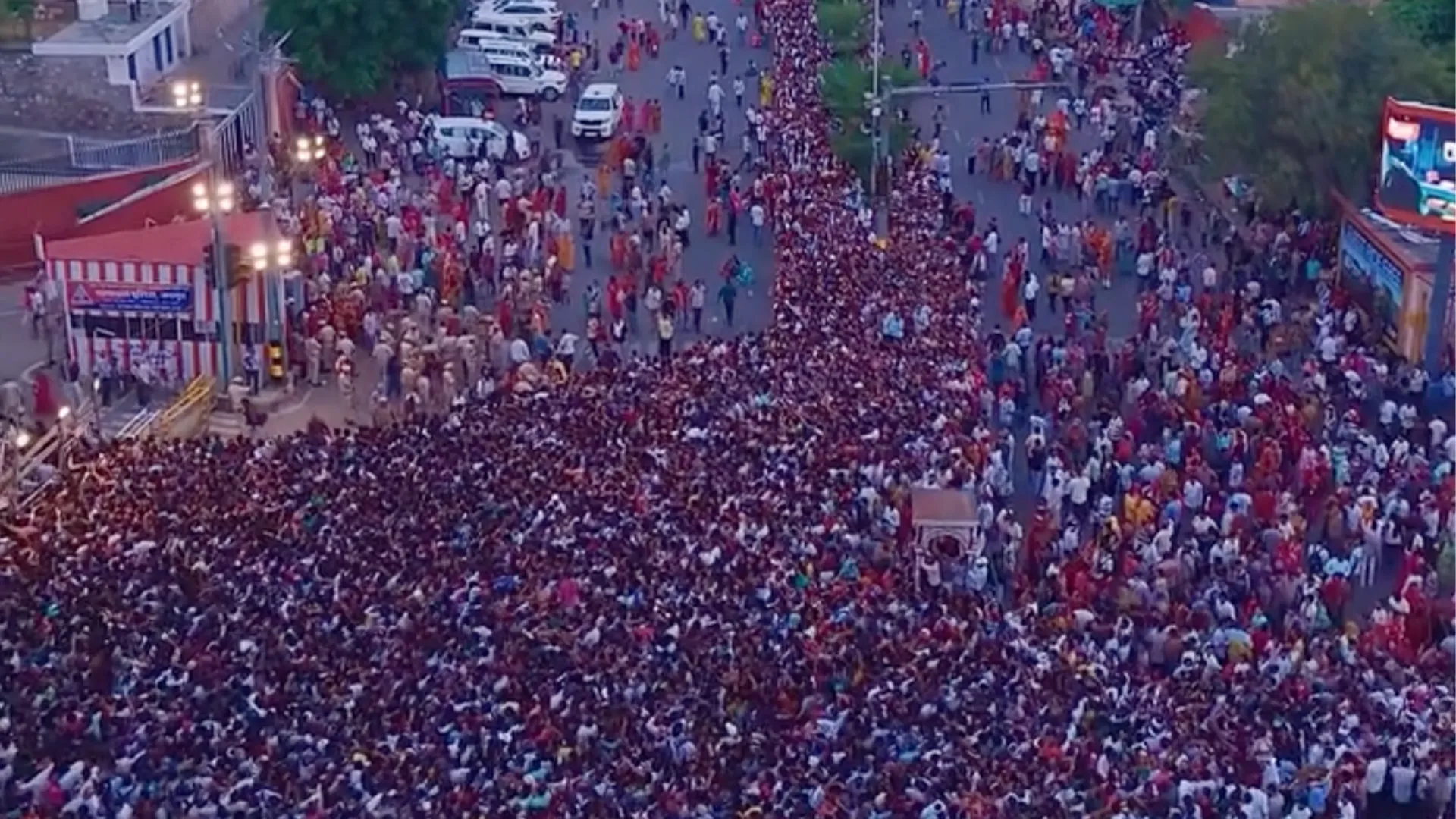
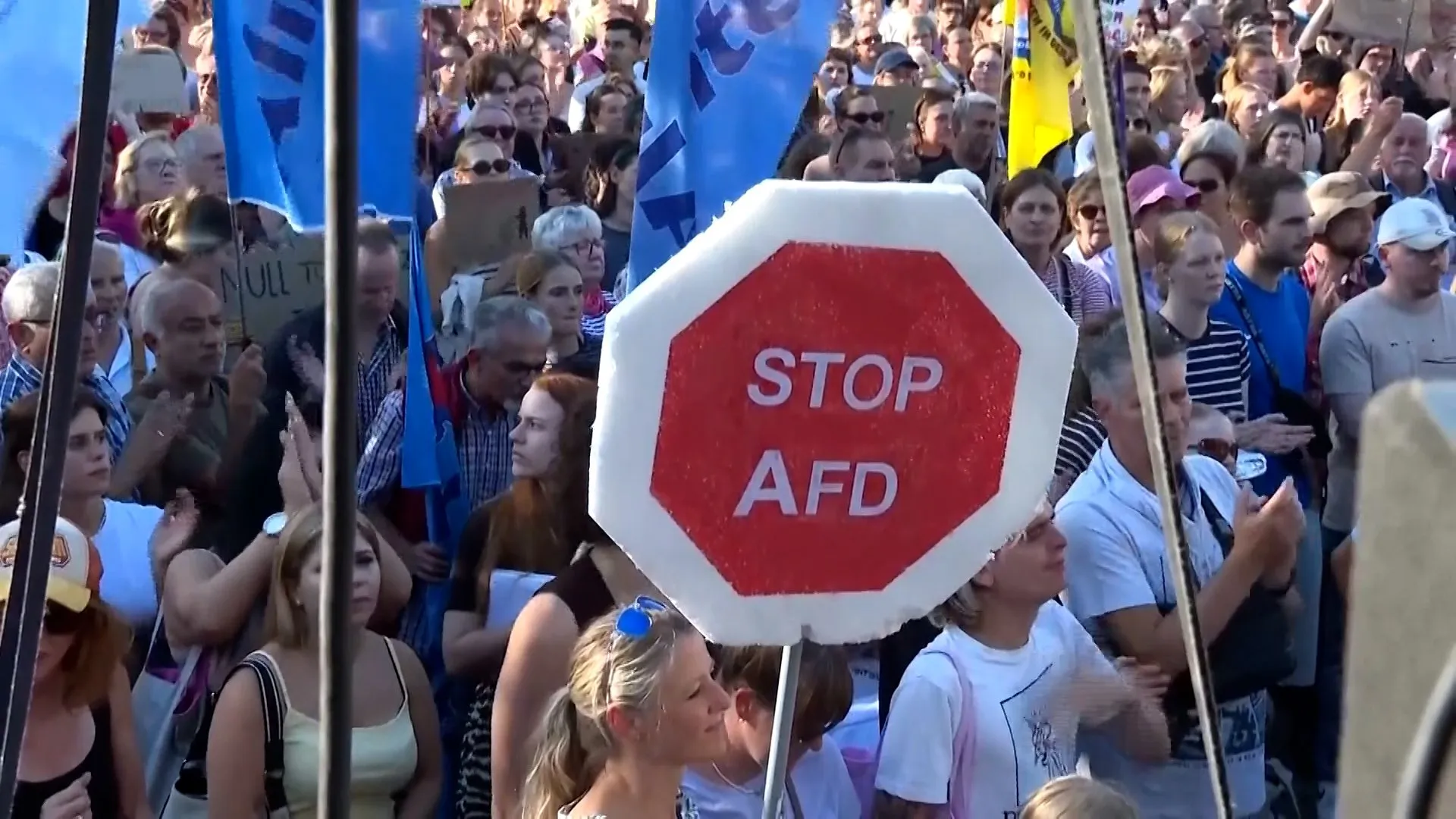
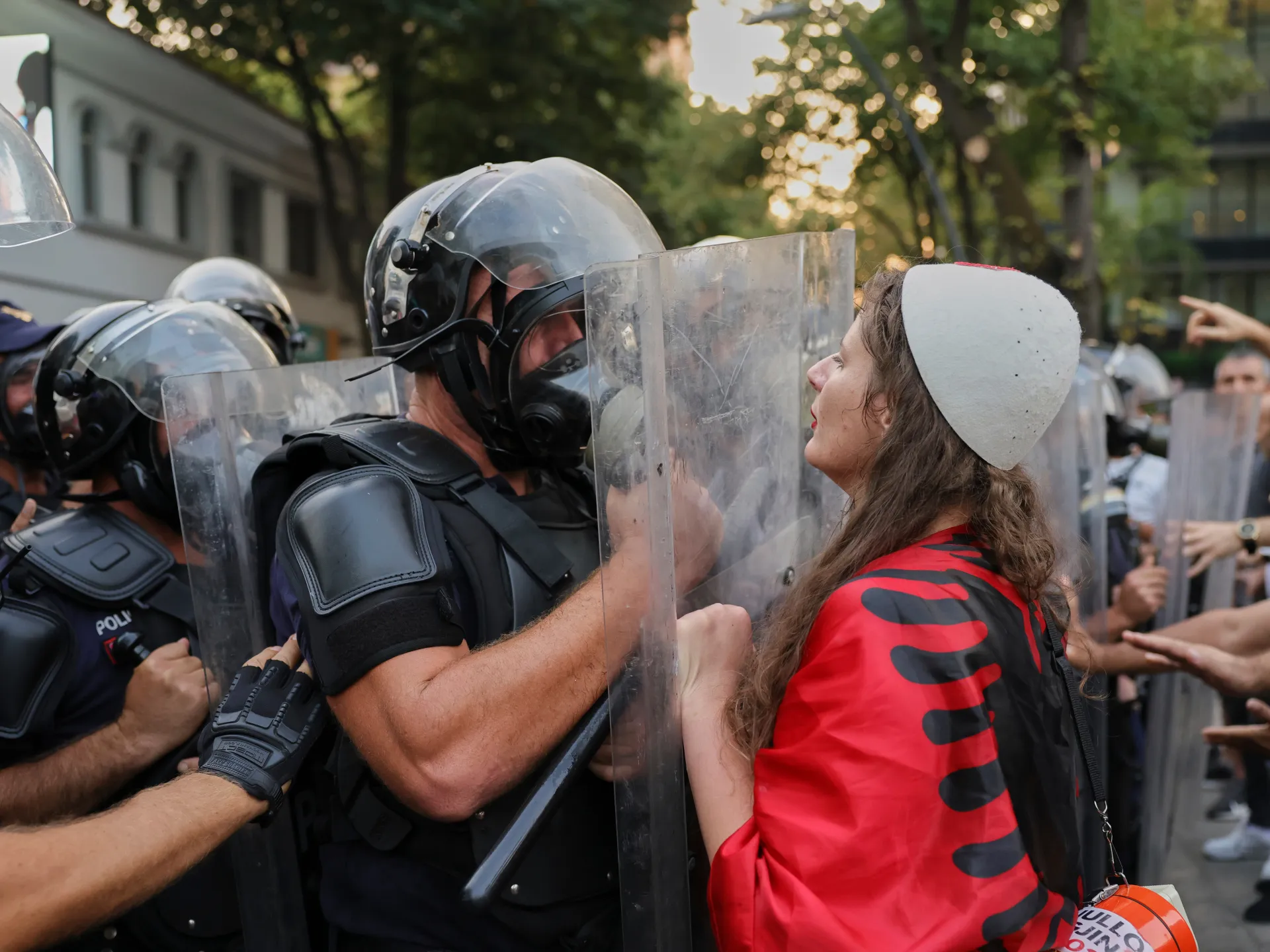
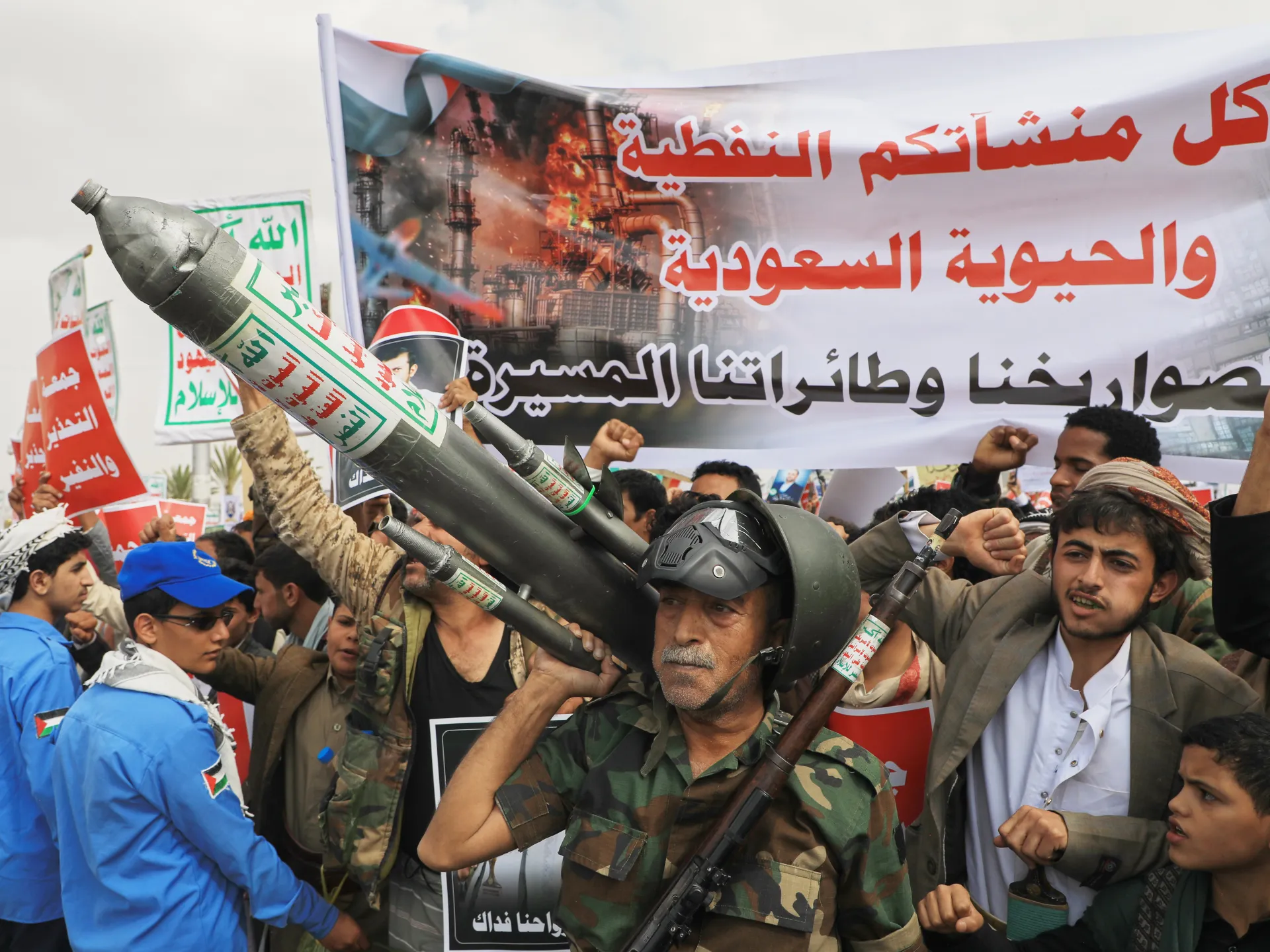
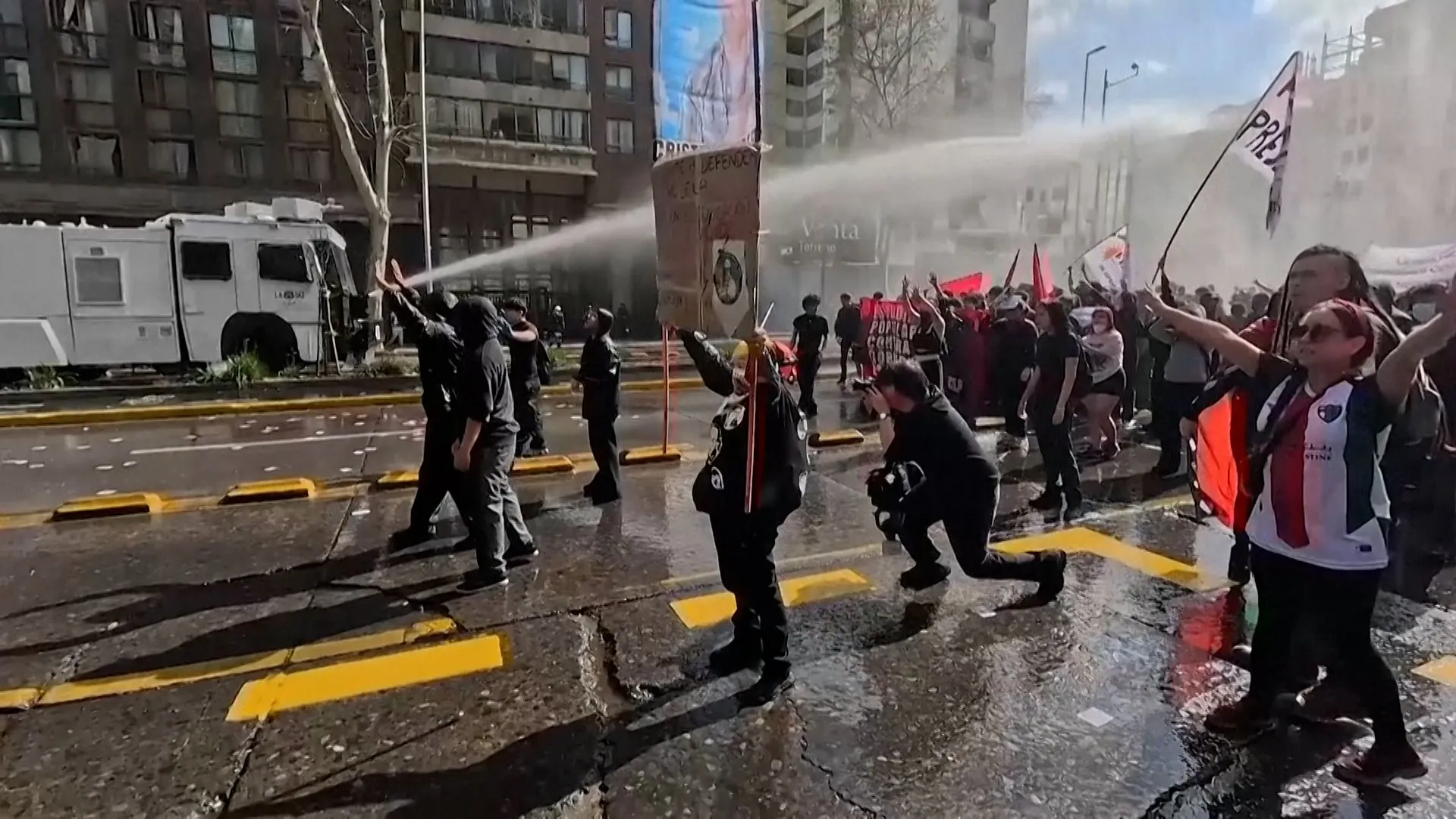
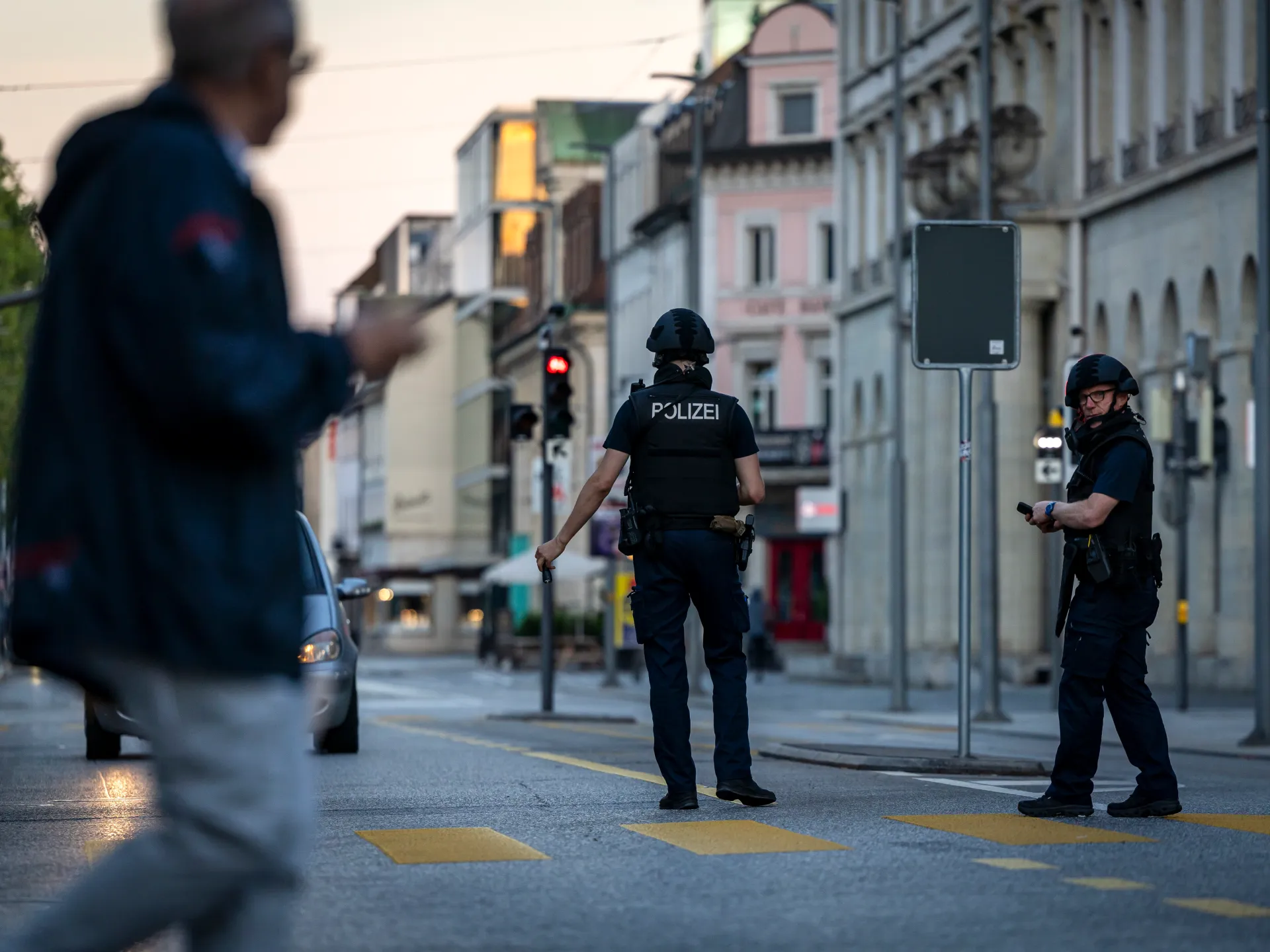
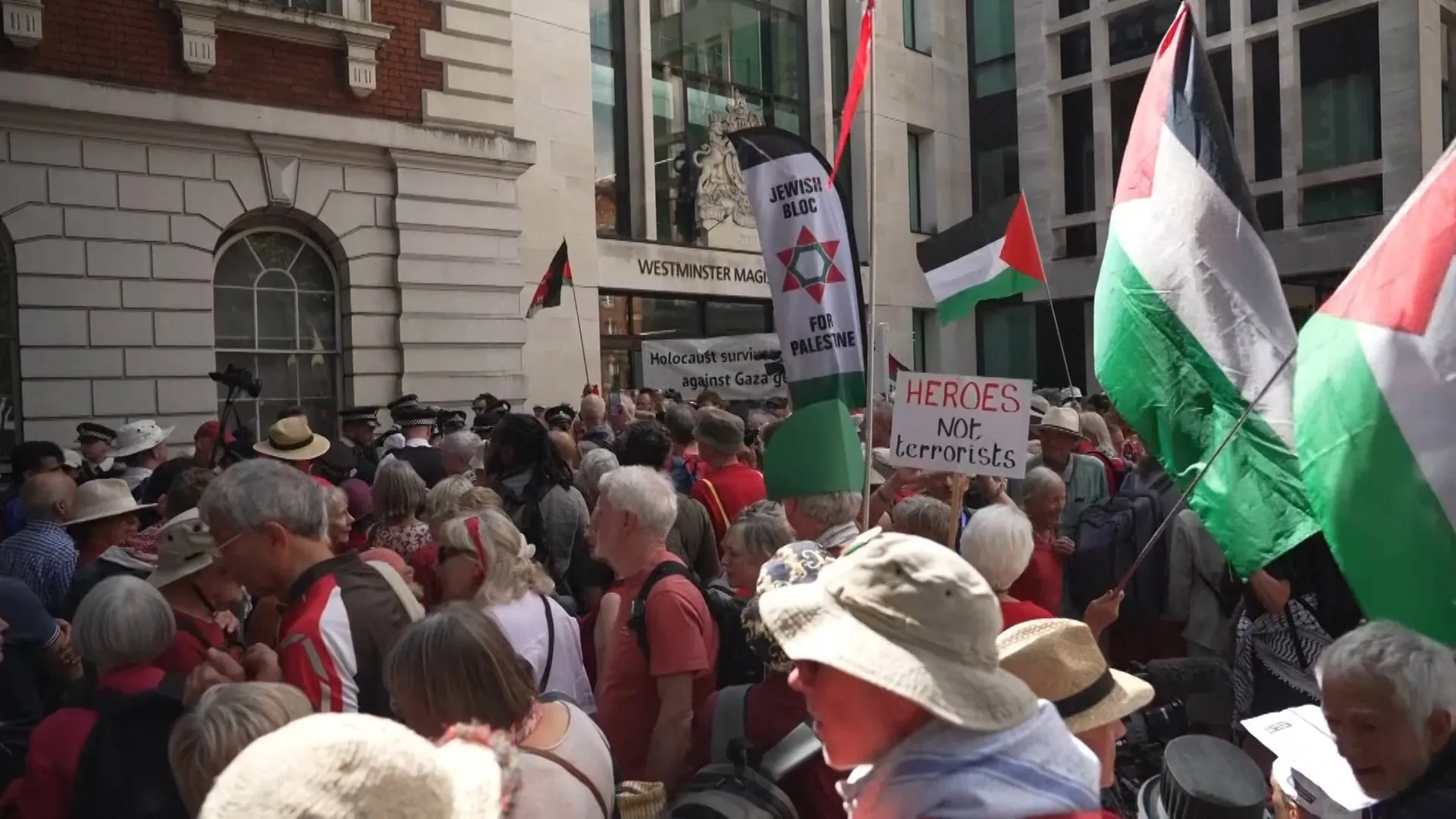
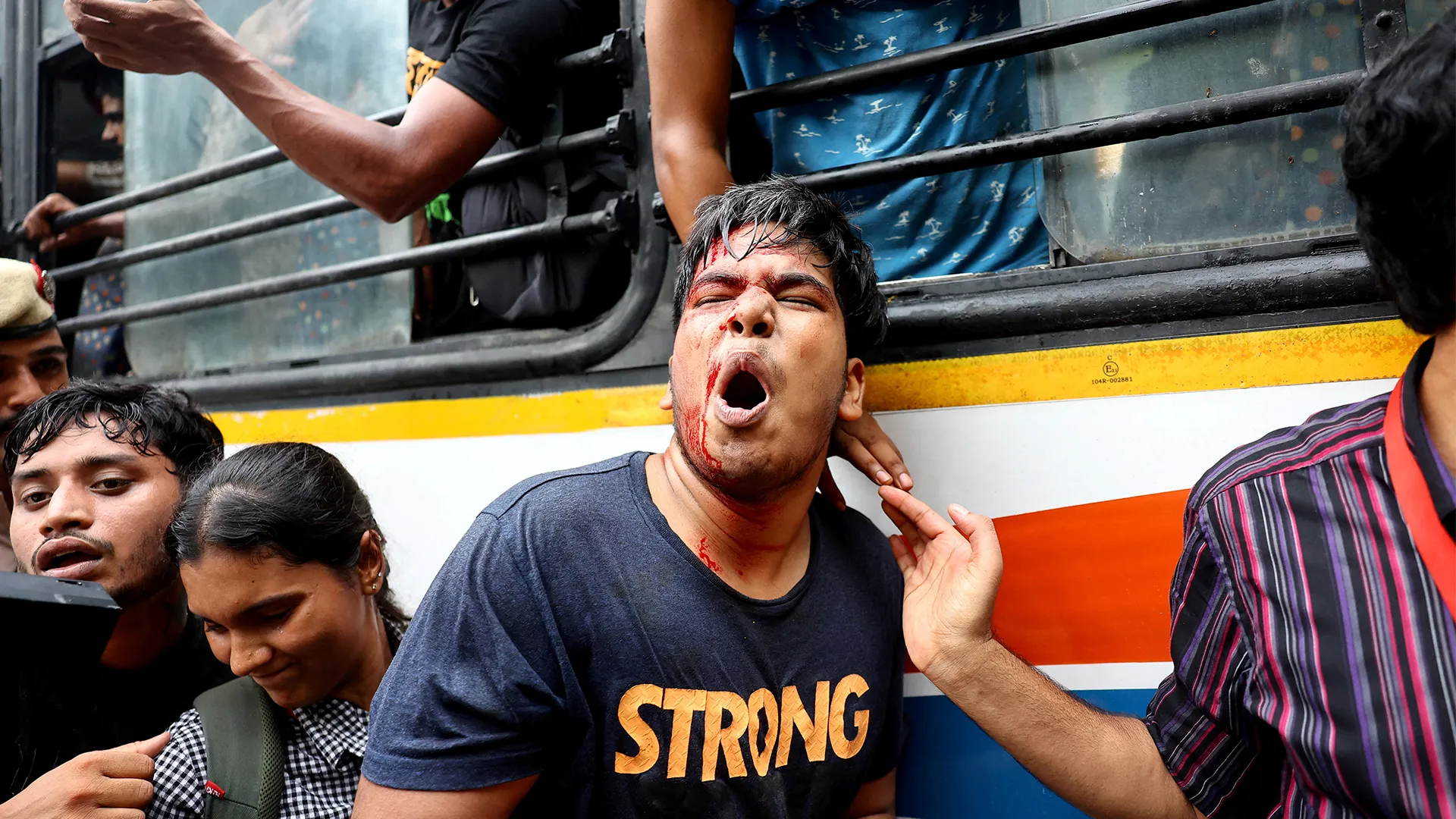
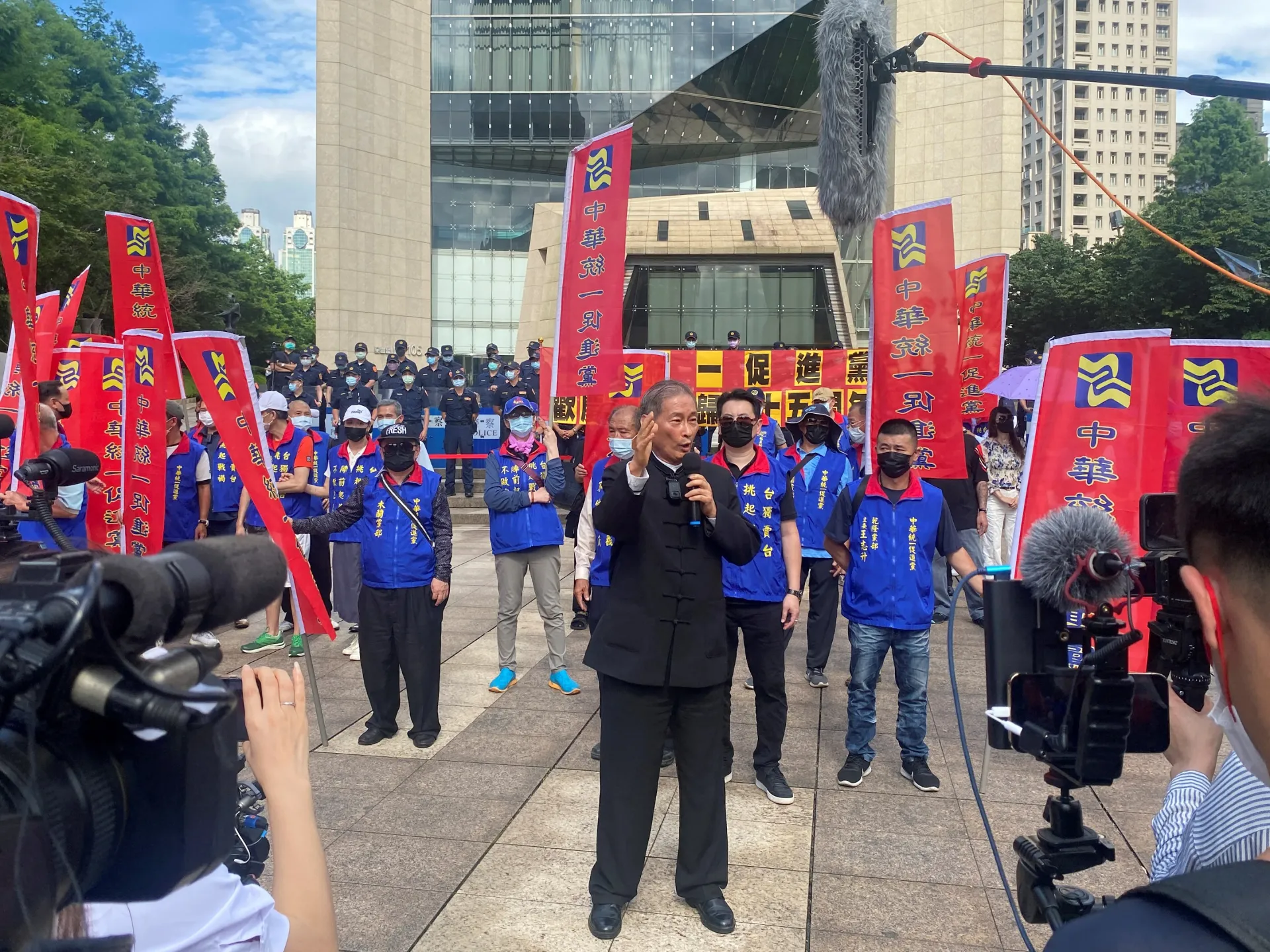
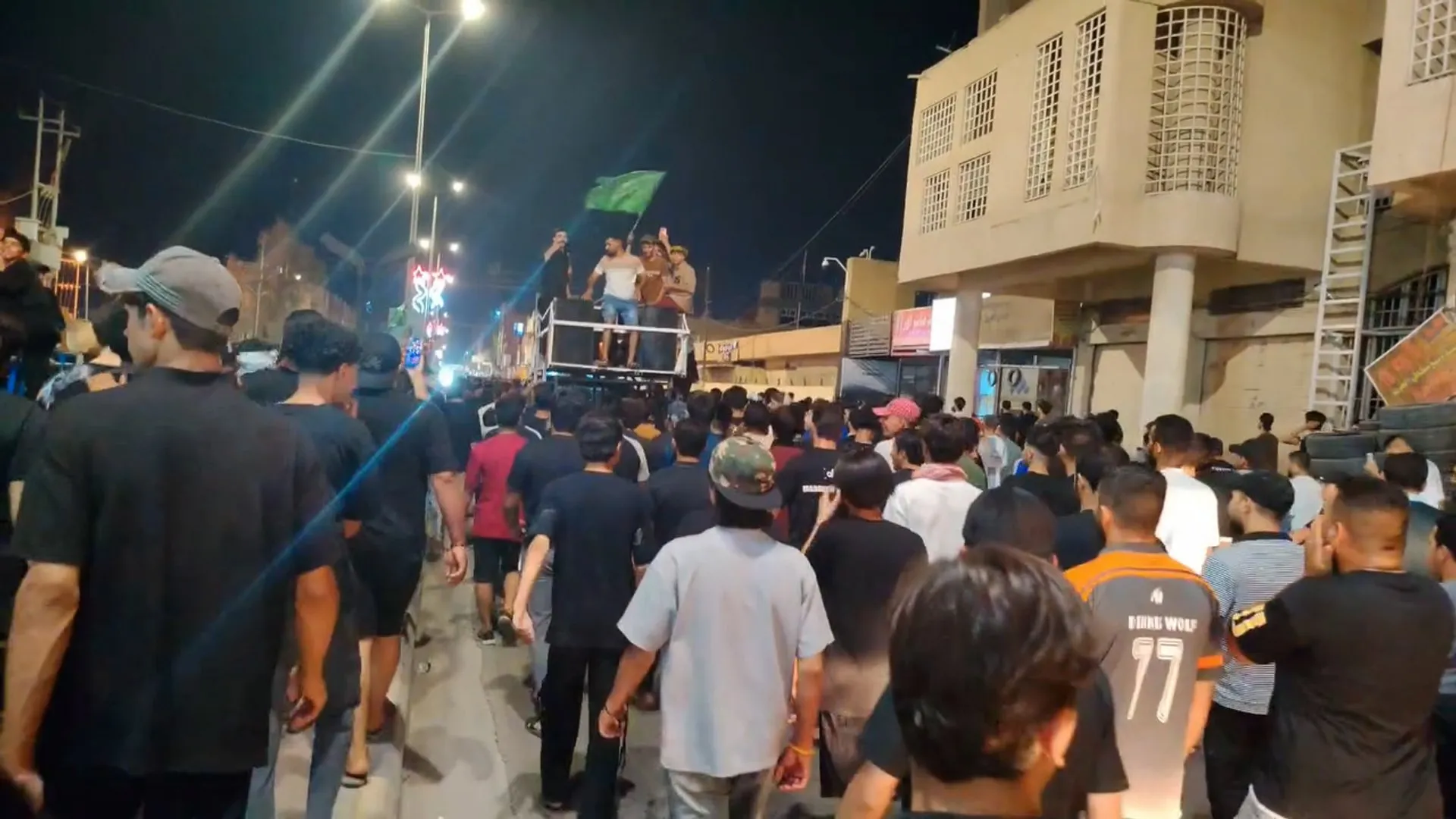
Protesters gathered in front of the director's family home, creating a volatile atmosphere as they voiced their opposition to the project. The slogans chanted ate a heightened level of emotional volatility. Local authorities and observers are watching the situation closely, noting that this specific protest represents a boiling point in the ongoing cultural tensions currently gripping the region.
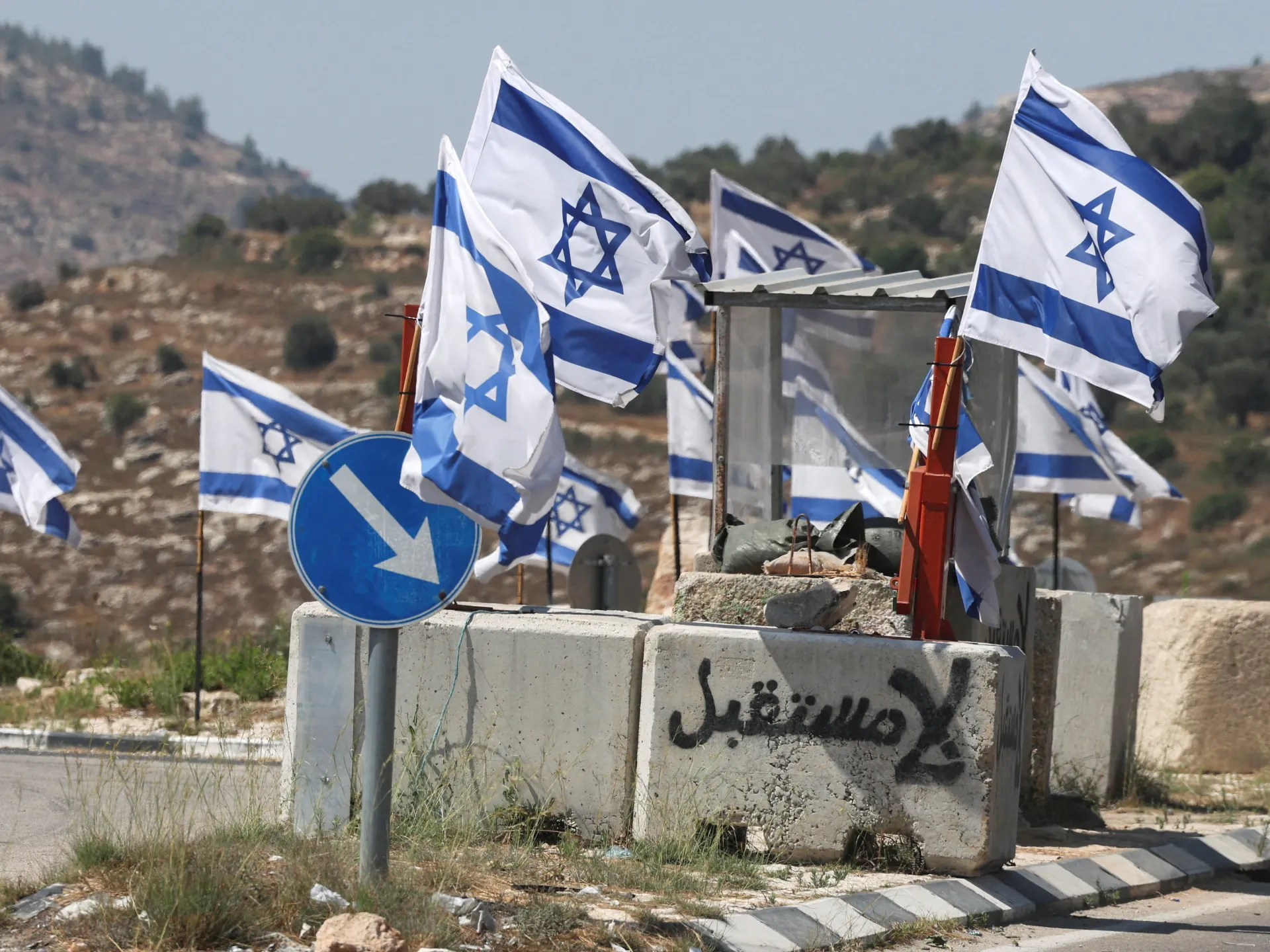
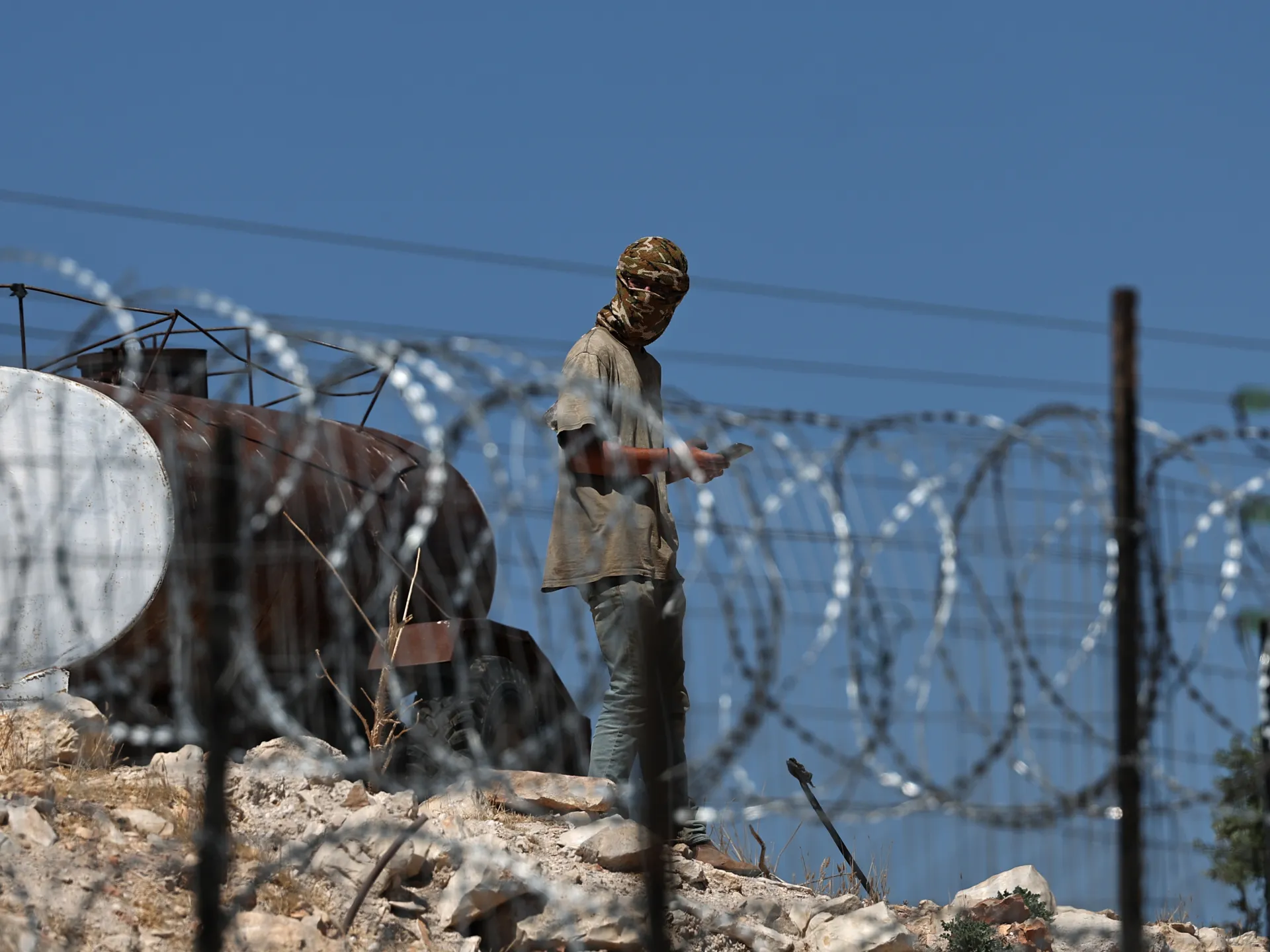
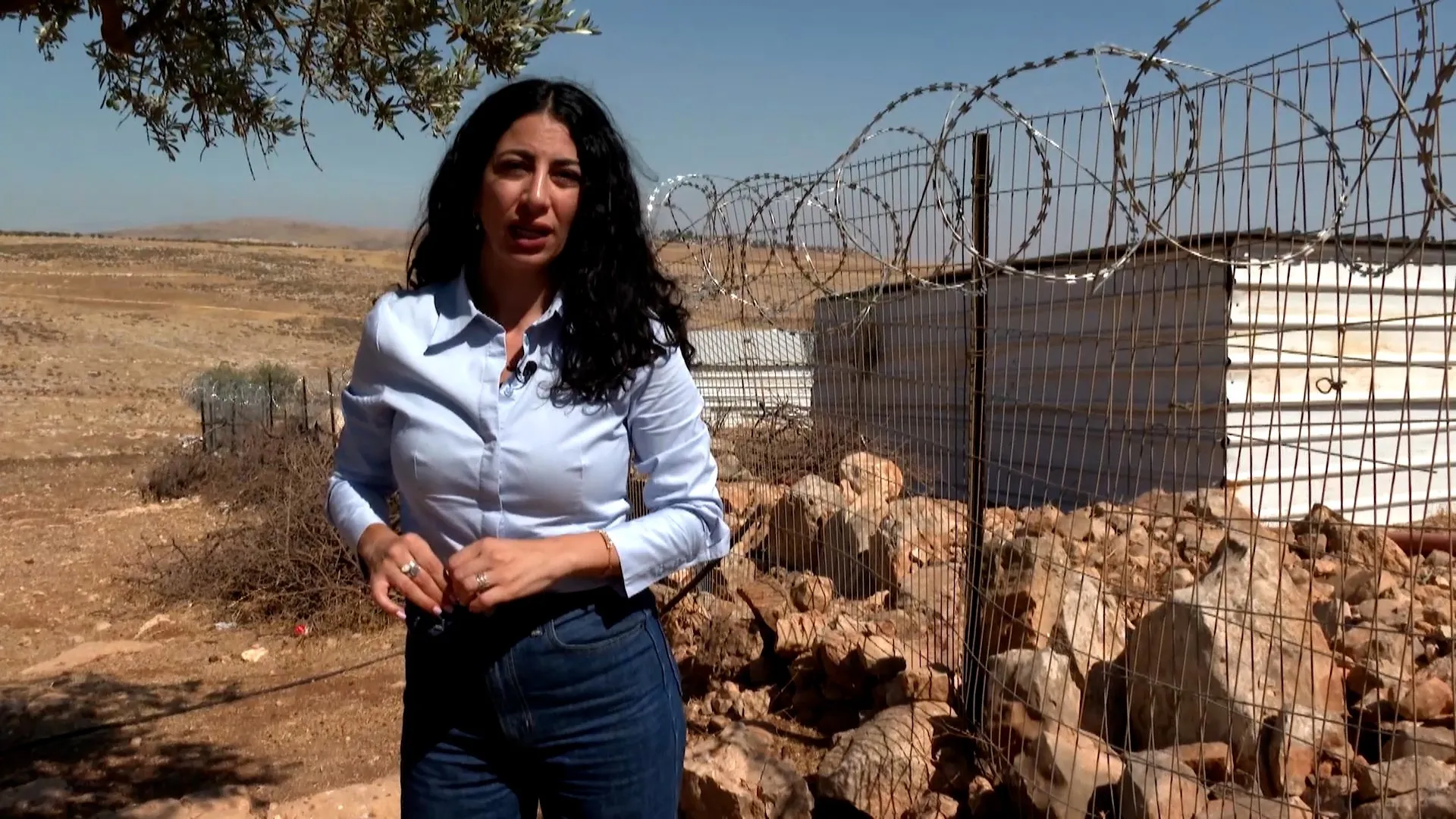
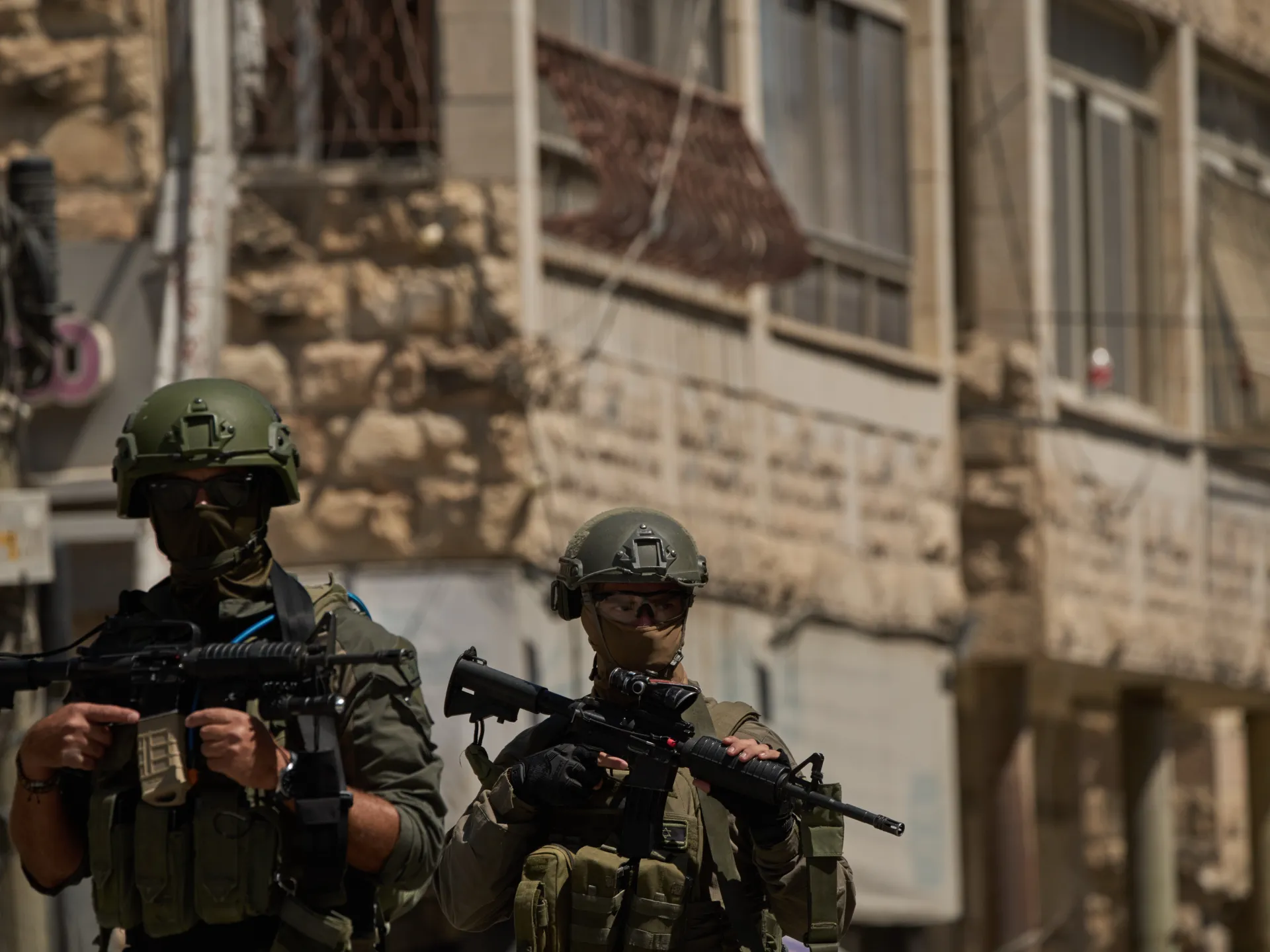
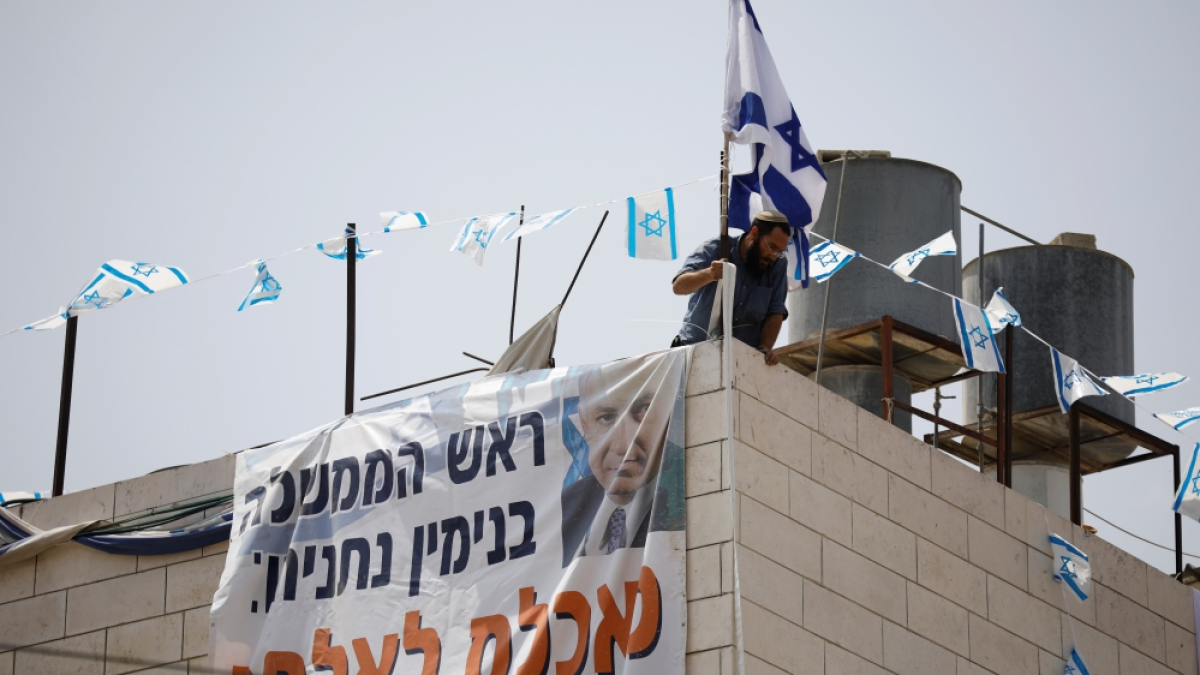
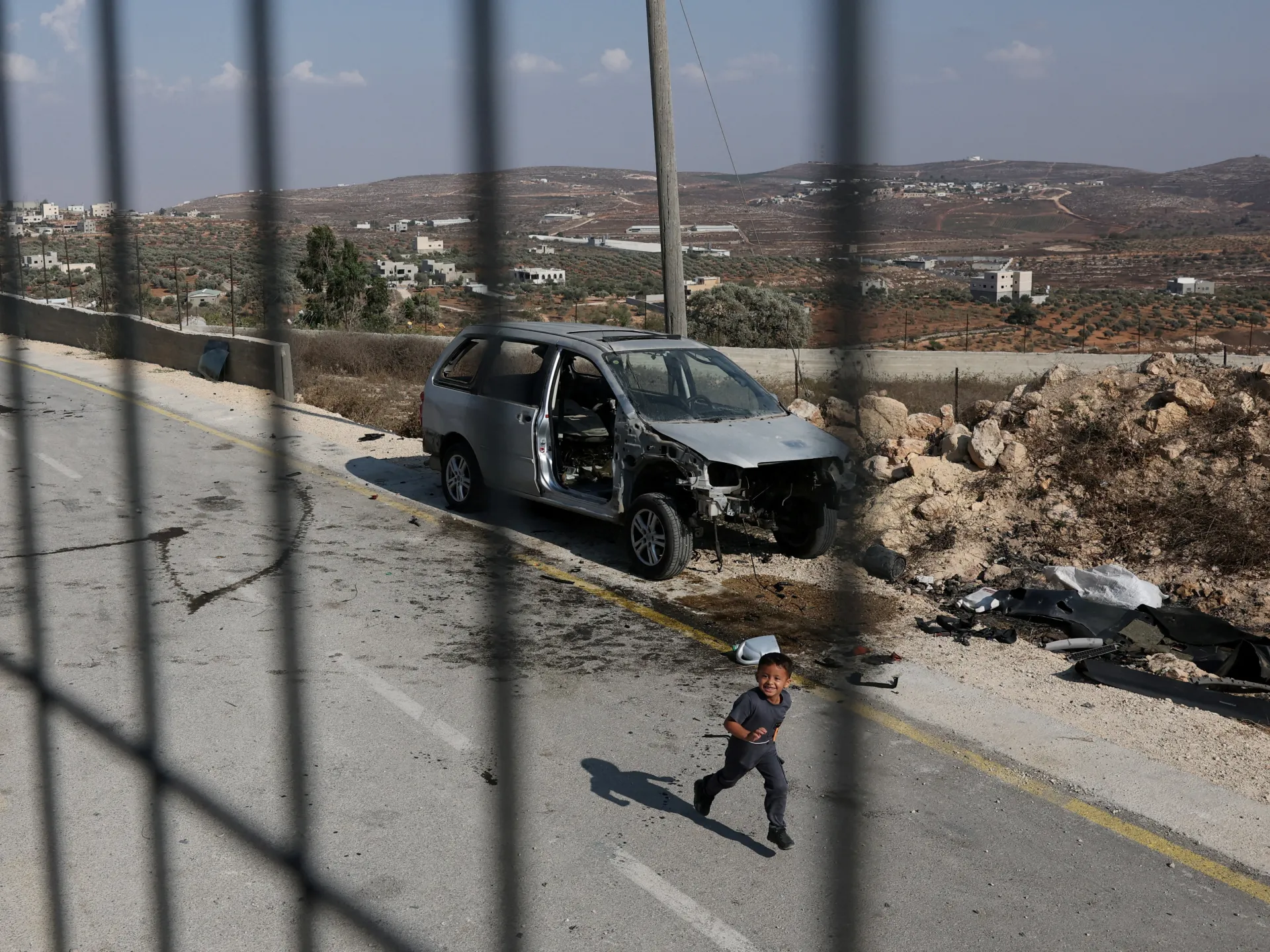
While the protests in Israel center on the perceived betrayal olitical landscape. The friction caused ccupied West Bank. For many observers, the domestic anger over 'NAZA' is viewed through the lens of a society already struggling with internal polarization and external security challenges.
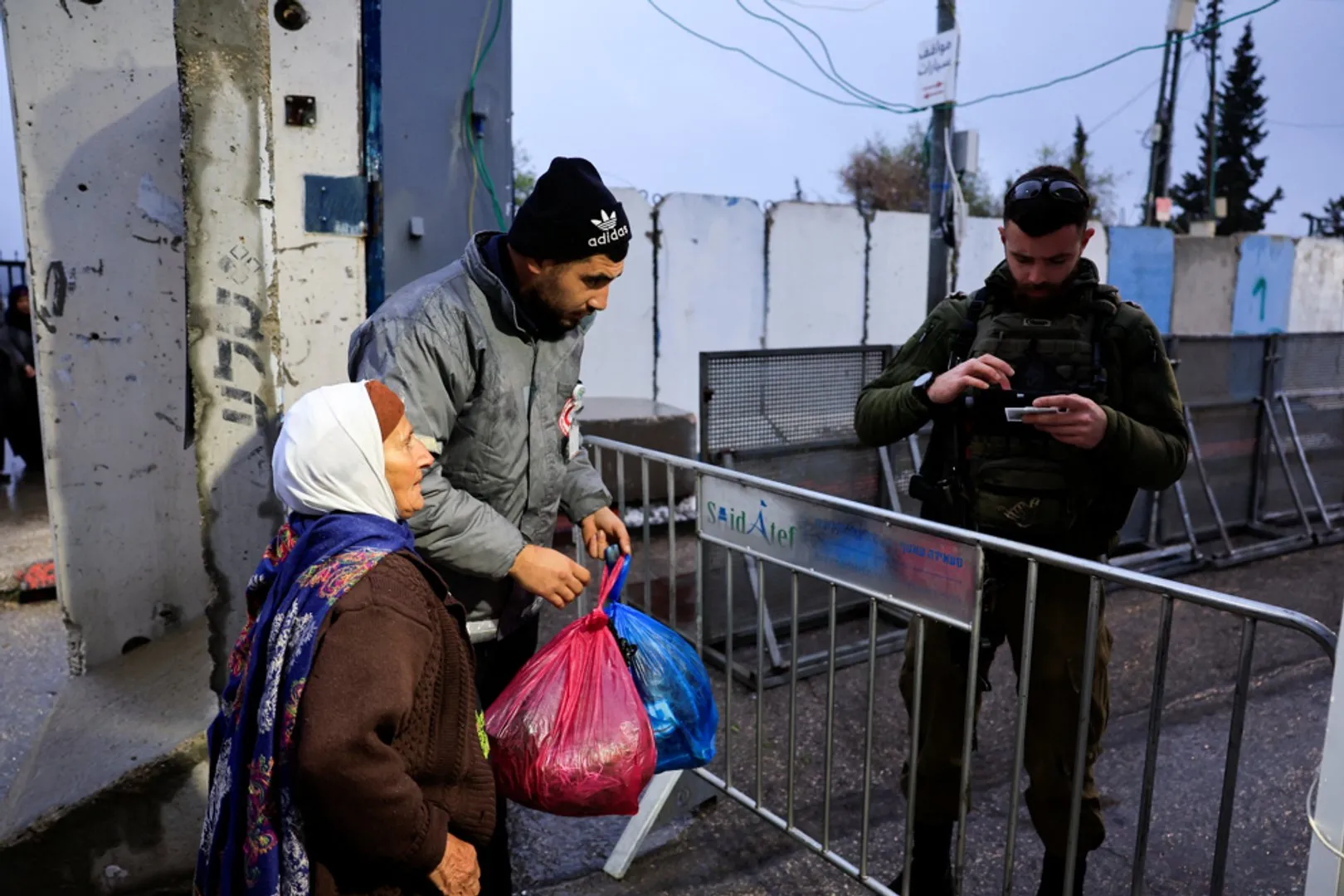
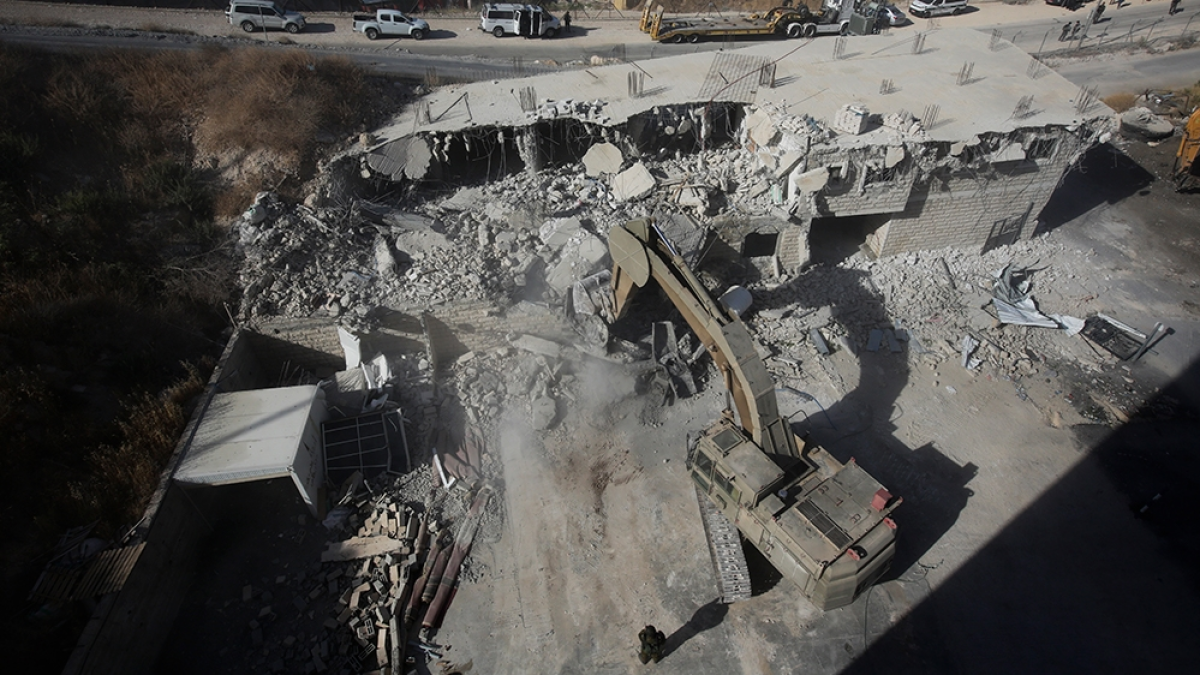
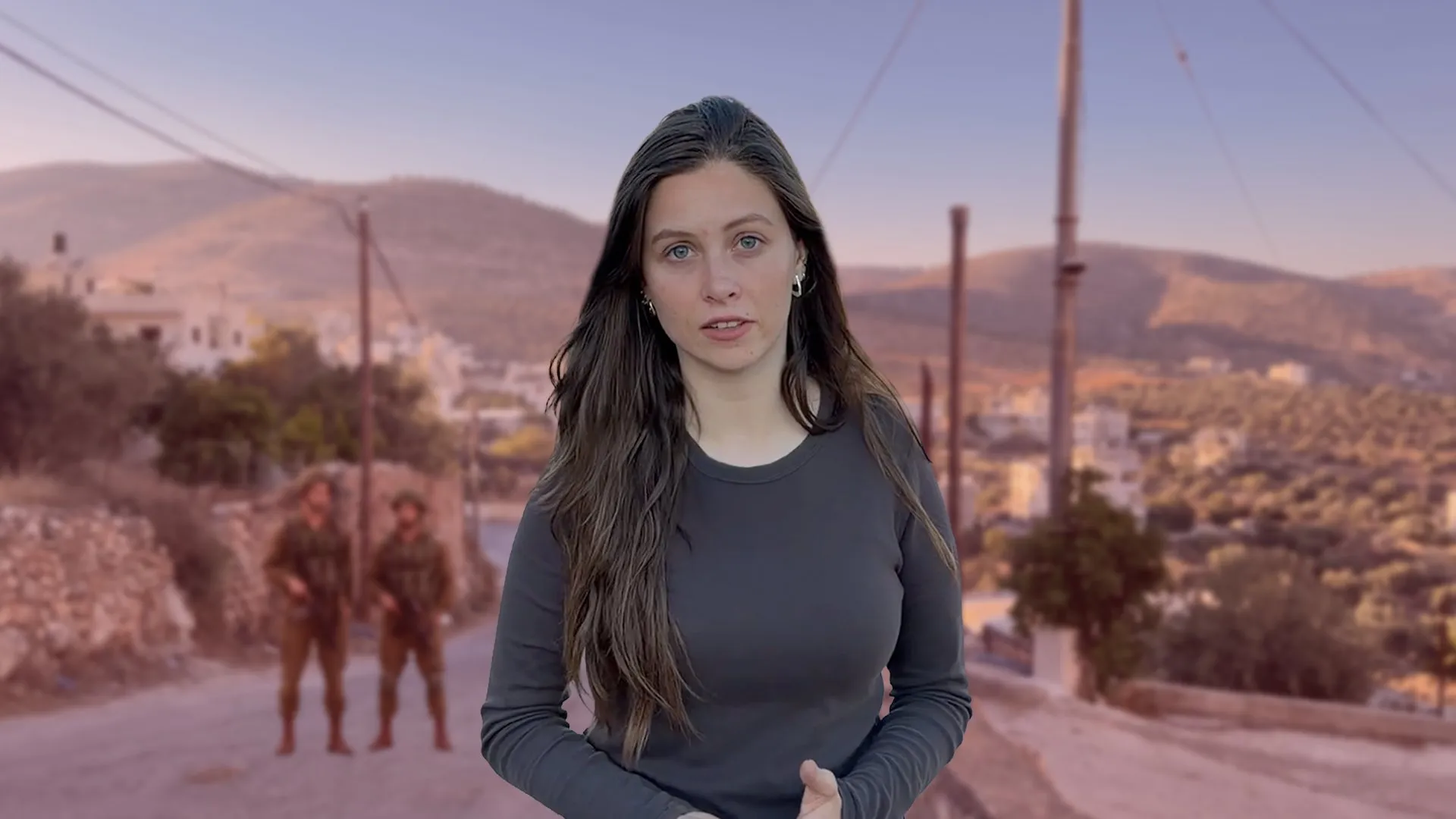
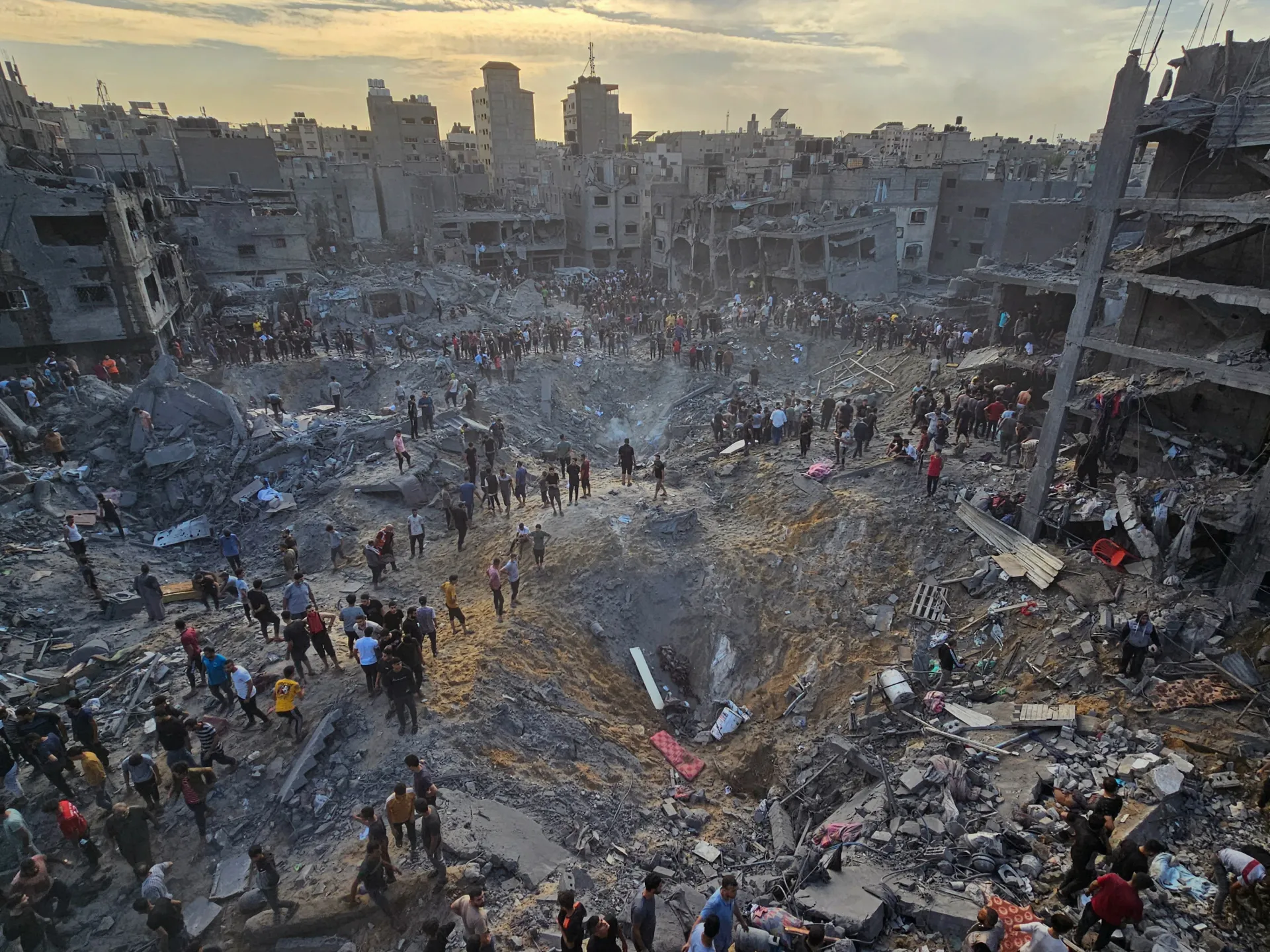
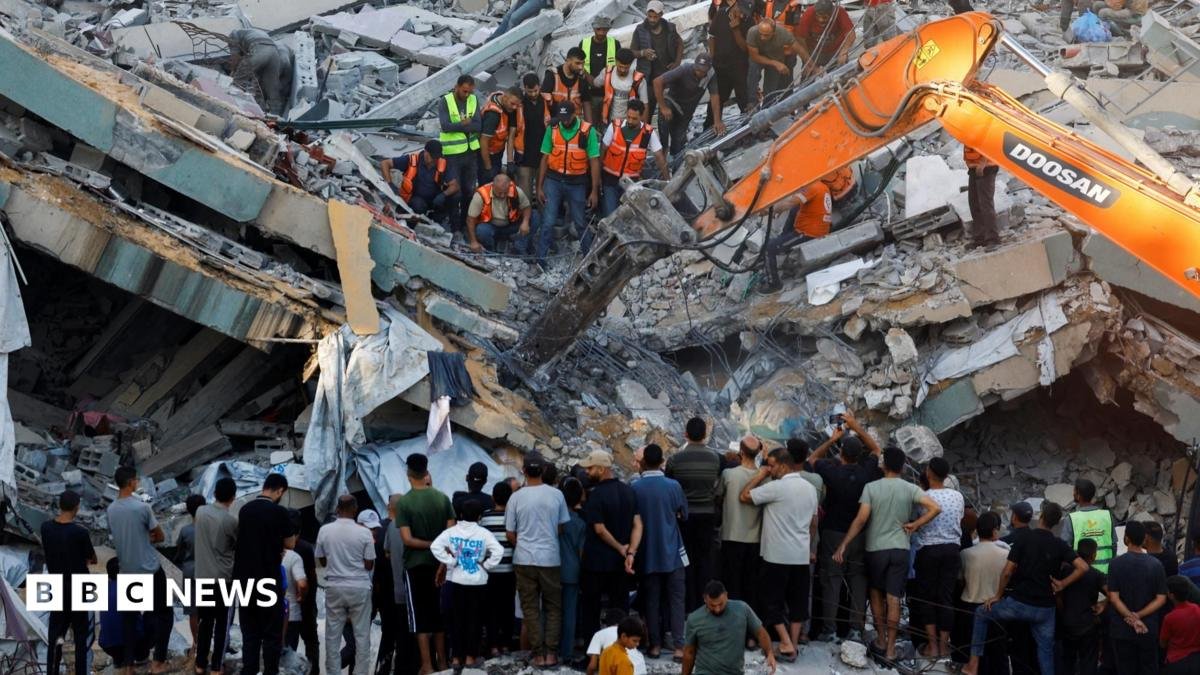
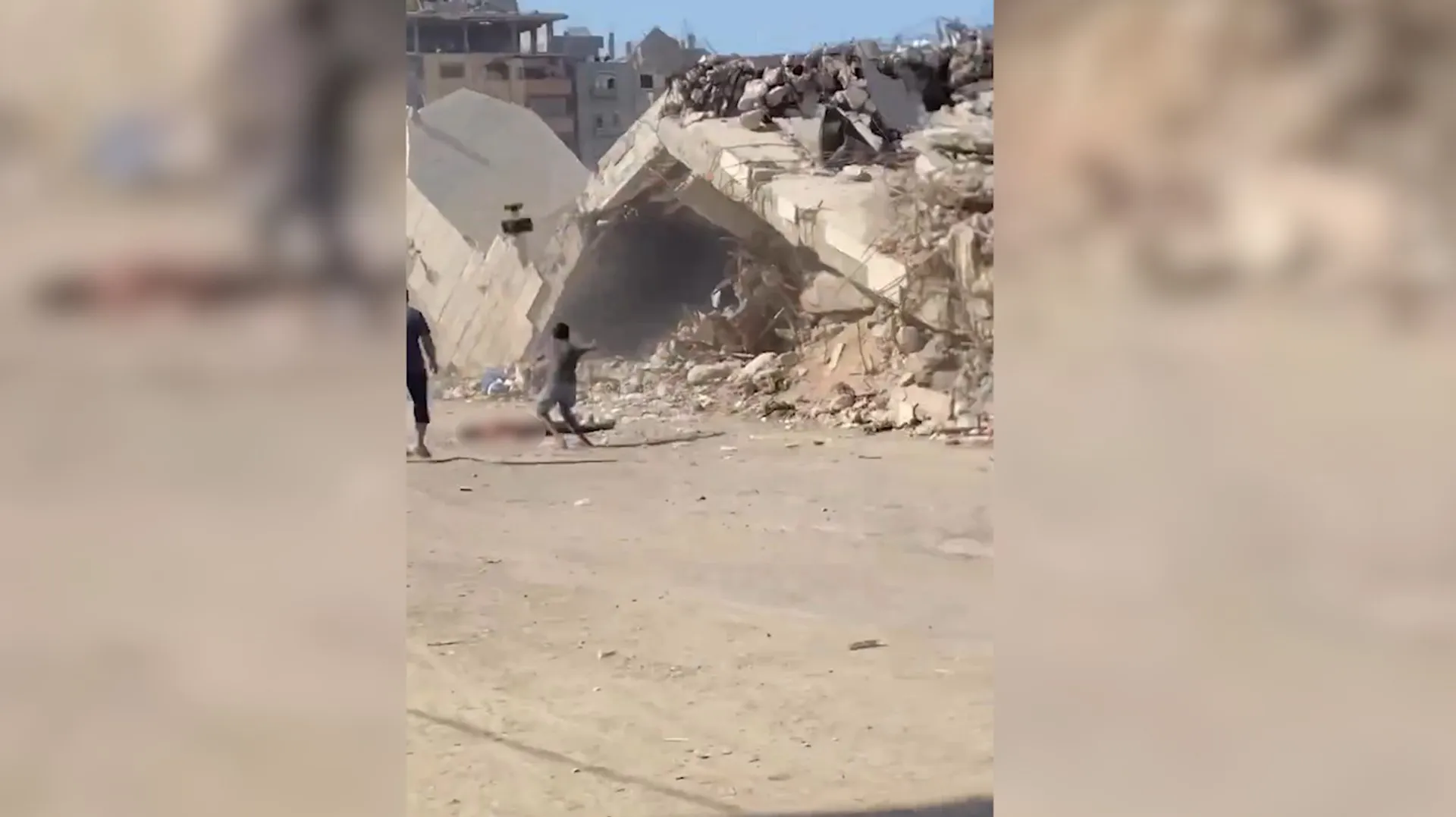
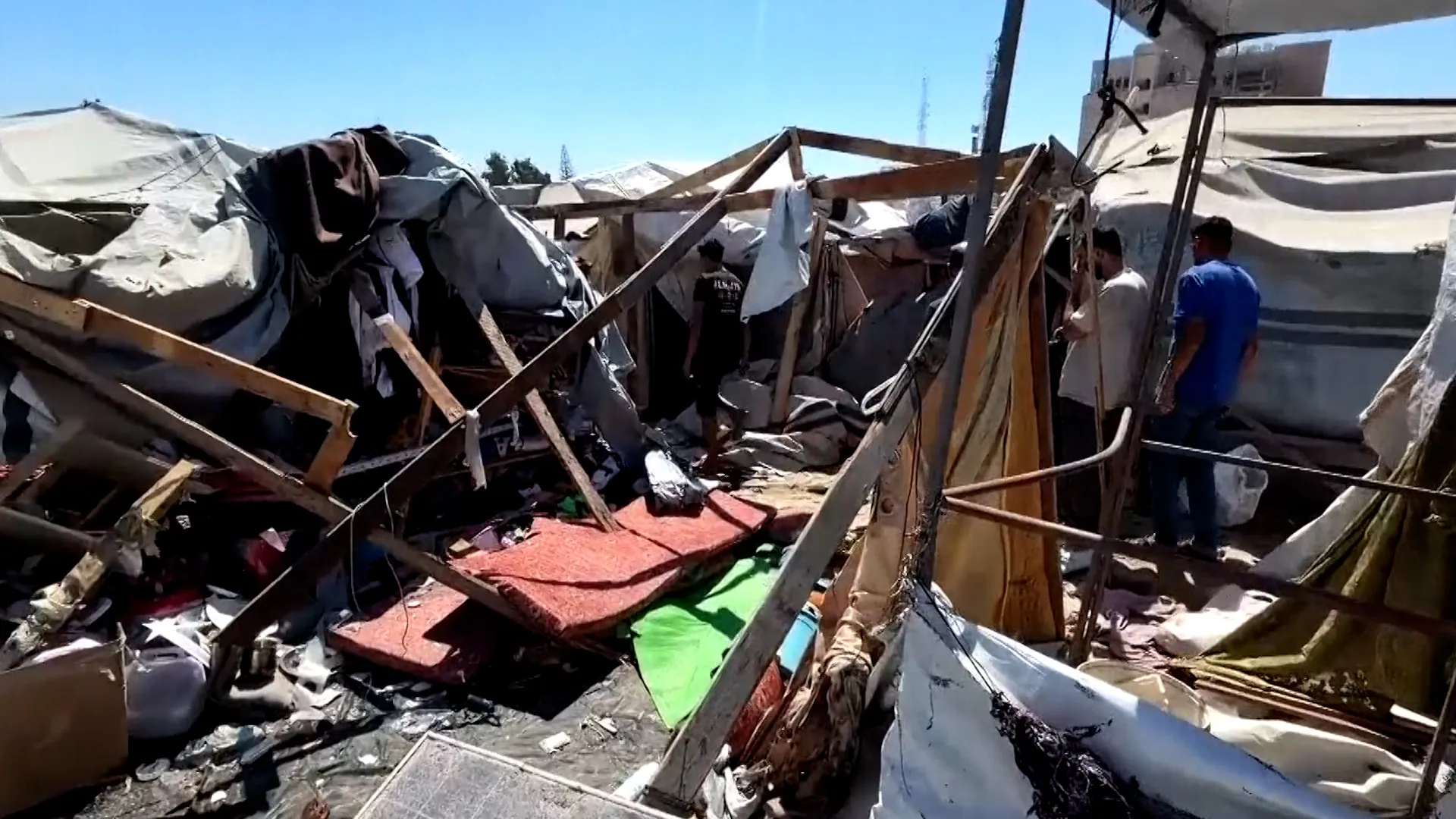
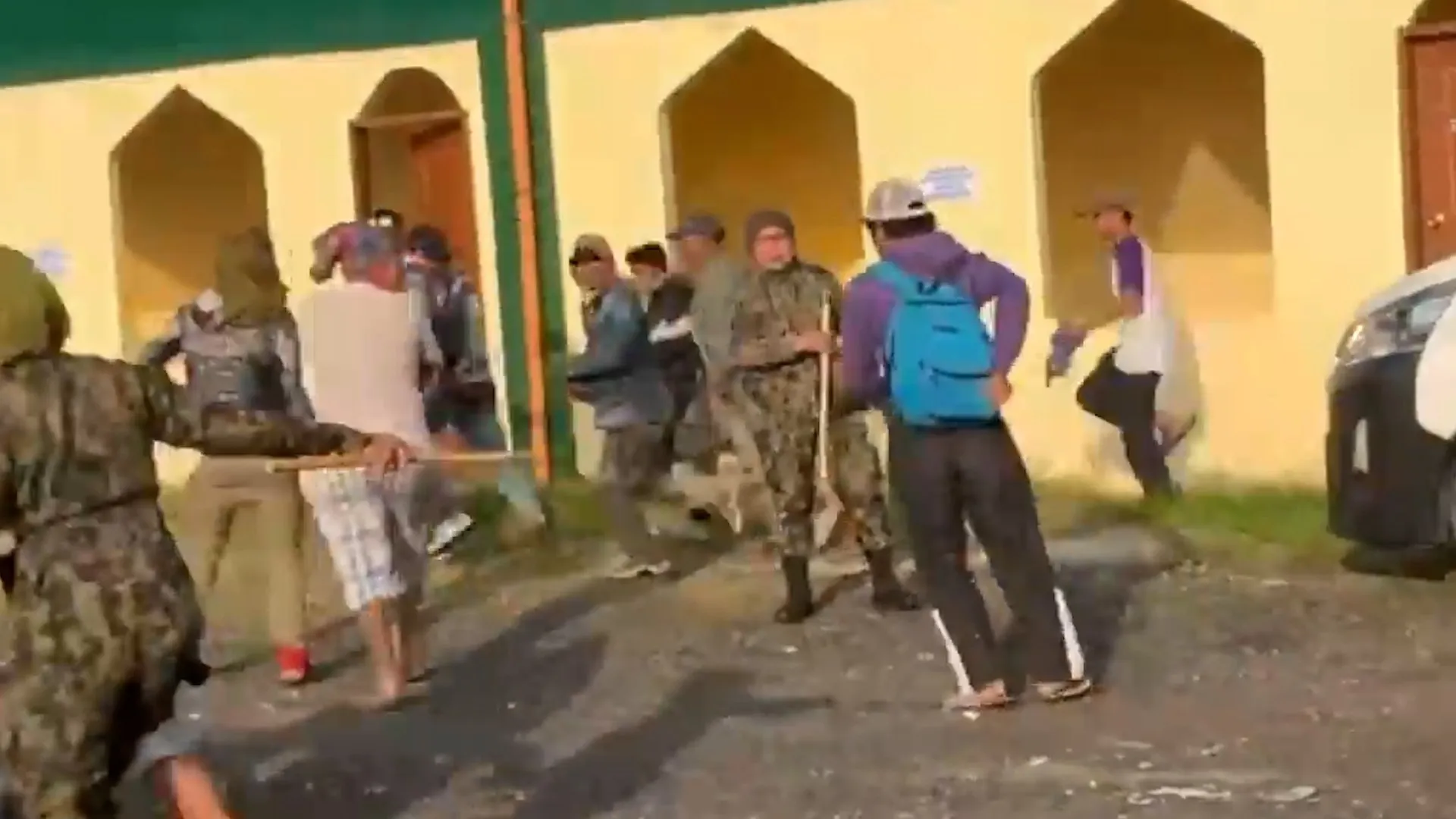
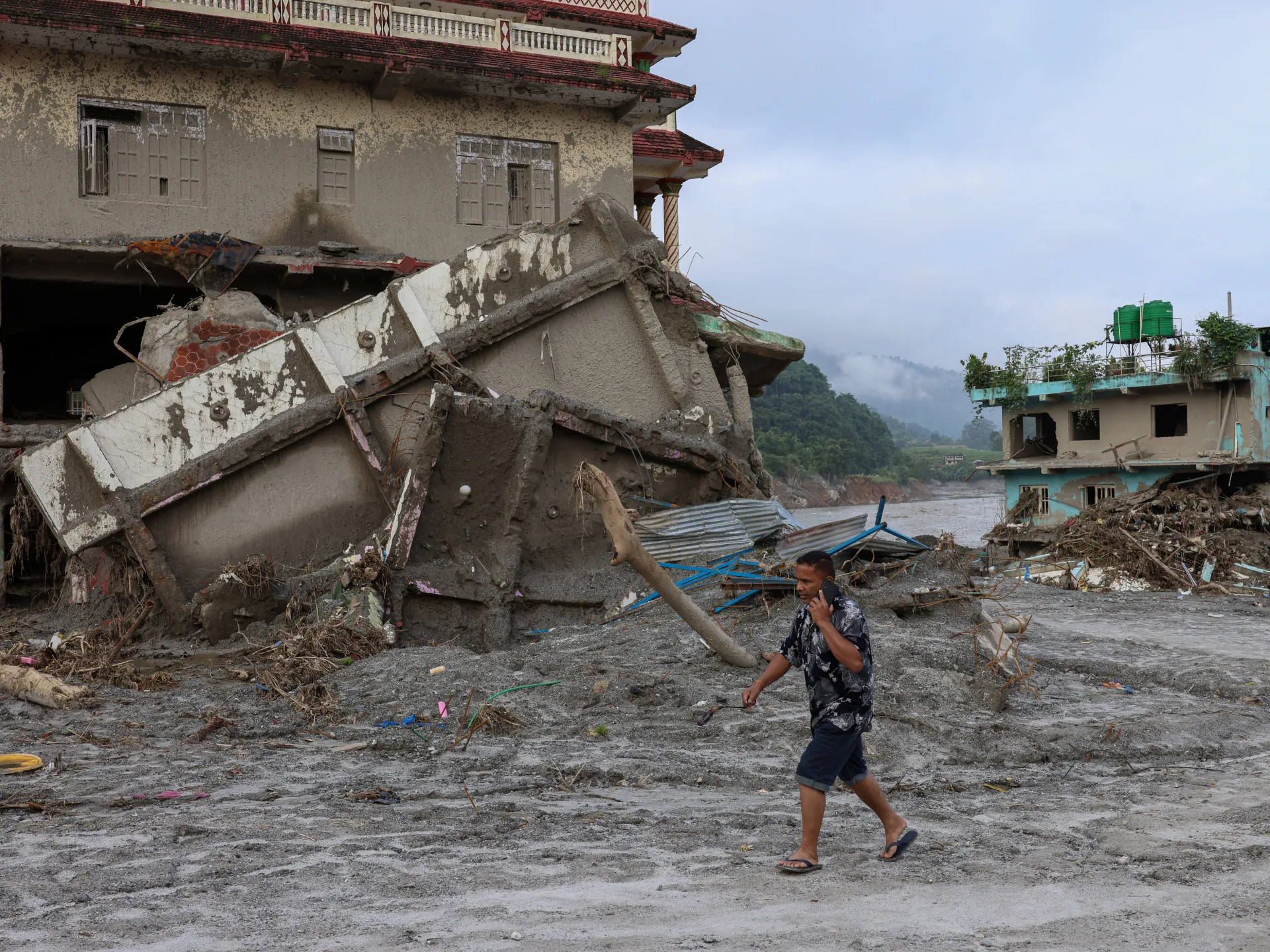
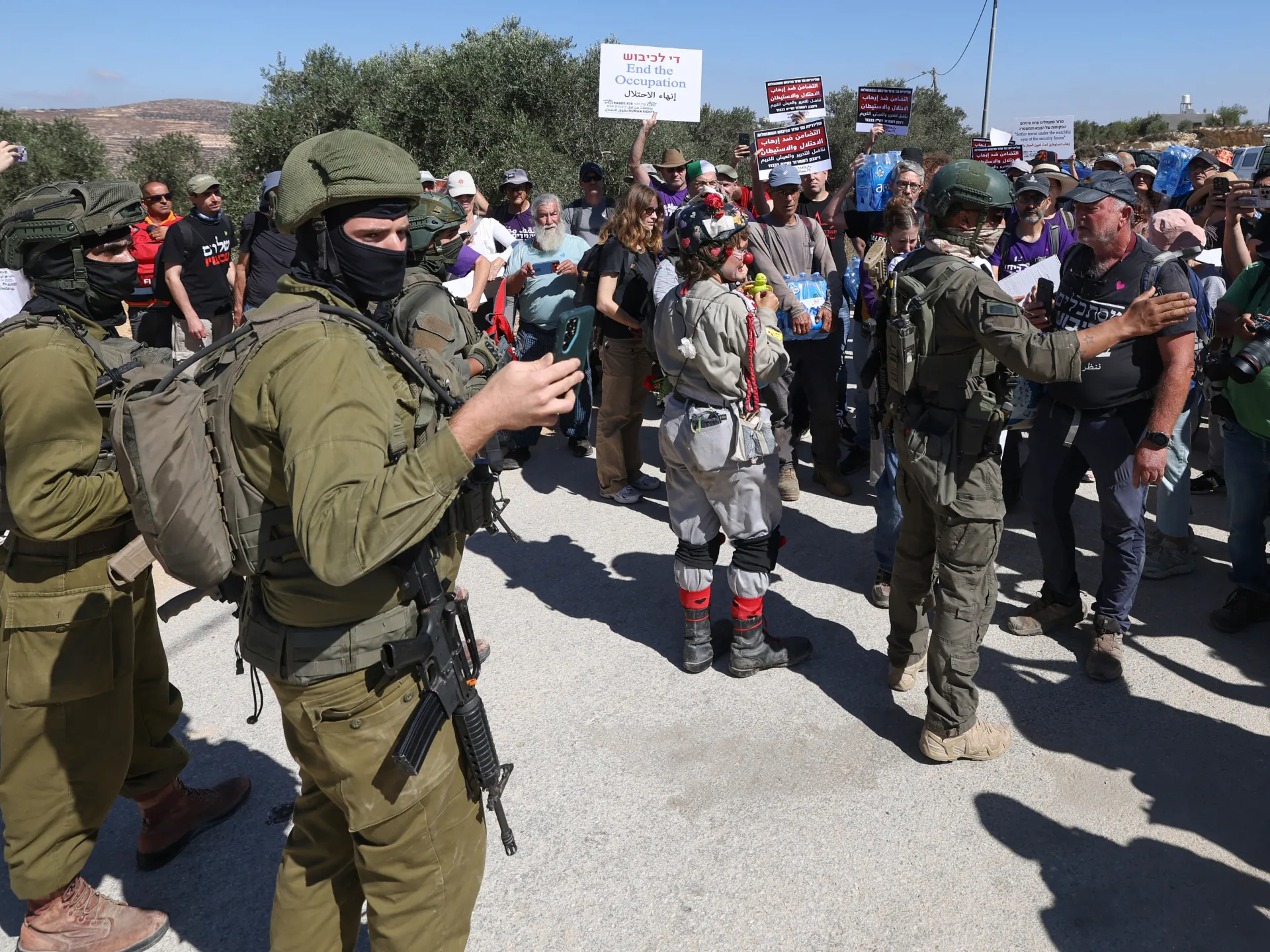
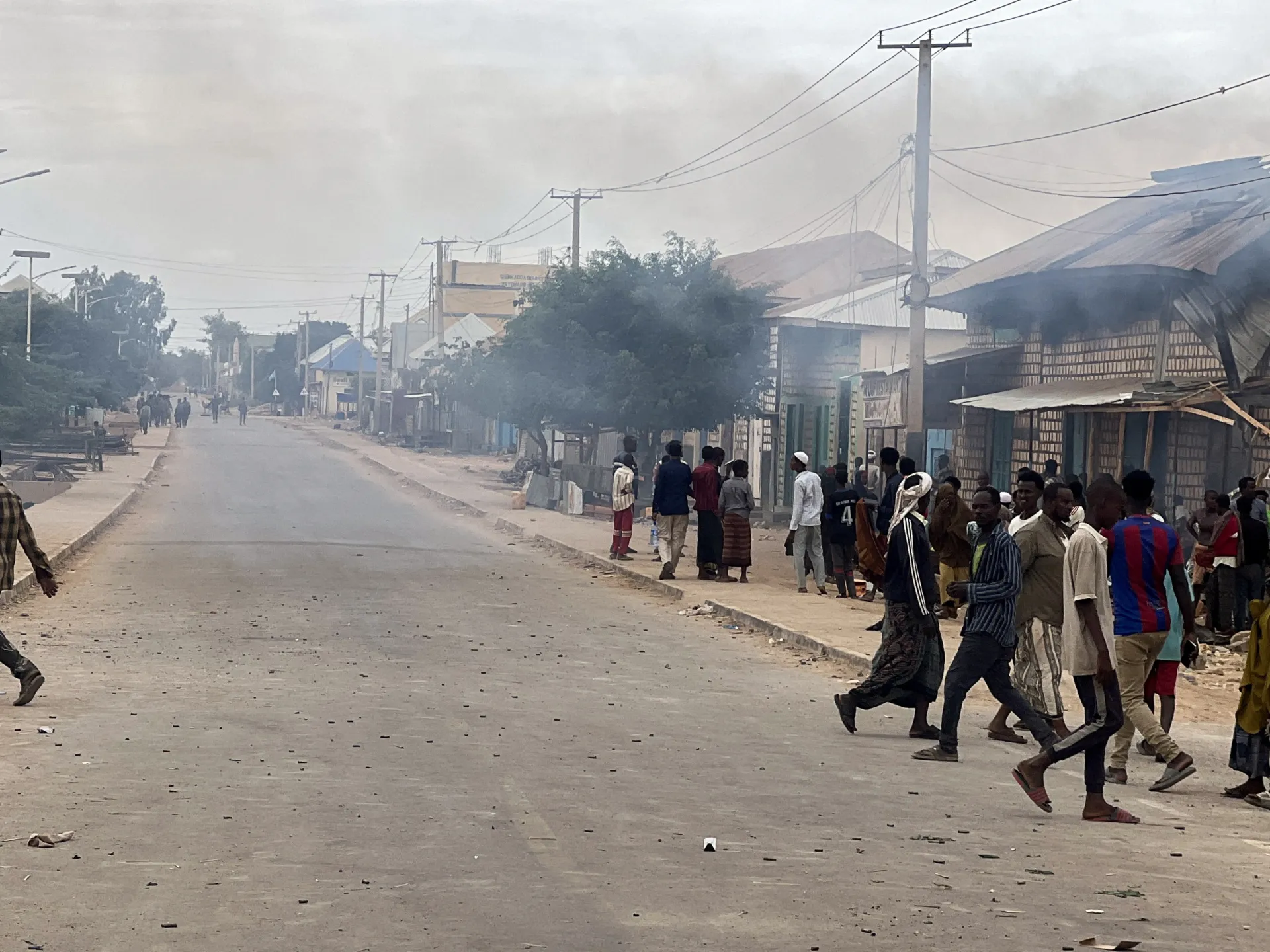
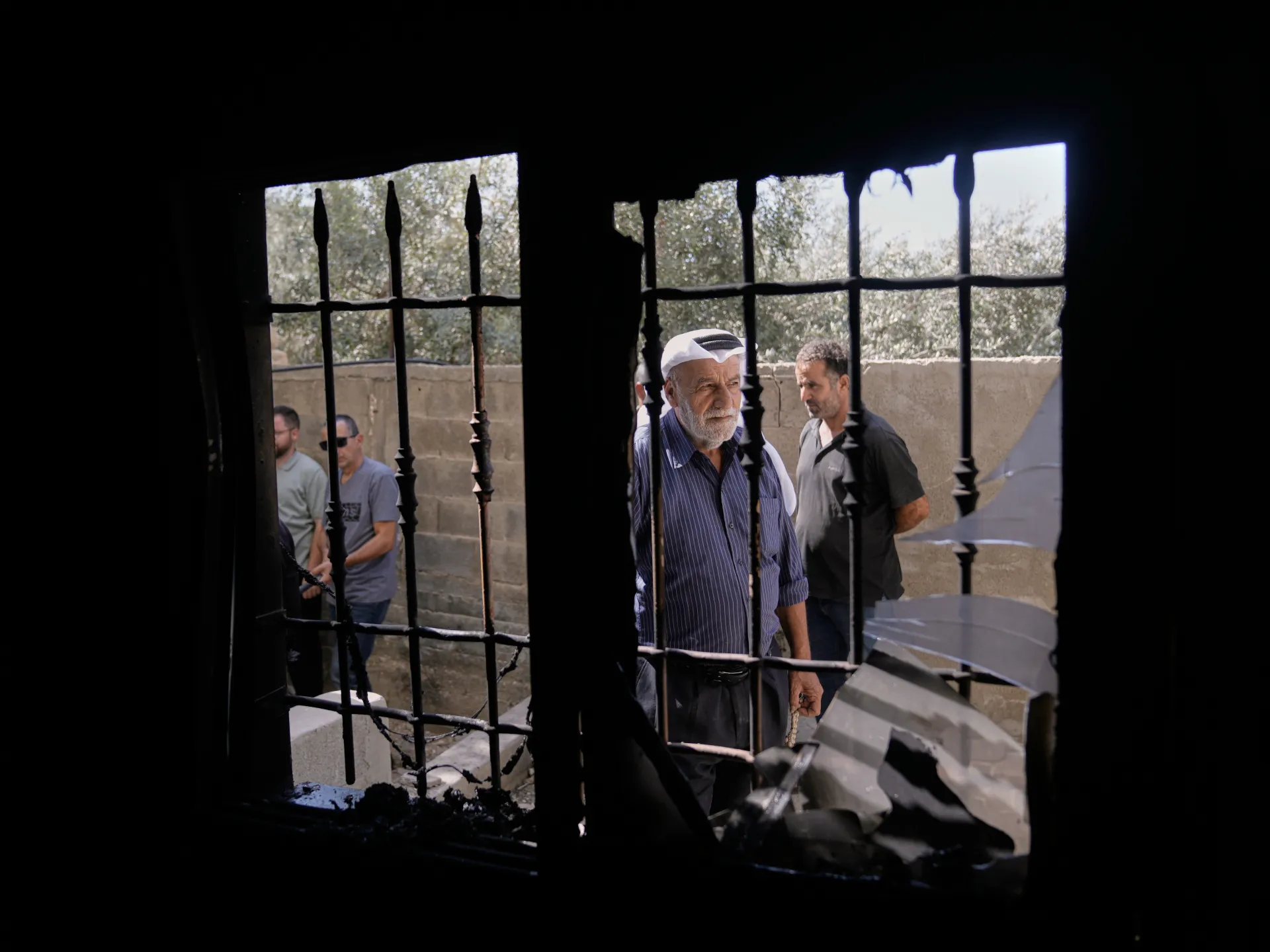
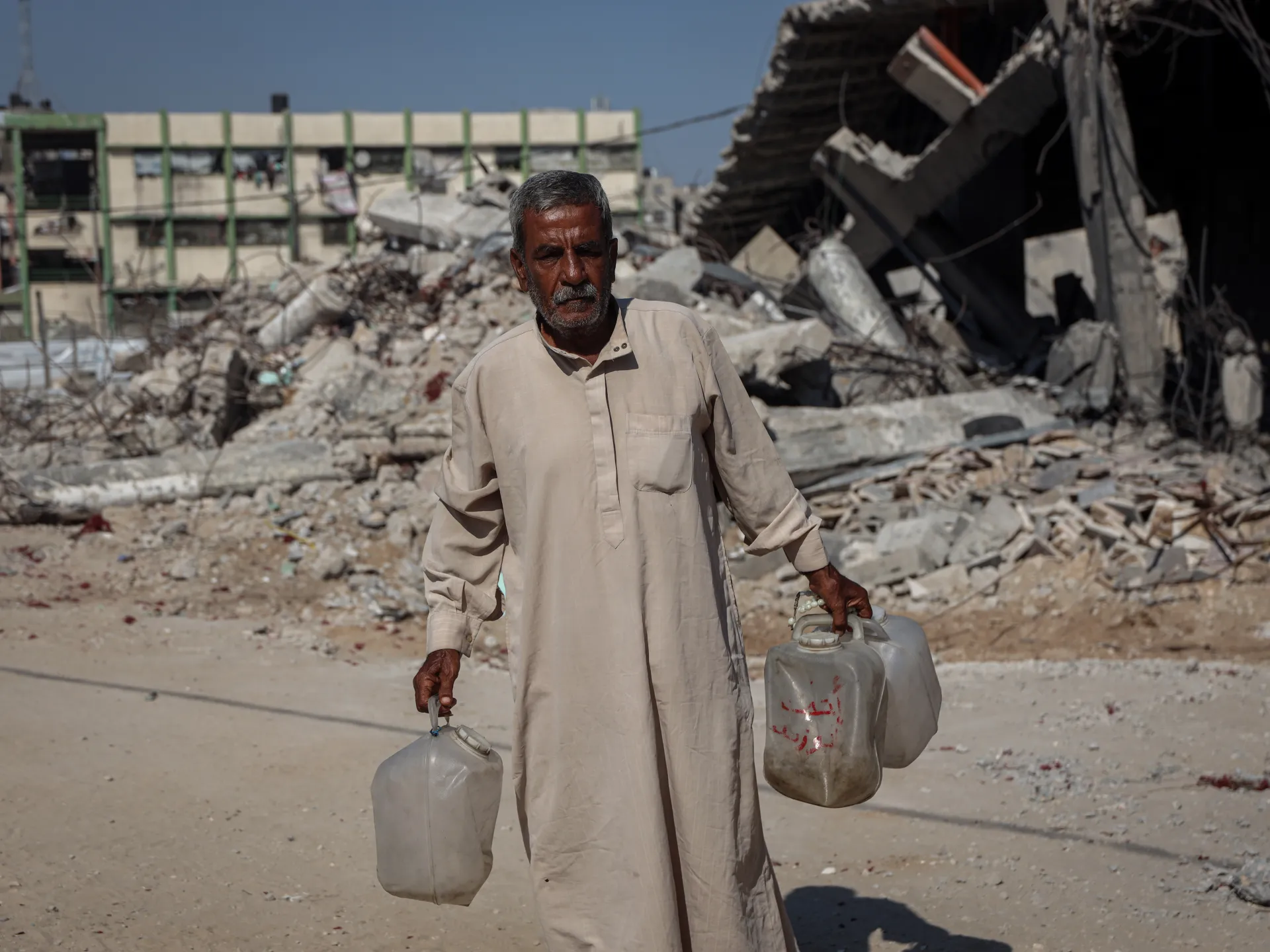
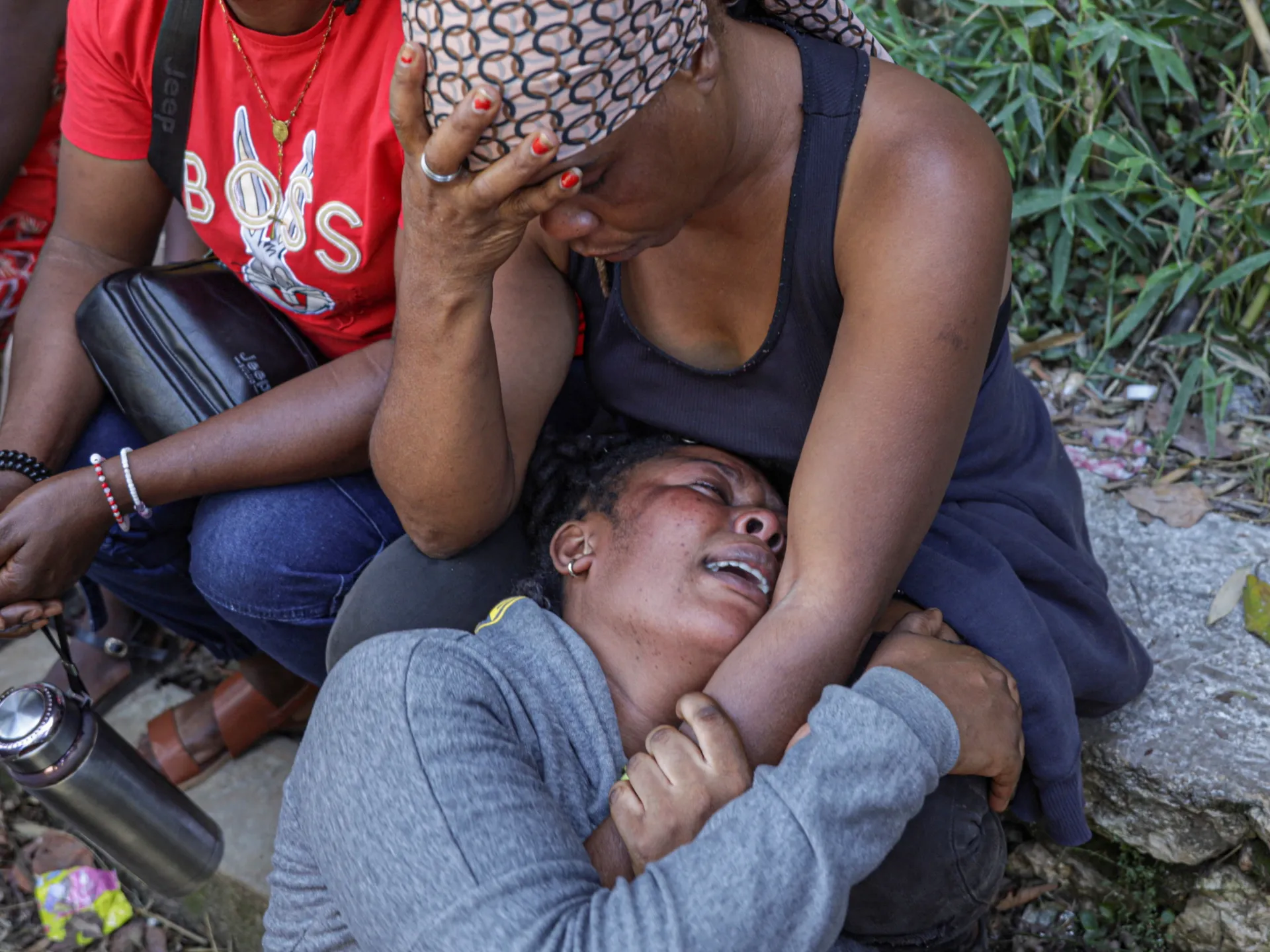
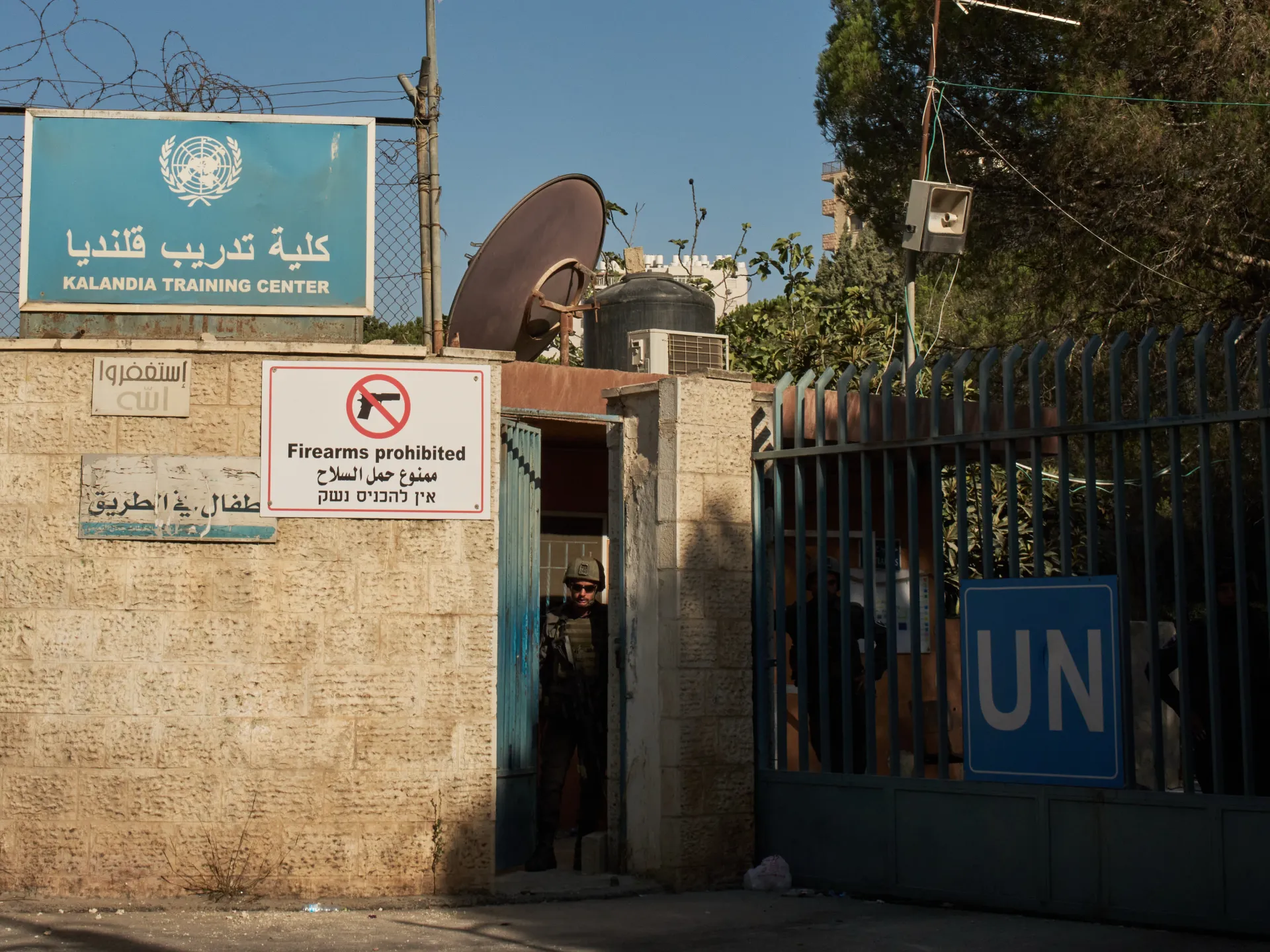
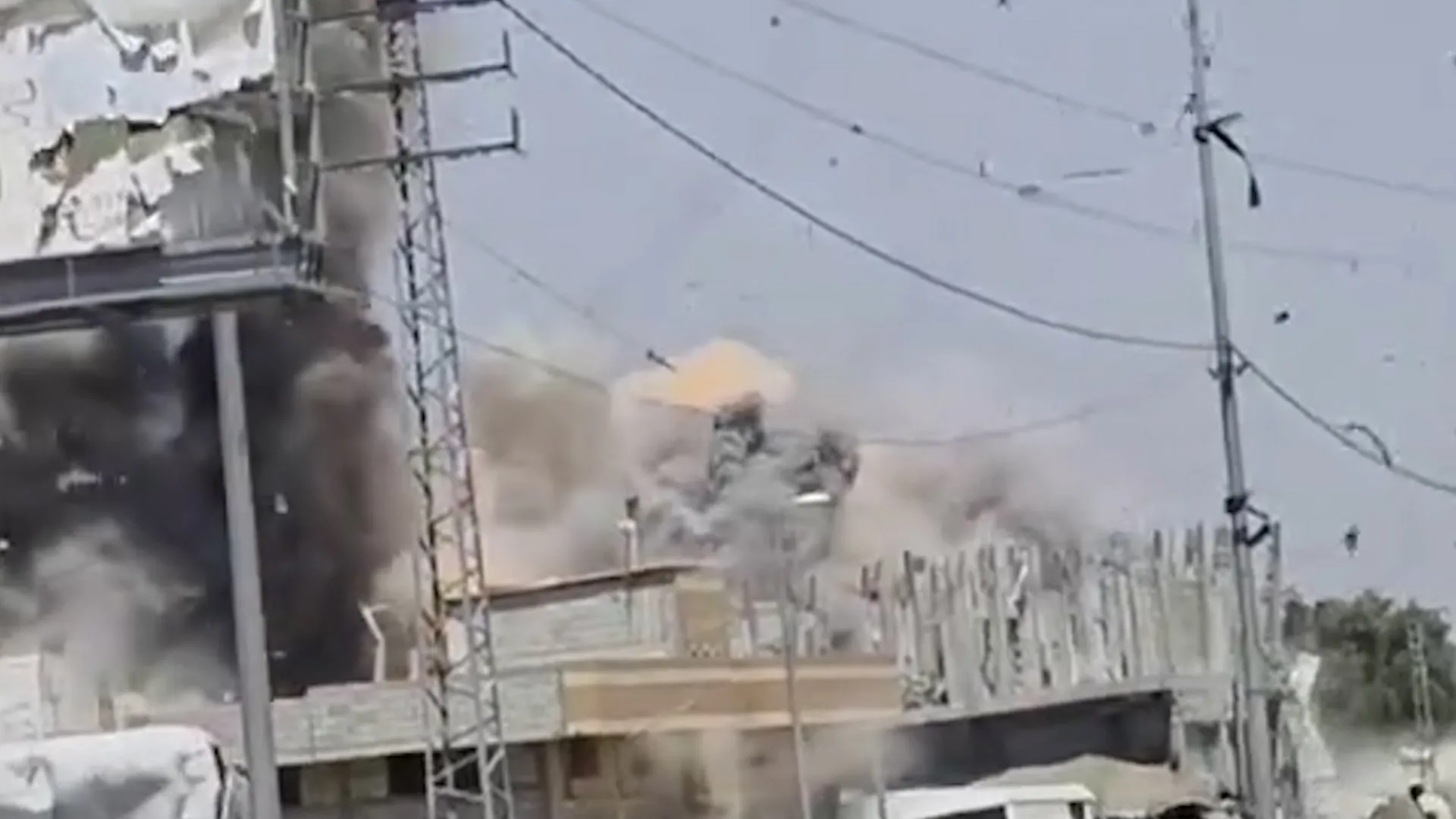
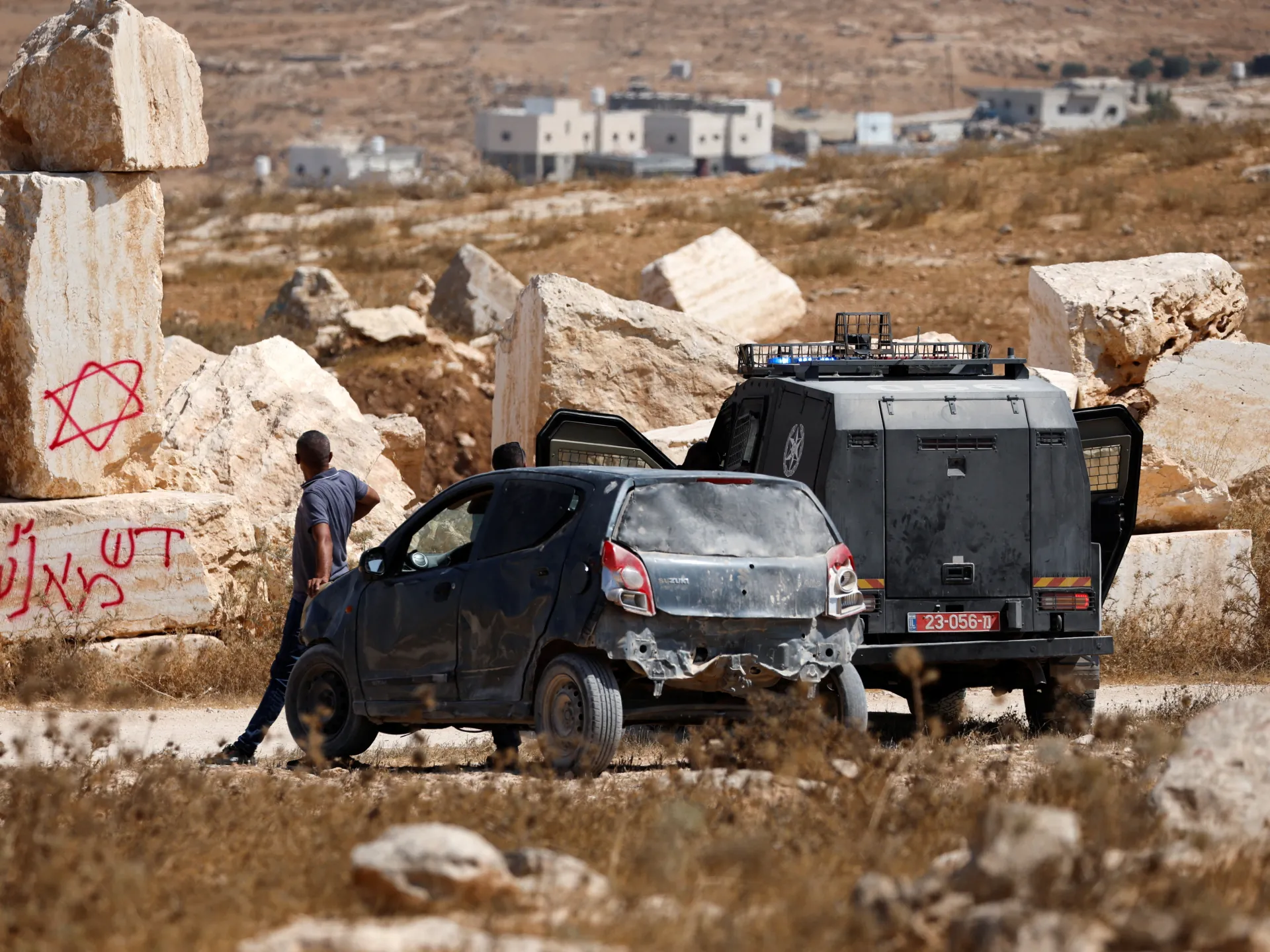
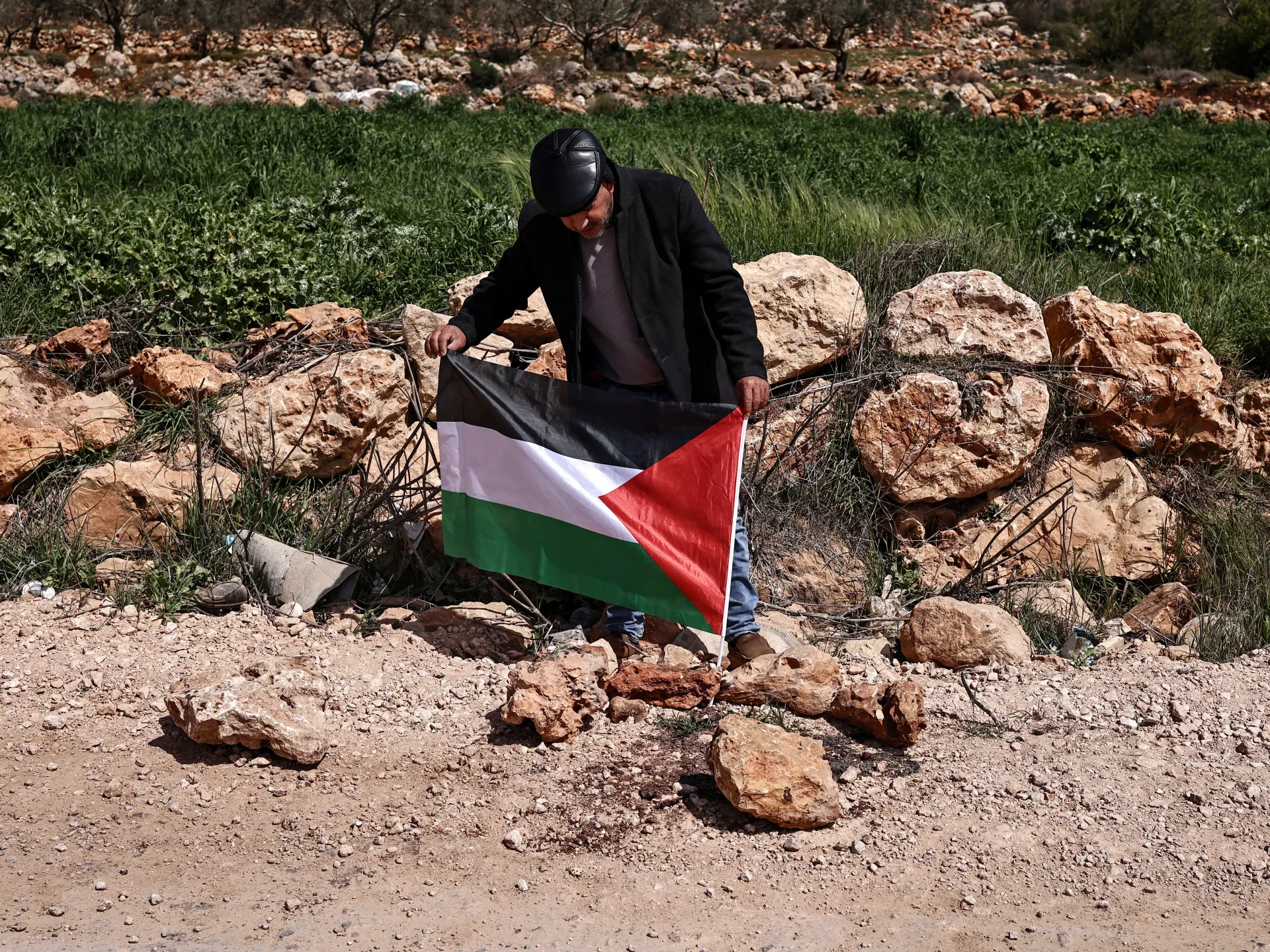
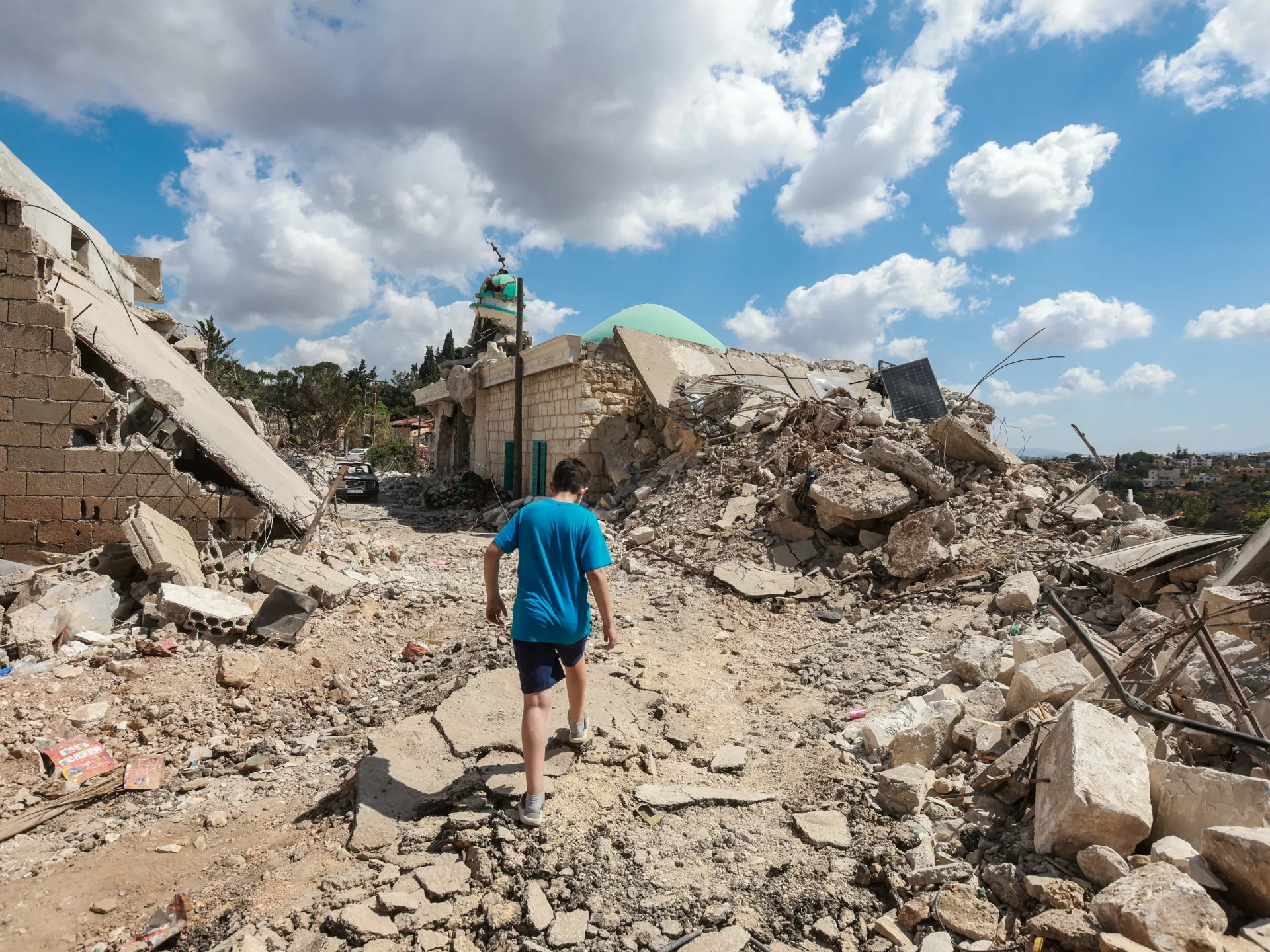
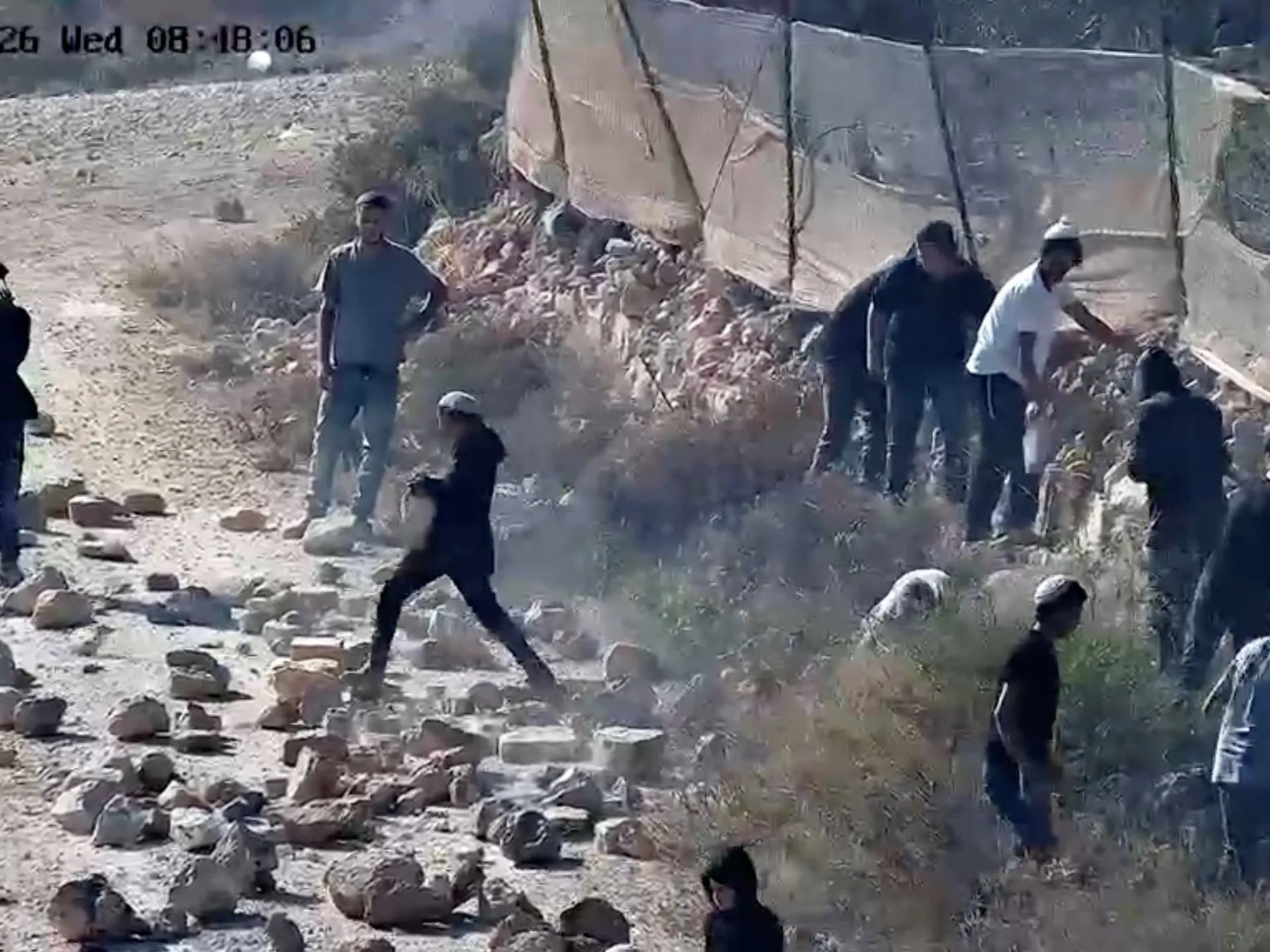
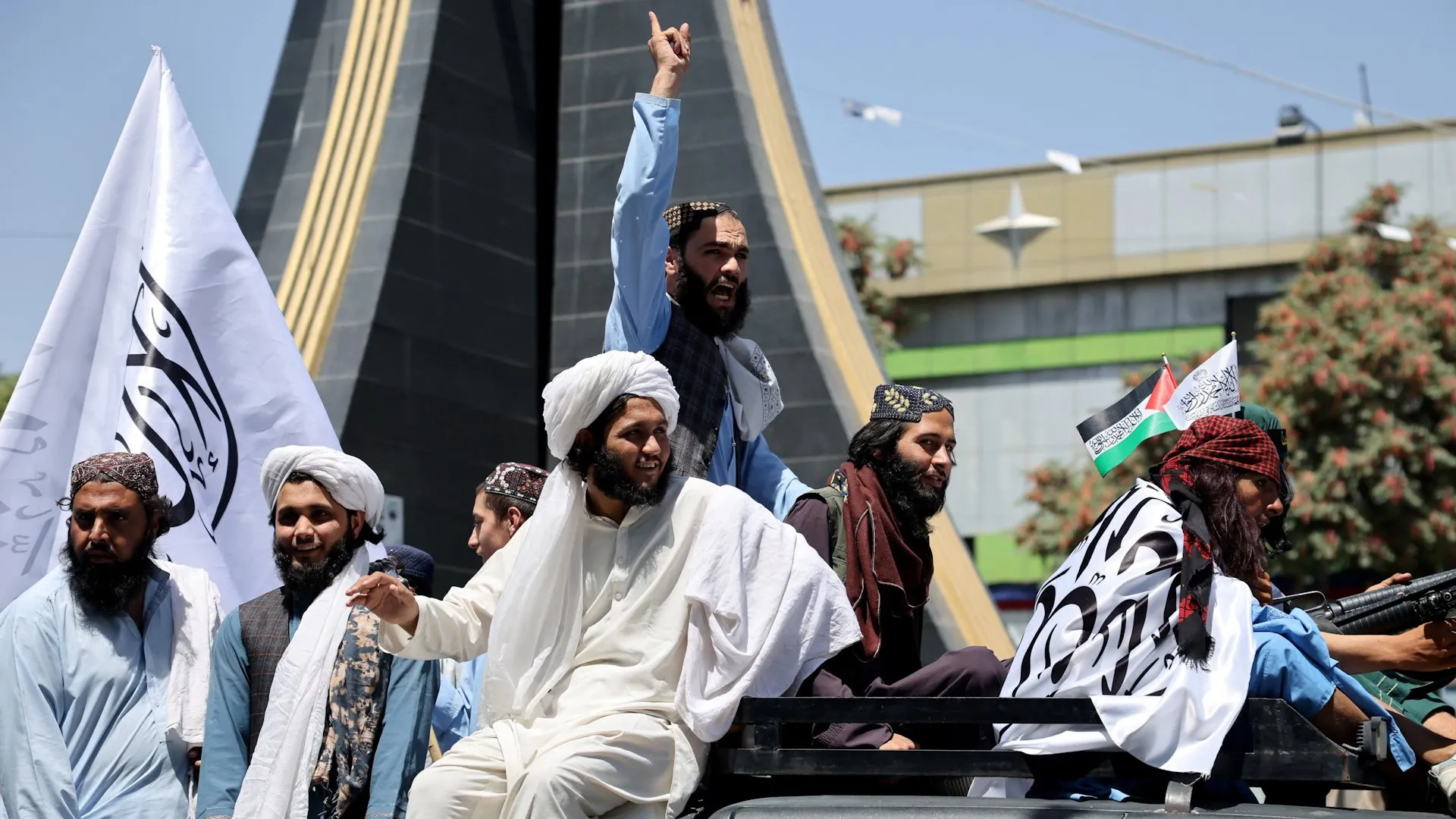
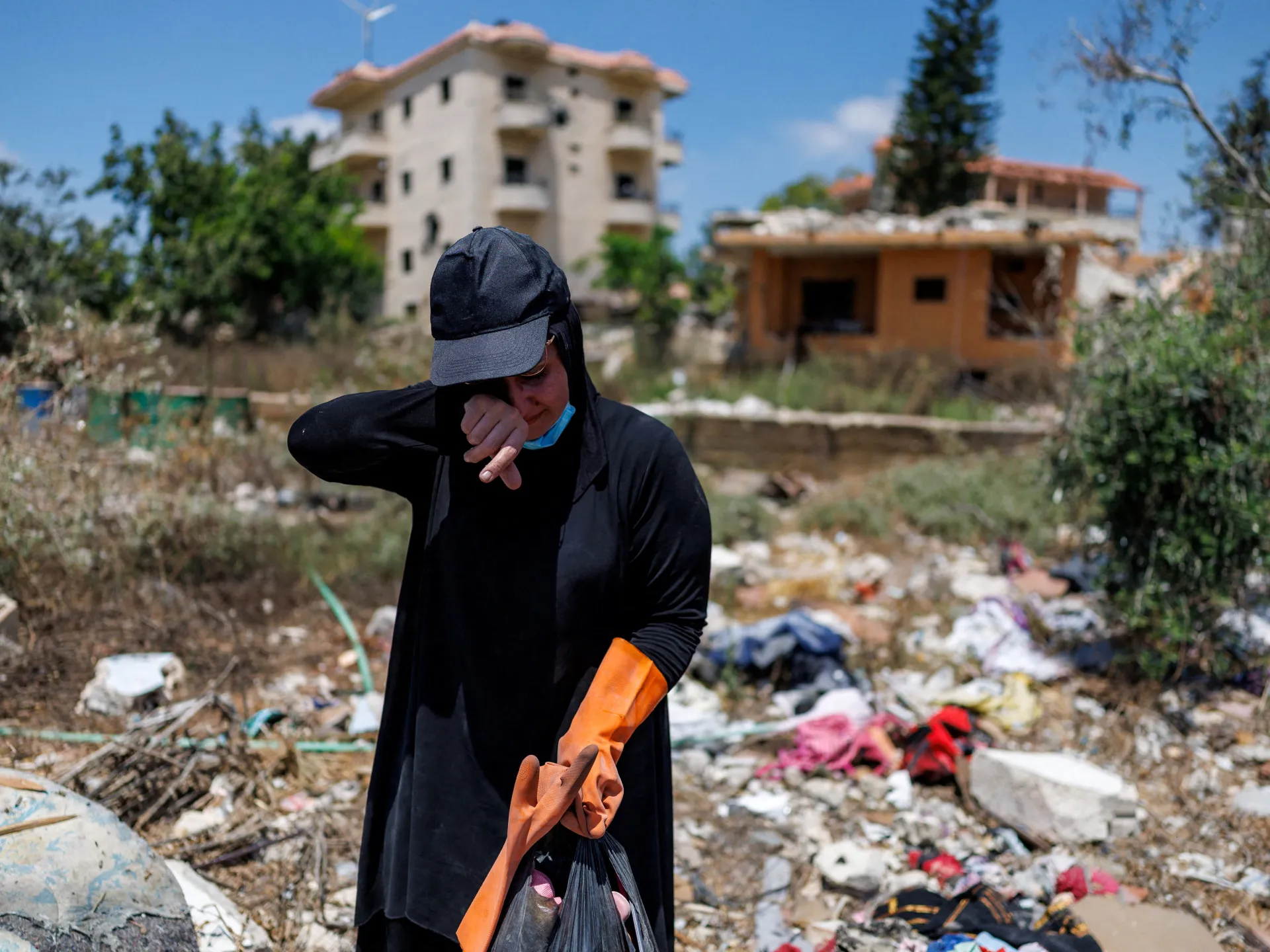
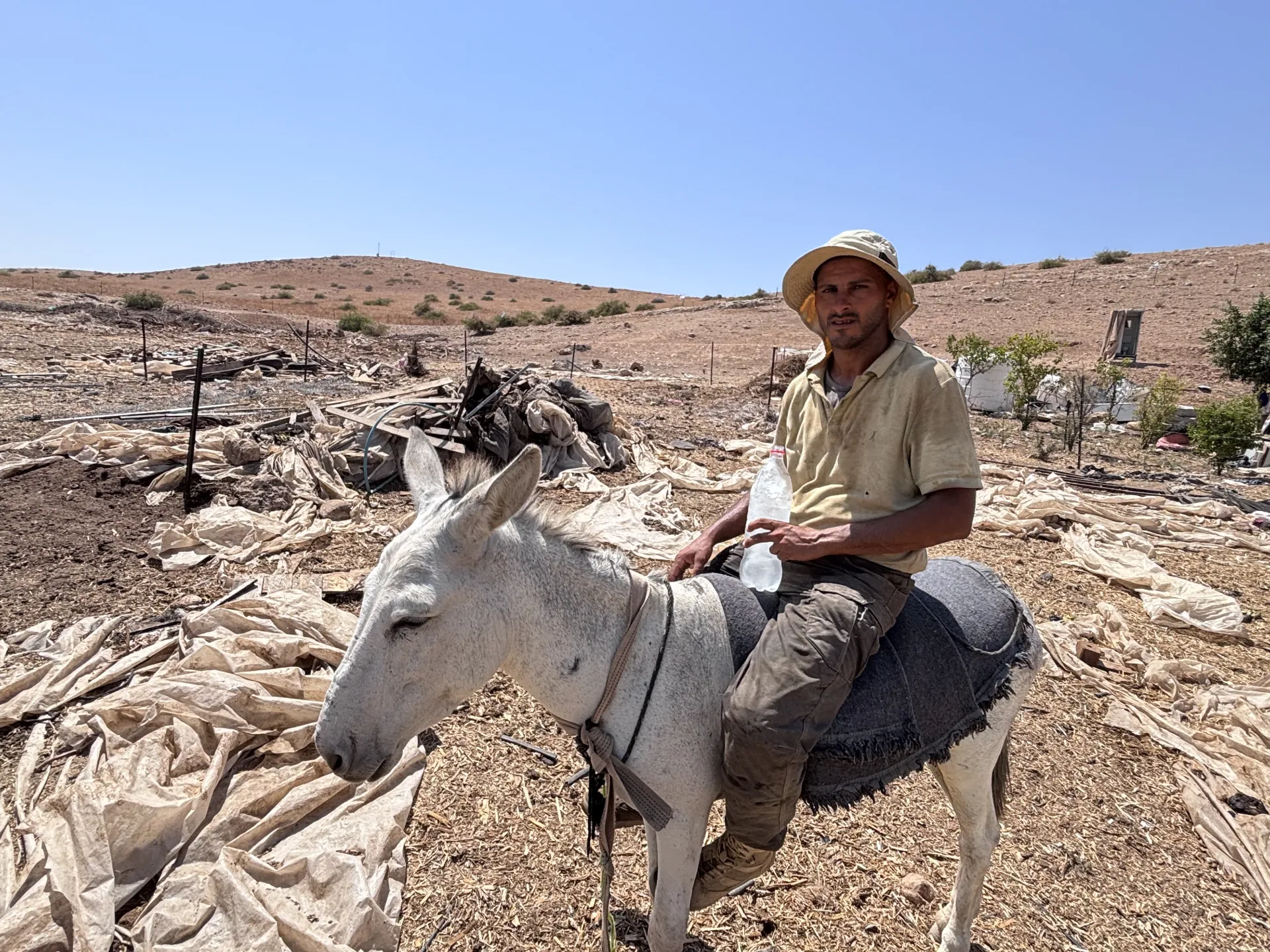
The situation in the West Bank involves ongoing reports of pogroms and systemic violence against Palestinian communities. These events, which have been documented . While the filmmaker faces heat for their artistic choices, the reality on the ground for Palestinians continues to deteriorate, adding a layer of moral urgency to the public discourse that transcends the cinematic controversy itself.
The controversy surrounding 'NAZA' raises fundamental questions about the limits of free speech and the responsibilities of creators in a fractured society. Critics of the film argue that the director has crossed a line aintain that art should serve as a mirror for reality, even when that reality is uncomfortable or divisive. This clash of ideologies is a common feature in nations where identity is closely tied to historical and political struggles.
As public pressure mounts, the filmmaker and their family find themselves at the center of a national firestorm. The use of inflammatory language during the protests has prompted calls for restraint from various civil society organizations. However, as of now, there is little indication that the fervor surrounding the film will dissipate in the near future. The incident serves as a stark reminder of how quickly artistic content can ignite long-standing grievances in a volatile political climate.
Moving forward, the focus remains on whether the demonstration will lead to further unrest or if the situation will stabilize as the initial shock of the film's release subsides. Law enforcement agencies are tasked with balancing the right to peaceful protest with the need to protect private citizens from harassment and threats. The incident has left many wondering how the nation will reconcile these competing pressures in the coming months.
Ultimately, the saga of 'NAZA' is more than just a media event; it is a symptom of a broader societal malaise. Whether through political reform or cultural dialogue, the path toward de-escalation requires a concerted effort to address the root causes of the anger displayed for similar flare-ups remains a constant reality in the region.