A deep-dive investigation reveals that the 2012 kidnapping of US journalist Austin Tice was a premeditated operation approved by the Syrian regime.
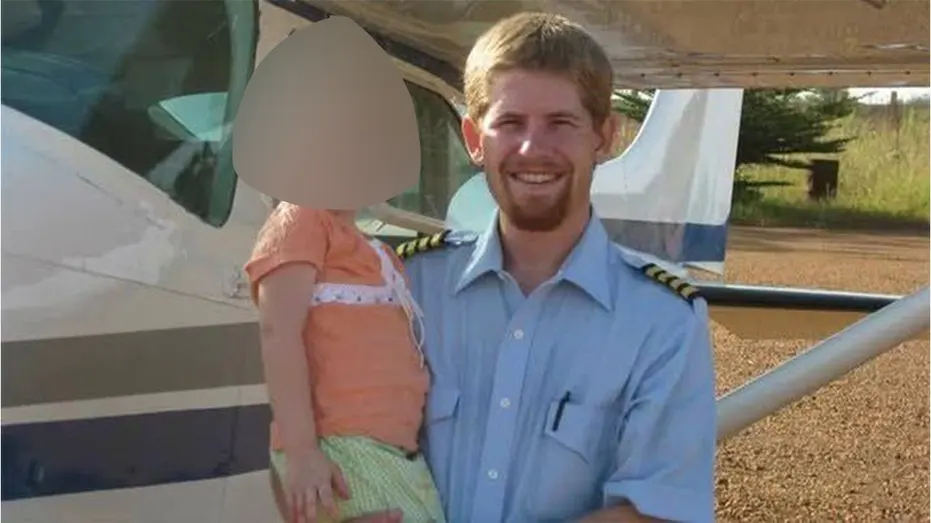
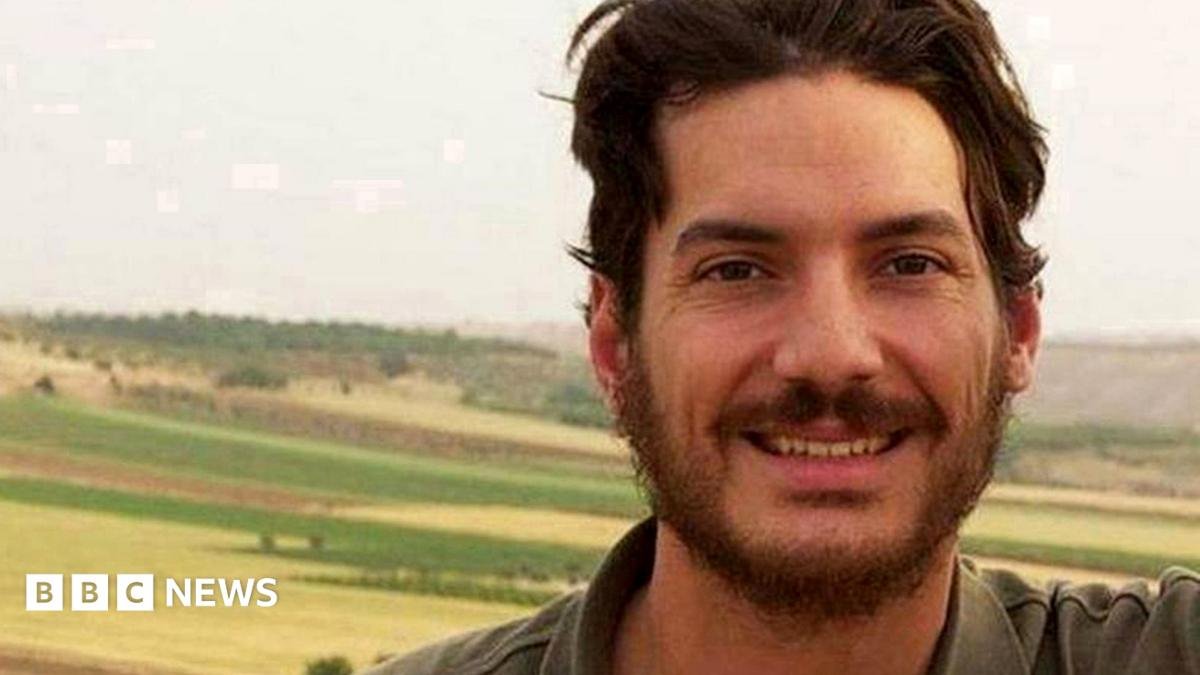
For over a decade, the disappearance of American journalist Austin Tice in Syria was widely perceived as a tragic, opportunistic event. Tice, a former US Marine captain and law student, vanished in August 2012 while reporting on the escalating civil war. For years, the prevailing narrative suggested that he and his driver had simply stumbled upon a government checkpoint, leading to an accidental detainment. However, new evidence gathered through an extensive multi-year investigation indicates that his abduction was far from a random act.
Internal documents and testimonies from former regime insiders reveal that Tice’s capture was the result of a calculated operation that had been in the planning stages for more than a month. The findings suggest that the Syrian regime, under the direction of high-level officials, specifically targeted the journalist to silence his reporting on human rights abuses occurring within the country. This revelation dismantles the long-standing theory that Tice was a victim of circumstance, pointing instead to a deliberate state-sanctioned kidnapping.
Central to the operation was Tice’s own driver, who had been feeding information to the National Defence Forces (NDF), a militia fiercely loyal to the Assad regime. According to individuals involved in the planning, the driver alerted his handlers to Tice’s movements as the journalist traveled through rebel-held areas to document the conflict. The intelligence was passed up the chain of command, eventually reaching Bassam al-Hassan, a key security figure and head of the NDF, who reportedly sought direct approval from President Bashar al-Assad to proceed with the abduction.
The regime’s interest in Tice was fueled f providing tactical advice to rebel fighters—an attempt to assist with safety and operations—was misinterpreted is no credible evidence supporting the claim that Tice was an intelligence officer. In the days leading up to his disappearance, the driver further facilitated the regime's efforts pment, to allow security forces to examine his personal data.
The abduction took place on August 11, 2012, shortly after Tice had celebrated his 31st birthday. The driver led the journalist to a state facility on the outskirts of Damascus under the guise of traveling to safety. Upon arriving at the gates, the driver pulled a gun on Tice. Witnesses recount that while Tice initially thought it was a joke, he soon realized the gravity of the situation and attempted to offer his belongings in exchange for his freedom. He was promptly detained to the highest levels of the Syrian government.
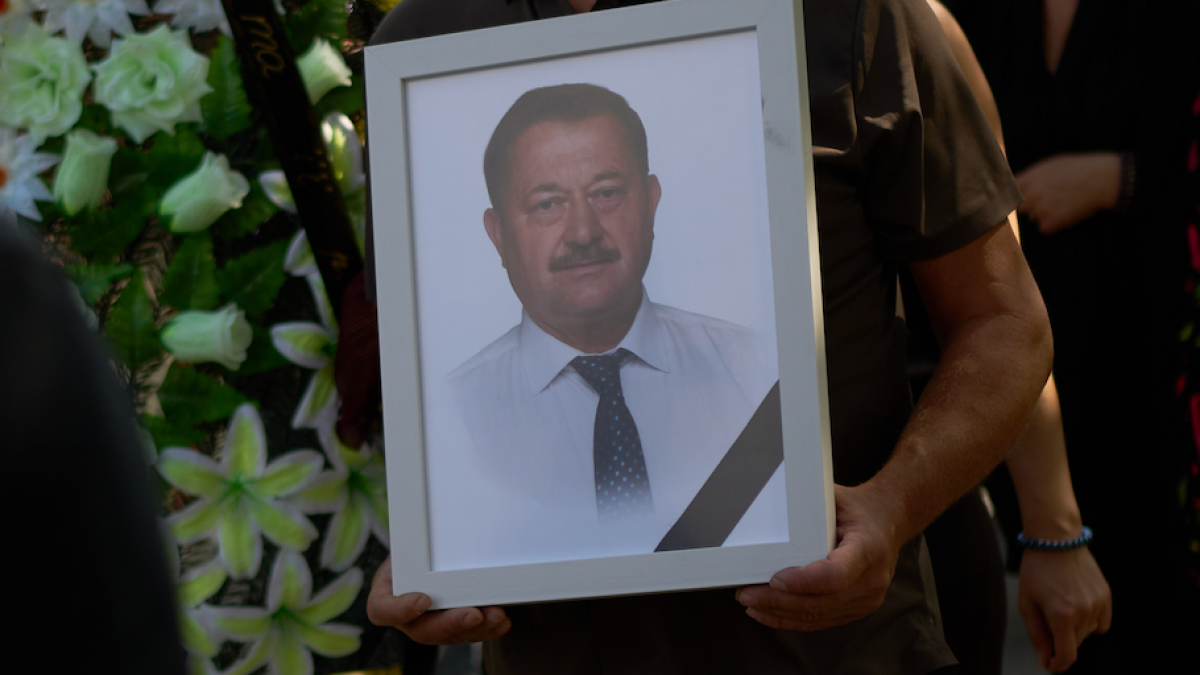
The driver, identified as Hamid Abu Obeid, was allegedly promised life-changing rewards for his role in the betrayal, including citizenship and a home. However, his family claims that he received only a pistol for his cooperation. Following the eventual collapse of the Assad regime, the fate of both Tice and his driver remains a mystery. Abu Obeid disappeared shortly after attempting to contact the US embassy, leaving his family in a state of uncertainty that mirrors the ongoing struggle of the Tice family. Despite the discovery of internal intelligence files confirming the regime’s role in the detention, the exact location of Tice remains unknown, leaving a haunting gap in the history of the Syrian conflict.