From the repatriation of the historic Codex Azcatitlán to the creative reclamation of war debris in Lebanon, objects are being redefined as powerful tools for reclaiming cultural and personal identity.
Cultural heritage and the physical remnants of conflict often serve as the most enduring mirrors of human experience. While the return of the 16th-century Codex Azcatitlán to Mexico marks a significant milestone in the repatriation of historical narratives, a distinct form of creative reclamation is taking place in southern Lebanon. In both cases, physical objects—whether centuries-old parchment or jagged fragments of modern ordnance—are being utilized to reclaim stories that might otherwise be silenced or lost to the chaos of political upheaval.
These developments underscore the tension between the preservation of the past and the desperate necessity of finding meaning in the present. As international relations shift, the movement of cultural artifacts and the transformation of war remnants represent two sides of a broader effort to exert agency over history. ir own legacies on their own terms, moving away from being mere subjects of history to becoming the active narrators of it.
The significance of these events extends beyond their immediate artistic or historical value. The return of the Codex Azcatitlán highlights a growing trend in diplomatic efforts to address the colonial-era displacement of cultural heritage. When nations exchange such documents, they are not merely swapping items; they are engaging in a process of soft diplomacy that acknowledges past grievances while attempting to foster future cooperation. Conversely, the work of artists in conflict zones like southern Lebanon reveals the psychological necessity of transformation. t, effectively stripping weapons of their power to destroy violent resistance, asserting that the human spirit can supersede the mechanics of warfare.
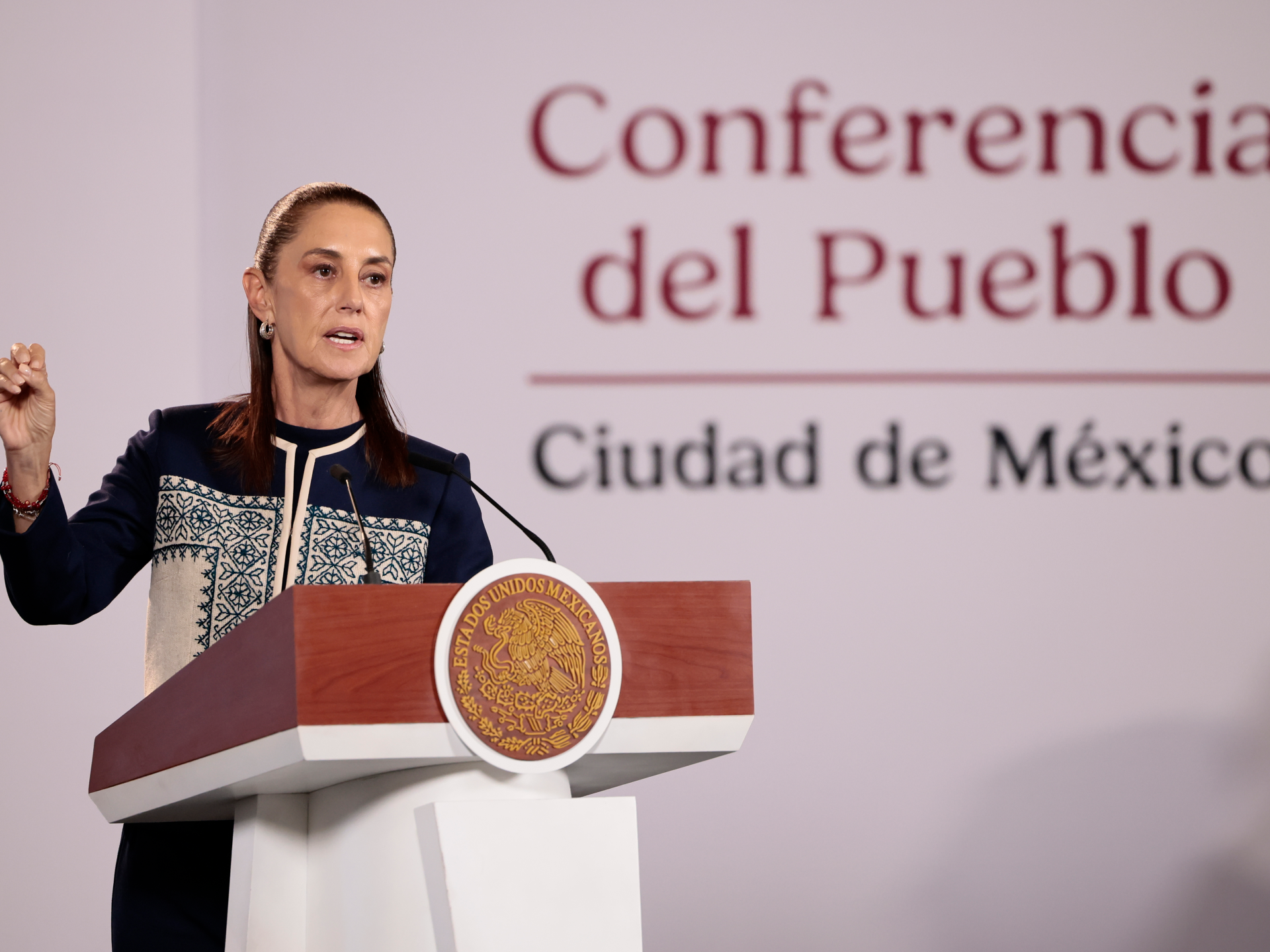
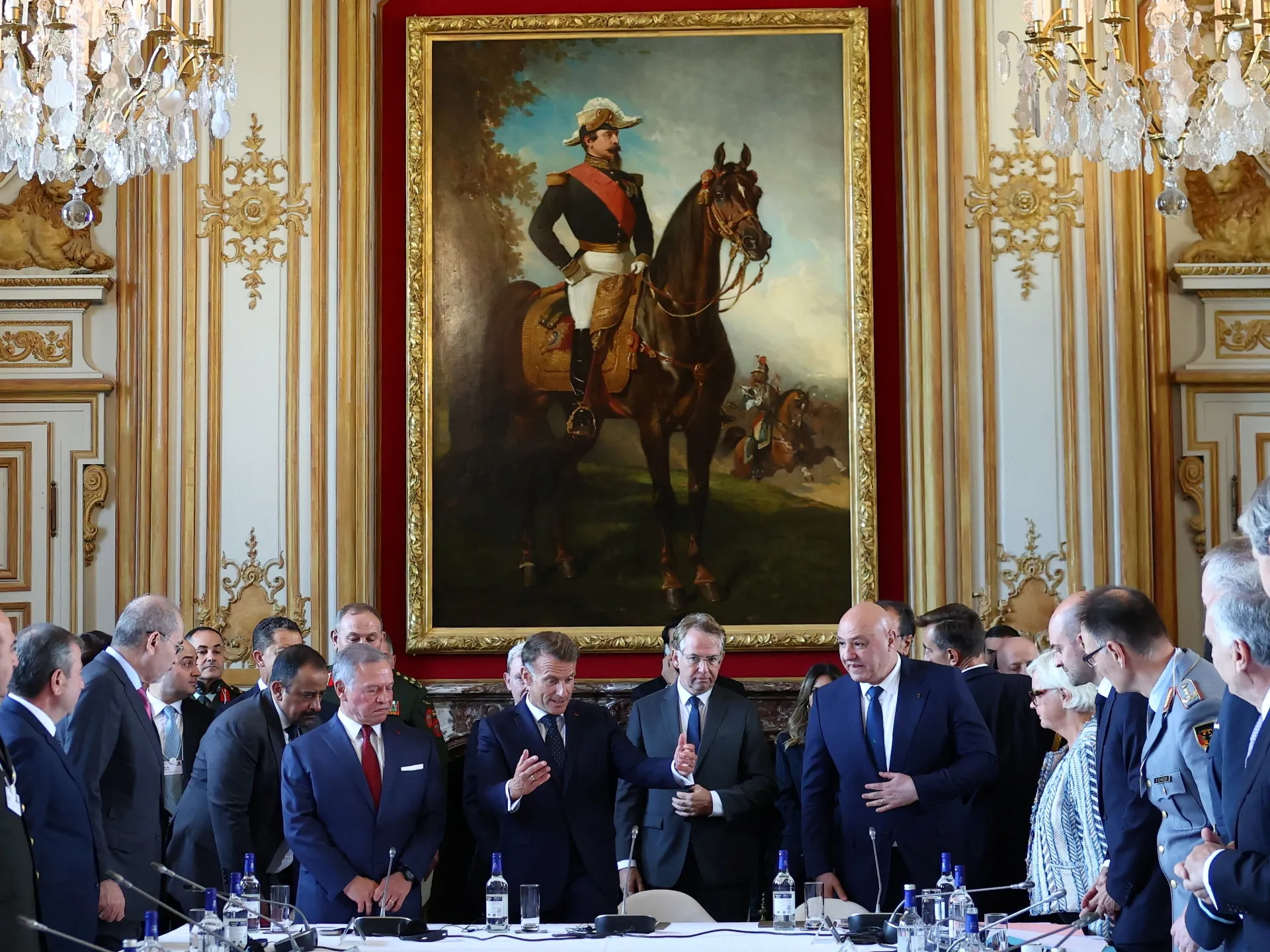
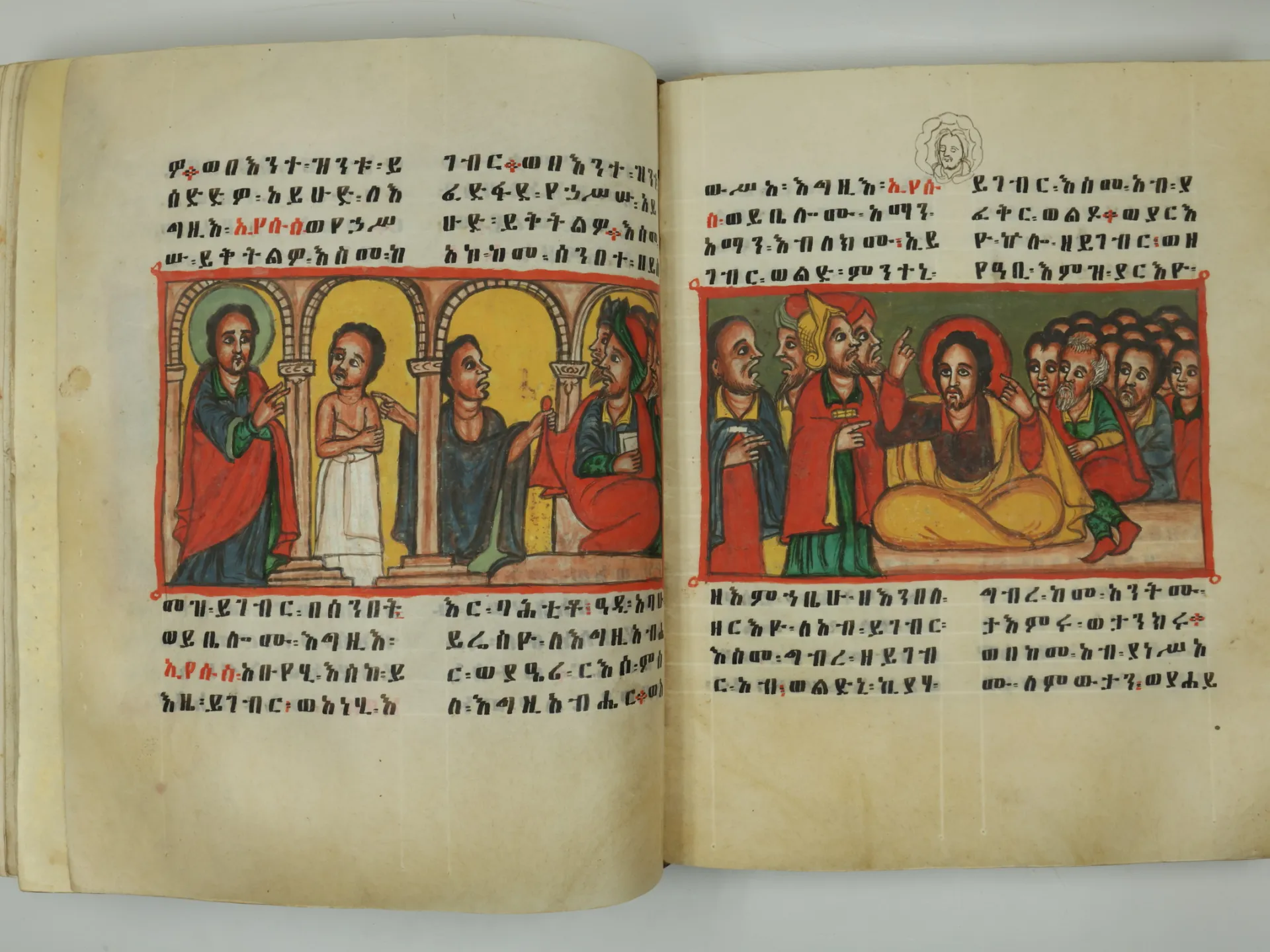
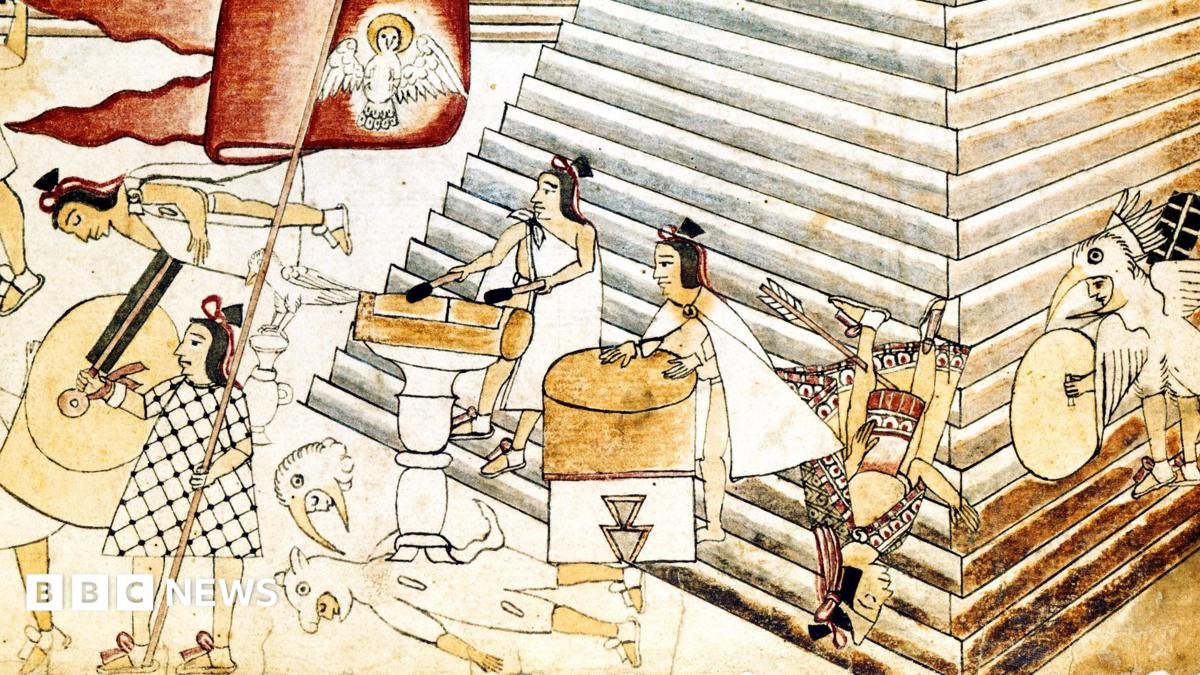
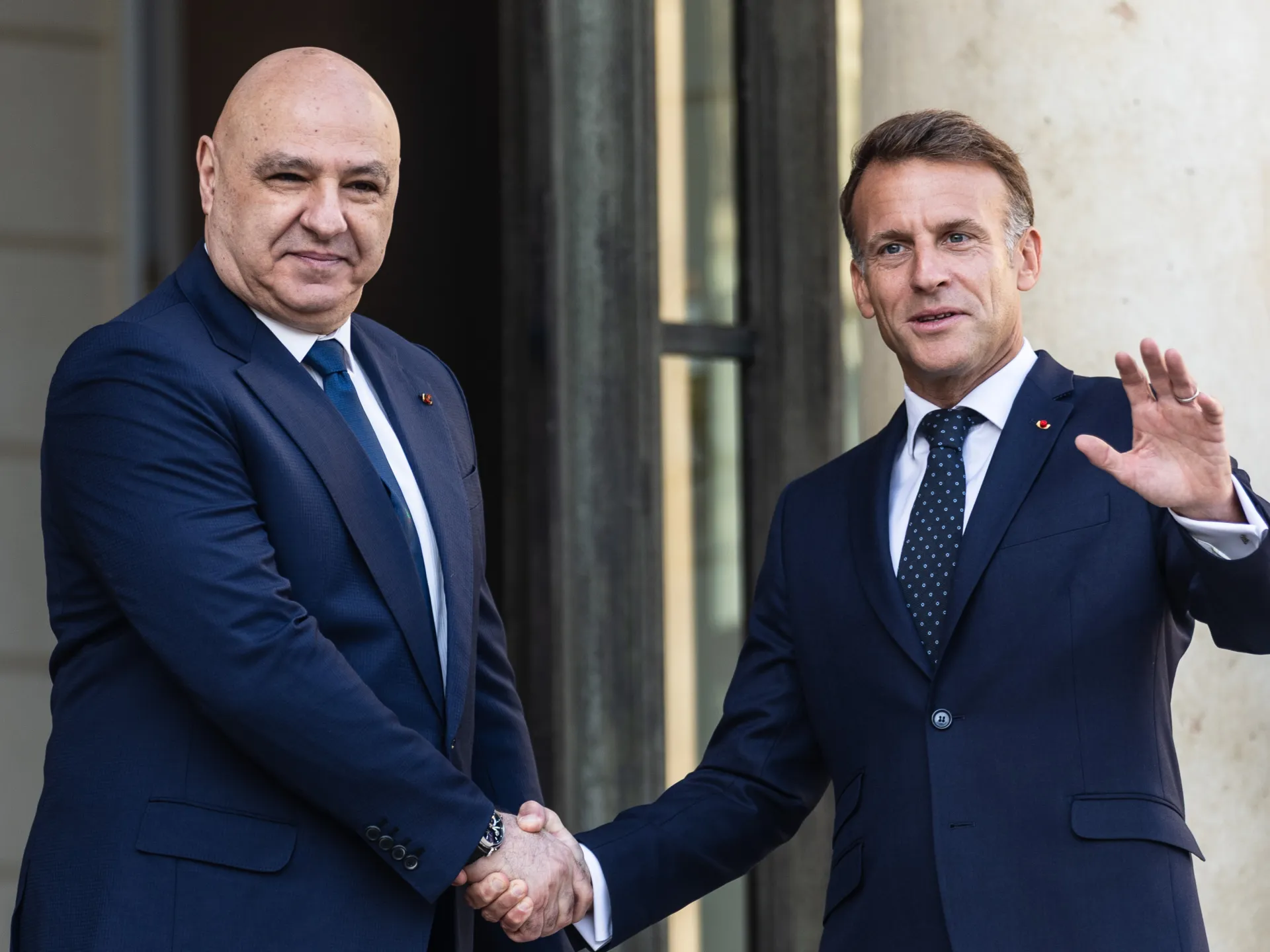
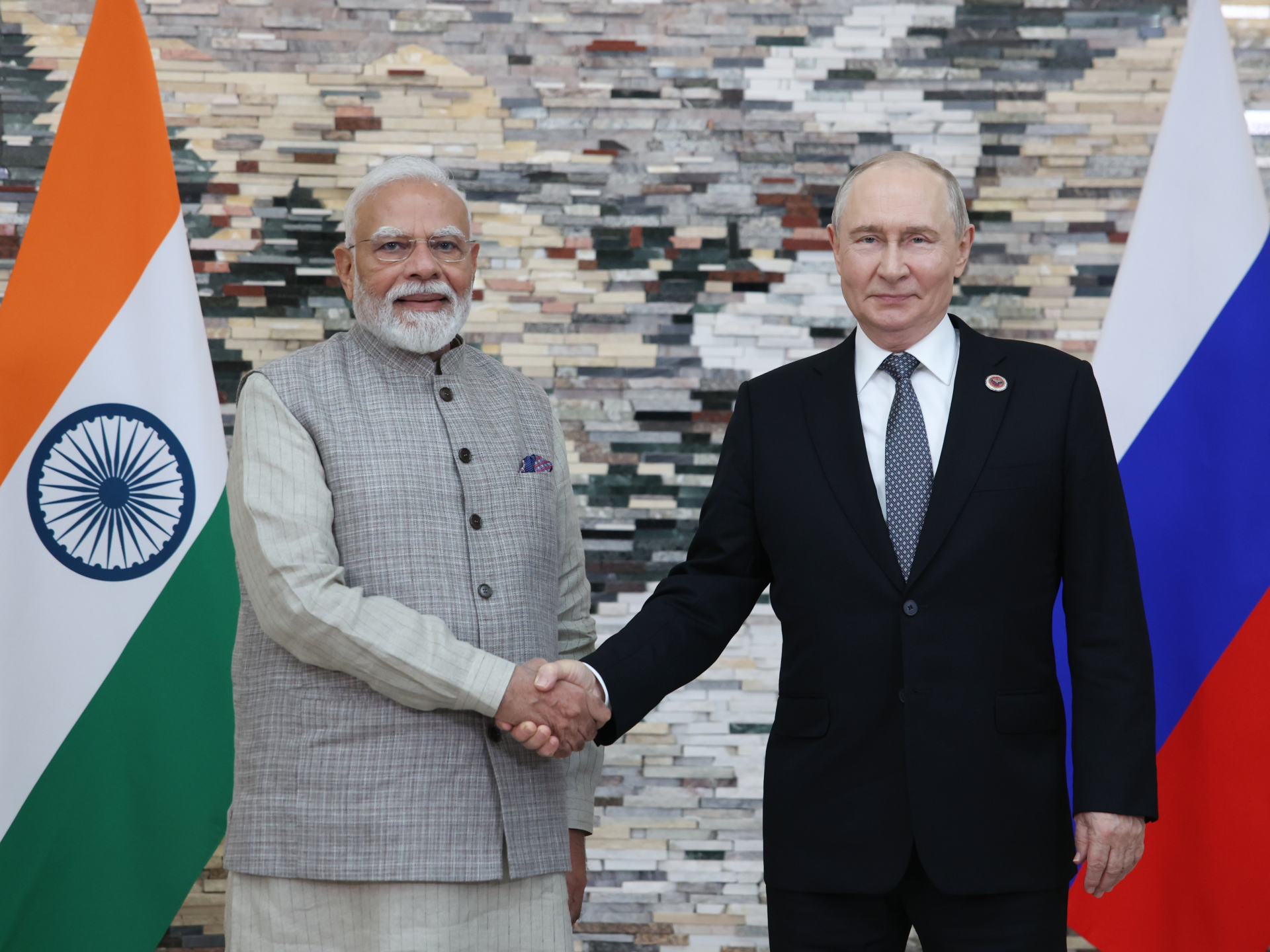
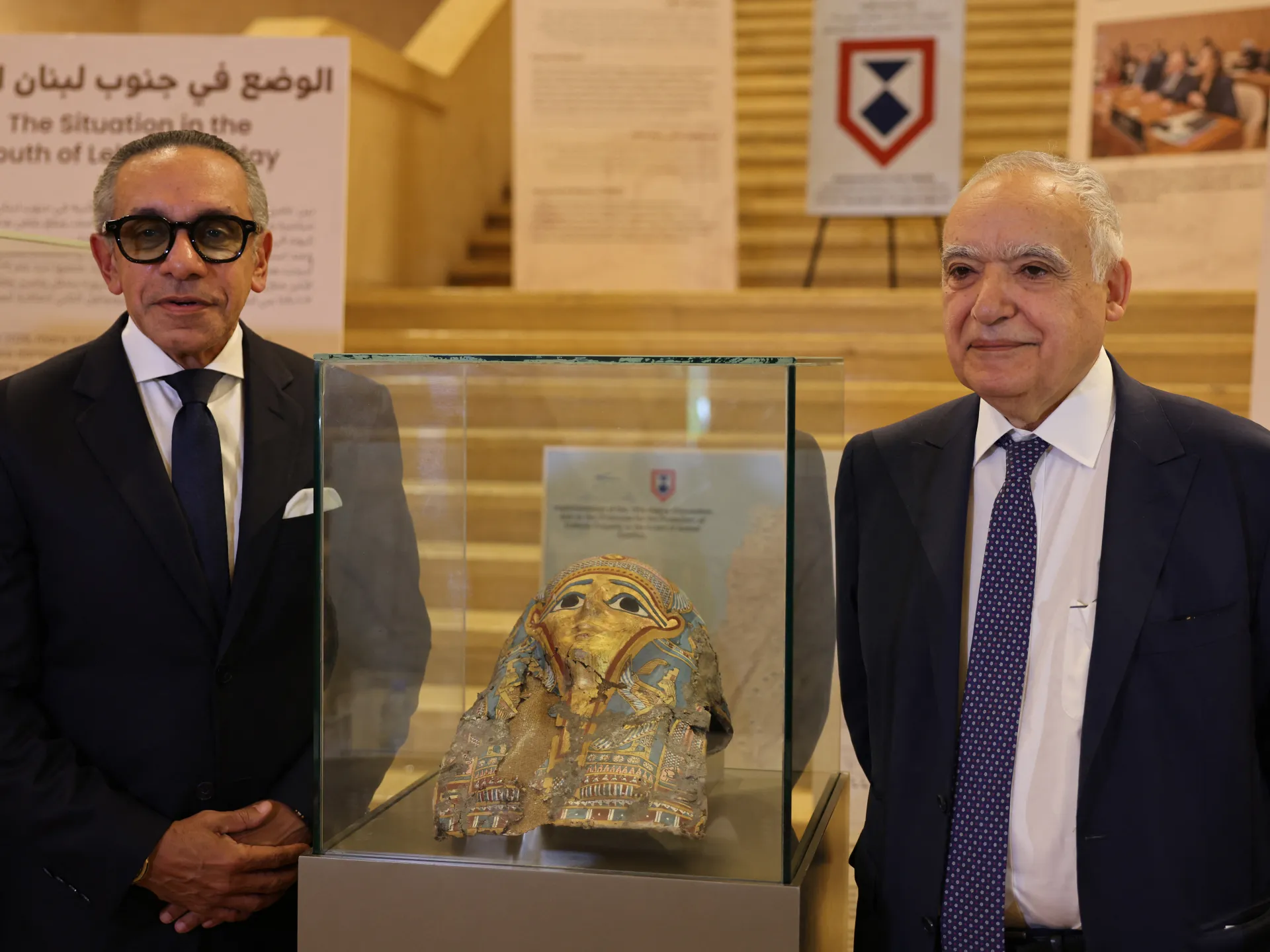
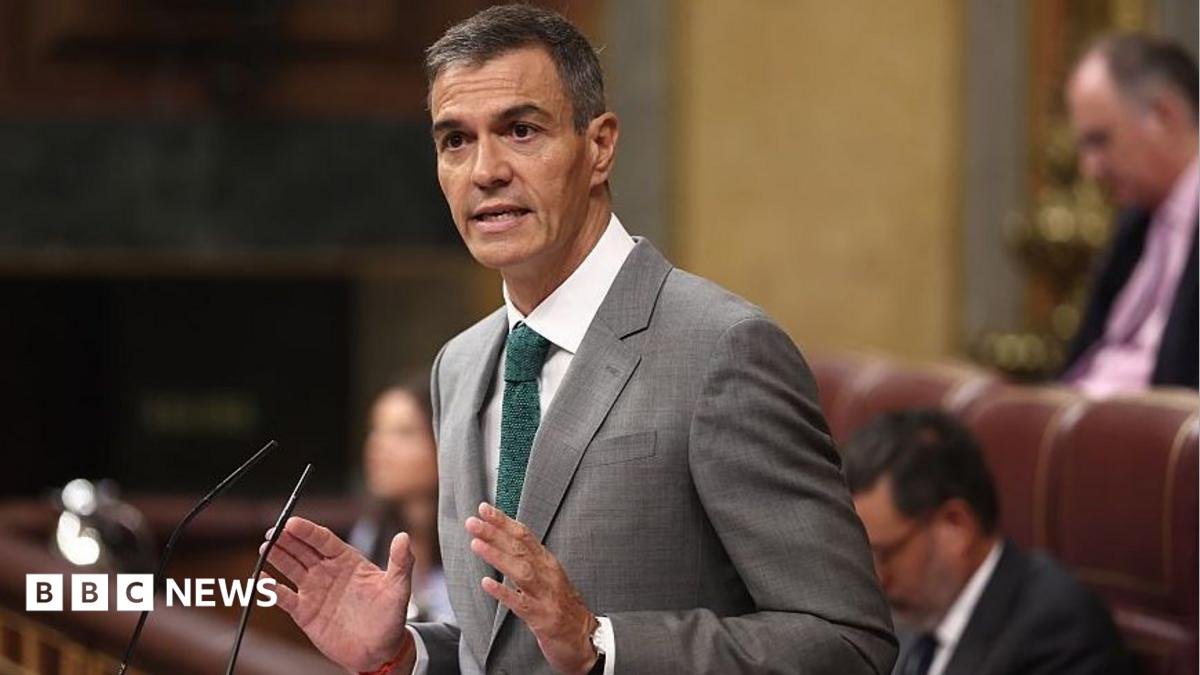
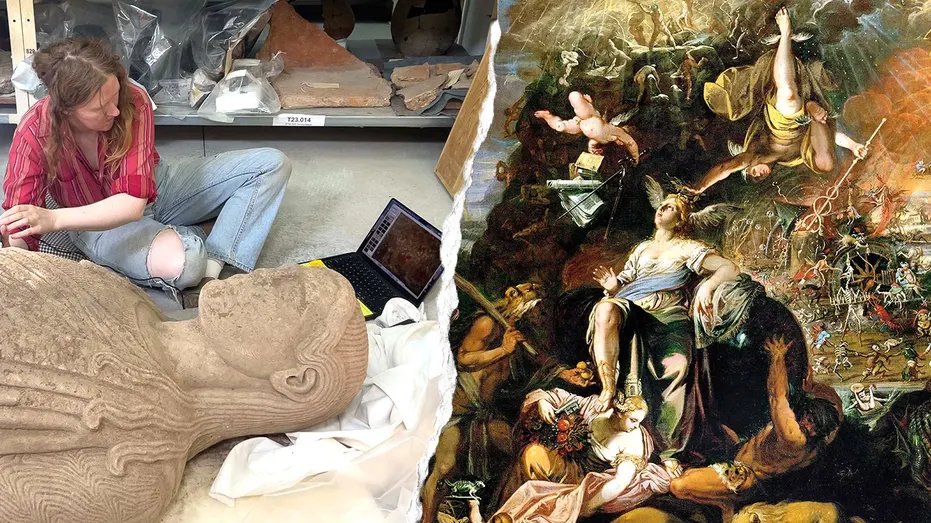
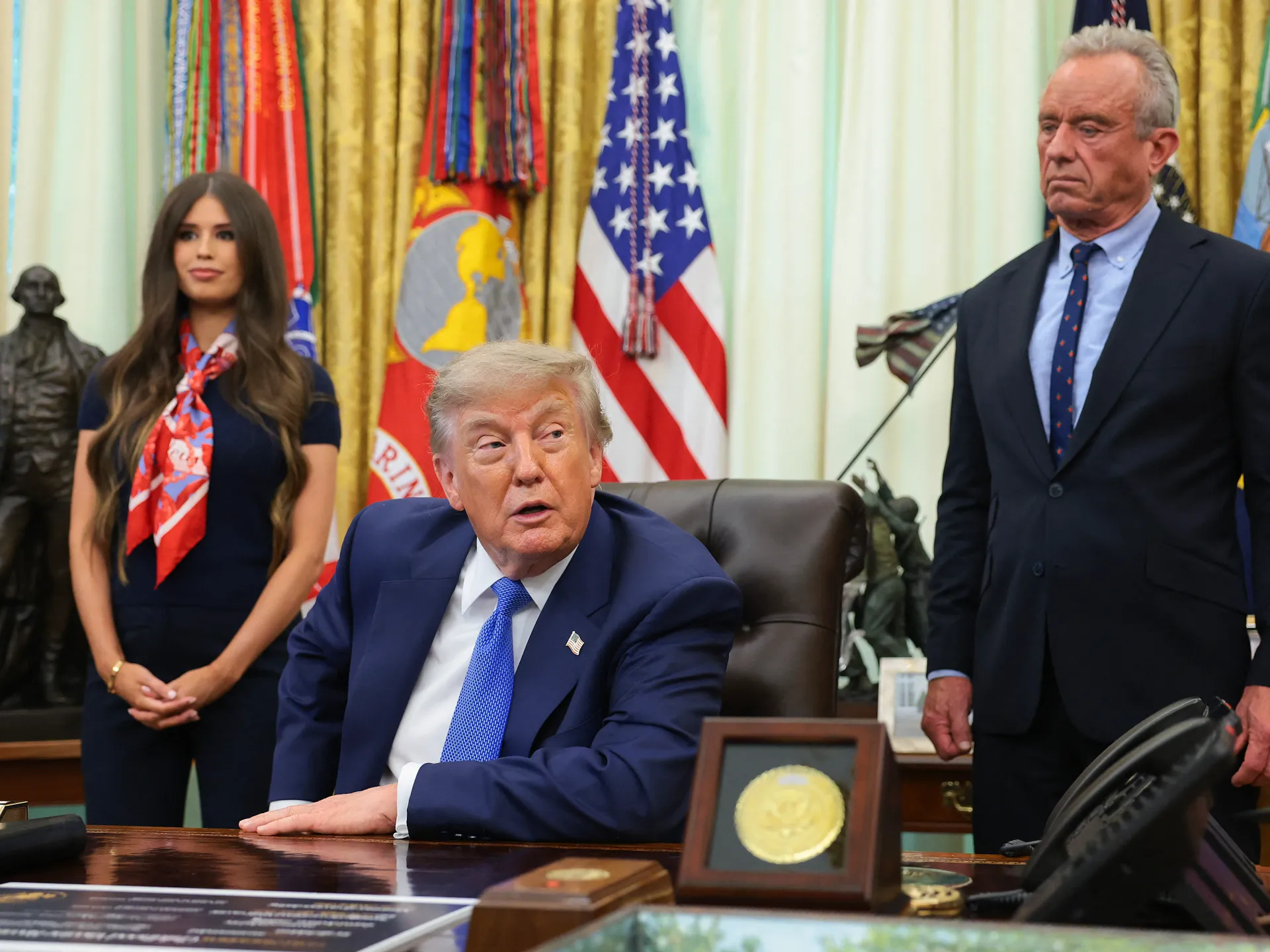
For the first time in nearly two centuries, the Codex Azcatitlán is being displayed in Mexico, marking a high-profile success in the nation's ongoing campaign to retrieve its historical treasures. The manuscript, which provides a vivid, pictogram-based account of the Aztec civilization and the arrival of Spanish conquistadors, had been housed in France’s Bibliothèque Nationale since 1898. Its return is part of a reciprocal agreement between President Claudia Sheinbaum and French President Emmanuel Macron, designed to celebrate the bicentennial of Franco-Mexican diplomatic relations.
As part of this cultural exchange, Mexico has sent the Codex Boturini—which chronicles the ancestral migration of the Mexica people to Lake Texcoco—to France. This swap is emblematic of a broader strategy employed historical objects in the previous year alone. The exhibition at the National Museum of Anthropology serves not only as a display of artistic prowess but as a reclamation of the national narrative concerning the fall of Tenochtitlán.
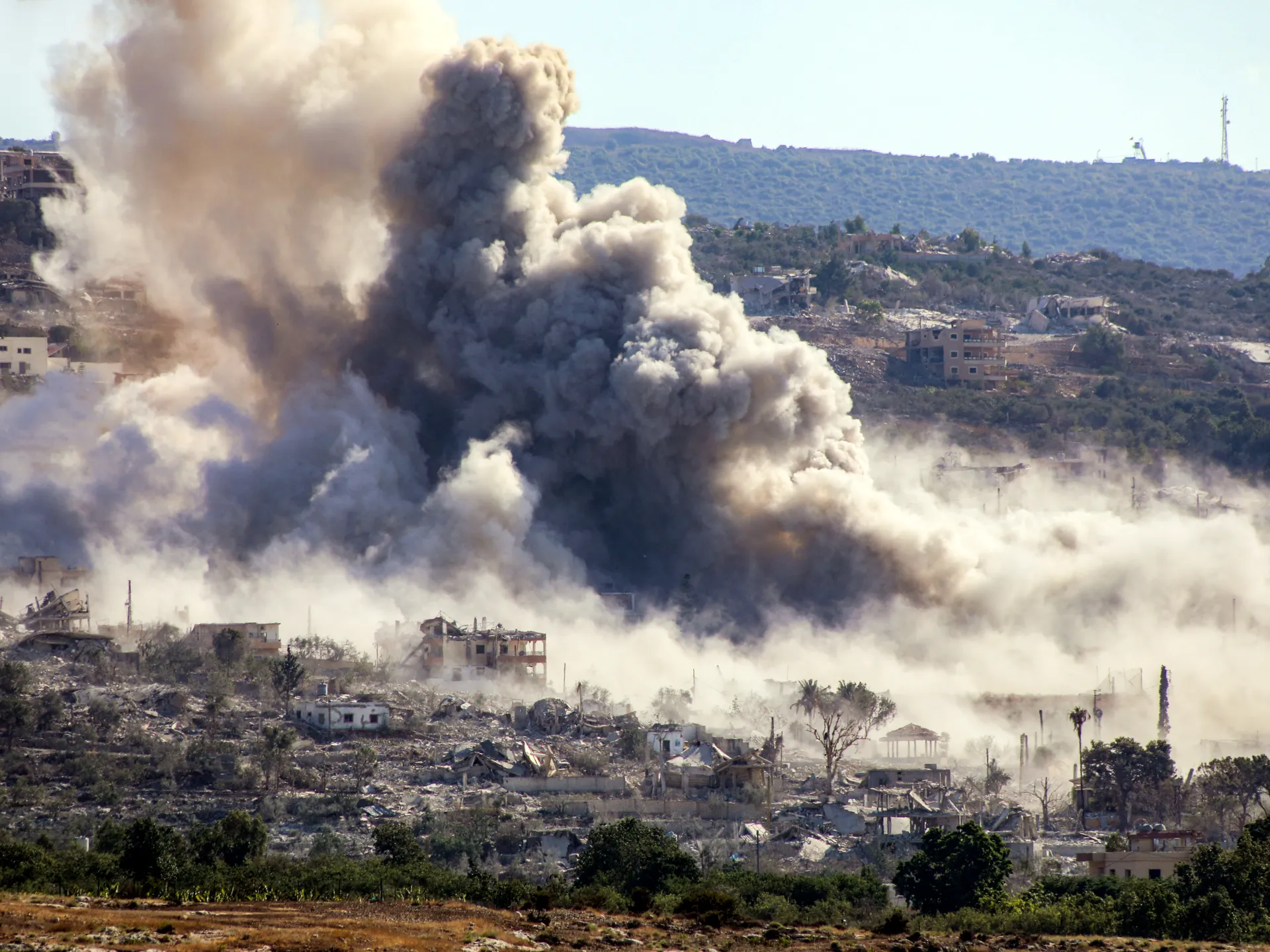
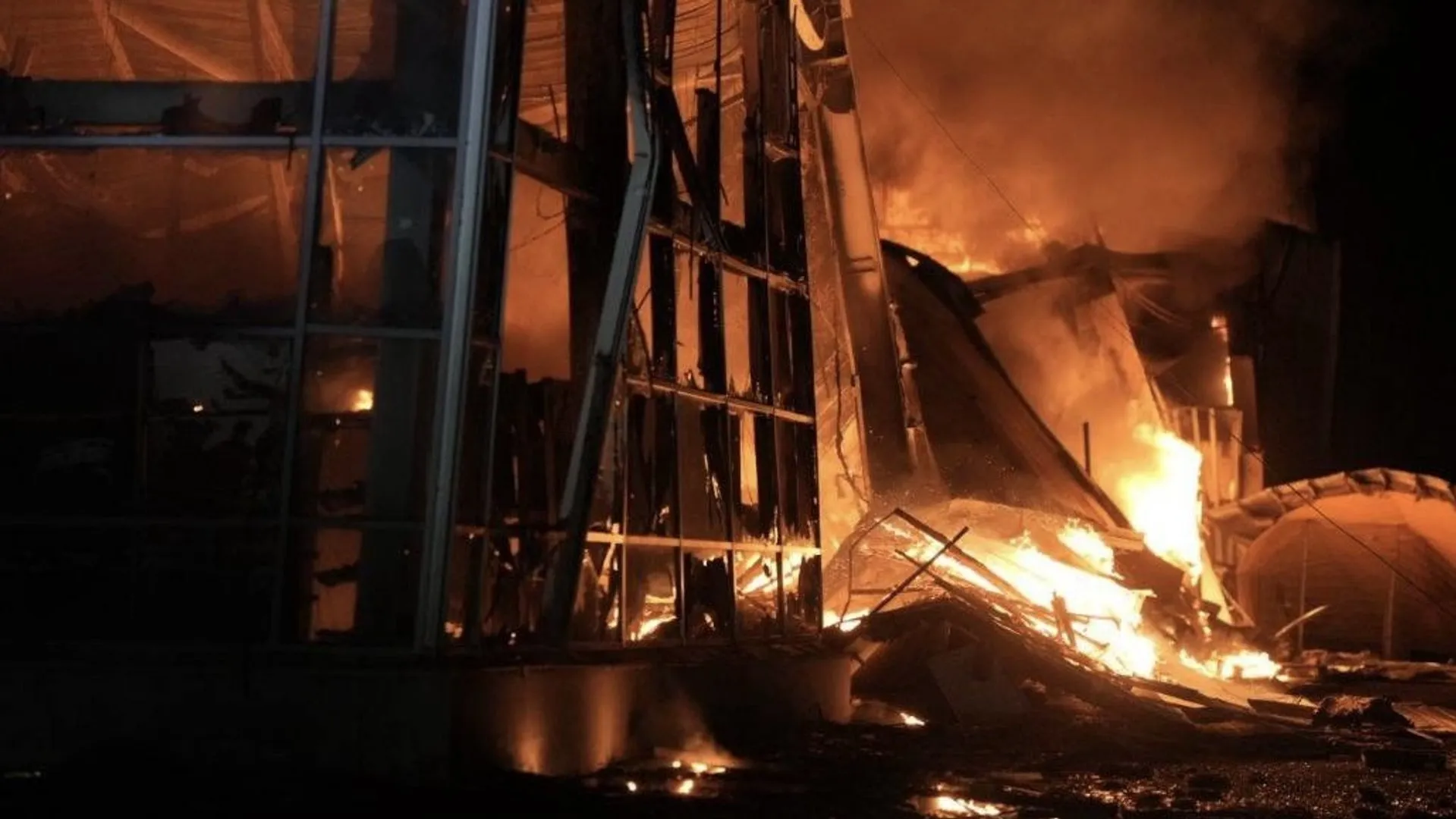
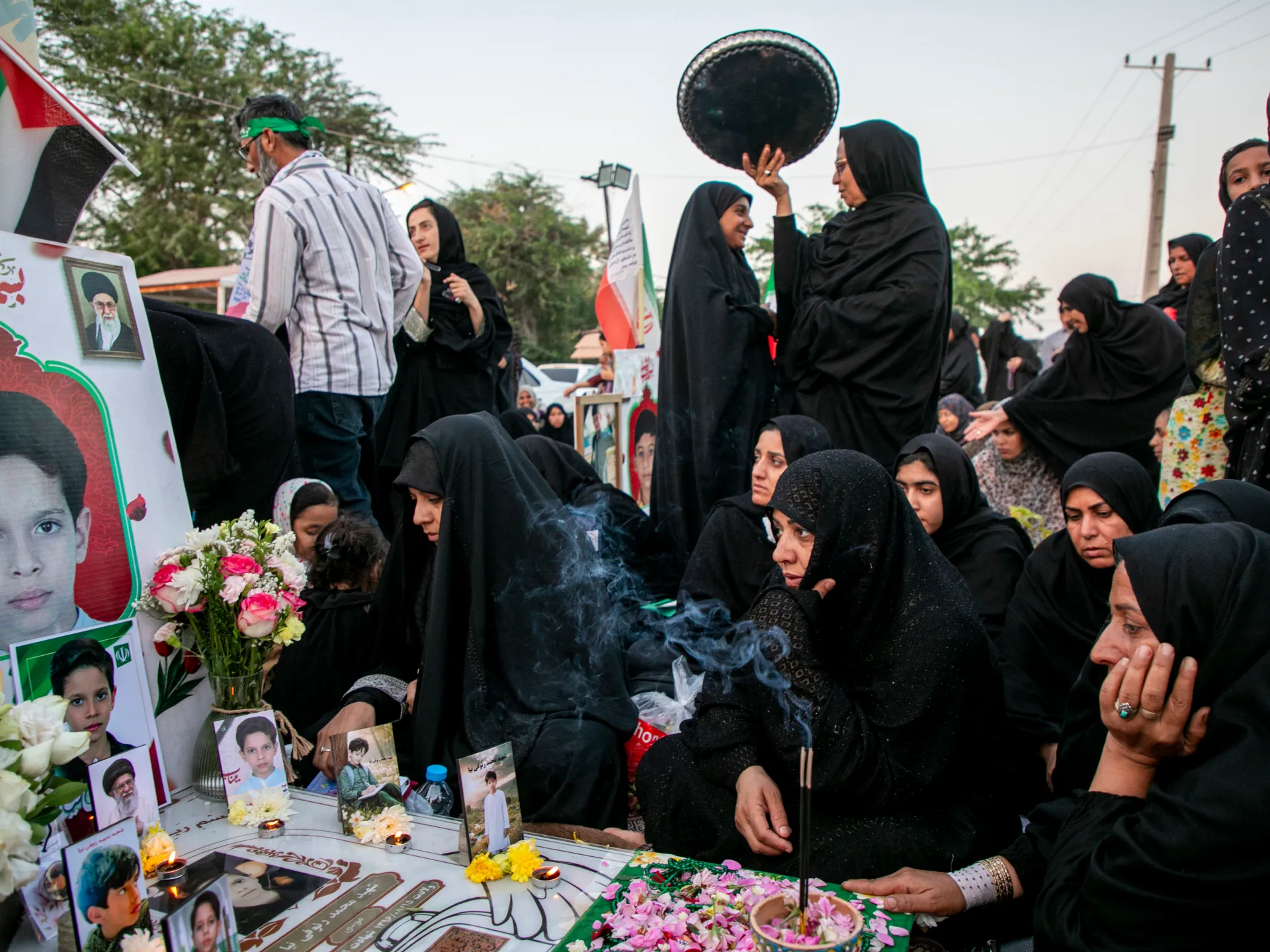
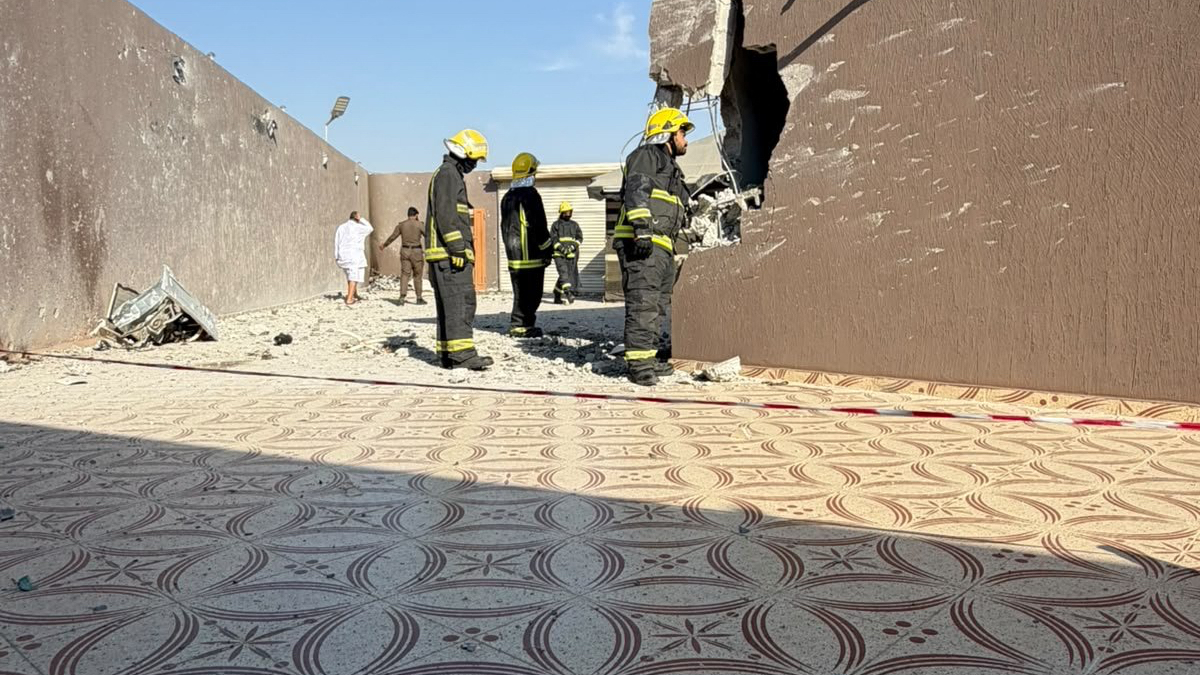
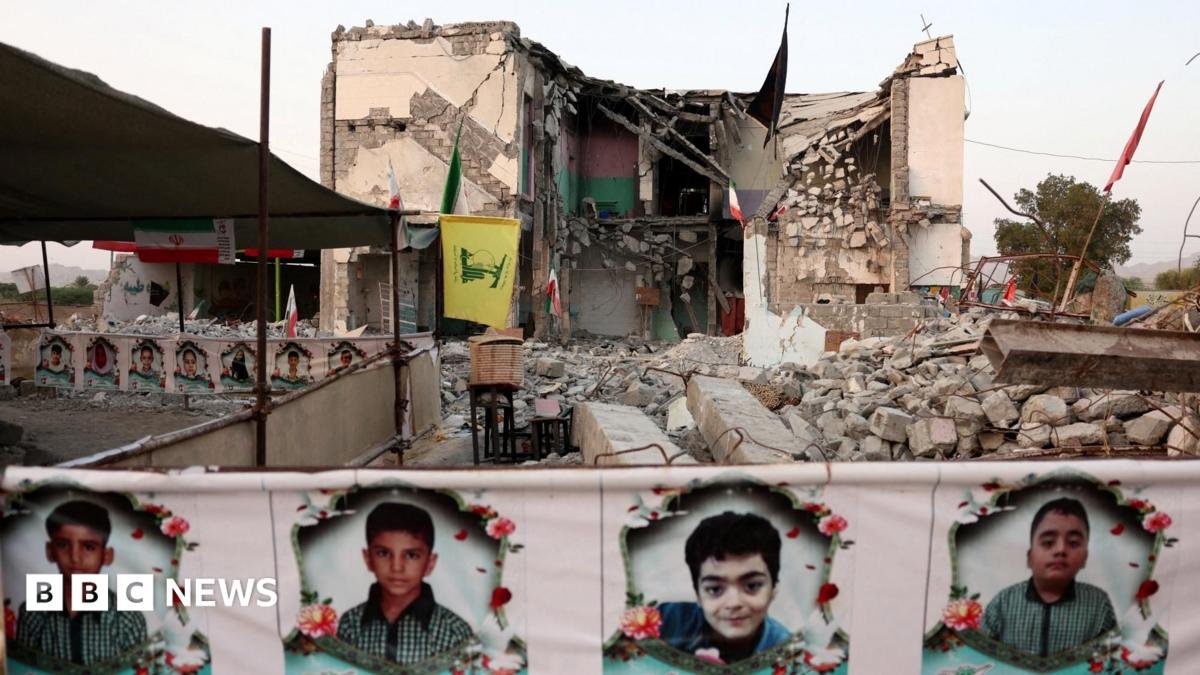
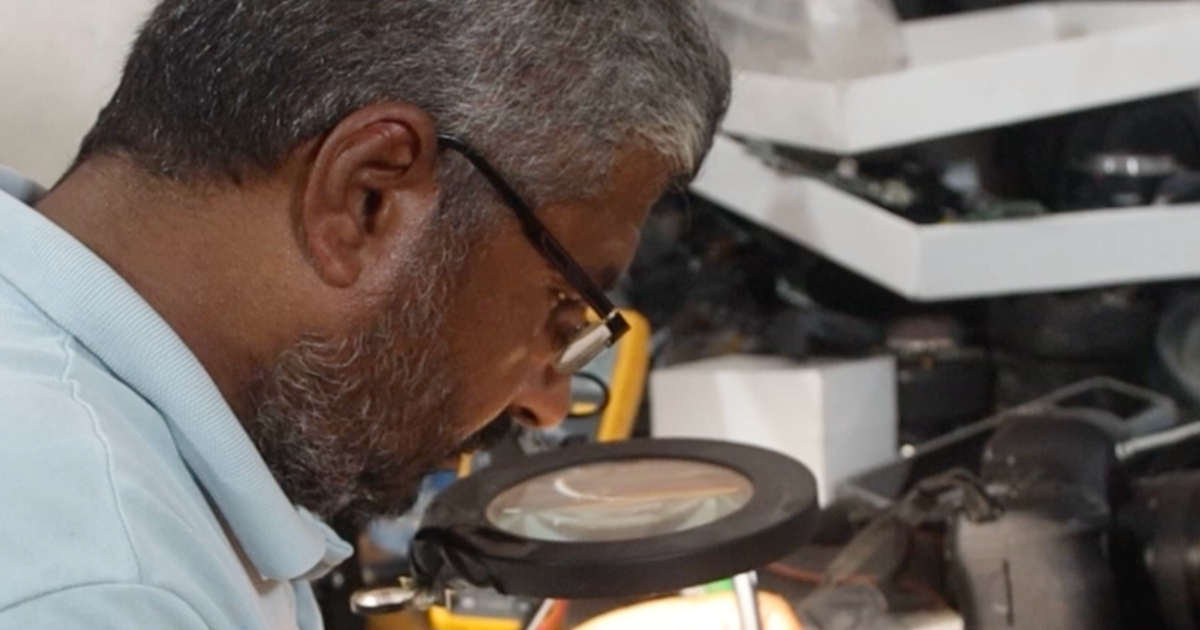
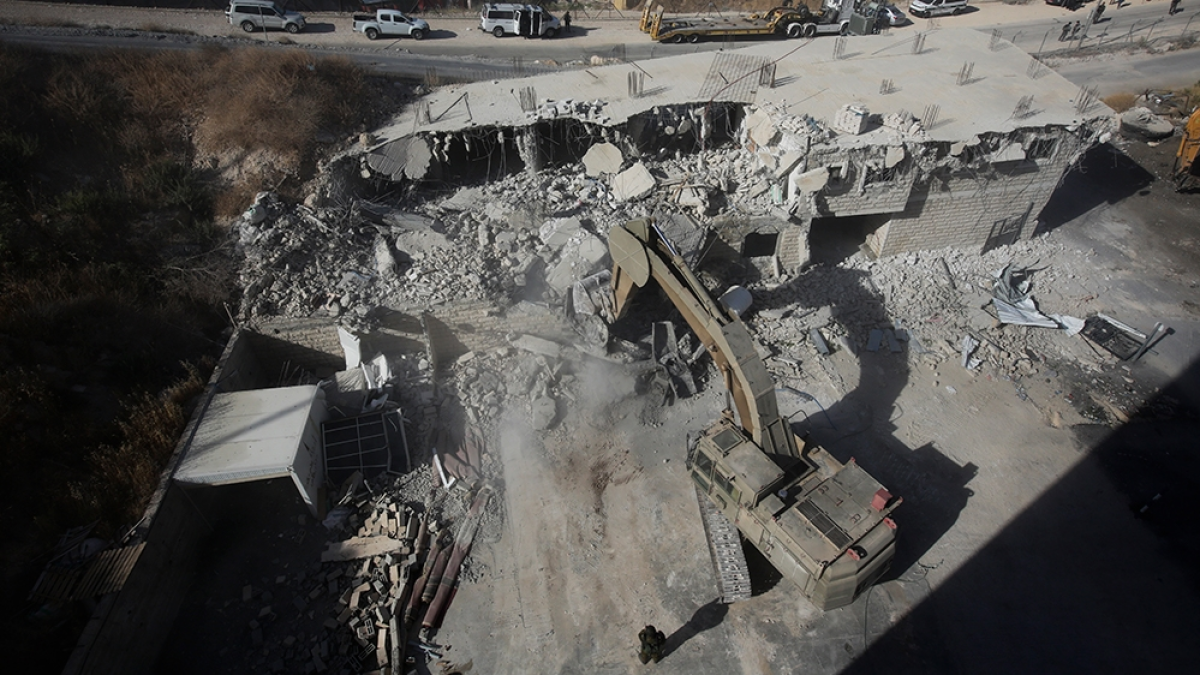
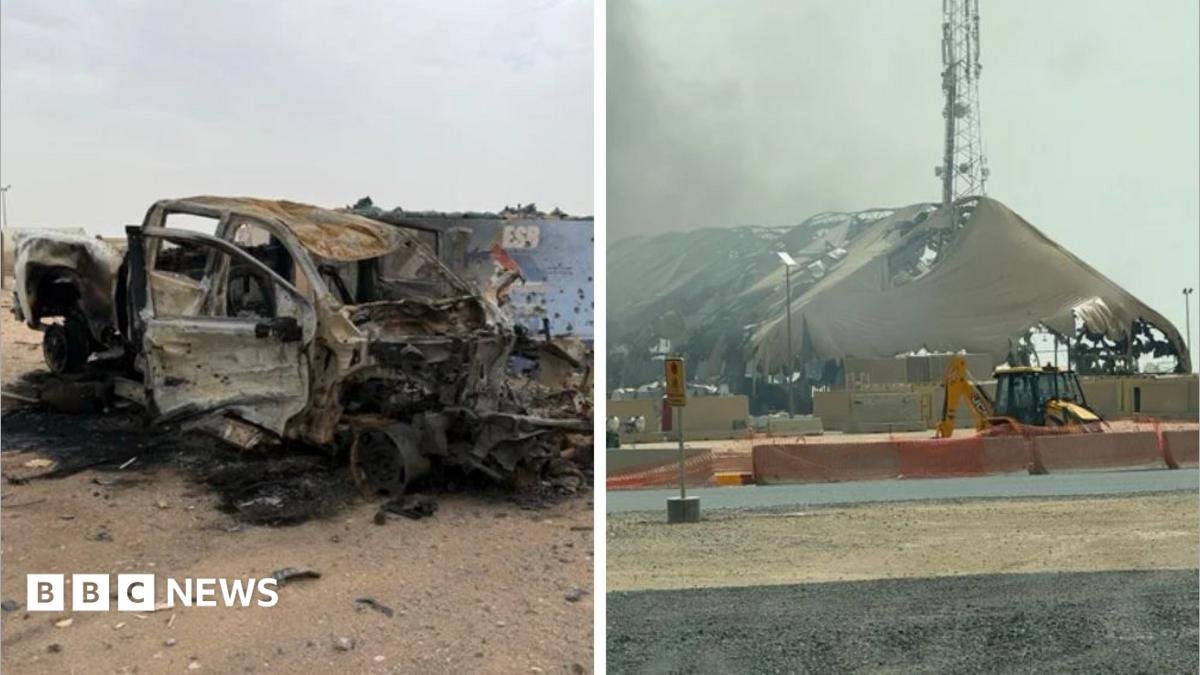
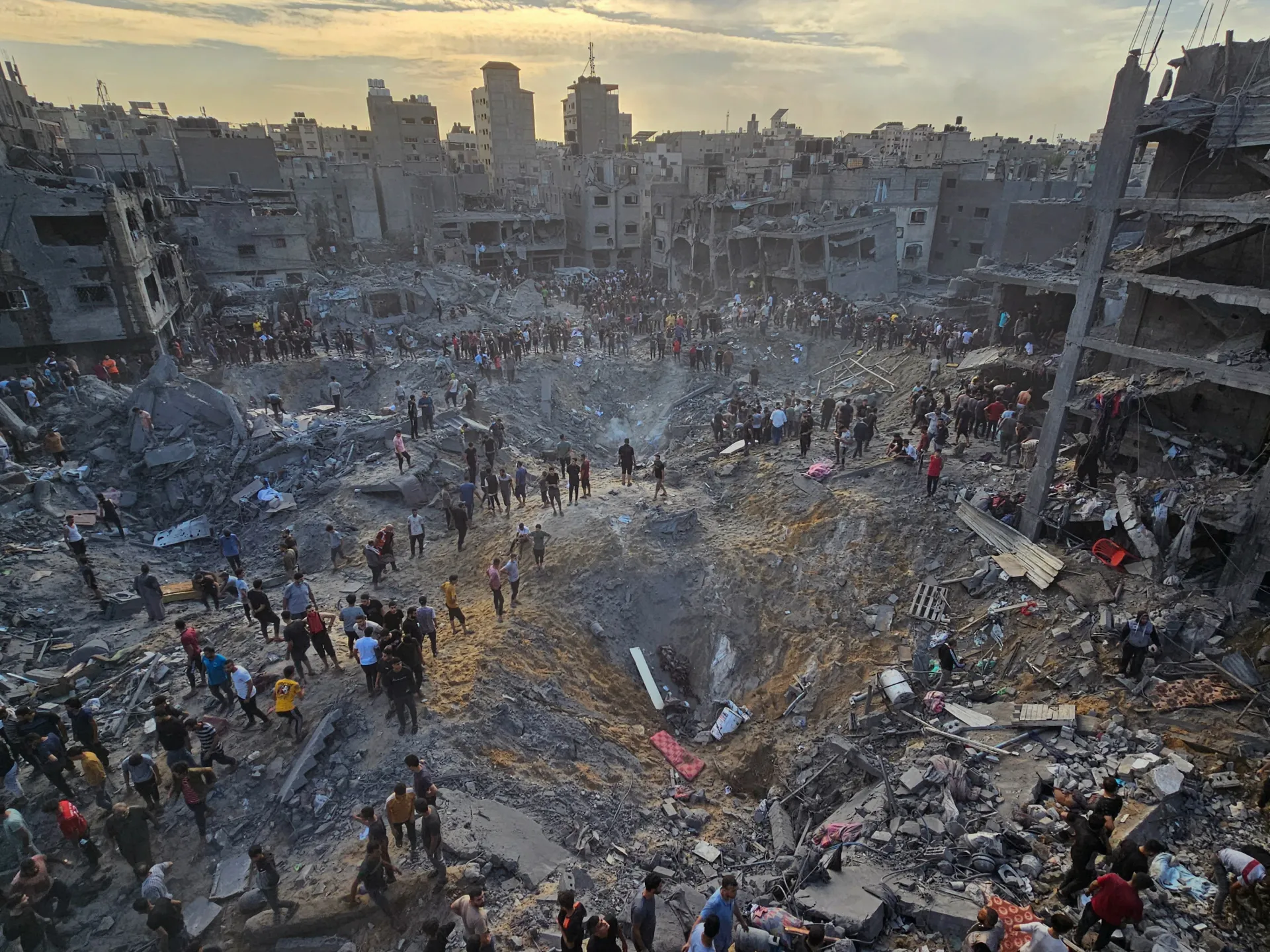
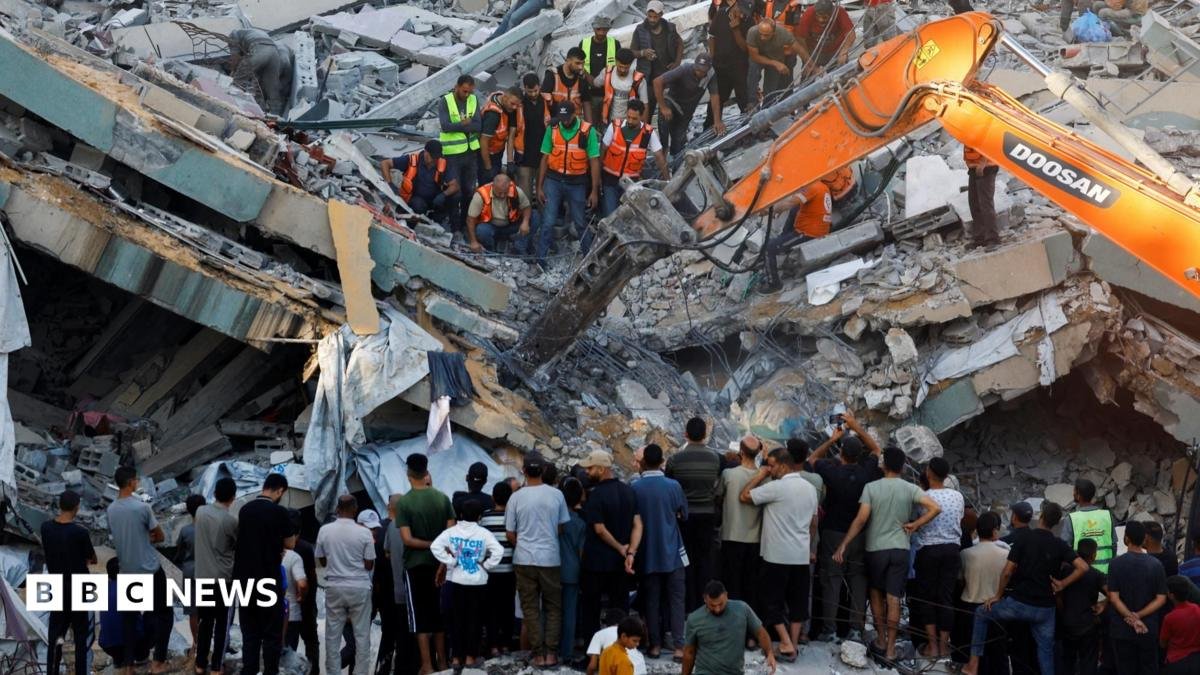
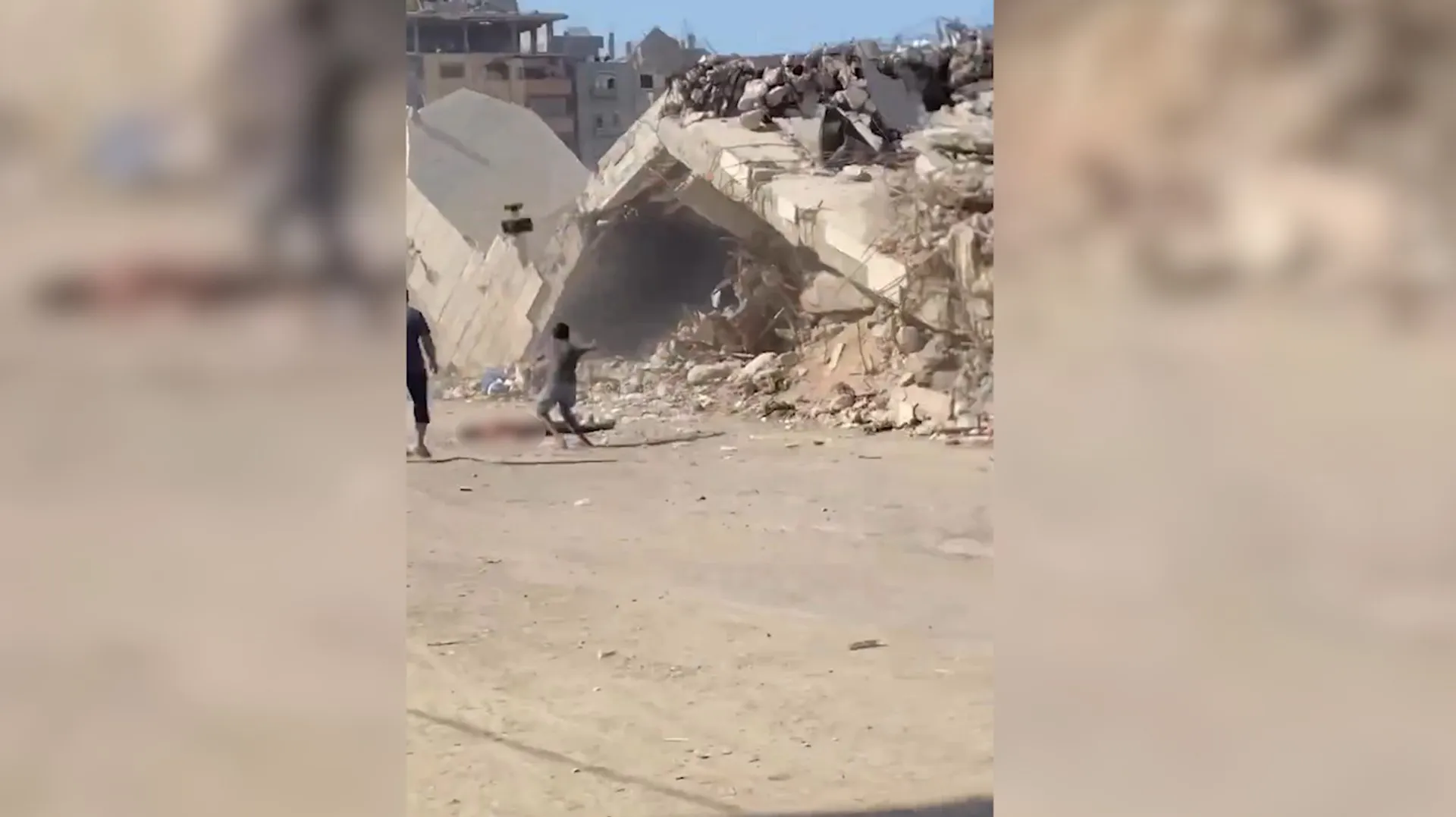
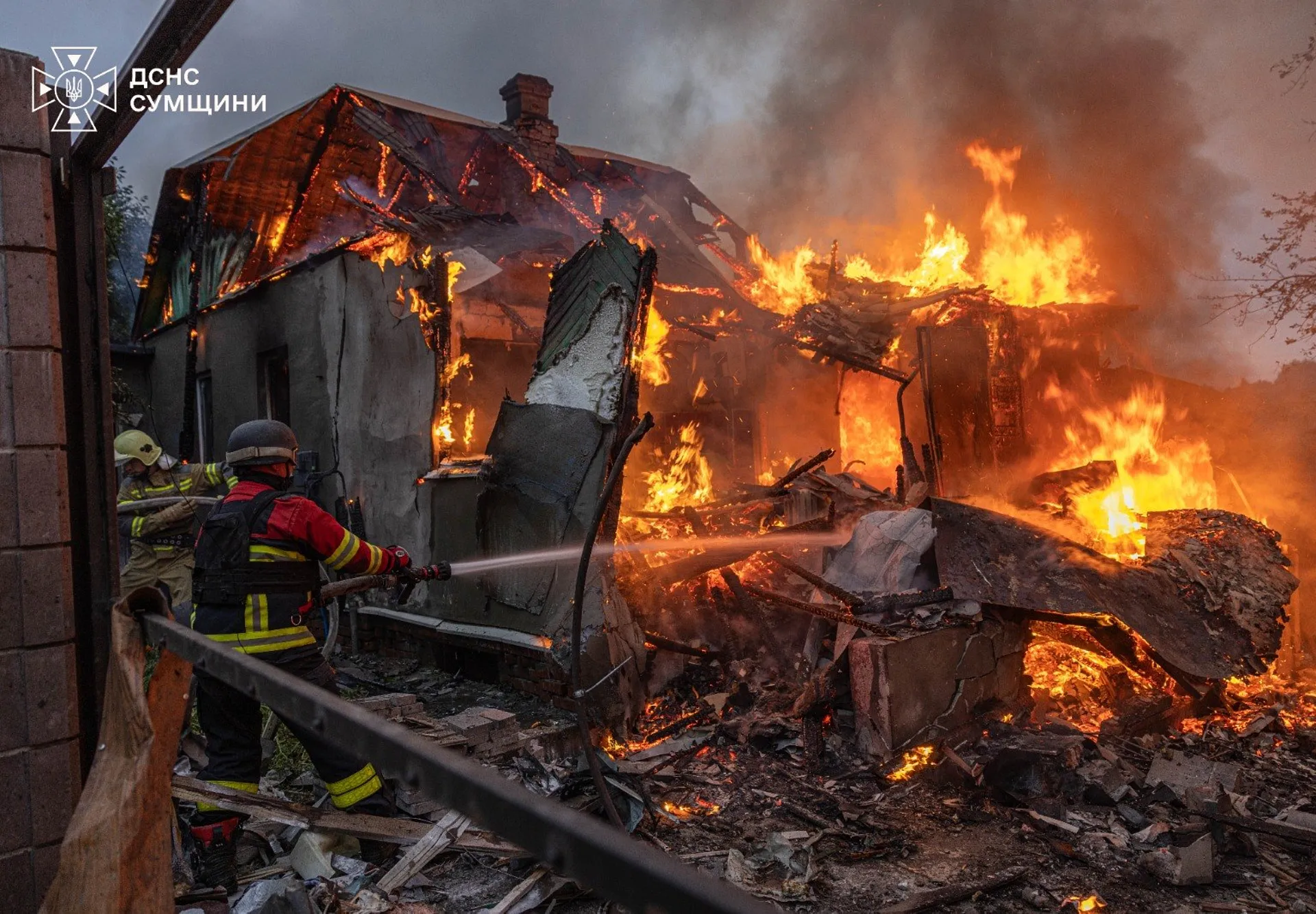
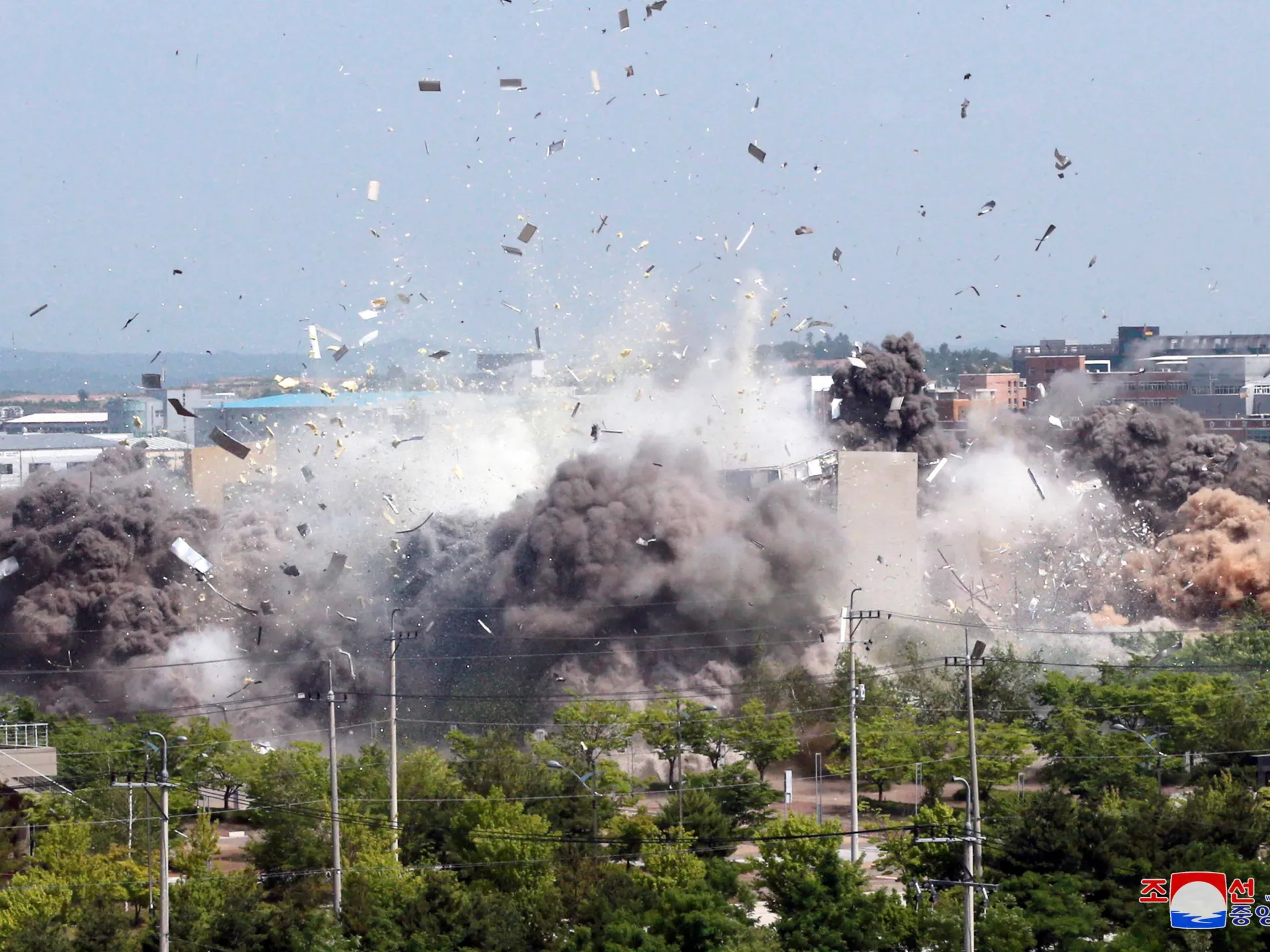
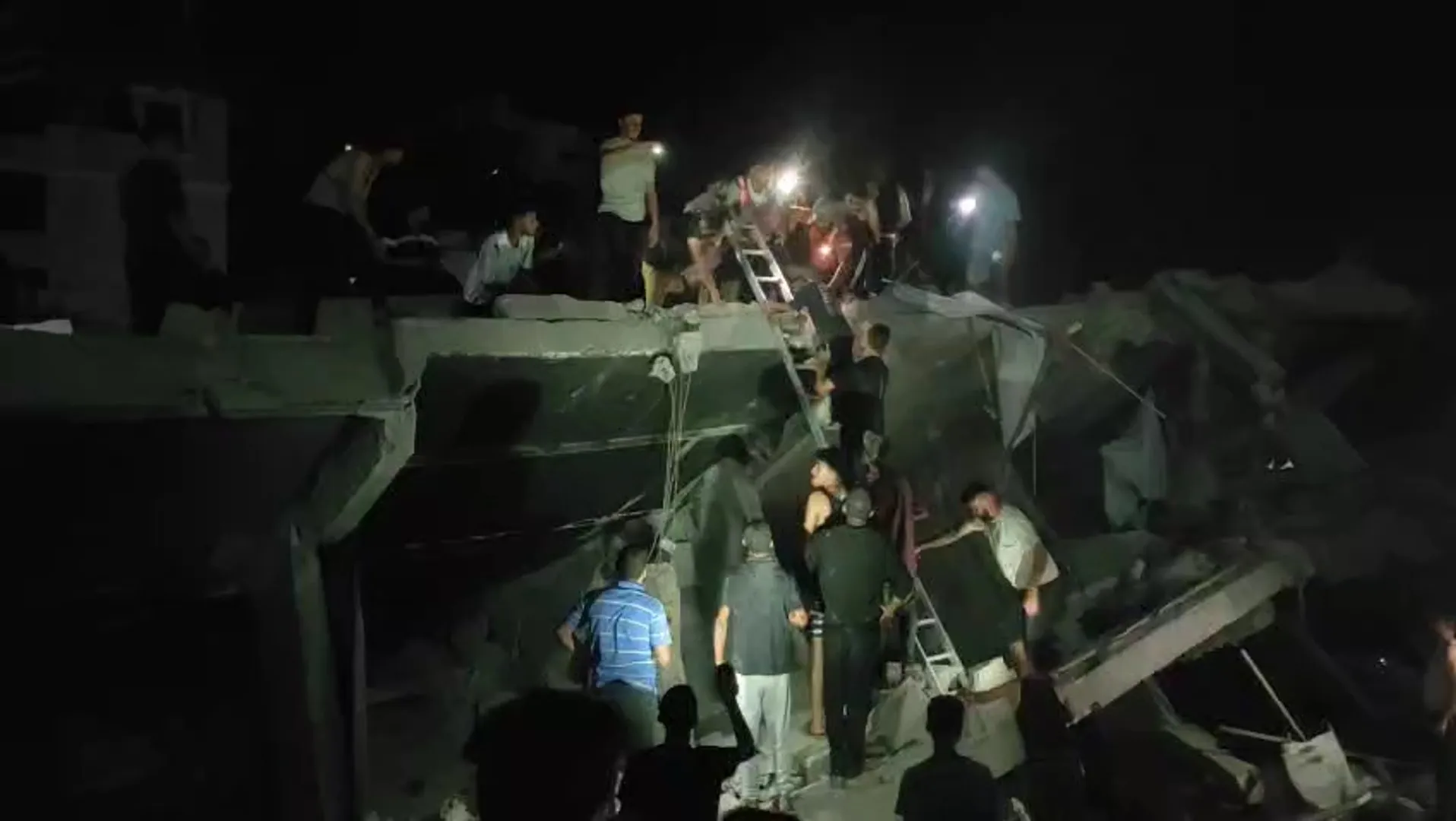
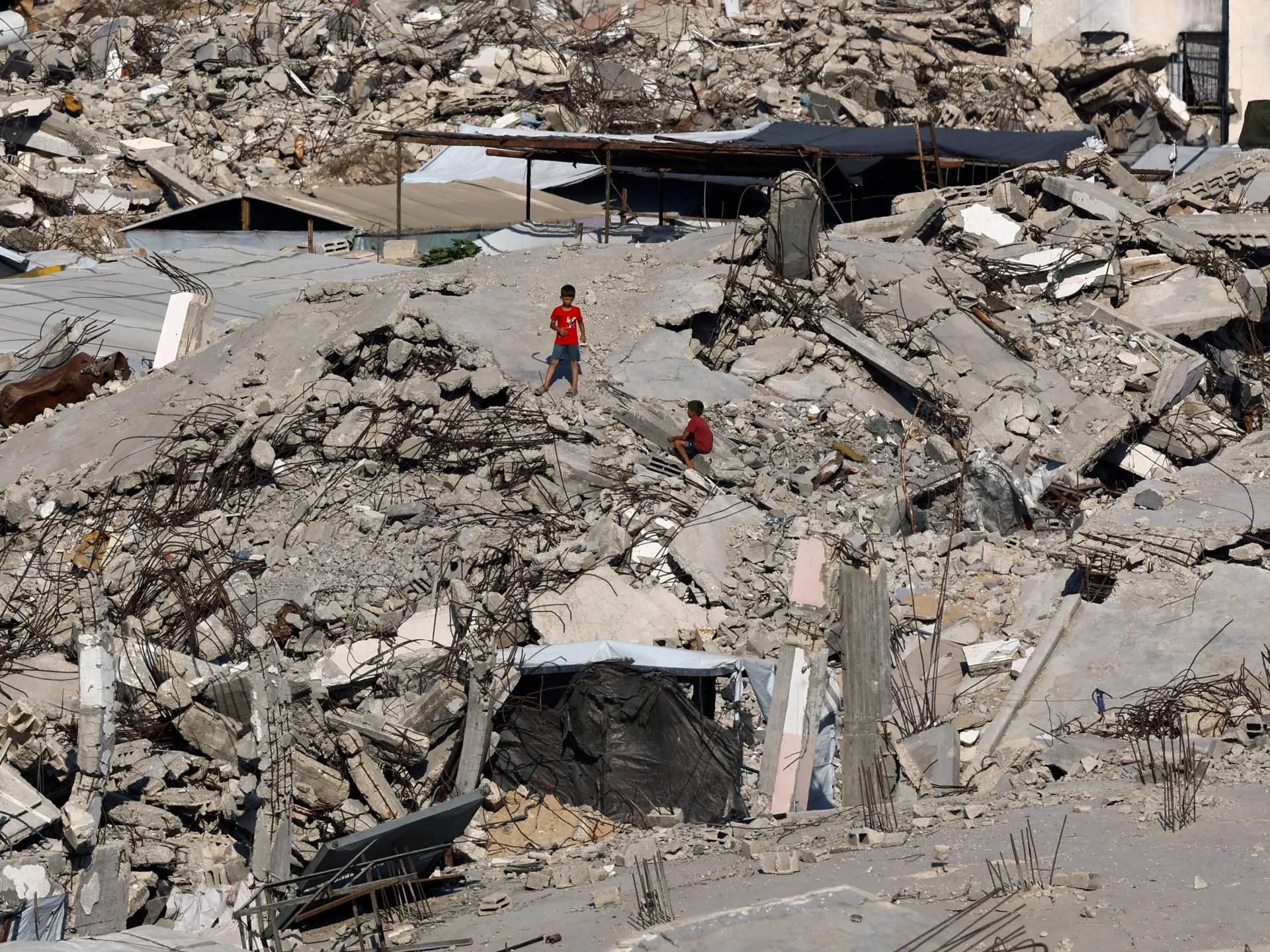
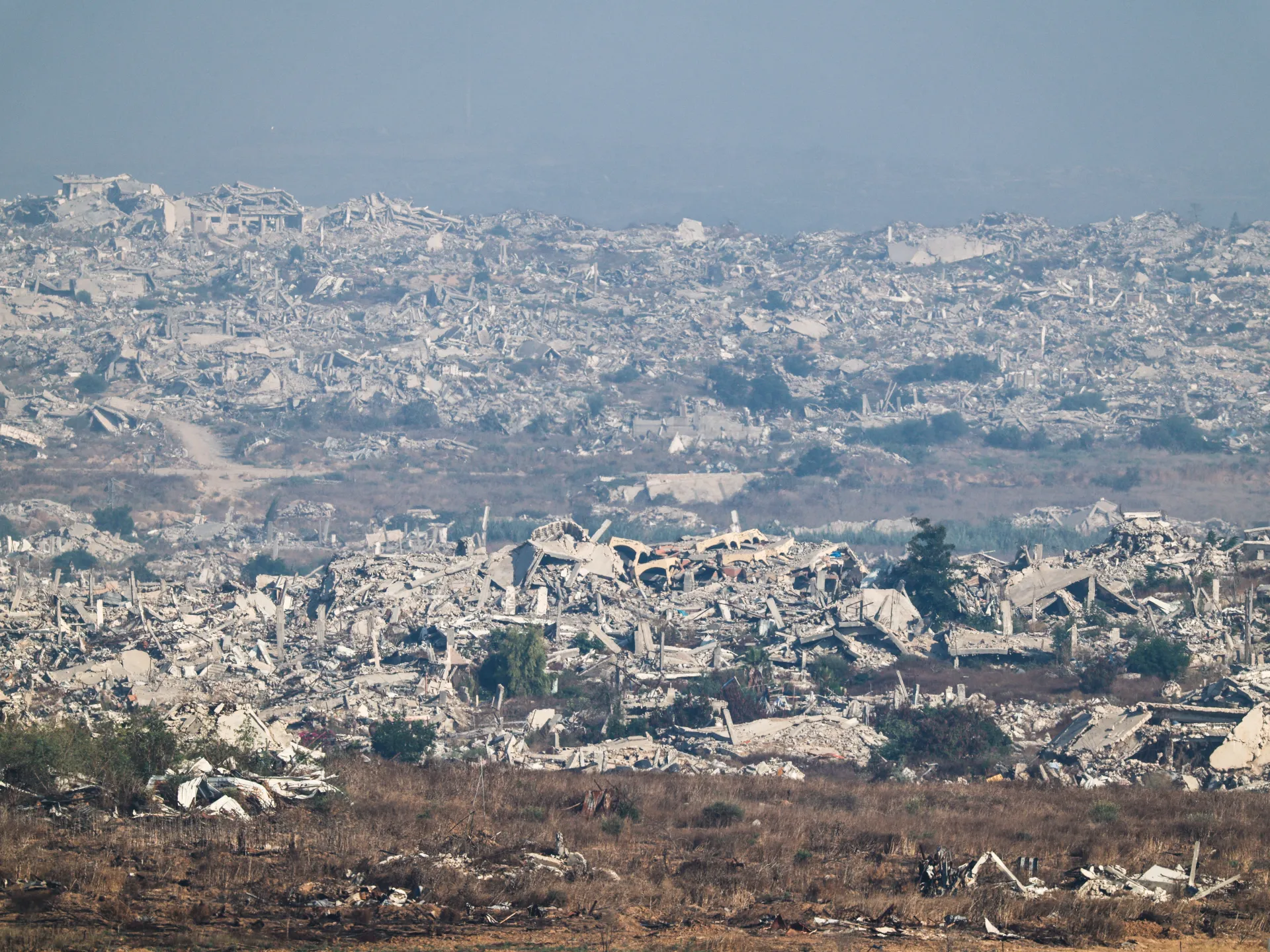
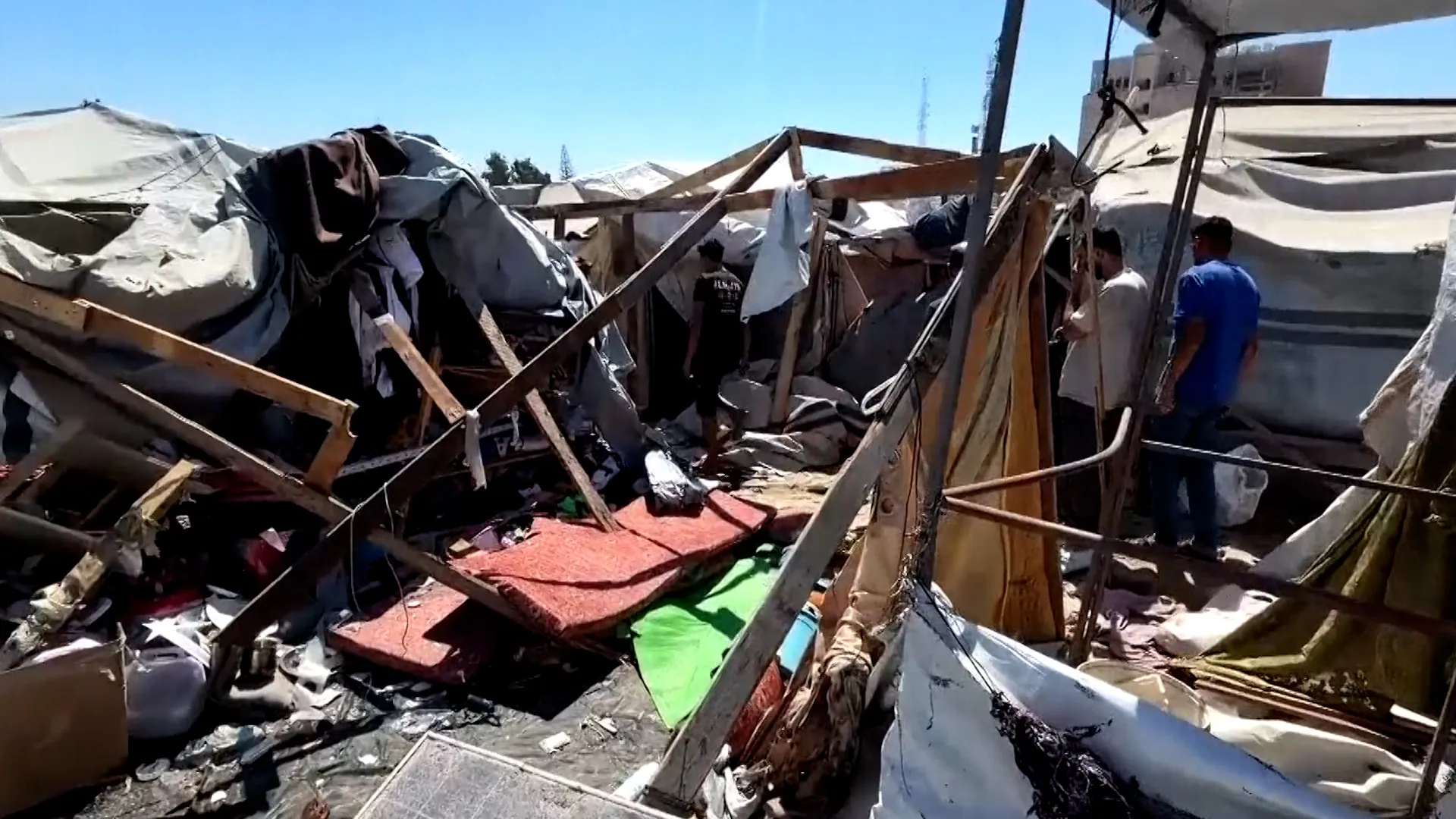
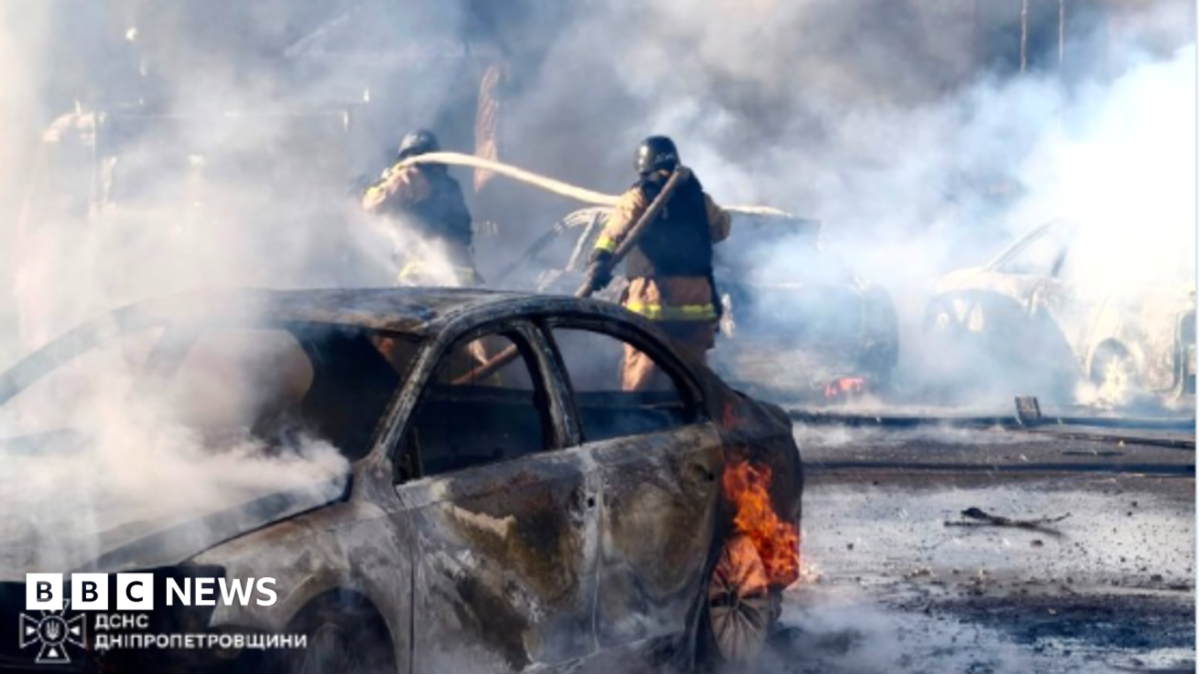
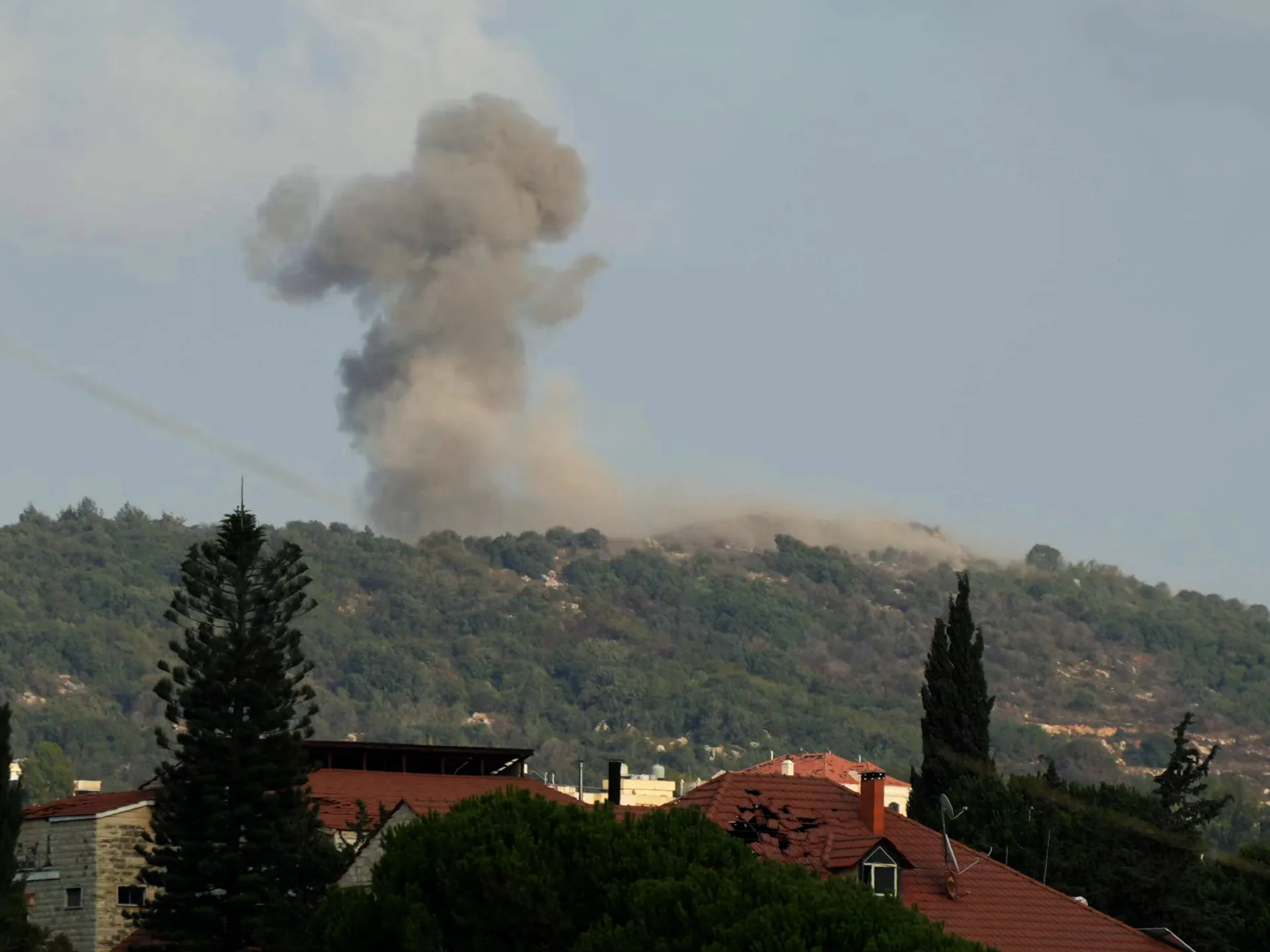
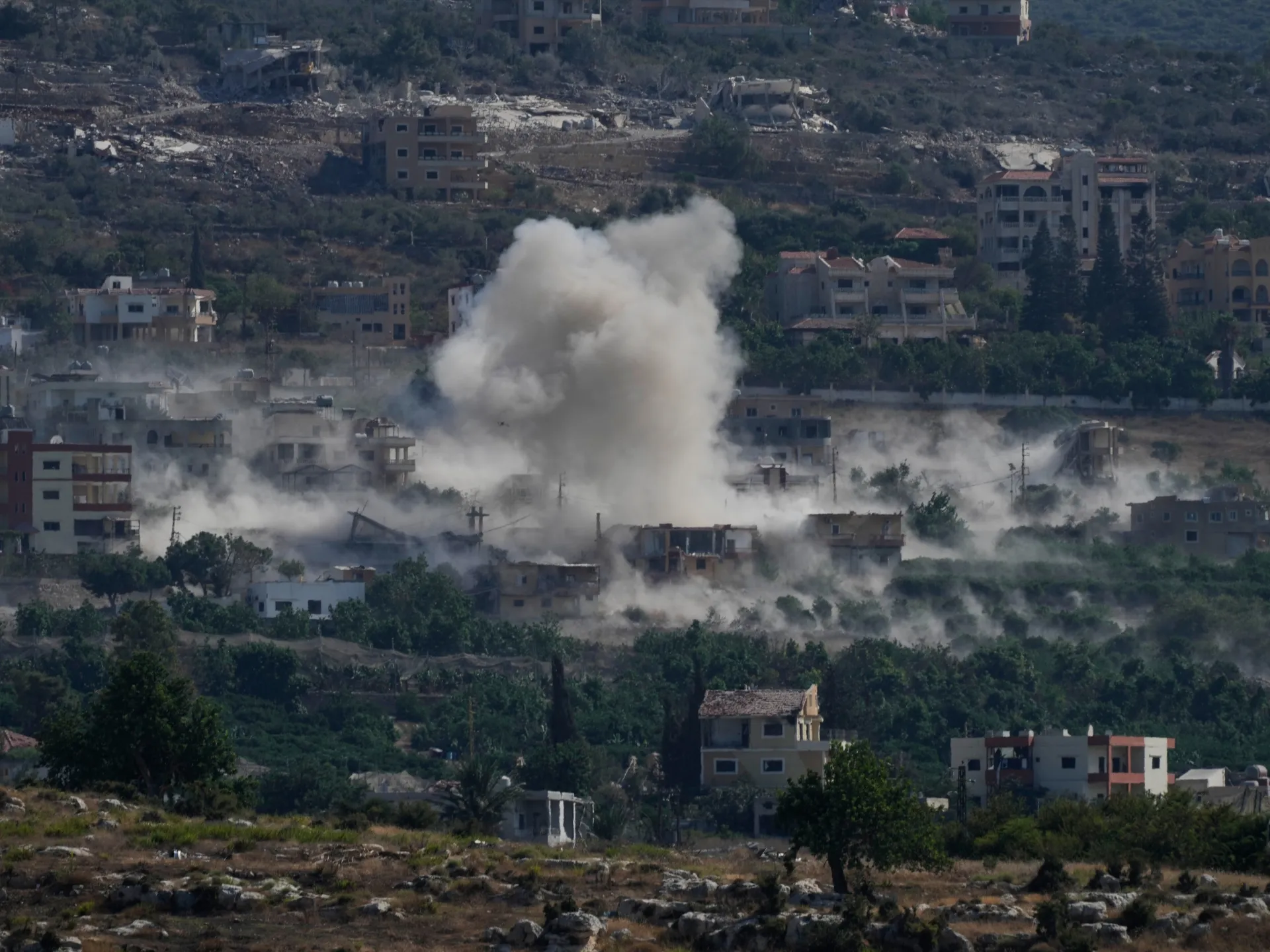
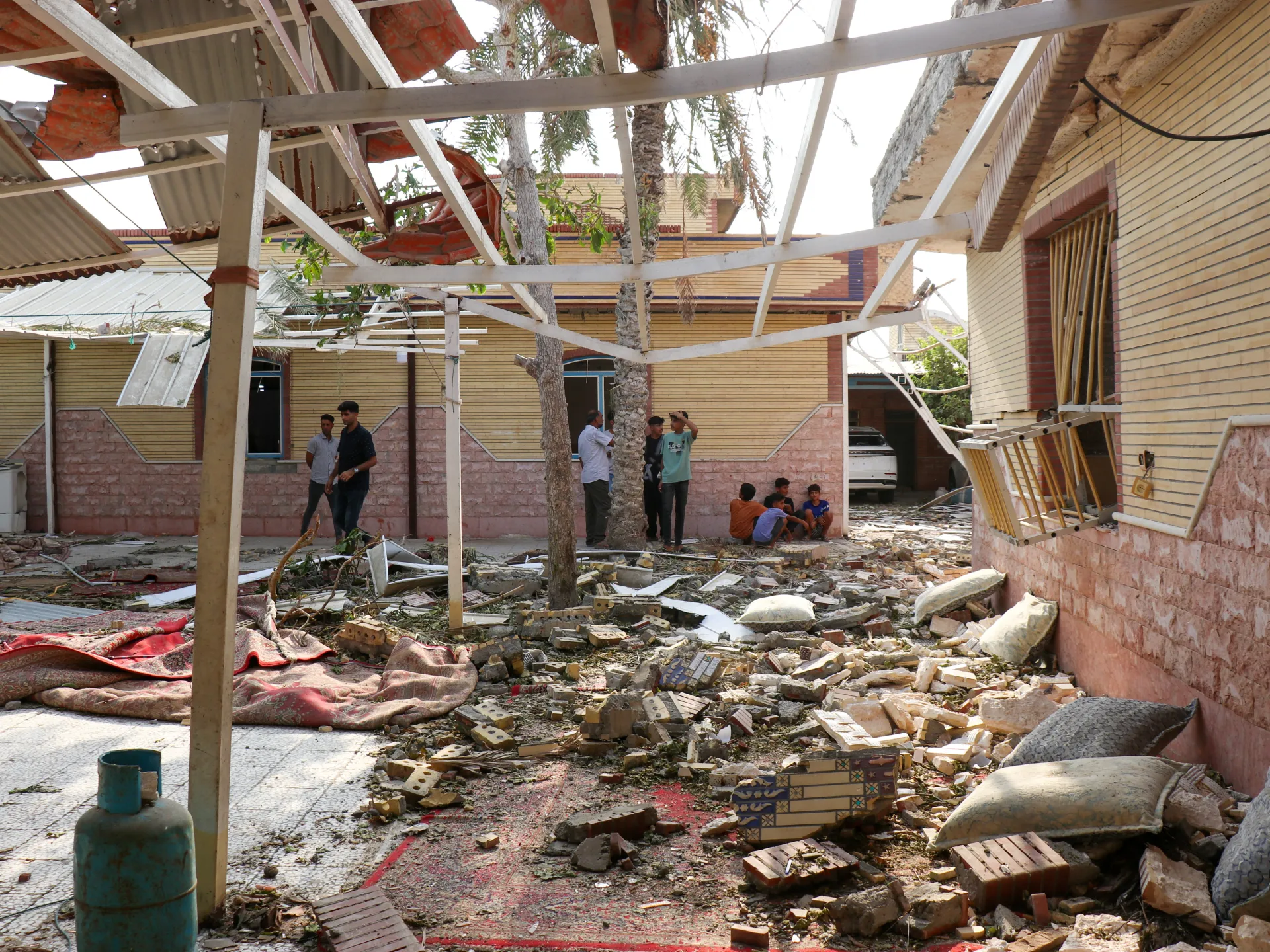
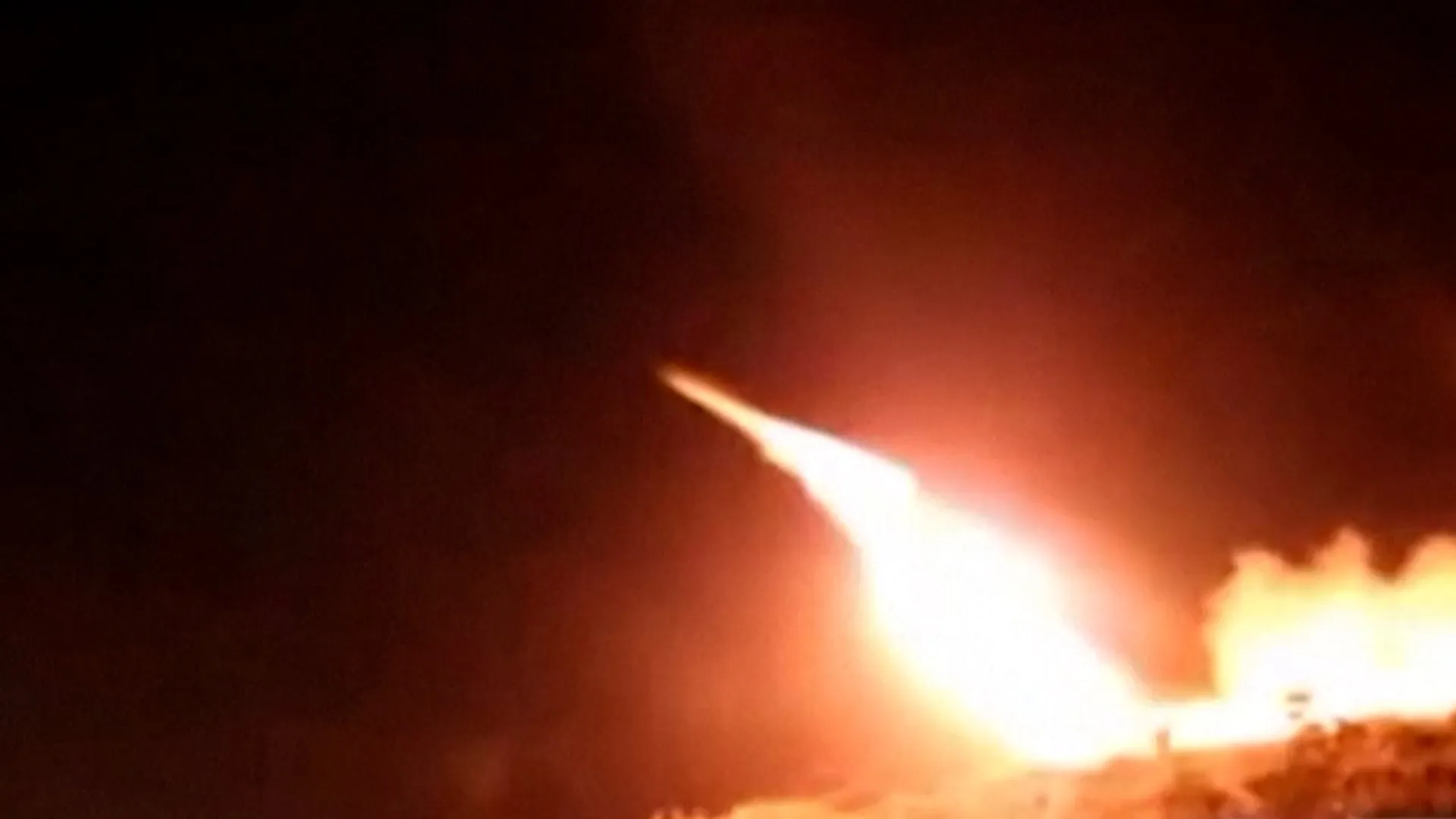
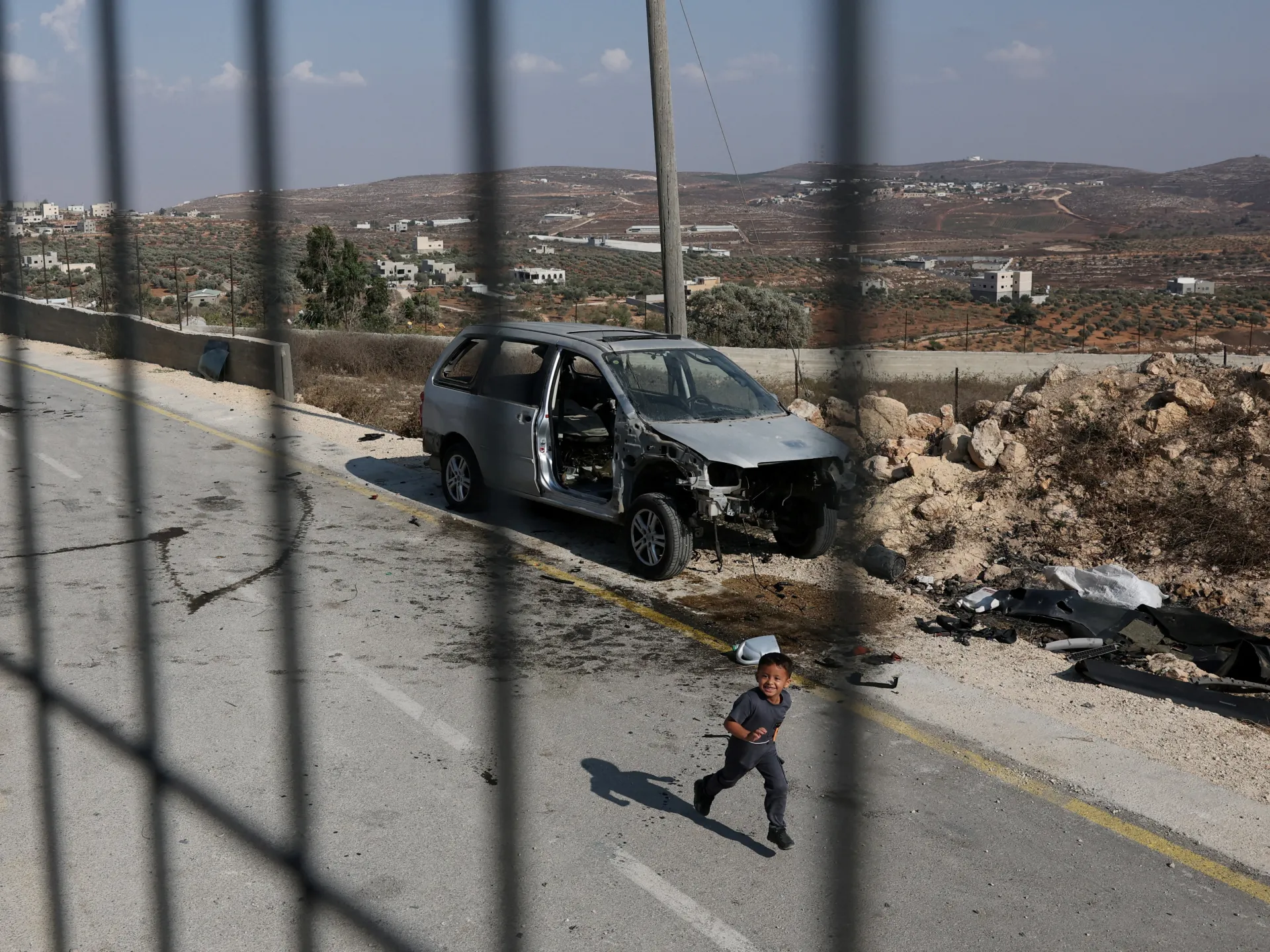
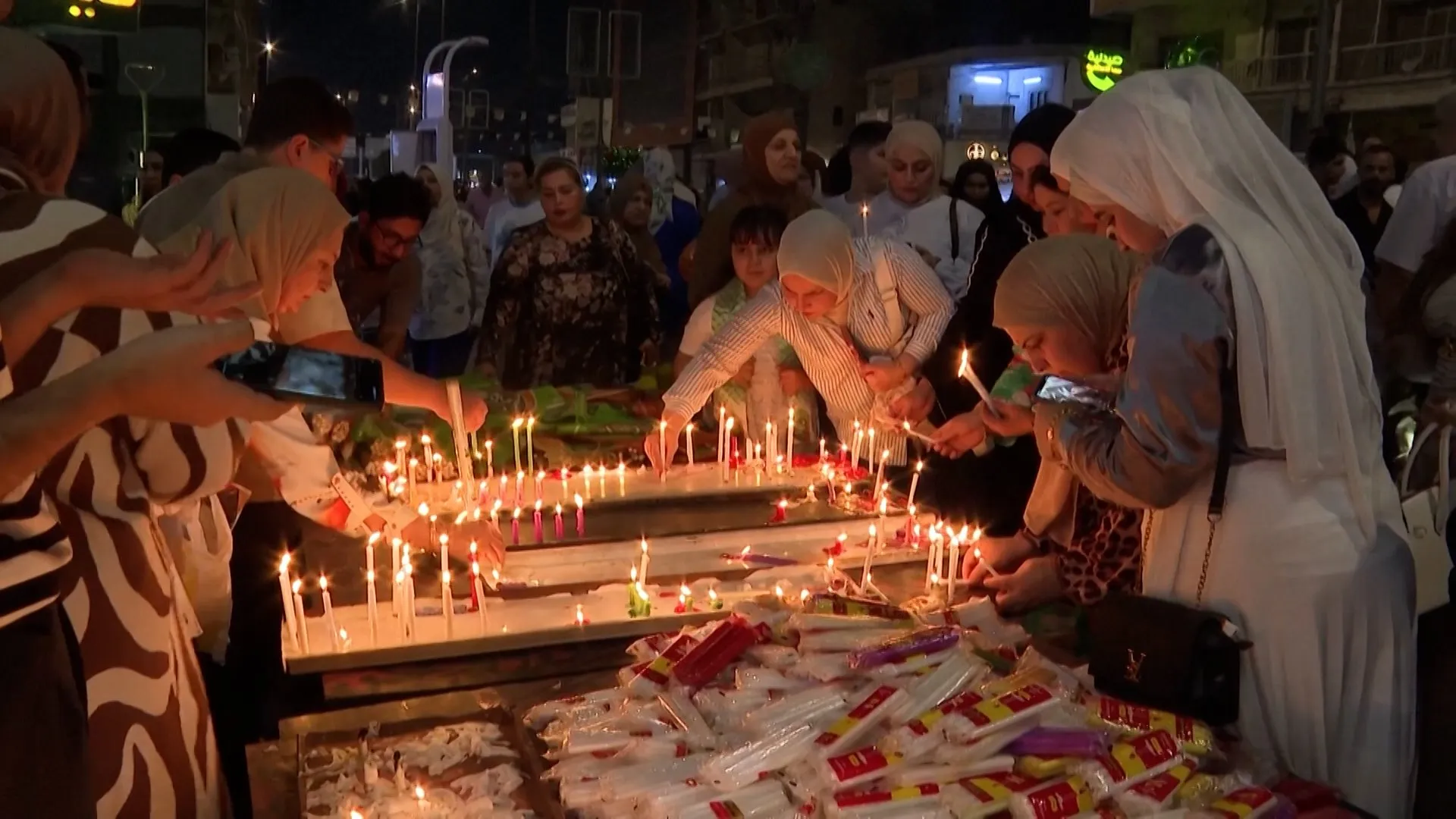
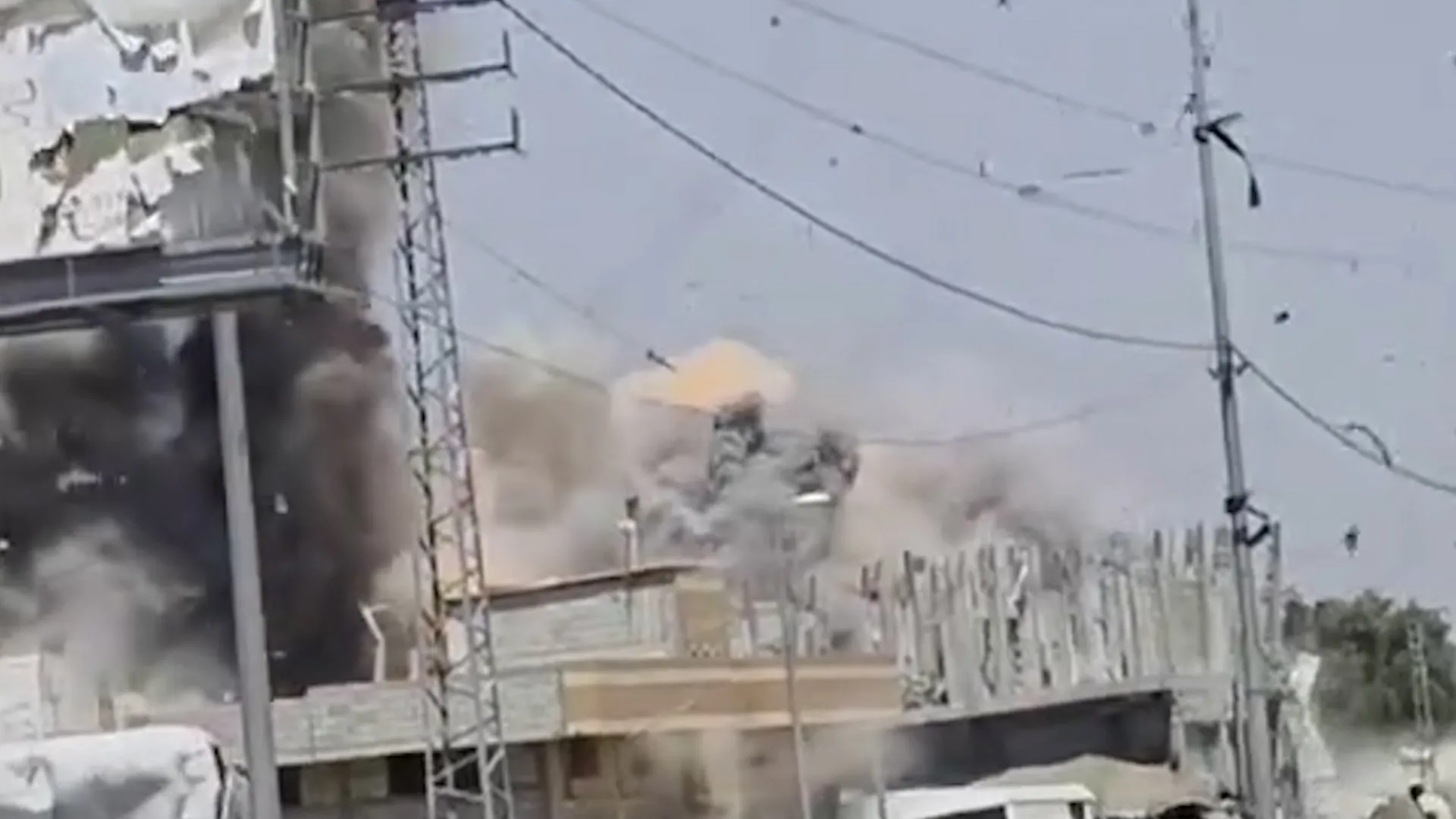
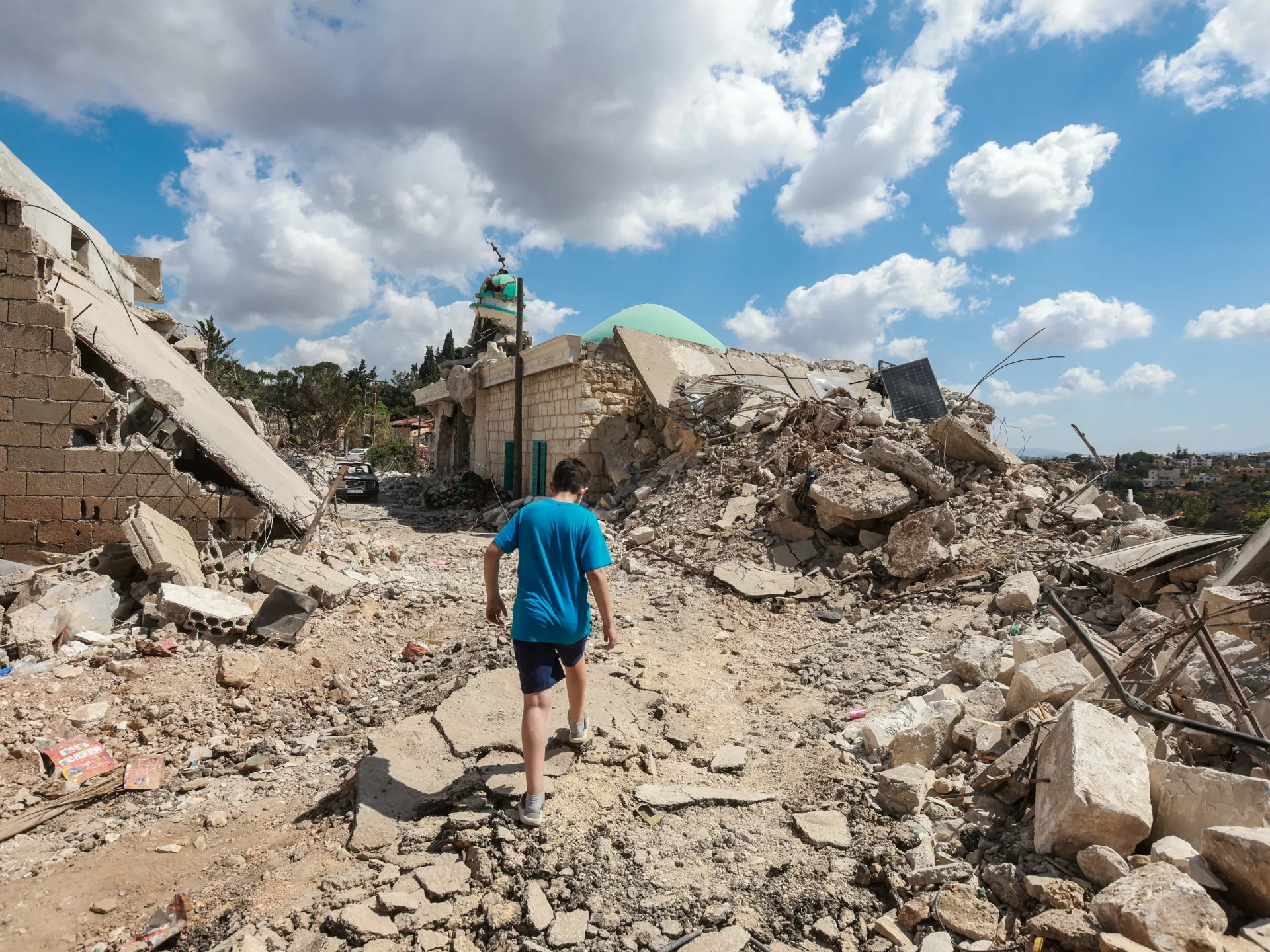
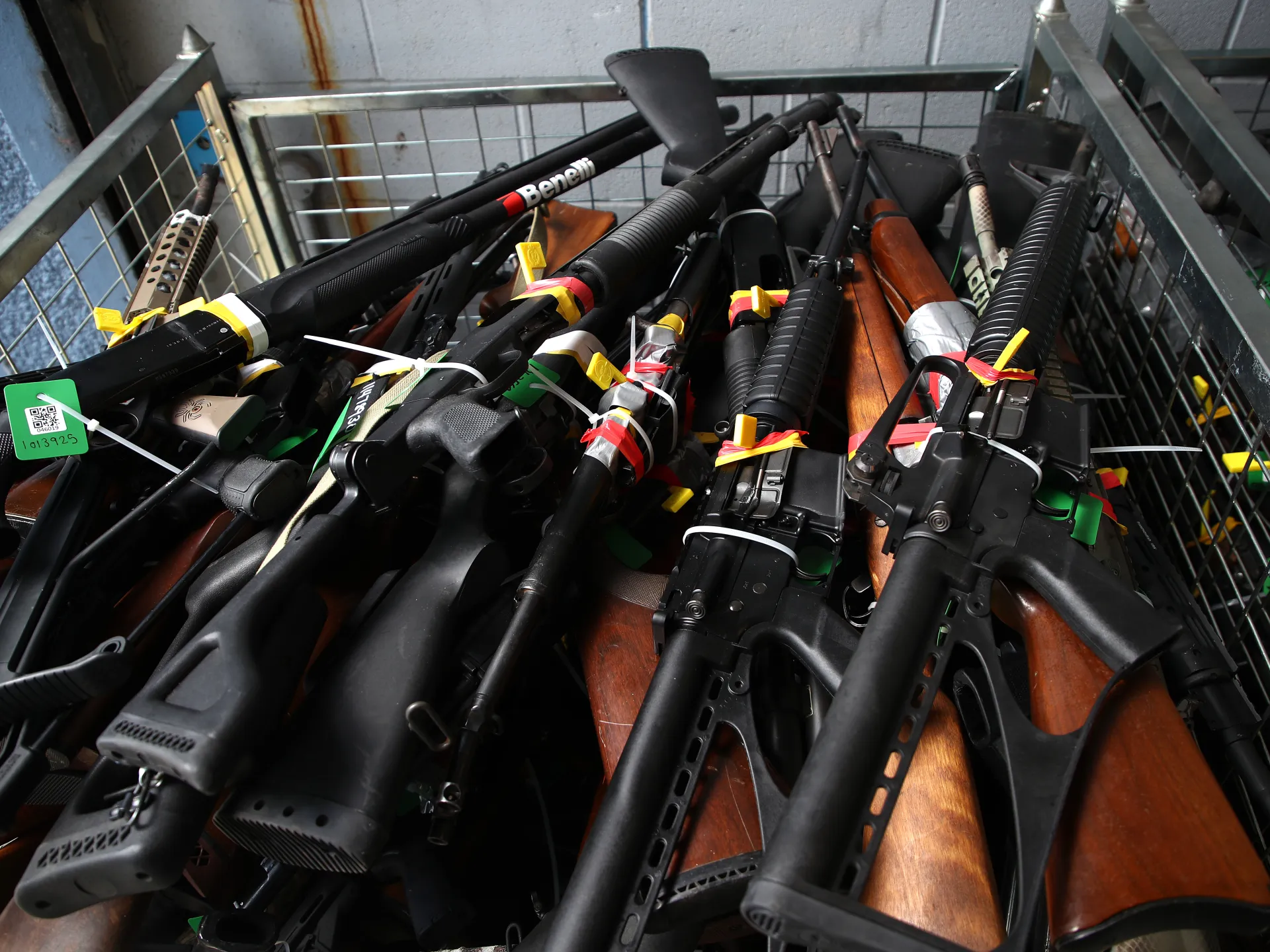
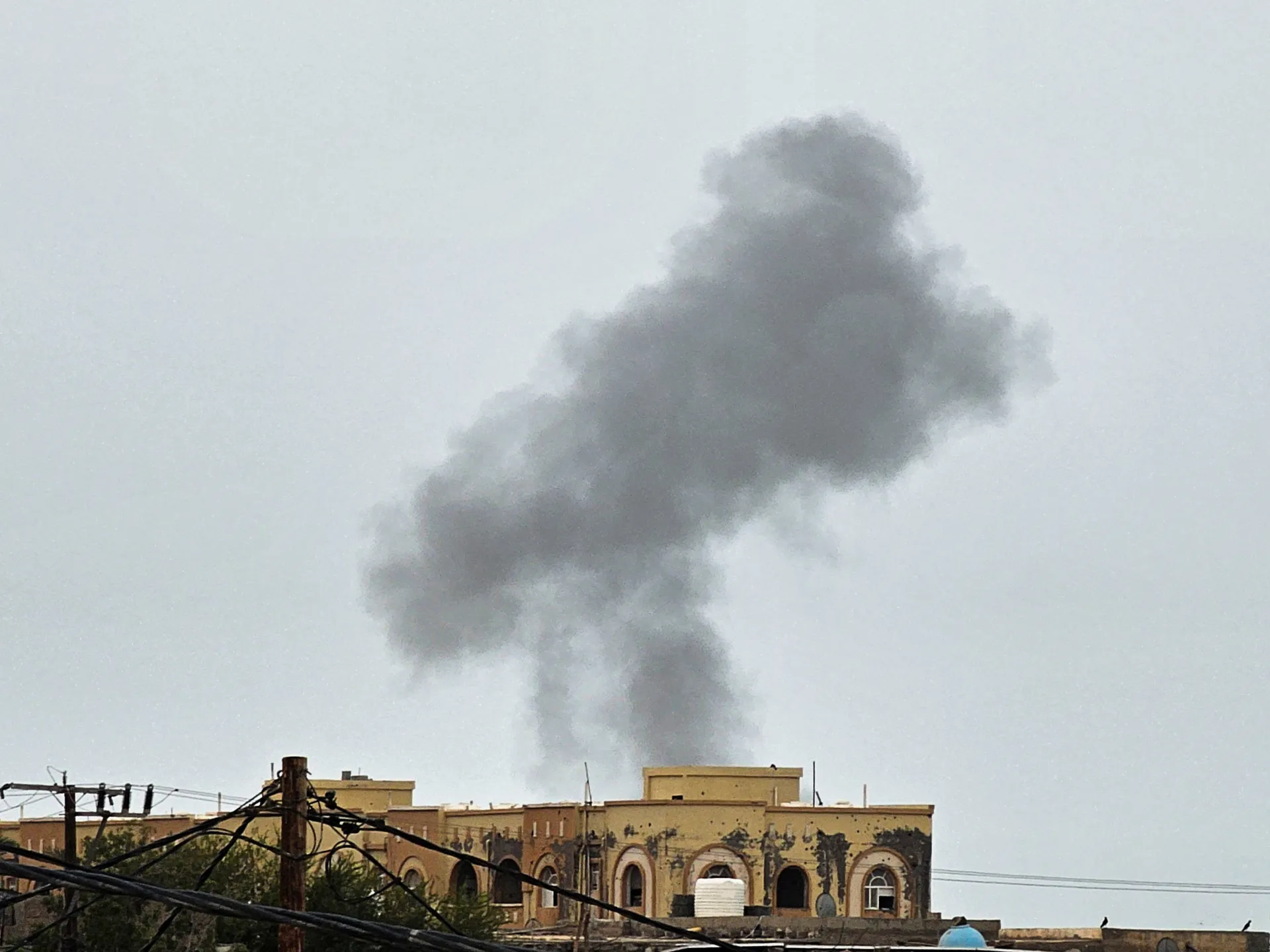
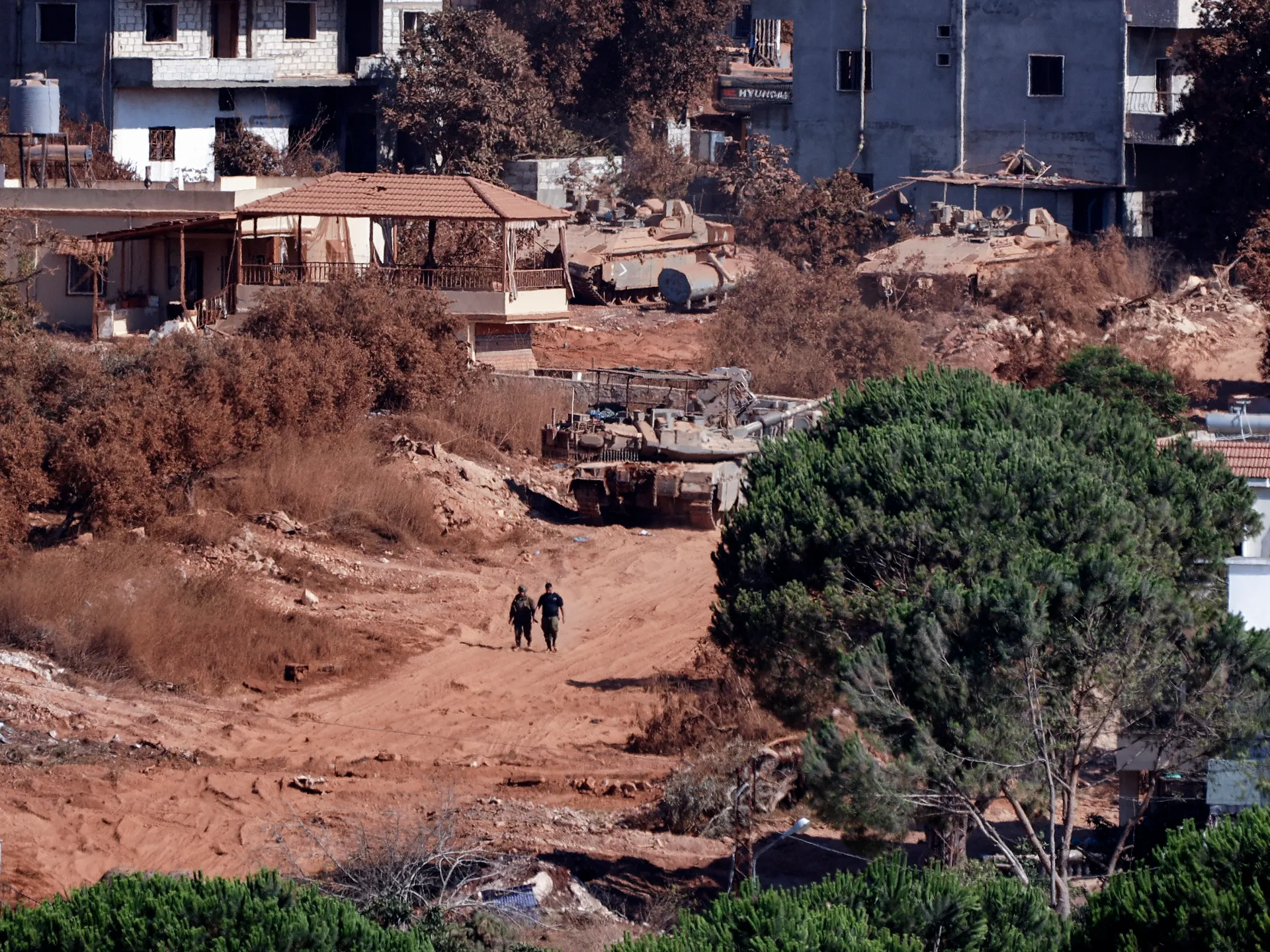
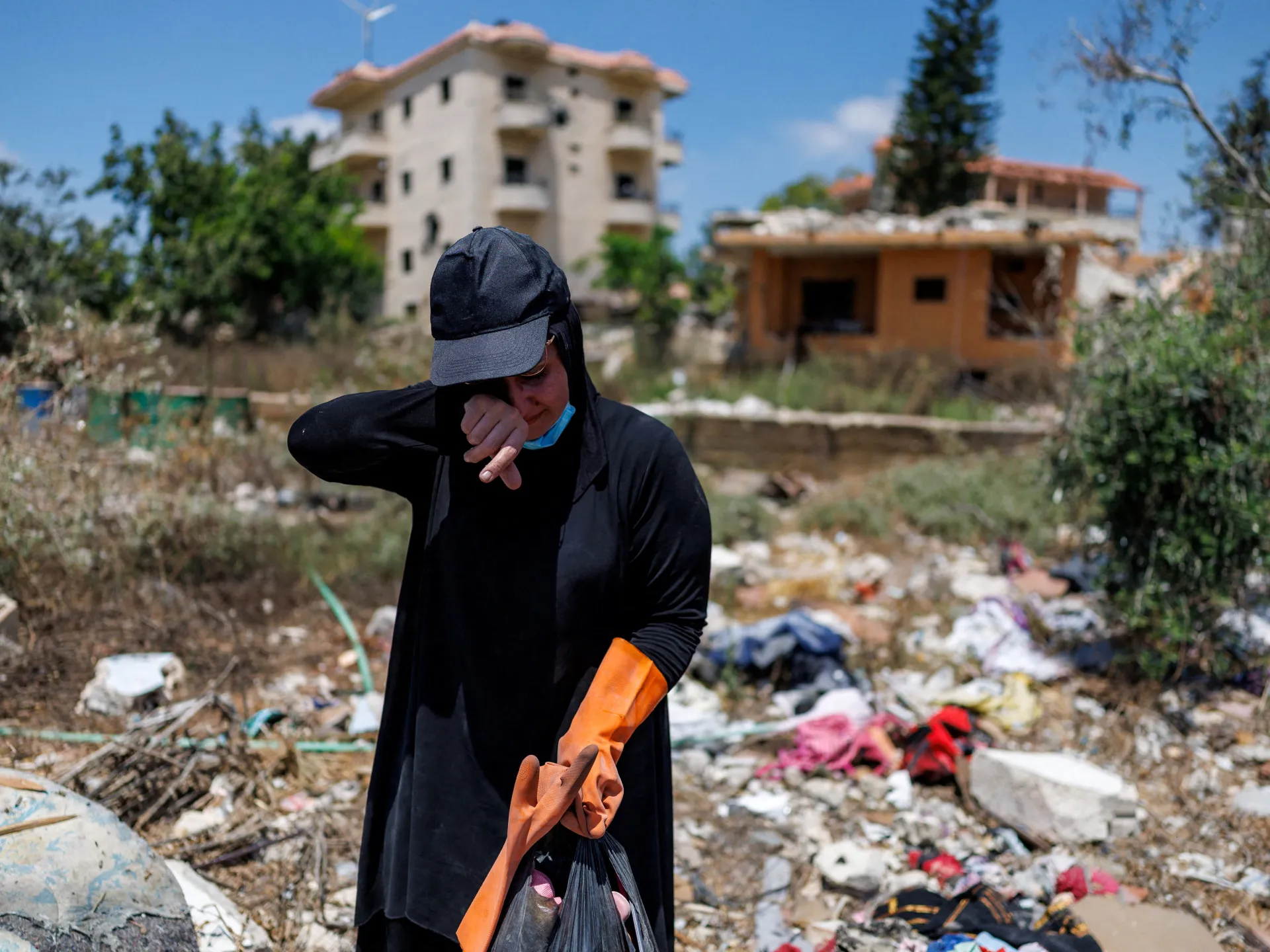
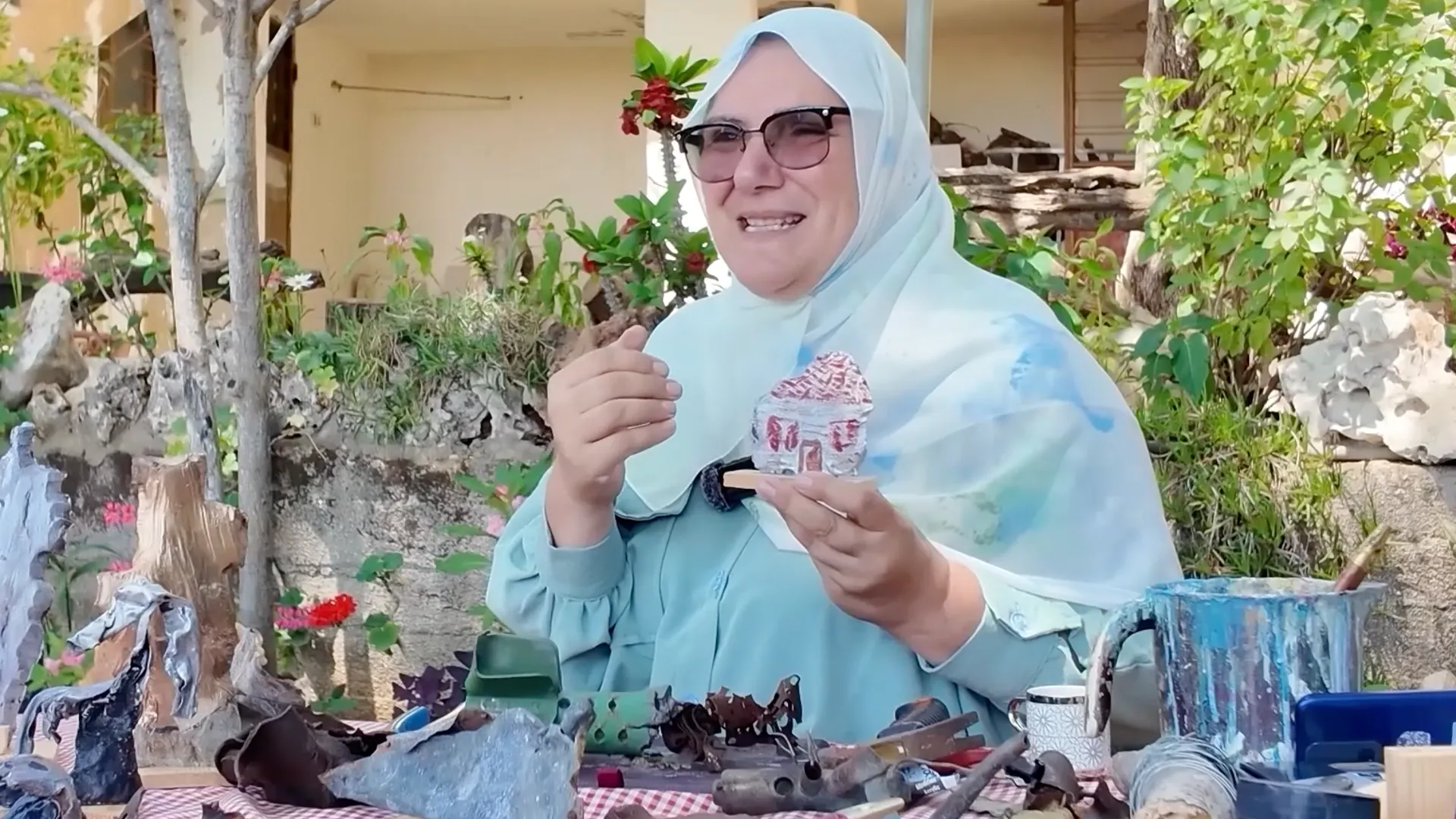
In a vastly different context, visual artist Lina Jouni is navigating the remnants of contemporary violence in southern Lebanon. Amidst ongoing Israeli airstrikes, Jouni has begun collecting the physical debris from missile impacts, repurposing these fragments into sculptural art. Her work functions as a direct confrontation with the realities of war, turning objects that once symbolized death and destruction into artifacts of life and human dignity.
Jouni’s process is a stark reminder of the resilience of civilian populations caught in the crossfire. While the Codex Azcatitlán offers a window into the distant past, Jouni’s work is a visceral recording of the present. Both efforts, however, a common thread: the refusal to let the objects of conflict—or the objects of colonial history—define the future of their respective people.
The repatriation of the Aztec codices is likely to embolden other nations currently lobbying for the return of artifacts from Western institutions. Mexico’s success provides a scalable model for diplomatic cultural exchange that bypasses traditional legal hurdles through bilateral agreements. Meanwhile, the artistic projects in Lebanon suggest that as long as conflict continues, the creation of "witness art" will likely intensify. These works will likely serve as crucial primary sources for future historians, documenting the emotional and physical impact of current regional tensions. In the long term, both the institutional return of artifacts and the grassroots transformation of war debris contribute to a shifting global landscape where the power to curate one's own history is increasingly prioritized over the maintenance of established geopolitical archives.