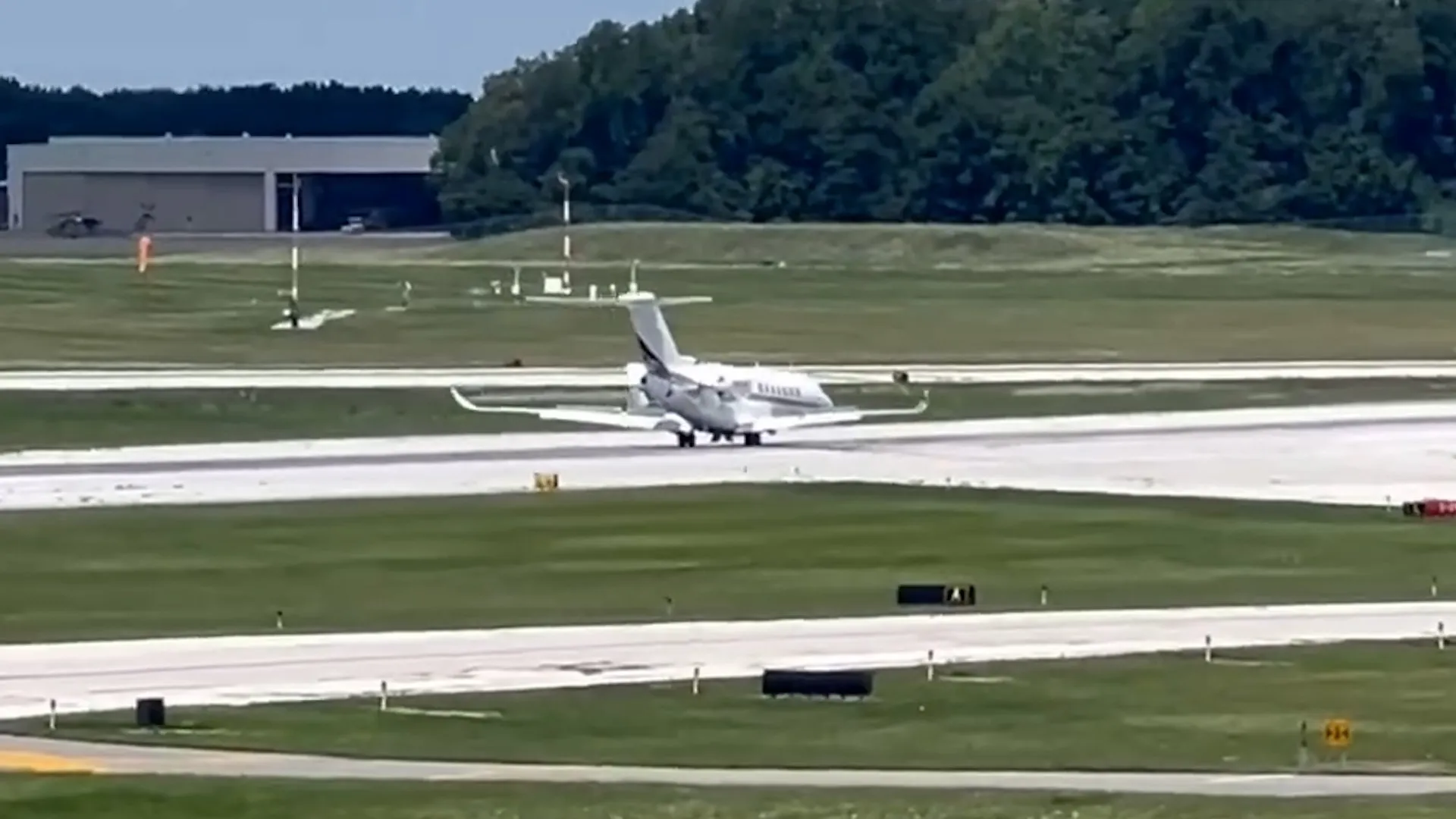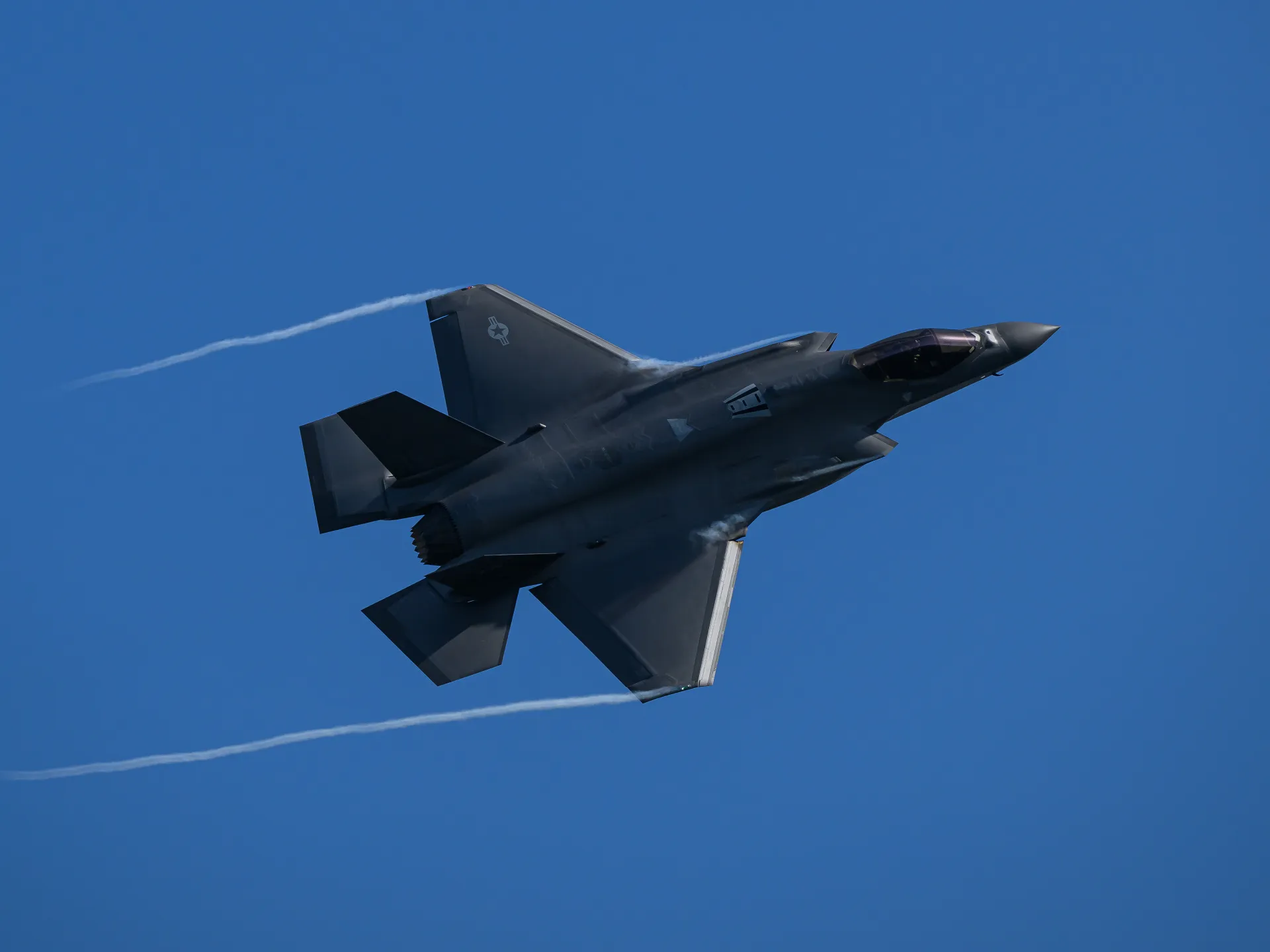
The US administration has requested congressional approval for a $24.3 billion sale of 48 F-35 fighter jets to Saudi Arabia to bolster regional security.
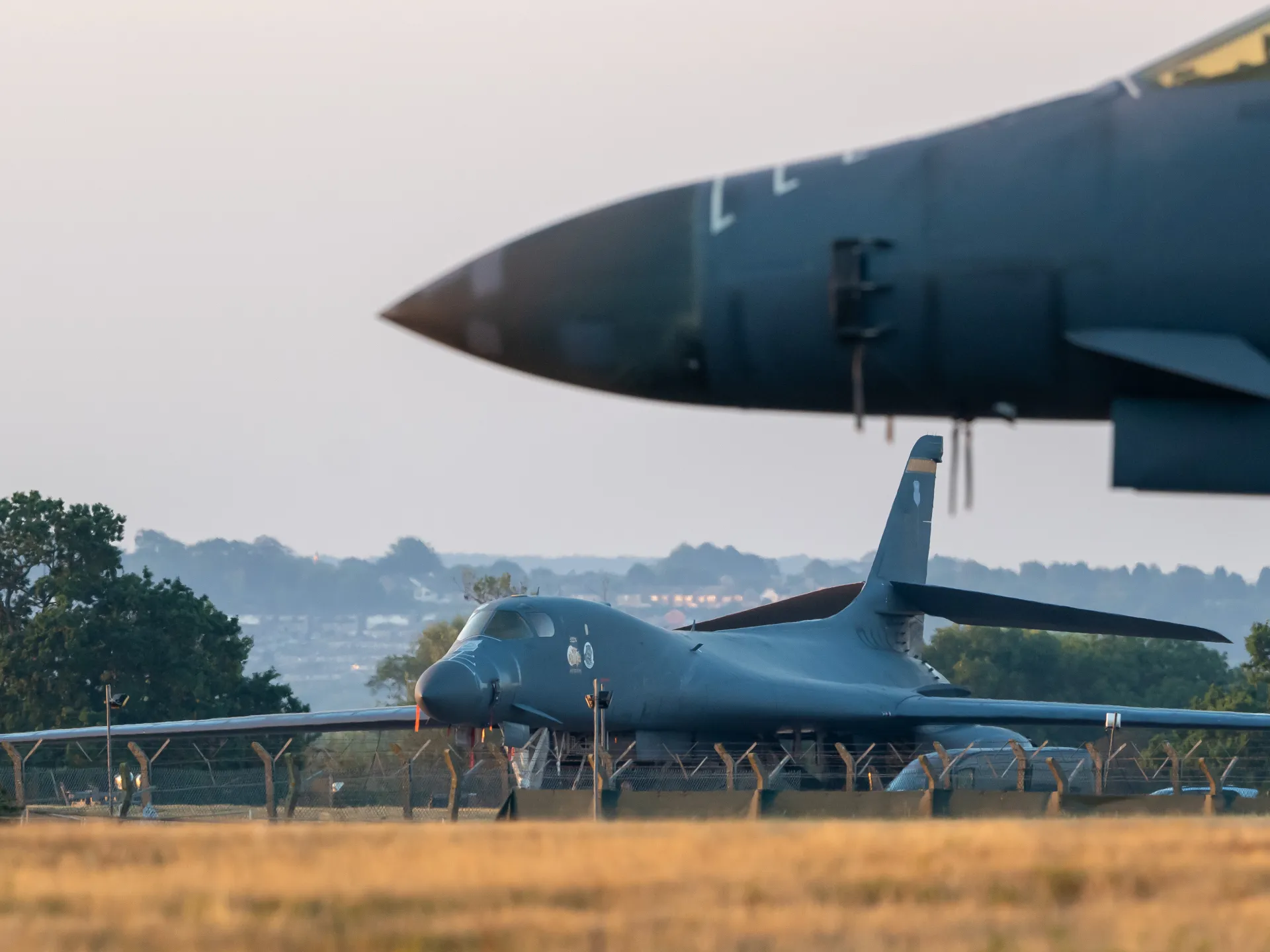
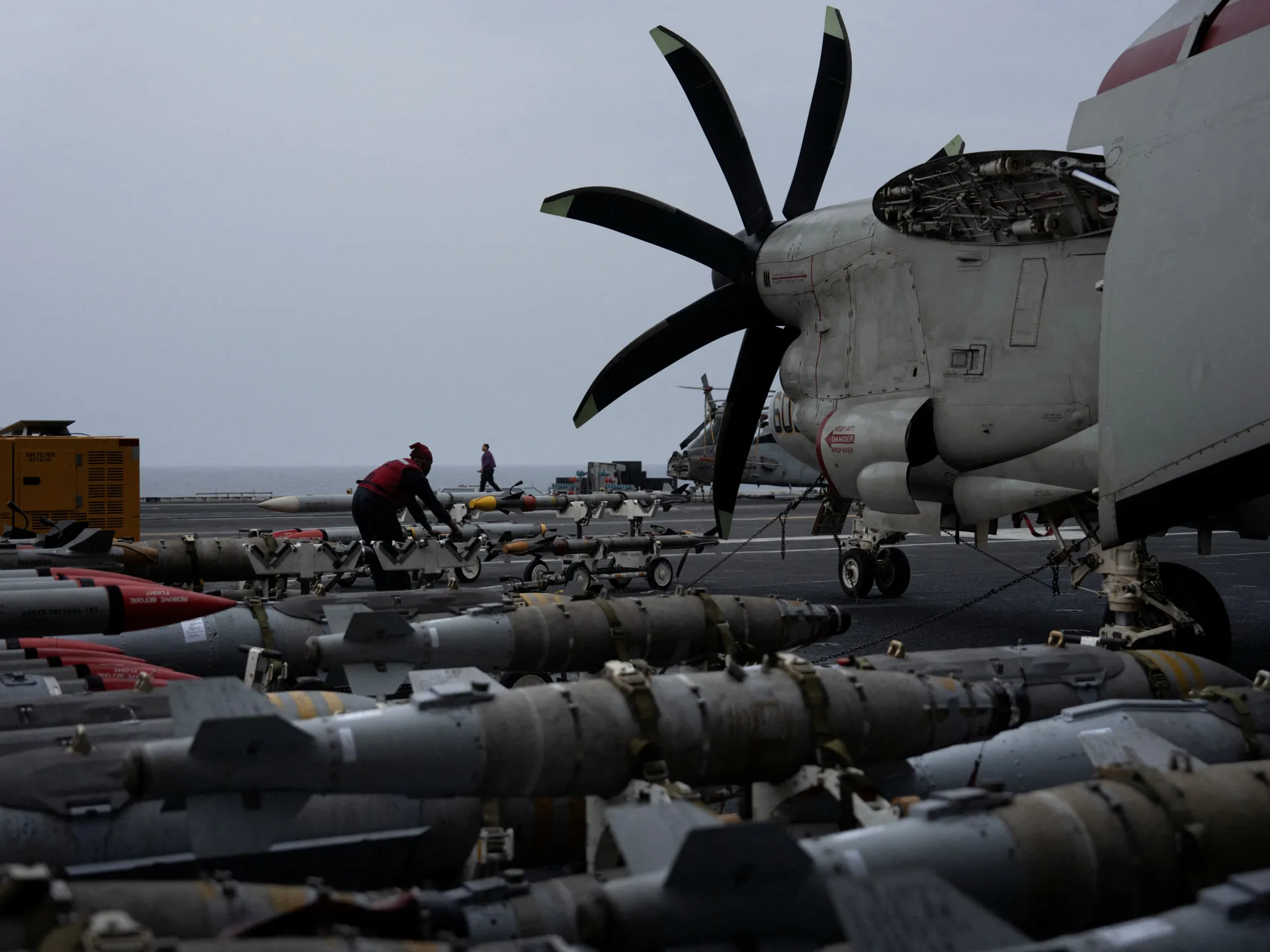
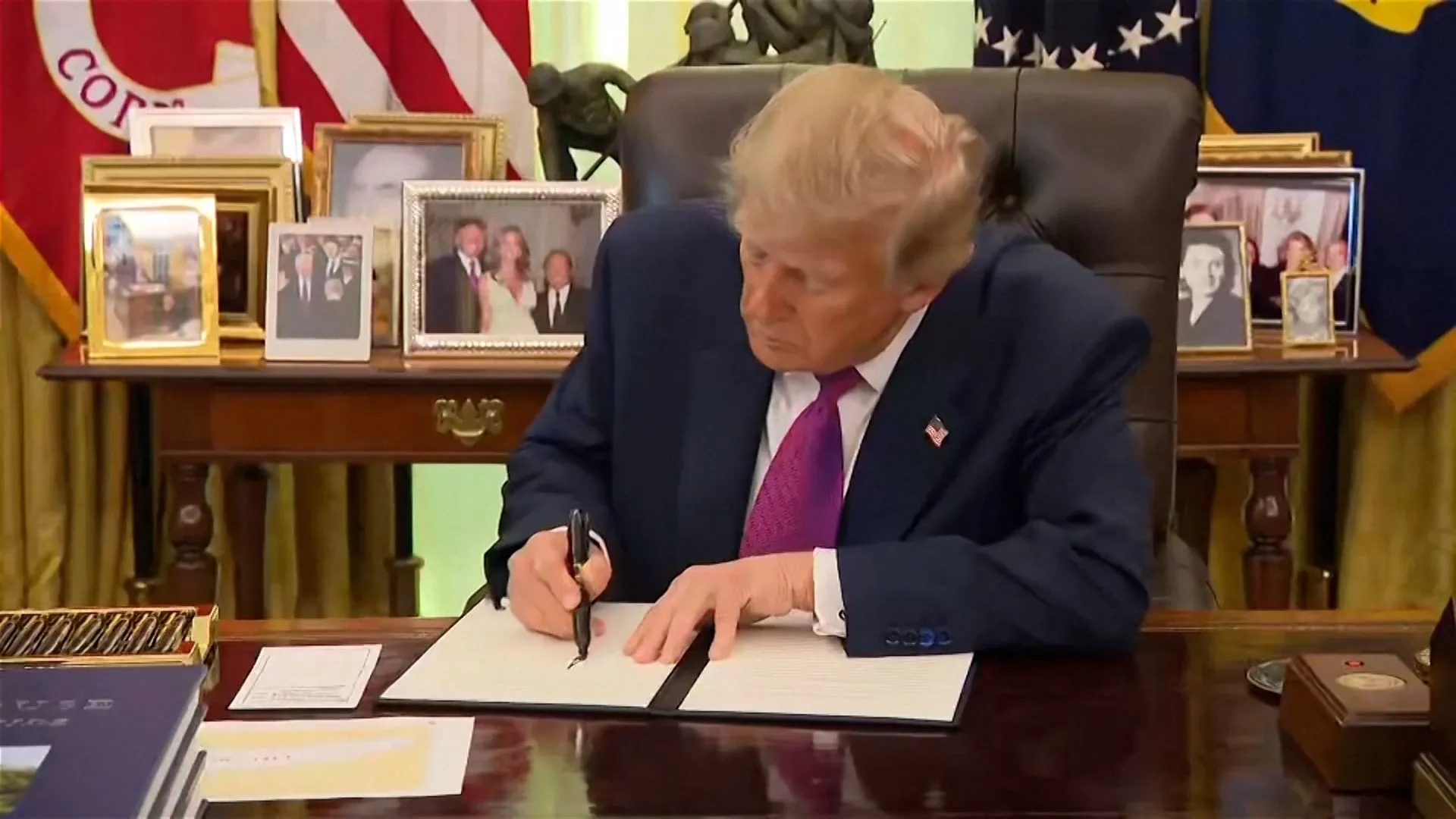
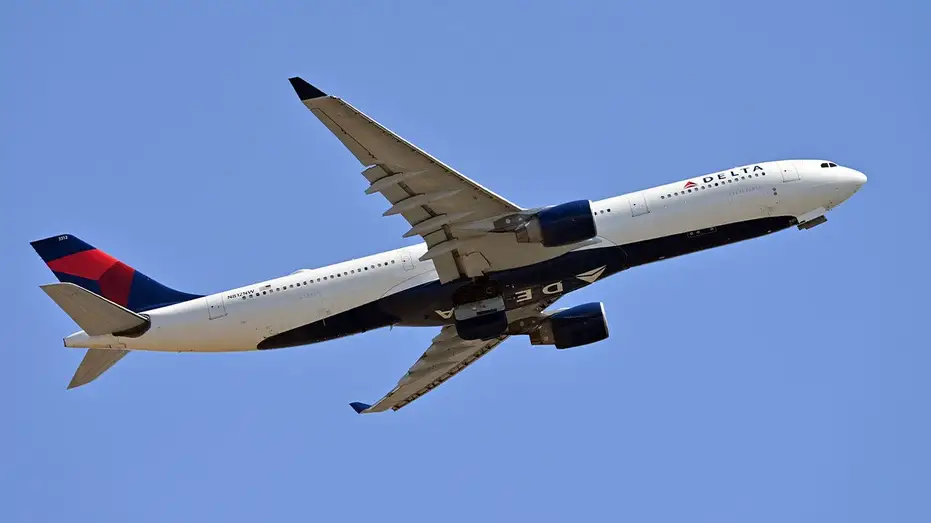
The United States administration has officially requested that Congress approve a significant arms deal involving the sale of 48 F-35 fighter jets to Saudi Arabia. Valued at approximately $24.3 billion, this proposal represents a major shift in military cooperation between the two nations. According to the State Department, the transaction is designed to bolster regional stability and support the broader economic and foreign policy goals of the United States within the Gulf.
Despite the scale of the potential sale, the administration maintains that the introduction of these advanced aircraft will not disrupt the regional military balance. This stance aligns with the established United States policy of ensuring that Israel retains a qualitative military edge over other nations in the Middle East. Officials emphasize that the deal is intended to strengthen a strategic partner while maintaining the necessary security architecture currently in place across the region.
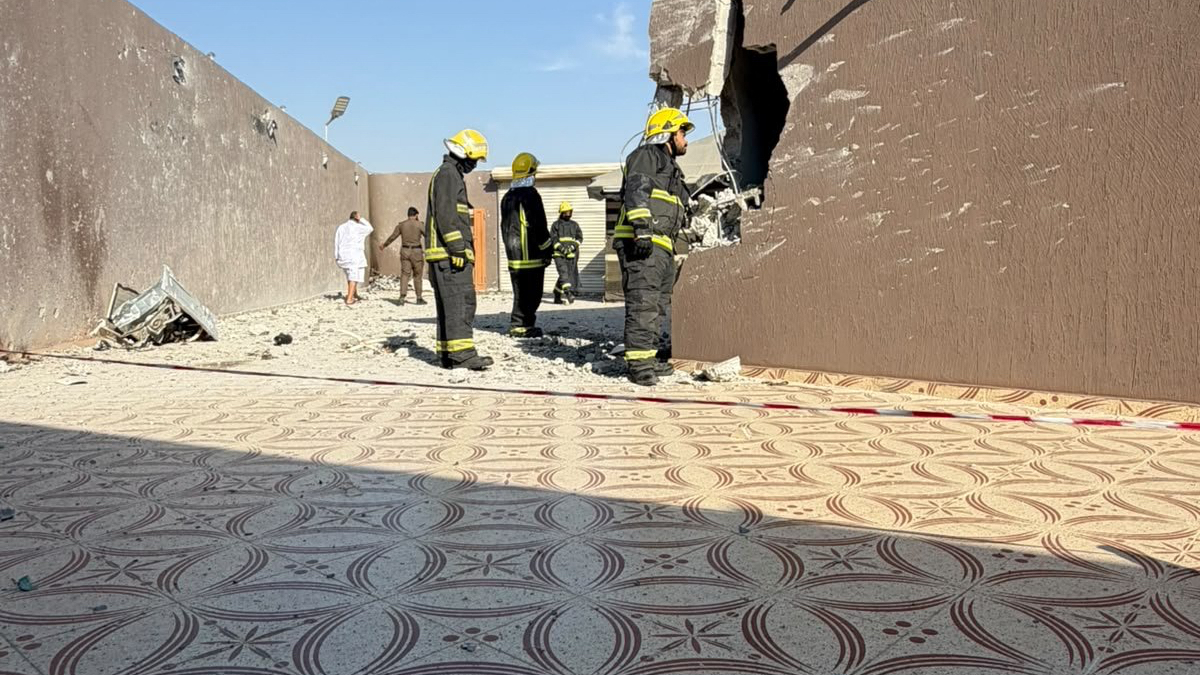
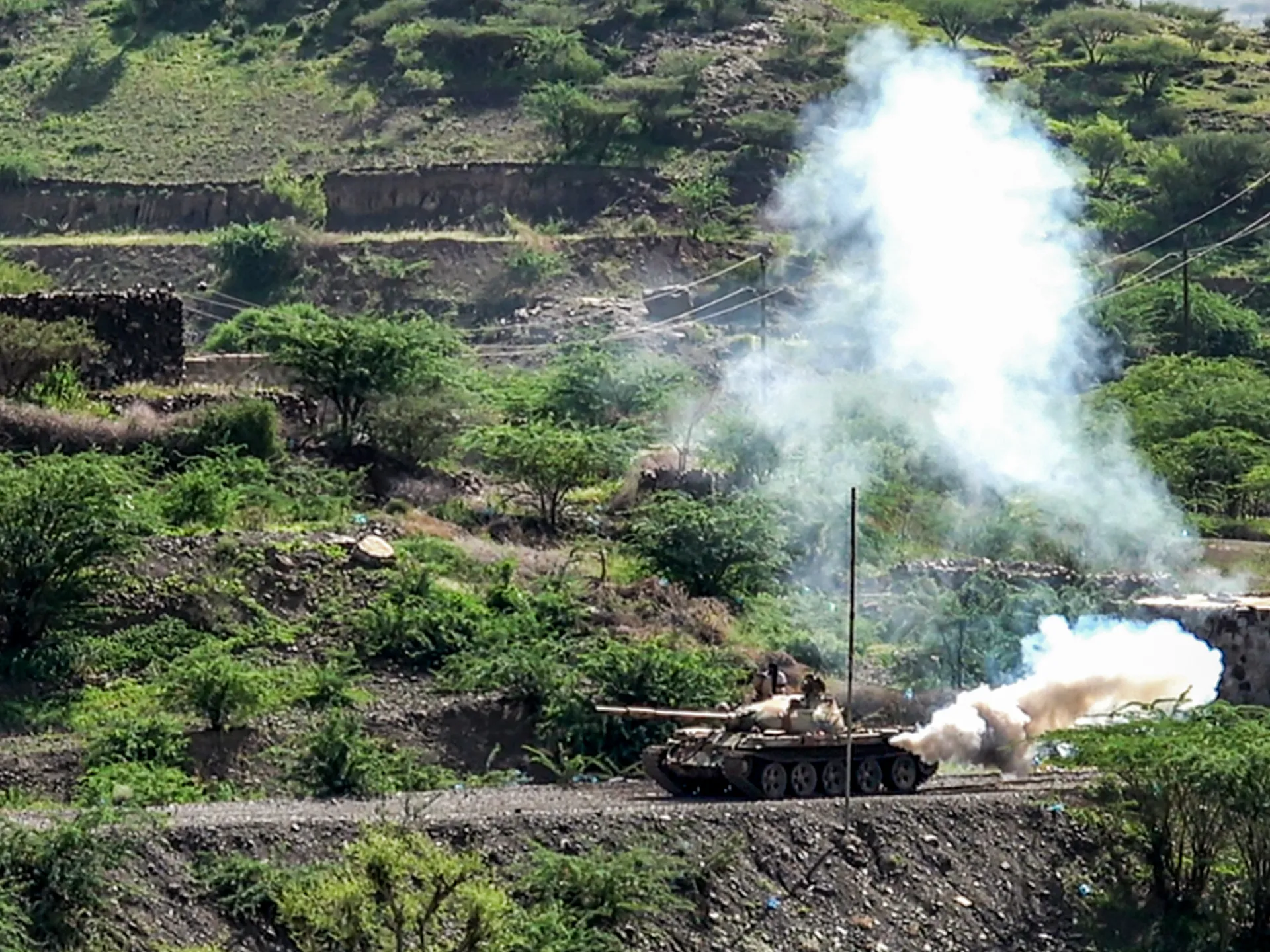
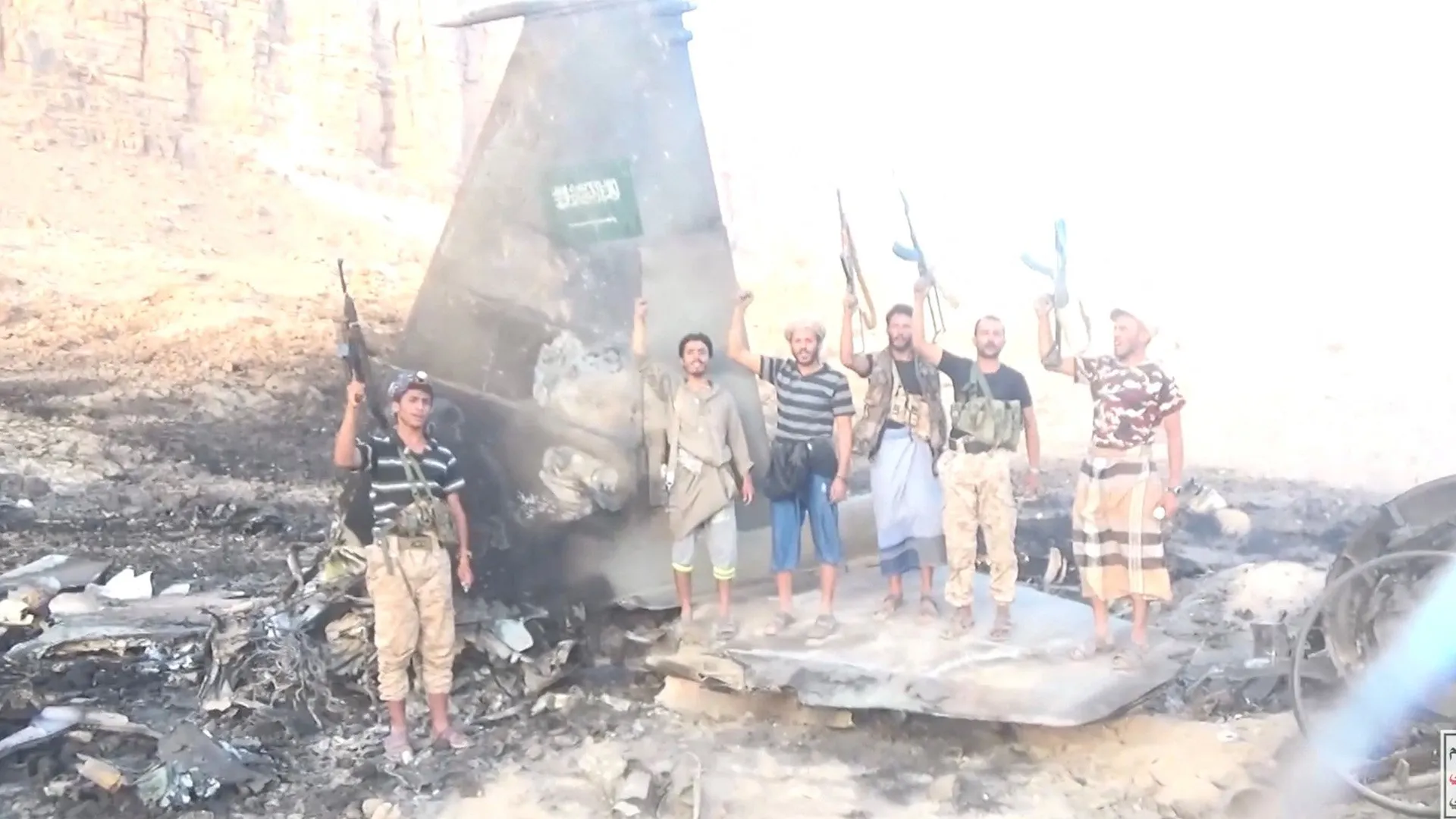
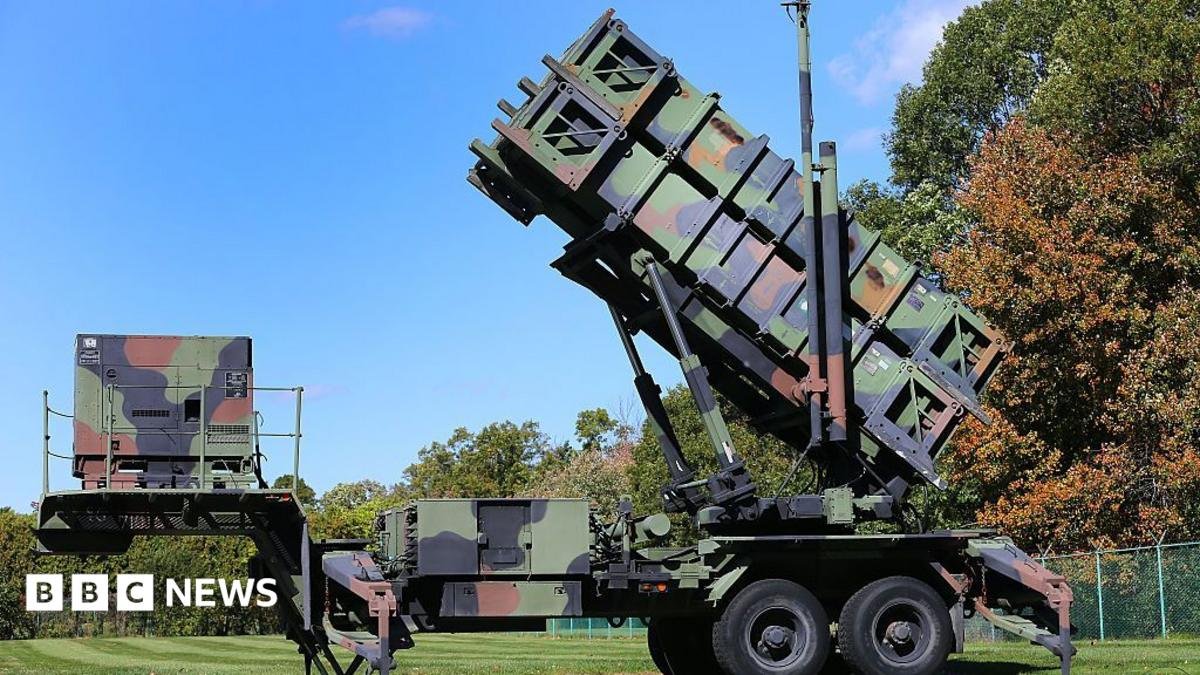
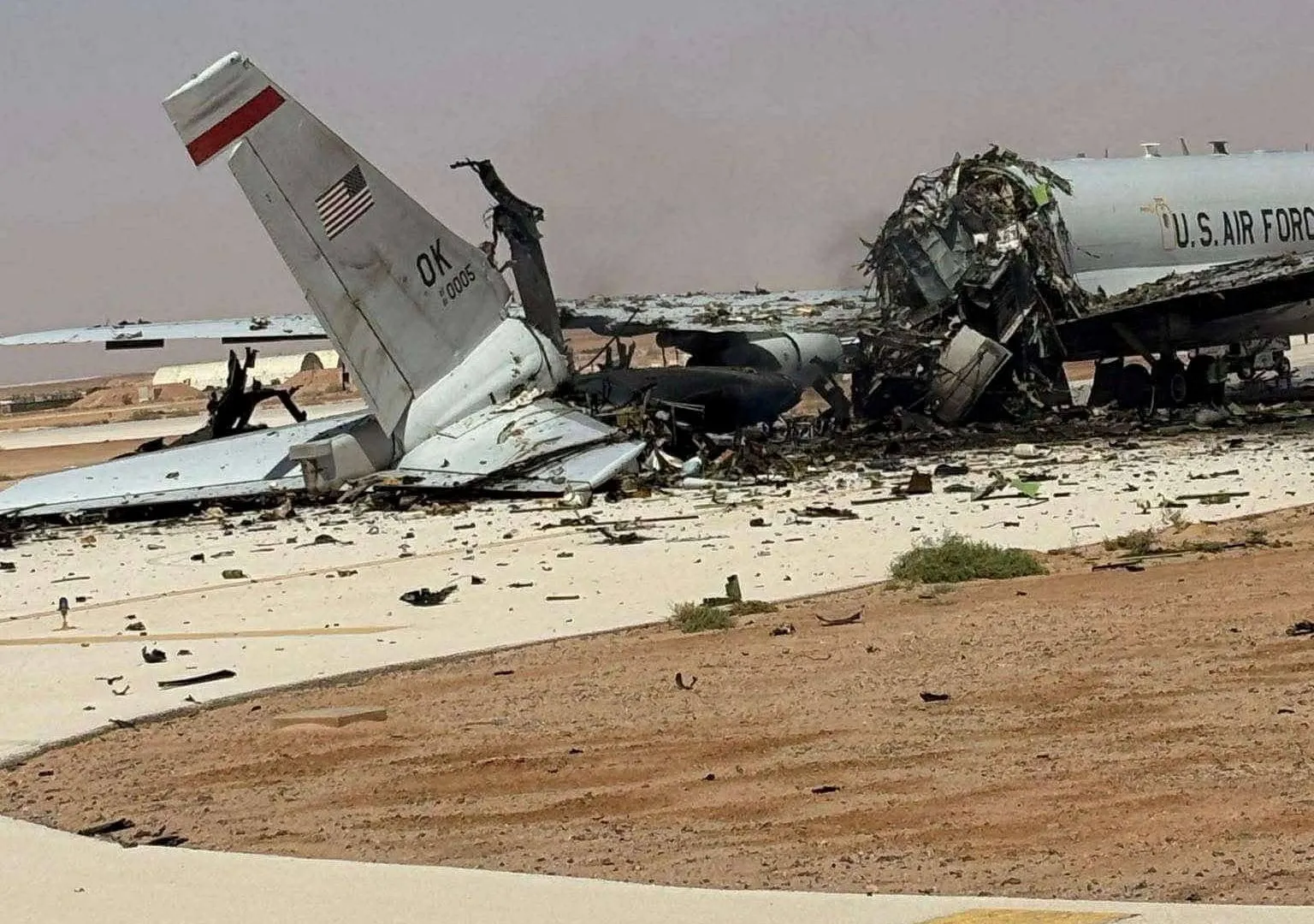
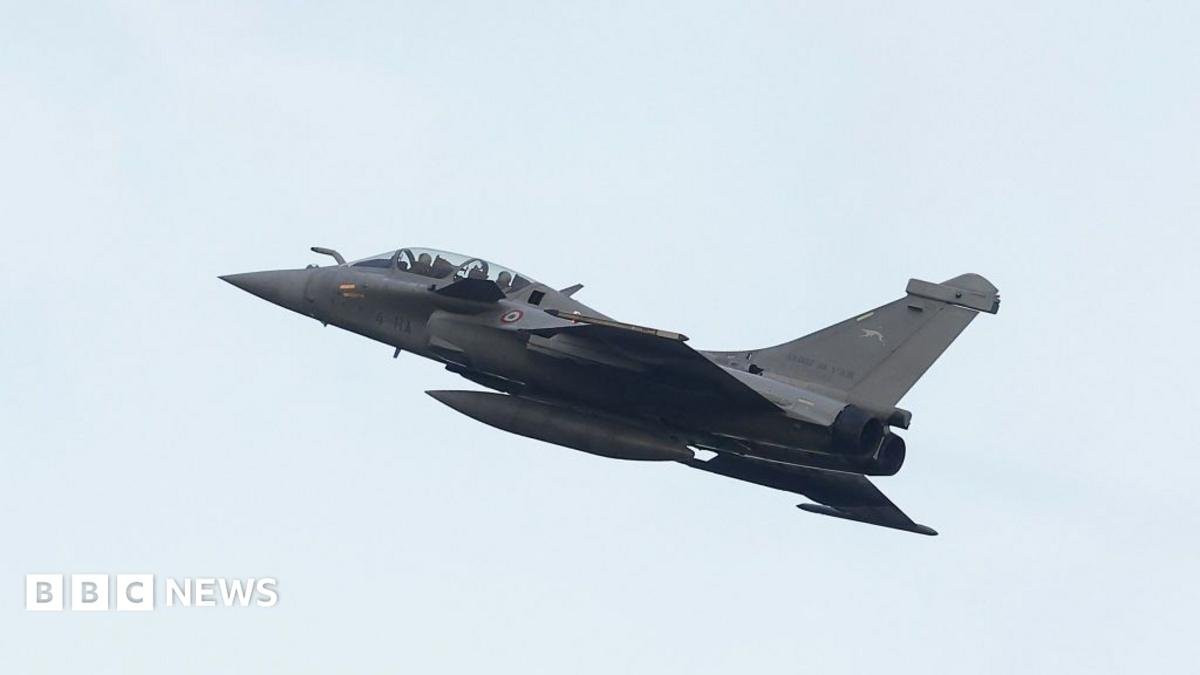
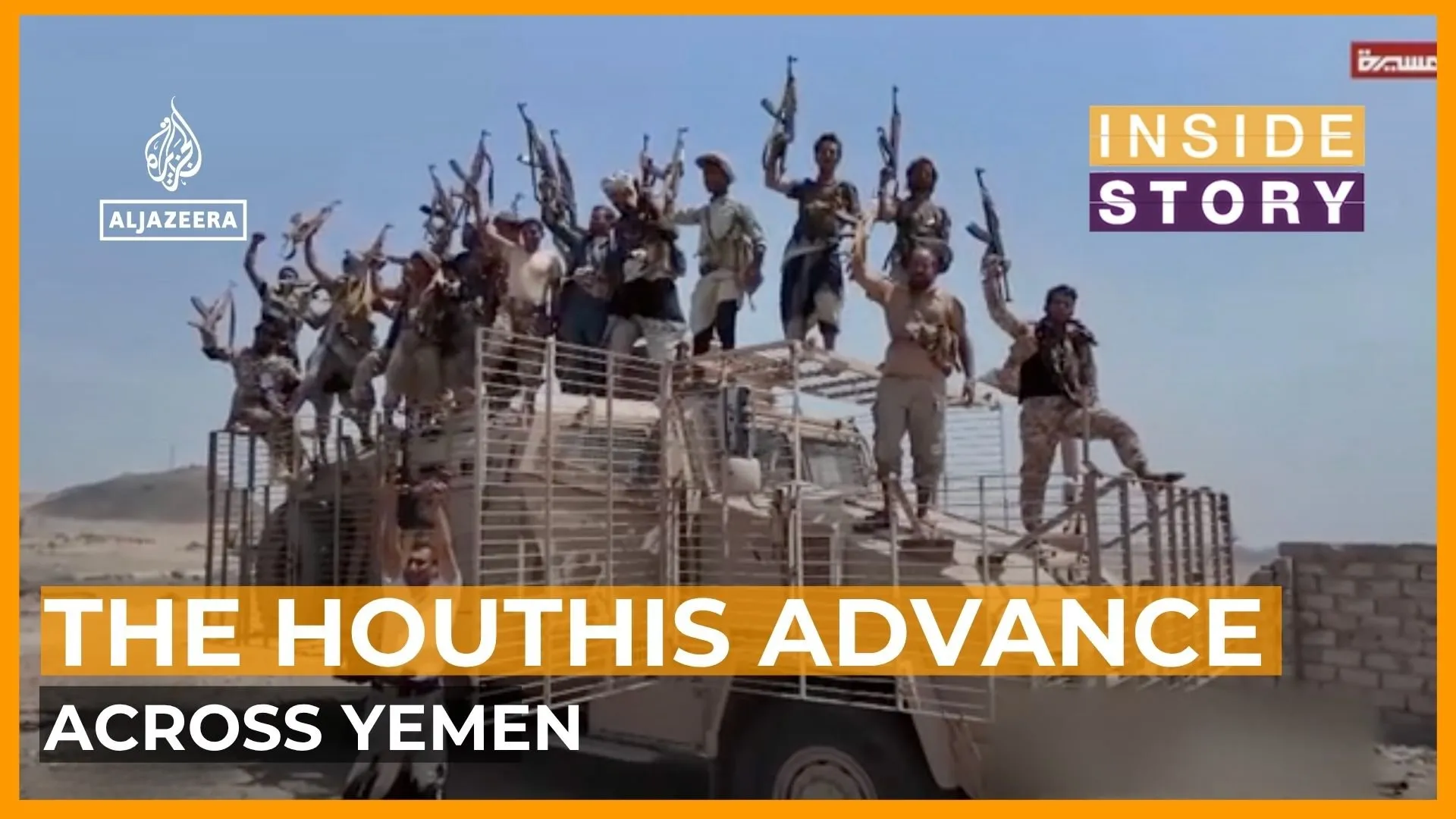
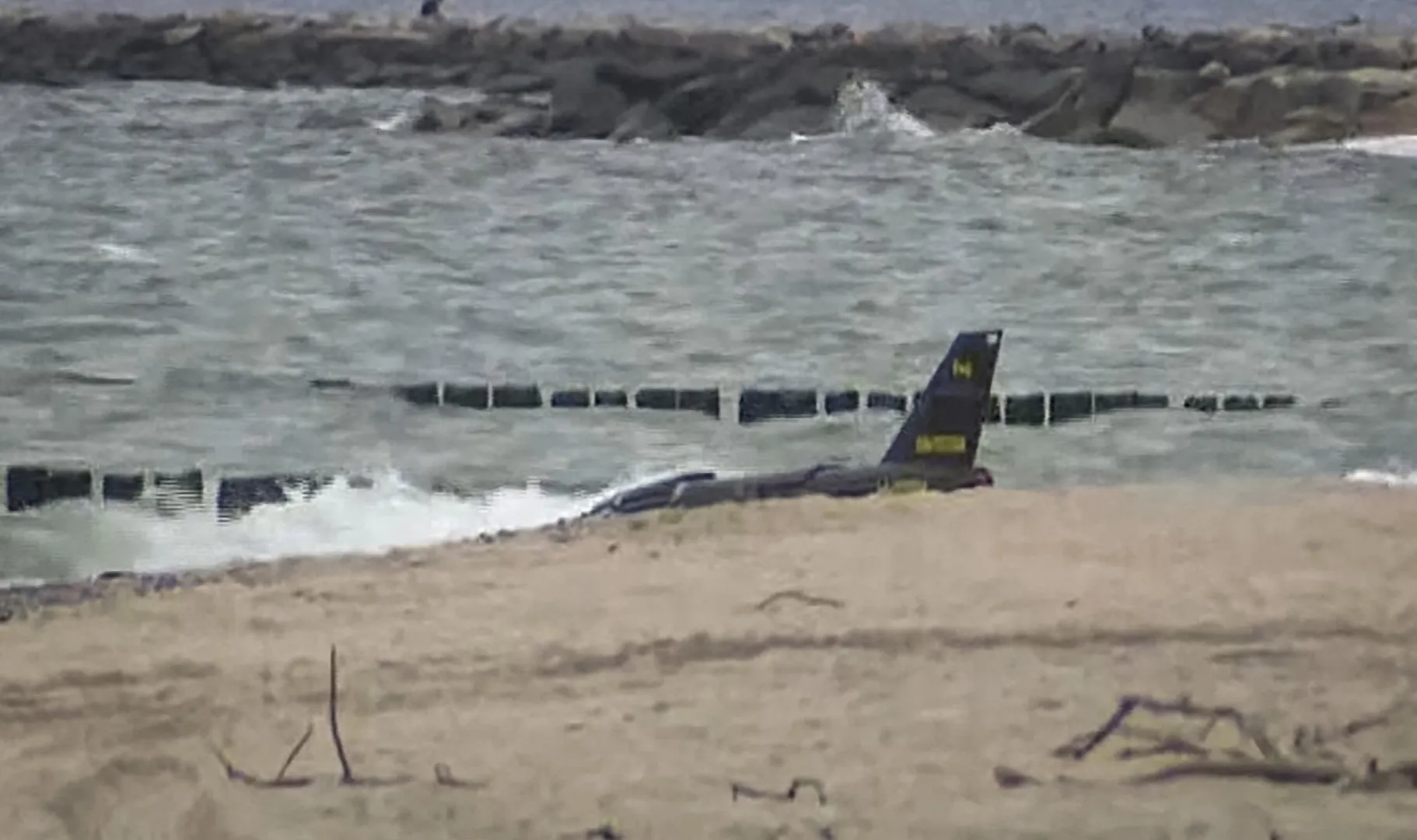
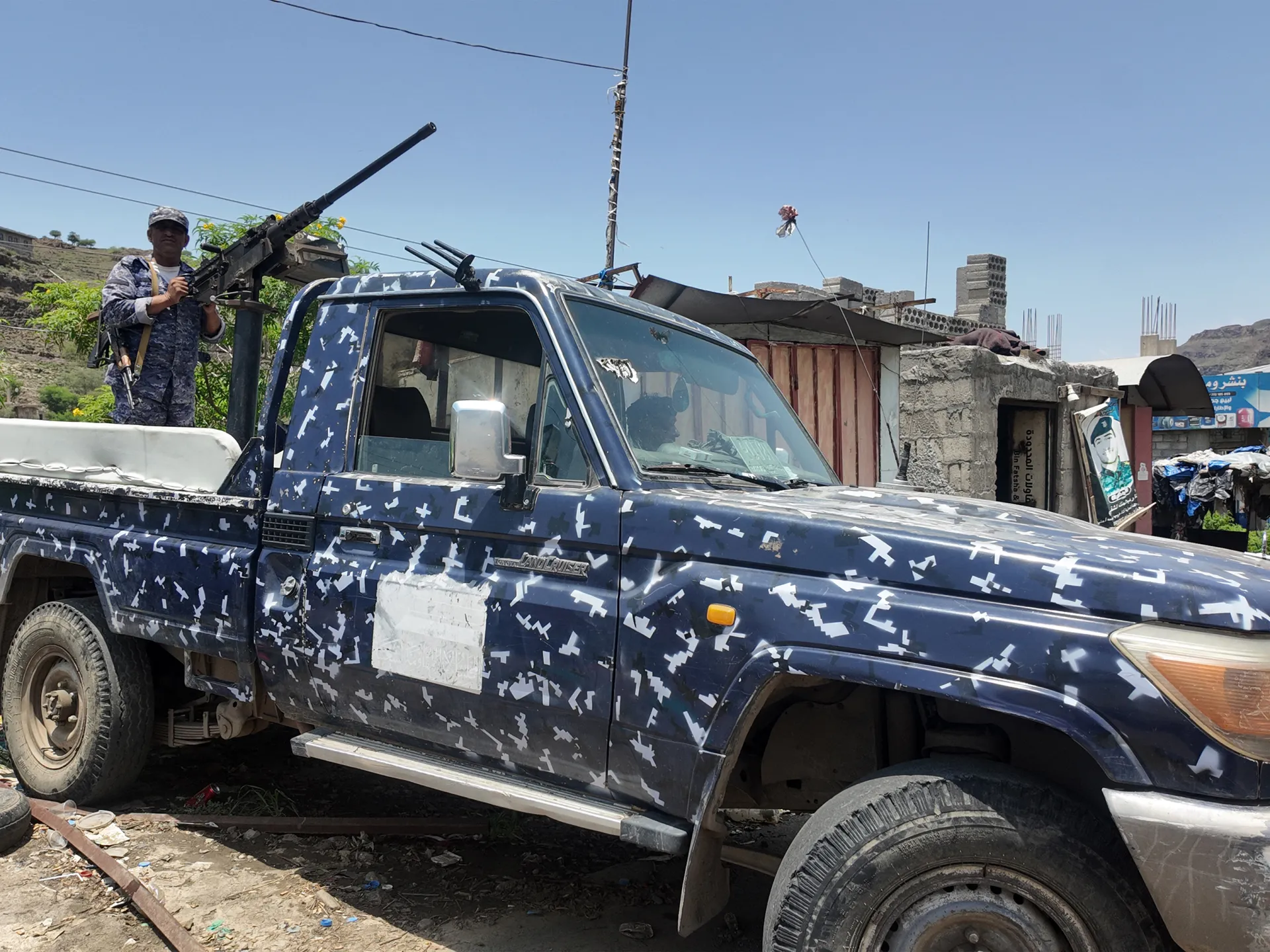
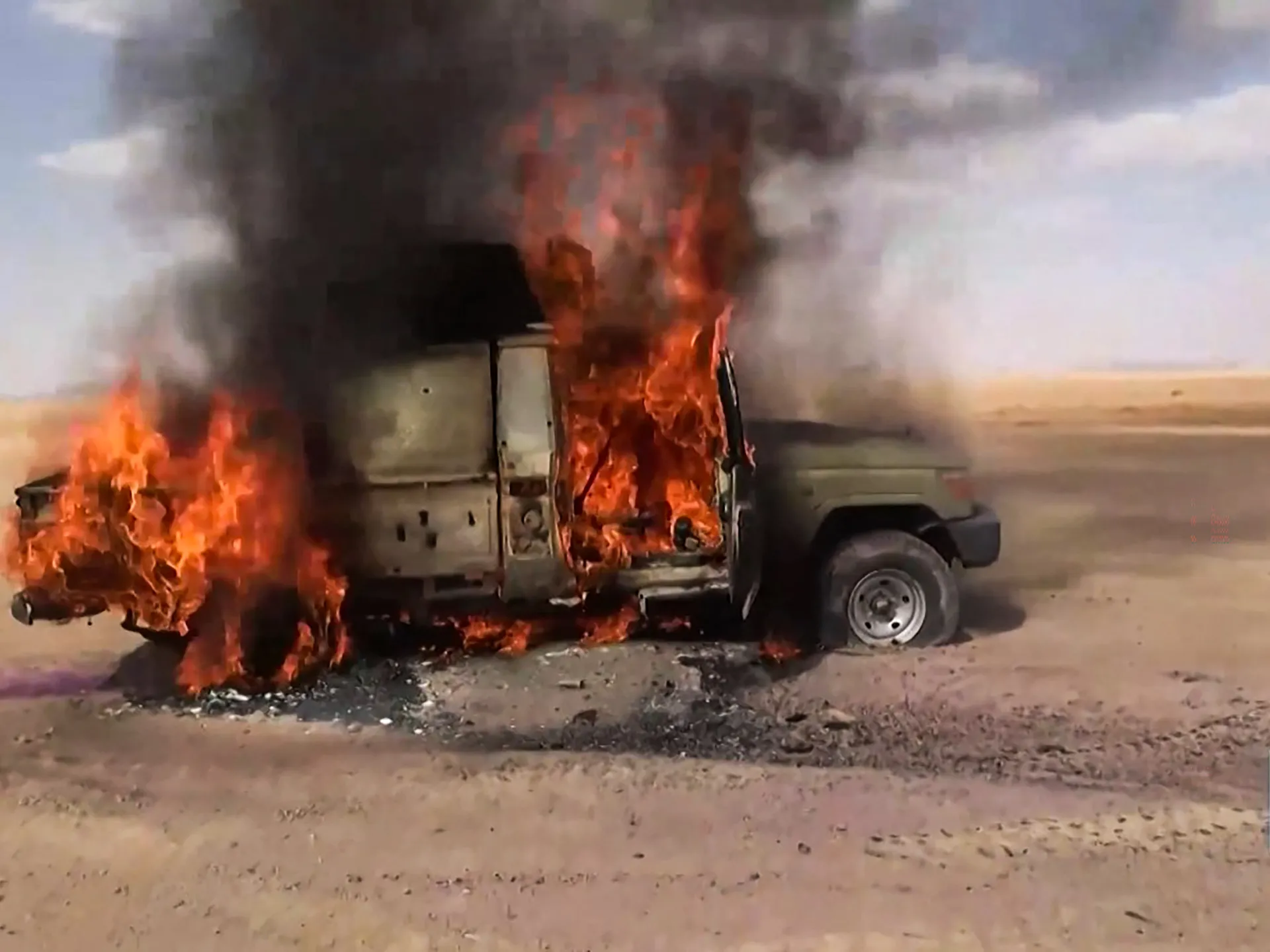
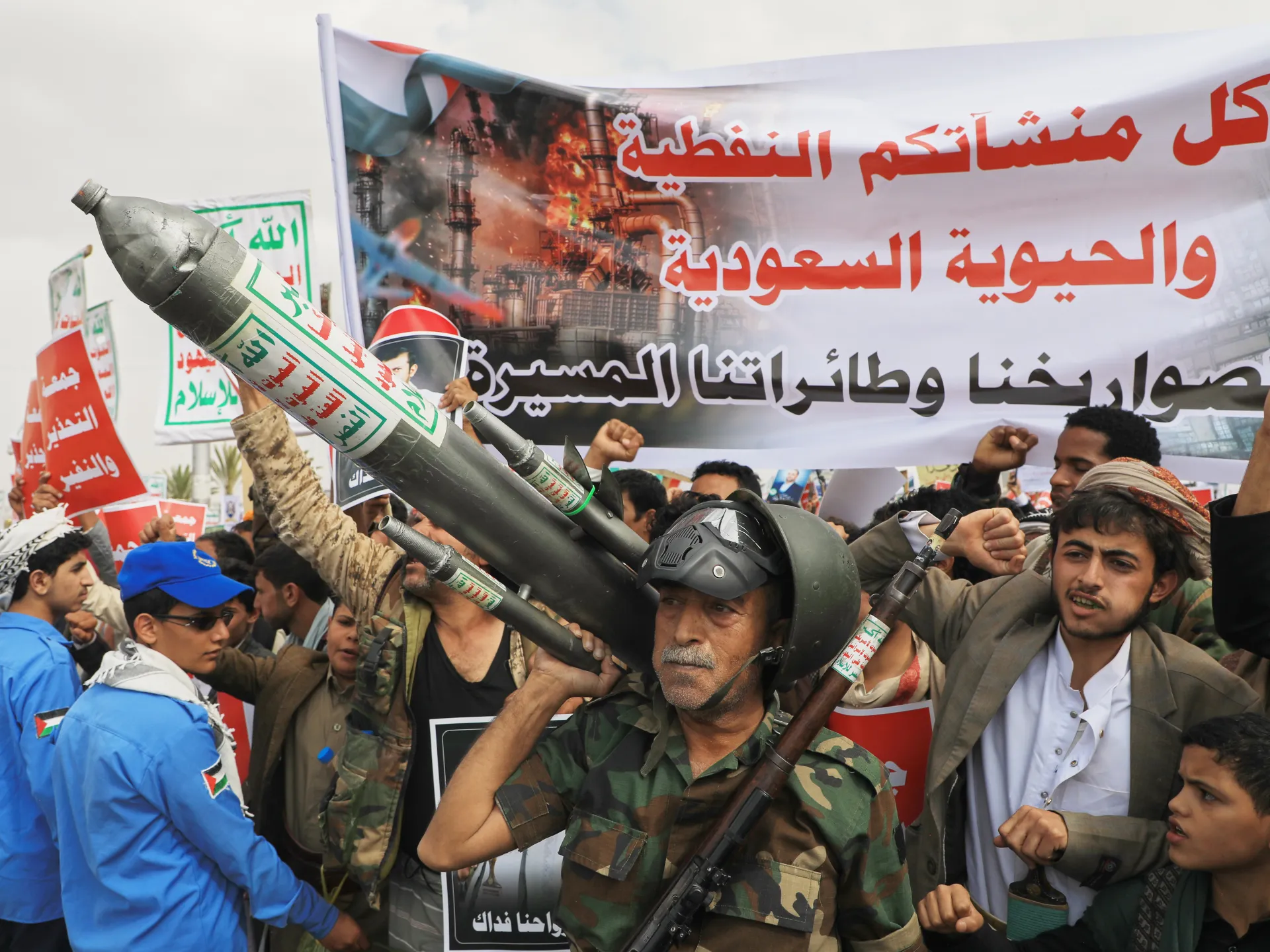
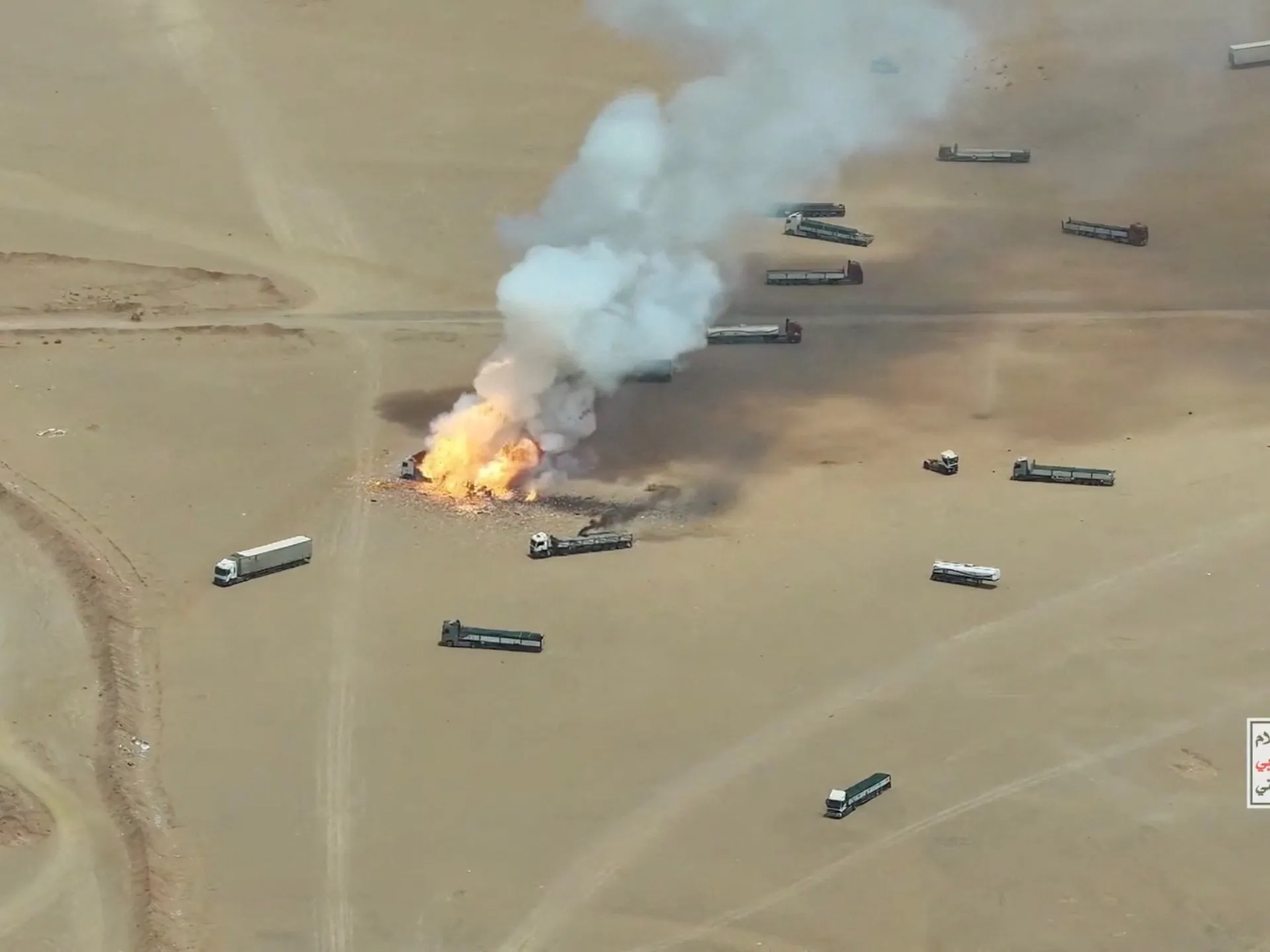
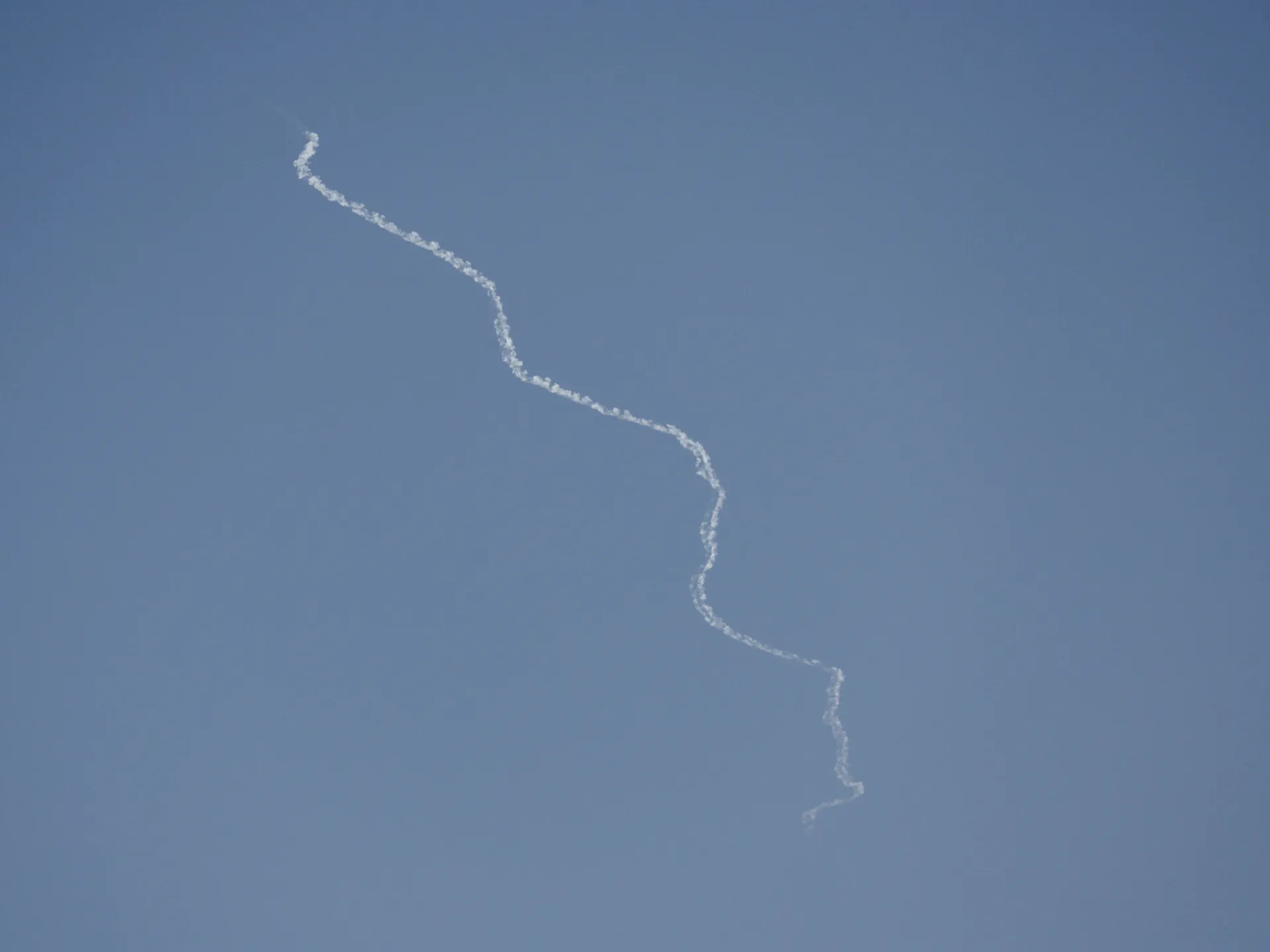
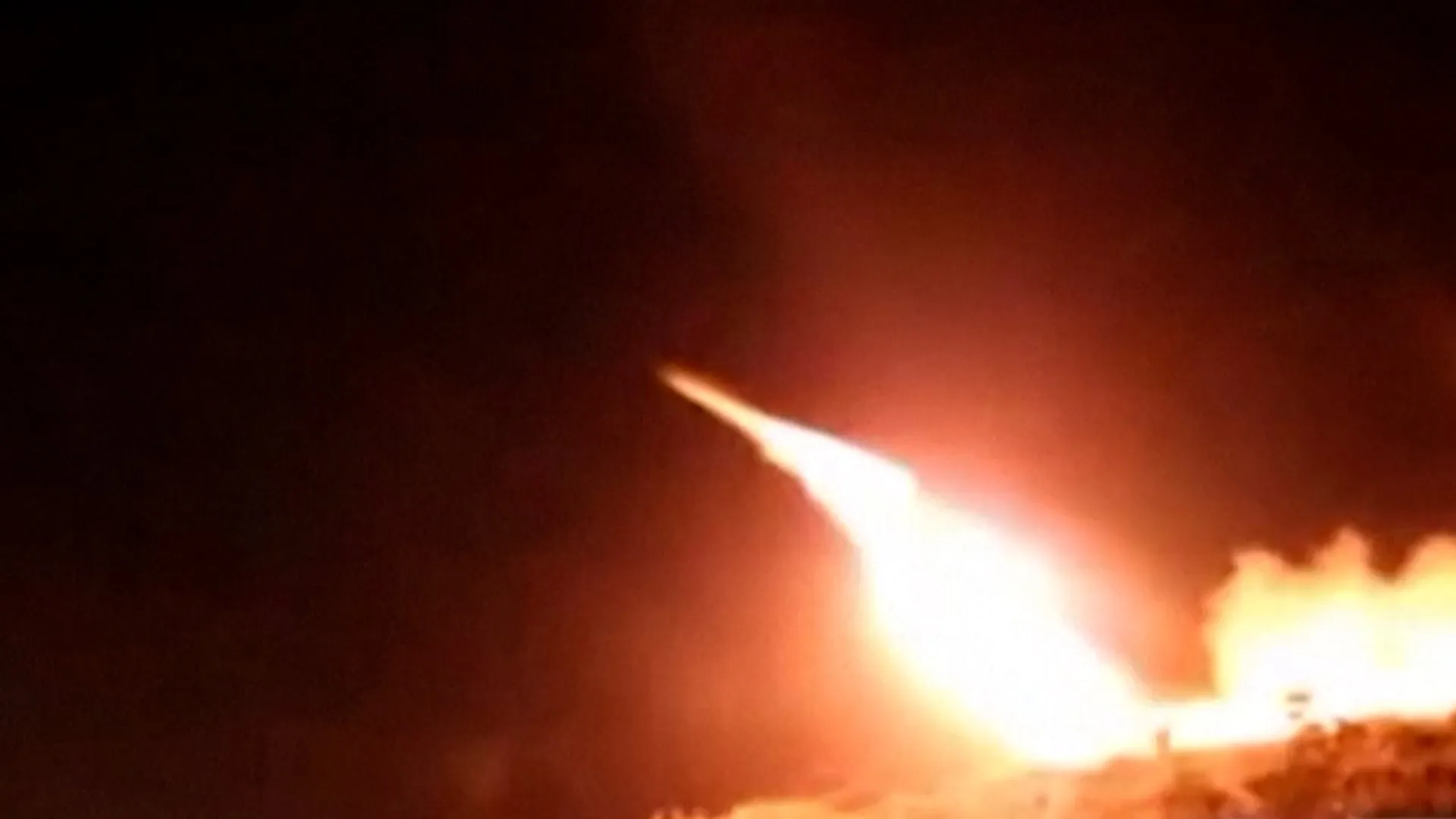
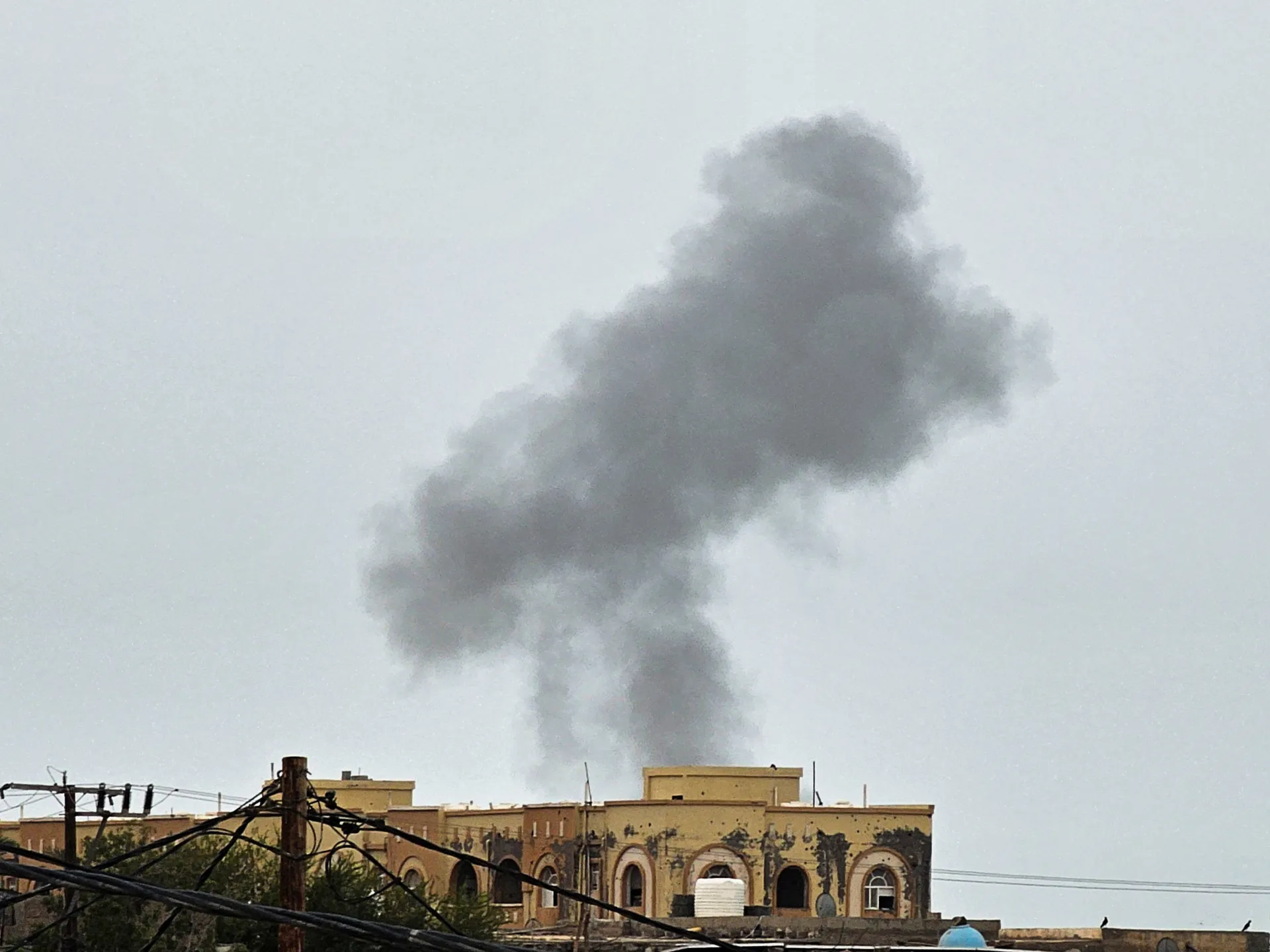
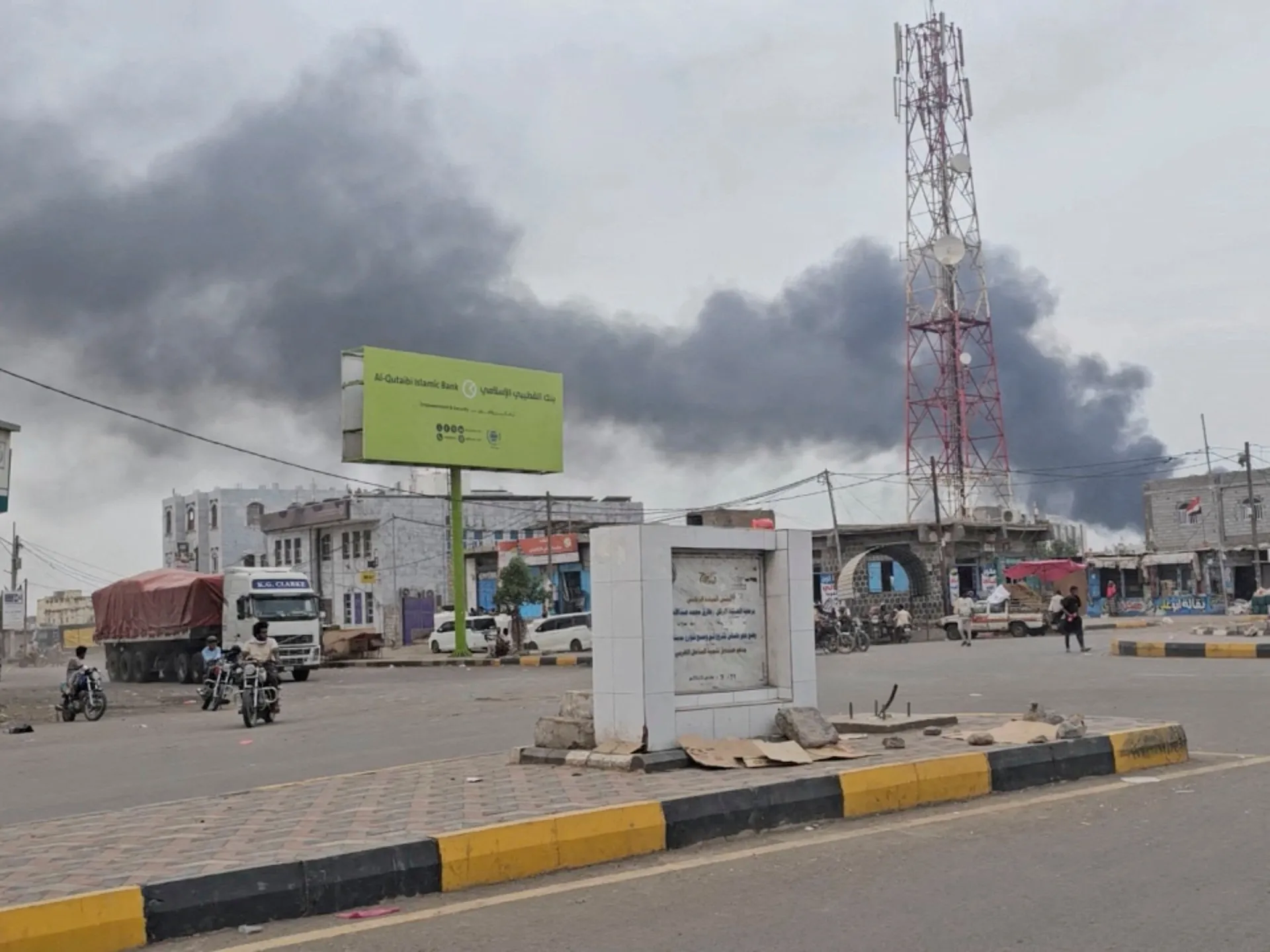
The announcement of the jet sale arrives during a period of heightened volatility in the ongoing conflict in Yemen. Recently, Houthi forces claimed to have successfully downed a Saudi F-15 fighter jet near the city of Marib, a vital strategic location. The group disseminated video footage displaying what appeared to be the wreckage of the Saudi-operated, US-made aircraft, asserting that the shoot-down was executed using a locally developed surface-to-air missile system.
This development has caused alarm among regional analysts, as it suggests a significant advancement in the technical capabilities of the Houthi forces. Previously, the Saudi coalition had maintained clear air superiority over Yemen, utilizing air strikes as a primary tactical advantage. If the ability to neutralize sophisticated aircraft is becoming more widespread among non-state actors, the strategic calculus for future military engagements in the region may require a thorough re-evaluation
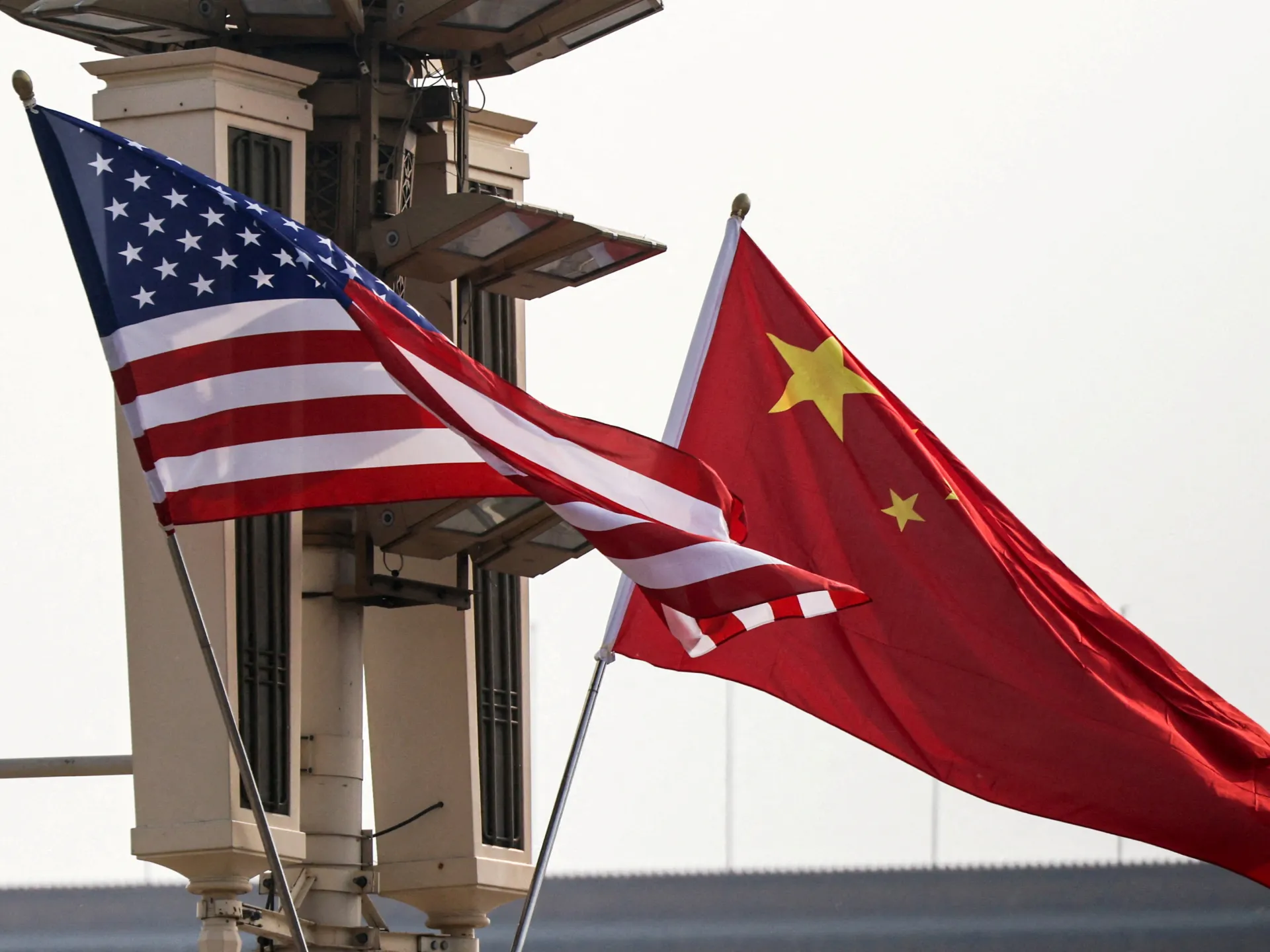
Beyond the immediate battlefield implications, the proposed sale has triggered intense scrutiny regarding the protection of sensitive American military technology. Intelligence officials have expressed apprehensions that China could potentially gain access to proprietary F-35 data through its various existing partnerships with the Saudi government. This concern has been echoed s of sharing such advanced hardware.
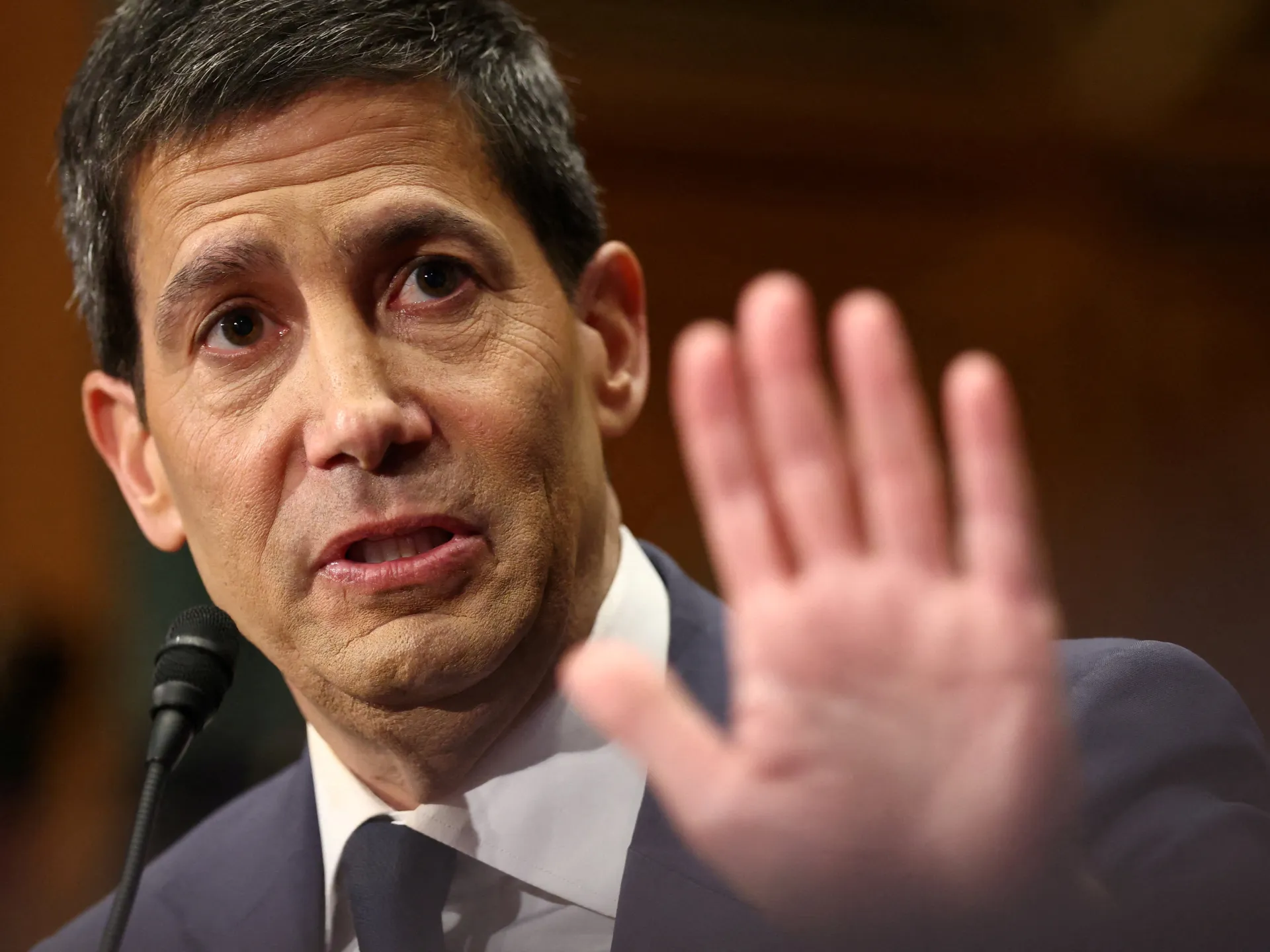
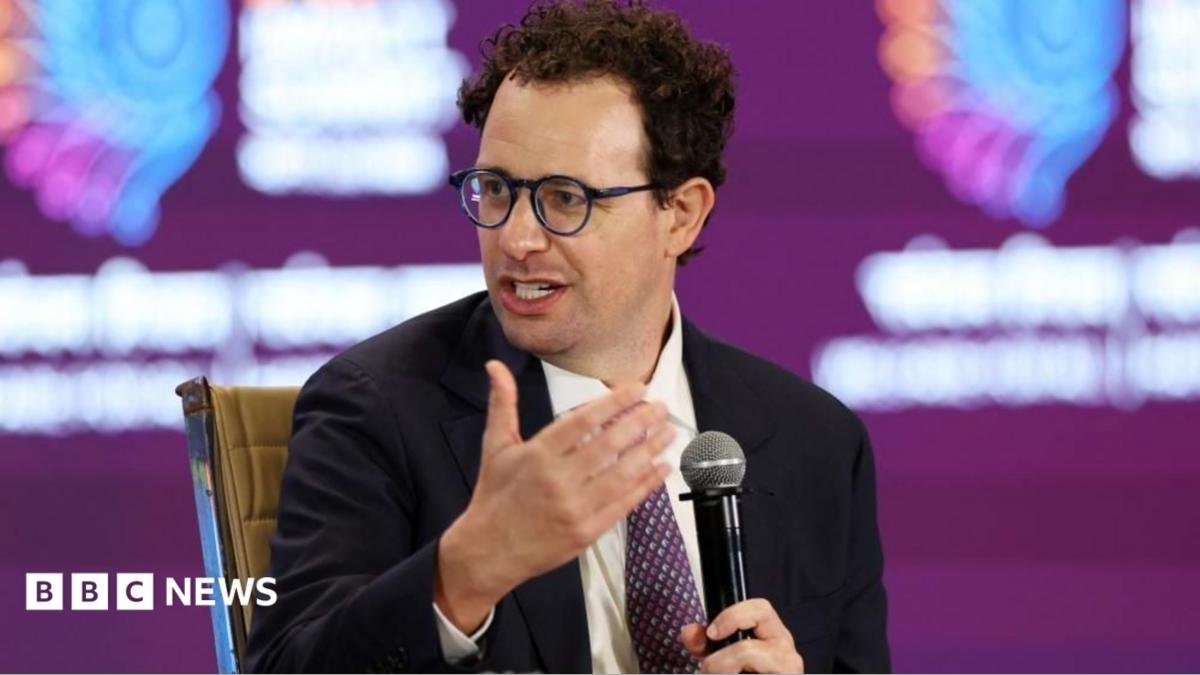
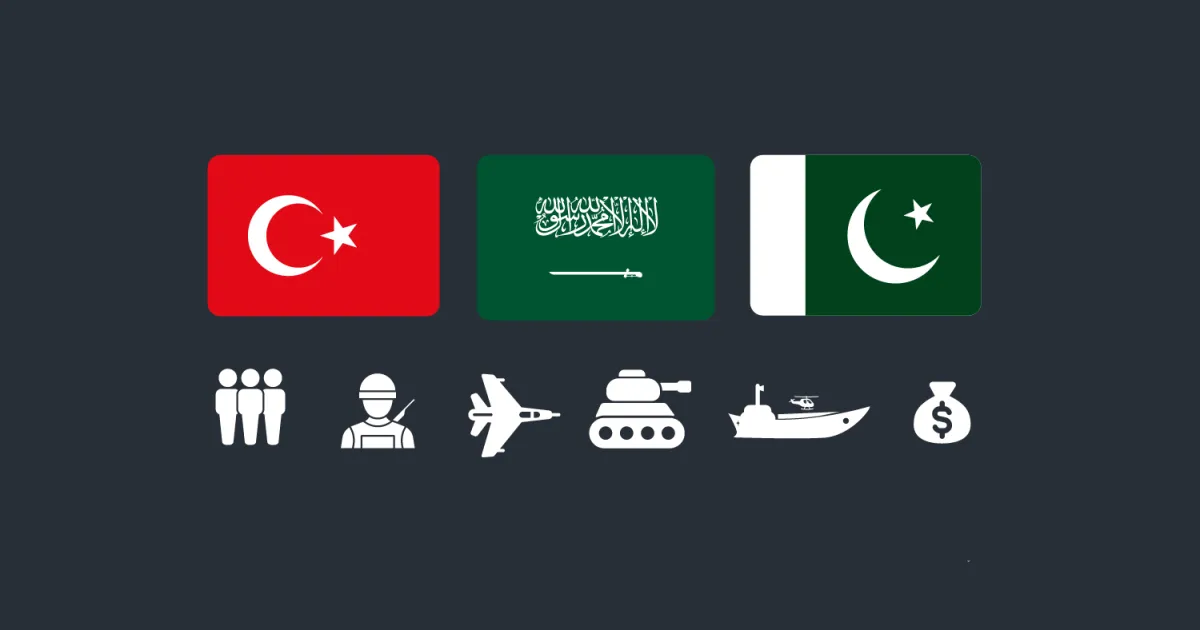
Representative Raja Krishnamoorthi, a member of the House Intelligence Committee, has openly opposed the deal. He argued that the potential risk of compromising the "crown jewels" of American aerospace technology to the Chinese Communist Party is too high. These fears are exacerbated ent—a mutual defense pact between Saudi Arabia, Pakistan, and Turkiye—which signals a desire ed States.
The status of the F-35 program remains a sensitive topic in international diplomacy. While Saudi Arabia has long sought to acquire these jets to modernize its fleet, the path to procurement is complicated the development of the F-35, was removed from the program in 2019 following its procurement of Russian-made anti-aircraft missile systems. This precedent highlights the strict security requirements Washington imposes on its partners.
Israel, which is currently the only nation in the region operating the F-35, has historically expressed hesitation regarding the expansion of these capabilities to other regional players. Even as diplomatic efforts move toward the potential normalization of relations between Saudi Arabia and Israel, the sensitive nature of military hardware sales remains a point of contention. As the debate moves to the legislative floor, the administration will need to navigate the competing interests of national security, economic gain, and the maintenance of a delicate regional power balance.