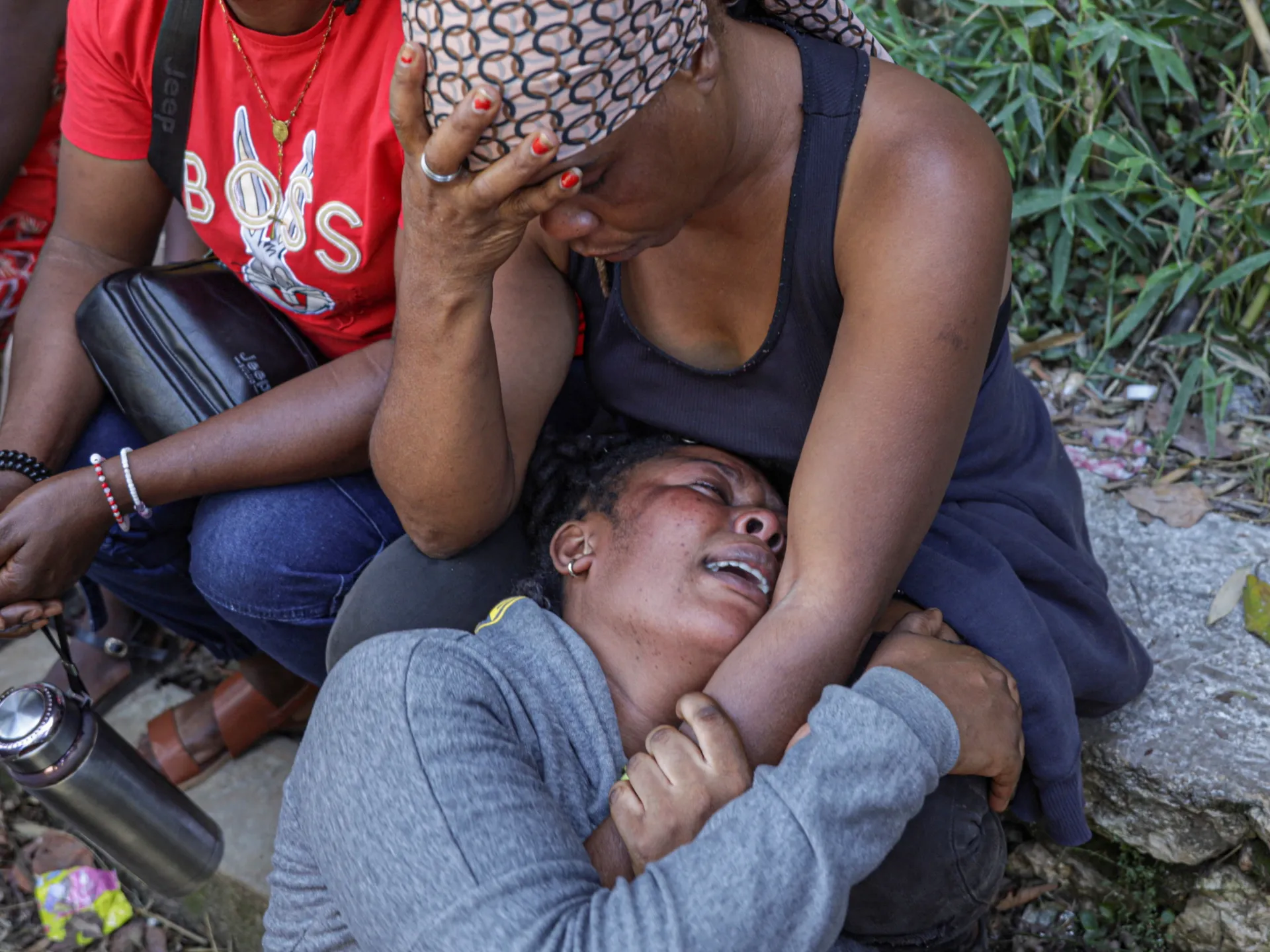
The discovery of a ninth body in the Ekurhuleni municipality has intensified concerns about a systemic femicide crisis in South Africa.
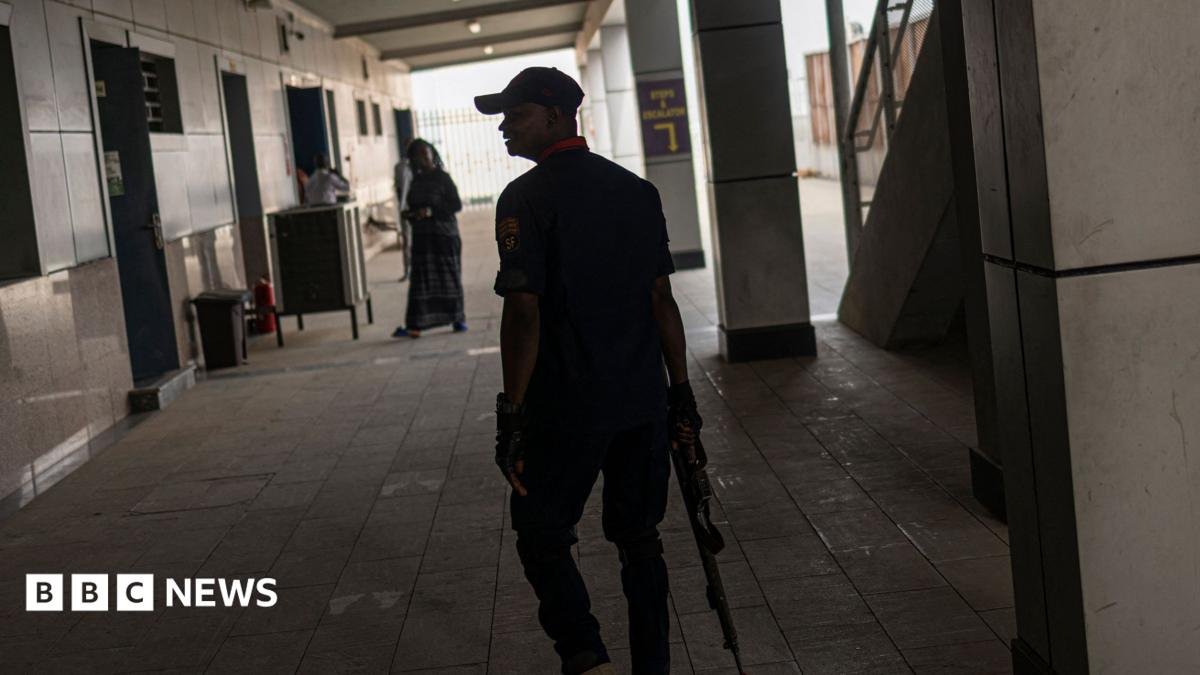
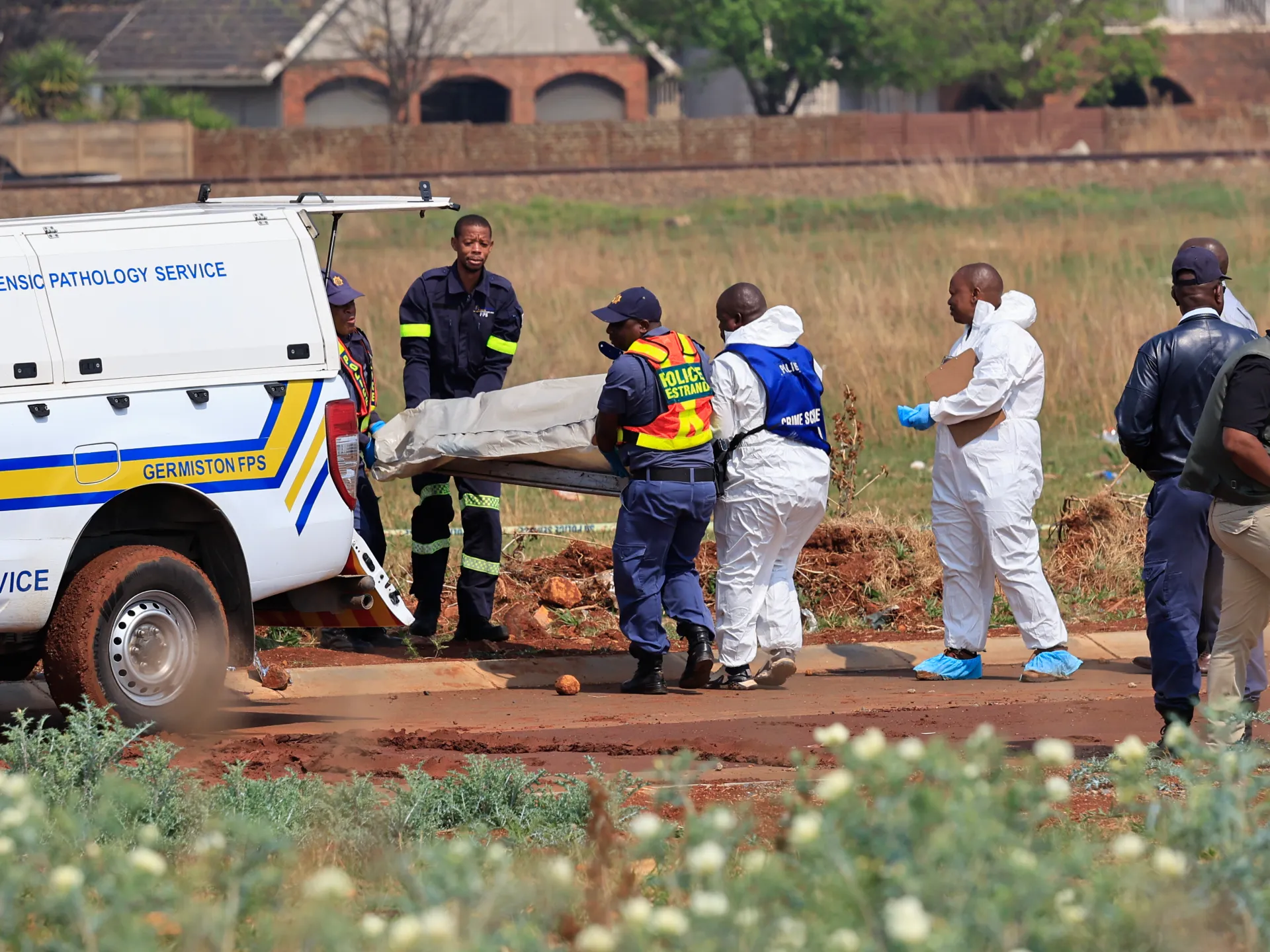
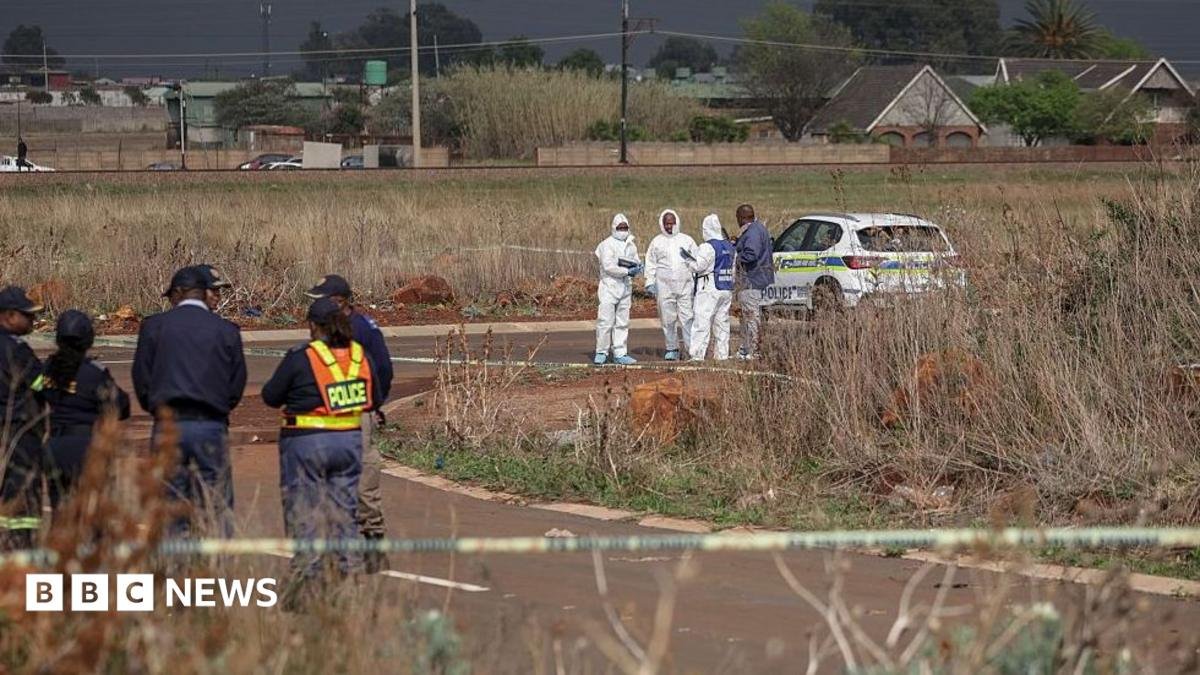
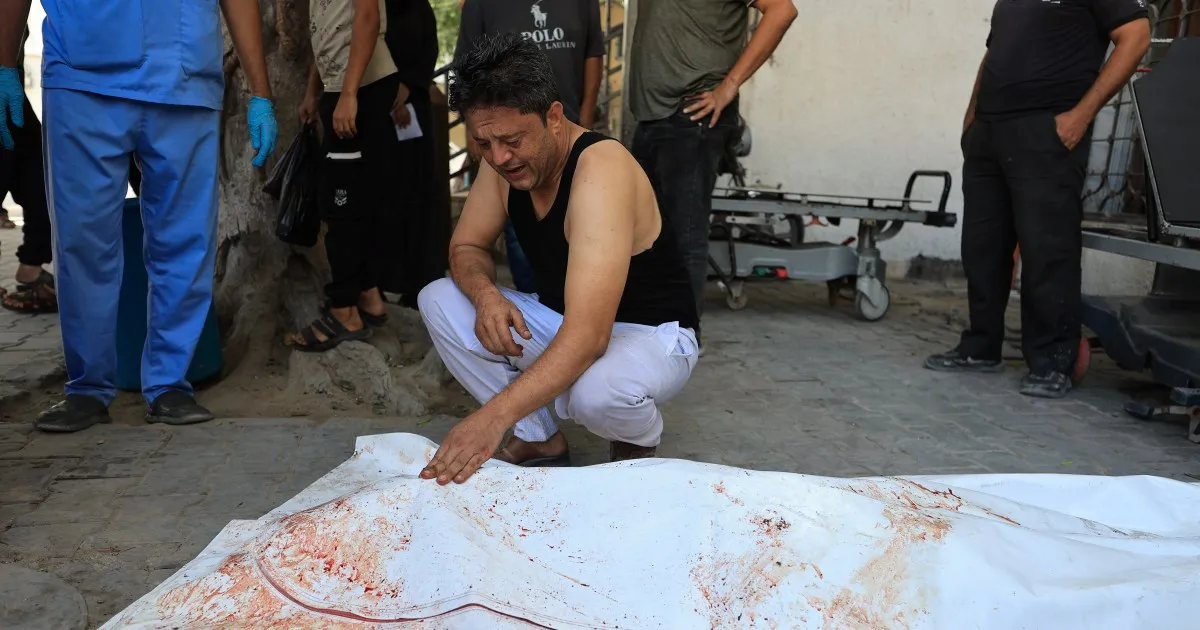
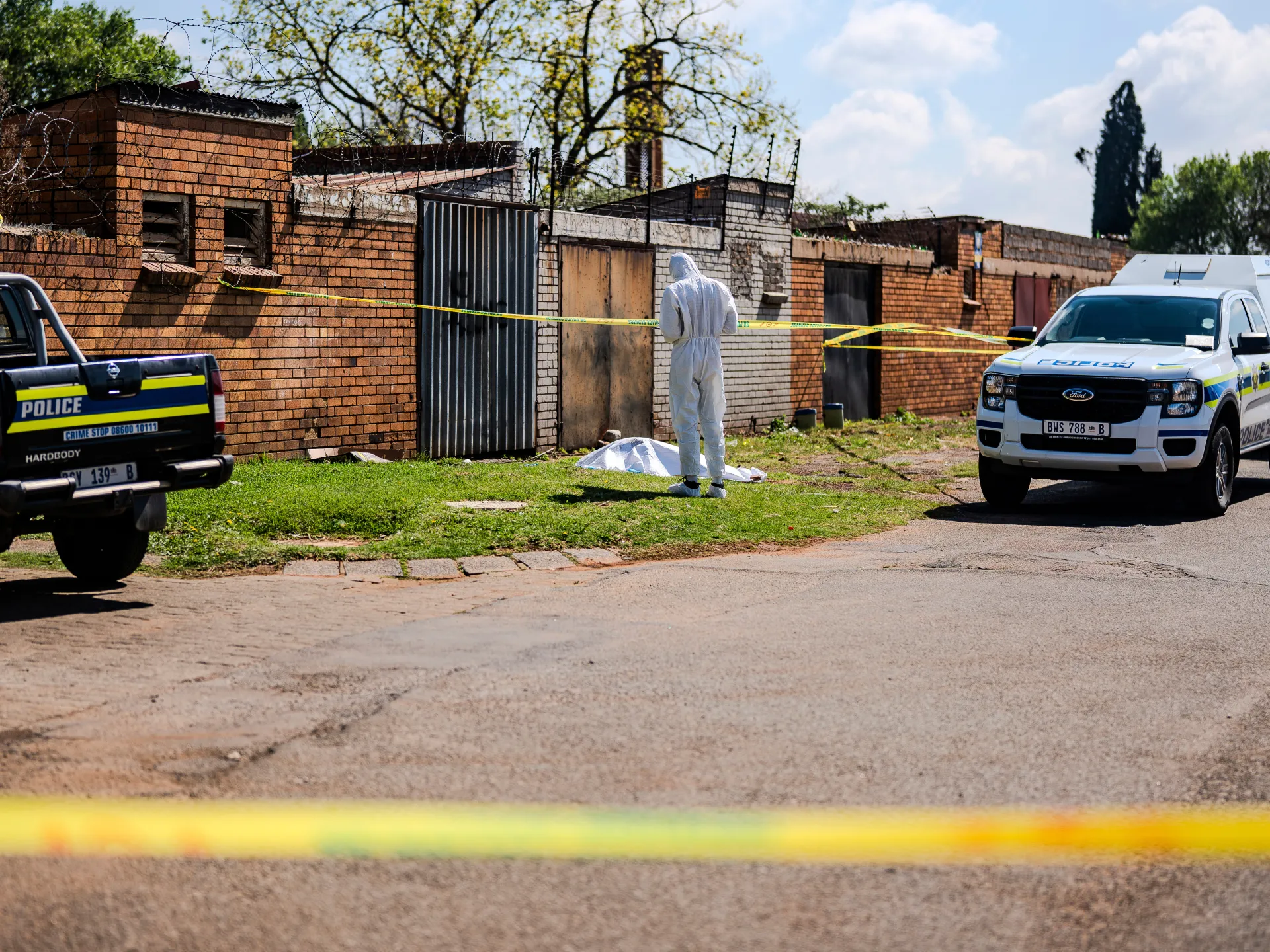
The discovery of a ninth woman’s body in the Ekurhuleni municipality within a span of just two months has reignited urgent national debates regarding the safety of women in South Africa. The most recent victim, a woman in her thirties, was found deceased in the Boksburg area of Dawn Park on a Thursday morning. Her body, found partially exposed and wrapped in a sheet, has prompted an intense, ongoing investigation
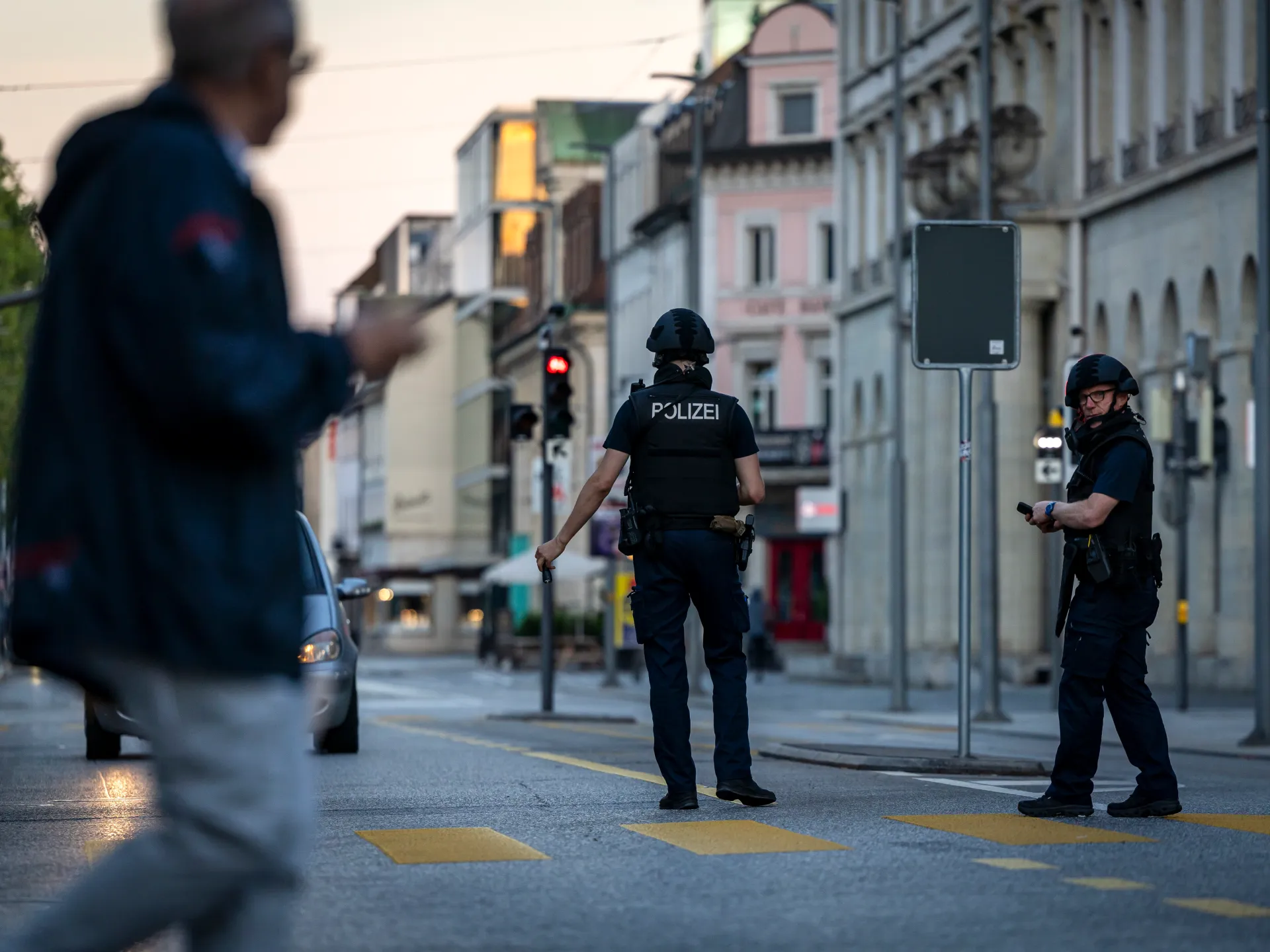
Authorities have stated that they are currently working to determine whether these nine tragic deaths are the work of a single perpetrator, a criminal syndicate, or if they represent a series of disconnected incidents. While police officials have acknowledged the complexity of the situation, they have cautioned against the assumption of a serial killer, noting that investigators are also exploring the possibility of copycat behaviors. Given the sensitive nature of the evidence, the police have emphasized that the investigation will be thorough rather than rushed.
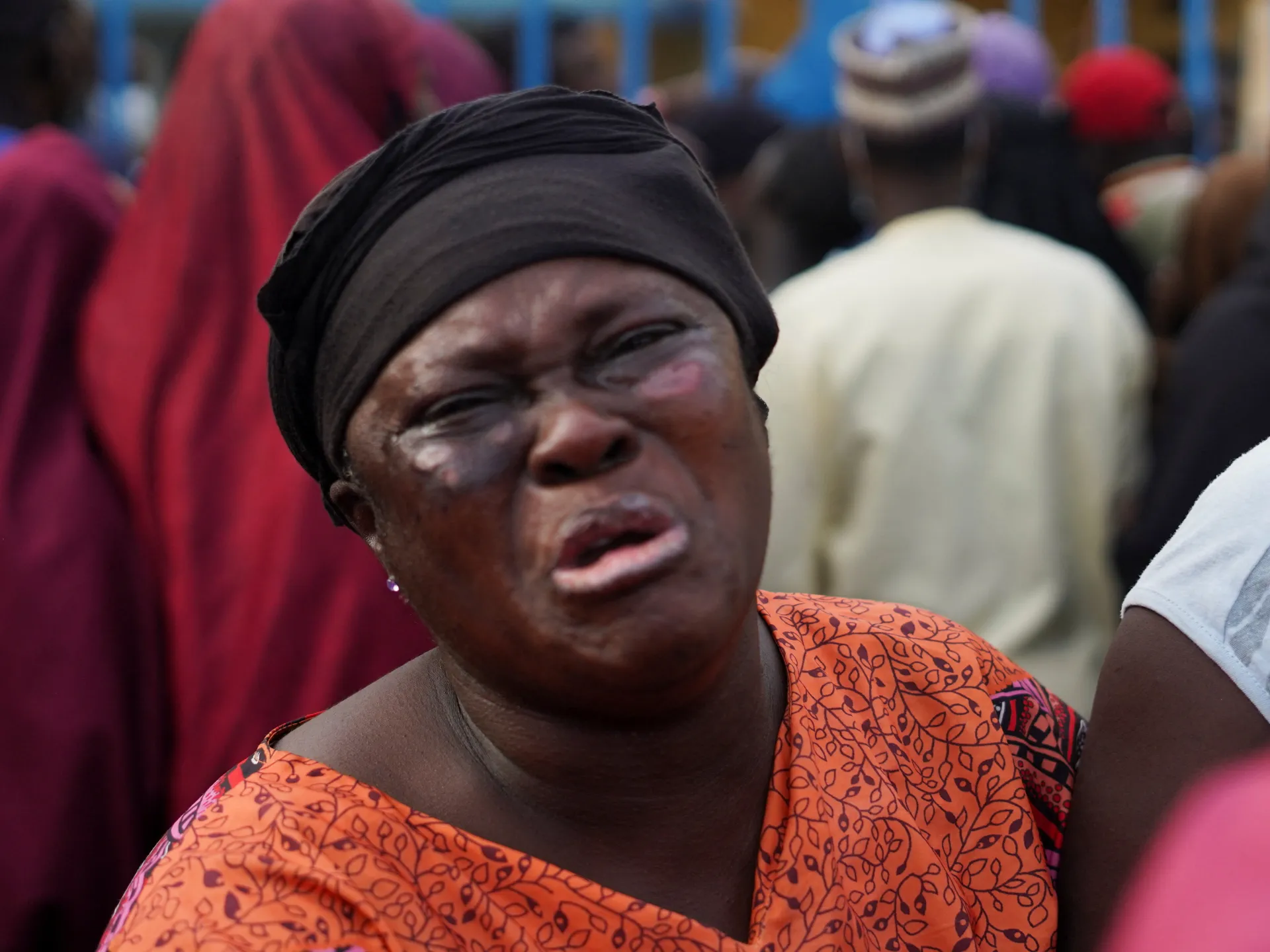
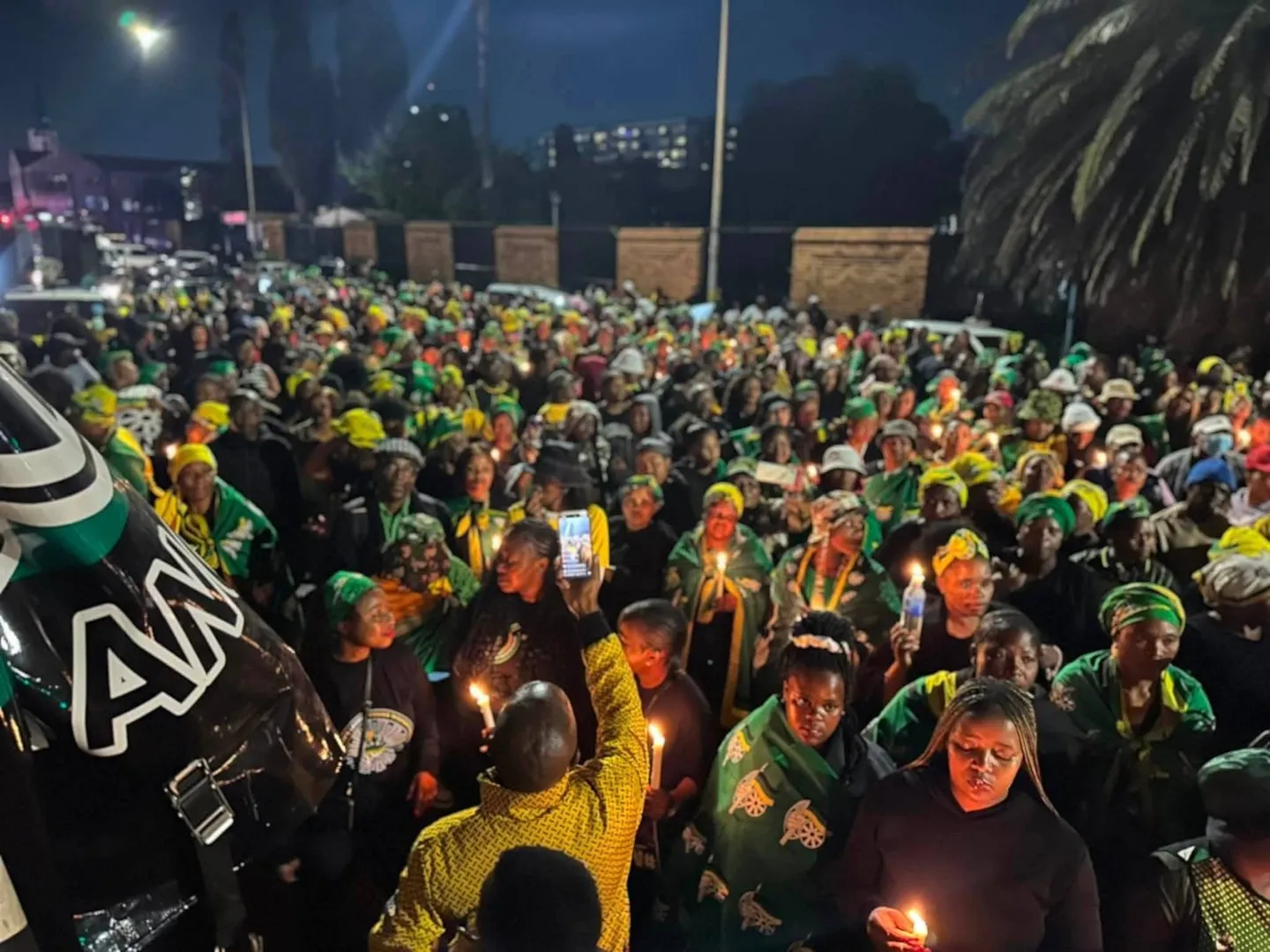
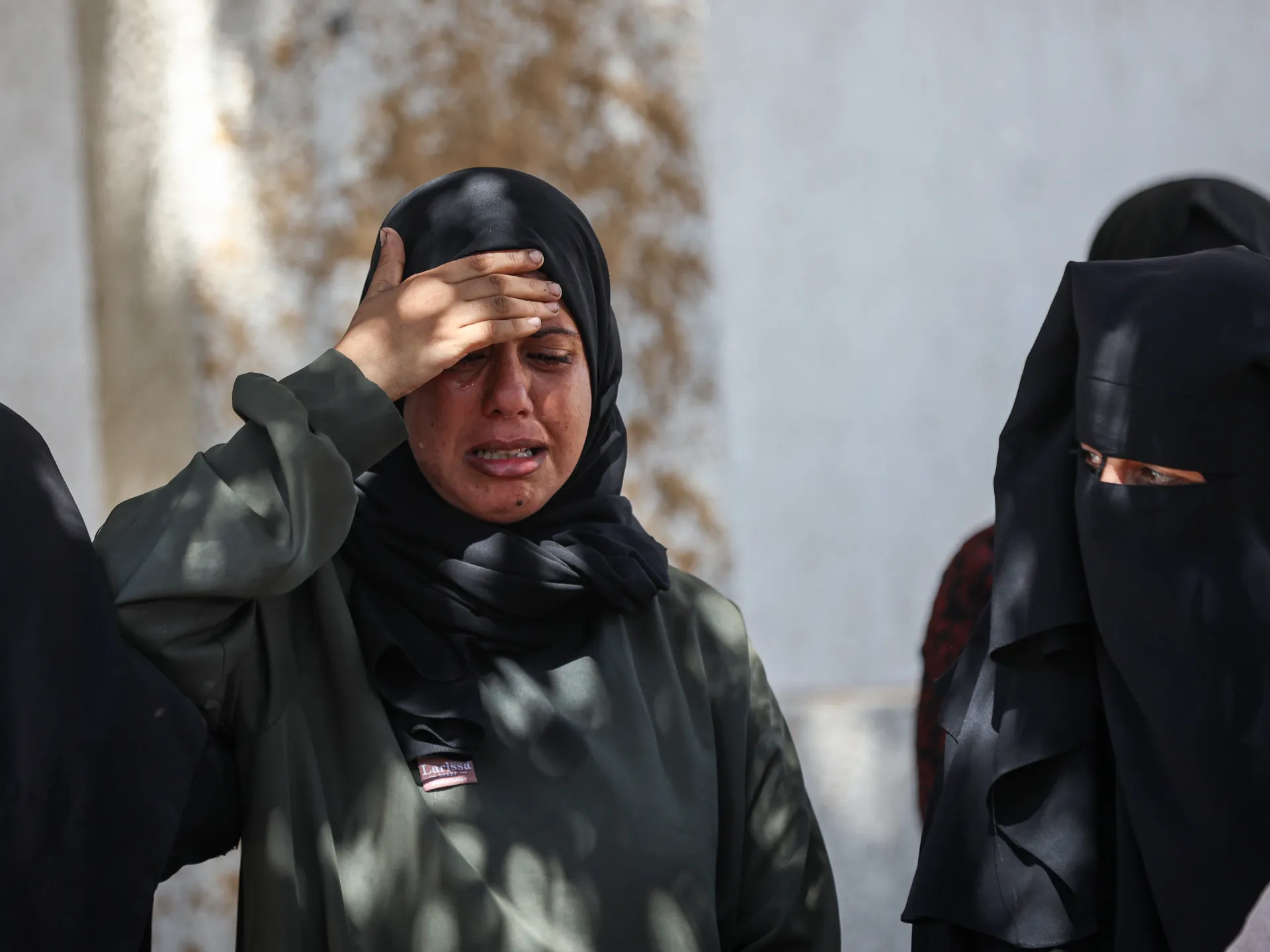
Advocates and gender equality experts argue that these murders are not isolated occurrences but rather symptoms of a deeply entrenched crisis. The Commission for Gender Equality has characterized the current climate as a form of warfare, asserting that women in South Africa are effectively being hunted. This sentiment is echoed eking assistance due to extreme threats, including stalking, strangulation, and the systematic violation of protection orders.
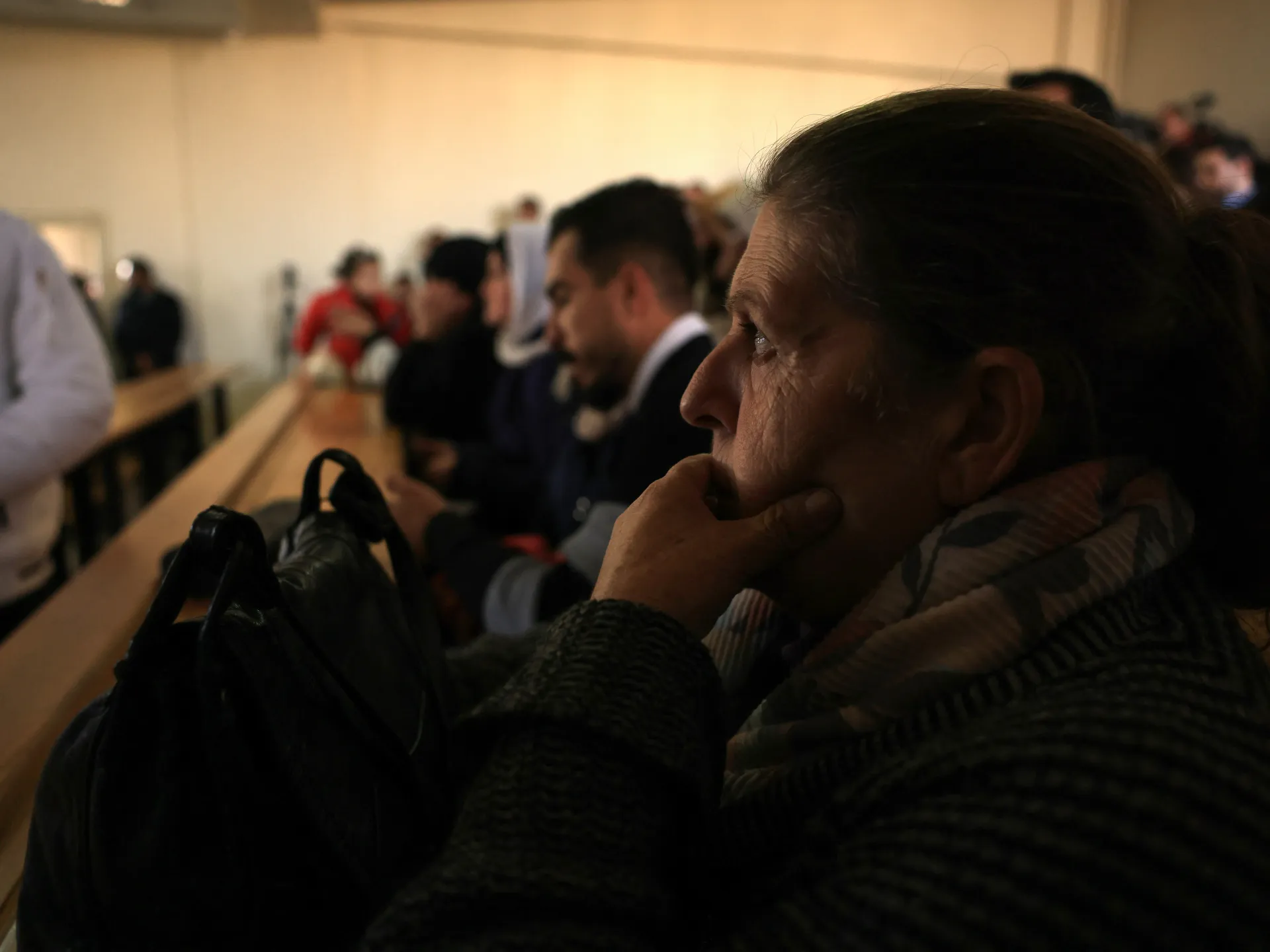
Many observers point to the normalization of violence as a primary driver of the current instability. As the frequency of these attacks rises, the psychological toll on the population has become severe. There is a growing consensus among activists that violence against women has become so ingrained in certain communities that existing protective measures are proving insufficient to halt the cycle of abuse and fatality.
Recent police guidance advising women to avoid walking alone or traveling through isolated areas has faced significant backlash from the public. Activists argue that such advice unfairly shifts the burden of safety onto the victims rather than addressing the perpetrators. tate is effectively asking women to tailor their lives to accommodate the behavior of attackers, rather than creating a society where women can move freely without fear.
This frustration is exacerbated y precautions. From sharing real-time locations with family members to avoiding specific times of day for errands, many women feel that they have reached their limit in terms of personal protective measures. The tragic case of a local runner who disappeared during a routine evening jog underscores the reality that even those who take standard precautions remain vulnerable to the pervasive threat of violence.
Despite the South African government’s decision to classify gender-based violence and femicide as a national disaster in late 2025, many advocates question the tangible impact of this designation. While the government has pledged to increase police visibility and enhance judicial accountability, critics argue that the actual resources provided to frontline services remain inadequate. There is a persistent demand for more comprehensive forensic facilities and a more robust network of emergency shelters to support those looking to escape abusive environments.