Economic prosperity is not defined by geography, but by the strength of a nation's institutions. A look at why some states thrive while others struggle.
The persistent gap between thriving nations and those trapped in chronic poverty is rarely a matter of geography or cultural predisposition. Instead, the fundamental inquiry of political economy suggests that the answer lies in the design of a nation's institutions. Economic success is inextricably linked to the rules, incentives, and frameworks that govern a society. When institutions are inclusive, they foster opportunity and broad-based growth; when they are extractive, they serve only to concentrate power and wealth in the hands of a narrow elite.
The institutional paradigm provides a necessary lens for understanding why some states succeed while others face collapse. In nations where political power is captured t. This creates a feedback loop where those in power design policies to protect their own interests, further stifling innovation and public investment. Consequently, the prosperity of a nation is not an accident of nature but a deliberate outcome of its governance structure.
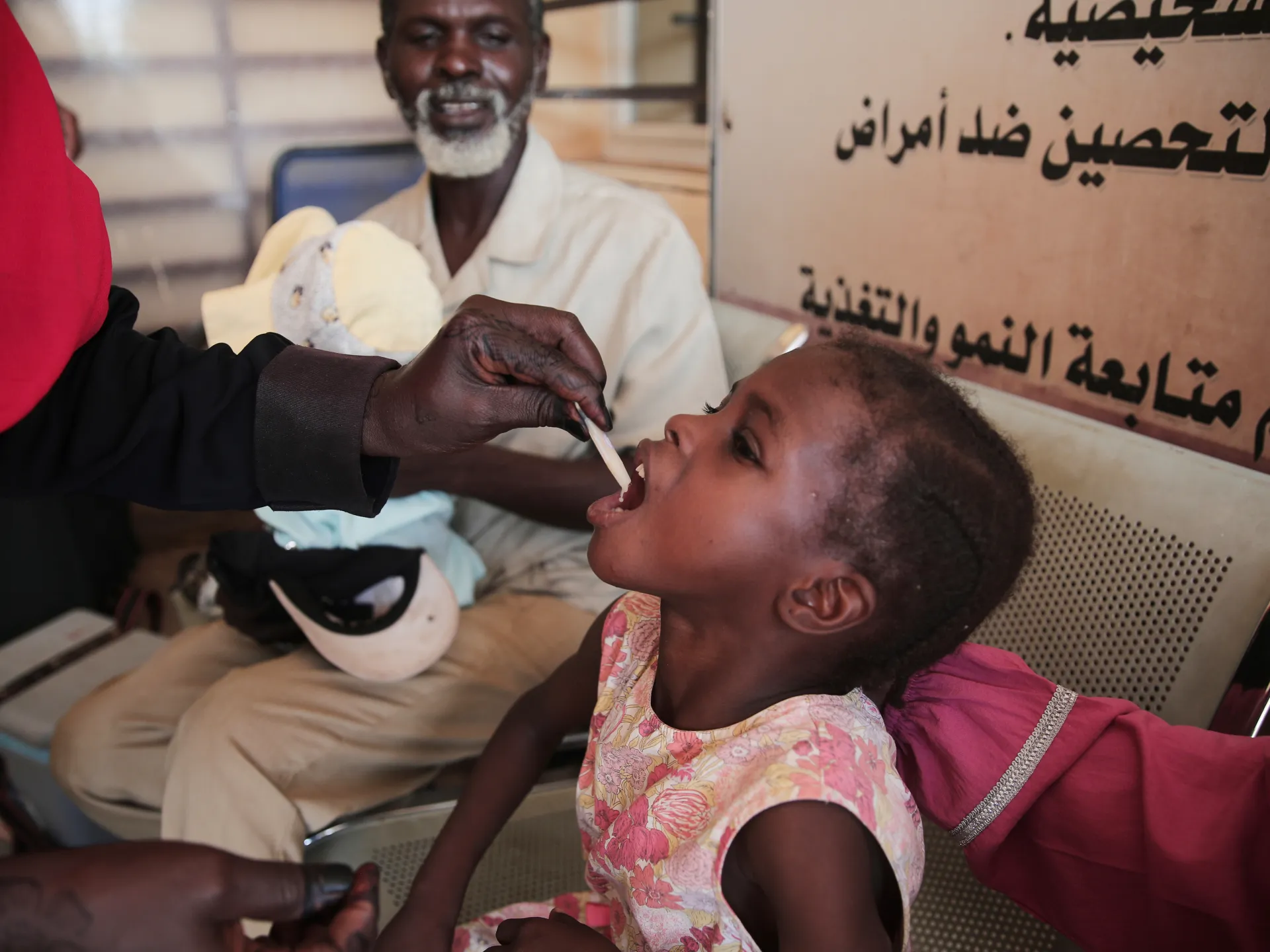
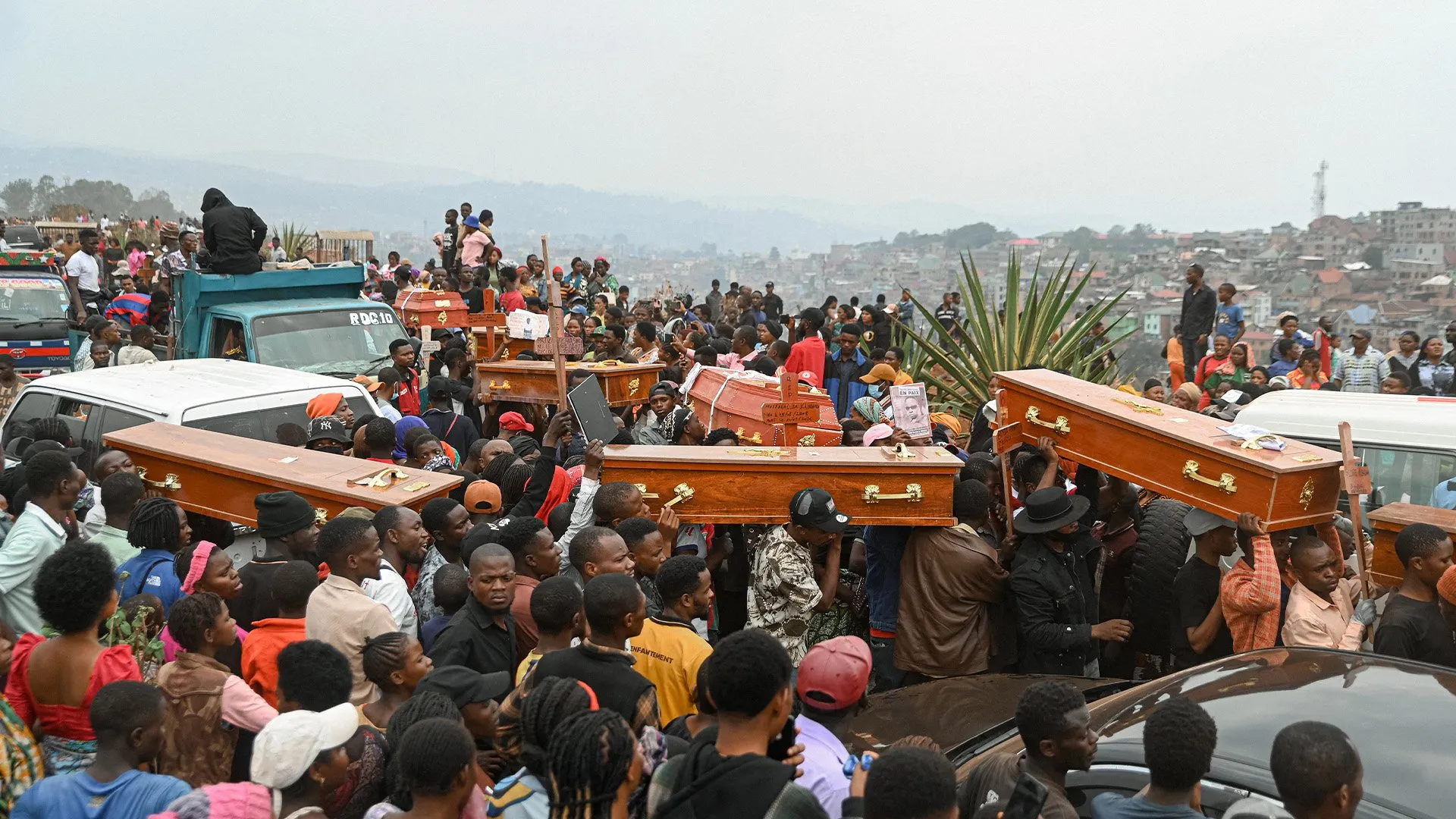
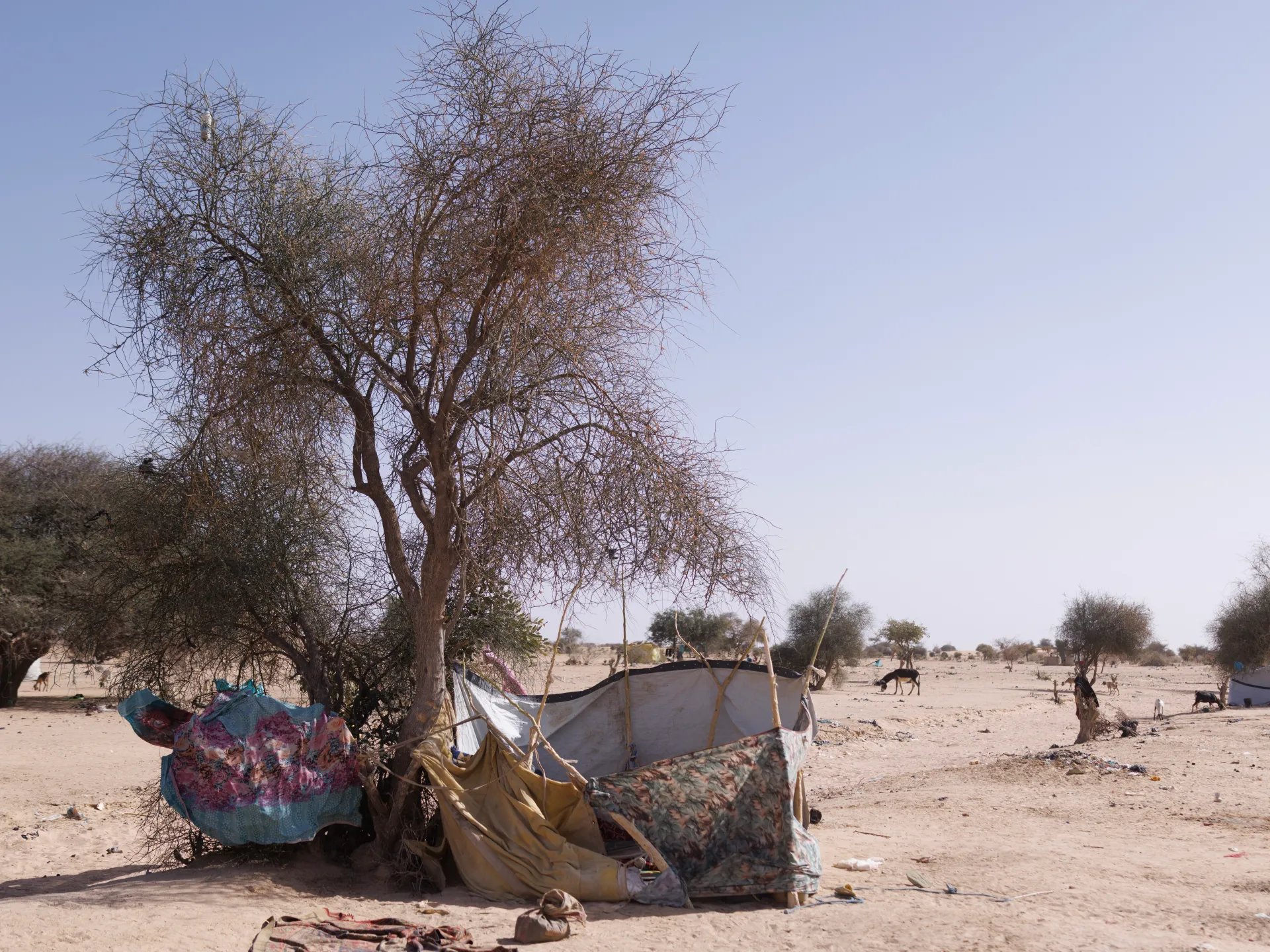
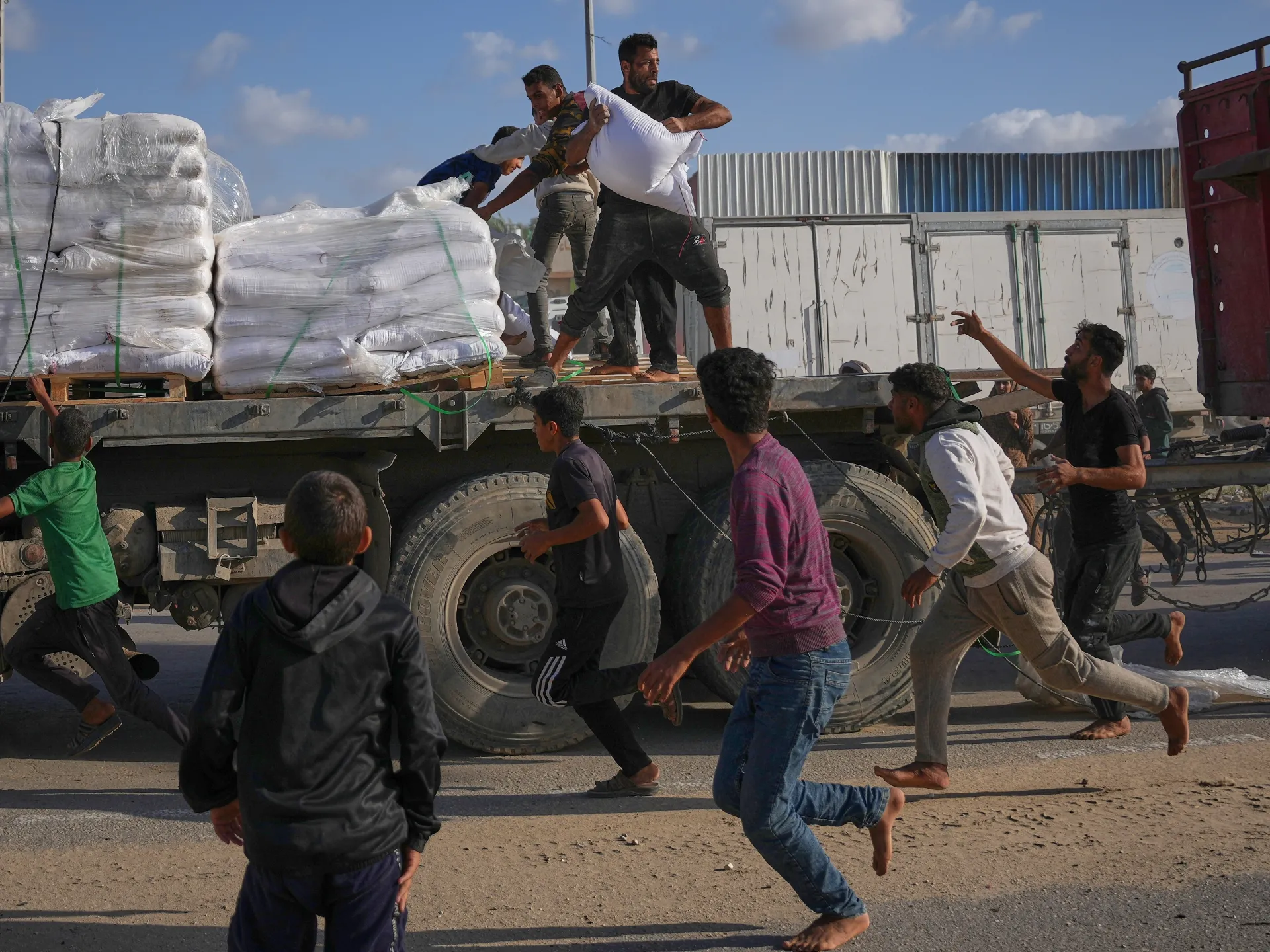
Africa’s developmental crisis is deeply rooted in a history of extractive institutions that predate the modern era. From the devastating impact of the slave trade to the structural vulnerabilities imposed ion. This historical legacy has made it exceptionally difficult for postcolonial governments to break free from institutional webs designed to prioritize foreign interests or elite enrichment over the public good.
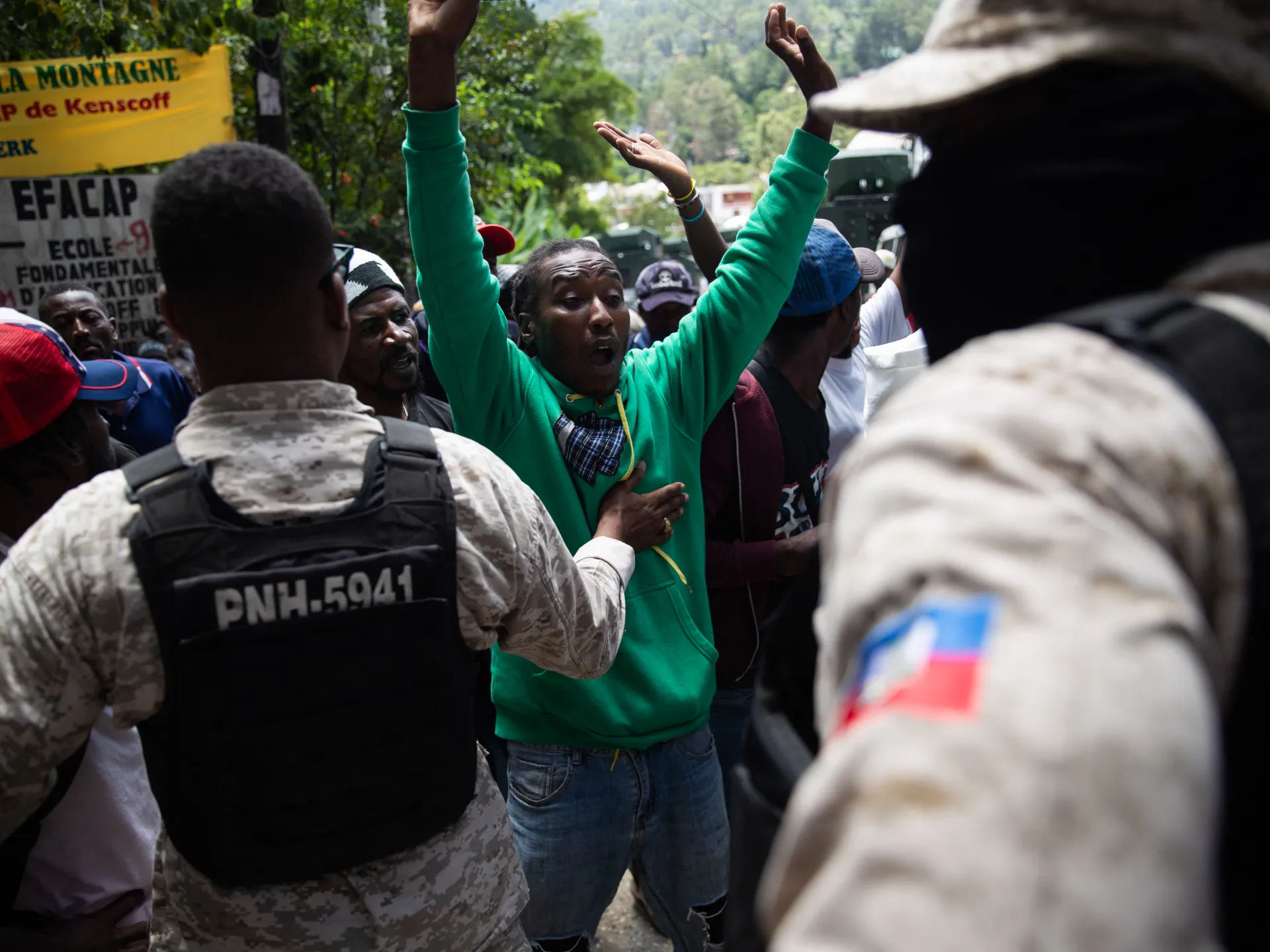
In the contemporary era, international financial institutions often struggle to address these challenges. n misinterpret the nature of the African dilemma. These models frequently ignore the fact that without accountable, democratic institutions, technical adjustments to the economy will fail to trigger structural transformation. The root of the problem is not a lack of capital or market access, but the absence of a political framework that mandates transparency and public service.
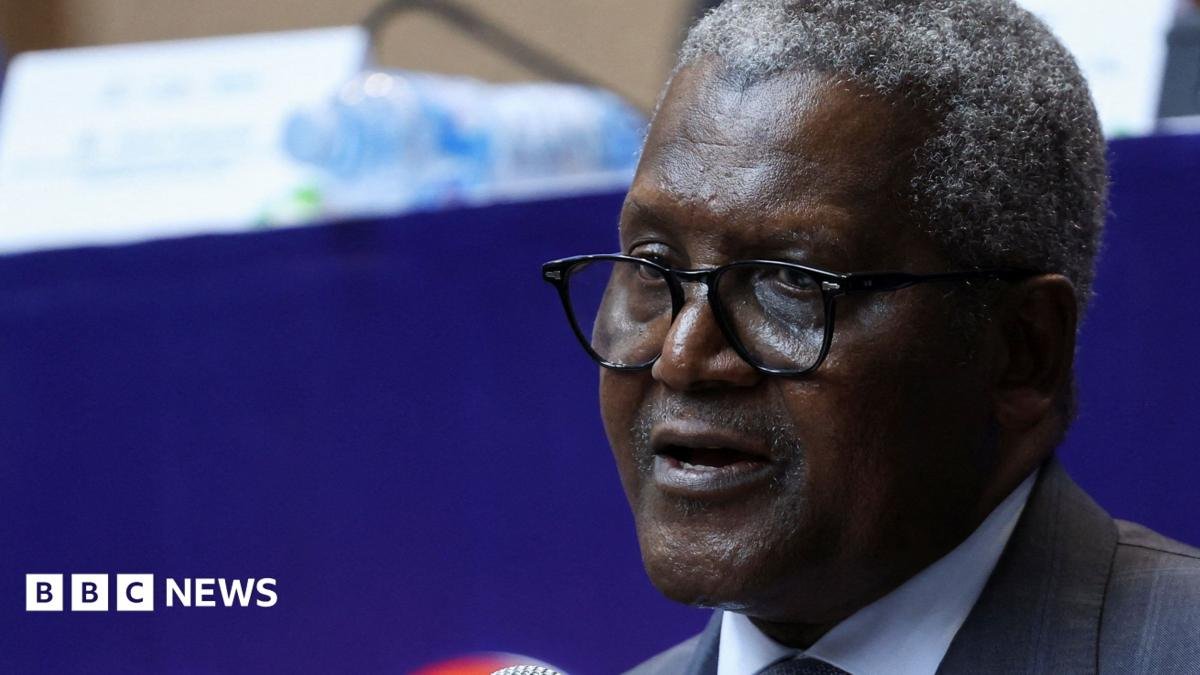
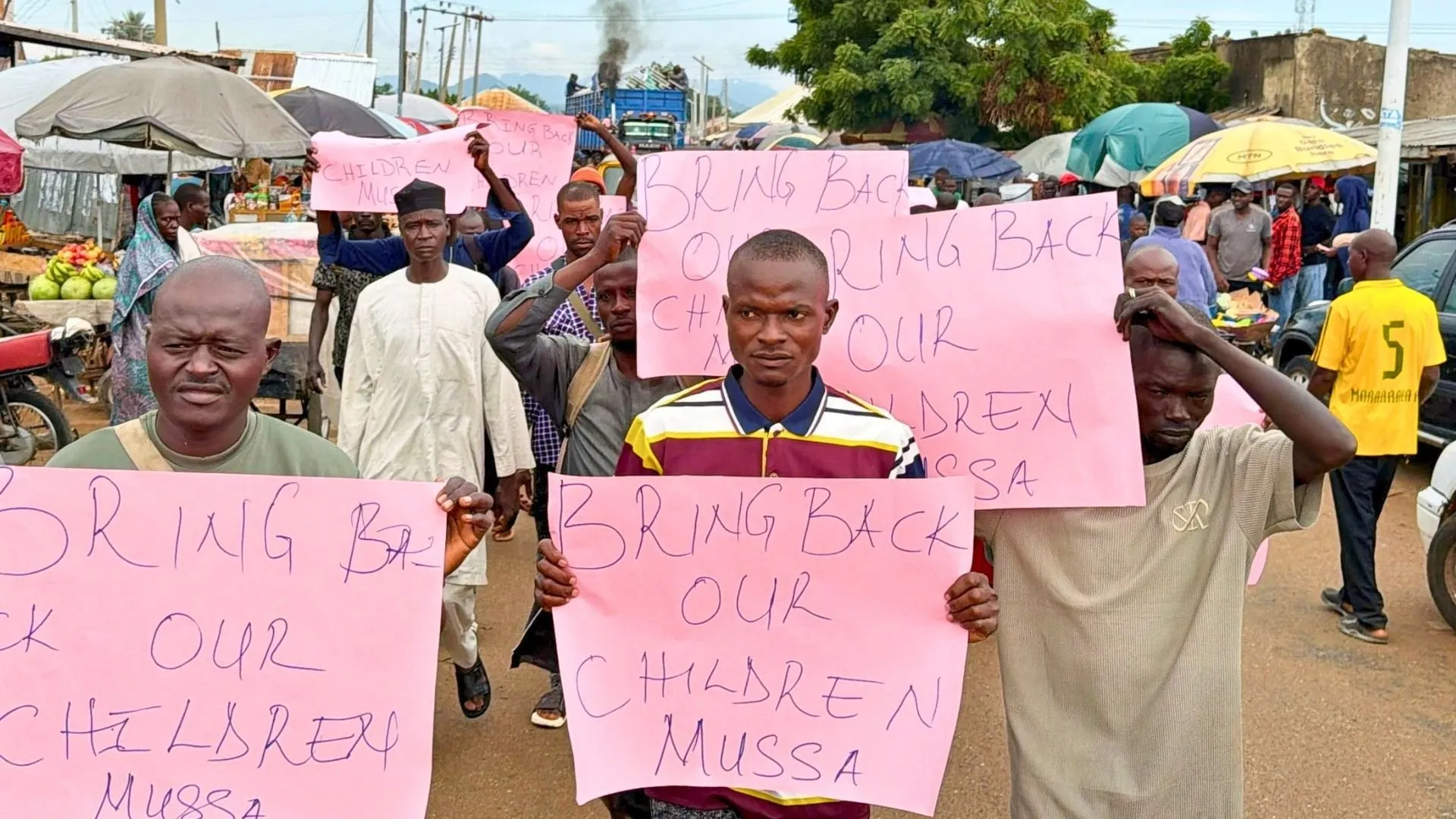
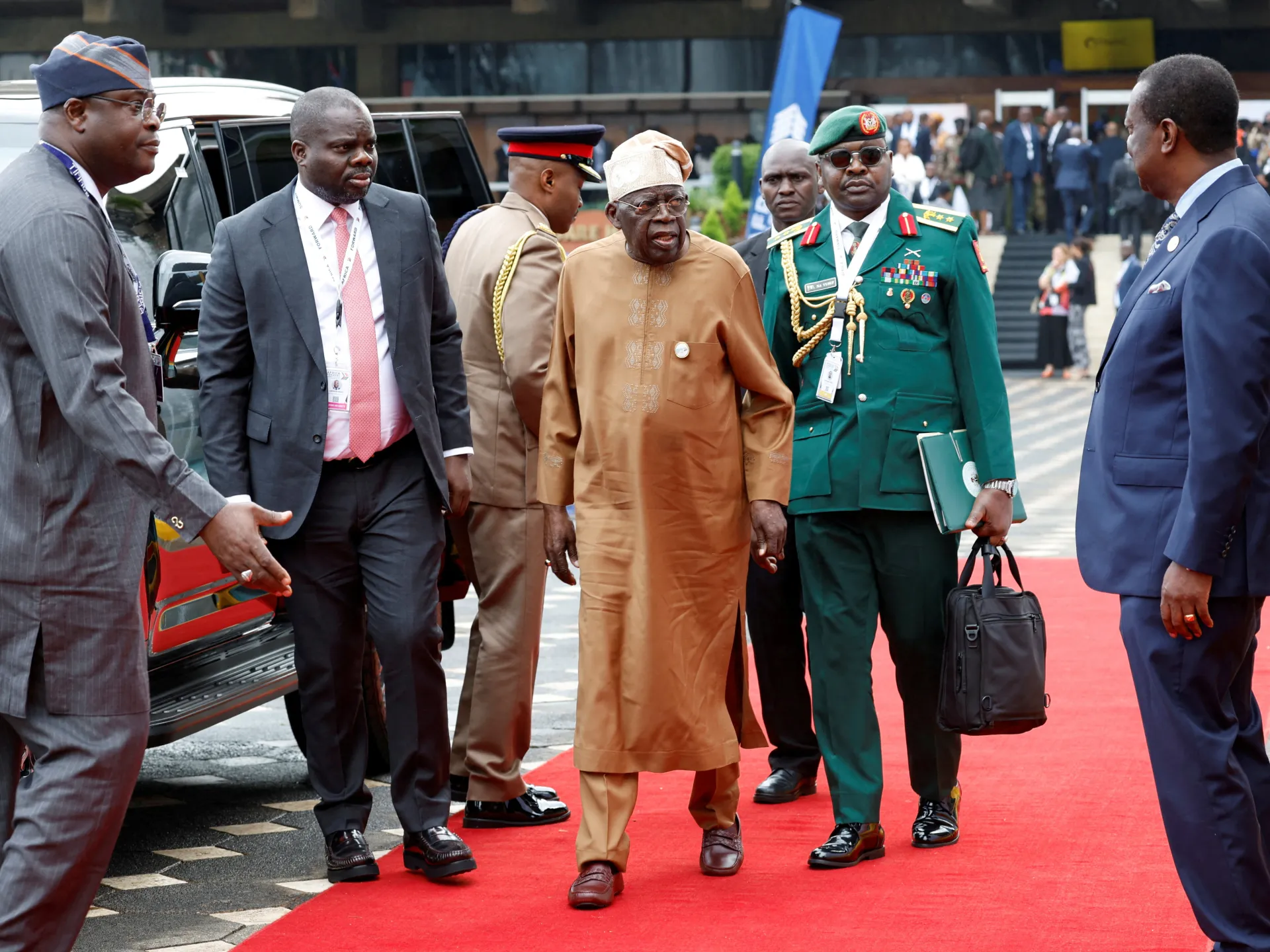
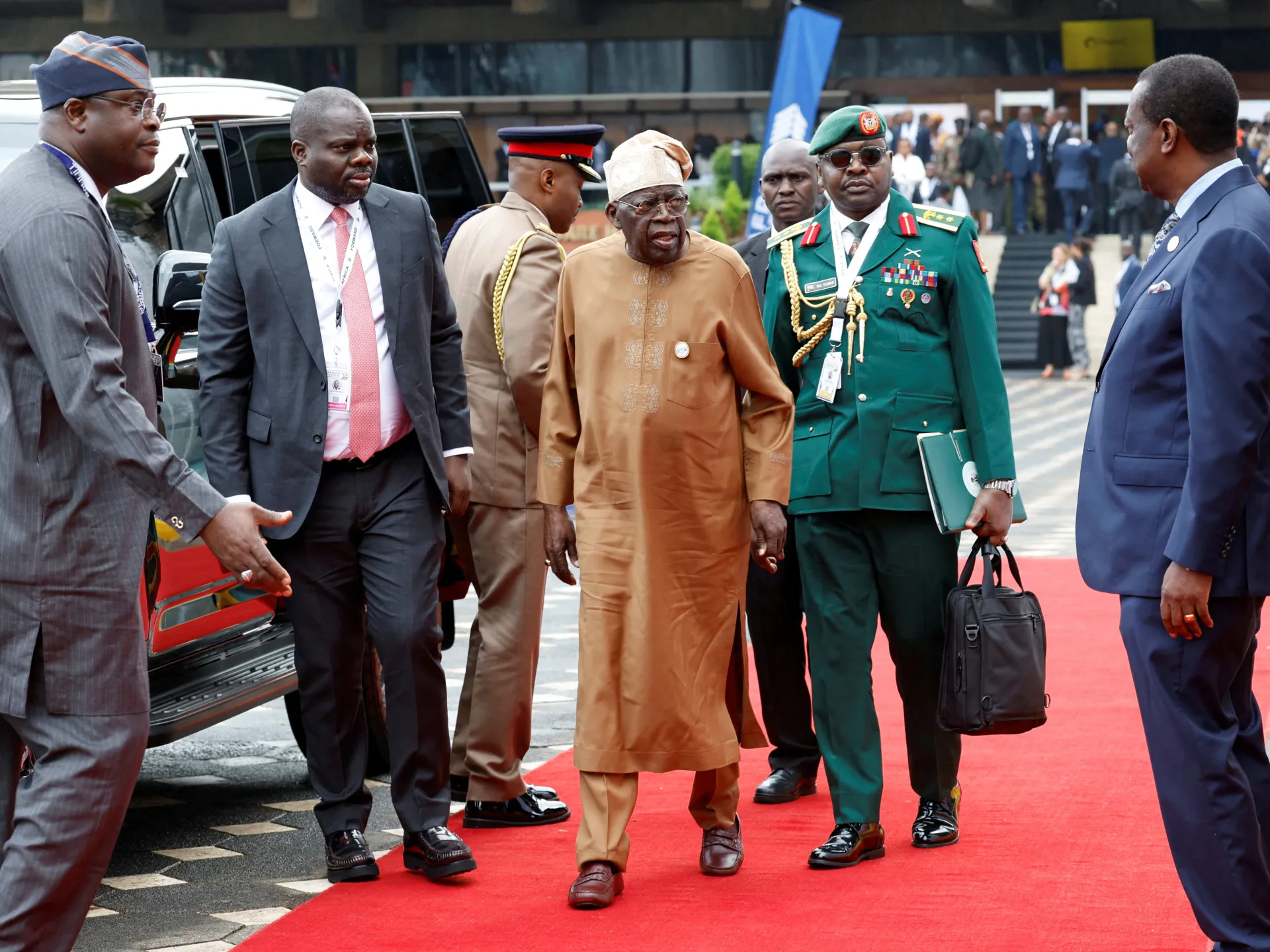
The case of Nigeria serves as a potent example of the paradox where immense natural wealth coincides with severe developmental failure. Despite having a massive population and significant human capital, the country lacks a cohesive social contract. The political system is currently dominated s. This institutional vacuum forces citizens to rely on localized structures of authority, as the national government has yet to establish its own legitimacy.
A significant tragedy of the modern era is the decline of ambitious political vision compared to the early postcolonial period. Leaders such as Julius Nyerere and Kwame Nkrumah once championed robust ideological frameworks designed to unify diverse populations and build national identity. Today, political discourse in many regions has devolved into a transactional, zero-sum game focused on personal gain. Without a clear national project that emphasizes state capacity and public service, constructing a functional, modern state remains an elusive goal.
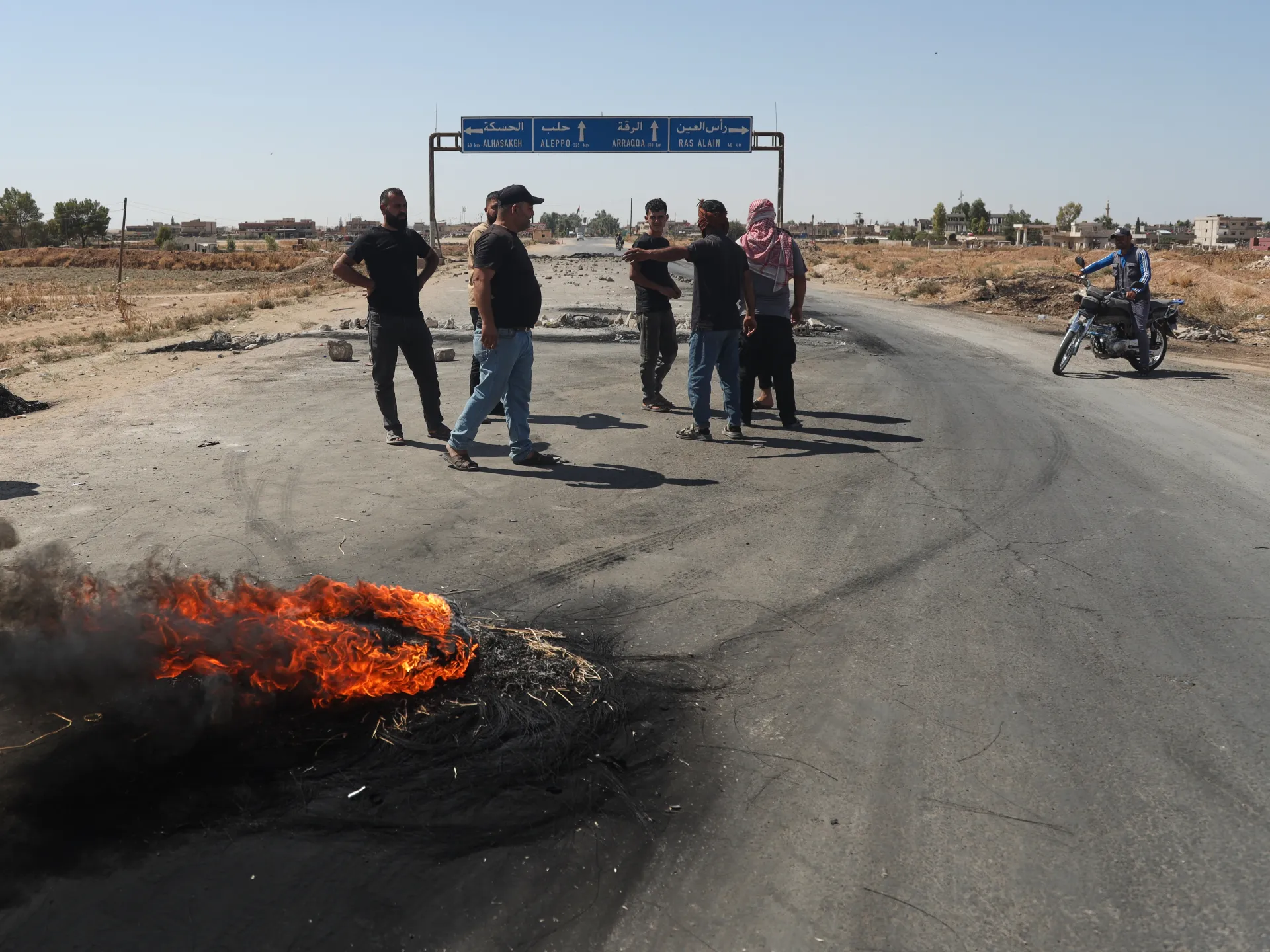
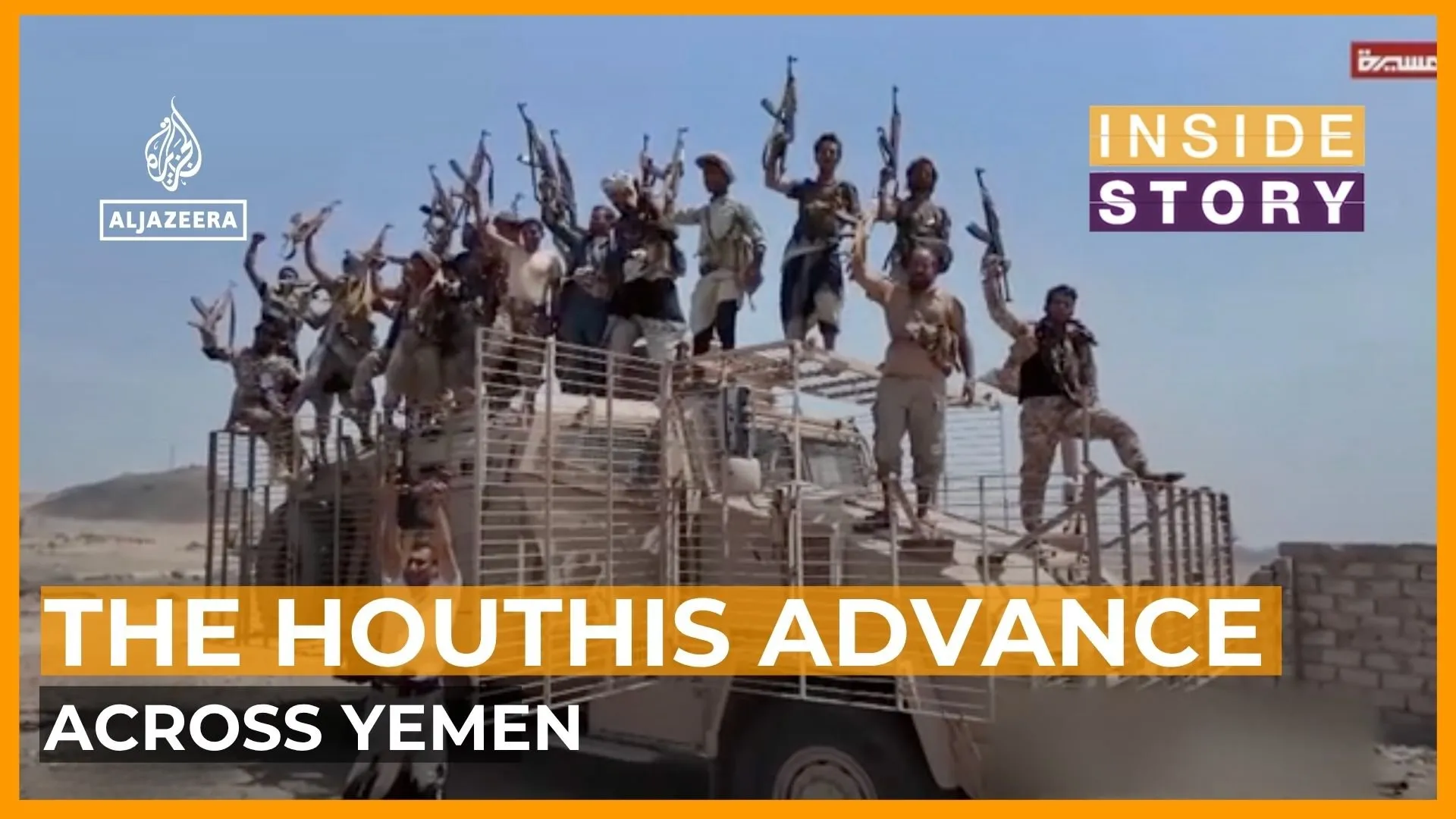
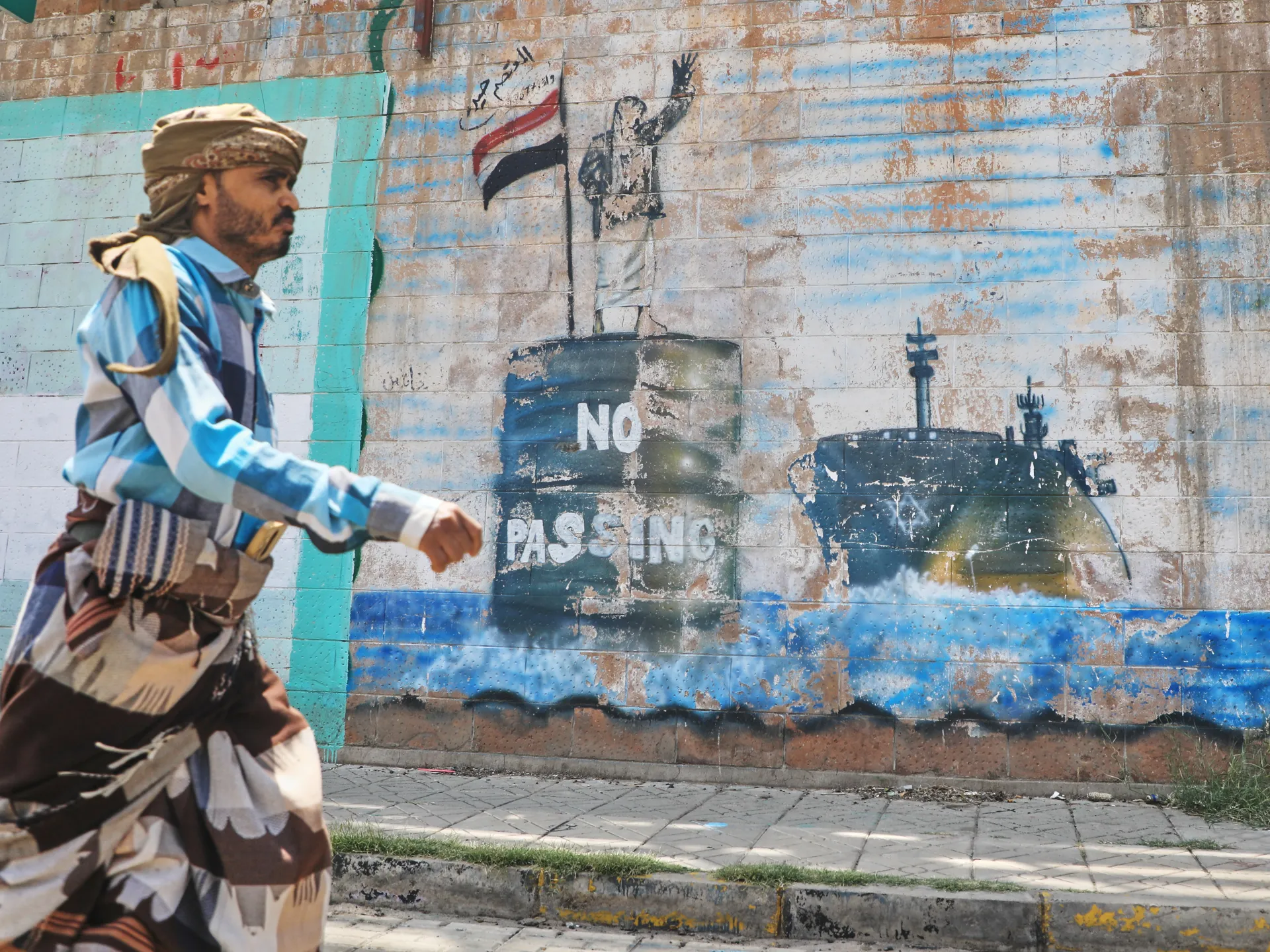
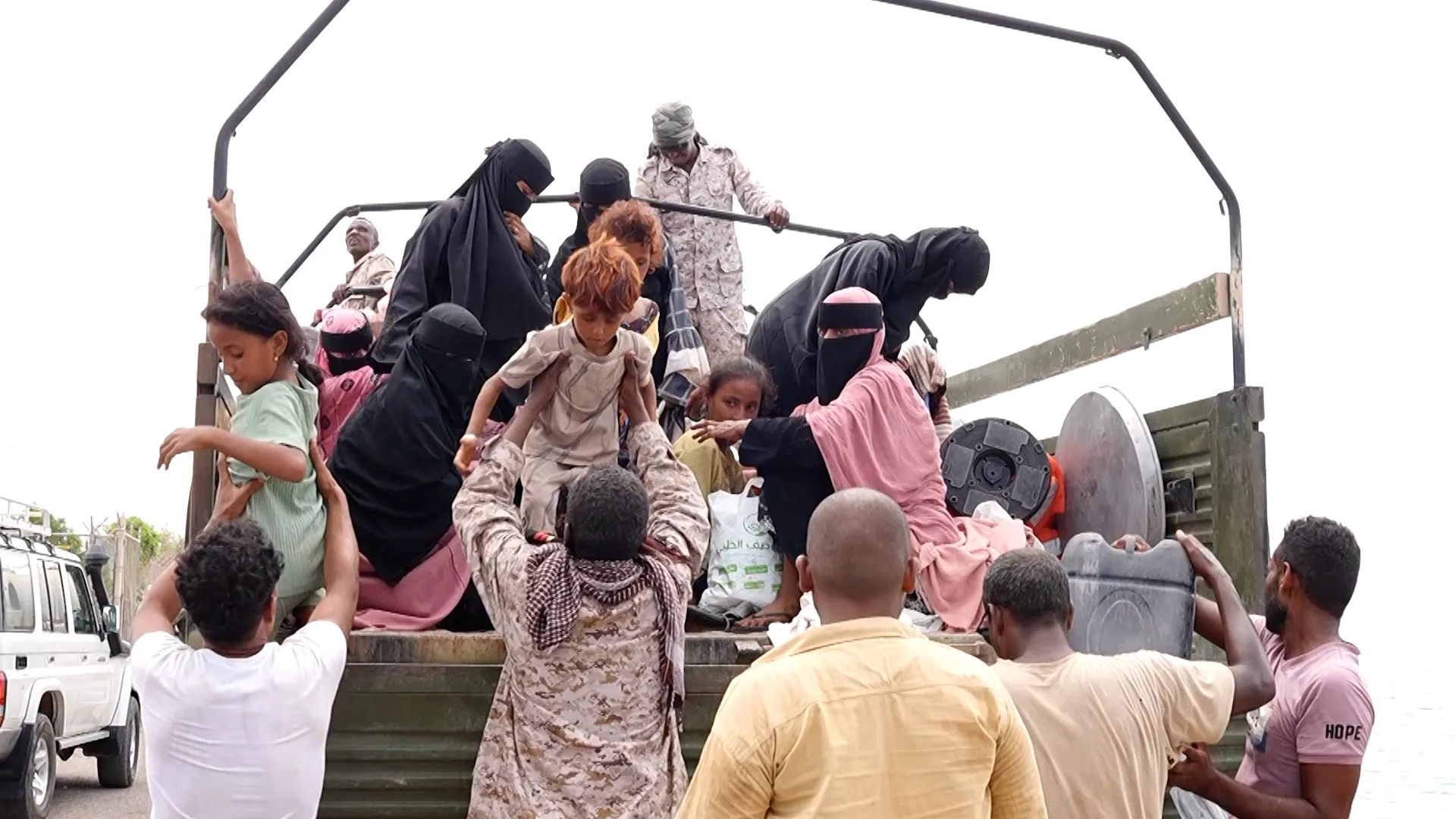
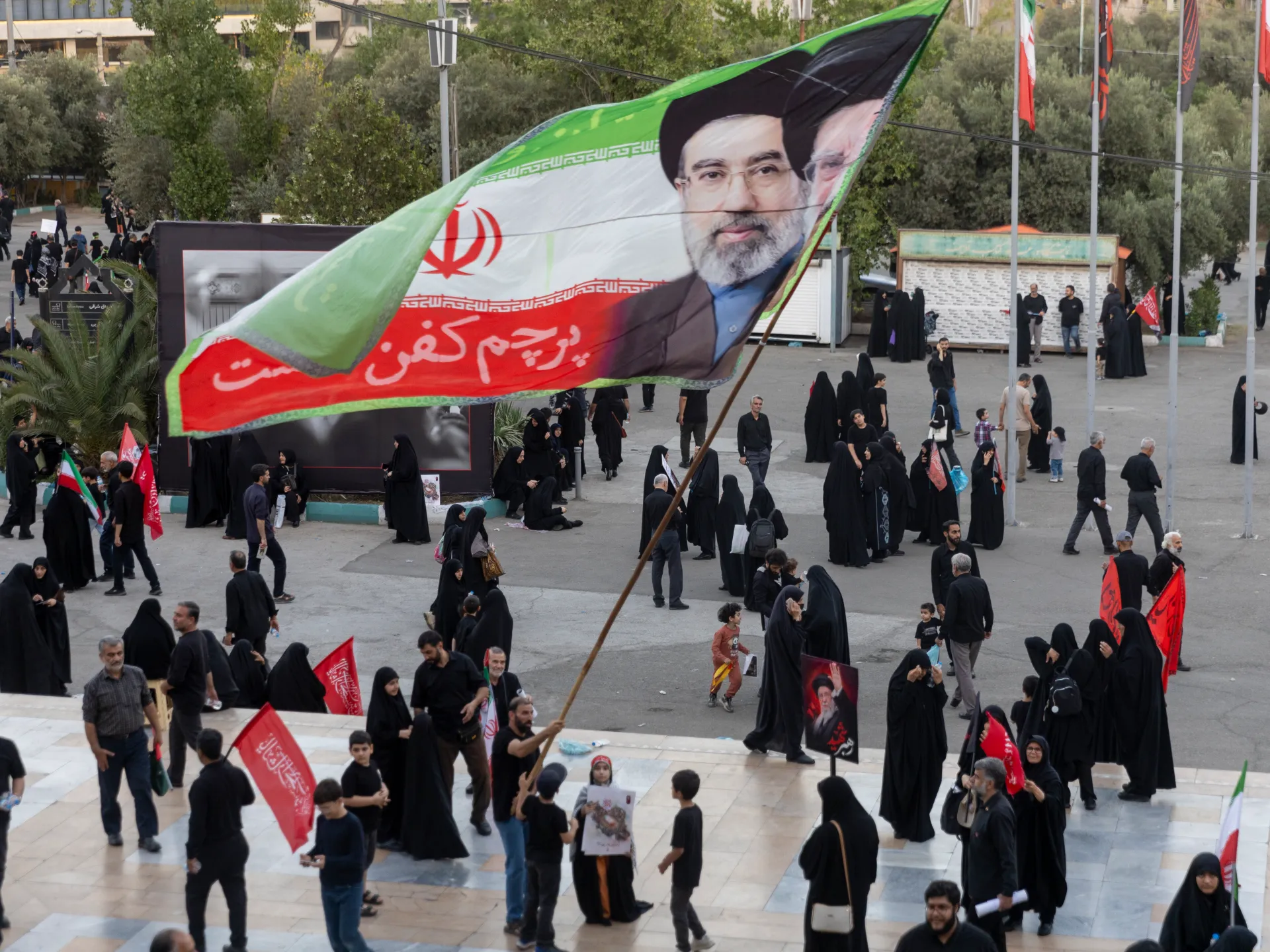
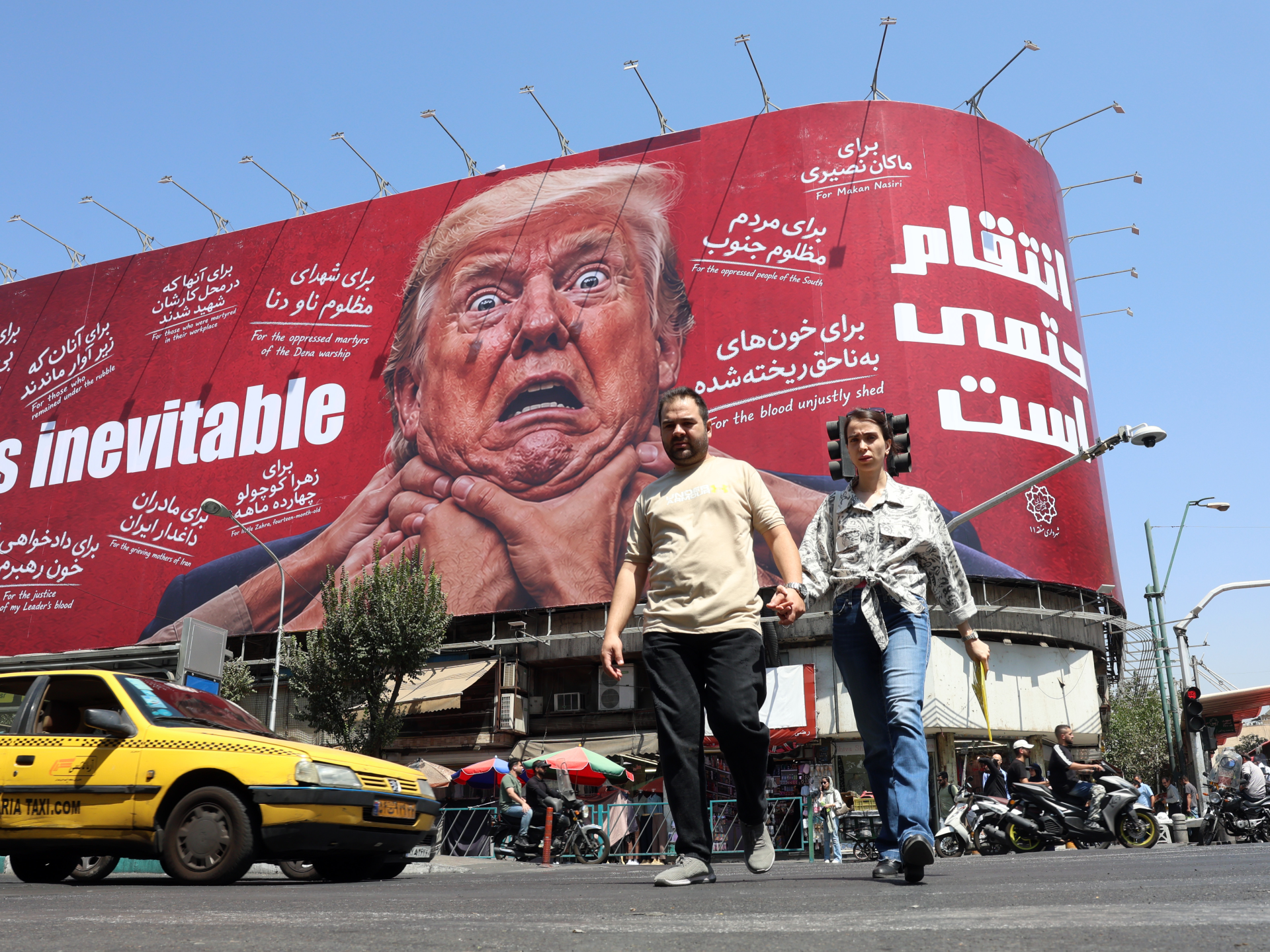
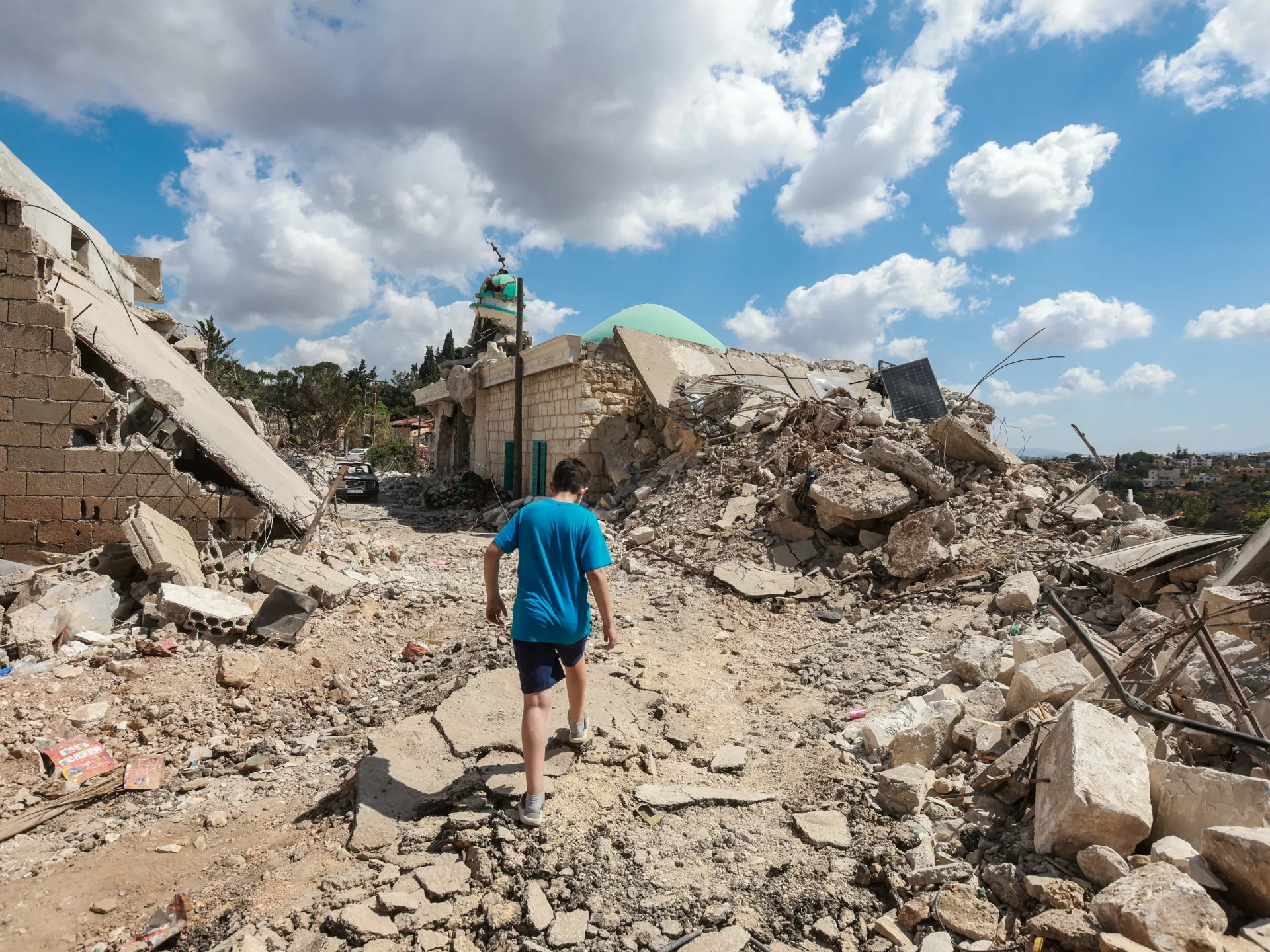
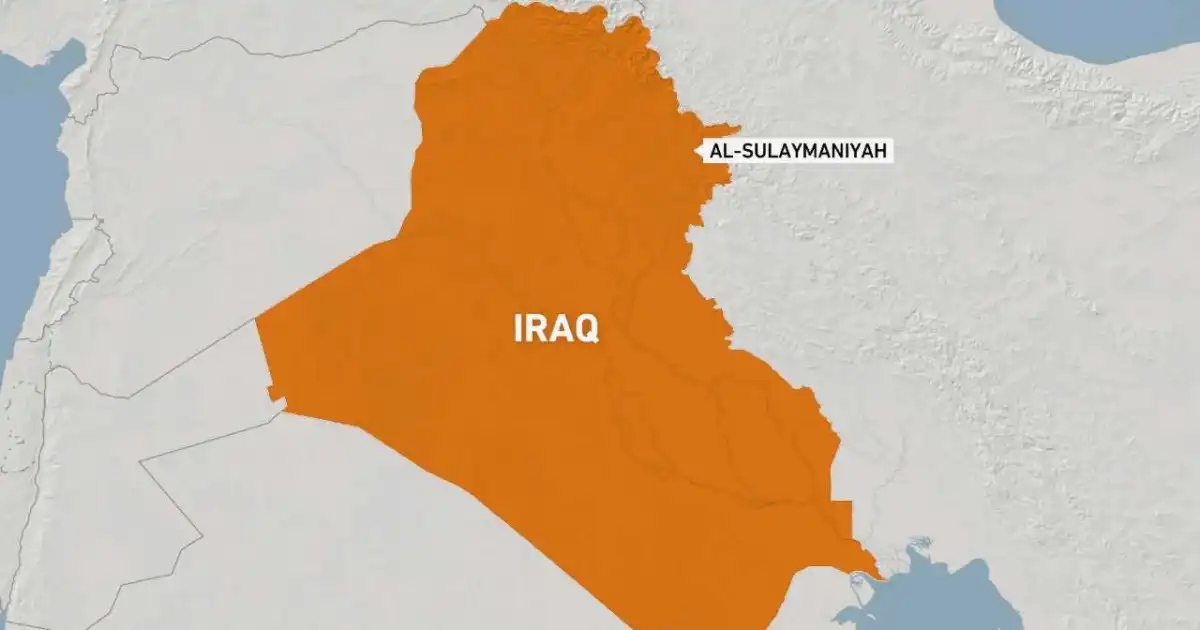
The Middle East and North Africa present a stark divergence in institutional outcomes. Some nations, such as Syria and Iraq, have mirrored the extractive histories found in parts of Africa. Under long-standing dictatorships, these state apparatuses were hijacked to benefit a narrow elite, leading to economic degradation and political collapse. The Arab Spring was essentially a widespread rebellion against these exclusionary systems, highlighting the deep dissatisfaction with regimes that failed to provide for their populations.
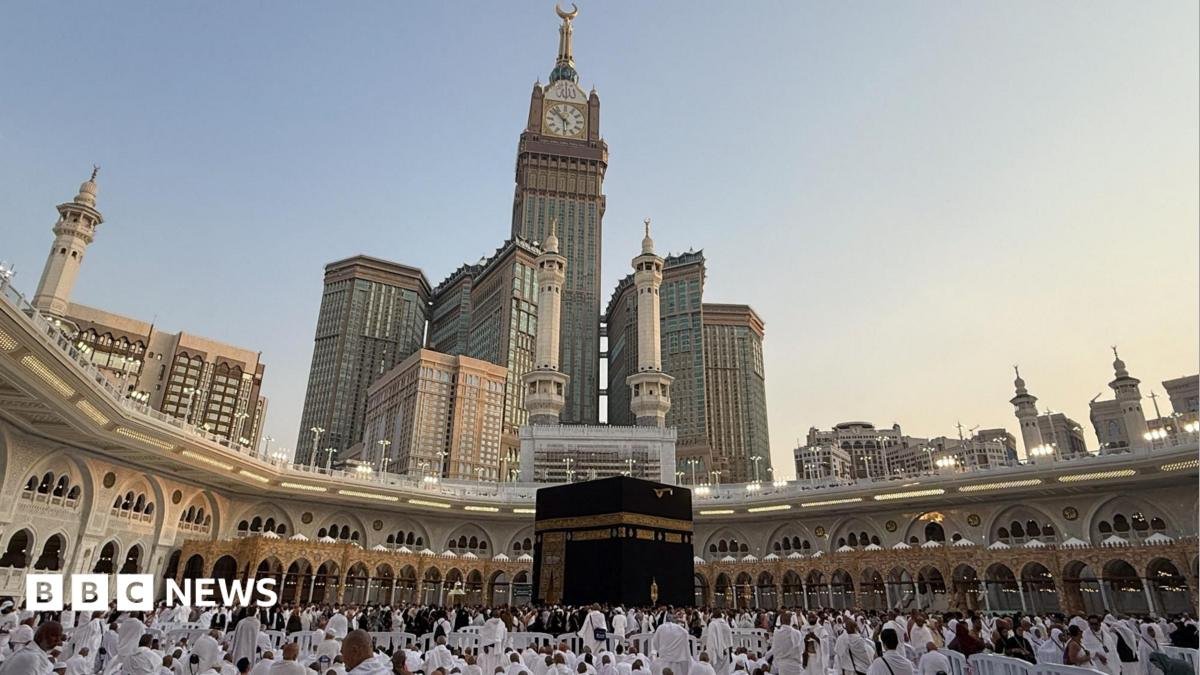
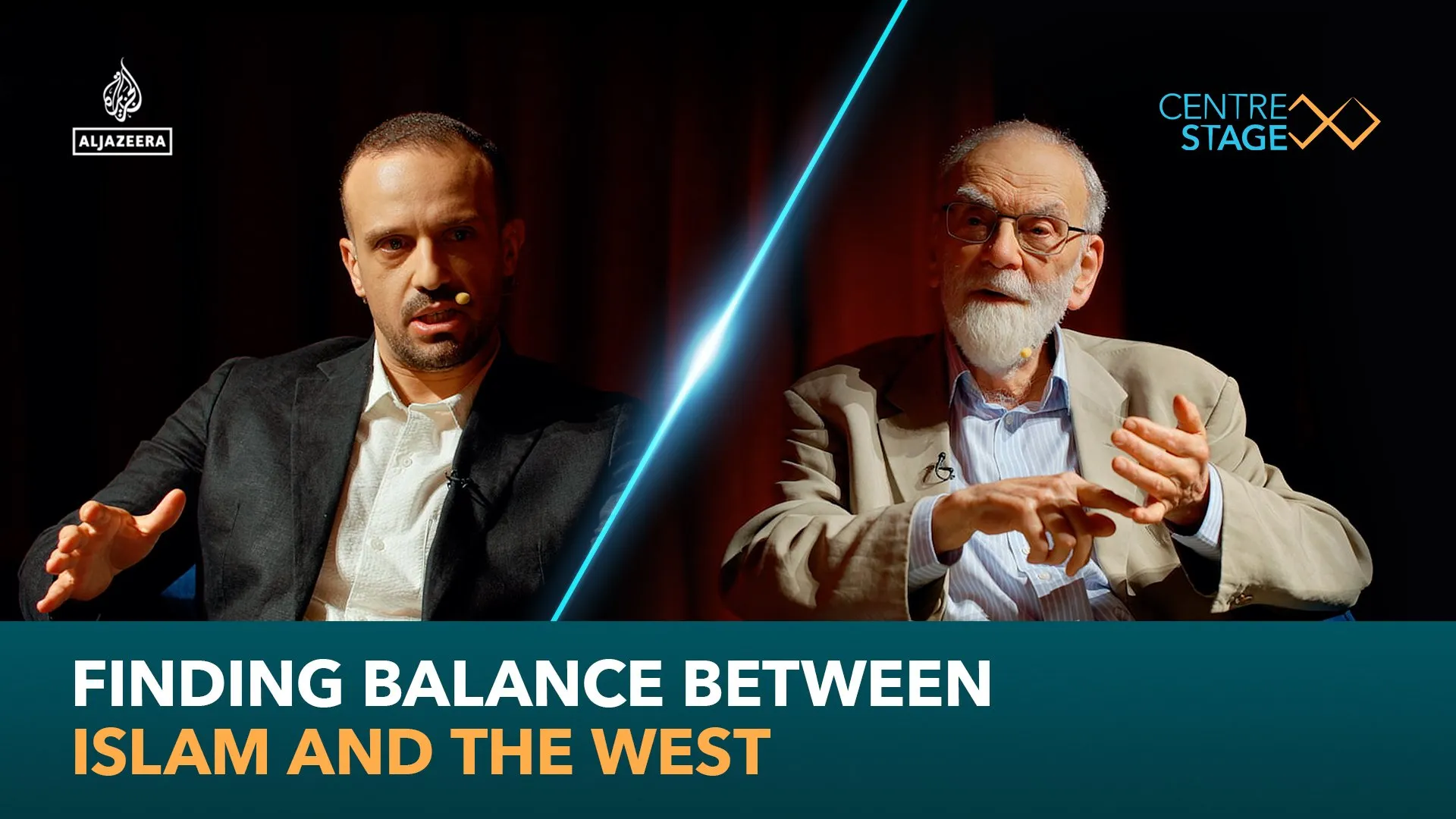
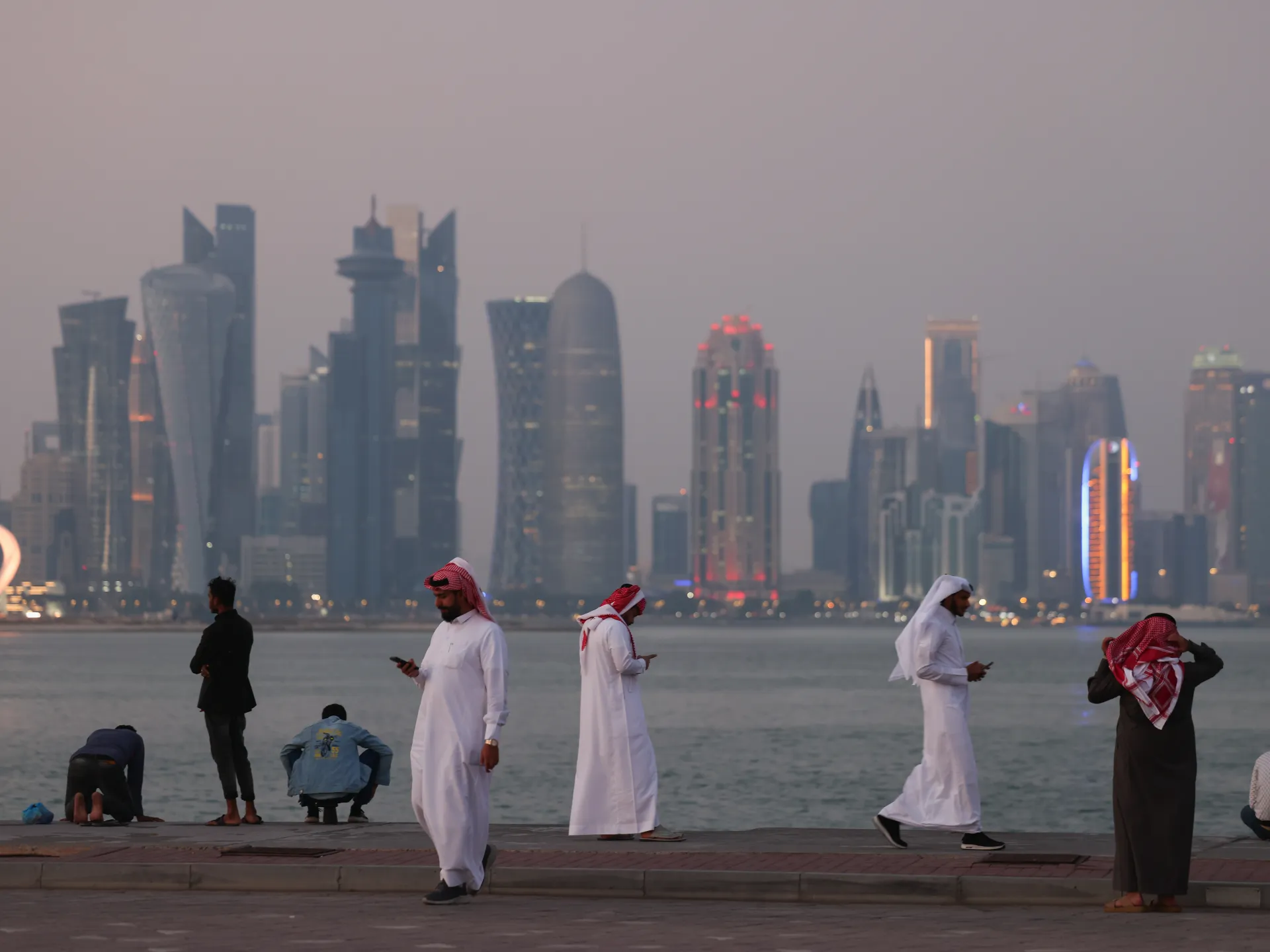
Conversely, the Gulf monarchies have followed a different trajectory, utilizing traditional structures of power to build highly functioning, capable institutions. pid modernization. This contrast demonstrates that while there is no single path to prosperity, the ability to build and maintain effective institutions is the common denominator. As the global order shifts, the ultimate fate of these nations will depend on their capacity to move beyond extractive politics and toward sustainable, inclusive statehood.