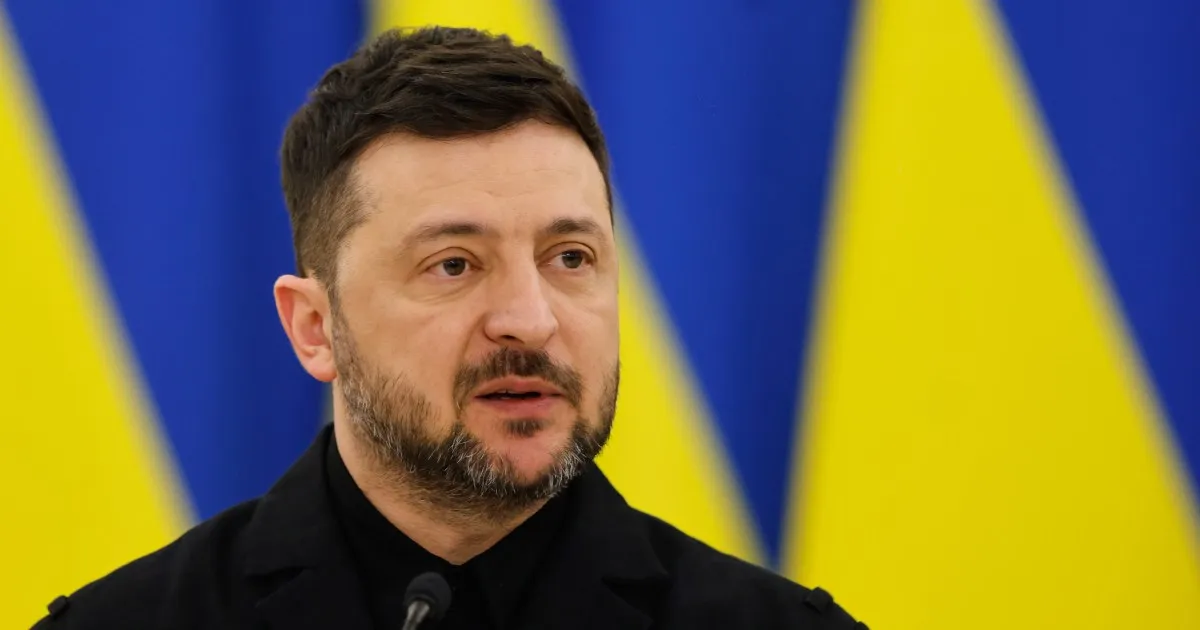
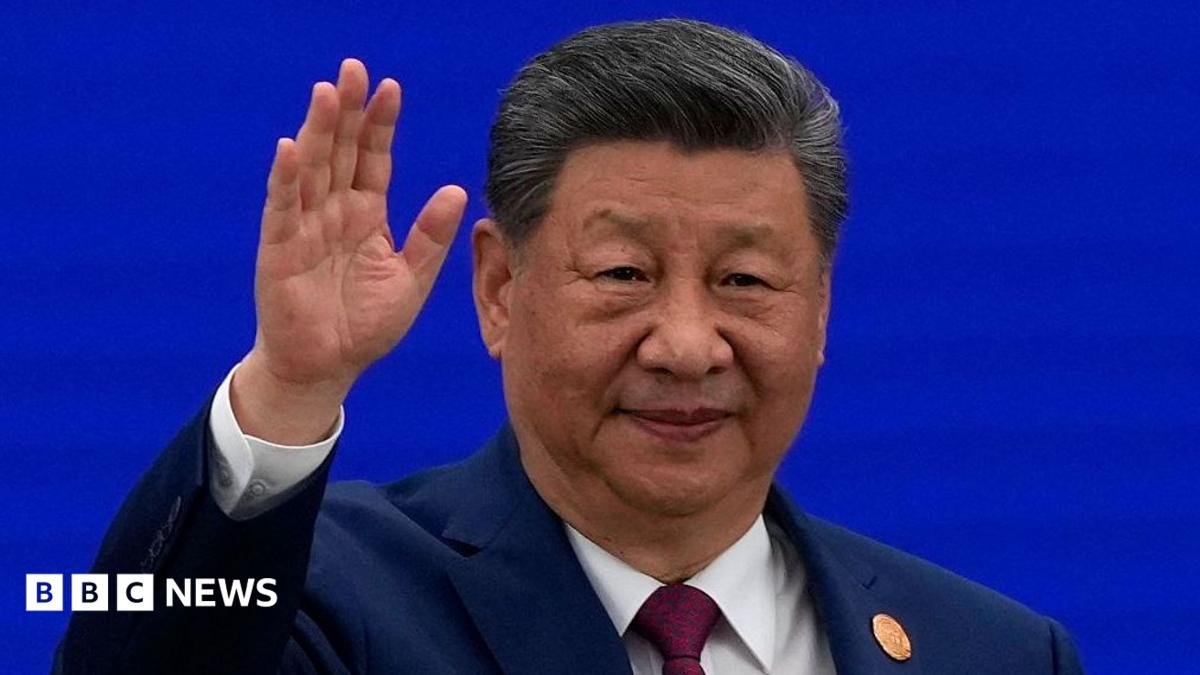
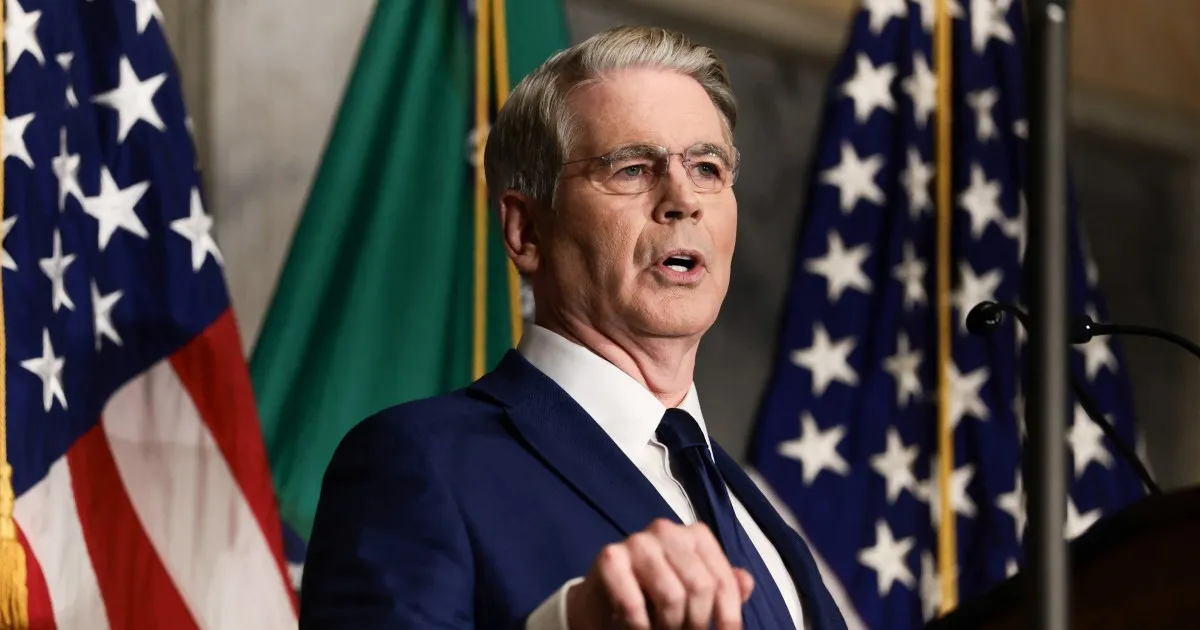
European Commission President Ursula von der Leyen has proposed an 'associate member' status for Canada to deepen ties in technology, energy, and trade.
European Commission President Ursula von der Leyen has introduced a bold proposal to elevate the partnership between the European Union and Canada, suggesting the creation of an "associate member" status. This overture represents a significant shift in diplomatic strategy as both Brussels and Ottawa look to solidify their alliances amidst a volatile international landscape. ration that transcends traditional trade agreements.
The proposal comes at a time when Western democracies are navigating a complex geopolitical environment marked hat the move is not intended to be adversarial toward other nations, but rather a proactive measure to bolster mutual strength. The initiative reflects a shared commitment to the international rules-based system, which leaders from both sides of the Atlantic have identified as increasingly fragile.
While the European Union’s current founding treaties do not explicitly outline an "associate member" status, the concept has been debated in various forms over the past few years. Historically, such a status would potentially allow a partner nation to participate in high-level summits and maintain a representative within the European Commission. This model offers a middle ground between standard external partnership and full EU membership, which requires total adherence to the bloc’s legislative and judicial framework.
Under this conceptual arrangement, Canada could gain access to certain budgetary benefits and deeper collaborative channels without the requirement of full voting rights. Such a structure would allow Ottawa to integrate more closely with European policy-making in specific sectors while maintaining its sovereign autonomy. This flexible approach is designed to navigate the legal complexities of the EU while providing a tangible mechanism for long-term strategic alignment.
The proposed alliance extends far beyond symbolic diplomacy, focusing on concrete economic and technological integration. Von der Leyen highlighted several critical sectors where Canada and the EU intend to pool their resources and expertise, including advanced manufacturing, artificial intelligence, and the development of critical minerals. y on external supply chains and foster sustainable energy transitions.
This initiative builds upon the foundation of the Comprehensive Economic and Trade Agreement (CETA), which has already proven effective in eliminating most tariffs and stimulating the exchange of goods and services. The new proposal seeks to modernize this relationship, moving from a transaction-based model to a comprehensive alliance for the future. re their collective economic resilience in an era of global competition.
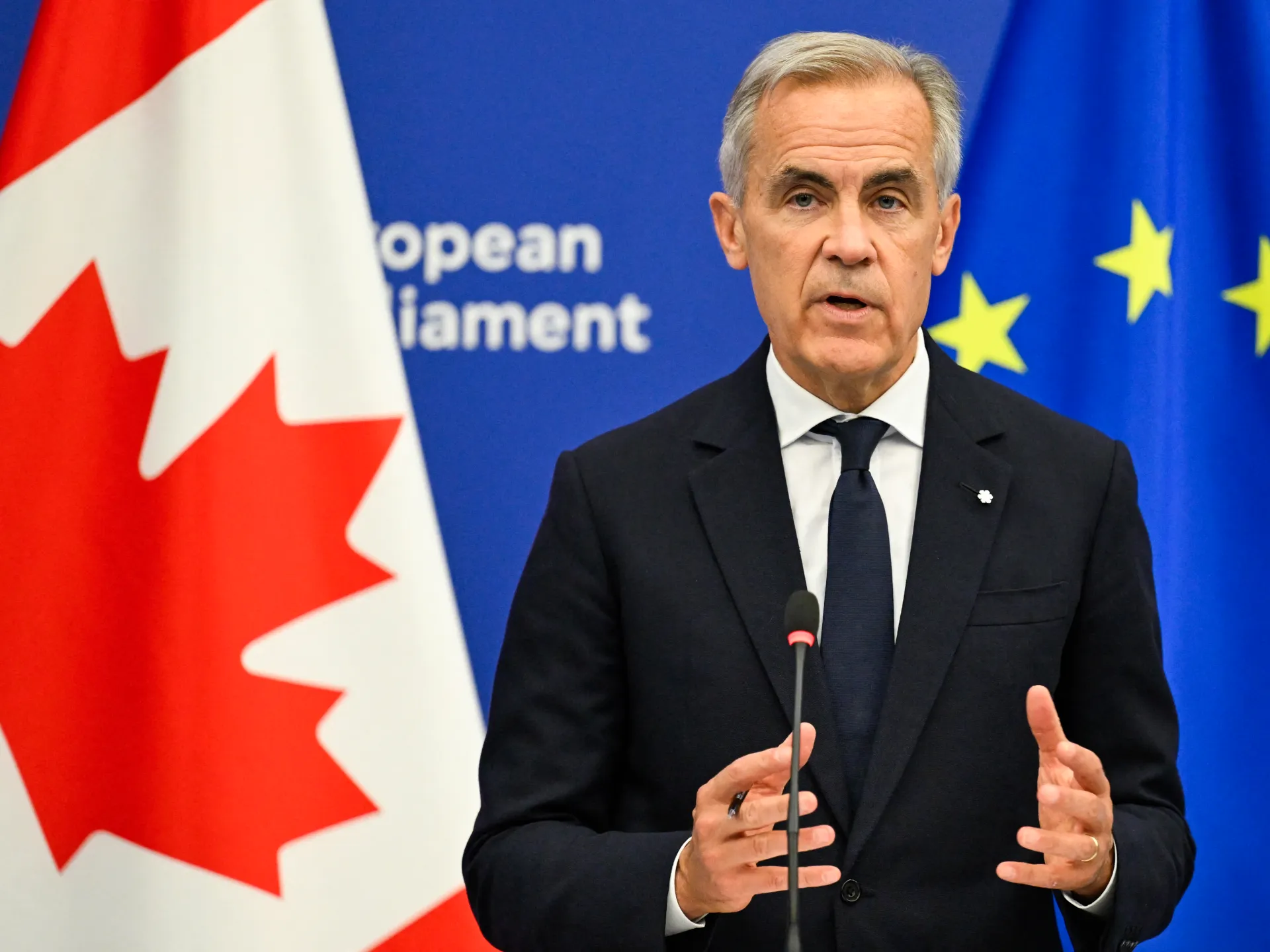
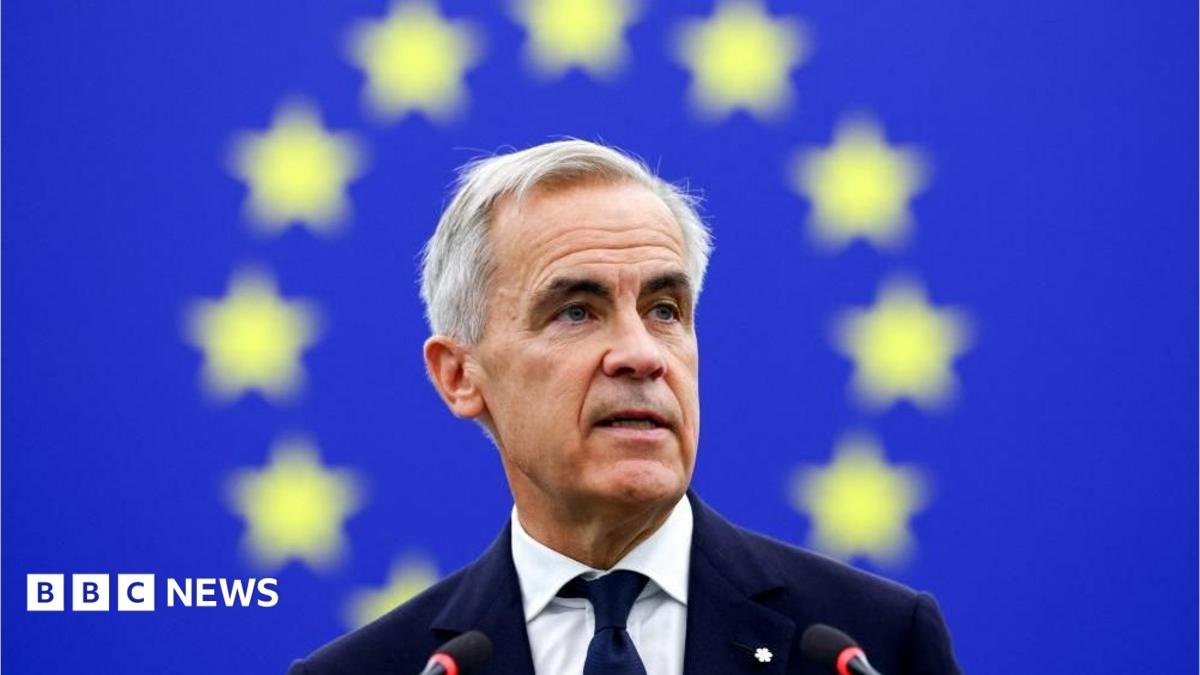
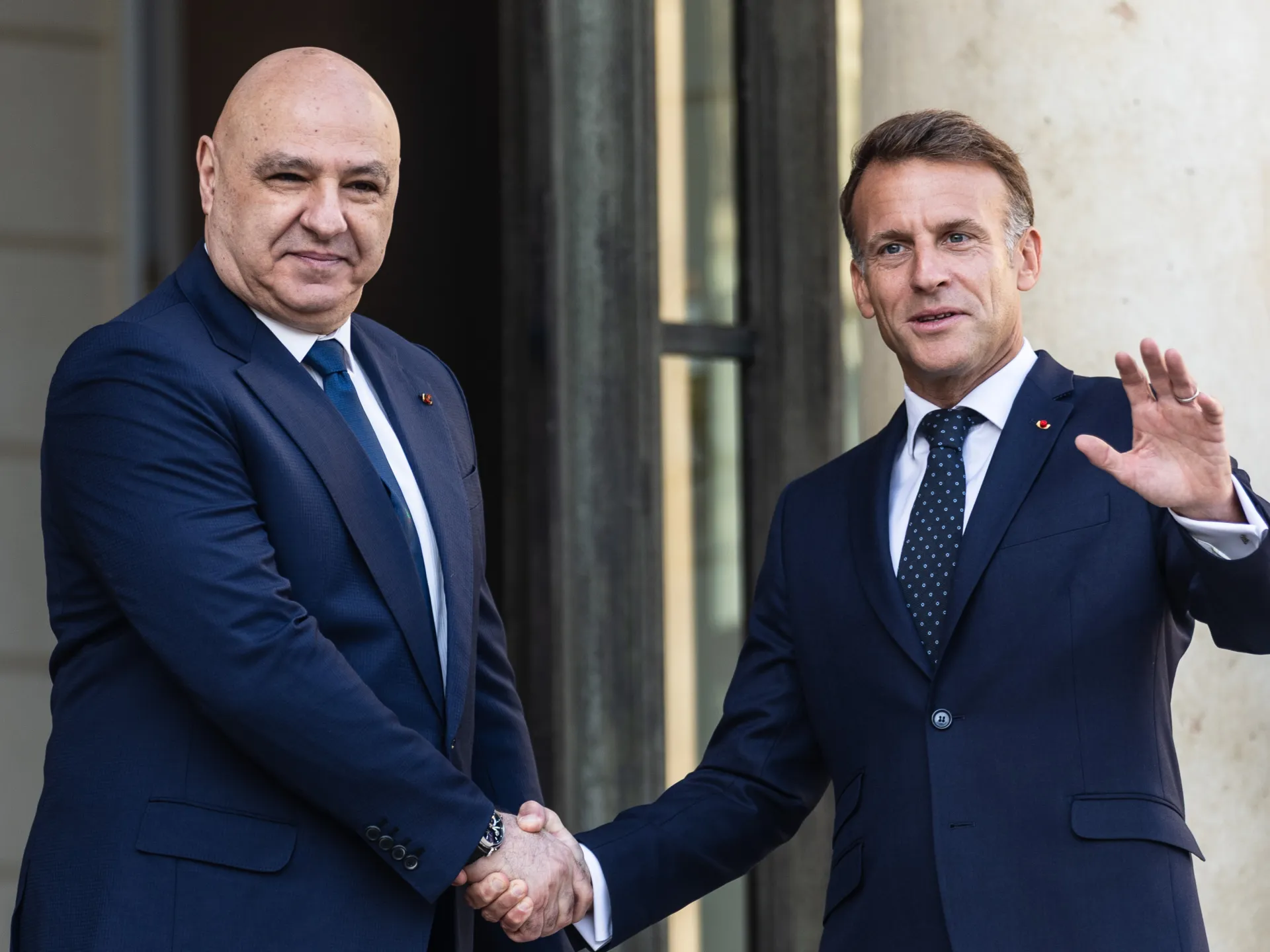
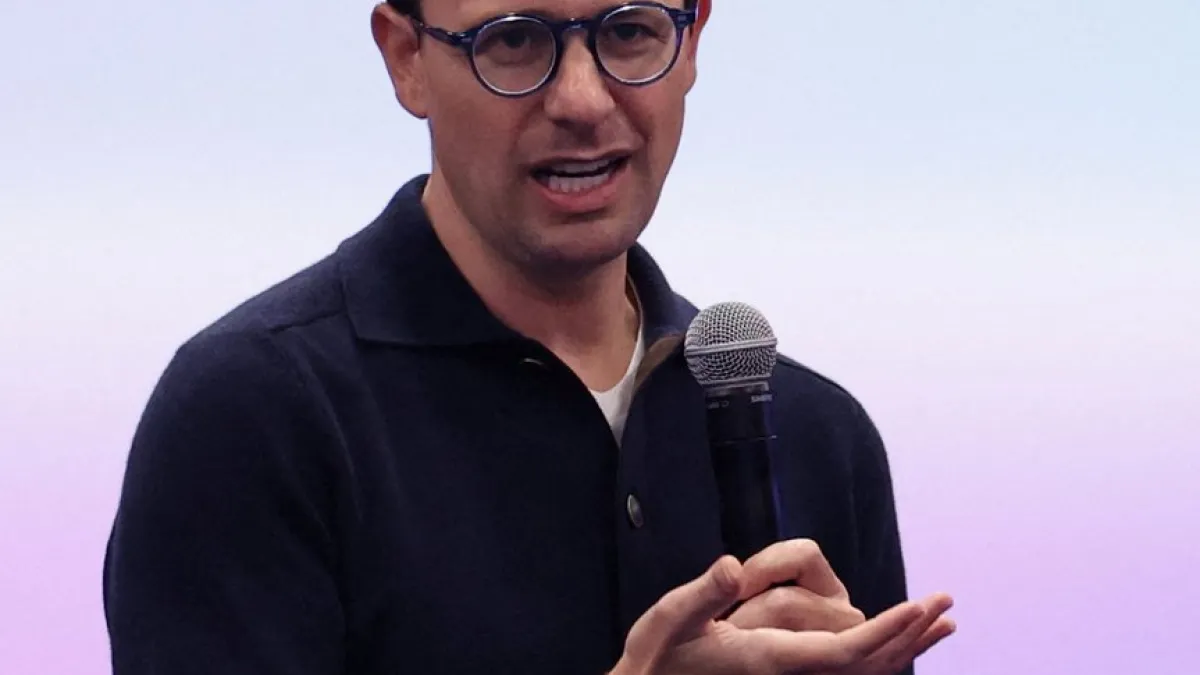
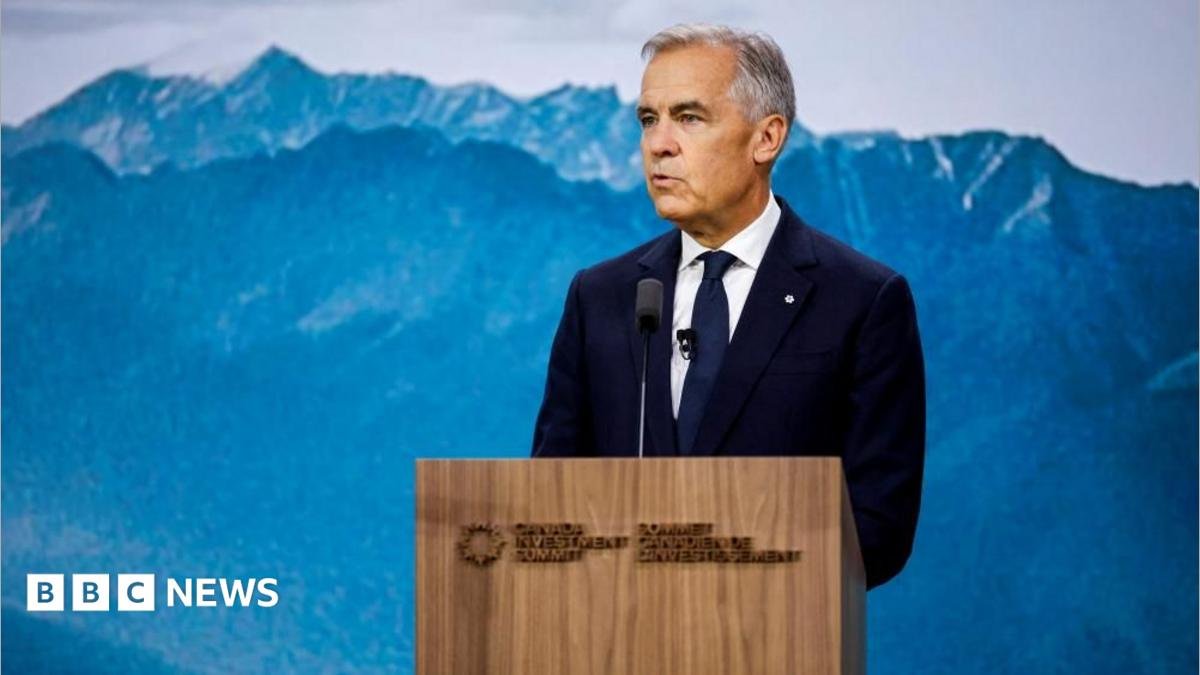
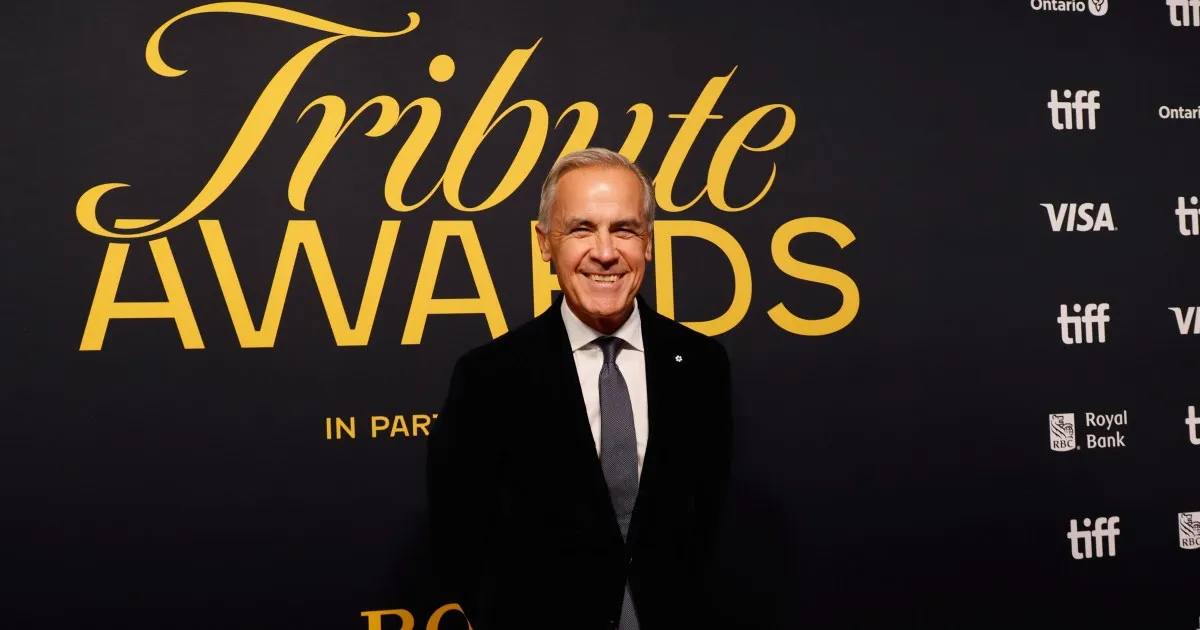
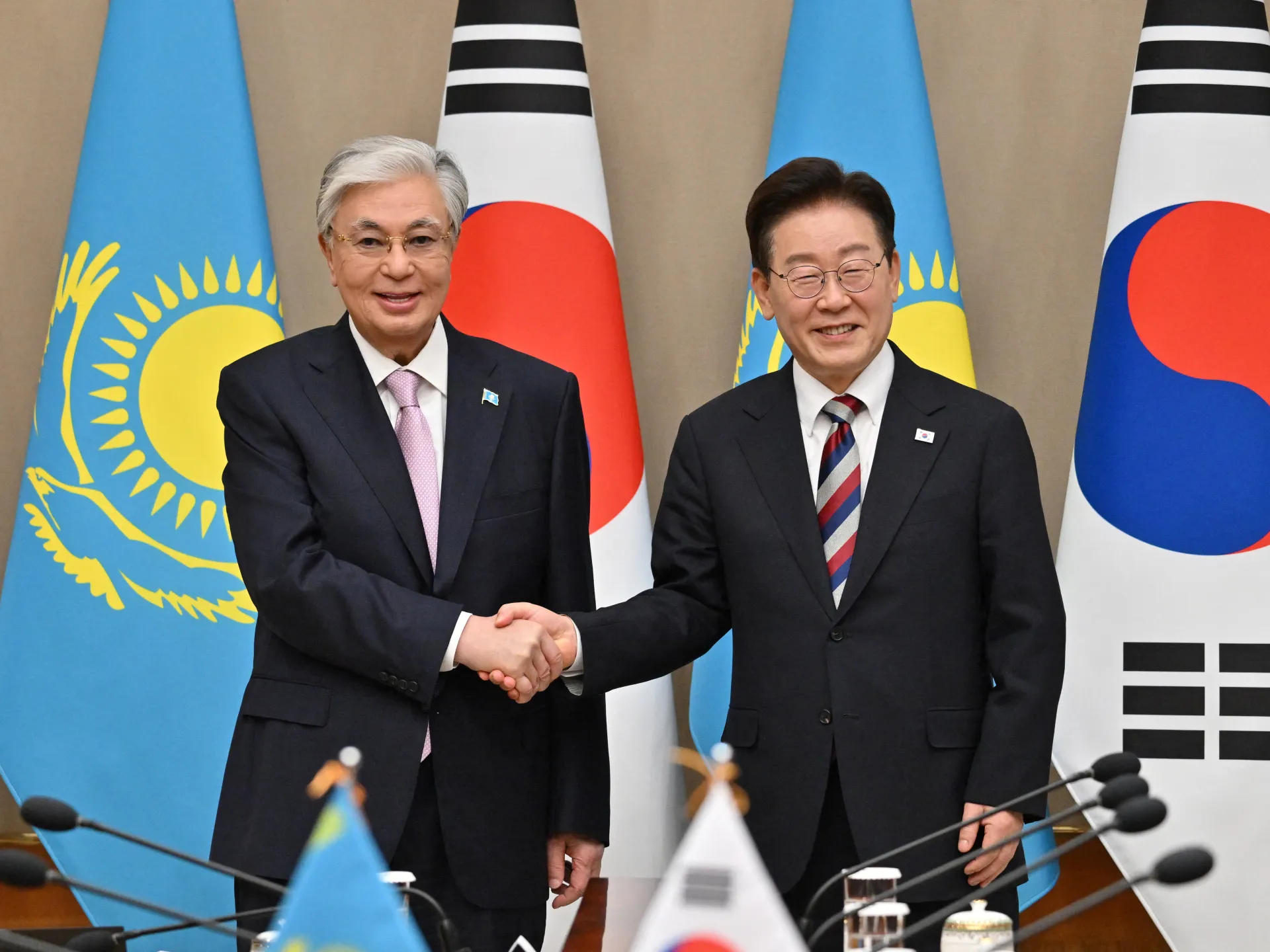
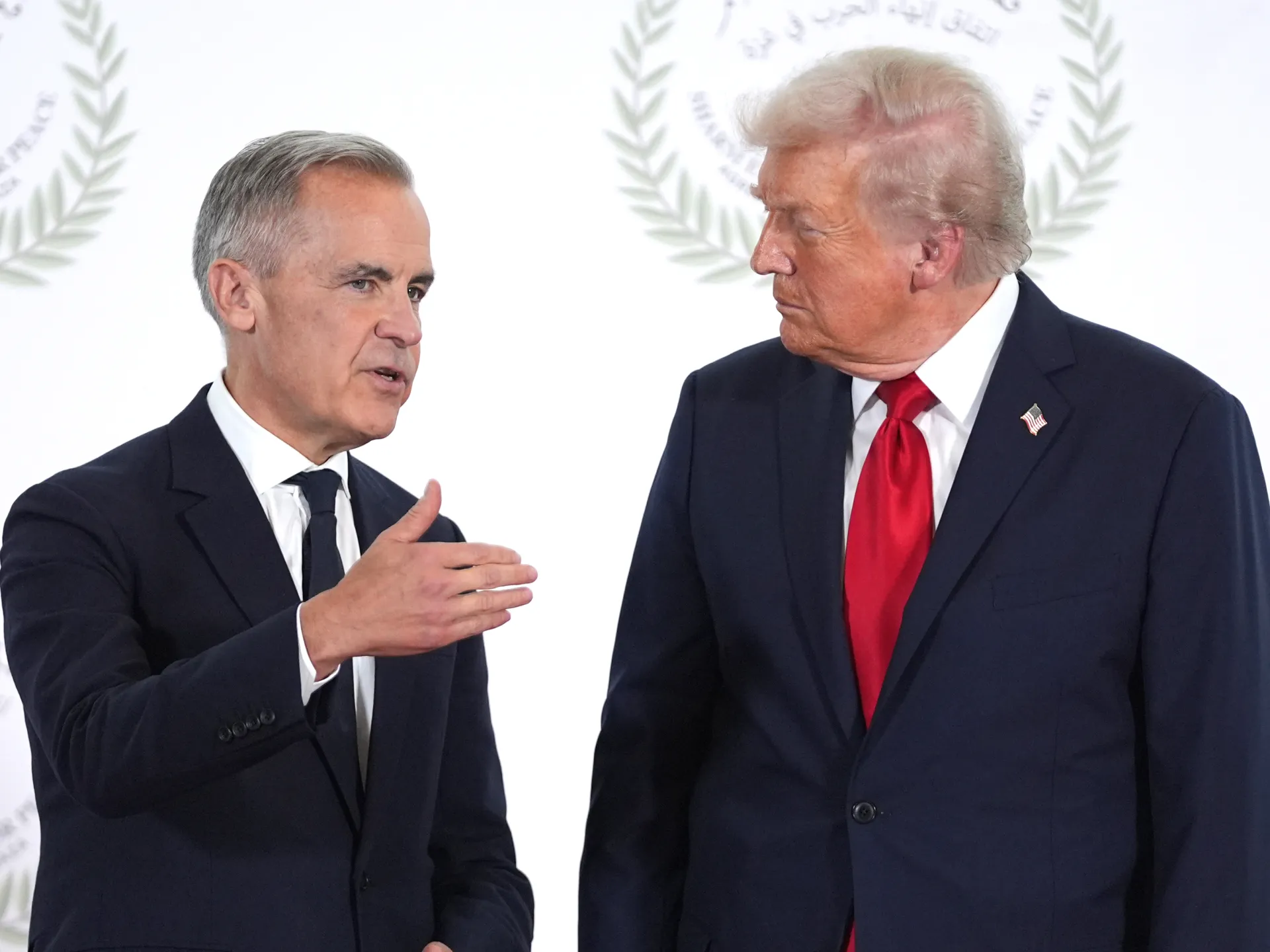
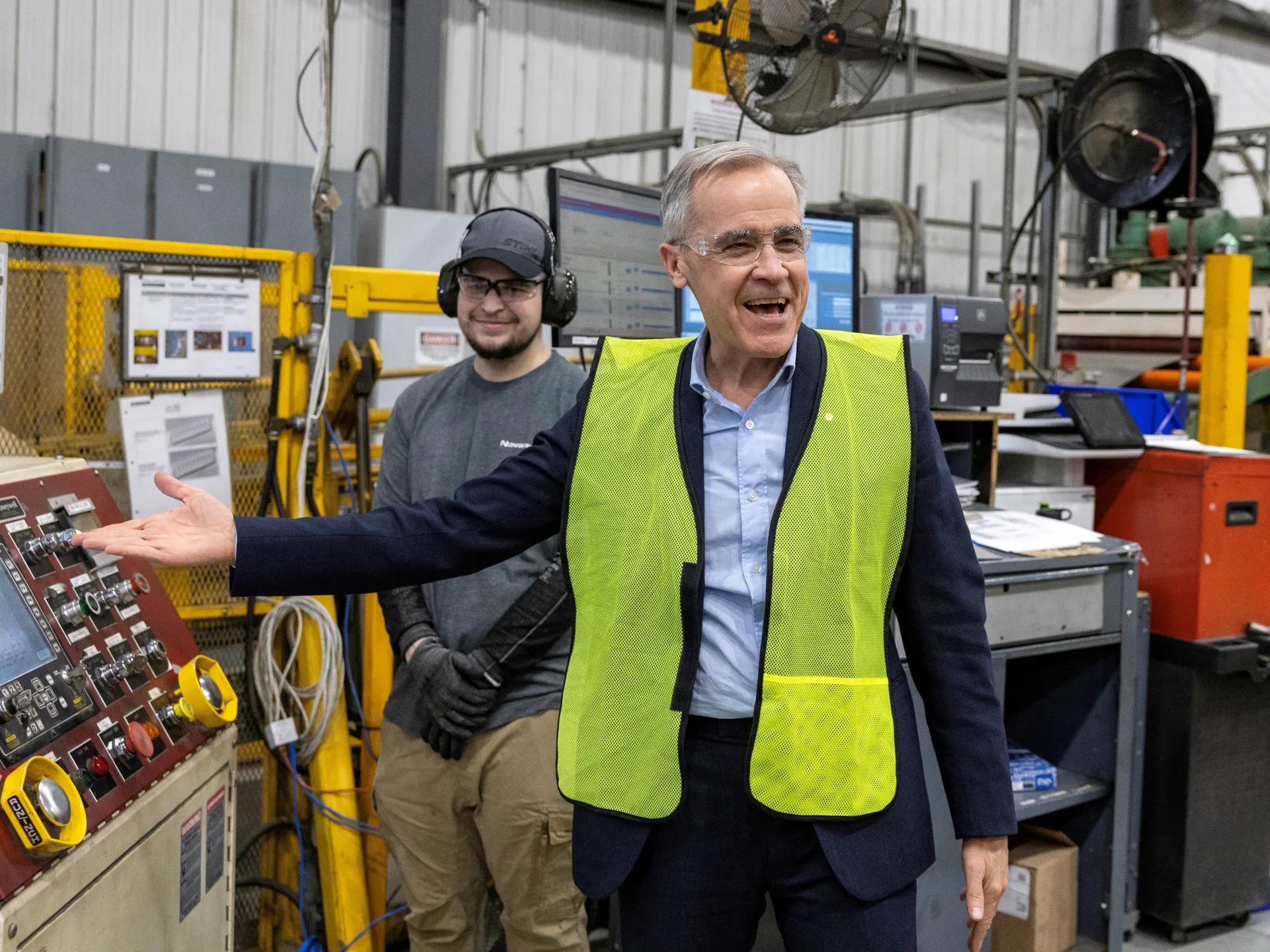
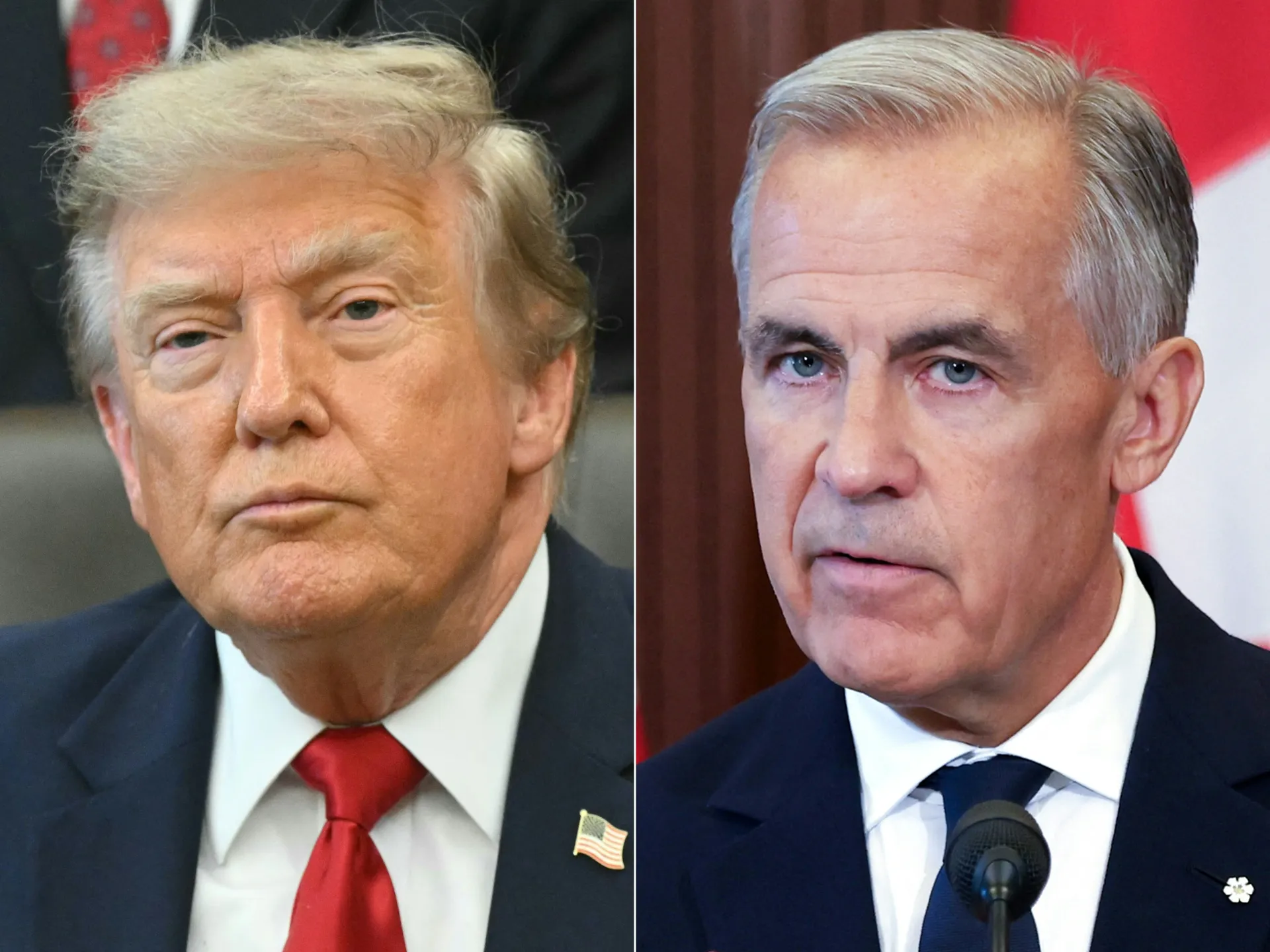
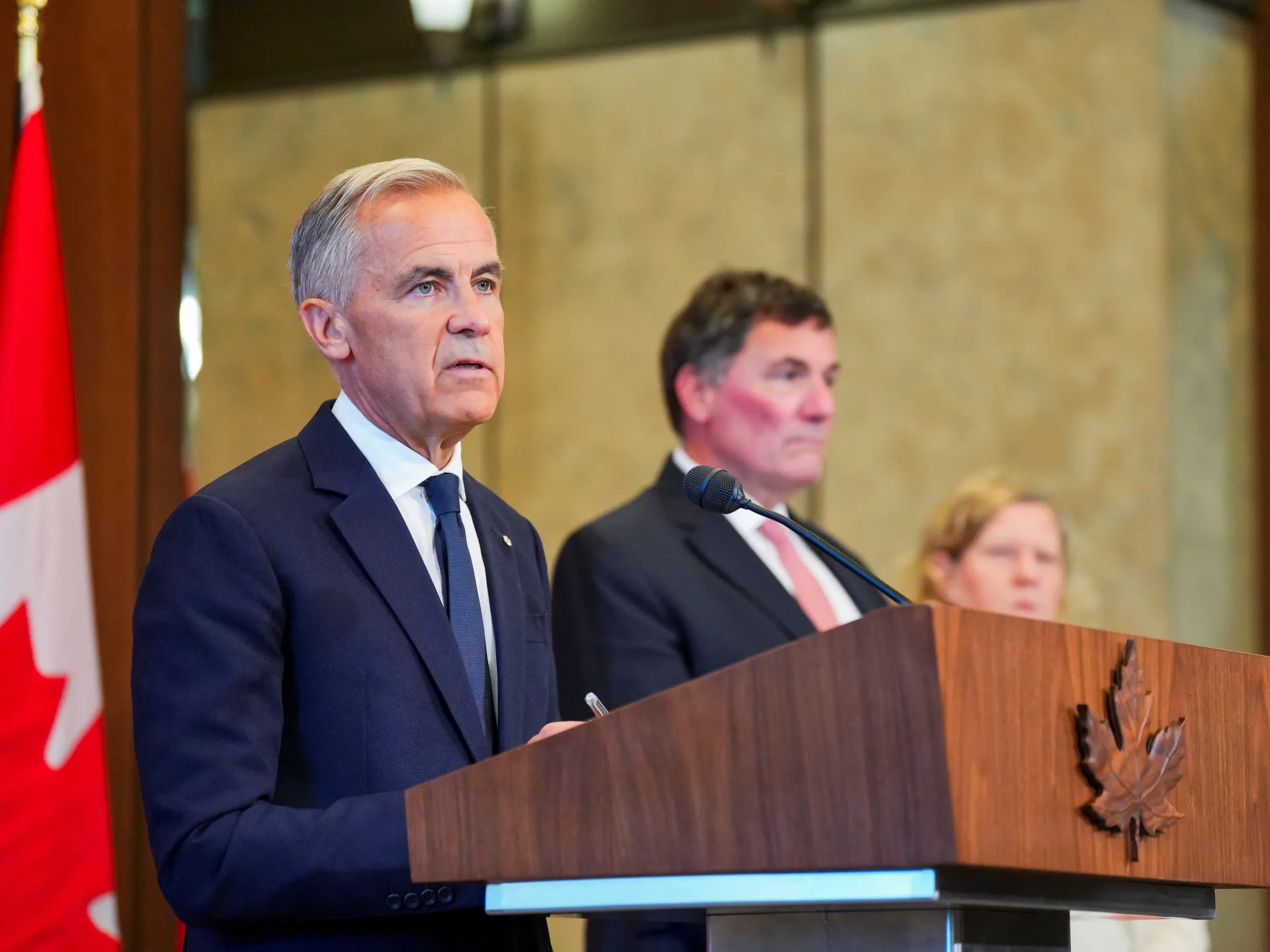
The timing of this proposal is significant, as it precedes an upcoming EU-Canada summit scheduled for next month in Montreal. The dialogue between European leadership and Canadian Prime Minister Mark Carney underscores a mutual desire to redefine the nature of their cooperation. As democratic nations face increasing pressure to choose their strategic partners, the voluntary nature of this alliance is being framed as a testament to the freedom and agency of modern democracies.
Ultimately, the move signals a departure from traditional diplomatic norms. While the concept of associate membership has previously met with mixed reactions in other parts of the world, its application to a G7 partner like Canada suggests a new path for international cooperation. pting to set a precedent for how mature democracies can collaborate to secure their interests in a rapidly changing world order.