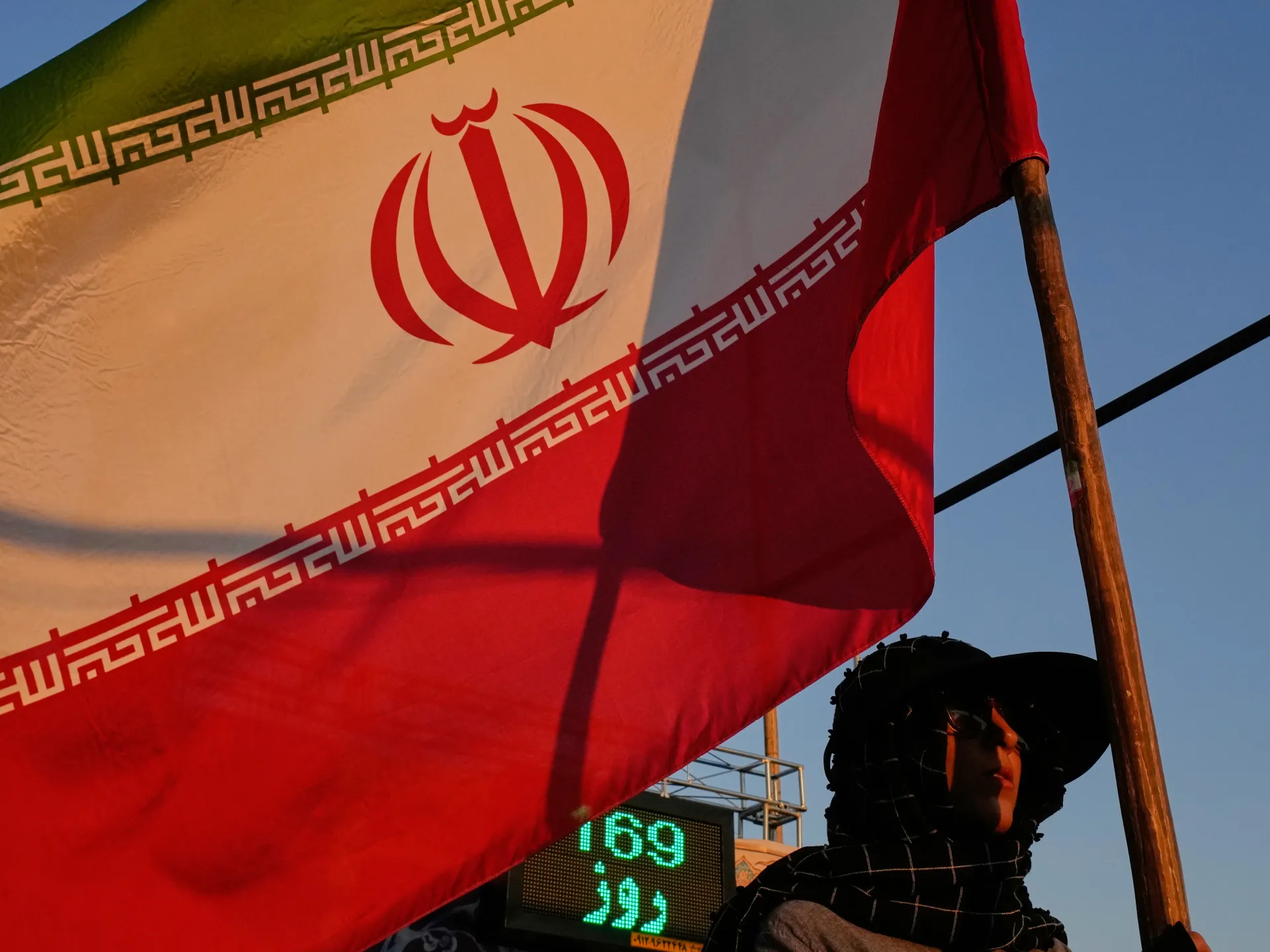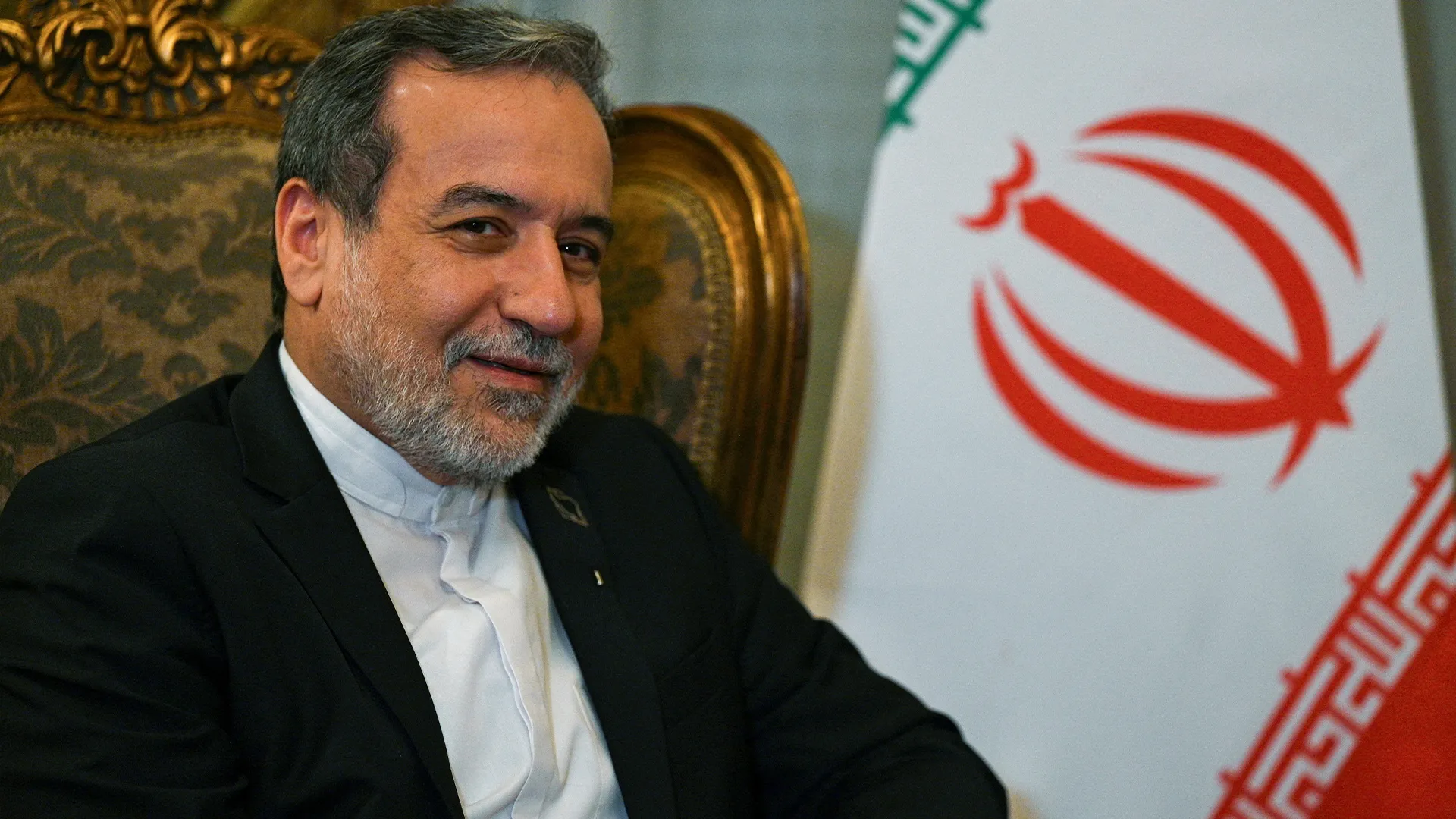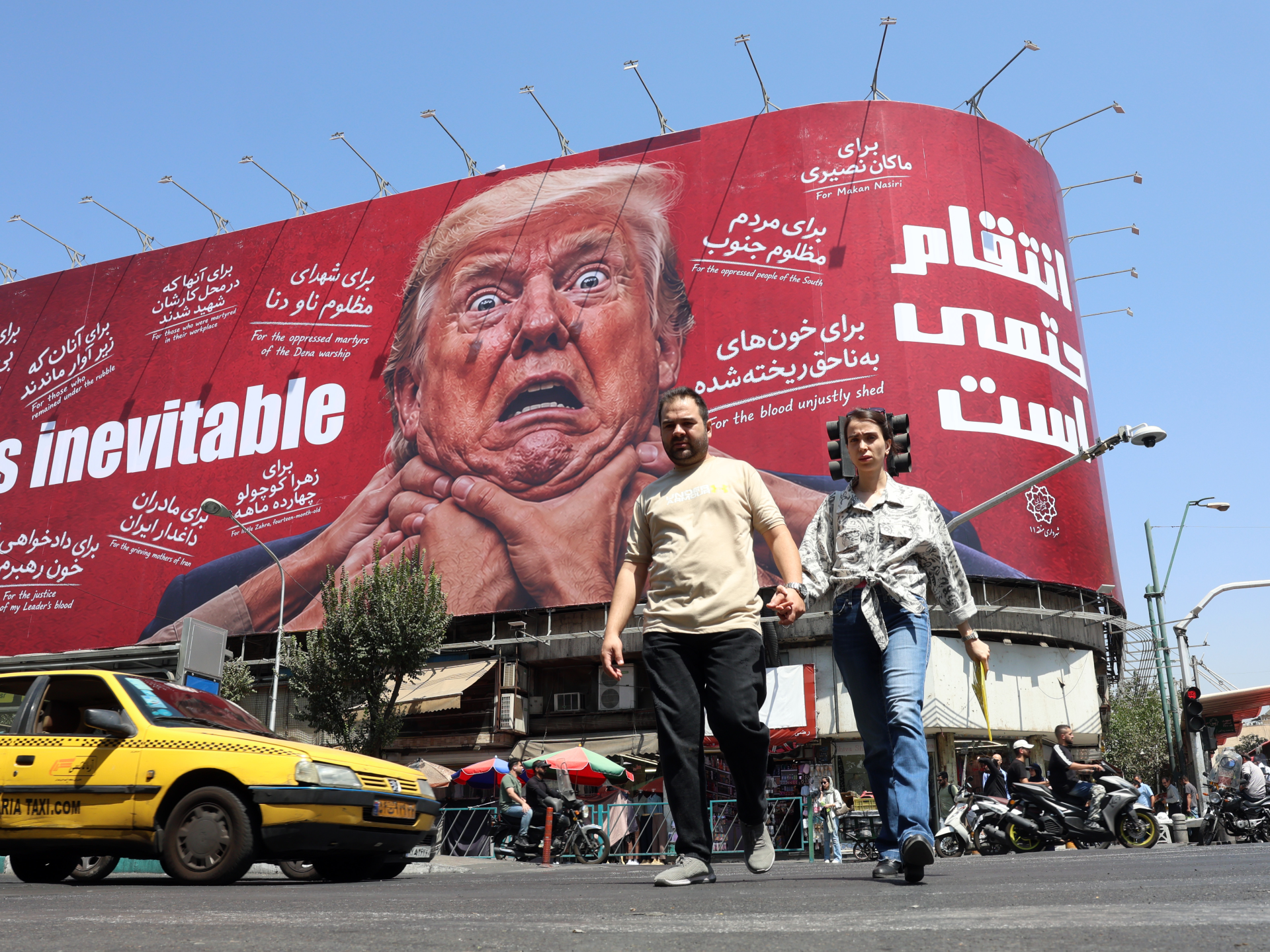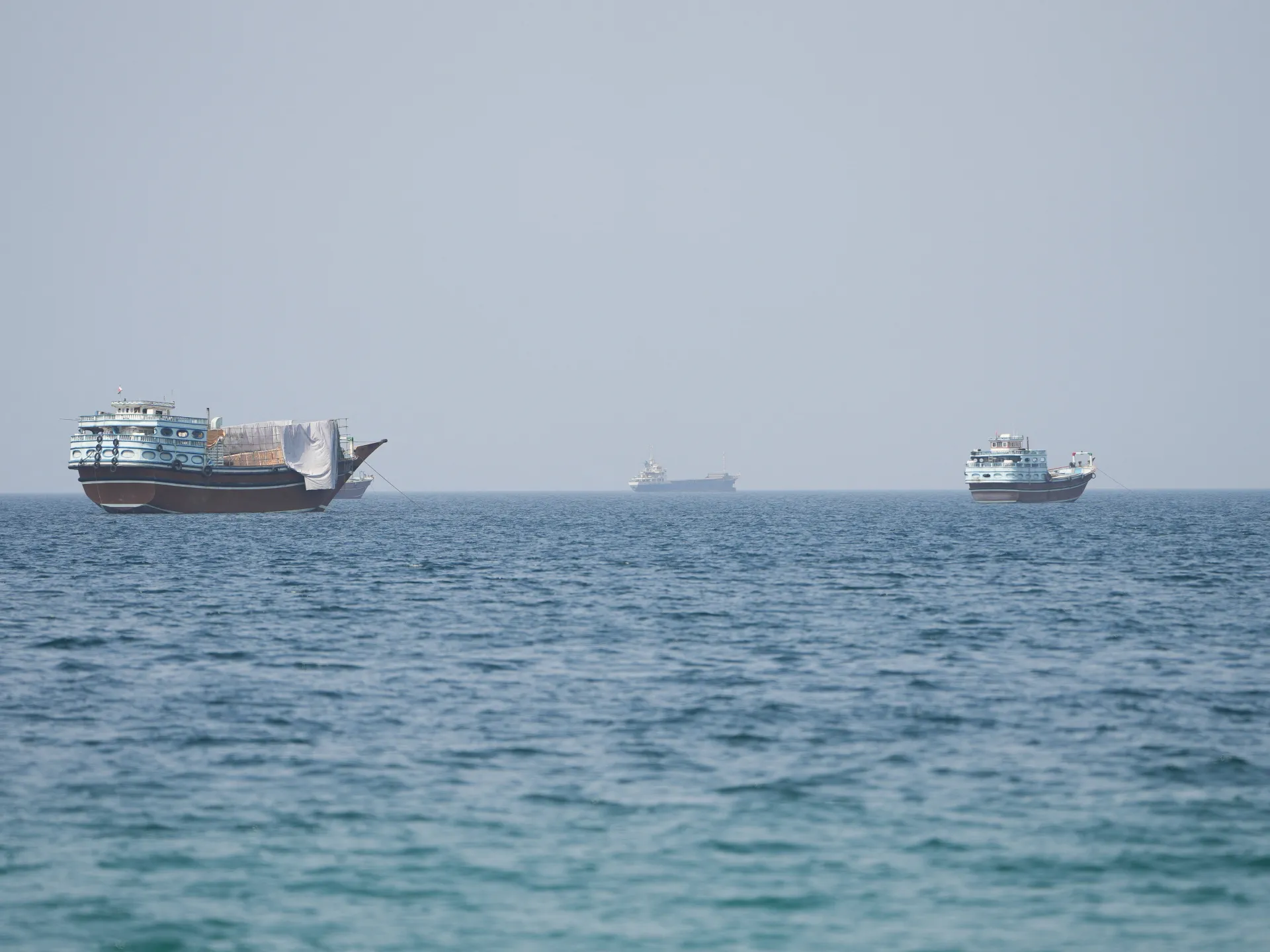
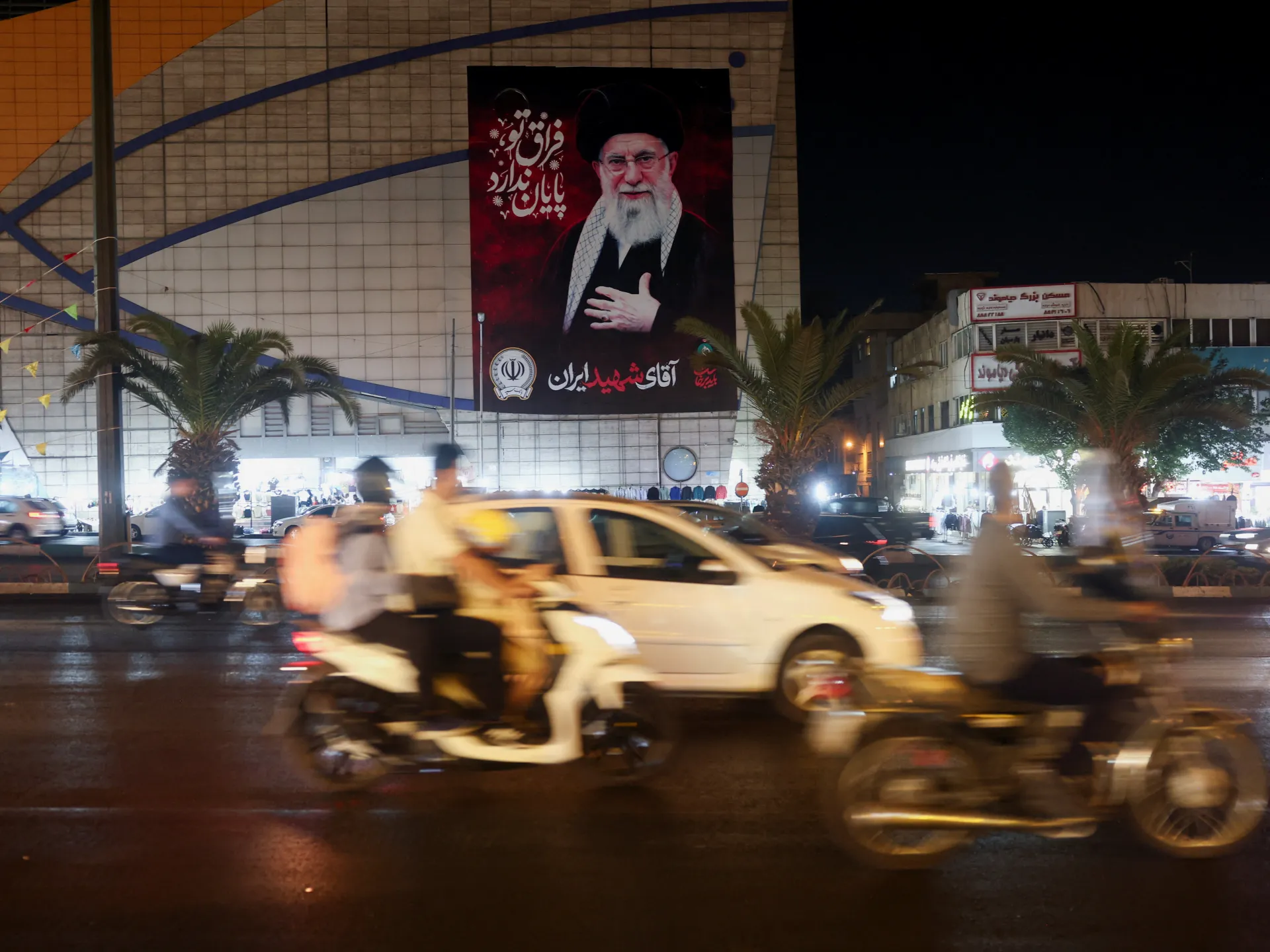
Iran is currently subject to a dense, overlapping web of international sanctions targeting its nuclear program, military activities, and financial infrastructure.
Iran currently stands as one of the most heavily sanctioned nations on the global stage. The country has been subject to a complex, overlapping web of international restrictions that trace their origins back to 1979. Over the subsequent decades, these measures have been frequently modified, expanded, or reimposed, creating a multifaceted economic and diplomatic environment. These sanctions are not monolithic; they encompass a wide variety of sectors, including energy, finance, military technology, and even individual personal restrictions.
The primary justification for these measures often revolves around Iran's nuclear and ballistic missile programs, as well as concerns regarding regional military activities and human rights records. Because these restrictions are enforced ssure on the Iranian state is profound, affecting everything from international banking transactions to the export of critical natural resources like oil.
A pivotal moment in the recent history of these sanctions occurred in September 2025, when the United Nations officially reactivated previous restrictive measures. This was achieved through the “snapback” mechanism found within UN Security Council Resolution 2231. nstated six prior resolutions that had been previously suspended, placing the weight of international law behind a new round of prohibitions.
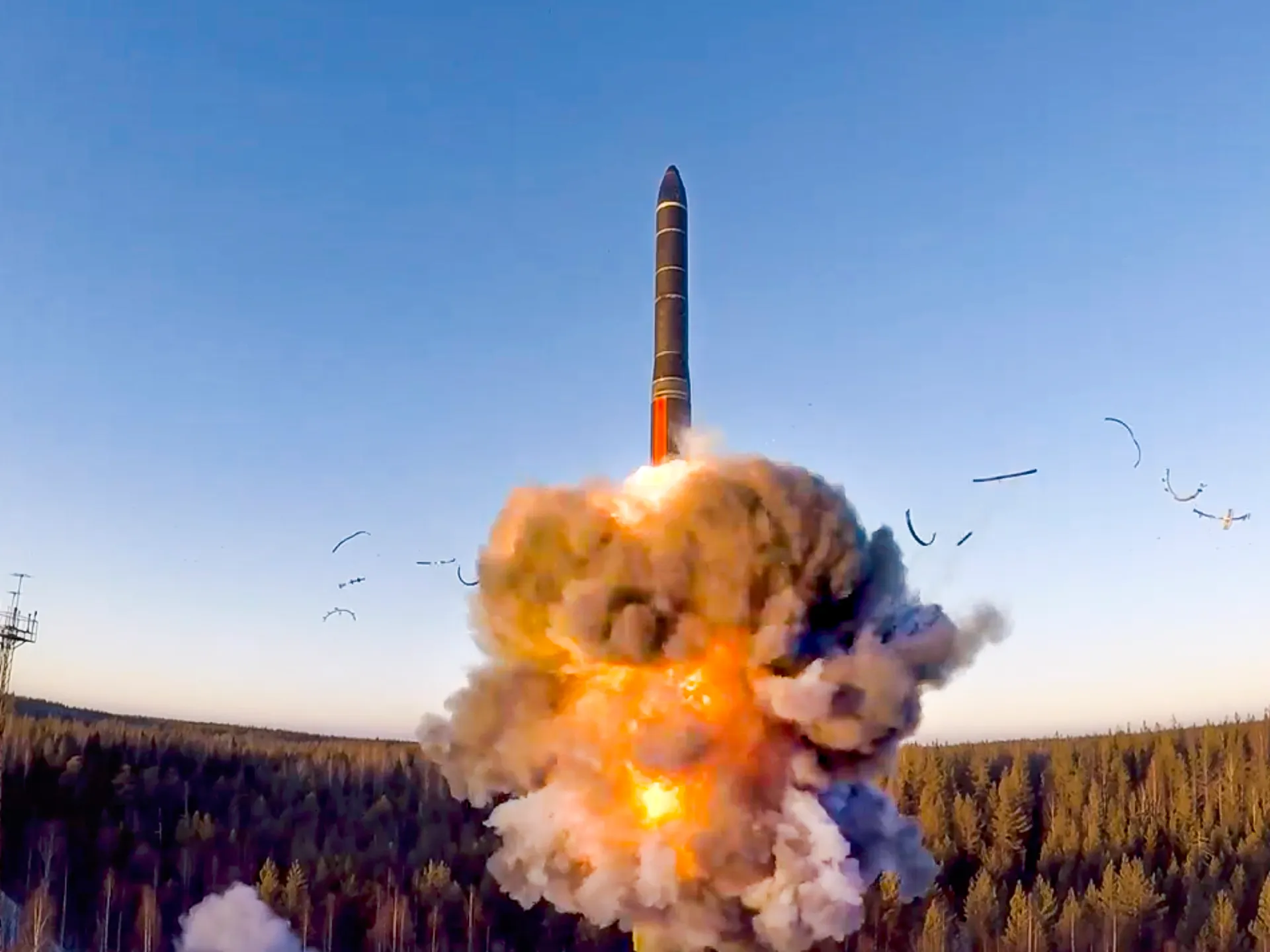
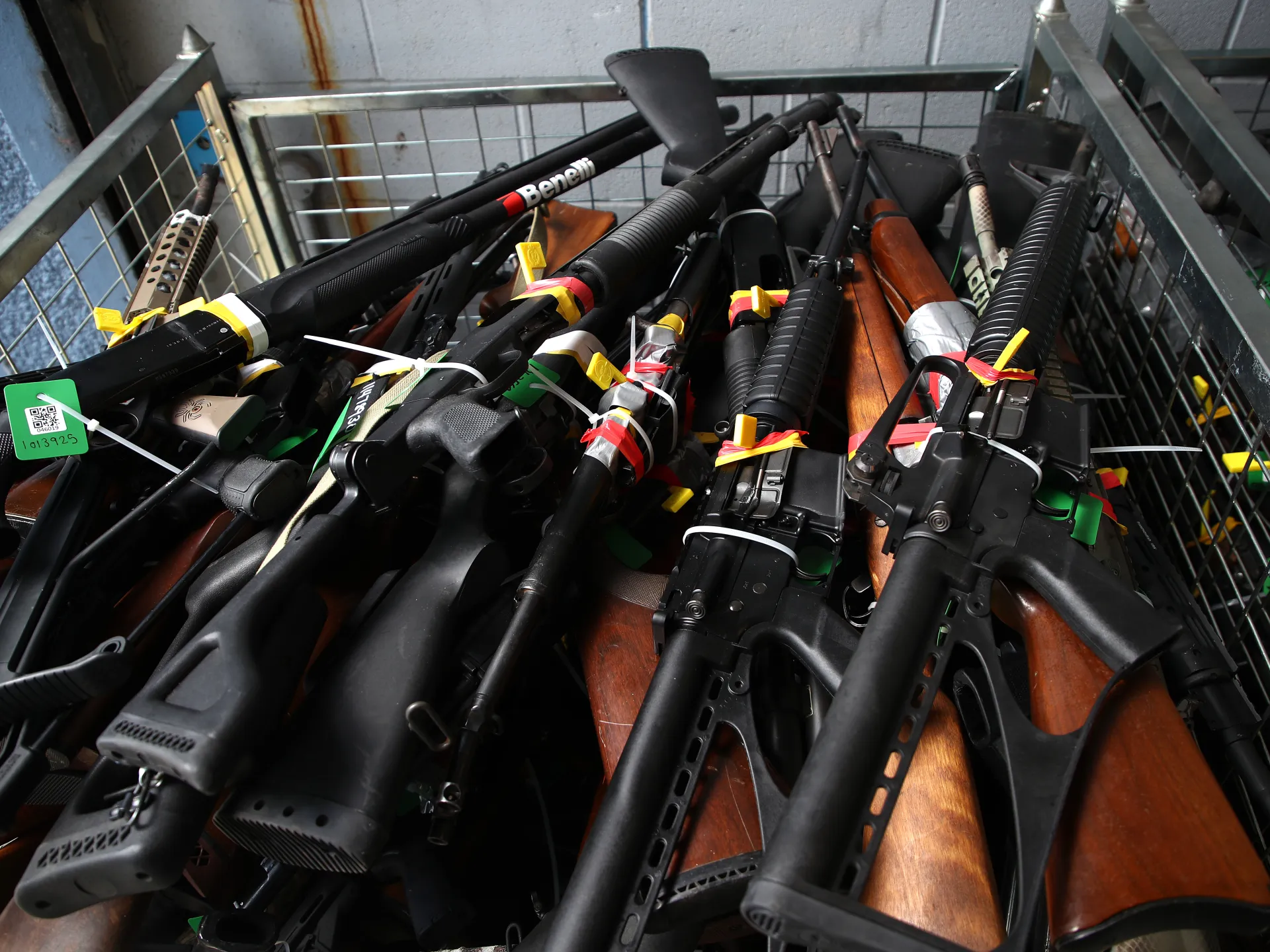
These UN-backed sanctions are comprehensive in scope. They include a strict arms embargo that prohibits both the transfer of conventional weapons to Iran and the export of military equipment from the country. Furthermore, these measures target the core of Iran’s technological progress chment or the development of ballistic missiles capable of carrying nuclear payloads. These mandates also involve targeted asset freezes on specific entities and individuals deemed to be participating in these prohibited activities.
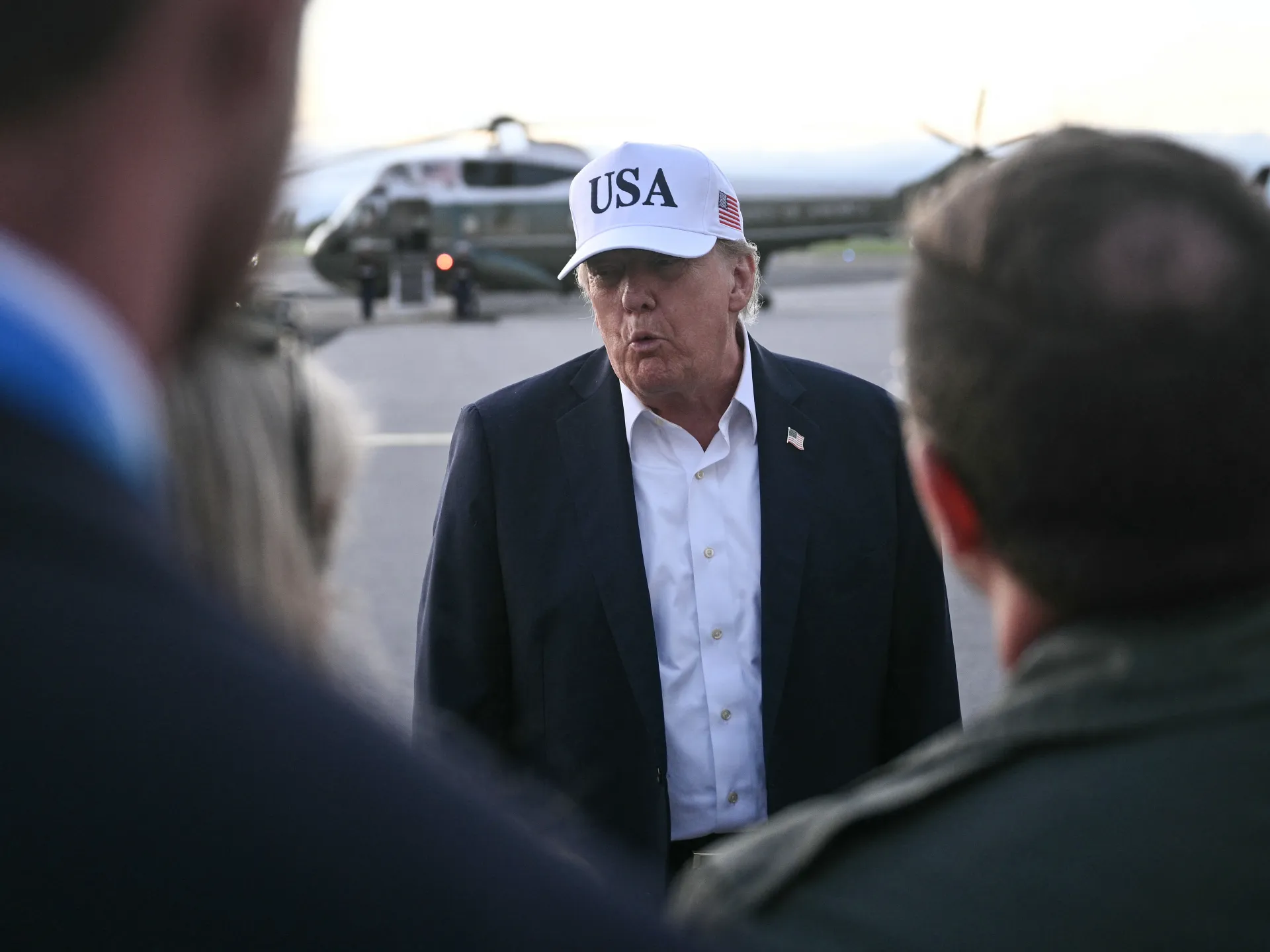
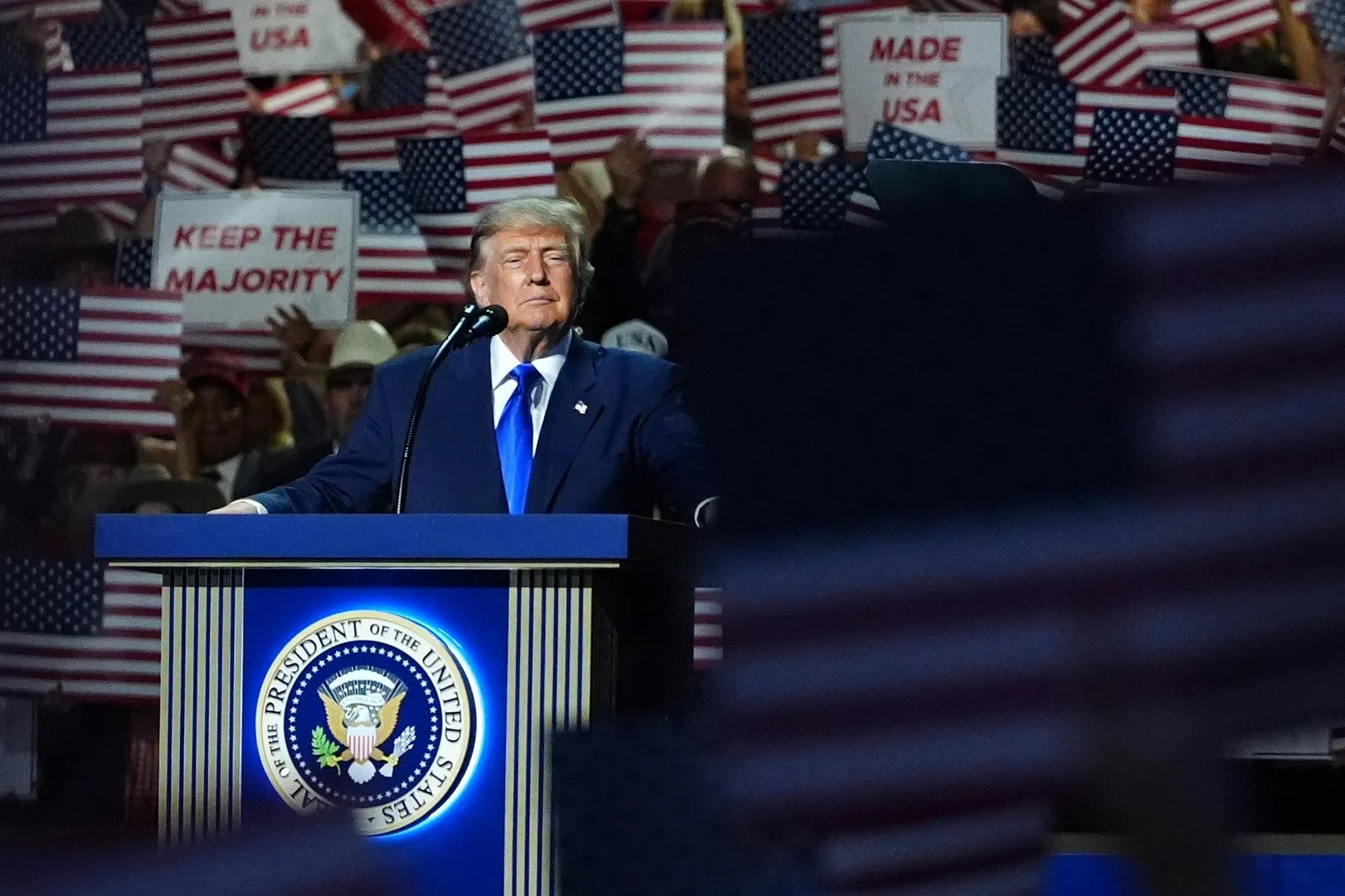
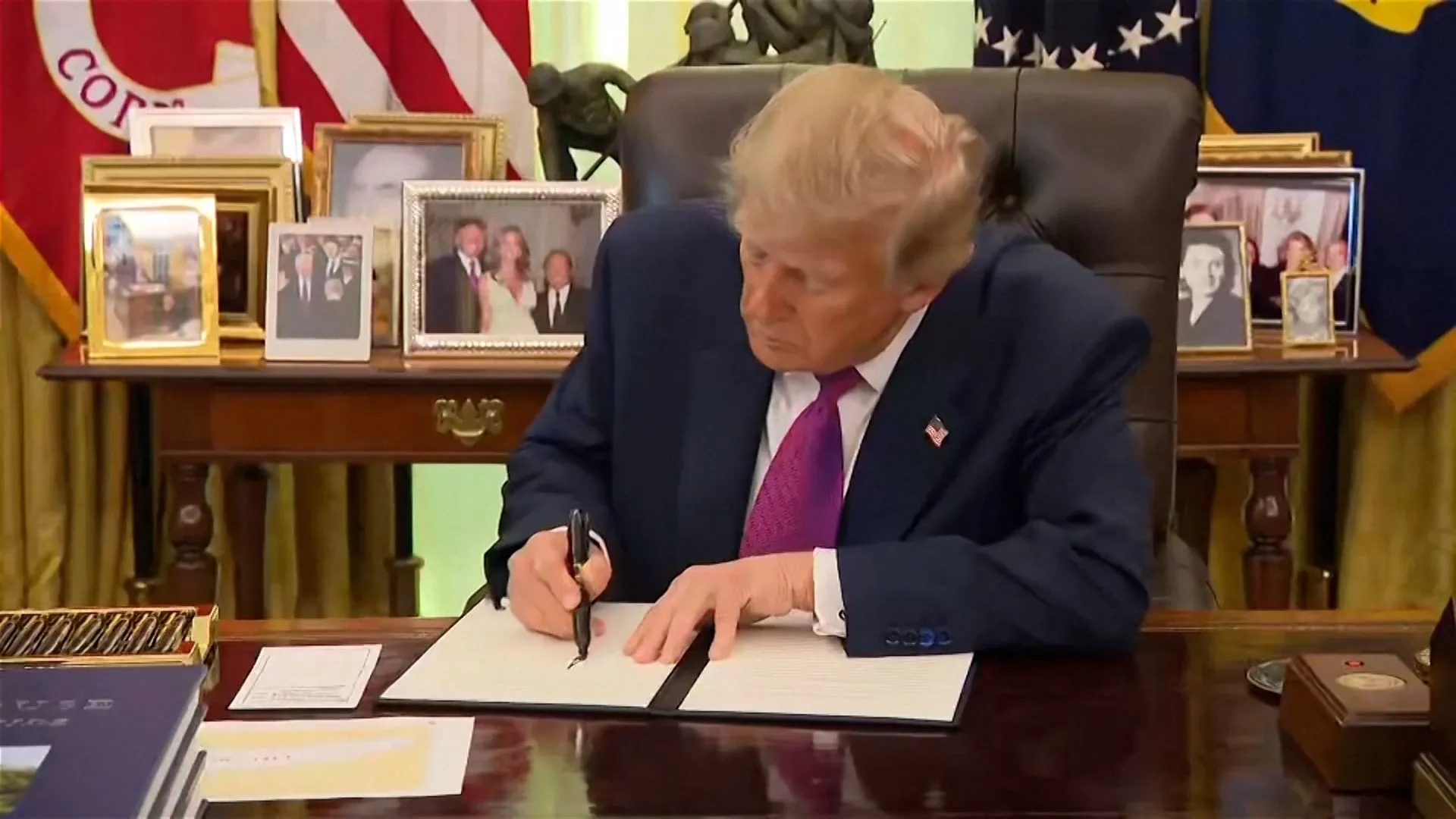
The United States maintains perhaps the most aggressive posture toward Iran, utilizing a mixture of broad trade embargoes and highly specific sectoral restrictions. Beyond simple trade bans, the U.S. employs what are known as "secondary sanctions." This strategy is designed to isolate Iran from the global financial system lties if they engage in business with restricted Iranian sectors. This creates a ripple effect, as international companies are often forced to choose between the Iranian market and access to the vast American financial infrastructure.
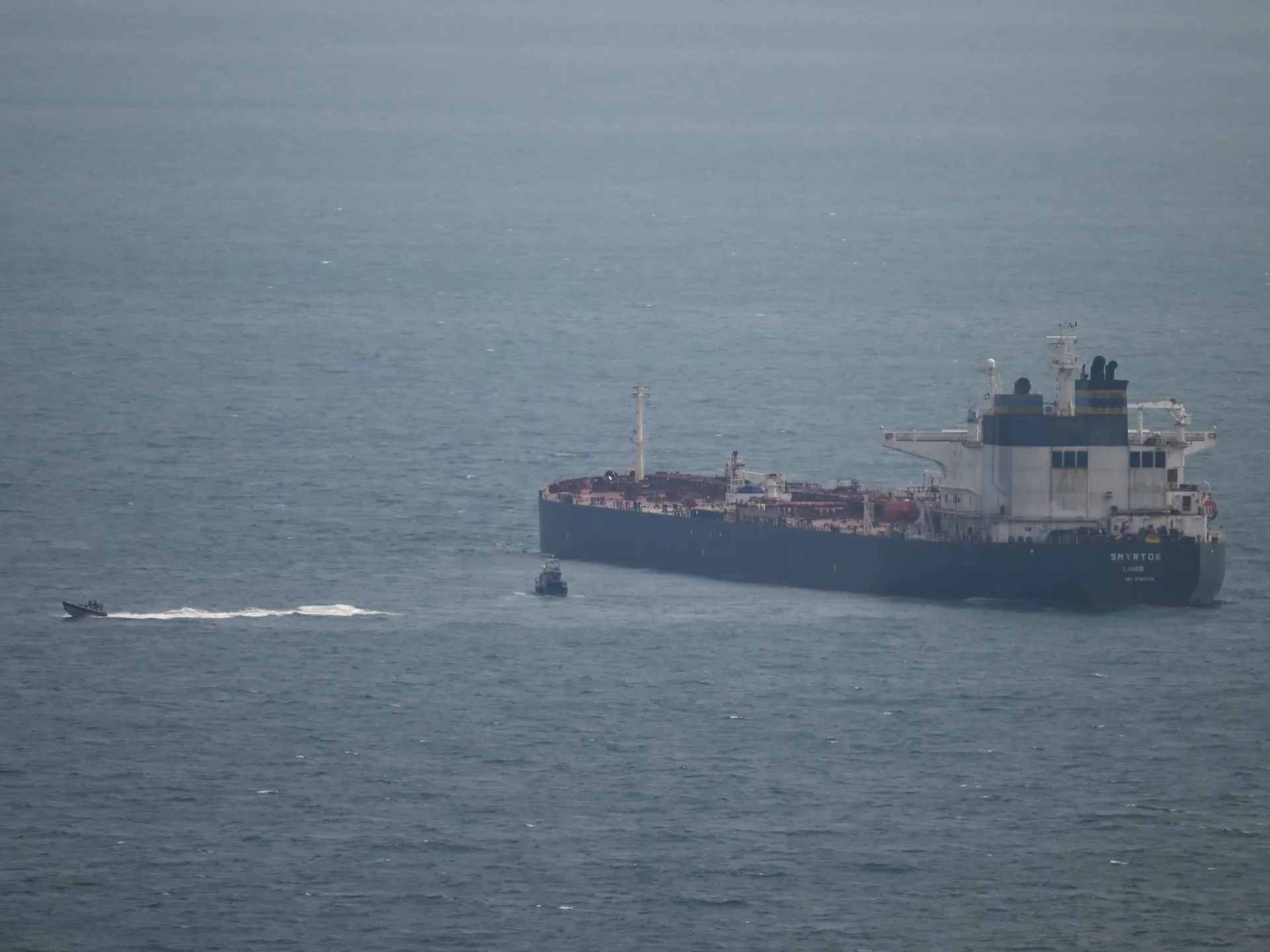
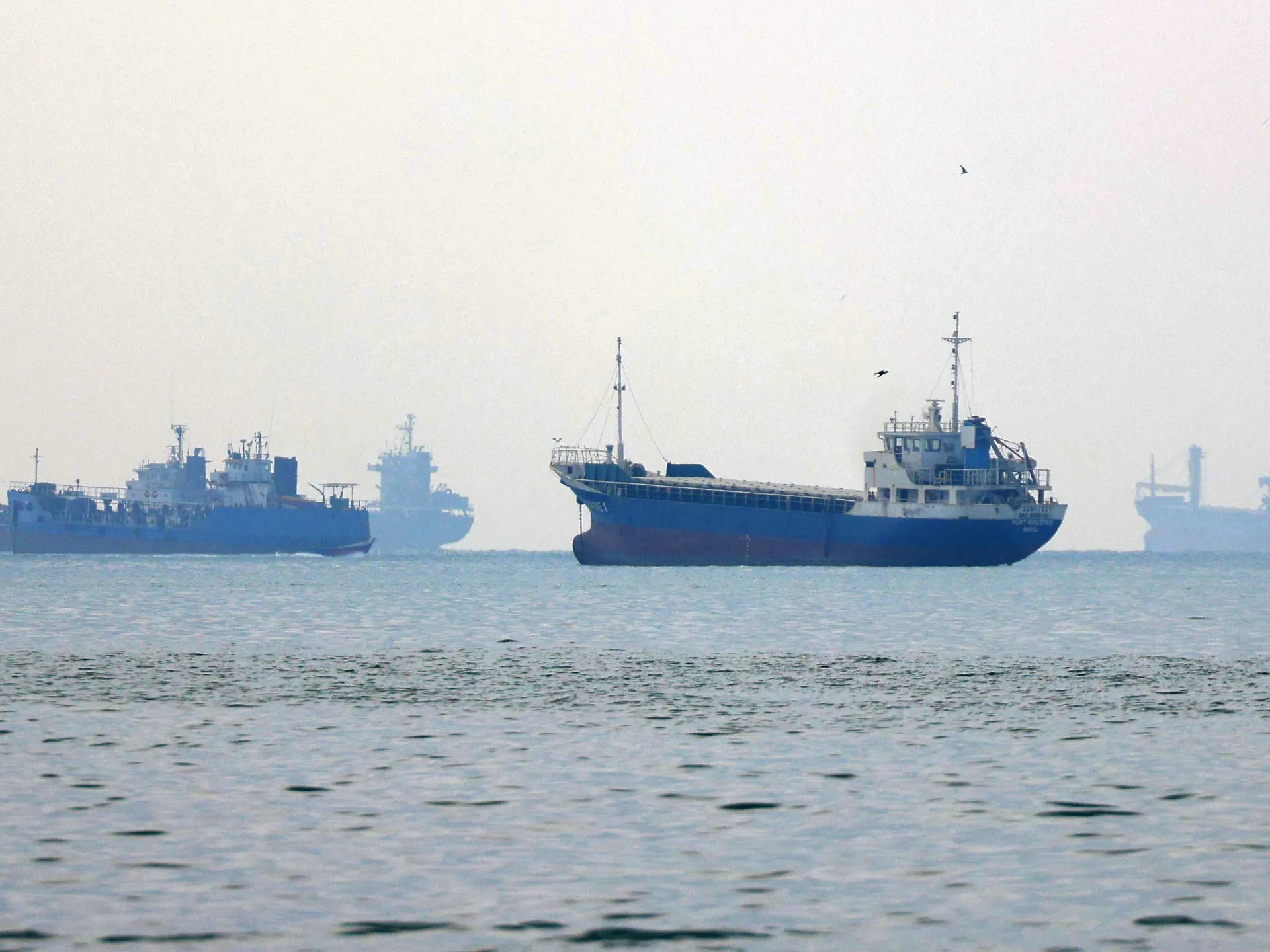
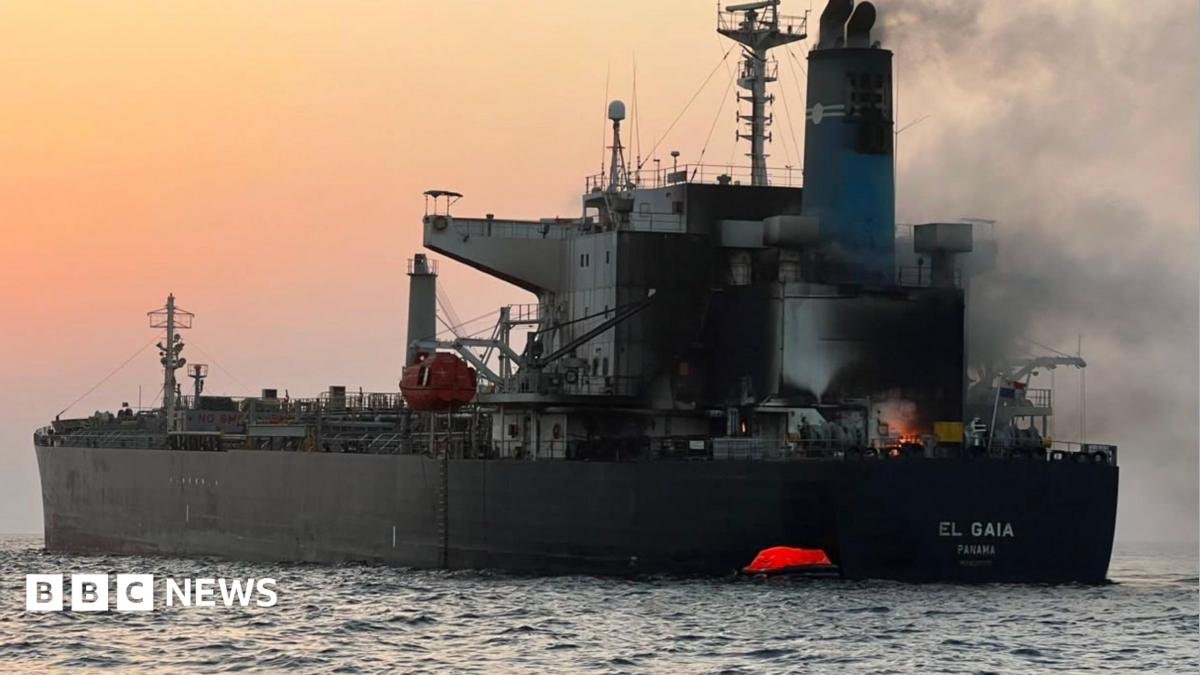
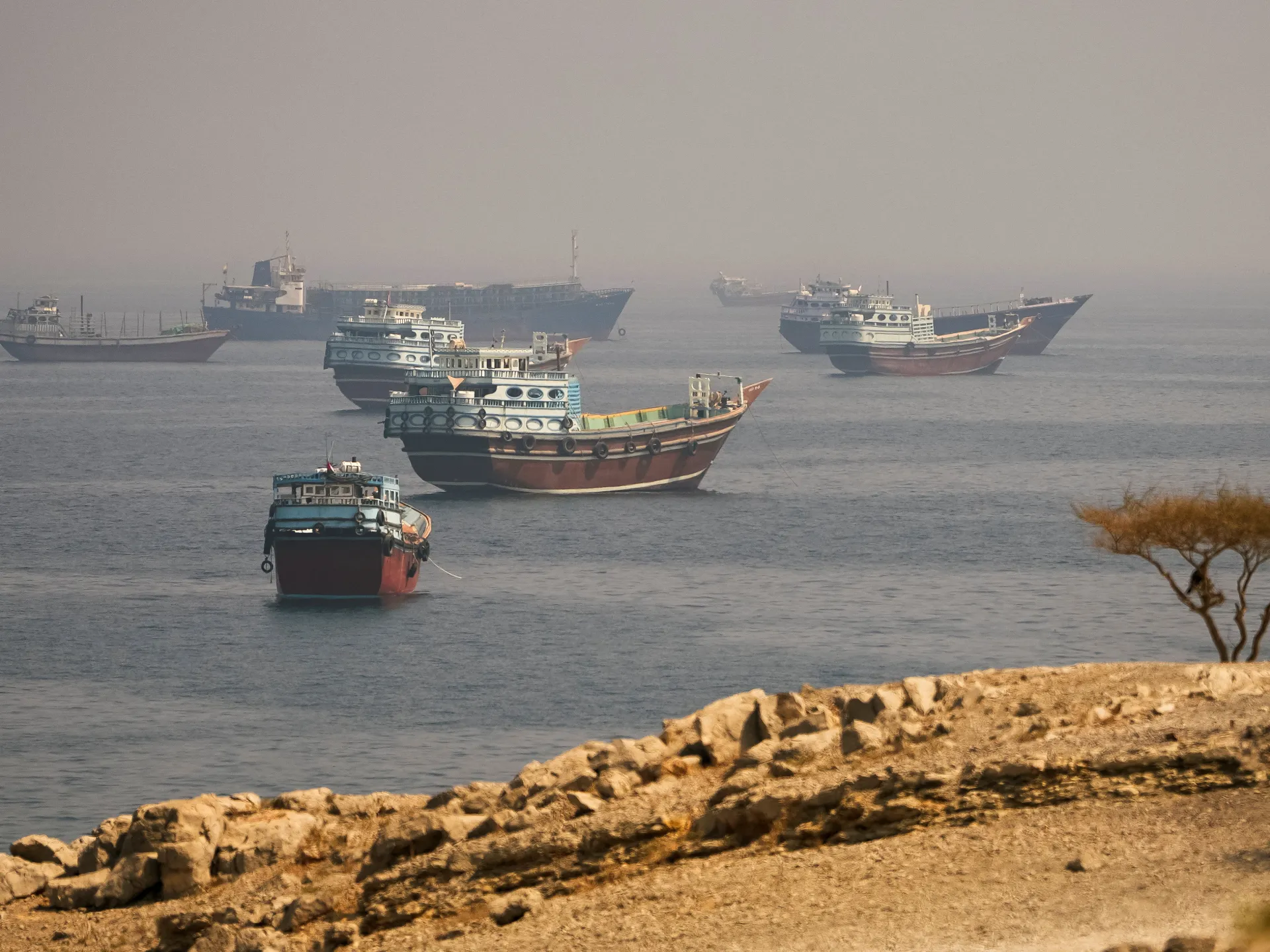
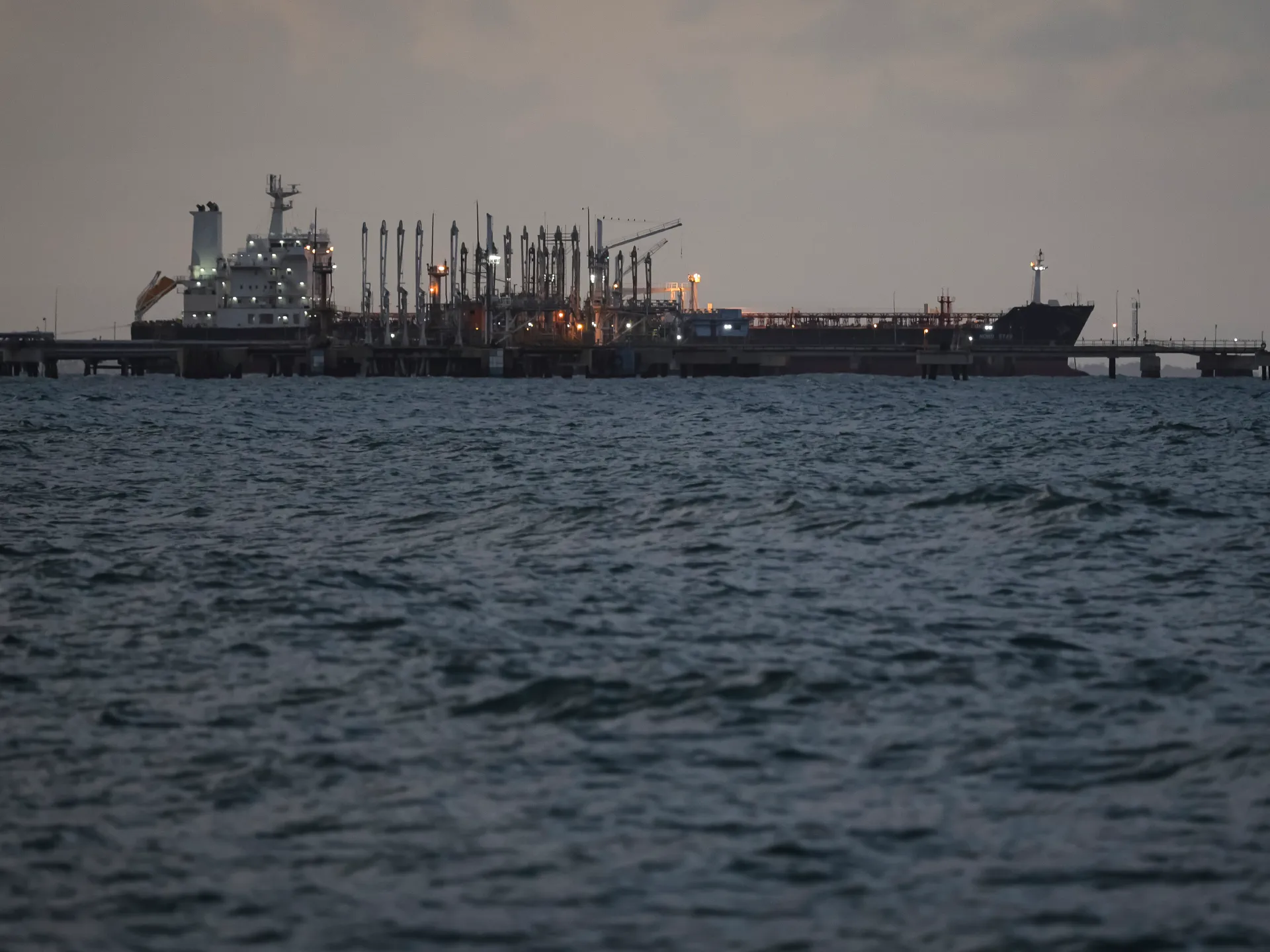
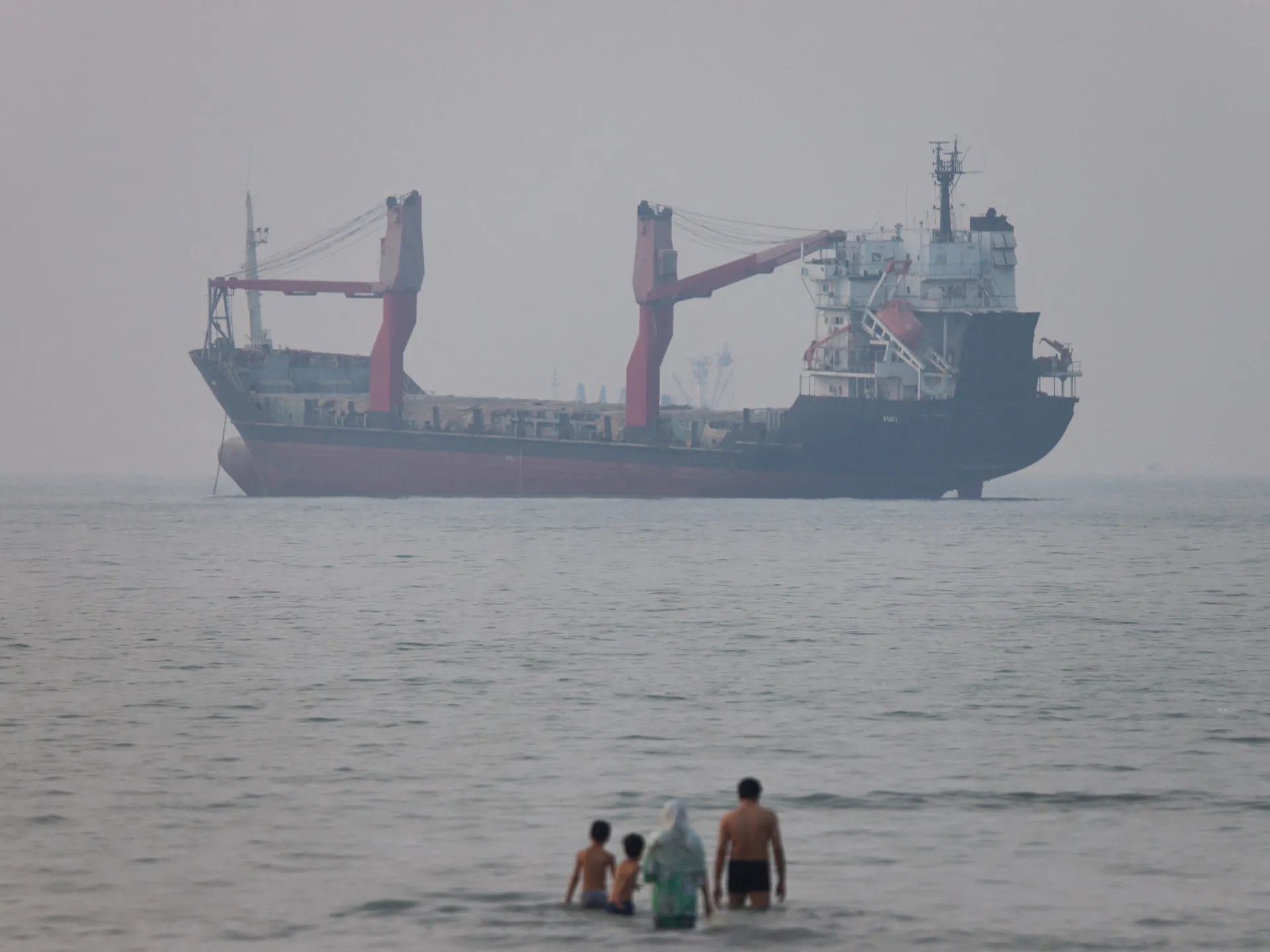
Beyond the financial sector, American sanctions target Iran's energy and shipping industries, as well as the aviation and technology sectors. A significant portion of these measures is also dedicated to human rights and counter-terrorism, which includes the designation of various branches of the Islamic Revolutionary Guard Corps as global terrorist entities. Consequently, billions of dollars in Iranian assets remain frozen within American financial institutions, effectively removing these funds from the reach of the Iranian government.
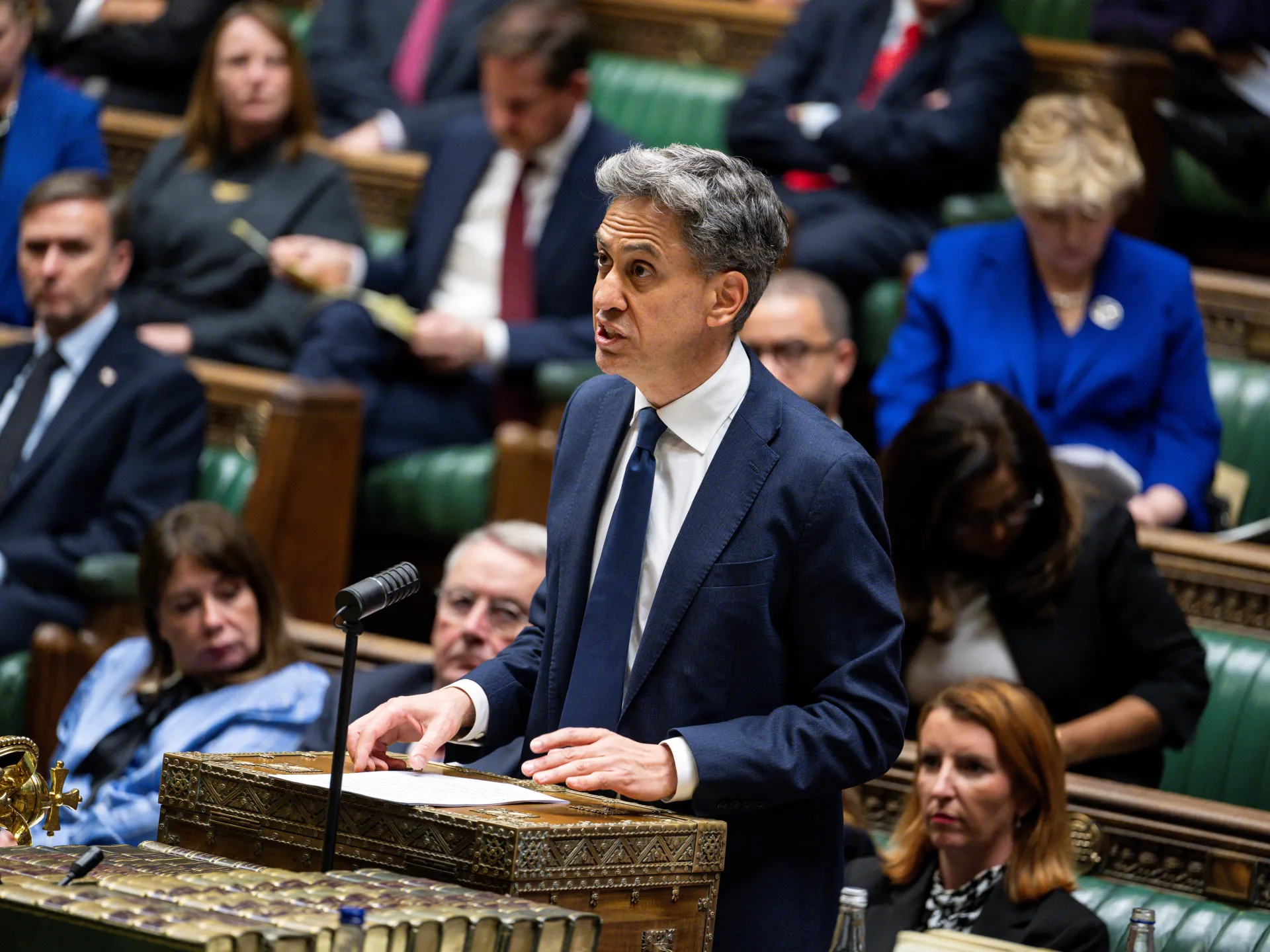
The European Union and the United Kingdom have developed their own rigorous sanctions regimes that largely mirror the objectives of the UN and the United States. The EU’s approach is regularly reviewed and adjusted to keep pace with geopolitical shifts. Their restrictions focus heavily on dual-use goods—items that serve both civilian and military purposes—as well as comprehensive embargos on Iranian oil, petroleum products, and critical metals like steel and aluminum. Financial transactions involving Iranian banks suspected of involvement in proliferation activities are strictly prohibited within the EU.
The United Kingdom’s framework is similarly structured, emphasizing the freezing of assets for specific entities and travel bans for individuals accused of human rights abuses. Beyond these primary Western powers, a coalition of other nations—including Australia, Canada, Japan, New Zealand, Norway, and Switzerland—has implemented independent sanctions programs. While these nations may have varying levels of enforcement, their collective actions reinforce the international consensus regarding Iran’s nuclear ambitions and domestic policy, further insulating the country from conventional global trade and investment opportunities.