Saudi Arabia intercepted a Houthi drone near Mecca, sparking a diplomatic outcry and escalating regional tensions over maritime security and ongoing conflict.
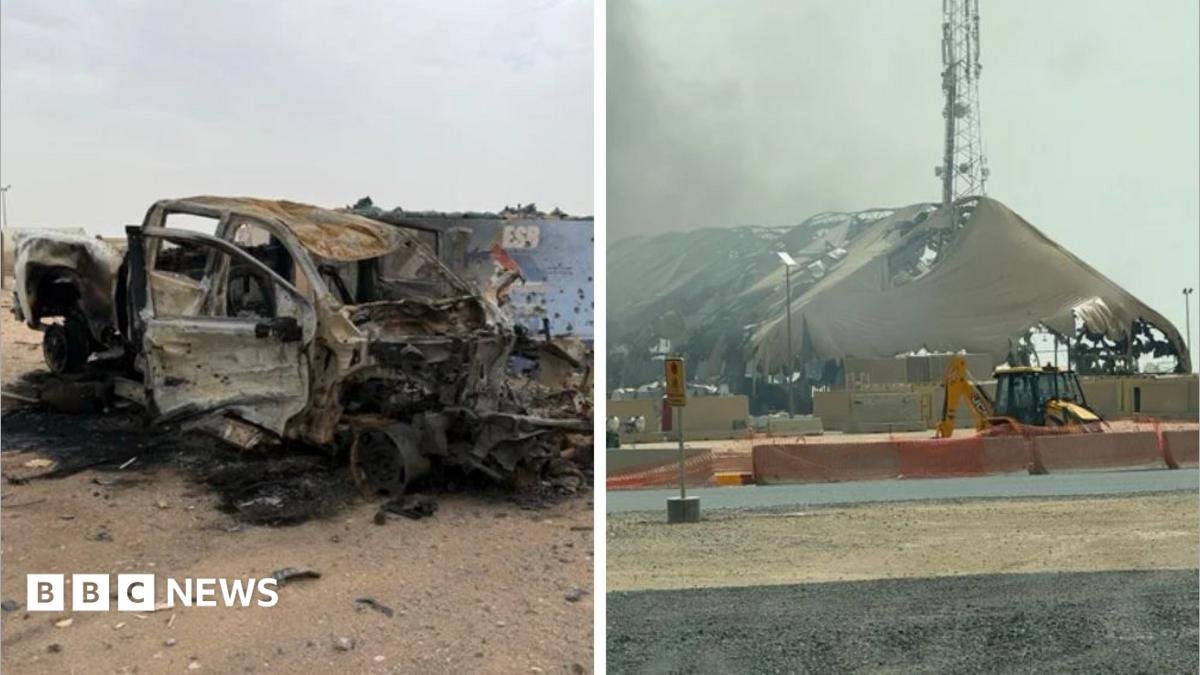
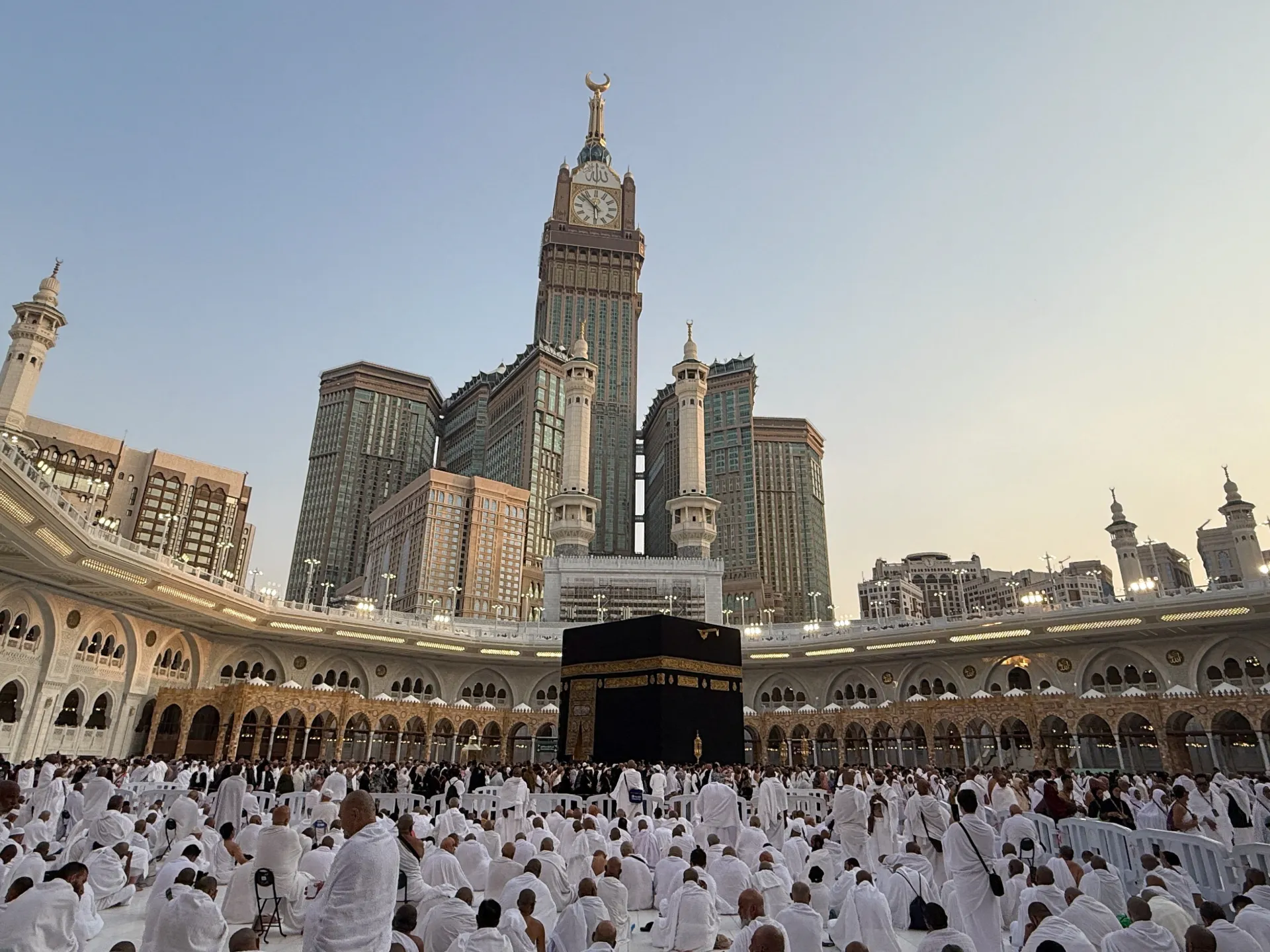
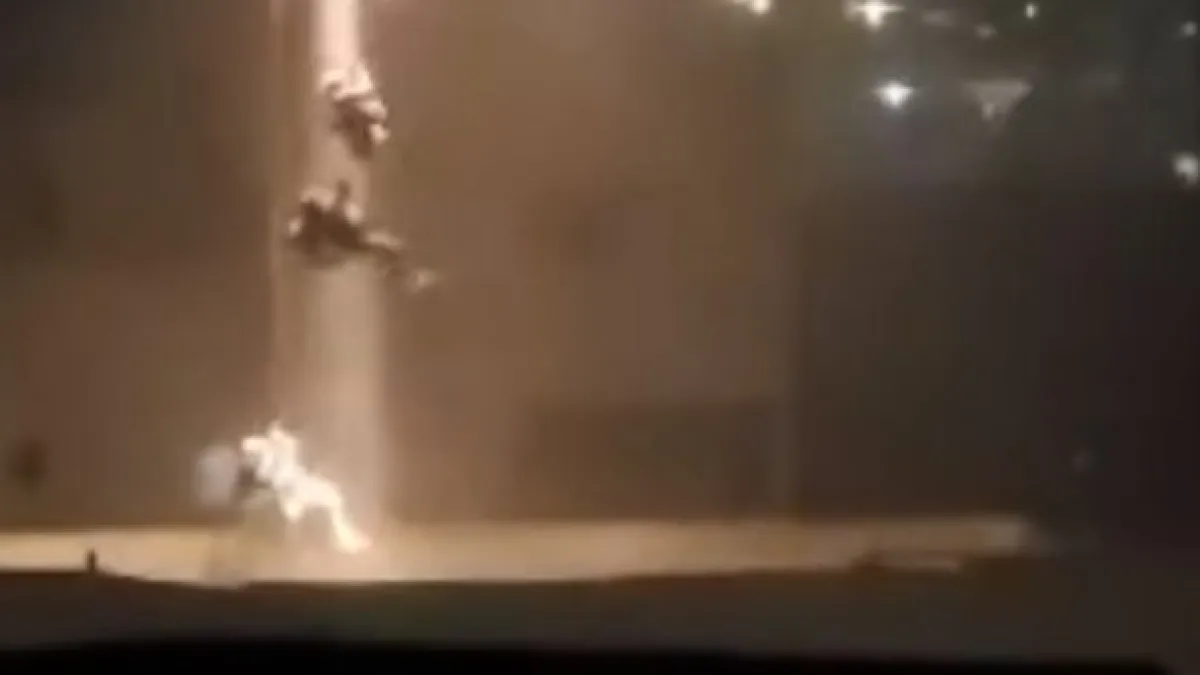
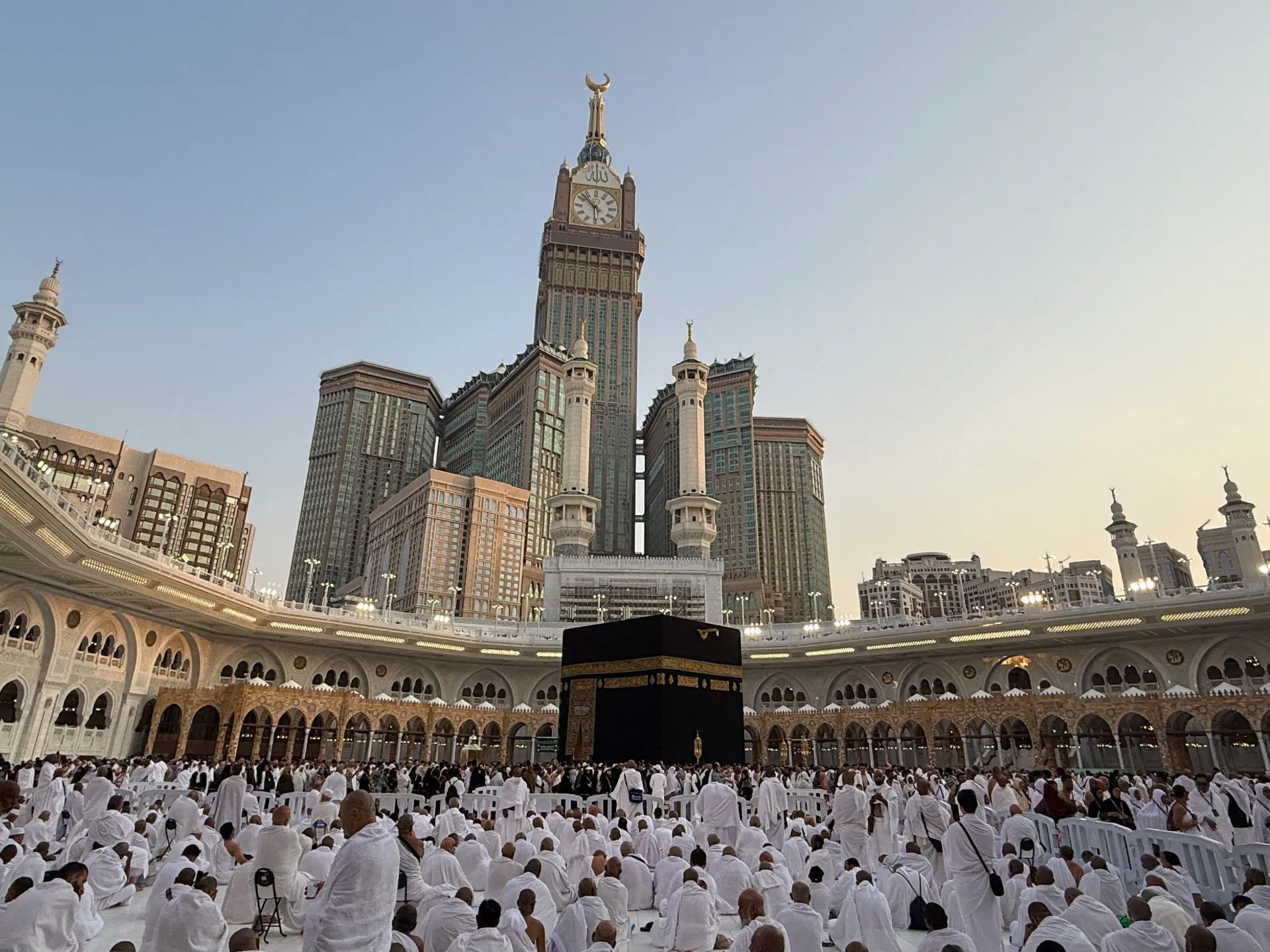
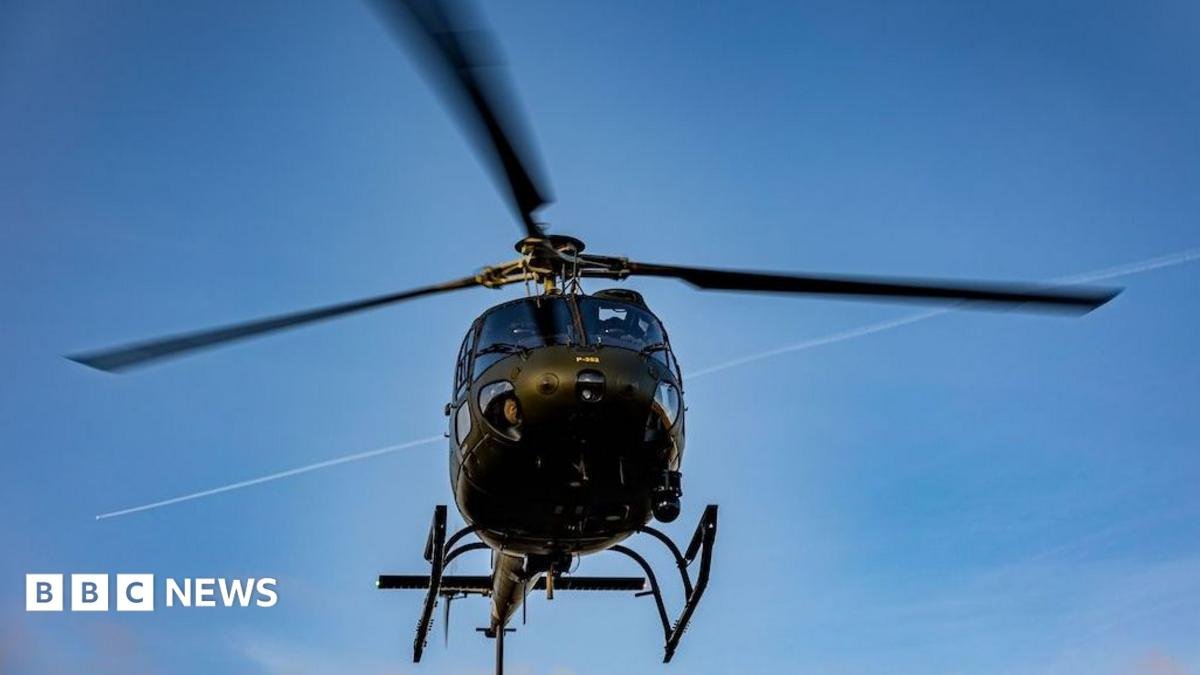
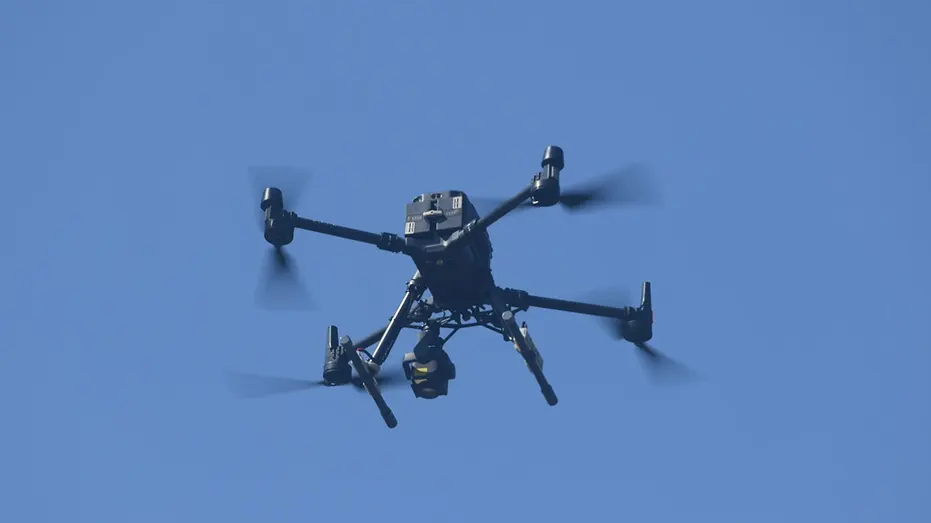
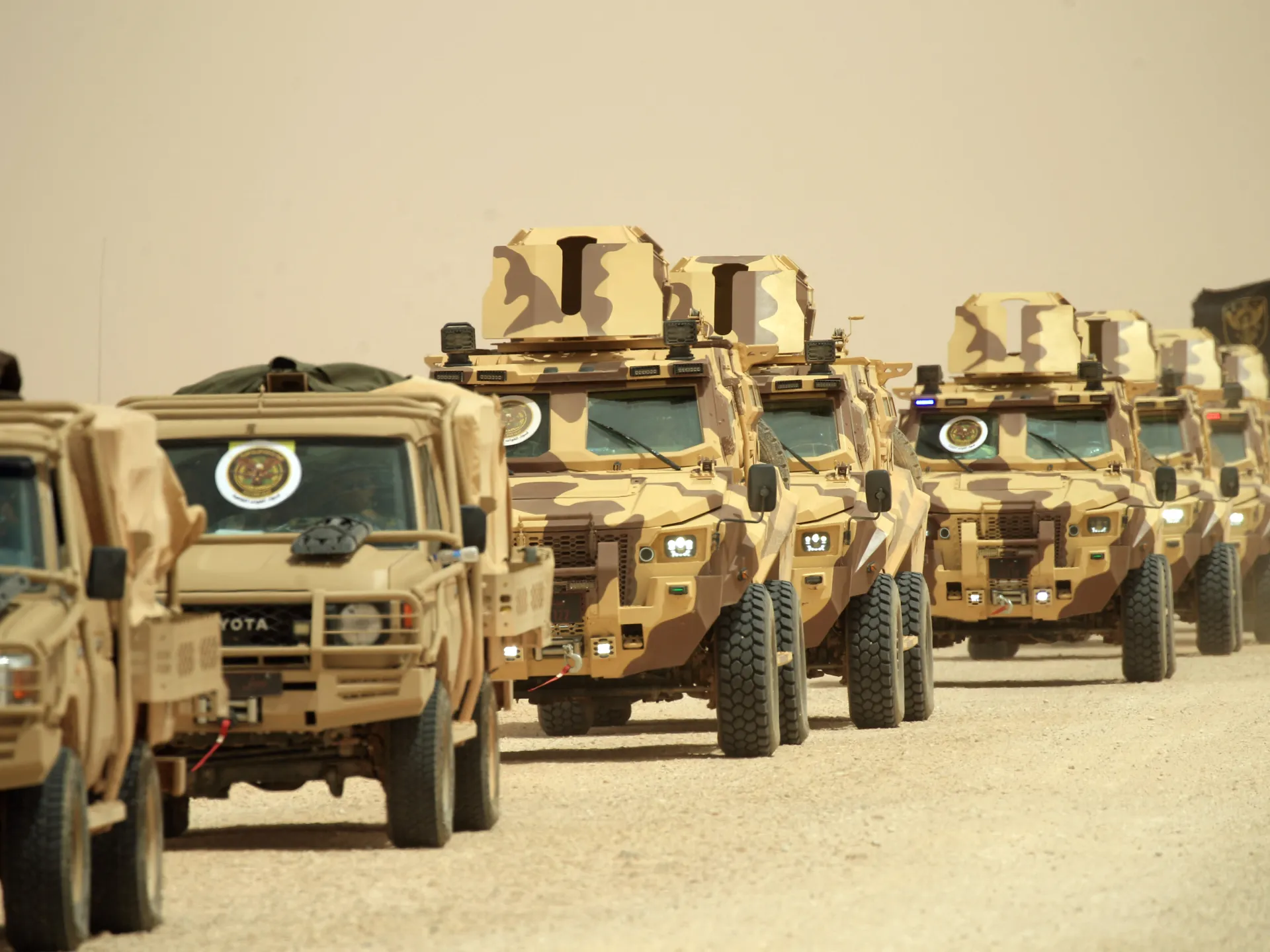
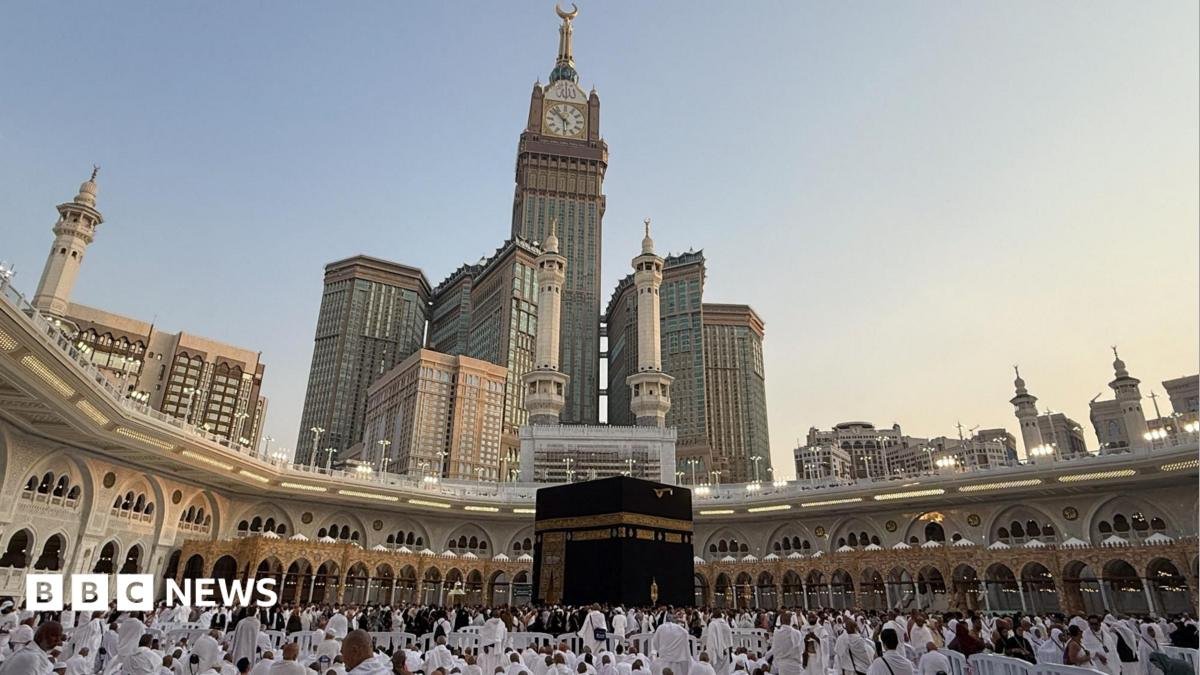
Saudi Arabian defense forces successfully intercepted and neutralized an unmanned aerial vehicle (UAV) in the vicinity of Mecca, the holiest city in Islam. The coalition forces, led , noting that the city serves as the spiritual heart of the Hajj pilgrimage. A spokesperson for the coalition condemned the act, labeling it a reprehensible transgression against sacred territory.
The incident triggered immediate security alerts across western Saudi regions, including the major urban hub of Jeddah. While the coalition moved quickly to address the threat, the Organization of Islamic Cooperation issued a formal statement denouncing the attempt, describing any military action directed toward the province of Mecca or the nearby holy sites as fundamentally intolerable.
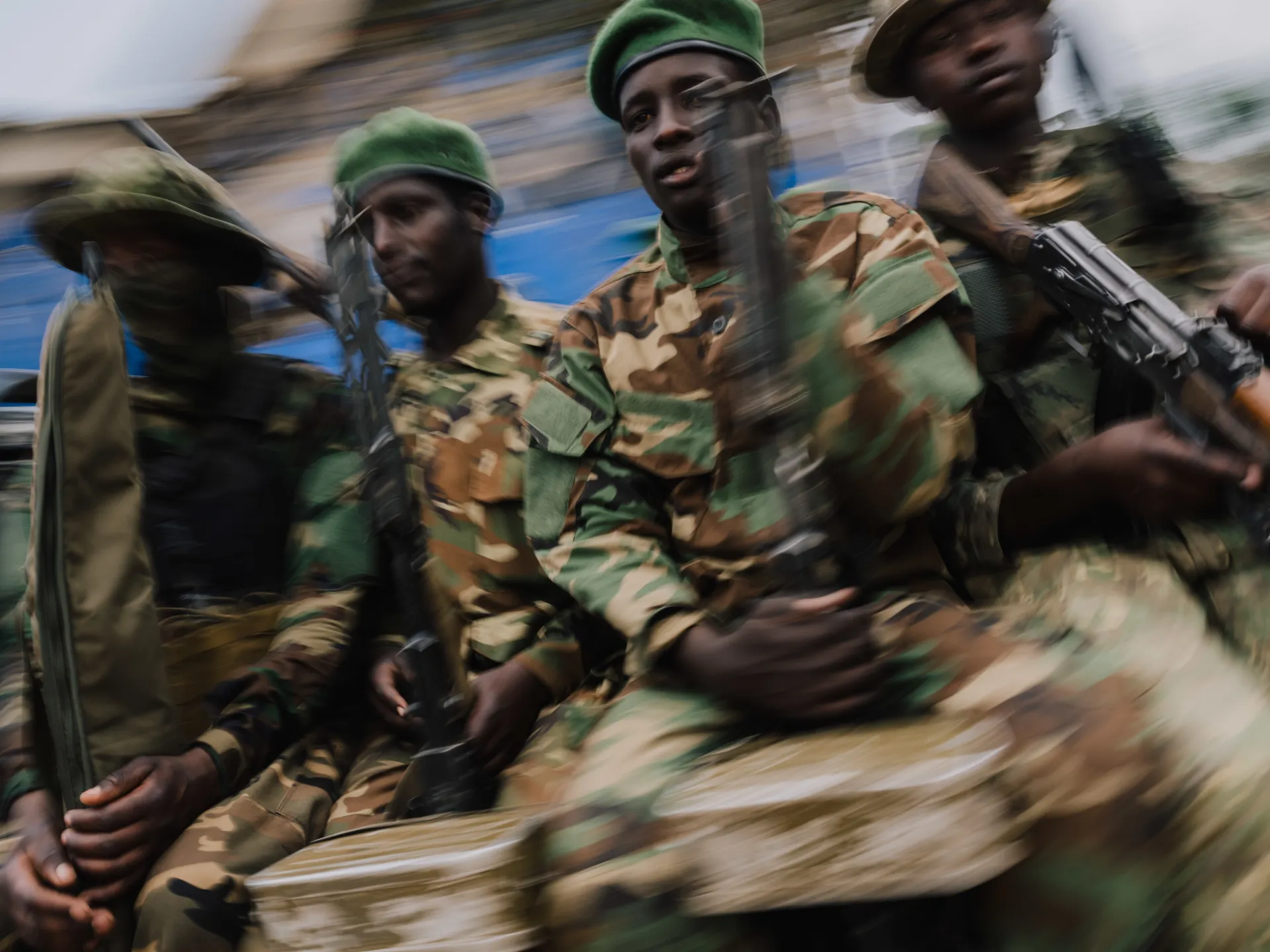
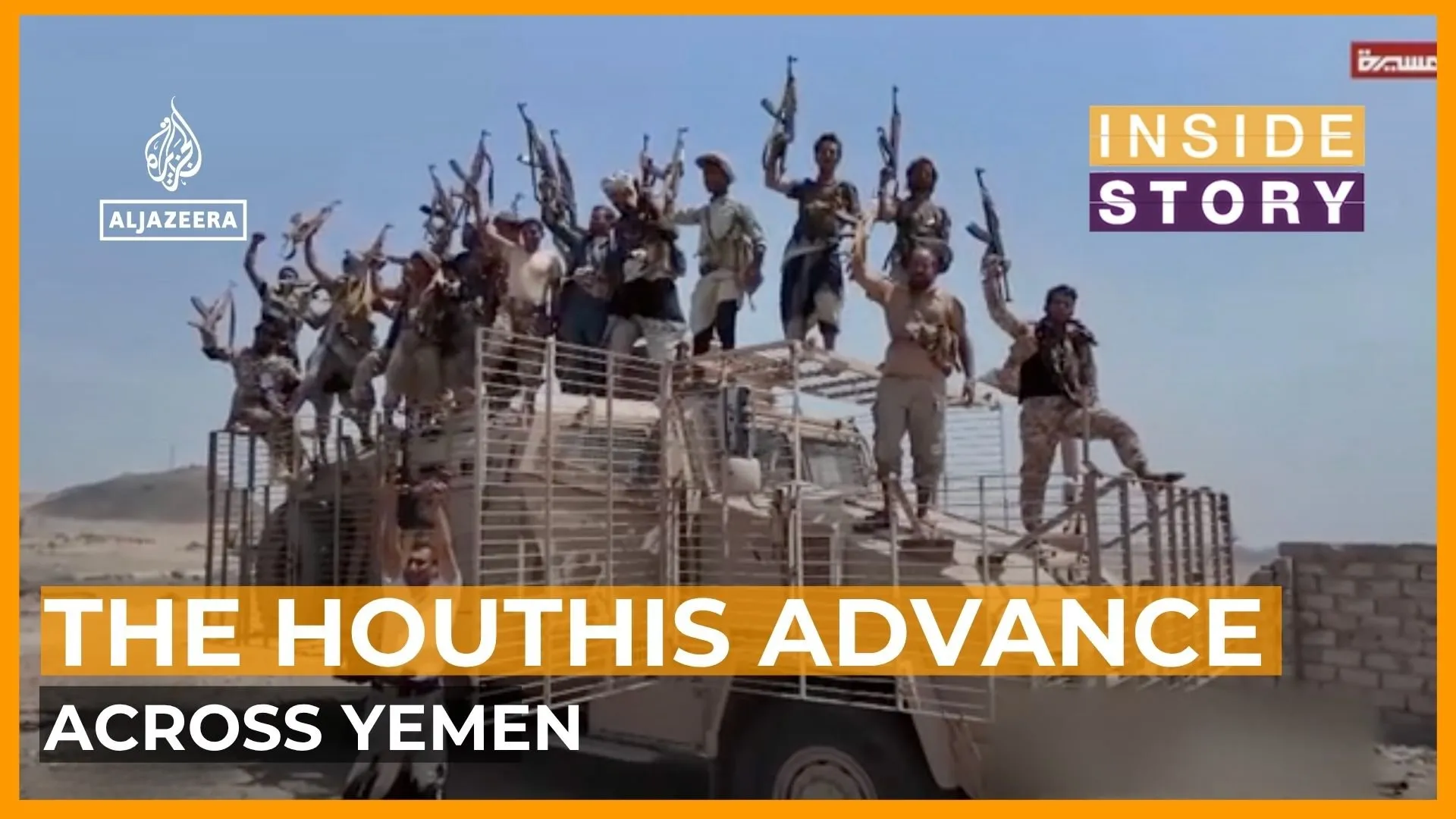
In response to the Saudi allegations, the Houthi movement—an Iran-backed armed faction currently controlling significant portions of western Yemen—issued a firm denial. Houthi military representatives argued that their strategic operations are strictly confined to legitimate military installations and energy infrastructure, maintaining that they have no intention of endangering religious sites. They framed the Saudi announcement as a calculated fabrication designed to obscure the reality of the ongoing conflict.
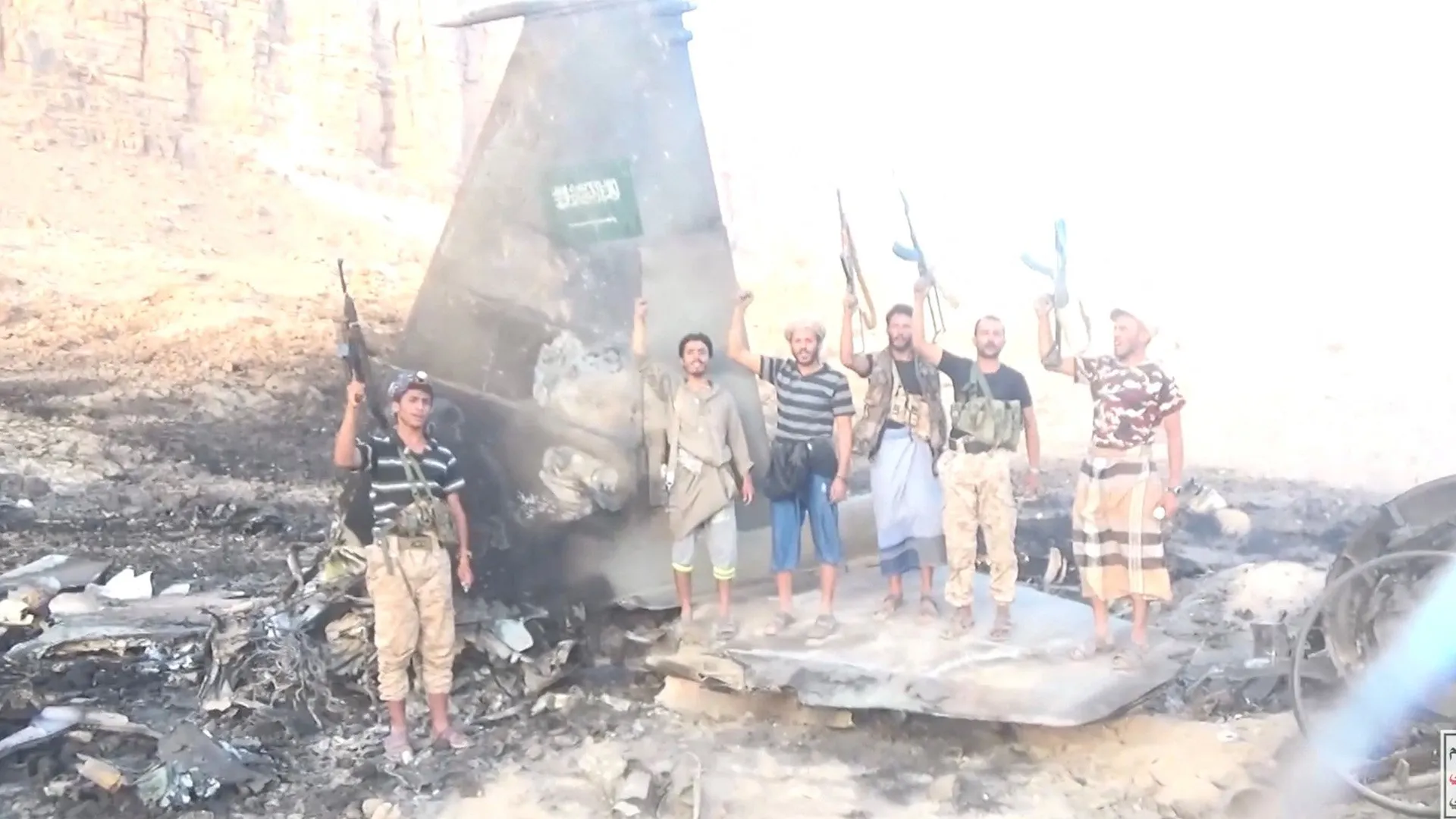
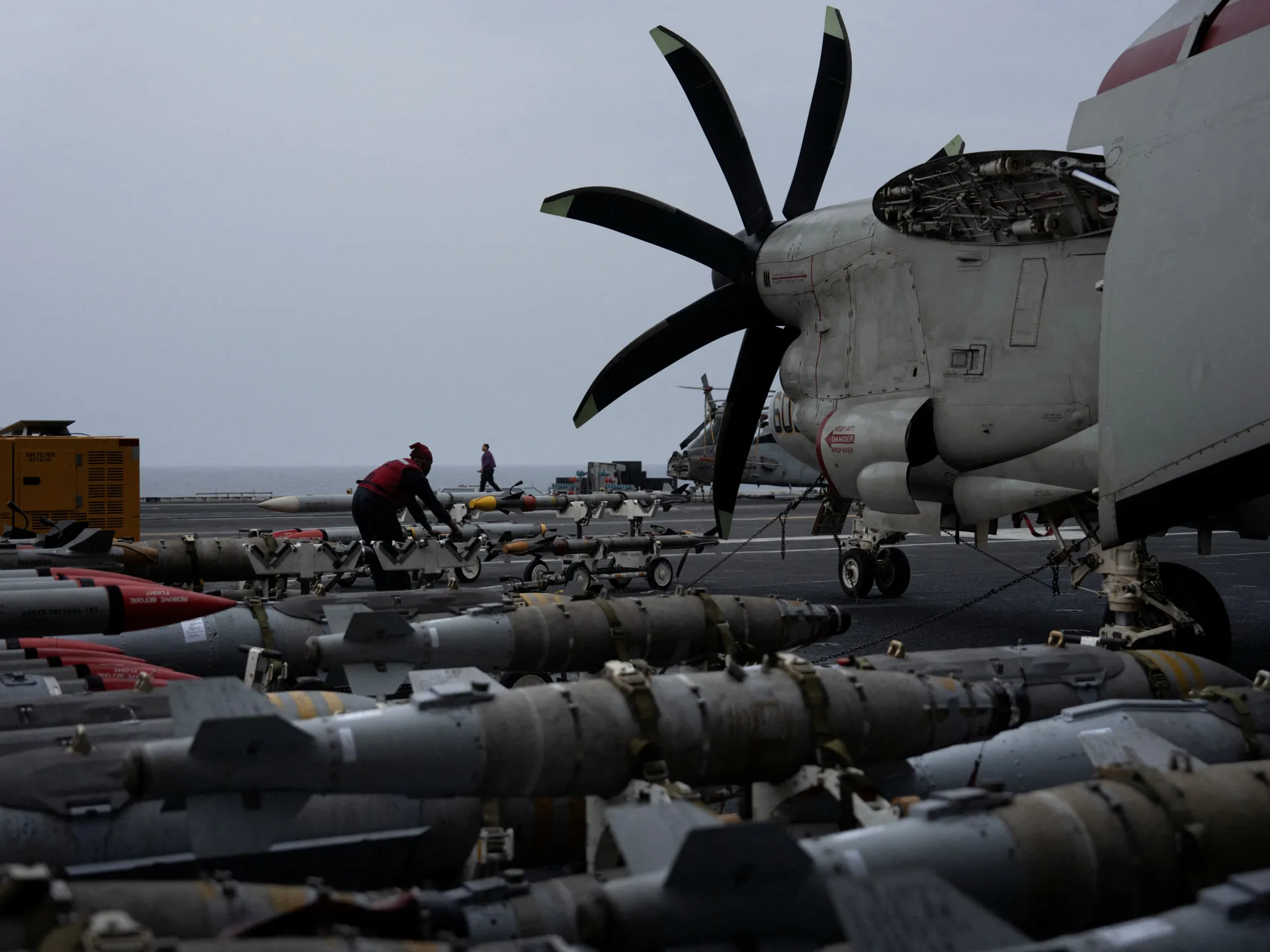
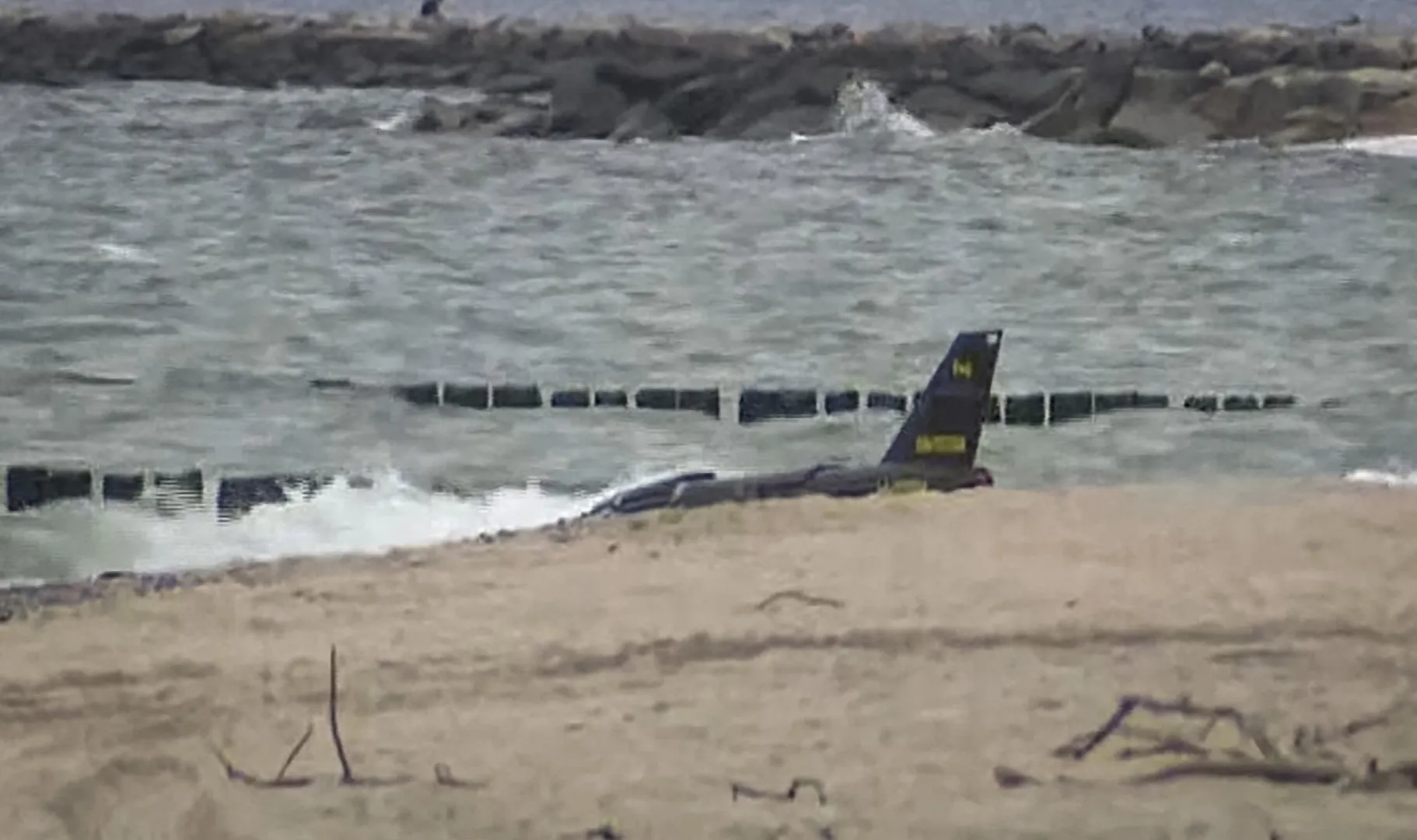
The Houthi leadership asserted that their recent aerial activity, including the launch of drones and missiles, was a direct retaliatory response to a significant surge in Saudi-led airstrikes within Yemeni territory over the preceding week. Furthermore, the group claimed to have downed a Saudi fighter jet over the Marib province, though the coalition has not provided immediate confirmation or response to this specific claim.
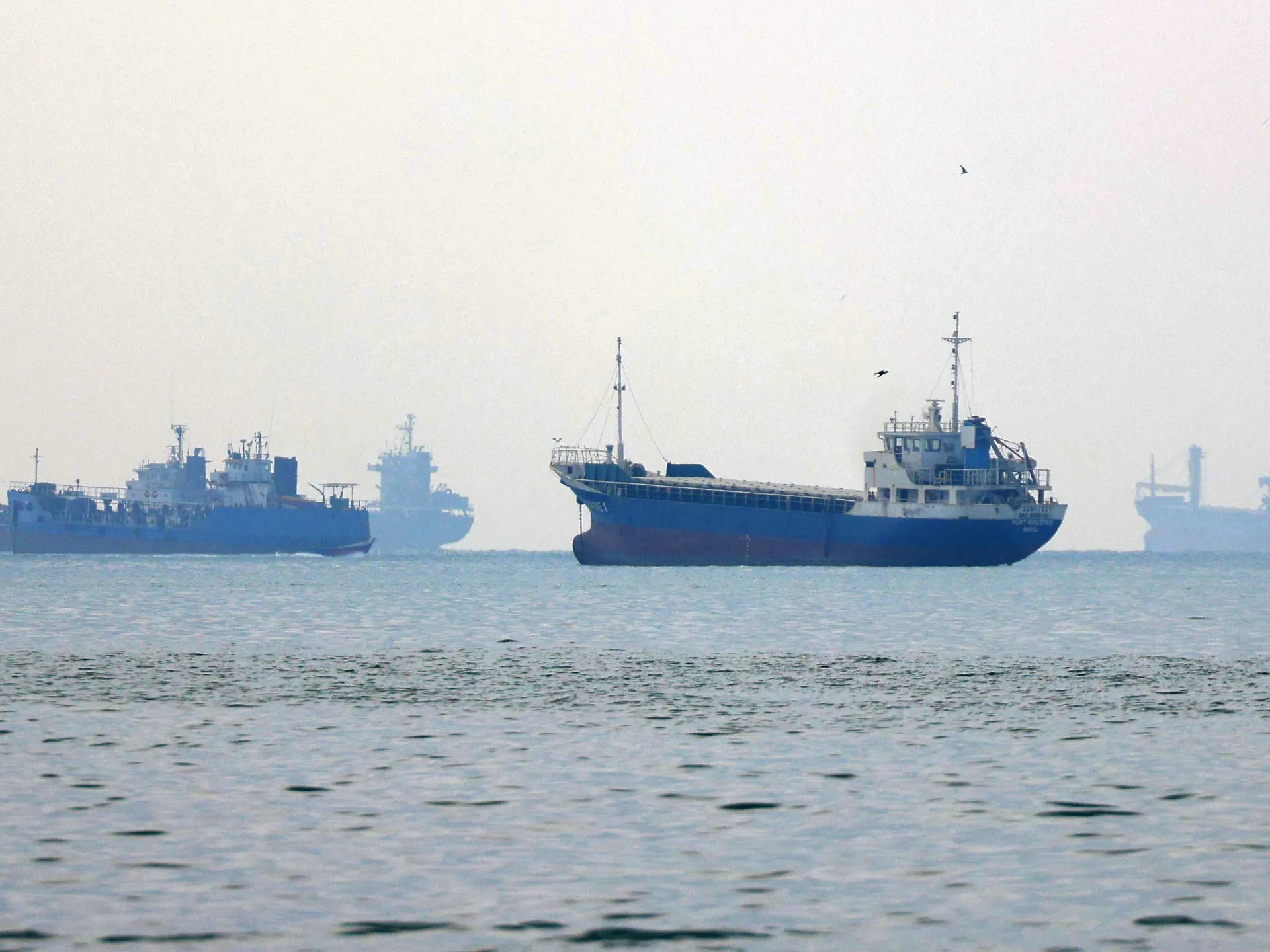
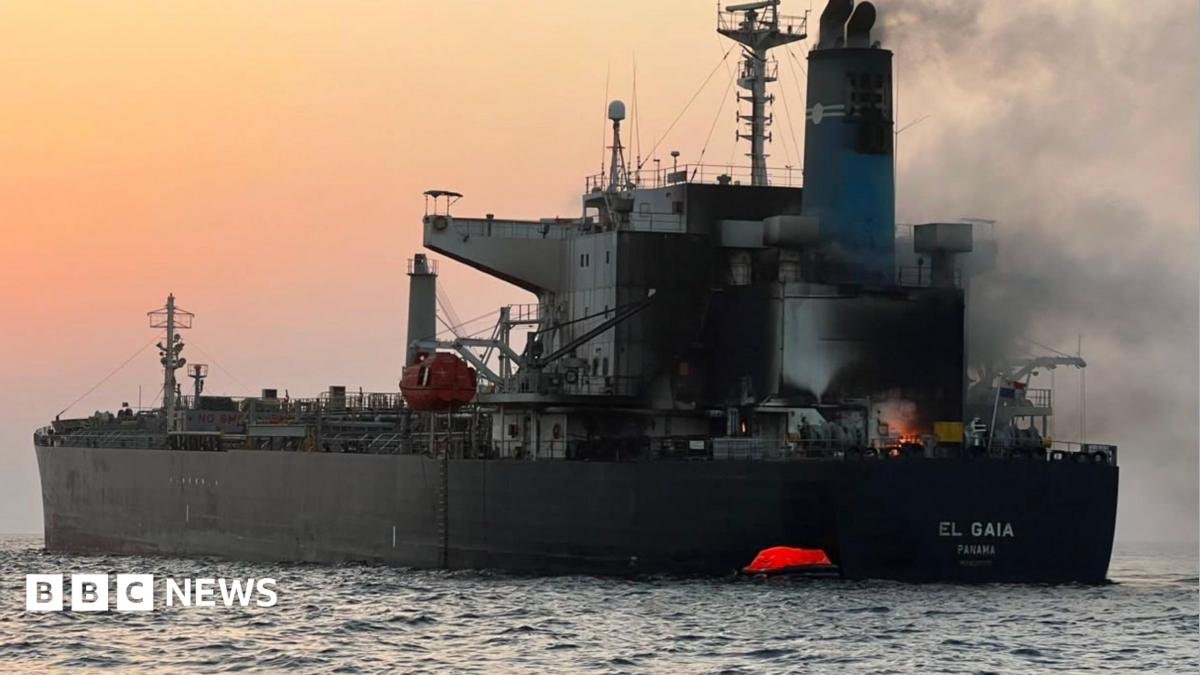
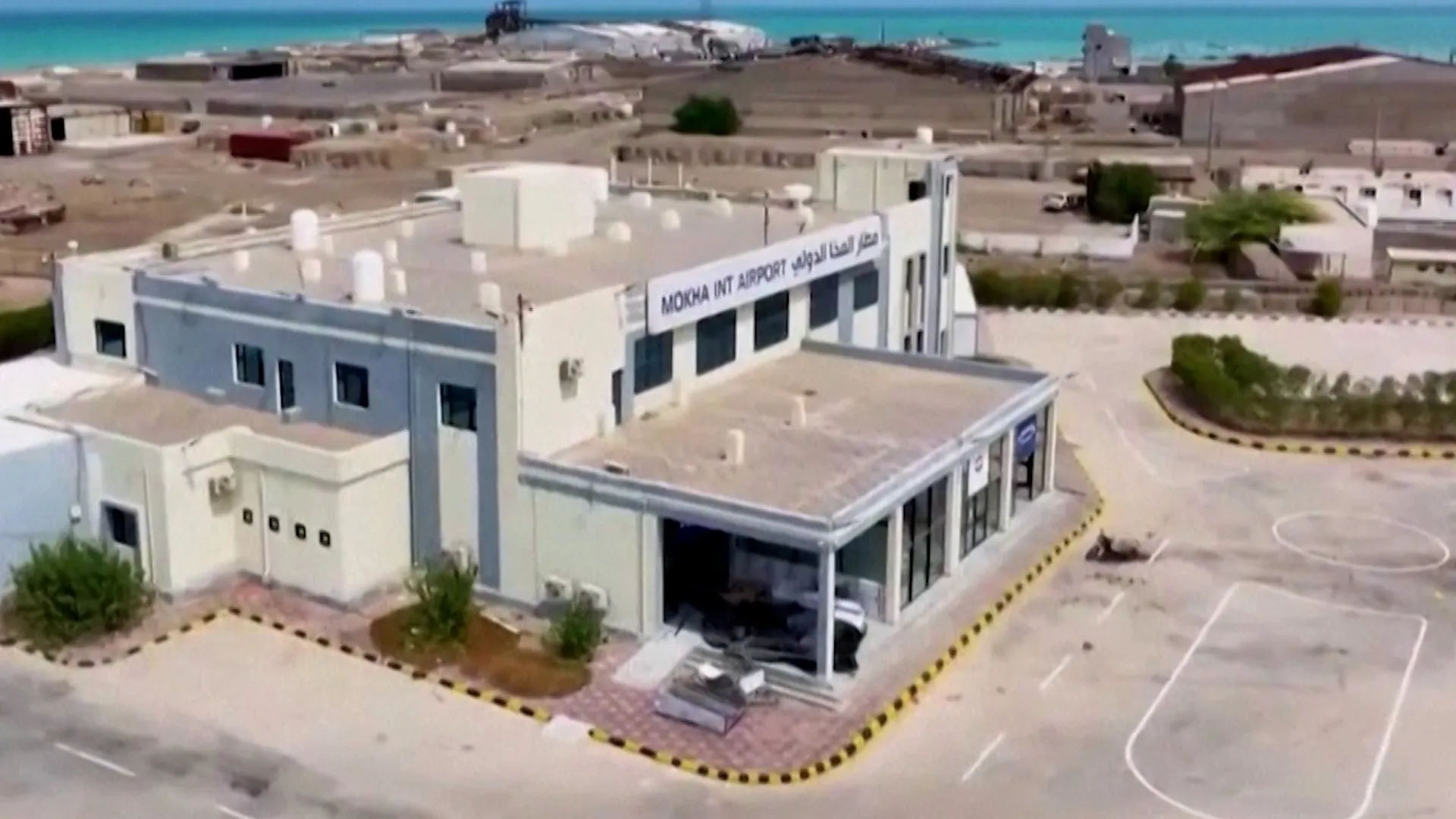
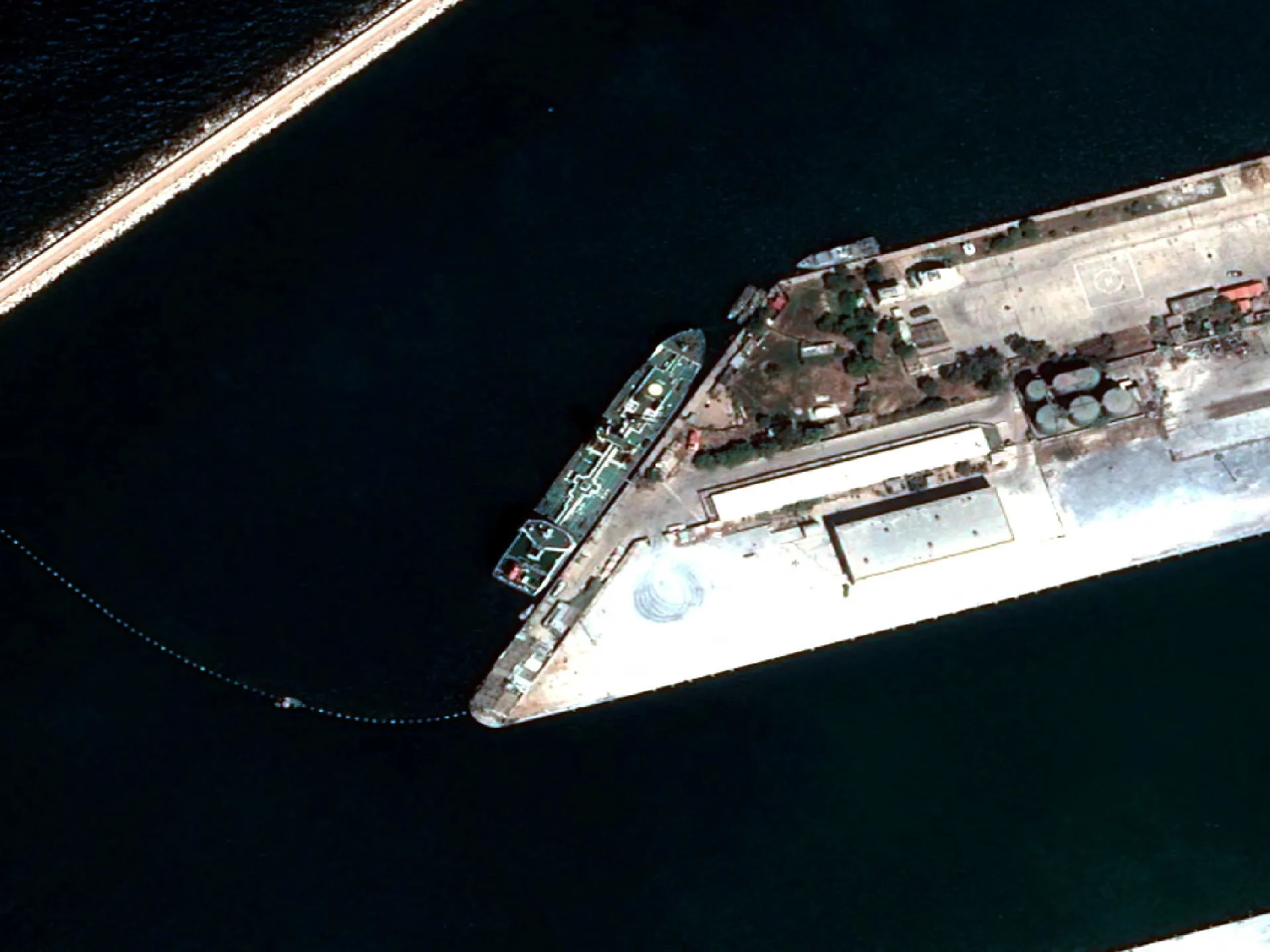
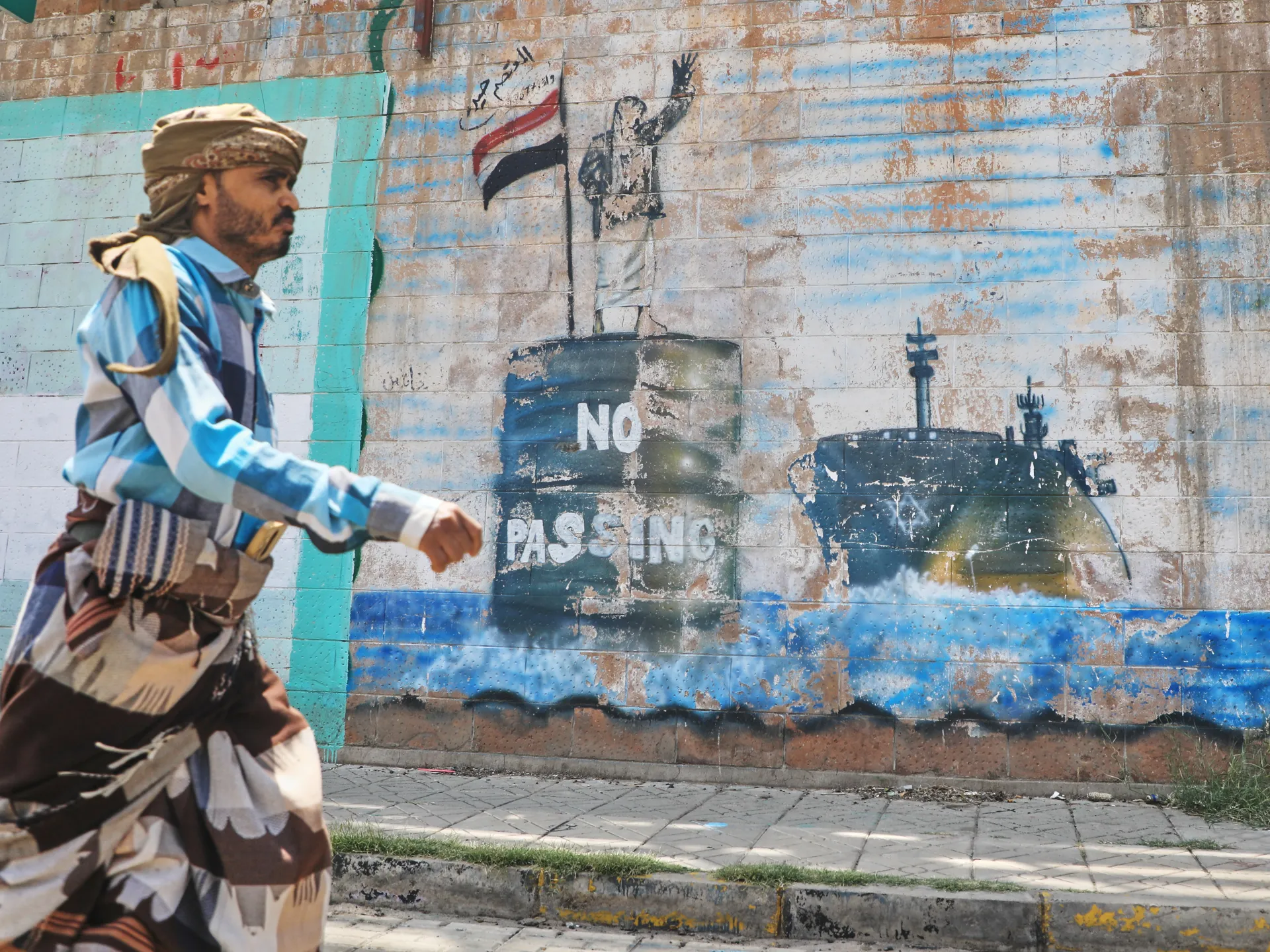
The conflict has increasingly expanded beyond the borders of Yemen, now threatening critical maritime logistics in the Red Sea. Following the capture of the strategic port of Mokha and the occupation of Perim Island near the Bab al-Mandab Strait, the Houthis have established a formidable presence at the southern entrance of a vital shipping corridor. This strait serves as a primary link for global trade between Asia and Europe.
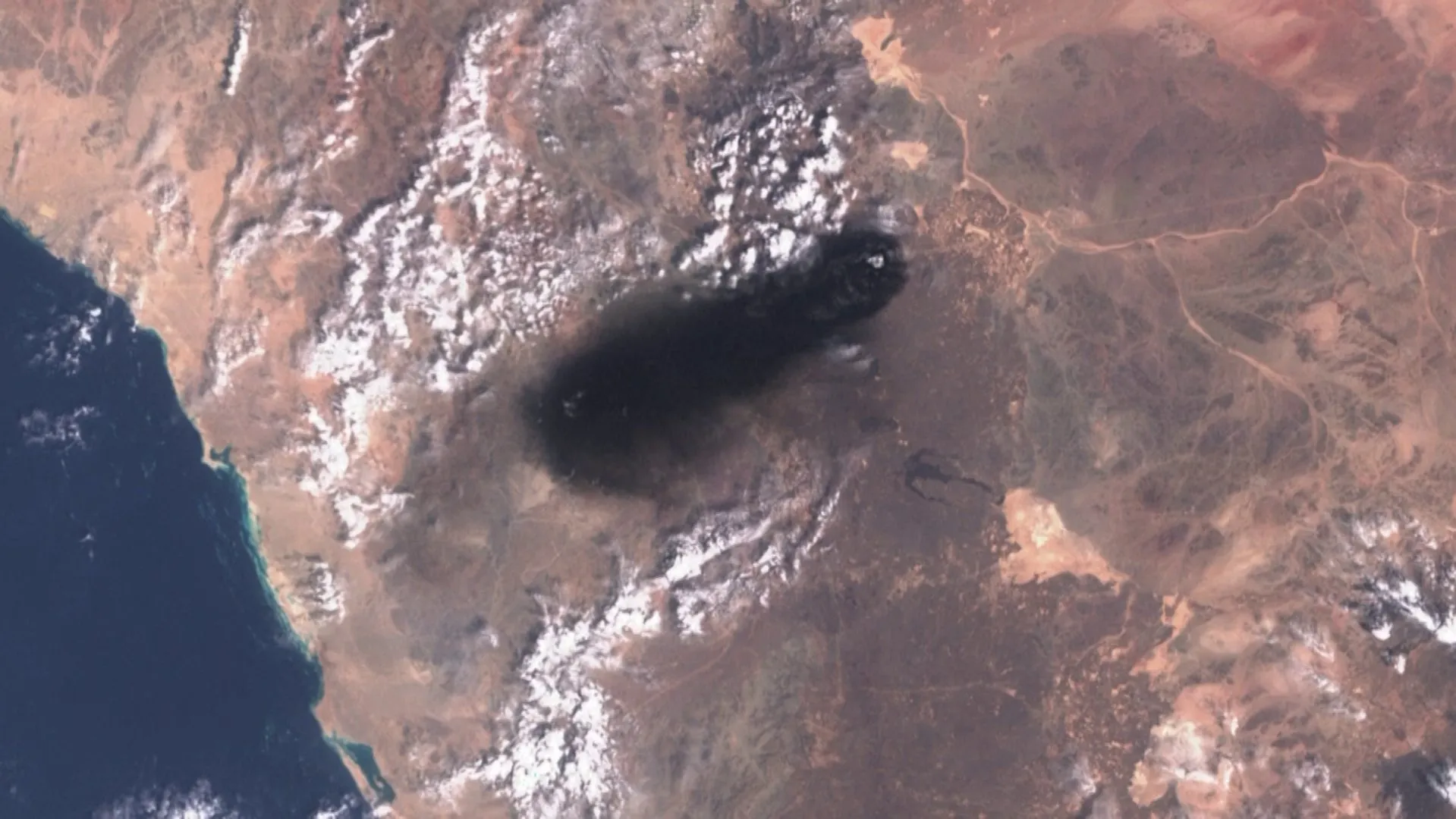
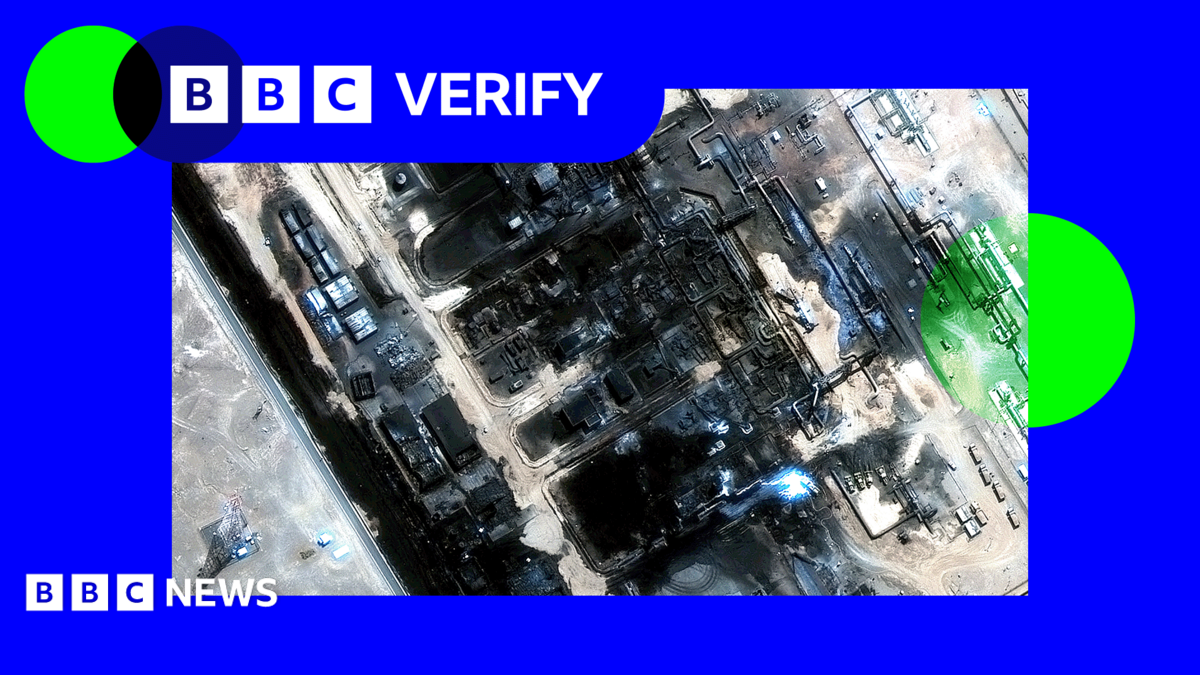
While the Houthi command has stated they do not seek to disrupt international maritime navigation, they have explicitly warned that vessels associated with the Saudi coalition remain primary targets. This posture has heightened anxieties regarding the global oil supply, especially as the kingdom works to manage damage to its East-West Pipeline. Although some technical assessments suggest lengthy repair timelines, international energy officials remain optimistic that crude oil flow through the pipeline will be restored in the near term.
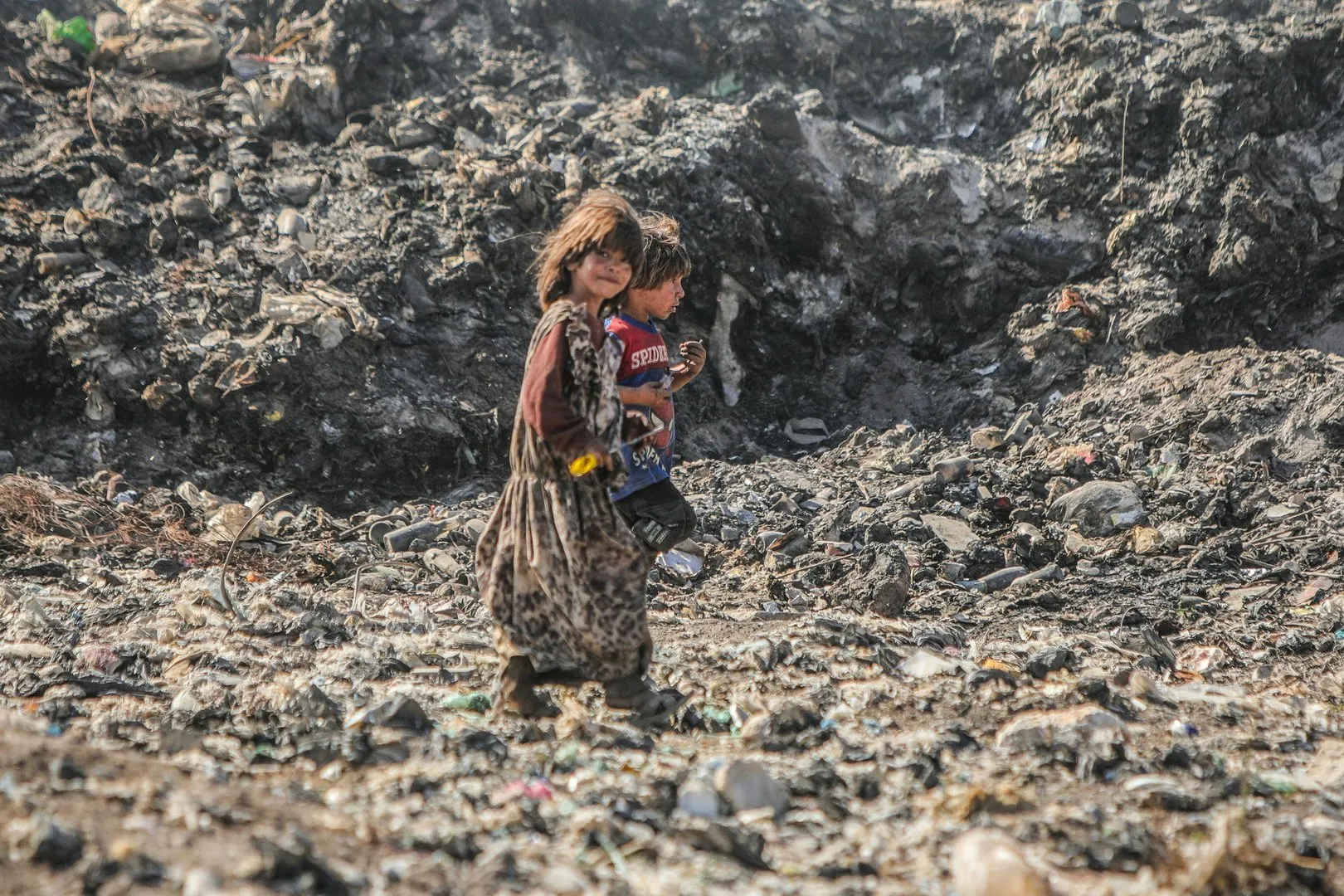
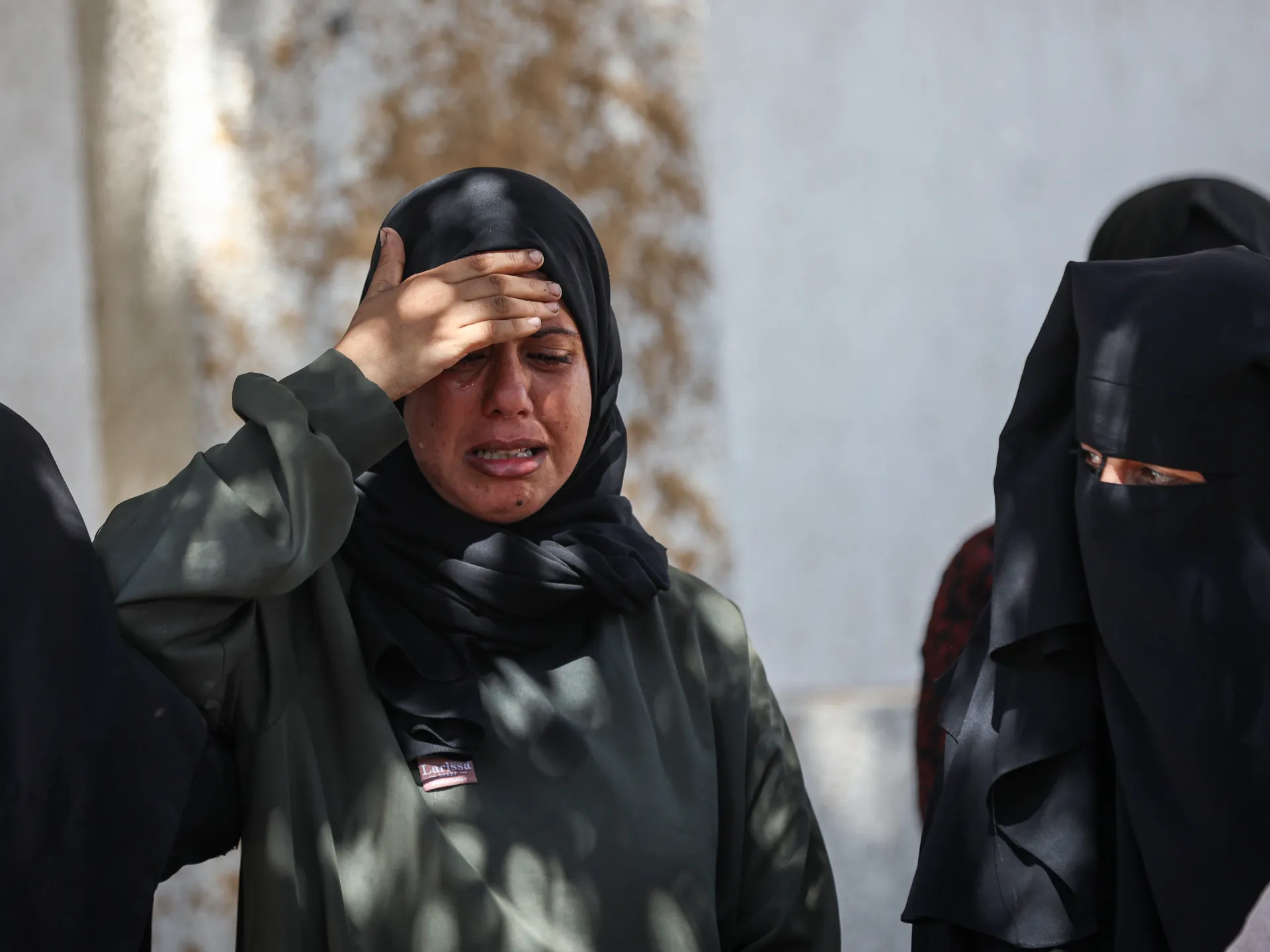
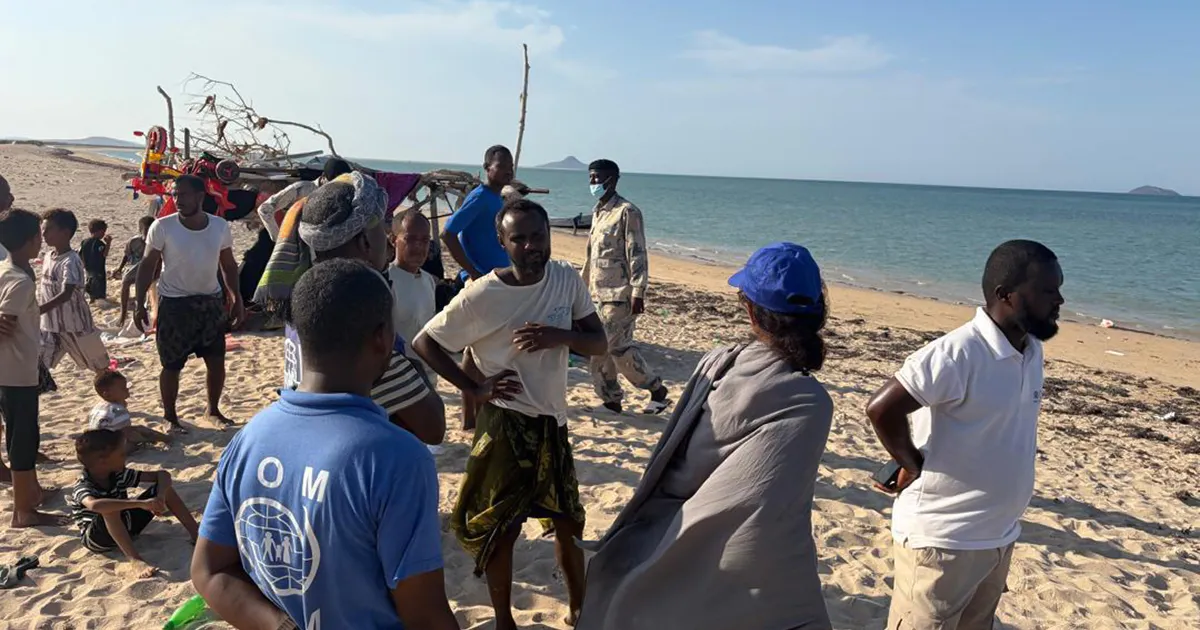
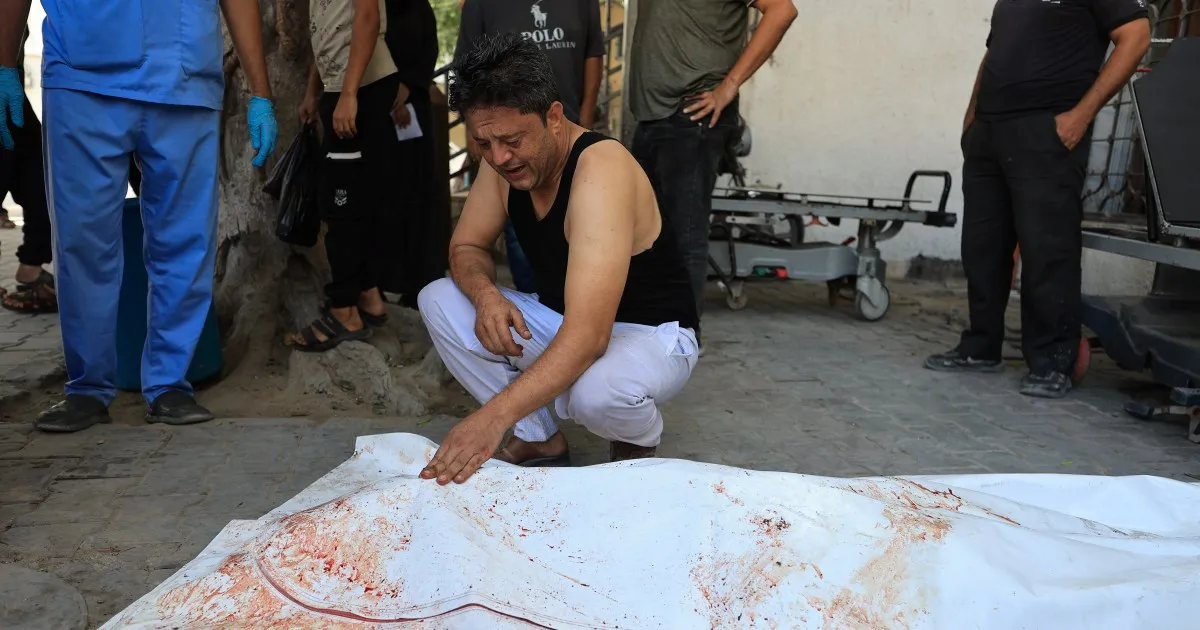
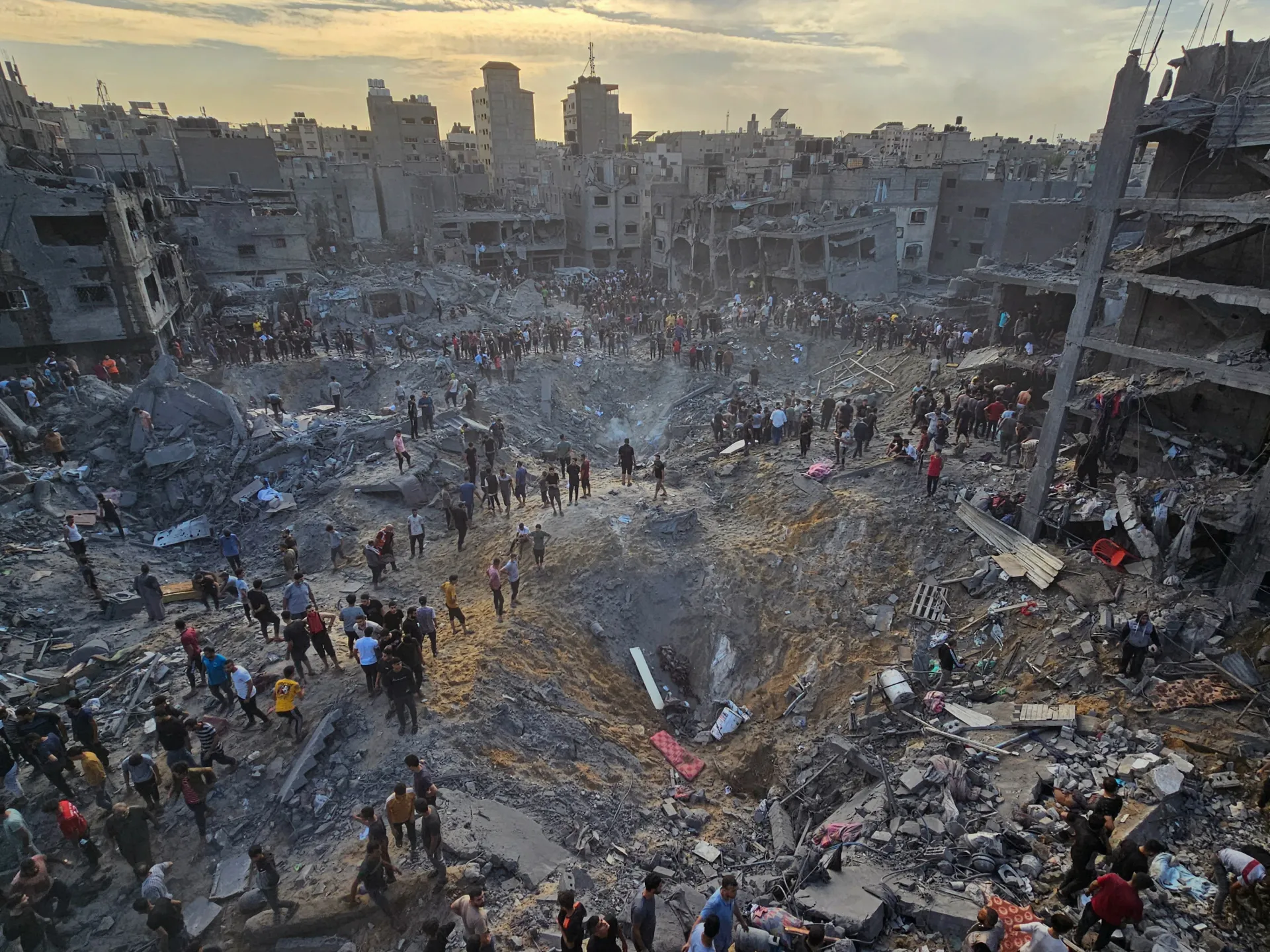
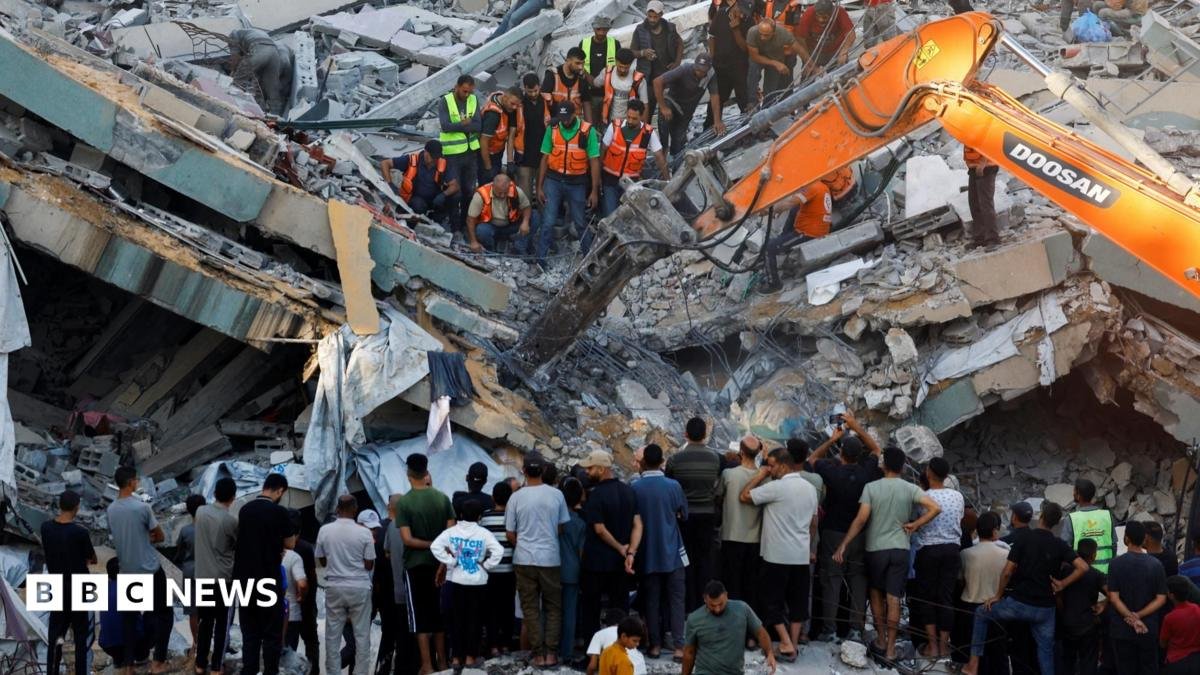
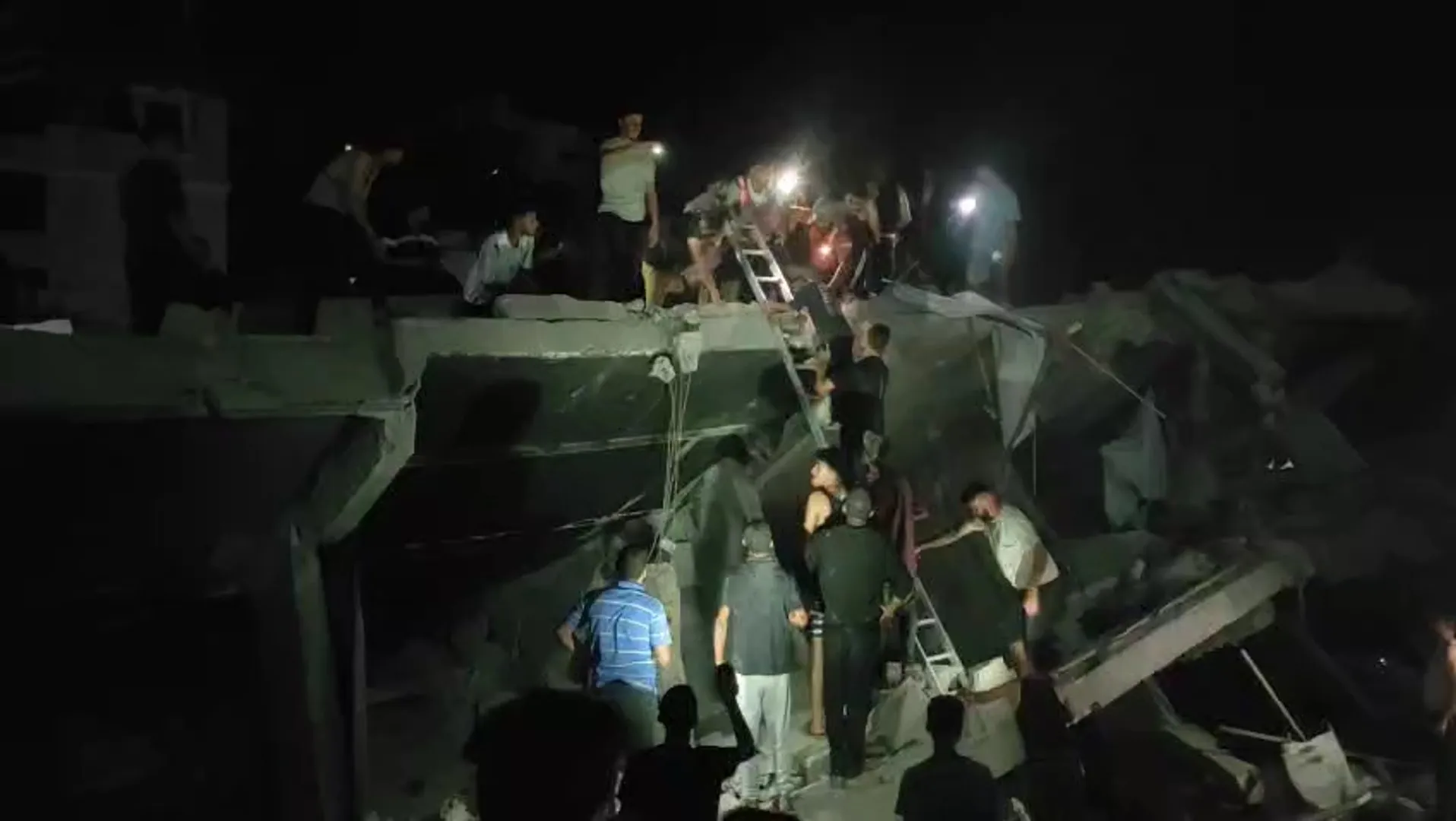
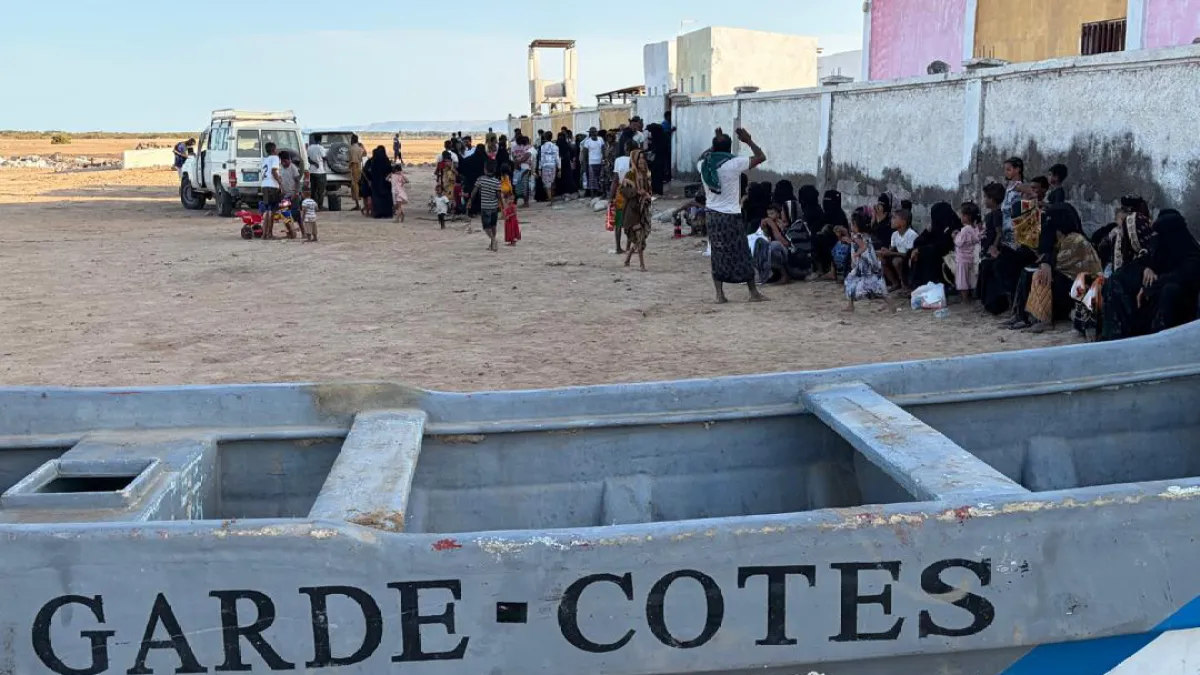
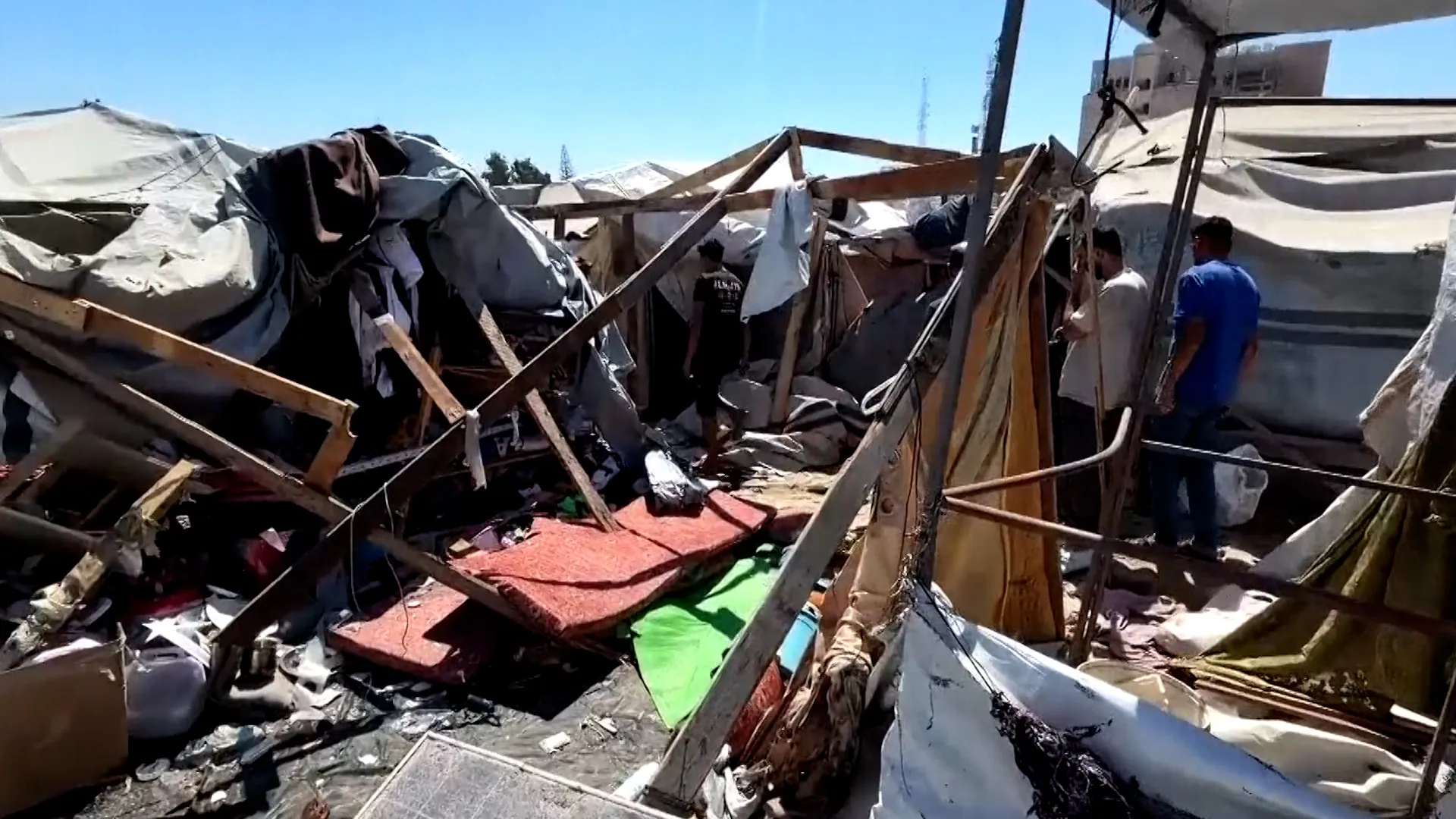
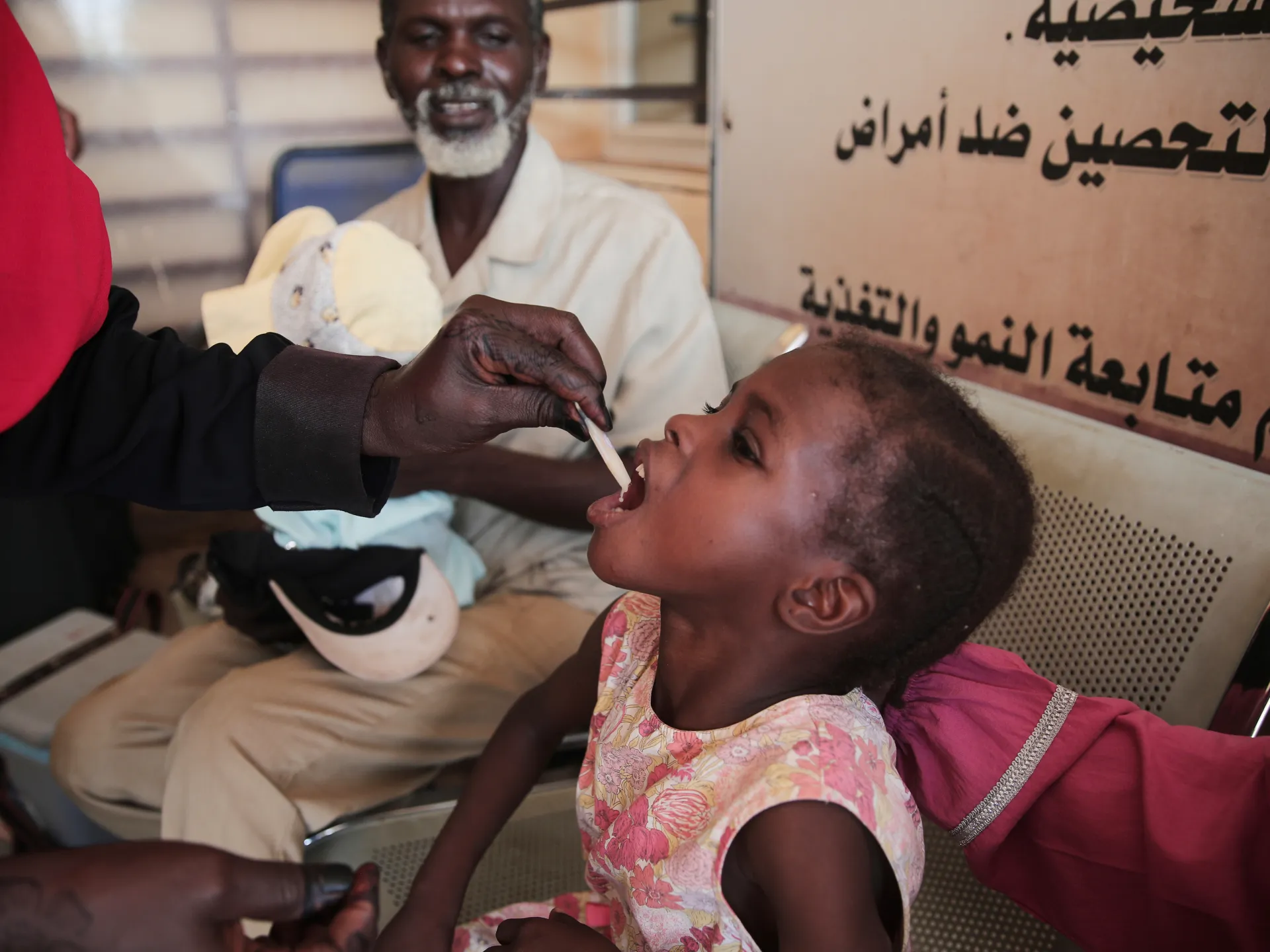
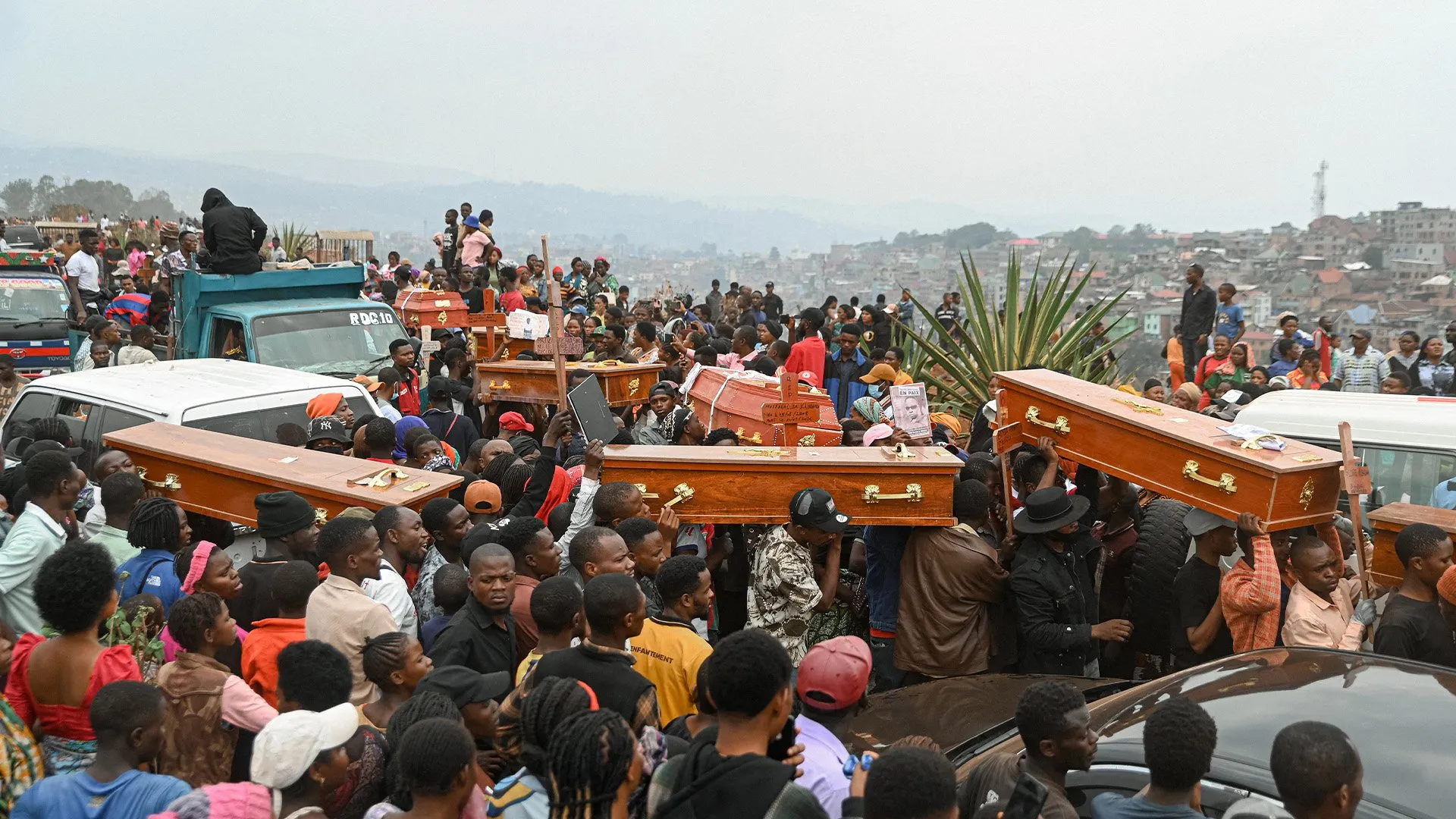
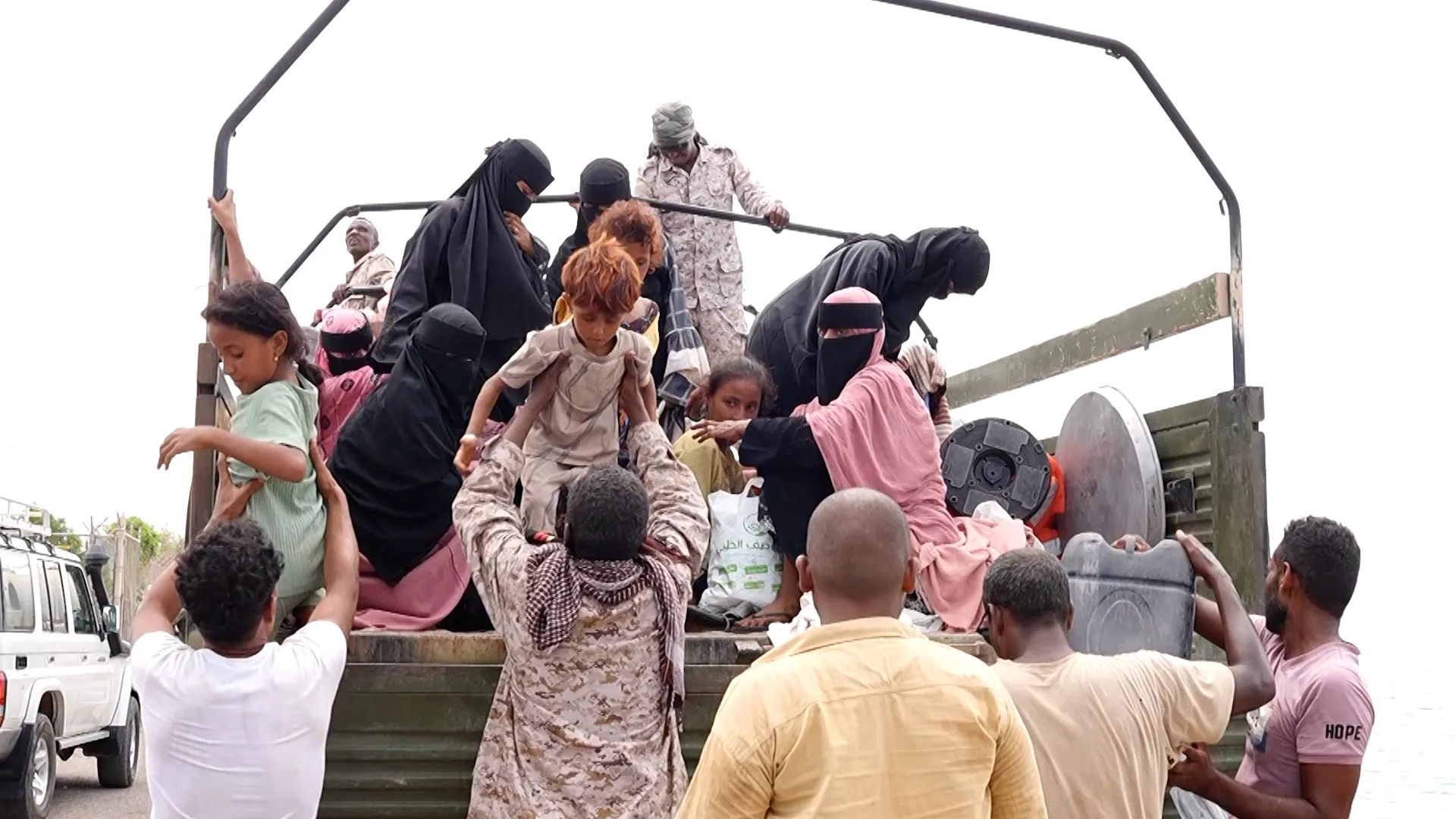
The broader conflict in Yemen continues to extract a devastating toll on the civilian population. According to data from international aid organizations, the recent escalation in fighting has resulted in the displacement of over 90,000 individuals, many of whom have been forced to flee their homes multiple times. Health agencies have reported a sharp increase in casualties, with hundreds of deaths documented in recent weeks alone.
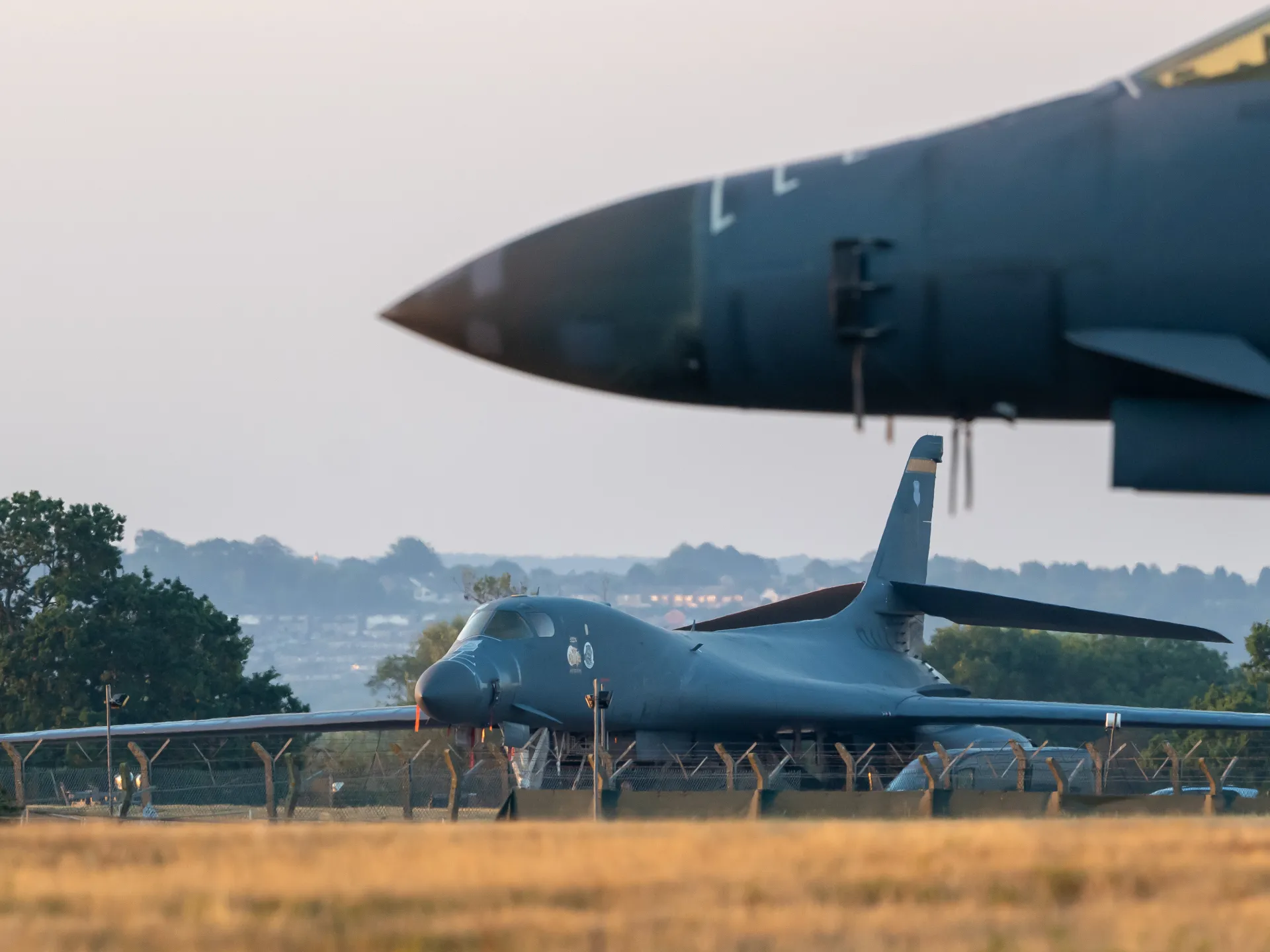
On the diplomatic front, the United Nations Security Council has convened emergency sessions to address the deteriorating situation and the potential for a total blockade of the Bab al-Mandab Strait. Despite urgent calls for restraint and the pursuit of a renewed ceasefire, the path to peace remains obstructed. The Saudi leadership has reportedly sought increased military and intelligence support from international allies to counter the growing threat, while global powers emphasize the necessity of maintaining freedom of navigation to protect fragile international supply chains.