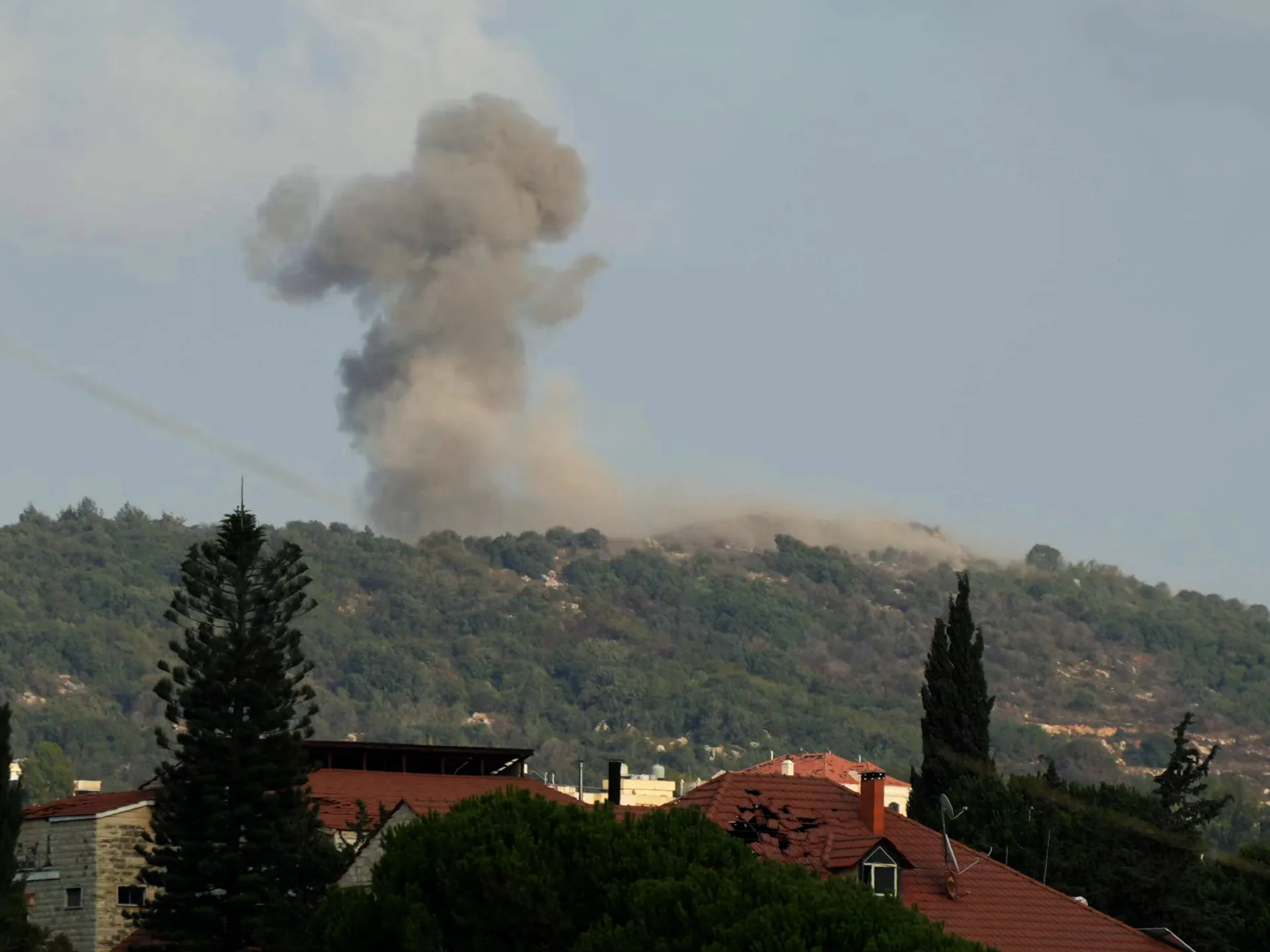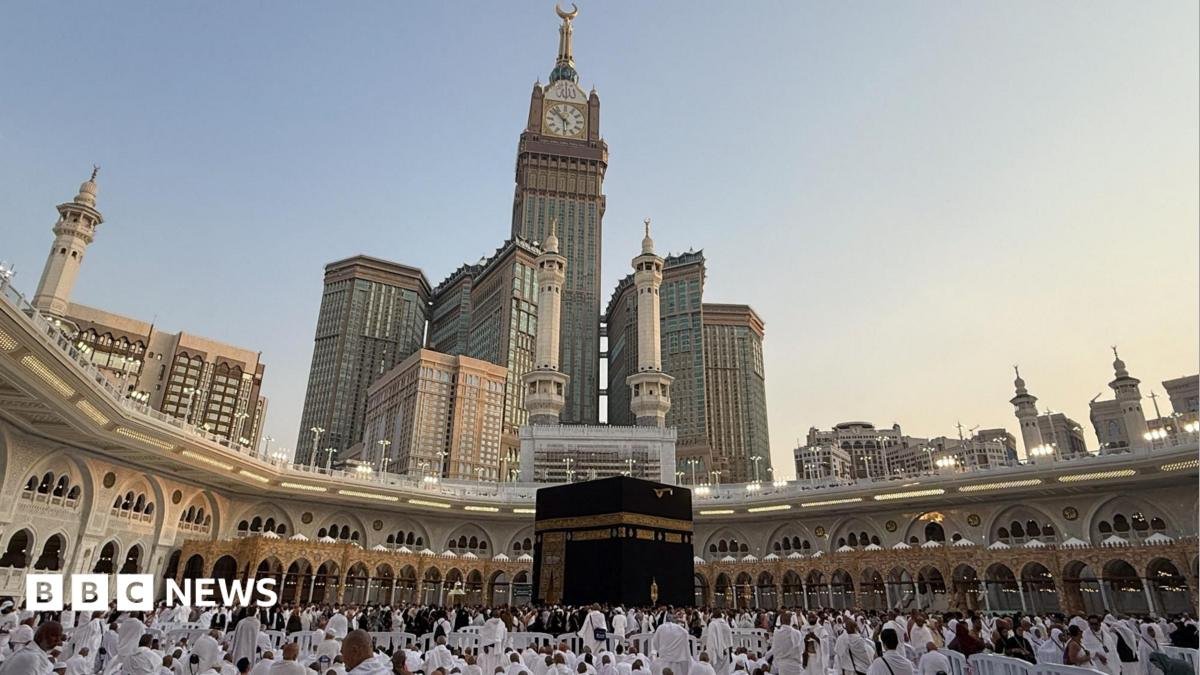
Saudi Arabia has intercepted a Houthi drone near Mecca, triggering renewed international concern over the safety of holy sites and the stability of critical Red Sea shipping lanes.
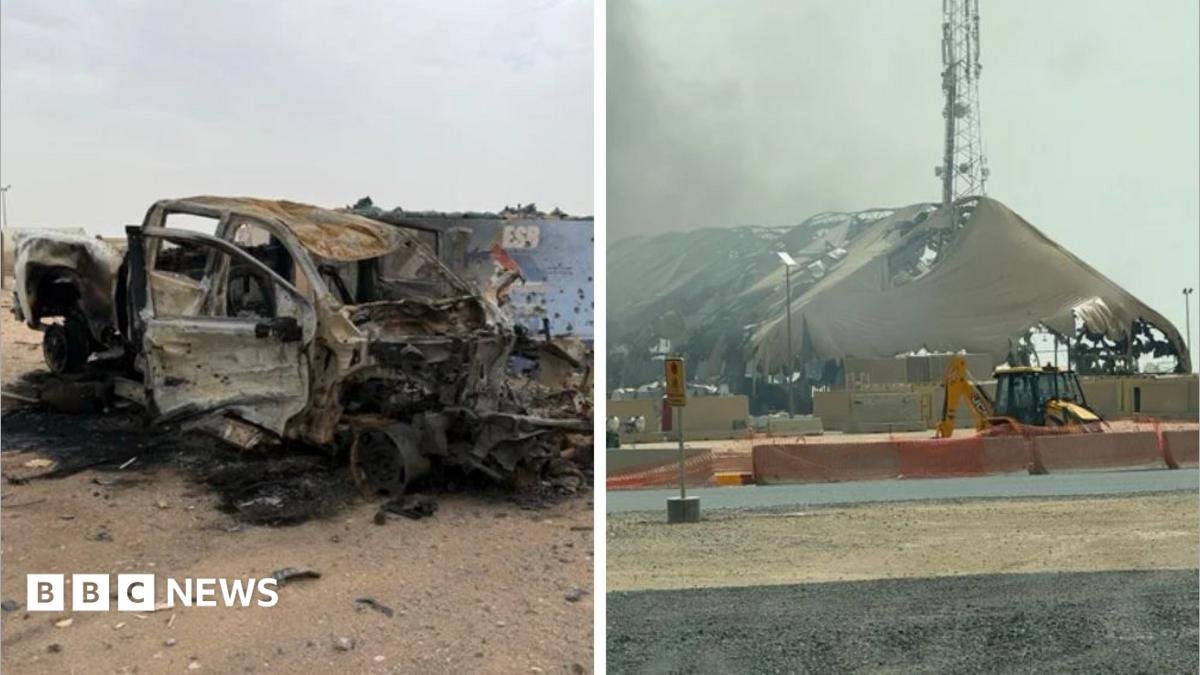
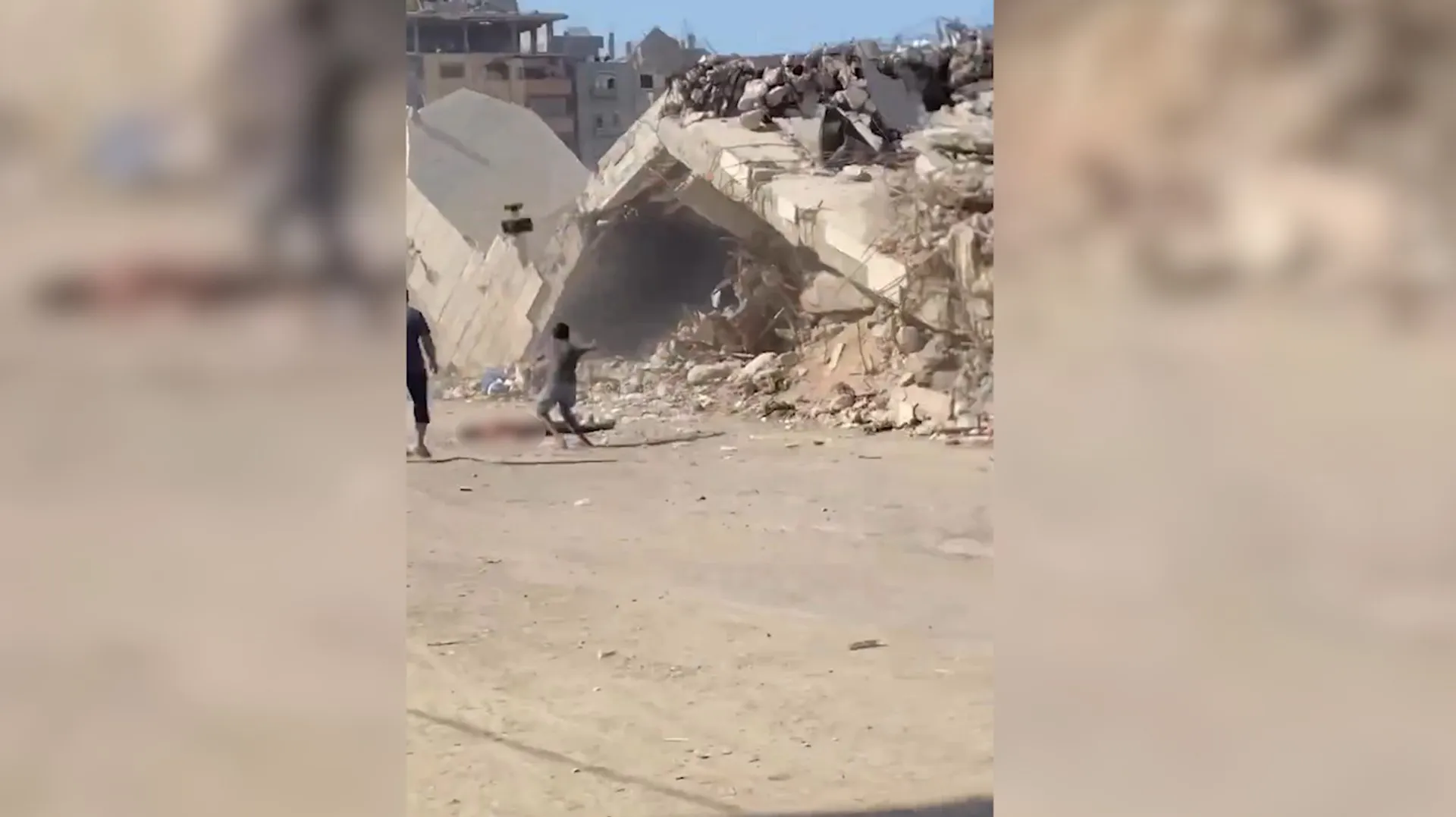
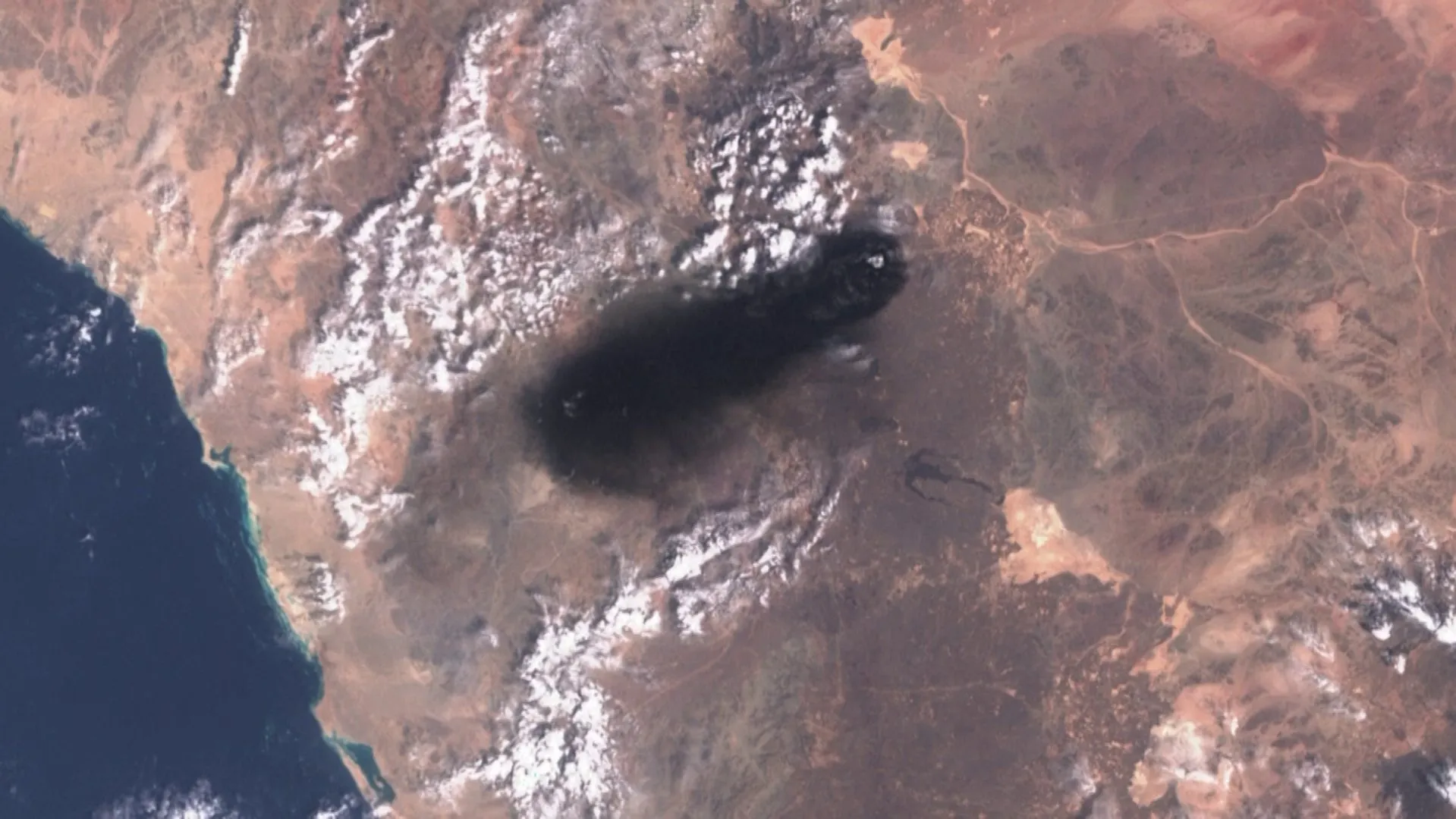
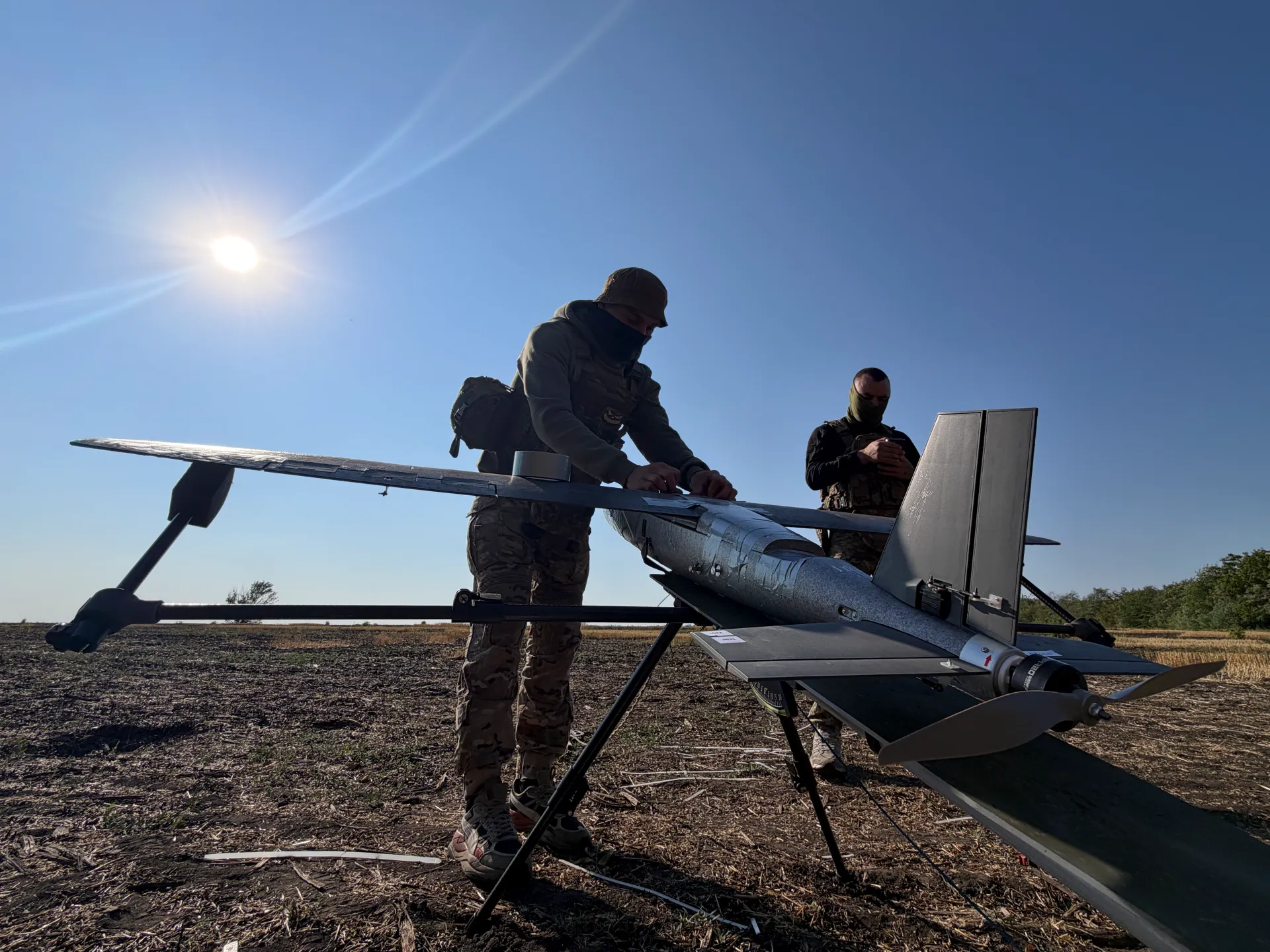
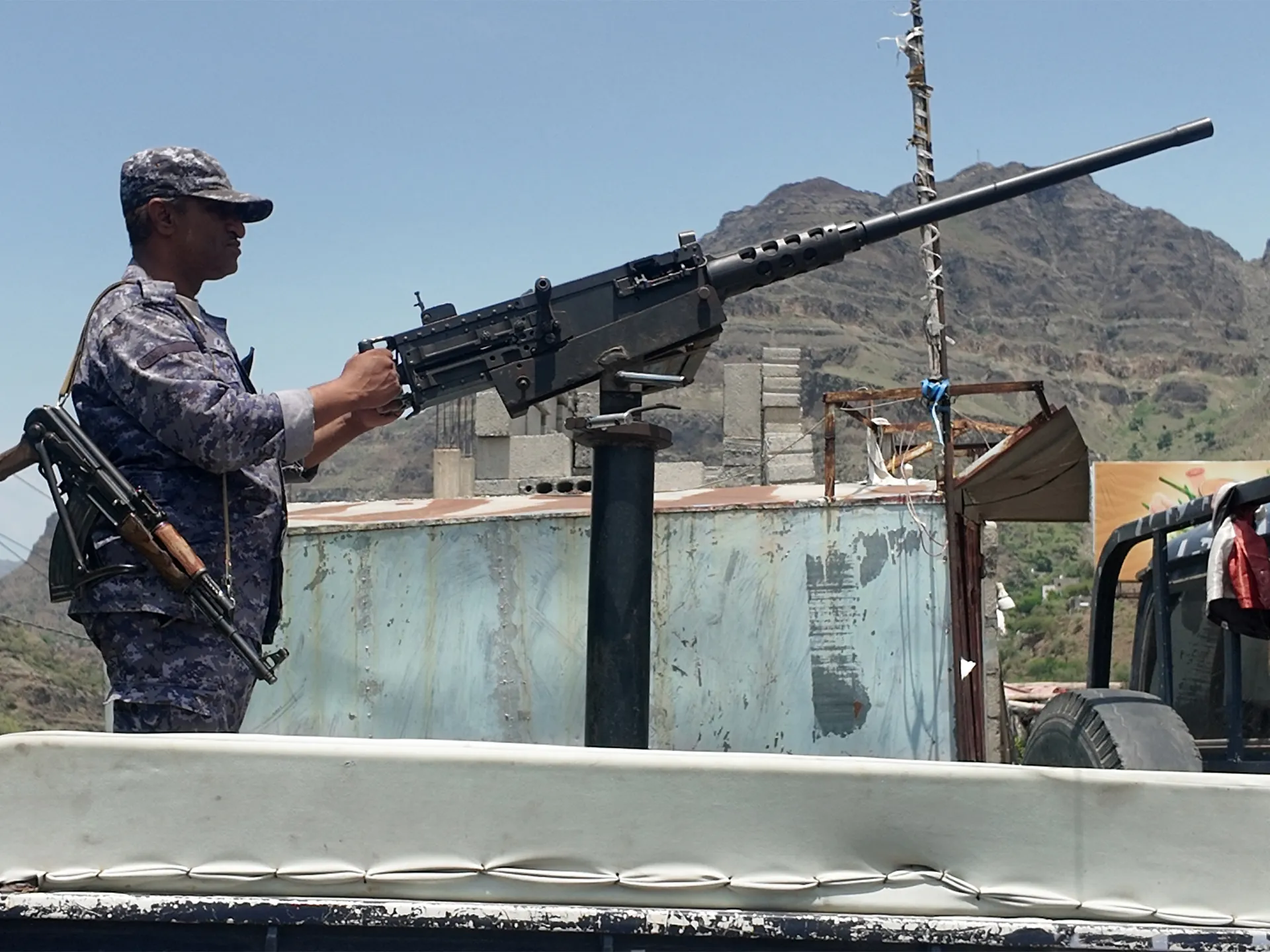
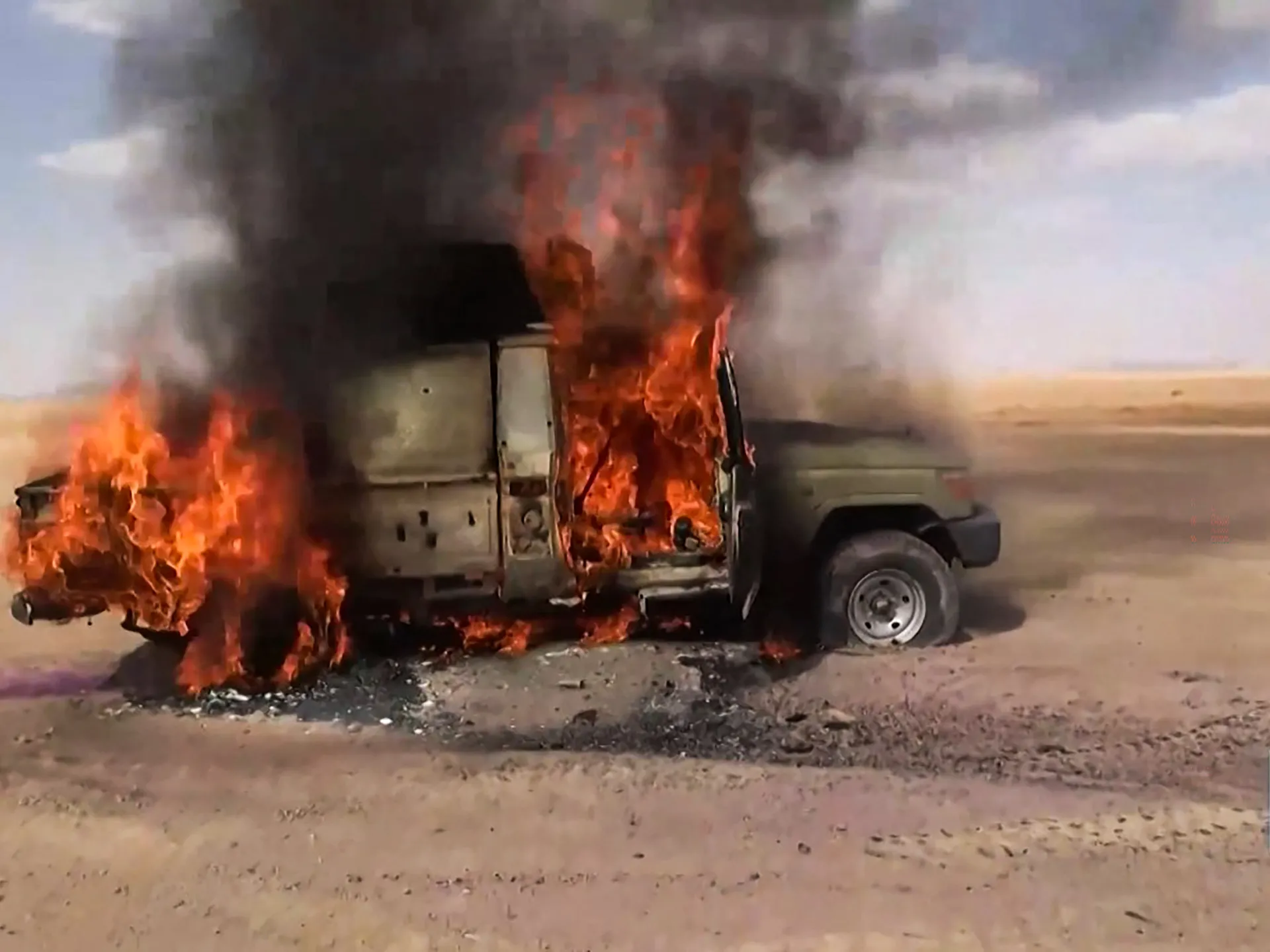
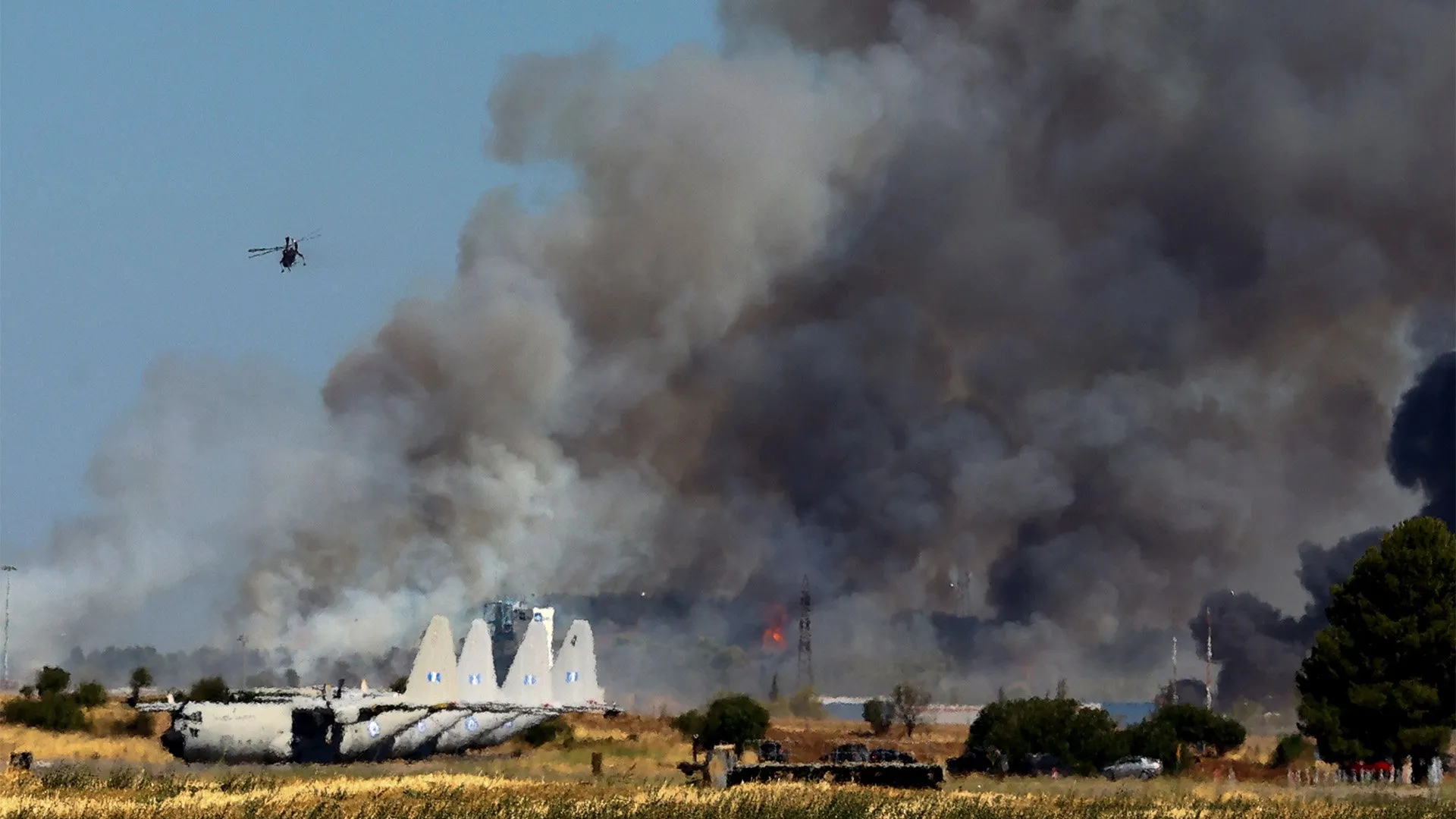
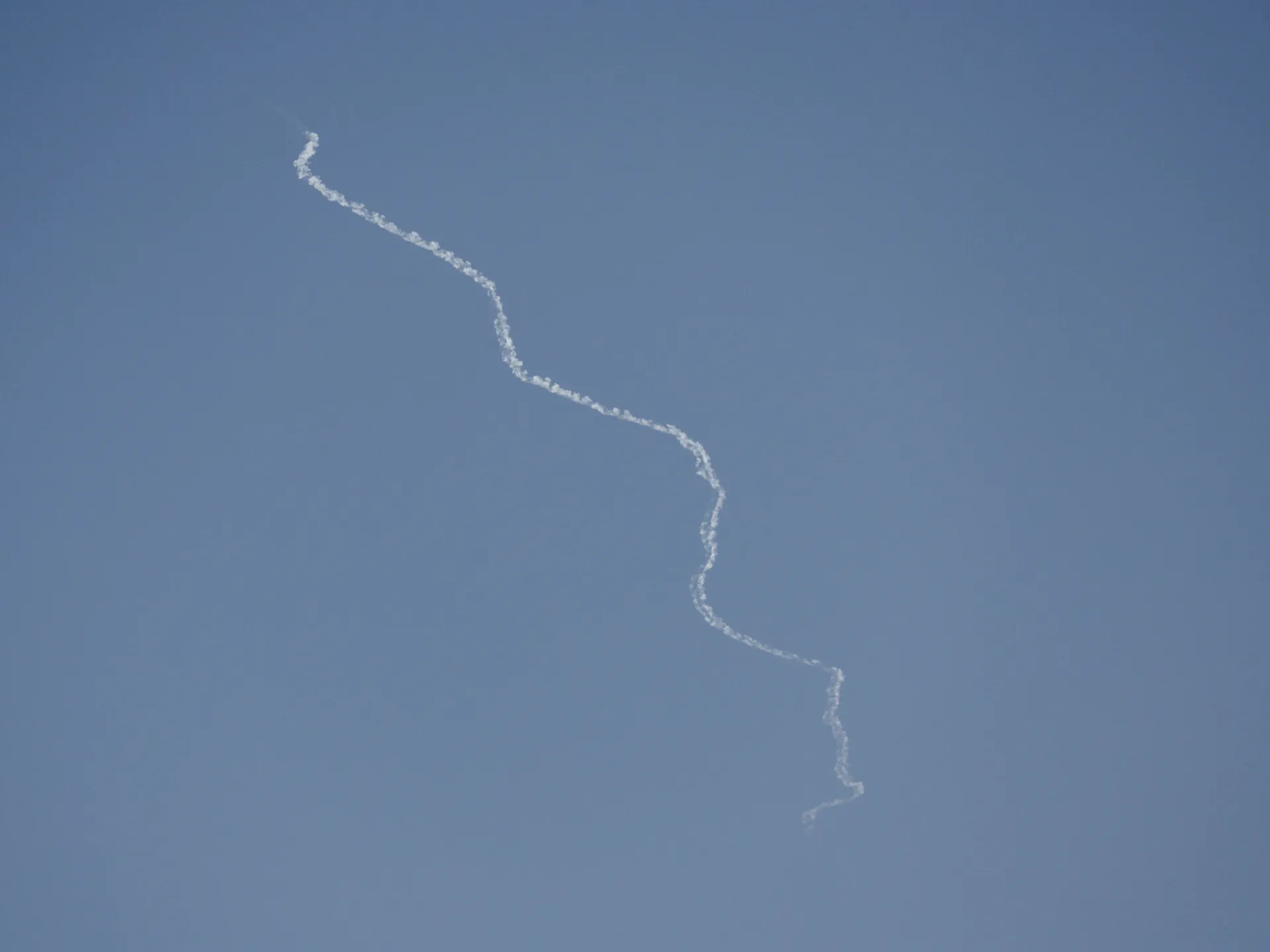
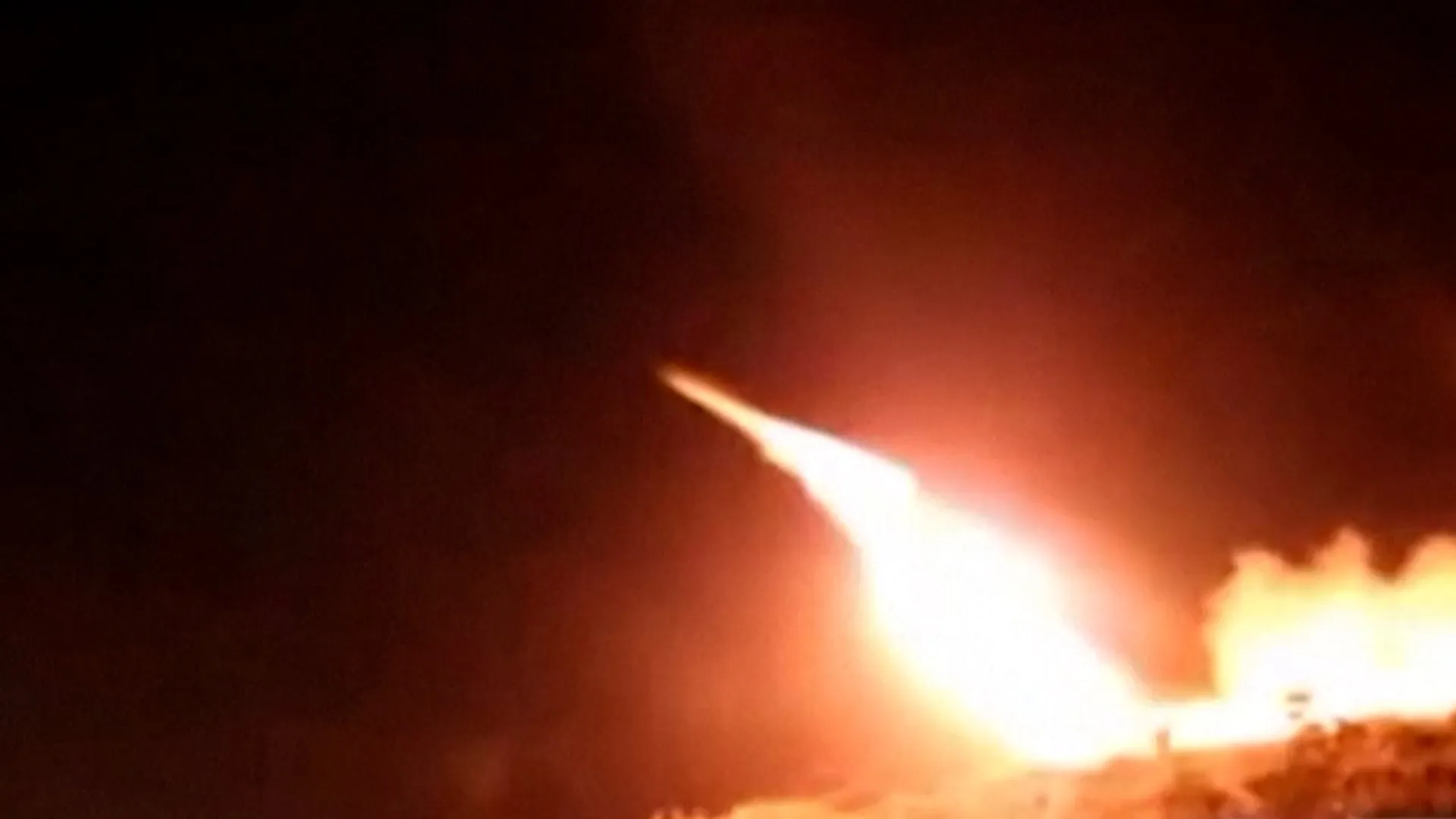
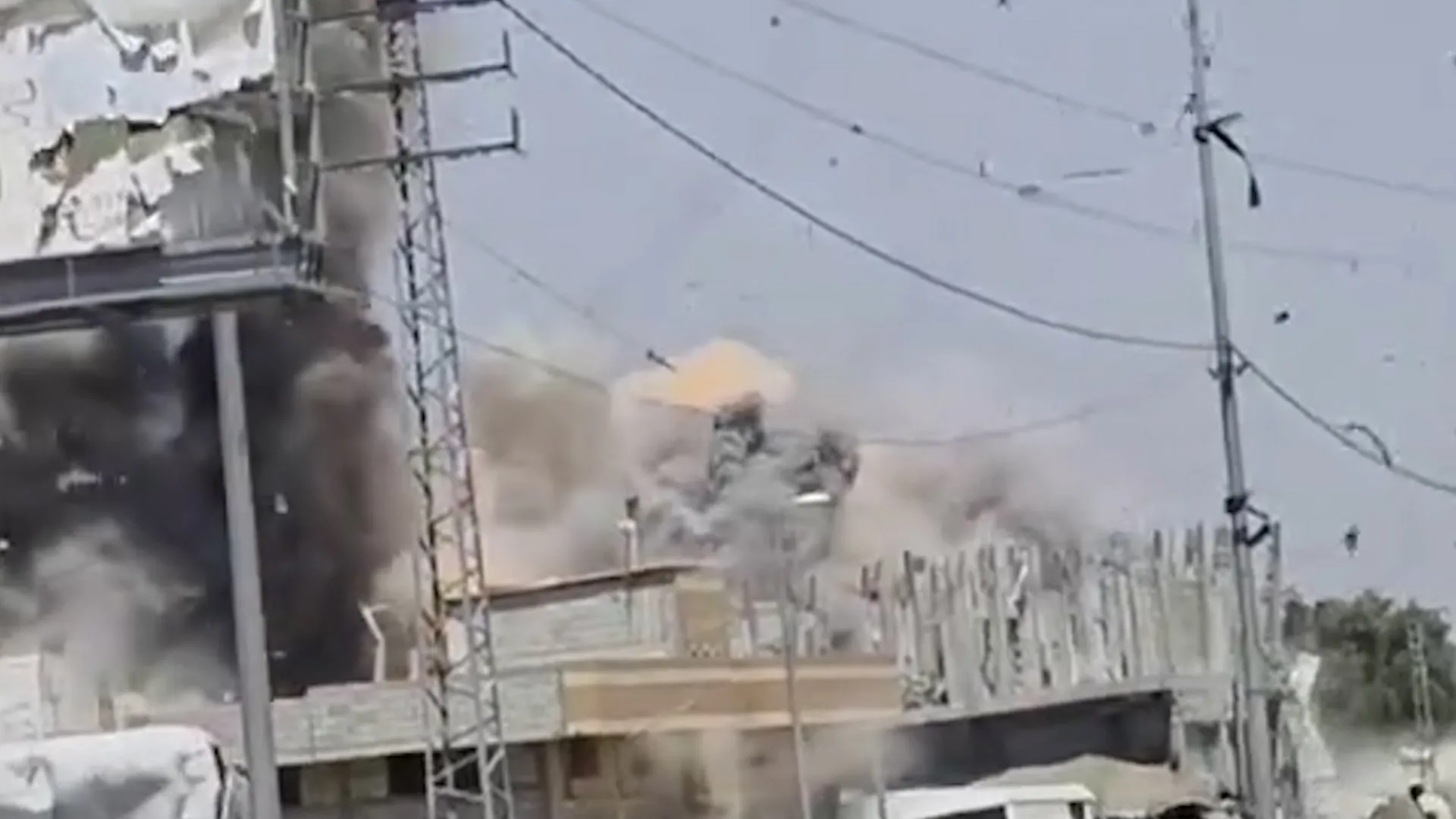
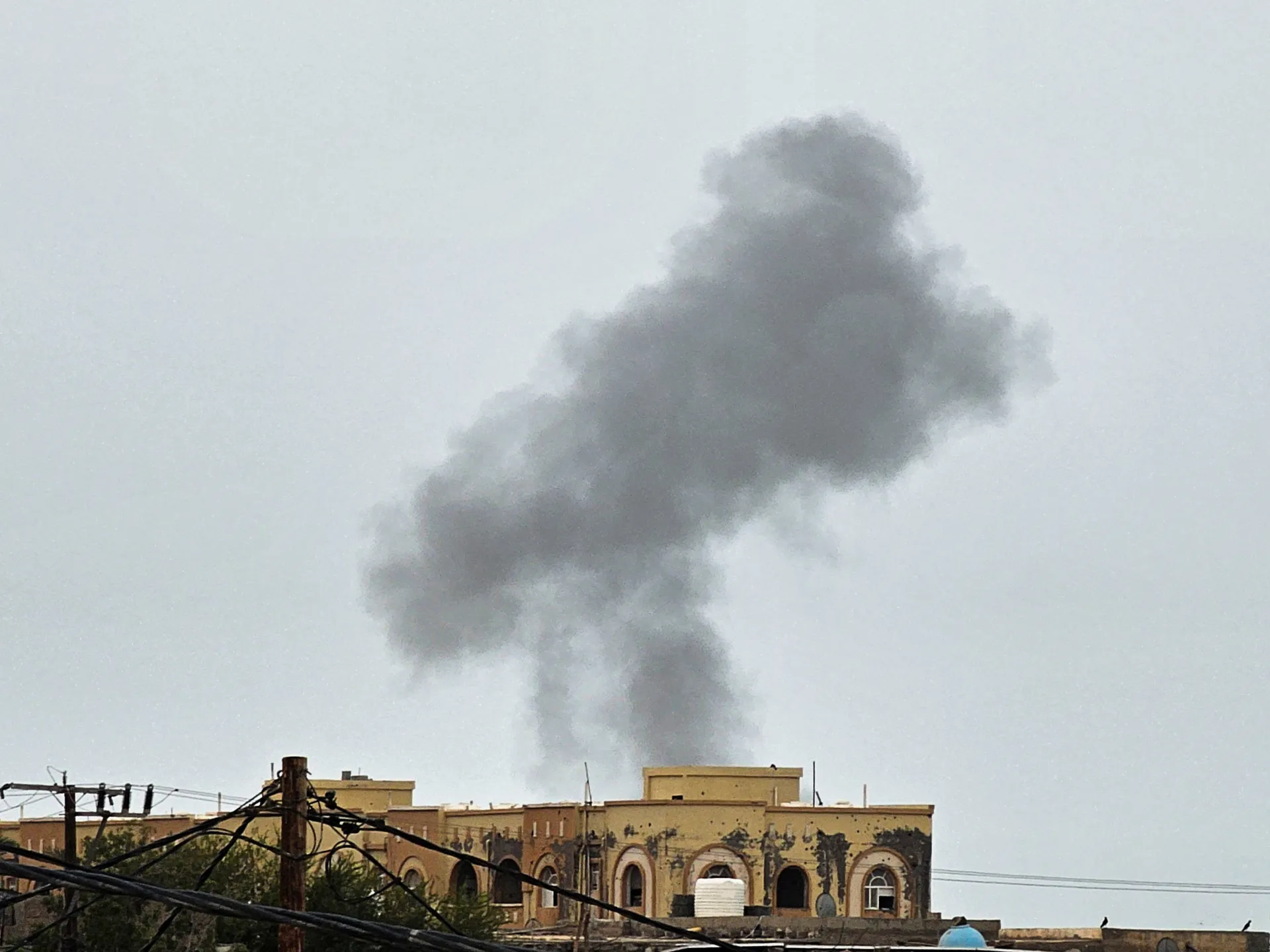
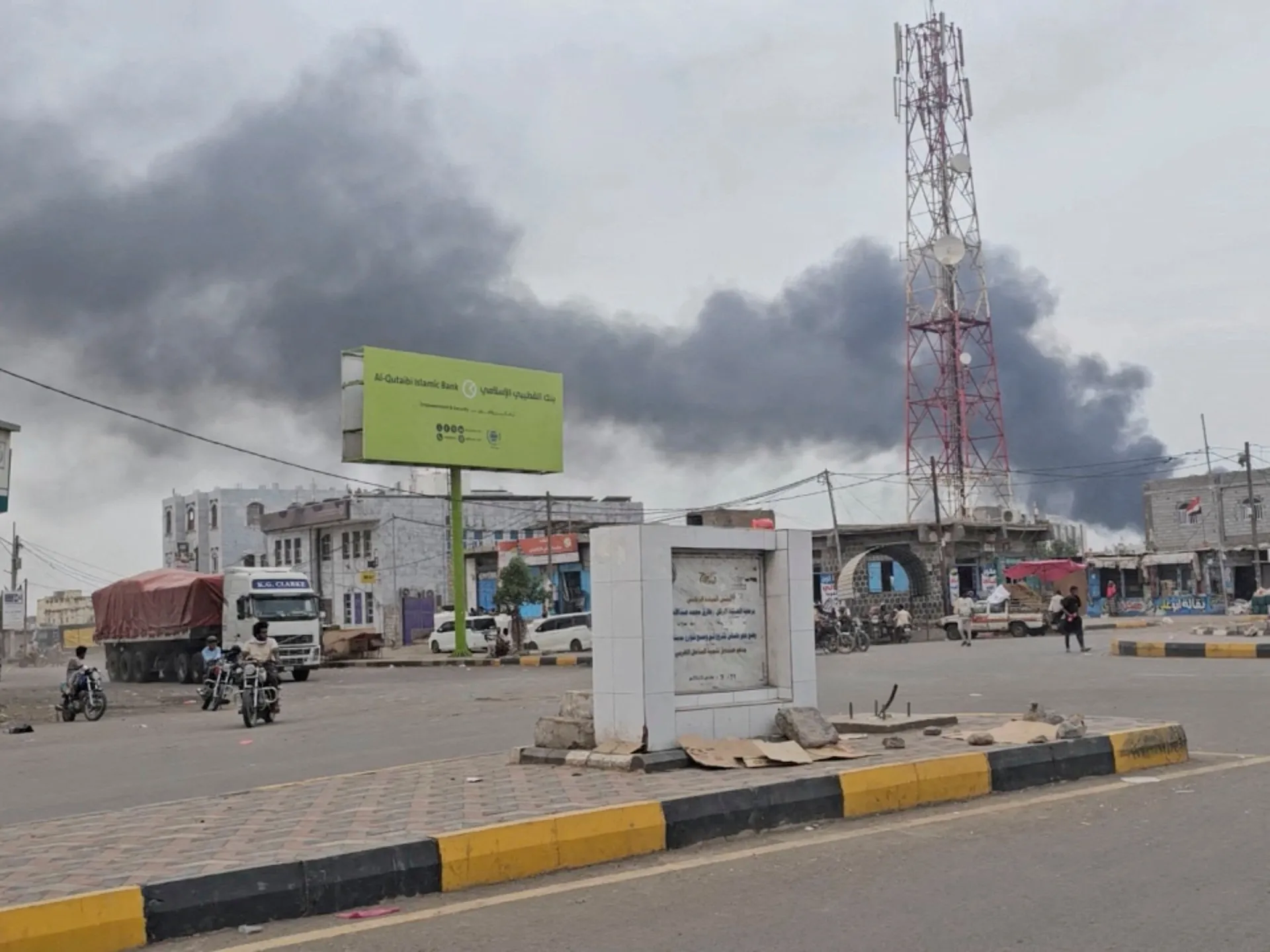
Saudi Arabian defense forces successfully intercepted and destroyed an unmanned aerial vehicle near the holy city of Mecca earlier this week. The incident, confirmed of Islamic sites. Coalition officials characterized the drone deployment as a disgraceful provocation, noting the proximity of the projectile to the location of the Hajj pilgrimage and the most sacred shrine in Islam. This development represents a significant escalation in the ongoing regional conflict, drawing condemnation from the 57-nation Organisation of Islamic Cooperation.
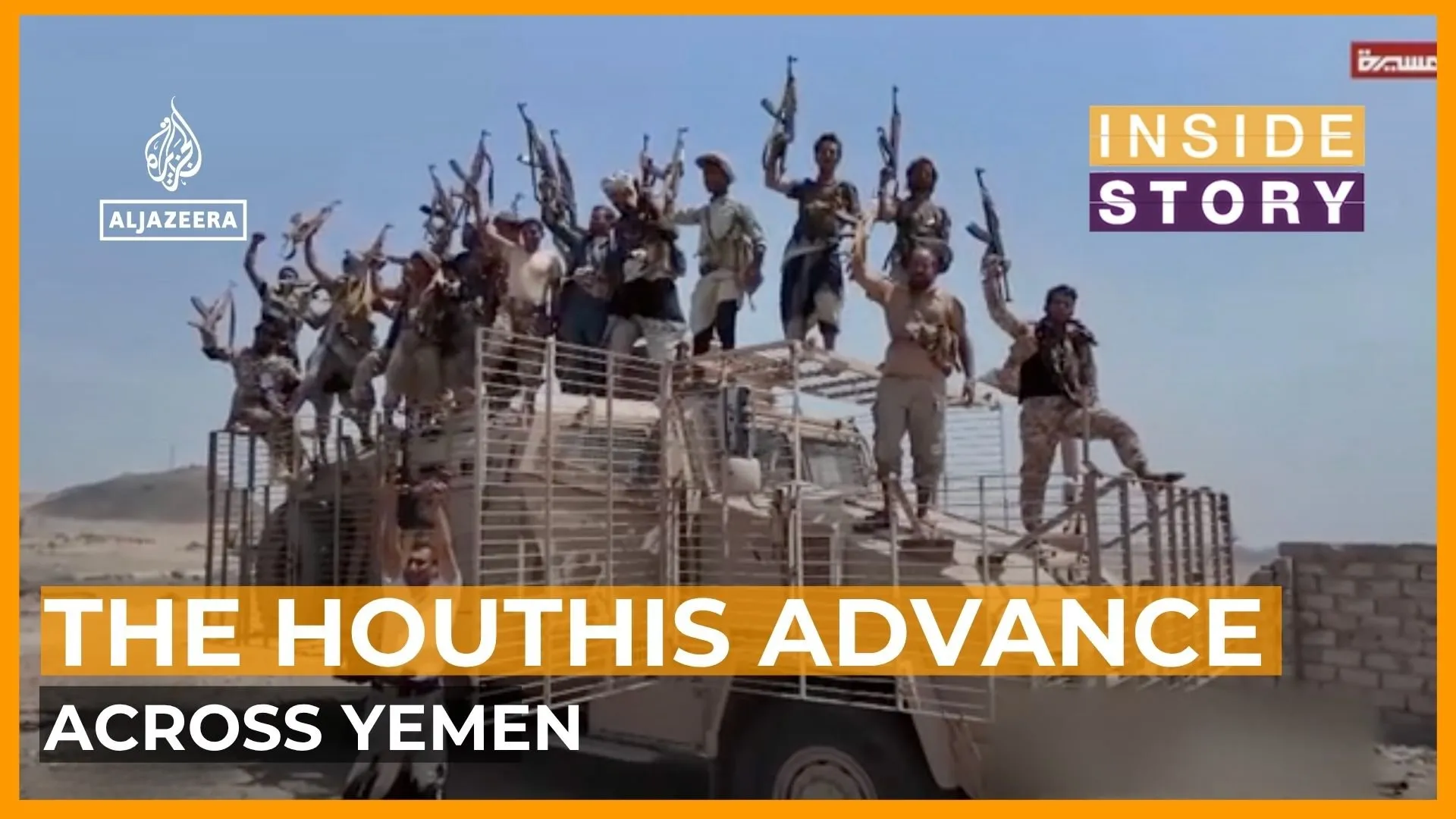
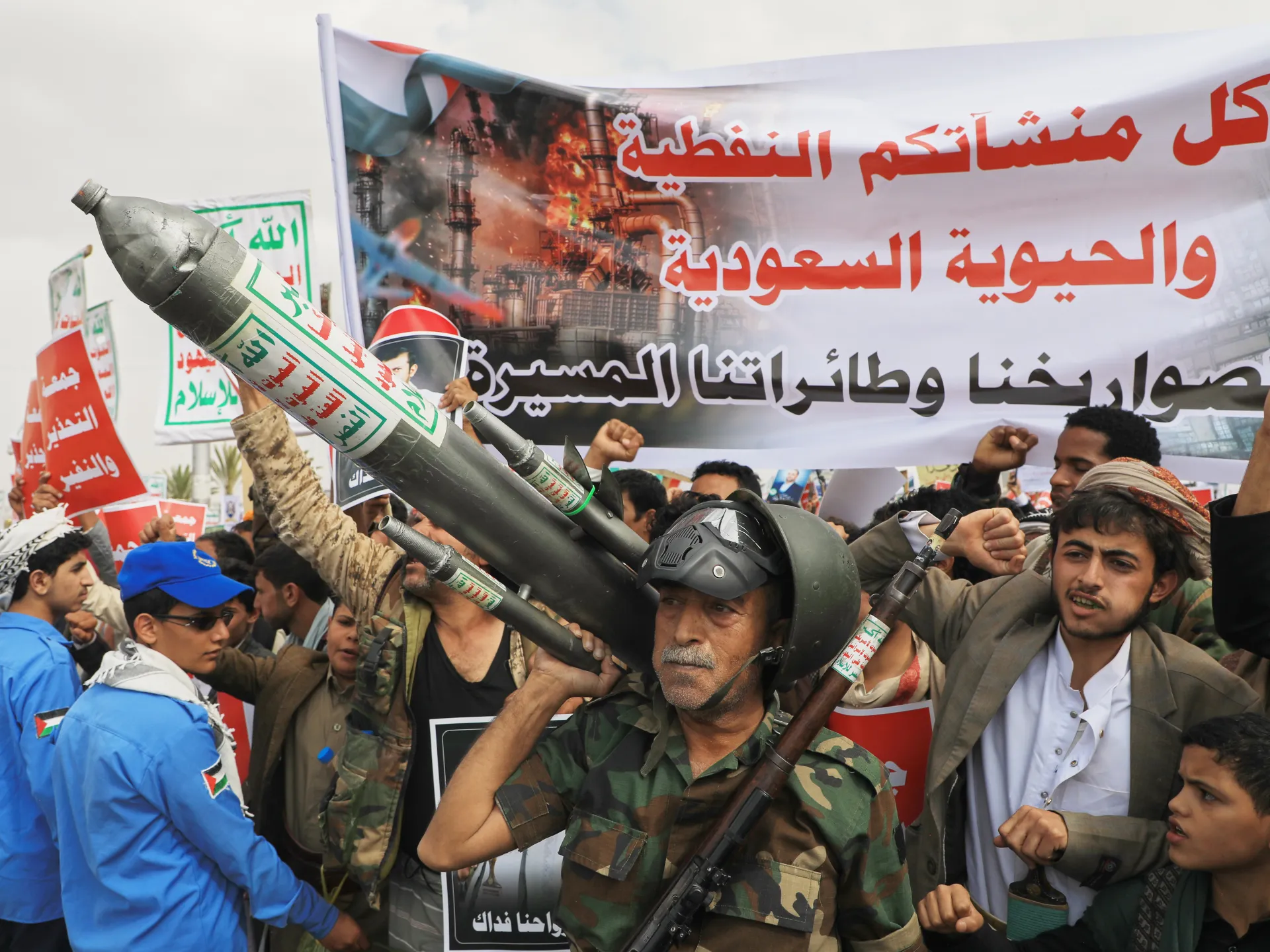
The Organization of Islamic Cooperation issued a formal statement describing the attempted incursion as an intolerable transgression. While the Saudi-led coalition maintains that the drone was intended to threaten civilian and religious infrastructure, the Houthi movement has vehemently denied these claims. The Iran-backed group, which holds significant territory in western Yemen, asserted that their military operations are exclusively focused on strategic oil facilities and military installations, distancing themselves from any intent to target holy sites.
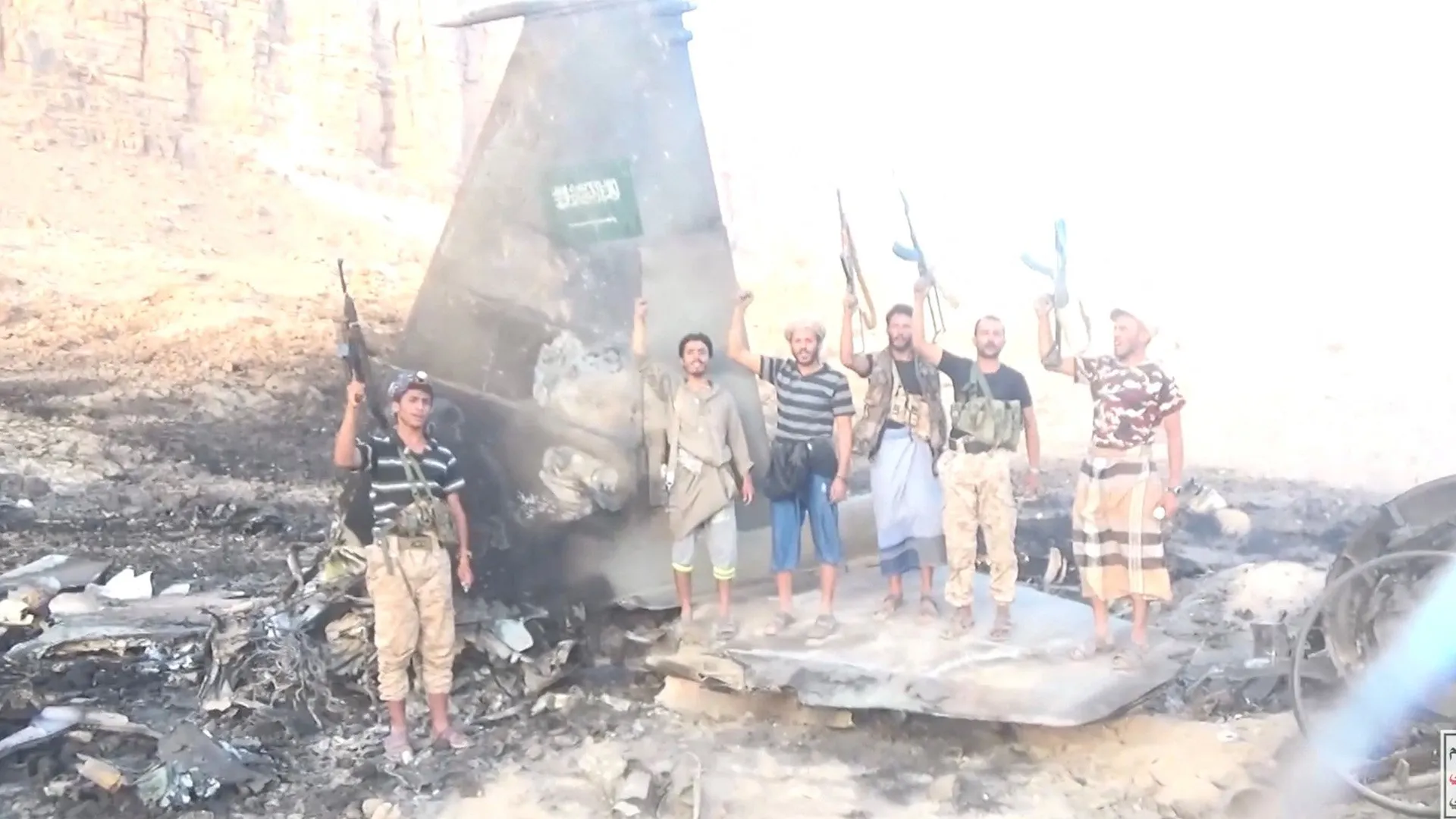
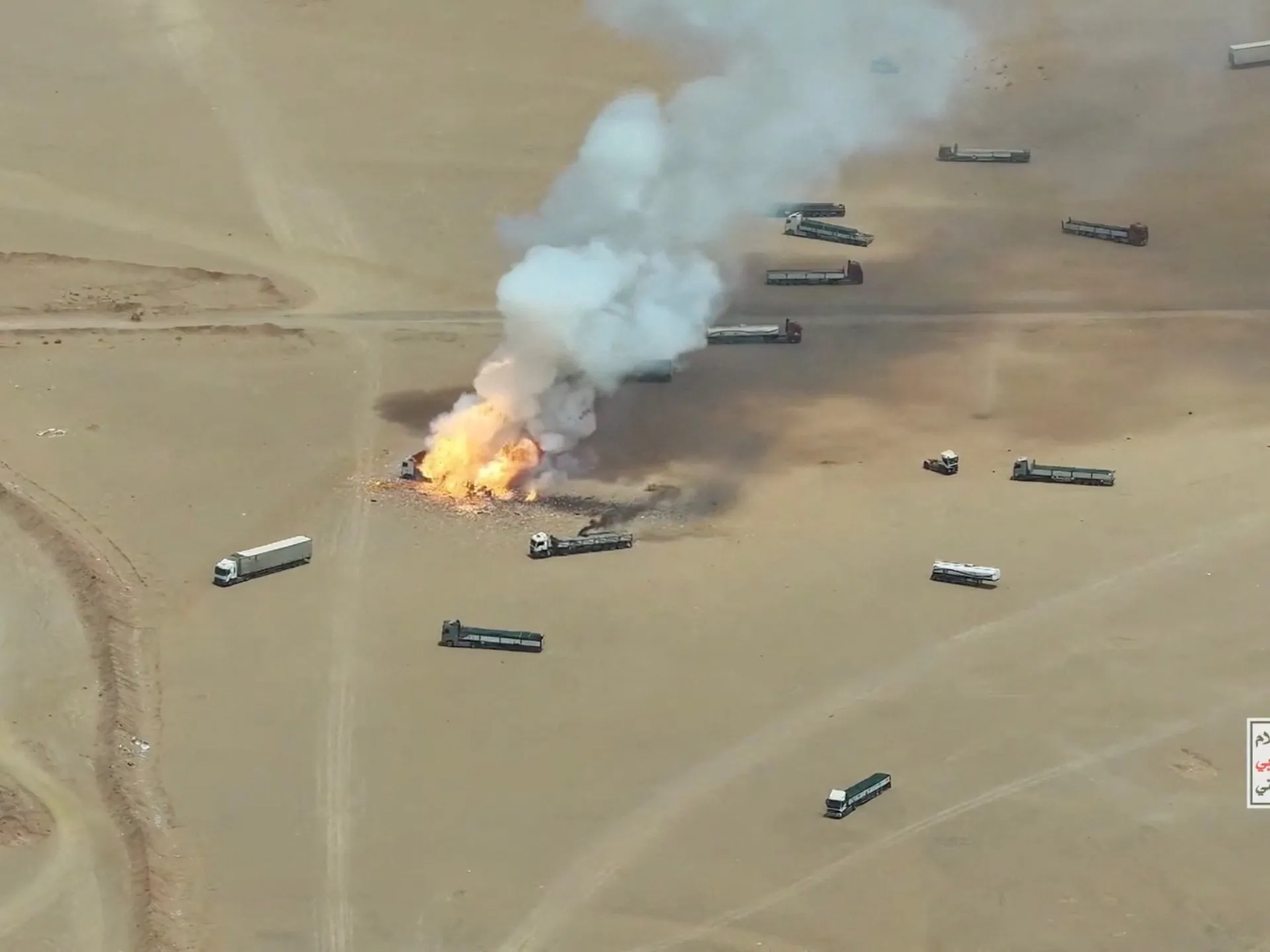
The Houthi military command has framed their recent aerial campaigns as retaliatory measures against an intensification of Saudi air strikes. According to Houthi spokespeople, the group launched a series of drones and missiles in response to hundreds of air sorties conducted over Yemen in the preceding week. Furthermore, the Houthis claimed to have downed a Saudi fighter jet over the Marib province, an assertion that remains unverified that continues to undermine stability along the Saudi-Yemeni border.
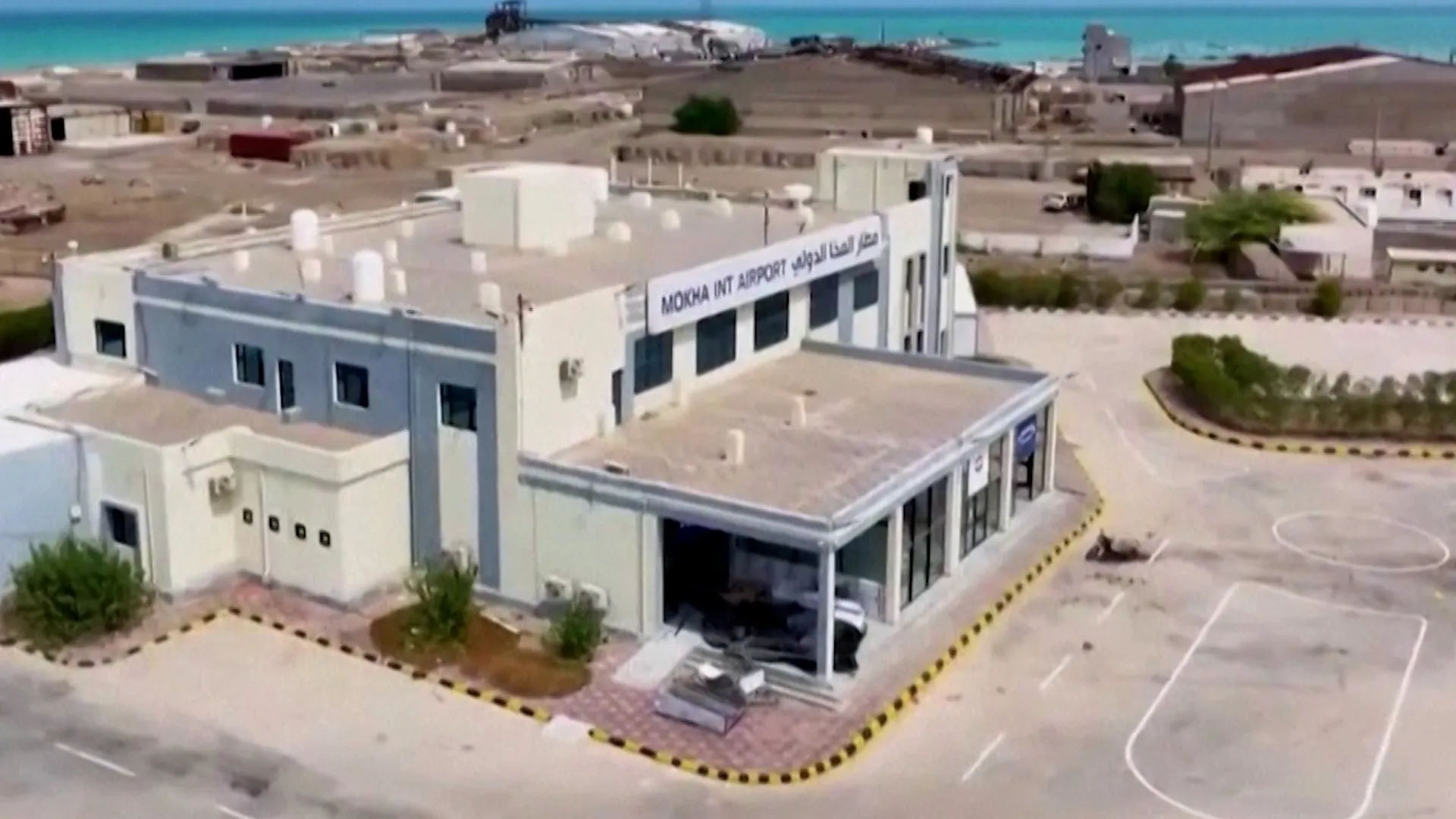
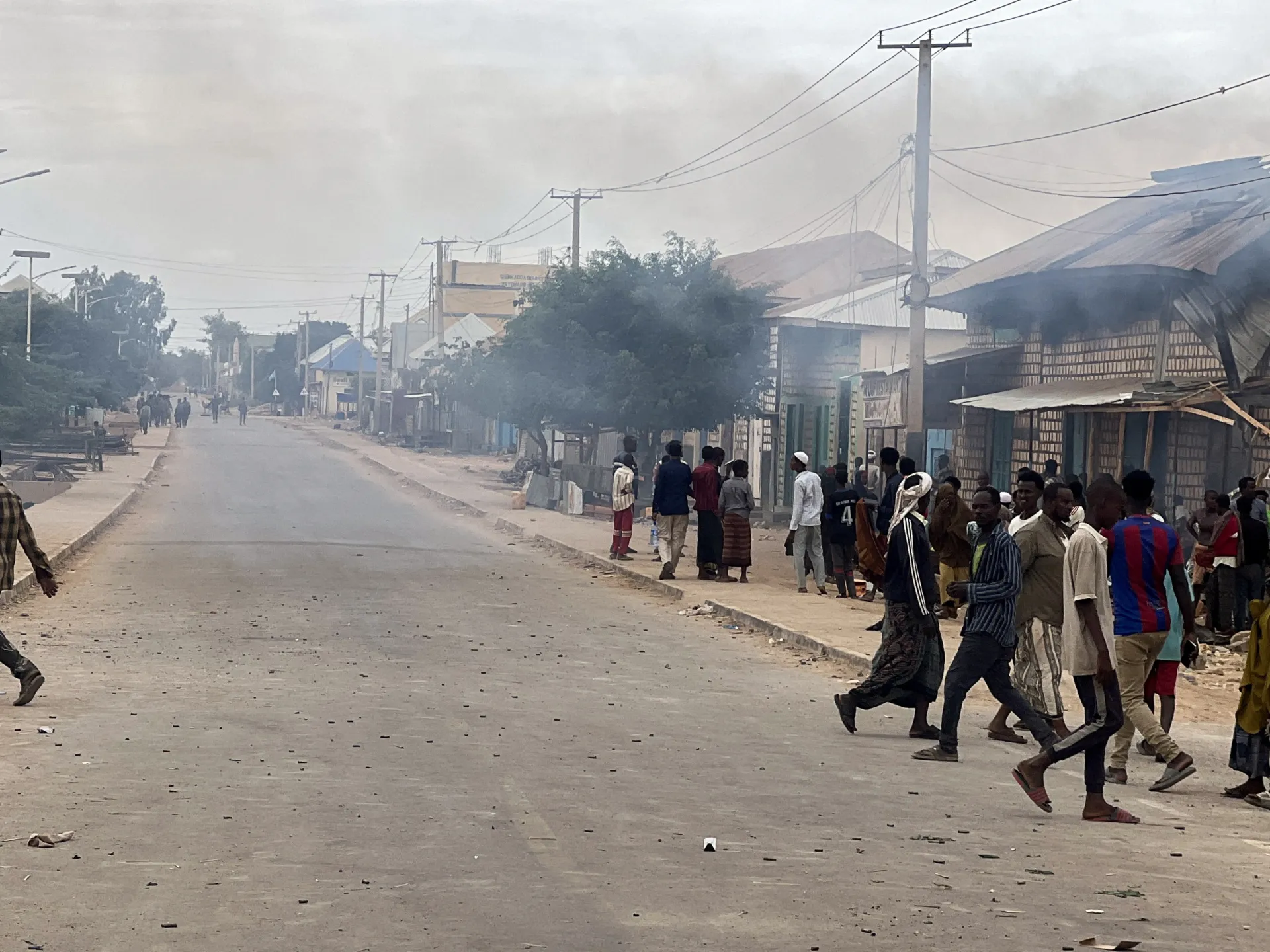
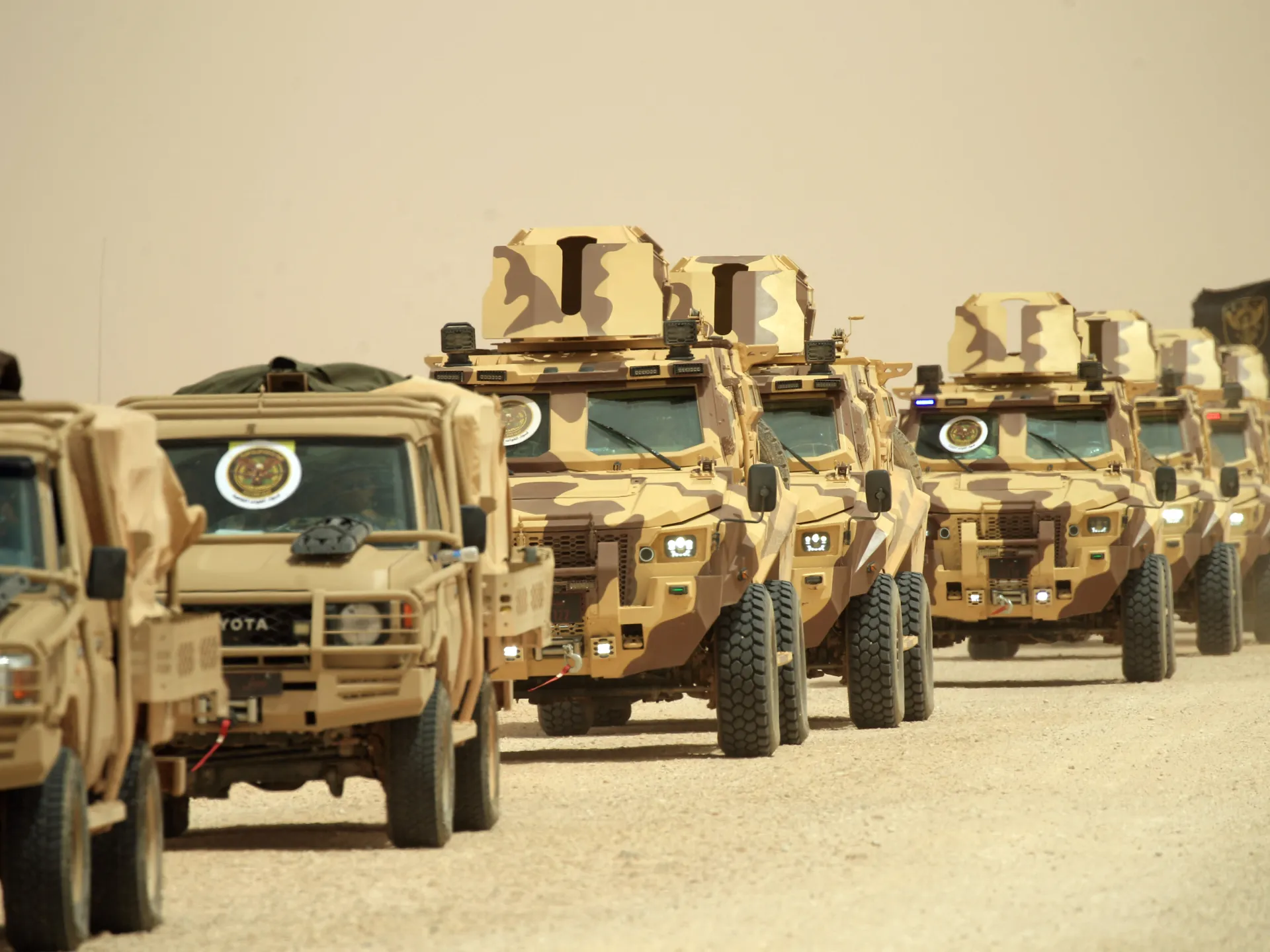
As the situation unfolds, Saudi authorities have implemented heightened security measures across western provinces, including the major port city of Jeddah. These alerts follow a pattern of incoming projectile activity that has forced the United States embassy to issue travel advisories for American citizens. The warnings emphasize that Houthi operations are increasingly targeting infrastructure, including airports, energy facilities, and diplomatic outposts, creating a high-risk environment for those operating within the region.
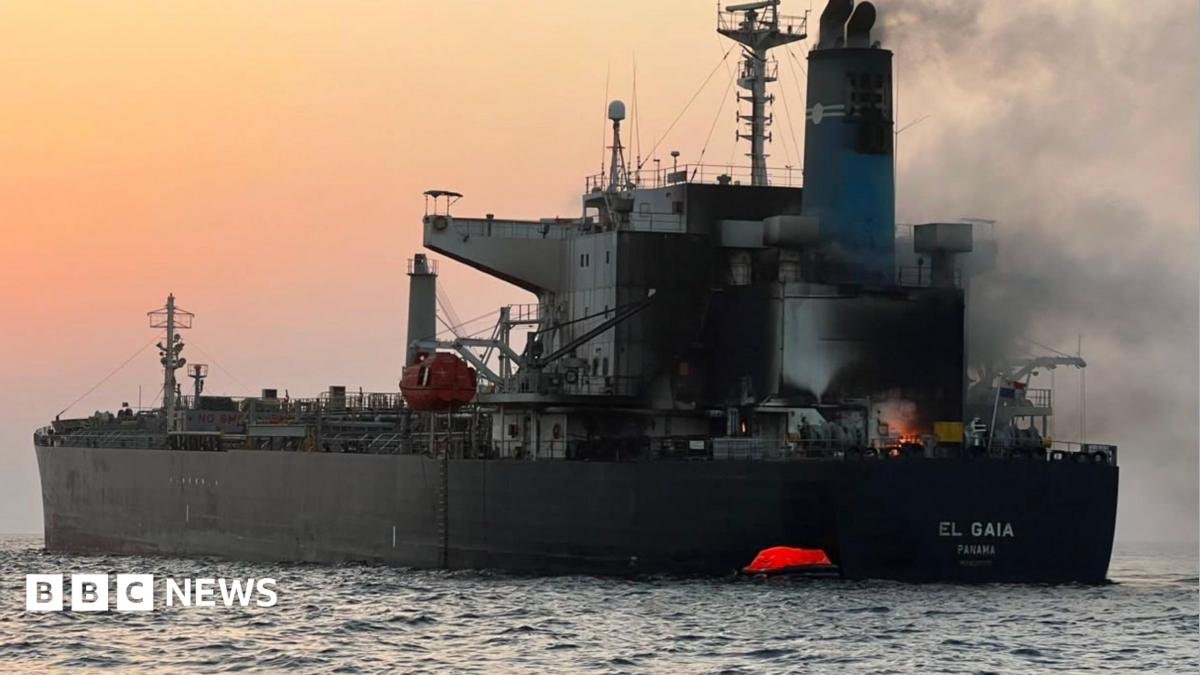
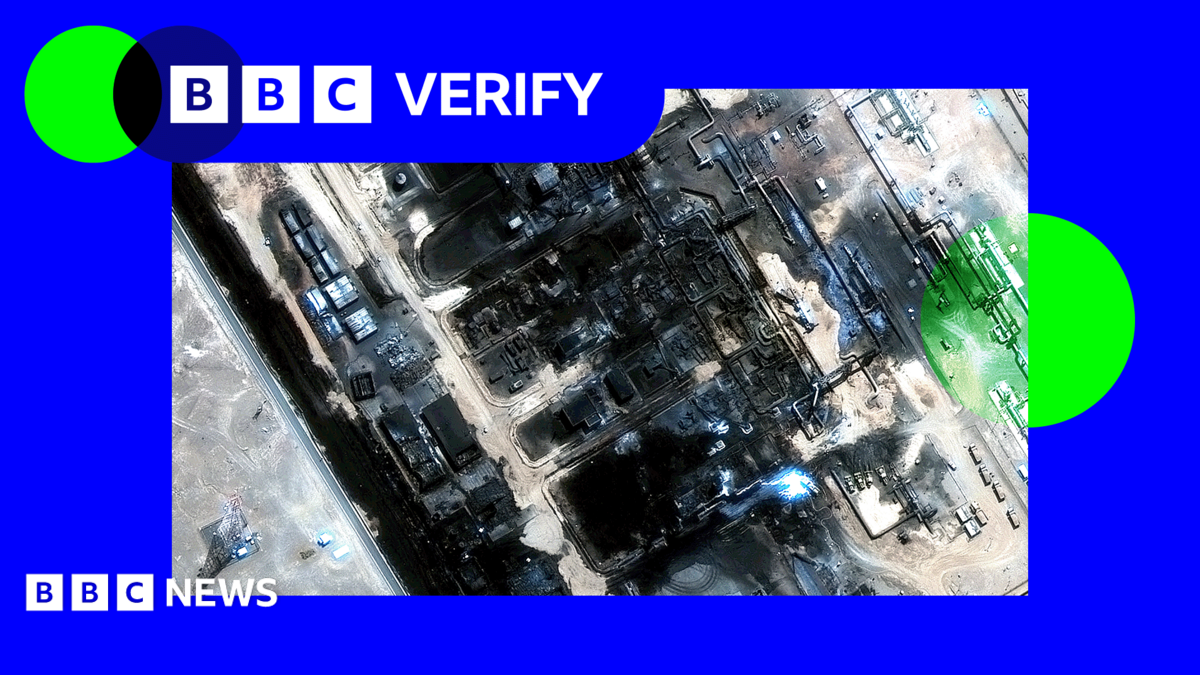
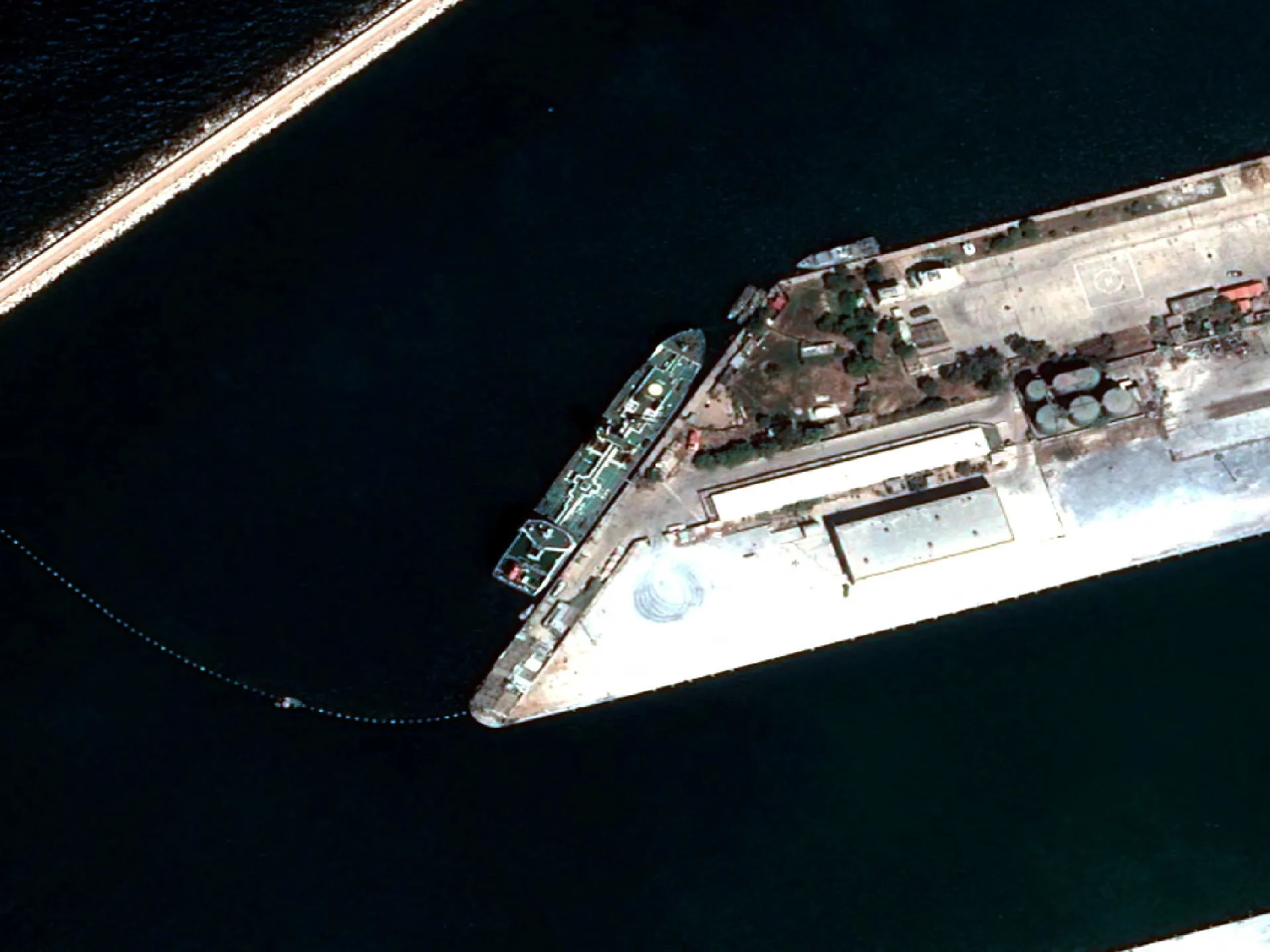
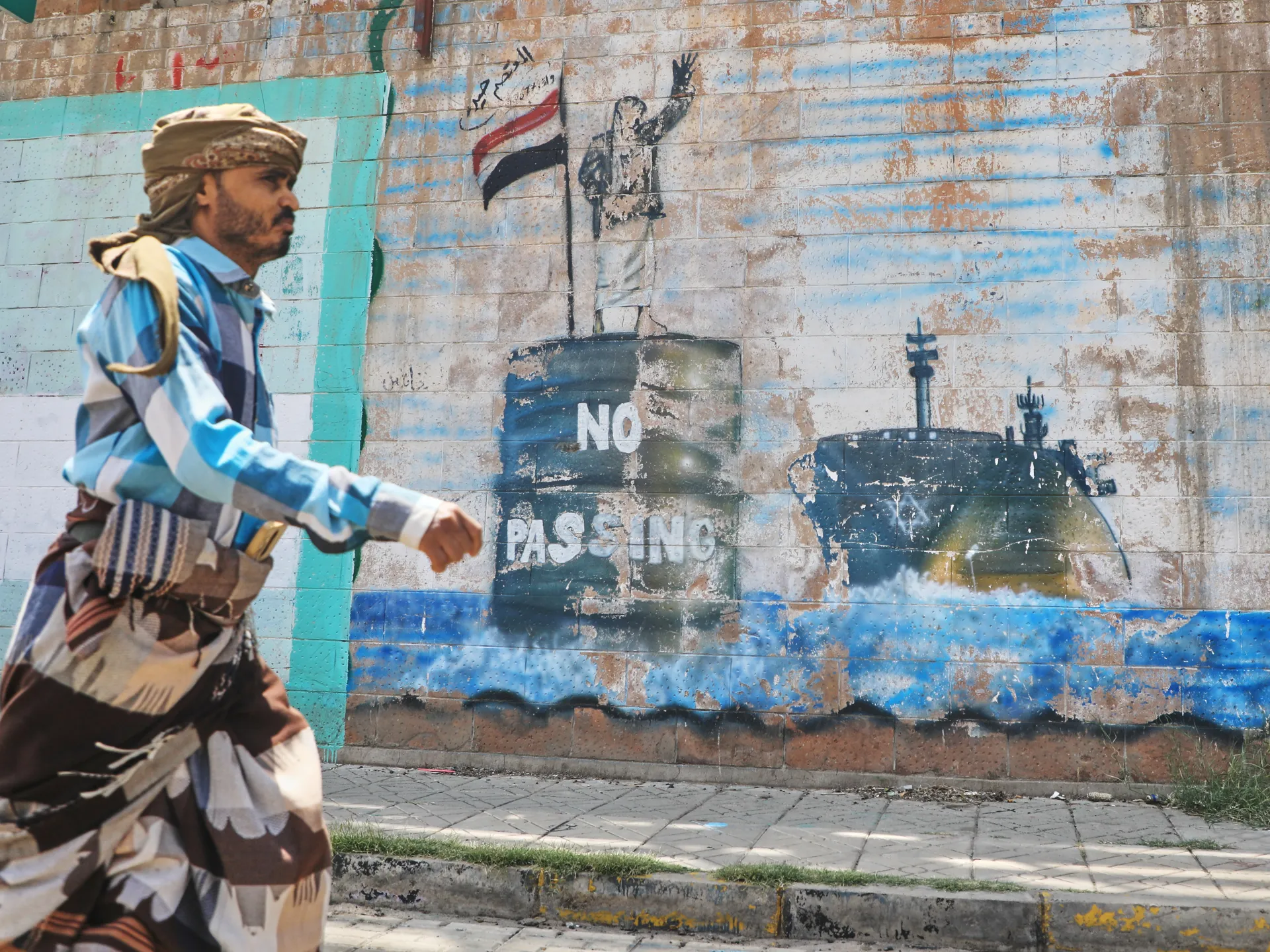
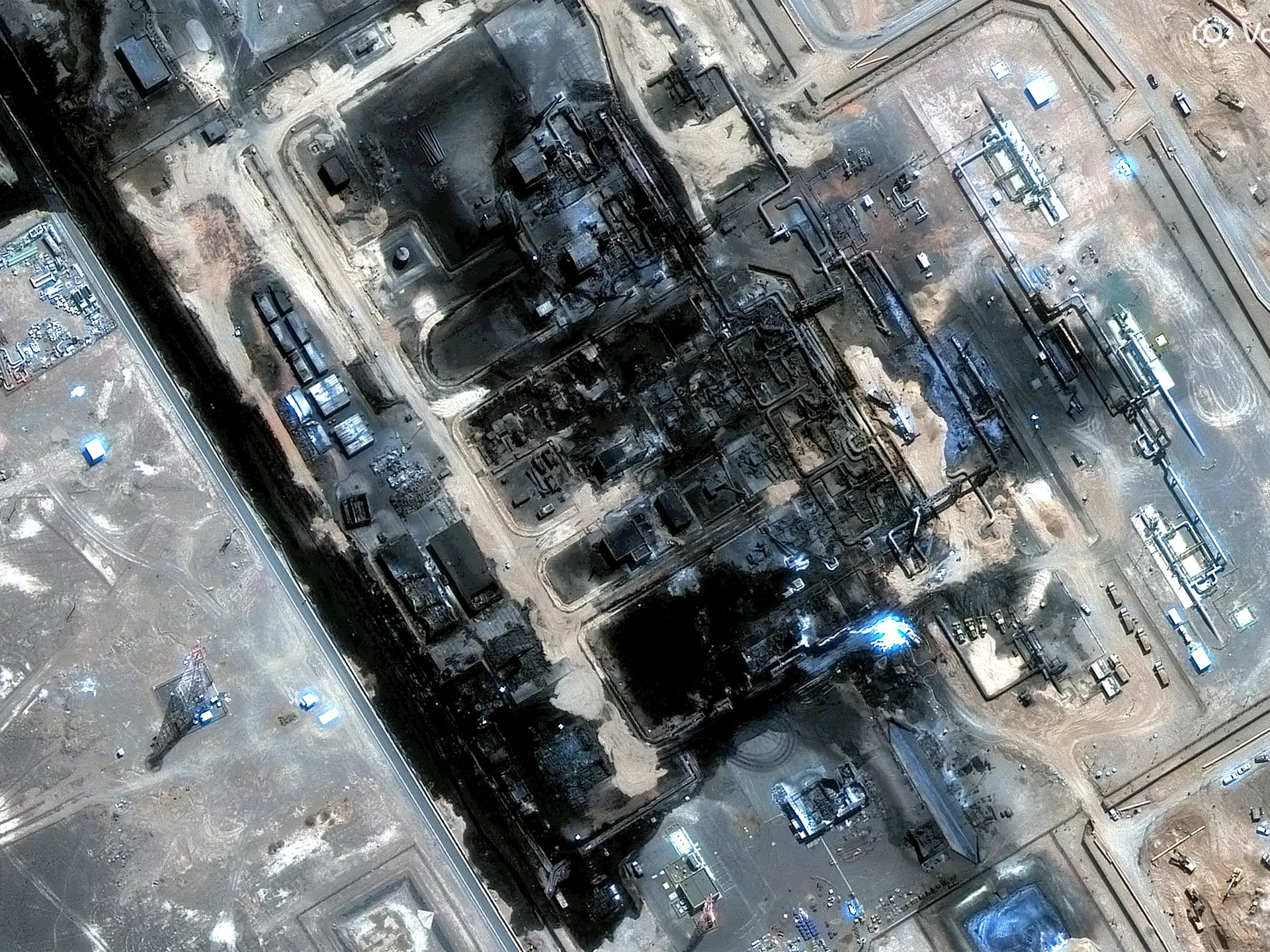
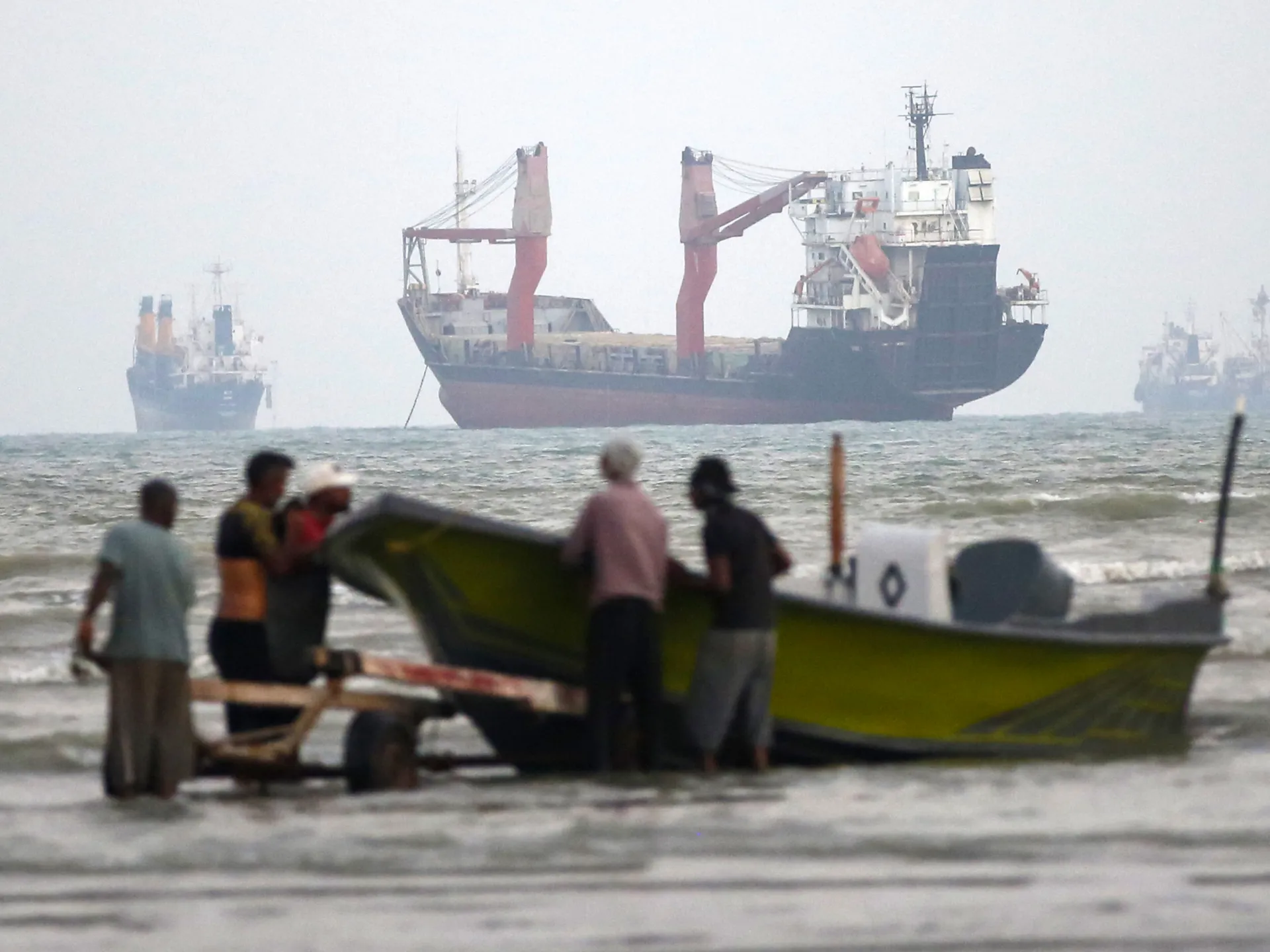
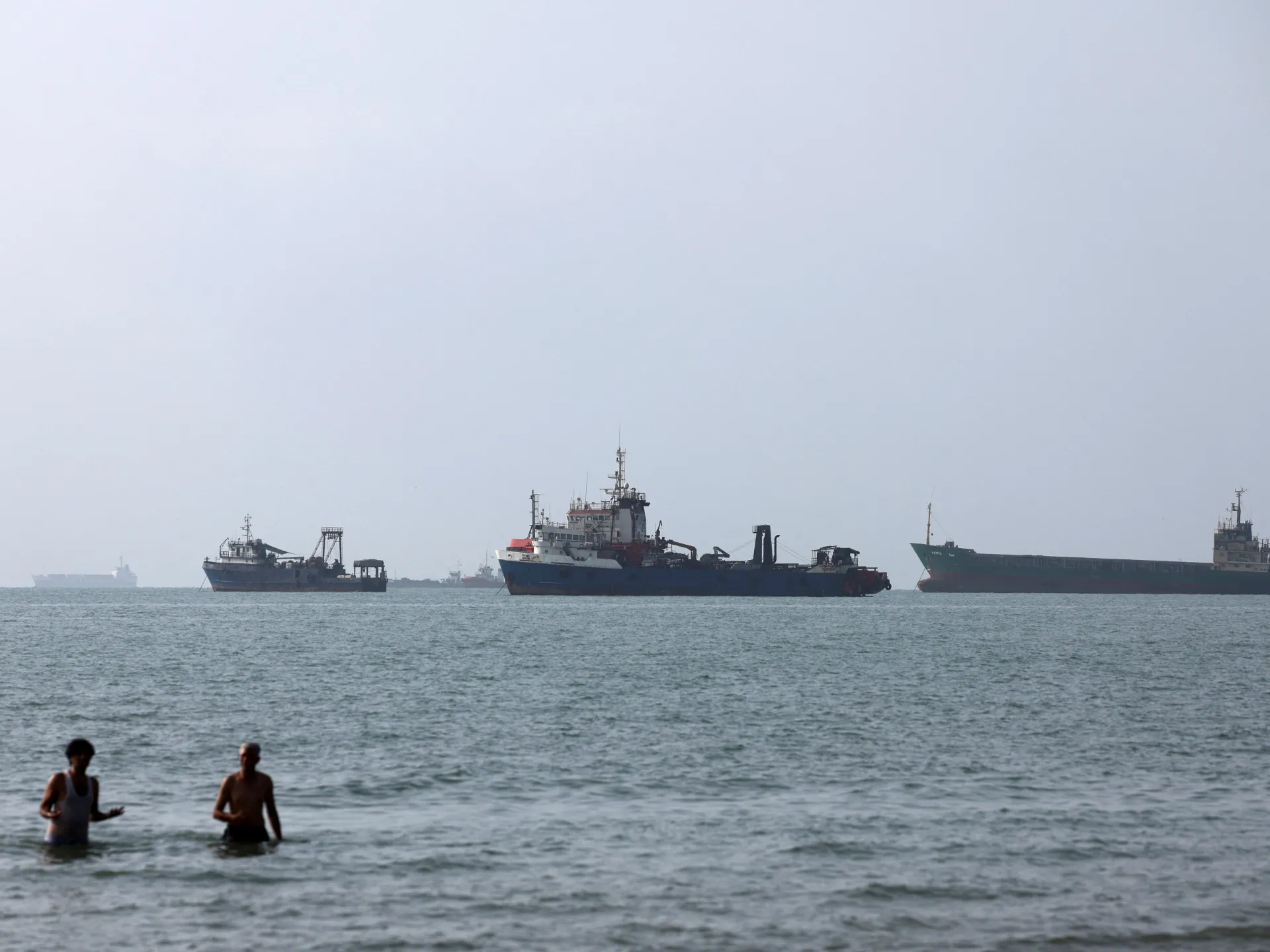
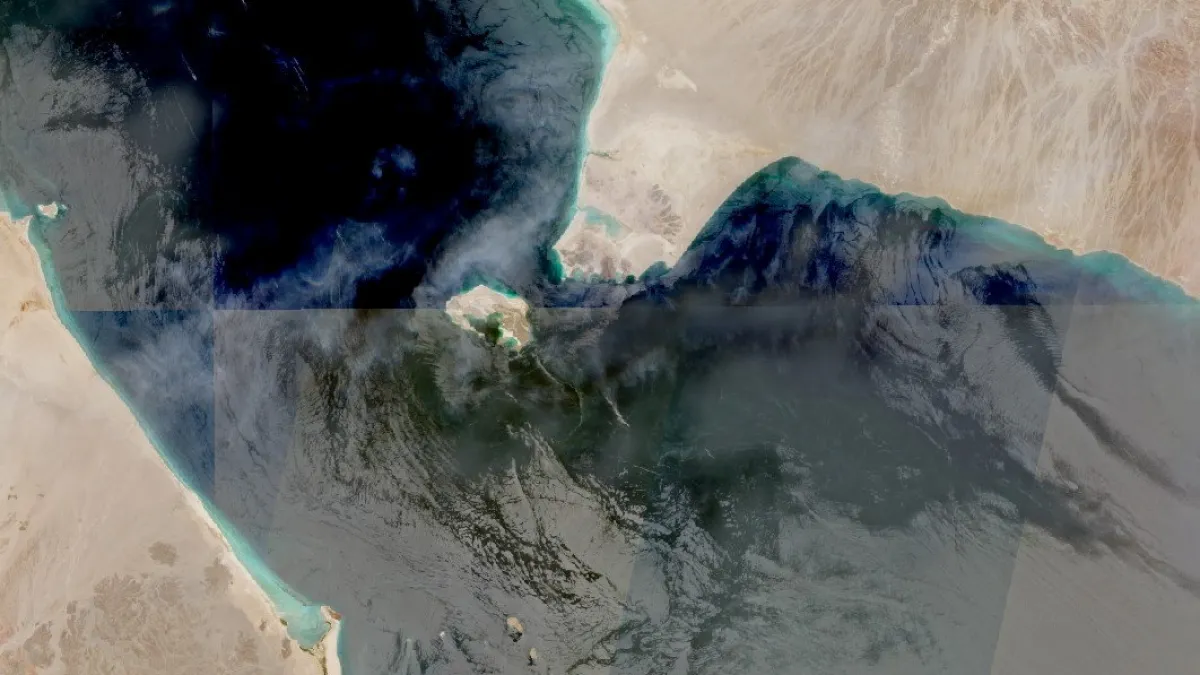
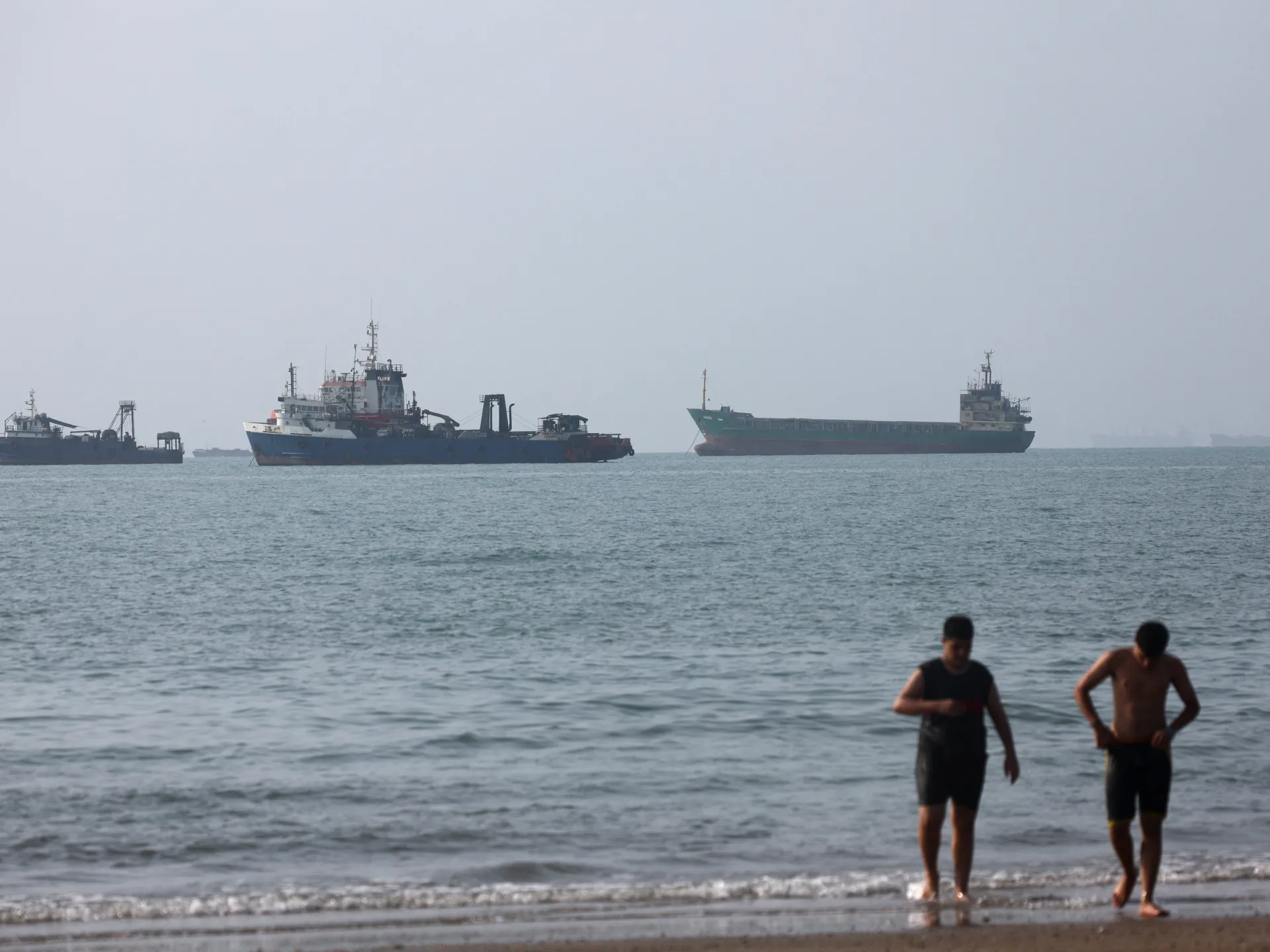
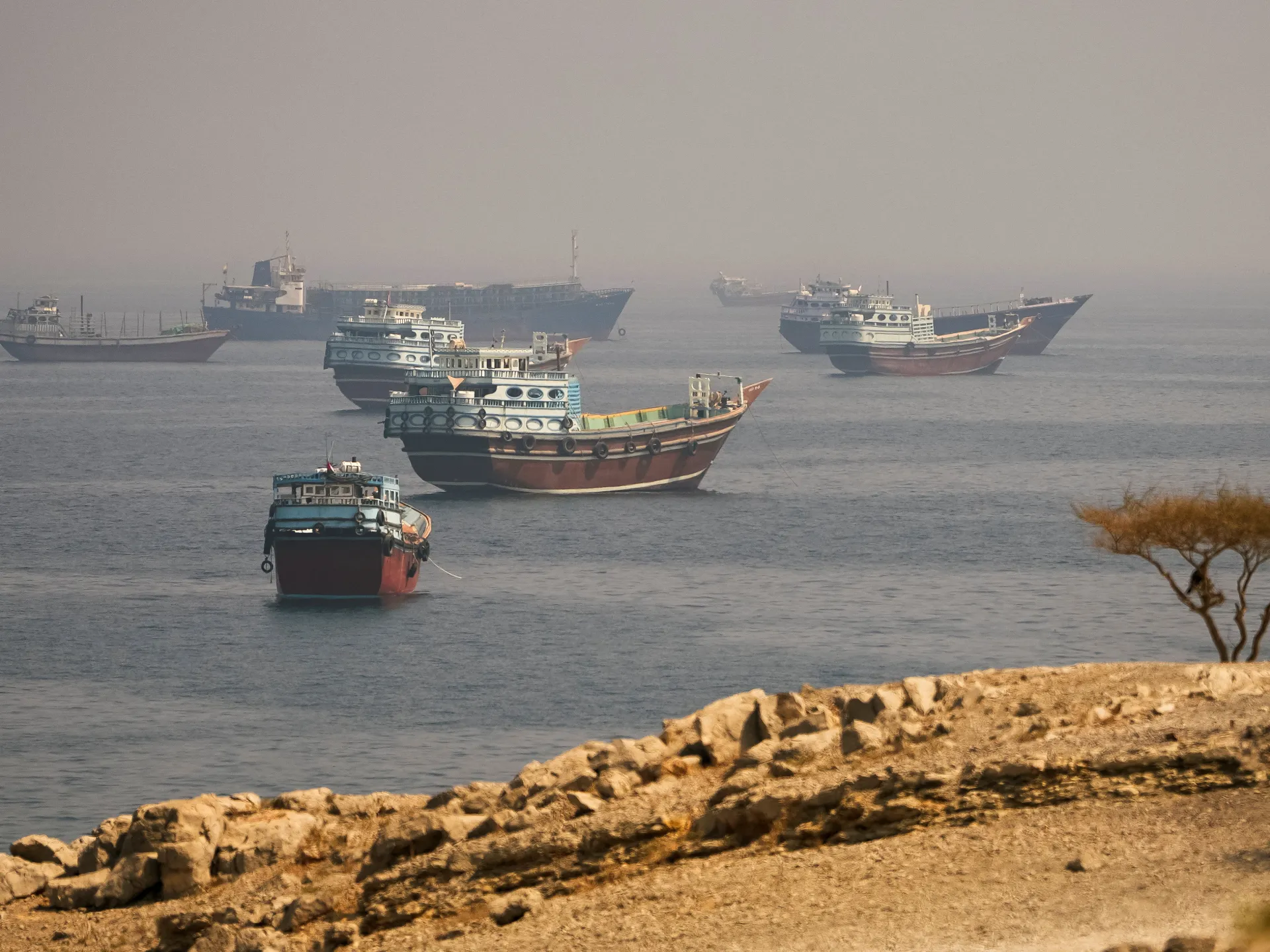
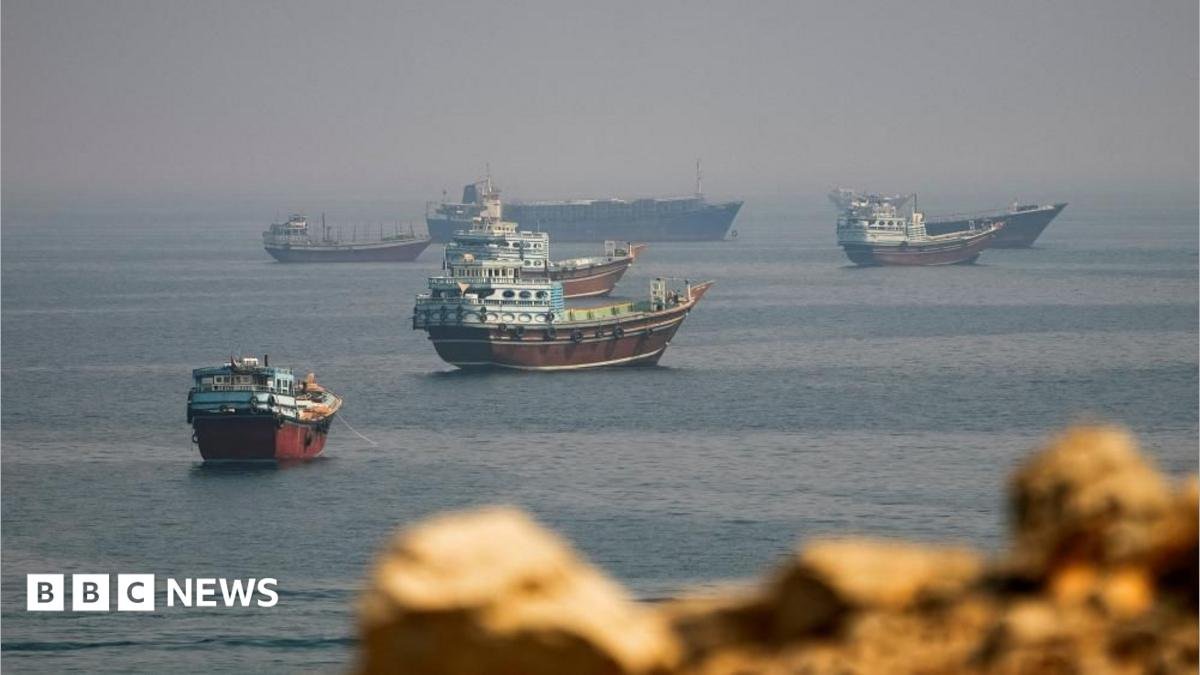
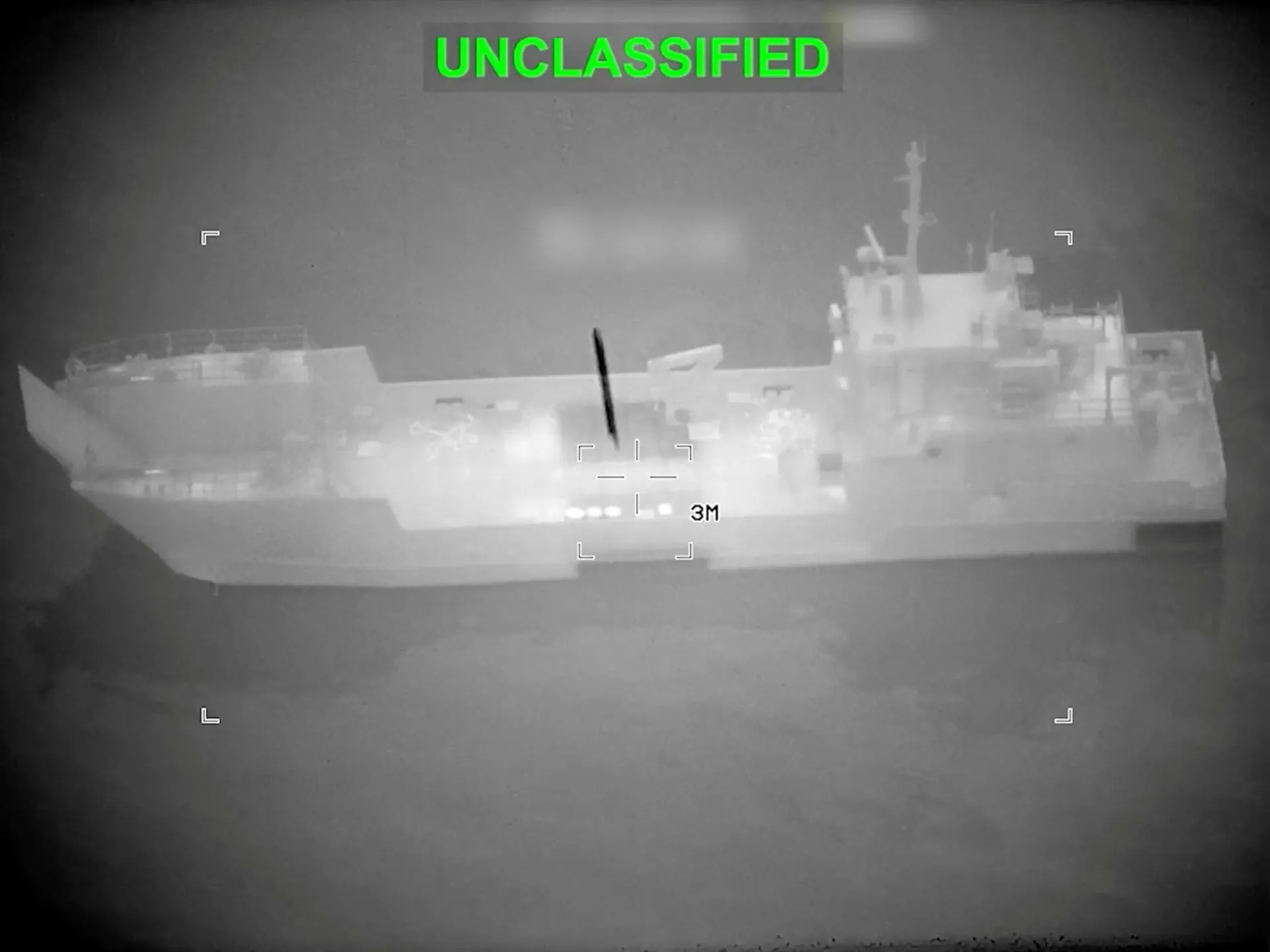
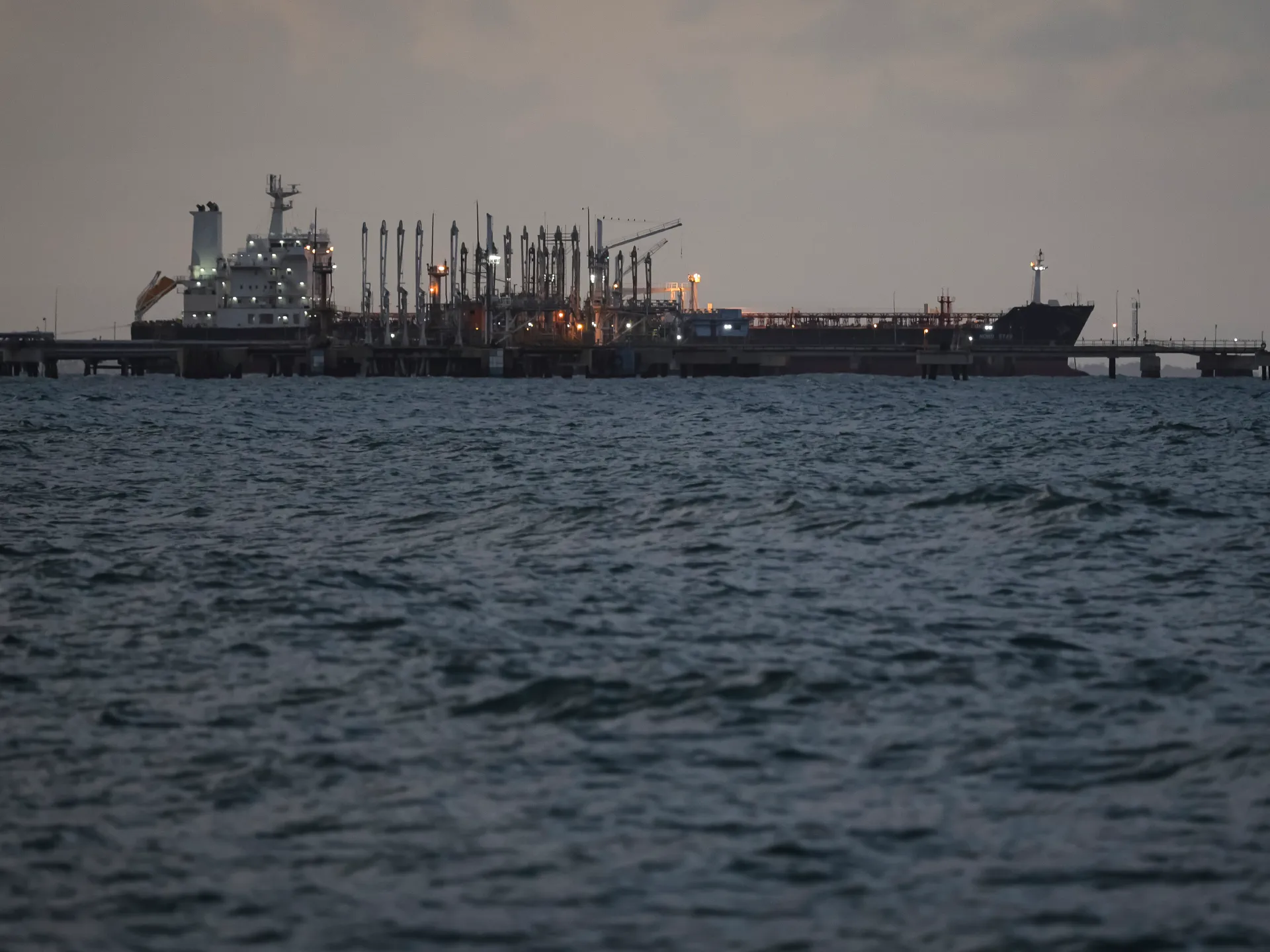
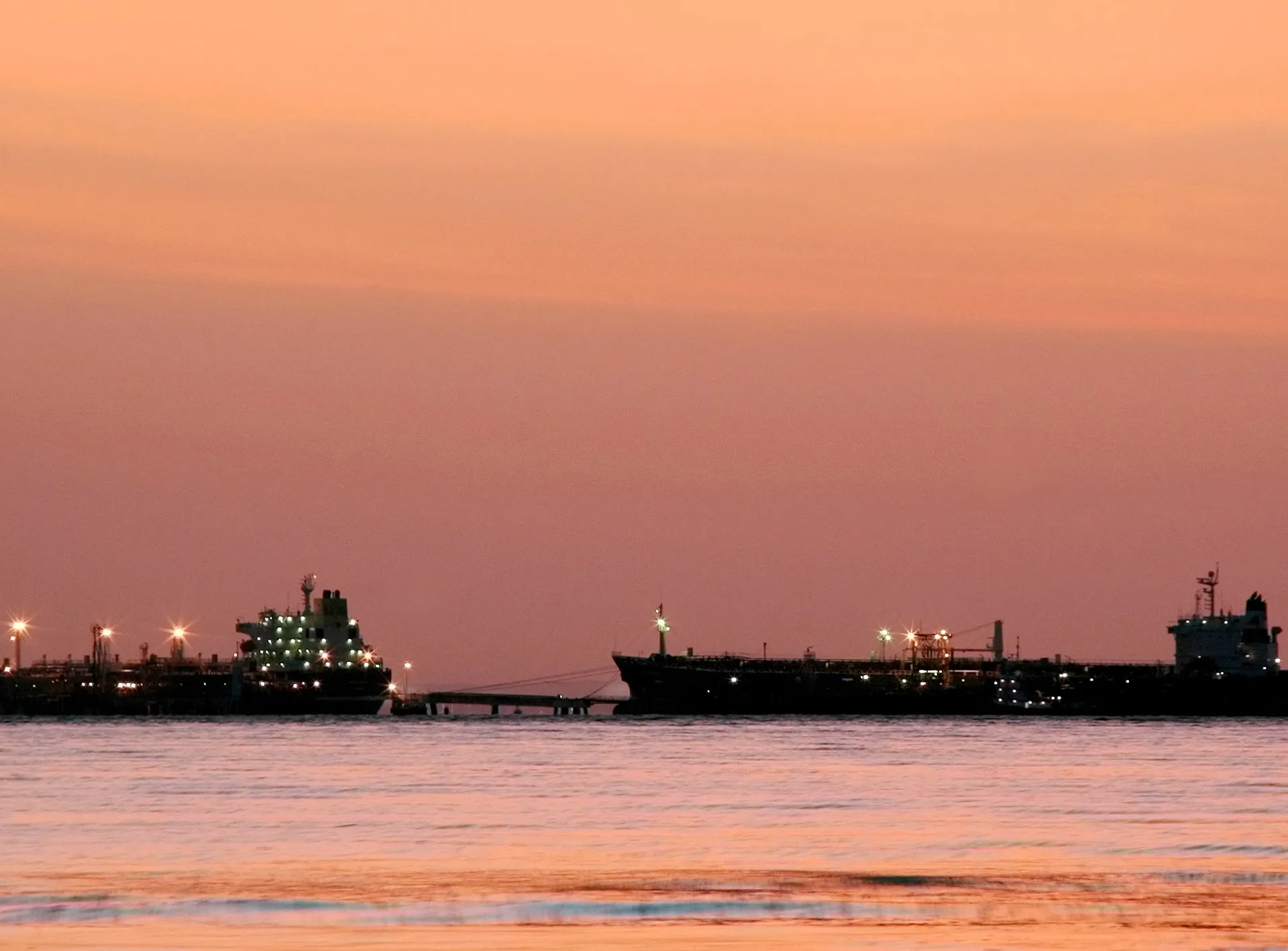
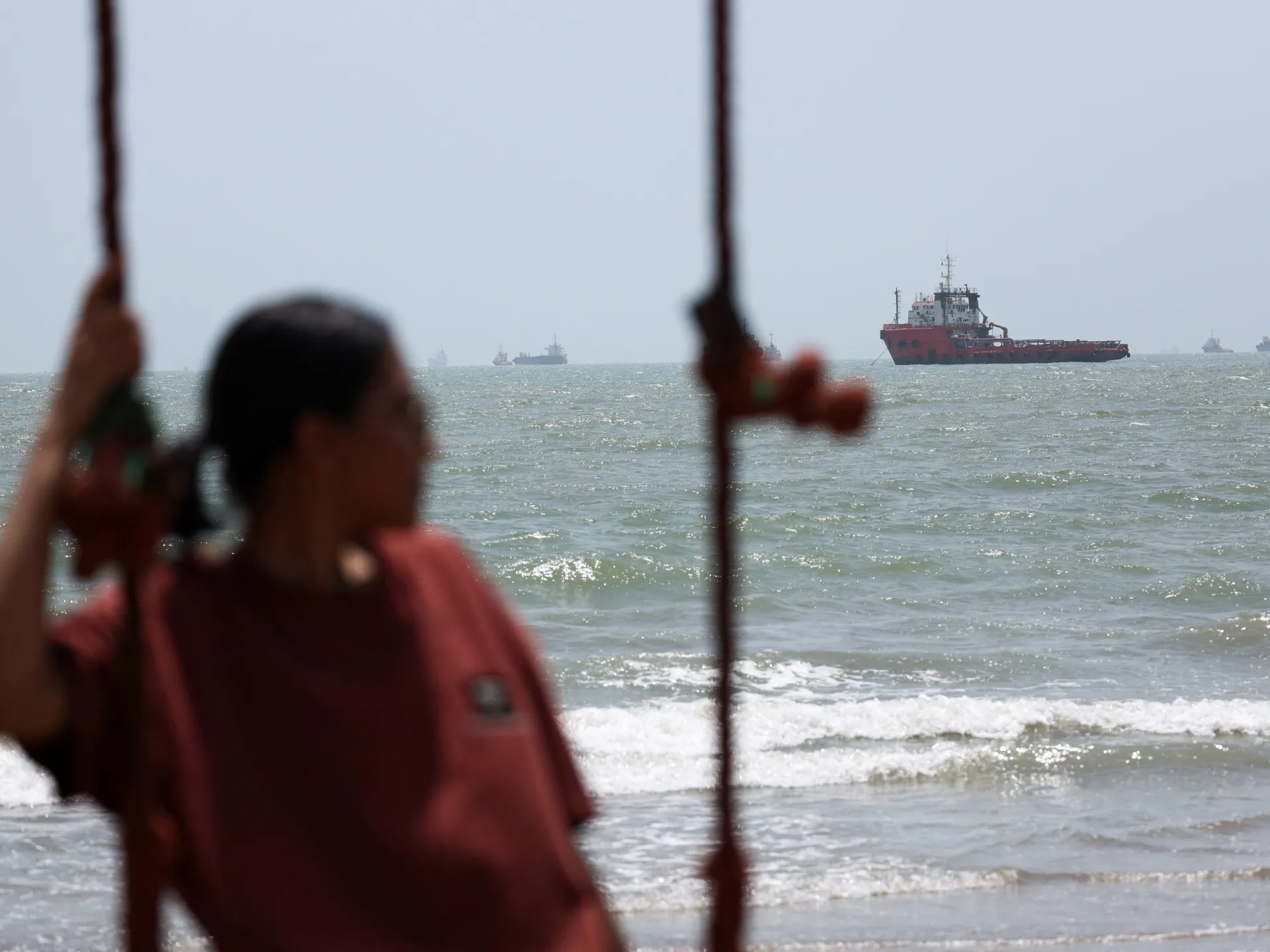
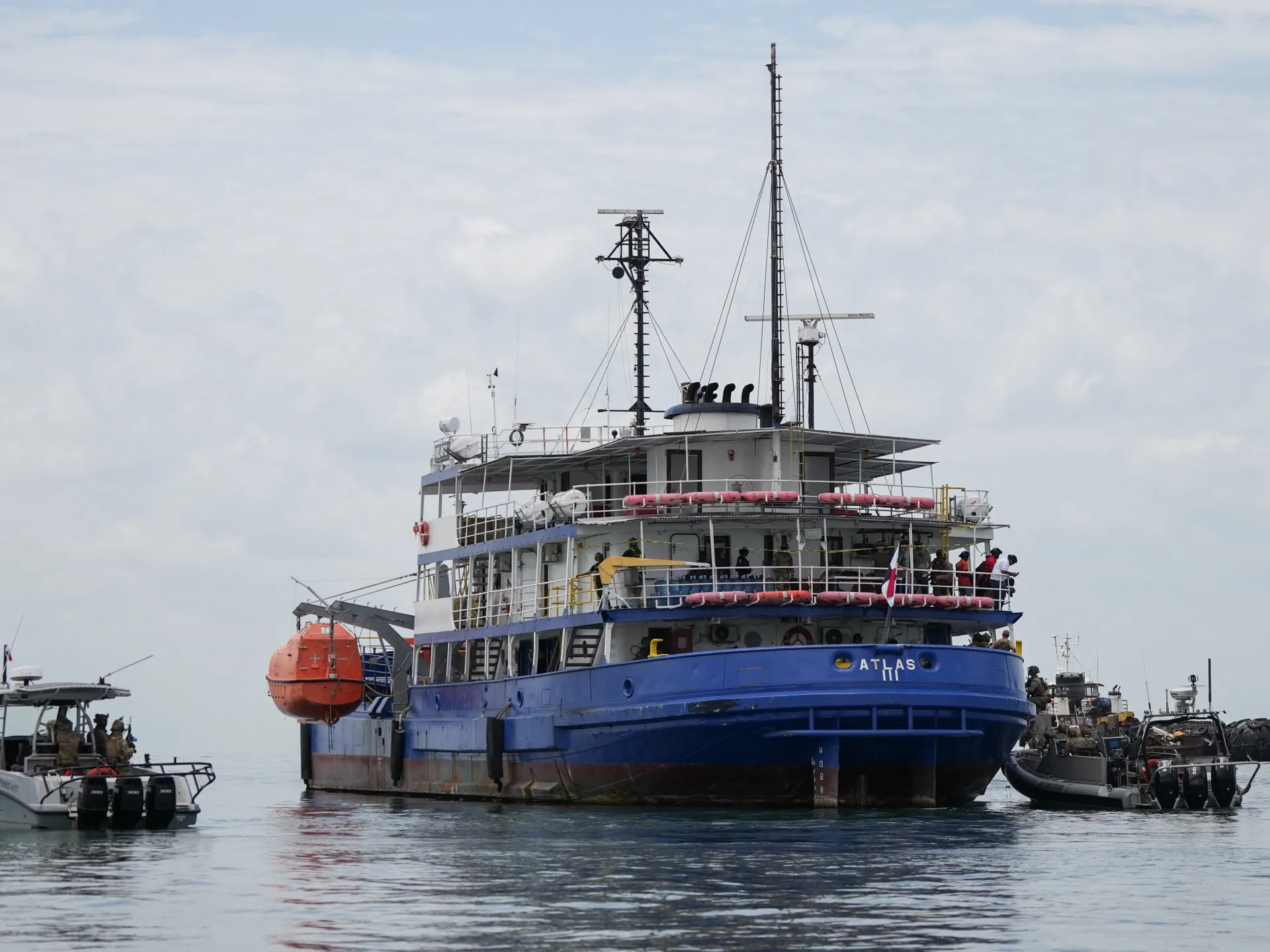
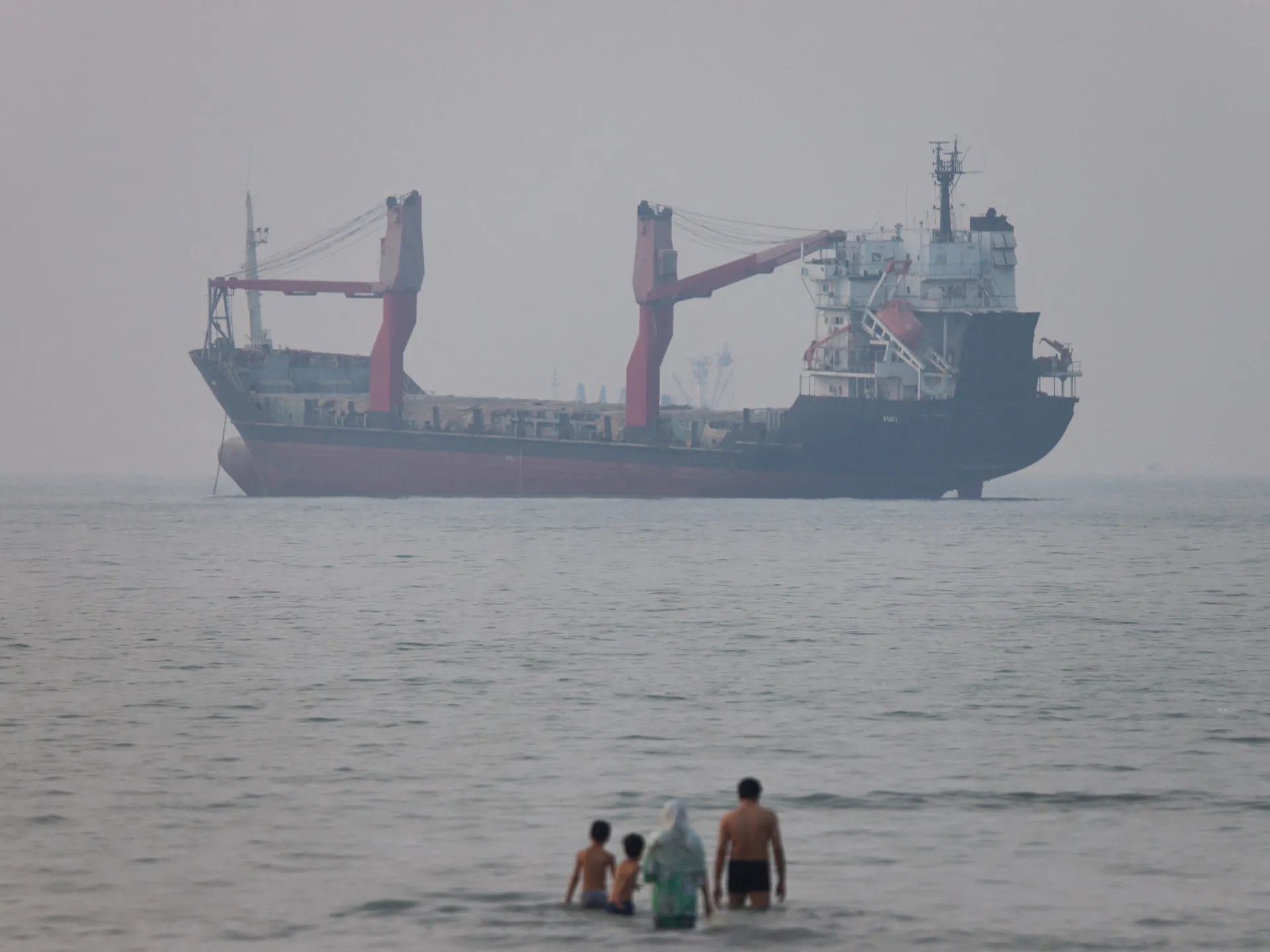
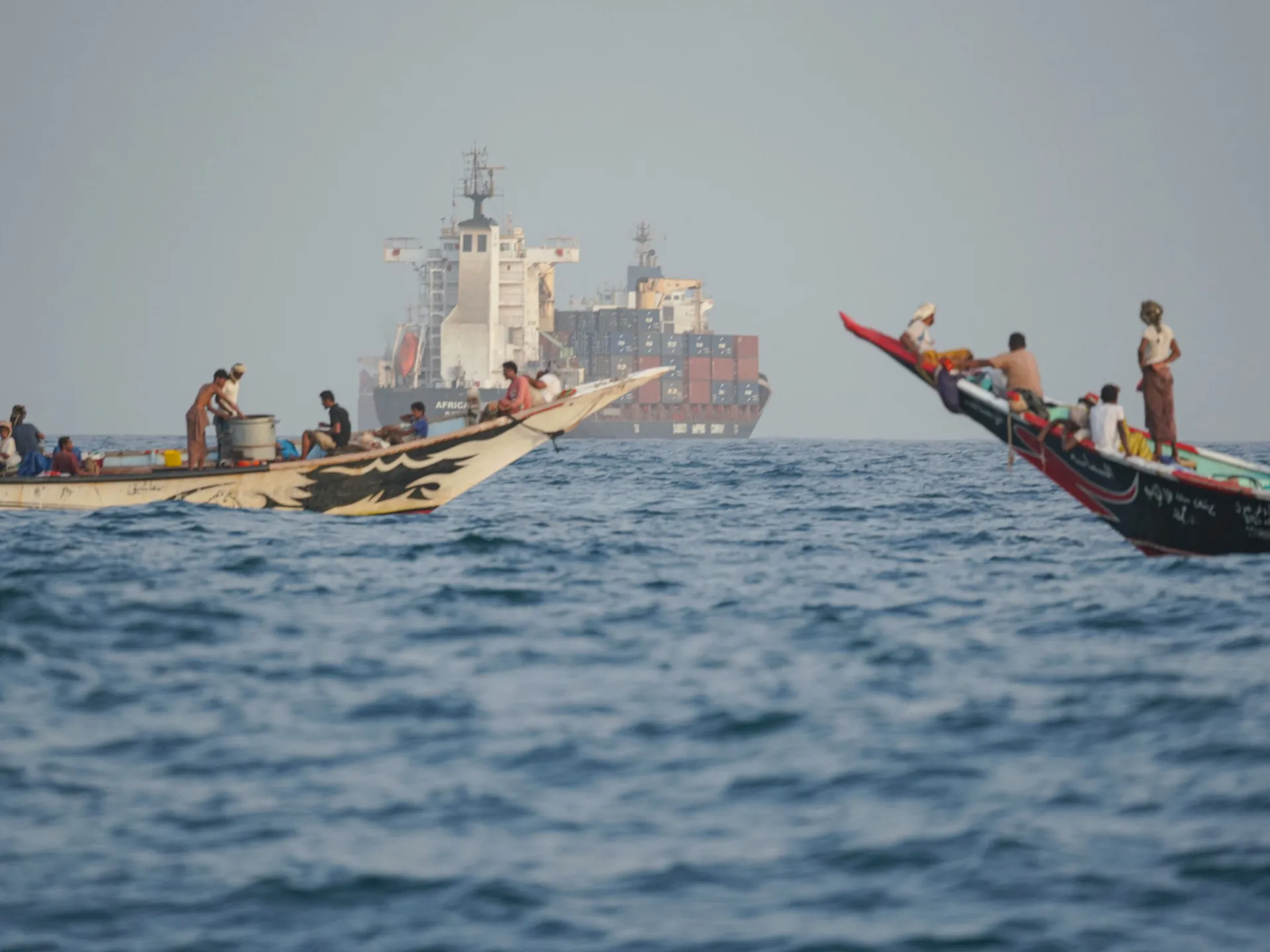
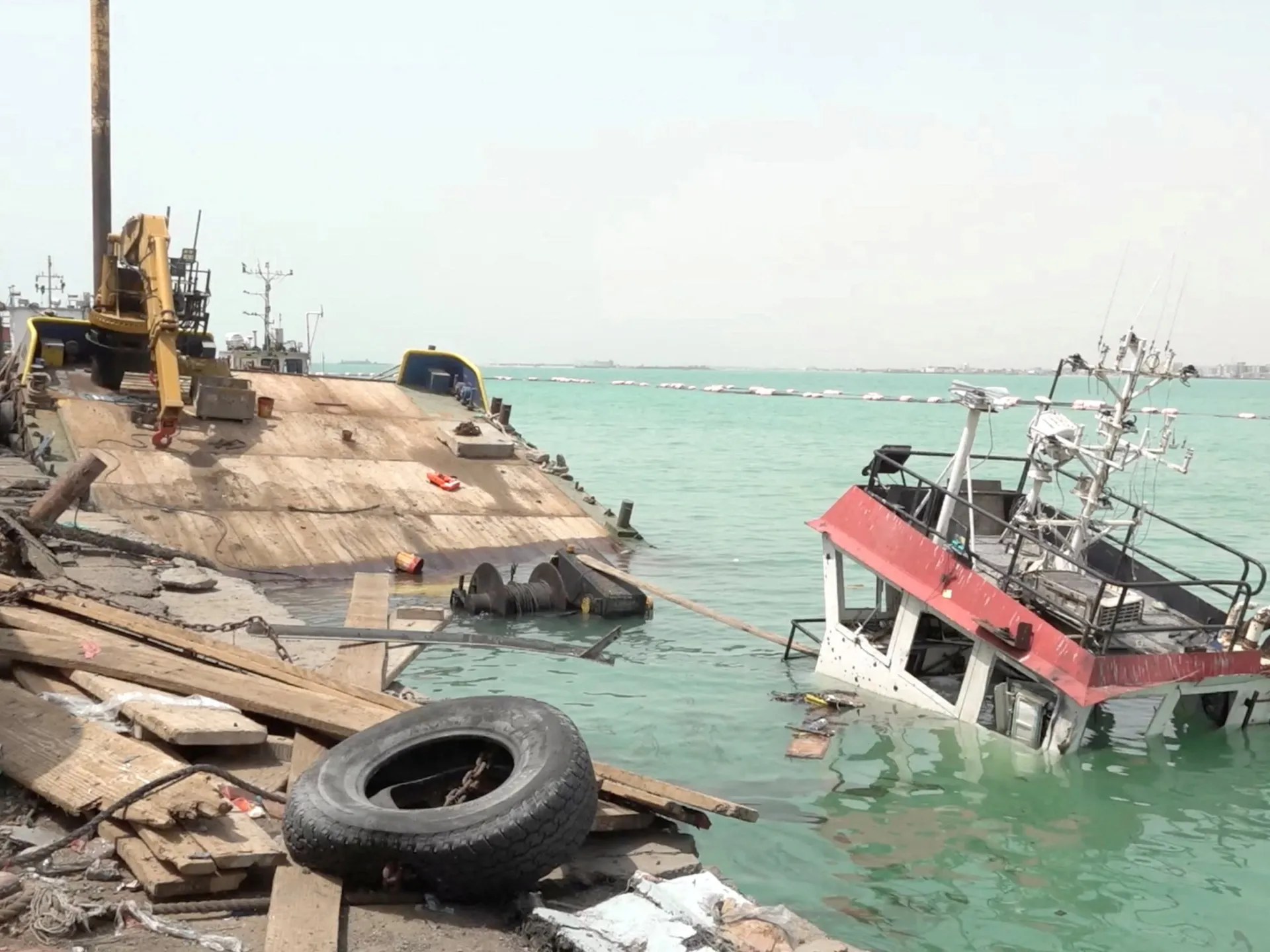
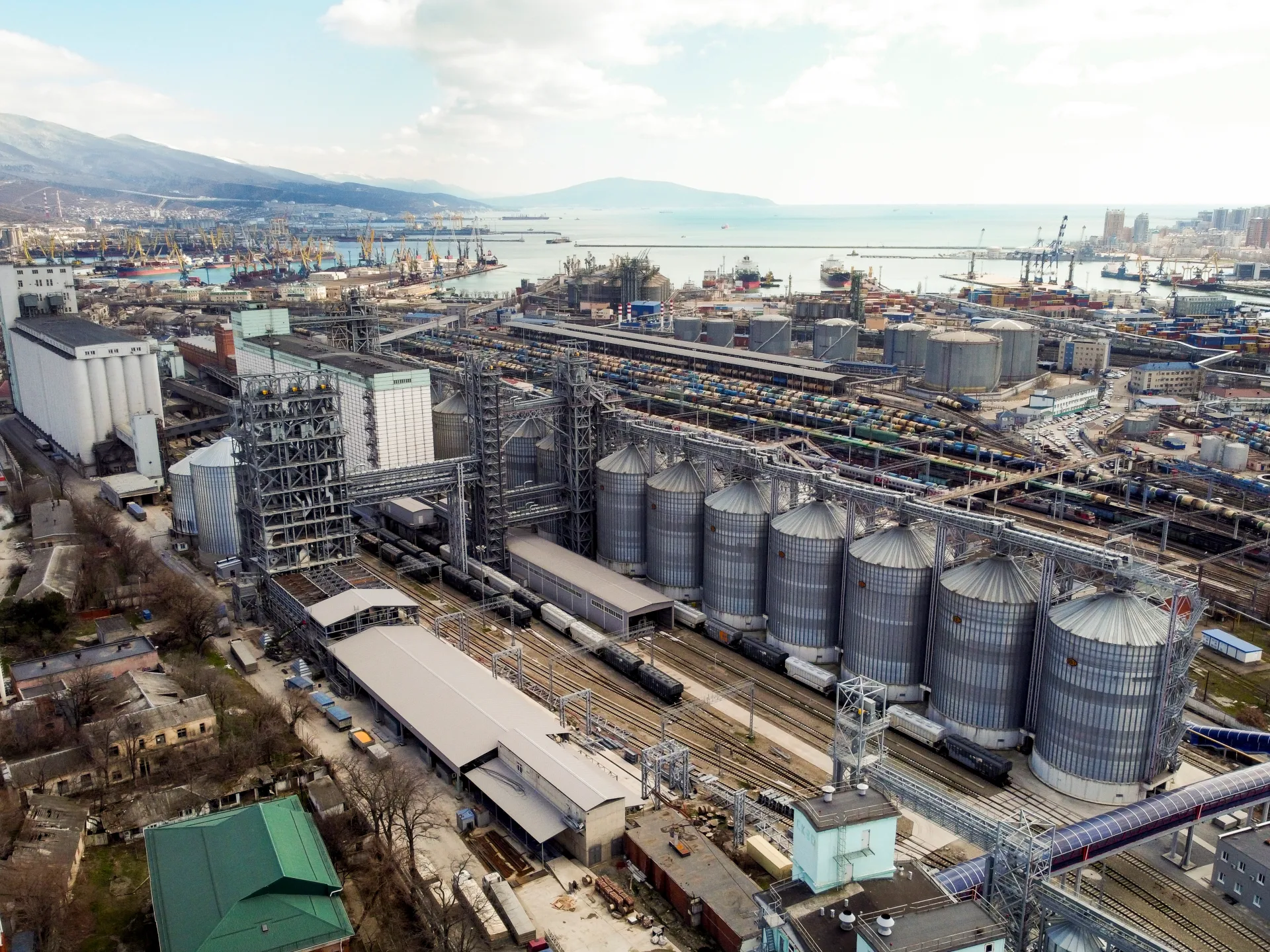
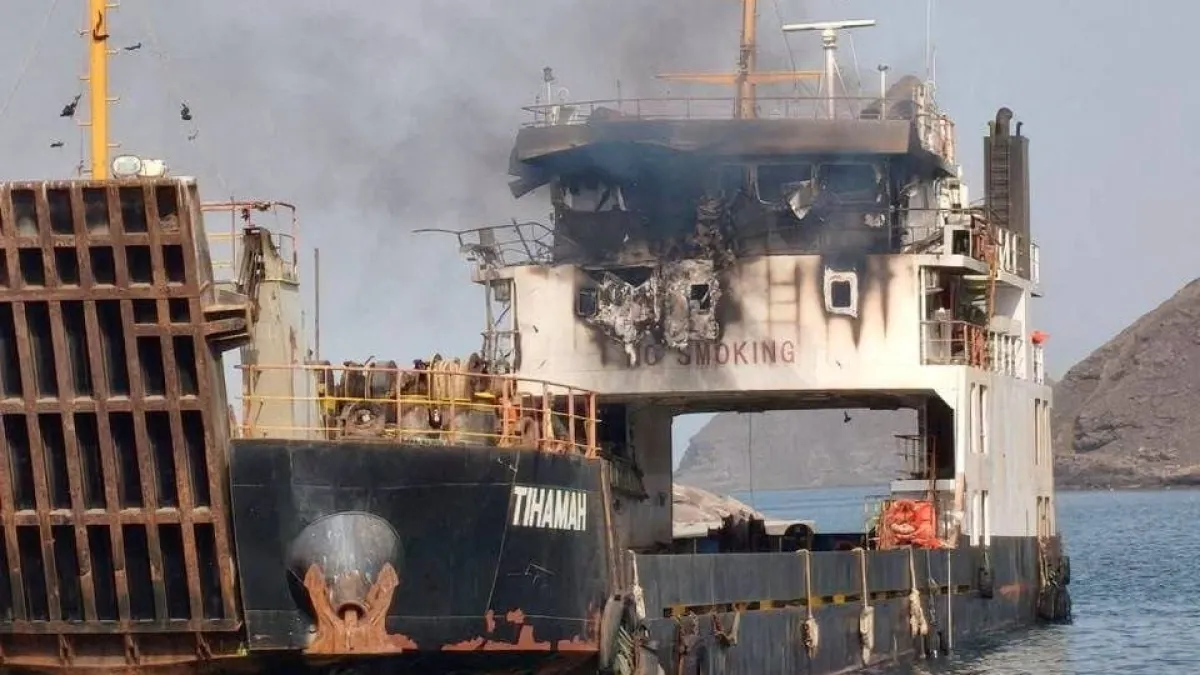
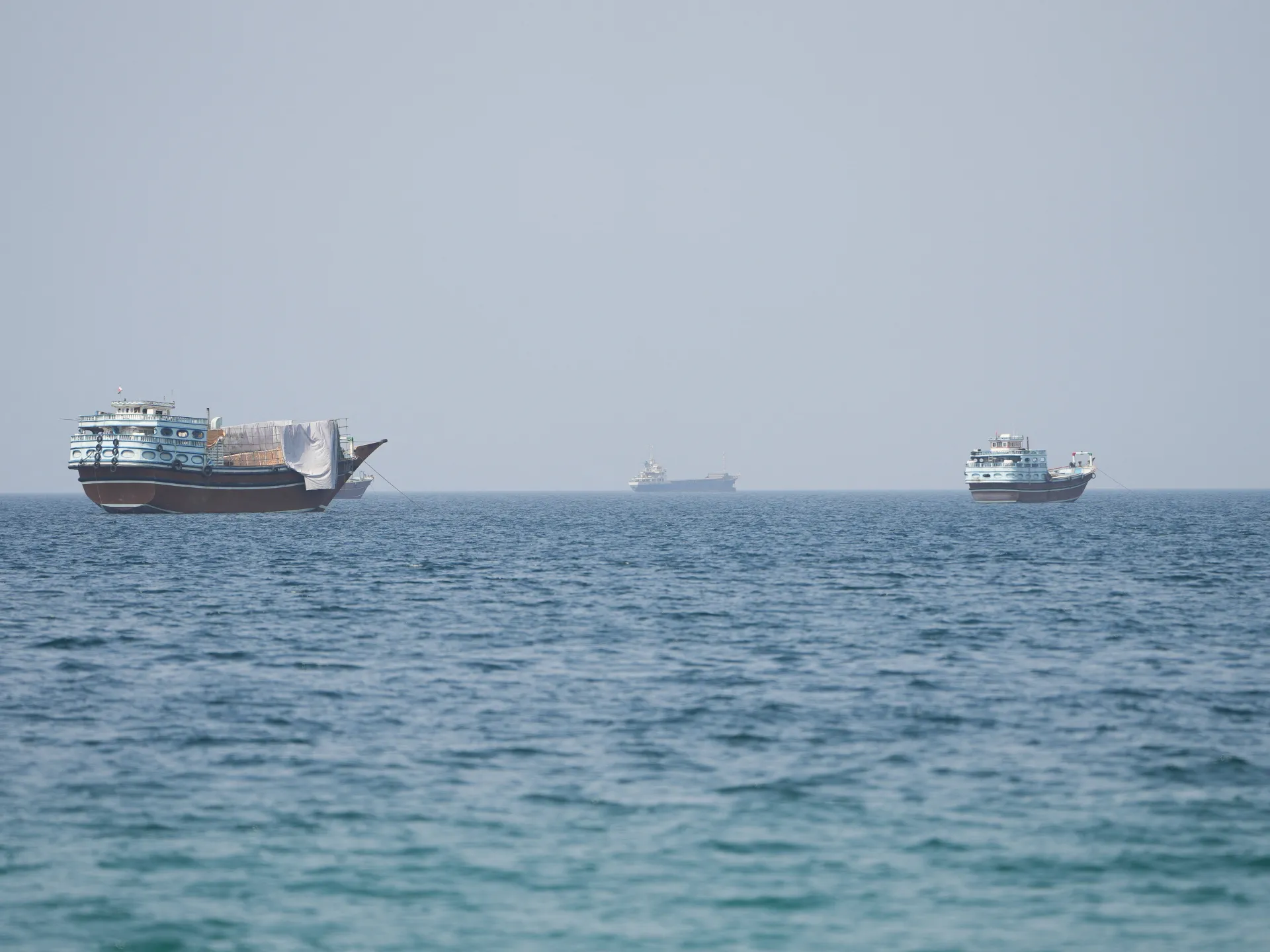
The conflict has expanded into a broader struggle for control over critical maritime passages. Recent Houthi advances have resulted in the capture of key positions near the Bab al-Mandab Strait, a vital shipping chokepoint connecting Asia and Europe via the Red Sea. While the group maintains that they do not intend to obstruct international commerce, they have explicitly stated their intent to target vessels associated with Saudi Arabia. This follows significant damage to the kingdom’s East-West Pipeline, which has disrupted the flow of crude oil from the Gulf to the Red Sea.
Global leaders have expressed growing concern over the potential for supply chain disruptions. During an emergency session of the United Nations Security Council, member states underscored the necessity of maintaining freedom of navigation through the Red Sea. The economic pressure exerted lls for more decisive international action. While some diplomatic channels remain open, the humanitarian cost of the conflict continues to climb, with millions of Yemenis currently requiring urgent aid due to displacement and the breakdown of essential services.
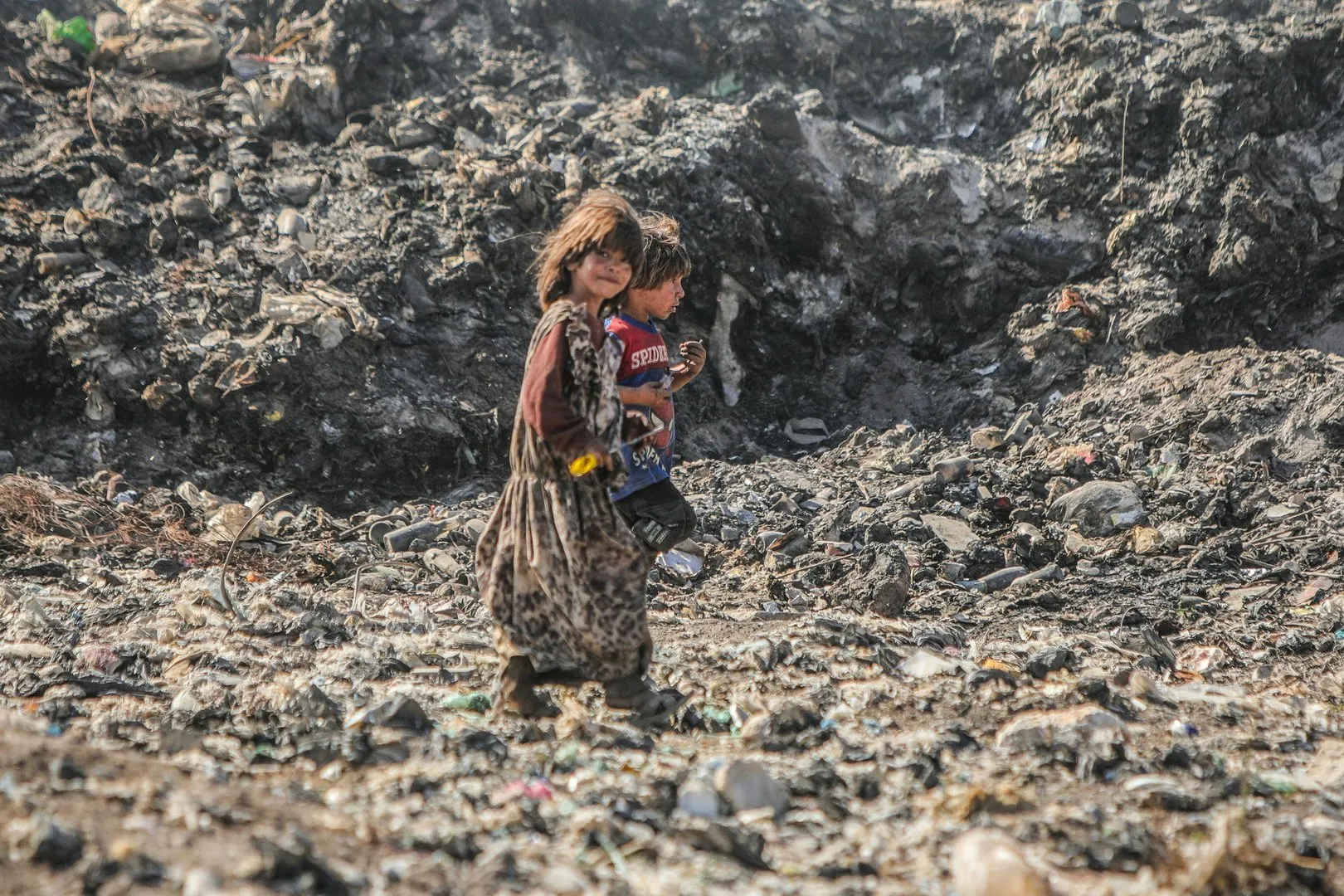
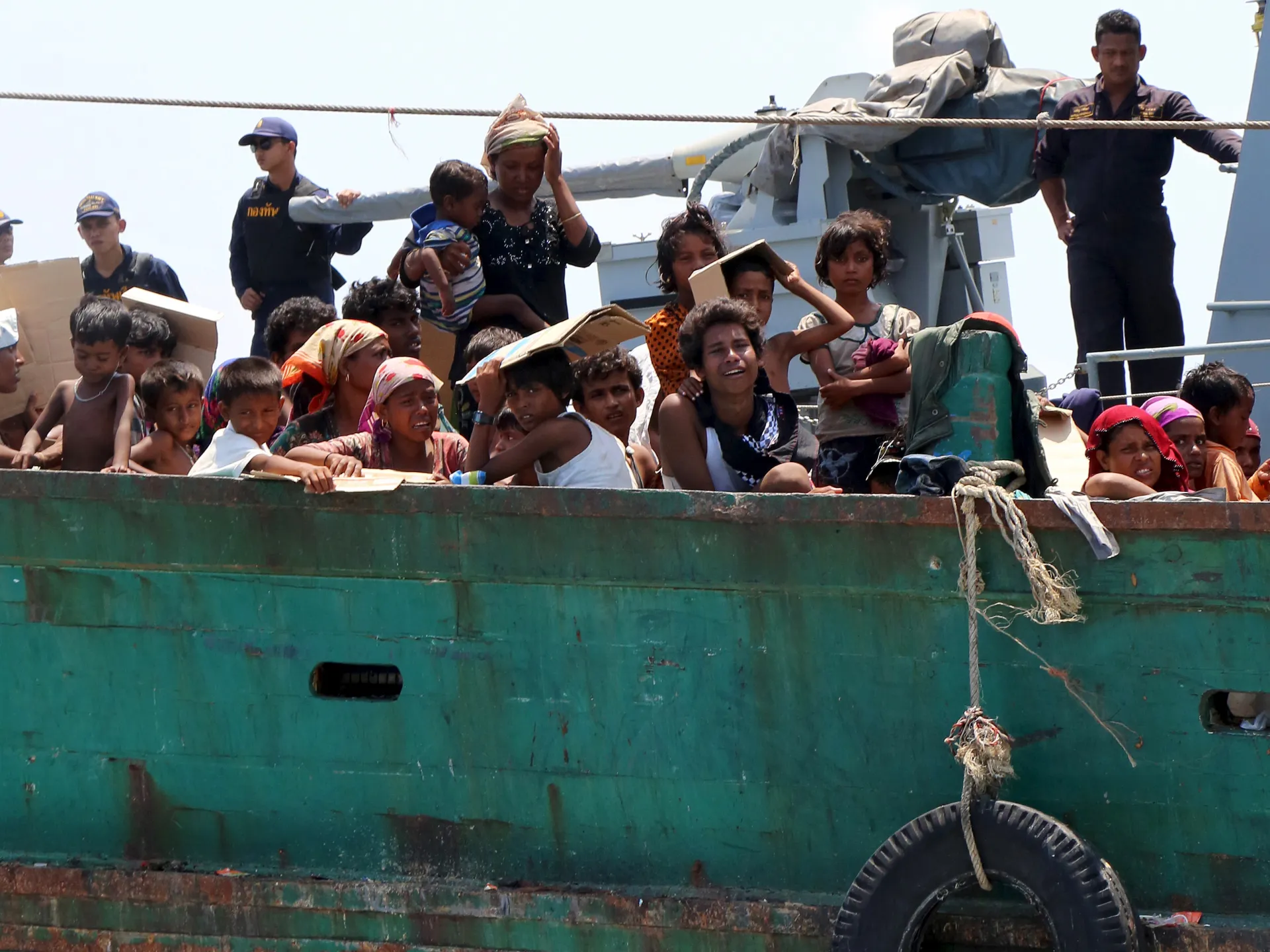
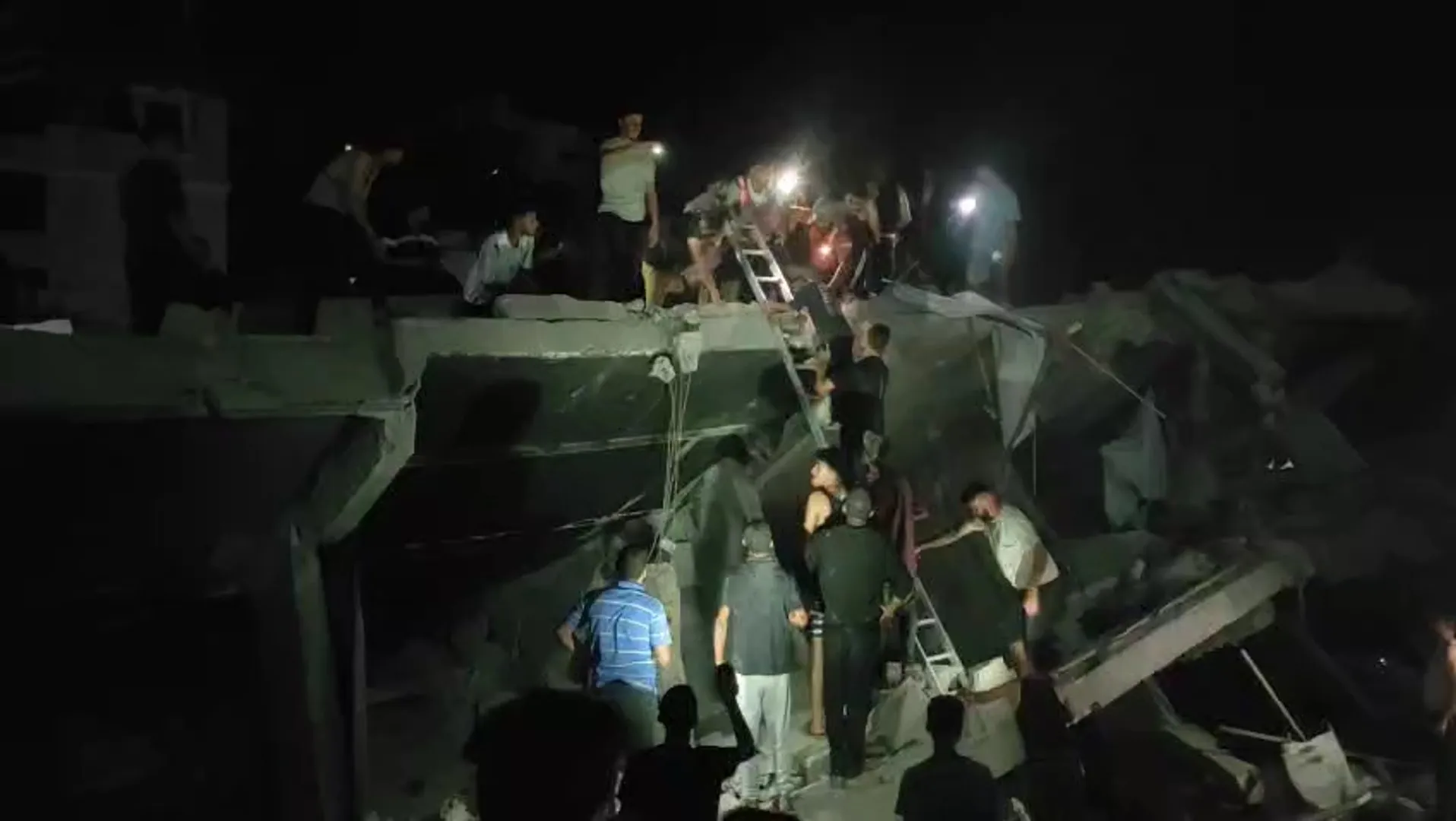
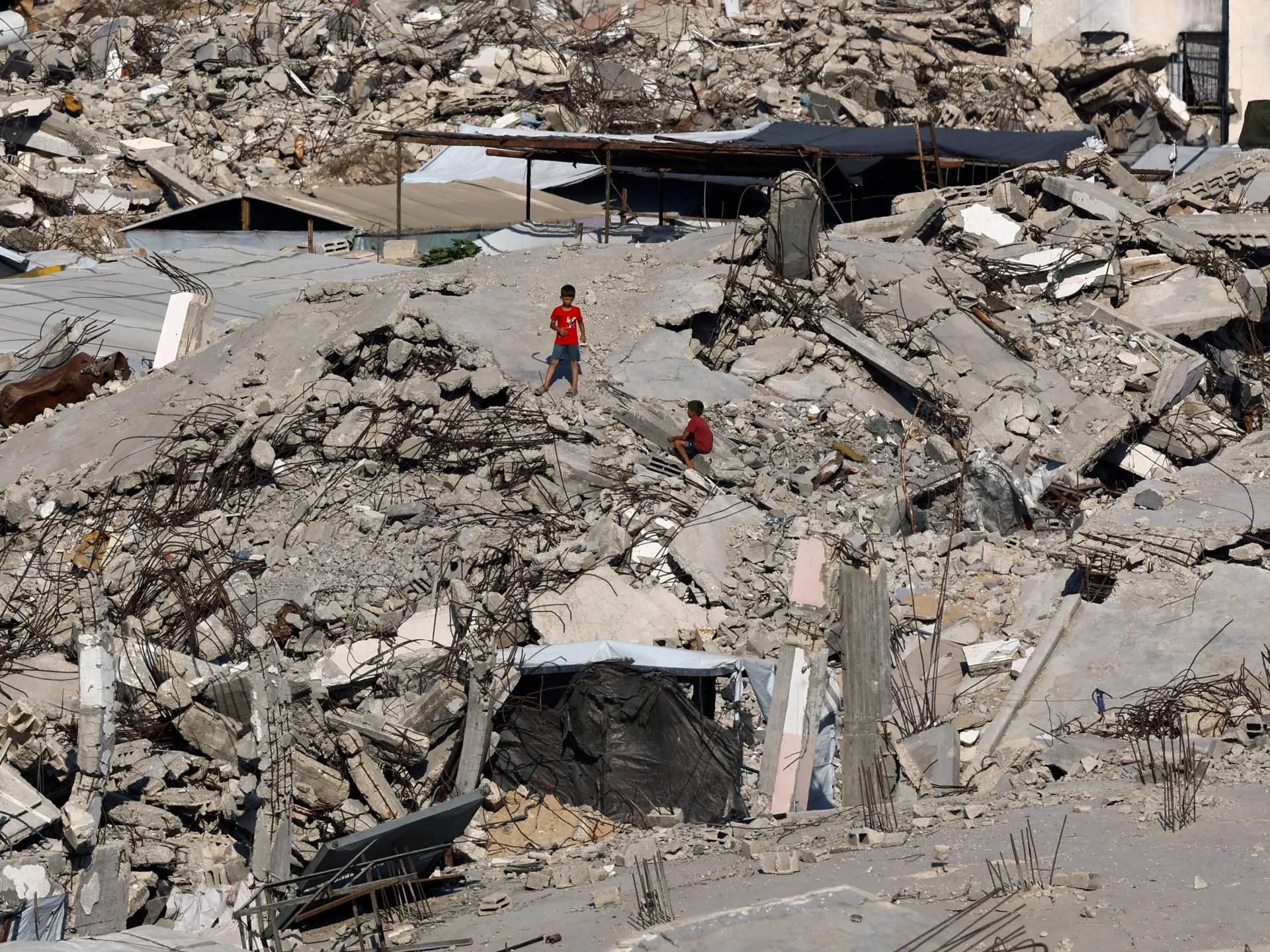
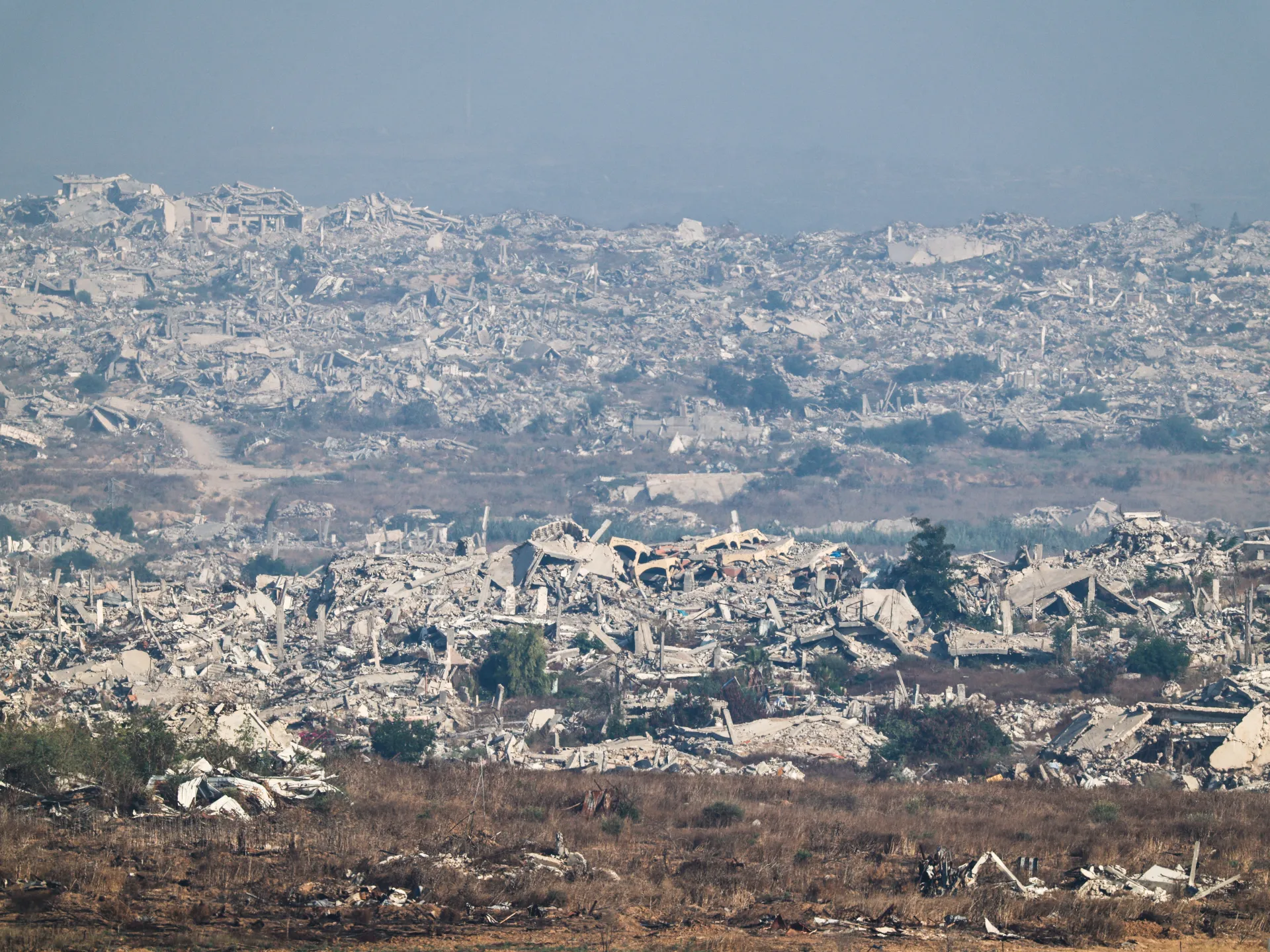
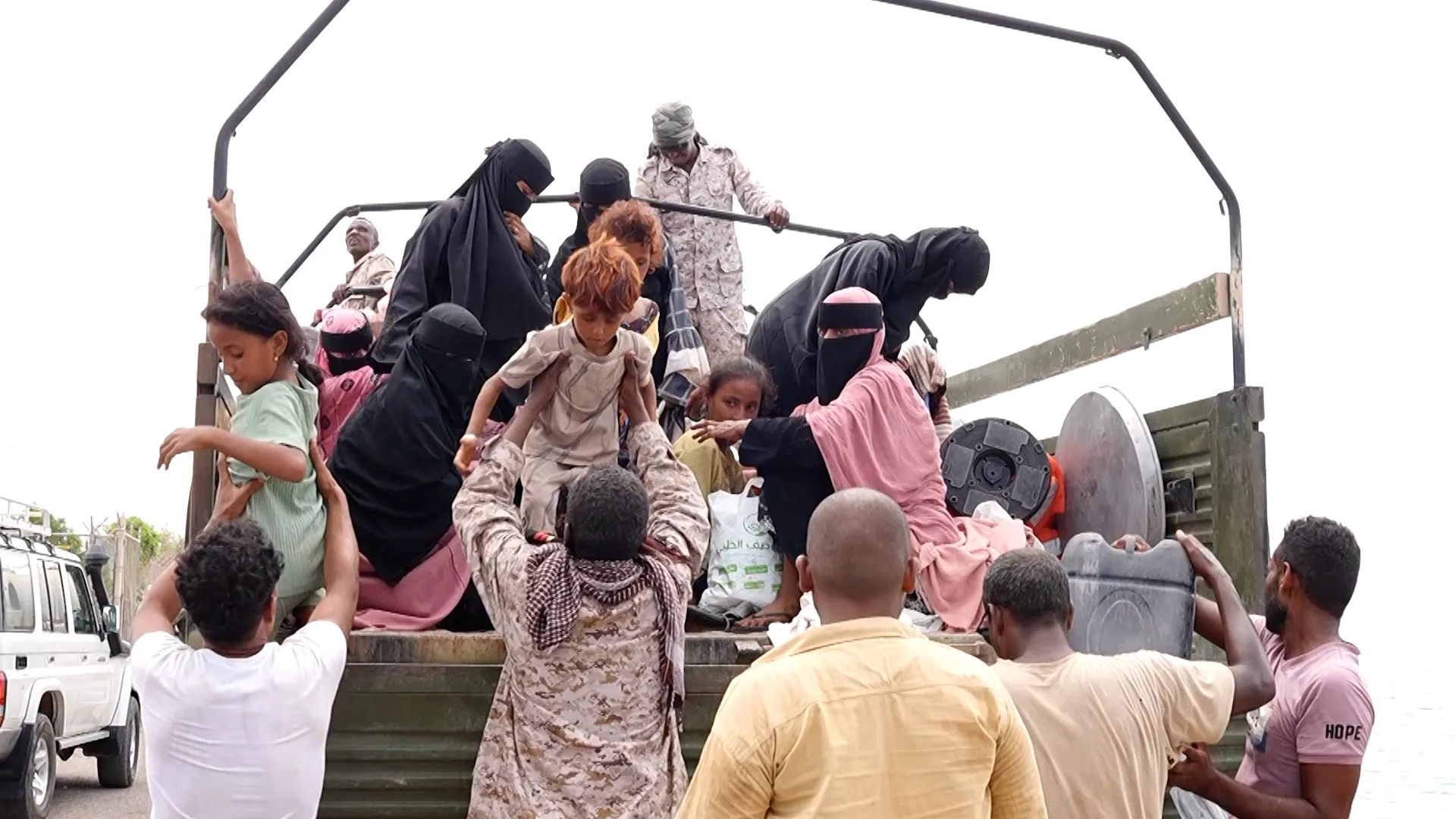
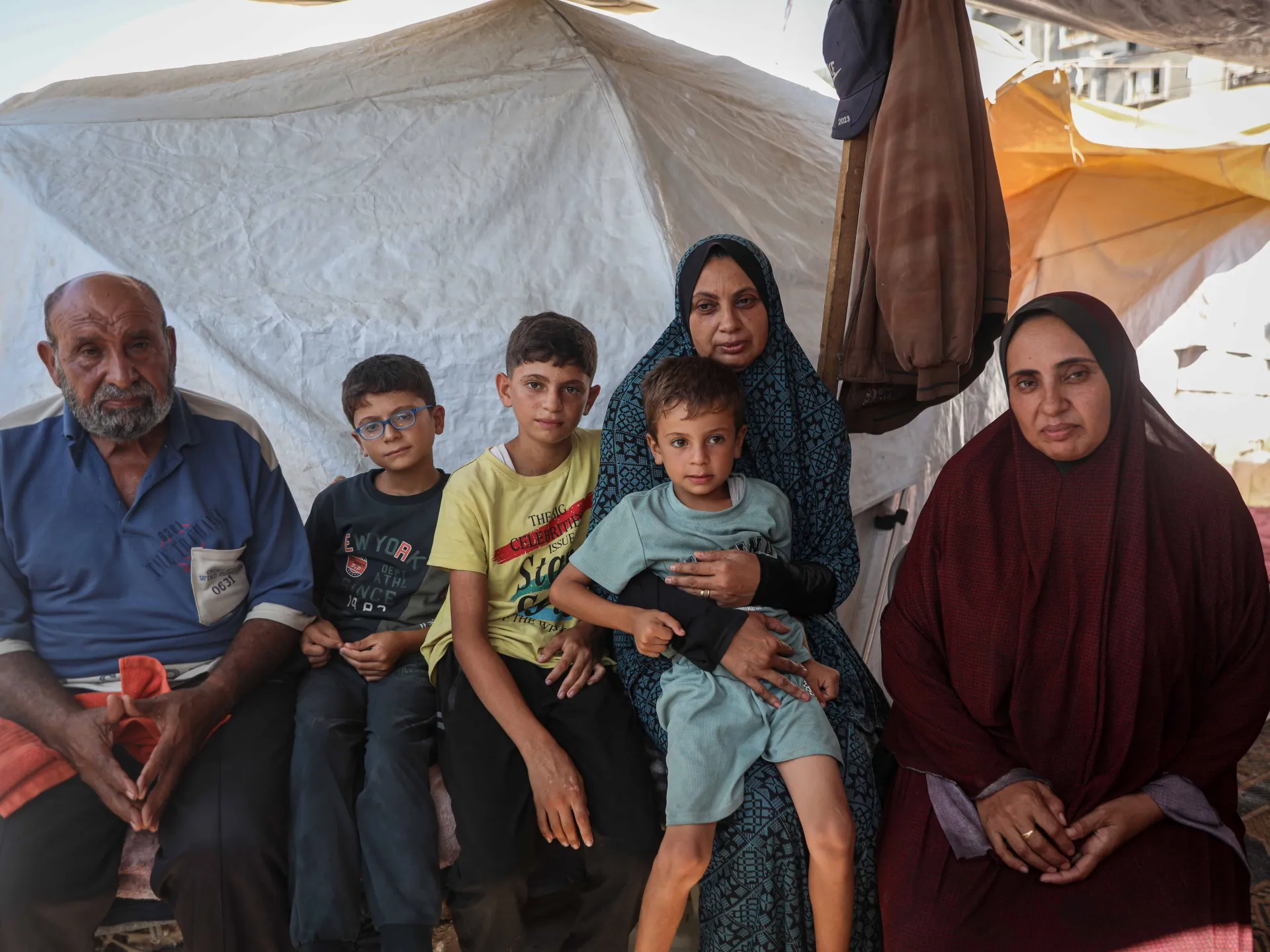
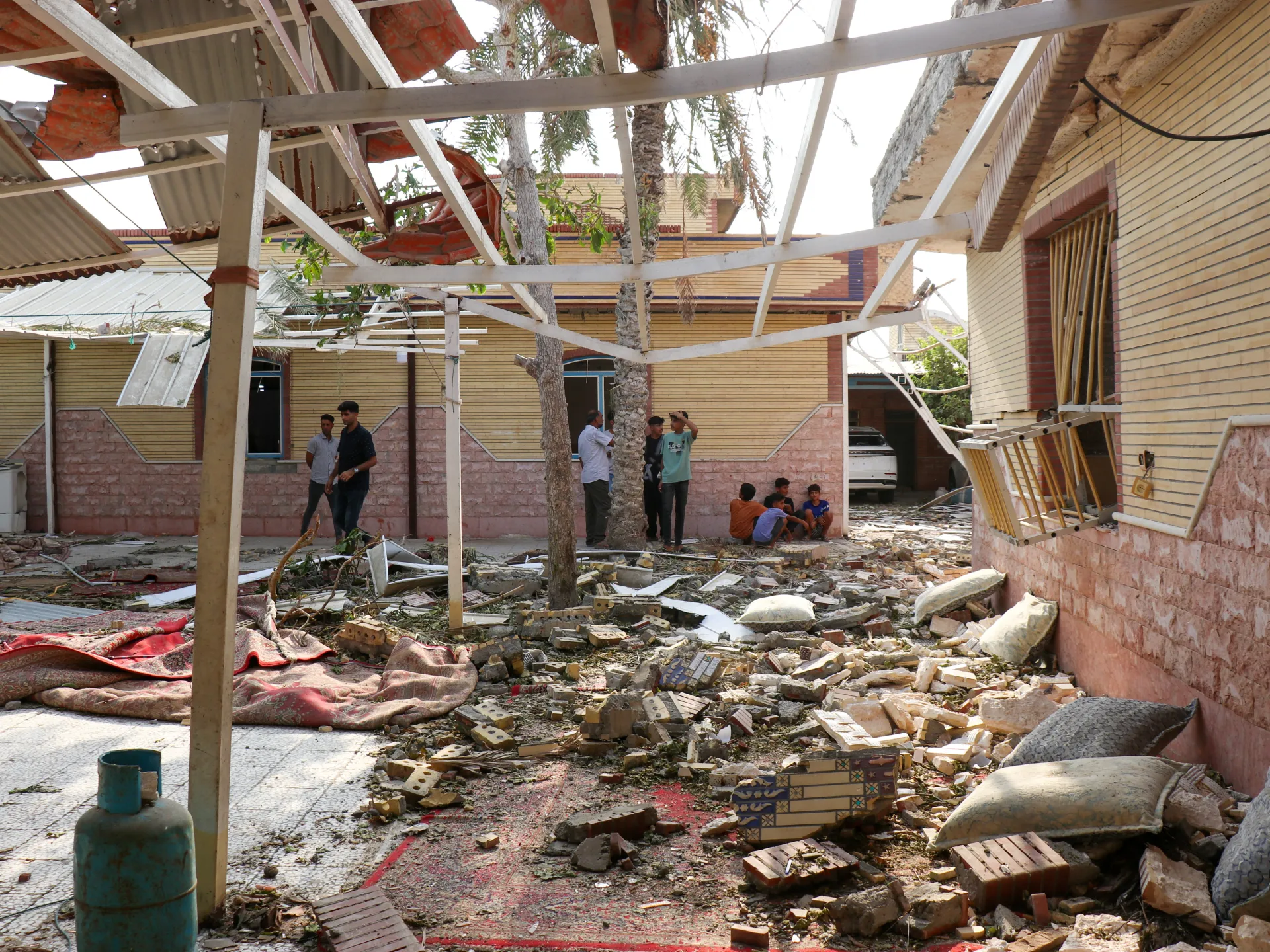
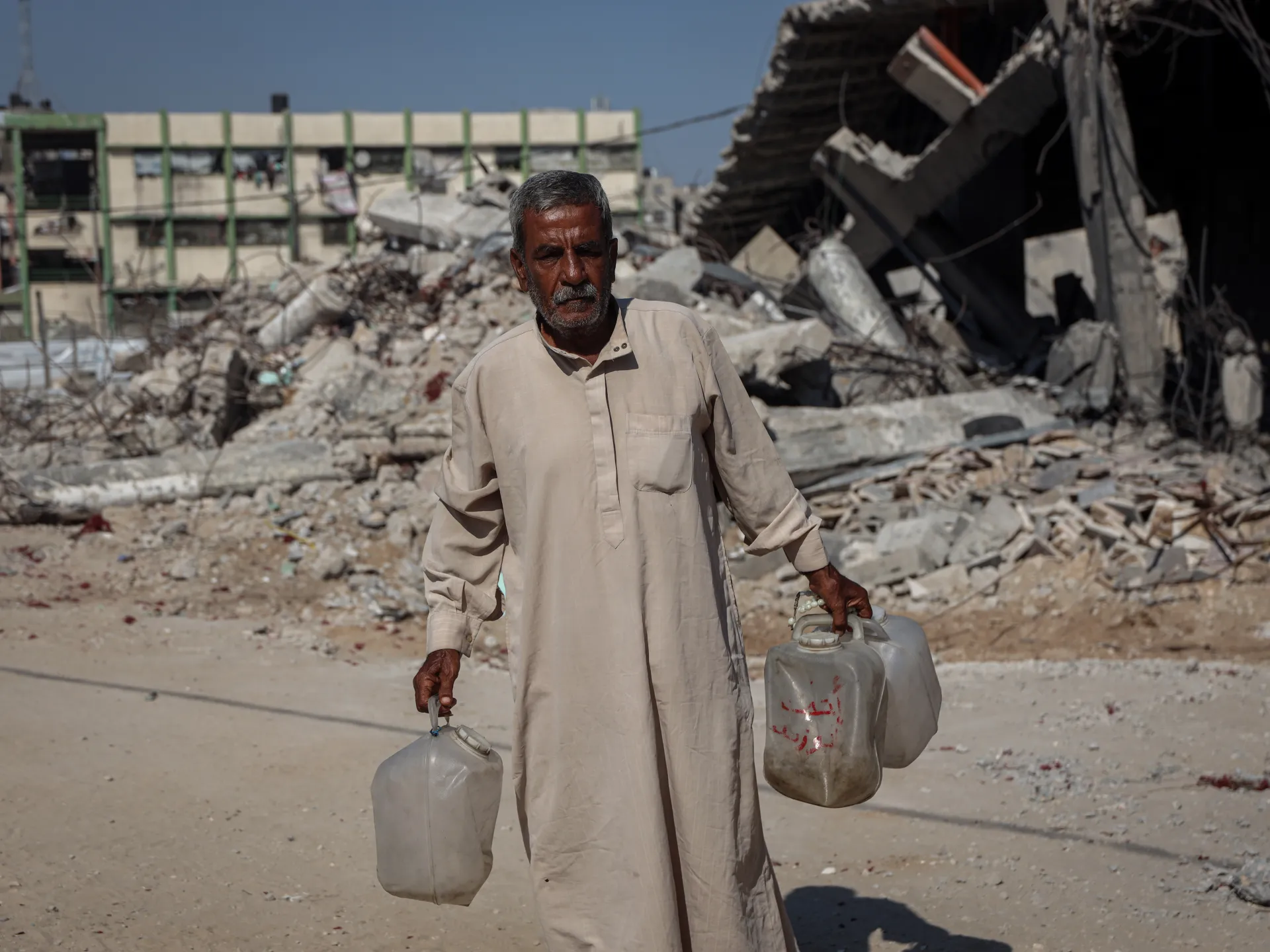
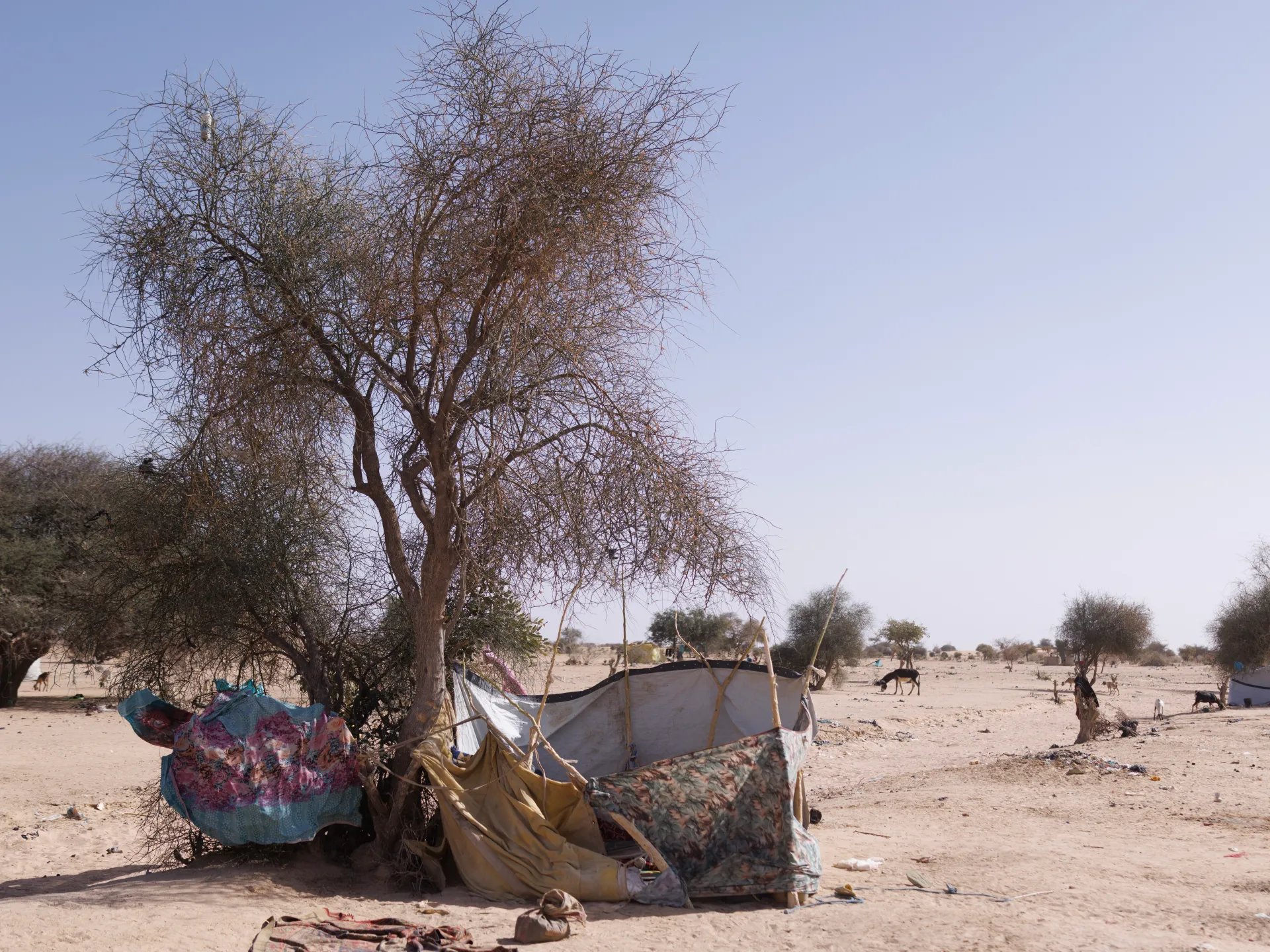
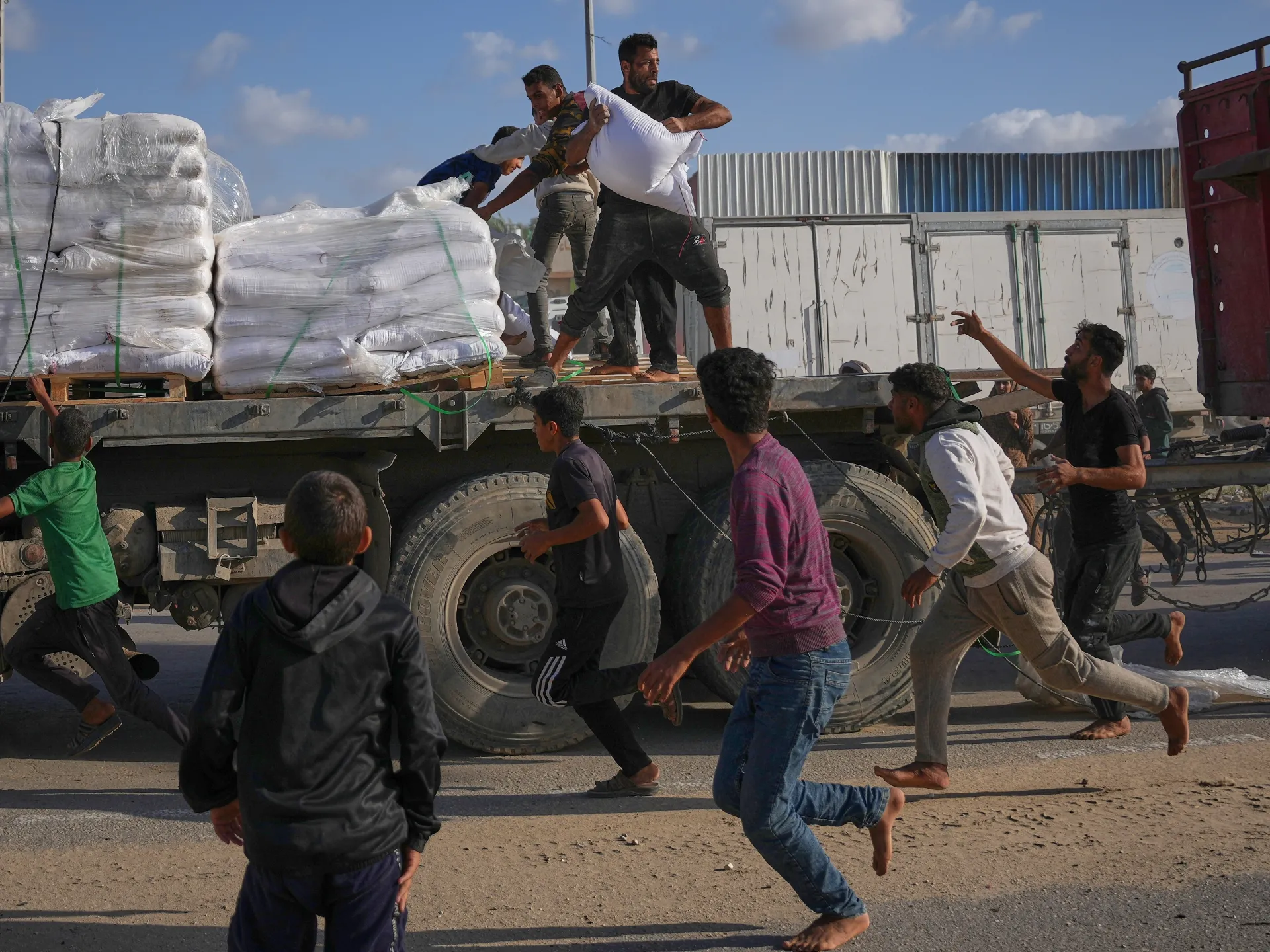
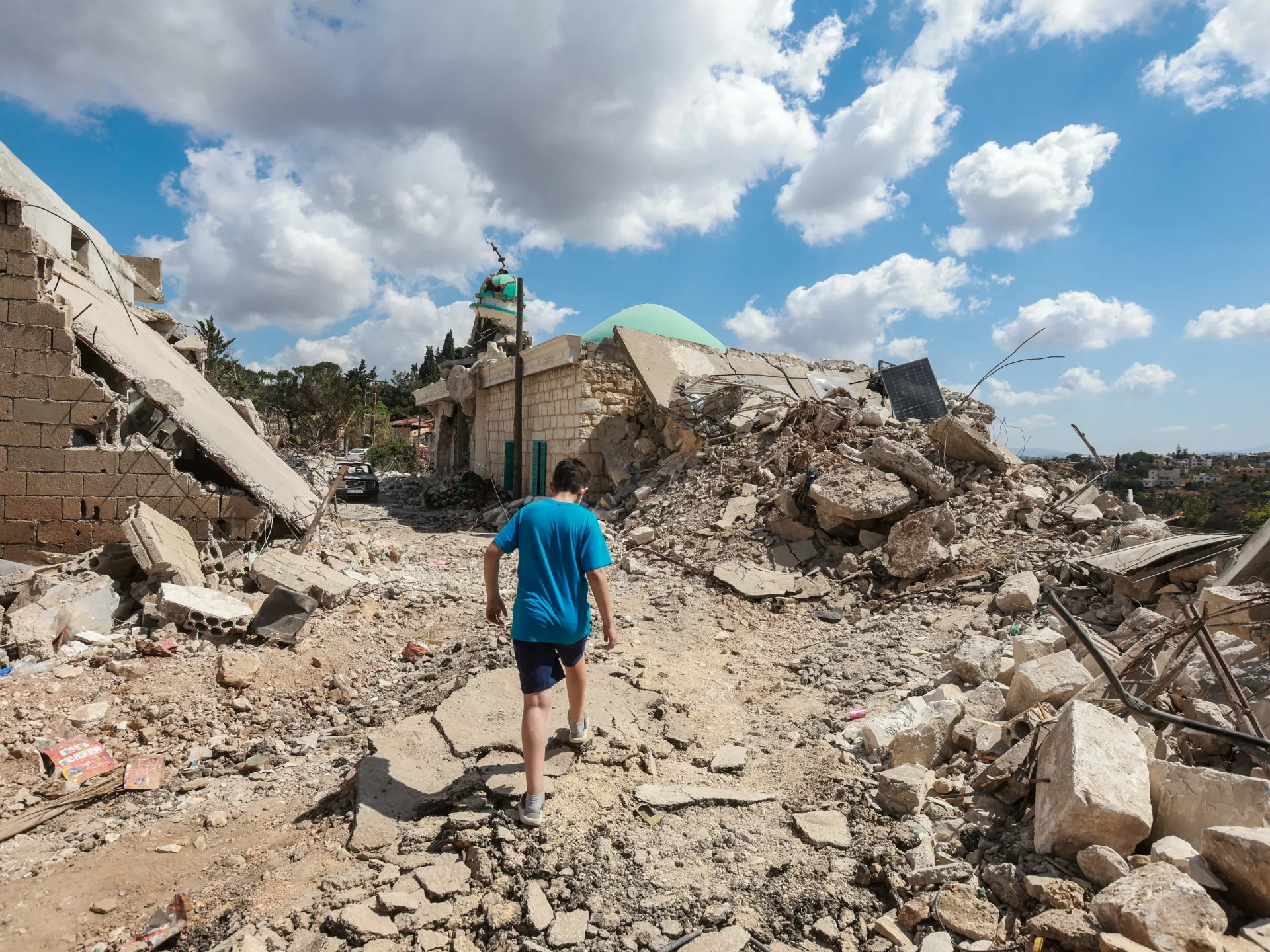
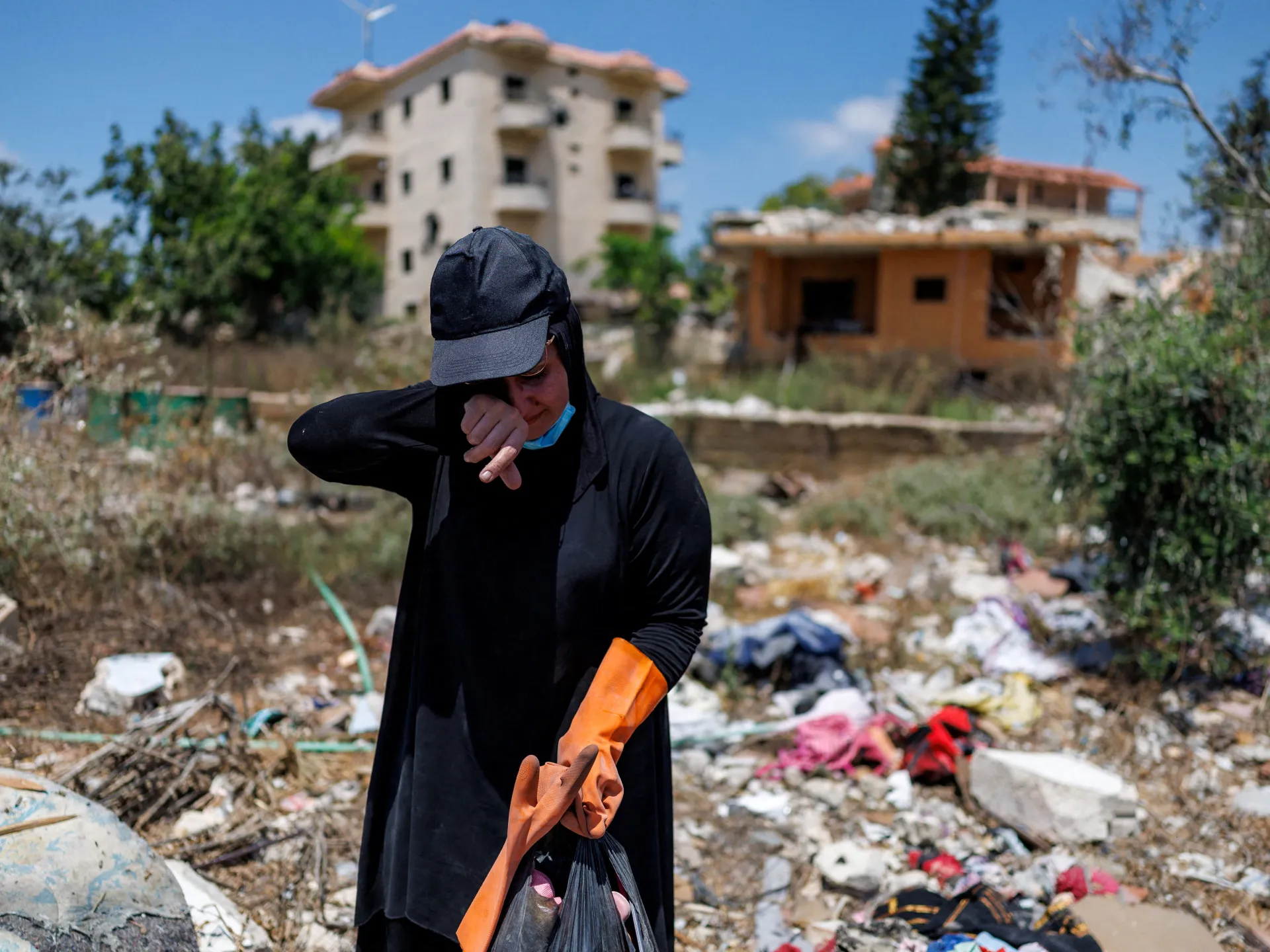
Beyond the military and economic dimensions, the crisis in Yemen remains one of the world's most severe humanitarian catastrophes. International organizations have reported thousands of casualties in recent months, with the total death toll since the conflict's escalation in 2015 reaching well over 150,000. Displacement figures have spiked, as families are repeatedly forced to flee their homes to escape the reach of ongoing hostilities. The destruction of local infrastructure has left the vast majority of the Yemeni population dependent on external humanitarian assistance for survival.
The collapse of a four-year informal ceasefire has exacerbated these conditions, leading to the re-imposition of maritime embargoes and intensified blockades. As the Saudi-led coalition and Houthi forces continue their standoff, the outlook for a peaceful resolution remains dim. The international community faces the challenge of balancing regional security concerns with the immediate need to address the widespread suffering caused braces for continued instability in the near term.