Saudi-led forces intercepted a drone near Mecca on Tuesday, sparking a new wave of international condemnation as regional tensions in the Red Sea intensify.
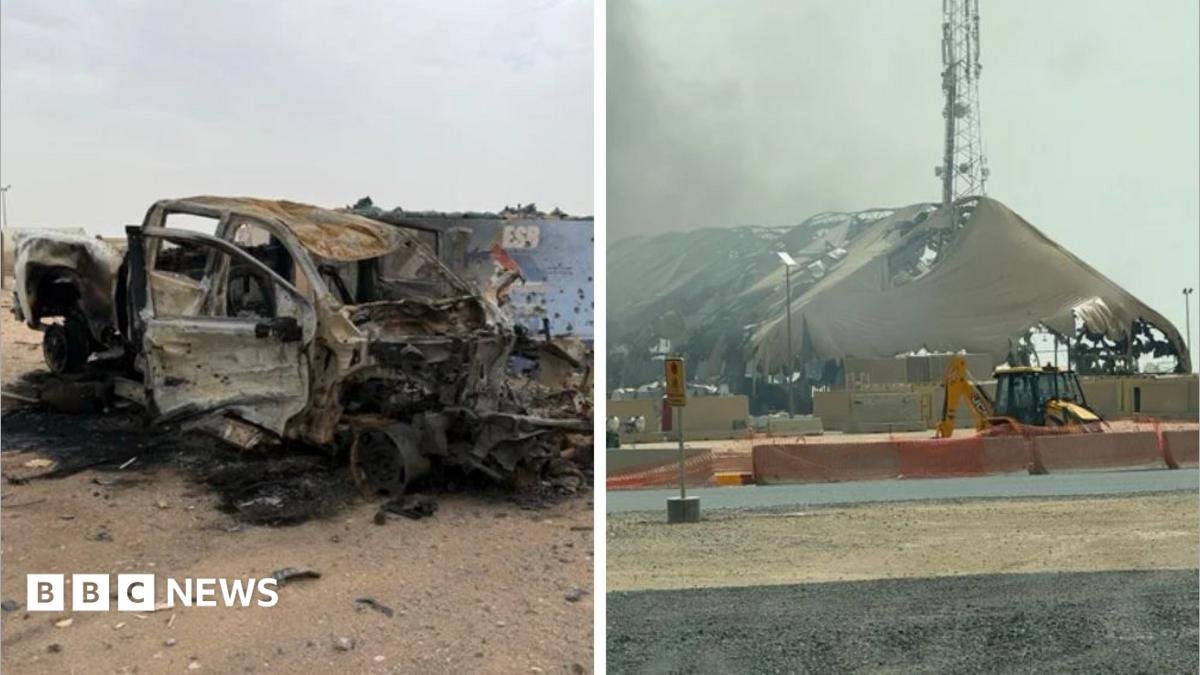
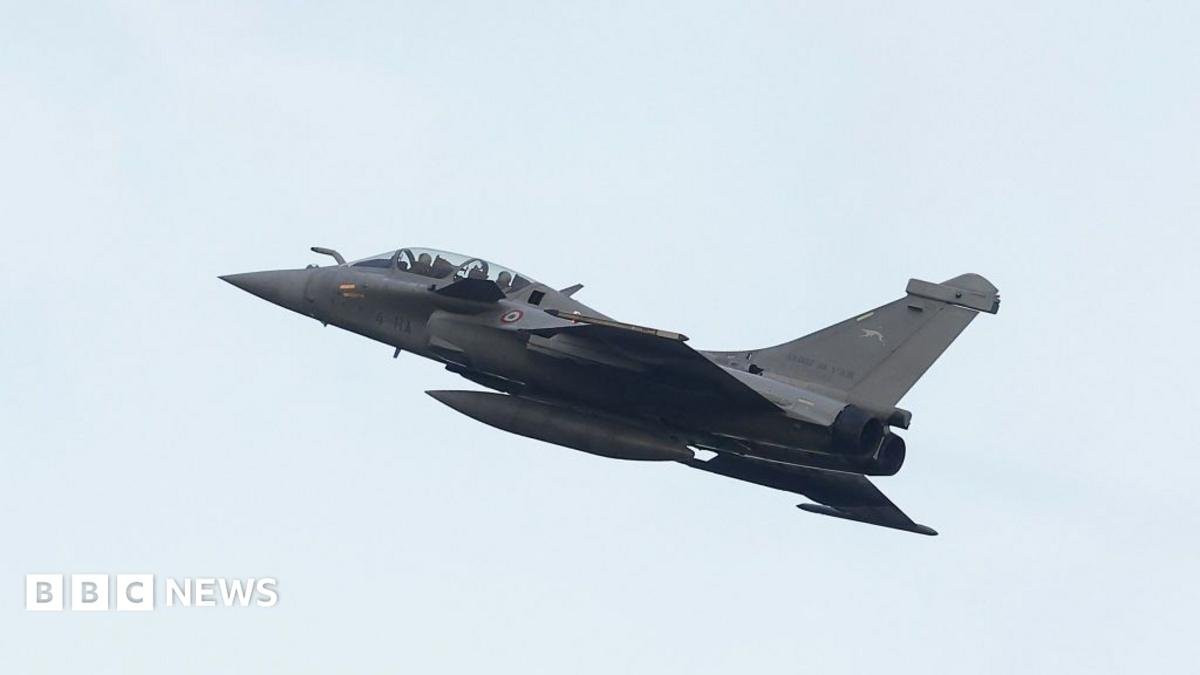
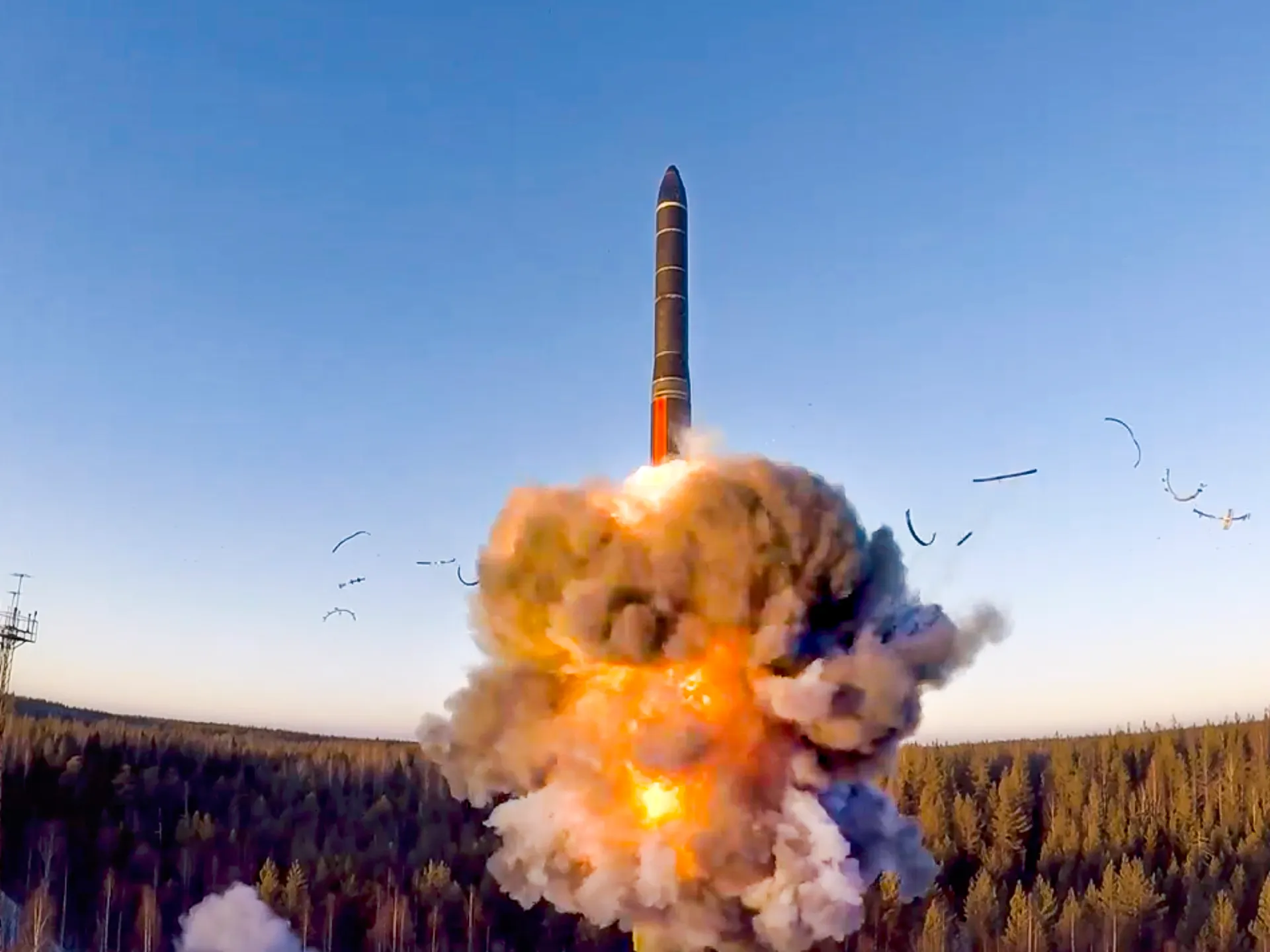
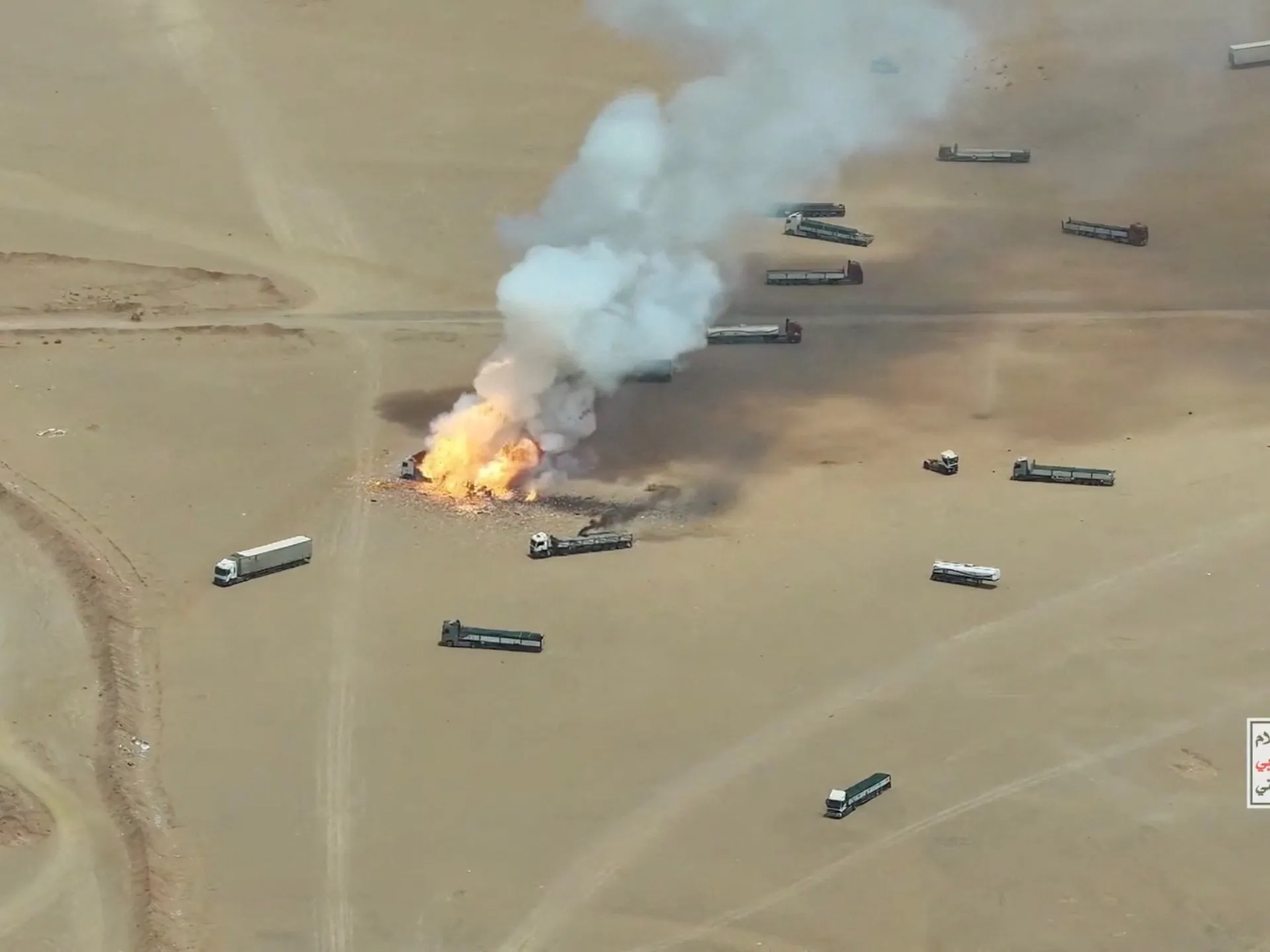
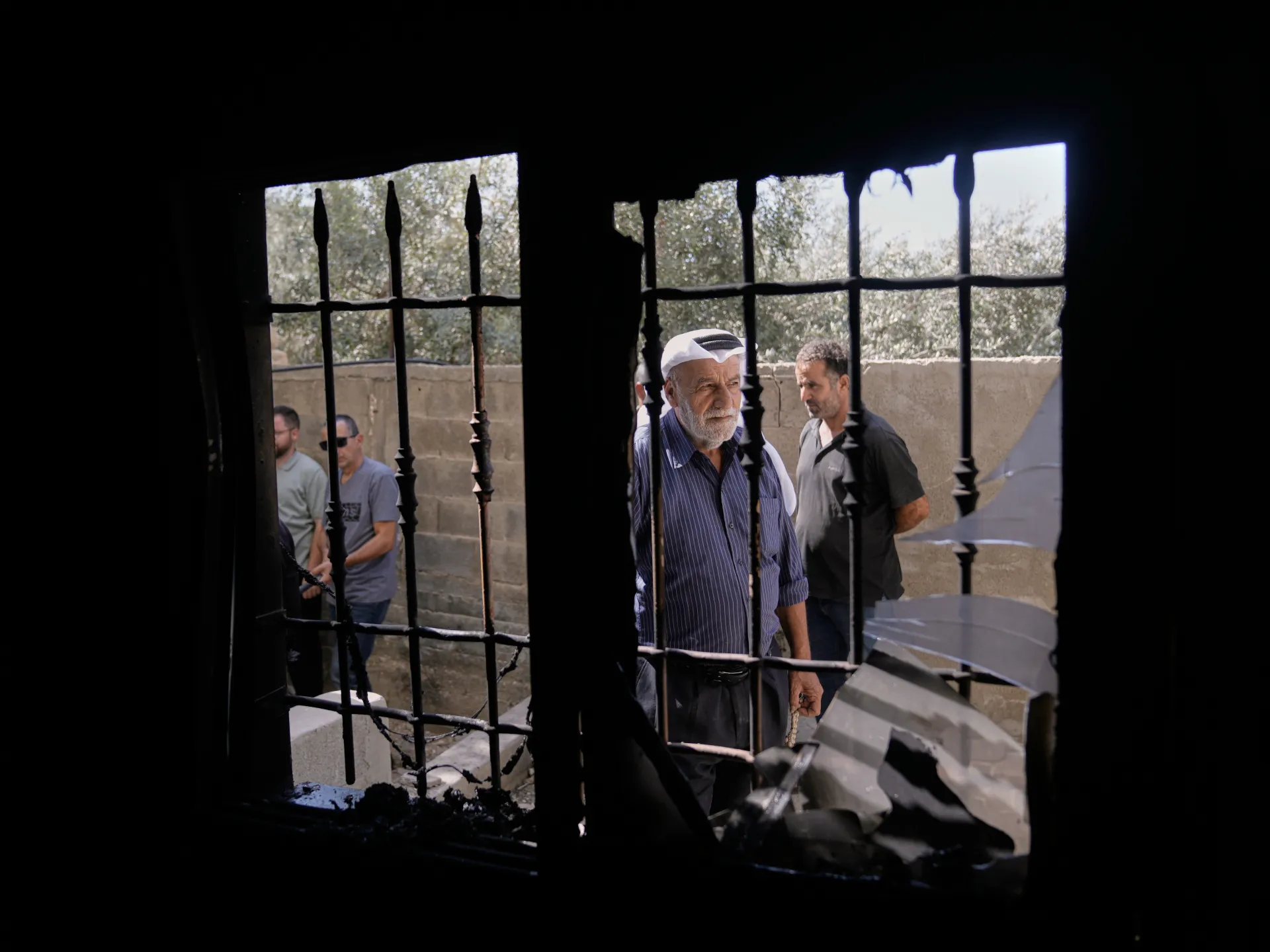
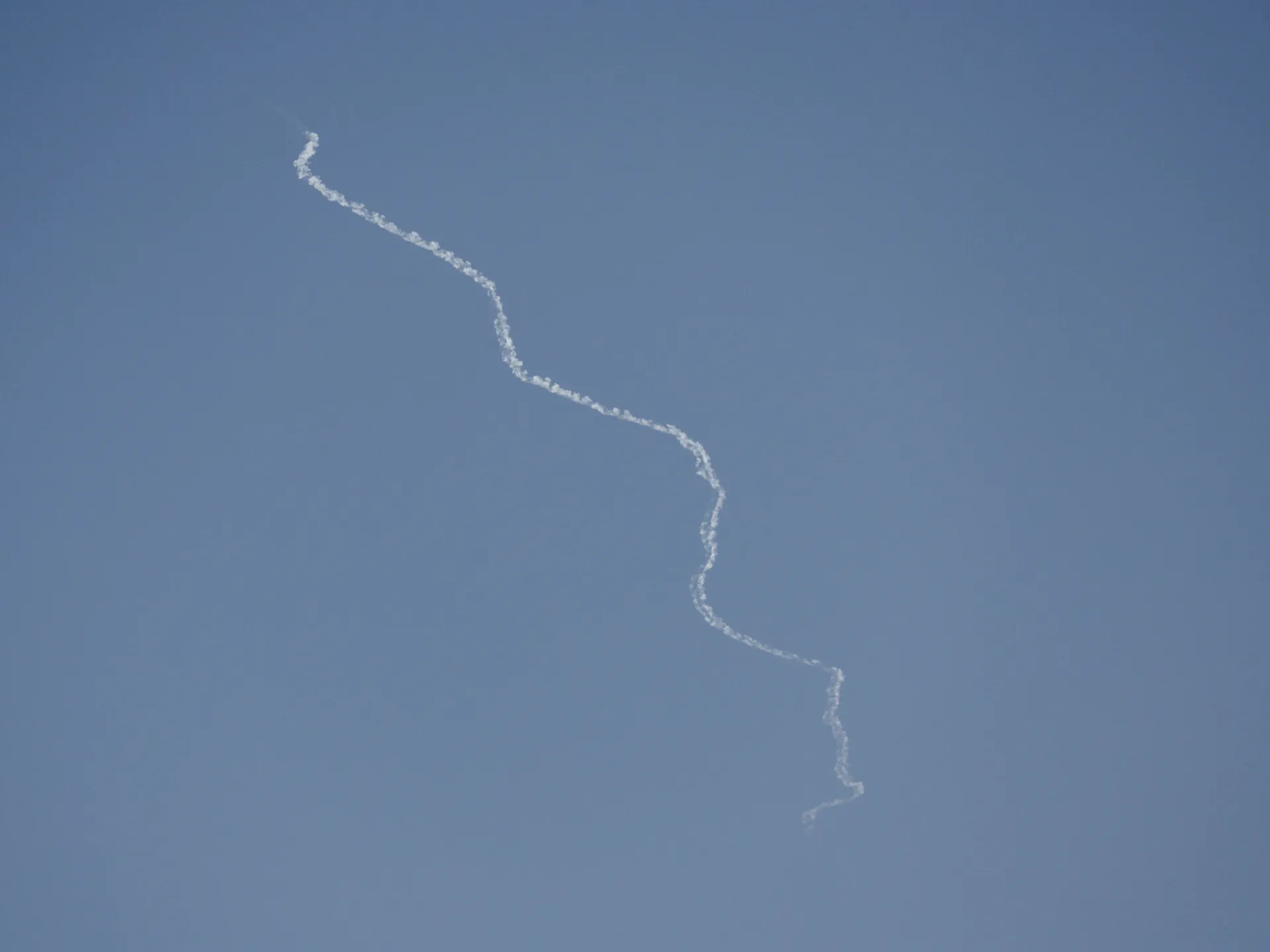
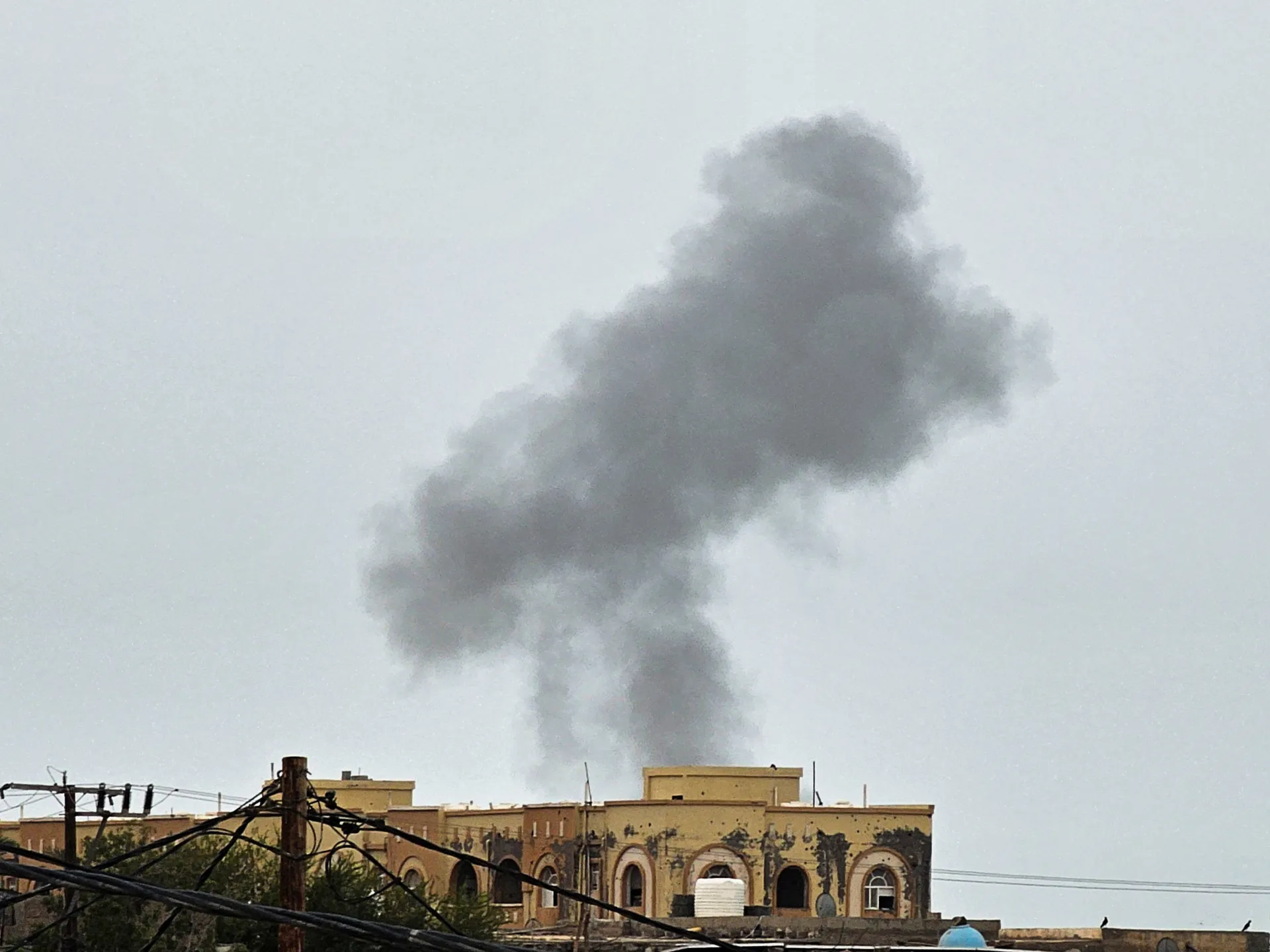
Saudi Arabian defense forces successfully intercepted and destroyed an unmanned aerial vehicle (UAV) in the vicinity of Mecca on Tuesday evening. The Saudi-led coalition, currently operating in Yemen, confirmed the incident, which occurred near the Islamic world's most sacred city. Coalition spokesman Turki al-Maliki characterized the attempted strike as a "disgraceful act," highlighting the extreme sensitivity regarding the security of the holy site, which serves as the focal point for millions of pilgrims during the annual Hajj.
The incident drew immediate condemnation from the 57-nation Organisation of Islamic Cooperation. The body issued a stern statement labeling any attempt to threaten Mecca or the province of Medina, home to Islam's second-holiest shrine, as an "unacceptable and intolerable transgression." Saudi authorities had reportedly issued several security alerts across western regions, including the major port city of Jeddah, as the threat of incoming projectiles prompted heightened vigilance across the kingdom.
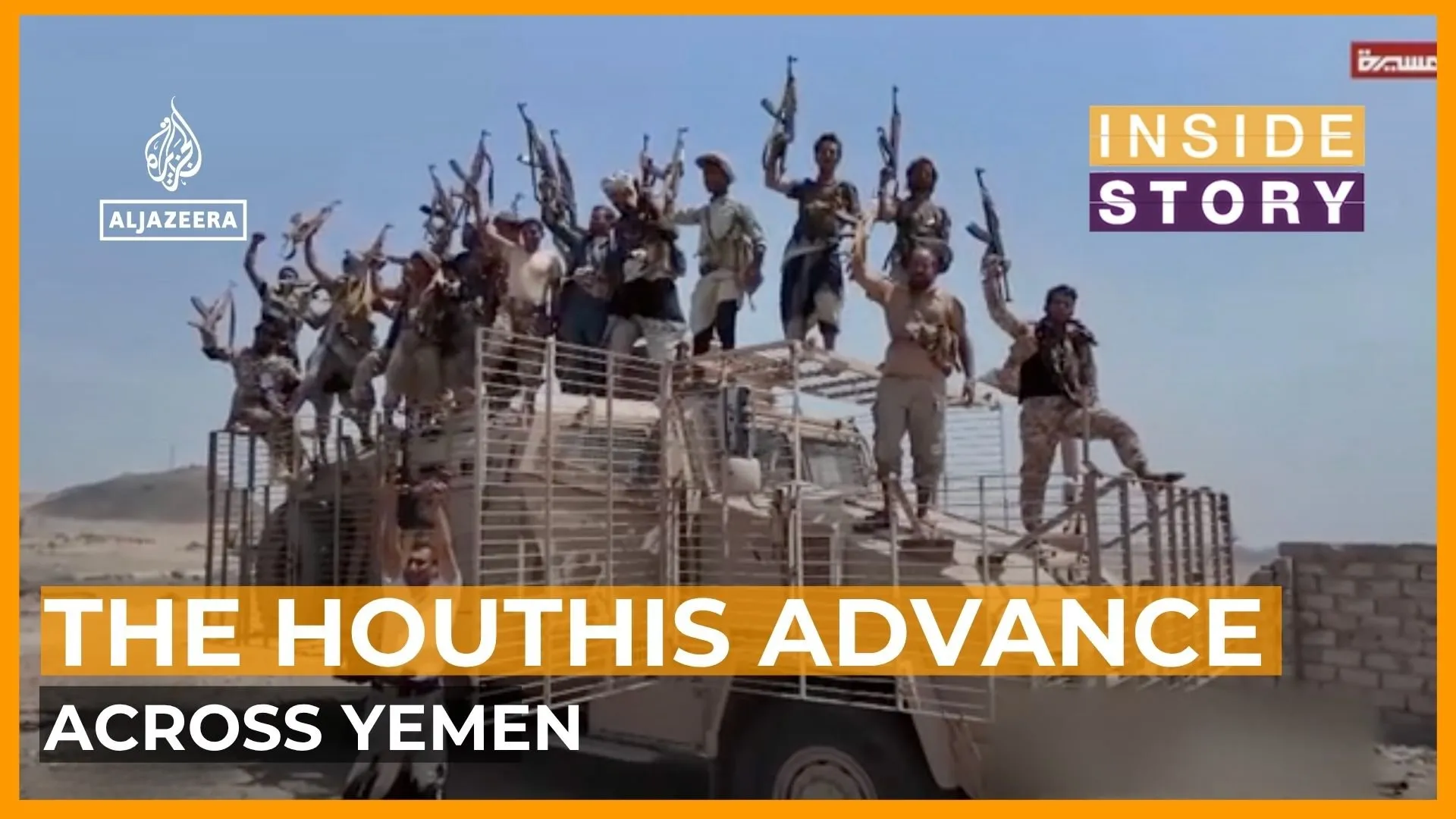
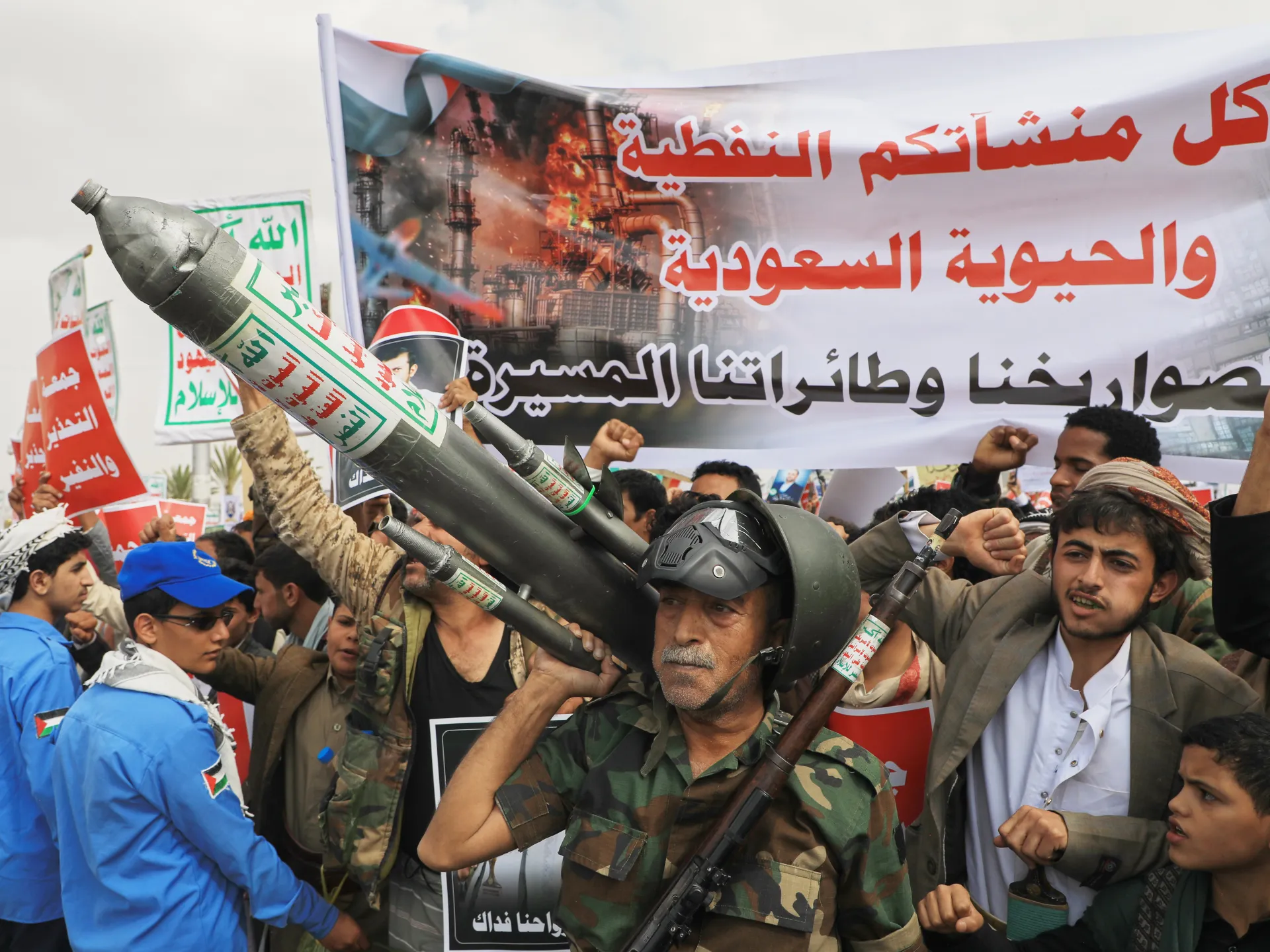
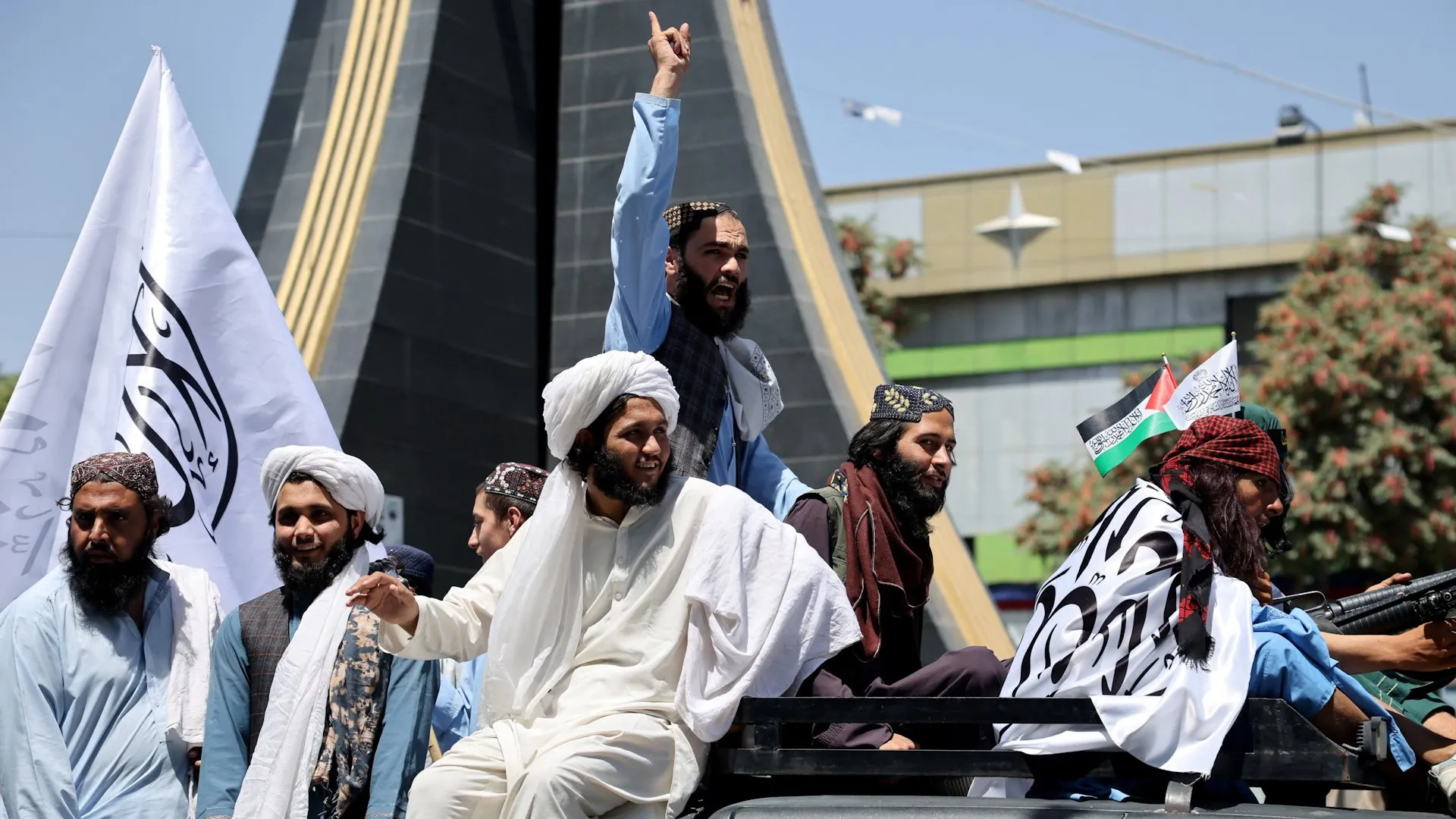
In response to the accusations, the Houthi movement, an Iran-backed armed group holding significant territory in western Yemen, denied any intent to strike holy locations. Military spokesman Yahya Sarea dismissed the claims as "fabrications and lies," asserting that their tactical operations are strictly confined to energy infrastructure and military installations. Sarea maintained that the group's operations remain far removed from religious sites, characterizing their recent activities as defensive retaliation for intensified Saudi air strikes.
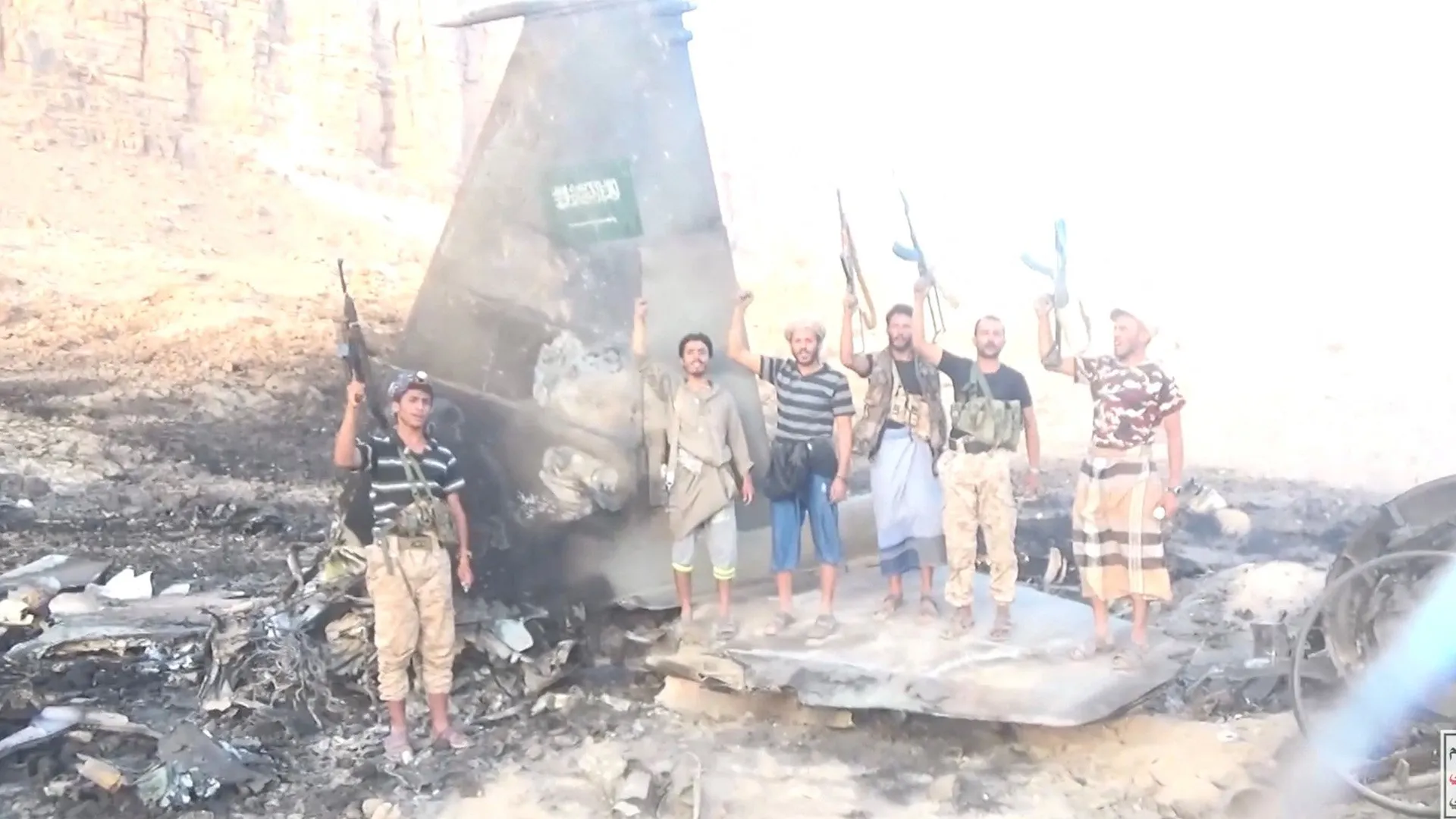
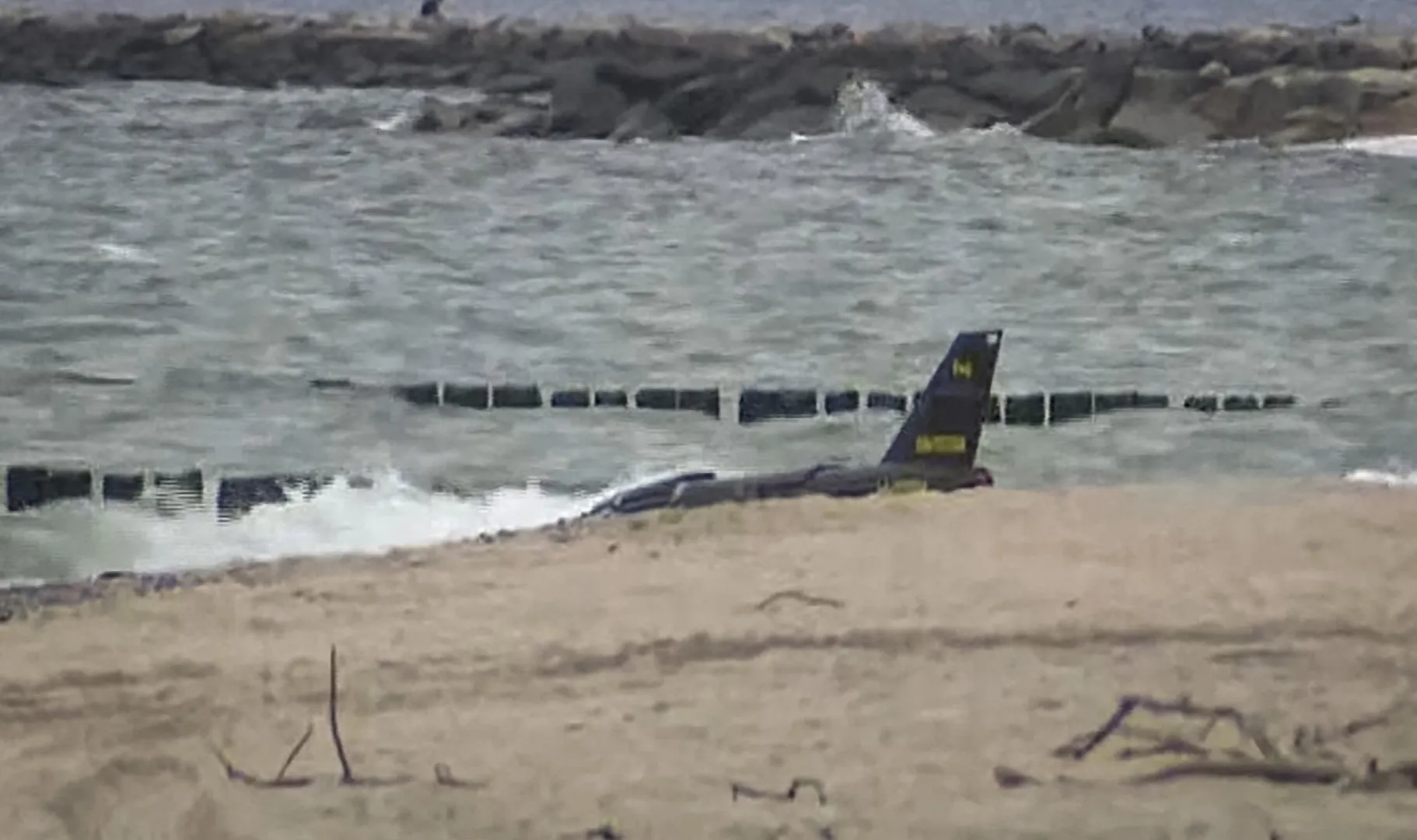
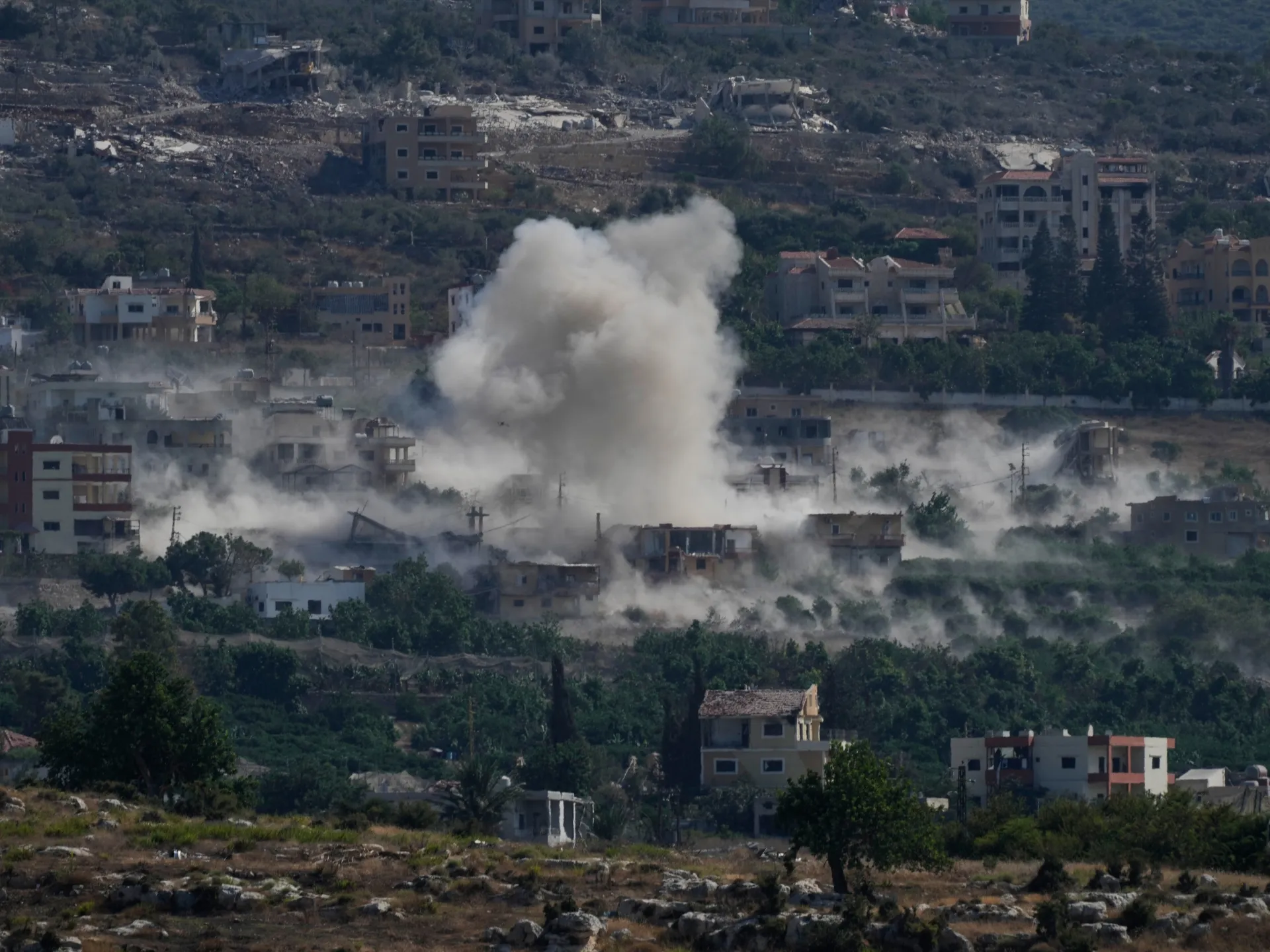
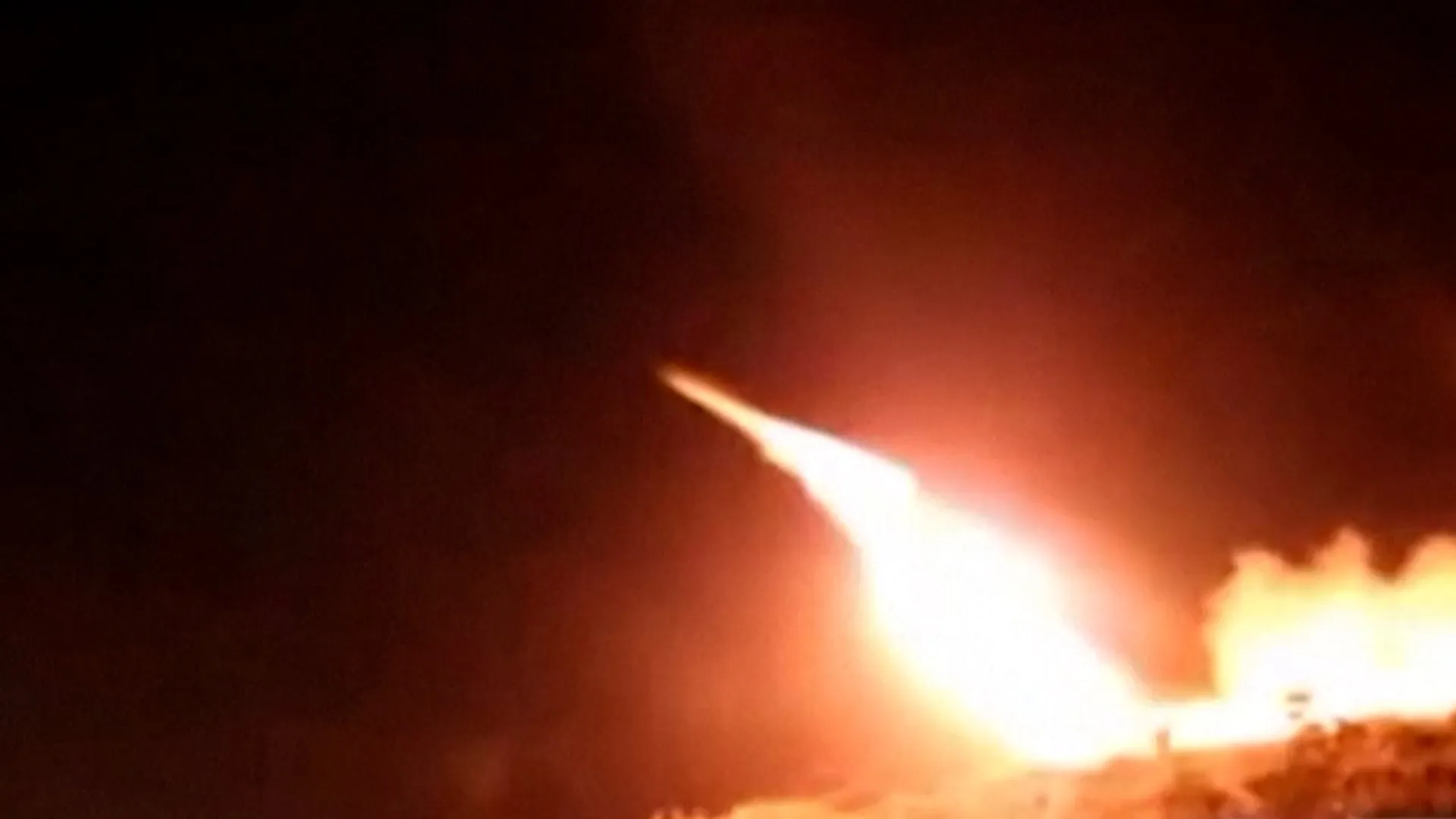
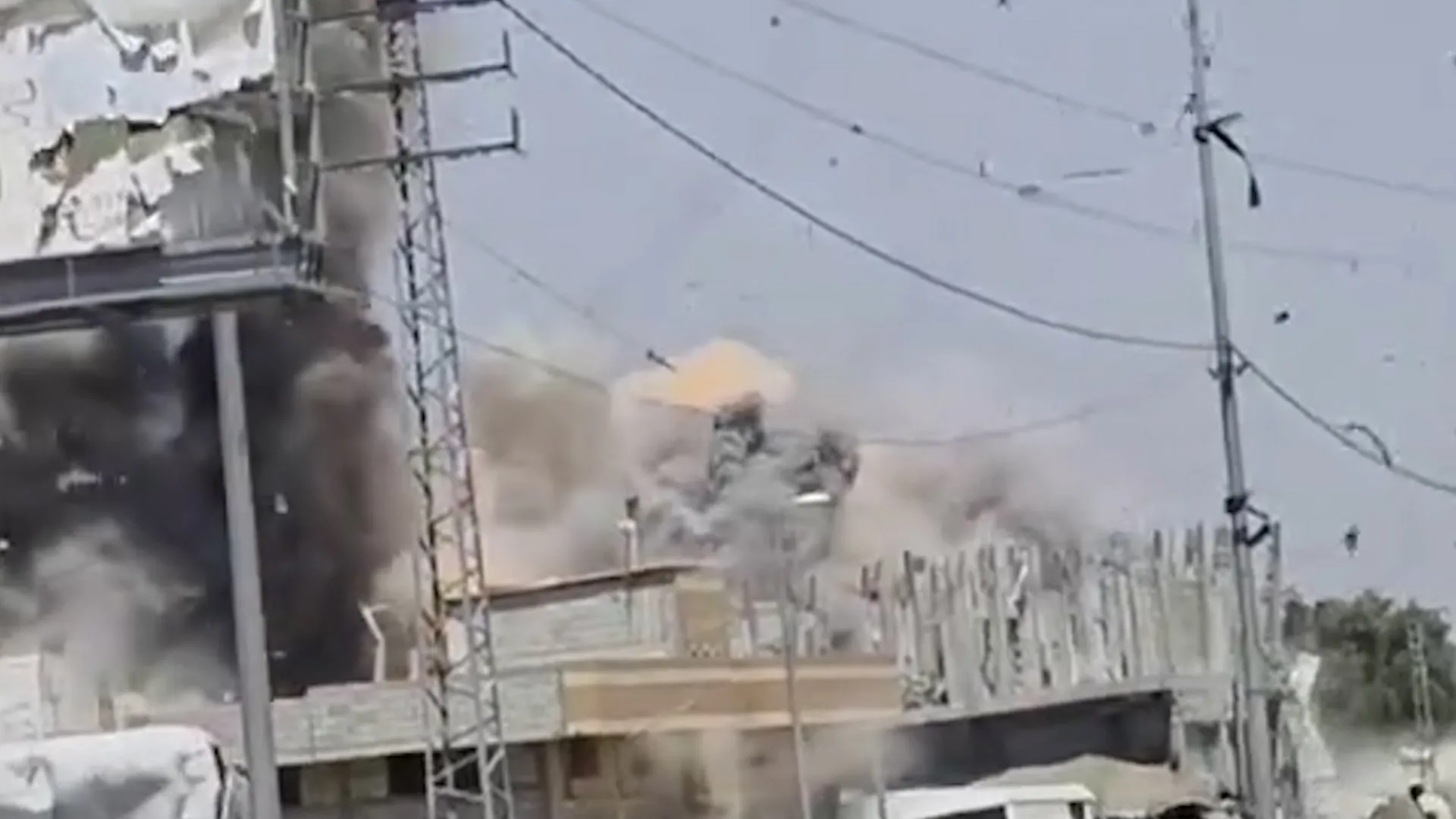
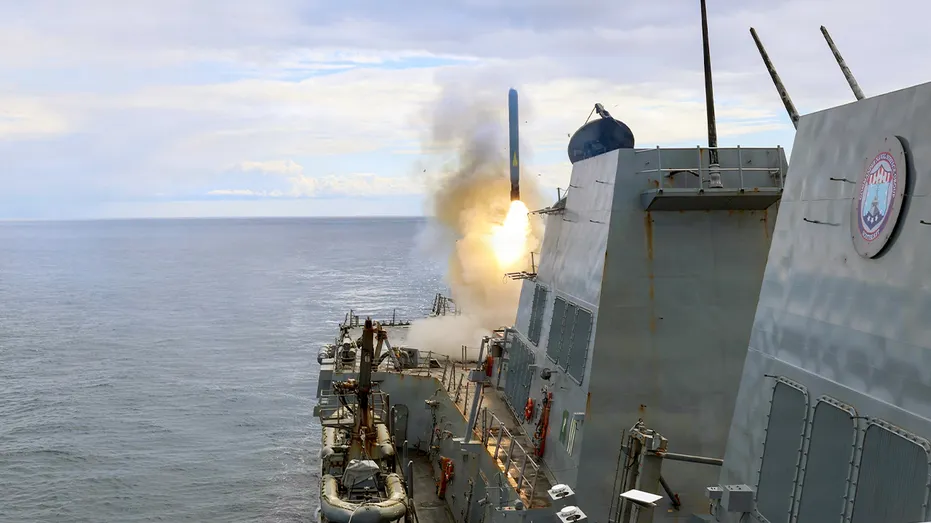
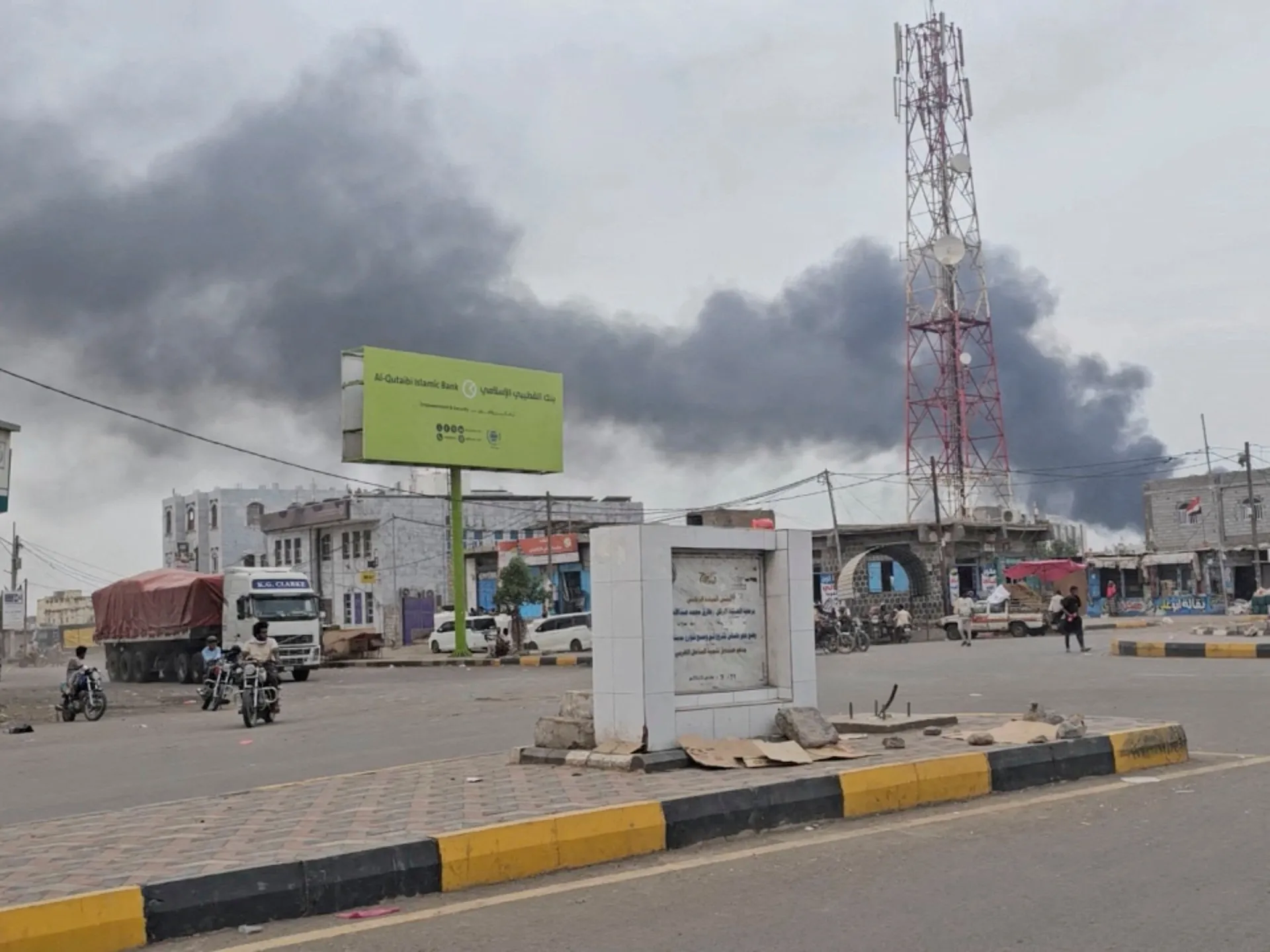
The regional conflict has seen a marked increase in tit-for-tat violence, with the Houthis claiming to have launched multiple drones and missiles against Saudi targets. Furthermore, the Houthi military command alleged the downing of a Saudi fighter jet over Marib province, though the Saudi-led coalition has not provided an immediate response to this specific claim. General Maliki, however, emphasized that the coalition remains committed to taking necessary deterrent measures to counter what he described as hostile and terrorist behavior
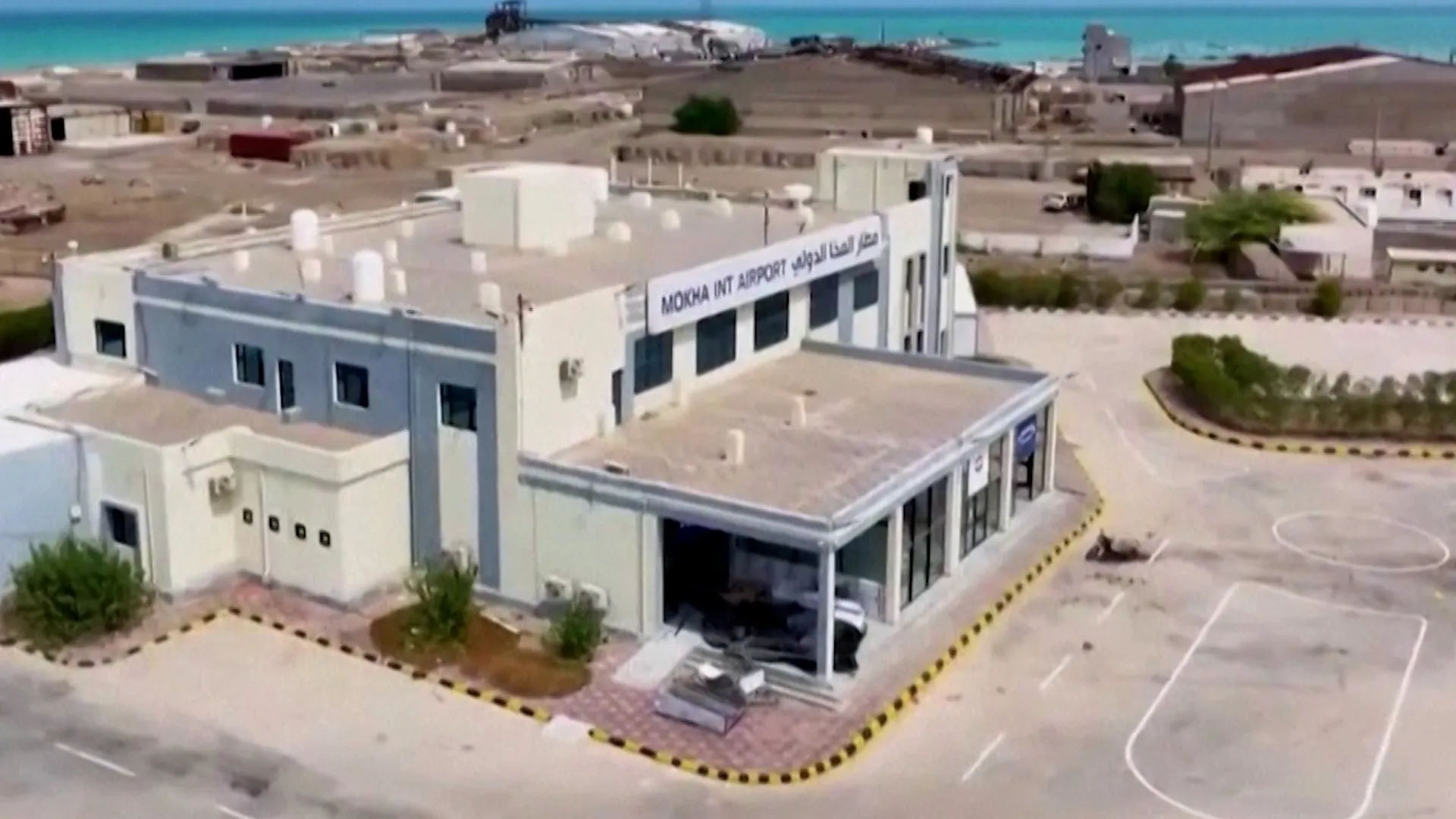
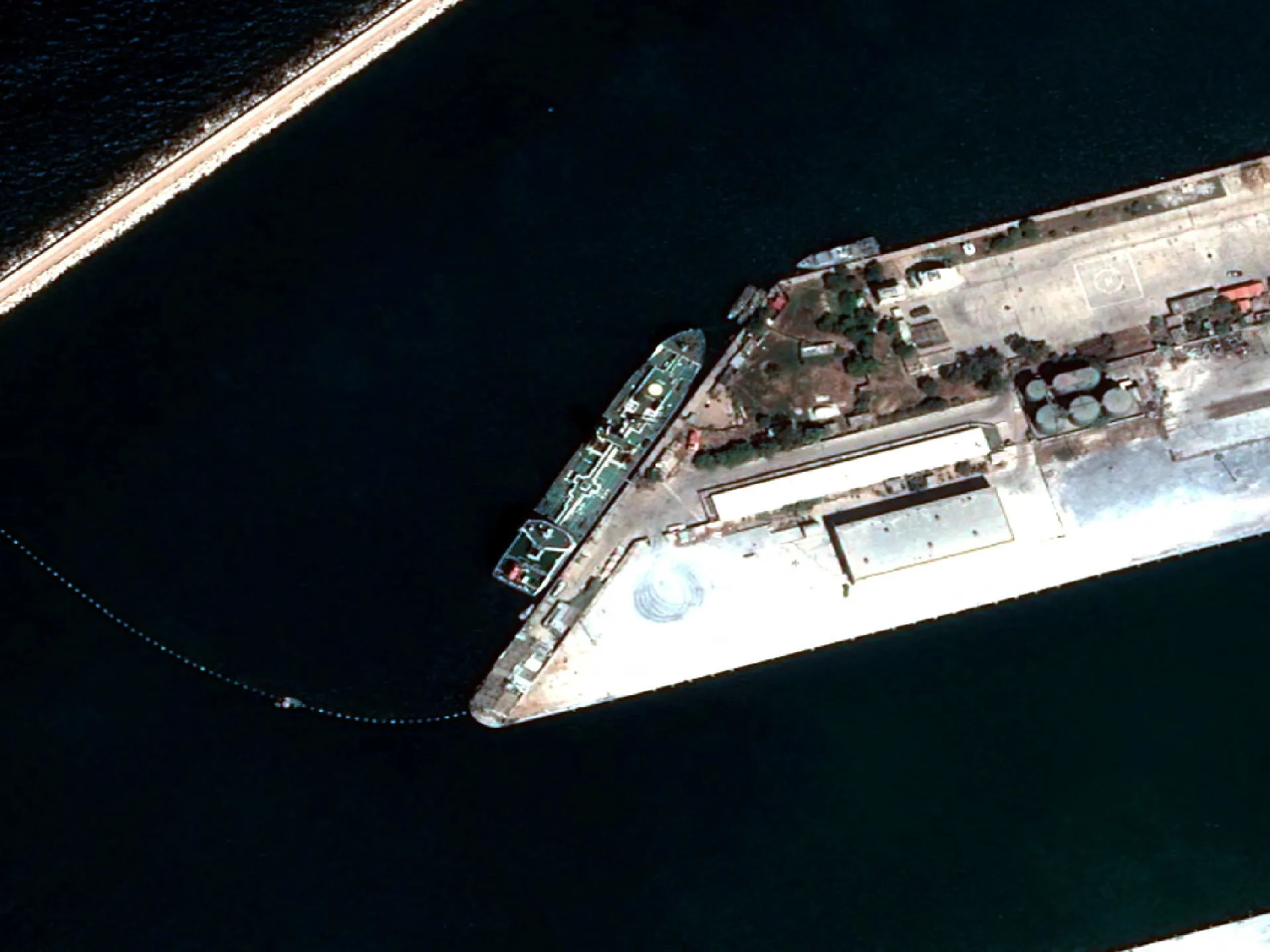
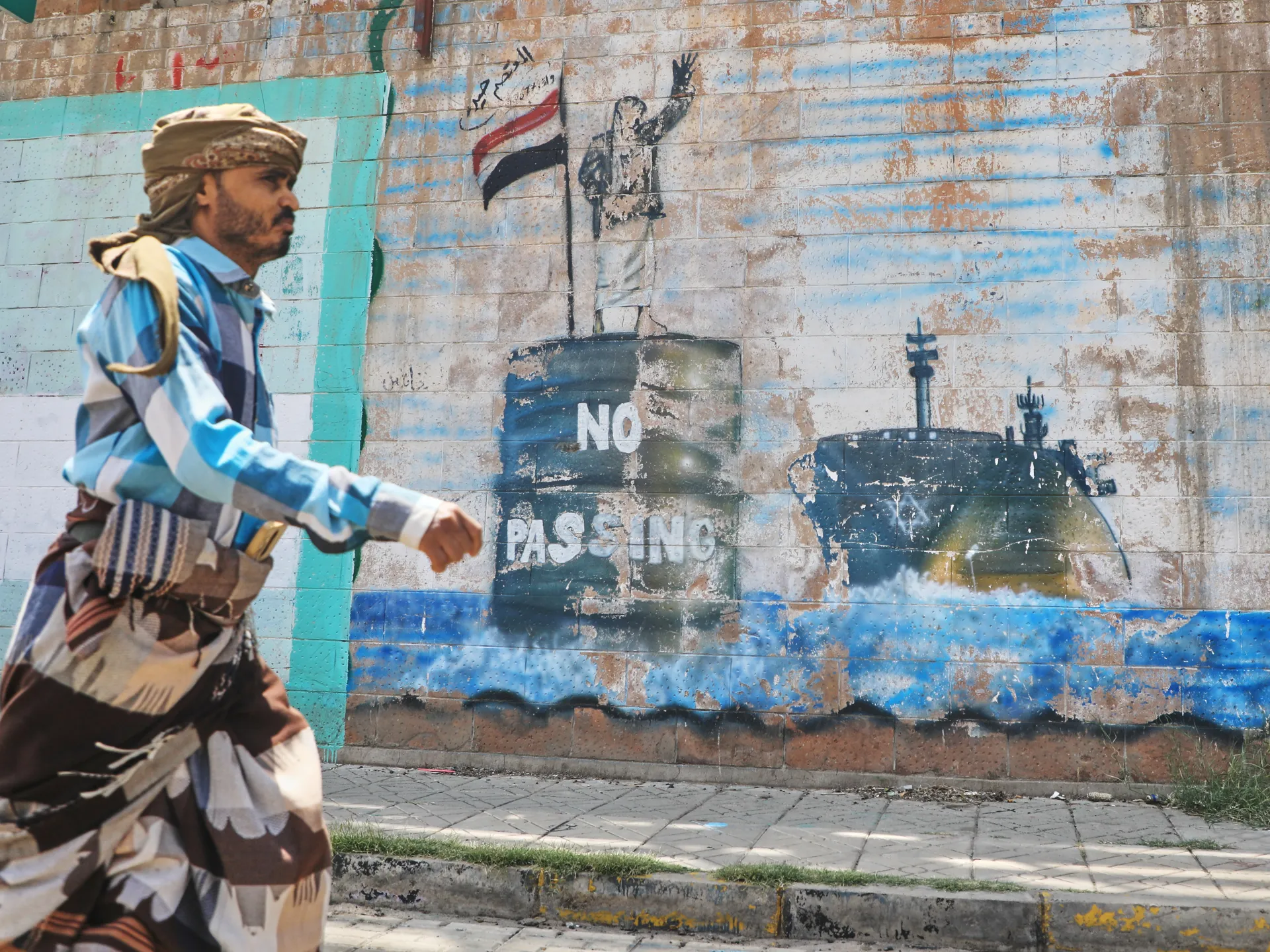
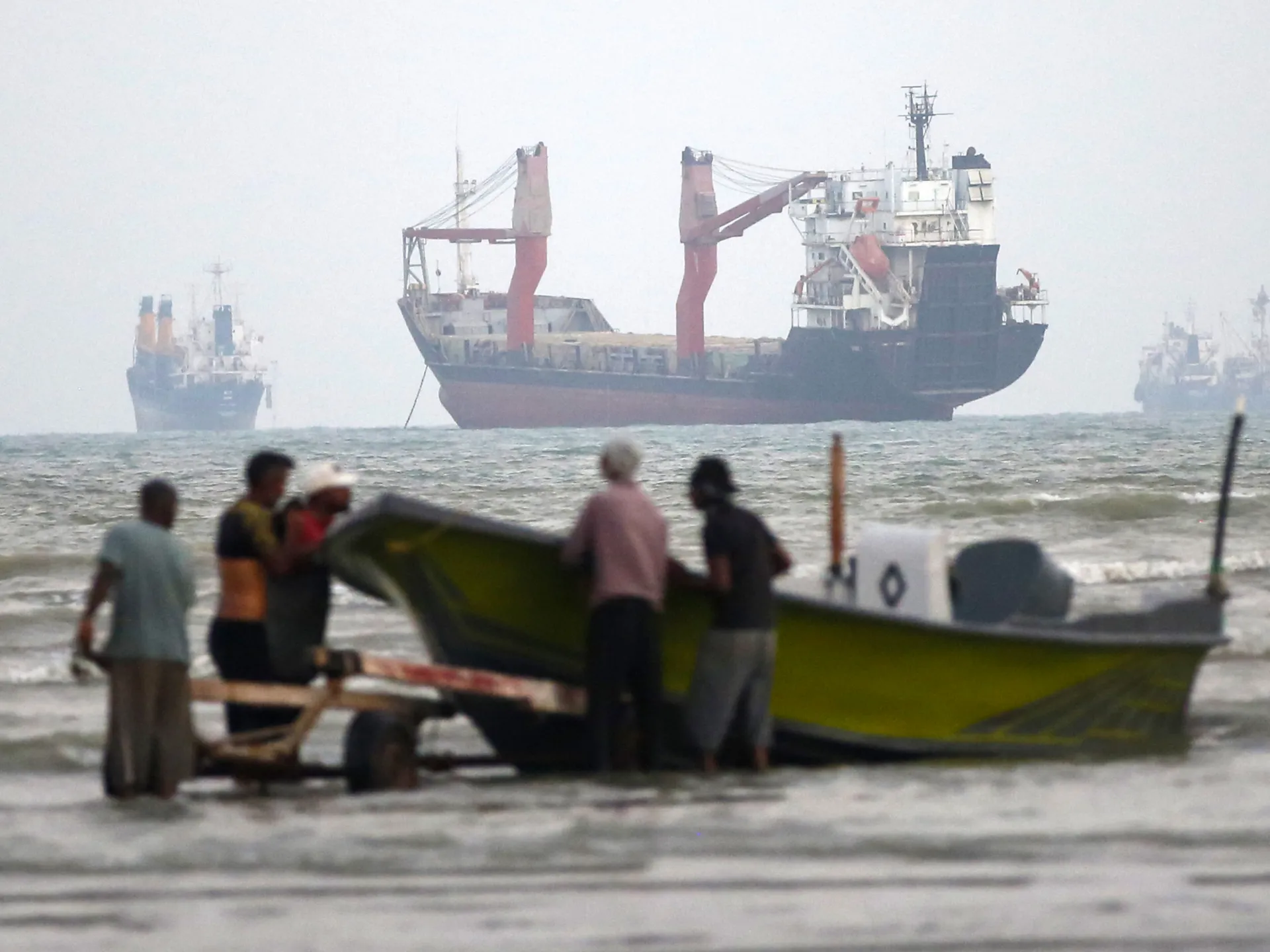
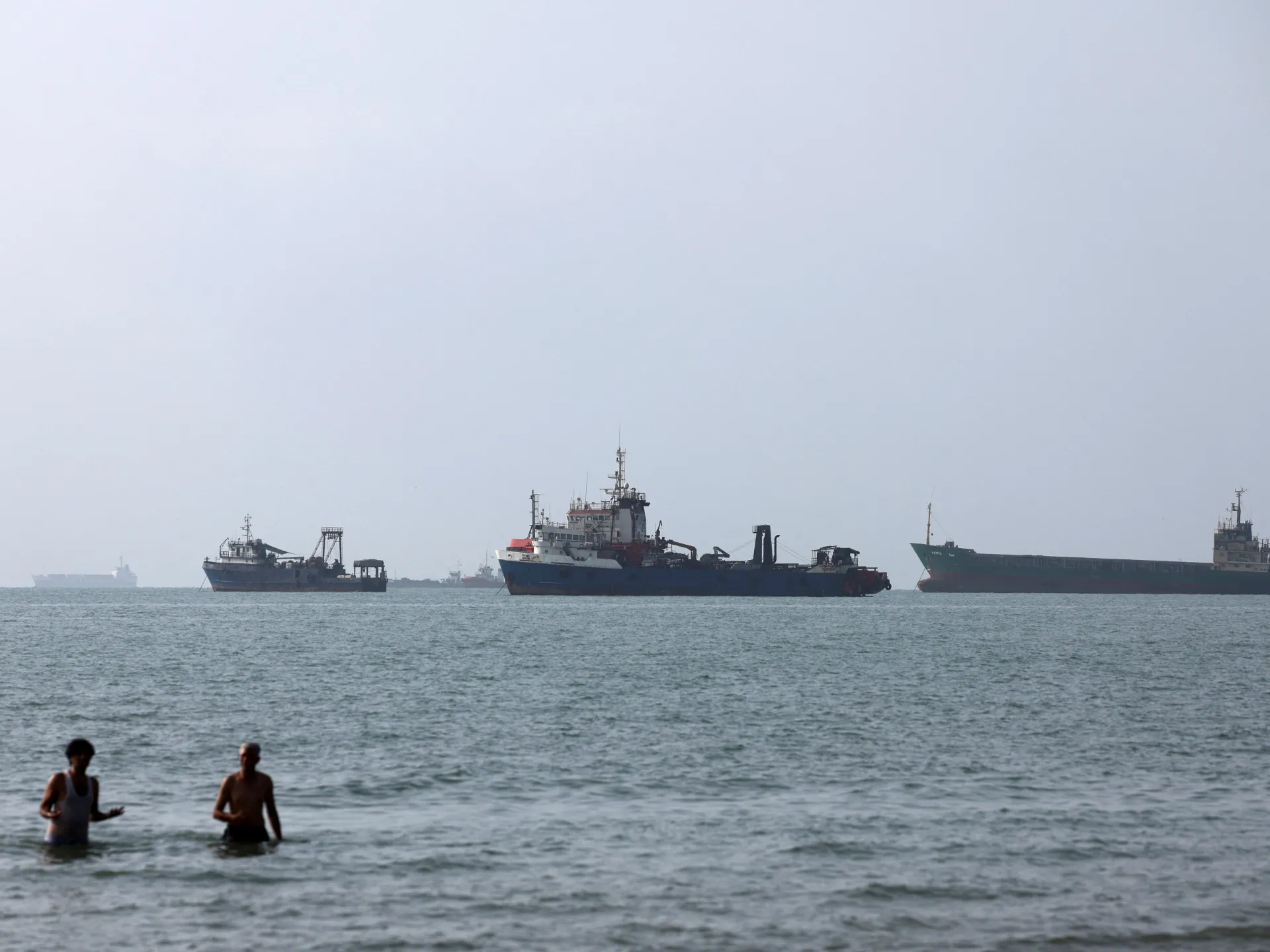
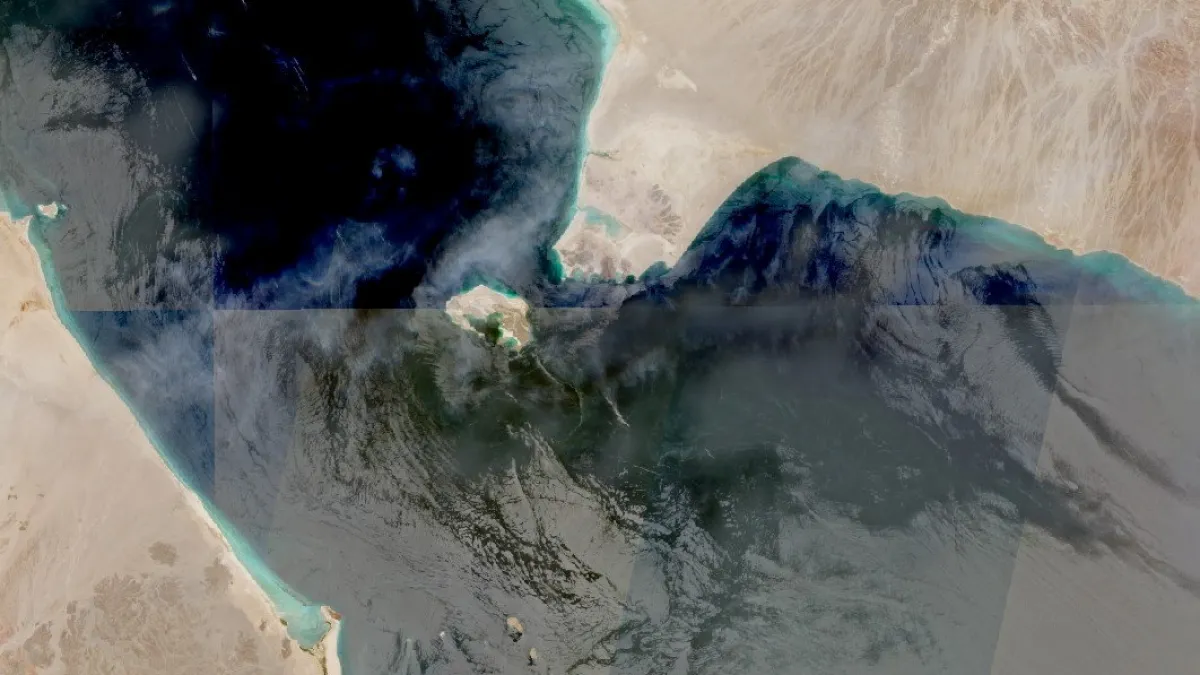
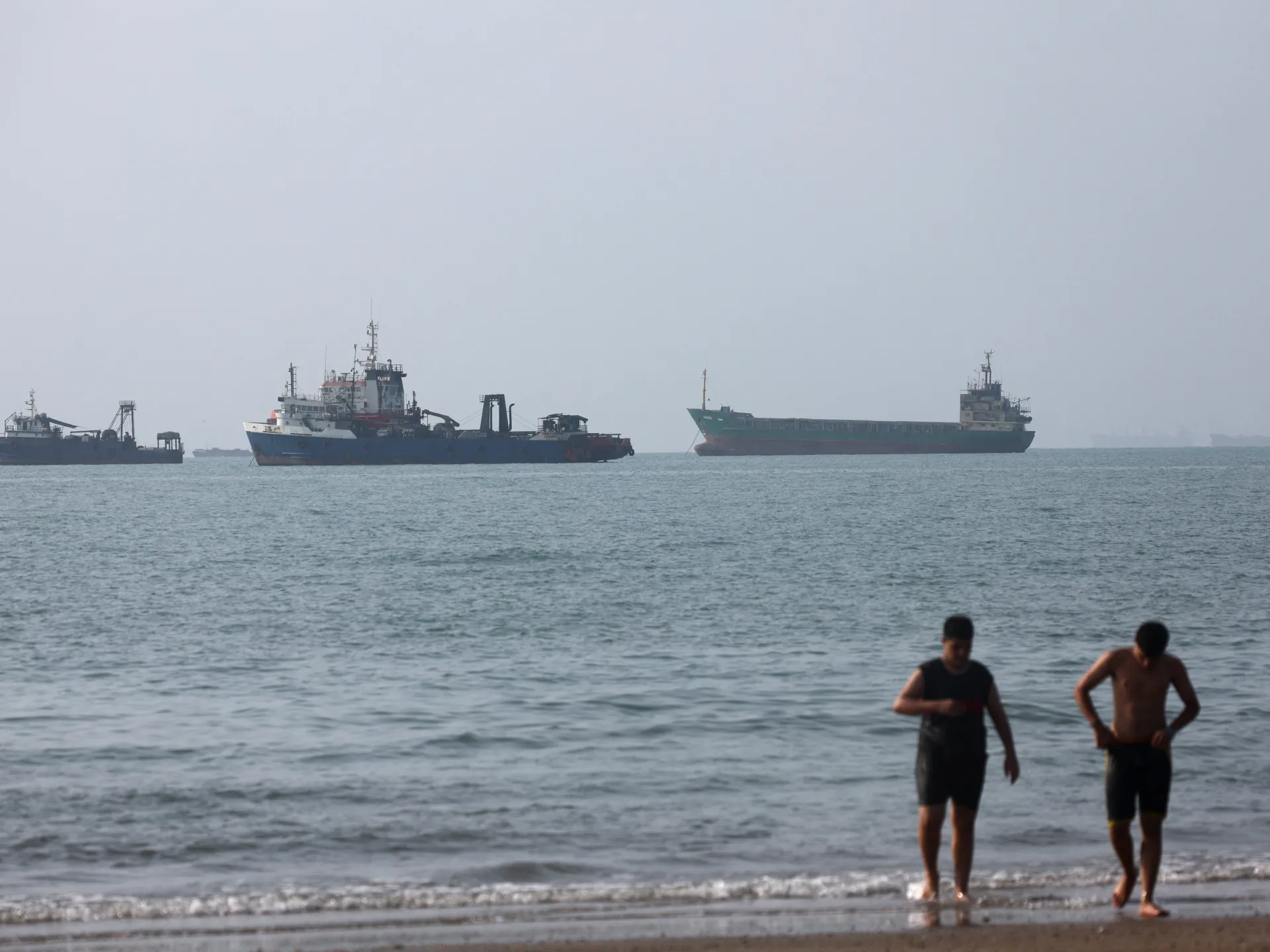
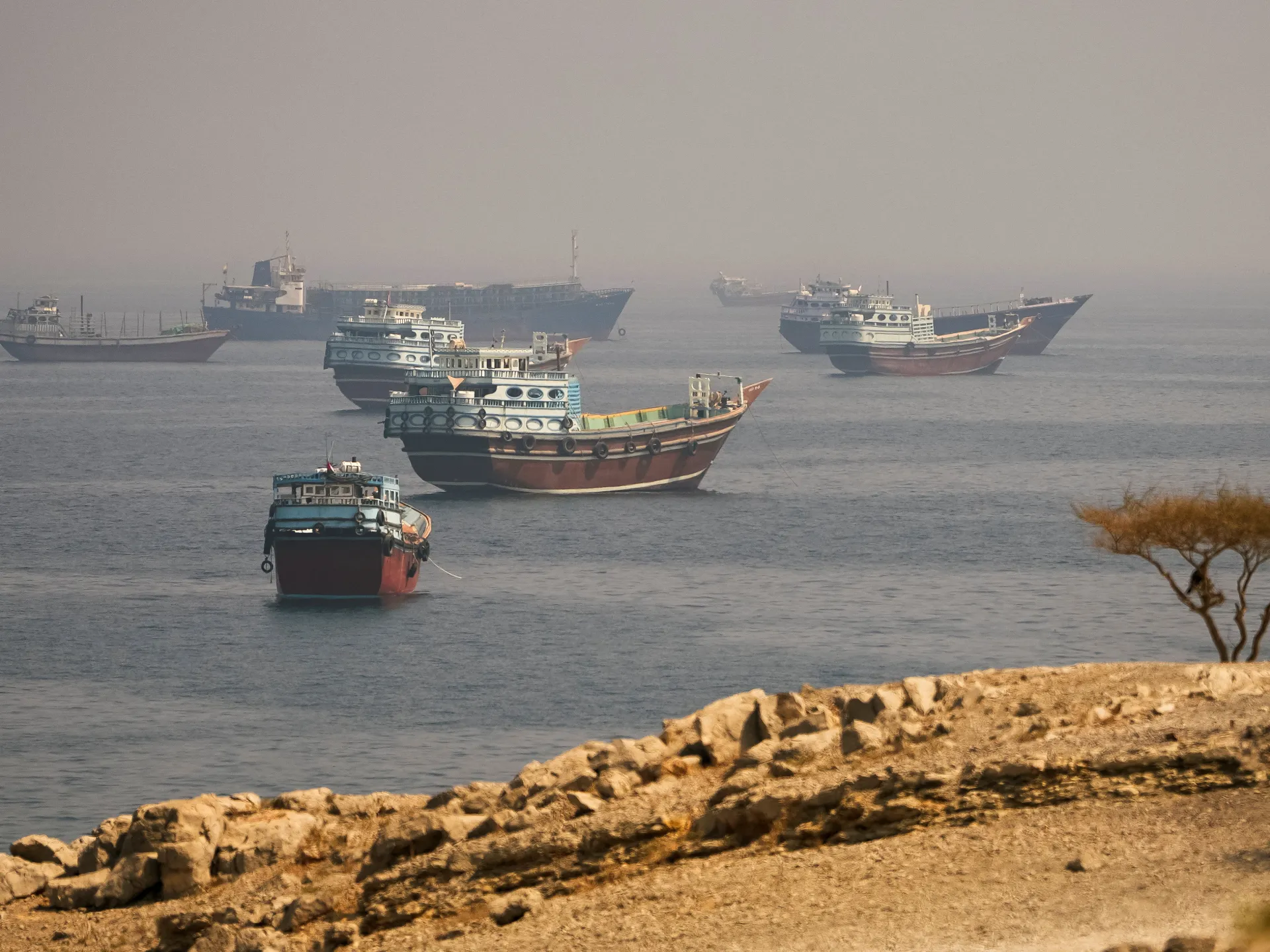
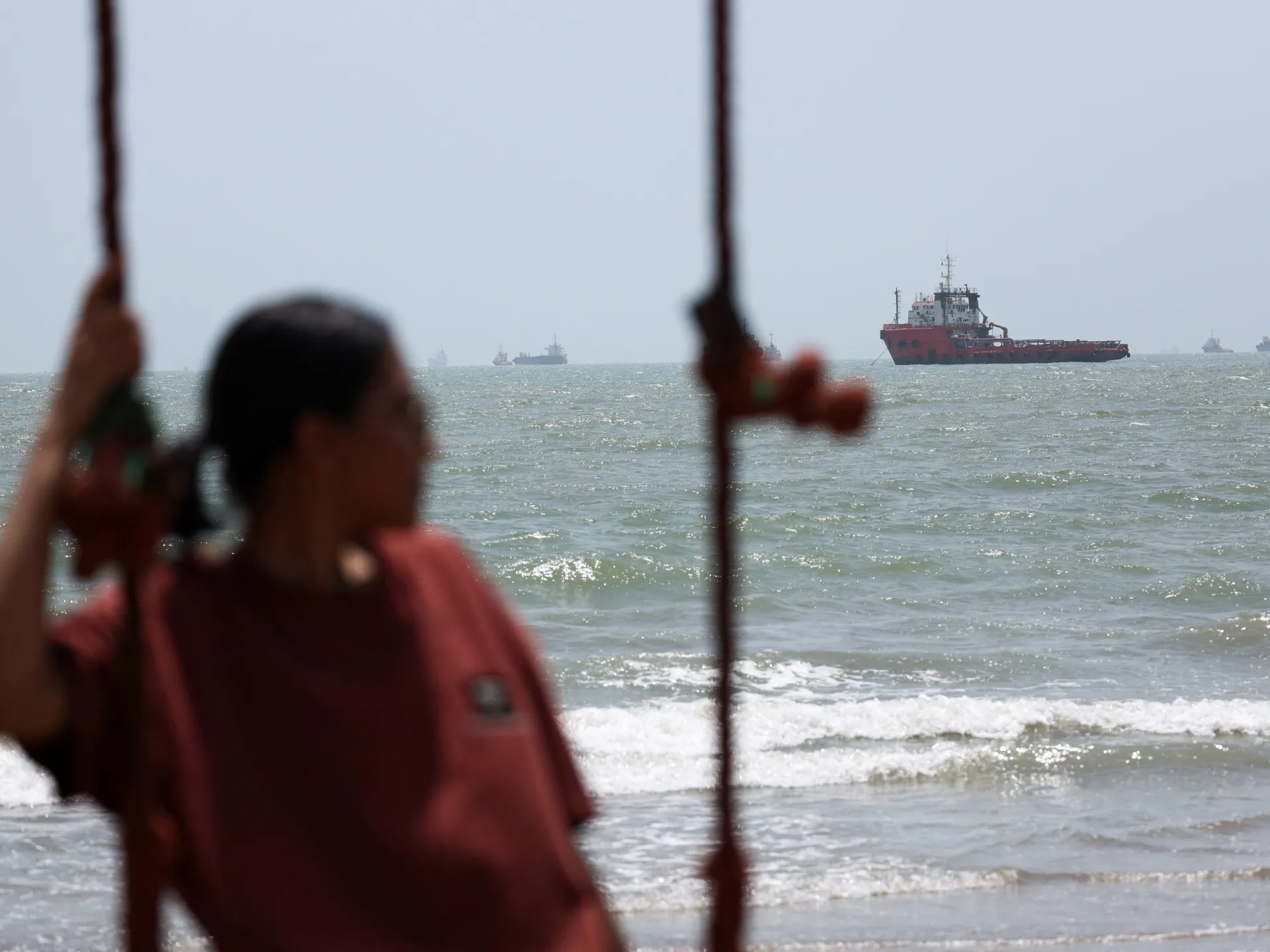
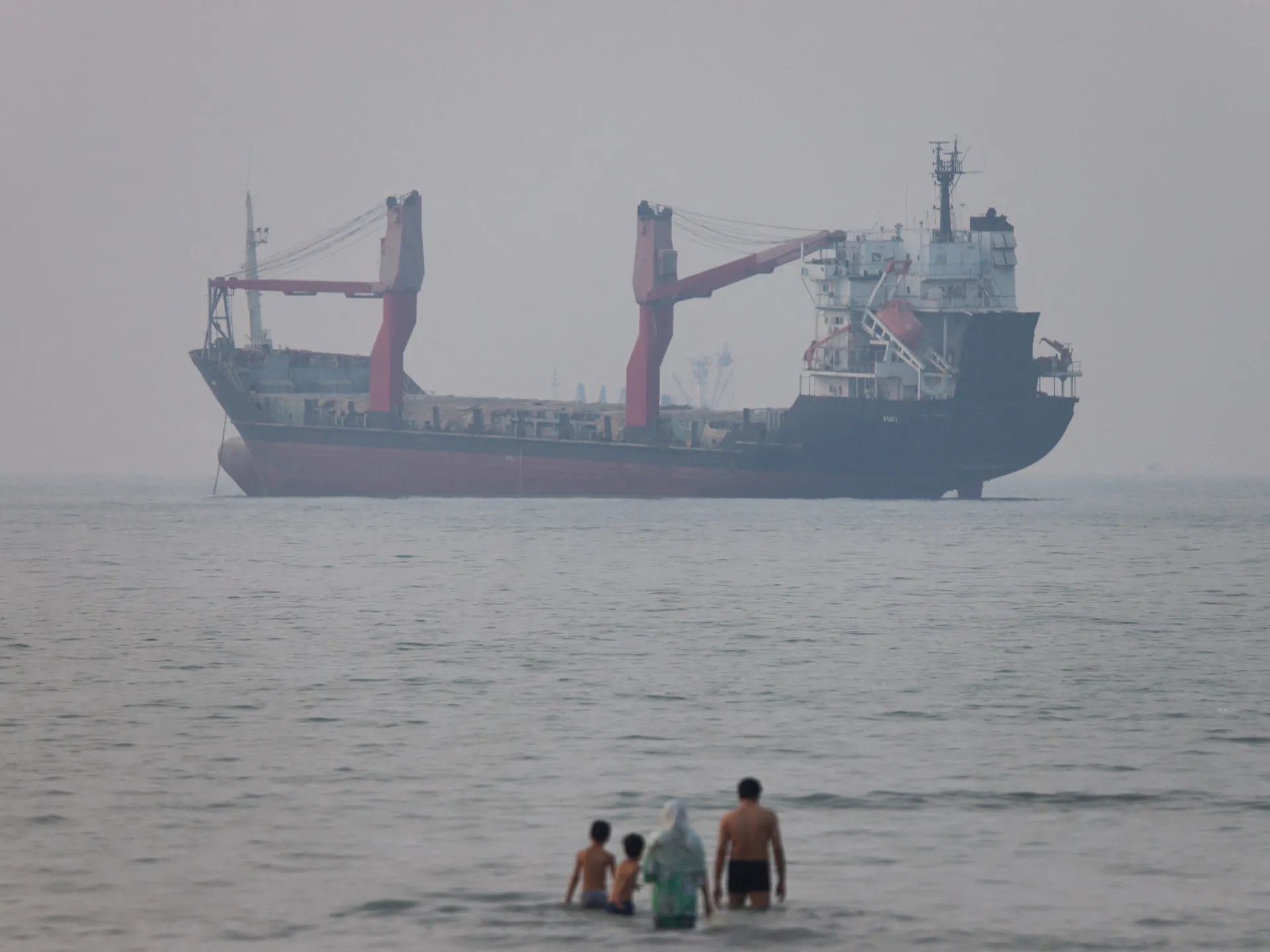
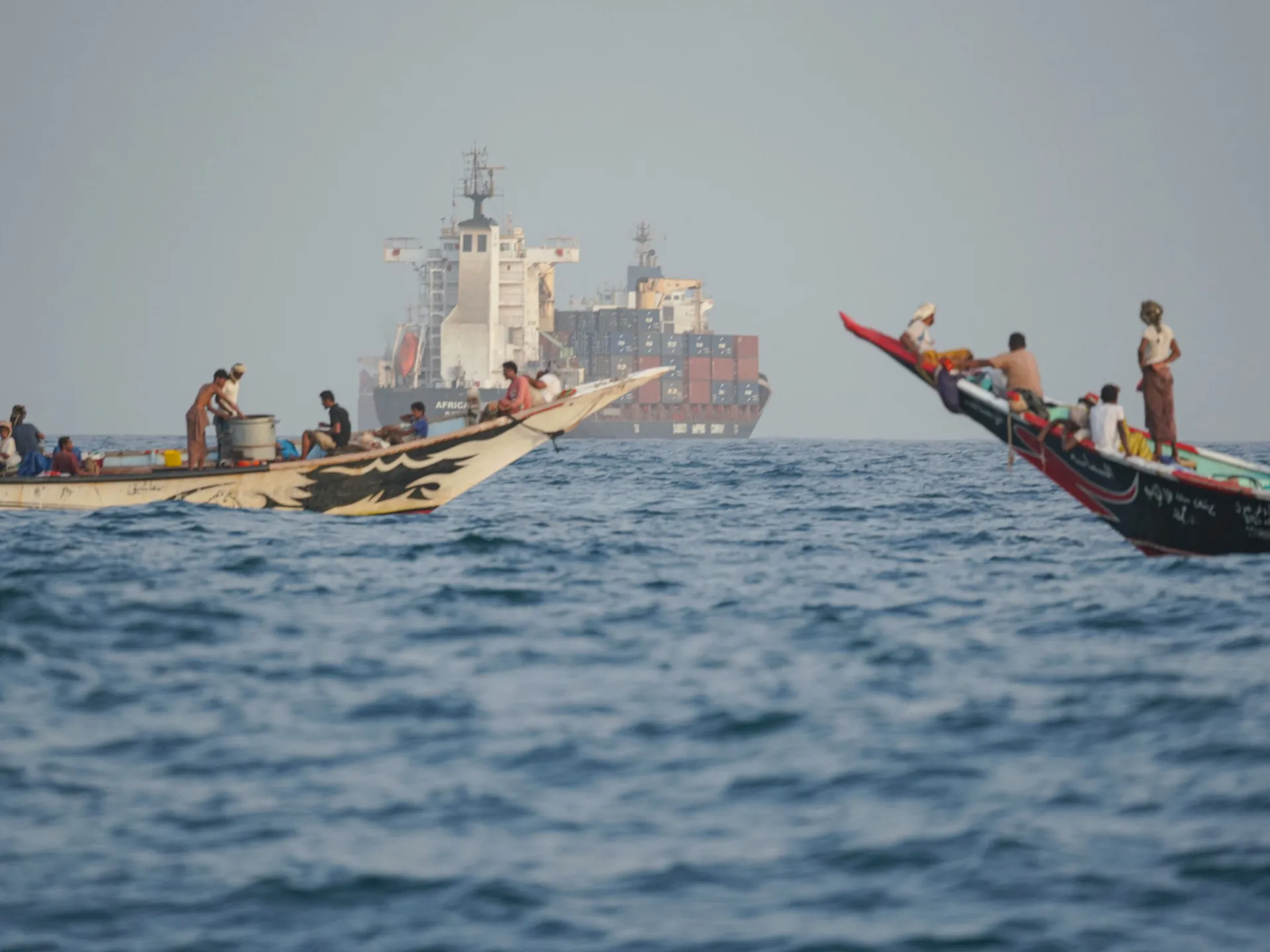
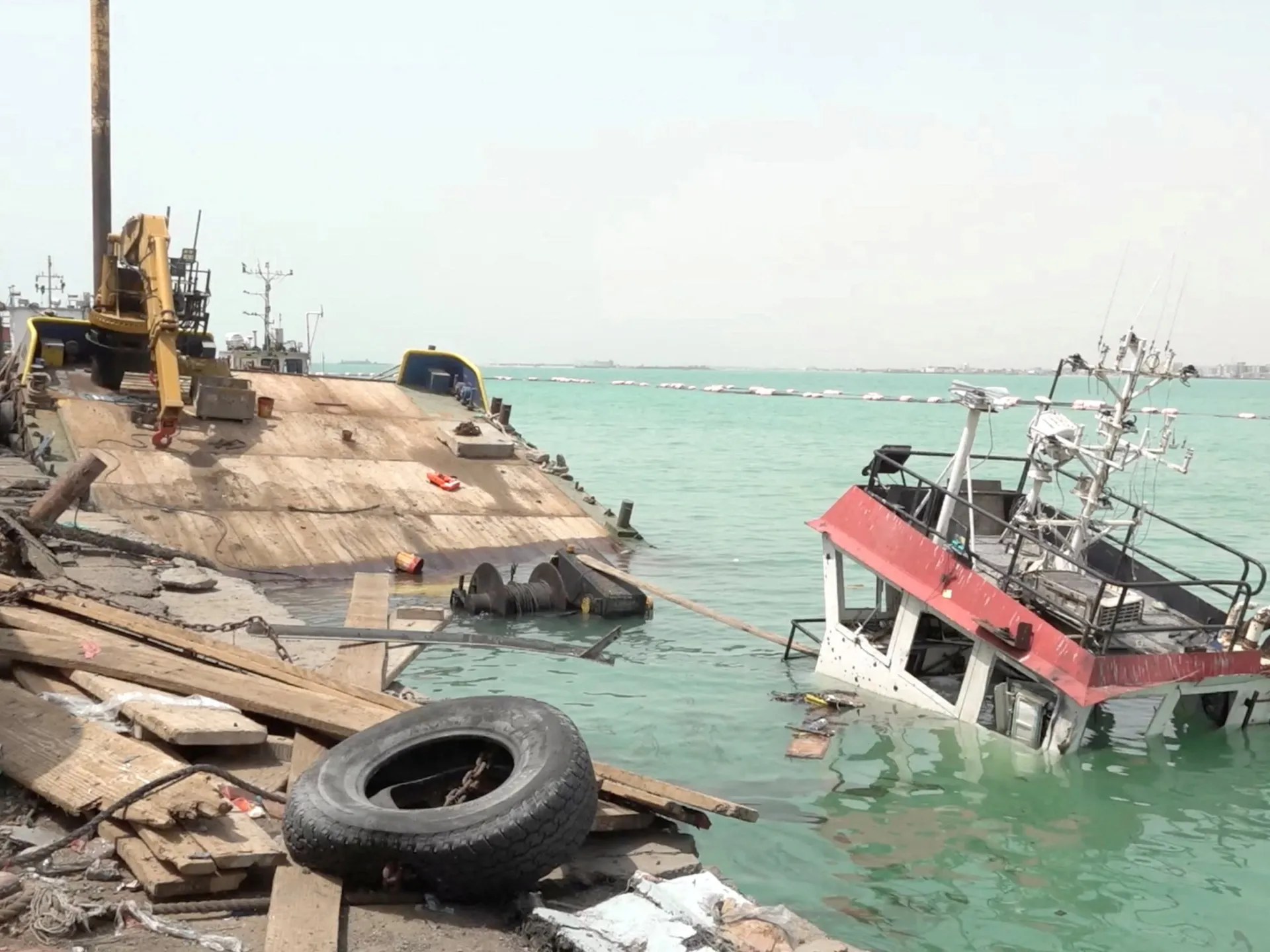
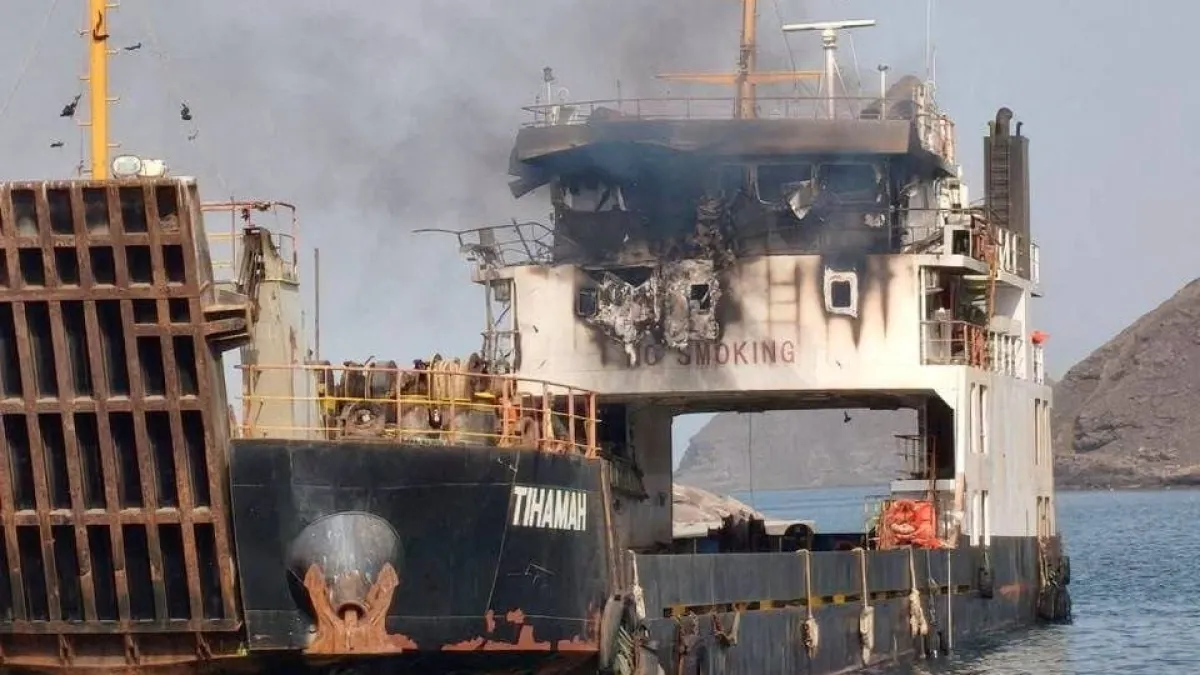
The security landscape in the region has grown increasingly complex as the Houthis consolidate control over critical sections of the Yemeni Red Sea coastline. Recent weeks have seen the group seize the strategic port of Mokha and Perim Island, effectively positioning themselves to influence traffic in the Bab al-Mandab Strait. This narrow maritime corridor serves as the southern gateway to the Suez Canal, acting as a vital artery for global trade between Asia and Europe.
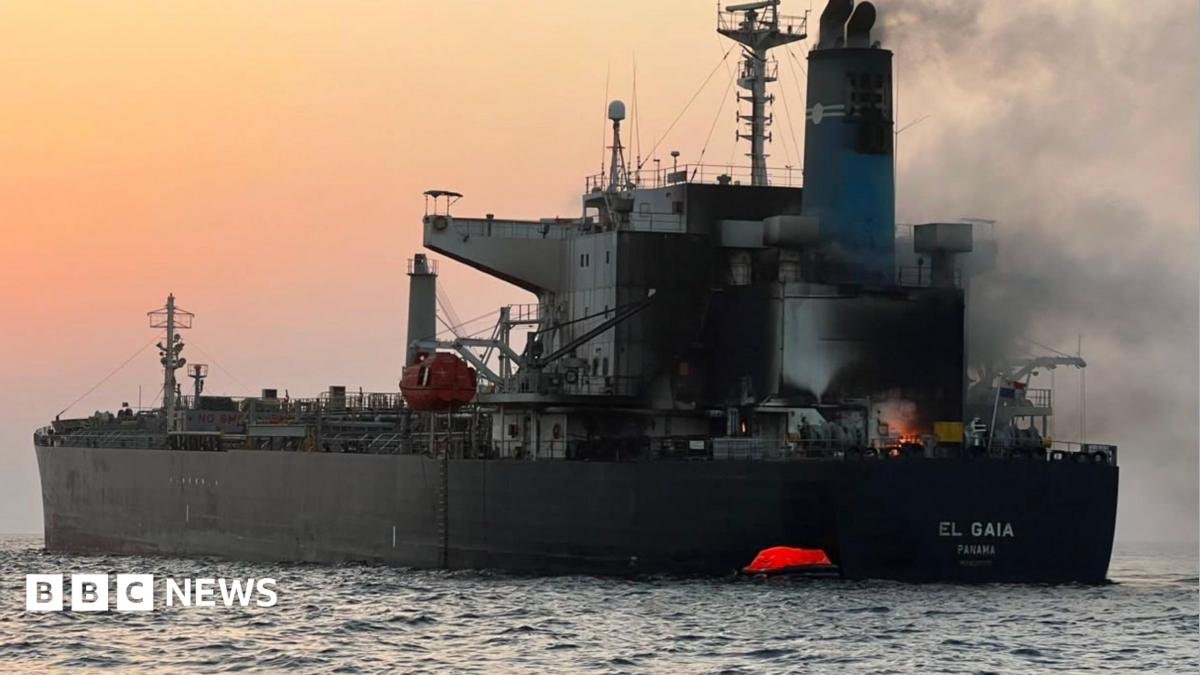
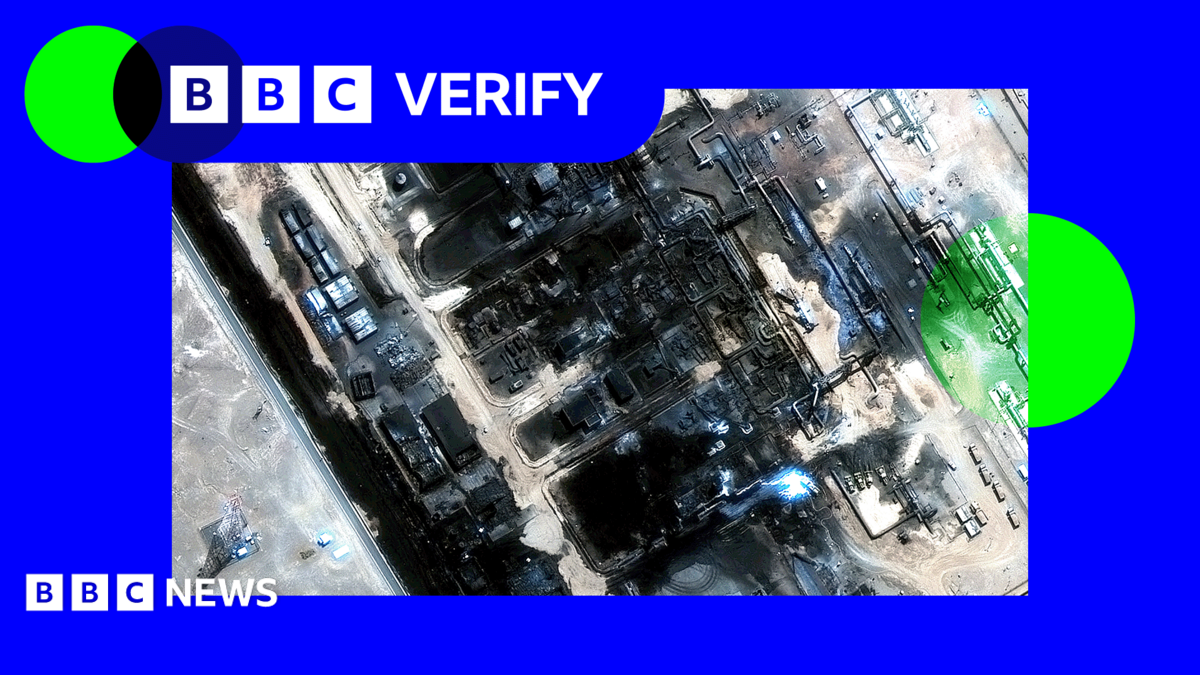
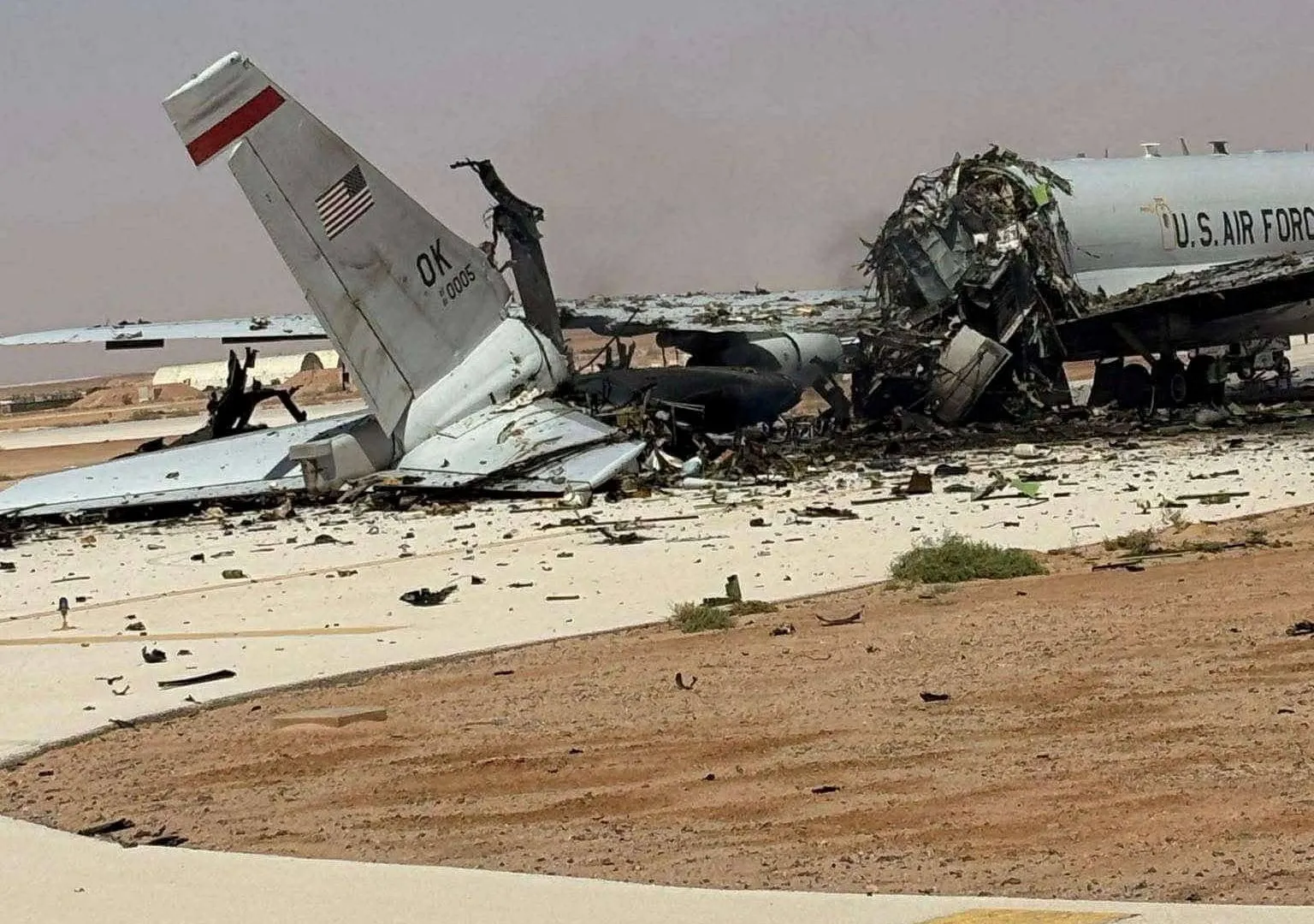
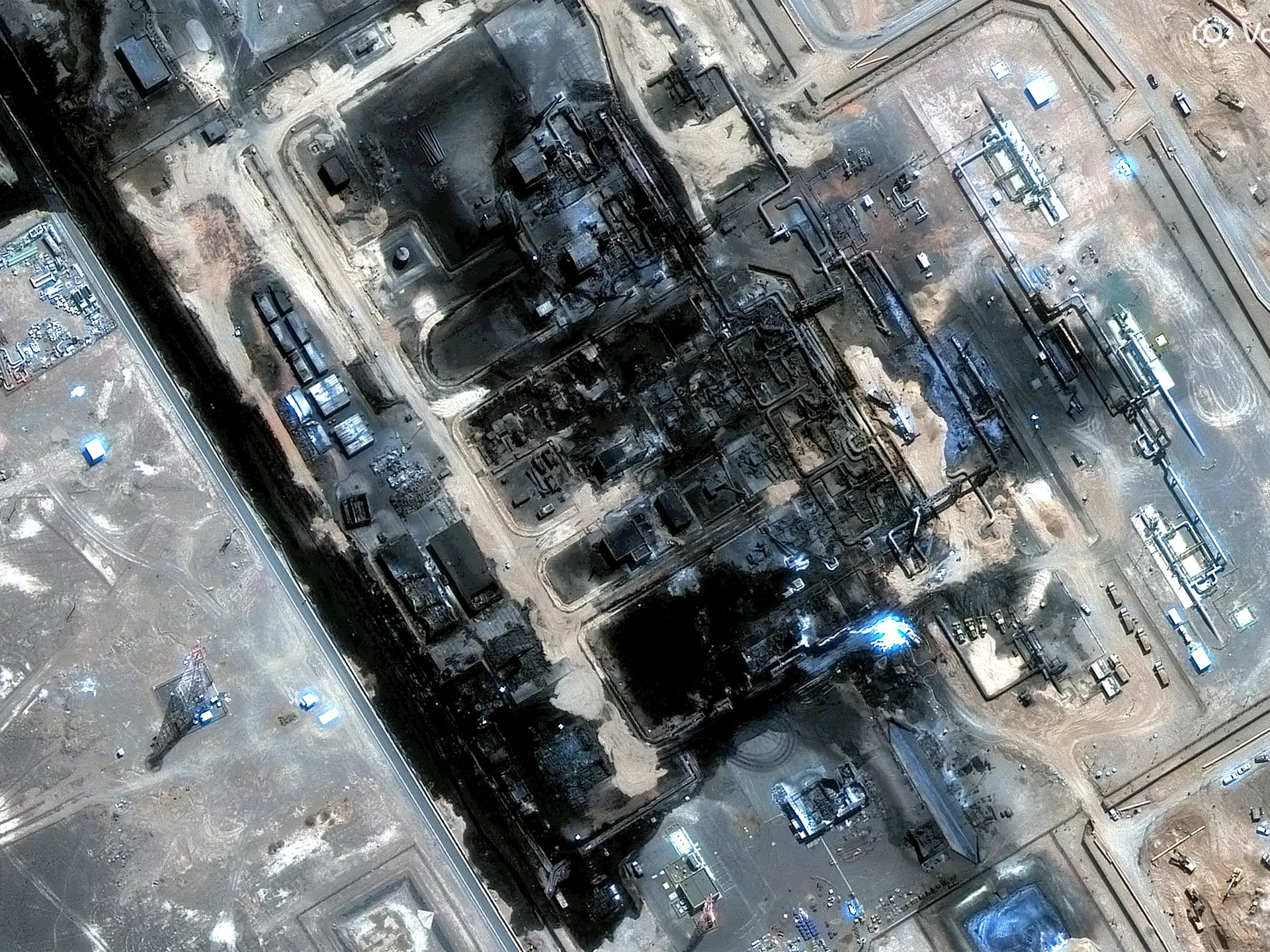
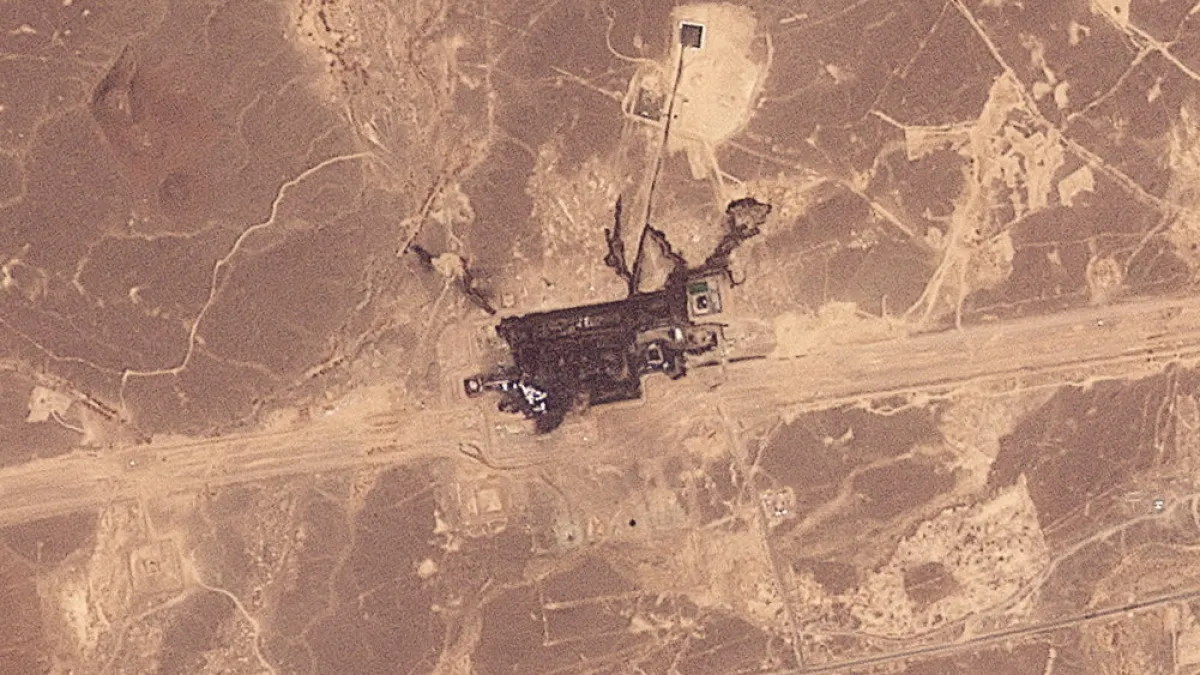
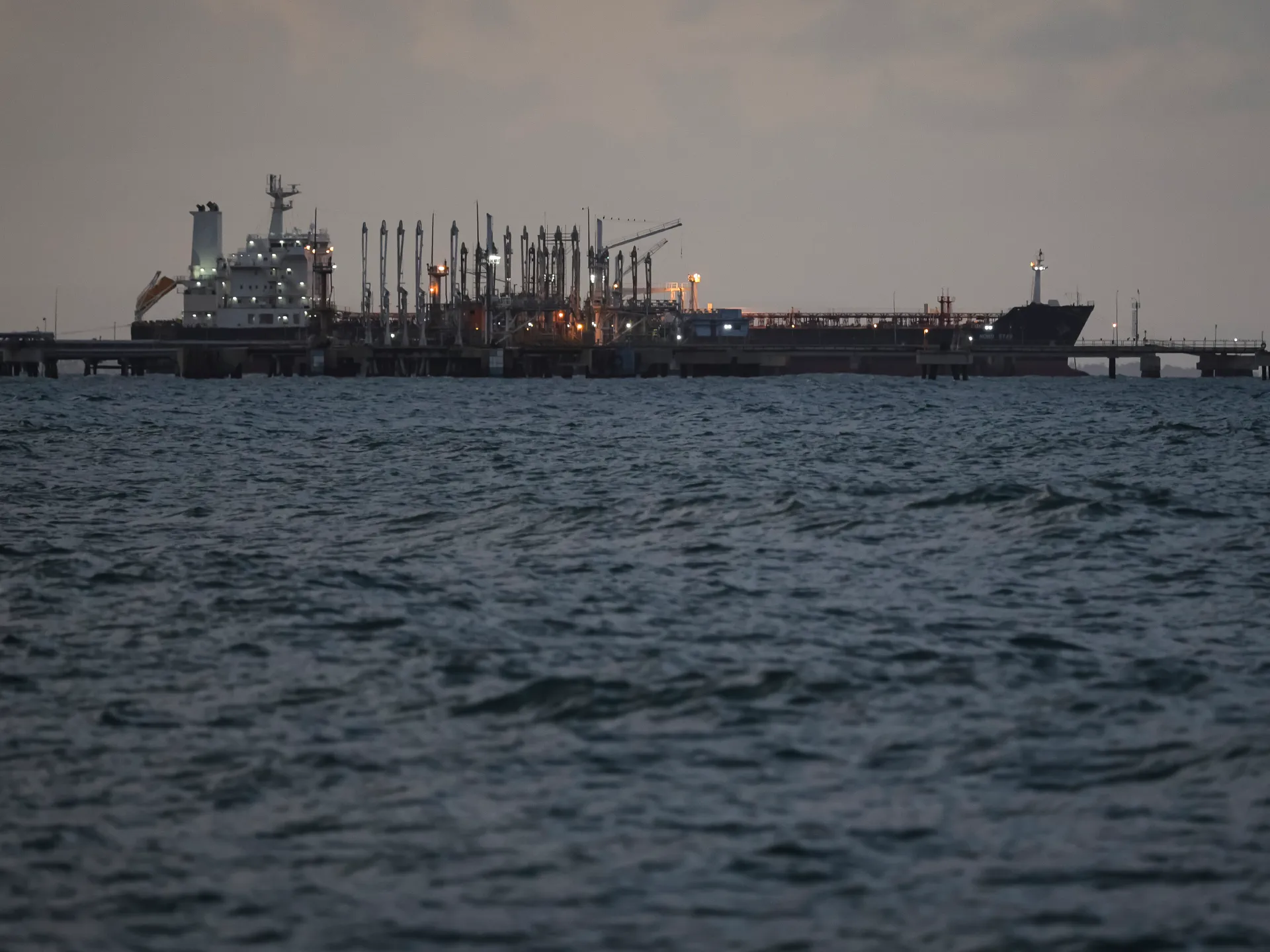
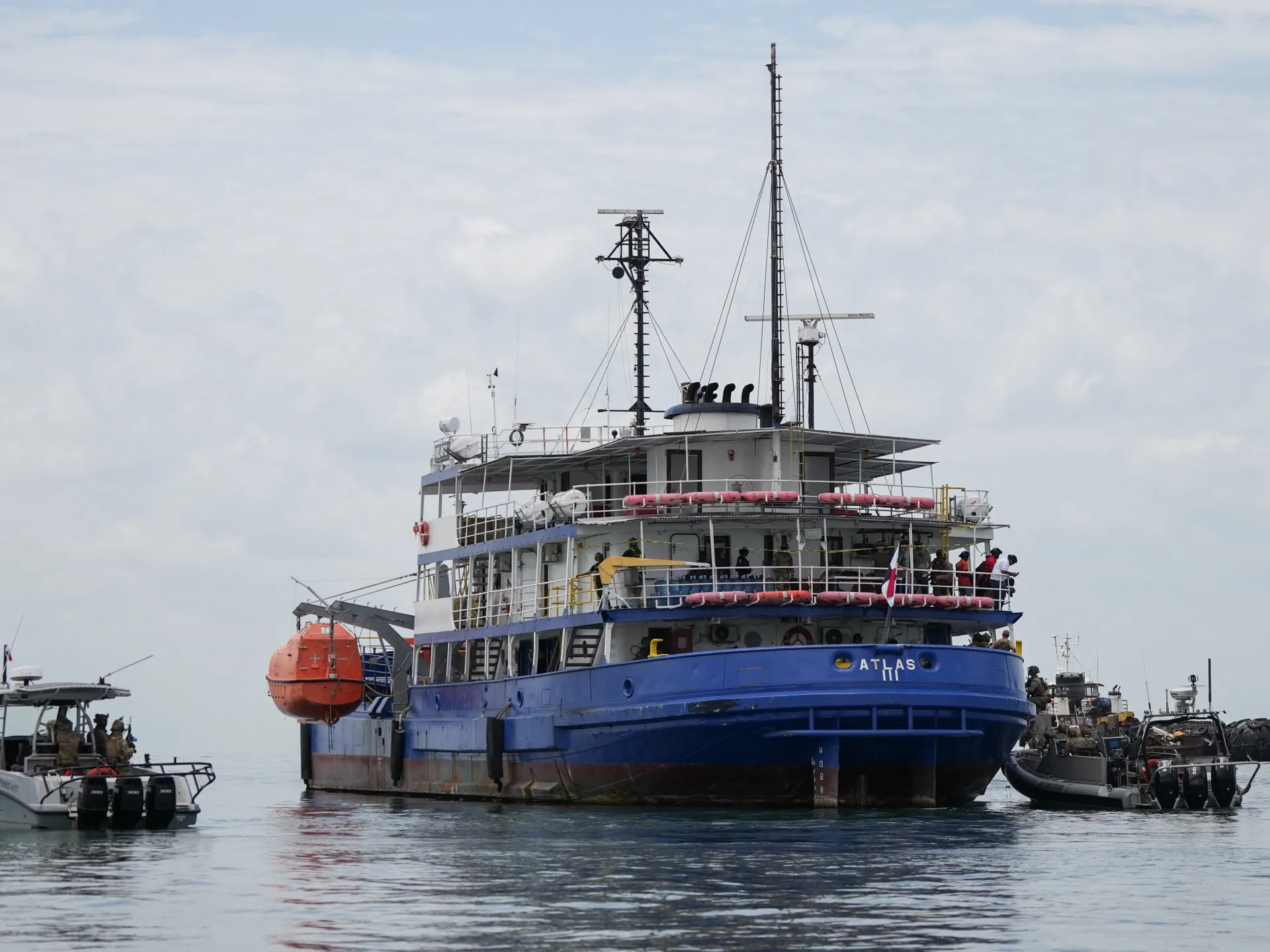
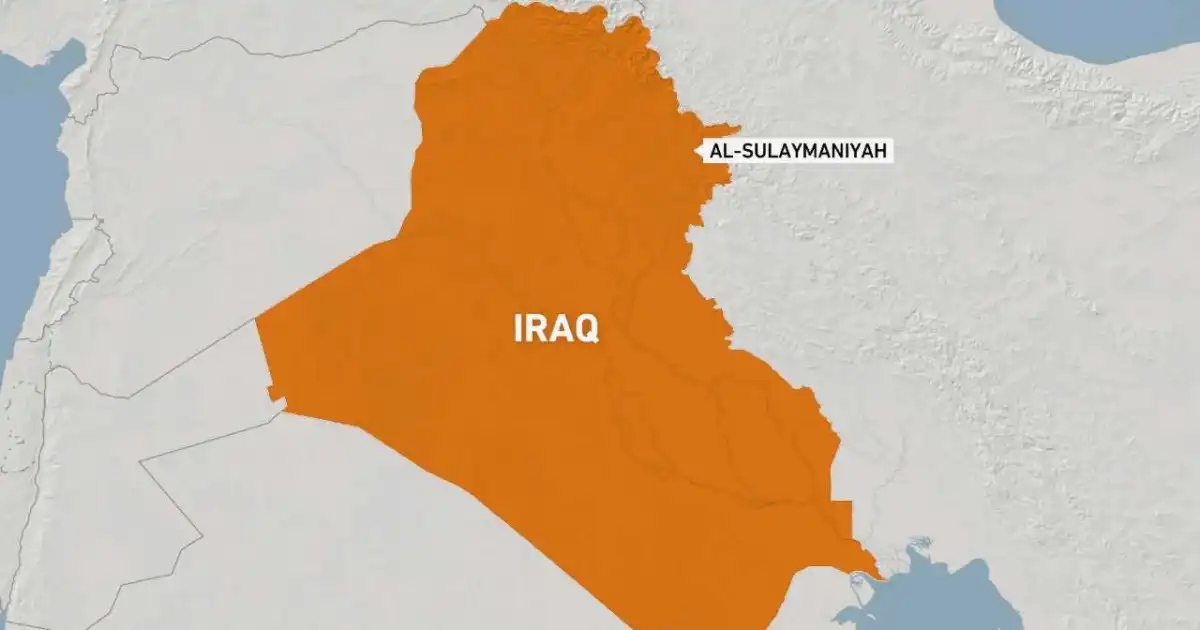
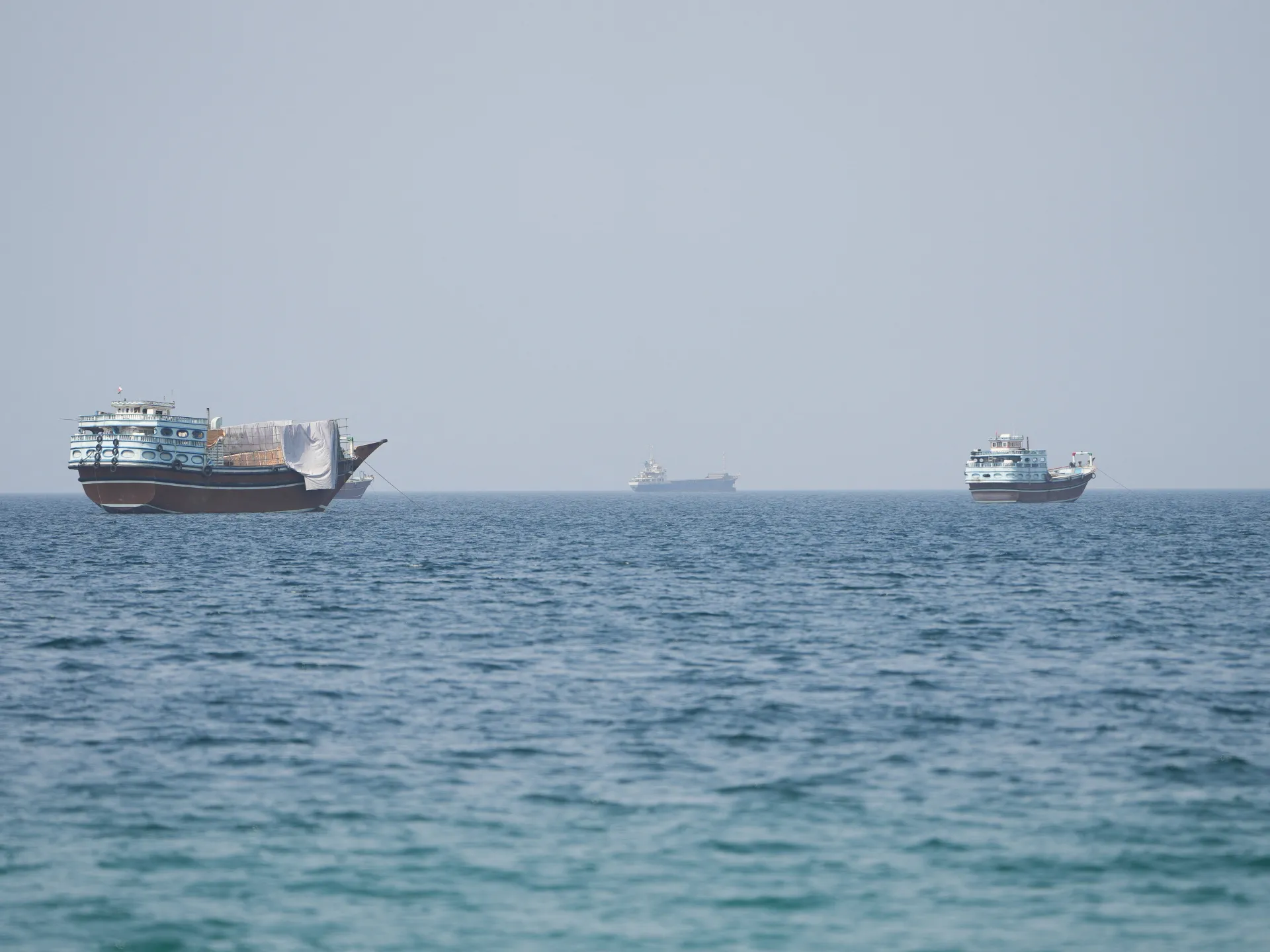
While the Houthis insist they do not intend to disrupt international shipping, they have explicitly stated their intent to target Saudi-linked vessels. This posture has created significant anxiety regarding the security of oil exports, particularly as the kingdom relies heavily on Red Sea routes. Compounding these fears, the vital East-West Pipeline sustained damage from a strike blamed on Iran-aligned militias in Iraq, forcing a temporary shutdown of the crude oil transport line.
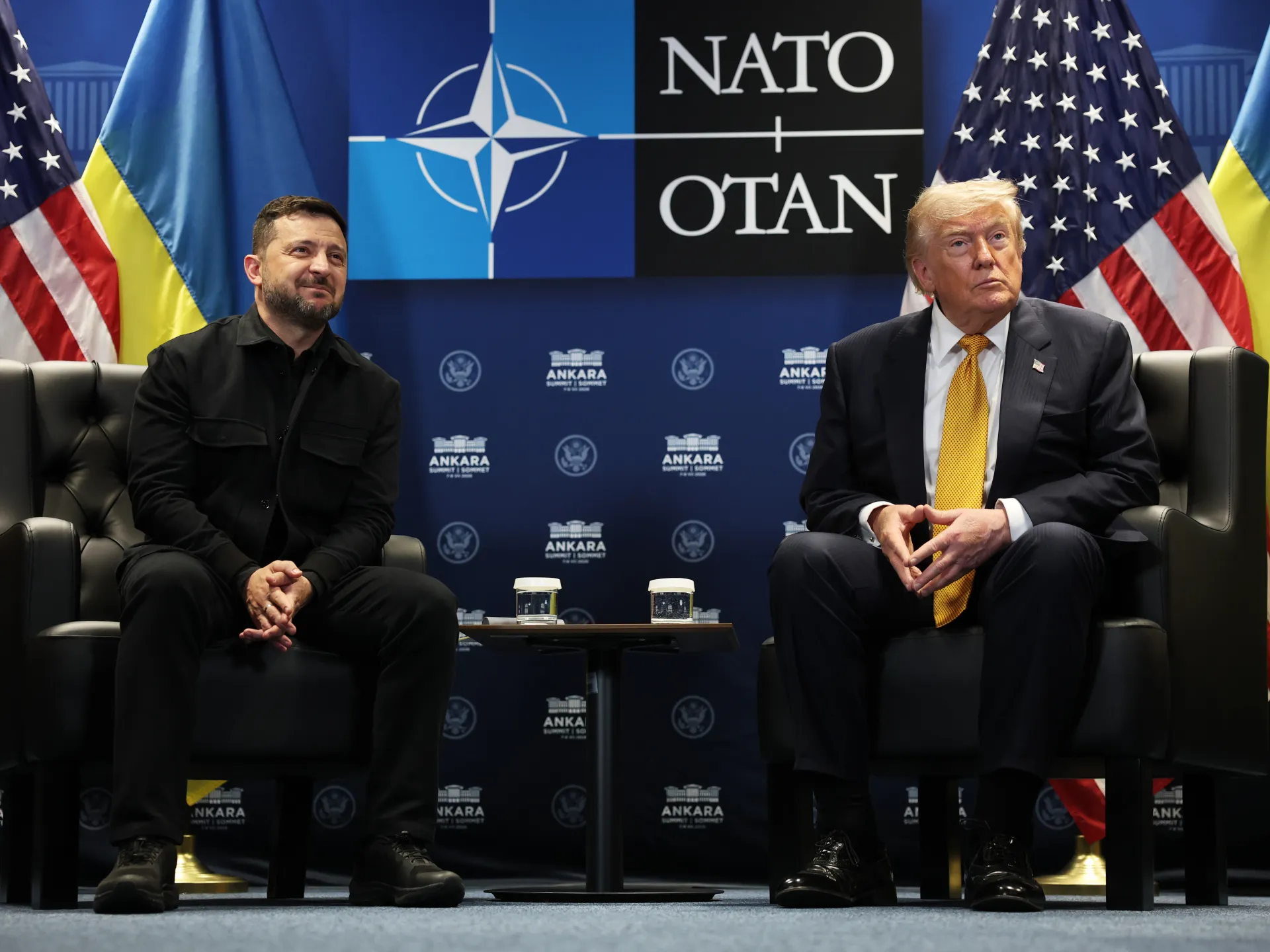
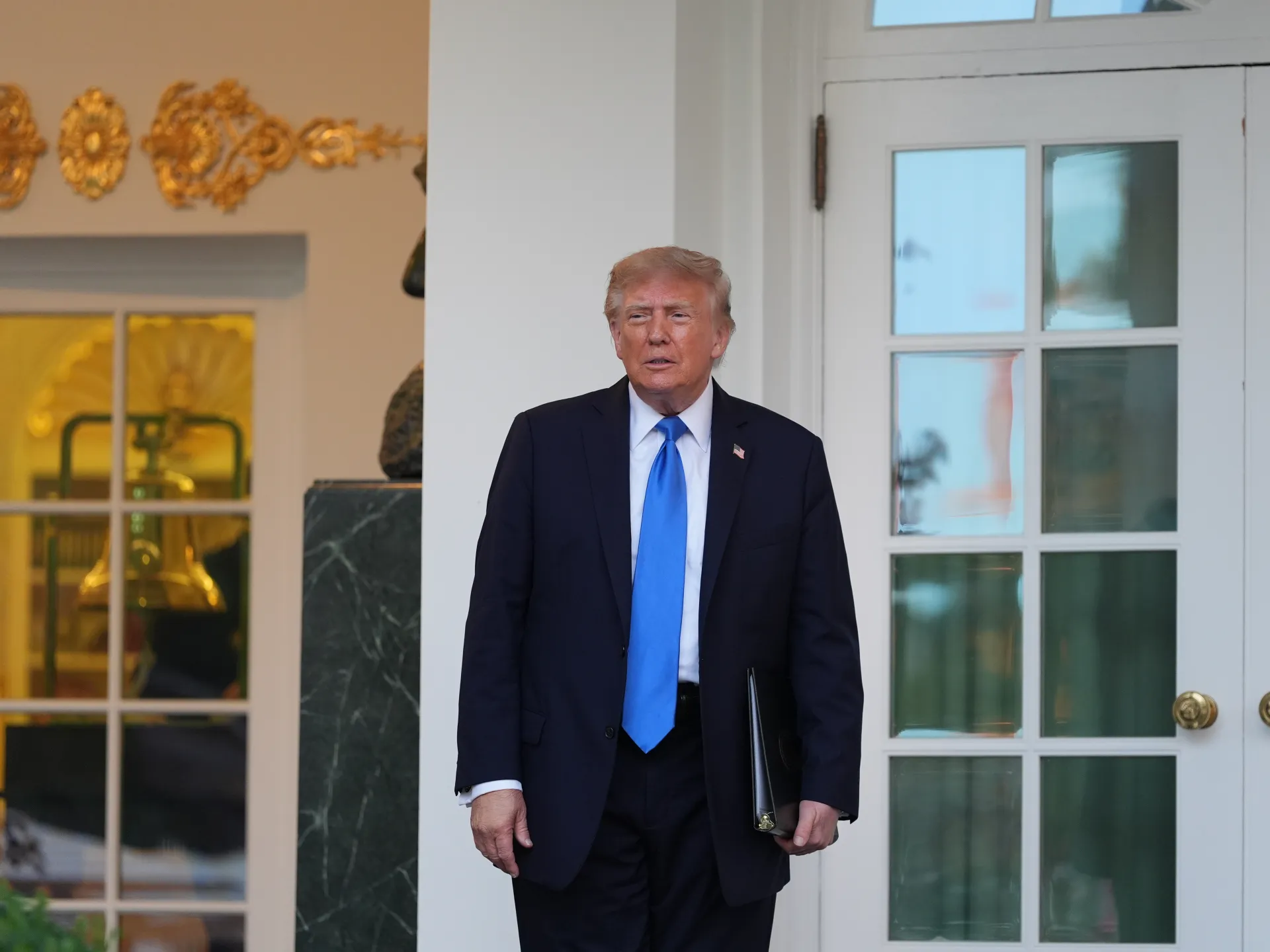
The escalating instability has prompted the United Nations Security Council to hold emergency sessions to address the threat to maritime navigation. Member states have underscored the absolute necessity of maintaining freedom of movement through the Red Sea to prevent the collapse of global supply chains. Despite pressure from Saudi leadership for more direct military intervention, international powers, including the United States, have largely focused on providing intelligence support and maintaining diplomatic pressure rather than launching a direct offensive.
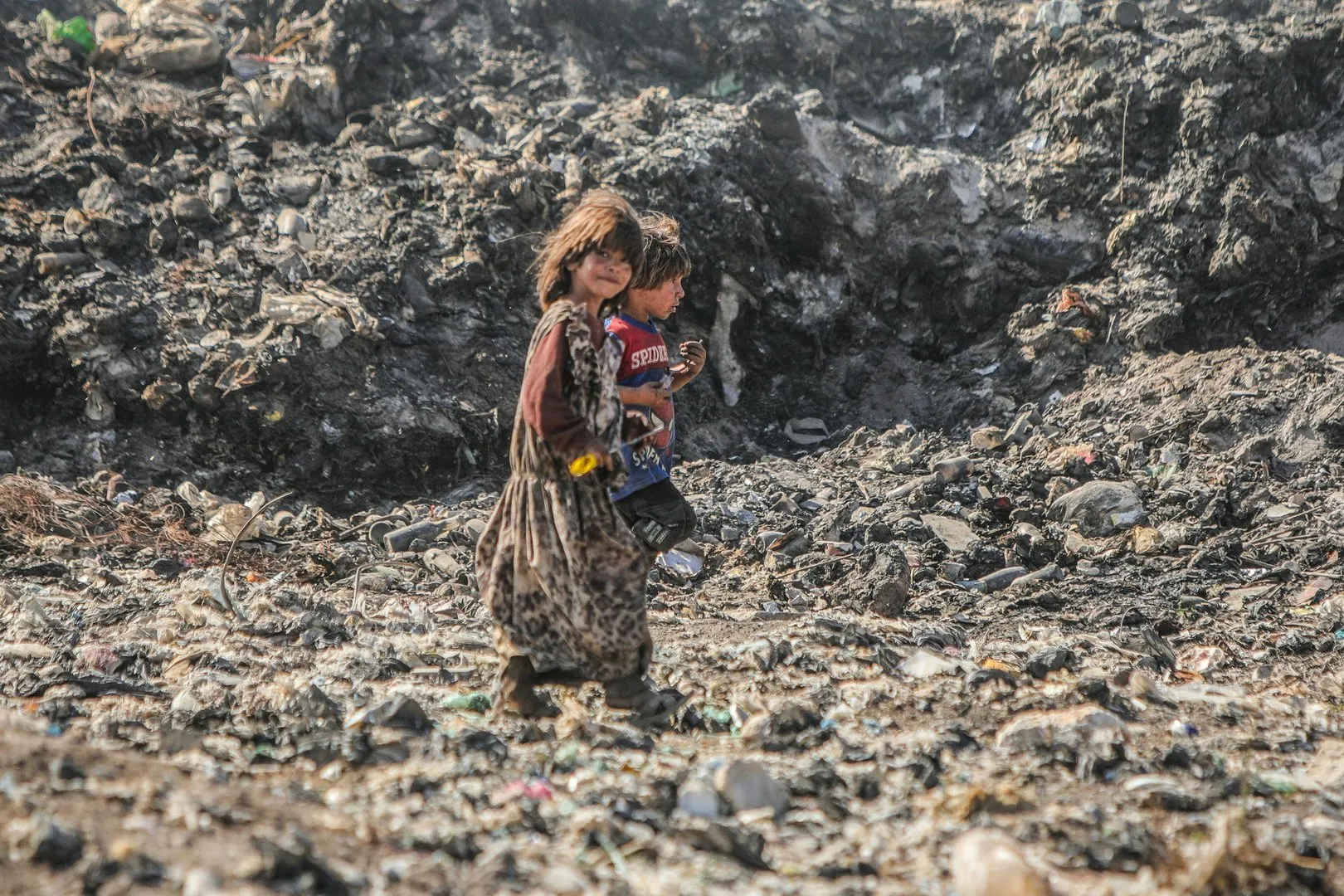
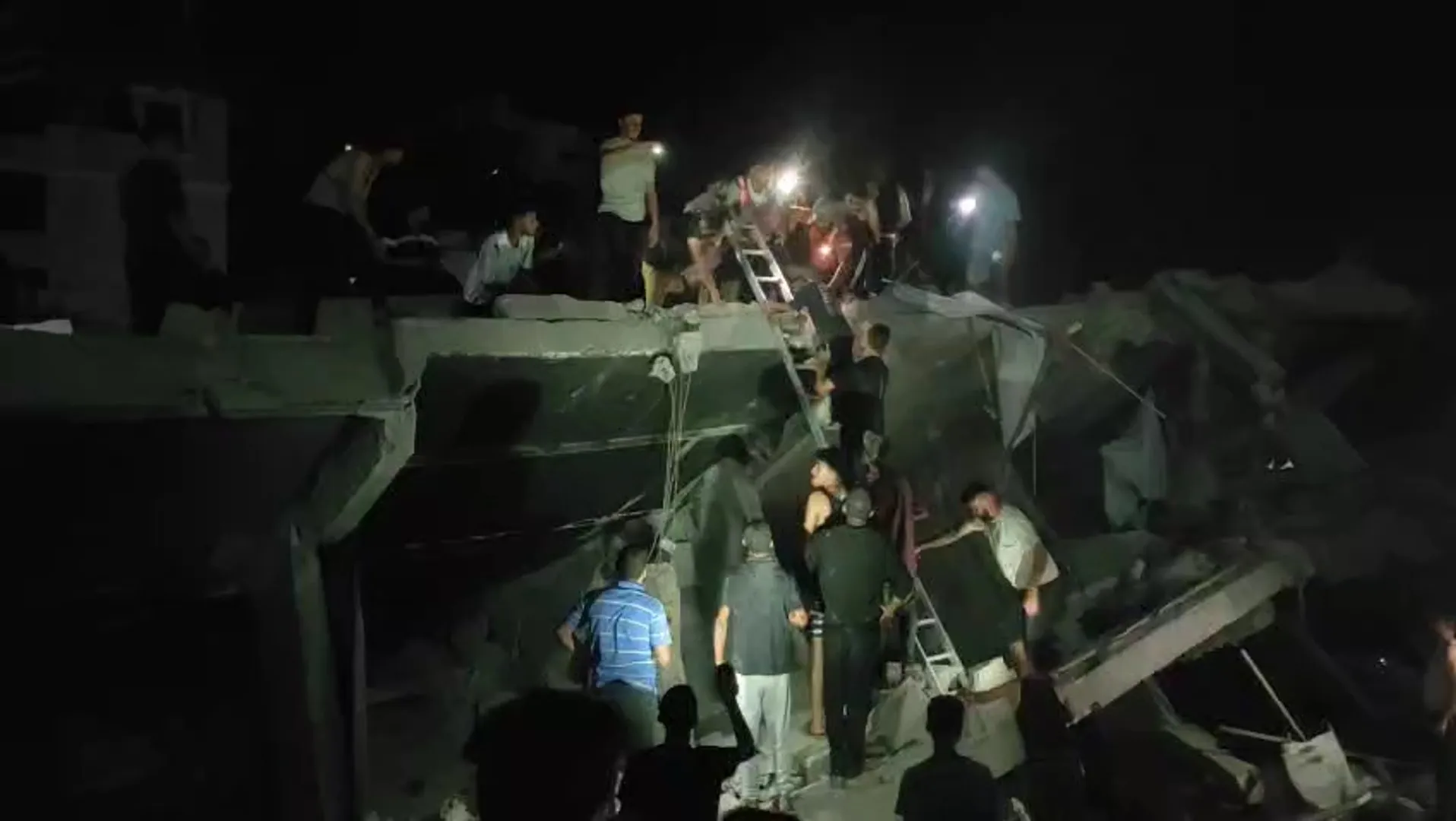
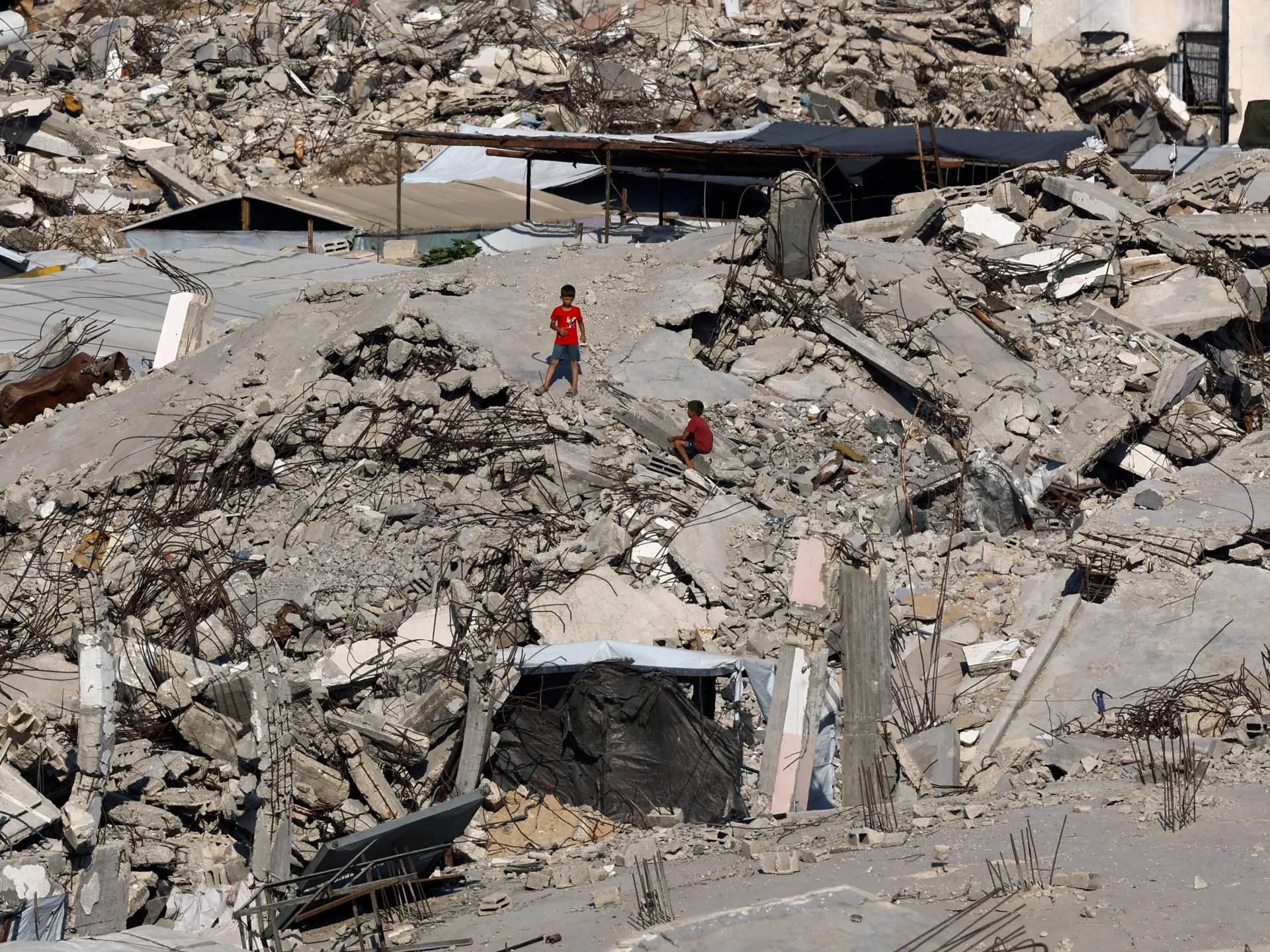
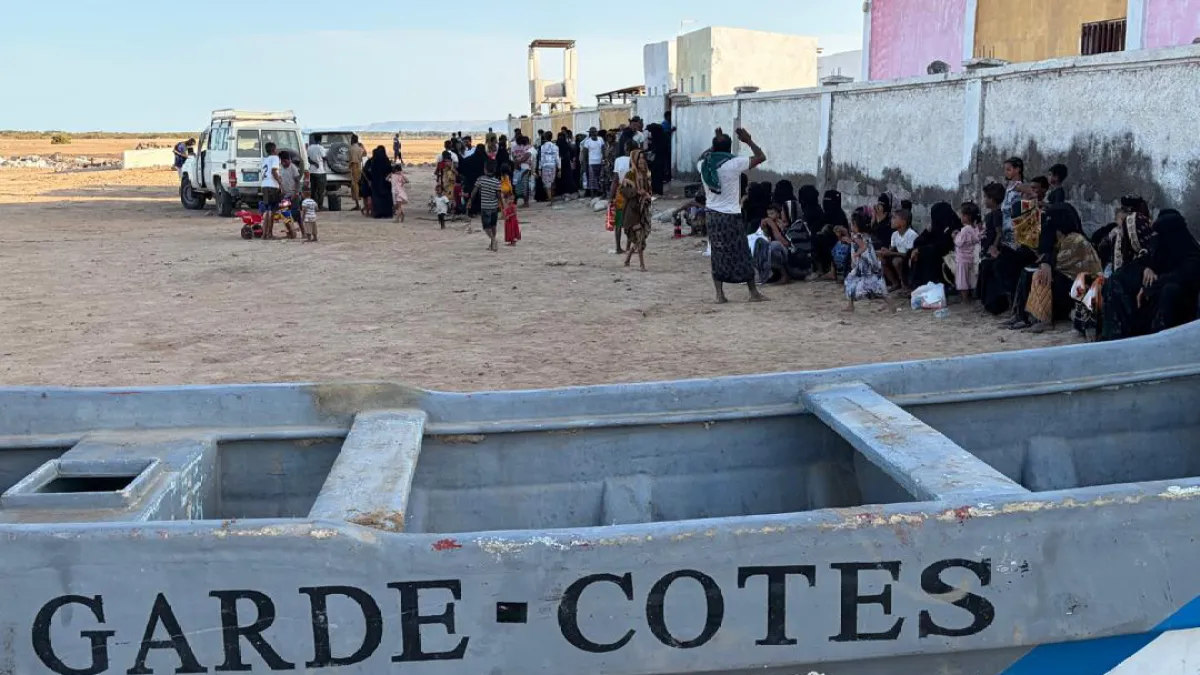
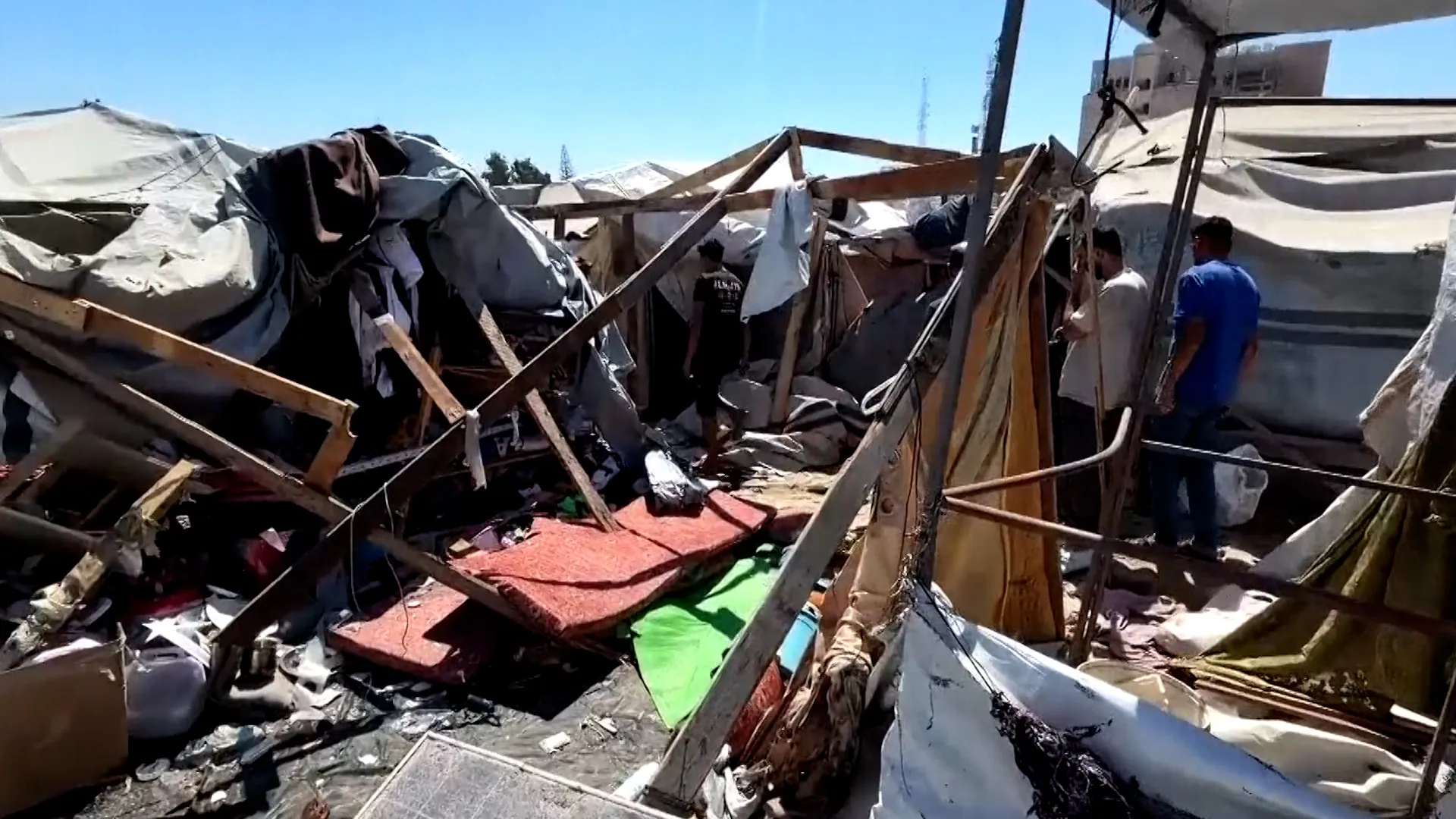
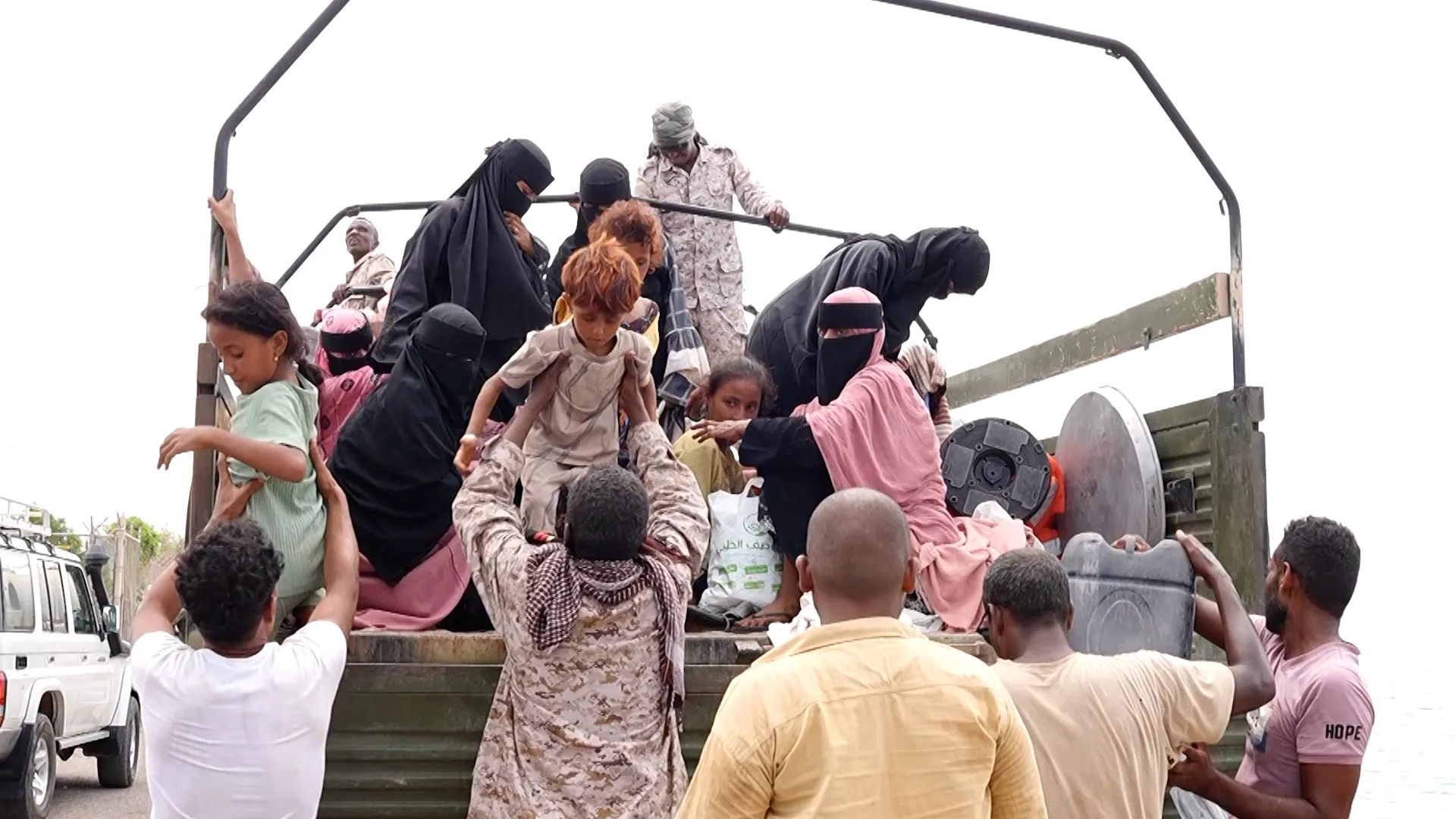
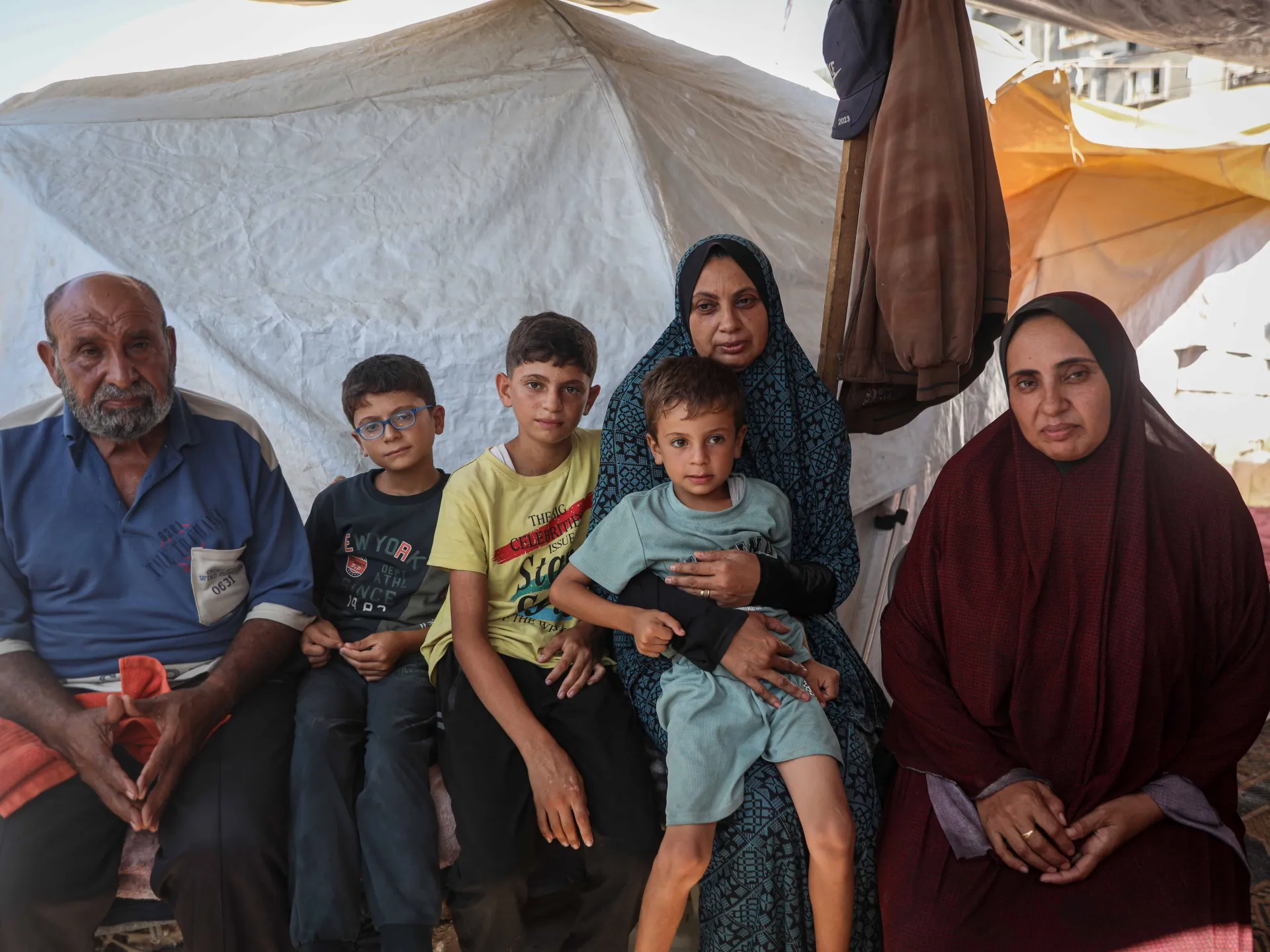
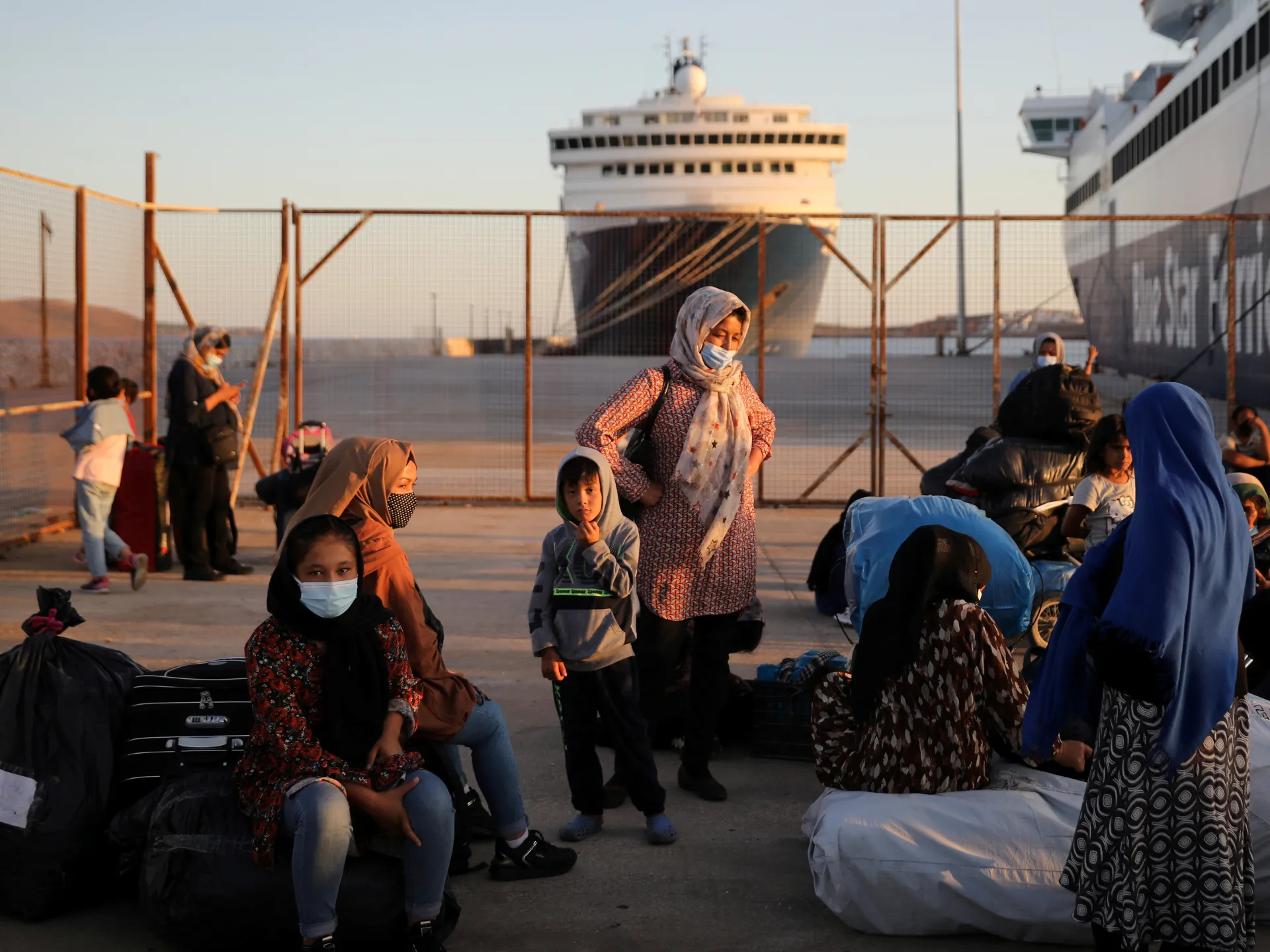
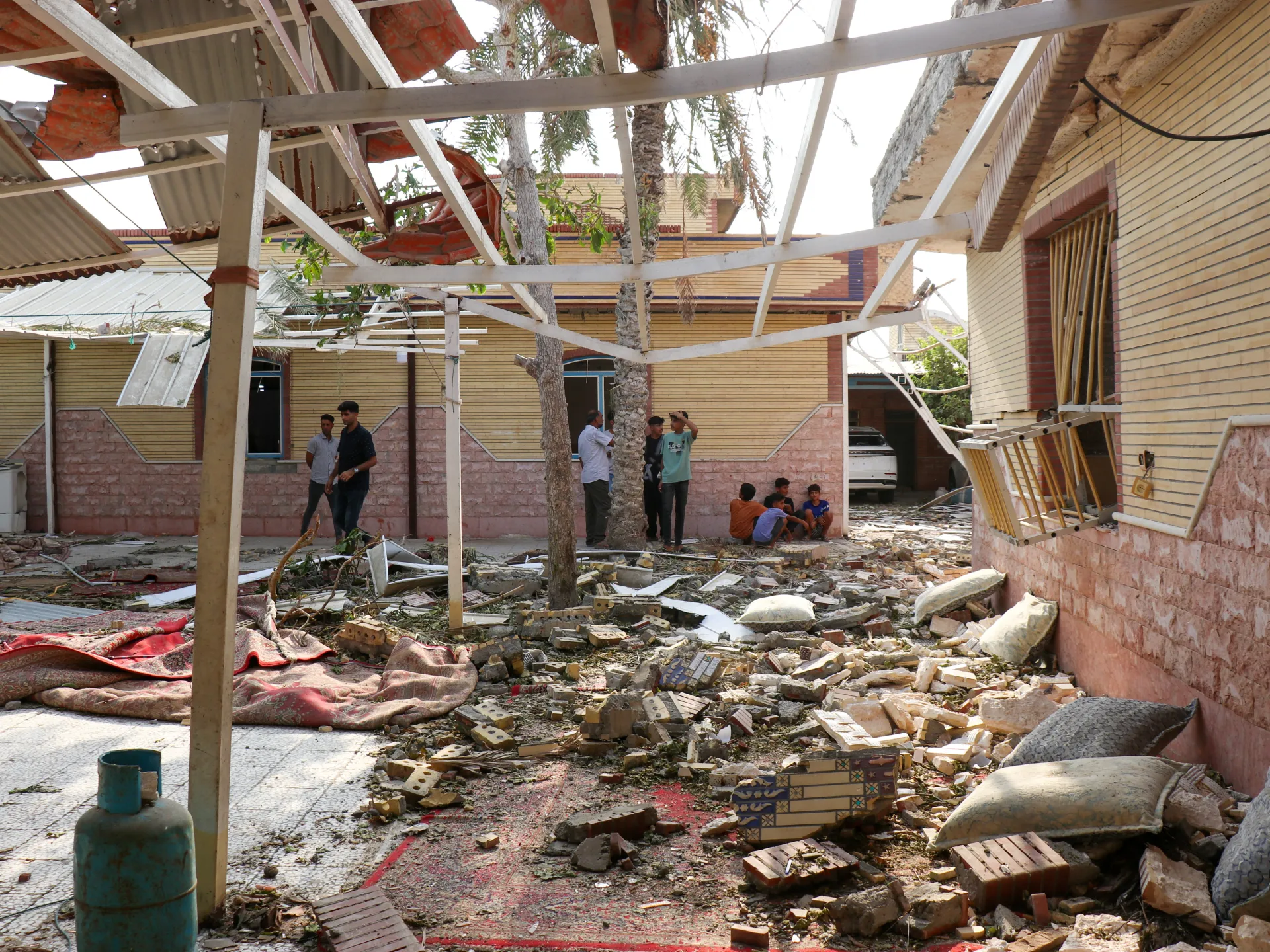
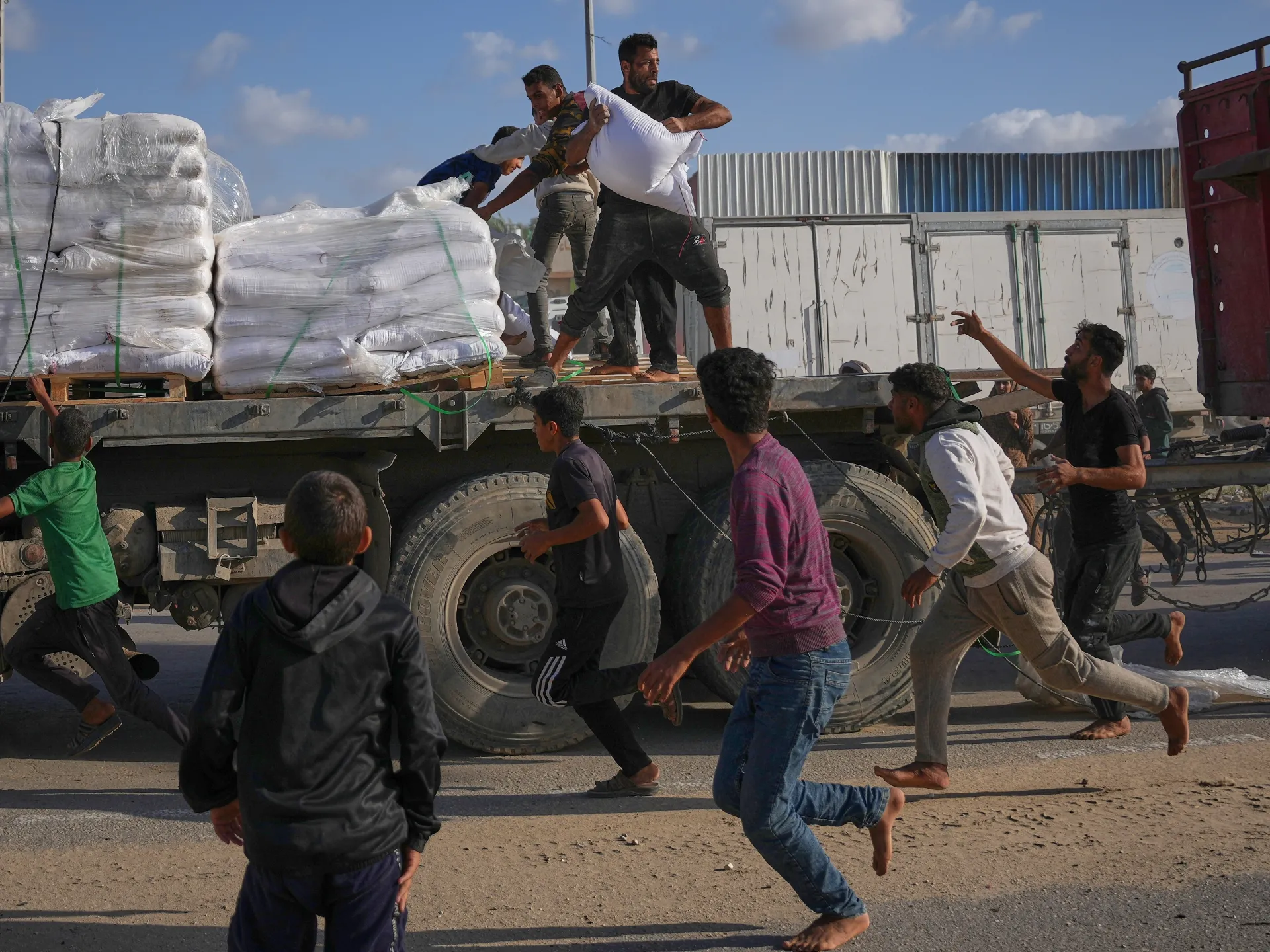
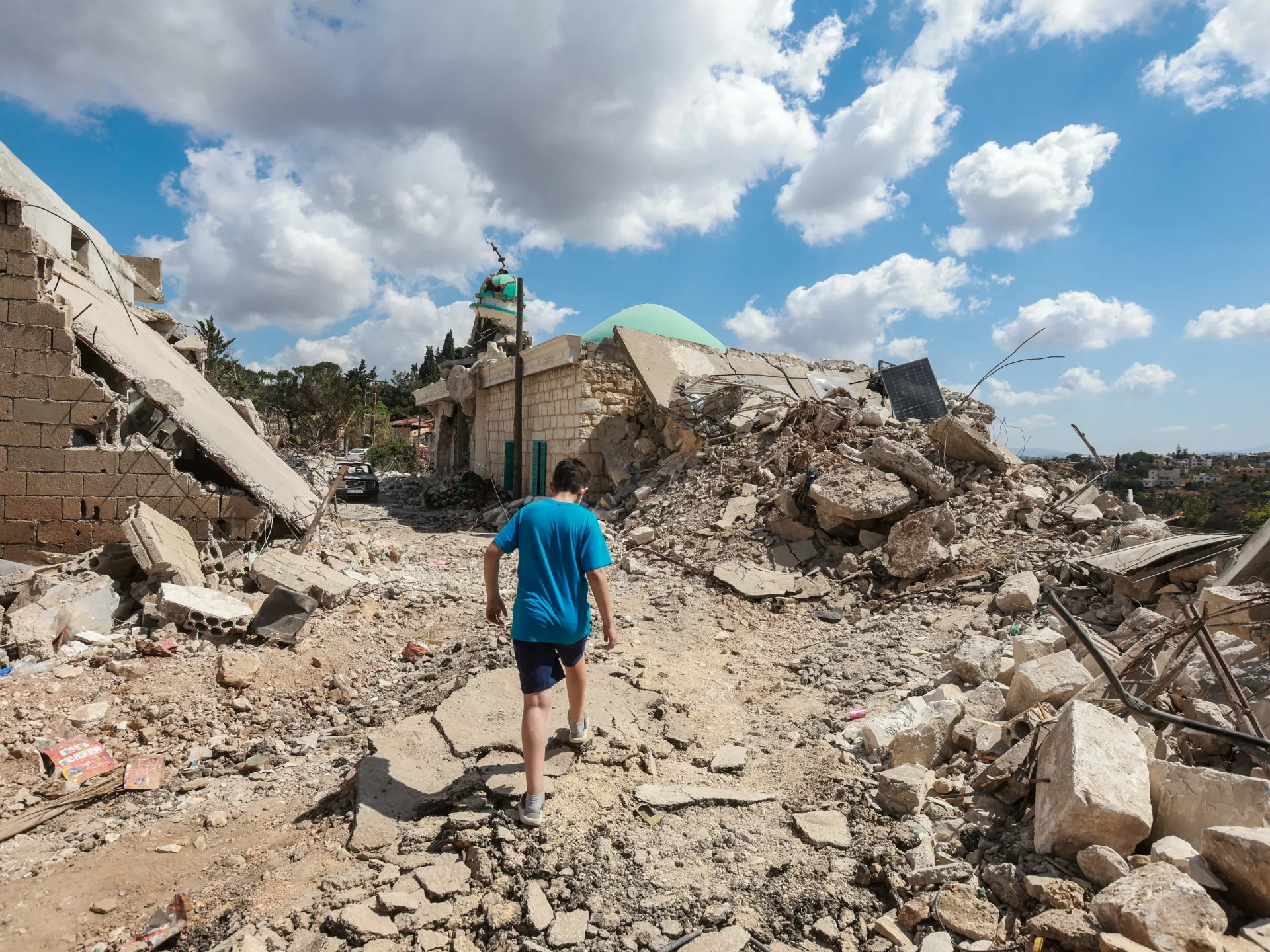
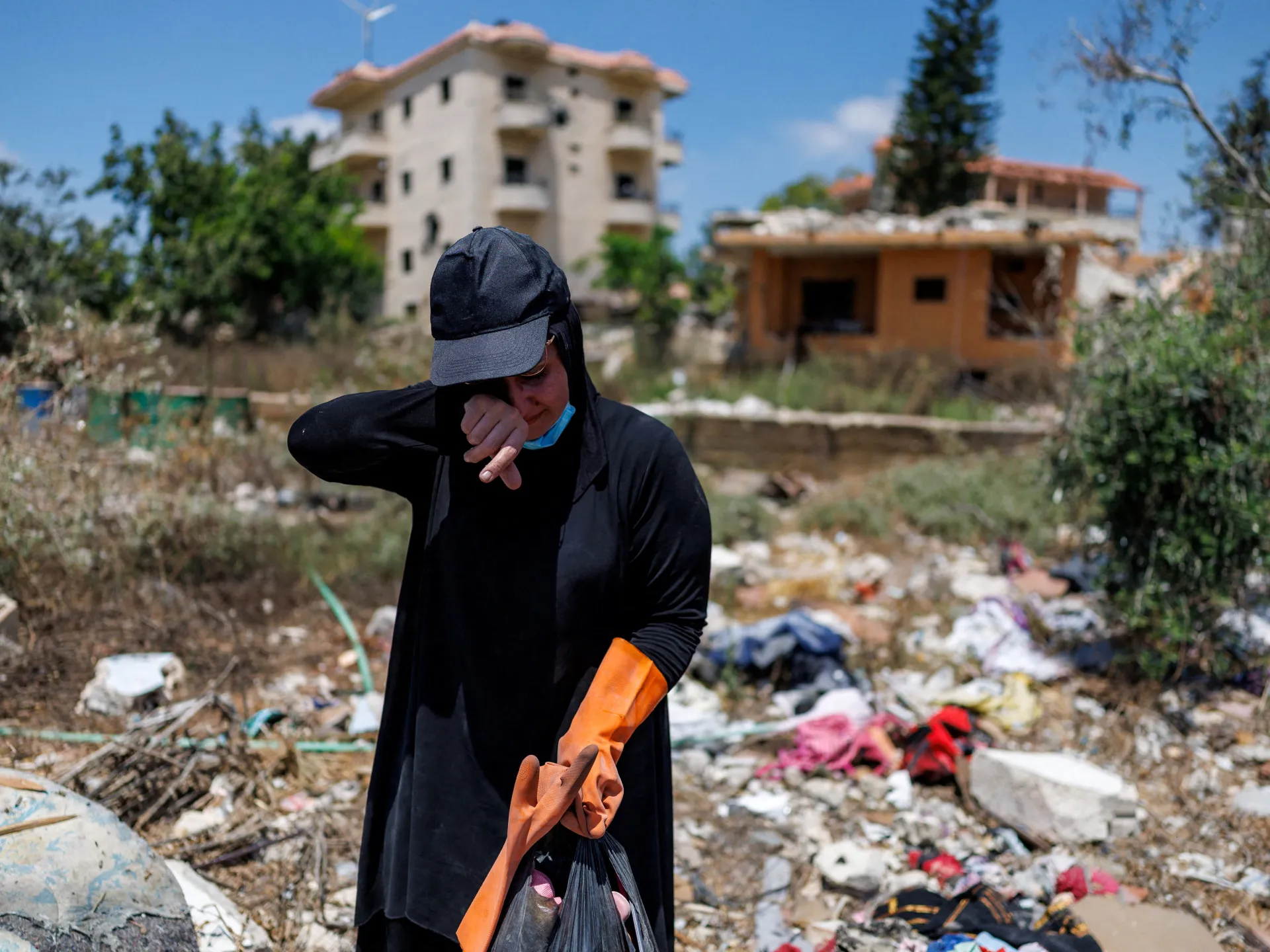
Beyond the geopolitical maneuvering, the human cost of the protracted conflict remains staggering. International aid agencies, including the World Health Organization and the International Organization for Migration, report that the fighting has displaced tens of thousands of civilians and resulted in hundreds of fatalities in recent weeks alone. With the fragile ceasefire that had held for years now effectively unraveling, millions of Yemenis face the prospect of a deepening humanitarian catastrophe, exacerbated tions.