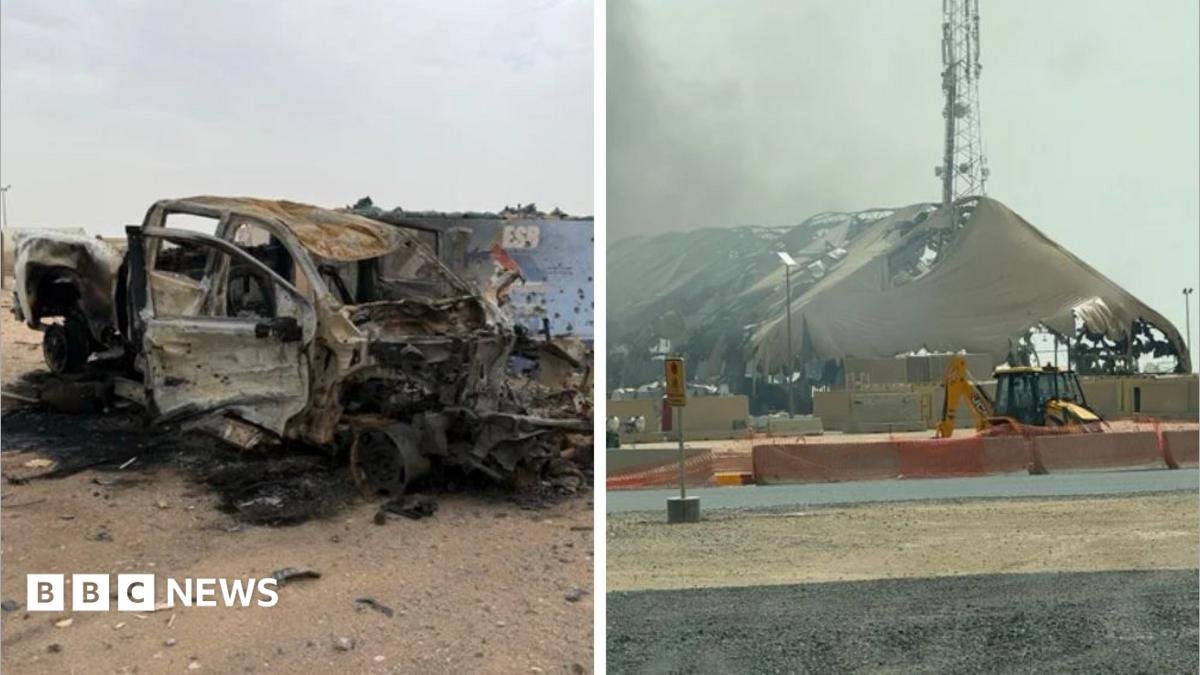
Saudi forces intercepted a hostile drone near Mecca, triggering renewed international condemnation and heightened security concerns across the region.
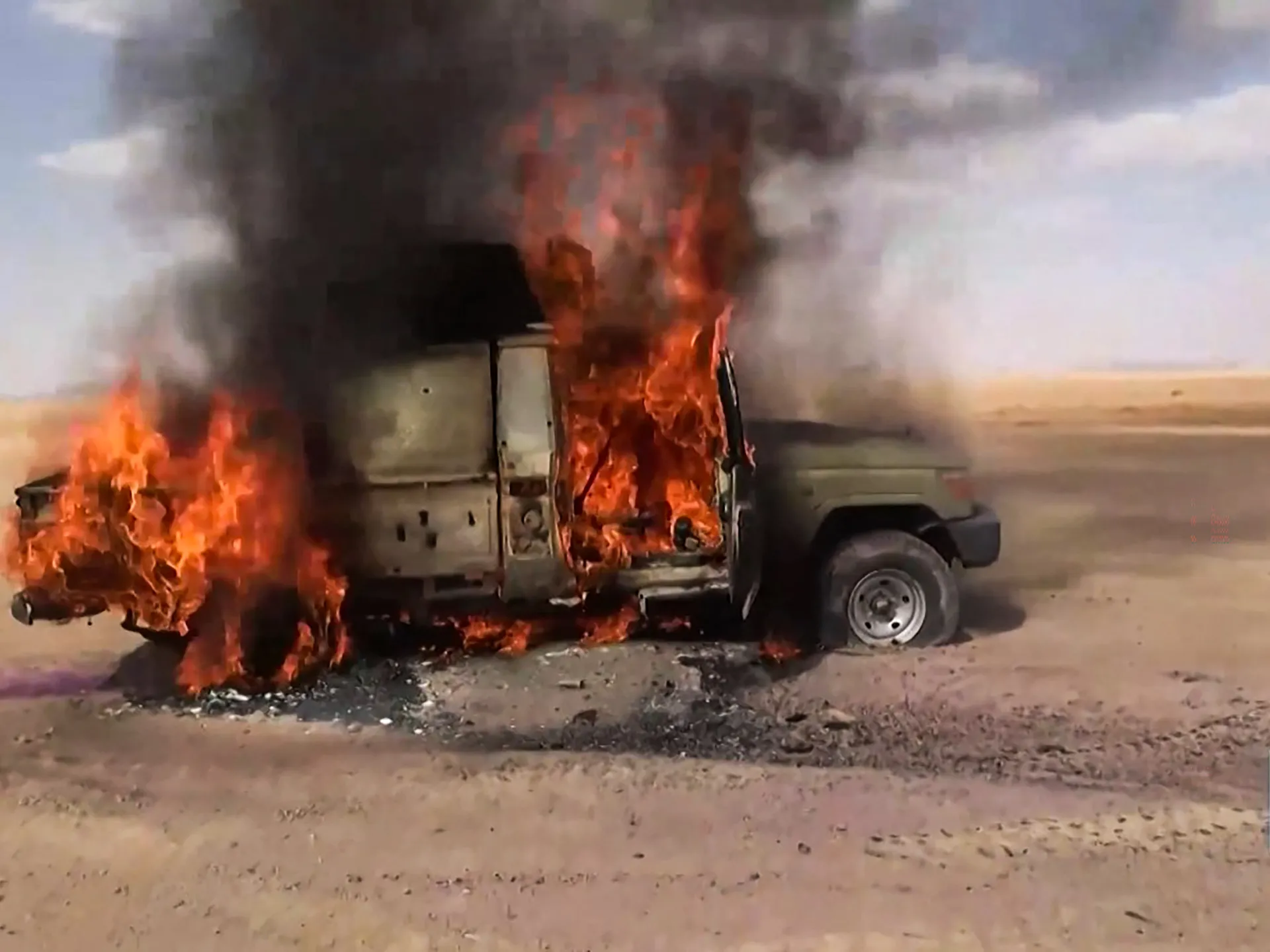
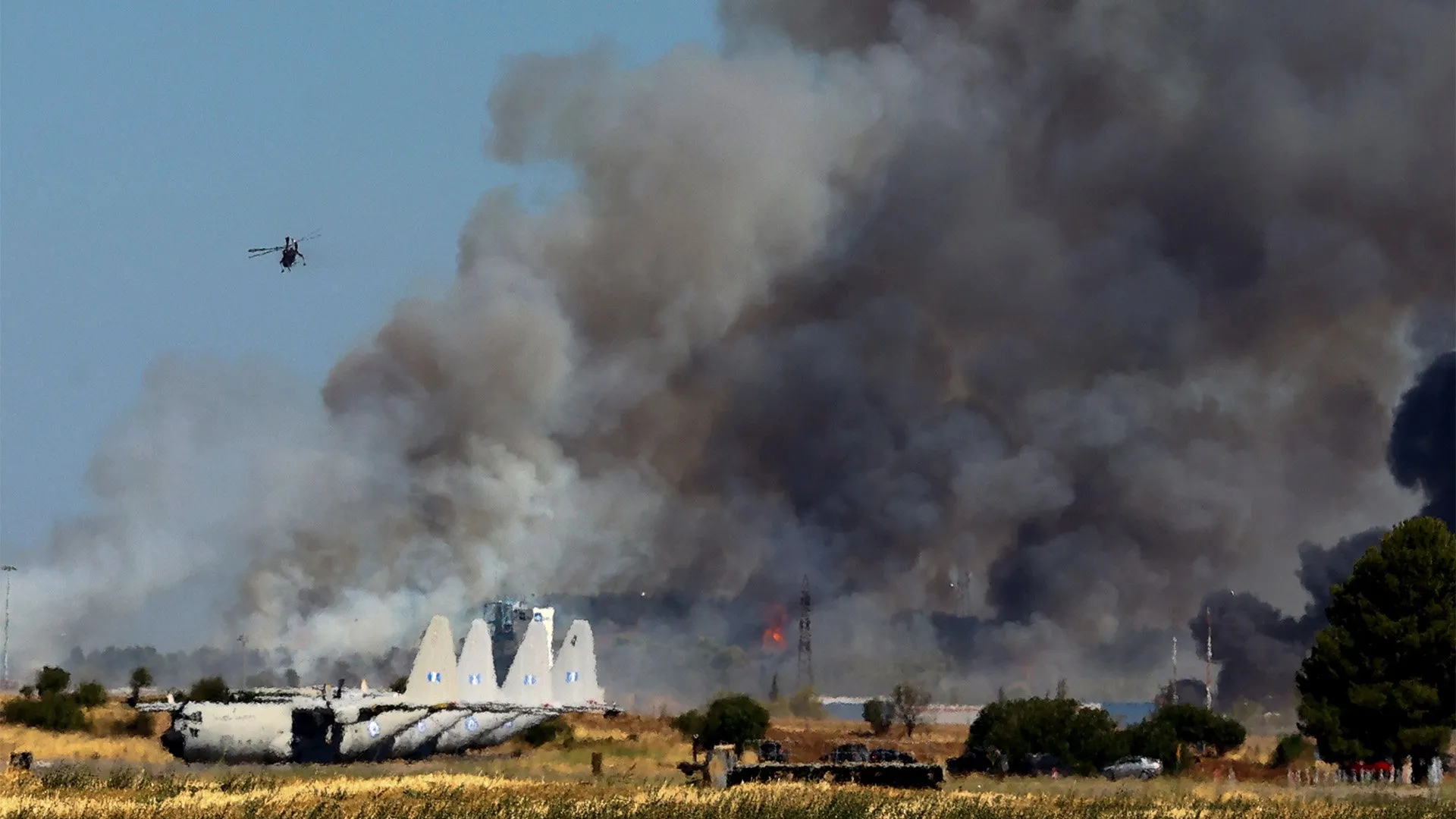
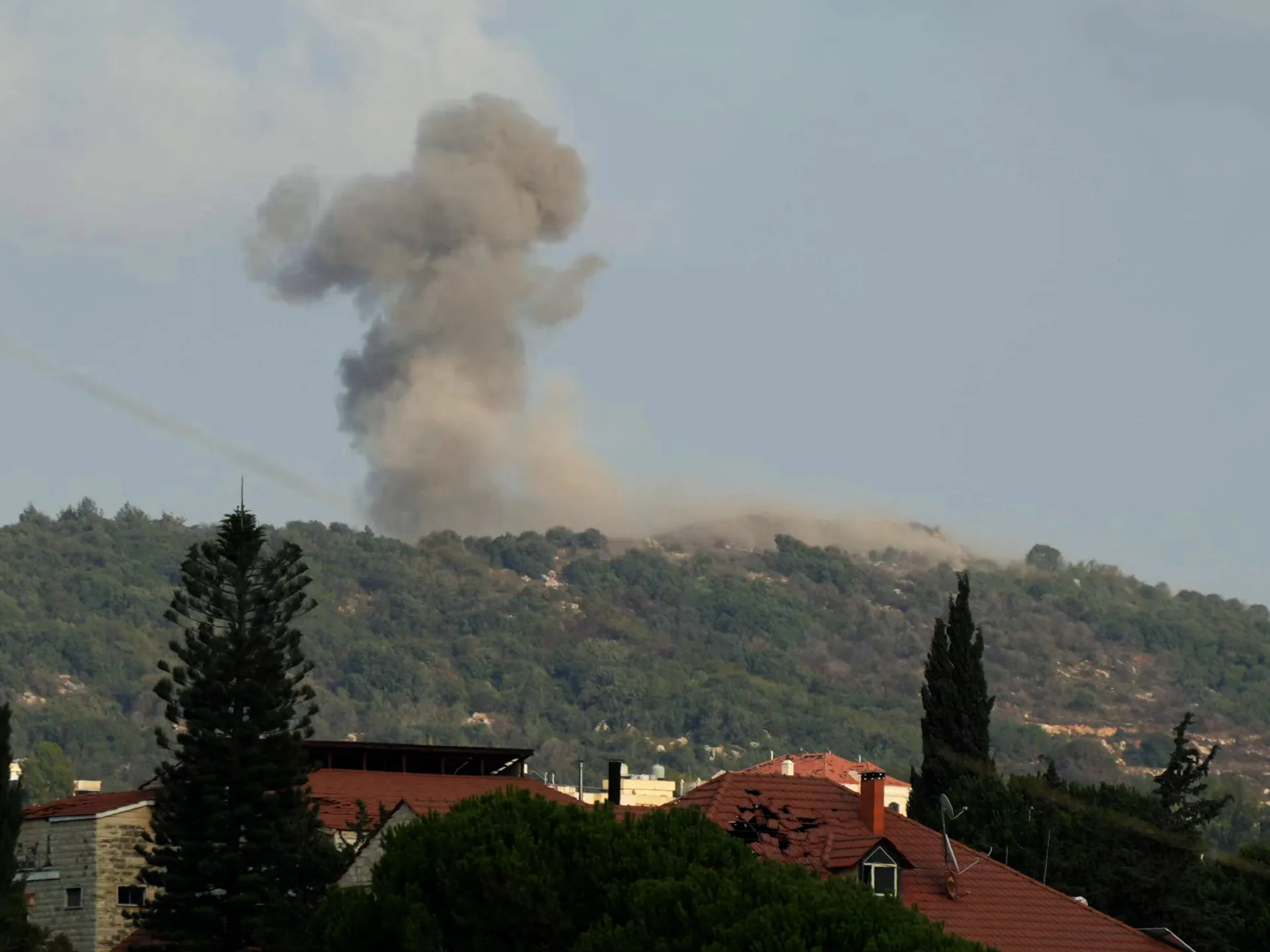
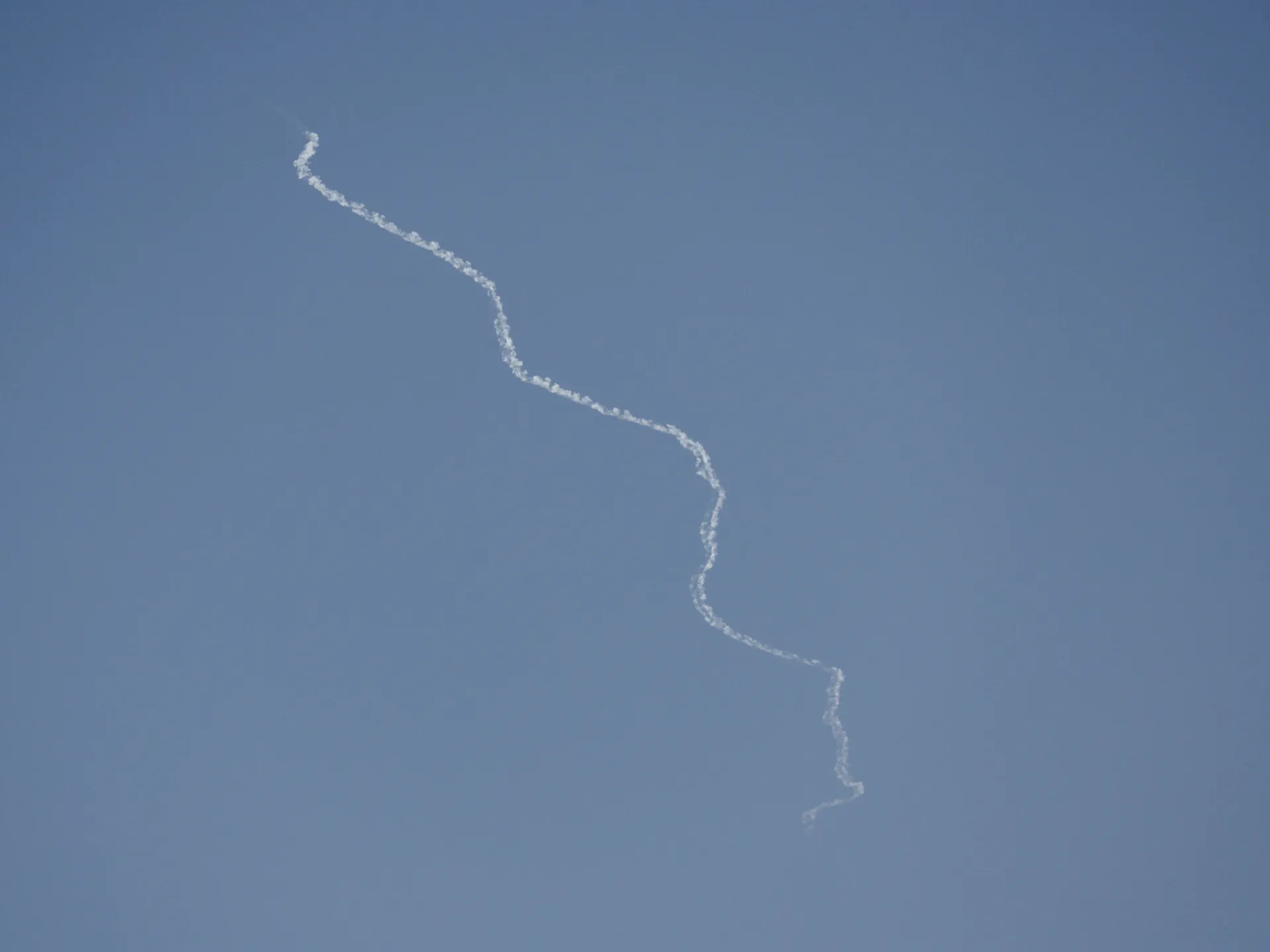
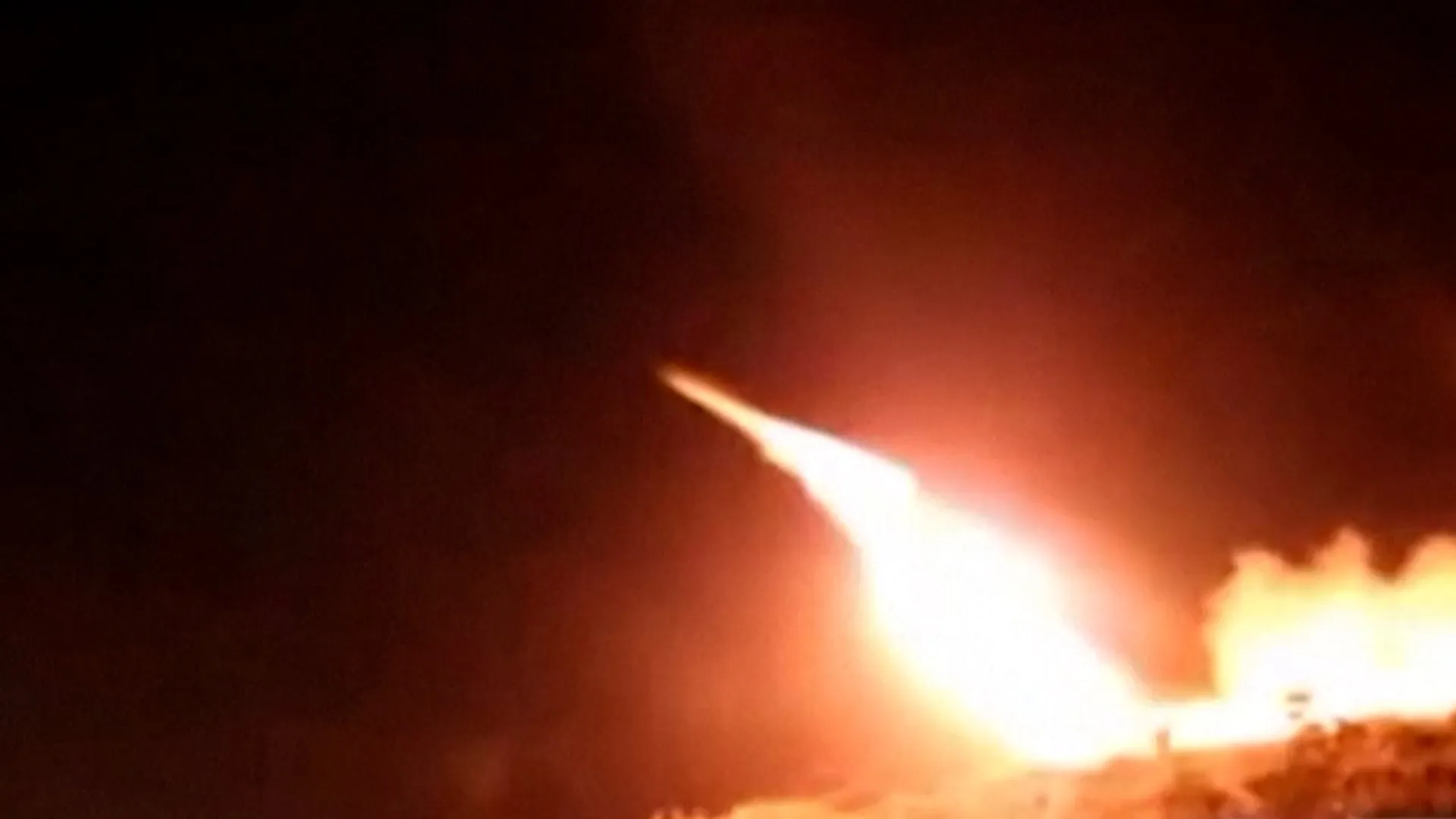
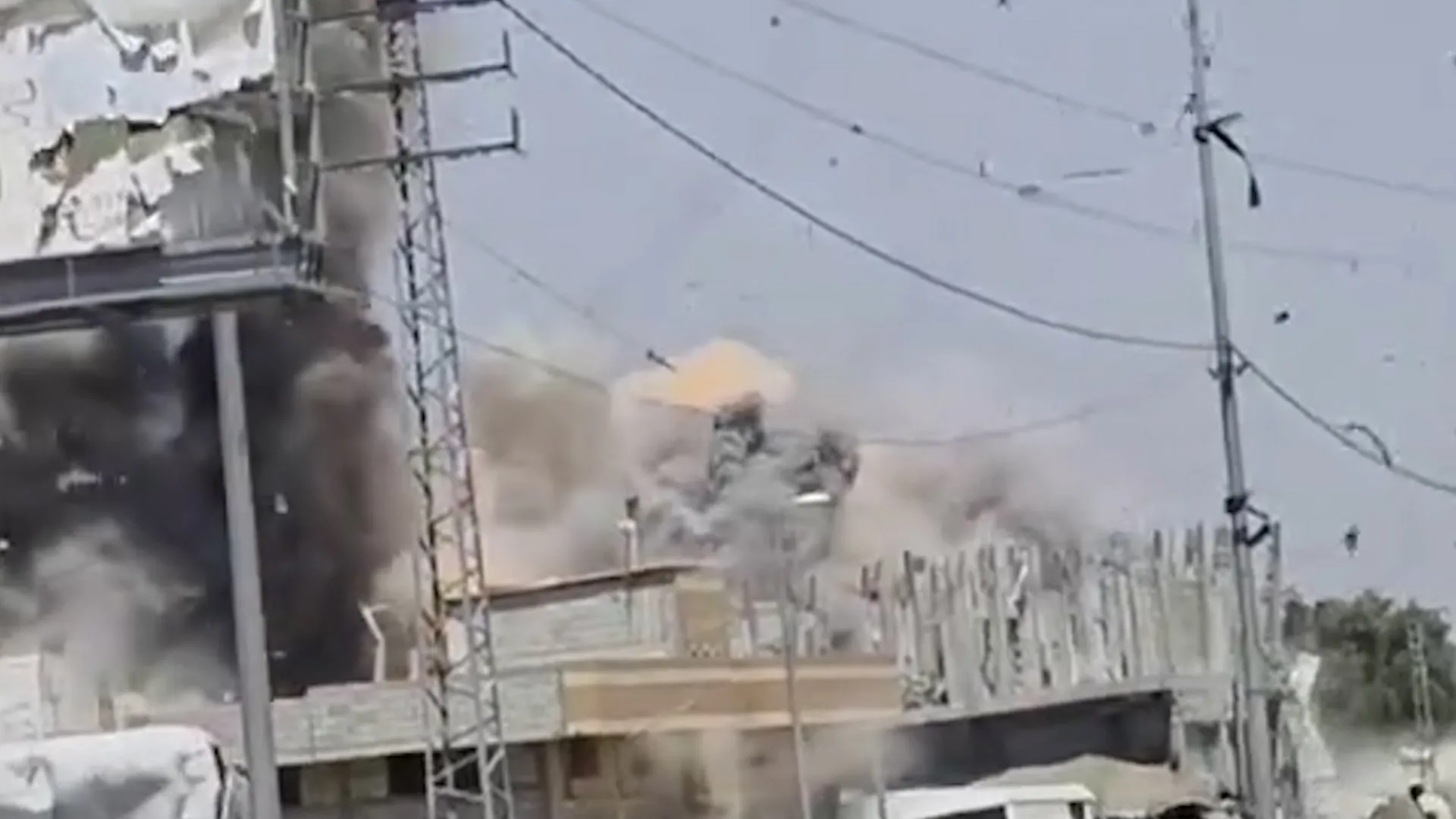
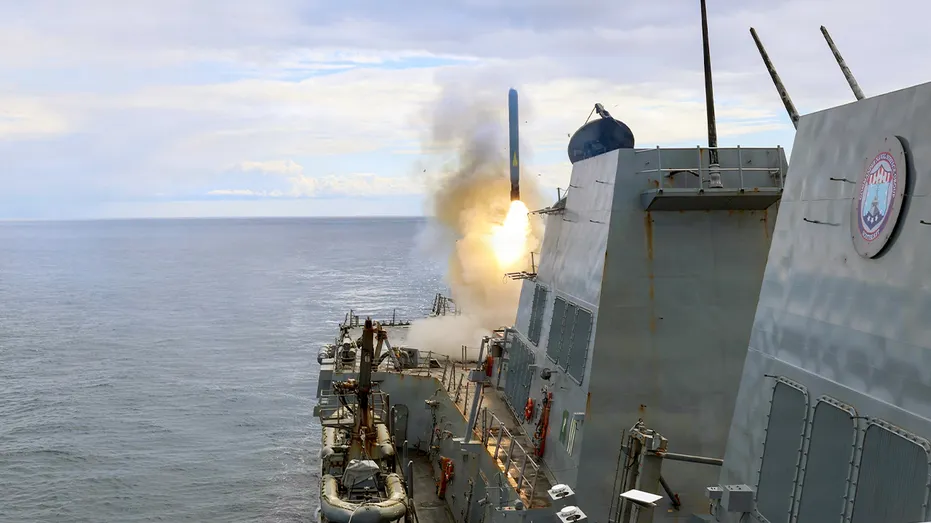
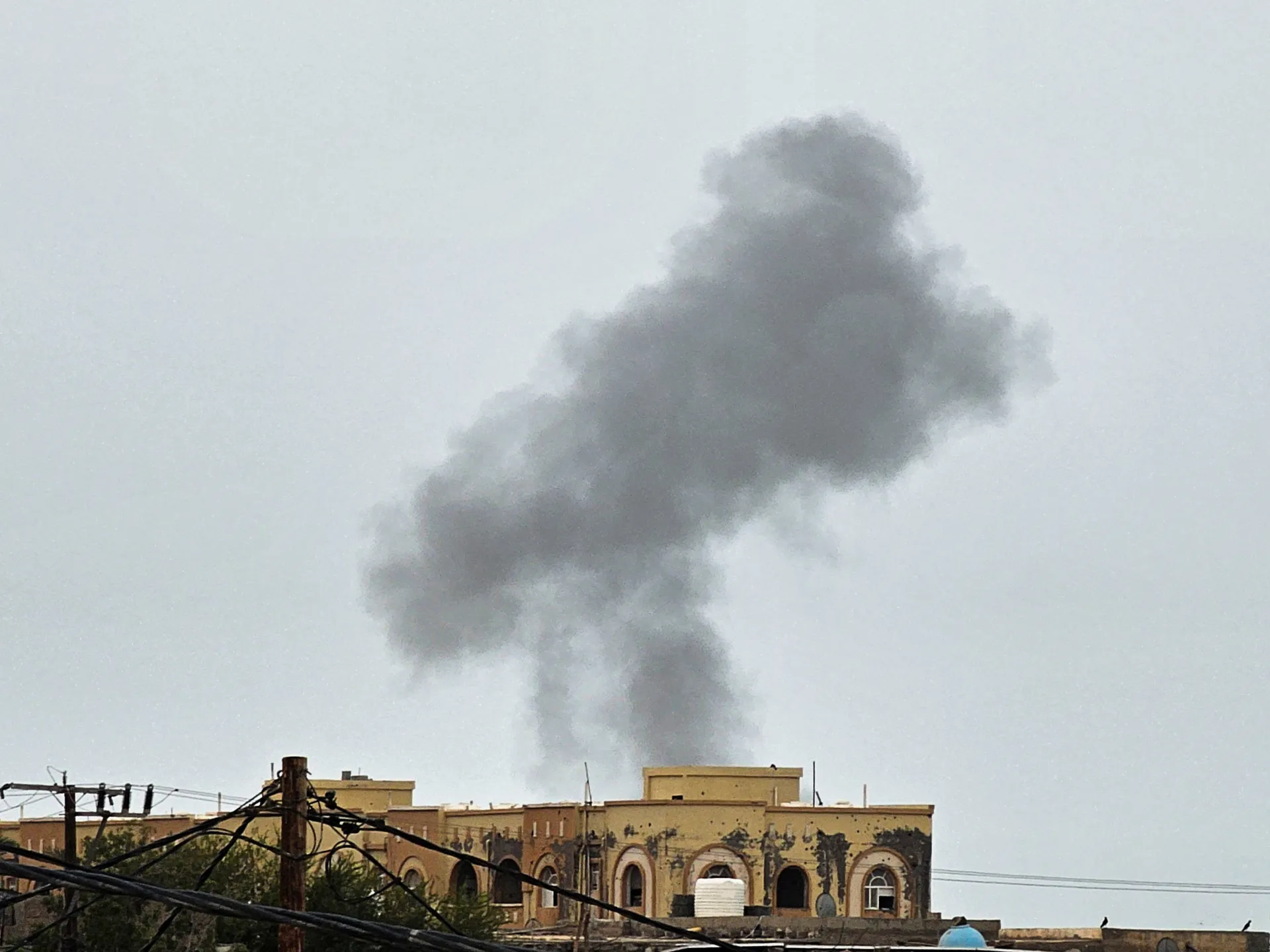
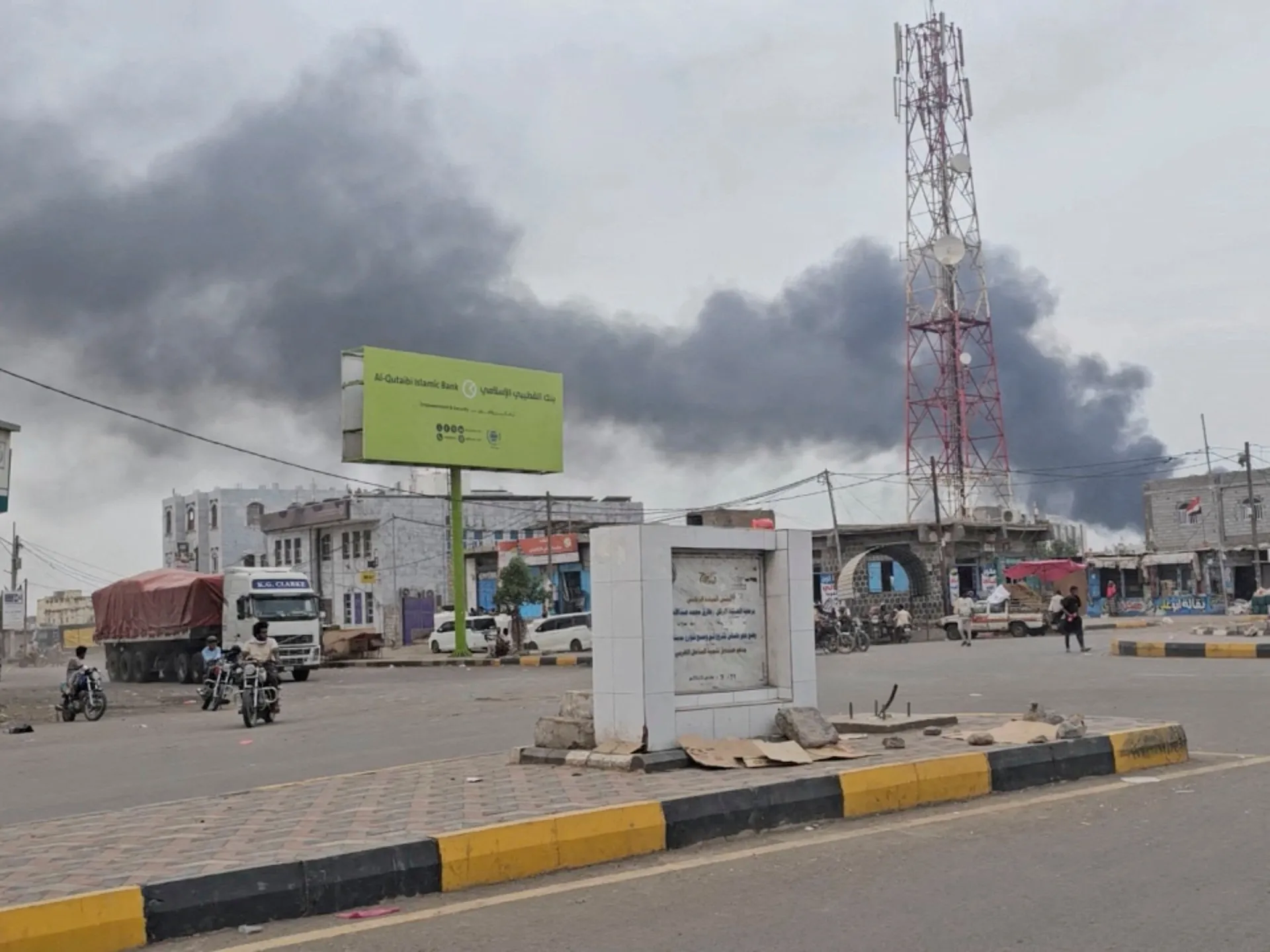
The Saudi-led coalition reported that its defense forces successfully intercepted and destroyed a hostile drone moving toward the vicinity of Mecca on Tuesday evening. The incident occurred as the coalition continues to monitor airspace across the kingdom's western regions, which have recently faced an uptick in security alerts. Saudi officials characterized the attempt to move a drone toward the holy city—a site of immense religious significance to Muslims worldwide—as a provocative and unacceptable act of aggression.
The Organisation of Islamic Cooperation (OIC) issued a formal condemnation of the event, describing it as a dangerous transgression against the sanctity of Mecca and the surrounding province. The organization emphasized that such military actions represent a severe violation of international norms and religious sensibilities. Saudi military spokespeople have vowed that the coalition will implement necessary deterrent measures to protect the kingdom’s sovereignty and the safety of its most revered religious landmarks from future incursions.
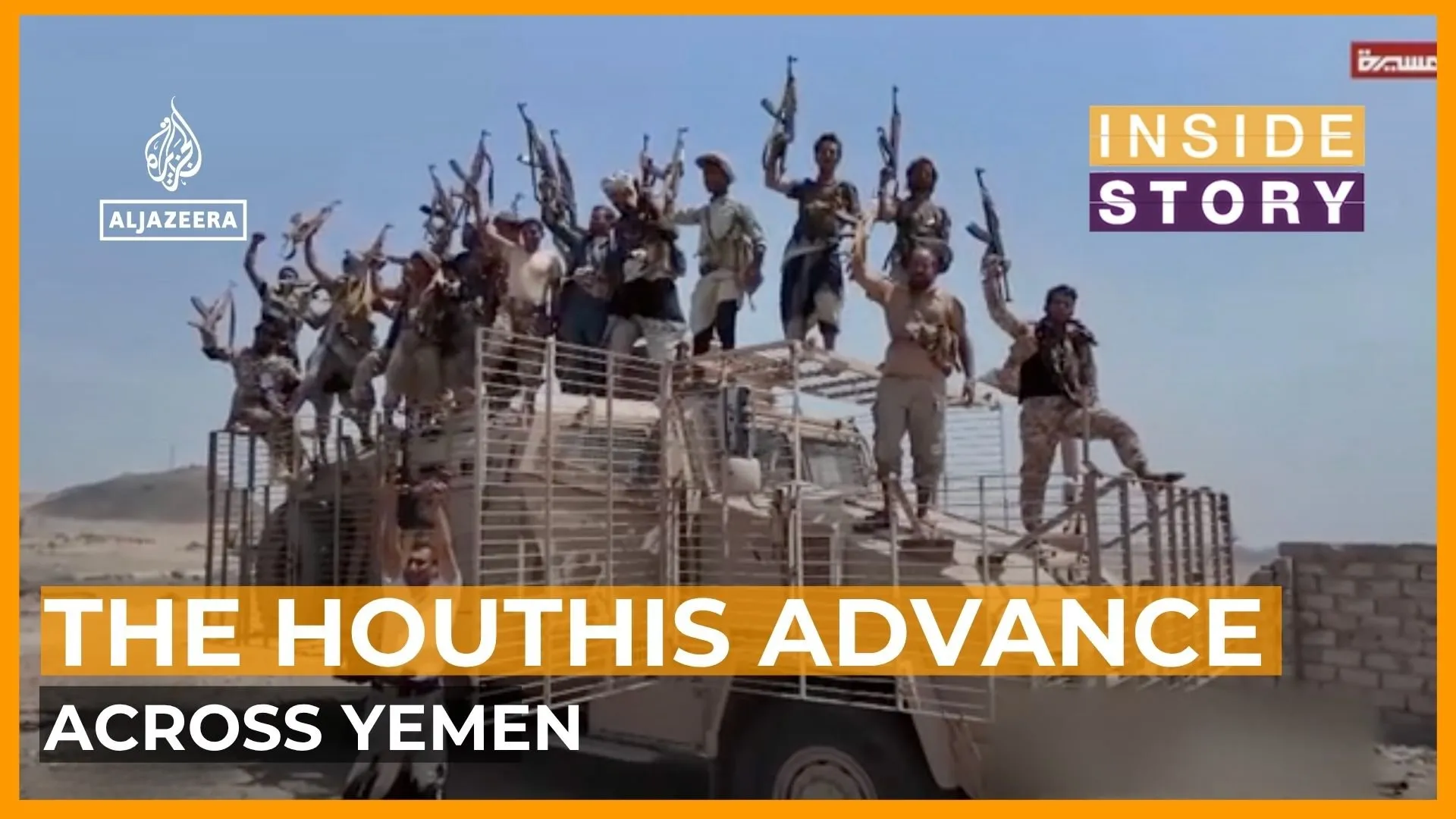
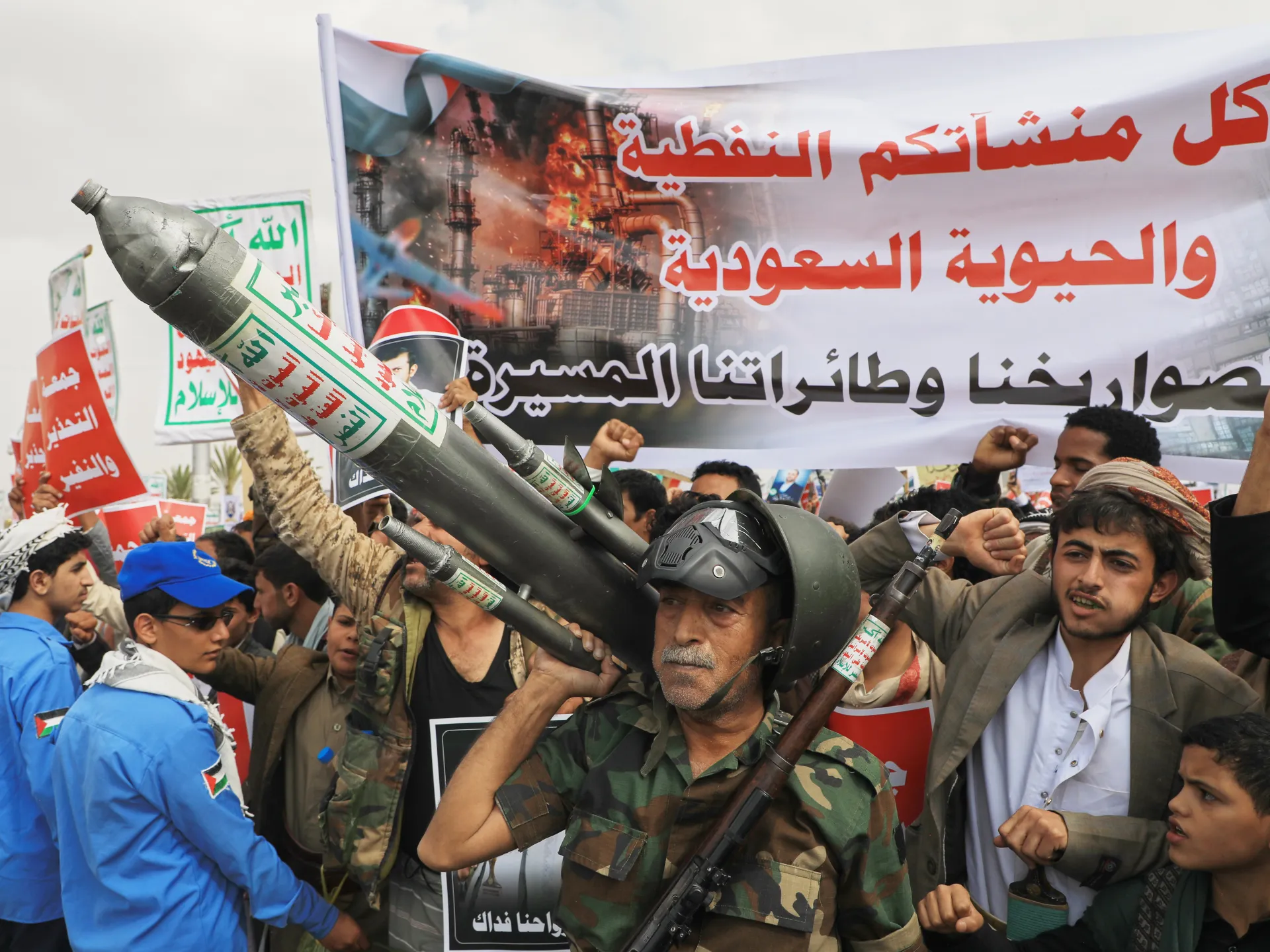
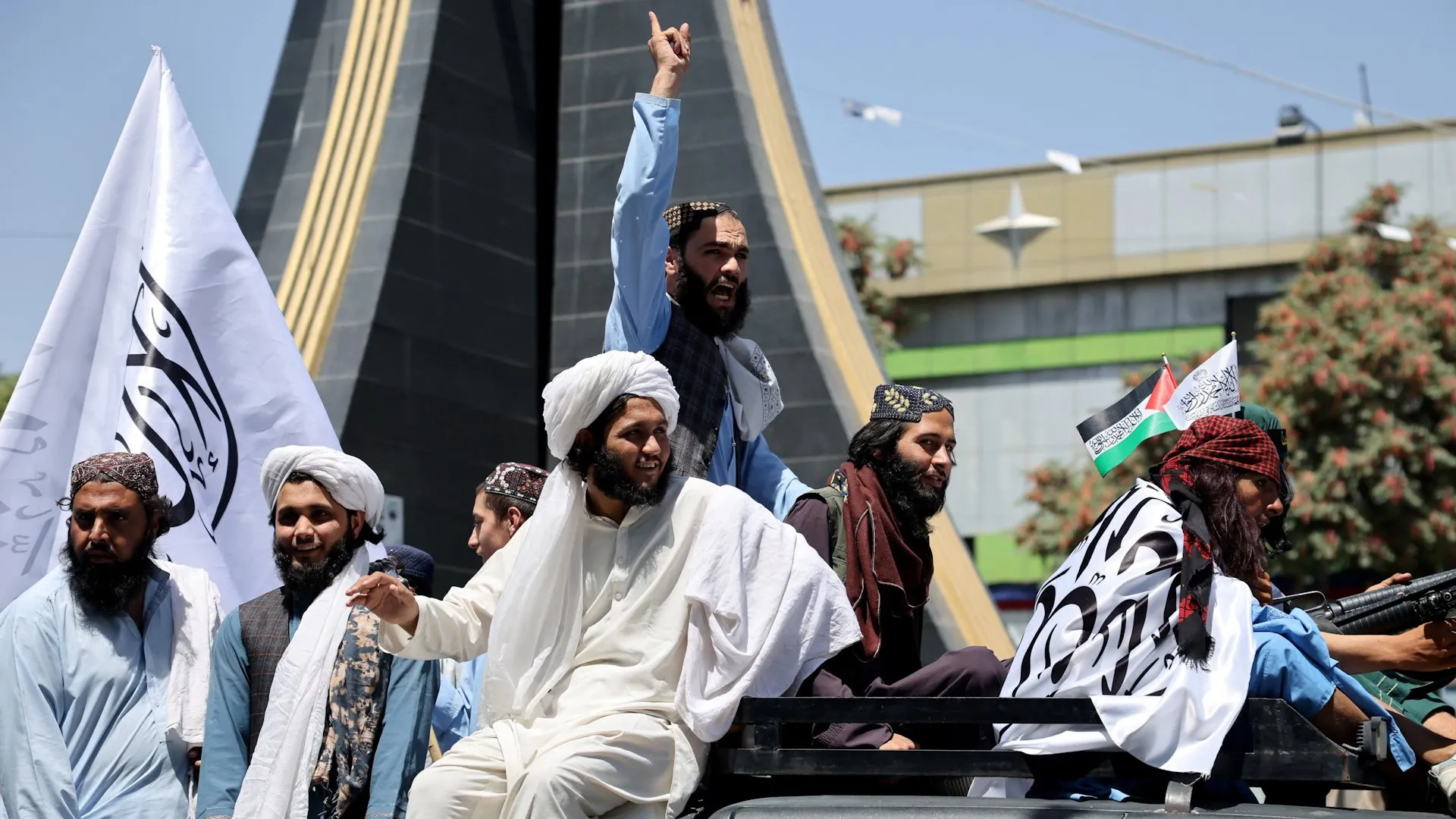
In response to the accusations, the Houthi movement, which maintains control over significant territory in western Yemen, denied any intention of targeting religious sites. Their military leadership described the Saudi claims as fabrications, insisting that their operational objectives remain strictly confined to military bases and economic infrastructure. The group argued that these strikes are a direct response to a surge in aerial bombardment campaigns conducted
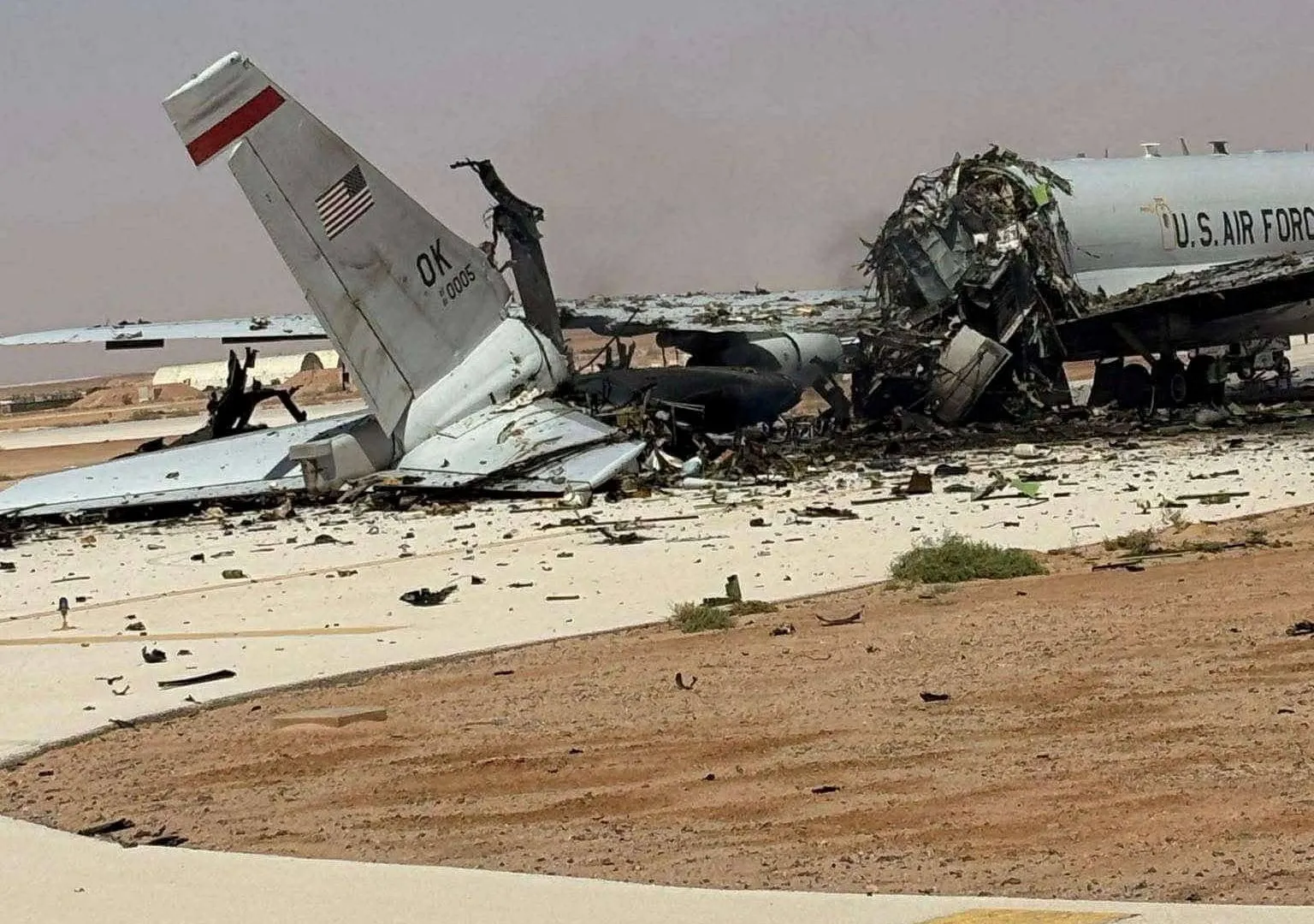
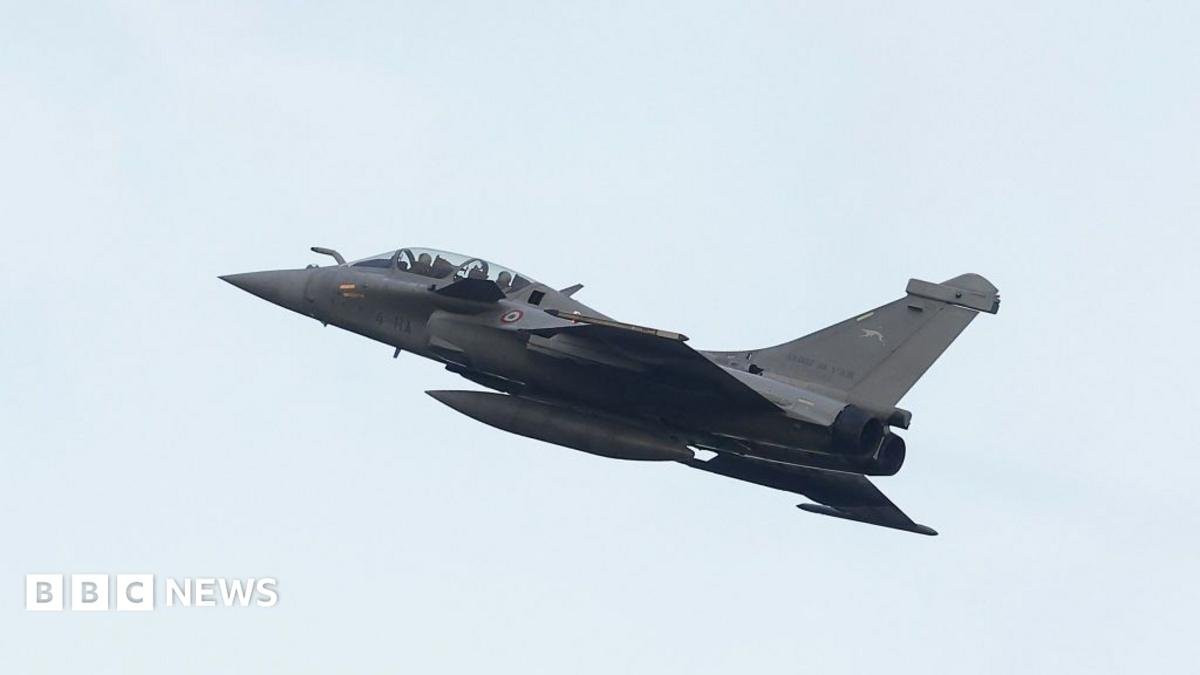
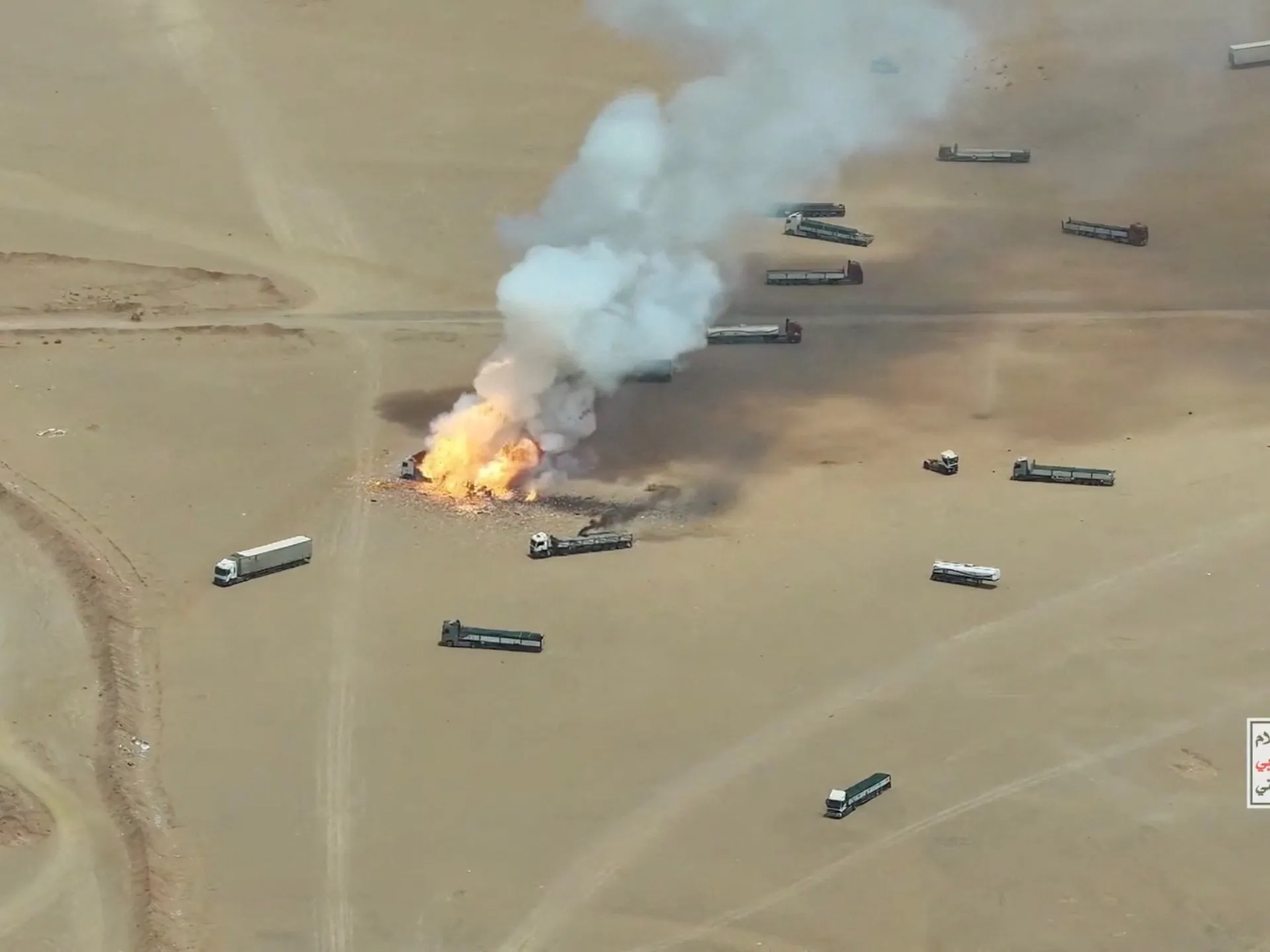
The Houthi spokesperson further claimed that their forces successfully downed a Saudi fighter jet in Marib province, an assertion that the coalition has not immediately addressed. The cycle of strikes and counter-strikes appears to be intensifying, with both sides utilizing drones and missiles to project power. While the coalition maintains that it is acting to restore the internationally recognized government in Yemen, the Houthis frame their current military posture as a defensive reaction to years of blockade and air campaigns.
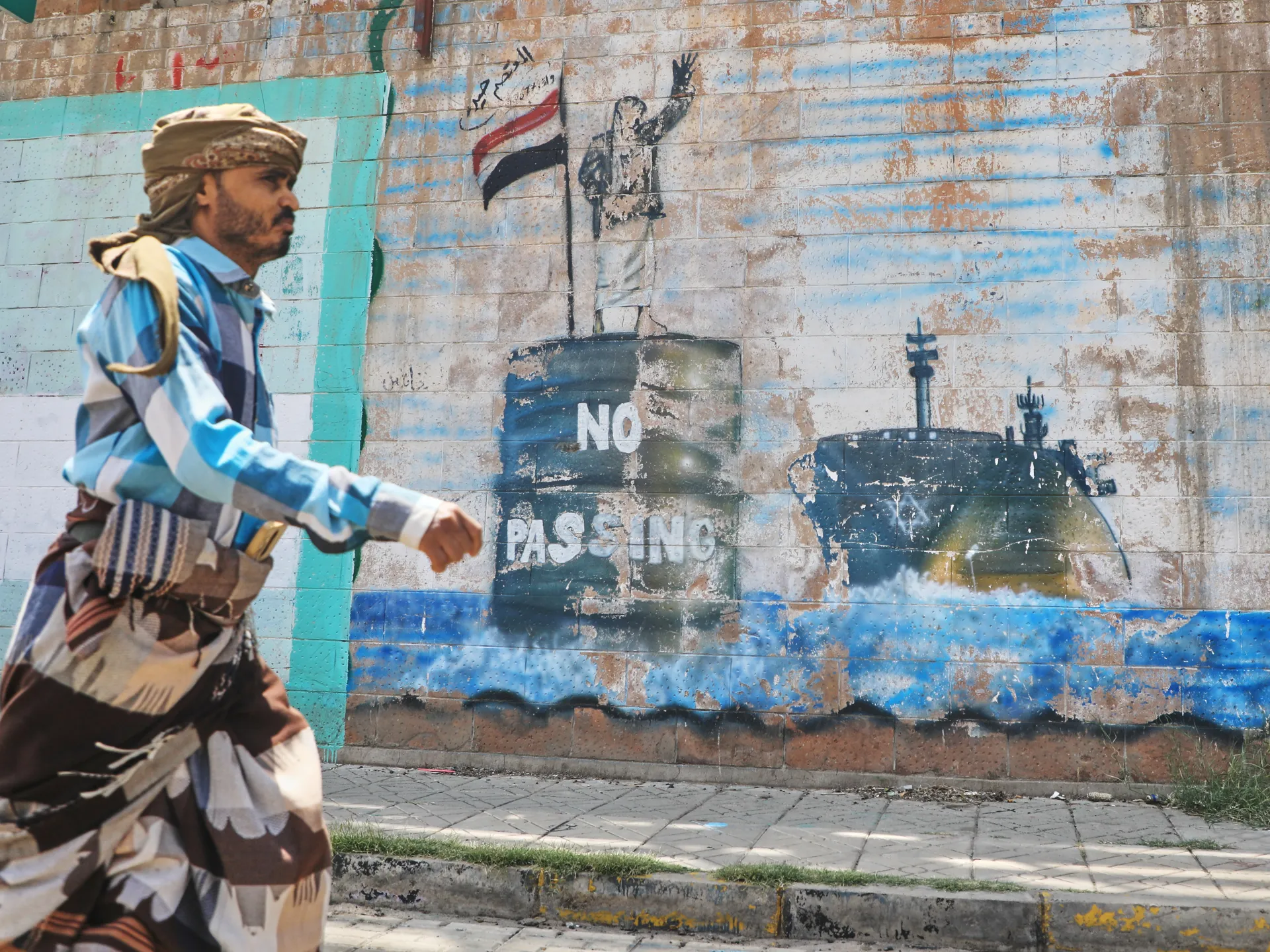
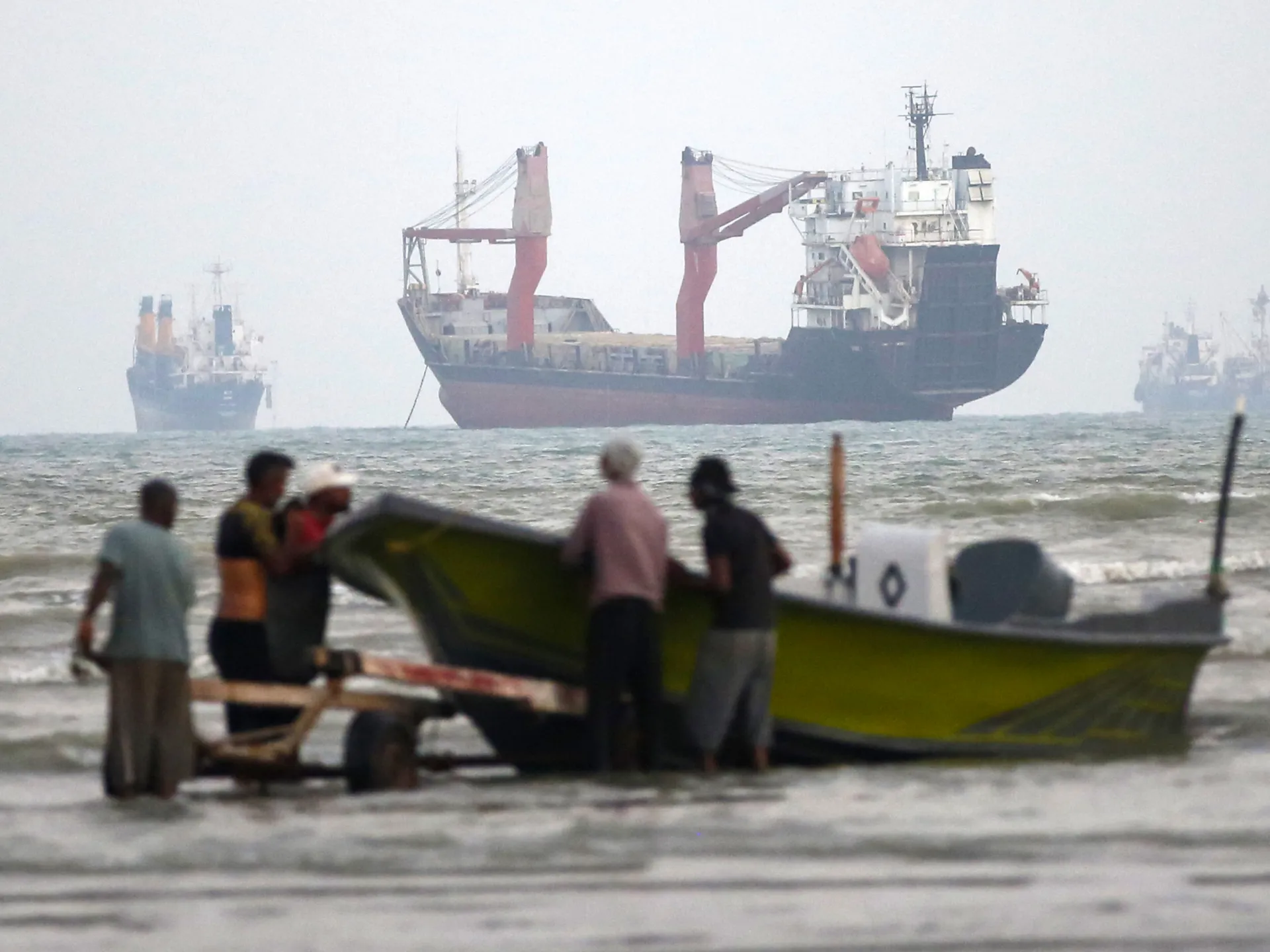
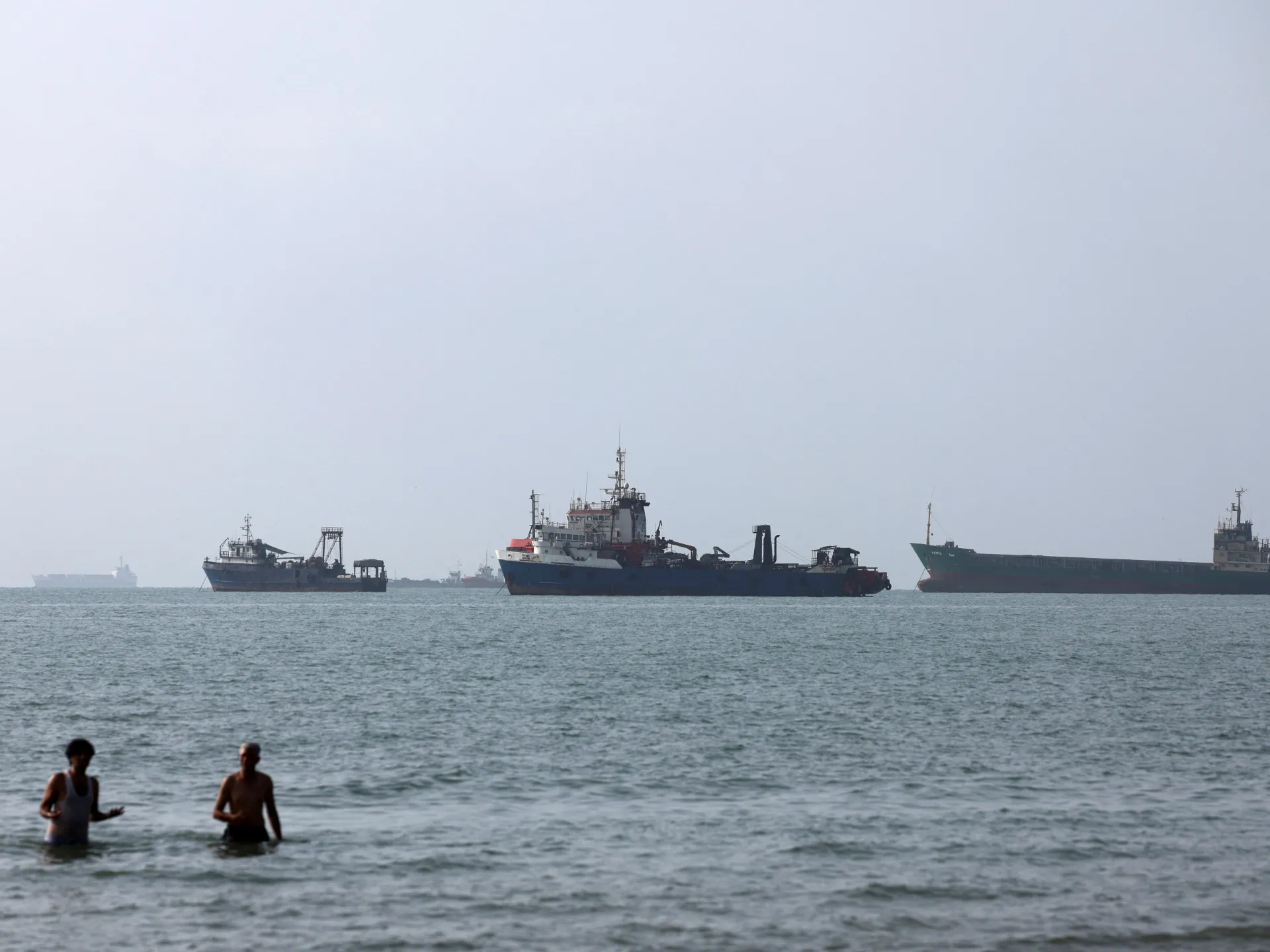
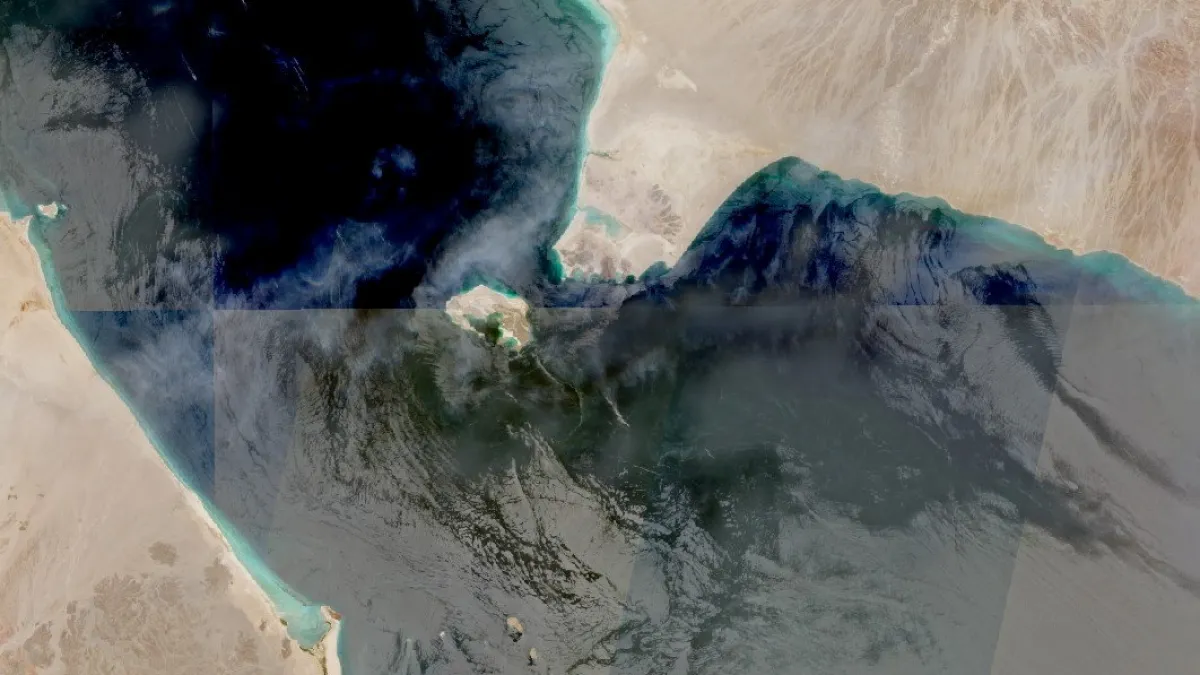
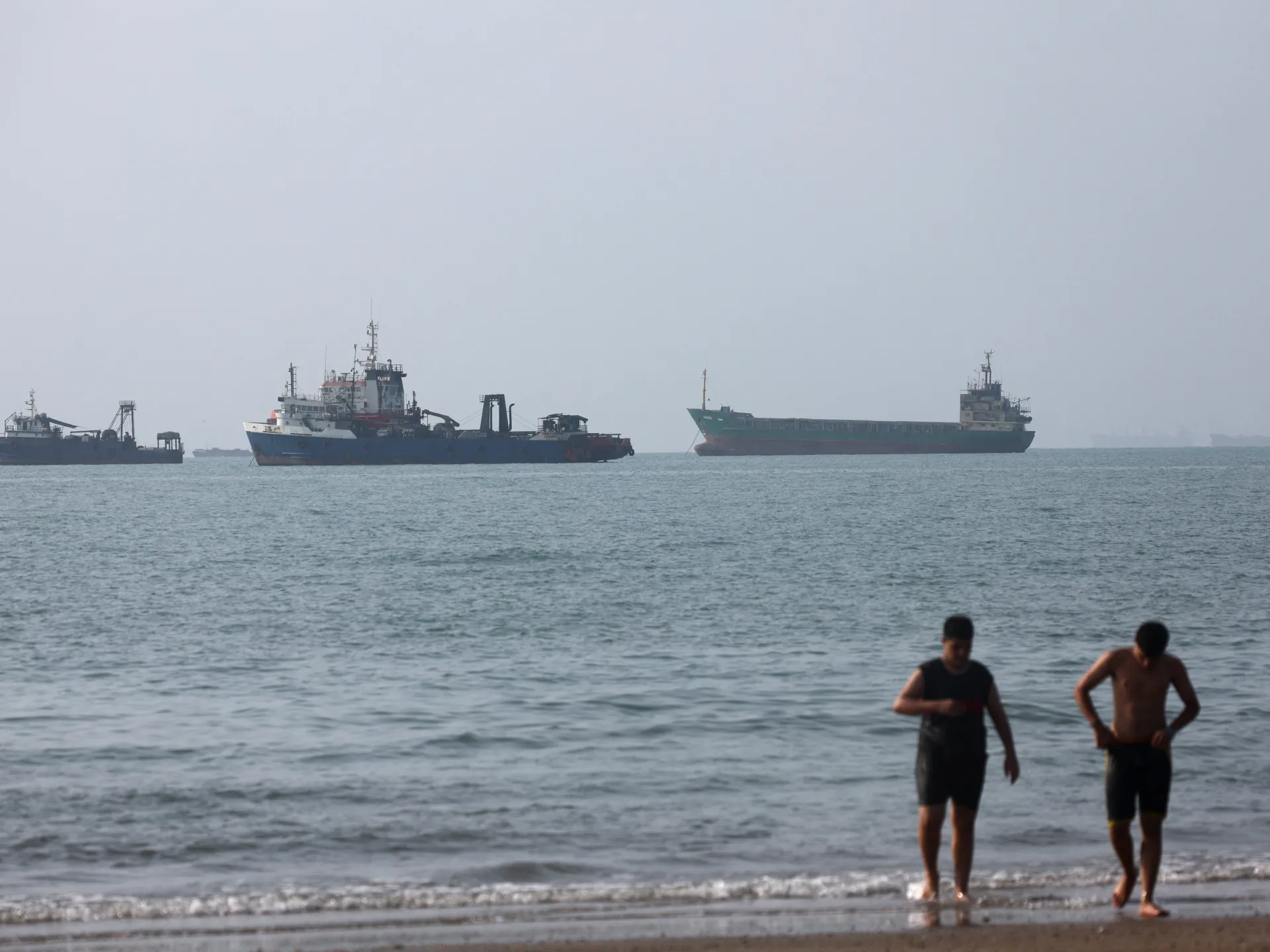
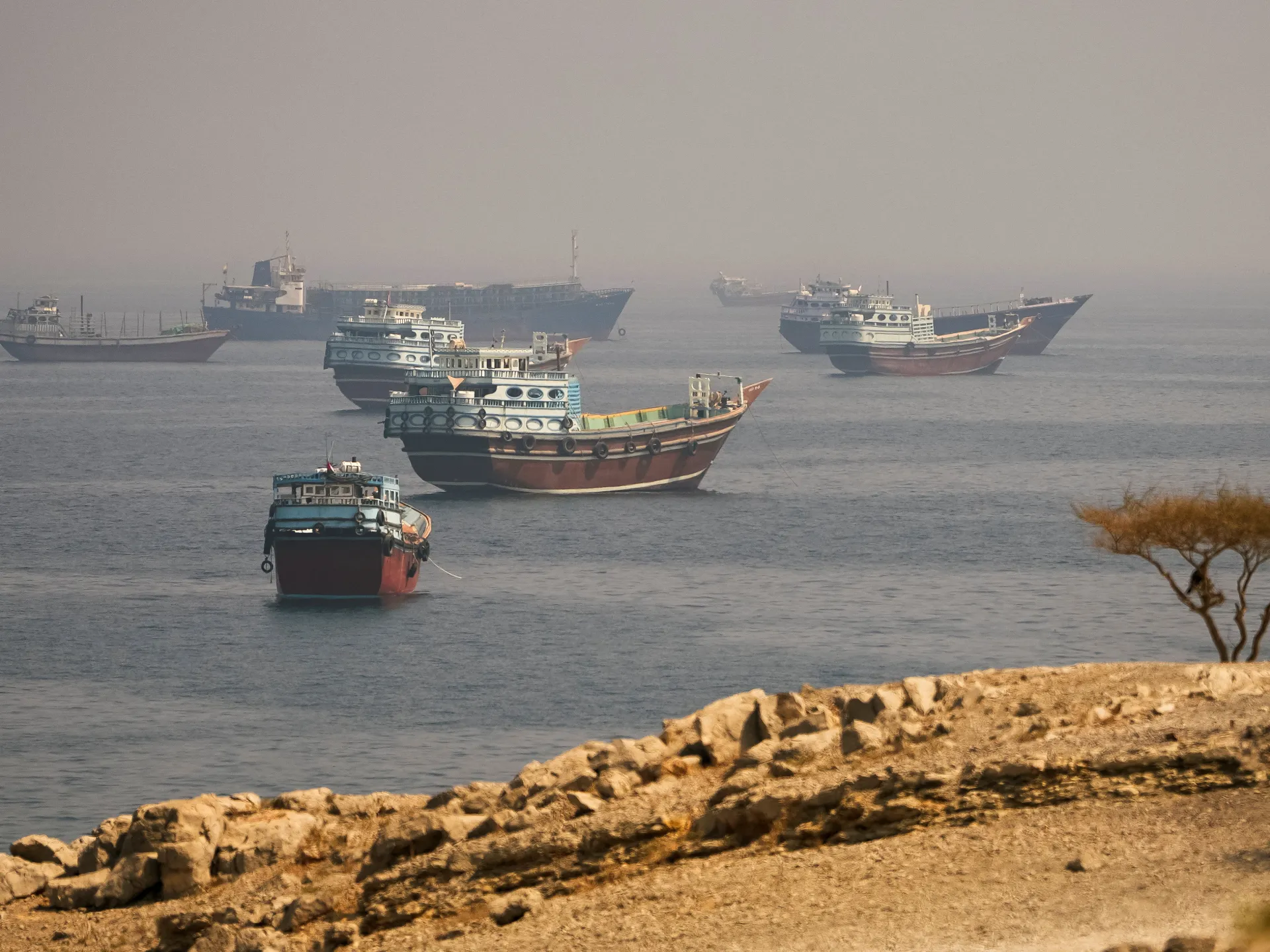
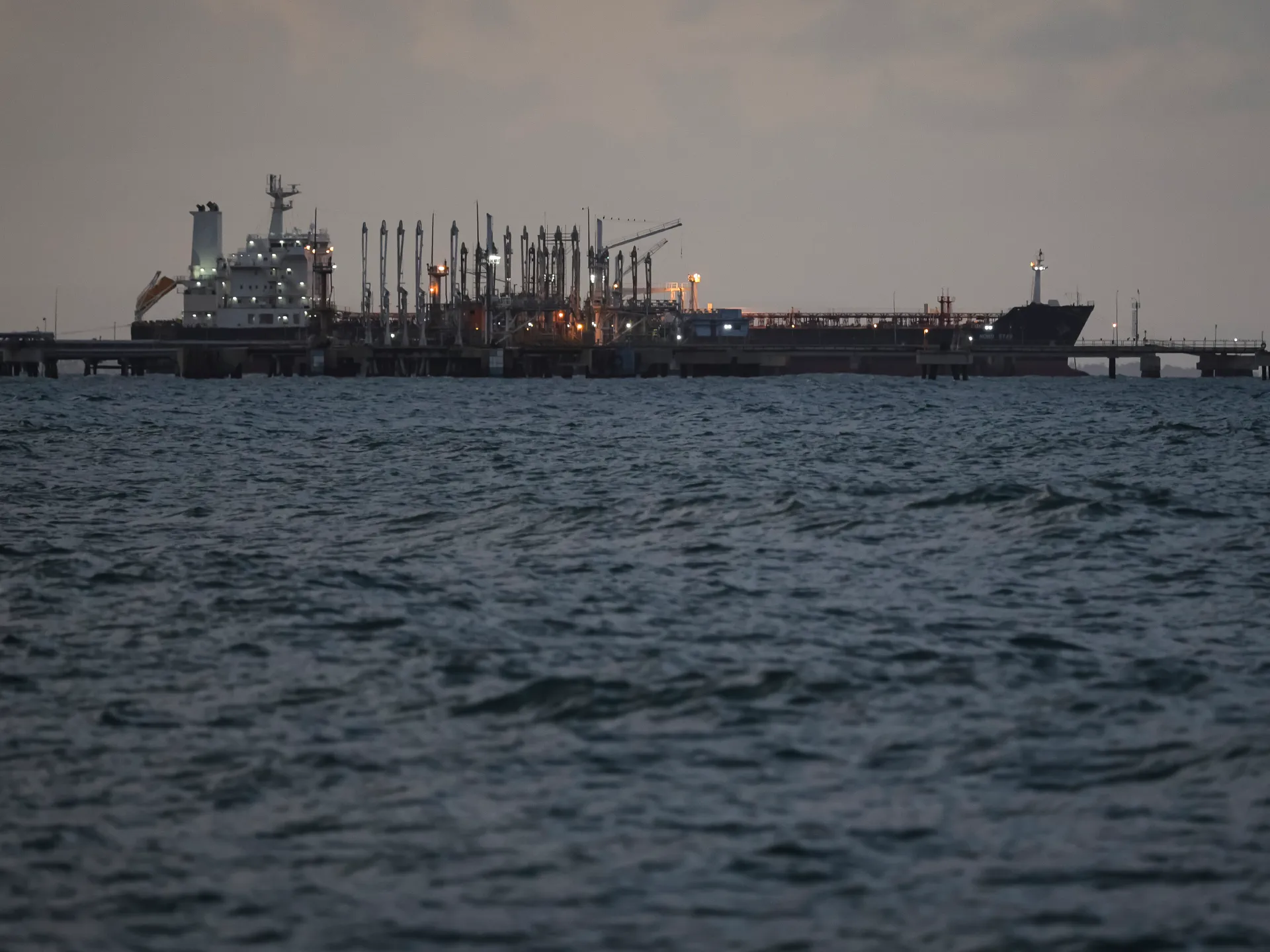
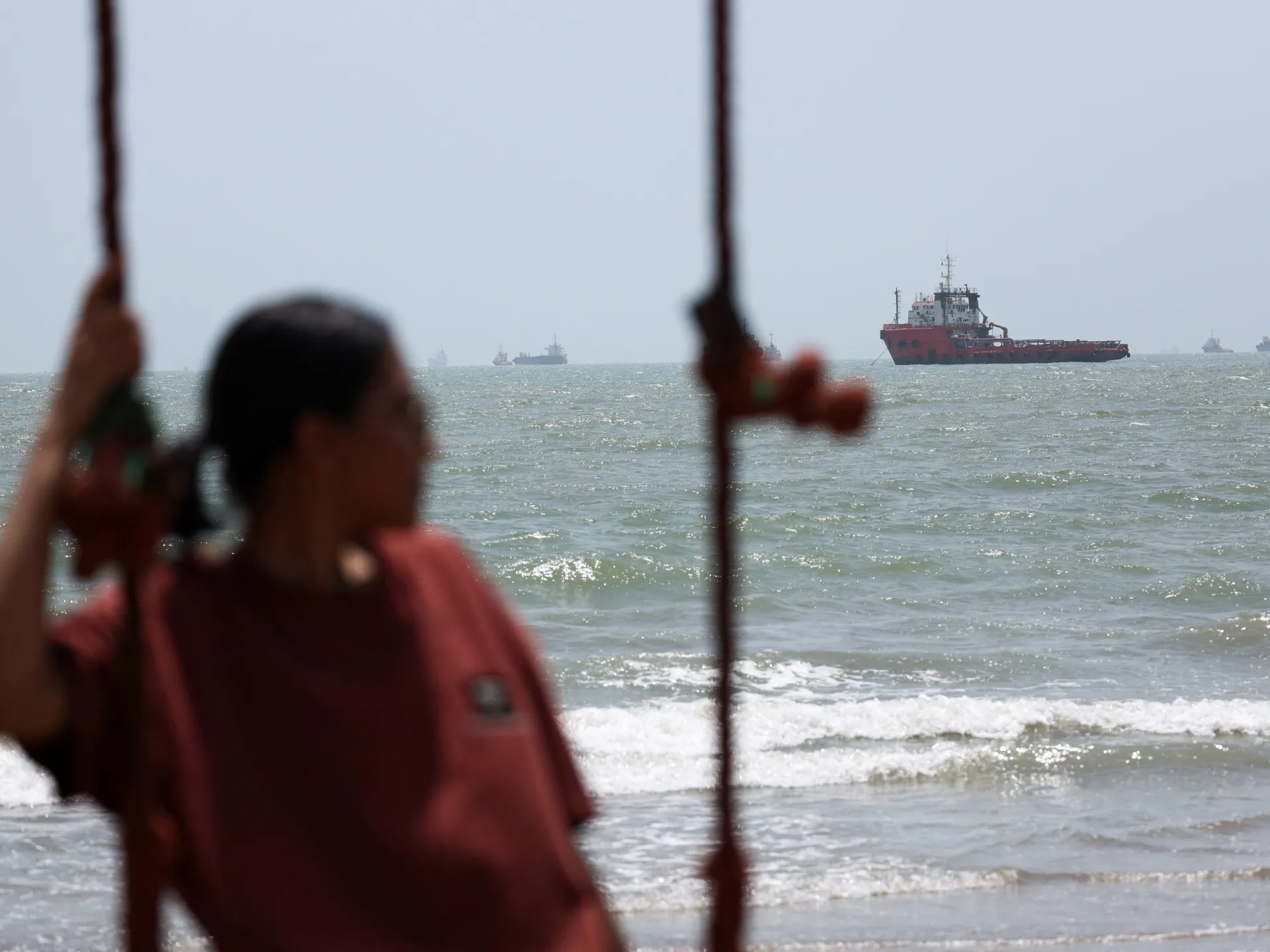
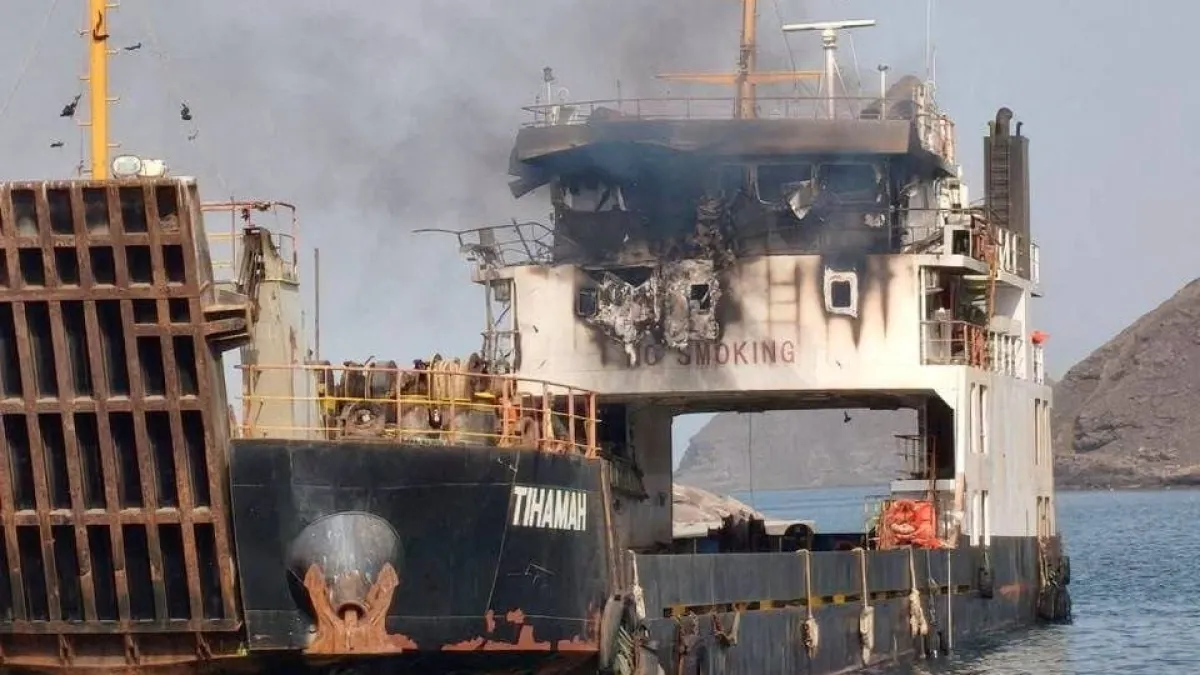
Beyond the immediate threat to ground locations, the conflict is increasingly impacting global shipping lanes and energy security. The Houthis have recently increased their activity along the Red Sea coast, capturing key positions near the Bab al-Mandab Strait. This narrow waterway is a critical chokepoint for international commerce, and concerns are growing among global powers regarding the stability of supply chains that rely on this passage to link Asian and European markets.
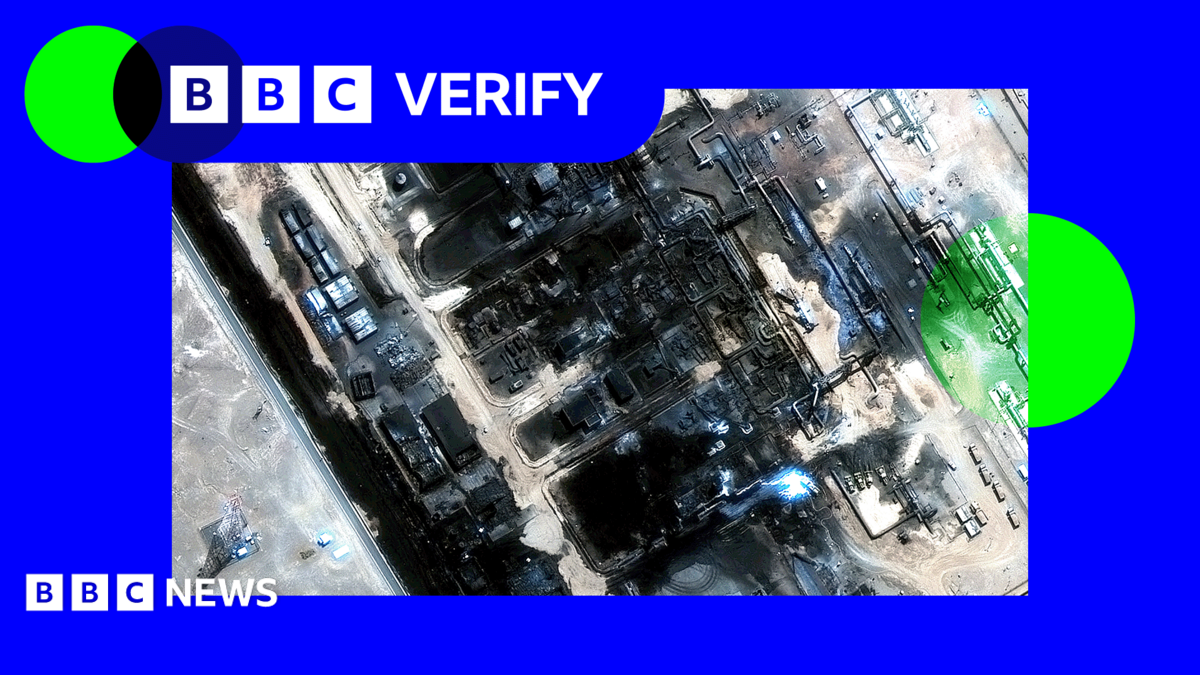
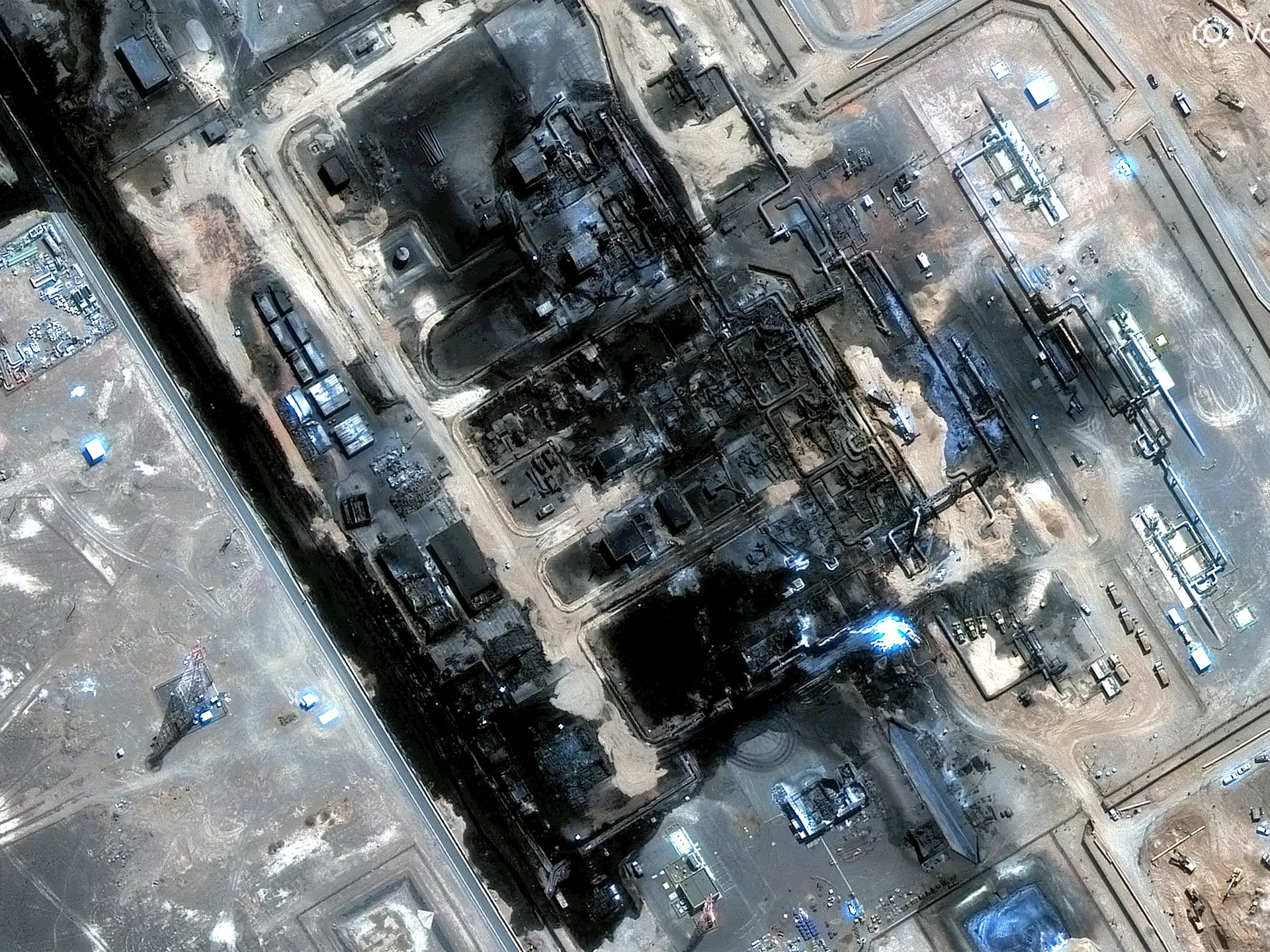
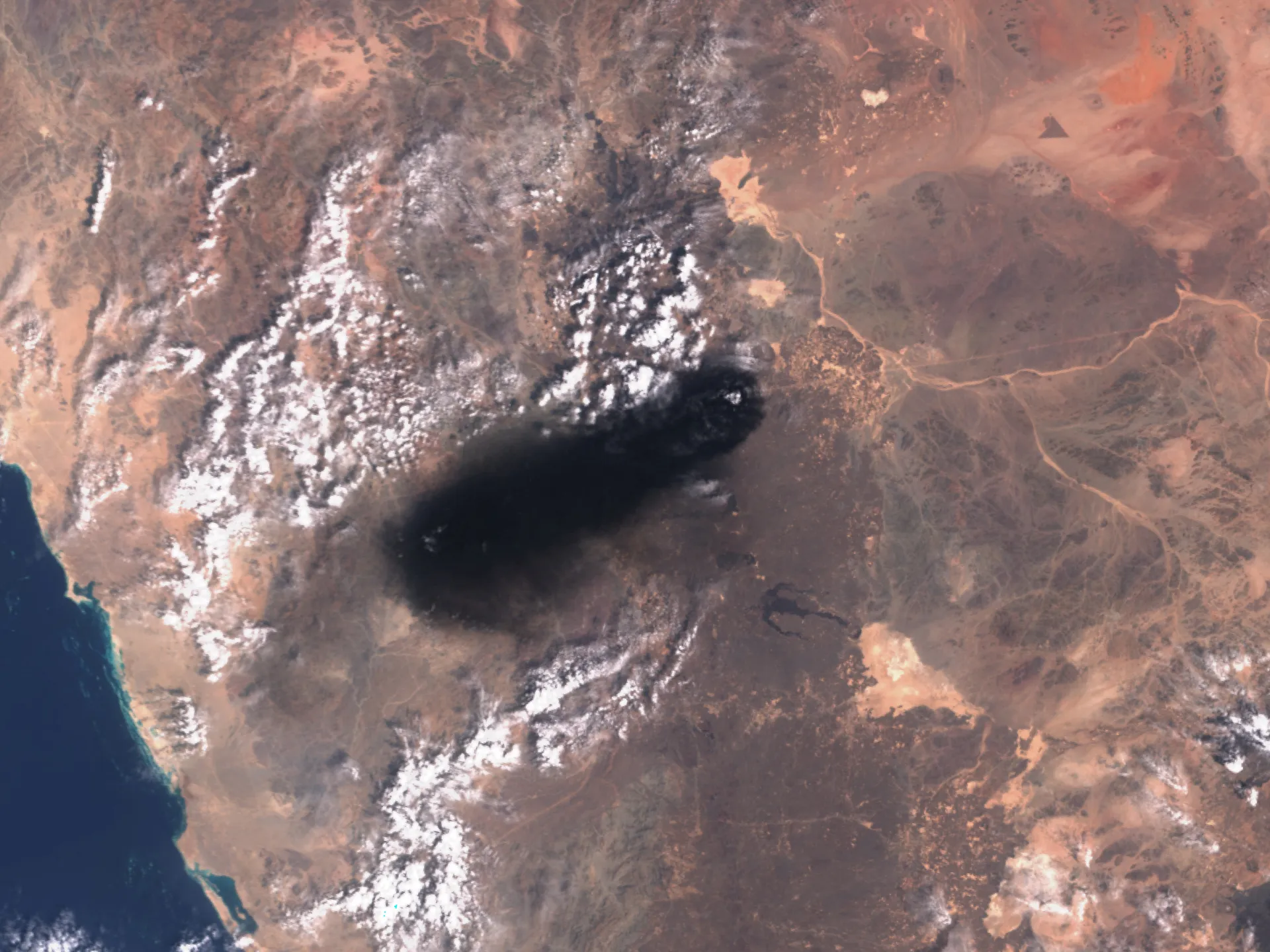
Energy markets have also faced turbulence as the kingdom deals with damage to its East-West Pipeline. While initial reports suggested the pipeline might remain out of service for an extended period, recent assessments from international energy officials indicate that repairs could be completed more rapidly. The U.S. government has maintained a stance of providing intelligence and support to its regional partners while avoiding direct military intervention, focusing instead on diplomatic channels to ensure freedom of navigation remains unhindered in the Red Sea.
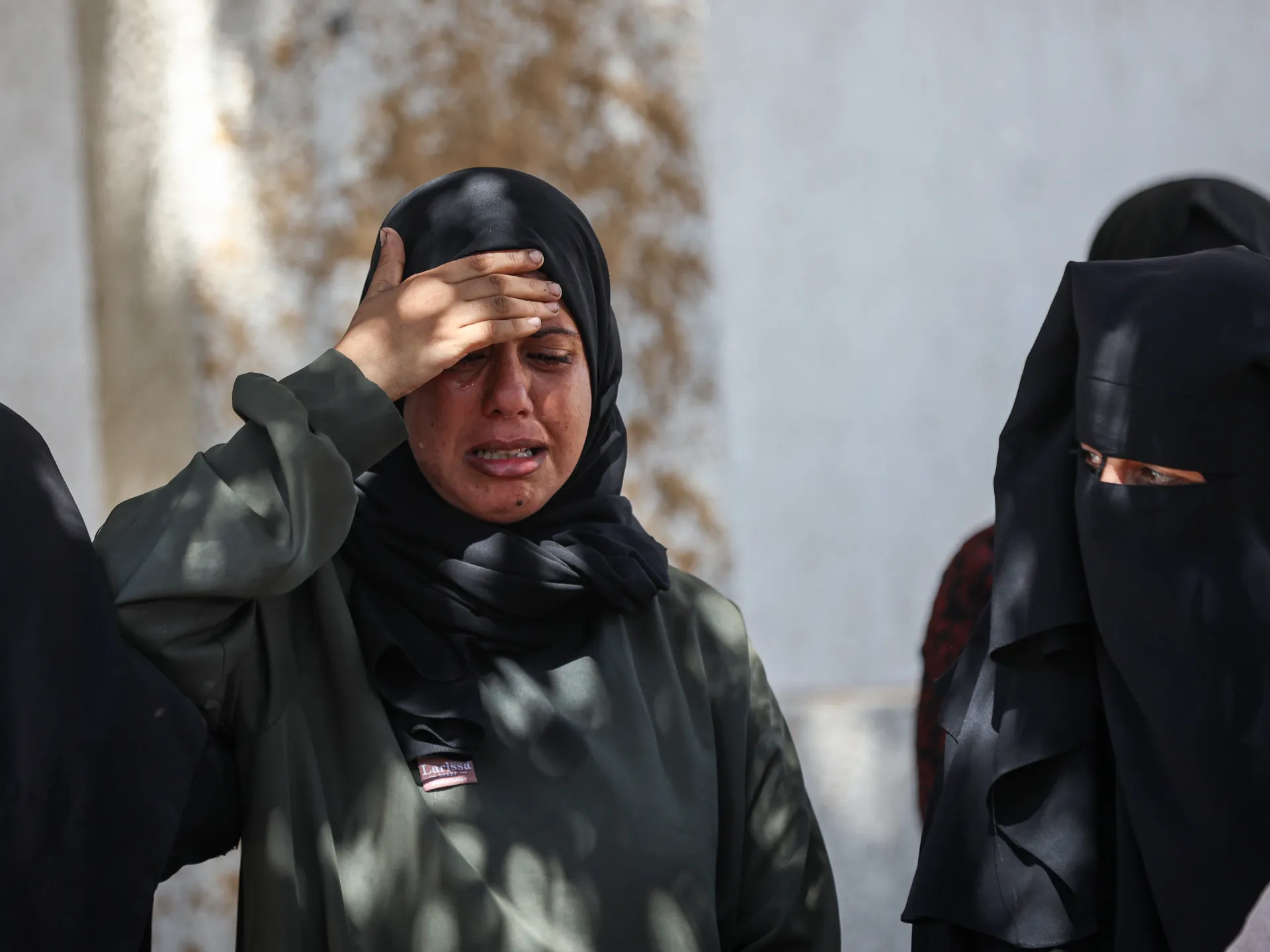
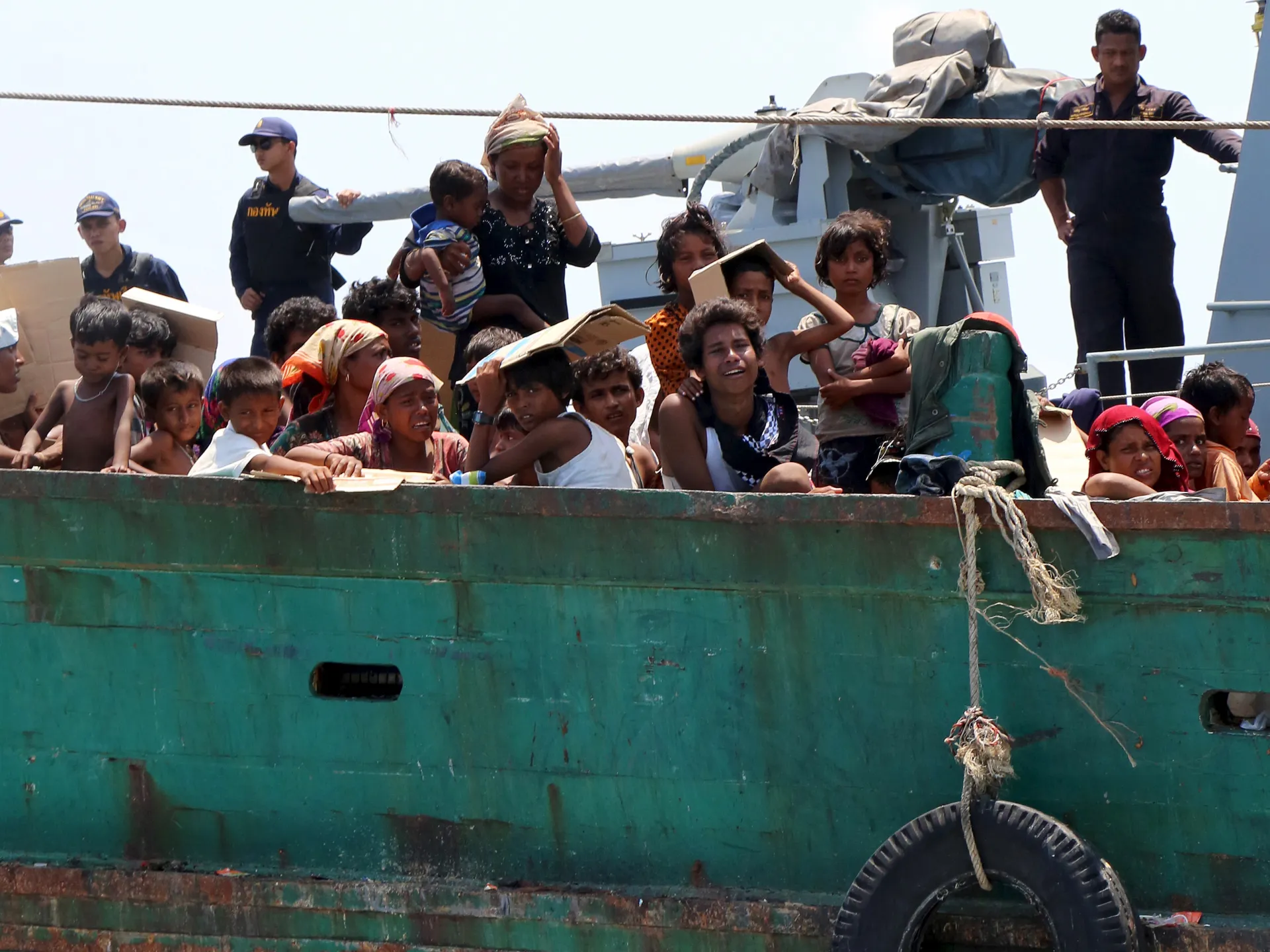
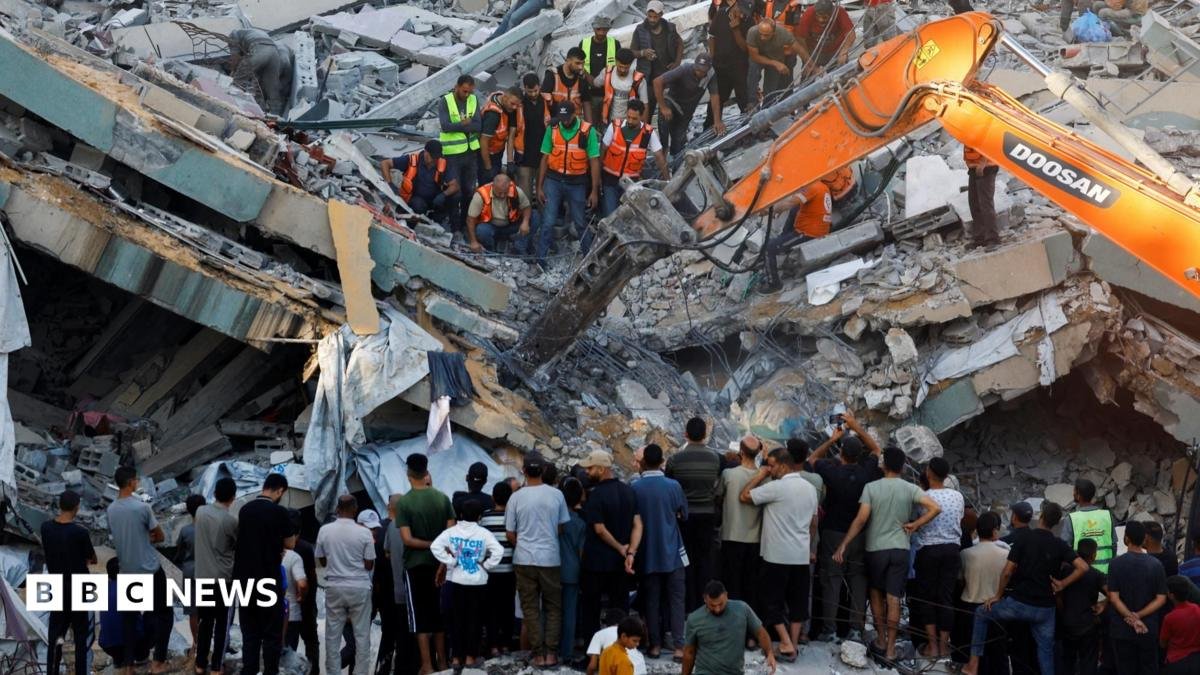
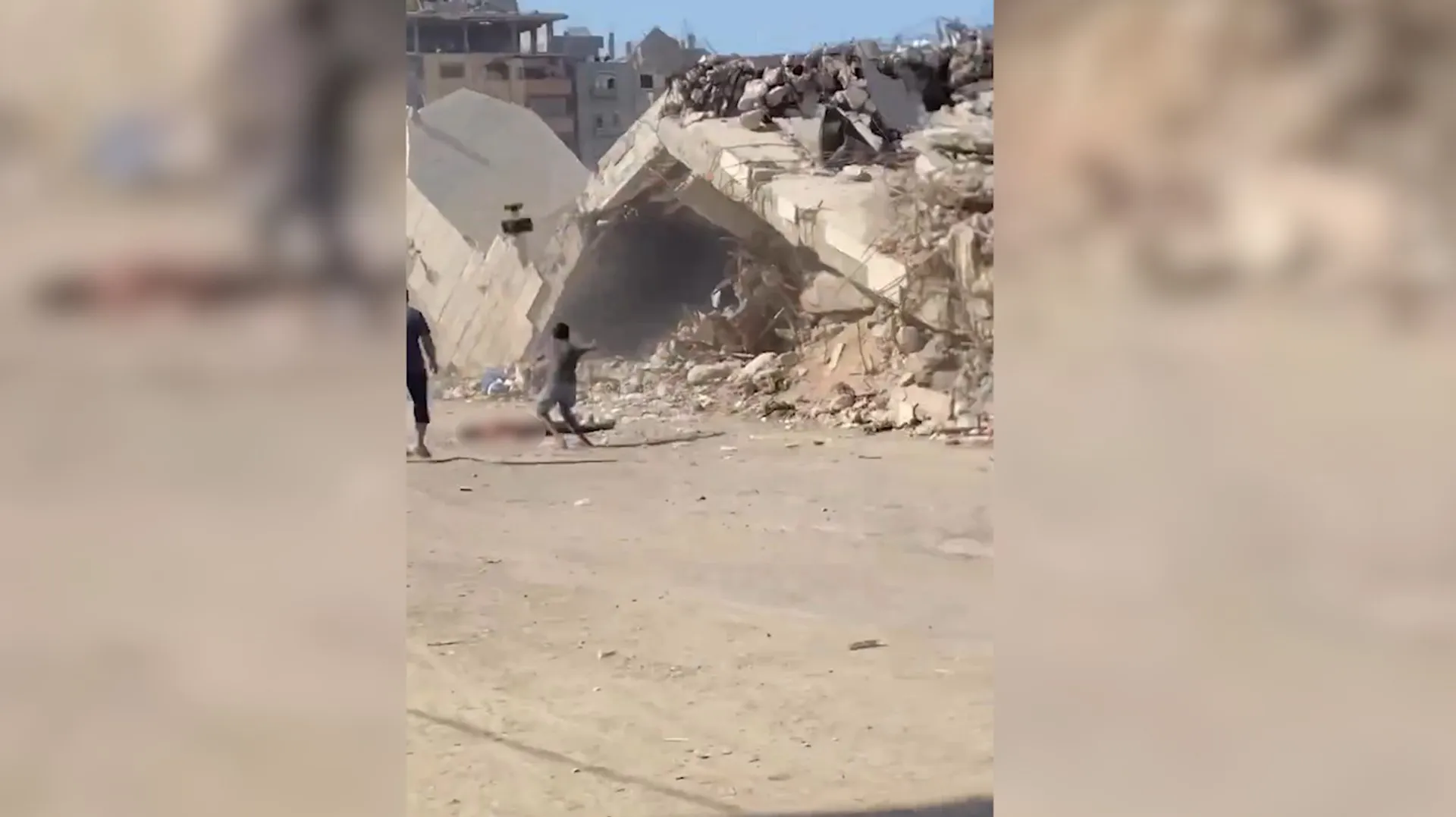
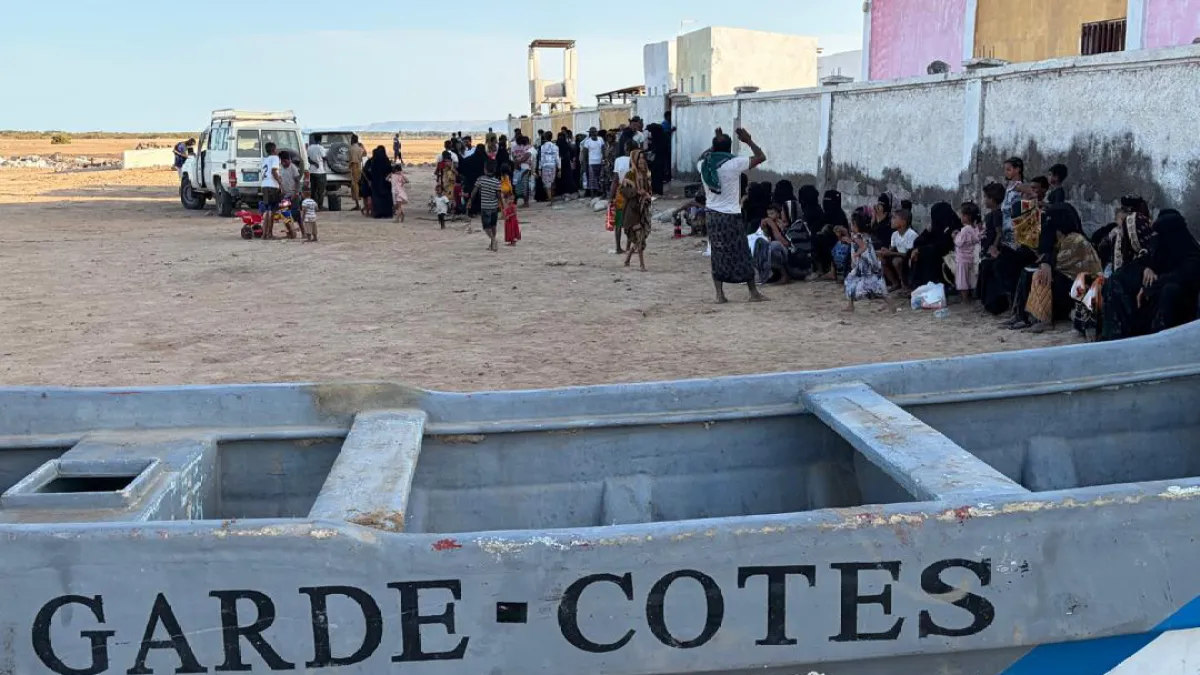
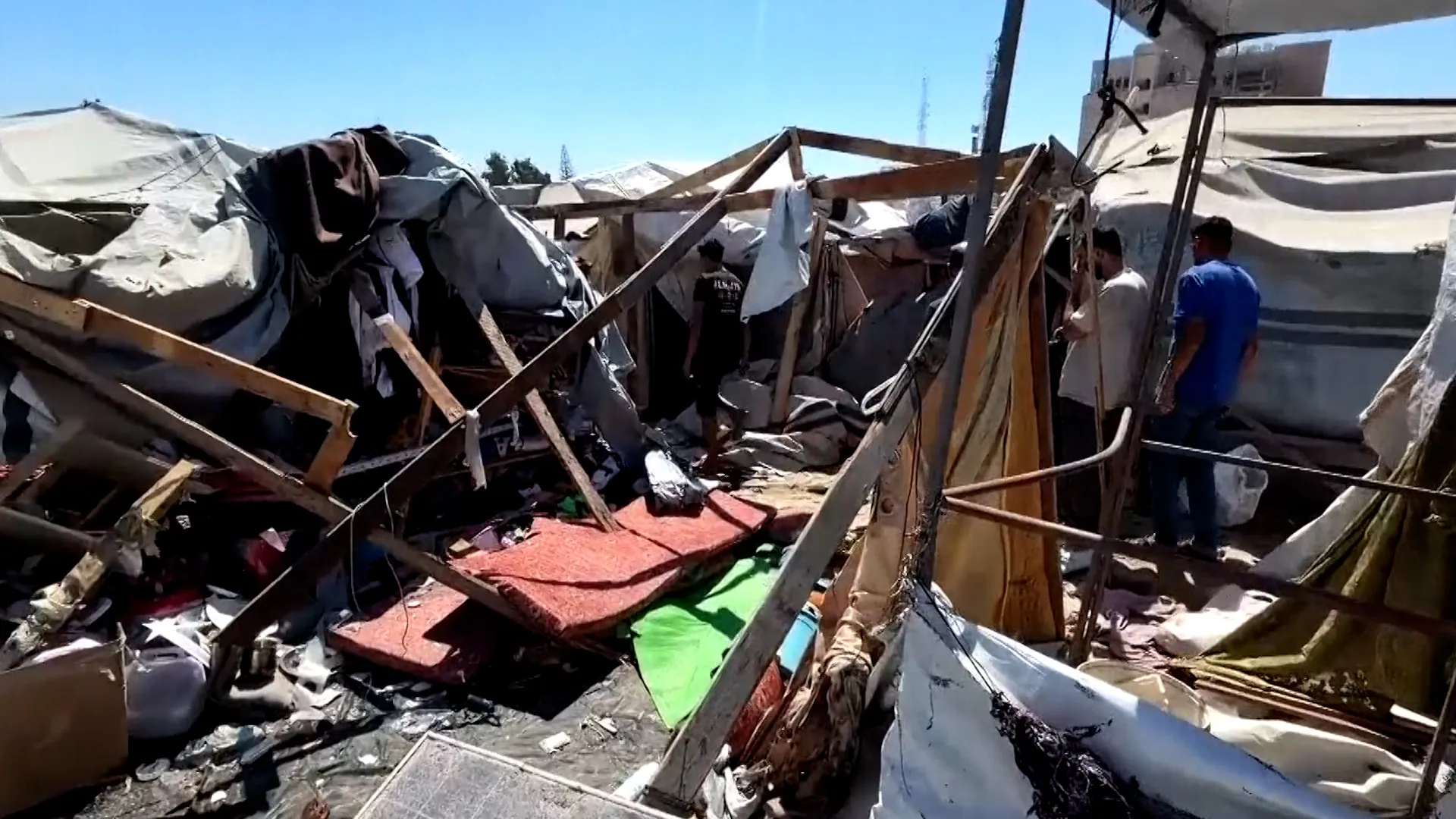
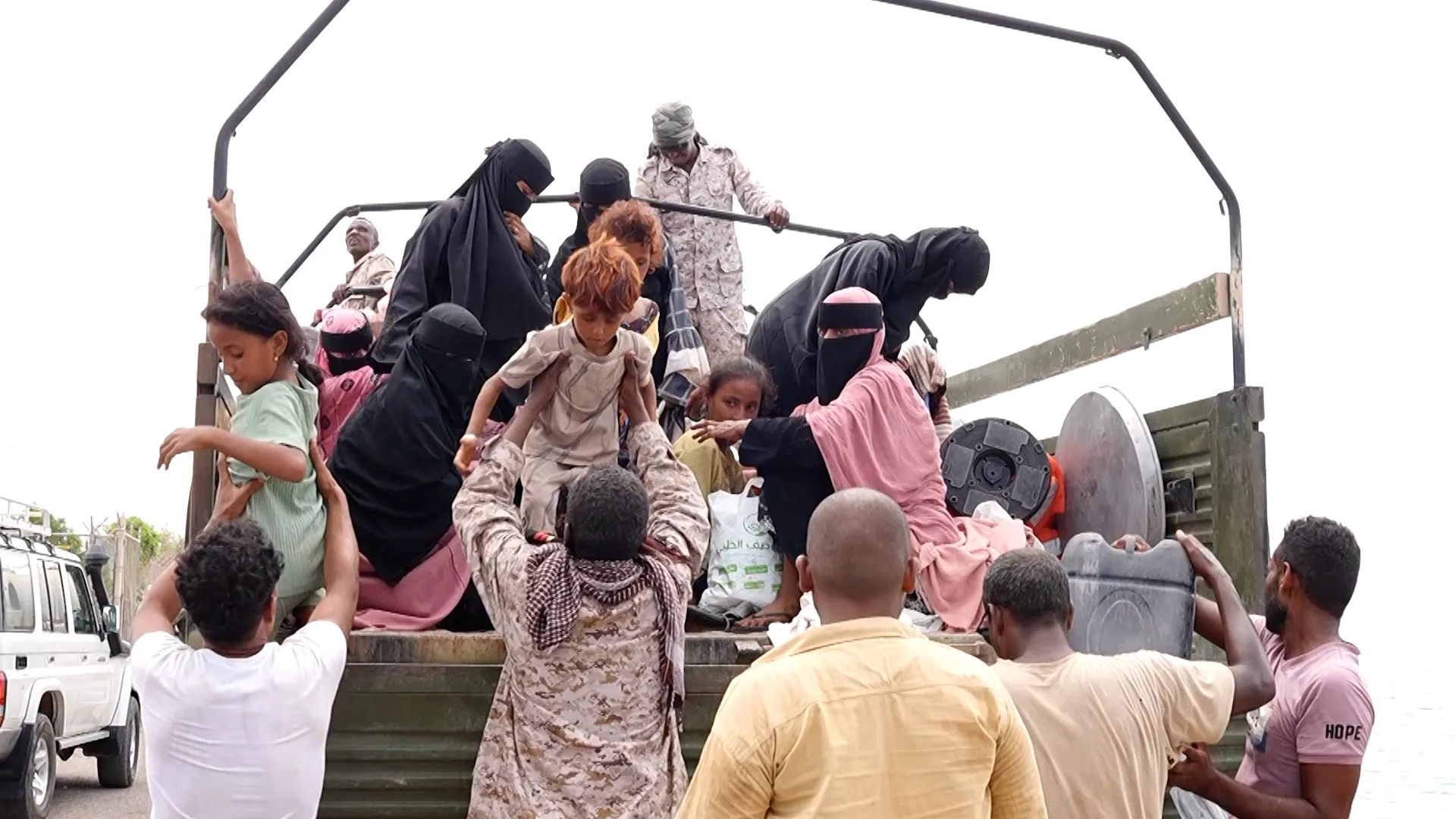
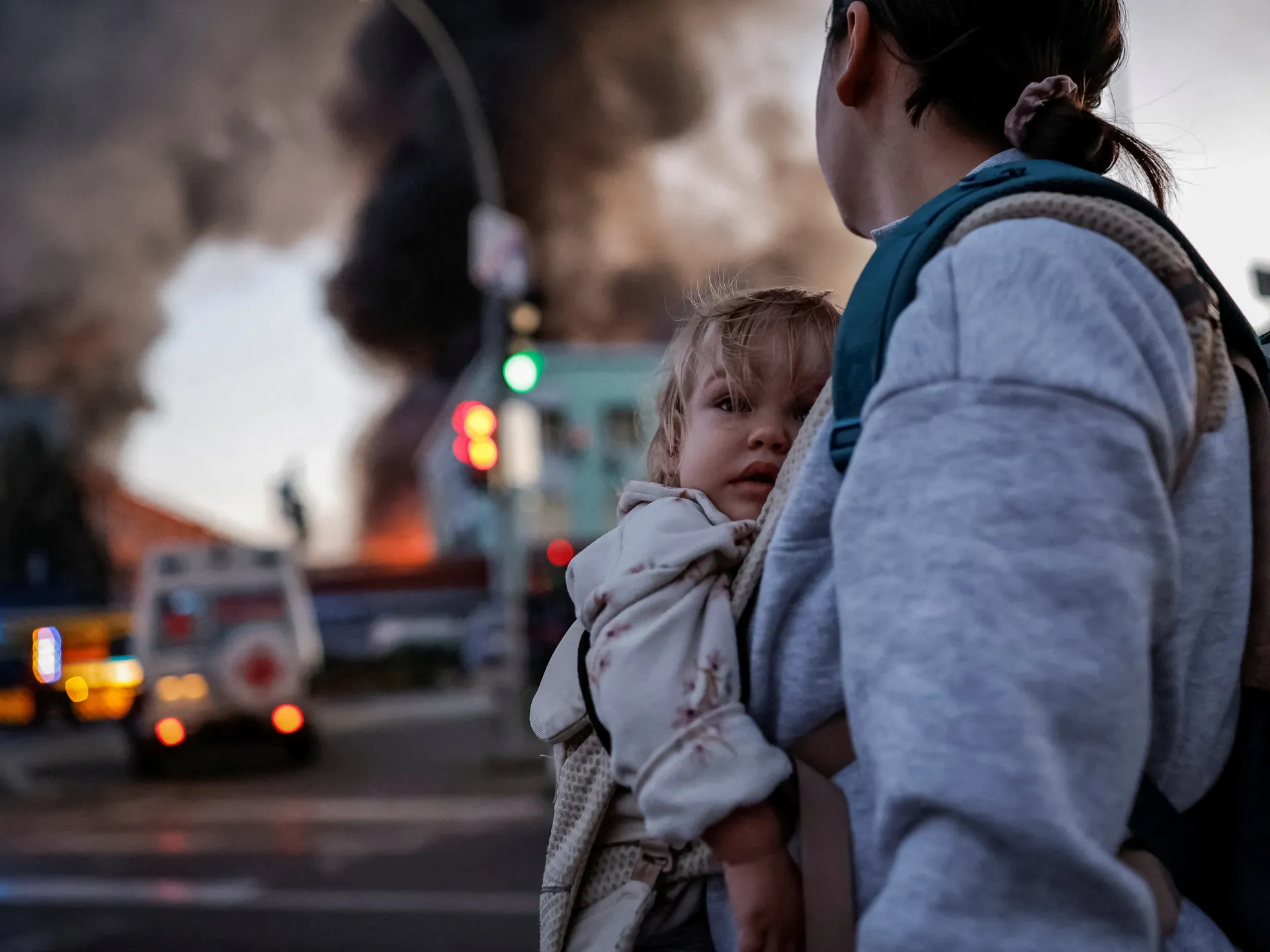
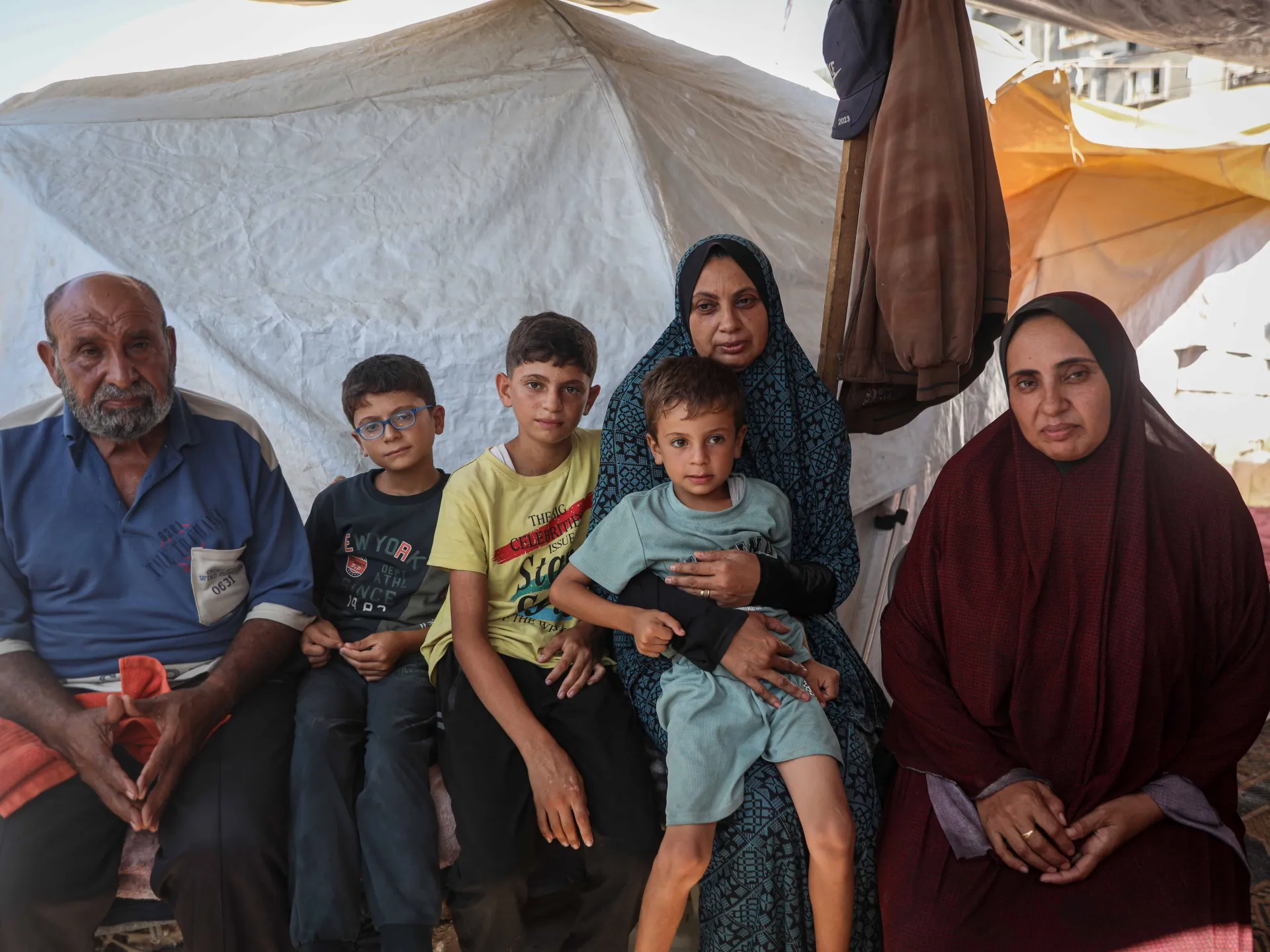
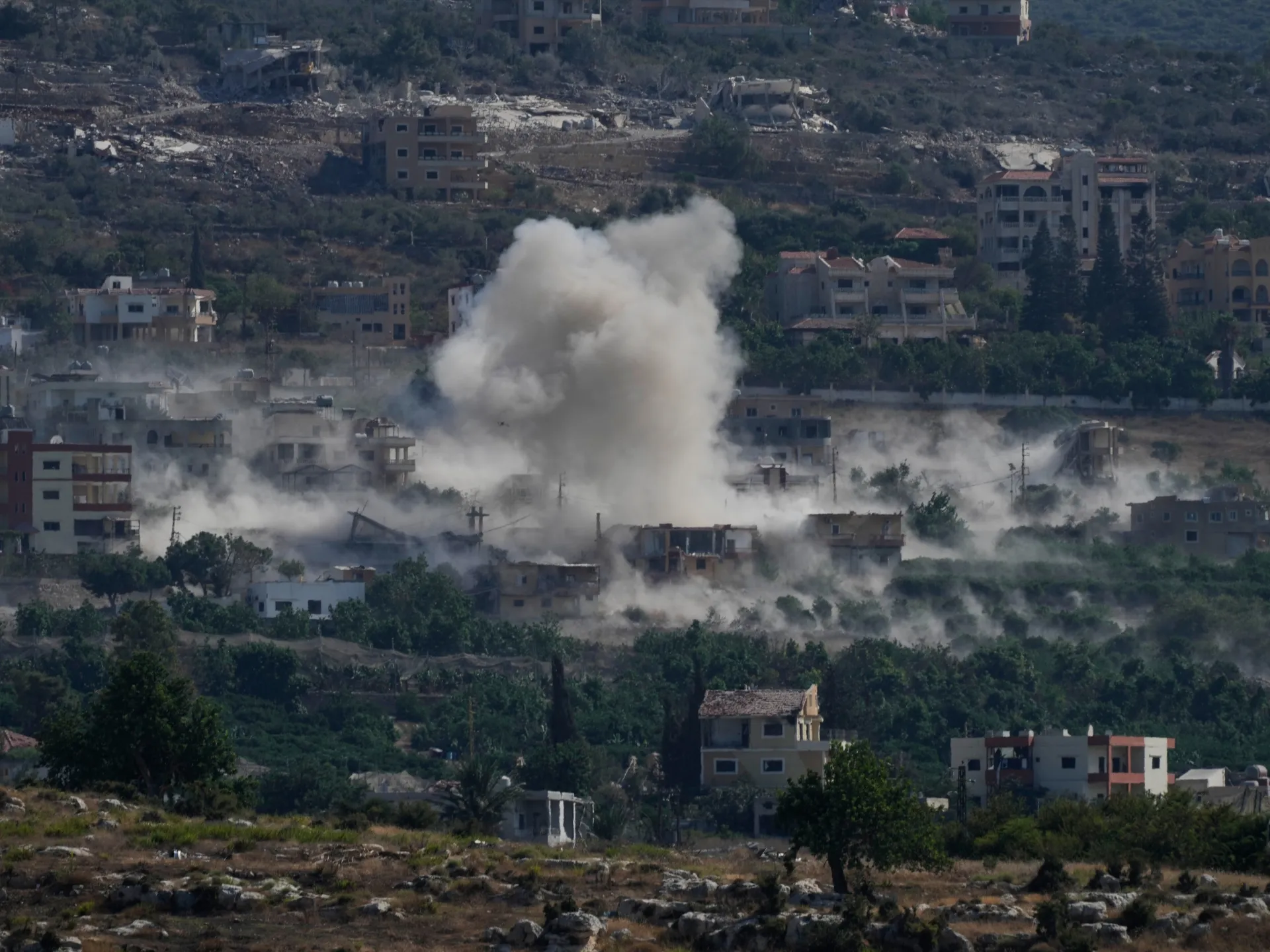
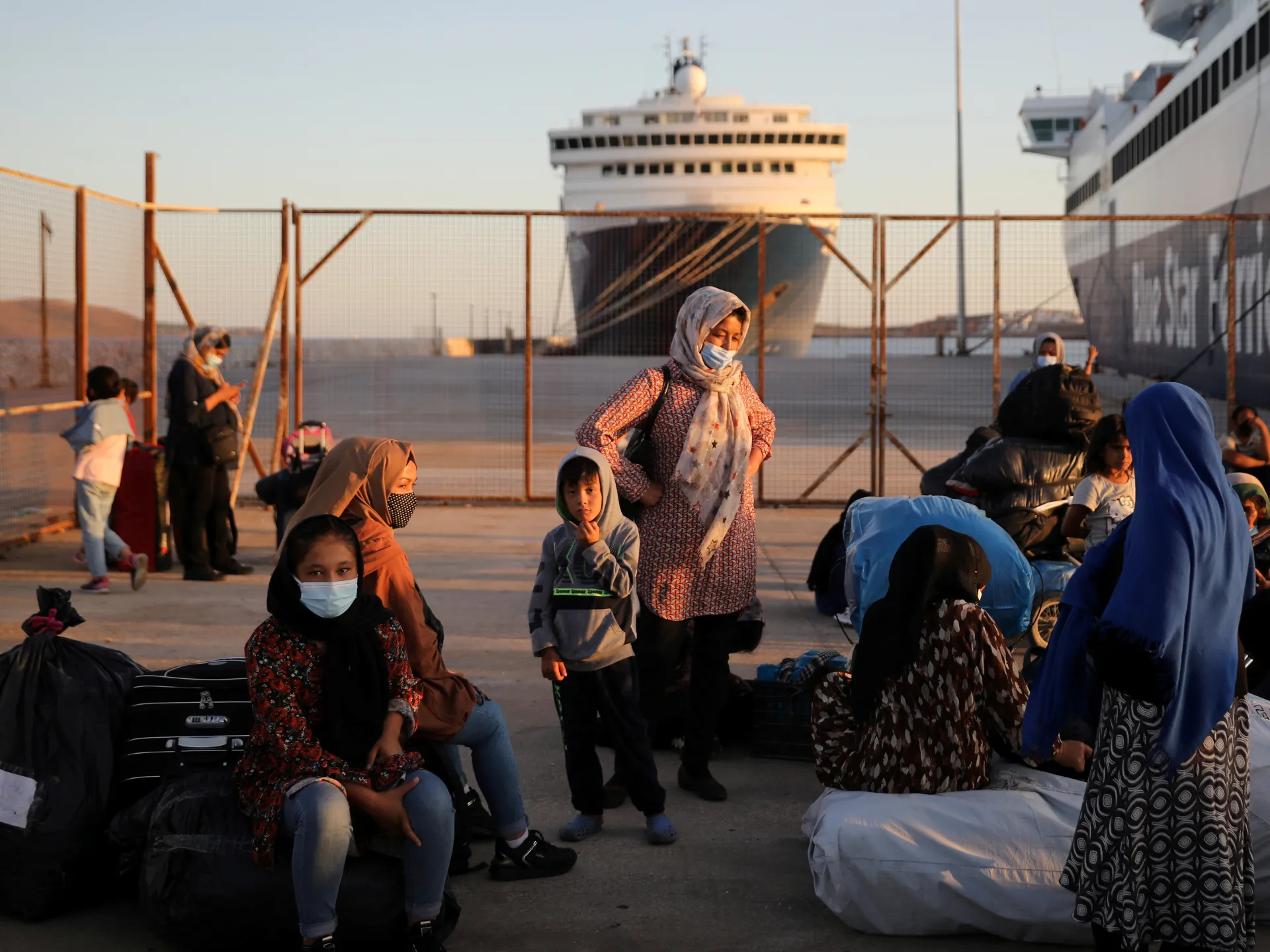
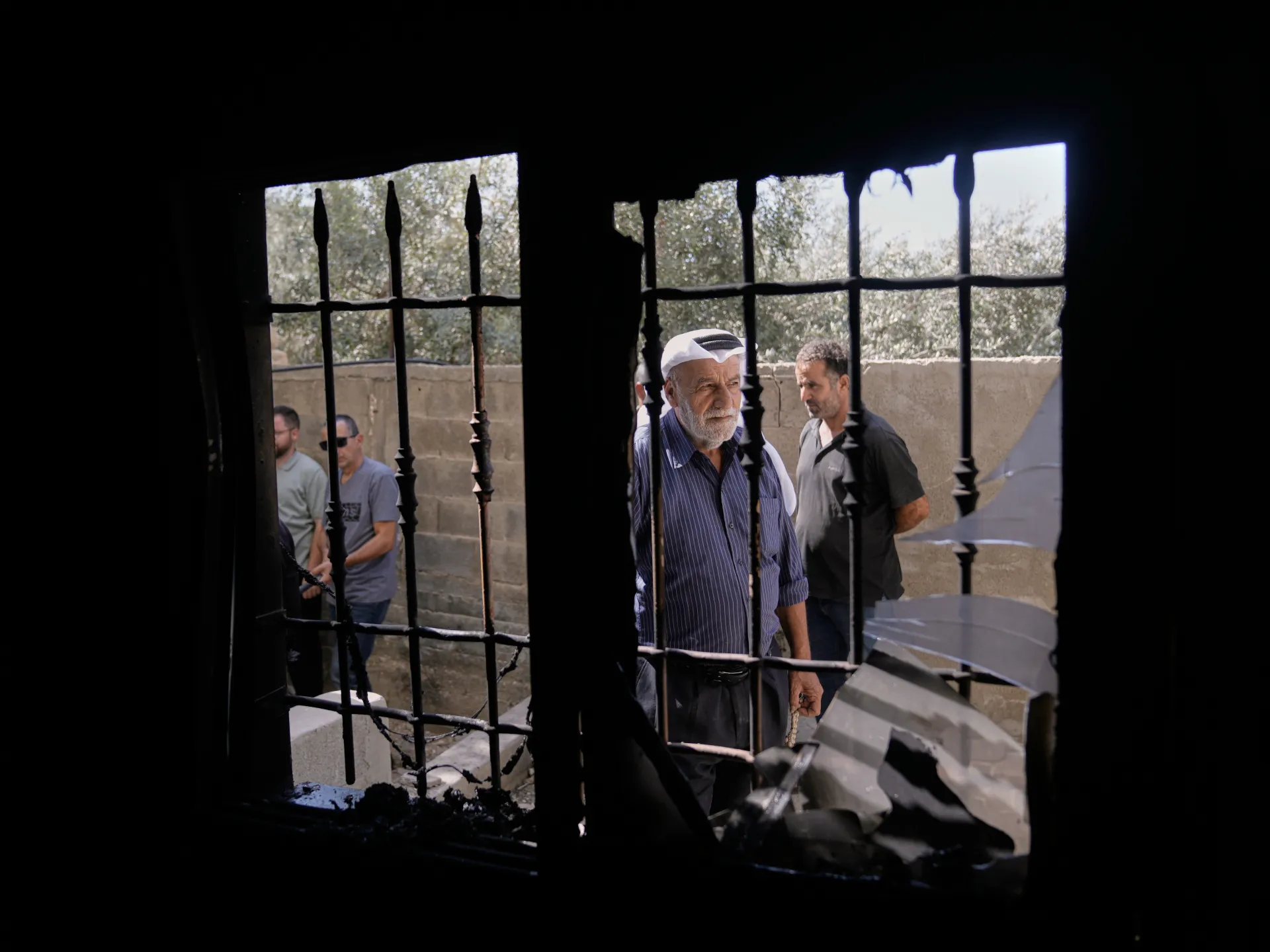
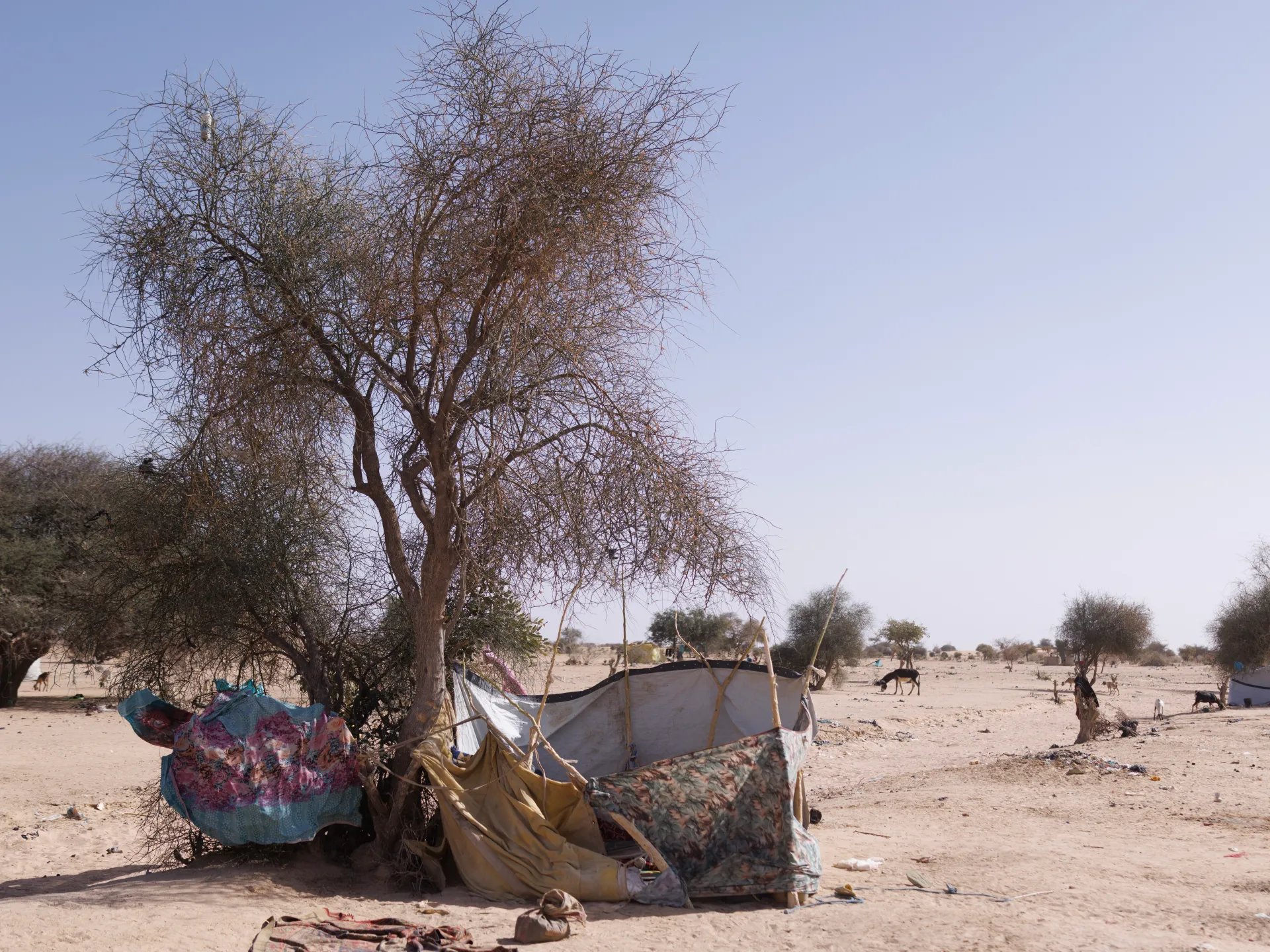
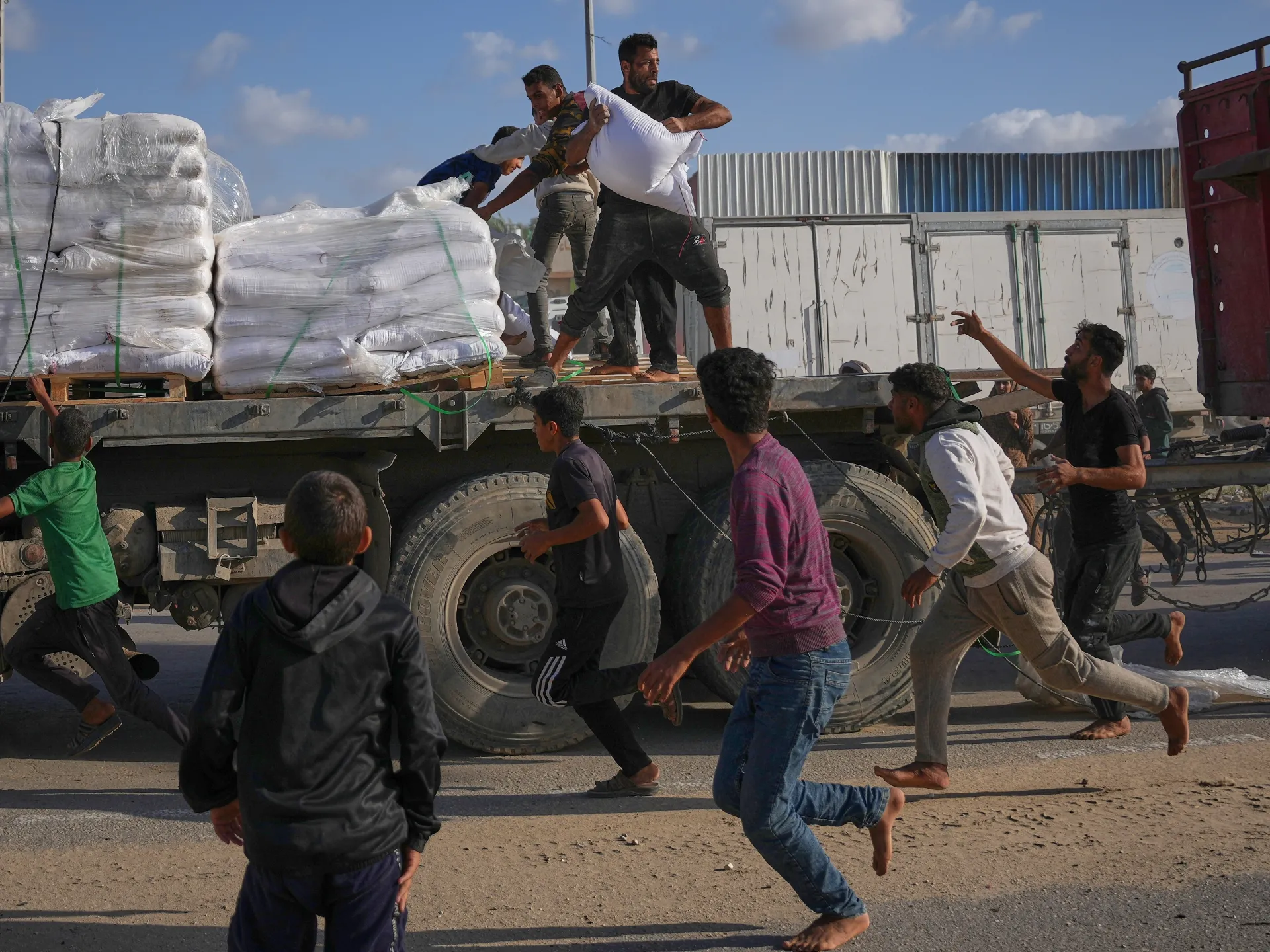
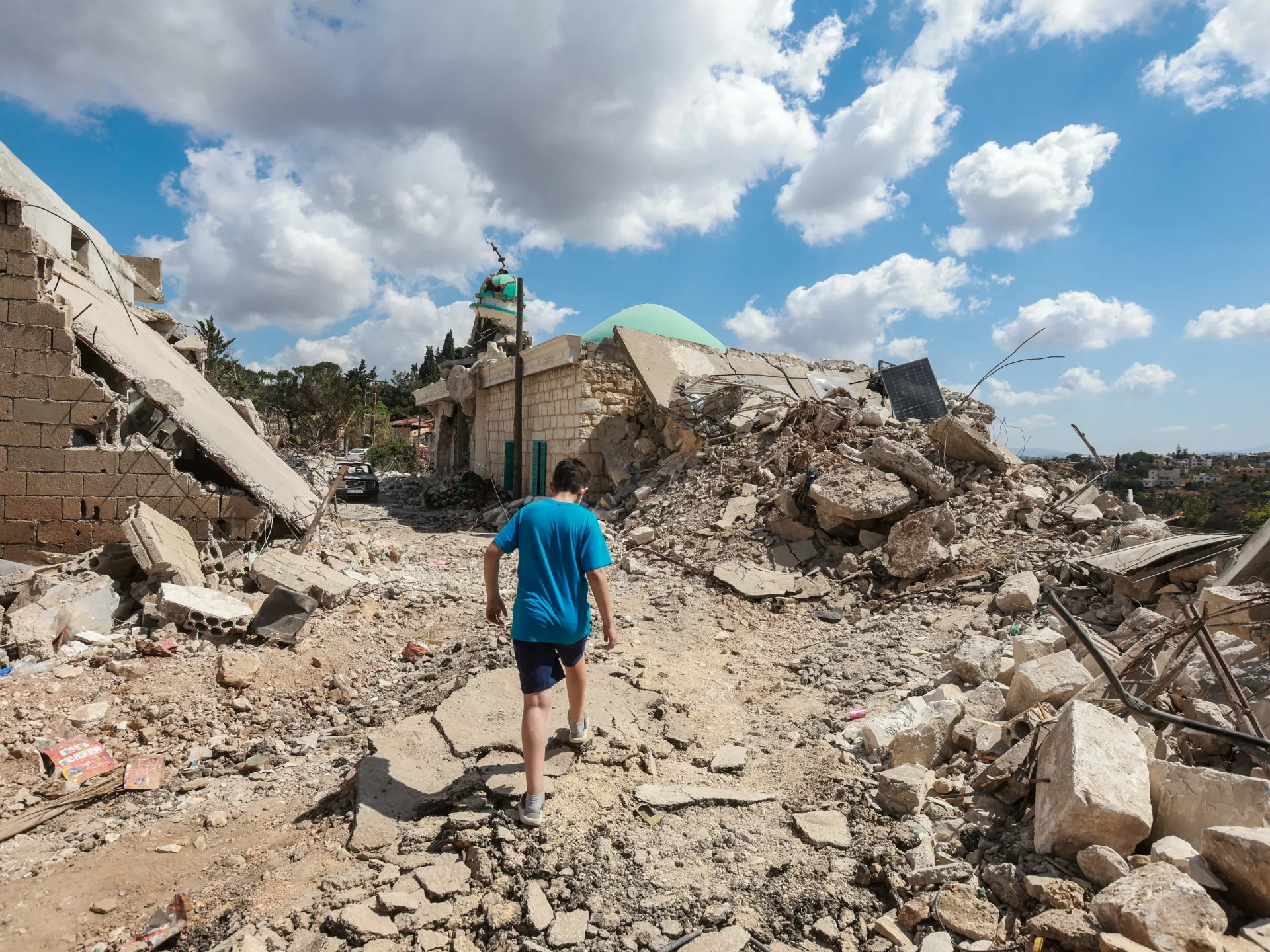
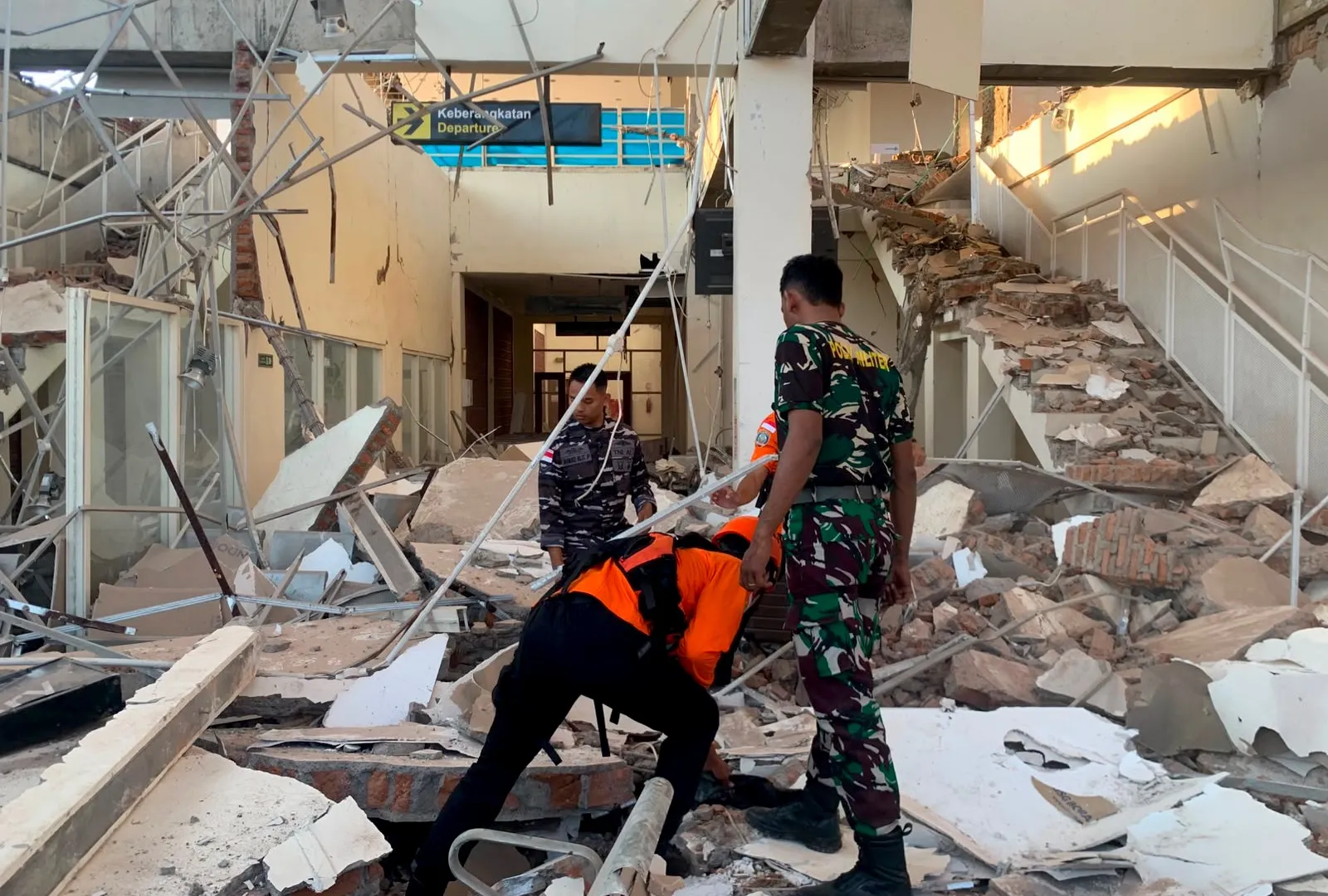
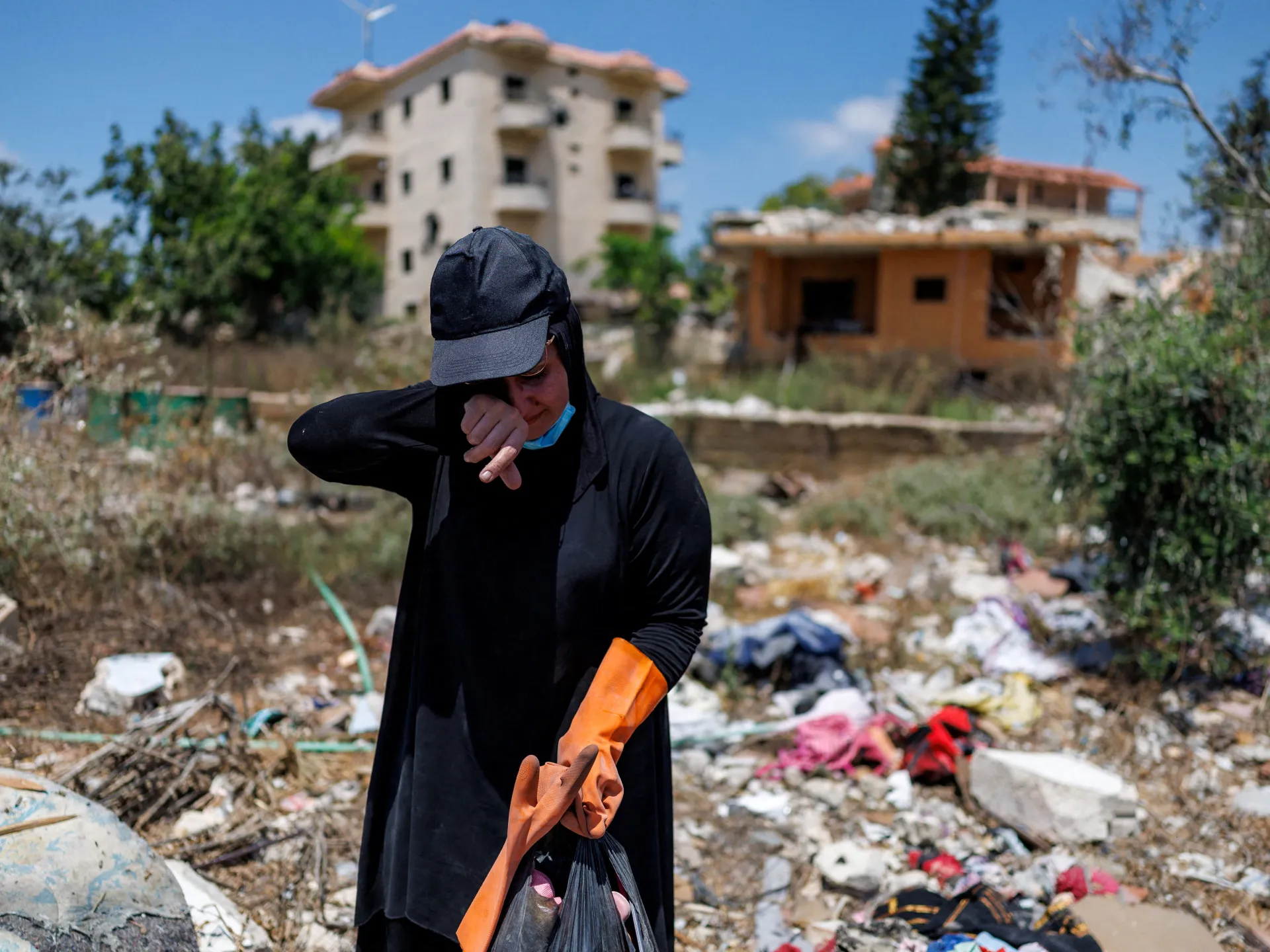
The broader conflict in Yemen continues to extract a devastating toll on the civilian population. According to international organizations, the escalation of violence has led to significant displacement, with tens of thousands of people forced to flee their homes in search of safety. Health agencies have reported a sharp rise in casualties, documenting hundreds of deaths in recent weeks alone. The collapse of the informal ceasefire that had held for several years has exacerbated an already fragile humanitarian situation.
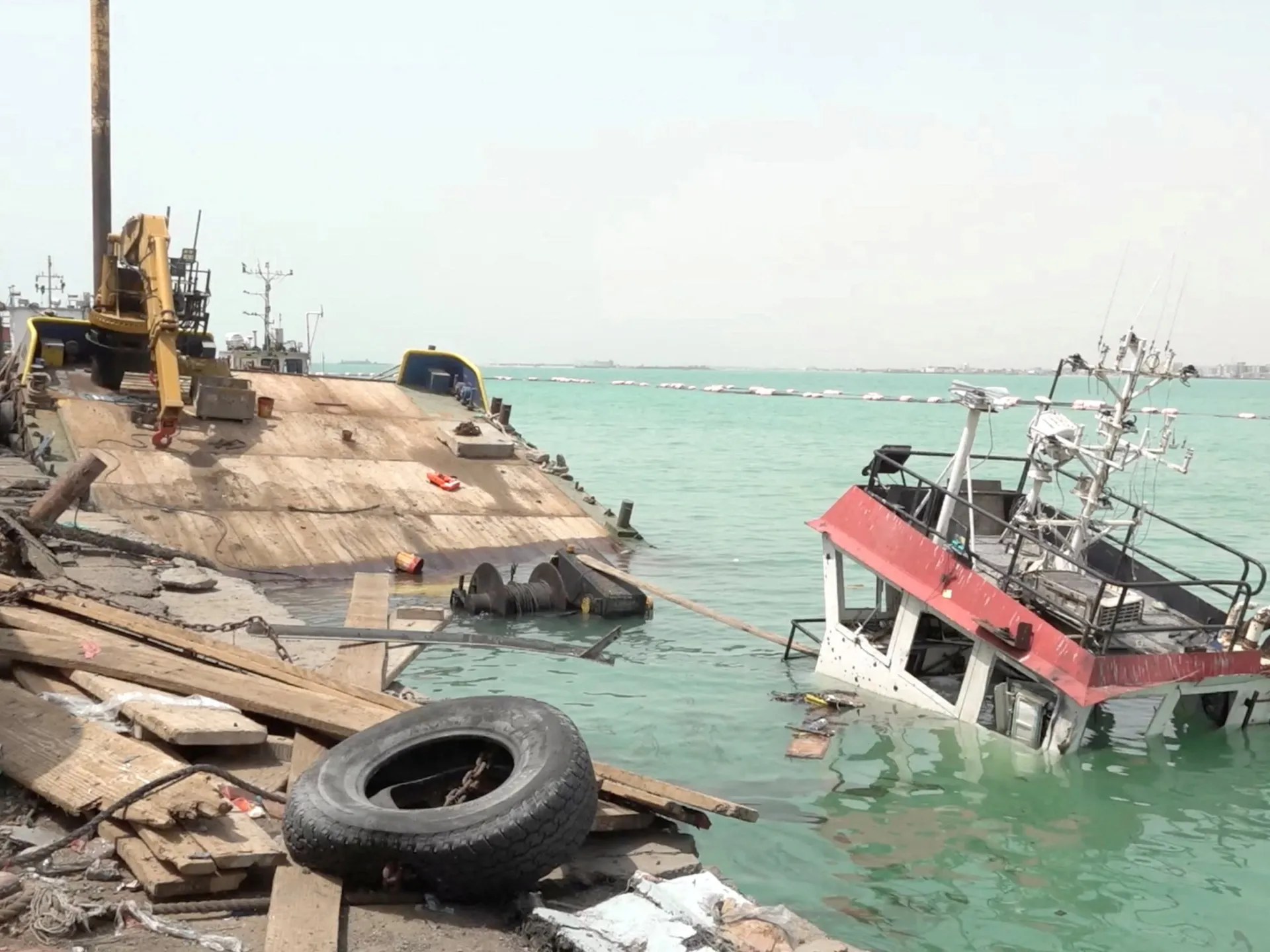
The United Nations has repeatedly highlighted that the ongoing hostilities are fueling one of the world's most severe humanitarian emergencies. With millions of Yemenis dependent on external aid for survival, the disruption of ports and airports remains a primary concern for international relief agencies. As the conflict enters a more volatile phase, global observers are calling for a renewed diplomatic push to prevent further regional destabilization and to address the catastrophic living conditions facing the Yemeni people.