Renewed fighting between the Ngok Dinka and Misseriya communities in the disputed Abyei region has left 26 dead and forced a UN peacekeeping surge.
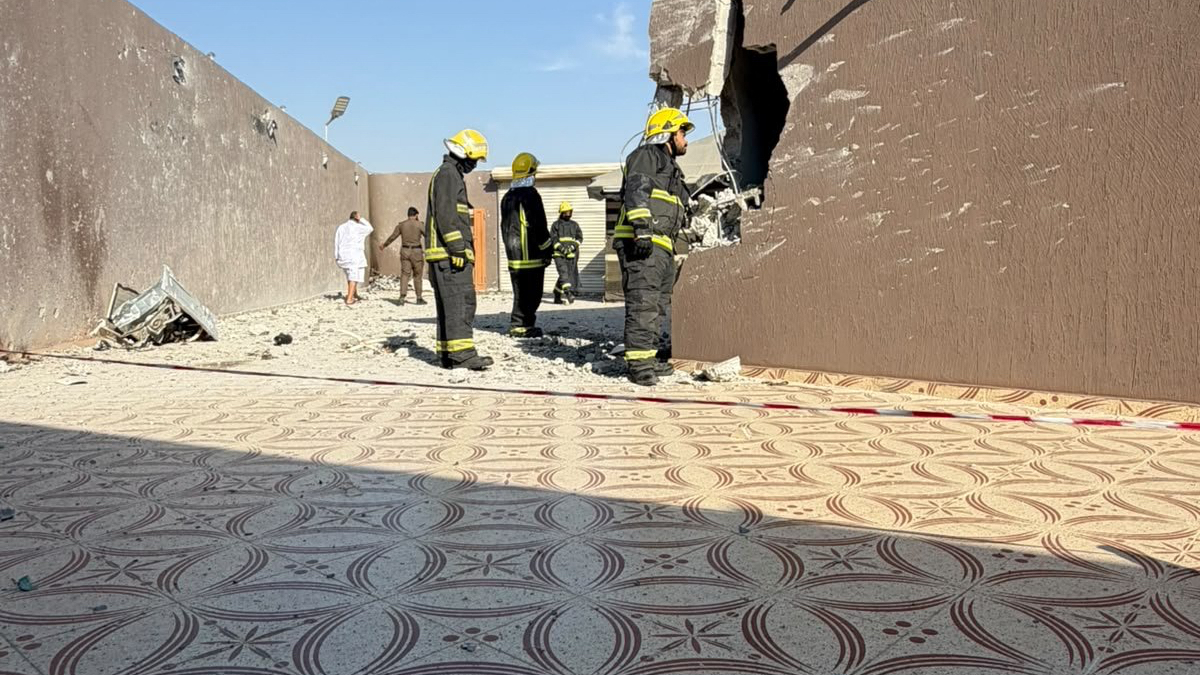
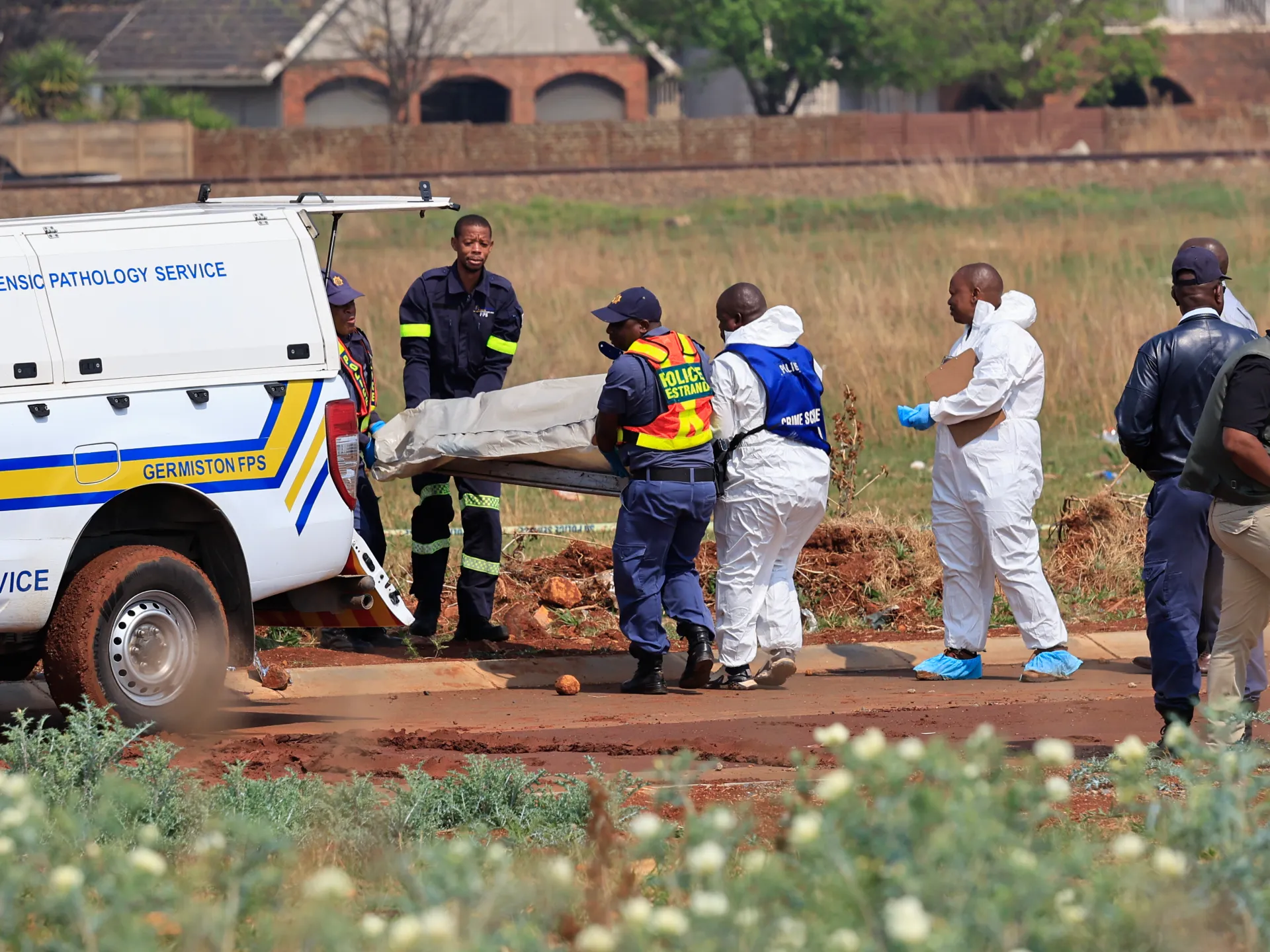
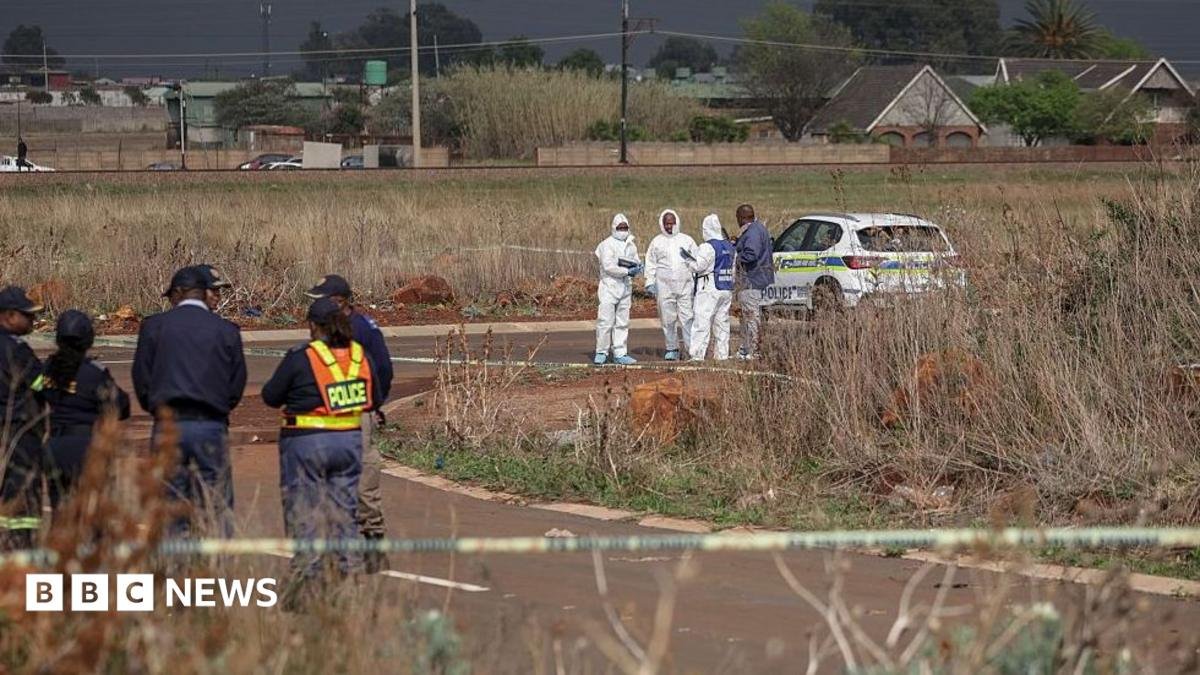
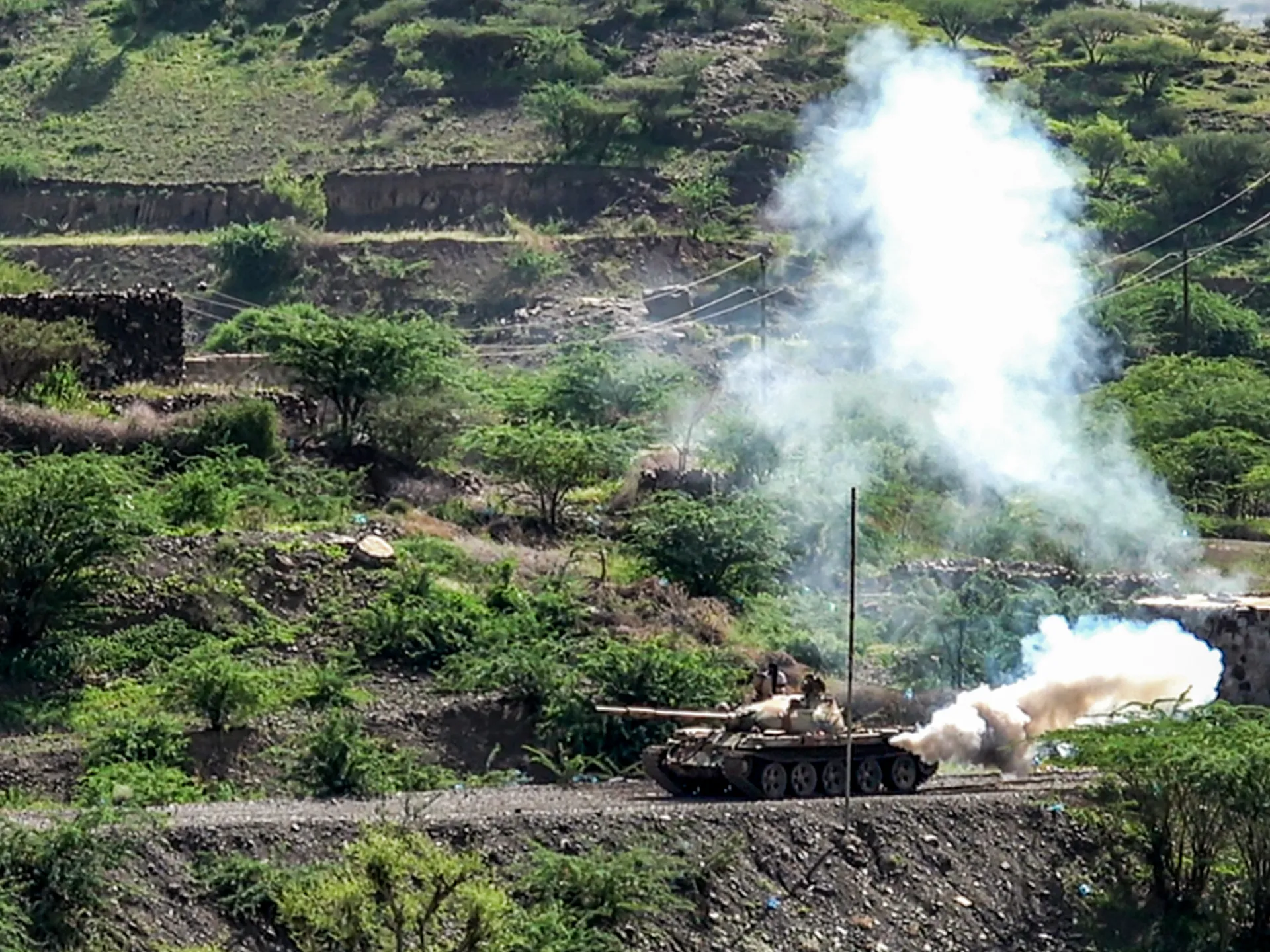
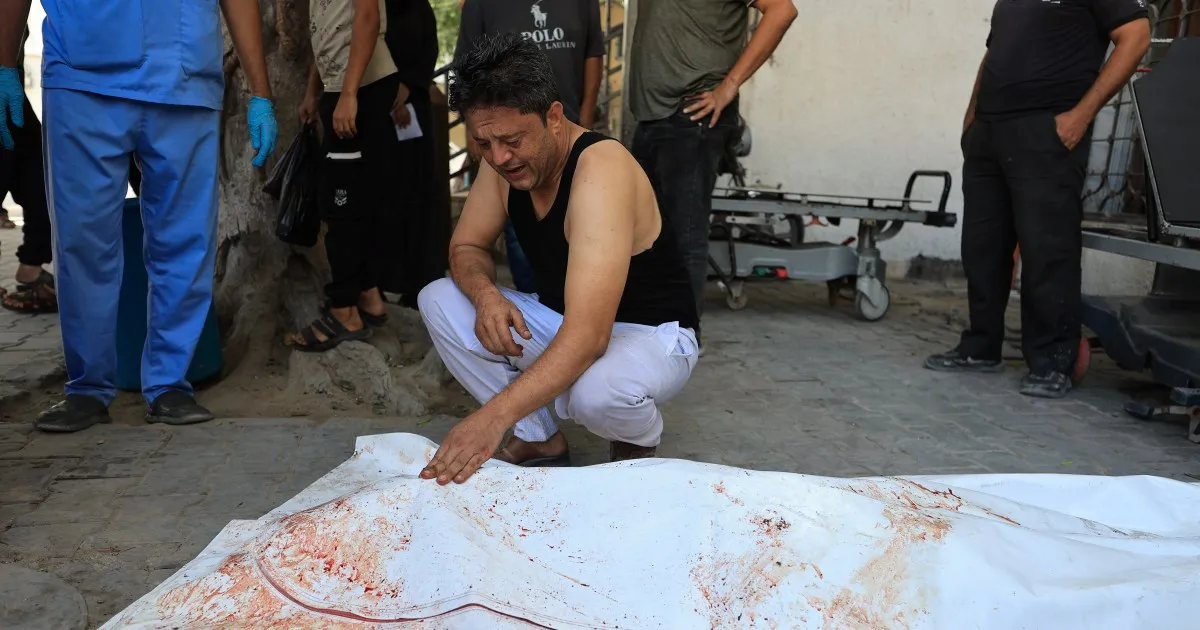
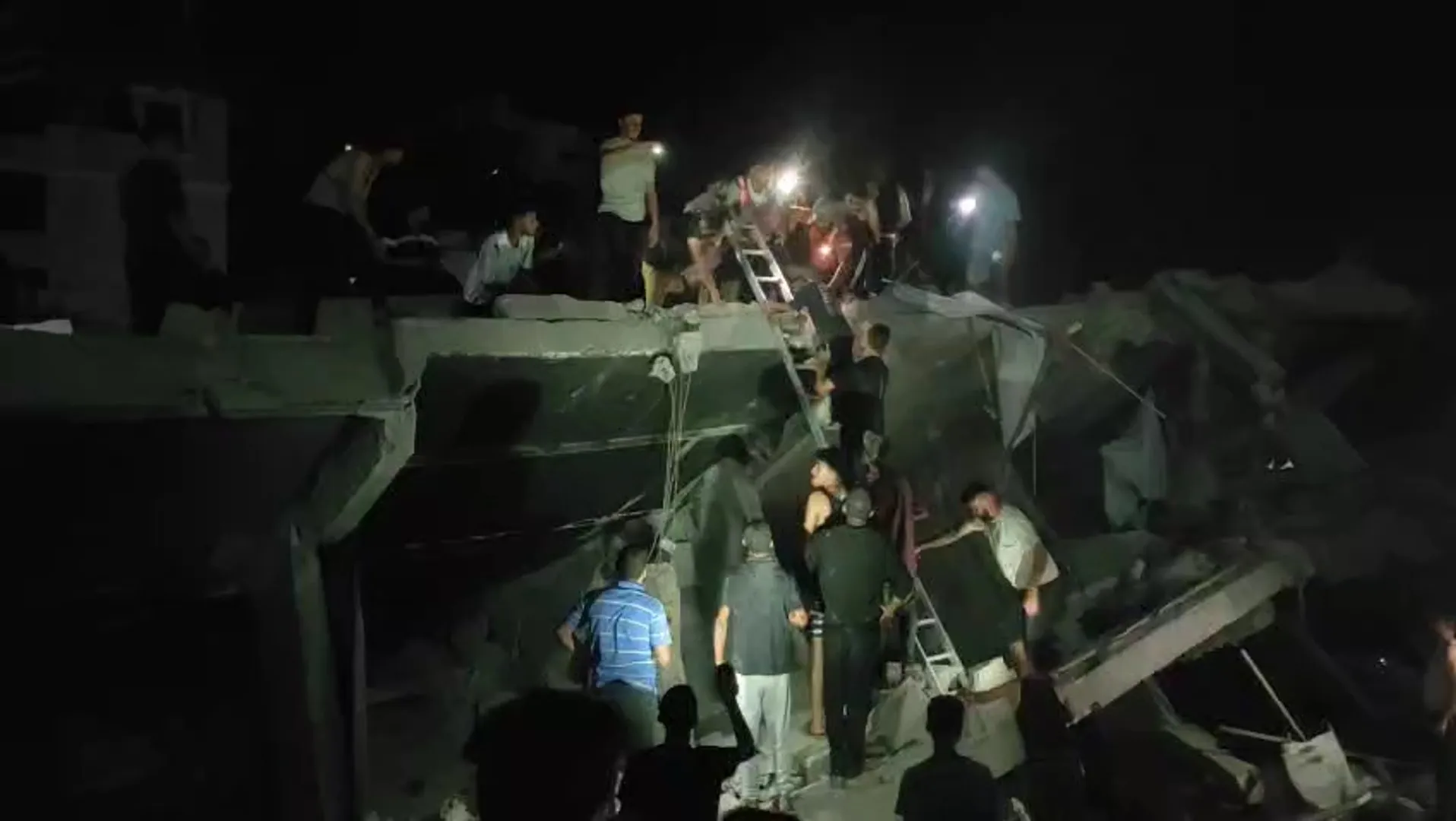
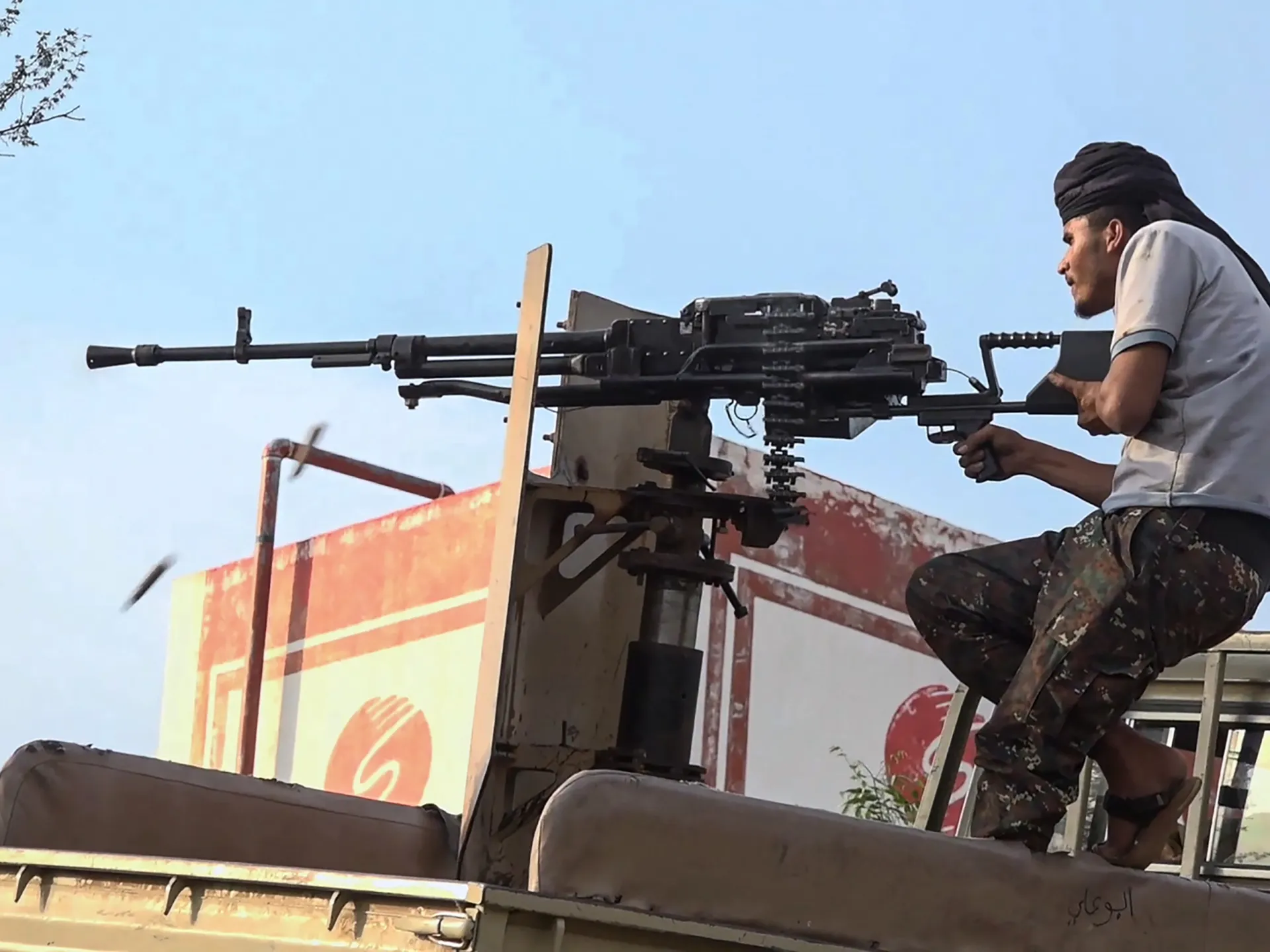
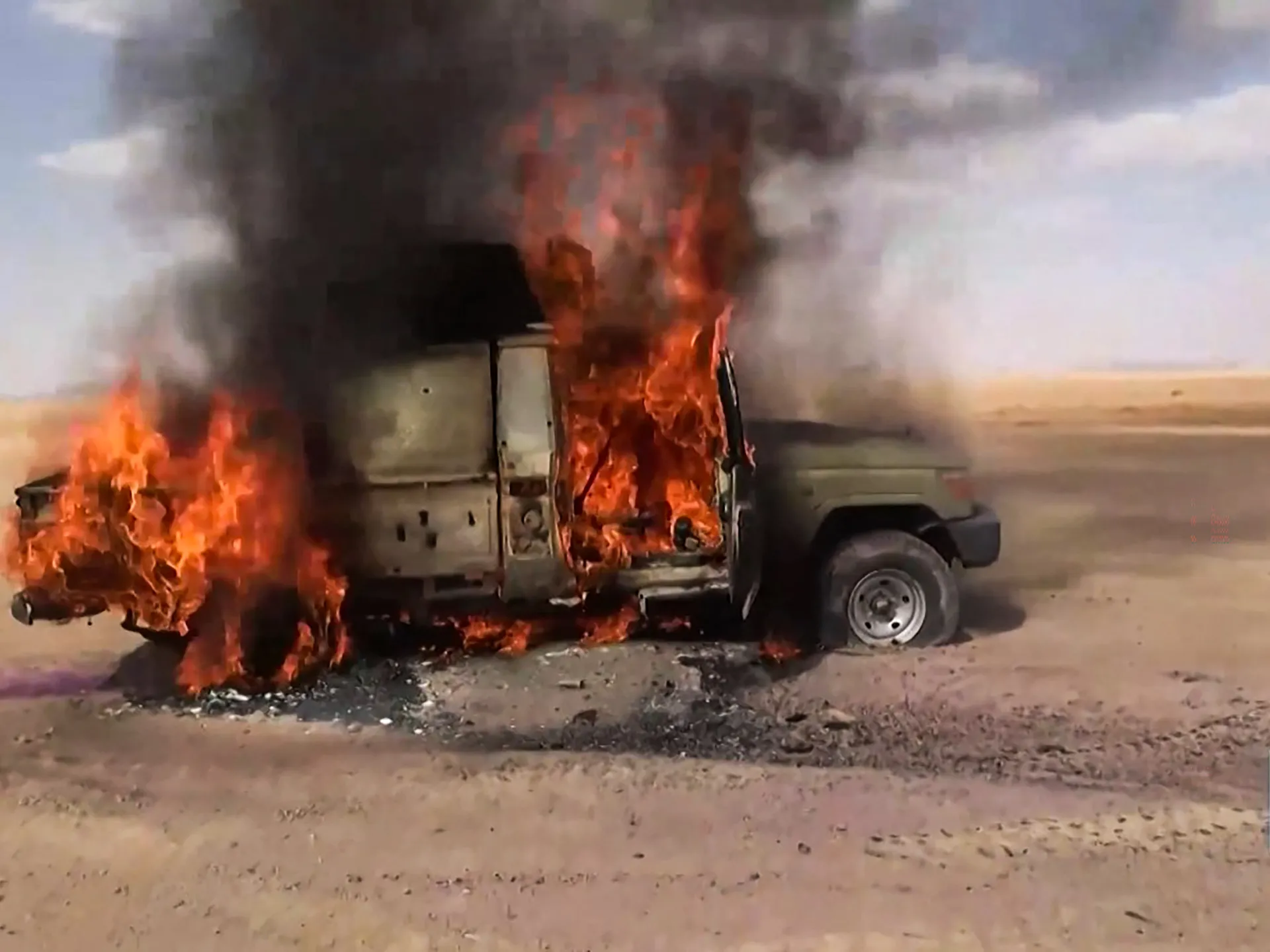
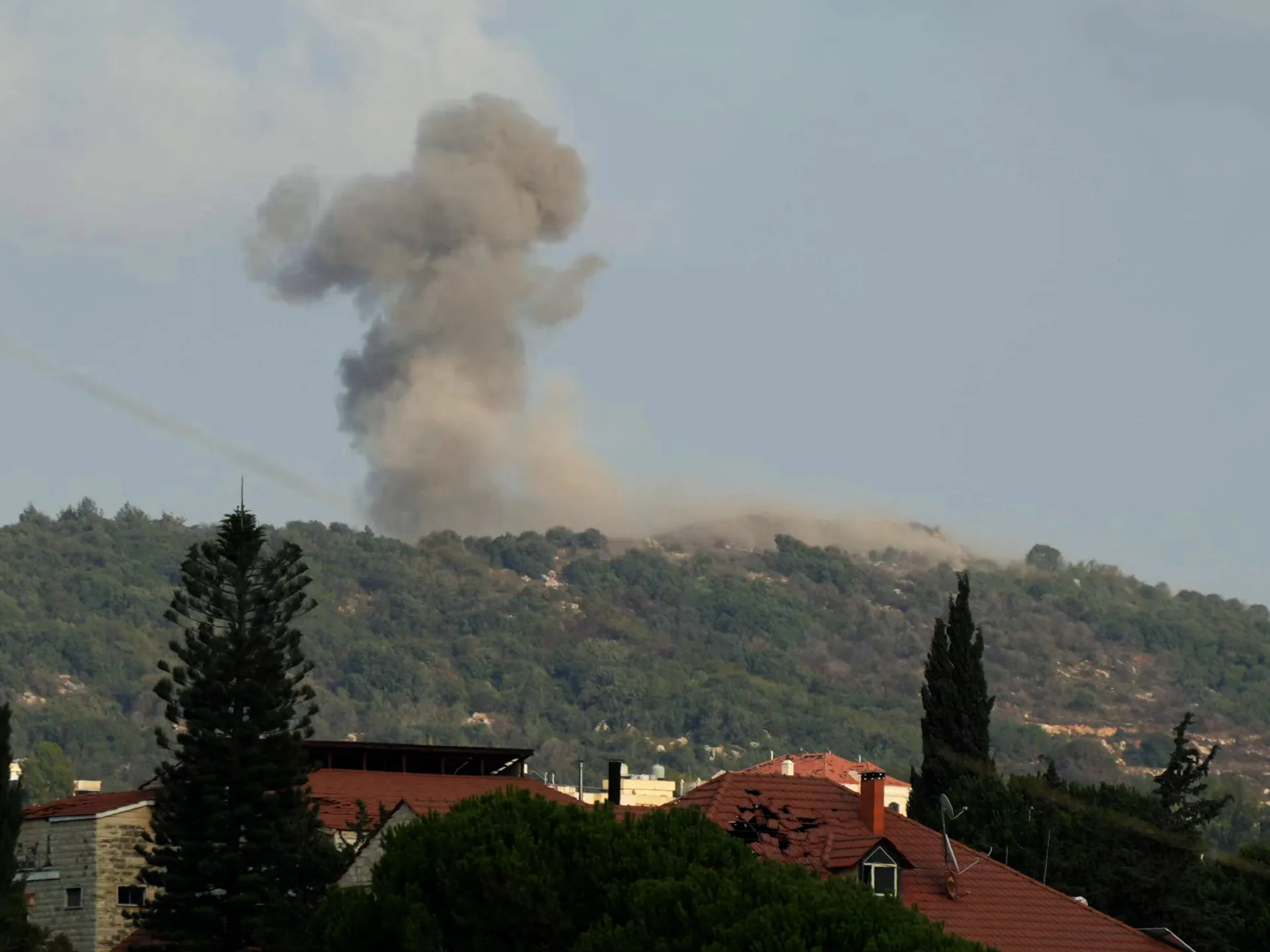
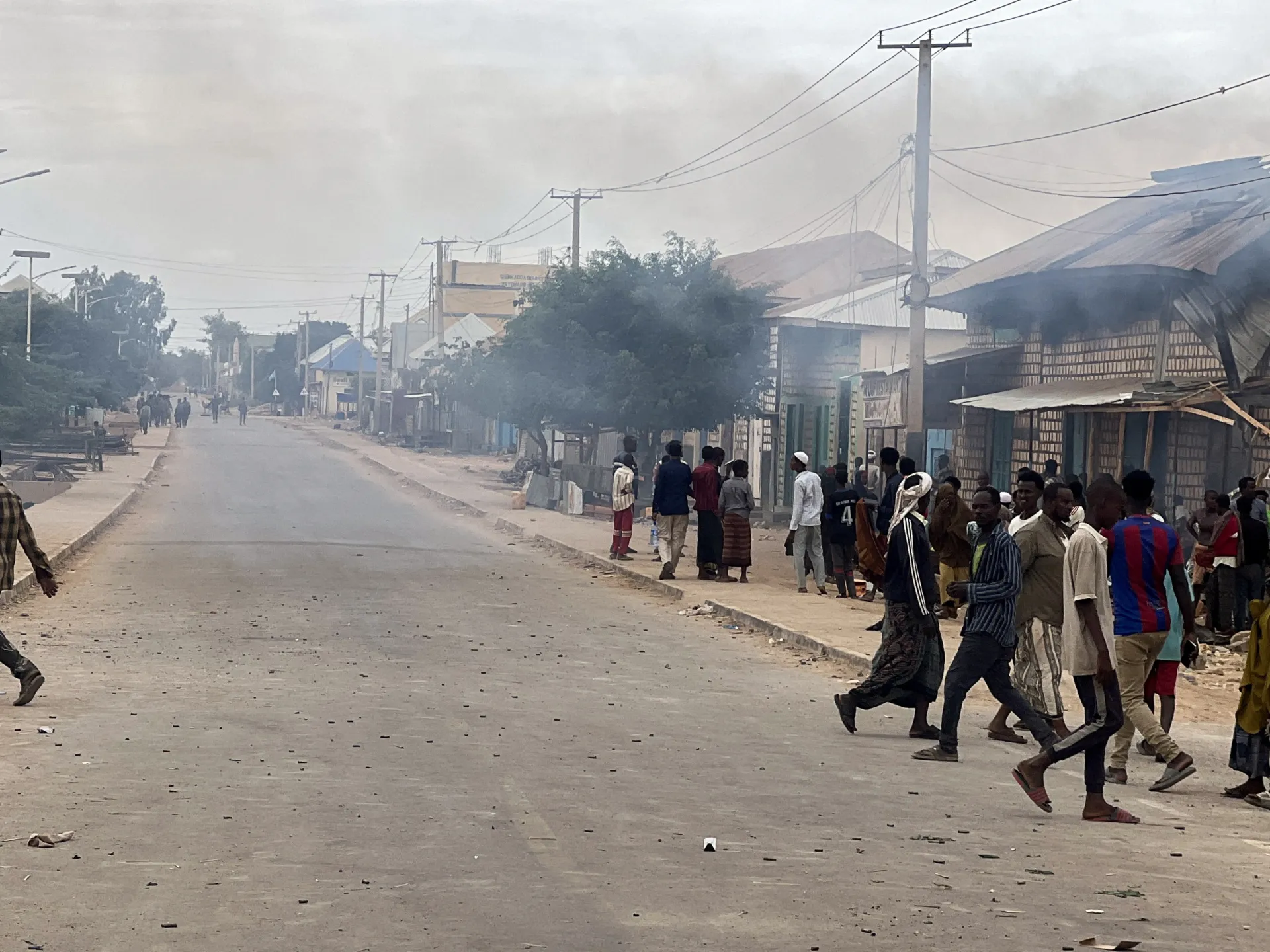
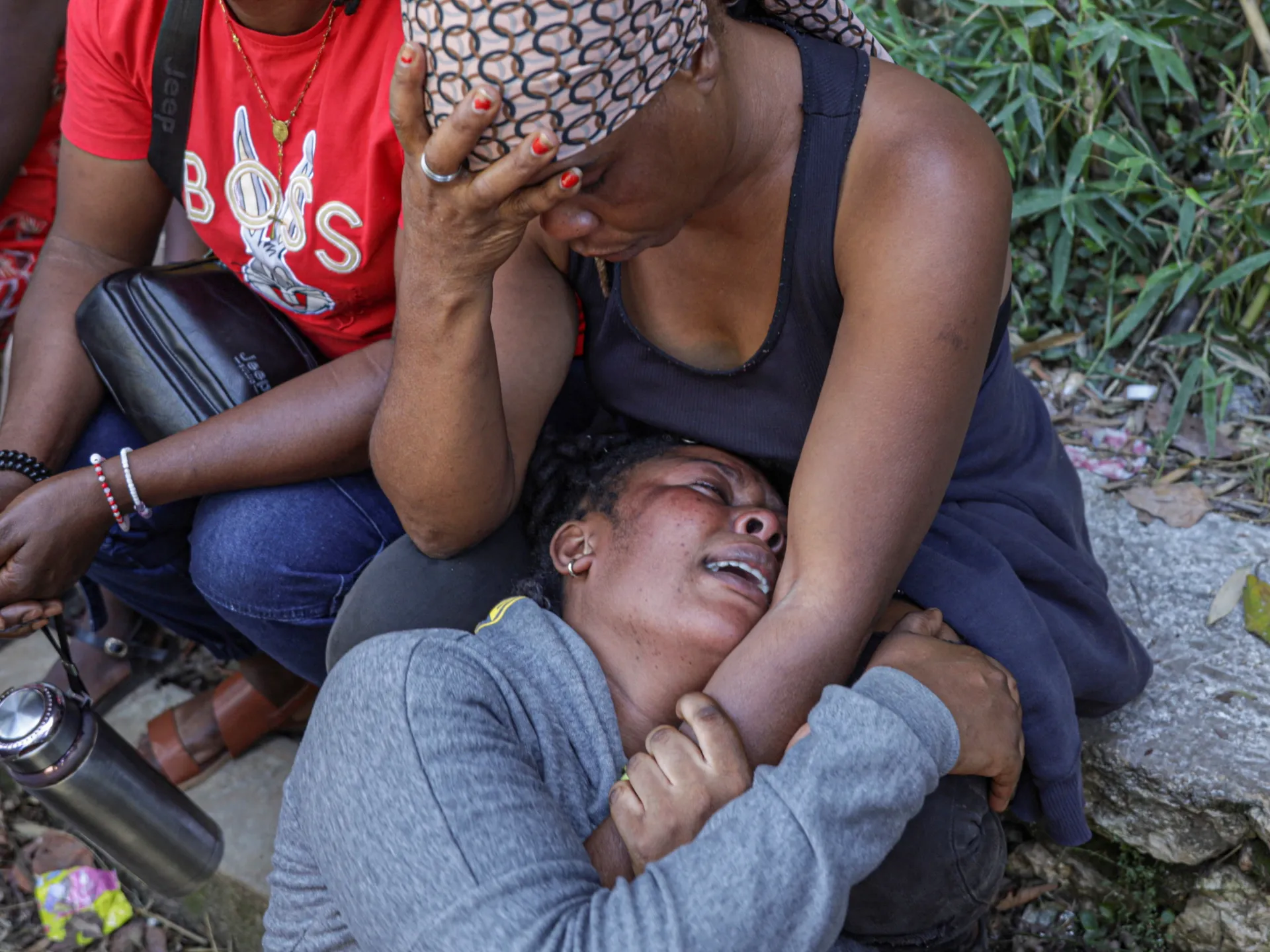
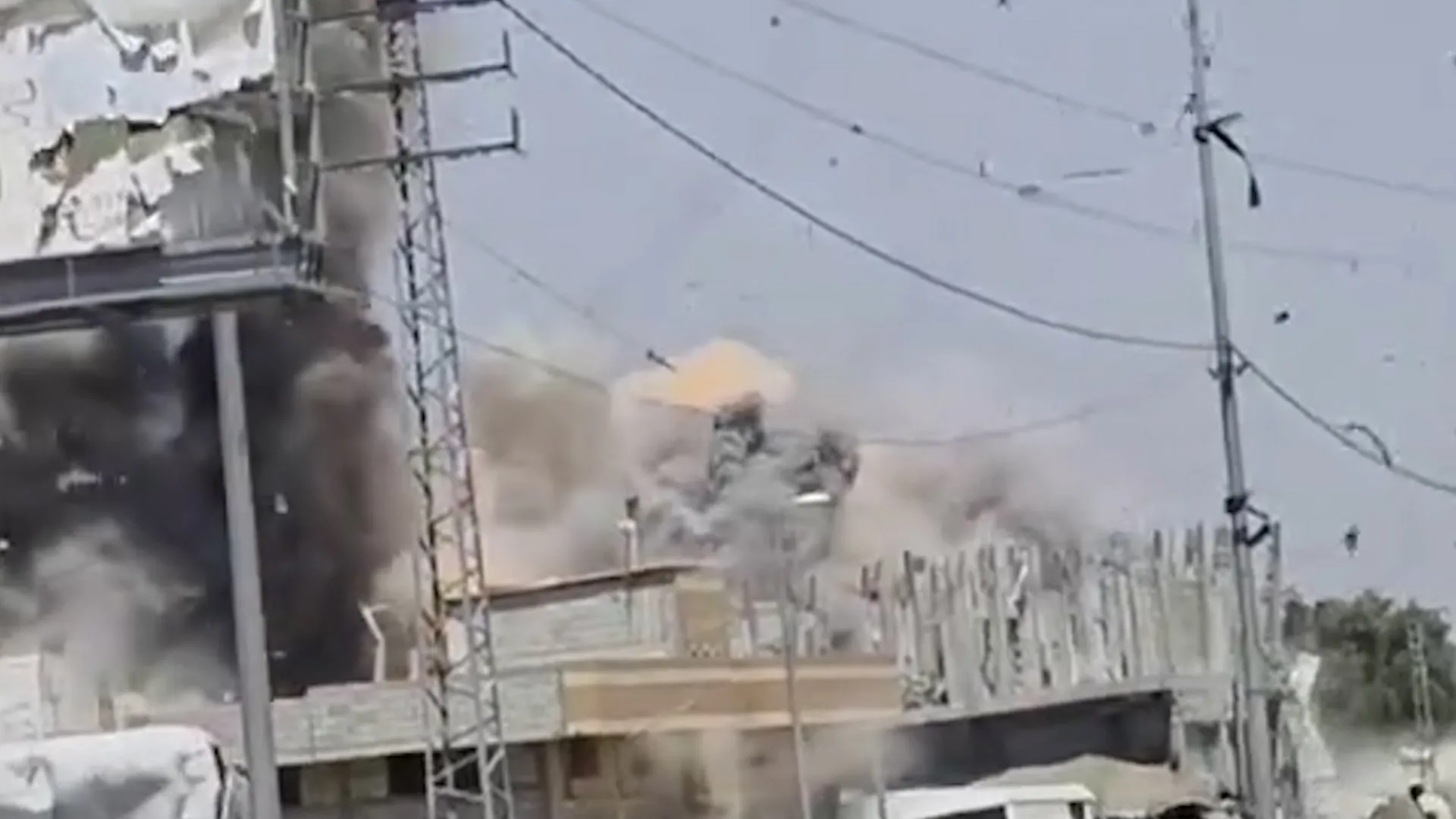
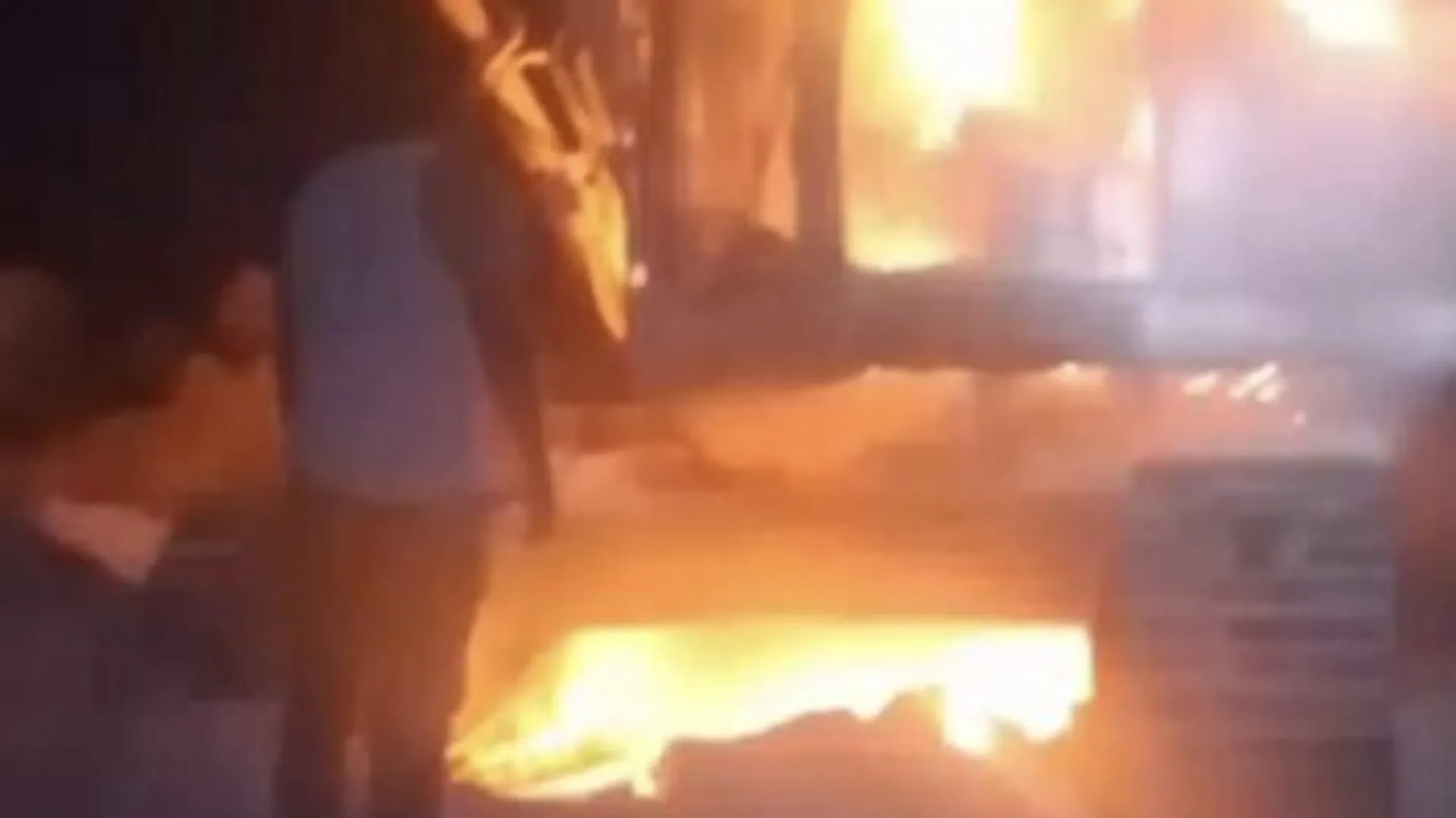
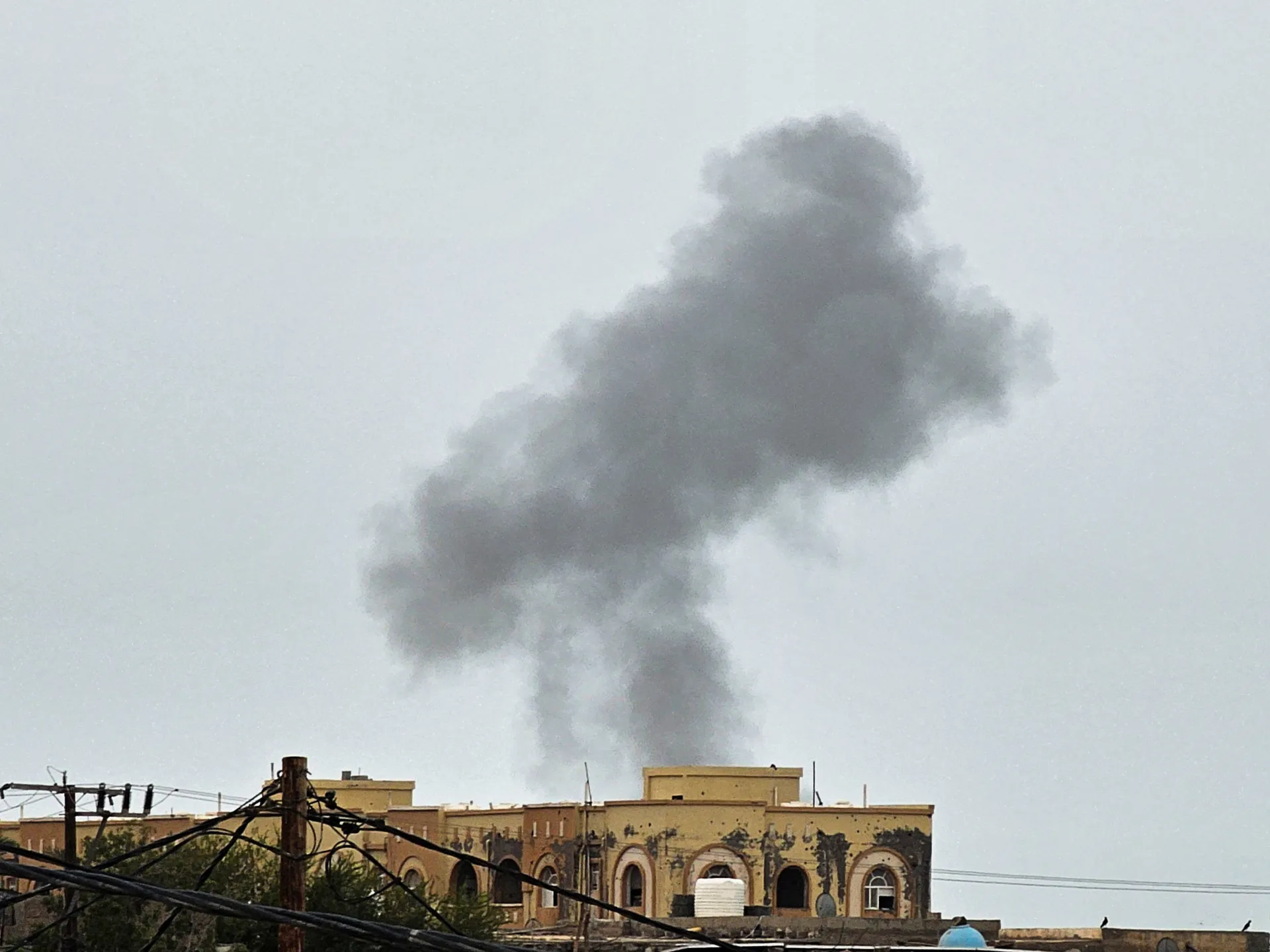
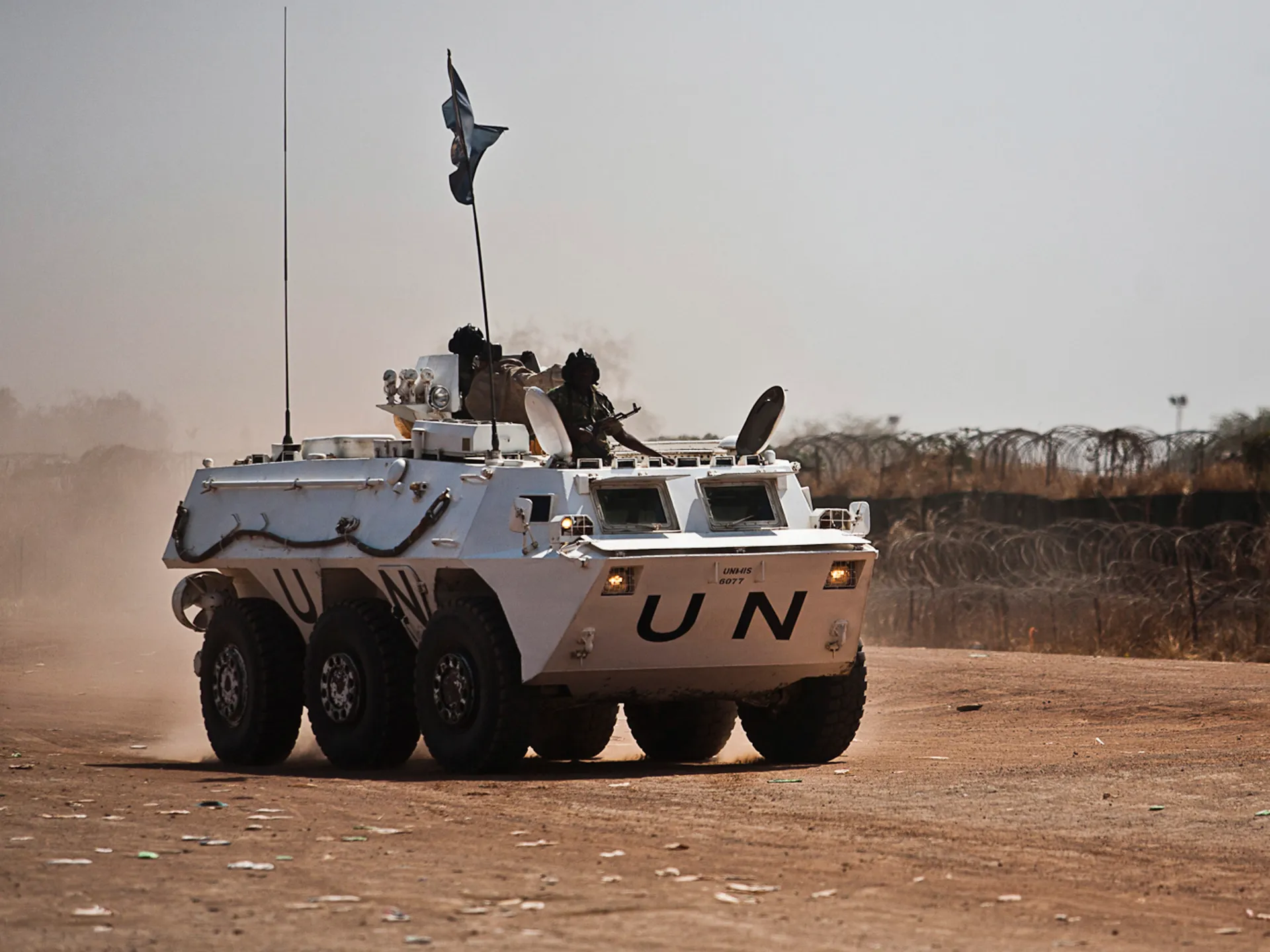
The border region between Sudan and South Sudan has once again become a flashpoint for deadly violence, with recent intercommunal clashes resulting in at least 26 deaths and dozens of injuries. The United Nations Interim Security Force for Abyei (UNISFA) confirmed that the surge in hostility occurred over several days, prompting an immediate increase in security patrols and peacekeeping measures around the main township.
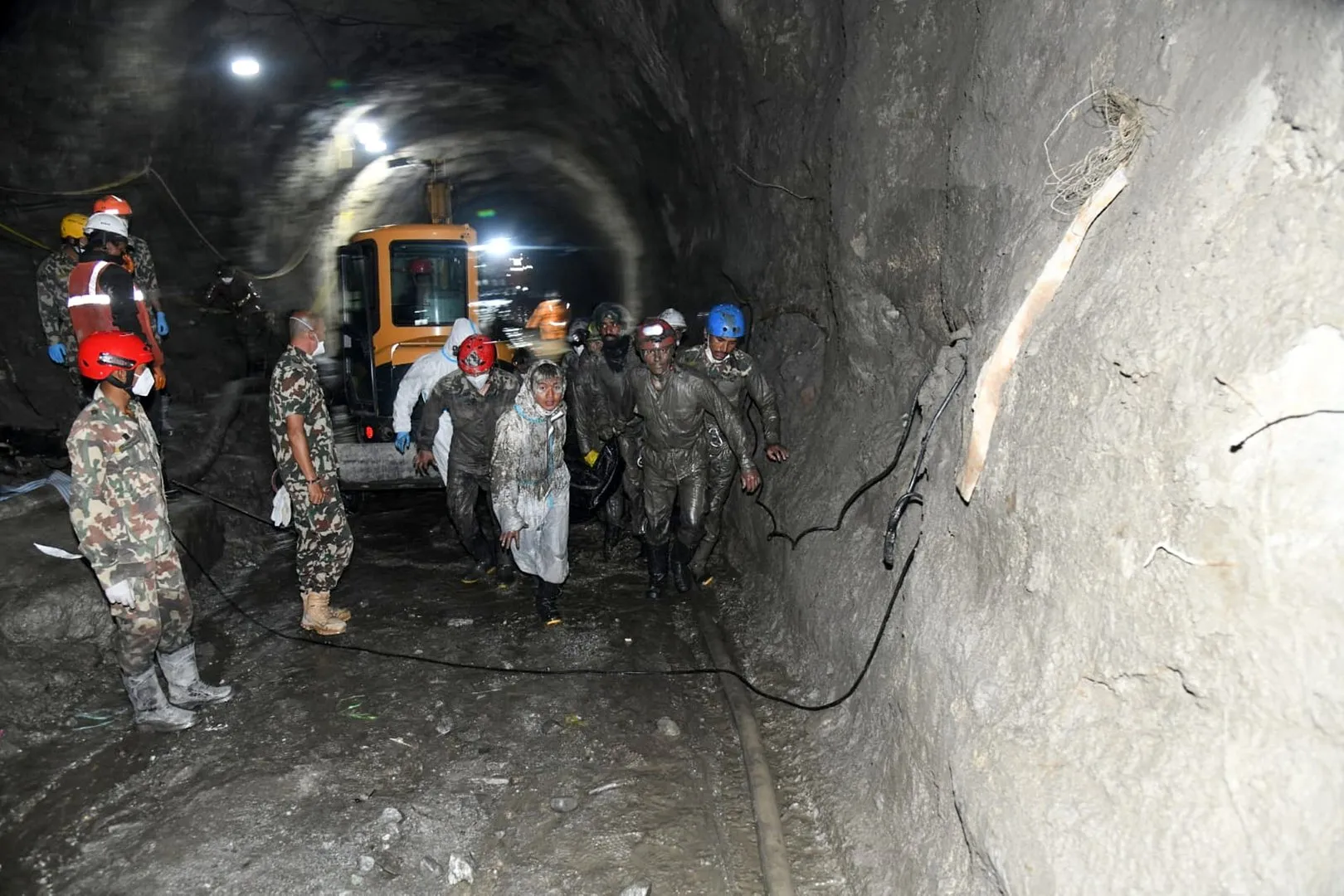
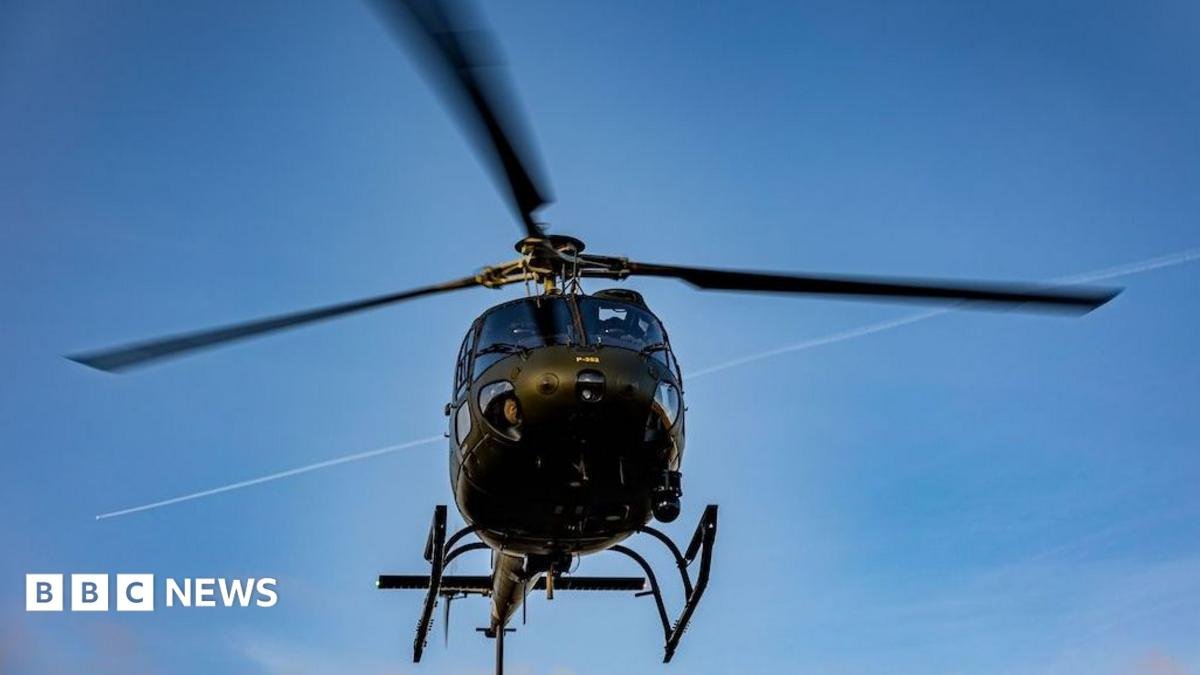
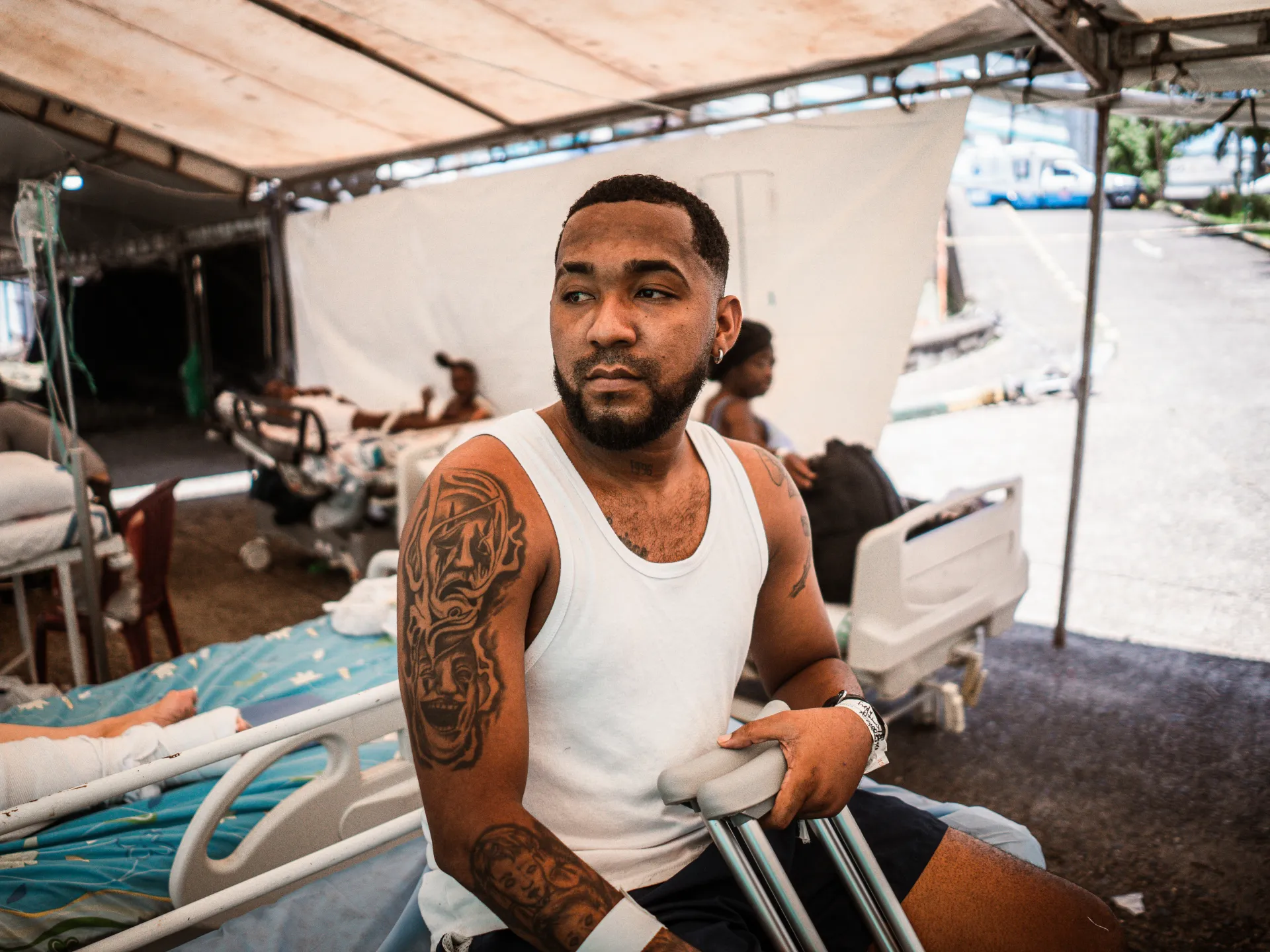
According to official reports, the violence began early in the week, spiraling rapidly from isolated incidents into broader community-level warfare. The UN mission has documented at least 82 individuals suffering from injuries, many of whom required urgent medical attention as the unrest disrupted the stability of the local area. In response to the deteriorating security situation, peacekeepers have been deployed to key strategic locations to prevent further escalation and protect the civilian population.
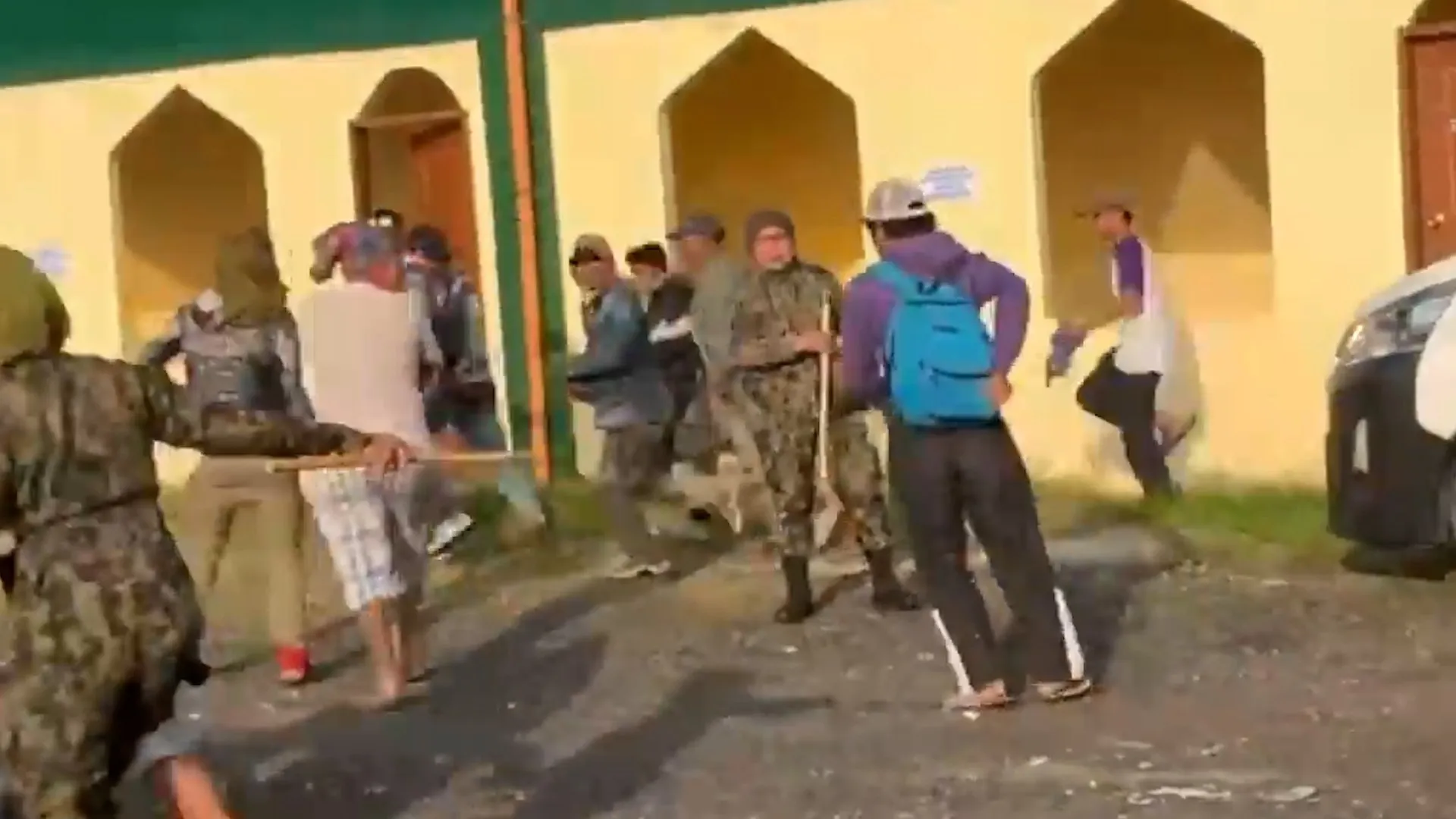
The latest cycle of violence reportedly ignited at the Amiet Common Market, a vital commercial hub in the region. Tensions reached a breaking point following the targeted killings of two individuals from opposing groups: a member of the Ngok Dinka community on Monday, followed nts acted as a catalyst, drawing in larger factions and escalating existing underlying animosities.
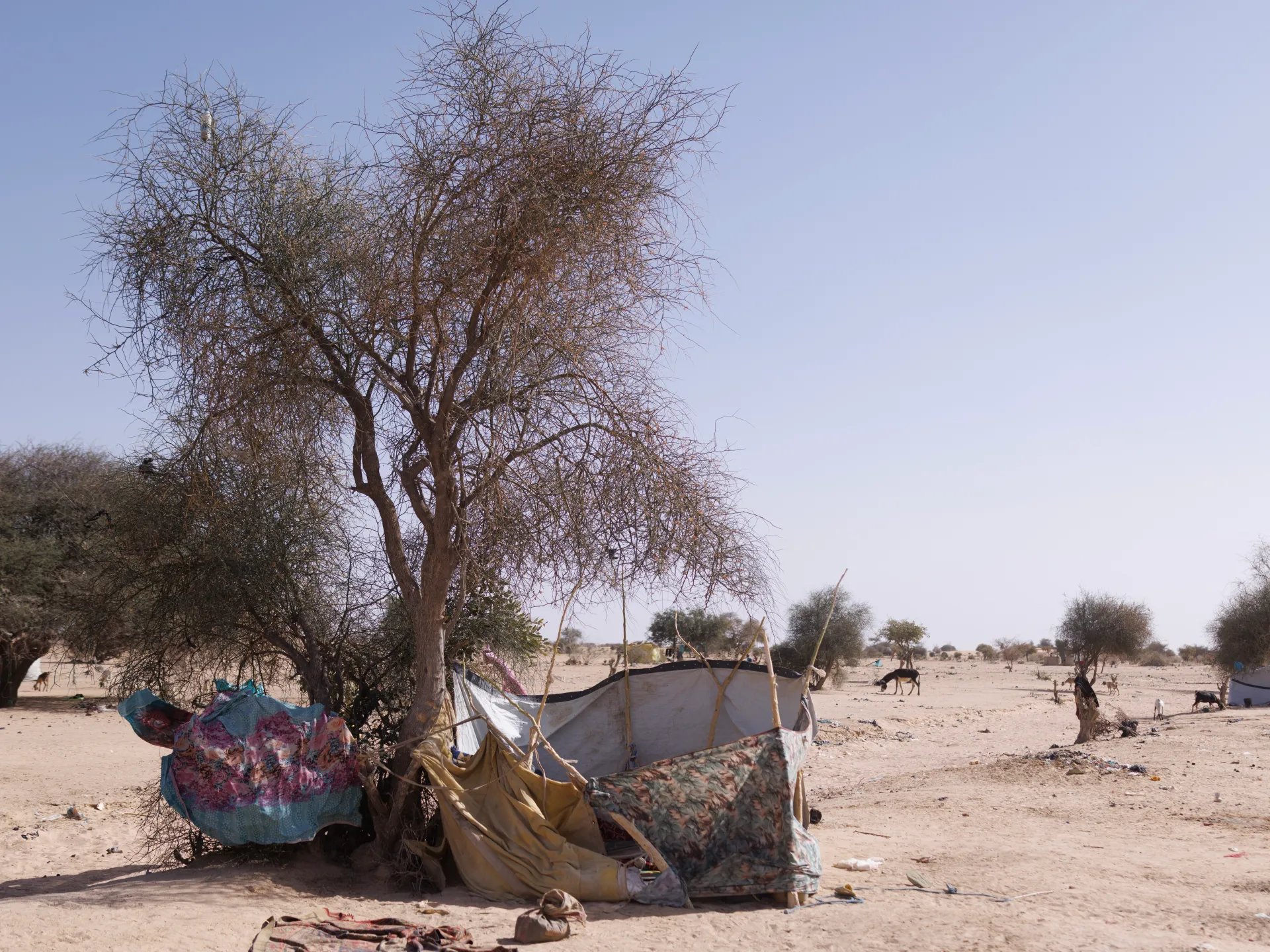
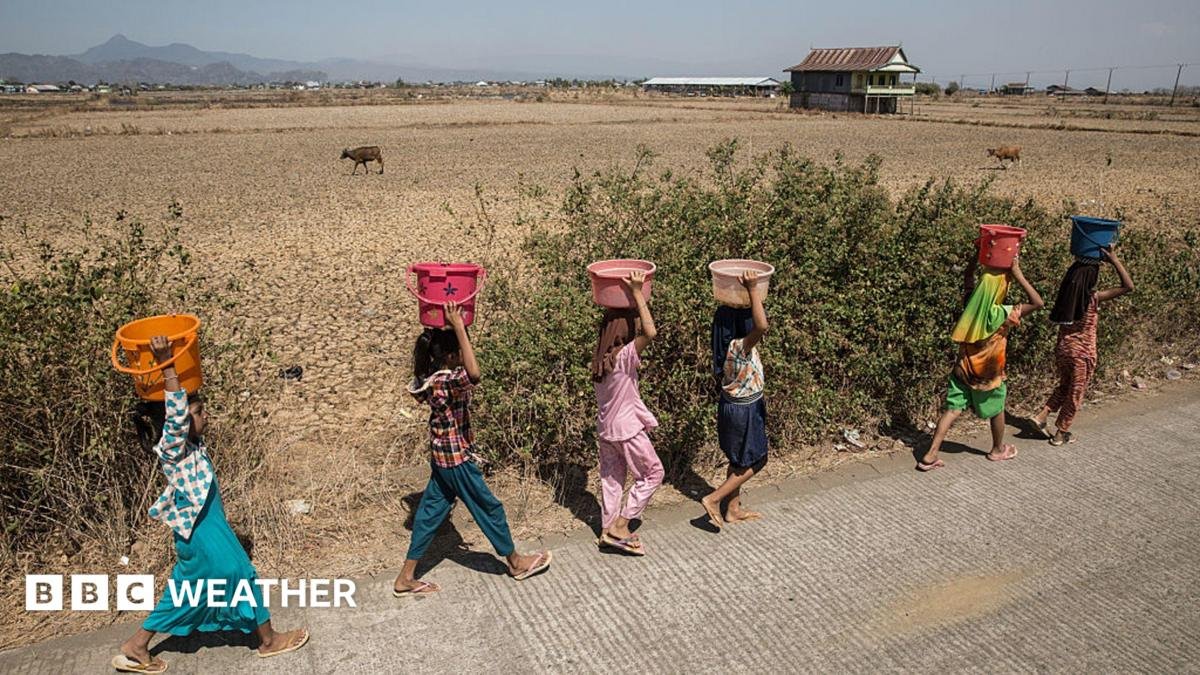
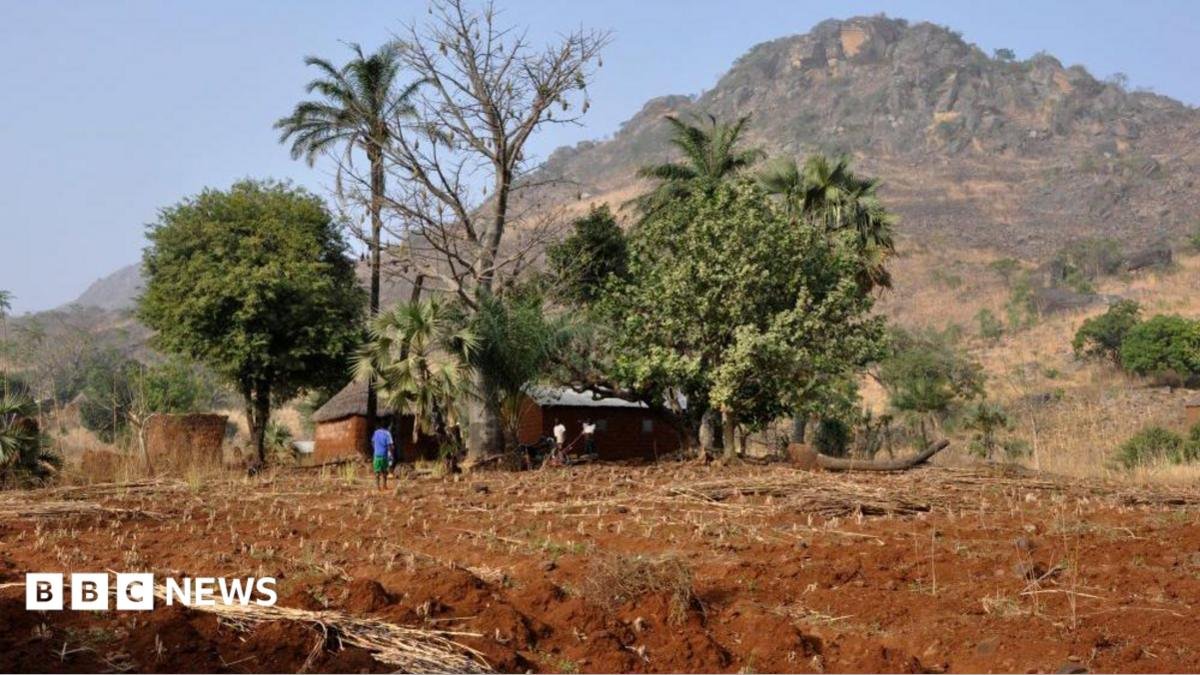
Historically, the relationship between the Ngok Dinka, who are the permanent residents of the region, and the nomadic Misseriya pastoralists from Sudan has been fraught with tension. The Misseriya typically migrate into the territory during the dry season to seek grazing land and water access for their livestock. These movements frequently lead to territorial disputes, as both groups compete for limited resources, turning the region into a volatile theater for conflict.
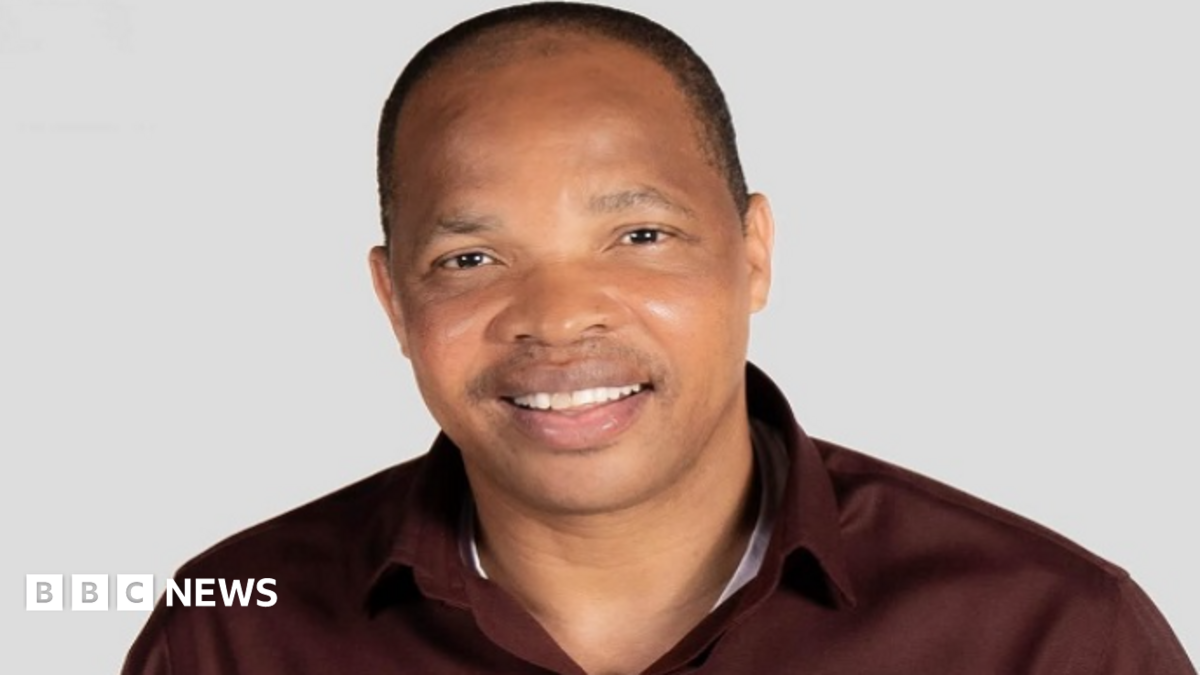
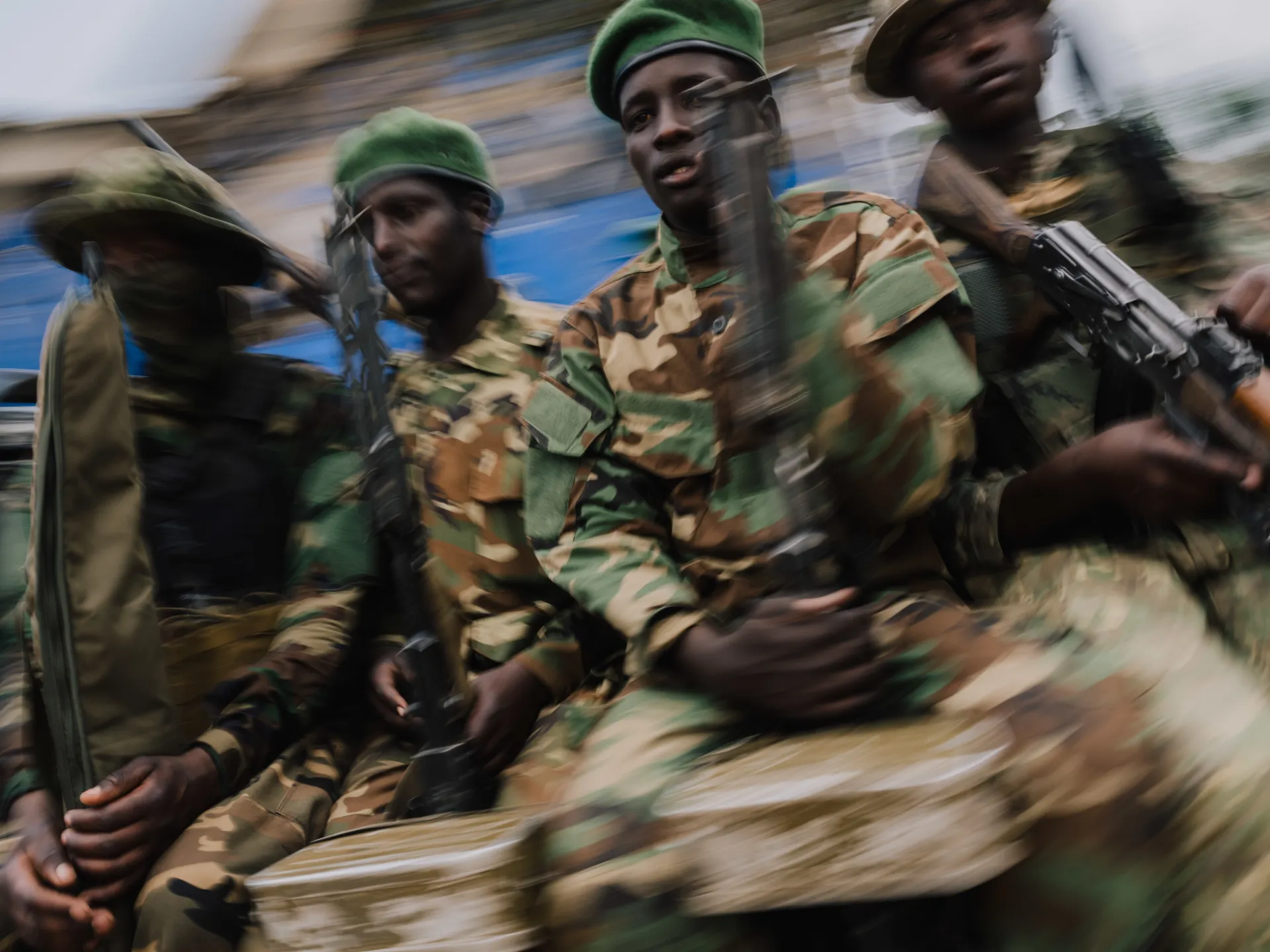
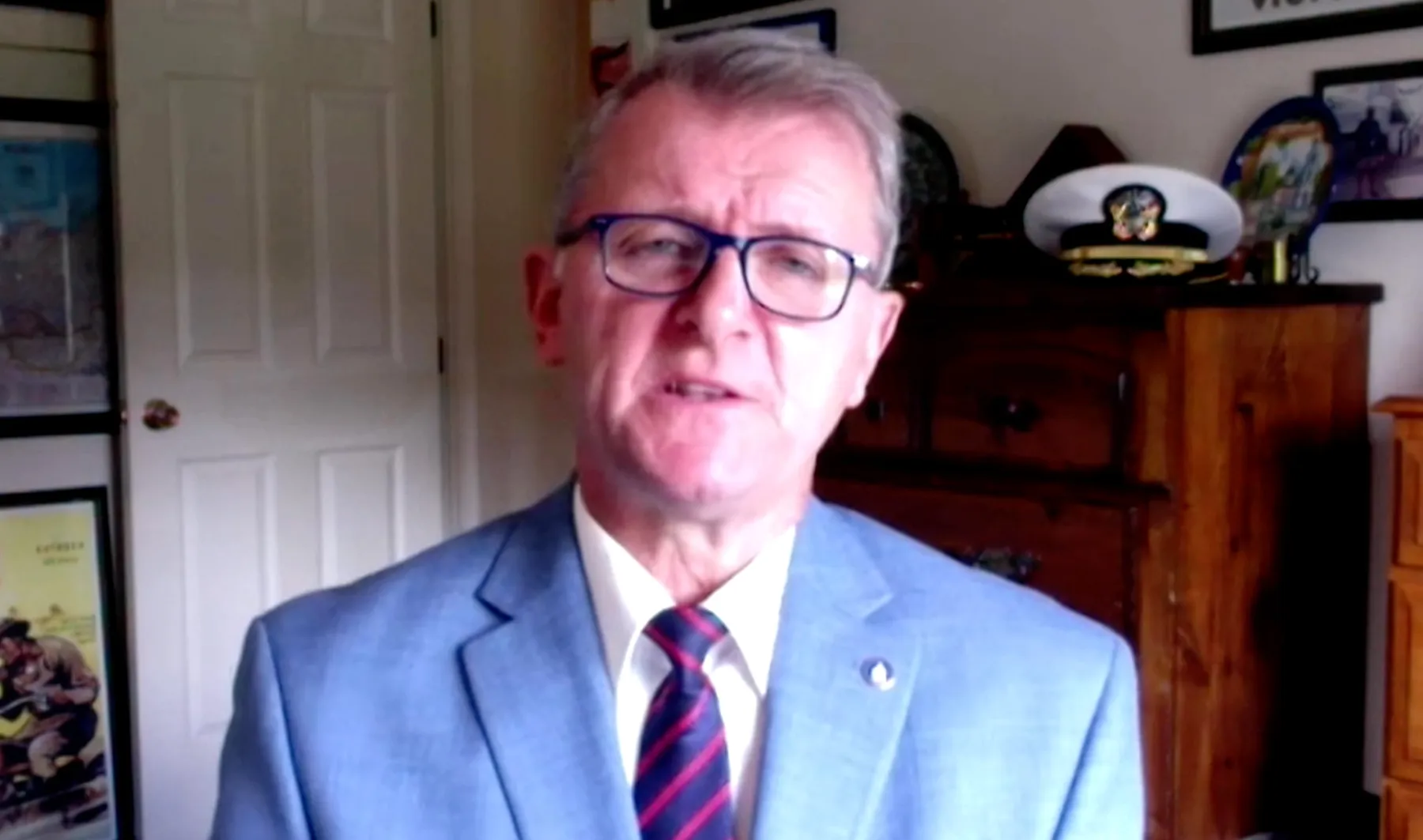
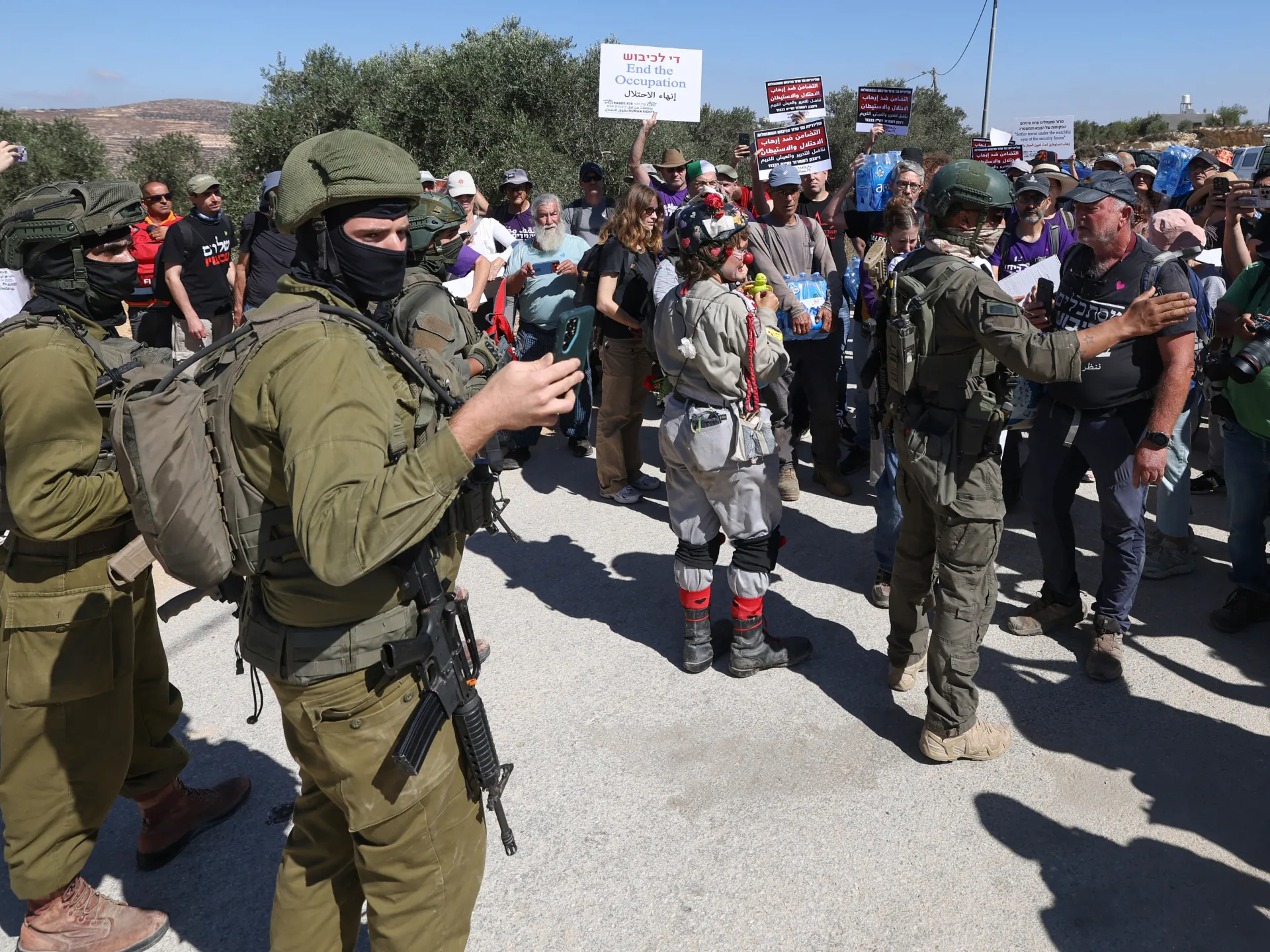
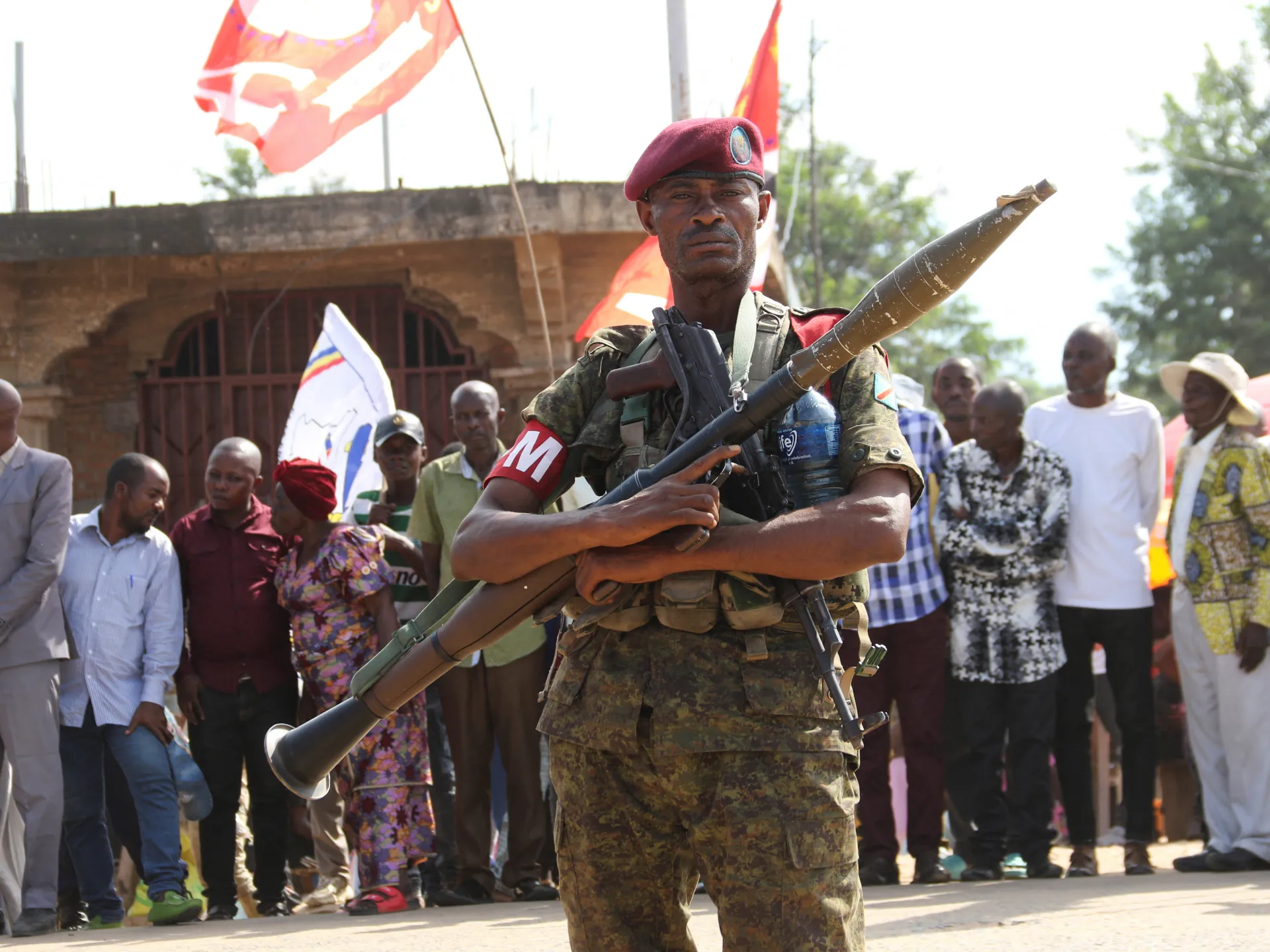
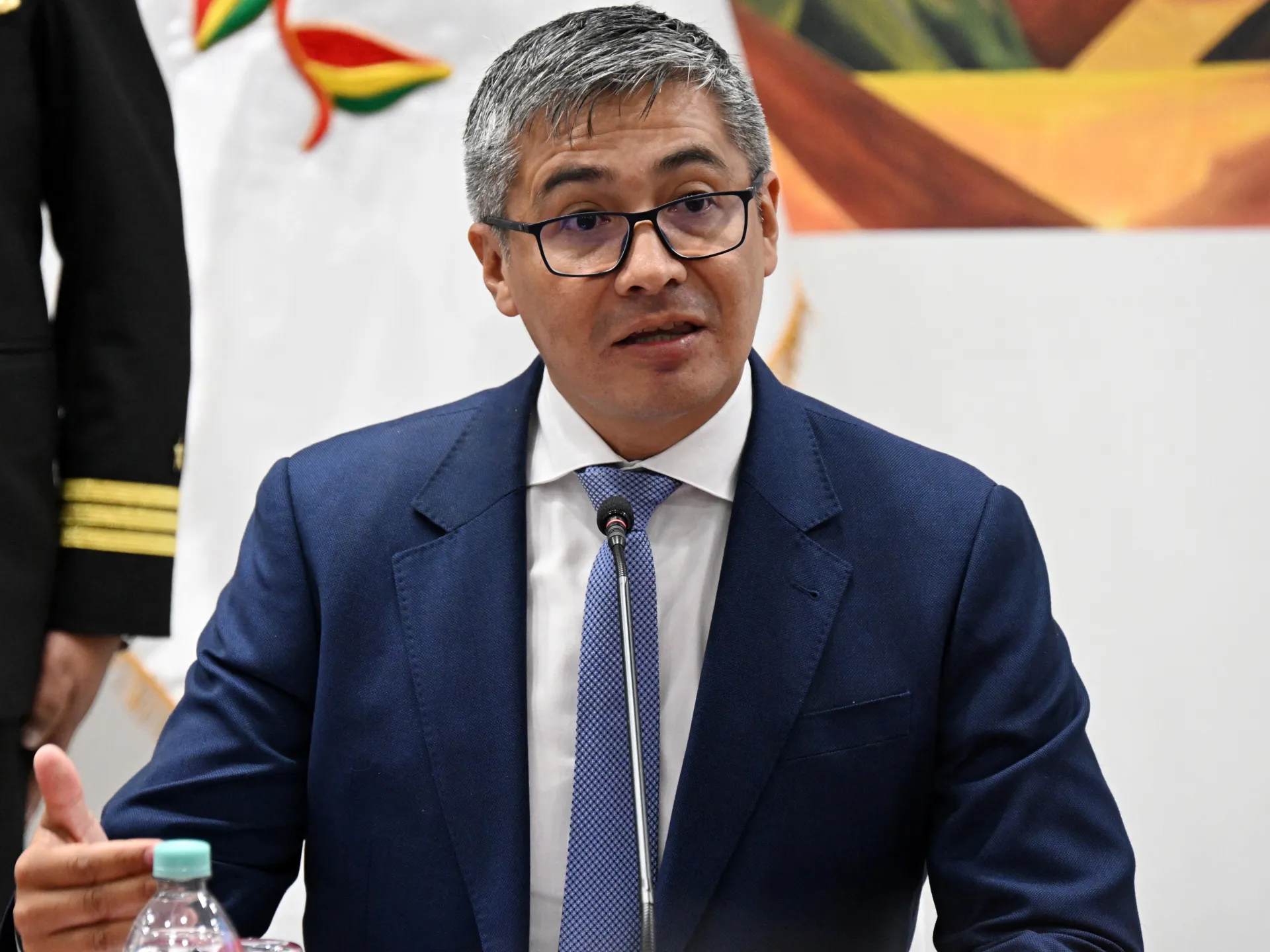
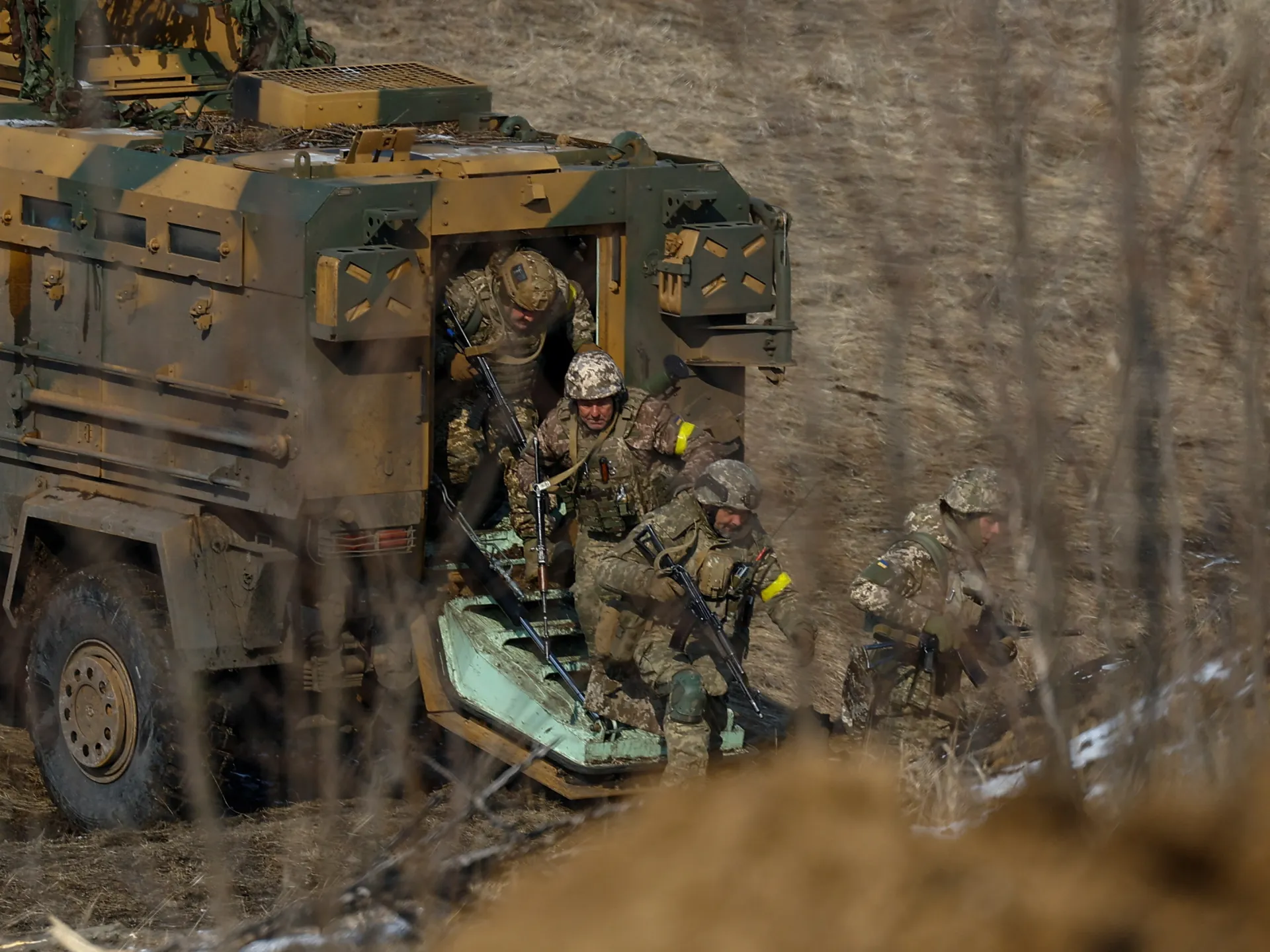
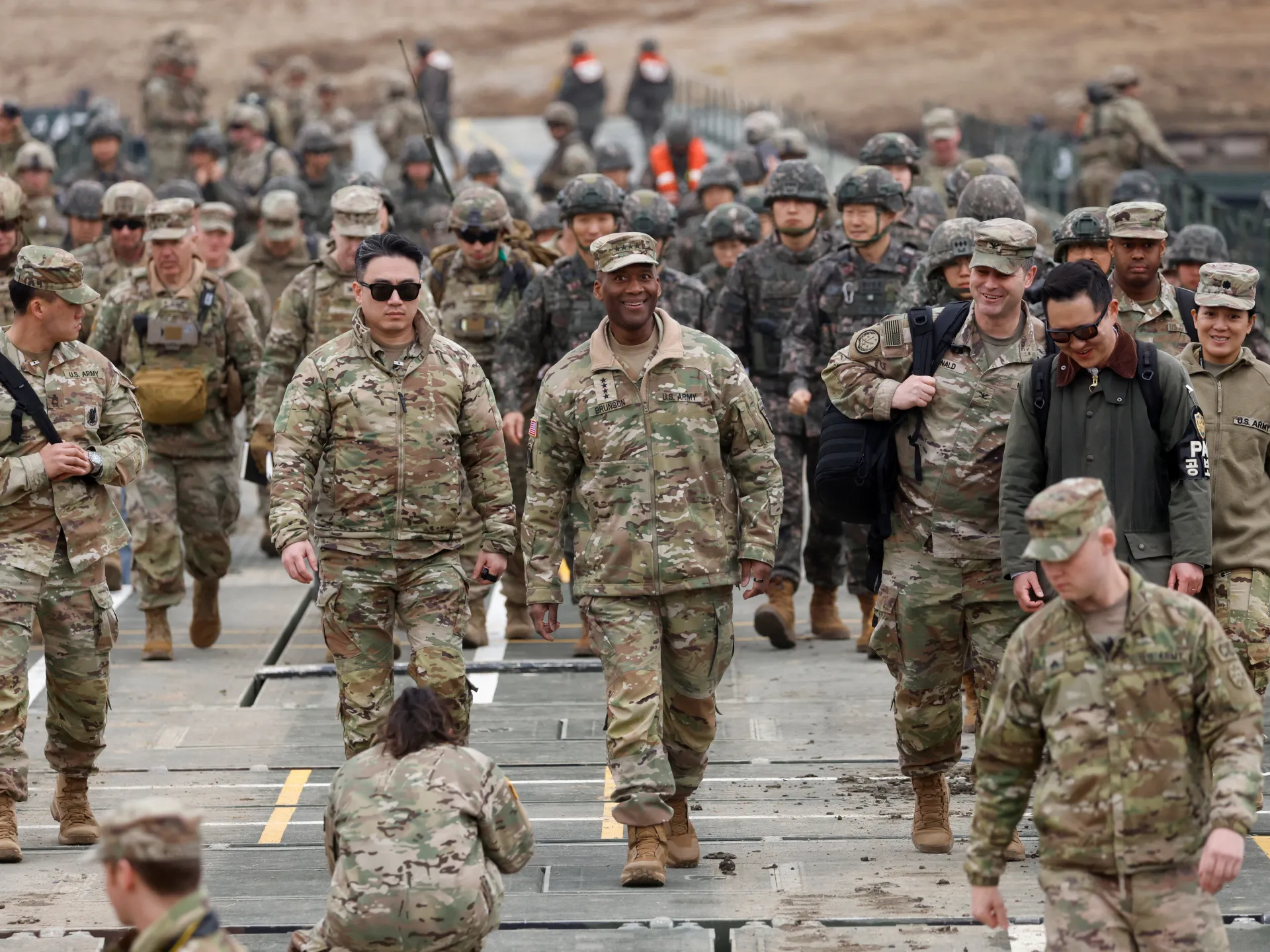
Lieutenant General Ganesh Kumar Shreshta, the head of the UNISFA mission, has emphasized that the primary objective for the peacekeeping force is the preservation of human life. The mission, which consists of approximately 3,000 police and military personnel, is currently focused on establishing a buffer that prevents further retaliatory attacks. Efforts to engage with community leaders are ongoing, with the mission pushing for a return to dialogue rather than armed confrontation.
Community leaders from both the Ngok Dinka and Misseriya groups have signaled a willingness to explore peaceful resolutions, though the situation remains fragile. Peacekeepers are maintaining a heightened presence on the ground, utilizing mobile patrols to monitor flashpoints and ensure that the market areas remain secure for those who rely on them for their livelihoods. The UN continues to urge all parties to exercise restraint and prioritize coexistence over historical grievances.
The Abyei region remains a complex geopolitical challenge, with its final administrative status left in limbo since South Sudan achieved independence from Sudan in 2011. As an oil-rich territory, it is jointly administered ries between local ethnic groups. The lack of a permanent political settlement has historically left the region vulnerable to outbreaks of violence whenever local tensions flare.
This latest incident occurs as South Sudan prepares for its first post-independence elections, scheduled for December. While the nation has experienced a period of relative peace since the 2018 agreement that concluded a brutal five-year civil war, the instability in border regions like Abyei highlights the significant hurdles remaining. The international community continues to watch the area closely, noting that the resolution of such border conflicts is essential for the long-term stability of both Sudan and South Sudan.