The House of Representatives has approved a war powers resolution aimed at restricting military operations in Iran, marking the third such attempt this summer.
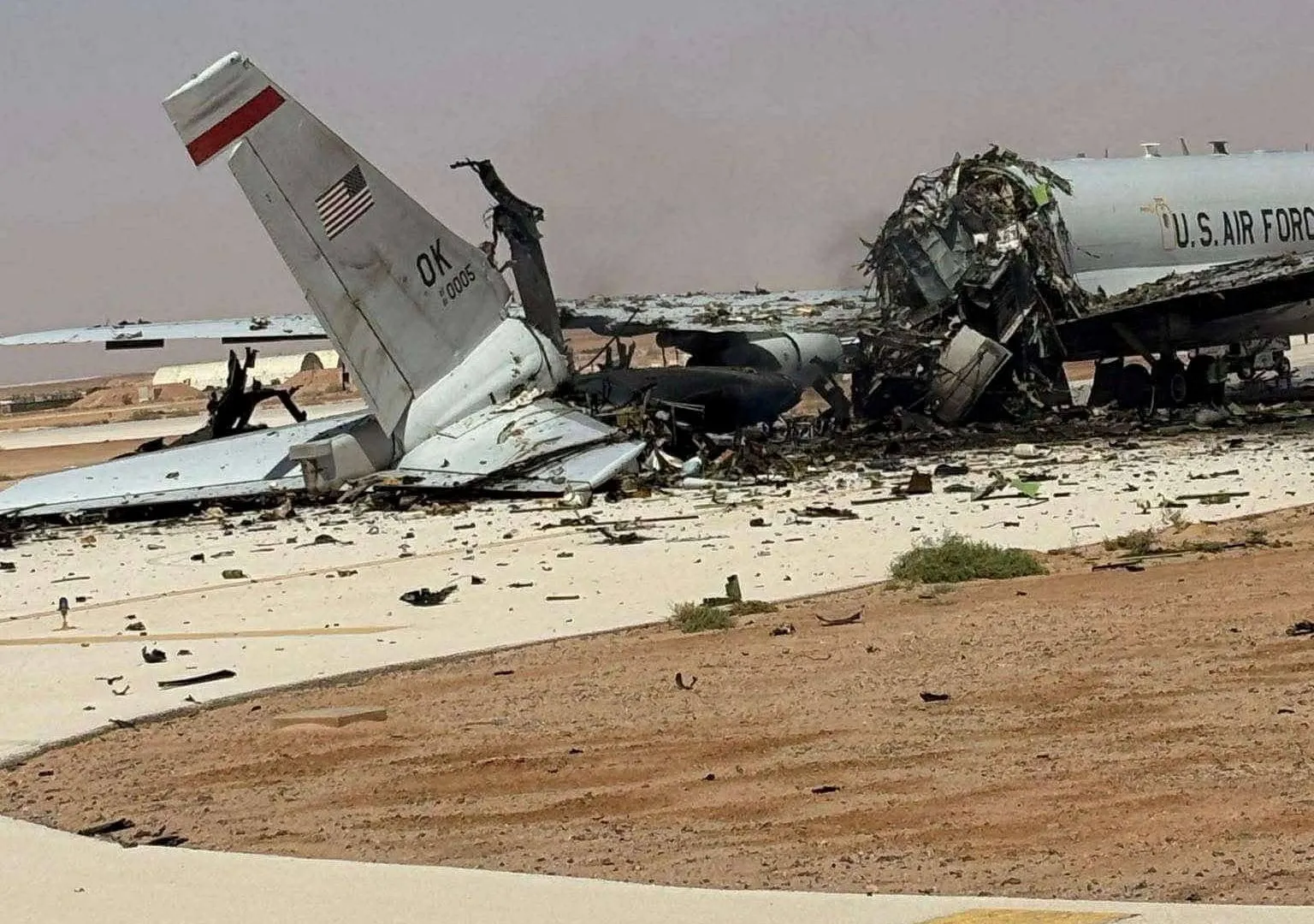
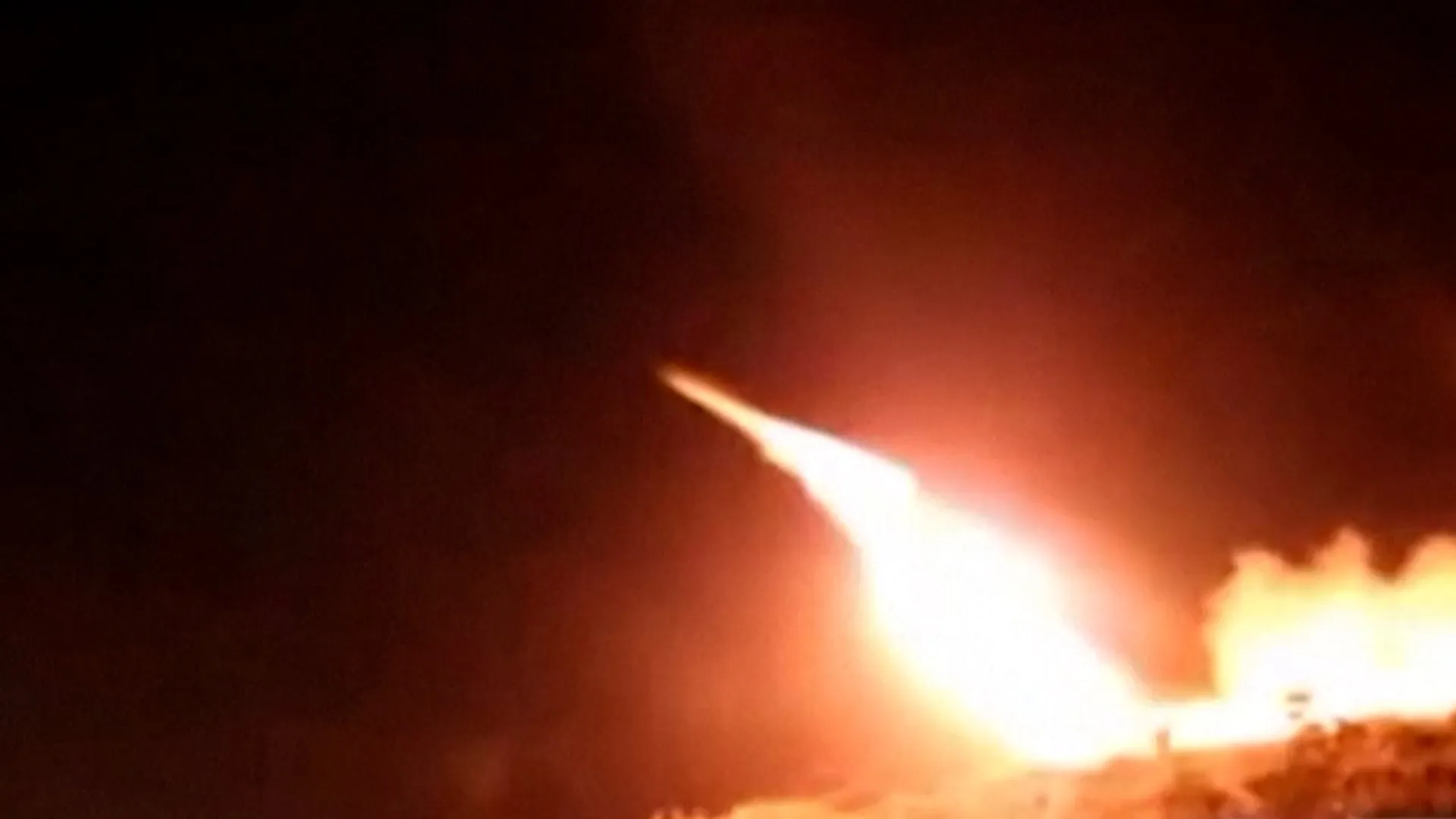
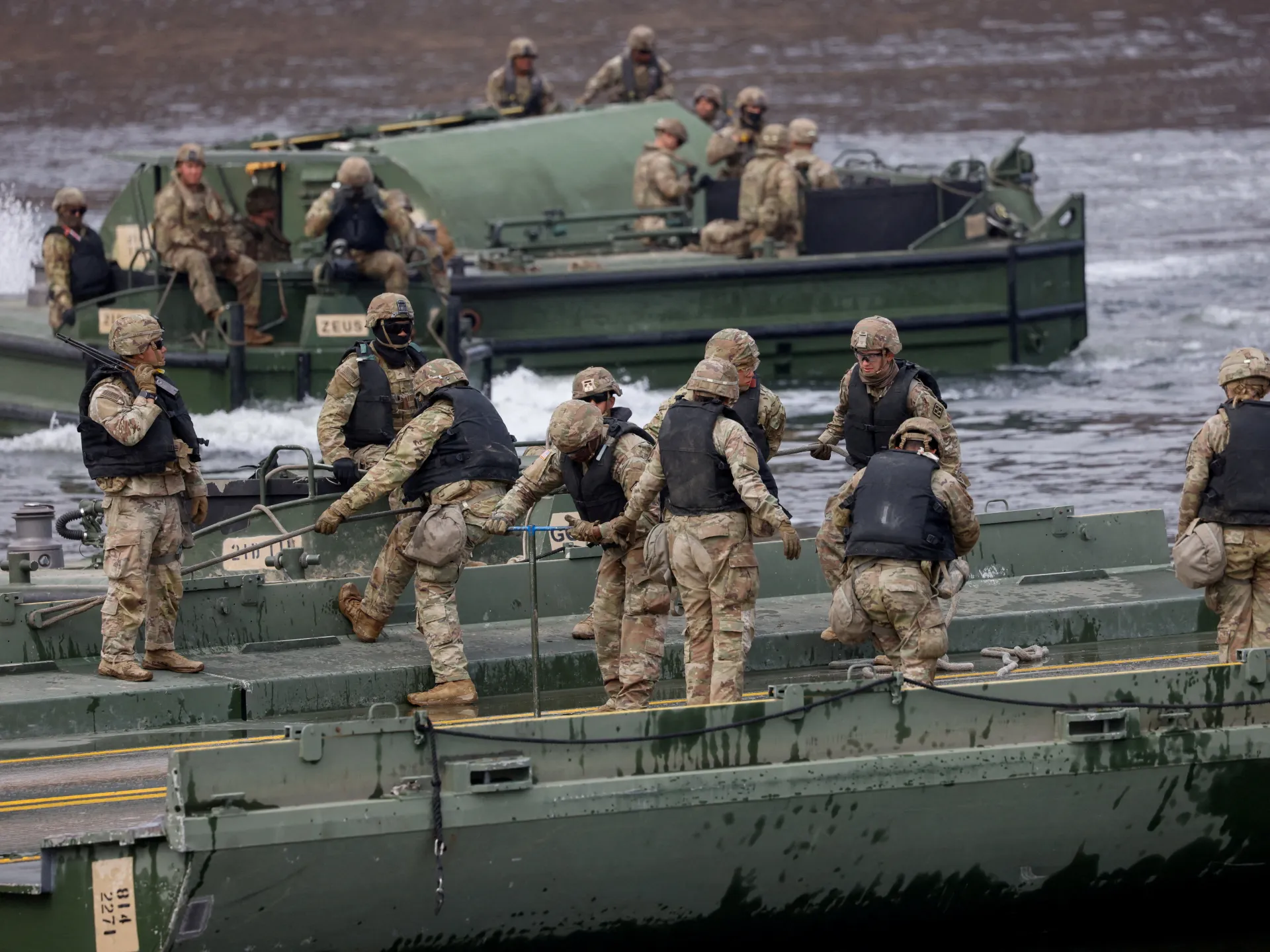
The United States House of Representatives has passed a war powers resolution aimed at restricting the executive branch's ability to conduct military operations in Iran without explicit legislative approval. The vote, which concluded late Tuesday with a 220-204 margin, marks the third time the chamber has attempted to assert its constitutional authority over the ongoing conflict. This latest legislative maneuver signals growing bipartisan frustration regarding the lack of a clear exit strategy for the military engagement that began in late February.
While the resolution faced strong opposition from leadership, seven Republican lawmakers crossed party lines to support the measure. This marks a slight increase in support compared to previous iterations of the bill earlier this summer. Among those supporting the resolution was Representative Zach Nunn of Iowa, who emphasized that the time for open-ended military involvement has passed. Nunn argued that with diplomatic avenues currently closed, the Constitution demands that sustained combat operations receive formal authorization from Congress.
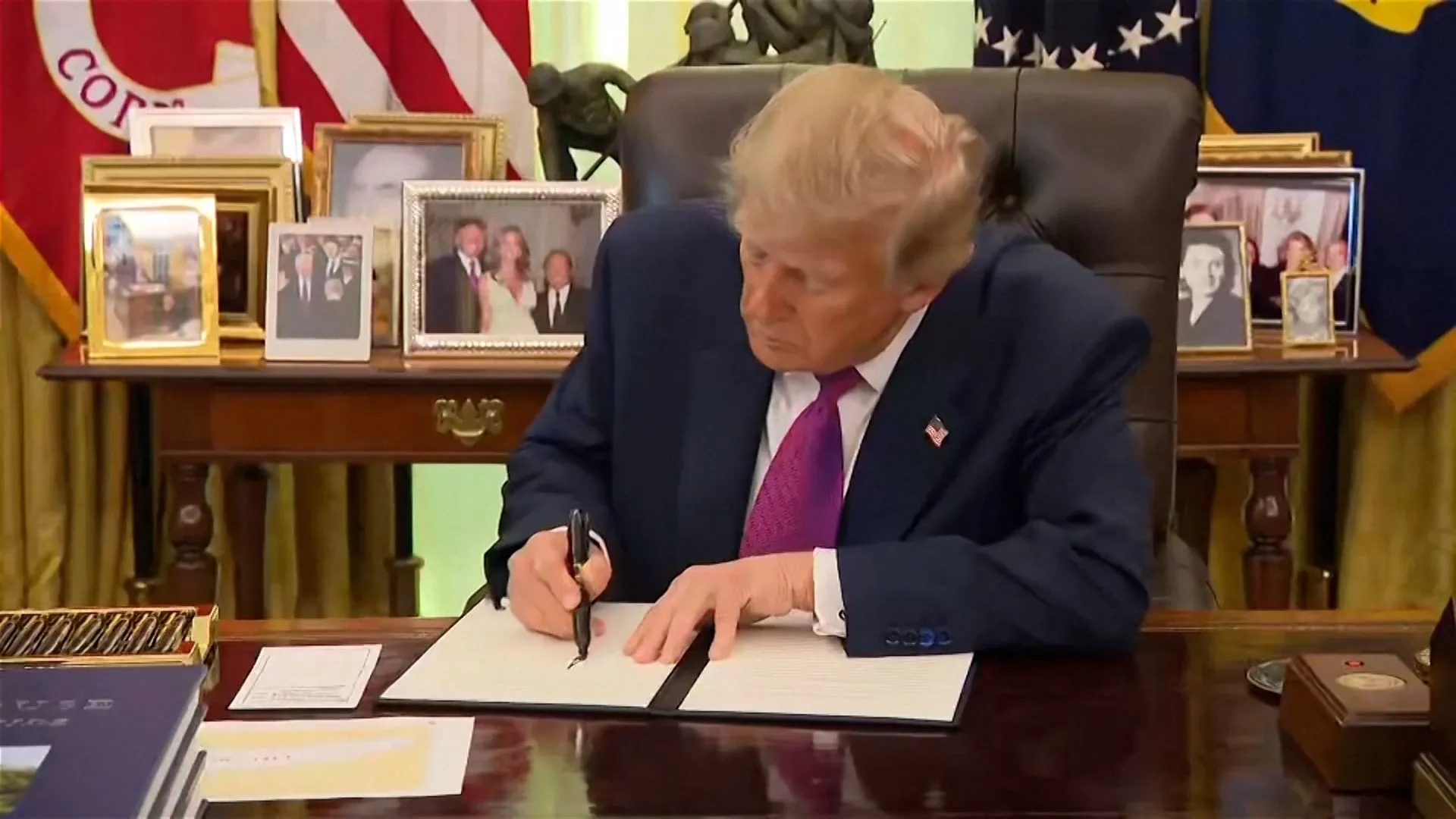
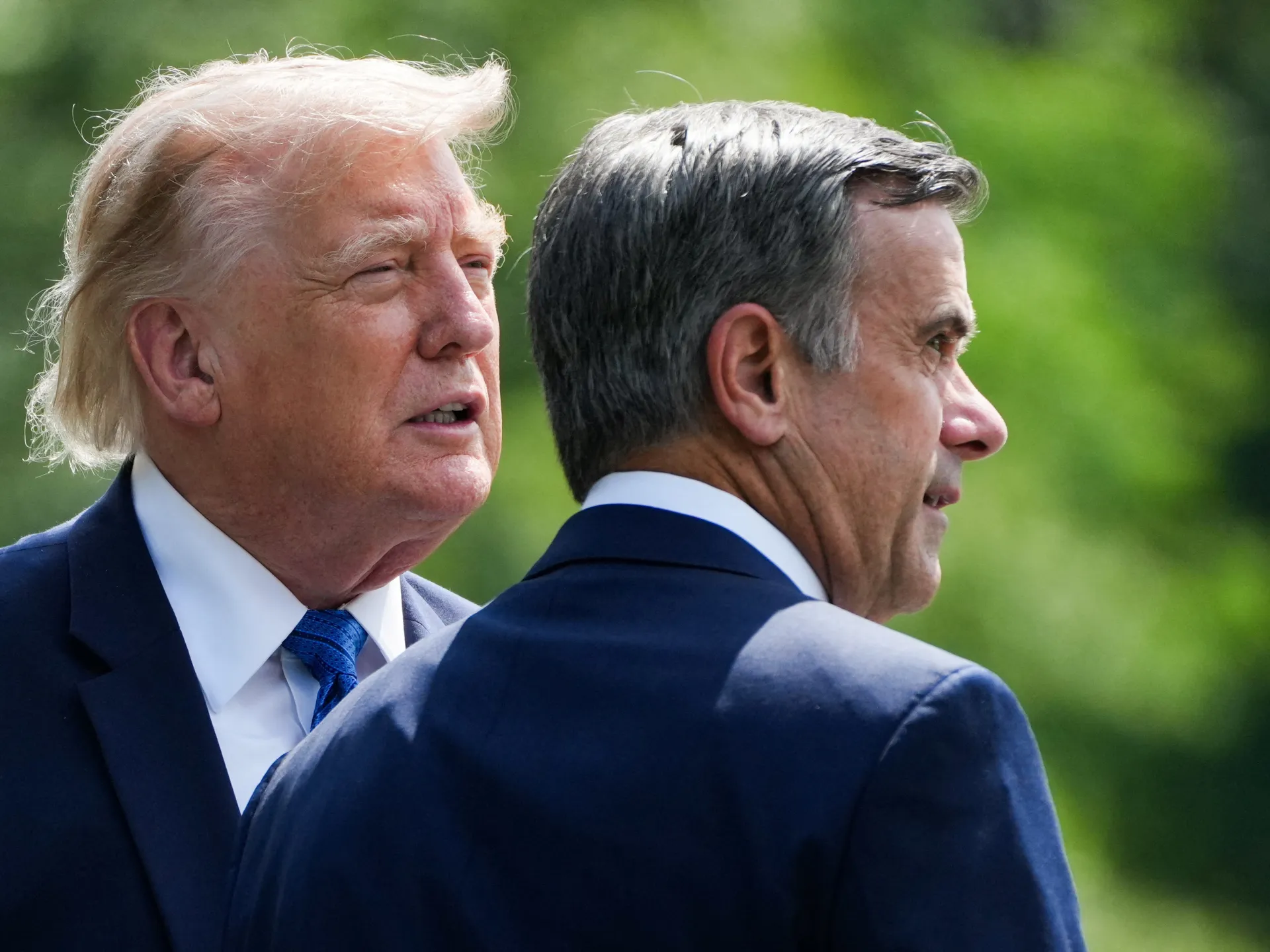
The legislative effort faces significant hurdles, as the White House has signaled a firm stance against such constraints. Supporters of the administration’s policy, including House Foreign Affairs Committee Chairman Brian Mast, argue that the military presence is a necessary response to persistent threats from the region. Mast maintains that the administration is working to conclude long-standing hostilities and that removing military resources prematurely would undermine national security interests.
Proponents of the resolution point to the War Powers Act, a piece of legislation enacted in the wake of the Vietnam War to prevent the executive branch from engaging in prolonged conflicts without oversight. The act requires the president to obtain congressional approval for military actions that exceed specific time limits, typically 60 to 90 days. Despite the legal framework, the current impasse highlights a deepening divide over whether the president's role as commander-in-chief allows for indefinite military engagement in the absence of a formal declaration of war.
The ongoing conflict is increasingly being felt beyond the battlefield, with a recent report from the nonpartisan Congressional Budget Office (CBO) detailing the significant economic toll. According to the CBO, the war has already incurred costs totaling $38 billion within its first six months. The report further warns that these expenditures are expected to climb significantly in the first quarter of 2027, placing additional pressure on the national budget and contributing to domestic inflationary concerns.
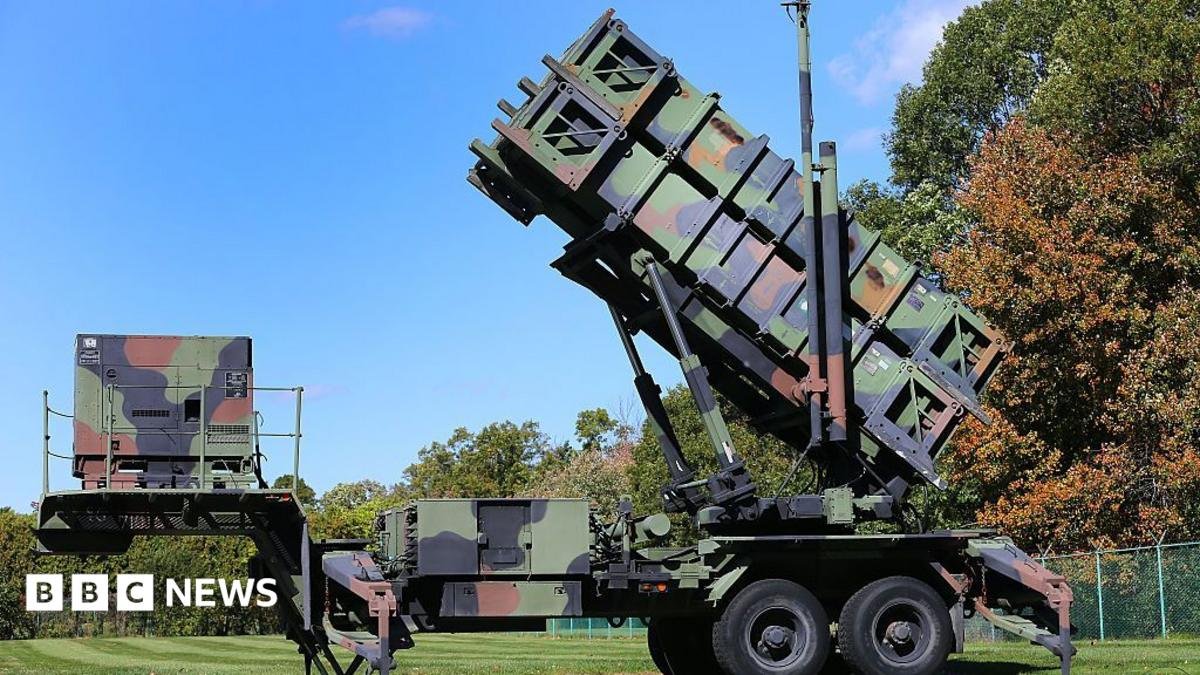
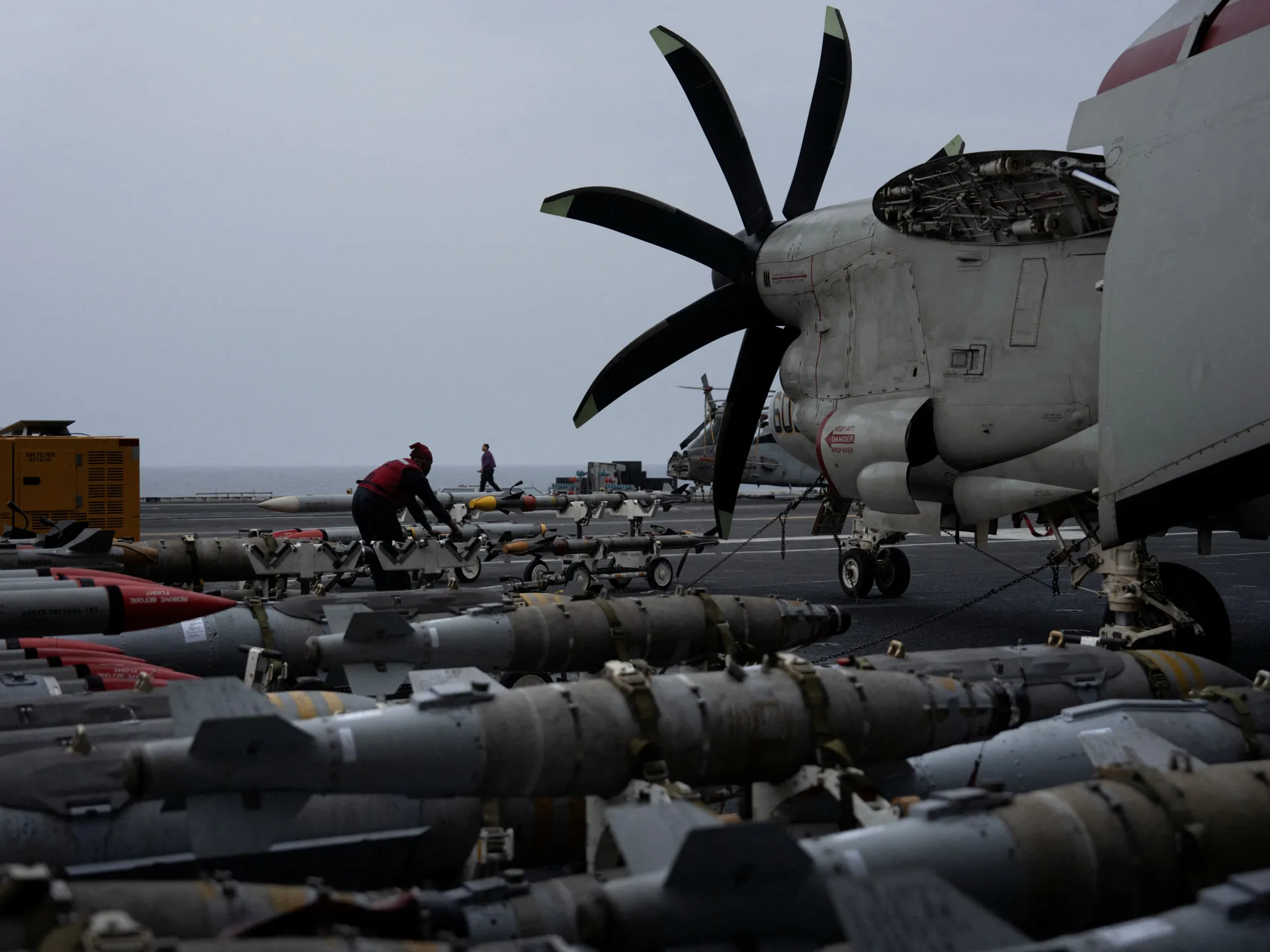
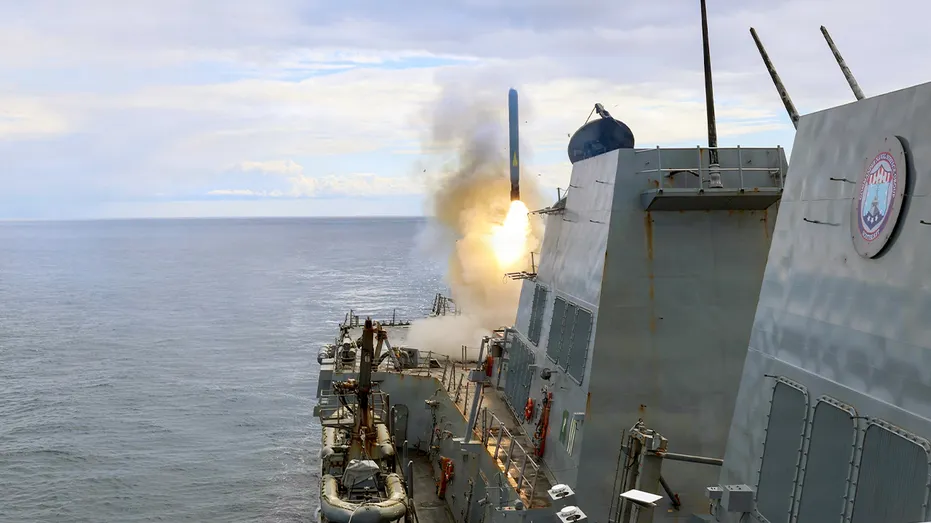
Beyond fiscal impact, the military campaign has begun to strain the nation’s munitions stockpiles. These logistical challenges, combined with the rising financial burden, have influenced public opinion and political discourse. Polling data from July indicated that a majority of Americans believe the conflict in Iran has not been worth the cost. As lawmakers head home to prepare for the upcoming midterm elections, the war has emerged as a central issue in campaign debates, further complicating the political landscape for the party in power.
Despite the House's repeated attempts to curtail the conflict, the path to implementation remains blocked. Even if the resolution were to pass the Senate, it is widely expected that the president would exercise his veto power. Previous attempts to pass similar legislation have faced similar obstacles, with efforts in the Senate faltering after internal party pressure. This cycle of legislative attempts and executive resistance underscores the difficulty of modernizing the application of the War Powers Act in a polarized political environment.
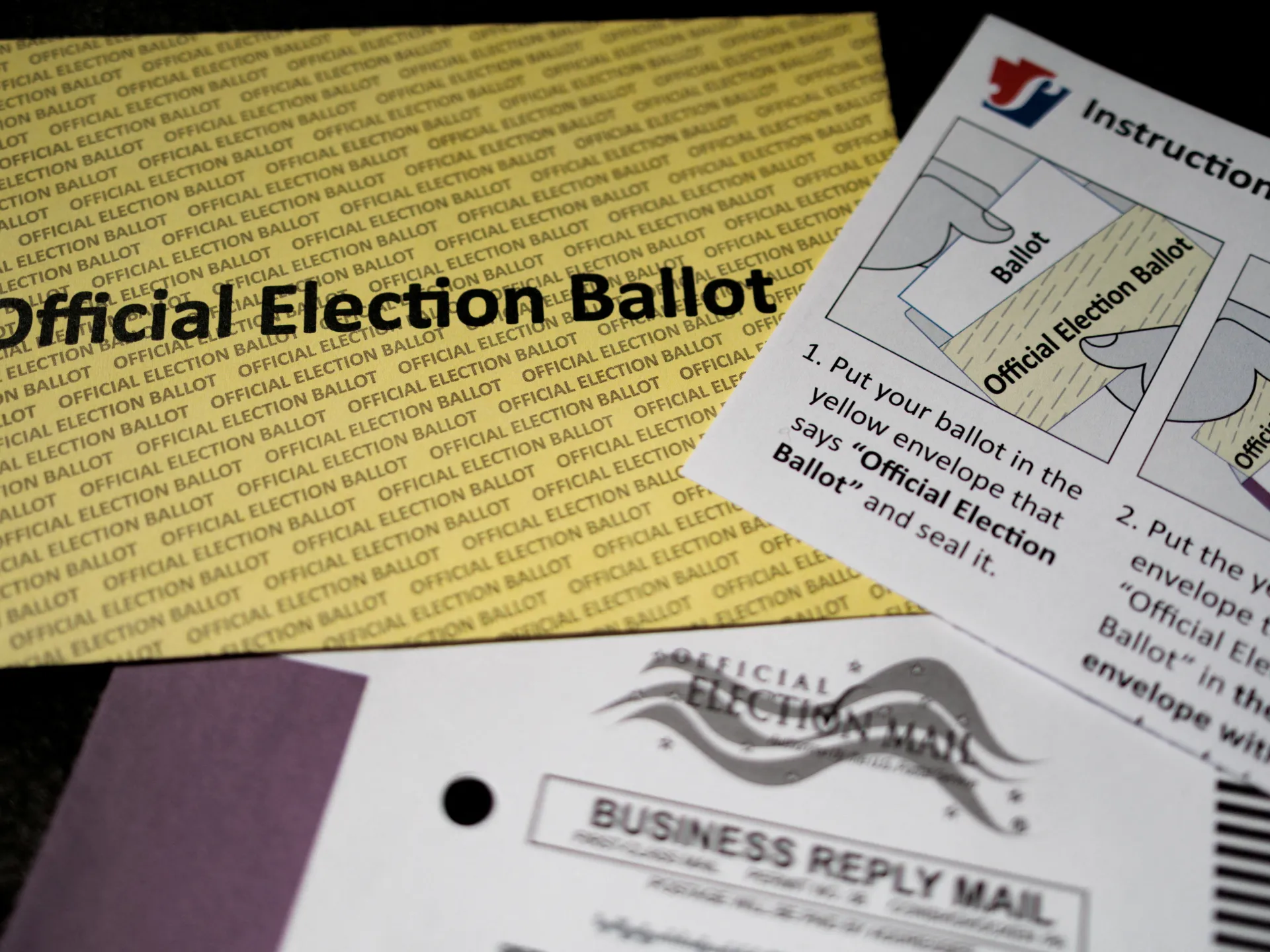
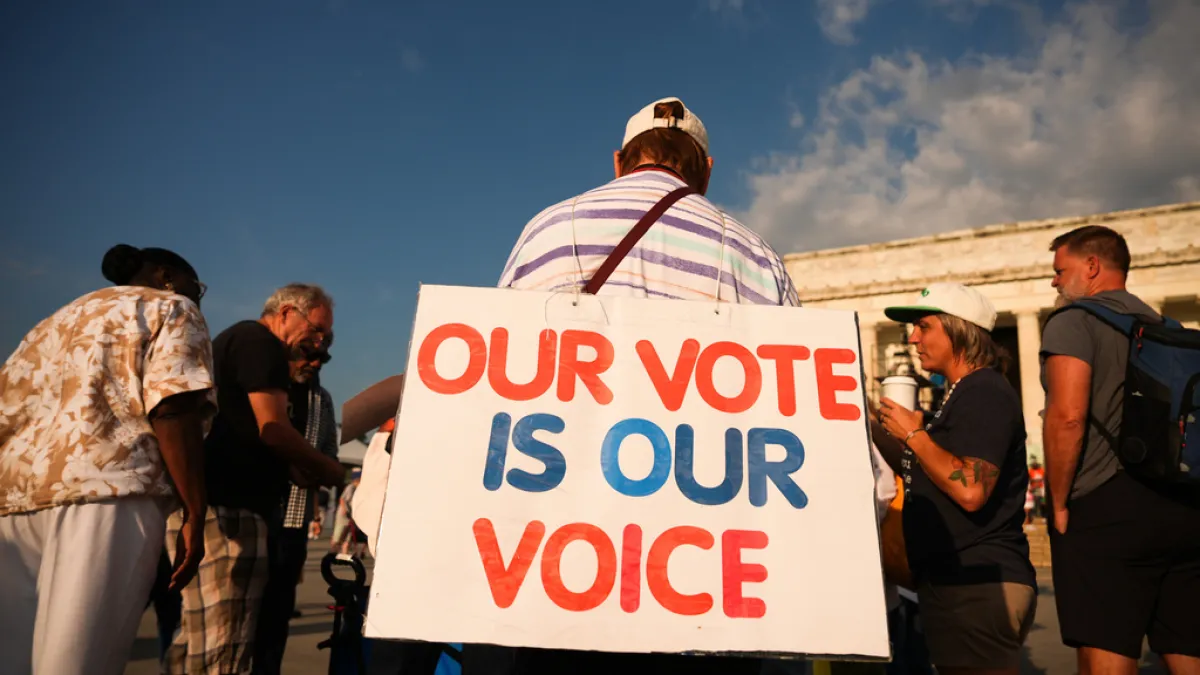
With fewer than 50 days until the midterms, the focus of Congress is shifting toward the campaign trail. This vote likely represents the final major legislative action on the Iran conflict before voters head to the polls. As the nation prepares to decide the future control of Congress, the debate over the Iran war remains a defining issue, reflecting a broader struggle between the legislative and executive branches over the scope and duration of American military intervention abroad.