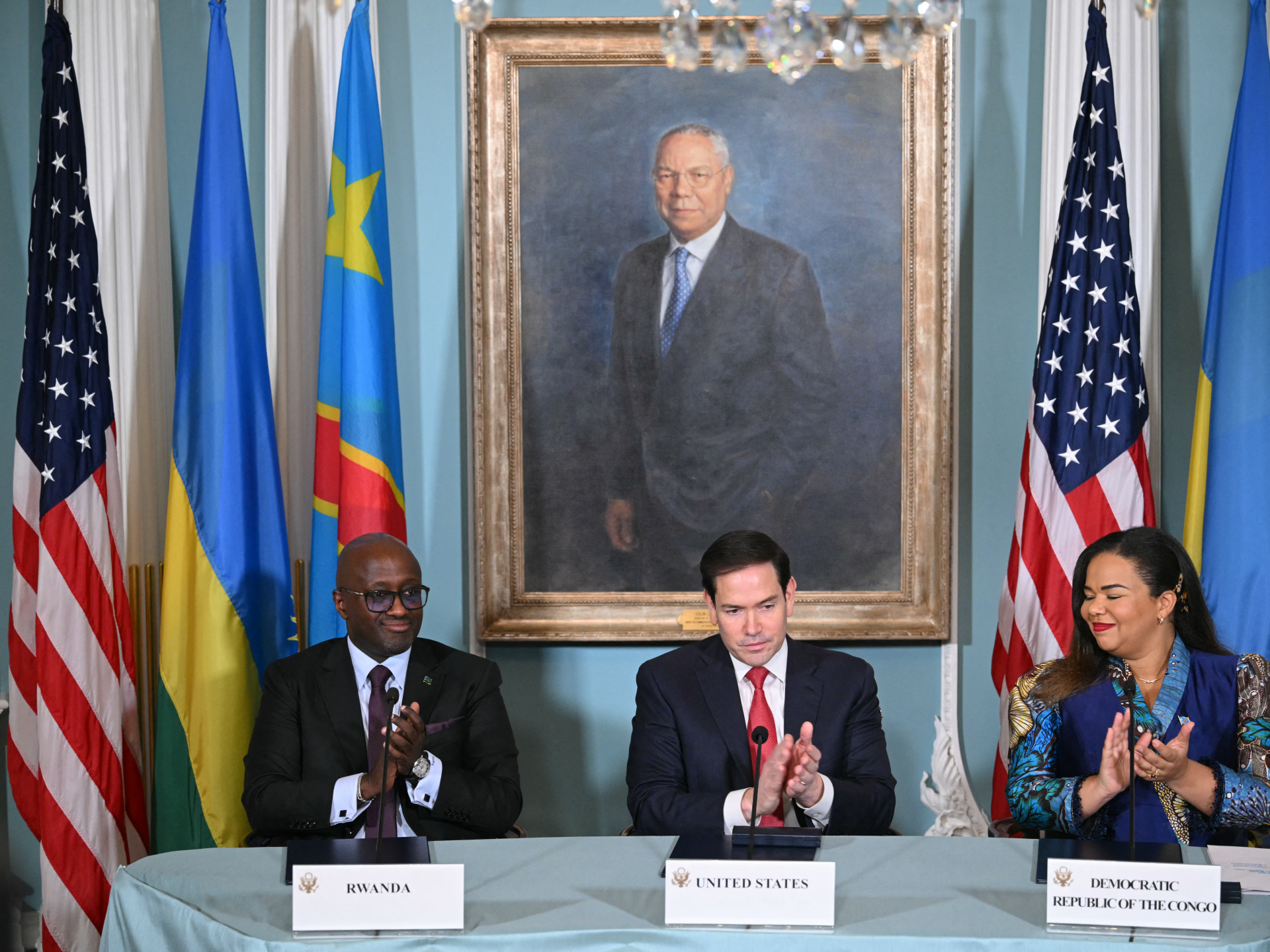
As the DRC and Rwanda return to the negotiating table in Geneva, civilians in eastern Congo remain caught in a cycle of violence that current diplomacy has yet to resolve.
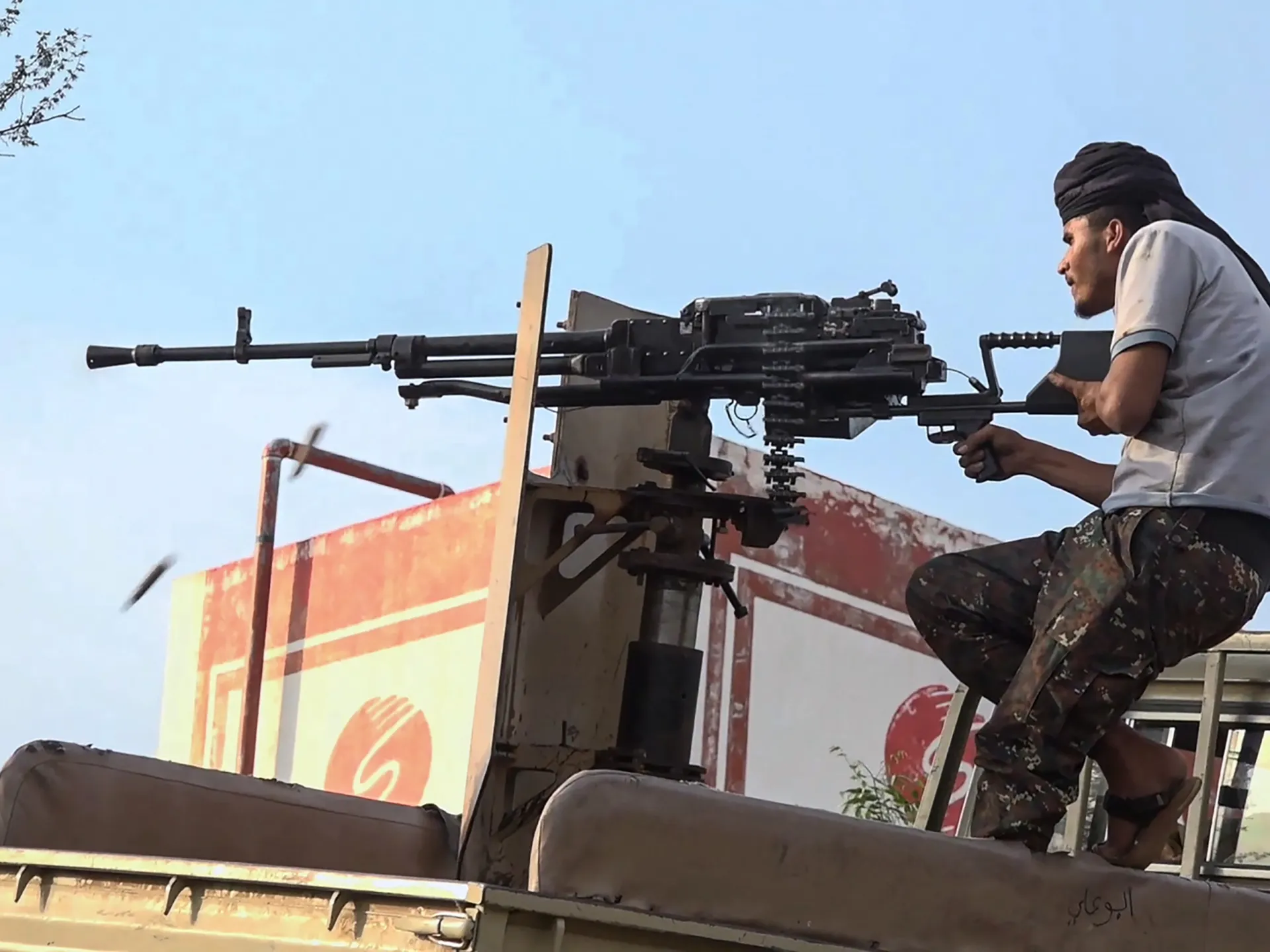
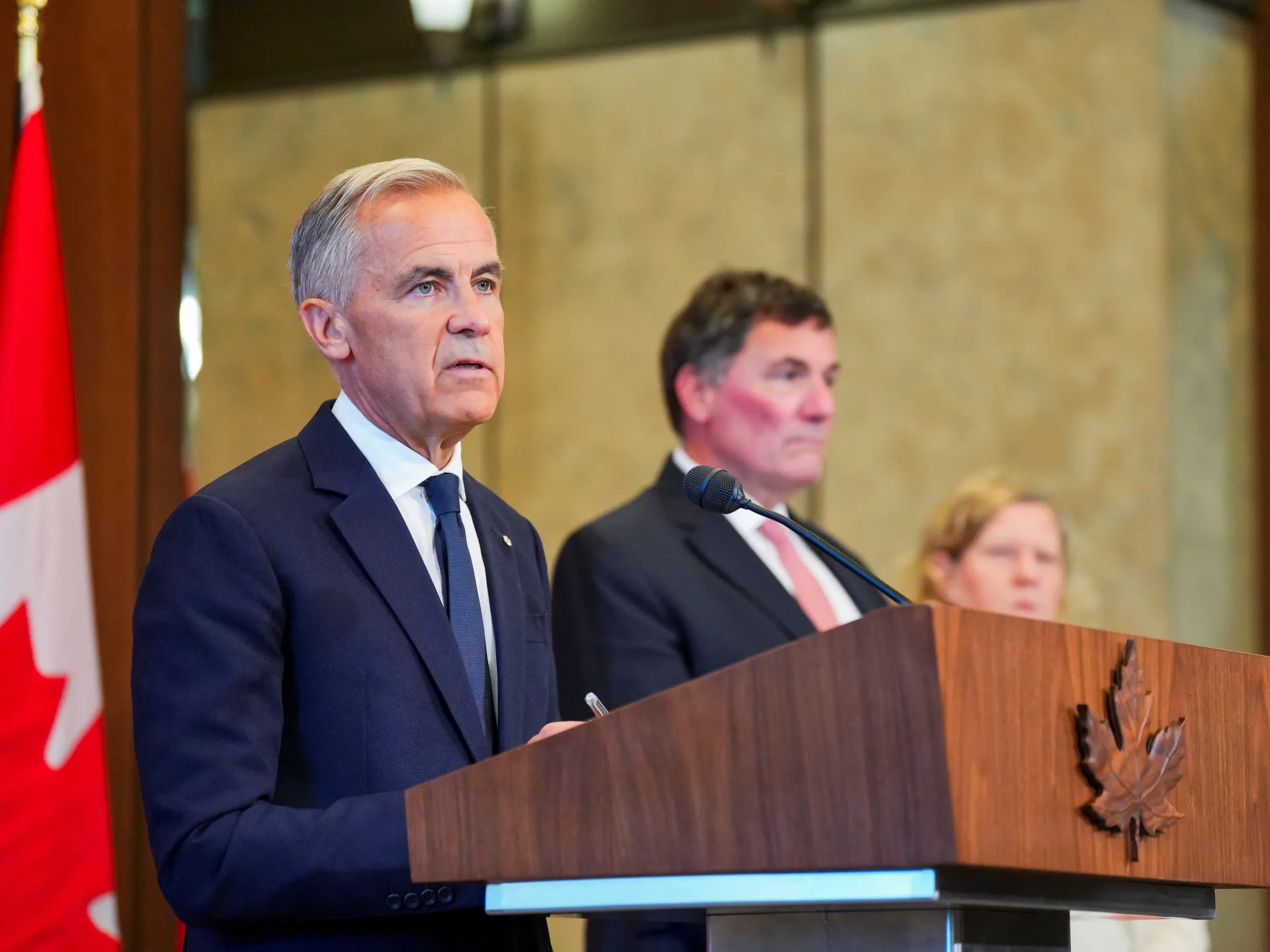
As representatives from the Democratic Republic of the Congo (DRC) and Rwanda convene in Geneva, the international community watches closely to see if this latest round of negotiations can finally break the cycle of violence that has plagued eastern Congo for years. Despite a previous agreement signed over a year ago, the security situation on the ground remains volatile. The current diplomatic landscape is complex, characterized nd between the DRC and Rwanda, and a separate, Qatar-led dialogue between the Congolese government and the political alliance supporting the M23 rebel group.
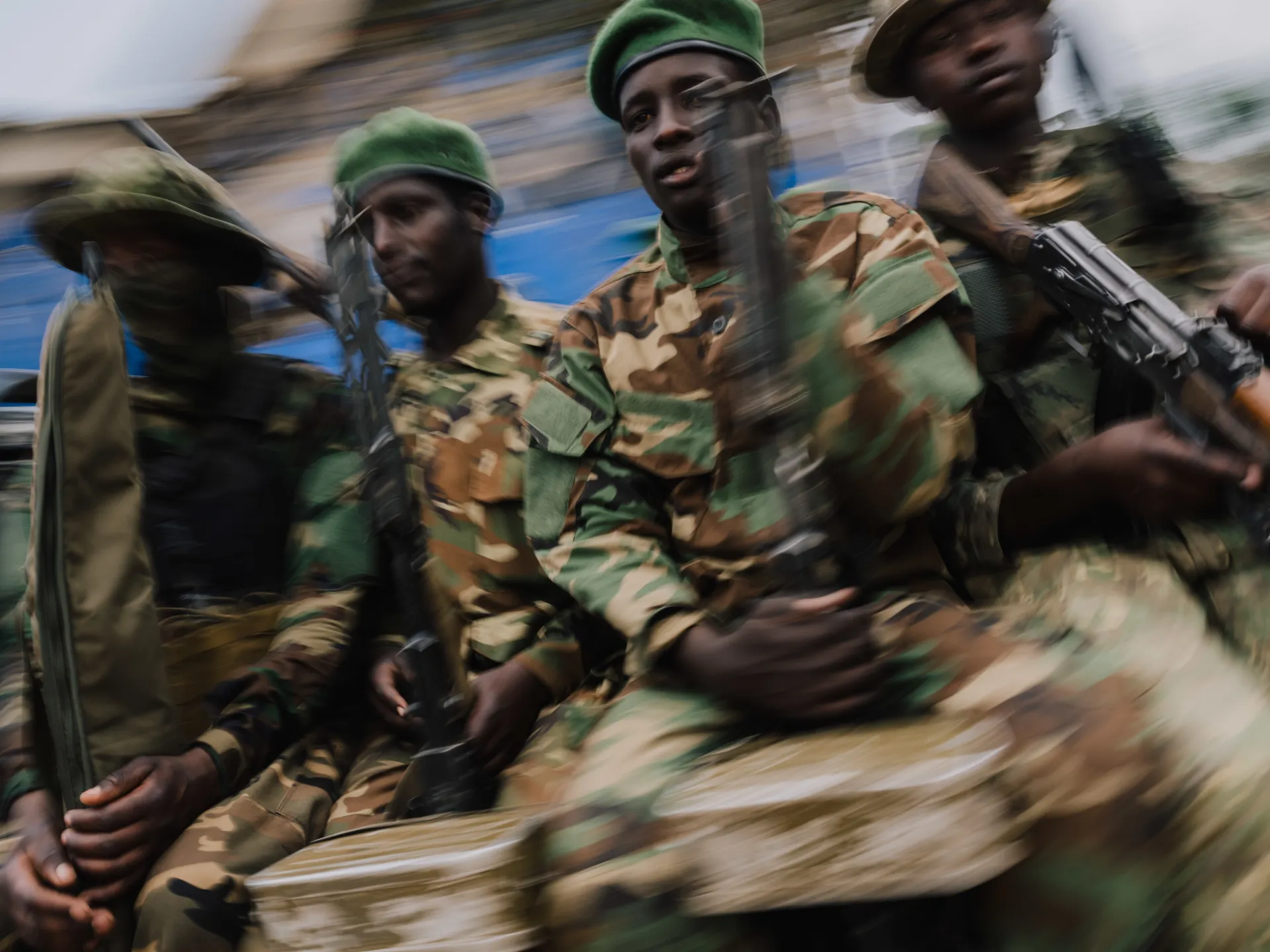
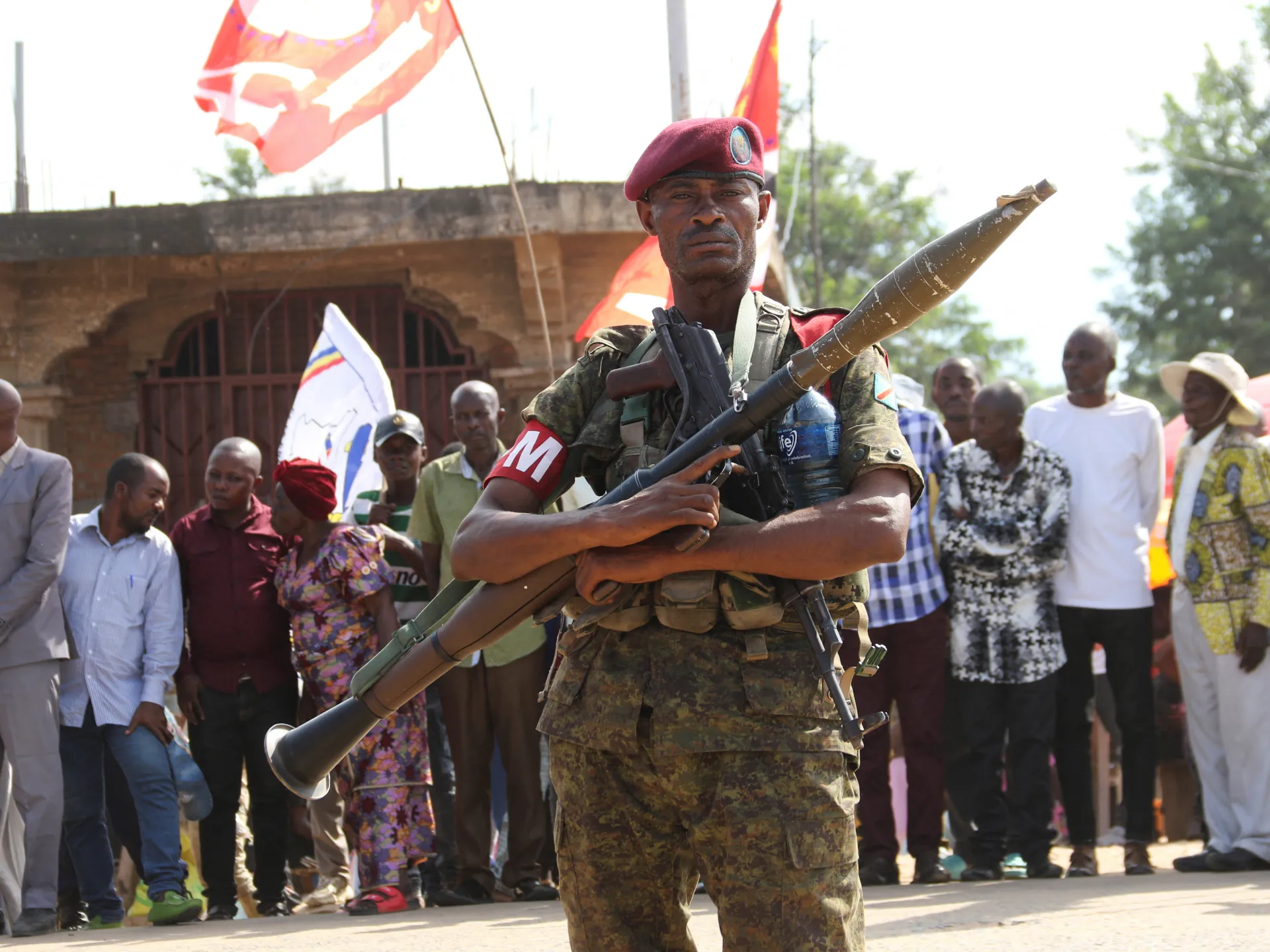
The separation of these negotiations poses a significant hurdle to long-term stability. The M23 rebellion, which gained significant ground in early 2025 broader regional tensions between Kinshasa and Kigali. Because the territorial control exercised da’s security posture is inextricably linked to the presence of various armed groups in the region, the two tracks of diplomacy cannot be fully disentangled. Success in one area often depends on progress in the other, creating a fragile environment where any military movement can derail delicate political discussions.
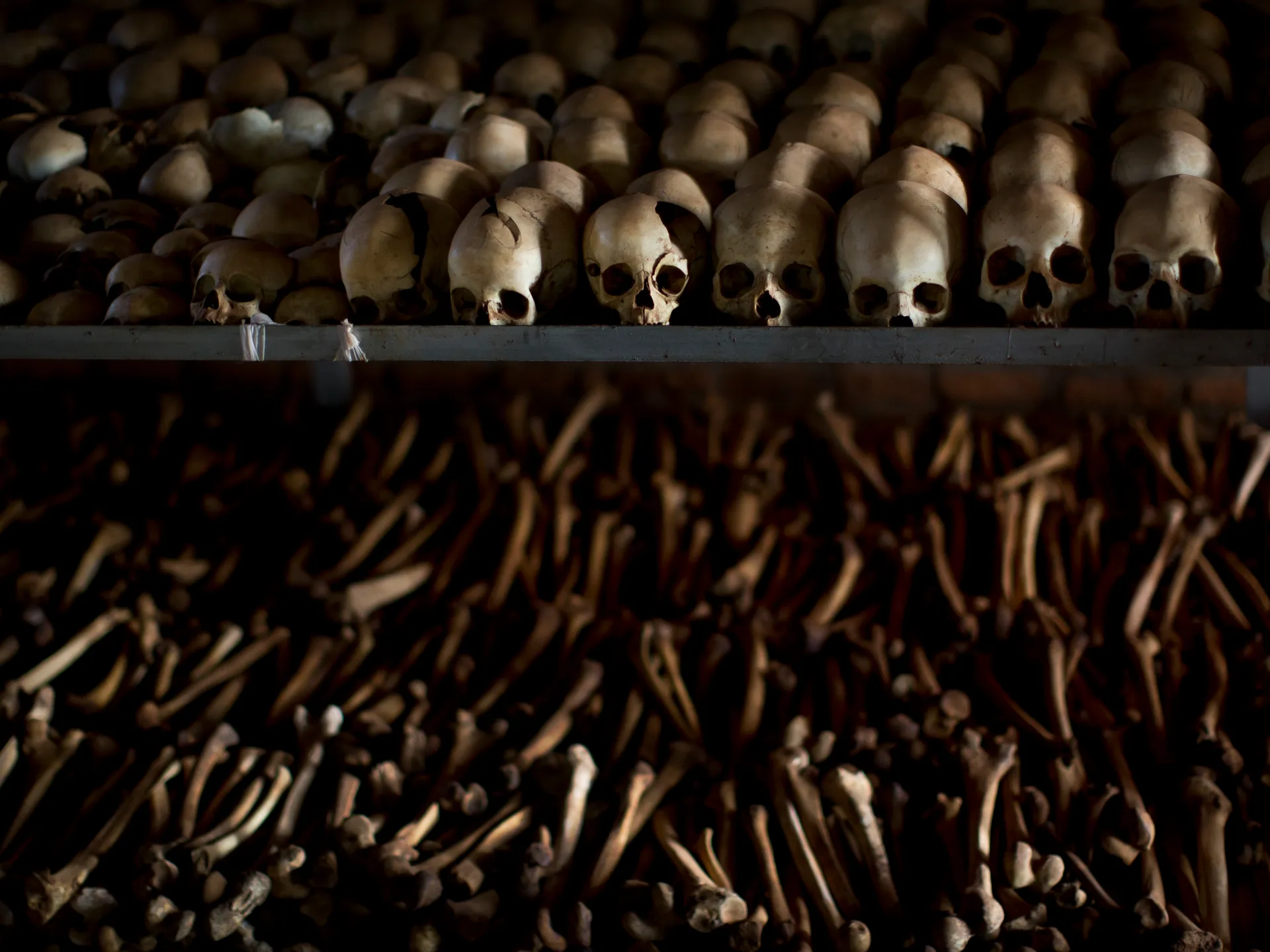
Central to the diplomatic impasse is the presence of the Democratic Forces for the Liberation of Rwanda (FDLR), an armed group with roots tracing back to the 1994 genocide against the Tutsi in Rwanda. Kigali maintains that the group’s presence near its border constitutes an existential security threat, necessitating a robust military response. While the DRC has committed to a demobilization process aimed at neutralizing the FDLR under previous frameworks, the Rwandan government continues to view these efforts as insufficient, leading to persistent accusations of expansionism and interference from Kinshasa.
The disagreement reflects a fundamental clash of perspectives regarding sovereignty and regional security. For Rwandan officials, military intervention in eastern Congo is a necessary defensive measure to ensure the safety of their borders. Conversely, the Congolese government argues that such actions are a blatant violation of its national sovereignty, asserting that foreign forces have no place on their soil. This deep-seated mistrust serves as the primary barrier to a lasting ceasefire. Without a shared understanding of what constitutes a legitimate security threat and how to address it through non-military means, the diplomatic divide remains wide.
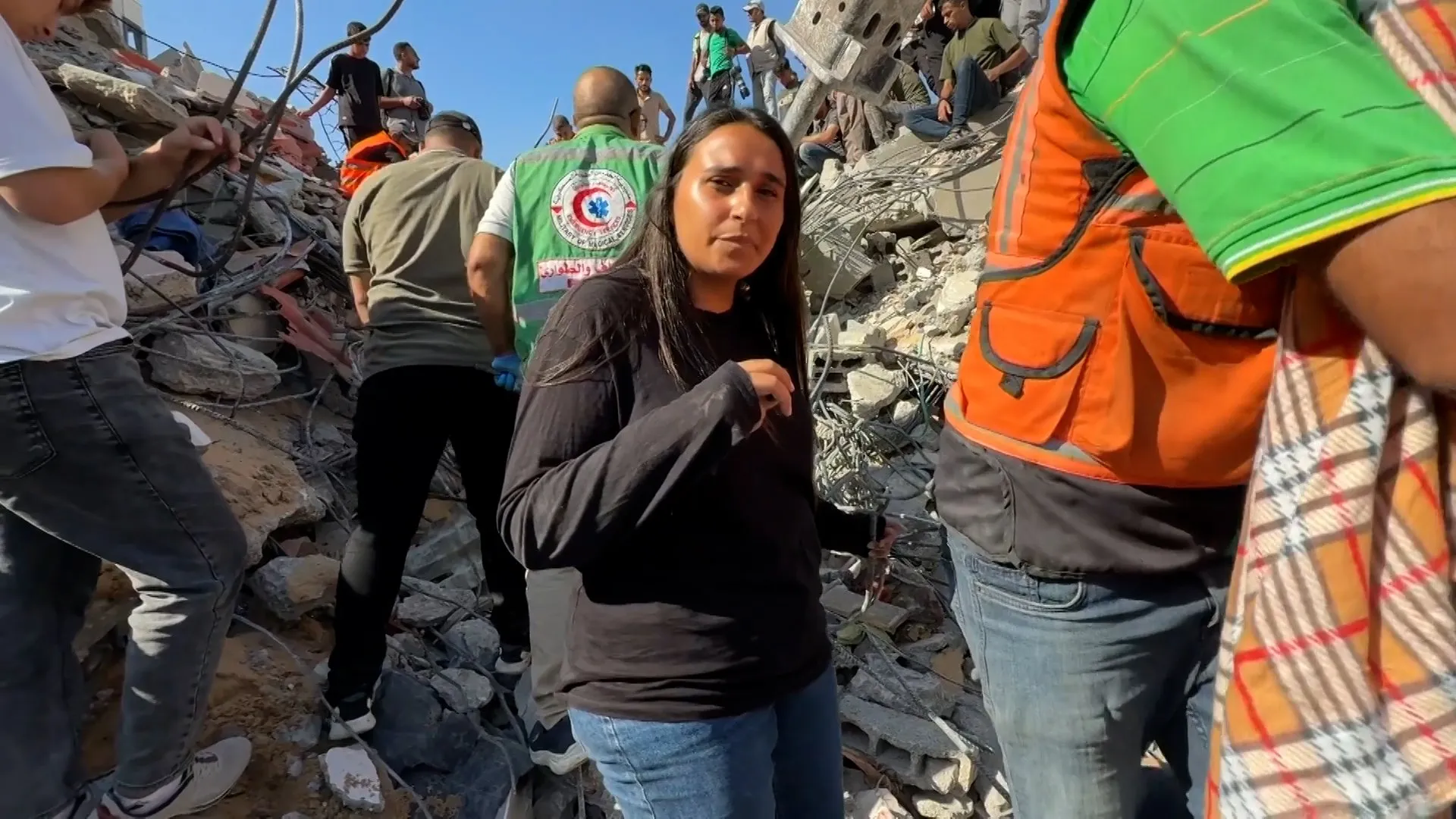
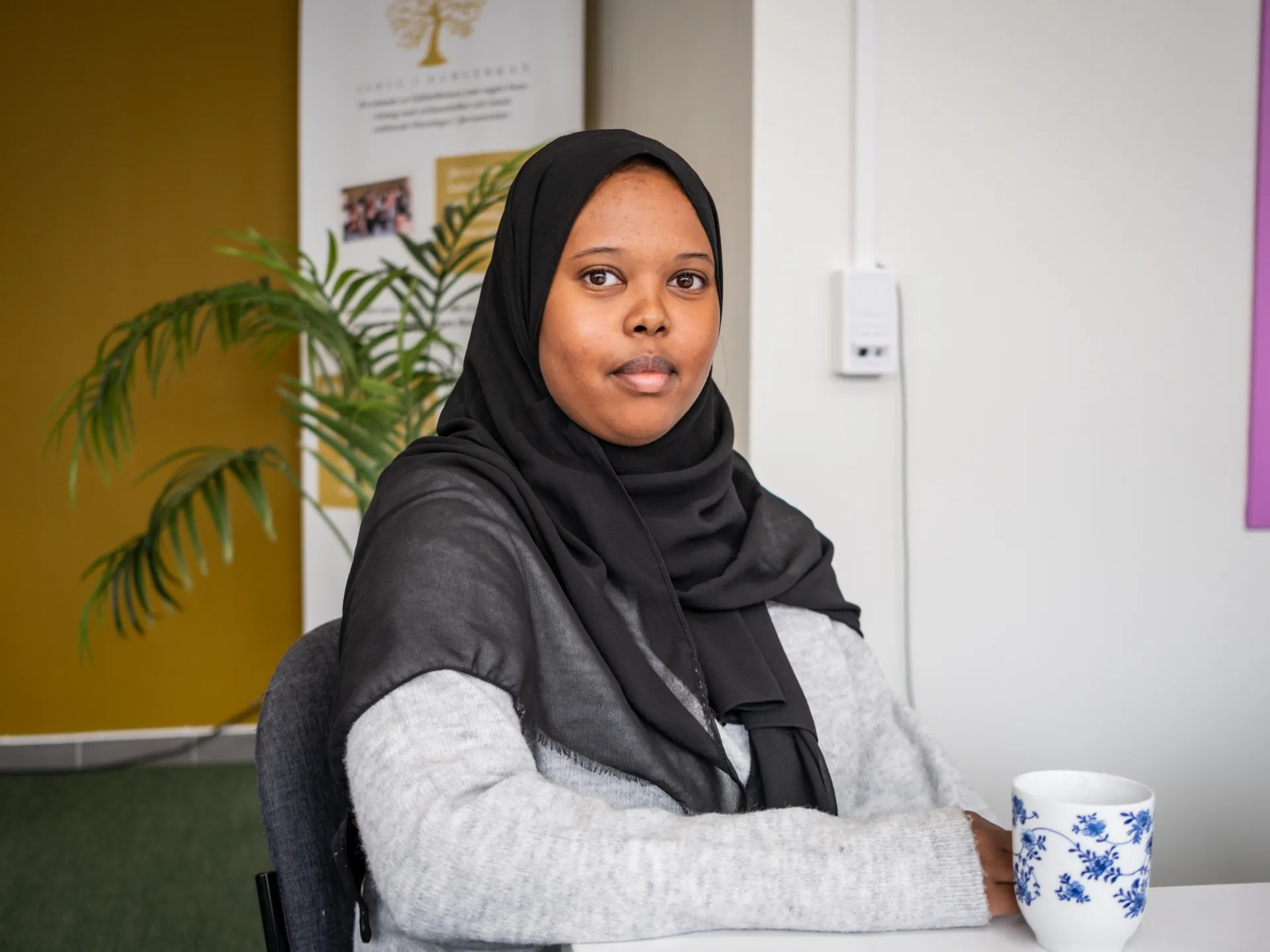
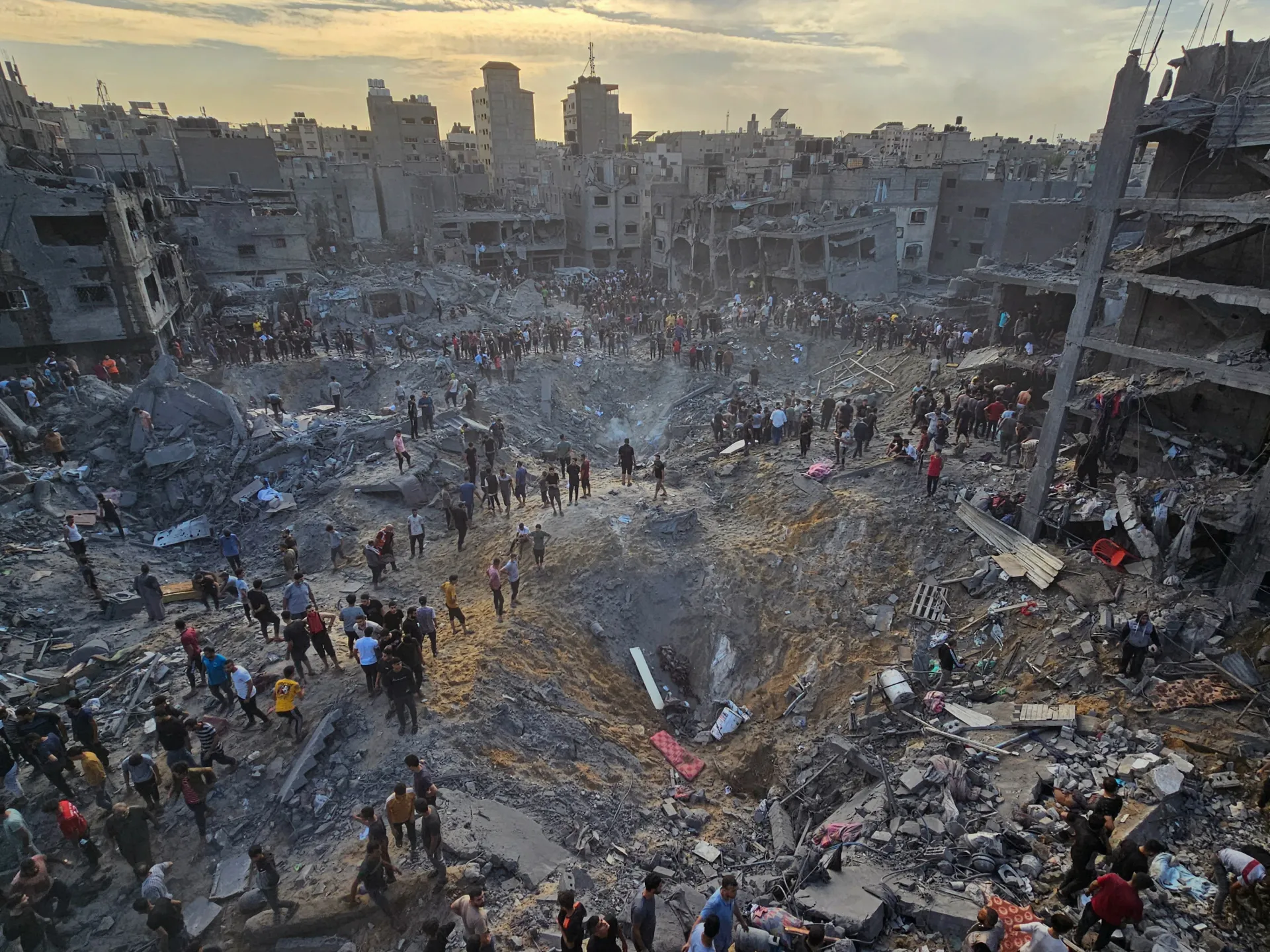
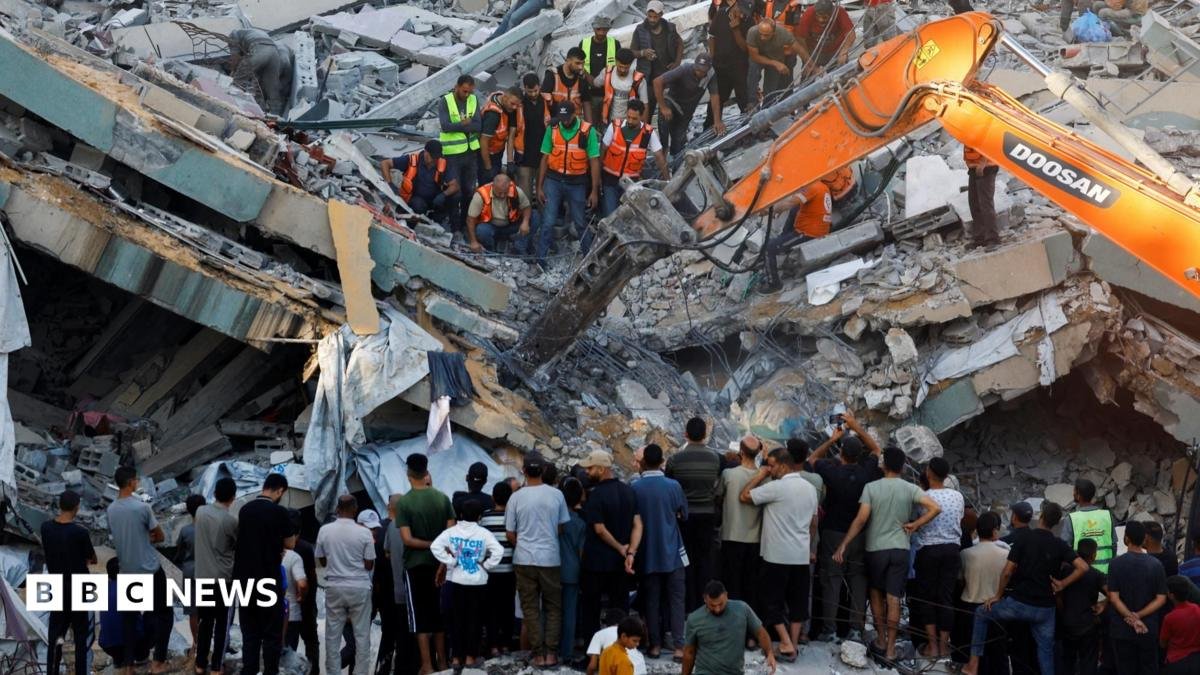
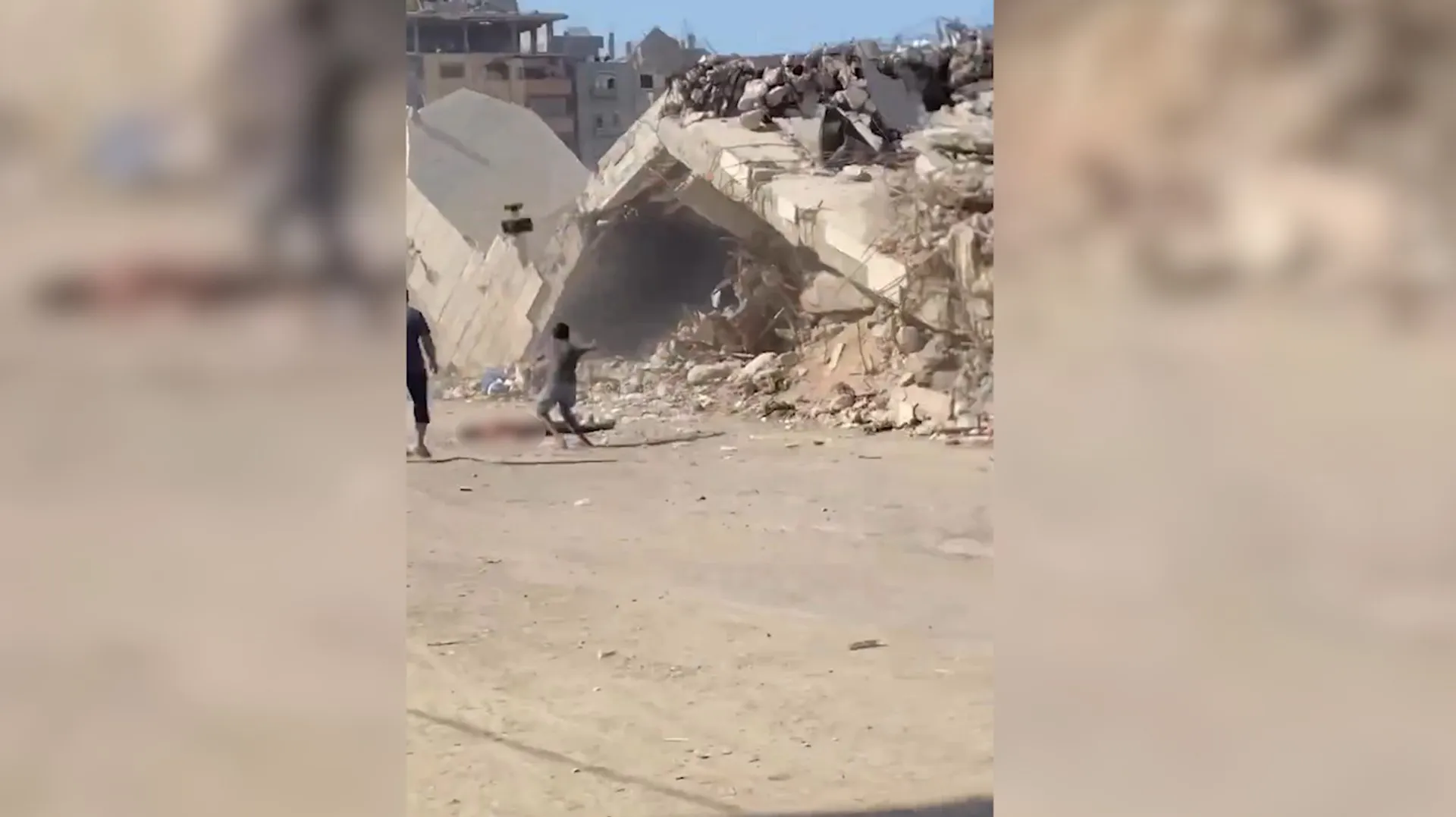
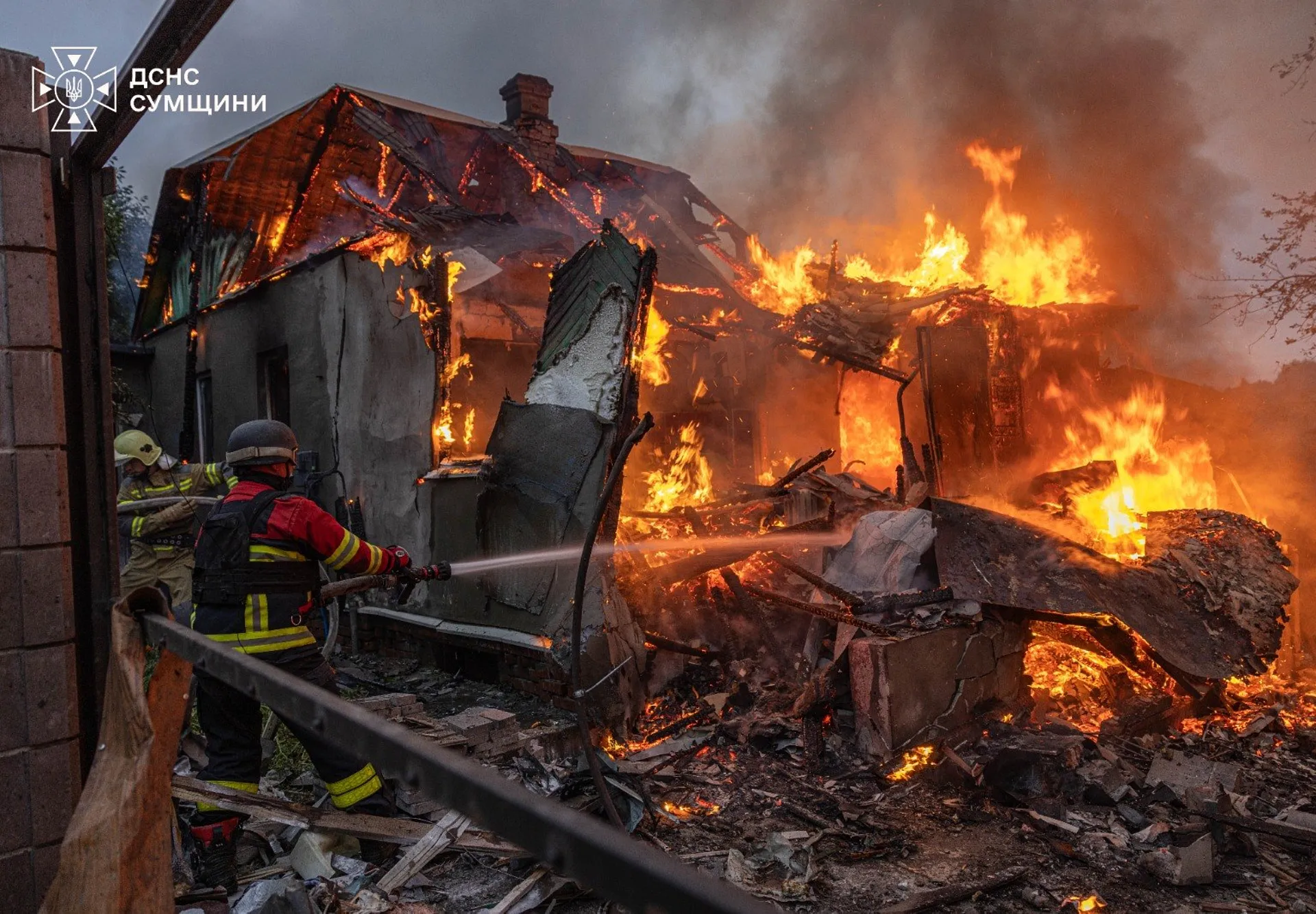
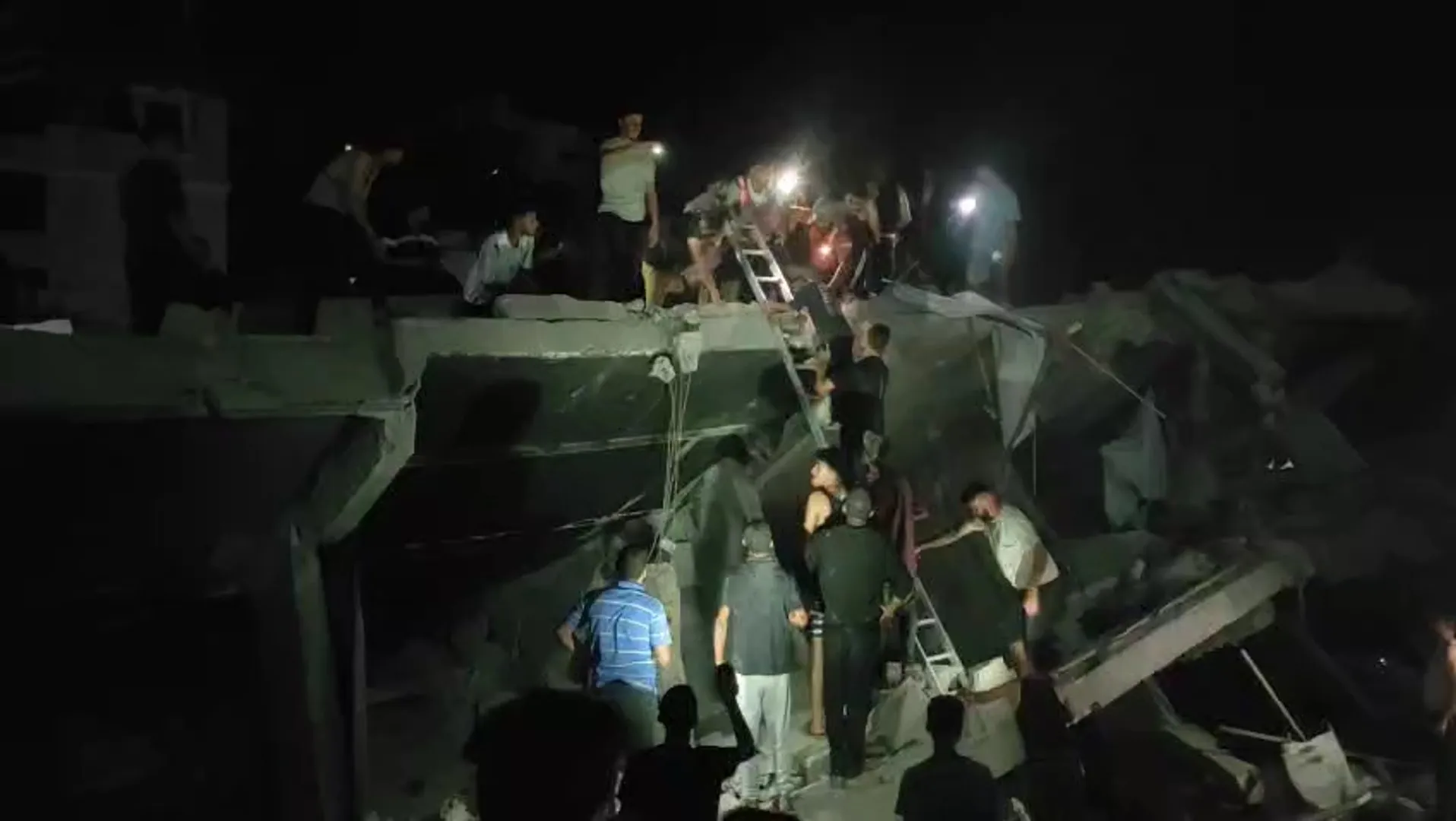
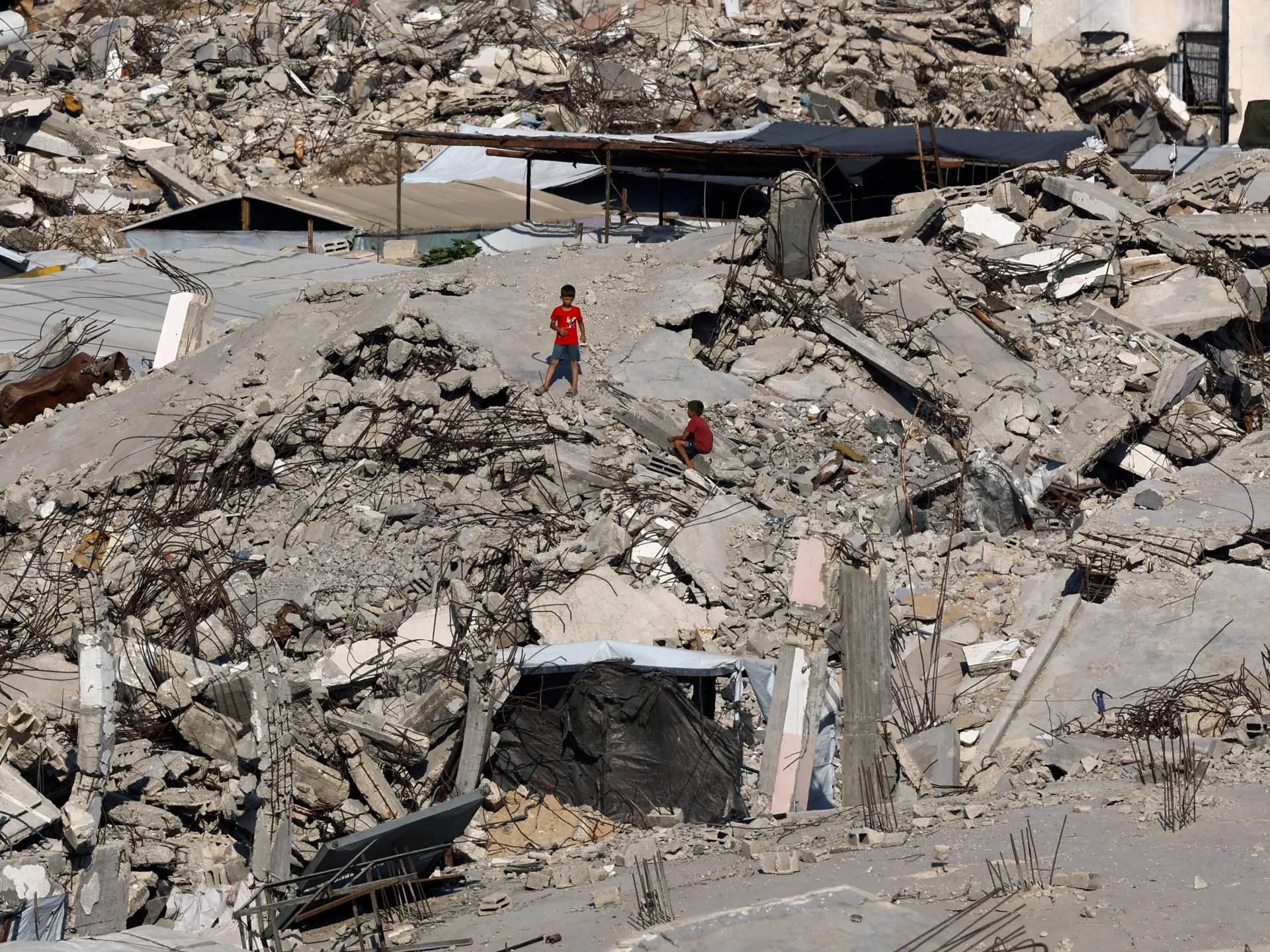
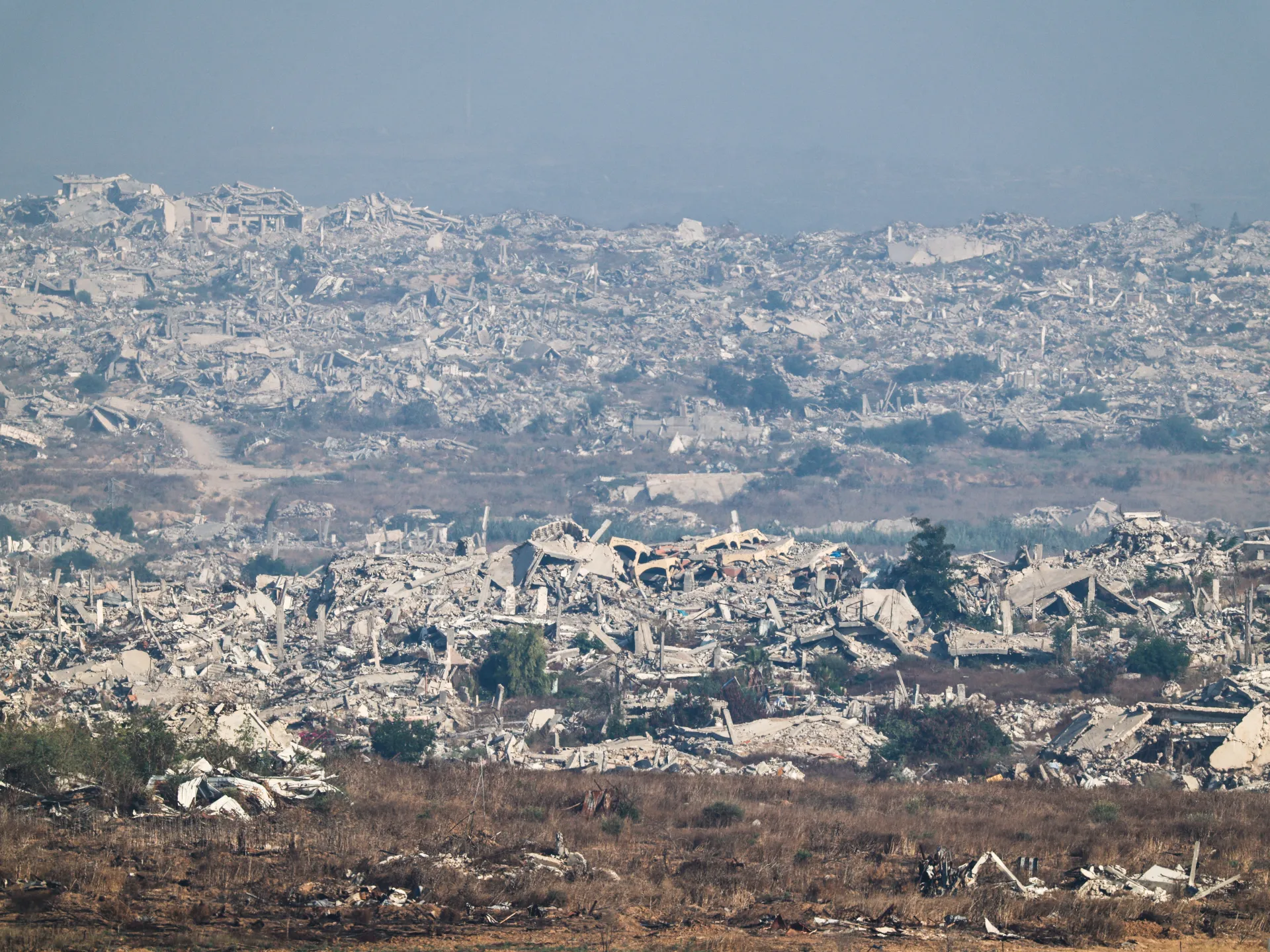
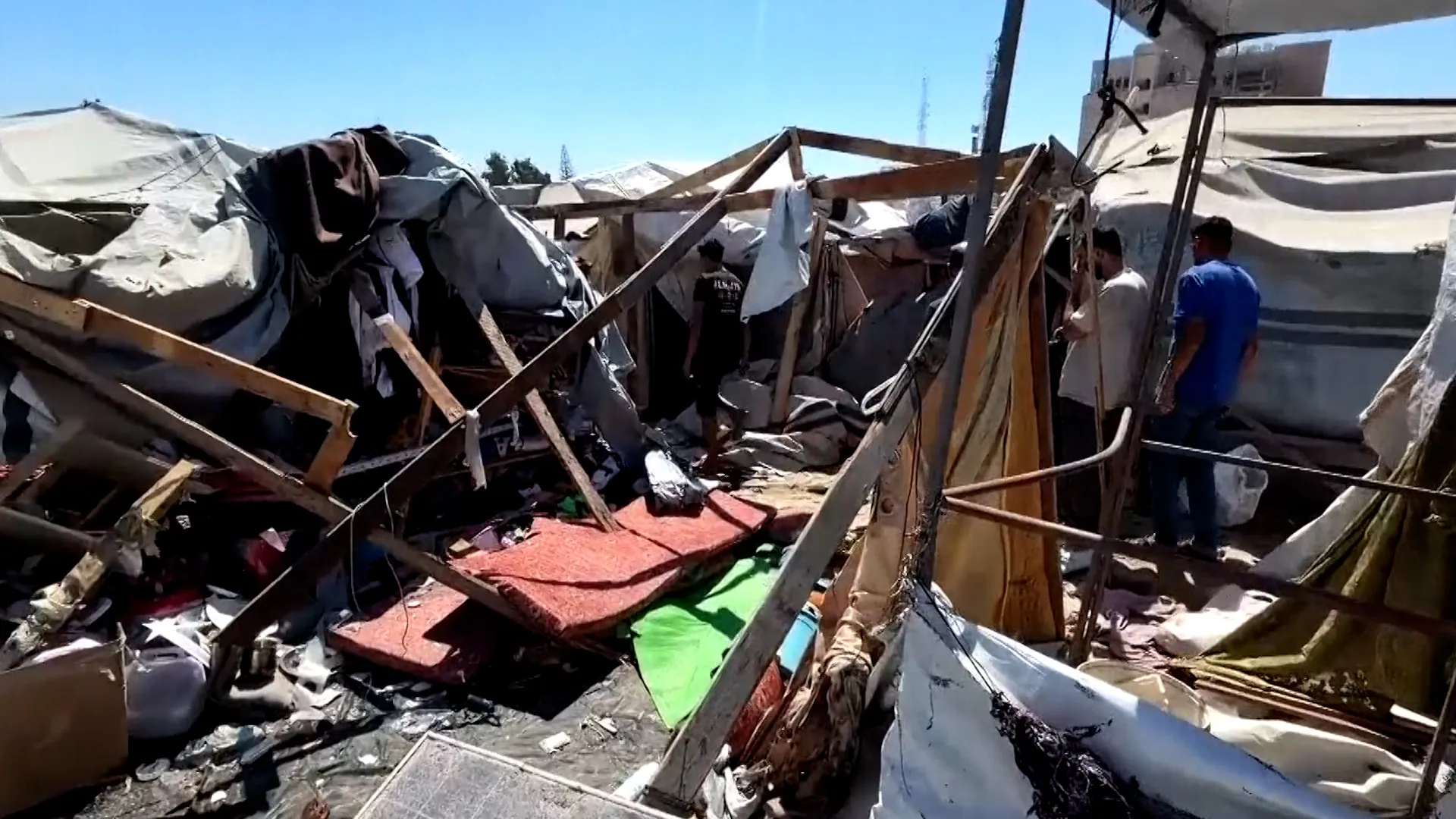
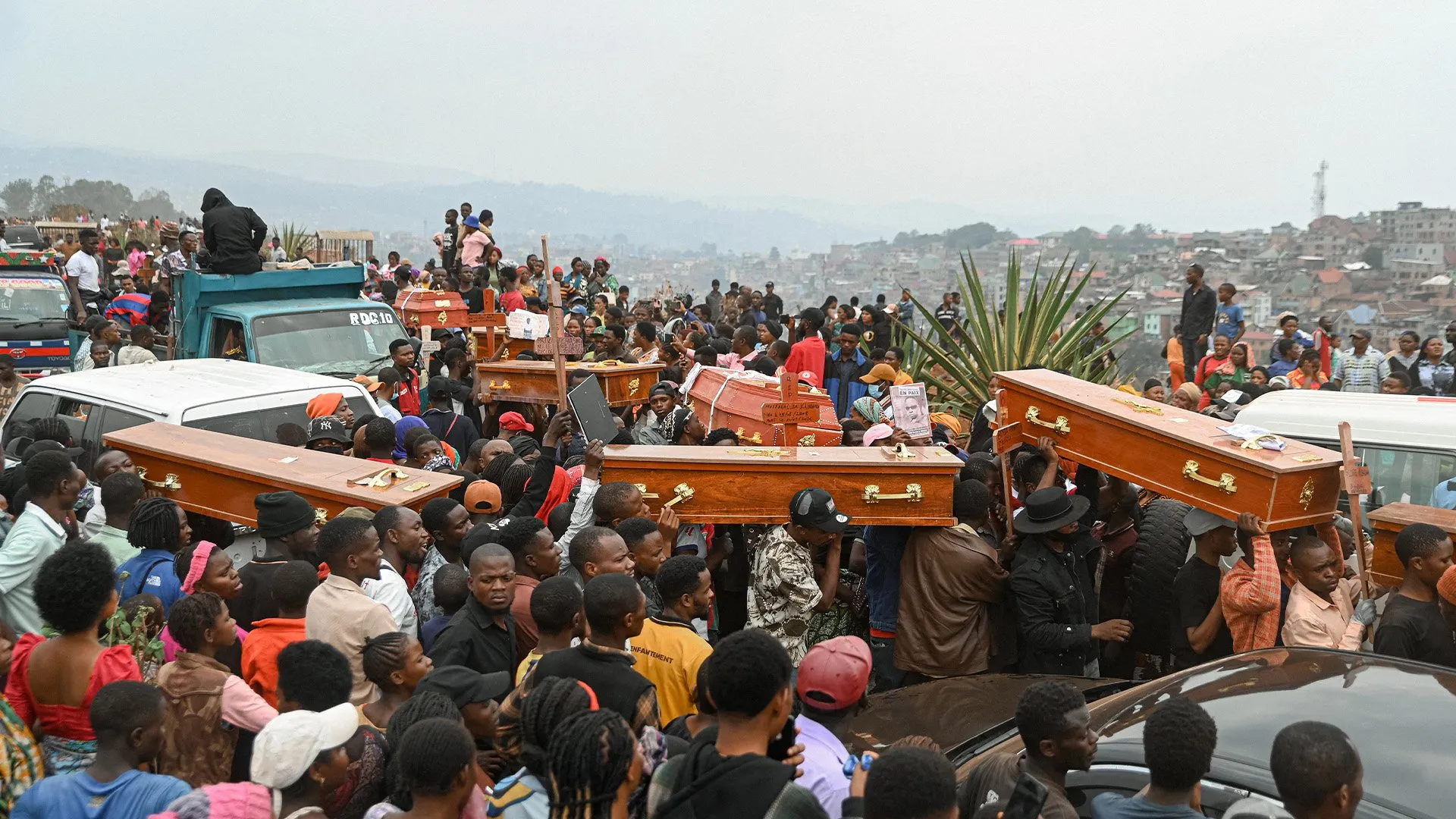
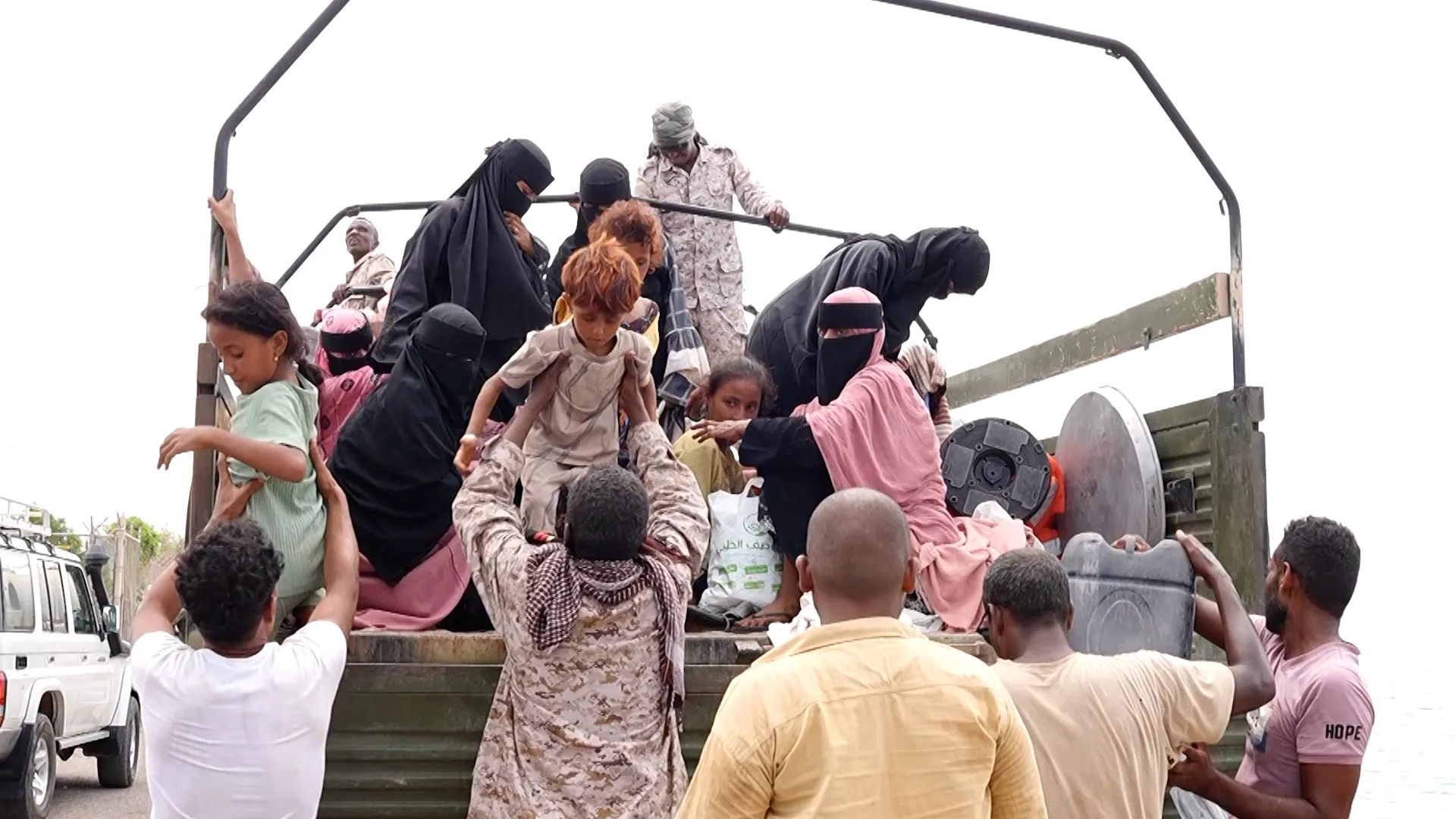
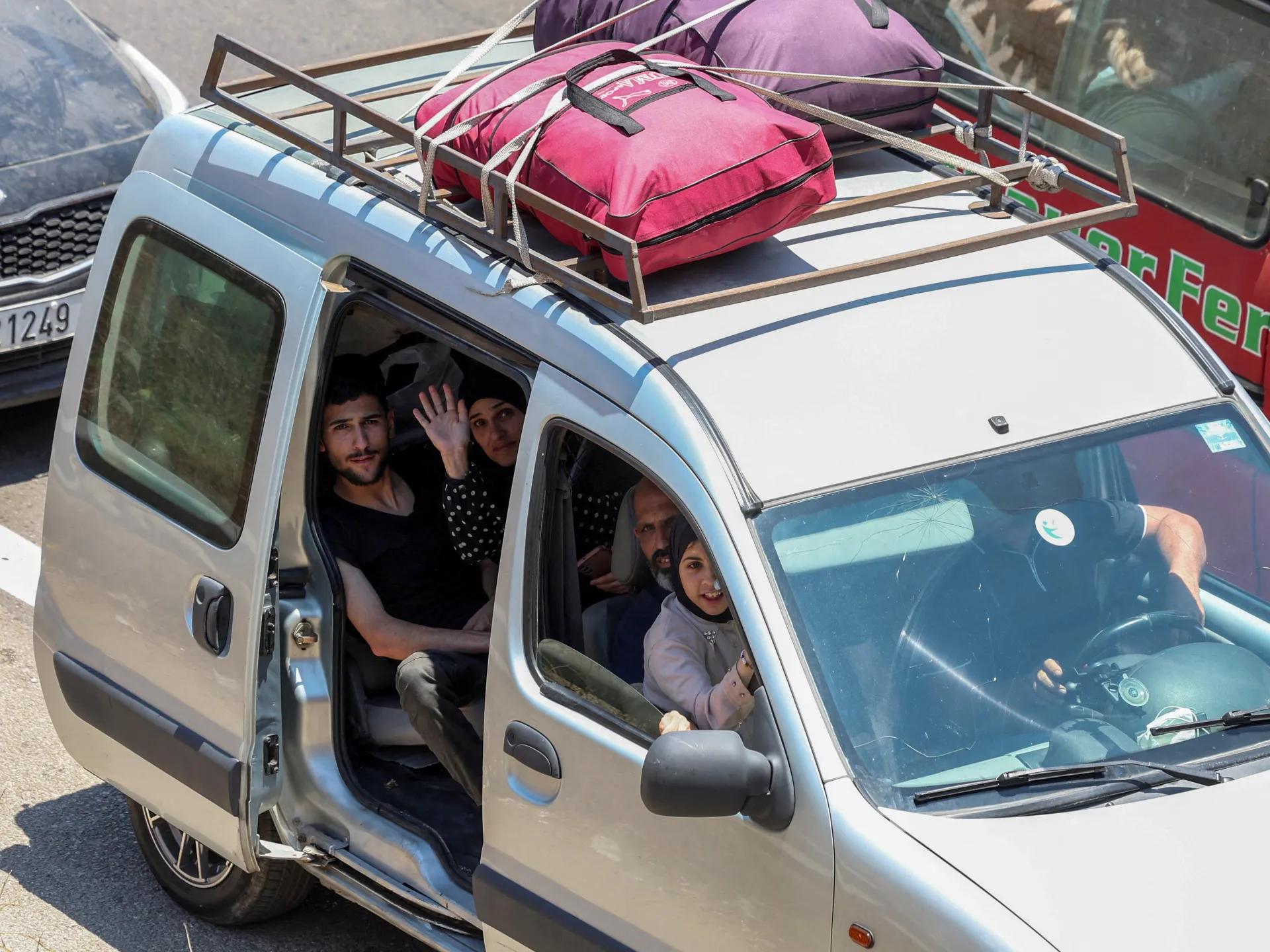
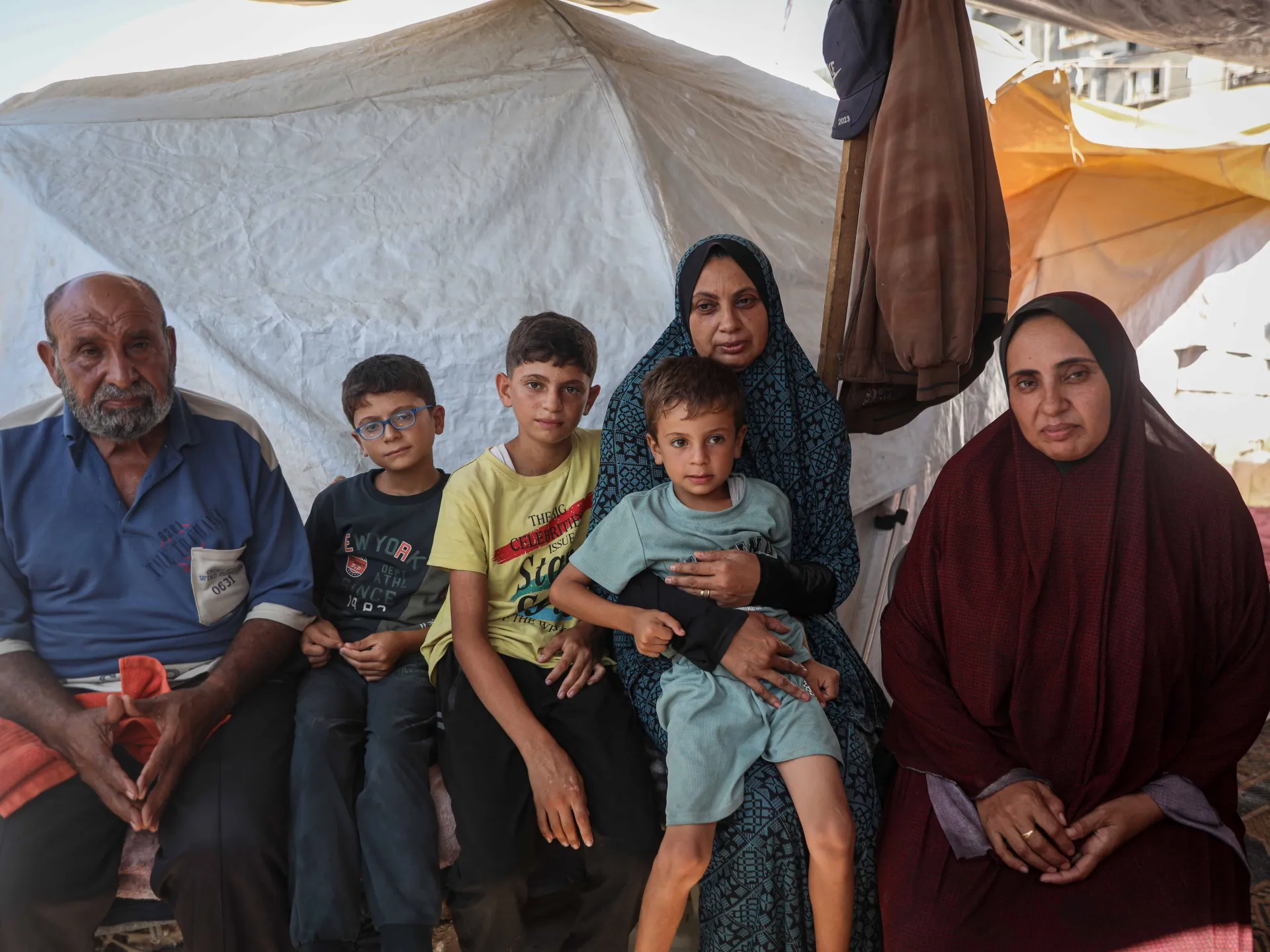
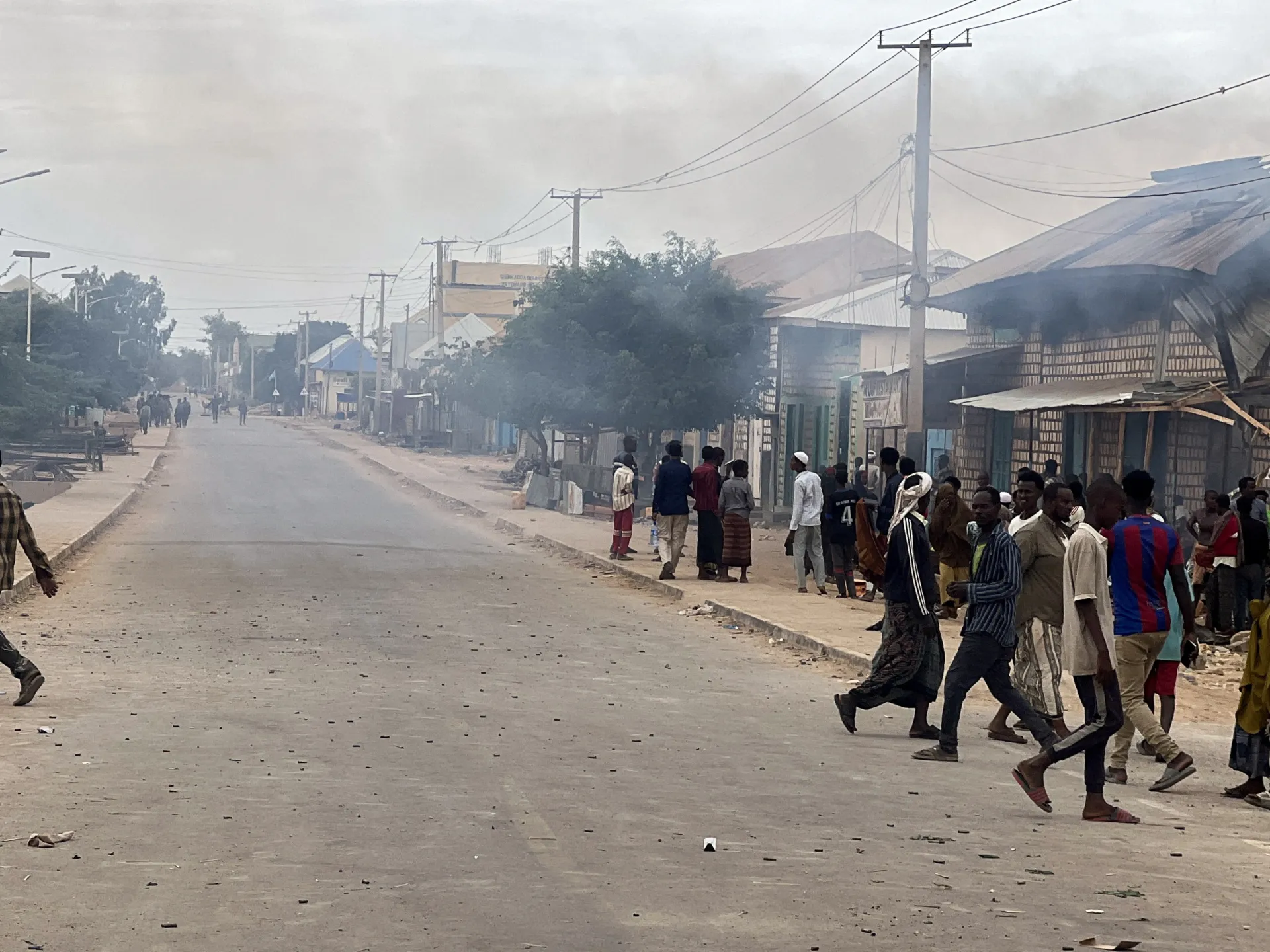
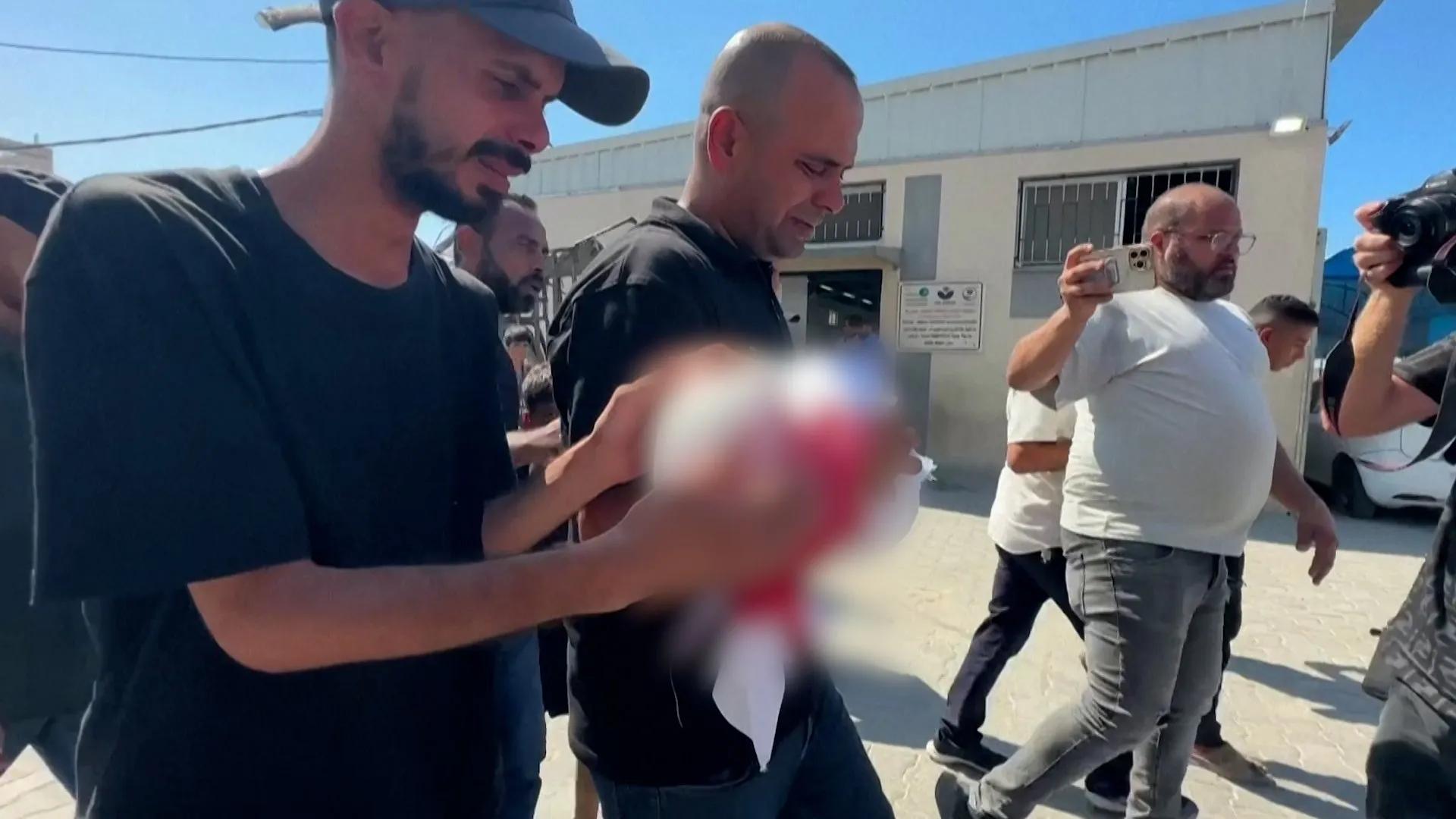
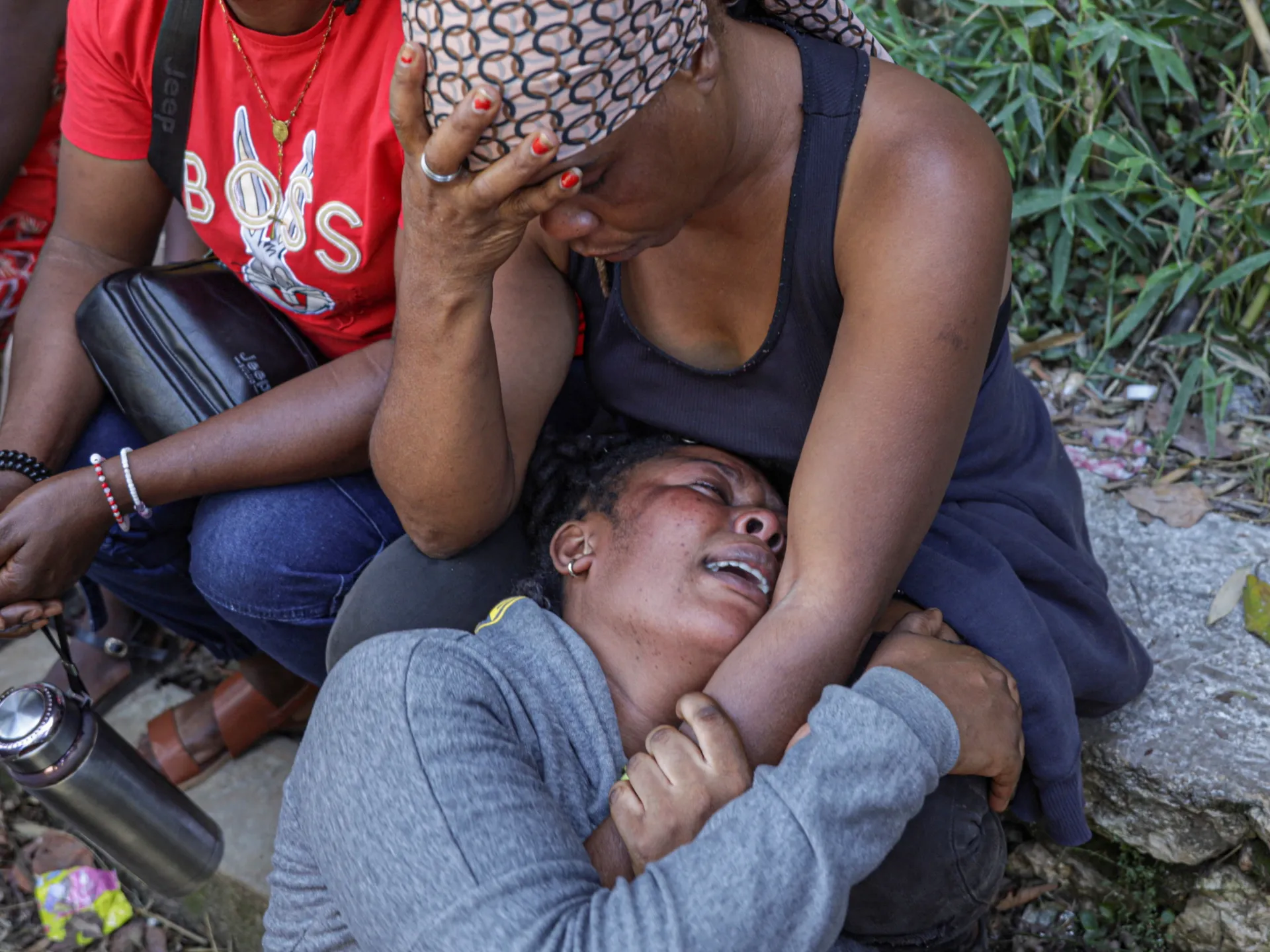
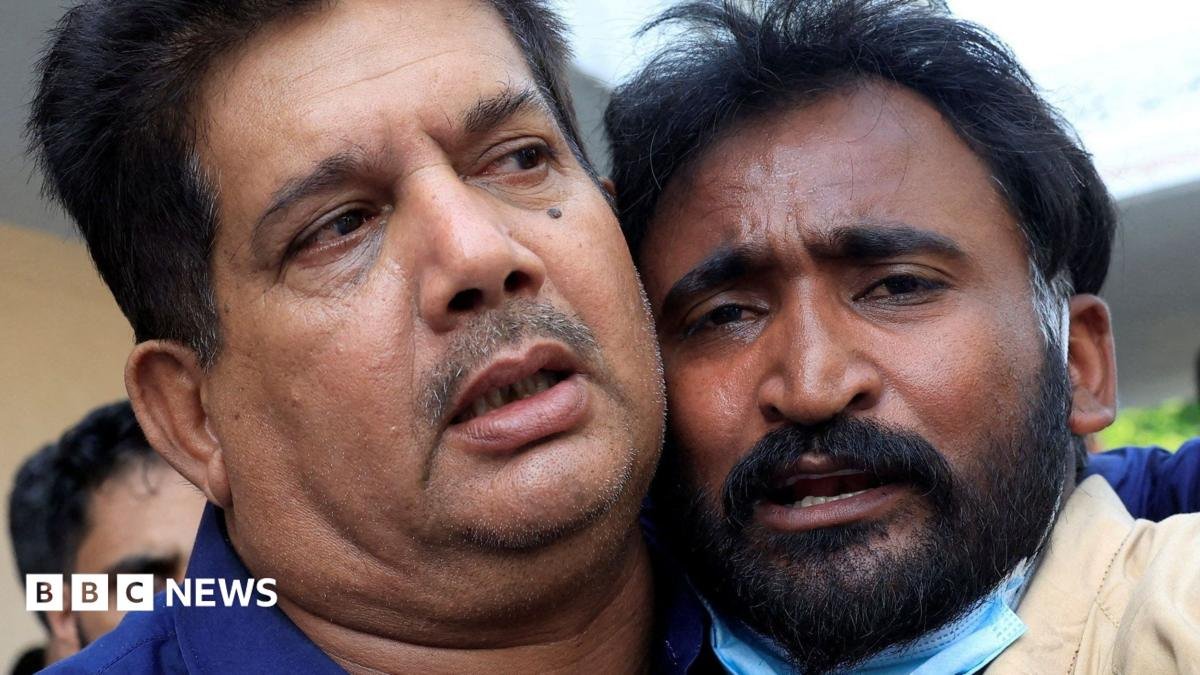
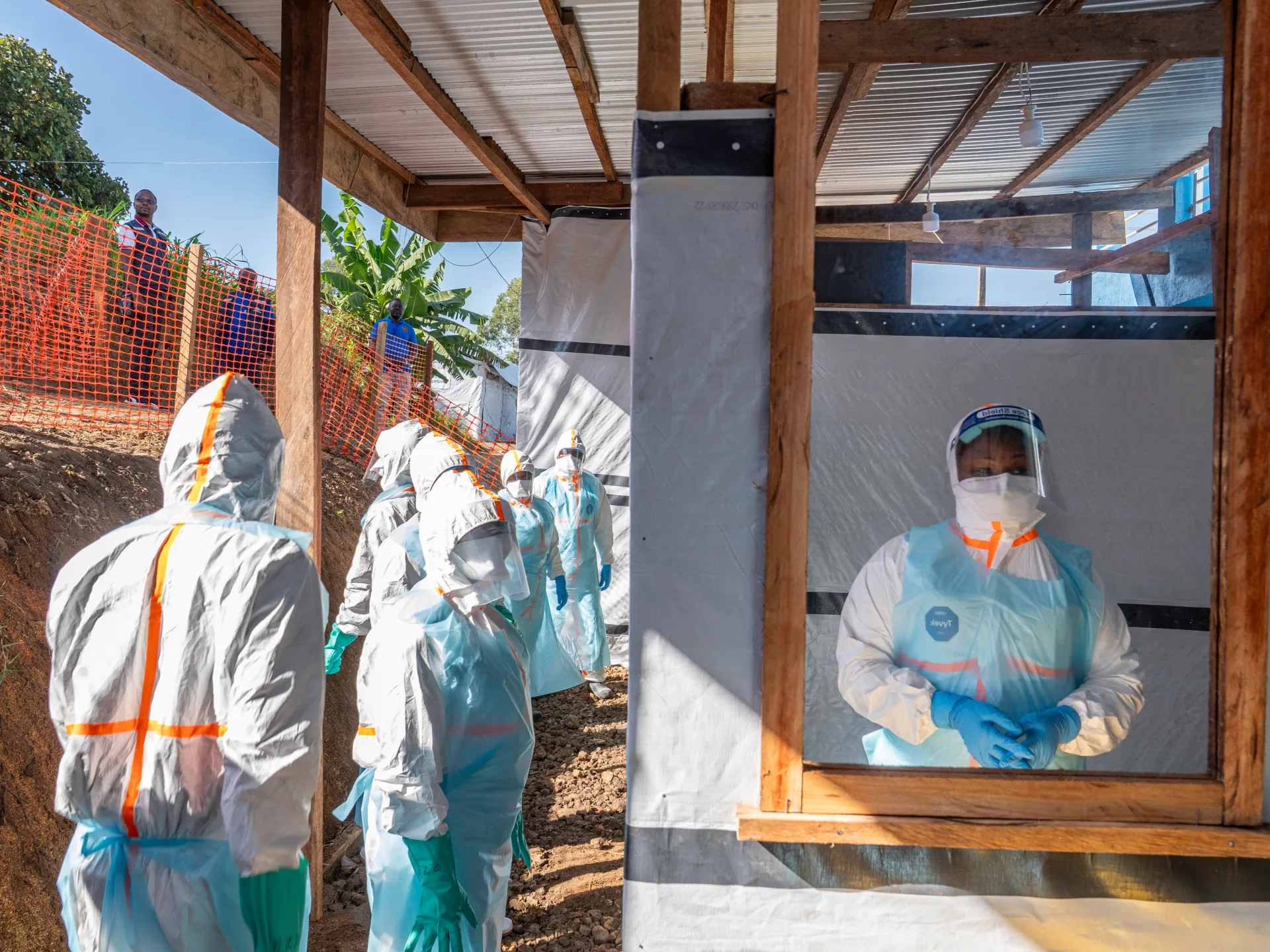
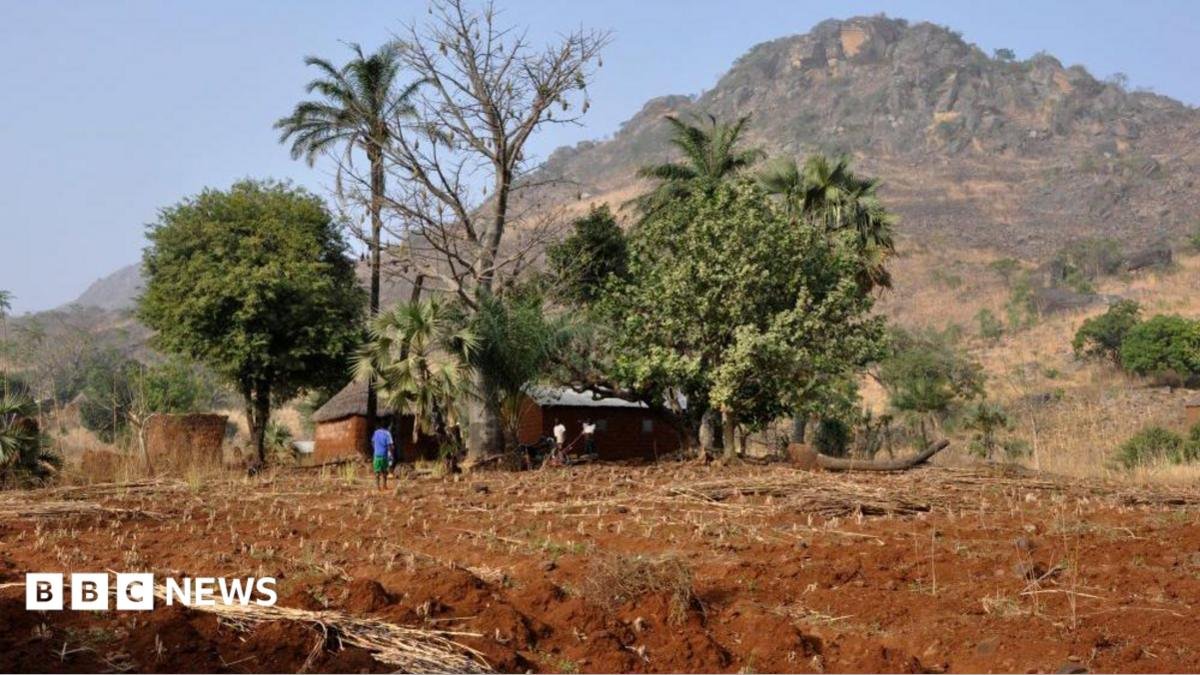
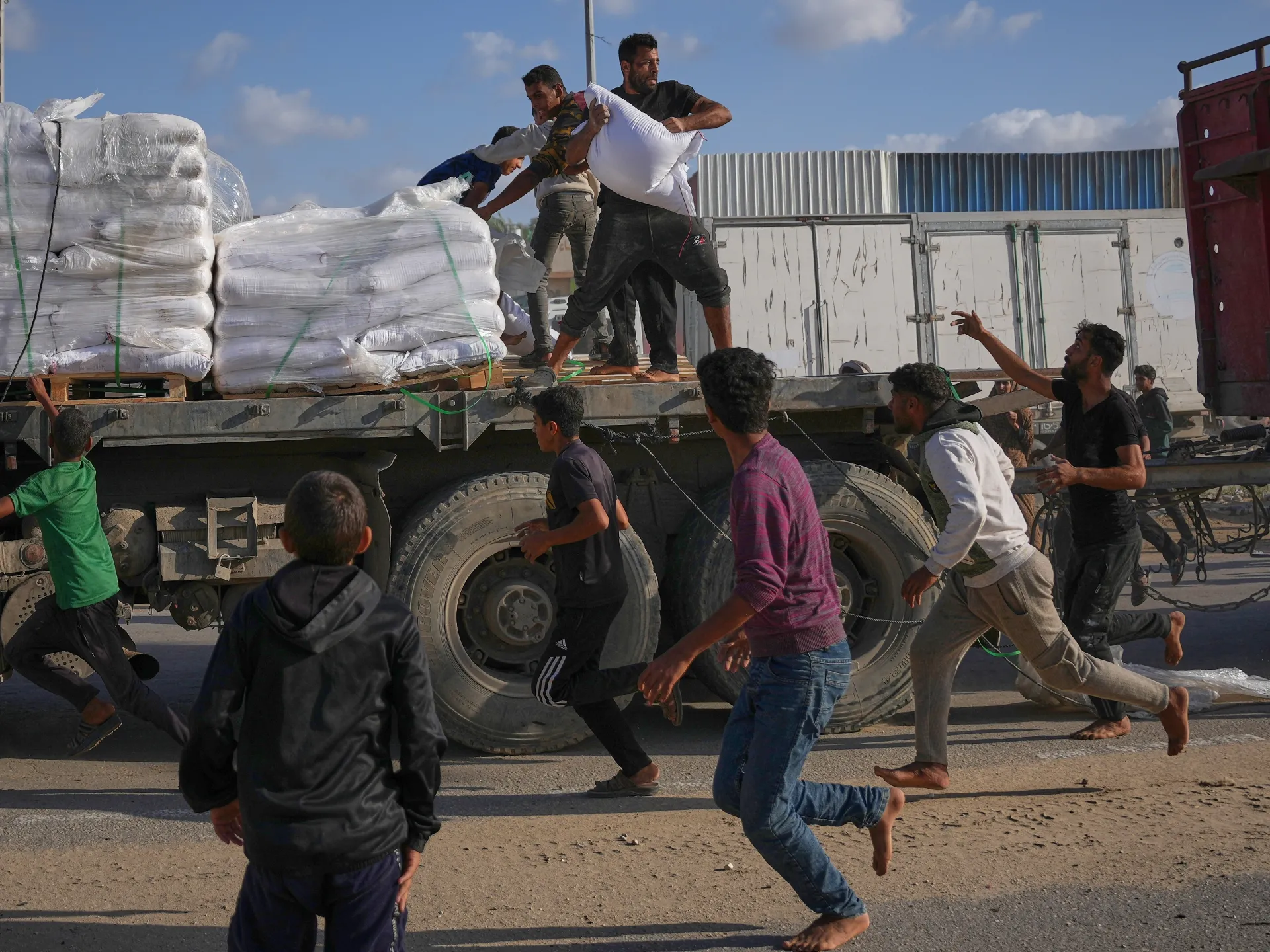
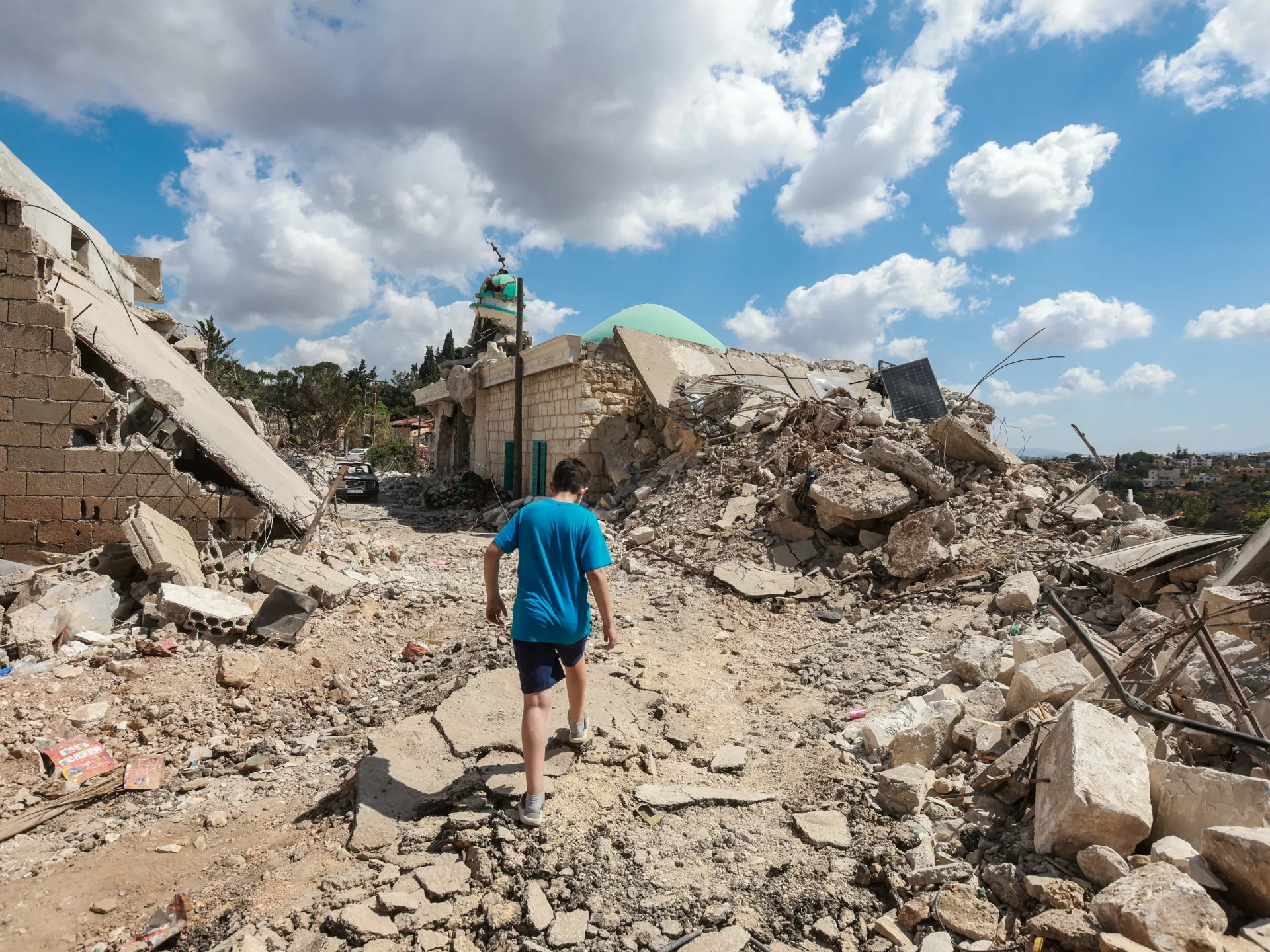
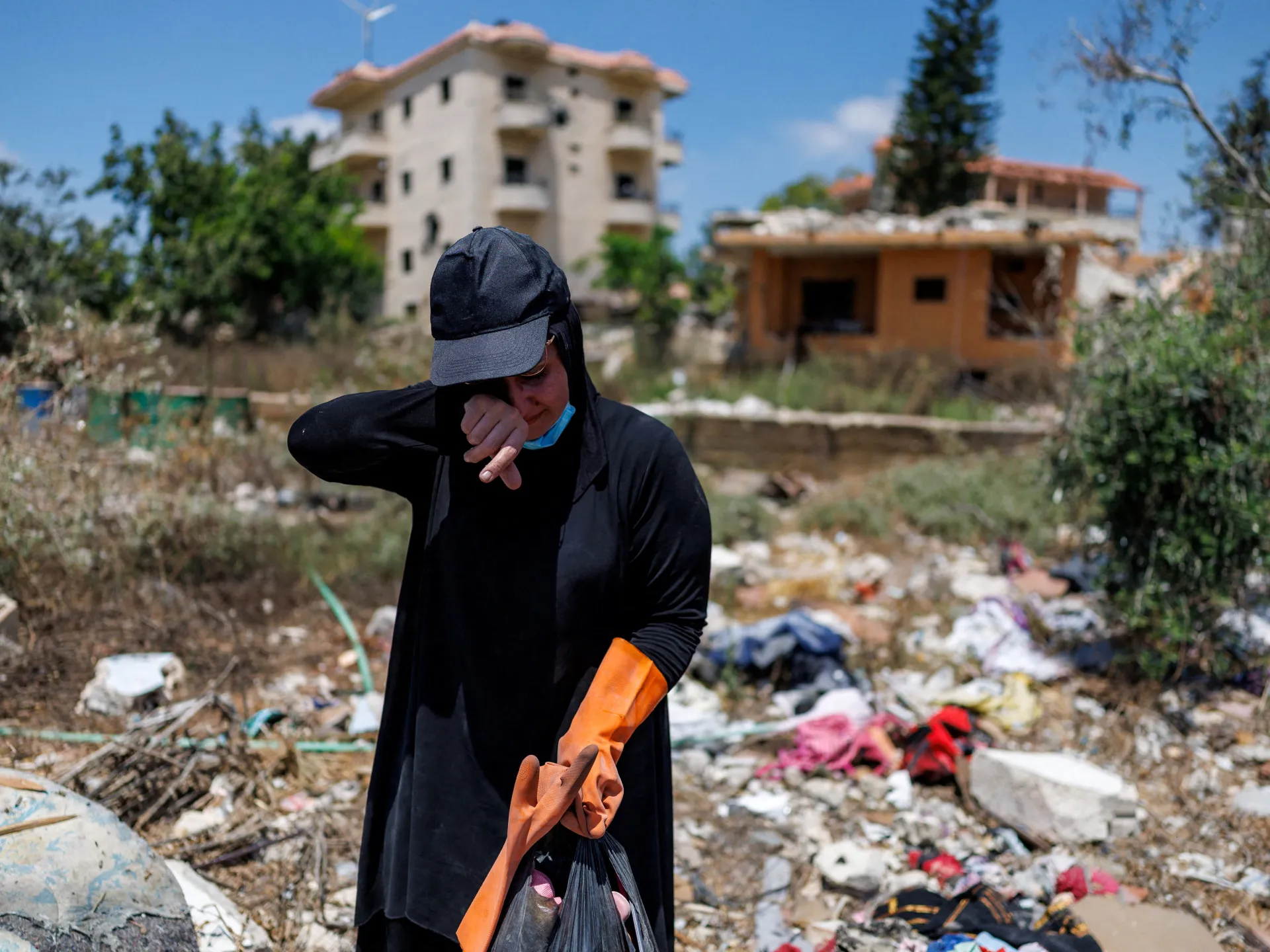
For the residents of eastern DRC, the nuances of international diplomacy are secondary to the immediate, daily reality of displacement, violence, and the destruction of livelihoods. Activists and civilians in cities like Goma have expressed skepticism toward repeated diplomatic efforts that fail to yield tangible improvements in security. The ongoing conflict continues to ravage agricultural lands and displace thousands, creating a humanitarian crisis that exacerbates the suffering of the local population. For these citizens, the success of the Geneva talks will not be measured restored to their communities.
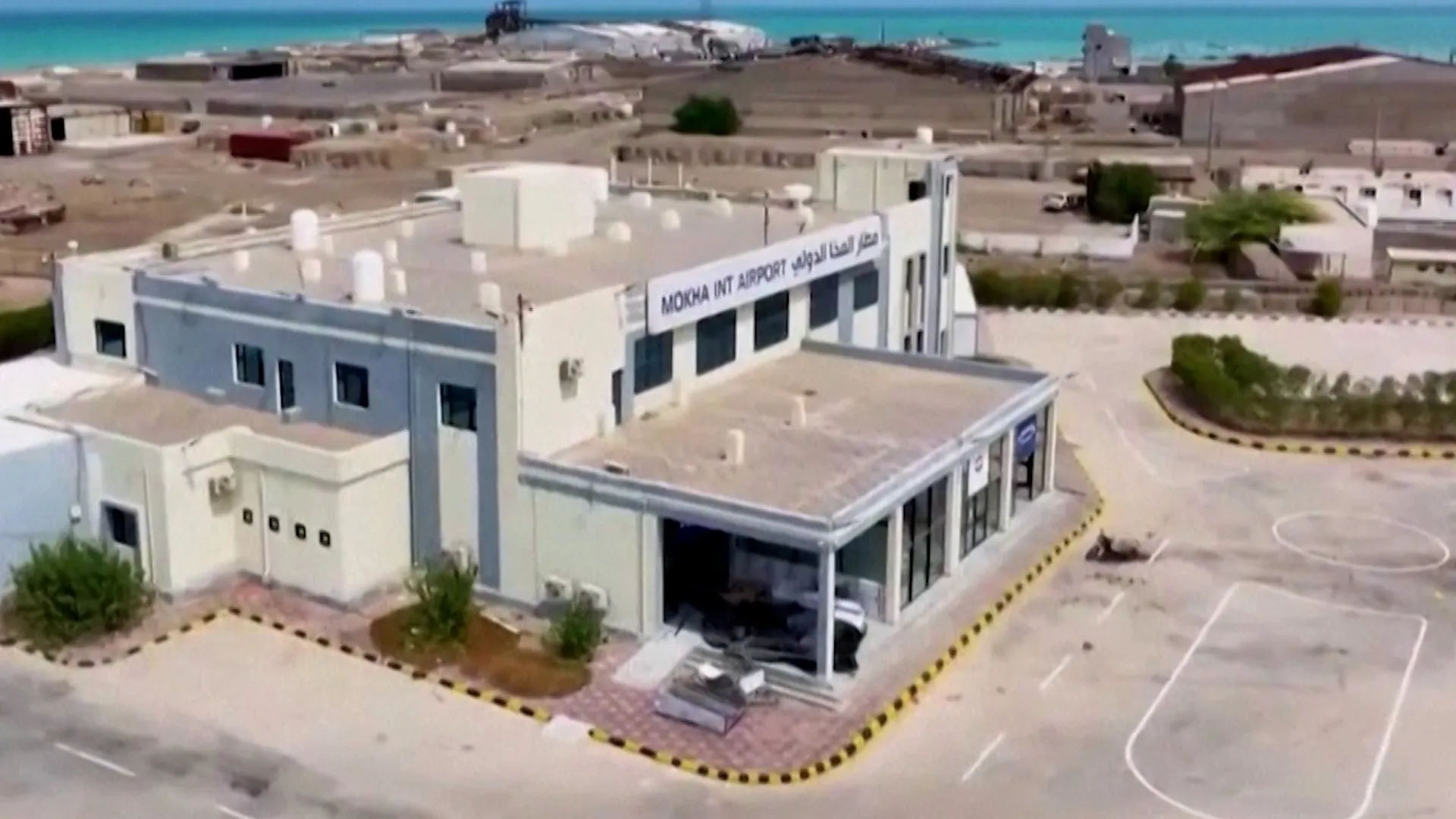
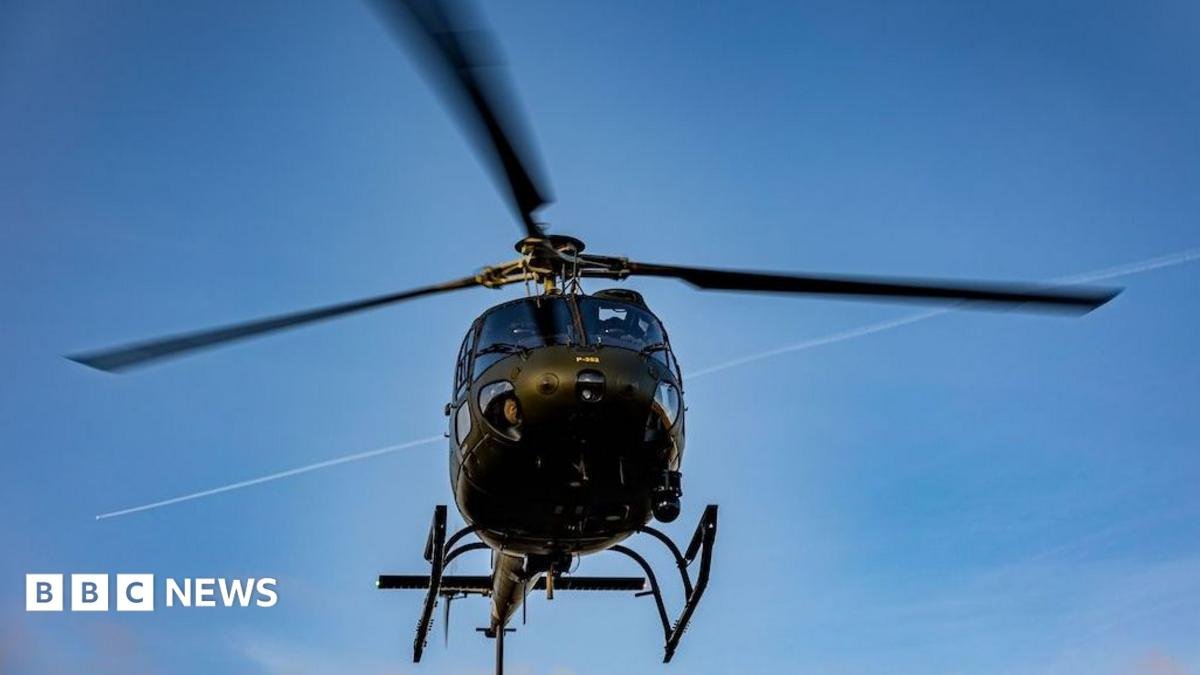
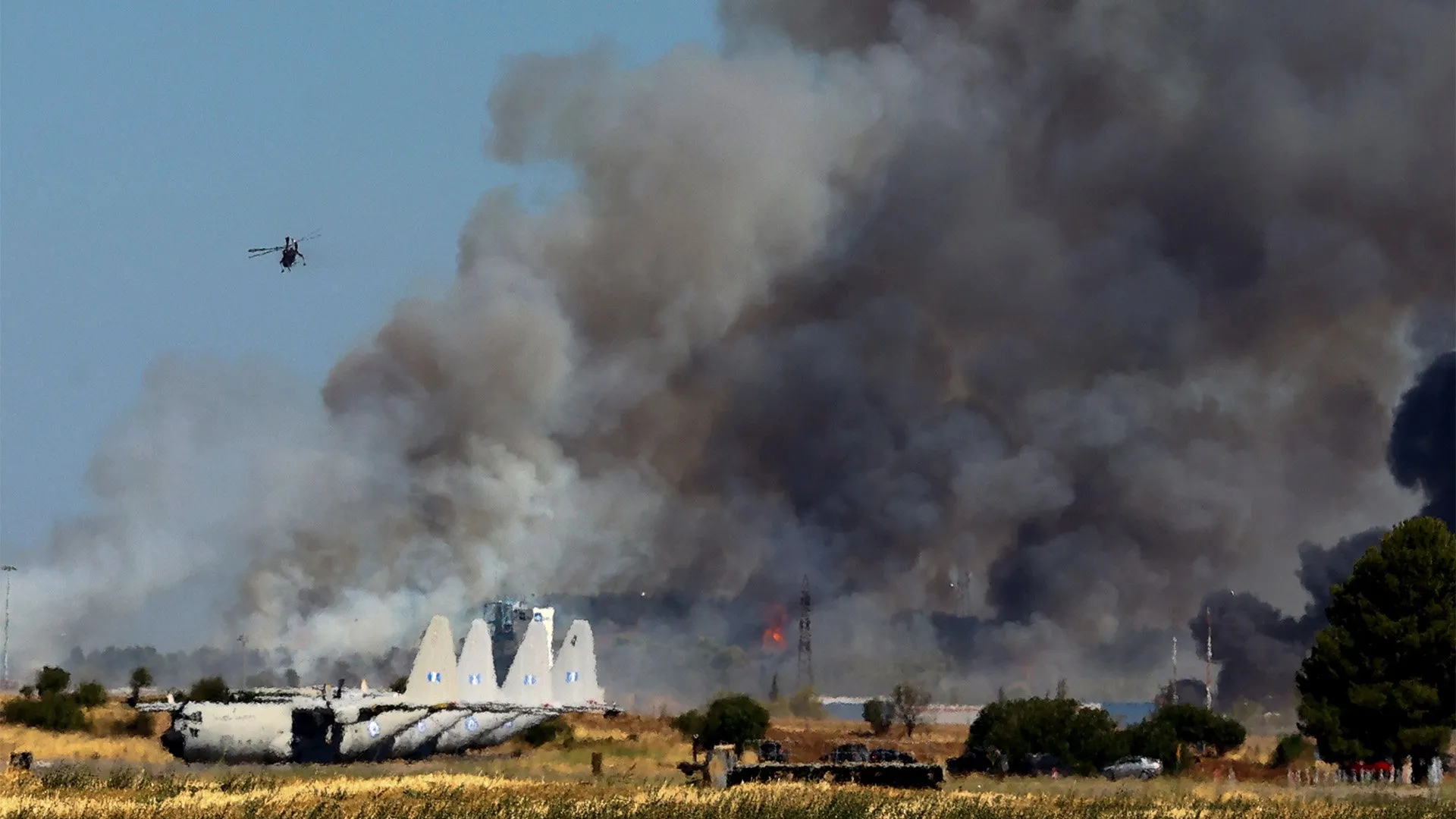
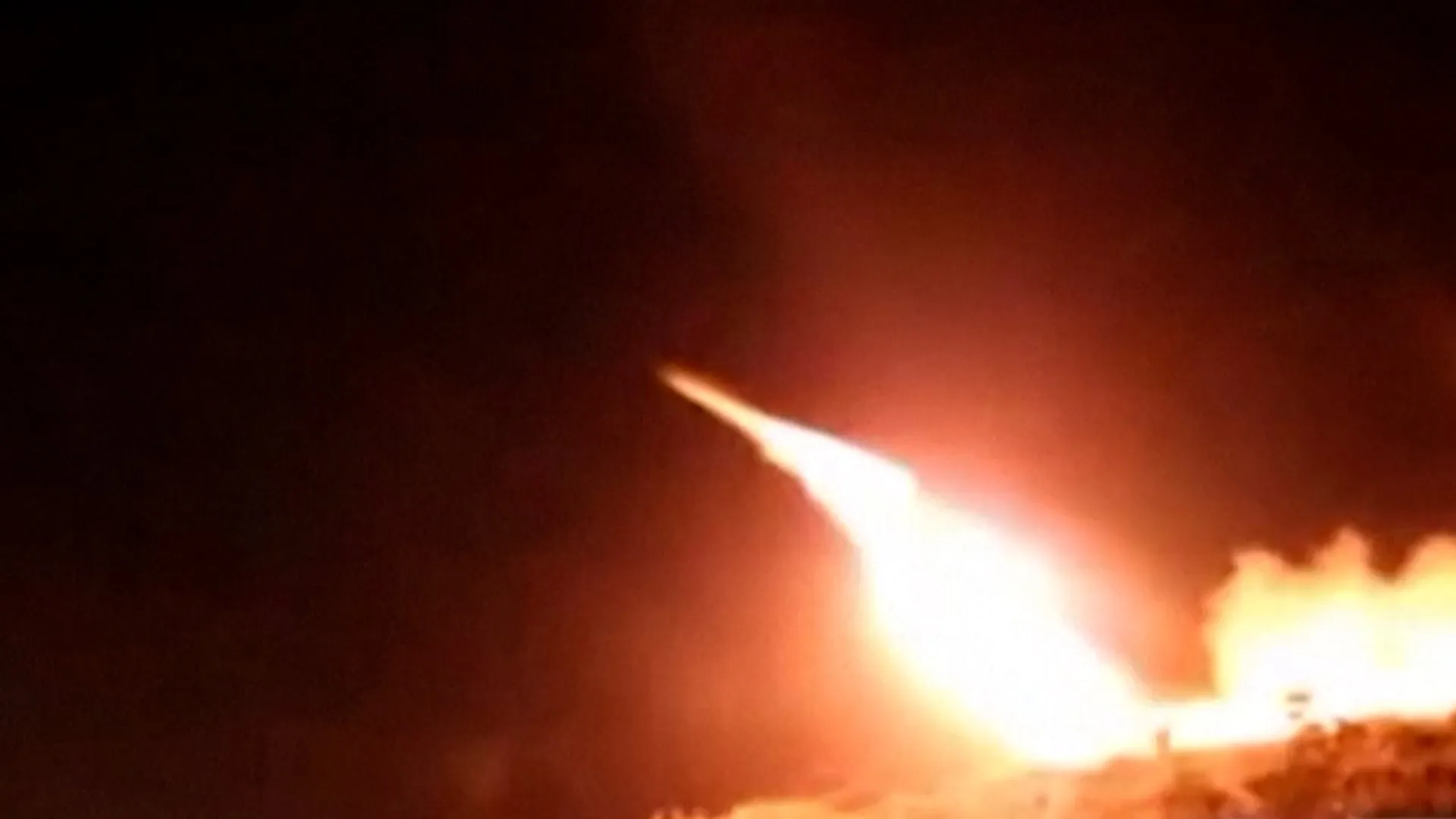
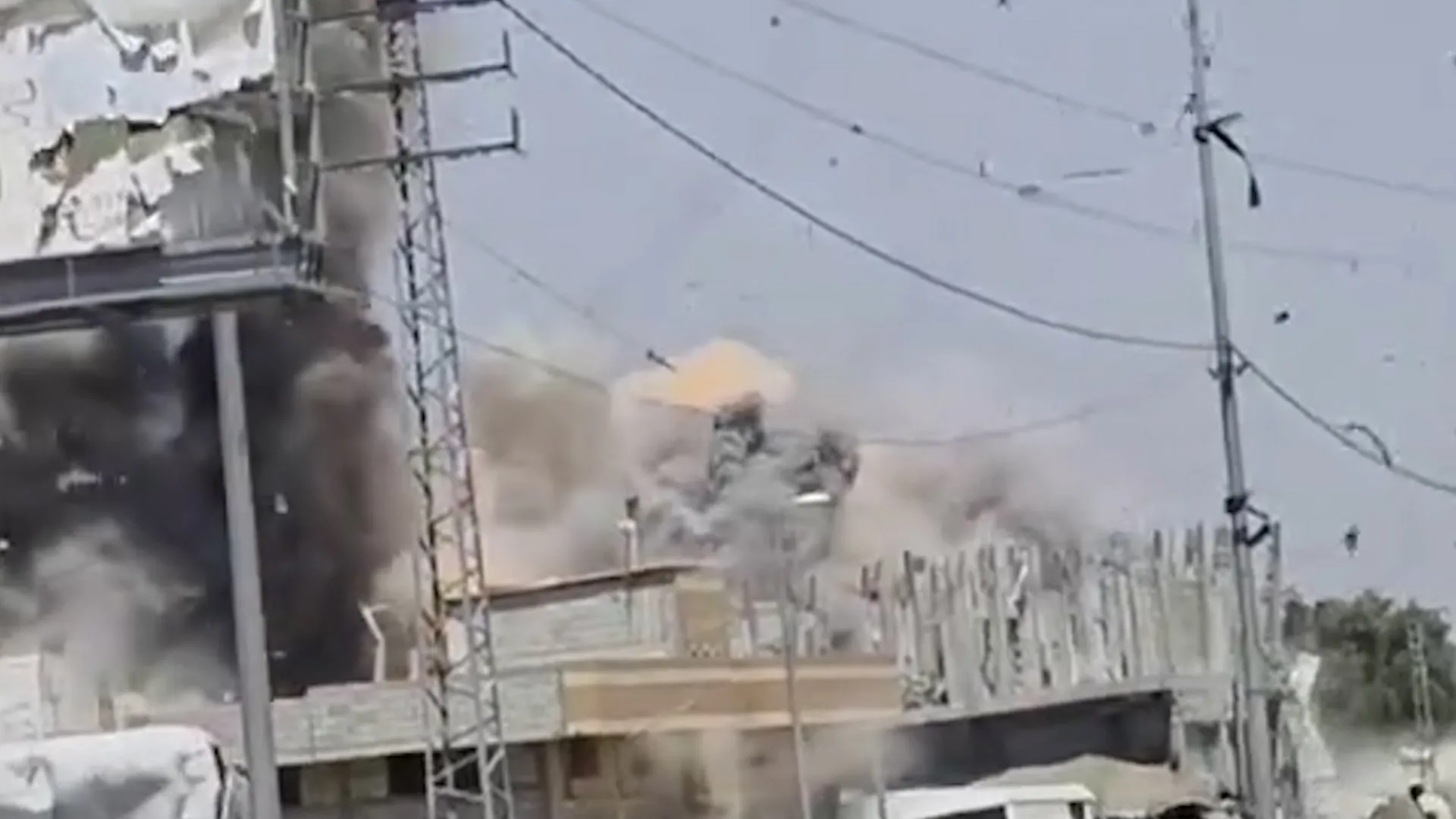
The situation is further complicated ur—such as claims that humanitarian aid aircraft have been targeted or that populated areas have come under fire—the lack of an independent, trusted verification mechanism allows these events to be weaponized in the ongoing political struggle. As long as there is no reliable way to establish the facts of these skirmishes, the potential for escalation remains high, and the fragile trust required for a peaceful resolution remains elusive.
While the Geneva talks are unlikely to resolve decades of historical grievances in a single session, observers suggest that the focus must remain on producing concrete, implementable, and verifiable commitments. For the DRC, this necessitates a clear pathway toward the withdrawal of foreign forces and the re-establishment of state authority. For Rwanda, it requires transparent progress on the neutralization of groups it deems hostile. Neither side can expect a change in the other's military posture without clear, reciprocal guarantees that address their core security concerns.
Ultimately, the Geneva meeting represents an opportunity to move away from the path of escalation. Although the complexity of the M23, the AFC, and regional military dynamics makes a quick fix impossible, the alternative—continued conflict—is far costlier for the region. As the International Day of Peace approaches, there is a glimmer of hope among the civilian population that this dialogue might finally shift the focus from warfare to reconciliation. Whether this translates into a durable silence of the guns, however, depends on the willingness of both Kinshasa and Kigali to prioritize long-term stability over short-term military advantage.