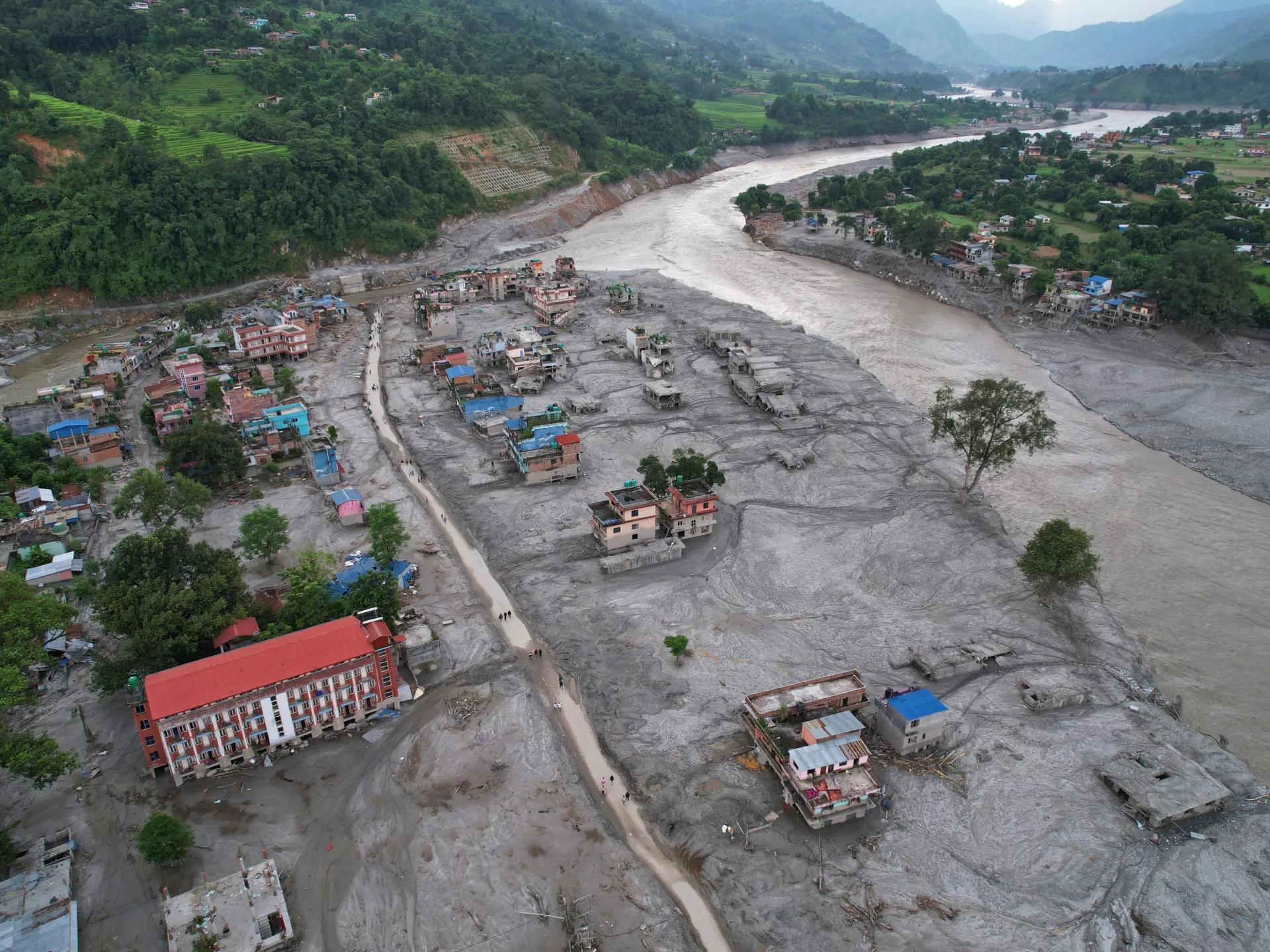
New research confirms that rapid warming in the Himalayas significantly destabilized mountain slopes, leading to a catastrophic glacial collapse and thousands of casualties.
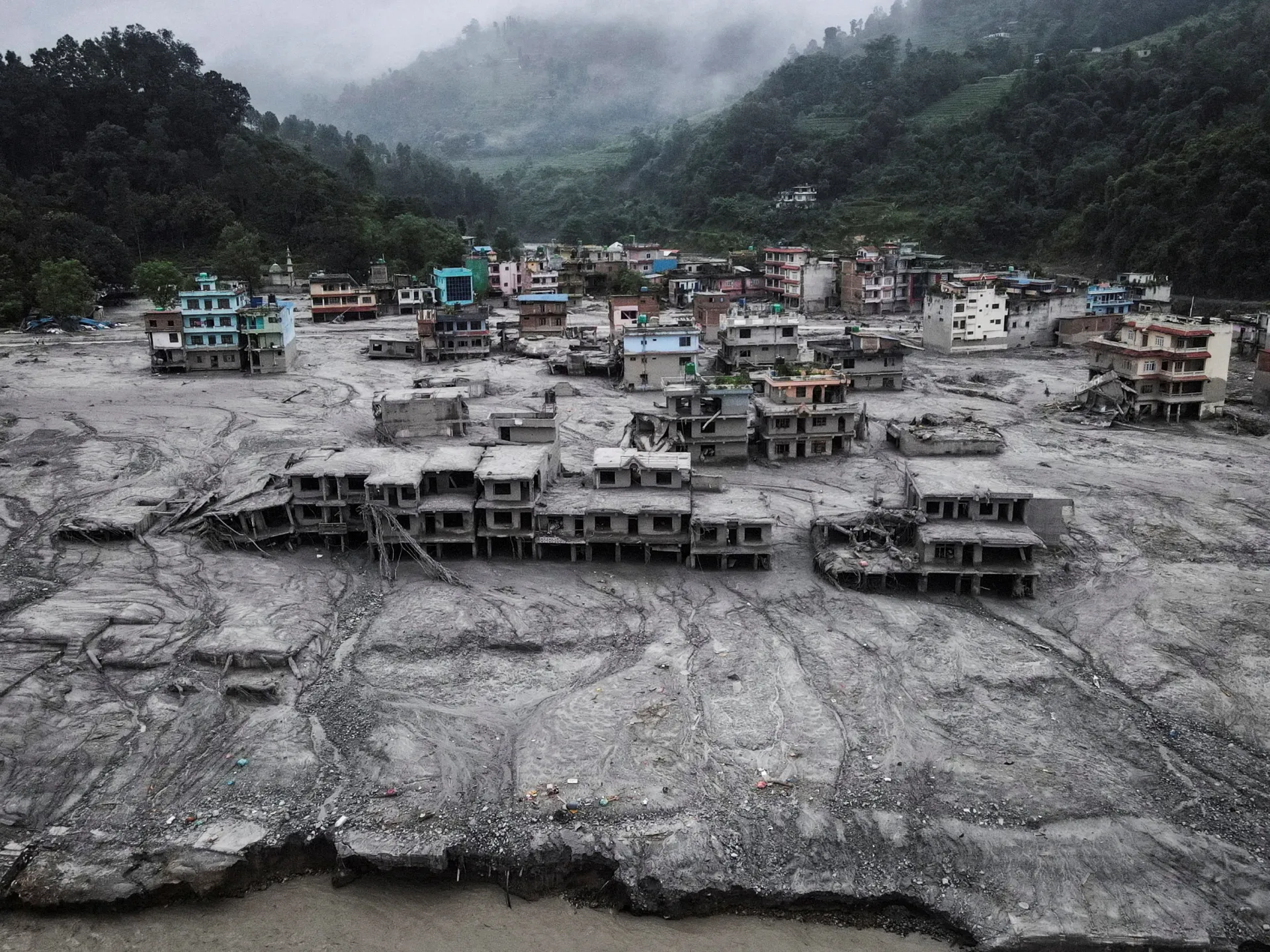
A recent investigation mary driver behind the catastrophic glacial collapse that devastated communities in Nepal and Tibet last August. The disaster, which originated on the slopes of Langtang Lirung mountain, resulted in a massive surge of ice, rock, and debris that swept through downstream valleys. Scientists emphasize that the event was not an isolated geological accident but rather a consequence of structural weaknesses exacerbated
The report, titled "Rapid Warming in the Himalaya Exacerbates Geohazard Cascades Beyond Adaptation Limits," details how persistent global warming has pushed the freezing threshold to higher altitudes. This shift exposes permafrost and deep-seated ice to prolonged periods of thaw, which effectively destabilizes the bedrock holding mountain slopes together. As these icy foundations melt, the structural integrity of high-altitude peaks diminishes, creating a heightened risk for massive slope failures.
The severity of the August collapse was compounded ugust of 2026 were the warmest months ever recorded in the region, with local temperatures reaching approximately 5 degrees Celsius above historical averages. This extreme heat accelerated the melting process, providing an excess of water that likely lubricated the failing slope and intensified the force of the downstream flood.
Furthermore, experts pointed to the impact of heavy snowfall during the tail end of 2025, which contributed to a higher-than-average volume of meltwater available during the summer months. While researchers are still evaluating the long-term impacts of the 2015 magnitude 7.8 earthquake, it is believed that the seismic event may have left deep structural scars on the mountain, creating a vulnerability that modern climate stressors eventually exploited to trigger the collapse.
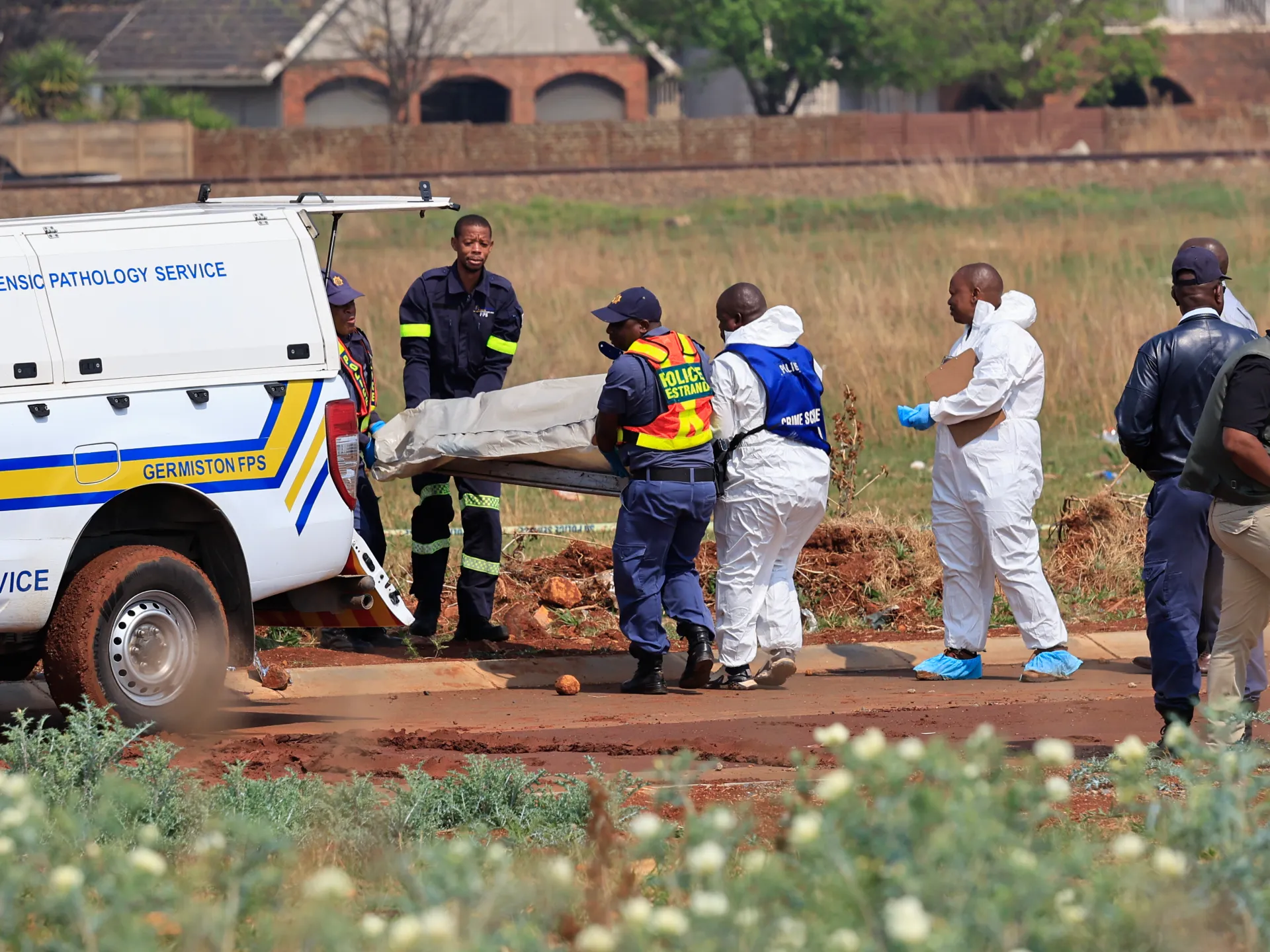
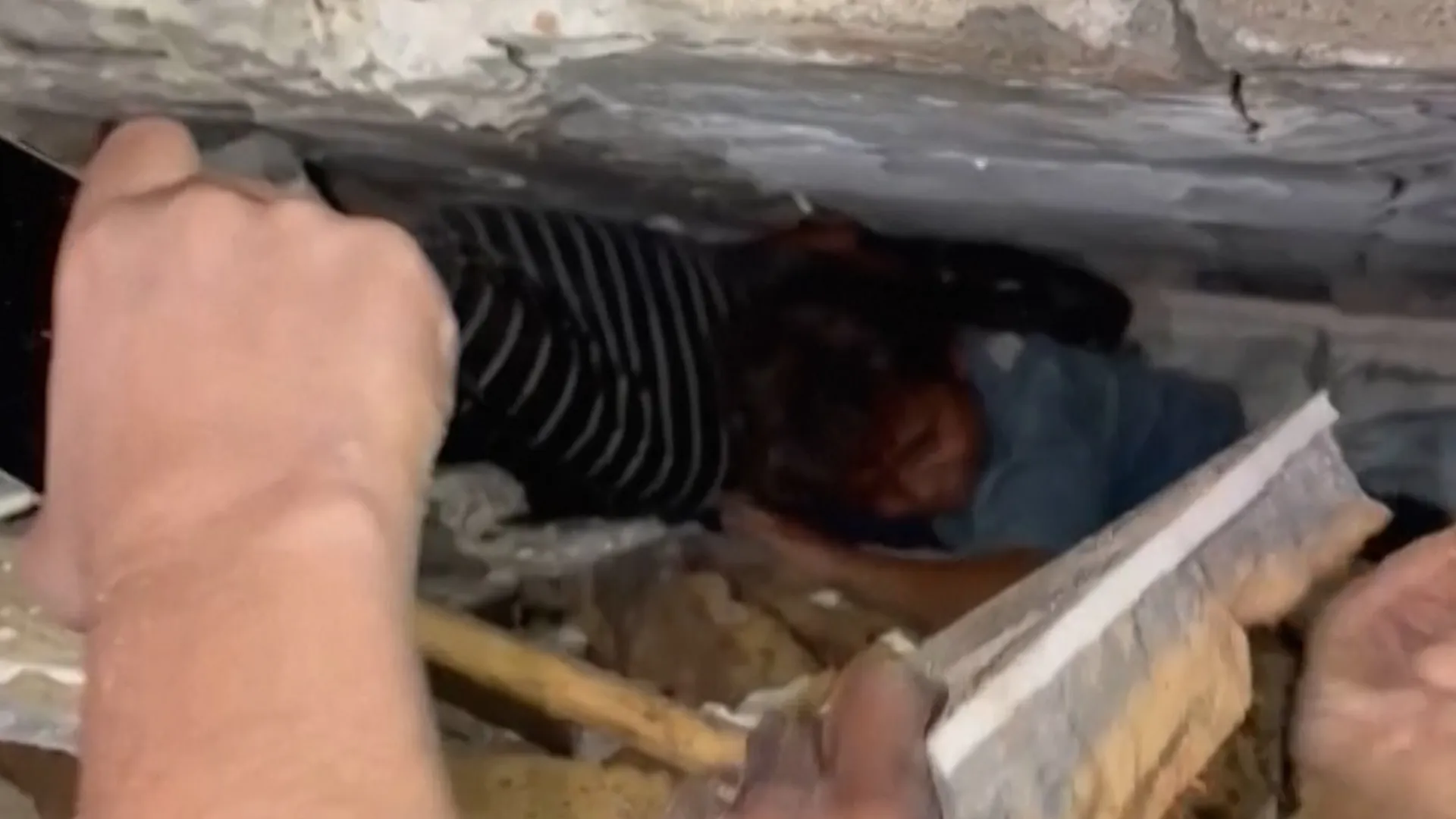
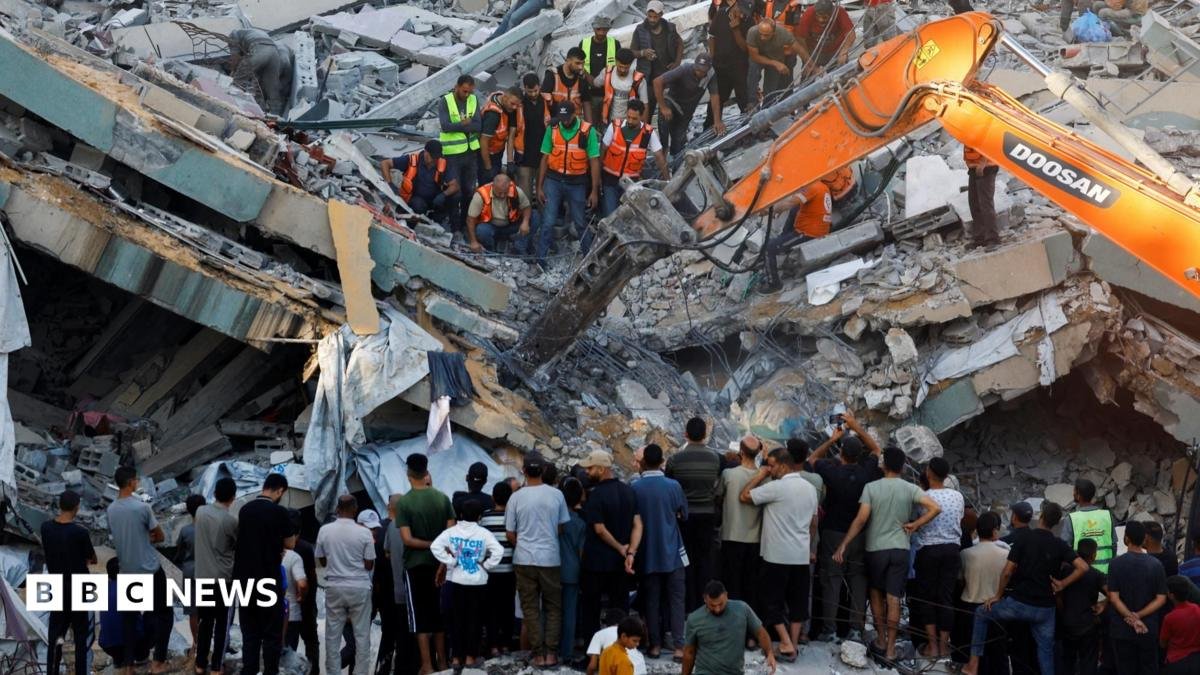
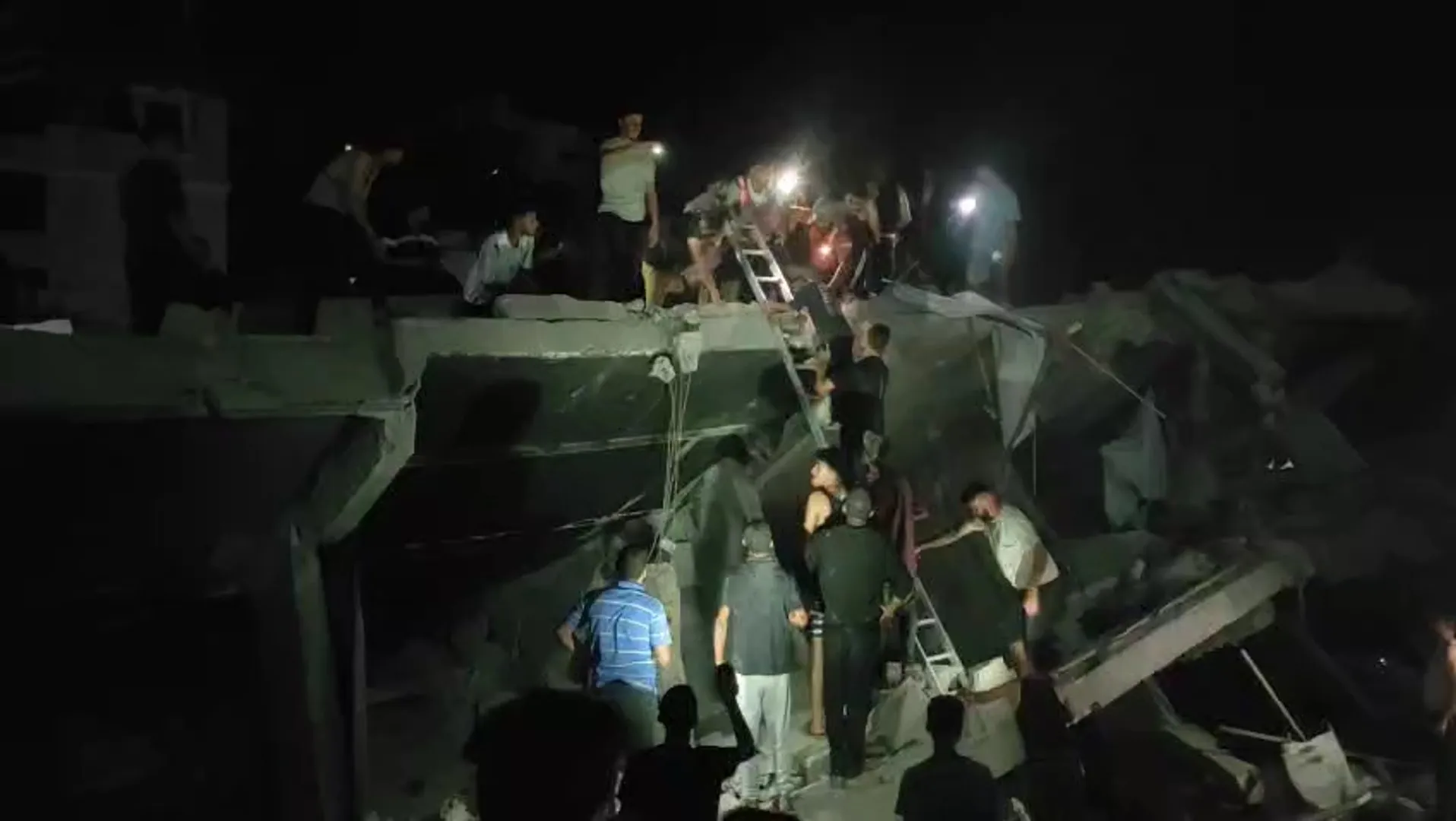
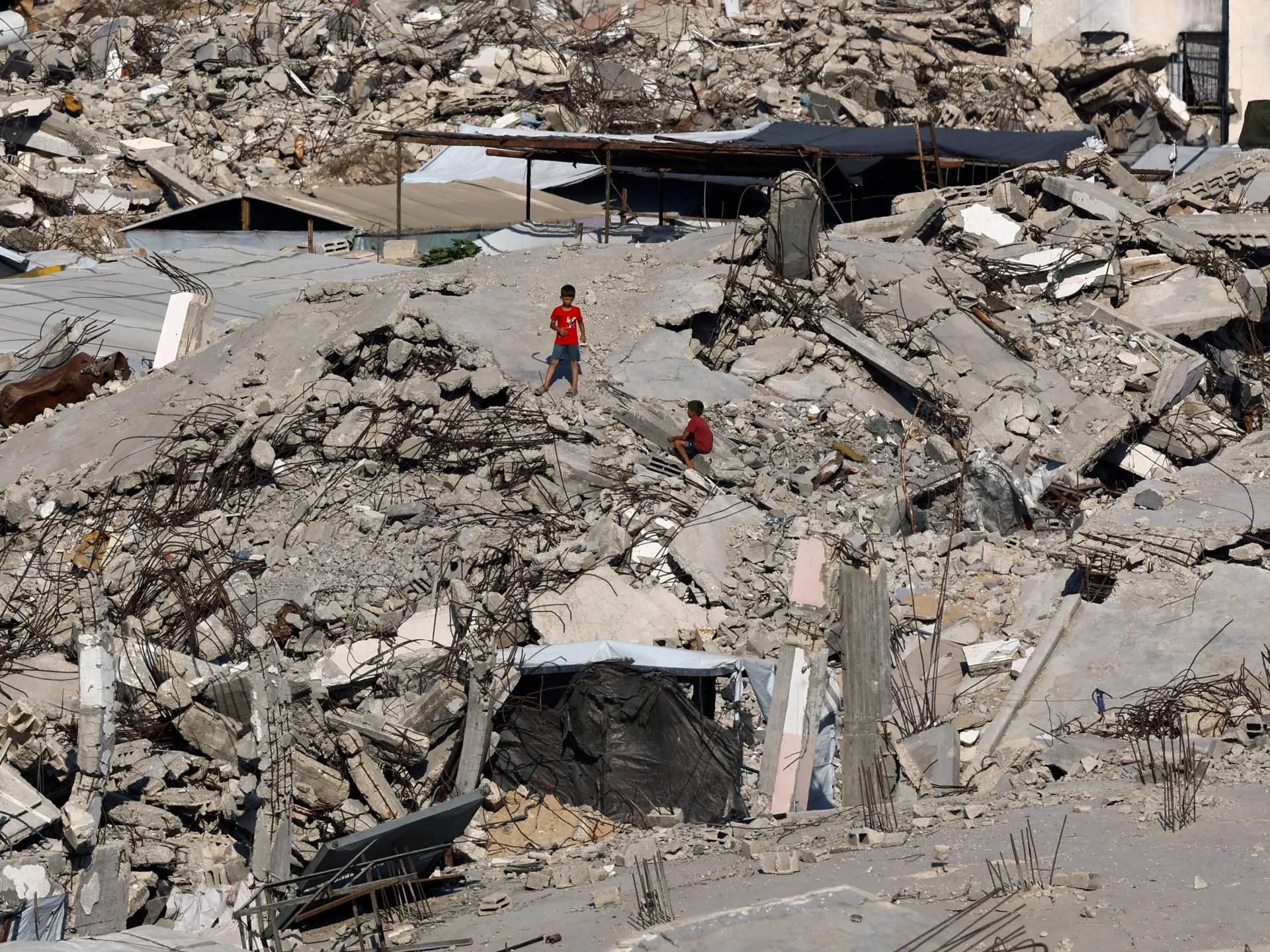
The scale of the tragedy continues to evolve as recovery teams conduct search operations. Currently, the combined death toll from the floods in Nepal and neighboring regions of China has climbed to 1,446, with at least 6,669 individuals still reported missing. These figures highlight the immense humanitarian burden placed on Nepal, a nation that has historically contributed very little to global greenhouse gas emissions yet now finds itself on the front lines of climate-induced catastrophes.
Beyond the loss of life, the economic ramifications for Nepal are profound. Preliminary government estimates suggest that the cost of reconstruction and infrastructure repair will exceed $4.78 billion. This financial strain presents a significant challenge for a developing nation tasked with rebuilding entire communities while simultaneously attempting to fortify infrastructure against future environmental threats that may now exceed current human capacity for adaptation.
In response to the disaster, the international conversation surrounding "loss and damage" has gained significant momentum. Climate scientists argue that the disaster serves as a stark example of why global climate negotiations must prioritize financial support for vulnerable nations. As the frequency and intensity of such geohazards increase, the limitations of current adaptation strategies are becoming increasingly apparent to policymakers and researchers alike.
Nepal's leadership is now preparing to bring these concerns to the global stage. The Prime Minister is scheduled to address the United Nations General Assembly in the coming week, marking a critical moment for the nation to advocate for global accountability. The goal is to ensure that the realities of glacial degradation and the resulting economic devastation are integrated into international climate policy, ensuring that countries facing irreparable damage receive the necessary support to cope with a rapidly changing landscape.