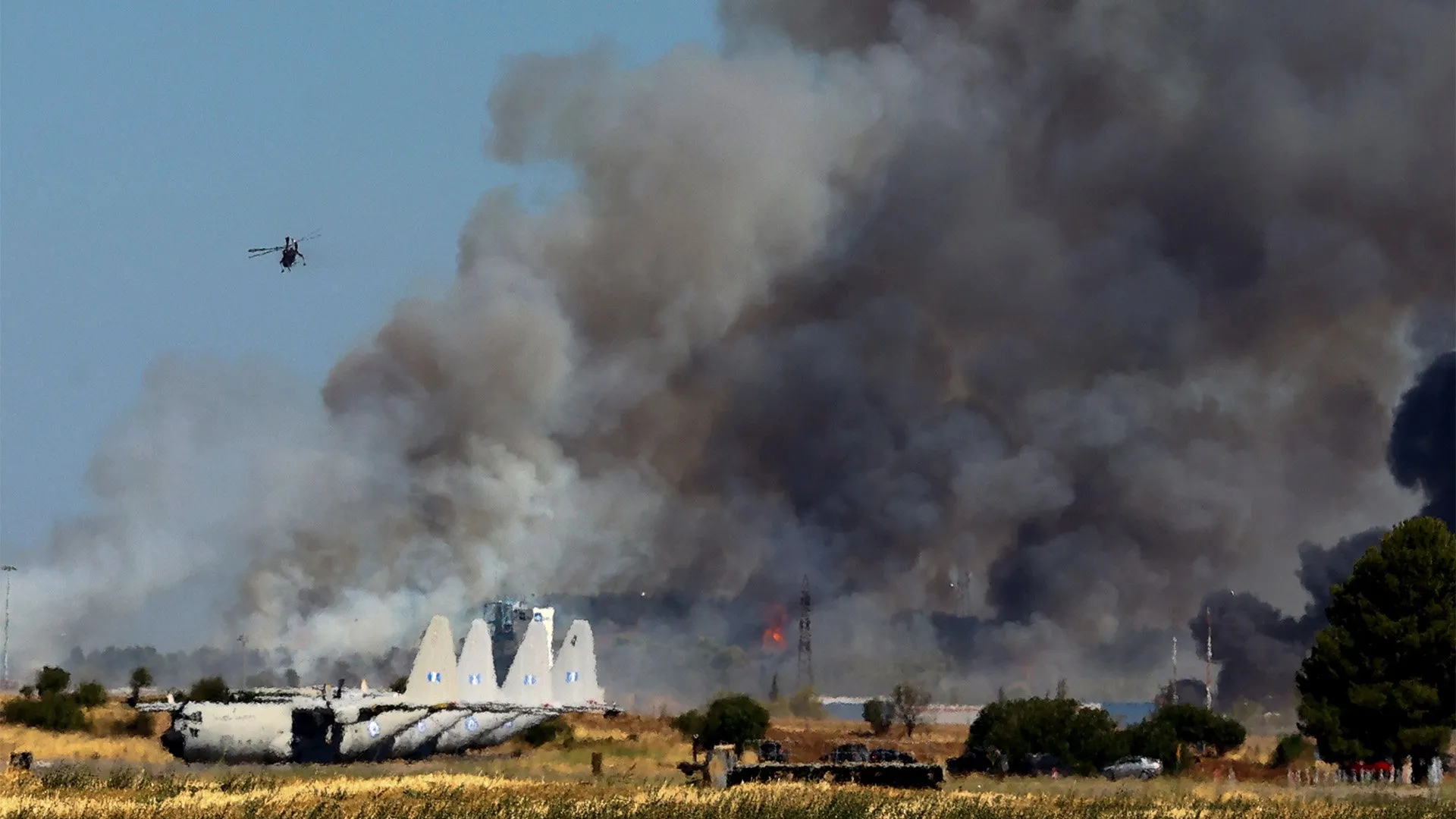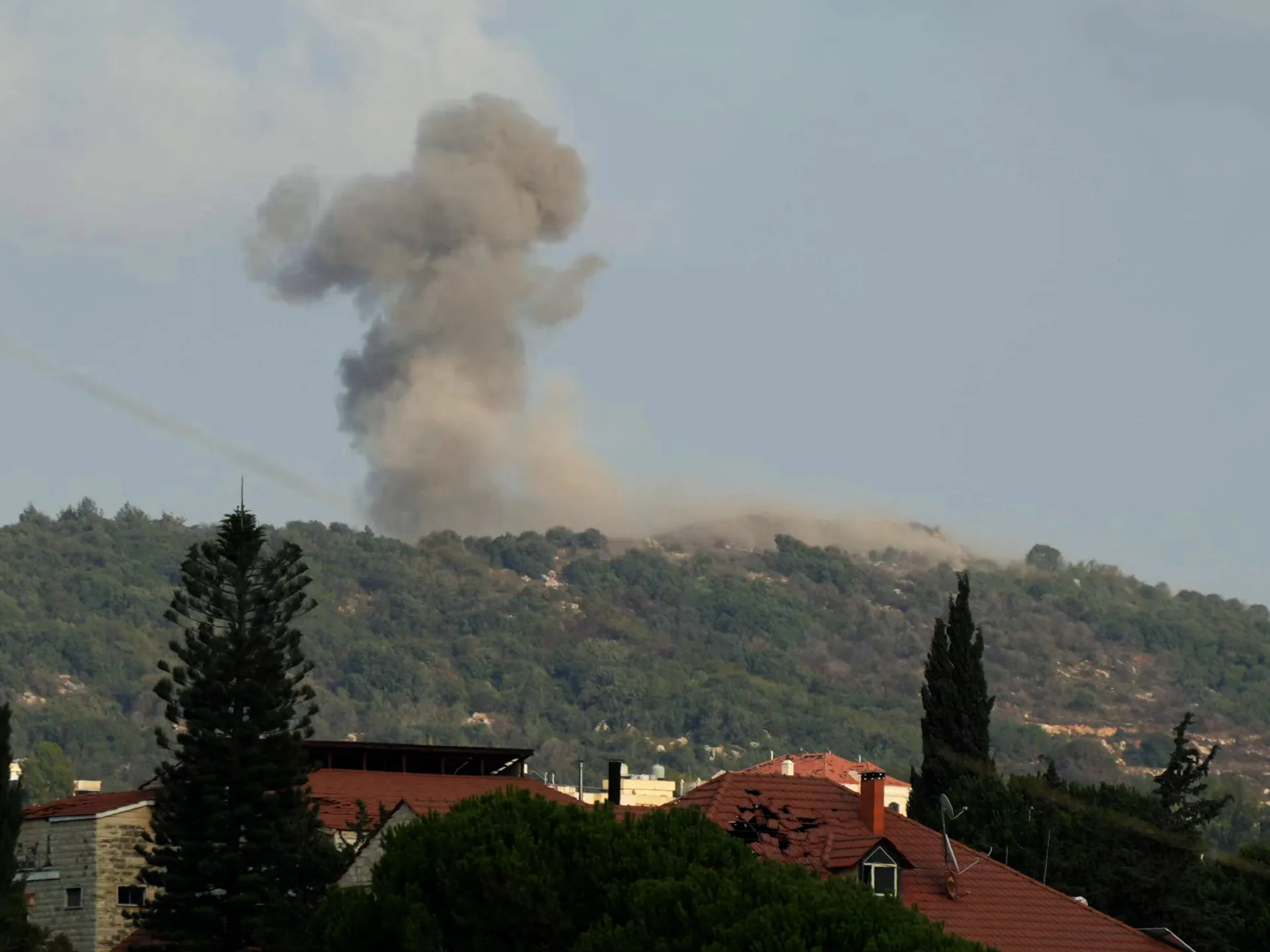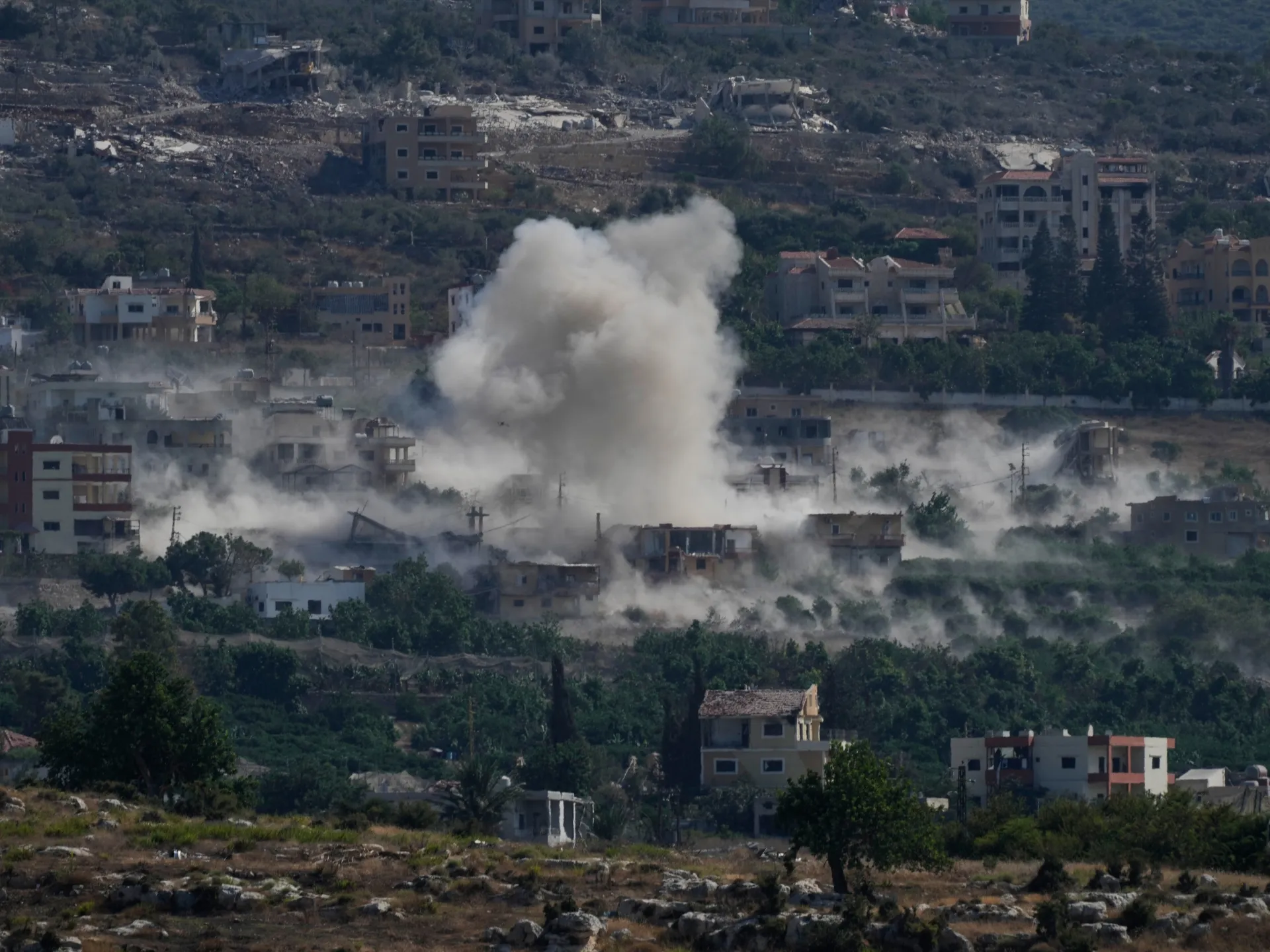
Saudi forces intercepted a Houthi drone near the holy city of Mecca, sparking international condemnation as regional tensions over Red Sea shipping and infrastructure continue to escalate.
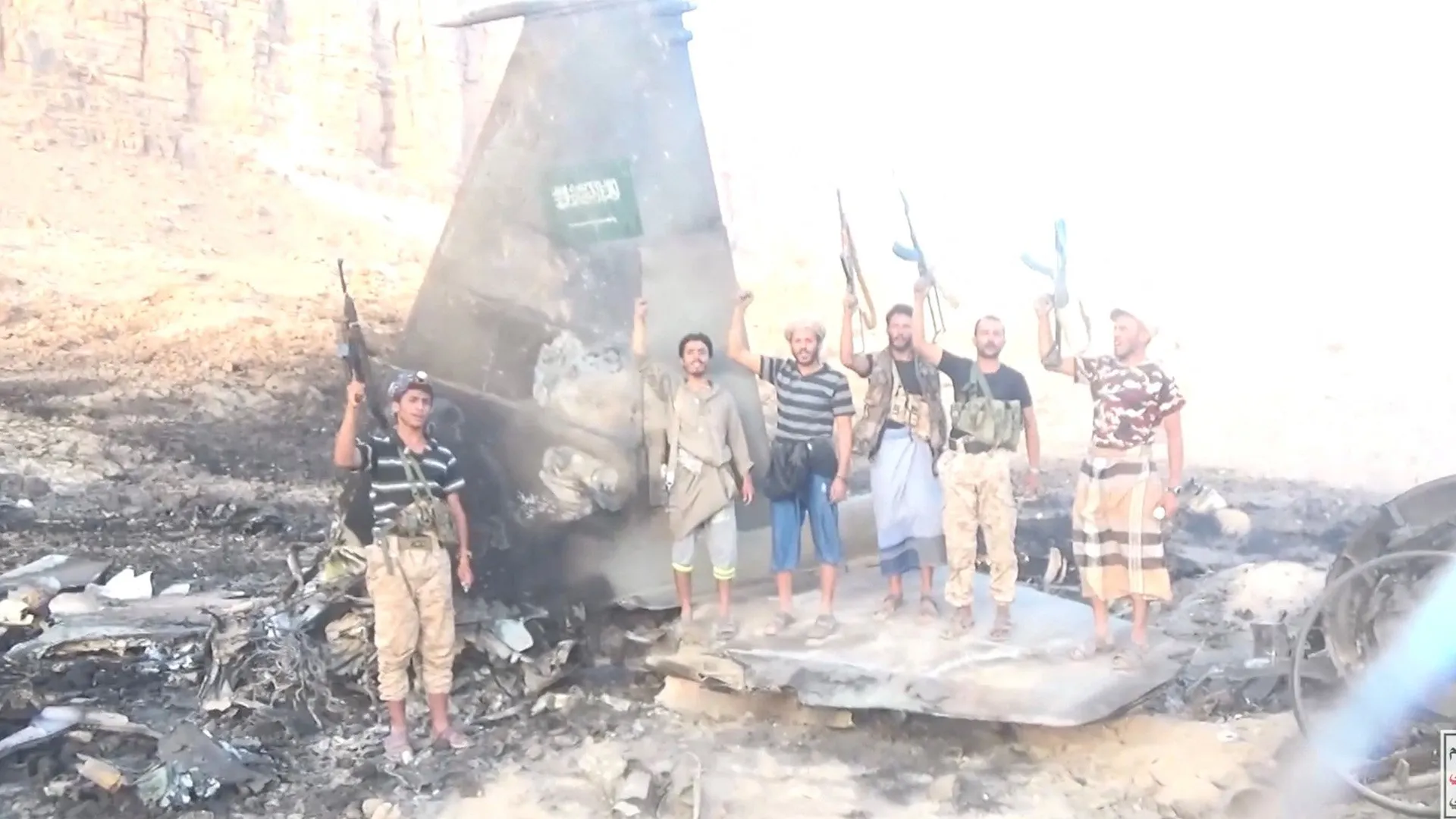
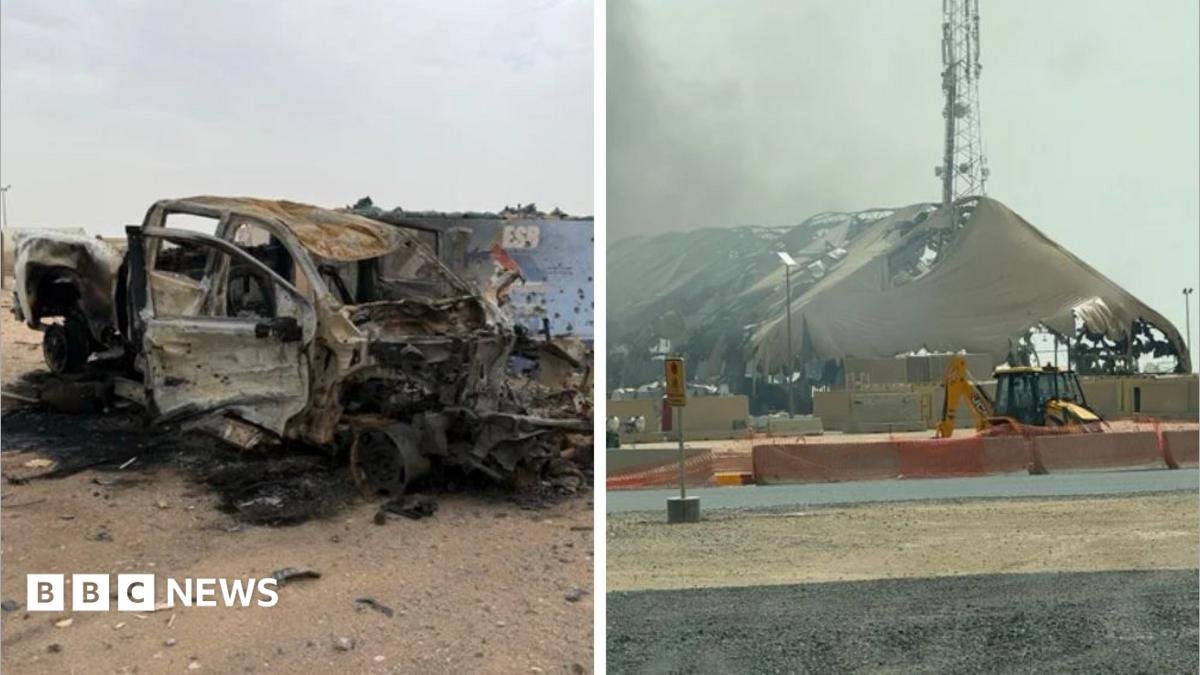
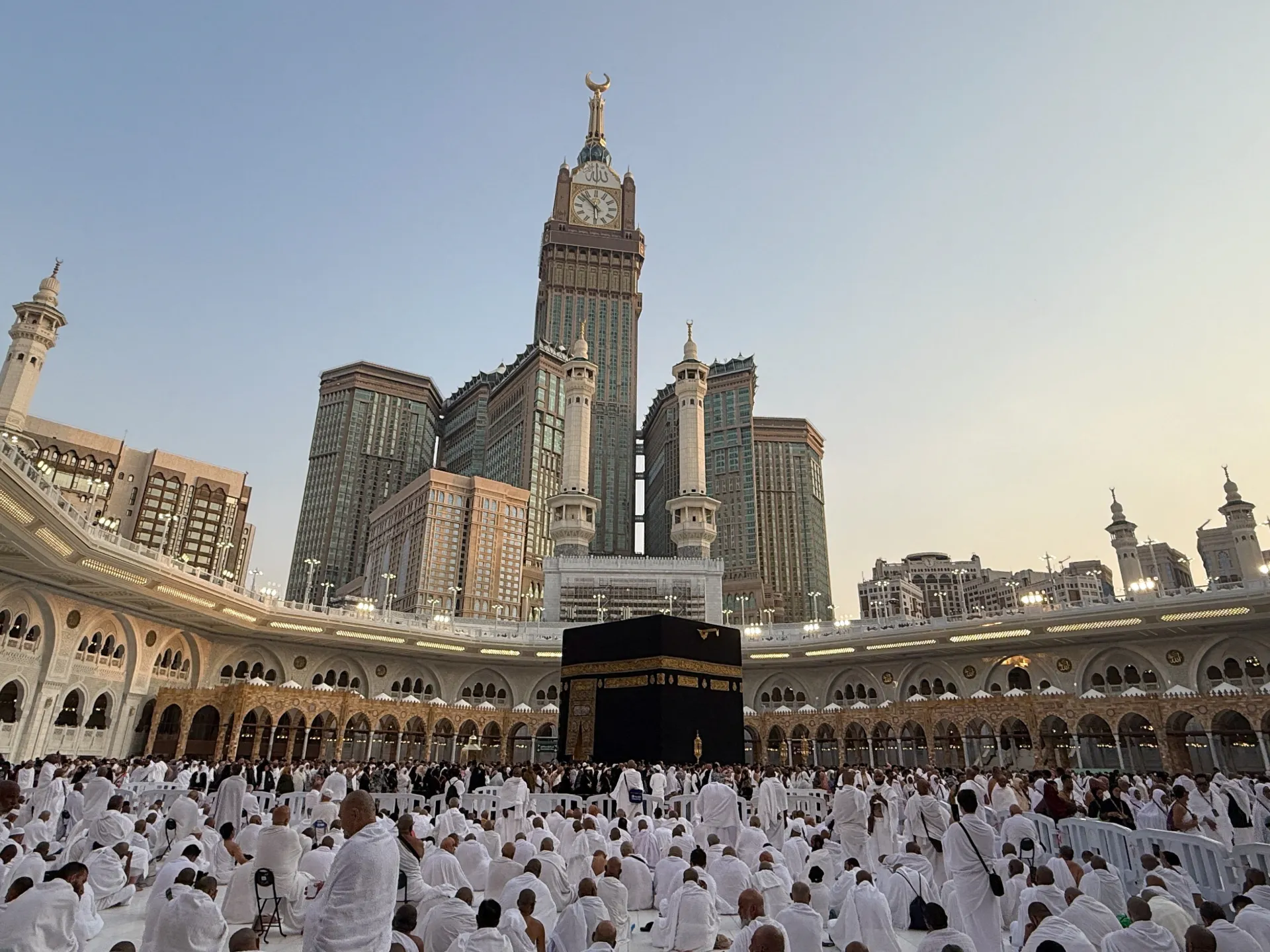
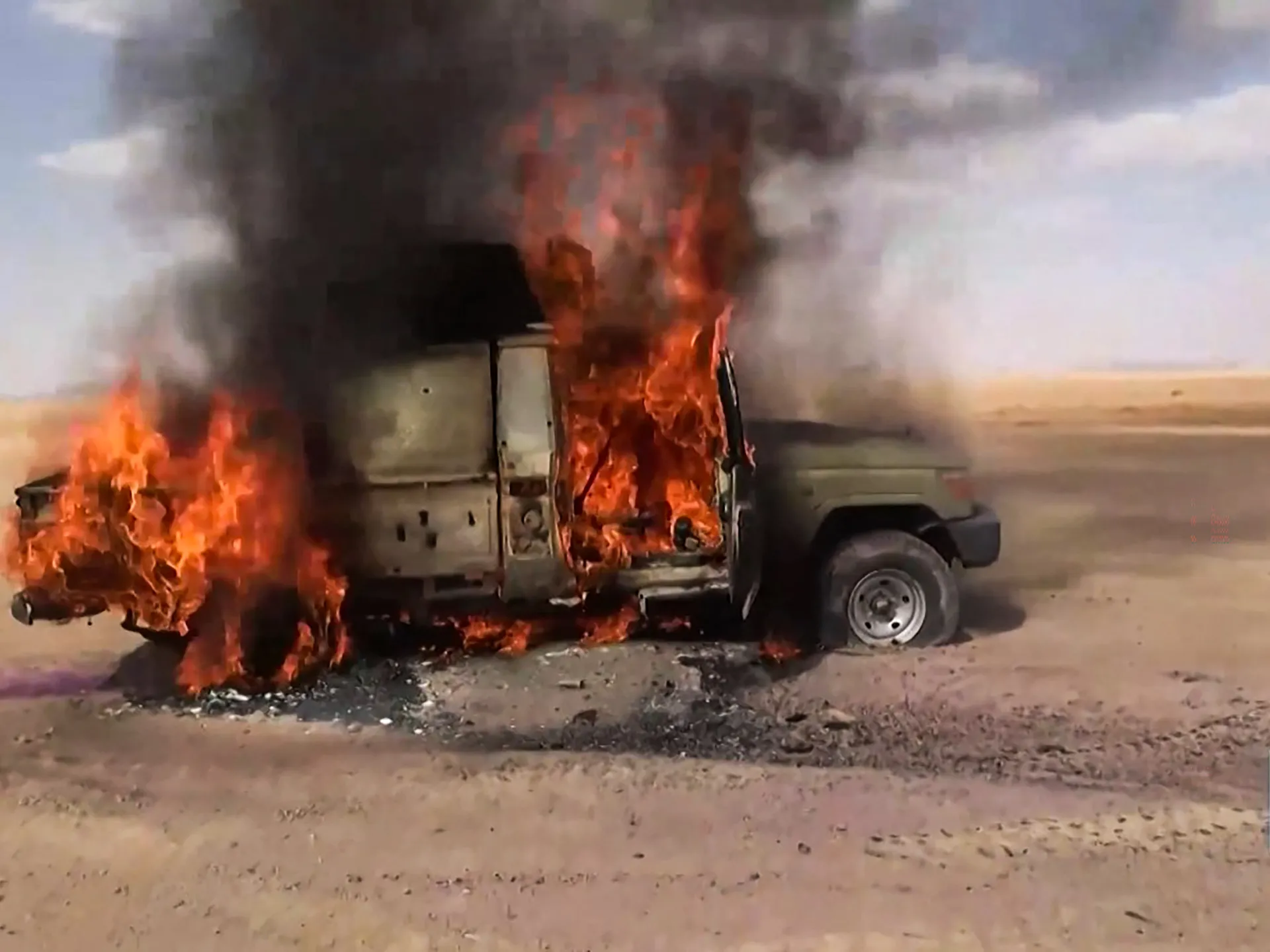
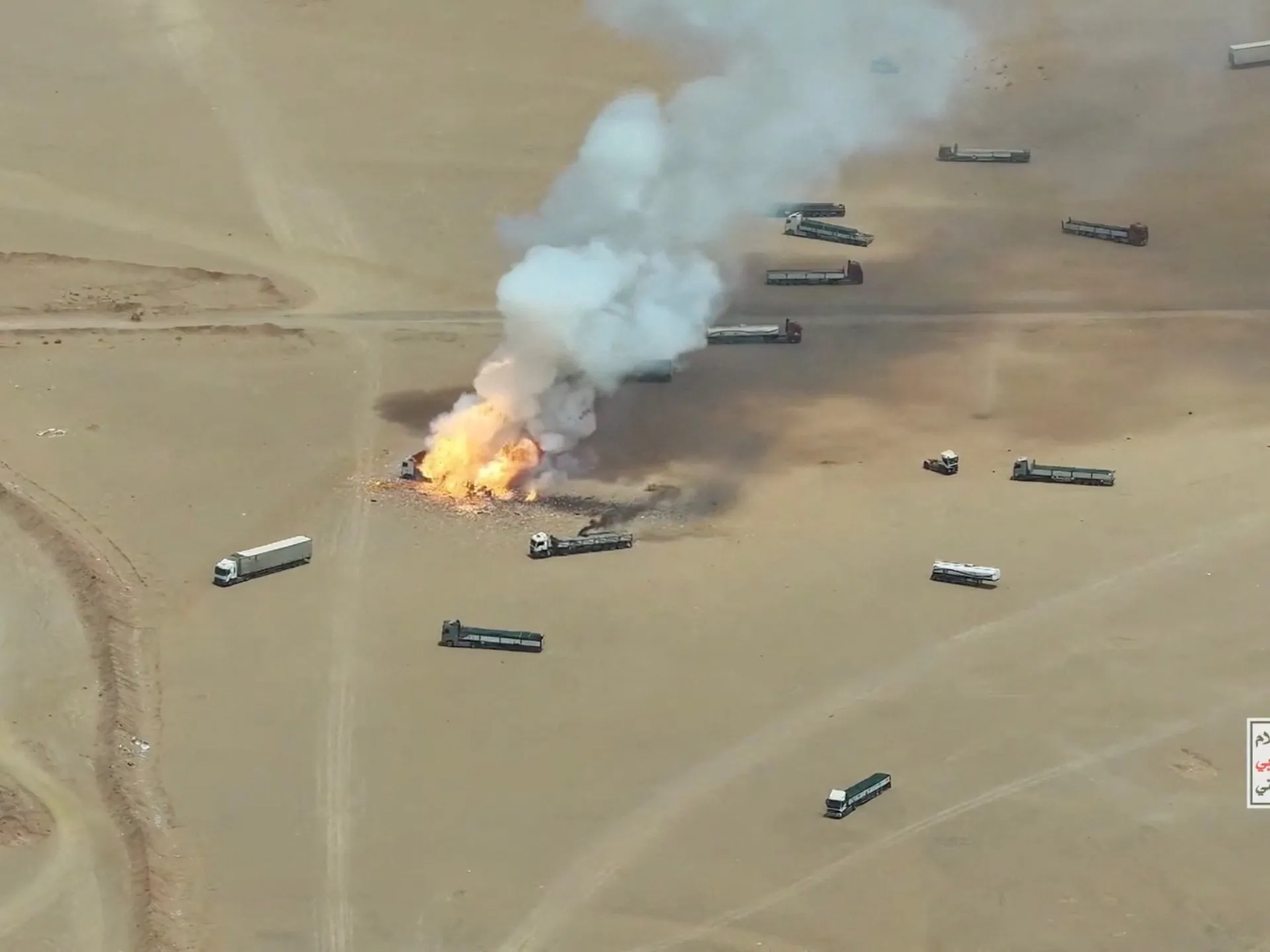
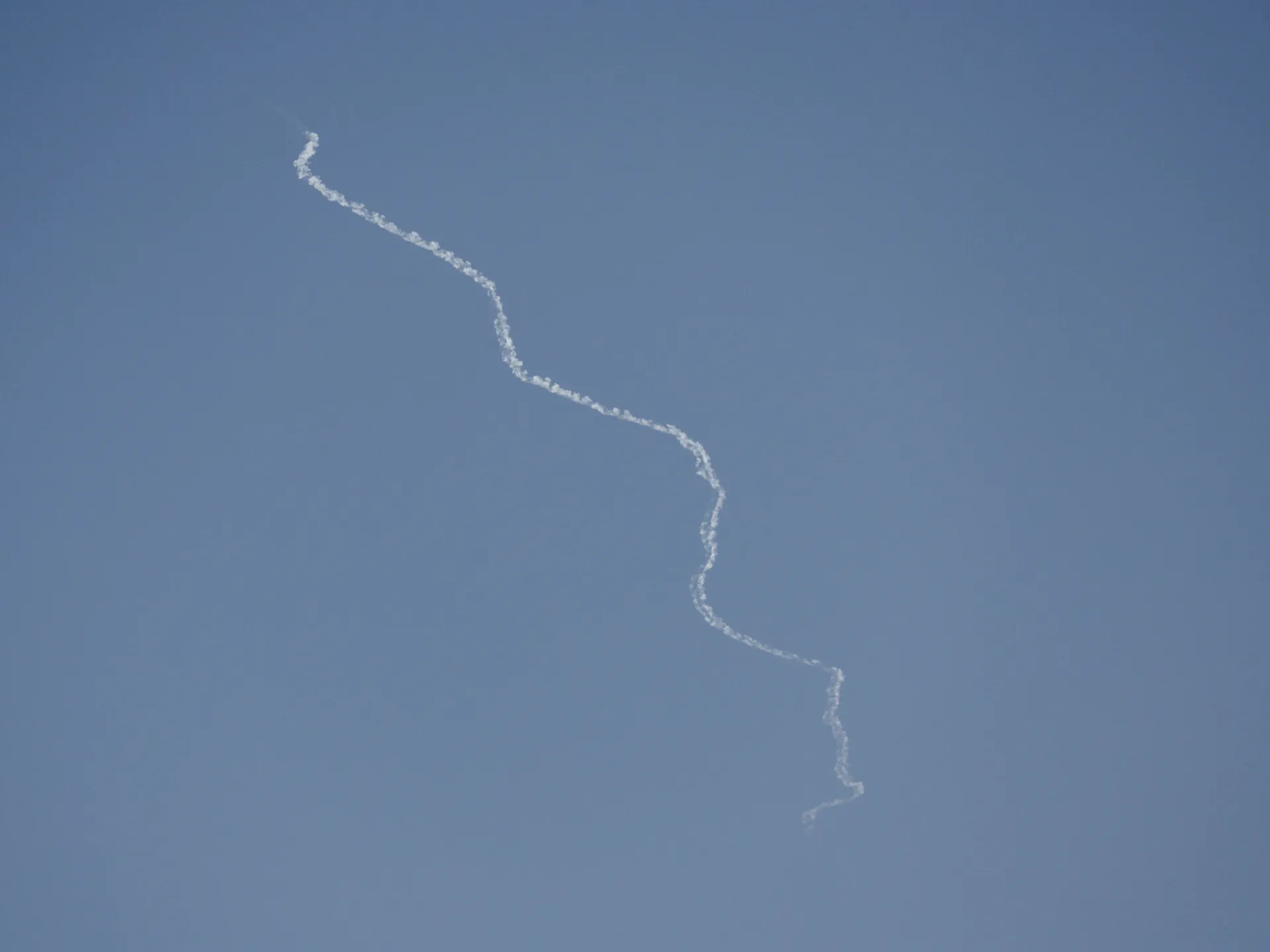
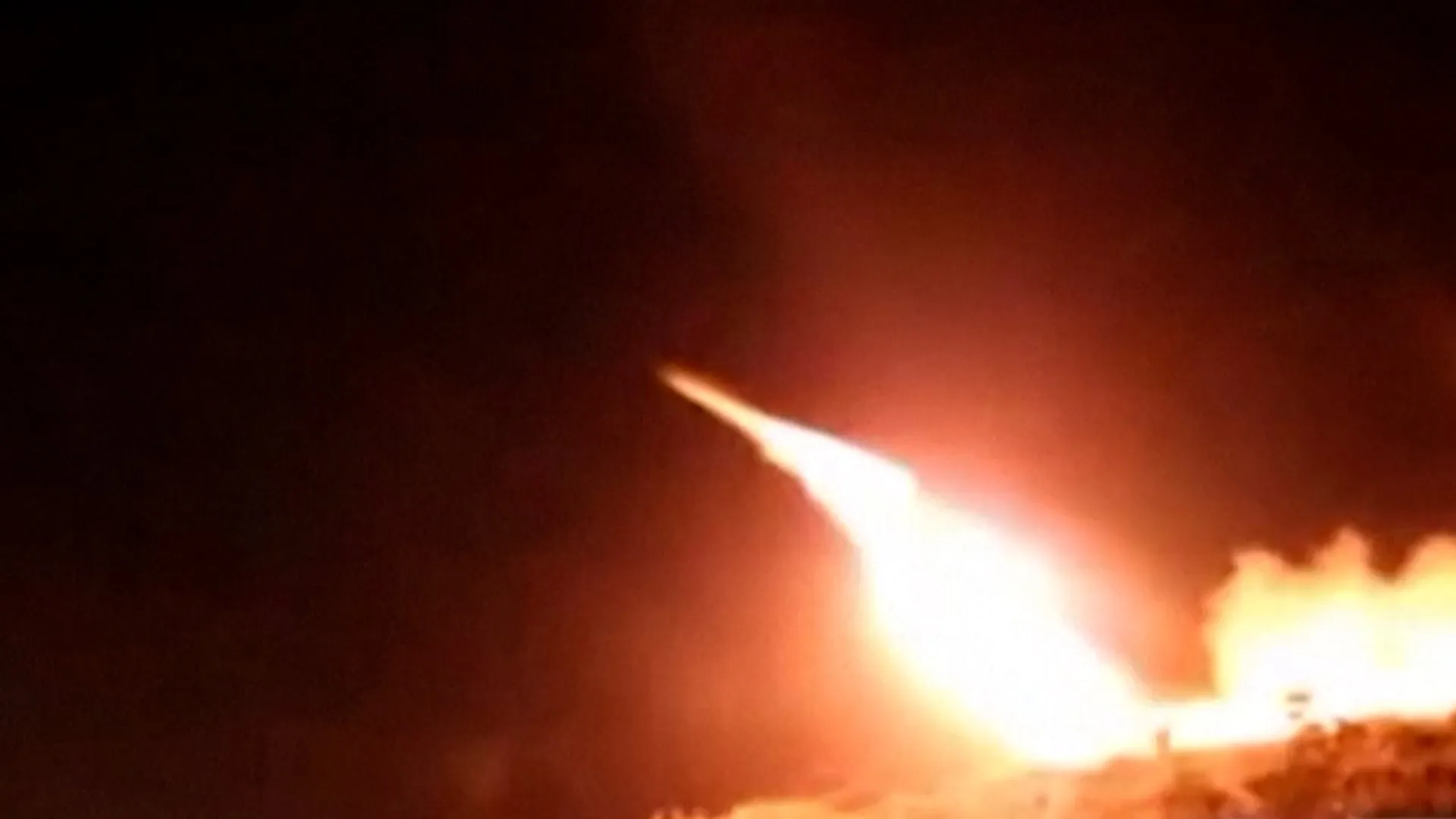
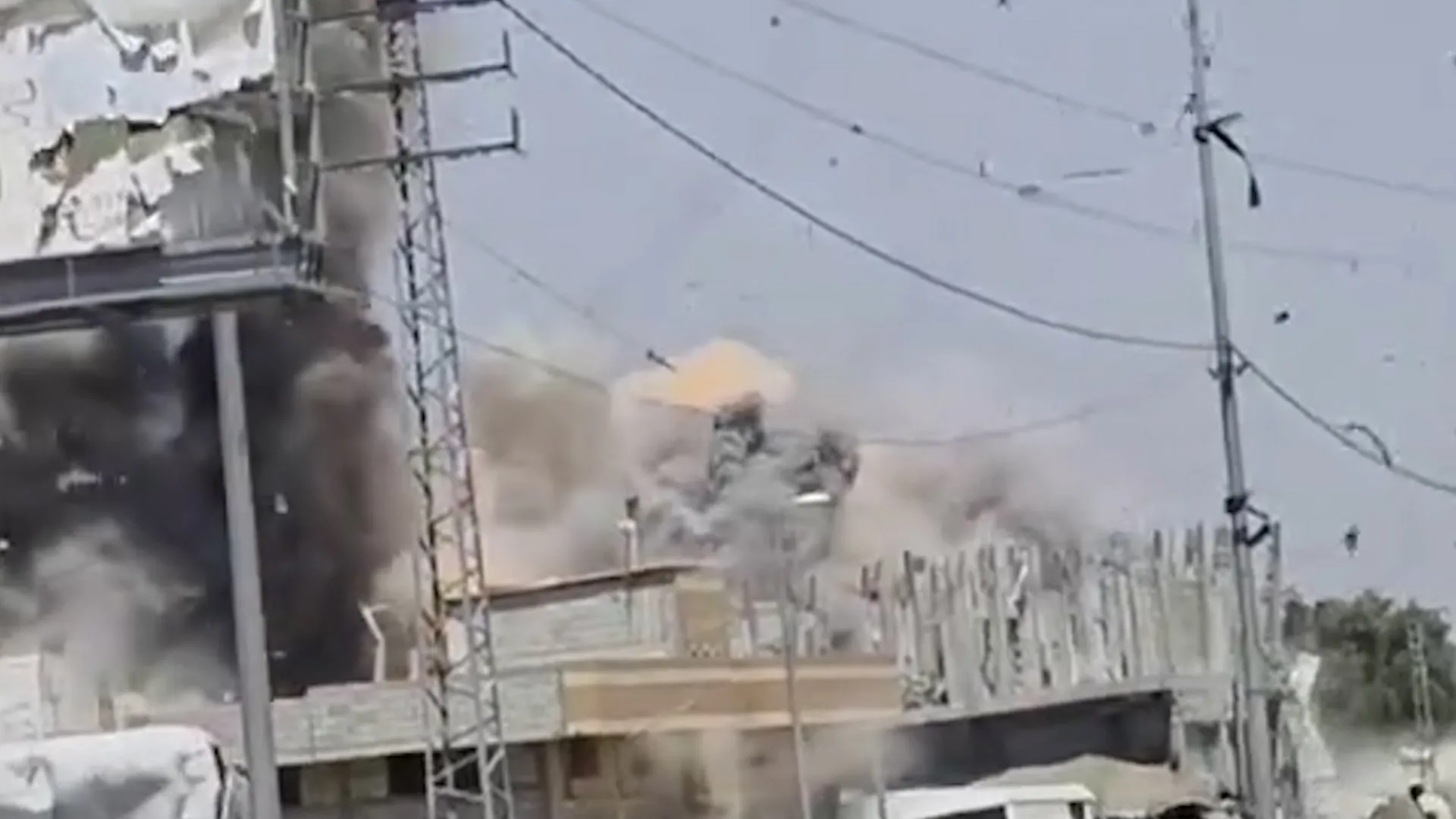
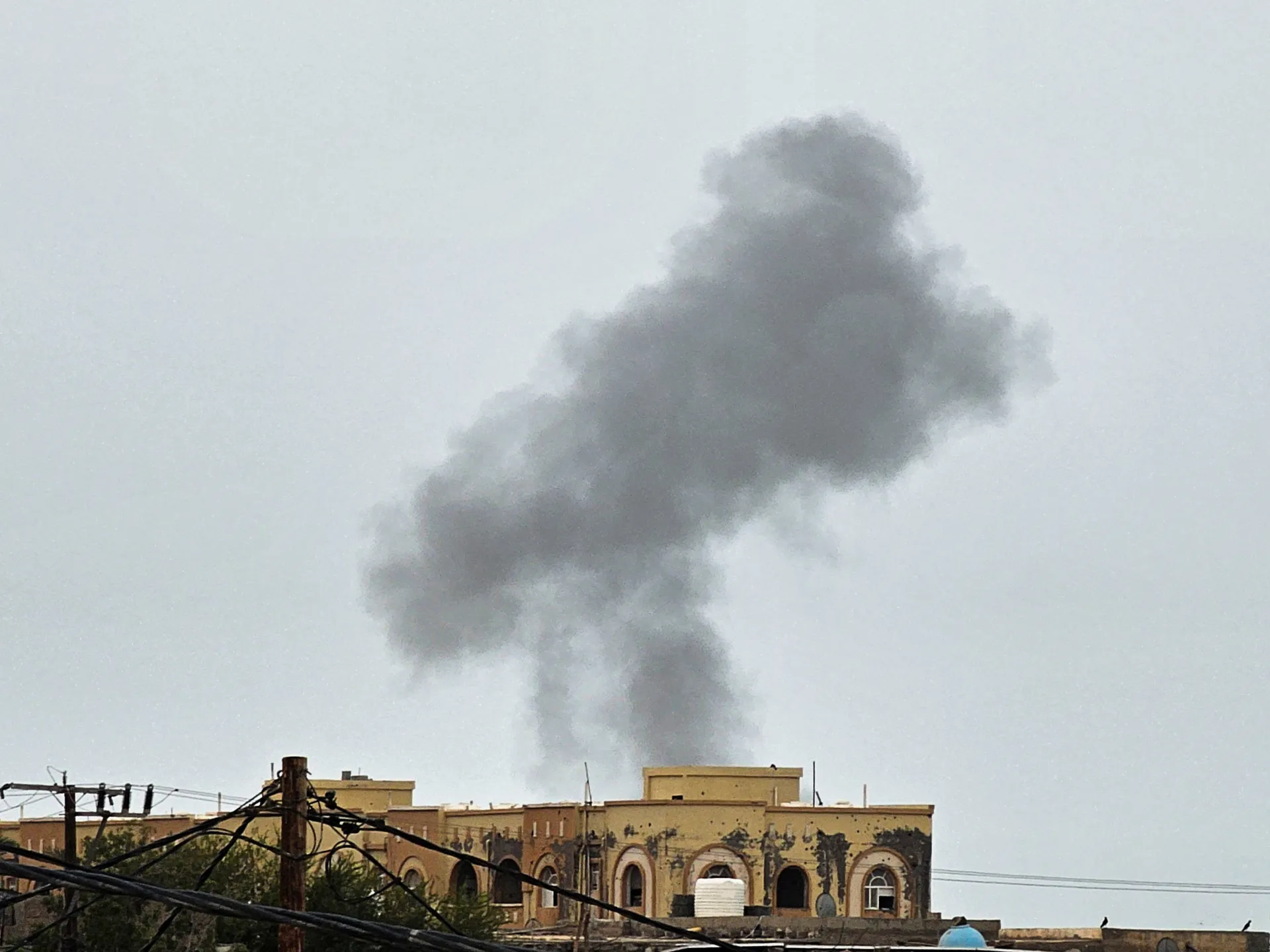
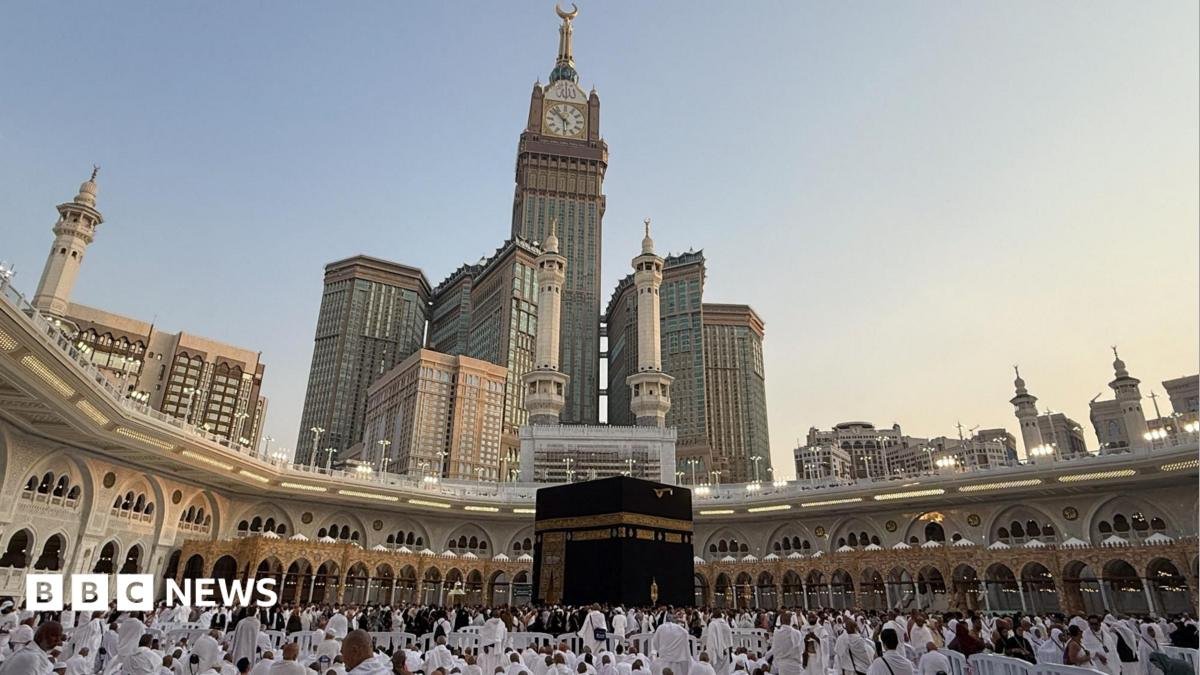
Saudi Arabian defense forces successfully intercepted and destroyed an unmanned aerial vehicle (UAV) south of the holy city of Mecca on Tuesday evening. The incident was confirmed cursion as a highly provocative and disgraceful act. Mecca, as the site of Islam’s most sacred shrine and the primary destination for the Hajj pilgrimage, occupies a unique position of significance in the Islamic world, making any military activity in its proximity a matter of grave concern for regional stability.
The Organisation of Islamic Cooperation (OIC), representing 57 nations, swiftly condemned the incident. In a formal statement, the organization described the targeting of Mecca and the surrounding Medina province as an unacceptable transgression. The international community remains wary of any escalation that threatens the security of these religious landmarks, which serve as spiritual focal points for millions of Muslims worldwide.
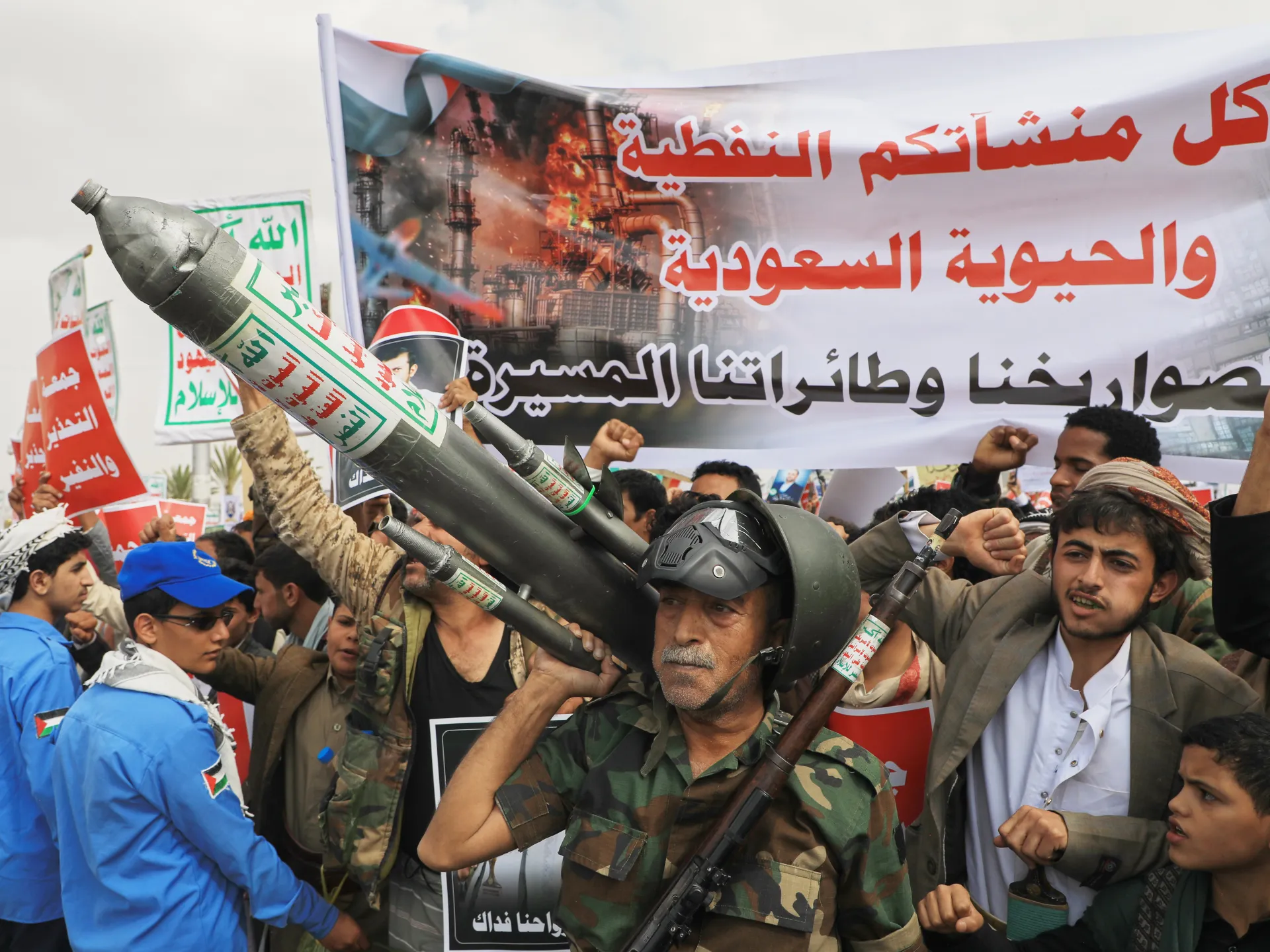
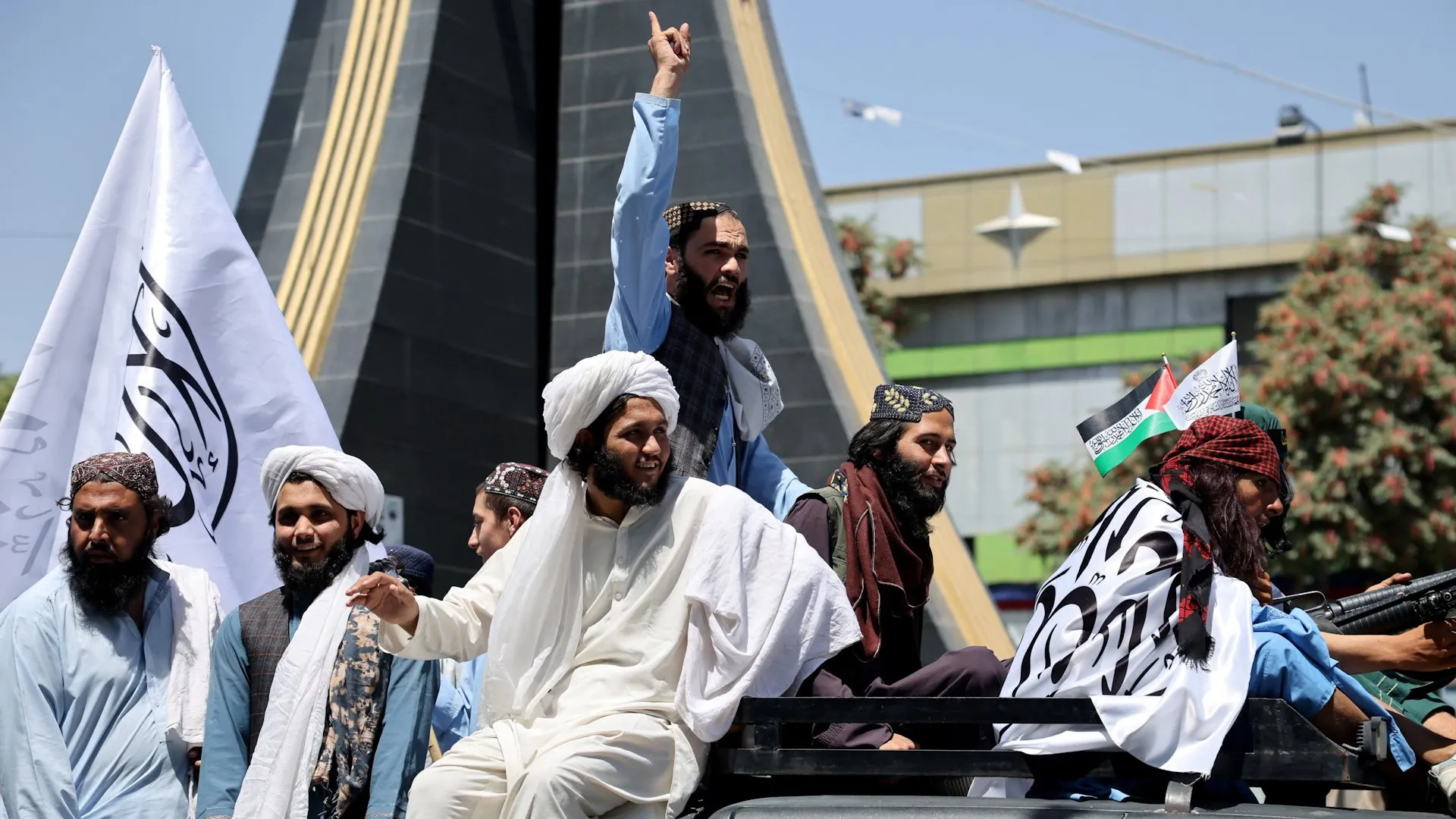
The Houthi movement, an armed faction backed mently denied the allegations of targeting Mecca. Military spokesperson Yahya Sarea dismissed the claims as fabrications, insisting that the group’s strategic operations are strictly limited to military installations and oil infrastructure. Sarea asserted that the movement poses no threat to holy sites and argued that their recent actions were purely retaliatory measures against a heavy barrage of Saudi-led air strikes conducted over the preceding week.
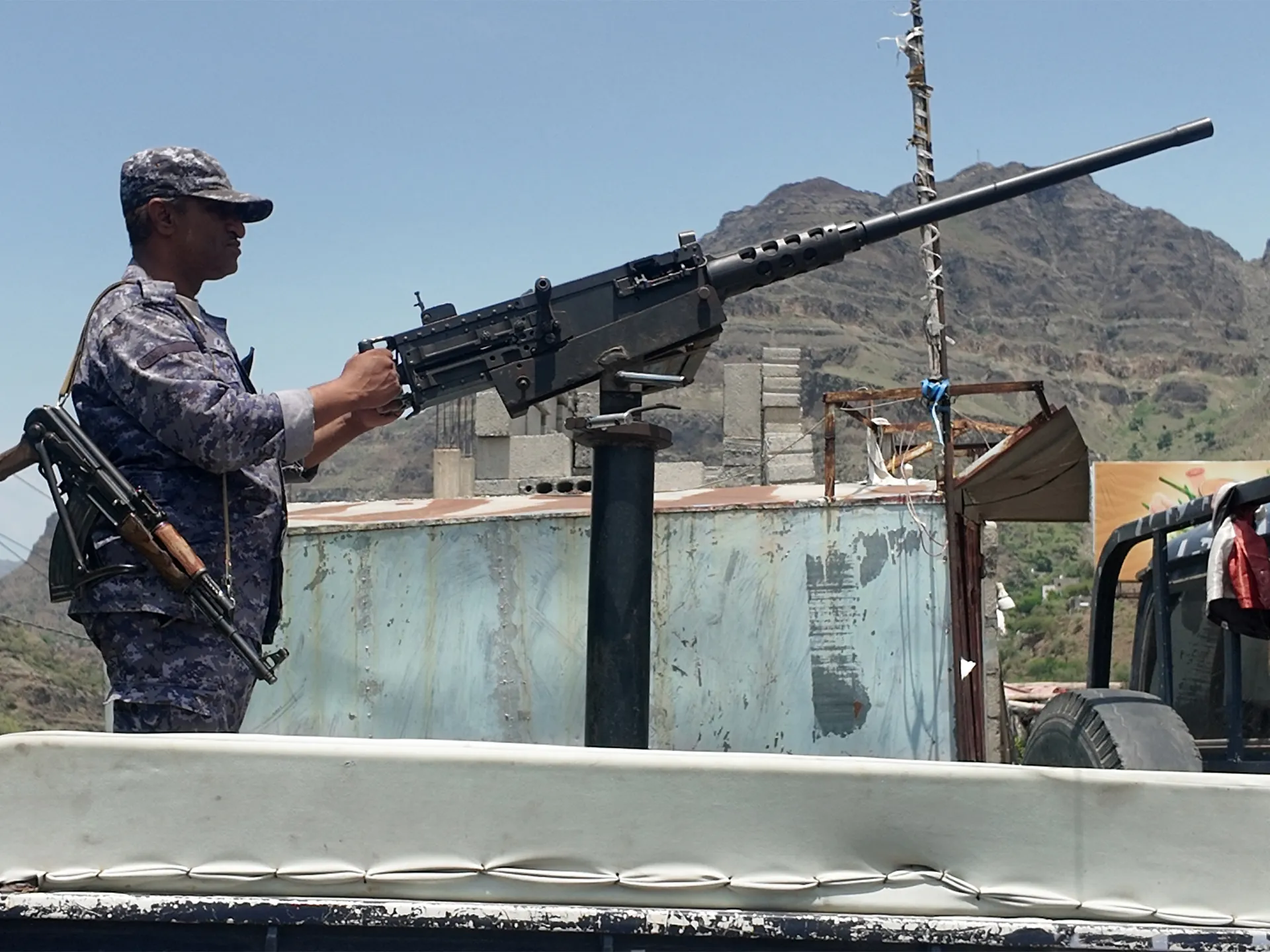
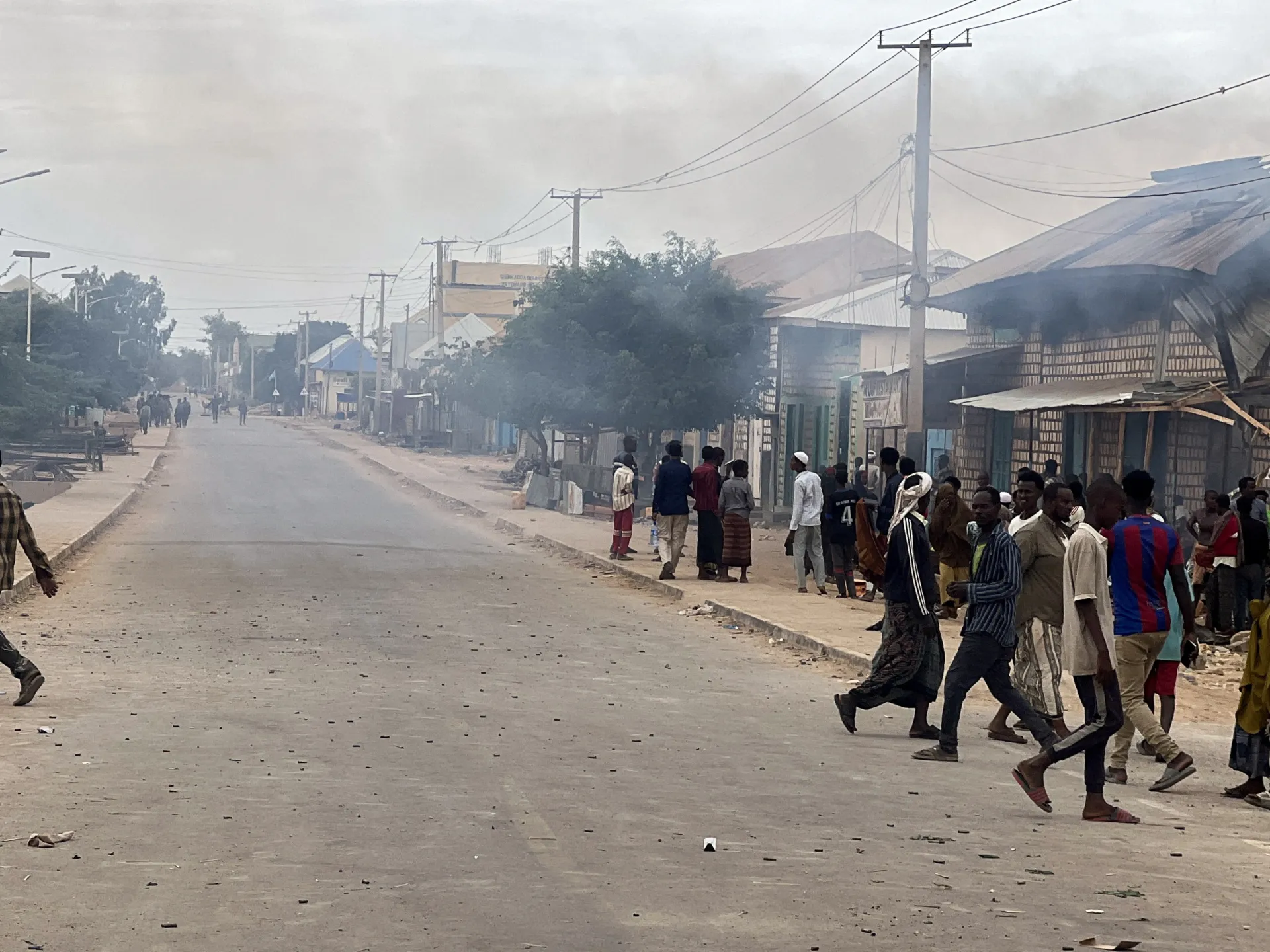
As the rhetoric between the two sides intensifies, the potential for a wider conflict continues to loom. The Saudi-led coalition has vowed to implement necessary and deterrent measures to counter what it describes as hostile behavior urity alerts across western Saudi Arabia, including near major urban centers like Jeddah, as both sides attempt to gain tactical advantages in a protracted and increasingly complex conflict.
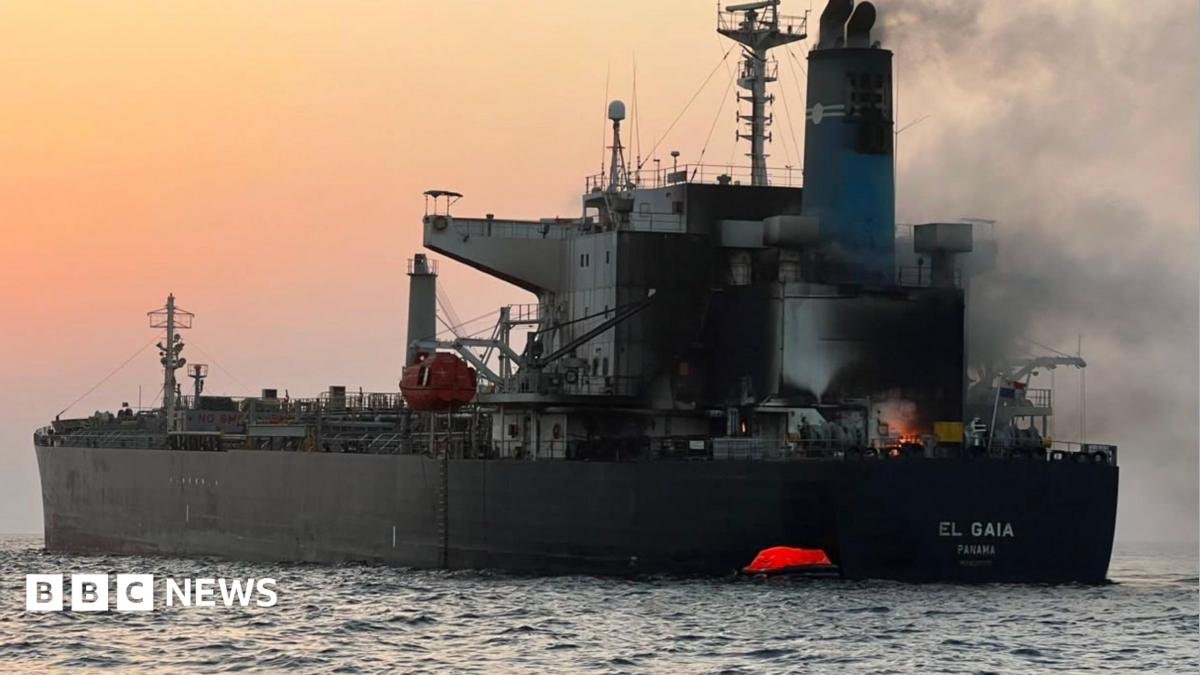
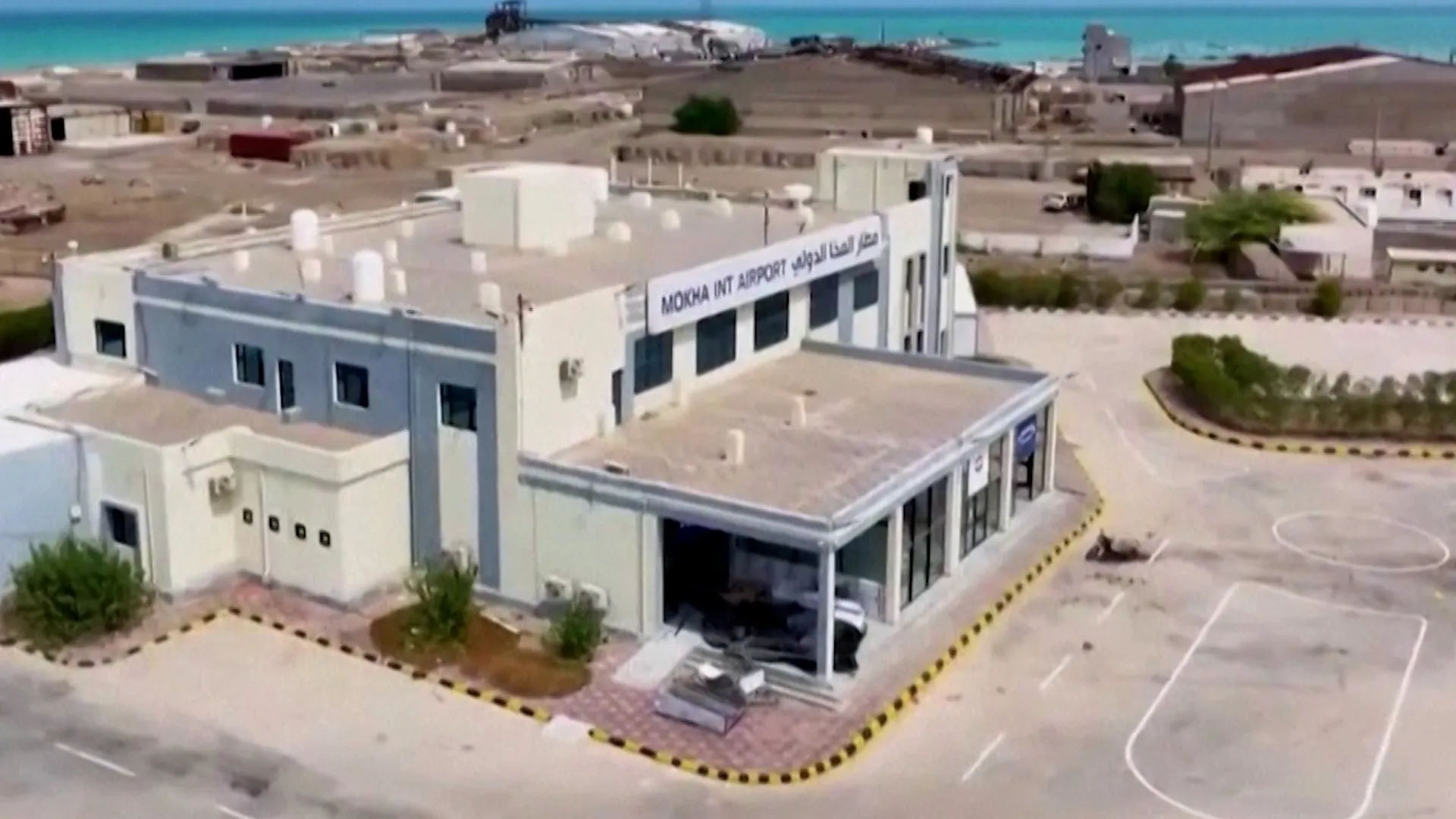
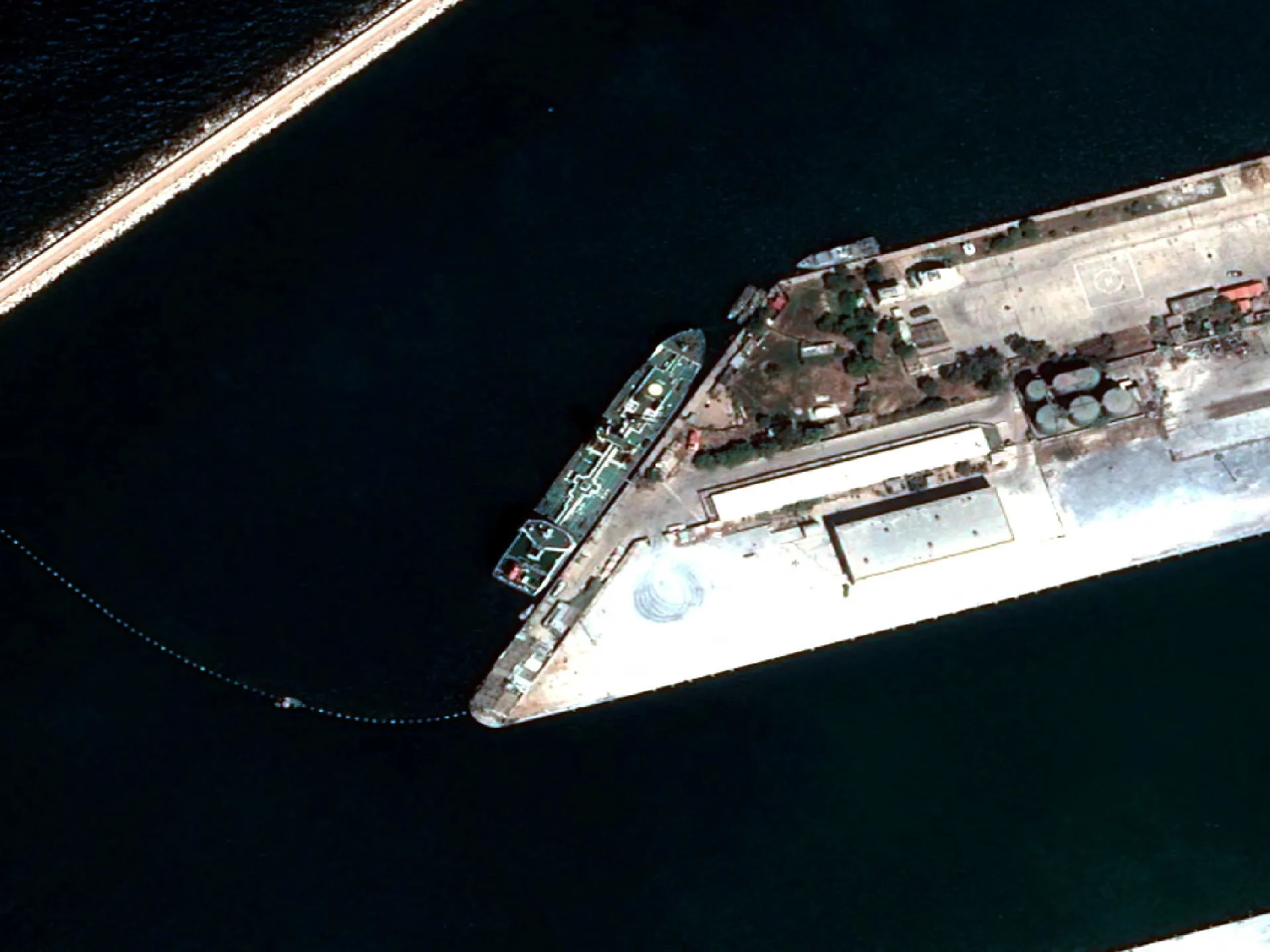
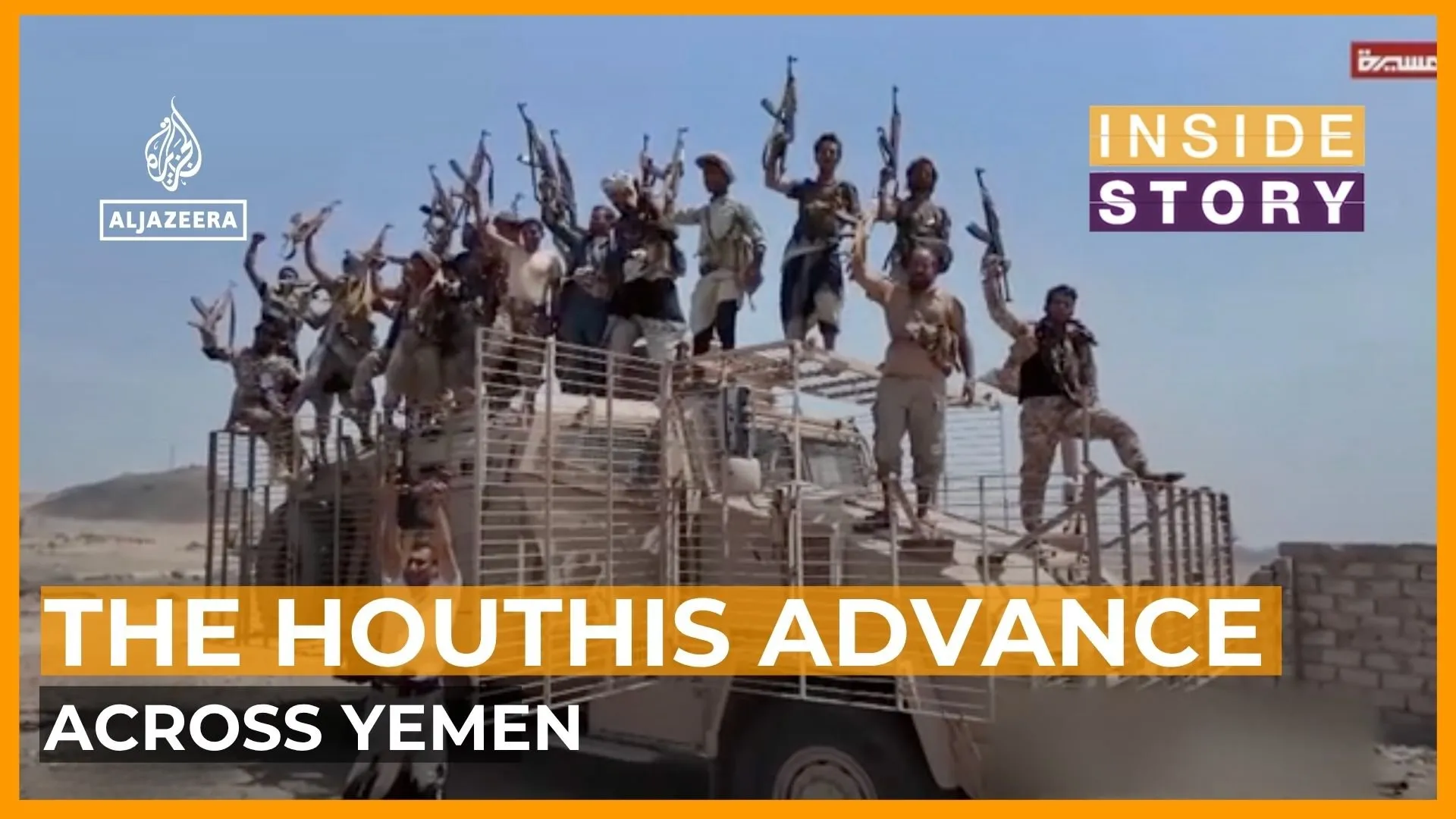
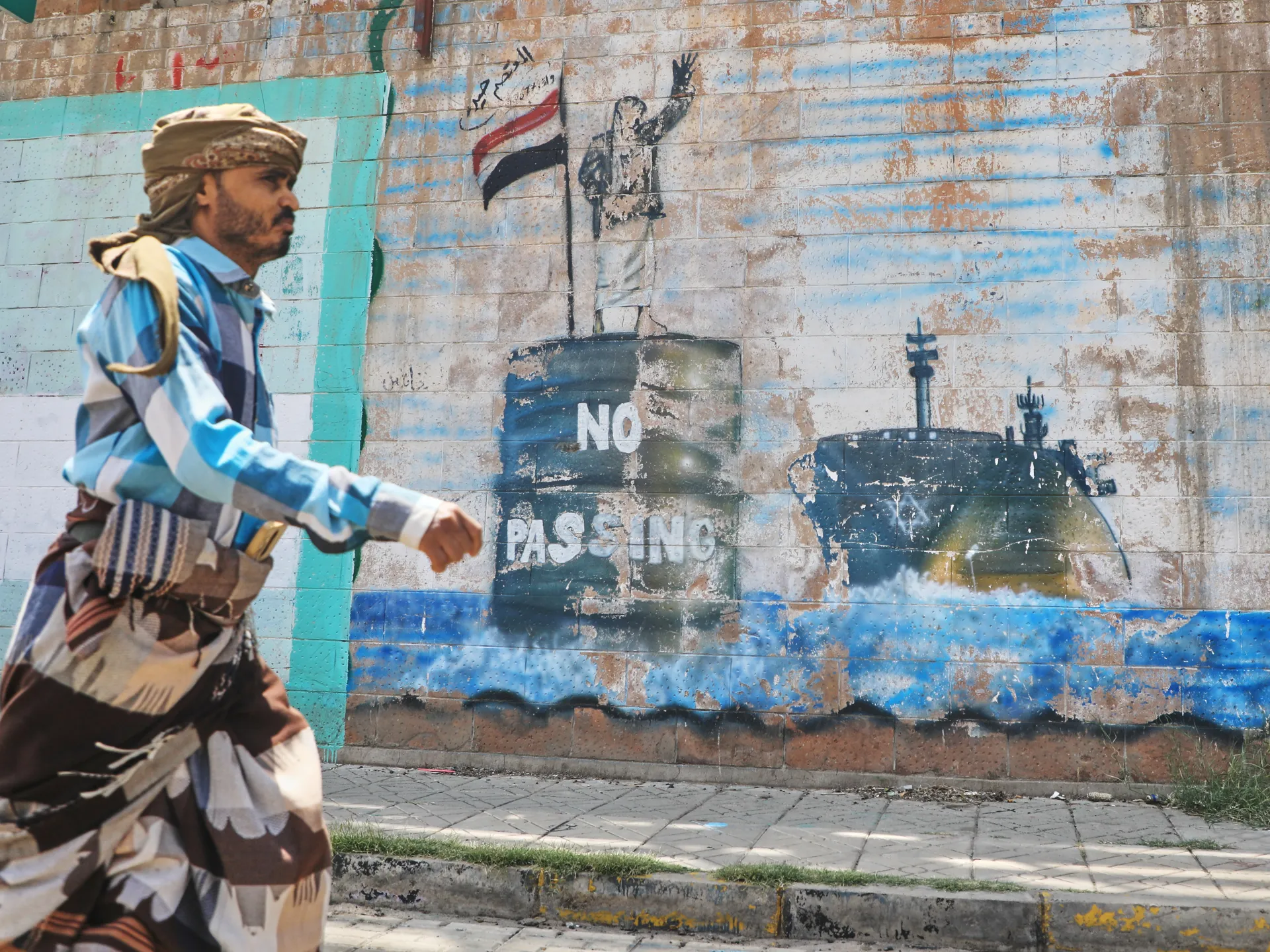
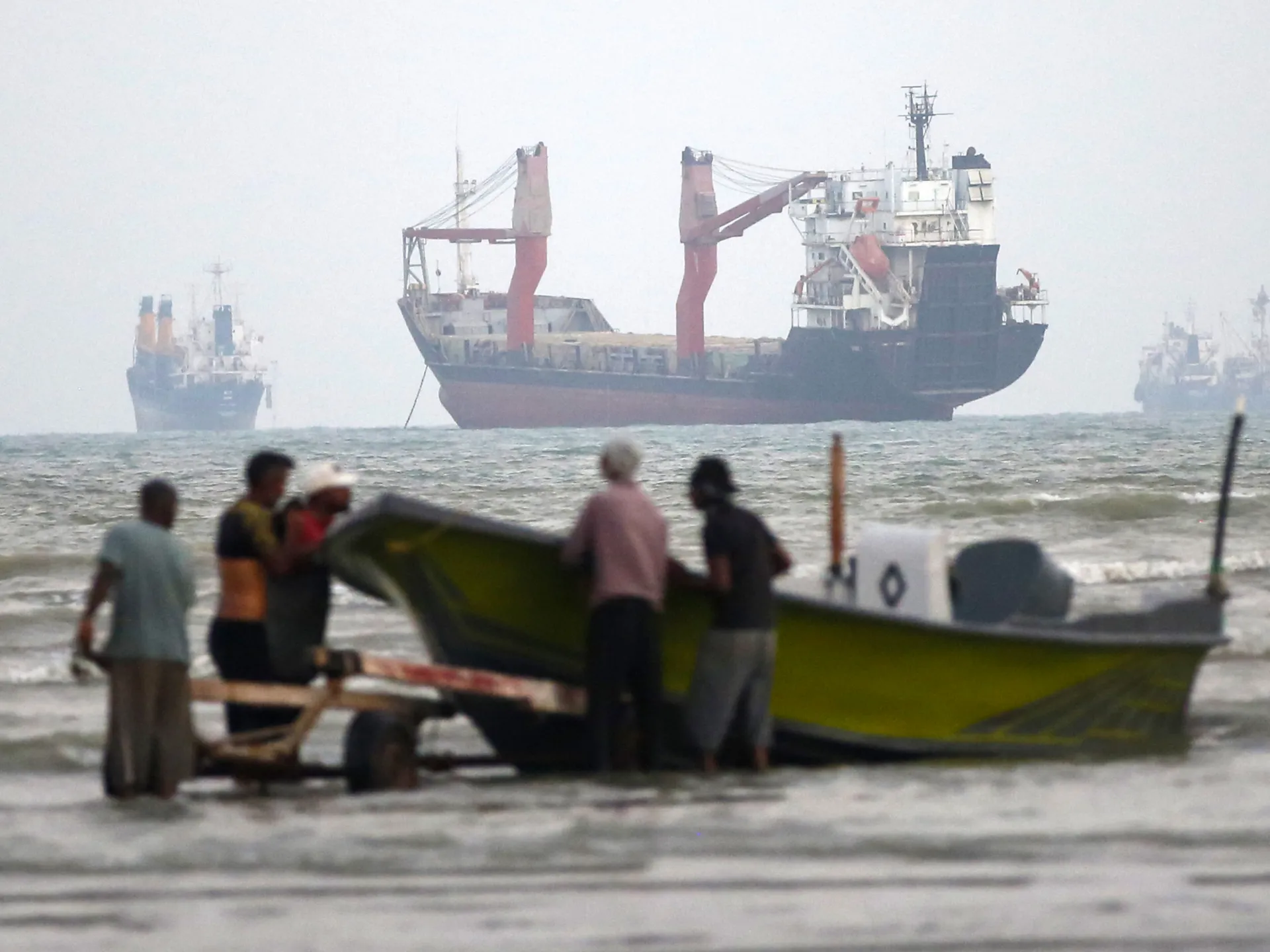
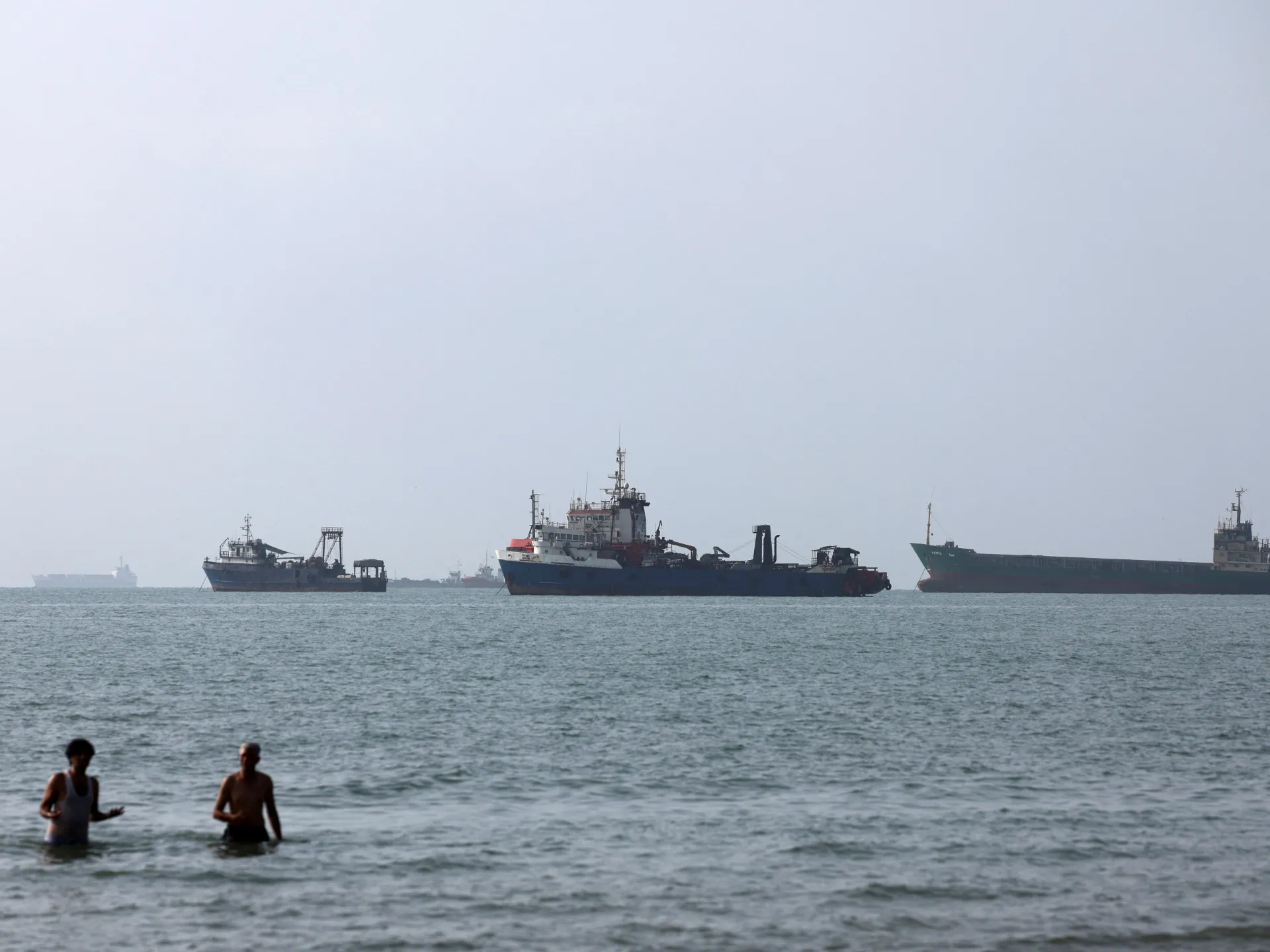
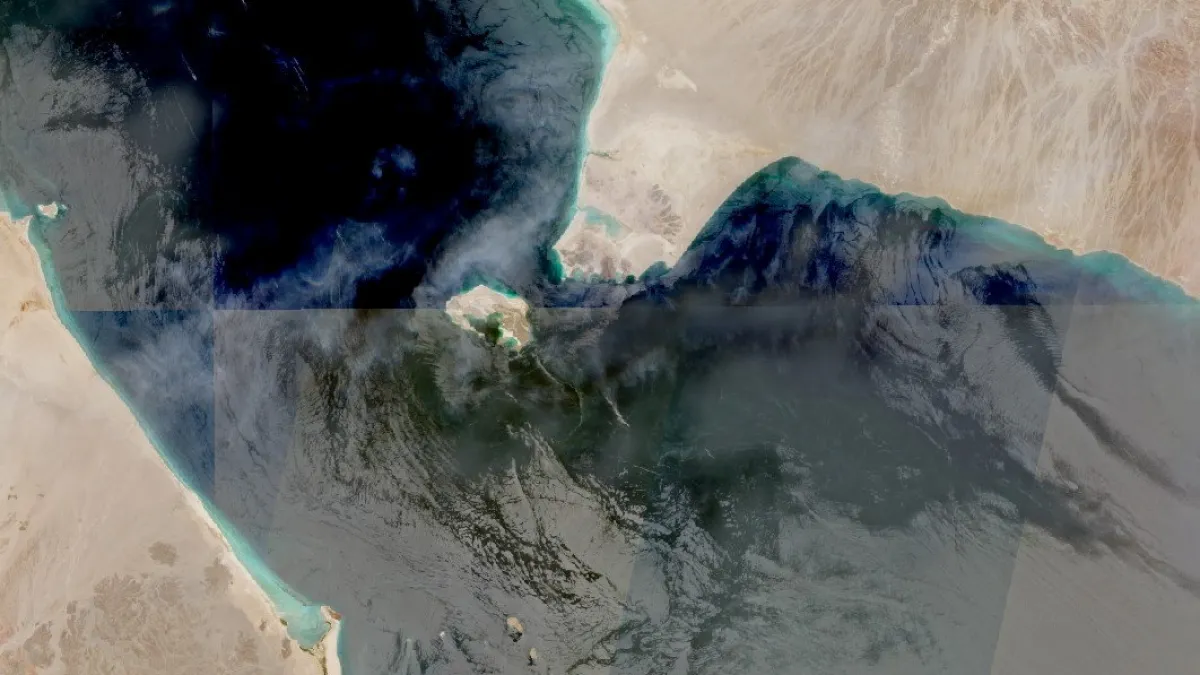
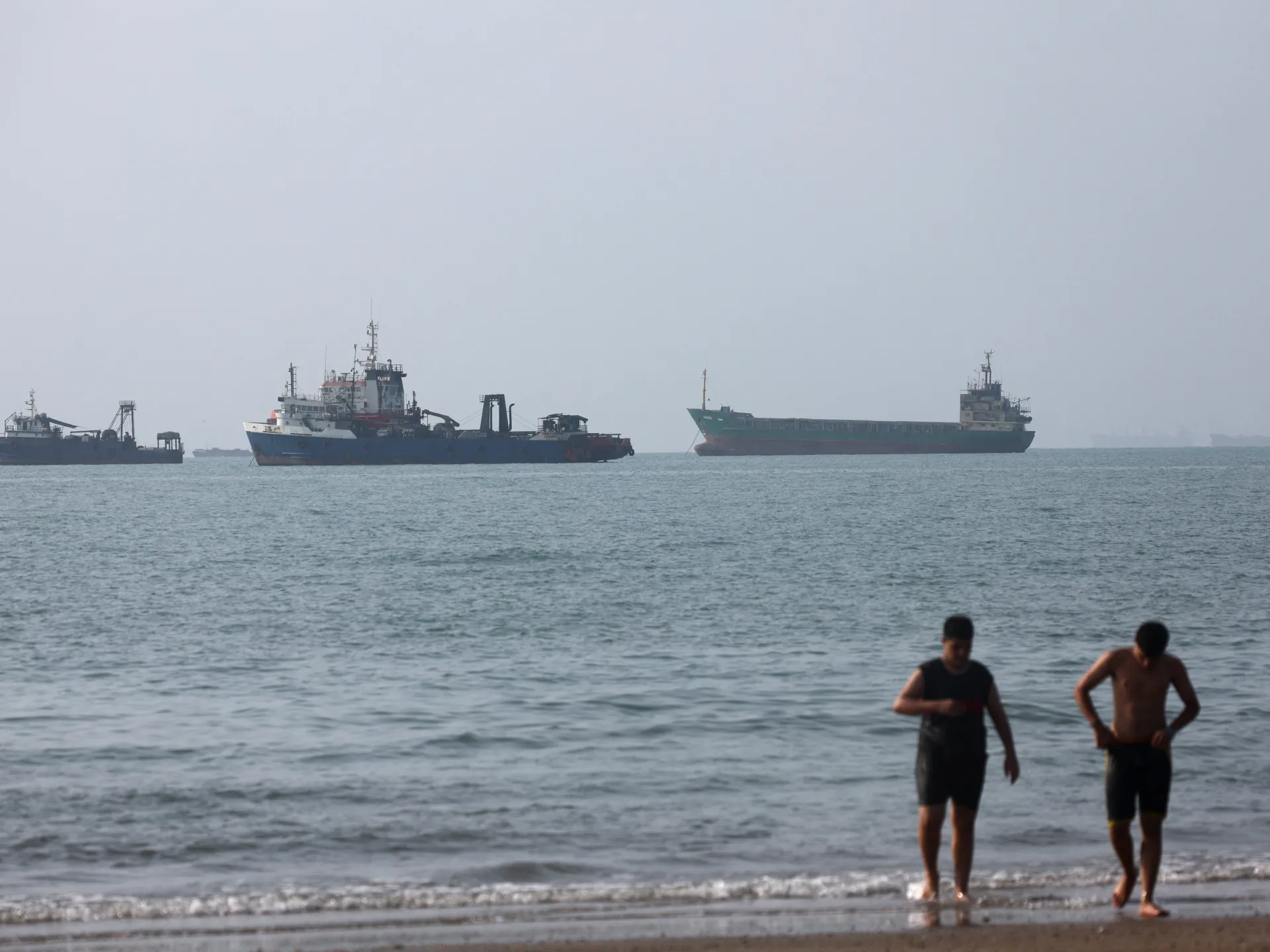
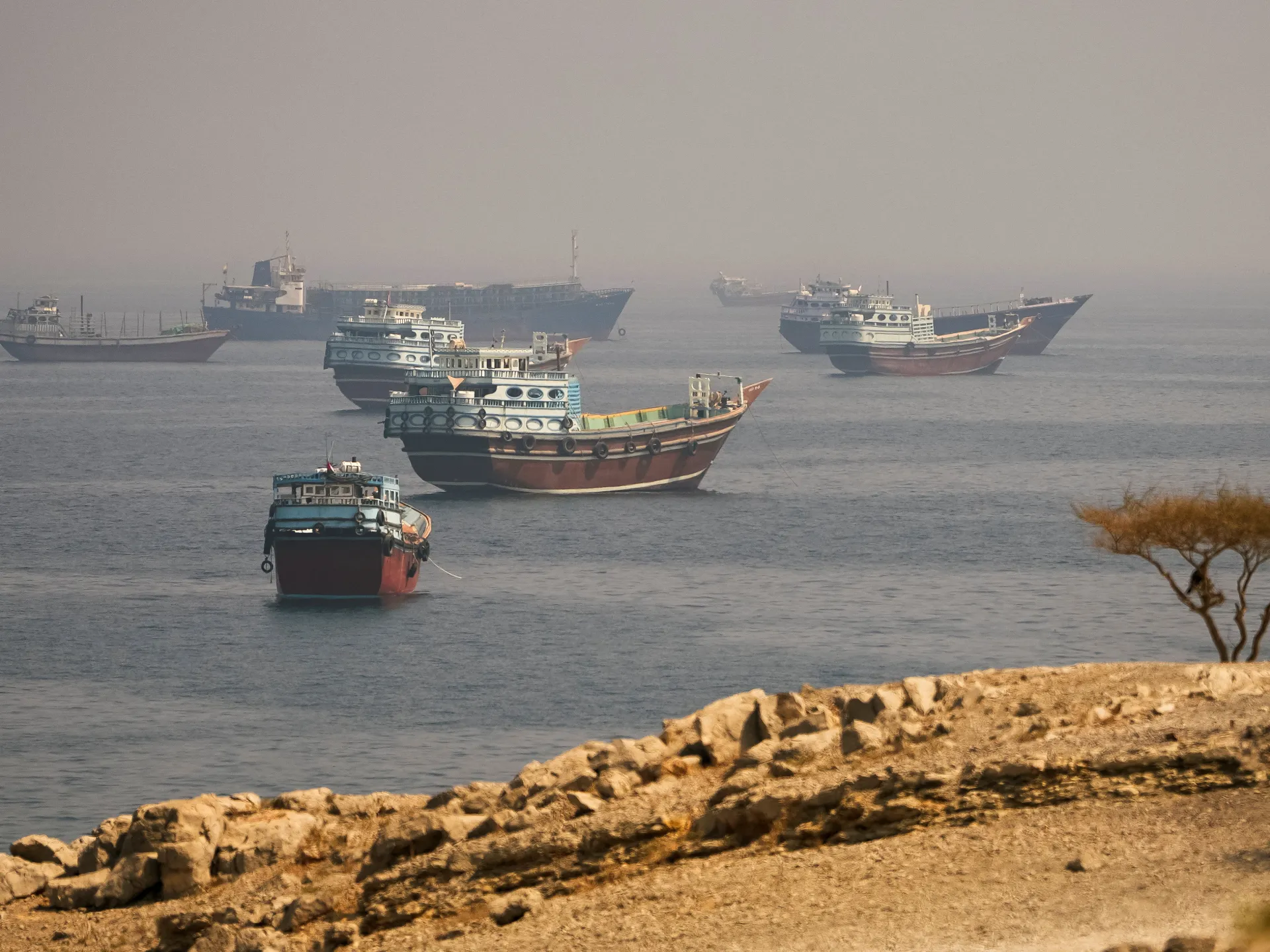
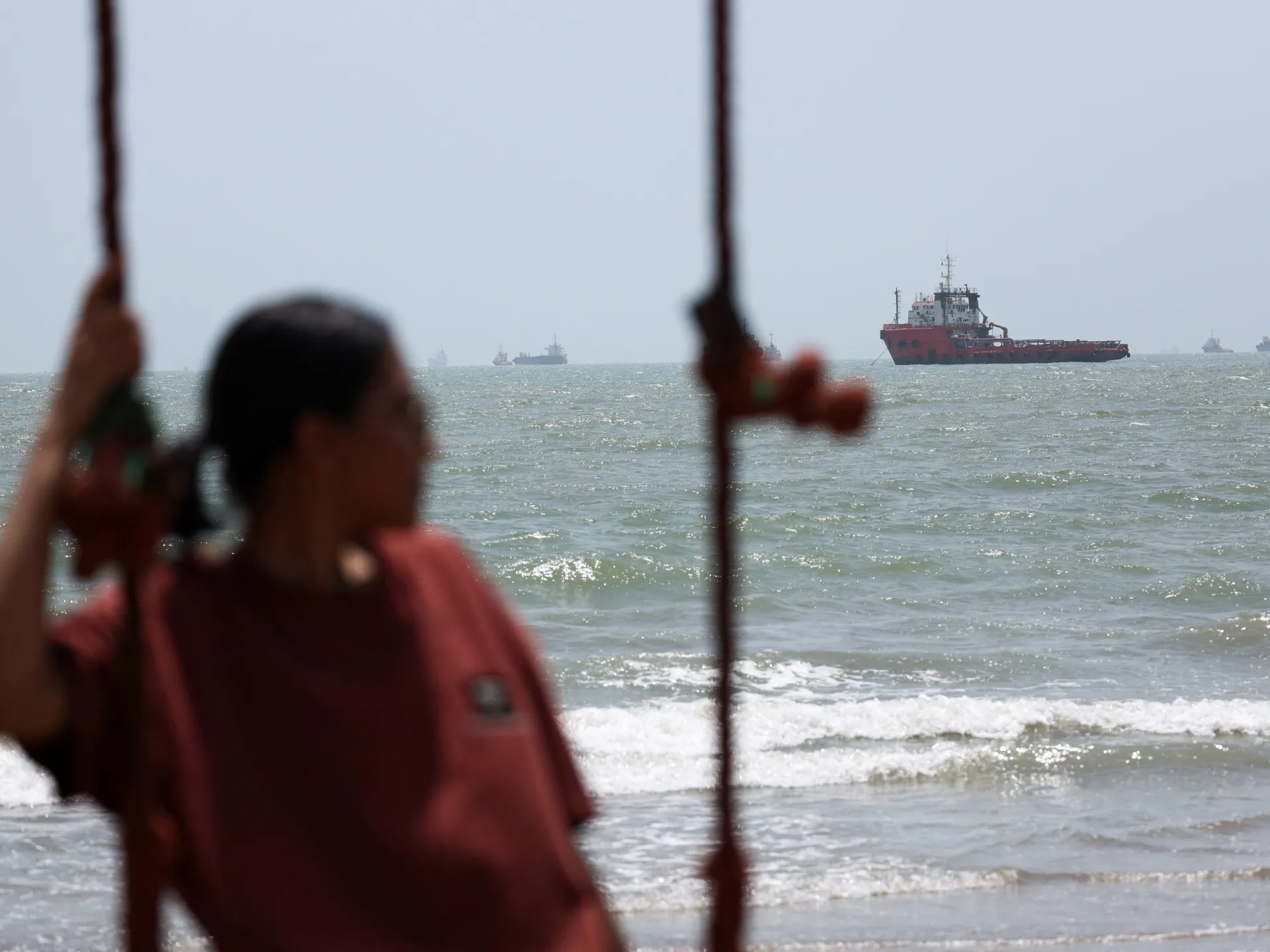
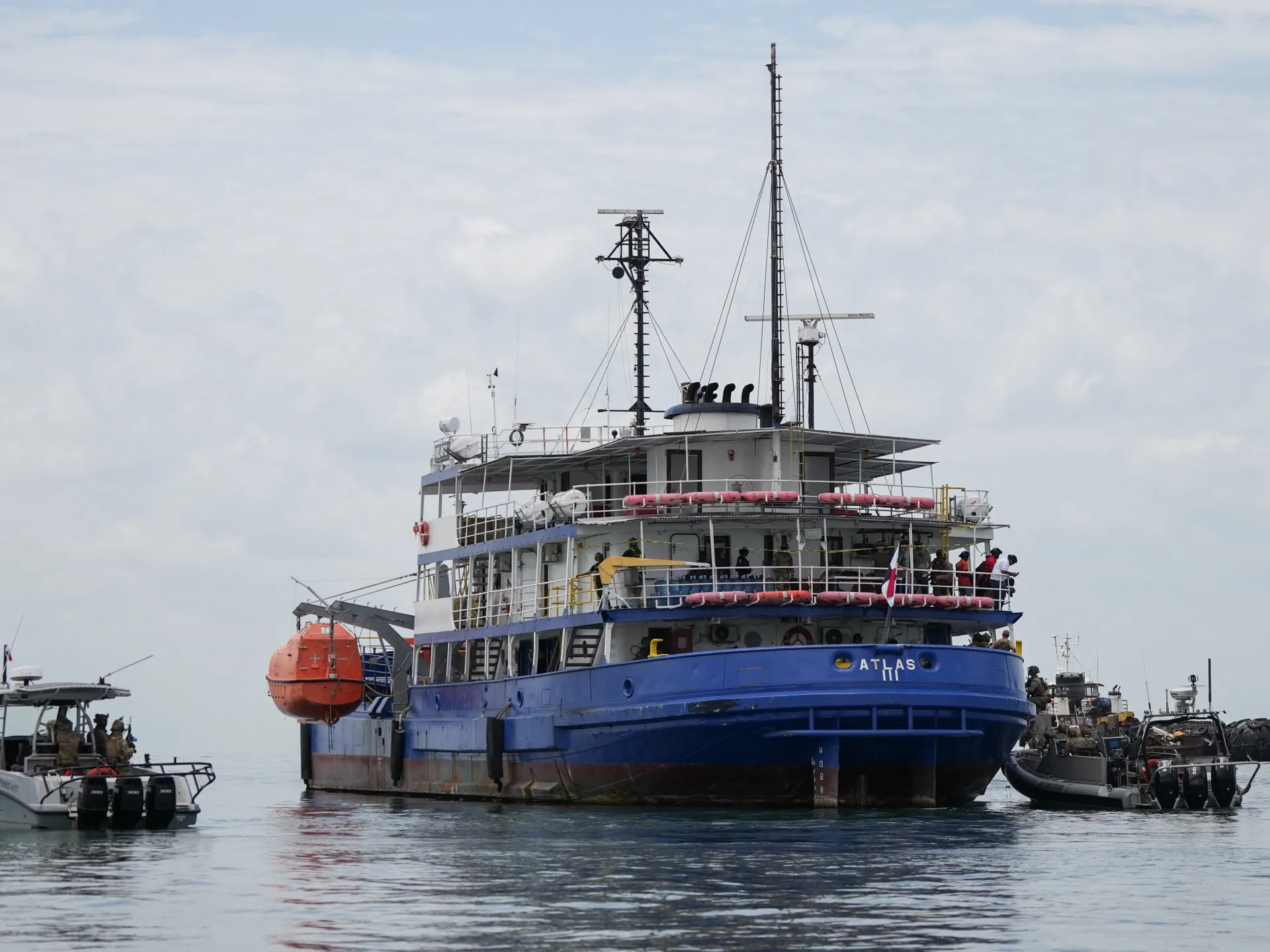
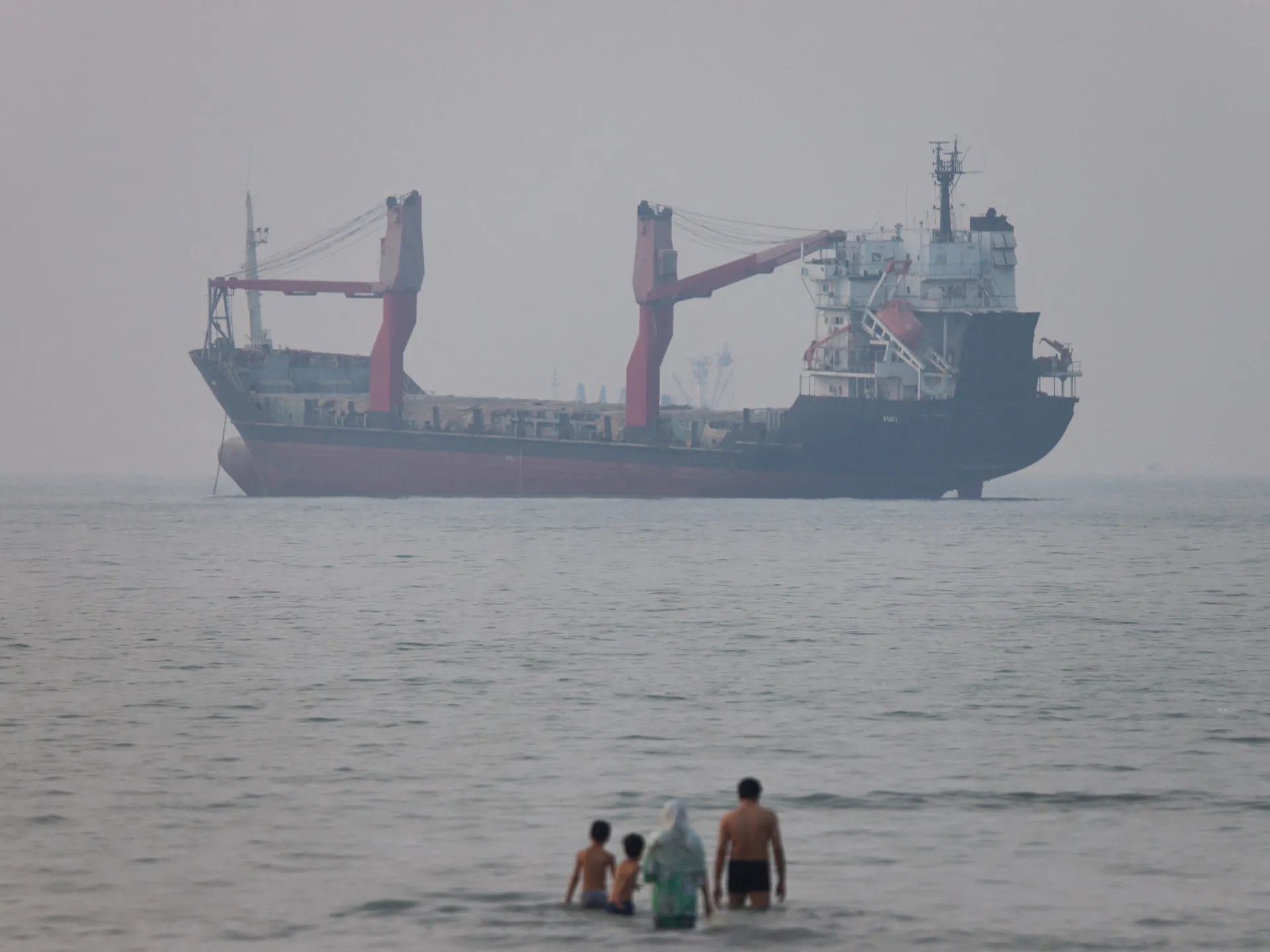
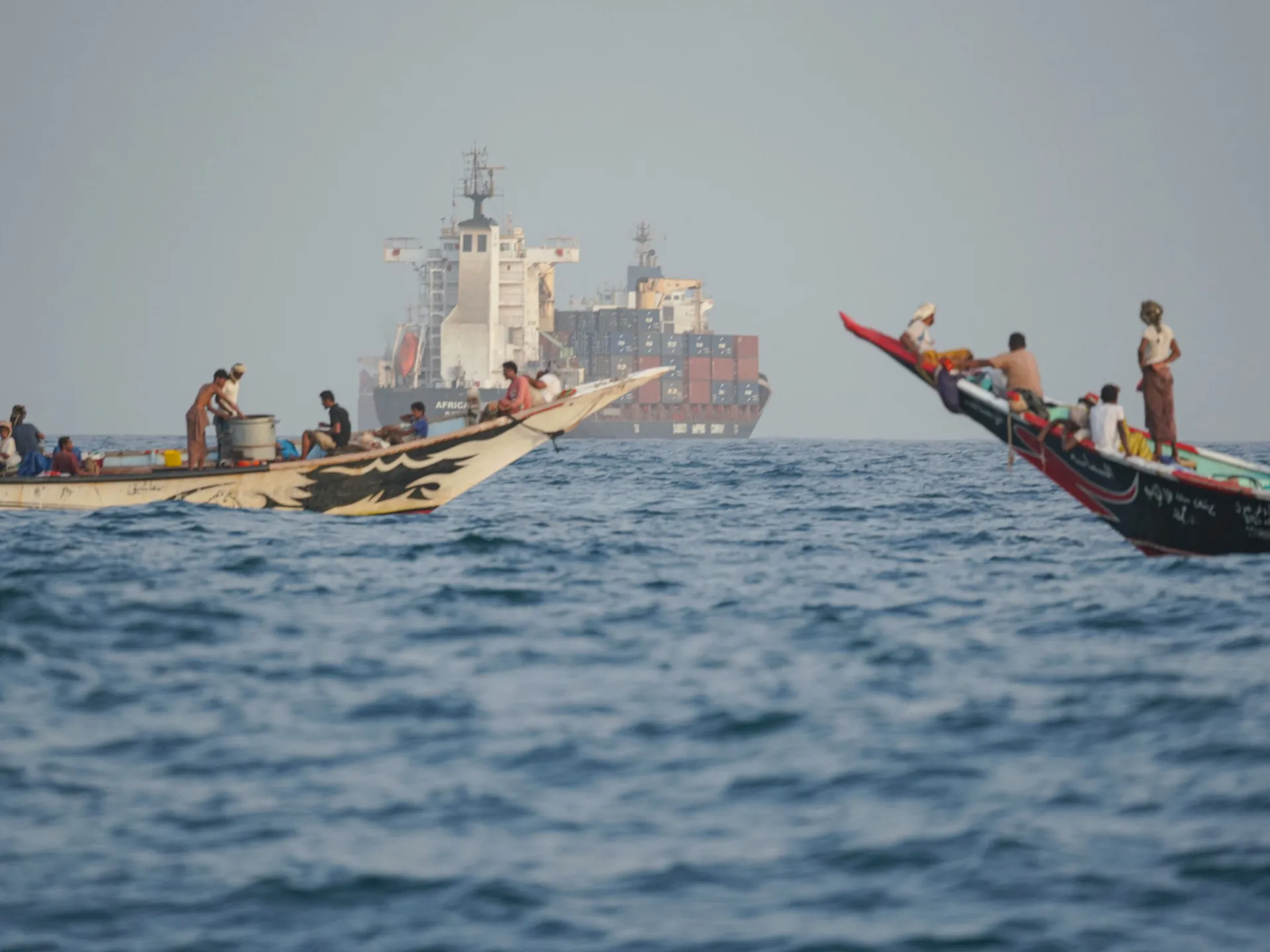
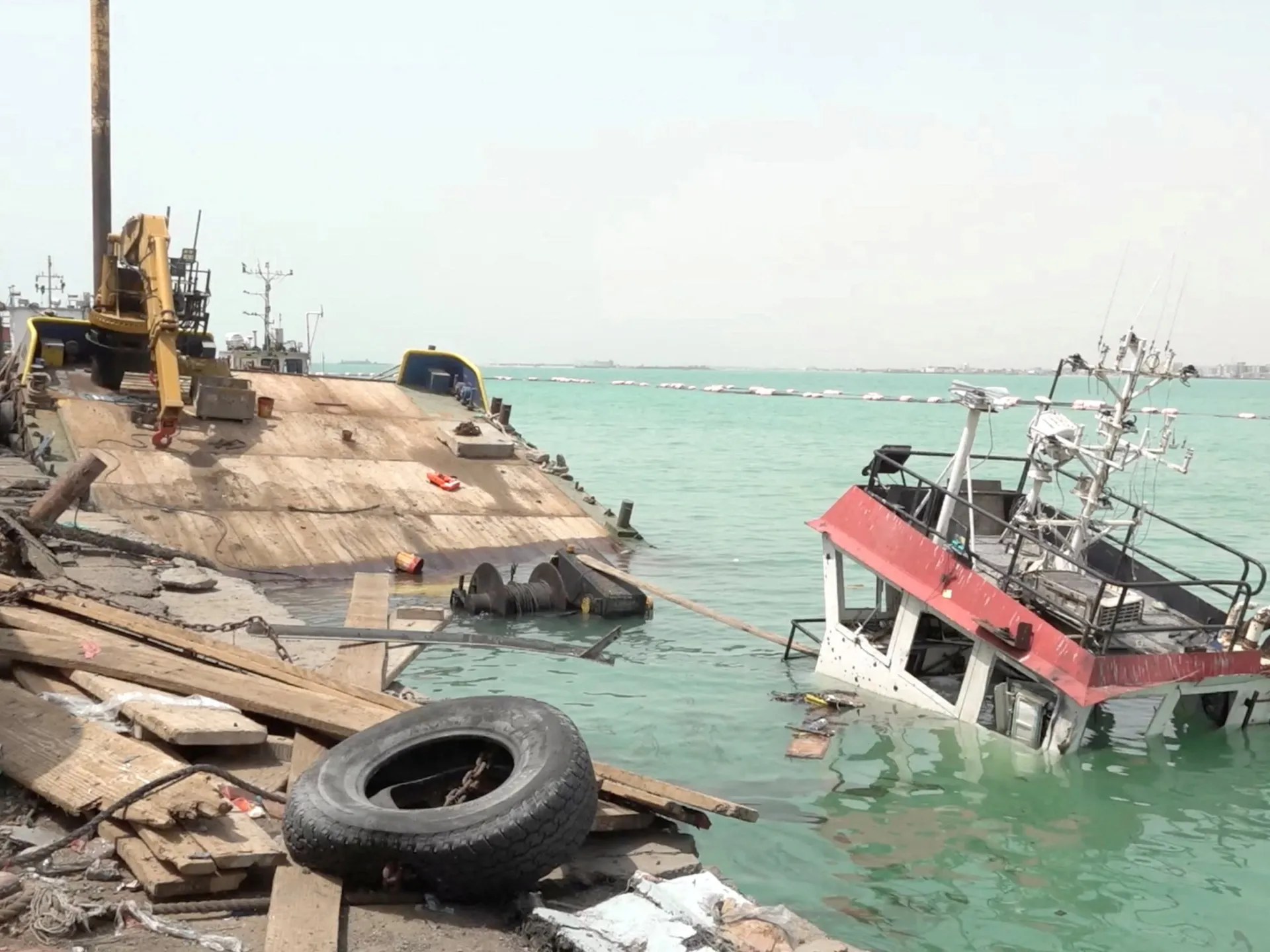
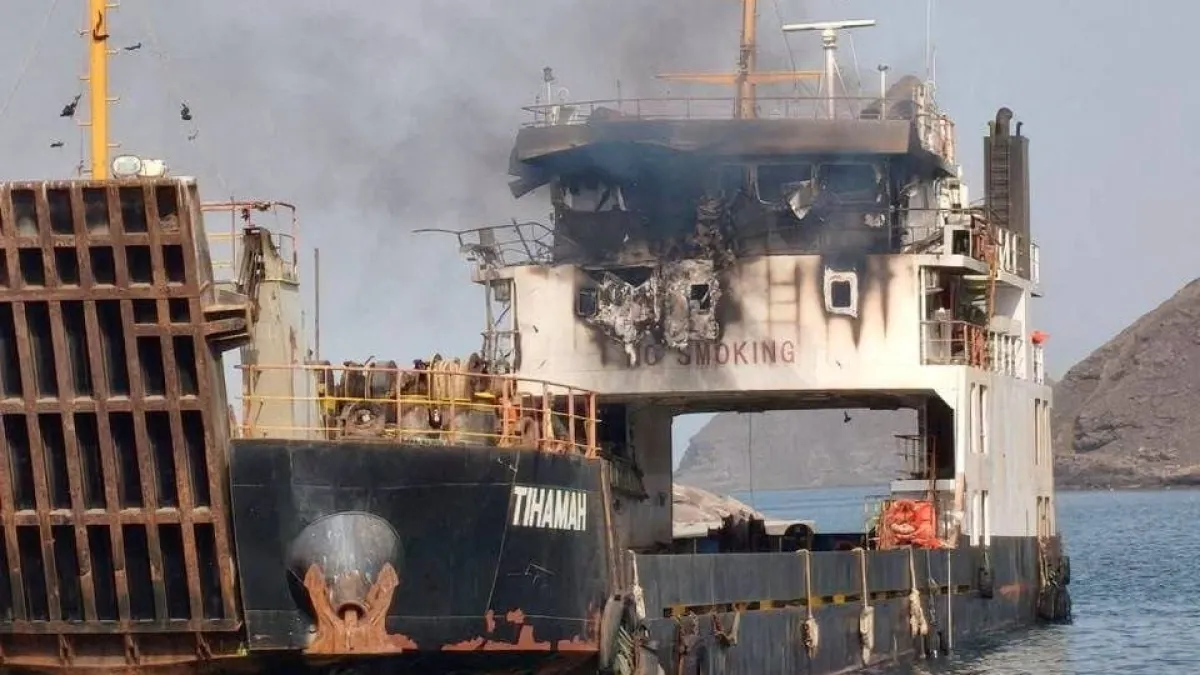
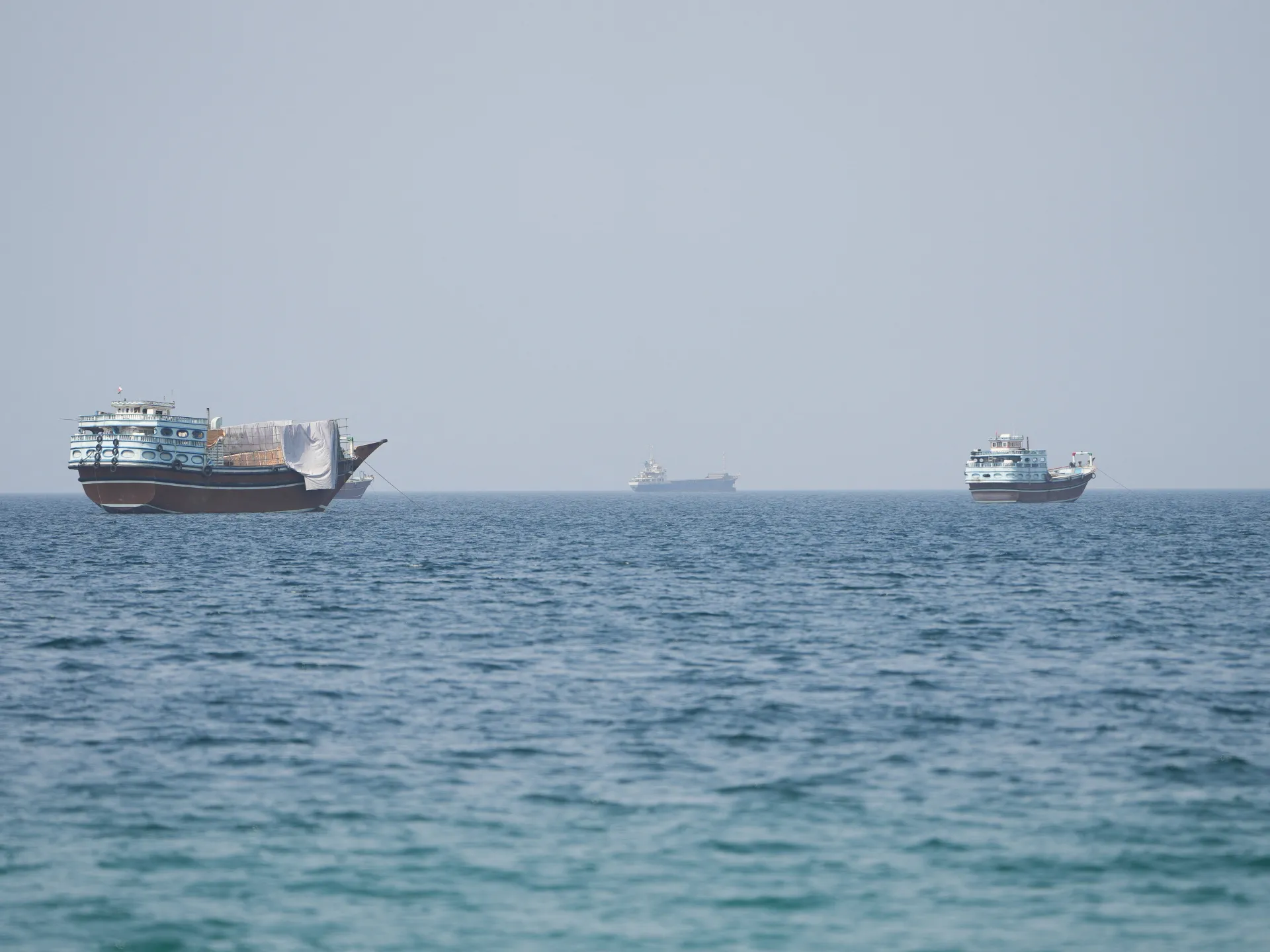
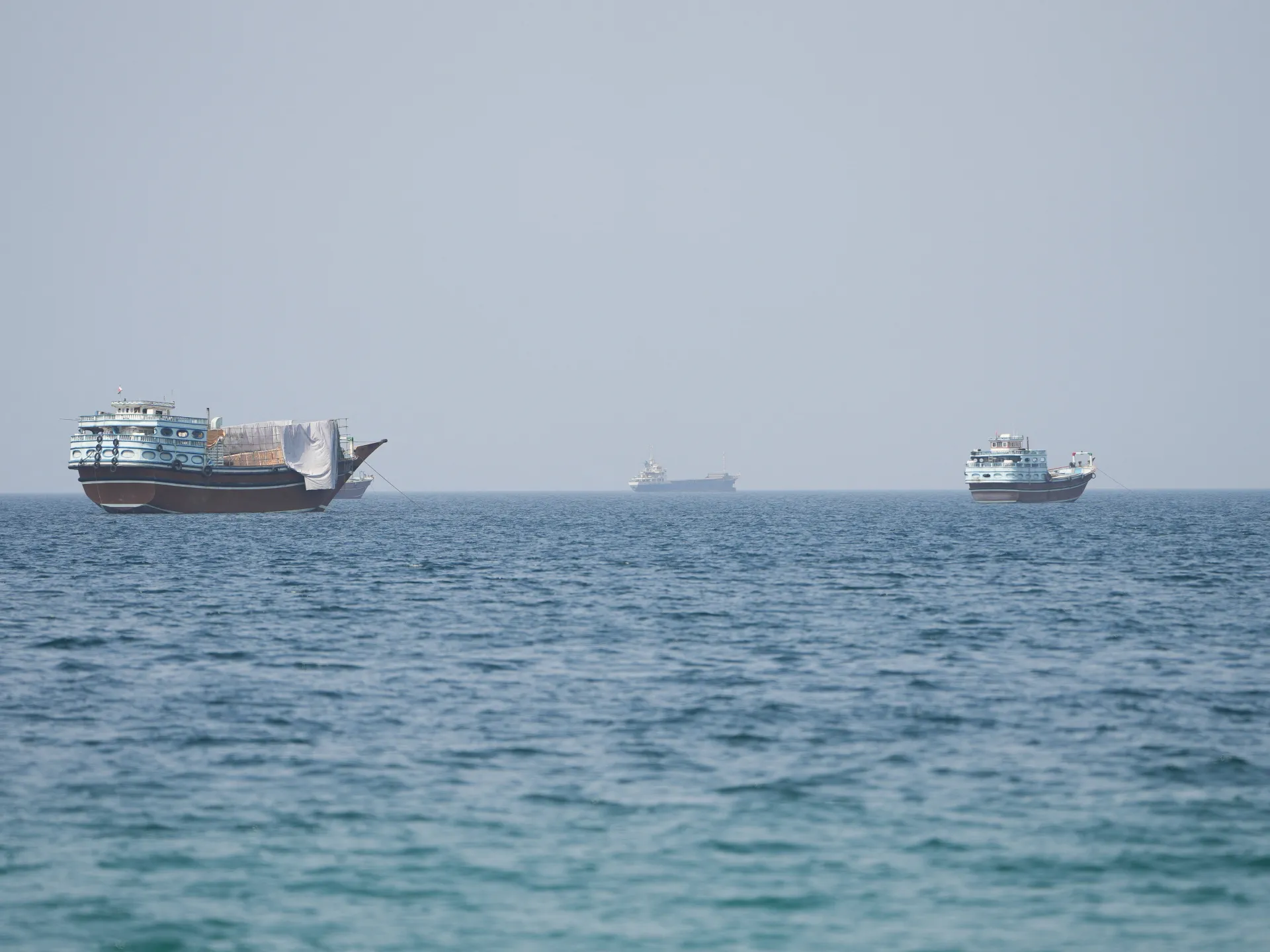
Beyond the immediate security concerns in Saudi territory, the conflict has increasingly impacted the maritime domain. The Houthis have recently expanded their reach, seizing control of key coastal areas along the Red Sea, including the port of Mokha and Perim Island. These locations are critical for controlling the Bab al-Mandab Strait, a vital shipping artery that connects Asia and Europe through the Suez Canal. While the Houthis maintain that they do not intend to disrupt international trade, they have explicitly stated their intention to target Saudi-linked maritime assets.
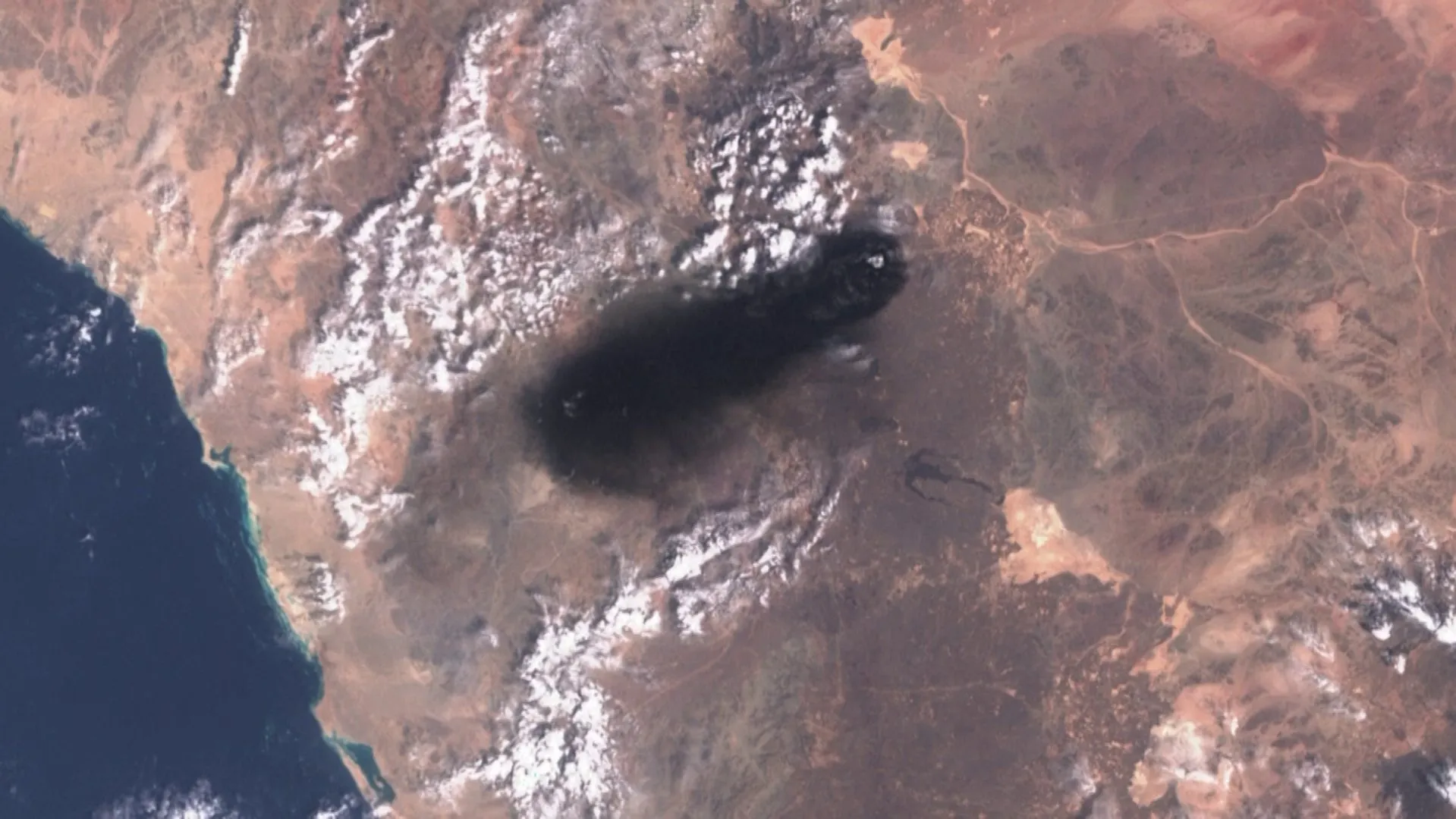
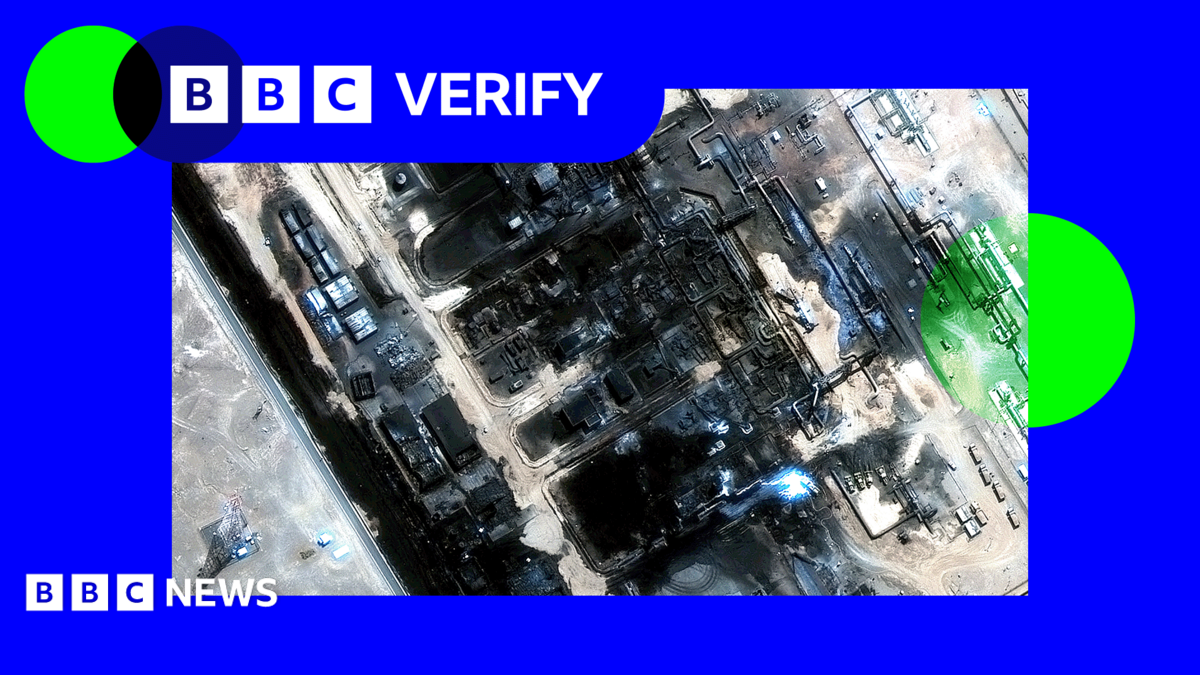
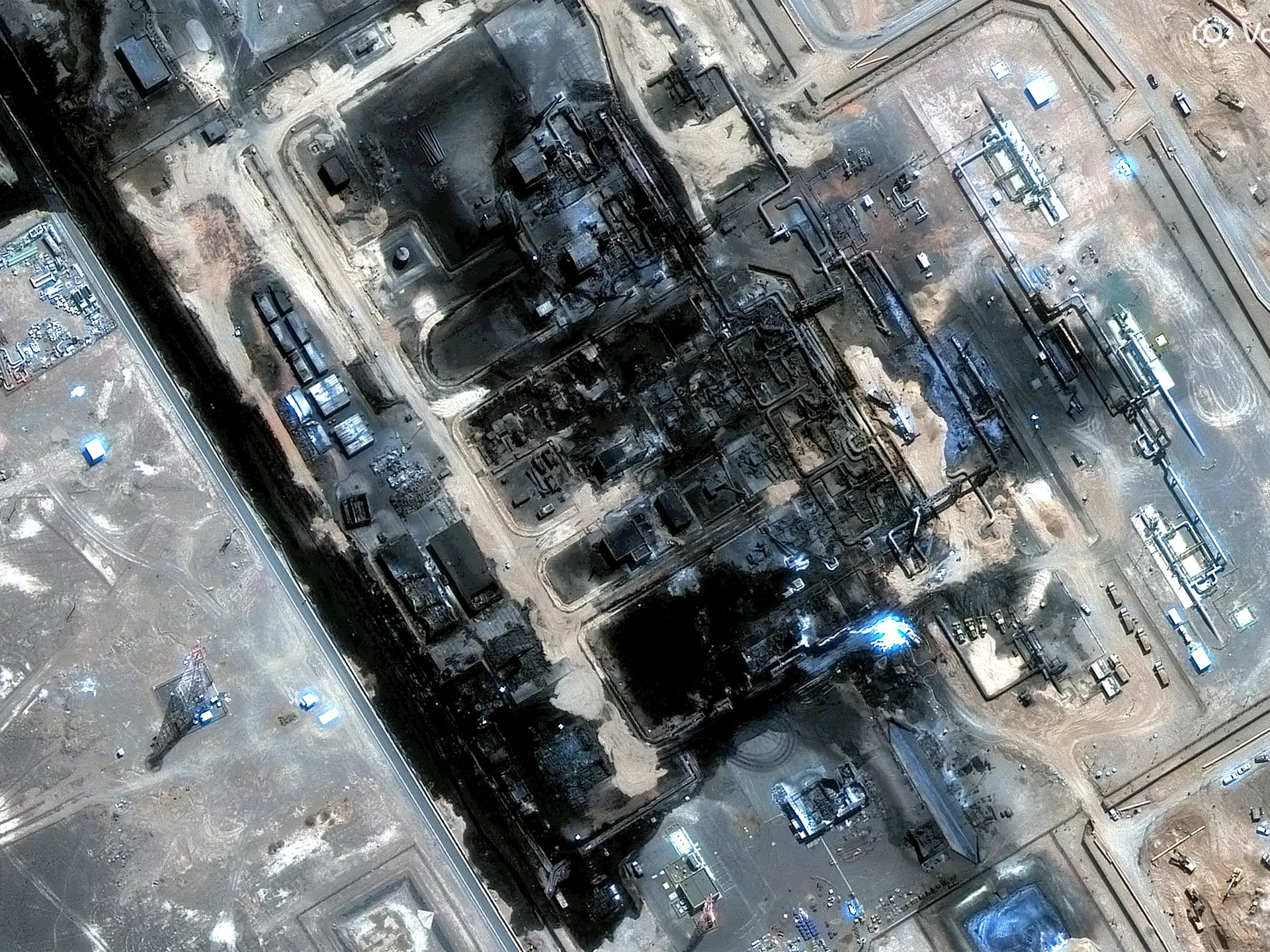
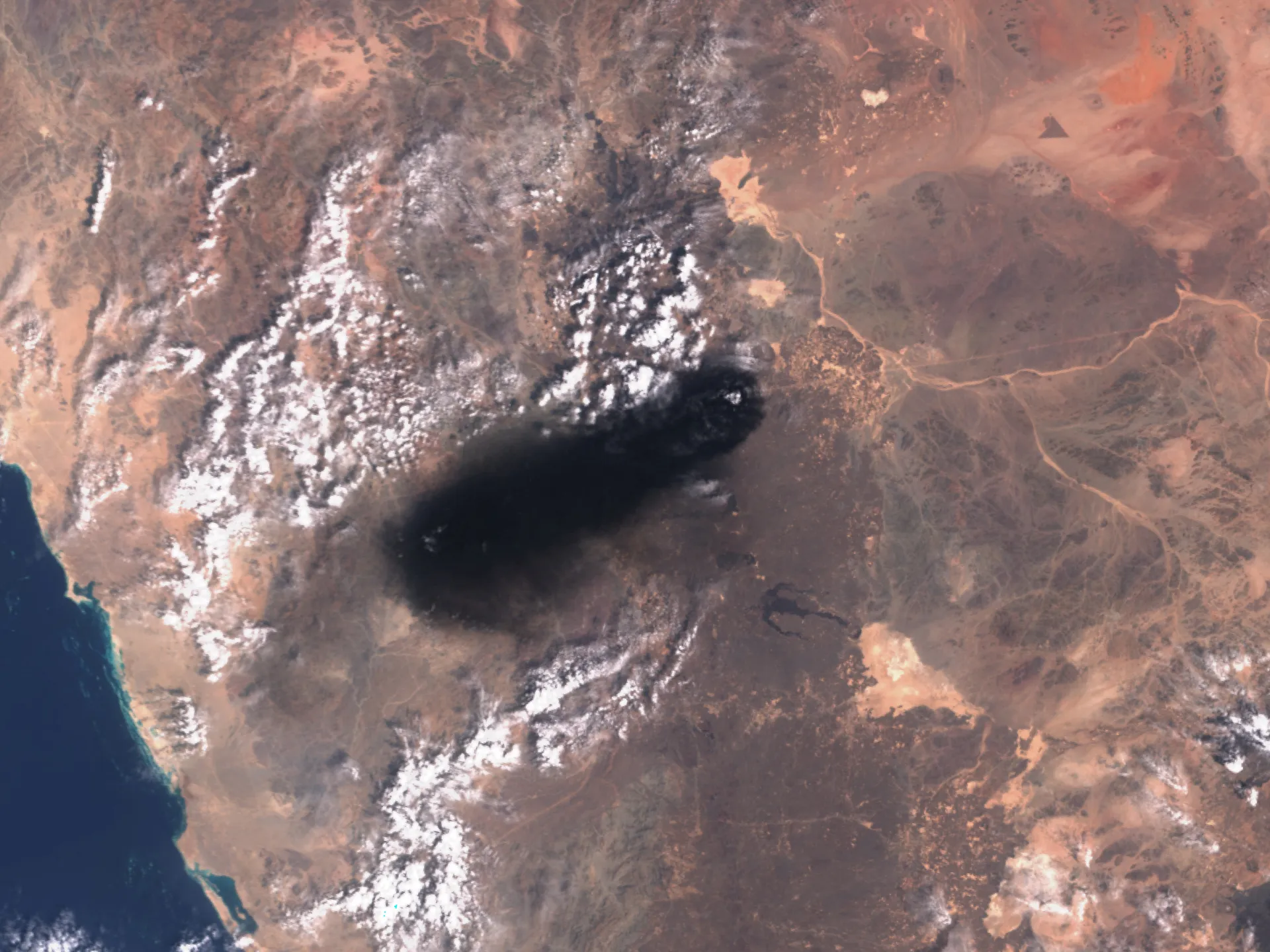
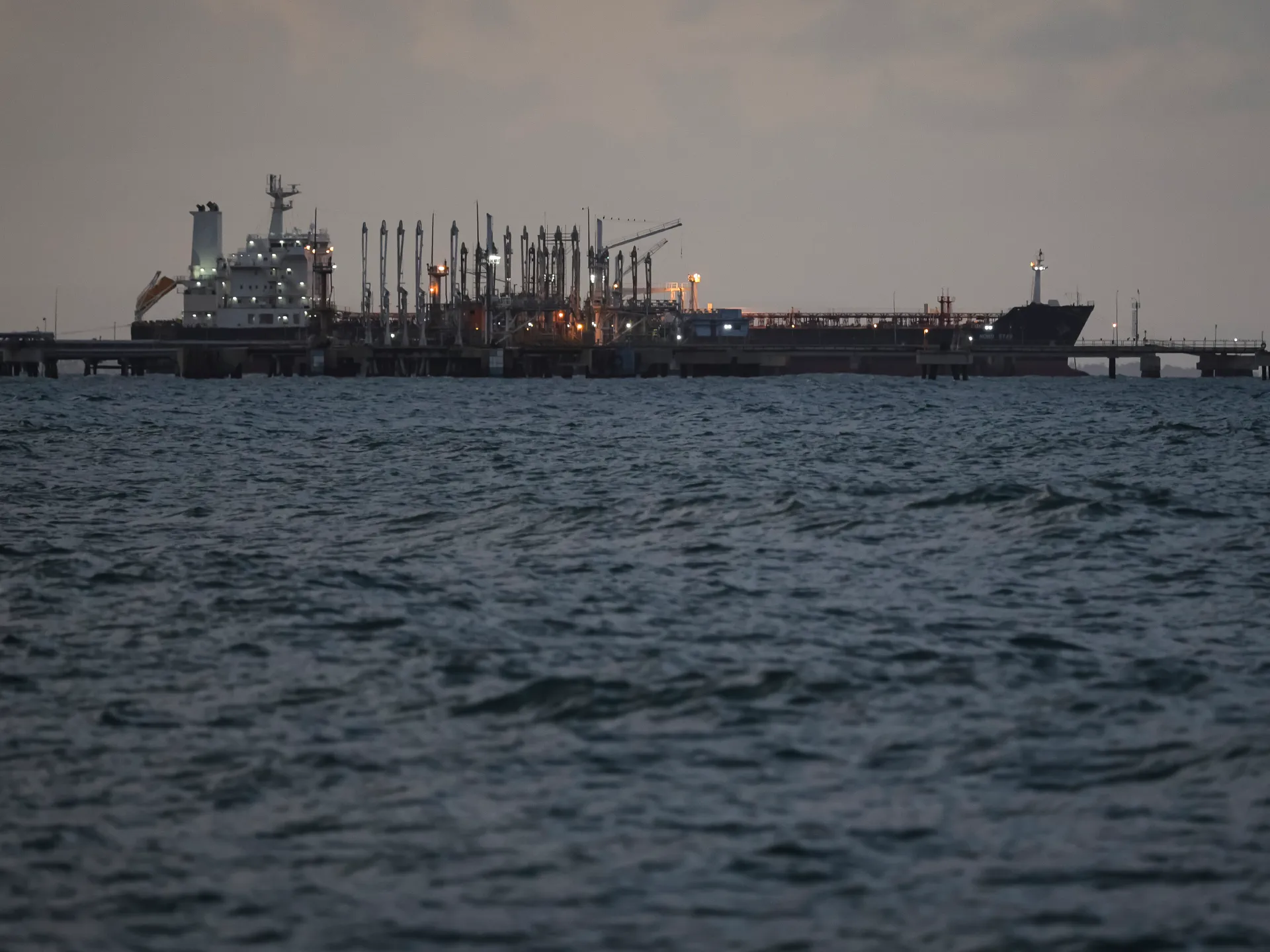
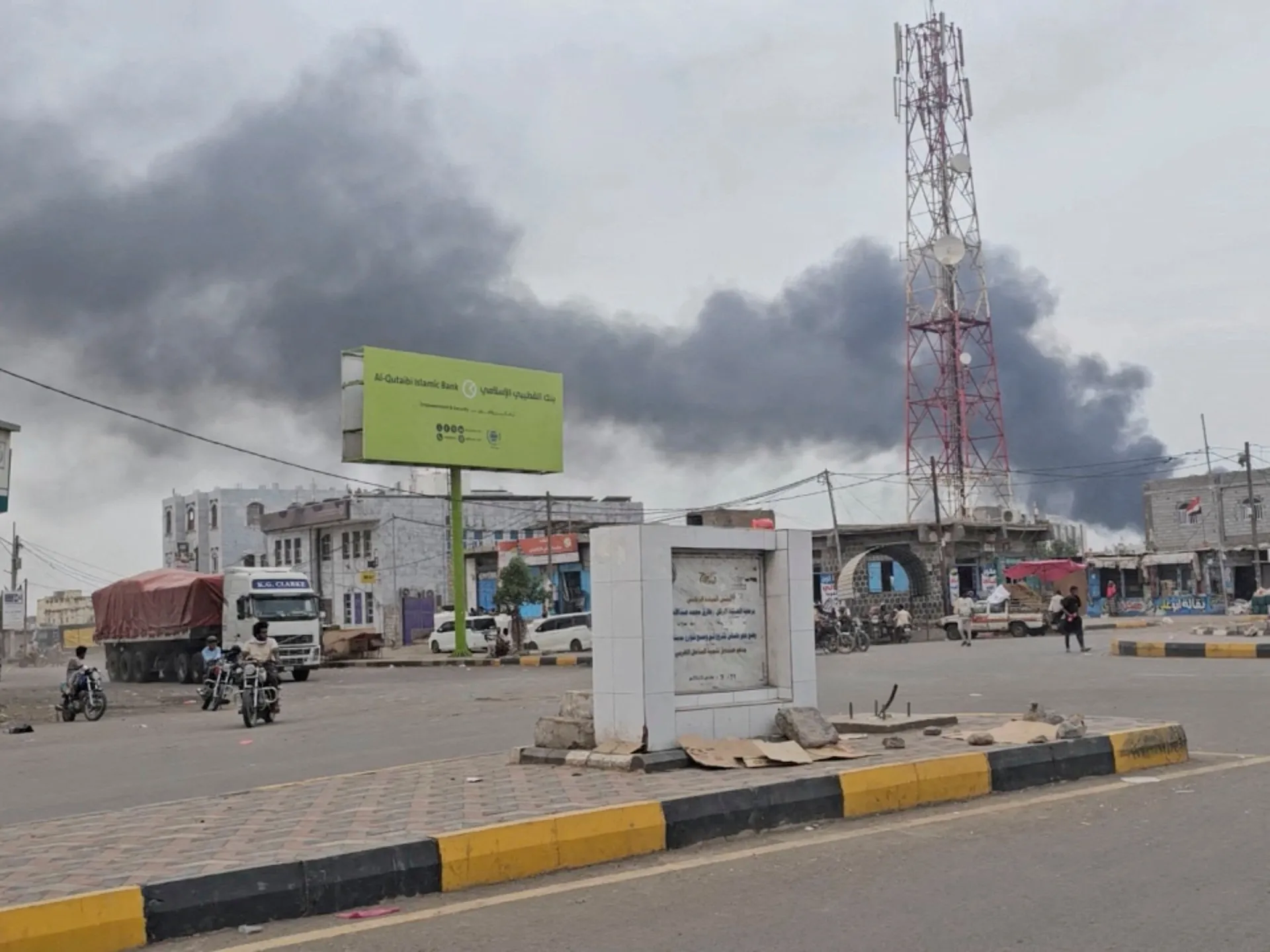
The economic stakes are underscored or transporting crude oil from the Persian Gulf to the Red Sea port of Yanbu. The pipeline was struck rary shutdown. While energy officials remain optimistic about a swift repair, the vulnerability of such critical infrastructure highlights the economic pressure the conflict places on global energy markets.
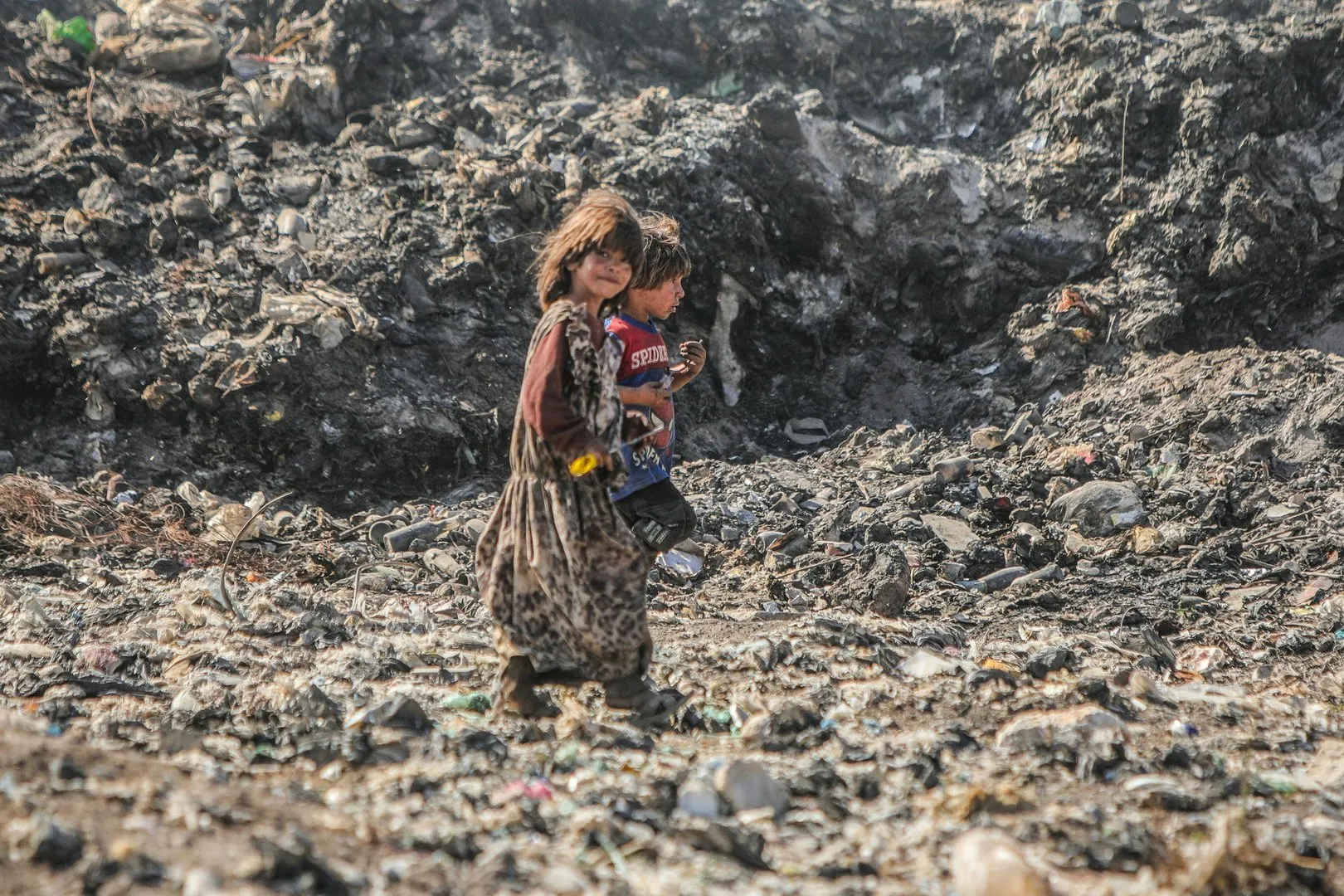
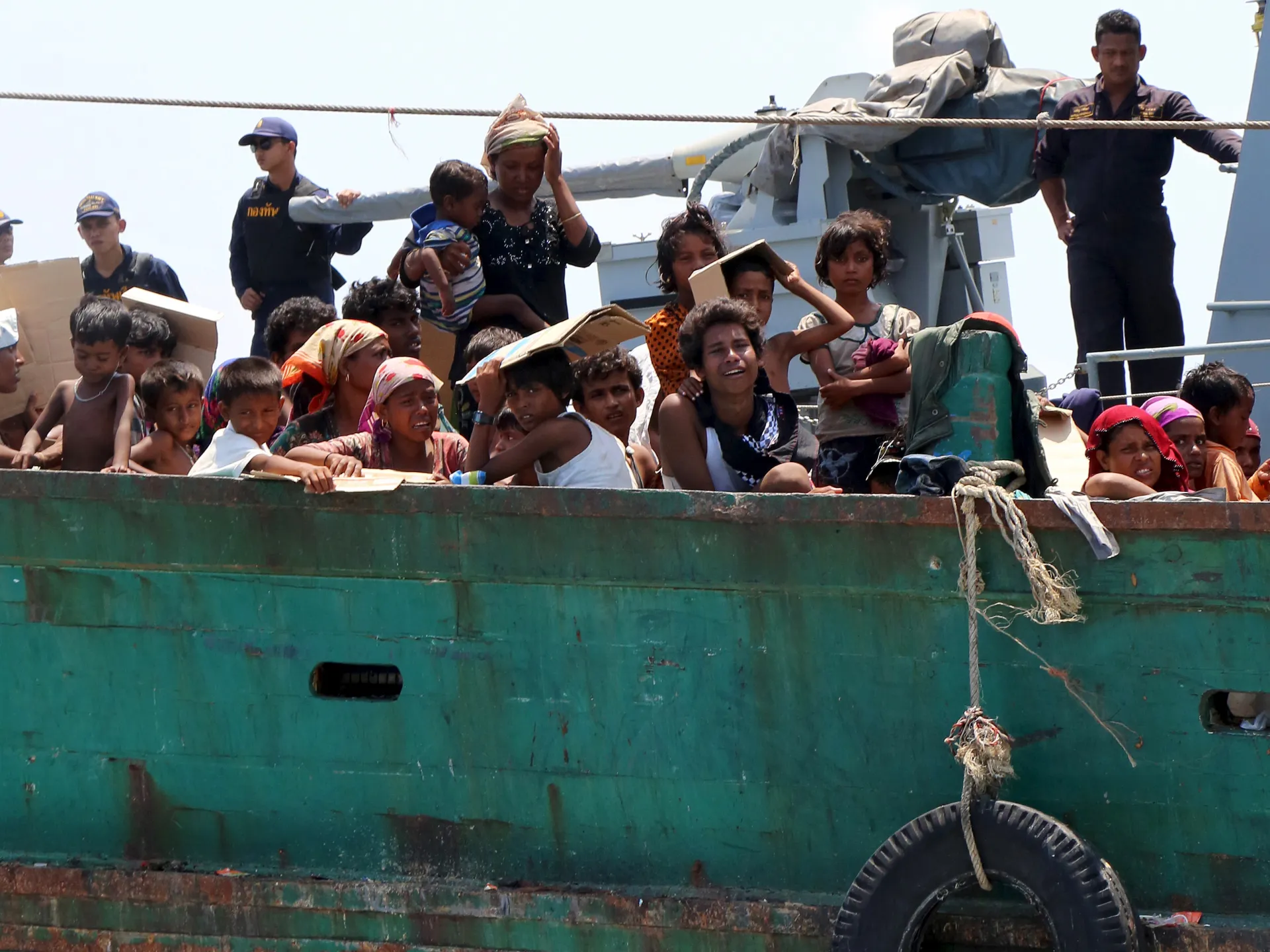
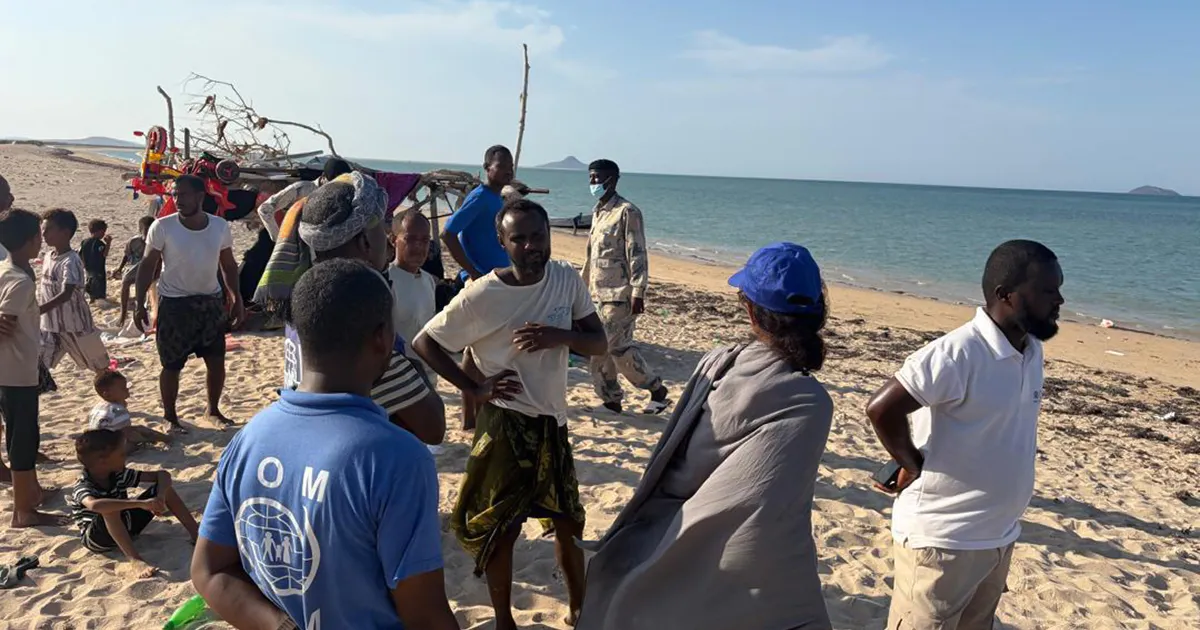
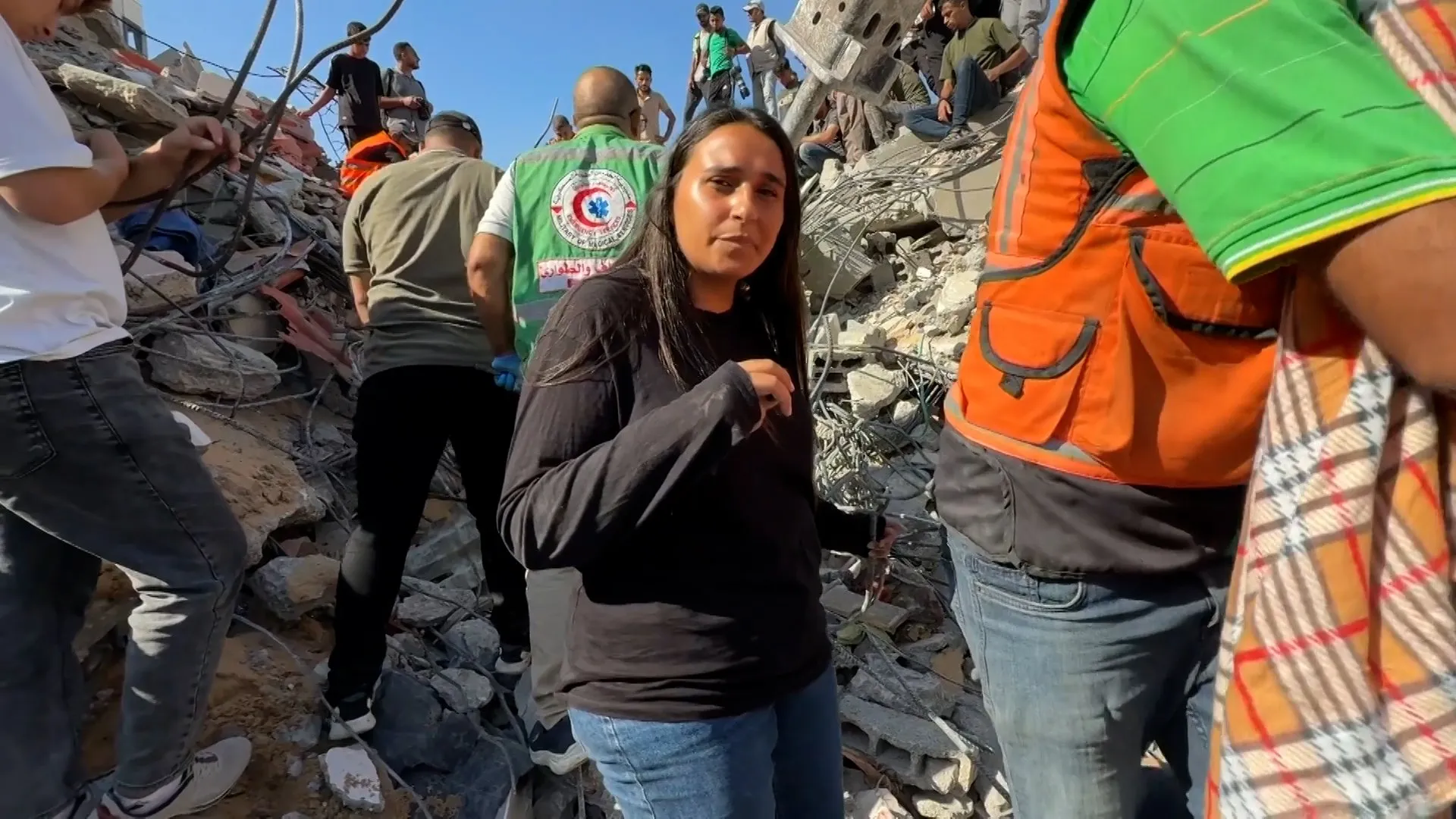
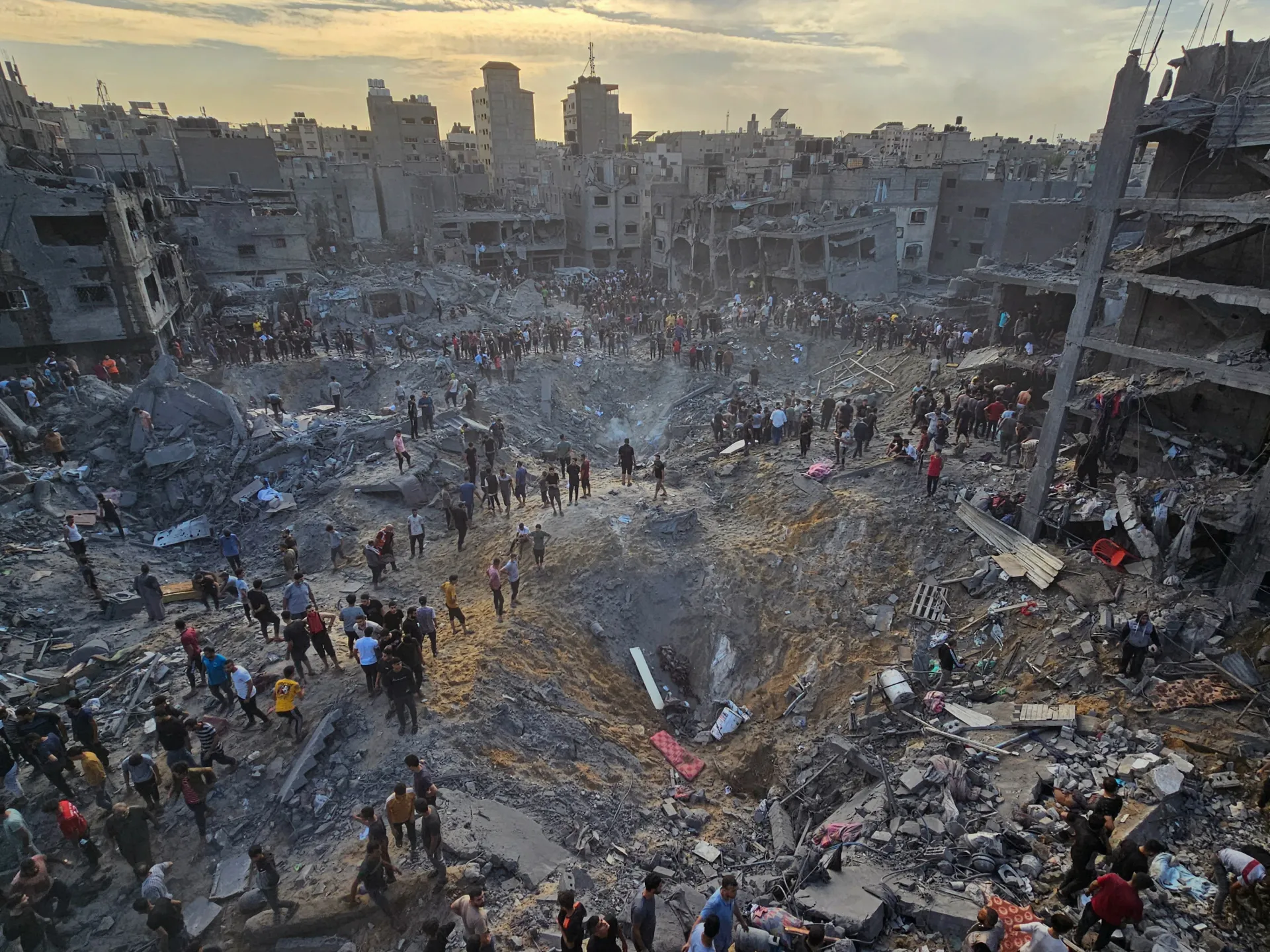
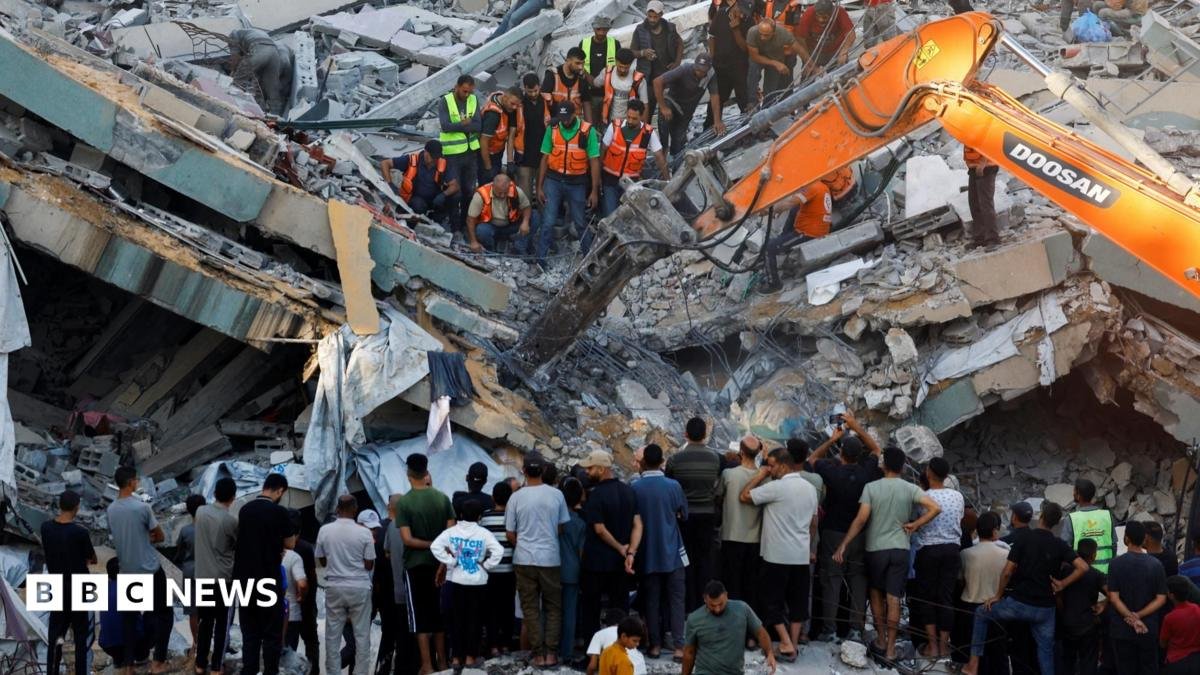
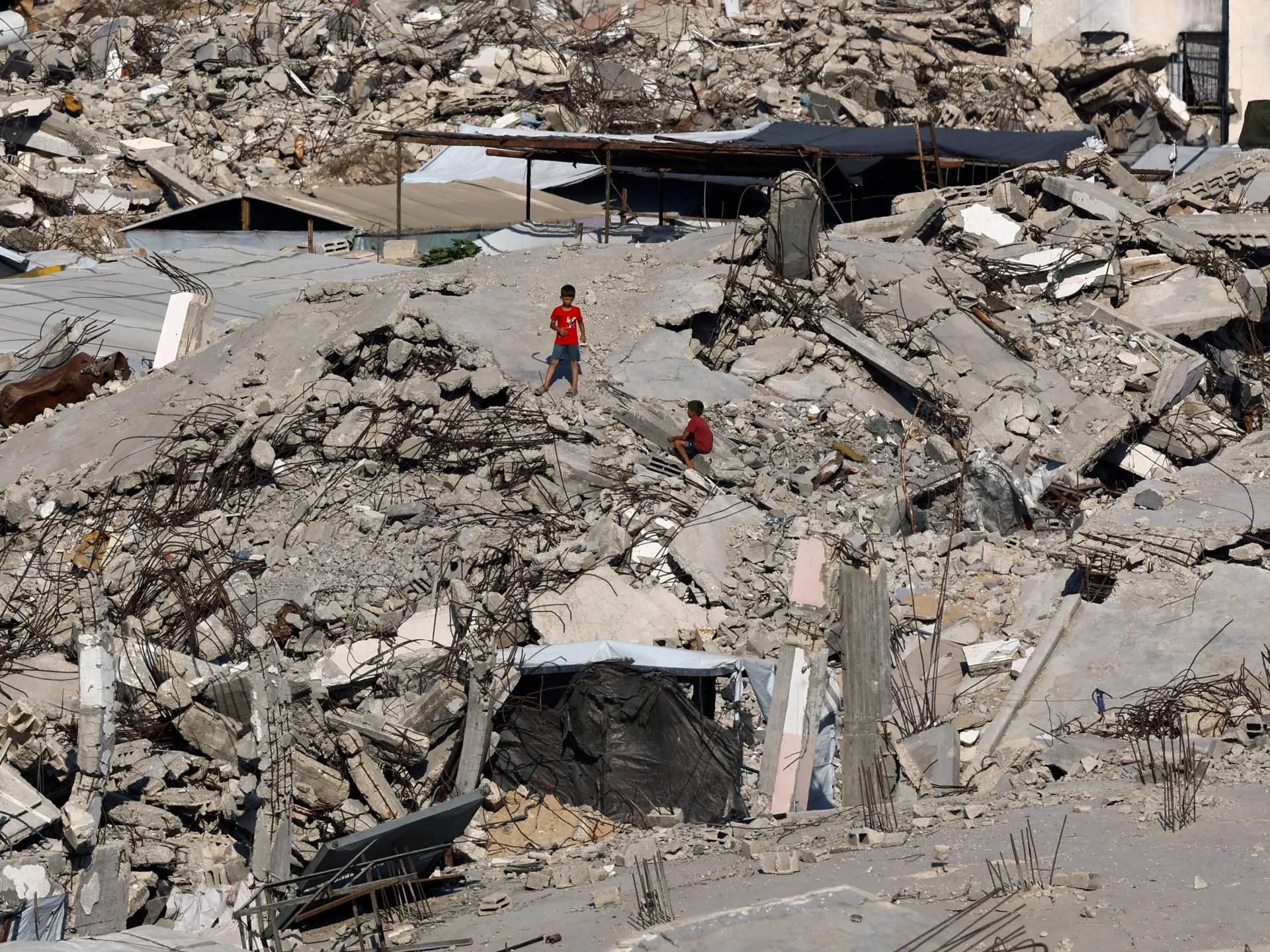
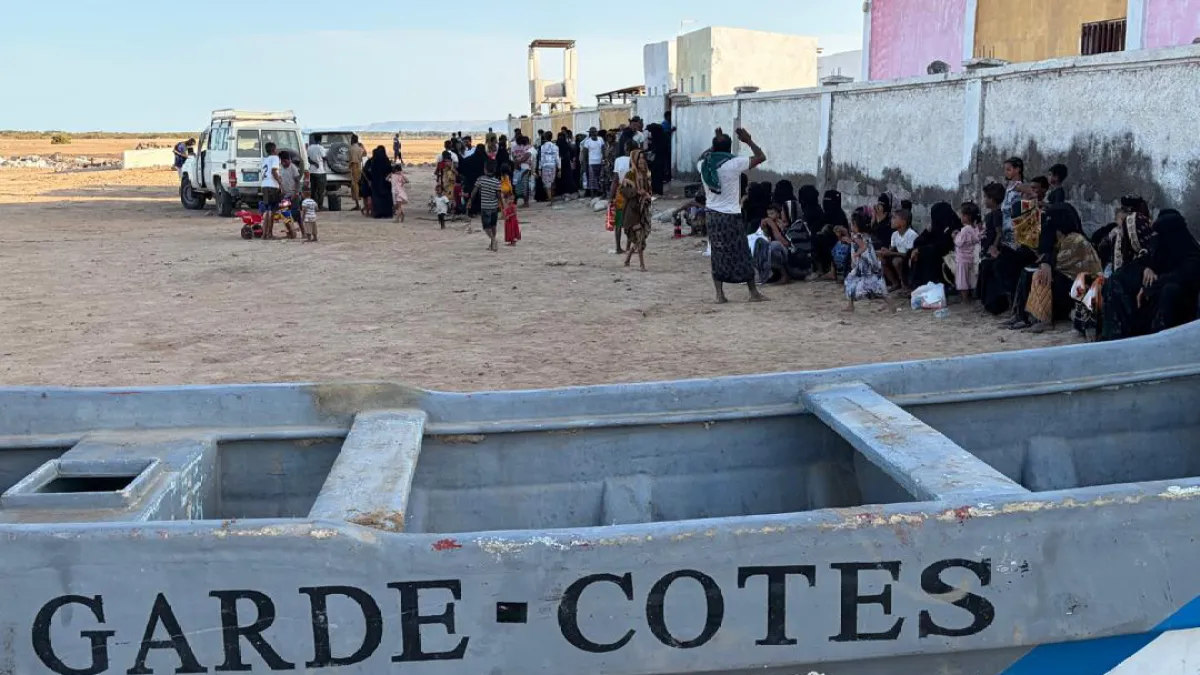
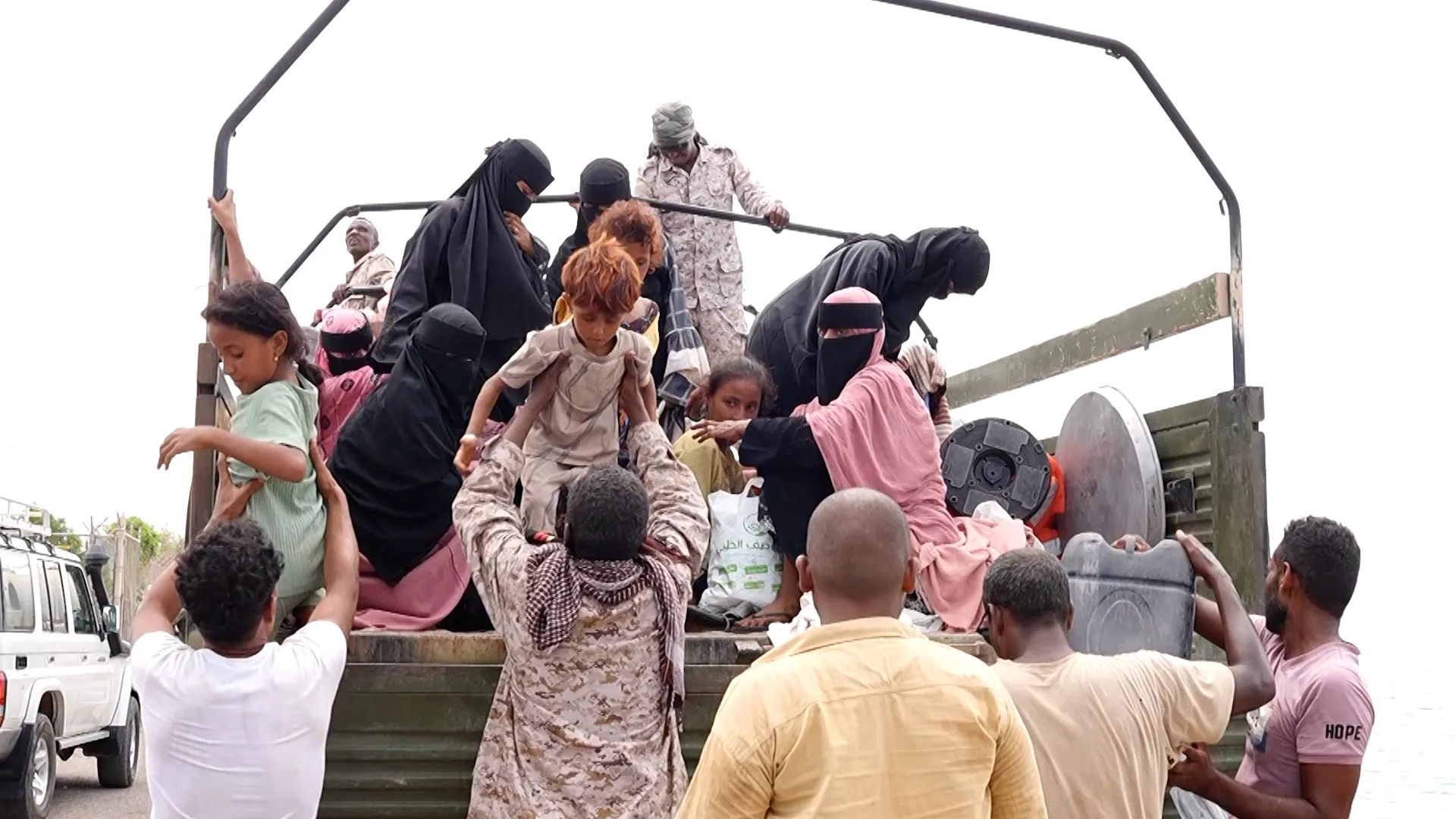
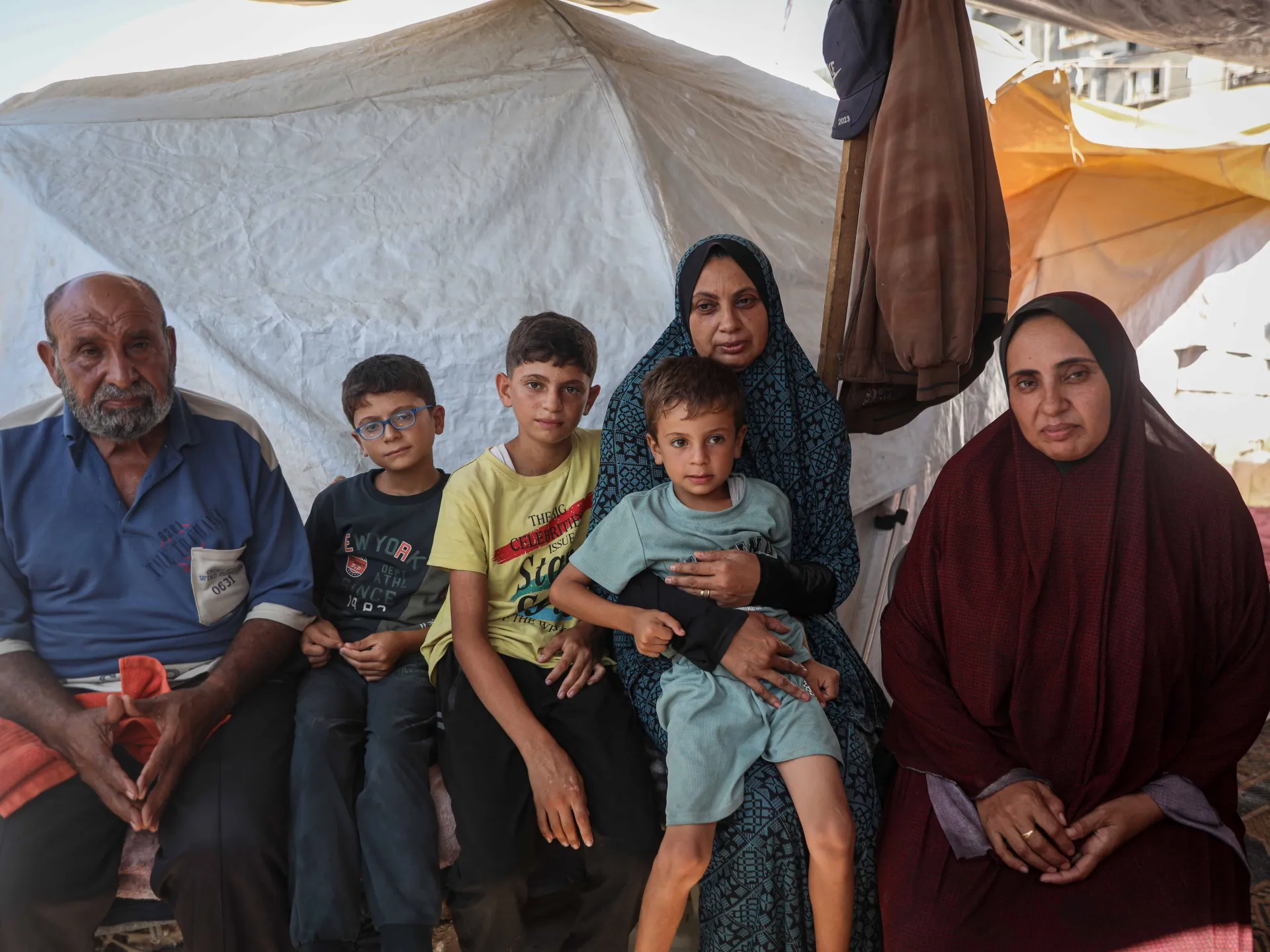
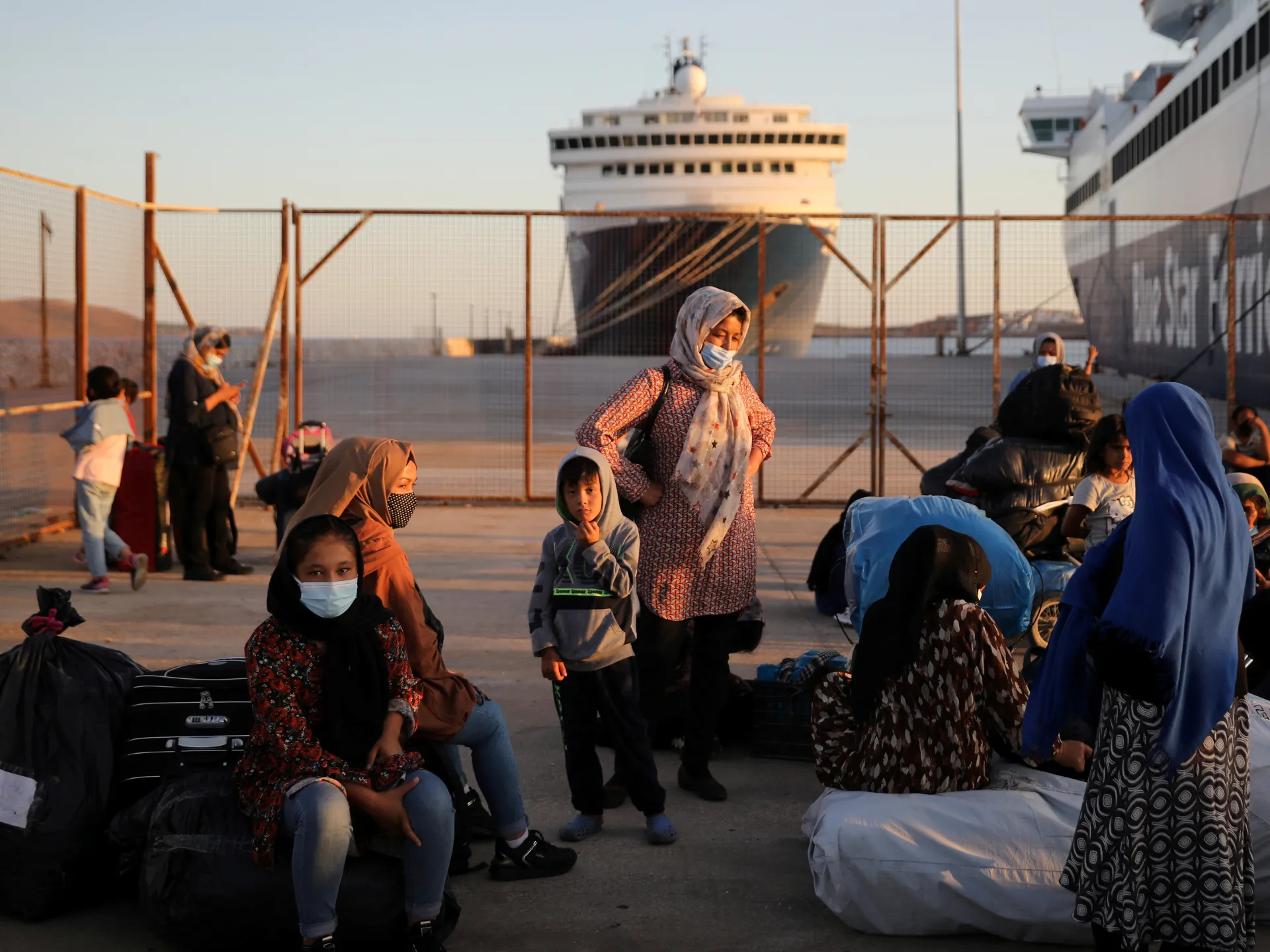
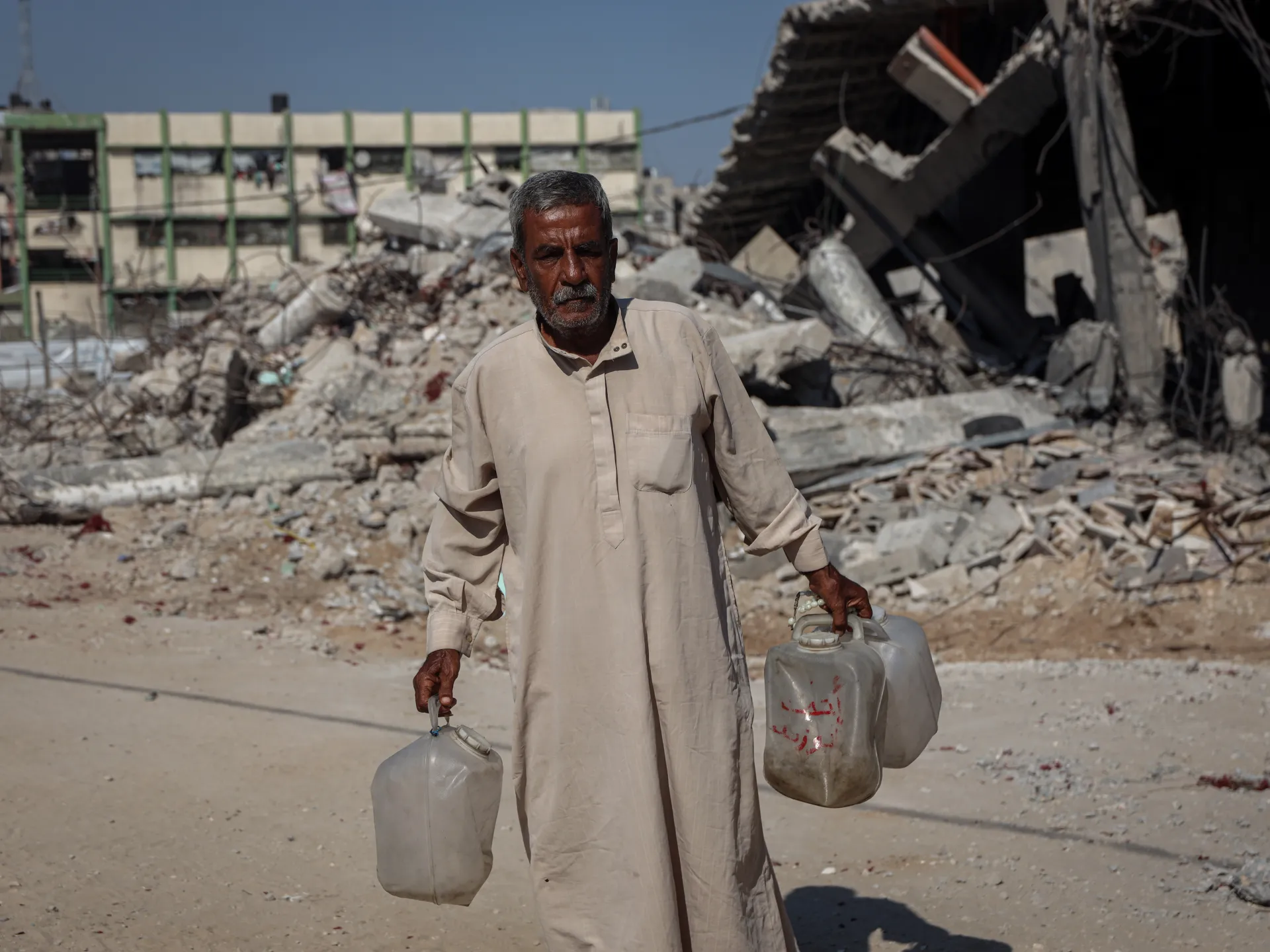
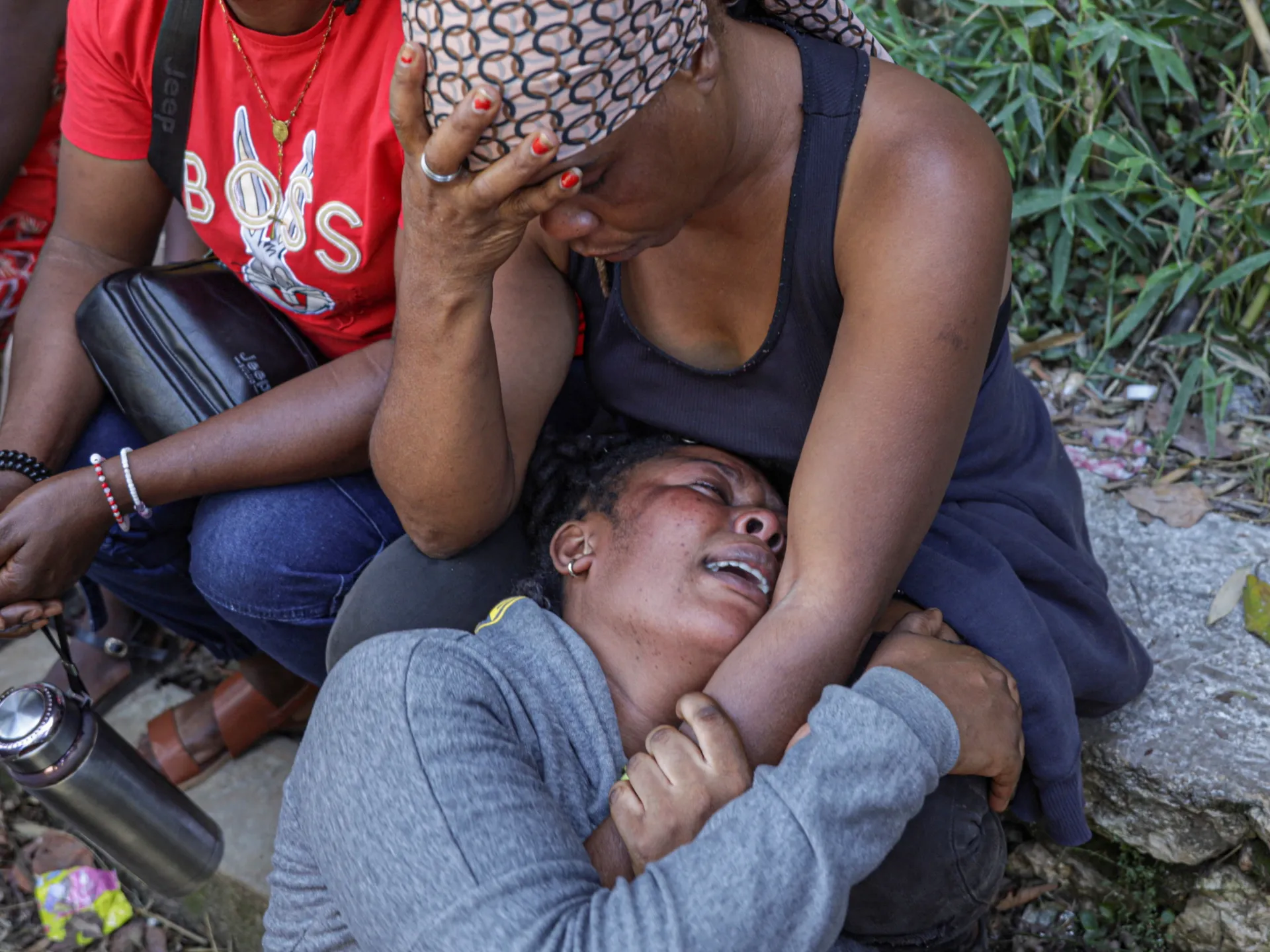
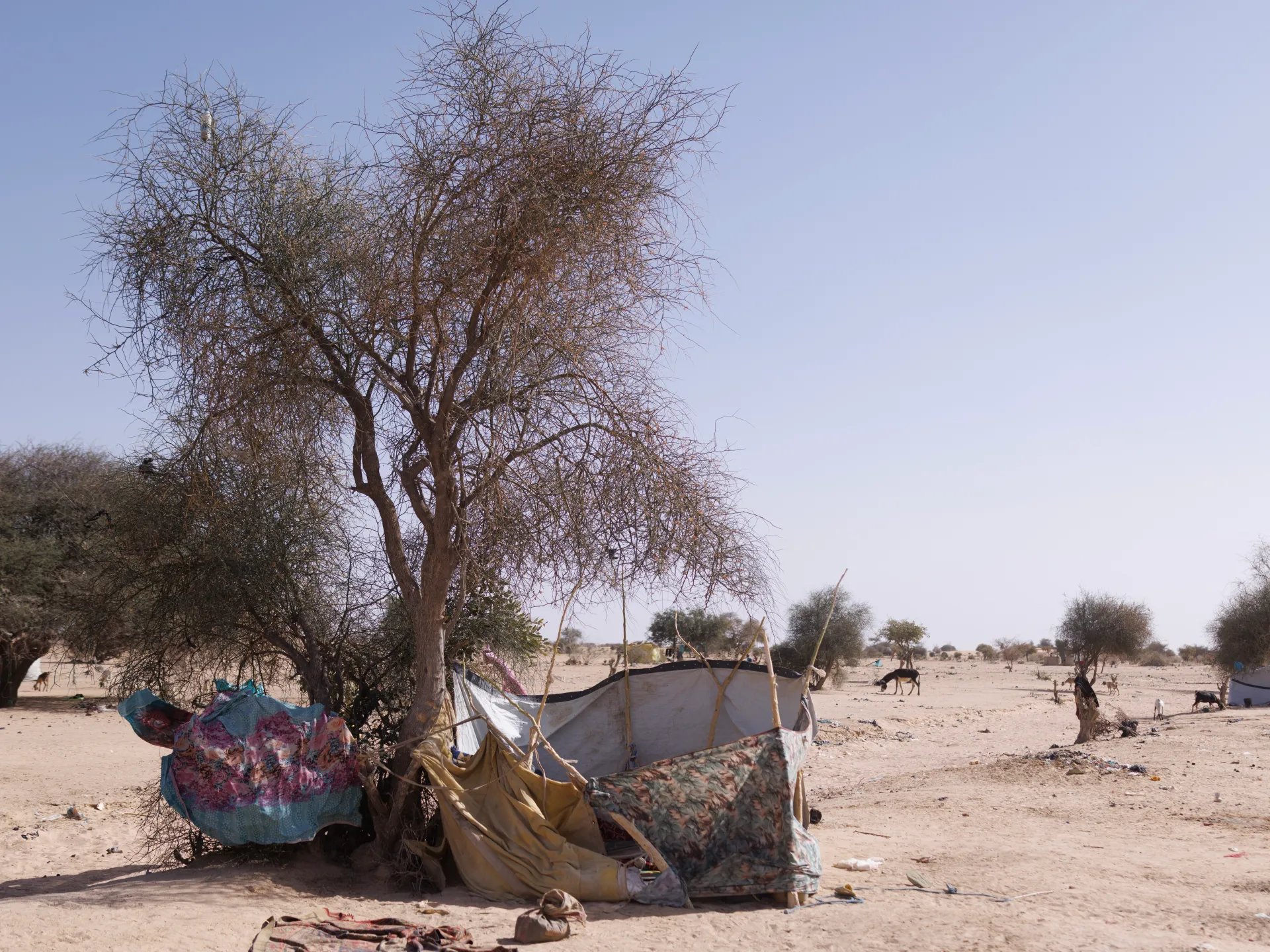
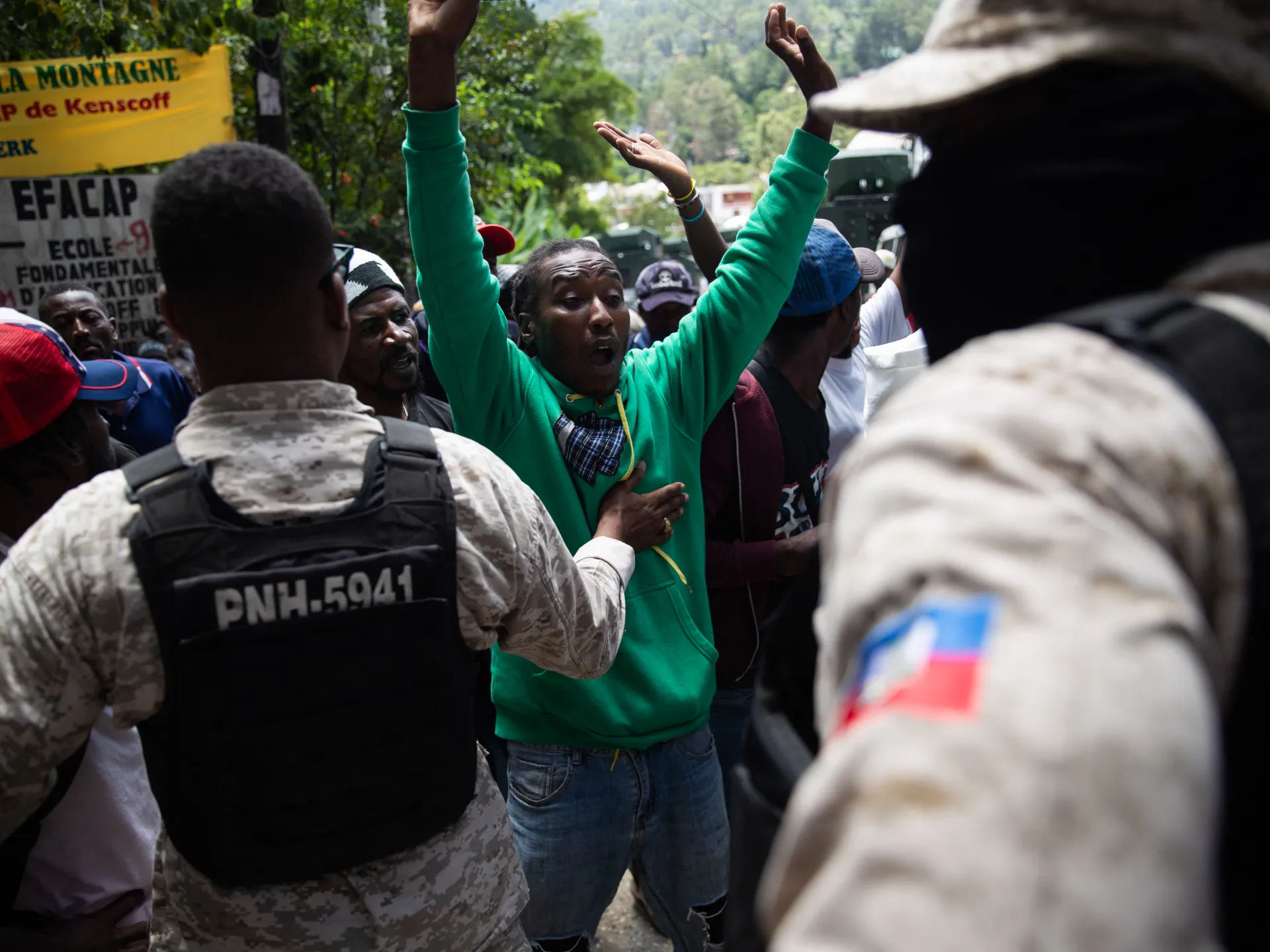
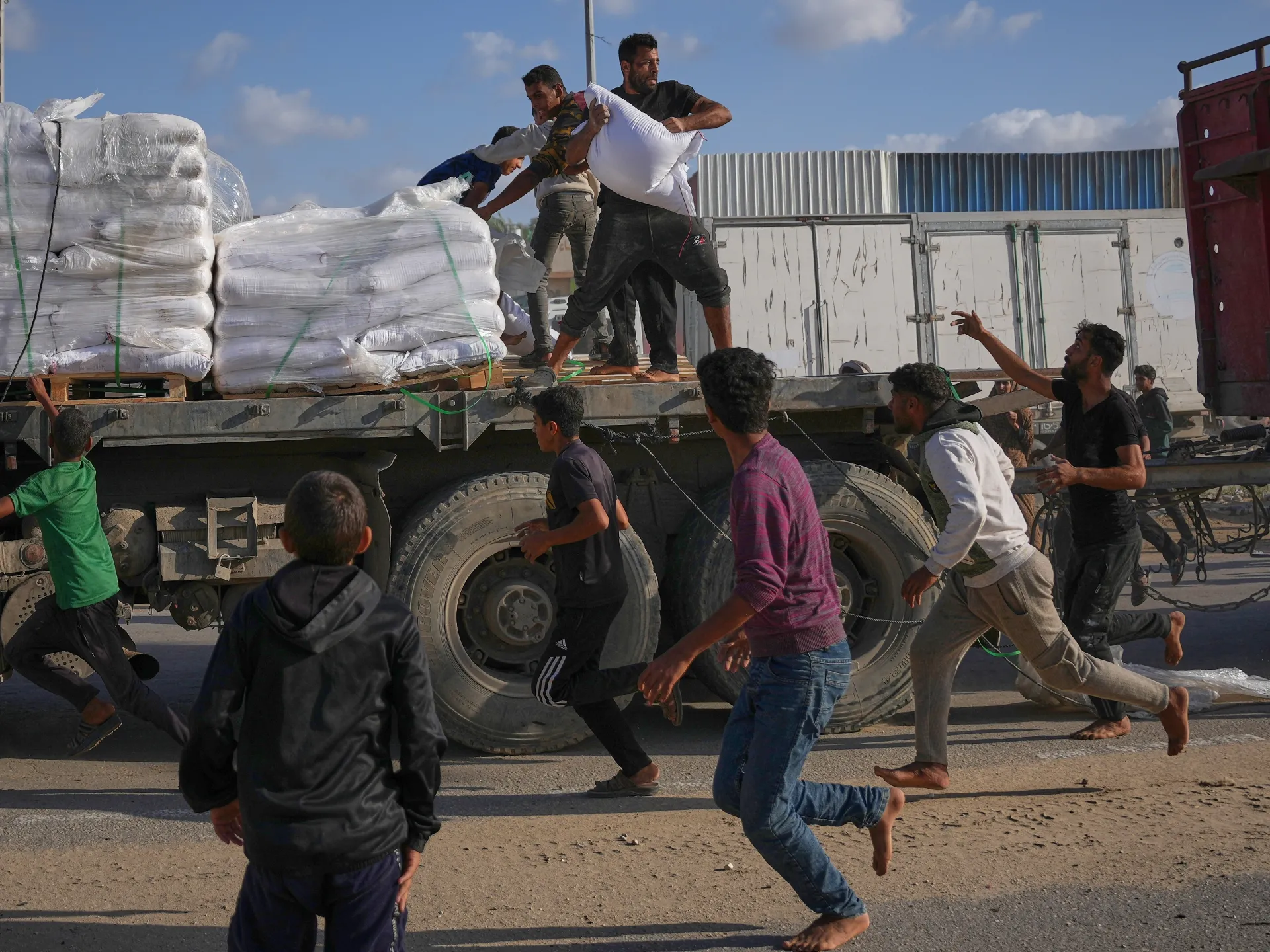
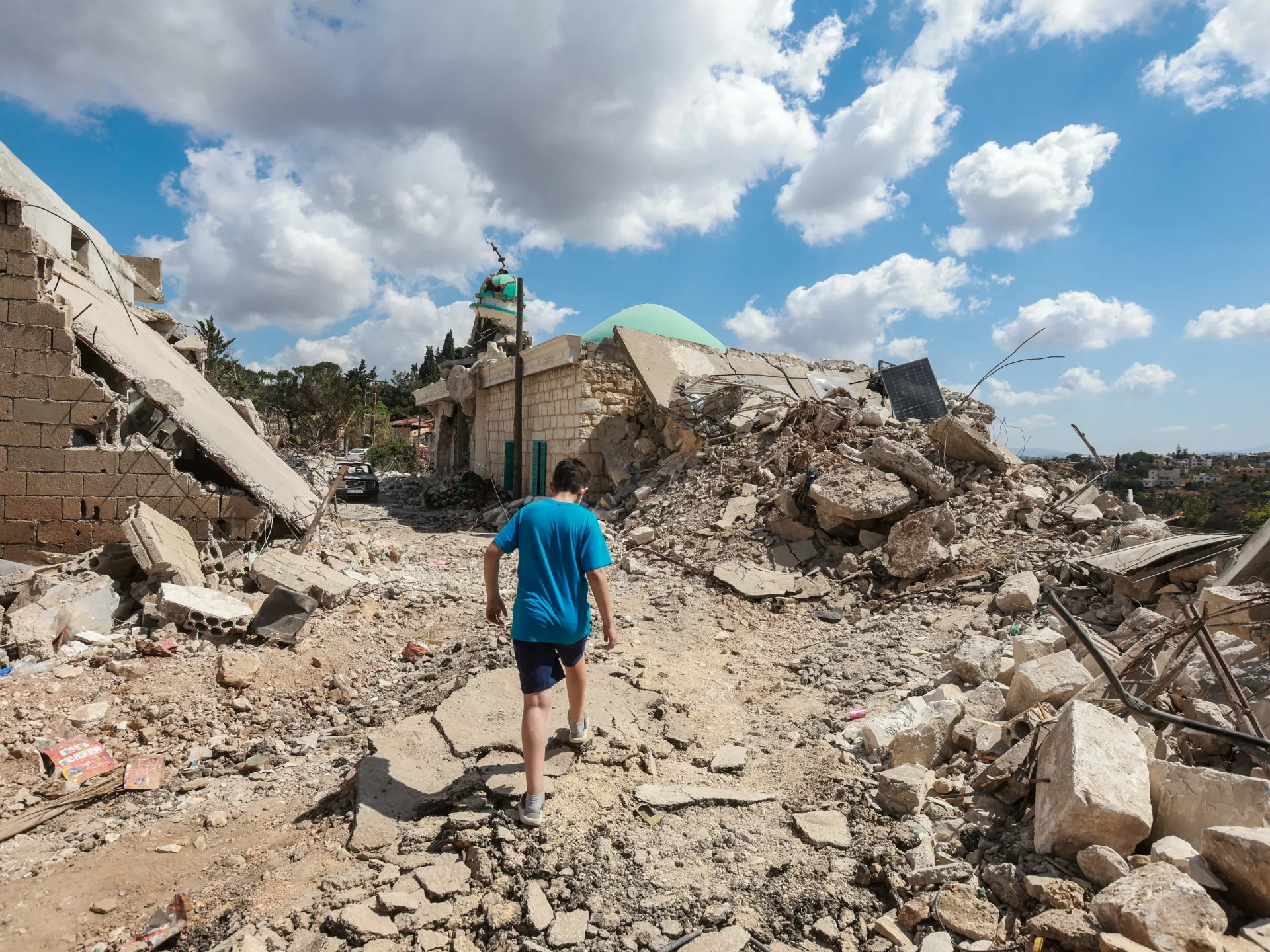
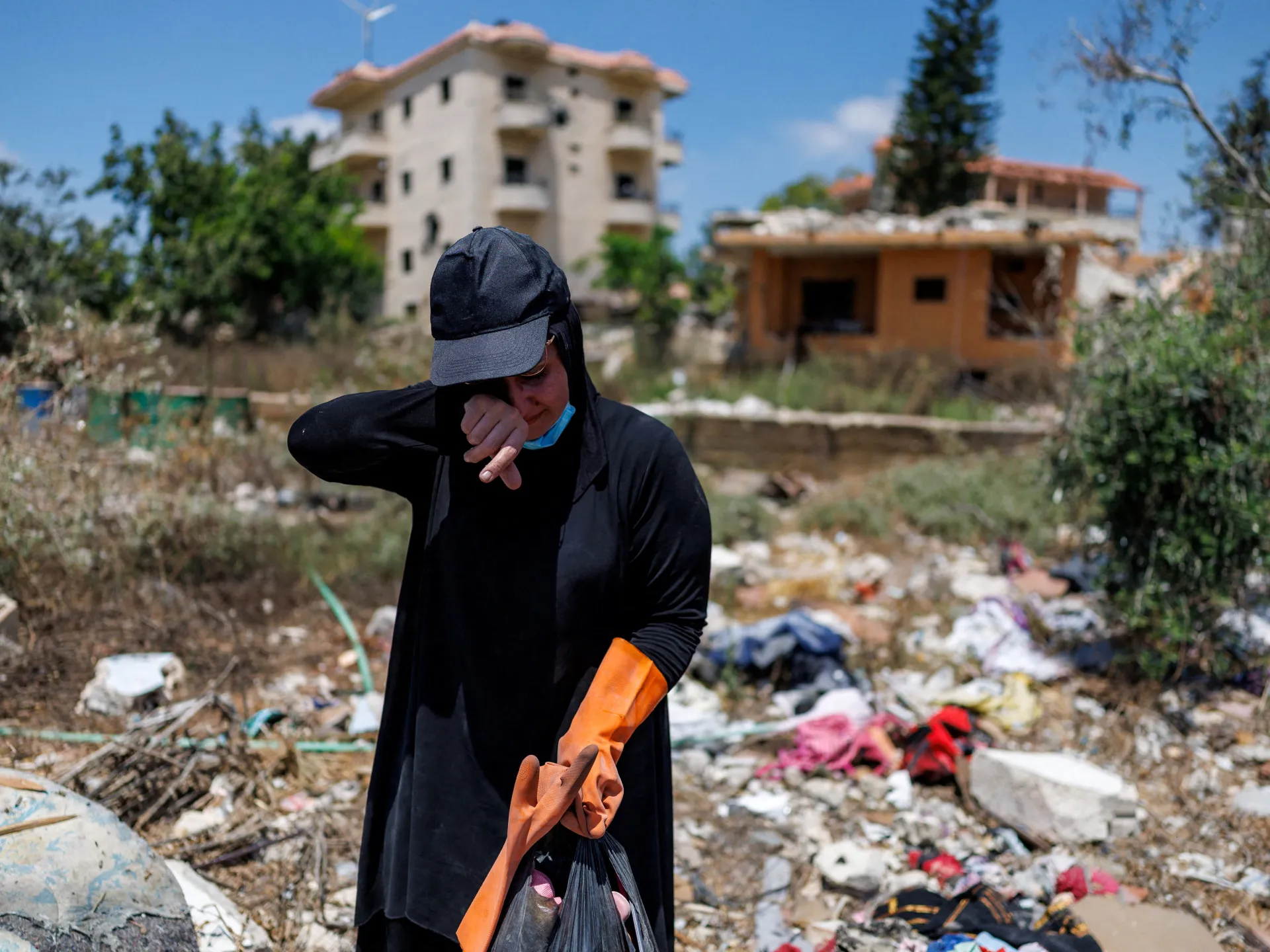
The human cost of the ongoing war in Yemen remains staggering. Data from the World Health Organization indicates that hundreds of lives have been lost in recent weeks alone, contributing to a total death toll that has reportedly surpassed 150,000 since the conflict escalated in 2015. The International Organization for Migration has reported widespread displacement, with families being forced to flee their homes repeatedly, often with nothing but the clothes on their backs. The UN has labeled the situation one of the world's most severe humanitarian crises, with millions in urgent need of aid.
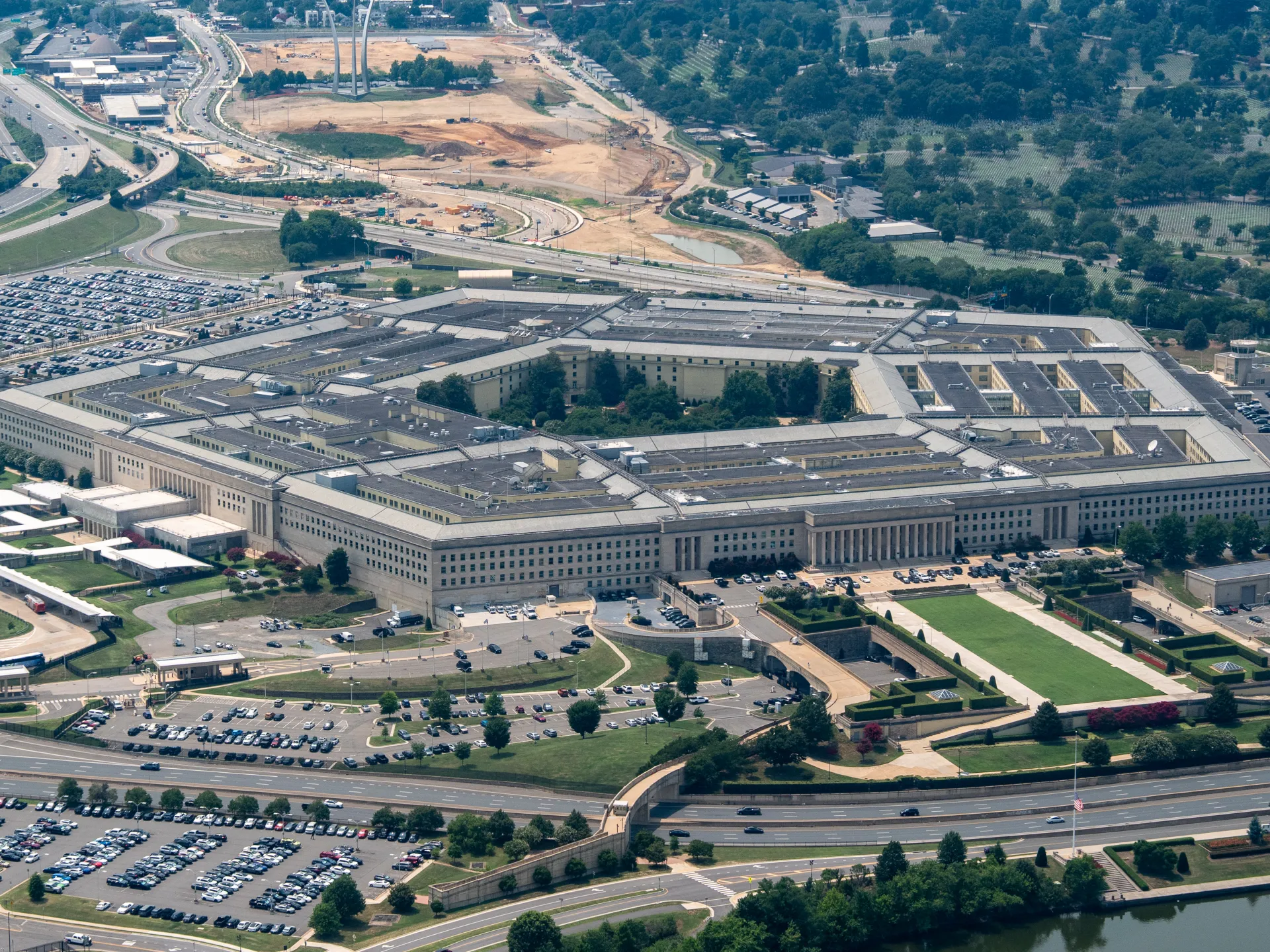
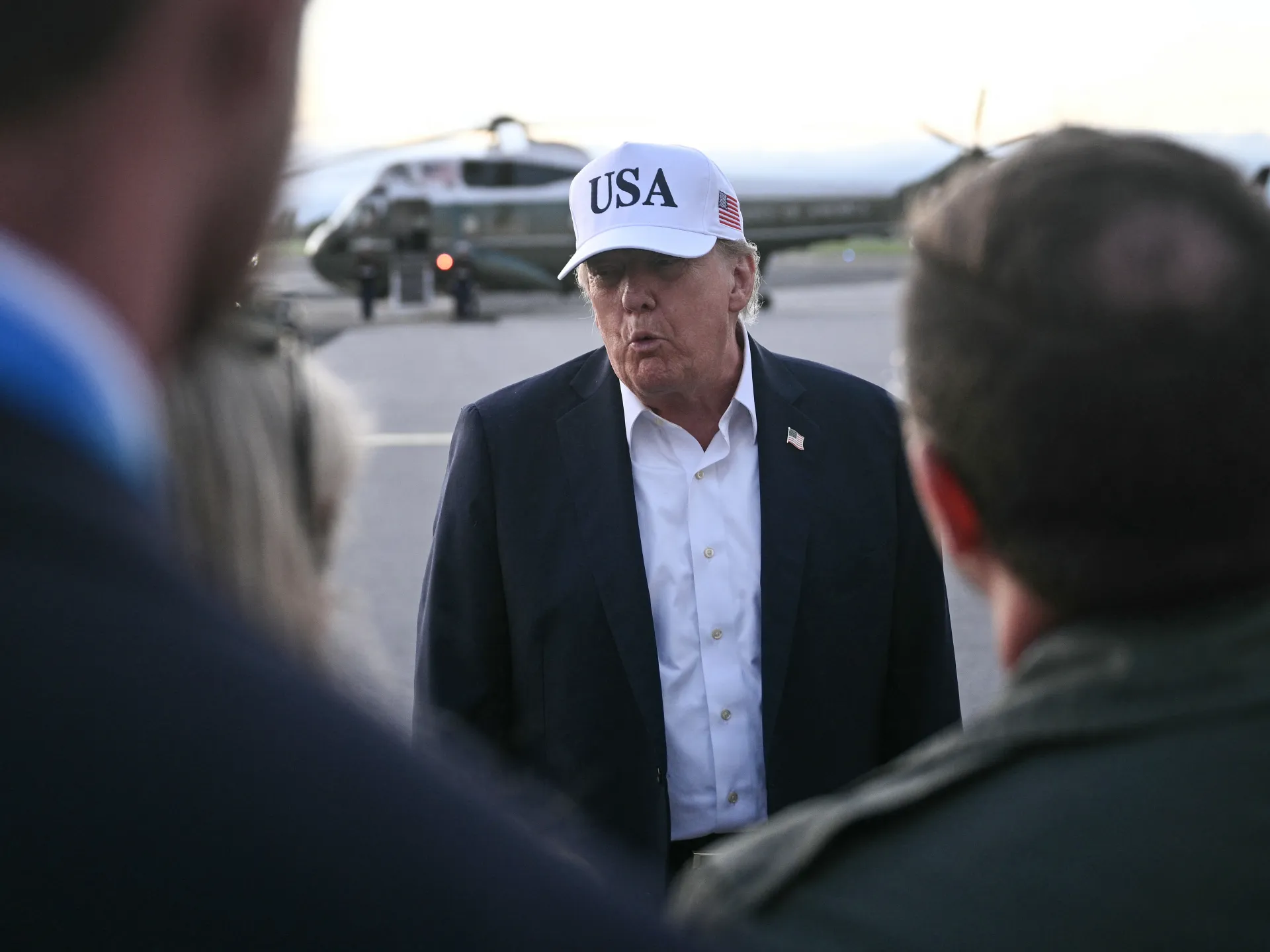
Diplomatic efforts are currently underway to manage the fallout. The UN Security Council held an emergency session to address the risks to freedom of navigation in the Red Sea, emphasizing the necessity of keeping global supply chains intact. Meanwhile, behind-the-scenes discussions continue between Saudi leadership and international partners, including the United States, regarding the best approach to ensure regional security. As the informal ceasefire that once provided a brief respite continues to unravel, the path toward a sustainable, peaceful resolution appears increasingly fraught with difficulty.